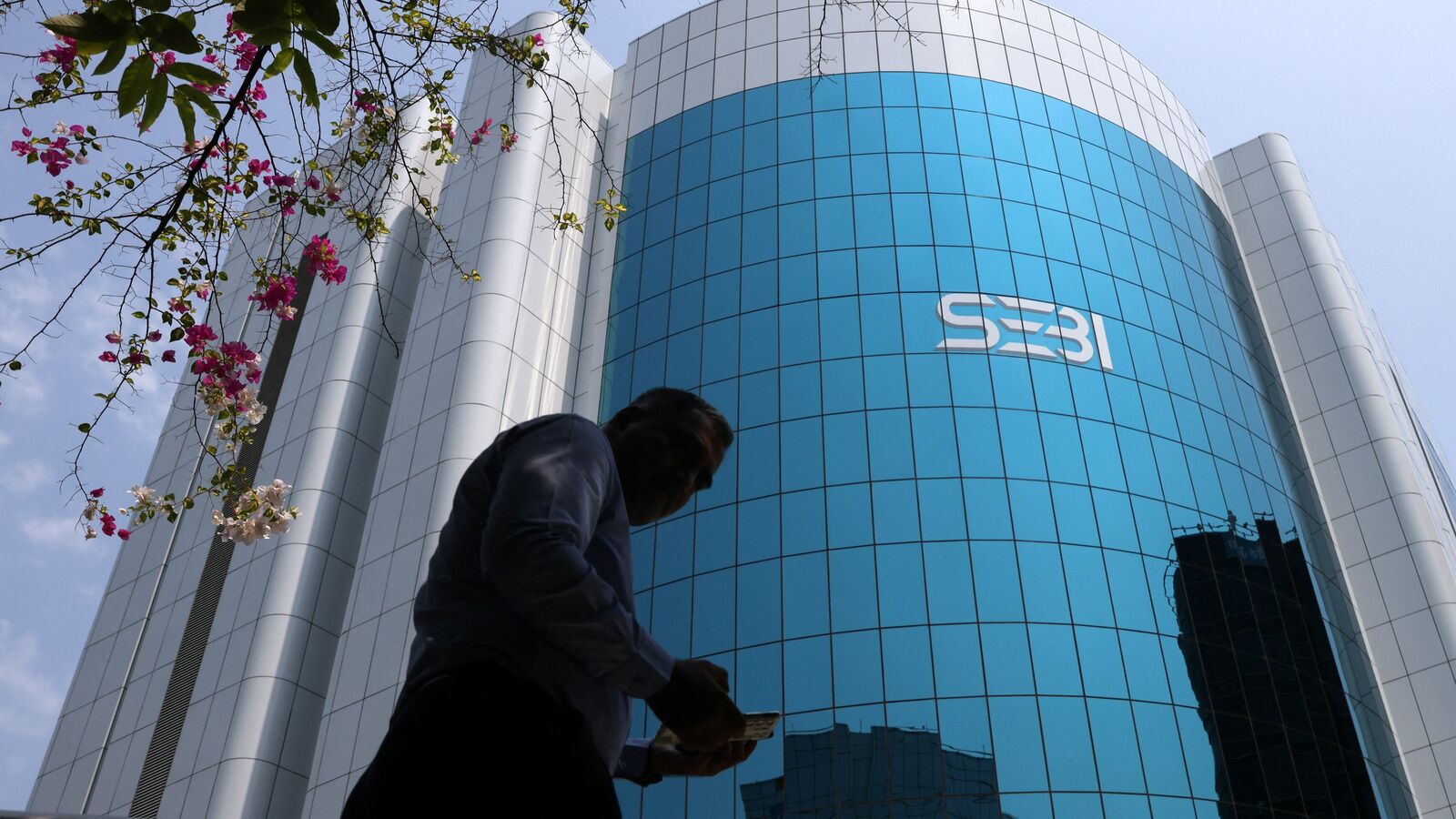

In a bid to improve liquidity and reduce refinancing pressures, the Securities and Exchange Board of India (SEBI) has proposed to allow additional ISINs to mature in a financial year and remove the requirement to list all outstanding unlisted non convertible debt securities.
The regulator has proposed increasing the maximum number of International Securities Identification Numbers (ISINs) that can mature in a financial year from 14 to 17 for privately placed debt securities. An ISIN is a unique 12-digit code used to identify a specific security issue globally.
ISIN limits
This would include up to 12 ISINs for plain vanilla debt securities and five for structured and market-linked instruments, including floating-rate bonds and zero-coupon bonds. Once the outstanding amount of plain vanilla debt maturing in a financial year reaches ₹15,000 crore, one additional ISIN would be permitted for every incremental ₹3,000 crore.
Further, certain categories such as Government of India-serviced bonds, extra-budgetary resources (EBR) bonds and ESG debt securities would be exempt from the ISIN cap in order to provide flexibility to public sector entities and improve the issuance of ESG-linked instruments.
“Since PSUs frequently issue EBR bonds on behalf of GoI, the prescribed ISIN caps constrain their ability to issue bonds for their own funding requirements. Therefore, exclusion of GoI/ EBR bonds from the prescribed ISIN caps would provide PSUs with adequate number of ISINs for their financing needs,” SEBI said in a draft paper on Monday.
Listing mandate
SEBI has also suggested doing away with the requirement for issuers to mandatorily list all outstanding unlisted non-convertible debt securities issued after January 1, 2024, at the time of the first listing. SEBI had introduced the mandate in September 2023, which came into effect from January 2024.
“Considering the significant cost and operational challenges involved in listing of already subscribed outstanding issues by a new issuer, dispensing with the said requirement shall encourage listing of debt securities,” SEBI said, inviting public comments by August 31.
The listing of past issuances would be left to the discretion of the issuer. However, the mandate to list all subsequent issuances would remain.
These relaxations are aimed at improving listed debt issuances as SEBI’s data showed that listed debt issuances as a percentage of total debt issuances has declined from 80.81 per cent as of September 2023 to 76.55 per cent as of June 30.
The proposed changes follow feedback from market participants, who raised concerns that the existing ISIN limits could lead to bunching of liabilities and refinancing risks, particularly for non-banking financial companies.
Published on August 10, 2026