We will venture into the merits of debt instruments, but before that let us understand what debt instruments are.
What are debt products?
Also known as fixed-income securities, debt instruments are issued by the government, government entities and statutory bodies, corporate bodies and financial institutions. Bond, debentures, treasury bills, commercial papers, certificates of deposits and government securities all are debt instruments.
Equity products on the other hand is ownership in a company. When you buy equity, usually in the form of shares, you become a partial owner of that business. Stock market investments are all equity assets.
Debt vs equity
|
Asset type |
Meaning |
Returns |
Risk level |
Nature of Involvement |
Income type |
Priority in payment |
Volatility |
Goal |
|
Debt |
Represents a loan given to an issuer. |
Fixed or predictable; generally lower but stable. |
Lower risk, especially in government-backed or high-rated instruments |
You are a lender; no ownership rights. |
Interest income at fixed intervals. |
Paid before equity holders, making it relatively safer. |
Comparatively stable. |
Suitable for short- to medium-term goals and capital preservation. |
|
Equity |
Represents ownership in a company. |
Variable and market-linked; can be high but uncertain. |
Higher risk due to market fluctuations. . |
You become a part-owner of the company. |
Dividends (not guaranteed) + capital appreciation. |
Paid last in case of liquidation. |
Highly volatile in the short term |
Best for long-term wealth creation |
Merits, demerits of debt products
Debt instruments
Stable and predictable returns: Most debt products offer fixed or relatively steady returns, making them suitable for conservative investors.
Lower risk: They are less volatile than stocks, helping preserve capital during market fluctuations.
Regular income: Certain instruments like bonds provide periodic interest payouts, useful for income planning.
High liquidity: Products like liquid funds or short-term bonds can be easily redeemed, making them suitable for emergency funds.
Portfolio diversification: Adding debt balances equity exposure and reduces overall portfolio risk.
Capital protection: Government-backed options and high-rated bonds offer strong safety of principal.
Limitations of debt instruments
Lower returns: Over the long term, debt instruments generally underperform equities, limiting wealth creation.
Inflation risk: Fixed returns may not keep pace with inflation, reducing real returns.
Interest rate risk: Bond prices fall when interest rates rise, impacting returns if sold before maturity.
Credit risk: Corporate bonds and some NBFC deposits carry the risk of default.
Taxation impact: Interest income is often taxed as per your income slab, which can reduce net returns.
Why should debt products still be part of your portfolio?
Traditionally the most commonly used saving instruments, debt products have now lost a lot of their charm among the new-age investors because of, what financial planners refer to as, “limitations”. For young investors the lure of equities often overshadows the virtues of debt instruments because the merits of an asset are mostly determined solely by returns.
While returns are the primary metric, it would be unrealistic to expect equities to constantly dazzle with mega returns. By their very character, equity instruments are highly volatile and can deplete your wealth tremendously each time they enter the red zone. In case equities are your only resort, it might be really tricky to get through a rough patch during phases of market volatility.
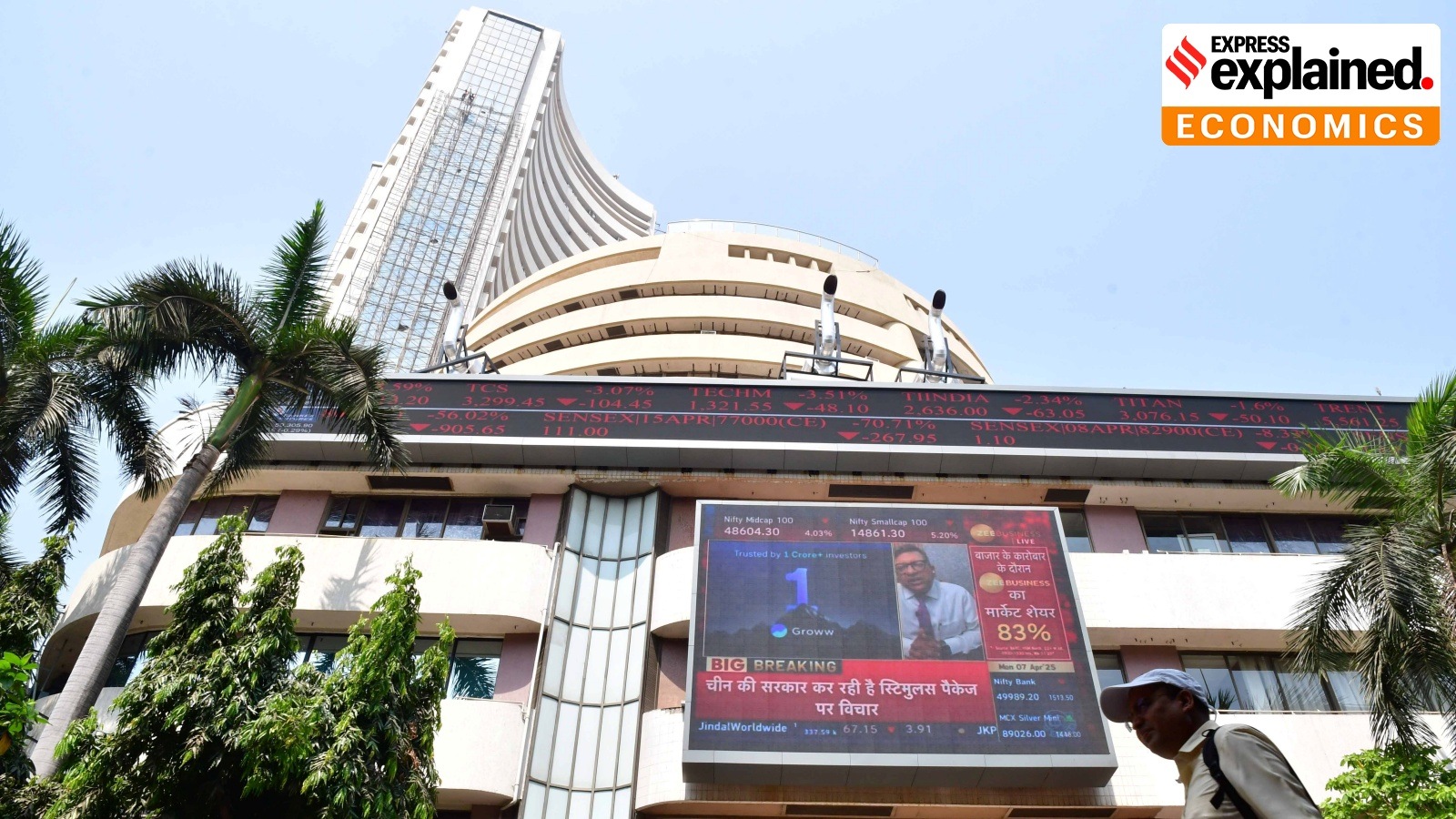
For instance, during the global financial crisis of 2008, the BSE Sensex fell over 50 per cent. Meanwhile, government bonds and high-quality debt funds delivered positive or stable returns, protecting investors from heavy losses.A similar trend was evident at the onset of the pandemic, when equities saw a steep fall in early 2020. Debt instruments, especially liquid funds and government securities, remained relatively stable and even provided modest returns while markets were volatile.
These examples make it safe to say that debt instruments act as a protection shield to hedge losses when markets behave erratically. While traditional frameworks like the 60/40 rule exist, younger investors often tilt more towards equity, with a smaller debt allocation. But, understanding and leveraging debt instruments is fundamental for investors to ensure stability, risk management, safety, regular income and inflation protection. In essence, there is no denying that diversification remains central to building a well-rounded investment portfolio that promises long-term wealth creation along with stability. The fact that debt products have low correlation with equity markets adds another layer of diversification.
FAQs
Who issues debt instruments in India?
The government and its agencies, private and public sector units, companies and financial institutions issue debt instruments in India.
What are some of the common debt products in India?
Some common debt products in India include:
-
Fixed deposits -
Recurring deposits -
Public Provident Fund -
Employee Provident Fund -
Government securities -
Corporate bonds and debentures -
Debt mutual funds -
National Savings Certificate
Why do young investors need debt if equity gives higher returns?
Equity may deliver higher returns over time, but it is volatile. Debt provides stability, liquidity, and downside protection, helping investors stay invested during market fluctuations.
What percentage of debt should a young investor ideally hold?
There is no fixed rule, but many investors keep 10-30 per cent in debt depending on risk appetite, financial goals and income stability.
Are debt instruments completely risk-free?
While government-backed securities are relatively safe, other instruments like corporate bonds or NBFC deposits carry credit and interest rate risks.
Can debt instruments beat equity returns?
During market downturns or over short timeframes, debt instruments can outperform equities by preserving capital and delivering stable returns.
Which debt instruments are best for beginners in India?
Simple and low-risk options like fixed deposits, Public Provident Fund and liquid or short-term debt mutual funds are commonly preferred by beginners.
How do debt instruments help during market crashes?
They act as a cushion. While equities may fall sharply, debt investments tend to remain stable, helping reduce overall portfolio losses.