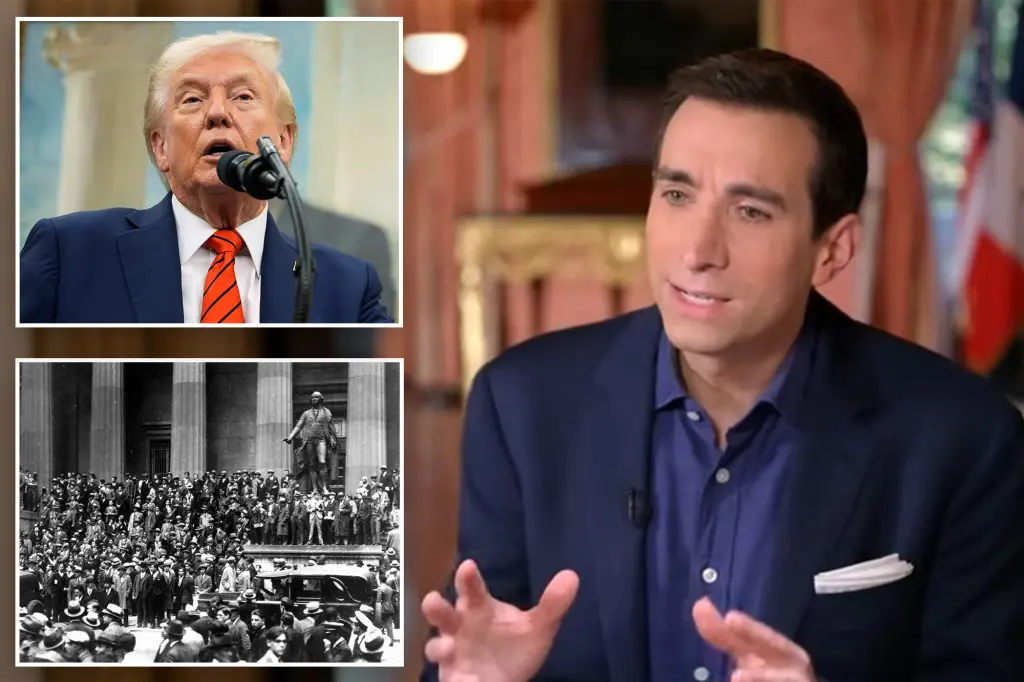
Australia’s retired baby boomers have the most to lose from the share market crash sparked by Donald Trump‘s tariffs, but home buyers could be in for a surprise bonus, a tax expert says.
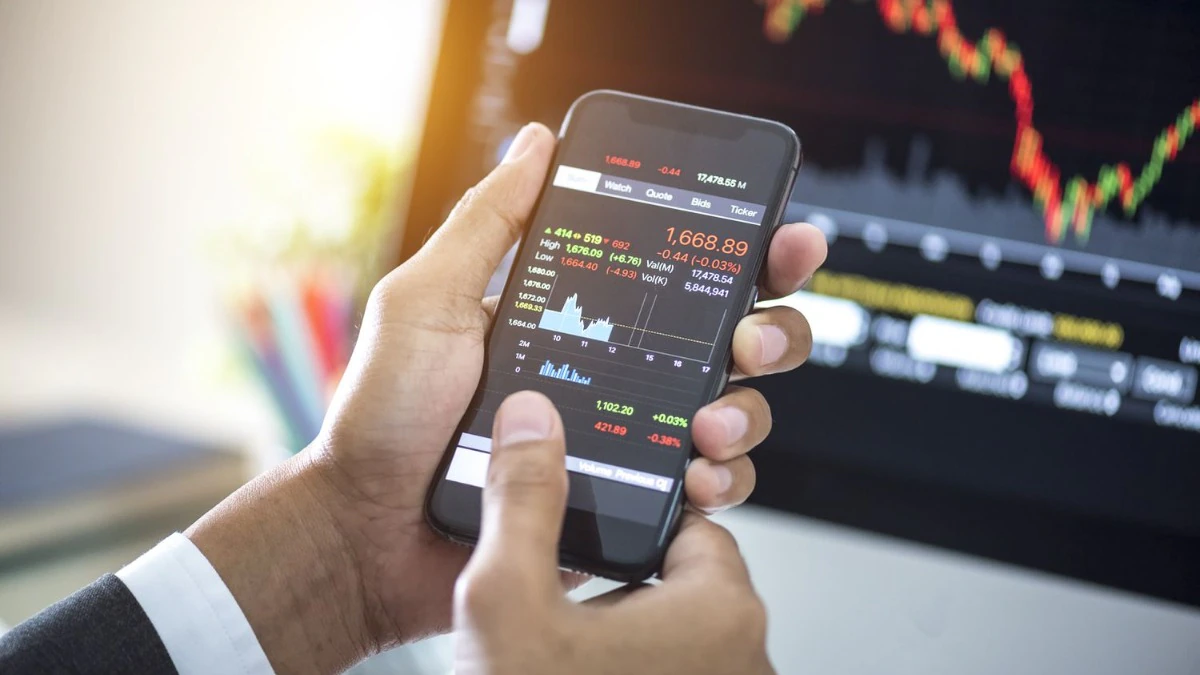
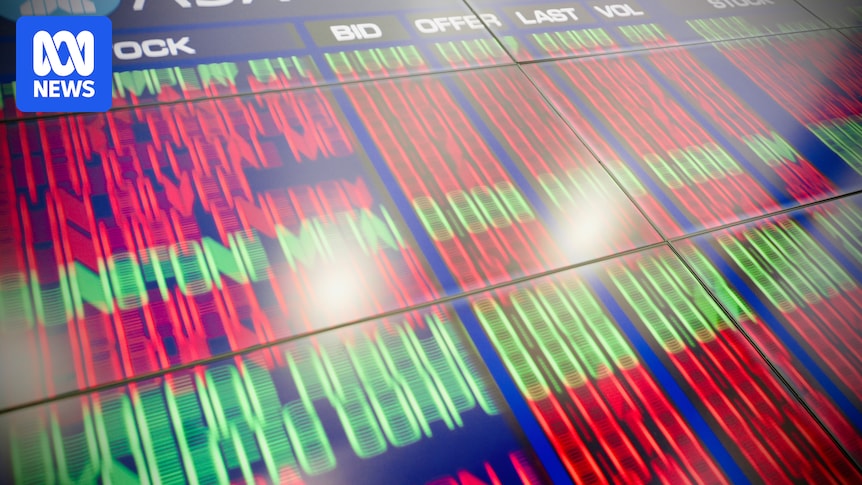
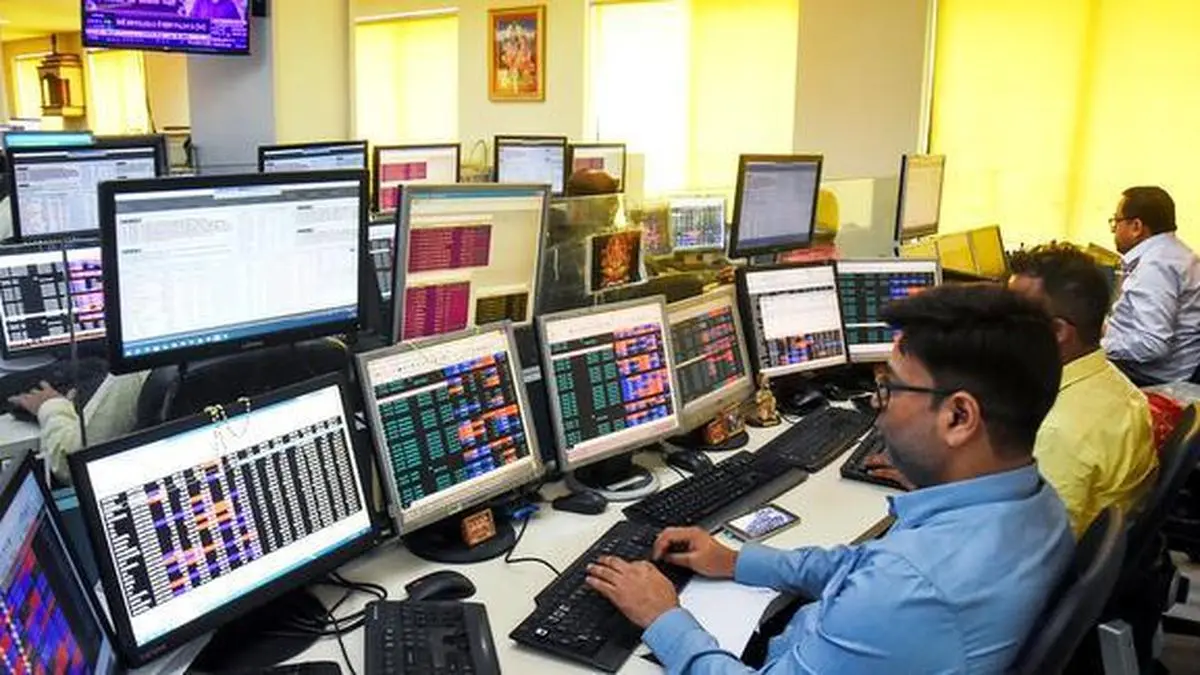
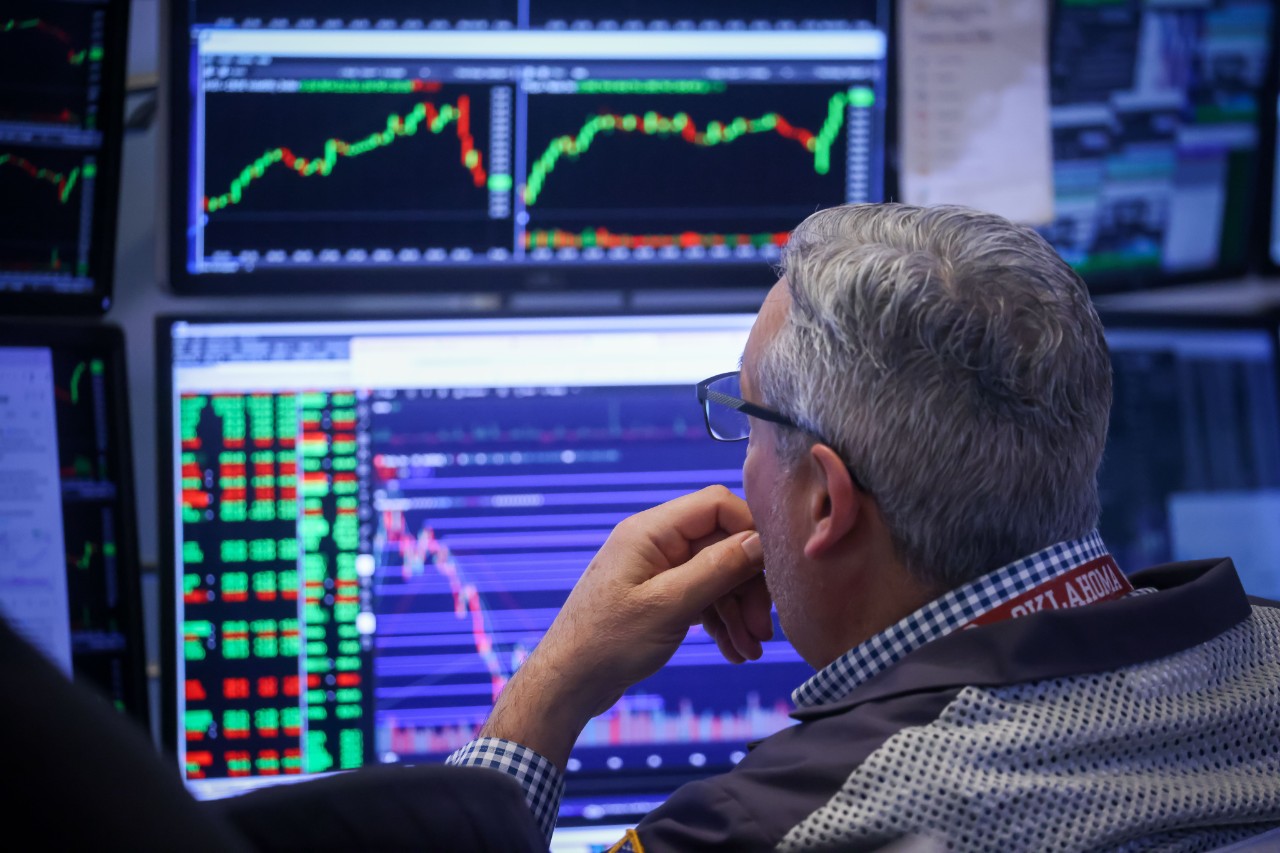
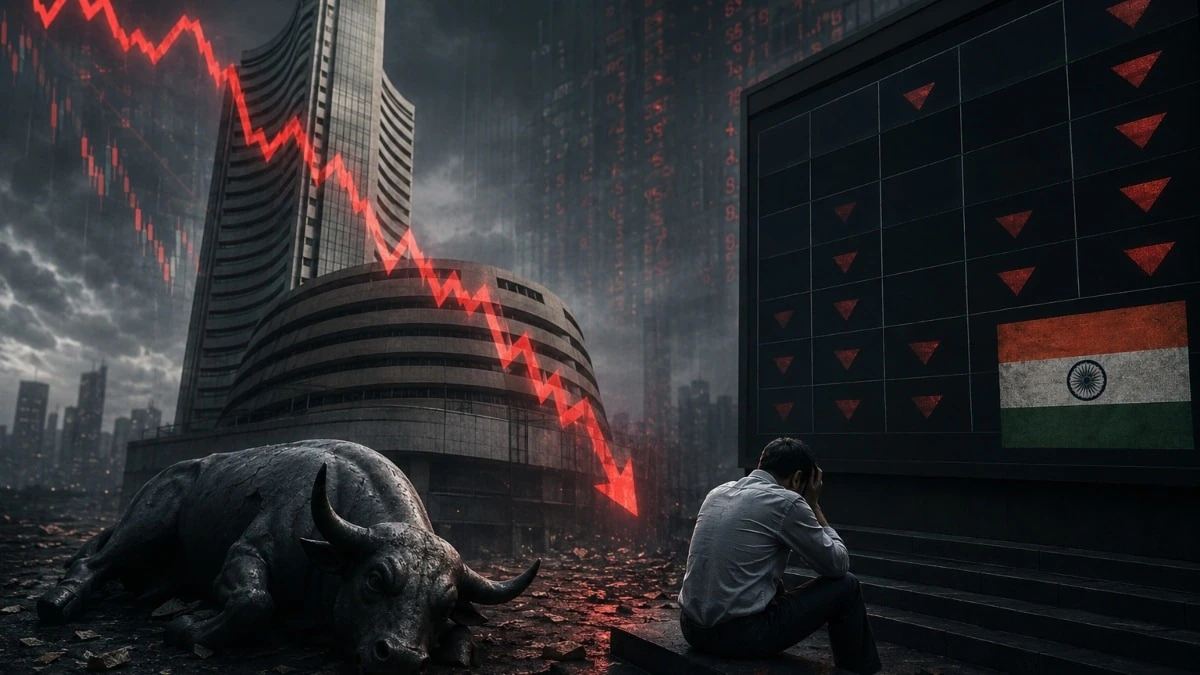
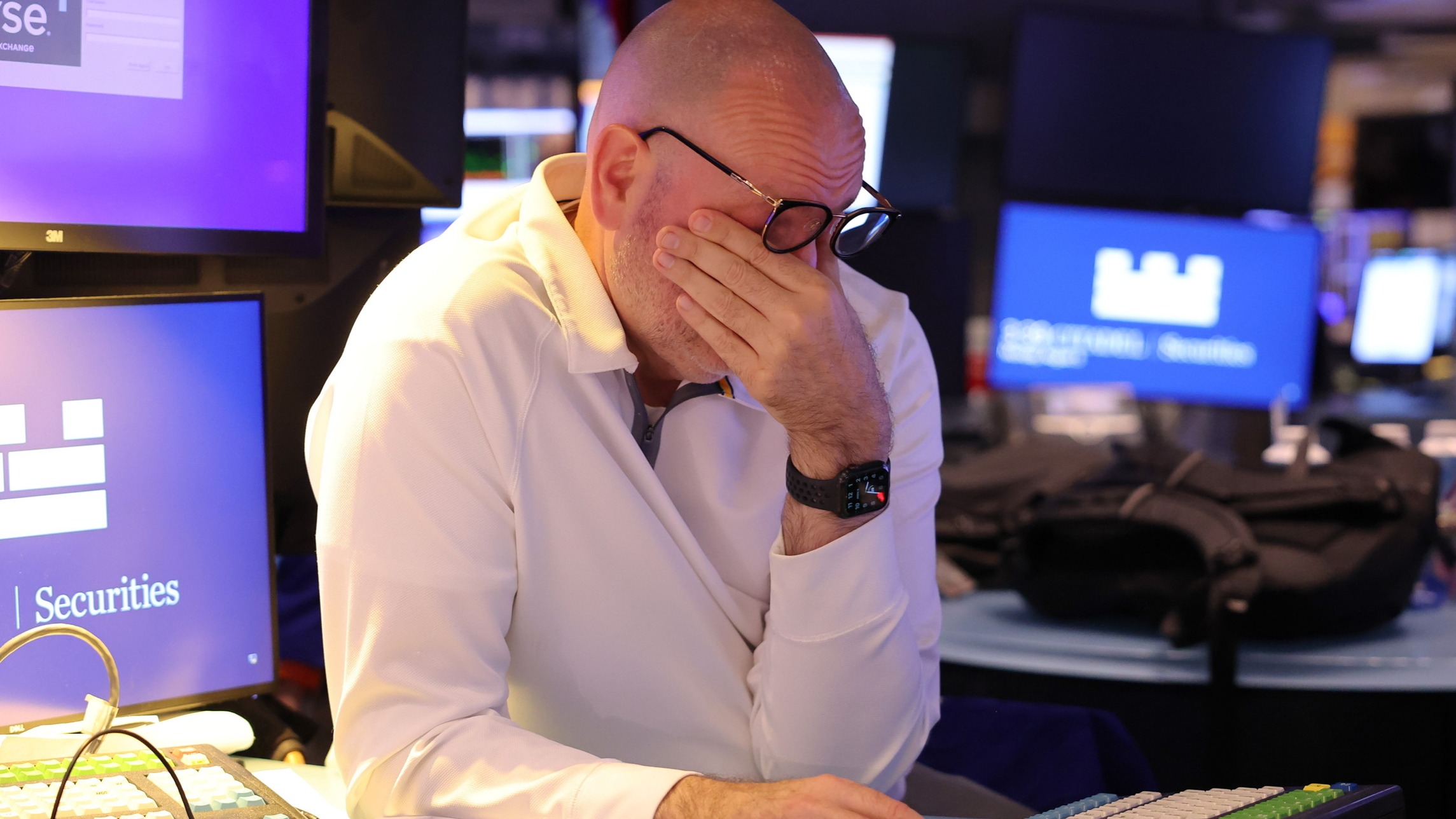
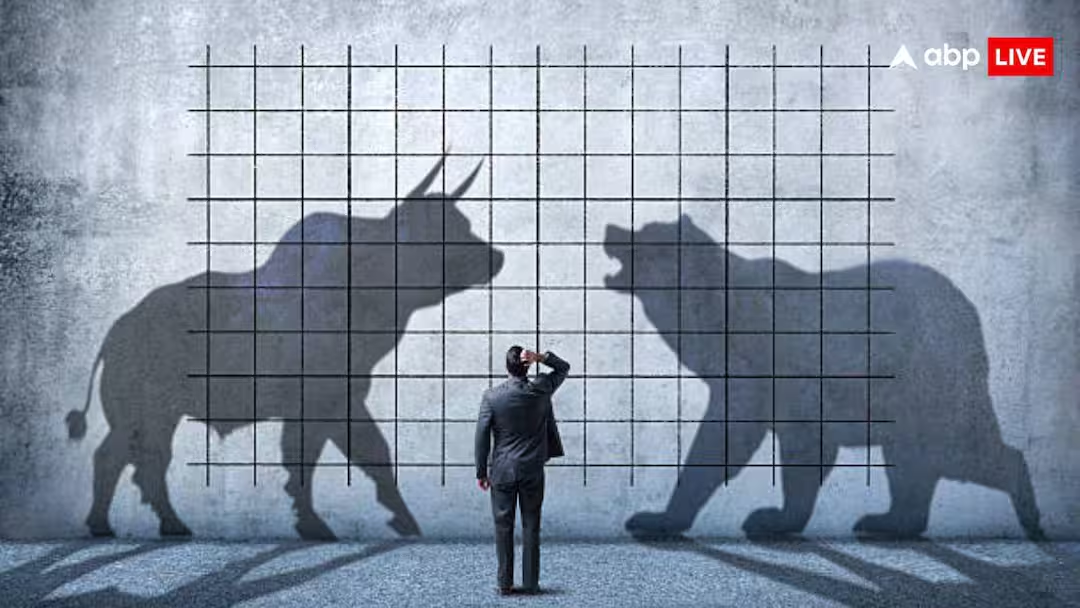
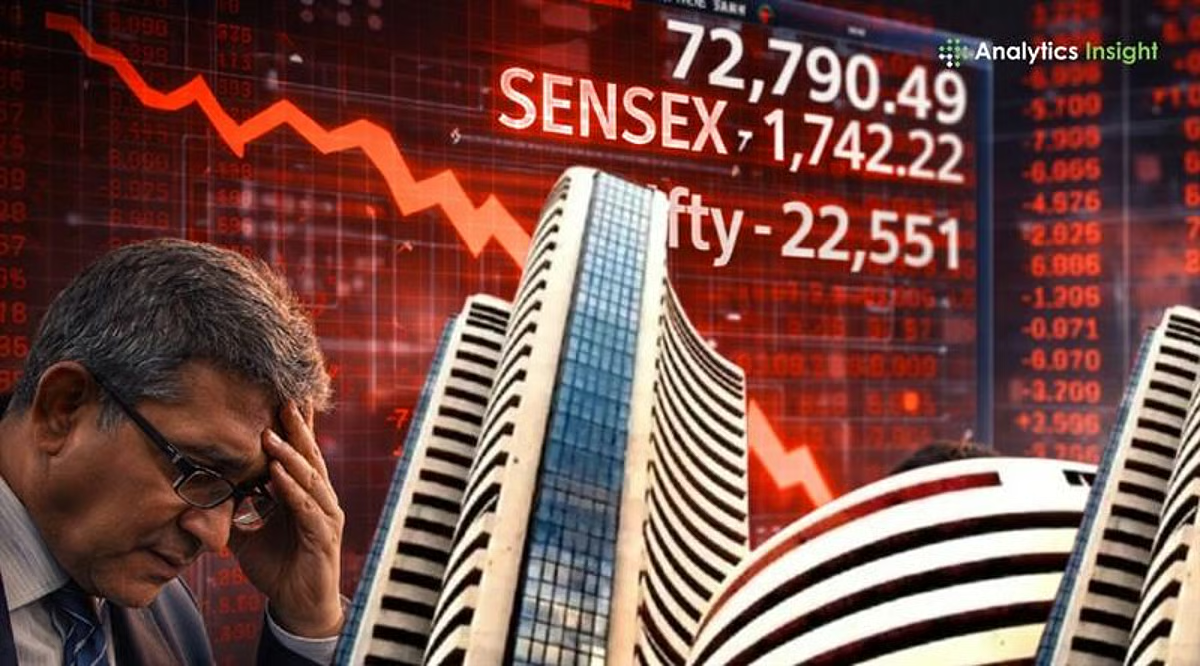
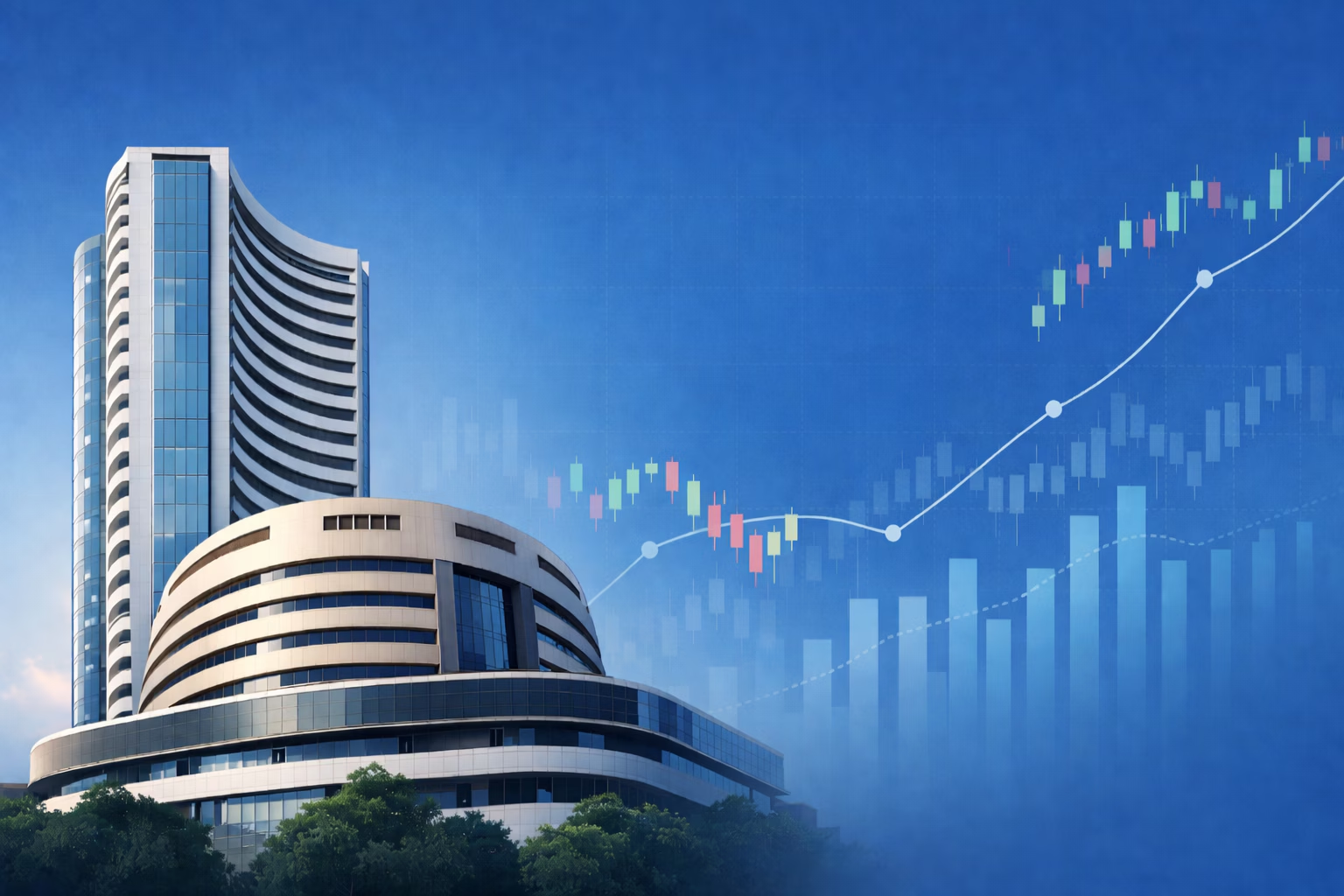
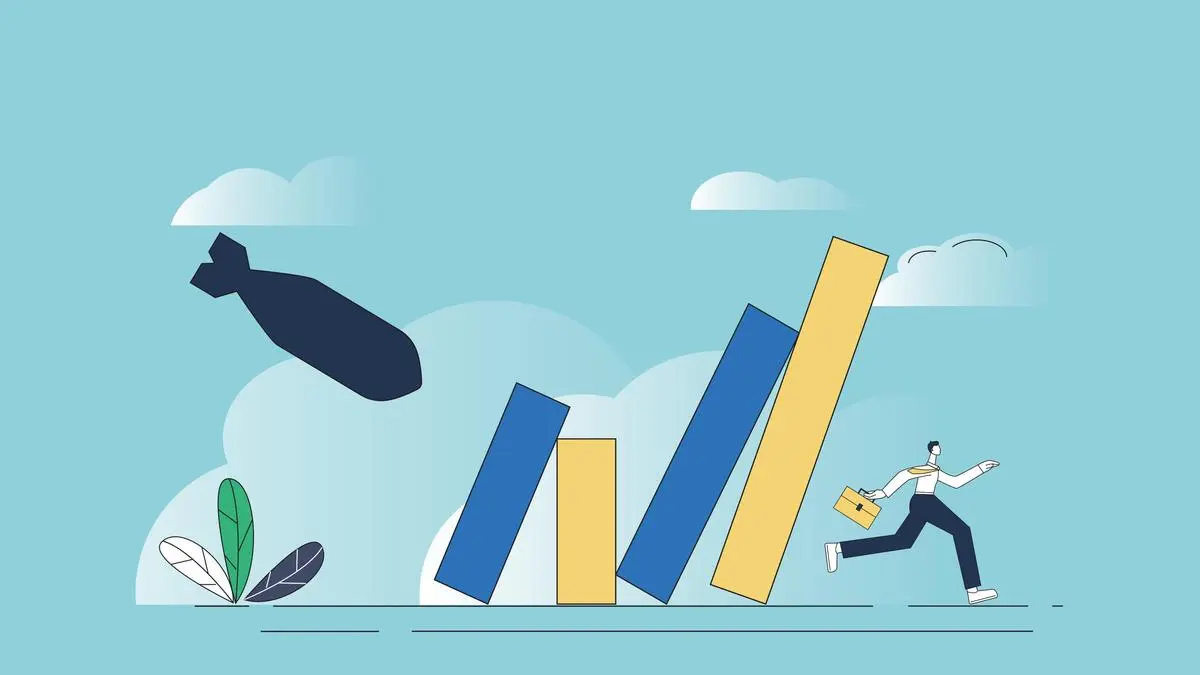
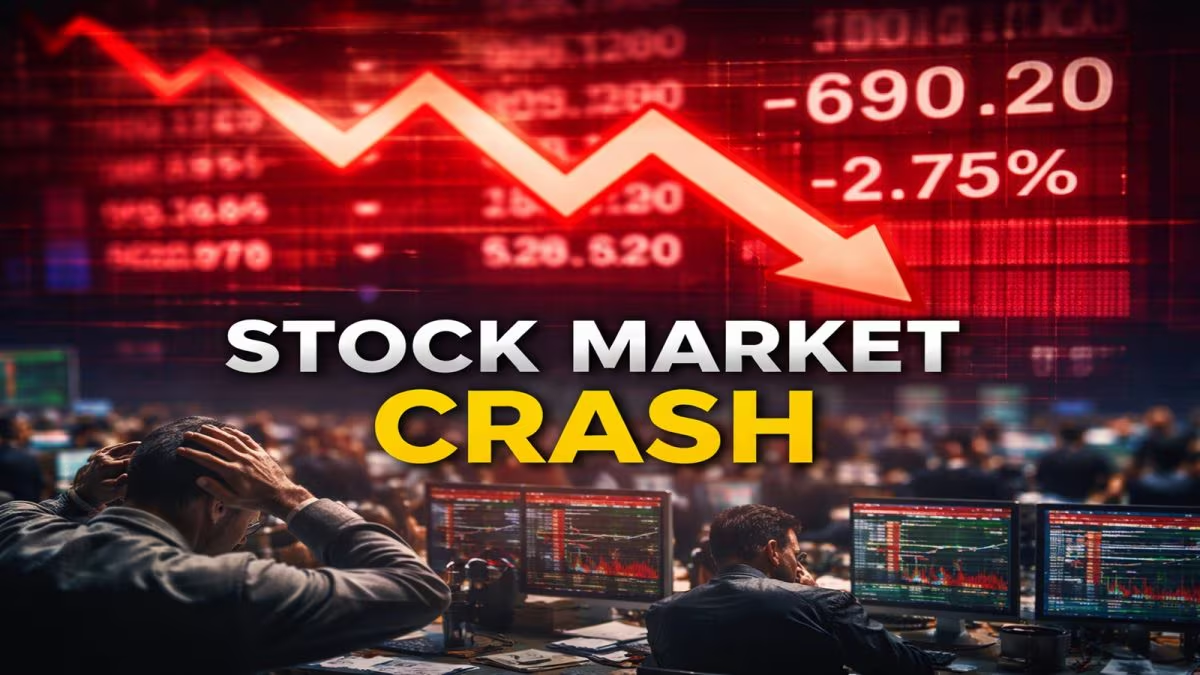
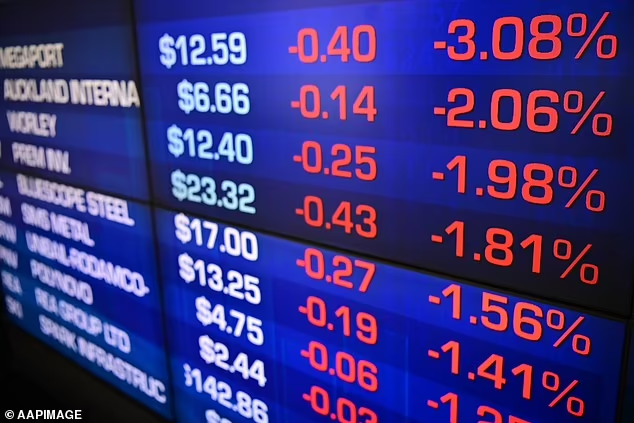
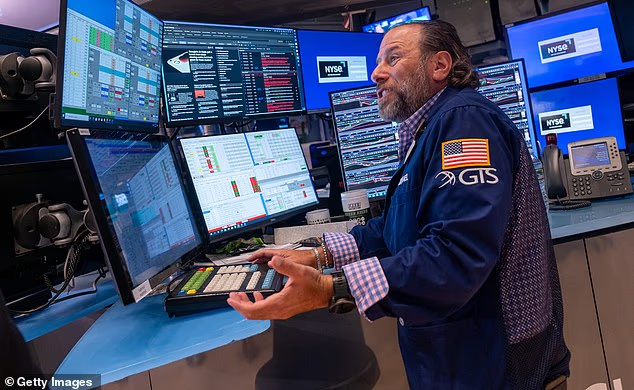
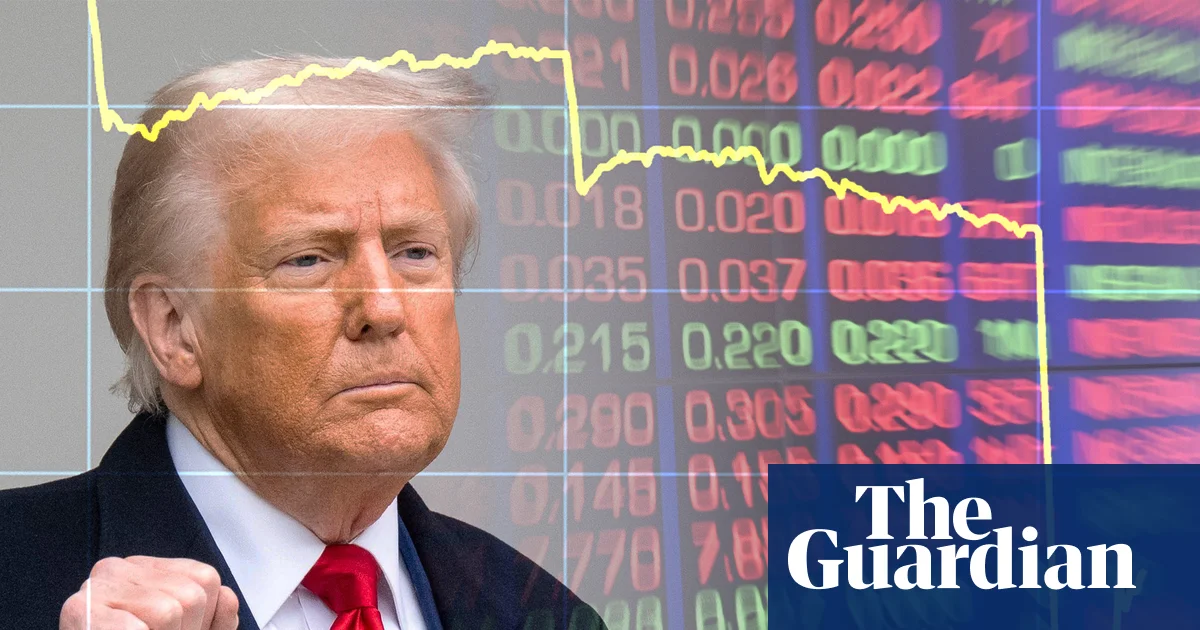
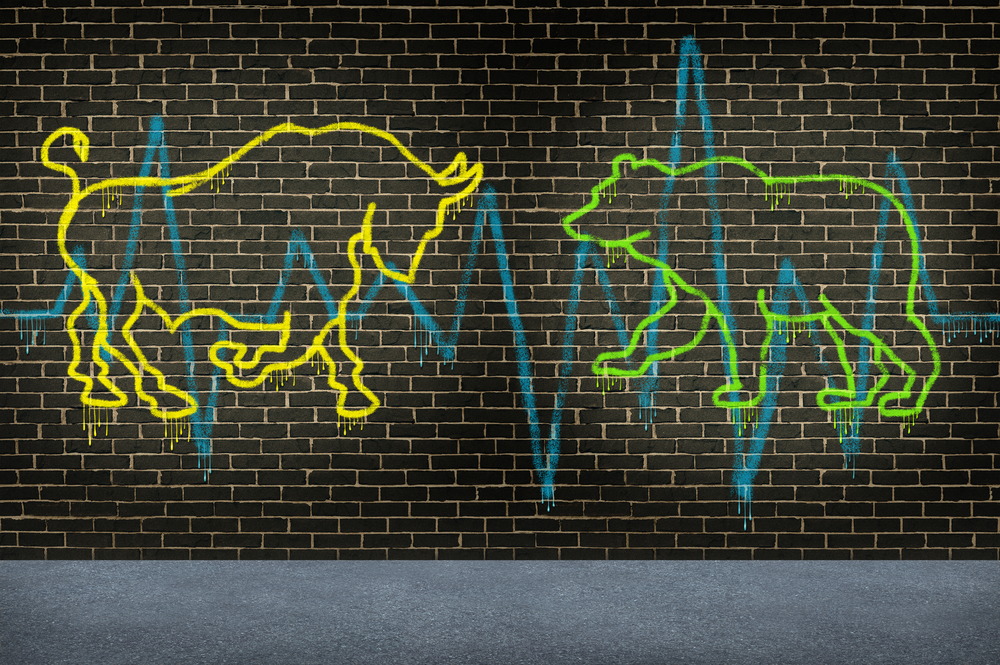
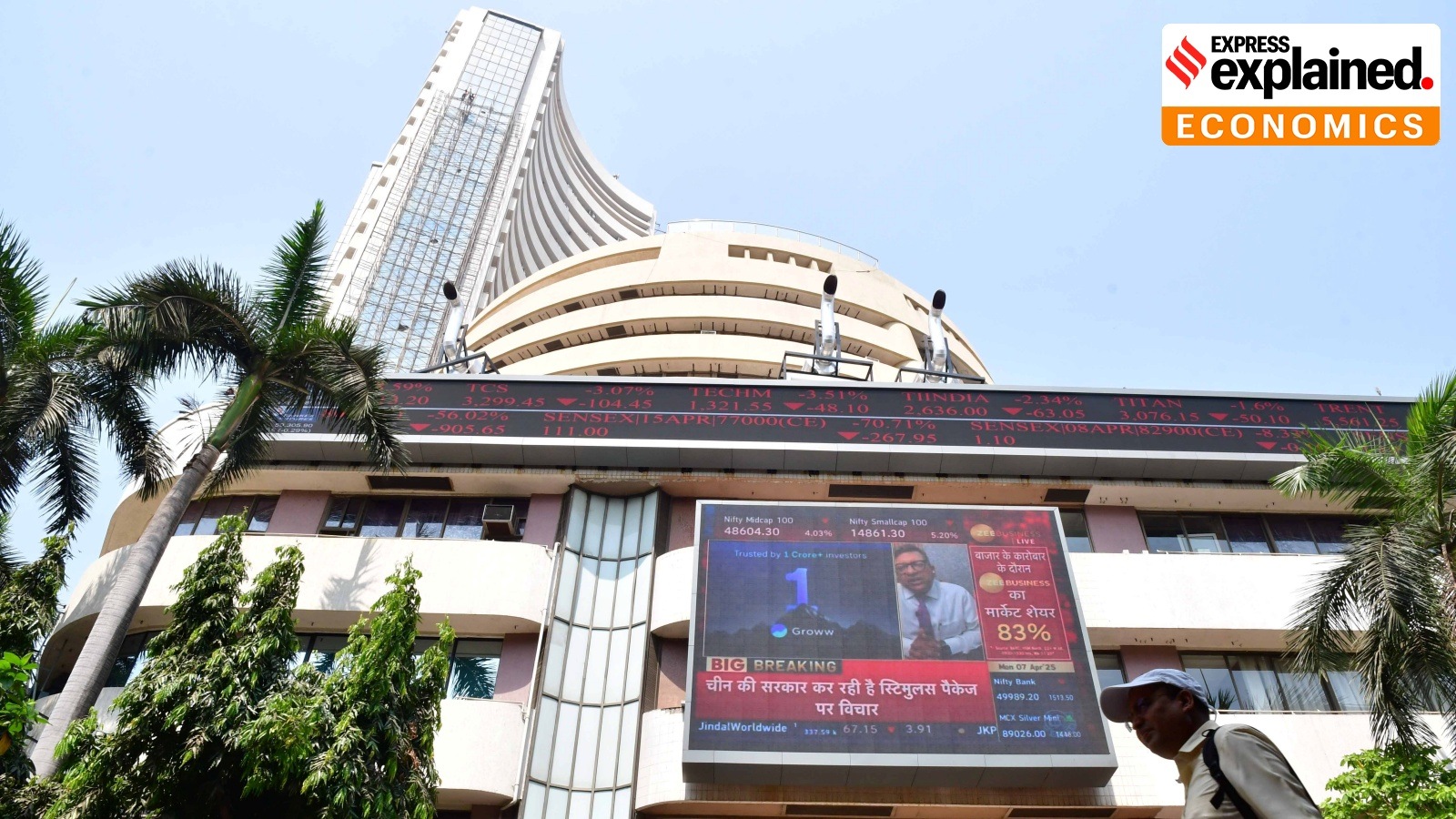
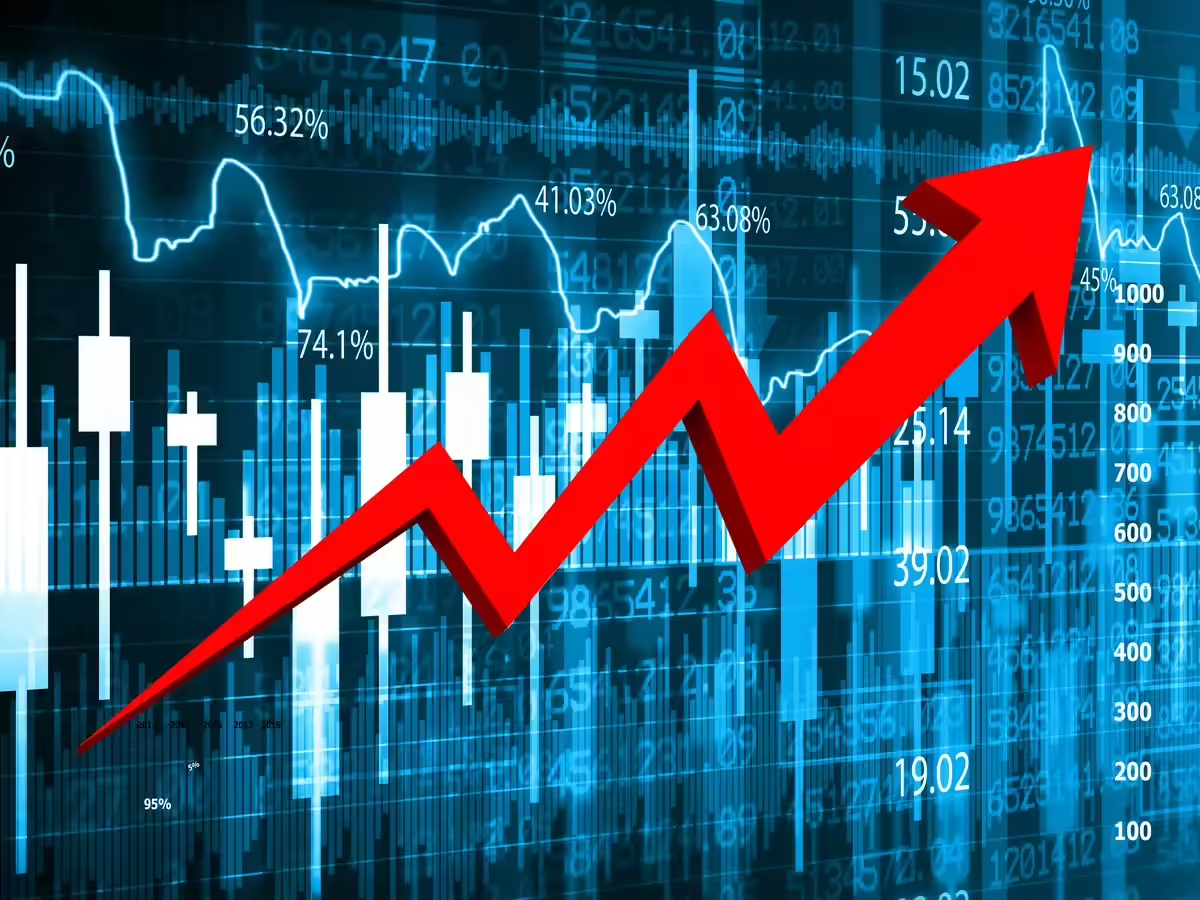
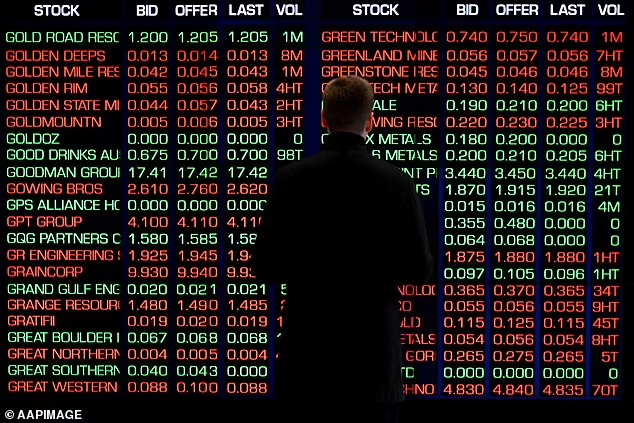
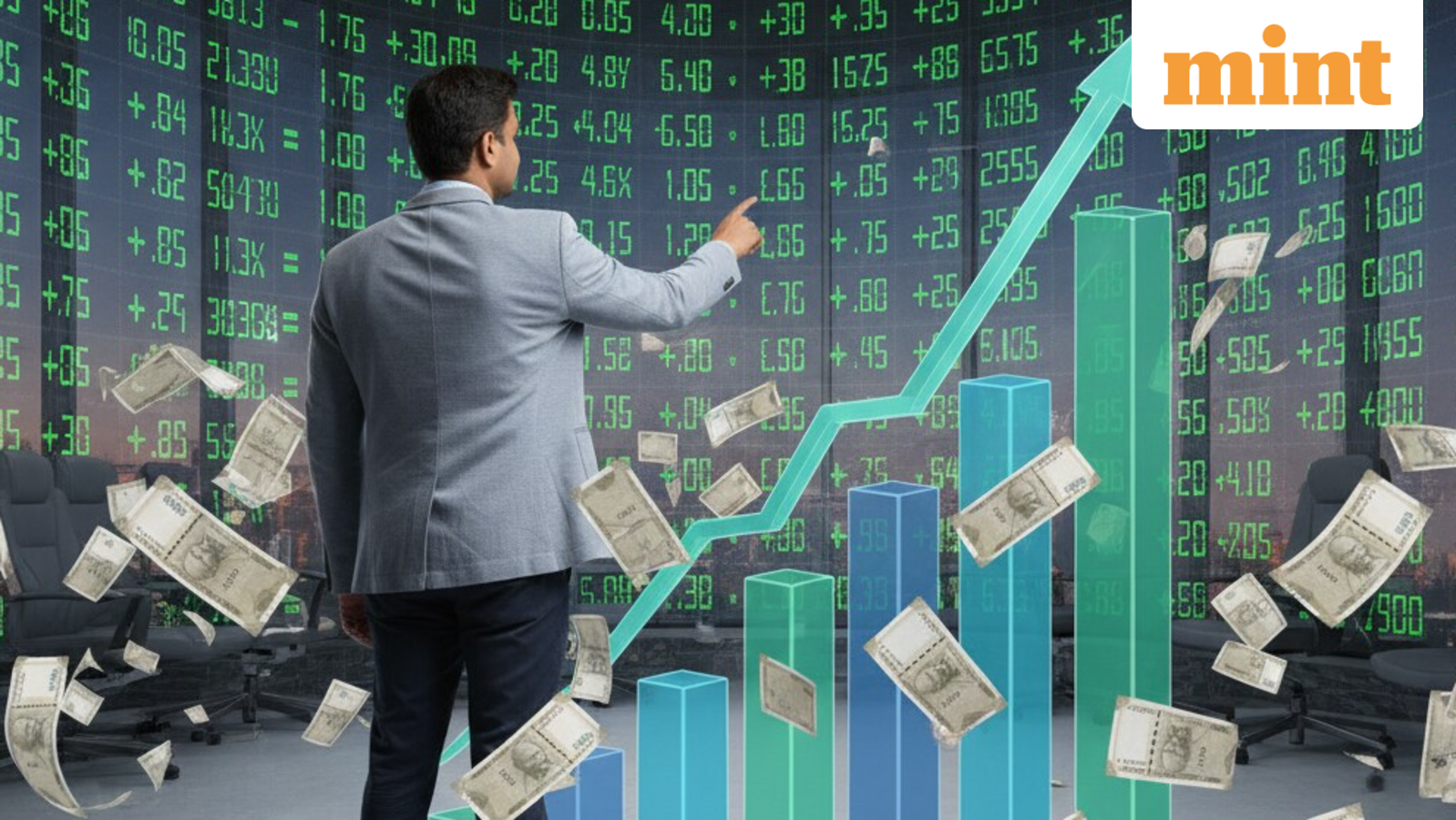
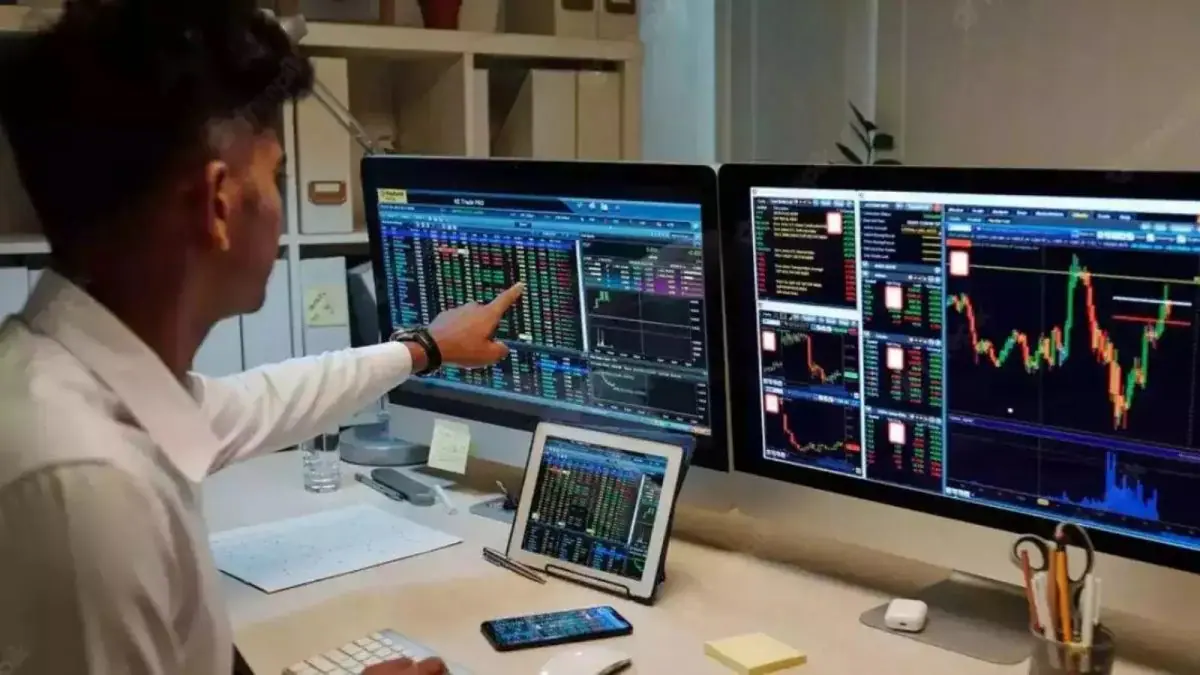
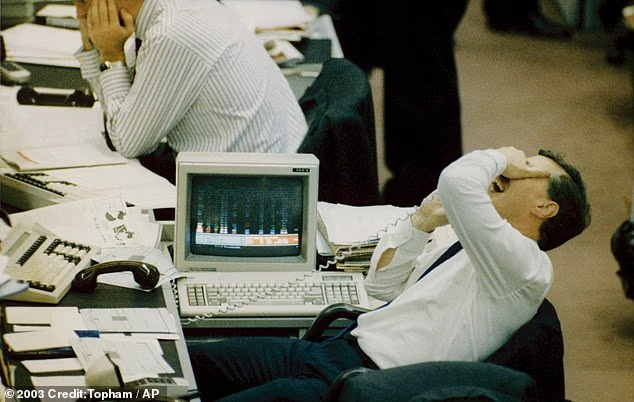
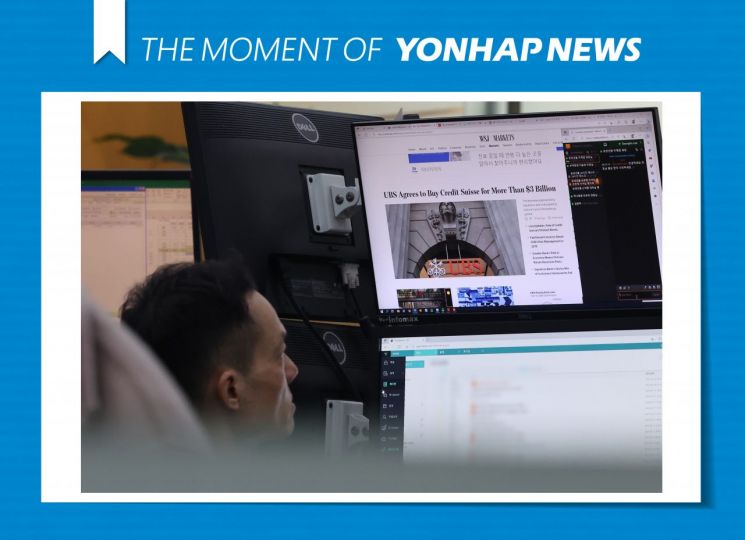
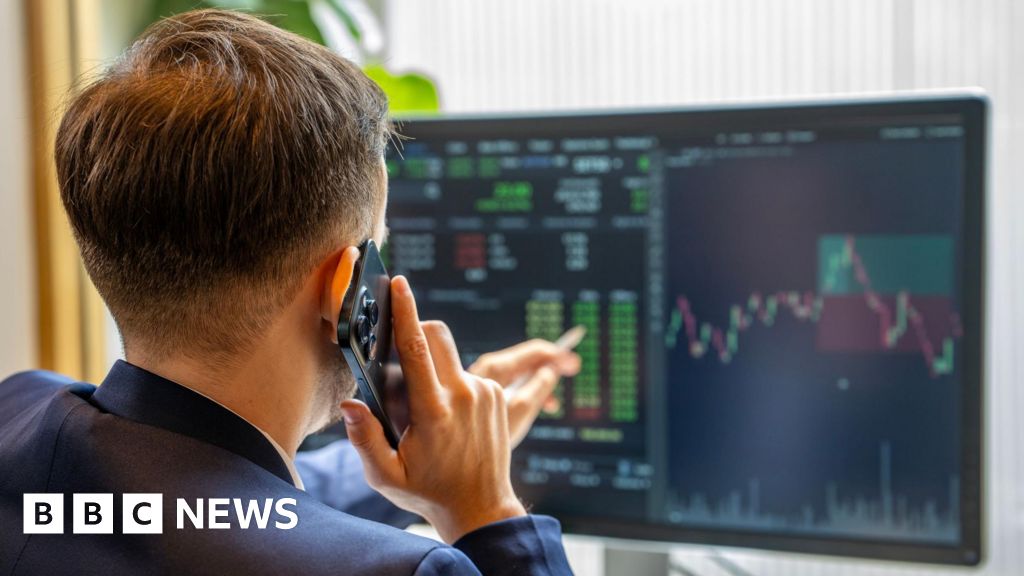
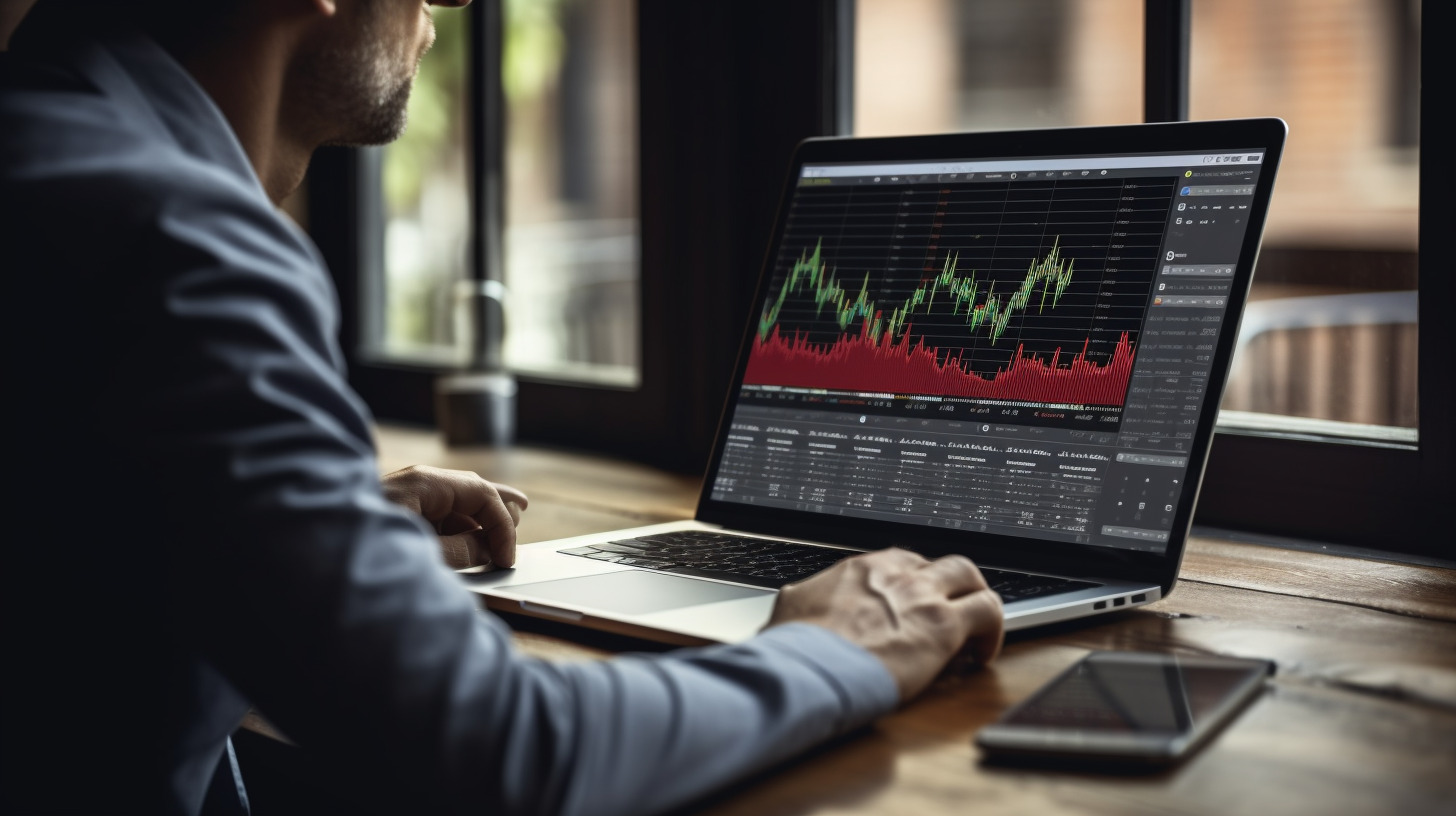
The Australian share market on Monday lost $119billion in the worst session since the onset of Covid in March 2020, and although it rebounded in early trade on Tuesday, the benchmark S&P/ASX200 was at its lowest level since January last year.
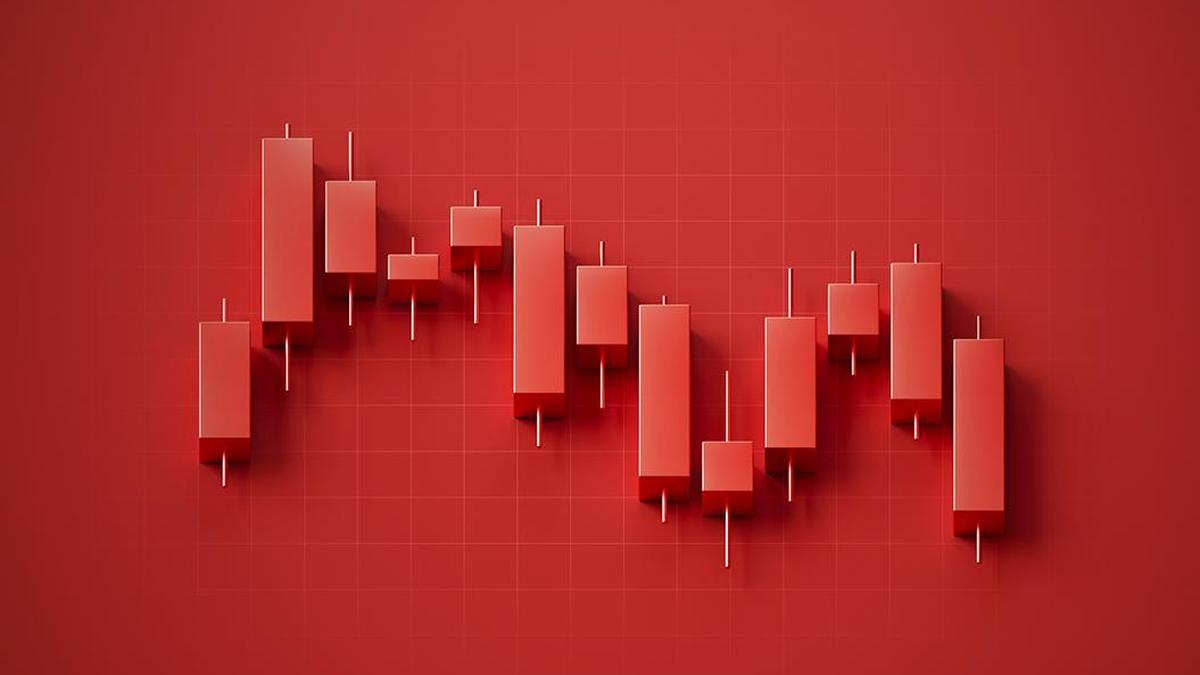
The share market has now plummeted 14.17 per cent since peaking on February 14, amid uncertainty over how America’s imposition of widespread tariffs will hit the global economy.
Volatile tech stocks have fared the worst with ZipCo, Australia’s best performing stock in 2024, plunging by 26 per cent during the past five days alone.
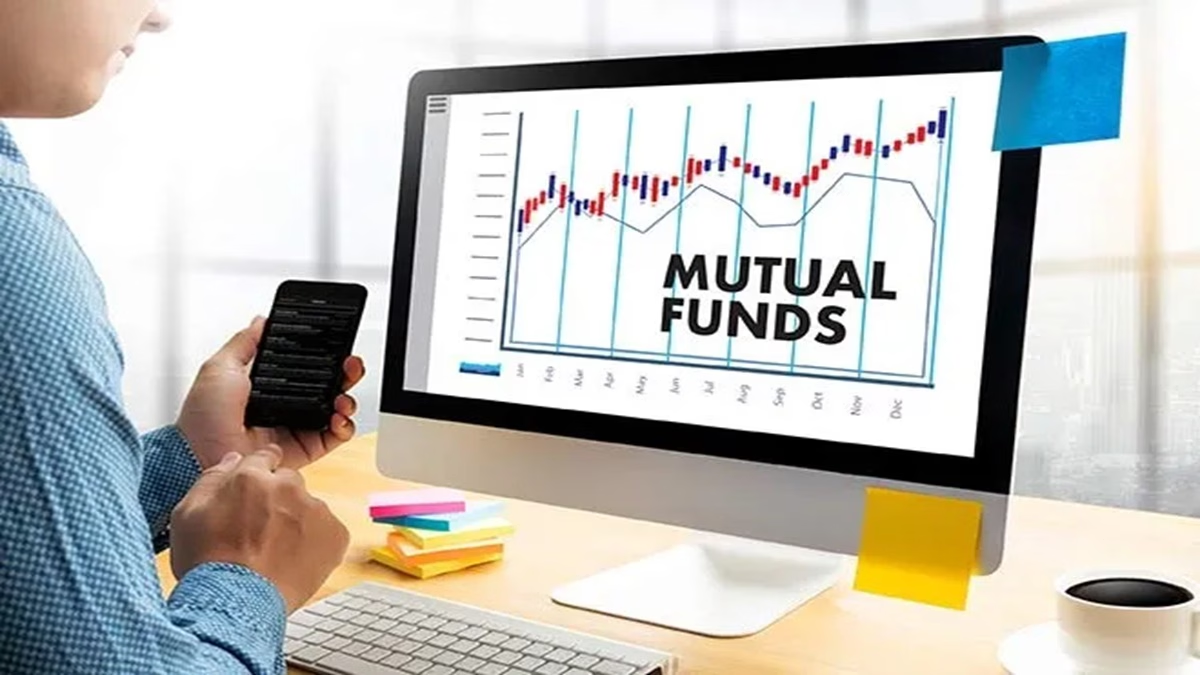
Superannuation and other investment accounts weighted toward shares have taken a battering, sparking fears of a global recession.
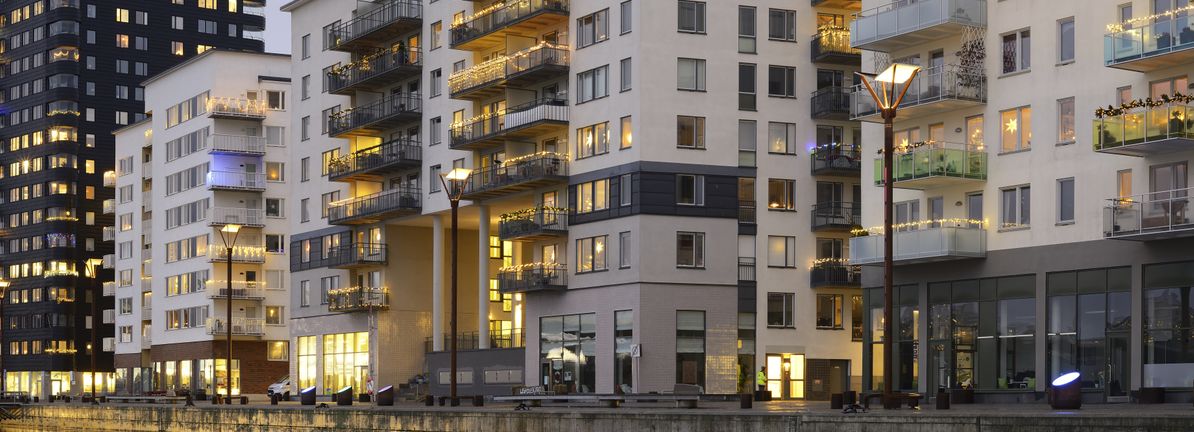
The silver lining of that economic dark cloud is that central banks are more likely to cut interest rates to stimulate the economy, and this will provide relief to mortgage holders and an opportunity for those trying to enter the housing market.
H&R Block’s director of tax communications Mark Chapman said the worst was yet to come for share investors, which was particularly bad news for retirees living off their superannuation.
‘The far-reaching impacts of Trump’s tariffs will continue to be felt for a long time,’ he said.

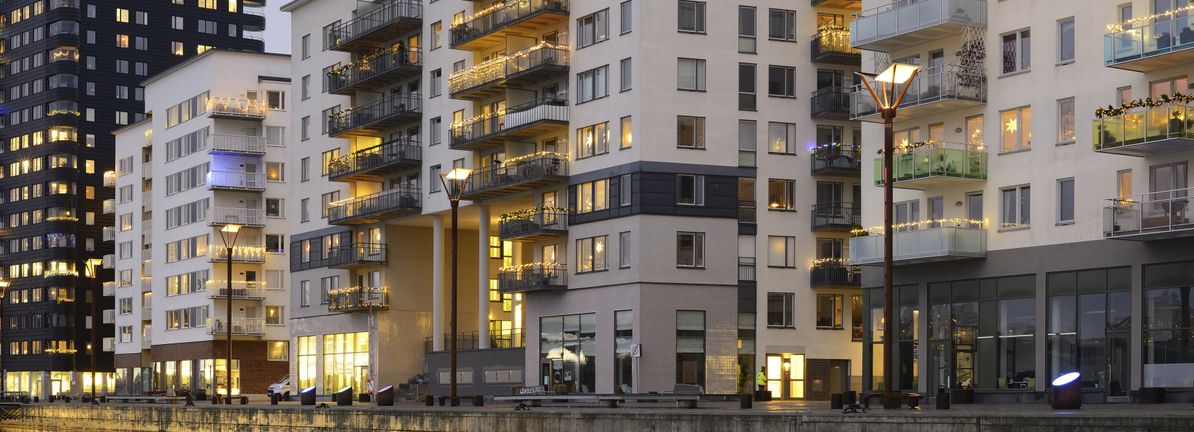
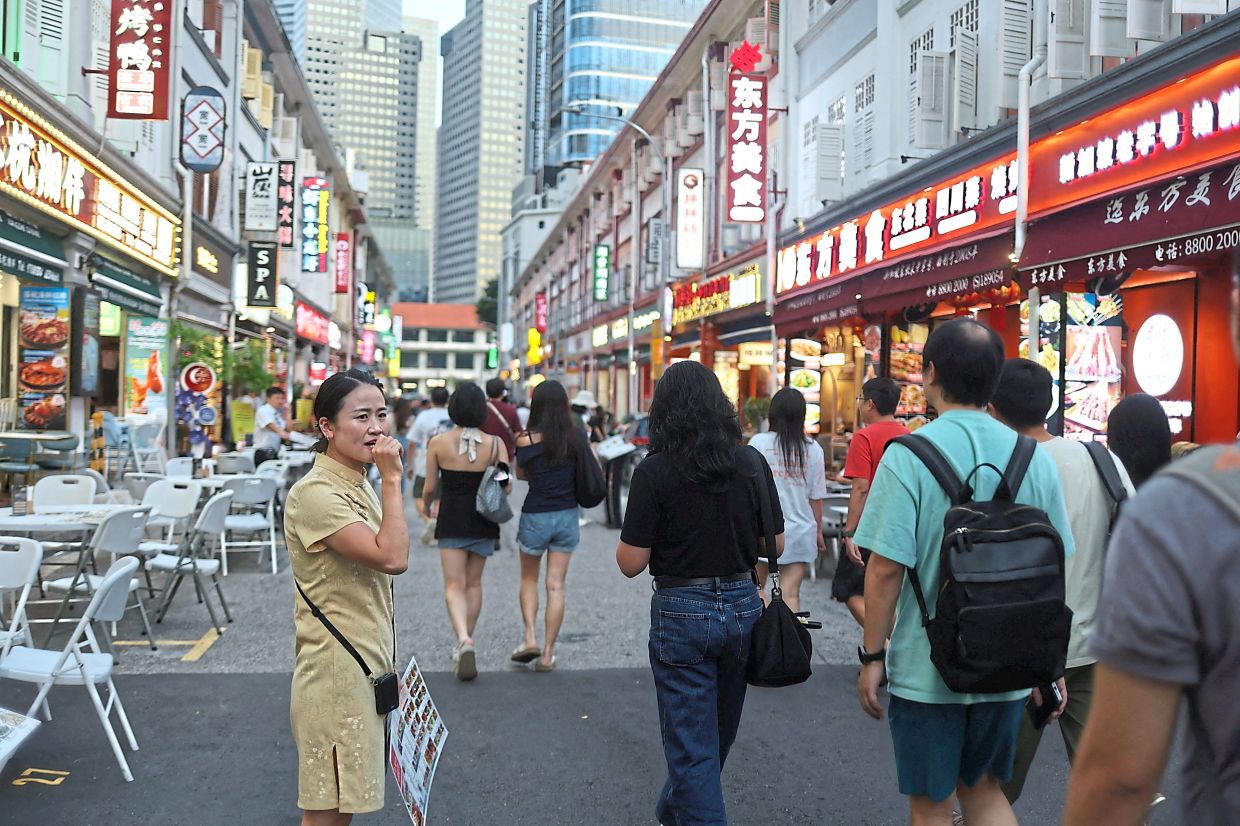
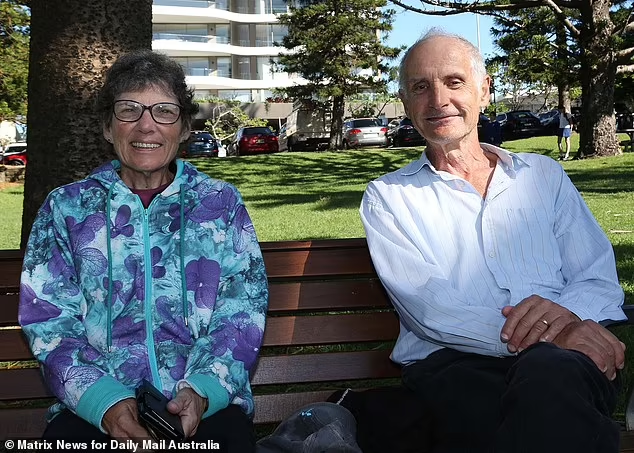
Australia’s retired baby boomers have the most to lose from the share market crash sparked by Donald Trump ‘s tariffs, a tax expert says (pictured is a couple at Cronulla in Sydney’s south)
‘In terms of superannuation, market experts believe that it will have a profound negative impact on super balance.
‘It is profoundly worrying, especially for those nearing or at retirement age who might have to dip into their super in the fairly short term.
‘Unless there is a rapid uptick in the stock market, this could mean that many people will have to work longer to afford the kind of retirement they thought they were looking at just a few weeks ago.’
Super balances went backwards in February, even before Trump slapped 25 per cent tariffs on Australian steel and aluminium, followed by a ten per cent impost on all Australian imports.
Growth-orientated accounts, with a higher weighting towards shares, lost 1.2 per cent in a month from when the market peaked, SuperRatings data showed.
Continuing share market turmoil in March and April is likely to put an even bigger dent in superannuation savings, given the 10 per cent tariffs on Australian exports to the US are at the lower end of the scale.
America’s trade wars – which it justifies as an overdue riposte to other nations which put up barriers to US exports – are expected to put up prices in the short term before all nations negotiate a more equitable deal.
But the threat of recession, and higher unemployment, could also mean more interest rate cuts, with the Big Four banks all forecasting three more reductions by Christmas.

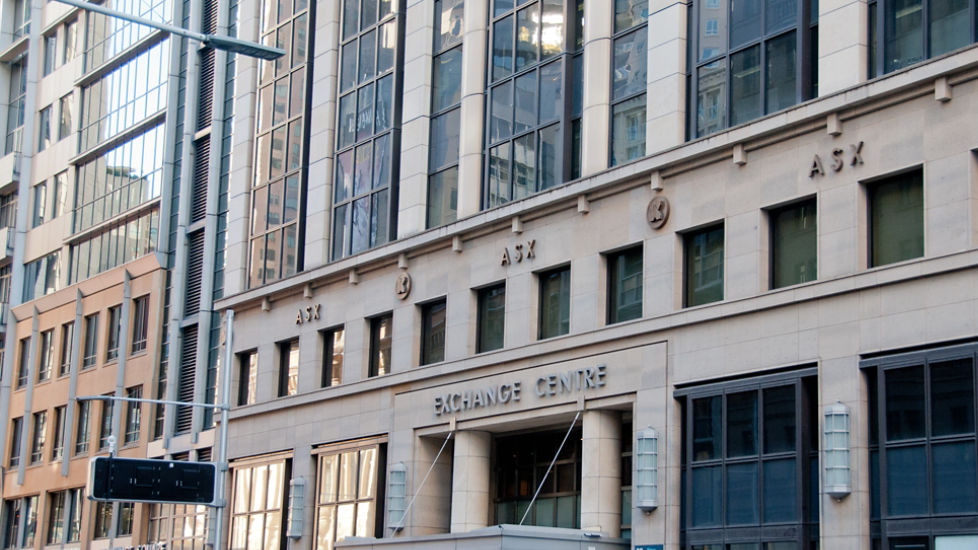
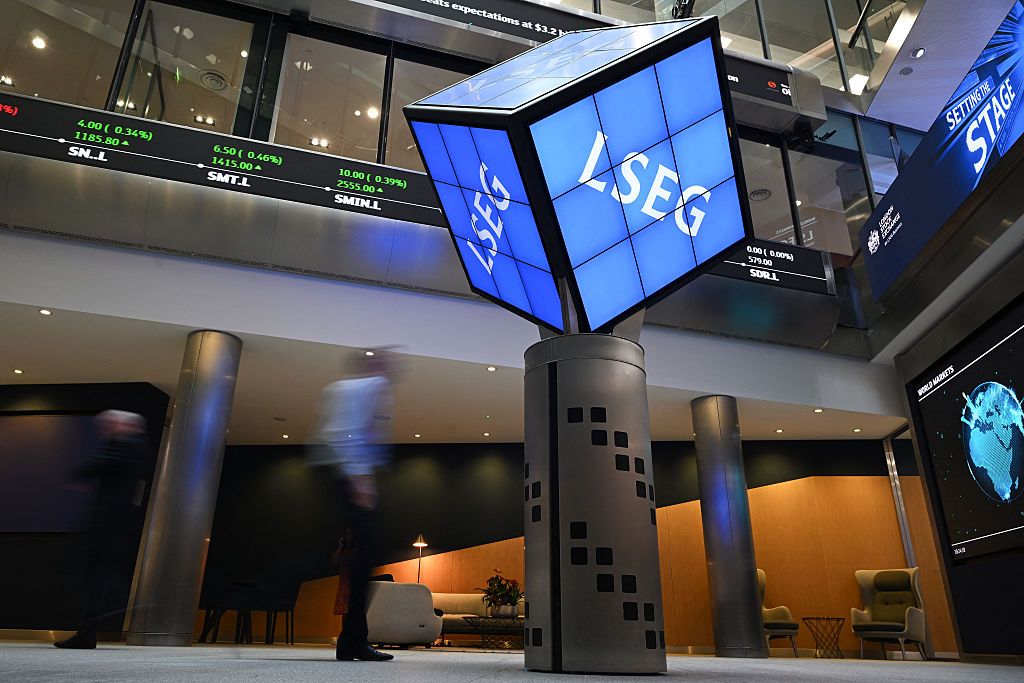
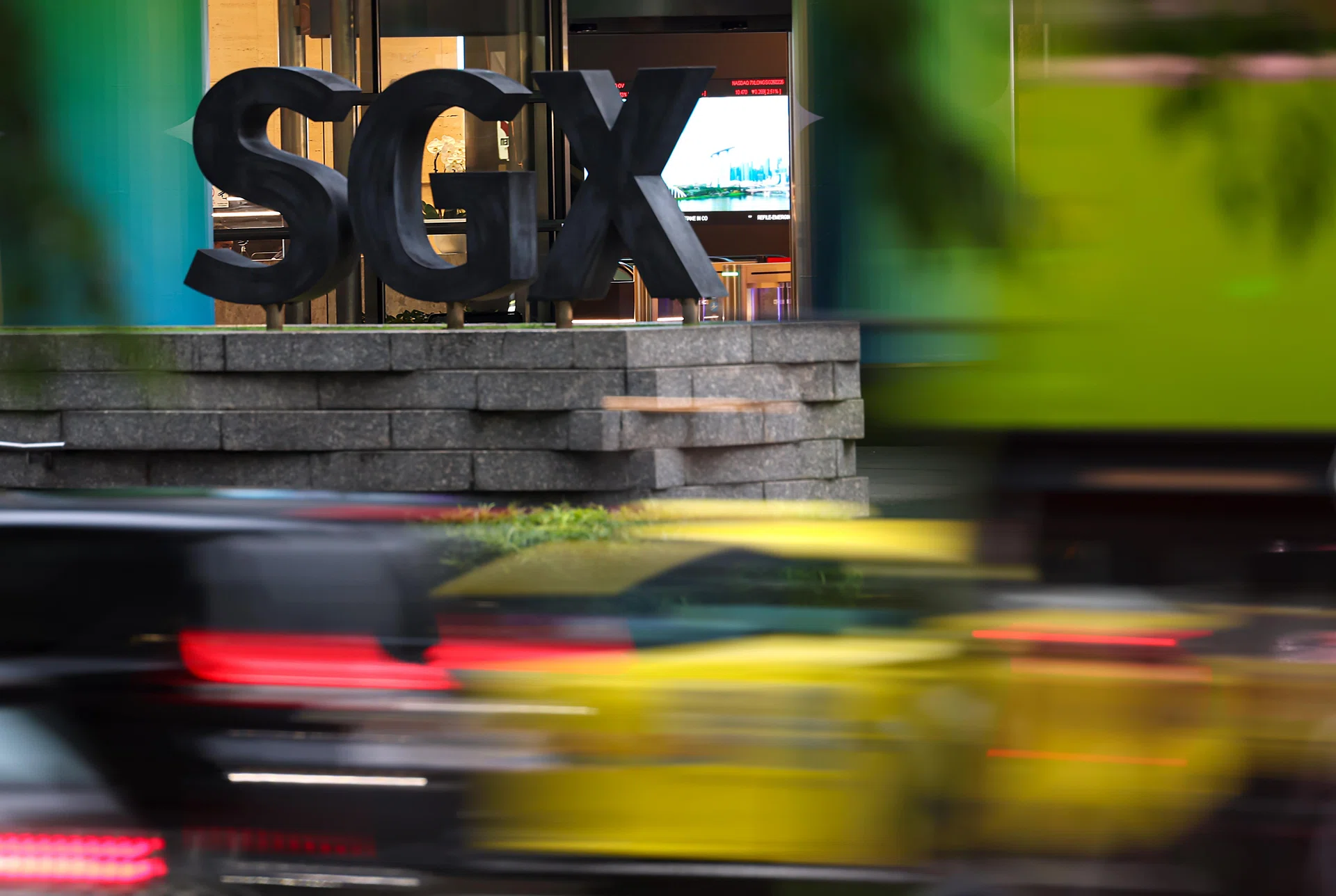
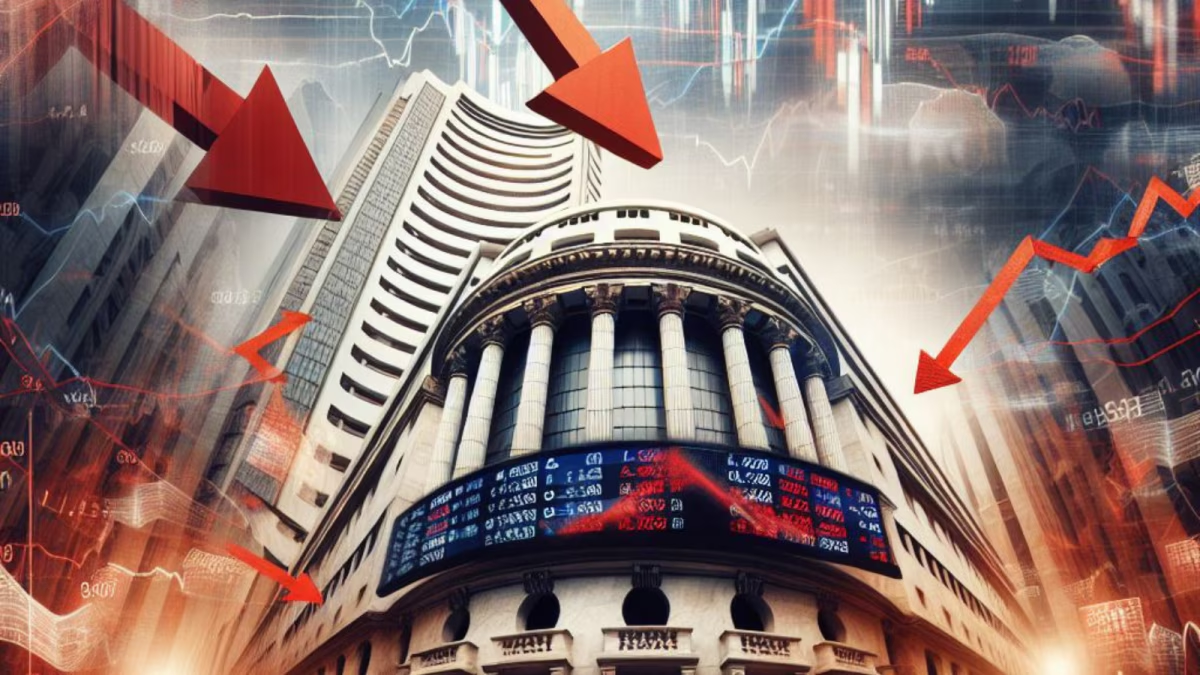
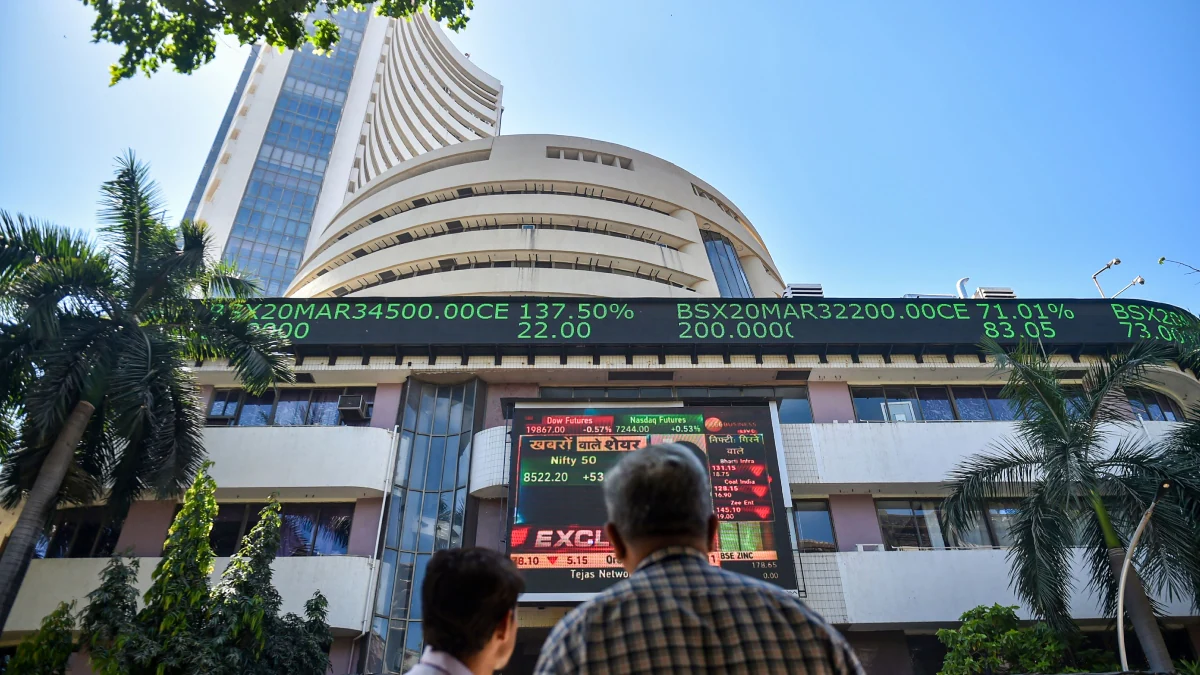
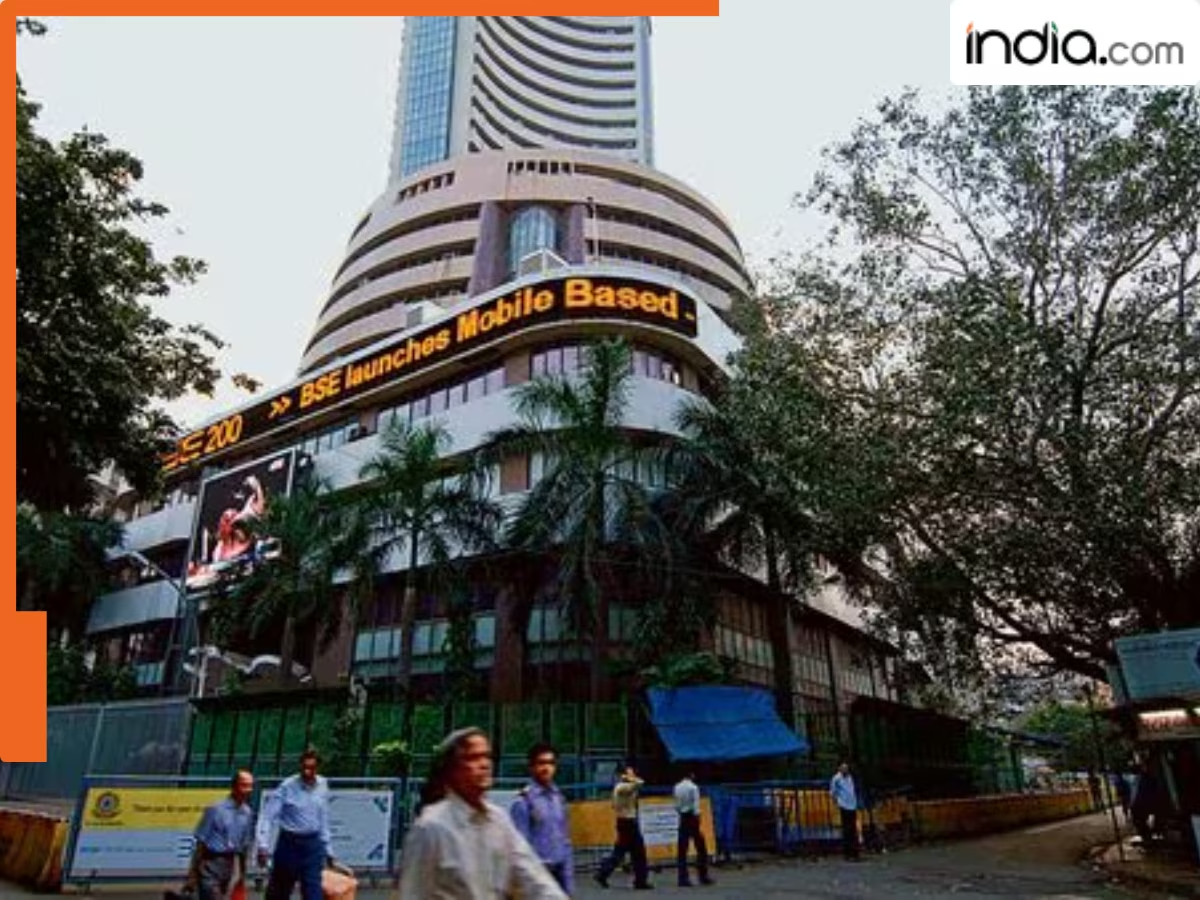
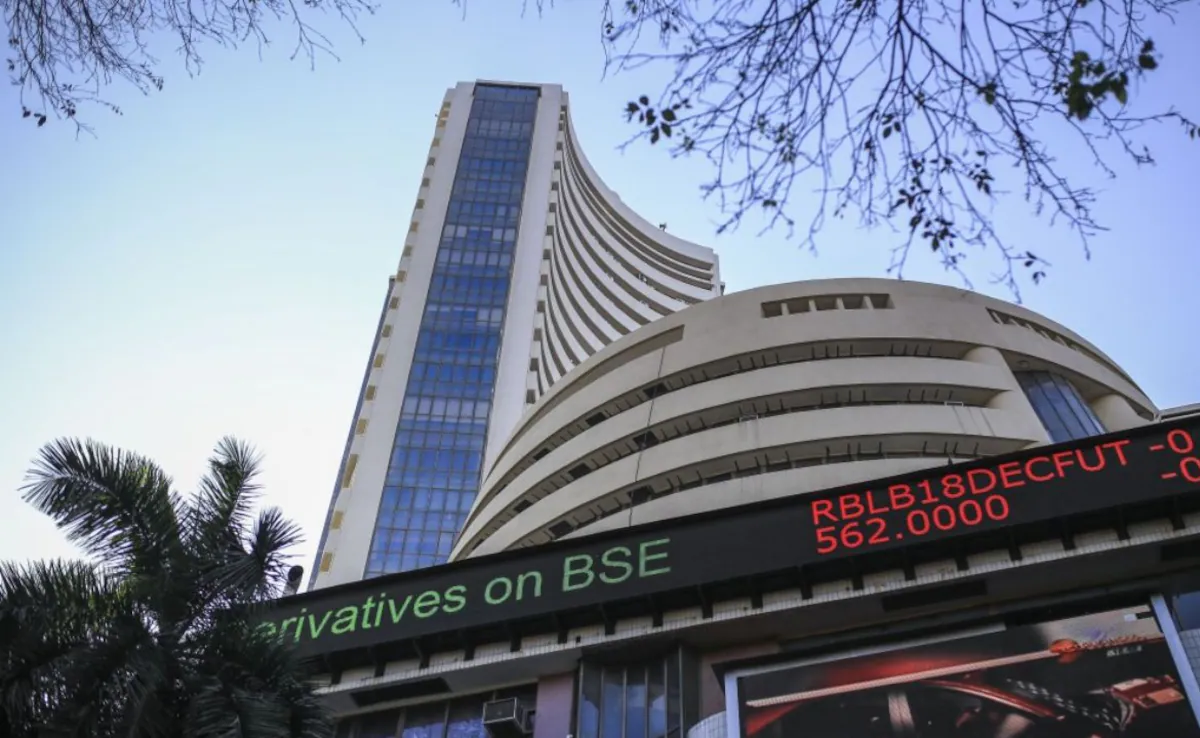
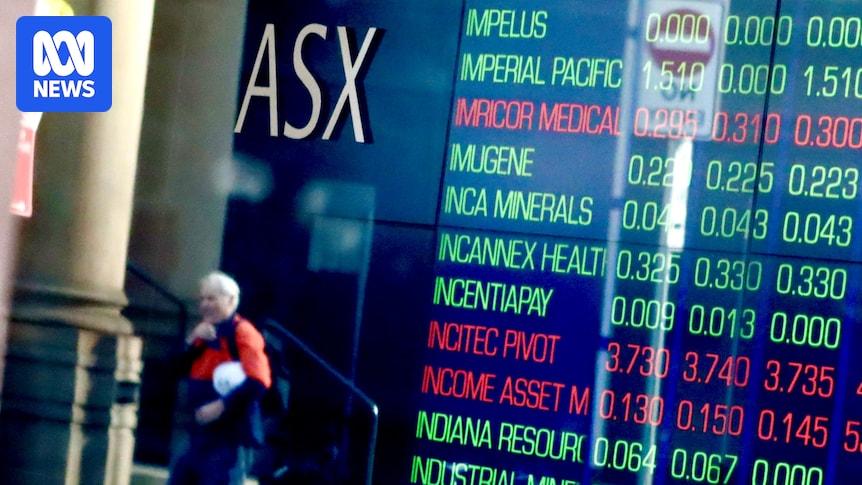
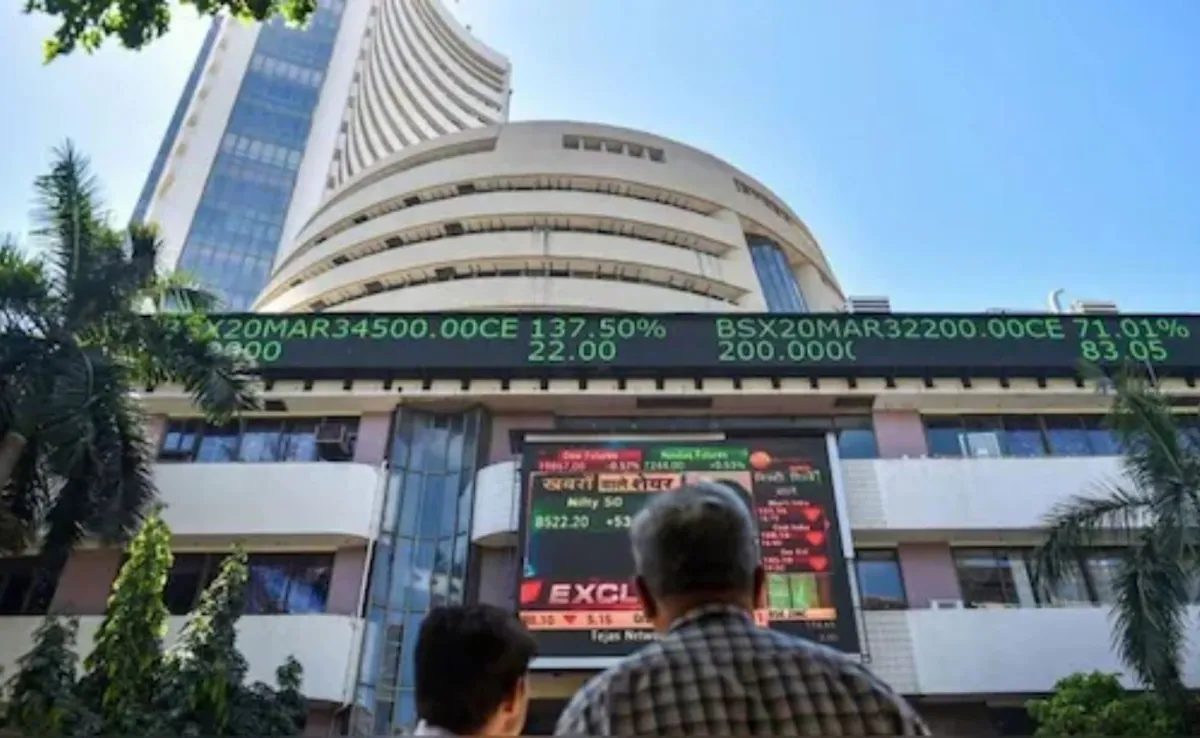
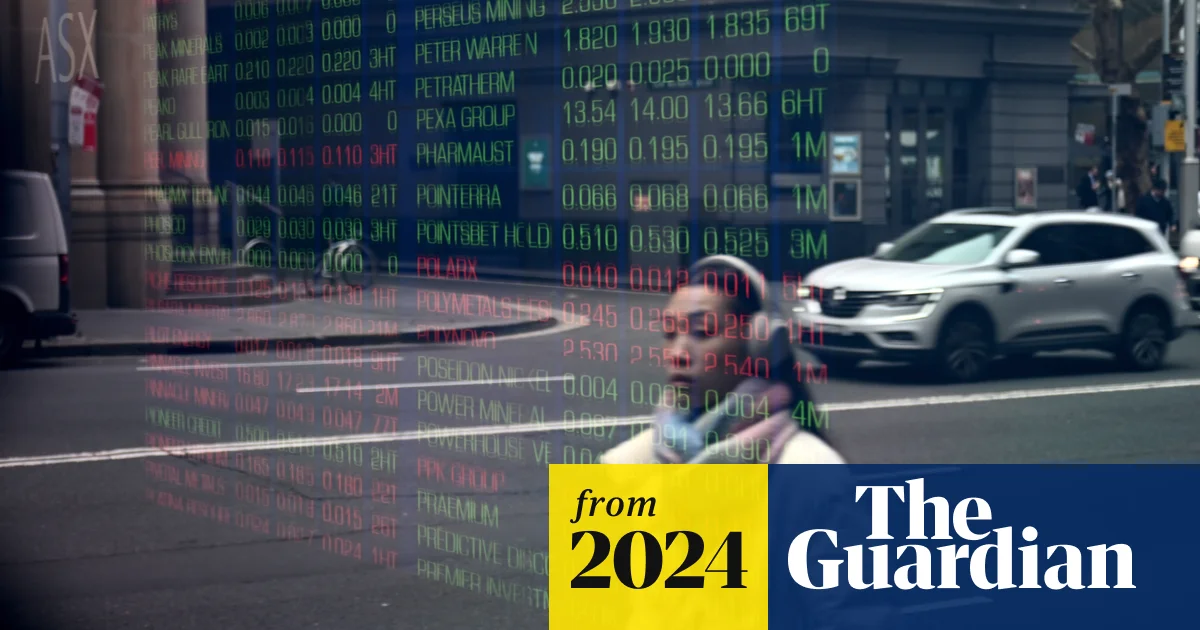
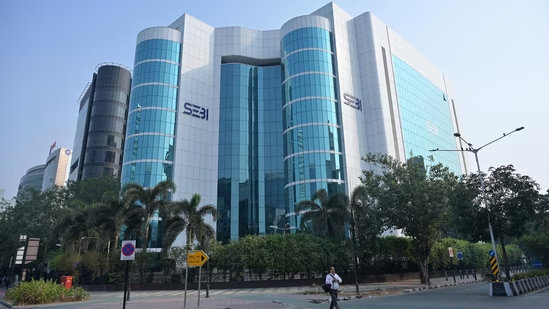
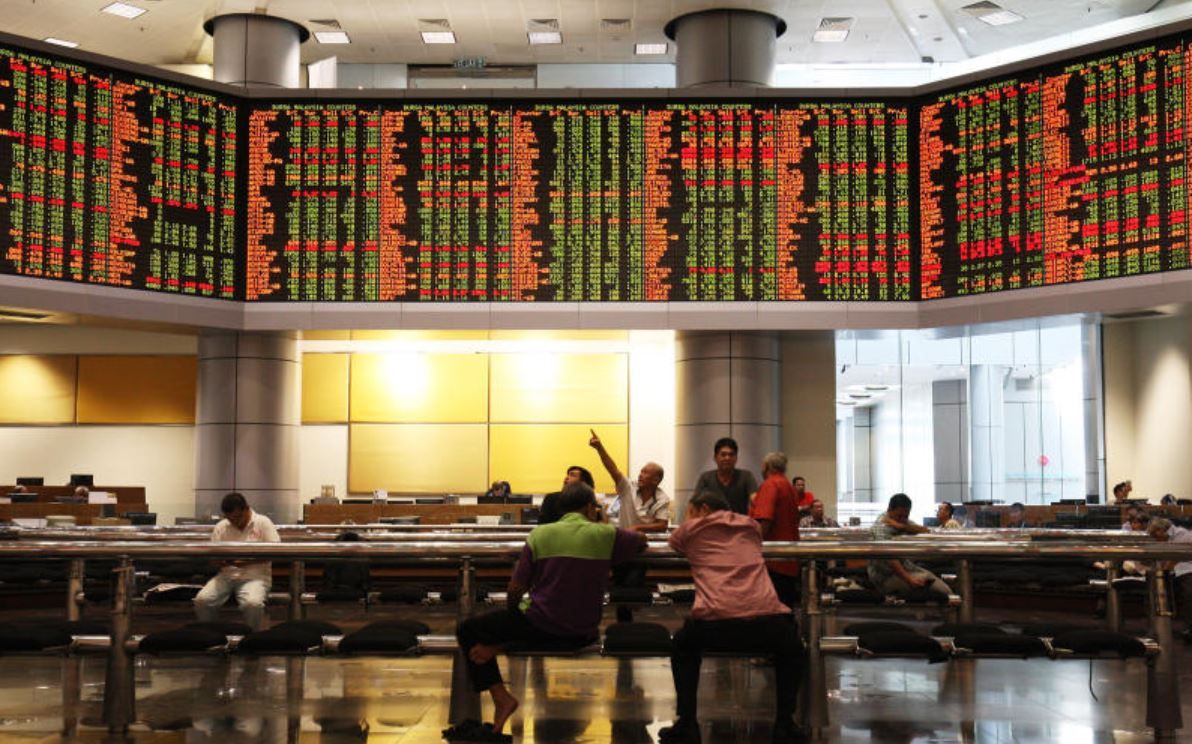
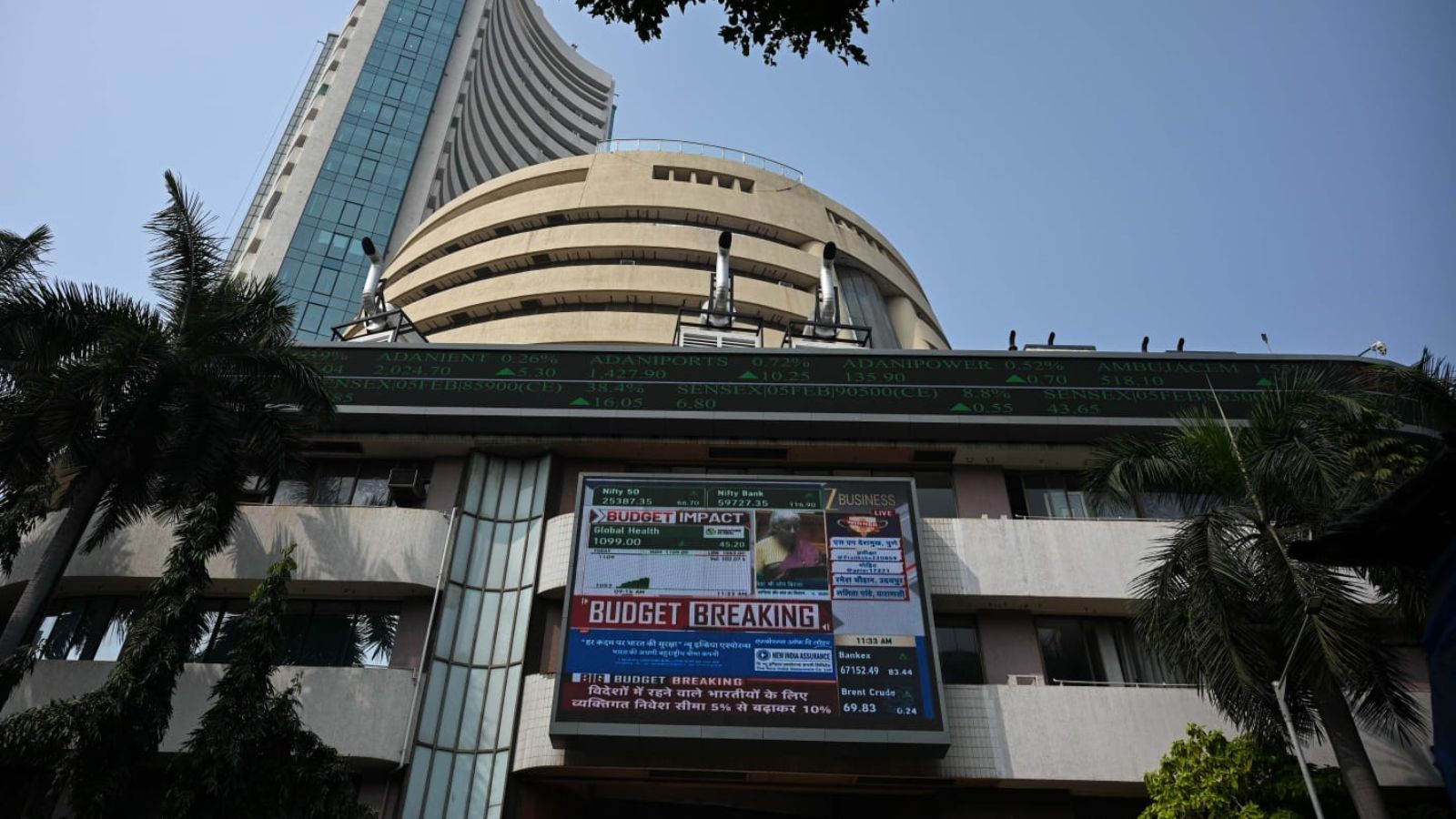
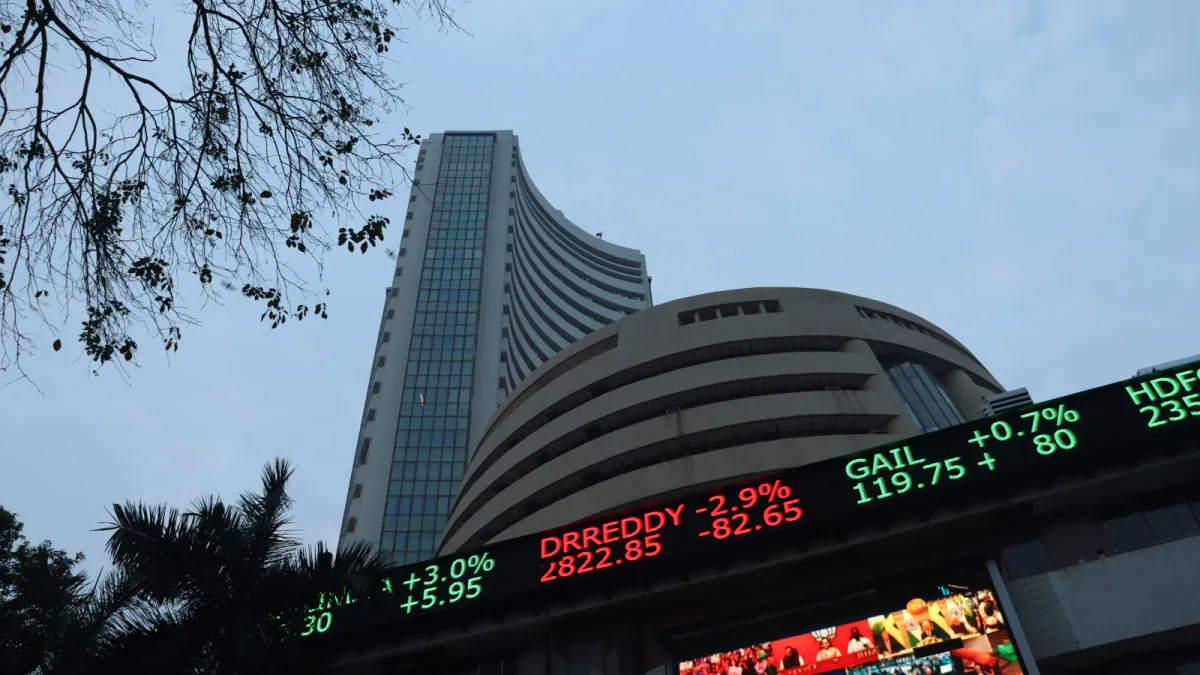
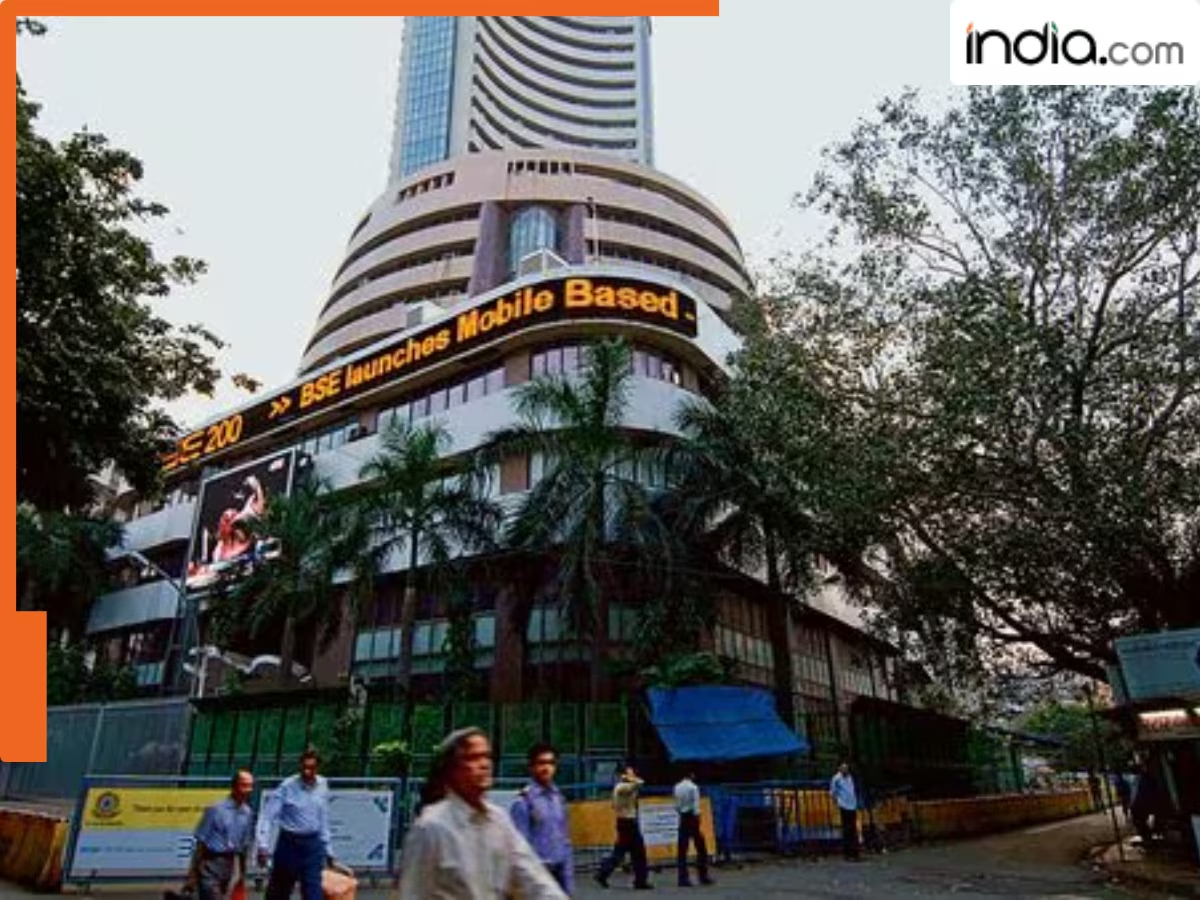
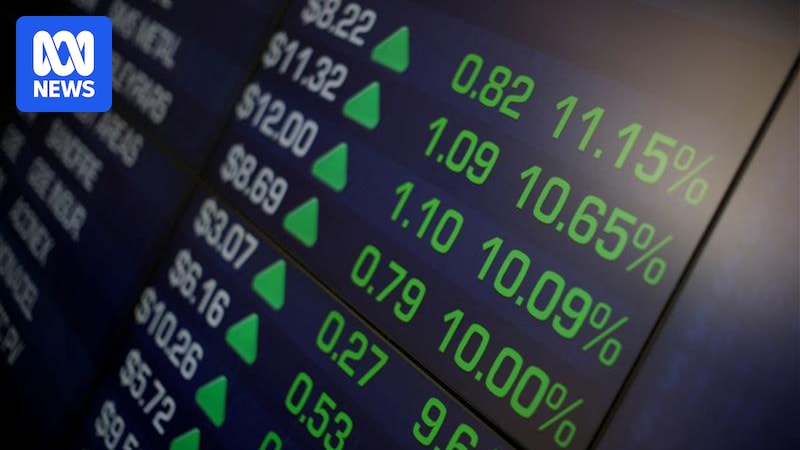
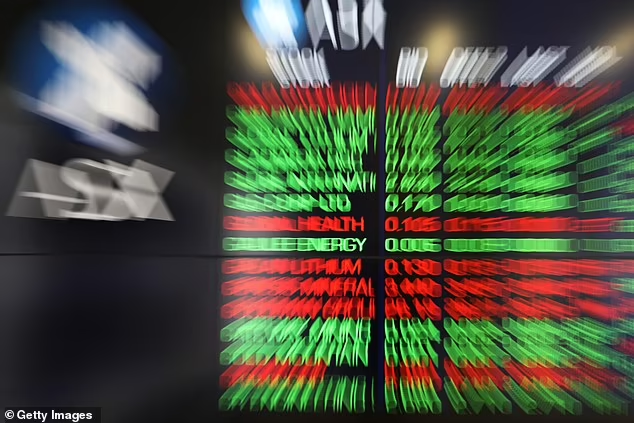
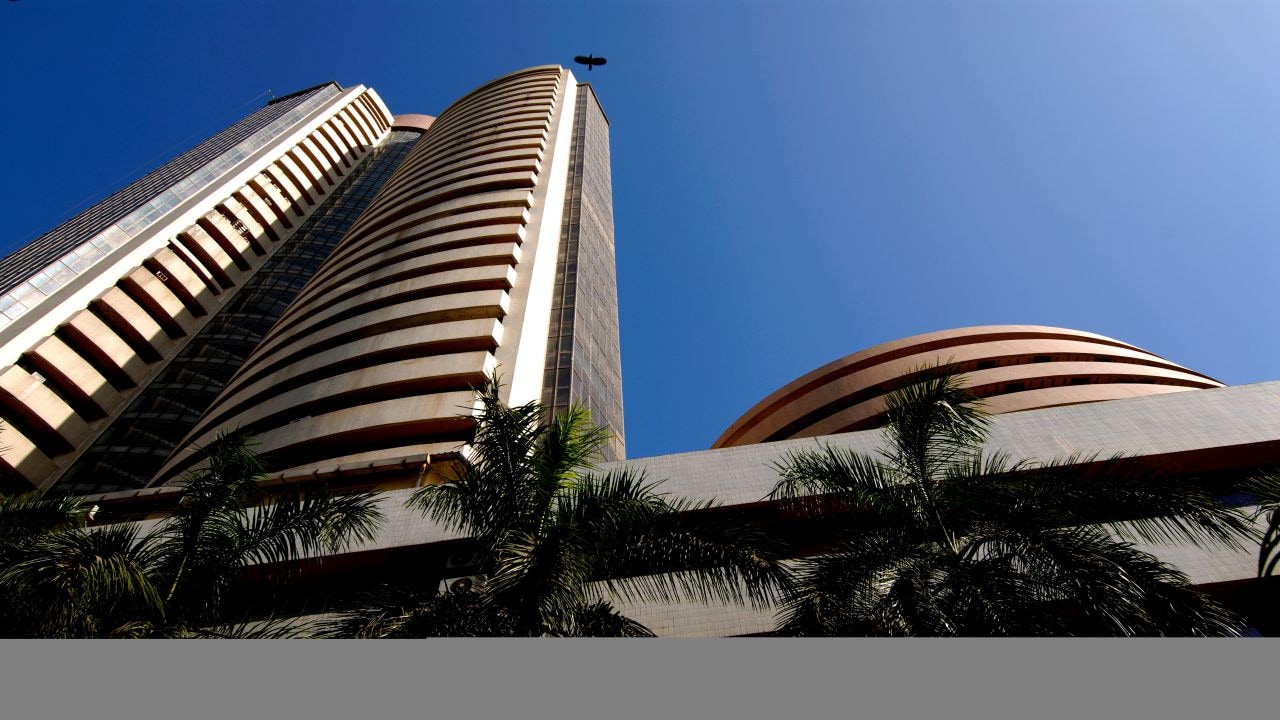
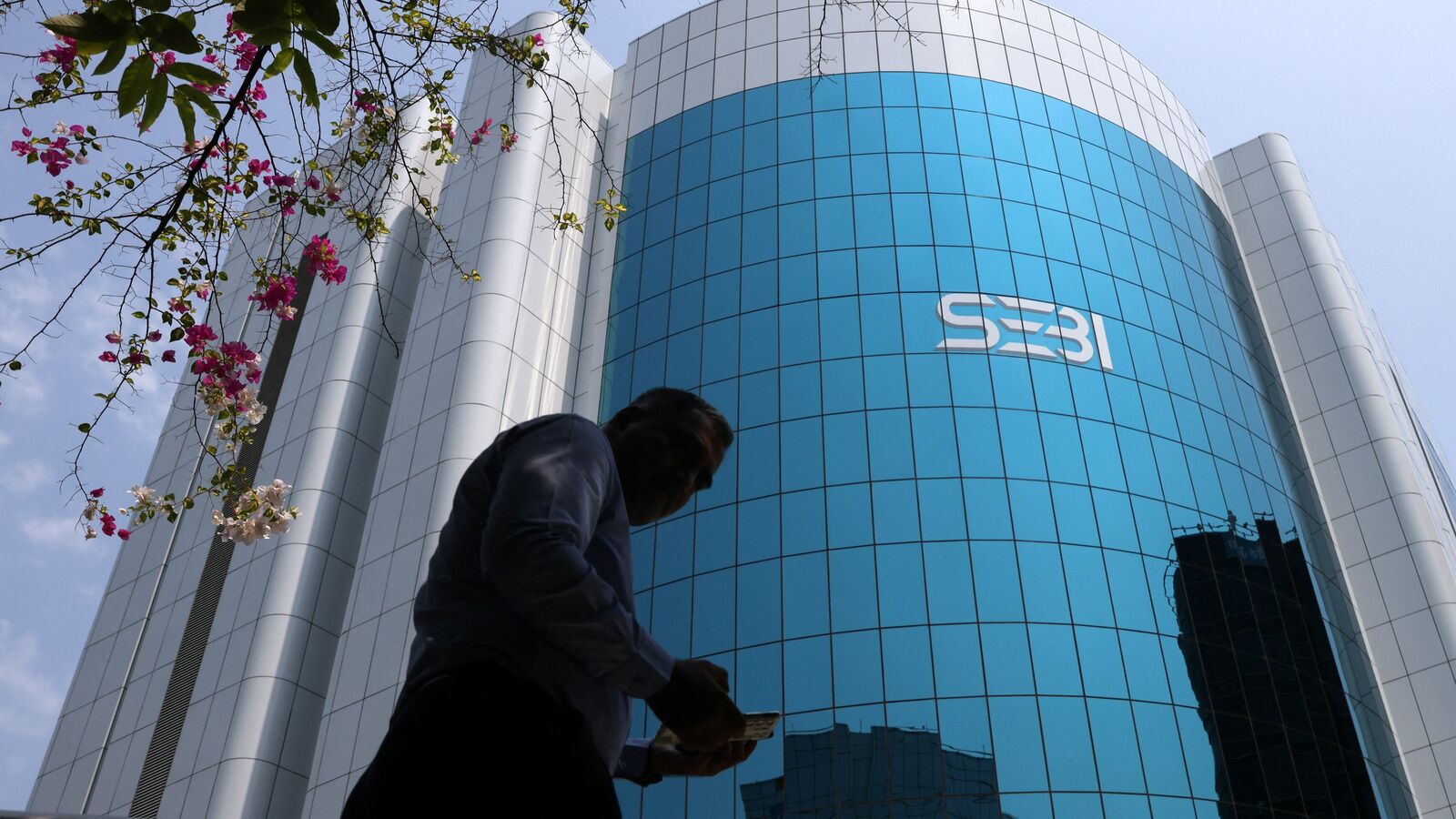
The Australian share market on Monday lost $119billion in the worst session since the onset of Covid in March 2020 (pictured is the Australian Securities Exchange in Sydney)
ANZ is expecting three more cuts by August, which would mean 100 basis points of relief since February when the Reserve Bank cut rates for the first time since 2020.
This would see the RBA cash rate drop to 3.35 per cent for the first time since March 2023, down from 4.1 per cent now.
It would be a measure of good news for the many Australians struggling to pay down their mortgage during the cost-of-living crisis.
‘Falling interest rates – which may be cut quicker and more dramatically than expected to beef up local demand – could prove to be a silver lining to this particular cloud,’ Mr Chapman said.
Moomoo market strategist Jessica Amir said investors were nervous about Trump inflicting 50 per cent tariffs on China, in retaliation at Beijing’s threat to increase its existing 34 per cent duties on American goods.
‘If this goes ahead, markets face severe trauma, and investors can expect greater losses,’ she said.
‘The new US tariffs are far worse than investment banks and central banks expected.
‘In response business may need to make bigger changes than expected: passing on higher prices and cut jobs.’
The turmoil is expected to last until June, when tariffs negotiations conclude.
That’s when investors will be eyeing a bottom in the market.
‘Investors know quality companies and markets – and US and Australian markets have always recovered from a crash – so they’re ready to go as soon as they have the confidence,’ Ms Amir said.
The S&P/ASX200 rose by 1.87 per cent in trade up to noon on Tuesday.