1. What are large-cap stocks?
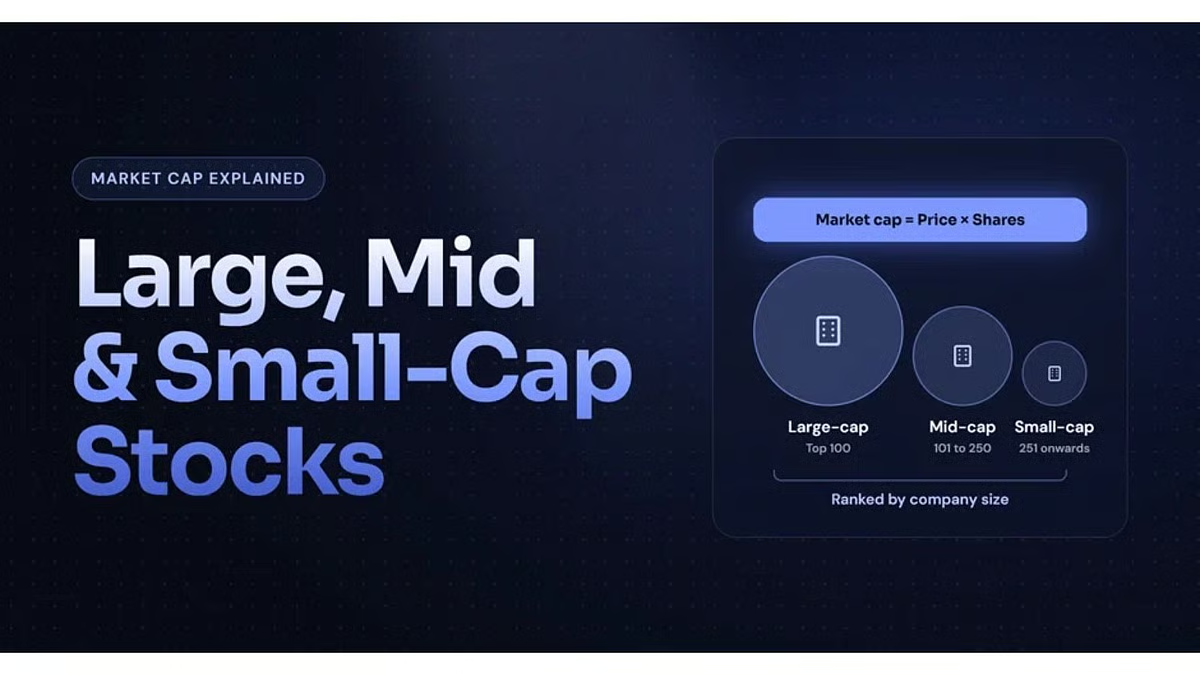
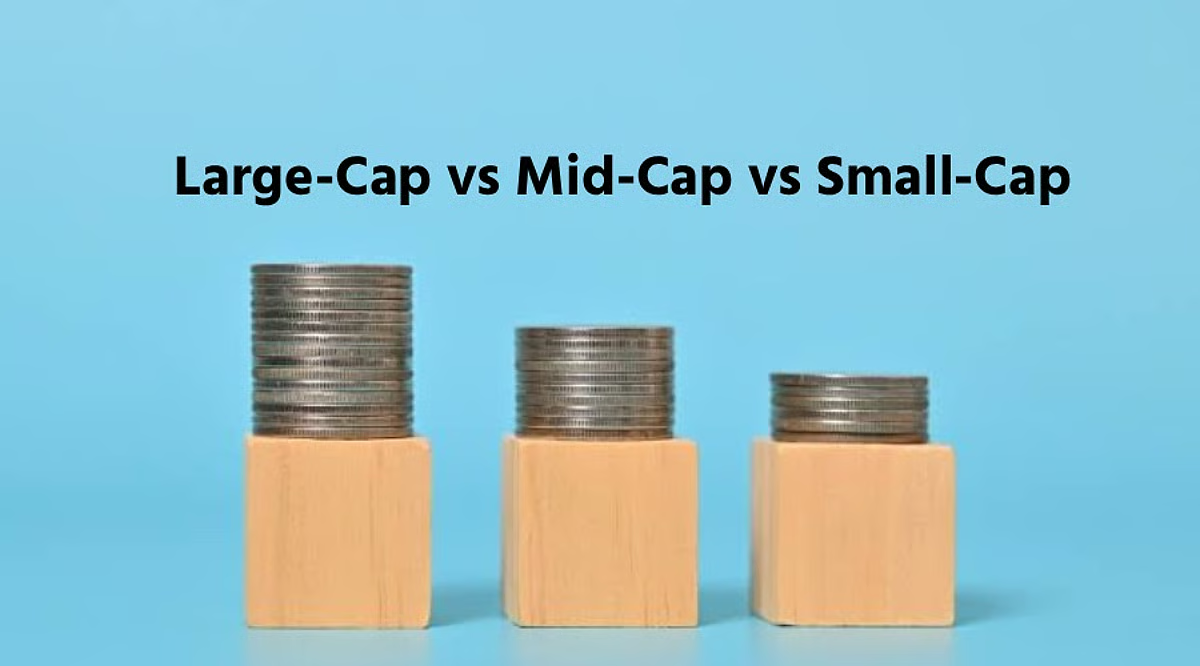
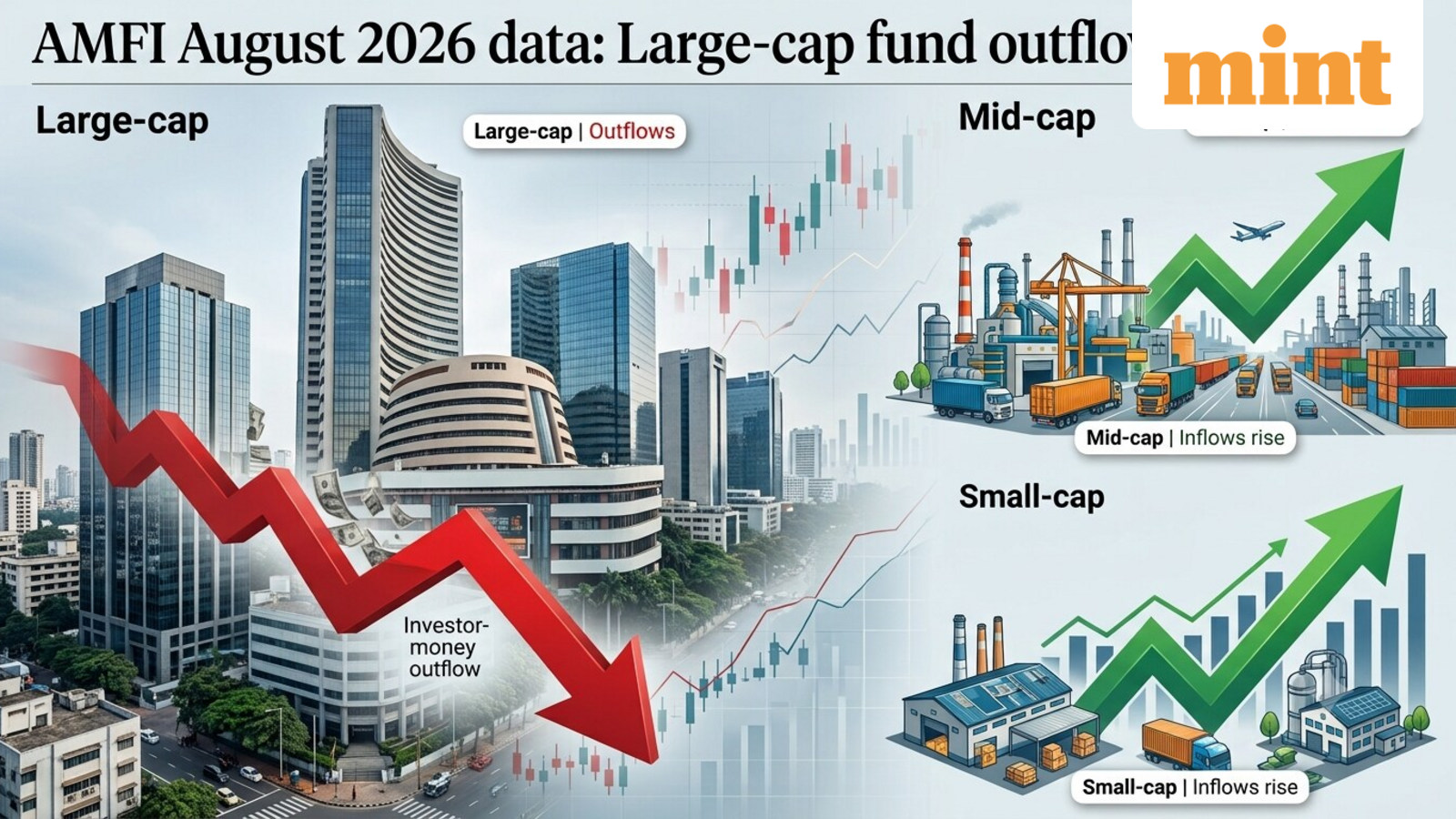
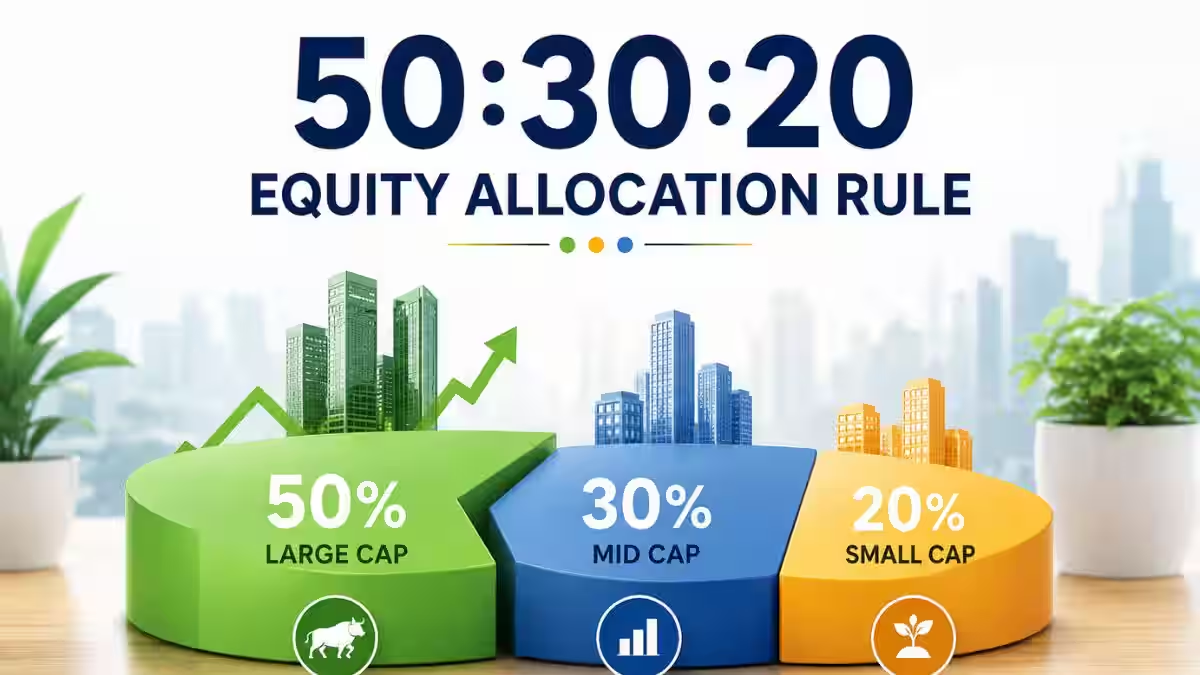
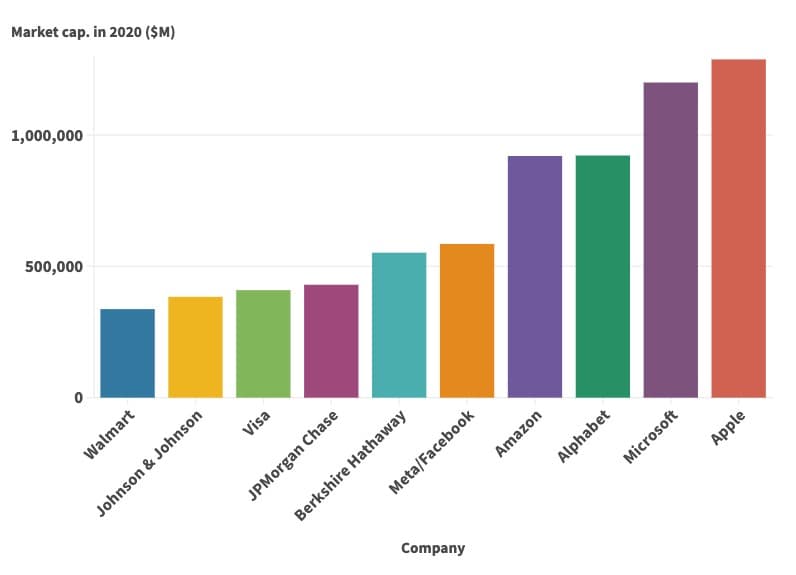
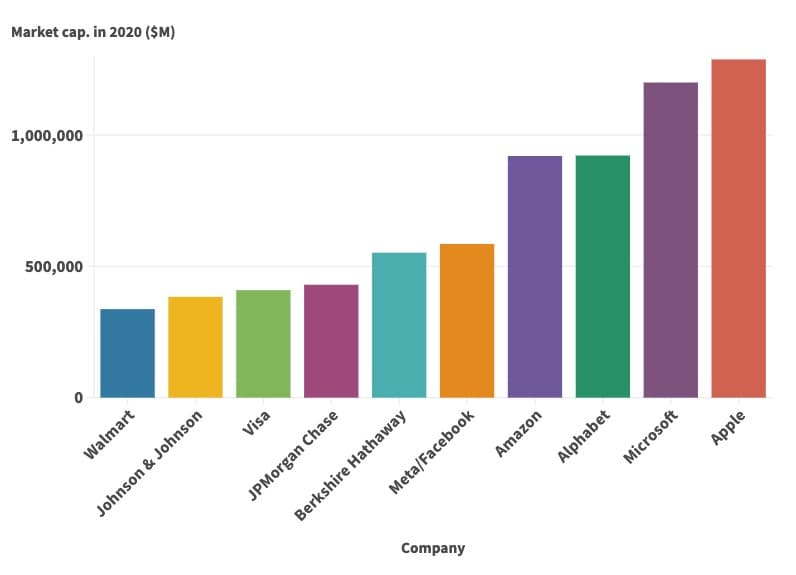
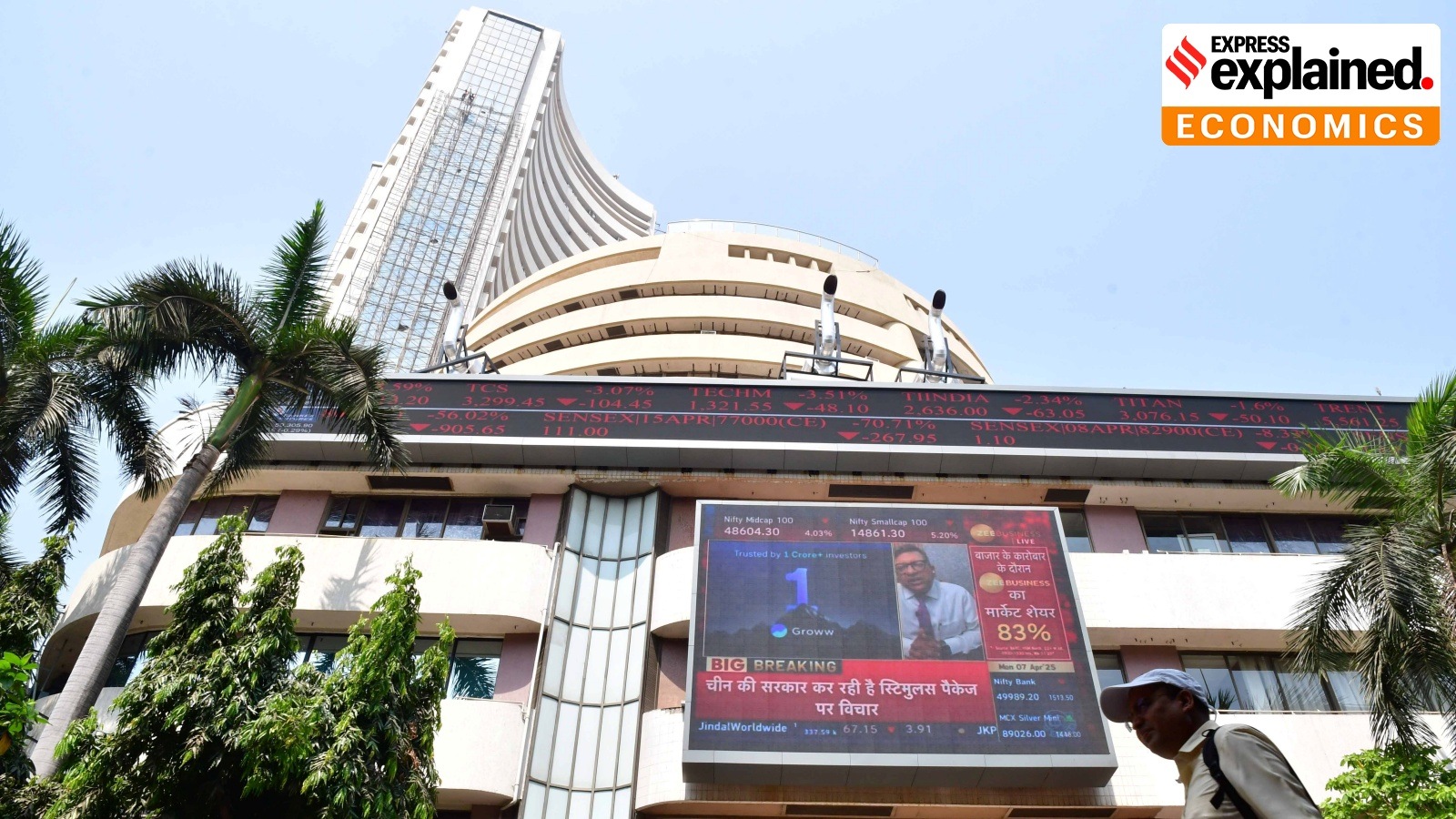
Large-cap stocks belong to companies with very high market capitalization, calculated by multiplying share price by total outstanding shares.
2. Are large-cap stocks less risky?
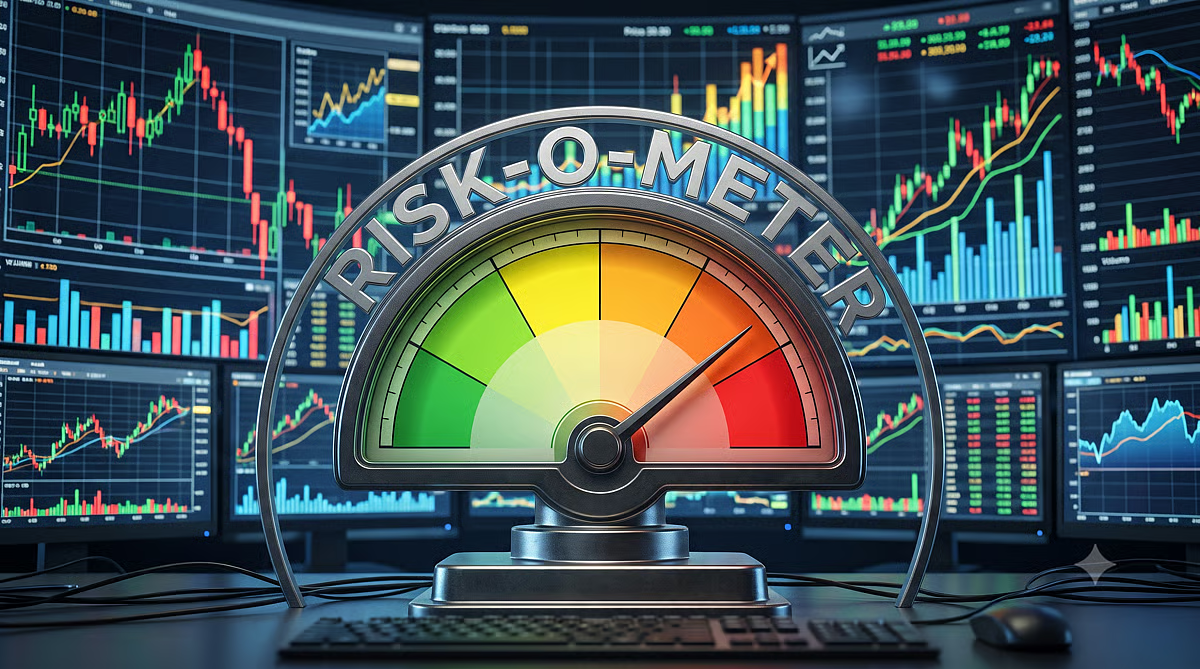
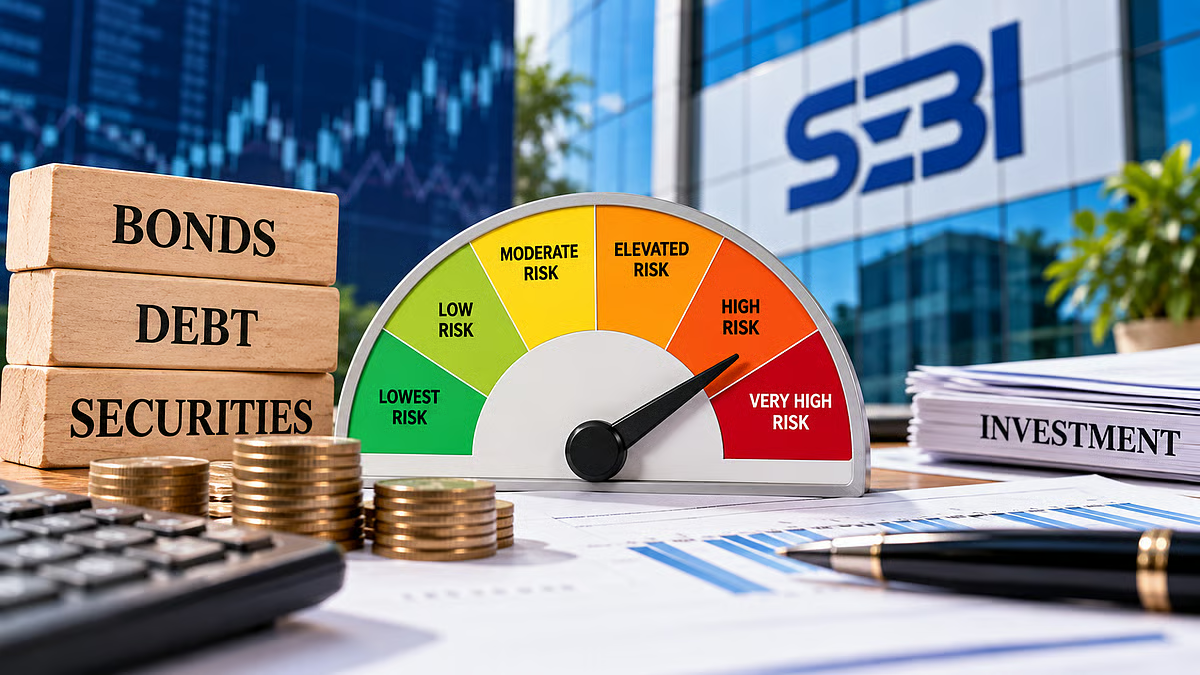
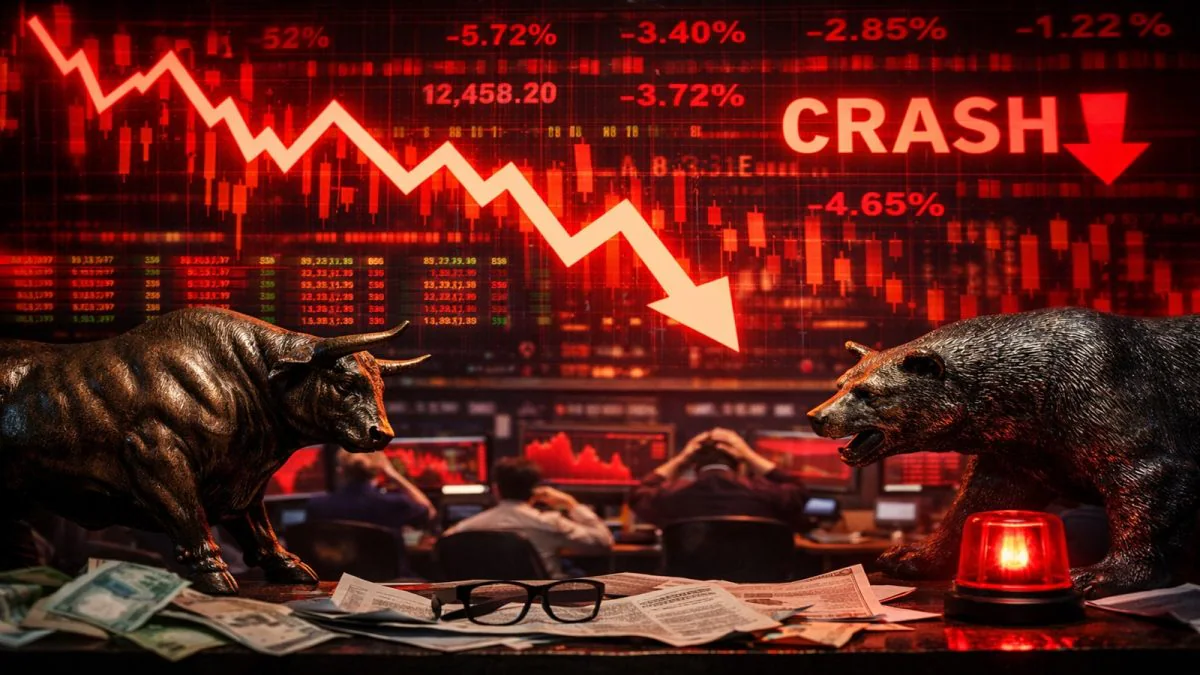
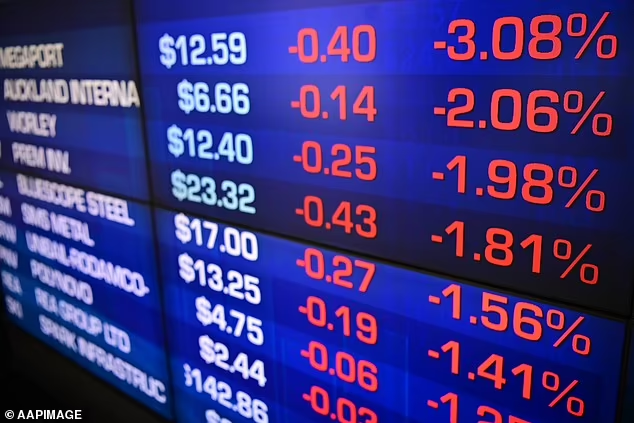
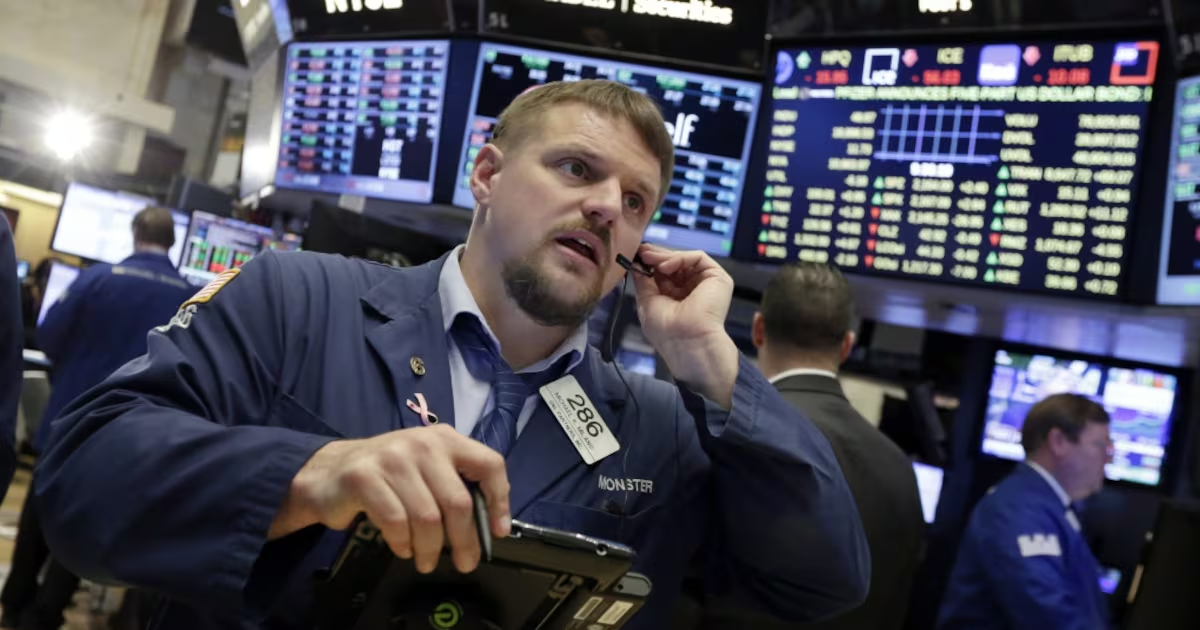
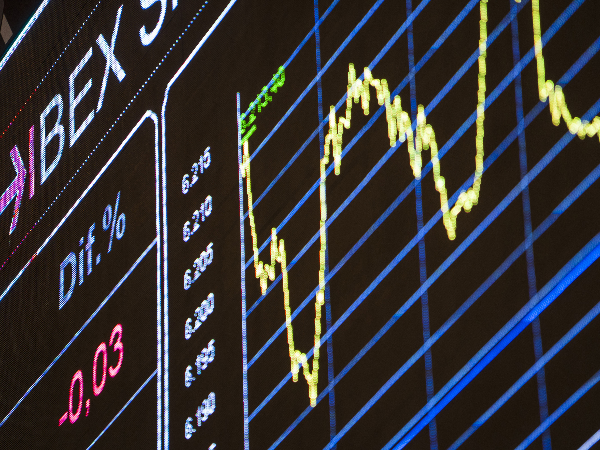
Large-cap stocks are generally less volatile than smaller companies, but they still carry significant stock-market risk.
3. Why can large-cap stocks still fall sharply?
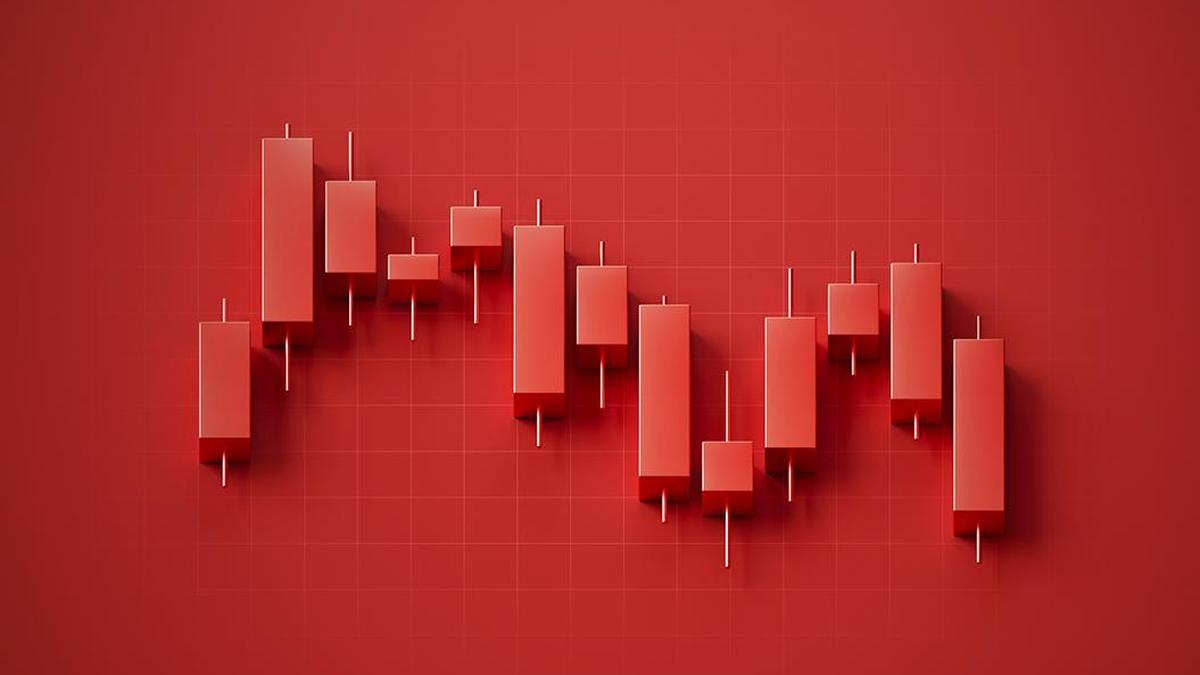
High valuations, weak earnings, economic shocks, rising interest rates, sector problems and geopolitical events can push large-cap shares lower.
4. Is the S&P 500 a large-cap index?
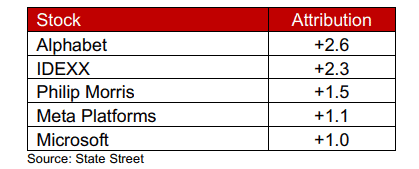
Yes. The S&P 500 provides broad exposure to major U.S. companies and serves as a key benchmark for the large-cap market.
5. Does large-cap mean safe?
No. Large-cap status can indicate greater business strength and stability, but it does not guarantee protection from investment losses.