-
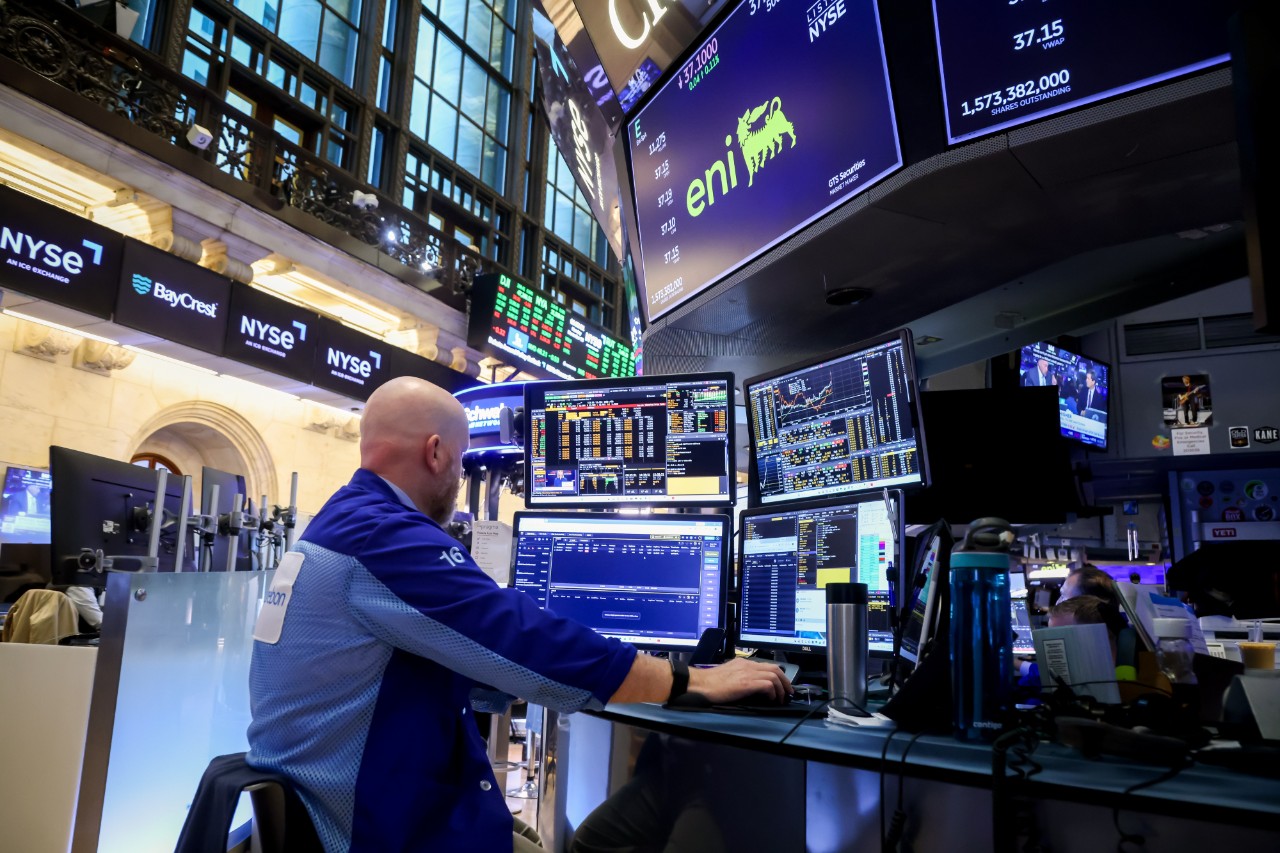
Carnival (NYSE: CCL) has filed an omnibus shelf registration statement covering multiple types of securities with US regulators.
-
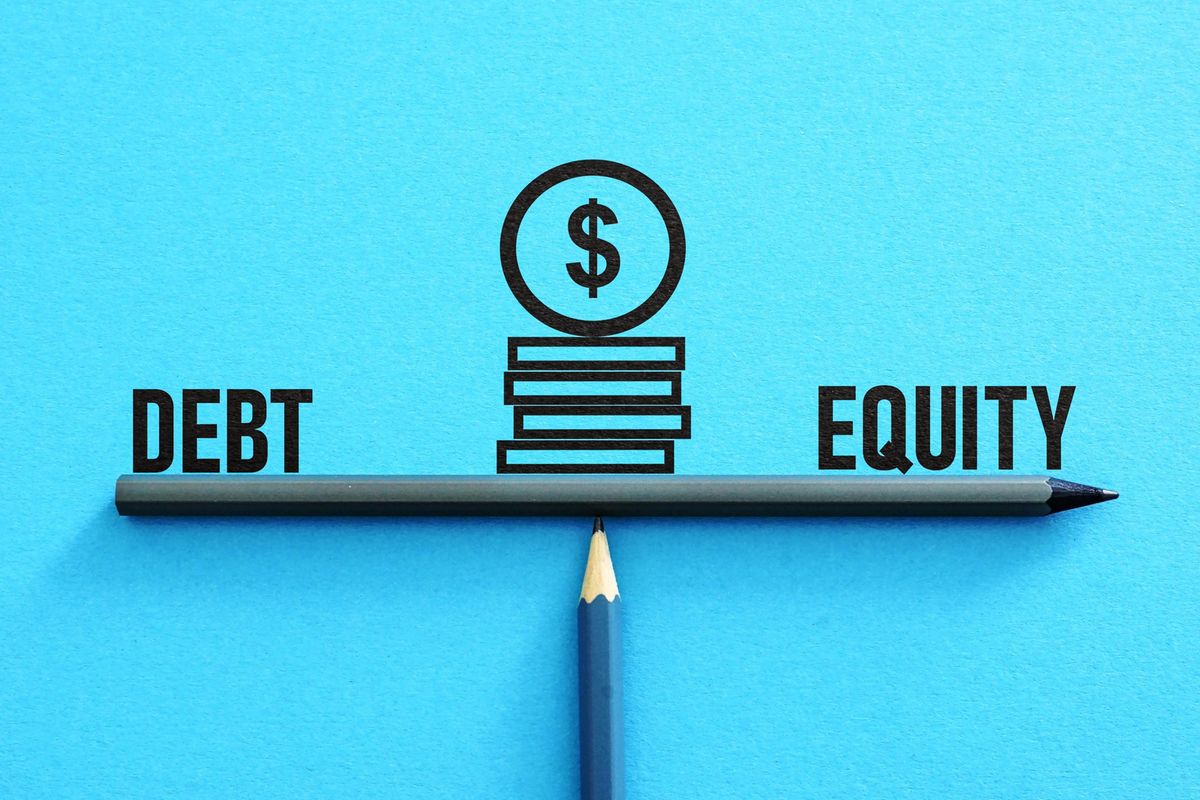
The filing allows Carnival to issue common and preferred stock, debt securities, warrants, purchase contracts and units as needed.
-
The shelf structure gives the cruise operator the option to raise funding quickly for purposes such as future refinancing, investments or balance sheet moves.
-
Carnival’s new omnibus shelf registration changes its funding toolkit, but investors should weigh this alongside broader business fundamentals. Our analysis turns up 2 warning signs for Carnival as well.
Consider widening your research to other cruise and travel related stocks that pay regular cash returns through 7 dividend fortresses.

Carnival operates large cruise ships that offer leisure travel experiences, putting the business firmly in the hospitality sector where access to flexible funding can influence how quickly it can refresh fleets or adjust capacity. With a market value of about $33.0 billion, the group is a major player in global vacation travel, so changes to its financing options often draw close attention from income focused and growth oriented investors alike.
5 things going right for Carnival that this headline doesn’t cover.
Carnival shelf registration: how fresh firepower fits the investment story
The long-term bet on Carnival is that steady guest demand, richer onboard spend and disciplined fleet investment can outweigh fuel costs, debt and geopolitical friction. This new omnibus shelf registration sits inside that story as a financing tool that can either support those catalysts or dilute them.
The company’s disciplined capacity management, focusing on “same-ship” high-margin revenue growth amid limited newbuild additions and opportunistic fleet recycling, mitigates oversupply risk and enhances pricing power…
See how the full story points towards a $33.89 fair value for Carnival.
The shelf registration directly supports the fleet-modernisation and private-destination push that underpins Carnival’s Narrative. Management now has a pre-cleared way to issue equity, debt or hybrid securities if it wants to fund projects like new fuel-efficient ships or destination upgrades without waiting on a new prospectus. That flexibility lines up with the focus on same-ship yield, upgraded hardware and loyalty-led spending that is meant to keep Carnival competitive against Royal Caribbean and Norwegian.
There is a trade-off. The ability to issue more shares or debt sits uncomfortably next to a thesis that already flags high leverage and dividend risk, even after a US$1.2b buyback. Investors now have to weigh the benefit of faster spend on destinations, technology and sustainability against potential dilution or a slower path to a cleaner balance sheet.