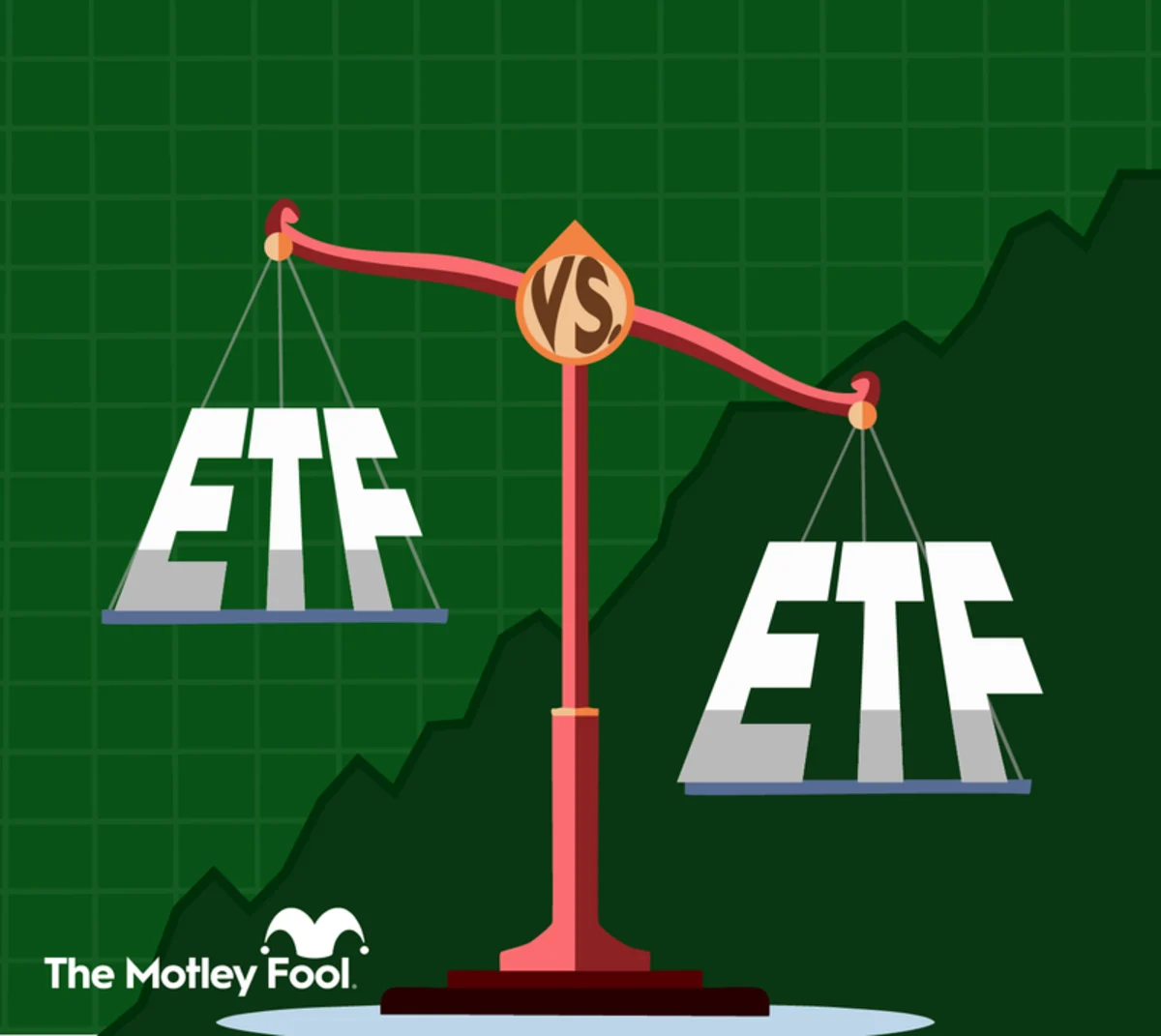
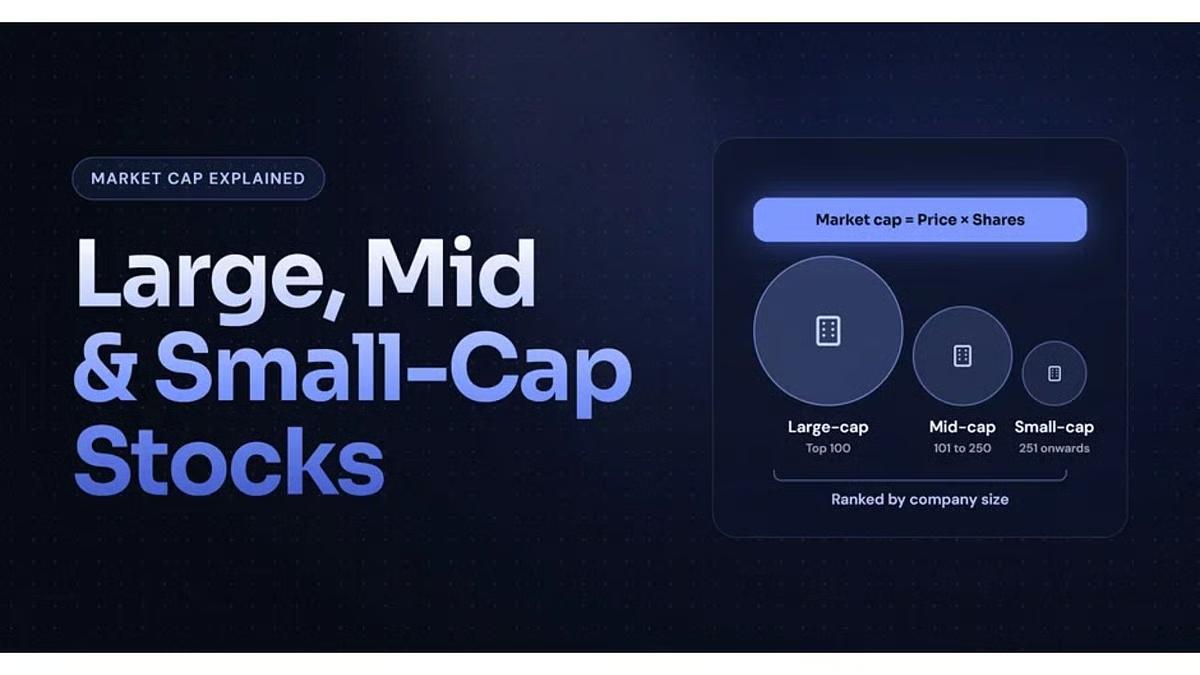
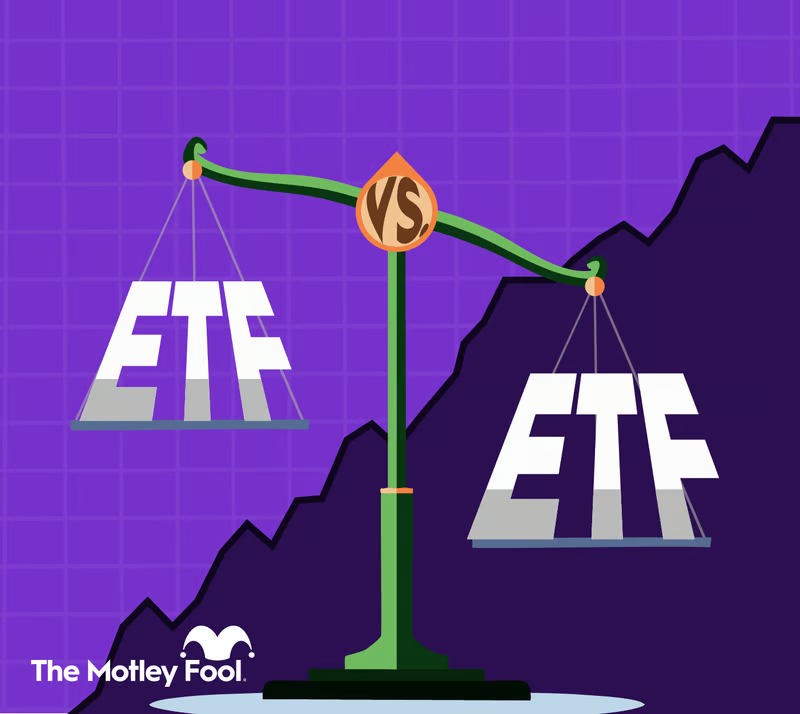
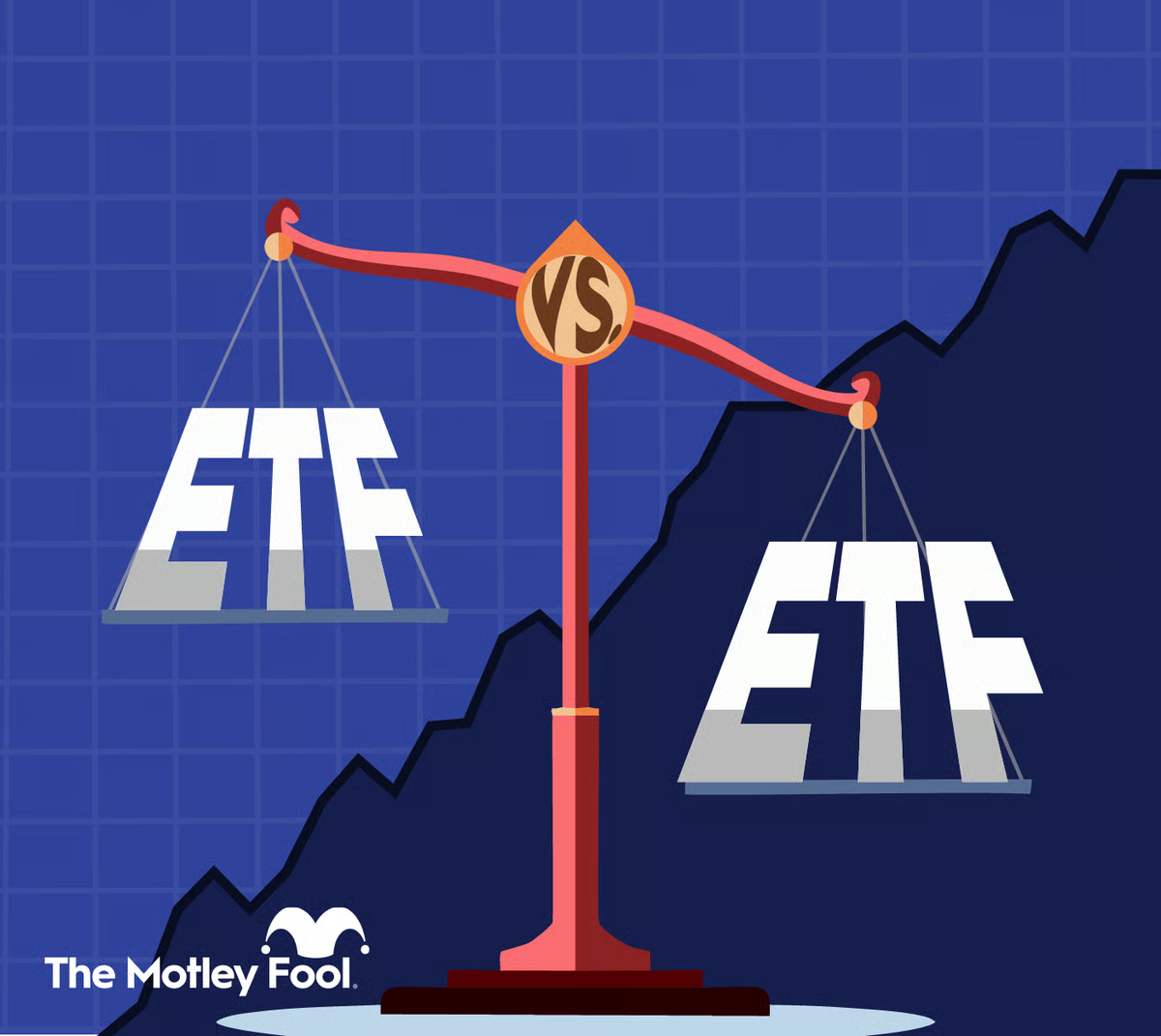
The Vanguard Russell 1000 Growth ETF (NASDAQ:VONG) and the State Street SPDR S&P 600 Small Cap Growth ETF (NYSEMKT:SLYG) both target stocks with growth potential, but they track different segments of the market.
VONG focuses on large-cap stocks with an emphasis on tech, while SLYG captures the small-cap growth sector. Here’s how the two compare on the most important factors for investors.
Snapshot (cost & size)
Beta measures price volatility relative to the S&P 500; beta is calculated from monthly returns over the available fund history (up to five years). The 1-yr return represents total return over the trailing 12 months. Dividend yield is the trailing-12-month distribution yield.
Expense ratios are a primary concern for long-term growth investors, and VONG is notably more affordable at 0.06%. This means that for every $10,000 invested in each fund, investors can expect to pay $6 per year for VONG or $15 per year for SLYG. While it may seem inconsequential, that difference can add up over time.
Performance & risk comparison
What’s inside
VONG tracks an index of 368 holdings, focusing on large-cap U.S. stocks. Its portfolio is heavily weighted toward technology at 56% of assets, followed by communication services at 16%. Its largest positions include Nvidia, Apple, and Alphabet. The fund launched in 2010 and has paid $0.58 per share in dividends over the trailing 12 months.
SLYG holds 350 small-cap stocks selected for robust growth attributes. It maintains a more balanced sector profile with industrials at 18% of assets, technology at 17%, and healthcare at 16%. Its top holdings include FormFactor, Viasat, and Protagonist Therapeutics. The fund launched in 2000 and has paid $0.78 per share in dividends over the trailing 12 months.
For more guidance on ETF investing, check out the full guide at this link.
Which looks like the better buy
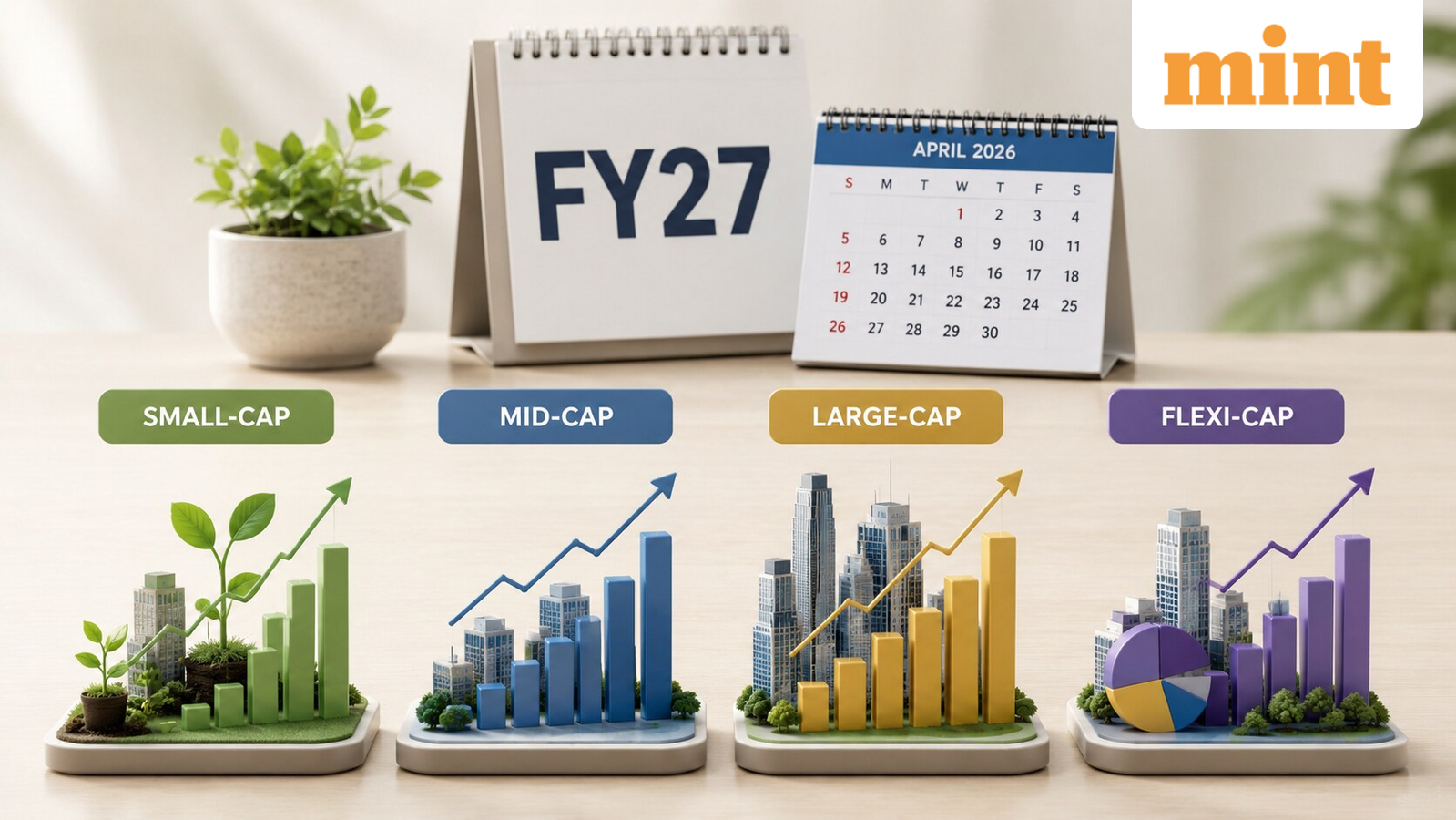
VONG and SLYG take vastly different approaches to the equities market, and the right fit for you will depend on what you’re looking to achieve with an ETF.
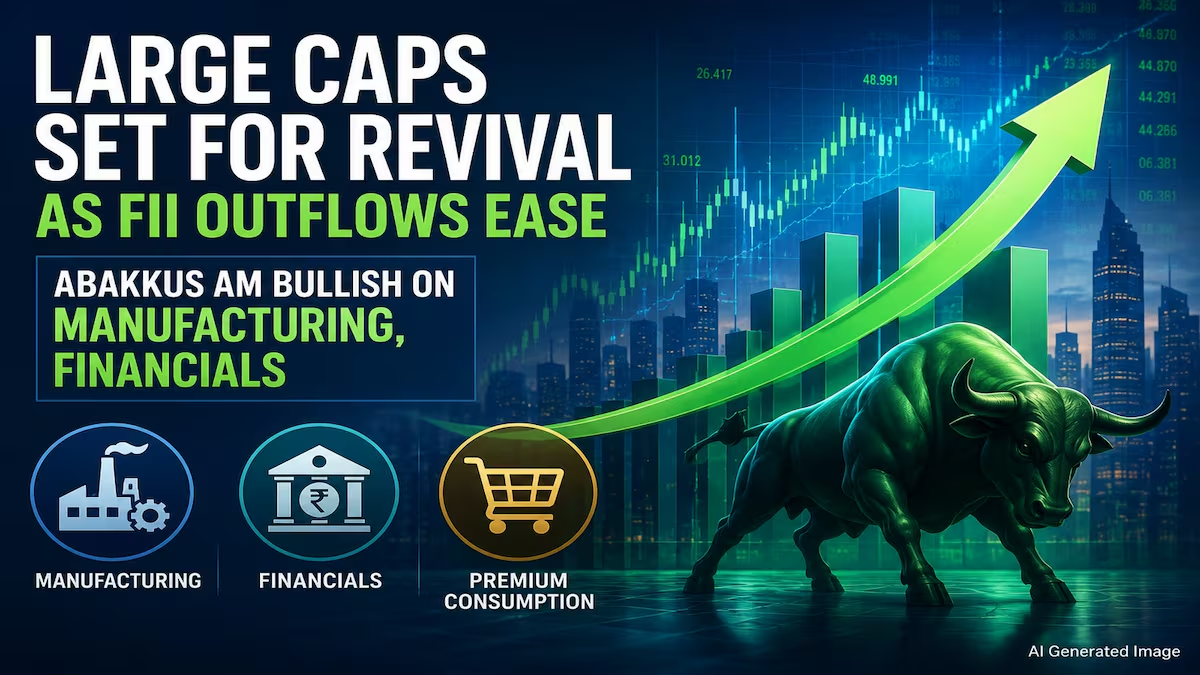
VONG focuses specifically on large-cap stocks with growth characteristics. Because tech stocks dominate the large-cap sector right now, the majority of this fund is dedicated to tech.
Its top three holdings alone make up close to 29% of the portfolio, which can be a double-edged sword. When the tech industry is thriving, VONG is likely to overperform the market. But if tech stocks falter, this ETF will likely be hit harder than SLYG.
SLYG targets small-cap growth stocks, and it’s also more diversified in its approach. No single industry dominates, and the top three stocks collectively make up less than 3.5% of the portfolio. This ETF is less likely to be swayed by a particular stock or industry, which can appeal to investors seeking a more balanced fund.
In terms of performance and risk, VONG has both a higher beta and steeper max drawdown — suggesting more severe price fluctuations over the last five years. SLYG has outperformed VONG over the last 12 months, as small-cap stocks in general have experienced outsize returns this year. However, VONG has been the stronger performer over the last five years, largely thanks to its focus on tech stocks.
Both funds can be smart buys, and the right one will depend on your goals. Those seeking diversified small-cap exposure may prefer SLYG’s balanced approach, while investors looking for access to large-cap growth might find VONG more appealing.
Should you buy stock in Vanguard Scottsdale Funds – Vanguard Russell 1000 Growth ETF right now?
Before you buy stock in Vanguard Scottsdale Funds – Vanguard Russell 1000 Growth ETF, consider this:
The Motley Fool Stock Advisor analyst team just identified what they believe are the 10 best stocks for investors to buy now… and Vanguard Scottsdale Funds – Vanguard Russell 1000 Growth ETF wasn’t one of them. The 10 stocks that made the cut could produce monster returns in the coming years.
Consider when Netflix made this list on December 17, 2004… if you invested $1,000 at the time of our recommendation, you’d have $361,650!* Or when Nvidia made this list on April 15, 2005… if you invested $1,000 at the time of our recommendation, you’d have $1,437,517!*
Now, it’s worth noting Stock Advisor’s total average return is 936% — a market-crushing outperformance compared to 213% for the S&P 500. Don’t miss the latest top 10 list, available with Stock Advisor, and join an investing community built by individual investors for individual investors.
See the 10 stocks »
*Stock Advisor returns as of October 5, 2026.
Katie Brockman has positions in Vanguard Scottsdale Funds – Vanguard Russell 1000 Growth ETF. The Motley Fool has positions in and recommends Alphabet, Apple, FormFactor, and Nvidia. The Motley Fool recommends Protagonist Therapeutics. The Motley Fool has a disclosure policy.
Vanguard’s VONG vs. State Street’s SLYG: How Large-Cap Tech Compares to Small-Cap Diversification was originally published by The Motley Fool