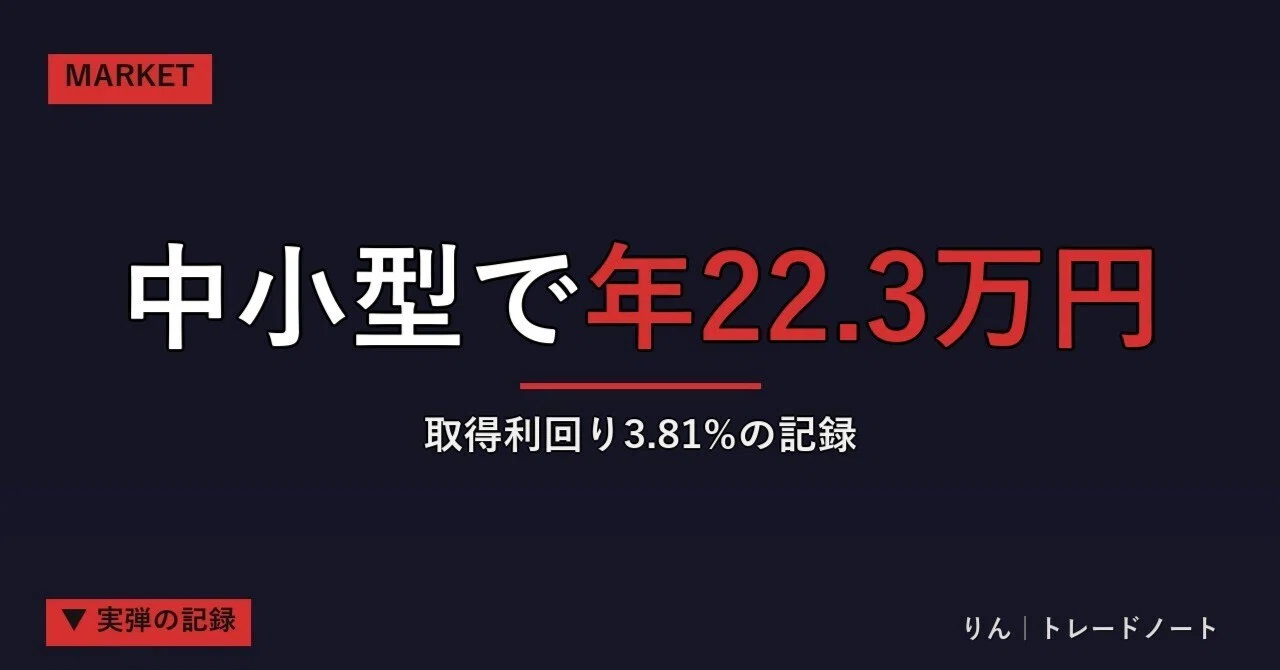
Dividend growth stock investing yields results not only with large-cap stocks but also with small and mid-cap stocks. I allocated 5.86 million yen across three small and mid-cap companies that are difficult for institutions to buy and whose prices tend to lag, building a yield on cost of 3.81%, with annual receipts of 223,000 yen (pre-tax).
The basics of dividend growth stocks are not just about large-cap stocks. I allocated 5.86 million yen across three small and mid-cap companies that don’t appear in dividend growth stock books, building a yield on cost of 3.81%, with annual receipts of 223,000 yen (pre-tax). This is a record as of November 20, 2026.
[Record] Thursday, 11/19/2026
・15:00 Market close. Okinawa Cellular Telephone (9436), Zenkoku Hosho (7164), and Takachiho Koheki (2676); for all three companies, I did not reach the second level of buying on the dip.
・15:32 Confirmed open positions. Total for the 3 companies: 5.86 million yen (based on acquisition amount)
・21:10 Added up the expected receipts for the next term on the securities account’s “Dividends/Distributions” screen. Annual 223,000 yen
・21:40 Compared this to holding the same 5.86 million yen in large-cap stocks with a yield of 2.7%. The difference is 65,000 yen per year.
I’ll start with the numbers. With the same money and the same dividend growth stock perspective, just by changing the “size” of the stocks, even in a hypothetical calculation, there is a difference of 65,000 yen per year. I will write about it step by step.
This article is for those who have read dividend growth stock books and tried buying consecutive dividend growth stocks, but could only think of famous names like KDDI or Kao, and whose yield on cost does not reach 3%. If you want capital gains more than dividends, or if you are satisfied with monthly savings of 10,000 yen, you don’t need to read this.
[What you will learn in this article]
1. Why dividend growth stocks work for small and mid-cap companies
2. The day I believed in a 6% yield and paid 940,000 yen (loss)
3. The behind-the-scenes reason why institutions cannot buy small and mid-cap stocks
4. Full record of the 3 companies’ 5.86 million yen position and purchase prices (paid content)
5. Calculation template for the 1 indicator institutions were watching (paid content)
6. Quick reference chart for buying on the dip and a checklist for those whose receipts are not growing (paid content)
7. Looking back at the 3 companies’ 5.86 million yen with numbers (paid content)
📌 Also read
・Dividend growth stock rankings should be viewed by layering 3 sheets. A record of putting 6.52 million yen into 3 companies that appeared on 2 or more sheets
・Don’t buy the morning after a dividend increase announcement. A record of 3 companies built on one line of the medium-term management plan’s return policy
🎁 [Members Wanted] All 150+ paid articles are available for unlimited reading for 980 yen per month. Since individual articles cost 300 to 980 yen each, you can break even by reading 2-3 articles. Plus, the first month after joining is free. First, try reading everything for 0 yen → Rin’s Live Ammunition Note (980 yen/month, first month free)
🔍 Why dividend growth stocks work for small and mid-cap companies
The focus for dividend growth stocks is simple.
・Companies that increase dividends every year
・While there is a reason they can increase them (profit mechanism)
・Buy on days when the yield is high, and hold for a long time
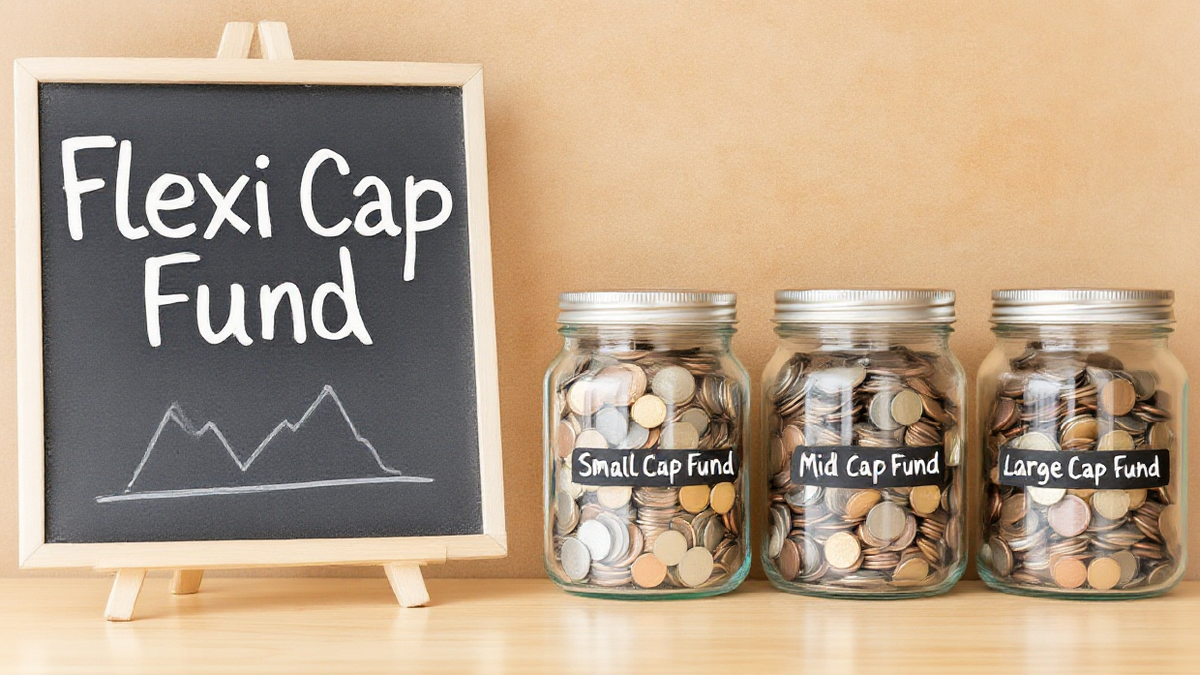
If you only do this with large-cap stocks, there is actually one problem. Everyone reads the same books and buys the same stocks. That is why the stock price rises first, and the yield on cost tends to stay in the 2% range.
Let’s do a hypothetical calculation. If you put the same 5.86 million yen as now into large-cap stocks with a yield of 2.7%, the annual payout would be 158,000 yen. The three small and mid-cap companies I have now pay 223,000 yen per year.
━━ Before / After (Hypothetical calculation) ━━
・Large-cap stocks with 2.7% yield: 5.86 million yen → 158,000 yen
per year・Me now: 3 small and mid-cap companies 5.86 million yen → 223,000 yen per year
The difference is 65,000 yen per year. Over 5 years, that is about 320,000 yen. Even without adding dividend growth, the gap is this wide. *The 2.7% yield for large-cap stocks is an assumption for the sake of clarity.
Here is one rule I was actually keeping behind a paywall, which I will share for free: “I will not buy a single share at a price where the yield on cost is below 3.5%.”. If you divide the company’s projected annual dividend by 0.035, you get that price. For example, if the dividend is 88 yen per year, I won’t touch it above 2,514 yen. In my case, Zenkoku Hosho is 123 yen divided by 0.035, which is 3,514 yen, and Takachiho Koheki is 76 yen divided by 0.035, which is 2,171 yen. I built my positions in these two companies below those lines.
However, to be honest, for Okinawa Cellular Telephone, it is 70 yen divided by 0.035, which is 2,000 yen. The current stock price is in the 3,000 yen range, so it is above the line. According to my rules, this is one stock that I “will not buy any more of.”
💡 What you can do today: Try calculating just one of the dividend growth stocks you own using “company projected dividend ÷ current stock price.” If it is below 3%, that is a sign that you are buying at the price of a stock featured in a book.
But you know, it is not like I succeeded just because I moved to small and mid-cap stocks. I was properly taken for a ride once before I got to this point.
📉 The day I believed in a 6% yield and paid -940,000 yen
One spring, a few years ago. I put 3.12 million yen into a small-cap shipping stock with a yield of 6.1%. I thought, ‘It’s a small-cap, high-dividend stock, an extension of dividend growth investing.’
【Record】 May of that year (Earnings announcement day)
・15:00 Earnings announcement. Next period’s dividend forecast is less than half of the previous period’s.
・Next business day: Sell orders from the opening, stock price down 22%
in 3 days.・Continued to slide thereafter. Sold all shares. Loss of 940,000 yen (after deducting dividends received).
【Reflections】
Numbers don’t lie. It was my interpretation that lied. That company’s profits were determined by ‘external prices’—freight rates. If freight rates drop, dividends drop too. There was no ‘reason’ for dividend growth.
I only looked at the 6% yield figure and didn’t look for the reason behind the dividend growth. I was only using half of the perspective needed for dividend growth stocks. I wasted one year before I realized that.
【Judgment】
Since then, when I buy small and mid-cap stocks, I first look to see if ‘the reason for increasing dividends exists within the company itself.’ I have selected all three companies here based on this.
・Okinawa Cellular Telephone: Okinawa’s au mobile service. Monthly fees come in repeatedly.
・Zenkoku Hosho: Housing loan guarantees. Revenue linked to the guaranteed balance comes in every year.
・Takachiho Koheki: Specialized trading company for electronic equipment and systems. Dividends decreased last period, but they switched to a progressive dividend policy (a policy not to reduce dividends) starting from the fiscal year ending March 2027
All three companies have a structure where ‘money comes in every year from customers once they are acquired.’ It is difficult for them to fluctuate based on external prices. However, Takachiho Koheki’s dividend decreased last period. Therefore, I am viewing it not as a ‘dividend growth stock,’ but as a ‘phase where they have switched to a progressive dividend policy.’ I check this every time earnings are announced.
⚠️ What you can do today: Try writing down in one line ‘where the profits come from’ for your high-dividend stocks. Stocks you can’t write about are in the same position as my shipping stock.
And here is the part that no one tells you. Why are these kinds of companies left cheap when they are small or mid-cap?

🏦 The hidden side of why institutions can’t buy small and mid-cap stocks
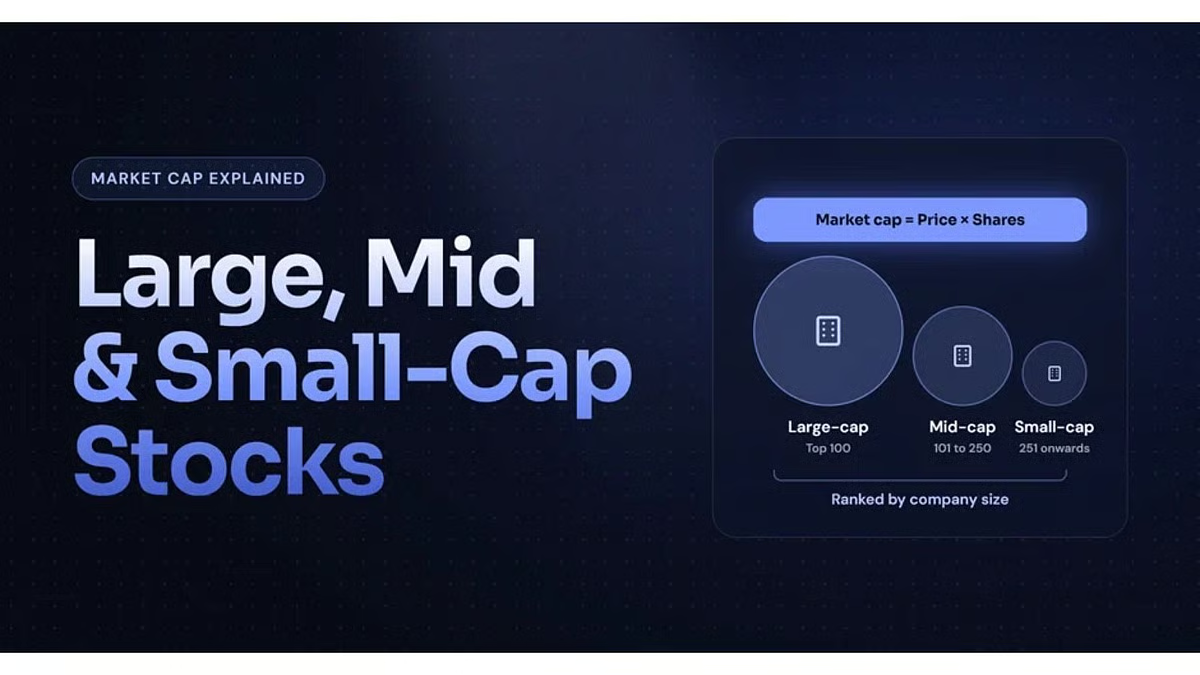
When I was at my desk, there was a ‘volume constraint’ for small and mid-cap stocks. There was an internal rule that for stocks with a market capitalization of less than 100 billion yen, we could only build a position up to 10% of the daily trading volume.
If a stock only trades 300 million yen per day, we could only buy up to 30 million yen per day. From a desk moving hundreds of billions of yen, it’s not worth the effort for the amount we can get in. So we don’t look at them. Because we don’t look, there are days when the pricing is sloppy.
‘Where institutions don’t go, prices ‘lag’.’
Even if they continue to increase dividends and the earnings figures are good, because large amounts of money don’t flow in, they are left with high yields. This gap is exactly what individuals can take advantage of.
One more thing. When I looked at small and mid-cap dividends at the desk, I didn’t look at the dividend payout ratio. I looked at a different single indicator. It’s a number derived by subtracting just two lines from the company’s ‘Cash Flow Statement.’ If I had looked at this for my shipping stock, I would have stopped before buying. The 940,000 yen loss was the price I paid for not knowing this one indicator.
…Come to think of it, Chi-chan asked me last week, ‘Is the dividend growth stock you talk about worth it even with my 1 million yen in savings?’ She looked a bit tired on the way home from daycare.
…I won’t laugh at Chi-chan’s situation. Even with 1 million yen, if the yield on cost is 3.8%, that’s 38,000 yen per year. If a fixed deposit is around 0.3%, that’s 3,000 yen (interest rates vary by bank). The difference is 35,000 yen per year, and over 10 years, that’s 350,000 yen. What I was taught first was to ‘look at this difference on an annual basis.’
※This article is a sharing of the author’s personal trading records and market views, and does not recommend the buying or selling of specific stocks, nor is it investment advice. Please make investment decisions at your own responsibility.
💎 What you will get in the rest of this (paid part)
✅ Position table for 3 companies with 5.86 million yen (purchase price, number of shares, yield on cost, and account allocation)
✅ One indicator that institutions were watching during my prop trading days, and a calculation template you can copy and paste
✅ A quick reference chart for the buy-down lines for the 3 companies (stock price and allocation for the 1st to 3rd entries)
✅ December 2026 to June 2027 dividend payment monthly calendar
✅ A 7-item checklist for those whose dividend income isn’t growing
How many dividend growth stocks do you hold right now? How many of them have a yield on cost exceeding 3.5%? Let me know in the comments. I’ll read them all.
From here on, I will show you everything in numbers, including the purchase price and number of shares for the 5.86 million yen investment, the name and formula for the one indicator institutions were watching, and the “next buy price” for each of the 3 companies.
🎁 You can buy the rest of this as a single article, but with a membership, you get unlimited access to over 150 other paid articles for 980 yen per month. It’s free for the first month after joining, so this is a much better deal → Rin’s Live Ammunition Note (980 yen/month, first month free)