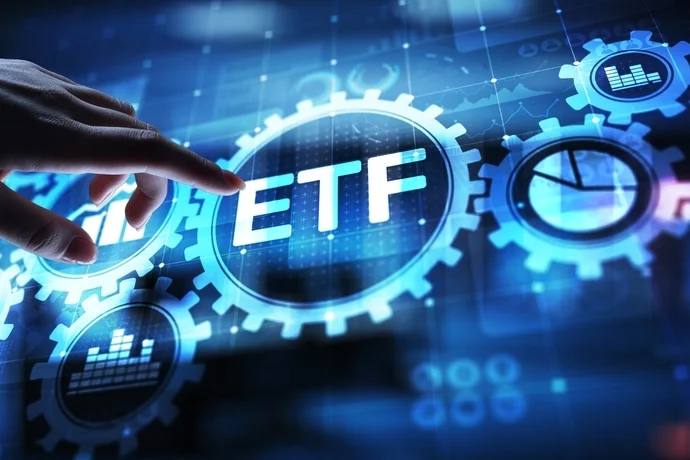
Morgan Stanley Investment Management hopes to convert nearly $10 billion of muni mutual funds into exchange-traded funds, the latest sign of investor demand shifting from mutual funds to ETFs.
Processing Content
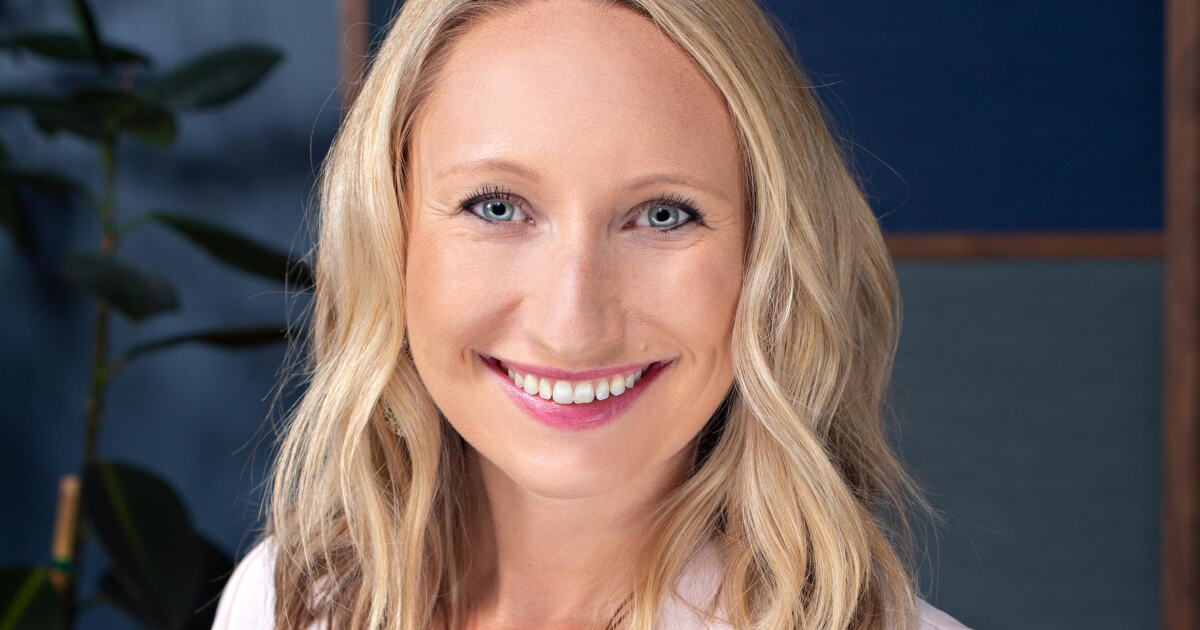
“The appetite for actively managed municipal ETFs is growing, and we believe the potential conversions will allow our municipal investment team to offer ETF solutions that span the entire municipal yield curve and credit spectrum in a structure that offers transparency and greater accessibility for investors,” Ally Wallace, global head of ETFs at Morgan Stanley Investment Management, said in a statement.
The firm is working to convert eight mutual funds into seven newly created ETFs and one existing ETF. The potential conversions have been approved by the Board of Trustees and now require the mutual funds’ shareholder approval and satisfaction of other closing conditions.
By converting mutual funds into ETFs, “managers can reposition established strategies into one of the fastest-growing segments of asset management while retaining historical performance track records,” Barclays strategists said.
Additionally, ETFs “benefit from a more tax-efficient creation and redemption mechanism and avoid 12b-1 distribution fees,” making them more appealing than traditional mutual fund structures, they said.
The potential conversions are a “vote that the market is clearly expressing long-term support for the ETF wrapper,” said Pat Luby, head of municipal strategy at CreditSights.
“Maybe there’s some revenue give up, but it gives [Morgan Stanley Investment Management] an opportunity to clean up their offering and move these funds that have all the infrastructure in place … and ship them over to the ETF side and expand the distribution reach,” he said.
There are around 173 muni ETFs, more than the 150 ETFs in the UST market, Luby said.
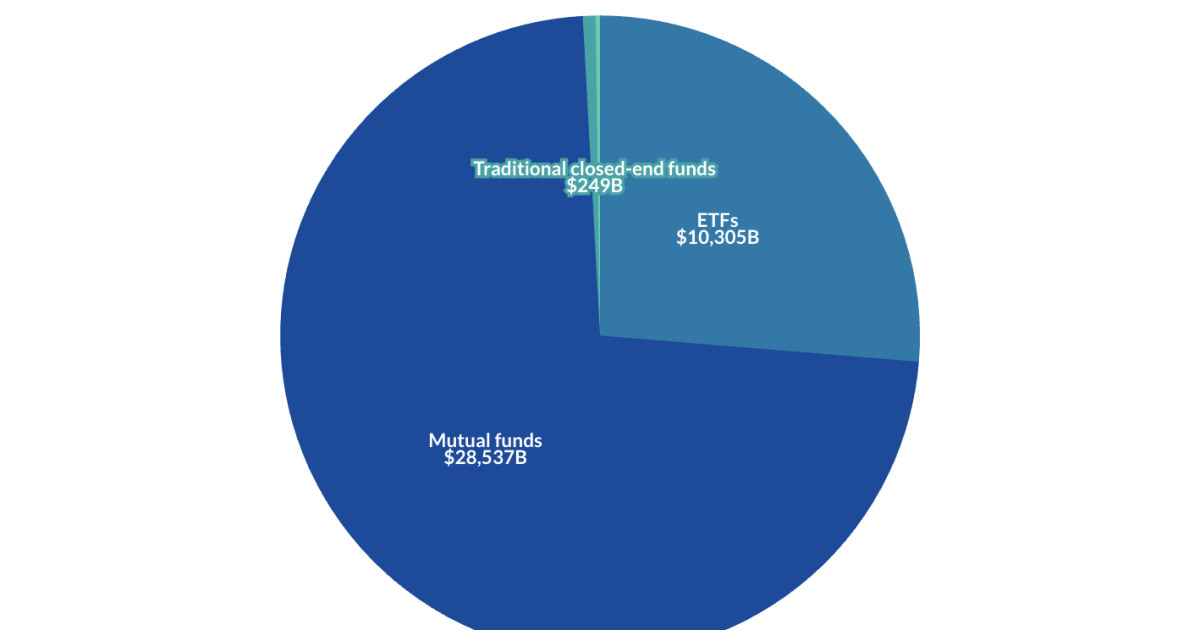
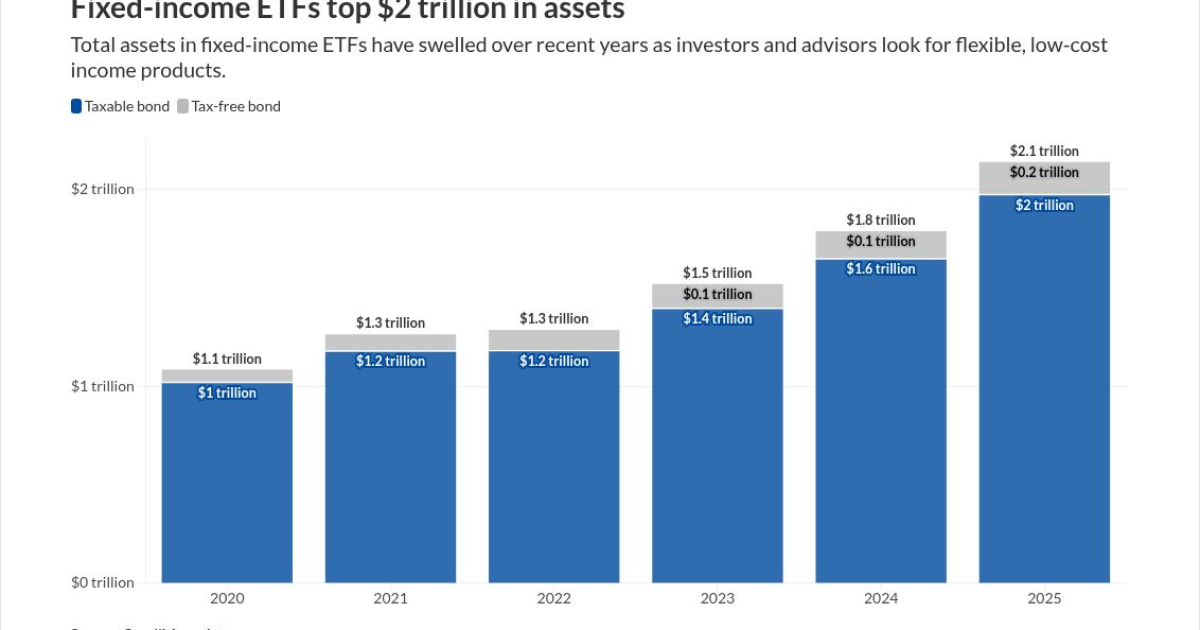
Money has been moving out of mutual funds into ETFs and separately managed accounts, spurring ETF growth to outpace mutual fund growth, per the latest Federal Reserve data.
ETF ownership was at $219.7 billion in the second quarter of 2026, up 10.2% quarter-over-quarter and 46.7% year-over-year, per Fed data.
Meanwhile, mutual funds owned $861.3 billion in Q2 2026, rising 1.2% from Q1 2026 and 6.9% from Q2 2025.
ETF growth comes from their “equity-like” features, such as real-time pricing, intraday flexibility and greater liquidity than traditional mutual funds. Investors like ETFs due to their cost-effectiveness, tax efficiency and instant diversification.
The growing preference for ETFs over mutual funds played a role in some firms’ and mutual funds’ decision to convert to ETFs.
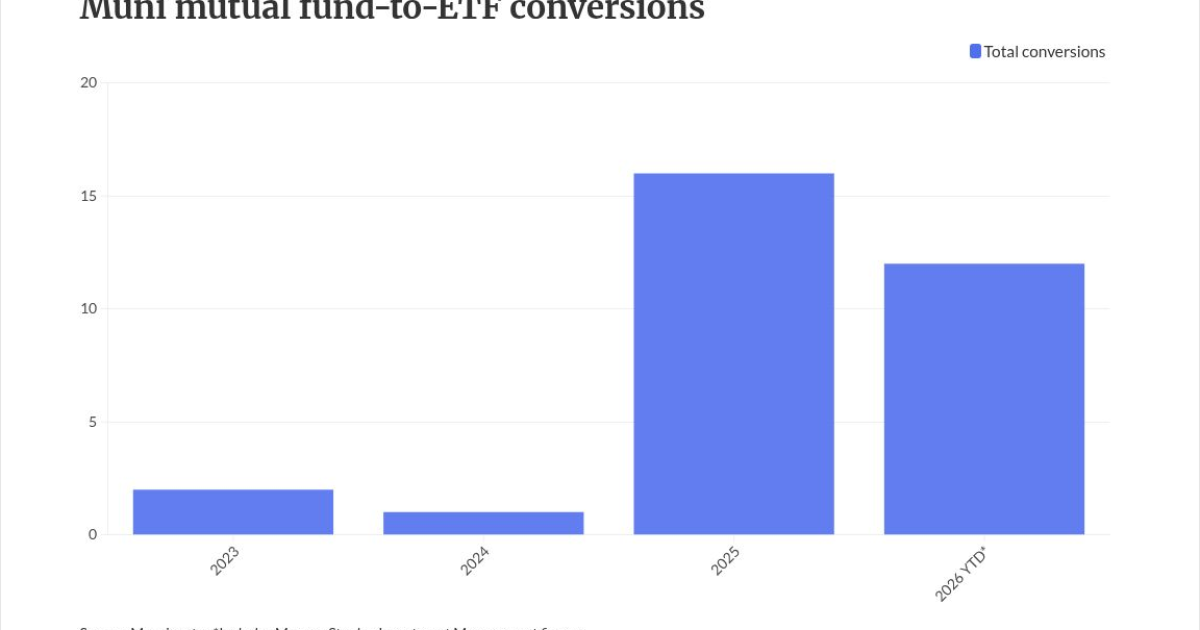
Mutual fund-to-ETF conversions gained traction in 2021, and since then, there have been around 40 to 50 conversions per year, said Dan Sotiroff, a senior manager research analyst on the passive funds research team at Morningstar.
Since 2021, 223 mutual fund-to-ETF conversions have been completed, including 24 muni mutual fund-to-ETF conversions, according to Morningstar data. If shareholders approve Morgan Stanley Investment Management’s efforts, that will bring the total to 31.
With firms expected to continue converting mutual funds to ETFs, growth will be steady, Sotiroff said.
But there are issues with conversions. For one, converting is difficult, as firms must work through obstacles and hurdles, he said.
Additionally, not every mutual fund is a good candidate, so the pool is fairly limited, Sotiroff said.
Alternatives are also available, such as “bolting on” an ETF share class to an existing mutual fund, he said.
“There are all different avenues to get to ETFs from mutual funds. It’s a question of vetting which path is best and appropriate for the given investment, and the distribution channels and the tax efficiency have to be weighed against each other,” Sotiroff said.