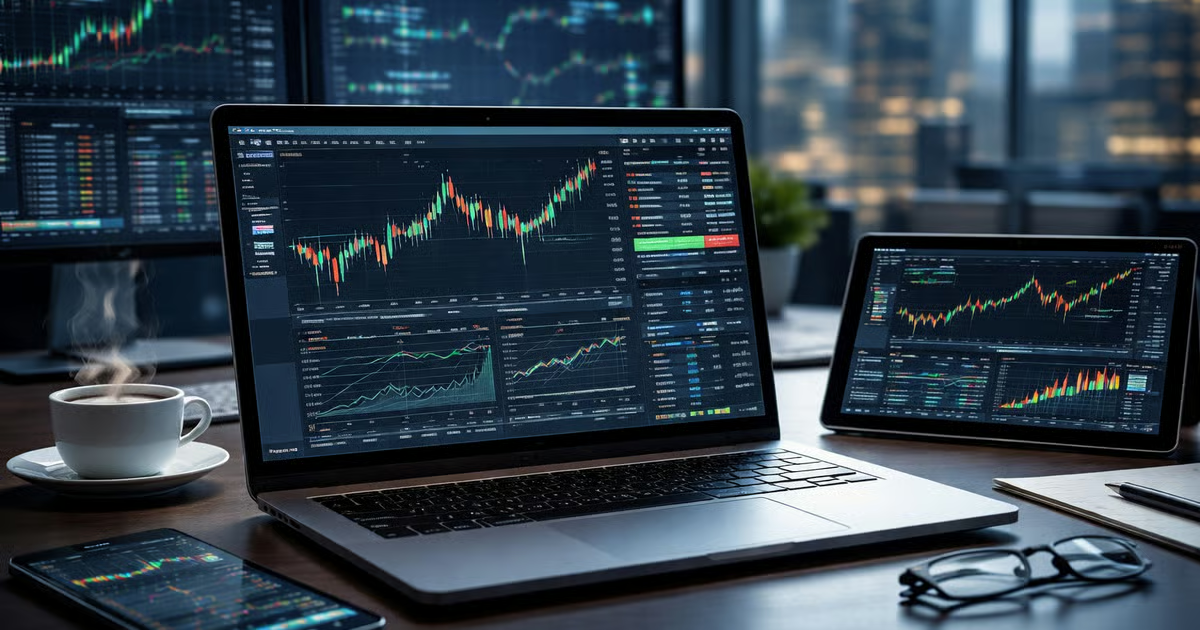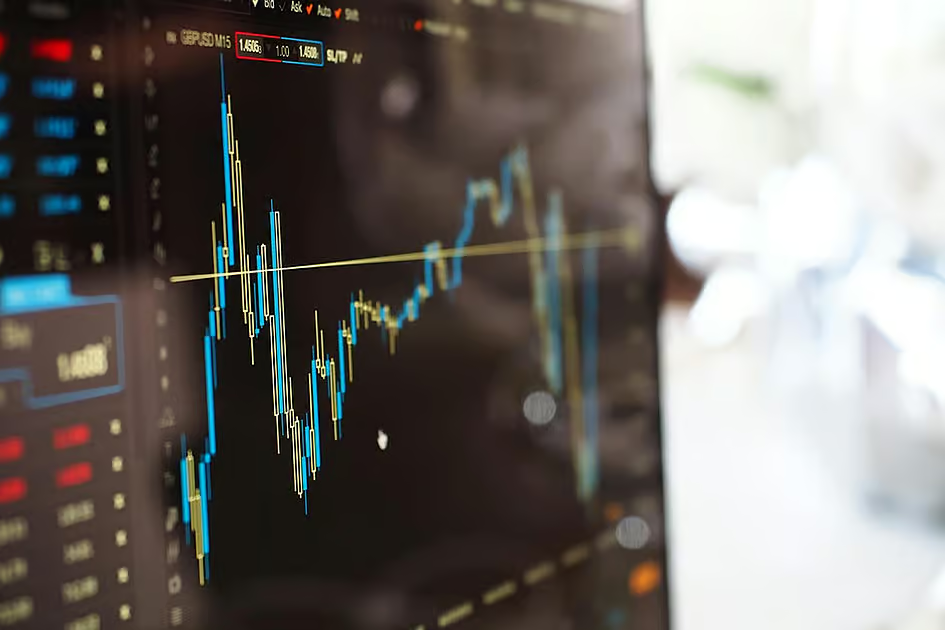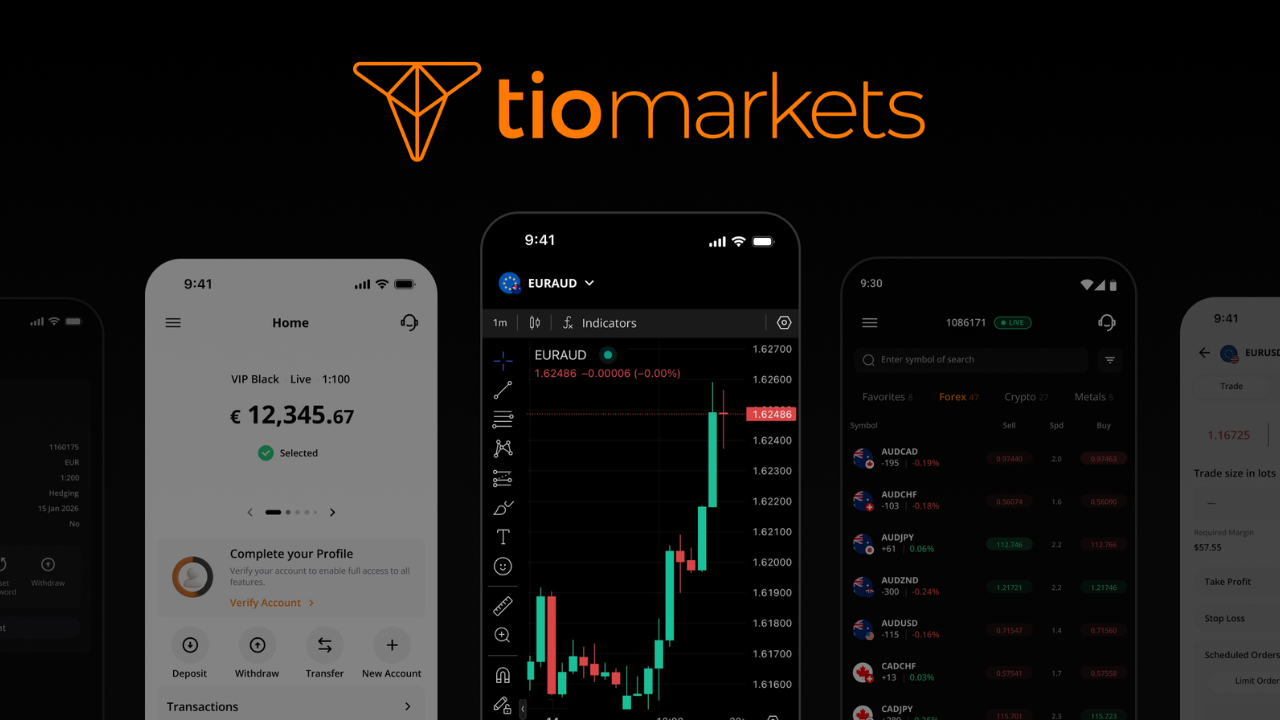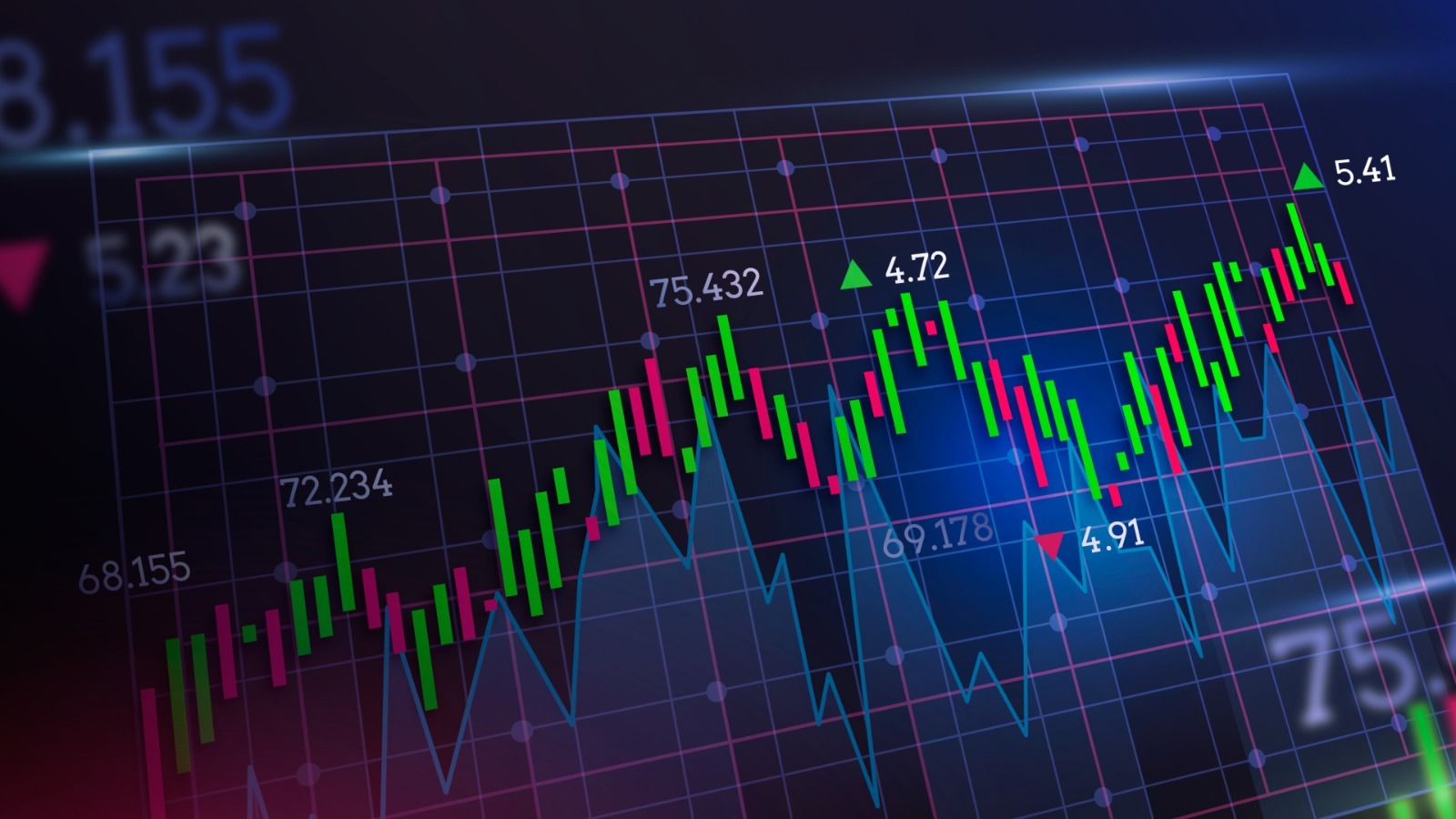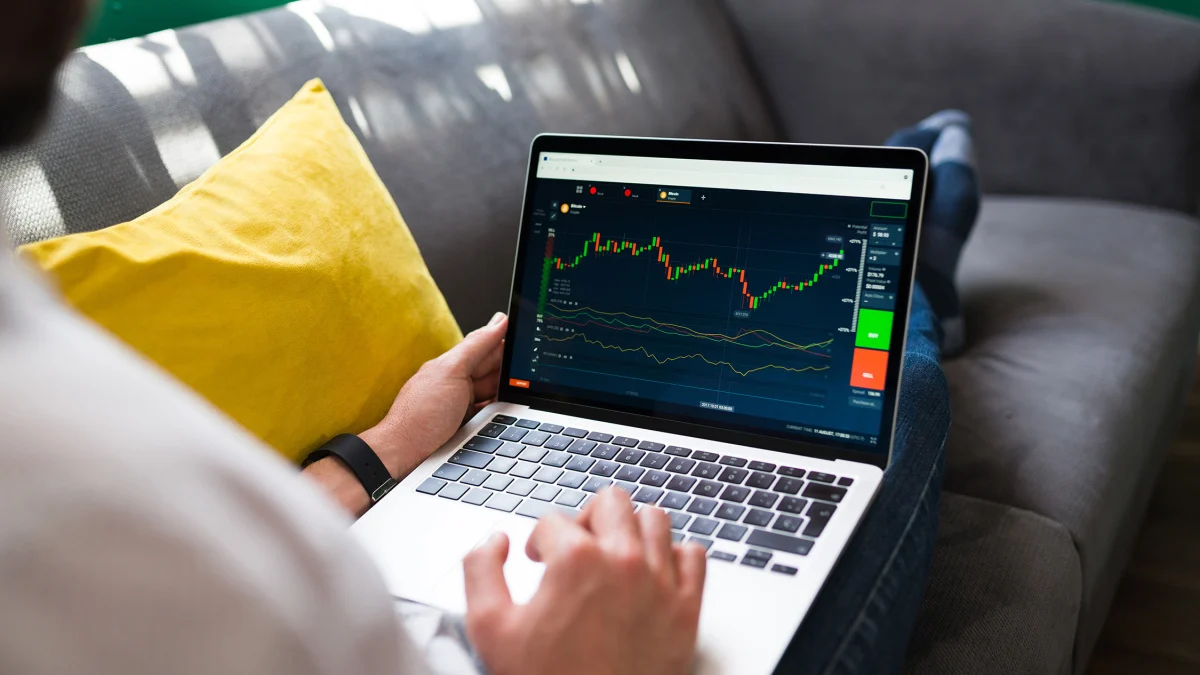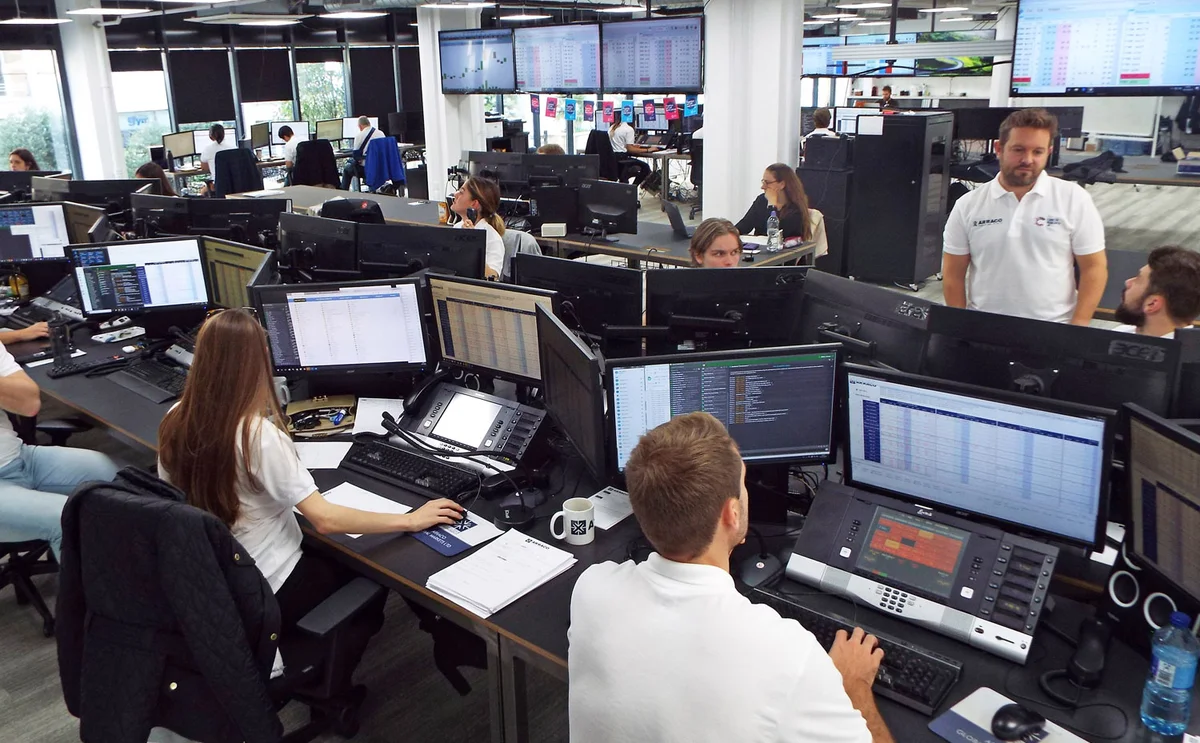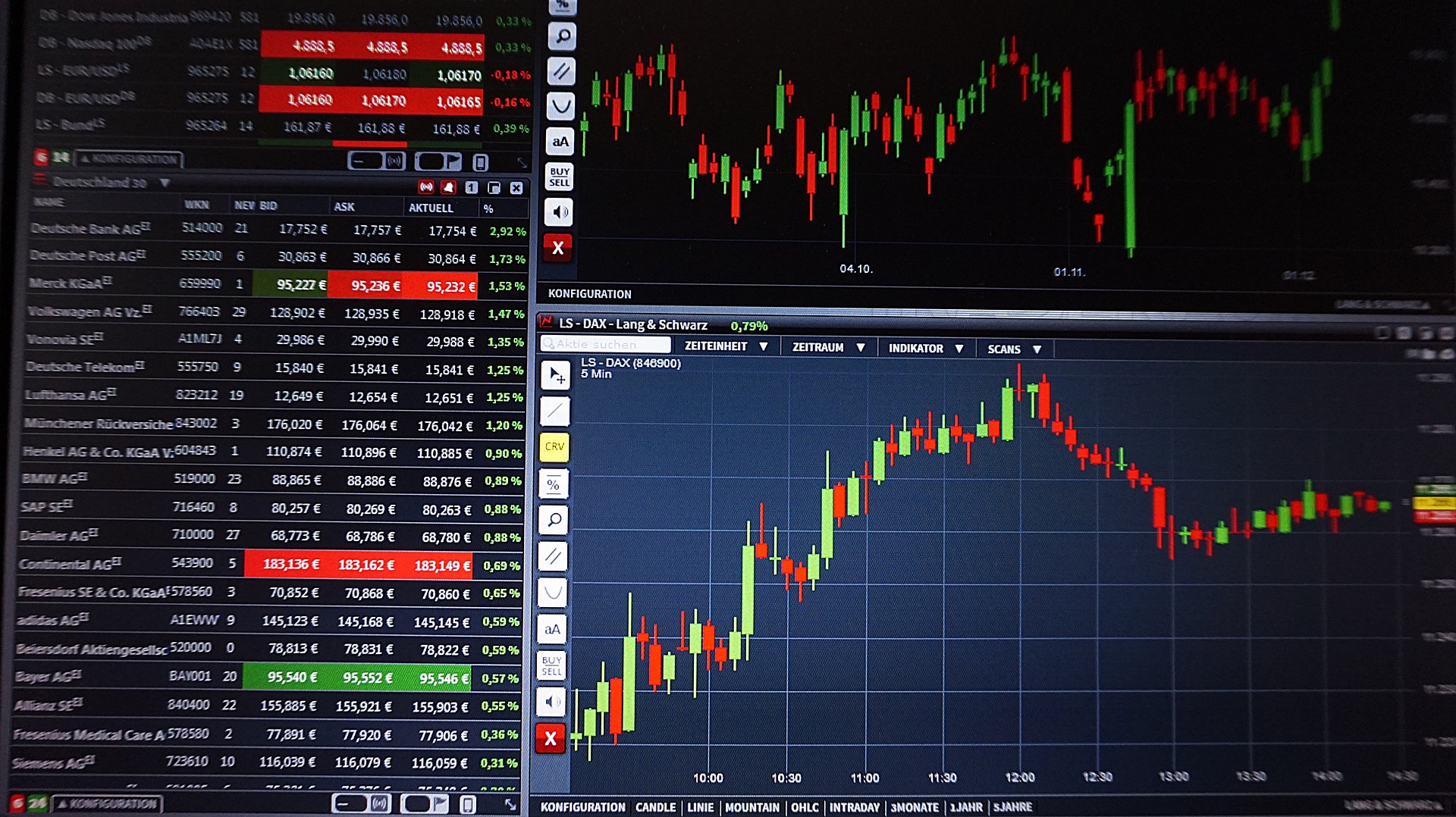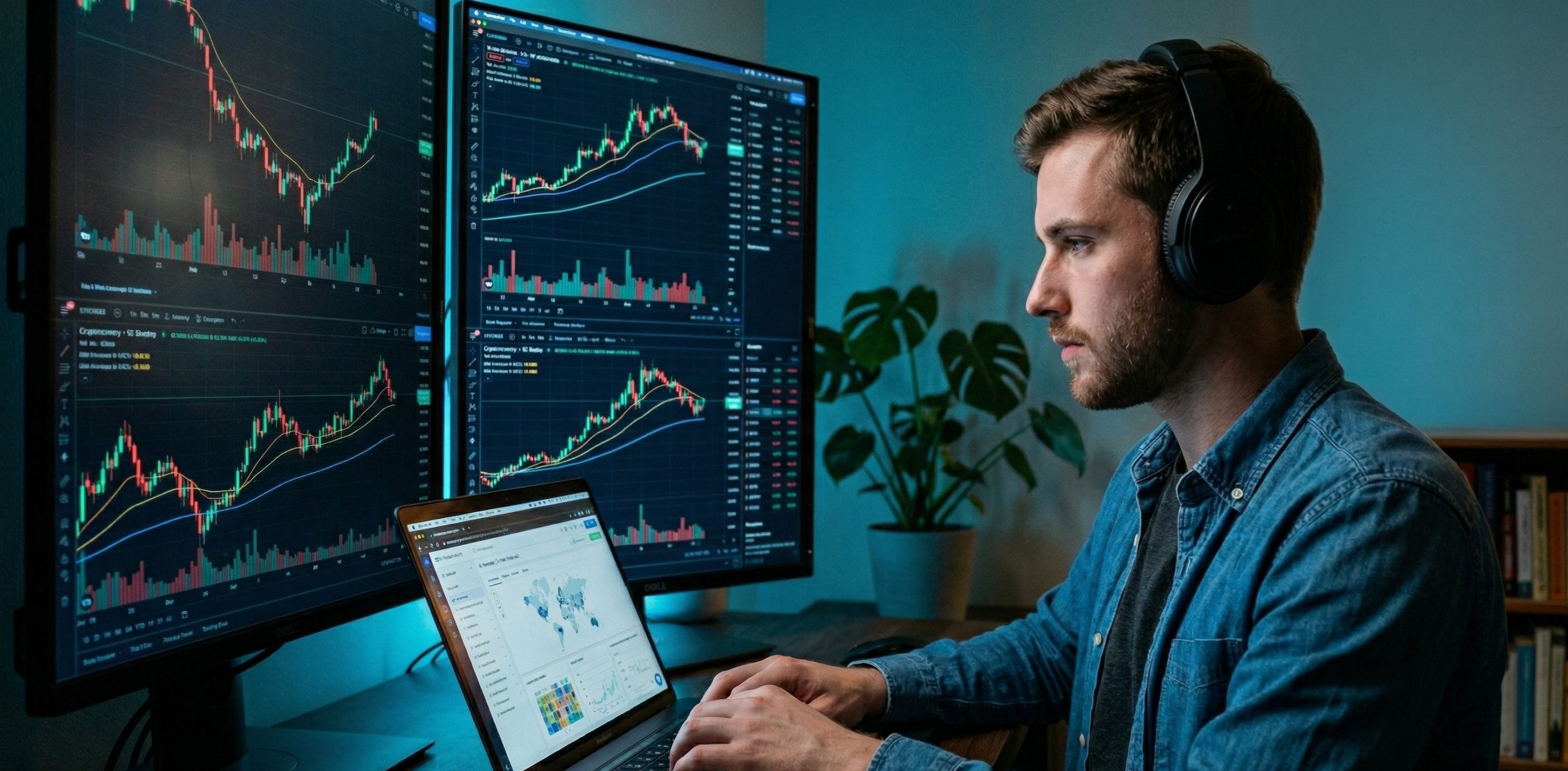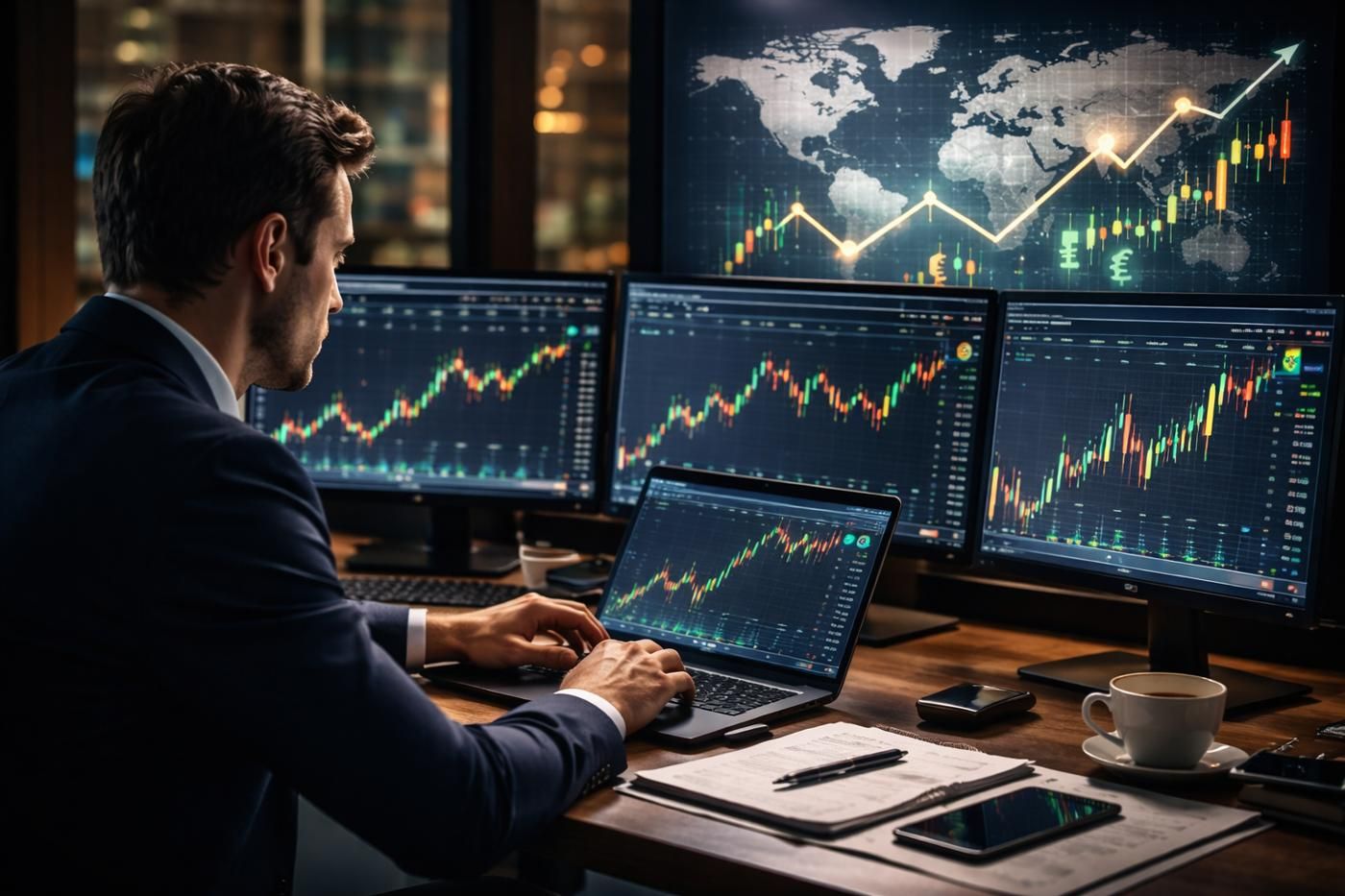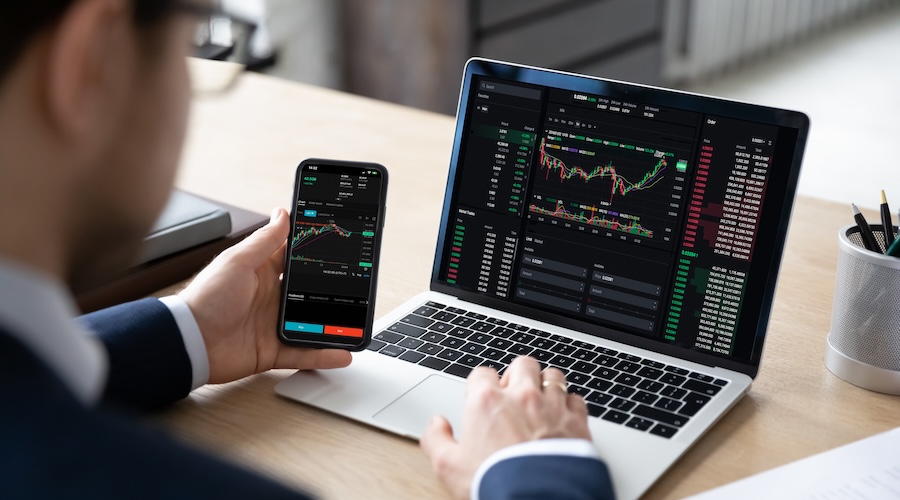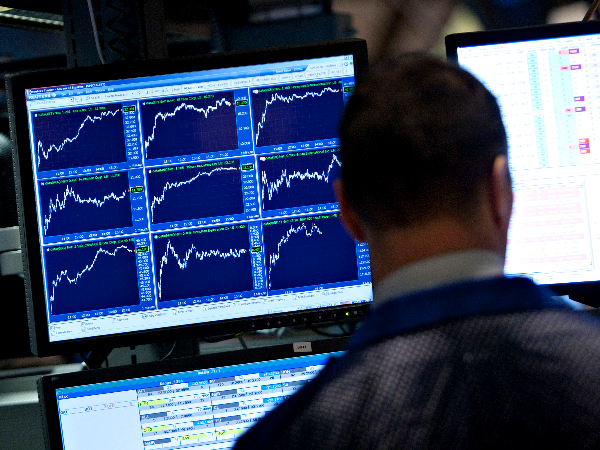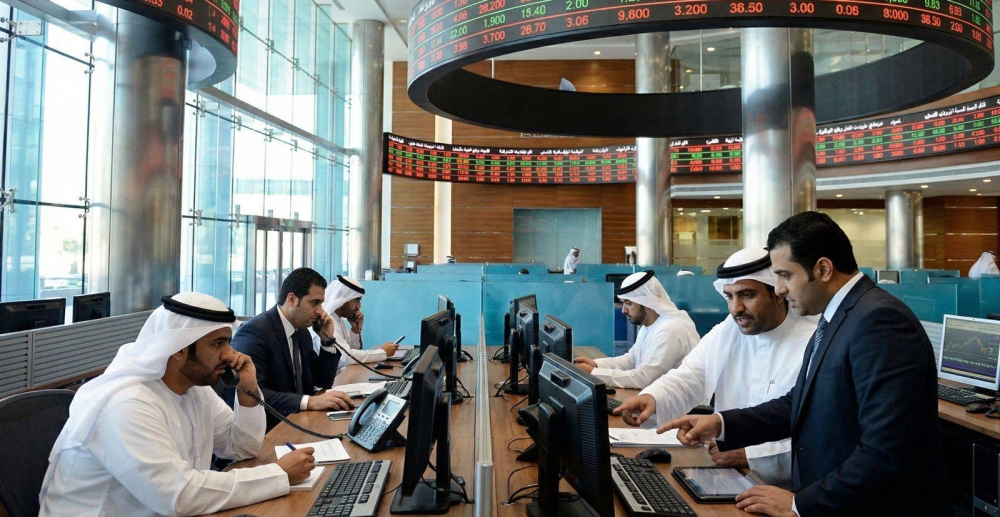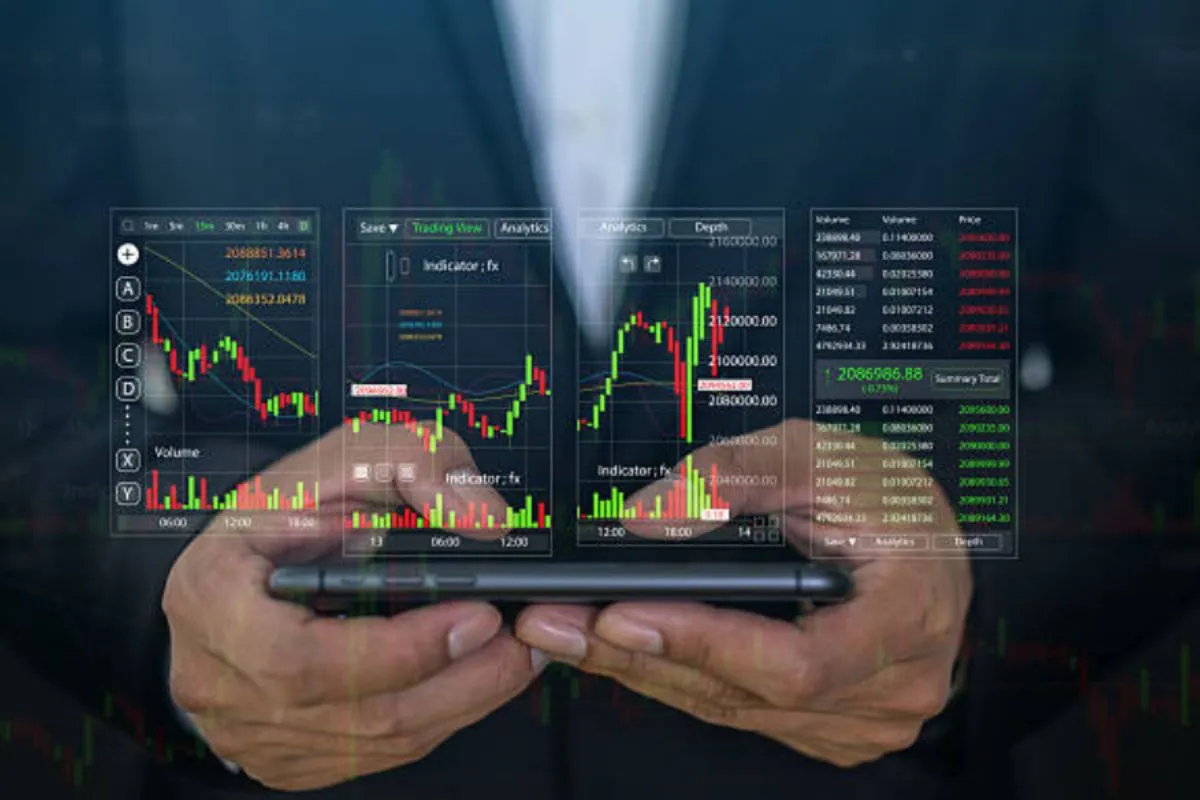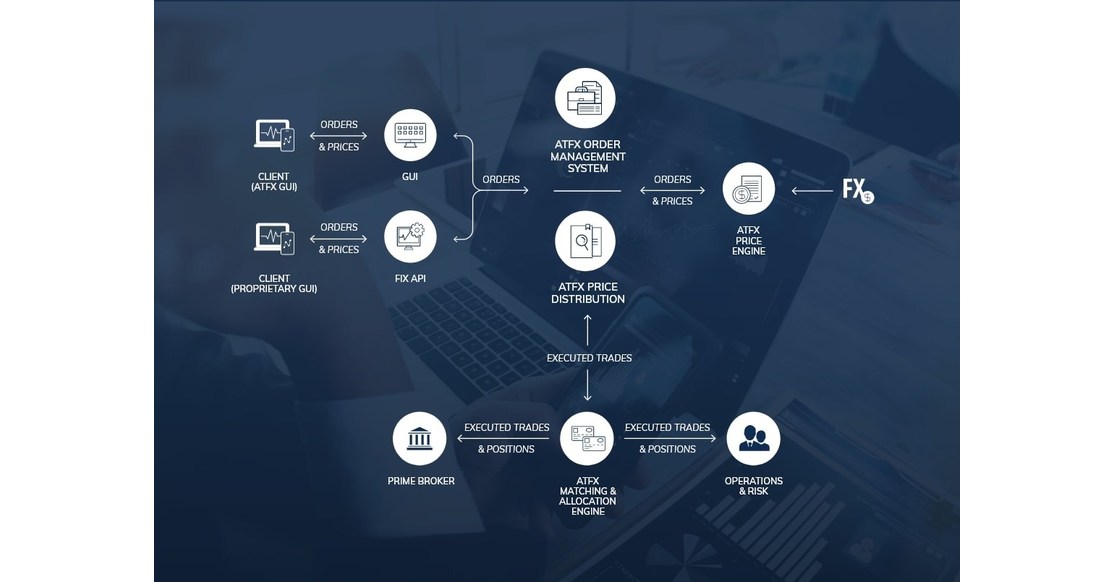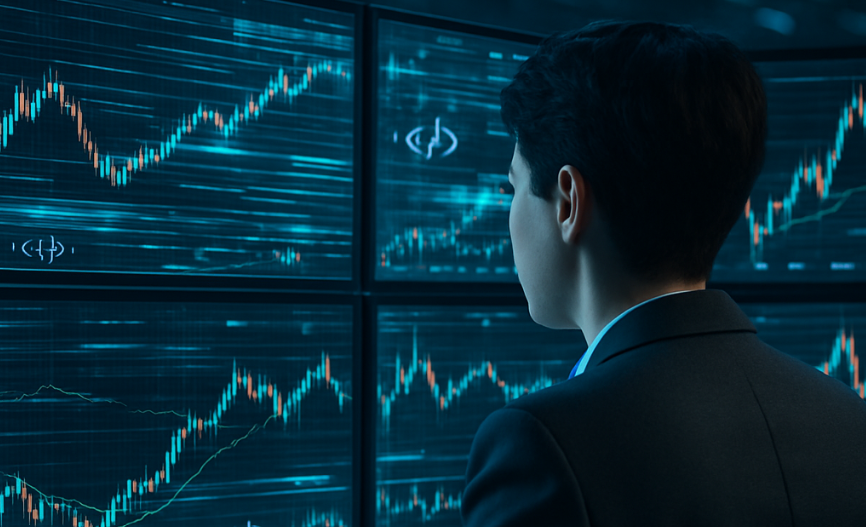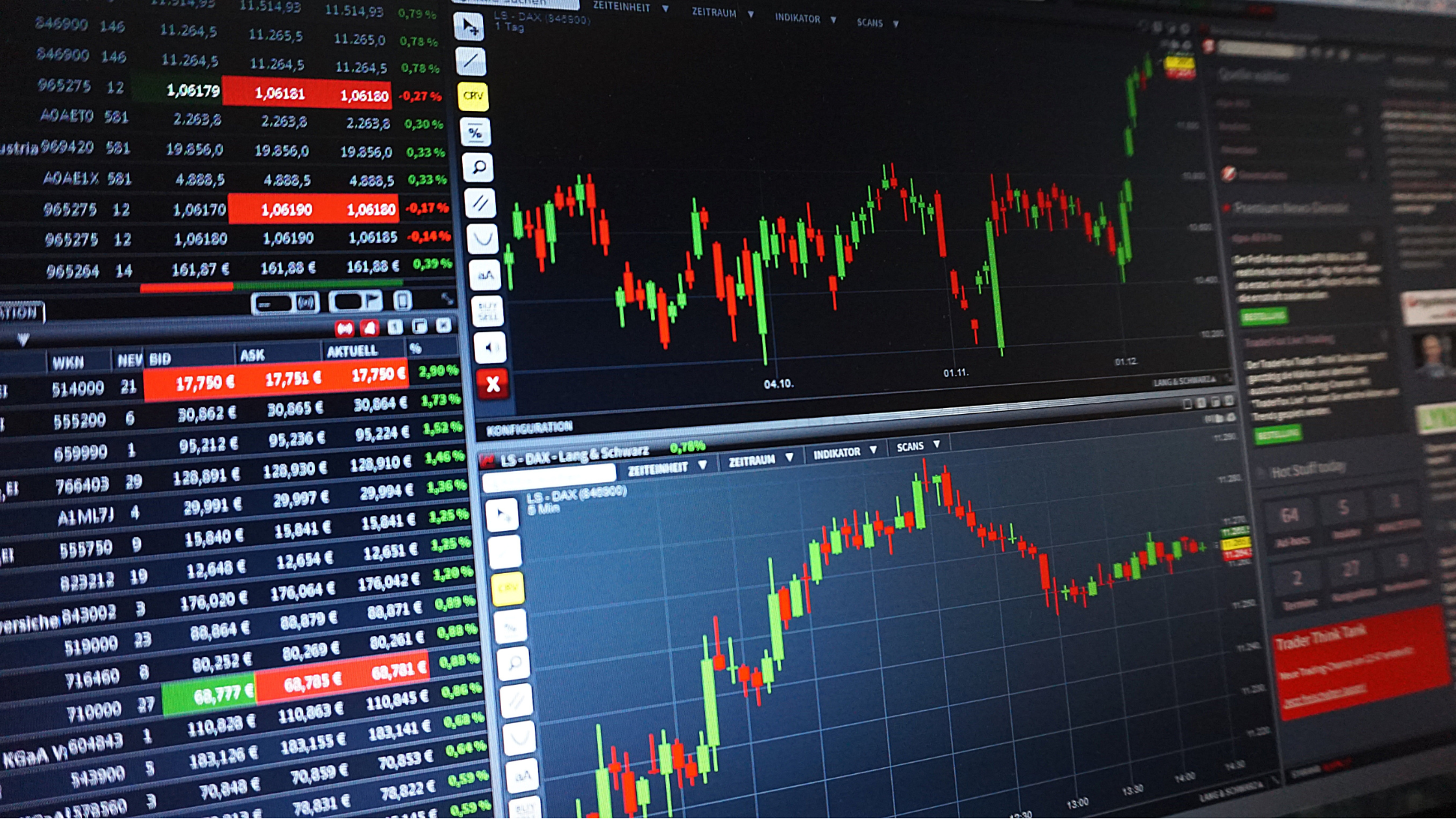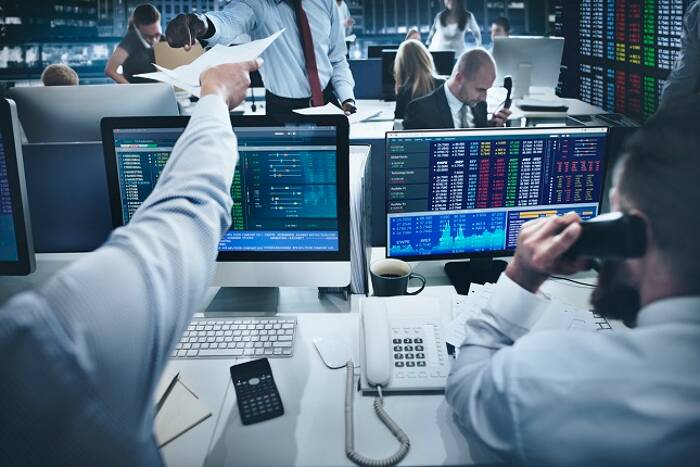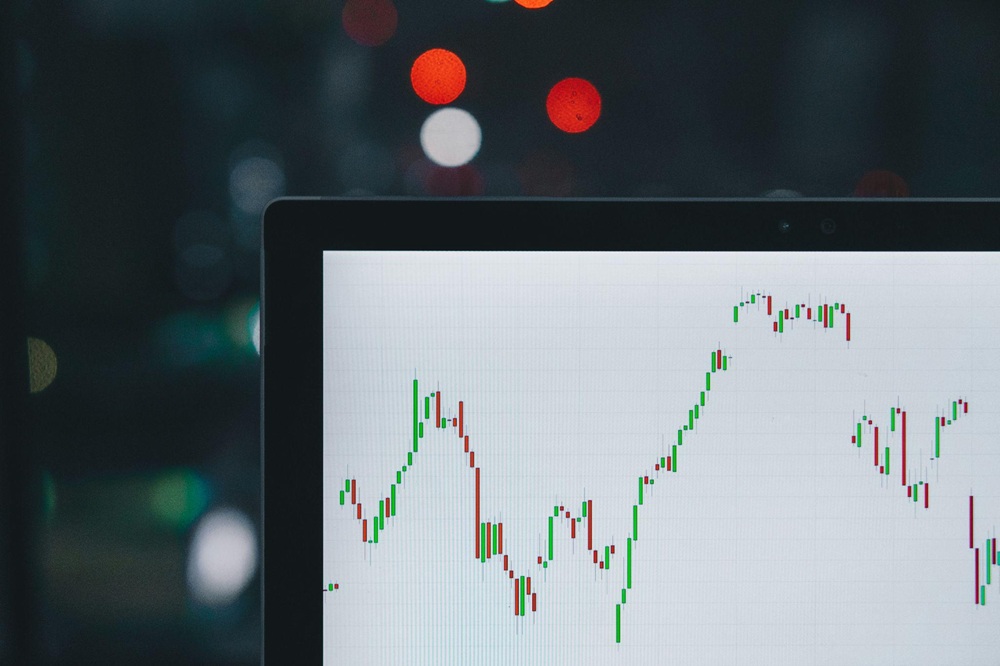
Digital trading platforms have transformed the way financial markets operate. What once required direct communication with brokers, manual order entry and delayed execution can now be accomplished within seconds through sophisticated online platforms that connect investors with multiple financial markets around the world.
The first generation of electronic platforms focused primarily on digitizing order execution. Today’s platforms, however, are becoming far more comprehensive. They increasingly integrate real-time market data, advanced analytics, artificial intelligence, cloud computing and automated risk management into a unified trading environment.
This evolution reflects broader changes within global financial markets. Investors expect faster execution, broader market access, enhanced transparency and intuitive digital experiences. Institutions, meanwhile, require scalable infrastructure capable of supporting growing transaction volumes while maintaining operational resilience and regulatory compliance.
According to the Bank for International Settlements (BIS), advances in processing power, connectivity and electronic execution have significantly reshaped modern trading environments, improving efficiency while changing how liquidity is accessed and managed across markets. (Bank for International Settlements)
Rather than replacing the principles of successful investing, digital trading platforms are creating better environments in which those principles can be applied consistently.
Trading Platforms Have Become Complete Market Ecosystems
Modern digital trading platforms perform far more than simple order execution.
Today’s platforms frequently combine:
-
Market data
-
Research tools
-
Portfolio management
-
Risk monitoring
-
News services
-
Technical analysis
-
Performance reporting
-
Educational resources
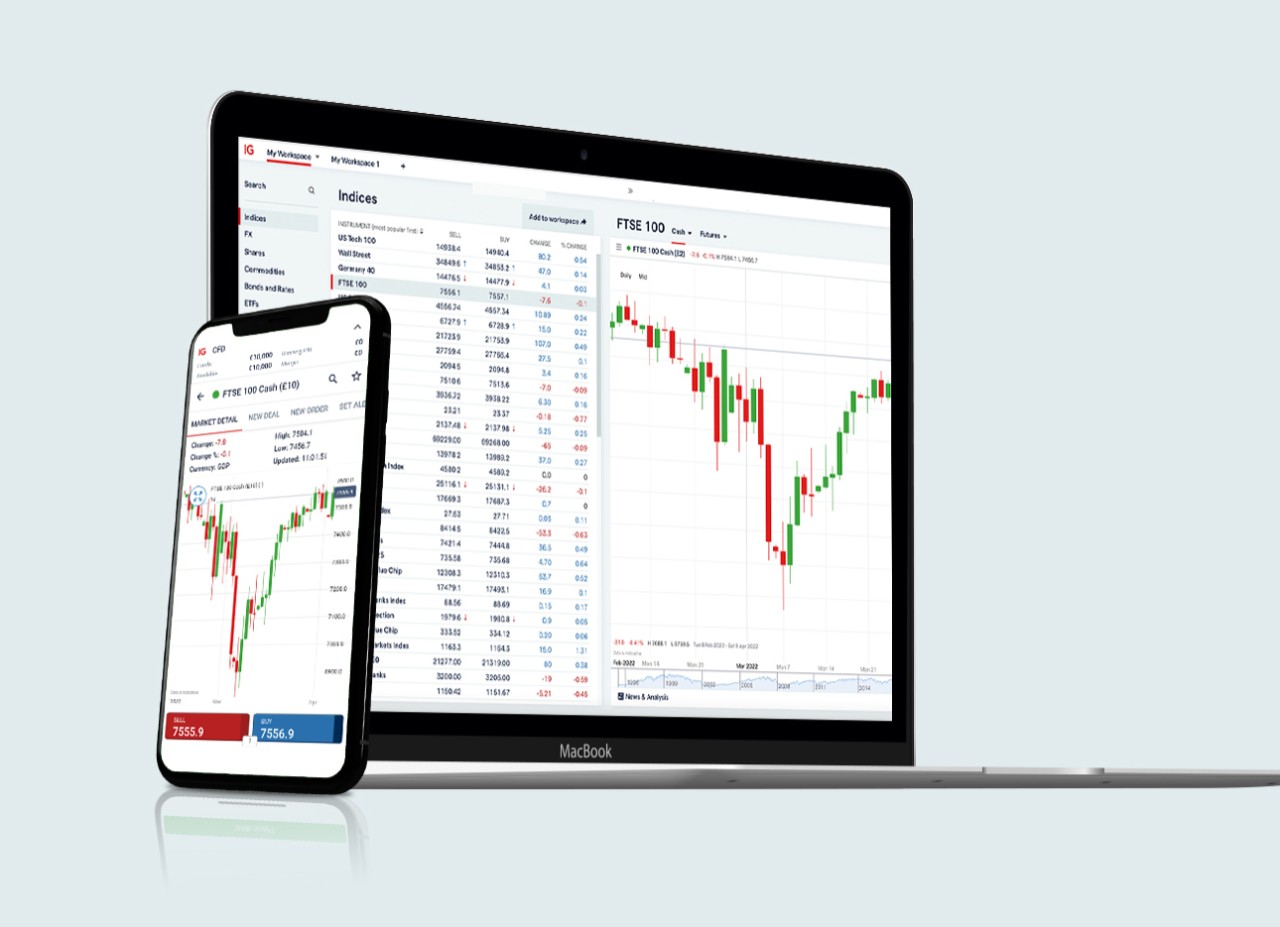
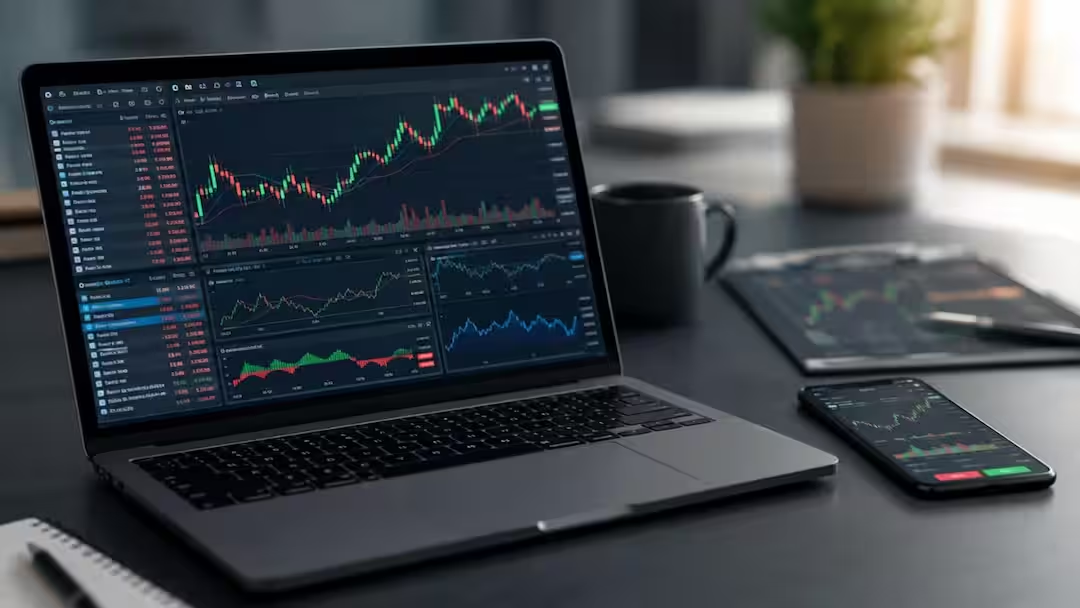
Rather than switching between multiple applications, investors increasingly access these capabilities through integrated digital environments.
The IOSCO Research Report on Online Retail Trading and Digital Engagement Practices notes that online trading platforms have evolved substantially over the past two decades, expanding product access, research capabilities and digital services while increasing automation and competition across brokerage providers. (iosco.org)
This integration is improving both operational efficiency and the overall trading experience.
User Experience Is Becoming a Competitive Differentiator
Technology alone no longer distinguishes trading platforms.
Increasingly, providers focus on improving usability while reducing operational complexity.
Modern platforms emphasize:
-
Intuitive interfaces
-
Faster navigation
-
Personalized dashboards
-
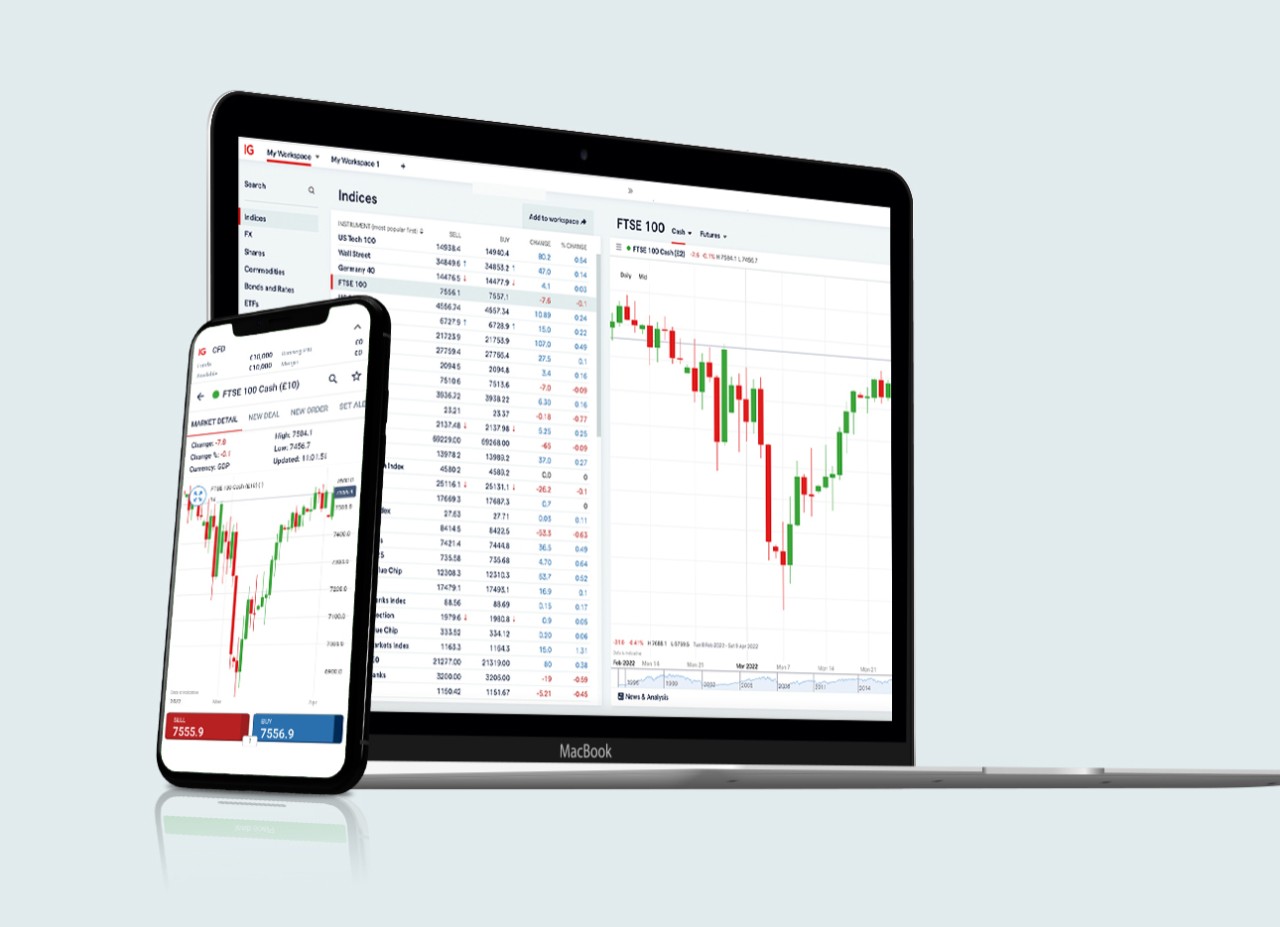
Mobile accessibility
-
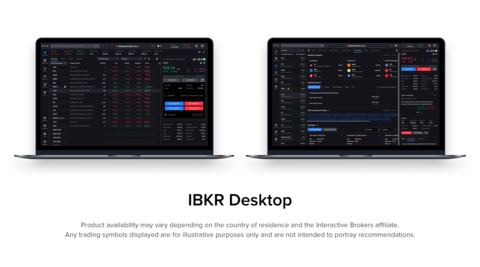
Customizable workspaces
-
Simplified workflows
These improvements allow users to spend less time navigating software and more time evaluating market opportunities.
As digital financial services continue to mature, user experience is becoming an important factor supporting broader participation across financial markets.
Cloud Computing Is Supporting Platform Scalability
Cloud infrastructure is becoming an increasingly important component of digital trading platforms.
Rather than relying exclusively on traditional on-premises technology, many providers are adopting hybrid cloud environments that improve flexibility while maintaining operational control.
Cloud technologies support:
-
Platform scalability
-
Data storage
-
Market analytics
-
Disaster recovery
-
Business continuity
-
Continuous software updates
These capabilities enable platforms to respond more efficiently to periods of increased trading activity while improving system availability.
Cloud adoption also supports faster deployment of new features without requiring significant infrastructure changes.
Artificial Intelligence Is Expanding Platform Capabilities
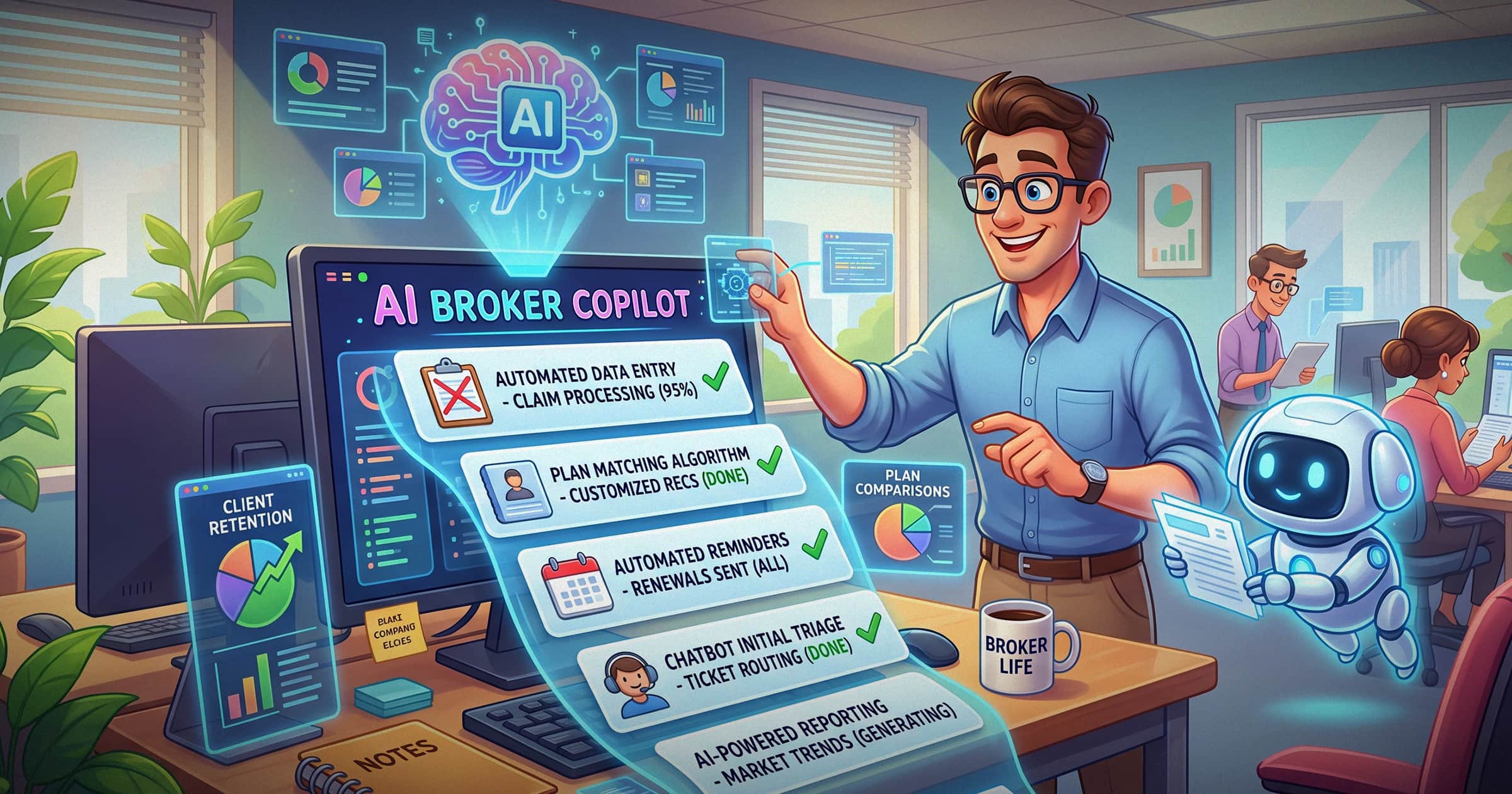
Artificial intelligence is quietly becoming embedded throughout modern trading platforms.
Rather than making investment decisions independently, AI increasingly assists users by organizing information, identifying patterns and supporting analytical workflows.
Current applications include:
-
Market monitoring
-
Portfolio analytics
-
Personalized insights
-
Risk identification
-
Search optimization
-
Operational automation
According to IBM, artificial intelligence within financial services is increasingly used to strengthen analytics, improve operational efficiency and support decision-making through responsible implementation and governance. (Bank for International Settlements)
These capabilities allow platforms to process significantly larger volumes of information while helping users focus on relevant insights.
Connectivity Is Expanding Market Access
Digital trading platforms increasingly connect users with multiple markets through a single interface.
Modern connectivity supports access to:
-
Equities
-
Exchange-traded funds
-
Fixed income securities
-
Foreign exchange
-
Commodities
-
Derivatives
Rather than maintaining separate systems for different markets, many institutions now integrate multiple asset classes into unified digital platforms.
The BIS notes that technological advances and electronic trading venues have expanded market connectivity while creating more diverse execution methods across global financial markets. (Bank for International Settlements)
Greater connectivity enables investors to evaluate broader investment opportunities while improving operational efficiency.
Automation Is Improving Operational Efficiency
Automation continues transforming the operational capabilities of trading platforms.
Routine processes increasingly performed automatically include:
-
Trade validation
-
Order routing
-
Portfolio monitoring
-
Risk alerts
-
Compliance workflows
-
Performance reporting
Automation reduces manual intervention while improving consistency and scalability.
Rather than replacing investment professionals, automated processes enable greater focus on portfolio management, research and strategic decision-making.
This operational efficiency has become increasingly valuable as trading activity continues growing across global financial markets.
Security and Operational Resilience Remain Essential
As digital platforms become more sophisticated, maintaining secure and resilient infrastructure has become increasingly important.
Trading platform providers continue investing in:
-
Cybersecurity
-
Identity verification
-
Data protection
-
System redundancy
-
Operational resilience
-
Business continuity planning
Reliable infrastructure supports investor confidence while helping platforms maintain continuous service during periods of elevated market activity.
The BIS Committee on Payments and Market Infrastructures (CPMI) has consistently emphasized that resilient financial market infrastructure is fundamental to the safe and efficient functioning of modern financial systems. (Bank for International Settlements)
Data Is Becoming the Platform’s Most Valuable Resource
Modern trading platforms generate significant volumes of market and operational information.
Increasingly, competitive advantage depends not on collecting more data but on organizing and presenting information in ways that support better decision-making.
Platform providers continue investing in:
-
Data quality
-
Real-time analytics
-
Market intelligence
-
Portfolio insights
-
Information governance
-
Visualization tools
Better information allows investors to evaluate opportunities more effectively while strengthening overall trading discipline.
As digital platforms continue evolving, information quality is becoming just as important as execution speed.
Mobile-First Trading Is Shaping the Next Generation of Platforms
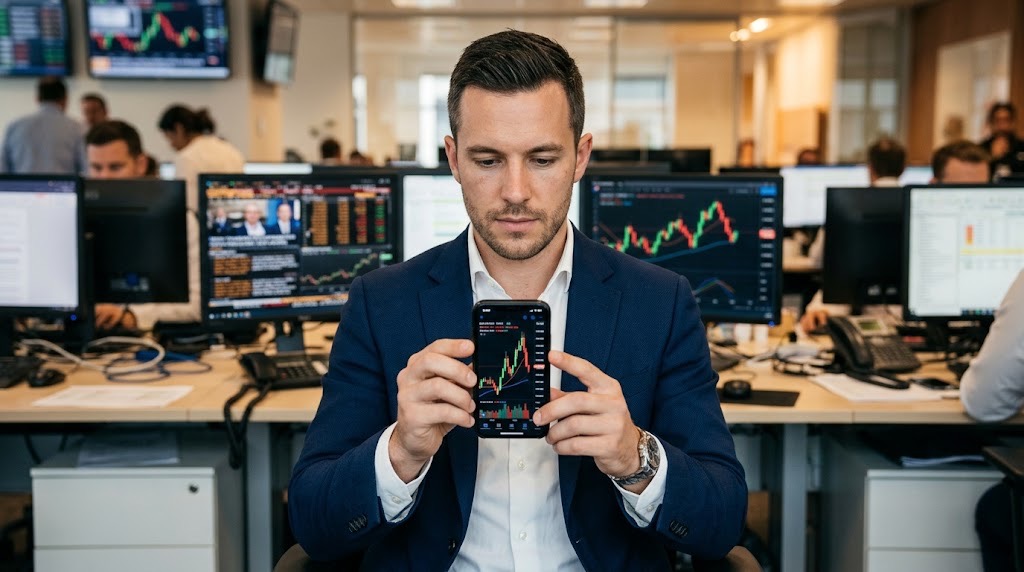
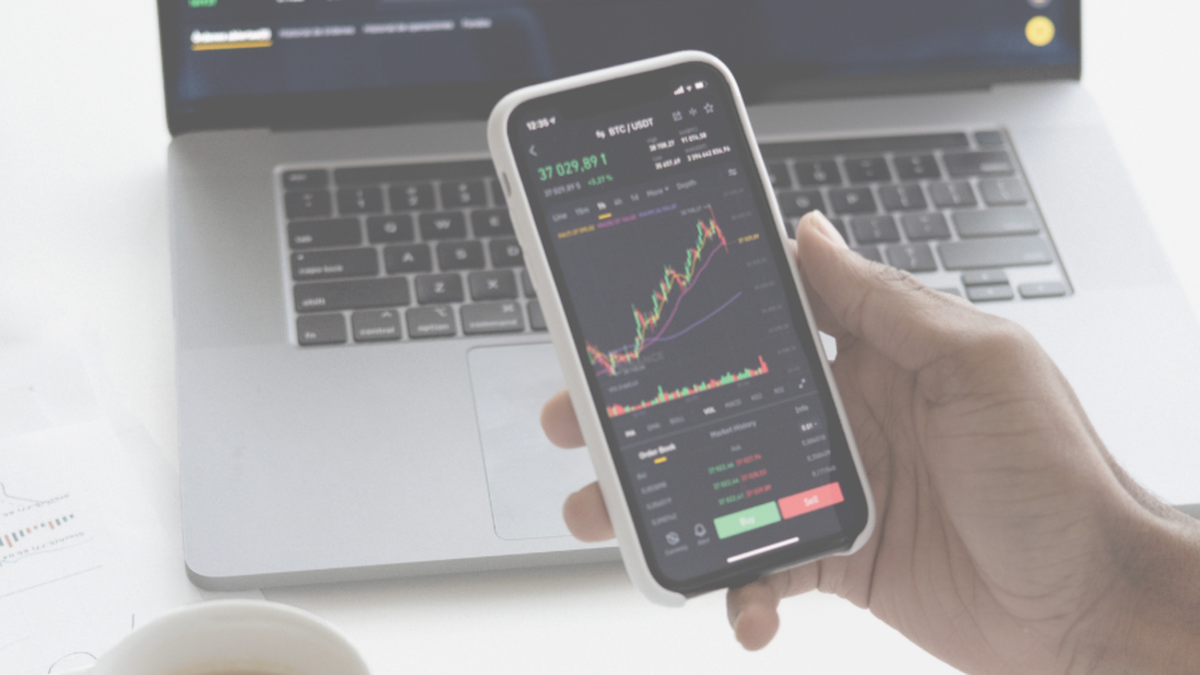
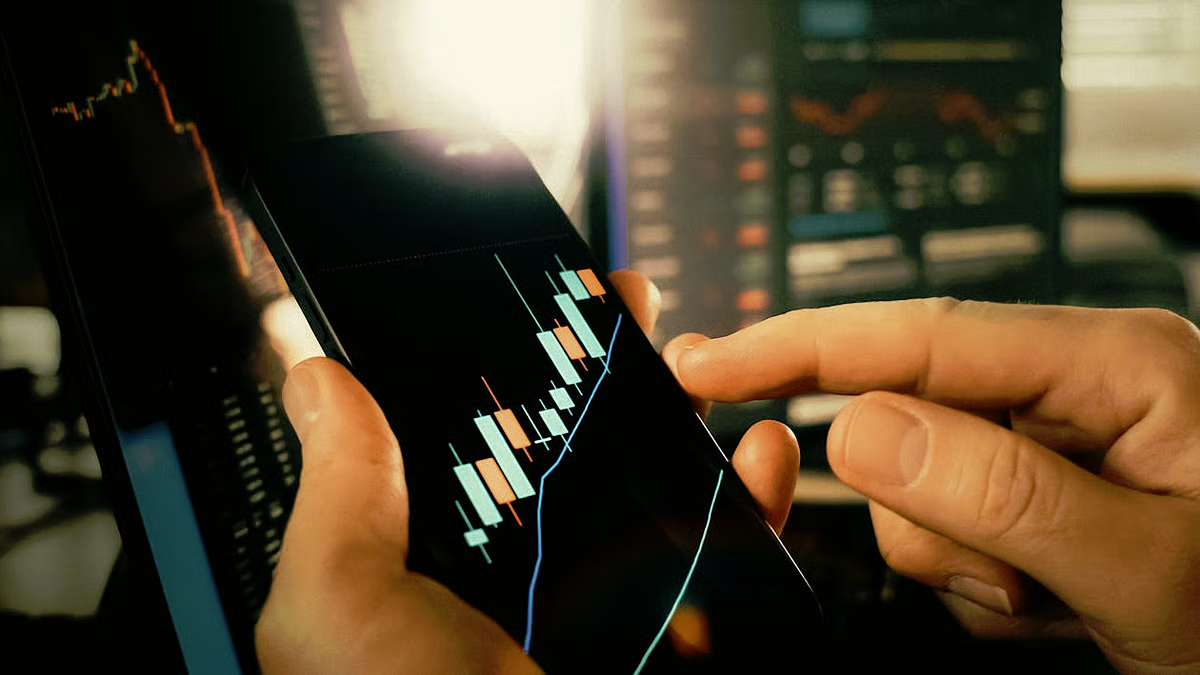
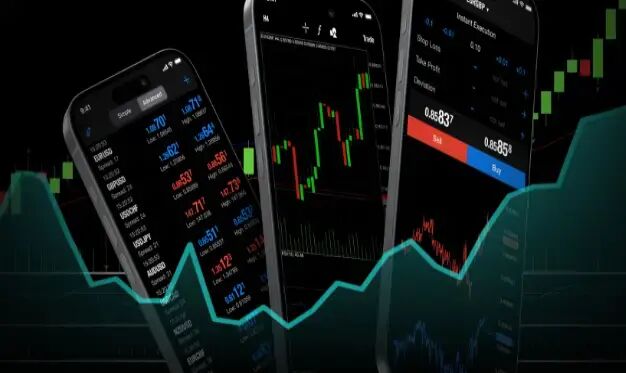
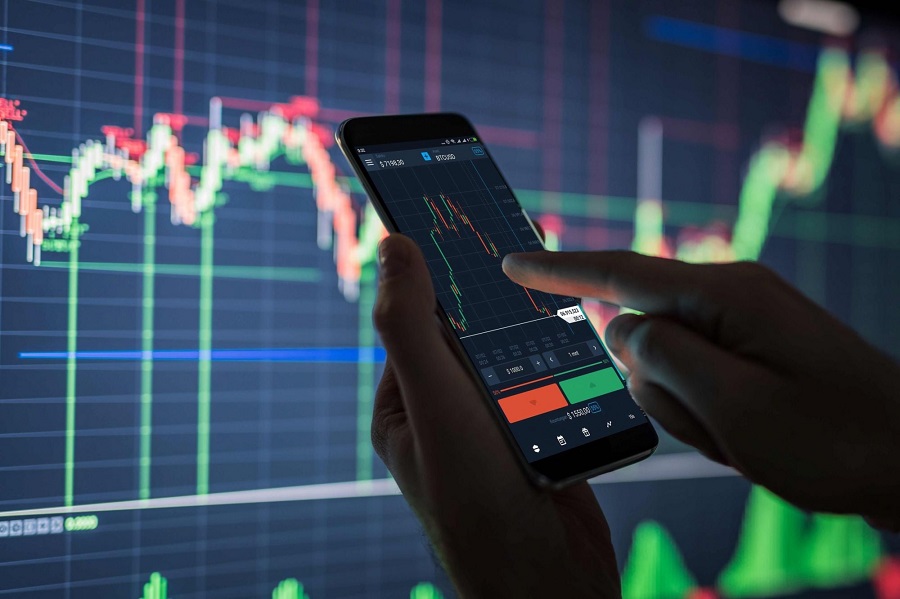
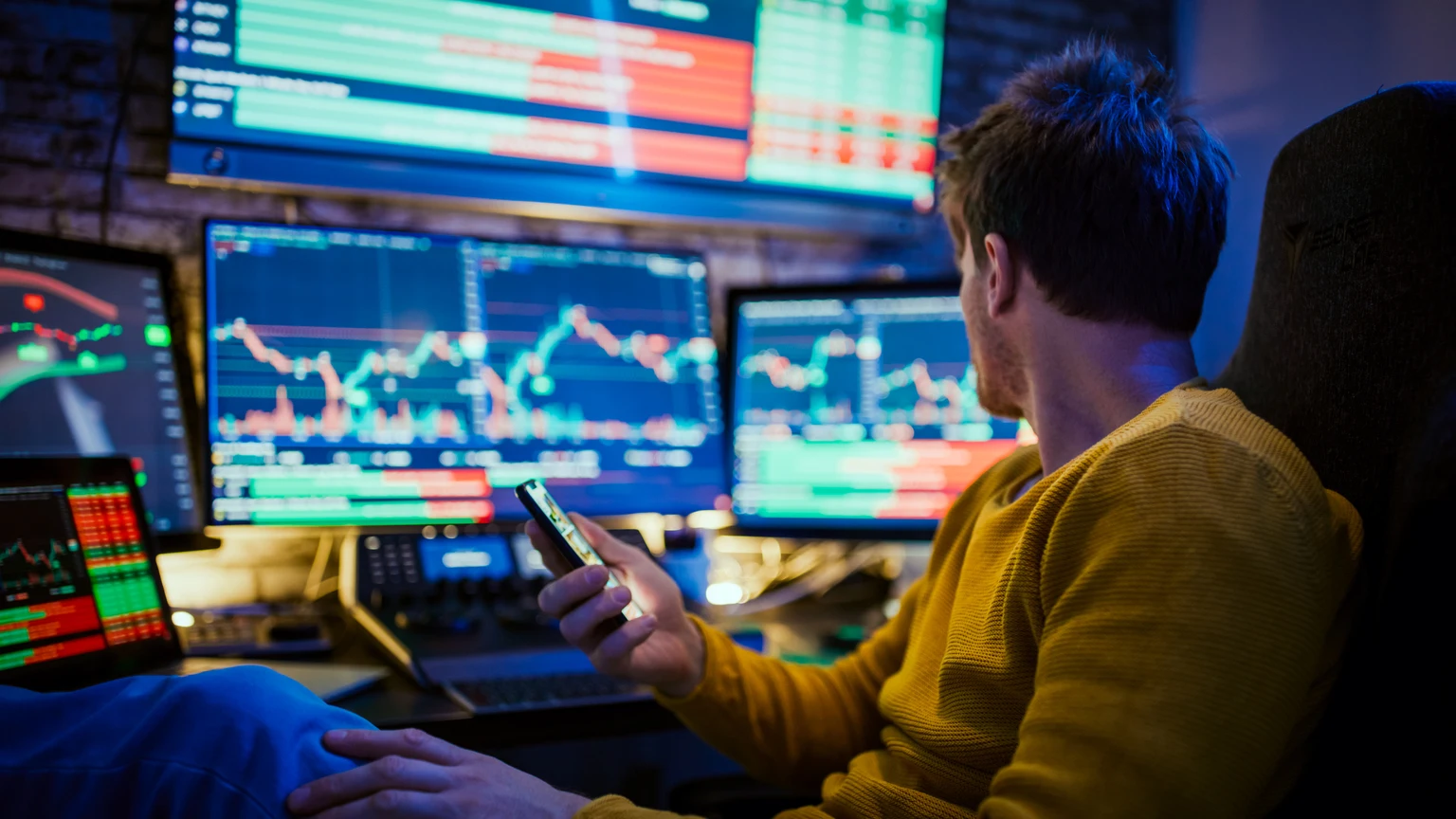
The widespread adoption of smartphones and high-speed mobile connectivity has fundamentally changed how investors interact with financial markets.
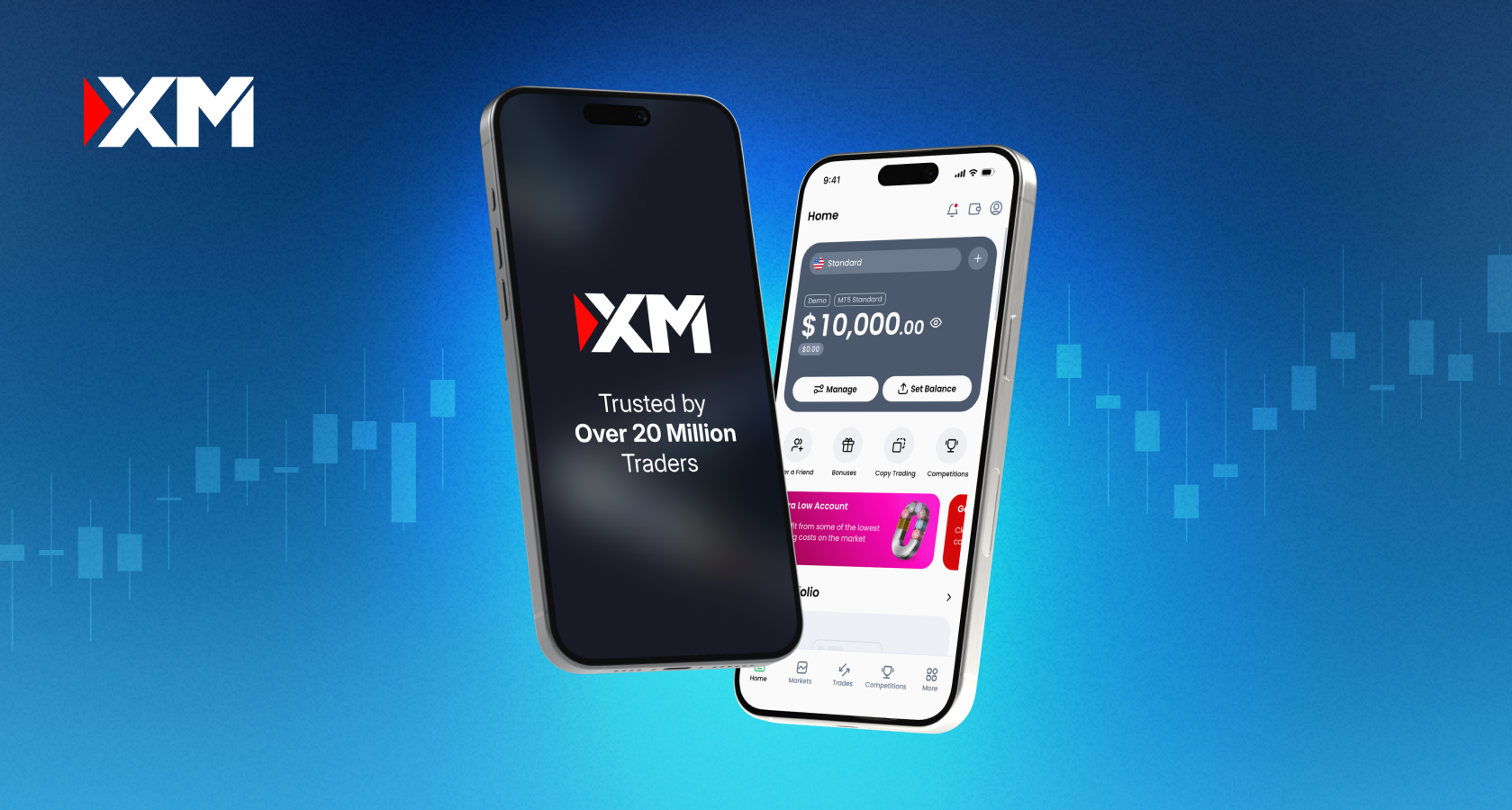
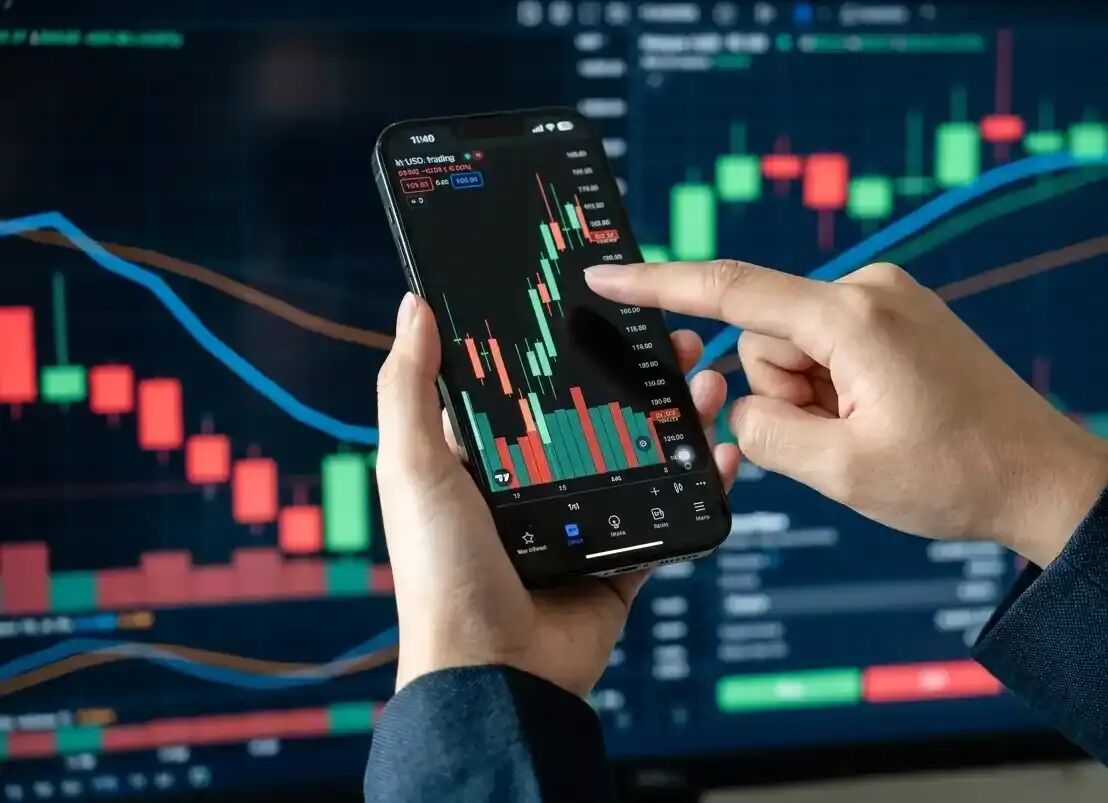
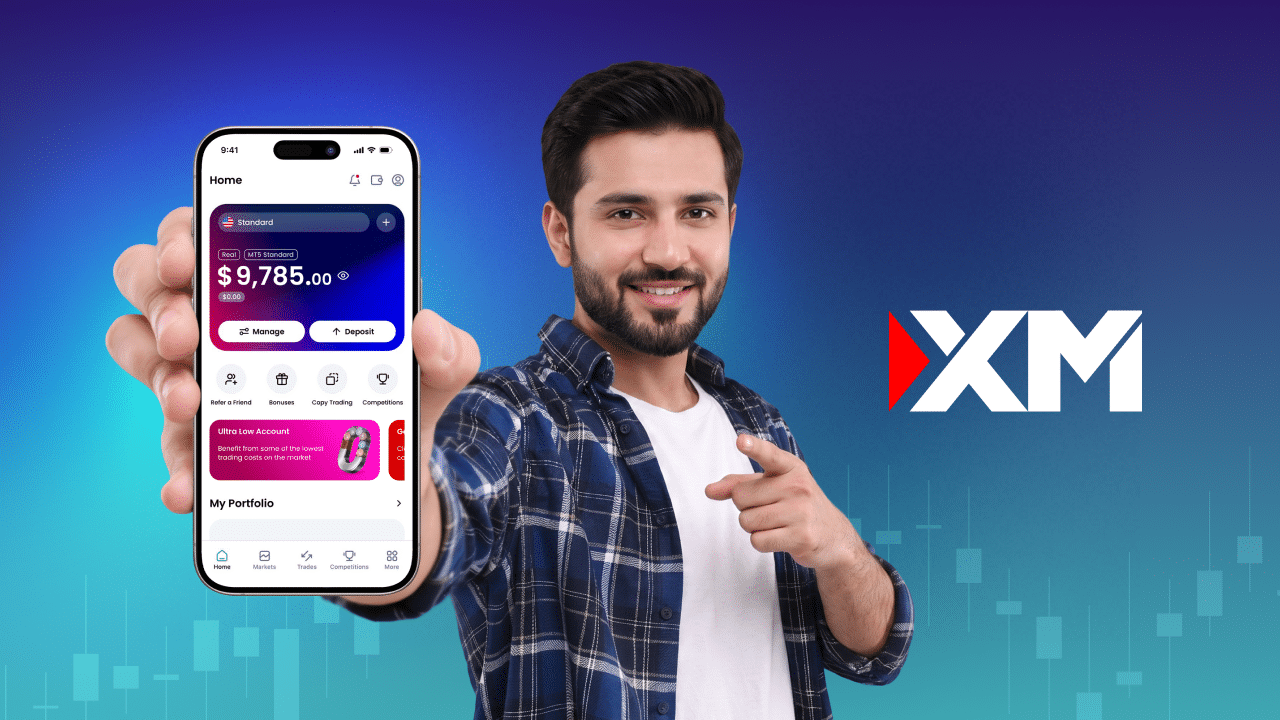
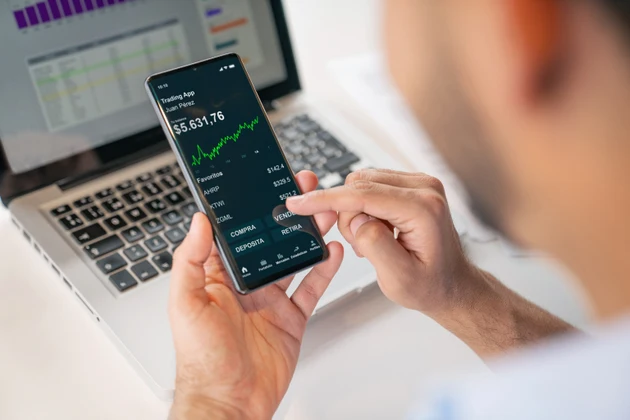
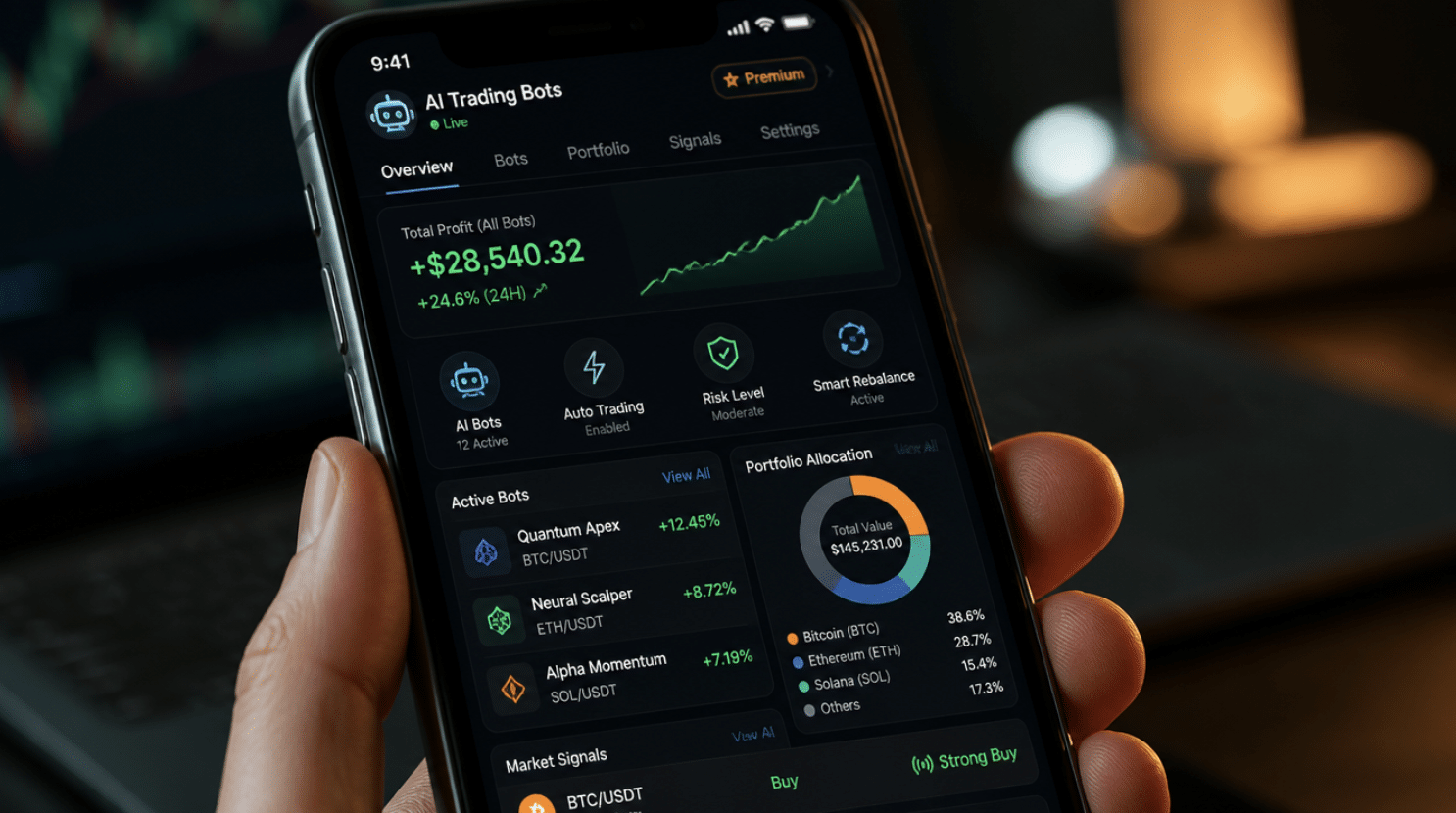
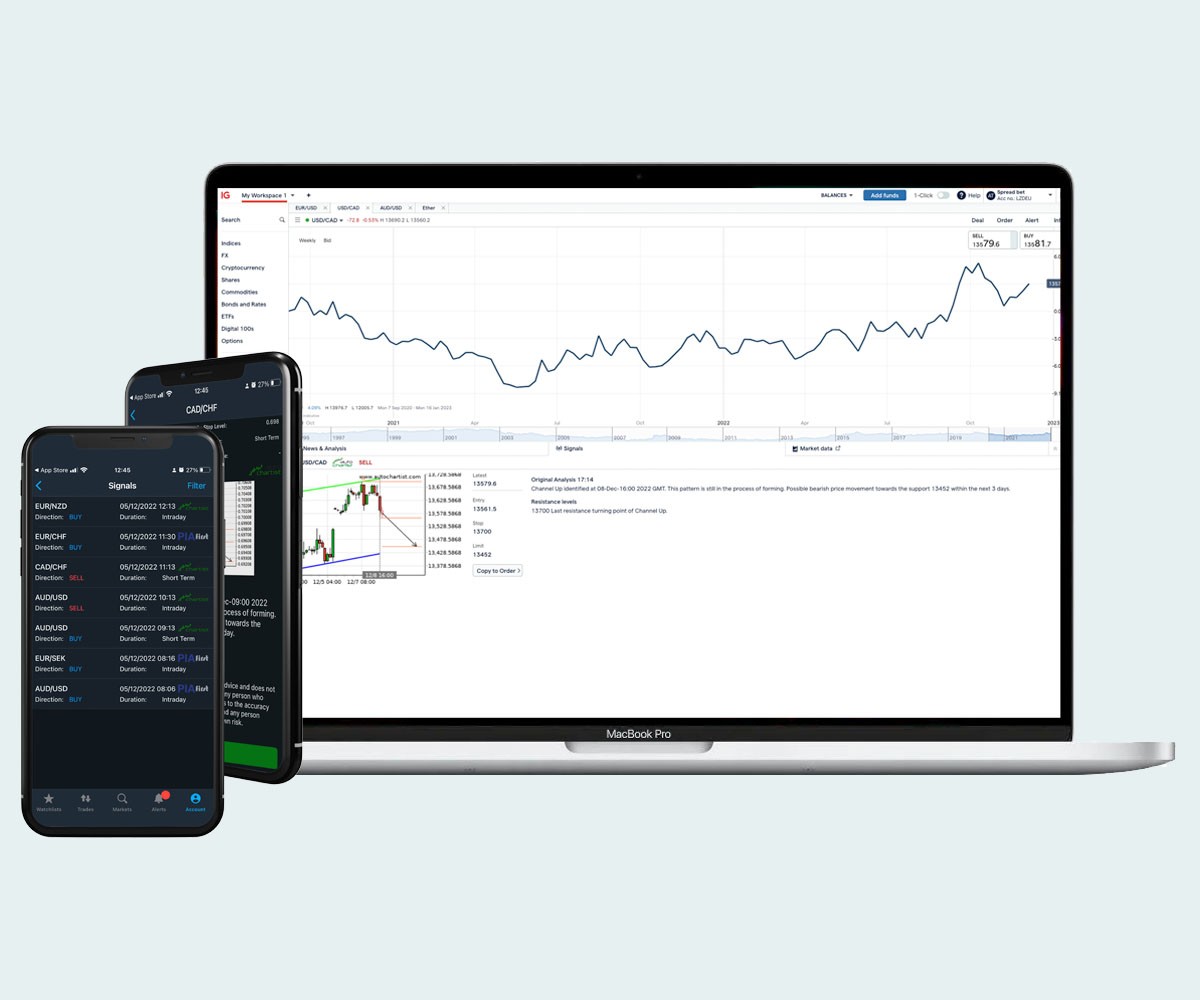
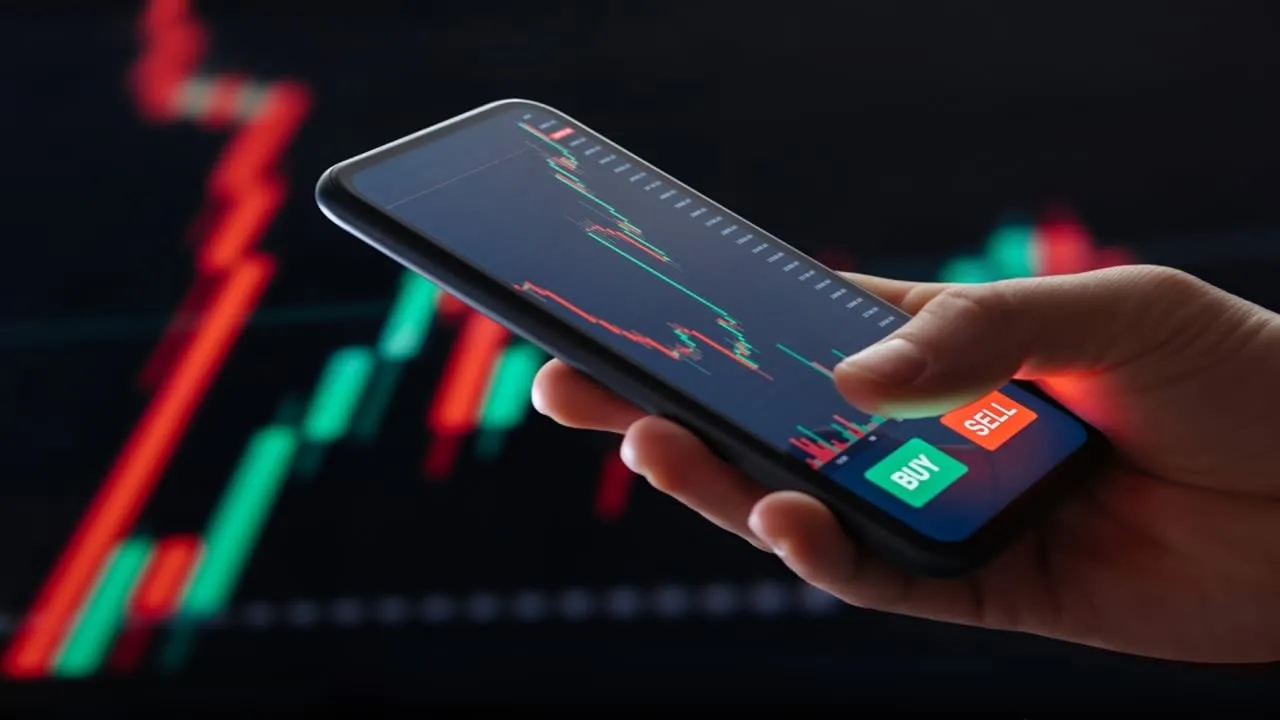
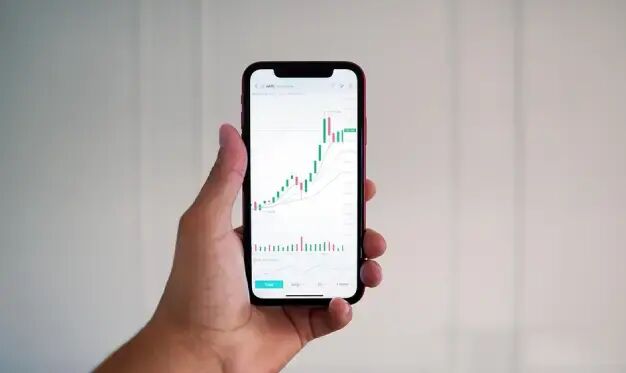
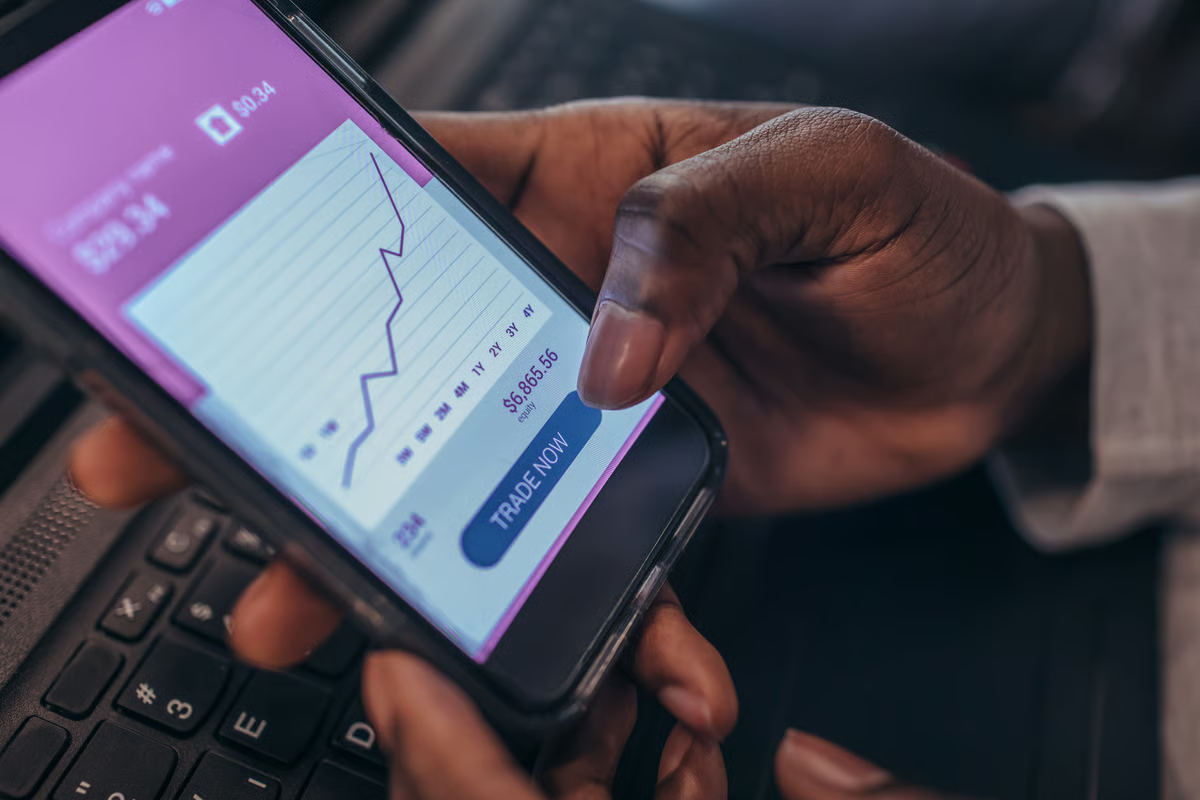
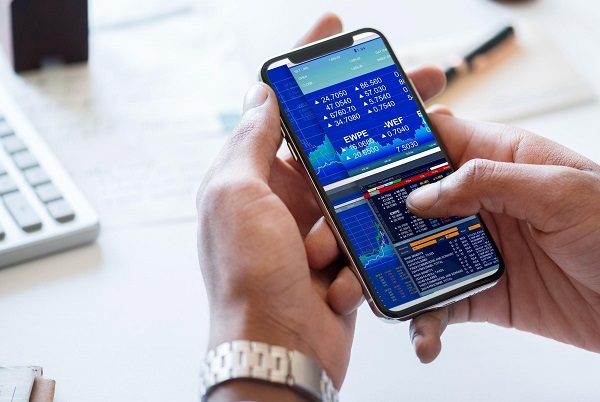
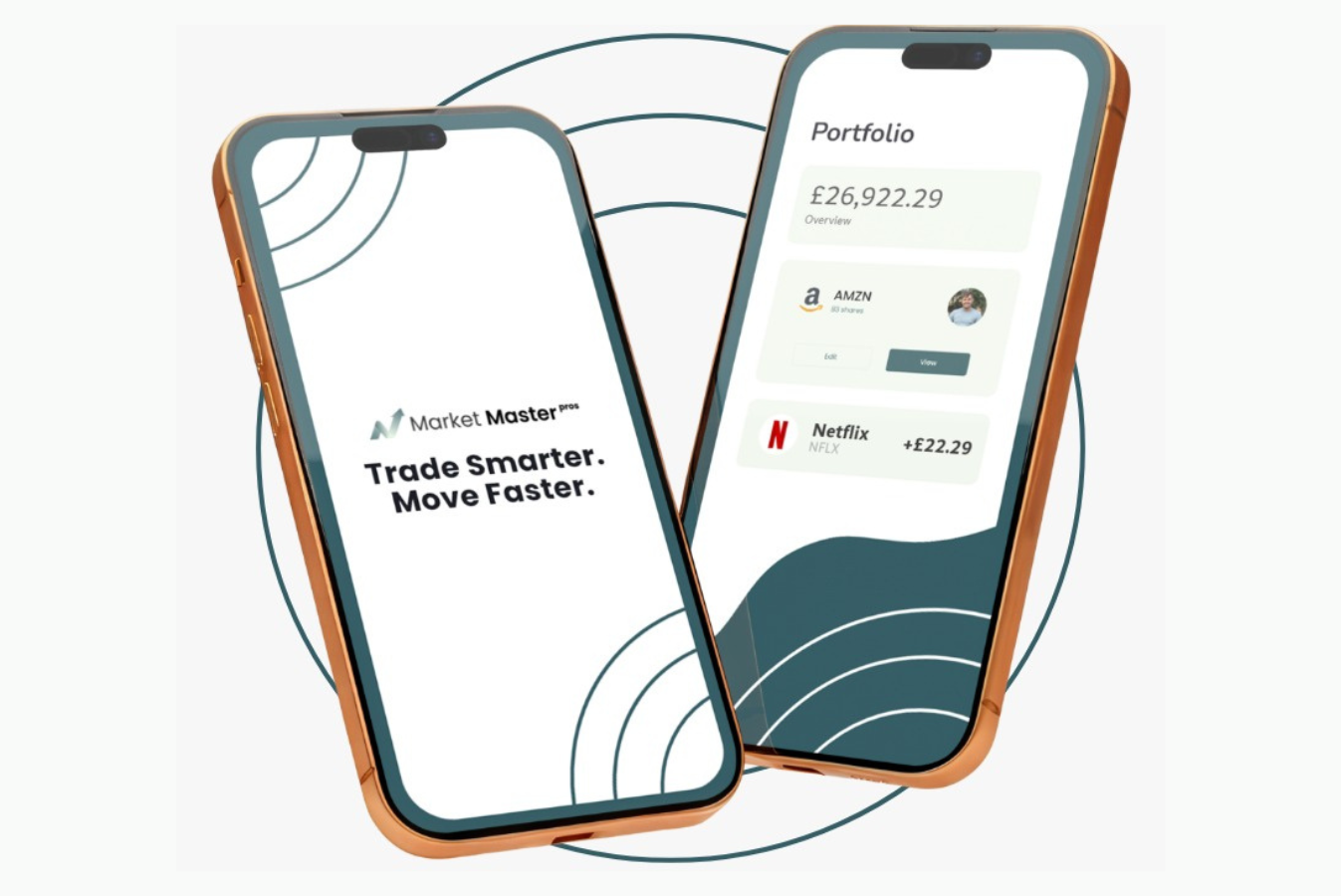
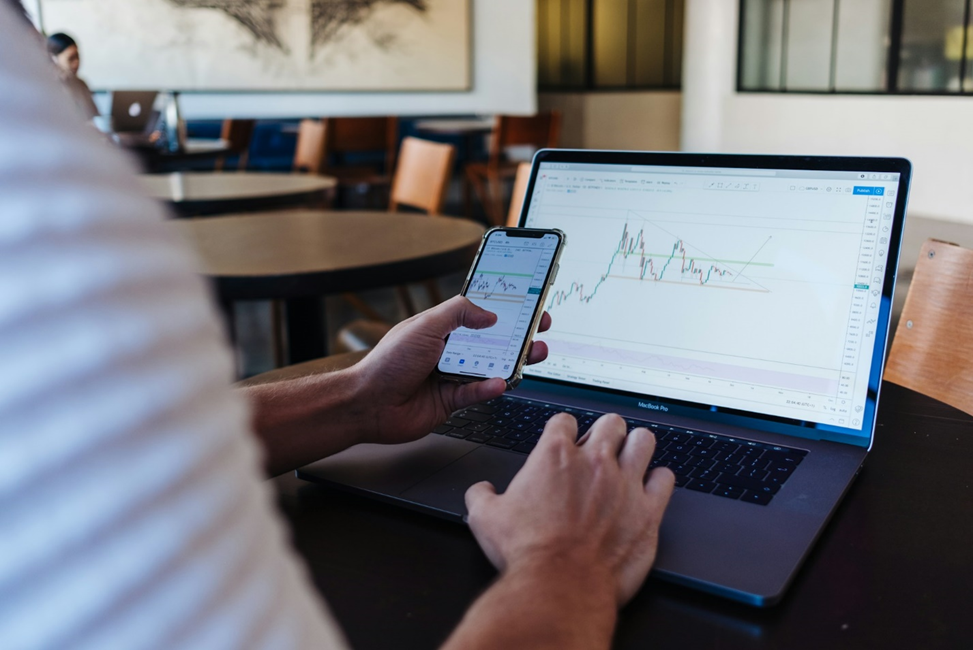
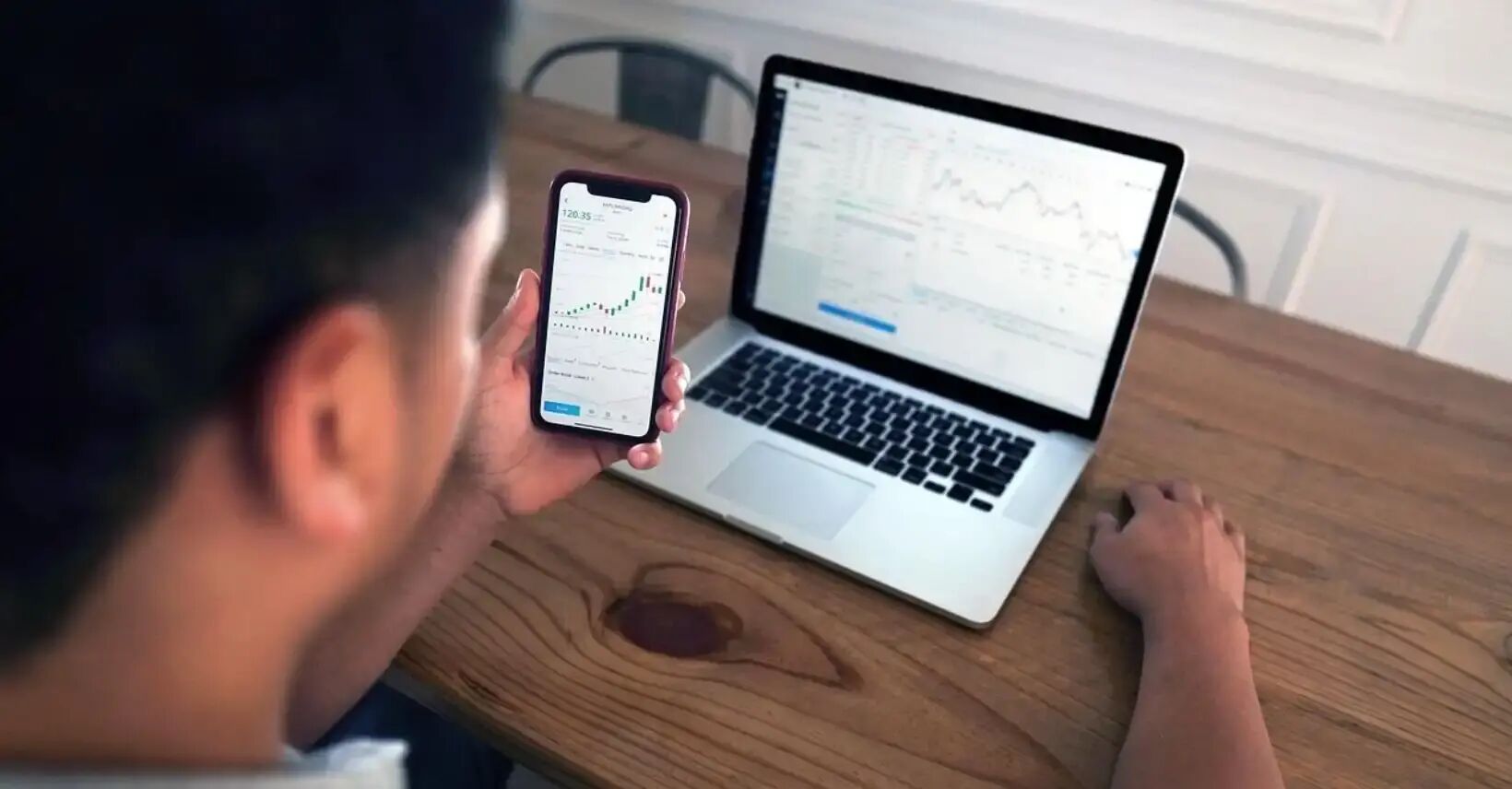
Modern digital trading platforms are increasingly designed with a mobile-first approach, allowing users to monitor portfolios, access market data and execute trades from virtually any location.
Mobile platforms now commonly offer:
-
Real-time portfolio monitoring
-
Live market data
-
Custom price alerts
-
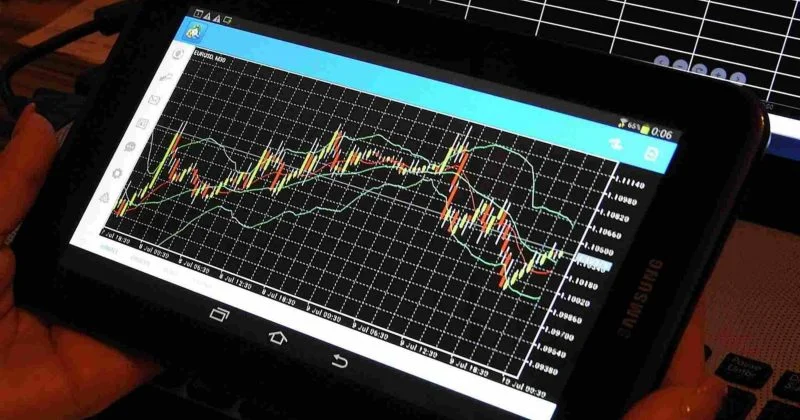
Interactive charting
-
Secure authentication
-
Watchlists and notifications
Rather than functioning as simplified versions of desktop applications, mobile platforms increasingly provide comprehensive trading capabilities while maintaining robust security and usability.
This evolution reflects growing demand for continuous market access alongside increasingly flexible investment workflows.
Personalization Is Improving the Trading Experience
Modern trading platforms are becoming more adaptive to individual user preferences.
Rather than presenting identical interfaces to every investor, platforms increasingly allow users to customize dashboards, organize market information and receive tailored analytical insights.
Personalization may include:
-
Custom watchlists
-
Preferred asset classes
-
Personalized market alerts
-
Configurable dashboards
-
Portfolio summaries
-
Research recommendations
These capabilities help reduce information overload while allowing traders to focus on the data most relevant to their investment objectives.
According to the Organisation for Economic Co-operation and Development (OECD), well-designed digital financial services can improve user engagement and support more informed financial decision-making when combined with transparency and responsible data practices.
API Connectivity Is Expanding Platform Ecosystems
Application Programming Interfaces (APIs) are becoming an increasingly important feature of modern trading platforms.
APIs enable secure communication between different financial systems, allowing platforms to integrate third-party services without disrupting the user experience.
API connectivity supports:
-
Market data integration
-
Portfolio management tools
-
Risk management systems
-
Analytics platforms
-
Research services
-
Reporting solutions
Rather than operating as isolated applications, trading platforms are evolving into connected ecosystems where multiple technologies work together seamlessly.
This flexibility enables financial institutions and investors to tailor digital environments to their specific operational requirements while improving efficiency and interoperability.
Regulatory Technology Is Becoming Part of Platform Design
As trading environments become increasingly digital, compliance requirements have also become more sophisticated.
Digital trading platforms are therefore incorporating Regulatory Technology (RegTech) capabilities directly into their operational workflows.
Common RegTech functions include:
-
Automated compliance monitoring
-
Transaction reporting
-
Identity verification
-
Trade surveillance
-
Audit trails
-
Risk monitoring
Embedding these capabilities into platform architecture helps improve operational consistency while supporting evolving regulatory expectations.
The International Organization of Securities Commissions (IOSCO) has emphasized that effective governance, transparency and market oversight remain fundamental to maintaining fair and efficient securities markets as technology continues to evolve.
Cyber Resilience Will Continue to Be a Core Priority
The increasing digitalization of trading platforms has elevated cybersecurity from an operational consideration to a strategic priority.
Platform providers continue strengthening their cyber resilience through investments in:
-
Multi-factor authentication
-
Encryption technologies
-
Threat detection systems
-
Continuous security monitoring
-
Identity and access management
-
Incident response planning
These measures help protect market participants while supporting confidence in increasingly digital financial ecosystems.
The National Institute of Standards and Technology (NIST) emphasizes that cybersecurity should be integrated into enterprise risk management and organizational governance rather than treated solely as a technical function.
Platform Analytics Are Supporting Better Decision-Making
Trading platforms are increasingly integrating advanced analytics directly into user workflows.
Instead of requiring traders to export data into external software, modern platforms now provide built-in analytical capabilities that support faster and more informed decision-making.
These capabilities commonly include:
-
Portfolio performance analysis
-
Risk metrics
-
Market trend visualization
-
Trade history analysis
-
Asset allocation insights
-
Execution quality monitoring
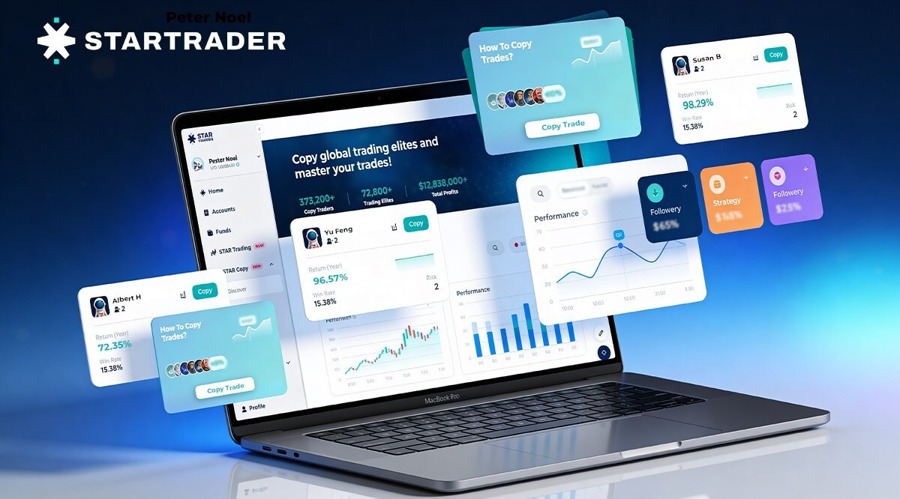
Analytics transform raw trading data into actionable information, allowing investors to evaluate strategies more effectively while improving long-term portfolio management.
The Future of Digital Trading Platforms Will Be Intelligence-Driven
The next generation of digital trading platforms is expected to focus less on execution speed alone and more on delivering intelligent decision support.
Future developments are likely to include:
-
AI-assisted market analysis
-
Enhanced predictive analytics
-
Greater automation
-
Personalized user experiences
-
Deeper API integration
-
Stronger cybersecurity
-
Cloud-native infrastructure
-
Real-time risk management
Rather than replacing human judgment, these technologies will help investors and institutions process information more efficiently while supporting disciplined investment decisions.
As markets become increasingly complex, digital platforms will continue evolving into comprehensive financial ecosystems that combine technology, analytics and operational resilience.
Conclusion
Digital trading platforms have evolved far beyond their original purpose of electronic order execution. Today, they integrate market data, analytics, automation, cloud computing, artificial intelligence and robust security into unified environments that support increasingly sophisticated trading activities.
The next phase of development is expected to emphasize intelligence, resilience and user-centric design. Mobile accessibility, personalized experiences, API connectivity and embedded compliance capabilities are helping transform platforms into comprehensive ecosystems capable of supporting a wide range of investment needs.
At the same time, cybersecurity, operational resilience and data governance remain central to maintaining trust and stability in digital financial markets.
Ultimately, the future of digital trading platforms will not be defined solely by faster transactions. It will be shaped by their ability to deliver reliable information, intelligent insights and resilient infrastructure that help market participants make more informed decisions in an increasingly connected financial world.
Frequently Asked Questions (FAQs)
What are digital trading platforms?
Digital trading platforms are technology-based systems that allow investors to access financial markets, analyze market information and execute trades electronically.
How have digital trading platforms evolved?
They have expanded beyond order execution to include real-time data, analytics, portfolio management, AI-assisted tools, cloud infrastructure and integrated risk management.
Why is cloud computing important for trading platforms?
Cloud technology improves scalability, operational resilience, data processing and the ability to deploy new platform features efficiently.
How is artificial intelligence used in digital trading platforms?
AI supports market analysis, portfolio insights, operational automation, risk identification and personalized user experiences while complementing human decision-making.
What role do APIs play in trading platforms?
APIs connect trading platforms with external market data providers, analytics tools, portfolio management systems and other financial applications.
Why is cybersecurity critical?
Cybersecurity protects trading systems, user accounts, financial data and operational infrastructure from cyber threats and helps maintain market confidence.
What is RegTech?
RegTech uses technology to automate compliance, reporting, identity verification, trade surveillance and risk monitoring.
Why are mobile trading platforms becoming more important?
Mobile platforms provide continuous market access, allowing investors to monitor portfolios, analyze markets and execute trades from almost anywhere.
How are trading platforms improving user experience?
Platforms increasingly offer customizable dashboards, personalized insights, simplified workflows and integrated research tools.
What is the future of digital trading platforms?
Future platforms are expected to combine artificial intelligence, cloud-native architecture, real-time analytics, stronger cybersecurity, API-driven ecosystems and intelligent decision-support tools to create more resilient and efficient trading environments.
References
-
Bank for International Settlements (BIS) – Electronic Trading in Fixed Income Markets
https://www.bis.org/publ/mktc07.htm -
Bank for International Settlements (BIS) – Monitoring Developments in Electronic Markets
https://www.bis.org/publ/mktc10.pdf -
Bank for International Settlements (BIS) – The Impact of Technology on Market Structure and Liquidity
https://www.bis.org/publ/work1094.htm -
International Organization of Securities Commissions (IOSCO) – Research Report on Online Retail Trading and Digital Engagement Practices
https://www.iosco.org/library/pubdocs/pdf/ioscopd554.pdf -
International Organization of Securities Commissions (IOSCO) – Objectives and Principles of Securities Regulation
https://www.iosco.org/about/?subsection=objectives_principles -
Organisation for Economic Co-operation and Development (OECD) – Digital Economy
https://www.oecd.org/digital/ -
National Institute of Standards and Technology (NIST) – Cybersecurity Framework
https://www.nist.gov/cyberframework -
IBM – Artificial Intelligence in Financial Services
https://www.ibm.com/think/topics/artificial-intelligence-finance -
World Federation of Exchanges (WFE) – Articles and Research
https://www.world-exchanges.org/our-work/articles -
U.S. Securities and Exchange Commission (SEC) – SEC Modernizes Market Data Infrastructure
https://www.sec.gov/newsroom/press-releases/2020-311