Starting a mutual fund investment can feel a little like walking into a supermarket without a shopping list. There are plenty of options, unfamiliar labels and no obvious answer to which one belongs in the basket.
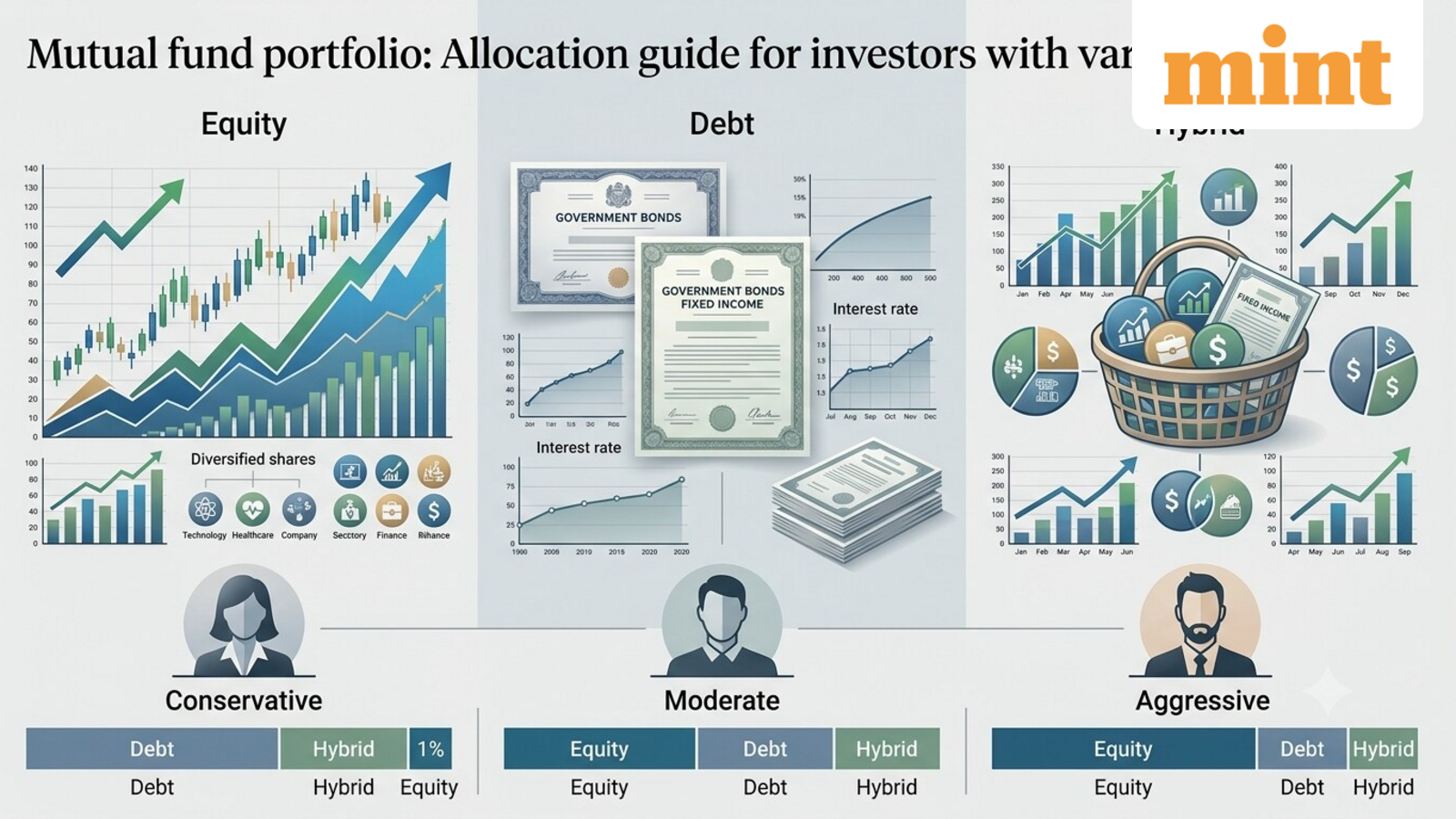
The choices become easier to understand once you recognise that different funds are built for different purposes. Some invest primarily in shares, some in debt instruments, while others spread money across asset classes.
What is a mutual fund?
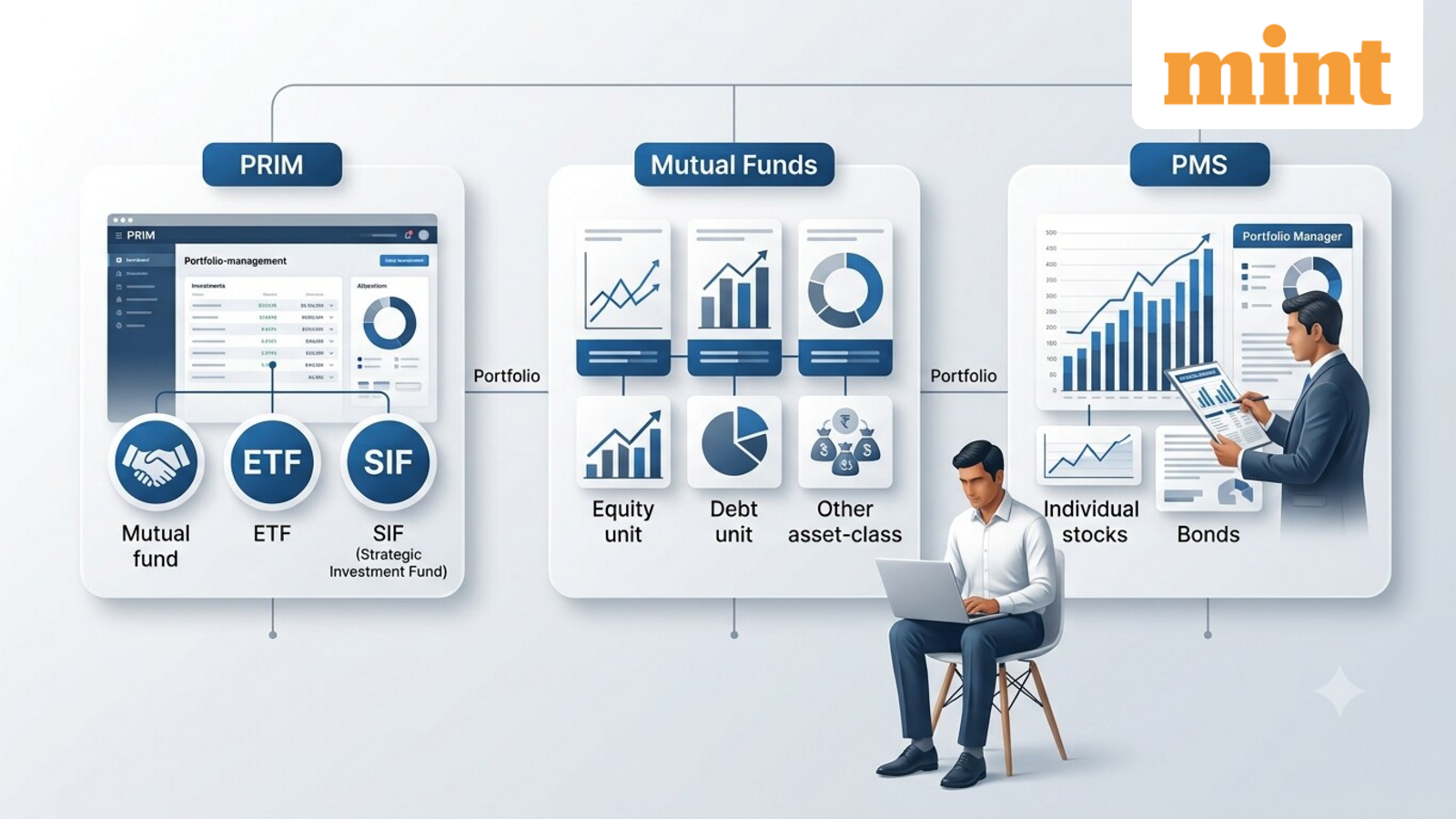
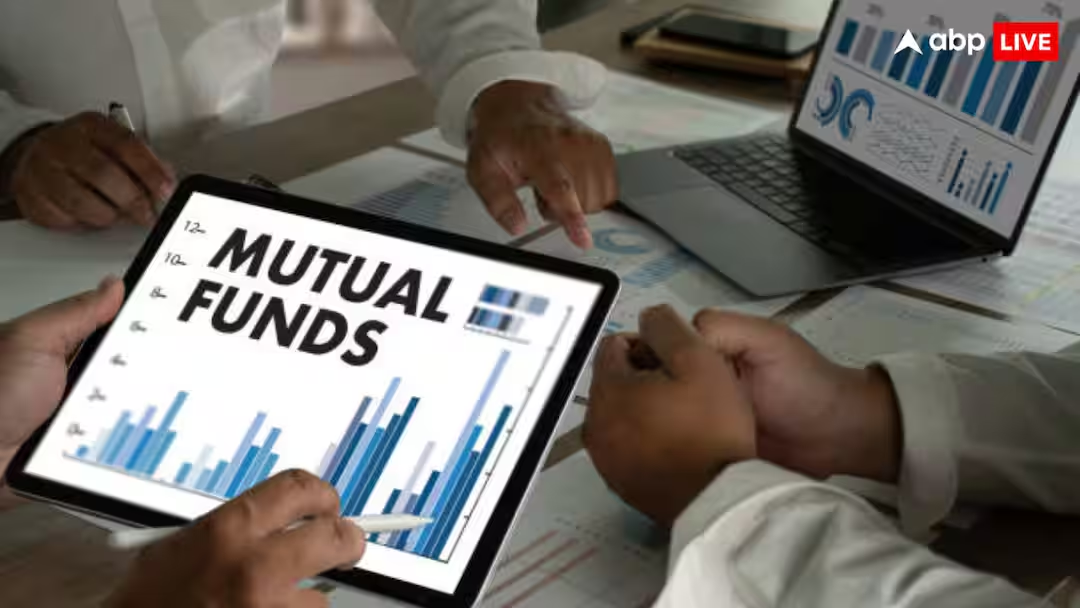
A mutual fund pools money from several investors and invests it according to a defined investment objective. Depending on the scheme, that money may go into shares, bonds or a combination of asset classes. The portfolio is managed by an Asset Management Company (AMC) in accordance with the scheme’s stated investment objective and strategy.
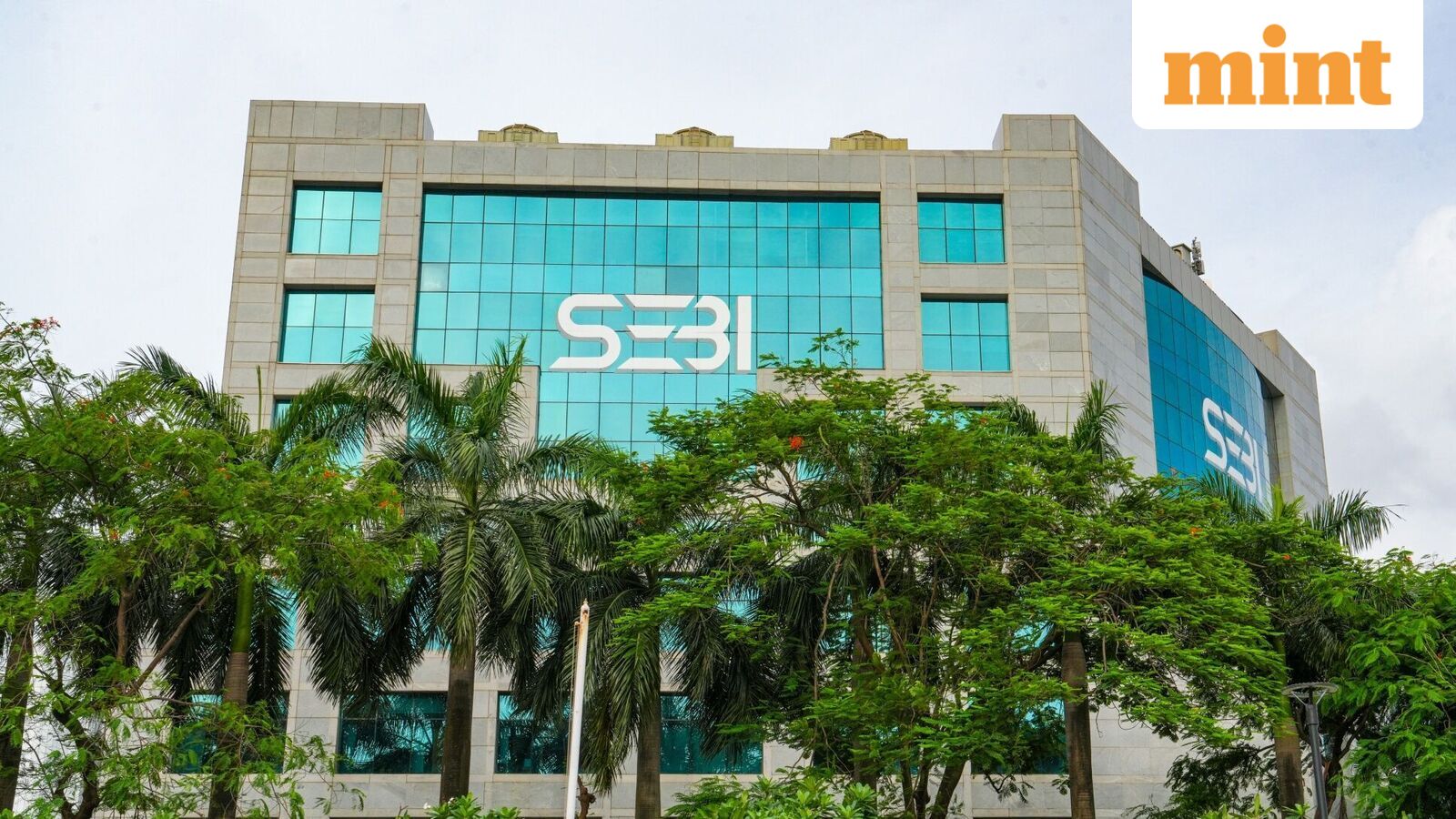
Under SEBI’s current categorisation of mutual fund schemes, schemes are broadly divided into Equity Schemes, Debt Schemes, Hybrid Schemes, Life Cycle Funds and Other Schemes, which include Fund of Funds and passive schemes such as index funds and ETFs.
Understanding these types of mutual fund is a useful first step towards choosing a category for a particular financial goal.
Equity mutual funds
Equity funds invest predominantly in shares and equity-related instruments. Because their value moves with the equity market, they can see significant ups and downs, particularly over shorter periods.
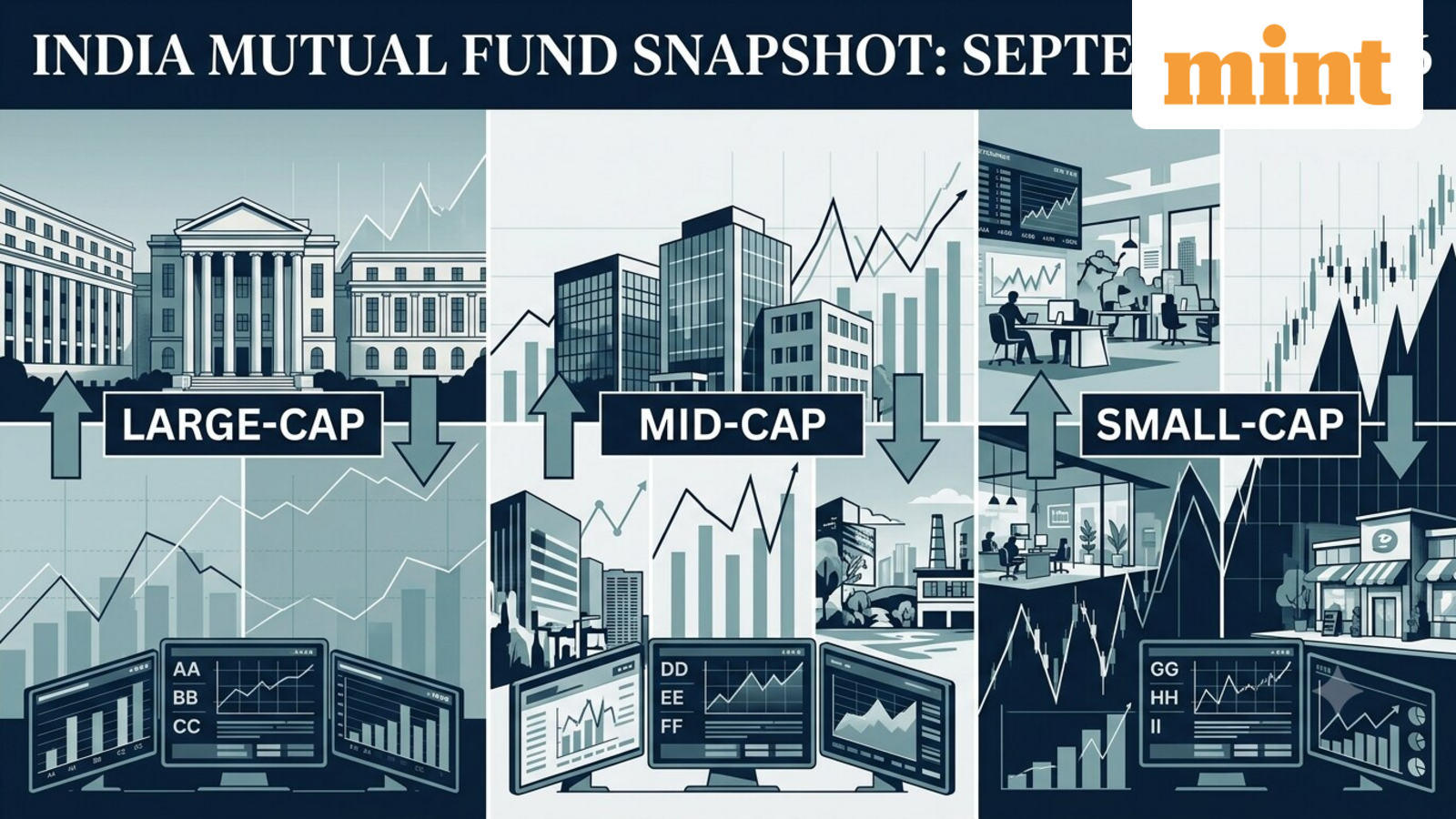
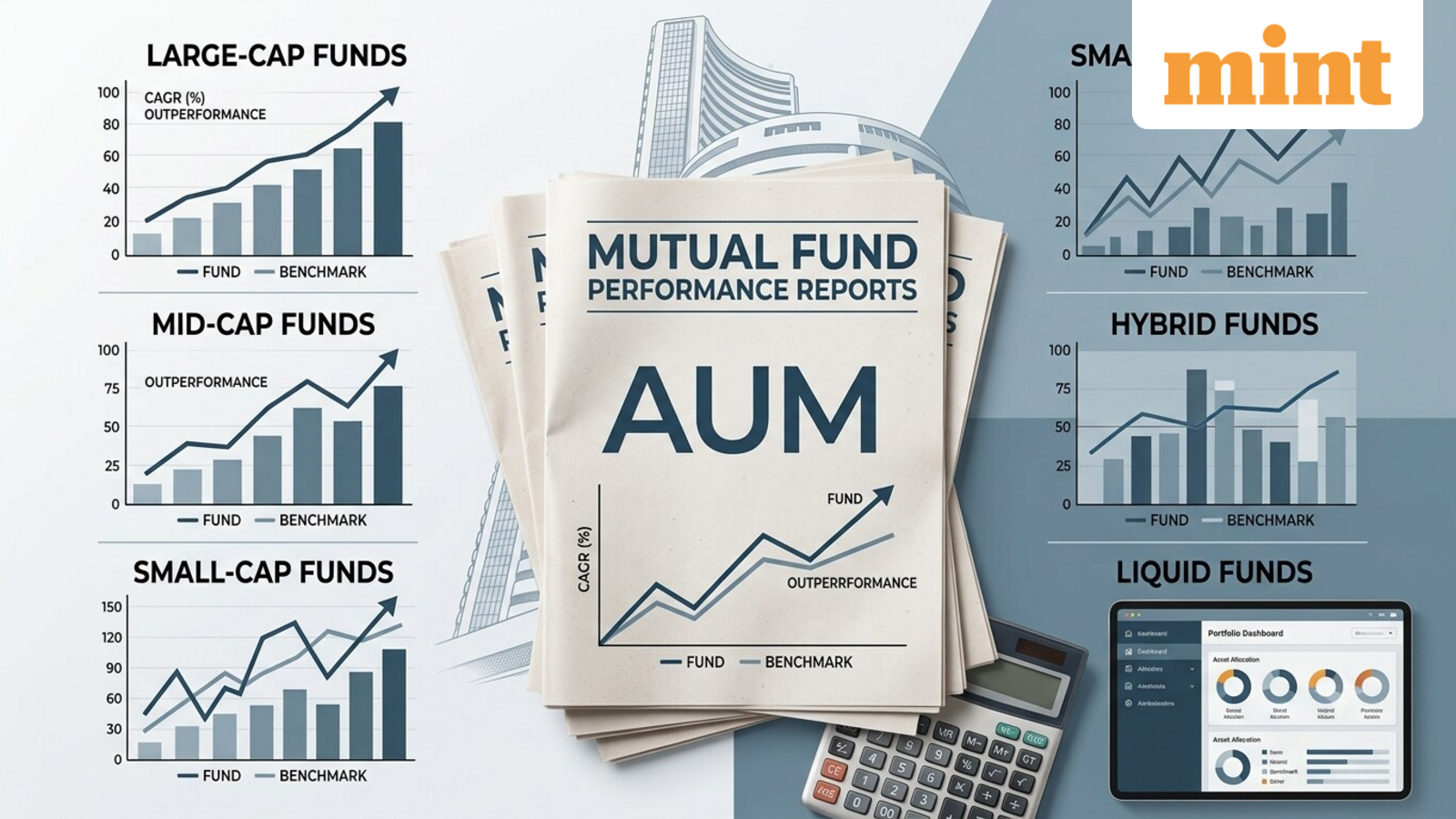
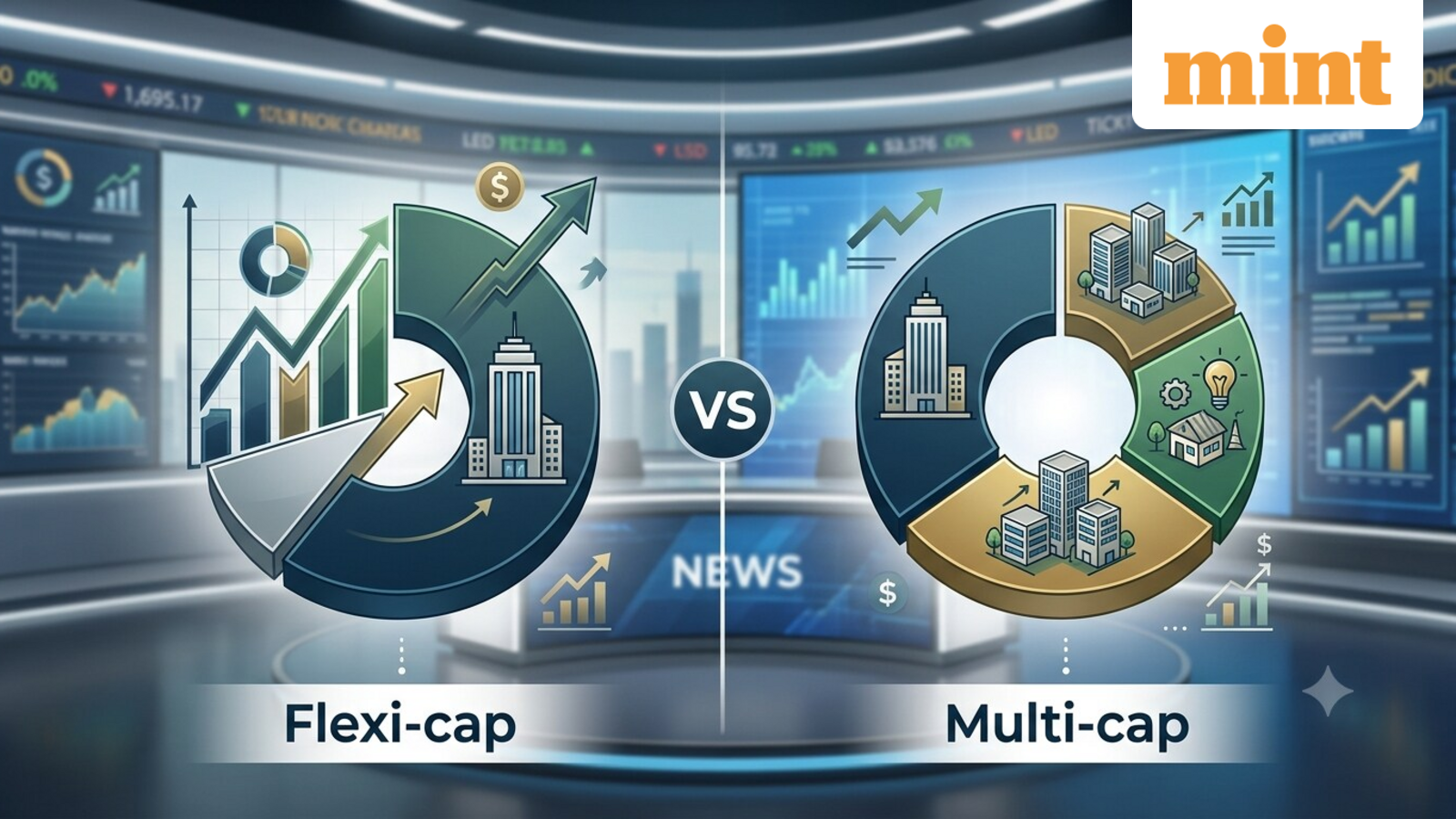
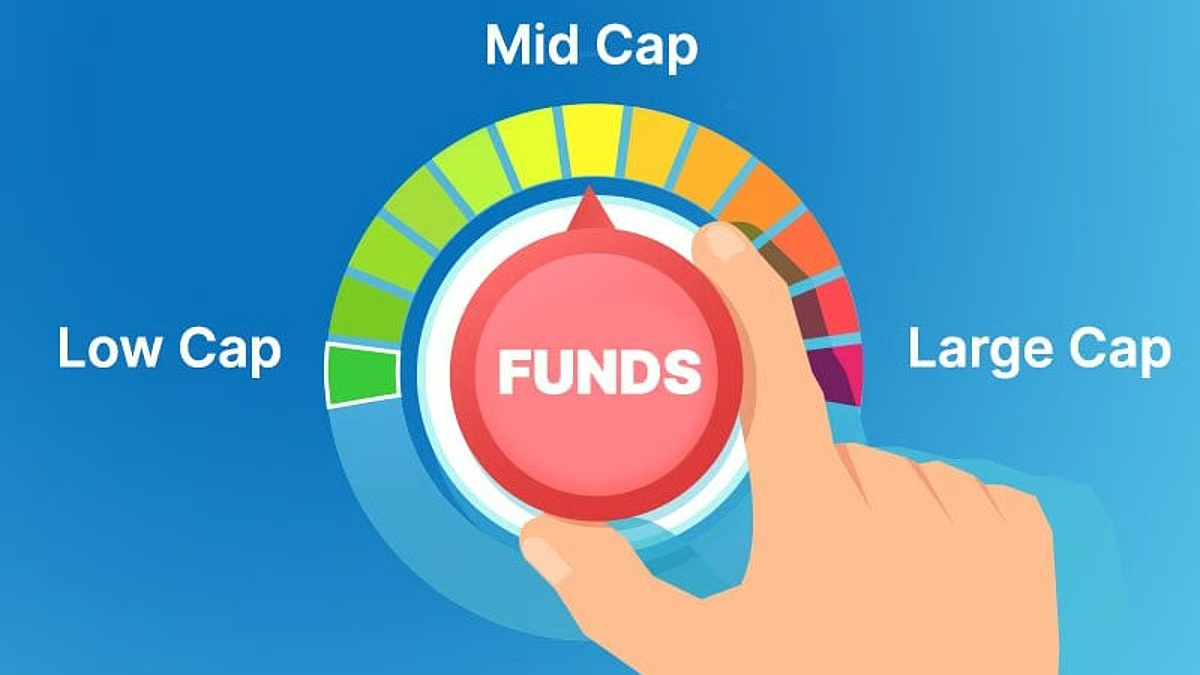
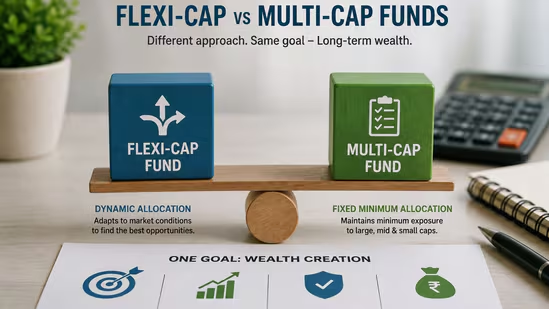
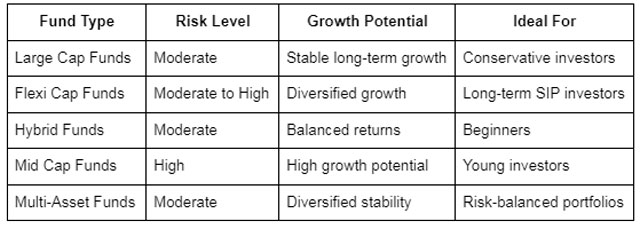
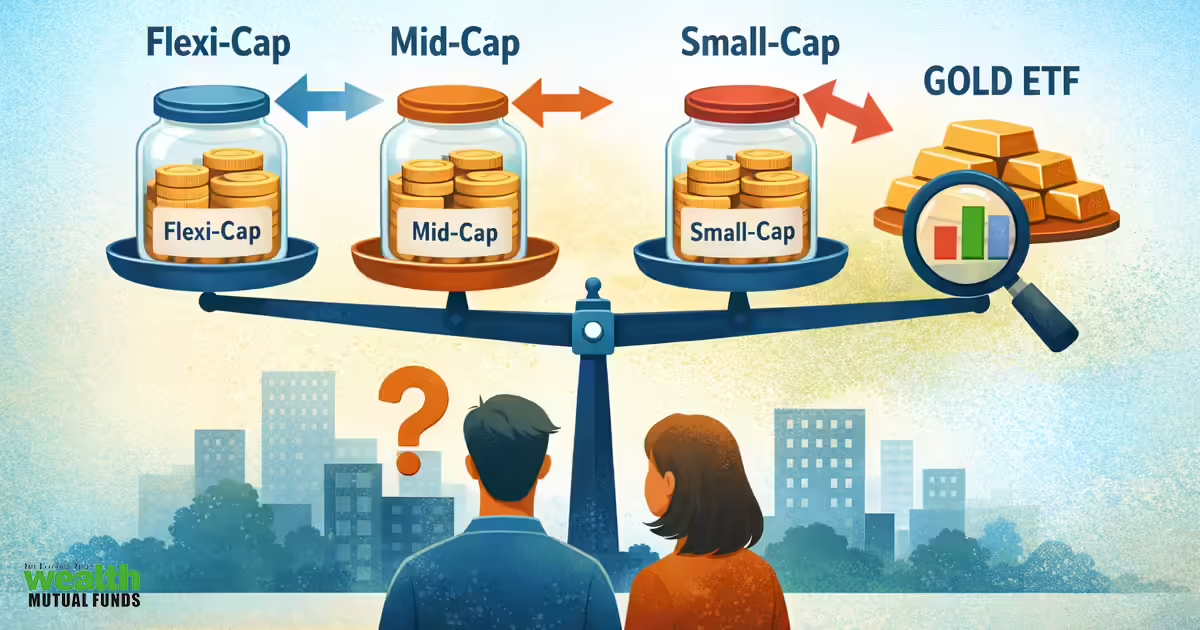
Large-cap, mid-cap and small-cap funds focus predominantly on companies of different market capitalisations, while multi-cap and flexi-cap funds provide exposure across market-cap segments in different ways. Other categories include sectoral or thematic funds and Equity Linked Savings Schemes (ELSS).
The right category depends on an investor’s financial goal, investment horizon and ability to tolerate market fluctuations.
Debt mutual funds
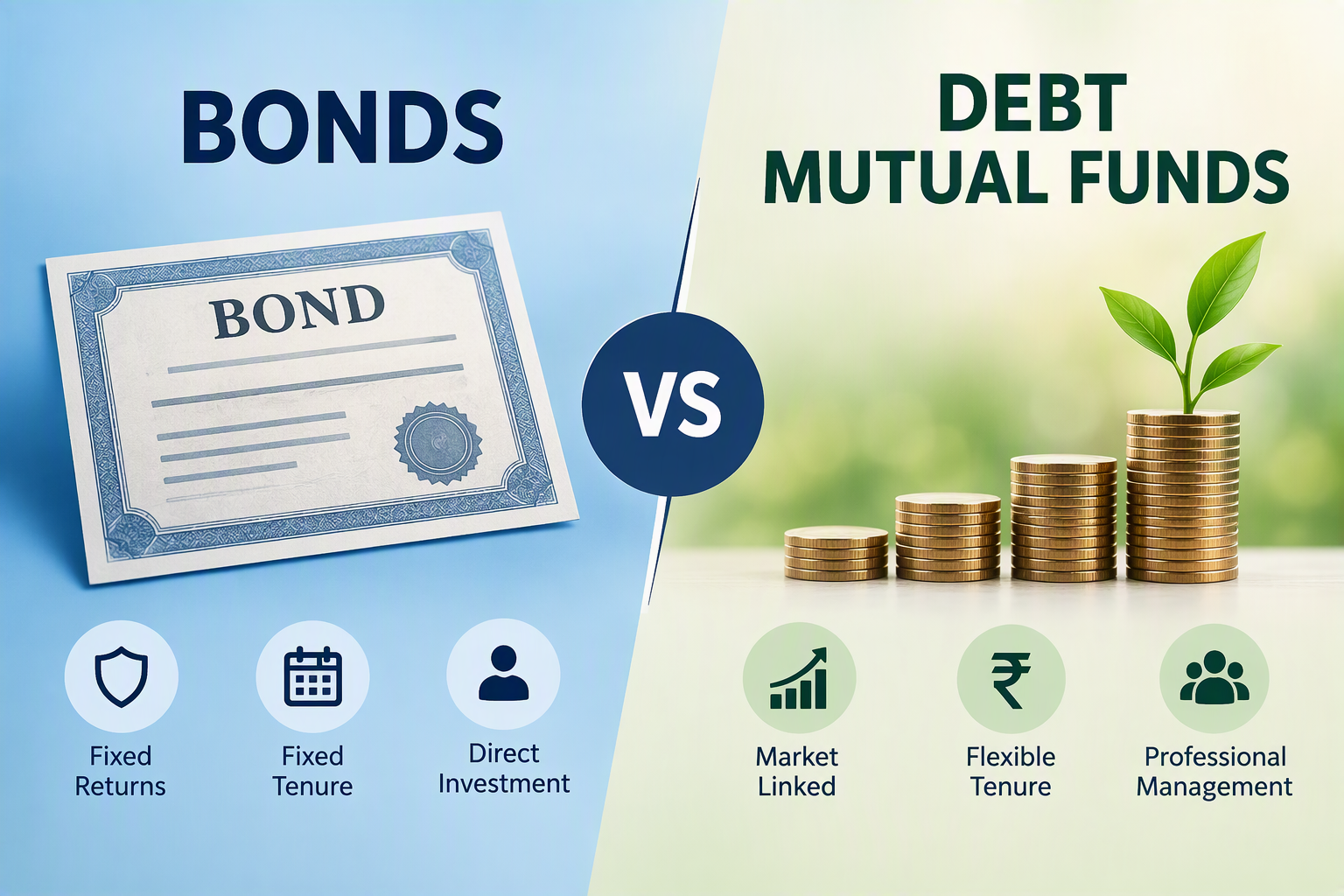
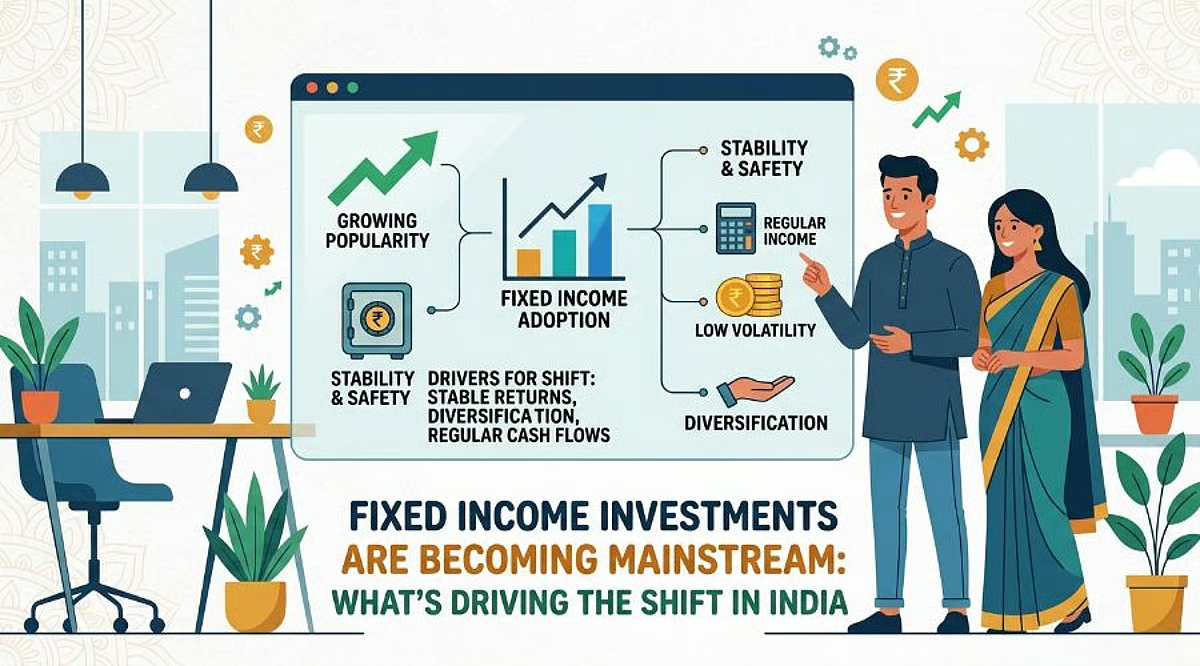
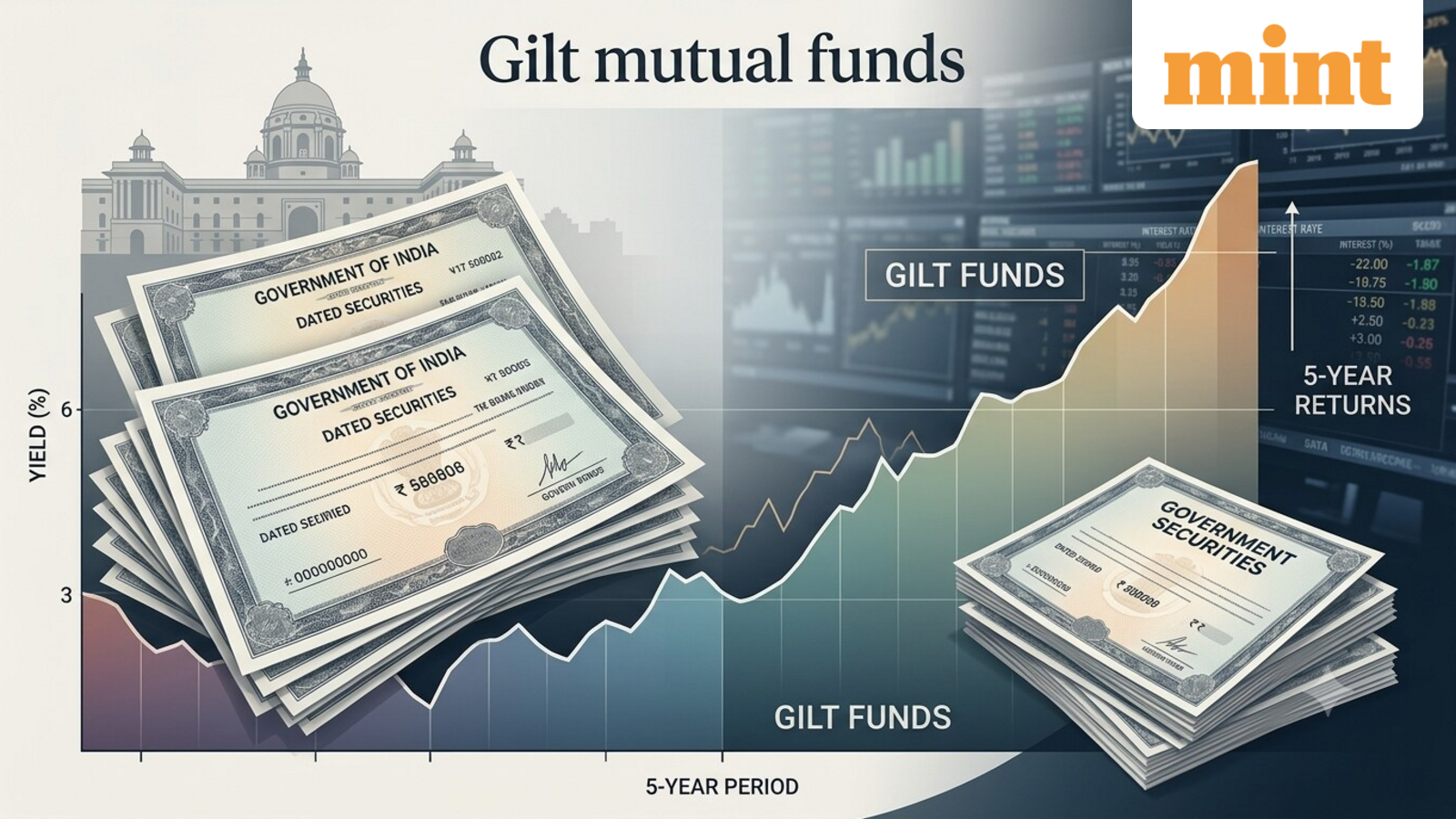
Debt funds predominantly invest in debt and debt-related instruments, which may include government securities, corporate bonds and money-market instruments. Overnight, liquid, short-duration, corporate bond and gilt funds are among the different categories available.
Debt funds should not be confused with guaranteed-return investments. Their NAVs can fluctuate, and they may be exposed to risks such as changes in interest rates and the creditworthiness of issuers.
Hybrid mutual funds
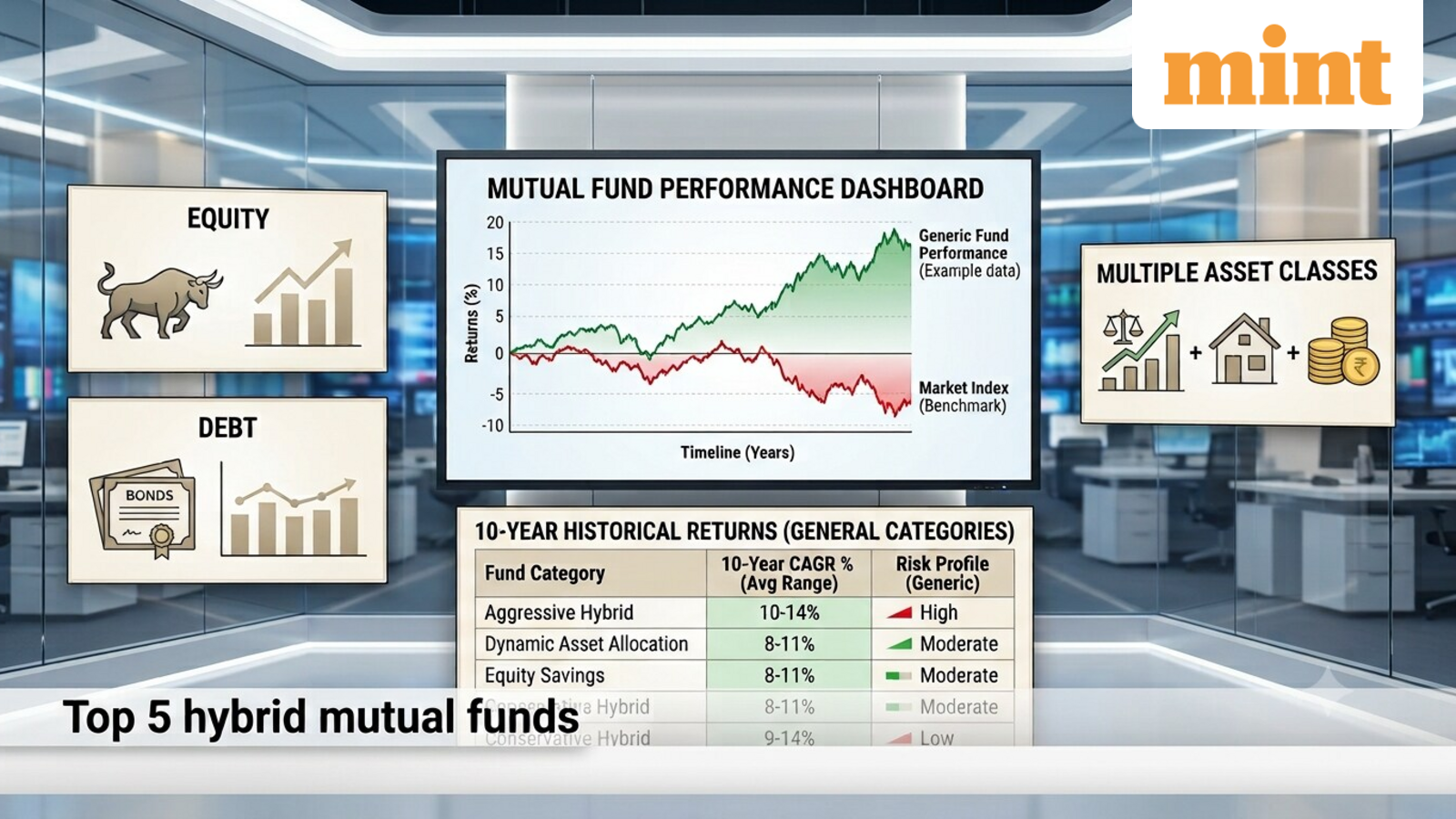
Hybrid schemes invest in a mix of permitted asset classes. Under the current SEBI framework, this can include equity, debt, InvITs and permitted commodity-related instruments.
Categories include conservative hybrid funds, aggressive hybrid funds, dynamic asset allocation funds and multi-asset allocation funds. The mix matters because a scheme with a larger equity allocation, for instance, is likely to behave differently from one with greater exposure to debt.
Life Cycle Funds and other schemes
Life Cycle Funds are a new category introduced under SEBI’s 2026 framework. These are open-ended schemes with a pre-determined maturity and a defined “glide path”, meaning their asset allocation changes along a pre-set path as the fund moves towards maturity.
SEBI also groups Fund of Funds and passive schemes under “Other Schemes”. Index funds seek to replicate or track a particular index, while a Fund of Funds invests in units of other funds according to its mandate.
And where does SIP fit in?
This is one distinction worth getting right: an SIP is not a type of mutual fund.
A Systematic Investment Plan is a method of investing in a mutual fund scheme. Instead of investing a larger amount in one go, an investor contributes a fixed amount at regular intervals. AMFI describes SIP as an investment methodology through which a fixed amount can be invested periodically in a mutual fund scheme.
Someone could therefore use an SIP mutual fund approach to invest regularly in an eligible scheme. The mutual fund determines where the money is invested; the SIP determines how it gets there.
How does a beginner choose?
Rather than beginning with “Which fund is giving the best returns?” it can be more useful to ask, “What is the money for?” “When will it be needed?” And “how much investment risk is comfortable?”
The answers can help narrow down the appropriate category. Investors should also examine a scheme’s investment objective, portfolio strategy and Riskometer before investing.
Once the goal and time horizon are clearer, a mutual fund calculator can help with the numbers. The Nippon India Mutual Fund SIP Calculator allows investors to enter a target amount, assumed annual return and time frame to estimate the monthly SIP required. The result is illustrative rather than a promise of future returns, but it can make a financial target more tangible.
Ultimately, there is no single mutual fund category that fits everyone. Understanding what each type is designed to do can make it easier to choose a mutual fund investment aligned with the investor’s goal, time horizon and risk appetite.
Mutual fund investments are subject to market risks, read all scheme related documents carefully.