New Delhi:
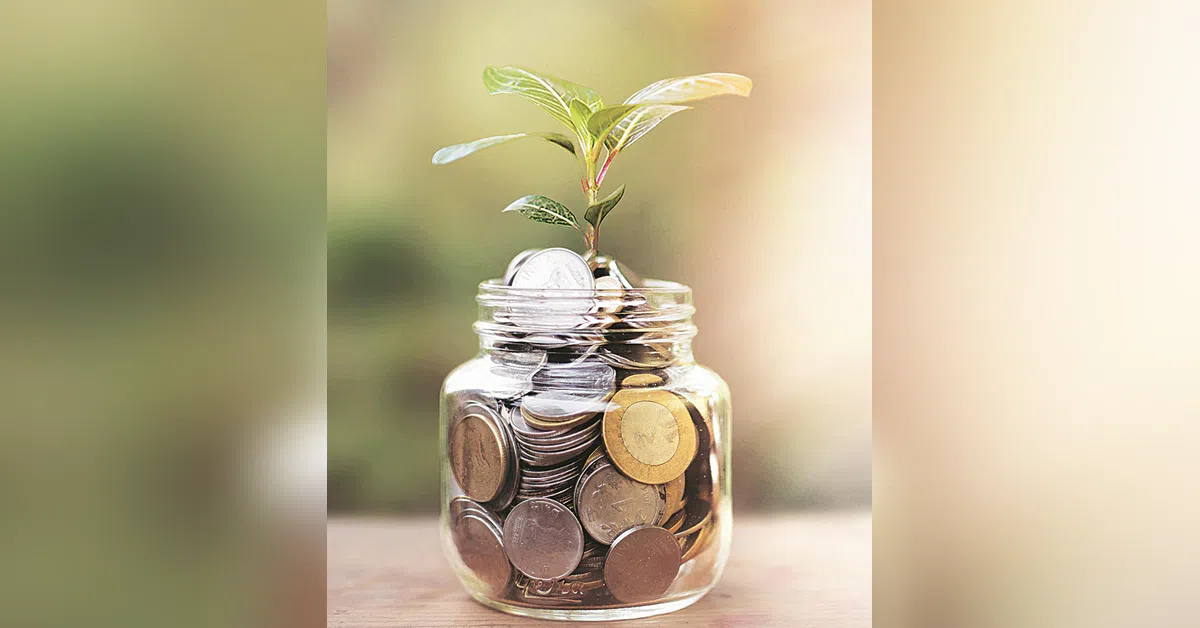
Most financial advisors agree on one thing: everyone needs an emergency fund.
Whether it’s a sudden medical bill, an unexpected job loss, a major home repair, or a family emergency, having money set aside can prevent a financial setback from turning into a crisis.
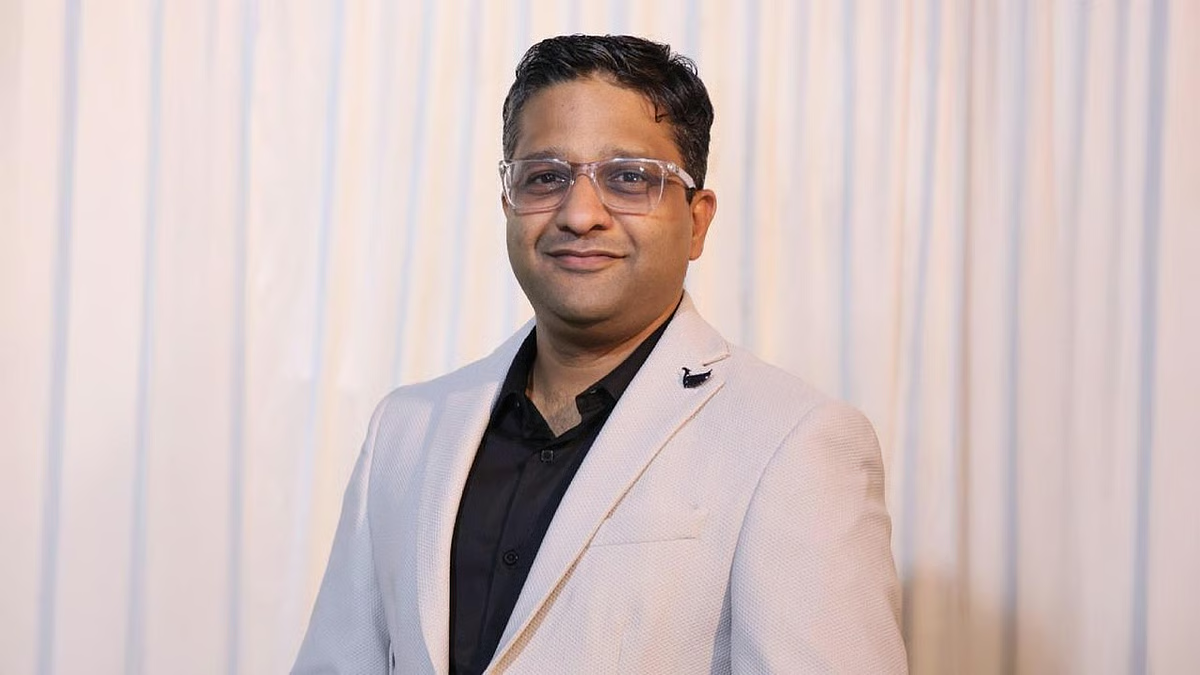
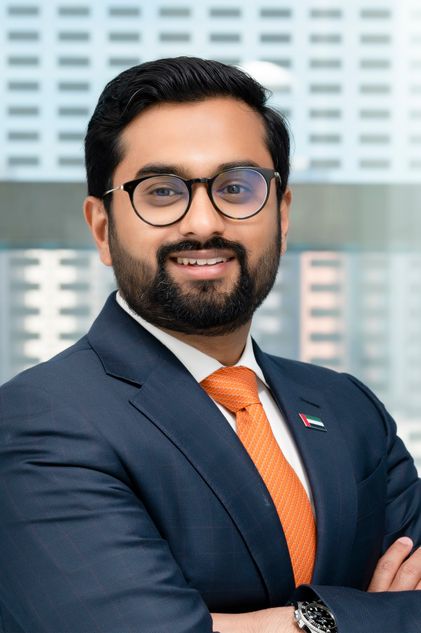
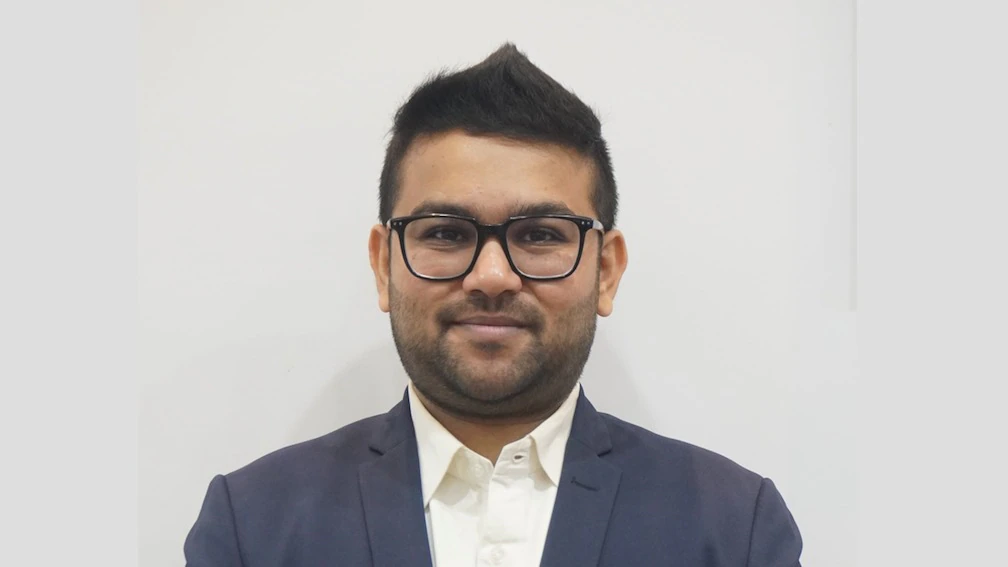
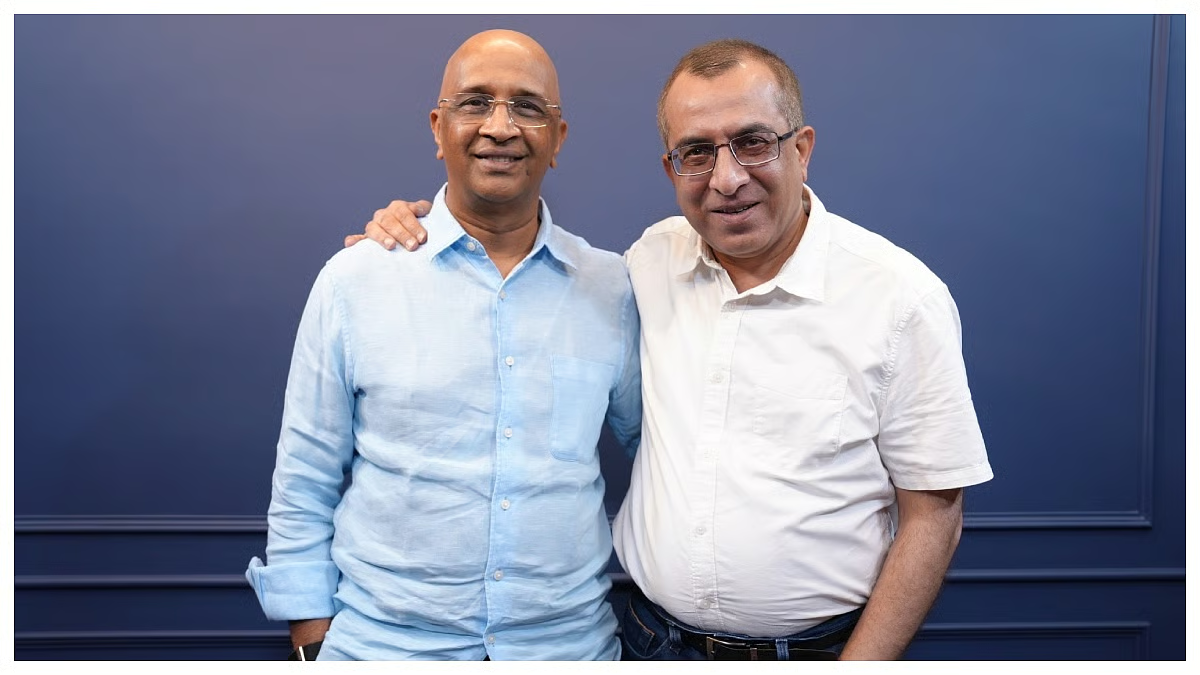
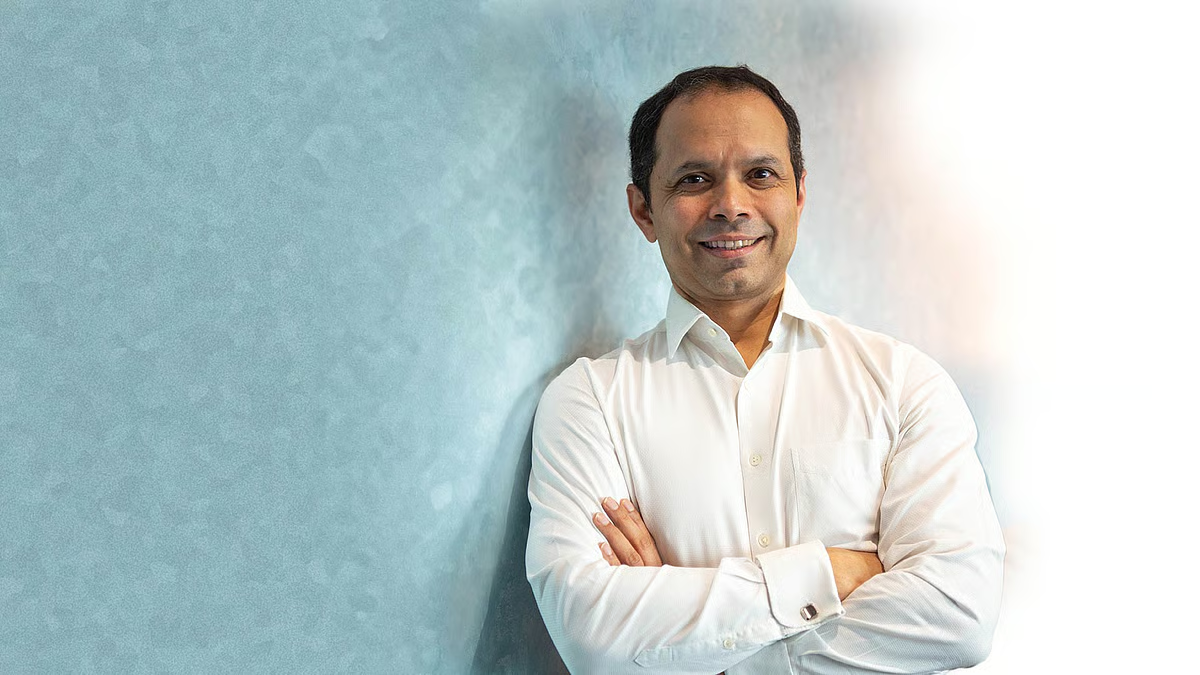
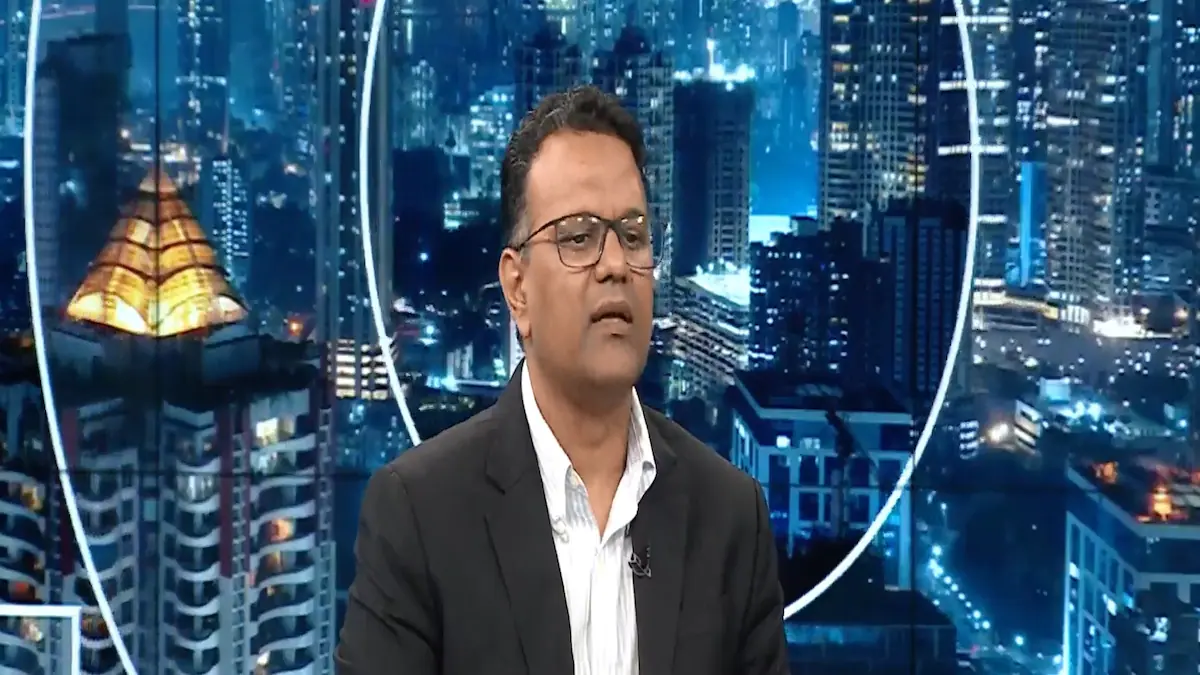
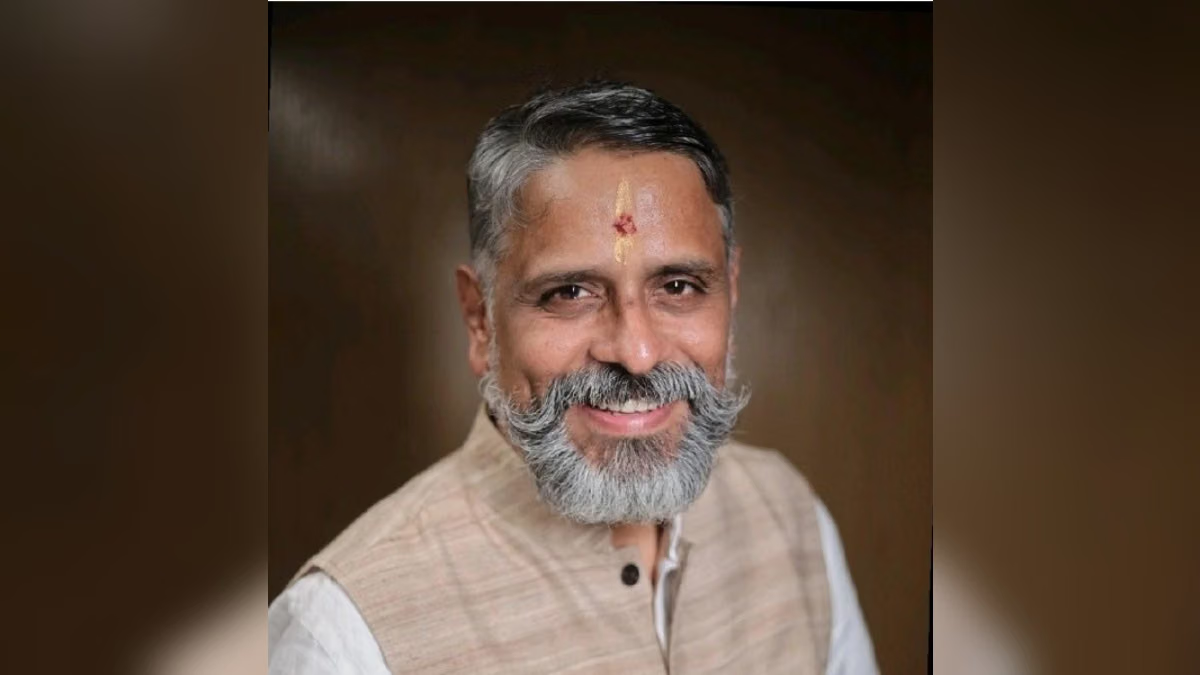
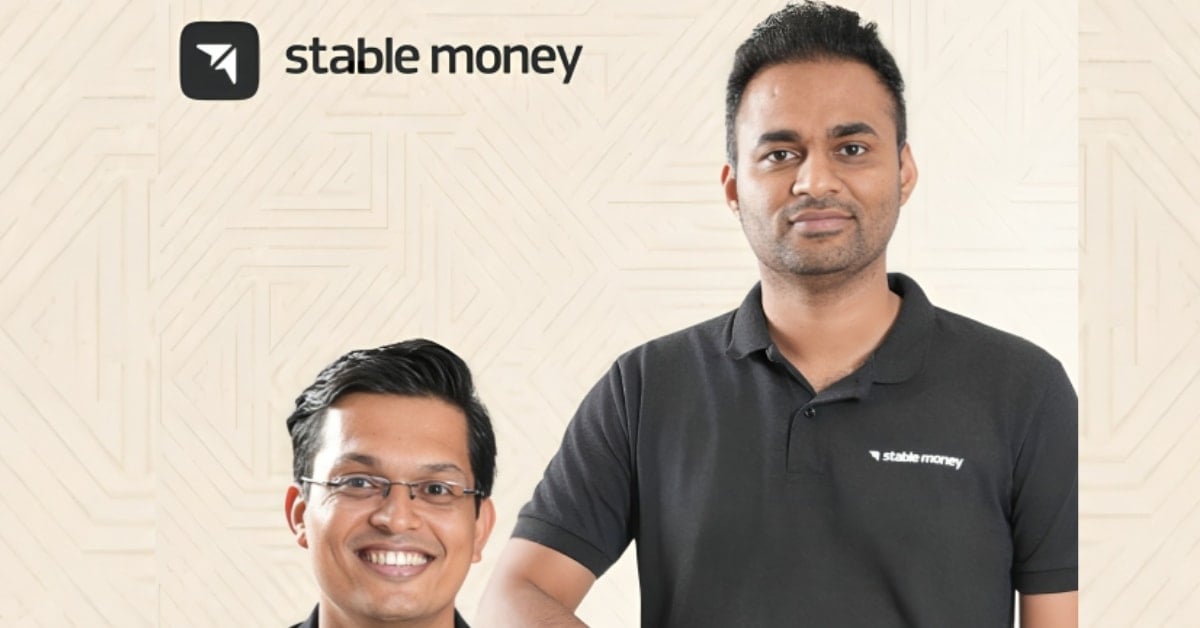
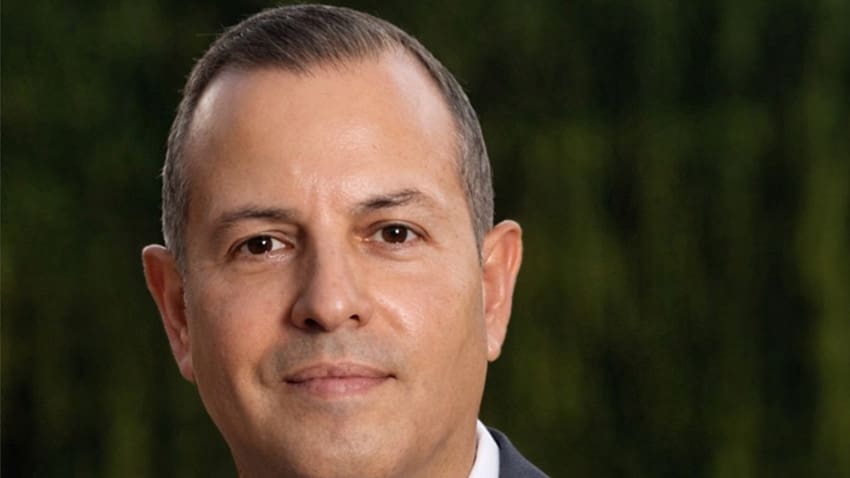
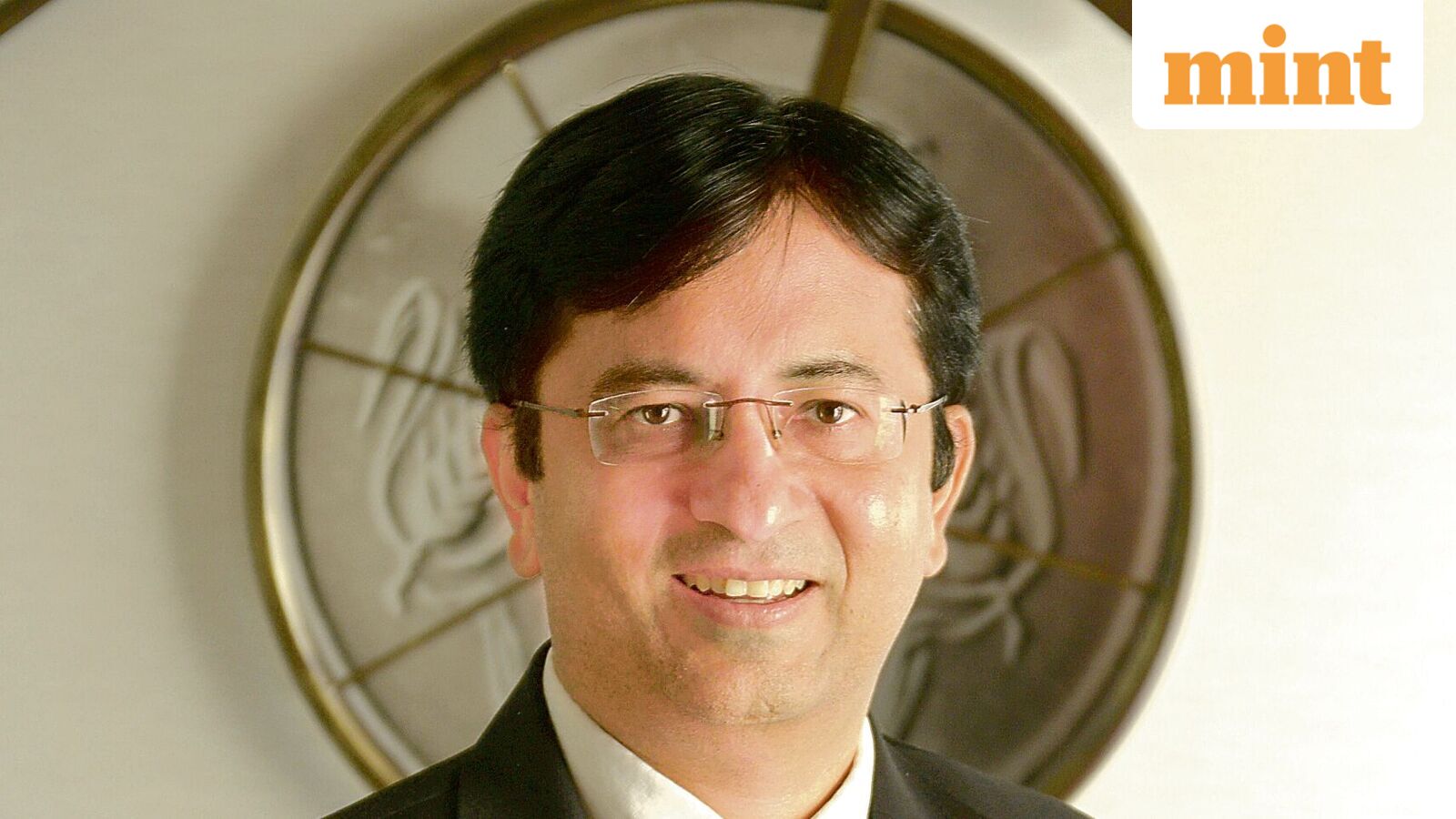
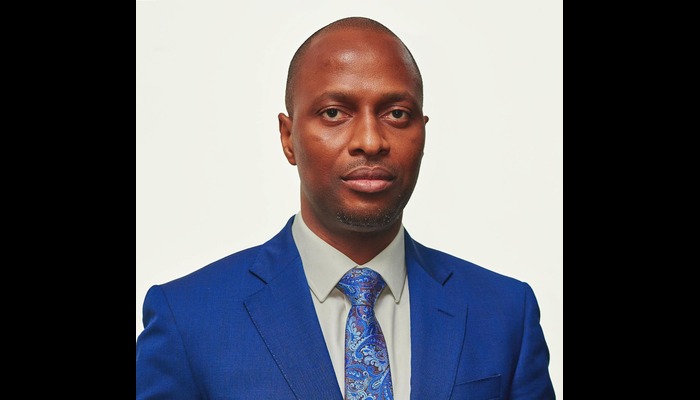
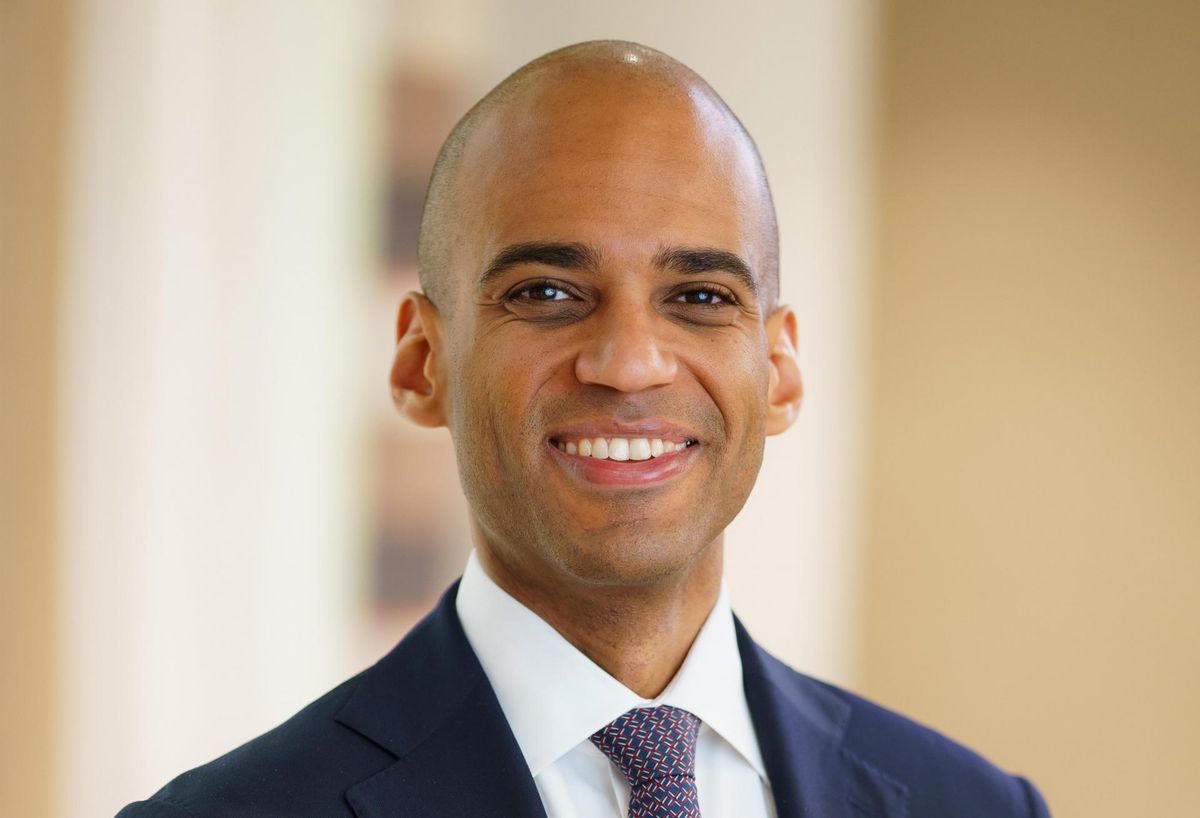
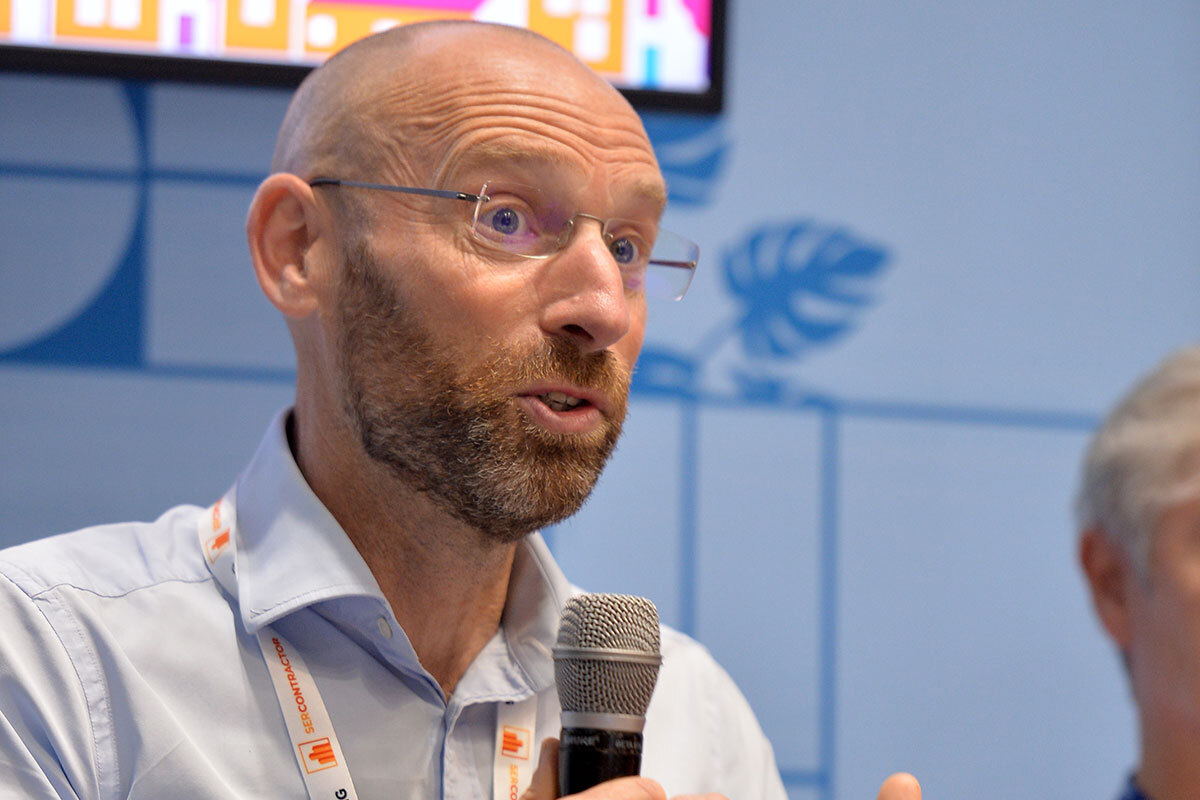
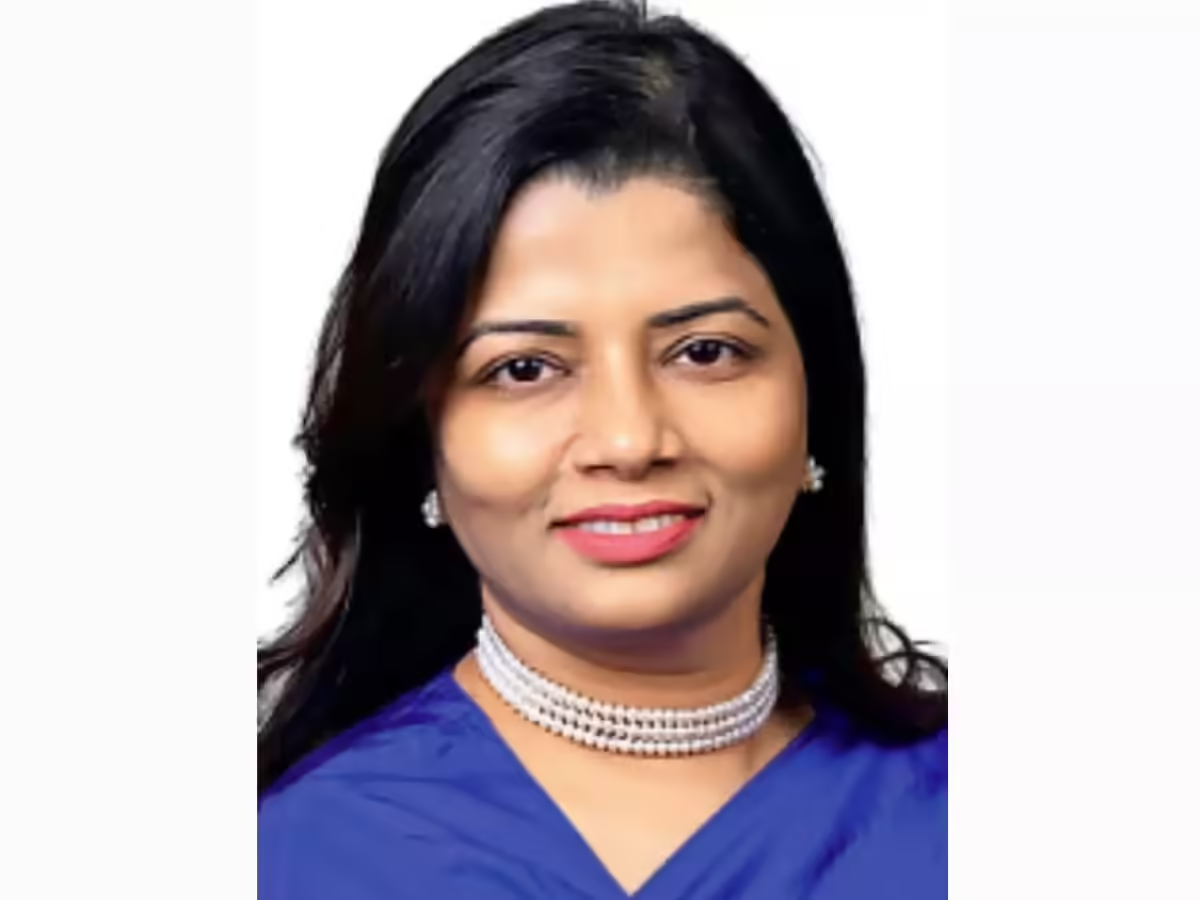
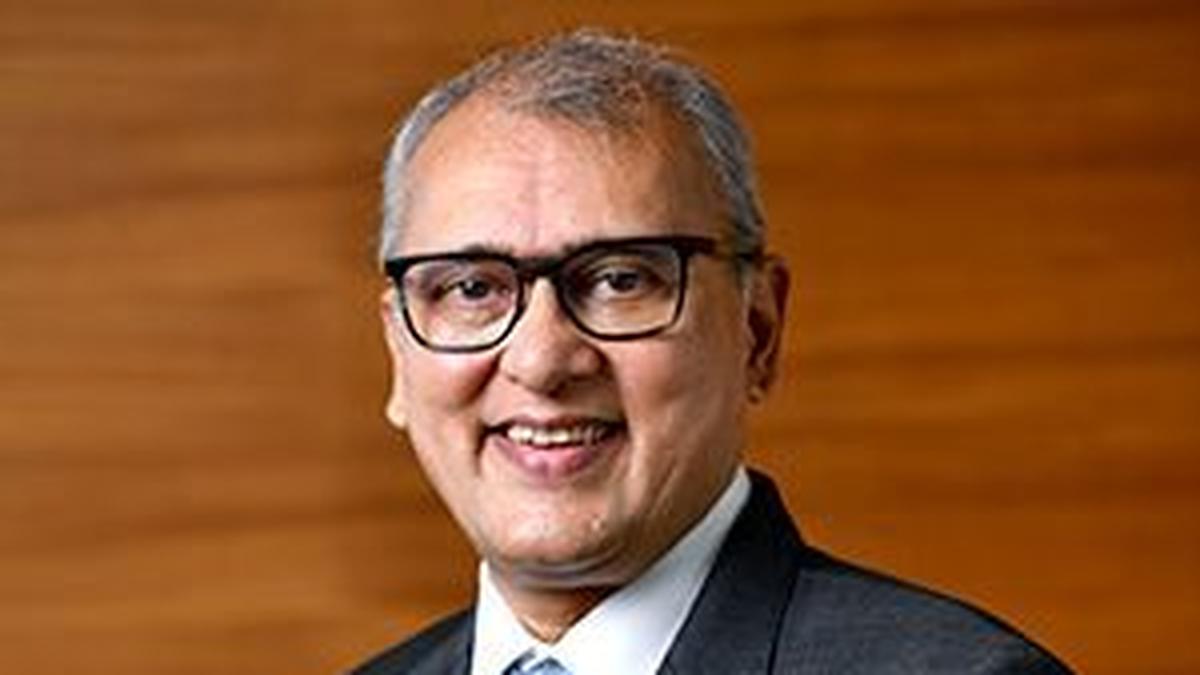
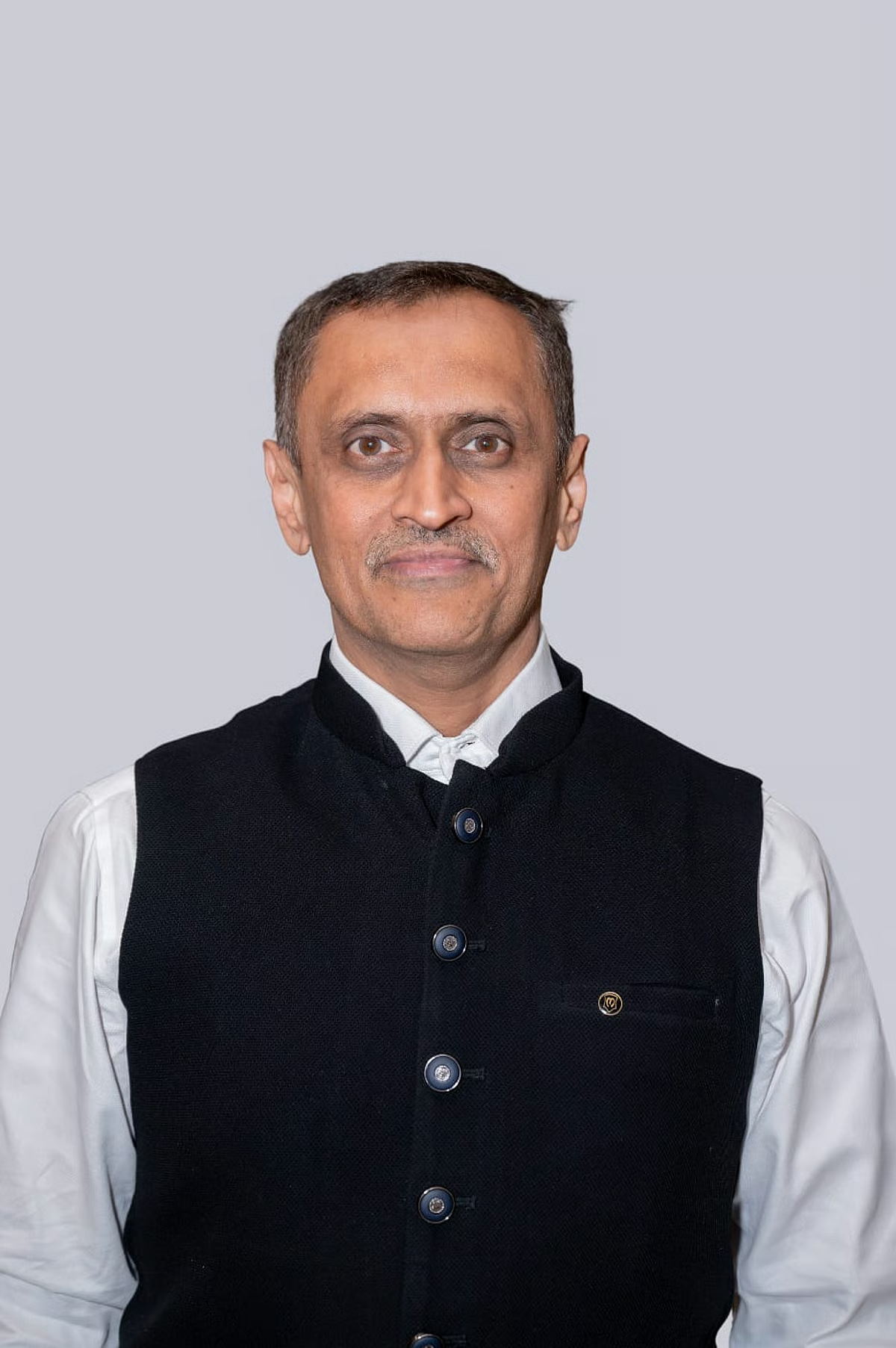
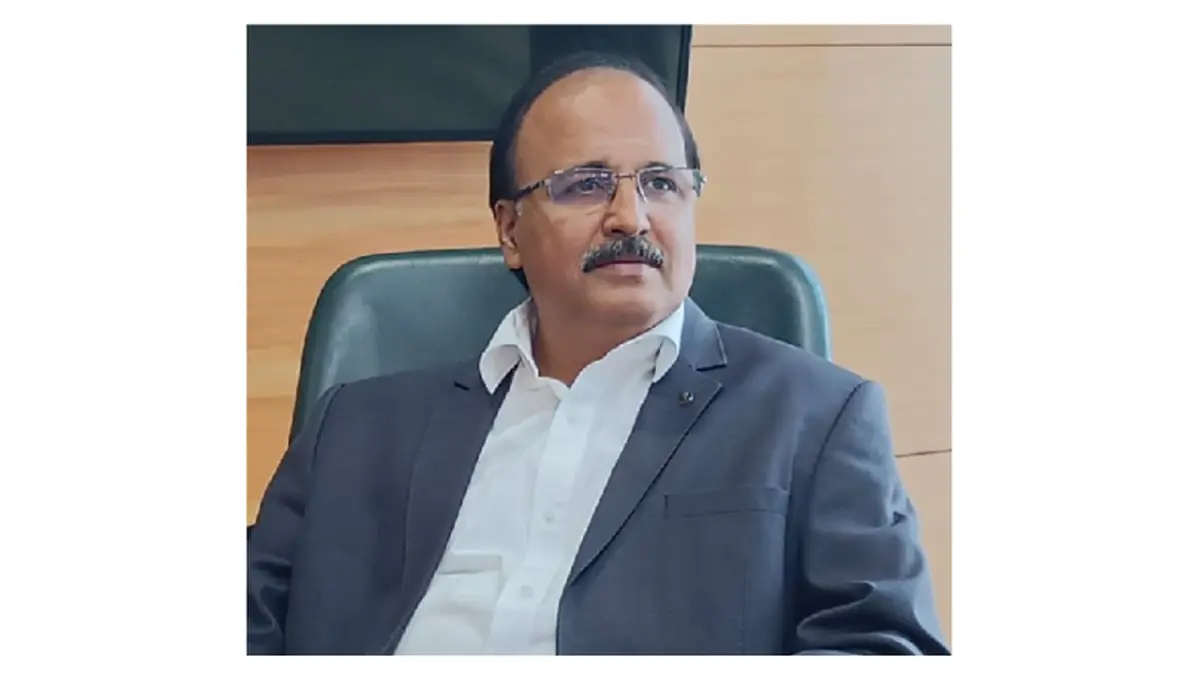
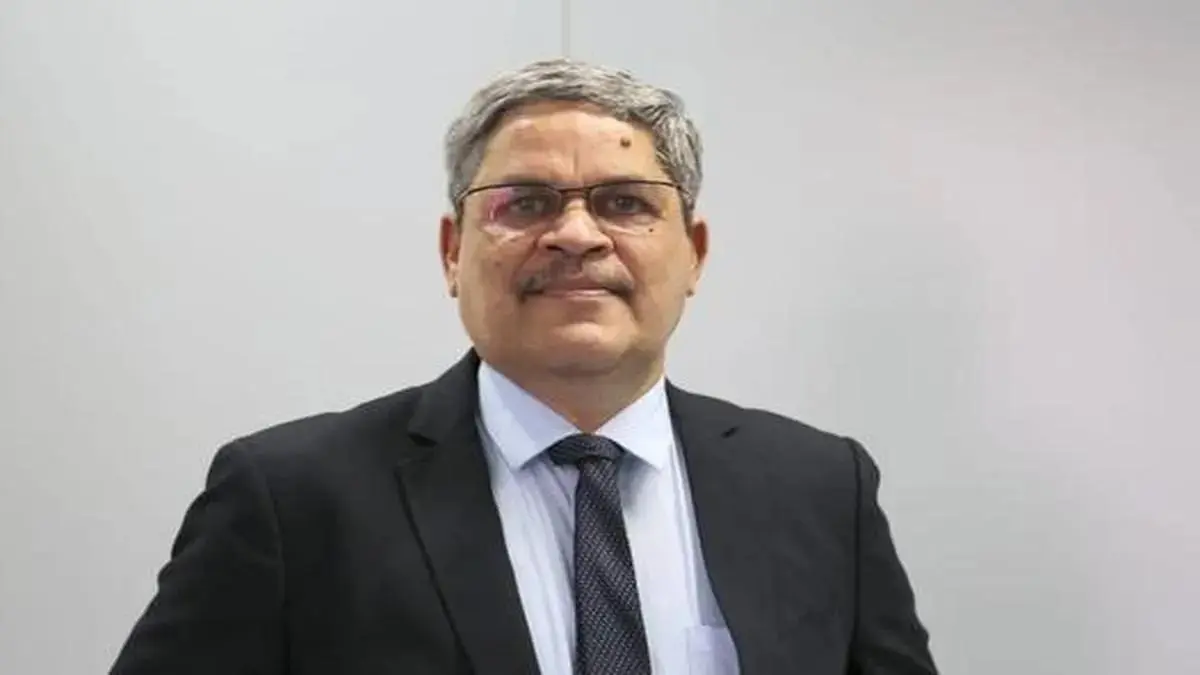
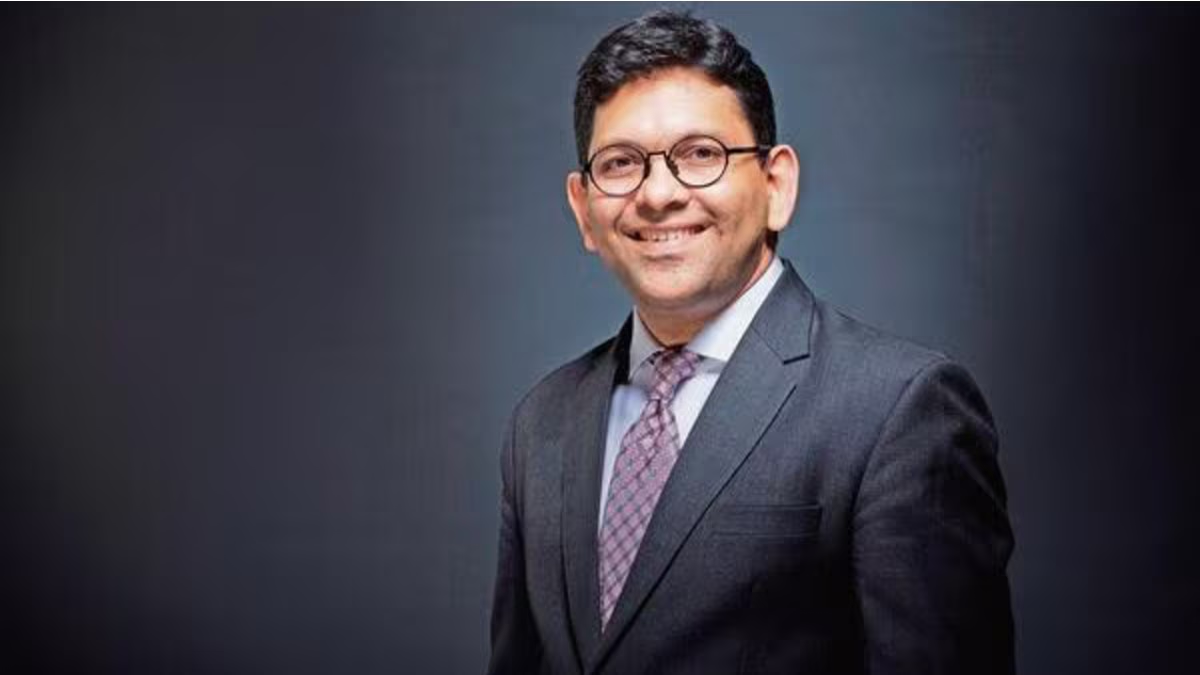
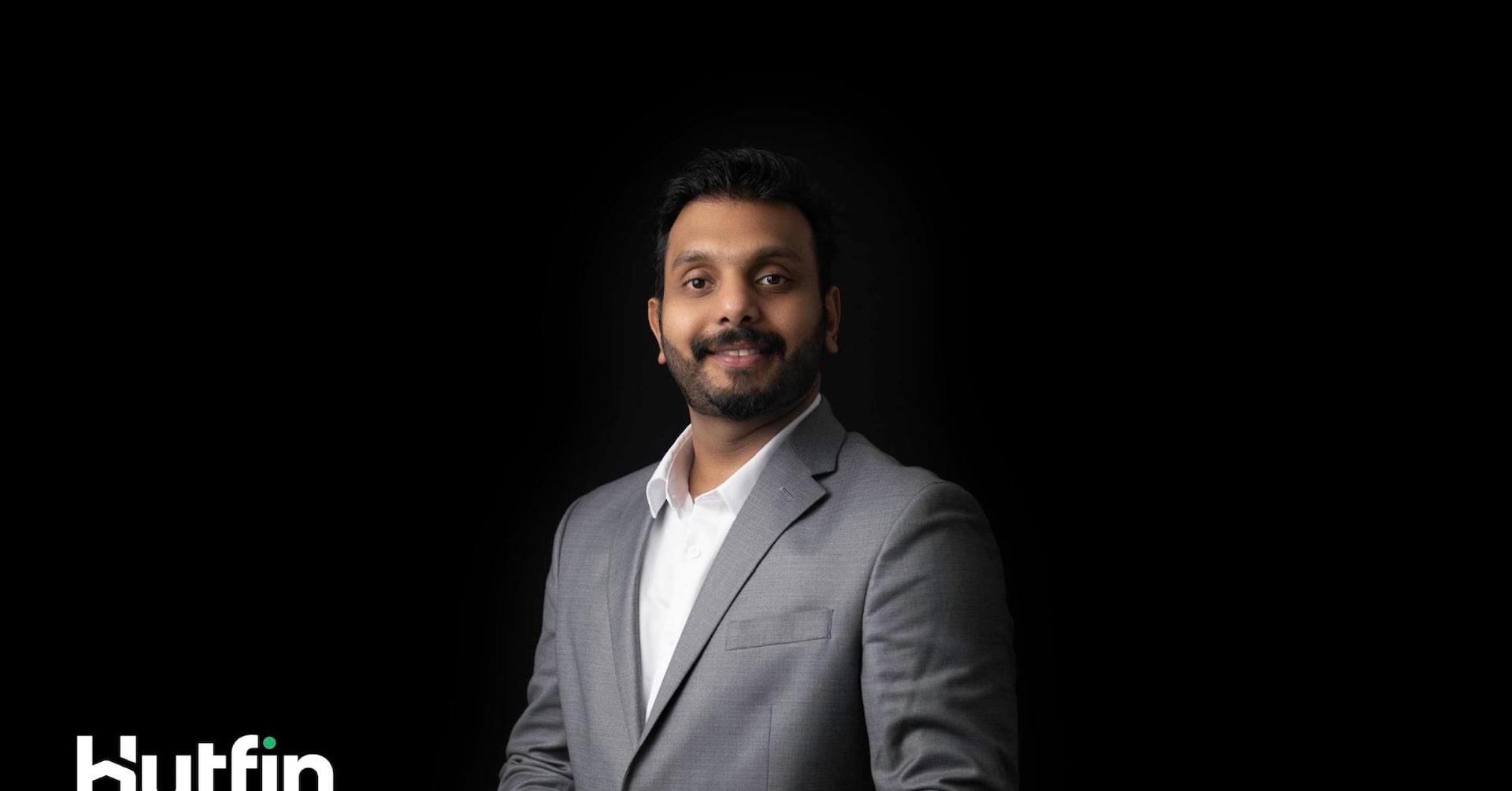
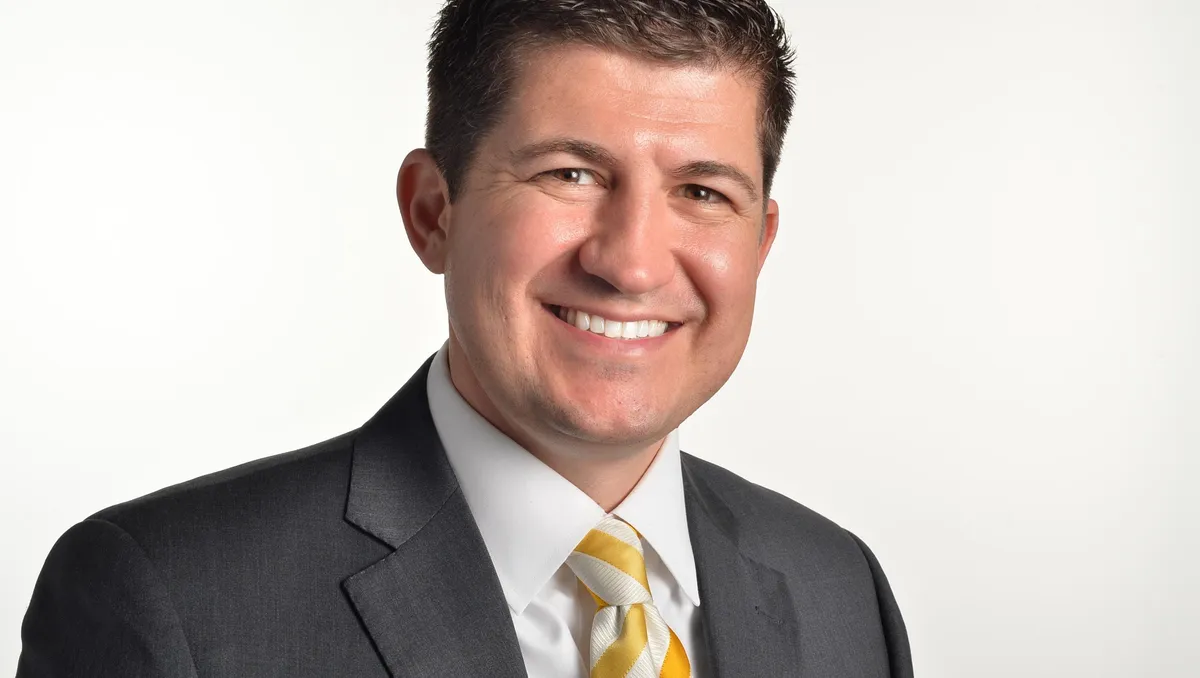
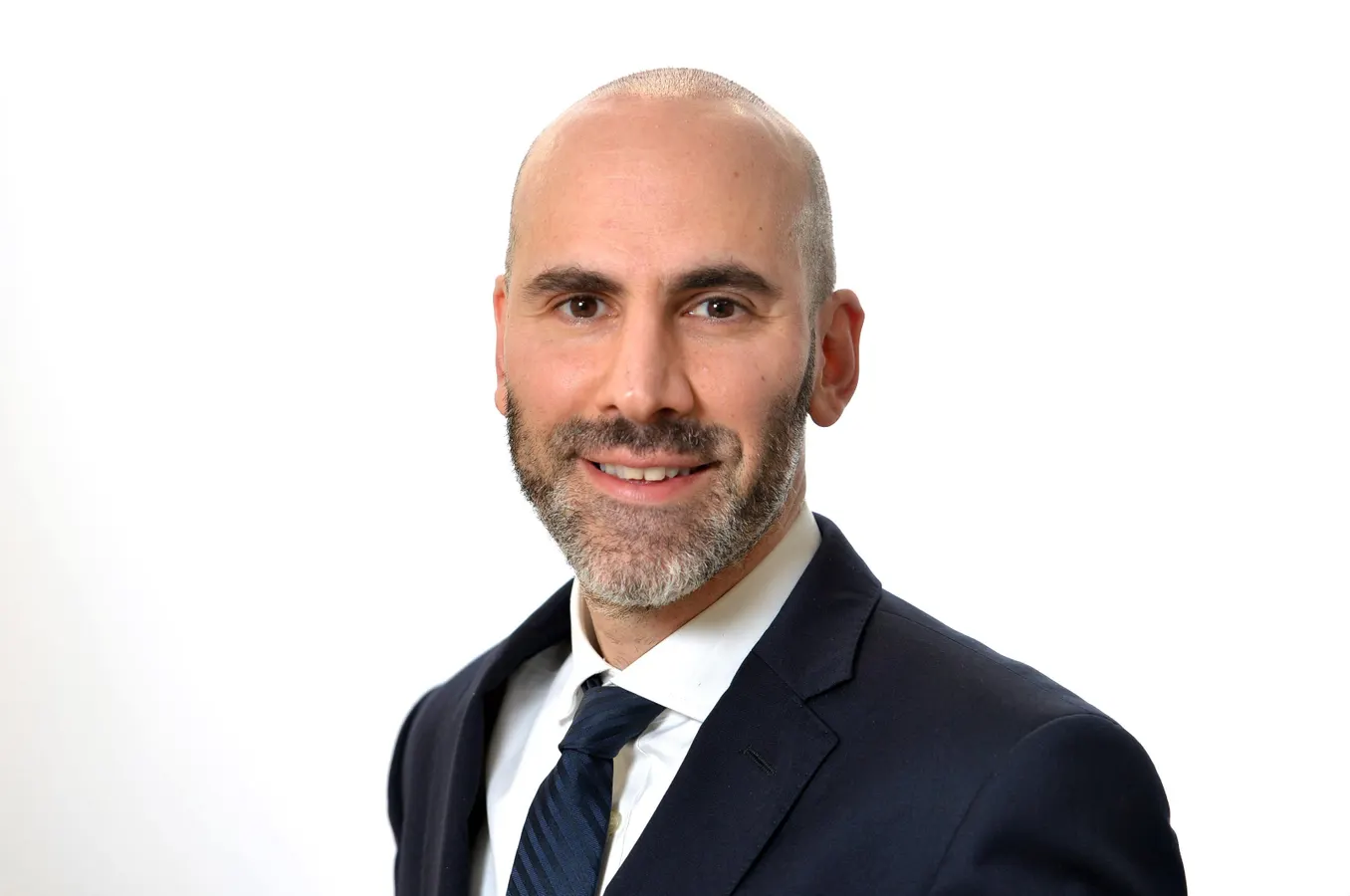
But many Indians continue to park their emergency savings in regular bank accounts that offer limited returns. According to Saurabh Jain, Co-Founder and CEO of Stable Money, investors can improve the effectiveness of their emergency corpus by using a mix of fixed-income products that balance safety, liquidity and returns.
“The objective of an emergency fund is not only accessibility but also ensuring that idle money continues to grow safely over time,” Jain said.
Here are five fixed-income strategies that, according to Jain, can help strengthen an emergency fund without taking on significant market risk.
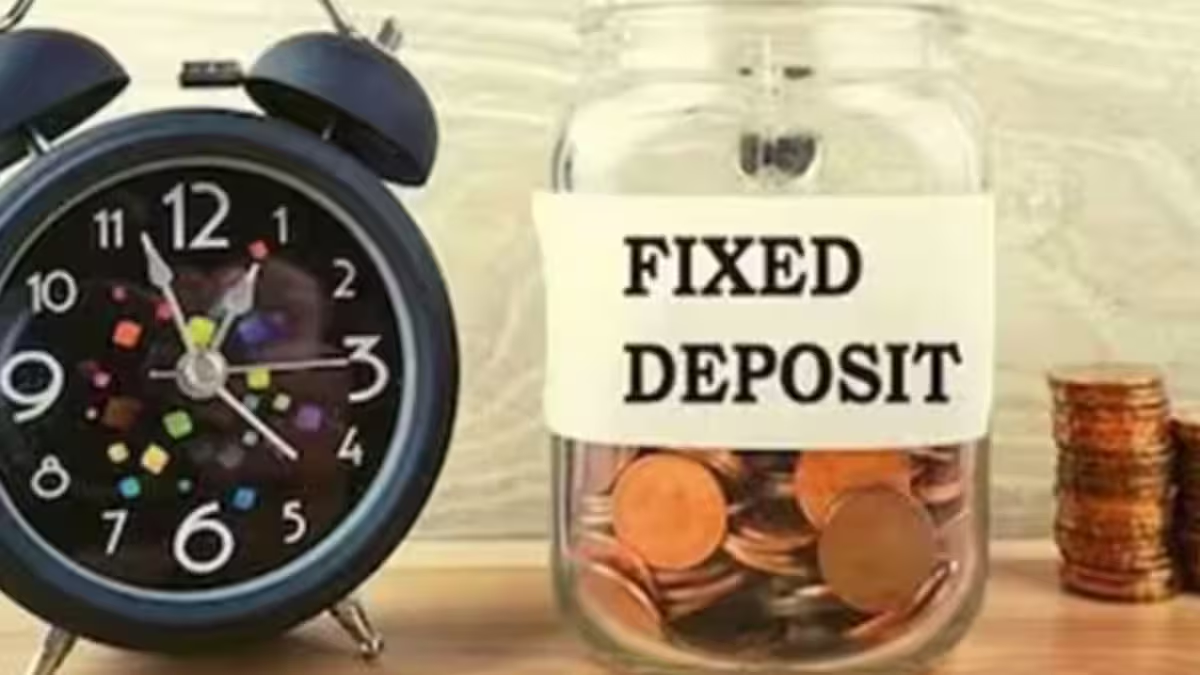
1. Move Idle Cash To Higher-Yield Fixed Deposits
A large portion of emergency savings often sits in low-interest savings accounts, gradually losing value to inflation.
Jain says investors can consider allocating a part of their emergency corpus to fixed deposits that offer higher interest rates, particularly those offered by select small finance banks.
He points out that deposits up to Rs 5 lakh per bank are covered under Deposit Insurance and Credit Guarantee Corporation (DICGC) protection, providing an additional layer of safety.
According to Jain, investors can further reduce risk by spreading deposits across multiple banks while staying within insured limits. Many digital platforms now allow customers to manage multiple FDs in one place and access funds through premature withdrawals if required.
2. Use FD Laddering To Improve Liquidity
One of the biggest concerns around fixed deposits is access to money during emergencies.
Jain recommends a laddering strategy, where investors divide their emergency corpus across deposits with different maturity periods instead of locking everything into a single FD.
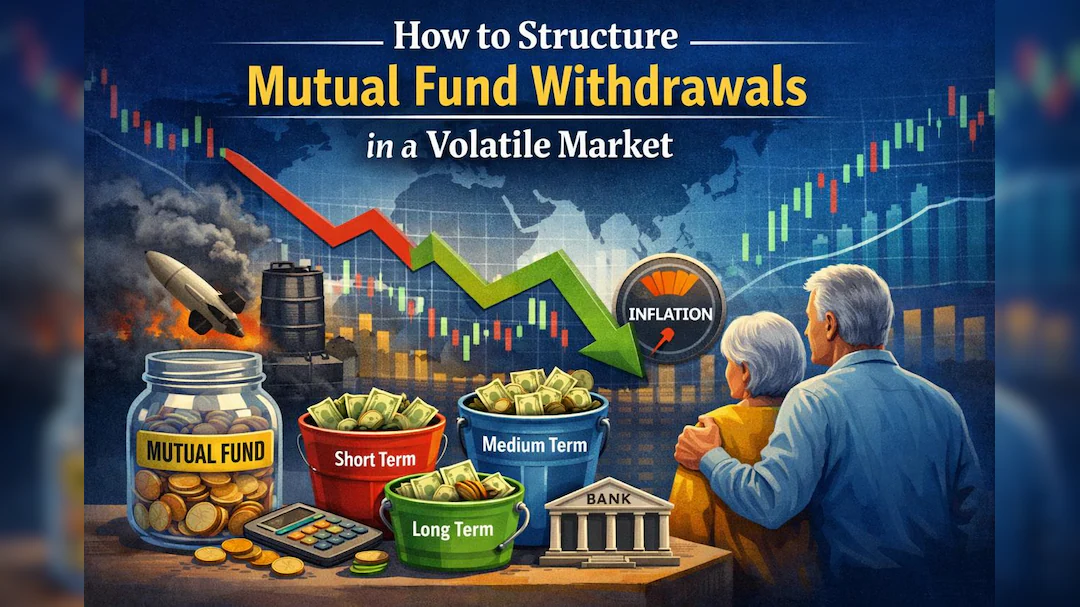
For example, funds can be spread across short-, medium- and long-term deposits. This ensures that some money becomes available at regular intervals while the rest continues earning returns.
“FD laddering creates a balance between liquidity and return optimisation,” Jain explained, adding that the strategy can also help investors benefit from changing interest-rate cycles.
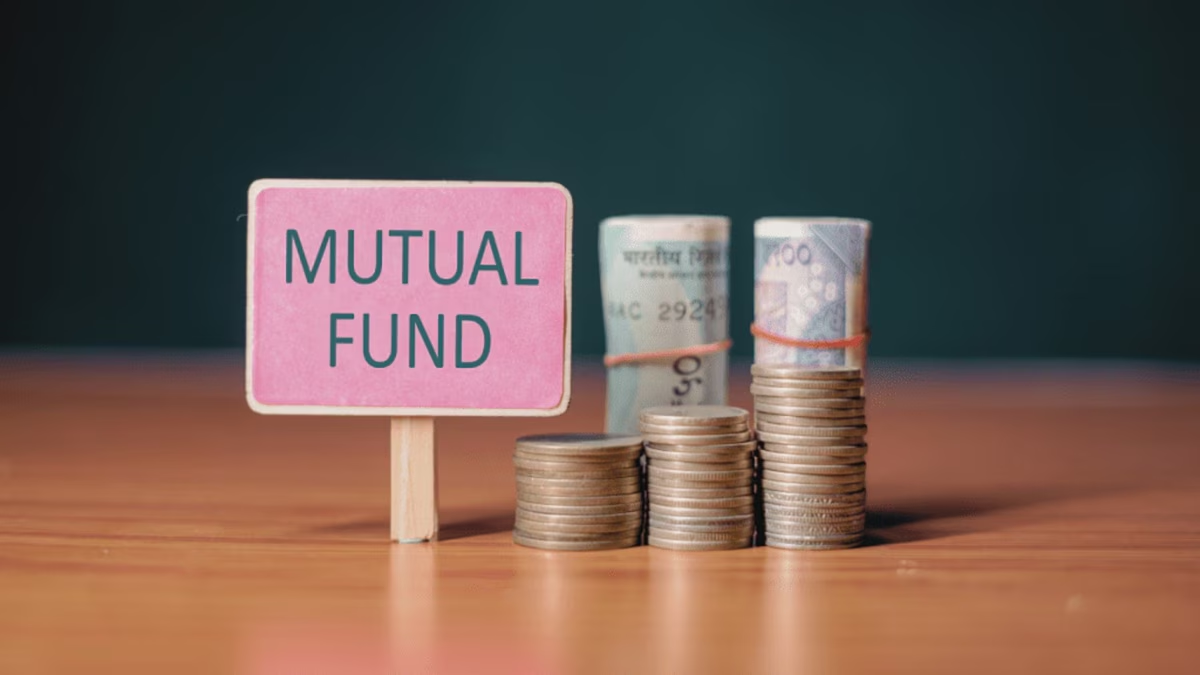
3. Keep Short-Term Surplus In Liquid Funds
For money that may be needed quickly, Jain suggests considering liquid and ultra-short-duration funds as part of the emergency fund mix.
These debt-oriented schemes invest in high-quality instruments with short maturities and typically offer easy redemption options.
According to Jain, liquid funds can be useful for maintaining immediate access to cash, parking short-term surplus money and managing monthly cash-flow requirements.
While returns are not guaranteed, they can offer a more efficient option than leaving large sums idle in savings accounts, while still maintaining relatively low volatility.
4. Add Stability With Government-Backed Products
Jain also believes government-backed savings instruments can play a role in emergency planning.
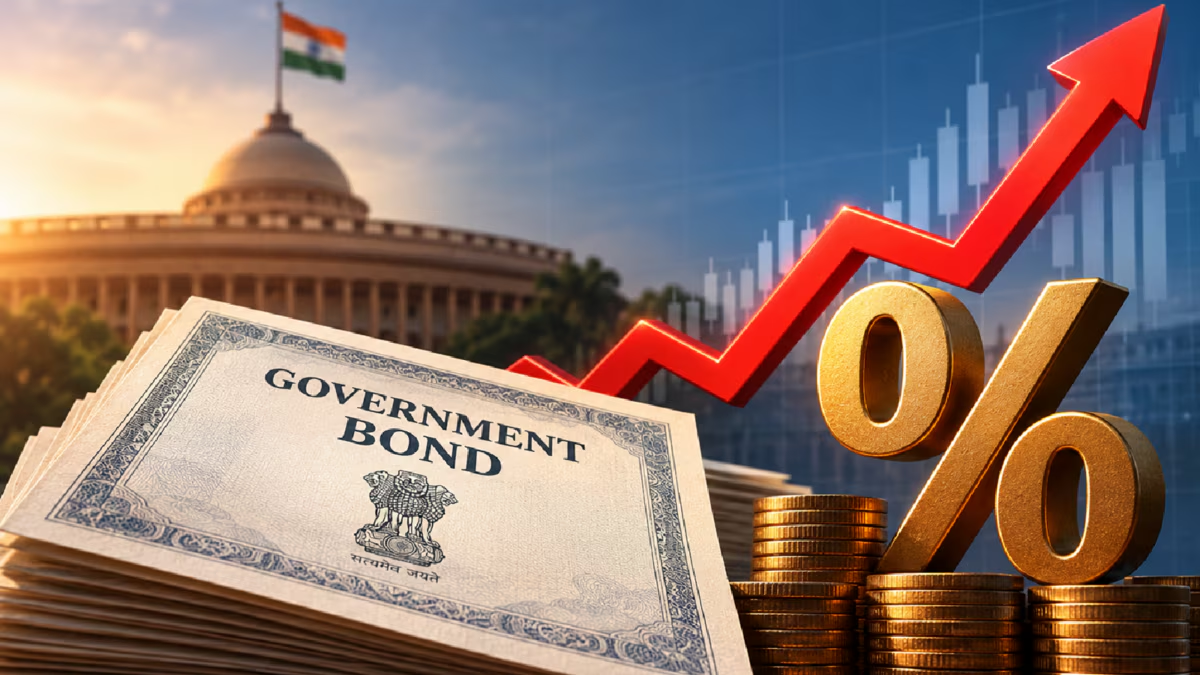
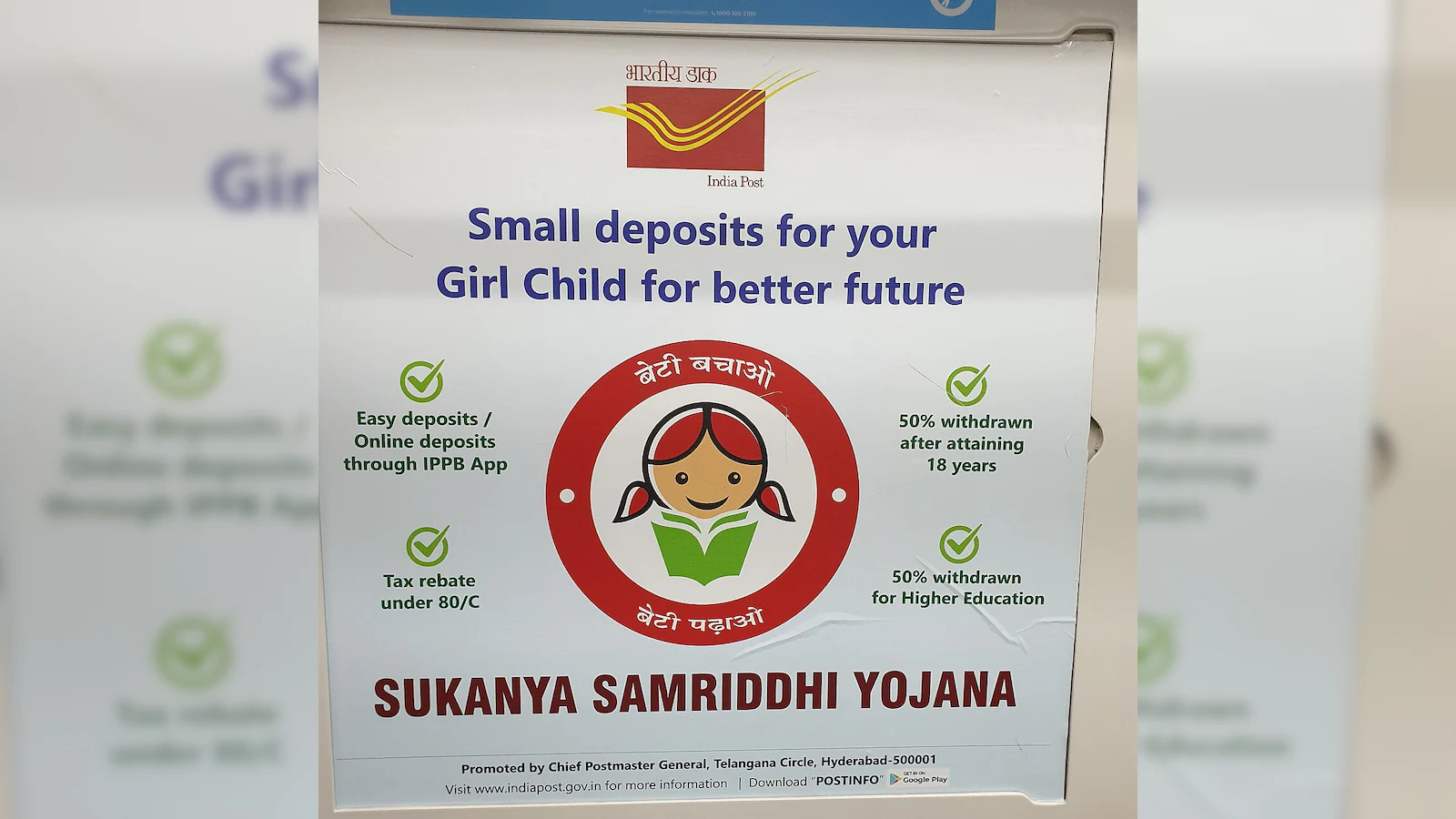
Products such as RBI bonds and certain post office savings schemes carry sovereign backing and are generally viewed as low-risk options for conservative investors.
Although these instruments may not offer instant liquidity, Jain says allocating a small portion of longer-term contingency reserves to such products can help preserve capital and generate predictable returns.
For investors prioritising safety above all else, government-backed options can add an extra layer of stability to the overall emergency corpus.
5. Build Your Emergency Fund Through Recurring Deposits
Creating an emergency fund is often harder than maintaining one. To address this challenge, Jain recommends recurring deposits (RDs), which allow individuals to build a contingency corpus through regular monthly contributions.
With fixed investment amounts and assured returns, RDs provide a disciplined path to savings without requiring active monitoring of financial markets.
Jain says the approach can be particularly useful for young professionals, salaried employees and families looking to gradually build a financial cushion for unexpected events.
Over time, regular contributions can help create a dependable emergency reserve with predictable growth.
A Balance Of Safety, Liquidity And Returns
As uncertainty remains a constant part of financial life, experts say emergency funds need to do more than simply sit idle.
Saurabh Jain of Stable Money argues that combining fixed deposits, FD laddering, liquid funds, government-backed savings products and recurring deposits can help investors create a more resilient emergency fund strategy.
The goal, he says, is to strike the right balance between accessibility, capital protection and returns – ensuring that emergency savings remain available when needed while continuing to grow over time.