With U.S. lifespans reaching into the 80s and 90s thanks to modern medicine, expanding health care technology tools and healthier lifestyles, more Americans are waiting to take Social Security payouts later in life. Usually, that means taking those payments either at their full retirement age or at age 70, when Social Security payouts are the highest.
The numbers tell the story. If you opt to take Social Security payments at age 62, you can expect your Social Security payments to be 30% less than they would be if you waited until your full retirement age. Additionally, any cost-of-living adjustments will be lower if you claim benefits at age 62.
In fact, for every year you wait to take Social Security benefits, you earn an 8% raise in your benefits. That could easily translate into 24% higher monthly payments by waiting to cash out at age 70. In many cases, that could mean $100,000 or even $200,000 in additional Social Security payments over the course of your retirement, depending on how long you live.
Consequently, waiting longer to tap Social Security makes sense for people with good health prospects – if they can fill the “cash gap” left by delaying Social Security and taking out money they otherwise could have had.
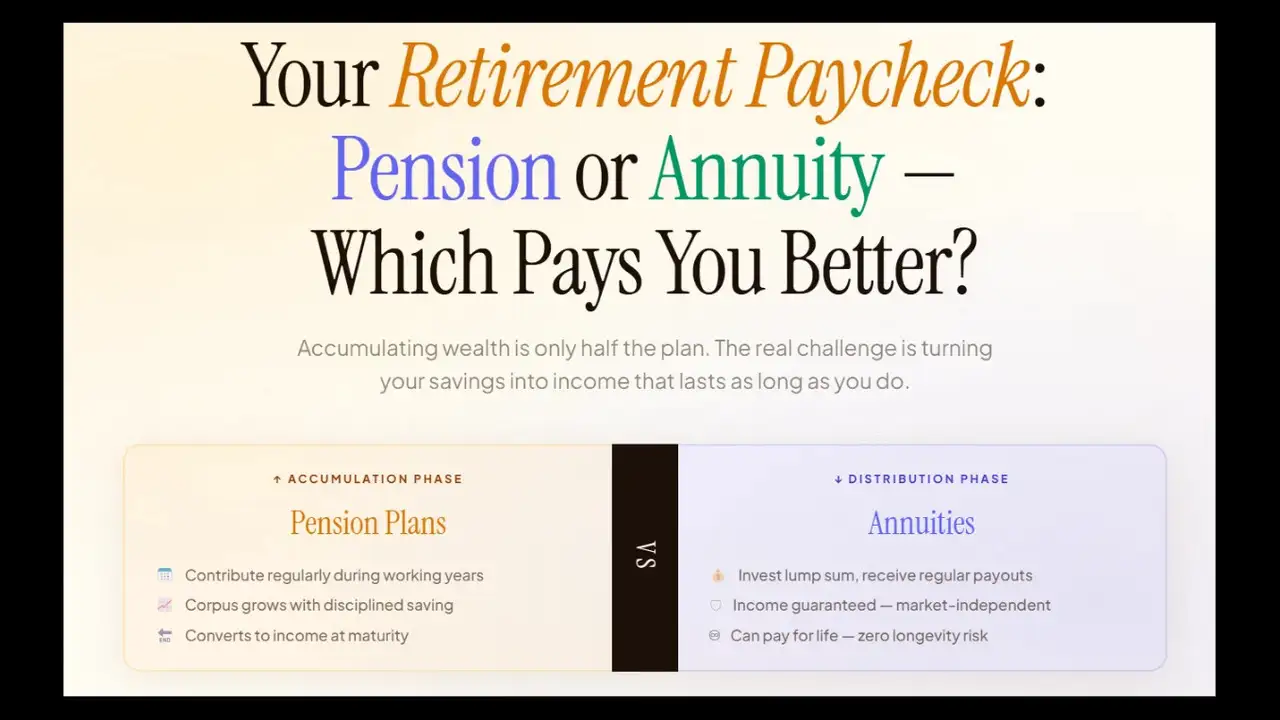
That’s where income annuities can save the day. “Income annuities are an investment that guarantees a stream of income,” says Elle Switzer, director of annuity product management at CUNA Mutual Group. “There are different types of income annuities – some that guarantee payments for a defined period of time and some that guarantee payments for as long as the person lives.”
As income annuities guarantee payments for a defined period of time – what the insurance industry calls “period-certain annuities” or “period-certain income annuities” – that’s where the Social Security delay gap can be filled. “In this scenario, the investor can select the number of months or years they want to receive payments, and those payments will be made for that period of time,” she says.
In doing so, income annuities essentially buy time between ages 62 and ages 67 to 70 by providing cash until Social Security payments eventually kick in. Before investing in income annuities, get to know what they are in greater detail, how they work and how the pros and cons play out.
Why Buy an Income Annuity?
With income annuities, payments can come in the form of a guaranteed dollar amount or variable payments that fluctuate over the payment period.
“In essence, this creates a paycheck-like experience for retirees, which simulates what most people are accustomed to when they were working full time,” says Jonathan Lakin, senior investment consultant at Mercer, a New York City-based investment consulting firm.
There are abundant reasons retirees and near-retirees would want an income annuity. “The most frequent reason for using income annuities that we see is to receive a consistent monthly income stream that will be guaranteed for life,” Lakin notes. “This can ease an individual’s concern about outliving their retirement savings. Paired with Social Security, income annuities can be used to help pay for essential expenses throughout retirement.”
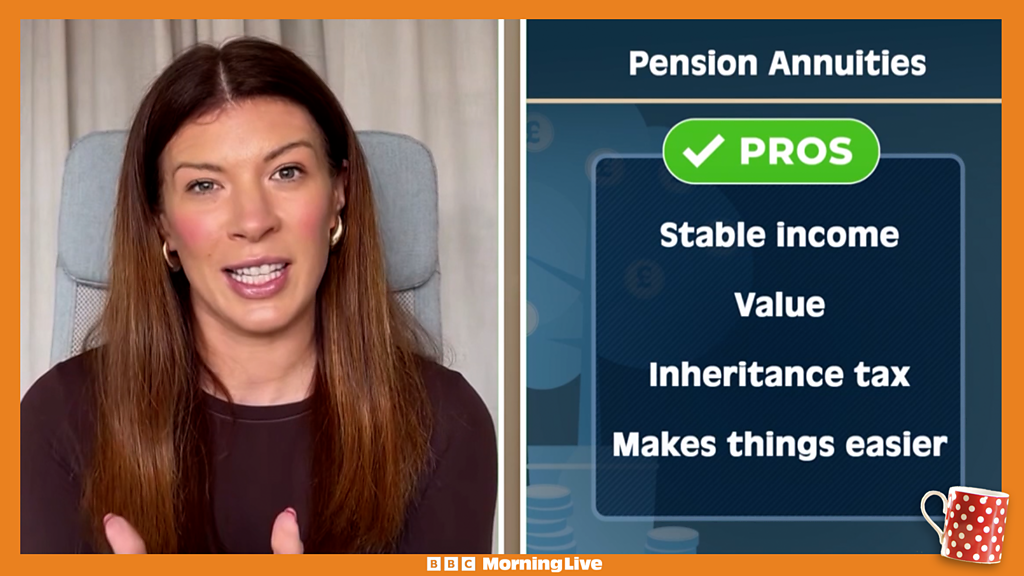
Pros and Cons of Income Annuities
The most compelling feature of income annuities is the income guarantee. “Income annuities are a great choice for ensuring basic income needs (housing, food, utilities, etc.) are covered,” Switzer says.
A common concern is that income annuities lack liquidity since an individual generally can’t access the lump sum of money invested in the annuity. “However, true liquidity is sometimes defined as the money remaining after meeting basic income needs,” Switzer adds. “In other words, assets are not truly liquid if they need to be set aside to meet future basic income needs.”
“In this sense, using an income annuity to cover basic income needs not only guarantees the investor won’t run out of money, it also frees up any remaining truly liquid assets to be used for flexible spending or building a financial legacy,” Switzer adds.
On the downside, when purchasing an income annuity, an individual may have to commit a large portion of their retirement savings to get the guaranteed income stream desired. “That means the savings used to purchase an income annuity will provide no potential for future growth that could come if the individual’s savings had stayed invested,” Lakin says. “There can also be fees charged by insurance companies to cancel an income annuity.”
Additionally, if a person passes away early in retirement, they may not get the full value of the annuity payments that one who lives longer through retirement would.
There’s also the fact that an income annuity is insured by an insurance company. “If the insurance company were to go out of business or become insolvent, there could be a risk to the individual in losing their income stream or original investment,” Larkin adds.
How Do You Buy an Income Annuity?
The best move when looking to purchase an income annuity is to work with a financial professional to determine which annuity would be best suited for your current portfolio and your long-term financial goals.
“Start with a conversation with a trusted financial advisor or insurance professional,” says Jared Nepa, vice president and national sales manager of annuities at Lincoln Financial Distributors. “That conversation should include an analysis of the individual’s current finances and plans for retirement or their financial future.”
Additionally, investors should do their own research so they are well-informed on their income annuity options.
“Organizations like the Alliance for Lifetime Income are dedicated to educating consumers about financial literacy and providing valuable awareness materials,” Nepa says.
Go With Multiple Insurance Options
Individuals purchasing an income annuity should seek opinions from more than one financial professional to better understand the pros and cons of different annuity types and their features.
“Prospective annuity buyers should also understand if a financial professional is affiliated with one or multiple insurance carriers,” Lakin says. “A financial professional representing multiple insurance providers may have a better understanding of the fees, pros and cons of different options, services provided by different insurers, and may be in a better position to find a solution that closely matches an individual’s needs.”
In addition to understanding annuity features such as the type of annuity, income payment options, payout period and death benefit, prospective annuity buyers “should enquire about termination options such as penalties and surrender charges for contract termination (if allowed), and partial withdrawal of annuity assets,” Lakin adds.
Don’t Wait Too Long to Buy
Even if you’re not necessarily looking to buy time before Social Security payments hit, purchase your income annuity anyway as you approach retirement. After all, waiting on Social Security payments isn’t the only reason to buy an income annuity.
“A common misconception is that there is a right time to purchase an income annuity, whether that be a perfect age or a certain interest rate environment,” Switzer says. “However, we believe annuities are a powerful tool for most people given their unique ability to provide income guarantees. Age and interest rate environments do not change this fundamental benefit.”
Avoid the Biggest Mistakes People Make With Income Annuities
One big oversight investors make with income annuities is not familiarizing themselves with the different annuity features and options prior to purchasing an annuity.
“That mistake may result in an incorrect understanding of whether to purchase an income annuity and how much to allocate to the income annuity given their circumstances,” Lakin says.
Nepa agrees with that assessment, noting that “income annuities should not be considered as a singular investment tool. Instead, they are an impactful piece to a holistic financial strategy,” he says.