4 min readMumbaiUpdated: Jun 8, 2026 07:02 PM IST
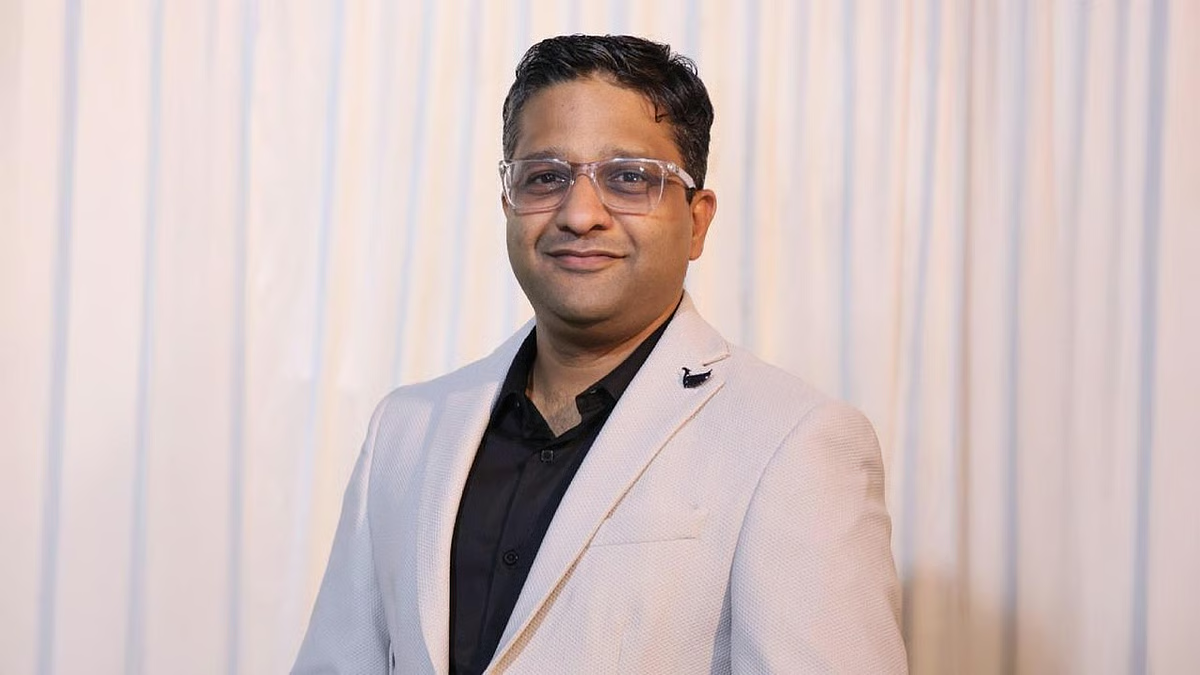
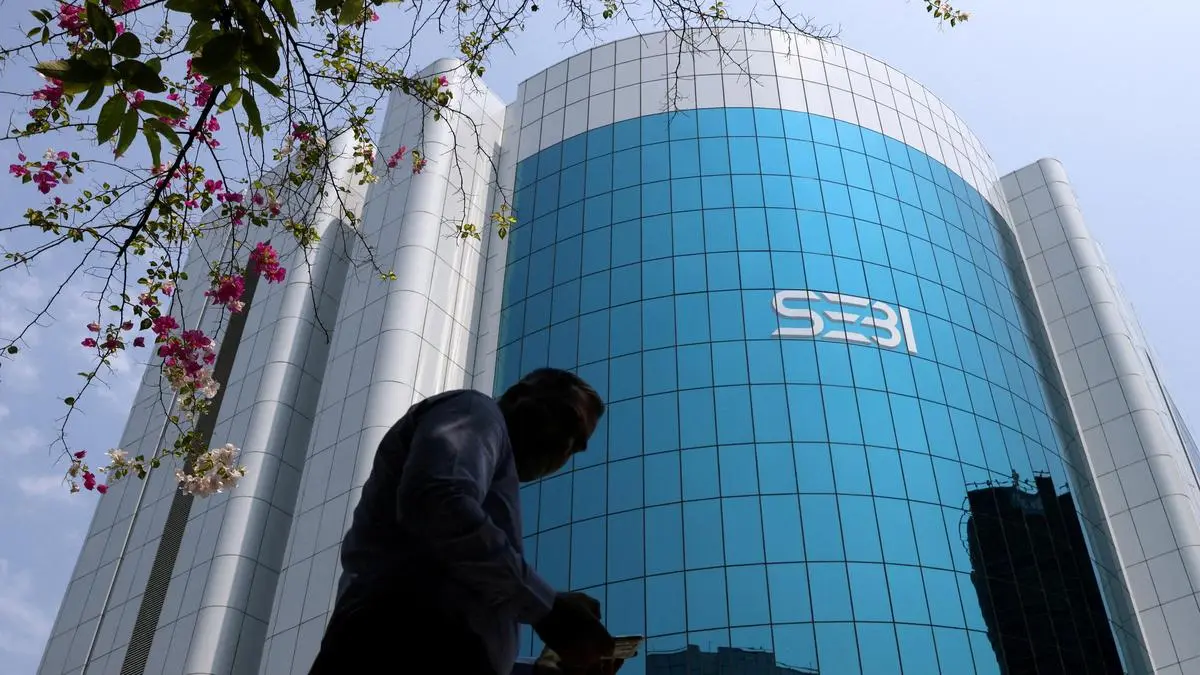
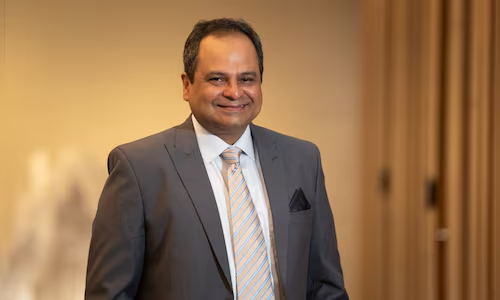
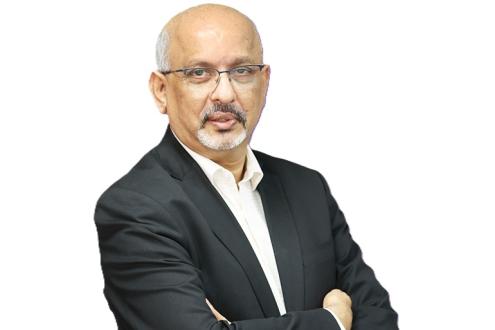
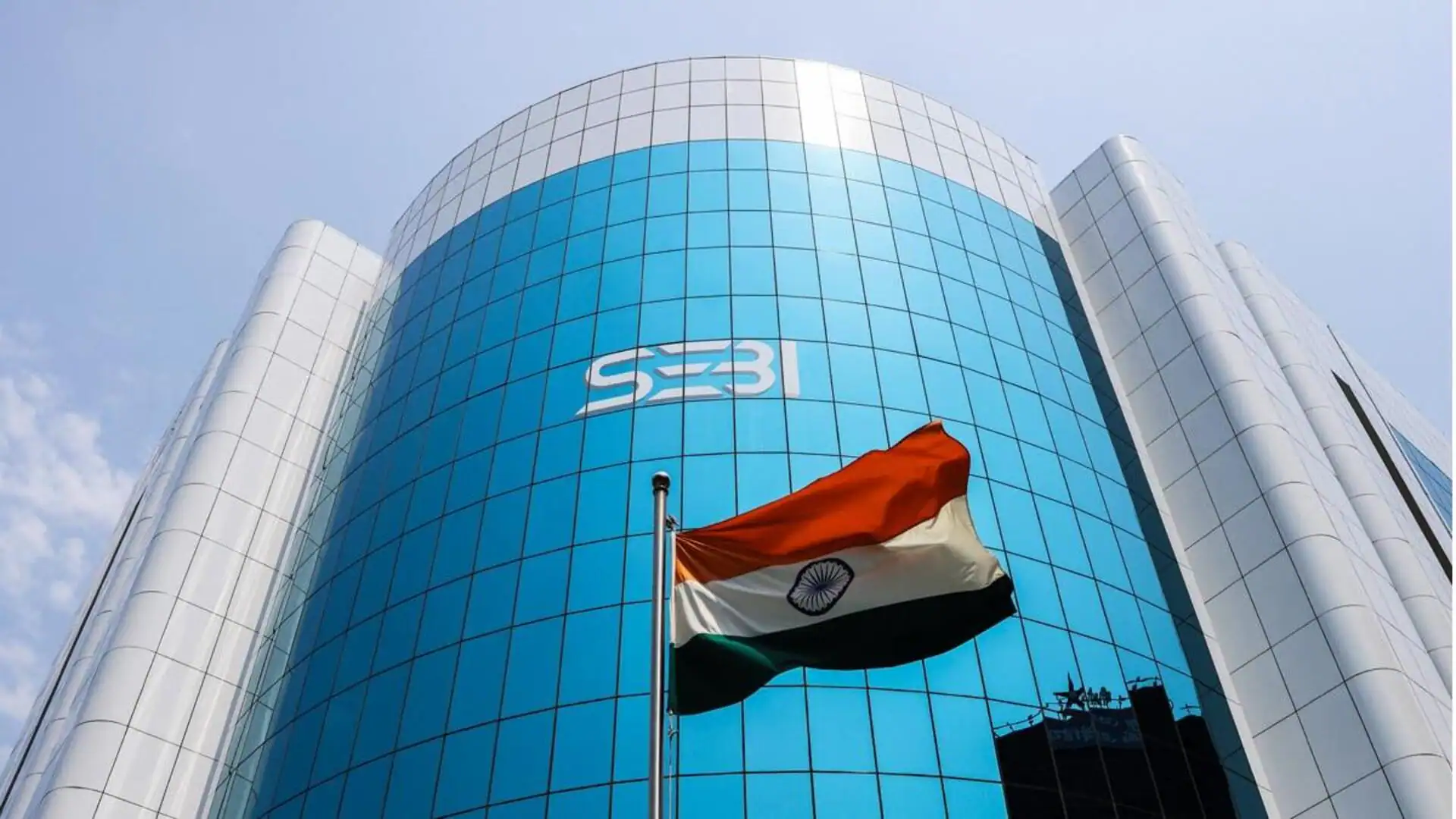
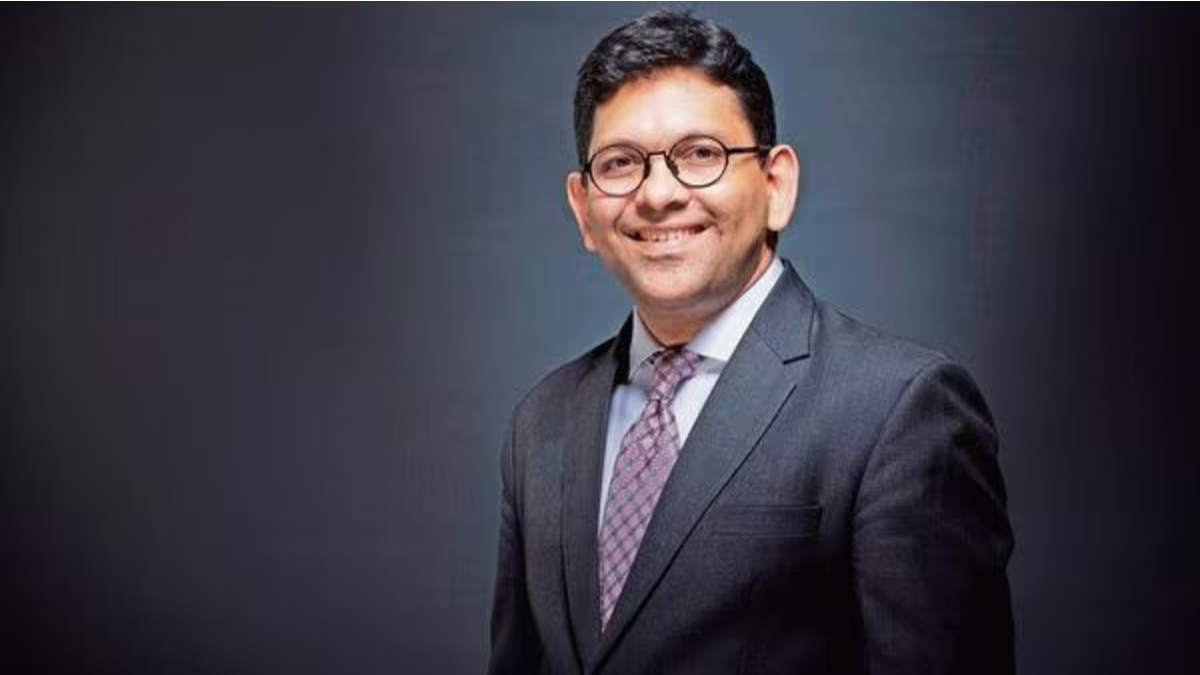
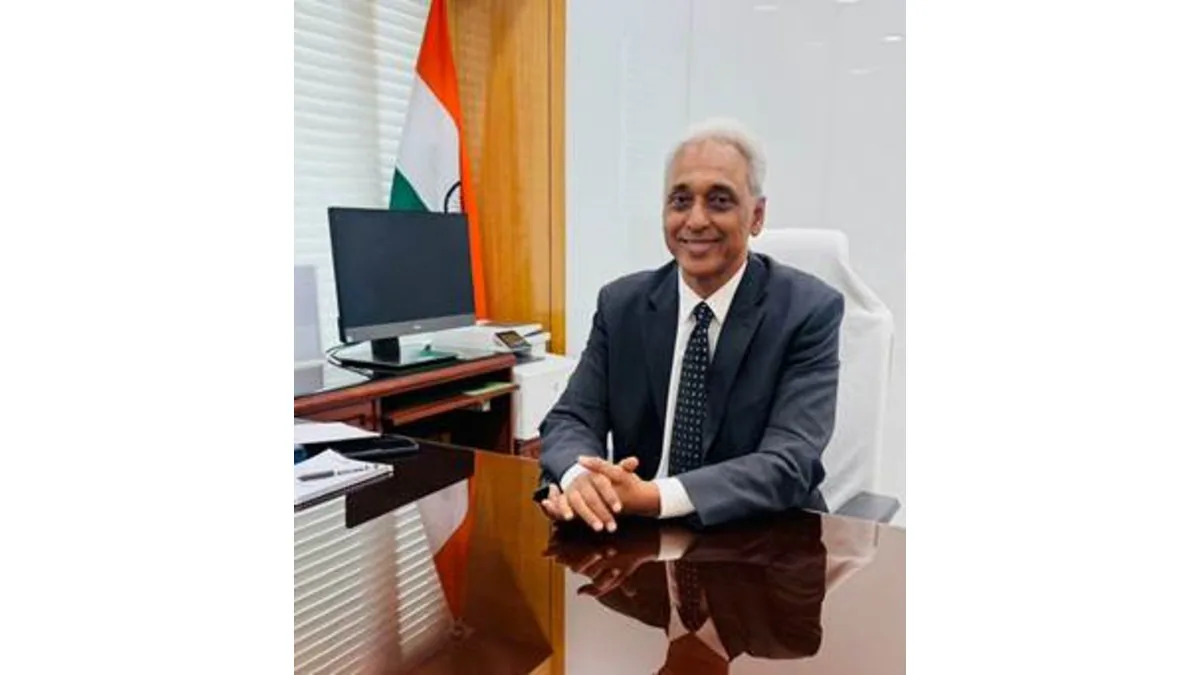
The Securities and Exchange Board of India (SEBI) is evaluating a broad set of regulatory reforms, including a revised framework for variable net-worth requirements for stock brokers, enhancements to IPO price discovery mechanisms, relaxation of certain compliance norms for research analysts and changes to mutual funds’ intra-day borrowing rules, according to the Chairman Tuhin Kanta Pandey.
Further, the recent tax exemptions long-term capital gains tax and withholding tax) for foreign investors and the removal of some corporate debt investment limits will boost debt market inflows, he said.

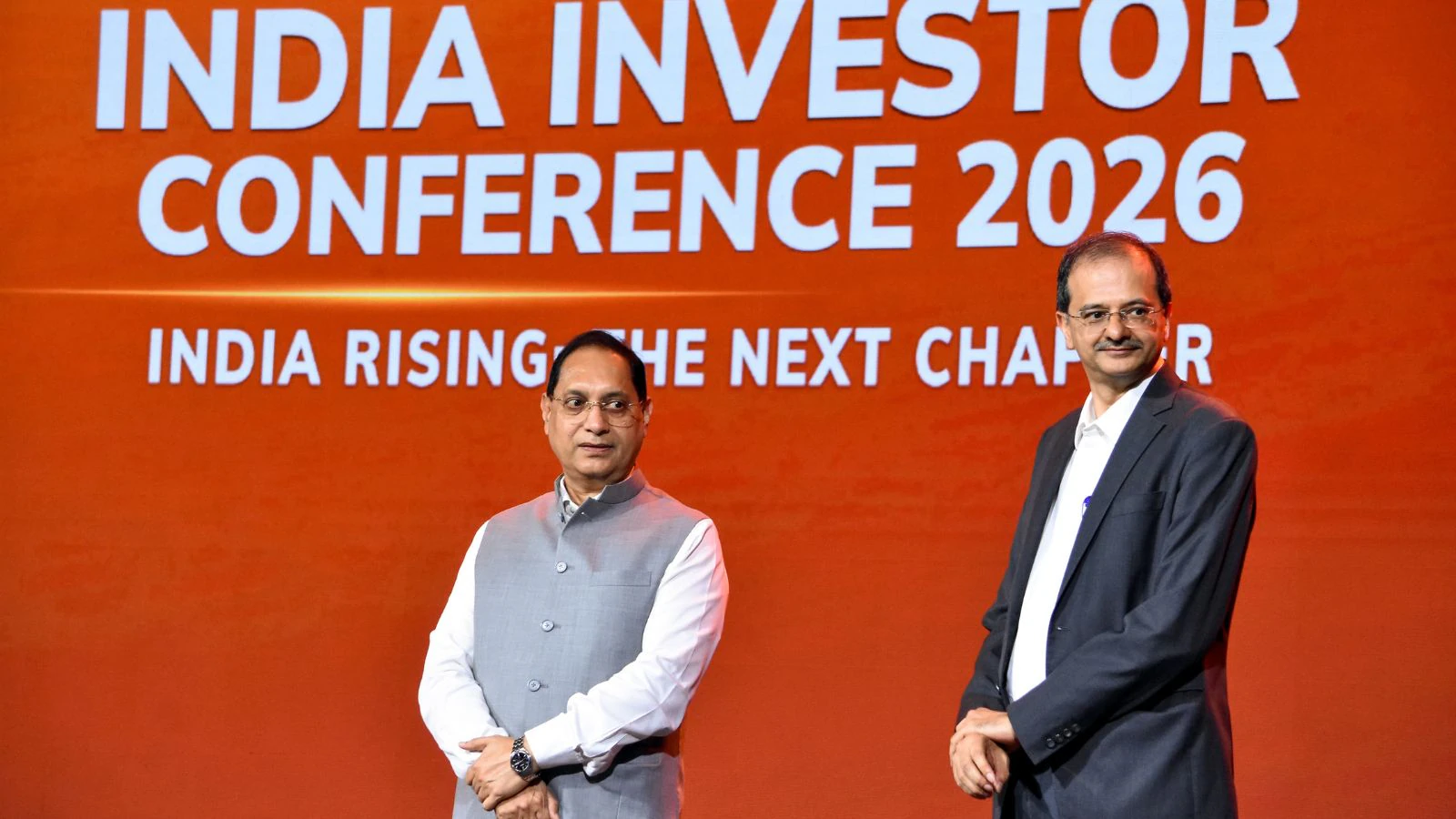
SEBI is reviewing the framework for variable net worth requirements for stock brokers to ensure that capital requirements more accurately reflect the scale of operations and associated risks, SEBI Chairman Tuhin Kanta Pandey said at the ICICI Securities conference. The regulator is reassessing existing norms to create a more risk-sensitive approach to capital adequacy.
The regulator is also examining measures to improve price discovery in the securities market, particularly through the pre-open call auction mechanism for initial public offerings (IPOs) and relisted securities, according to Pandey. The objective is to facilitate more stable and efficient market openings, thereby reducing volatility and improving trading outcomes for investors.
In another move aimed at reducing compliance burdens, SEBI is working on easing regulatory requirements for research analysts, he said. The regulator is considering rationalising certain obligations, including call recording requirements during institutional interactions, to make compliance more practical without compromising transparency and accountability.
For the mutual fund industry, the regulator has proposed a more practical framework for the use of intraday borrowing, Pandey said. Instead of treating it solely as a contingency measure, SEBI intends to allow it to serve as an efficient tool for managing temporary liquidity mismatches, helping fund houses better meet operational requirements while safeguarding investor interests.
“Broader policy measures — such as the latest tax exemptions for FPIs on government securities and removal of certain investment limits in corporate debt — will further facilitate capital flows into debt market,” he said.
Story continues below this ad
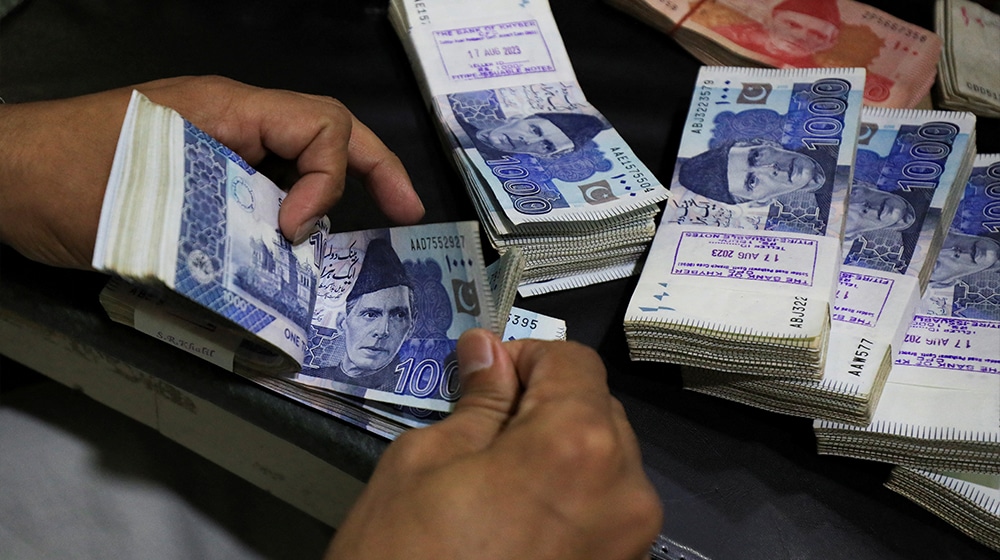
On June 5, the Centre scrapped the capital gains tax — both long-term and short-term — on FPI investments in government bonds as well as the withholding tax they must pay on their interest income from these debt instruments amid pressure to attract money from abroad to stabilise the rupee’s exchange rate and bridge the looming Balance of Payments (BoP) deficit.
He said SEBI and RBI are working together to introduce derivatives on corporate bond indices. On the debt side, the corporate bond market architecture has been strengthened. “The Electronic Book Provider platform has been expanded to include issuances by REITs and InvITs, improving transparency and efficiency. In pursuance of budget announcement, a working group is sorting out operational details to introduce market-making framework to improve liquidity in 4 corporate bond market,” Pandey said.
“As we move forward, it may help to remember one simple anchor. Every reform we design, every system we build, every transaction we enable, ultimately reaches one person — the investor,” Pandey said. “If the investor feels informed, protected, and fairly treated, confidence will follow, participation will deepen and markets will continue to grow on a strong and sustainable foundation. And that is the direction we should all strive to build towards,” he said.
The proposed reforms underscore SEBI’s broader effort to modernise market regulations, improve ease of doing business and enhance the resilience and efficiency of India’s financial markets.
Story continues below this ad
Pandey said there are around 145 million investors in the securities market, growing at over 20% annually. Mutual fund assets have expanded from Rs 12 trillion to over Rs 80 trillion. This expanding base of investors is also reflected in how households are allocating their savings. “Household participation in capital markets has been rising steadily. Household financial savings to GDP have increased to 21.7% in FY25, from around 20% in FY23,” he said.