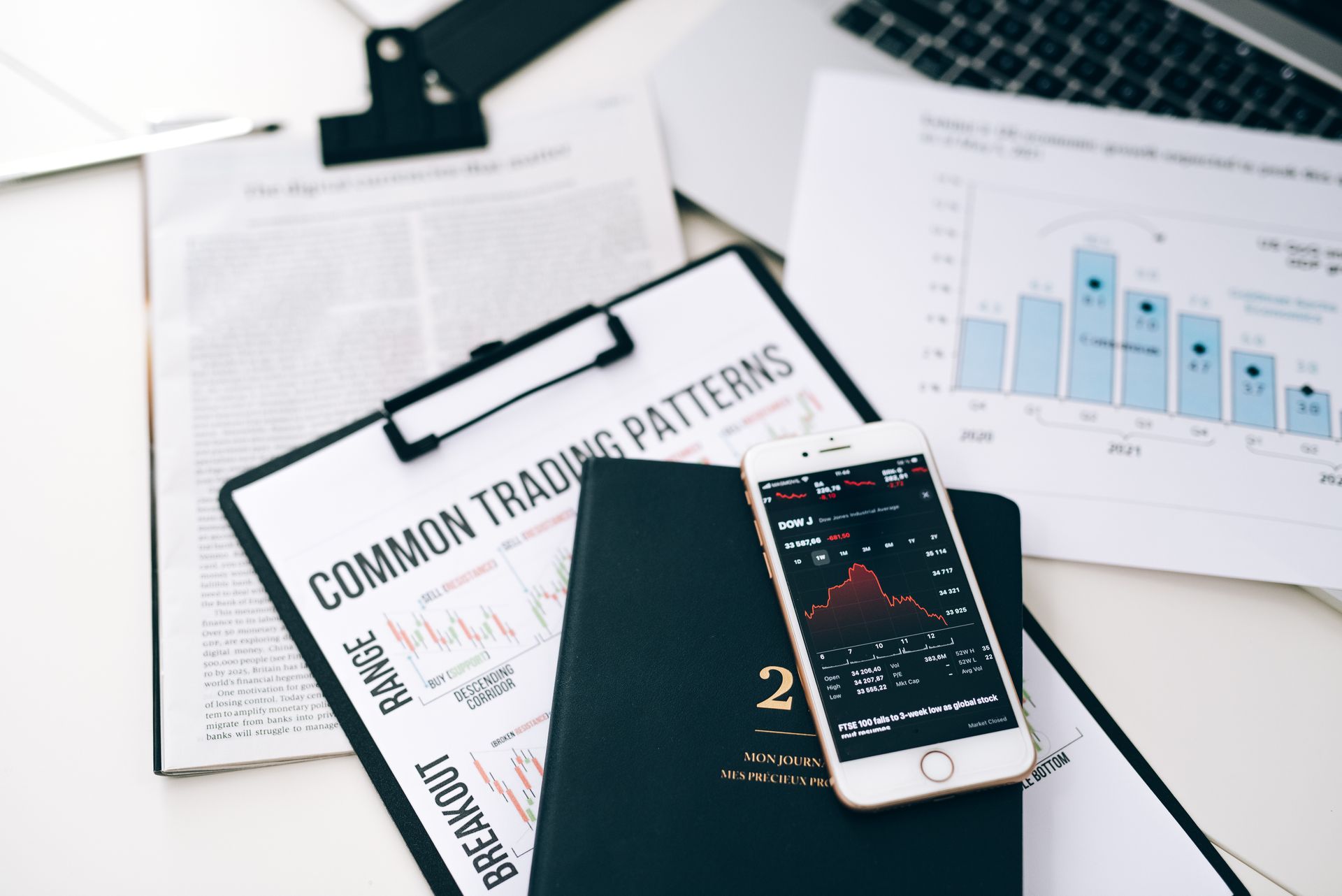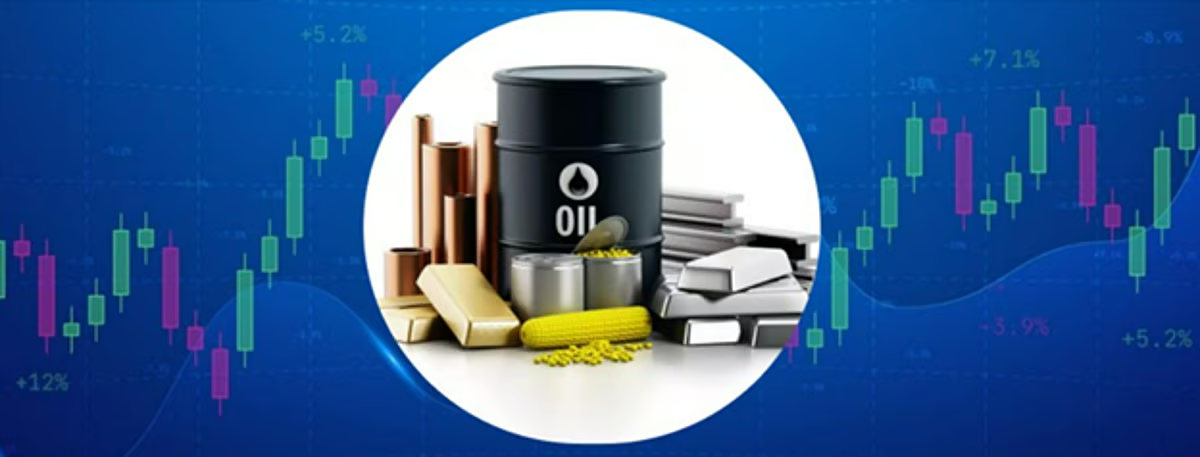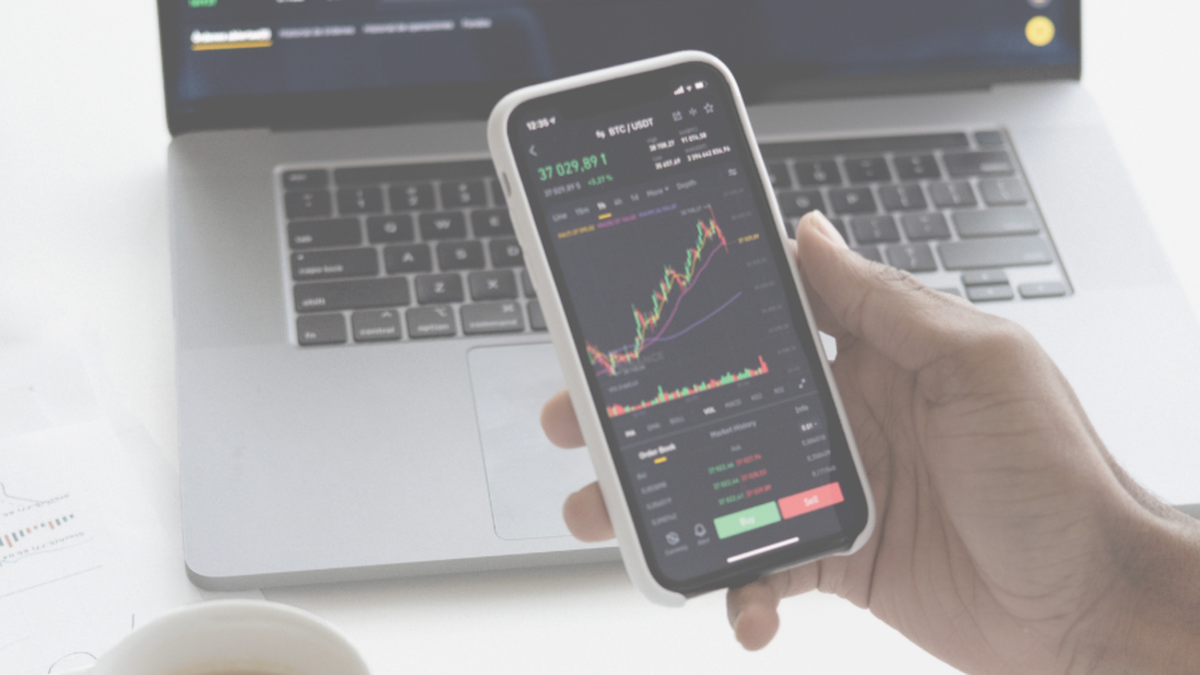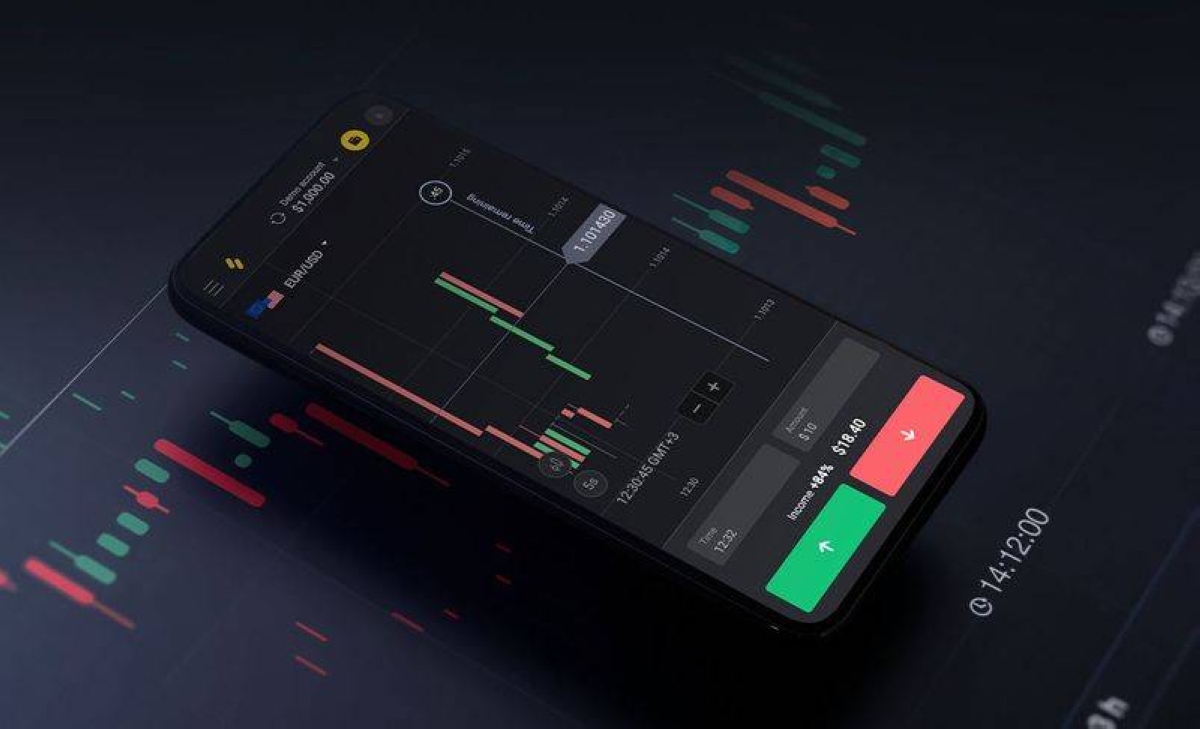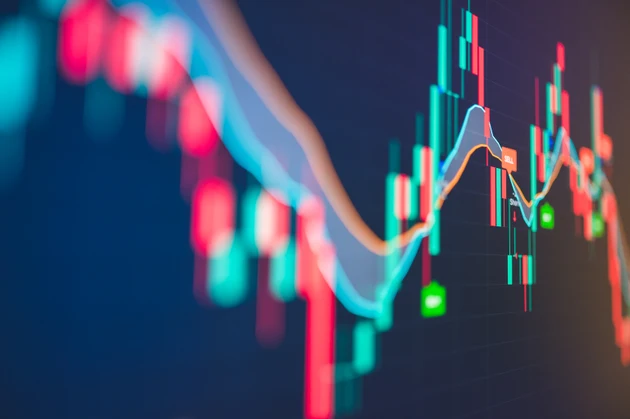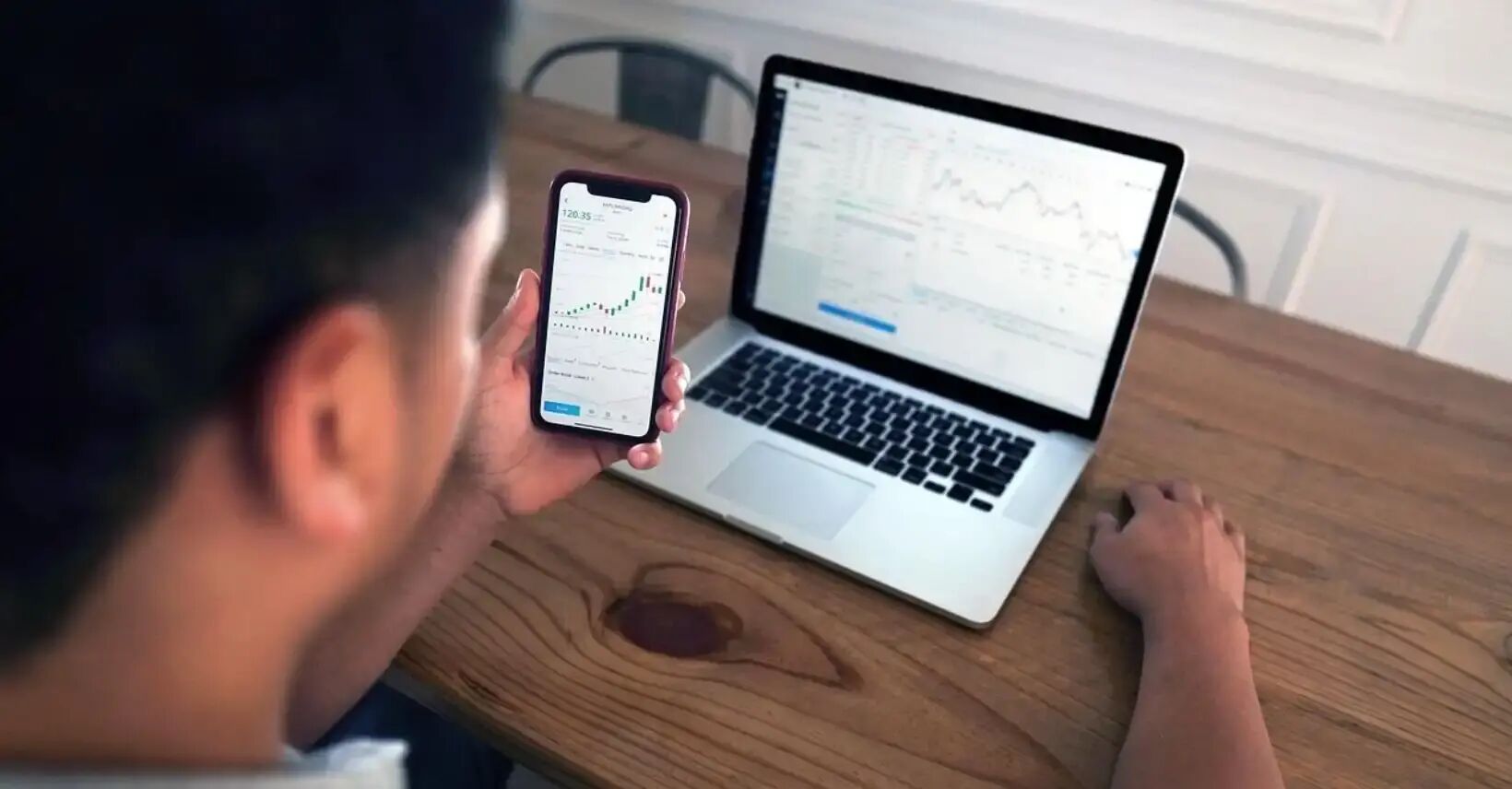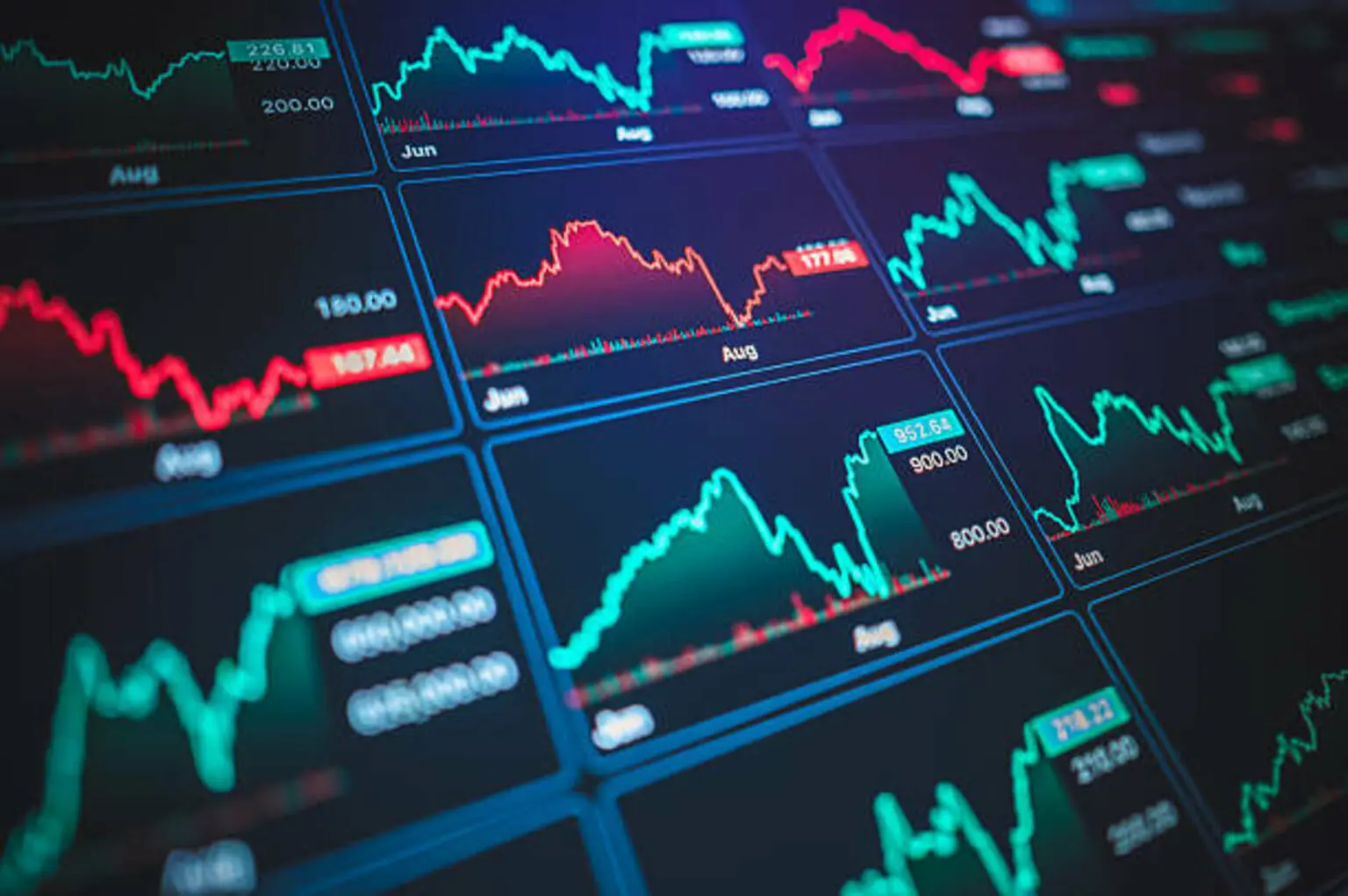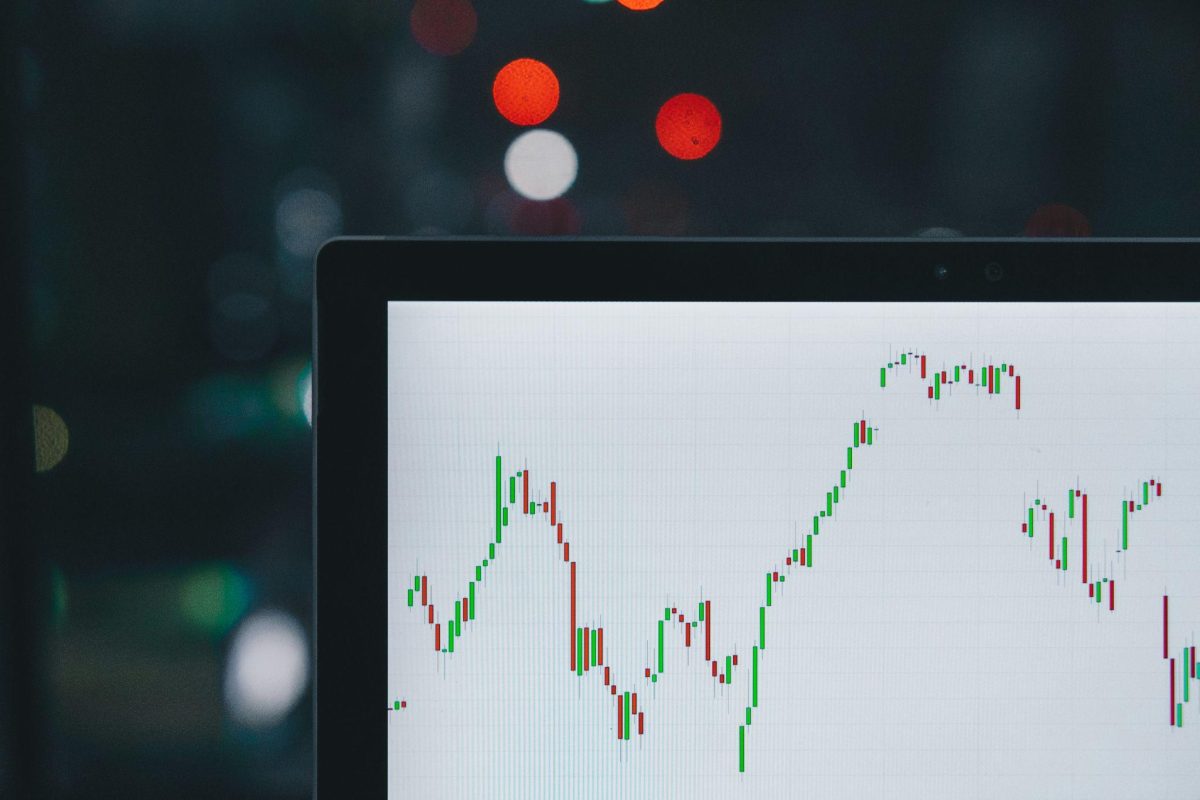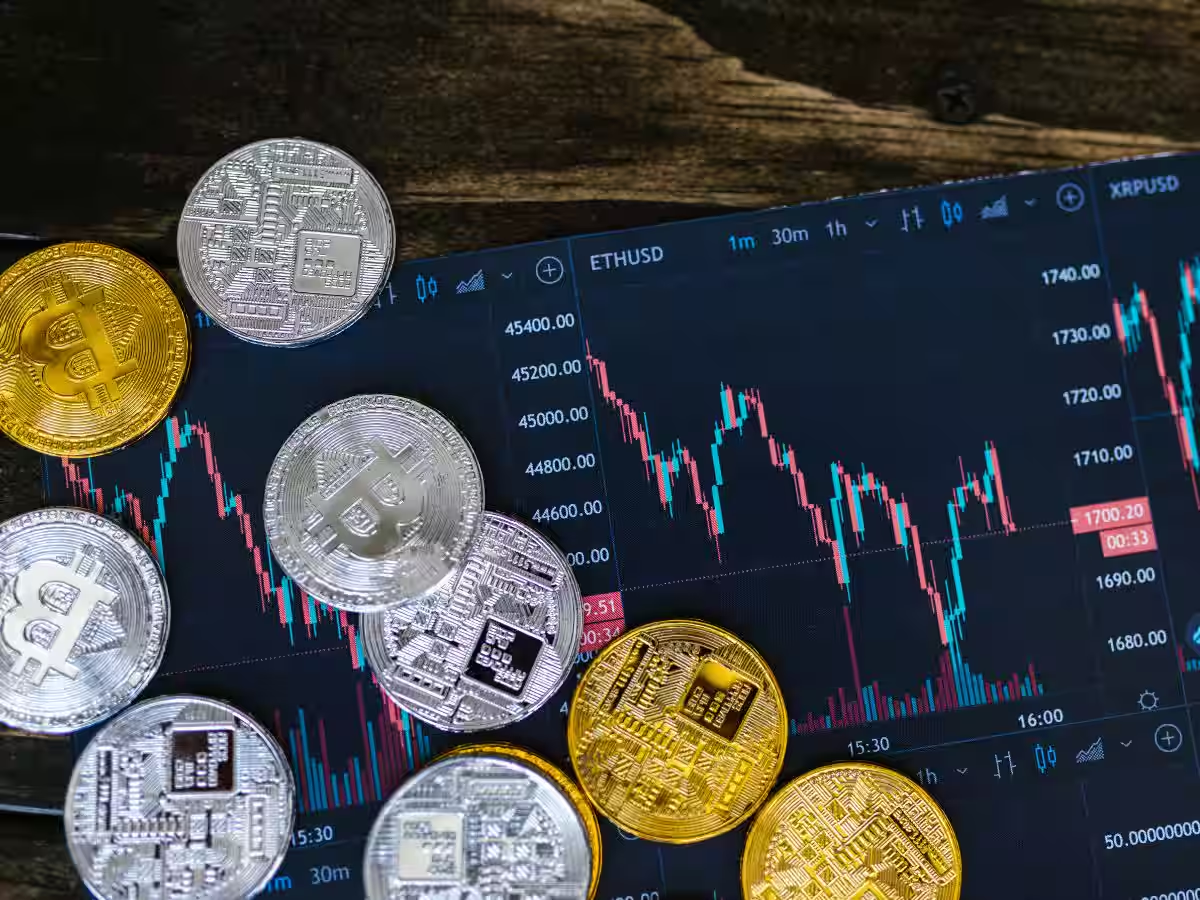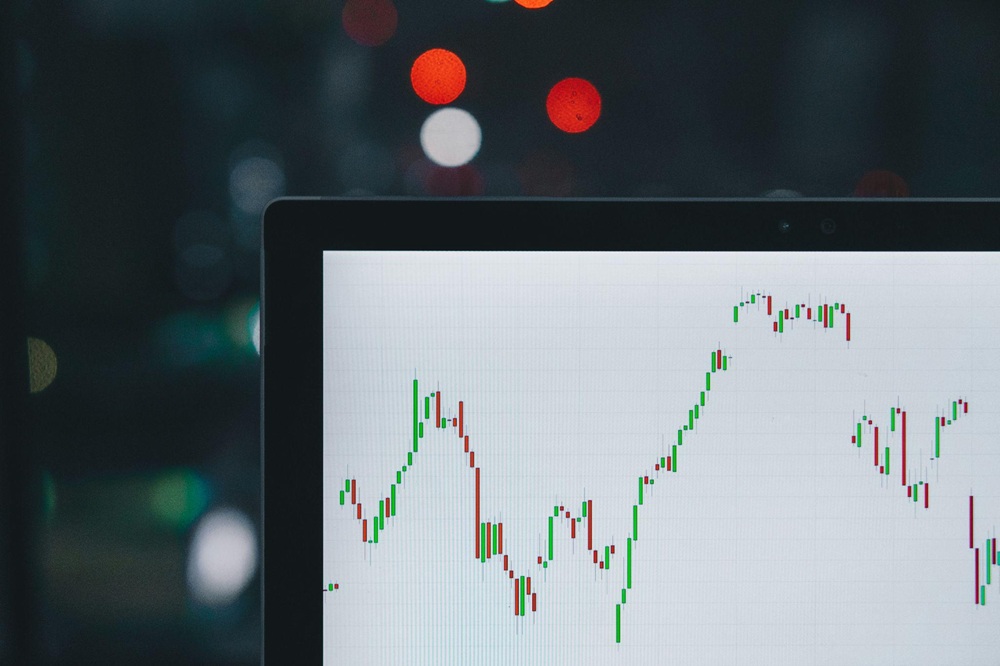
Commodity trading can look straightforward on a chart. You see a price moving up or down, identify a setup and consider entering a trade. But commodities are influenced by several factors beyond price action, including global supply and demand, economic data, weather, inventories, currency movements and geopolitical developments.
This makes preparation particularly important before placing a commodity trade. A setup that looks attractive technically can change quickly when an important economic announcement, inventory report or supply disruption enters the picture.
Instead of relying on a single indicator or chart pattern, traders can build a more informed view by checking a few key data points before entering a position.
Current price and market trend
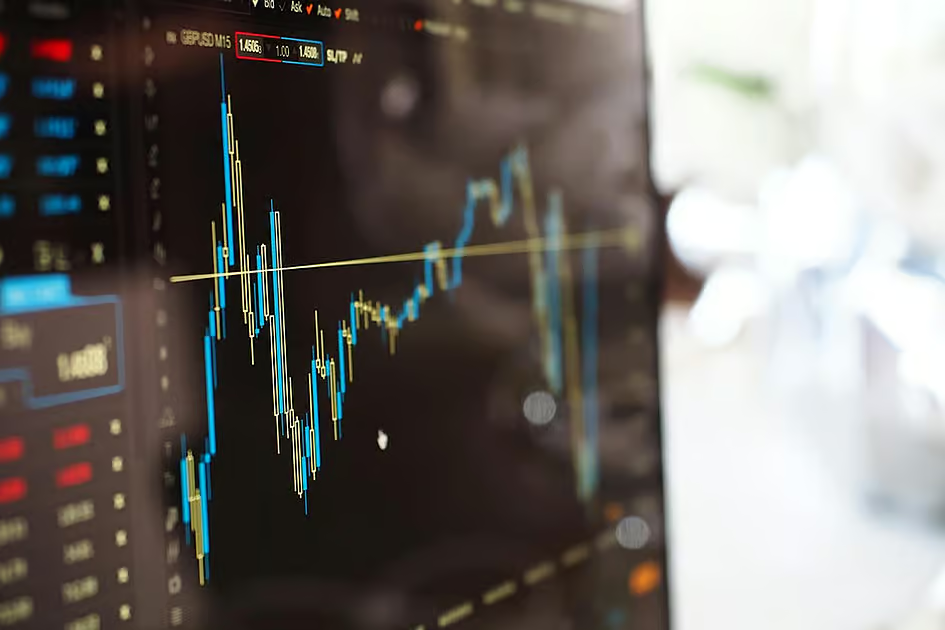
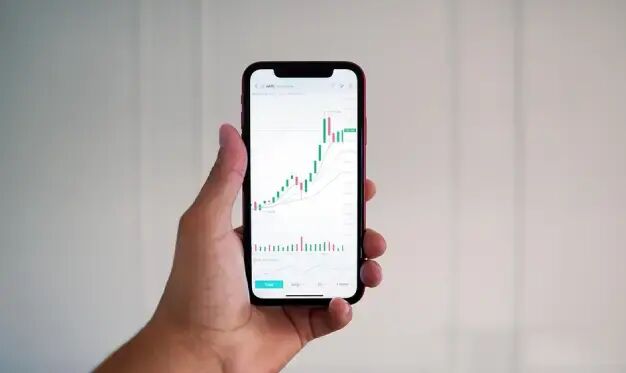
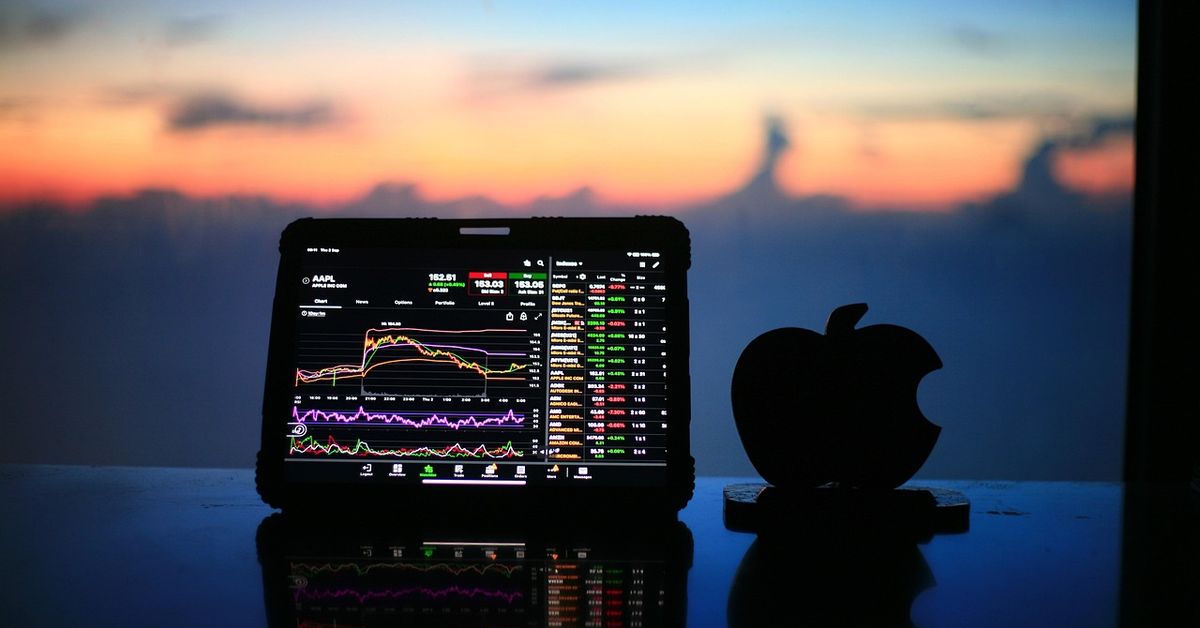
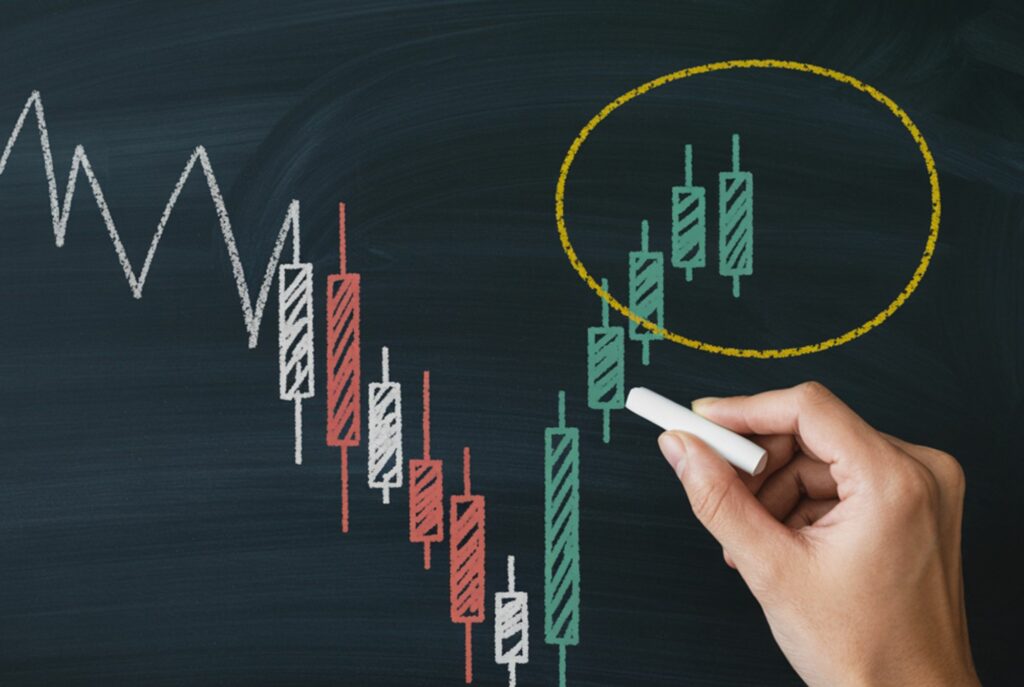
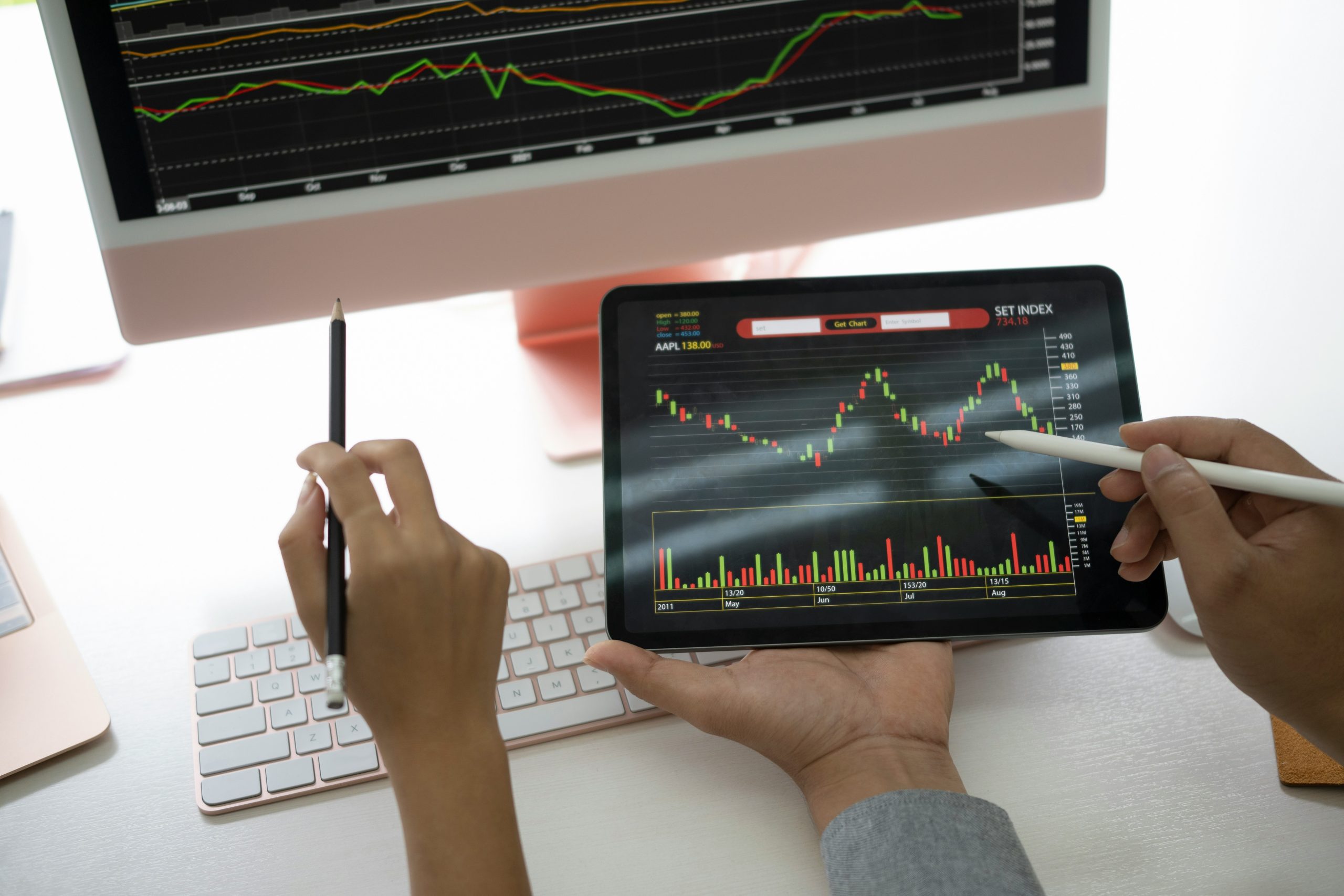
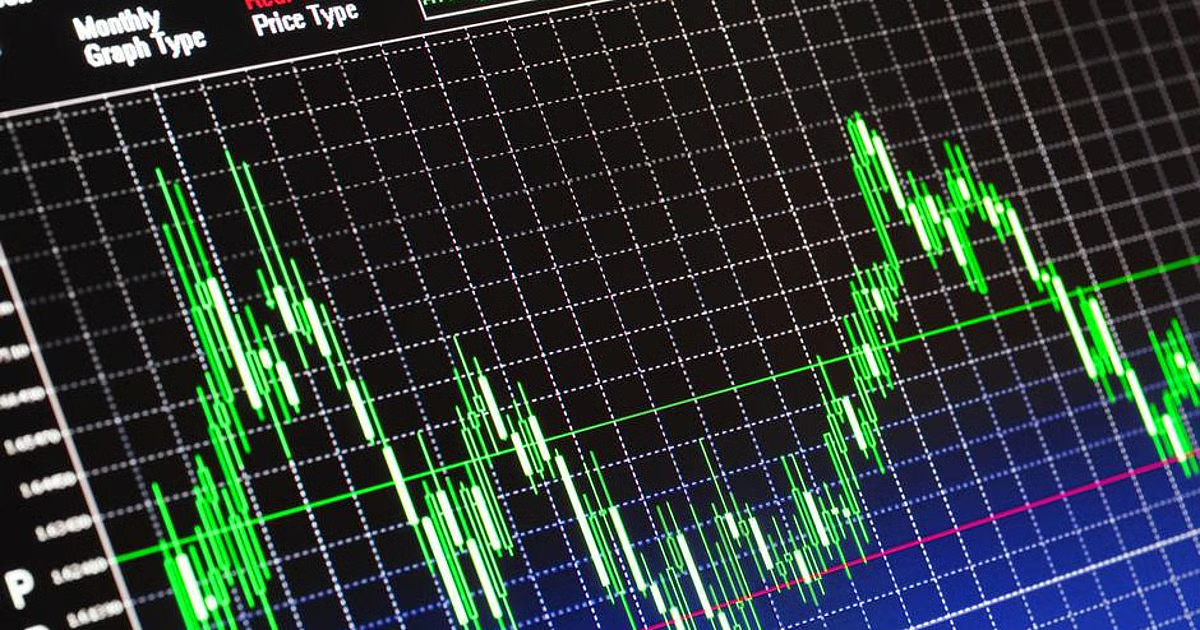
The first thing to check is where the commodity is trading and how its price has been behaving recently. Look at the broader trend as well as the immediate price action rather than judging the market from one candle.
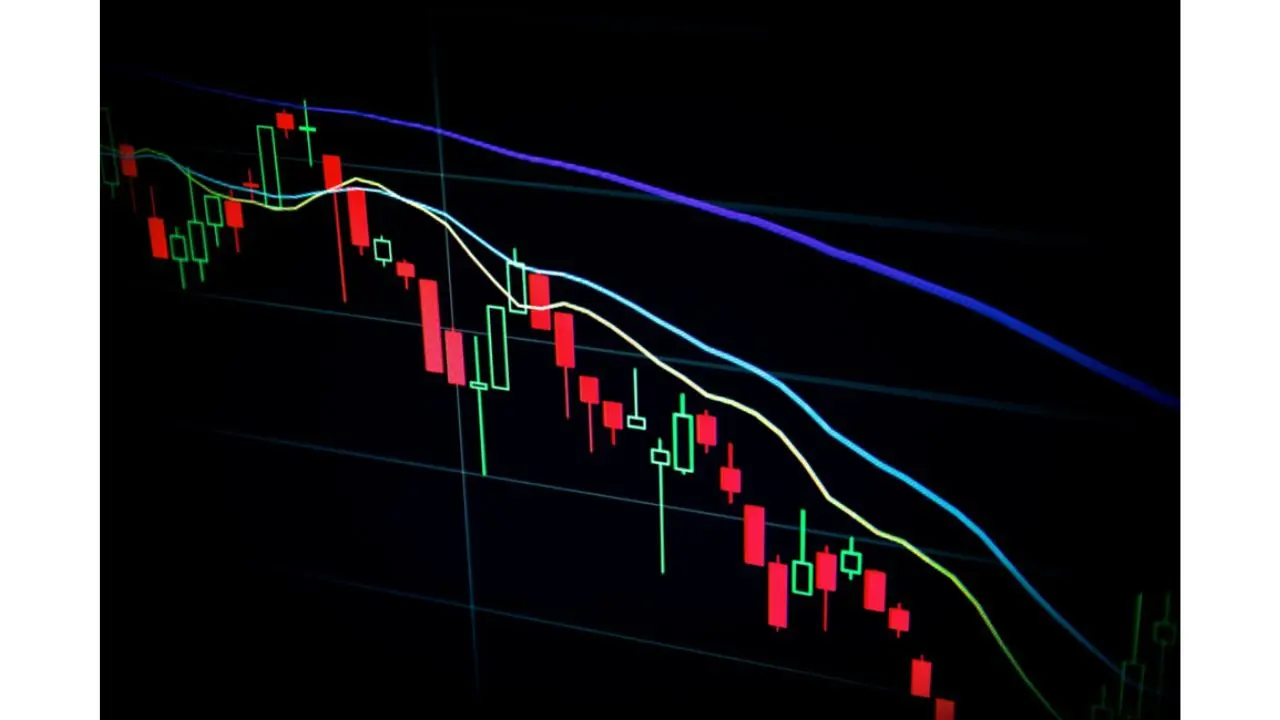
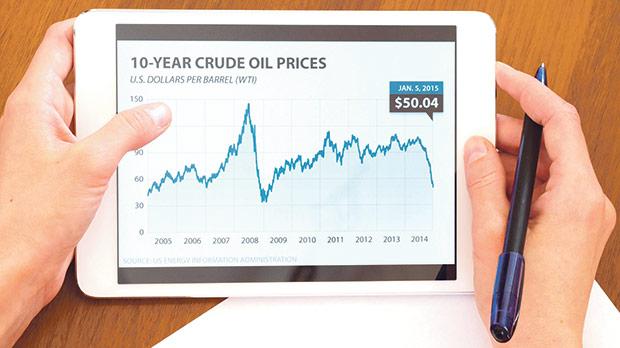
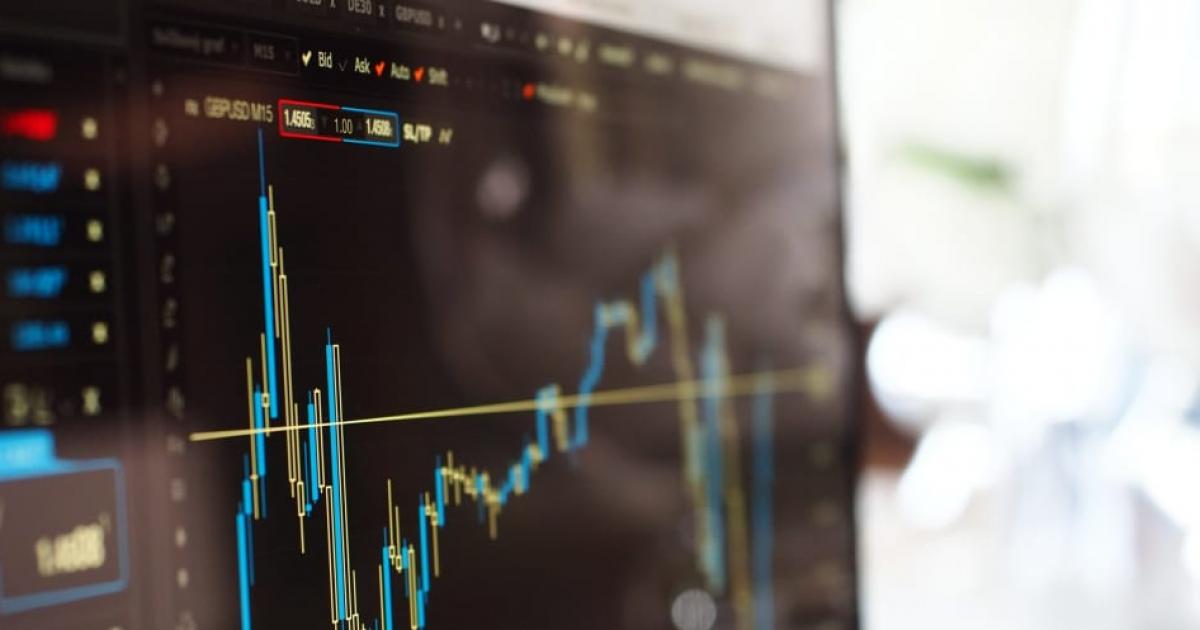
For example, if crude oil has been making higher highs and higher lows, the market is showing an upward structure. If it is repeatedly forming lower highs and lower lows, the underlying structure is weaker.
A commodity could be in an upward trend on a daily chart but in a short-term decline on an hourly chart. This can be helpful to identify a temporary pullback or a complete trend reversal.
Support and resistance levels
Important price levels should be identified before placing a trade. The support zone is a place where buying interest has emerged in the past, while the resistance zone is where selling interest has emerged.
These levels help traders to assess whether there is enough space for a trade to develop. For example, buying a commodity just below a strong resistance zone may be less attractive from a risk-reward standpoint than buying after a breakout or near support.
Trading volume
Volume indicates how much trading activity occurs during a given period. It can provide additional context about the strength or participation behind a price move.
Suppose a commodity breaks above a significant resistance level while trading activity also increases. That may provide stronger confirmation than a breakout occurring with relatively weak participation.
Volume should not be interpreted in isolation, though. A high-volume move can occur during both sharp advances and declines. The useful question is how volume relates to the direction and location of the price movement.
Open interest
For commodity derivatives, open interest is another important data point. It represents the number of outstanding futures contracts that remain open rather than being closed or settled.
Changes in open interest can provide additional information about participation in the futures market. Traders often examine price movement and open interest together to understand whether positions are being added or reduced.
While analysing derivatives, traders can also refer to tools such as the NSE option chain to understand available contracts, strike prices and OI data when options exposure is relevant.
Inventory and stock data
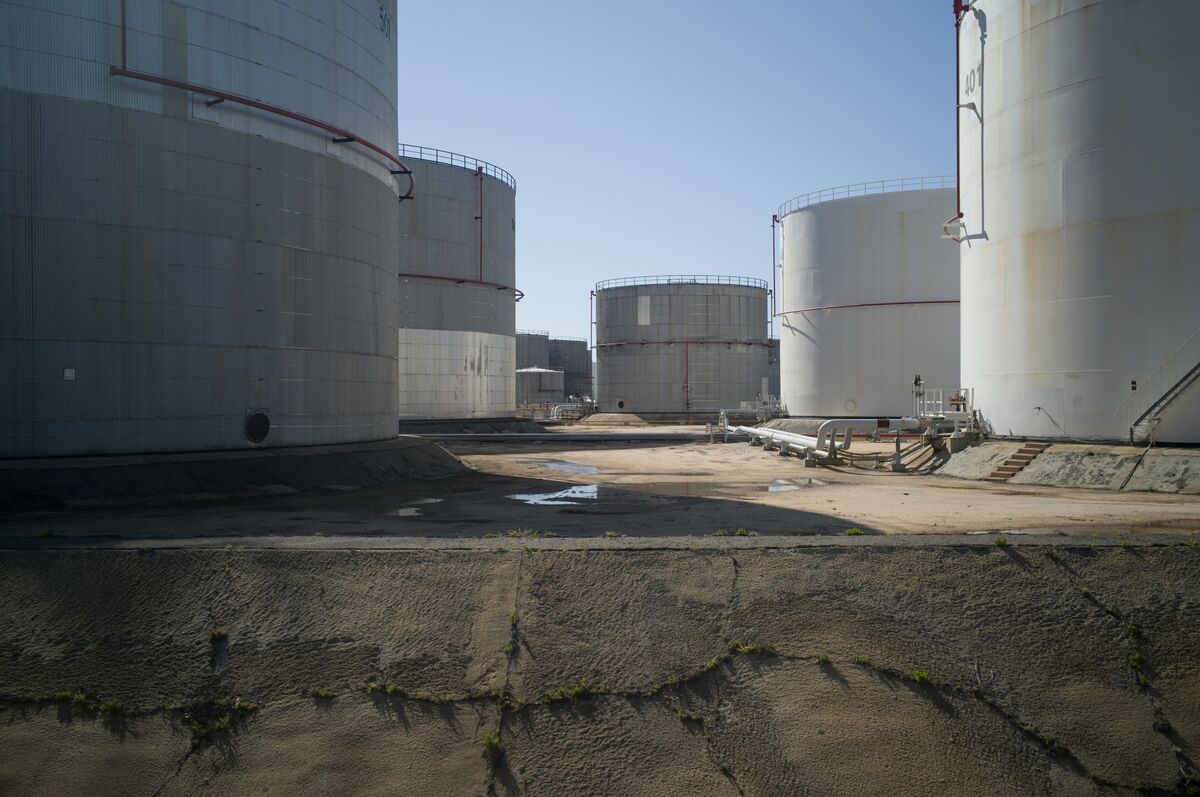
Inventory data can be particularly important for commodities where physical supply plays a major role.
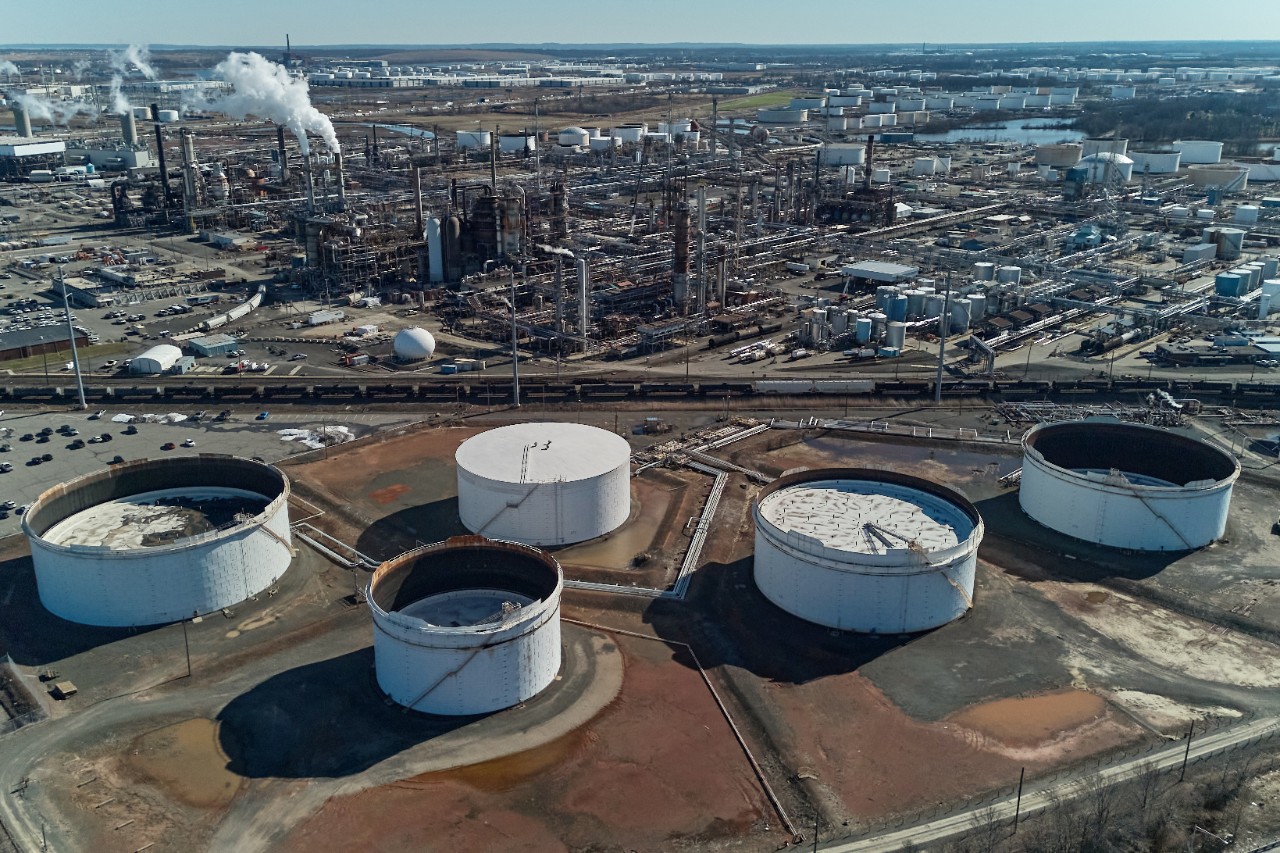
For energy commodities such as crude oil and natural gas, inventory reports can influence expectations about supply-demand conditions. A larger-than-expected inventory change can affect prices because traders reassess whether the market is relatively well supplied or tighter than anticipated.
Supply and demand conditions
Commodity prices are closely connected to physical supply and demand. Traders should therefore understand the fundamental factors affecting the particular commodity they are trading.
For agricultural commodities, weather conditions, crop expectations, planting and harvesting developments can matter. For energy markets, production levels, consumption expectations, geopolitical developments and transportation disruptions can influence prices.
Economic and macroeconomic data
Commodity markets can react to major economic announcements. Interest-rate decisions, inflation data, employment reports and economic growth indicators can influence currencies, interest-rate expectations and demand expectations, which may then affect commodities.
For example, a major central-bank decision can trigger significant movement in the US dollar and global financial markets. Since many internationally traded commodities are priced in US dollars, currency movements can become relevant to commodity traders.
US dollar movement
The US dollar deserves particular attention when trading globally priced commodities.
Many major commodities are quoted in dollars, so changes in the dollar can influence their prices. A stronger dollar can affect the purchasing power of buyers using other currencies, while a weaker dollar can have the opposite effect.
This does not mean that every dollar move will necessarily produce a dollar-opposite commodity move. Sometimes supply, demand and market sentiment can be dominated by commodity-specific factors. Still, it’s good to get a sense of the bigger dollar picture, especially for the precious metals and energy markets.
Global and geopolitical developments
Commodity markets can react quickly to events that affect production, transportation or future supply.
For energy markets, geopolitical tensions in major producing or transit regions can alter supply expectations. For agricultural commodities, weather disruptions can affect crop expectations. For metals, changes in industrial activity or trade conditions can influence demand expectations.
Volatility and expected price movement
Before entering a trade, traders should consider how much the commodity is currently moving.
A highly volatile market can reach stop-loss levels quickly even when the broader trade idea remains valid. Conversely, a market with very low volatility may not provide enough price movement for a short-term strategy to achieve its target.
Tools such as Average True Range (ATR) can help traders estimate recent price movement. For traders who also use options to assess market expectations, a straddle chart or similar can provide a visual reference for how call and put prices behave around the same strike.
Contract specifications and expiry
Commodity futures are not simply stocks with an expiry date added. Each contract has its own specifications, including contract size, expiry, tick value, trading hours and settlement mechanism.
Before placing a trade, understand exactly which contract you are trading. Also check how close it is to expiry, especially if your strategy involves holding the position for several sessions.
Check the risk-reward before entering
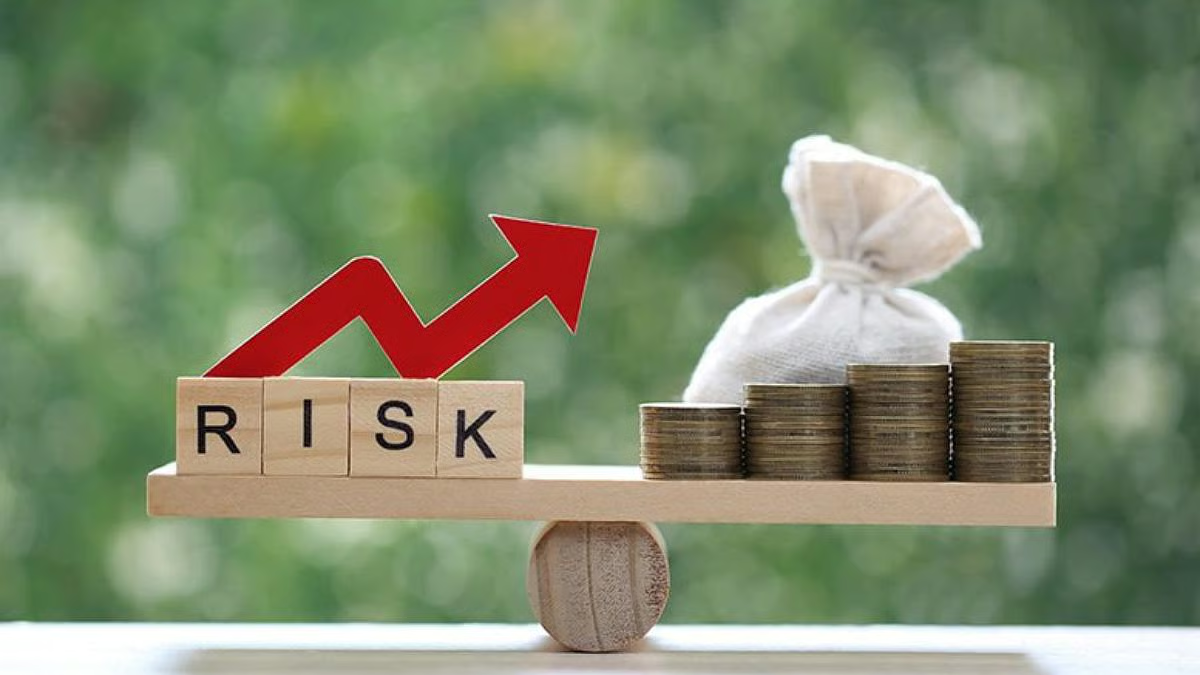
Once the relevant data has been reviewed, bring the analysis back to the trade itself. Identify the entry, stop-loss and potential target before placing the order.
For example, if a commodity is approaching resistance and there is only limited upside before that level, entering a long position may offer an unattractive risk-reward ratio. Waiting for a breakout, a pullback, or a better-defined setup may make more sense.
Conclusion
Commodity trading requires more than identifying a price pattern on a chart. Because commodities are closely connected to physical supply and demand as well as global financial conditions, several data points can influence the trade before and after entry.
Trend, support and resistance, volume, open interest, inventories, economic events, currency movements, volatility and contract specifications each provide a different piece of the market picture.
Note to the Reader: This article is part of Mint’s promotional consumer connect initiative and is independently created by the brand. Mint assumes no editorial responsibility for the content.