A discount broker is an individual or brokerage firm that executes trades for clients in exchange for a commission.
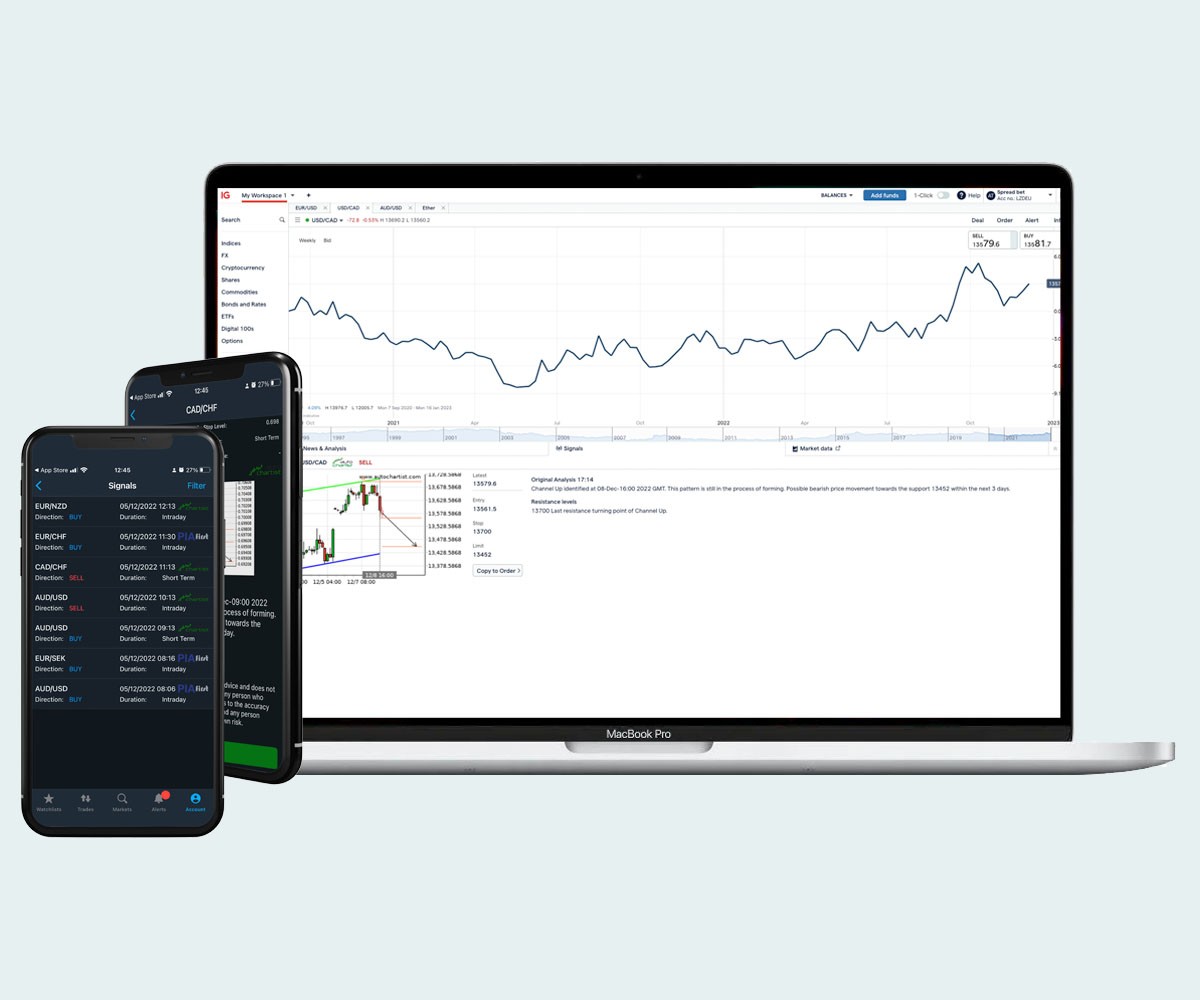
Discount brokers are best for do-it-yourself investors because unlike full-service brokers, discount brokers do not provide financial planning services, such as portfolio management or investment guidance. Since discount brokers focus on executing client trades and generally operate online with no physical offices, these brokers can have lower commissions than full-service brokers and may provide more robust trading platforms to help investors analyze investments themselves.
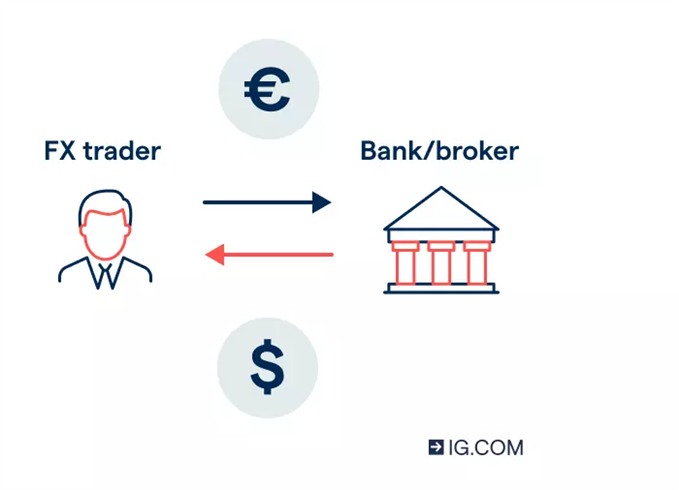
Discount brokers work as intermediaries for investors in the stock market. The broker is responsible for executing buy and sell orders. Discount brokers do not provide ancillary services, such as financial planning and guidance. It’s up to the investor to determine what she wants to trade and when.
Discount brokers have historically charged a per-trade fee, called a commission, for their services. However, as the investing community has pushed against industry fees, discount brokers are being forced to offer more commission-free trading.
Discount brokers make up a large part of the financial industry. Many online brokers are discount brokers who execute trades for clients at a reduced price. Discount brokers can be a good choice for self-guided investors who do not want input from a financial advisor or help managing their investments. It’s important to review a discount broker’s fees before you start investing, however, as commissions can quickly add up.
Full-service brokers are distinct from discount brokers in the services they offer. Discount brokers focus on executing trades for clients. They do not provide investment guidance or other services, although they may have a robust trading platform to help do-it-yourself investors analyze investments.
Full-service brokers, on the other hand, offer more planning and guidance in addition to helping clients place trades. A full-service broker may have a physical office where investors can meet with financial advisors in person, while discount brokers work almost exclusively online today.
Since discount brokers do not need a physical office and don’t provide planning and guidance services, they tend to offer lower fees for placing trades. This can make discount brokers a cost-effective choice for DIY investors.
In addition to cost, here are some other pros and a few cons of choosing a discount broker over a full-service broker:
- Lower fee: Discount brokers often charge lower commissions than full-service brokers.
- Autonomy: Discount brokers are best for self-sufficient investors who do not want help making investment decisions.
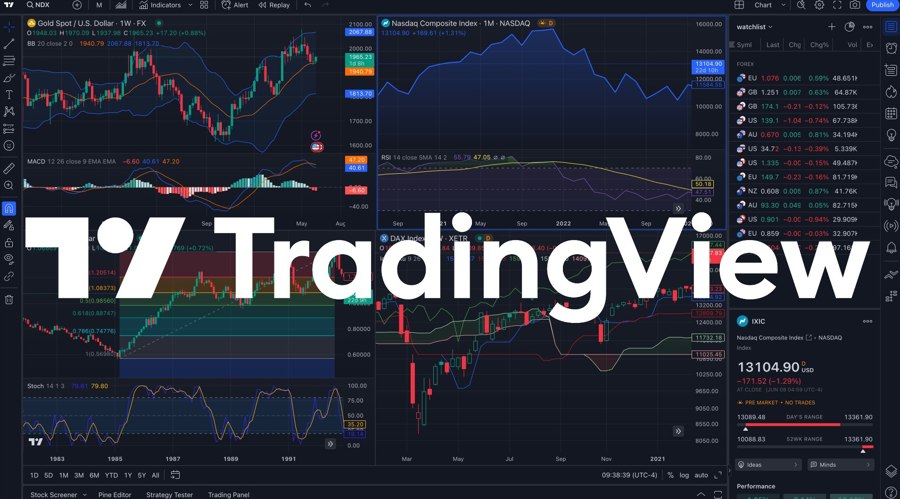
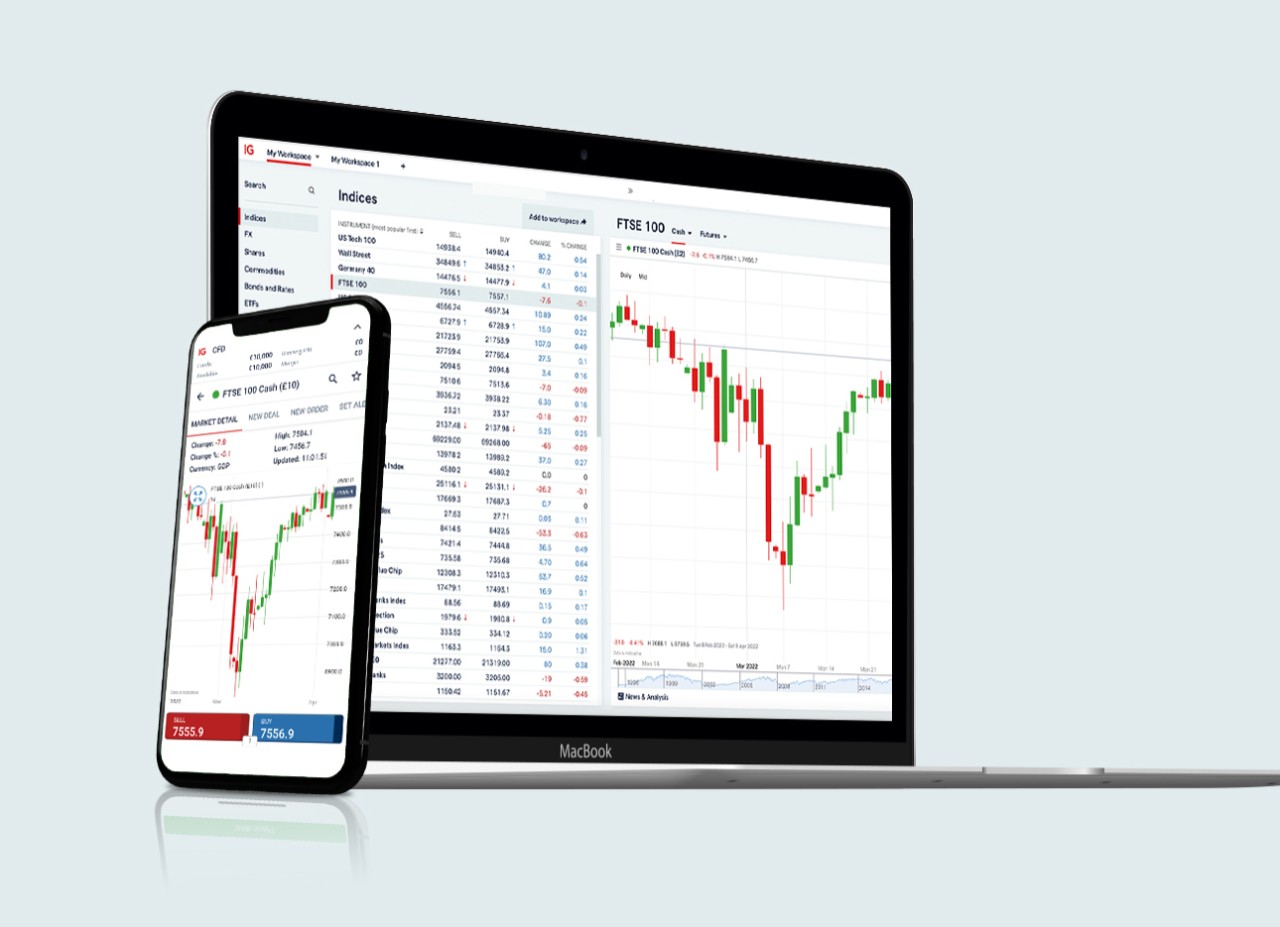
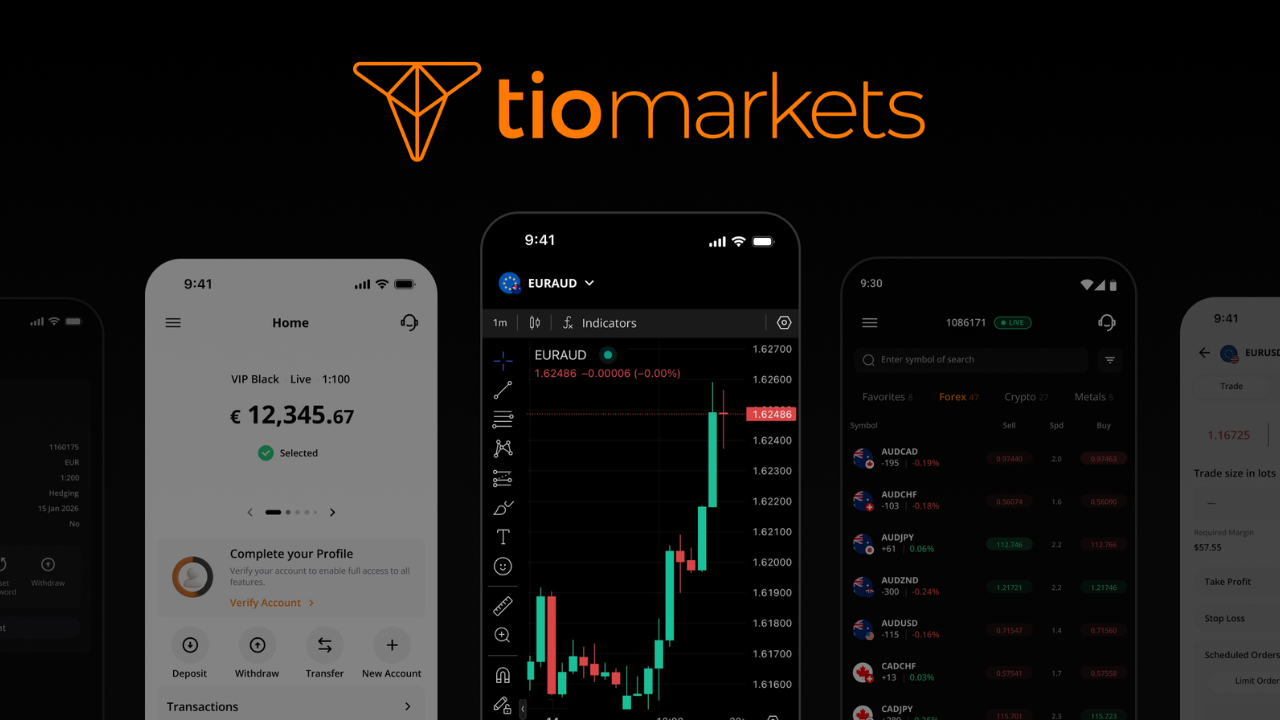
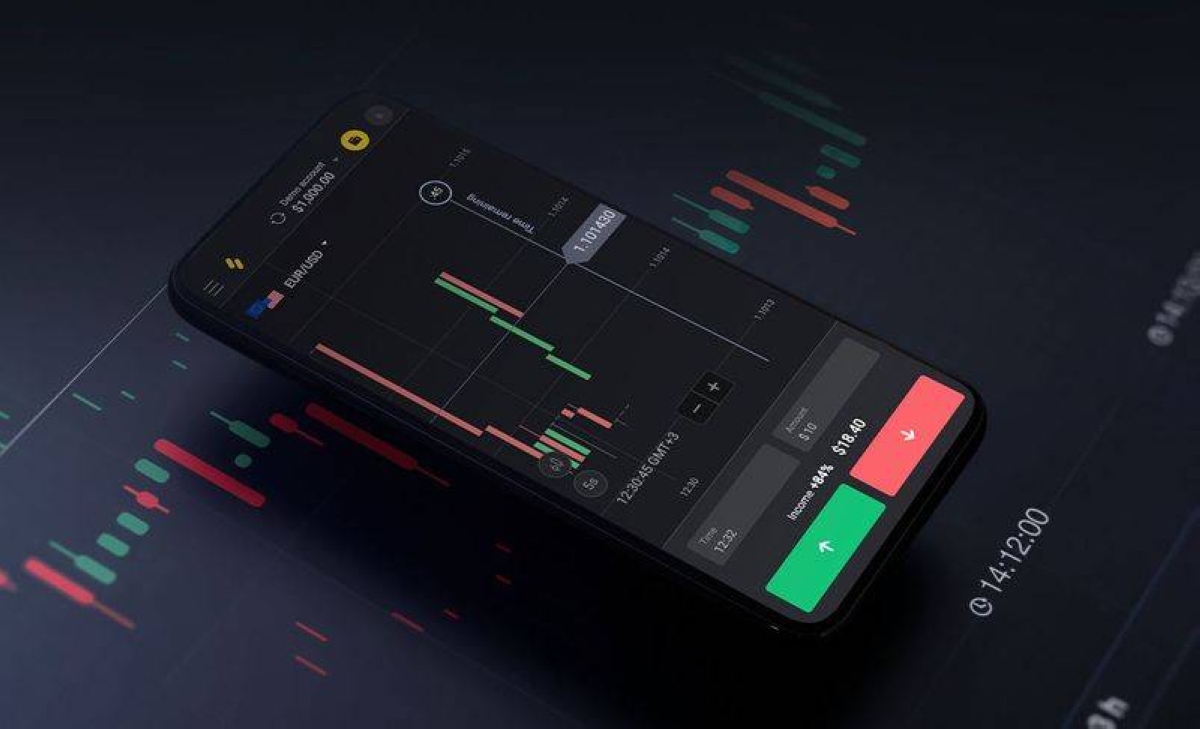
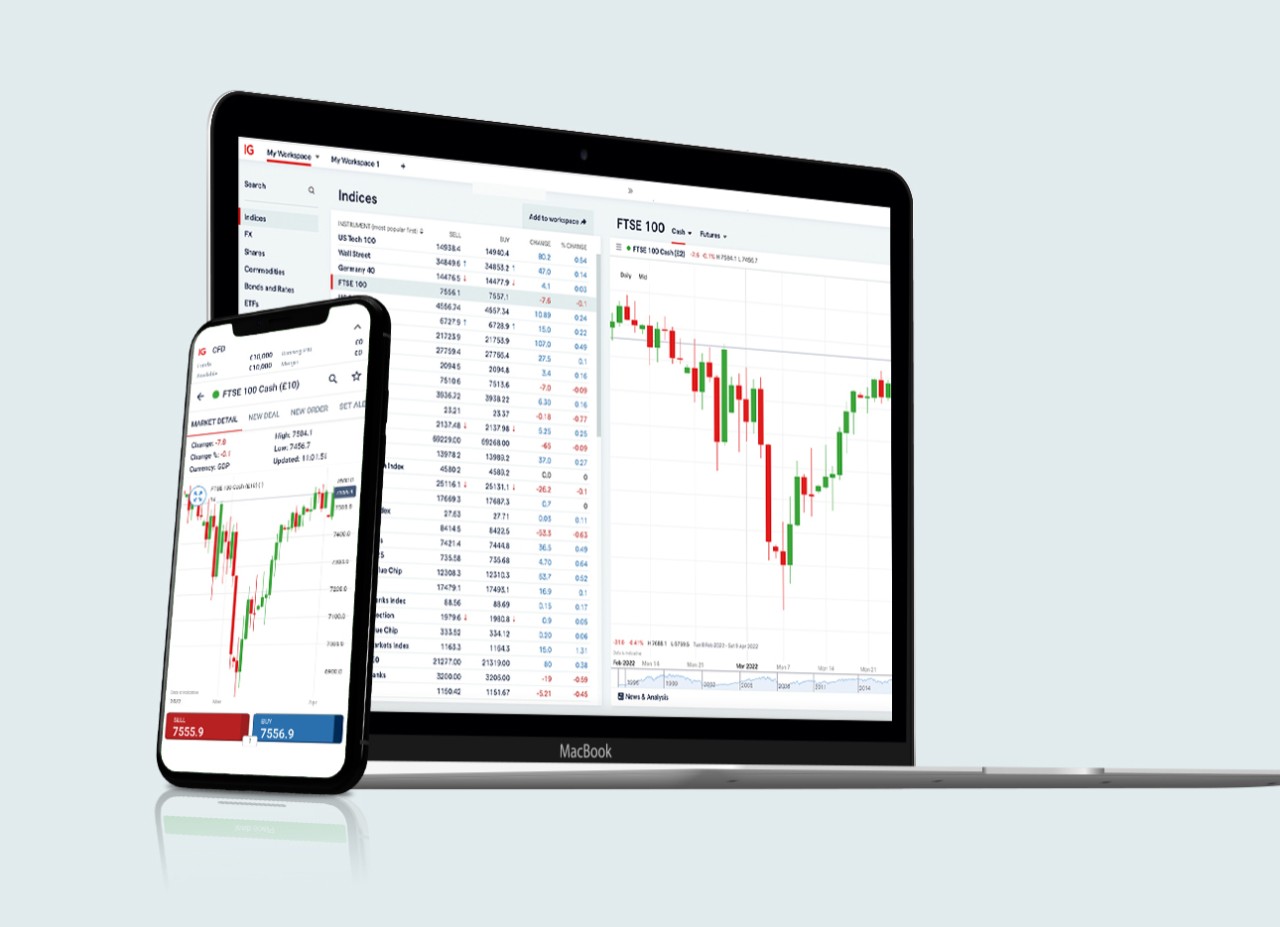
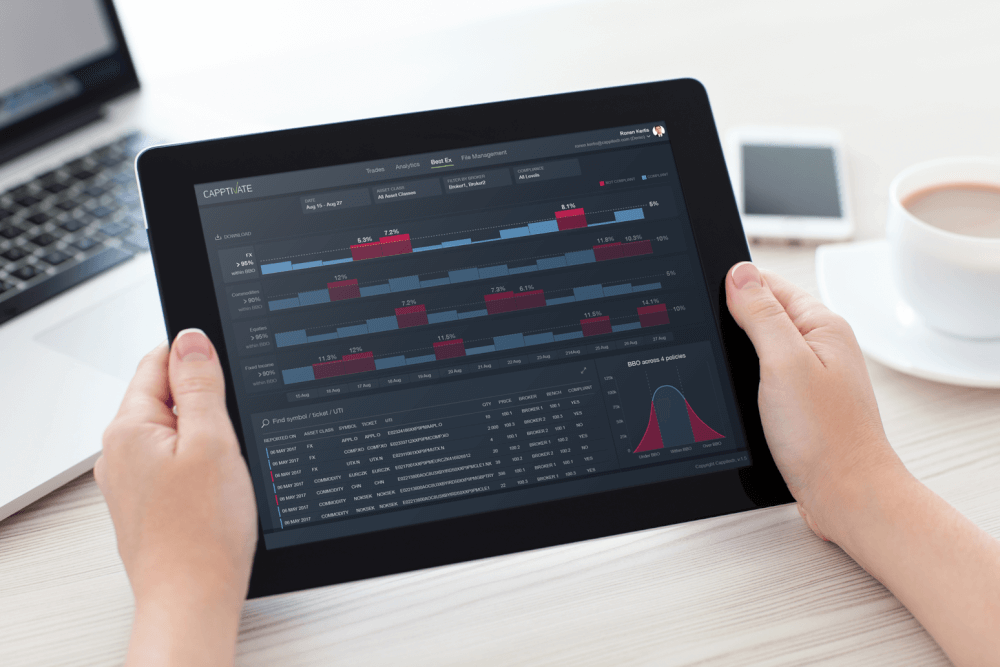
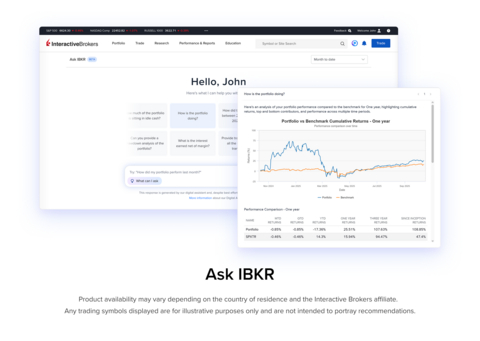
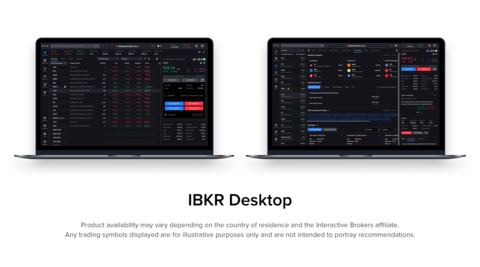
- Robust trading platforms: Discount brokers may offer robust trading platforms to help investors analyze investments.
- No guidance: Discount brokers don’t provide any investment guidance or financial planning services, so it’s up to the investor to make all investment decisions on his or her own.
- No physical office: Discount brokers mostly operate online only, so investors don’t have the option of meeting with a representative in person.
- Fees may vary: Not all discount brokers charge the same fees. While commission-free trading is becoming more common, it’s important to review all fees associated with the broker before opening an account.
Some of the offers on this site are from companies who are advertising clients of U.S. News. Advertising considerations may impact where and in what order offers appear on the site but do not affect any editorial decisions, such as which financial institutions we write about and how we evaluate them.