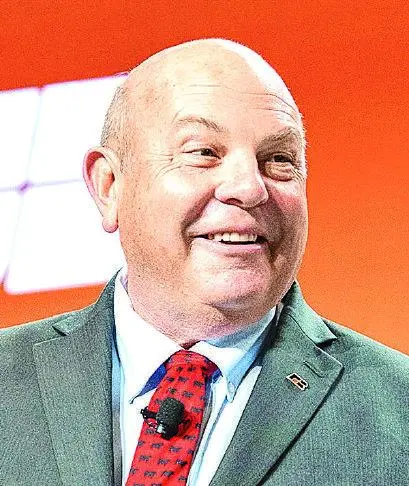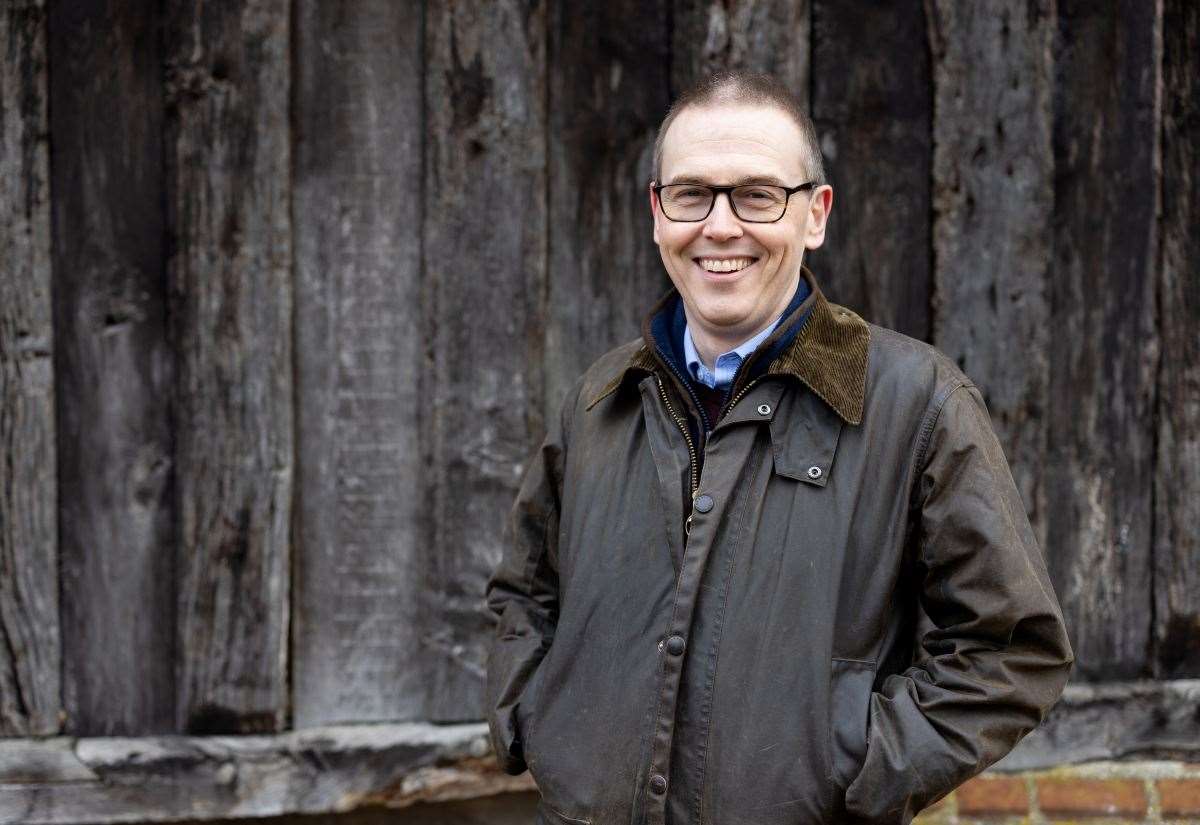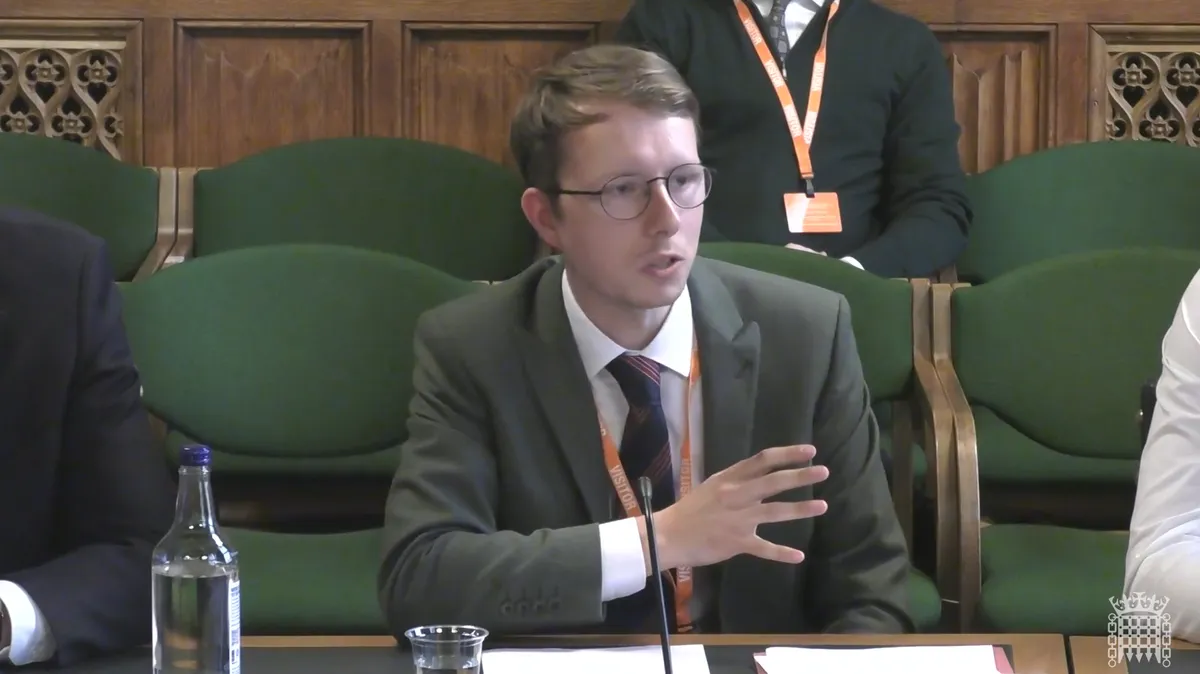
Jamie Fiveash, the chief executive of pensions firm Smart UK, warned that policymakers are sleepwalking into an economic crisis.
“It will ultimately fall on the welfare state,” he says.
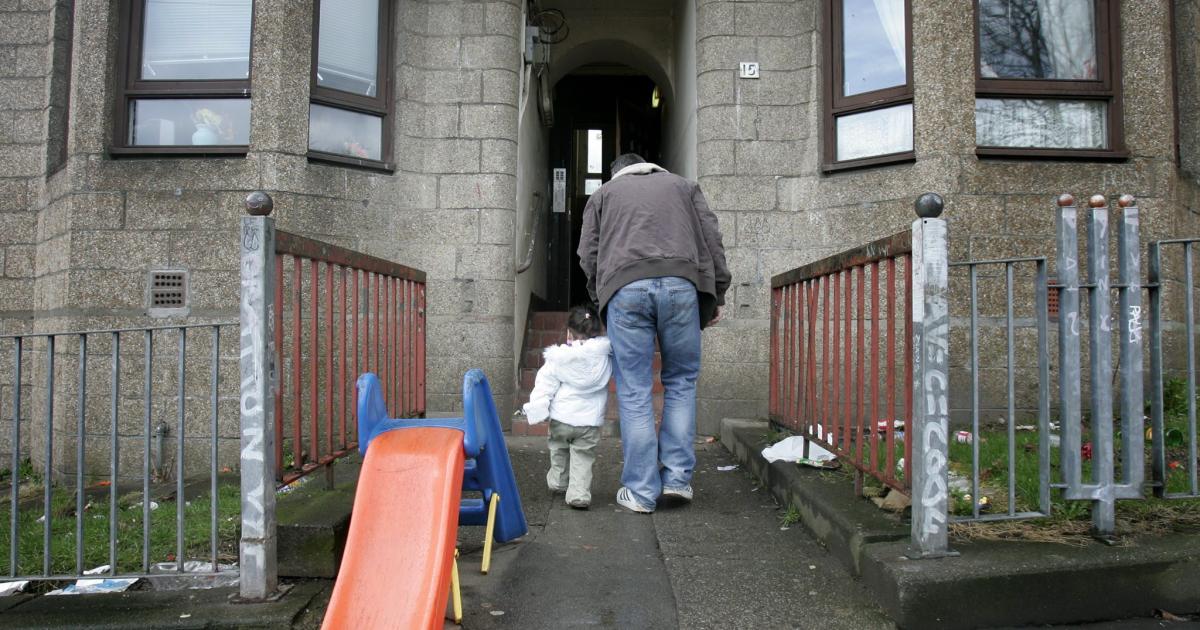
The number of pensioners receiving housing benefits is forecast to rise from 1.1 million in 2030-31 to 1.7 million in 2050-51.
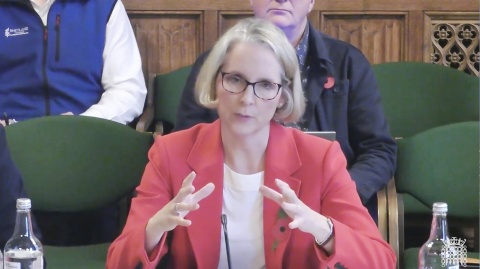
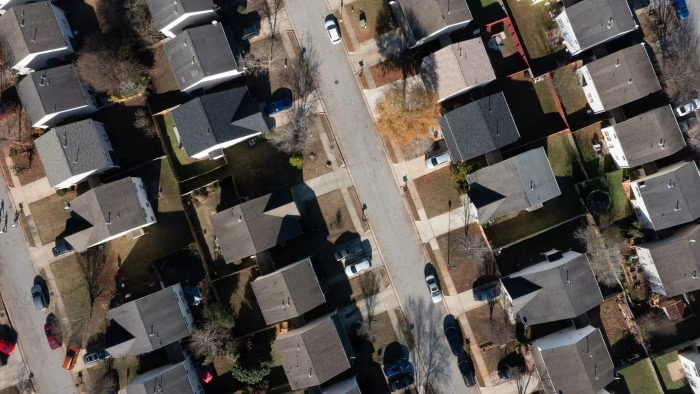
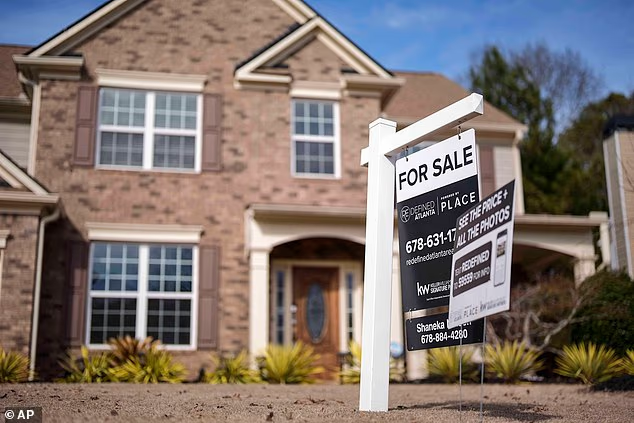
Higher numbers of pensioner renters are expected to add around £2bn to Britain’s housing benefits bill by the 2040s, says Heidi Karjalainen, a senior research economist at the Institute for Fiscal Studies (IFS).
There will also be an indirect cost to the public finances as fewer older people will have property wealth to pay for their care costs, says Karjalainen.
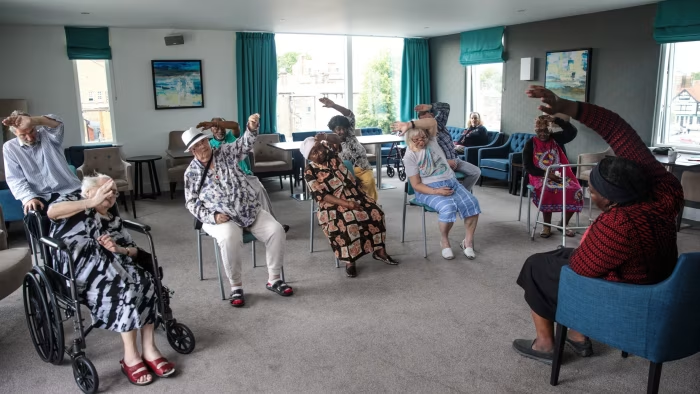
“At the moment, if you move to a care home and there is no one living in your home, then that will be counted towards the asset test for social care,” she says.
“If fewer people own their own homes, there is a potential pressure on higher social care costs because people don’t have the assets to pay for their own care.”
The IFS estimates that one in seven 65-year-olds will incur lifetime care costs of more than £100,000.
LaingBuisson estimates that 45pc of the UK’s care home residents are self-funded.
Data on the number of people who rely on housing wealth to pay for care are scant, but government figures show that thousands of pensioners take out deferred payment agreements each year, which are primarily bridging loans to allow for the sale of a property to pay for care.
Yet beyond handouts, reduced pensioner earnings are likely to have wider implications for the economy.
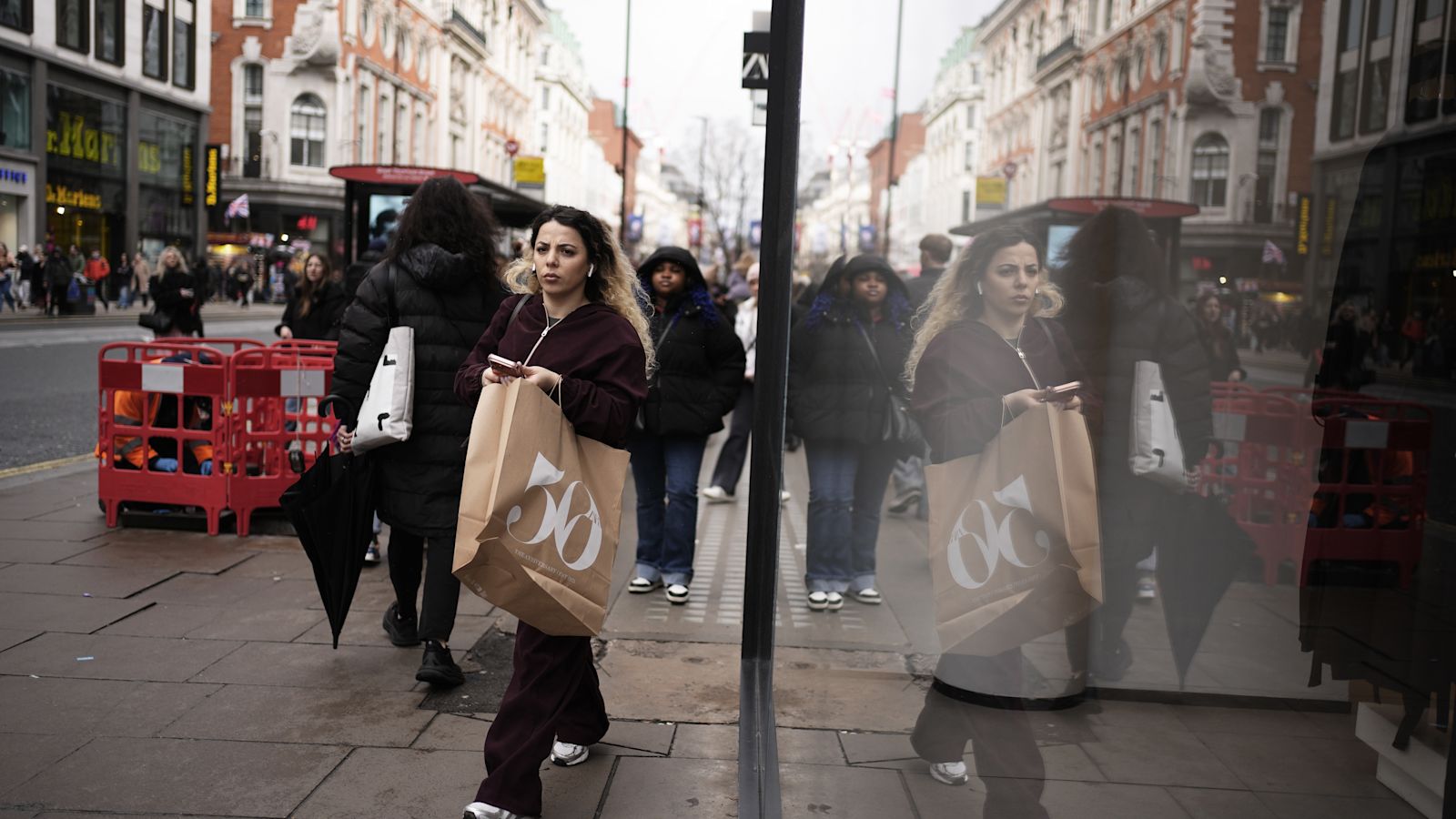
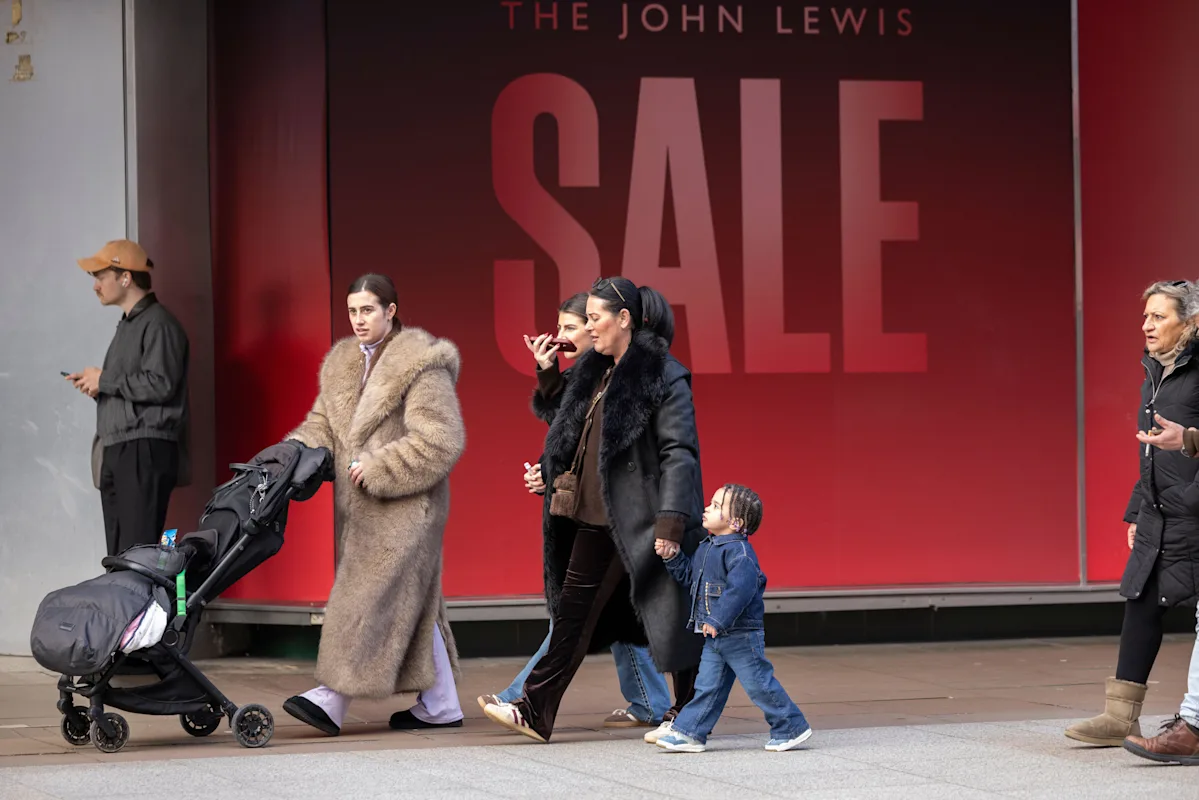
In recent years, the “grey pound” has become a significant driver of the UK economy.
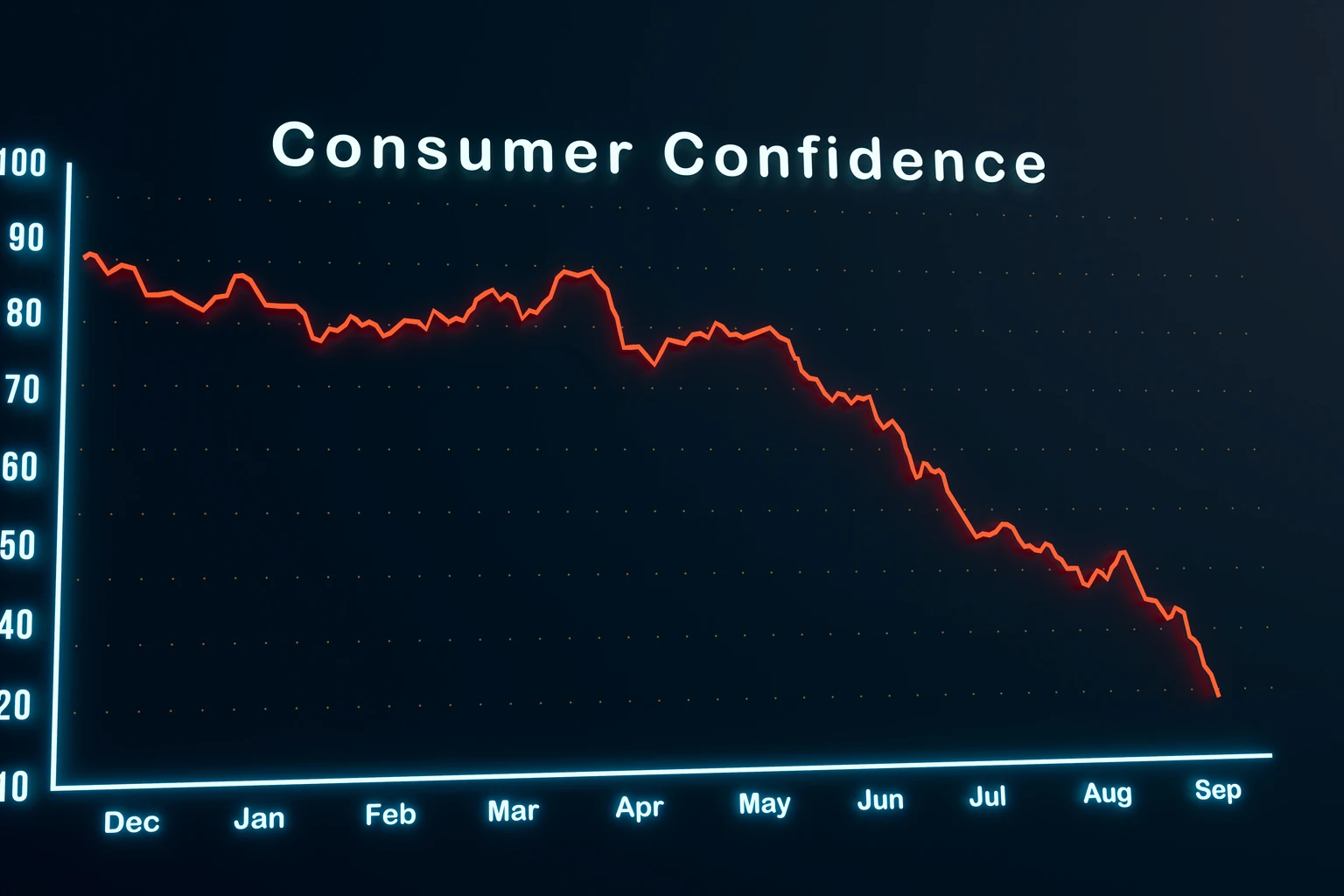
By 2018, people aged 50-plus held three quarters of the nation’s financial wealth and accounted for 54pc of all consumer spending, some £319bn, according to the International Longevity Centre.
If future generations are not accumulating property wealth, they will have far less cash to spend elsewhere.
All of which indicates that the rise in pensioner renters is a problem a cash-strapped Government can no longer ignore.
“We have a long history in the UK of finding extreme poverty and destitution for people in old age absolutely unacceptable,” says Foot. “I think there will be strong political pressure to spend money to protect those hardest hit from complete destitution in their old age.
“But there are many questions about where that money comes from.”