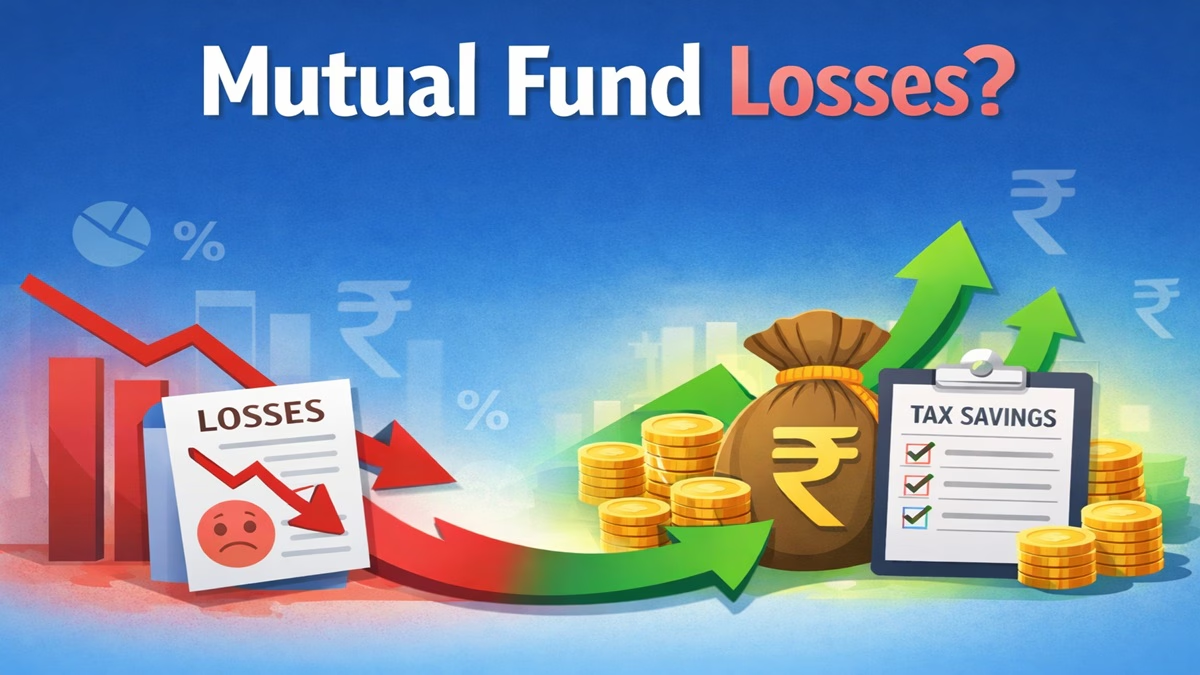
The discussion around “exit load” in mutual funds has become an important topic in the investment industry as several fund houses are now reducing or removing these charges to attract more investors. Financial experts believe investors should clearly understand how exit loads work before investing in any mutual fund scheme.
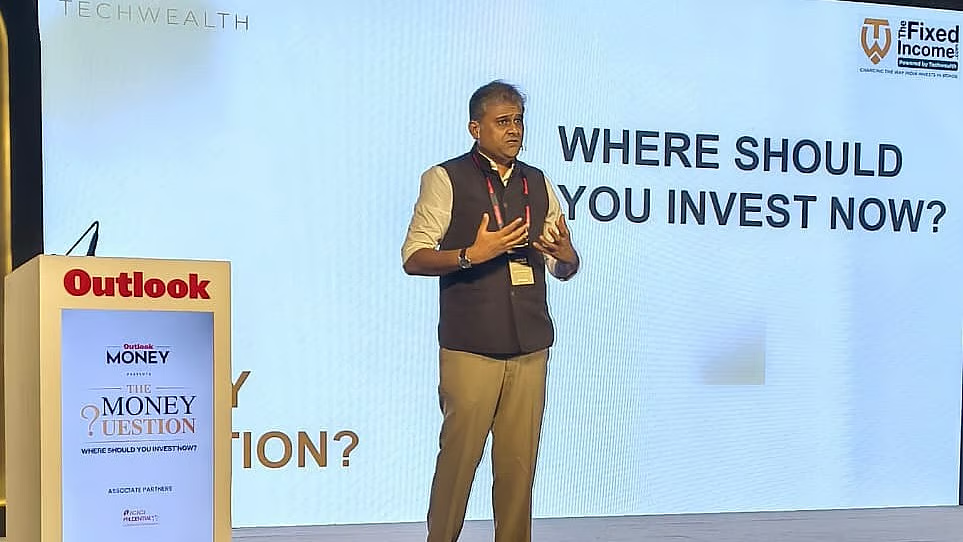
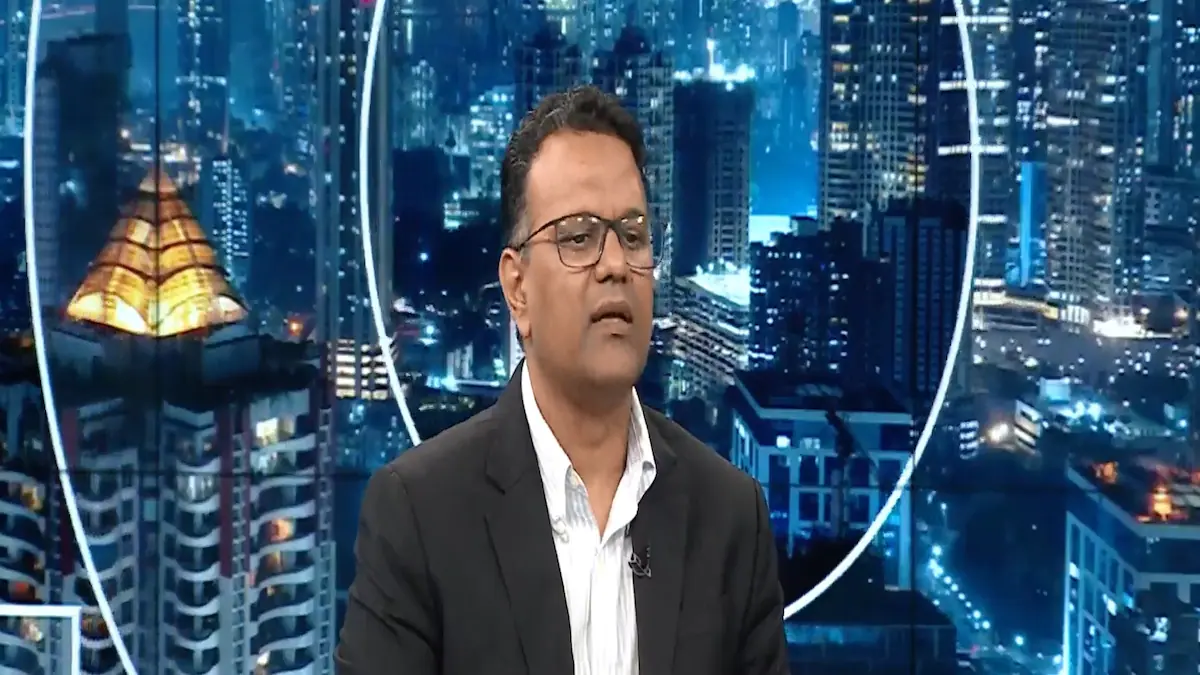
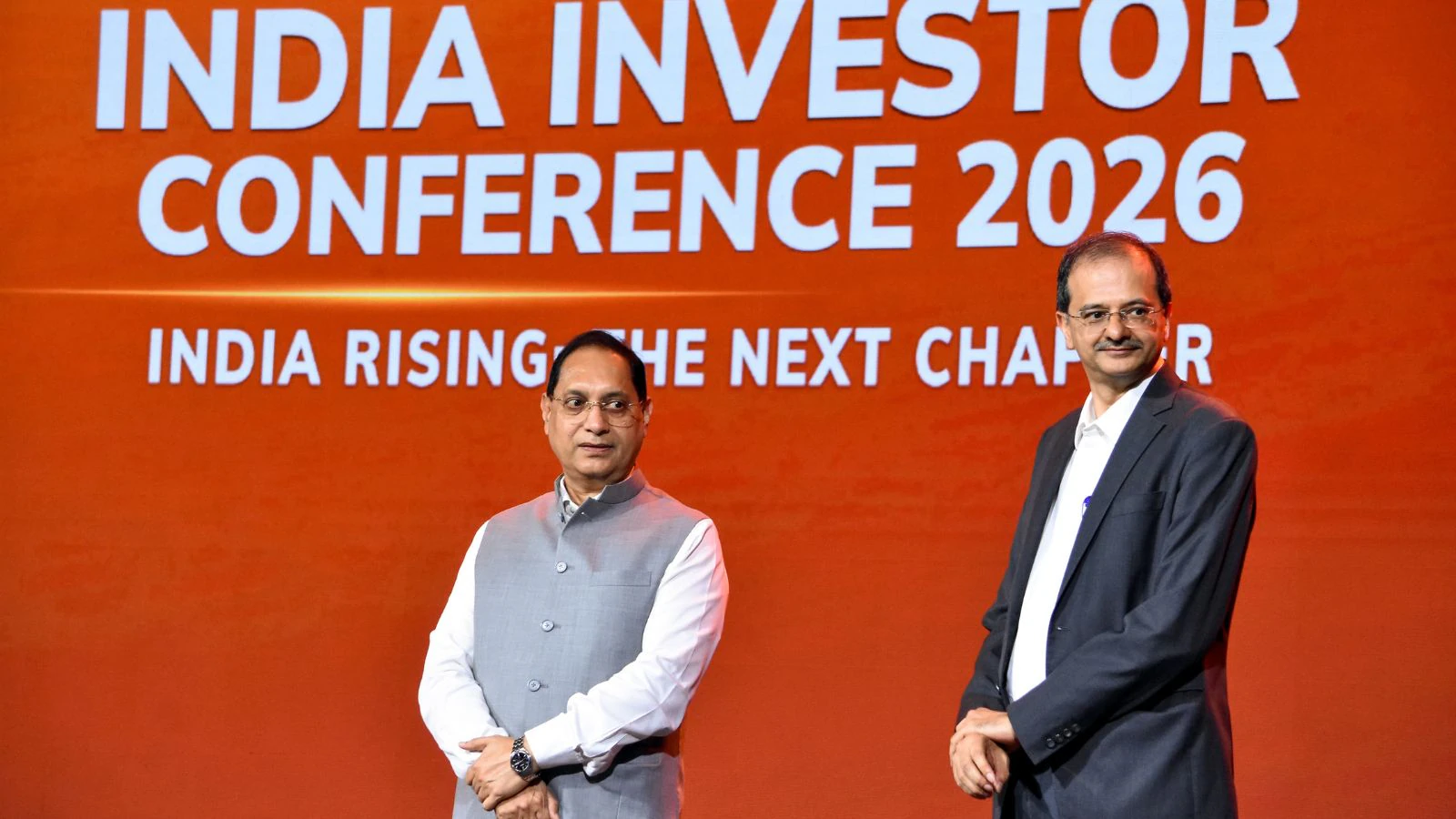
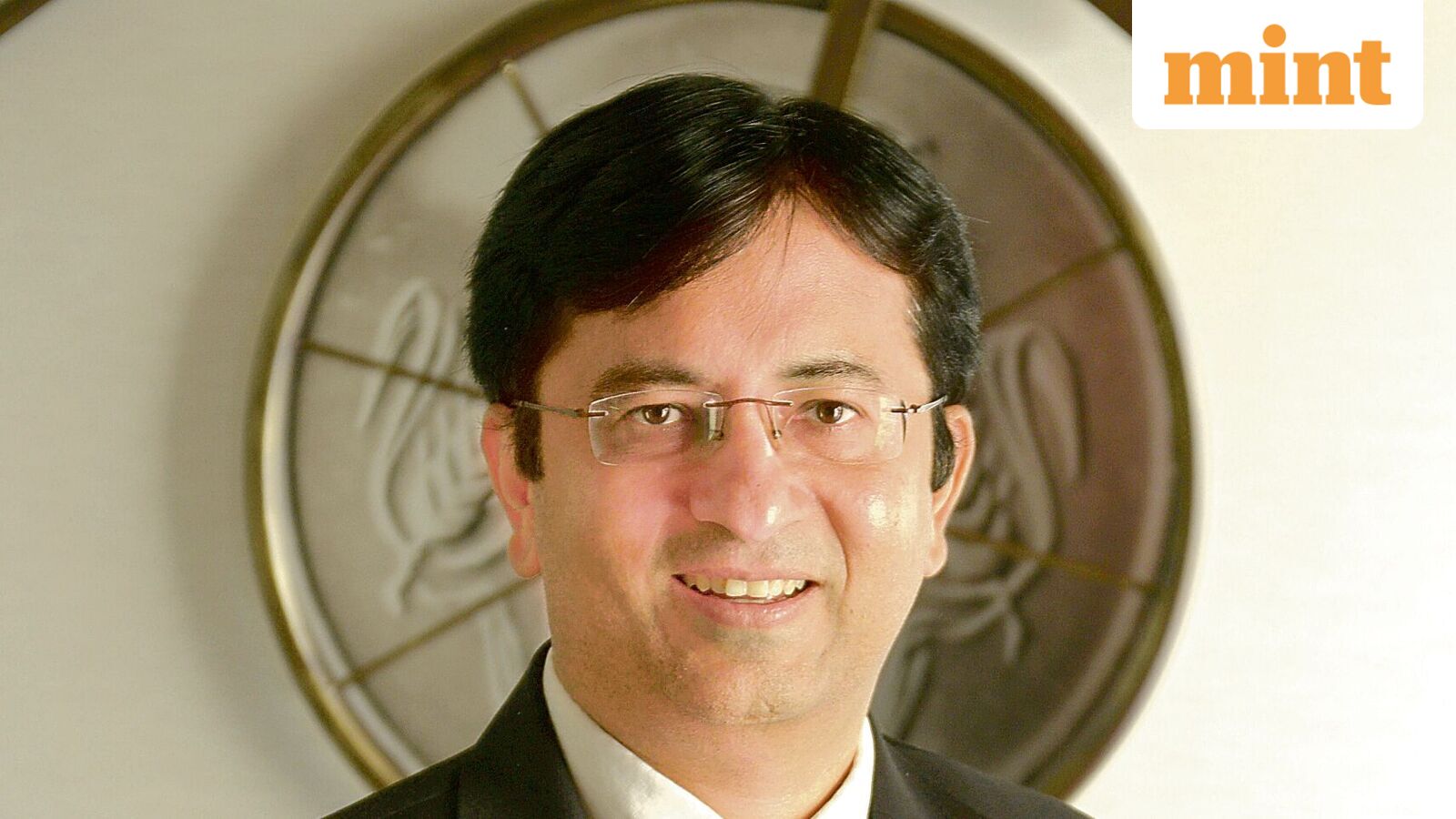
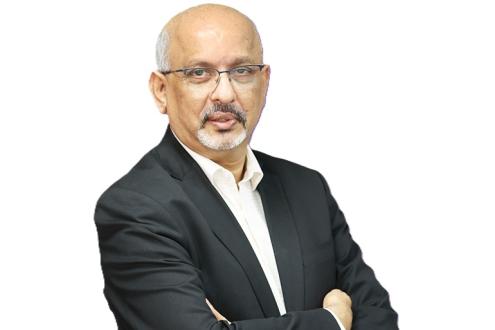
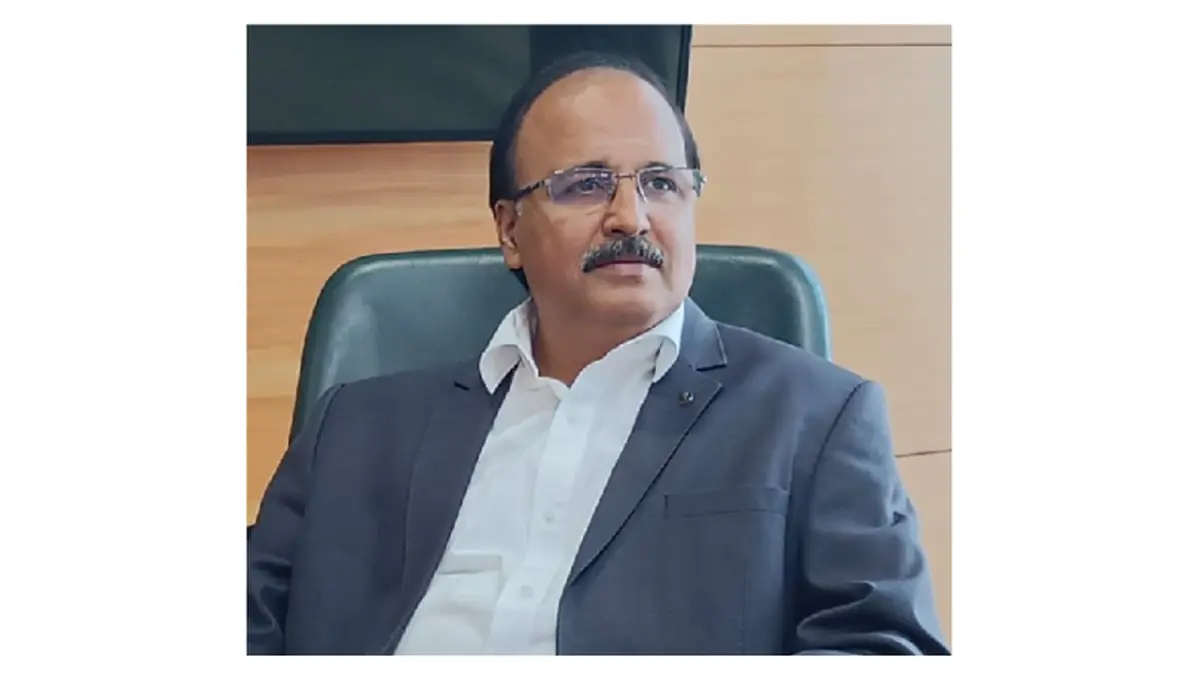
Market expert Anil Singhvi explained that exit load is a fee charged by a mutual fund company when an investor withdraws money from a scheme before a specified period. In simple terms, it acts like a penalty for exiting an investment too early.
Singhvi compared exit load to a movie ticket where entry is free, but a fee is charged if someone decides to leave before the show ends. Similarly, mutual funds encourage investors to stay invested for a longer period, and those who exit early may have to pay an additional charge.

What Exactly is Exit Load?
Exit load is deducted at the time of redemption. Suppose an investor puts Rs 1 lakh in a mutual fund scheme that has a 1 per cent exit load for withdrawals within one year. If the investor redeems the investment before completing one year, the fund house will deduct Rs 1,000 as an exit load before transferring the remaining amount.
The charge is generally calculated on the redemption amount and applies not only when investors withdraw money but also when they switch from one mutual fund scheme to another or opt for a Systematic Withdrawal Plan (SWP).
According to rules framed by the Securities and Exchange Board of India, mutual funds can charge a maximum exit load of 3 per cent, although most schemes charge much lower rates.
Different Funds, Different Rules
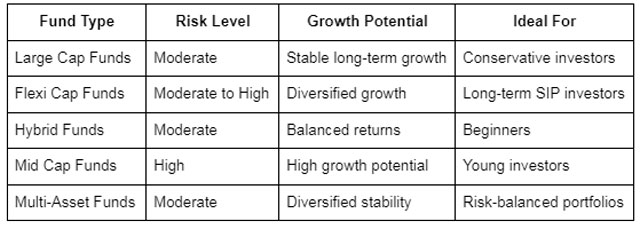
Exit load structures vary from one mutual fund category to another. Equity mutual funds usually charge an exit load of 0.5 per cent to 1 per cent if investors redeem units within one year. Debt funds often have shorter holding periods, ranging from seven days to 90 days, and their exit load is generally lower.
Some schemes follow a structured exit load system where the charge reduces gradually over time. For example, a fund may charge 1 per cent if units are redeemed within six months, 0.5 per cent if redeemed between six months and one year, and no exit load after one year.
In SIP investments, mutual funds follow the FIFO (First In, First Out) method. This means the units purchased first are considered sold first during redemption. This system determines whether exit load will apply.
Certain funds also allow partial withdrawals without charging an exit load. Some schemes permit investors to withdraw up to 10 per cent of the investment amount without any penalty.
Why Fund Houses Charge Exit Load
The main purpose of exit load is to discourage short-term trading and encourage long-term investing. Mutual fund companies believe frequent entry and exit can disrupt portfolio management and increase costs for the fund.
Experts say exit load also protects long-term investors. The amount collected as exit load is usually added back into the scheme, indirectly benefiting investors who continue to remain invested.
However, the industry’s view on exit load is slowly changing. Singhvi said many fund houses now believe that investors entering the market are increasingly long-term oriented. As competition in the mutual fund industry rises, companies are using lower exit loads as a way to attract more investors.
He pointed to WhiteOak Capital Asset Management, which recently removed exit load from several equity schemes for new investments made after April 27.
Advantages of Lower or Zero Exit Load
Lower exit load offers greater flexibility to investors. They can redeem their money without worrying about penalties, making liquidity management easier. Investors can also rebalance portfolios or switch between schemes more freely.
Experts say this is especially useful during emergencies when investors need immediate access to funds. Without exit load deductions, investors receive the full value of their redemption amount.
Risks Investors Should Remember
Despite the benefits, experts warn that zero exit load may reduce investment discipline. Investors may become tempted to react to short-term market movements and exit investments too early.
Singhvi noted that many investors try to book profits quickly when markets rise, hoping to re-enter later at lower levels. However, such timing strategies often fail and may hurt long-term wealth creation.
Final Advice for Investors
Financial experts advise investors not to choose a mutual fund scheme solely because it offers zero exit load. Factors such as investment goals, risk appetite, fund performance and investment horizon remain far more important.
Before investing, investors should carefully read the scheme documents, understand the exit load structure and ensure the fund matches their long-term financial objectives.