Beyond Gold: Inside the New Precious Metals Playbook for Global Investors
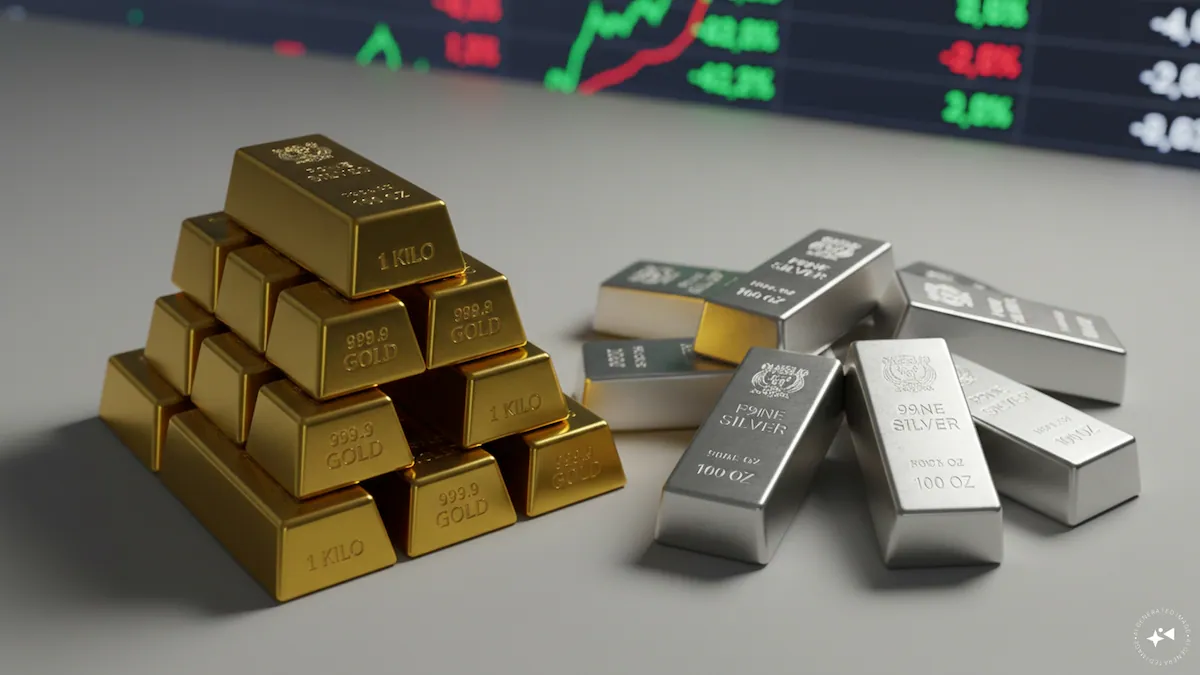
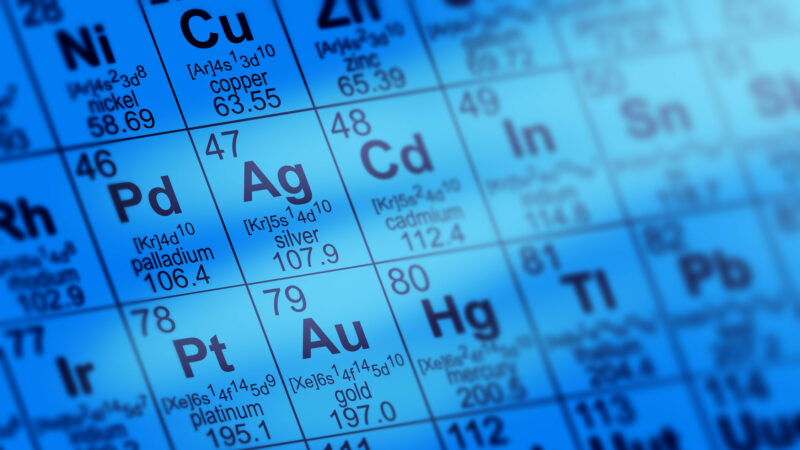
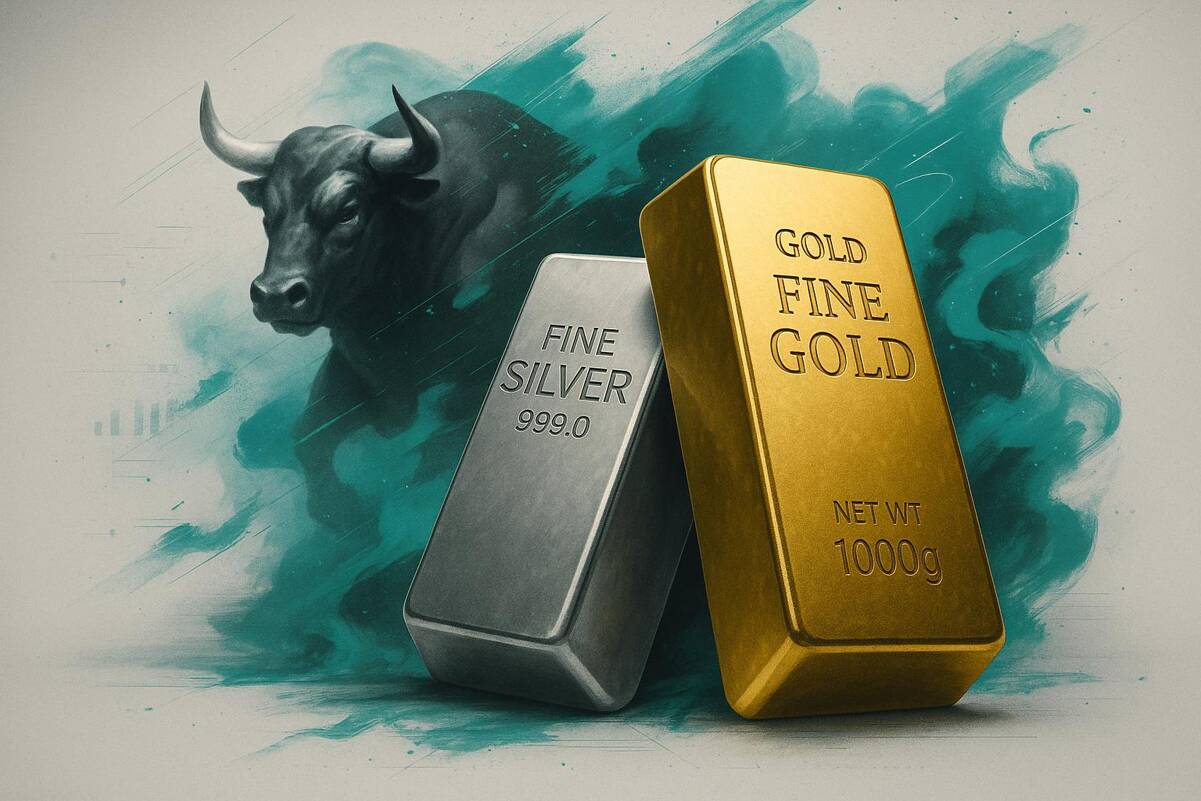
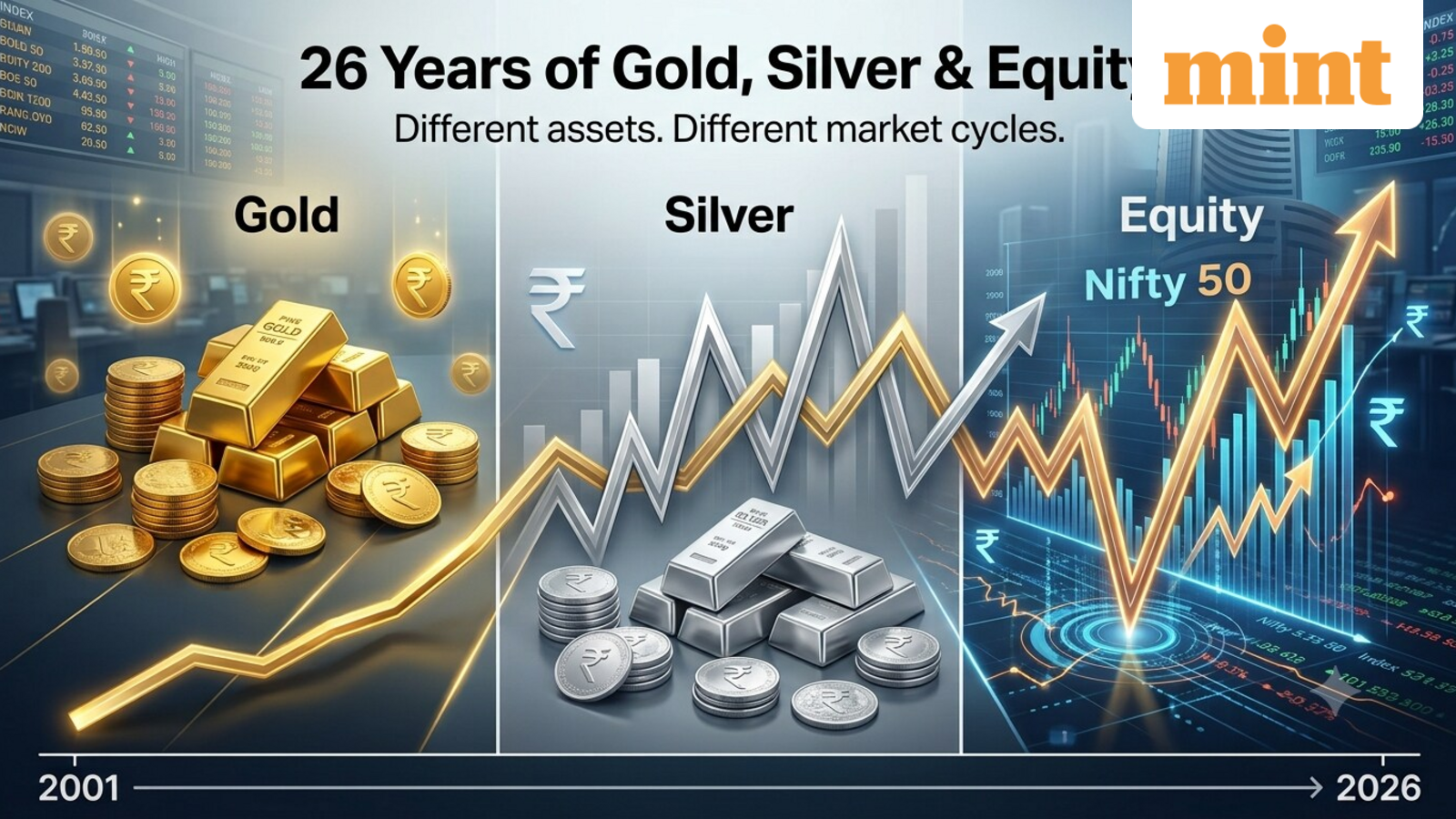
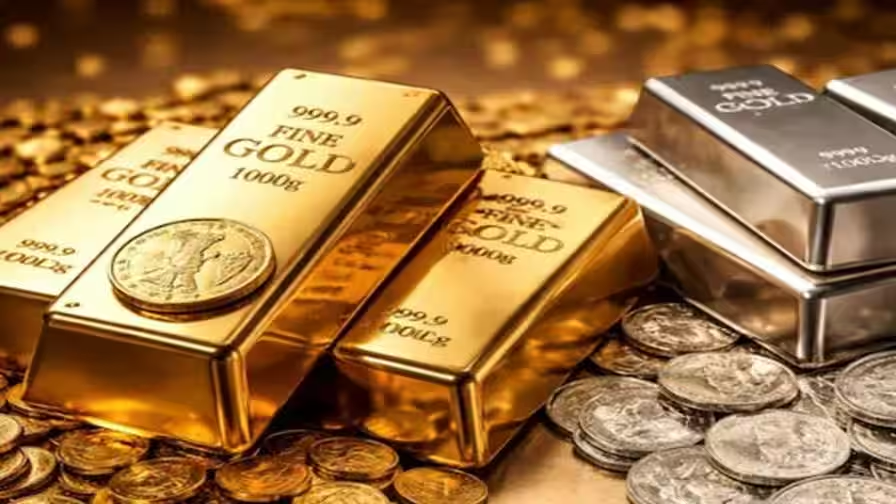
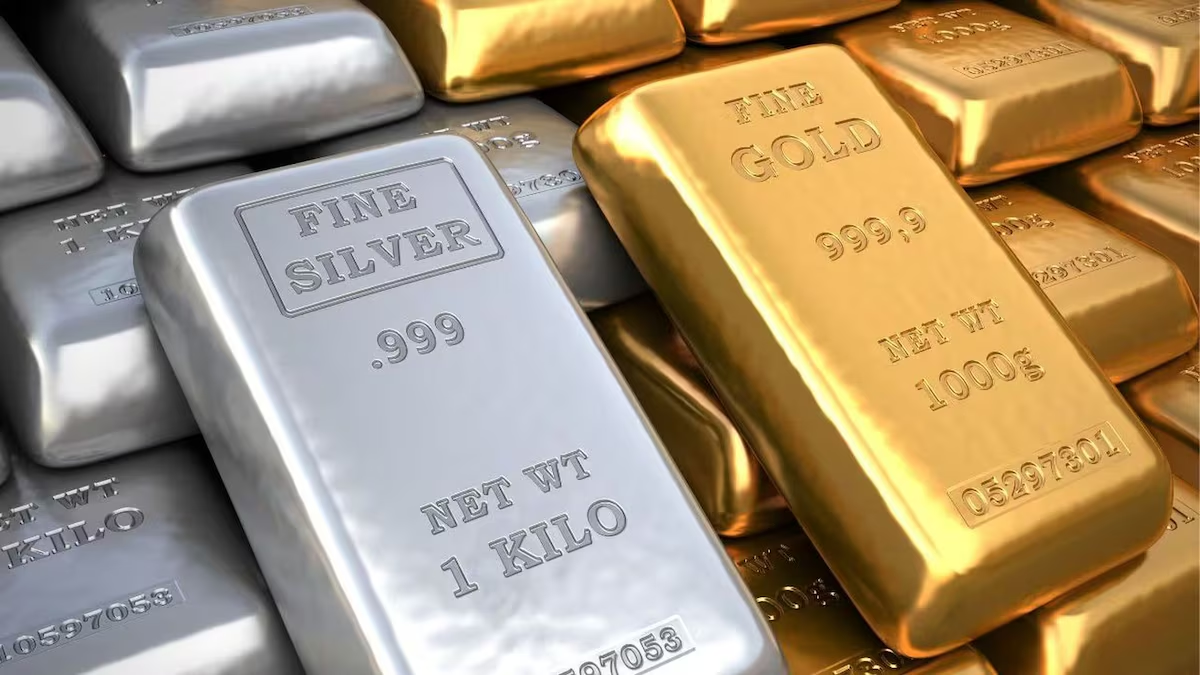
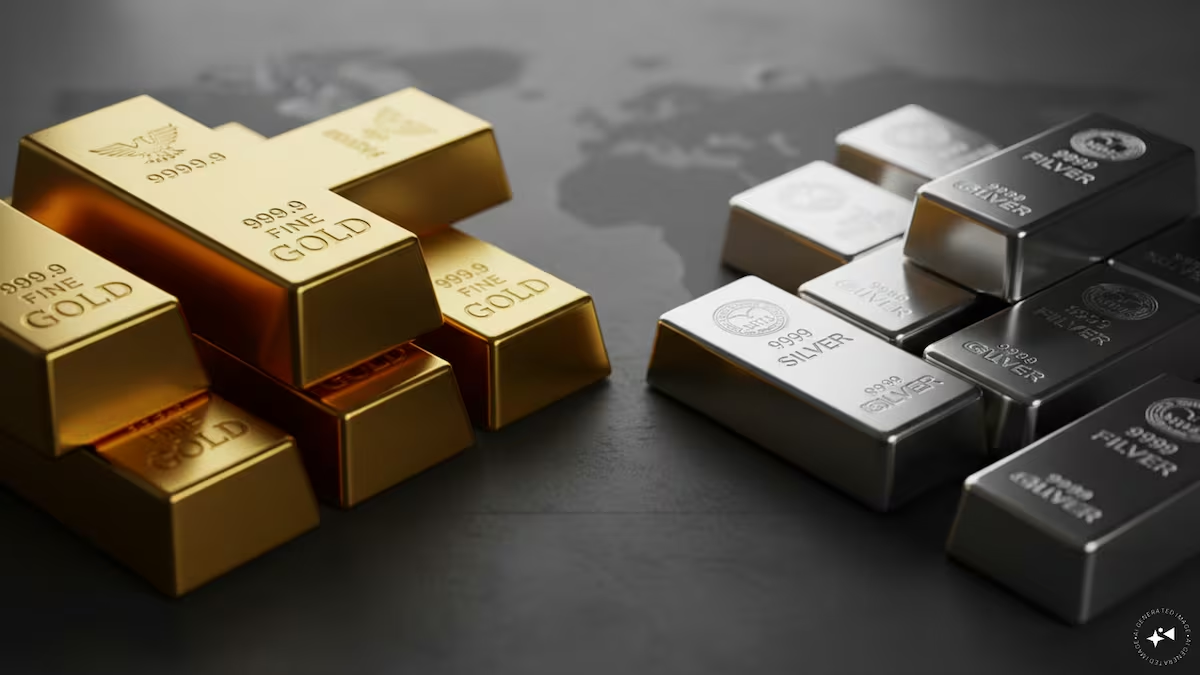
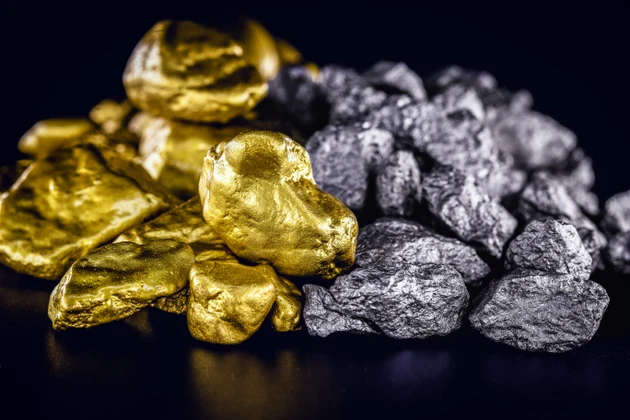
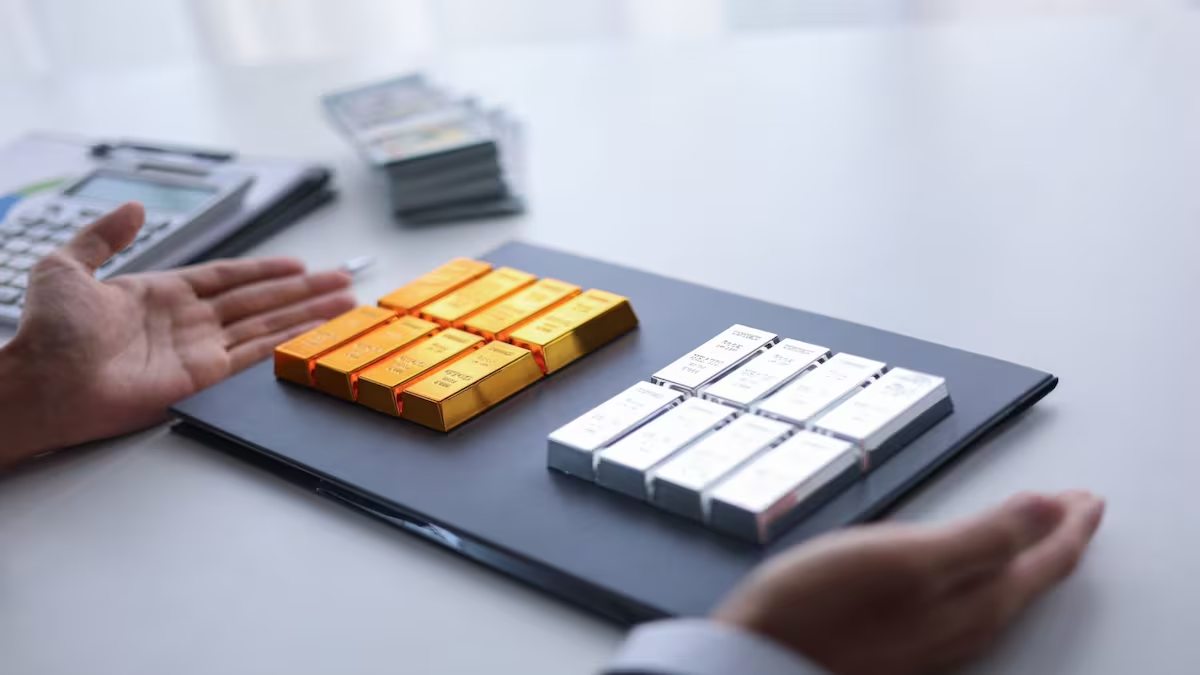
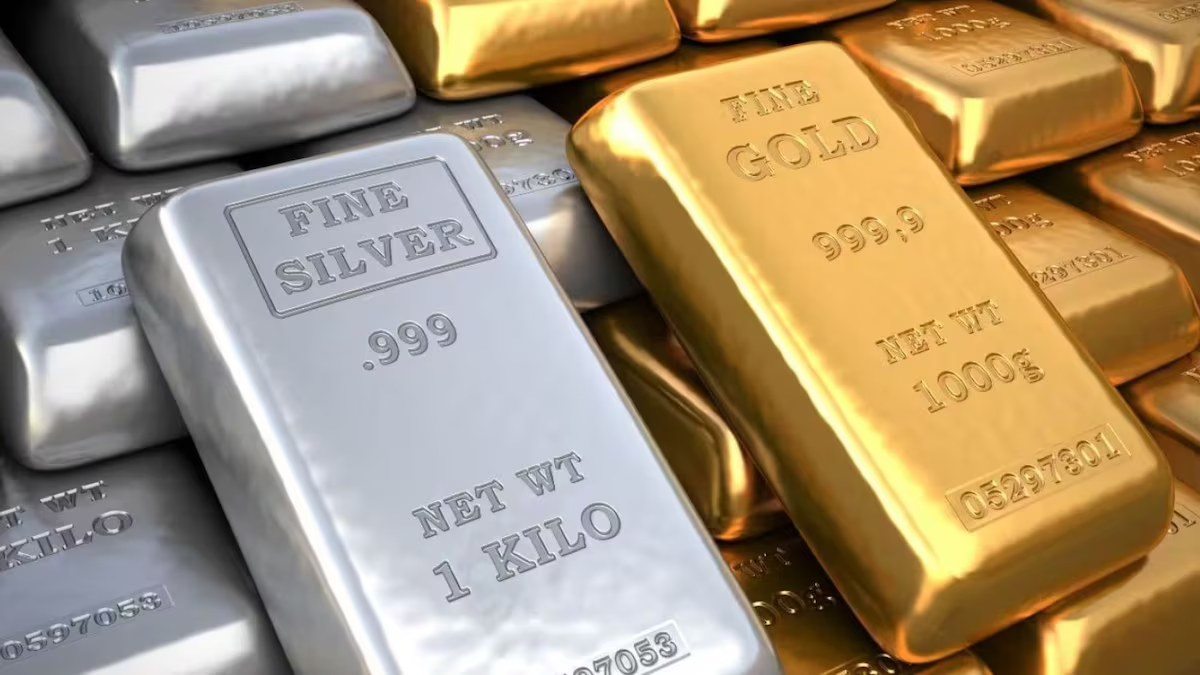
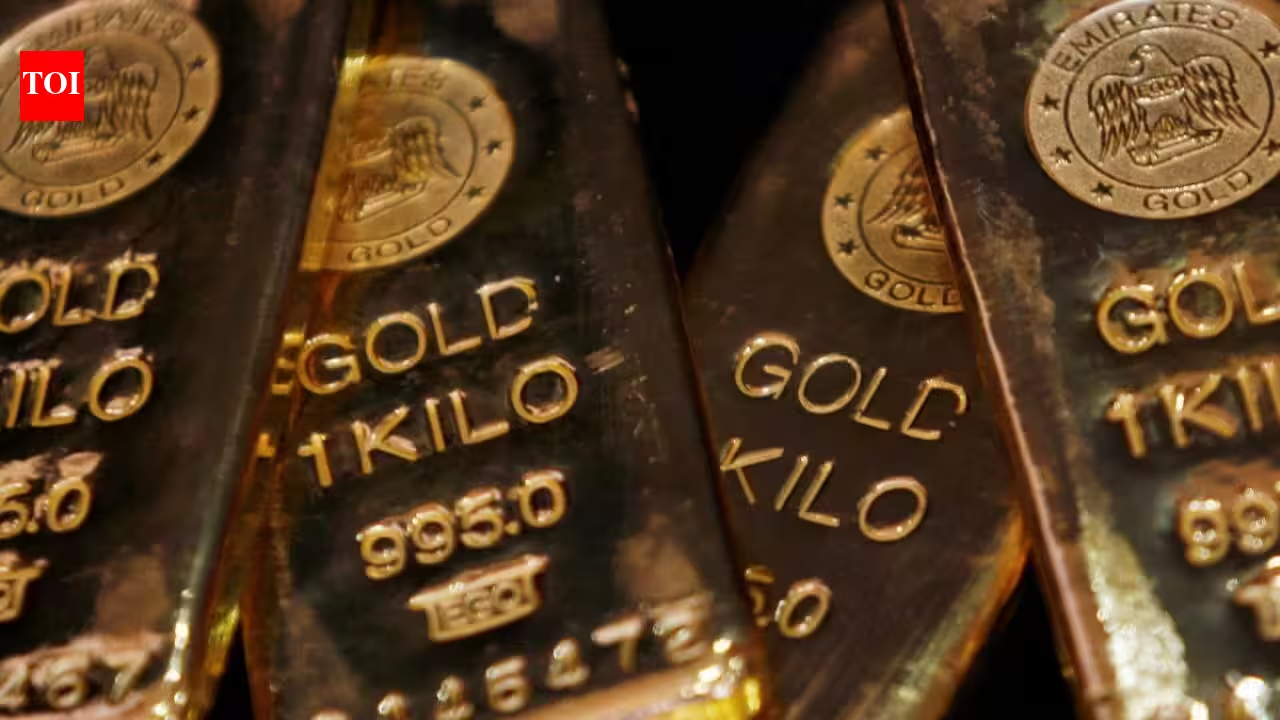
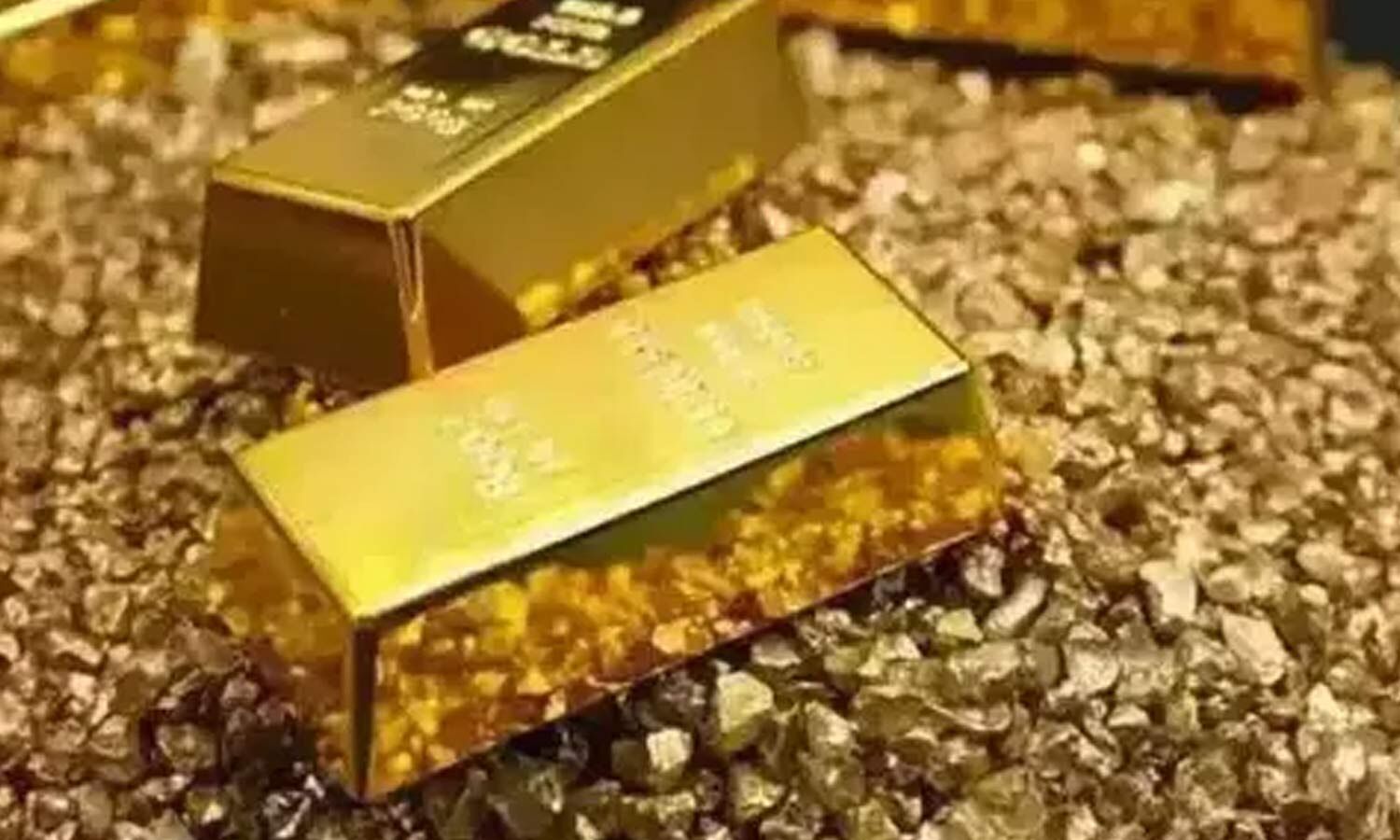
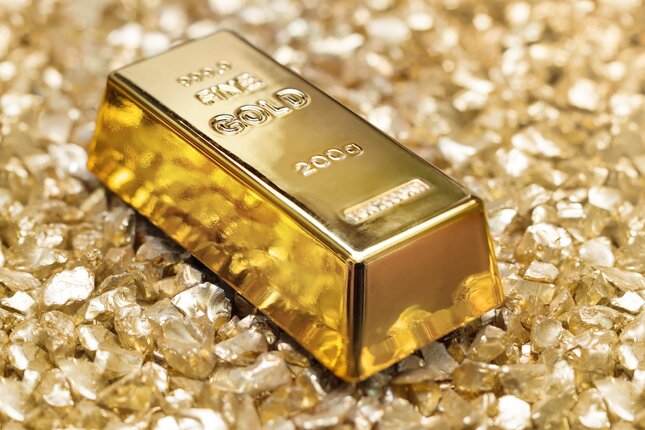
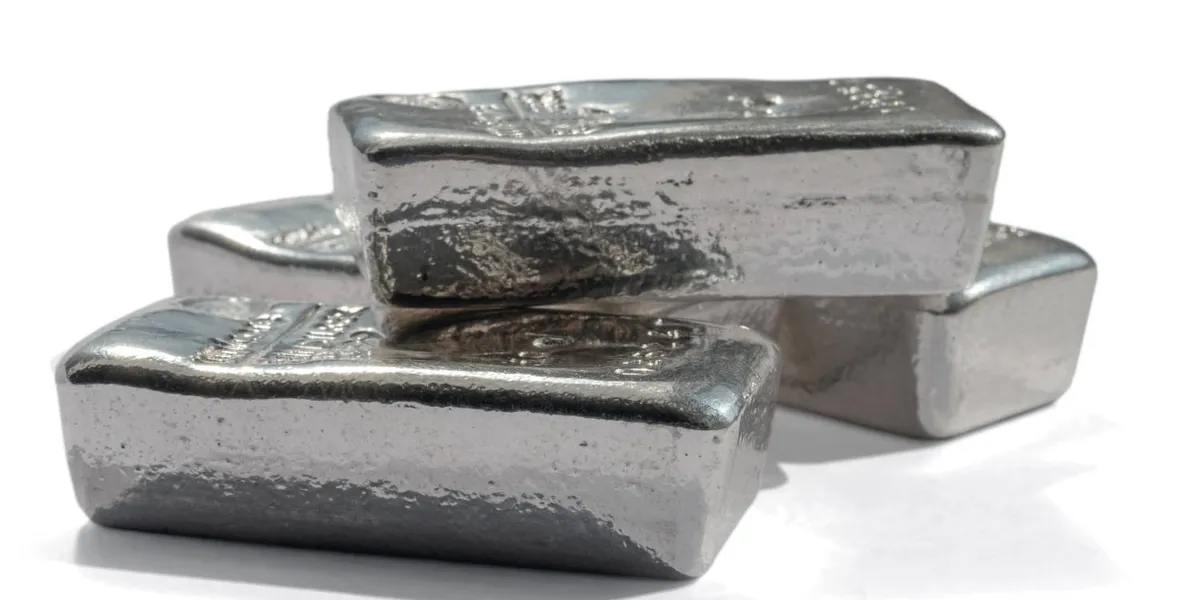
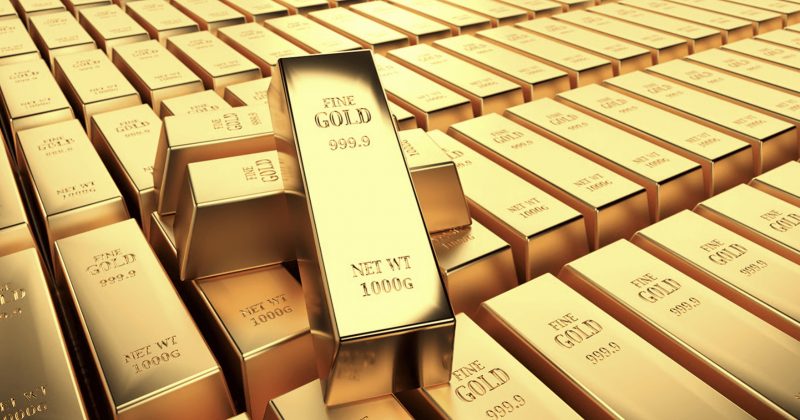
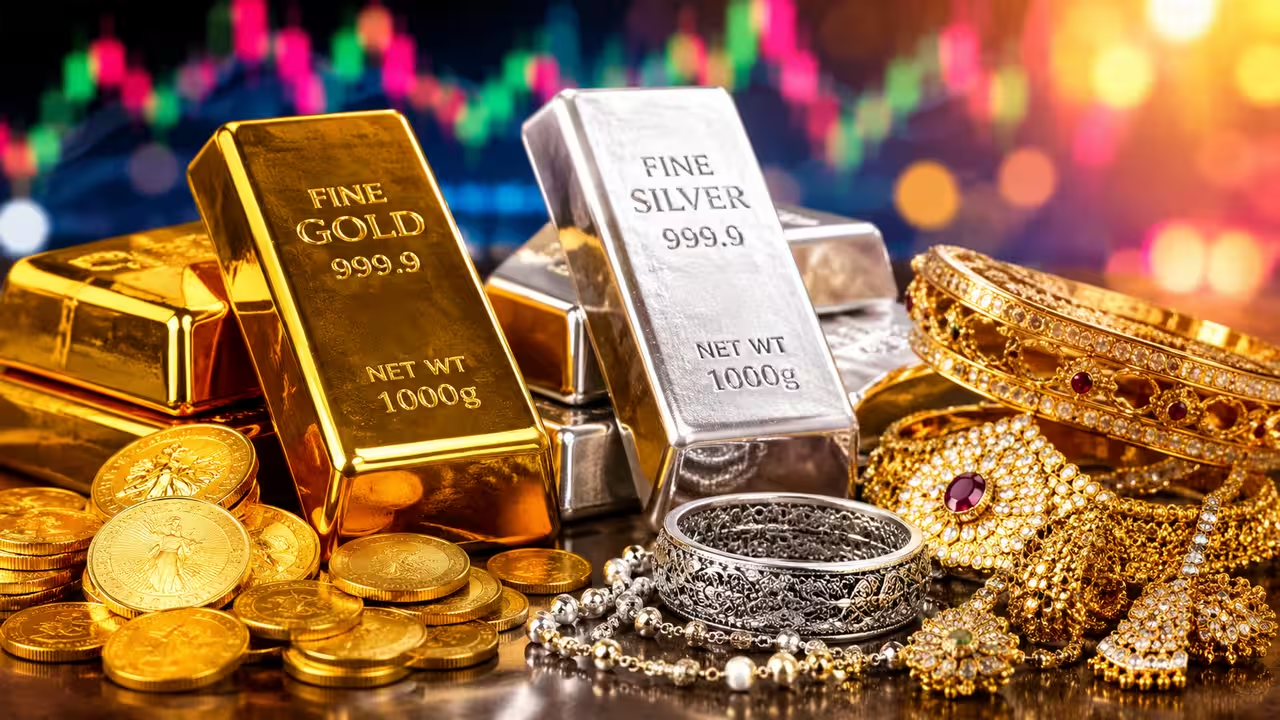
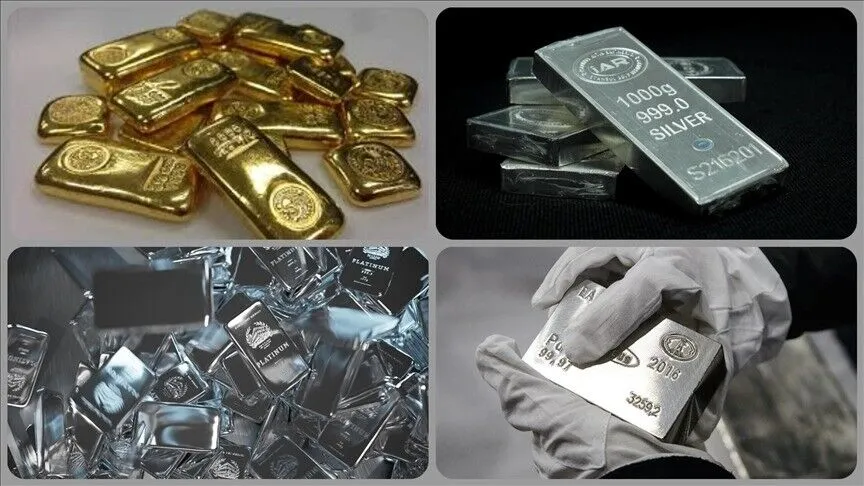
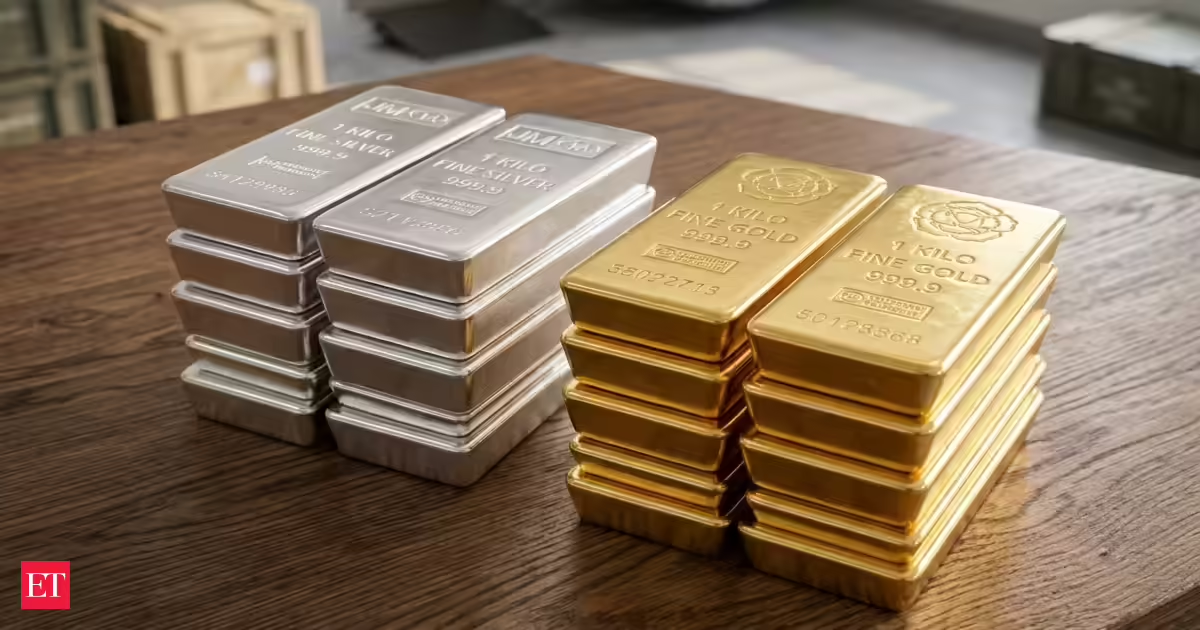
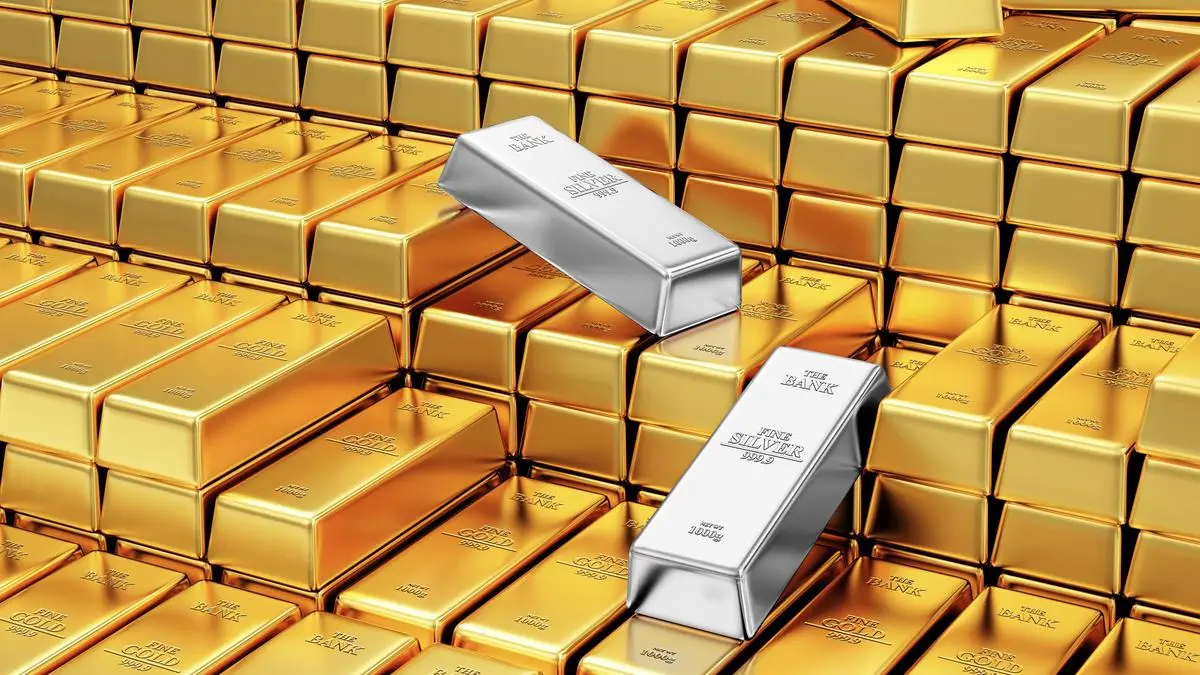
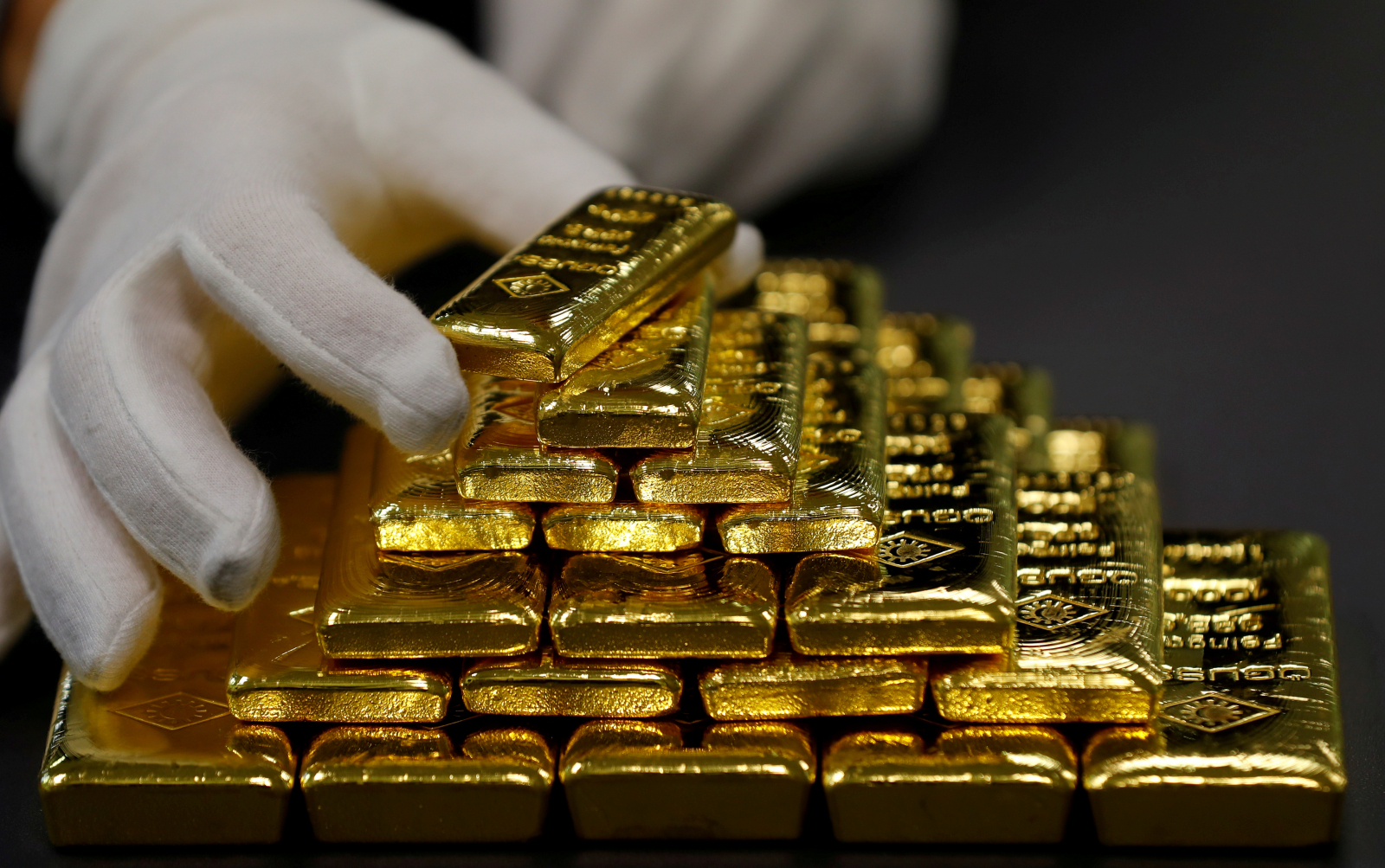
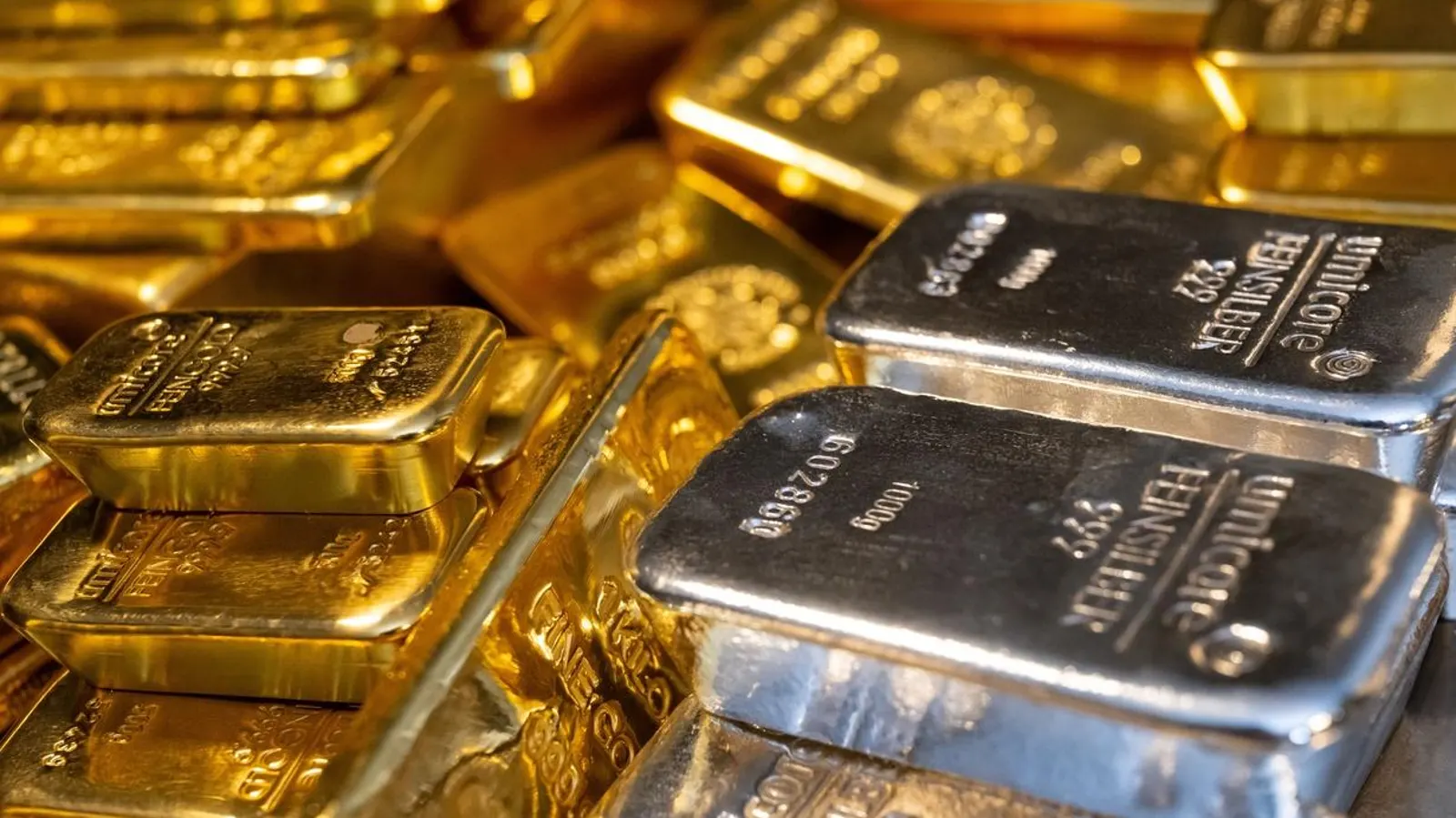
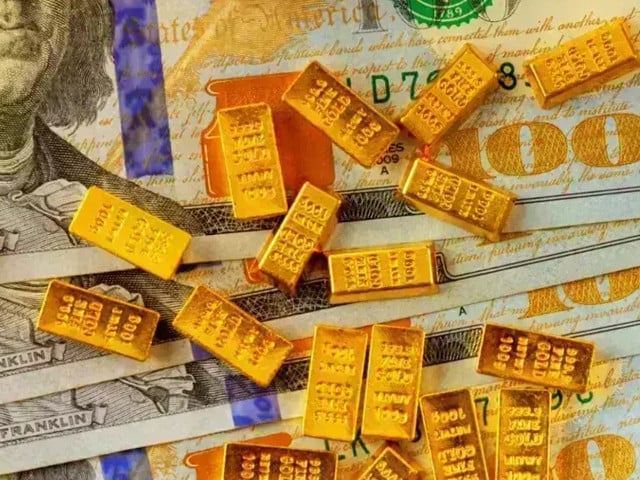
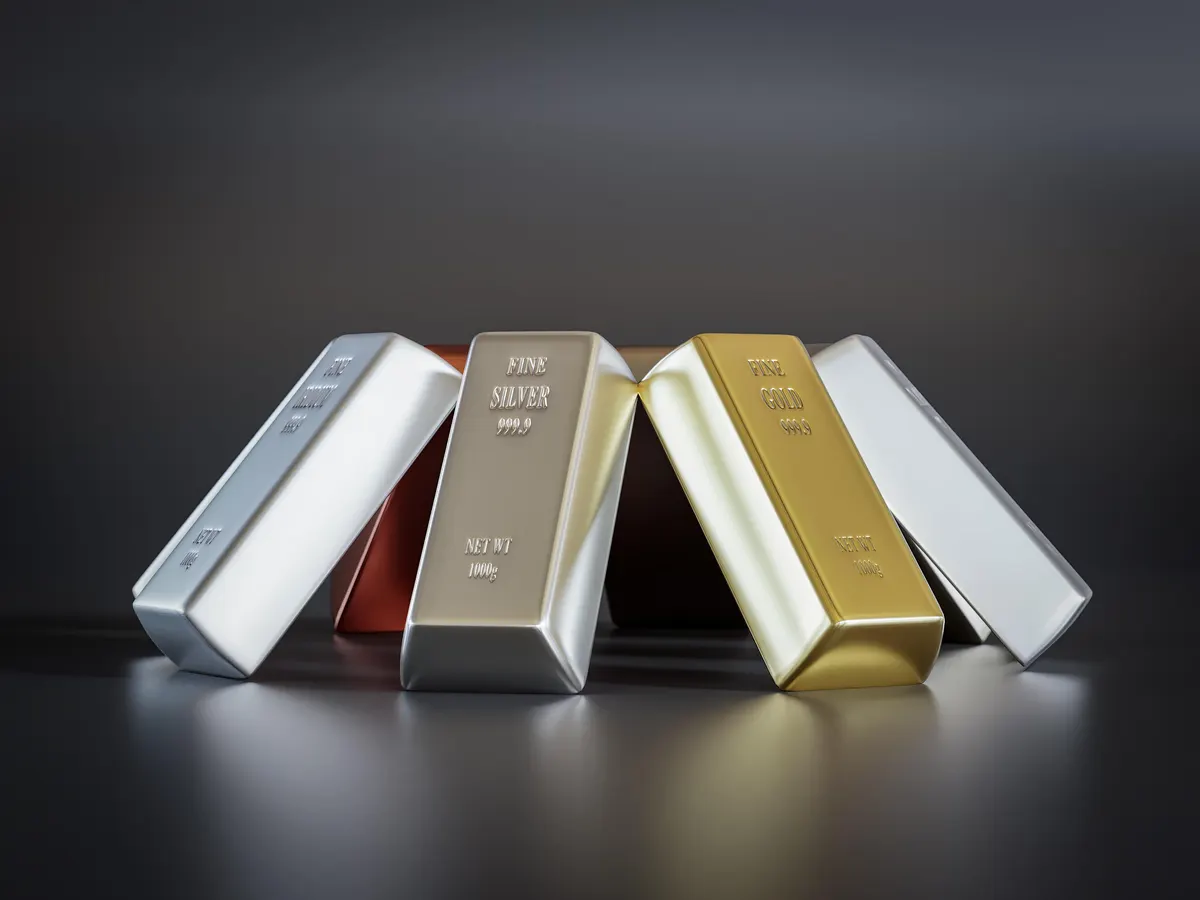
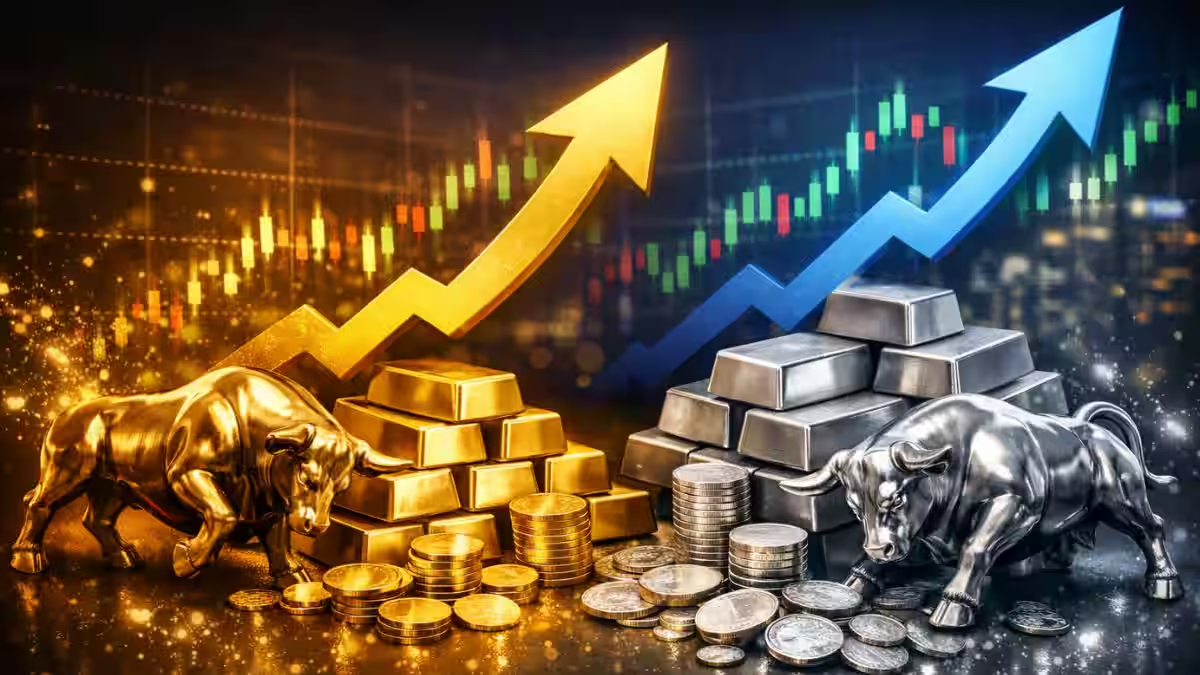
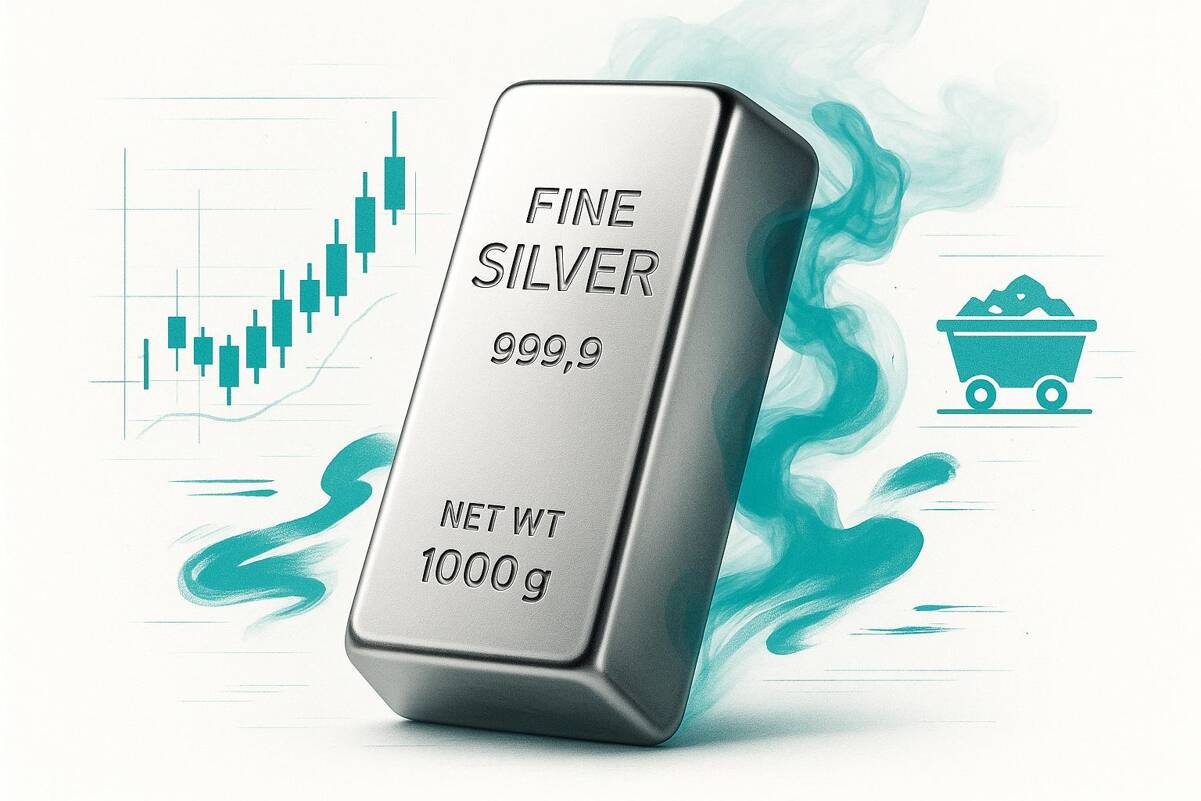
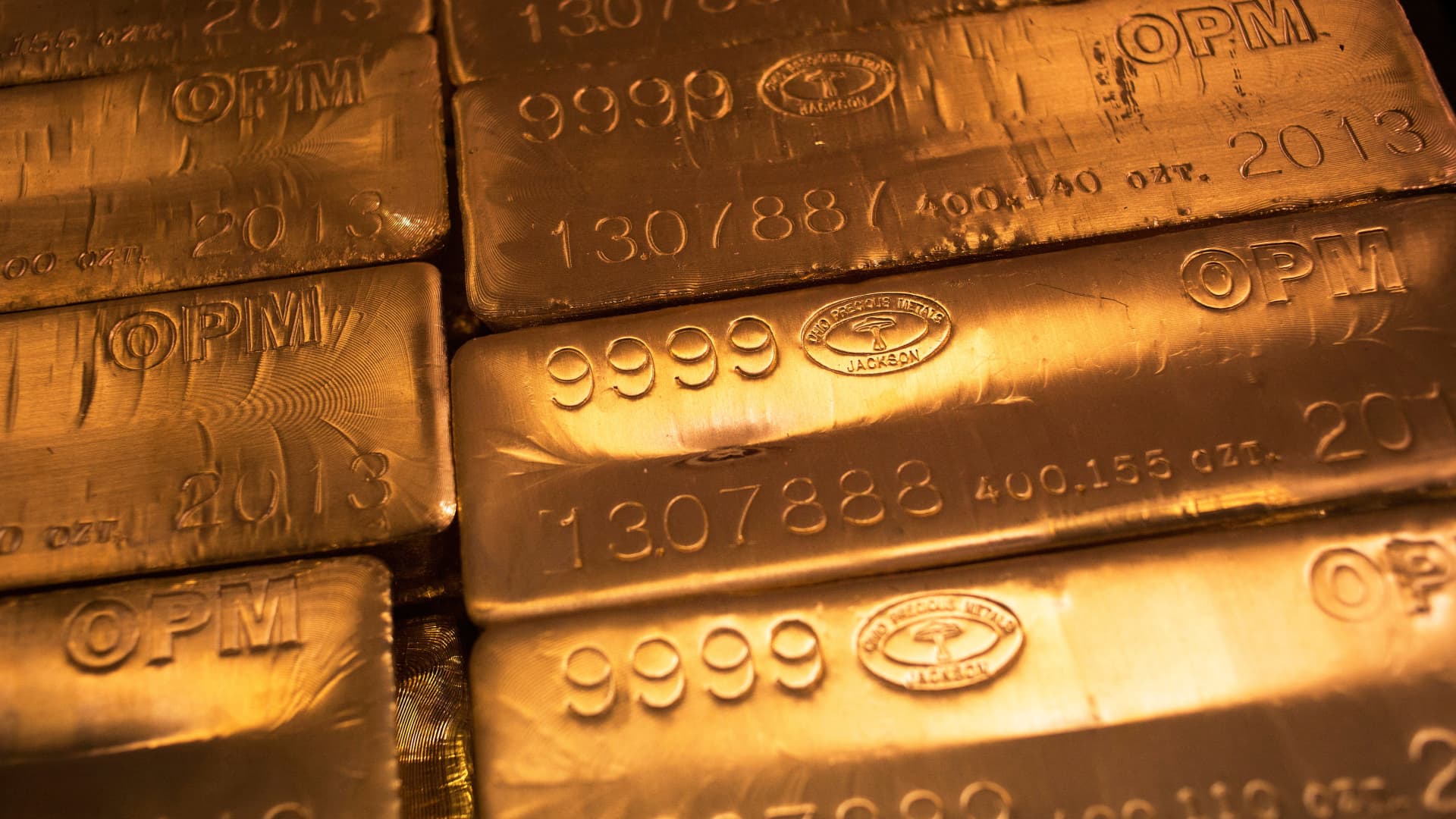
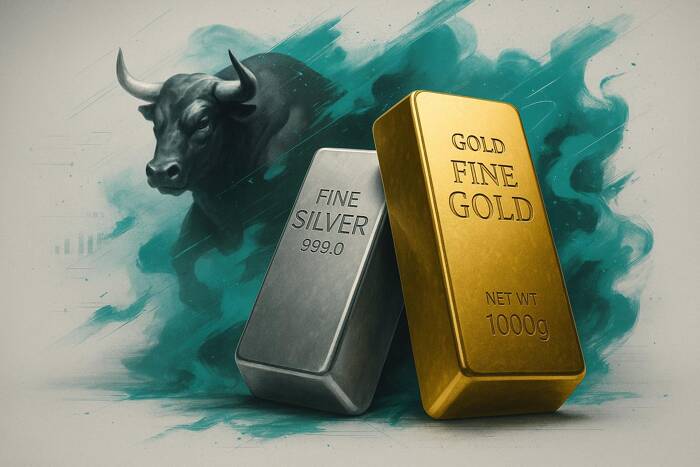
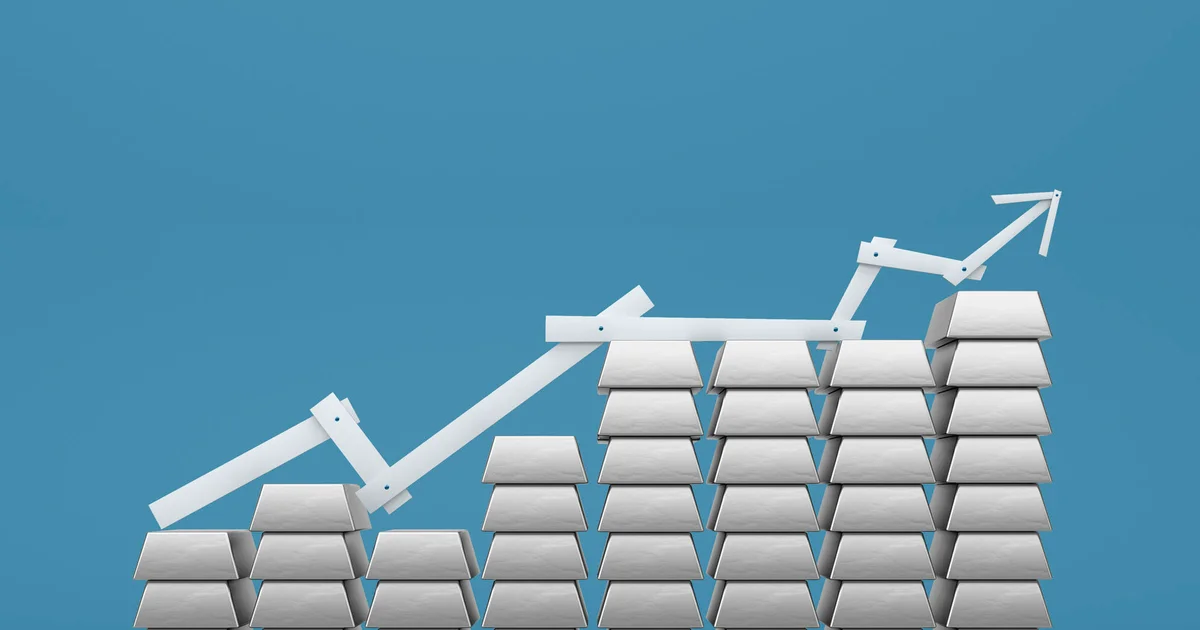
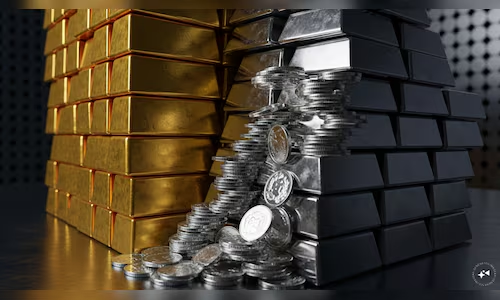
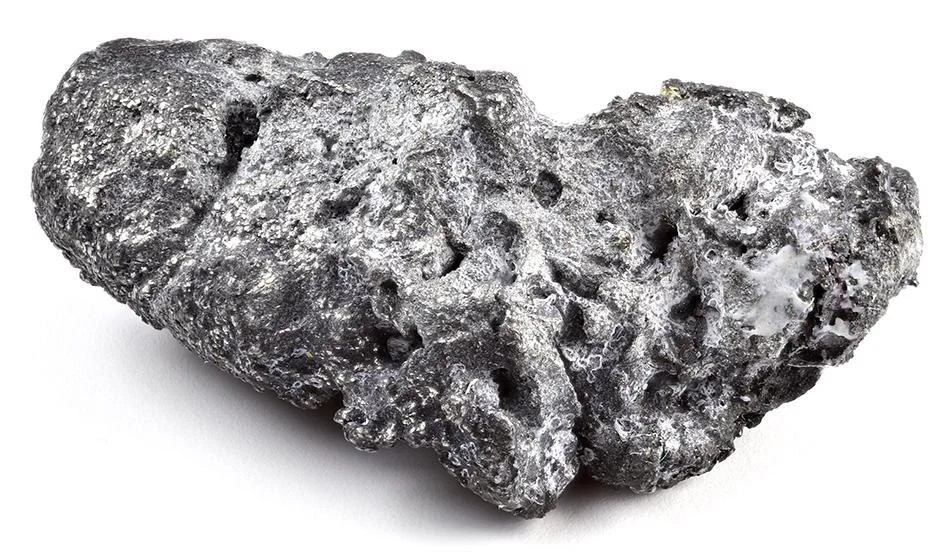
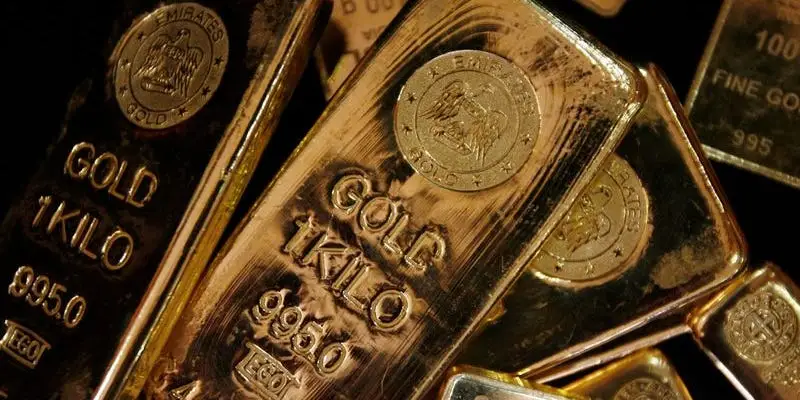
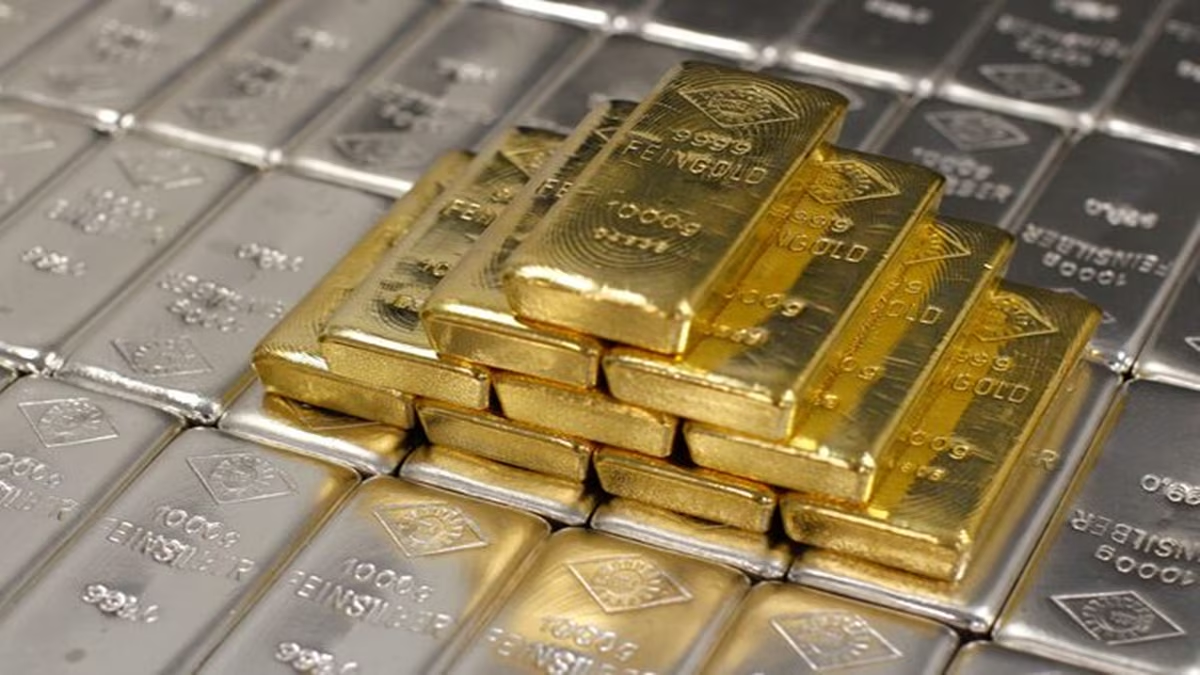
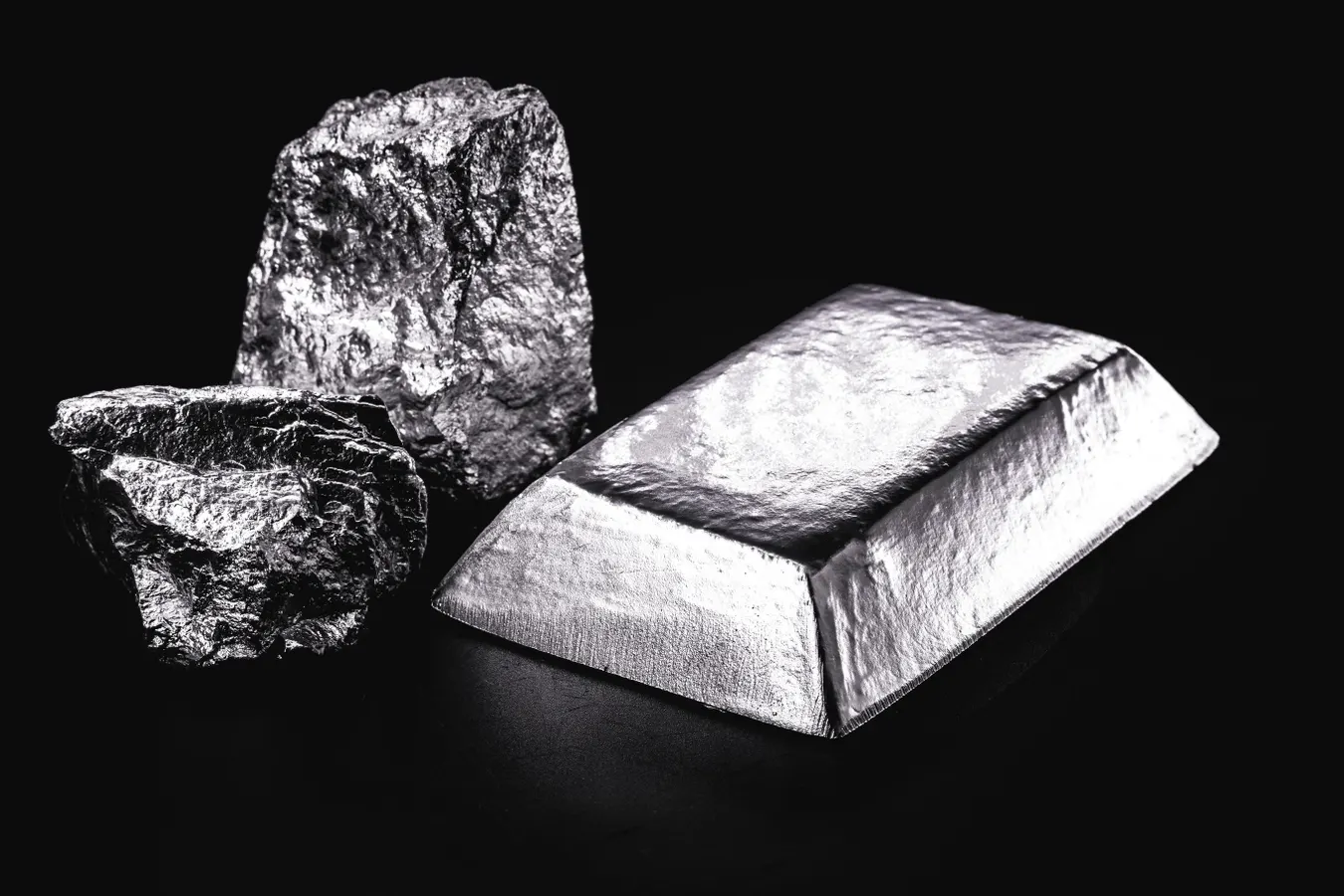
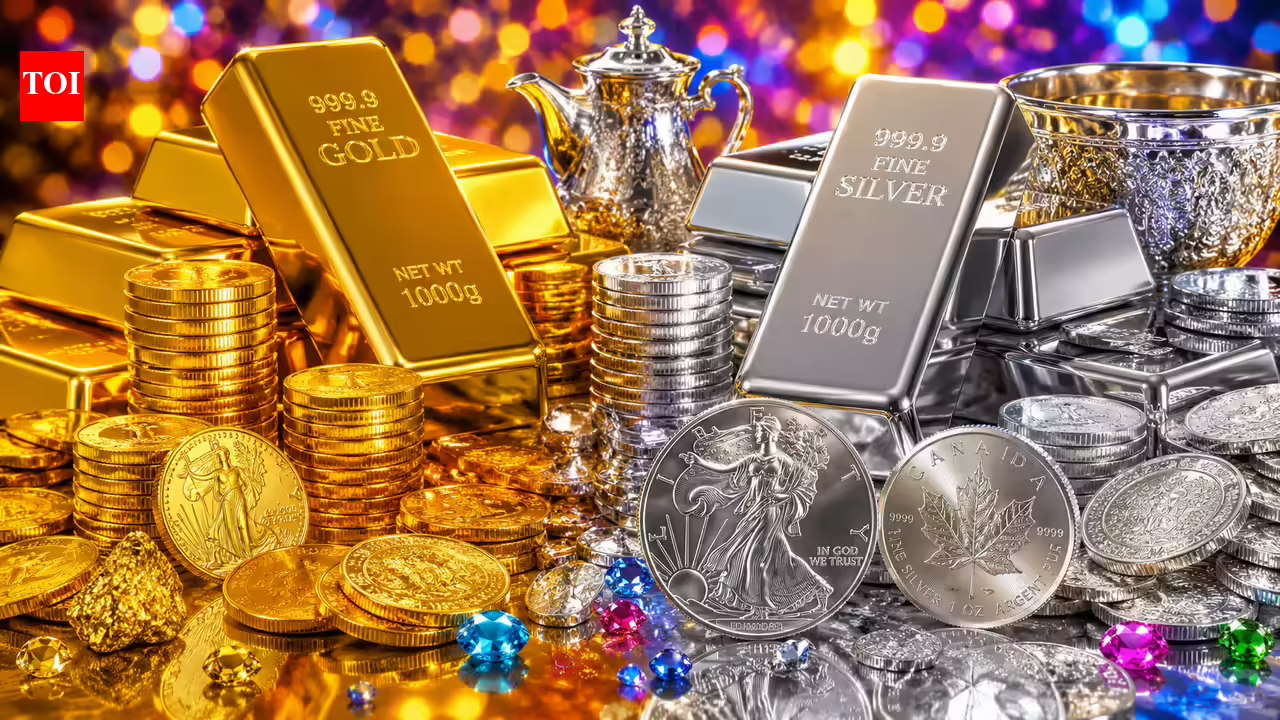
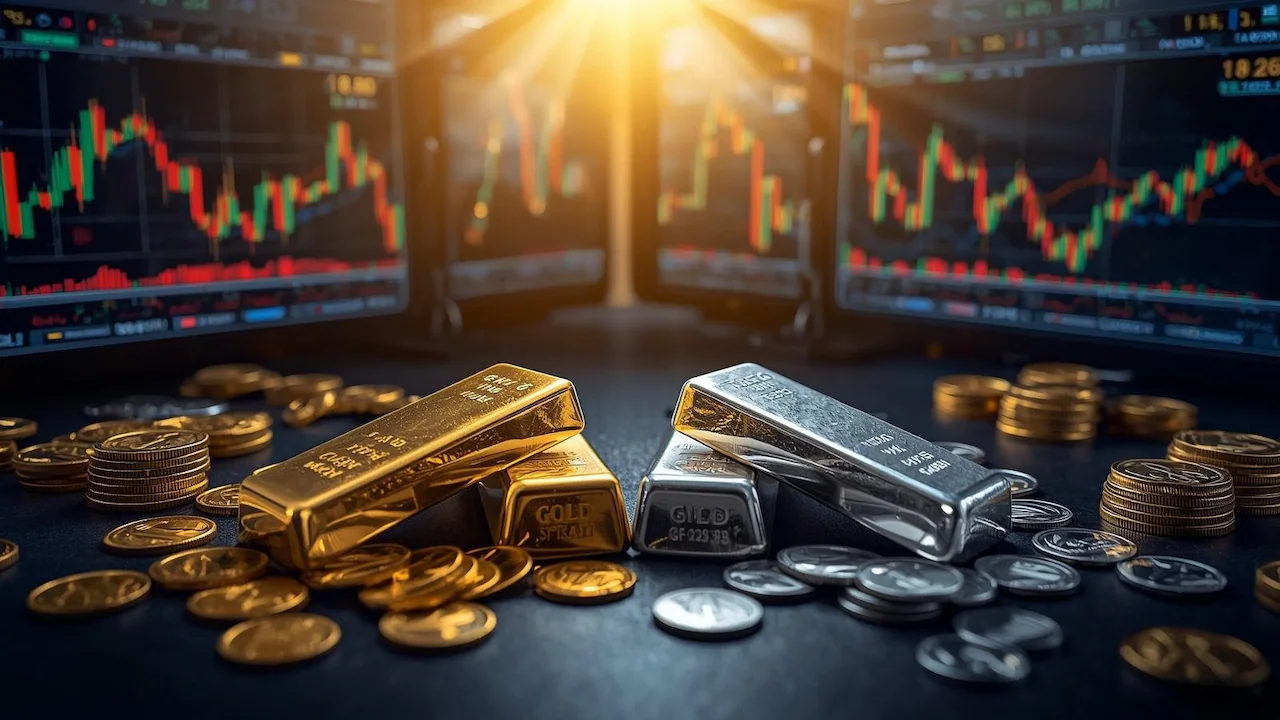
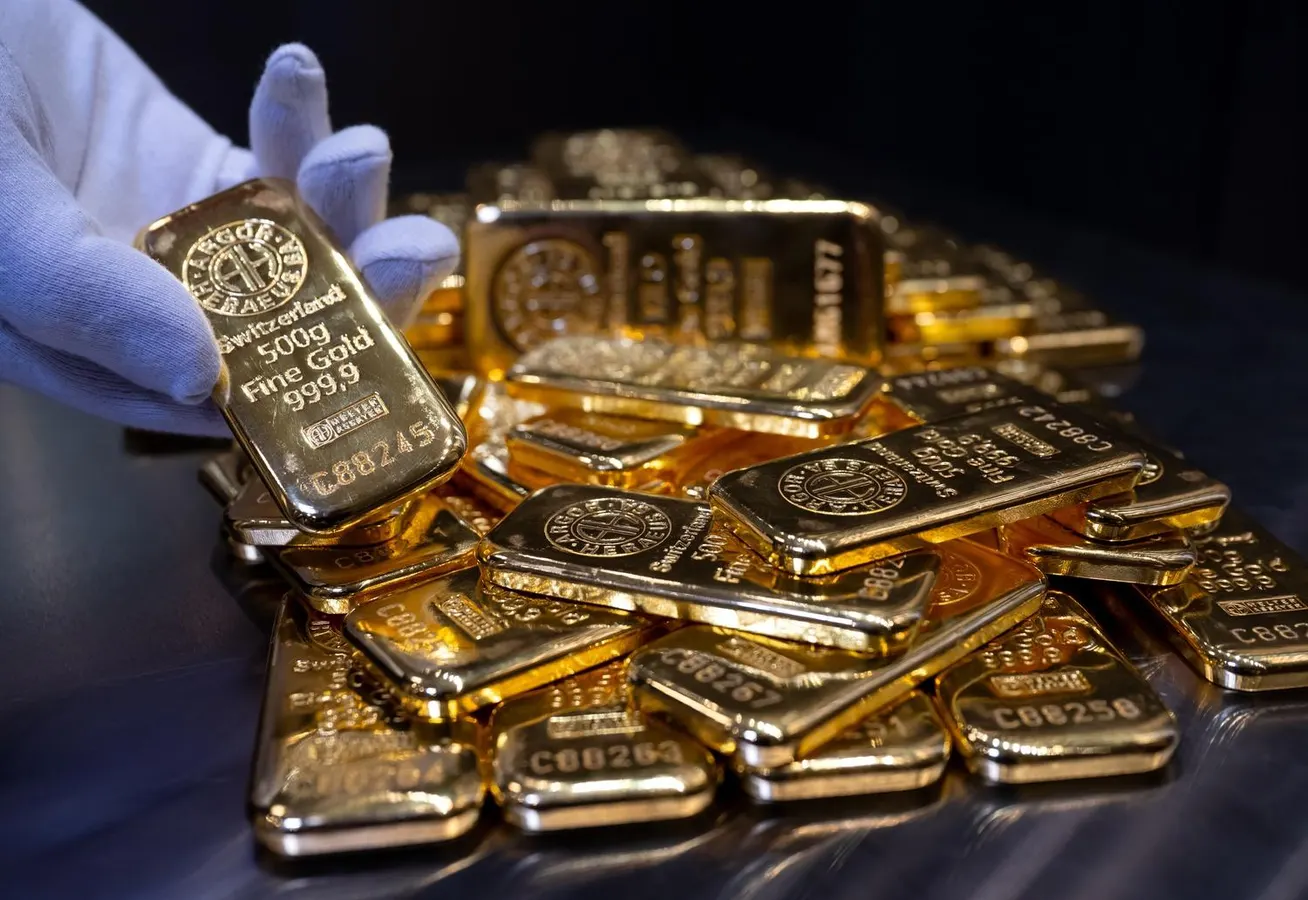
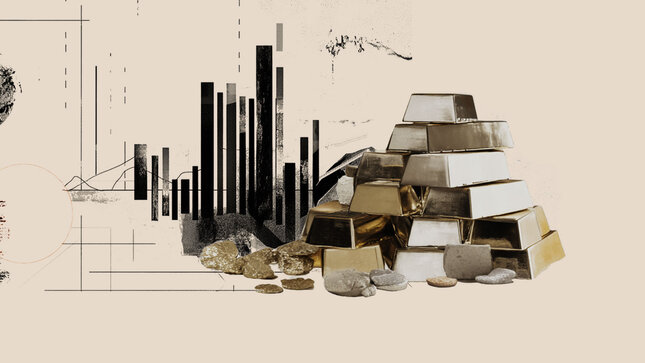
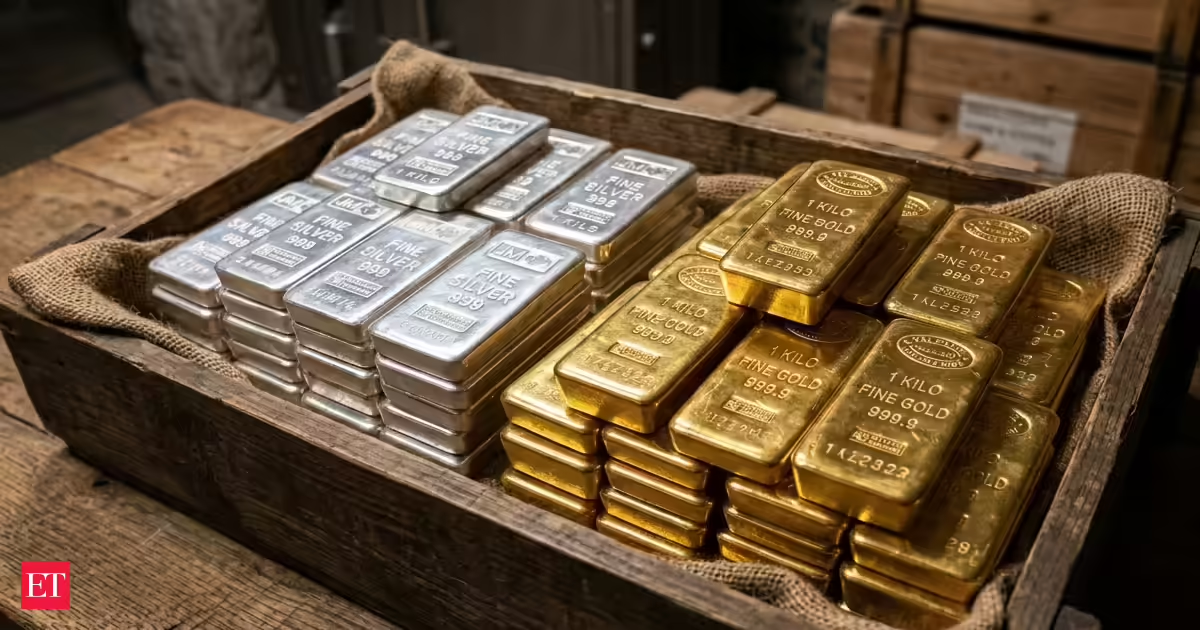
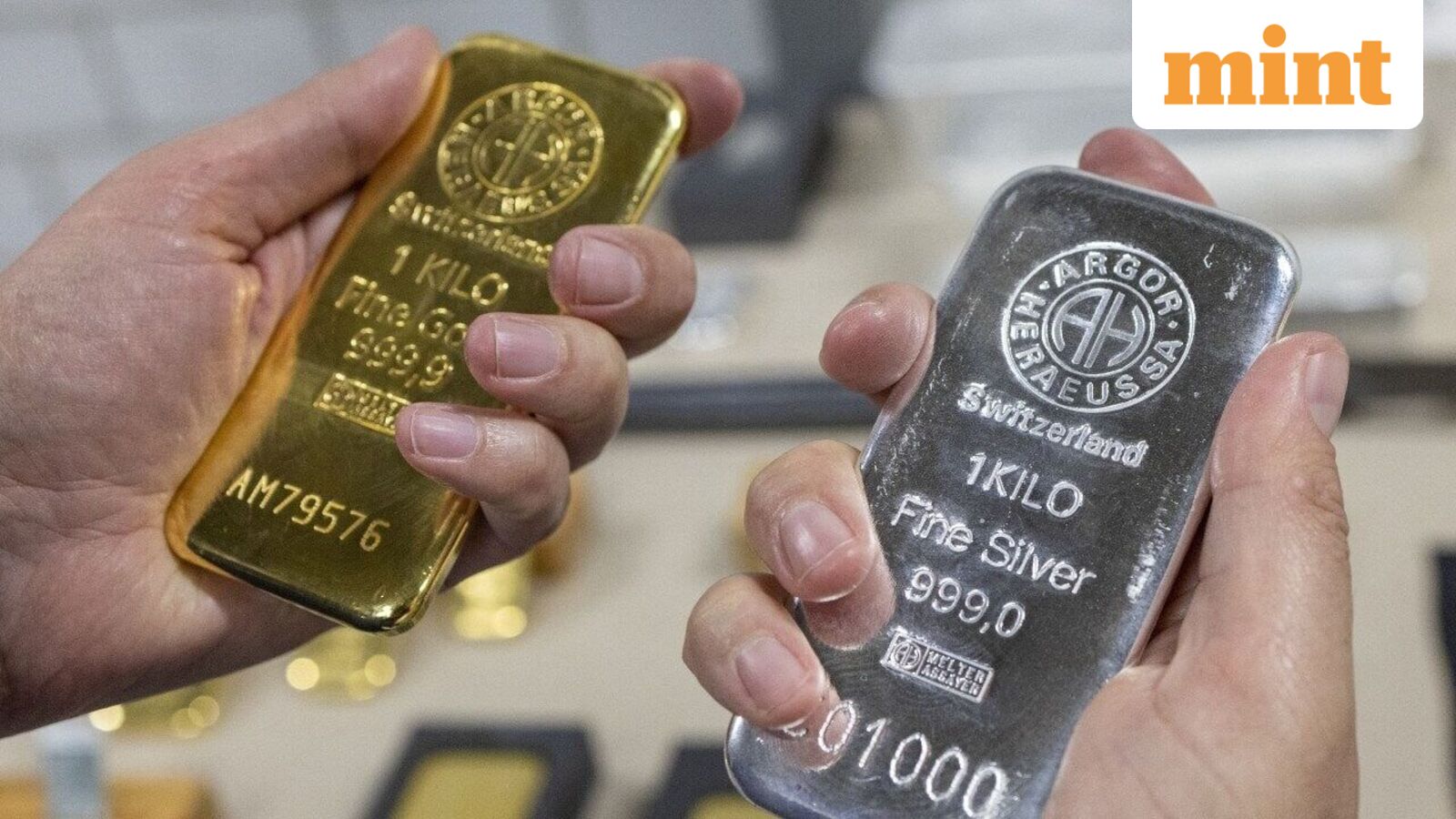
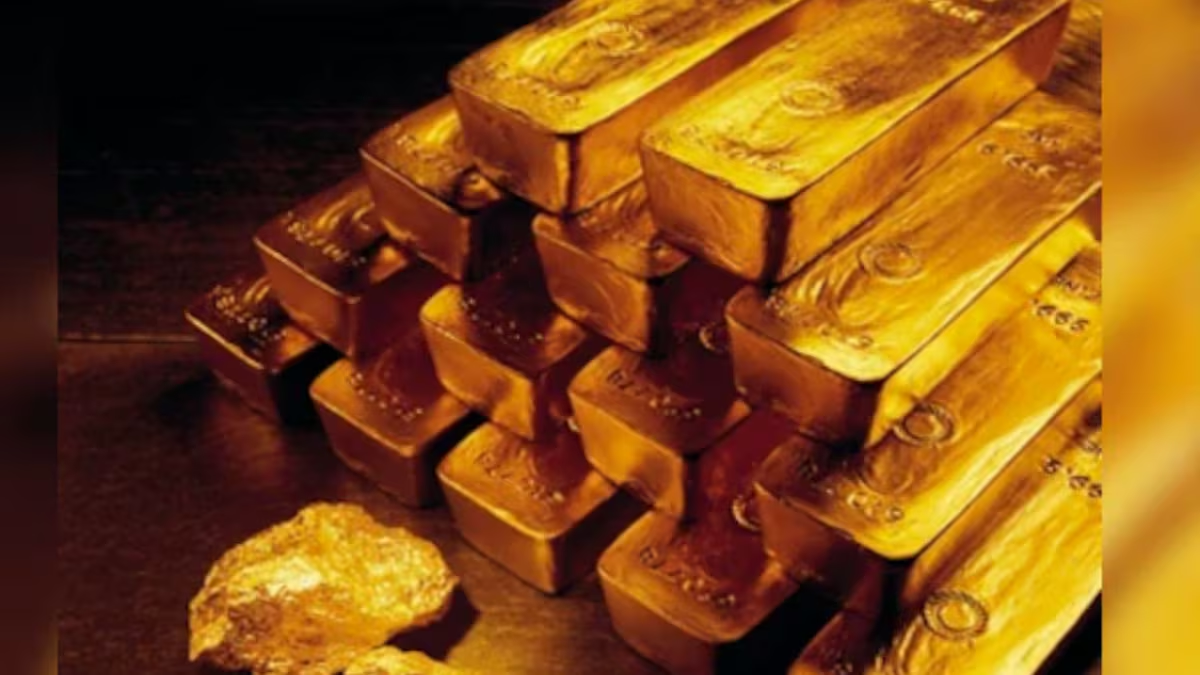
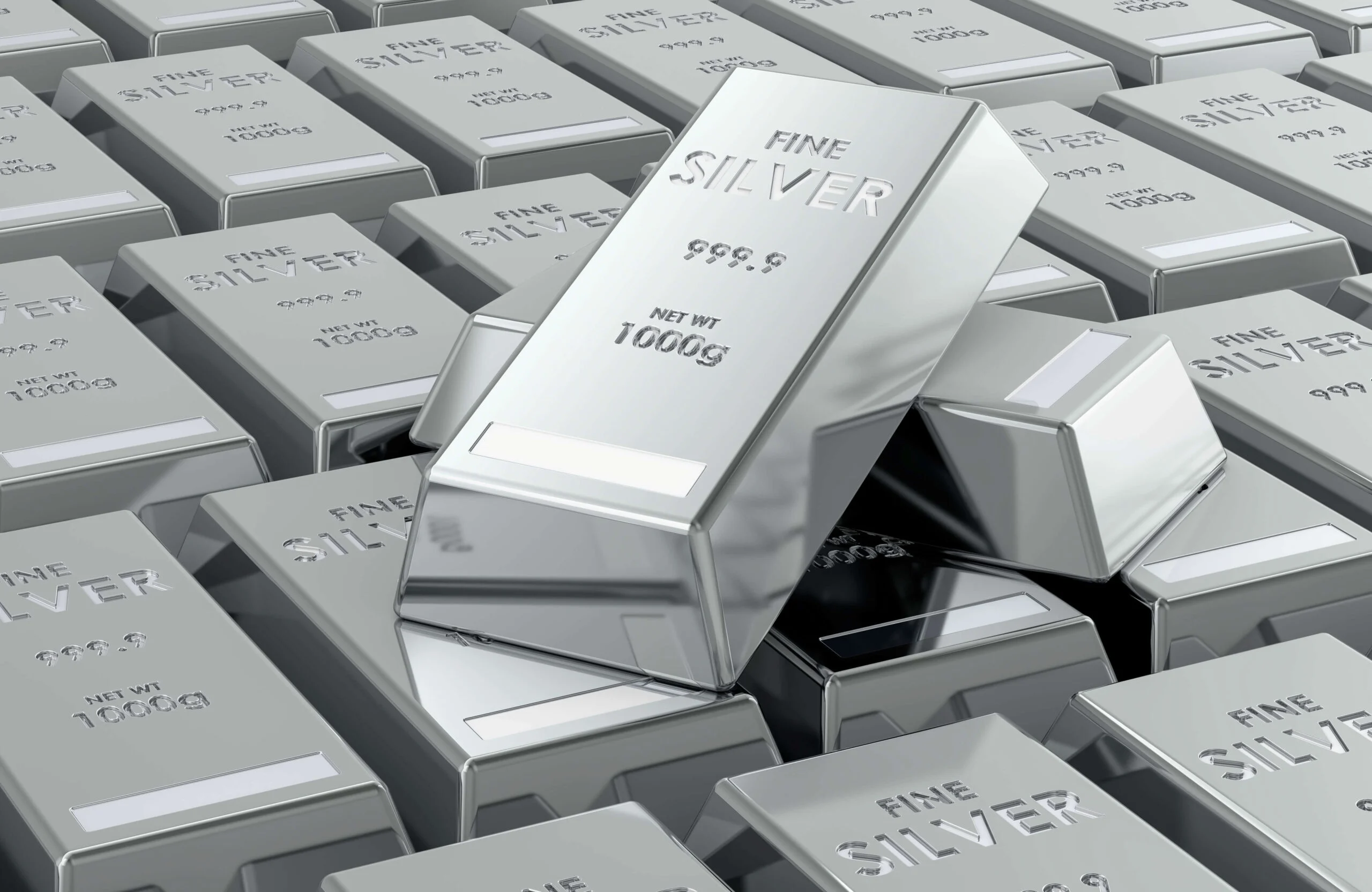
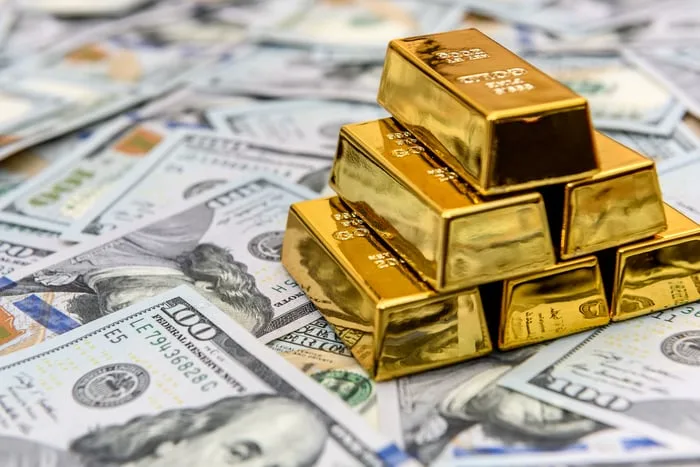
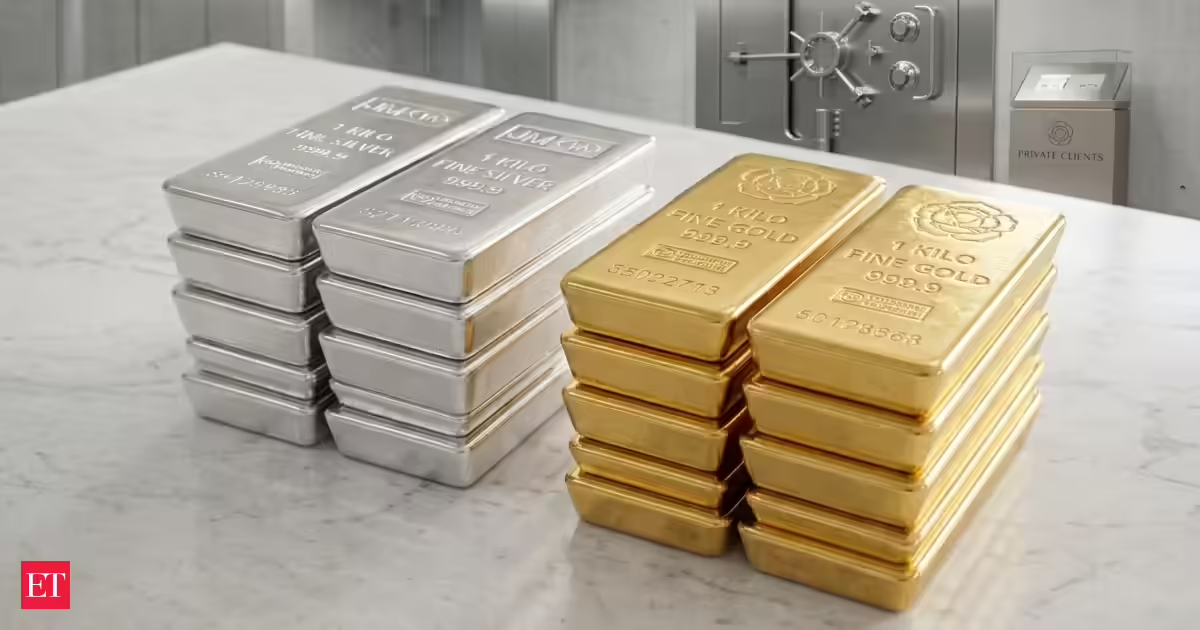
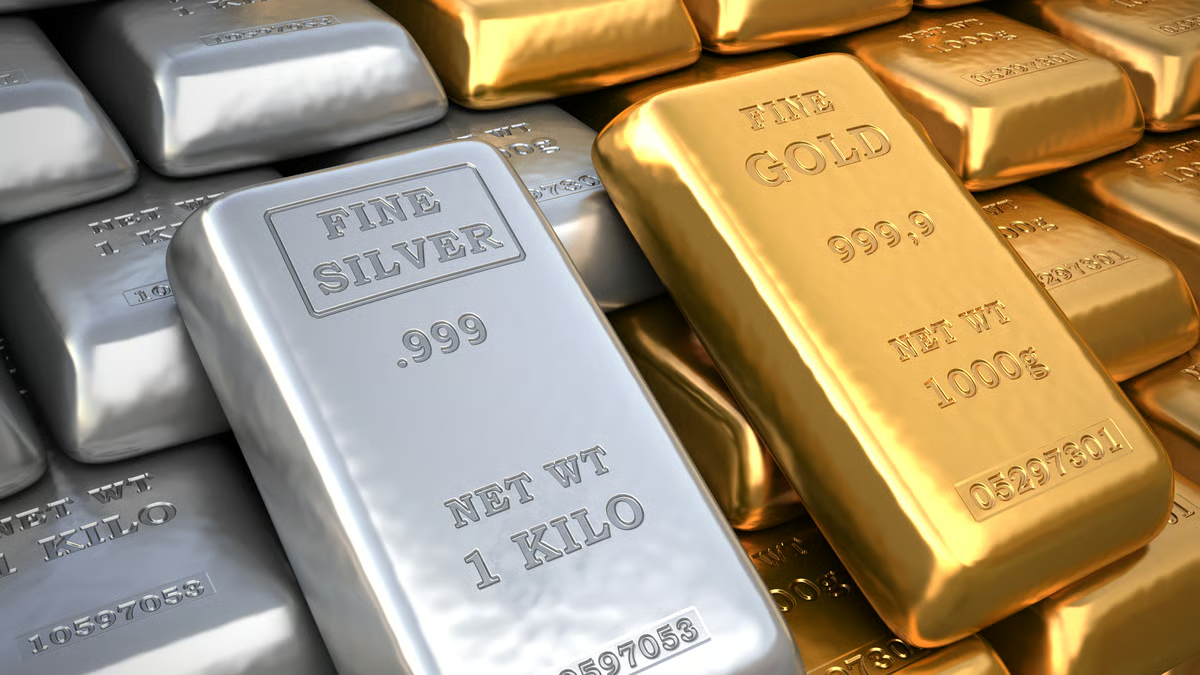
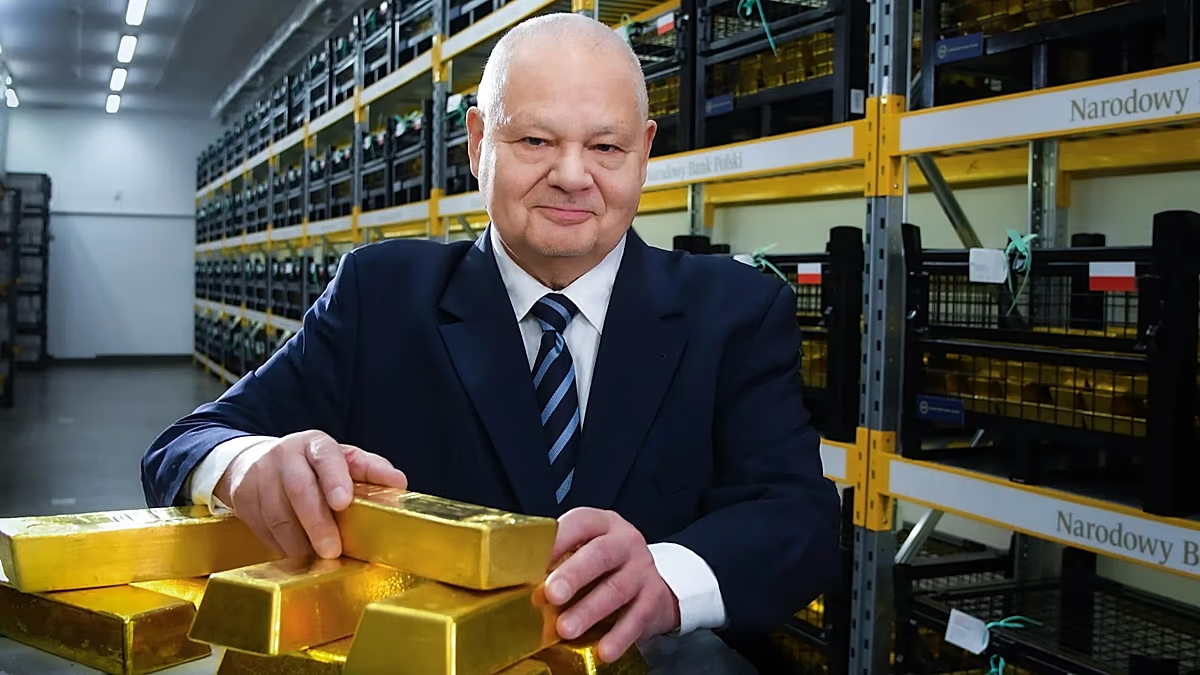
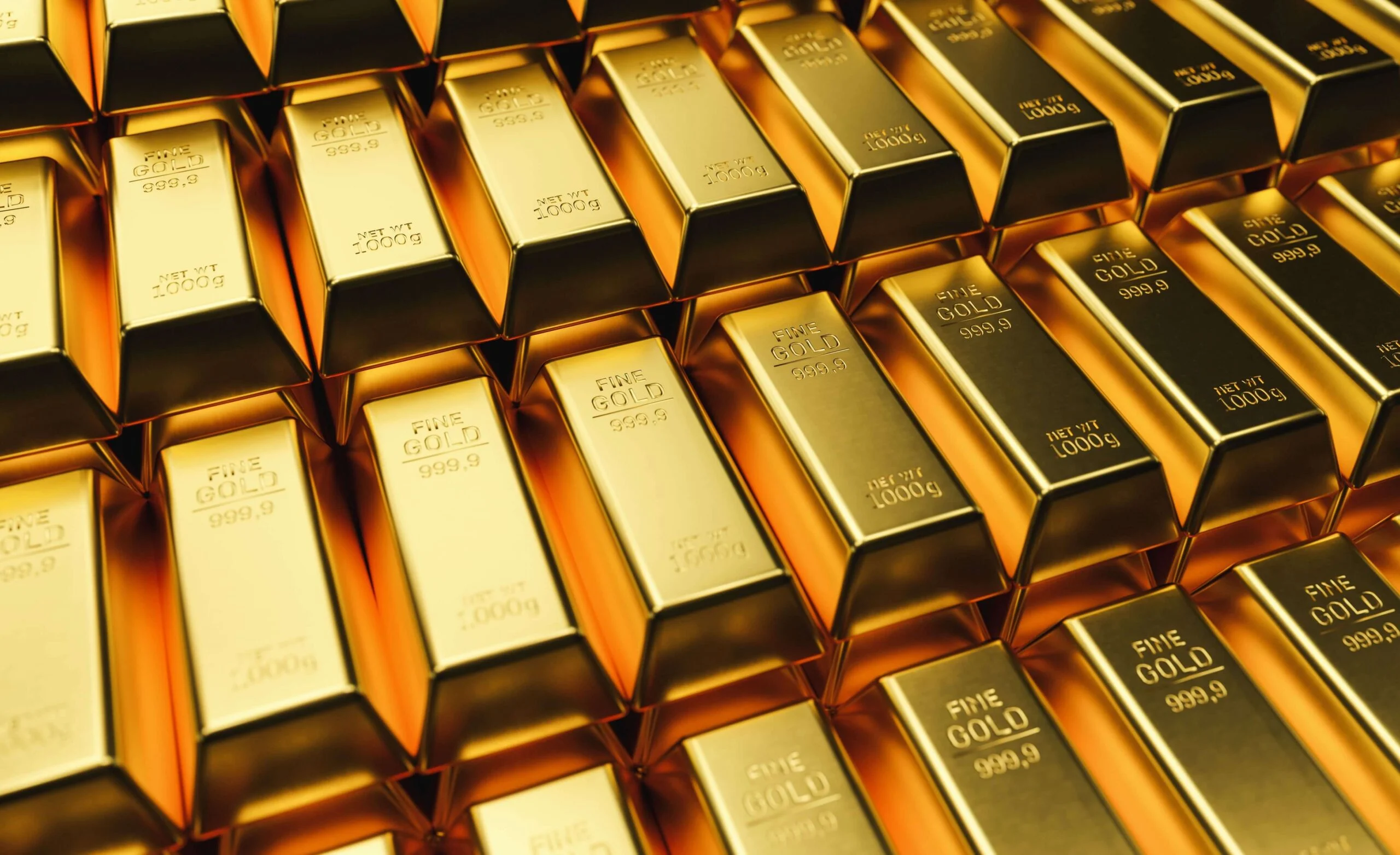
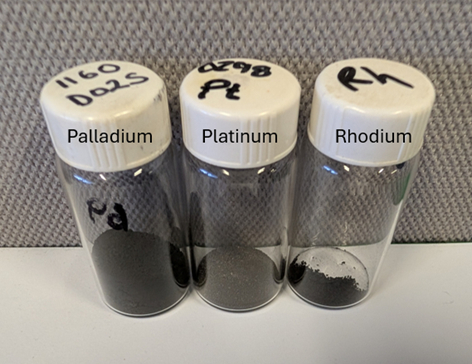
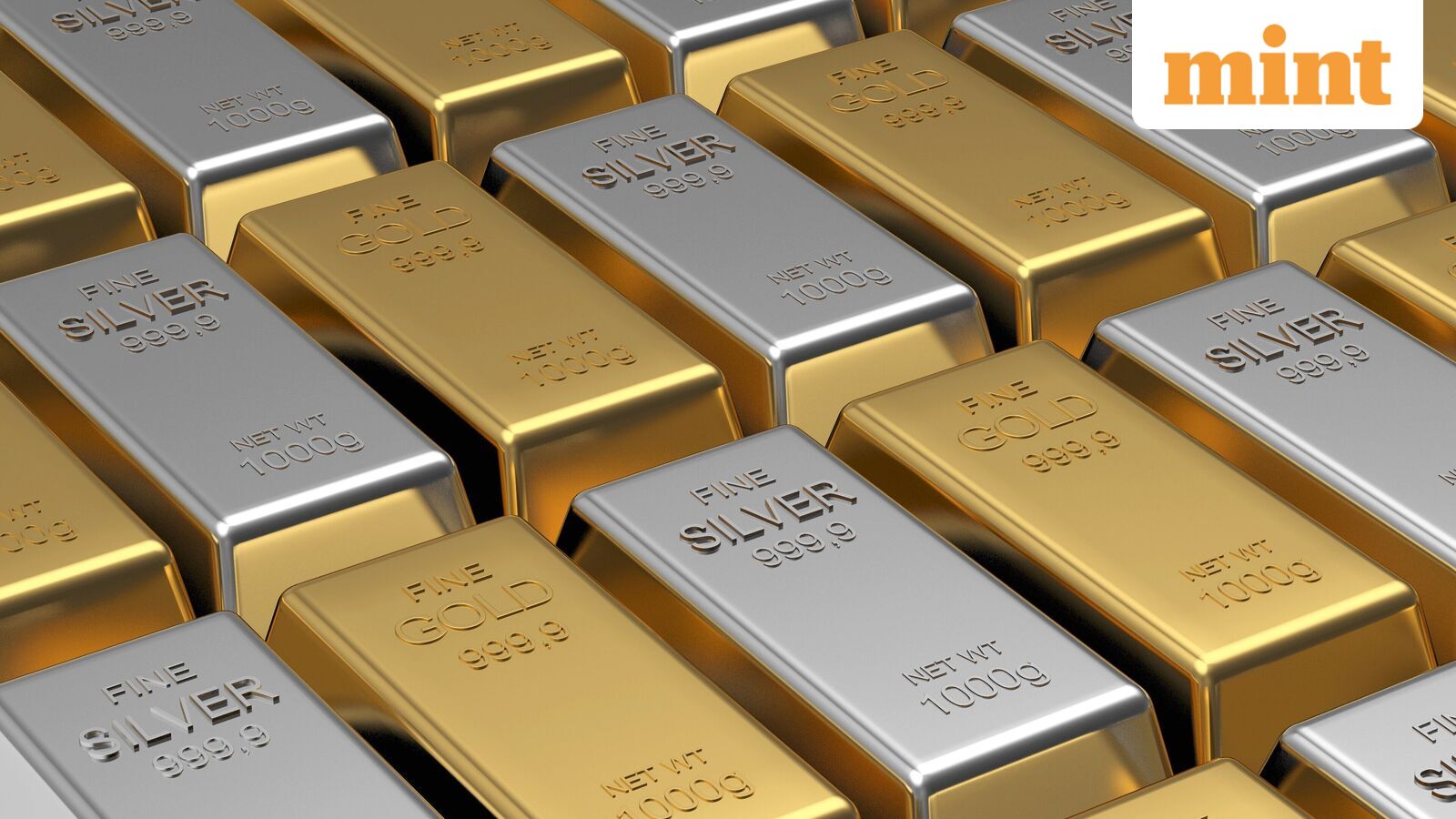
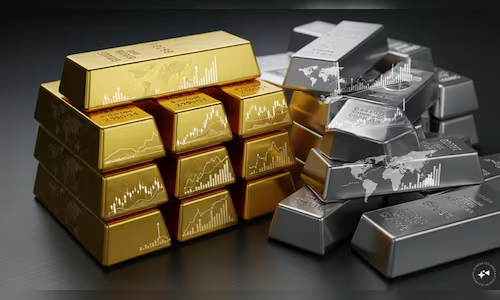
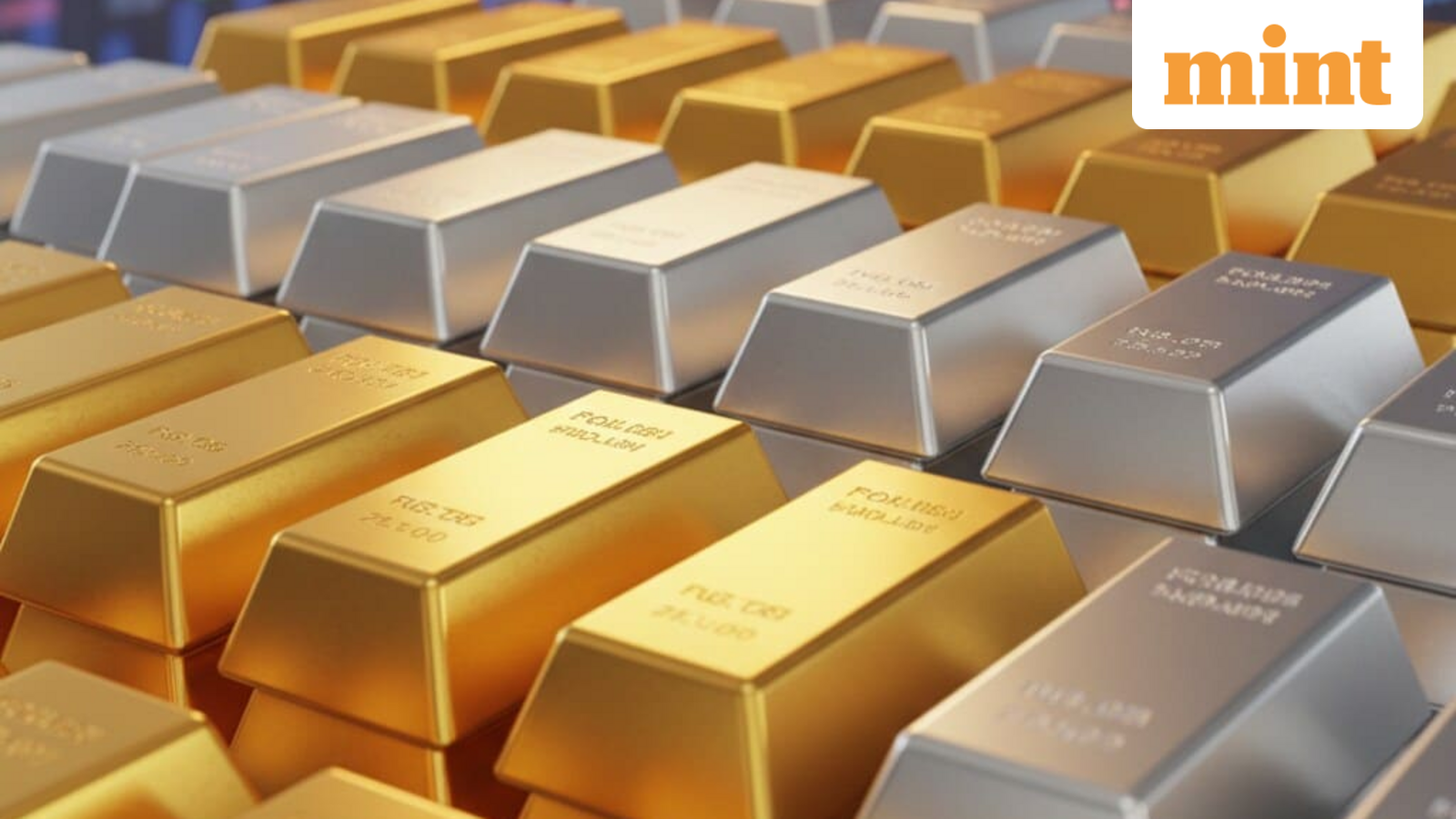
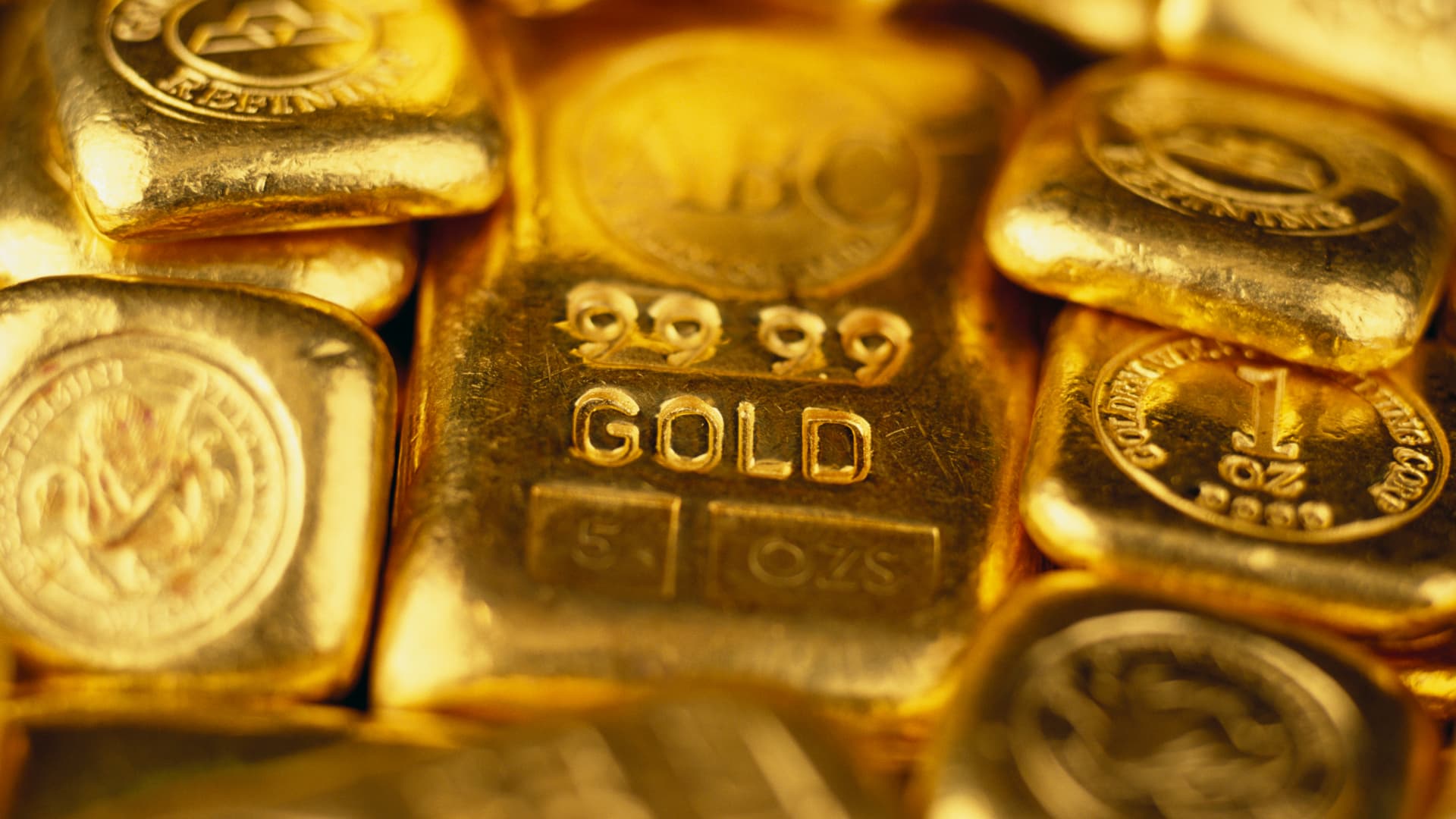
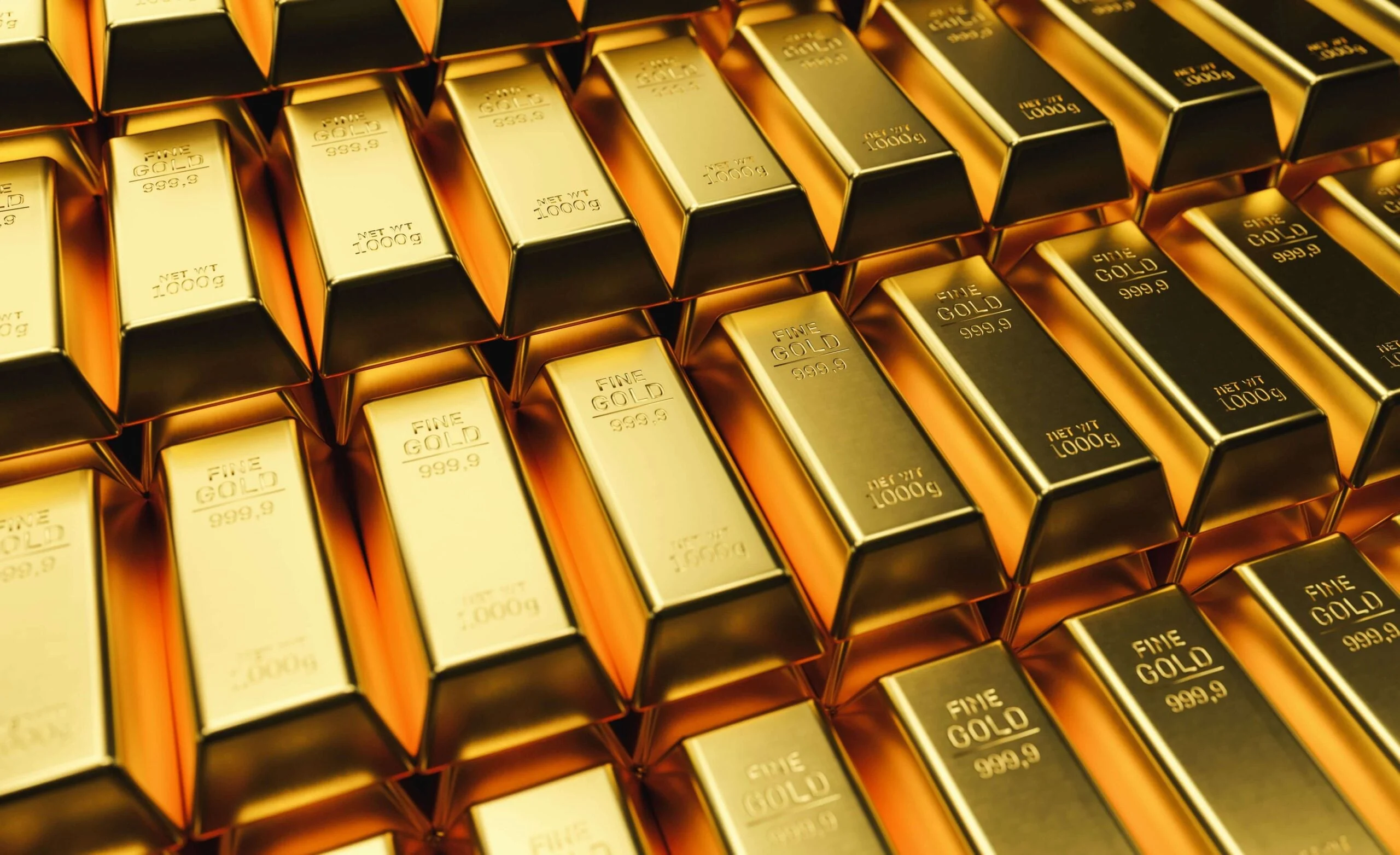
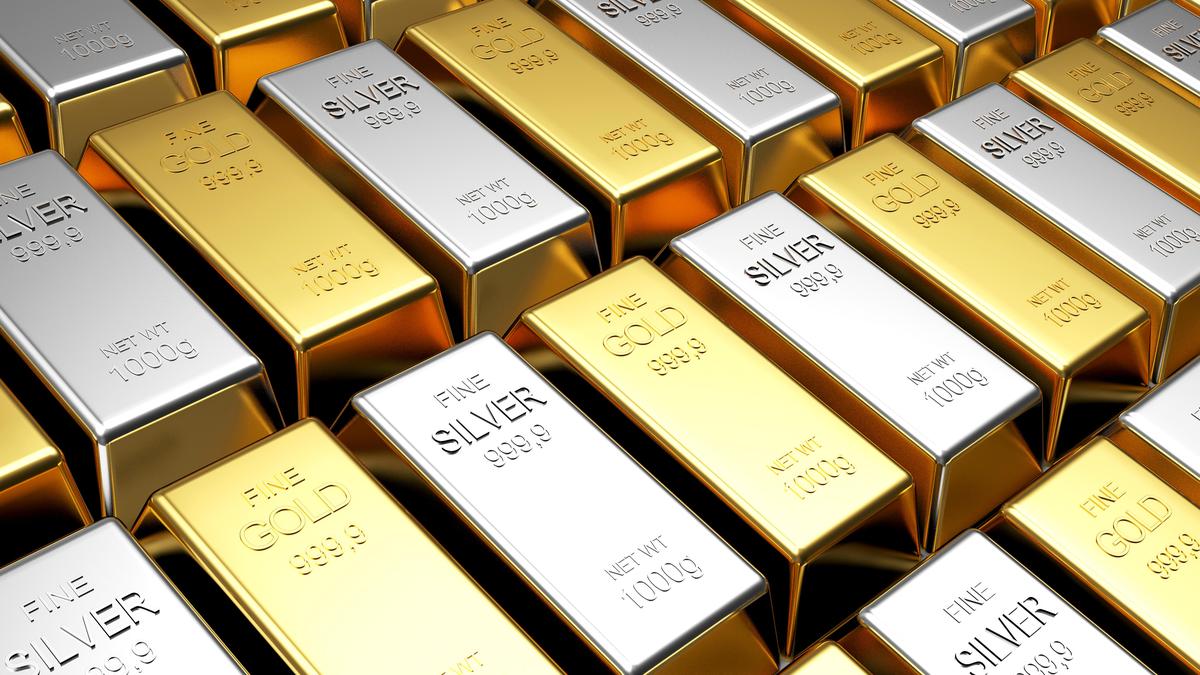
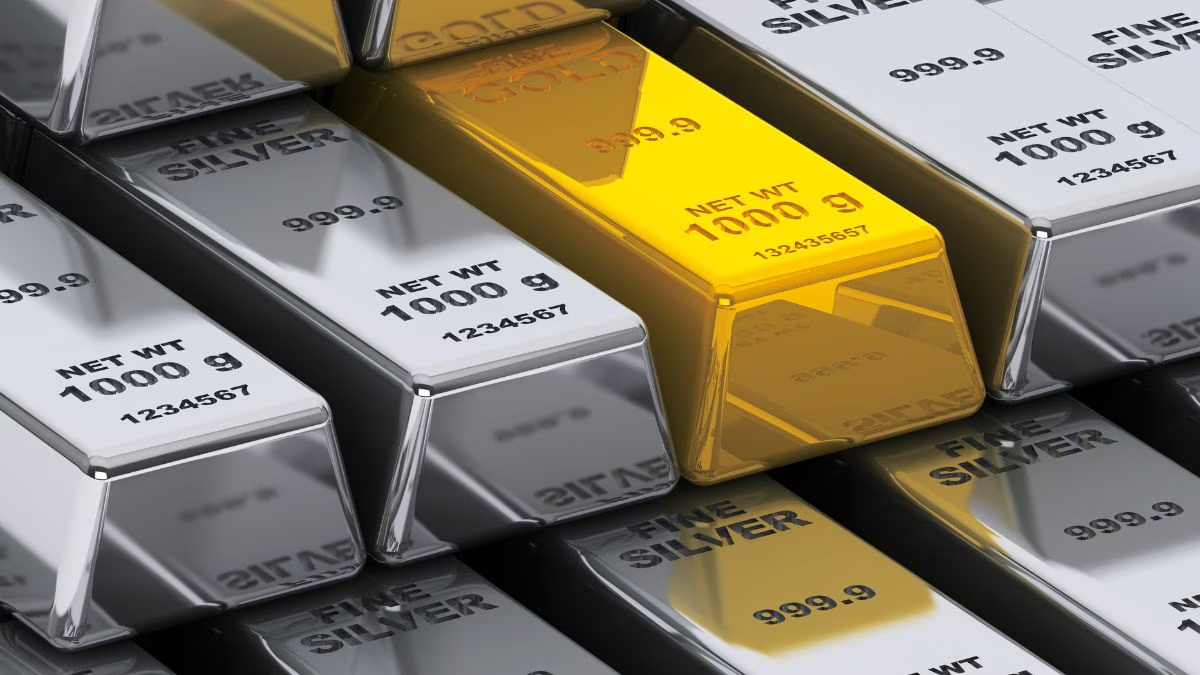
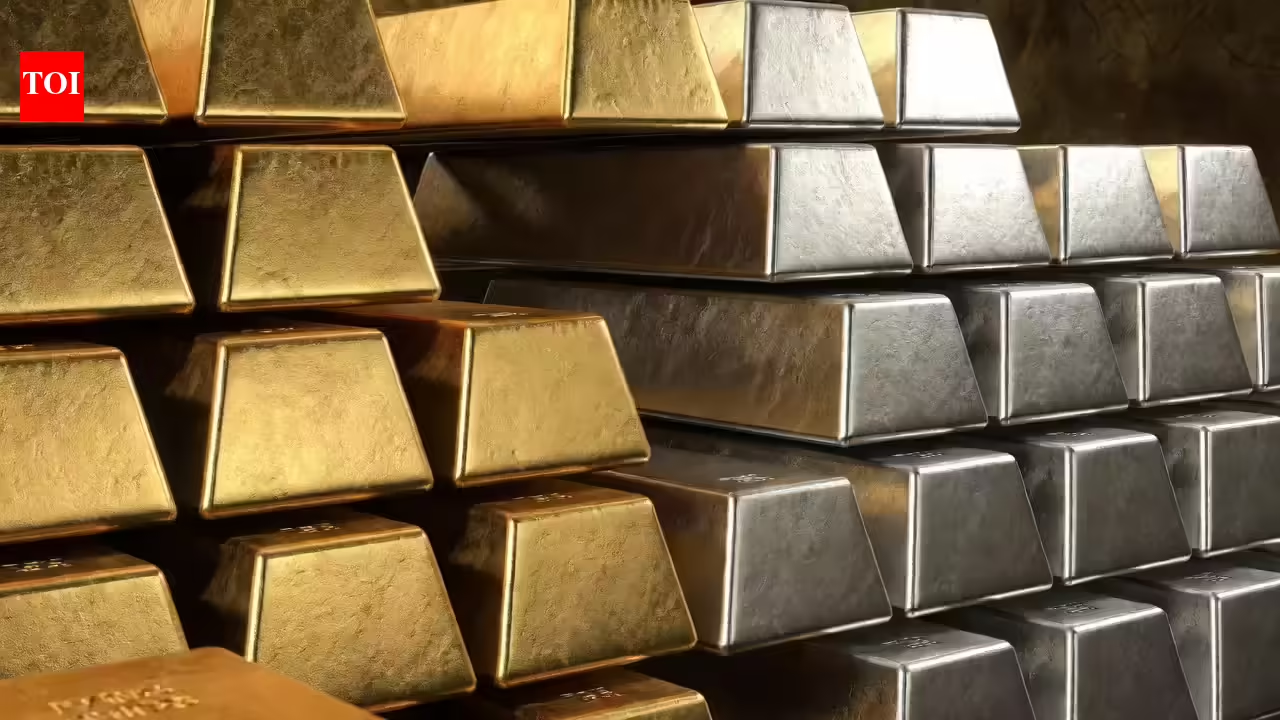
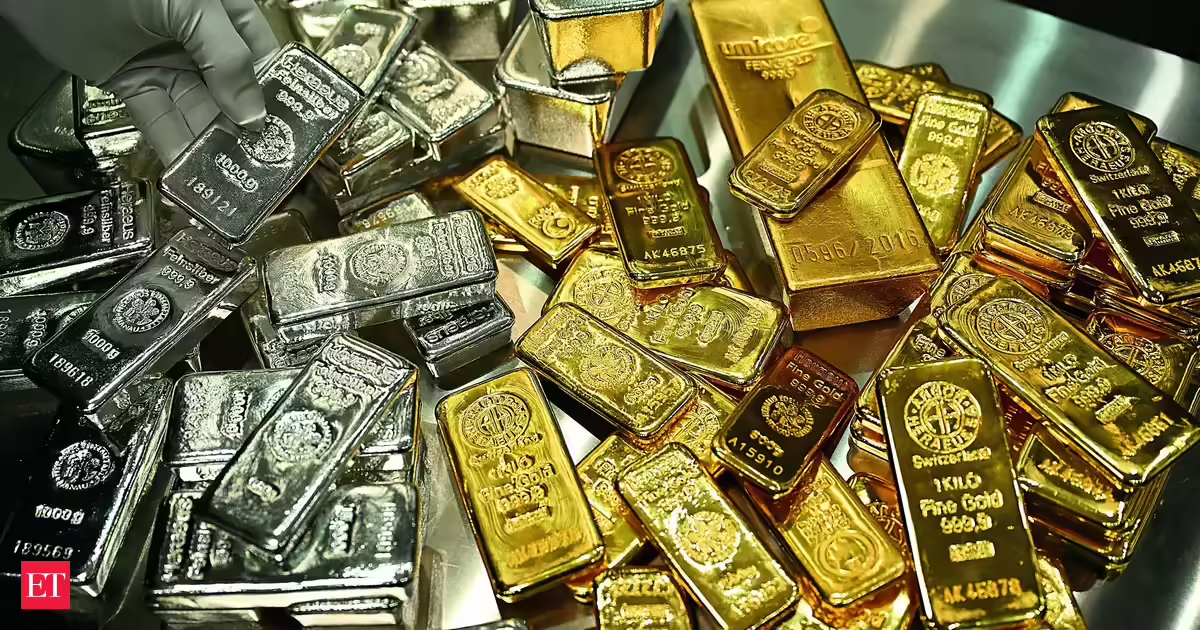
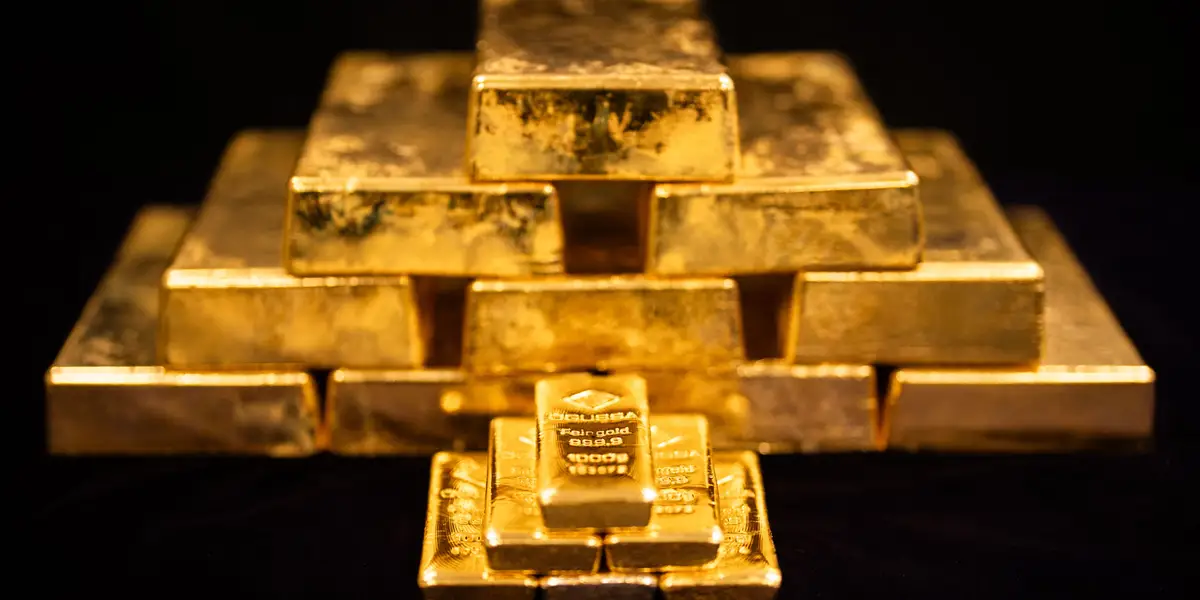
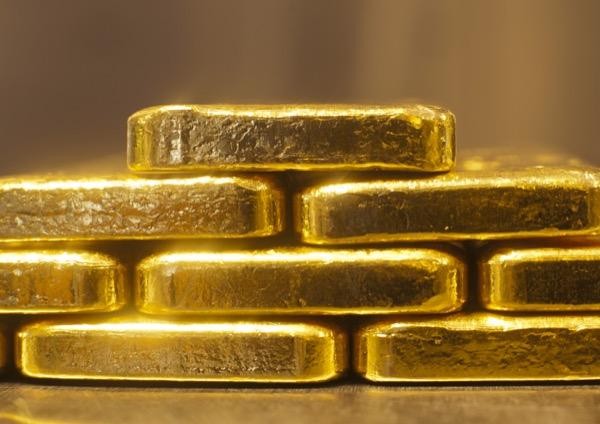
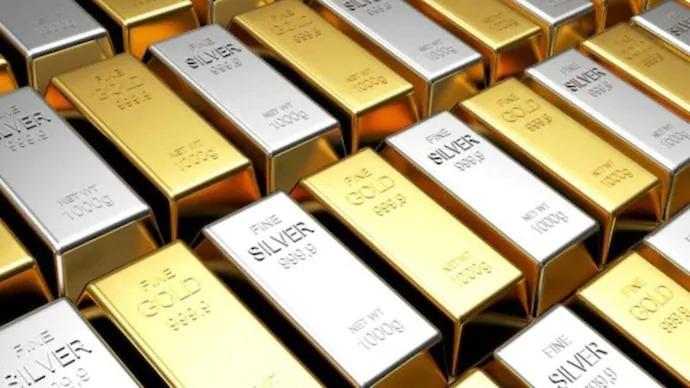
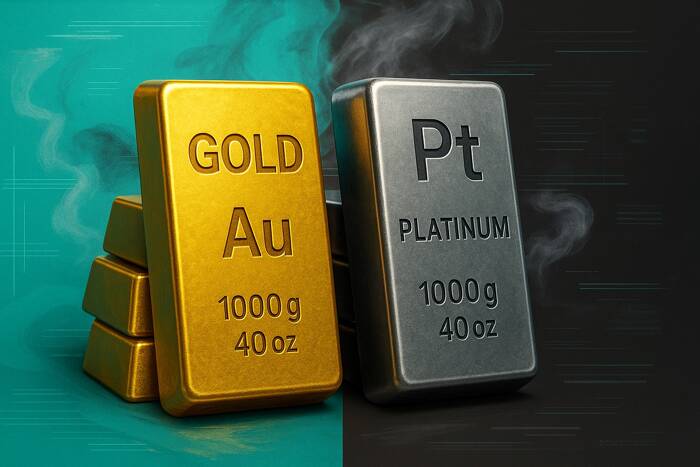
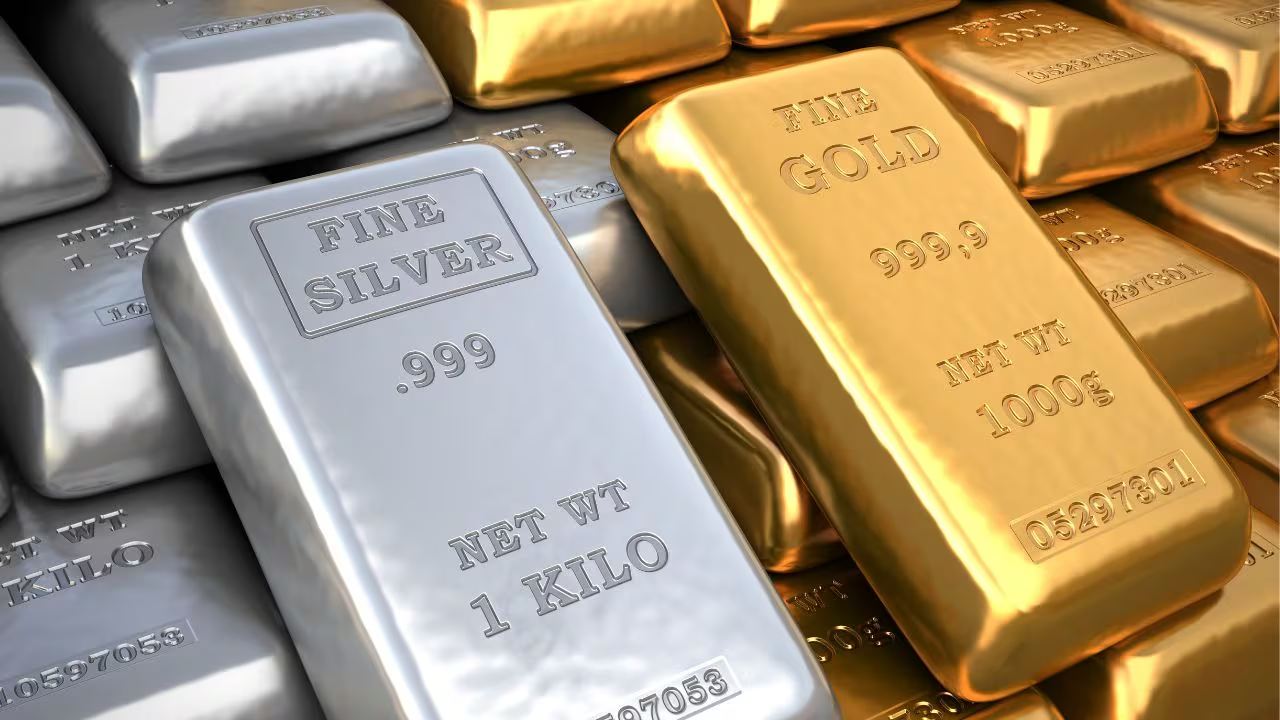
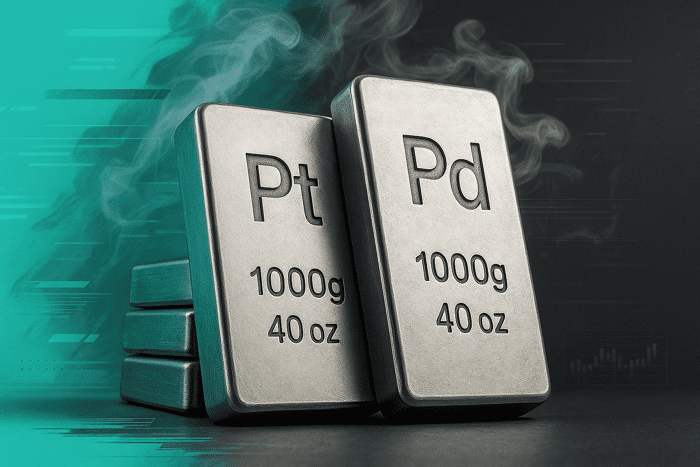
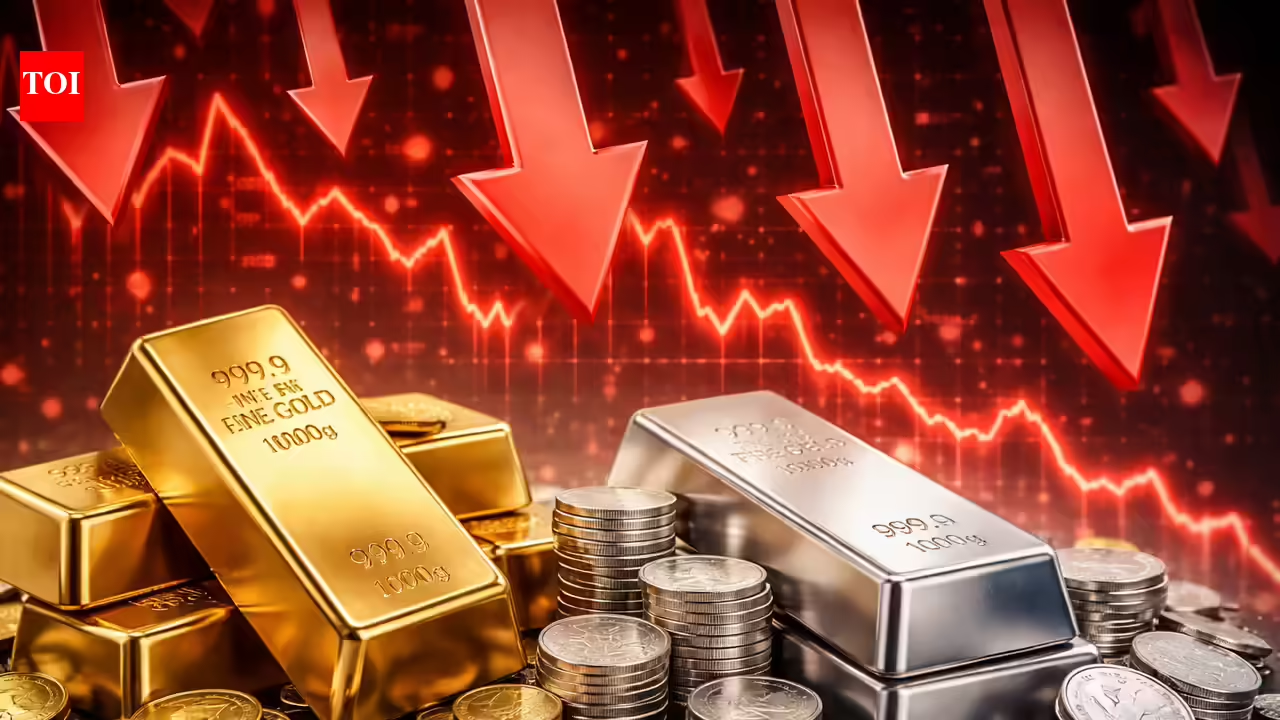
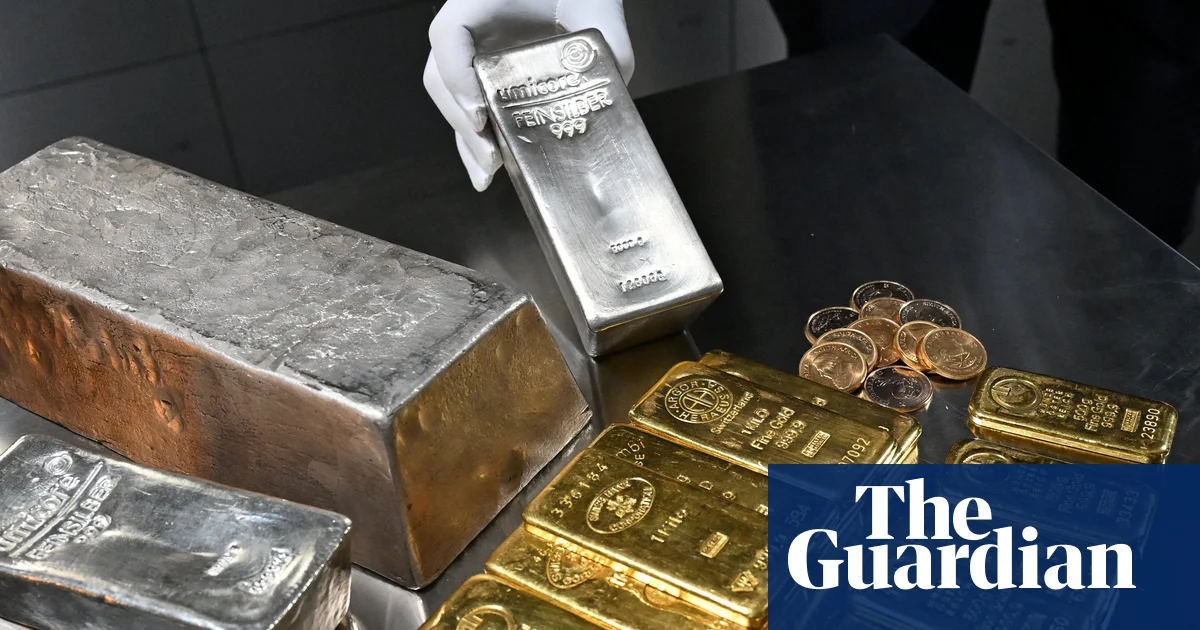
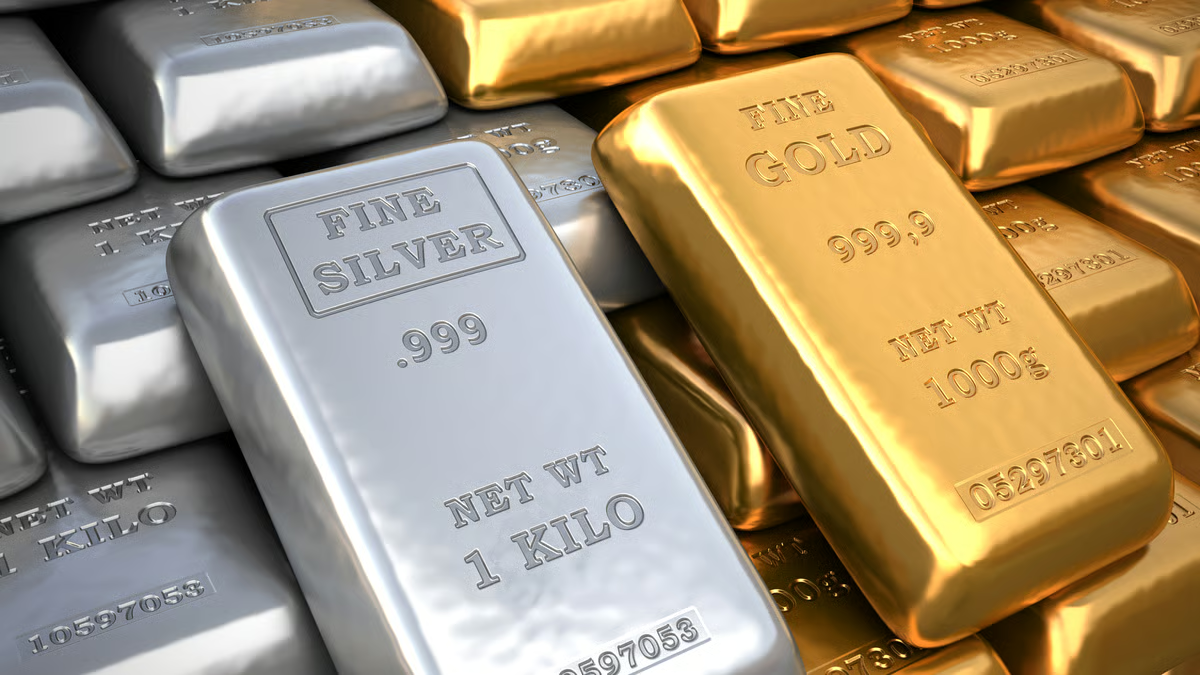
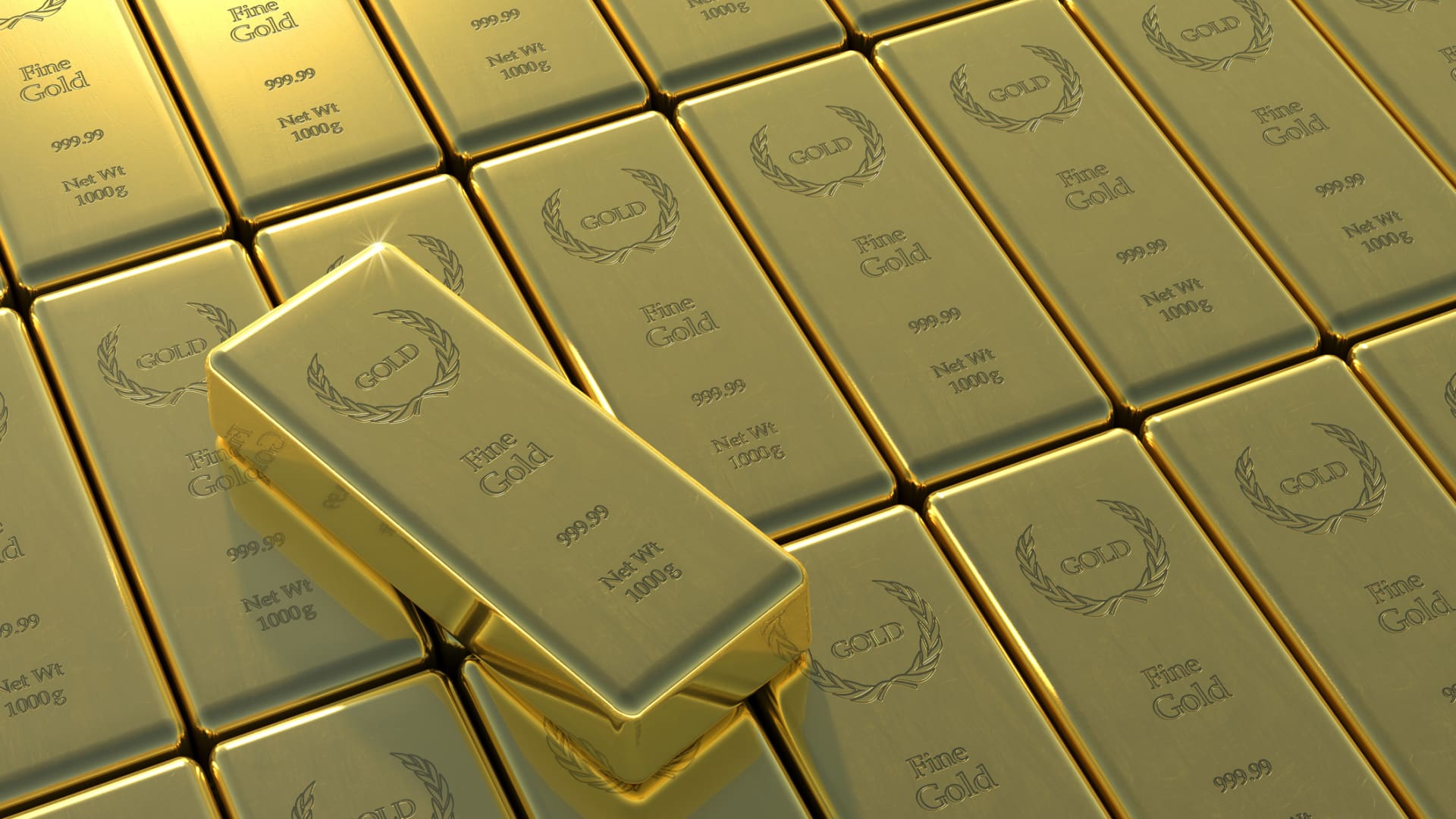
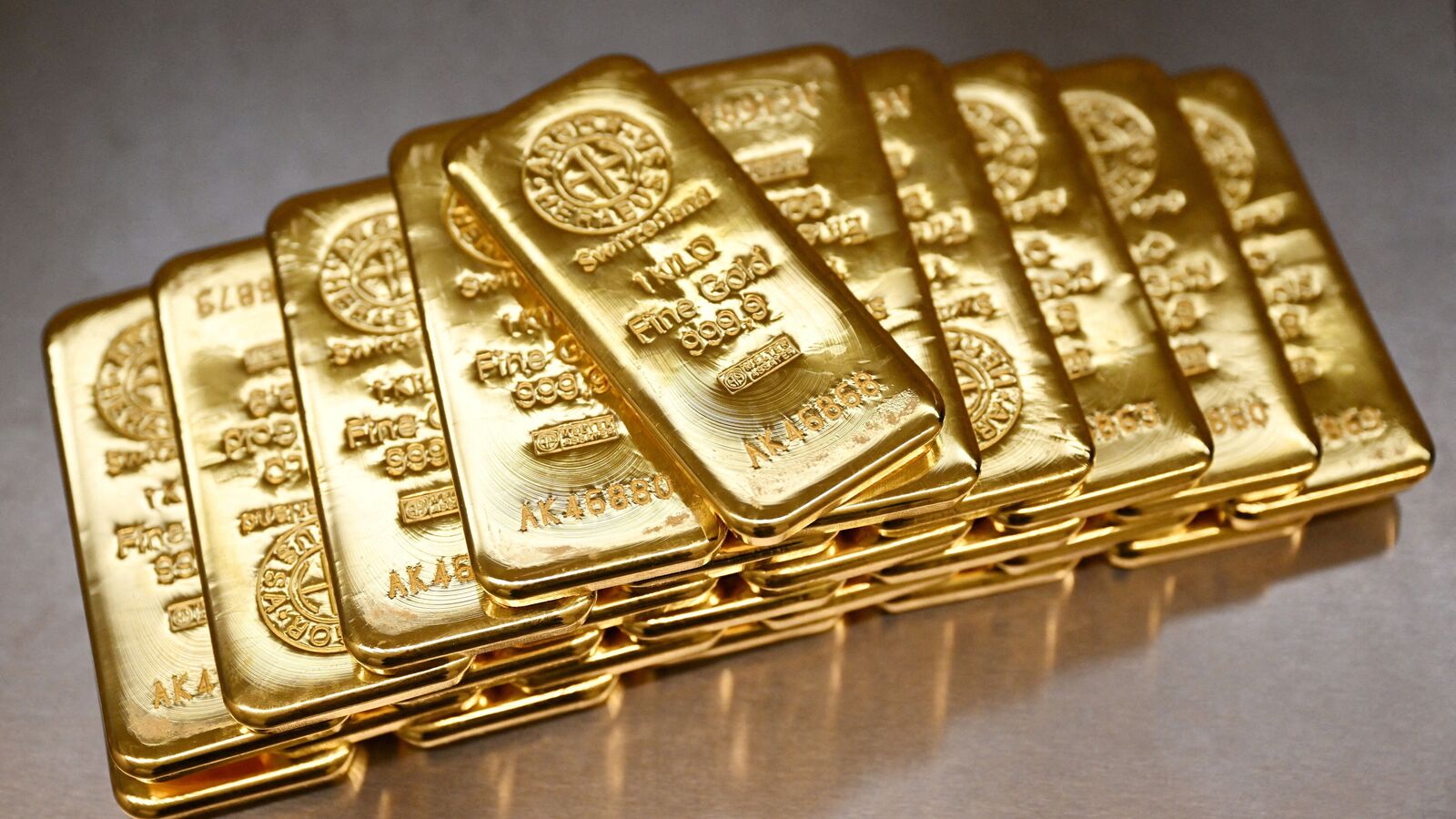
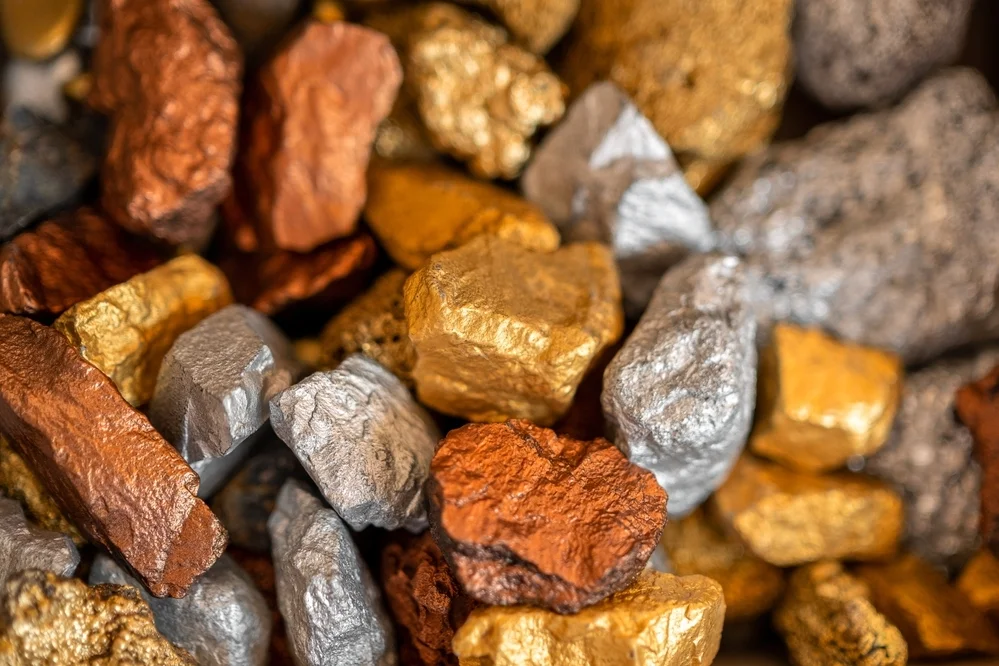
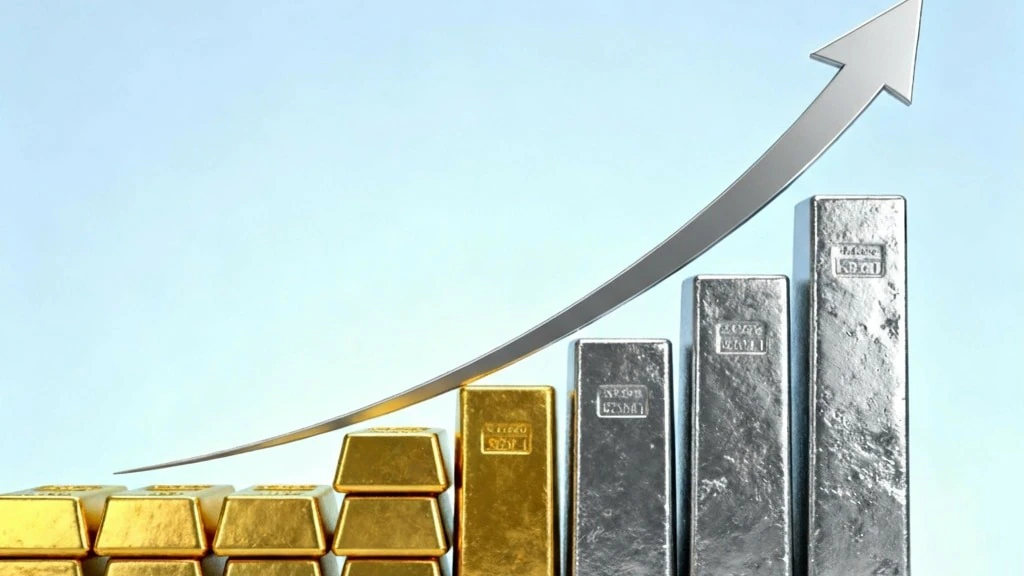
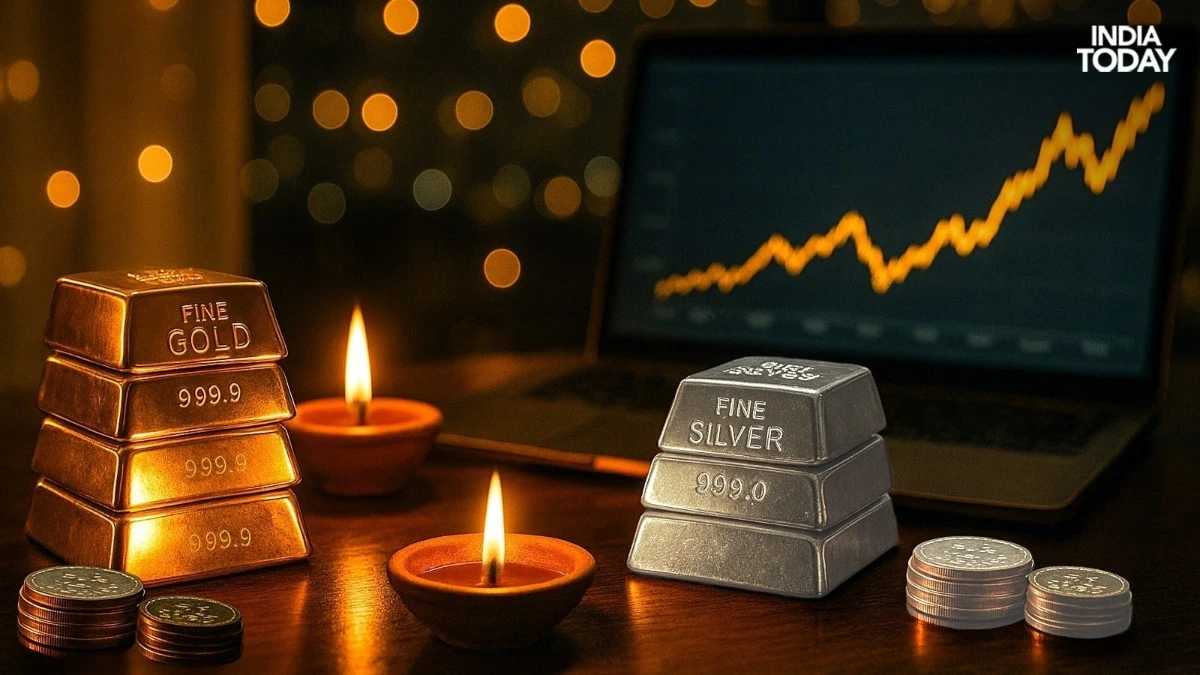
Gold has long been the world’s financial North Star — a timeless store of value, crisis hedge, and symbol of wealth. Yet, beneath the bright glow of gold’s dominance, a new cast of metals is quietly gathering momentum. Investors from Zurich to Mumbai to Singapore are quietly adding silver, platinum, and palladium to their portfolios — not as afterthoughts, but as strategic assets.
In an age defined by energy transition, volatility, and inflationary crosscurrents, these “secondary” precious metals are no longer secondary at all. Each has become an integral piece of the global economic puzzle — essential in industrial innovation, from clean energy to automotive technology, and crucial in redefining what it means to hedge intelligently in a post-gold investing world.
Why It Matters
For seasoned investors, these metals represent more than portfolio diversification — they embody resilience. As policy shocks, industrial cycles, and geopolitical disruptions ripple through markets, silver, platinum, and palladium offer rare exposure to real-world demand and long-cycle strategic growth.
The Big Development: The Return of the “Industrial Precious Metals”
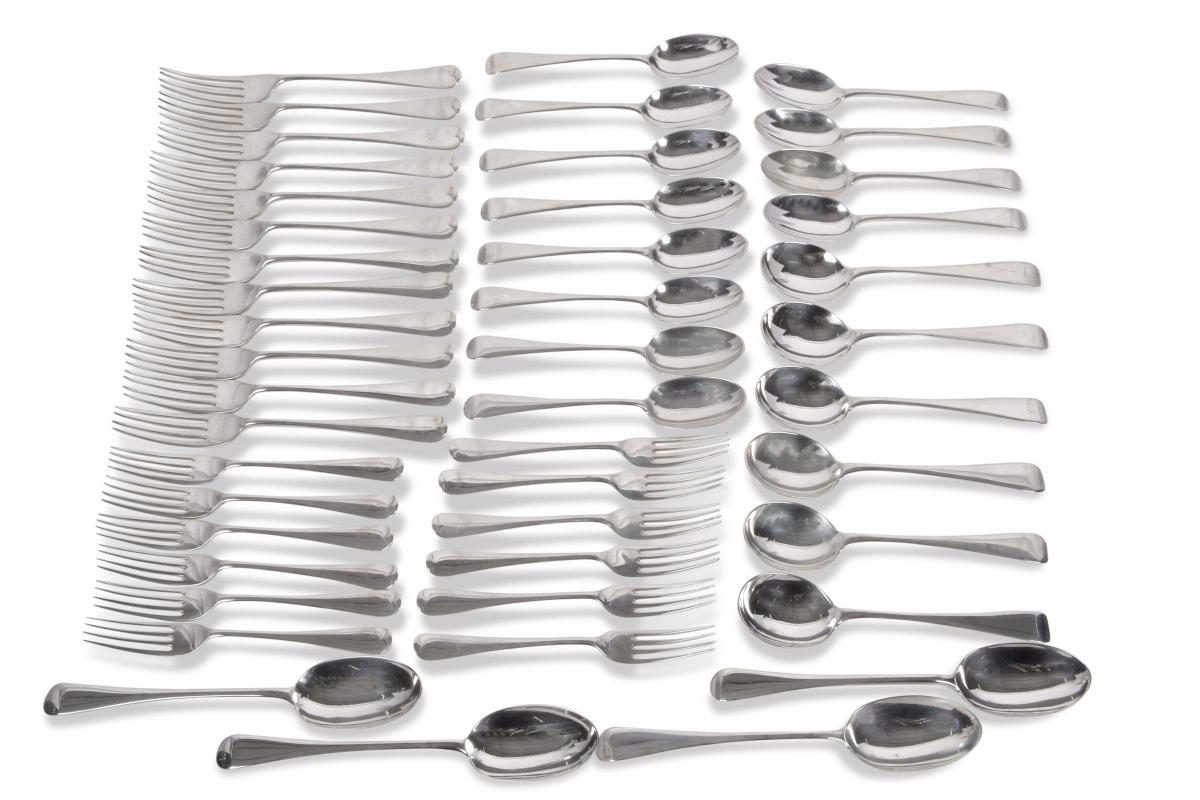
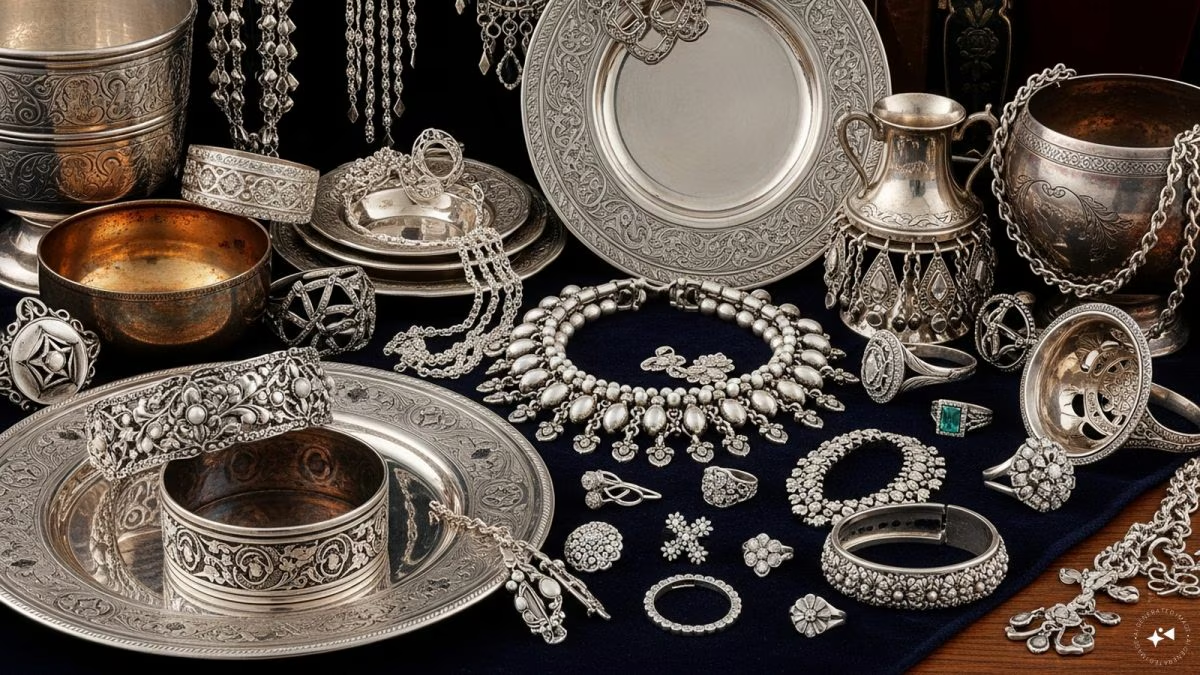
Decades ago, silver was the metal of filmmakers and fine-dining flatware, platinum was synonymous with status jewelry, and palladium was barely known outside of laboratory chemistry. Today, the picture is far more dynamic — and far more investable.
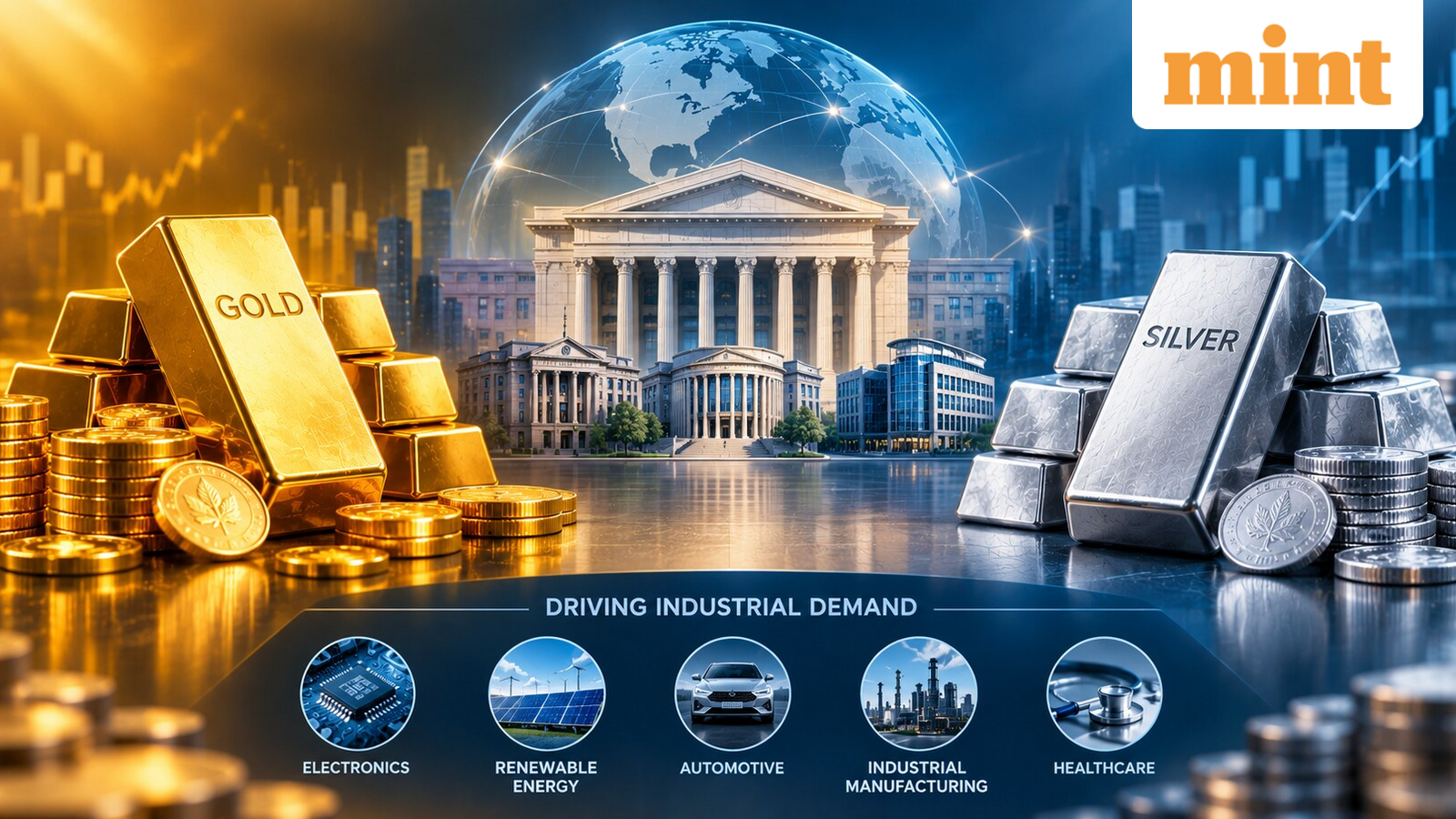
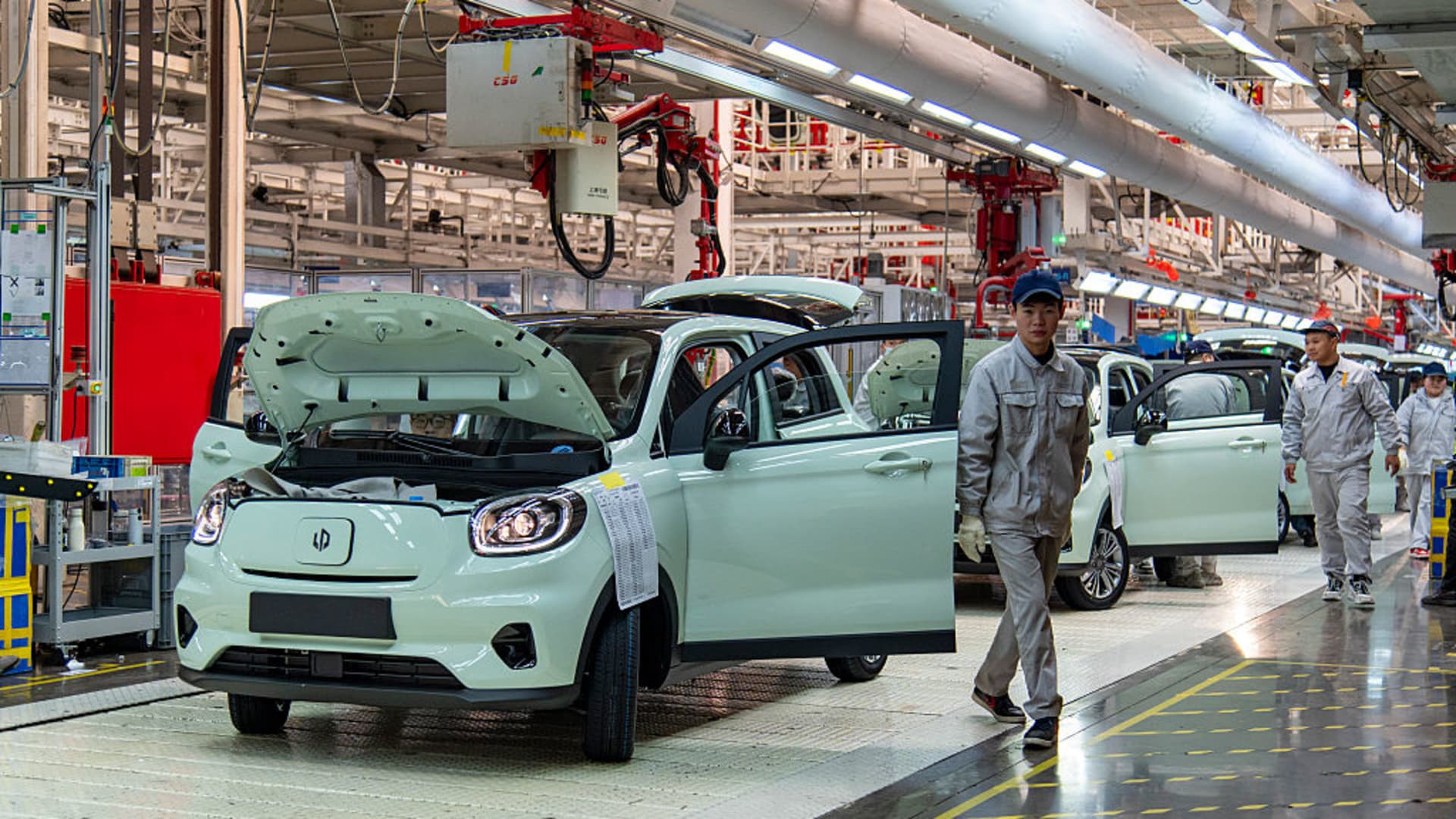
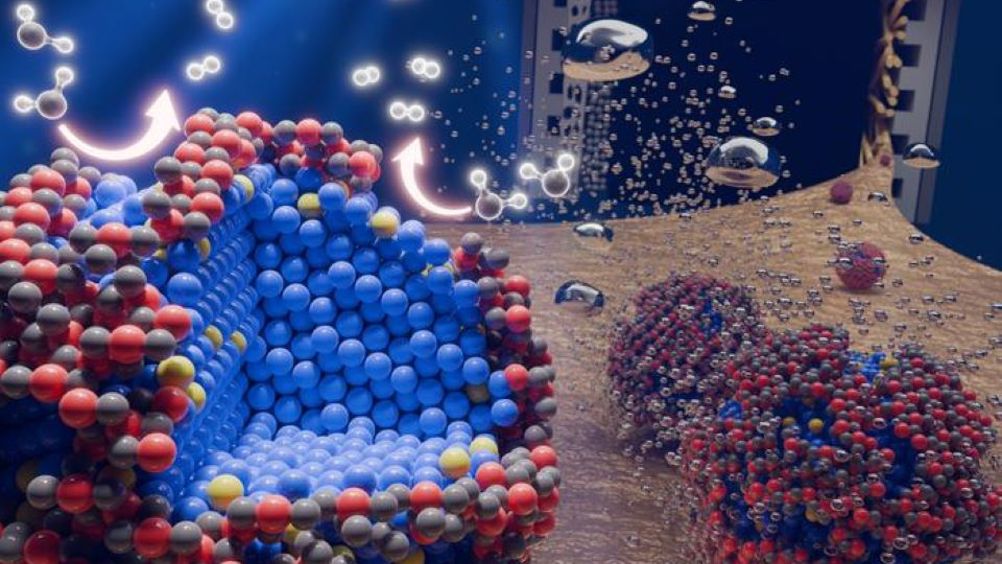
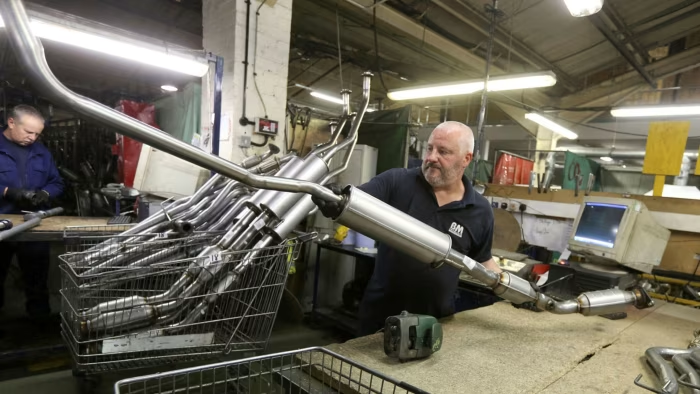
Silver’s role in solar panels, platinum’s place in clean emissions technologies, and palladium’s irreplaceable role in catalytic converters have fused these metals into the DNA of the global industrial economy. This shift has transformed them from static commodities into functional wealth assets tied to the world’s energy and manufacturing transitions.
“The metals driving the green and digital revolutions are also becoming the quiet hedges of modern portfolios.”
Why This Moment Matters
Three structural forces are propelling this move beyond gold:
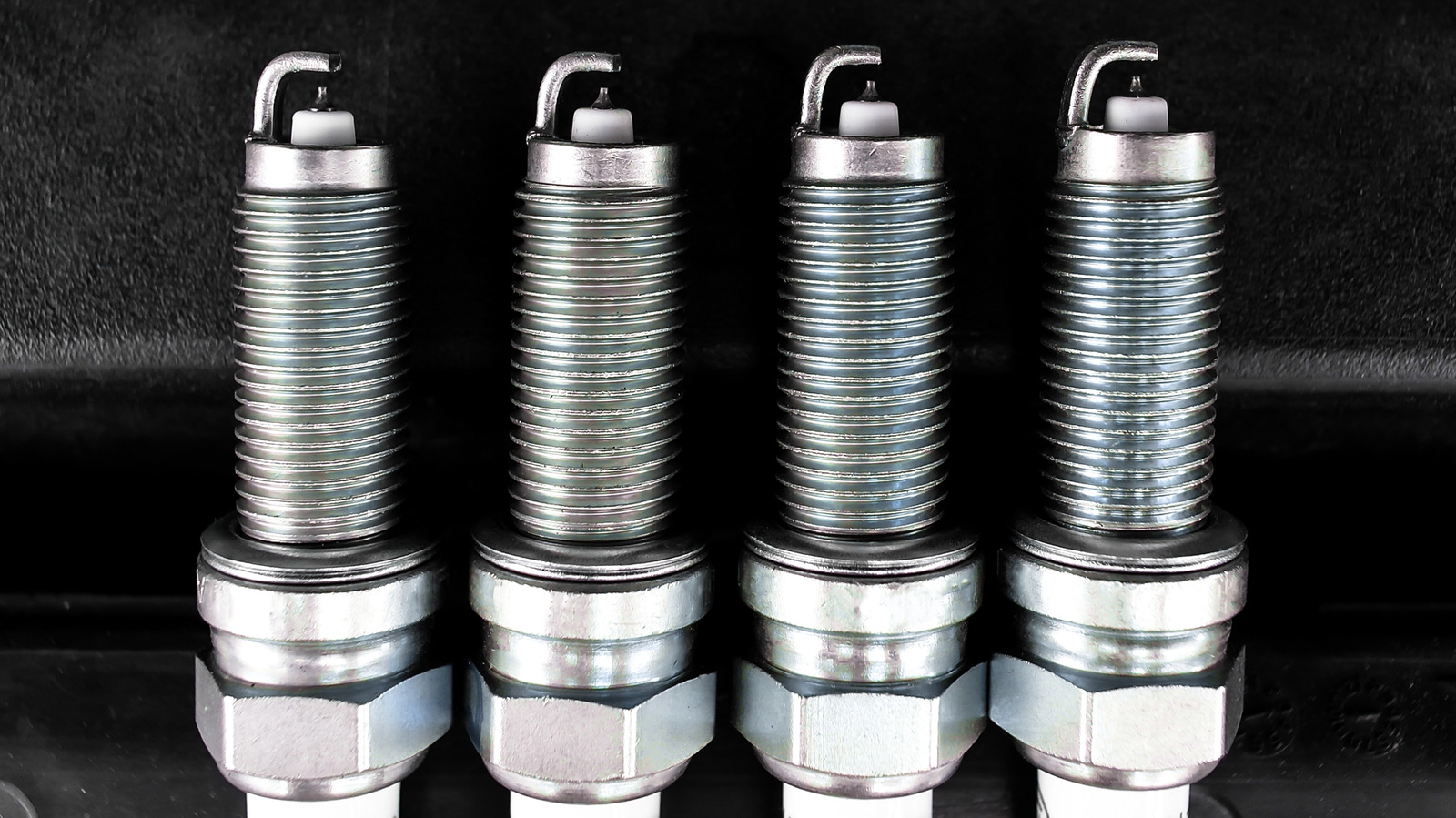
- Decarbonization of industry. Carbon-neutral transitions have made platinum and palladium indispensable in emissions control systems and fuel-cell technologies.
- Global inflation and currency pressure. Investors are hedging against fiat depreciation with metals that historically move counter to debt-based assets.
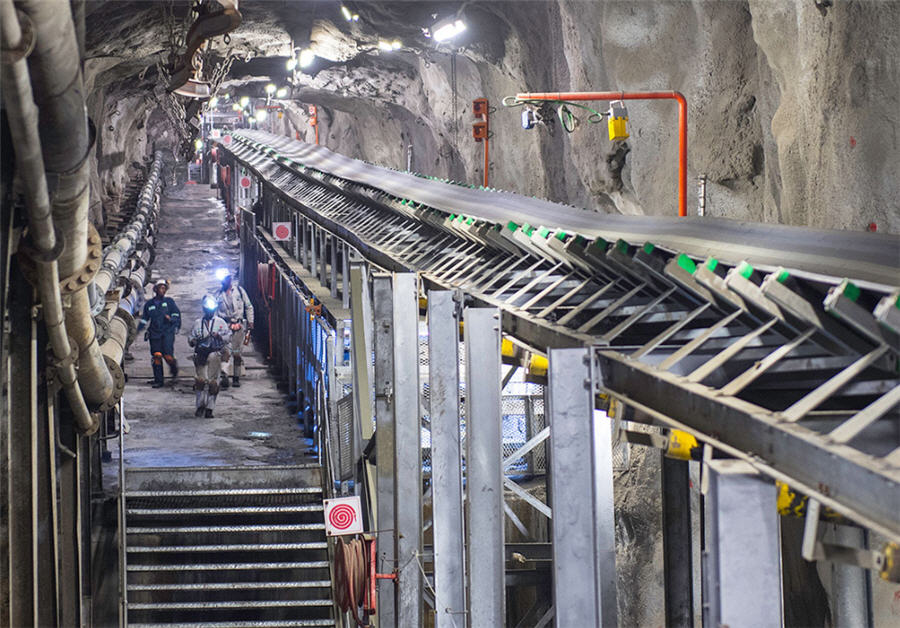
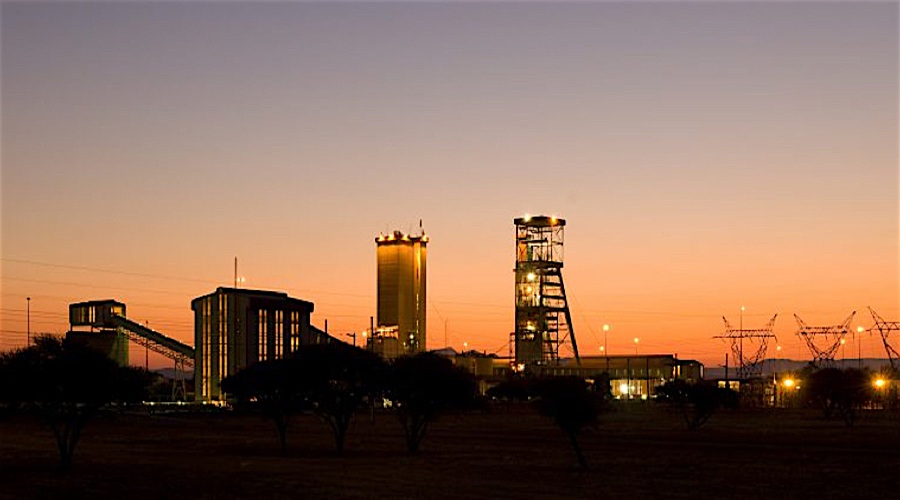
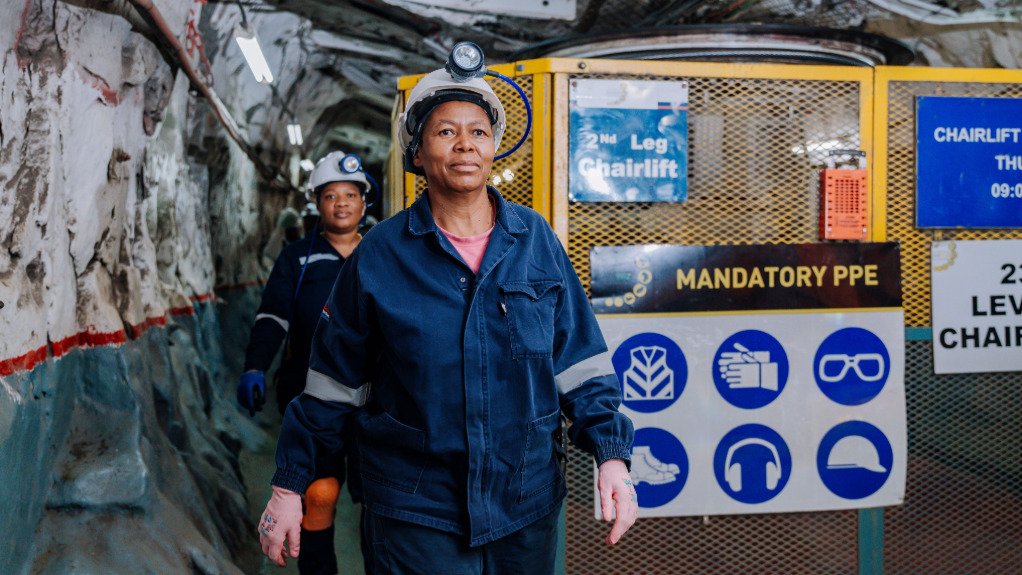
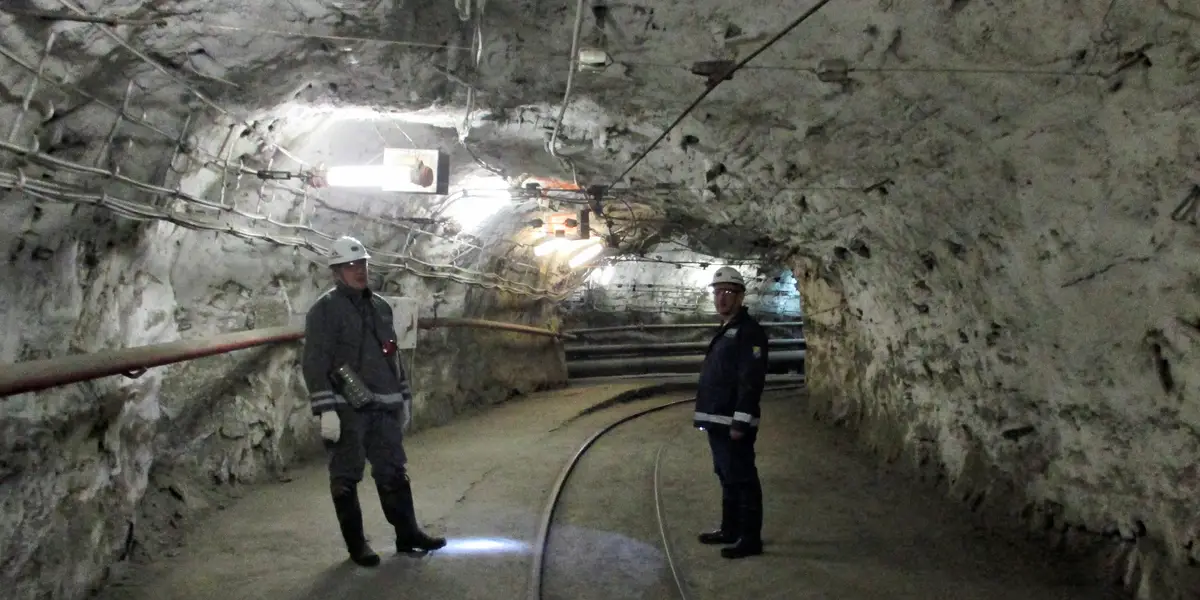
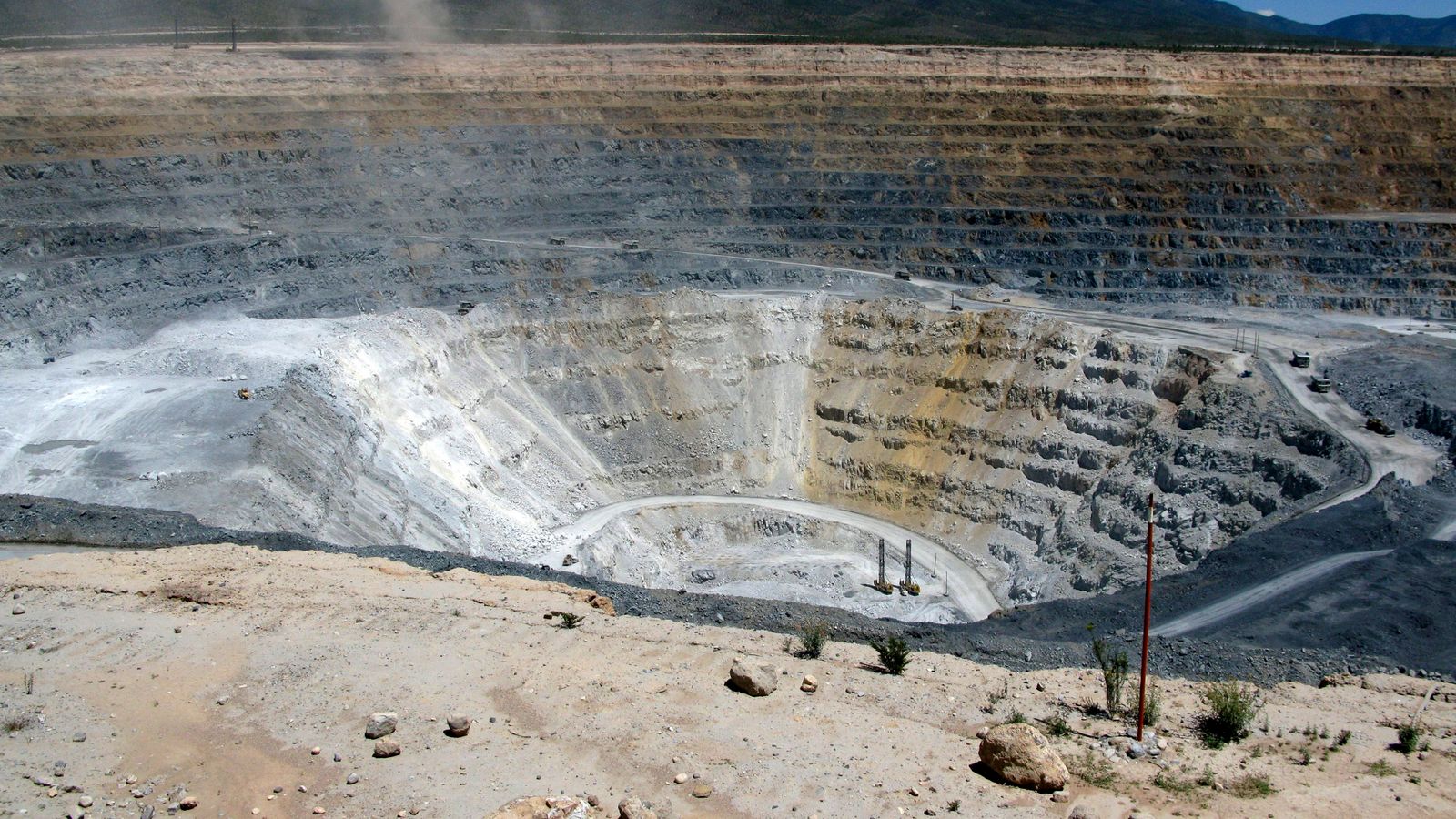
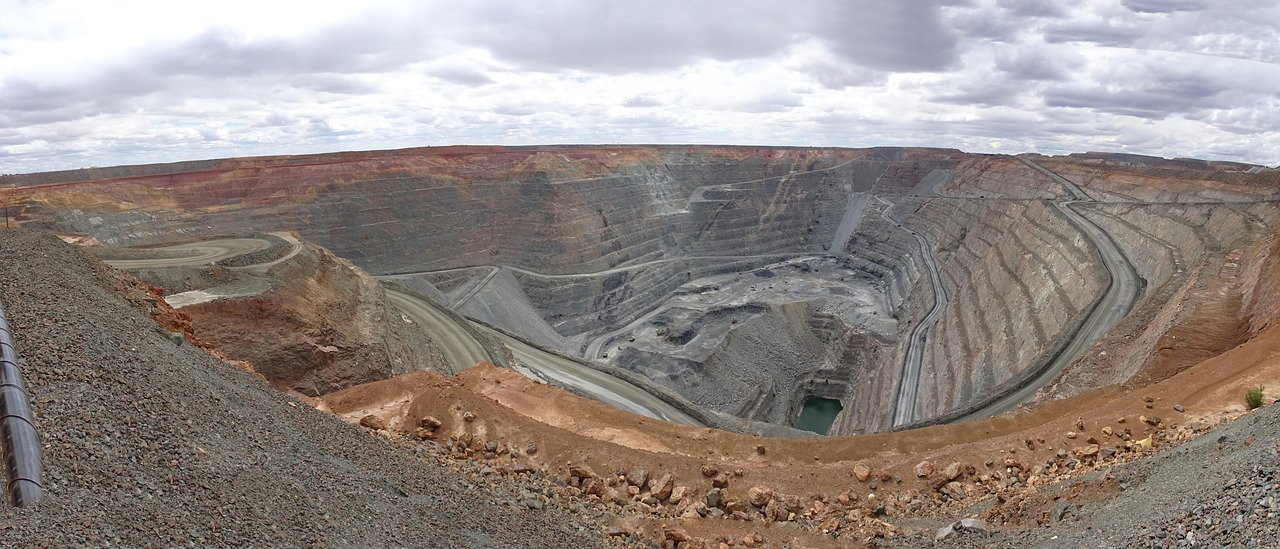
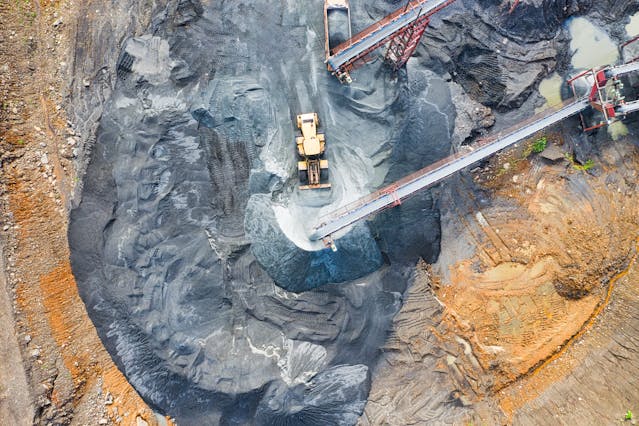
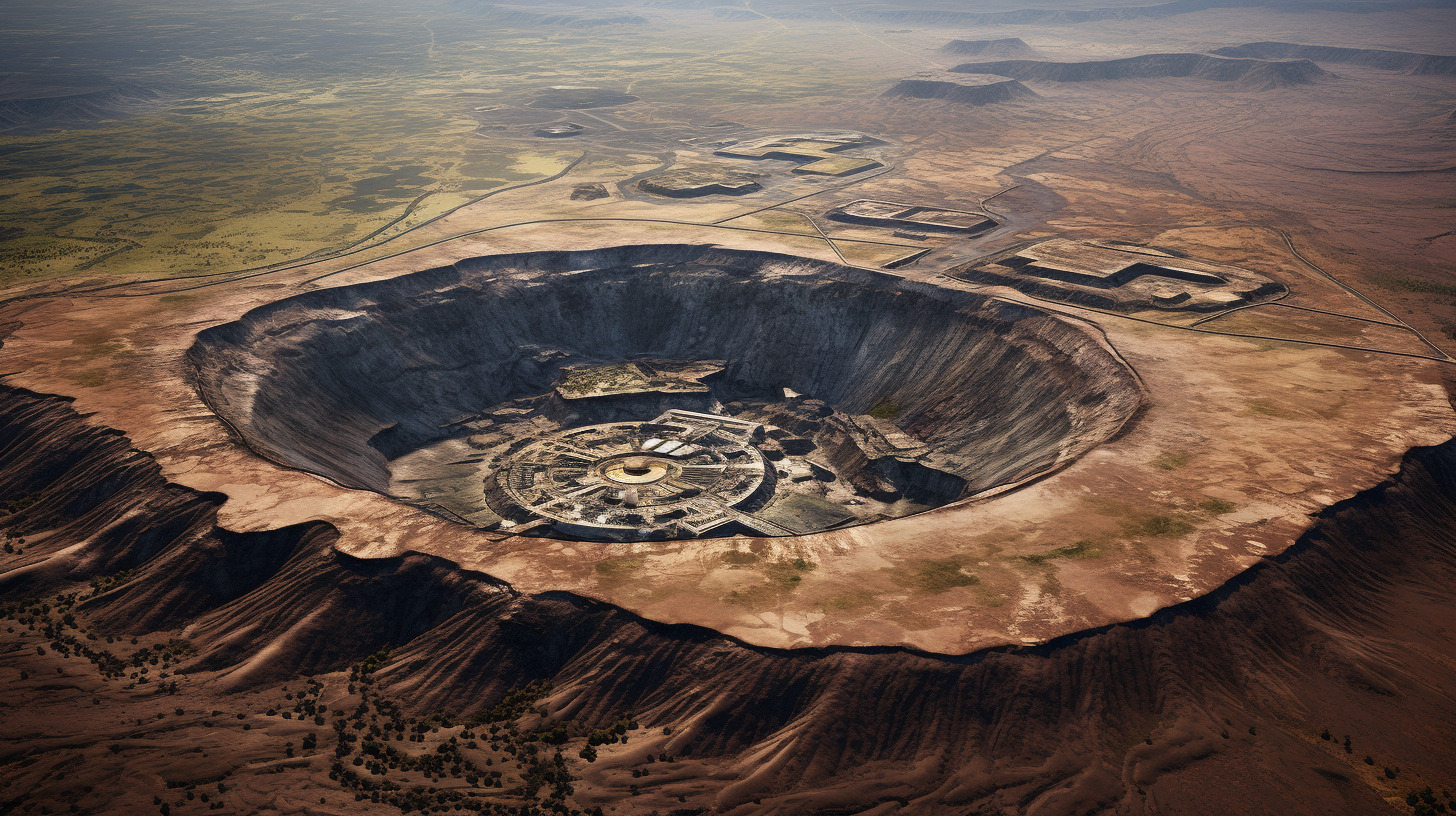
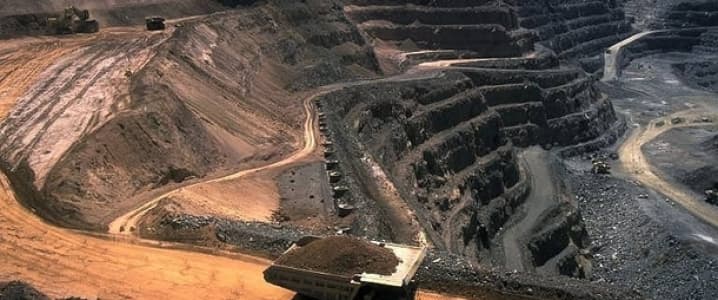
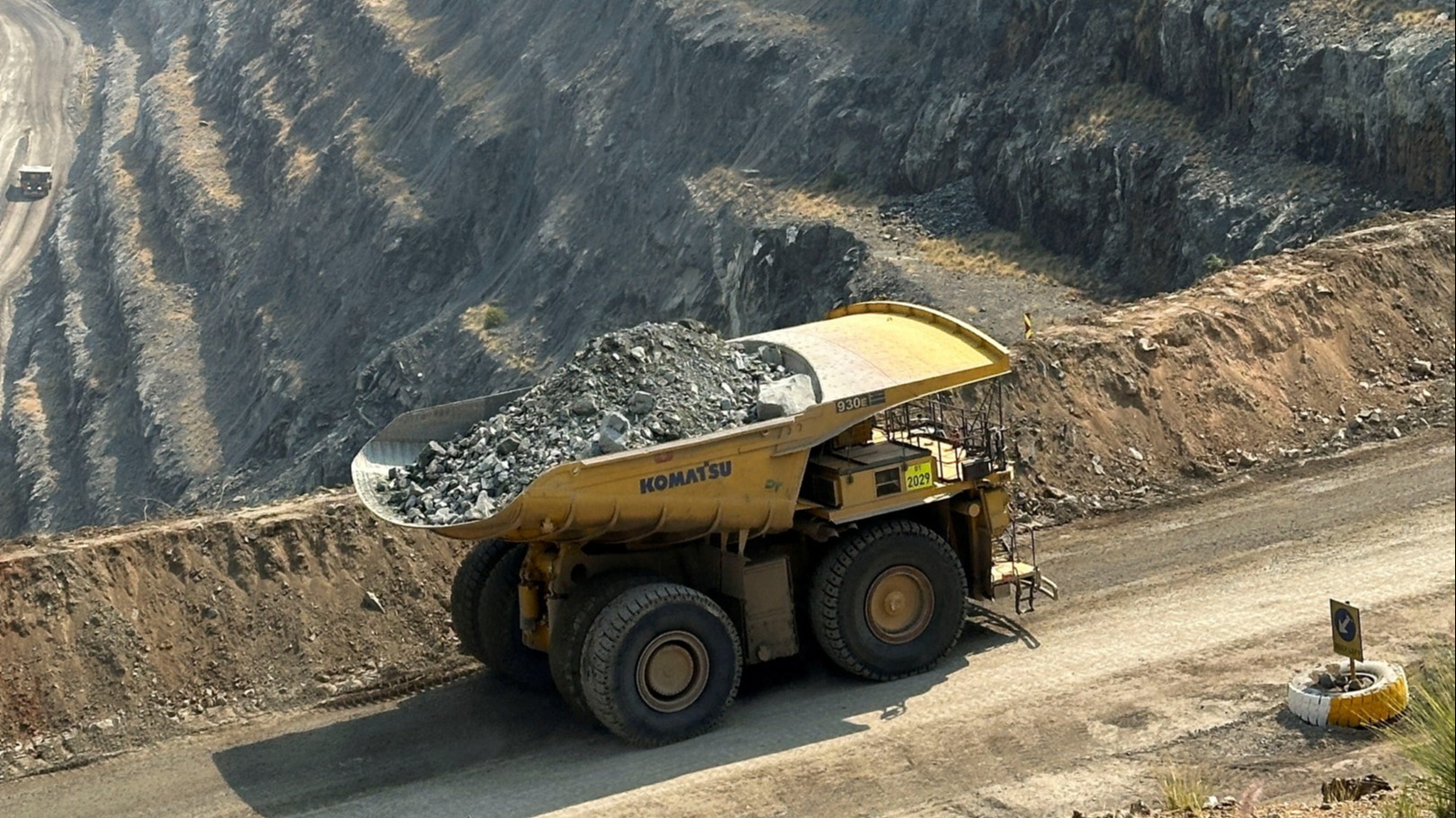
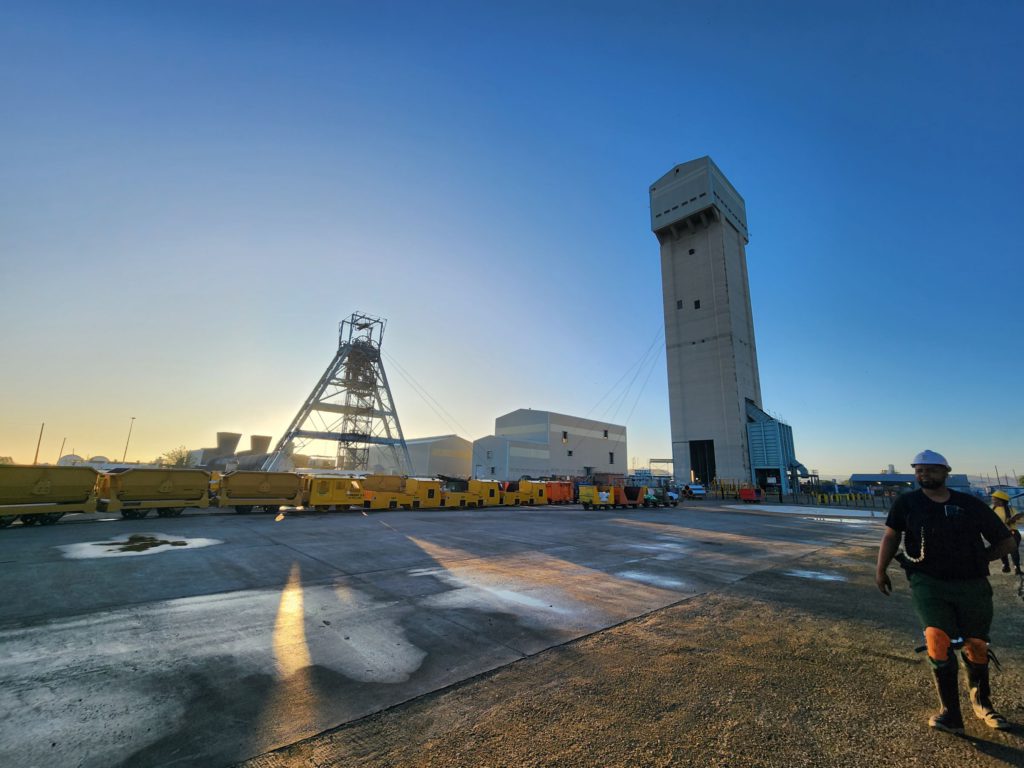
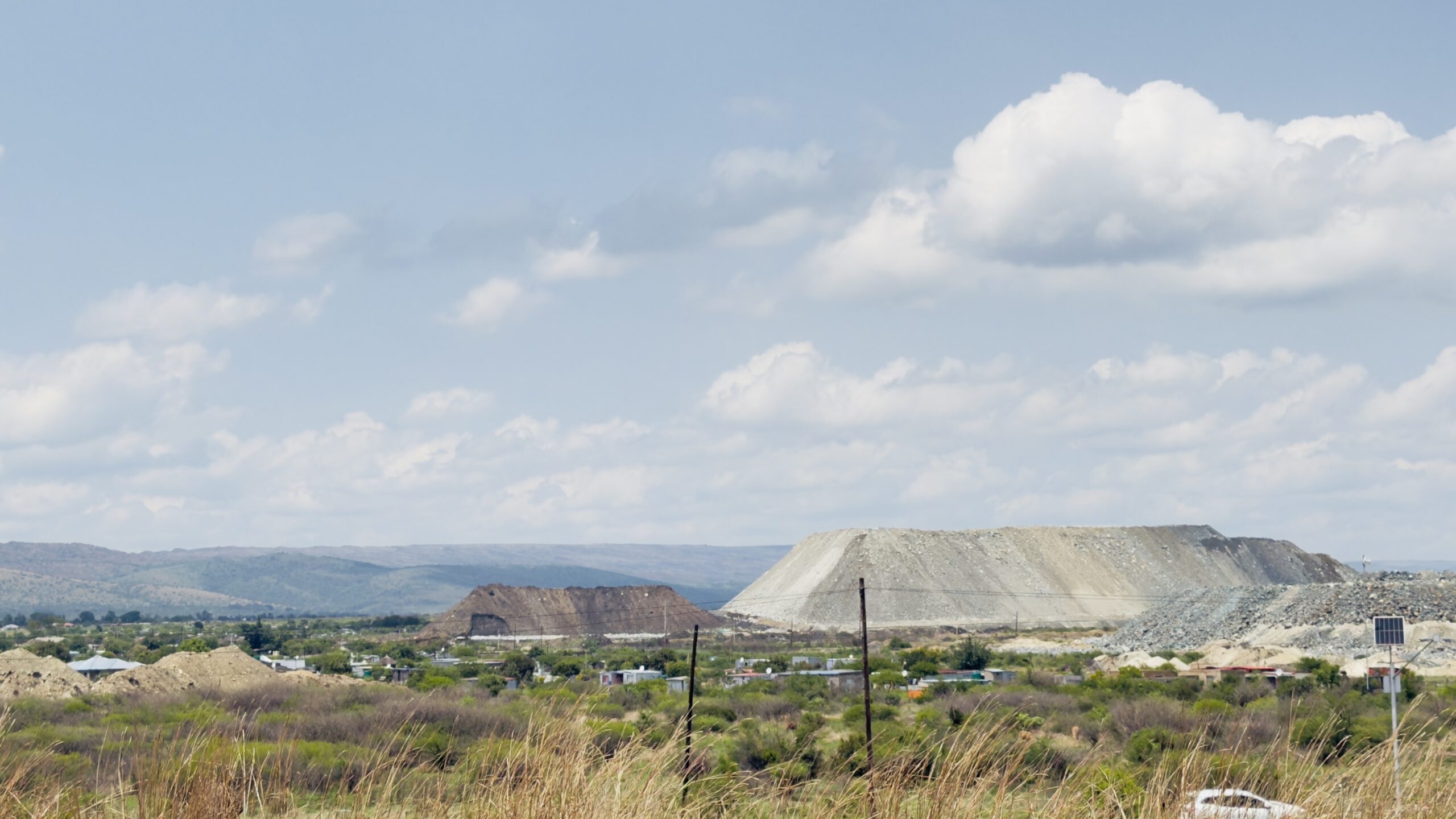
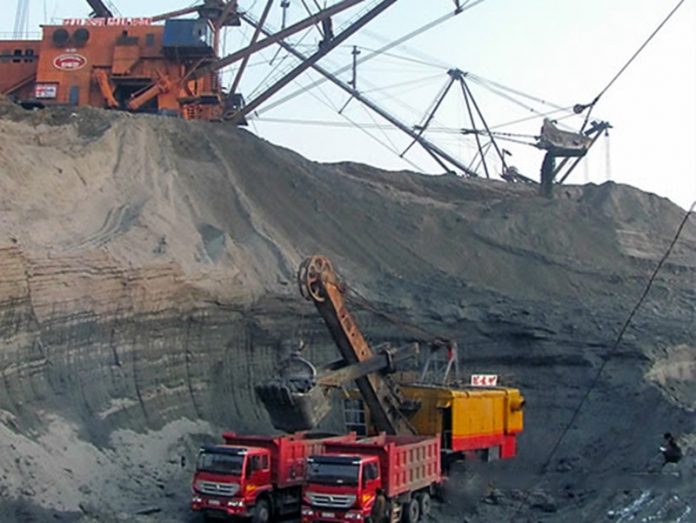
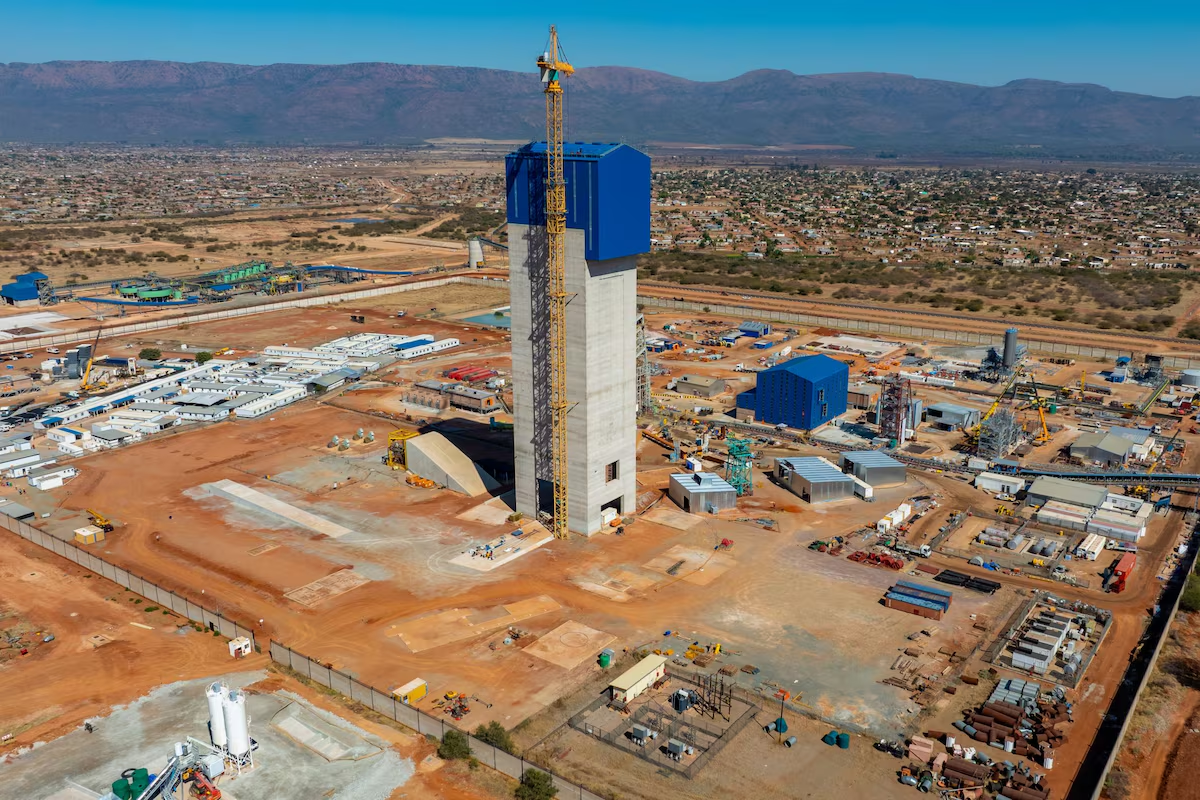
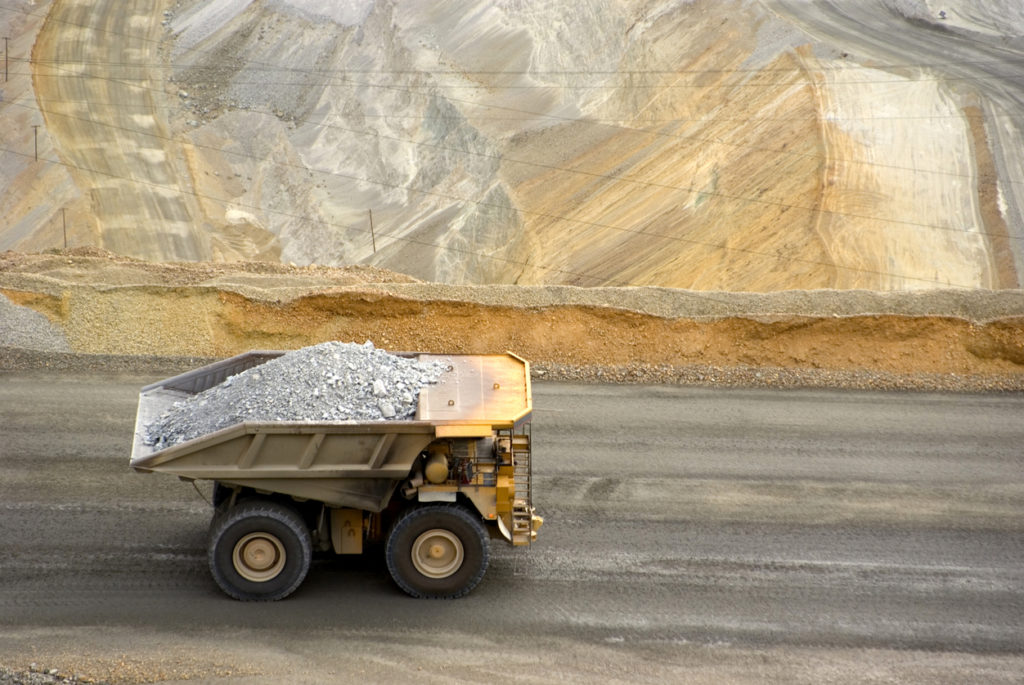
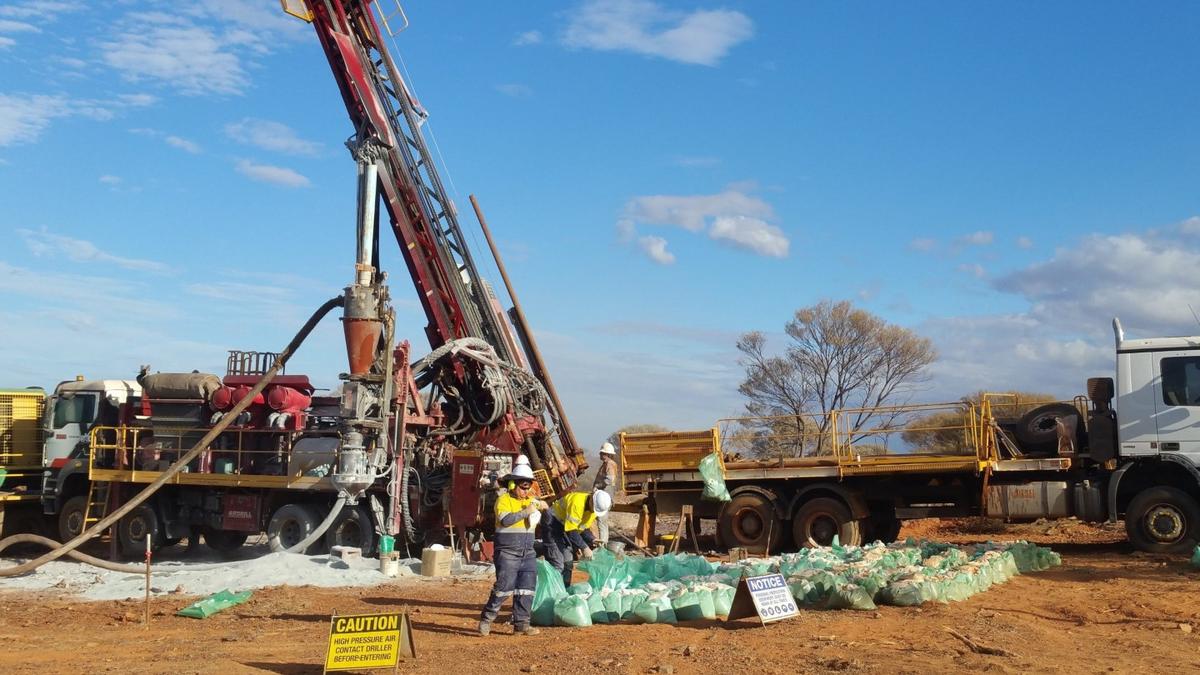
- Supply-chain realignment. Limited mining output—particularly from South Africa and Russia—creates scarcity premiums that support long-term price trajectories.
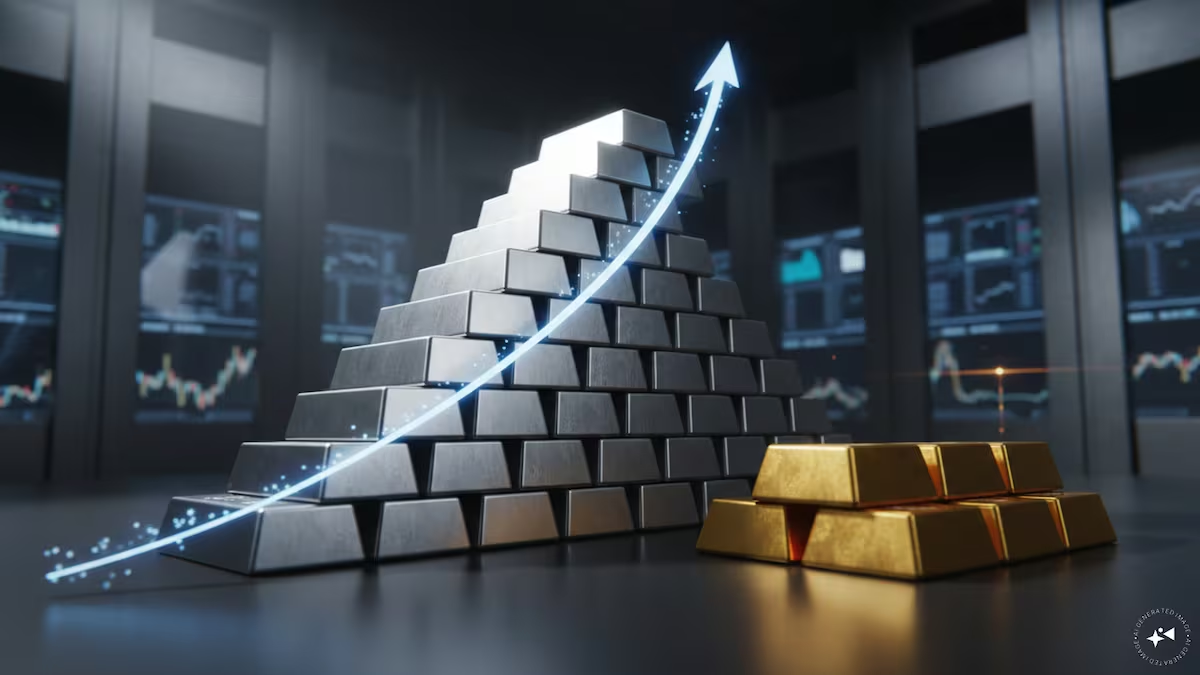
Gold may still anchor central bank reserves, but for private investors, silver and its rarer cousins increasingly serve as asymmetric bets on scarcity, clean technology, and monetary instability.
The Strategy Behind Investing in Silver, Platinum, and Palladium
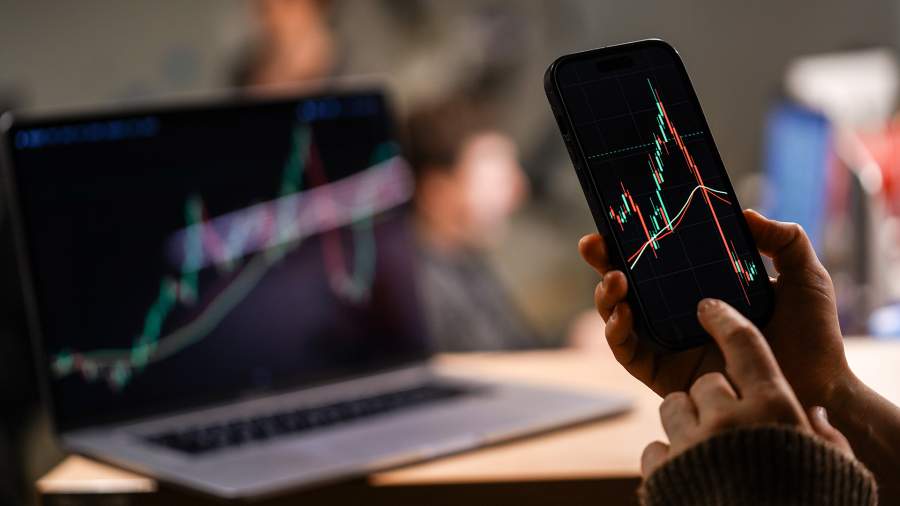
Investing in precious metals isn’t about chasing shine — it’s about understanding structure. The three metals offer differentiated exposure across industrial demand cycles, inflation protection, and energy transformation.
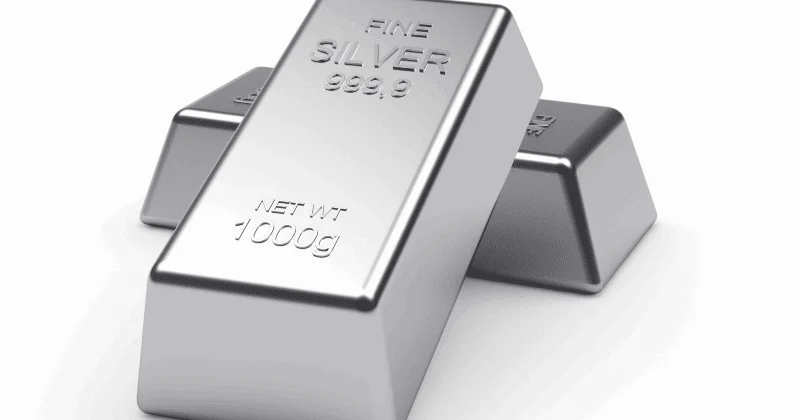
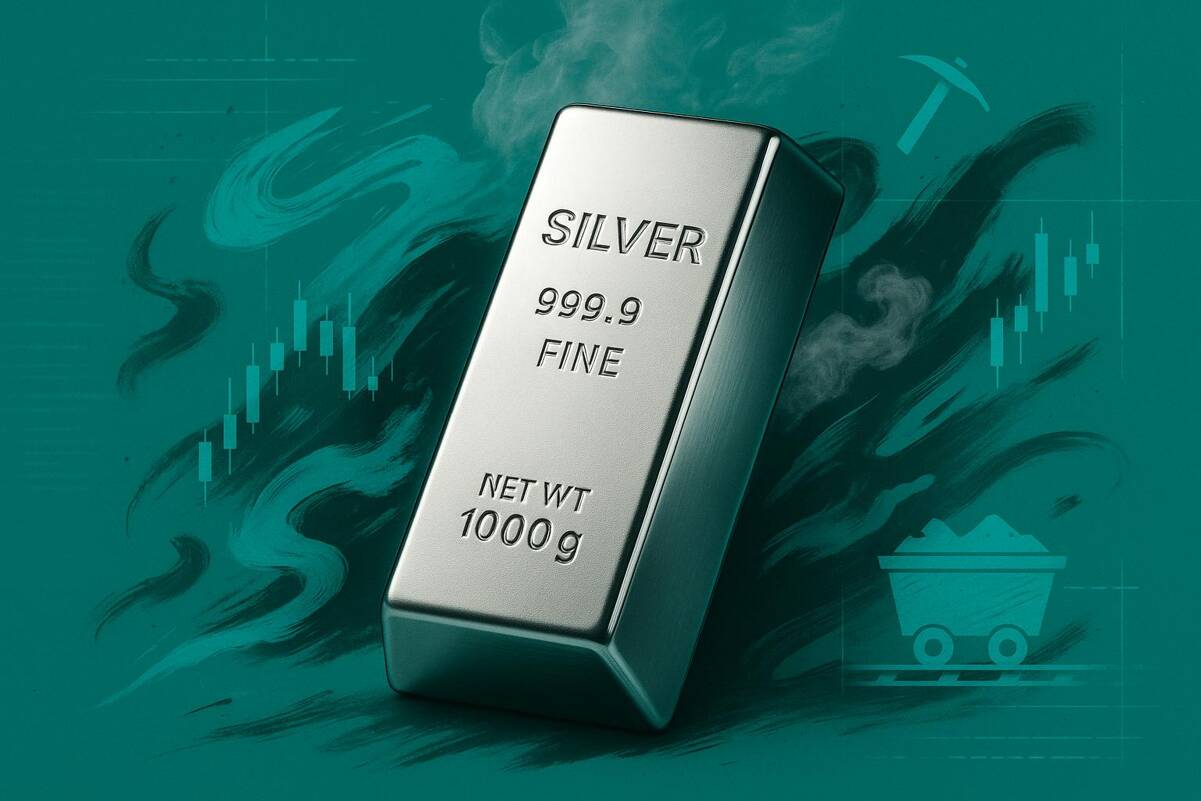
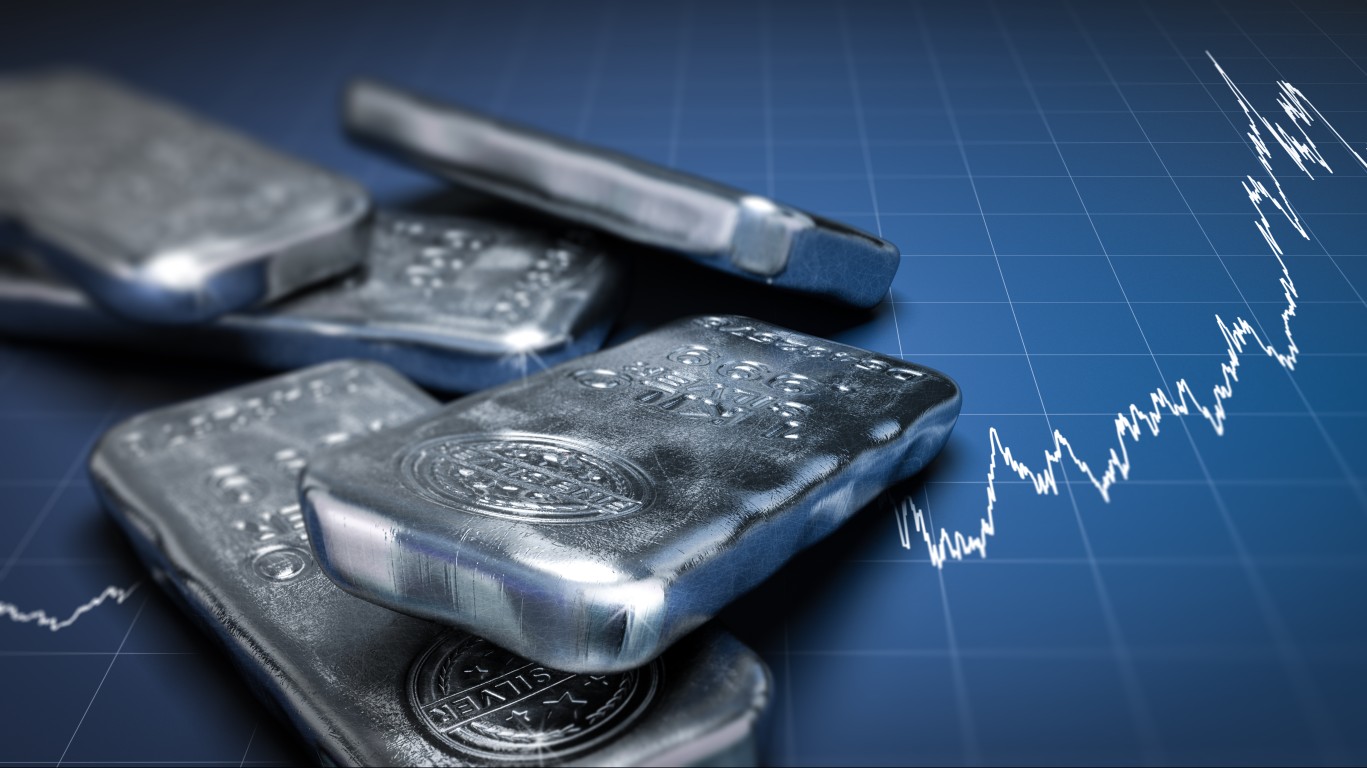
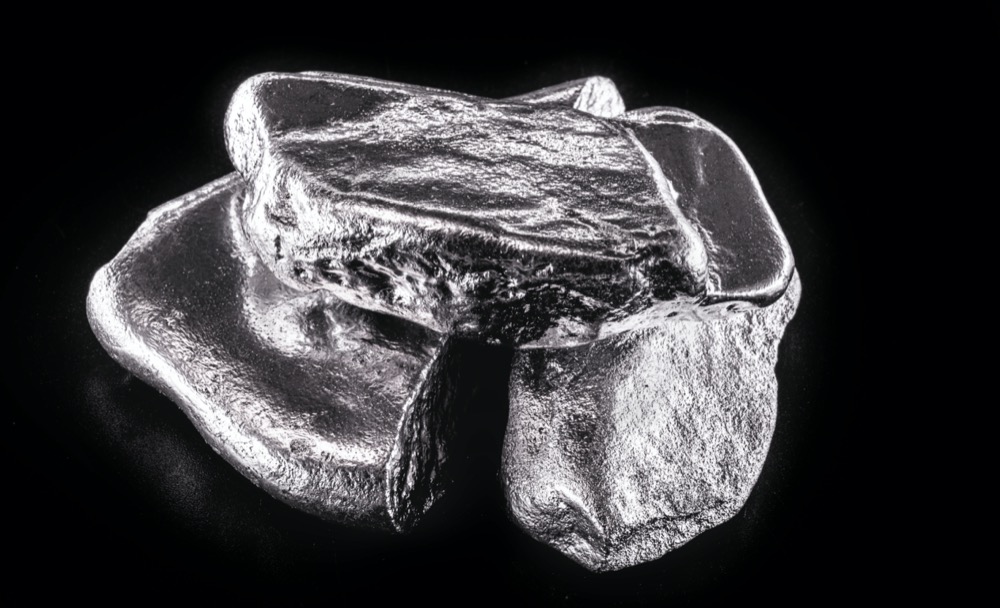
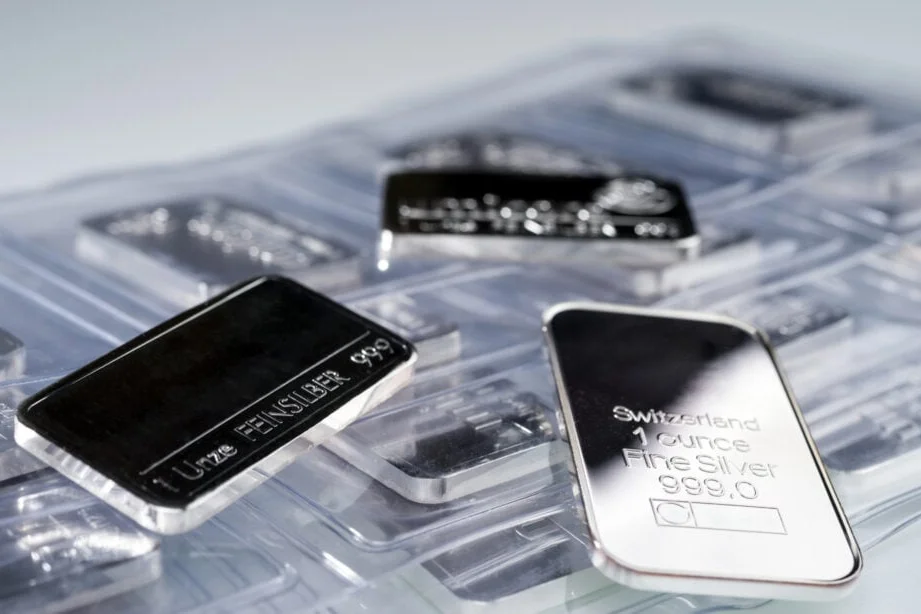
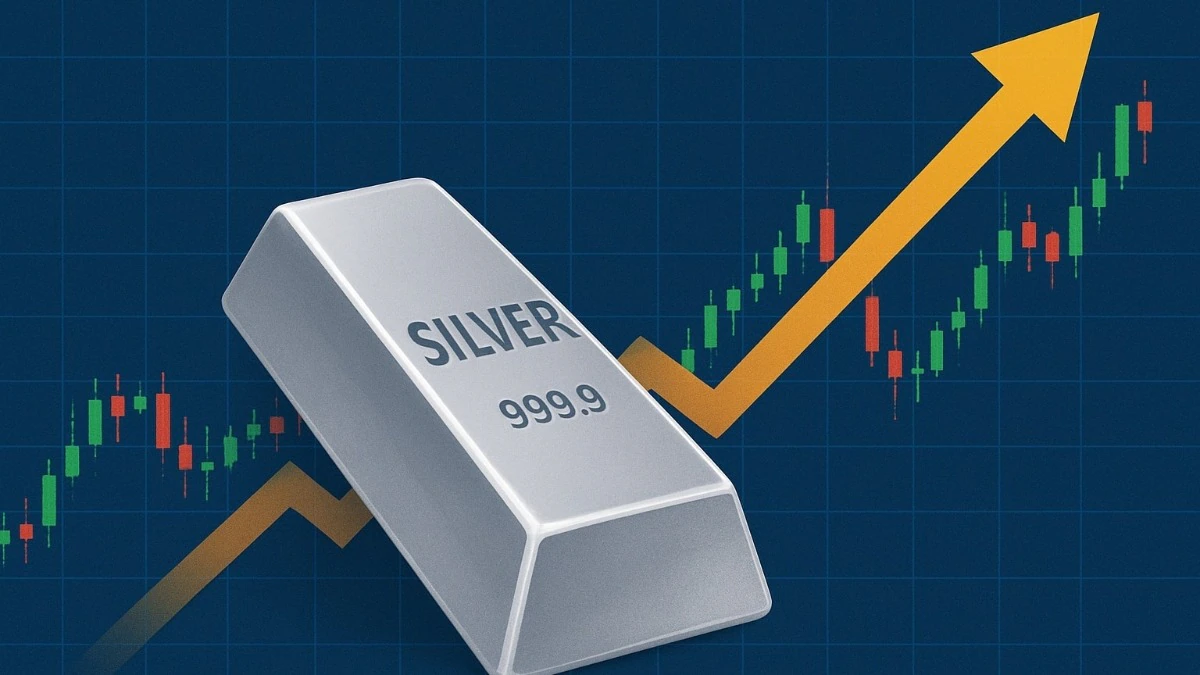
Silver: The Industrial-Era Hedge
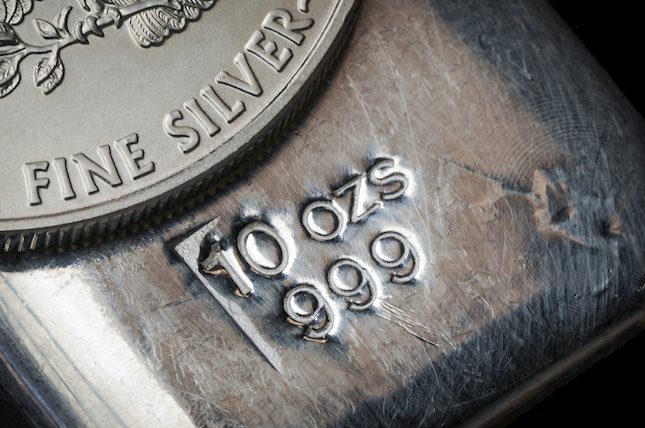
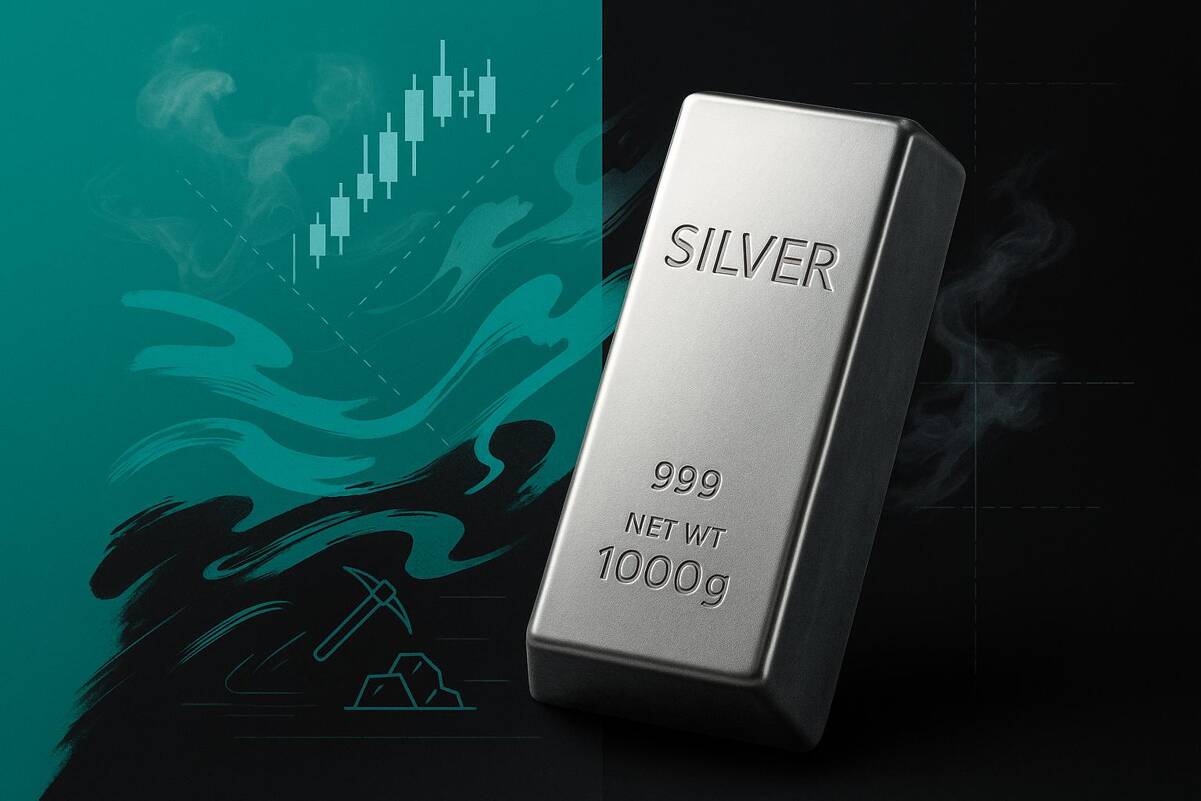
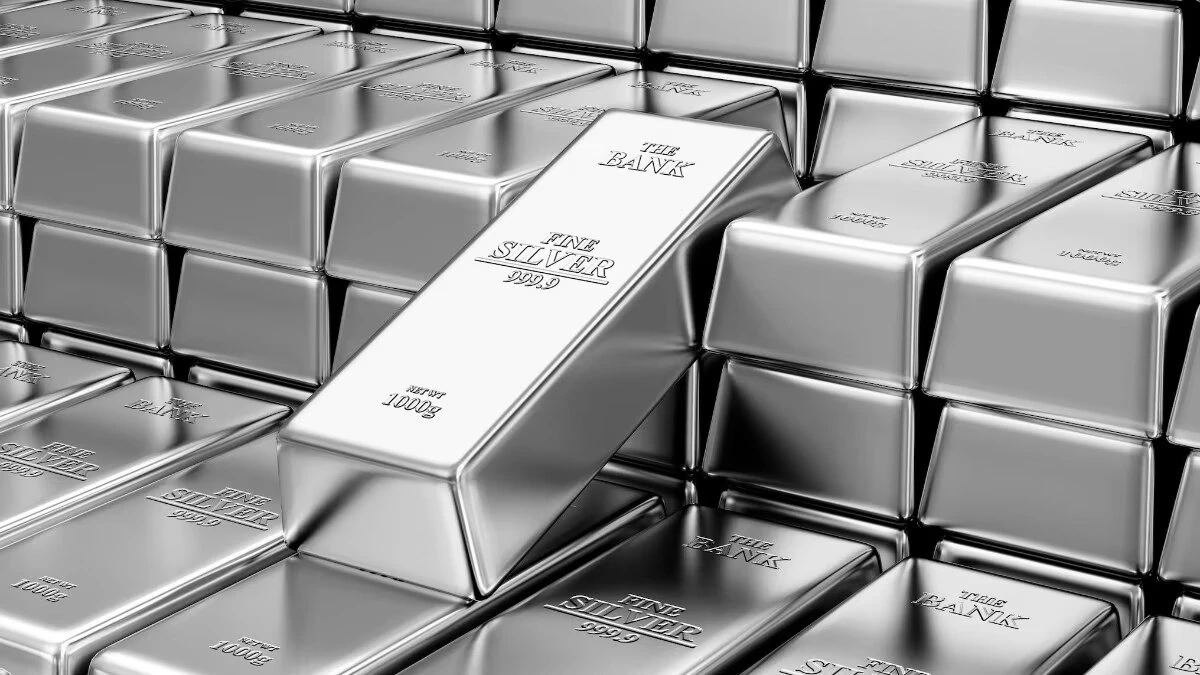
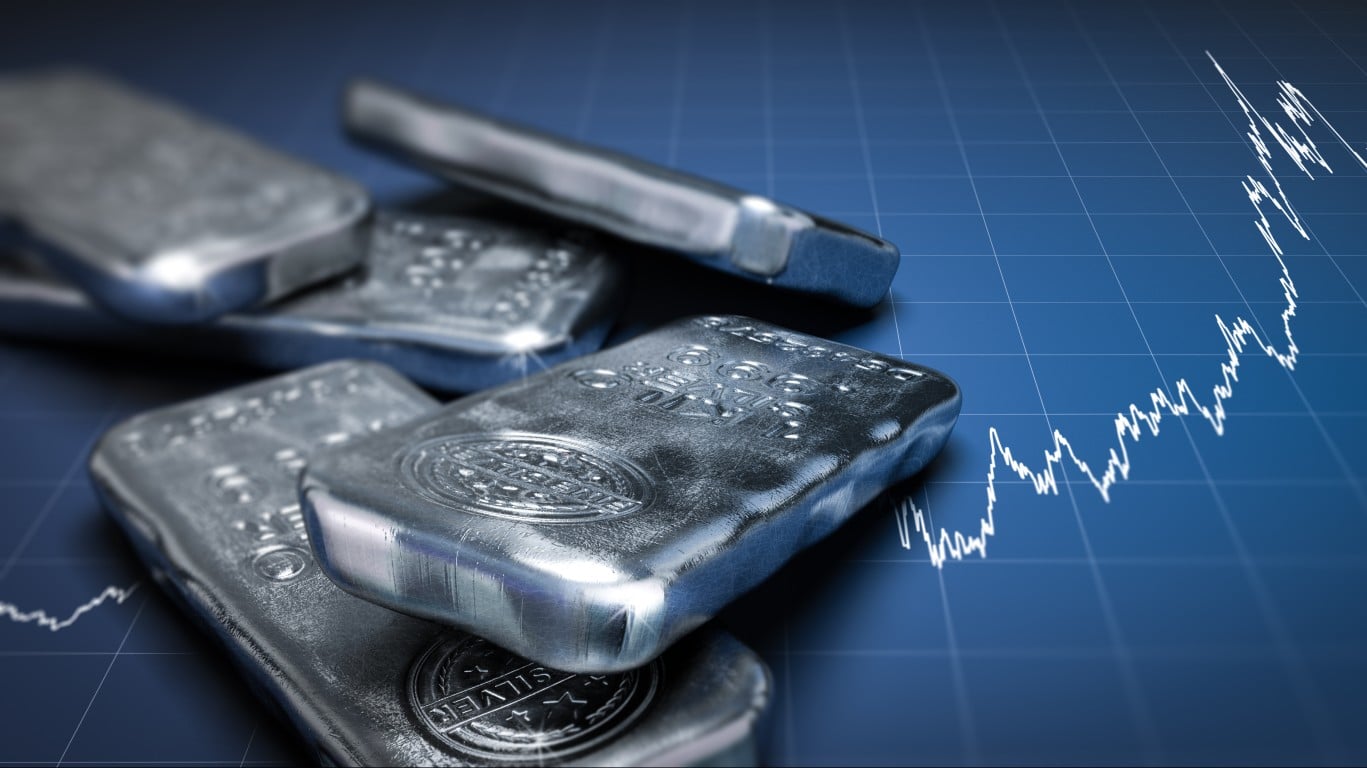
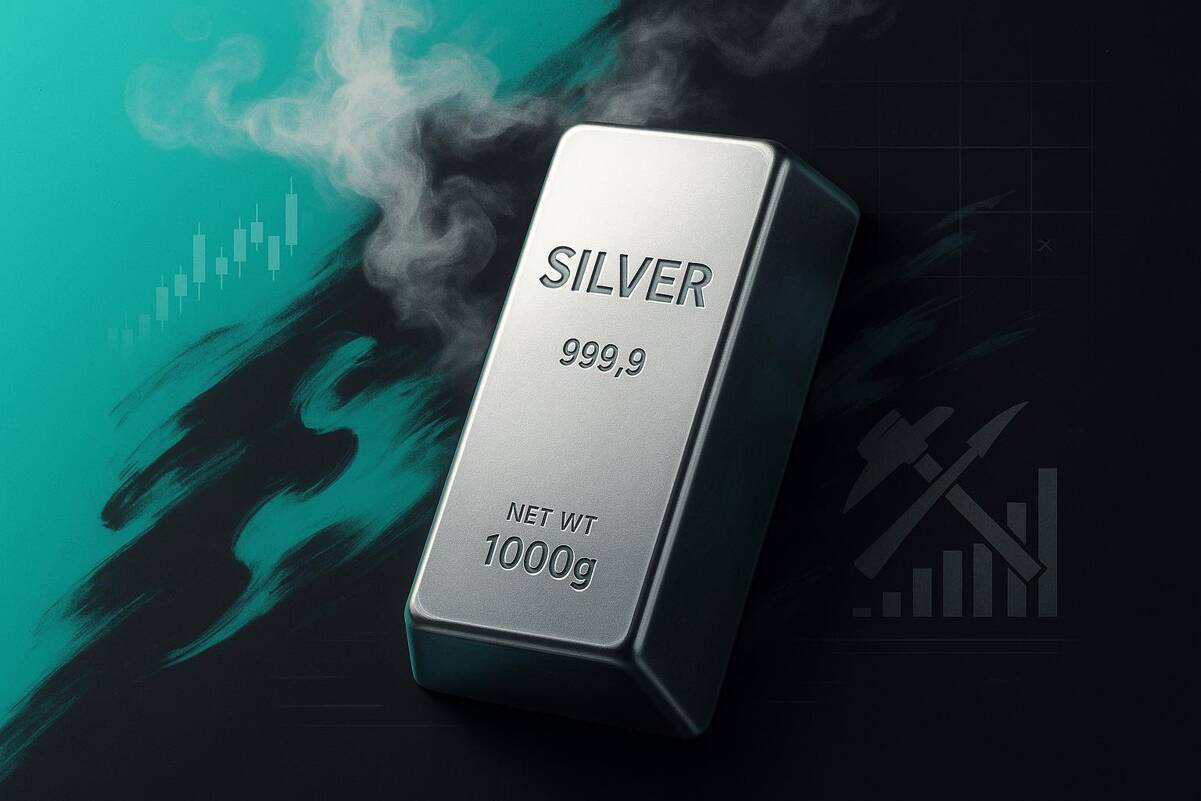
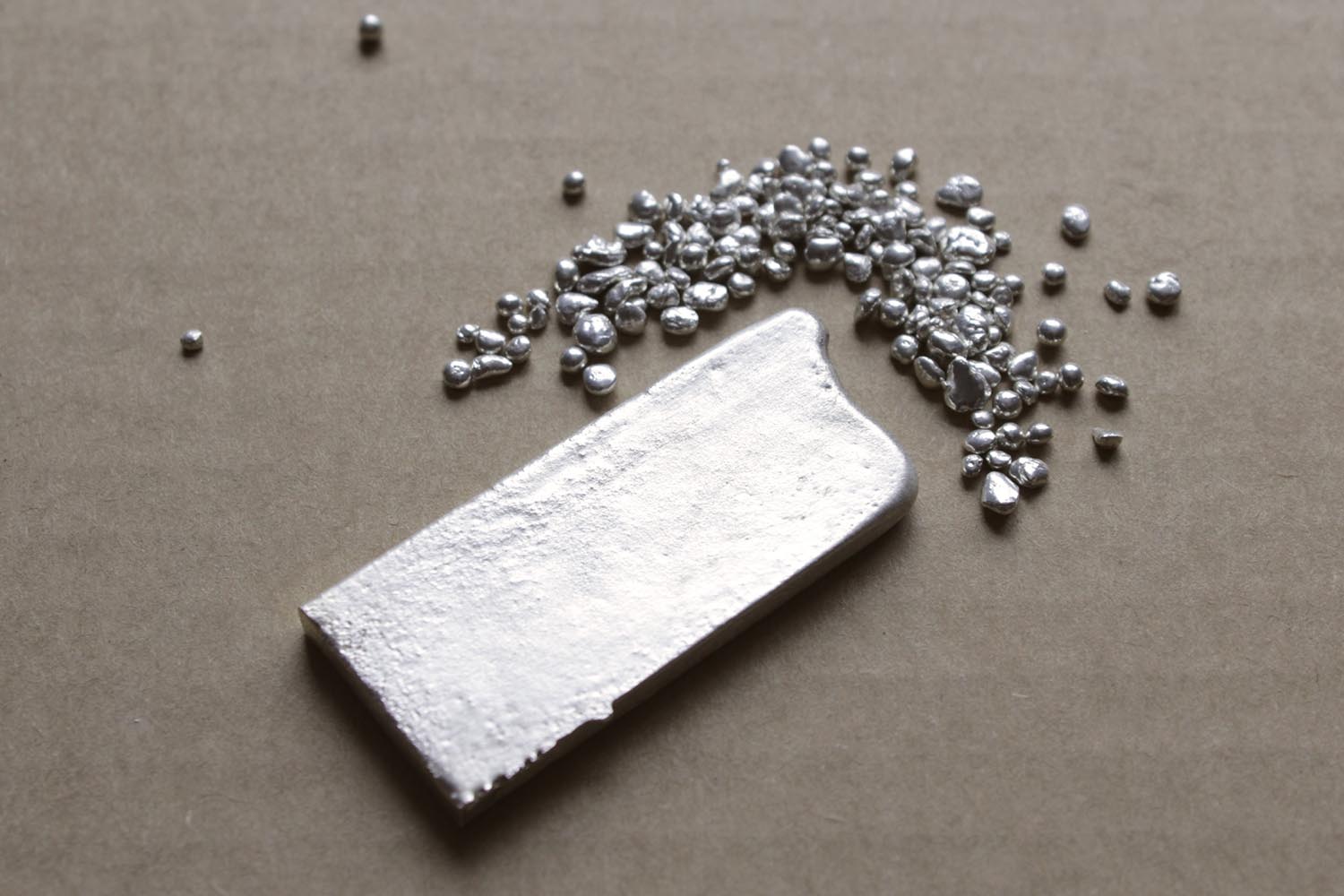
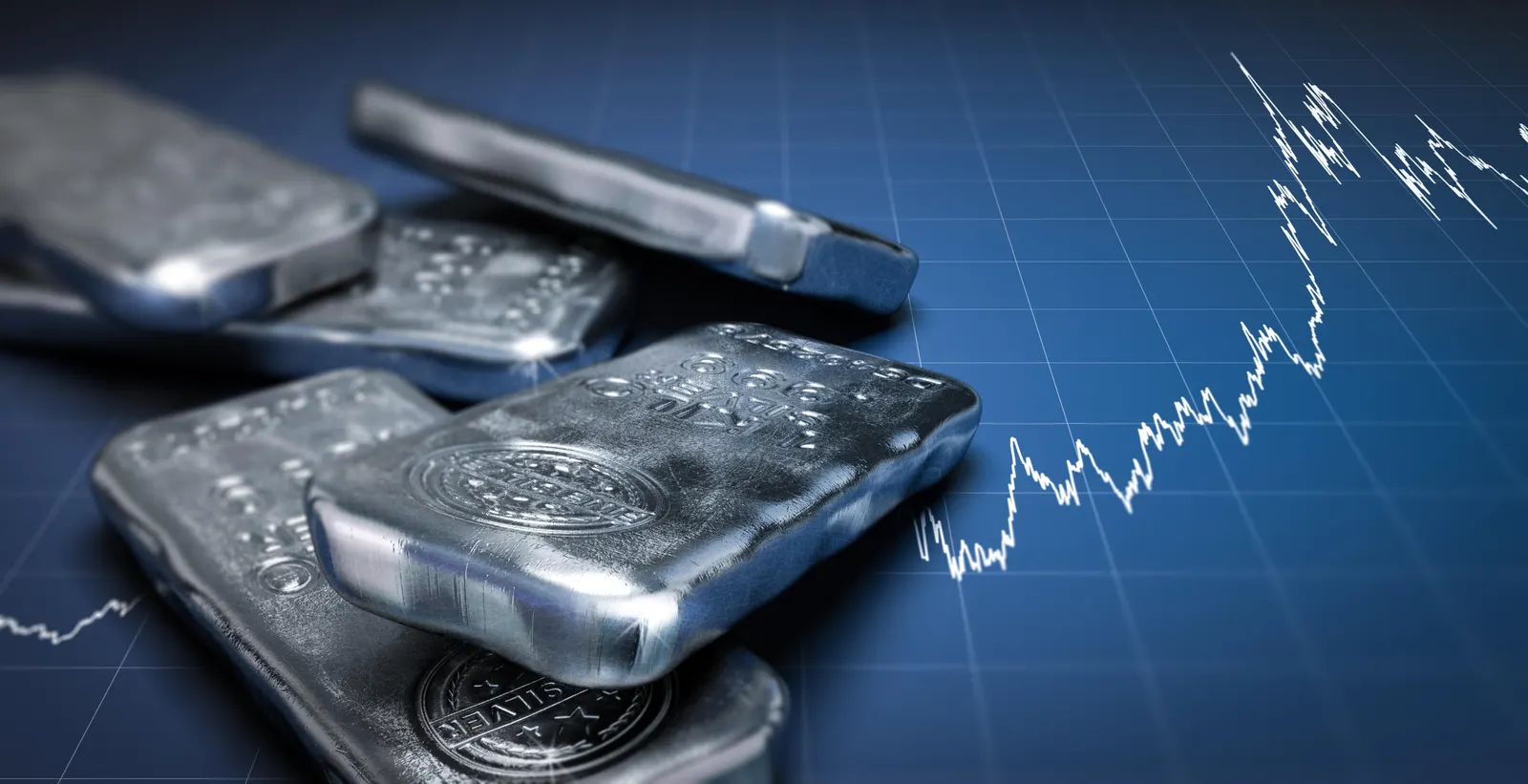
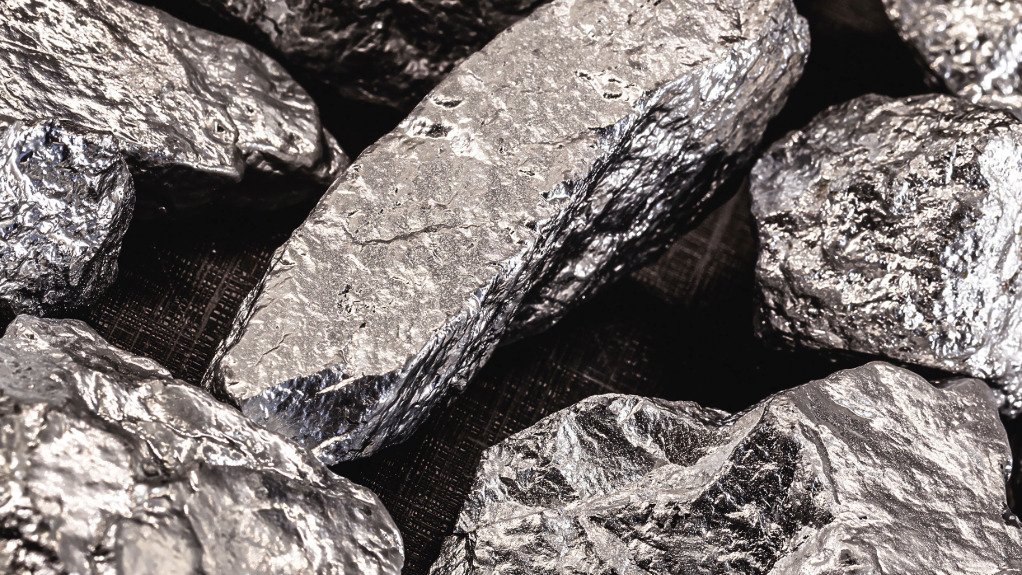
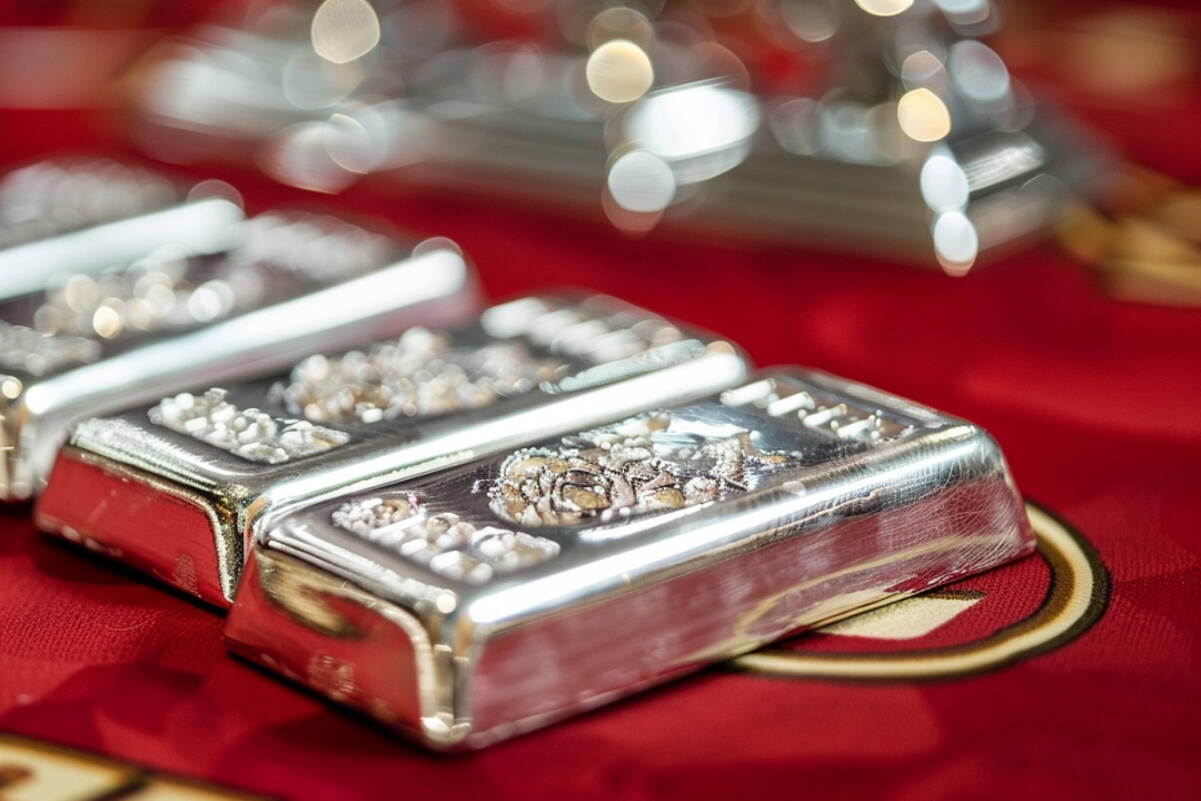
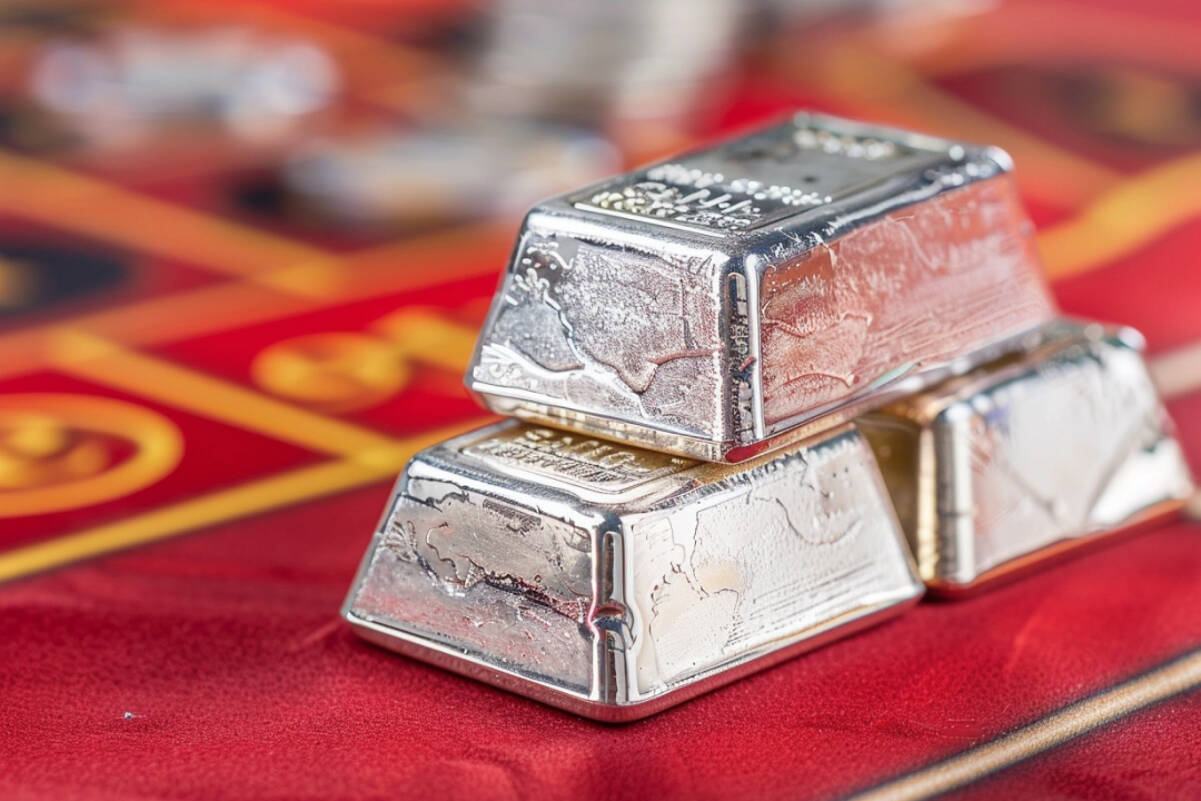
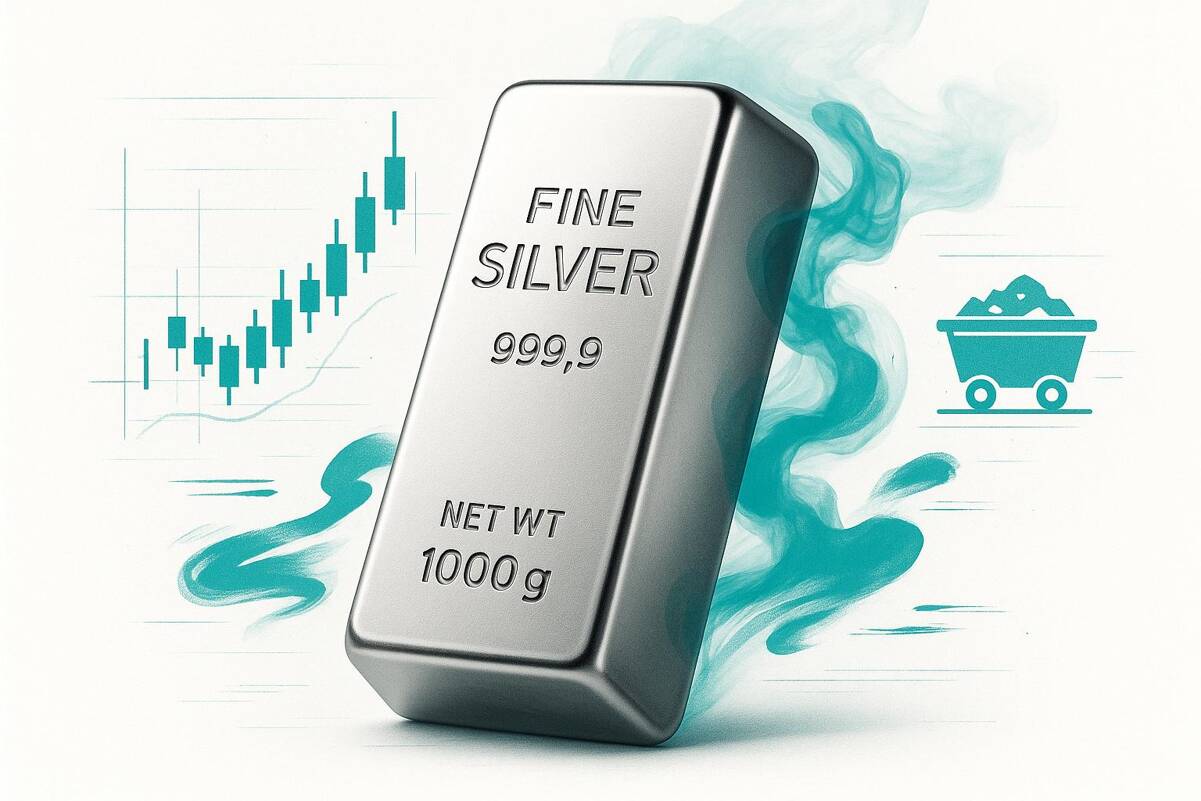
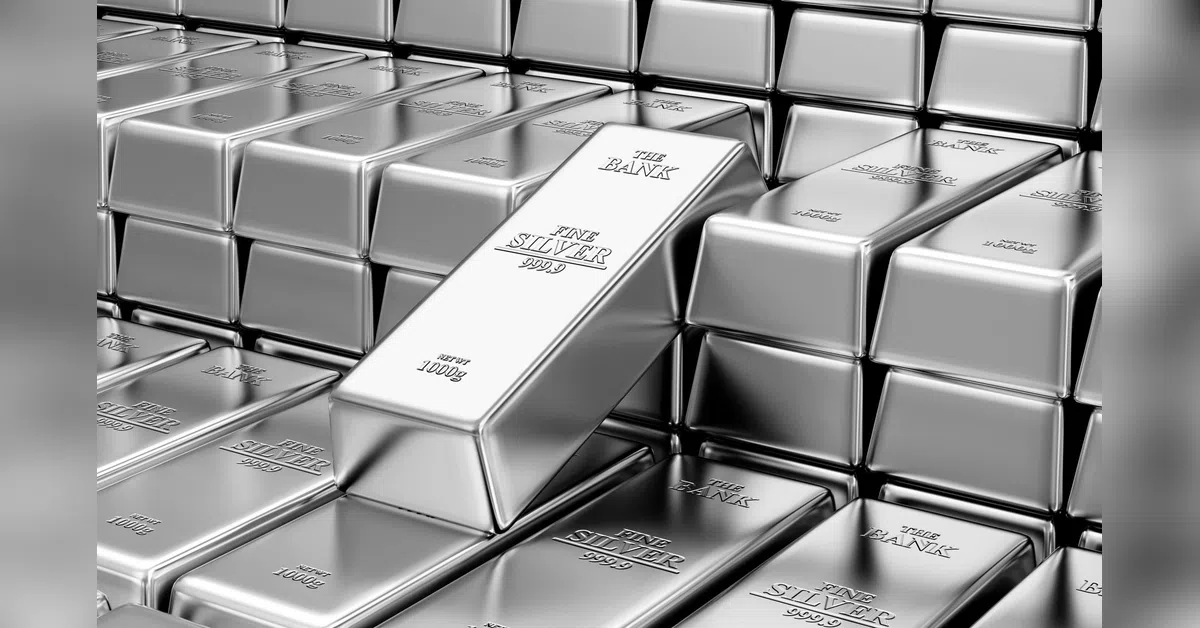
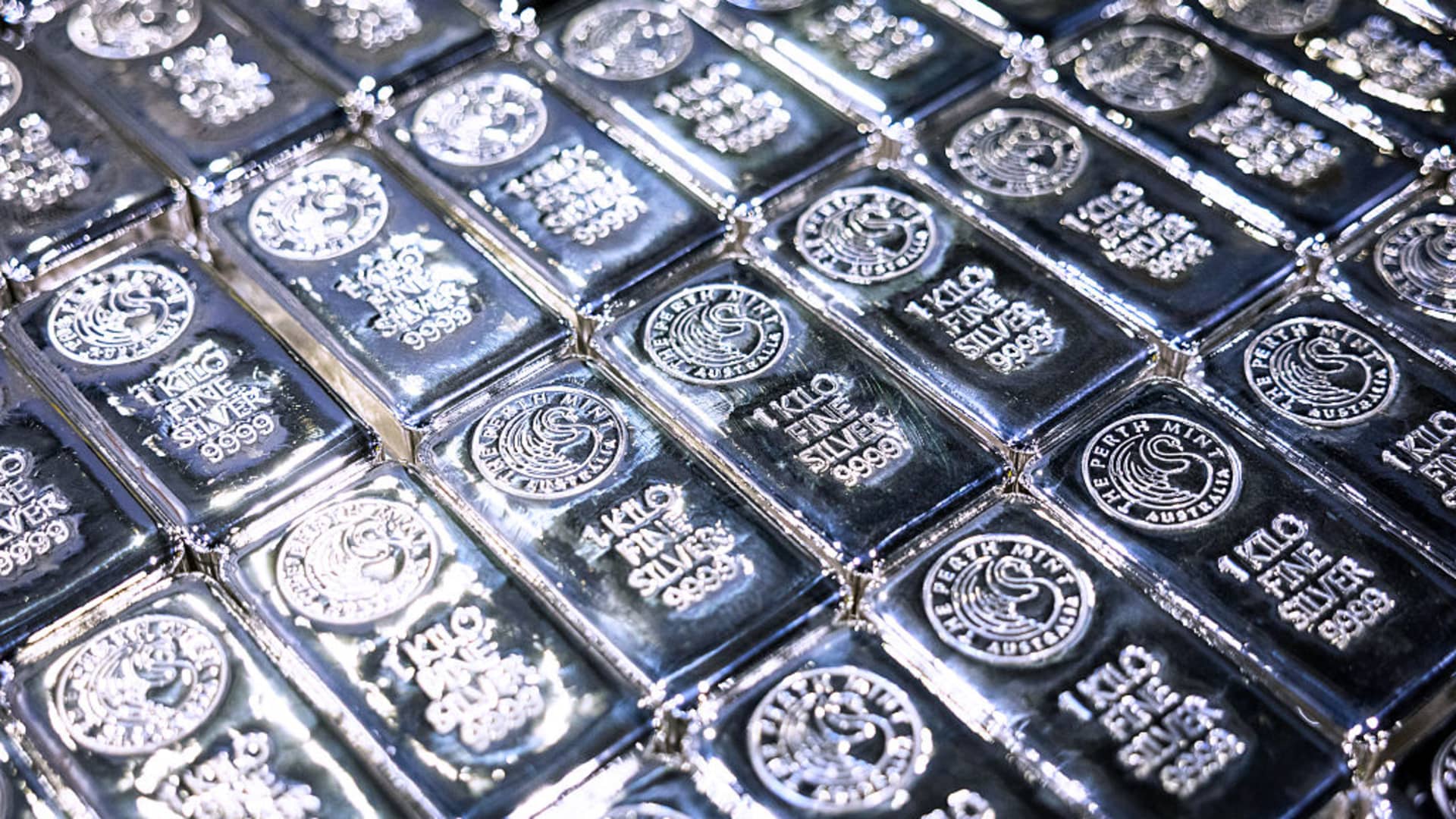
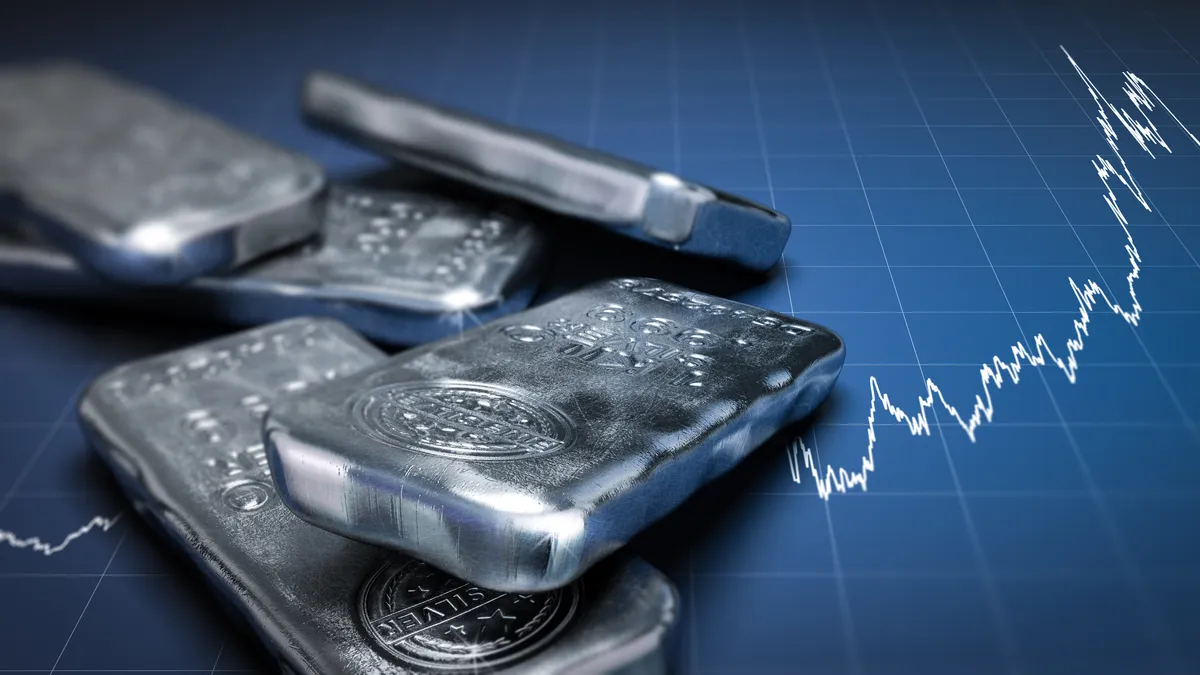
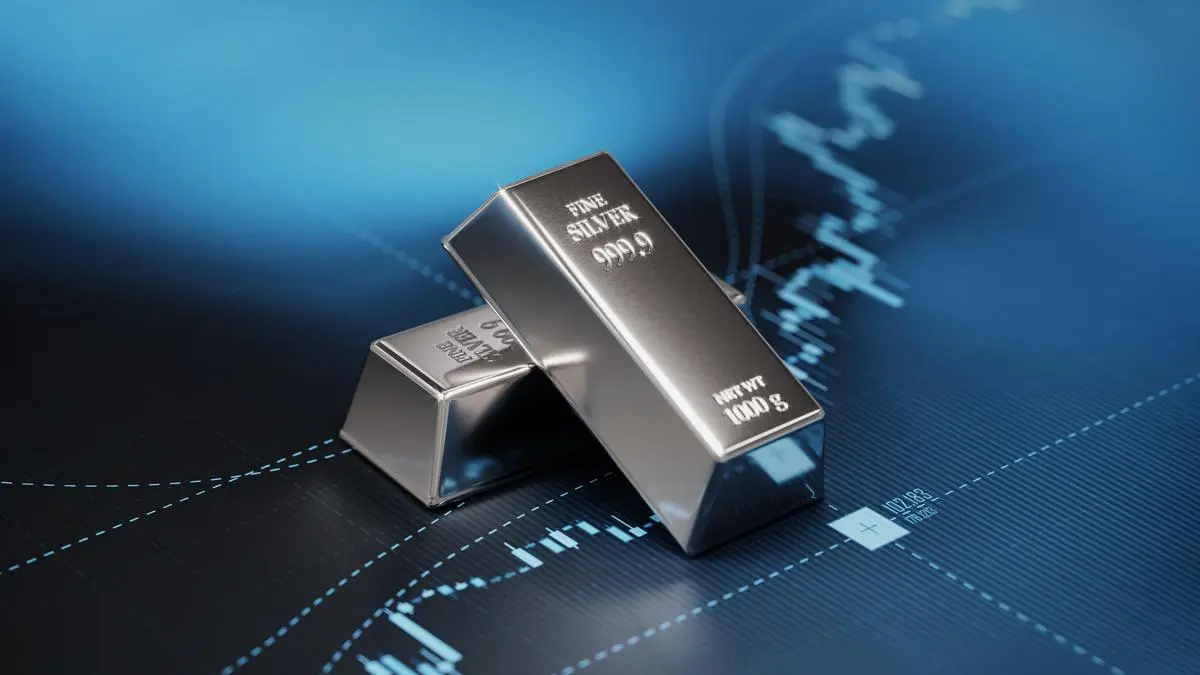
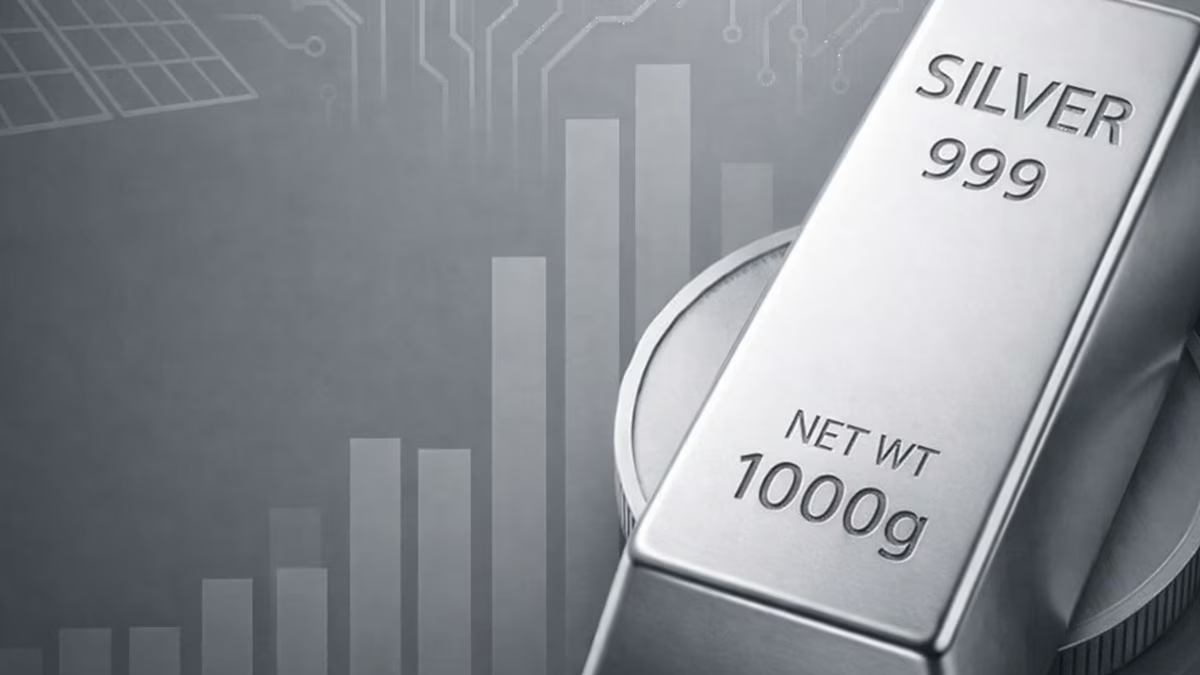
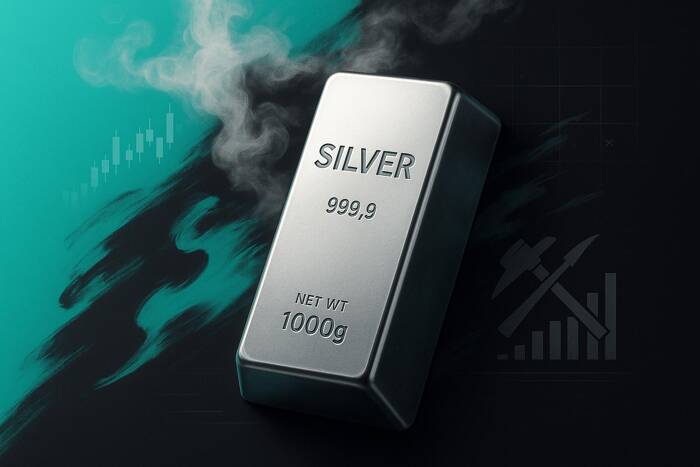
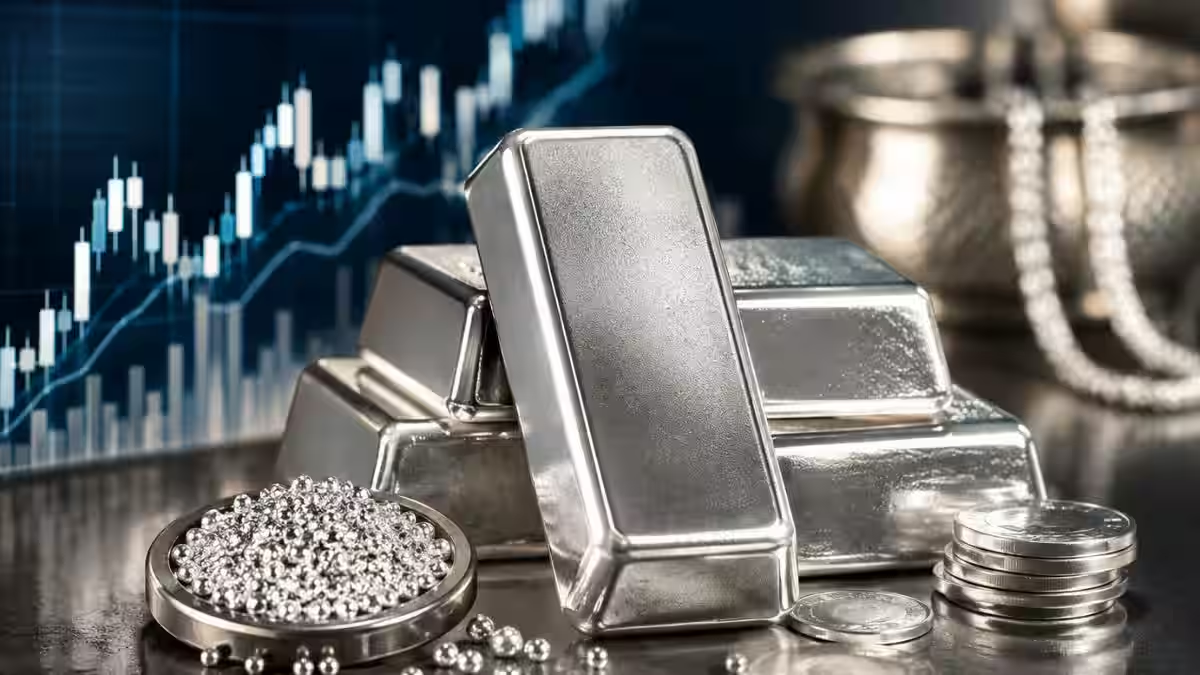
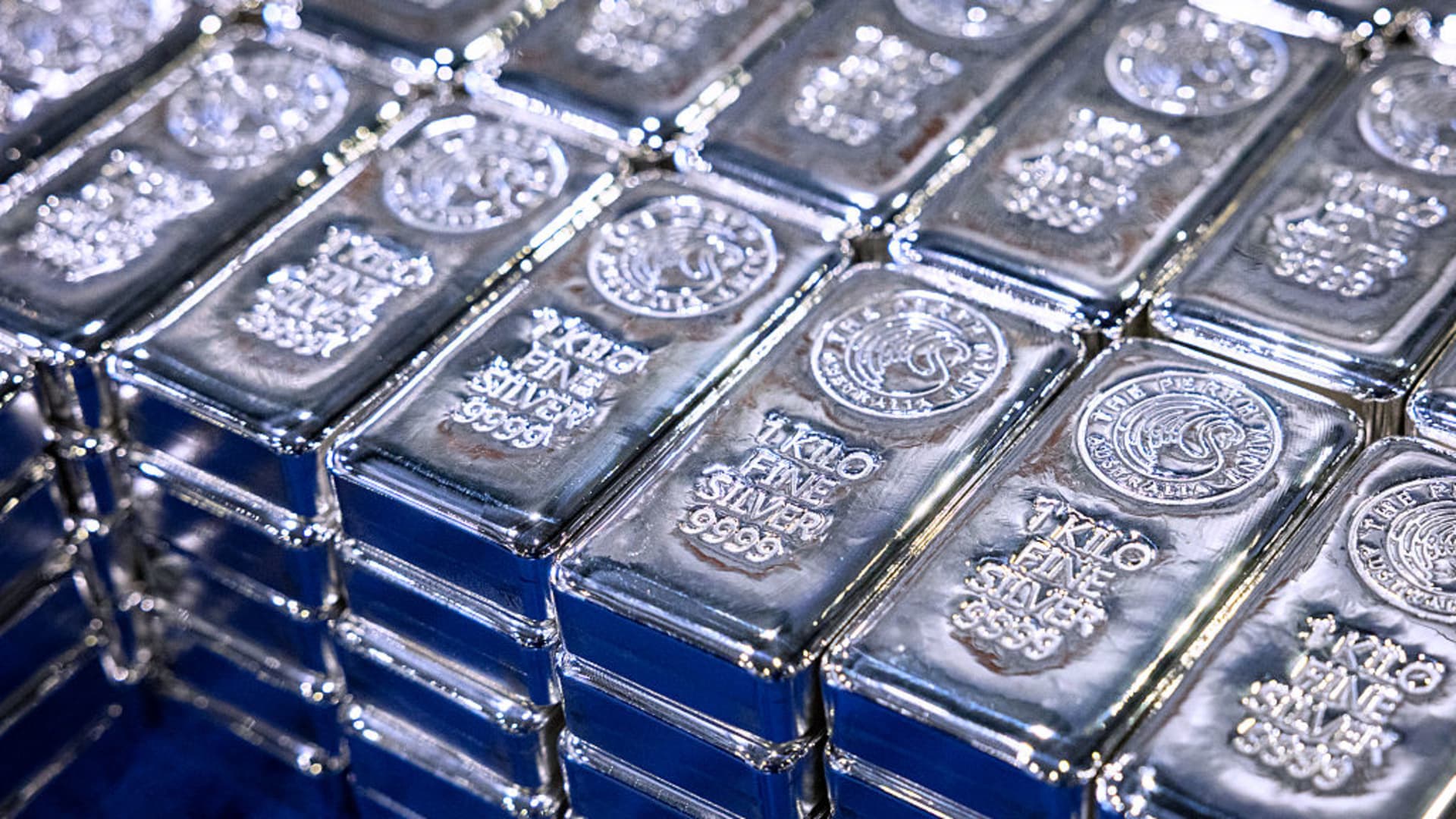
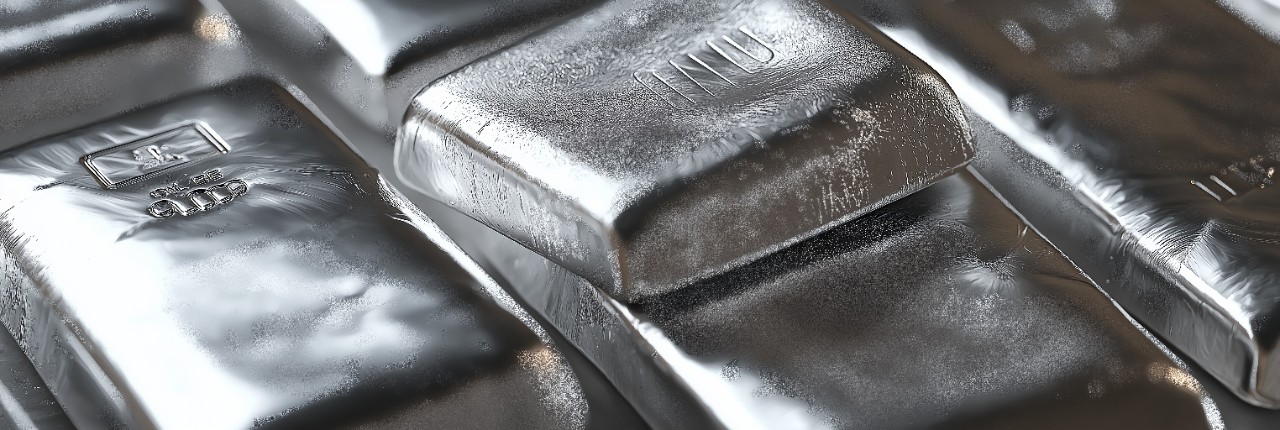
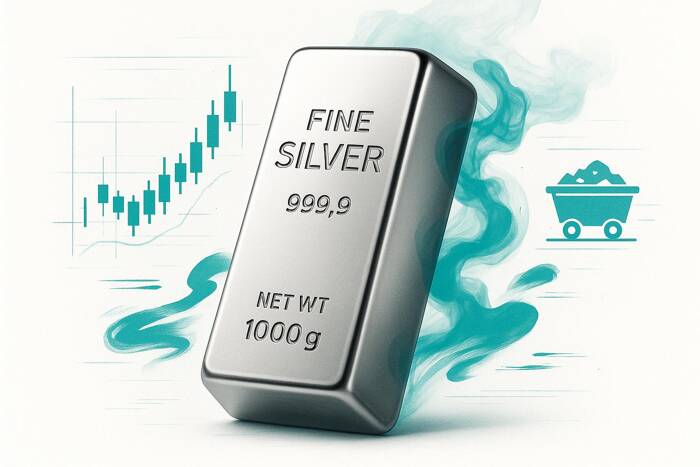
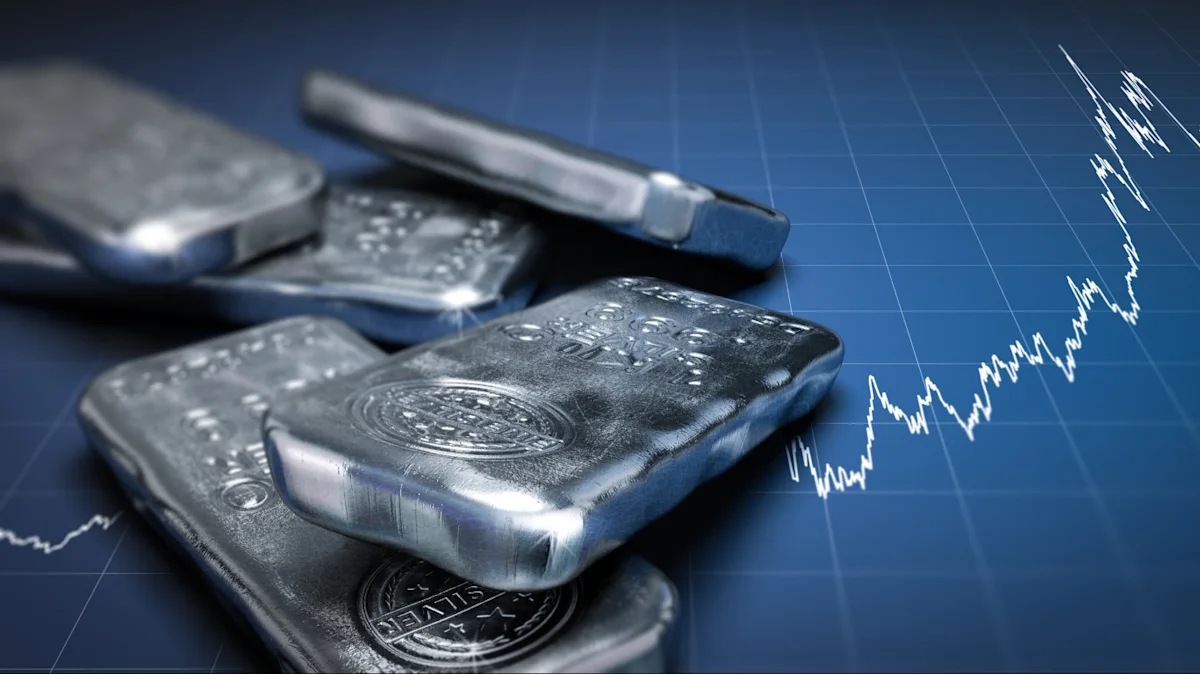
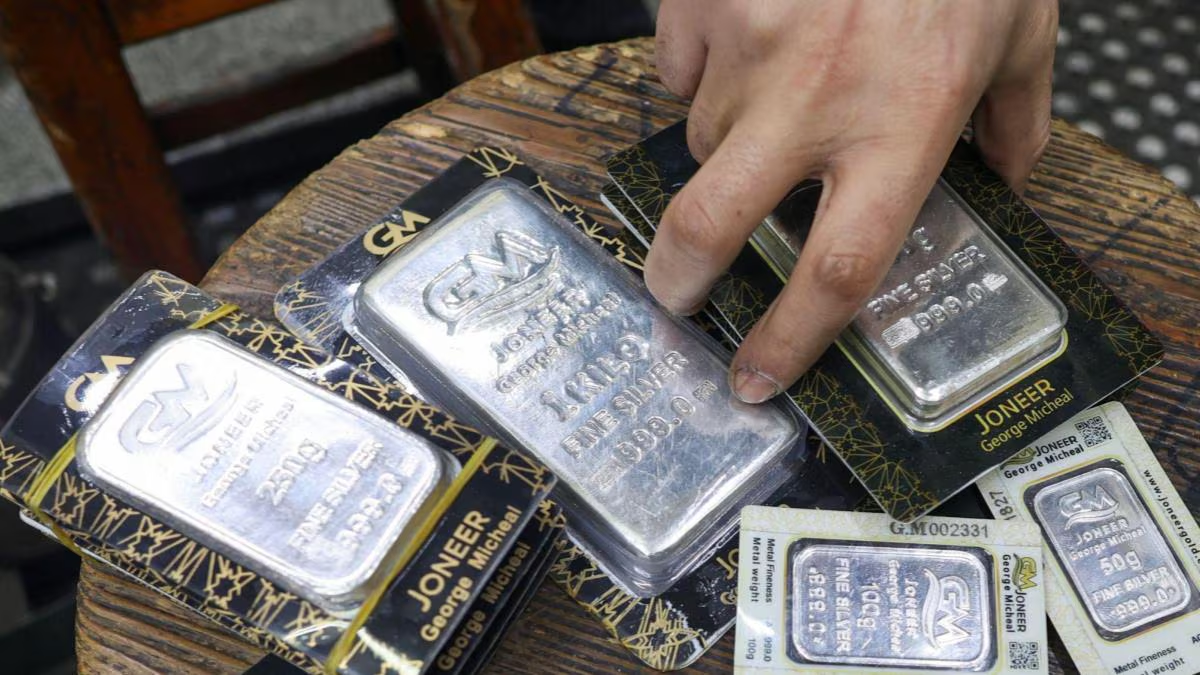
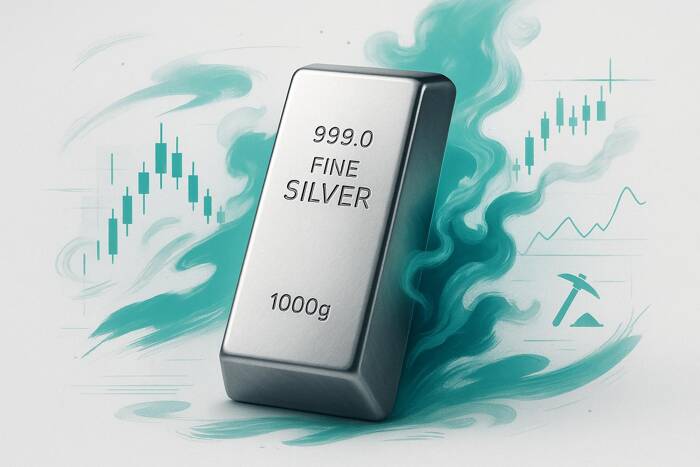
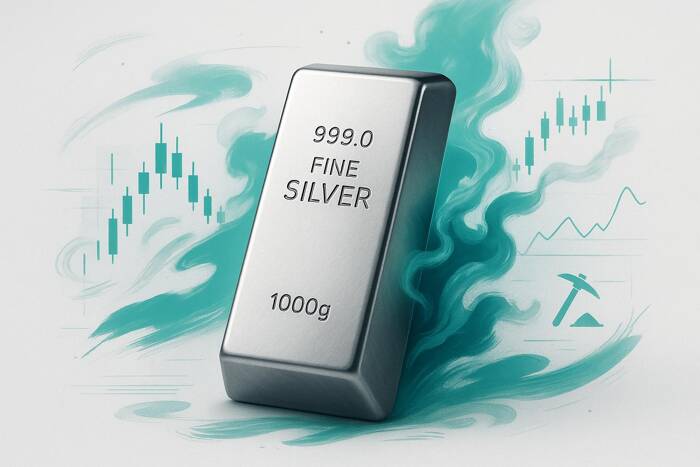
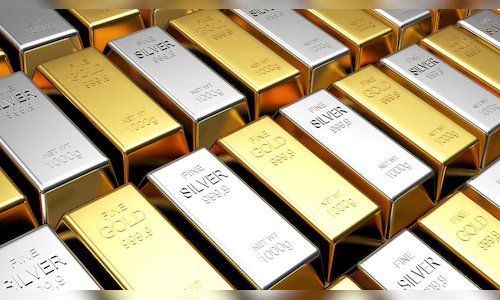
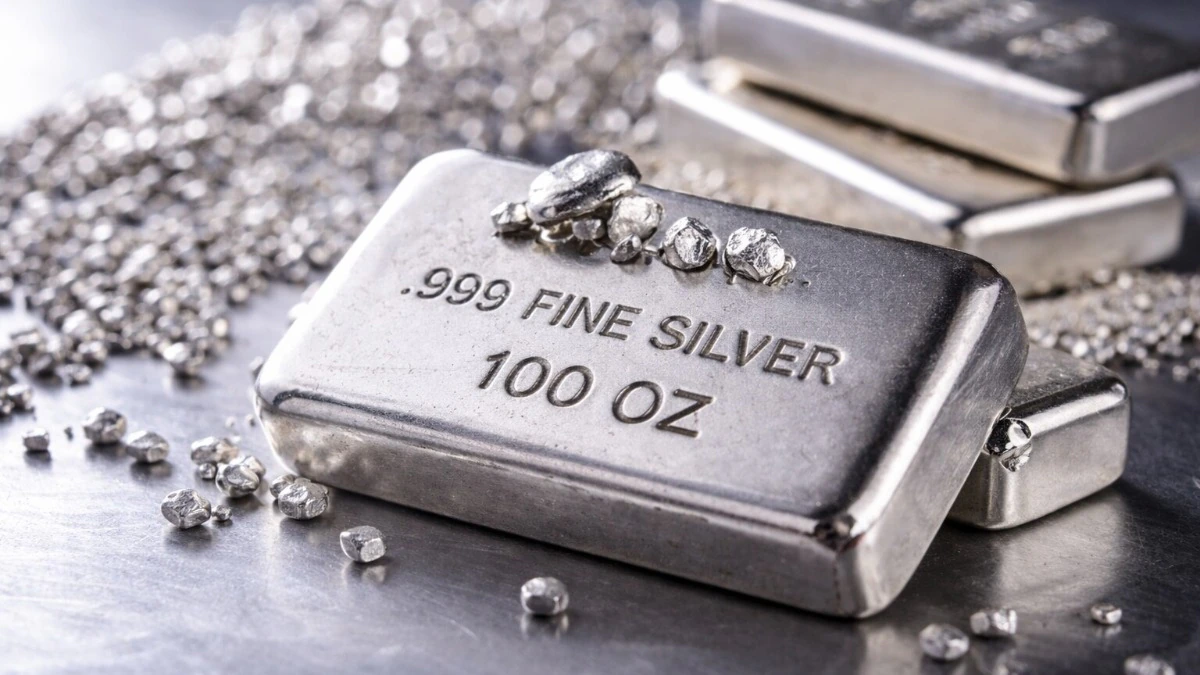
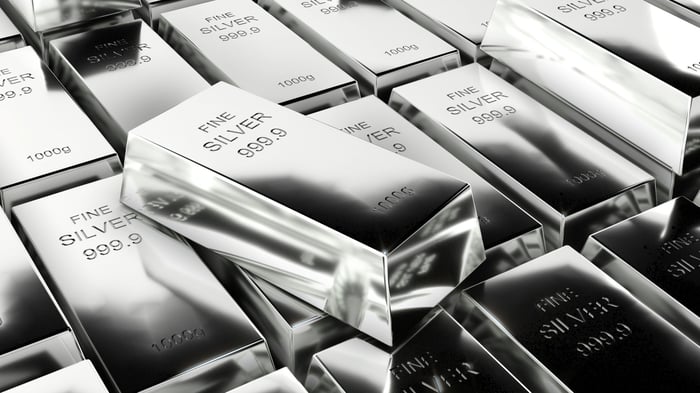
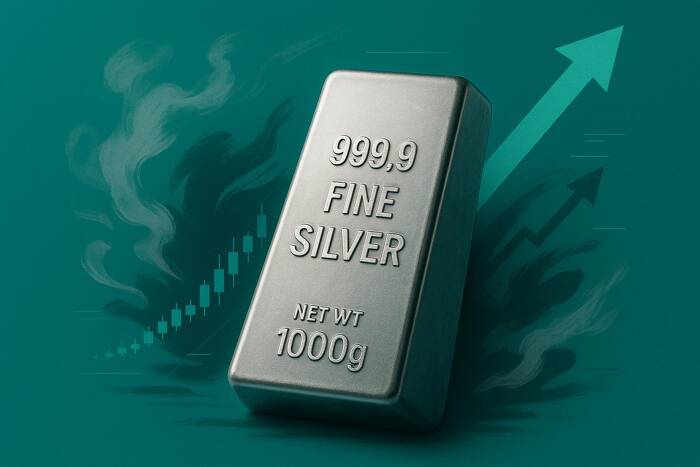
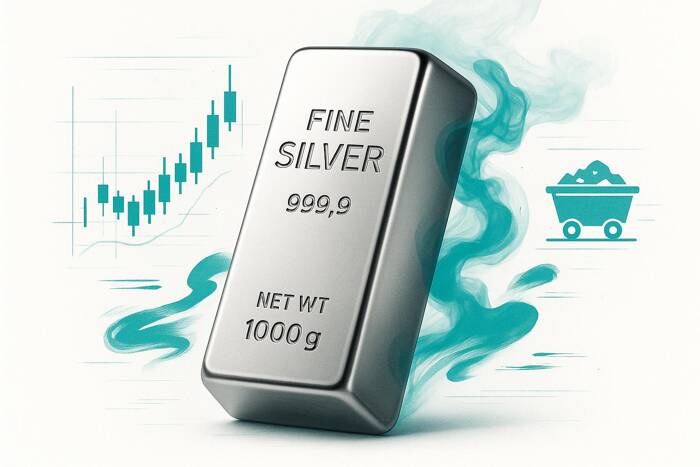
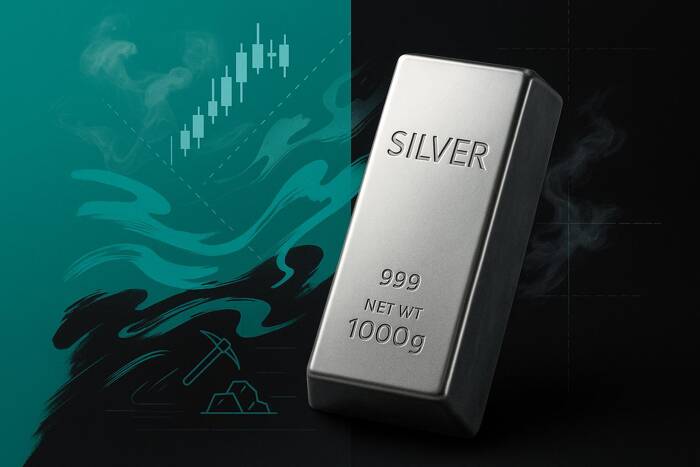
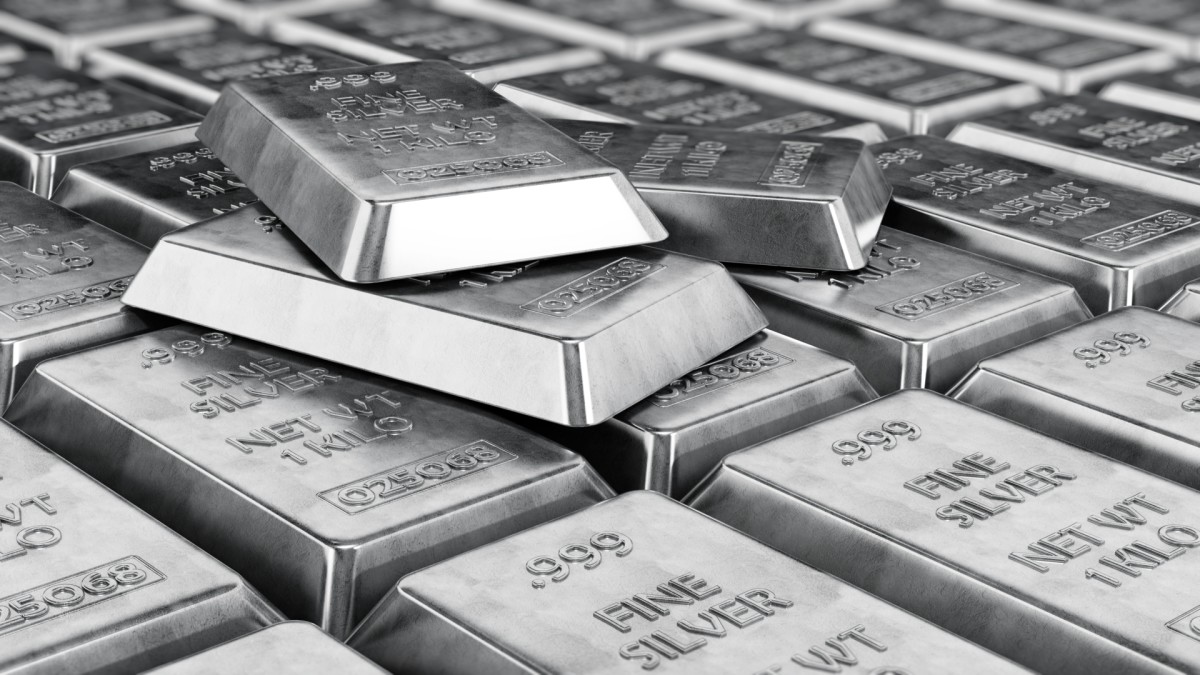
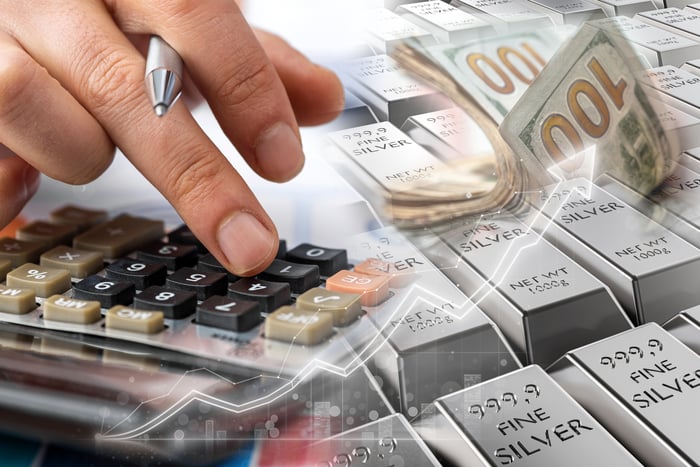
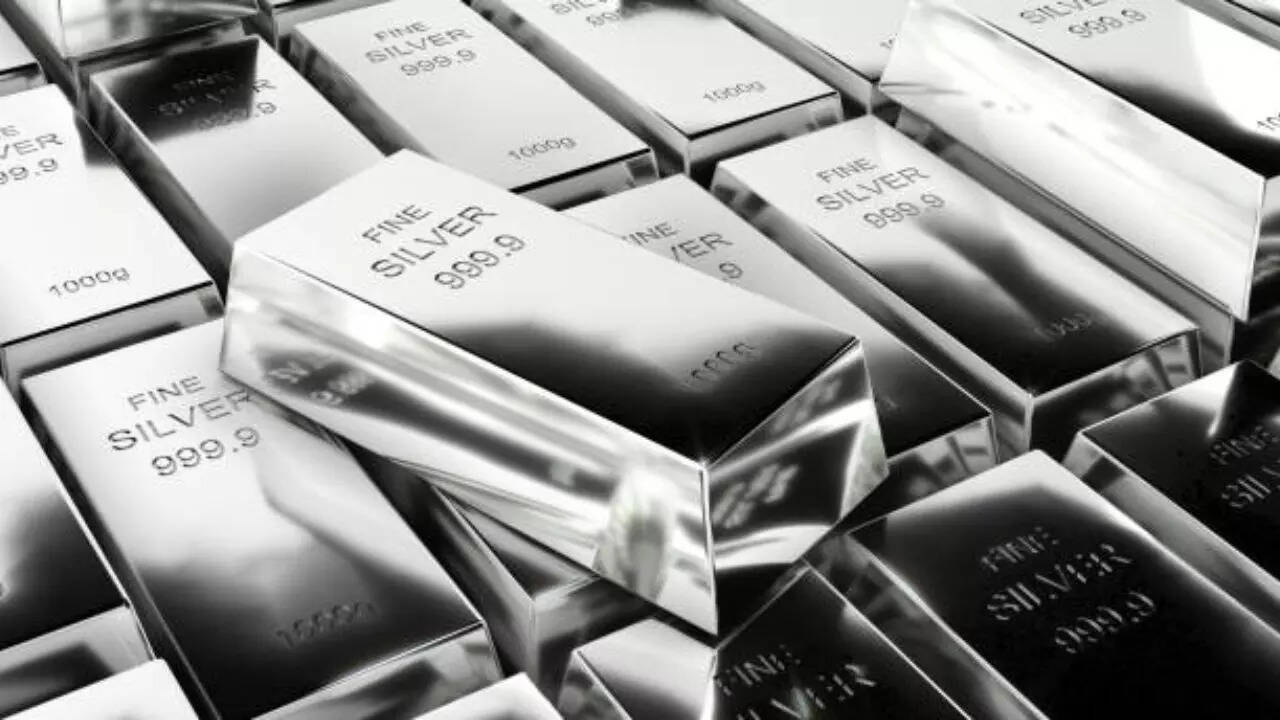
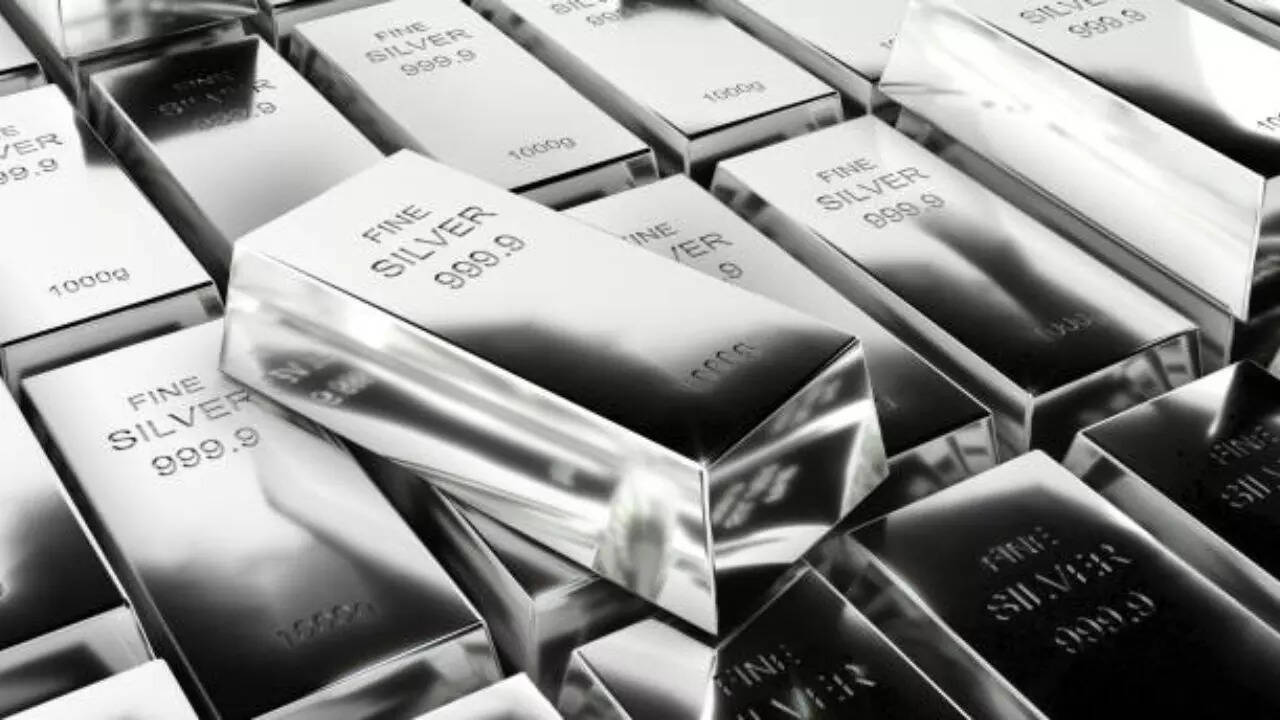
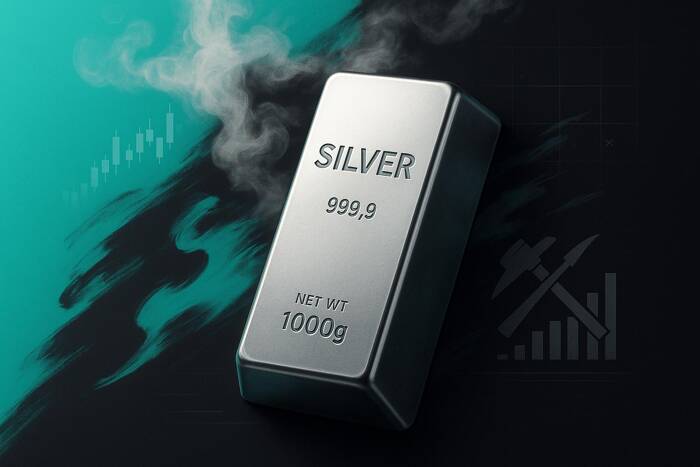
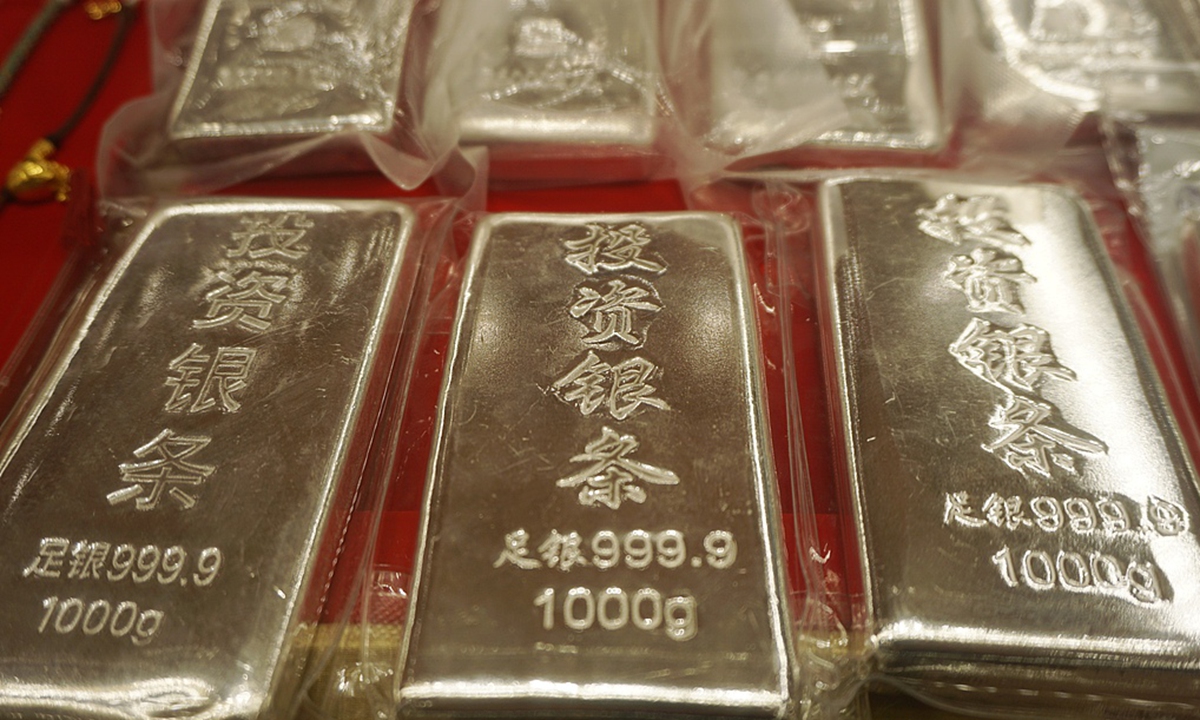
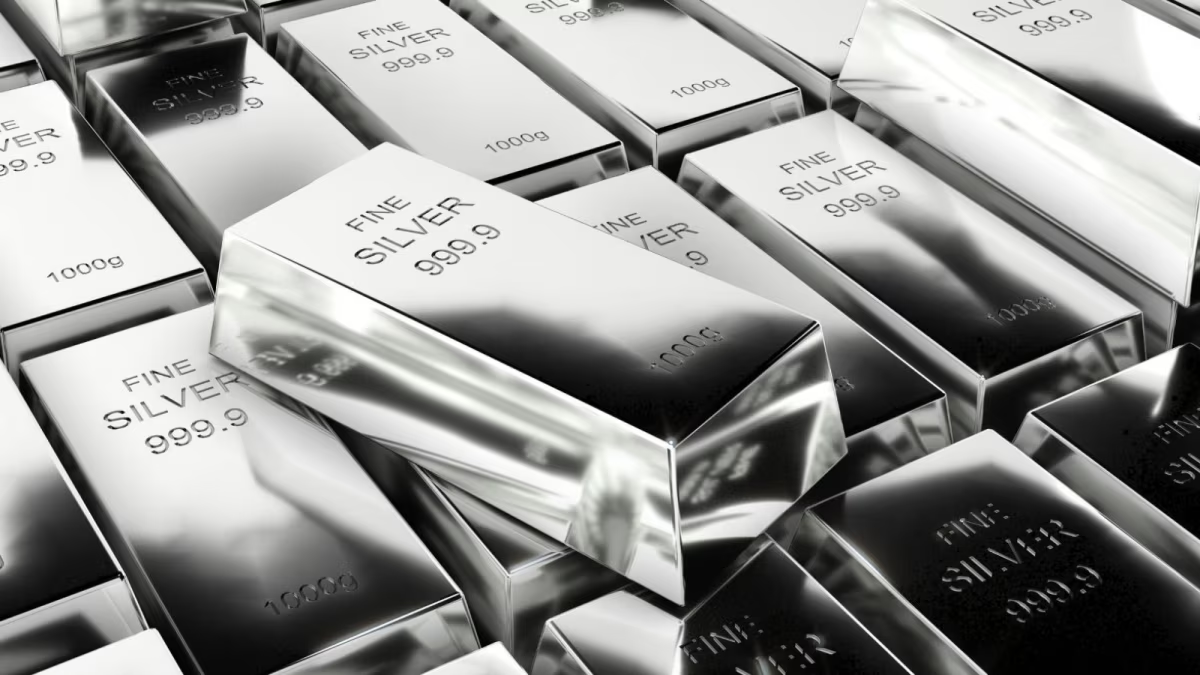
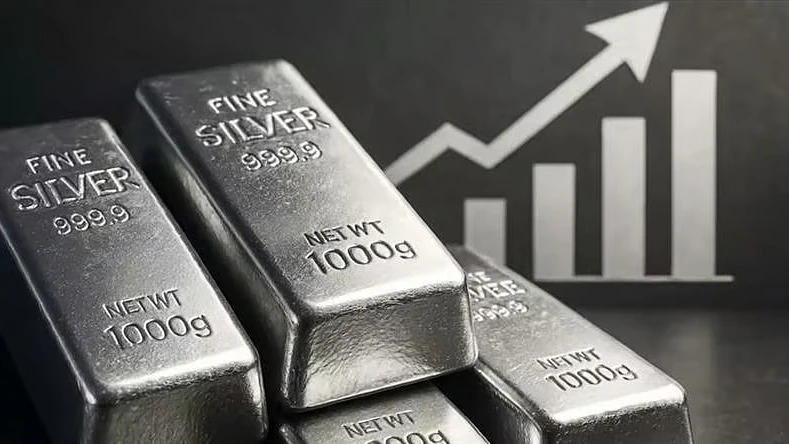
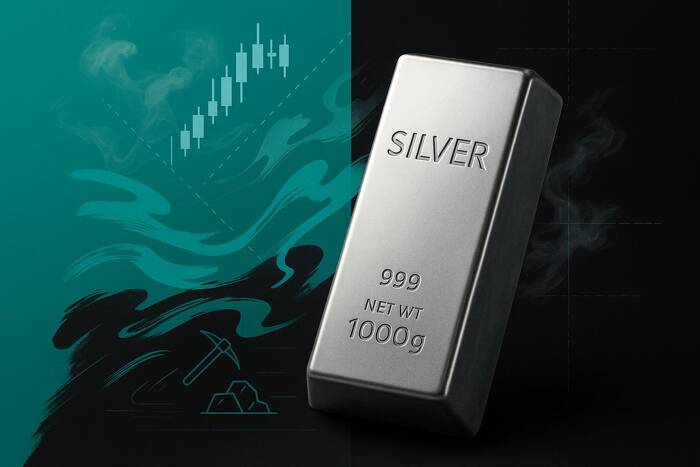
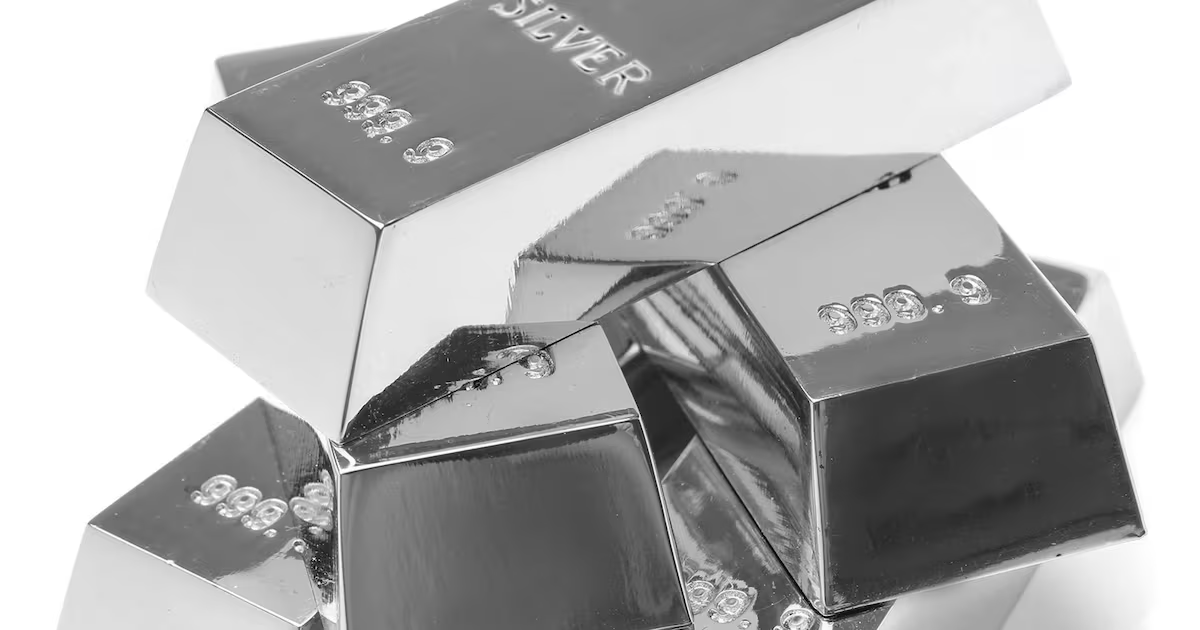
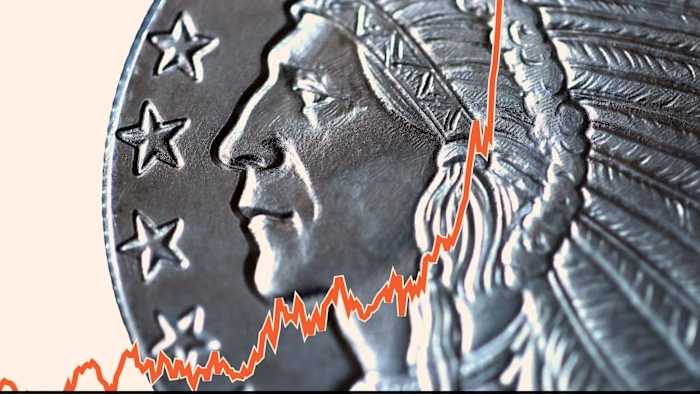
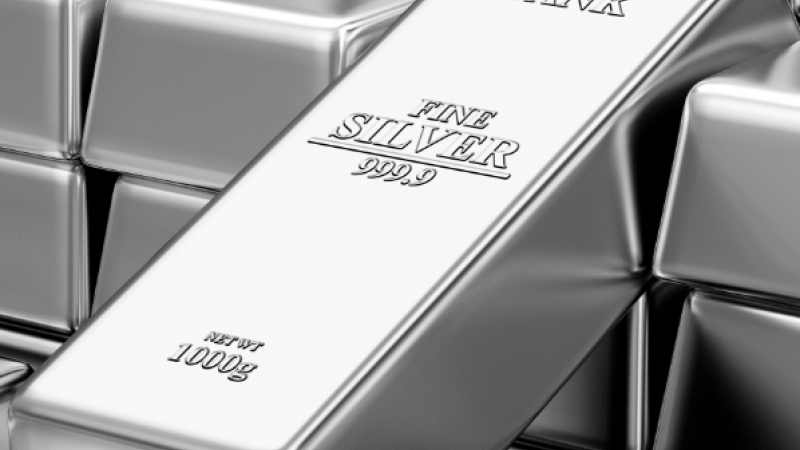
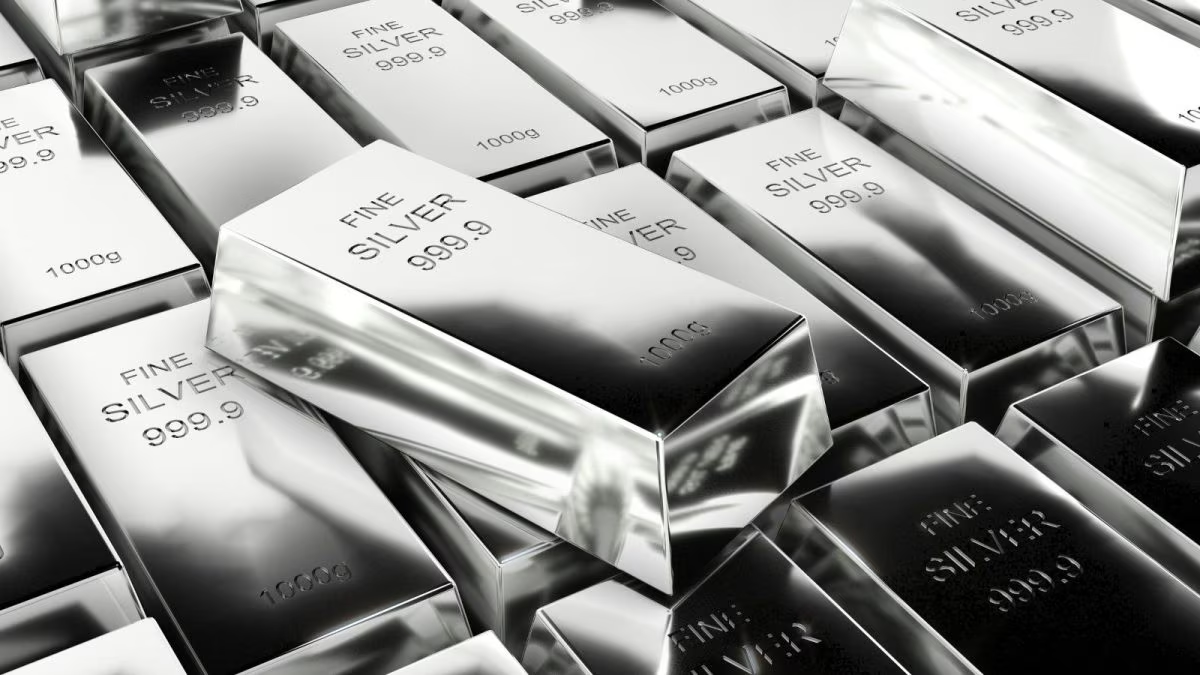
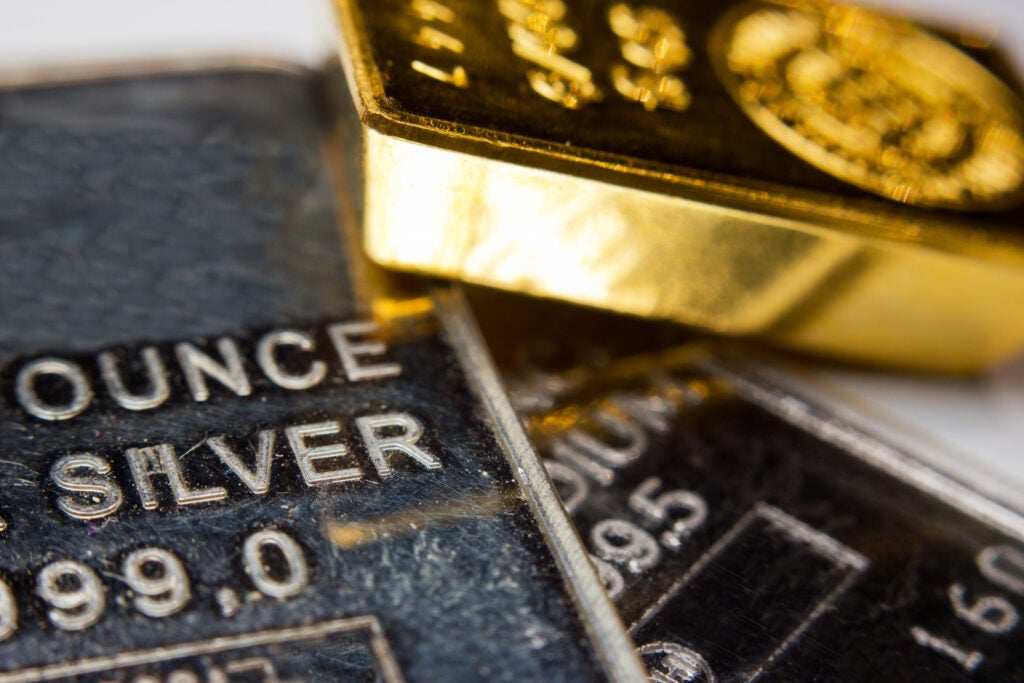
Silver straddles two worlds — an inflation hedge like gold, yet deeply embedded in industrial growth. It’s vital to solar cells, electronics, and medical devices. That duality makes silver volatile, but strategically valuable.
Key insights:
- Silver prices tend to outperform gold during industrial expansions.
- Liquidity is lower, yet volatility can amplify short-term gains.
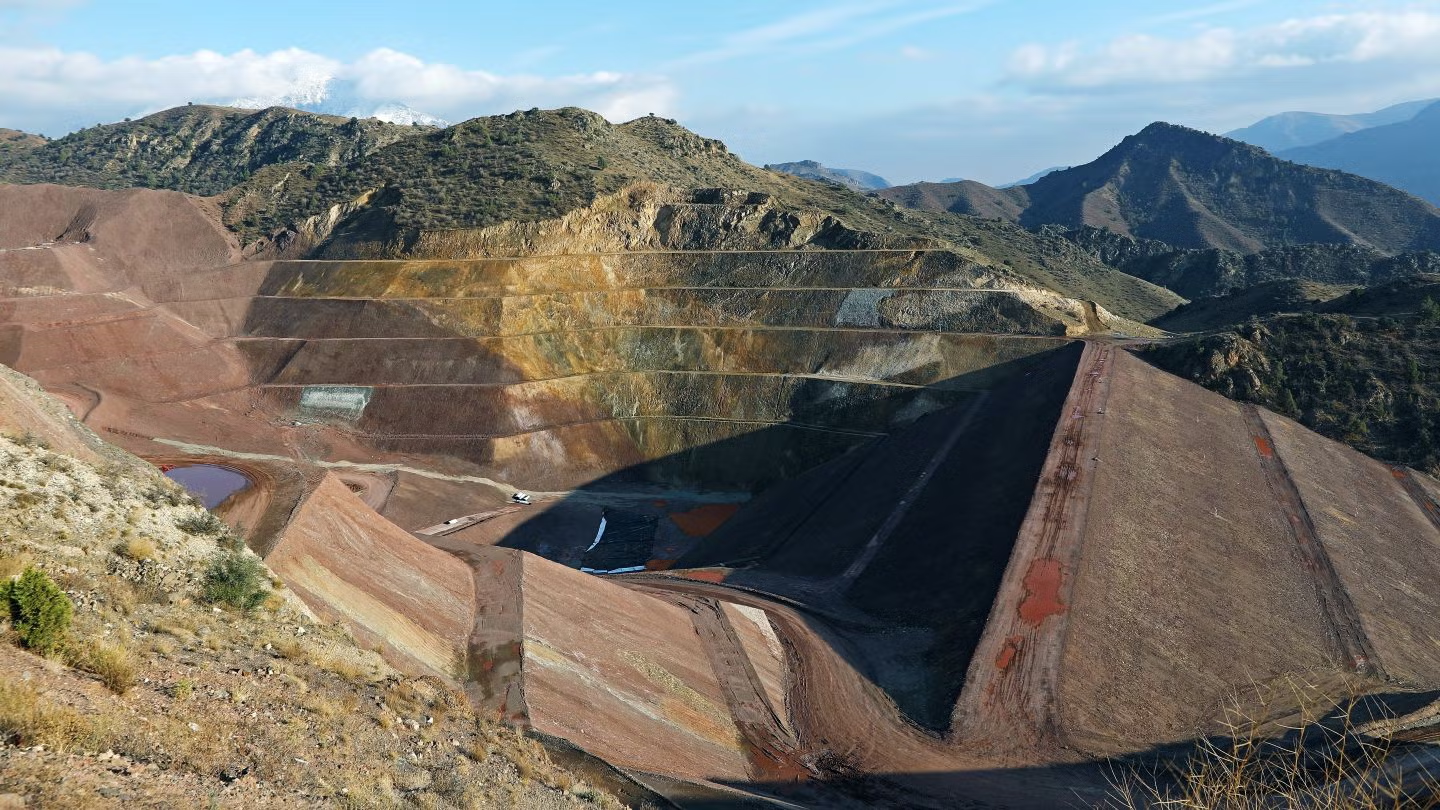
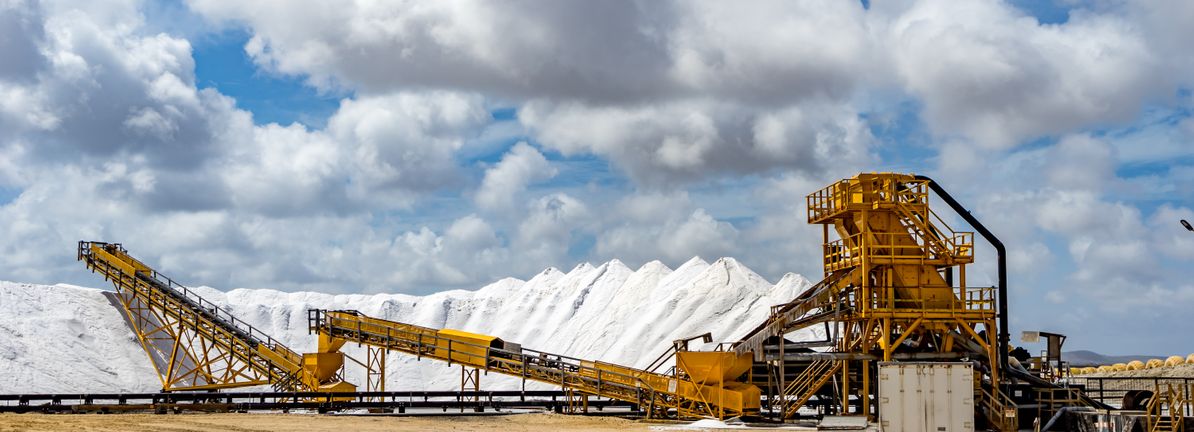
- Supply is heavily driven by byproduct mining (from zinc and copper), meaning production often lags demand spikes.
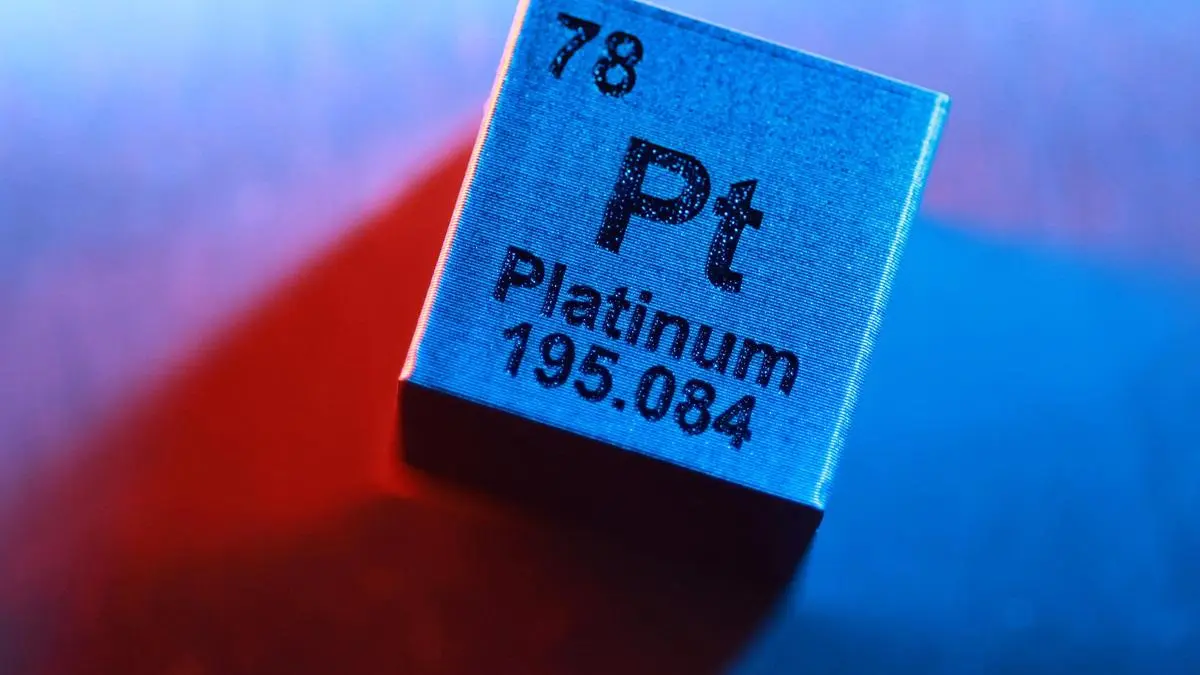
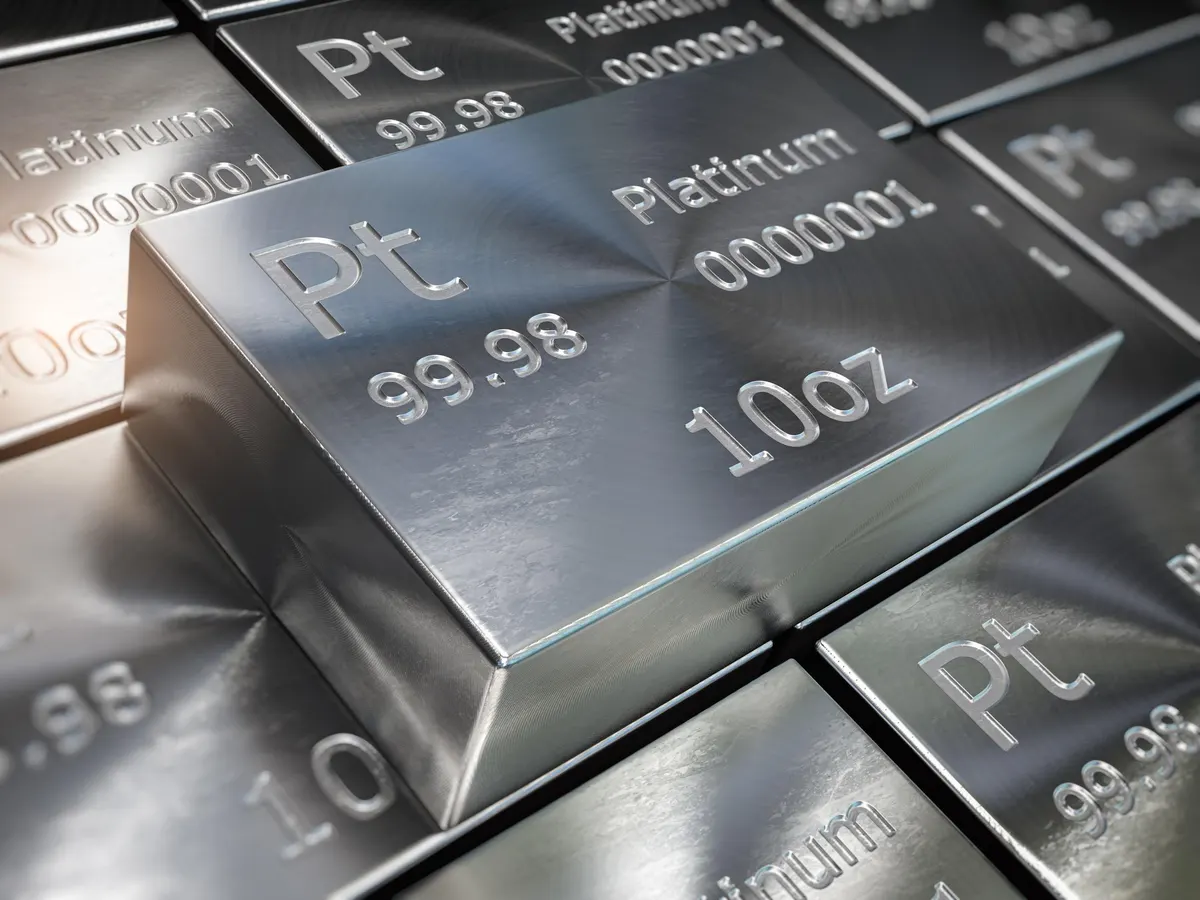
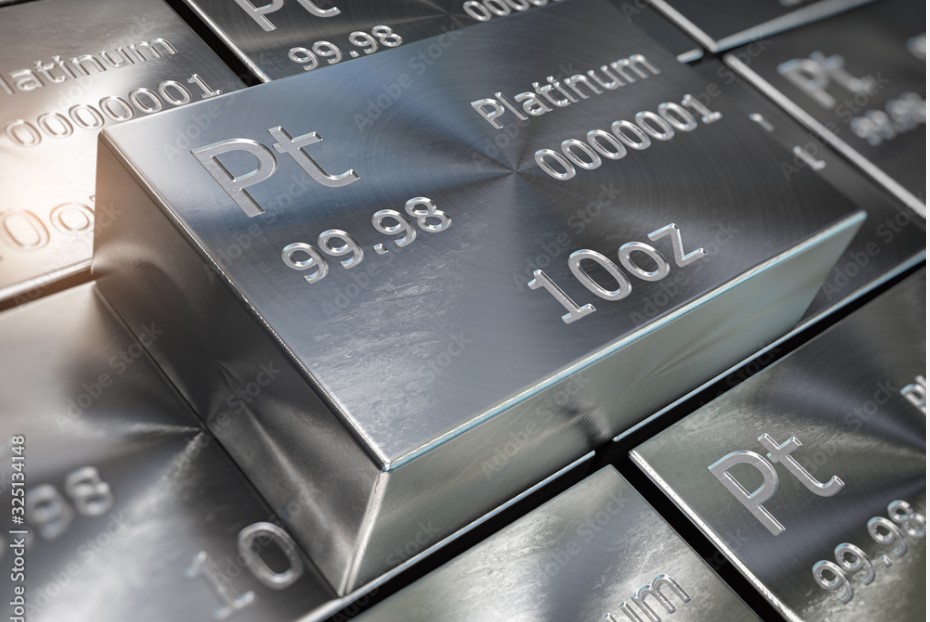
Platinum: The Clean Economy’s Workhorse
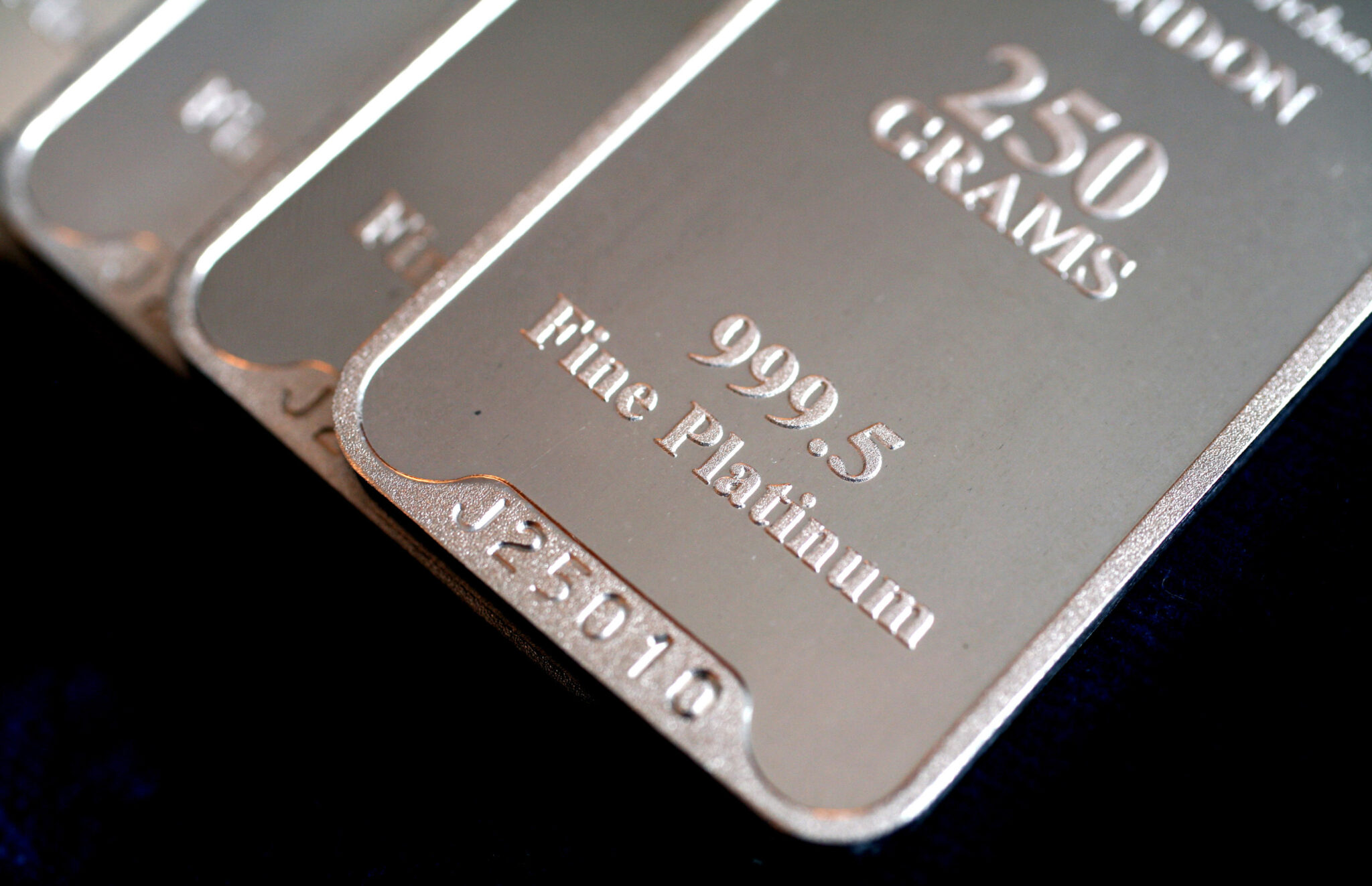
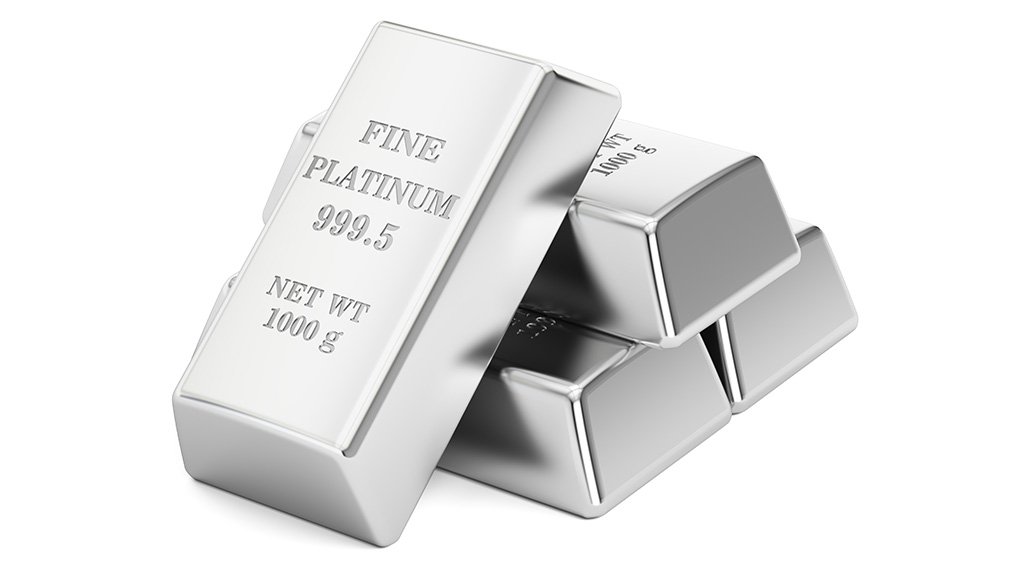
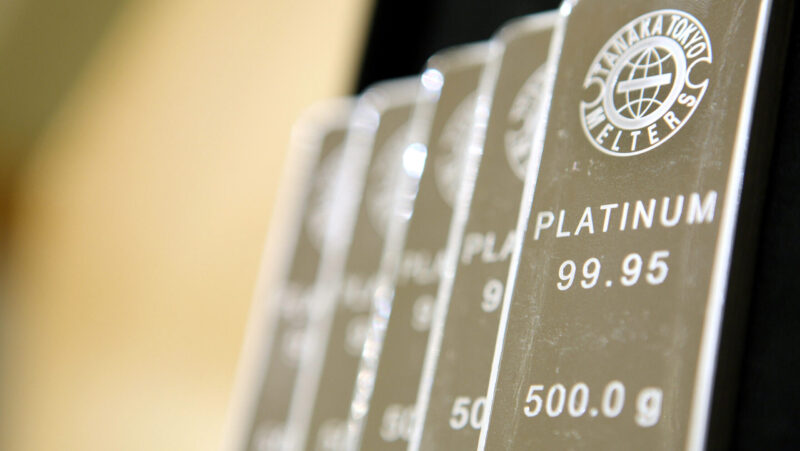
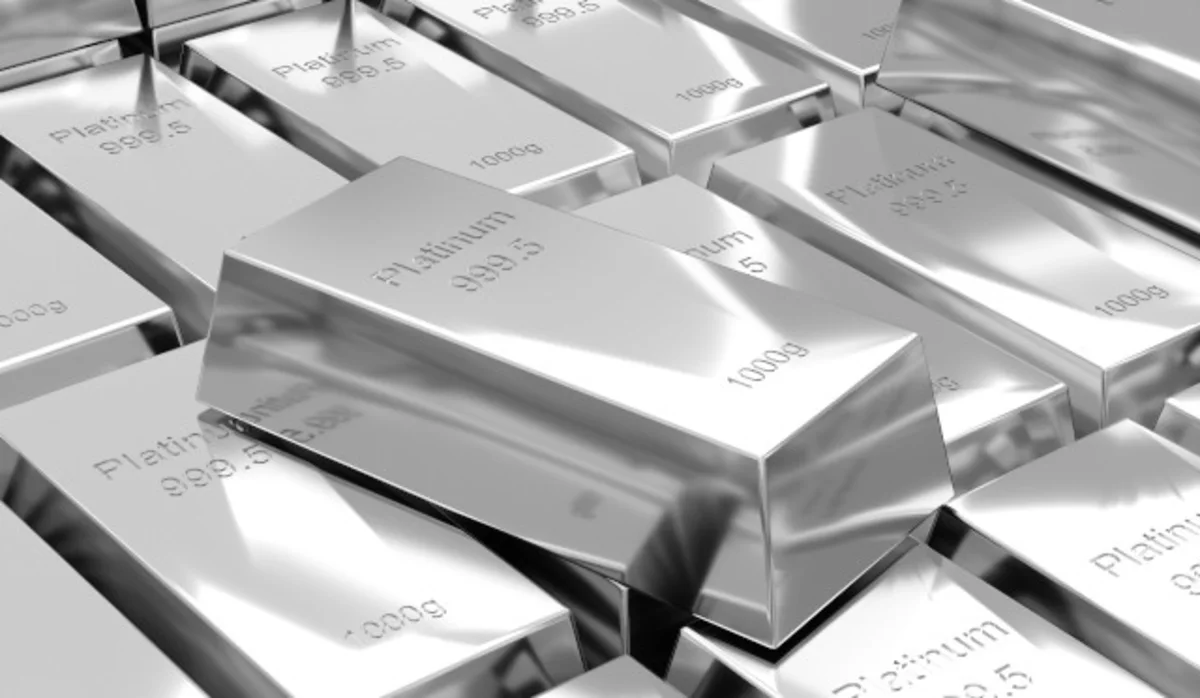
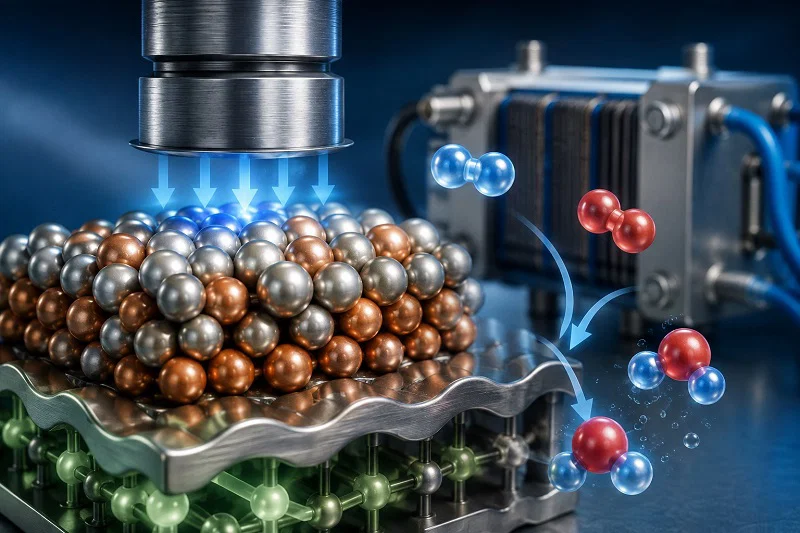
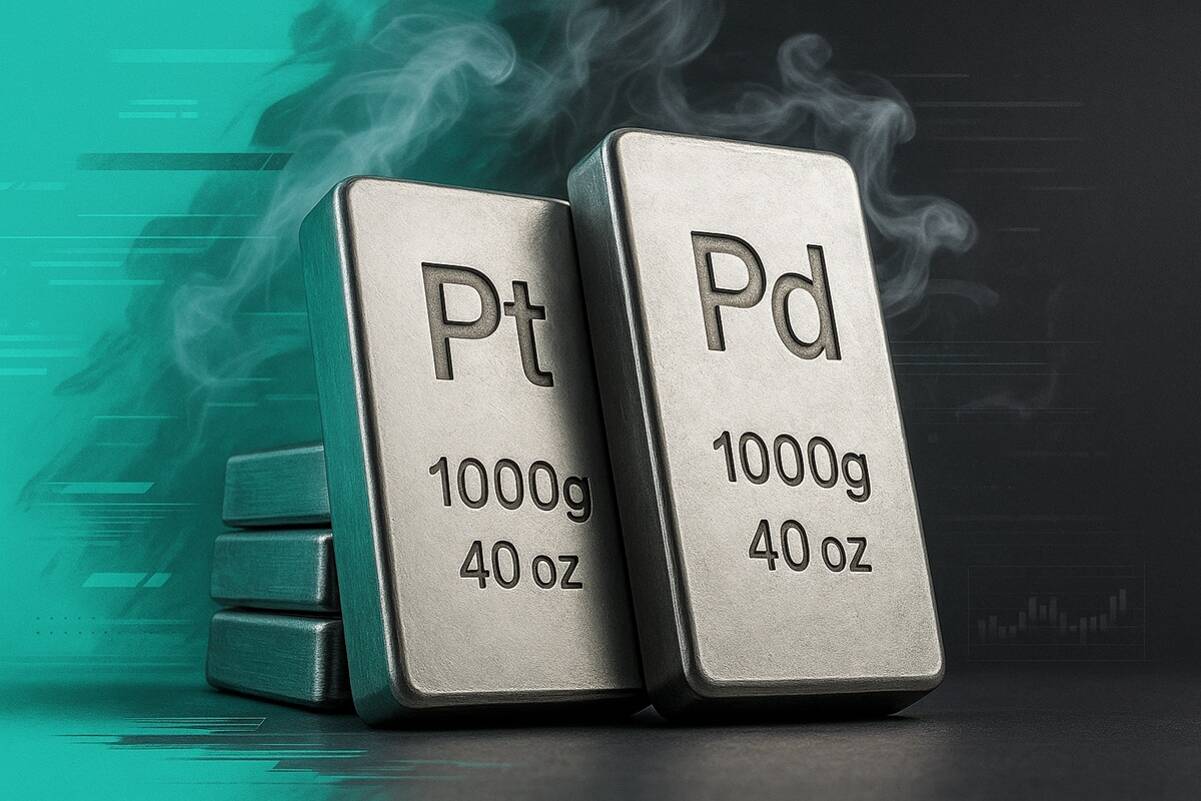
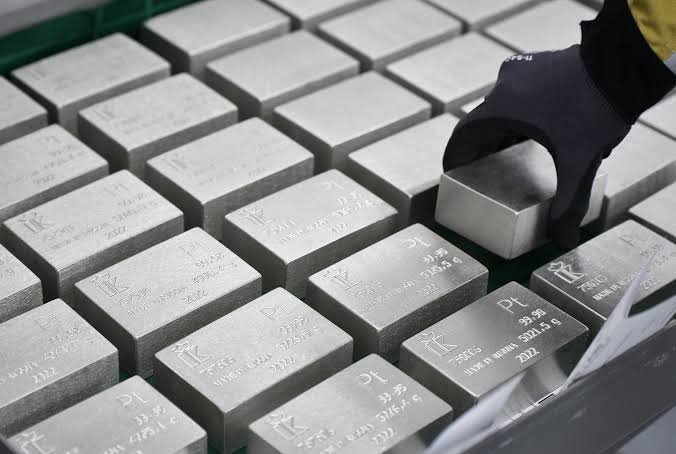
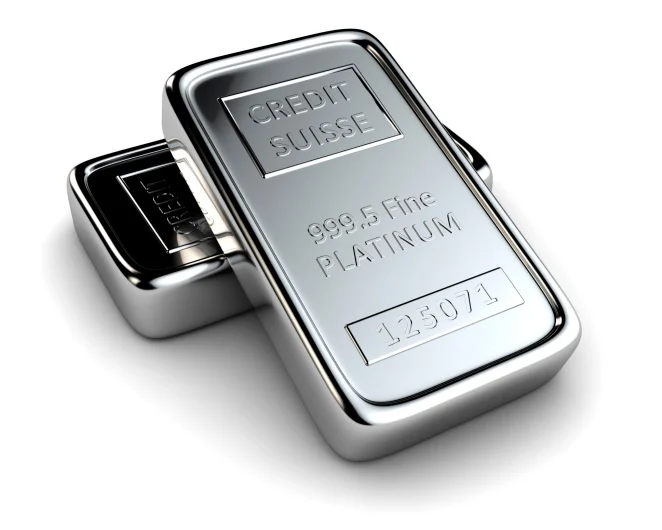
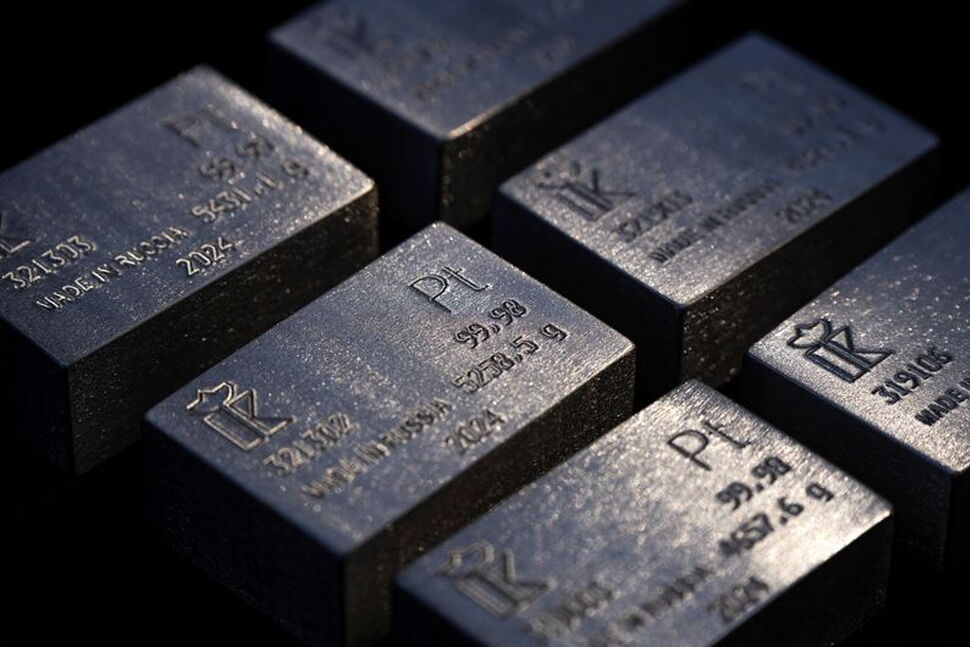
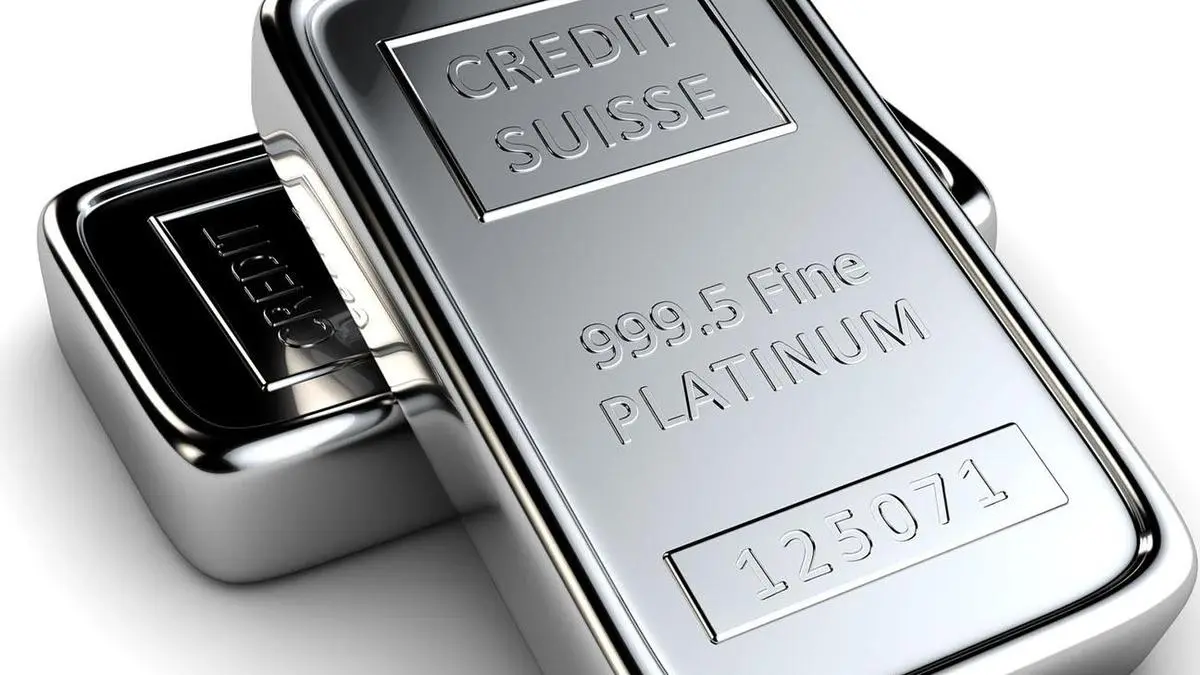
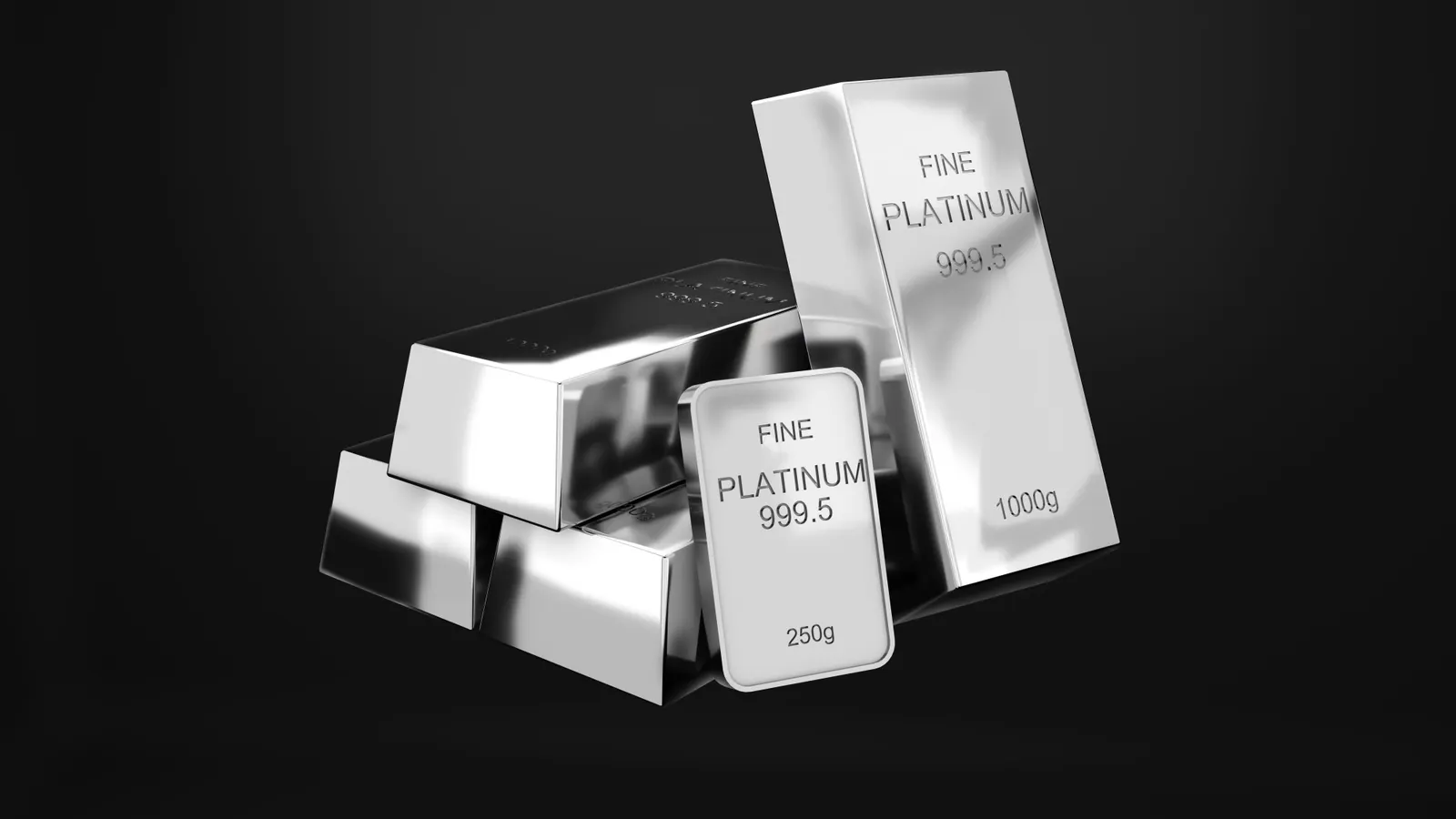
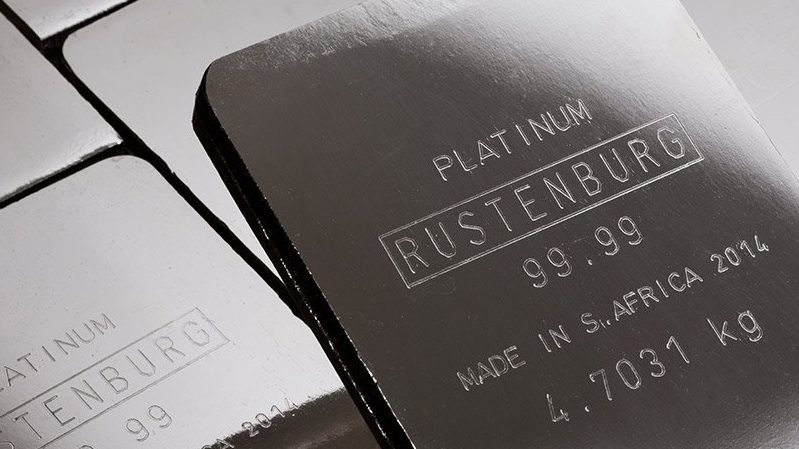
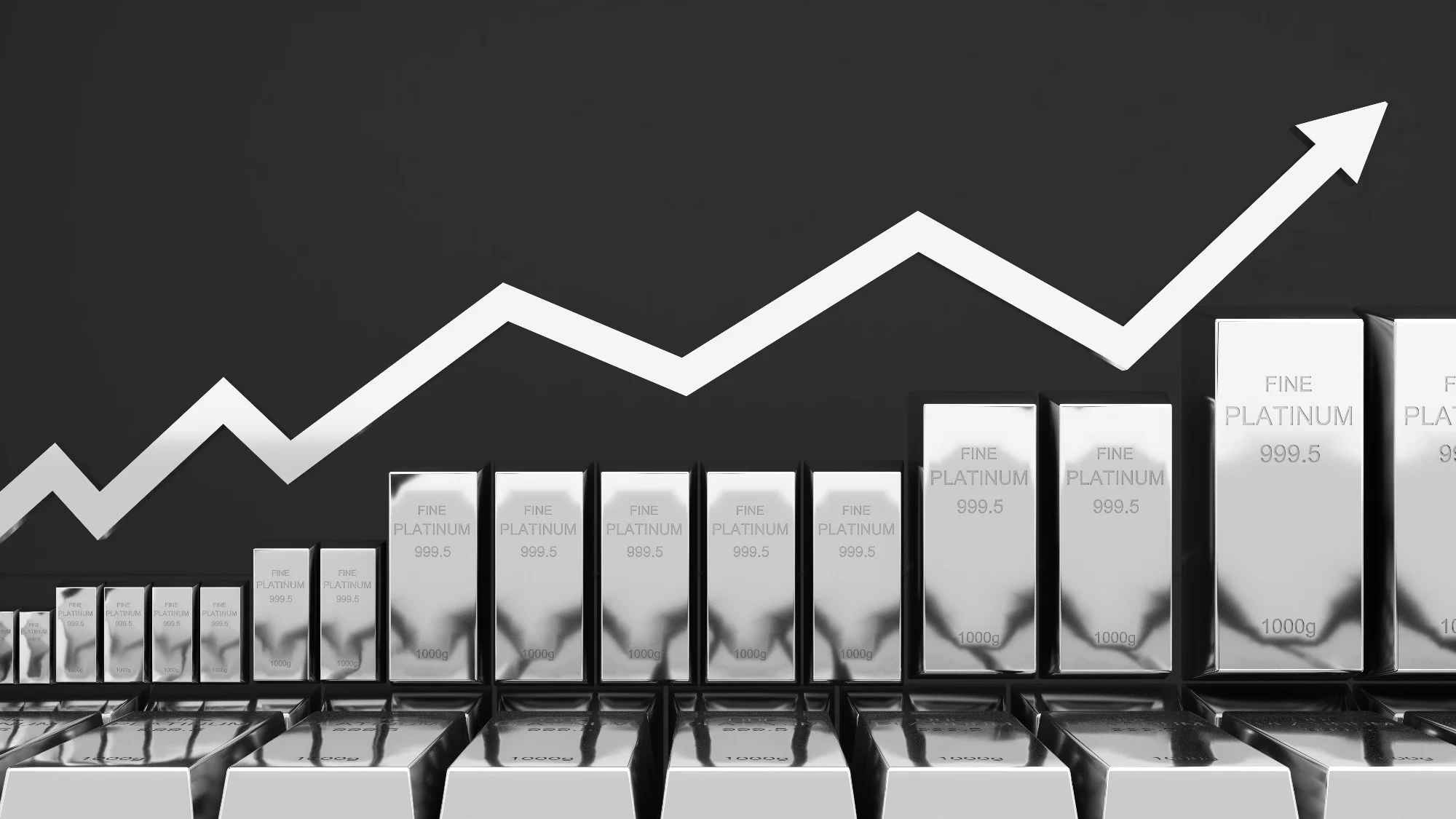
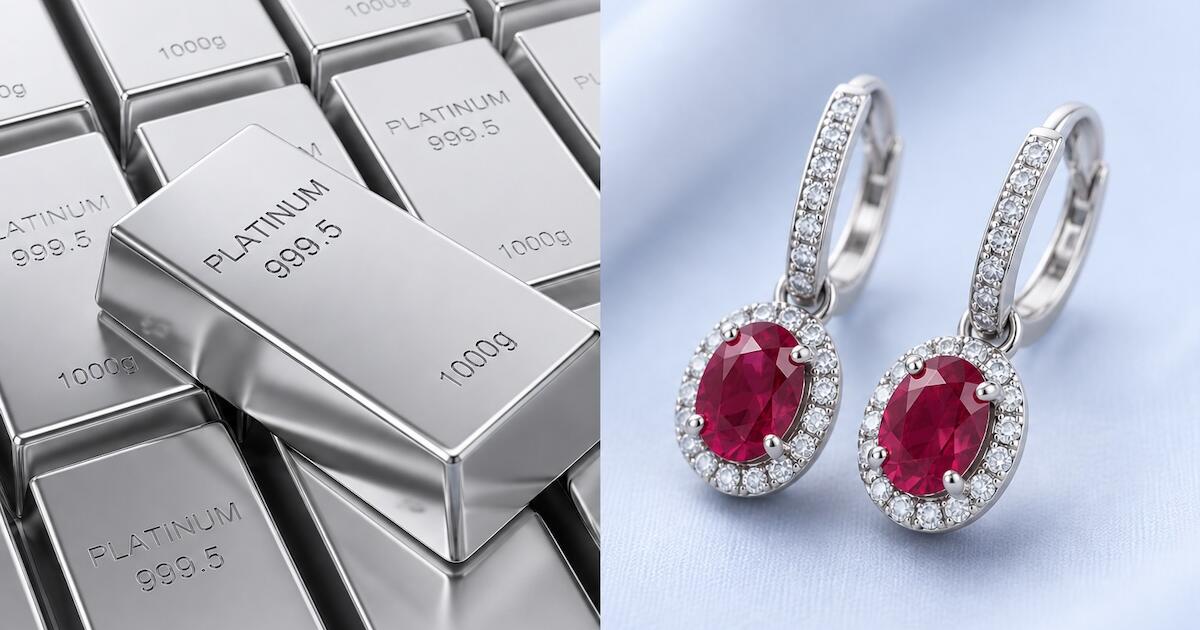
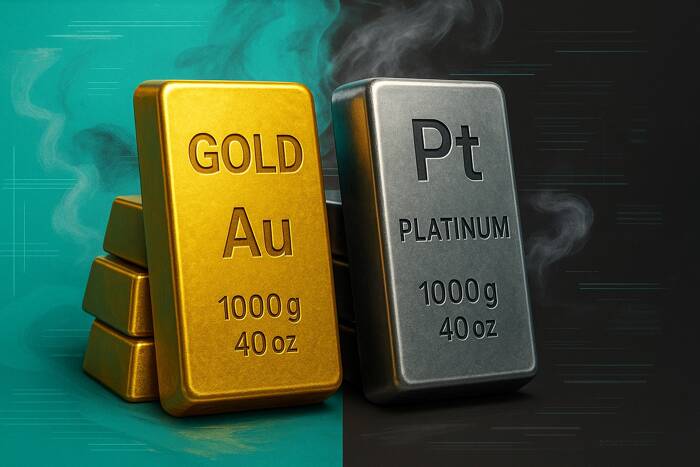
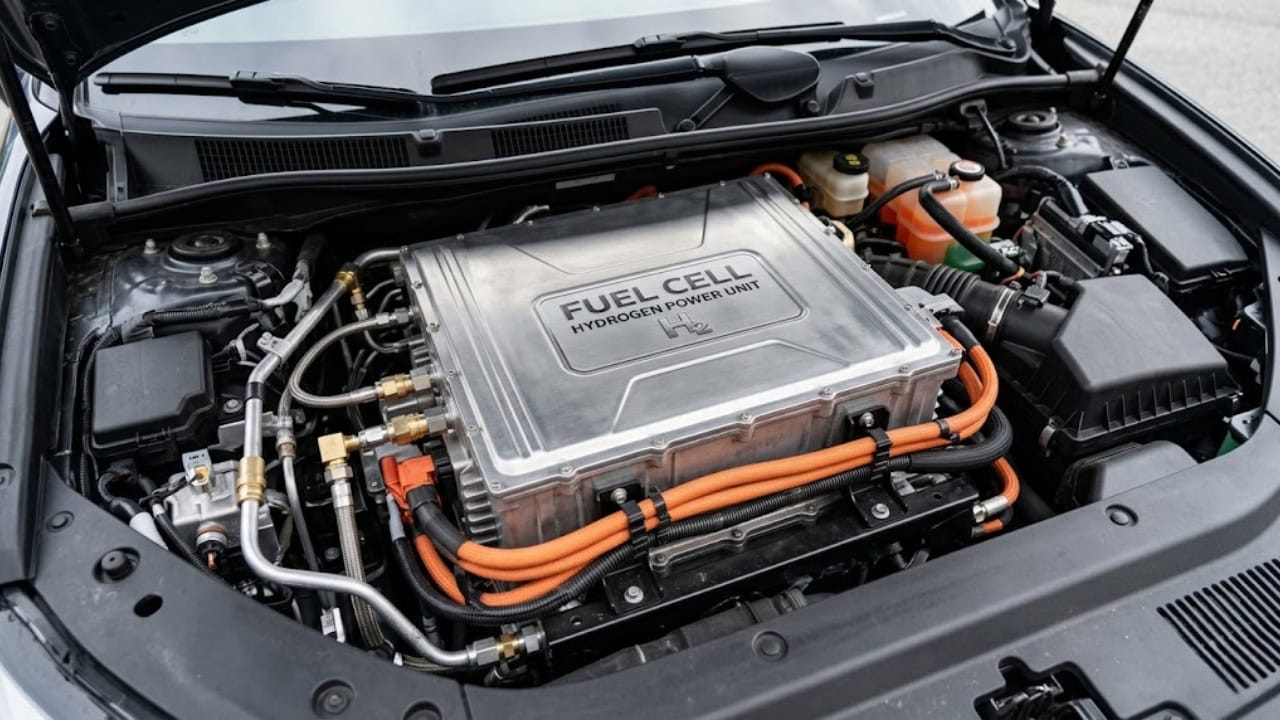
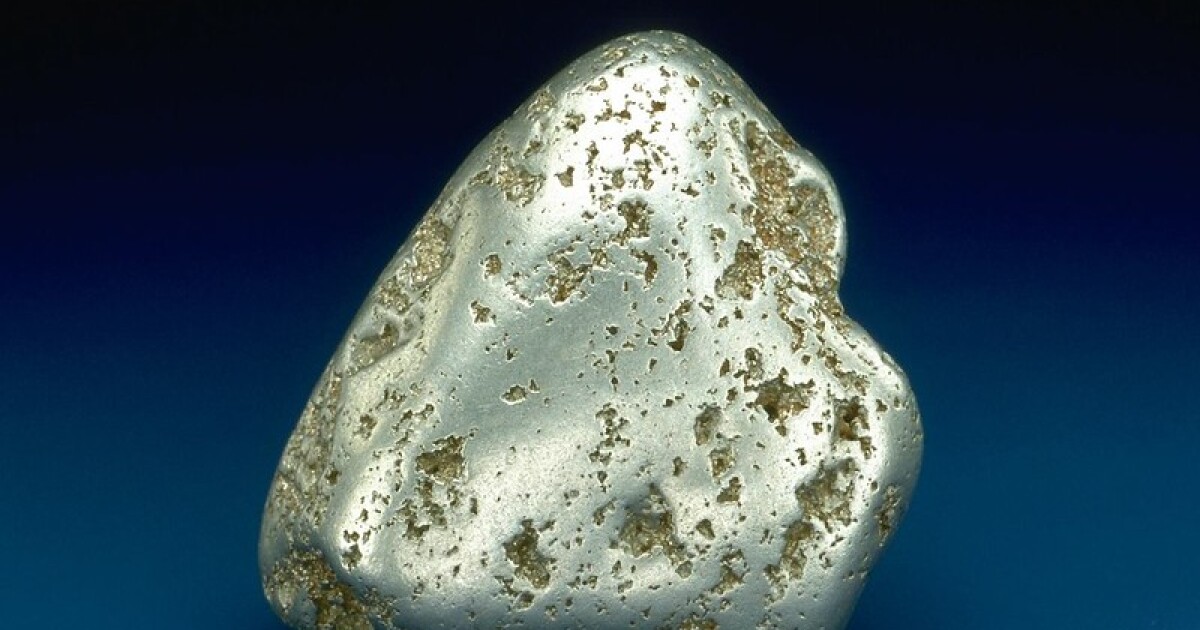
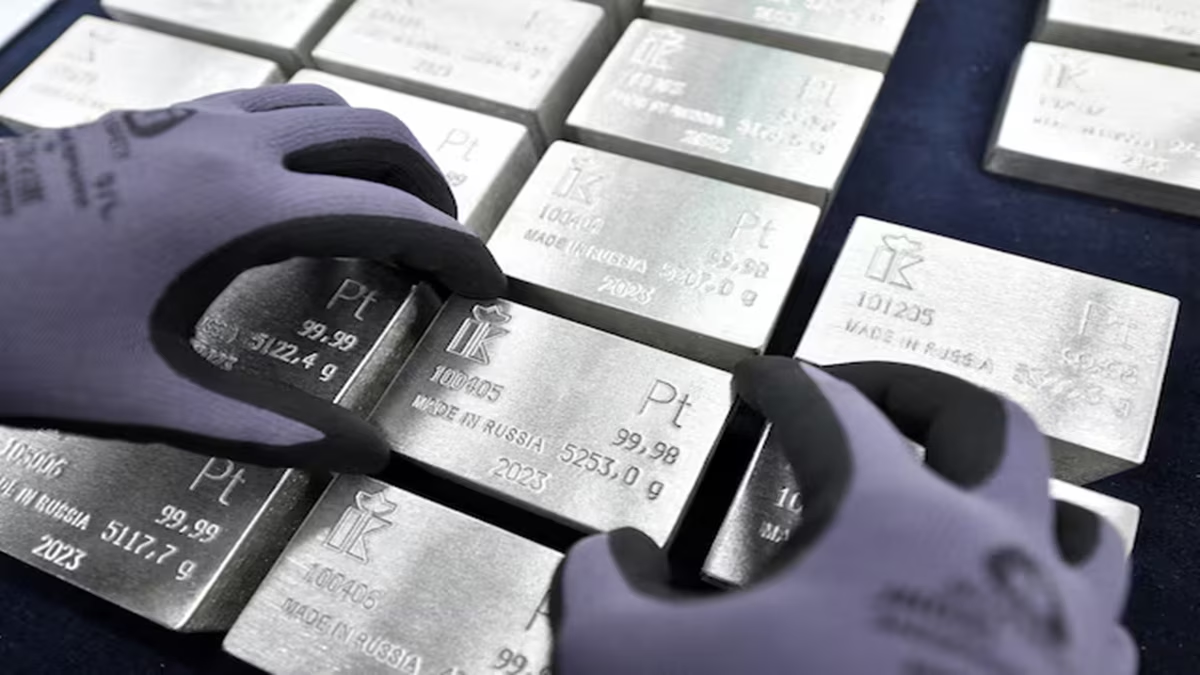
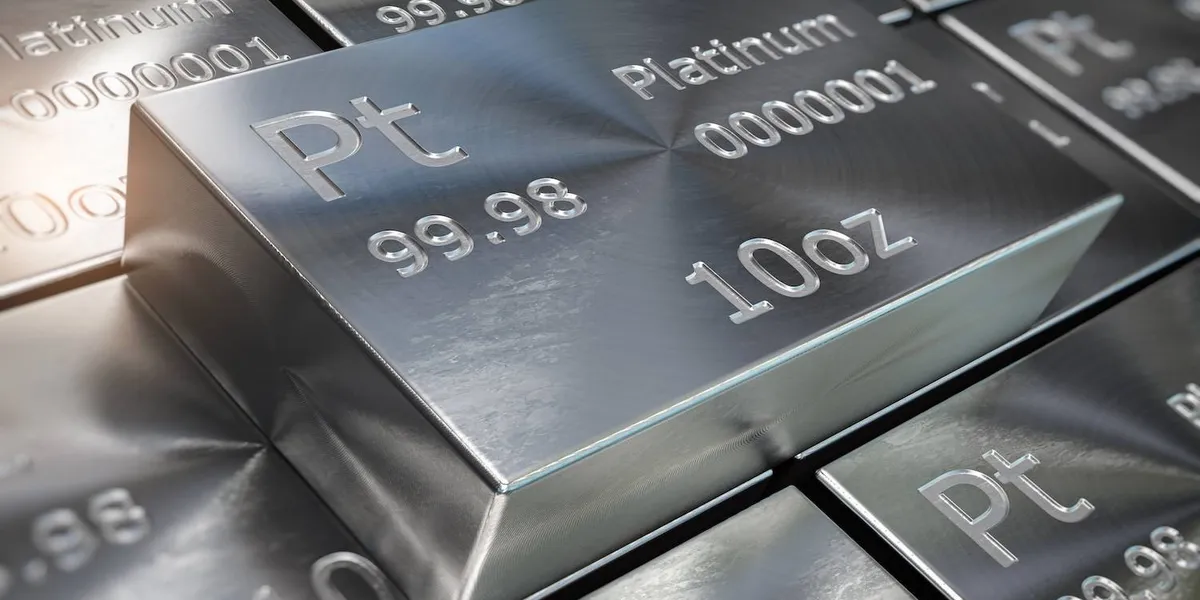
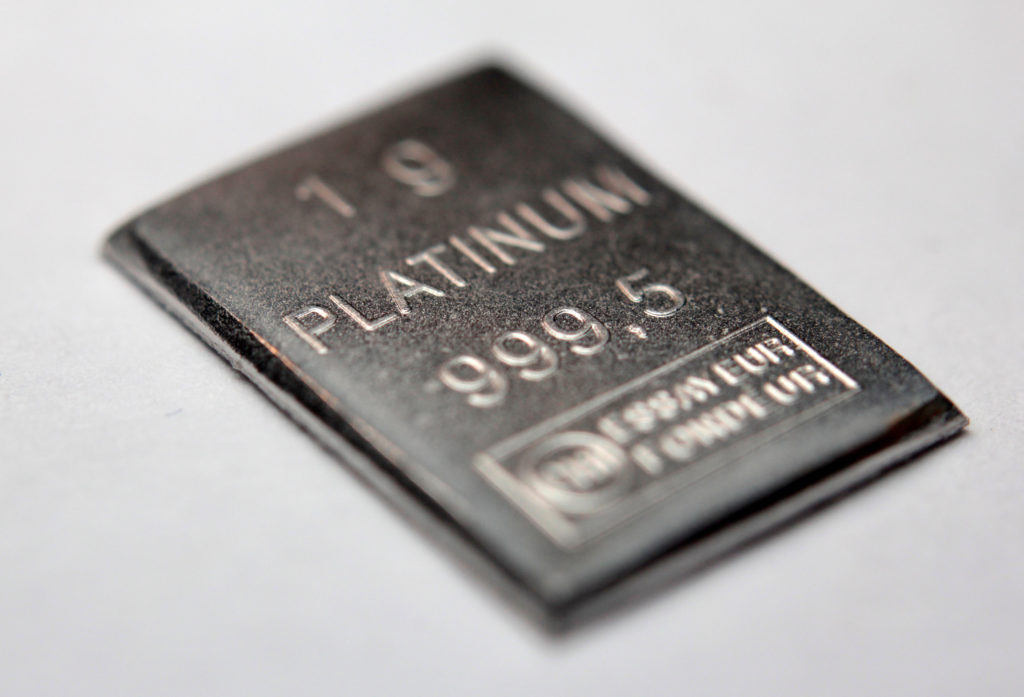
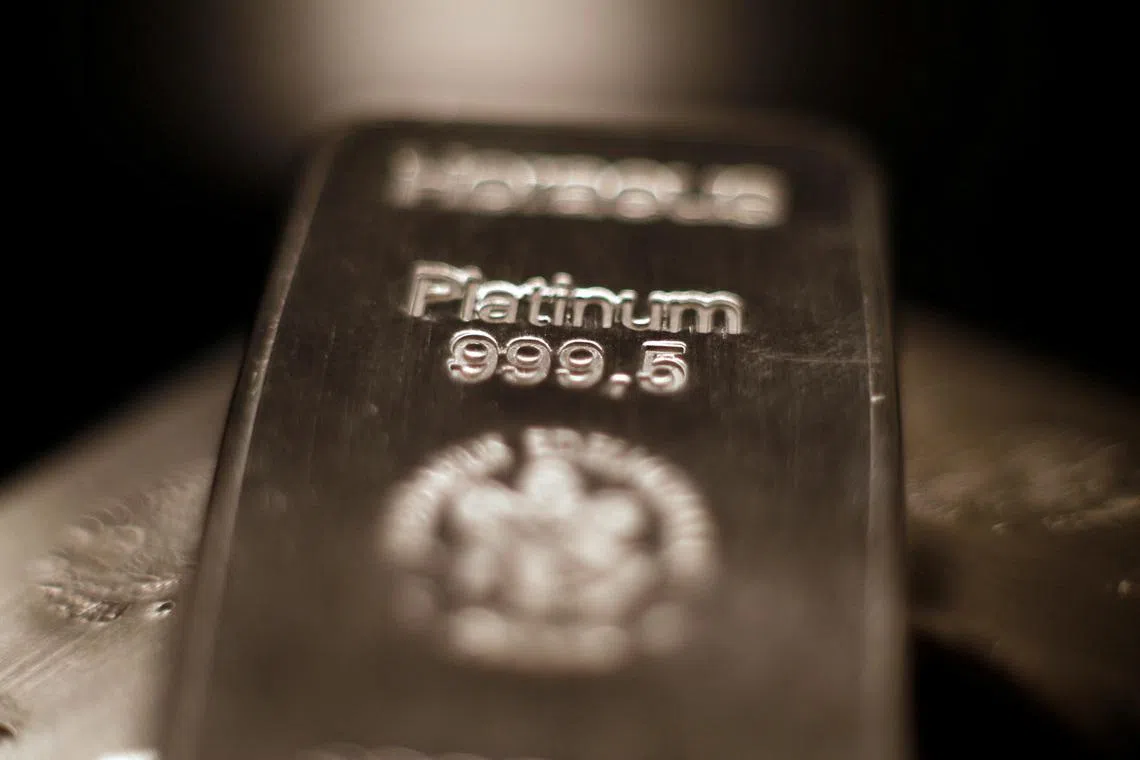
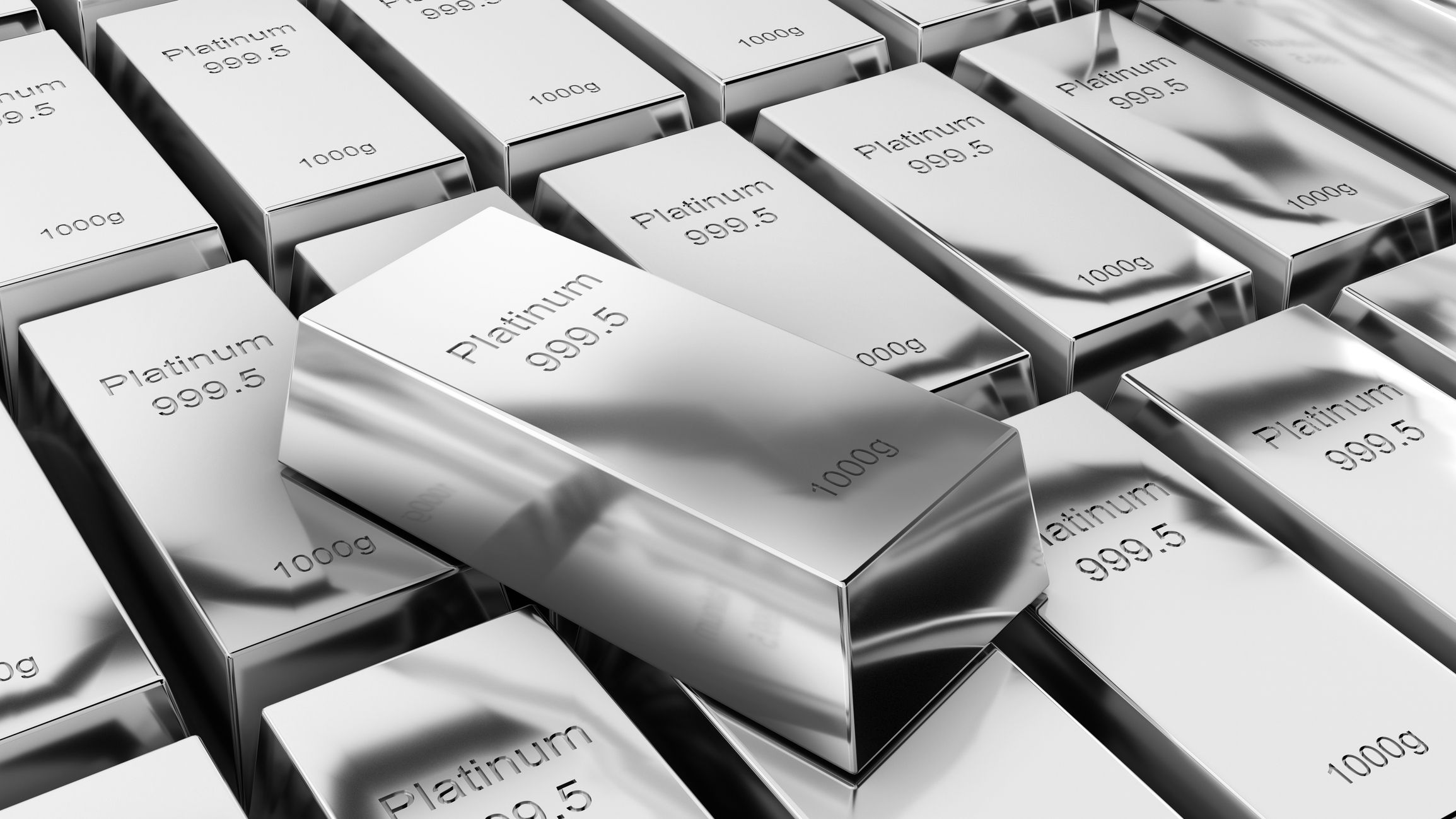
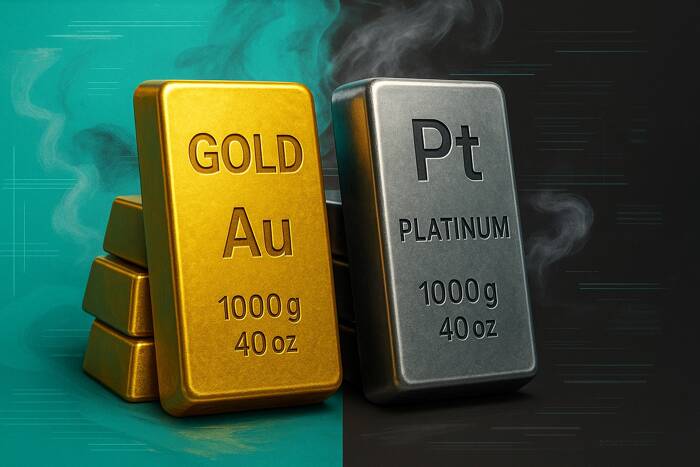
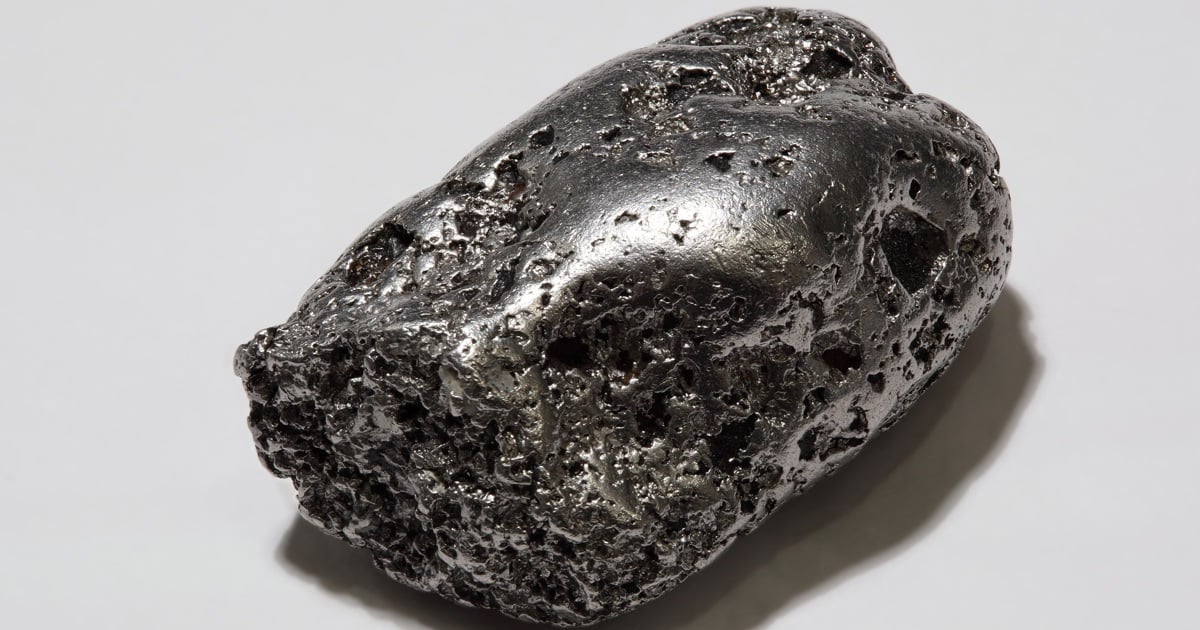
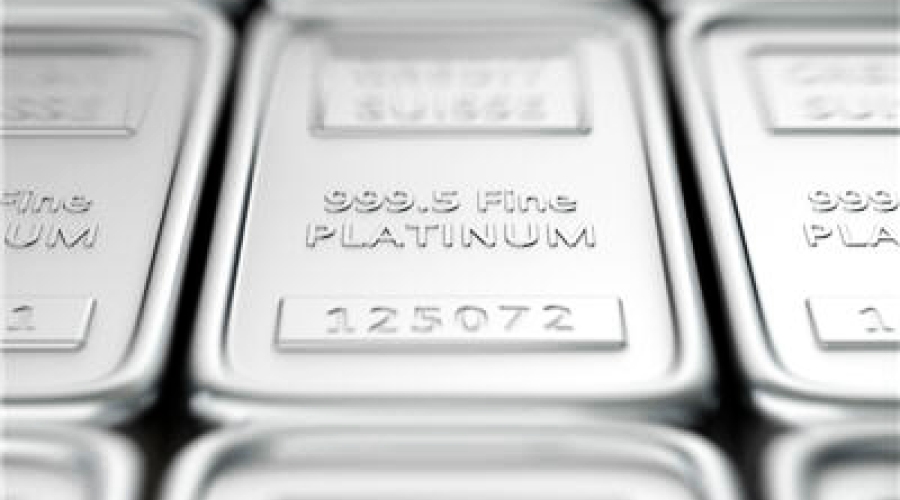
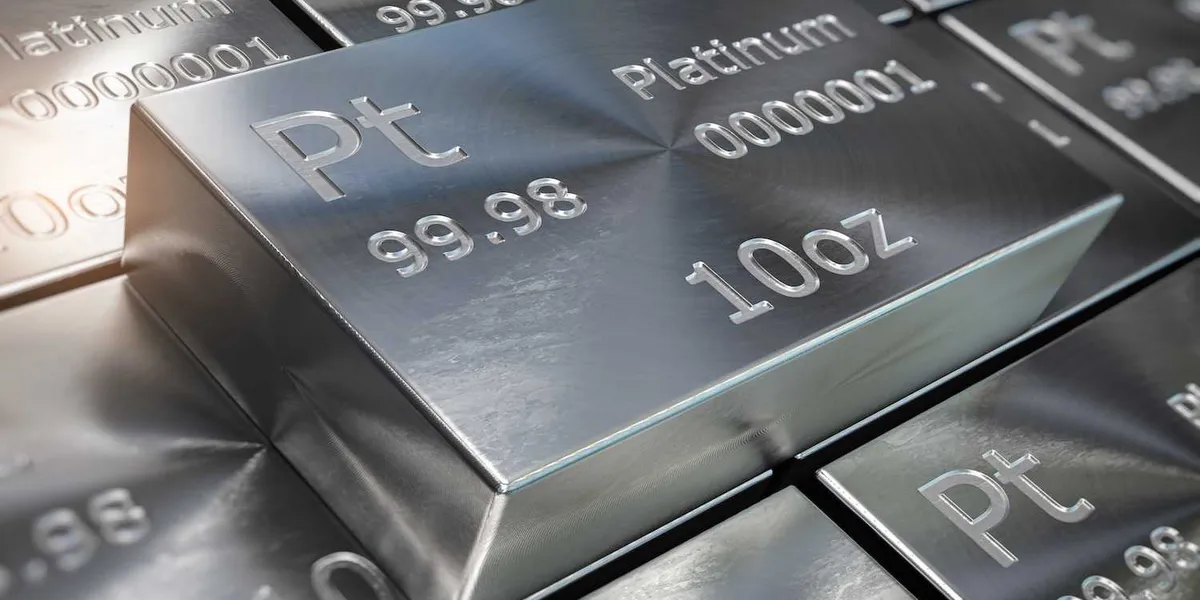
Platinum’s rarity and unique industrial use make it irreplaceable in the energy transition narrative. It anchors hydrogen fuel cell technologies and automotive catalytic systems.
Risks and realities:
- Over 70% of global platinum supply comes from South Africa, embedding geopolitical risk.
- Demand correlates with global vehicle production and green energy adoption.
- Investors increasingly view platinum as an undervalued asset with asymmetric long-term potential.
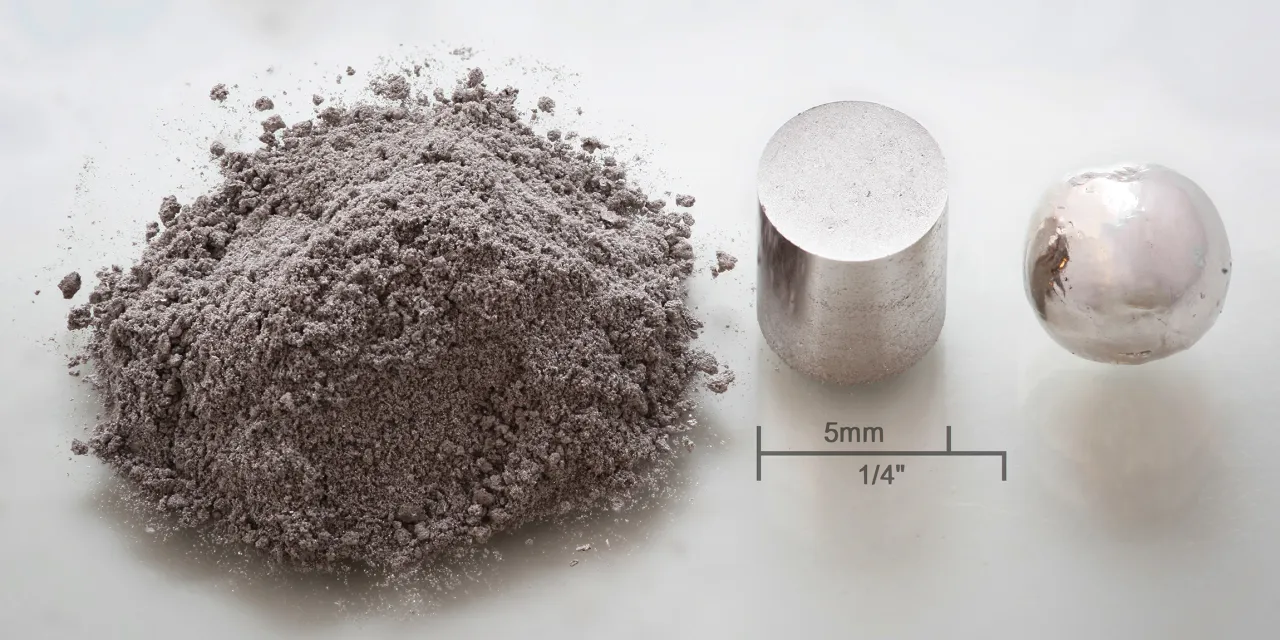
Palladium: The Scarce Catalyst
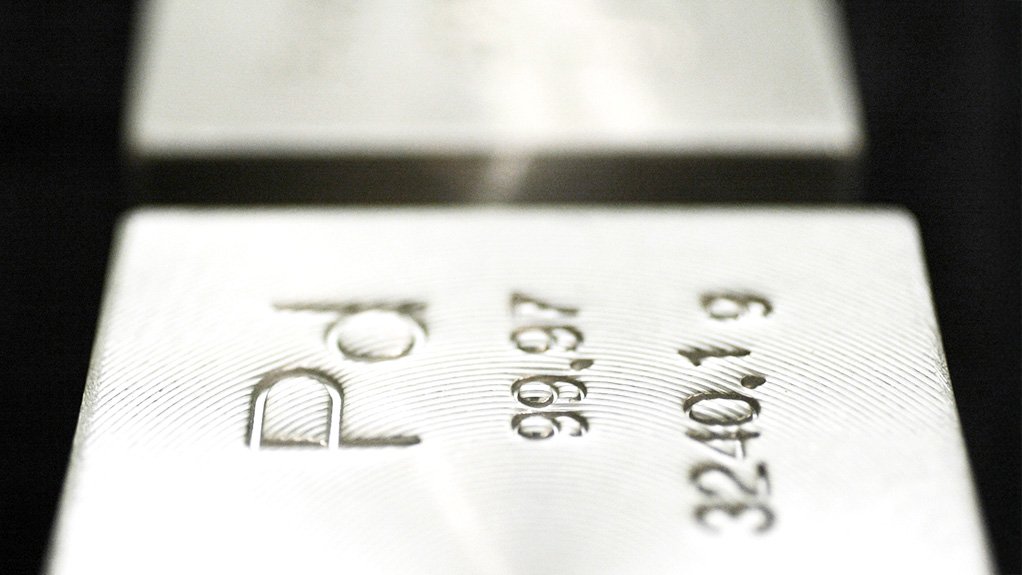
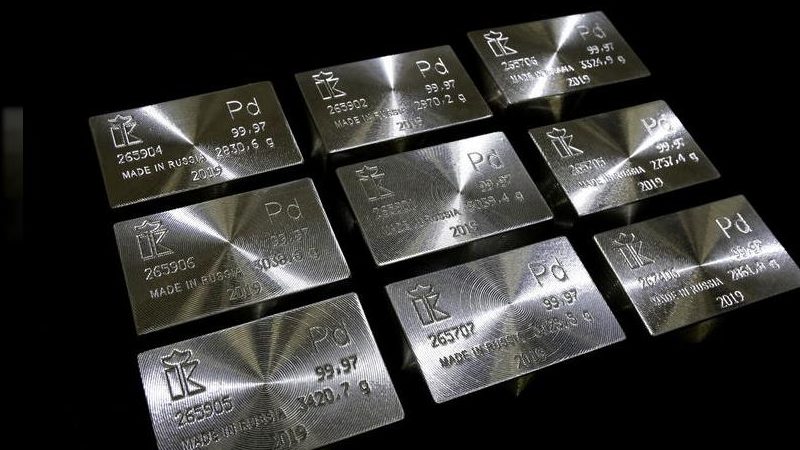
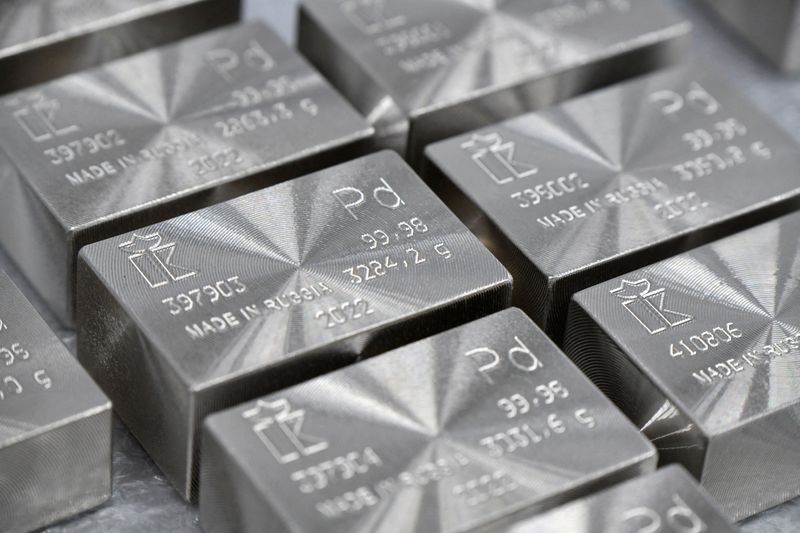
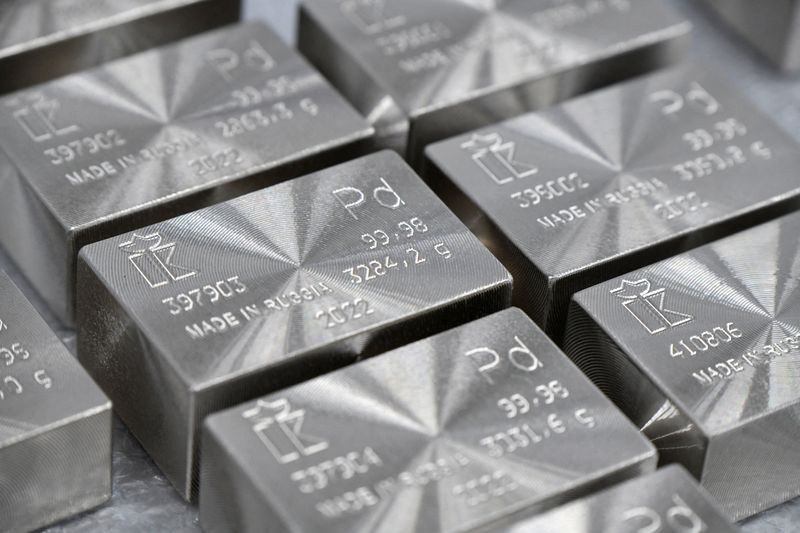
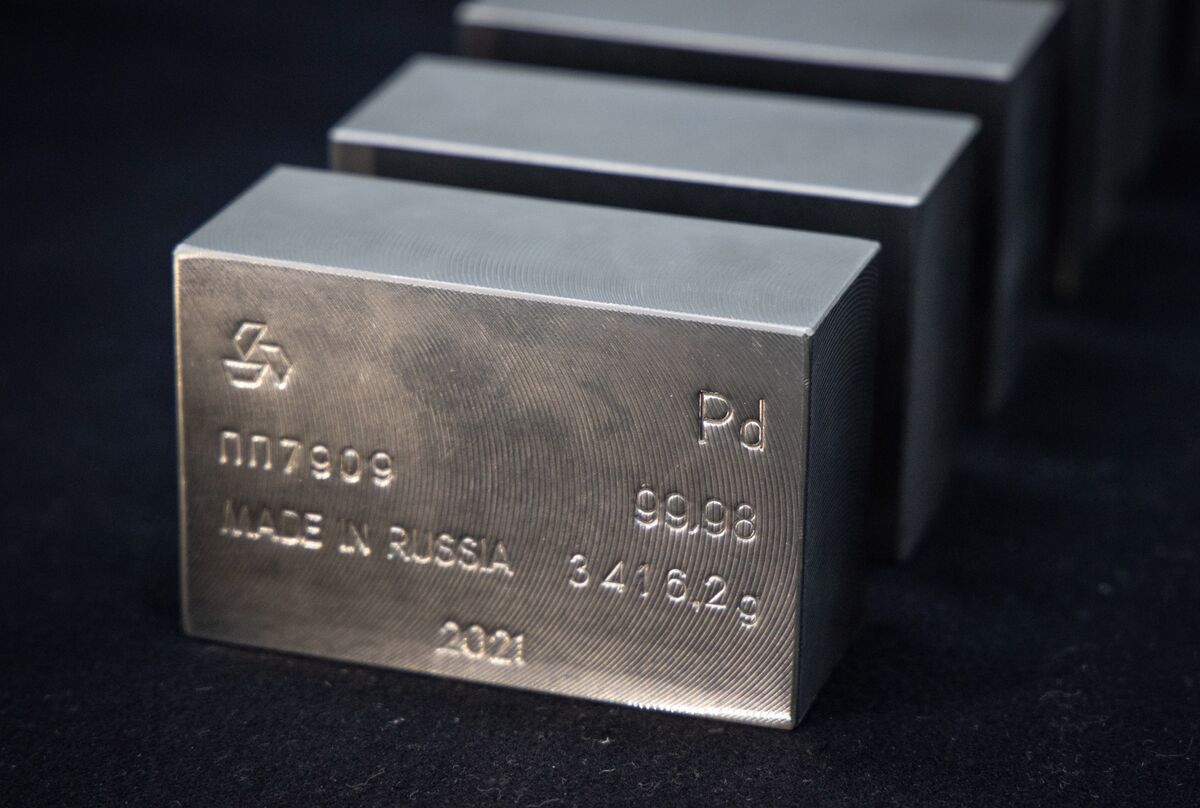
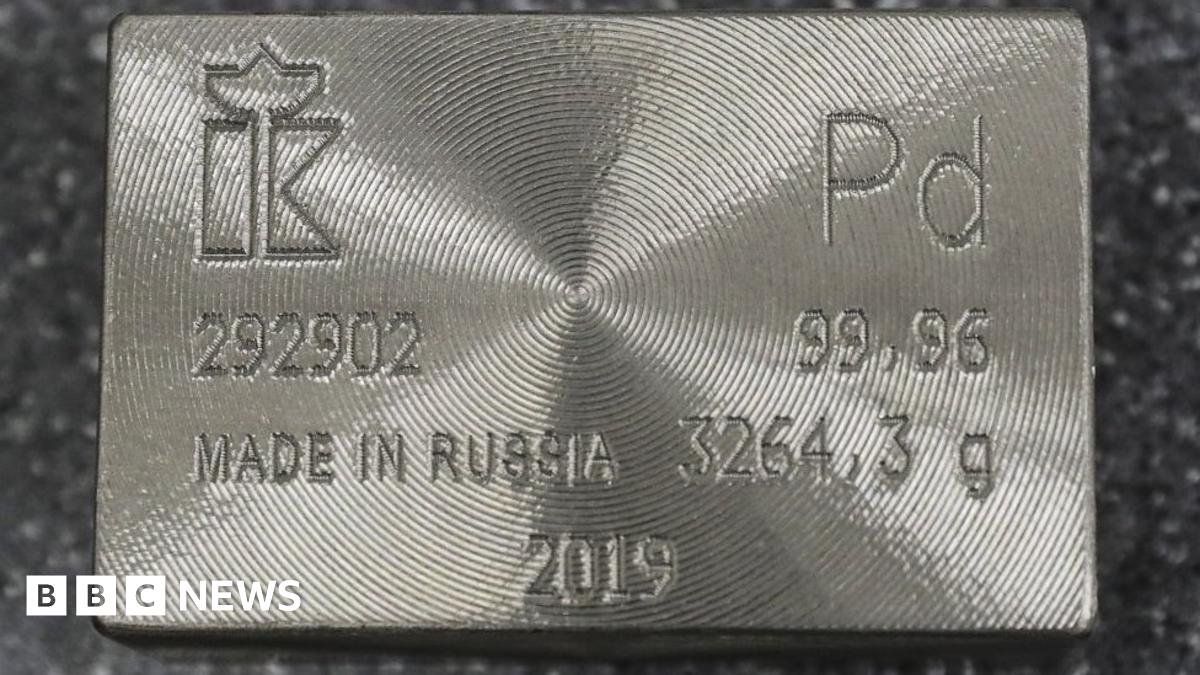
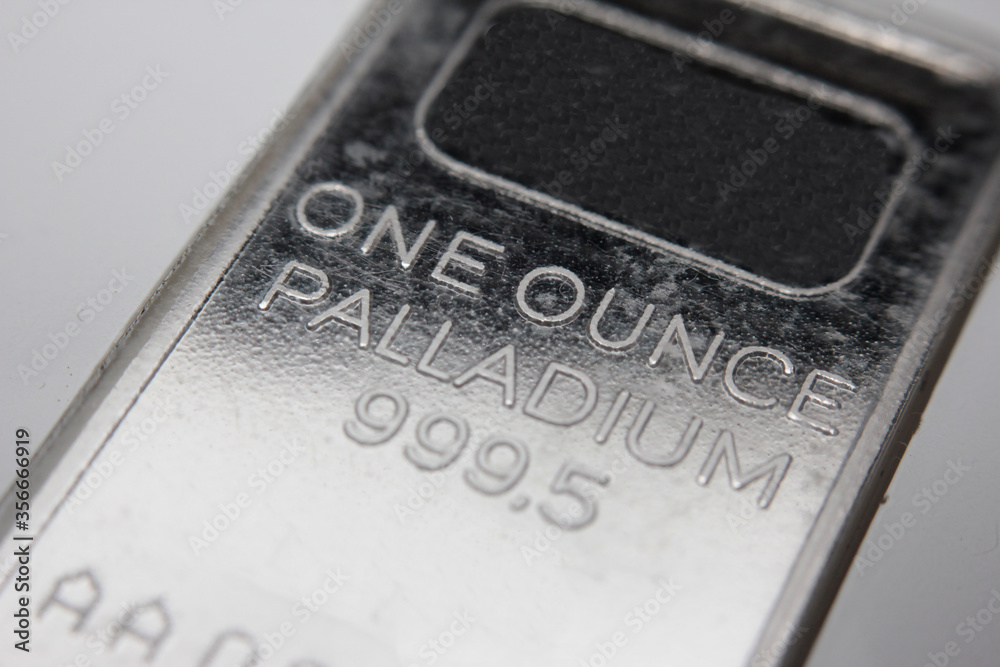
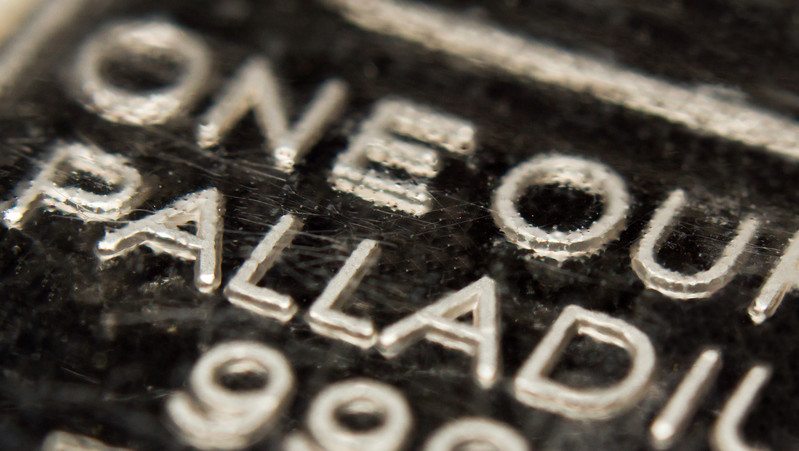
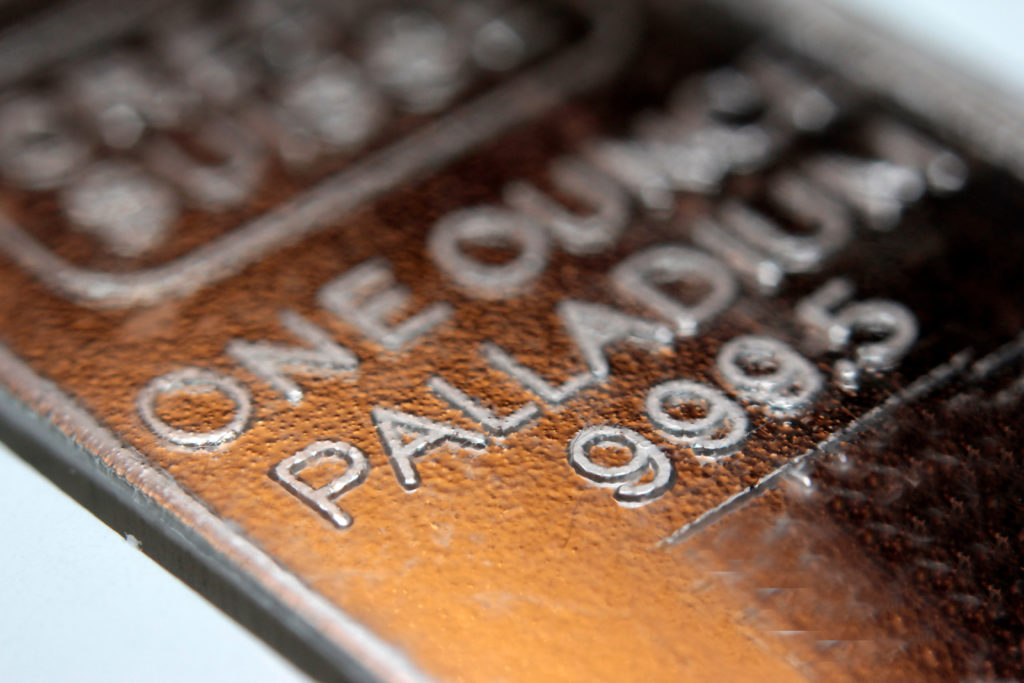
Palladium has been the standout performer of recent years — a small, elusive market dominated by automotive catalysts.
- Russia accounts for roughly 40% of global supply, raising geopolitical sensitivity.
- Automotive demand represents approximately 80% of total use.
- Its volatility makes it a tactical rather than defensive play.
“In an age of scarcity, investors are rediscovering value not in abundance, but in constraint.”
Ownership Options: Digital to Physical
Modern investors have unprecedented flexibility to gain exposure across metals and delivery vehicles.
Digital Routes
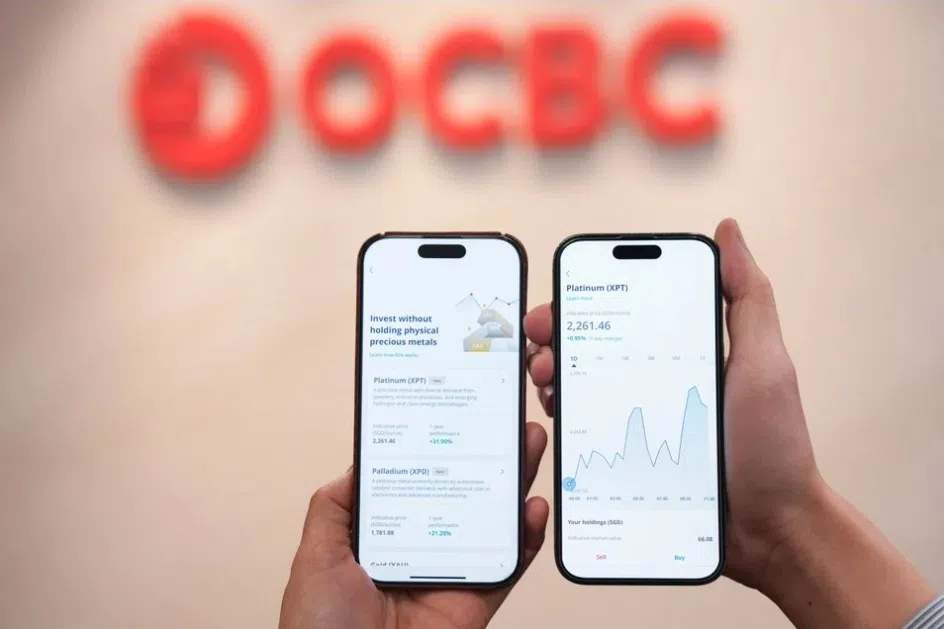
- Precious Metal Basket Funds: Offer diversified exposure (e.g., Aberdeen’s GLTR, Sprott’s CEF).
- Single-Metal ETFs: Such as iShares Silver Trust (SLV) or Aberdeen Platinum ETF (PPLT).
- Futures Contracts: Efficient but risky, tied to leveraged exposure.
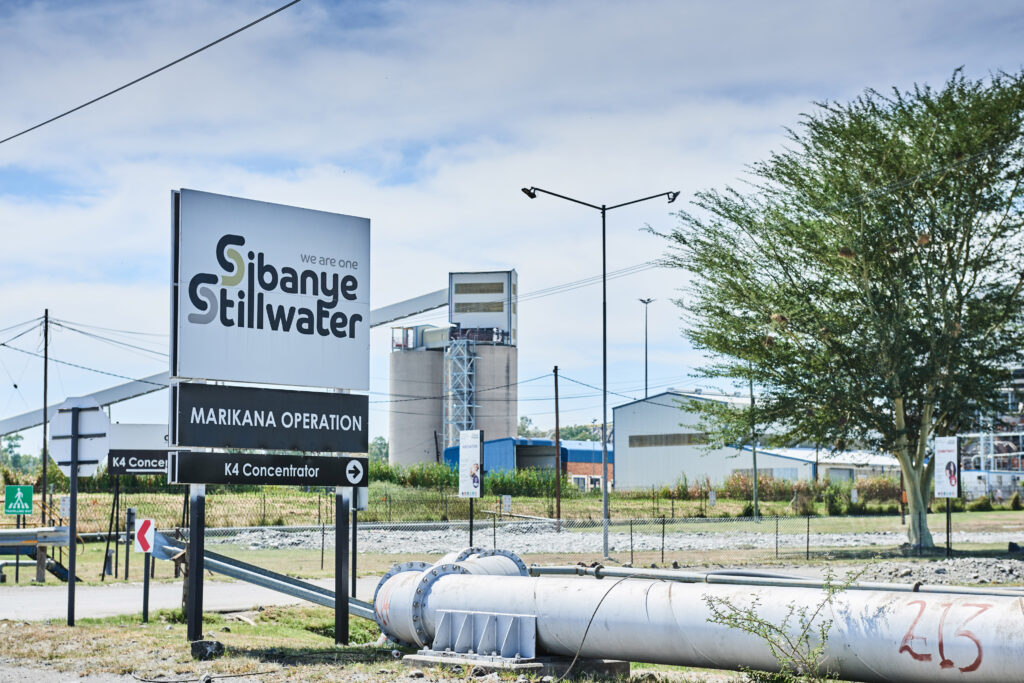
- Mining Stocks: Companies like Newmont (NEM), First Majestic Silver (AG), or Sibanye Stillwater (SBSW) provide operating leverage to metal prices.
Physical Channels
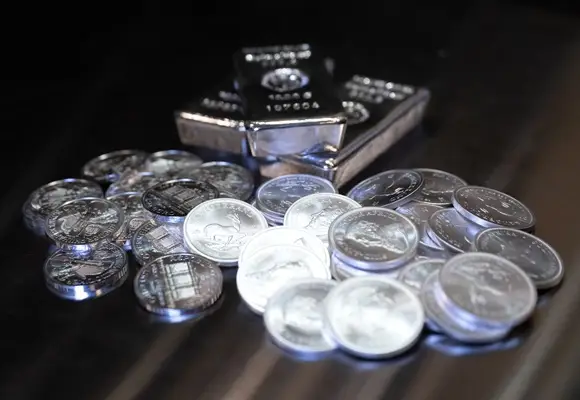
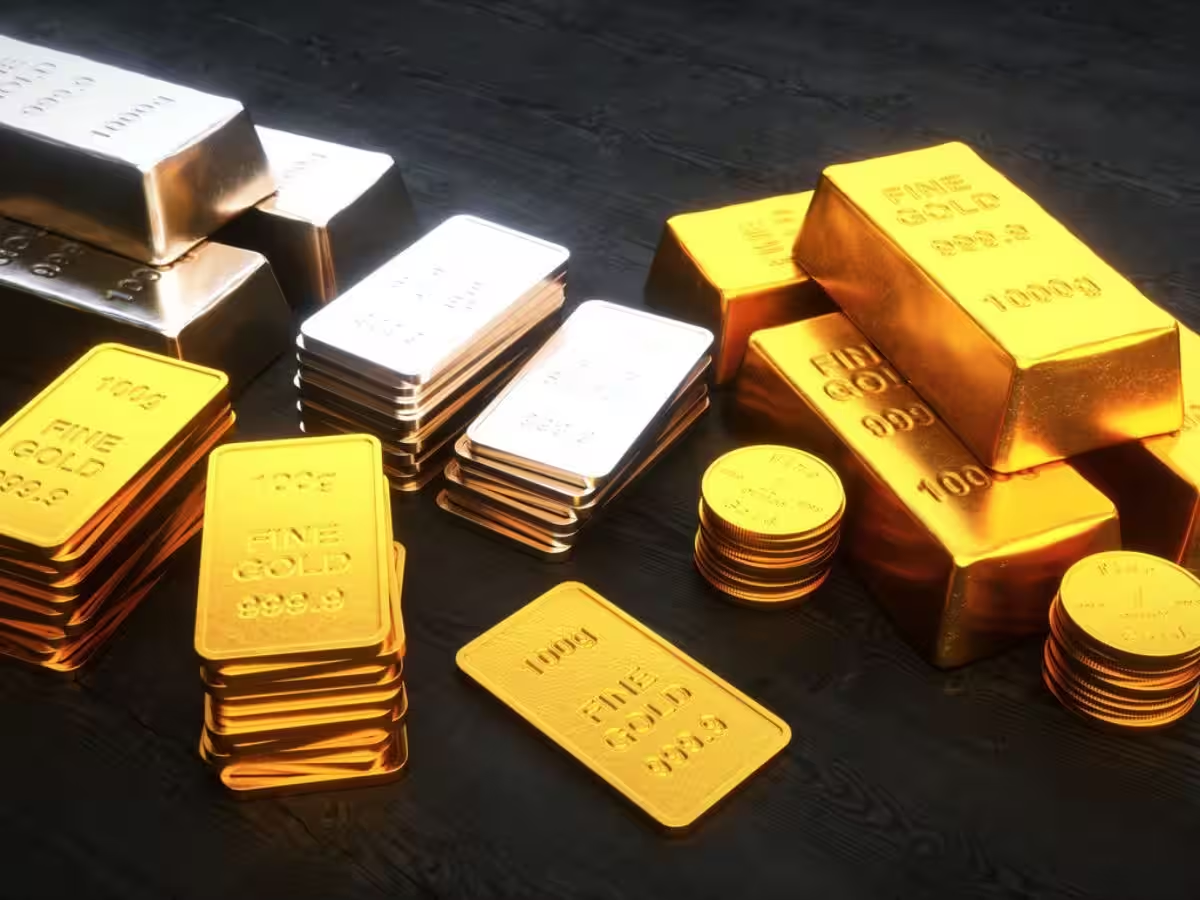
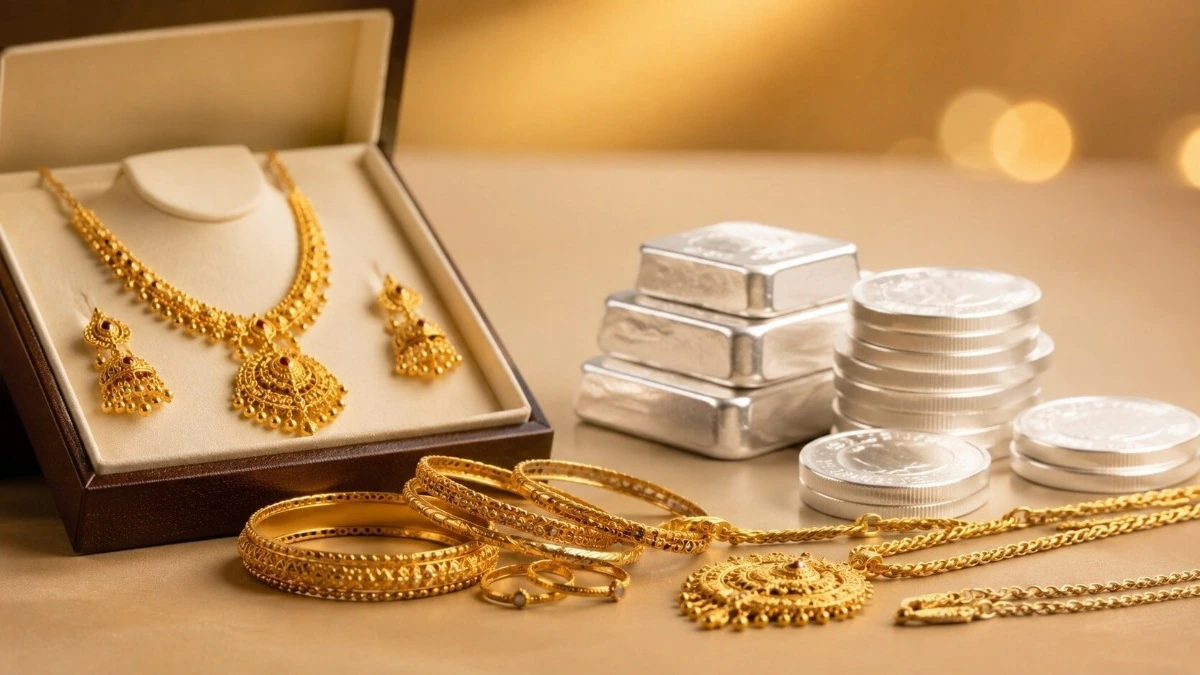
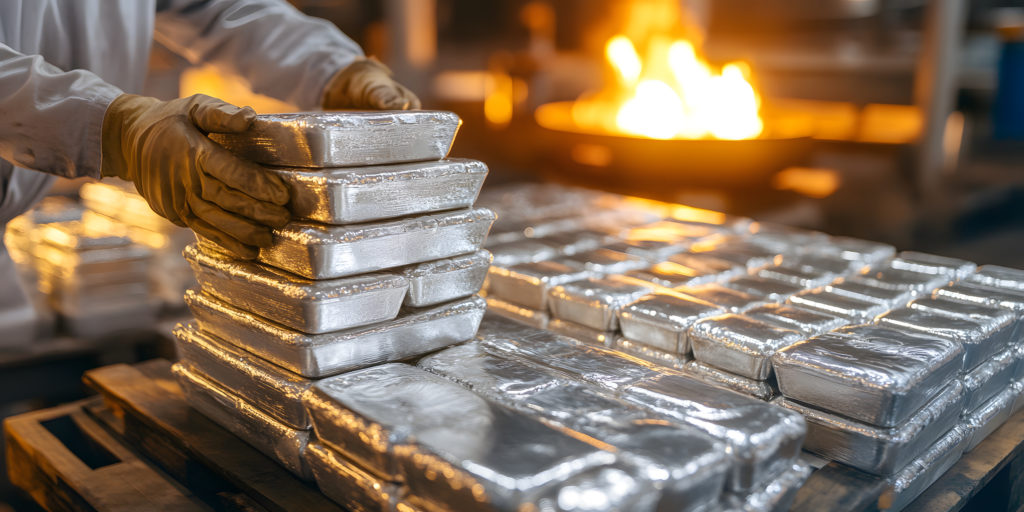
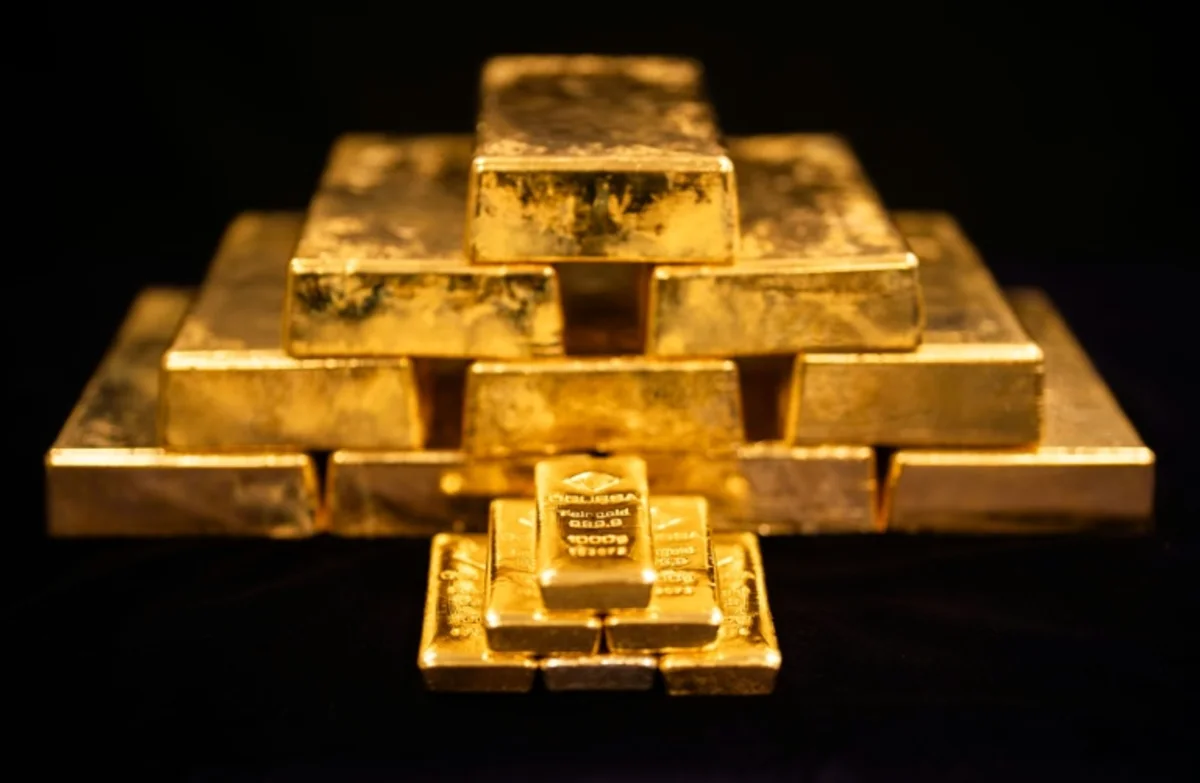
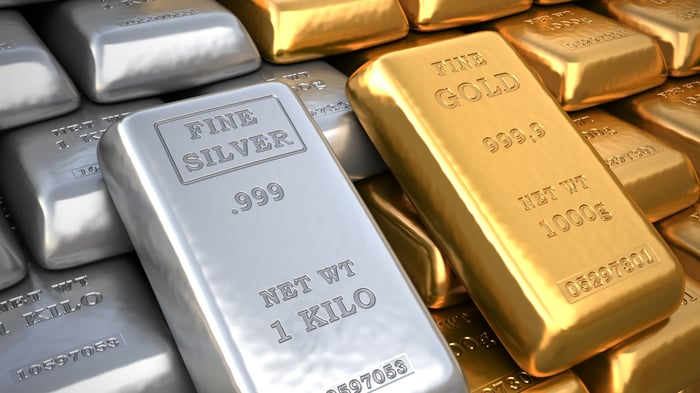
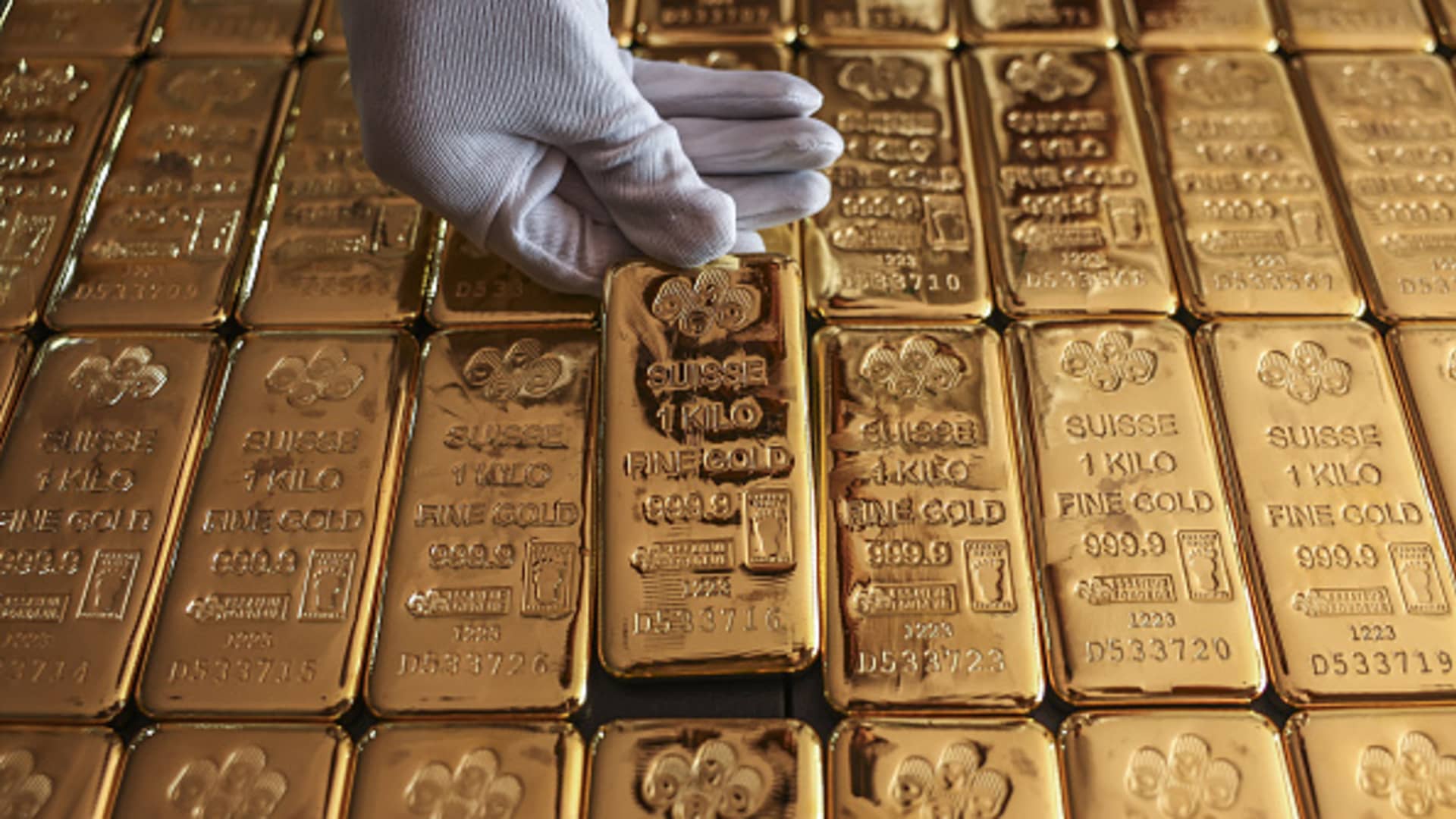
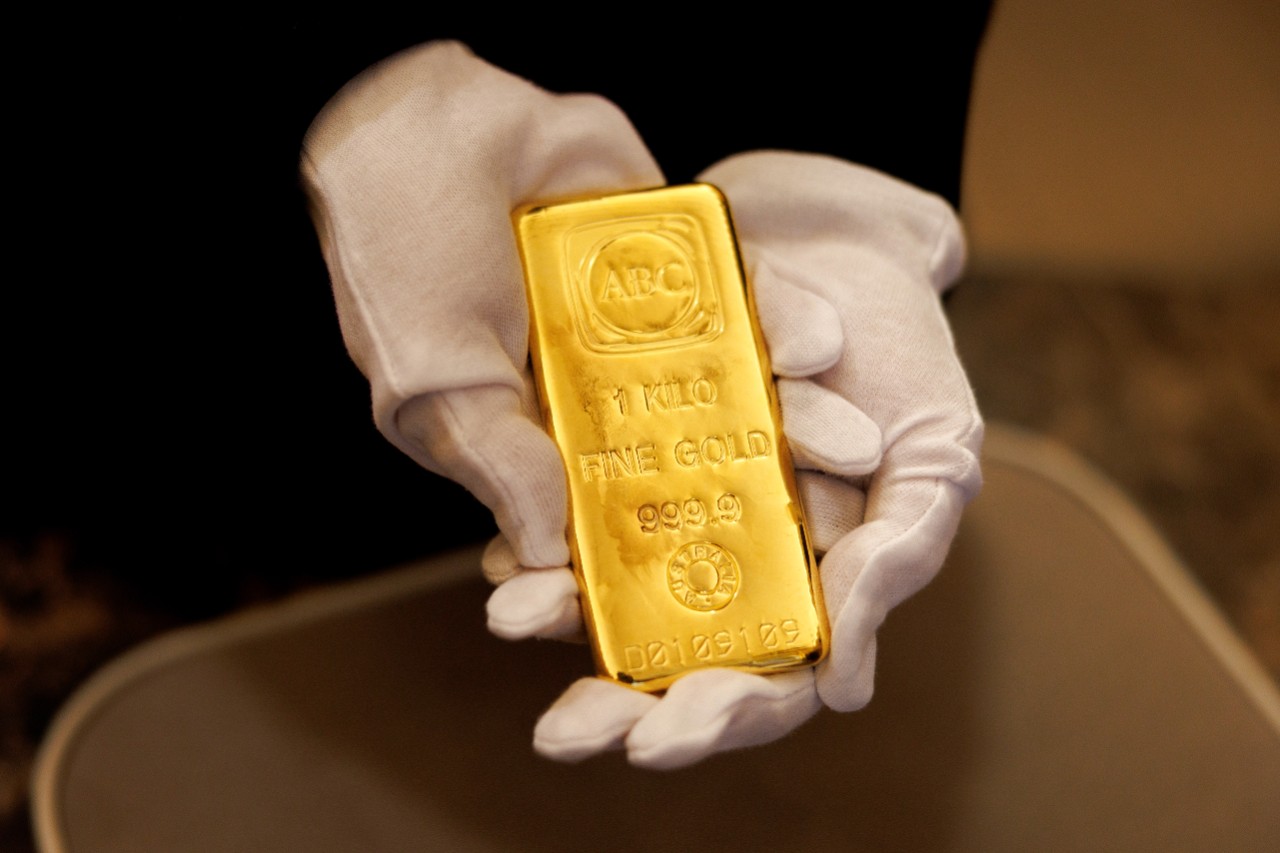
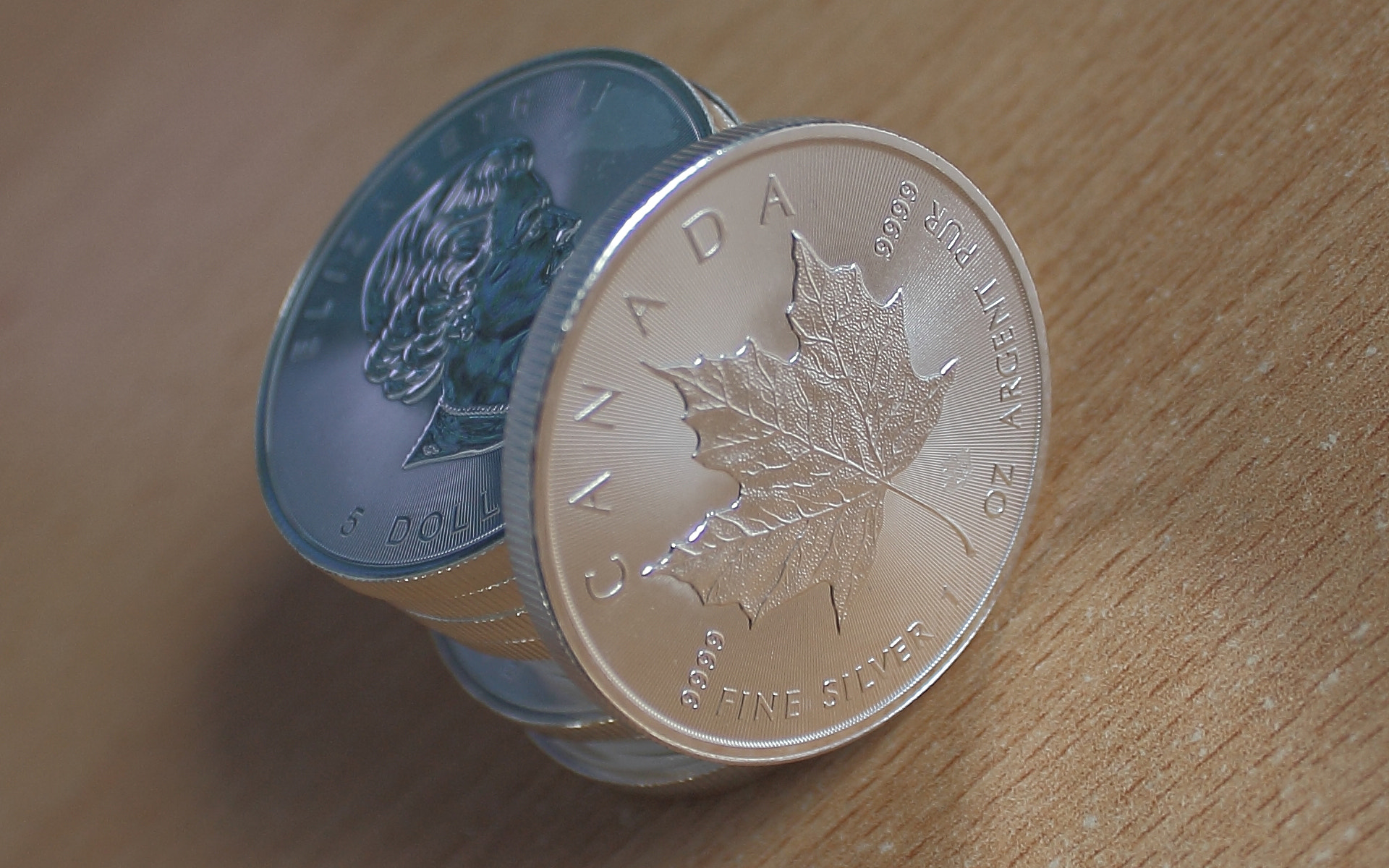
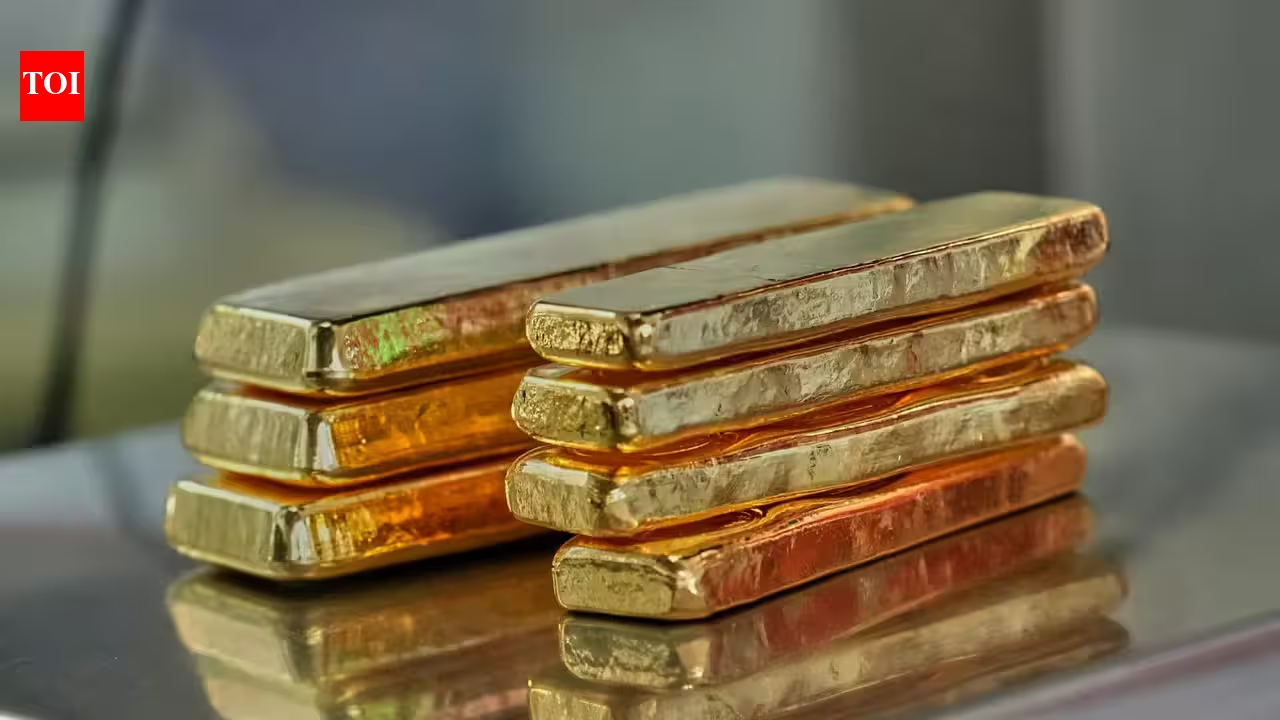
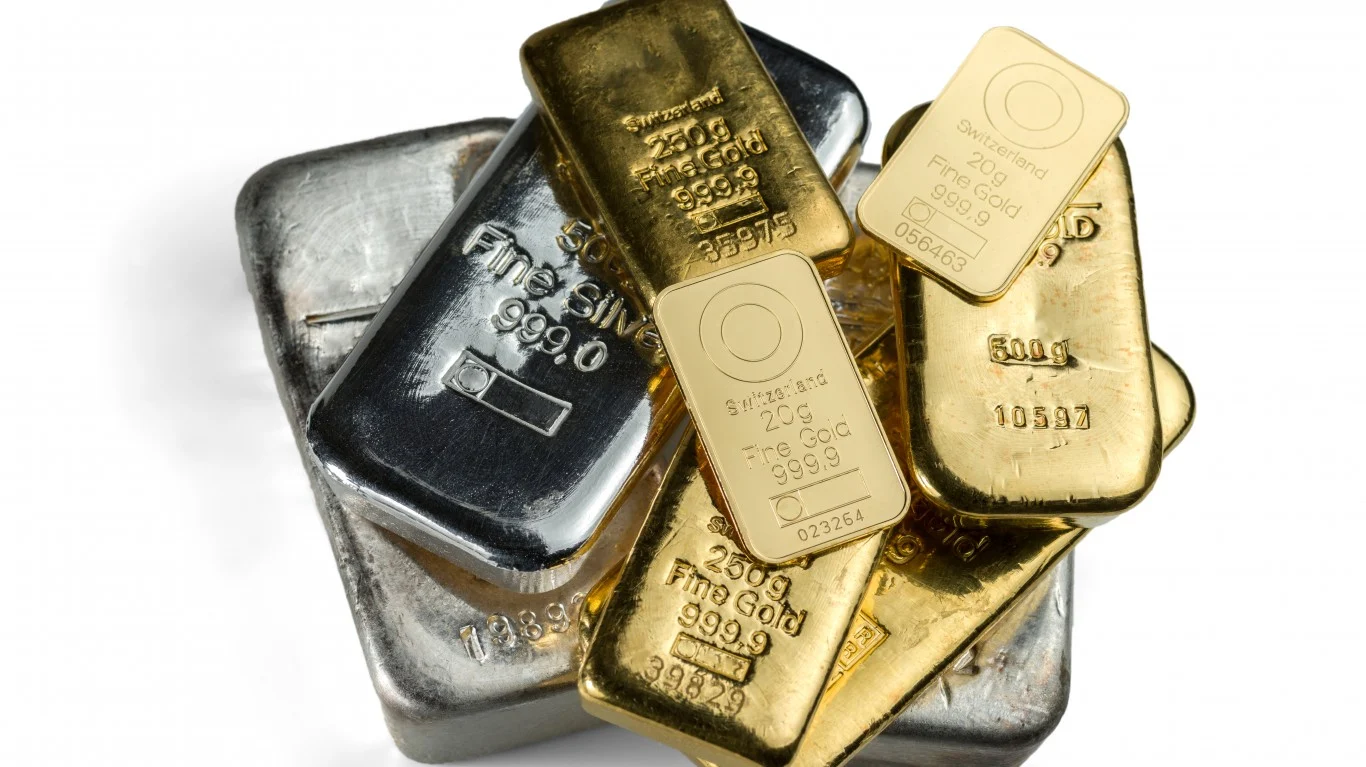
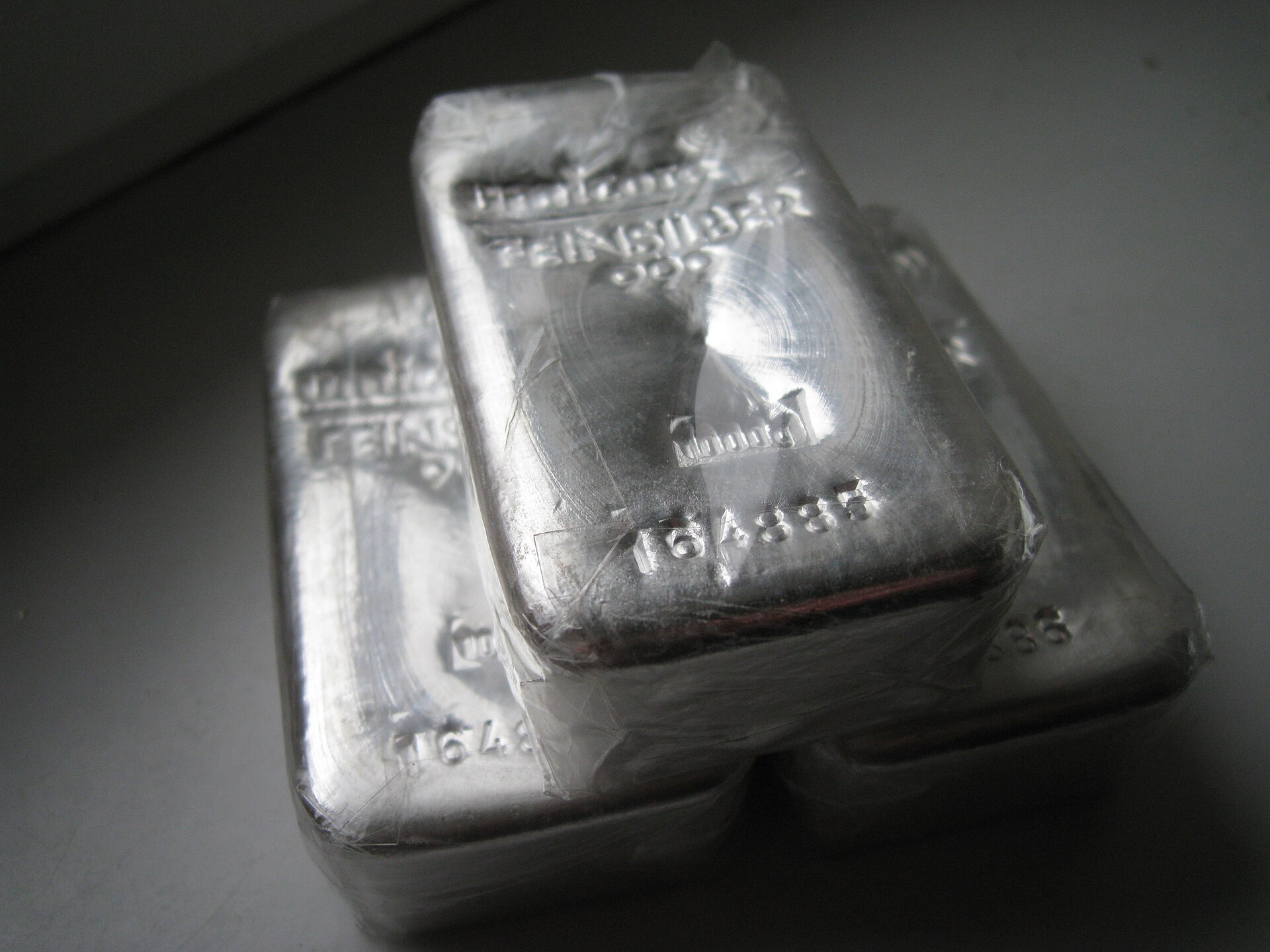
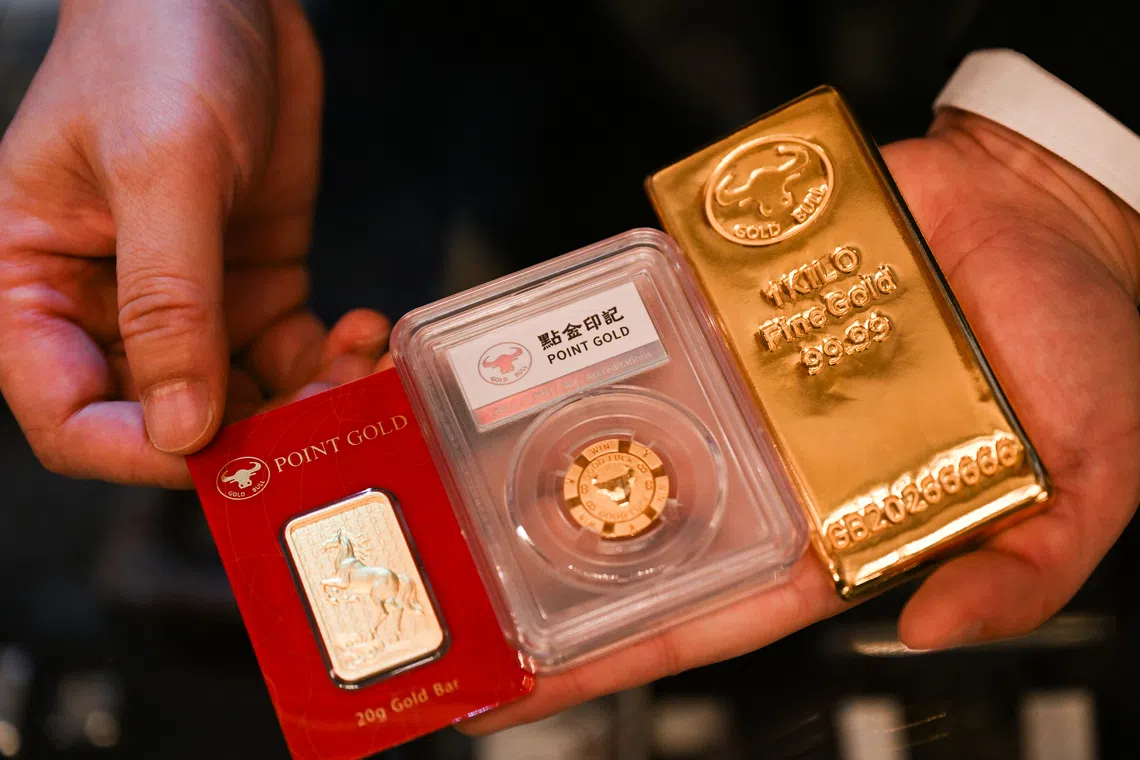
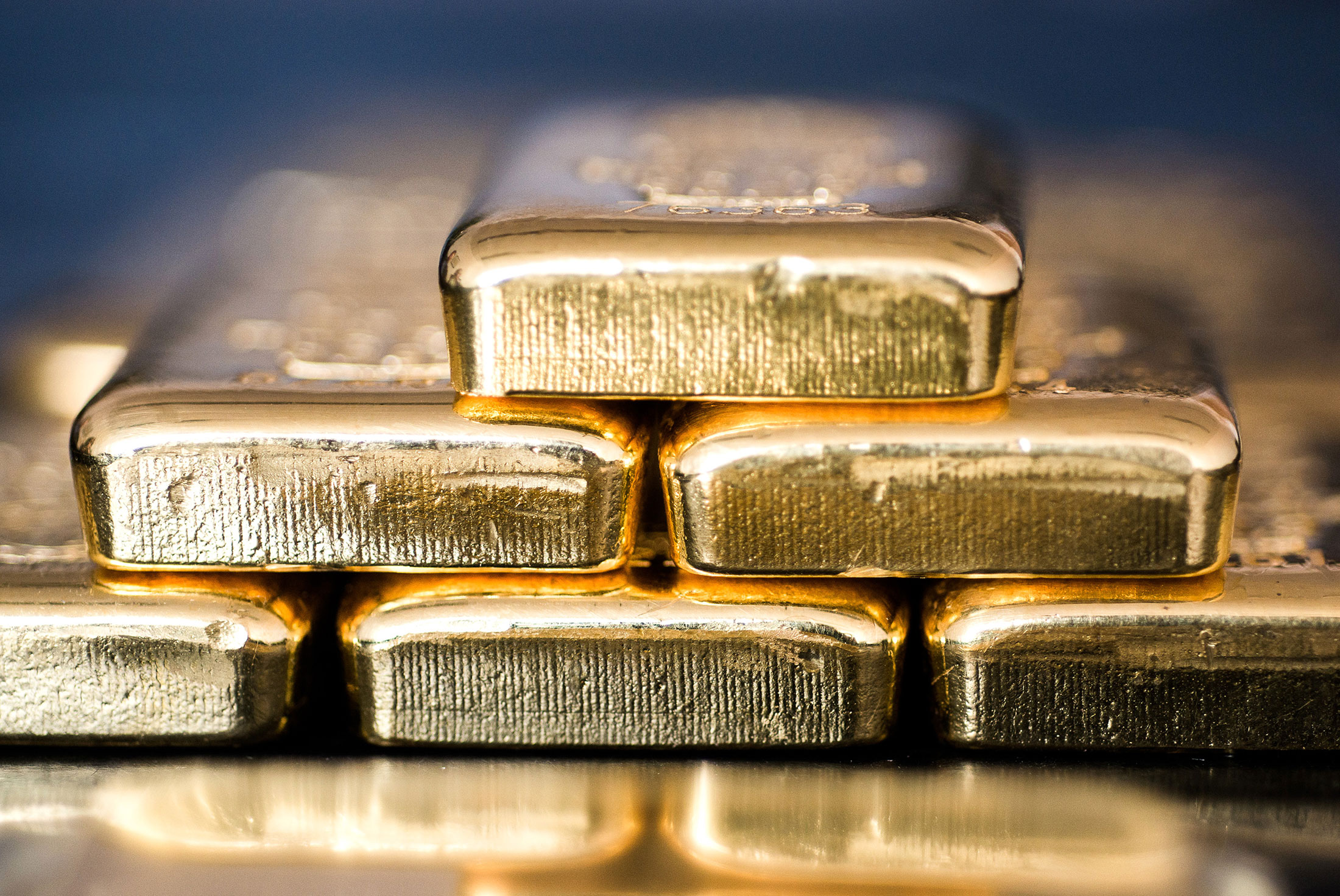
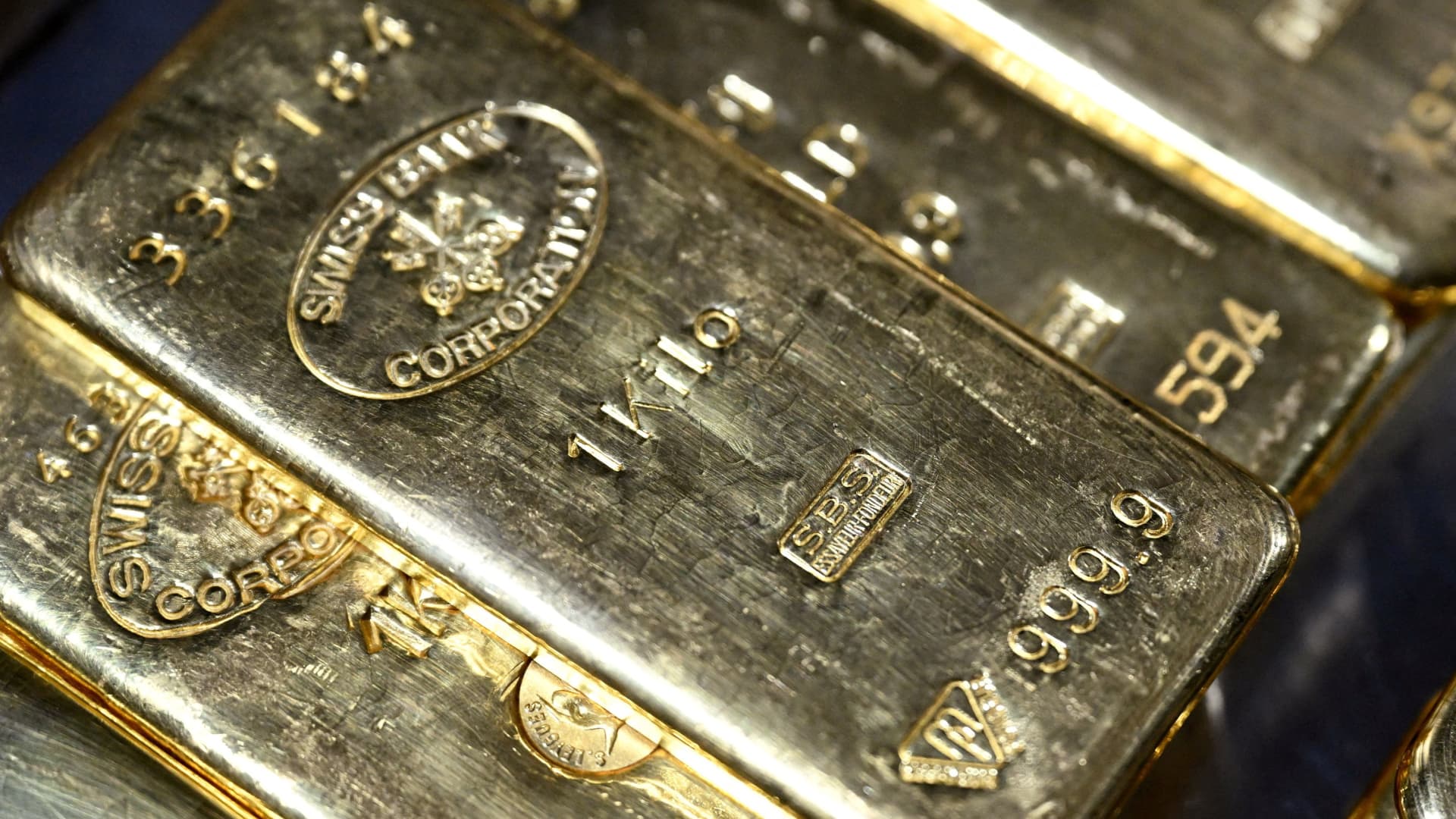
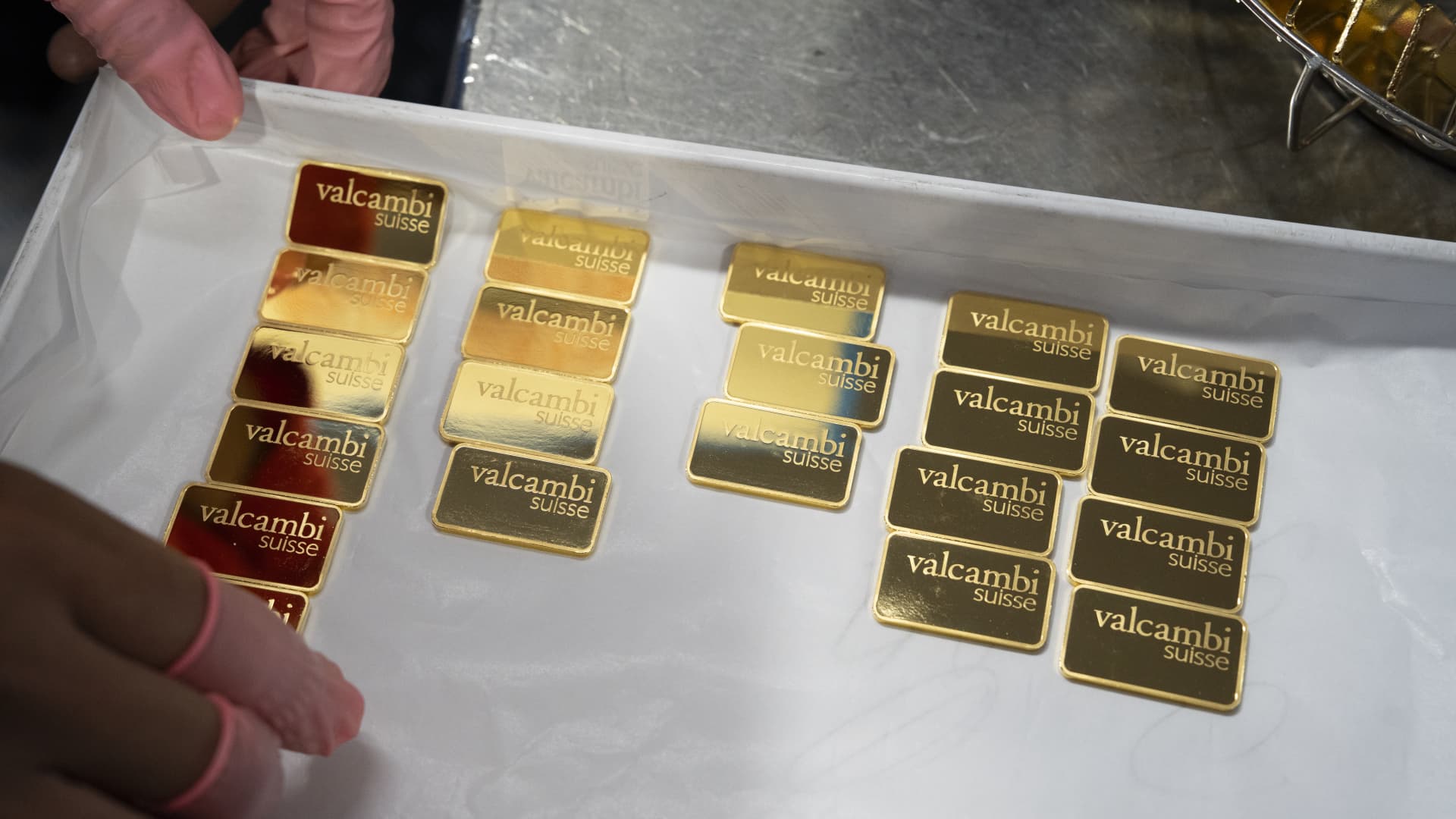
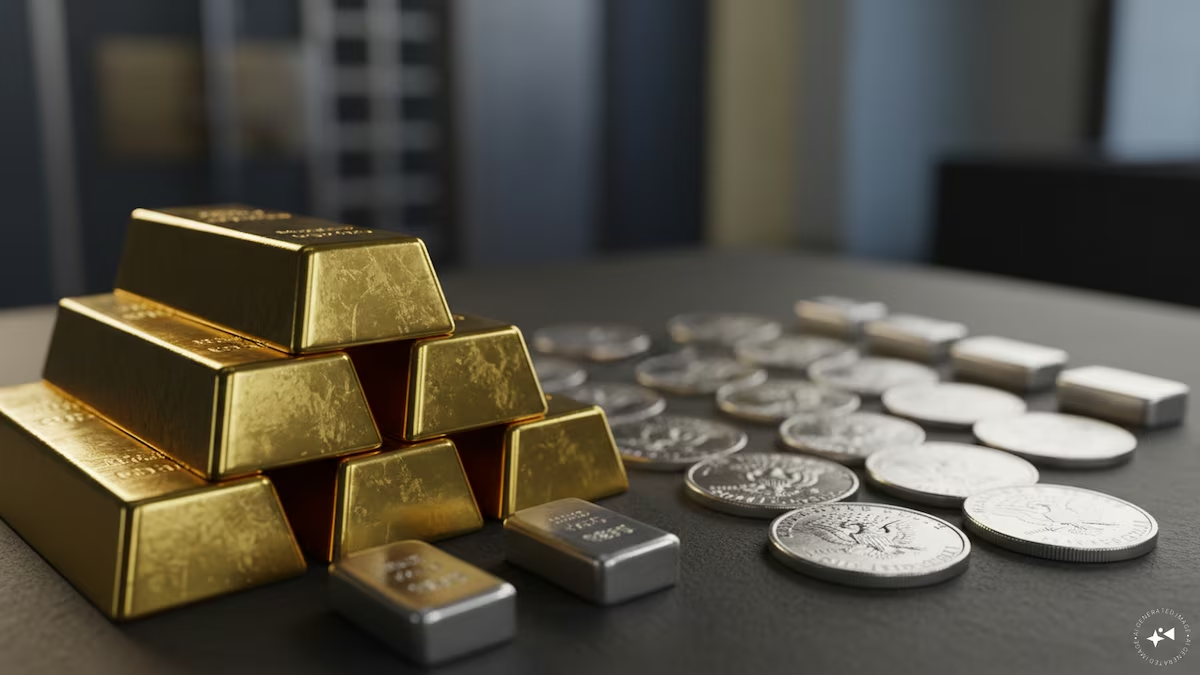
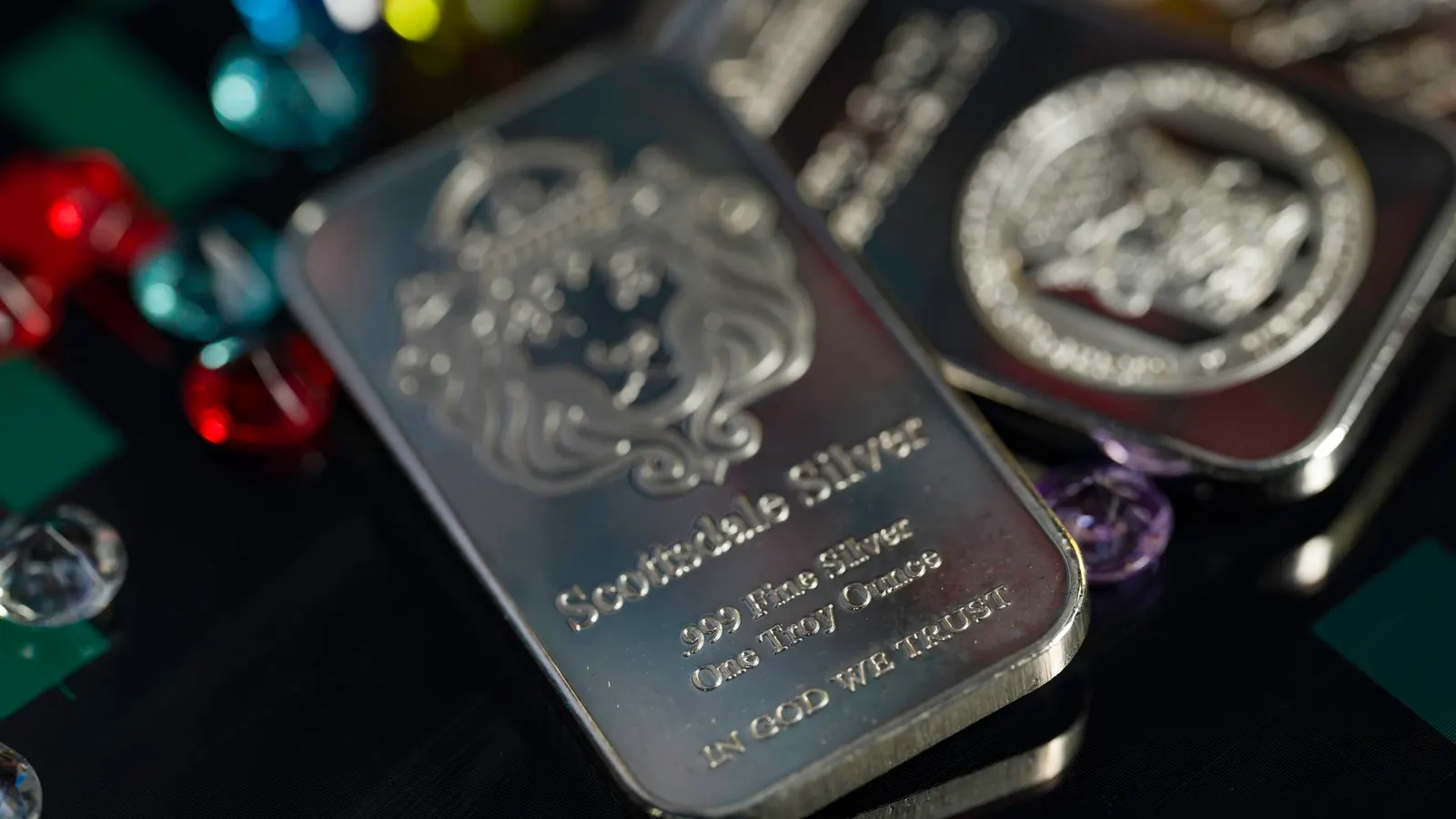
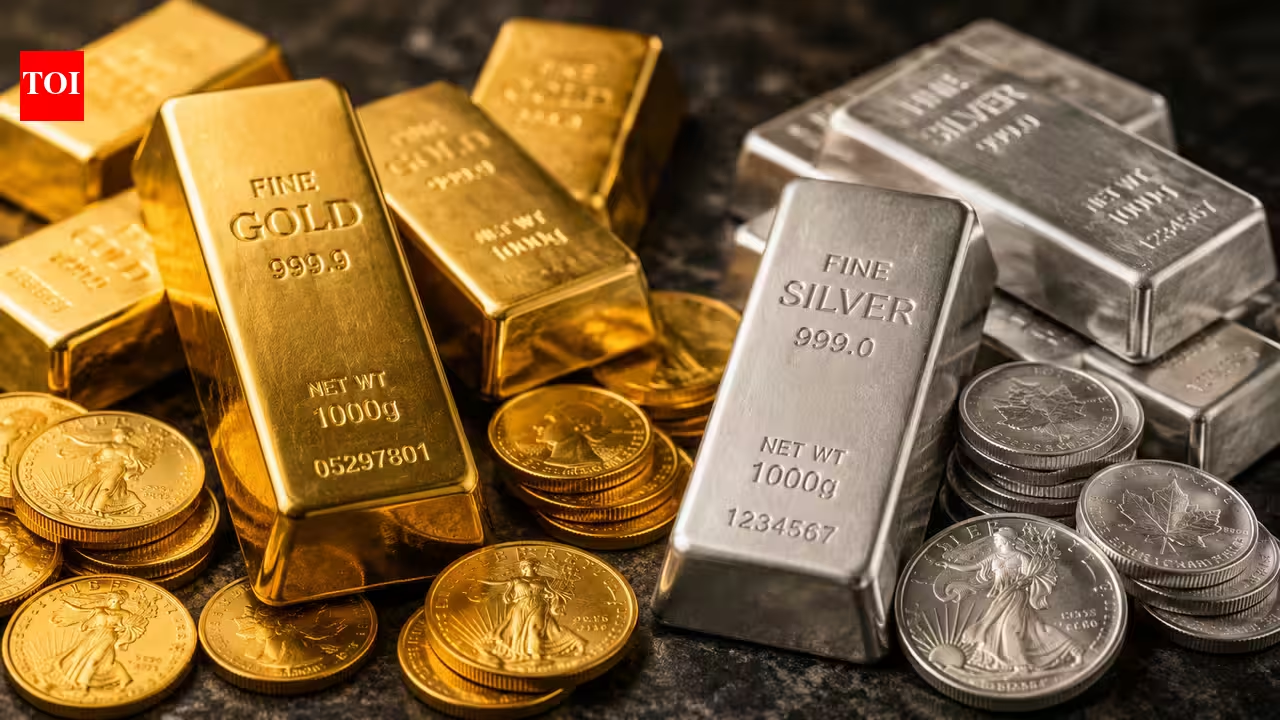
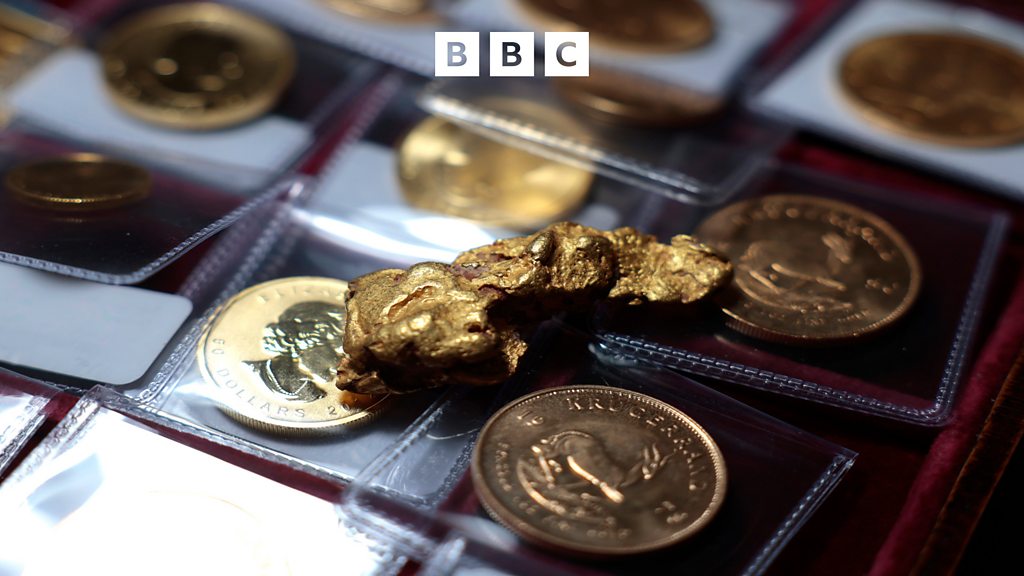
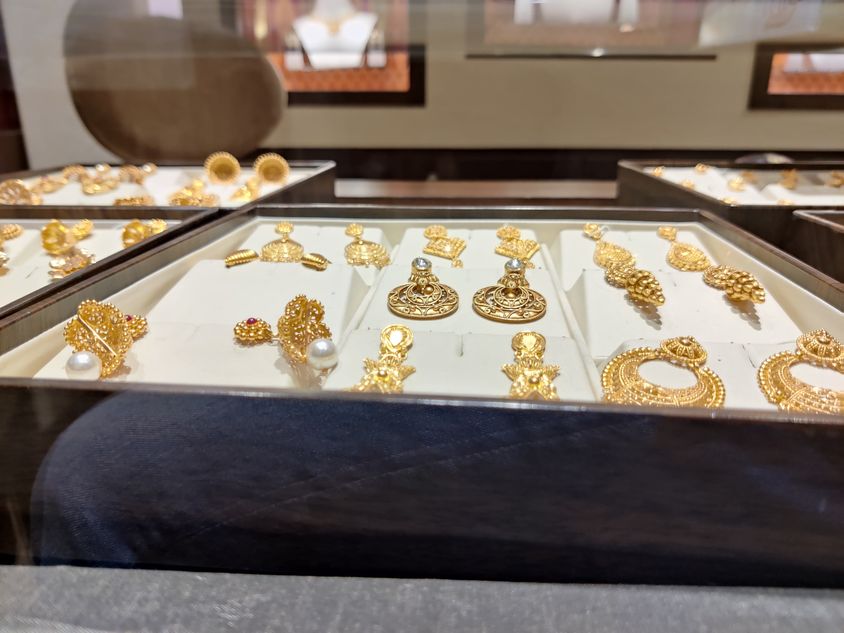
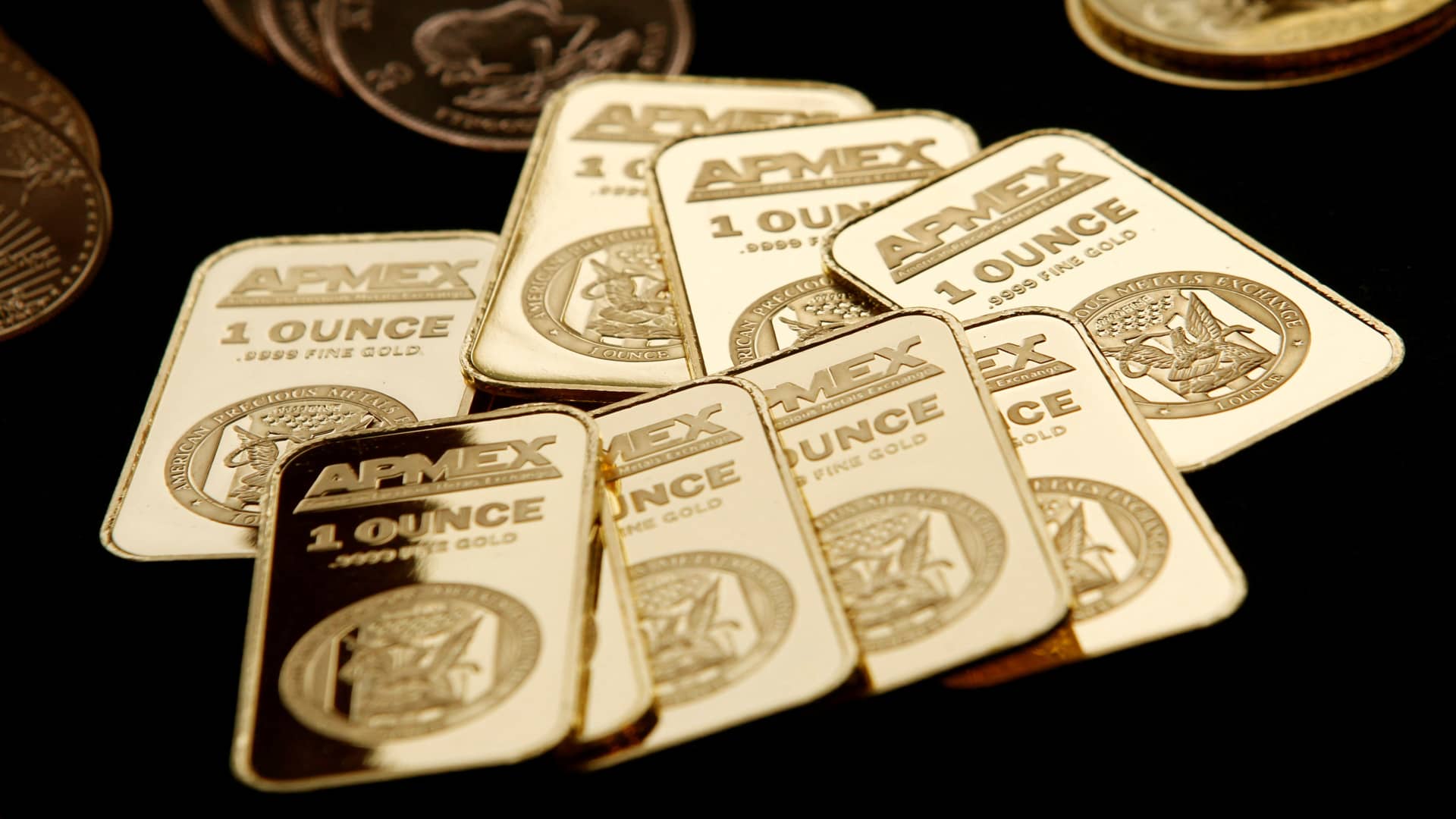
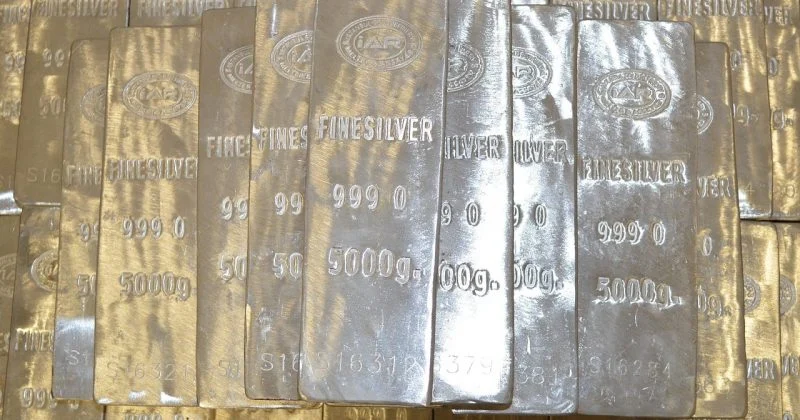
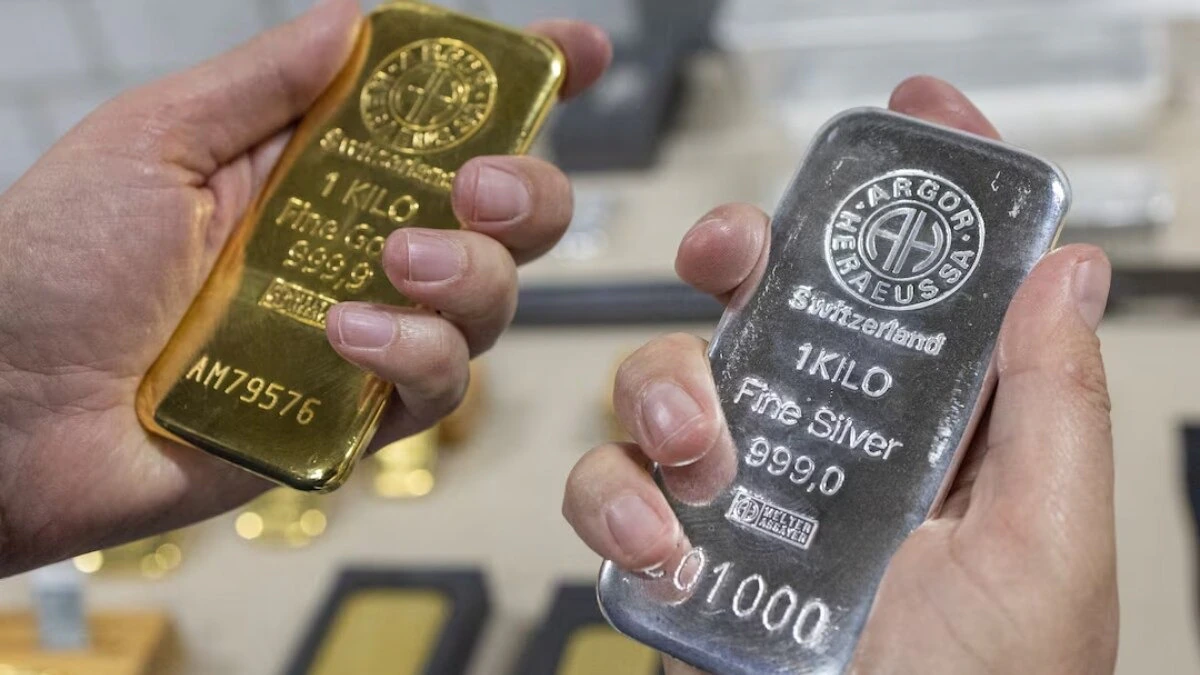
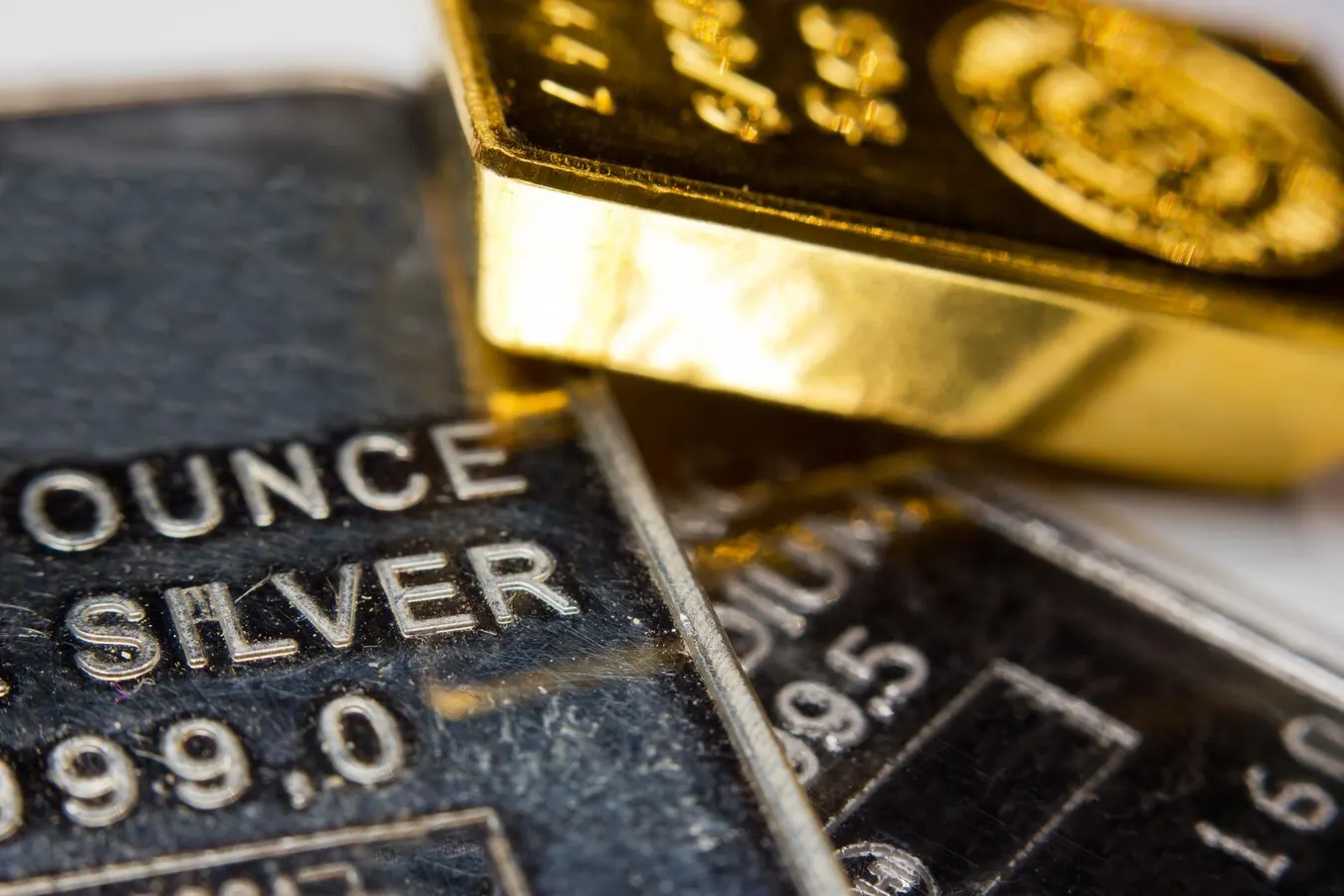
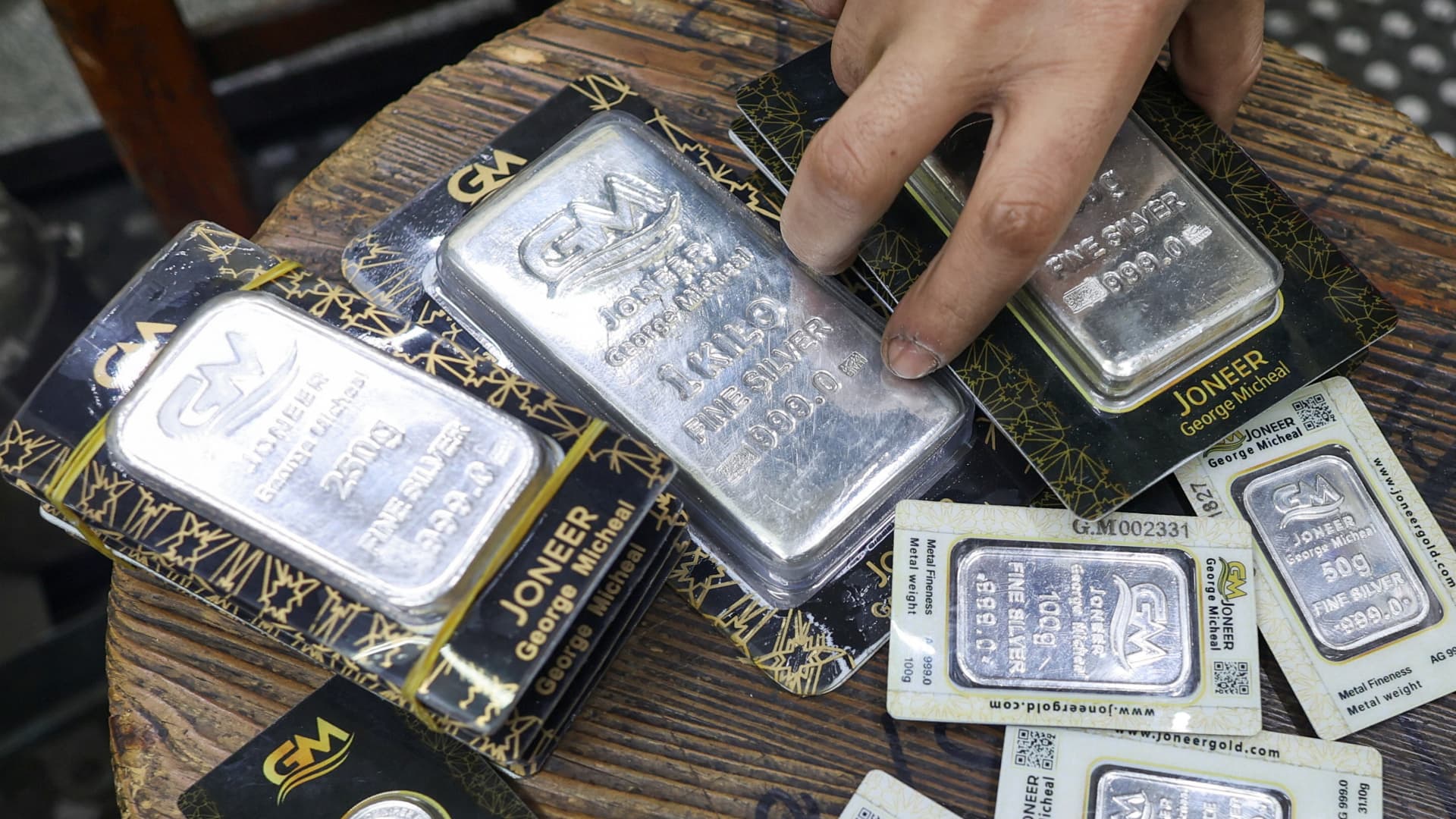
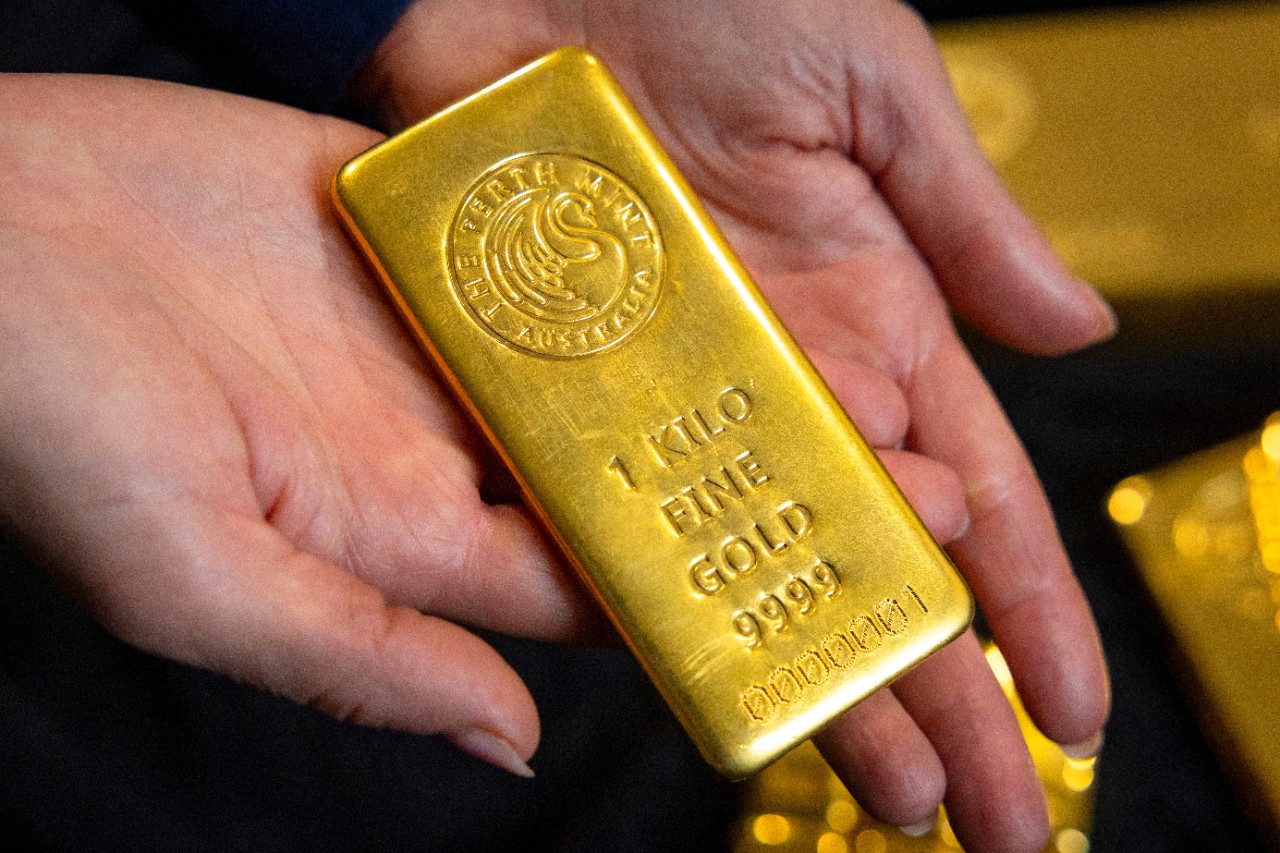
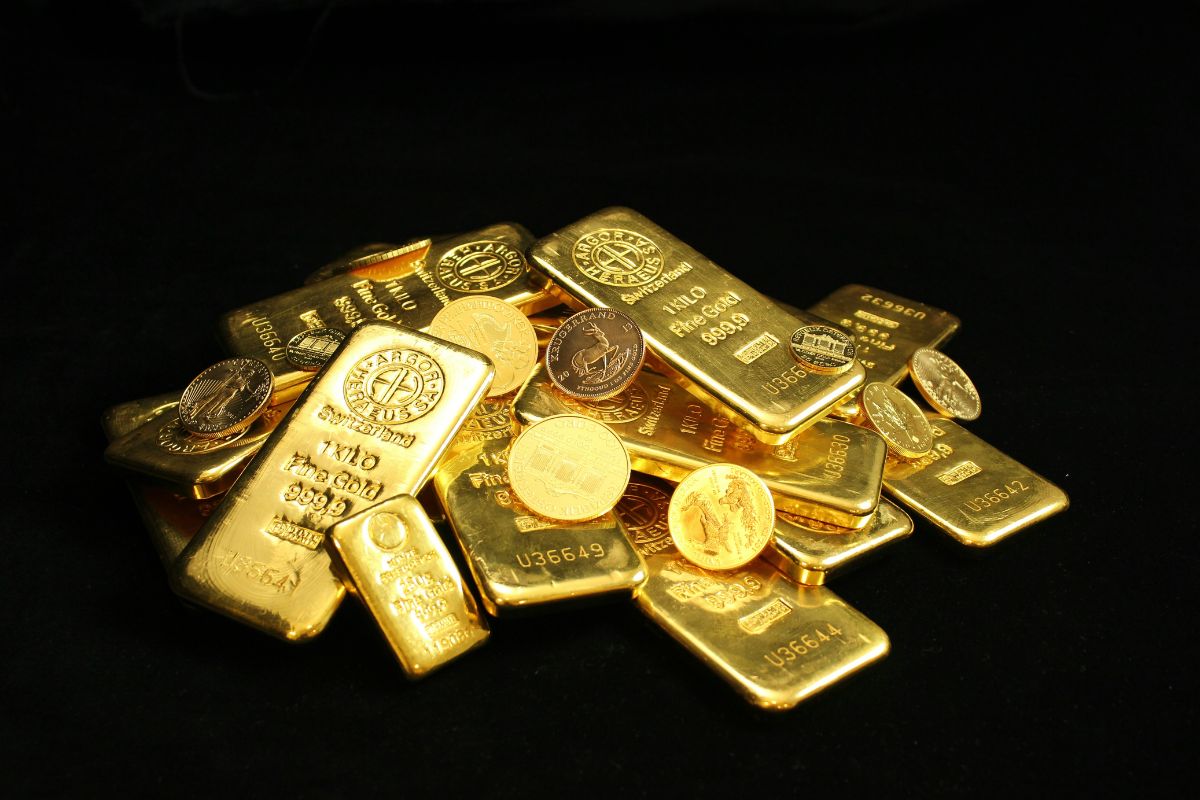
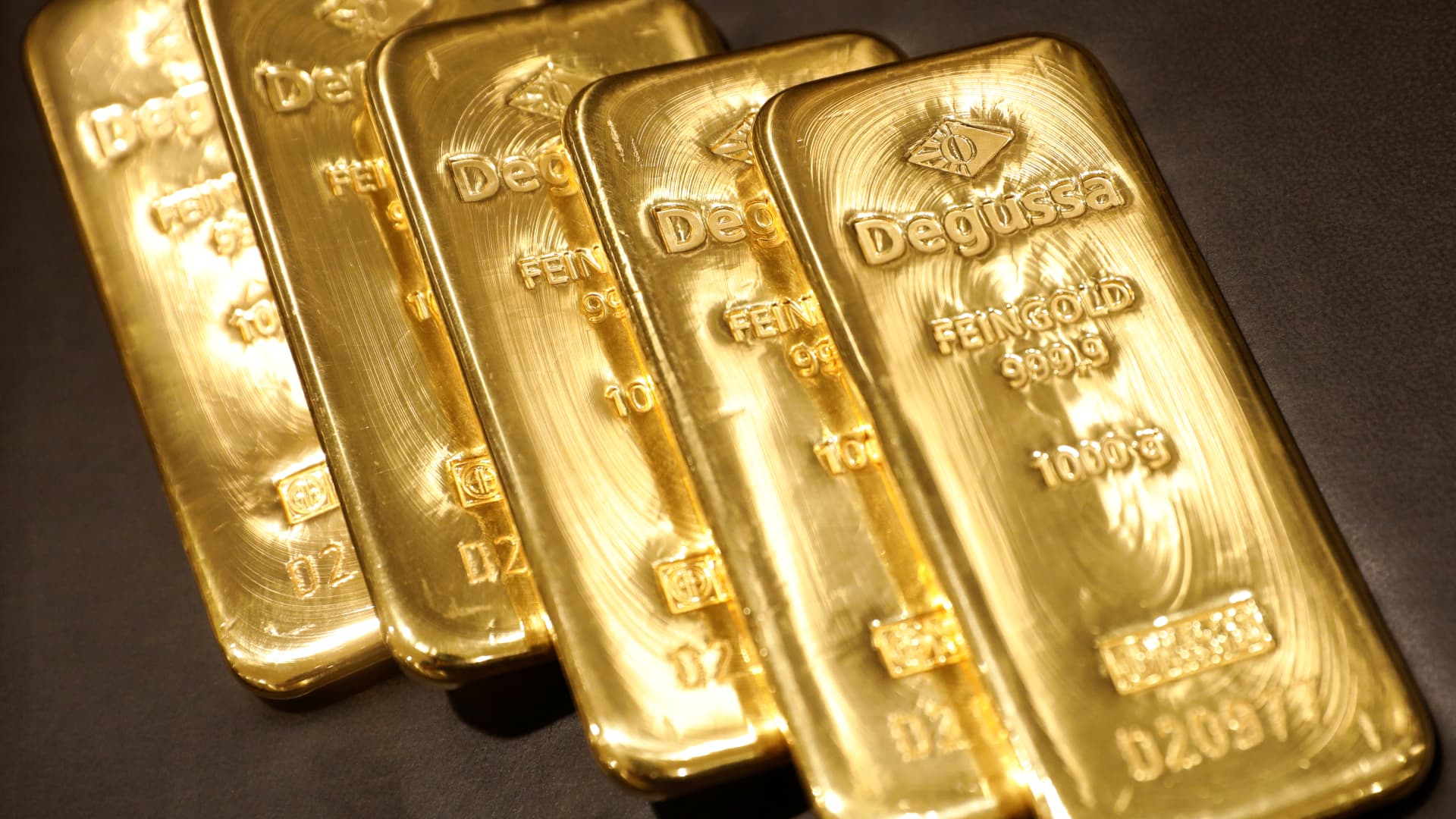
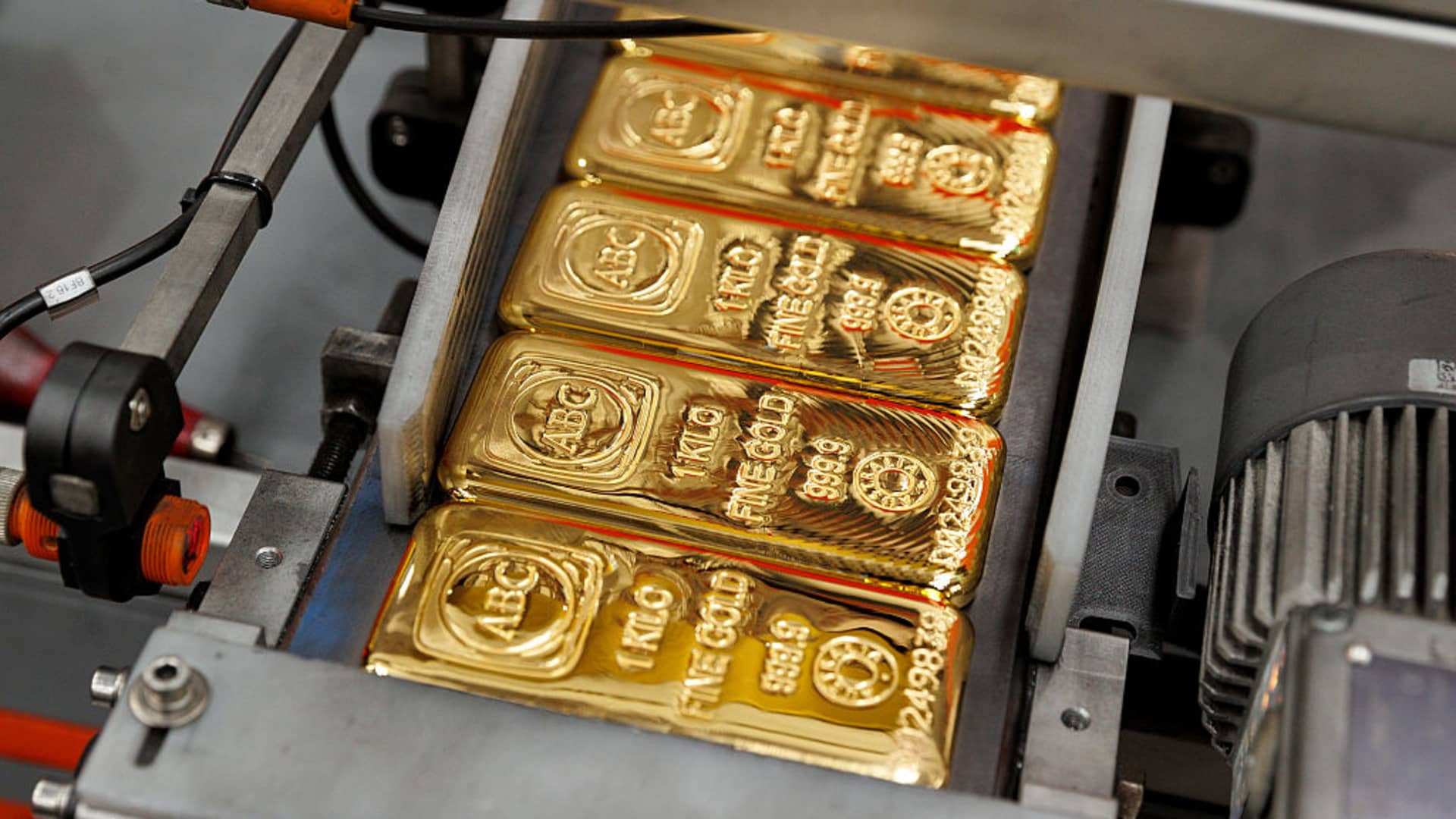
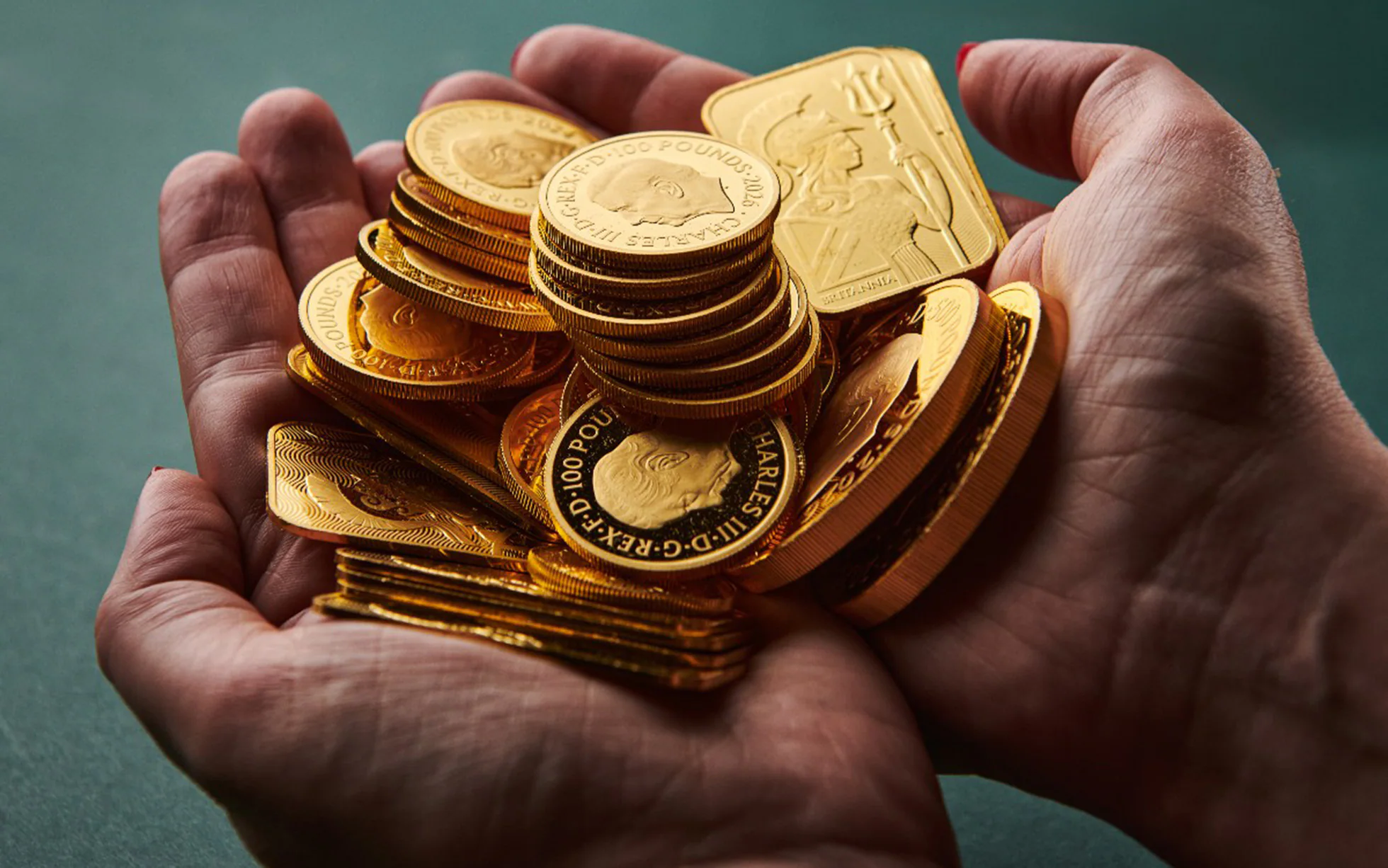
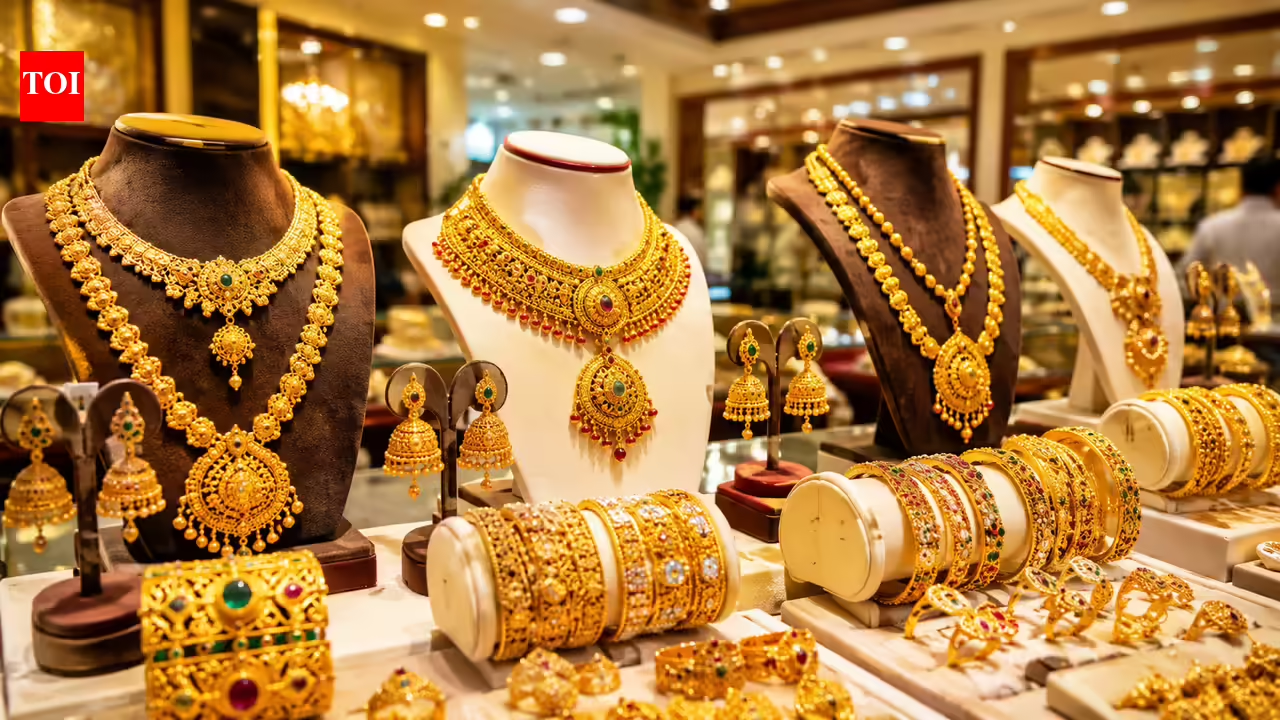
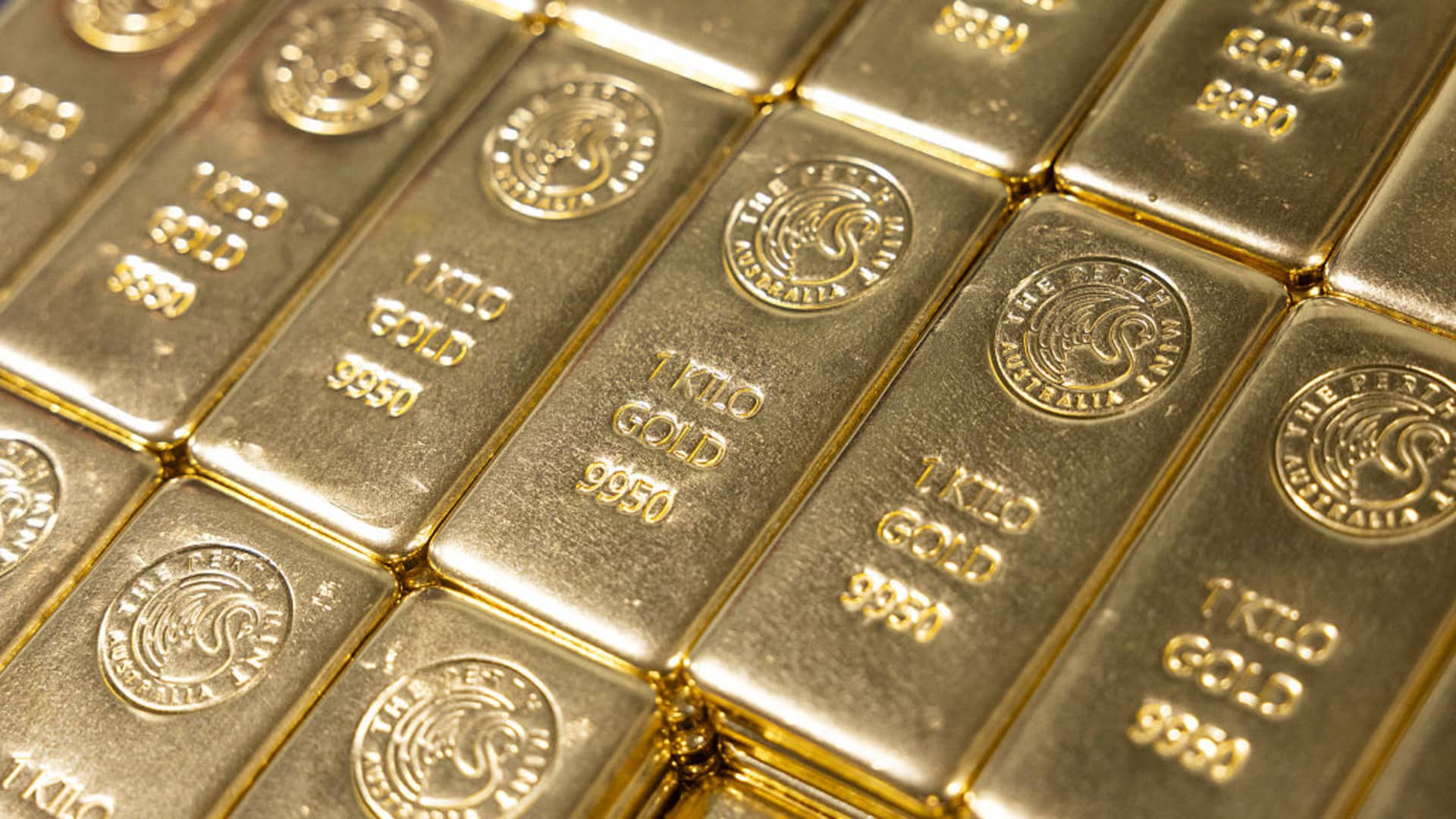
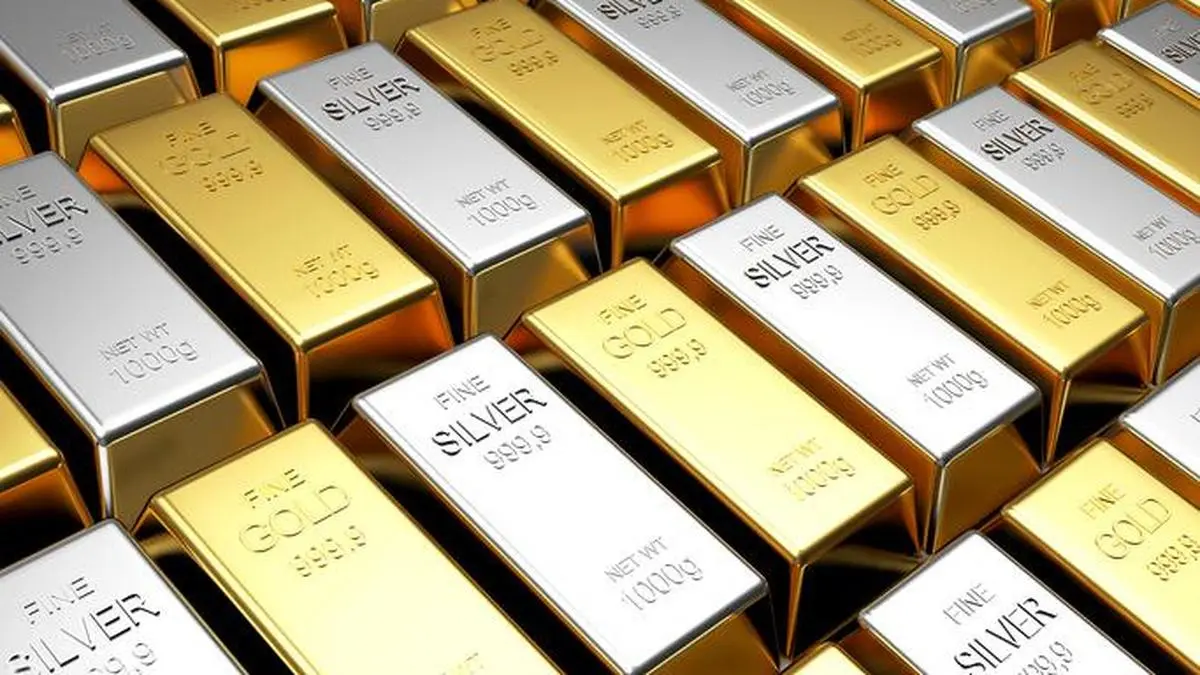
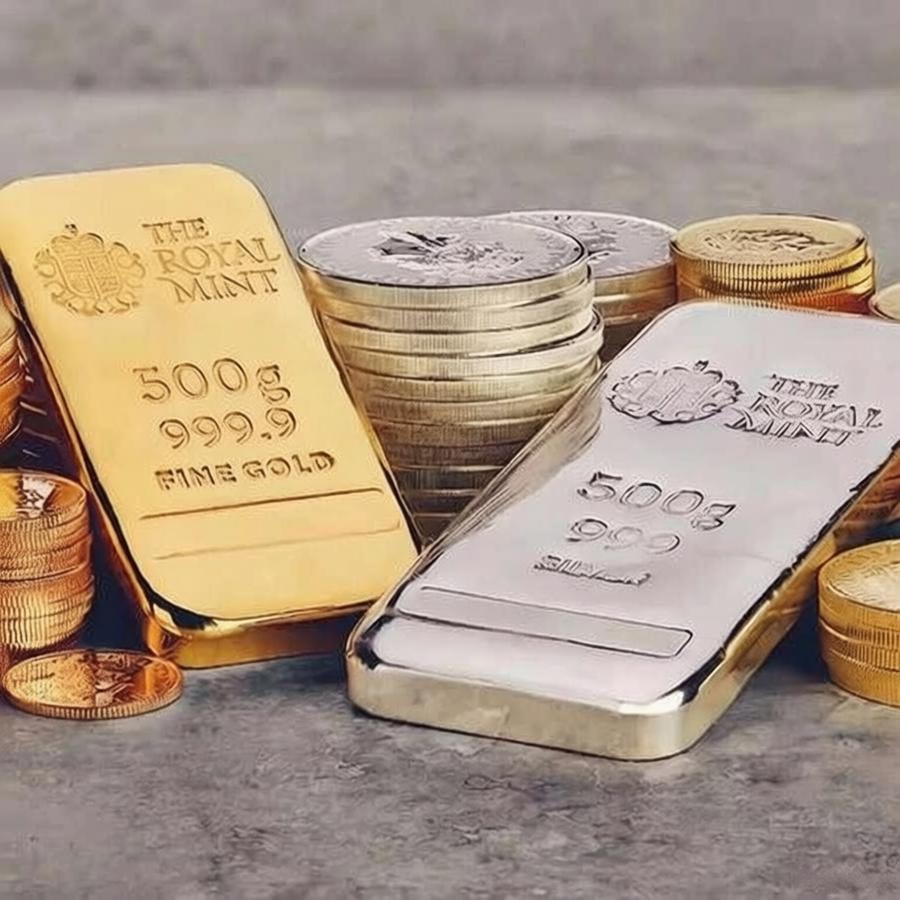
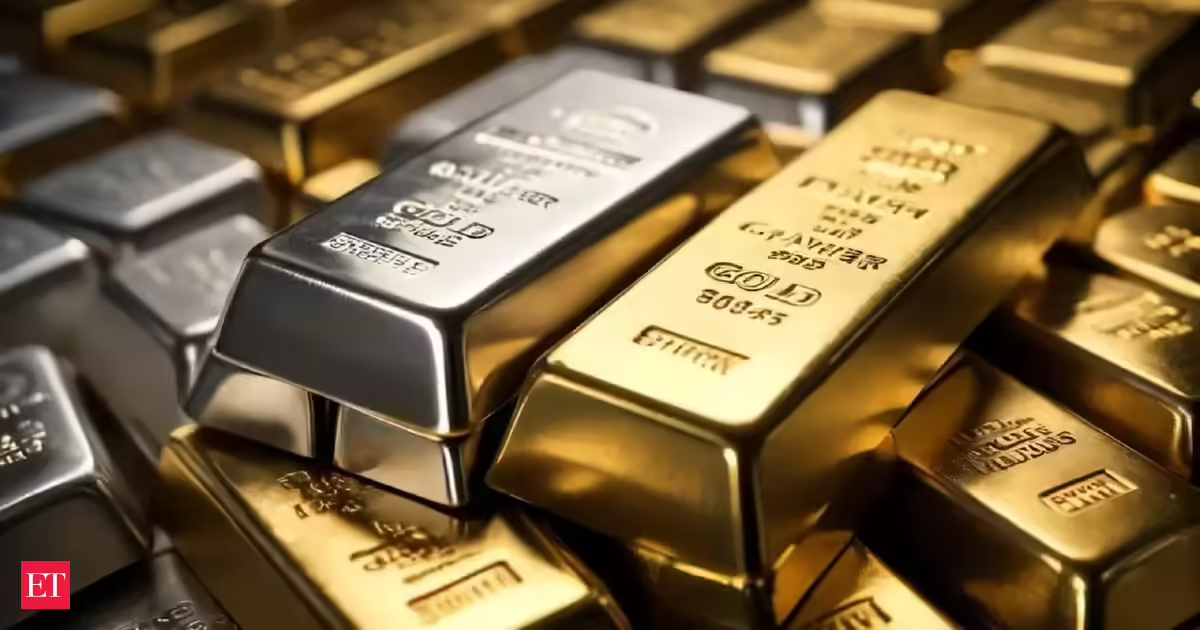
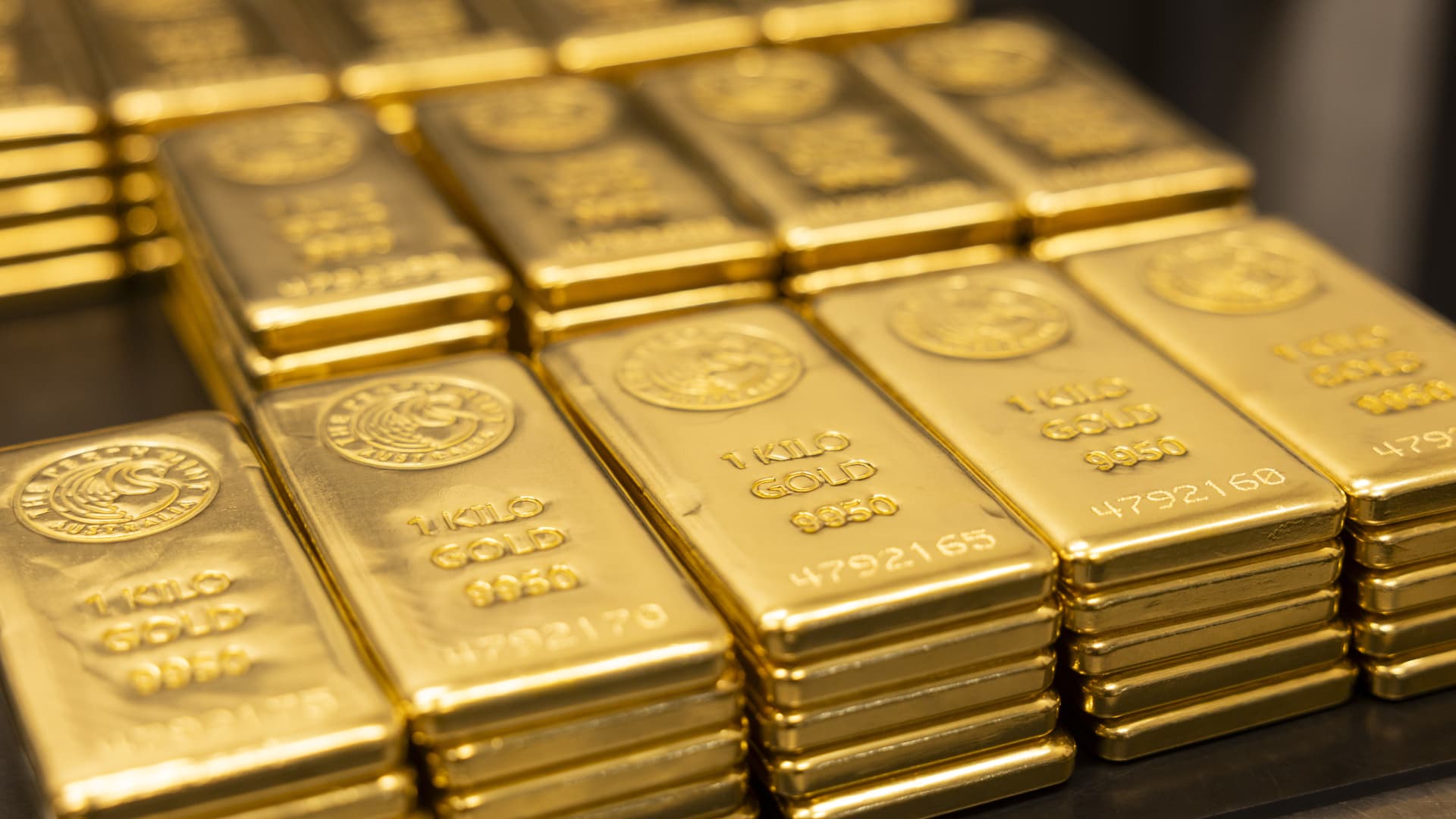
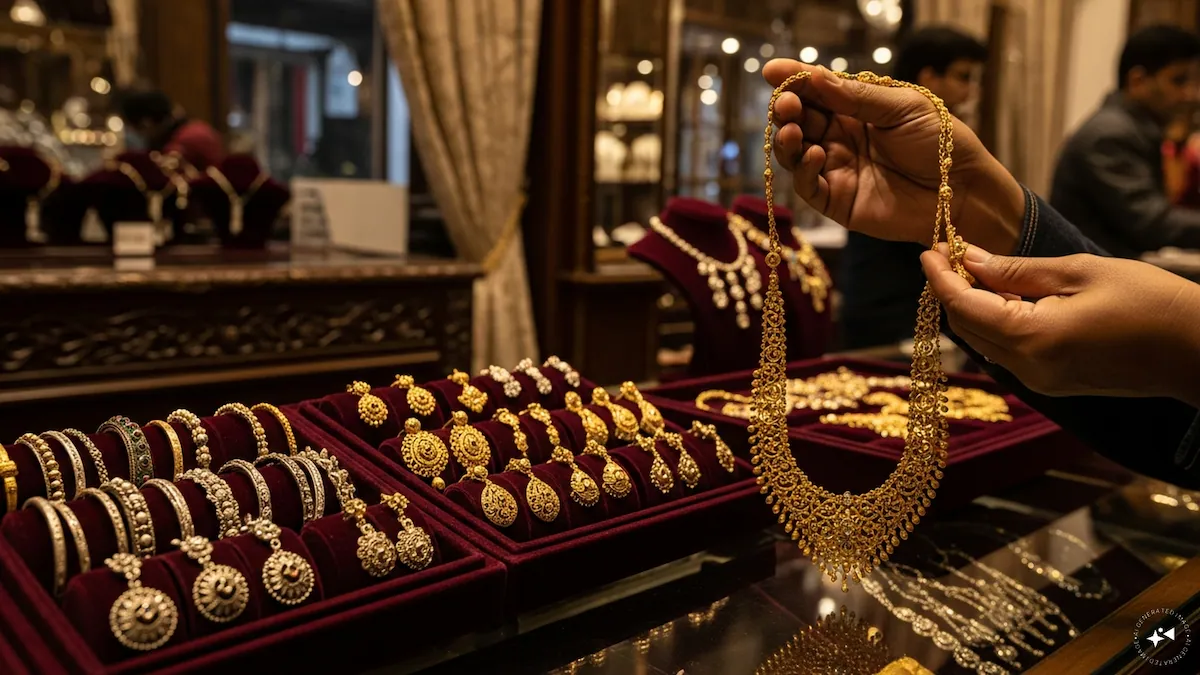
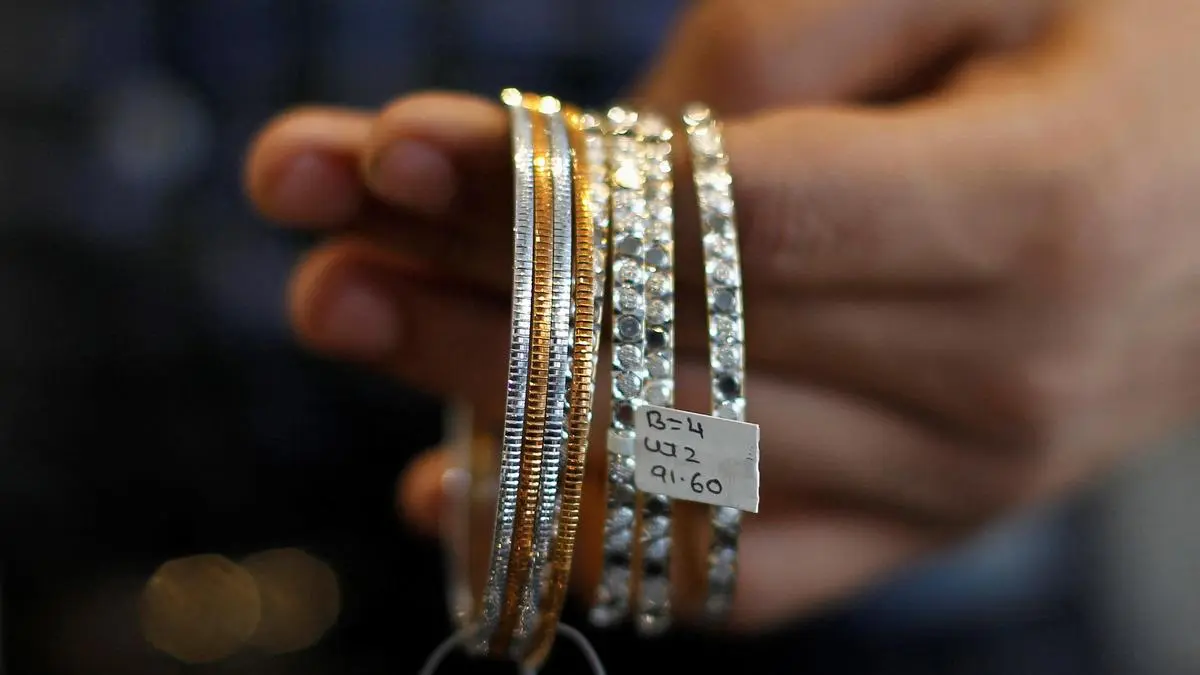
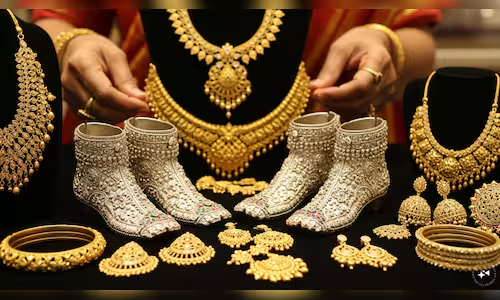
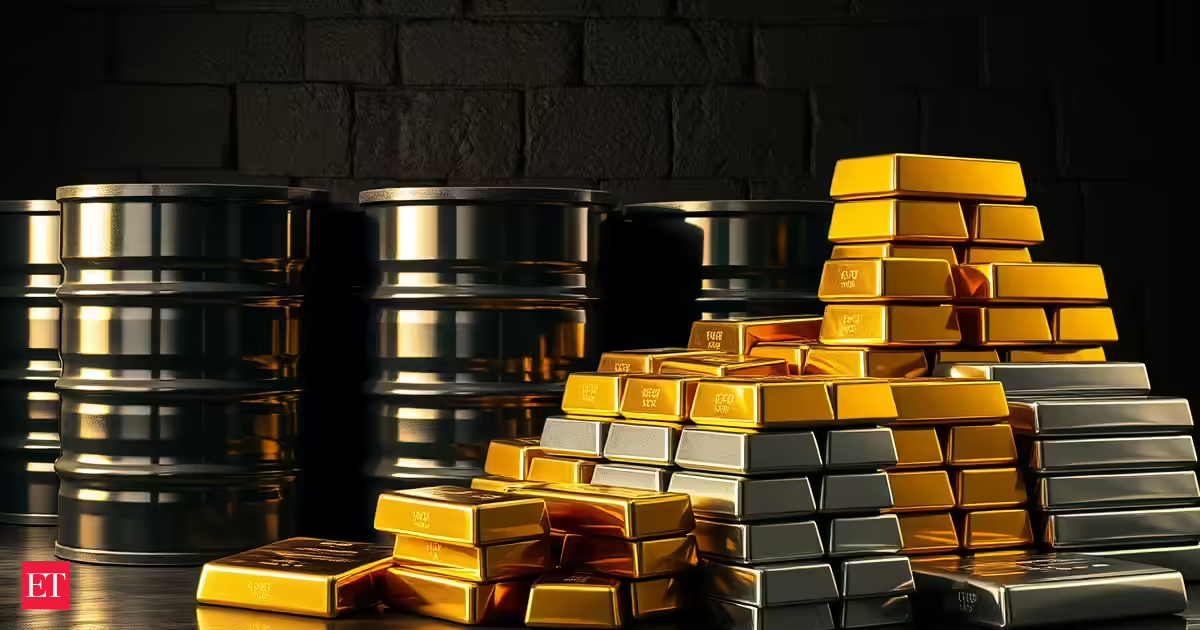
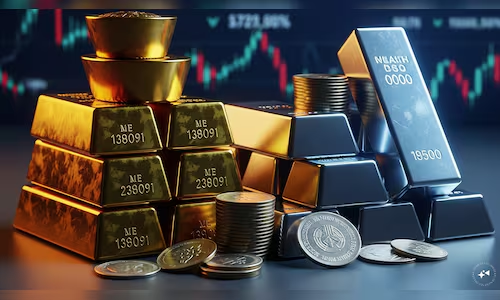
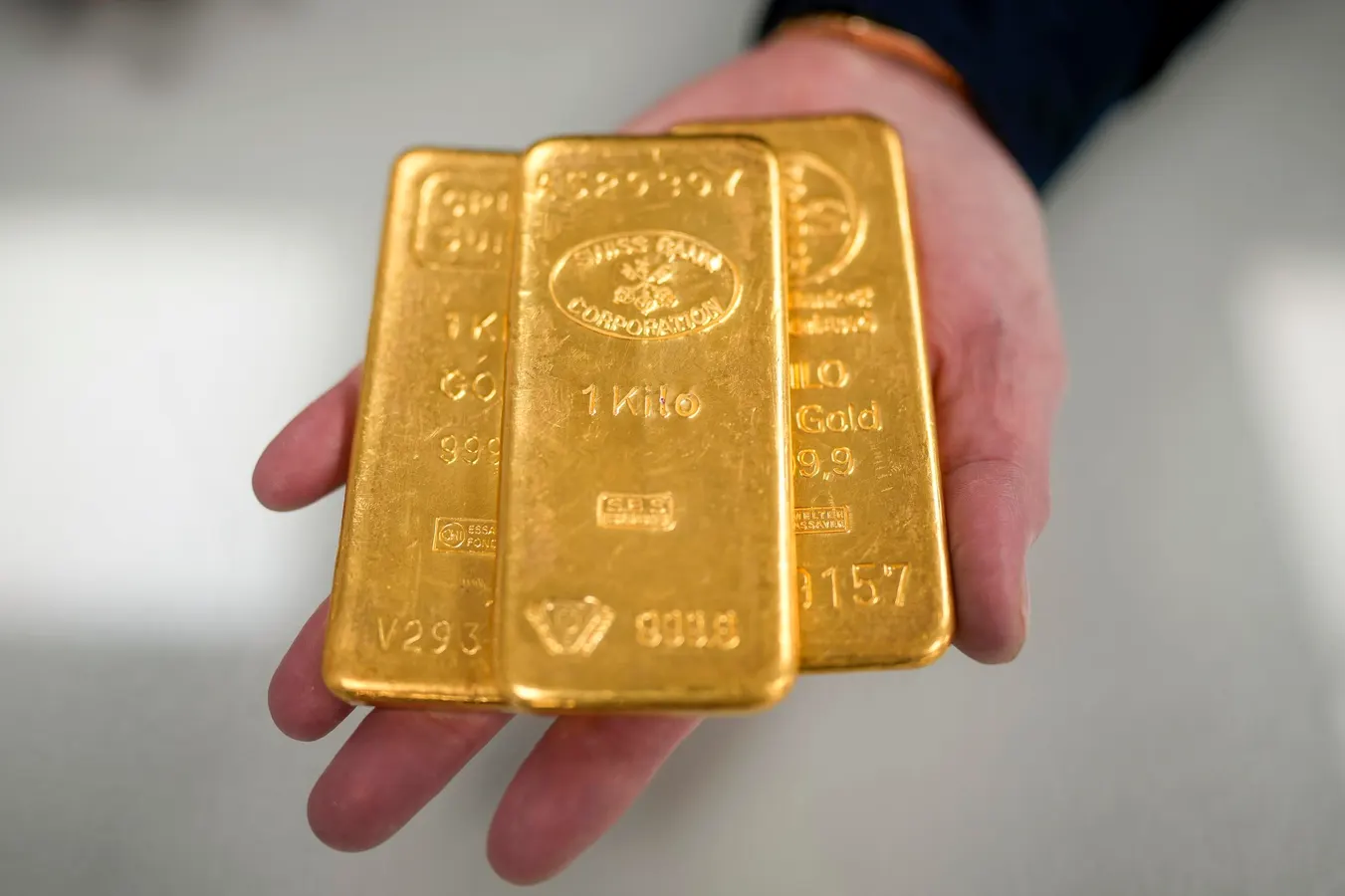
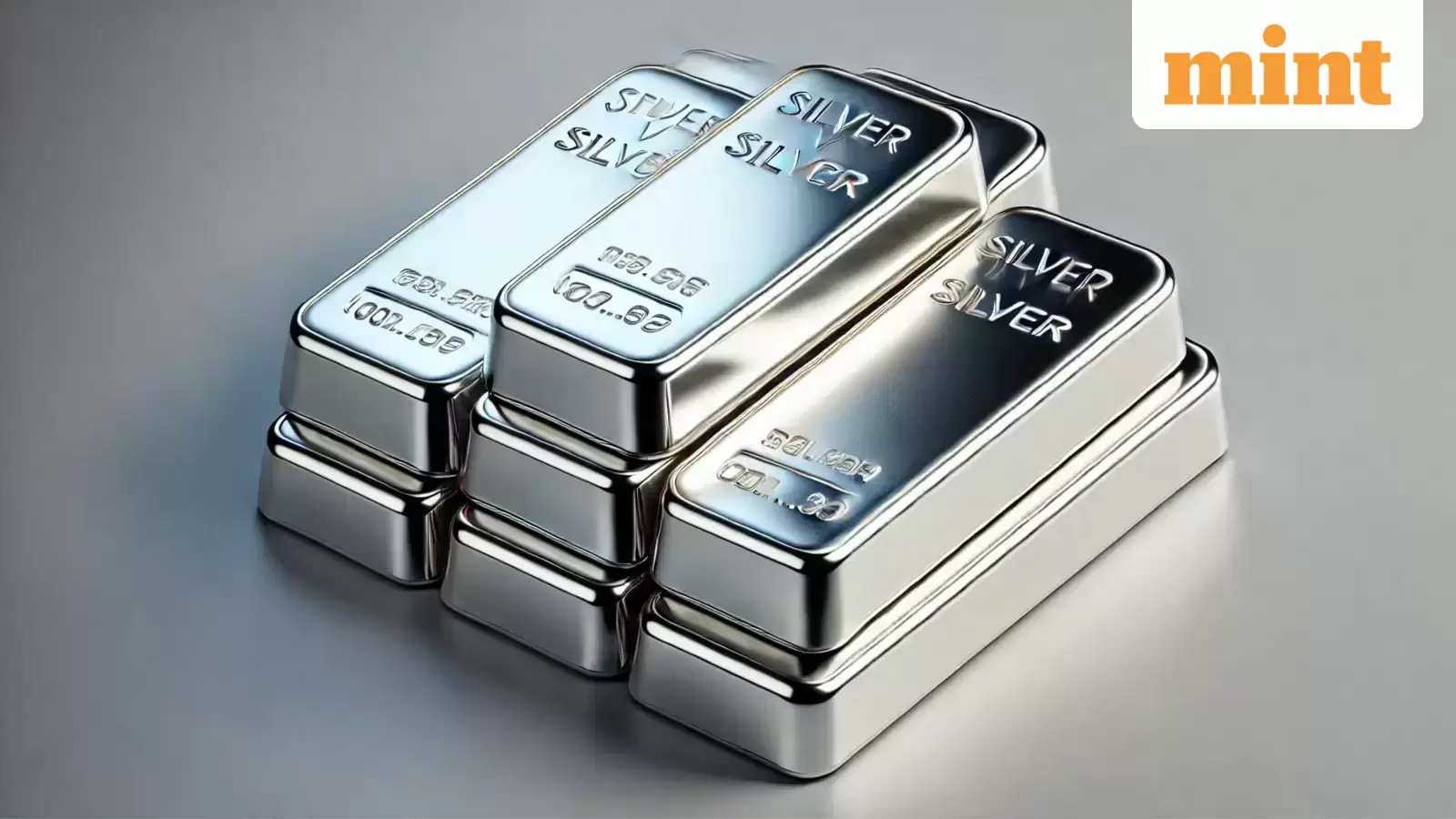
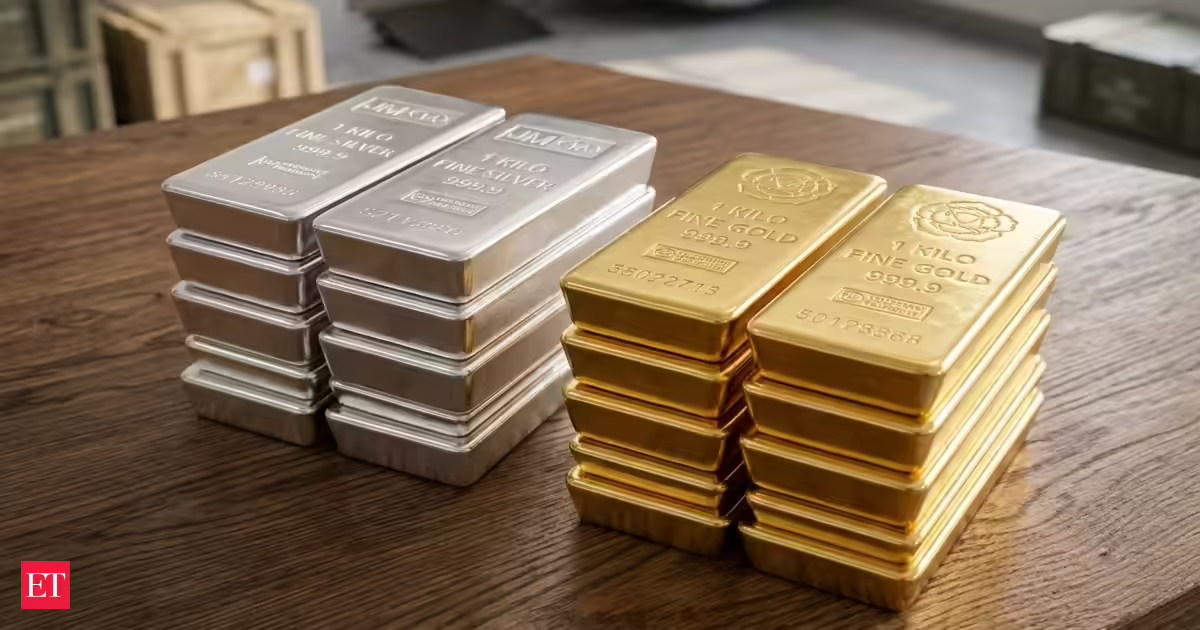
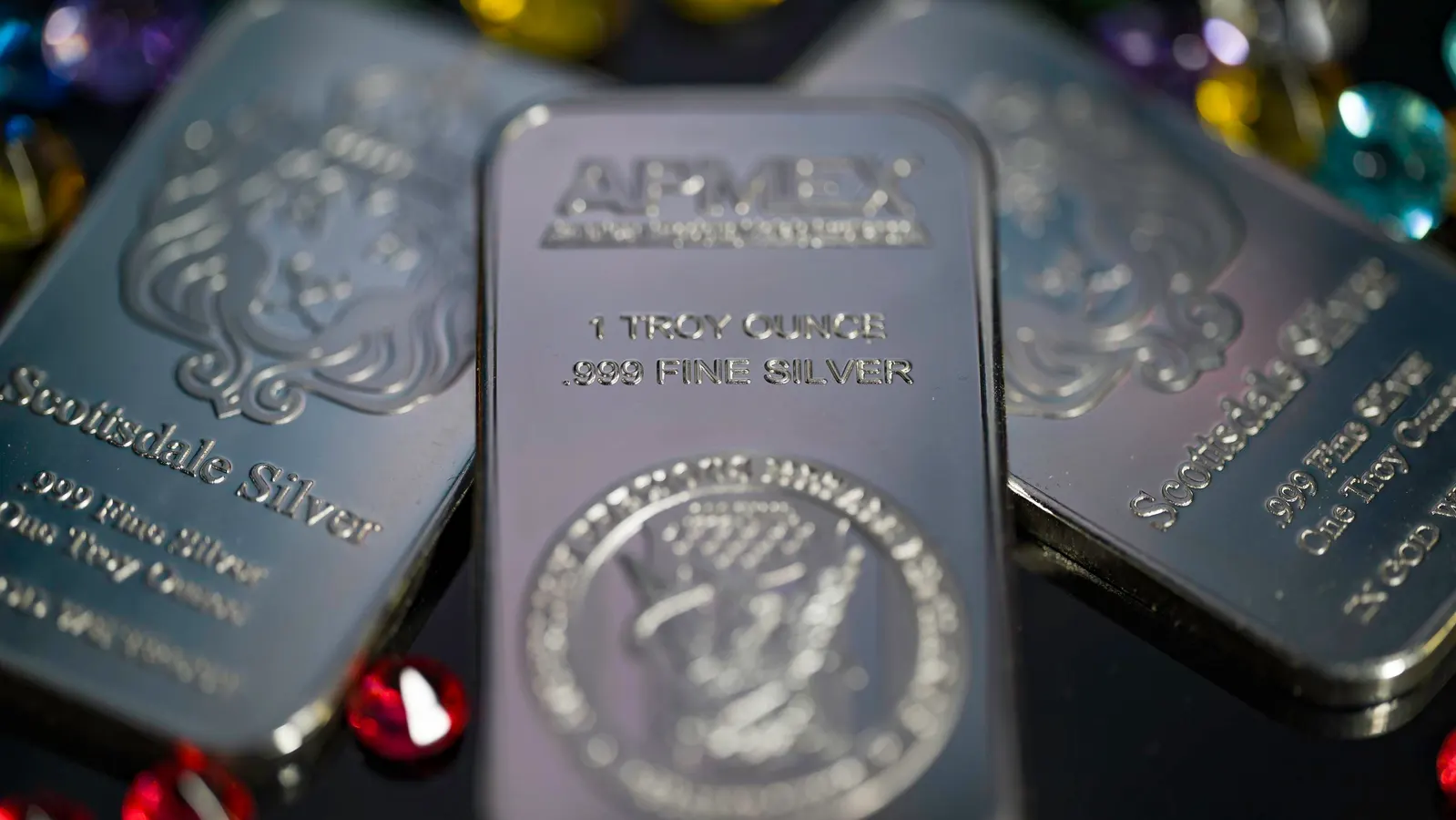
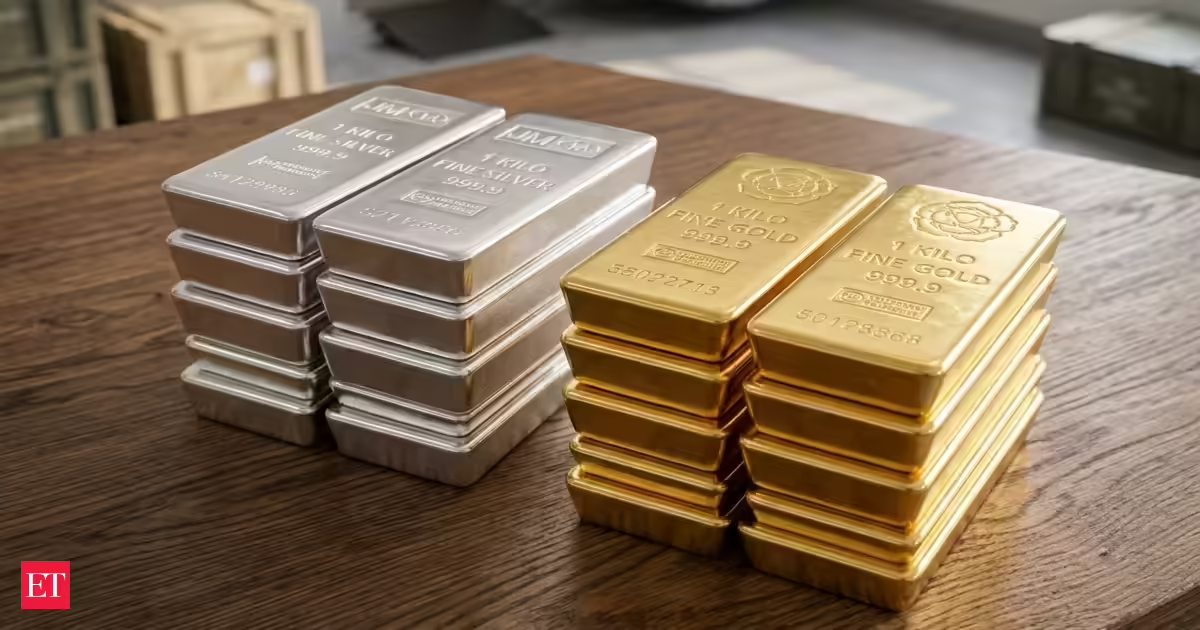
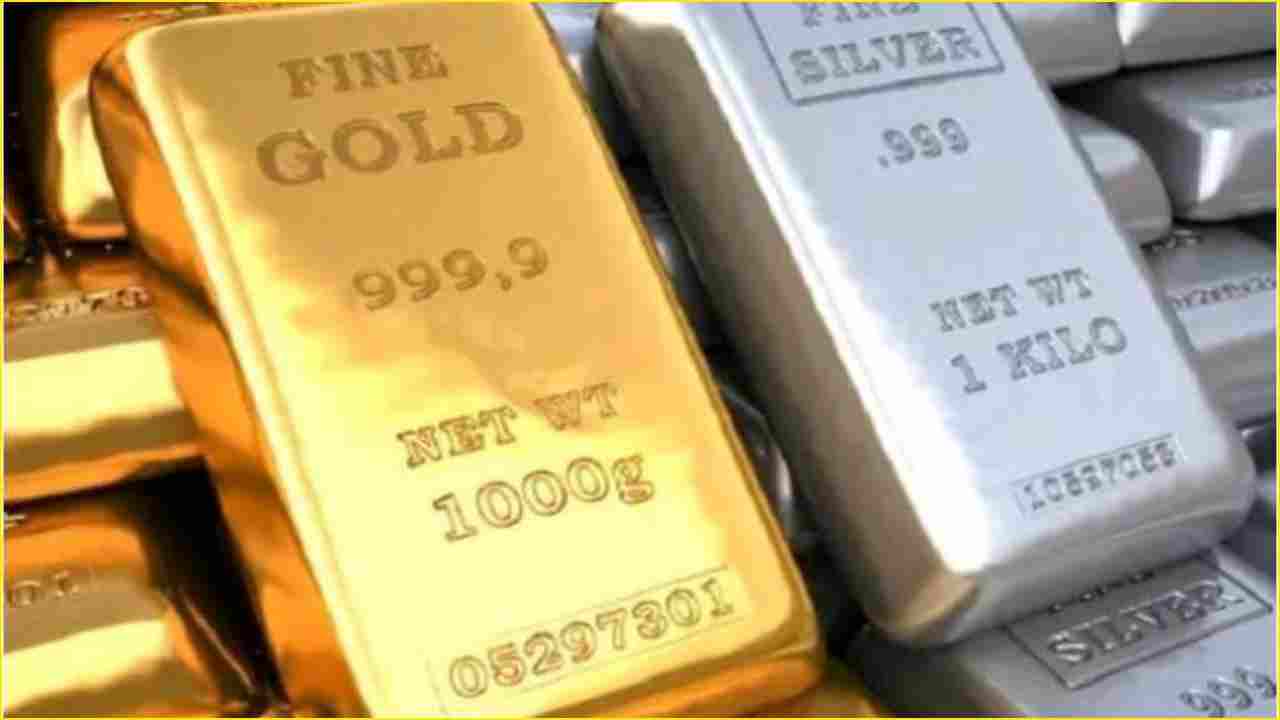
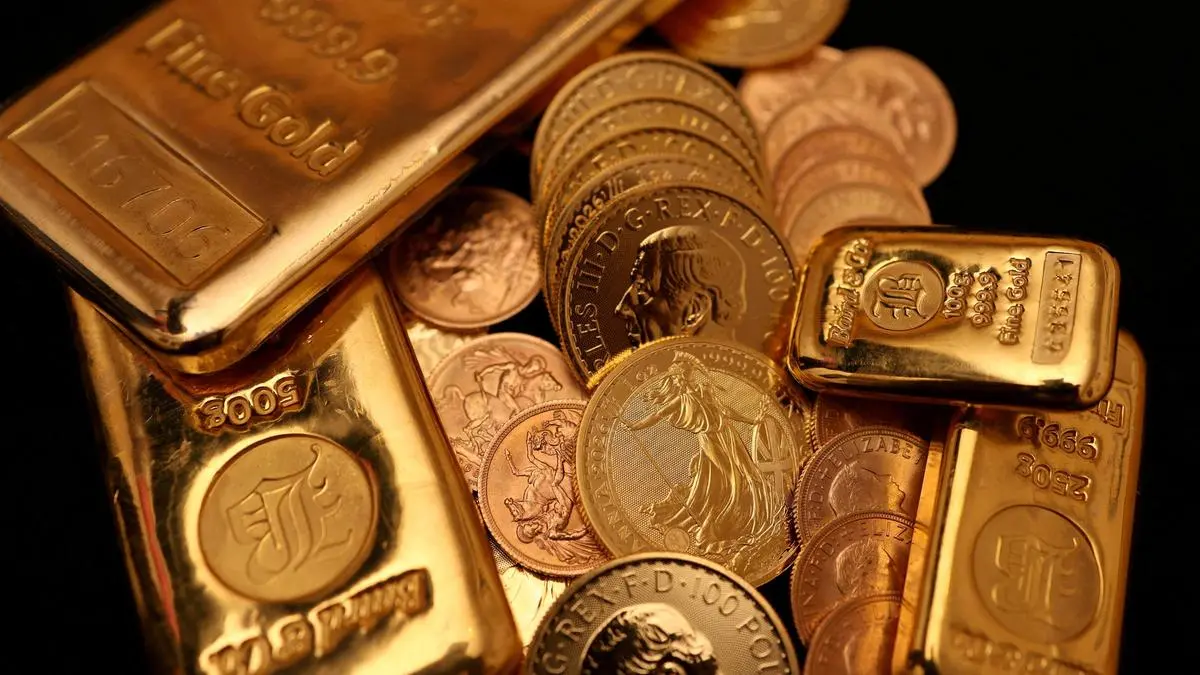
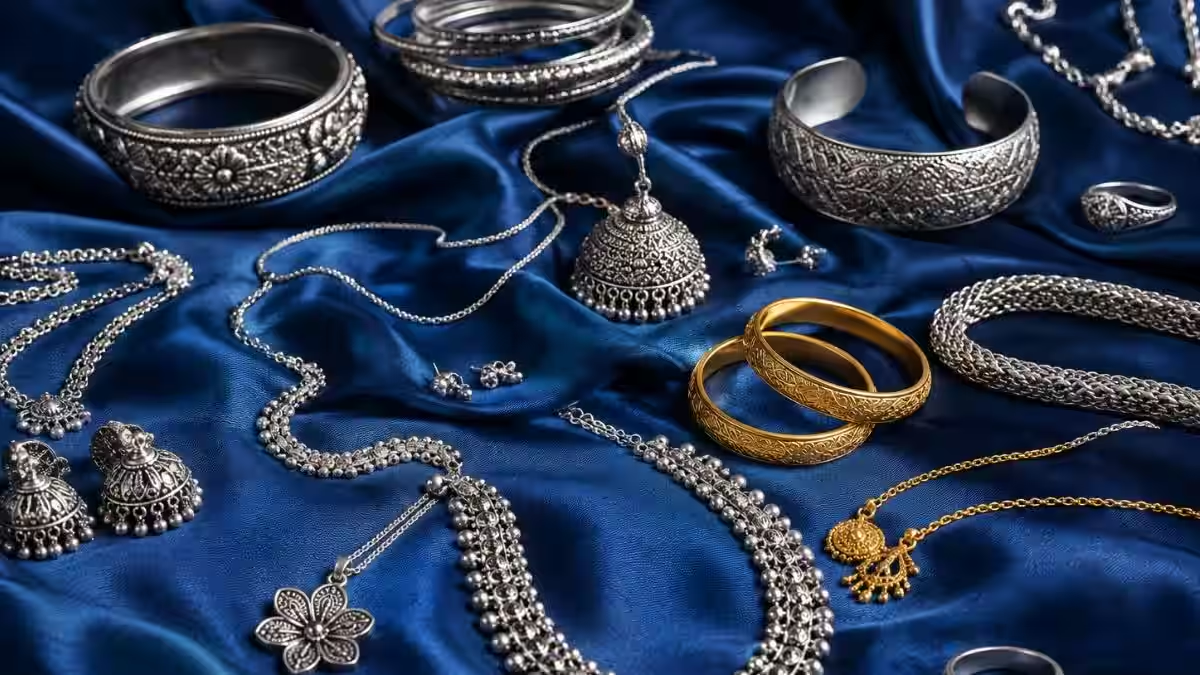
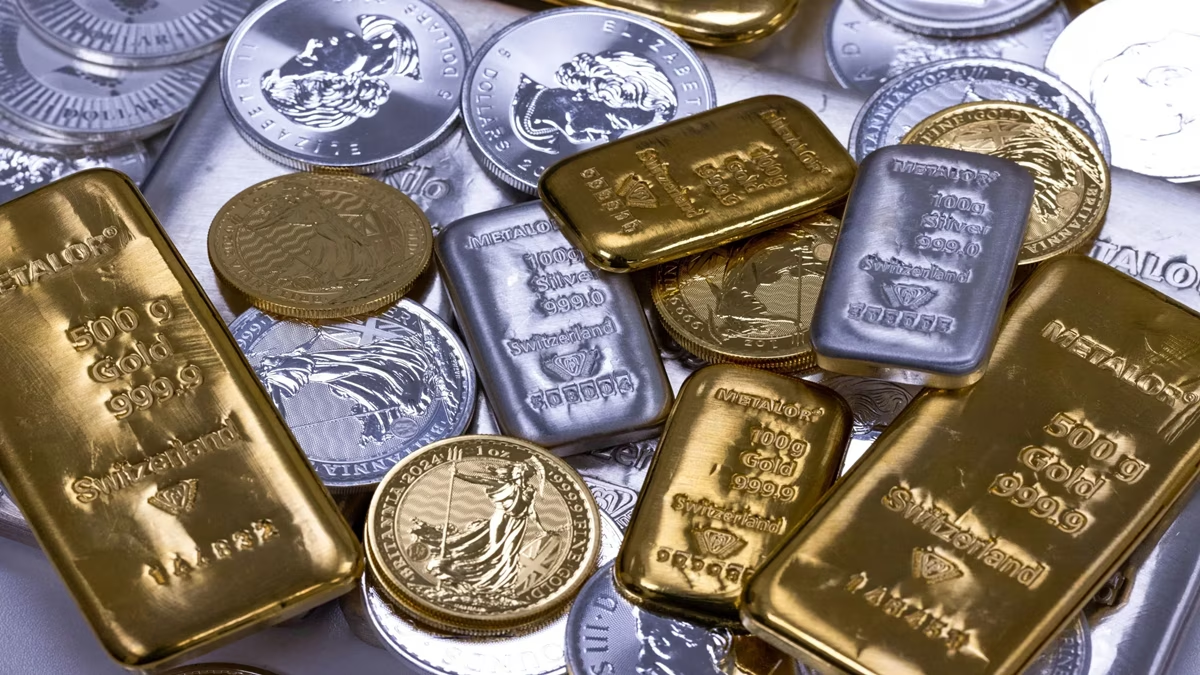
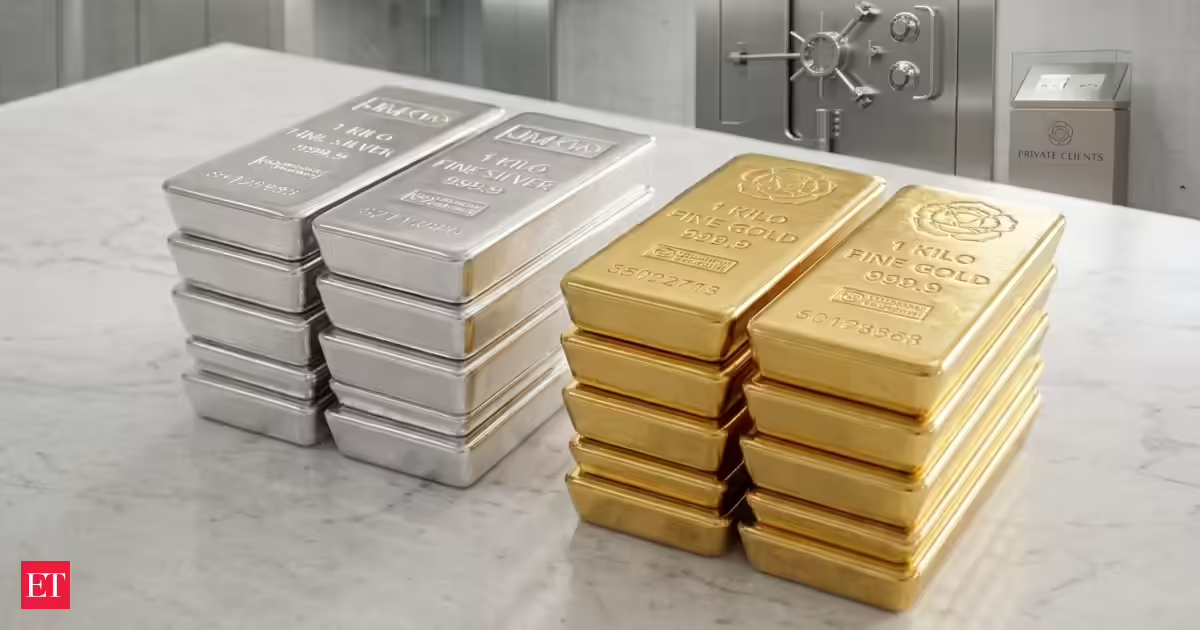
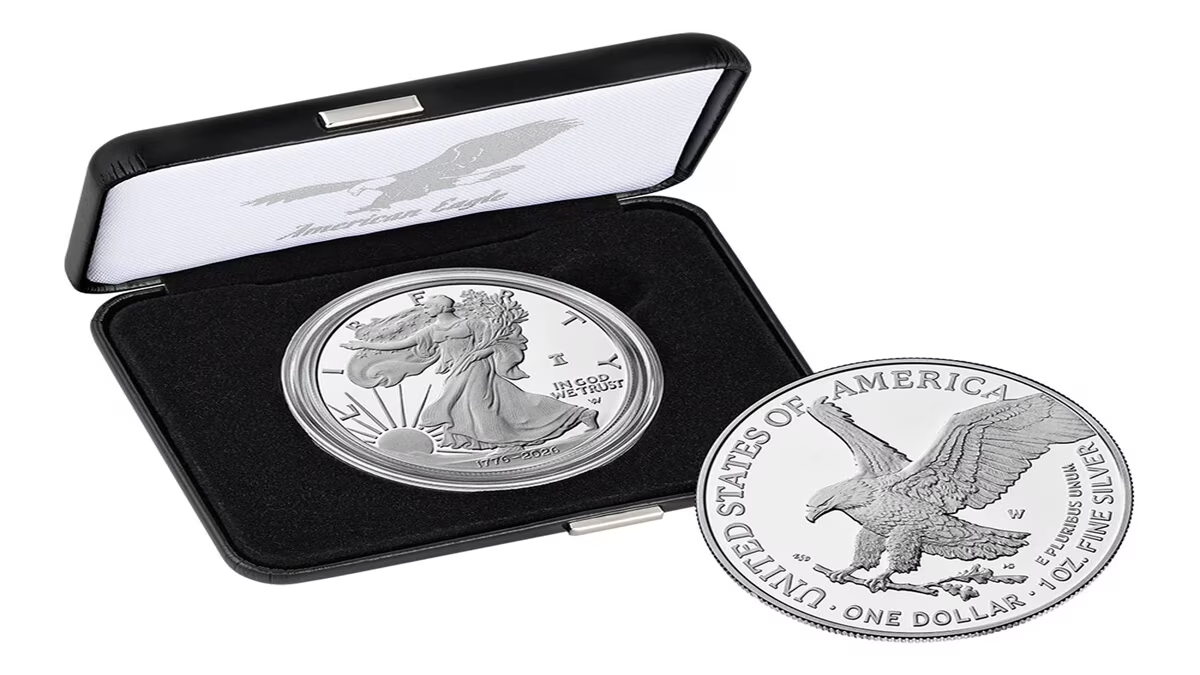
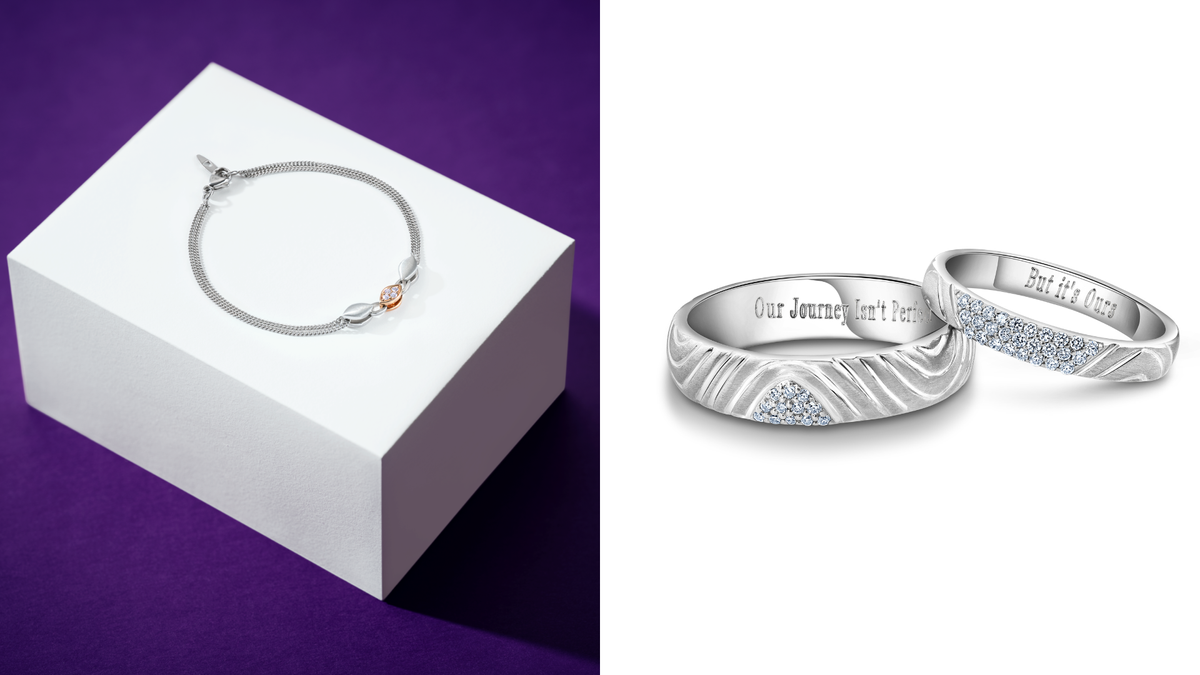
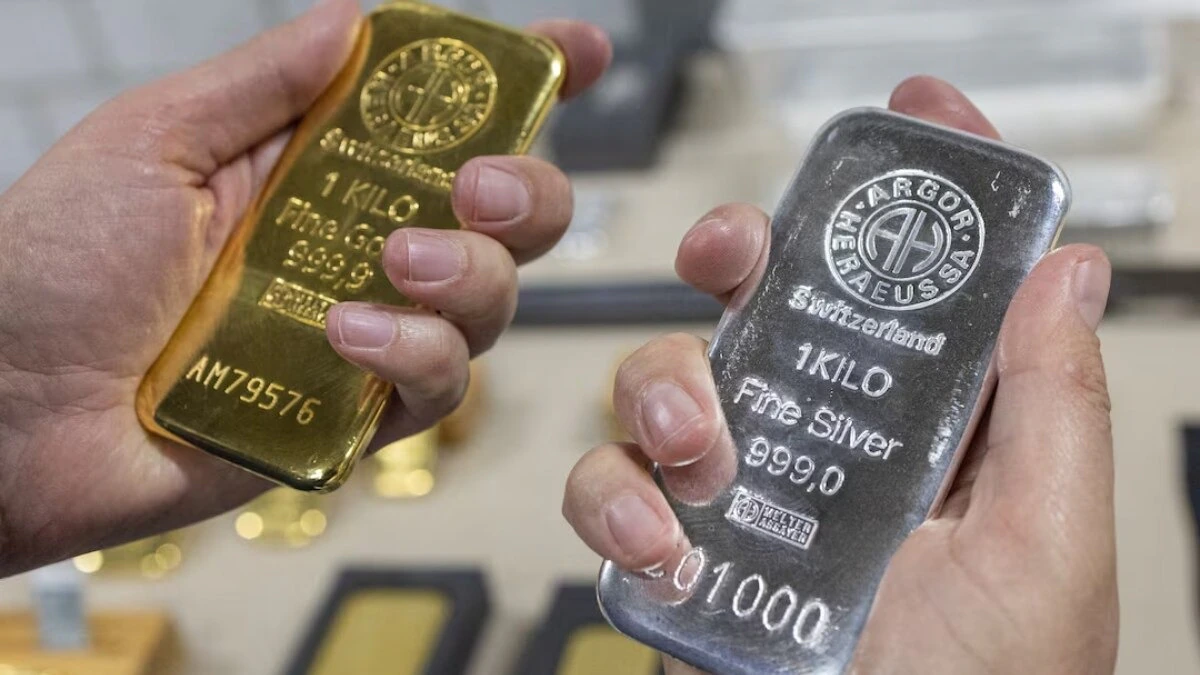
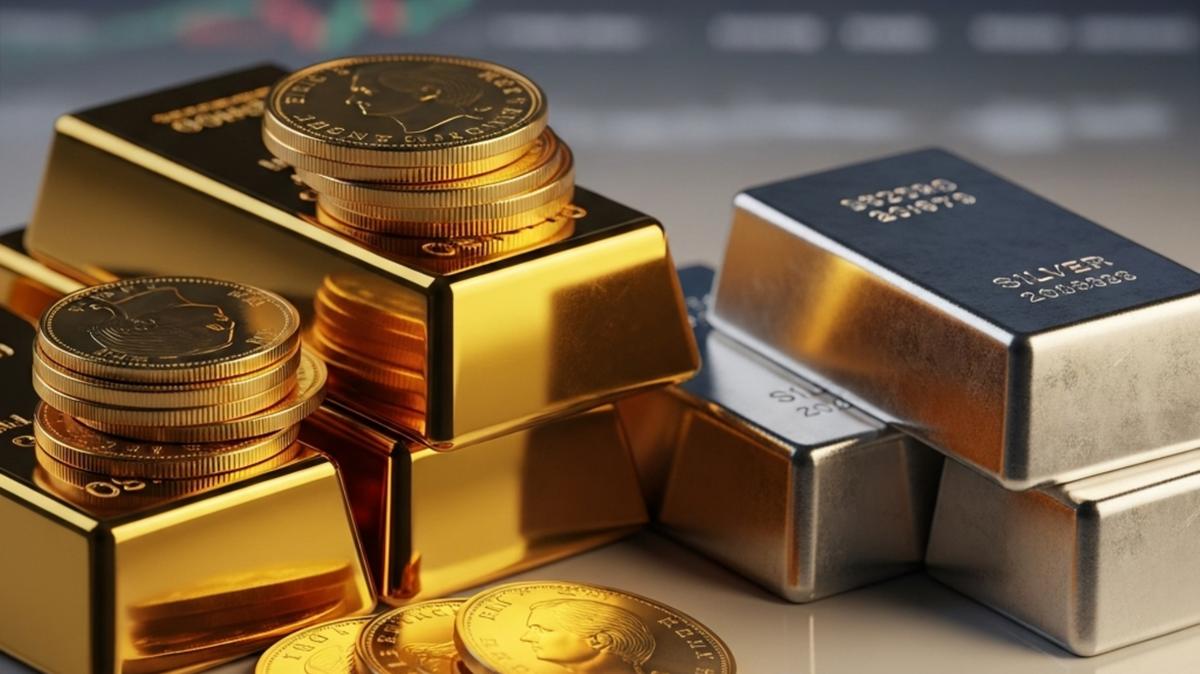
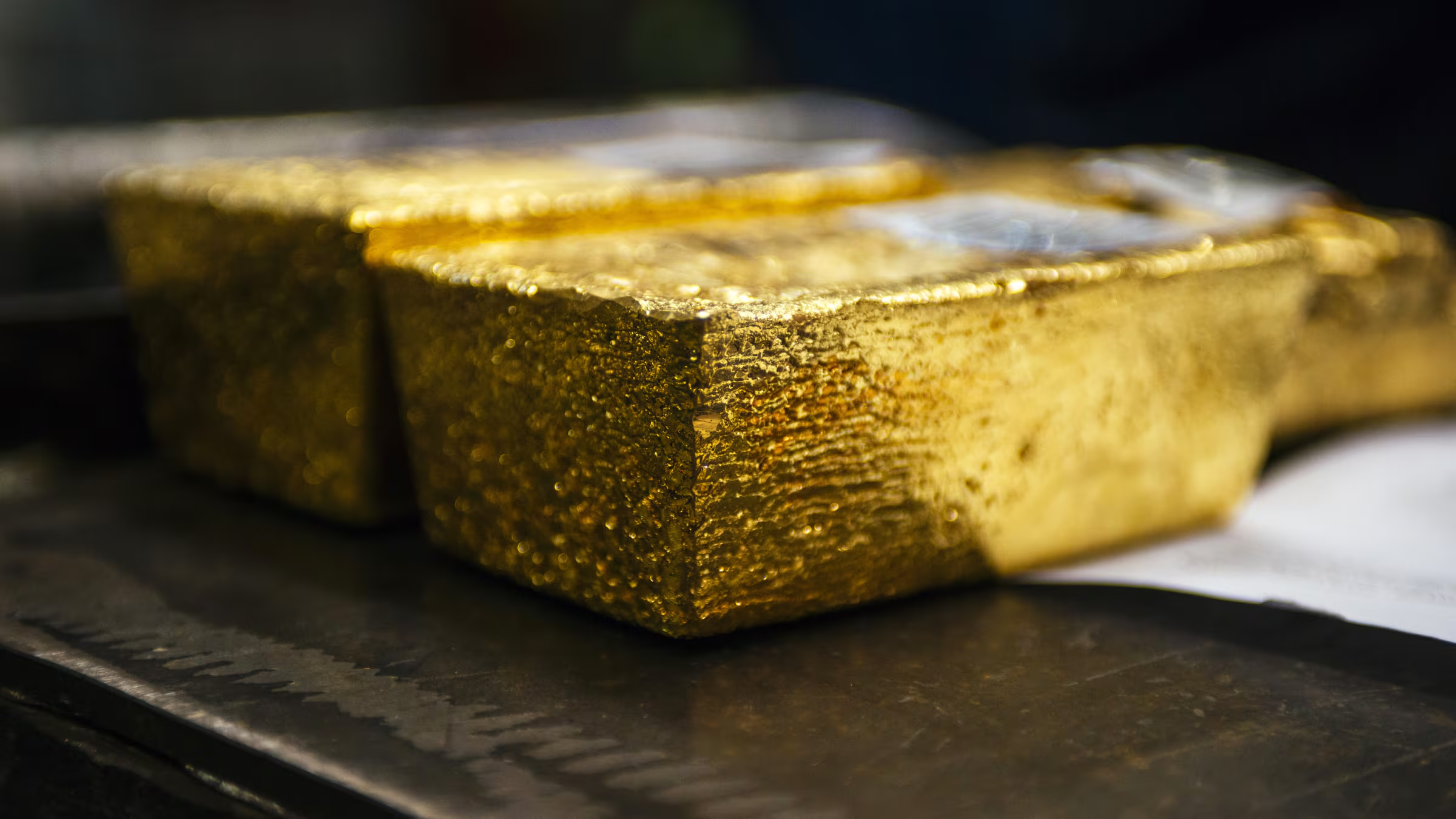
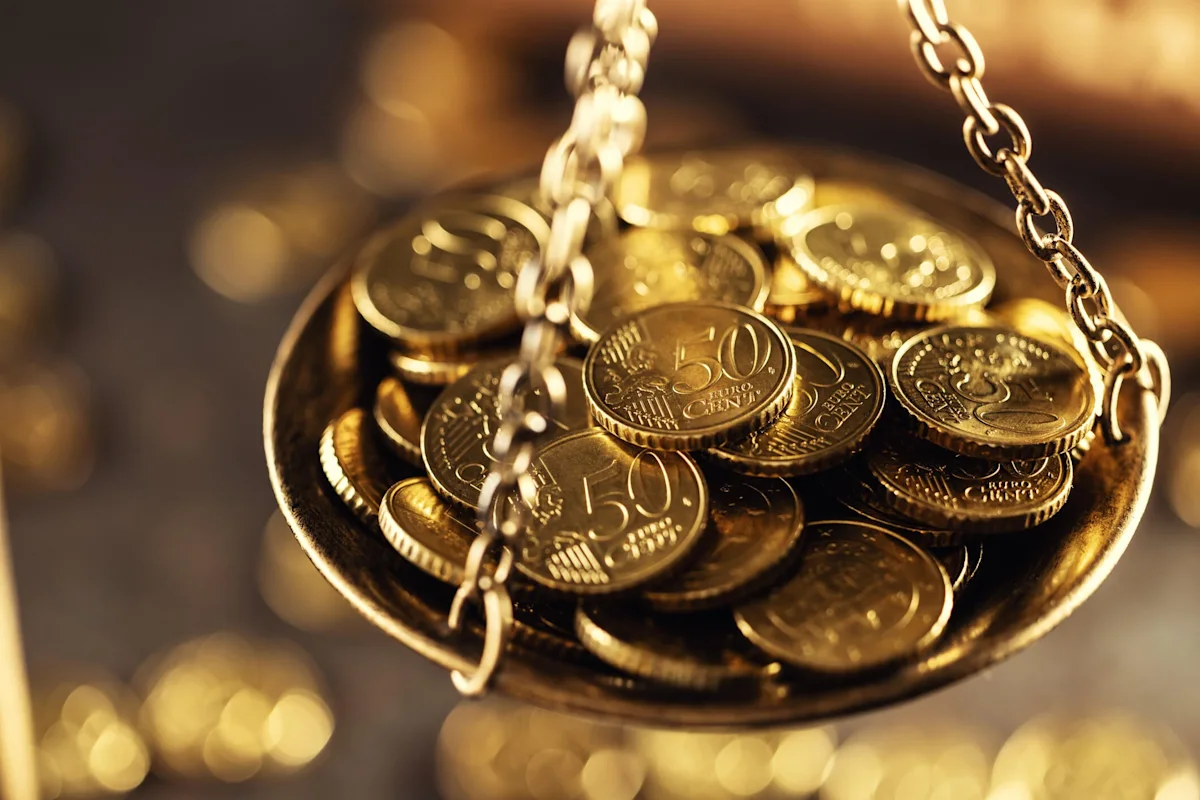
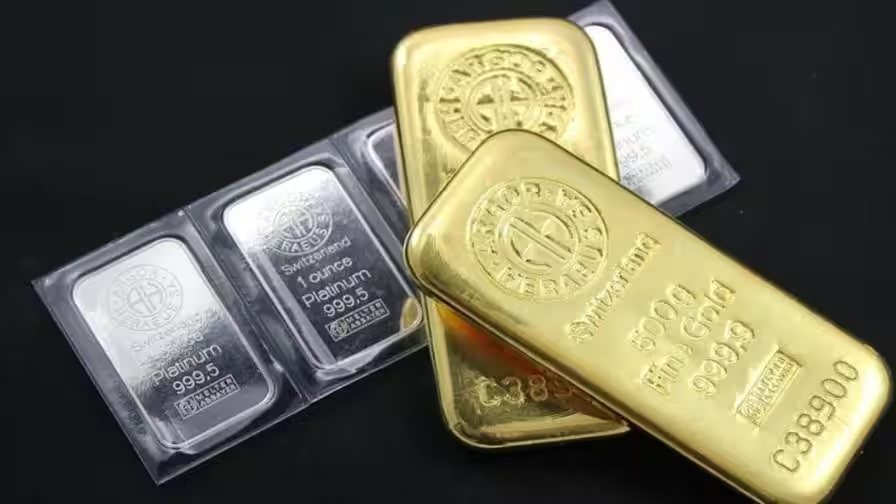
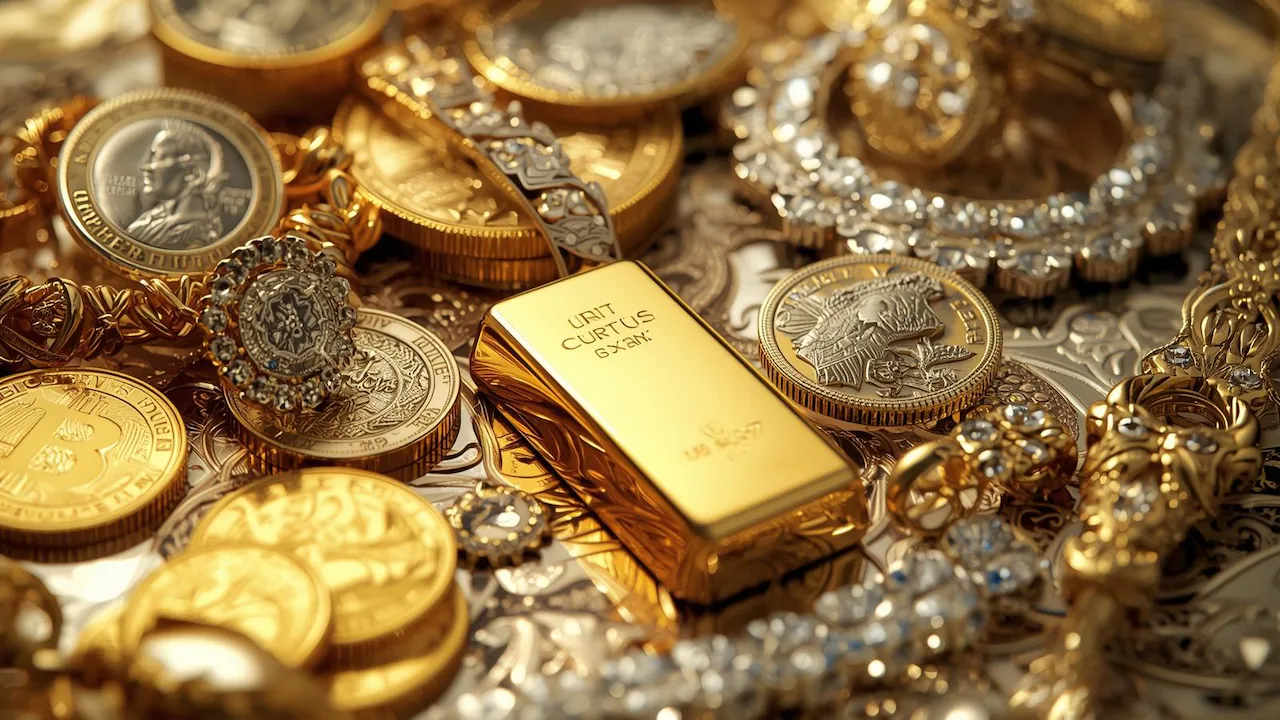
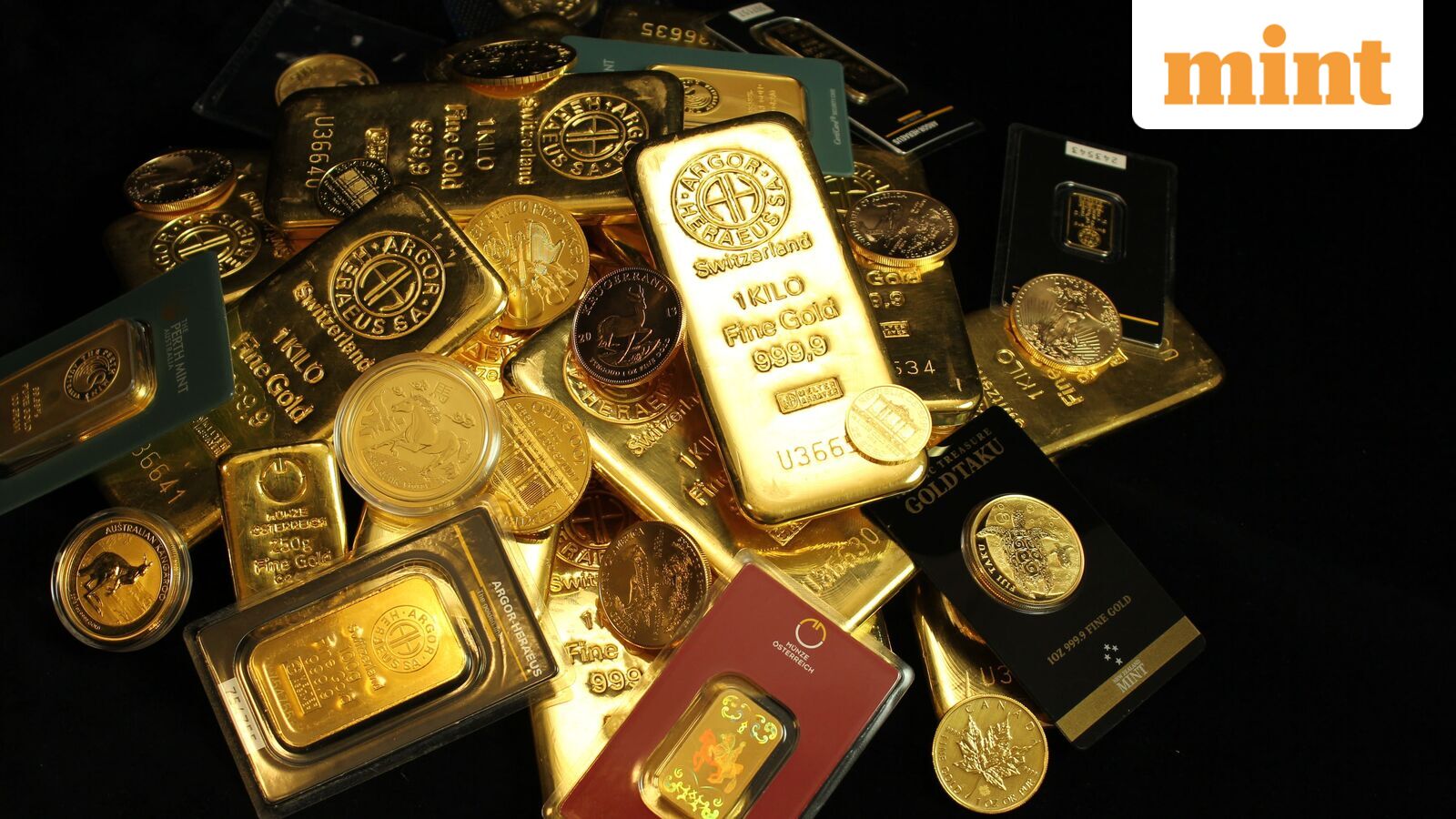
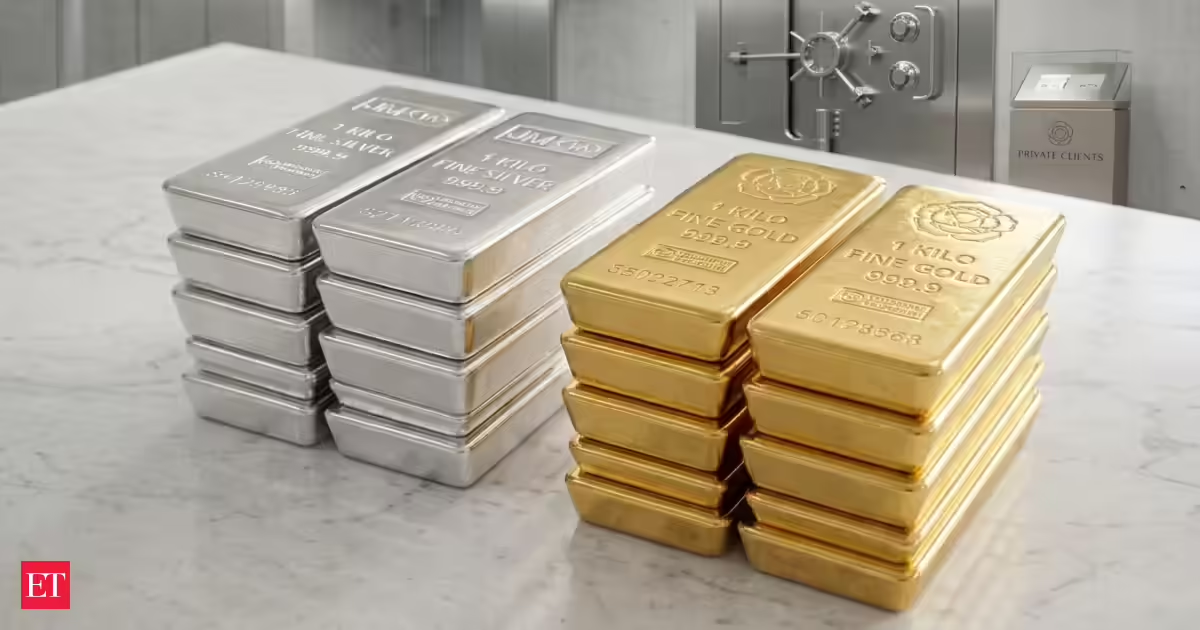
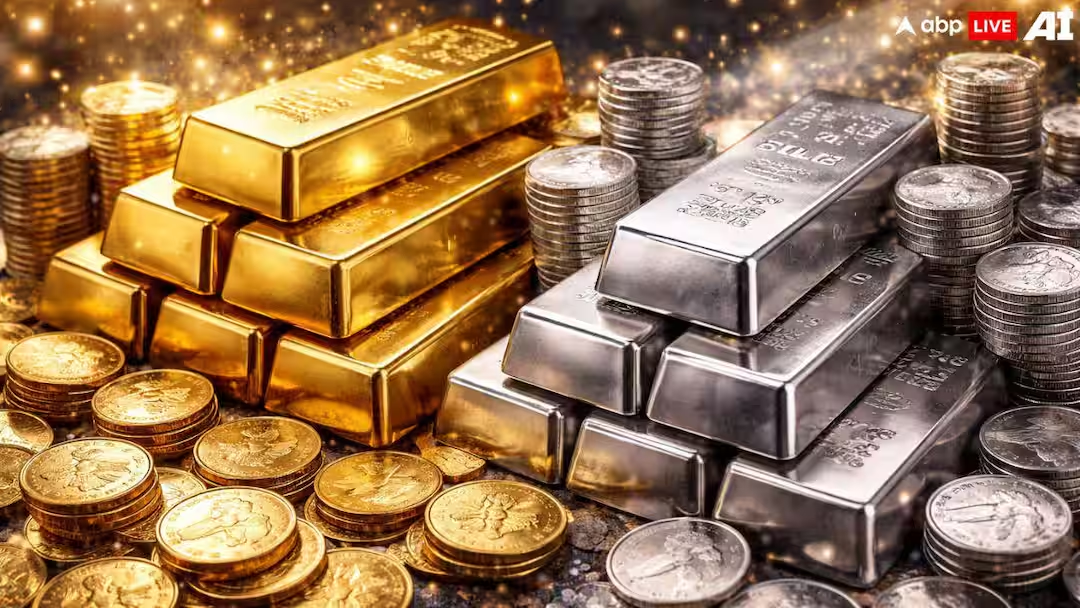
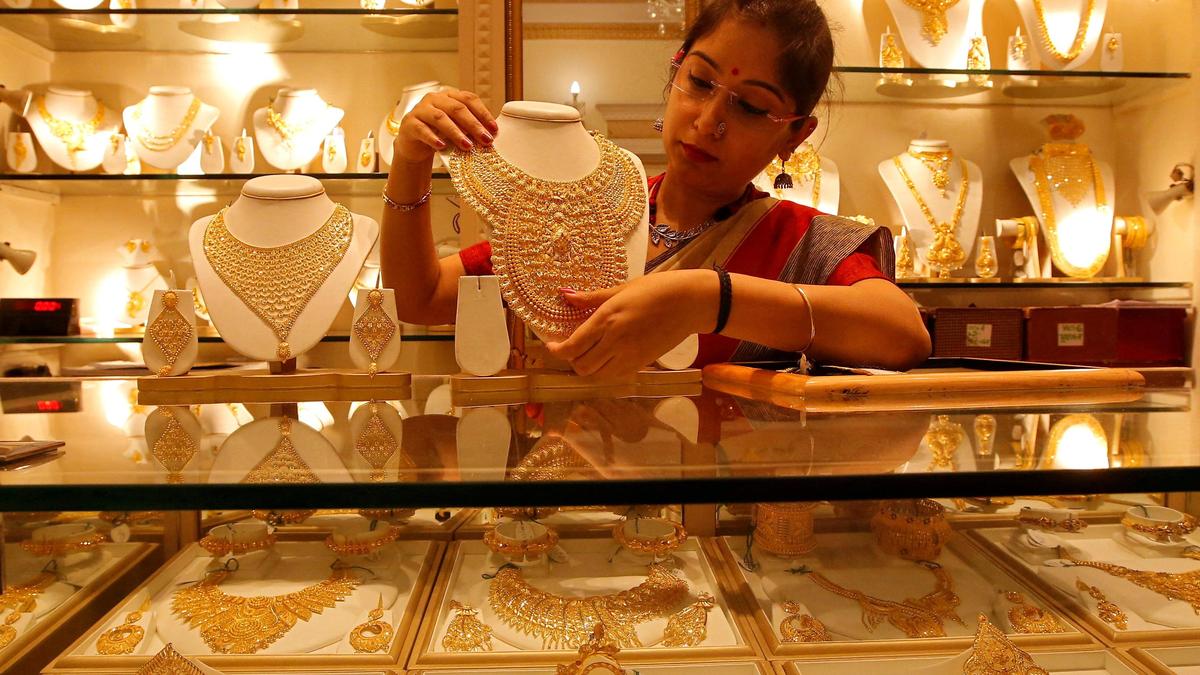
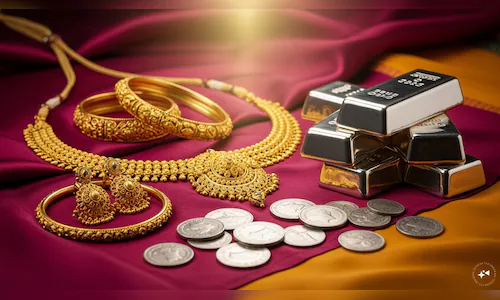
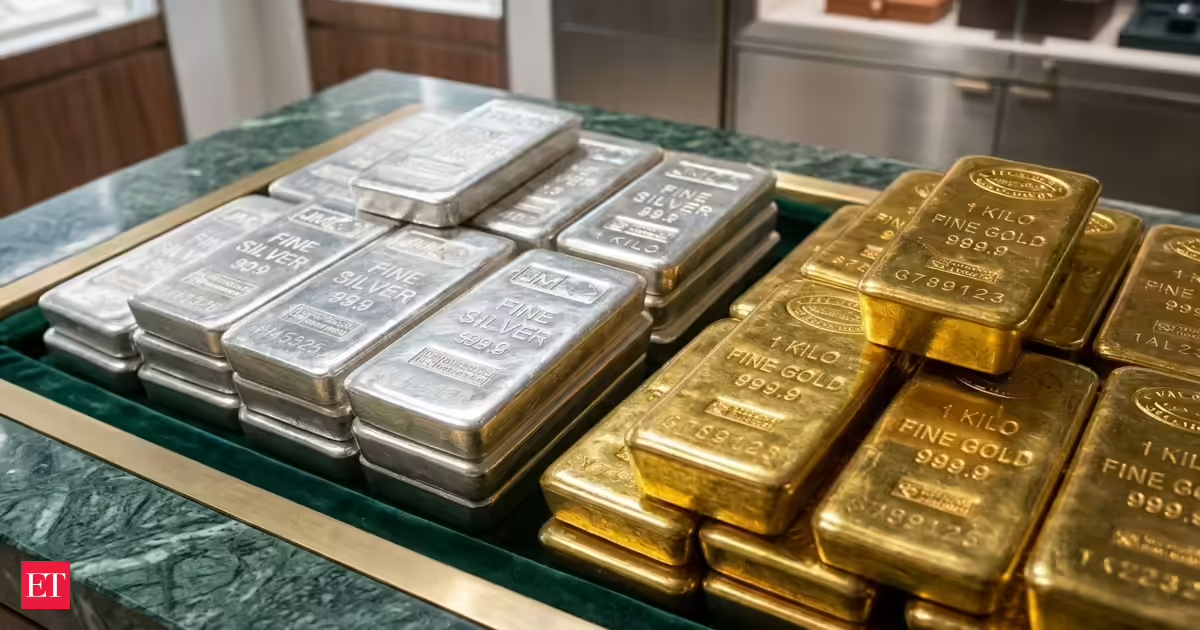
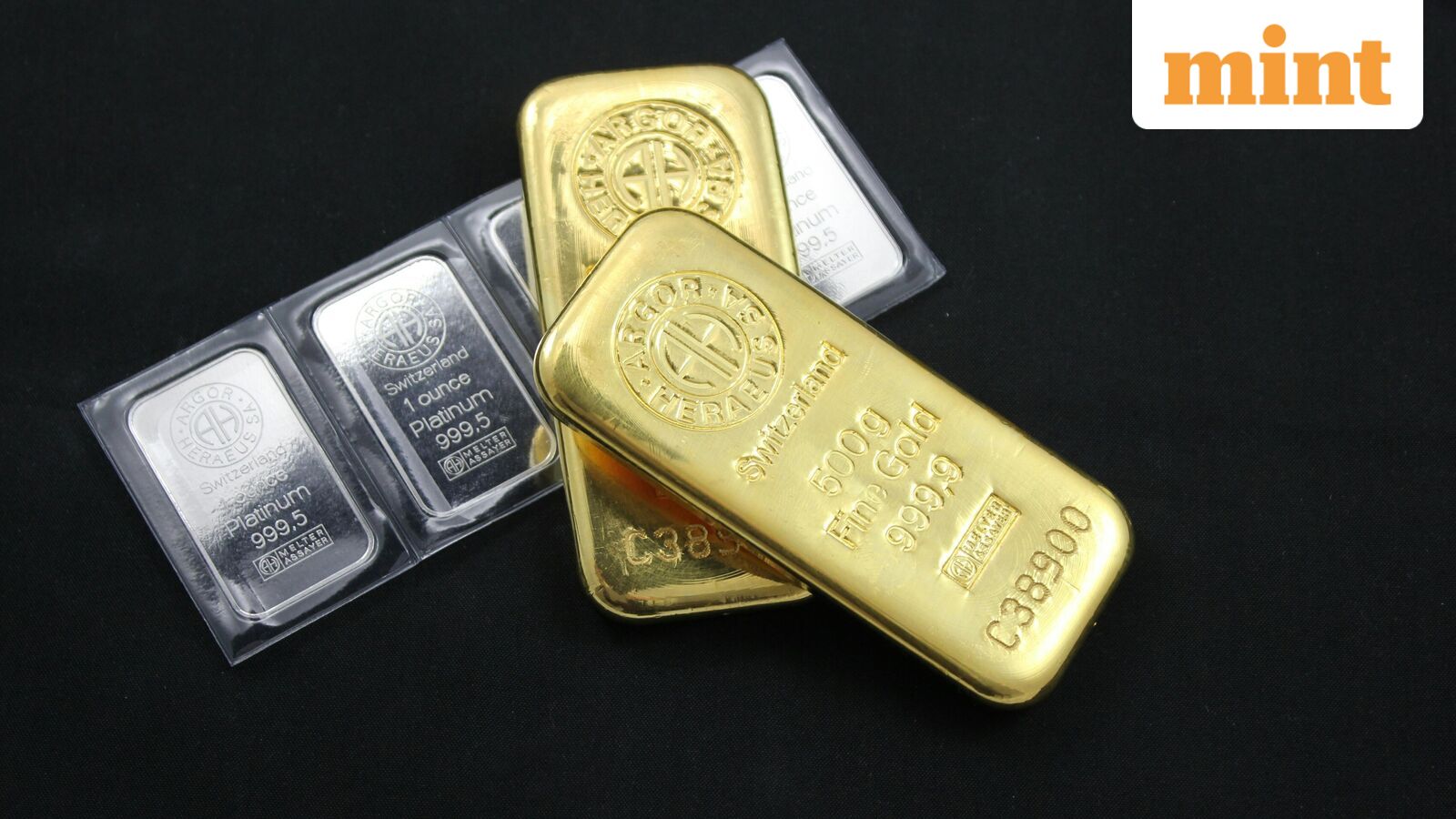
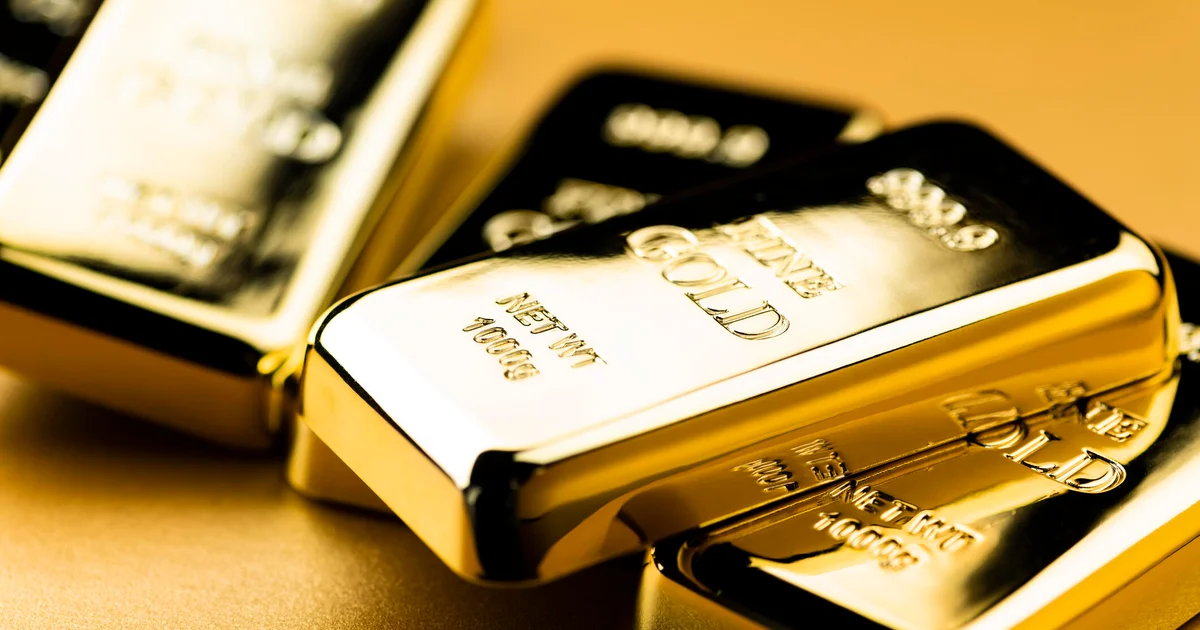
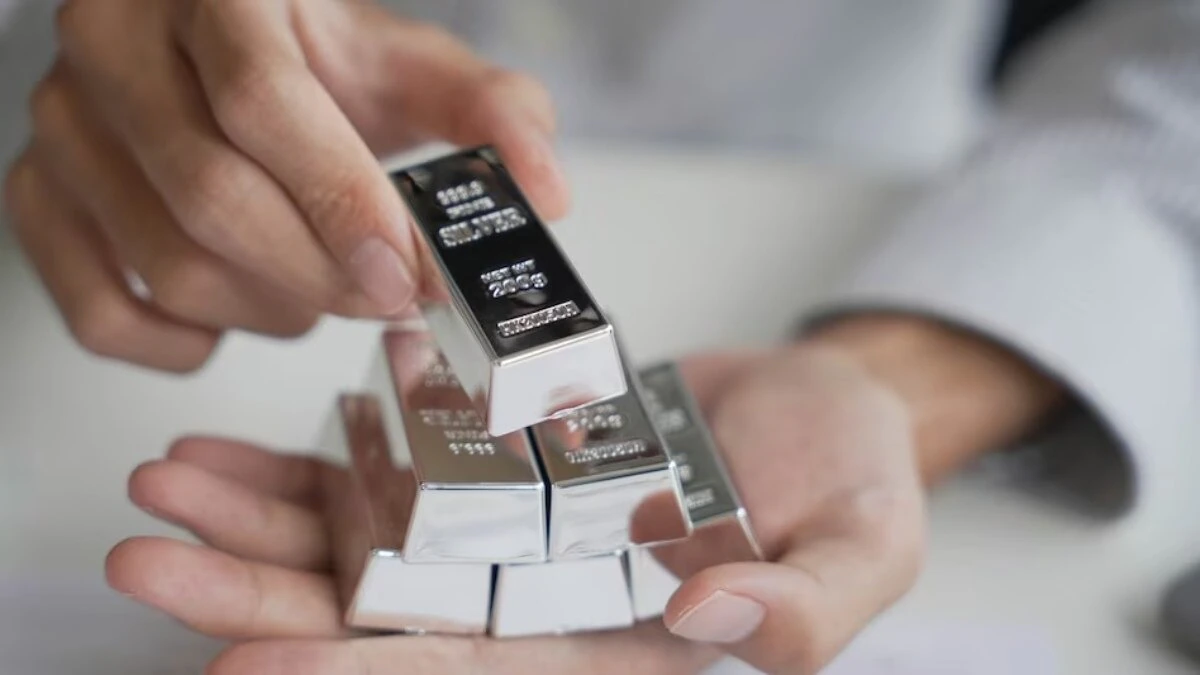
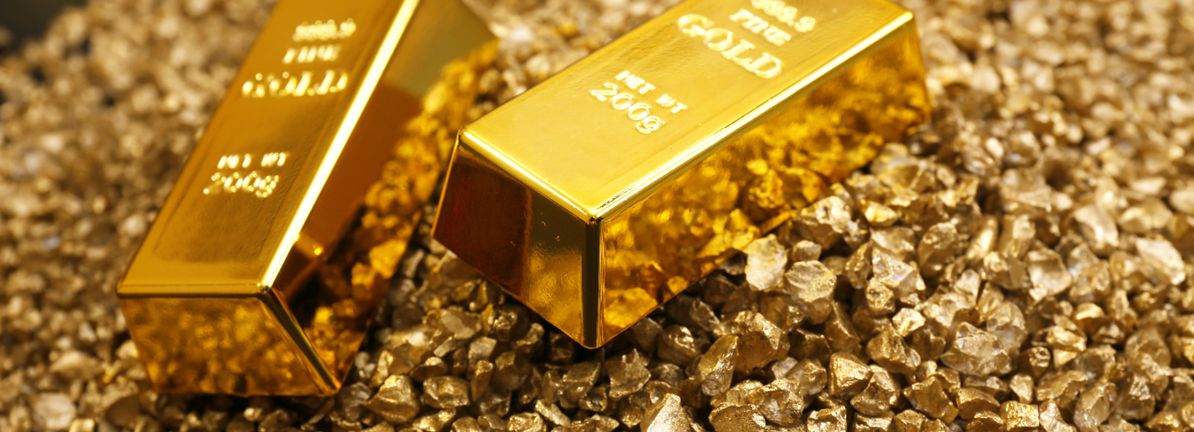
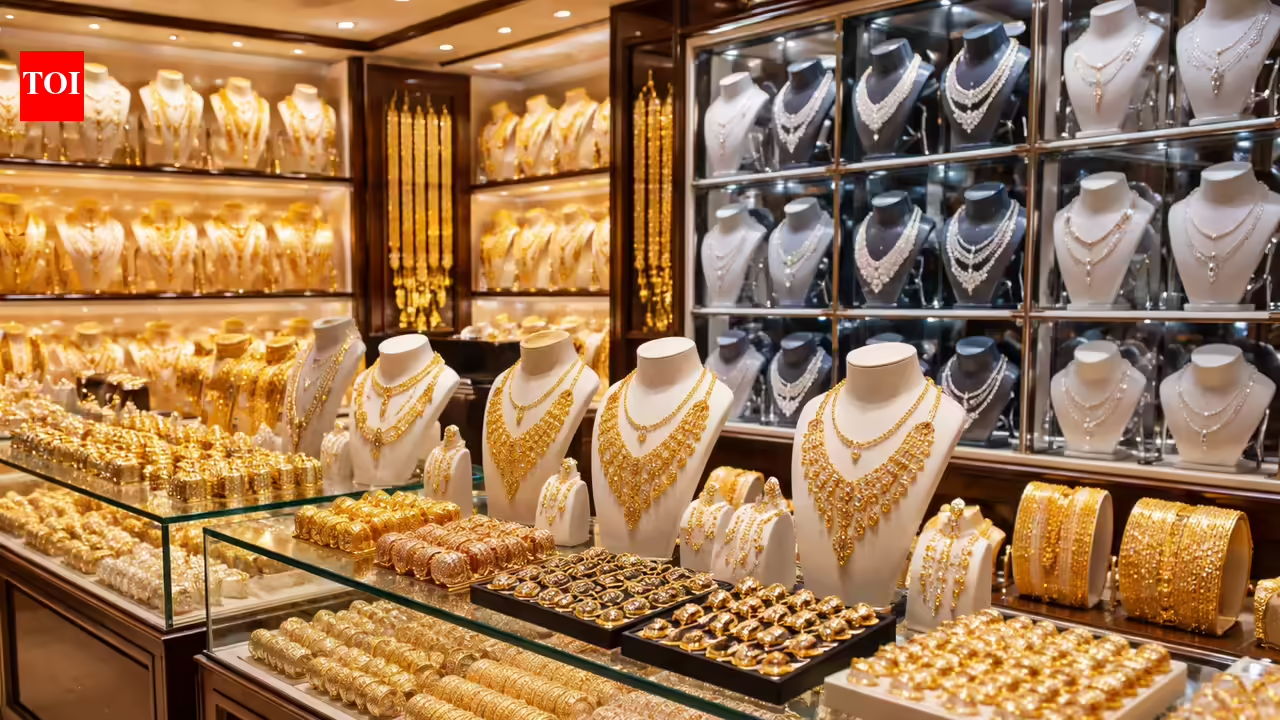
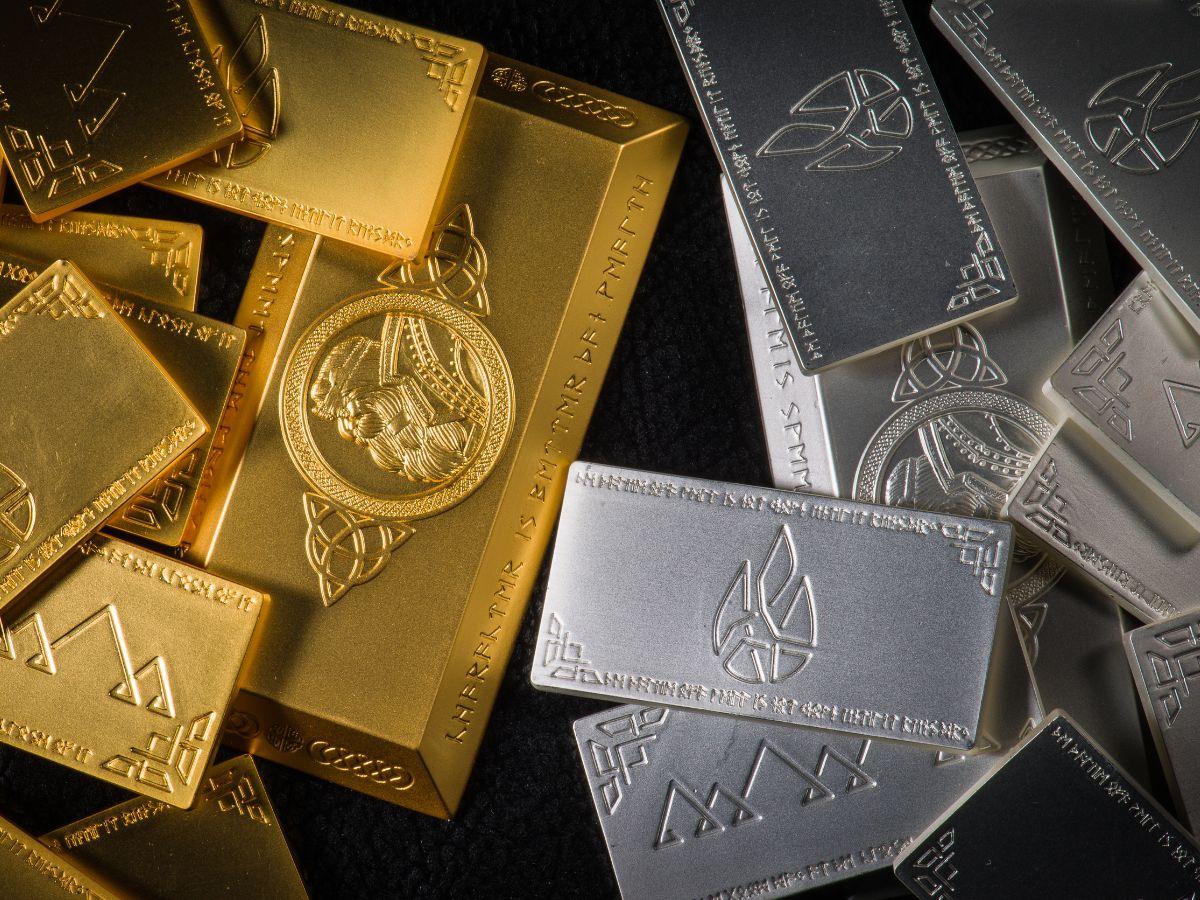
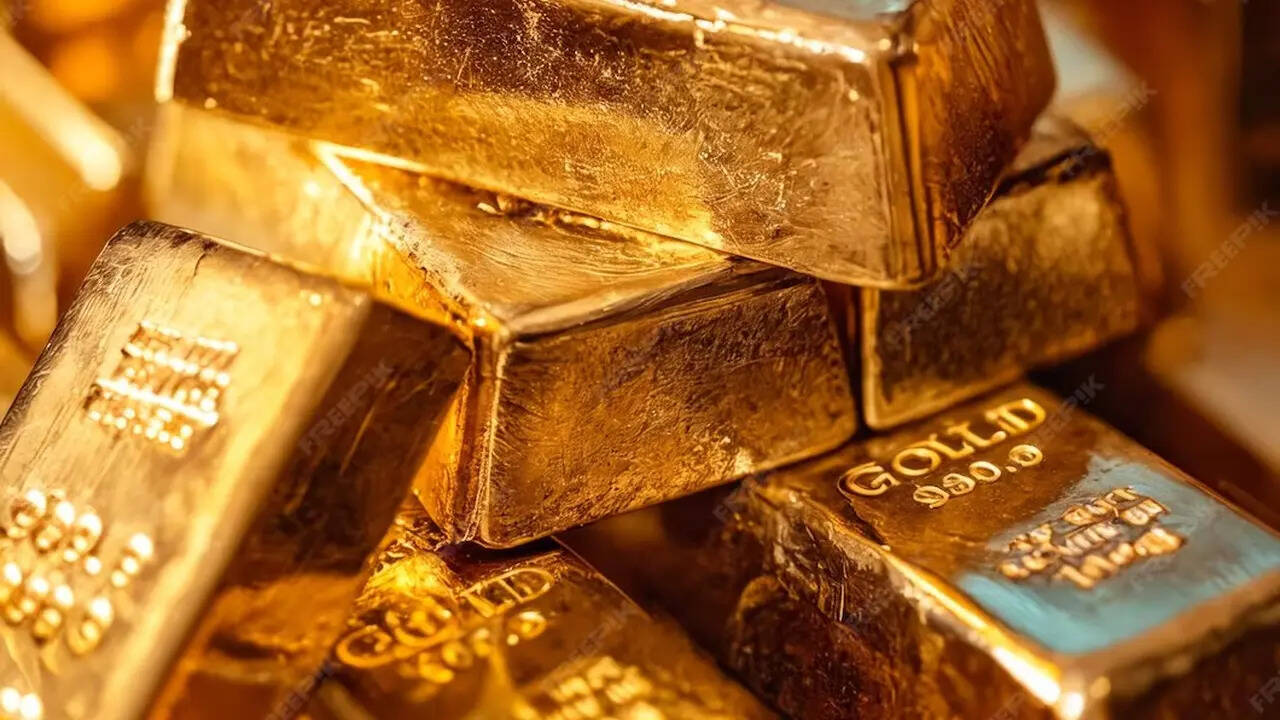
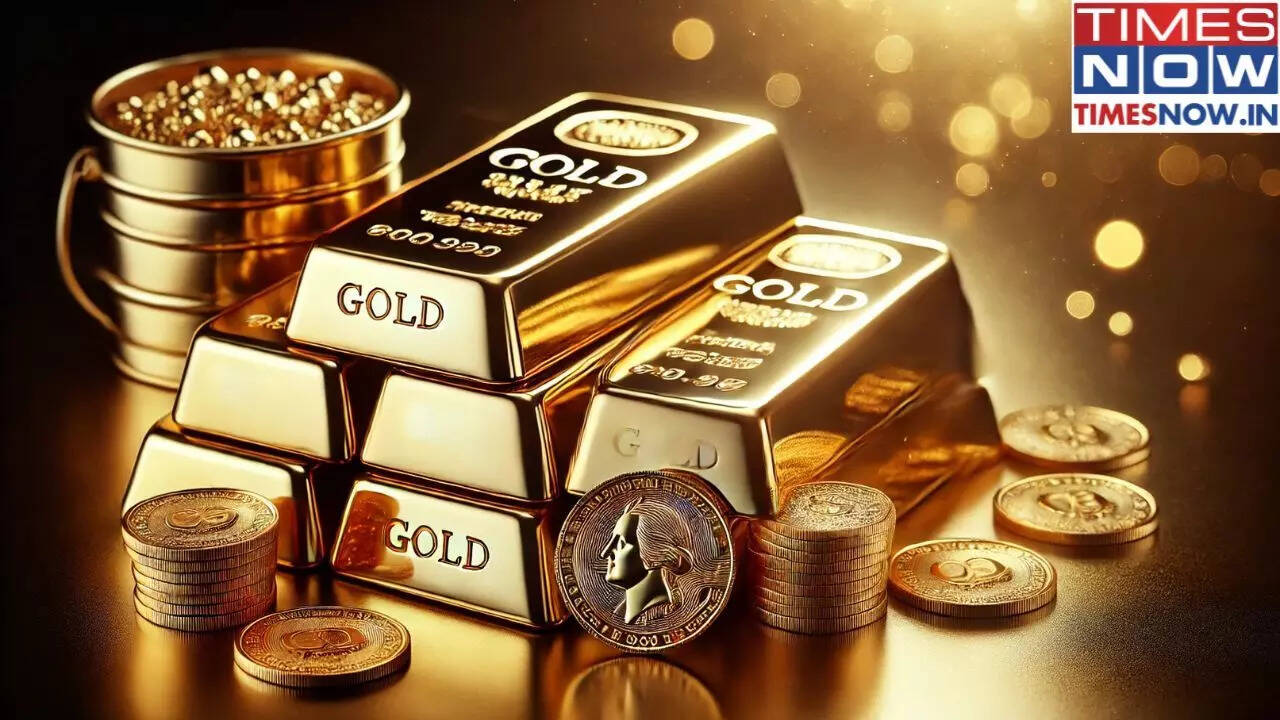
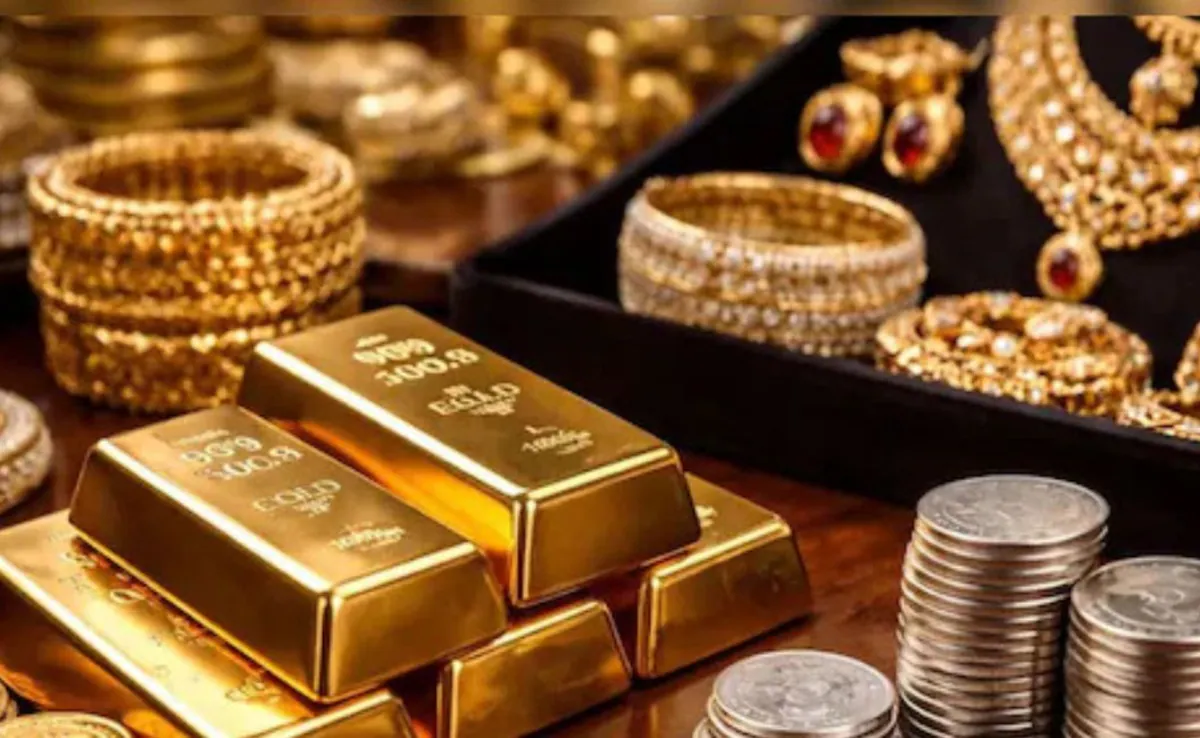
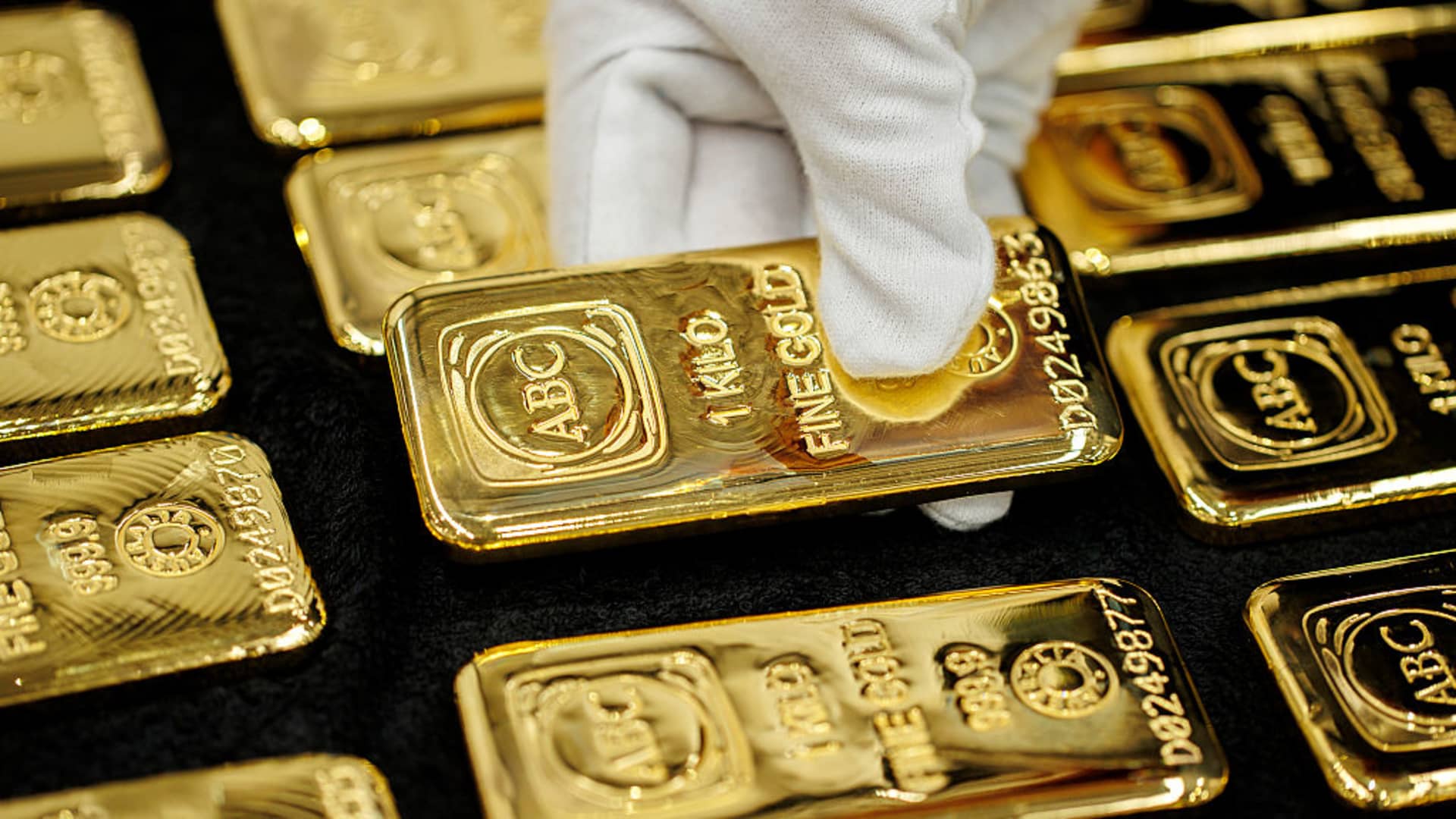
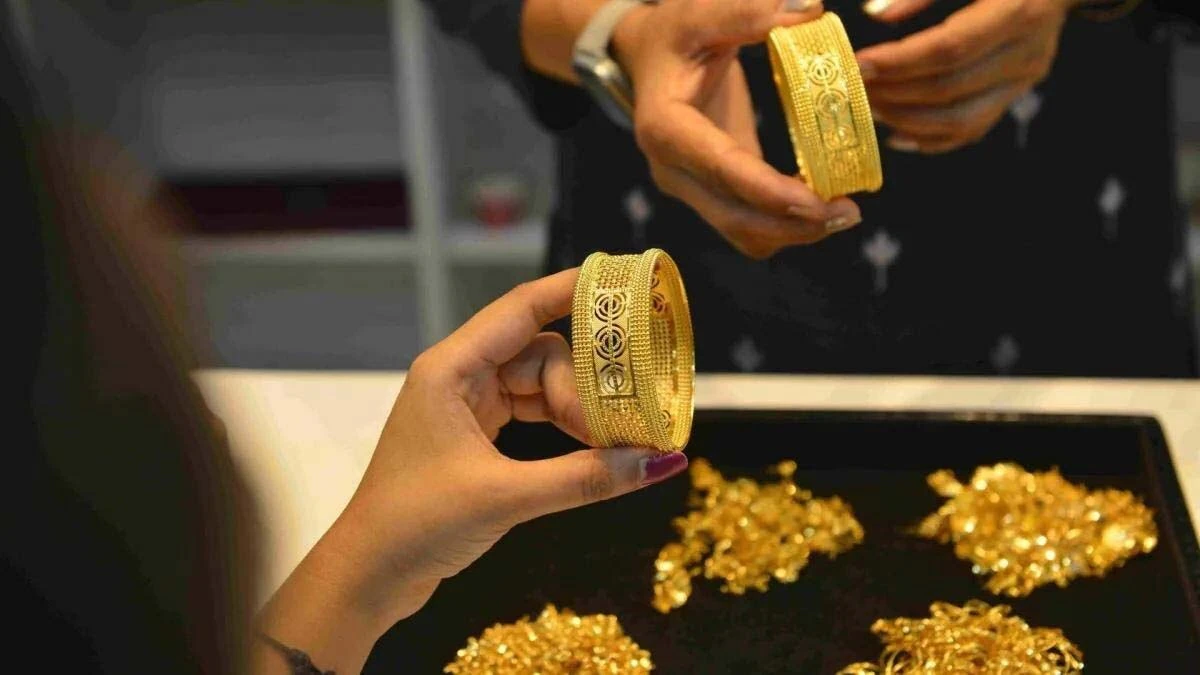
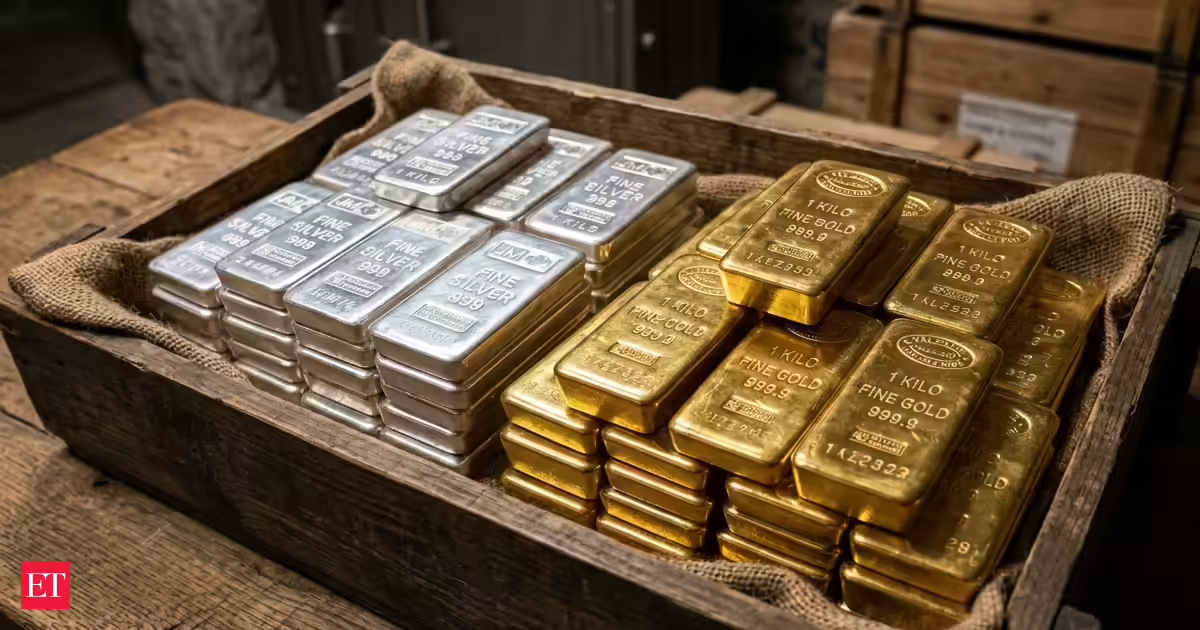
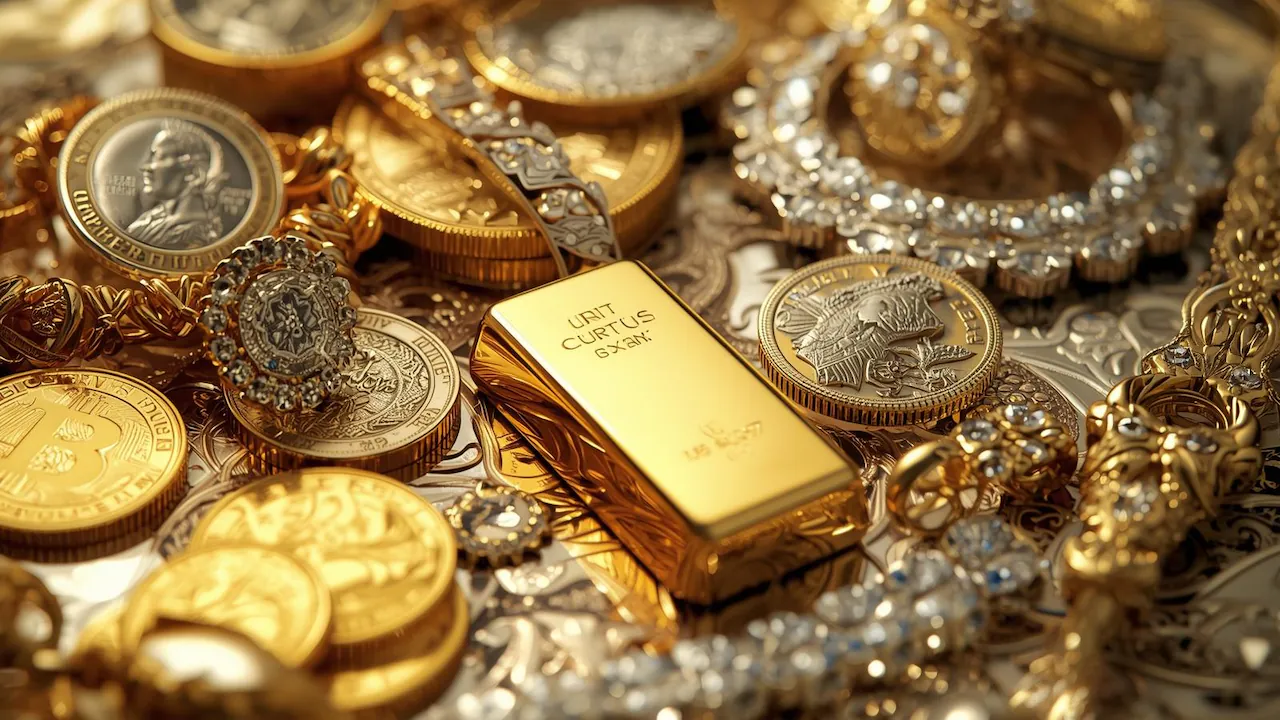
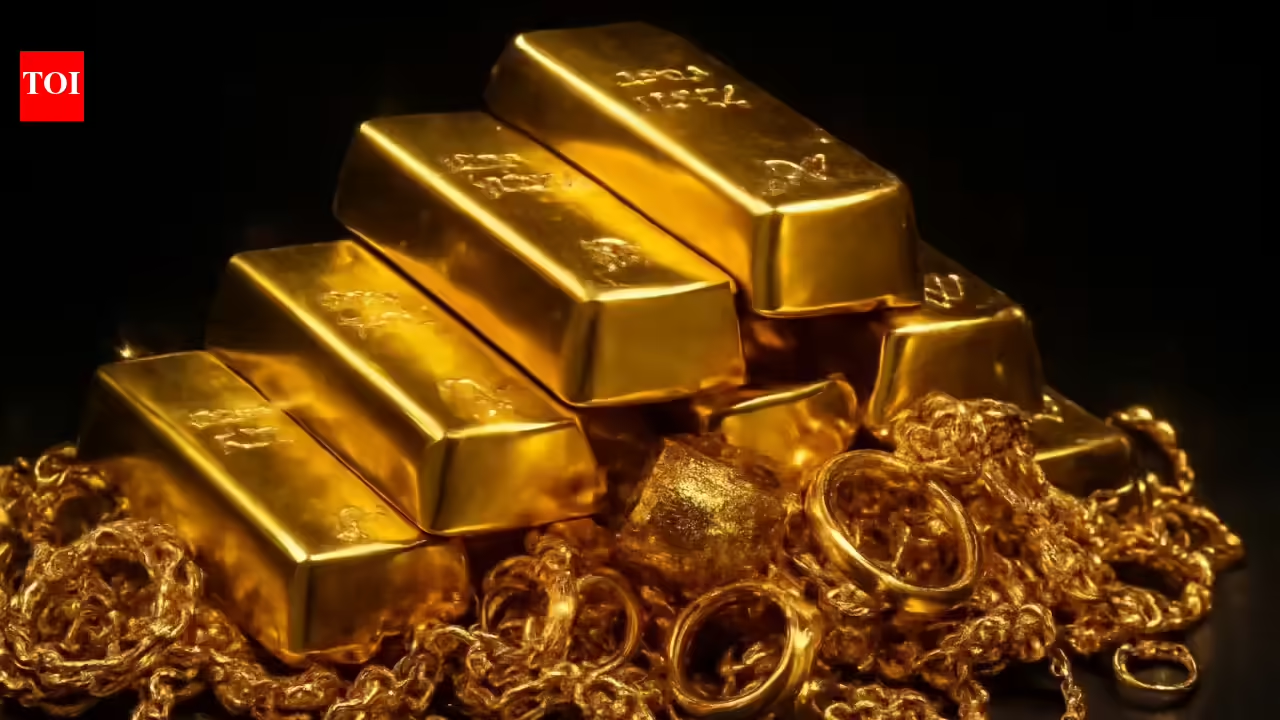
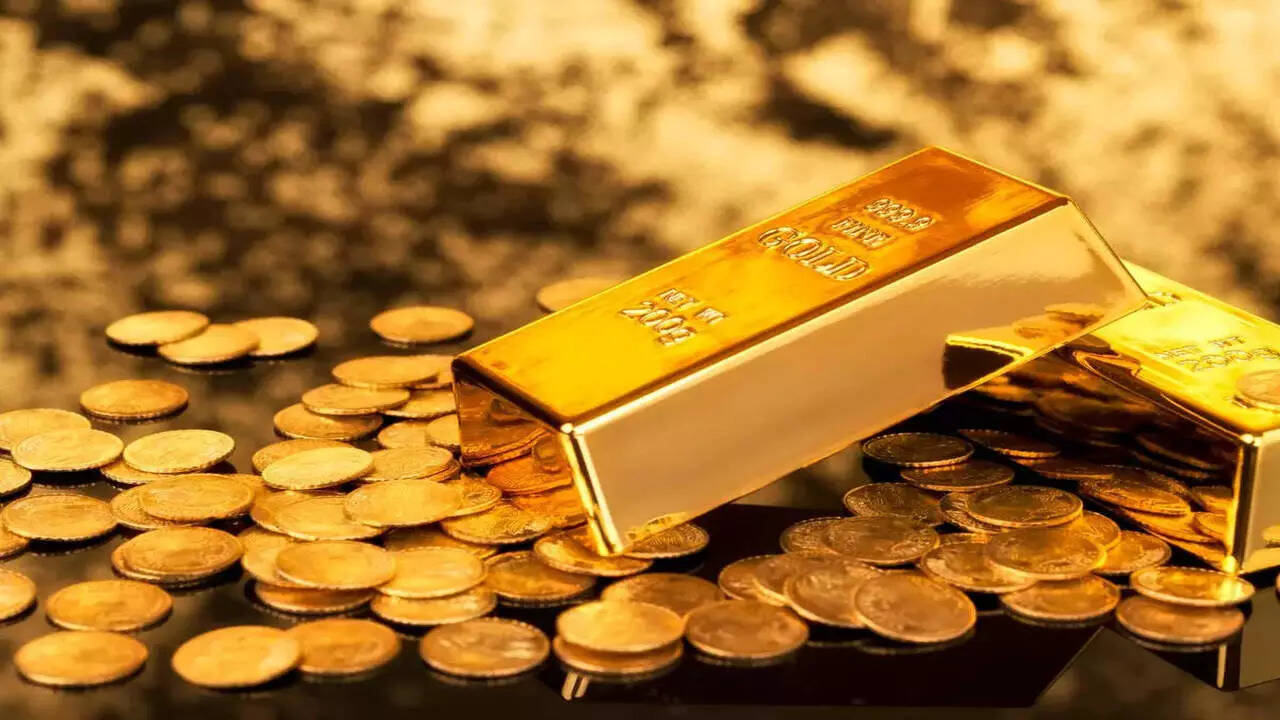
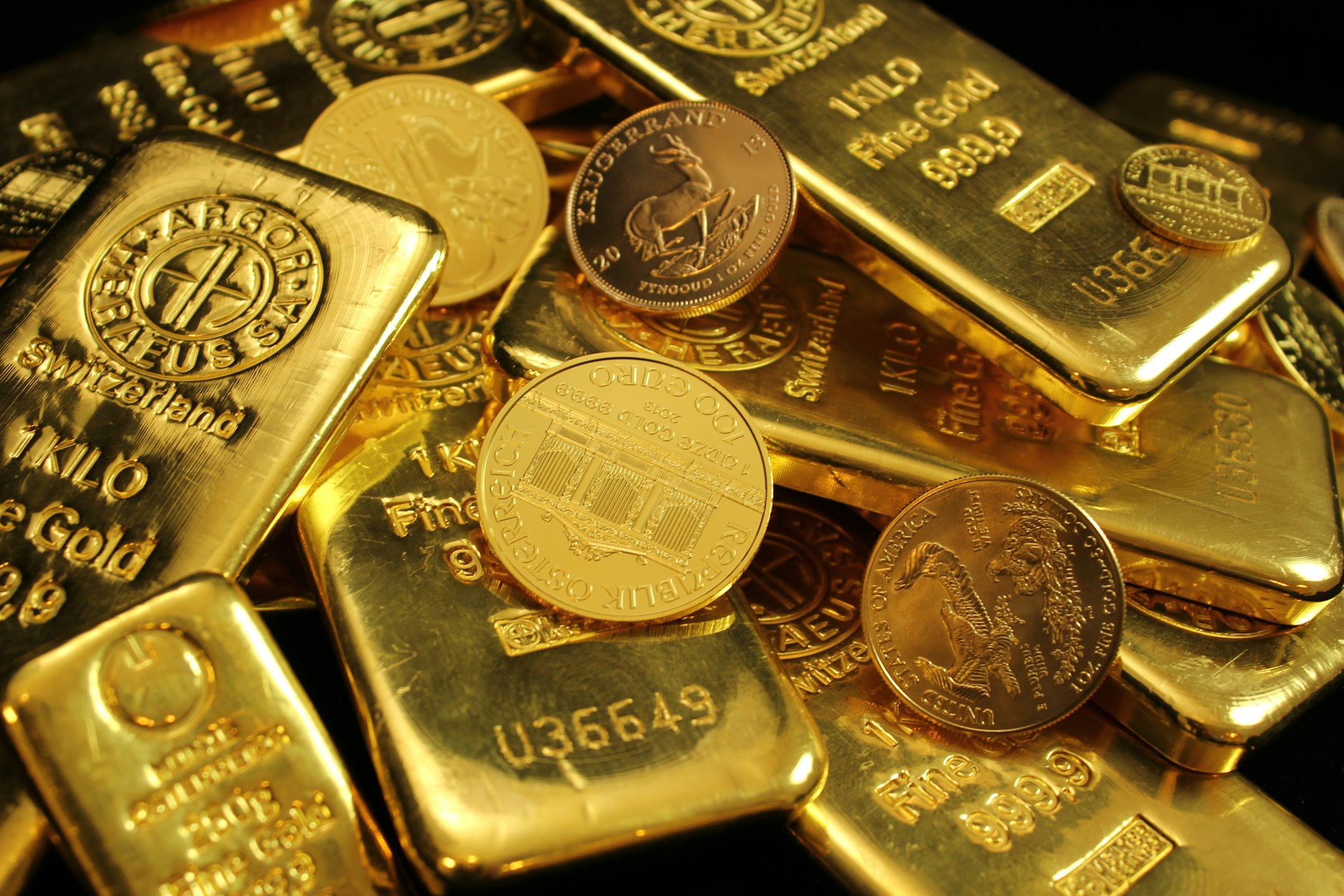
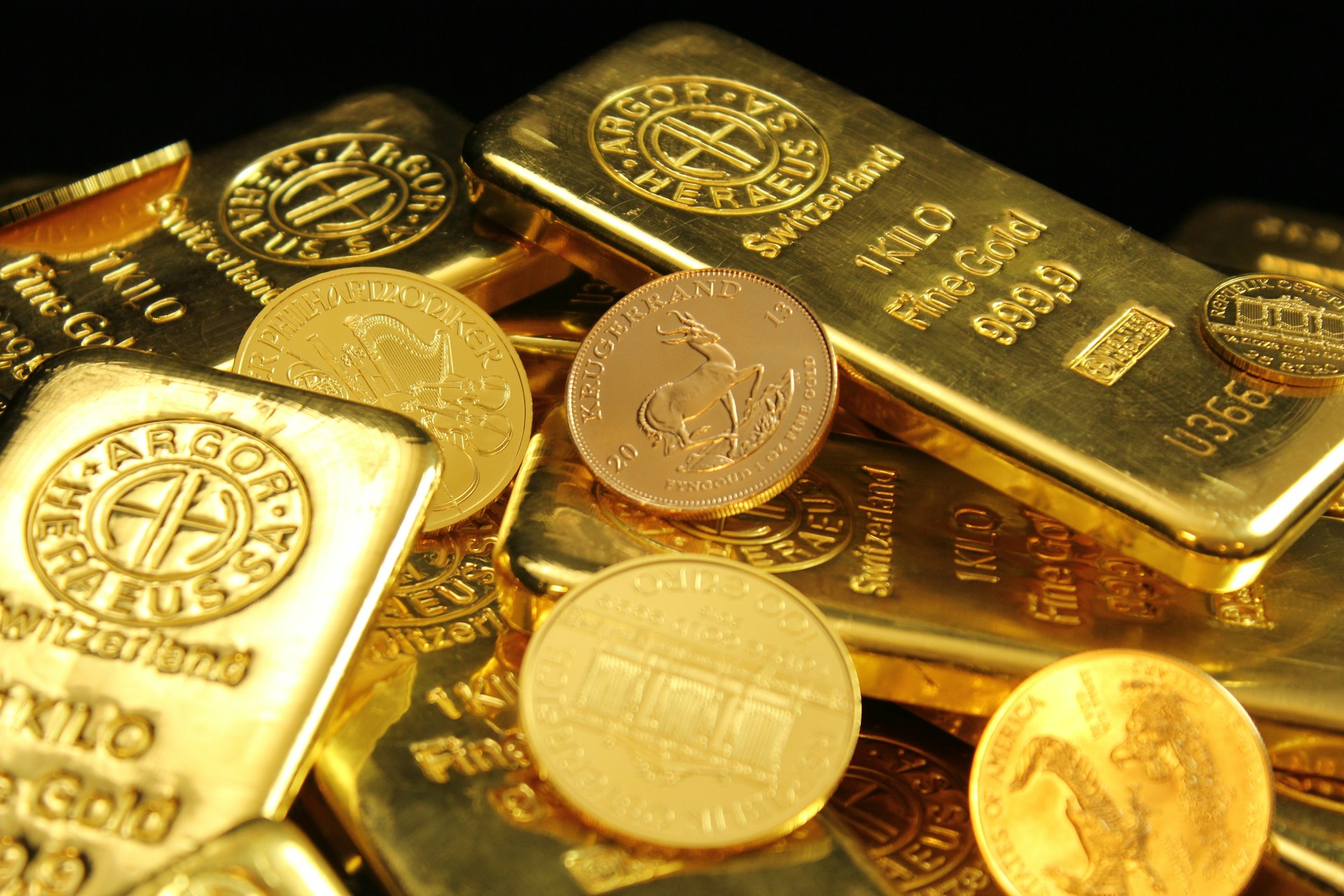
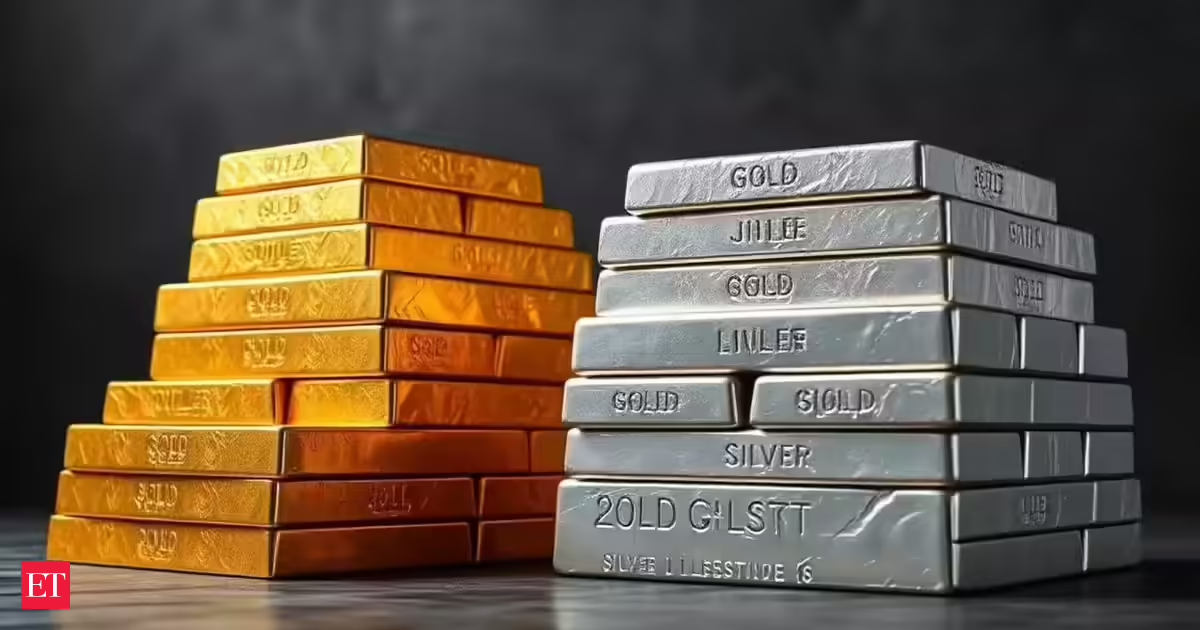
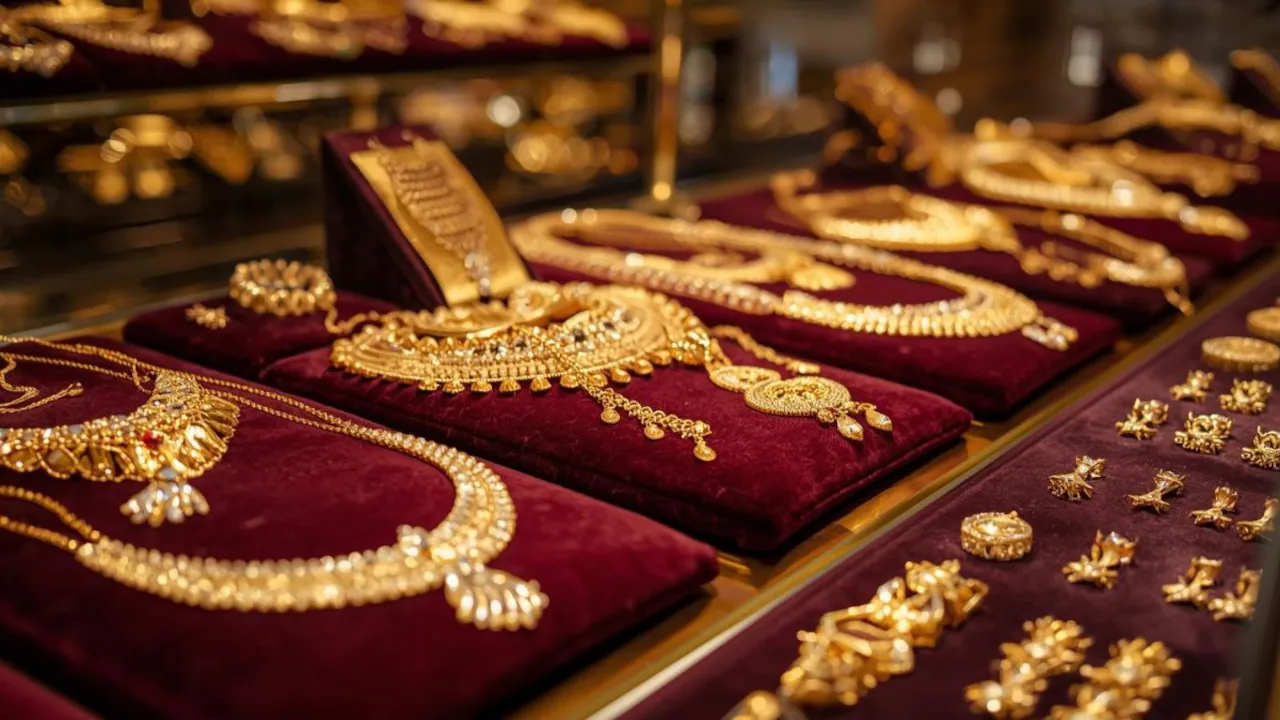
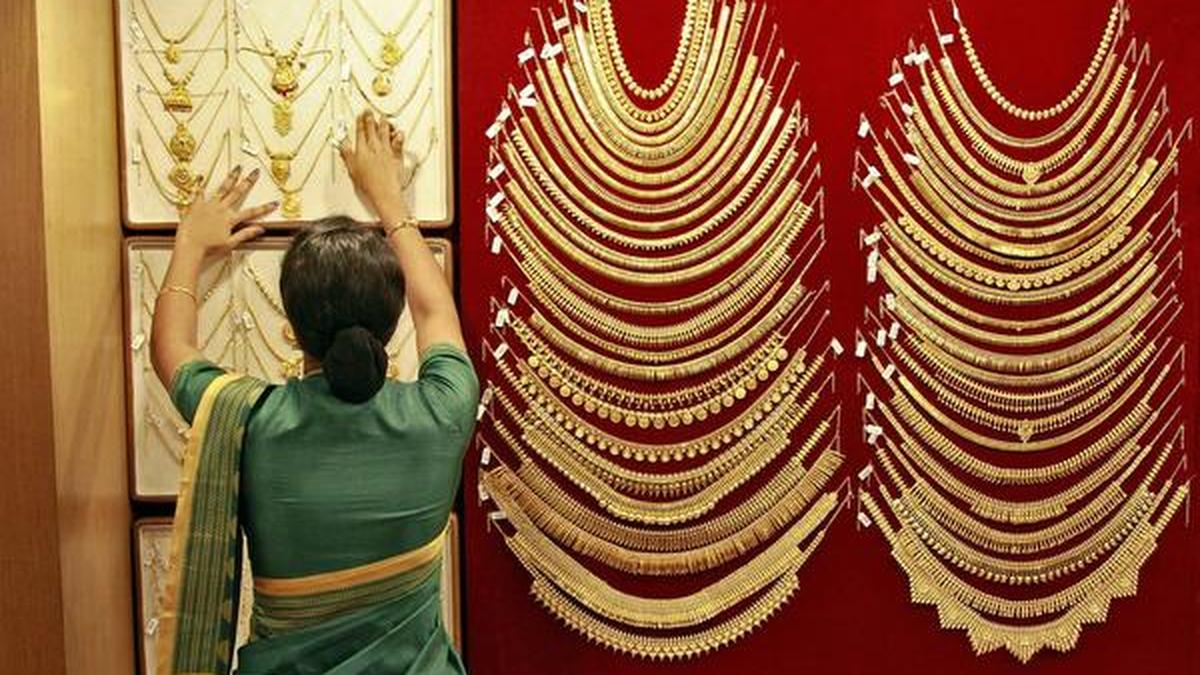
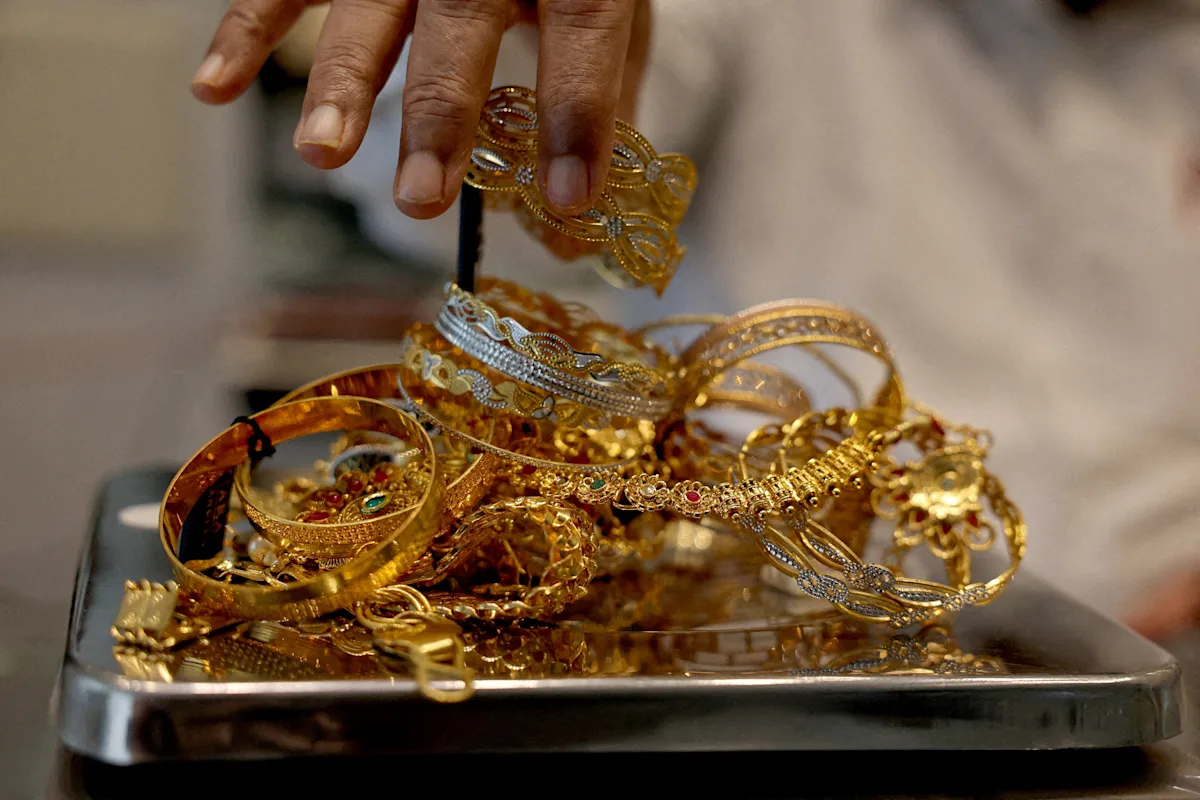
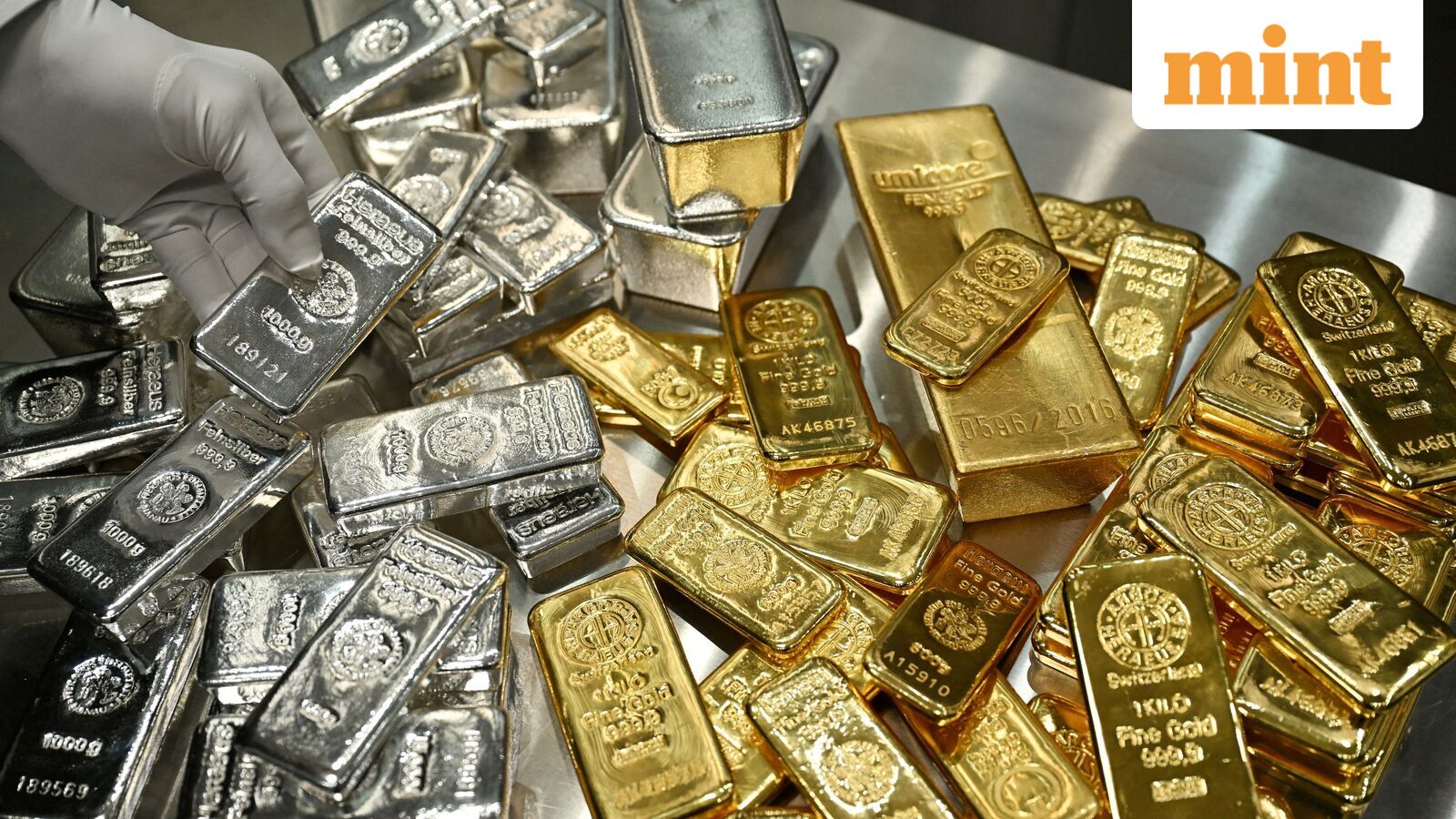
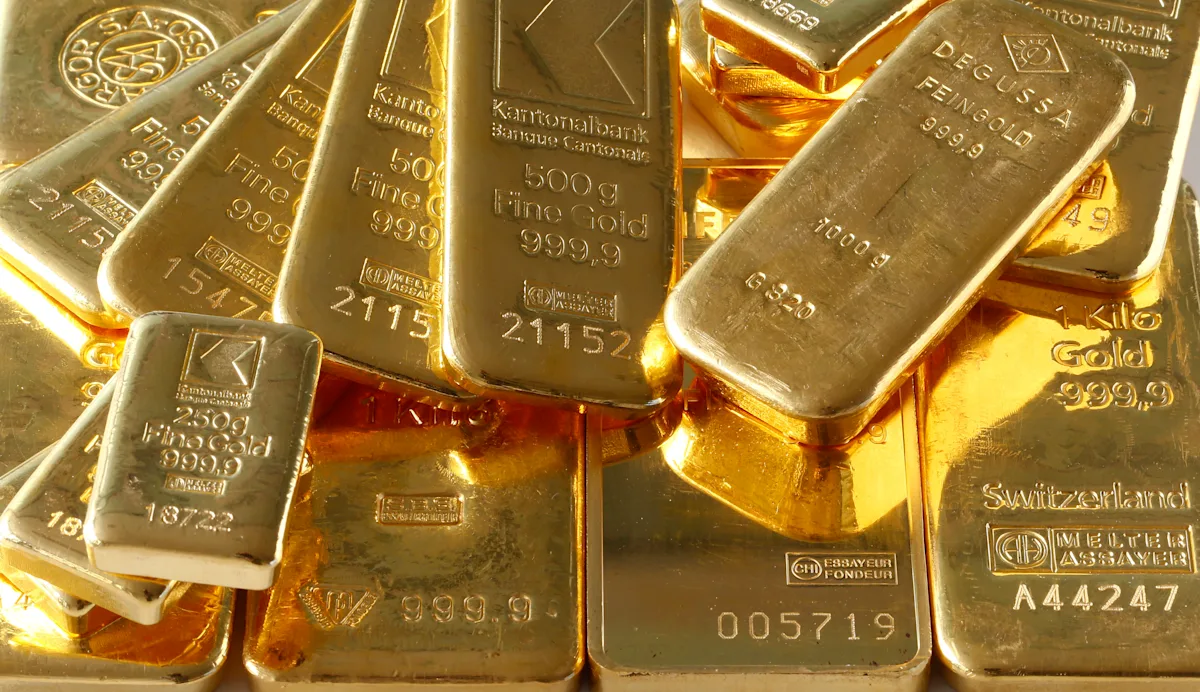
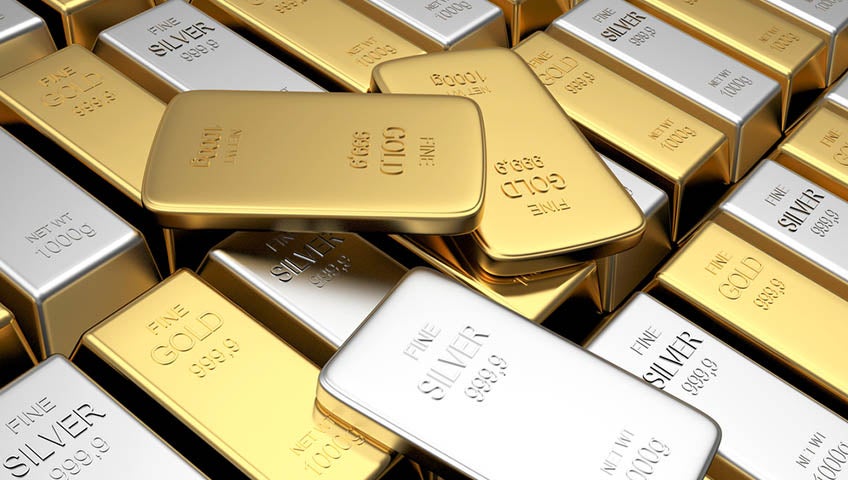
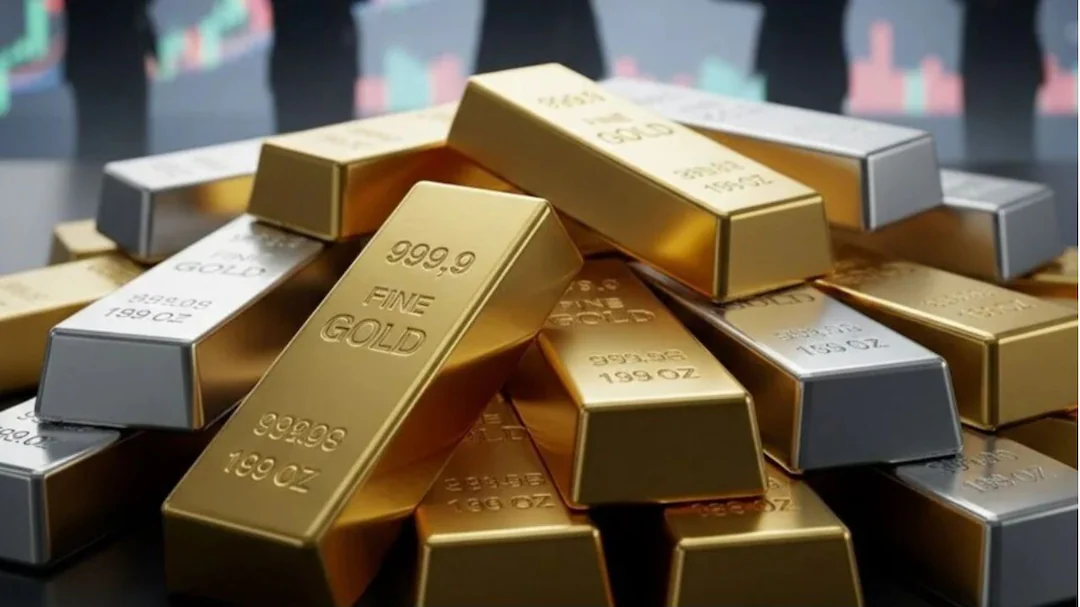
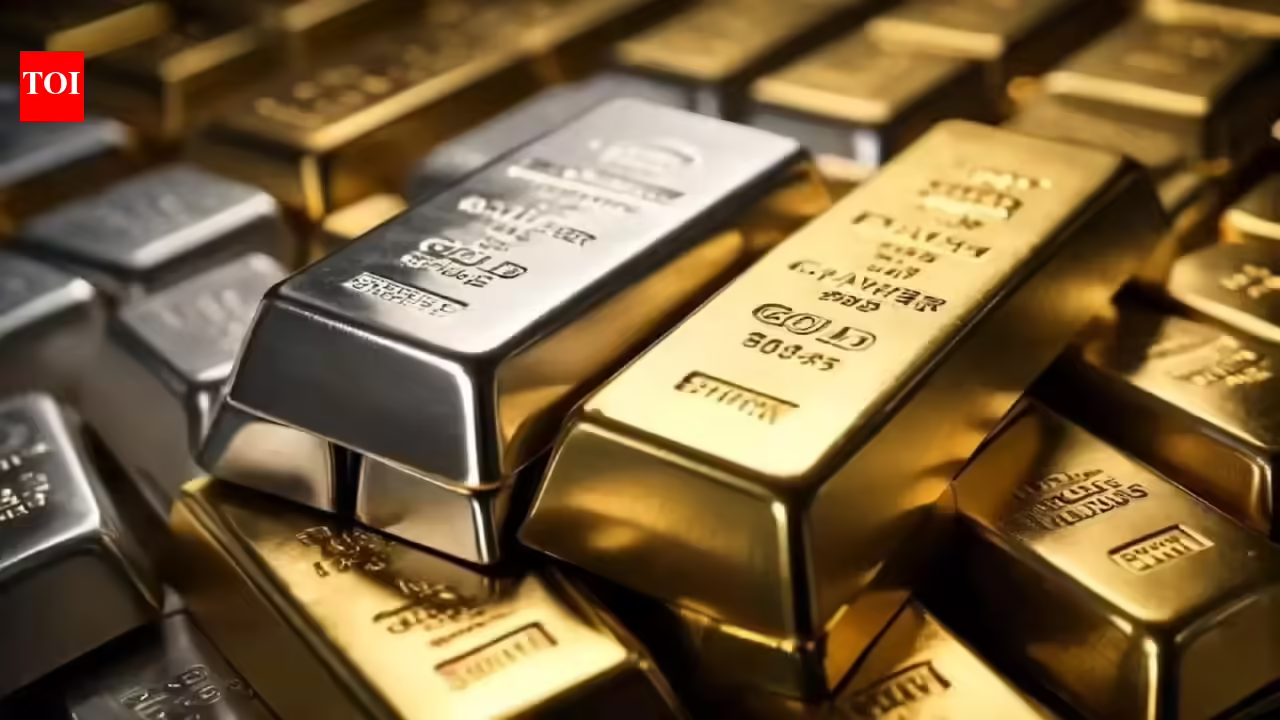
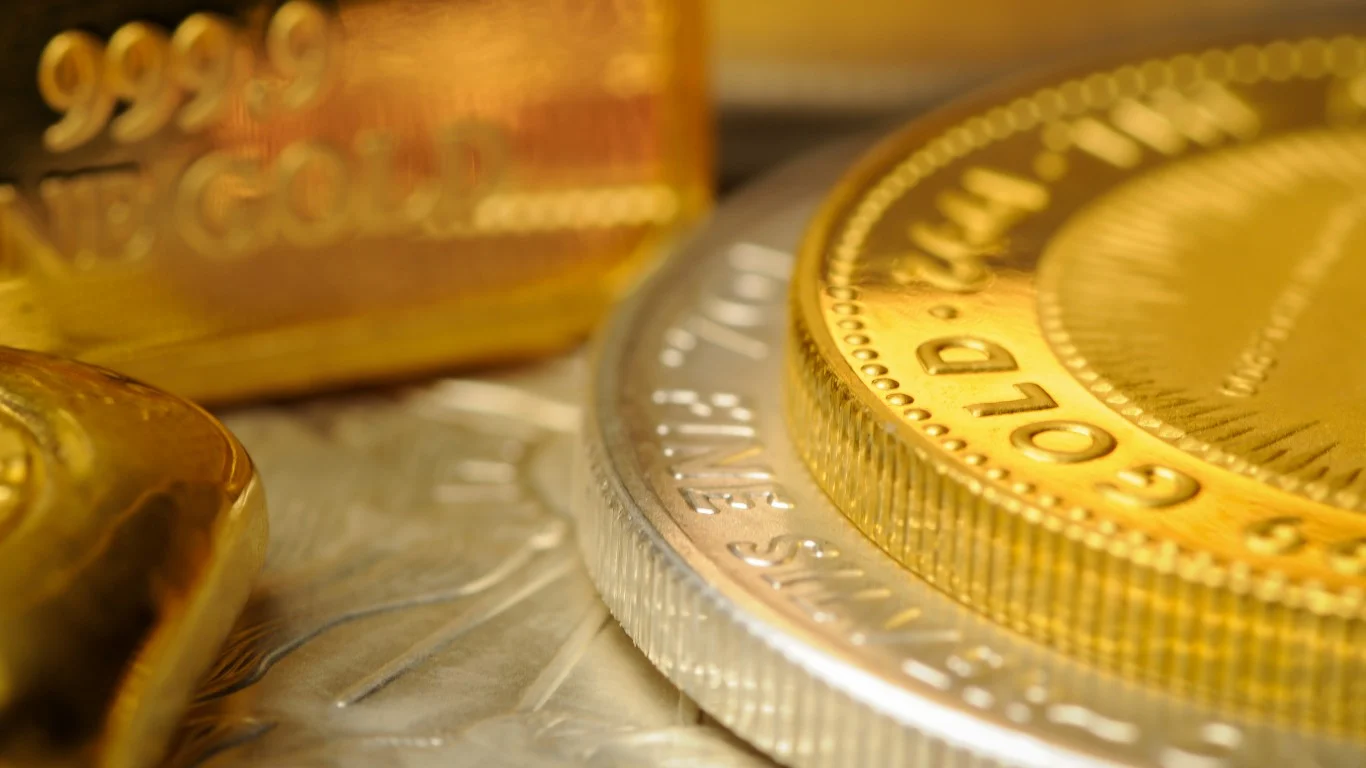
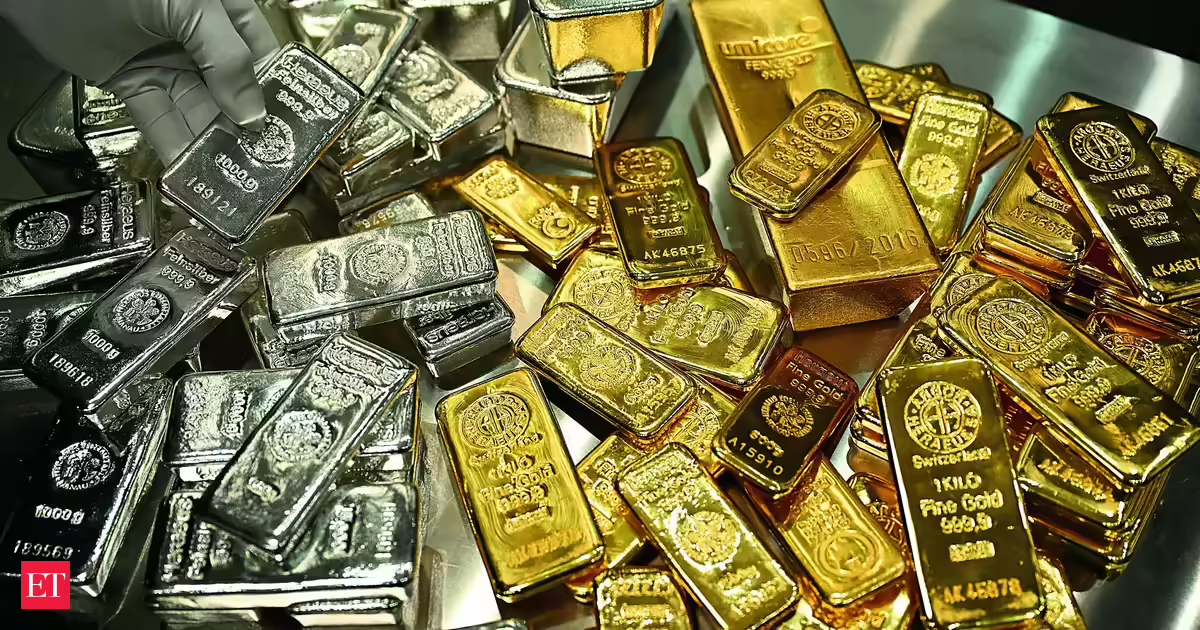
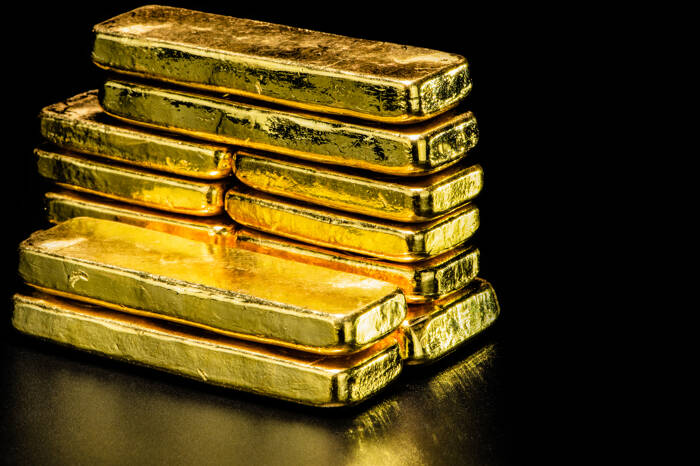
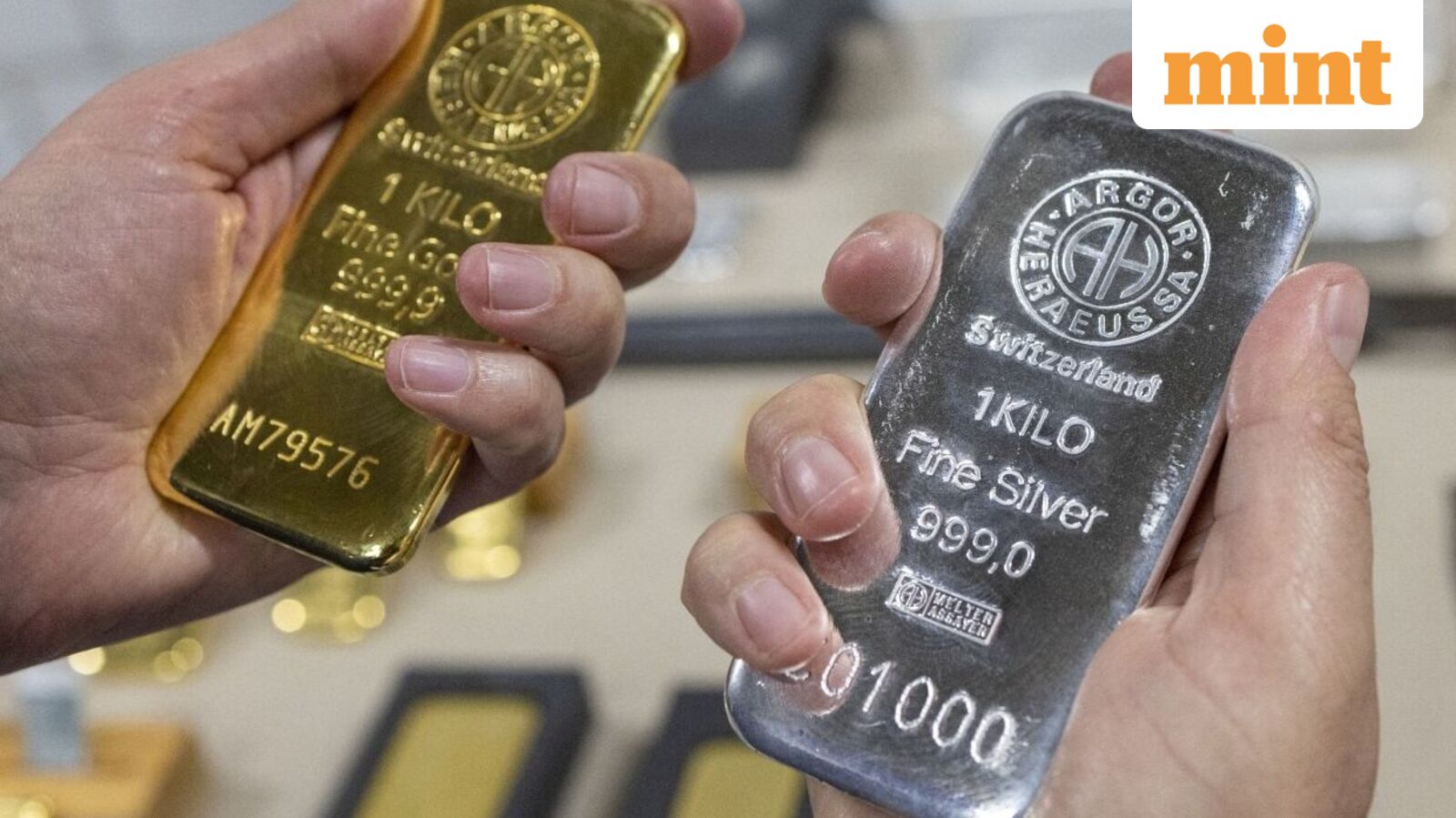
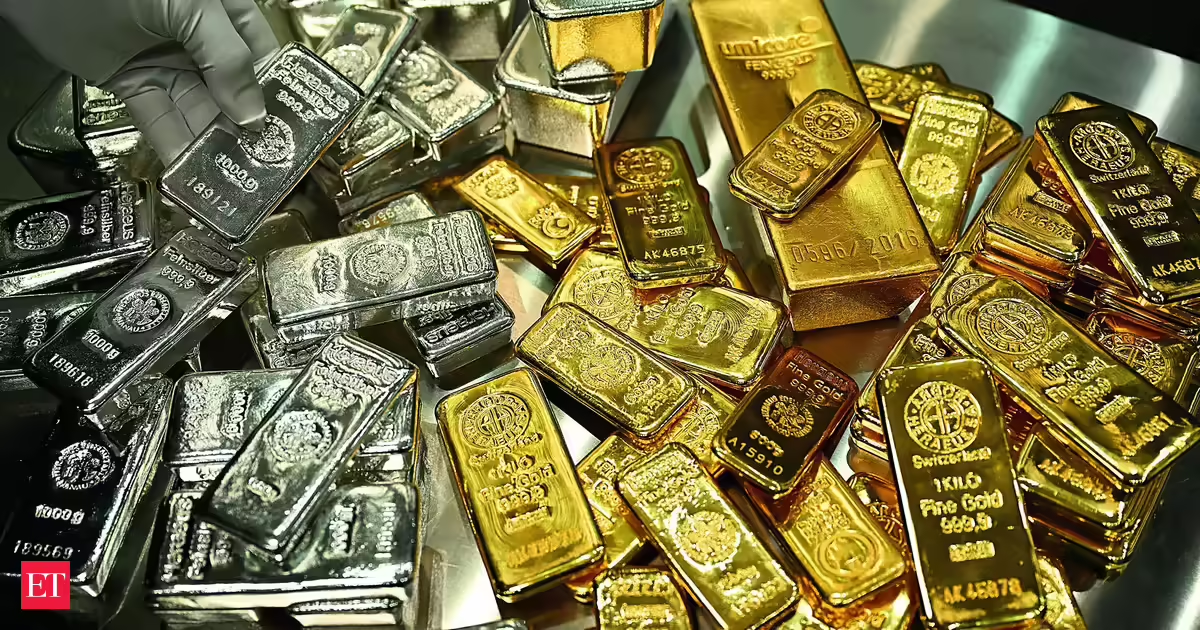
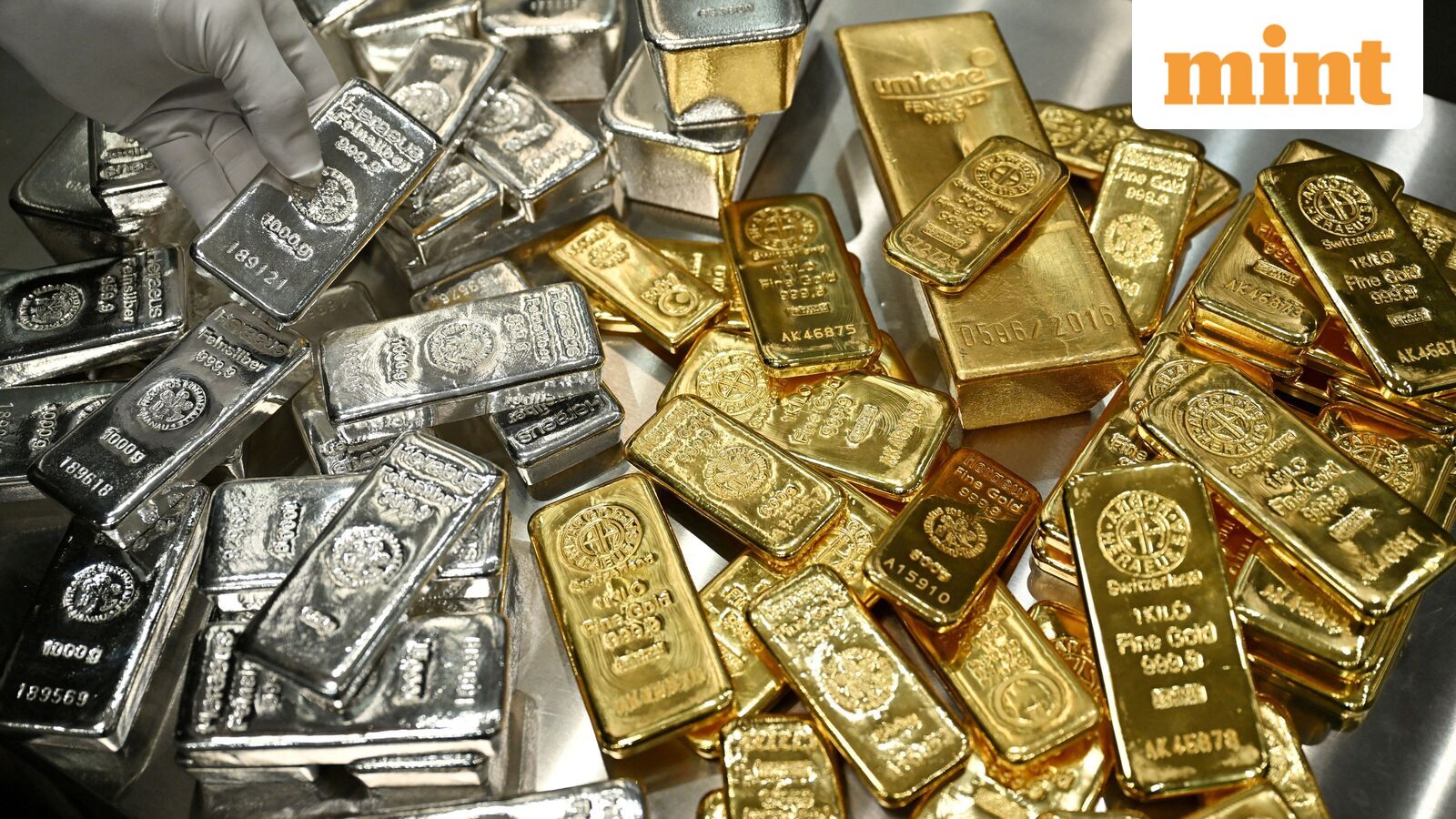
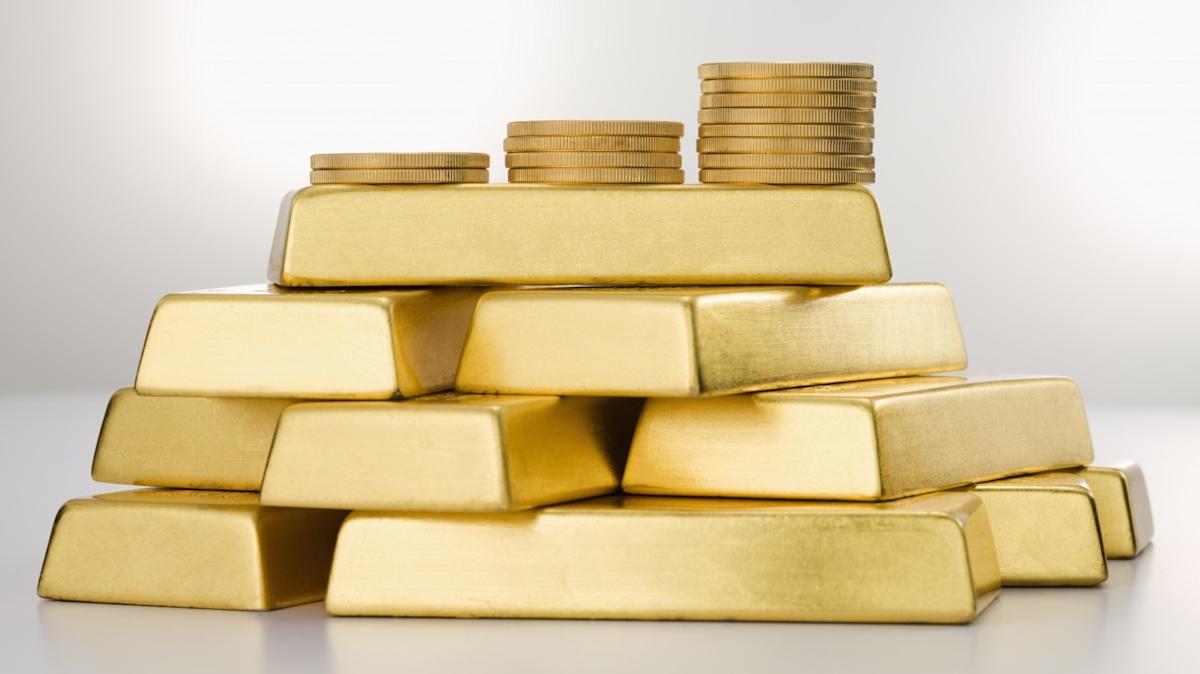
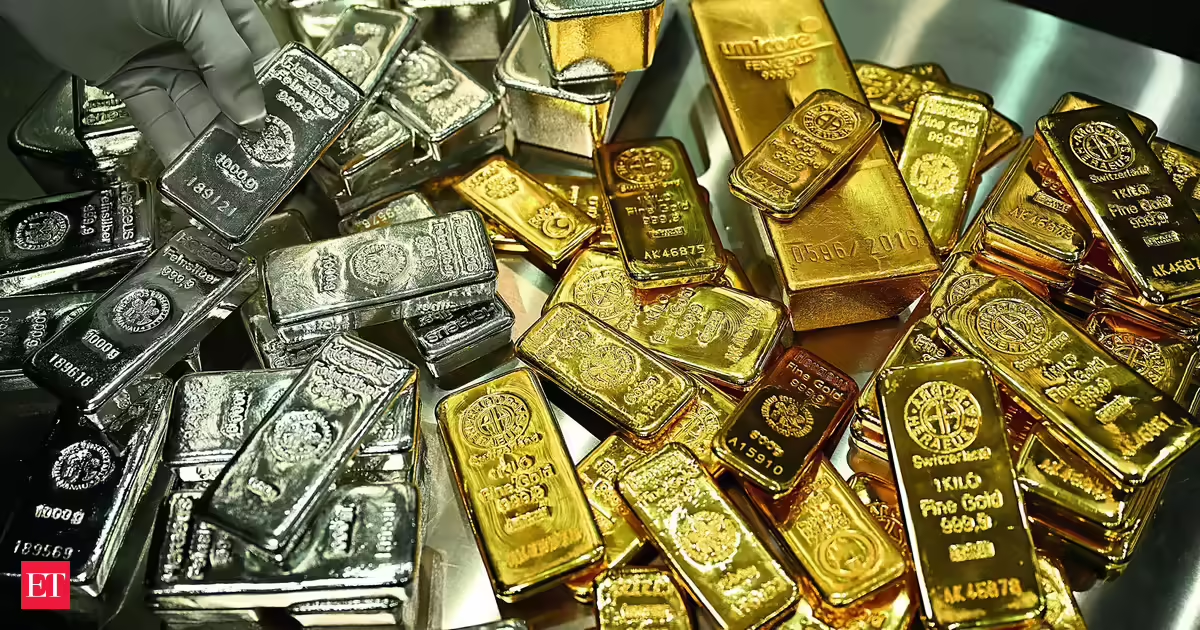
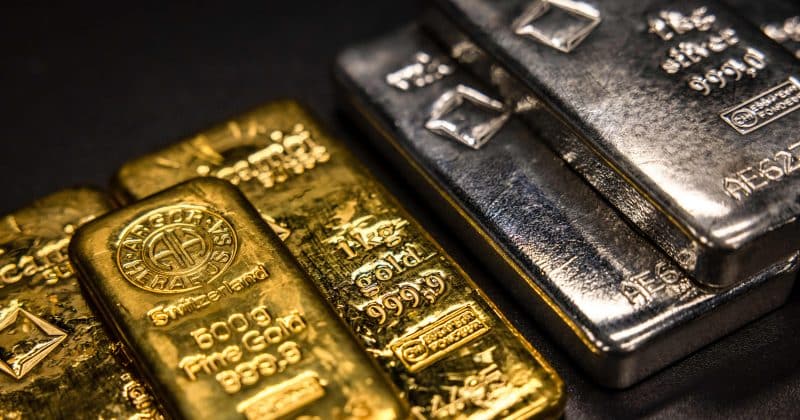
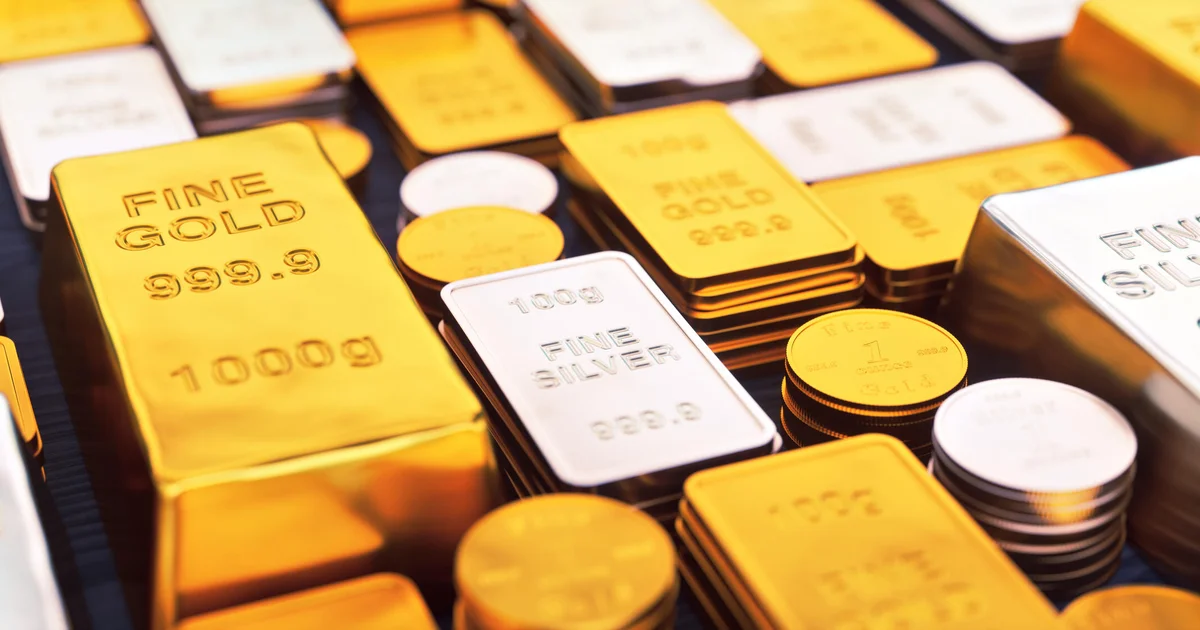
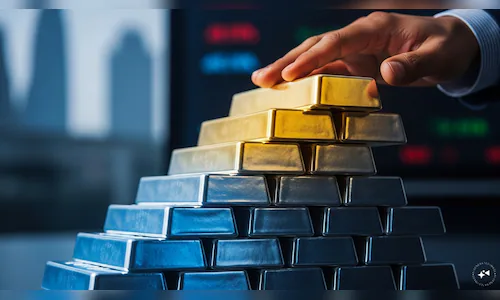
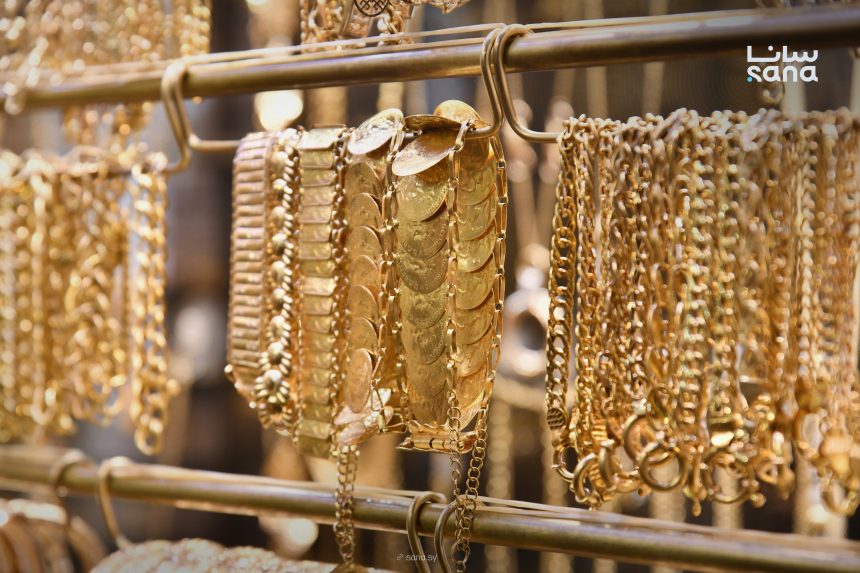
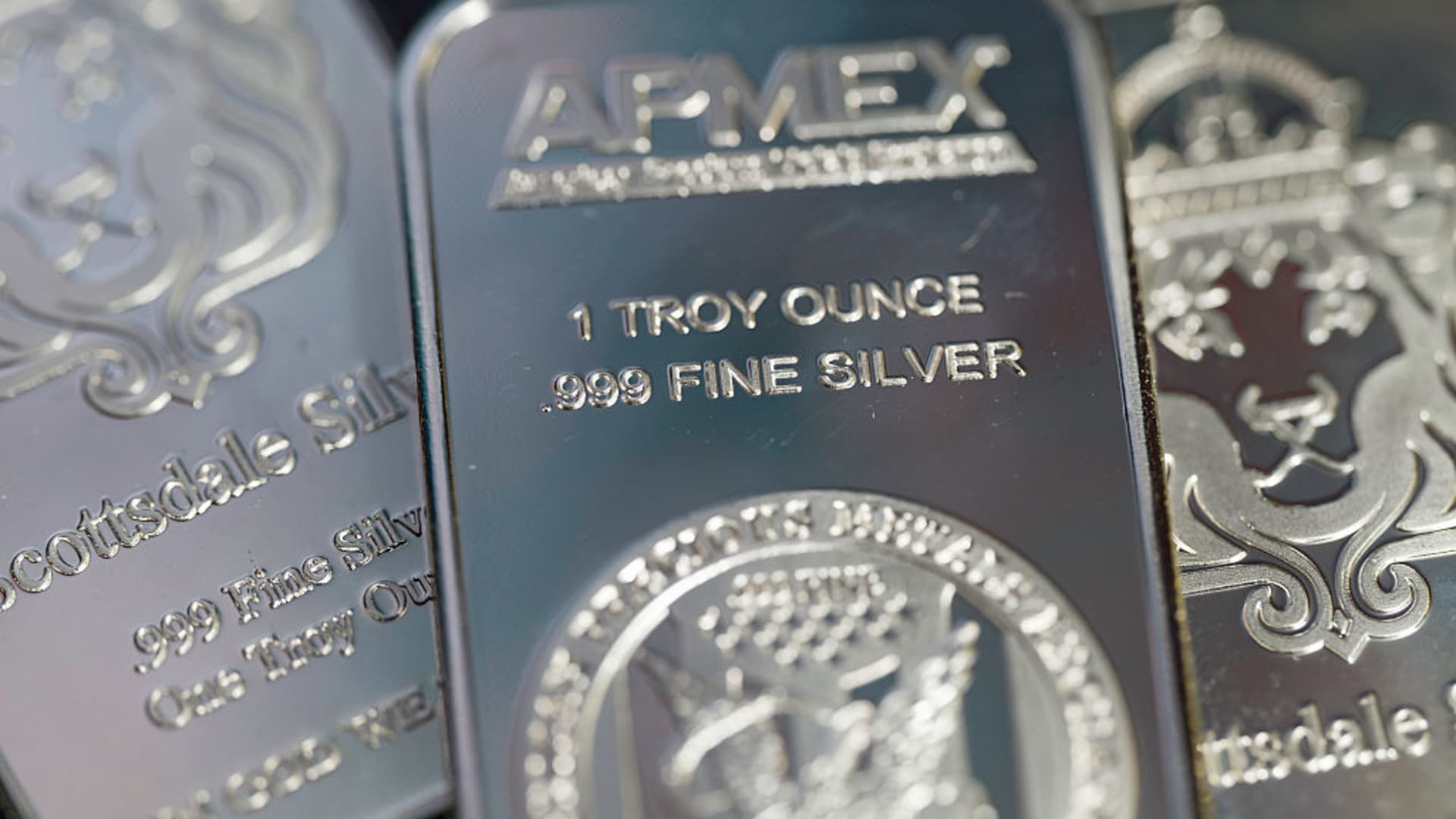
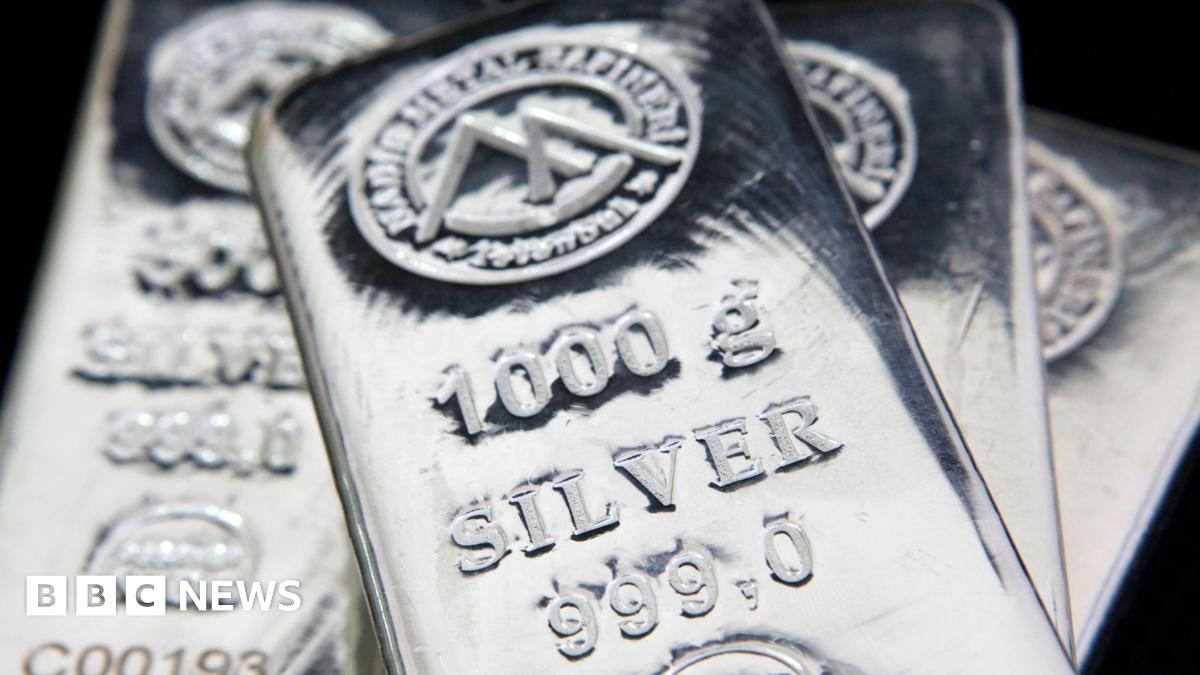
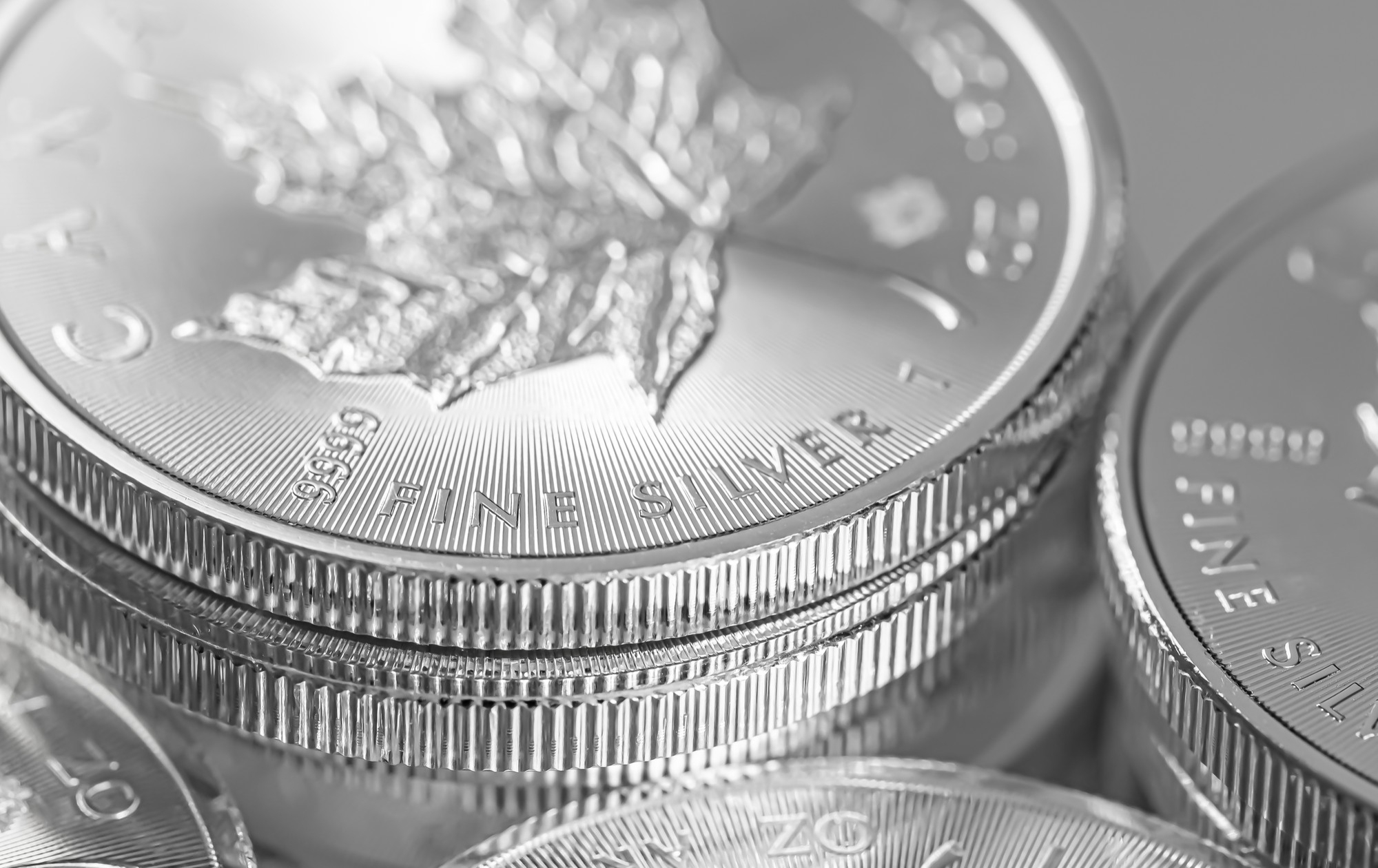
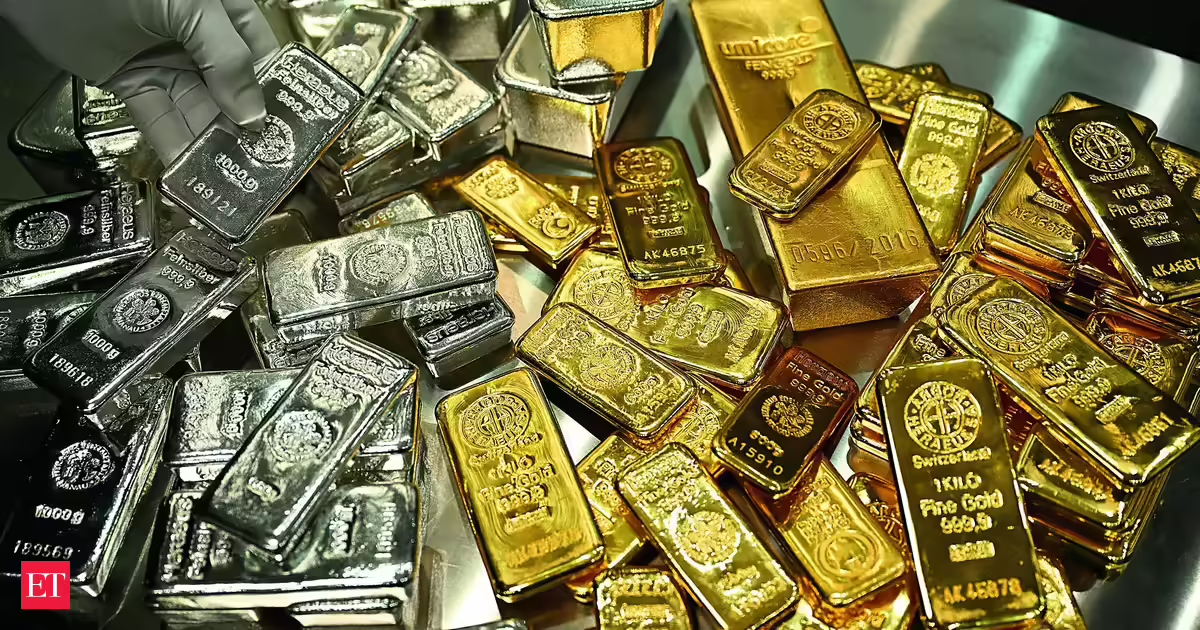
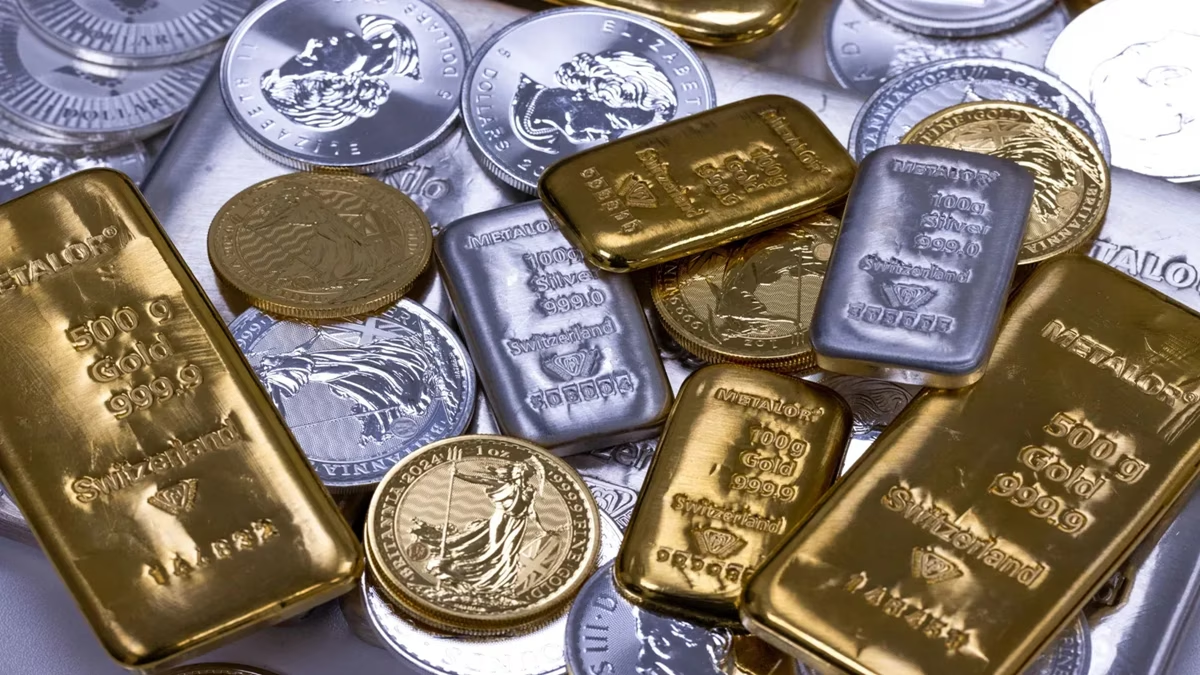
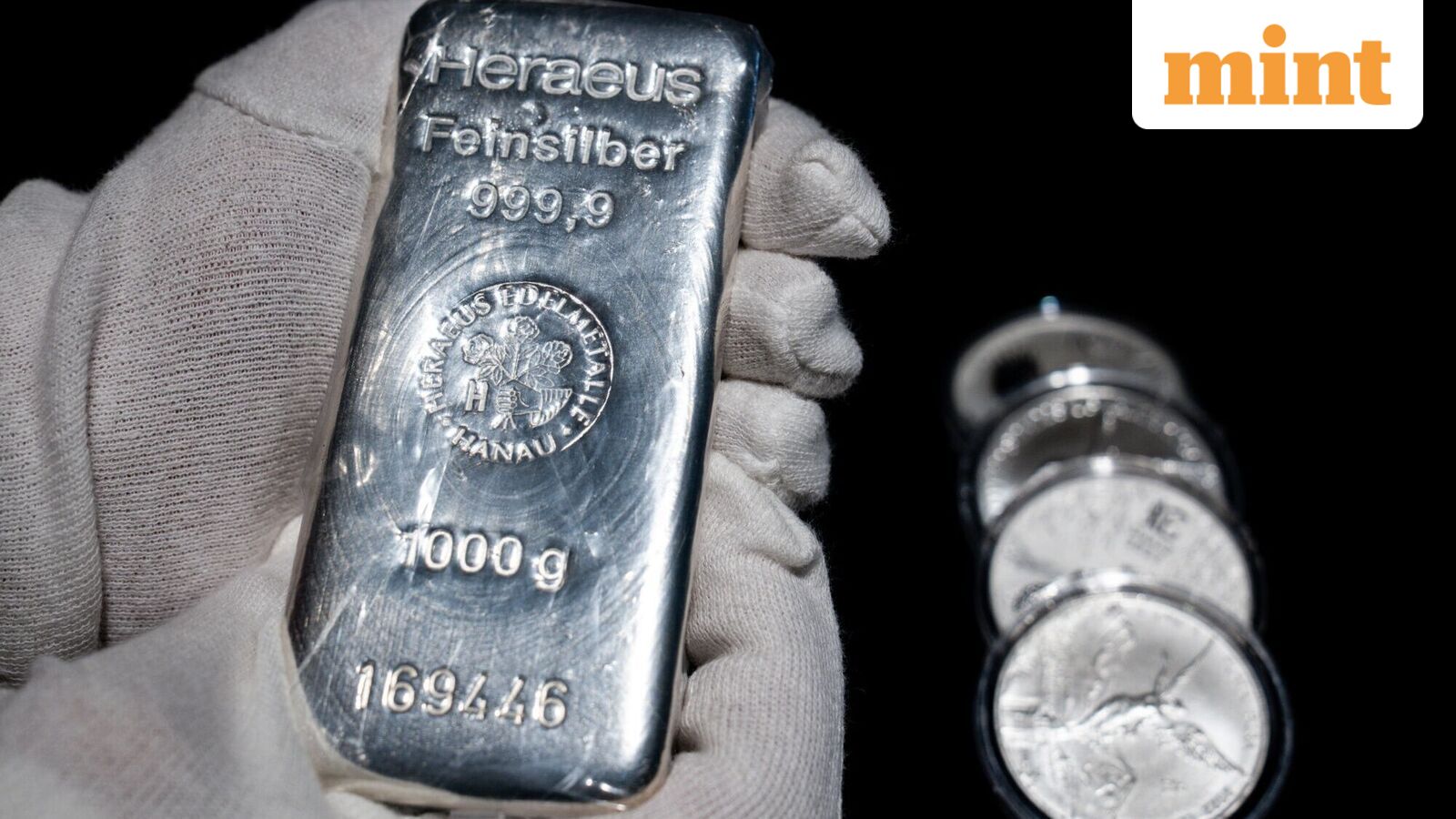
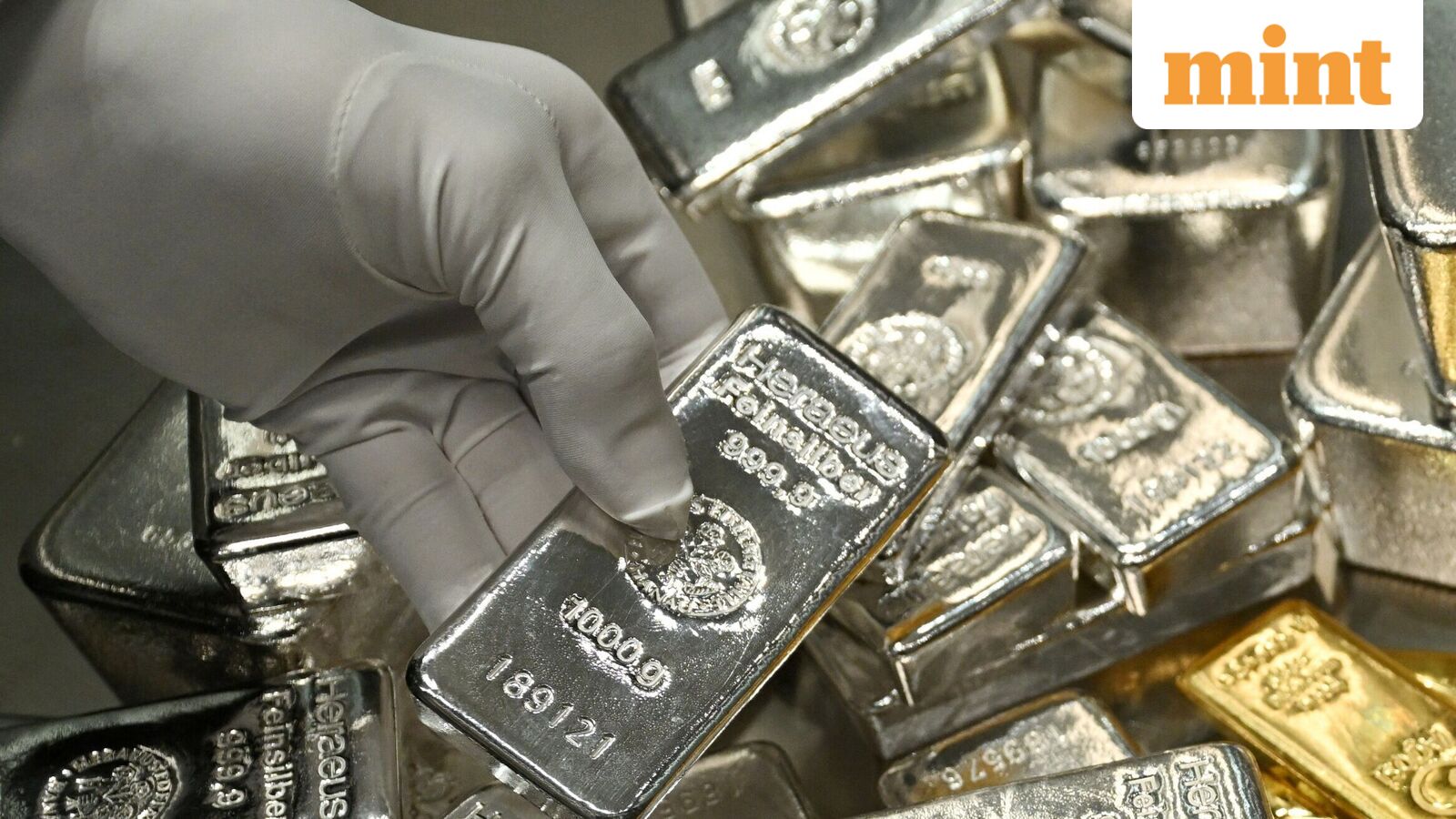
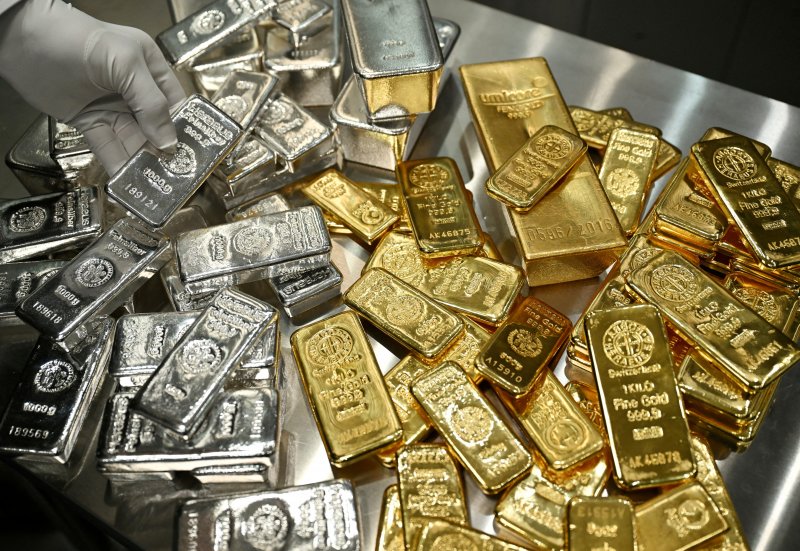
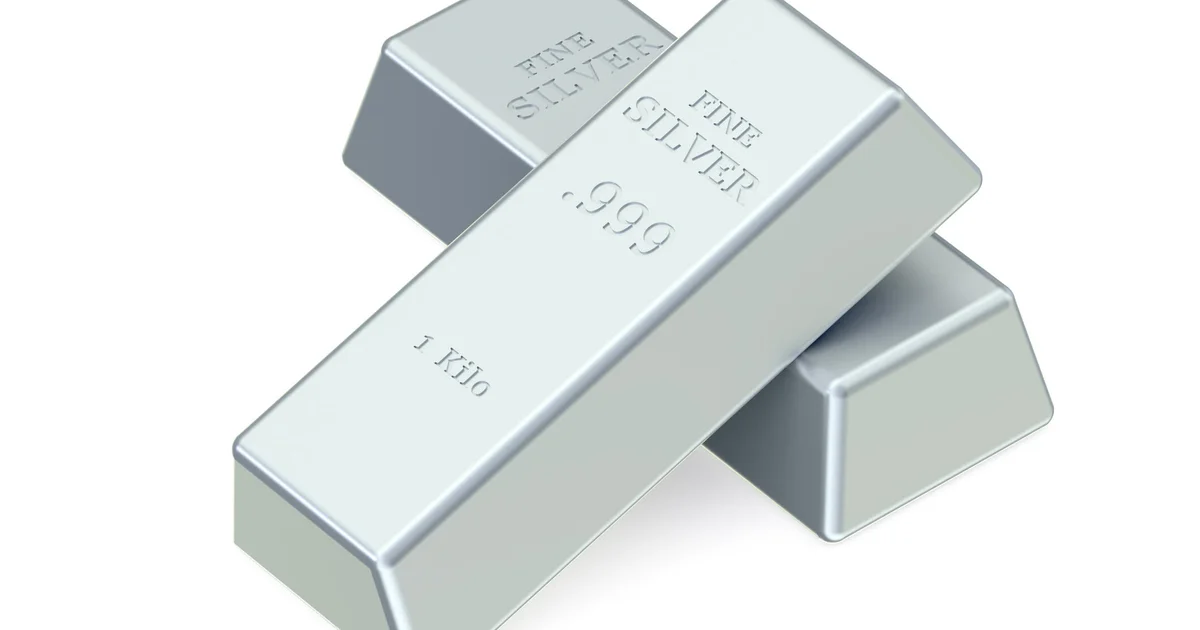
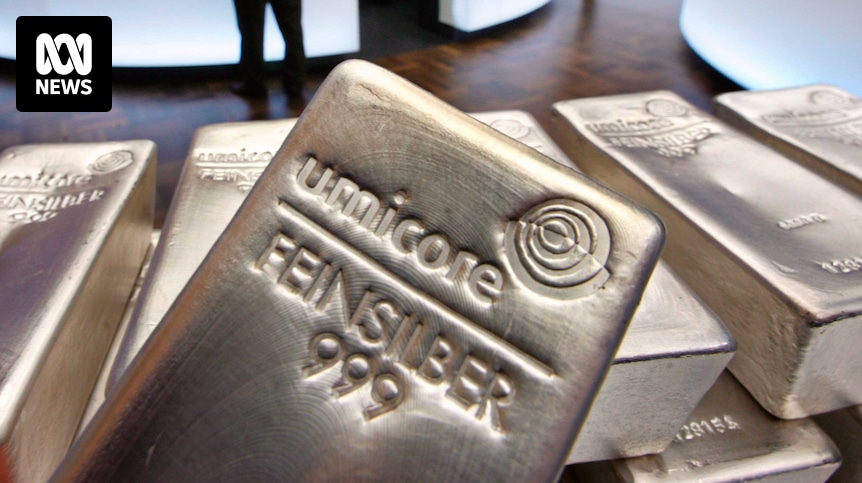
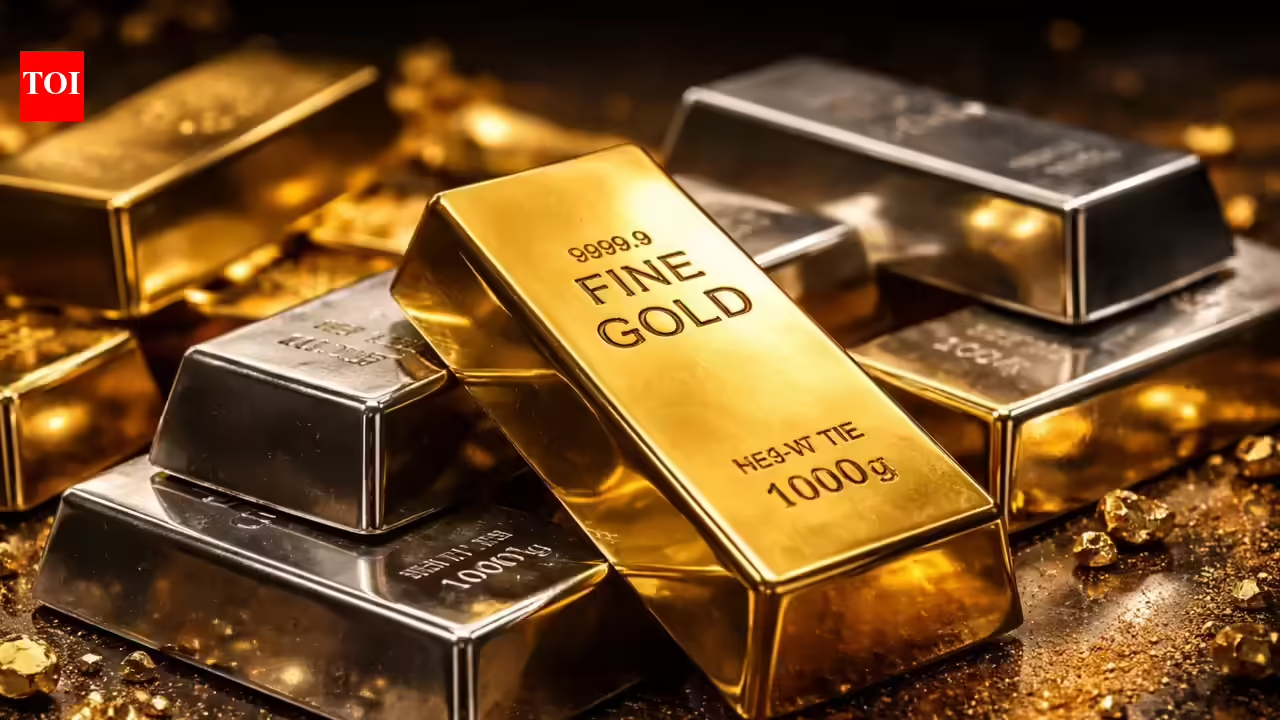
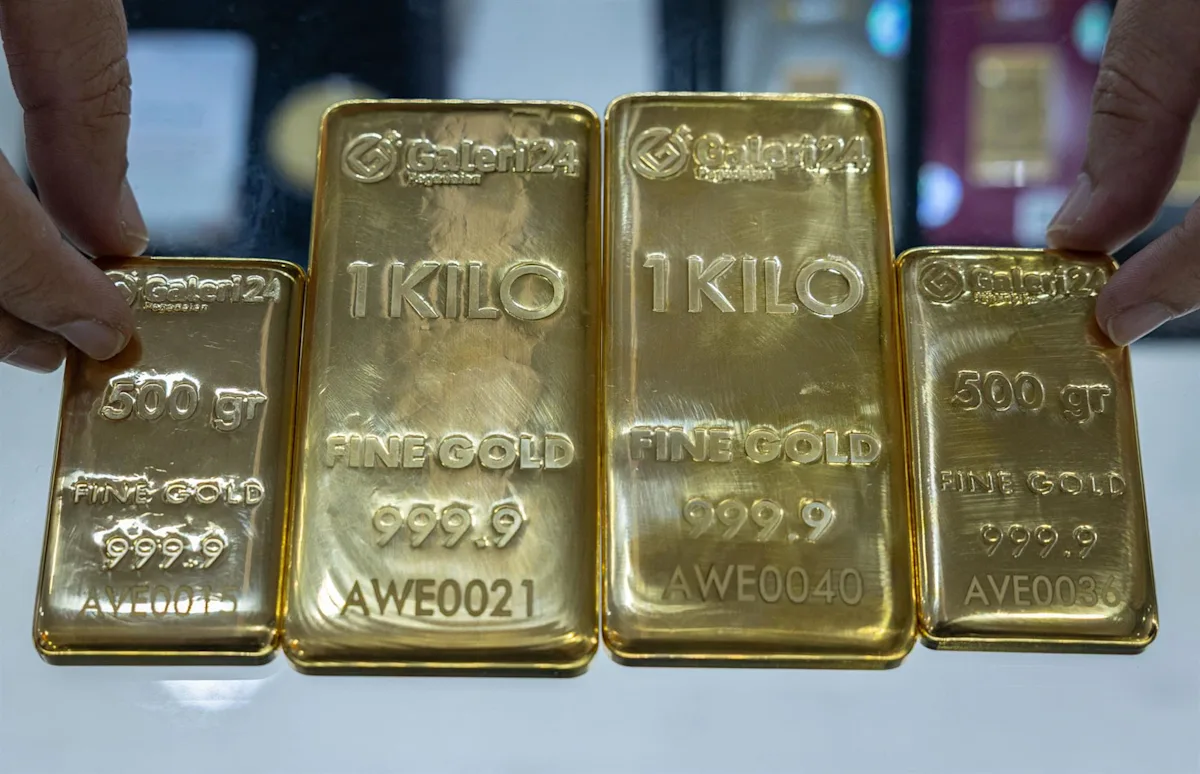
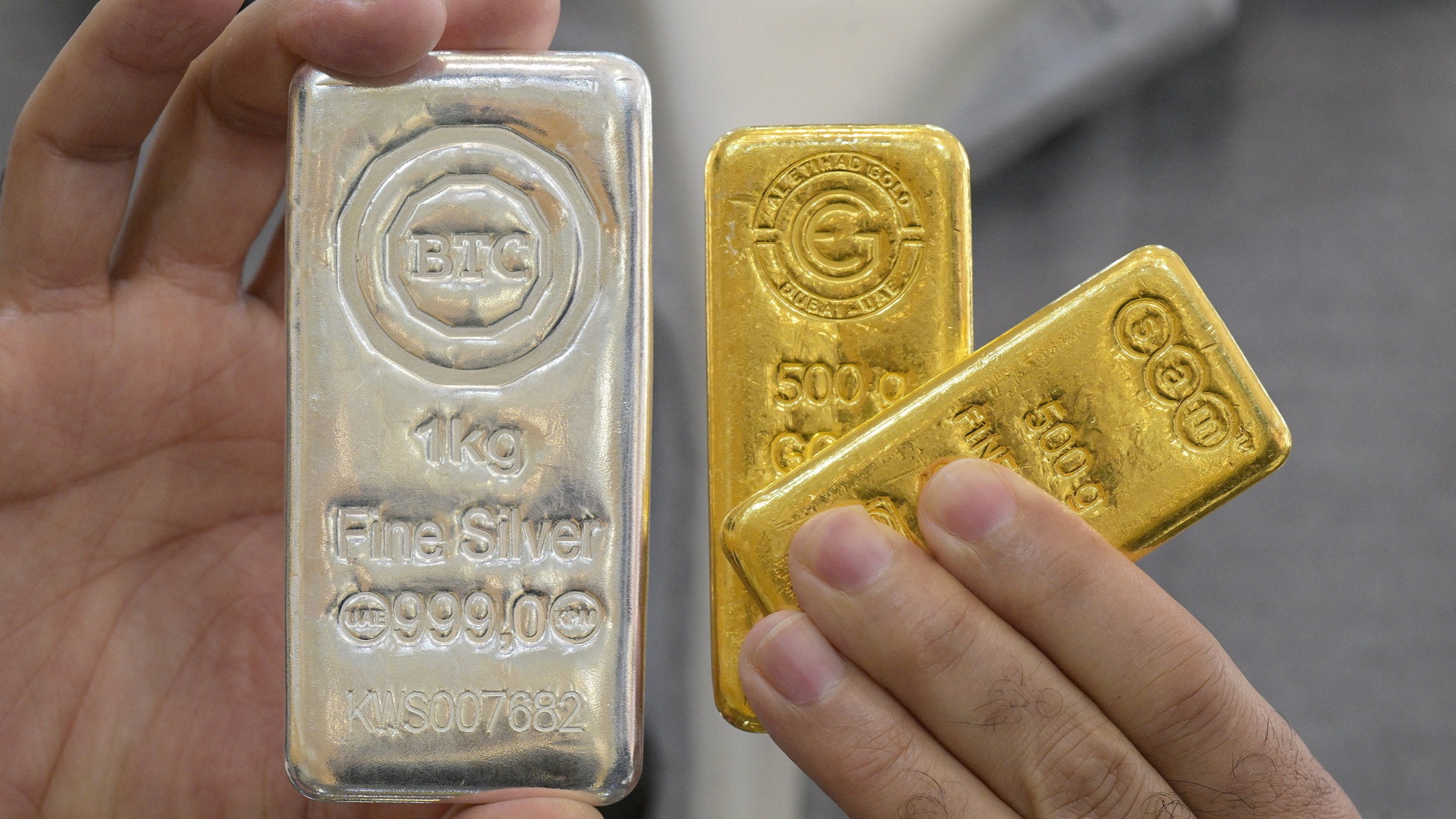
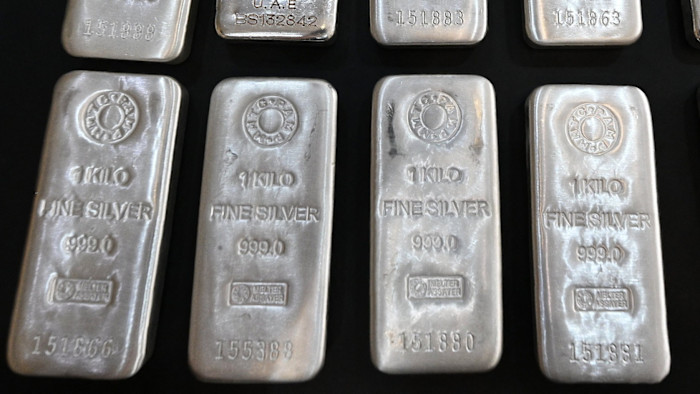
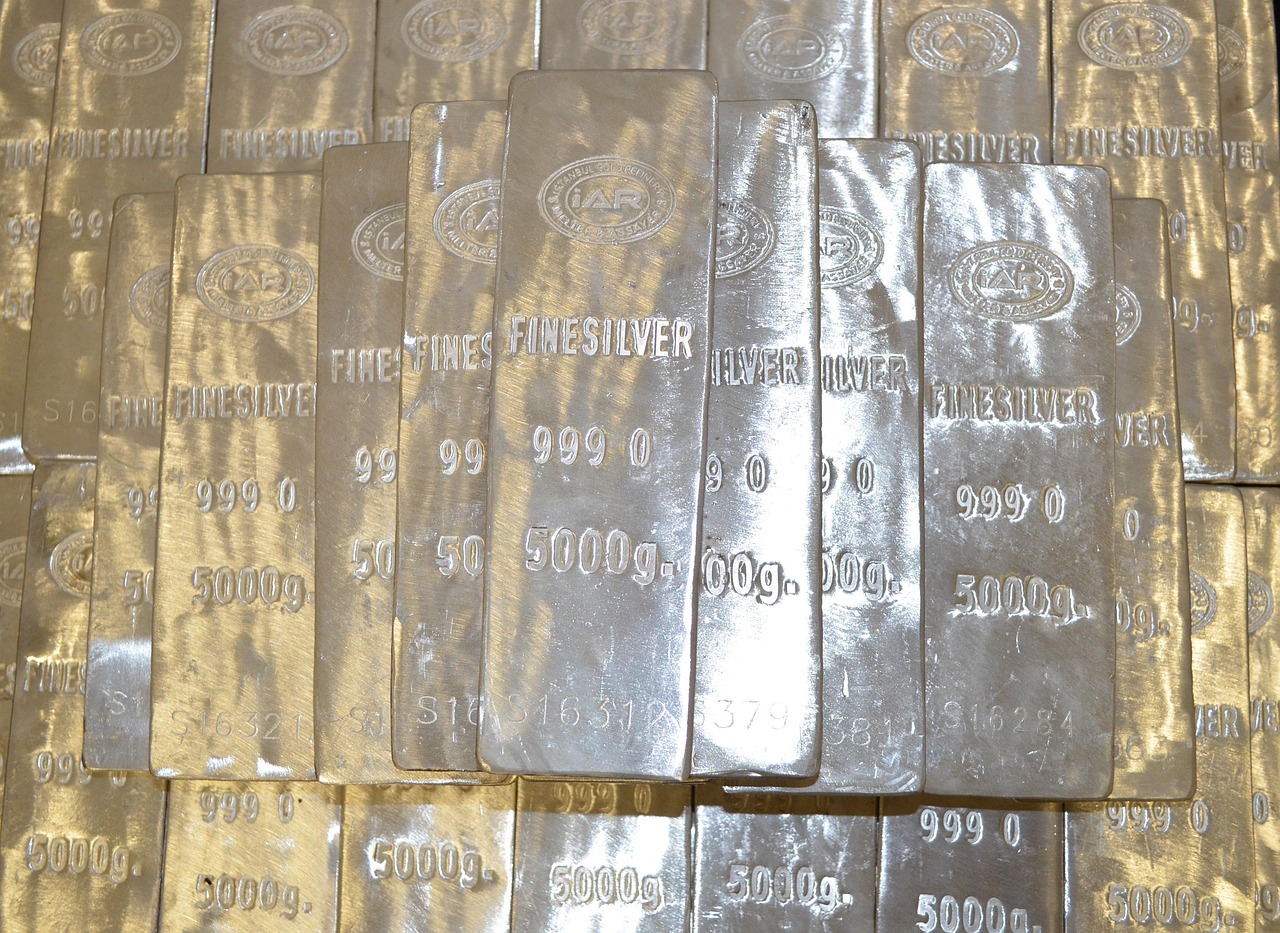
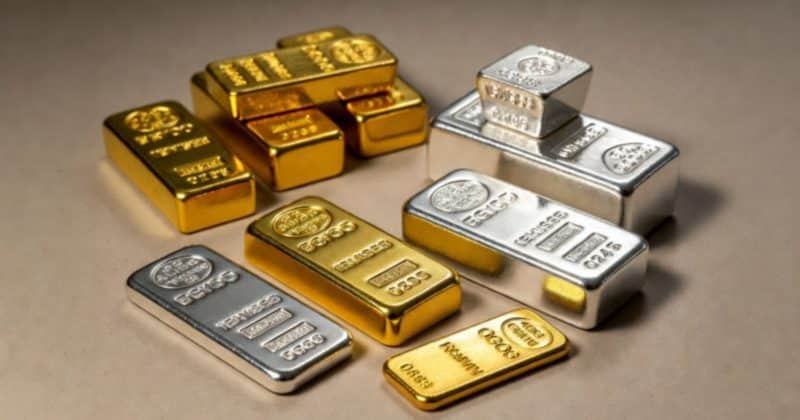
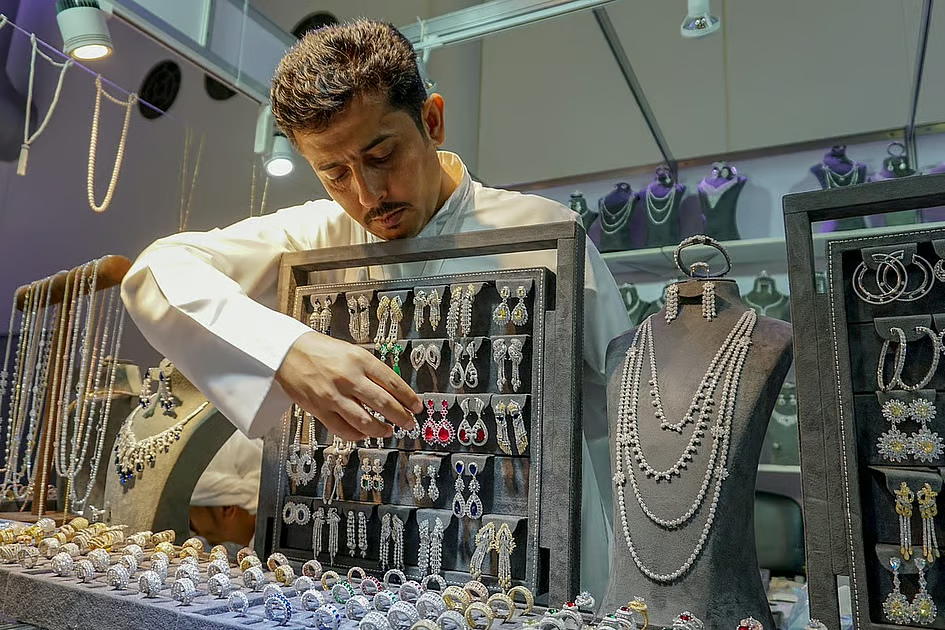
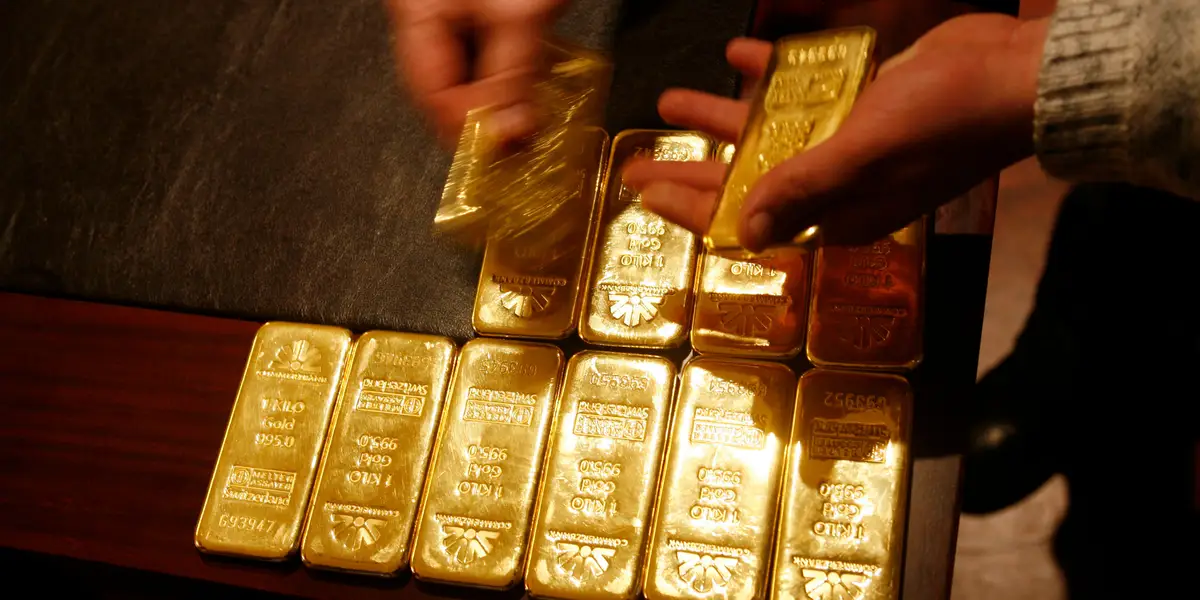
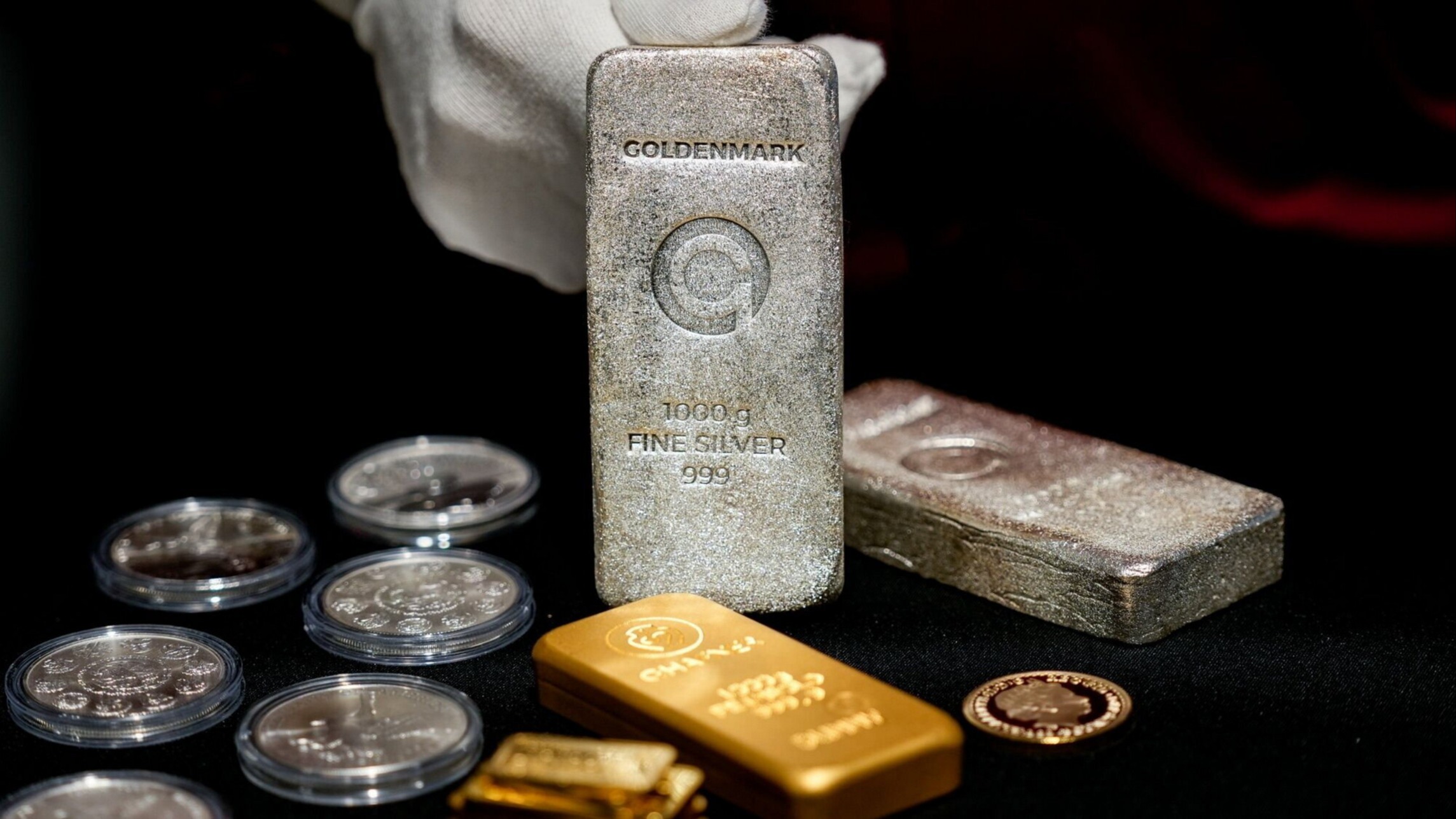
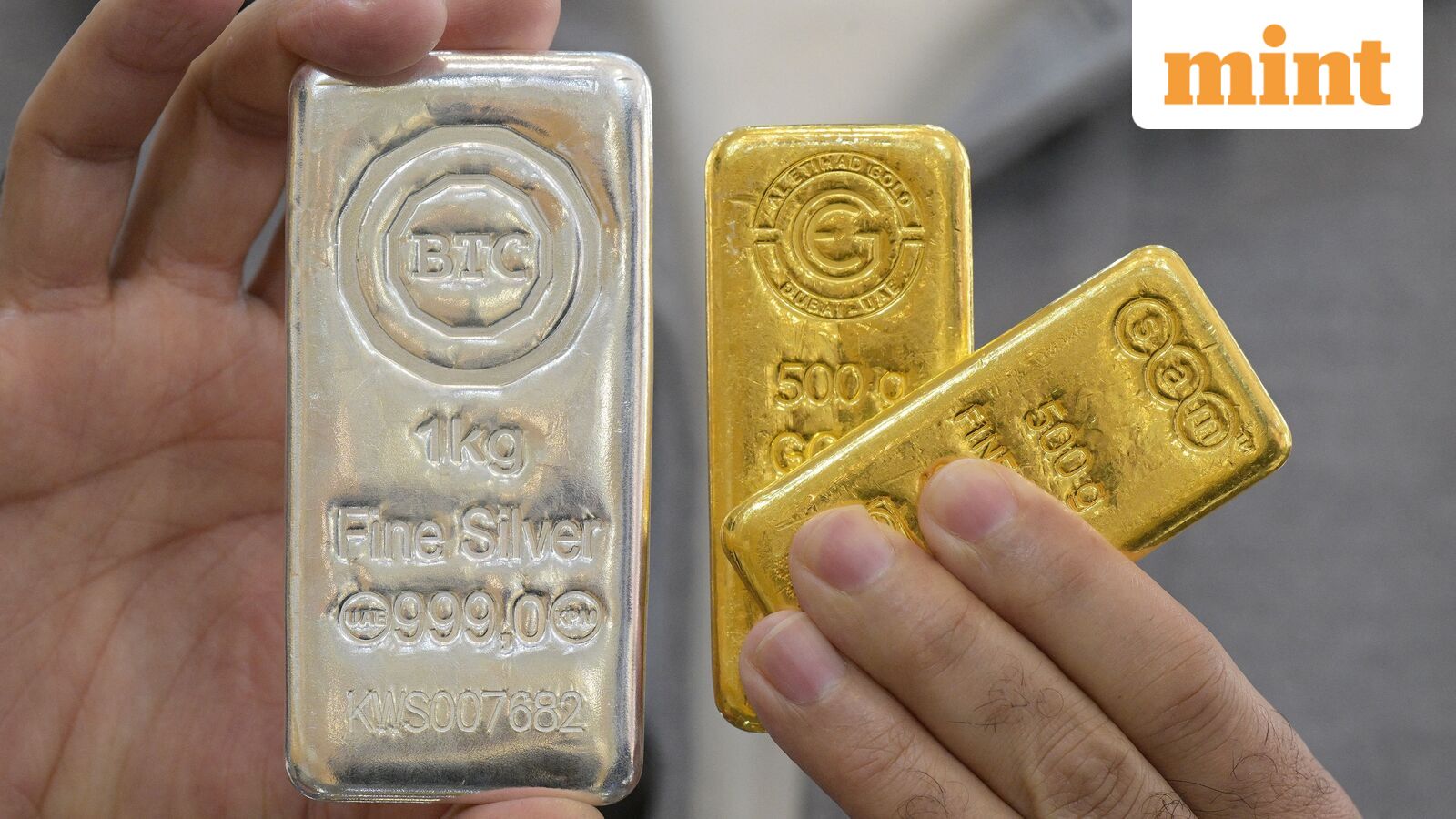
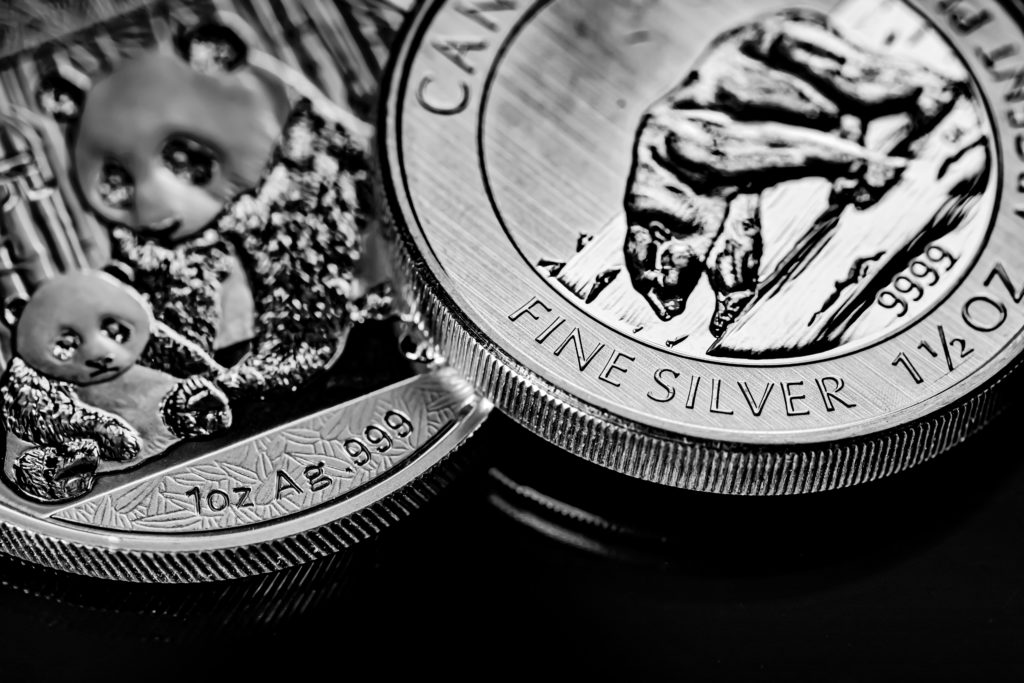
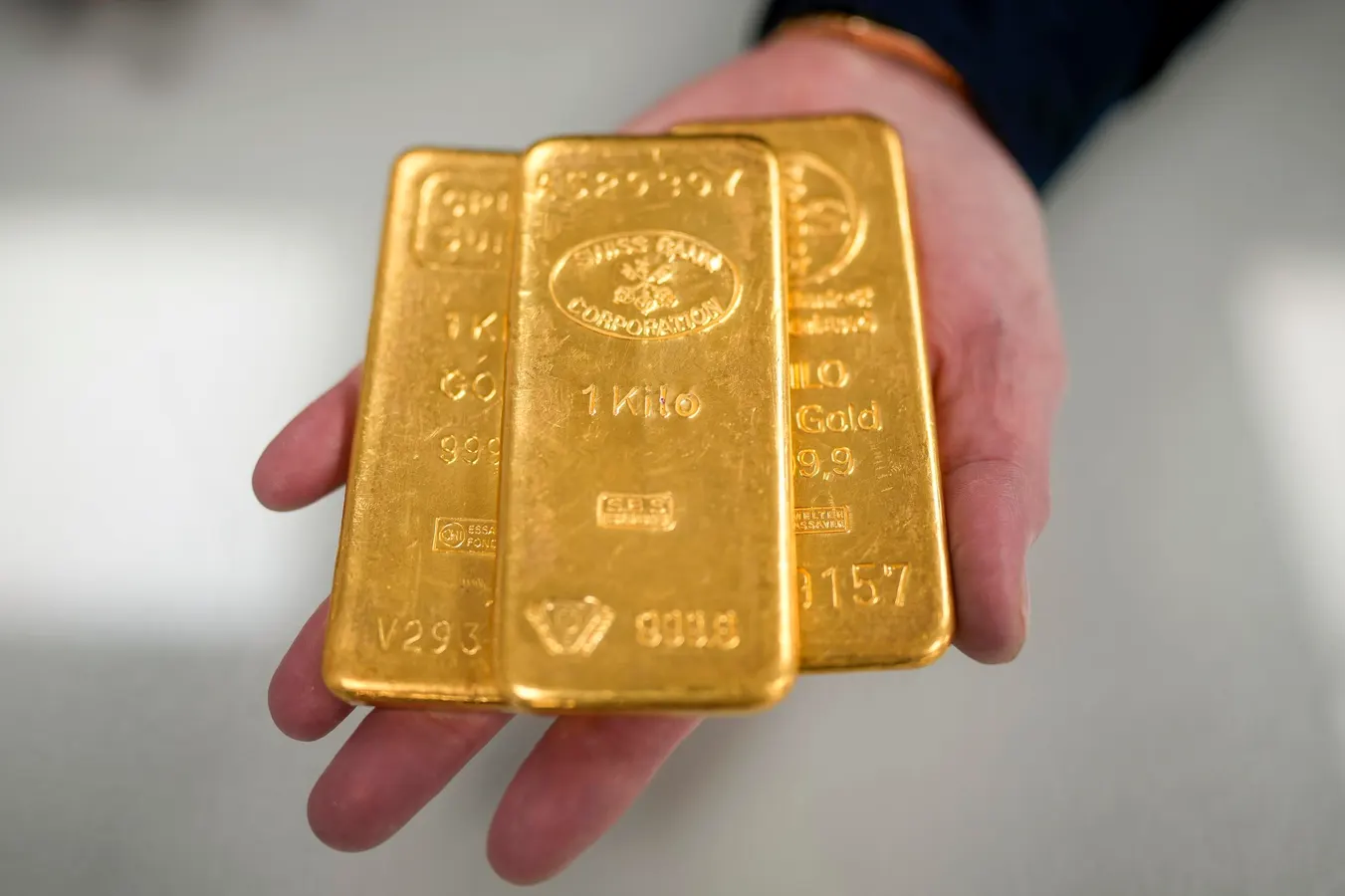
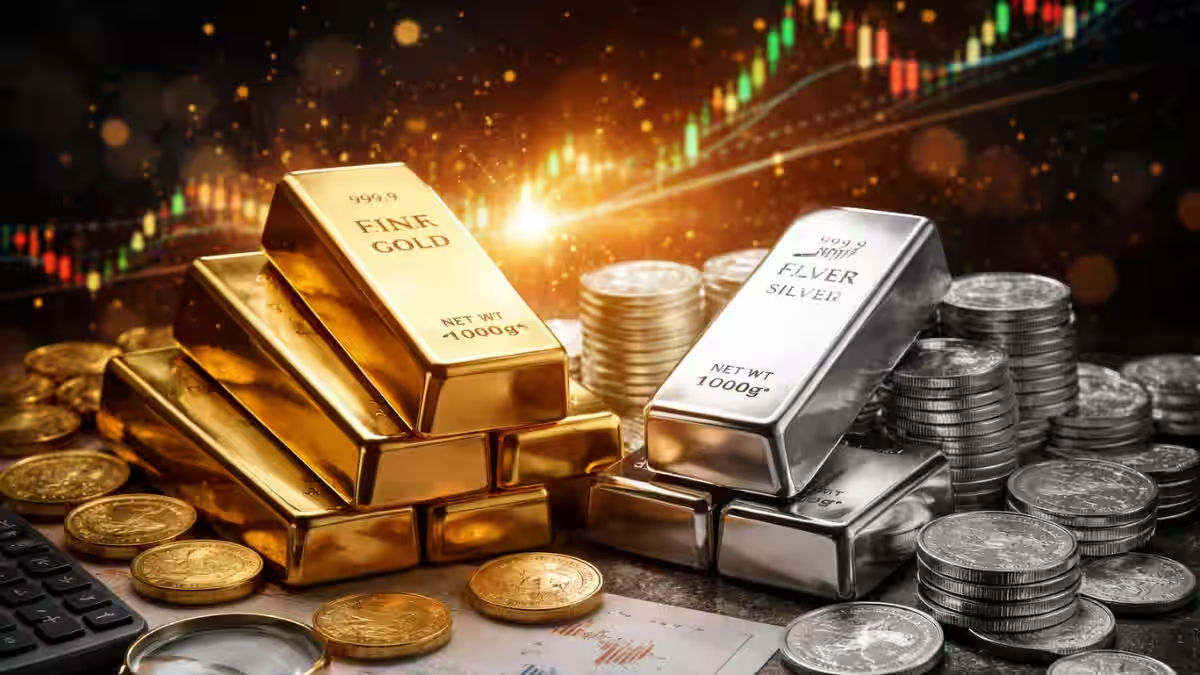
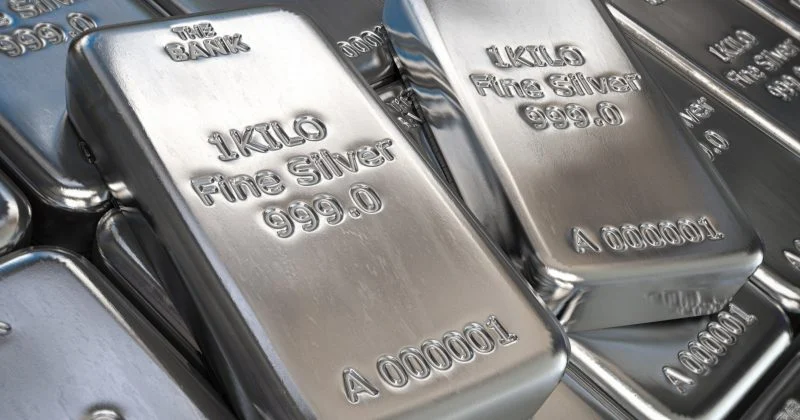
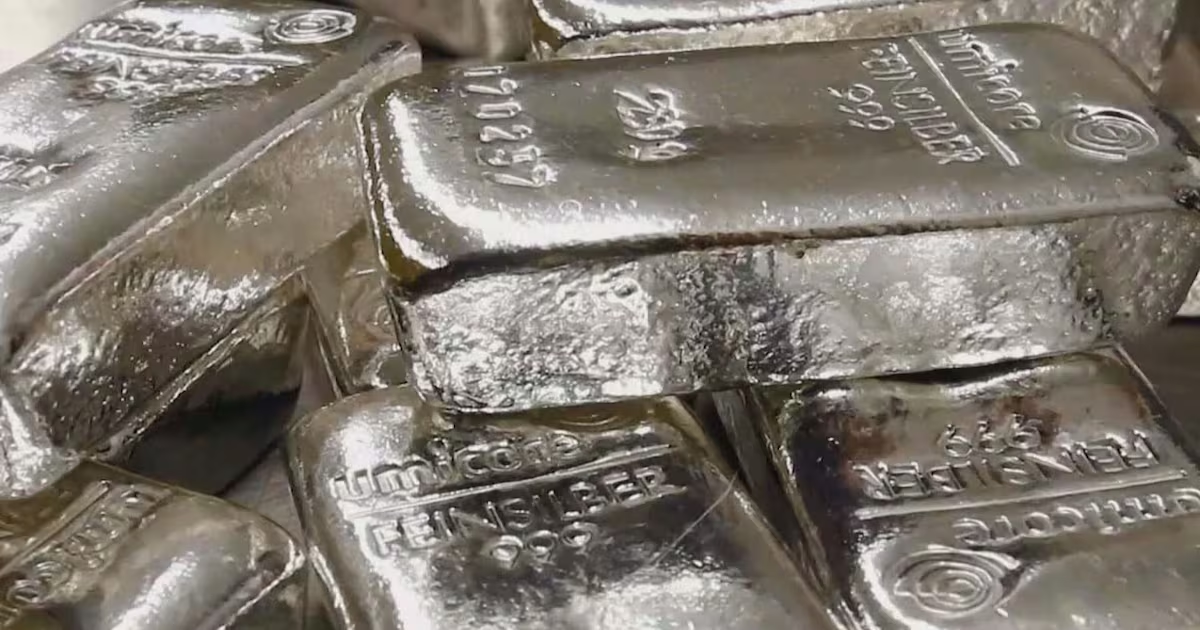
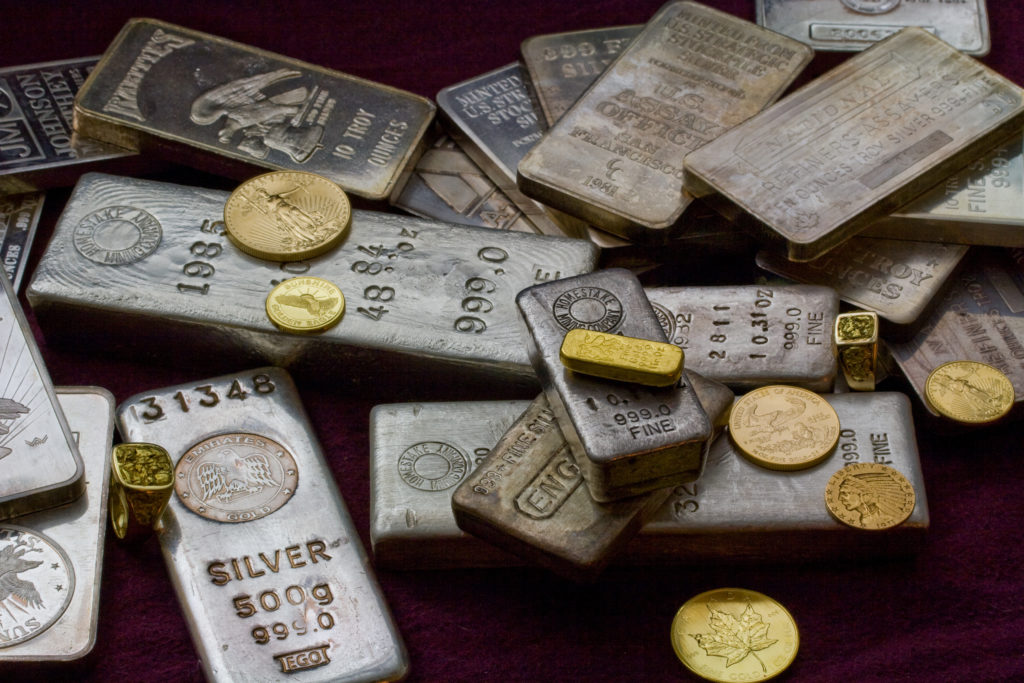
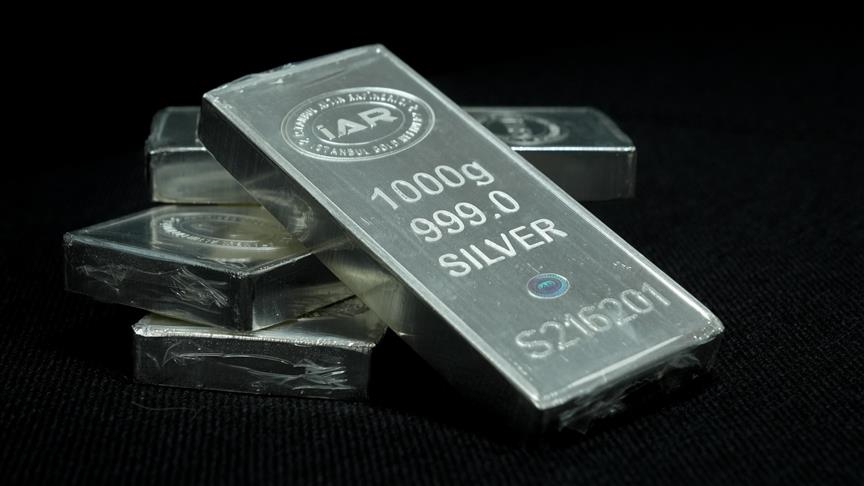
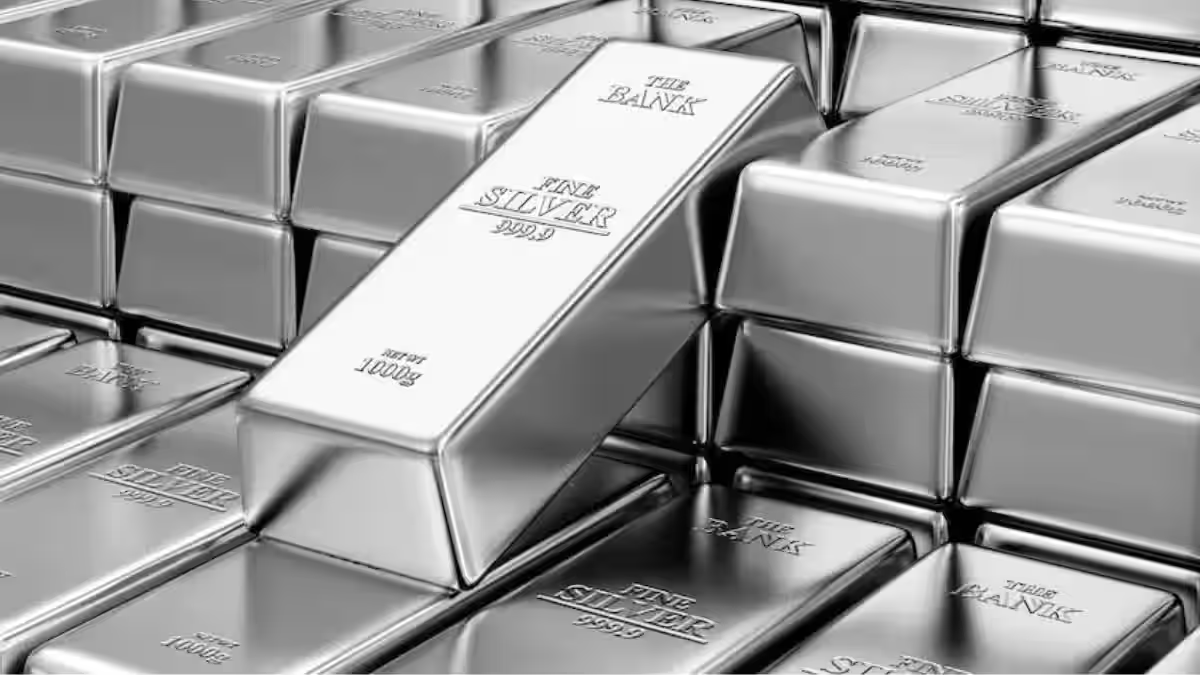
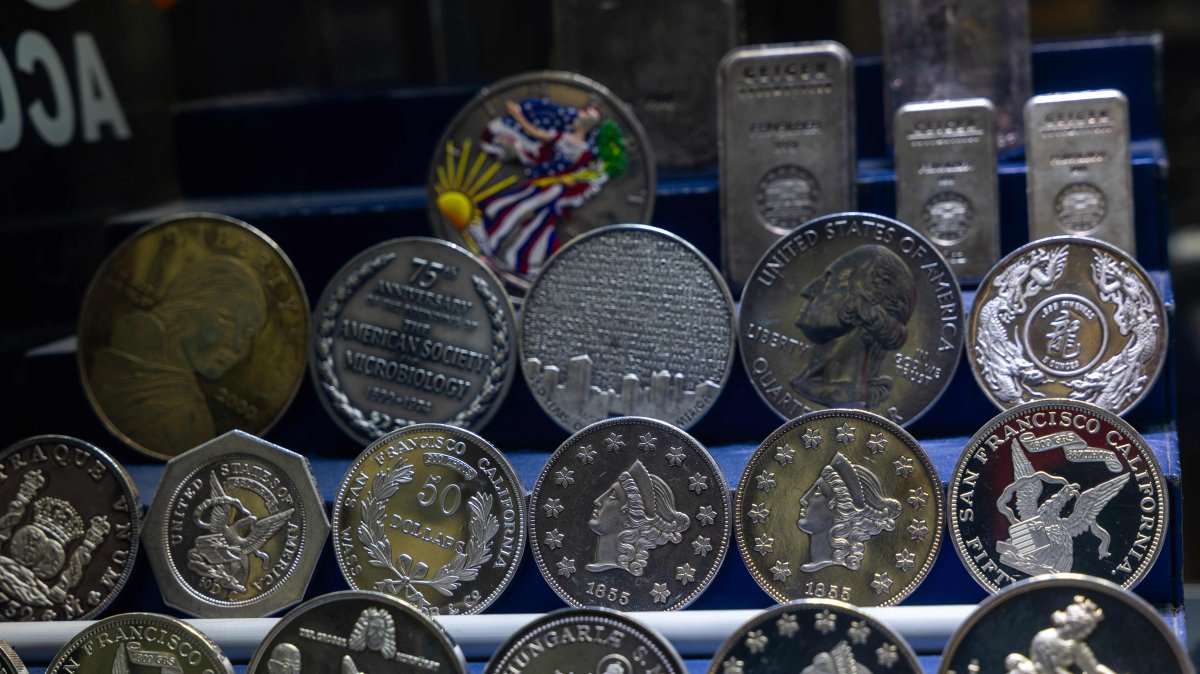
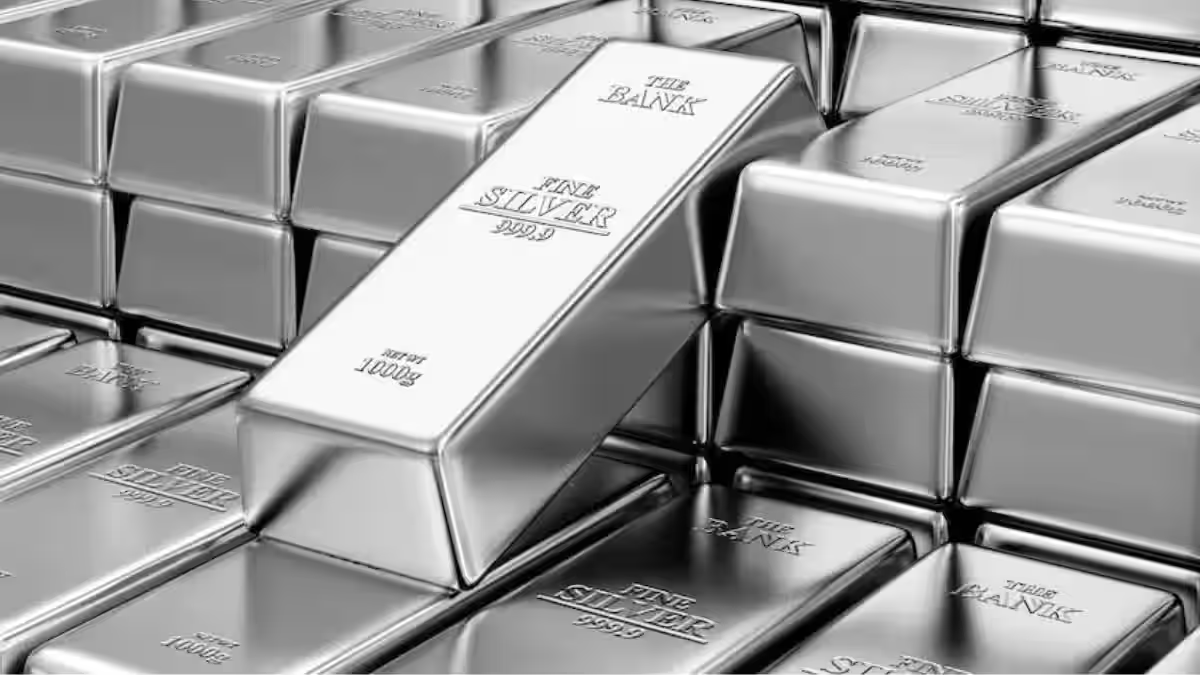
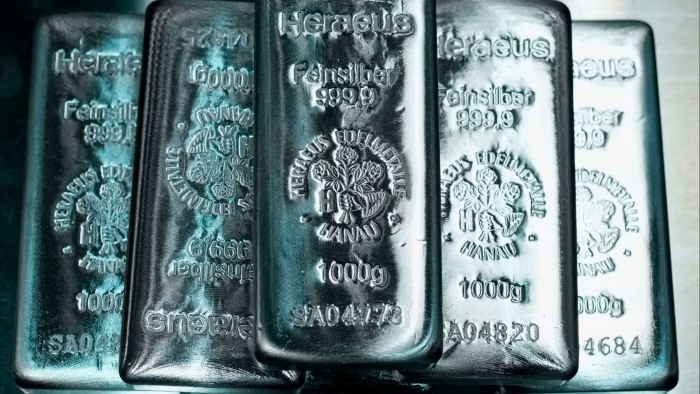
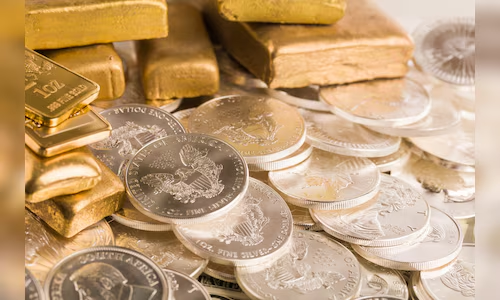
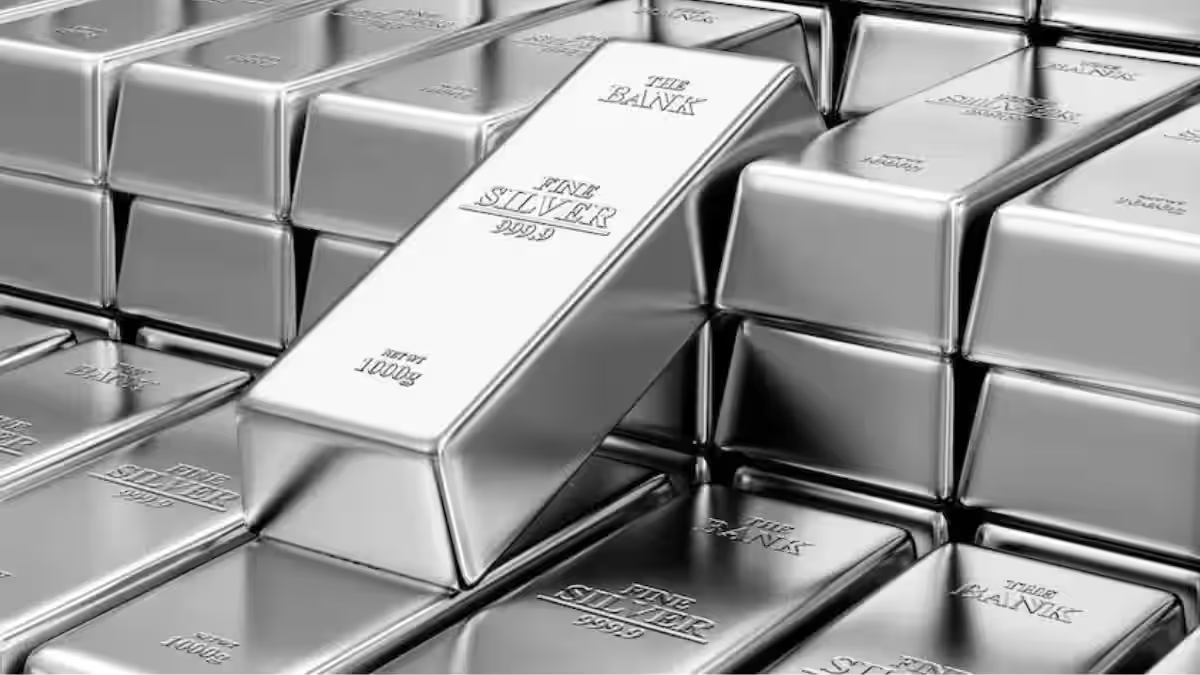
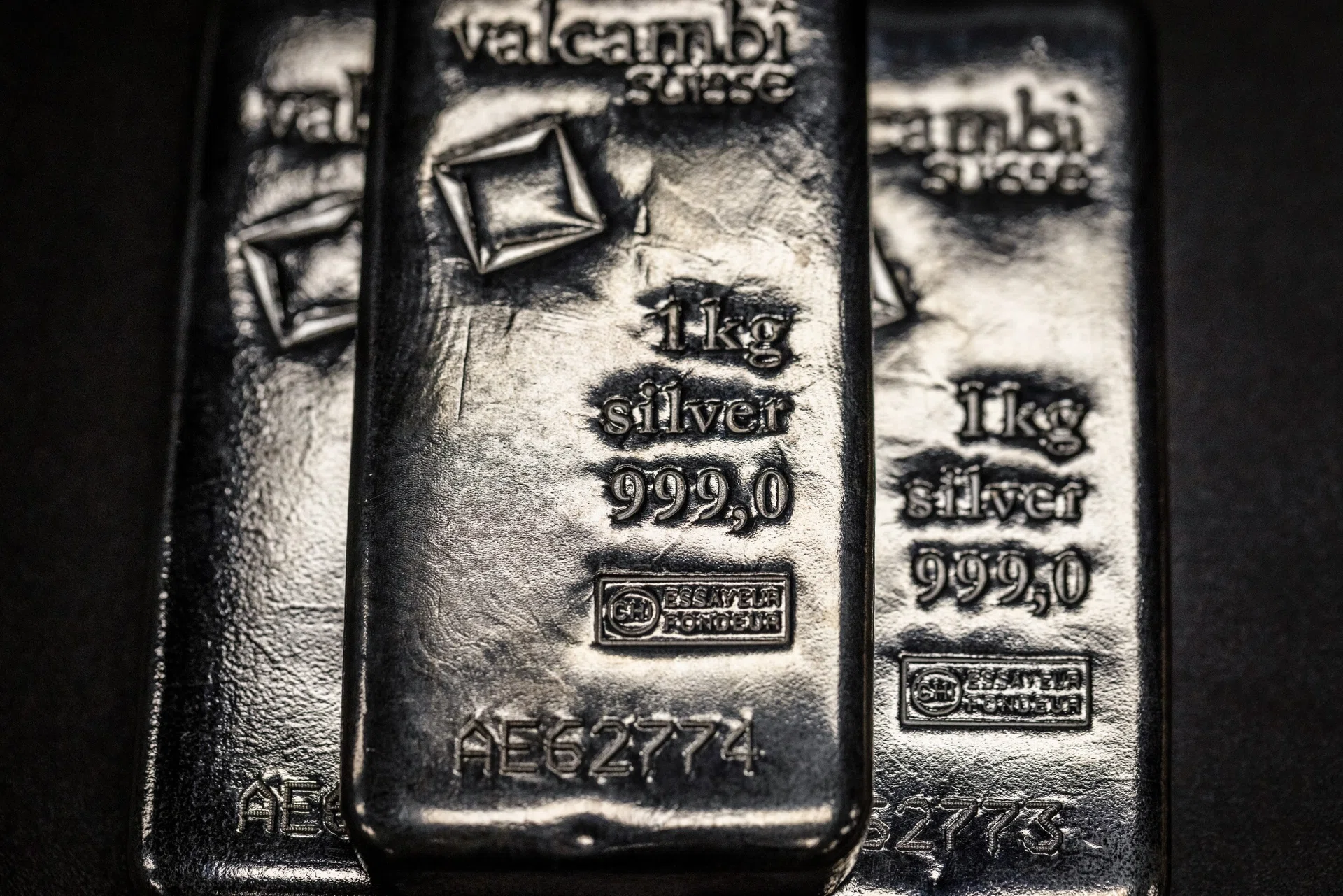
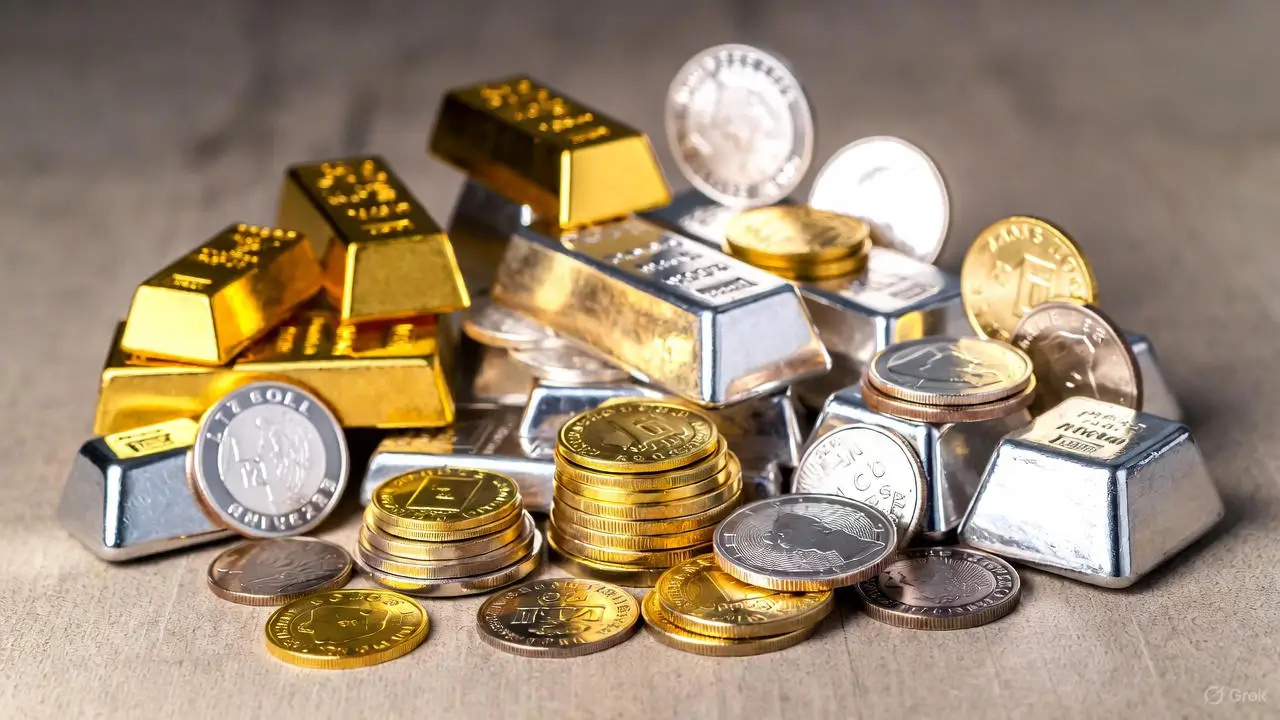
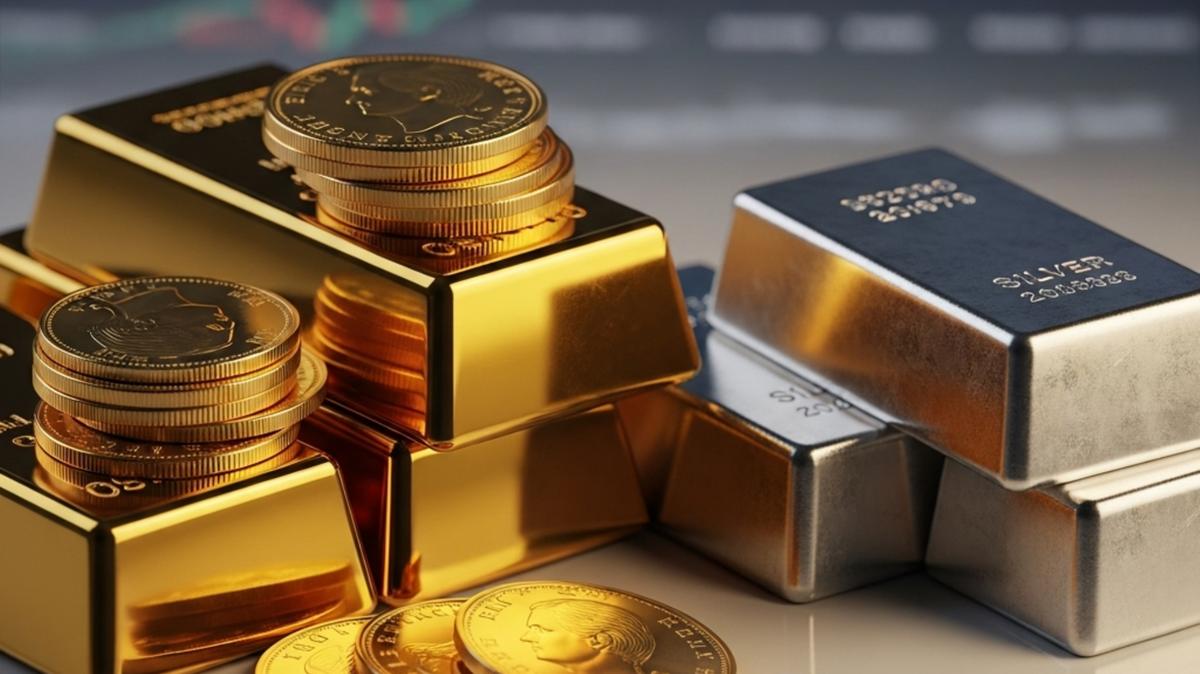
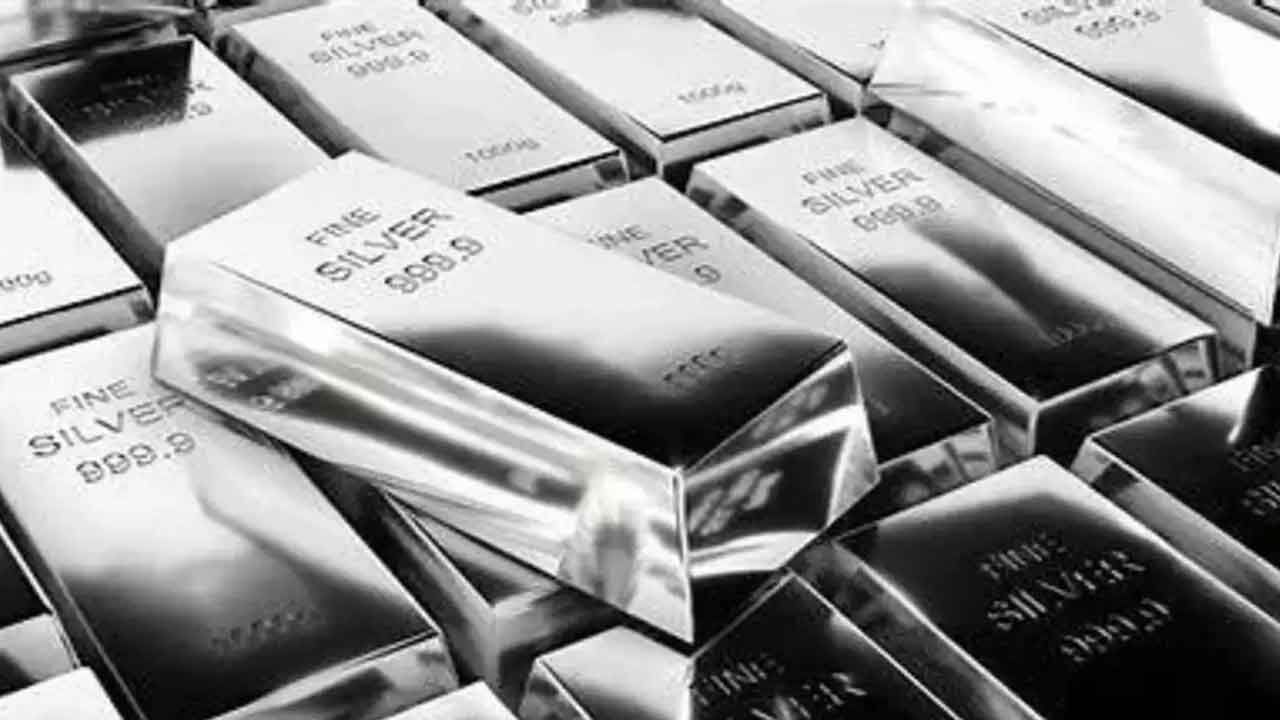
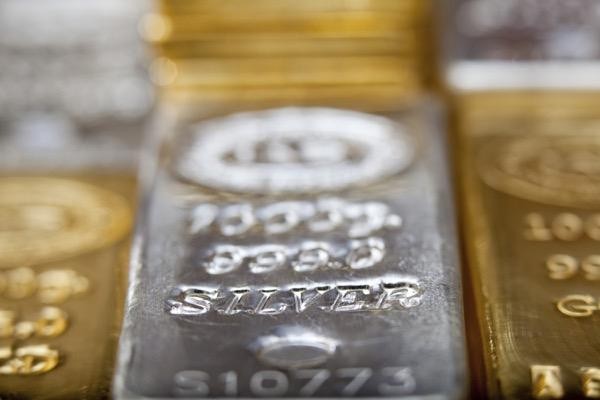
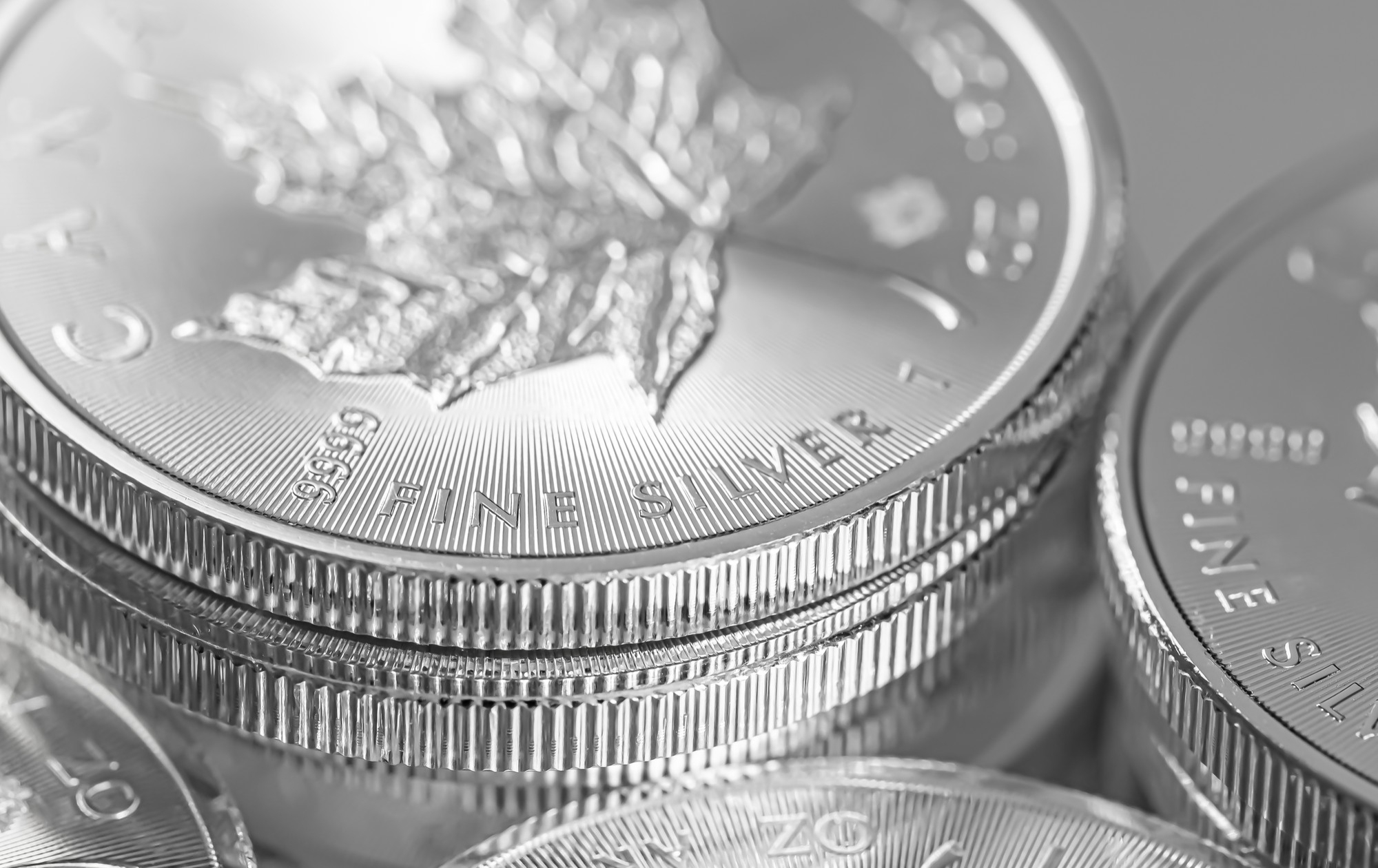
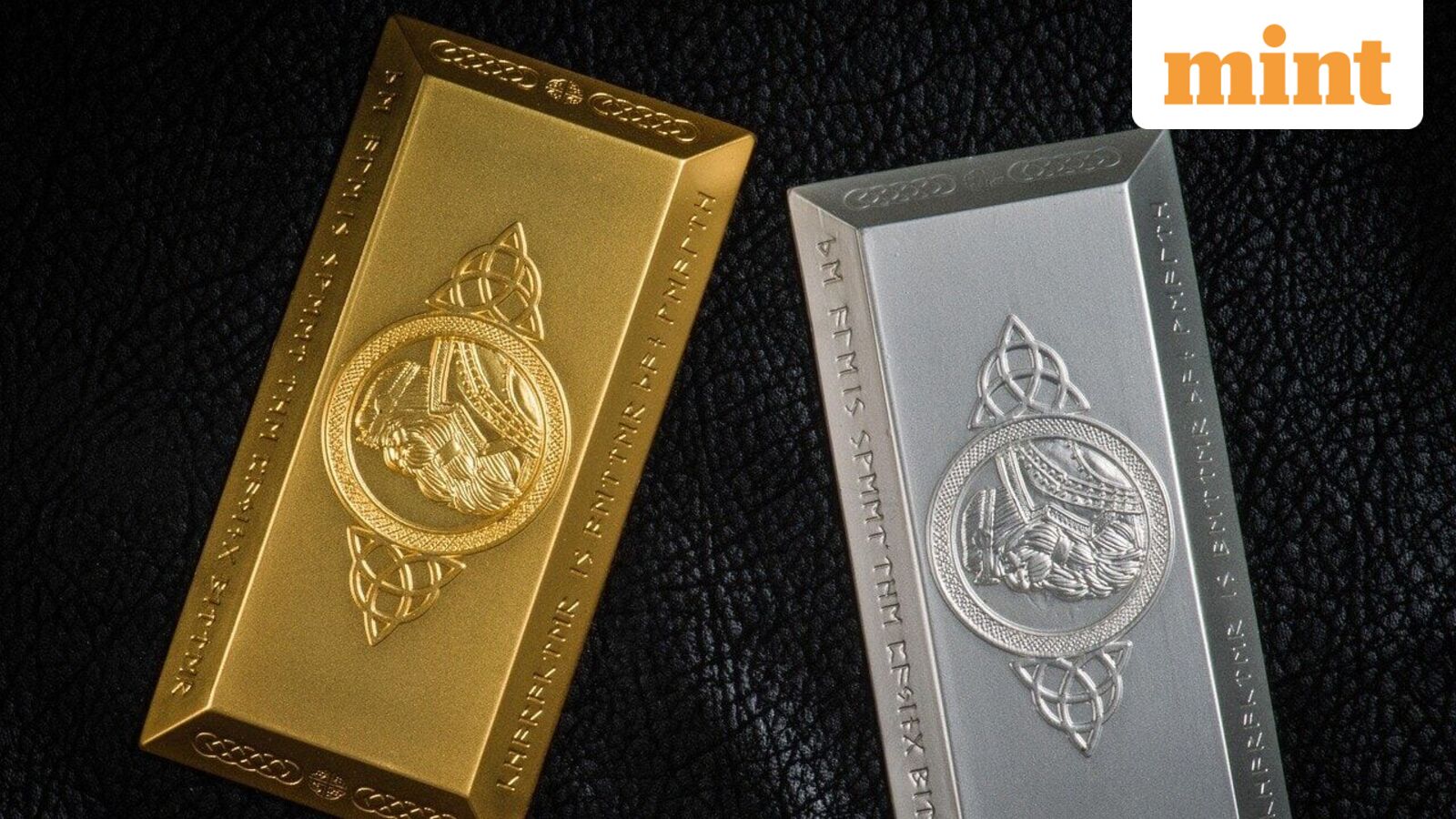
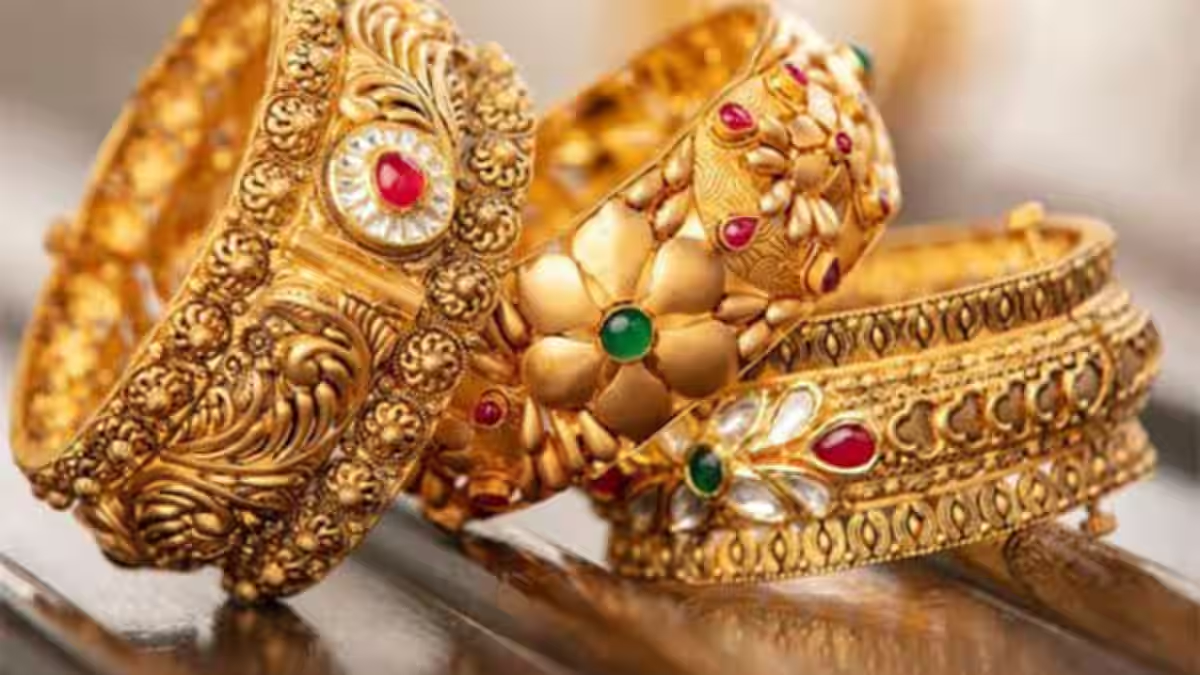
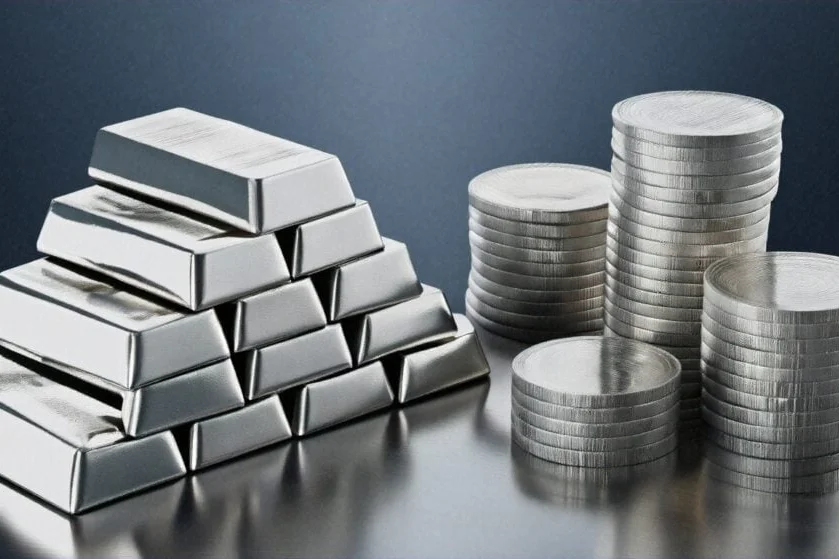
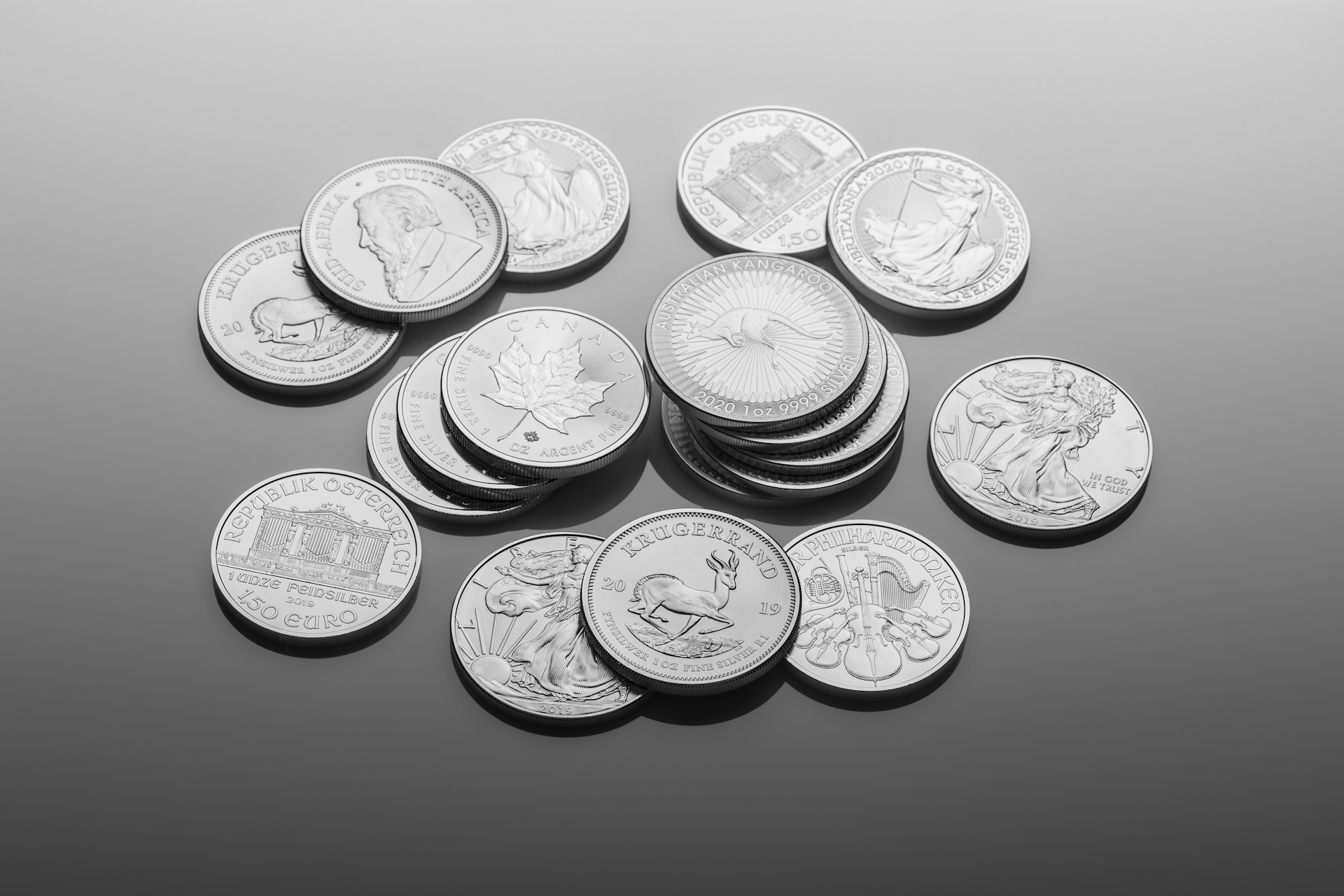
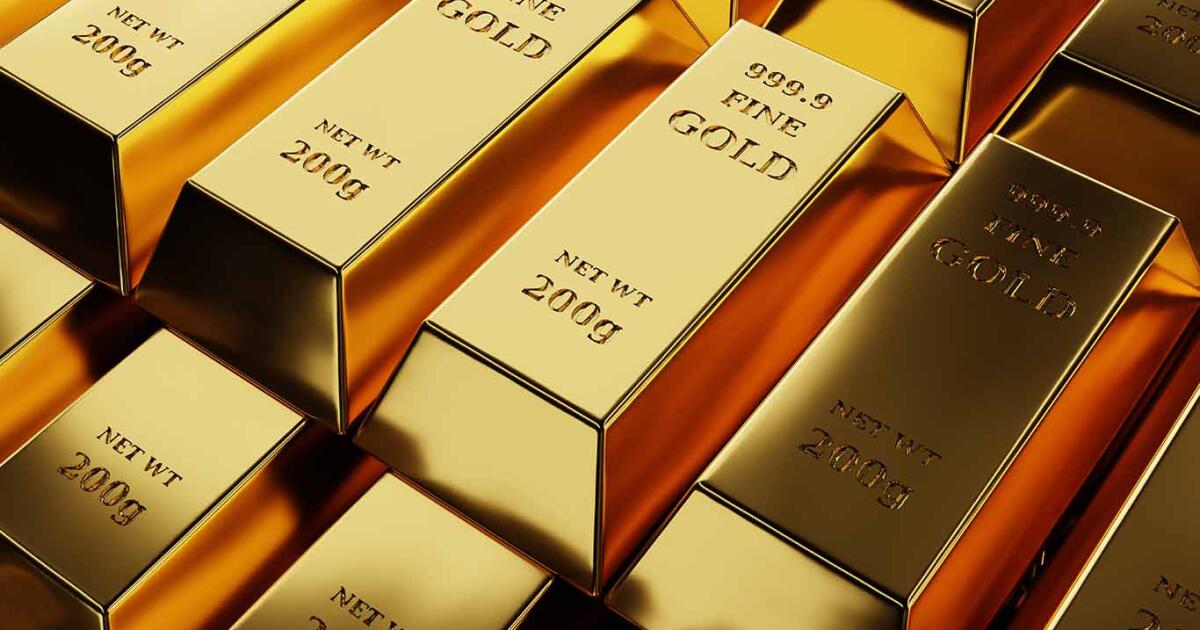
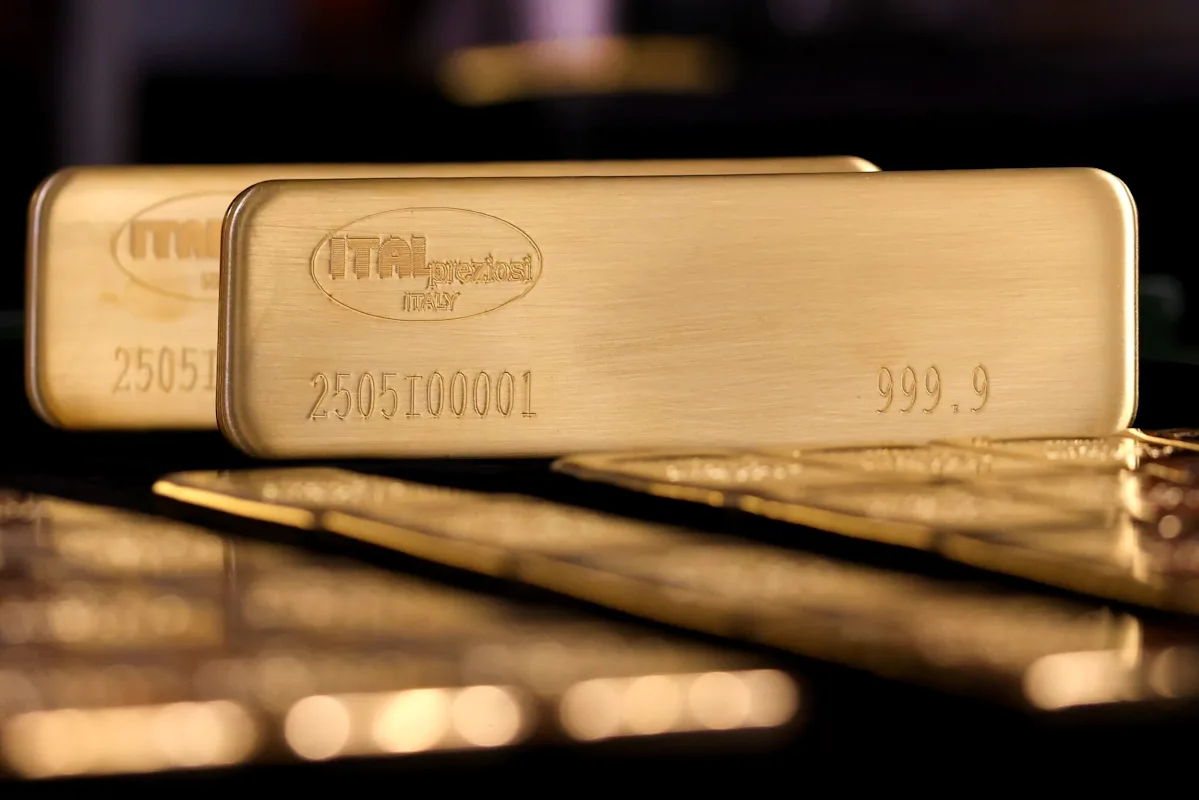
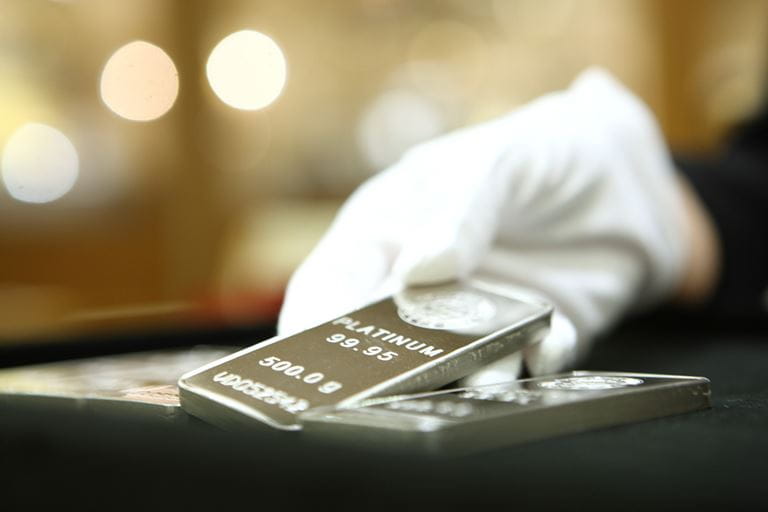
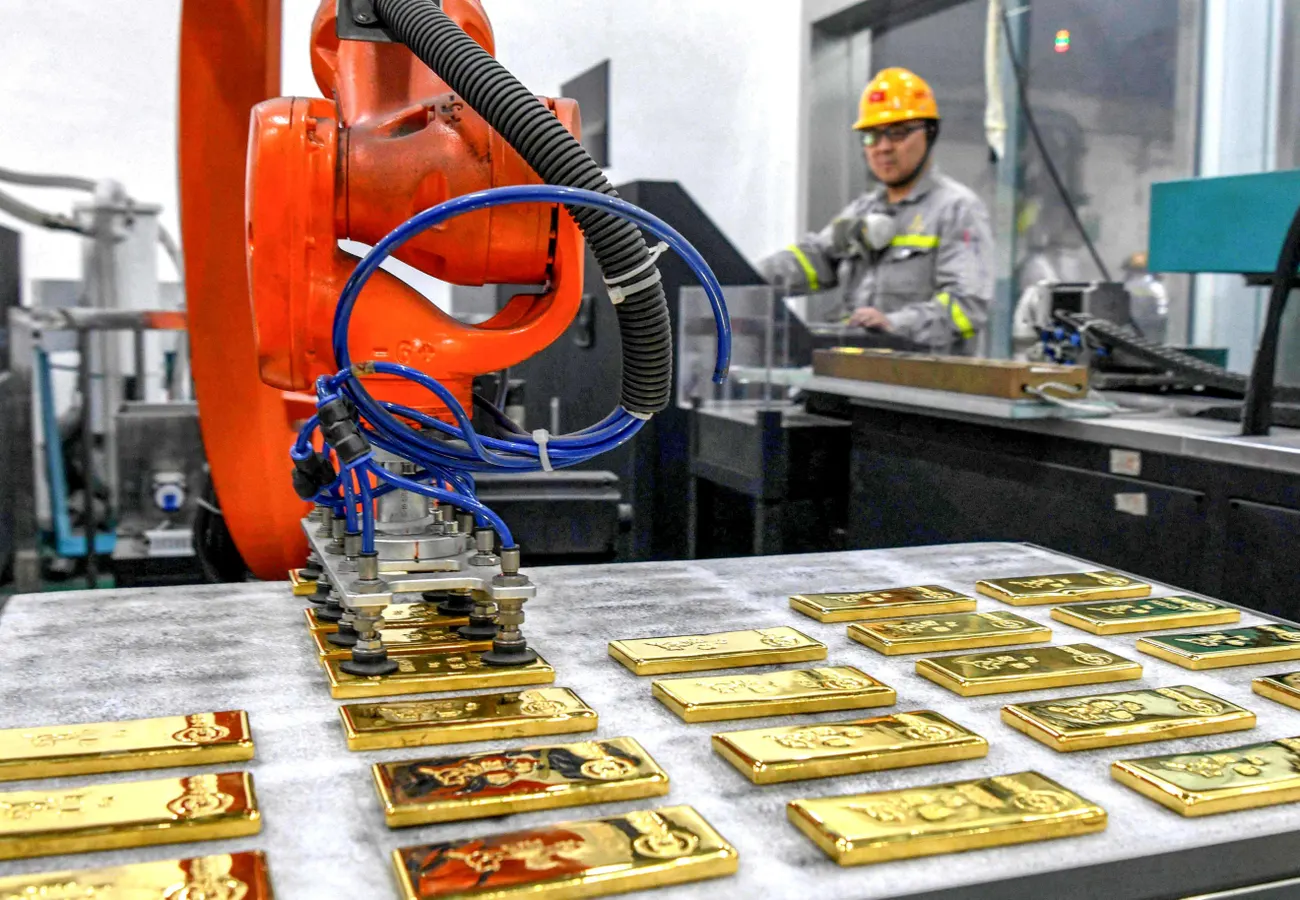
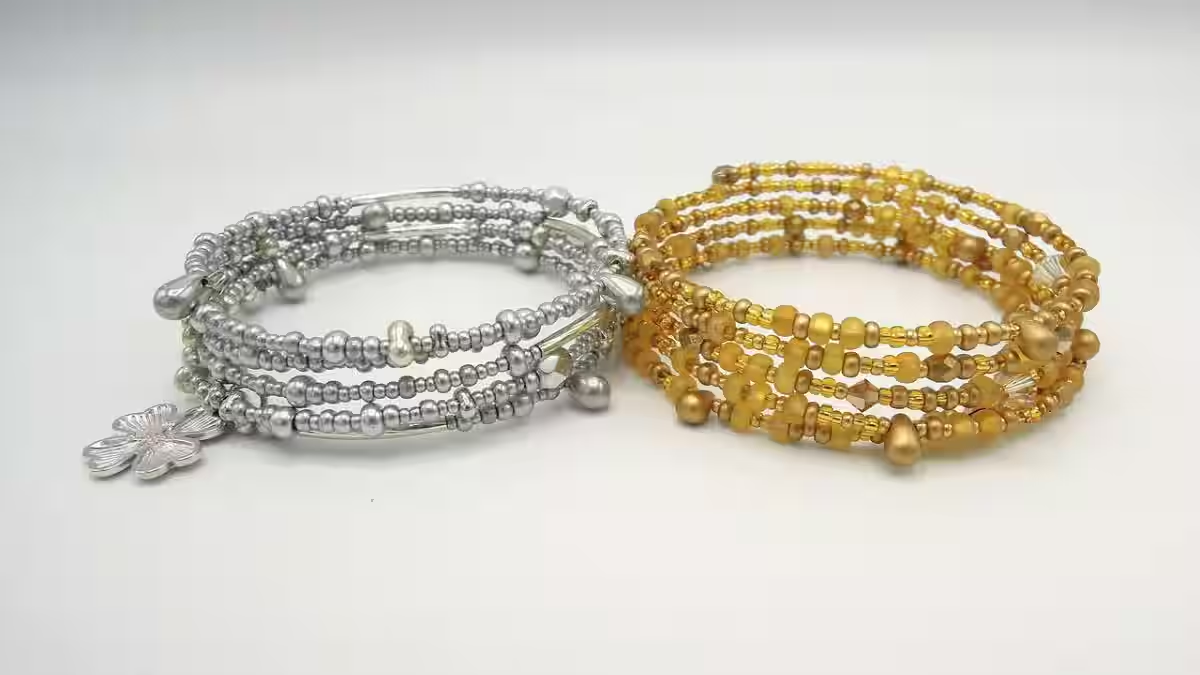
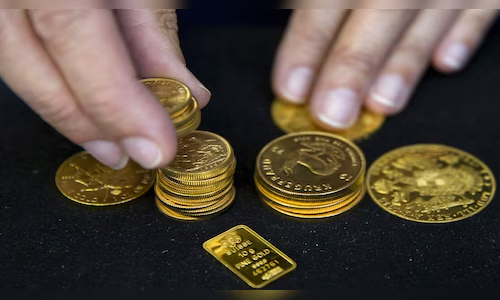
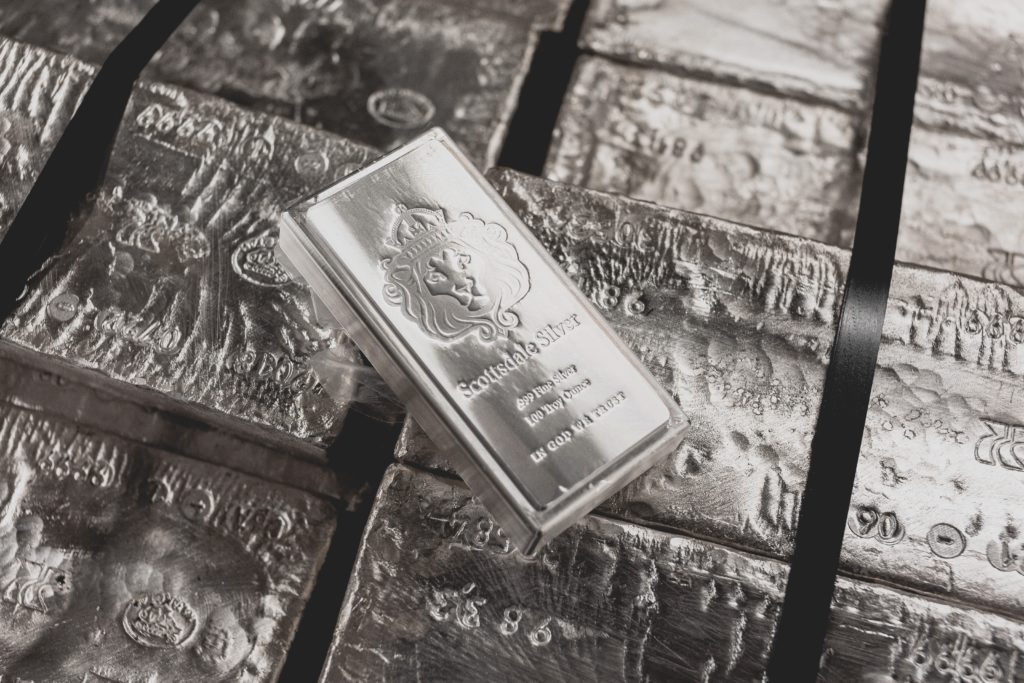
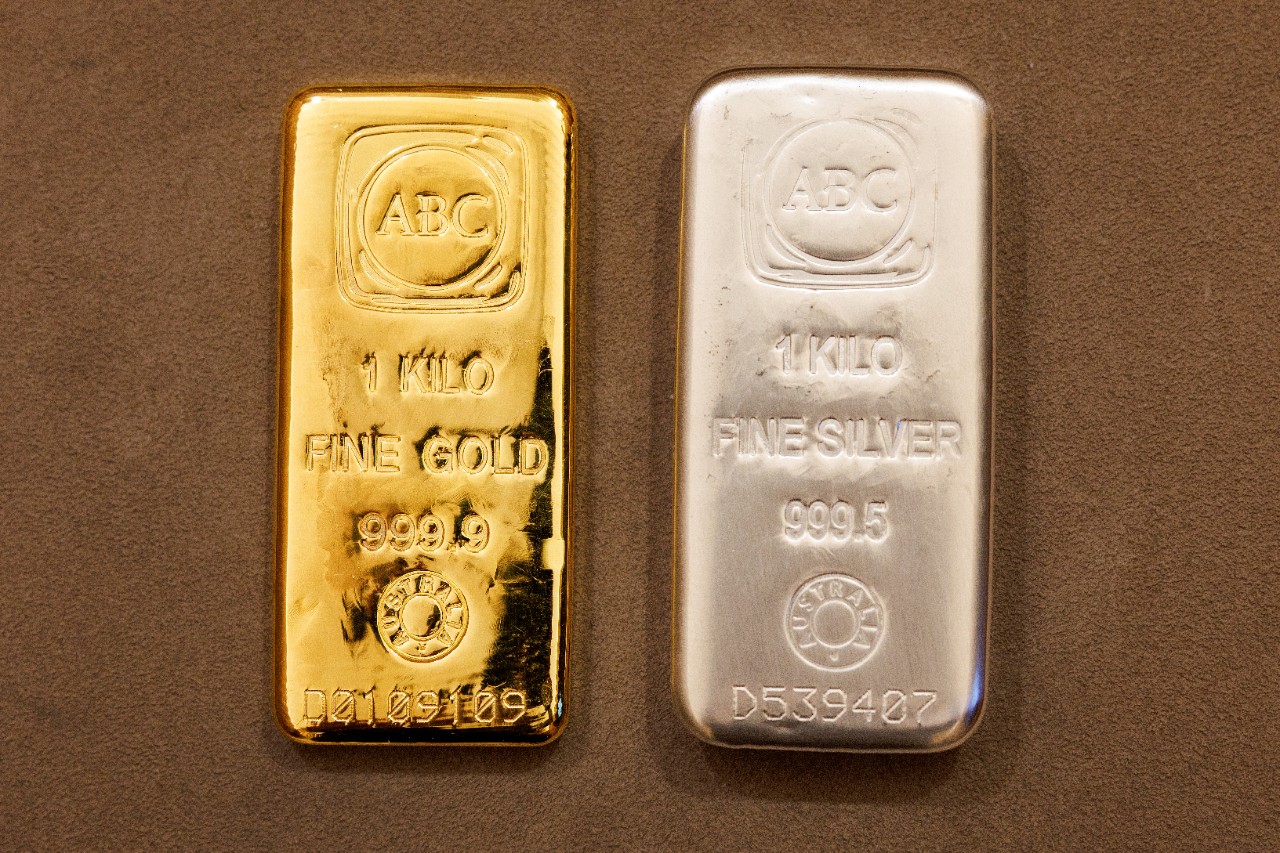
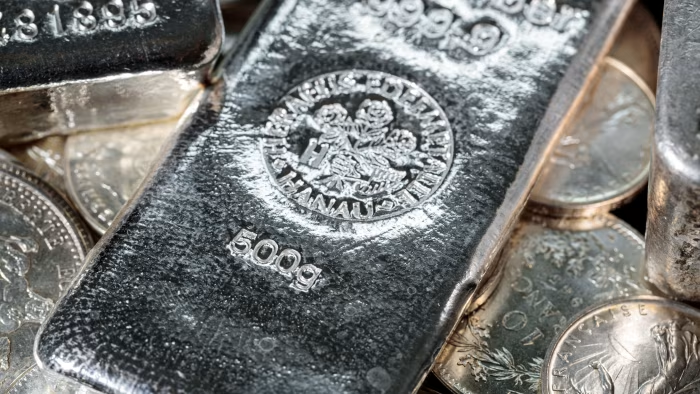
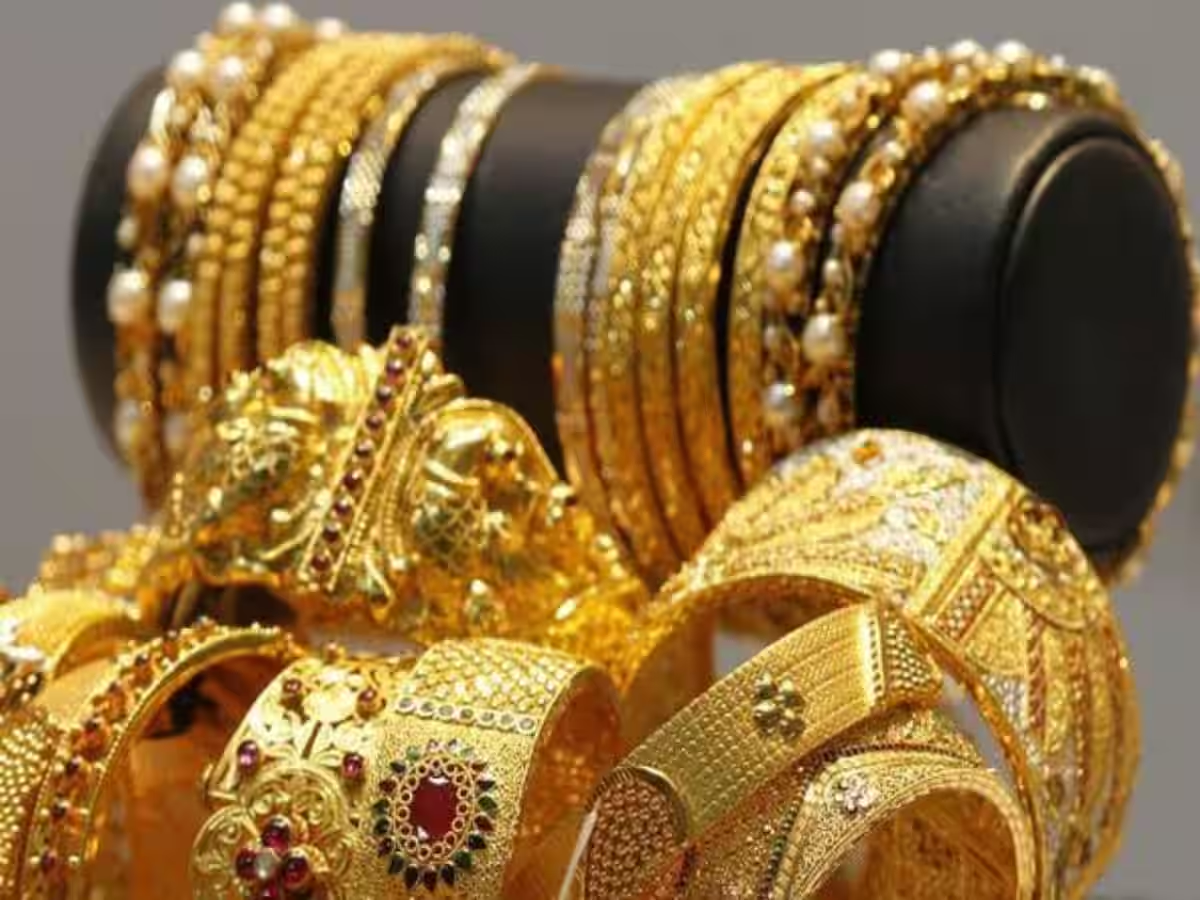
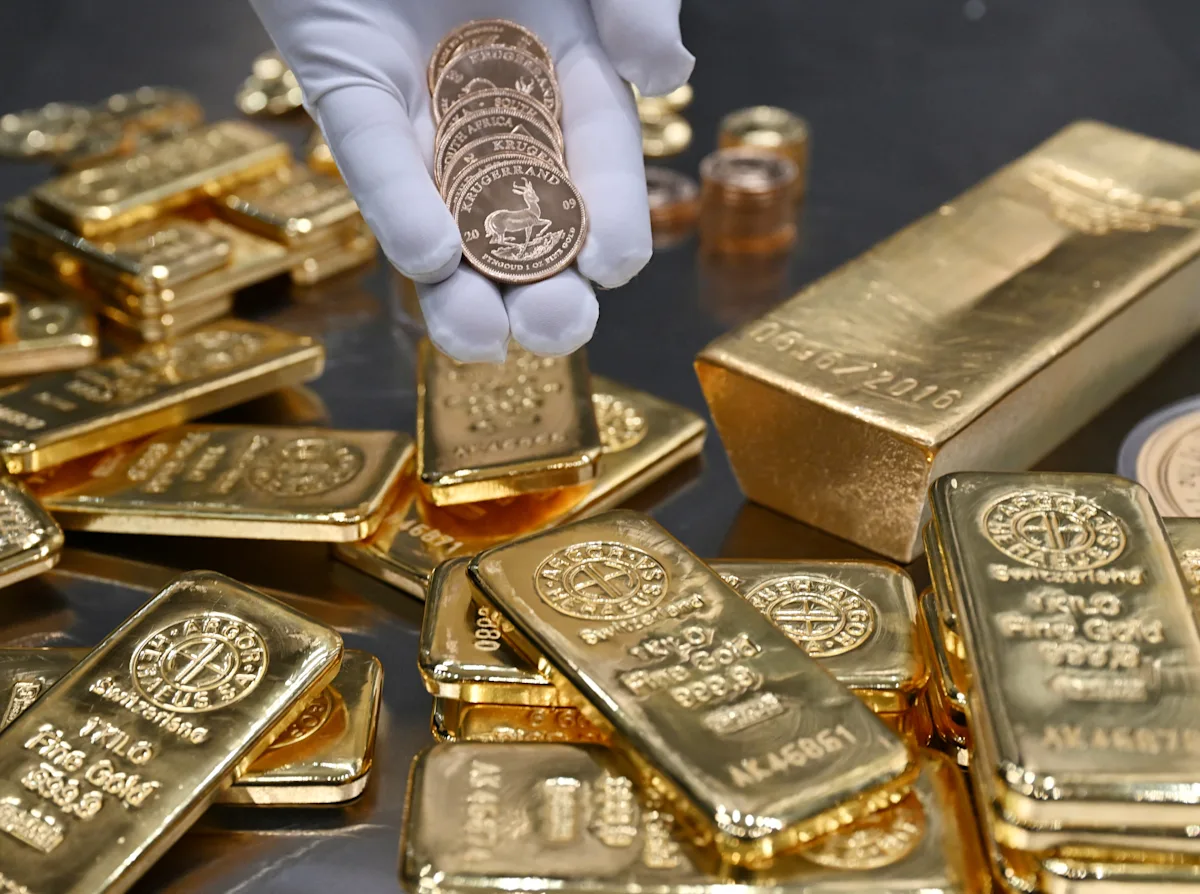
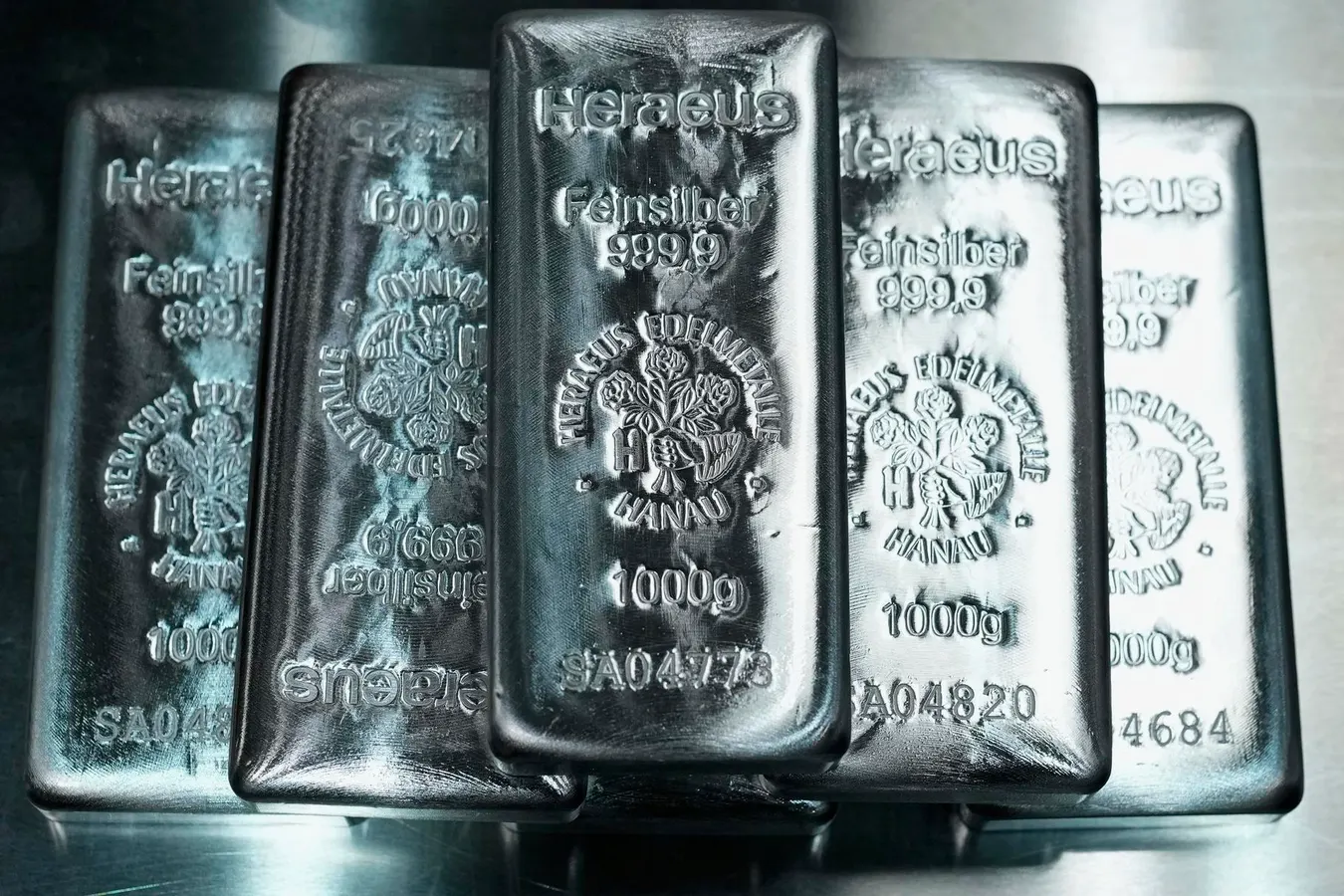
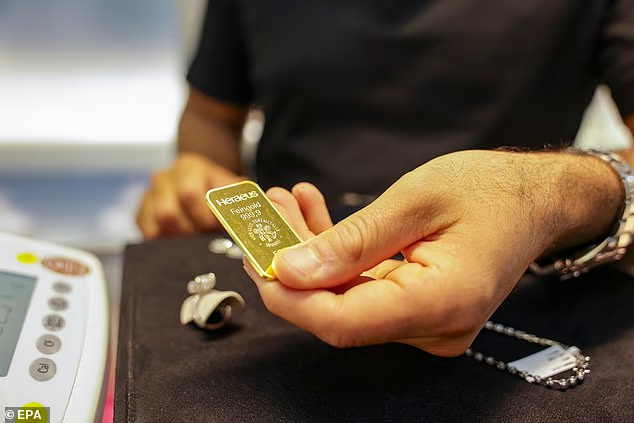
Bullion bars, sovereign coins, or even high-end jewelry provide tangible ownership. However, storage, insurance, and transaction liquidity remain key operational considerations.
The Industry Ripple Effect
As global investors reassess exposure to energy-intensive industries, the secondary precious metals are becoming strategic proxies for industrial progress.
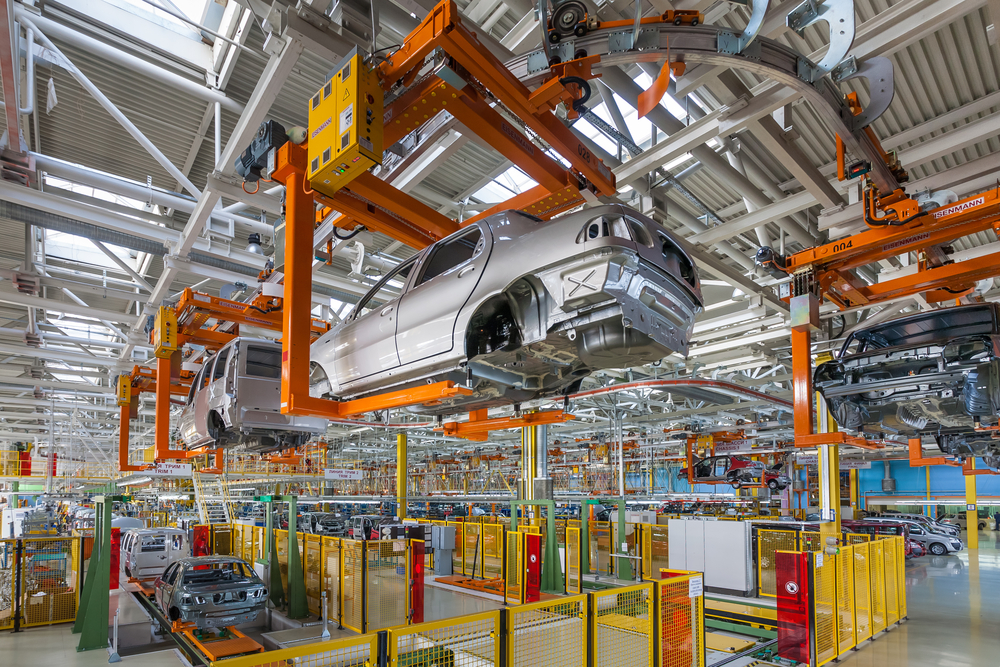
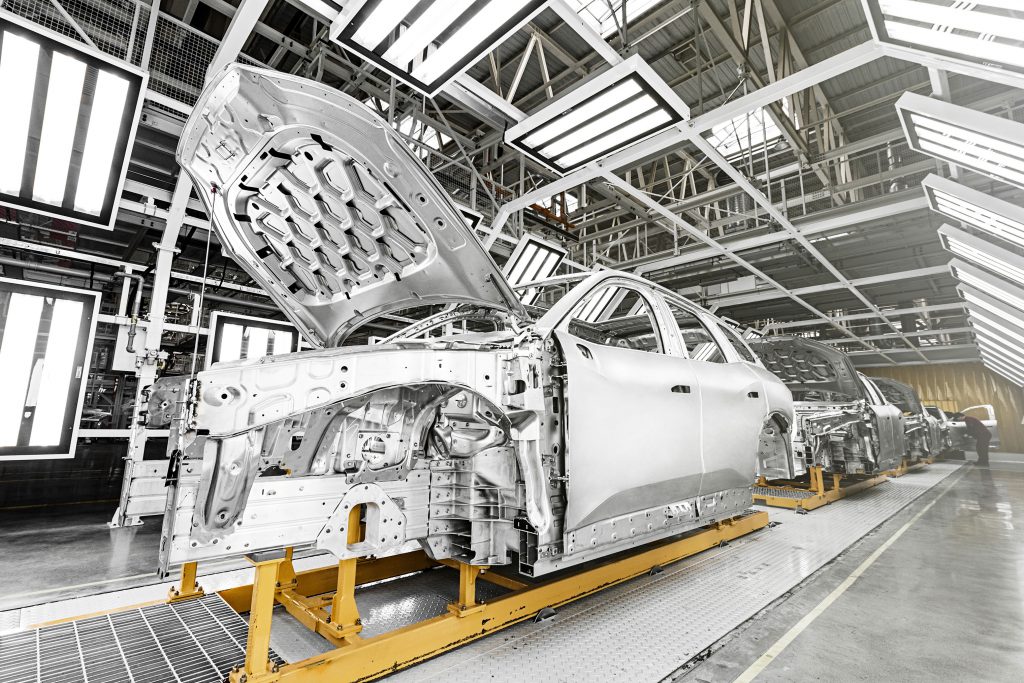
- Automotive: Tighter emission norms push palladium and platinum demand.
- Renewables: Silver’s role in solar PV technology links it to global decarbonization investments.
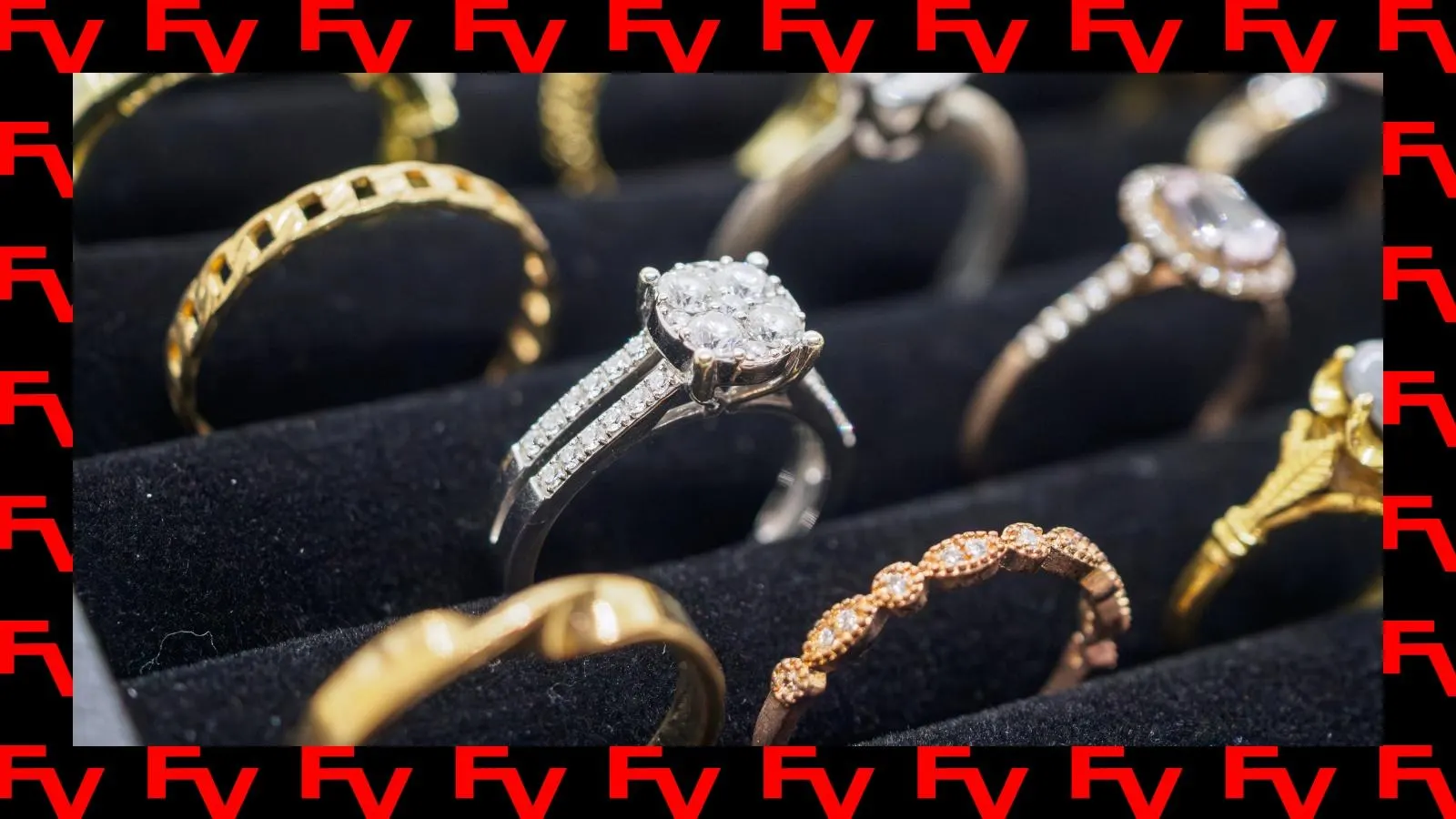
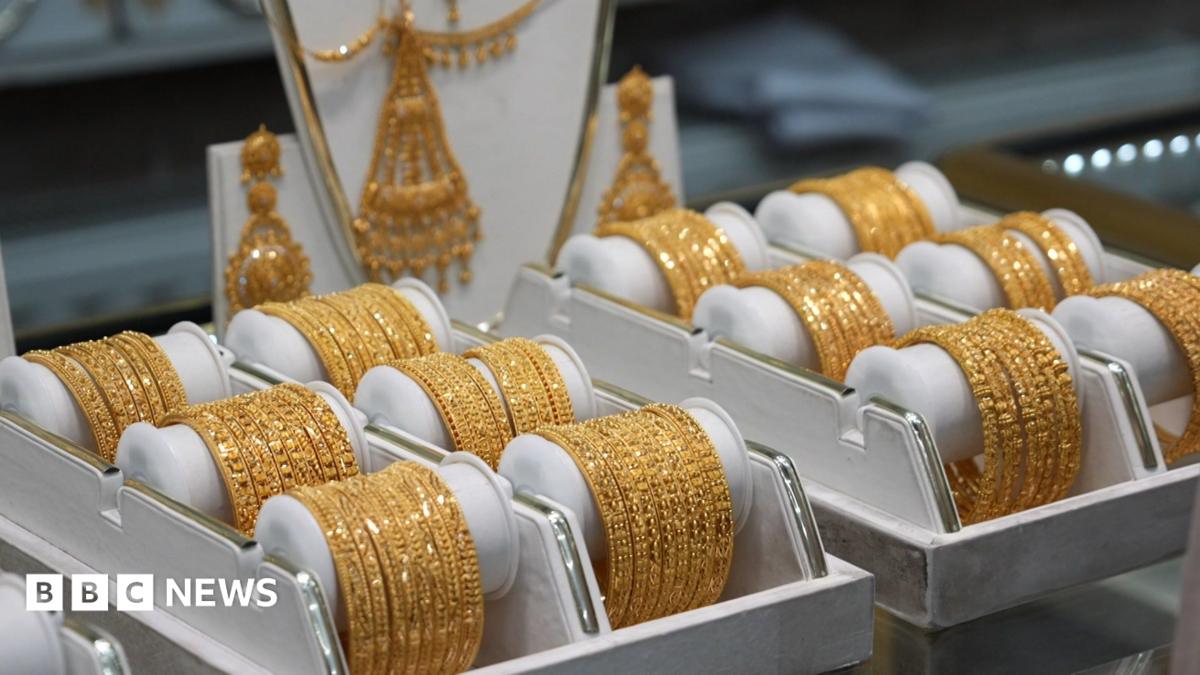
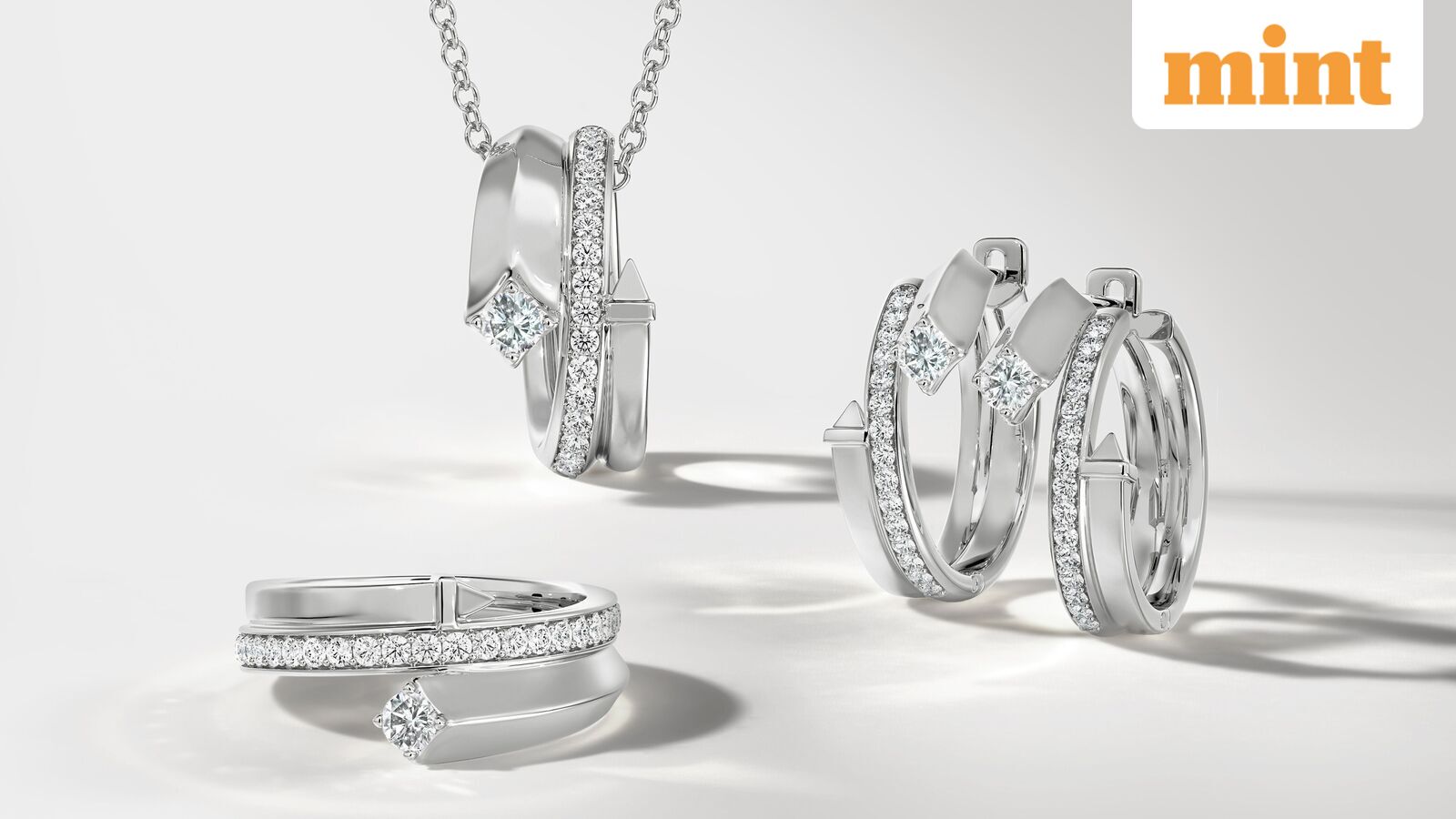
- Jewelry and luxury goods: Platinum’s renaissance in fine jewelry markets adds demand stability.
The shift toward metals that blend monetary and utility value reflects a broader rebalancing of tangible assets in the digital age.
Risks and Challenges Ahead
All three metals offer upside — but not without turbulence.
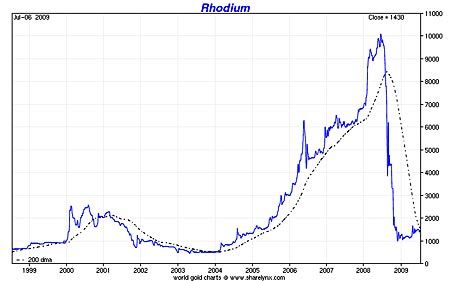
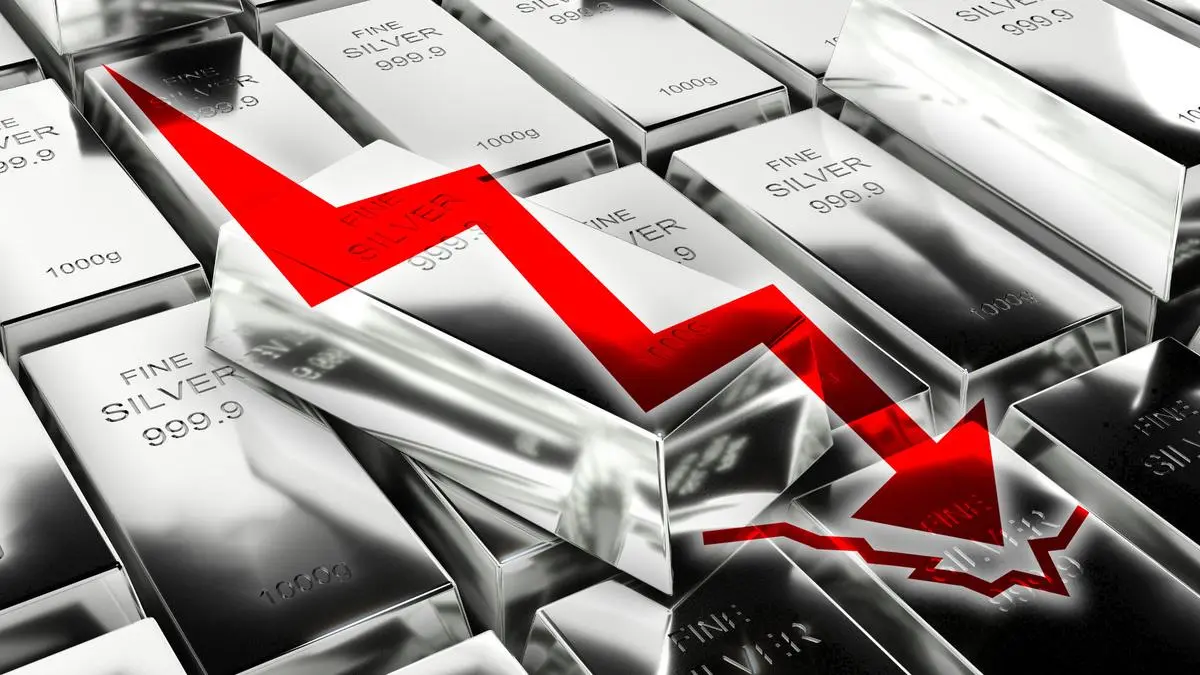
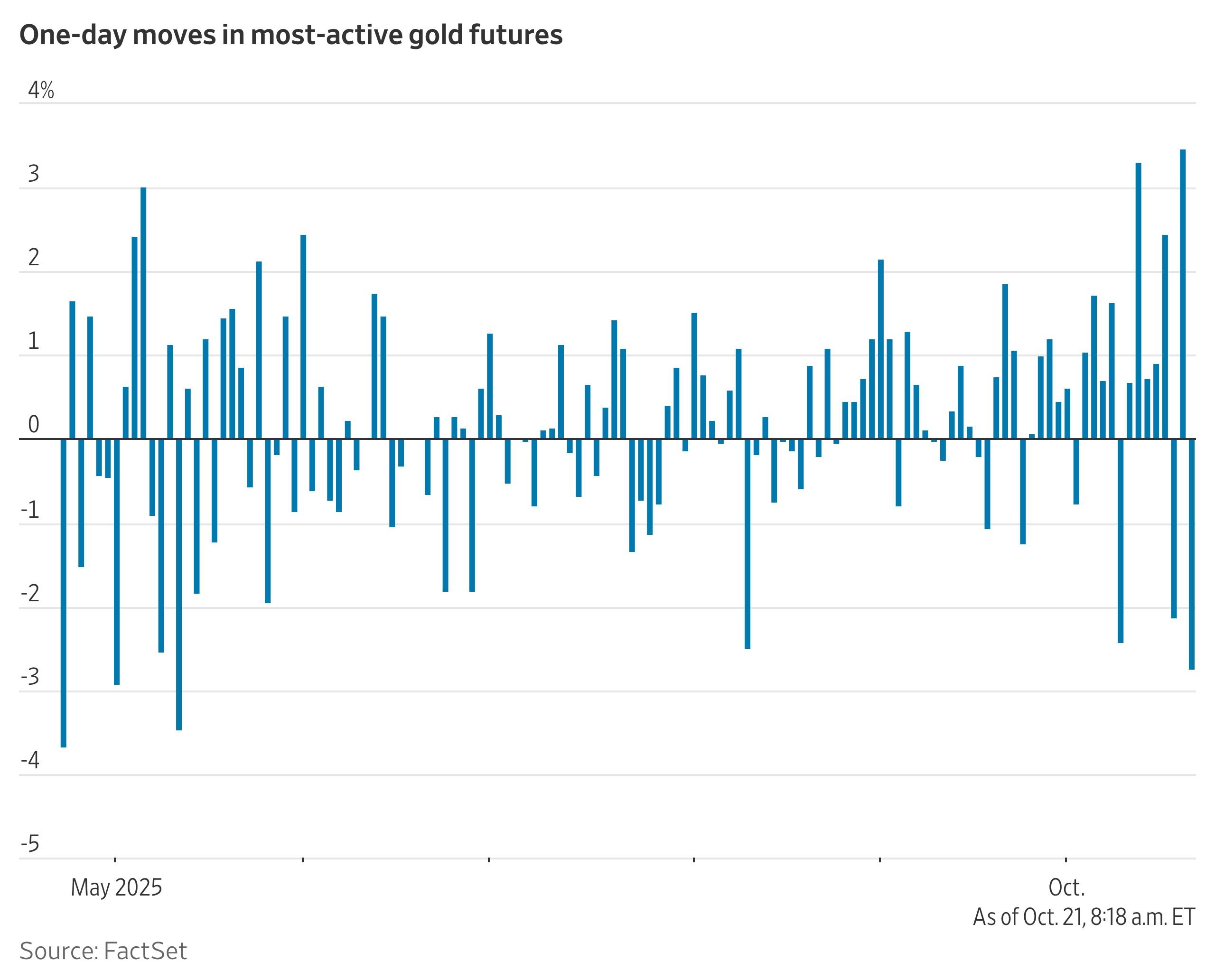
- Volatility: Prices can swing 20–30% annually.
- Liquidity: Platinum and palladium markets are far thinner than gold.
- Geopolitics: Dependence on South Africa and Russia introduces supply vulnerability.
- Technological substitution: Emerging battery chemistries or new emission controls could disrupt demand.
Balanced allocation and disciplined strategy are essential. Precious metals can hedge risk, but unmanaged, they can create it.
The Bigger Business Trend
The quiet revolution shaping metals investing is as much about industrial policy as it is about portfolio theory.
Around the world, industrial policy and reindustrialization are fueling a revival in commodity-backed strategies:
- Nations are revaluating resource security.
- Investors are diversifying beyond fiat and crypto volatility.
- Supply-chain localization is driving multi-metal investment cycles.
Simply put: the smart money is looking past gold’s historical glow and toward a new class of strategic assets powering the physical economy.
“The next decade of wealth creation won’t just be mined from value — it will be refined from utility.”
Key Insights and Takeaways
- Silver, platinum, and palladium now bridge commodity and industrial innovation markets, offering a distinct diversification profile.
- Platinum’s scarcity and relevance to the green economy position it as an under-owned strategic asset.
- Palladium’s extreme volatility may yield tactical gains for risk-tolerant investors with short-term horizons.
- Balanced allocation across metals can enhance portfolio resilience against inflation and market cycles.
FAQs
1. Are silver, platinum, and palladium good hedges against inflation?
Yes. Each moves differently, but collectively, they offer inflation hedging while participating in industrial demand.
2. Which metal is the most volatile?
Palladium is the most volatile due to its smaller market size and dependency on automotive demand.
3. How much precious metal exposure should investors consider?
Typically, 5–10% of a diversified portfolio, though allocation depends on risk tolerance and investment objectives.
4. Is physical metal ownership safer than ETFs?
Physical assets remove counterparty risk but introduce storage and insurance costs. ETFs provide ease and liquidity.
5. What’s driving renewed interest in these metals?
Industrial growth, geopolitical risk, and the global shift toward low-carbon technologies.
6. Can these metals outperform gold?
In specific market cycles — especially during industrial and clean energy booms — yes, historically they have.
Have you read?
Peer Leadership: Why Top-Down Models are Failing in 2026.
Grigory Berezkin: A Career Study in Energy, Media, and Social Impact.
Controlling Brand Value: How Perception Dictates Market Worth.
Max Avery: Strategic Growth and Business Development Across Borders.
Tali Raphaely: Merging Legal Expertise with Miami Real Estate.
Add CEOWORLD magazine as your preferred news source on Google News
Follow CEOWORLD magazine on: Google News, LinkedIn, Twitter, and Facebook.
Note: The views expressed herein are those of the authors and should not be attributed to the CEOWORLD magazine, its Editorial Board, or its management. This content is for informational purposes only and does not constitute advice, and some links may be monetized. It is provided “as is,” without warranties, and is based on vetted, credible third-party sources. No part may be reproduced without prior written permission.
For media queries, please contact: [email protected]. © CEOWORLD magazine LTD