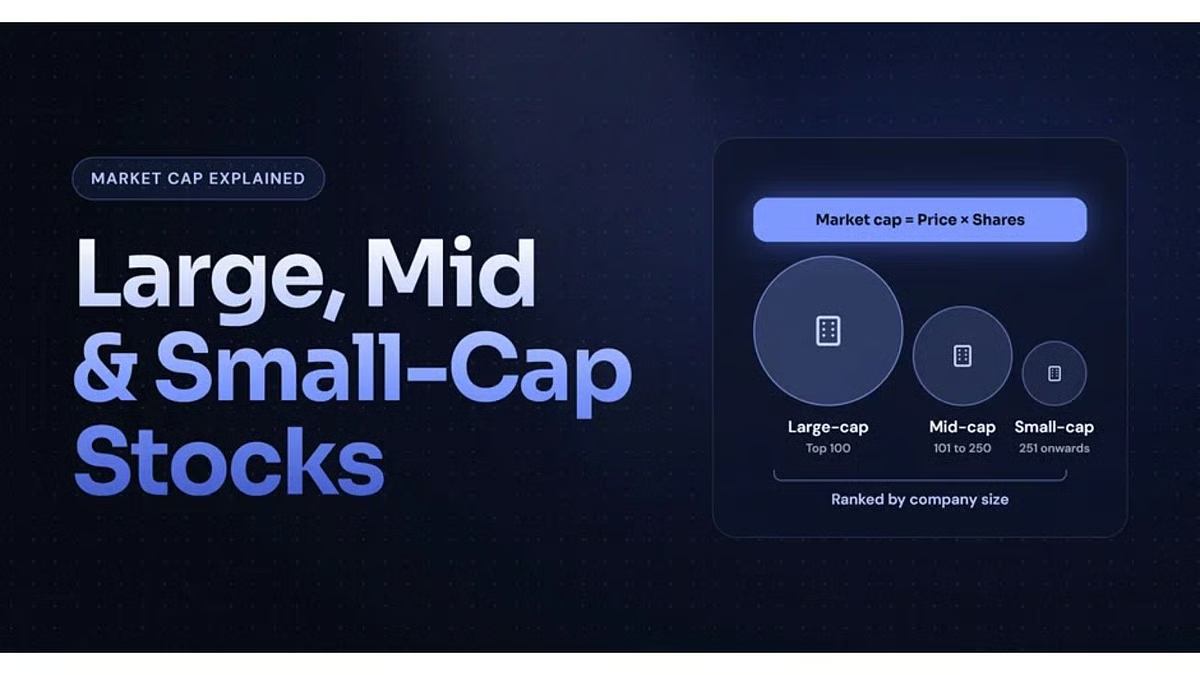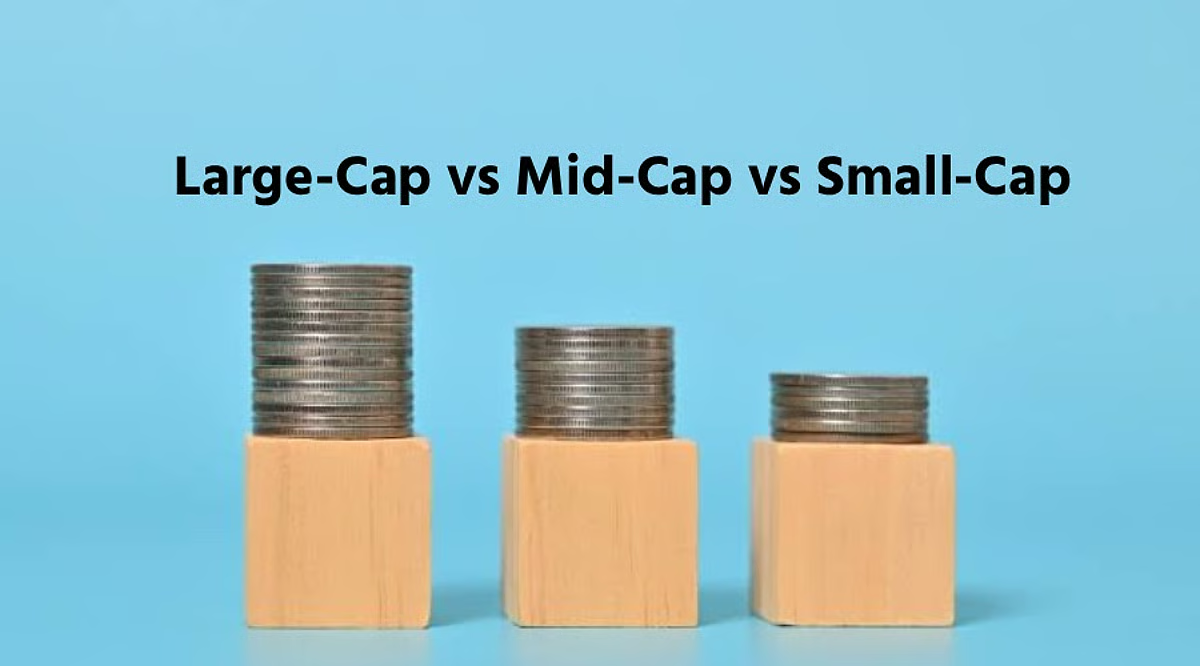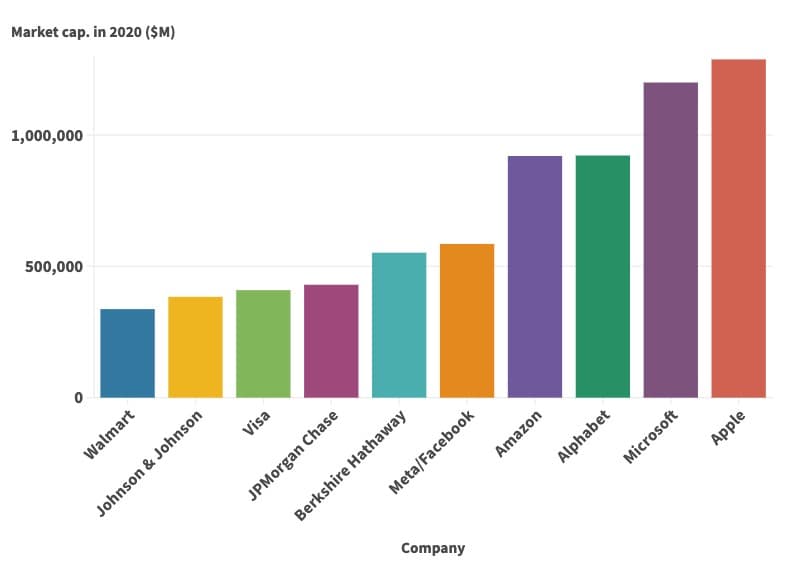

When starting to invest in US stocks, the first thing many people think is, ‘If I’m going to buy, it’s safer to buy shares of famous large companies.’ It is natural to think that if a company has a large market capitalization and is known around the world, you won’t suffer a major loss.
To put it briefly, large-cap stocks are relatively more stable than small-cap stocks. However, if you take the word ‘safe’ literally, it can lead to unexpected losses. In this article, I will use hypothetical numbers to clarify points about large-cap stocks that beginners often misunderstand.
‘Safety’ has two meanings
First, let’s clarify the terminology. When we talk about ‘safety’ in stocks, two meanings are easily confused.
One is that the company is unlikely to go bankrupt. Because large-cap stocks have large-scale operations and financial strength, the possibility of bankruptcy in the short term is lower than for small-cap stocks. Safety in this sense is certainly high.
The other is that the stock price is unlikely to fall. This does not apply even to large-cap stocks. Even if a company is healthy, its stock price can fall significantly. Not going bankrupt and not having a stock price drop are two different things. You don’t only lose money in investing when a company goes bankrupt. There are far more situations where you have to cut your losses because the stock price has fallen below your purchase price.
Even large-cap stocks can lose half their value
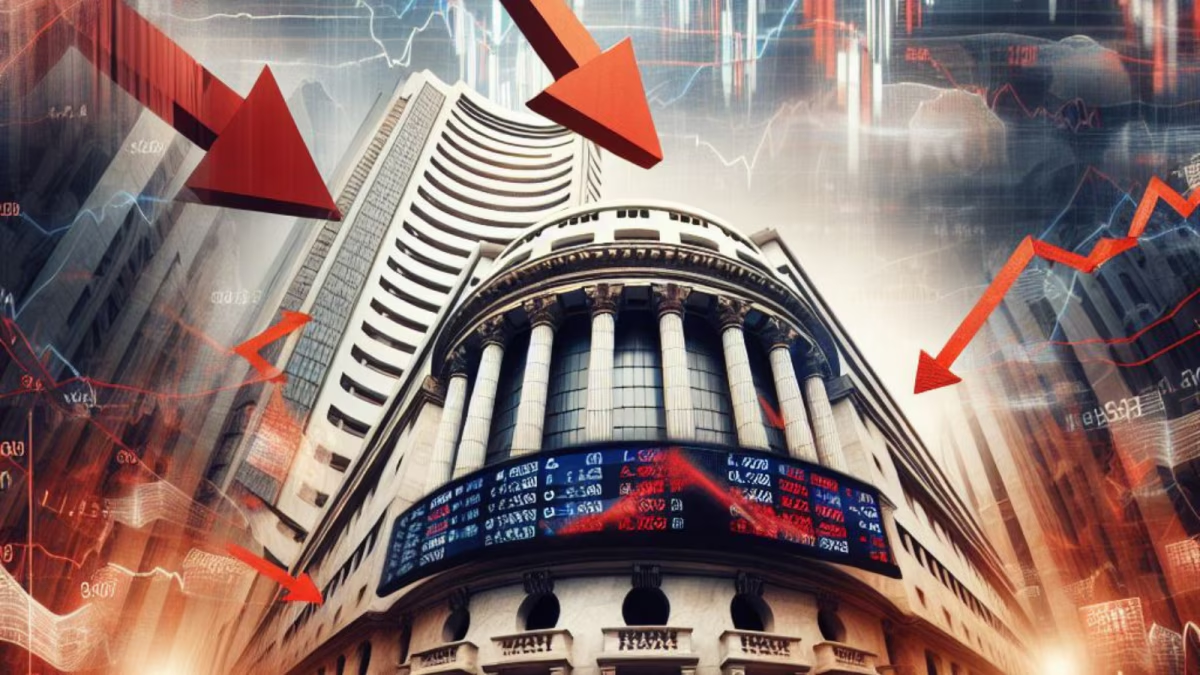
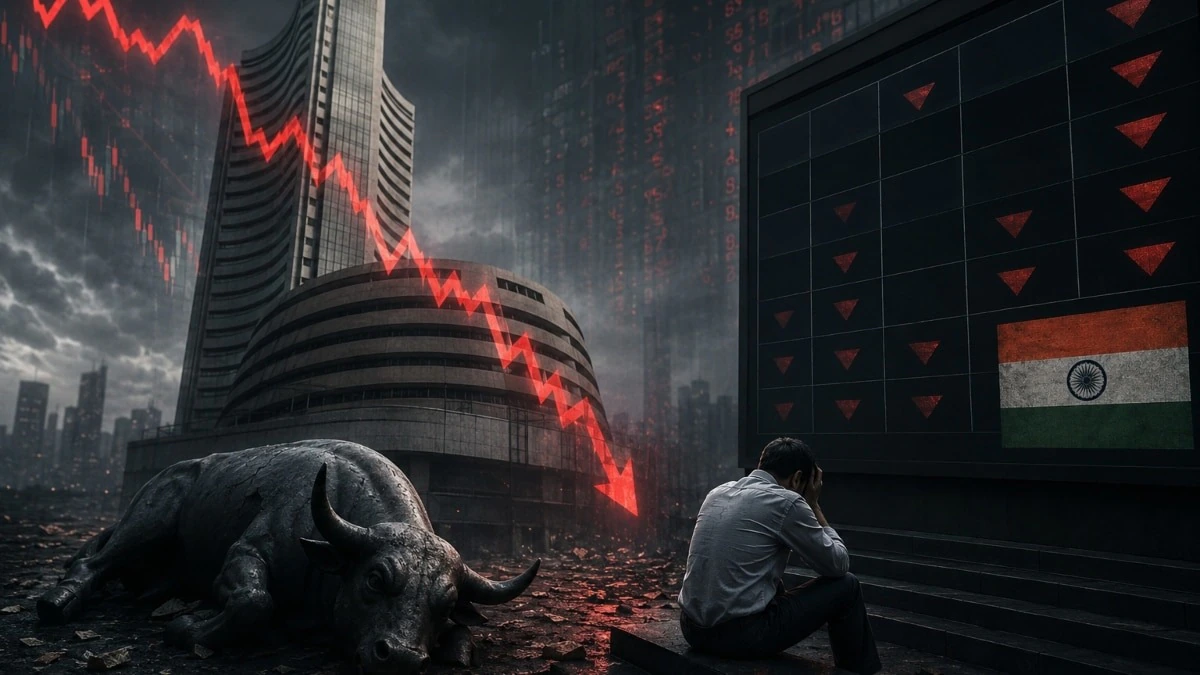
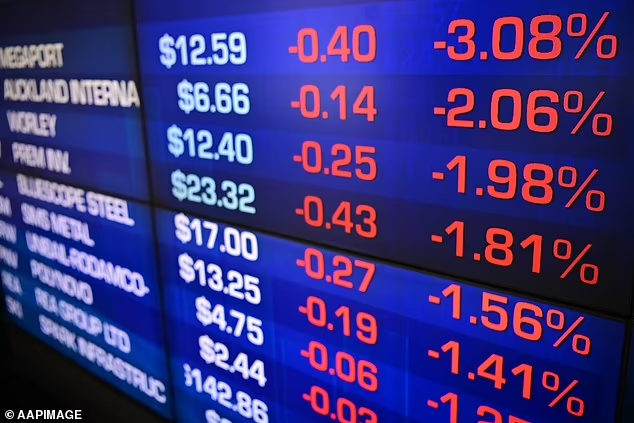
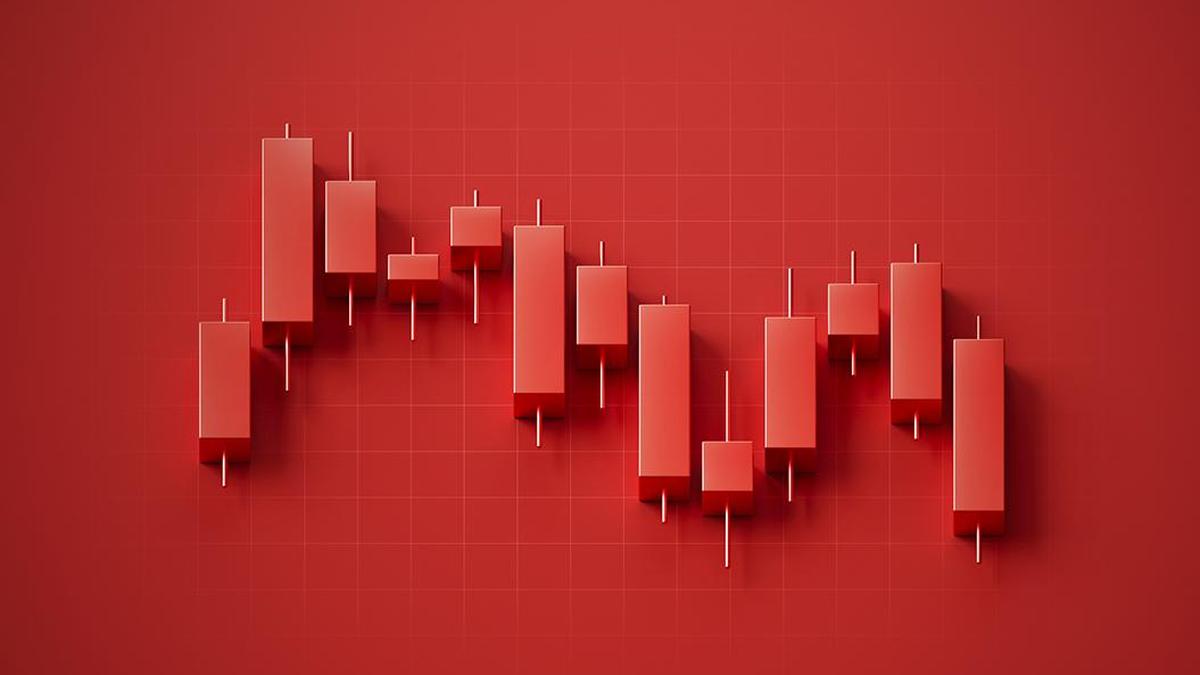
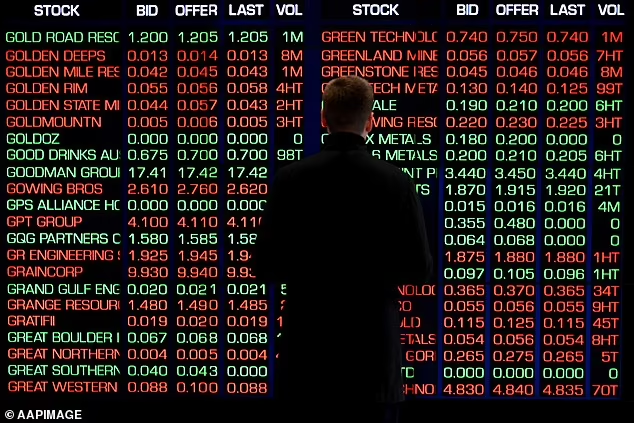
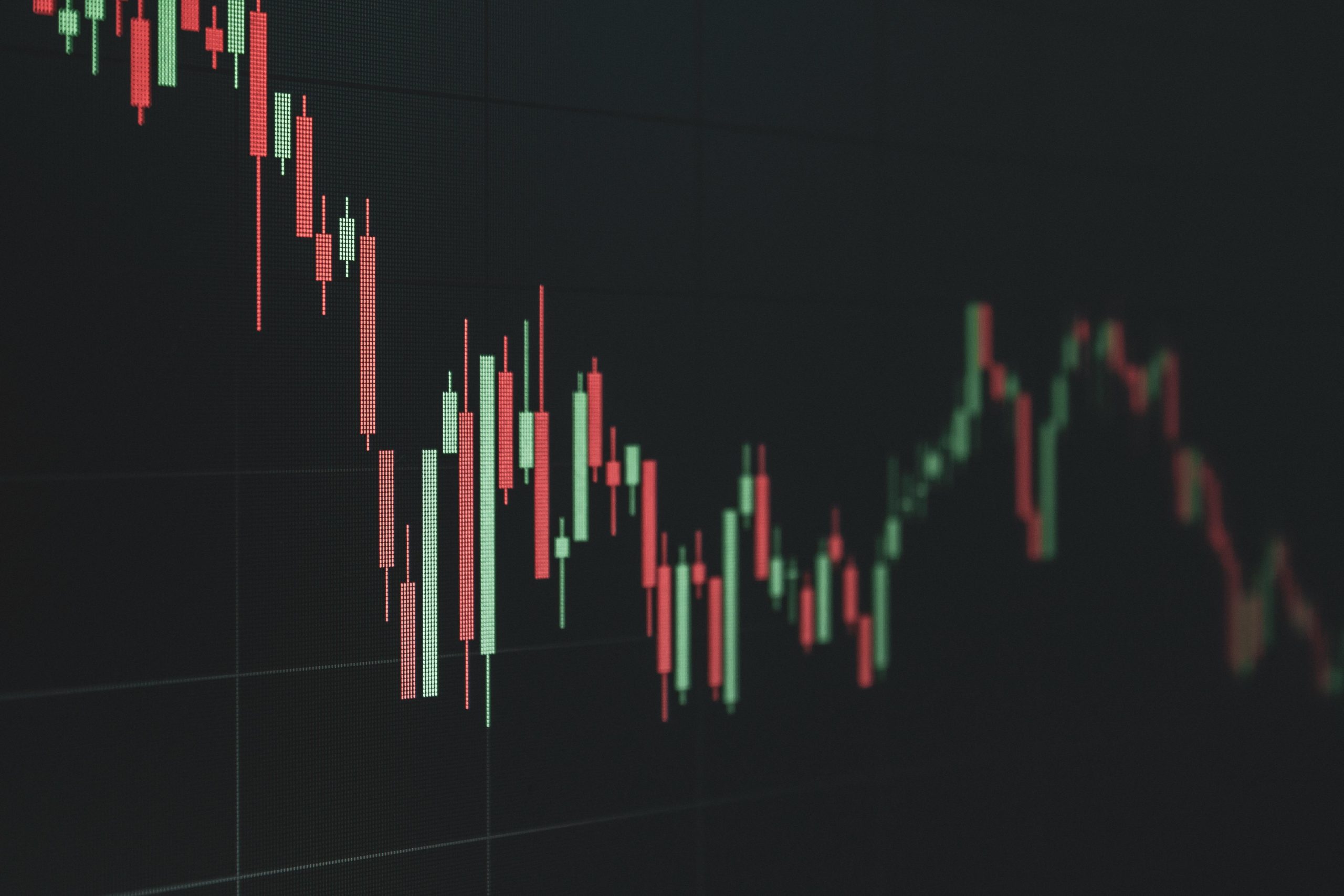
Looking back at the past, there are examples of even famous companies with large market capitalizations seeing their stock prices drop by nearly half over the course of about a year. In phases where the entire market was sold off due to changes in the economy or interest rates, large technology stocks saw significant price drops. Even if the company itself continues its business, the stock price can move significantly.
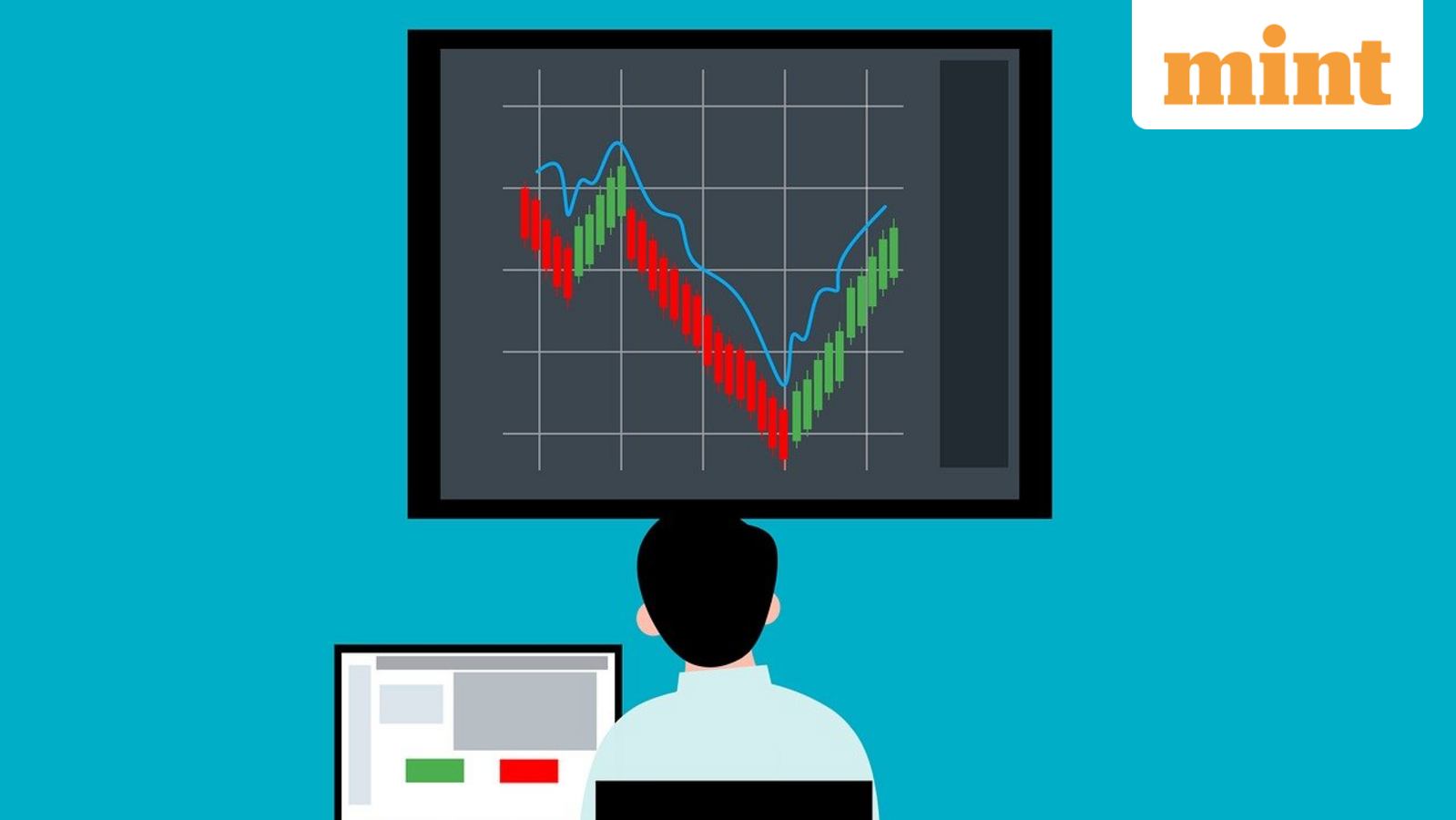
Here, there is a calculation you should know. After a stock price falls, a larger percentage increase is required to return to the original level than the percentage of the decline.
Let’s look at a hypothetical example. If a stock price falls by 30%, it requires an increase of approximately 42.9% to return to the original level. If it falls by 50%, it must increase by 100%, or double, to return. The further it falls, the longer the road to recovery becomes. This calculation is the same for large-cap stocks. Even if you hold onto them thinking, ‘It’s a big company, so it will eventually come back,’ it may take years for it to return.
Prices can also move significantly in a single day due to earnings or news
Large-cap stocks can move significantly within a single day due to earnings announcements or news.
For example, suppose a large-cap stock you own starts the day 8% lower than the previous day’s closing price following an earnings announcement. If you have a 1 million yen position, that is an 80,000 yen loss. Even if you set a stop-loss at 5% (50,000 yen), the price will gap down, and the execution price will be at the 8% lower level. That is 1.6 times the loss you anticipated.
Even for famous large companies, if the earnings results do not meet expectations, the stock price will fall significantly. The assumption that ‘because it’s a large-cap stock, it won’t move much’ is dangerous. The magnitude of a loss is determined by the size of the price movement, not the company’s name recognition.
Even among large-cap stocks, the magnitude of price movement differs by ticker
There is one more point that is easy to overlook. Even among large-cap stocks, the magnitude of price movement differs significantly from ticker to ticker.
One indicator of price movement is the ATR (Average True Range). Suppose a stock priced at $200 has an ATR of $6. This means it moves an average of 3% per day. If you set a stop-loss 2% ($4) below the price for this stock, it is likely to be triggered by normal price movements alone.
On the other hand, if it is a large-cap stock with calm price movements, the same 2% would be a more comfortable setting. It is more realistic to look at how much the stock actually moves rather than just the large-cap classification when deciding your stop-loss width and the number of shares.
It is true that, on average, large-cap stocks tend to have calmer price movements than small-cap stocks. For example, if the average daily price range for small-cap stocks is 6% and for large-cap stocks is 2%, the large-cap stock is one-third the volatility. However, this is just an average. In phases where the market is volatile, large-cap stocks also move beyond their averages. It is important not to assume that the average figure is the upper limit.
Even with large-cap stocks, holding too many similar tickers will result in the same movement
Large-cap stocks have a significant presence in the market and strongly influence index movements. Therefore, even if you hold multiple large-cap technology stocks, they may appear diversified but are prone to falling together due to the same factors.
In a rising interest rate environment, large-cap growth stocks can be sold off en masse. Even if the stocks are different, if the reason for the price movement is the same, it does not constitute diversification. You should check to ensure that the large-cap stocks you hold are not biased toward the same industry or the same characteristics.
Aspects of large-cap stocks that are suitable for beginners
While I have written about the points of caution so far, large-cap stocks also have aspects that are suitable for beginners.
Trading is active, orders are easy to execute, and situations where you cannot sell when you want to are unlikely to occur. Information such as earnings reports and news is abundant and easy to analyze. Stock price movements are often less extreme than those of small-cap stocks, making it easier to determine stop-loss levels. These points are certainly aspects that are easy to handle for those starting swing trading.
However, this means they are ‘easy to handle,’ not that you ‘will not lose money.’
Treat large-cap stocks with the same rules as small-cap stocks
When buying large-cap stocks, the rules do not change. Before buying, decide on a stop-loss level. Calculate the number of shares so that the loss stays within your acceptable amount. Check the earnings release date. These are necessary preparations regardless of the size of the stock.
Also, there are many stocks with a high price per share. For example, if you buy a stock at $500 per share with an exchange rate of 1 dollar = 150 yen, one share is approximately 75,000 yen. Even with a small number of shares, the monetary amount becomes large. If you think it is safe because it is a large-cap stock and buy a large number of shares, you may incur a loss greater than expected due to a gap.
Letting go of the assumption that ‘large-cap stocks are safe’ will change your preparation. The safer something appears, the easier it is to overlook risks. While large-cap stocks are shares of companies that are unlikely to go bankrupt, they are not stocks that can avoid losses. Understanding this difference is the first foundation for continuing for a long time.
Note This article is for informational purposes only and does not recommend the buying or selling of any specific stock. Please make your final investment decisions at your own responsibility.