
The key question for brokers is whether they will pursue deeper, more sophisticated carrier vetting than in the past. (Alex Brandon/Associated Press)
Key Takeaways:
- The Supreme Court’s May Montgomery ruling exposed freight brokers to state-law negligent hiring claims, ending broad federal pre-emption protections.
- Brokers report liability insurance increases of double- and triple-digit percentages as insurers tighten terms amid expectations of more claims and lawsuits.
- Brokers, carriers and insurers are reassessing vetting standards, coverage levels and risk controls while courts define what constitutes reasonable care.
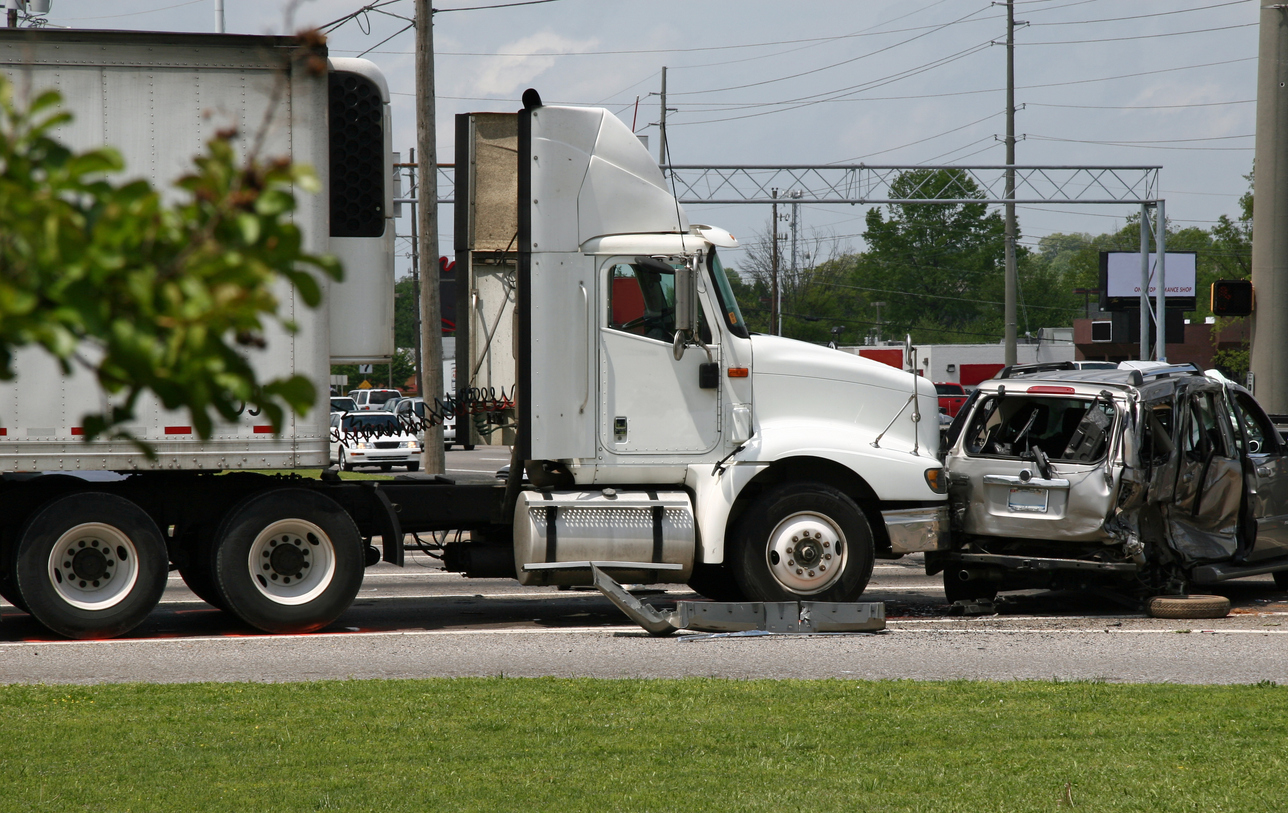
Freight brokers are staring at sharp increases in liability insurance costs as insurers react to a recent U.S. Supreme Court ruling, Montgomery v. Caribe Transport II LLC, that is reshaping the industry’s risk landscape for brokers, fleets and shippers.
By eliminating broad federal pre-emption that had shielded freight brokers from liability tied to the negligent actions of motor carriers they hire, the May ruling effectively exposes brokers to greater truck accident liability under state-law negligent hiring claims.
In response, brokers are reassessing how they vet and monitor carriers, from safety review processes and load assignment practices to the technology and data tools used to evaluate motor carrier performance.
They also are revisiting documentation standards that could help demonstrate they exercised reasonable care as well as bracing for higher insurance costs. In addition, carriers are reassessing their risk exposure and outcomes for liability claims, lawsuits and settlements.
The data is showing up in the market. Some brokers are seeing liability premiums rise by double- or even triple-digit percentages, while insurers reconsider whether to continue writing coverage for what has often been an unprofitable segment.
Panic vs. opportunity
Brokers are clear-eyed about the potential for truckload capacity to contract further as costs rise. Insurers are evaluating what premium levels, deductibles, coverage amounts, limits and other terms will be required to insulate them from an anticipated increase in risk and costs.
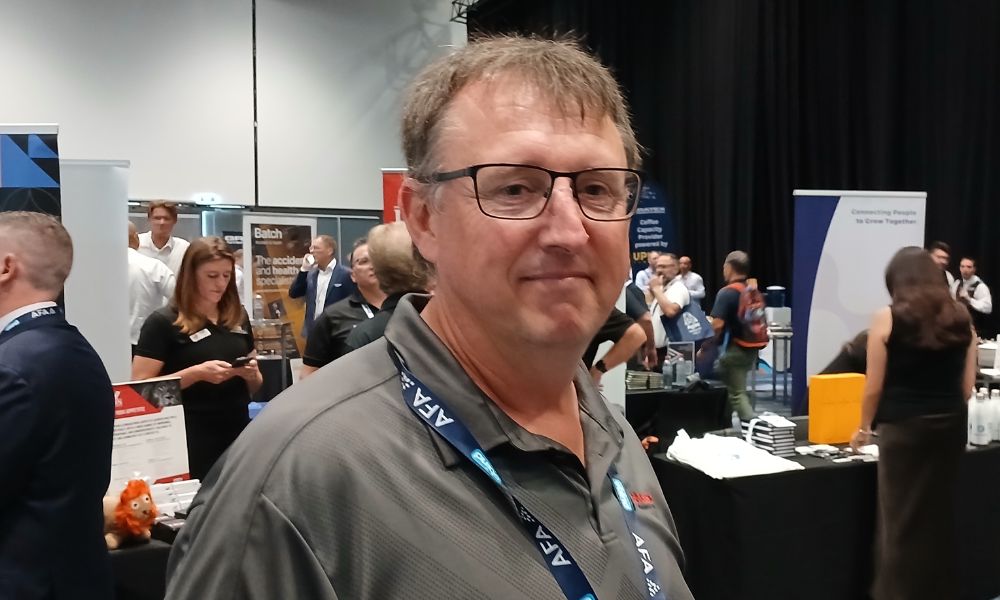
Andy Dyer, chief executive of freight broker AFS Logistics, said the insurance market’s response to the ruling has been aggressive.
“They are not hitting the panic button,” he quipped. “They are hitting the get-rich-quick button.”

RoadSigns has reached its 200th episode since its origins in 2018. Hosts Seth Clevenger and Michael Freeze reflect on how trucking tech has evolved and share the trends that have surprised them. Tune in above or by going to RoadSigns.ttnews.com.
Dyer said AFS, which routinely uses hundreds of carriers, has maintained detailed safety protocols, broker training and carrier management practices even as insurers reassess broker liability risk.
After the Montgomery decision, Dyer said one of his insurers warned him to expect “a meaningful double-digit percentage increase” in AFS’ broker liability policy, although the company’s carrier safety practices, training, vetting and management controls have remained strong, and in some cases improved. How this fully plays out should become clearer in the coming months, he noted.
“July 1 was the first renewal cycle post-Montgomery,” he explained. “The market is clearly trying to calibrate itself. How much will stick and how much pushback happens has yet to be seen.”
Particularly for “excess” liability coverage, which was relatively inexpensive pre-Montgomery, freight brokers will think differently about how much excess liability they are willing to fund.
“It’s a balance,” Dyer said. “What is my risk tolerance? You’re weighing the cost of a [potential] incident against the expense of extra coverage. People are being very pragmatic and judicious.”
Tightening controls
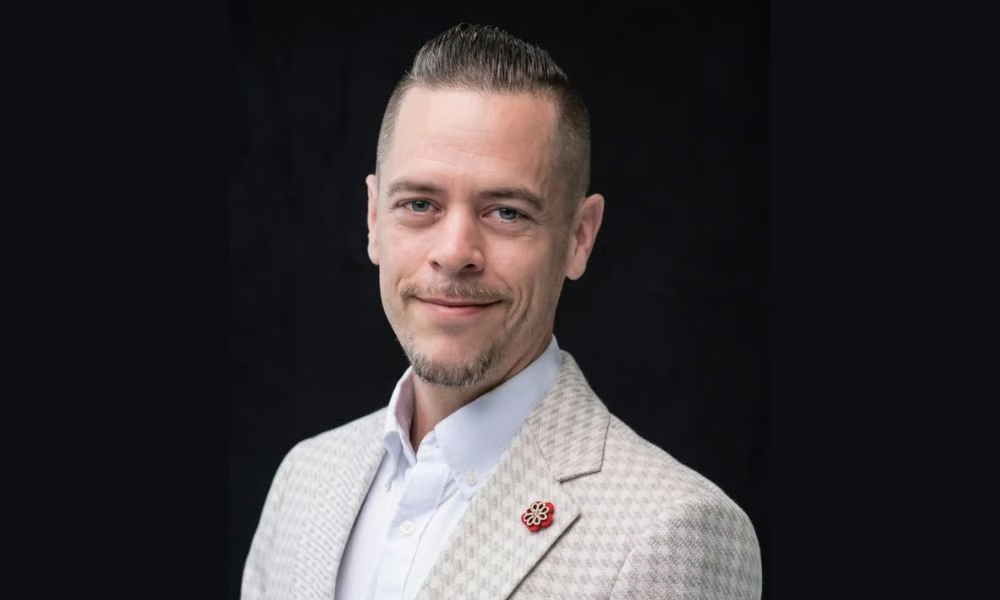
Greg Feary, president and a managing partner of the Scopelitis’ Law Firm specializing in transportation law, recalled a moment when a broker liability-insurance carrier said that one week after the Montgomery decision, its firm tripled the premiums for one broker client.
“Everyone is predicting that broker liability insurers will increase rates simply because they will expect a higher frequency of allegations,” said Feary, who also served as vice chairman of American Trucking Associations’ Risk Management and Insurance Advisory Committee. “Because [insurance carriers] cannot predict where this will go, they will likely be far more conservative.”
(shaunl/Getty Images)
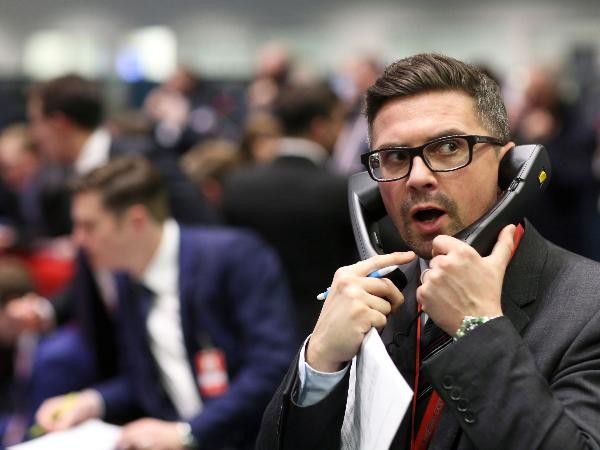
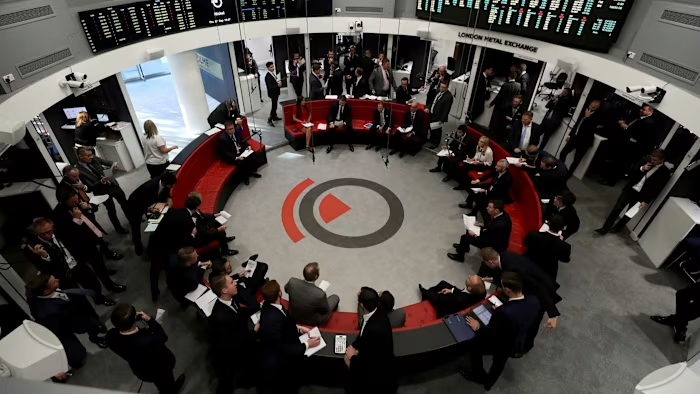
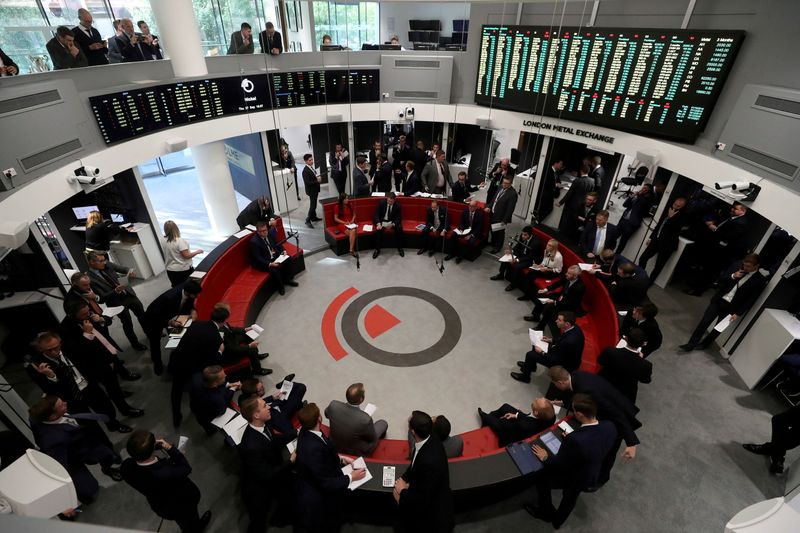
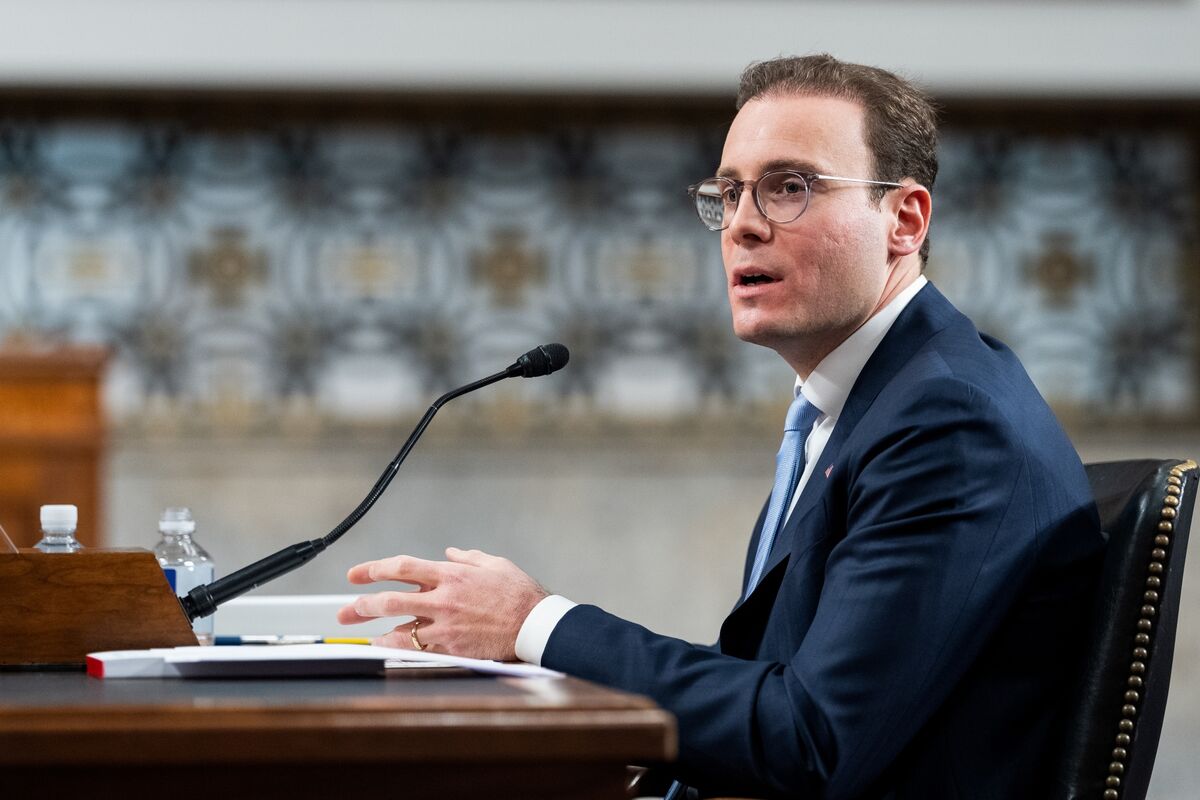
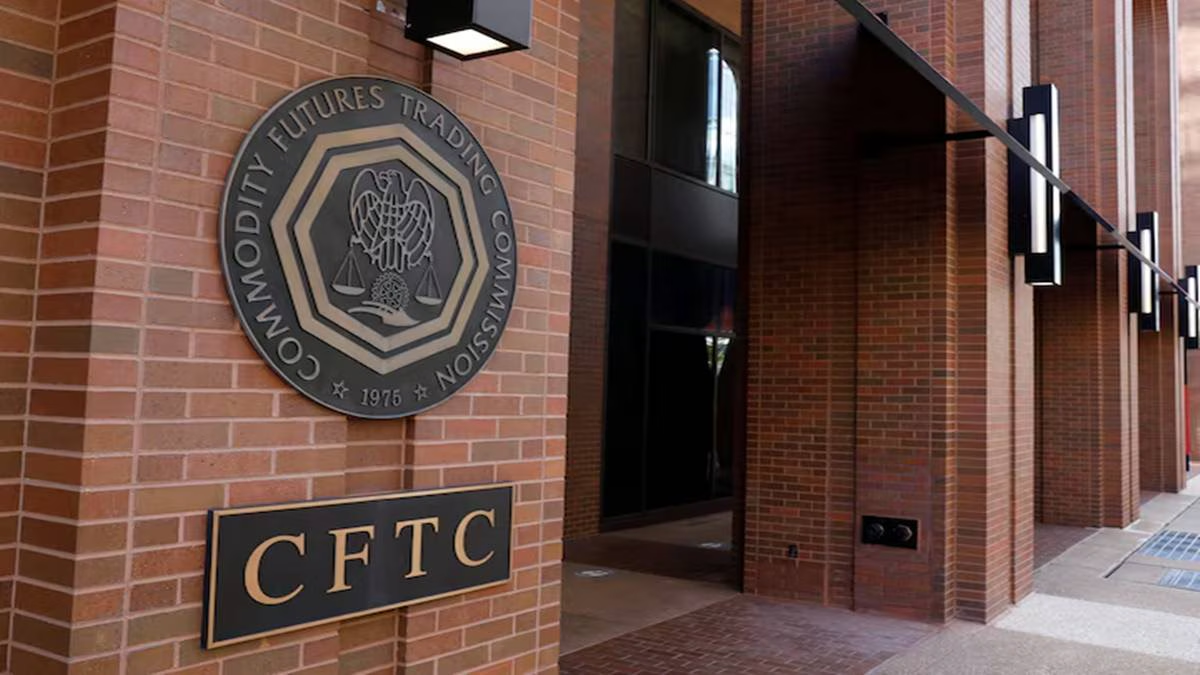
The key question for brokers, he said, is whether they will pursue deeper, more sophisticated carrier vetting than in the past.
“A carrier that does not have a reasonable safety program is certainly going to be in the hot seat,” Feary said, adding that smaller brokers as well as small carriers with one to five trucks that lack the staff, skills or resources to meet more extensive vetting requirements will be most at risk.
The unanimous Supreme Court decision also failed to clarify the definition of “reasonable care;” in other words, what constitutes an acceptable standard for a broker to demonstrate it has properly vetted the safety of the carriers to which it assigns freight. Currently, no federal standard applies.
“Until we see what a reasonable standard of care is, shippers probably will gravitate more toward larger [freight] brokers who have more sophisticated systems and processes for carrier vetting,” Feary said. “They can rely on those brokers that will not create a problem for them.”
Redefining processes
Many freight brokers already were culling their networks even before the Montgomery decision. Schneider, whose brokerage operation reduced the number of carriers it uses from about 60,000 in 2022 to fewer than 14,000 today, reflects broader efforts to improve carrier screening and combat cargo theft.
“We’ve never used carriers that were conditional or unsatisfactory,” said CEO Jim Filter, adding that Schneider has refined its vetting processes and incorporated additional third-party data to strengthen screening efforts.
Filter declined to detail those measures, noting that disclosing them could make it easier for bad actors to circumvent screening.
He added that before the Montgomery decision brokers largely based carrier selection on price, service and minimum indemnity requirements.
“Now they might be owning a piece of that,” he said, explaining that the shift has elevated insurance coverage to one more factor that shippers and brokers must consider.
Shippers and brokers now must decide what level of coverage is sufficient to protect against a costly incident, Filter said, as they weigh carriers with the minimum $750,000 liability coverage against those with higher limits that could offer more protection against adverse selection. Schneider ranks No. 10 on the Transport Topics Top 100 list of the largest for-hire carriers in North America.
Brokers on the hook
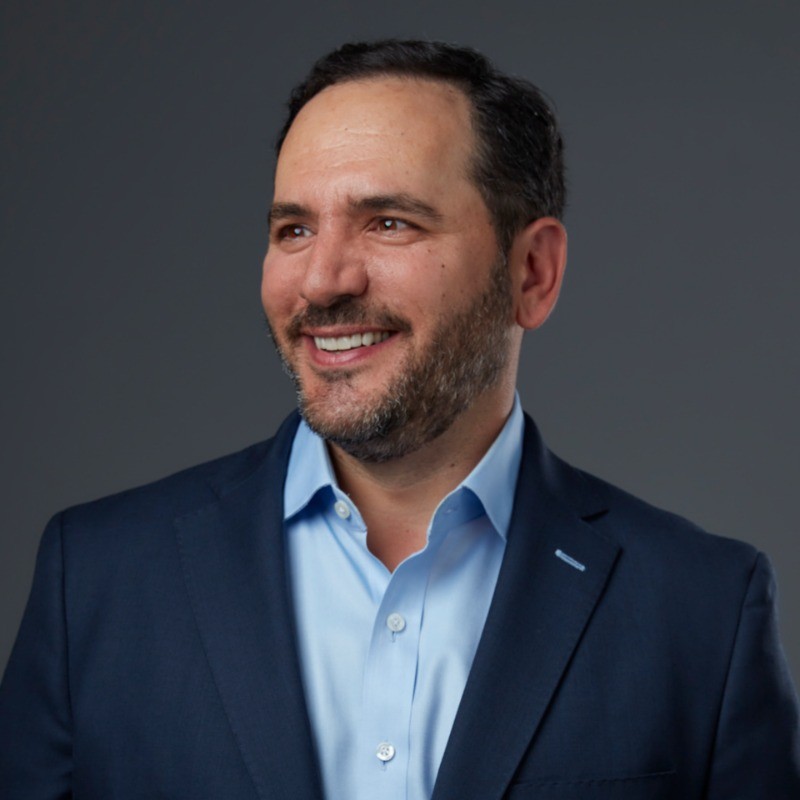
Chris Vogel, senior vice president of transportation practice at Cottingham and Butler, believes the Montgomery ruling is “one of the most significant decisions in my 25 years in the trucking industry.”
The gist of the verdict, Vogel said, is brokers can no longer rely on the Federal Aviation Administration Authorization Act pre-emption for protection.
“[They are] now on the hook and have more responsibility for who you give the freight to,” he said, adding that brokers also can expect much greater scrutiny around negligent vetting and hiring practices. “[Montgomery] will increase the frequency of lawsuits, claims and liability against brokers. It will be more expensive for brokers to defend, protect and insure themselves. There will be increased demand and a premium placed on high-quality motor carriers.”
(Cheney Orr/Bloomberg)
He predicted insurers likely will respond with higher premiums, larger deductibles, lower coverage limits and tighter policy restrictions for freight brokers.
Vogel said the marketplace already is shifting as insurers adjust terms and brokers re-evaluate their exposure.
“One broker who called us said when they got their renewal, the liability limit went from $10 million to $5 million, the deductible doubled, the $5 million limit was the total in aggregate and covered only a one-time claim,” he said.
Vogel emphasized that there are tools and resources available to help brokers minimize coverage changes and price increases, noting that many longtime clients already using strong vetting practices may see limited impact.
An overblown reaction?
Avery Vise, vice president of trucking for FTR Transportation Intelligence, called the industry’s reaction to Montgomery overblown, dismissing descriptions of the ruling as “shocking,” “seismic,” “stunning” or “the biggest change since deregulation” as “hogwash.”
Vise said the ruling carries real consequences but does not represent a sweeping legal shift. Brokers worried about negligent selection risk, he said, should have been applying the same level of care before the decision as they will need afterward.
“Plaintiffs still must establish that brokers were negligent in their choices,” he said. “There is no more clarity on what constitutes negligence now than there was before the Montgomery decision.”