Sustainable debt is becoming a more significant part of Cyprus’ financial market, although the country remains heavily dependent on a small number of government and banking issuances and has yet to develop some important parts of the market, according to a piece of analysis published by the Central Bank of Cyprus (CBC).
Sustainable securities accounted for 11.5 per cent of all debt securities held by Cyprus residents in the first quarter of 2026, while they represented 9.5 per cent of debt securities issued by Cyprus-resident entities,
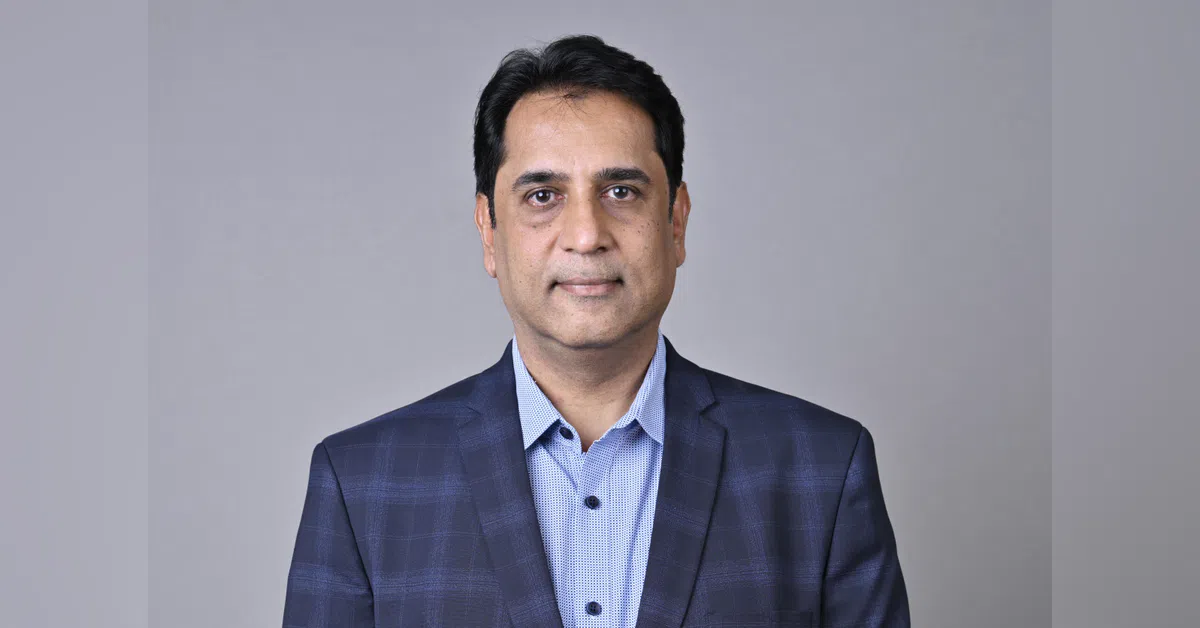
The figures were presented in an article by Antonis Michis, Head of Monetary Policy Operations at the CBC, which examined the development of sustainable debt holdings and issuance in Cyprus and compared them with trends across the euro area.
The analysis found that Cyprus residents held €3.40 billion in sustainable debt securities at the end of March, against around €2.00 trillion held by euro-area residents.
Holdings have been rising since 2021, with green debt securities making up the largest category in both Cyprus and the wider euro area.
Green debt securities are bonds or other forms of borrowing where the money raised is earmarked for environmentally beneficial projects, such as renewable energy or measures to reduce pollution.
Cyprus differs from the wider euro area in the composition of the rest of its holdings, with residents holding proportionately fewer sustainability-linked and social debt securities but a larger share of securities that combine environmental and social objectives.
Across the euro area, sustainable securities accounted for between 3.9 per cent and 15.6 per cent of total debt-security holdings in the first quarter of 2026.
Cyprus’ 11.5 per cent share placed it slightly above the euro-area average, despite the country having a much smaller overall debt market than the bloc’s largest economies.
Michis linked the growing importance of sustainable finance to the increasing economic and financial consequences of climate change.
“Supporting the transition to a climate-resilient and sustainable economy requires a diverse set of financial instruments and innovative financial engineering solutions that can reshape how markets, firms, central banks and investors operate,” he said.
The analysis comes as the European Central Bank (ECB) continues to incorporate climate considerations into the way the Eurosystem conducts monetary policy.
The ECB began integrating climate-related considerations into its monetary policy strategy in 2021, including through its economic modelling, financial risk management, disclosures, collateral rules and asset purchases.
Its work was expanded in January 2024 to examine the investment needed for the green transition, the economic consequences of rising temperatures and the effects of environmental degradation and the loss of natural resources.
The issue is not simply environmental.
Climate change can affect inflation, economic growth, employment and interest rates, while climate-related risks can also alter the value of financial assets held by central banks and investors.
For investors, sustainable debt therefore increasingly represents both a way of financing environmental or social objectives and an asset class that can help them manage exposure to climate-related risks.
Michis said the growth of the market was also likely to continue as investors became more aware of sustainability issues.
Strengthening financial literacy and public awareness around sustainable investment could help encourage greater investor participation and allow people to make more informed investment decisions, he argued.
The picture is somewhat different when looking at new sustainable debt issued by Cyprus residents.
Cyprus-resident entities had issued €1.40 billion in sustainable debt by March 2026, compared with €1.80 trillion across the euro area.
Sustainable securities represented 9.5 per cent of all debt securities issued by Cyprus residents, putting the country towards the upper end of the euro-area range, which stretched from 0.1 per cent to 12.5 per cent.
However, the relatively high Cypriot figure is partly explained by the structure of the domestic market rather than a broad-based expansion of corporate sustainable finance.
Debt issuance by Cyprus residents is concentrated largely in the government and banking sectors, with corporate issuance remaining limited.
A €1.00 billion sustainable debt security issued by the Public Debt Management Office in 2023 therefore has a substantial influence on the composition of the market.
This also explains why sustainability debt securities, which combine environmental and social objectives, account for around 70 per cent of Cyprus’ sustainable issuance.
Green securities make up the remaining 30 per cent, equivalent to about €0.40 billion.
The situation is almost the reverse across the euro area, where green securities account for 68 per cent of sustainable debt issuance, worth approximately €1.20 trillion.
Cyprus has so far recorded no issuance of sustainability-linked or social debt securities.
Sustainability-linked securities differ from conventional green bonds because the financial terms of the debt can change depending on whether the issuer meets specified sustainability targets.
Social debt securities, meanwhile, raise funds for projects with a social benefit, such as affordable housing or access to healthcare.
Michis identified the absence of these instruments as an area where the Cypriot market could develop further, while pointing out that the two categories also remain relatively small across the euro area.
The analysis also looked at how sustainable debt is being used by Cypriot banks as collateral when obtaining financing through Eurosystem monetary policy operations.
At the end of the first quarter, sustainable securities represented only 2 per cent of the total value of collateral pledged by eligible credit institutions in Cyprus.
Their market value was €10.90 million, or €10.50 million after the valuation reductions applied to collateral.
Around 71 per cent of the securities carried second-party opinion certification, which provides independent verification that a sustainable bond is being used for the purposes set out by its issuer.
The limited use of sustainable securities as collateral is broadly consistent with developments across the Eurosystem, according to Michis.
Banks currently have relatively little need for refinancing from the central bank because of the high levels of liquidity in the banking system.
This could change as the ECB introduces a new climate factor into its collateral framework in the second half of 2026.
The measure, agreed by the ECB Governing Council in July 2025, will adjust the valuation of certain collateral according to its exposure to climate-related risks.
In simple terms, securities considered more exposed to climate-related financial risks could receive less favourable treatment when banks use them to secure central bank financing.
The adjustment will apply to marketable securities issued by non-financial corporations and their subsidiaries, with the calculation taking account of factors including climate stress-test results, issuer-specific climate scores and the remaining maturity of the security.
The change forms part of the ECB’s broader effort to reduce the exposure of its balance sheet and monetary policy operations to climate-related financial risks.
For Cyprus, Michis suggested that it could also provide an incentive for banks to make greater use of sustainable securities as collateral.
Collateral operations across the Eurosystem have already undergone another major change, with the Eurosystem Collateral Management System introduced in June 2025.
The centralised system replaced the previous national arrangements for managing collateral and created a common platform for assets used in Eurosystem credit operations.
The sustainable securities currently pledged by Cypriot banks are also geographically diverse.
Securities linked to issuers whose country of risk is Spain accounted for 45 per cent of the adjusted value of sustainable collateral at the end of March.
Cyprus, Hungary and the Netherlands accounted for much of the remainder, alongside securities linked to four other jurisdictions.
By type, sustainability bonds represented 55 per cent of the collateral pool, while green bonds accounted for 36 per cent.
Michis argued that sustainable debt is becoming an increasingly established part of European financial markets, both as an investment for fixed-income investors and as a means for governments and other institutions to raise funds.
He explained that Cyprus has made some progress, with sustainable securities accounting for more than one-tenth of debt holdings by residents and almost one-tenth of domestic debt issuance.
But the figures also reveal the narrow foundations of the Cypriot market, with government and banking activity accounting for much of the issuance and several types of sustainable finance still absent.
“Despite this progress, several areas for improvement remain,” Michis said. “Cyprus has yet to see issuances of sustainability‑linked or social debt securities, and the volume of investment holdings in these categories remains limited.”
“With respect to monetary policy operations, only a small amount of sustainable debt securities has so far been pledged as collateral in the ECMS,” he added.
“Increasing the volume of this collateral class will enable eligible counterparties in Cyprus to benefit more from the introduction of the climate factor within the Eurosystem’s collateral framework for refinancing operations,” Michis concluded.