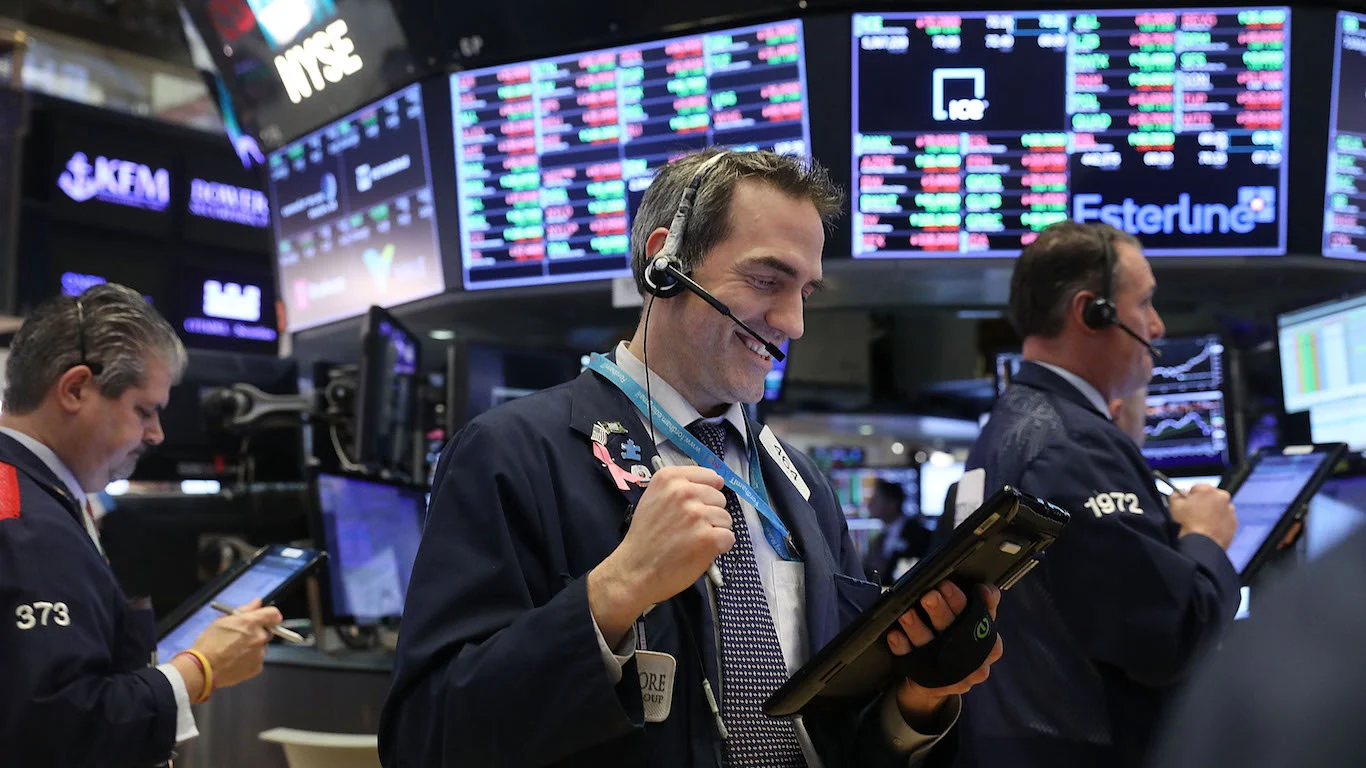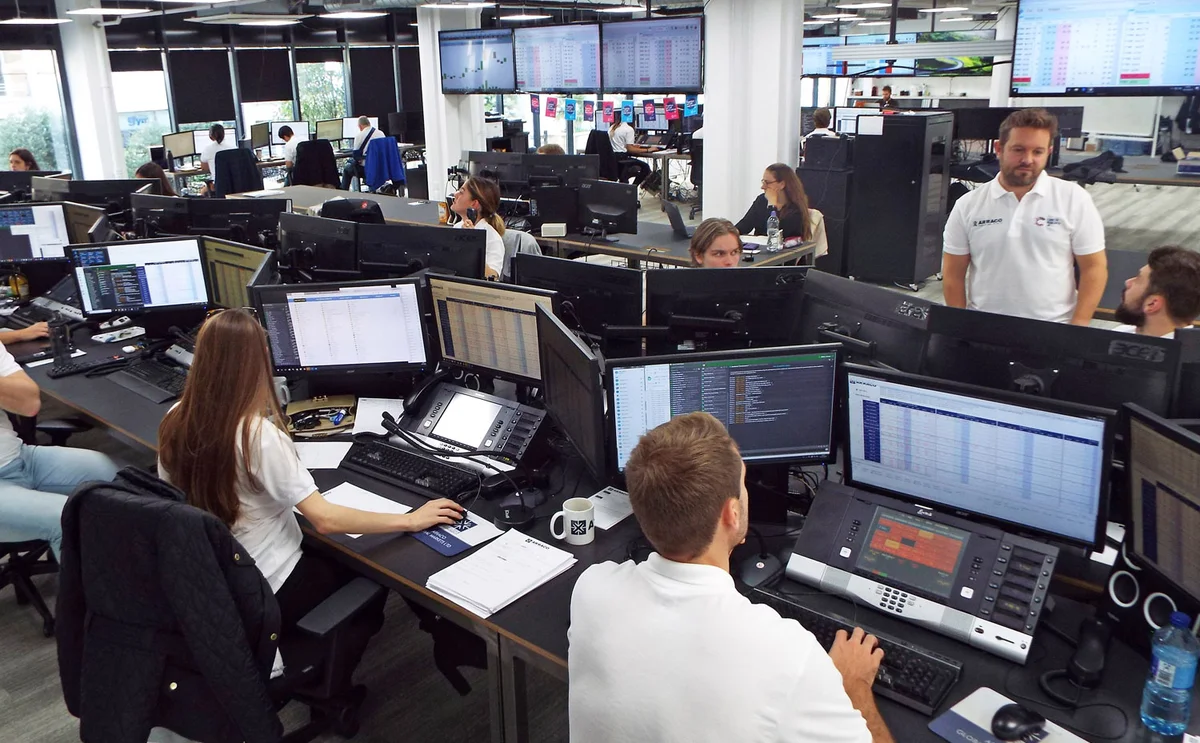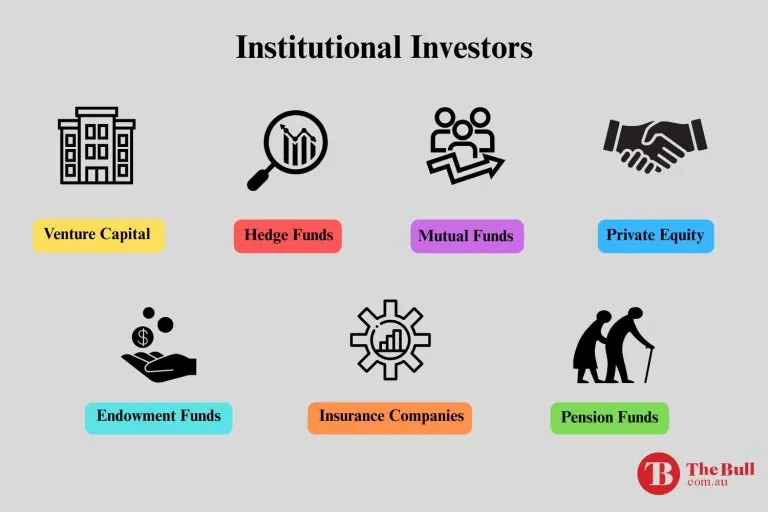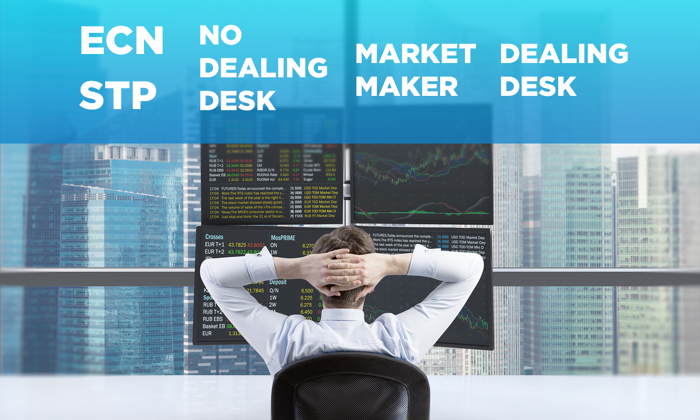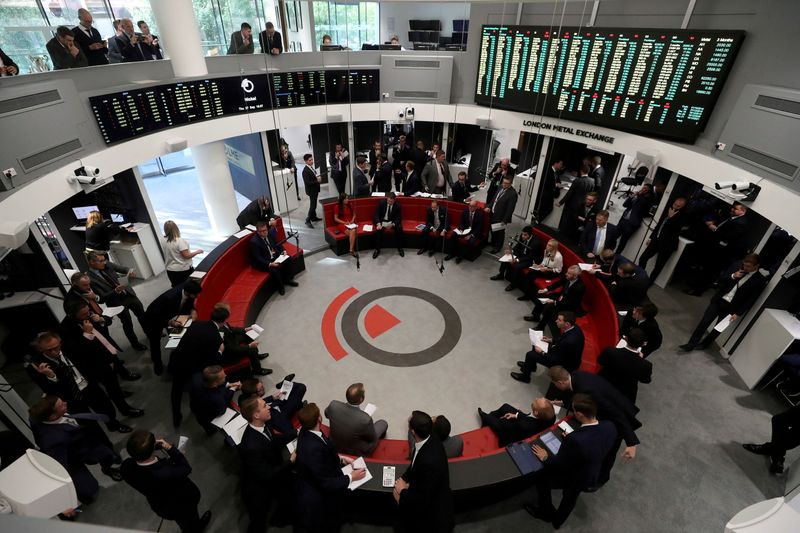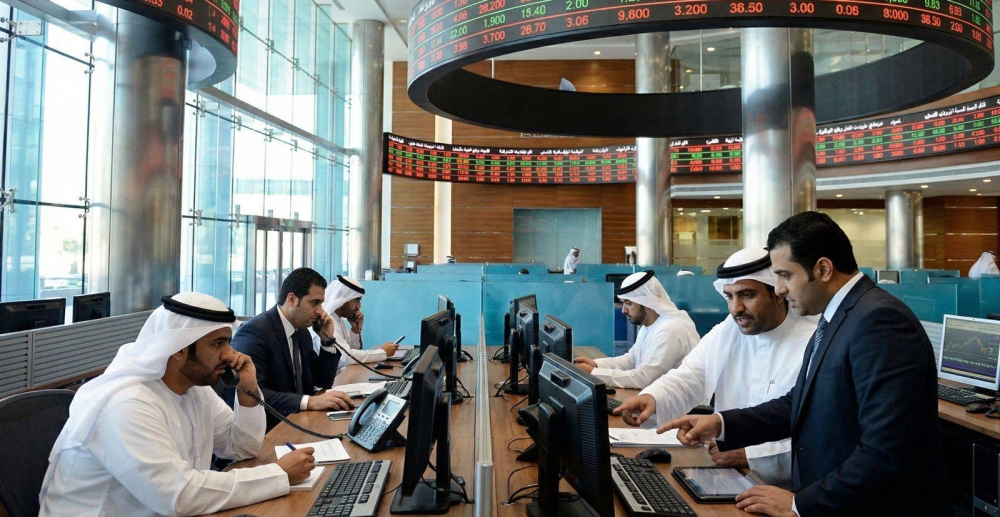
Institutional currency desks have always had a structural advantage. Better infrastructure, deeper liquidity relationships, faster execution, dedicated risk teams and access to research pipelines give professional traders a different operating environment from most retail participants.
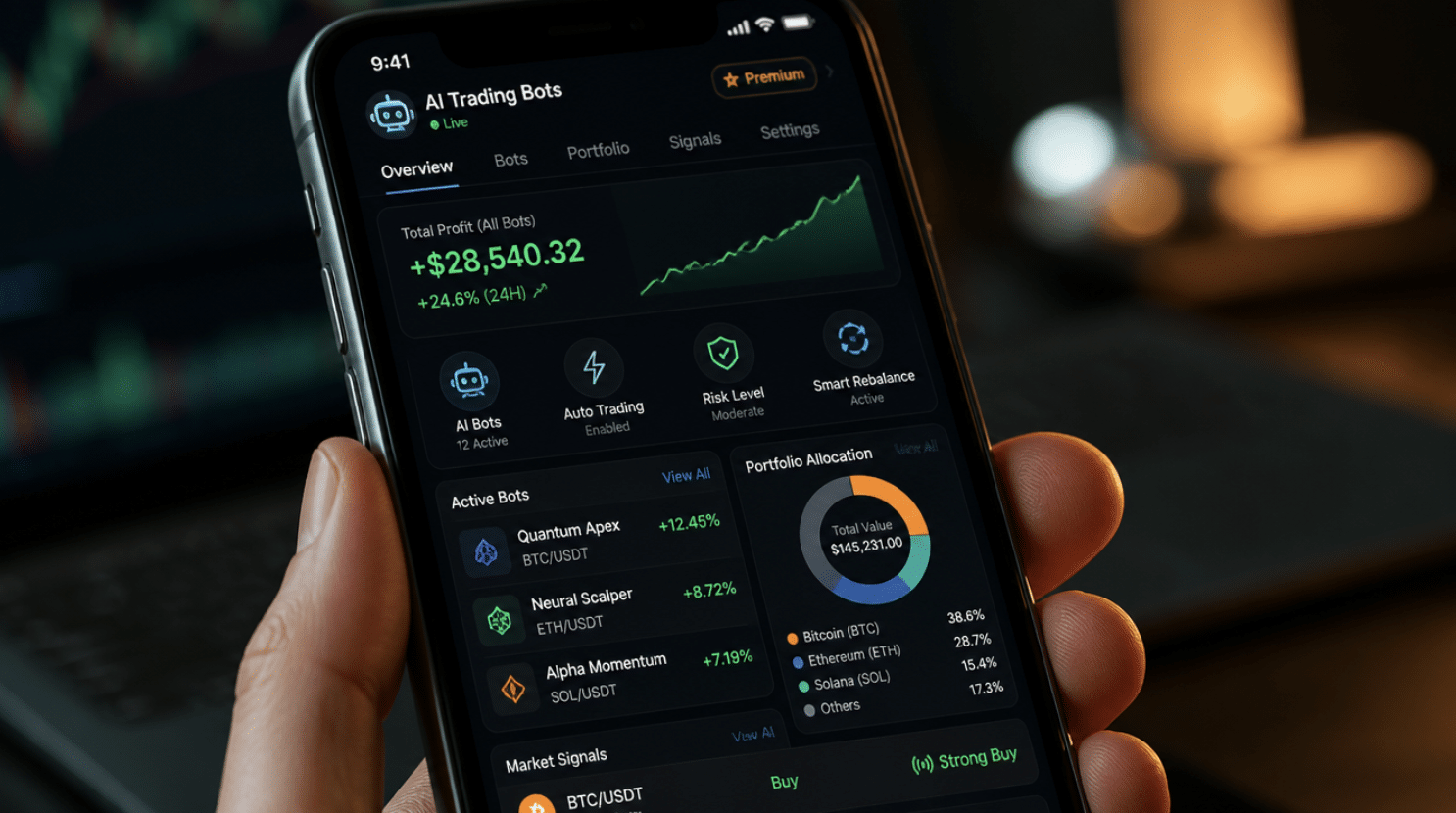
Retail forex has changed sharply, though. The gap has not disappeared, but automation has narrowed part of it. AI-driven forex bots can now support trade filtering, execution discipline, risk controls and multi-market monitoring in ways that once required a larger technical setup.
The result is a more serious version of retail automation. A trader still needs strategy logic, capital discipline and platform oversight, but the tools are becoming more capable. The value sits in taking parts of institutional process, such as rules-based execution and risk consistency, and making them practical inside retail trading platforms.
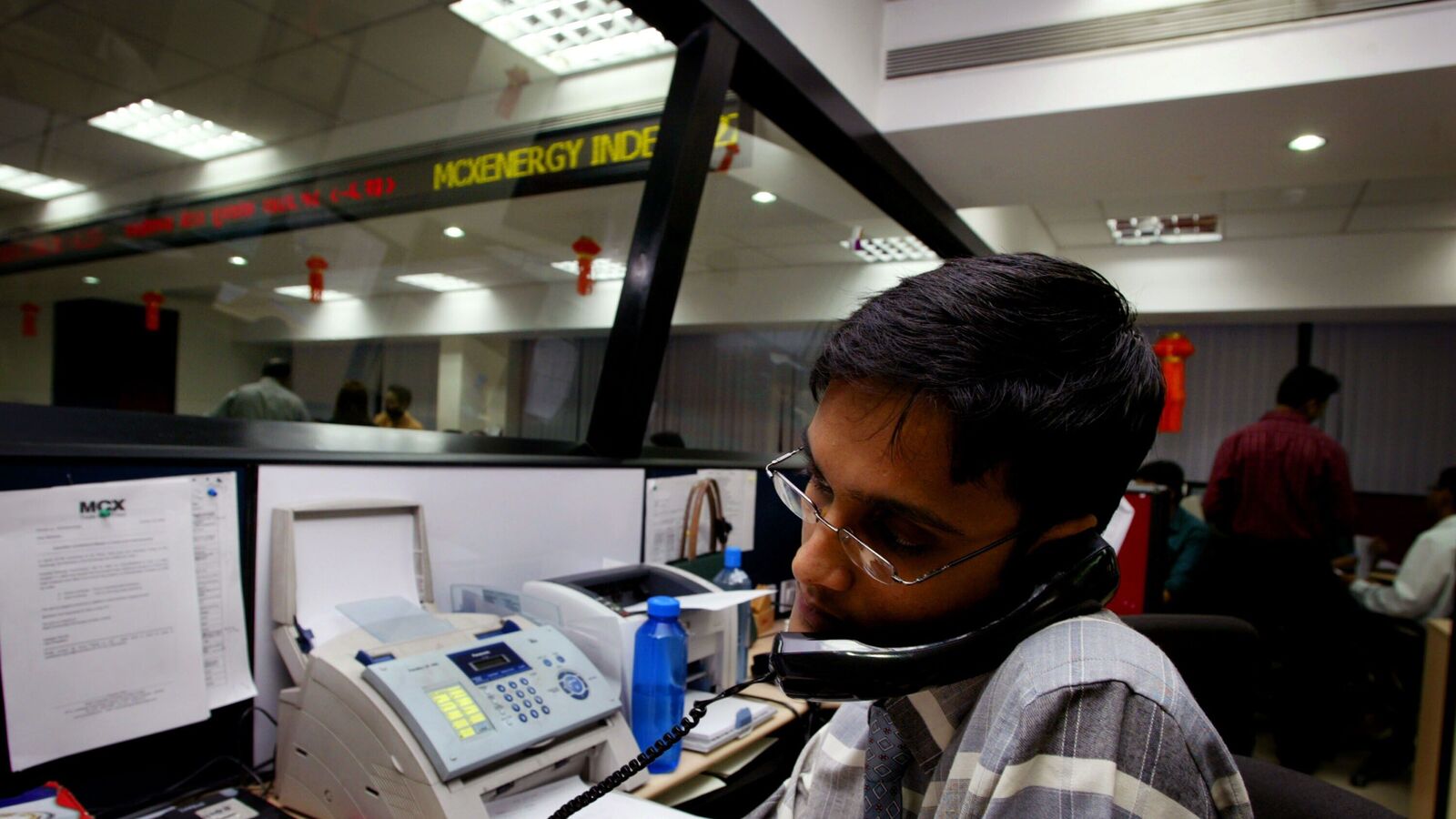
Institutional Forex Runs on Process
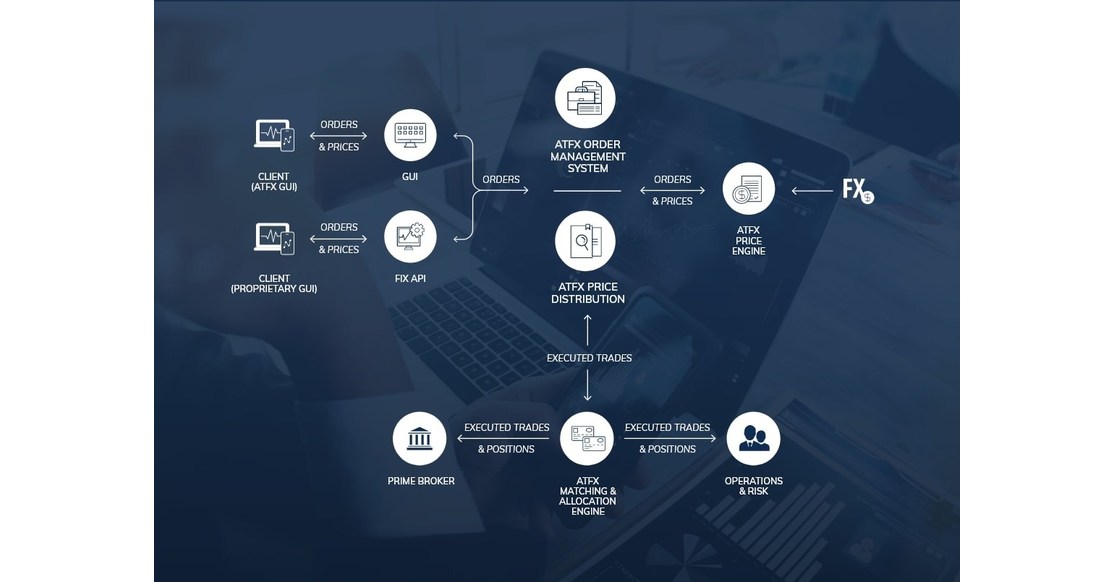
Professional forex desks don’t rely on isolated trade ideas. They operate through process: macro research, liquidity analysis, execution protocols, exposure controls and post-trade review. A currency view may begin with rate expectations or capital flows, but the trade still needs clean execution and defined risk.
That’s where many retail traders struggle. They may identify a setup, but consistency gets harder when markets move quickly. London and New York overlap can increase activity. Rollover can affect spreads. Central bank comments can change pricing within minutes. A manual trader can miss entries, widen stops impulsively or exit too early after a normal pullback.
Automation helps by turning decisions into rules. Entry criteria, position sizing, stop placement, trailing logic and session filters can be defined before the trade. This brings retail trading closer to the institutional habit of separating analysis from execution.
AI adds another layer by helping systems process more variables at once. Volatility, liquidity conditions, price structure and historical behaviour can all inform whether a setup deserves execution. The trader still owns the framework. The bot enforces it with less emotion and more repeatability.
The increasing use of AI and automation in financial markets reflects a wider industry trend toward data-driven decision-making and more efficient execution. The Bank for International Settlements (BIS) has highlighted the growing role of digital innovation and advanced technologies in strengthening financial market infrastructure and operational resilience, while Deloitte notes that AI is increasingly being adopted across capital markets to enhance trade execution, risk management, surveillance, and operational efficiency. These developments are encouraging financial institutions to integrate intelligent automation into trading workflows, with some of the same principles gradually becoming more accessible through retail trading technologies.
Within institutional banking, these technologies are playing an increasingly important role in foreign exchange operations. Banks are using AI and machine learning to support algorithmic execution, optimize liquidity management, strengthen real-time risk monitoring, and enhance compliance and market surveillance. Rather than replacing traders, these technologies help process large volumes of market data, identify anomalies, improve execution quality, and support more consistent decision-making. As AI becomes more deeply embedded in institutional FX infrastructure, elements of this disciplined, rules-based approach are beginning to influence the tools available to retail traders.
Retail Automation Is Becoming More Execution-Focused
Early retail forex automation often had a reputation for blunt signal-following. Many systems were built around fixed indicators, simple triggers or aggressive grid logic. Some traders still use those approaches, but the stronger direction is execution quality.
A good AI-driven bot should help answer practical questions. Is the spread acceptable? Is volatility inside the strategy’s expected range? Is the pair behaving normally for this session? Is the system already carrying too much exposure to one currency? Is the next major data release too close?
That execution discipline brings retail trading closer to professional practice. Institutional desks care about price, timing, slippage and exposure concentration. Retail traders using automated tools need the same concerns, even if their account size and infrastructure are different.
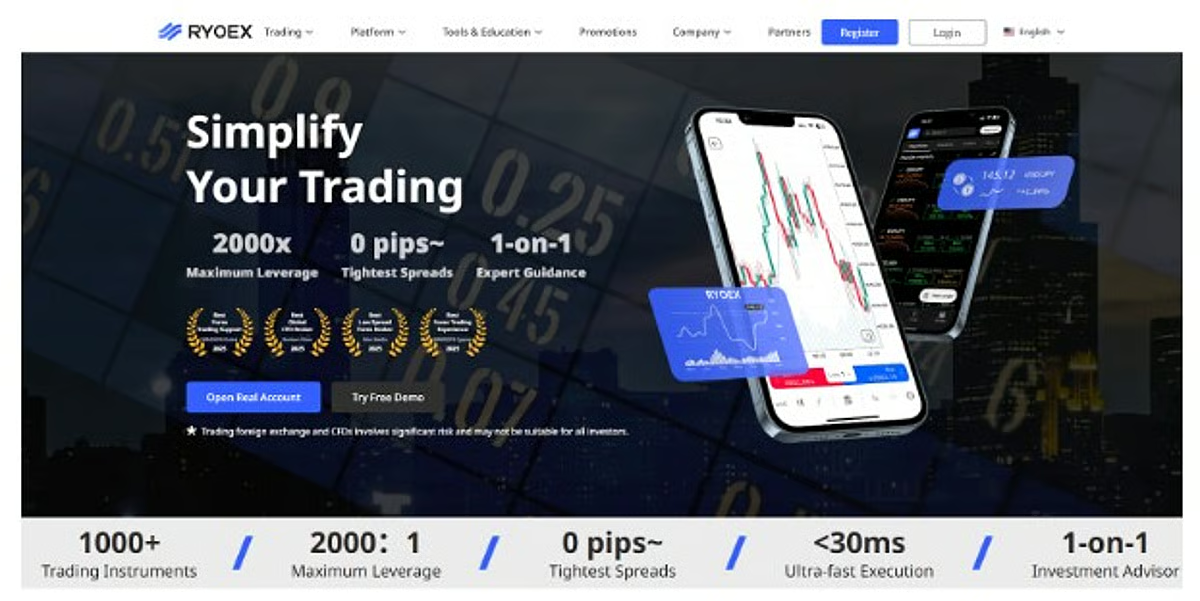
Fxibot is one example of the growing adoption of rule-based currency systems designed to bring greater structure to retail trade execution on widely used trading platforms, helping traders automate predefined aspects of their trading process.
Used properly, automation supports decision quality. It can reduce weak entries, limit emotional overrides and keep the trade process aligned with the system that was tested.
MT4 and MT5 Keep the Bridge Practical
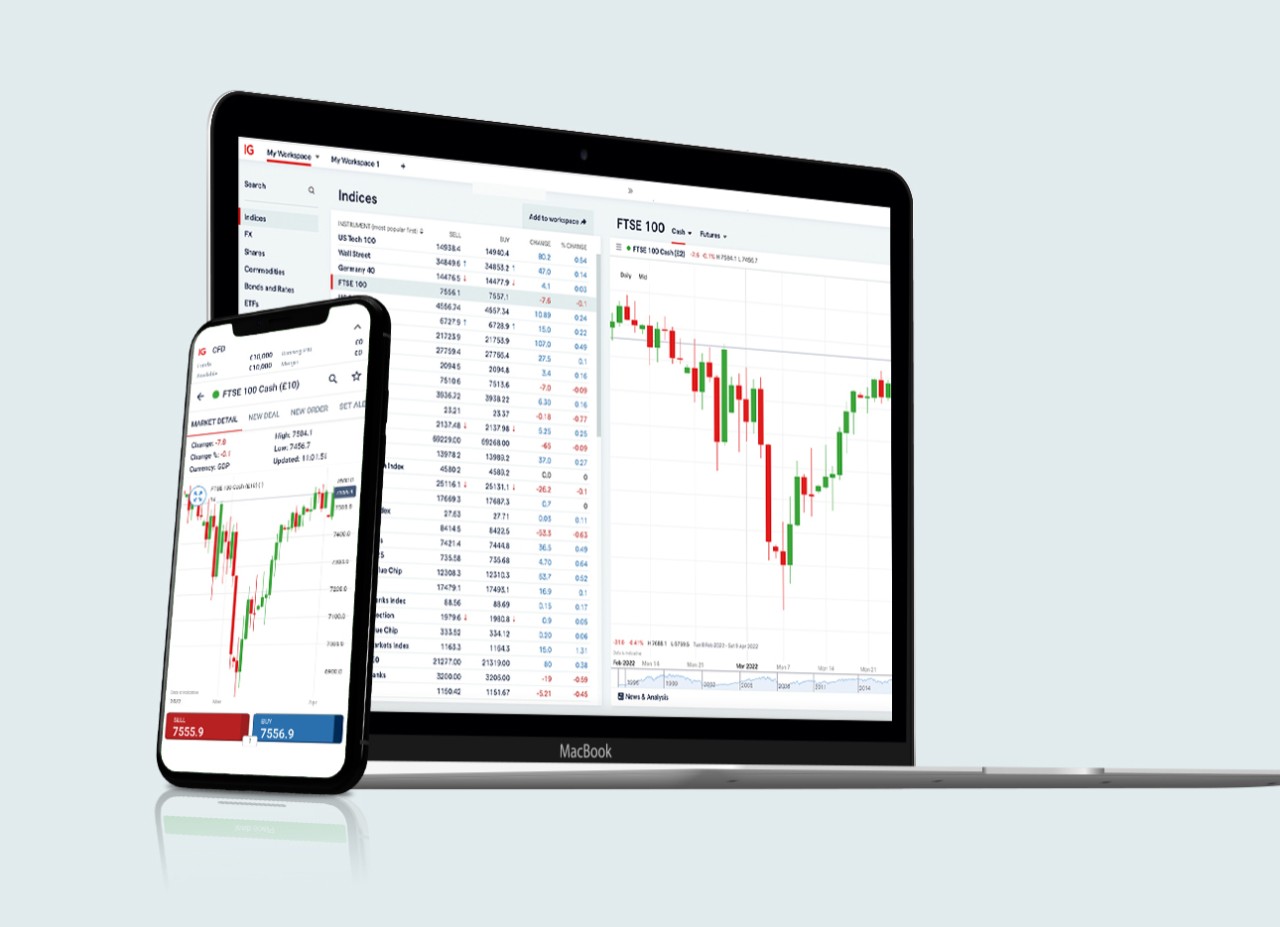
The connection between institutional-style process and retail use depends heavily on platform access. A sophisticated model has limited value if traders can’t run it in a familiar environment. MetaTrader 4 and MetaTrader 5 remain central because they support expert advisors, custom indicators, broker connections and backtesting workflows that many forex traders already understand.
MT4 is still widely used for forex-specific automation. MT5 adds more flexibility across asset classes, order types and testing features. Both platforms let traders move from discretionary chart watching toward systematic execution without building an institutional-grade technology stack from scratch.
This practical access counts. Retail traders don’t need to replicate a bank desk to borrow parts of its discipline. They need systems that can handle repeatable execution, risk limits and market monitoring in a controlled environment.
FXiBot is designed for traders using established retail trading platforms. As with any automated trading solution, it should be evaluated based on factors such as strategy design, risk controls, platform compatibility, drawdown characteristics, backtesting methodology, and ongoing monitoring.
Automation is only as strong as the rules it follows. A polished interface can’t replace a weak strategy, and fast execution can’t repair poor risk design.
Data Handling Is Where AI Adds Value
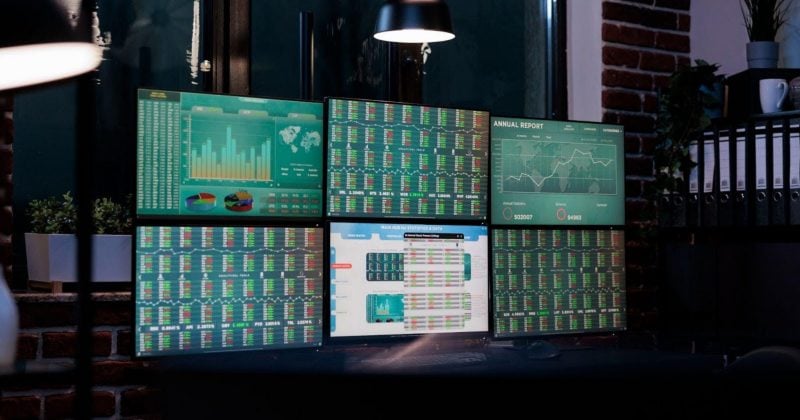
Forex markets generate more information than a trader can process in real time. Price movement, economic calendars, rate expectations, volatility, spreads and cross-pair relationships all interact. AI-driven systems help by filtering that information faster and more consistently.
The main advantage is classification. A system can identify whether market conditions match the environment a strategy was designed for. It can recognise when volatility is too high, when spreads are unsuitable or when a currency pair is behaving outside normal session patterns.
AI-driven forex bots are most useful when treated as execution infrastructure. They can support better timing and cleaner risk management, but they still require human oversight. Traders need to understand the strategy, review performance and know when market conditions have changed enough to question the system.
Institutional trading has always respected process. Retail automation is giving individual traders more ways to build that process into the trade itself.