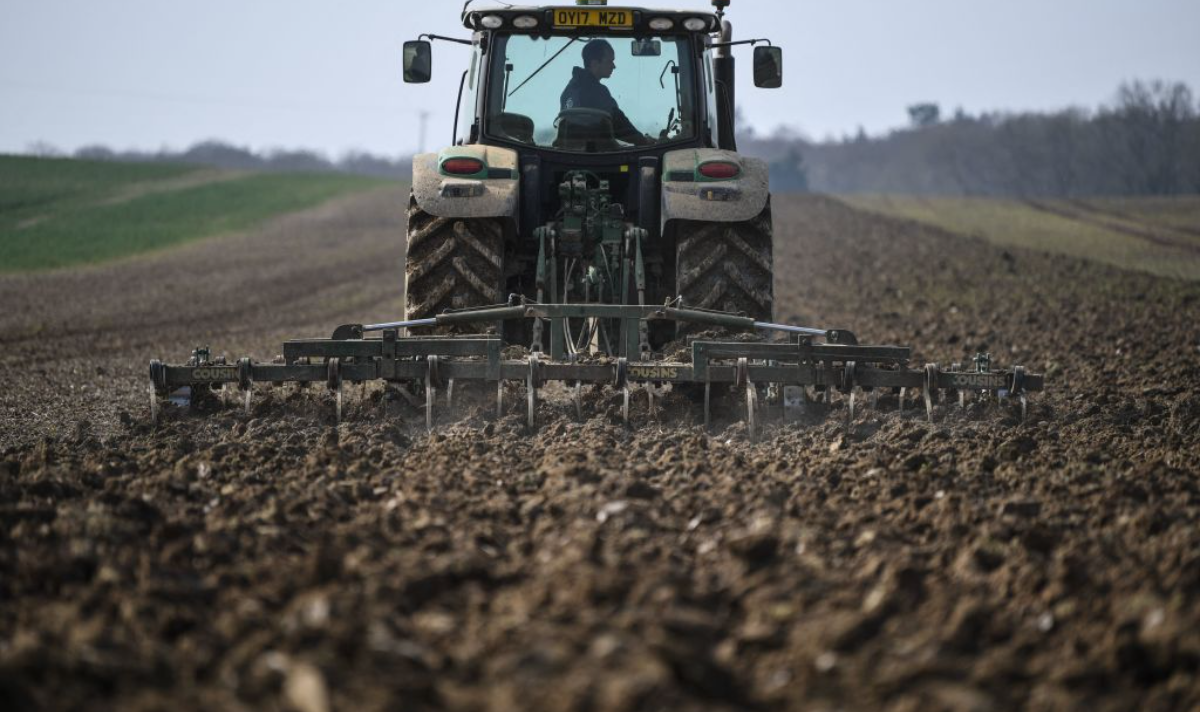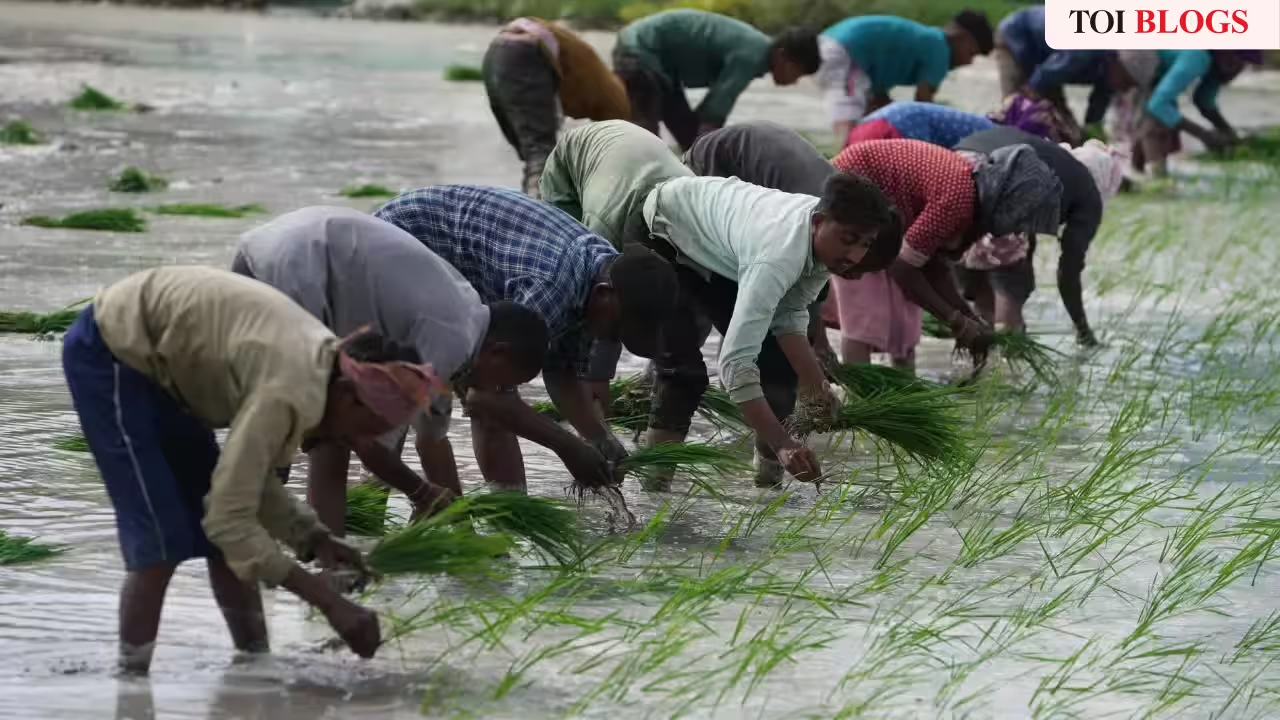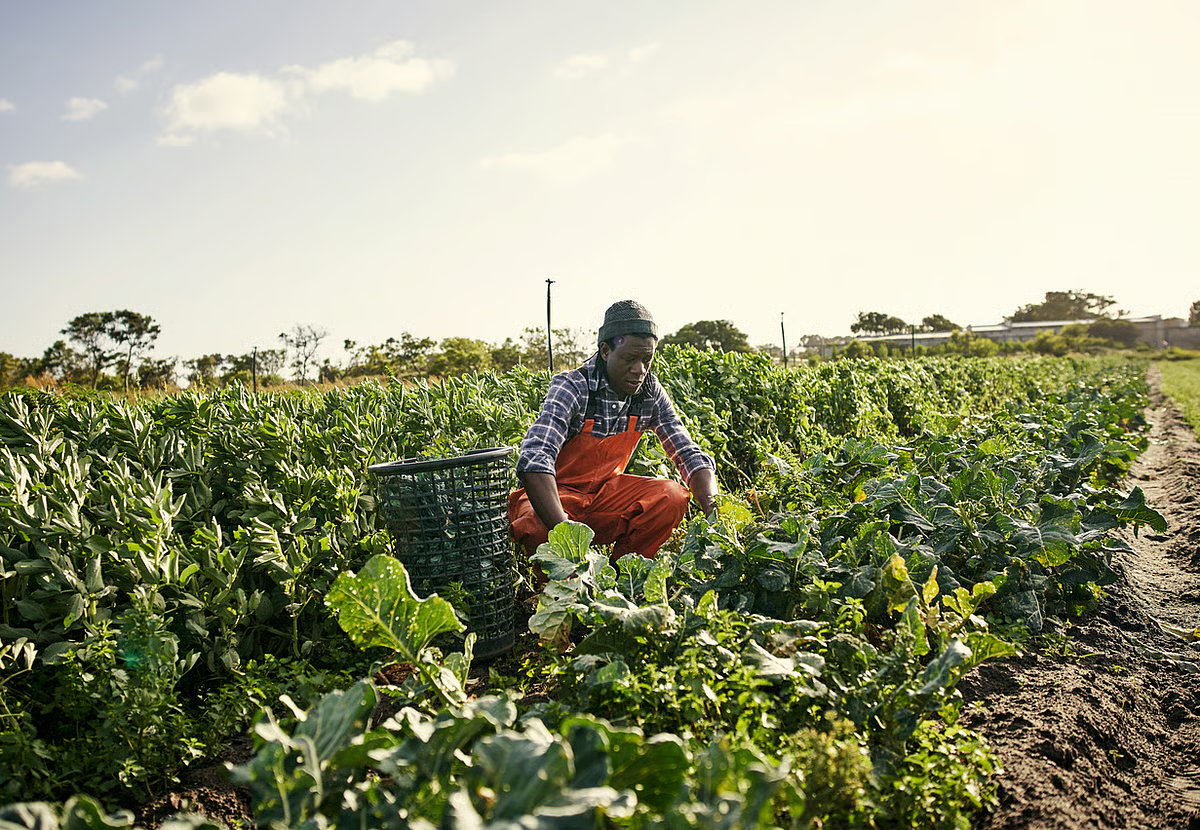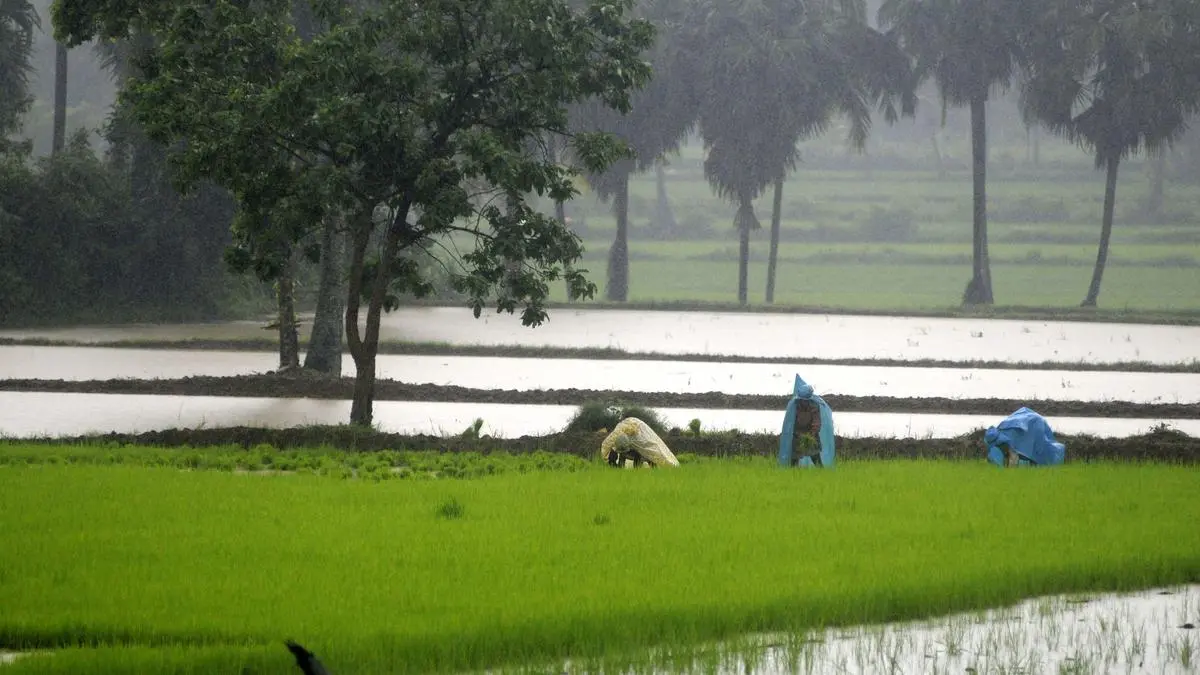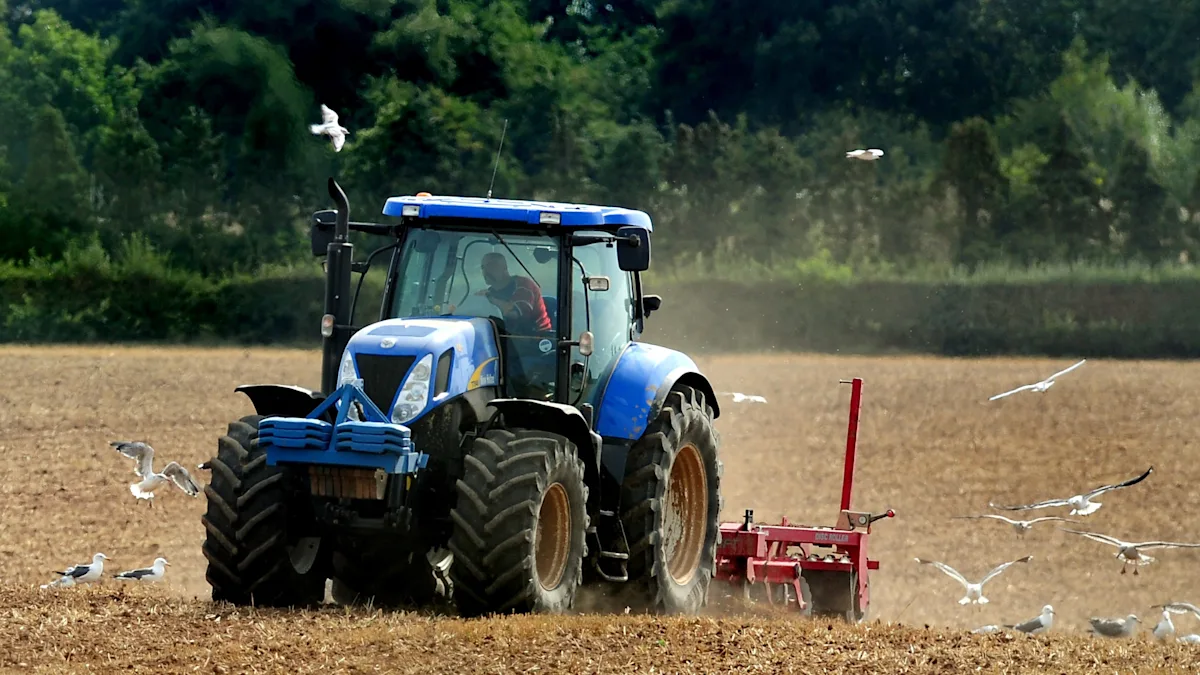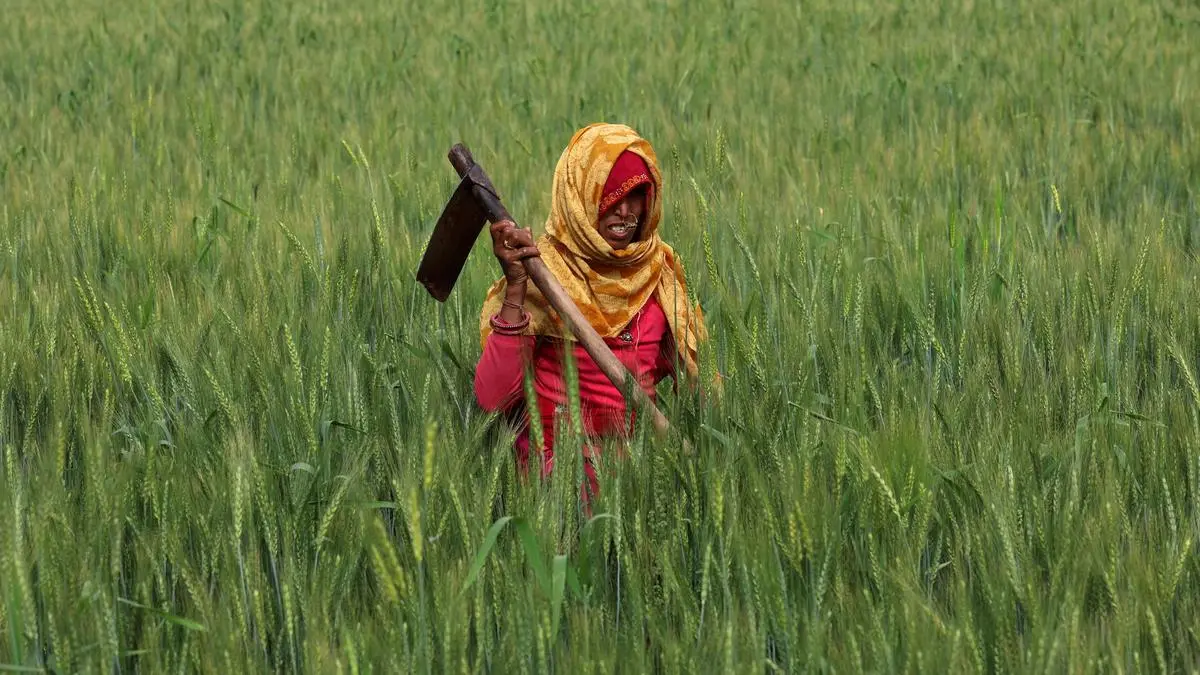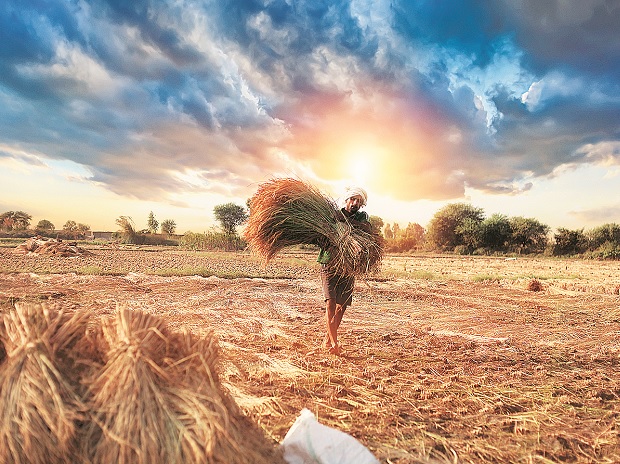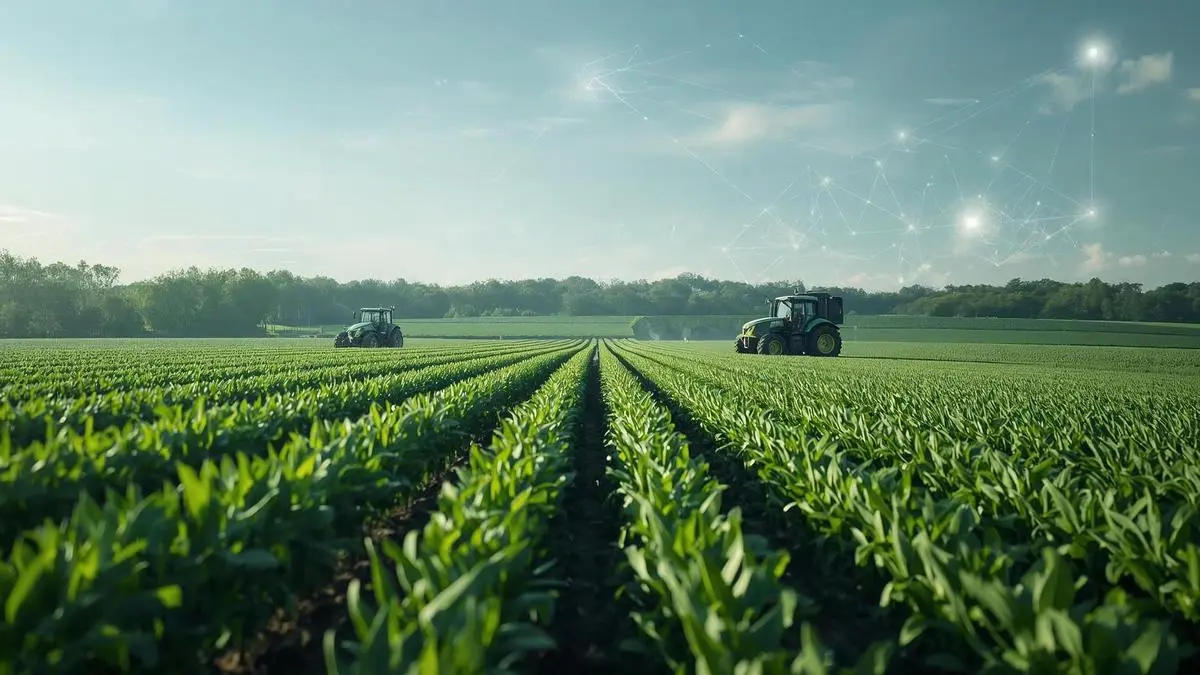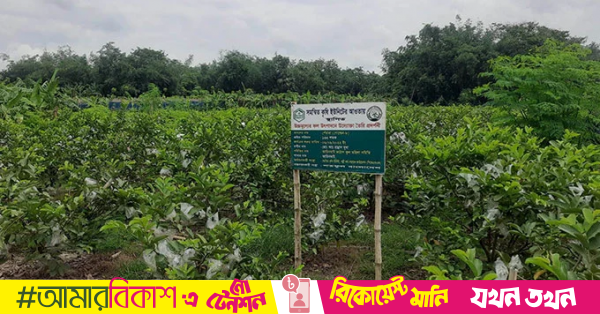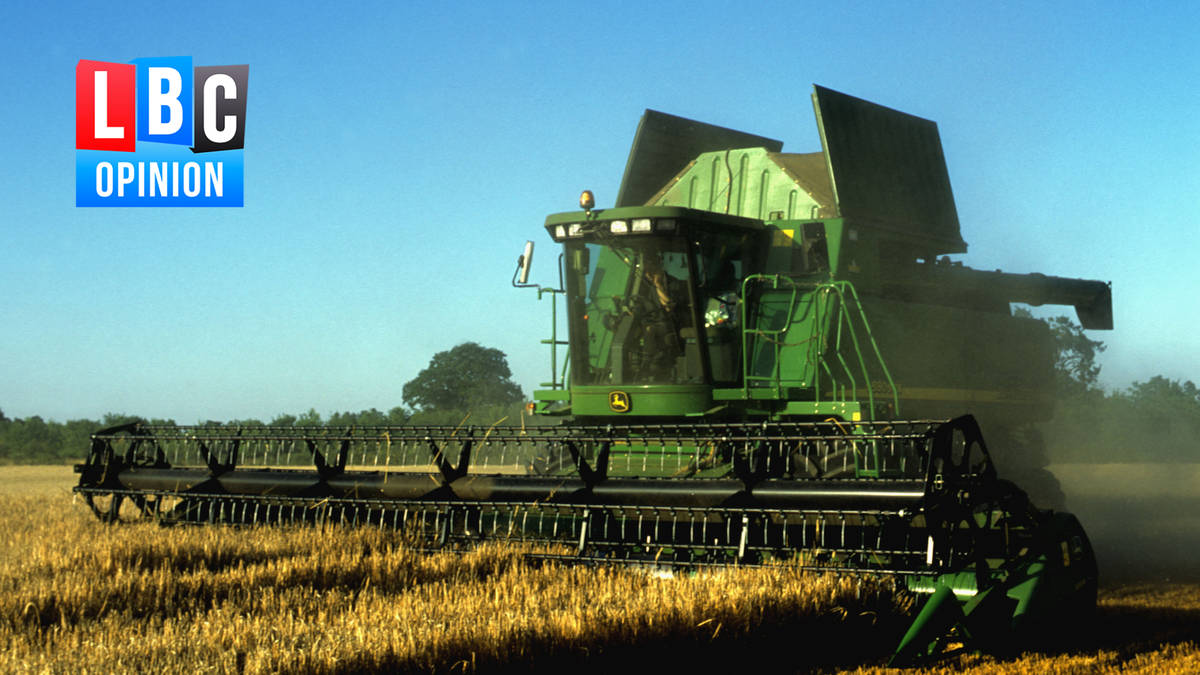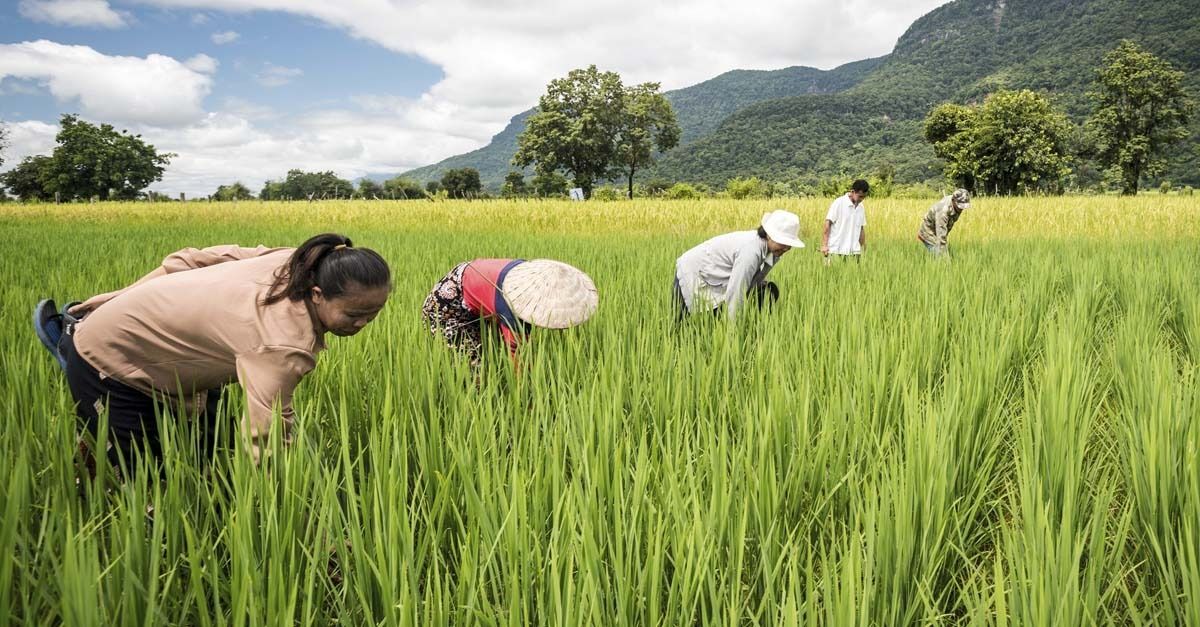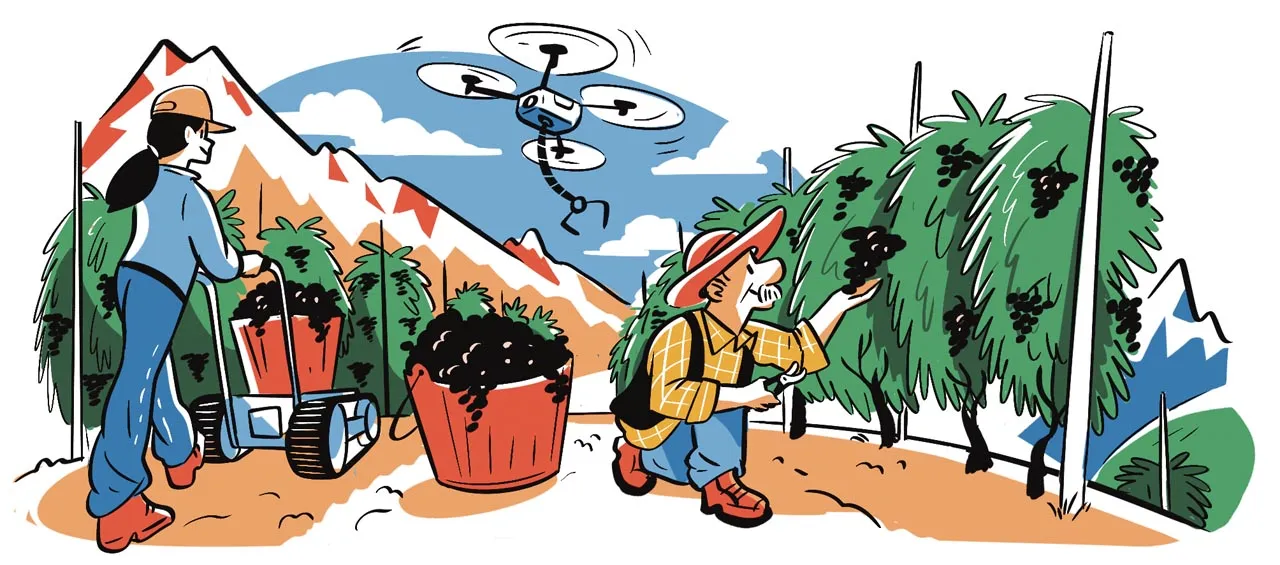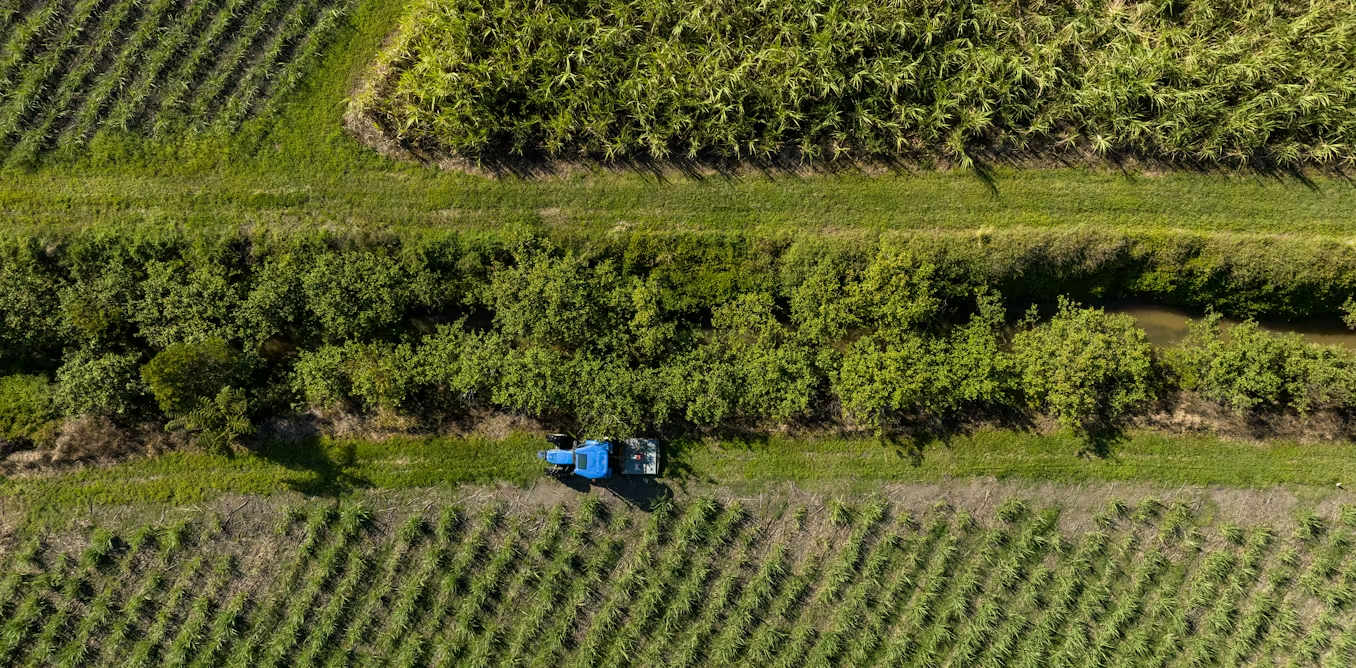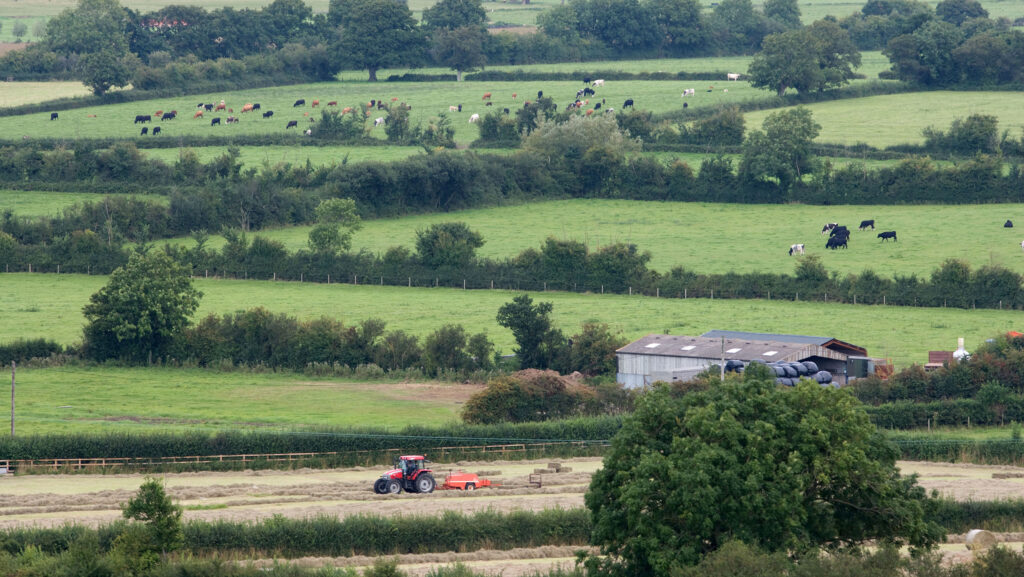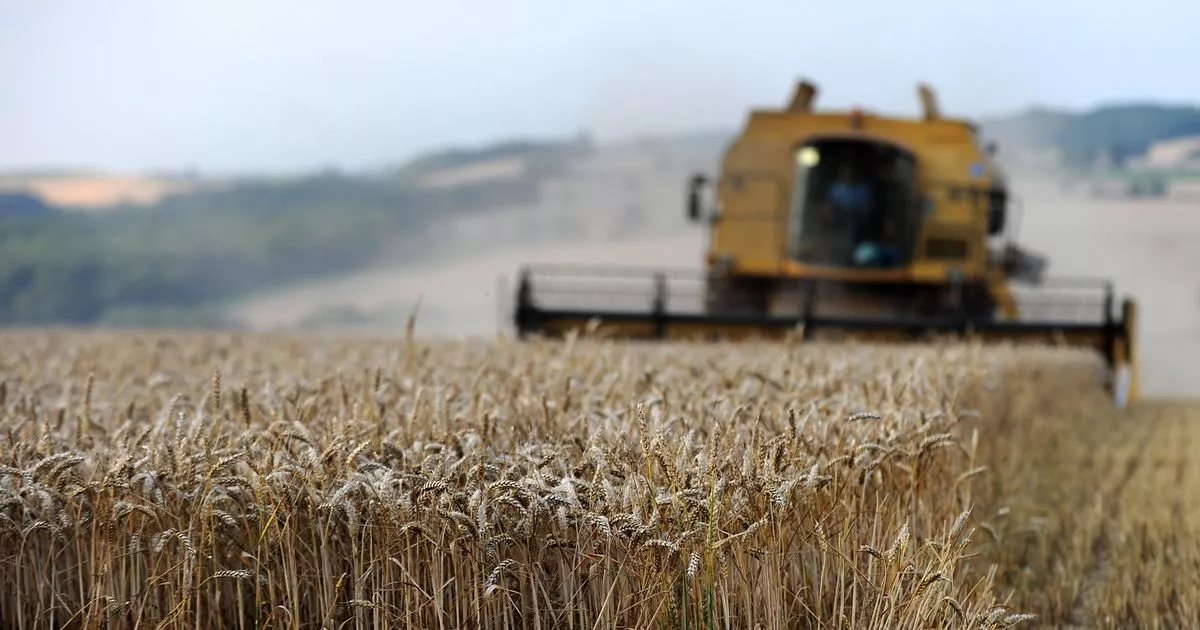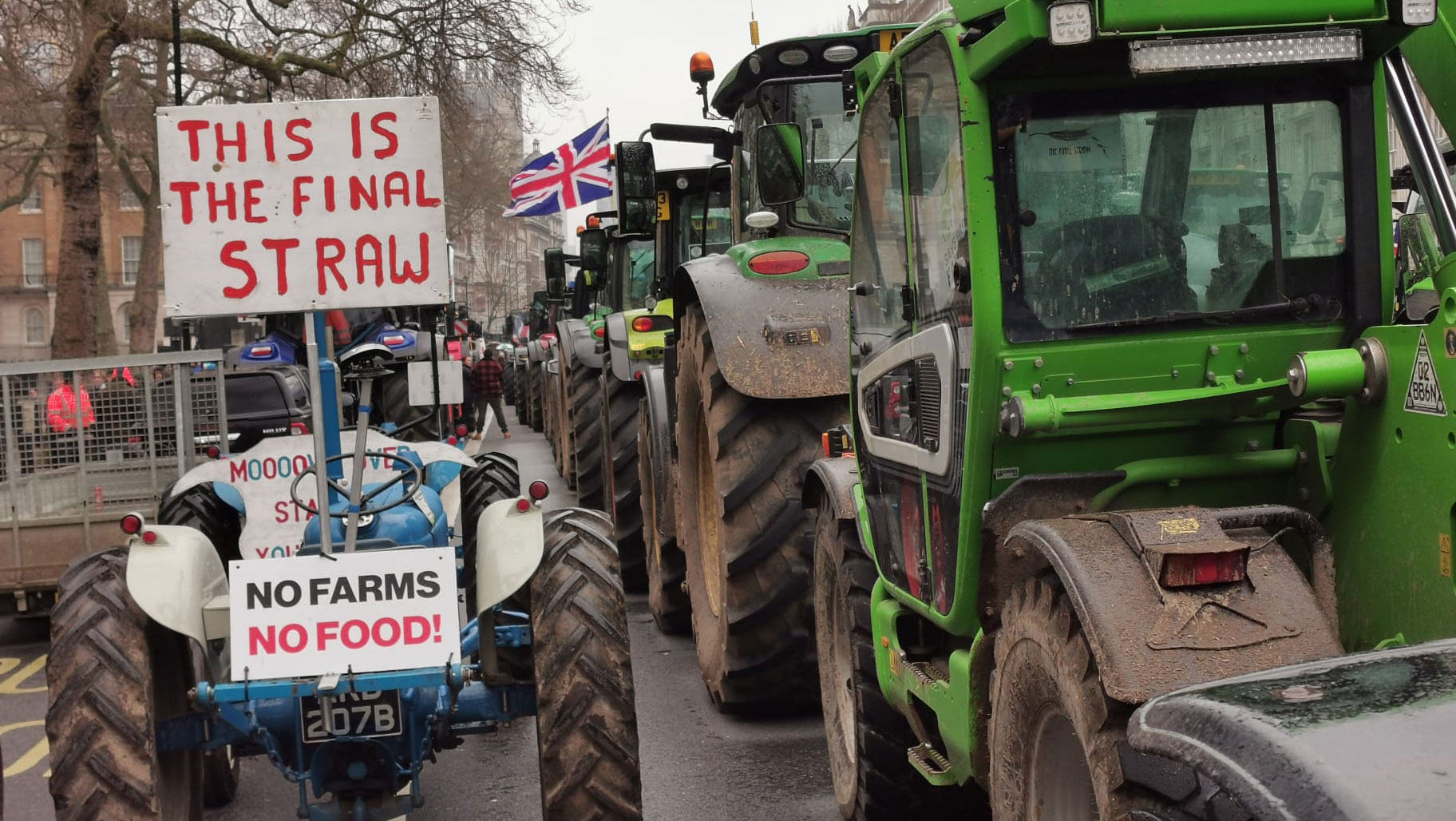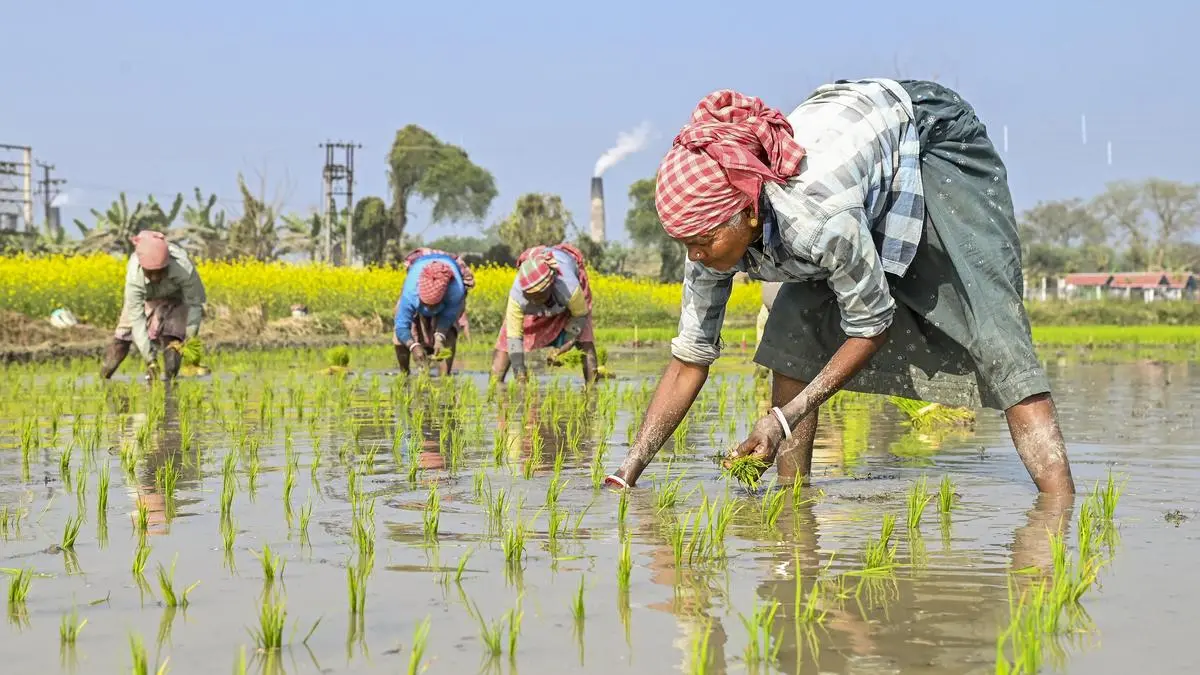
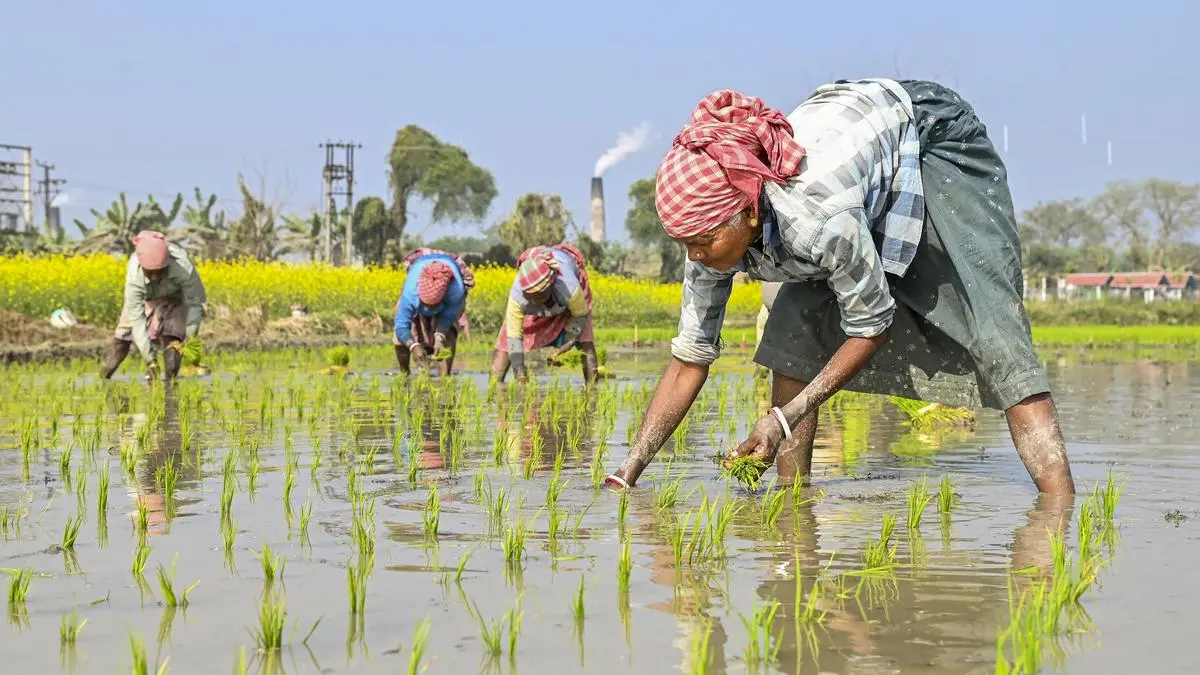
One pressing agenda for the newly elected government in Bengal is improving the lives and livelihoods of farmers and making the farm economy resilient and responsive. This agenda gains ground against the backdrop of State’s long history of land reforms and tenancy regulations, which marked a departure from the large farmer or ‘jotedar’ dominated farming system prevalent in the colonial period.
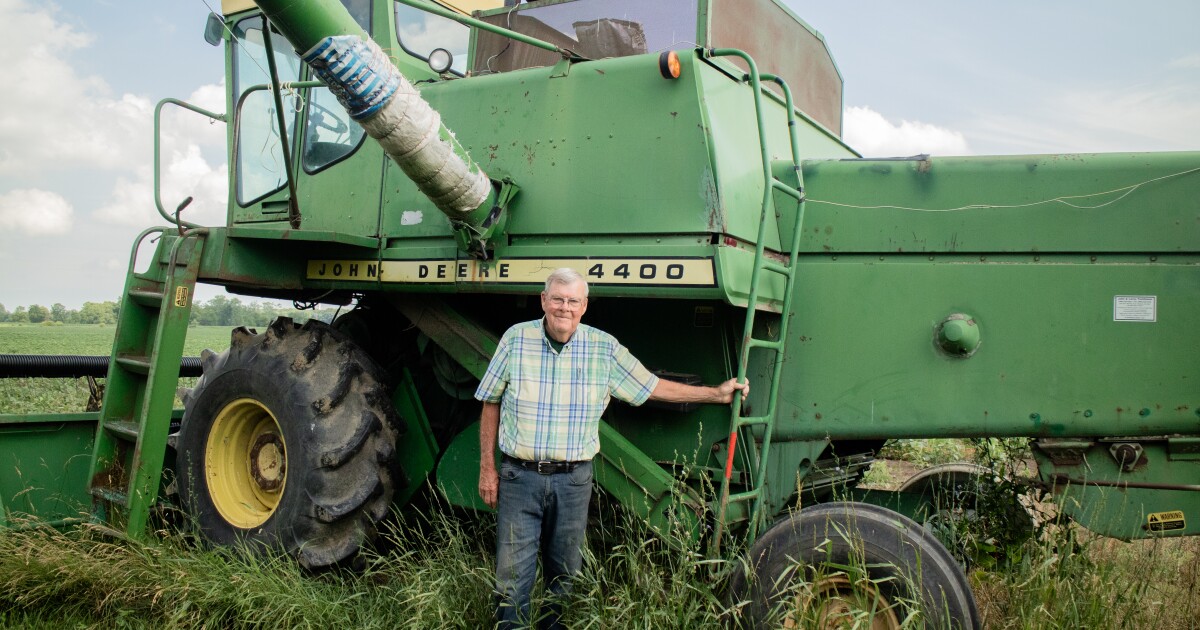
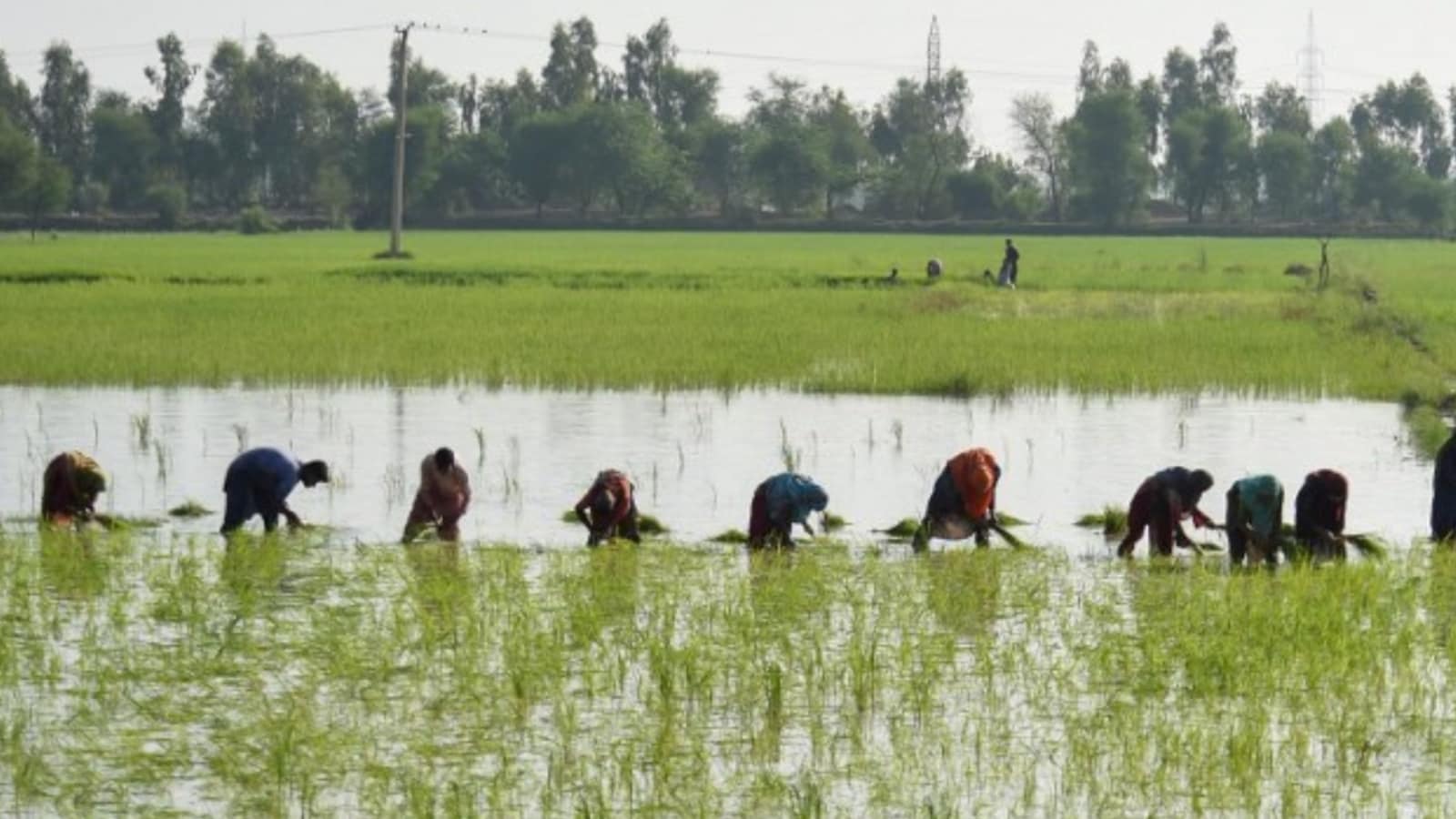
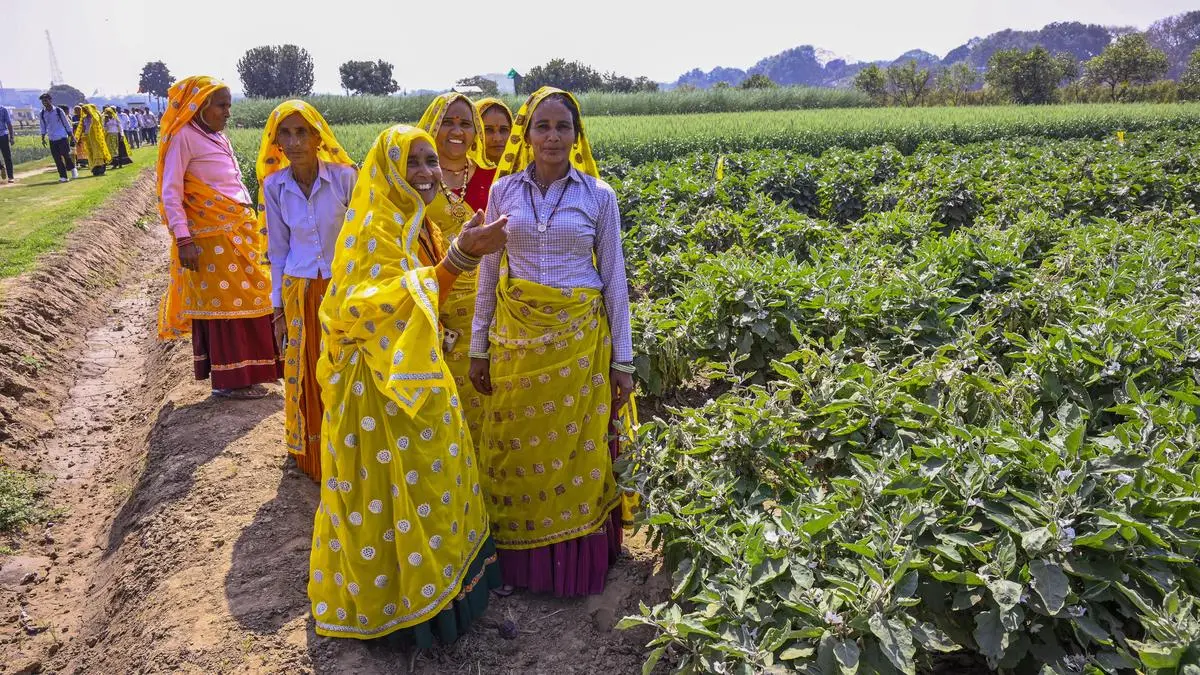
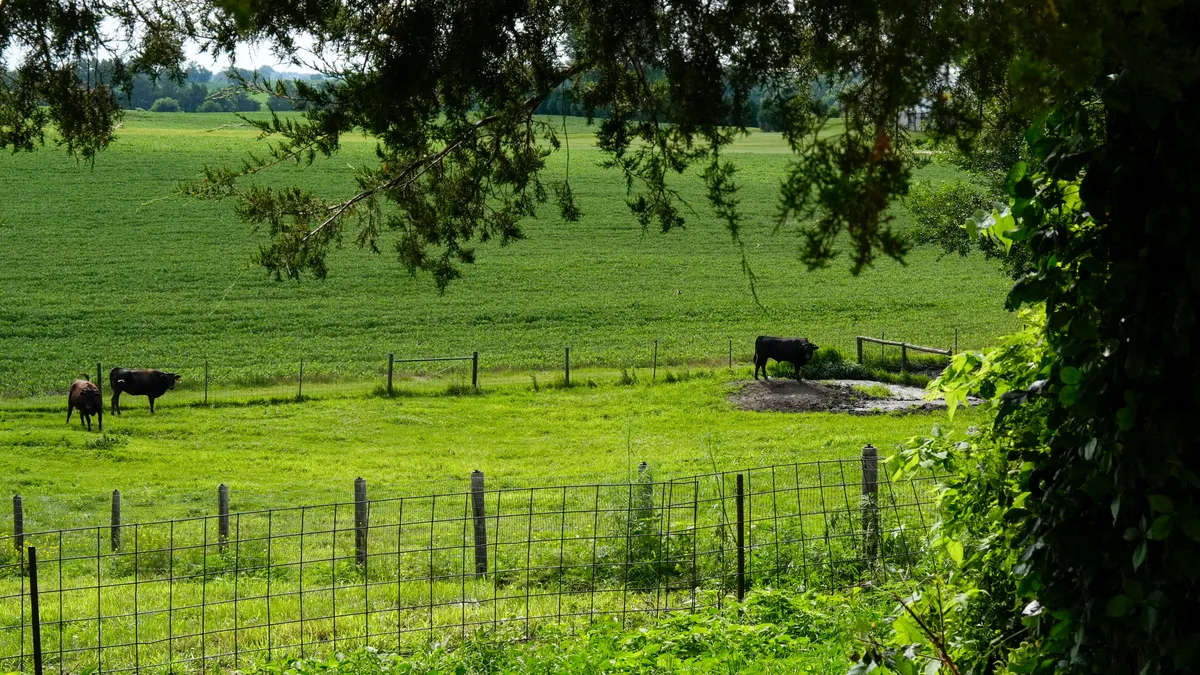
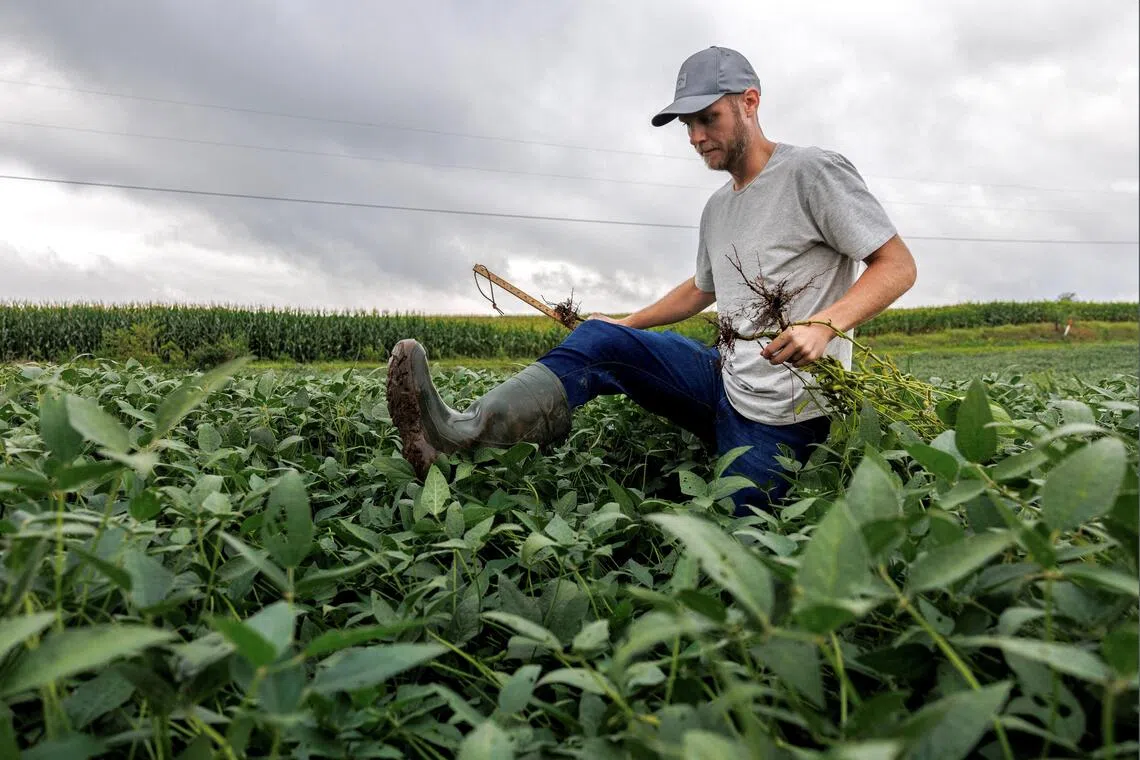
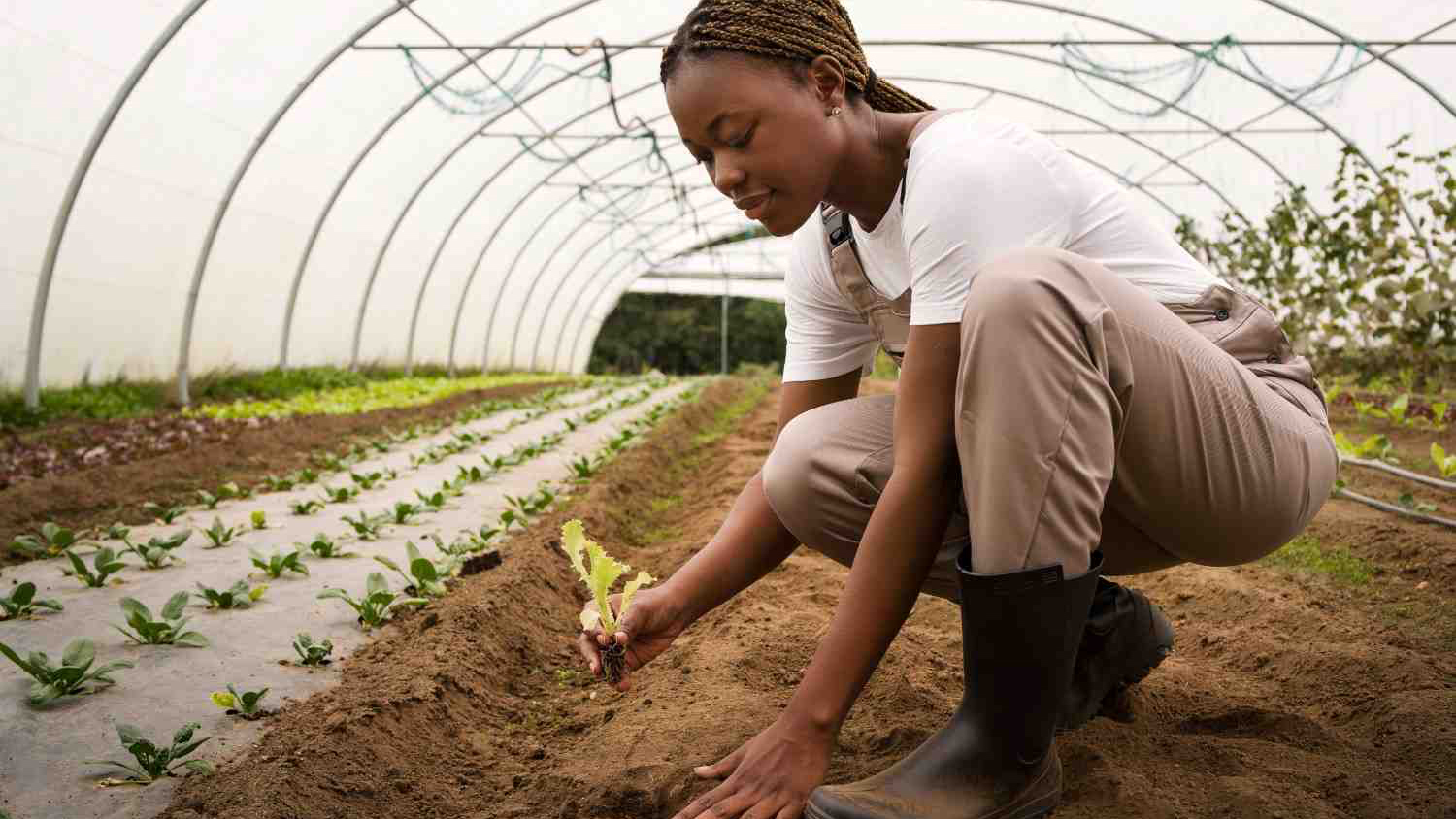
Though the State has a productive agrarian base, structural vulnerabilities have led to farmer distress and underinvestment in agriculture. For example, 96 per cent of the State’s 7.12 million farming households are small and marginal, and the average holding size is 0.77 hectare, which is much below the national average (1.02 ha).
The State’s per capita income (₹1,81,786 in 2024-25) is below the national average (₹2,34,859), due to a lack of economies of scale, wage stickiness, and the absence of large-scale agribusiness. The State’s agricultural growth (3.3 per cent) is below the current national average (4.5 per cent).
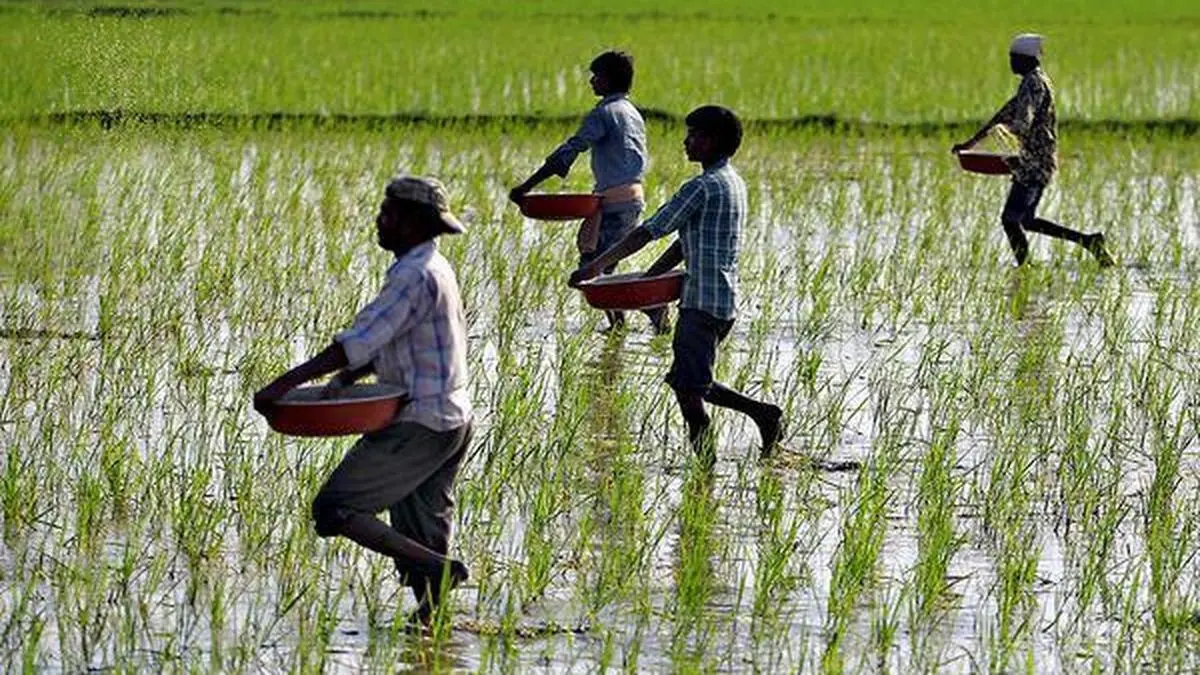
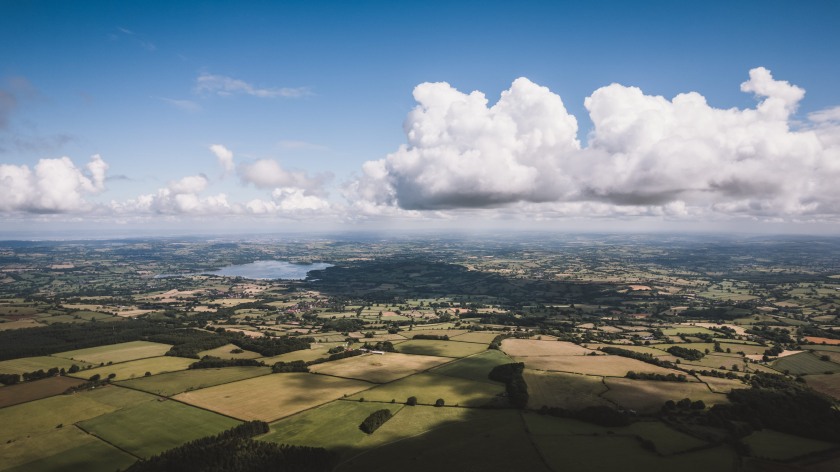
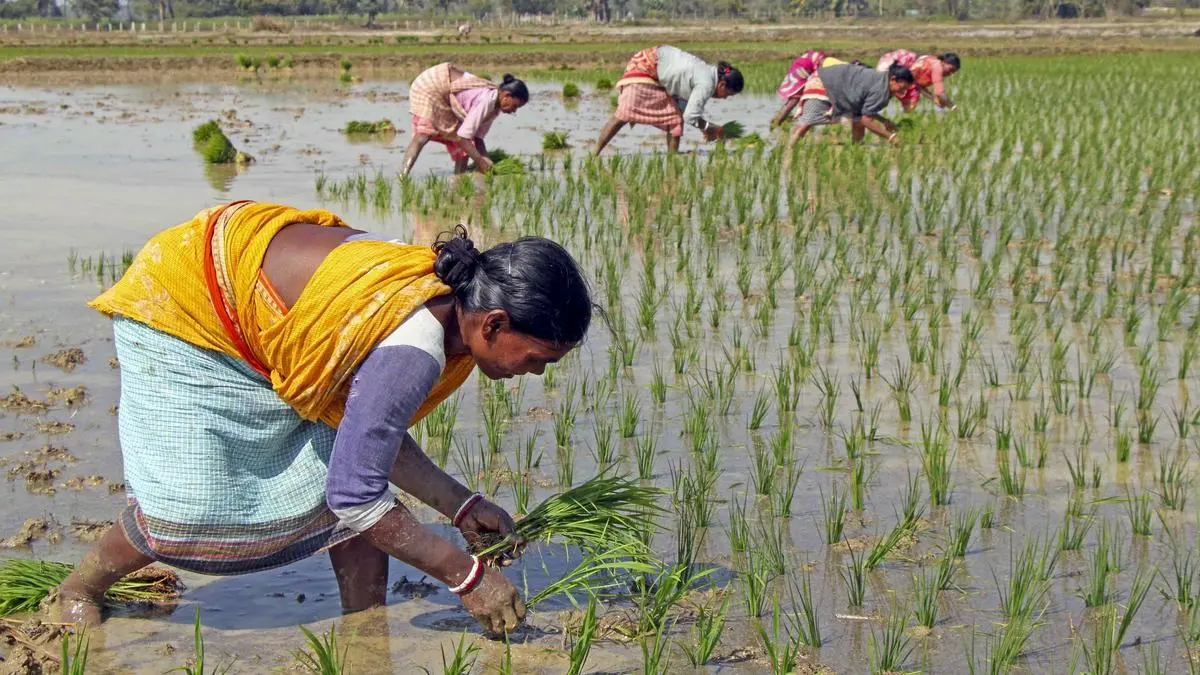
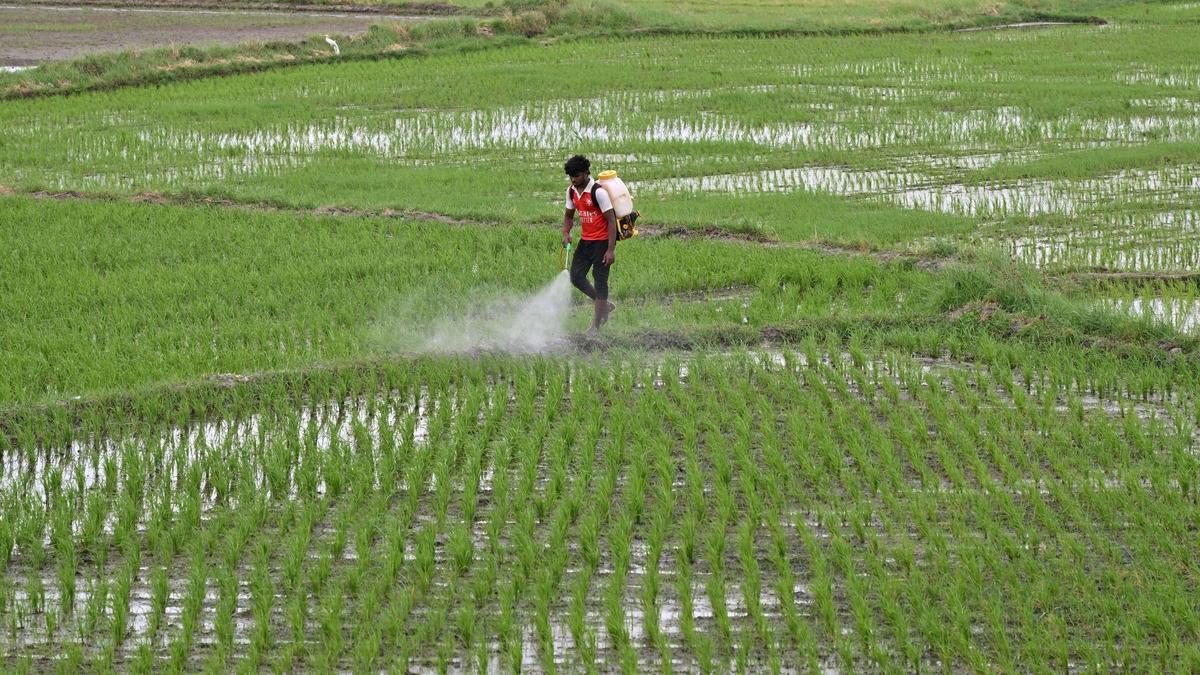
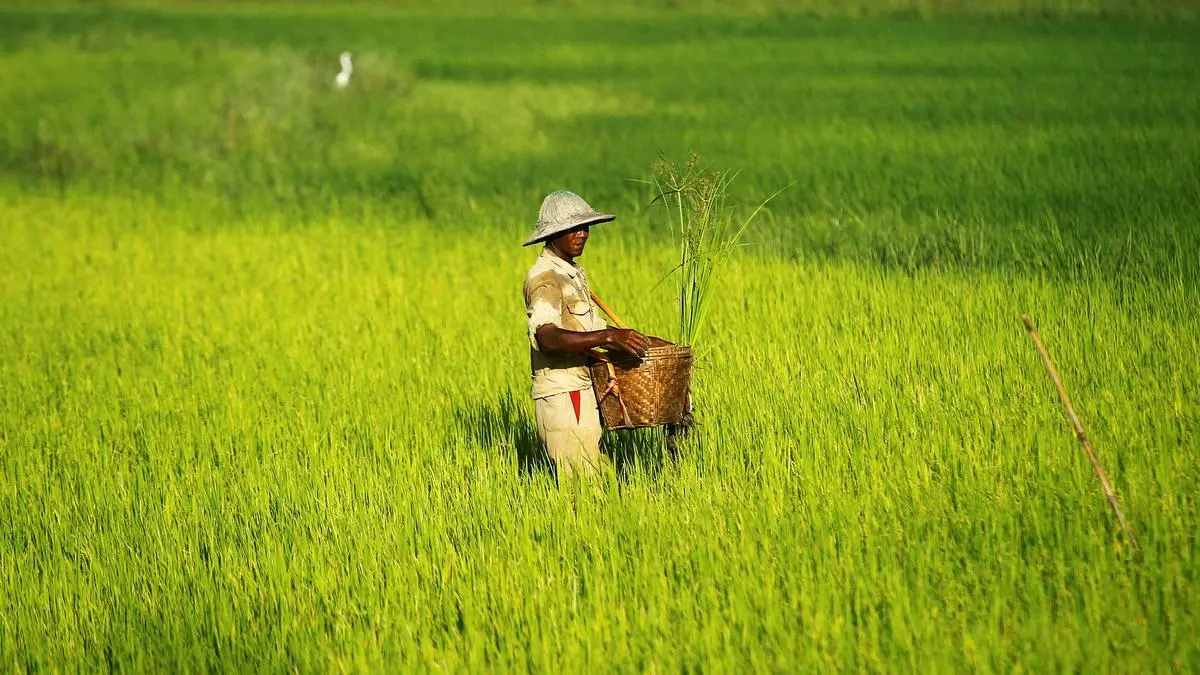
However, Bengal’s diverse agro-climatic zones and biophysical resources offer a competitive edge and can outweigh its structural shortcomings. Bengal remains one of the top paddy/rice producers, reporting 16.49 million tonnes of rice production in 2024-25.
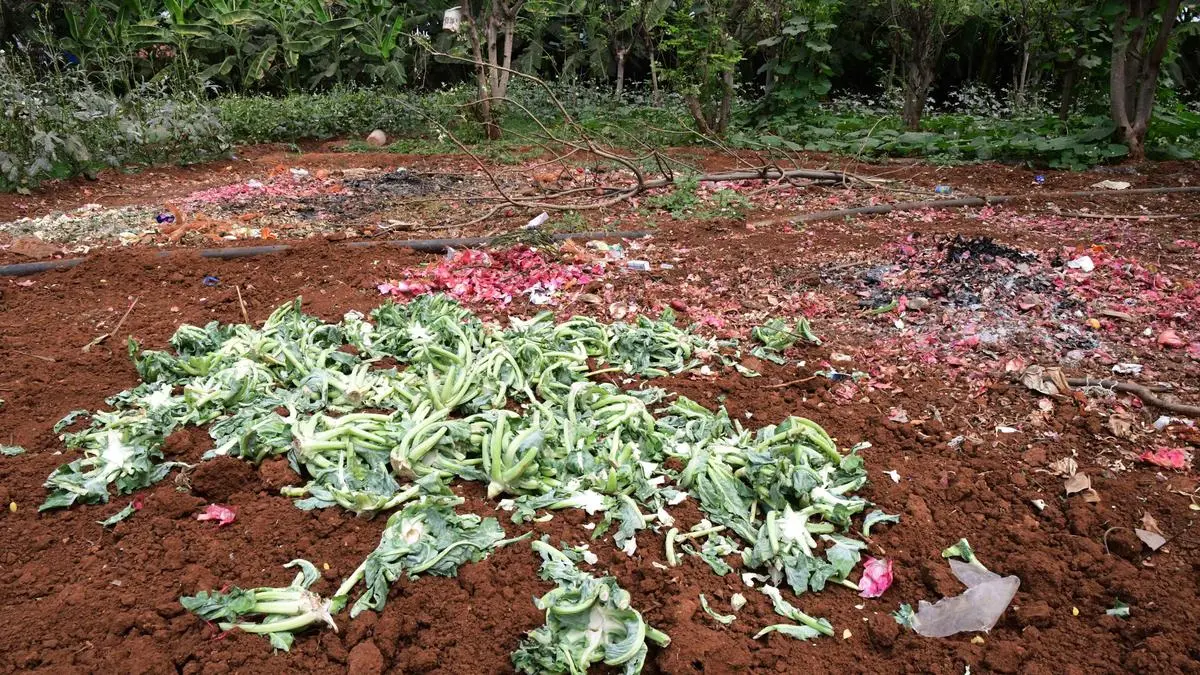
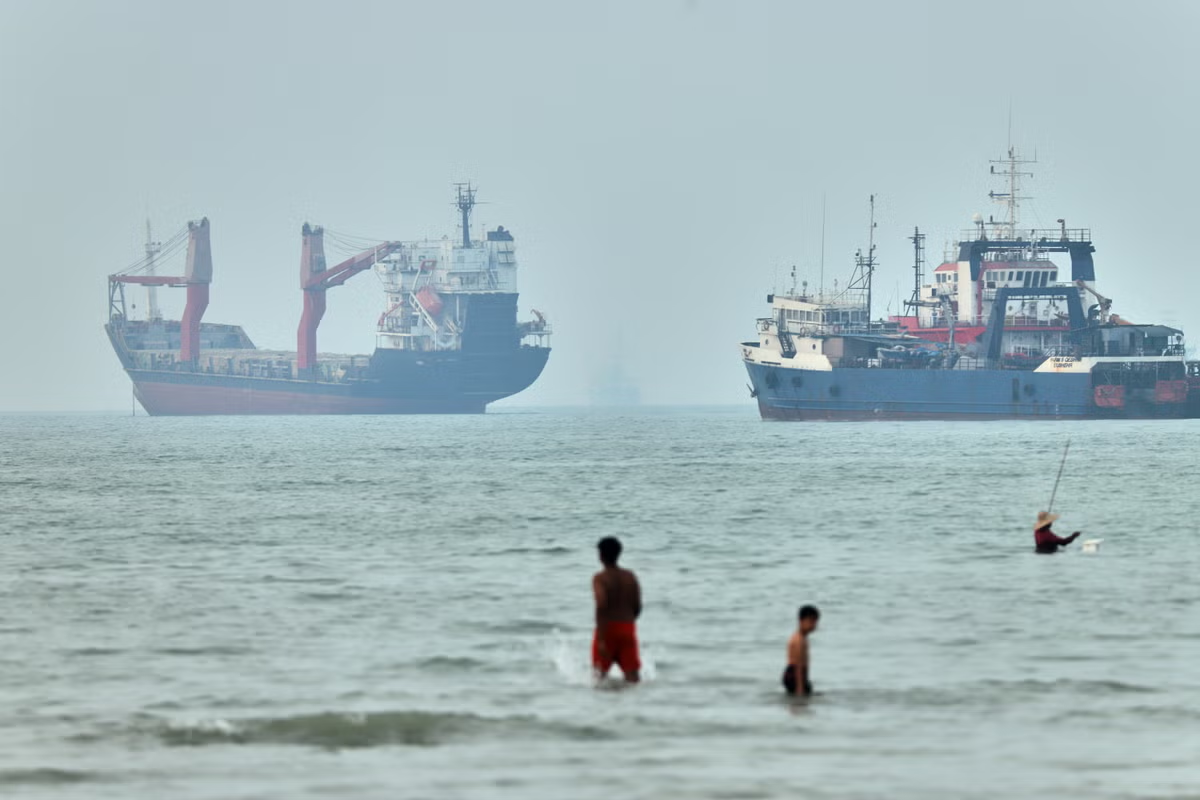
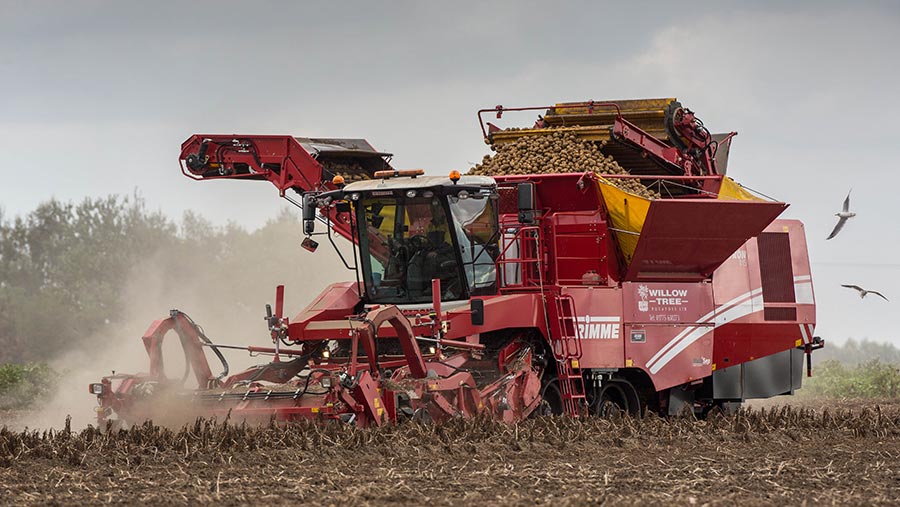
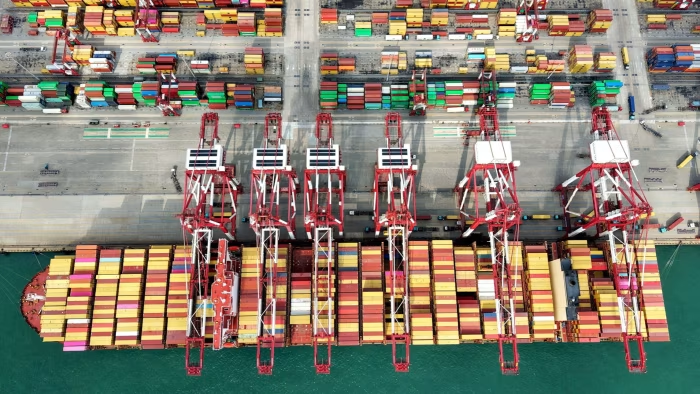
The State accounts for 74 per cent of India’s jute and mesta production. Potatoes account for 35 per cent, and the State leads in fruits and vegetables production, including brinjal, banana, and cauliflower. The State leverages its strategic ‘gateway to South-East Asia’ location to boost exports, having a share of 9 per cent in India’s food processing exports.
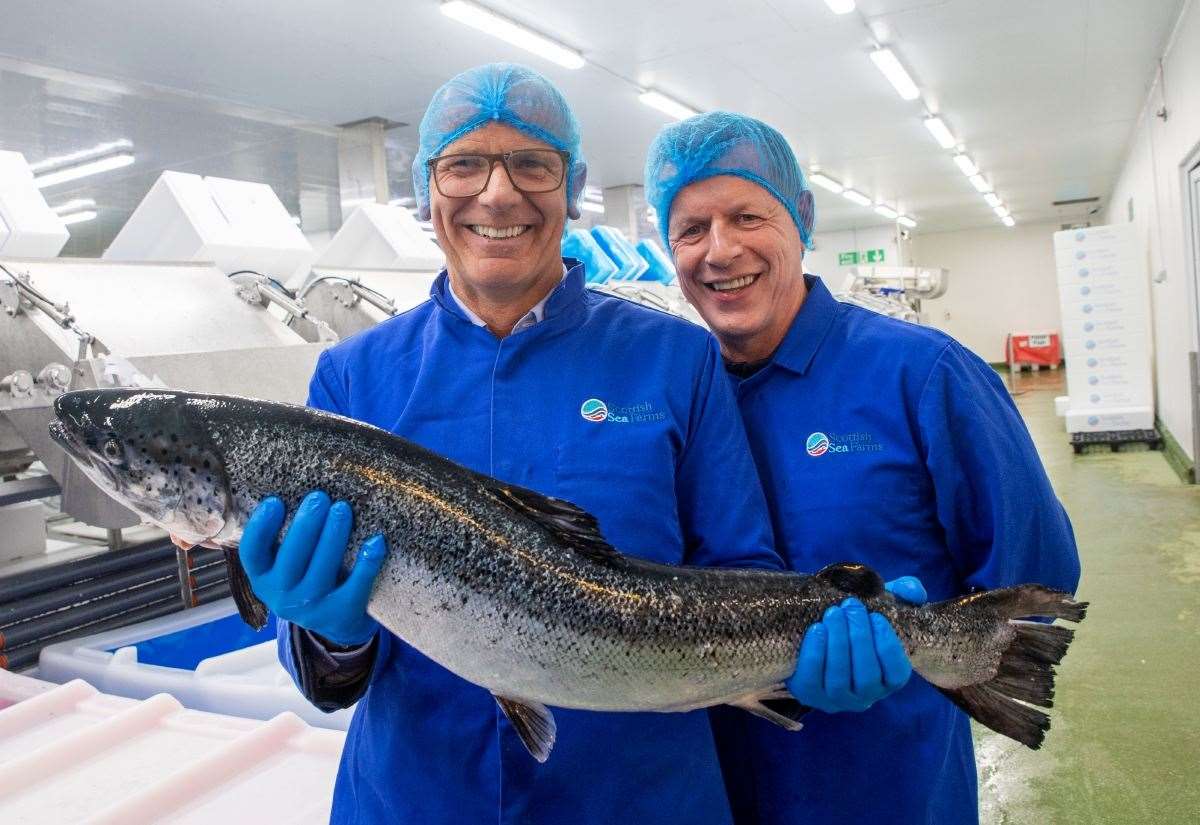
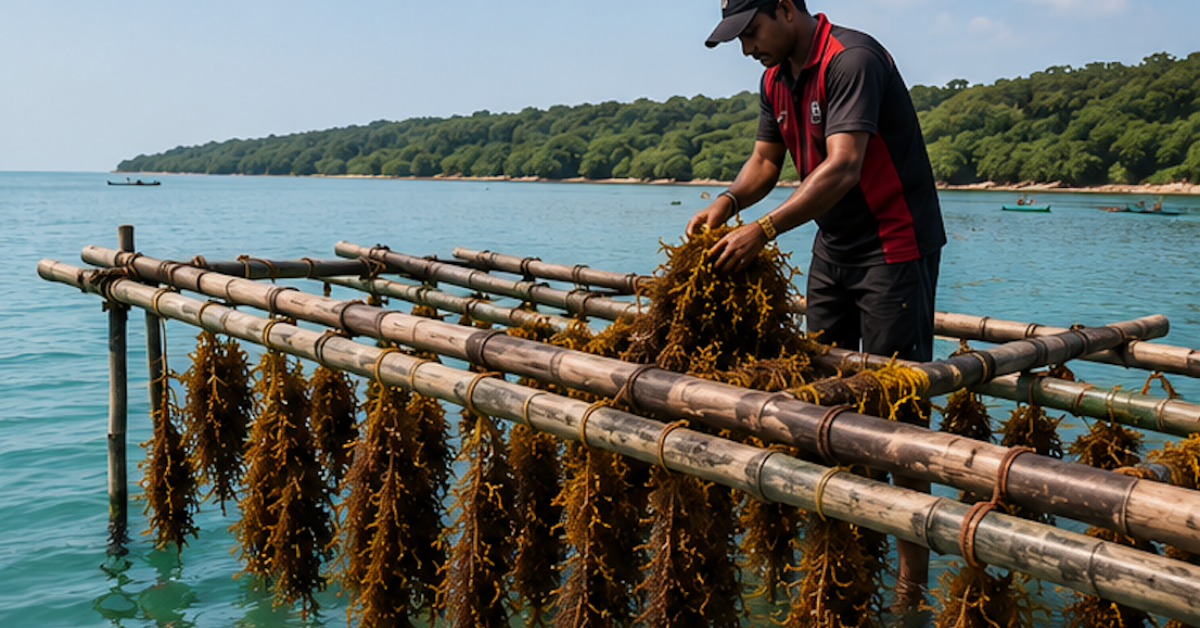
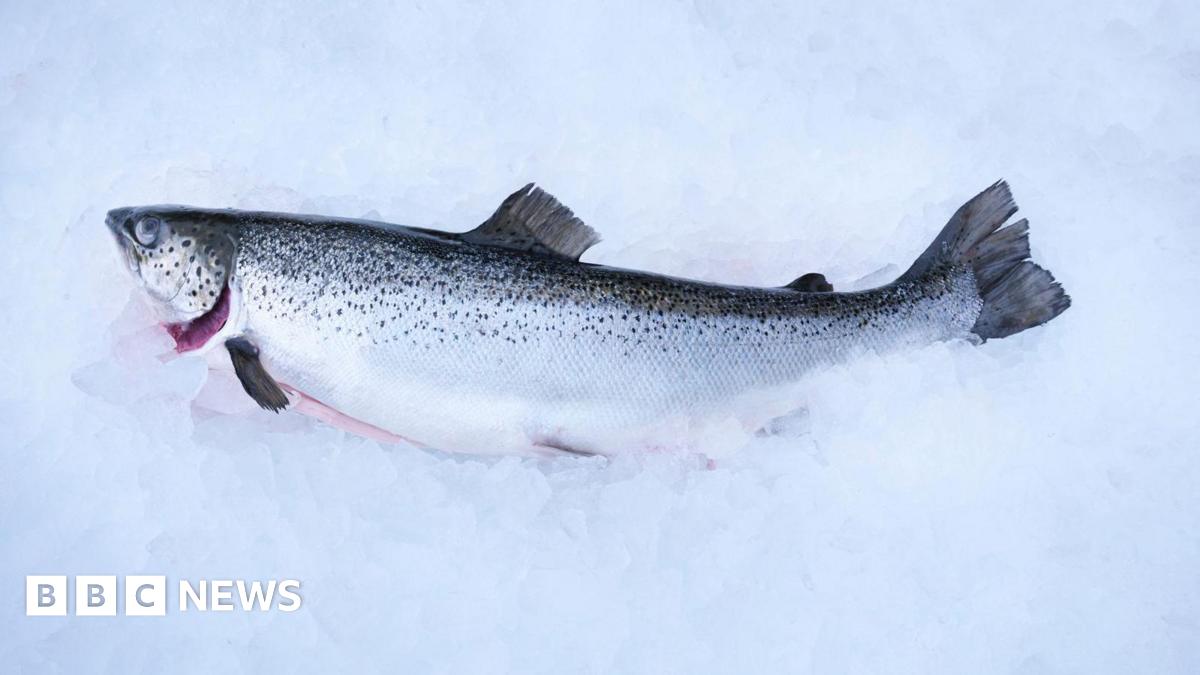
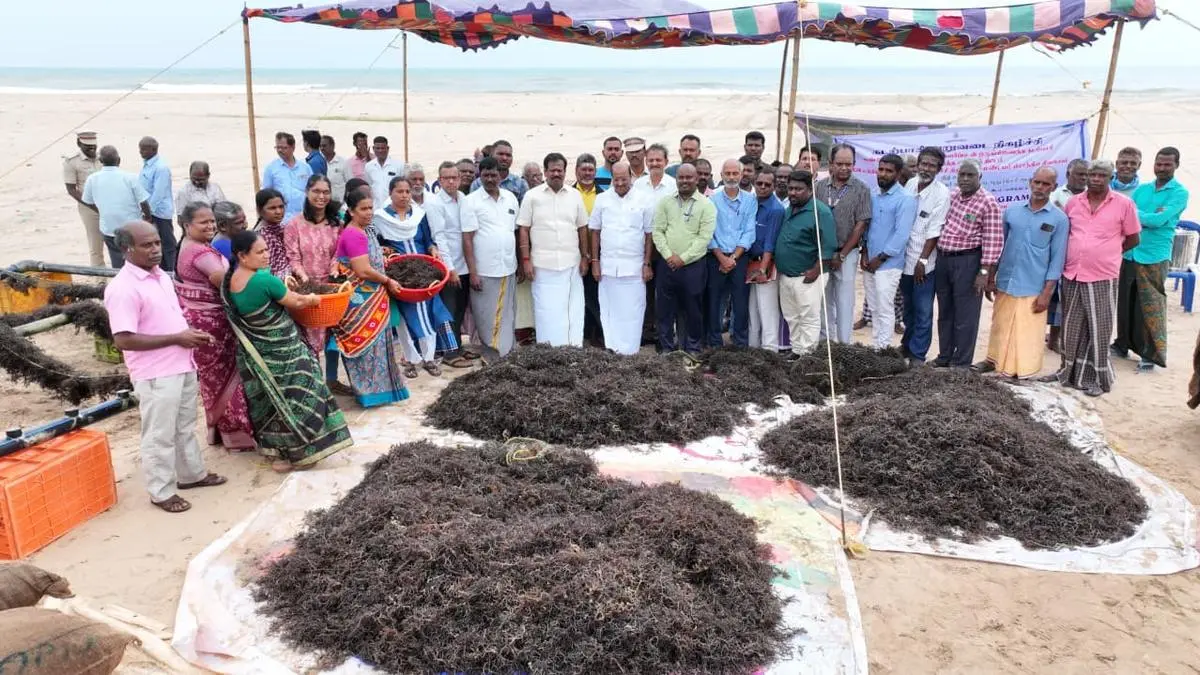
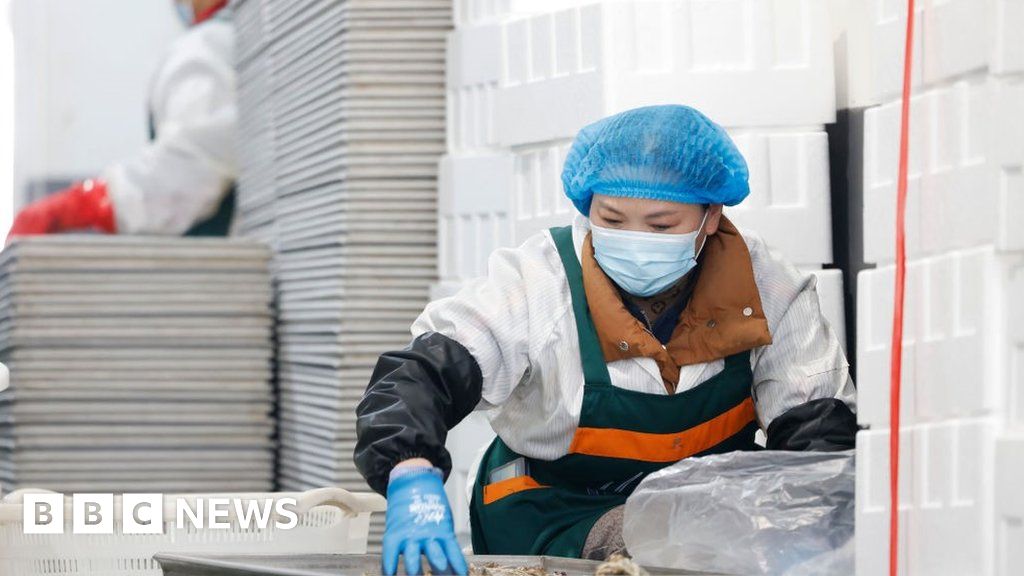
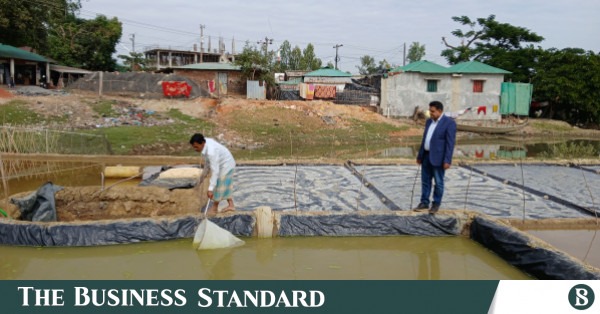
The State has vibrant inland, coastal, and brackish-water fisheries, accounting for about 18 lakh tonnes of total fish production, with a 10.26 per cent share in India’s fish production, and generating livelihoods for more than 30 lakh fishermen. The State Fisheries Development Corporation and ‘BENFISH’ enhance production and promote the development of fishermen cooperatives.
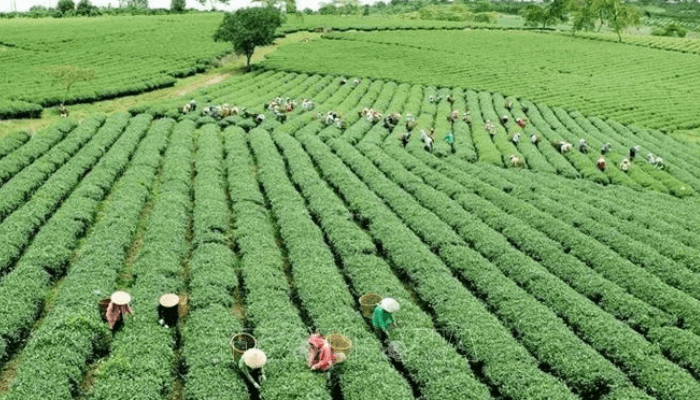
Bengal’s tea industry, located in North Bengal and encompassing Darjeeling, Dooars, and Terai, is India’s second-largest producer, accounting for 24 per cent of India’s tea output. It has more than 300 large tea estates and generates livelihoods for 2.64-5 lakh workers involved in the tea value chain.
Pervasive issues
Given this diversity and magnitude of agriculture and allied activities, farm distress and out-migration remain pervasive issues. A district-level study shows that technical and allocative efficiency in agriculture is skewed towards the central Gangetic region in the State. The most agriculturally advanced districts are Hooghly, Purba Bardhaman, and Nadia. Purulia remains the most agriculturally backward district, given its dry, undulating terrain and inadequate irrigation facilities.
The northern mountainous region and the south-western highlands also report higher crop productivity. 24 Parganas (North) and Murshidabad reported a higher agricultural contribution to their district-level domestic products and outperformed several southern counterparts. So, the government must develop a district-wise plan of action or targeted interventions.
First, ground-level credit disbursement, PM Kisan beneficiary coverage, and the Kisan Credit Card-linked interest subvention scheme beneficiaries must be increased from current levels.
Second, the government must promote activity-specific State-level federations of farmer-producer organisations to address market and credit access problems for member FPOs and their farmers.
Third, the agriculture ministry, in consultation with the Central government, must implement the AgriStack project to improve information governance and real-time monitoring of farming activities.
Direct benefit transfer under central sector schemes, including the insurance programme and price support scheme, must be implemented diligently to safeguard farming communities.
To sum up, agribusiness enterprises using the PMFME and AIF schemes should be promoted alongside the “ODOP” scheme to induce export-led agricultural growth.
The writer is an Associate Professor of IIM Lucknow. Views are personal
Published on May 14, 2026