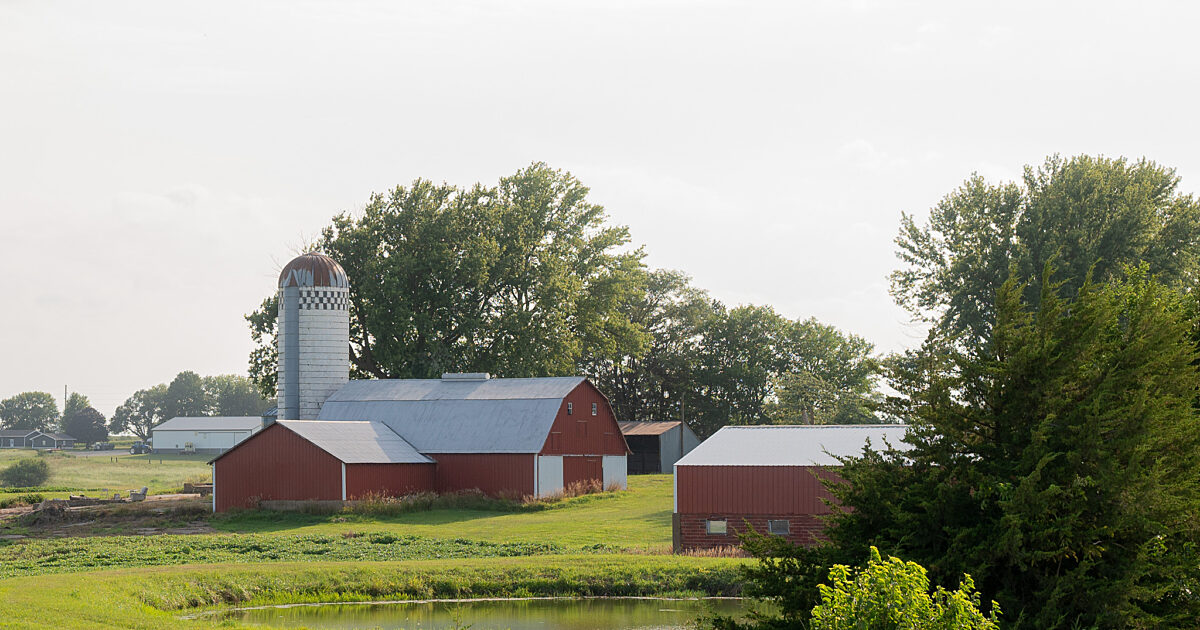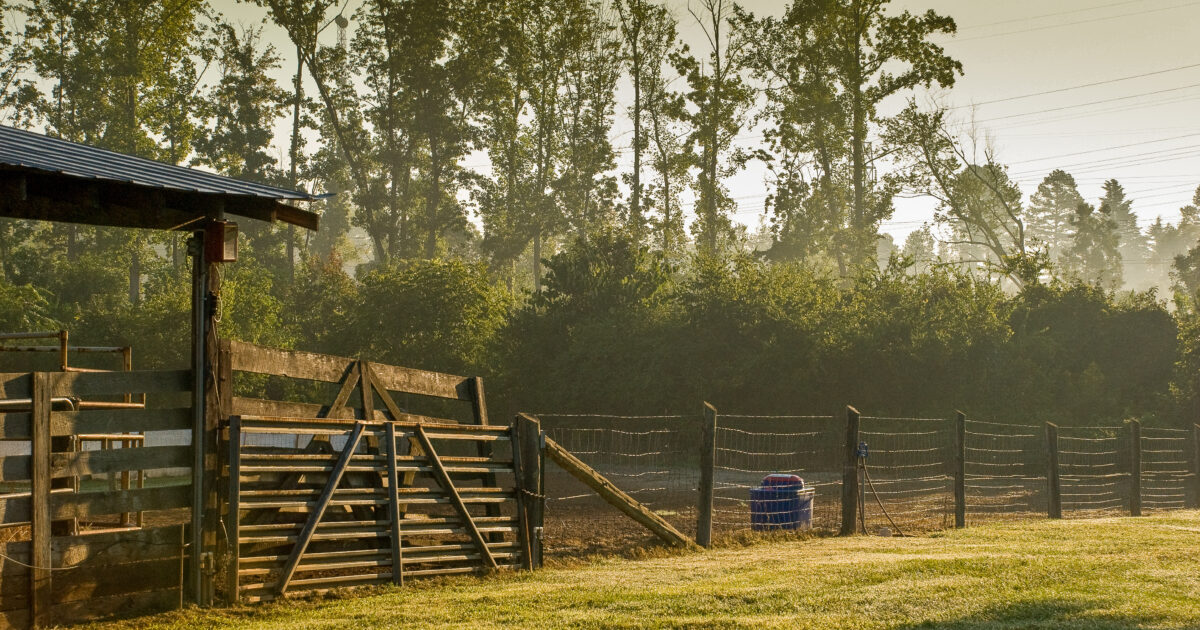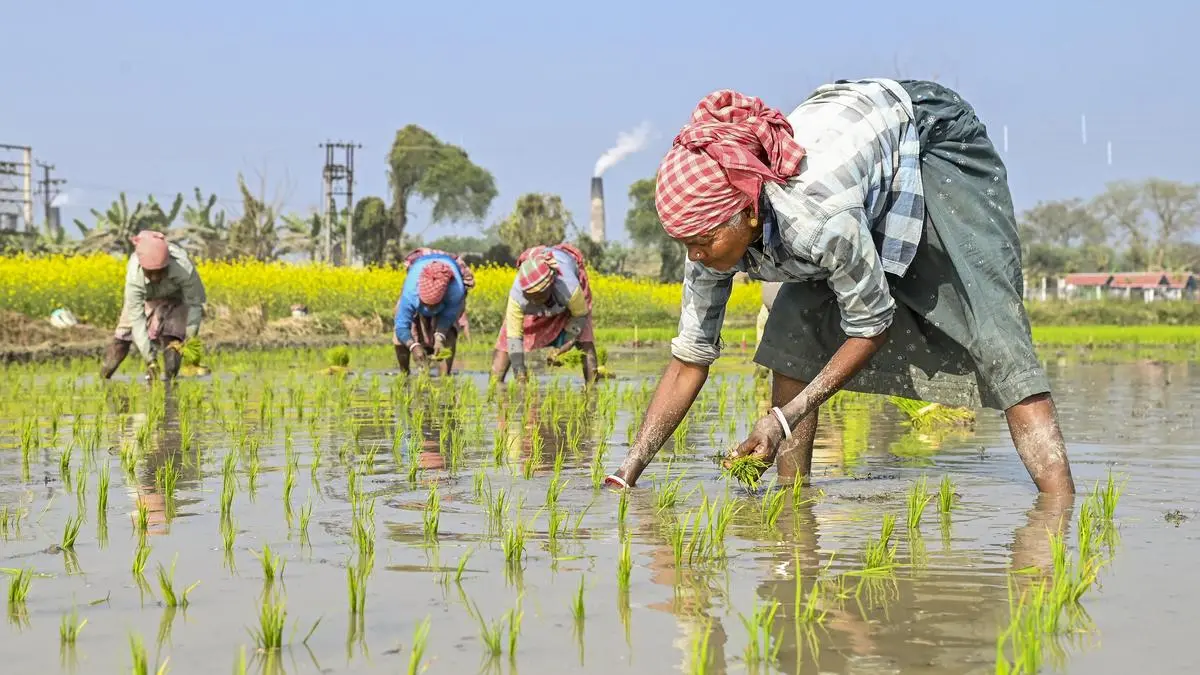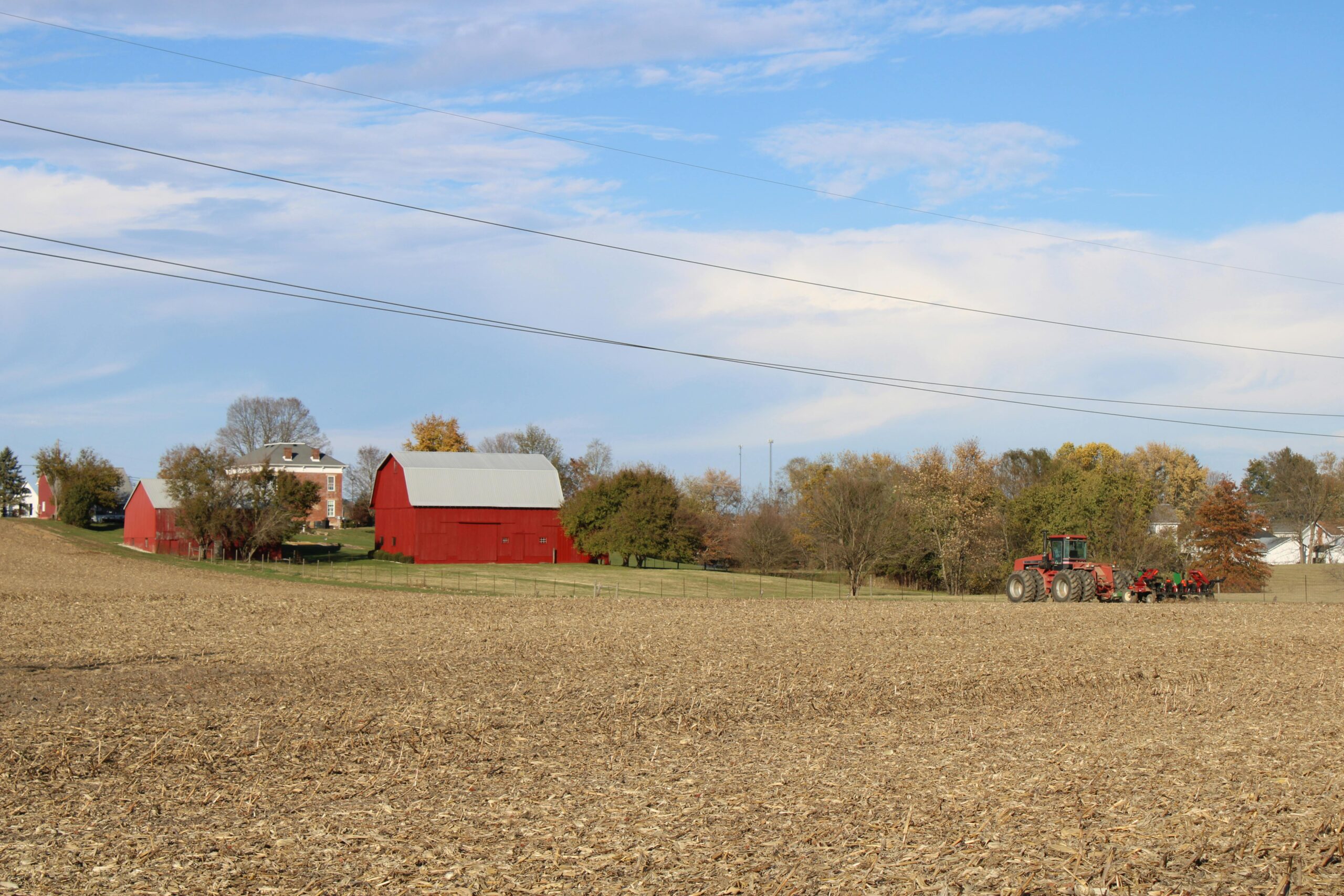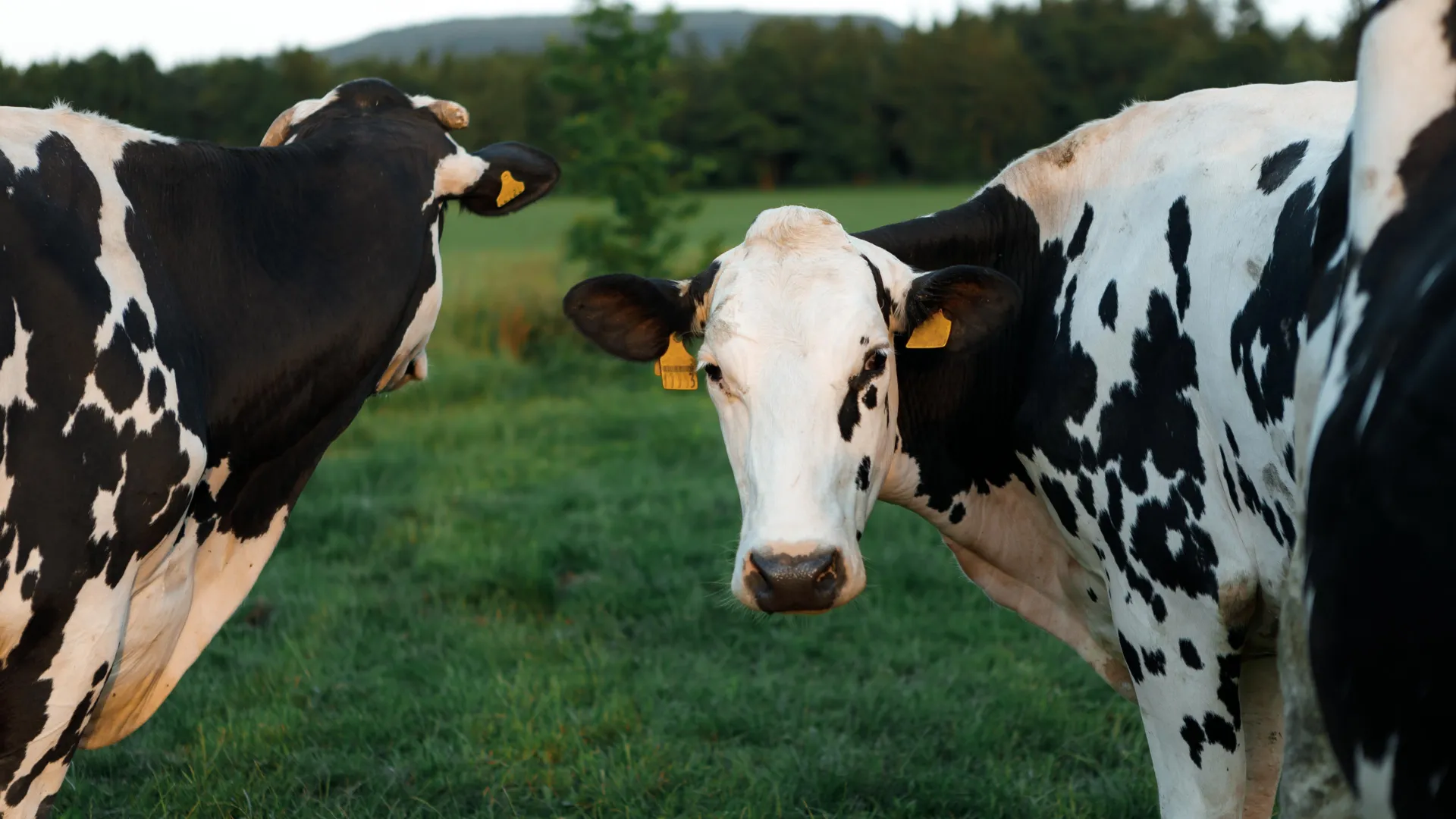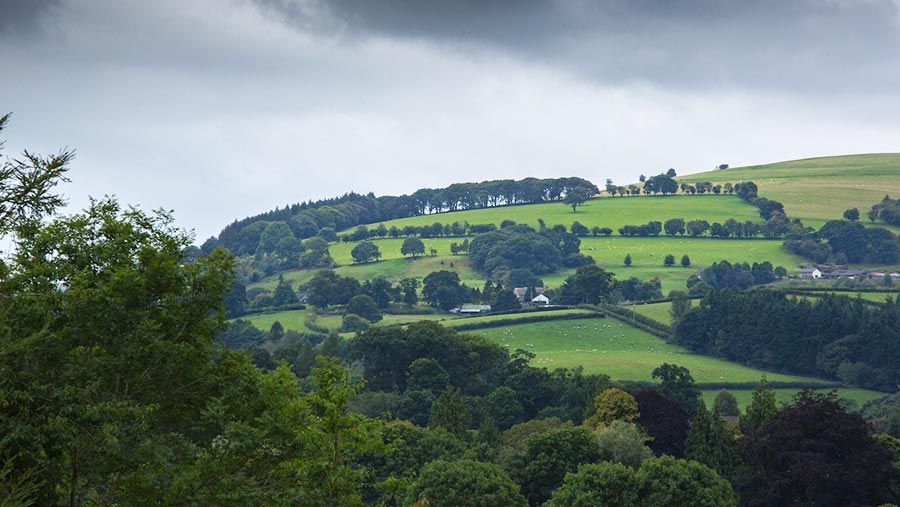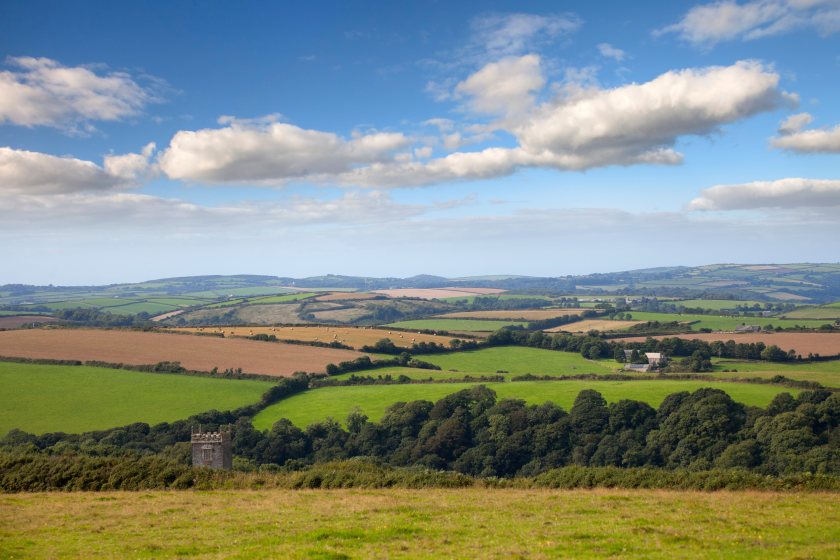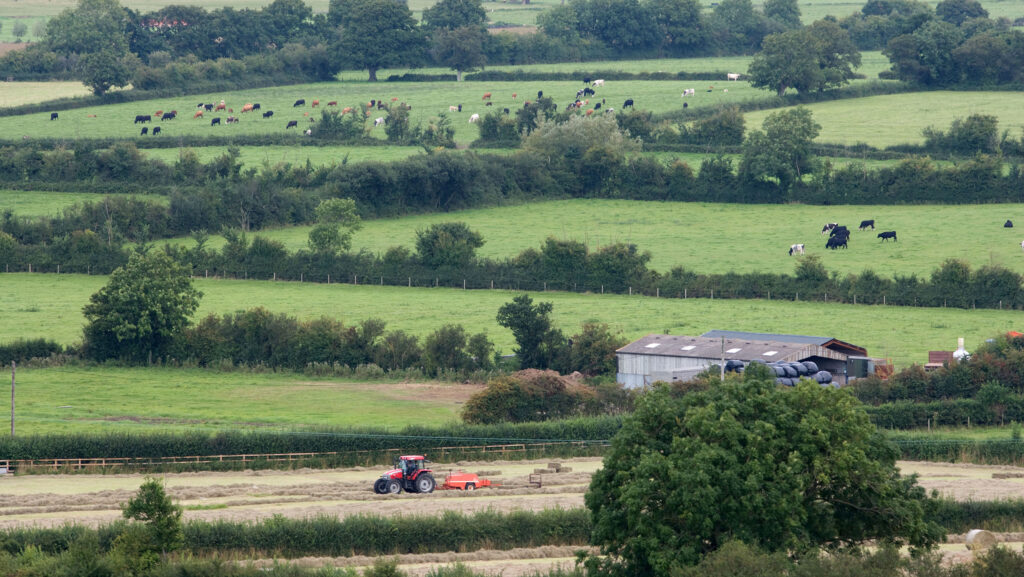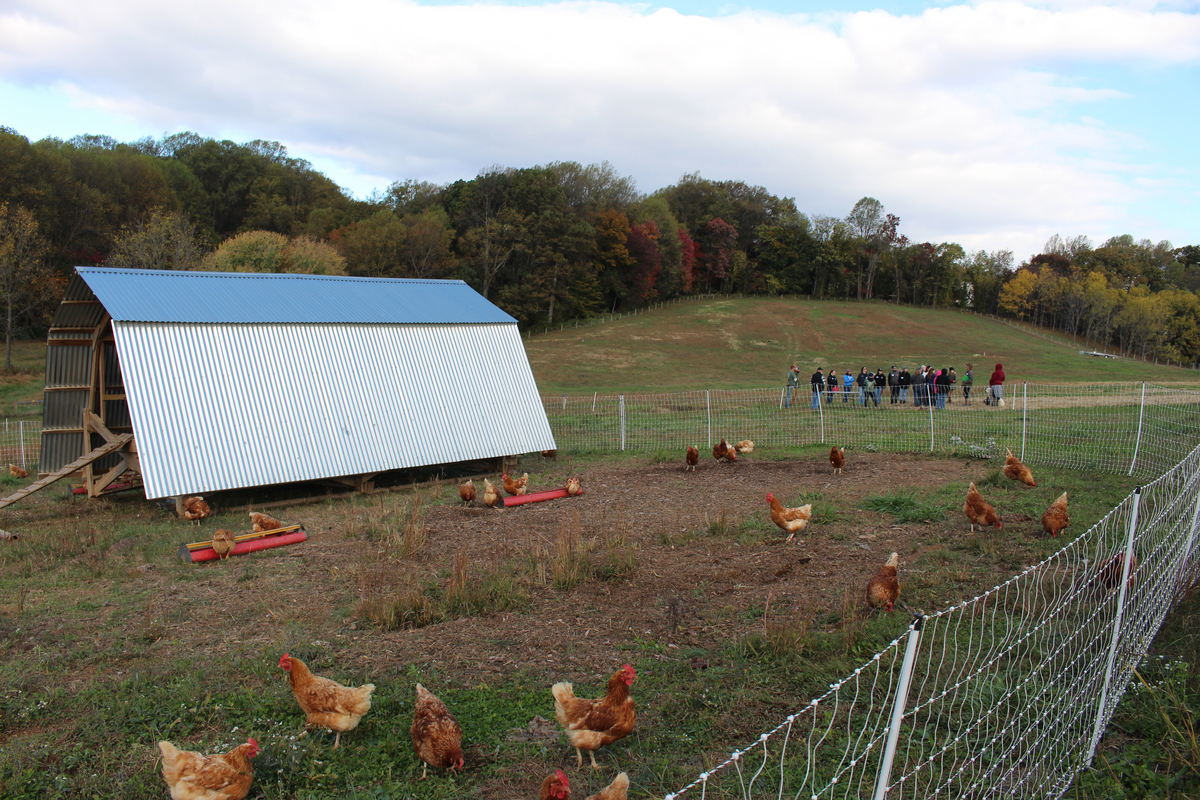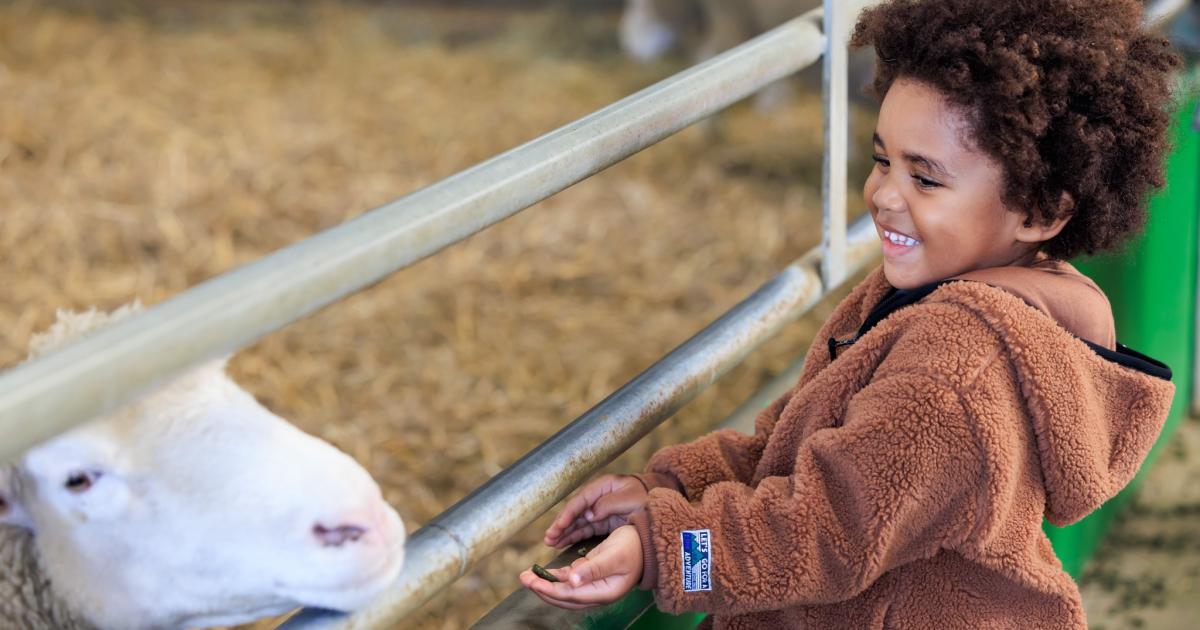
The call, led by the National Farm Attractions Network (NFAN), highlights the need for planning reforms that better reflect the challenges and opportunities facing farm-based tourism businesses.
NFAN, which represents nearly 300 members and champions farm and rural attractions, argues that current policies could create unnecessary barriers to development and diversification.

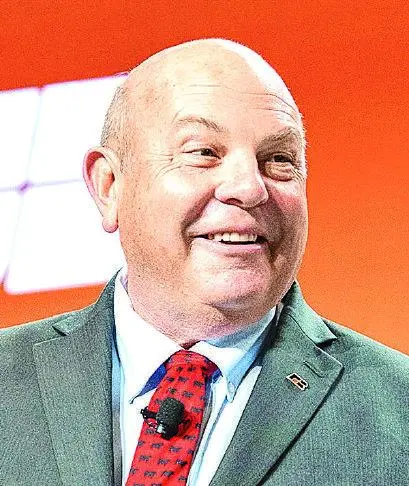
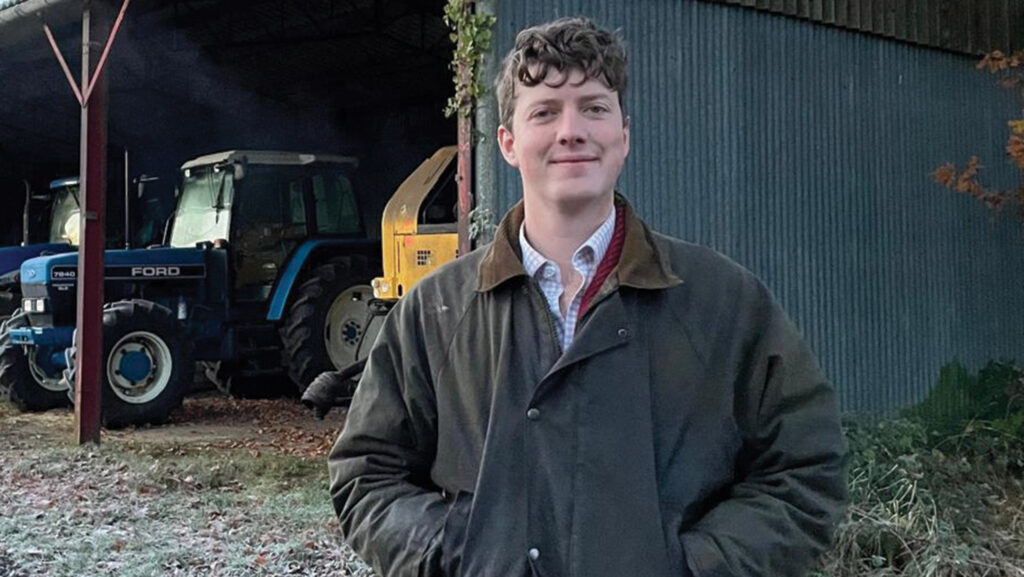
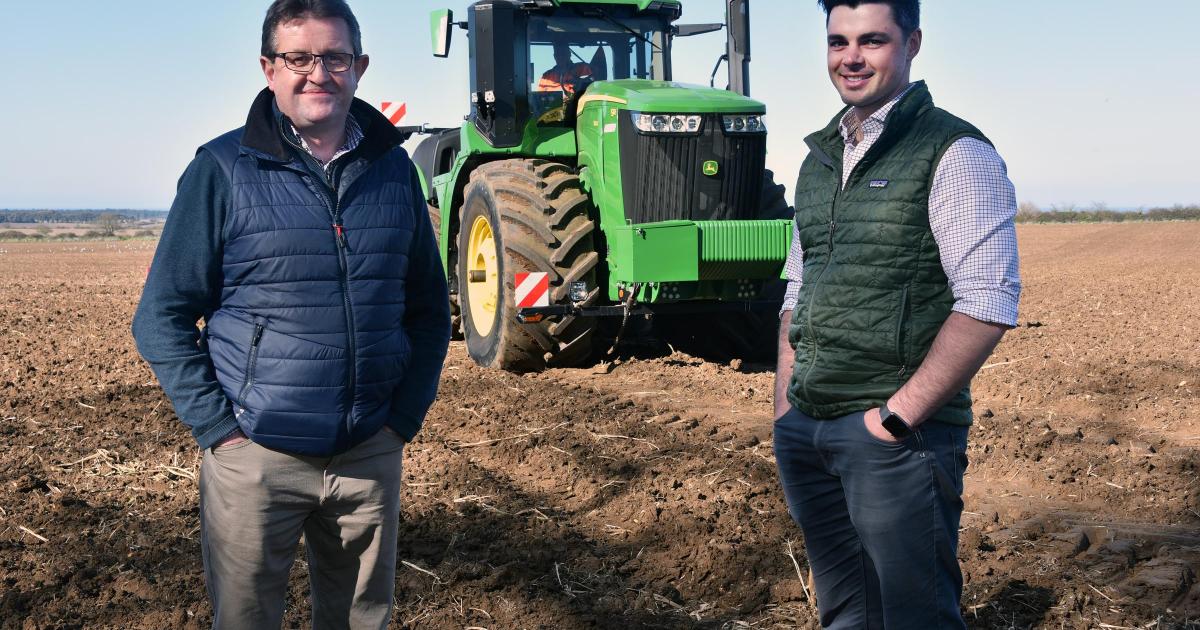
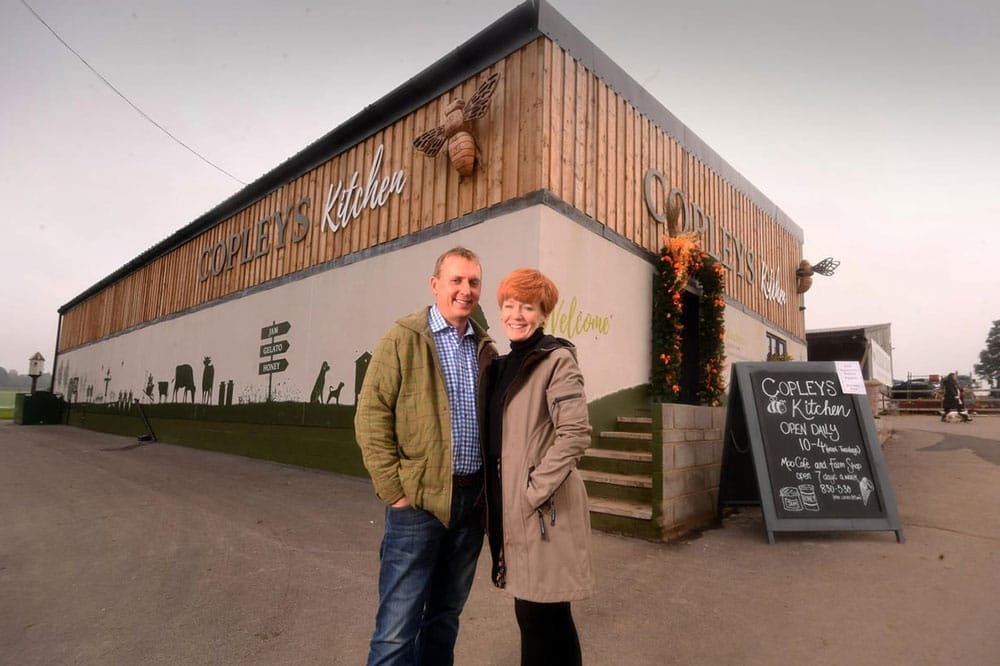
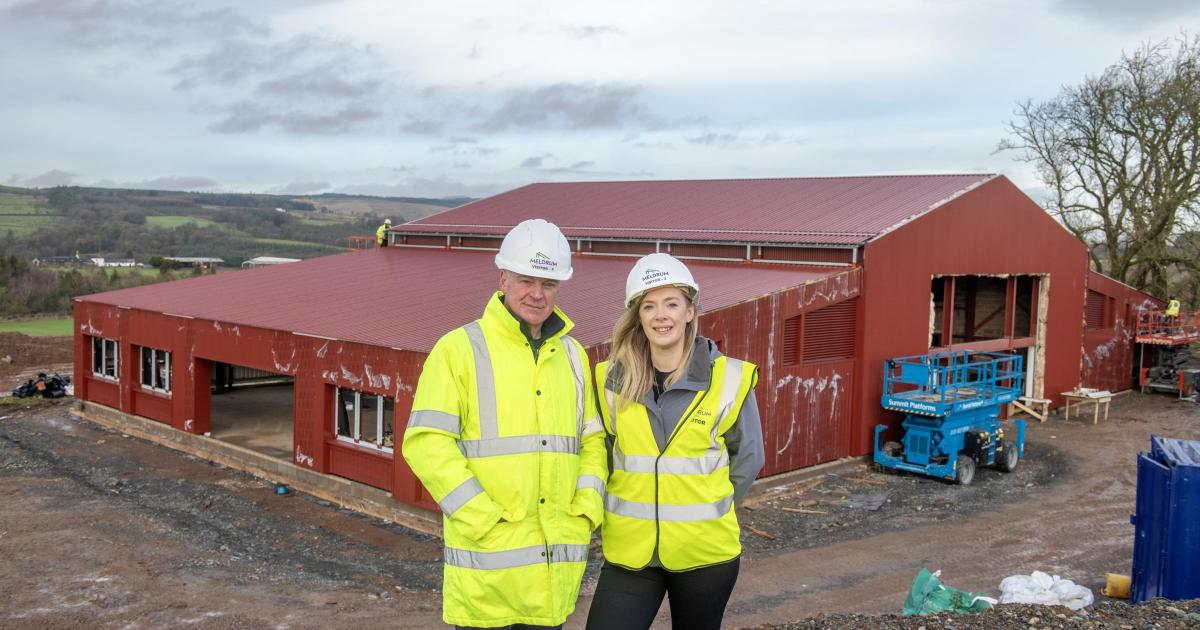
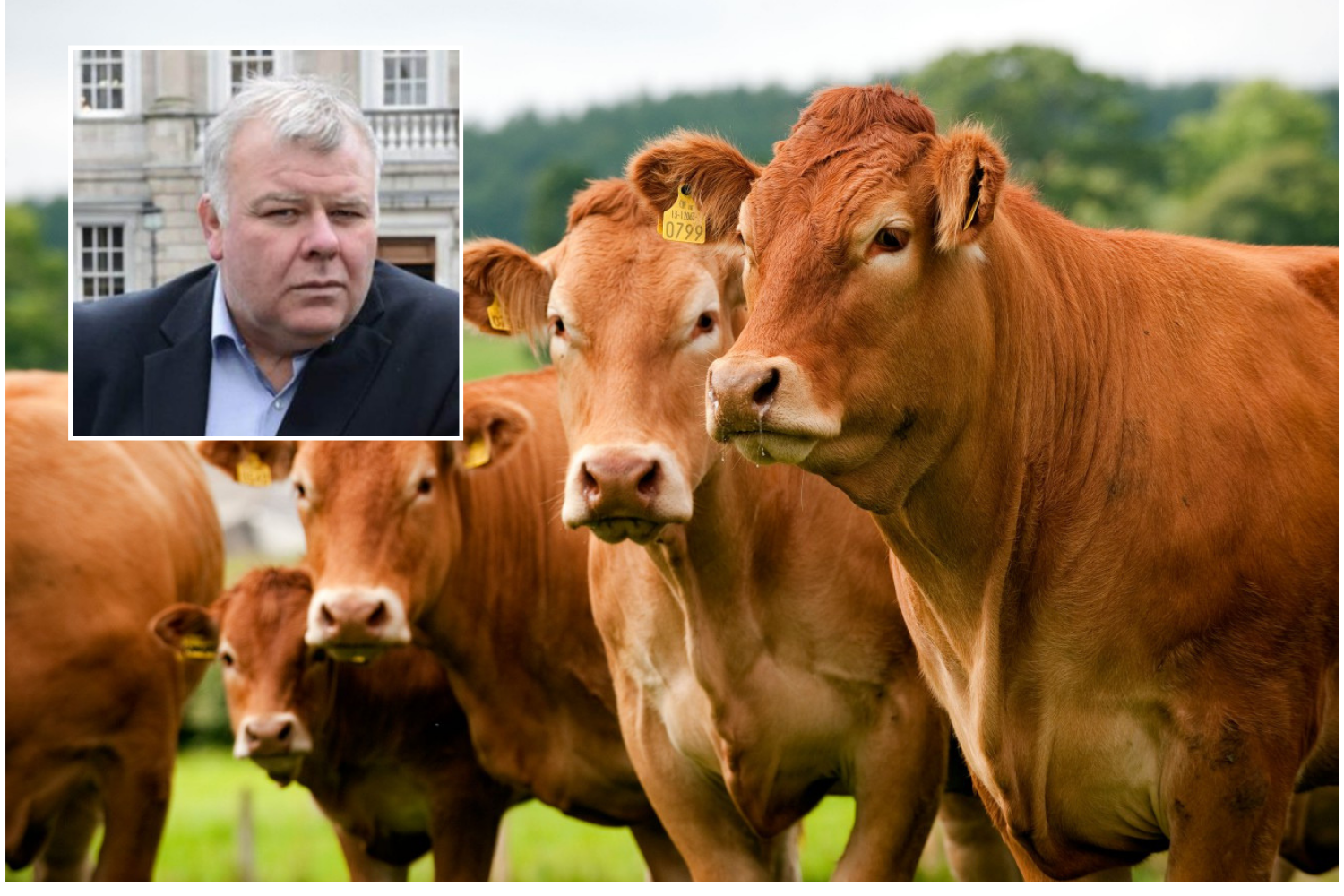
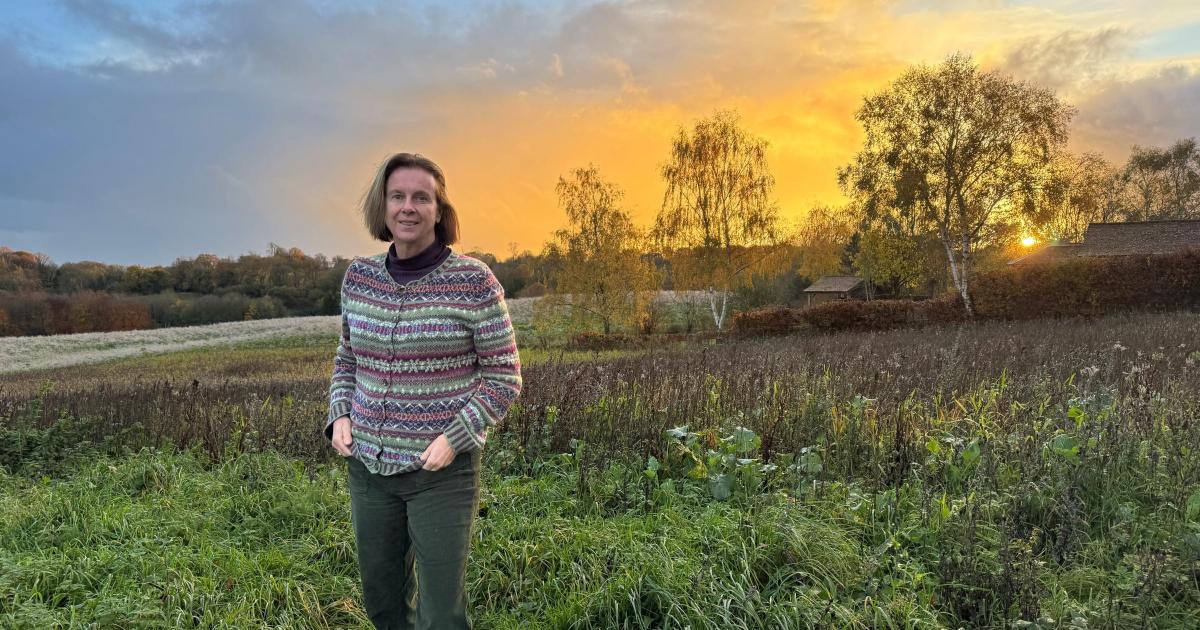
Nick Laister is an NFAN member and owner of Fairytale Farm in Oxfordshire, and also a planning consultancy, Laister Planning, which works with operators of rural visitor attractions.
Mr Laister said: “It is vital that consideration is given to the very different needs of the rural economy to ensure we can continue to add value and provide new opportunities, not only for our attraction operator members but also the population as a whole to benefit from greater access.”
He recently led the network’s detailed response to draft changes in the National Planning Policy Framework (NPPF), outlining seven key areas where planning rules could harm rural visitor enterprise.

NFAN broadly supports the NPPF’s stated backing for rural tourism and business development outside existing settlements.
However, it stresses that this support must remain robust and clear to give farm attractions the confidence to invest and expand.
The organisation estimates that its members contribute £400 million to the rural tourism economy.

A critical recommendation from NFAN is to maintain and extend planning flexibility in Green Belt and open countryside areas.
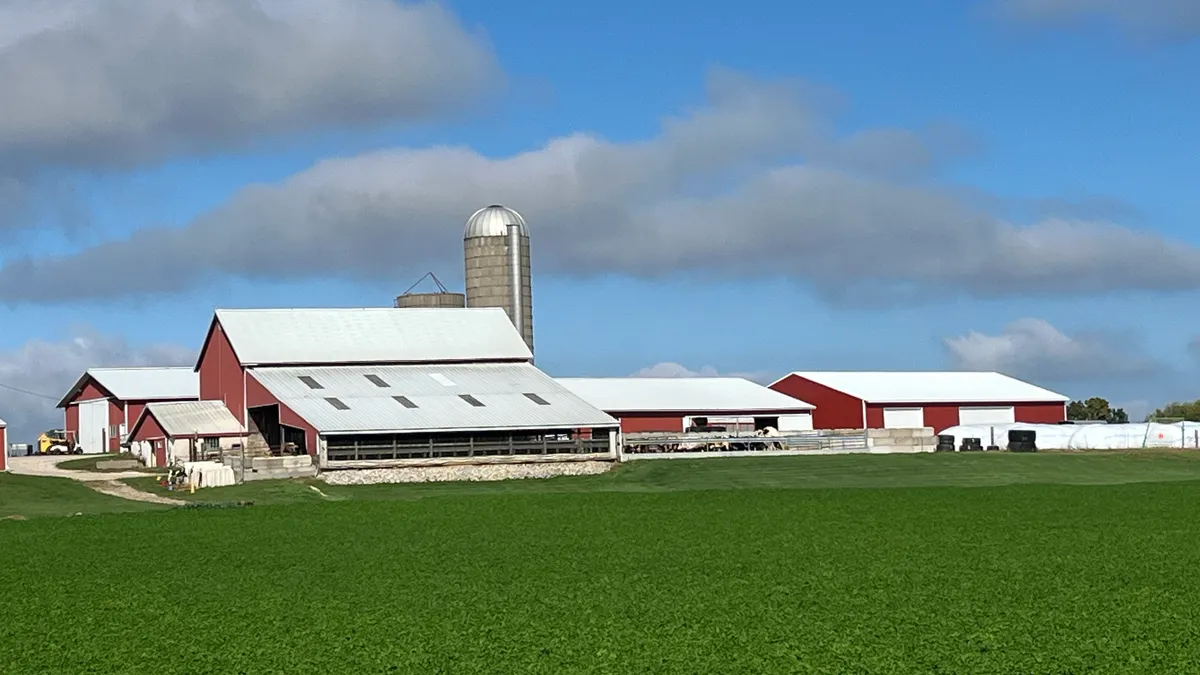
Many farm attractions are based within the Green Belt and contribute to public enjoyment of greenspace, biodiversity, and recreation.
The network warns that any weakening of current planning flexibility could stall investment and reduce employment opportunities in rural areas.

Another major concern is the risk of rural attractions being categorised as “town centre uses.”
This would subject them to site assessments and impact tests intended for urban developments, which NFAN argues are inappropriate for businesses that by necessity must operate in the countryside.
The network calls for them to be explicitly excluded from such definitions in the NPPF.
NFAN also advocates for proportionality in planning requirements, particularly for small and medium-sized rural businesses.
It warns that excessive information demands—such as detailed lighting, noise, and transport assessments—can place undue strain on operators with limited resources.
The network calls for planning guidance that is risk-based, evidence-led, and sensitive to the realities of rural life.
Clarity and consistency in the relationship between national and local planning frameworks is also a priority.
NFAN argues that confusion between national policy and local plans can lead to delays and uncertainty for rural businesses seeking permission to diversify or expand.
Environmental regulations and the application of Biodiversity Net Gain (BNG) are also areas of focus.
NFAN supports targeted environmental improvements but cautions against blanket requirements that could render smaller projects unviable.
It calls for clear guidance on when higher levels of BNG may be justified, and proportional expectations for temporary or seasonal operations.
Transport remains another area where NFAN believes the draft NPPF does not fully reflect rural realities.
The group supports a shift towards more sustainable travel but notes that farm attractions cannot realistically be based in highly accessible urban locations.
It recommends retaining caveats such as “unless the nature of the use makes this impractical” and calls for better recognition of rural bus links within planning policy.
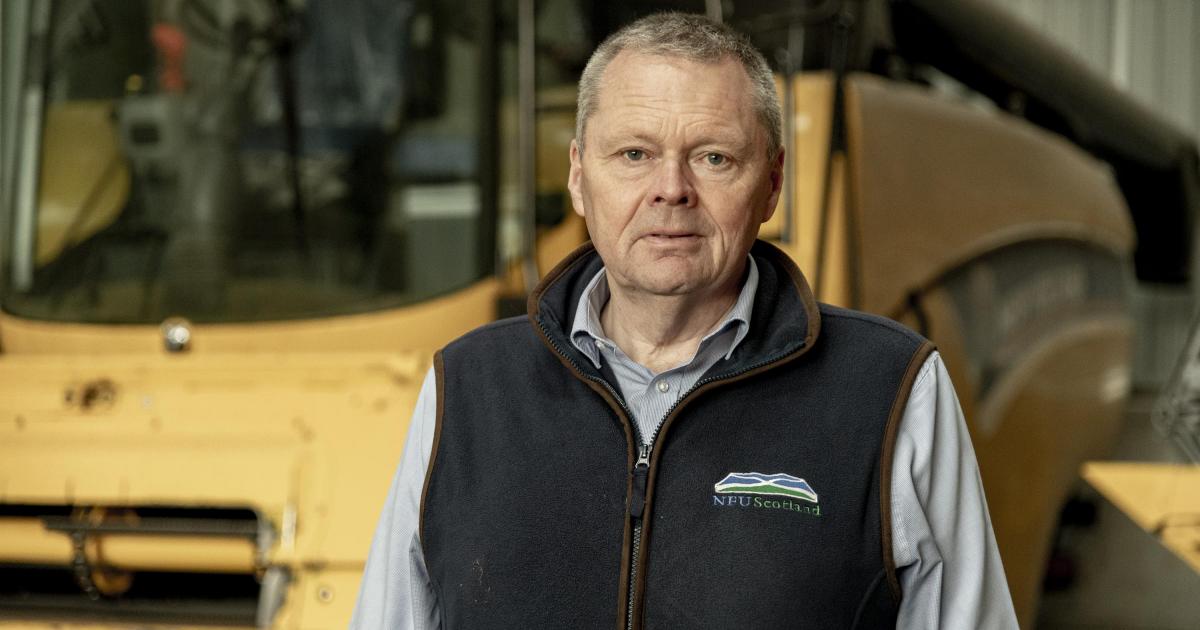
NFAN chairman Tom Pearcy said: “Farm parks create valuable jobs and opportunities, and play a vital part in supporting the rural economy.
“We need planning policies that reflect the important role we play and allow our dynamic sector to flourish.”
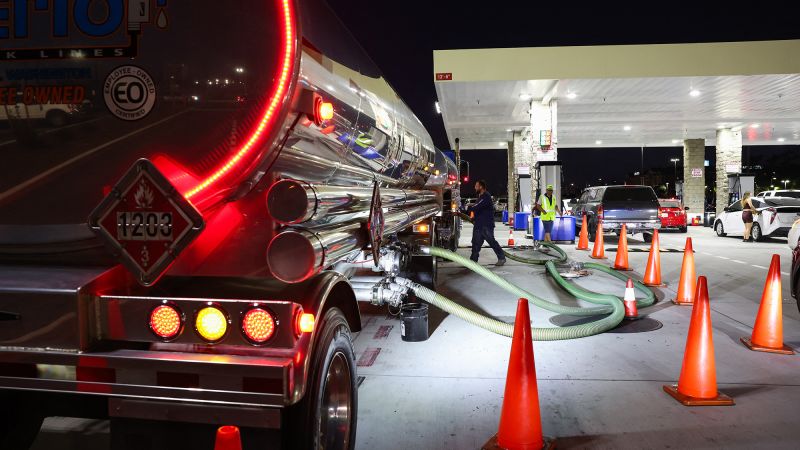
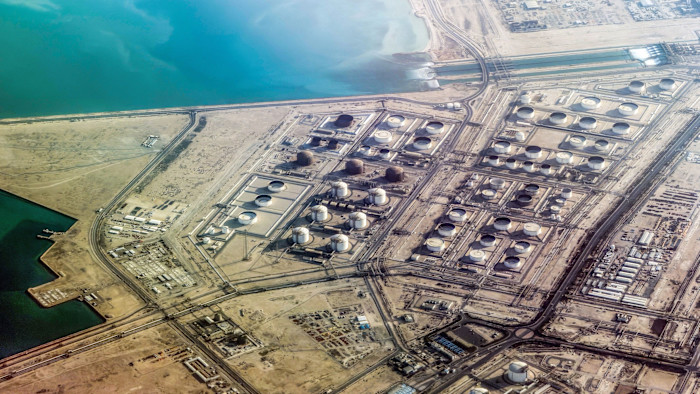
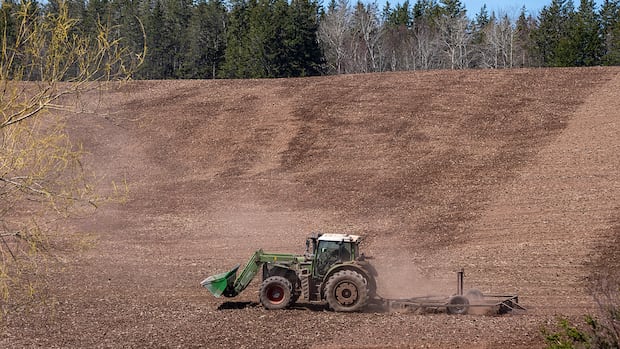
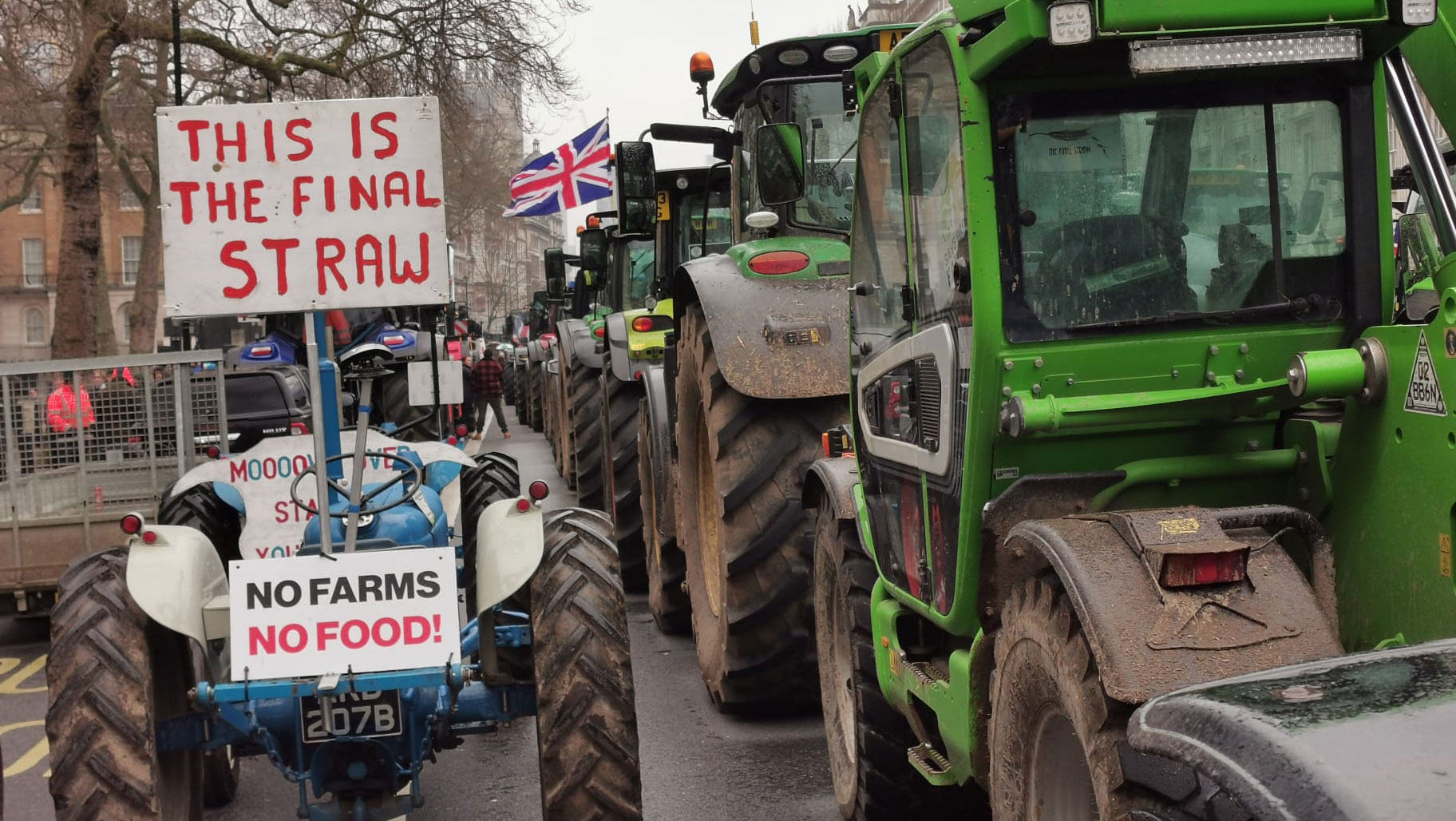
The call to Government comes at a time of growing financial pressure on farmers, partly fuelled by global events including the conflict in the Middle East.
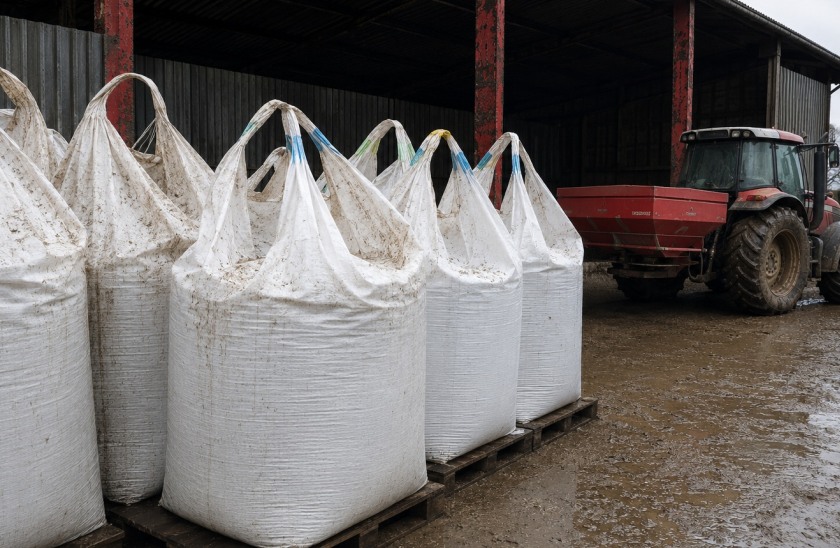
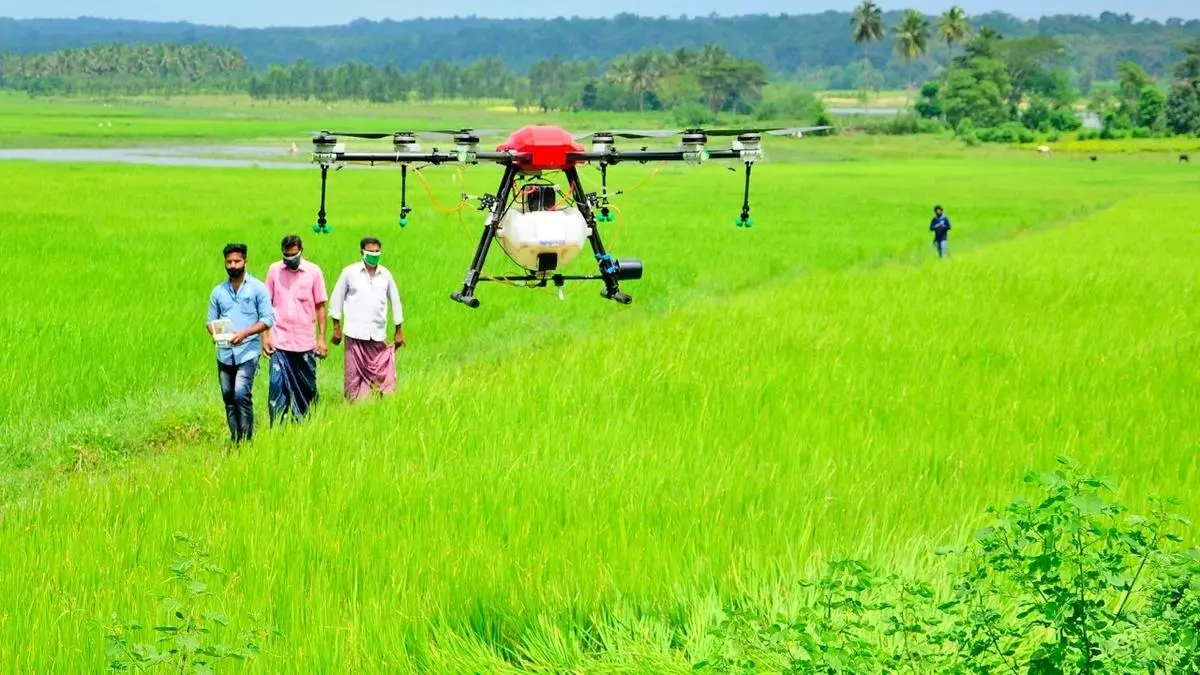
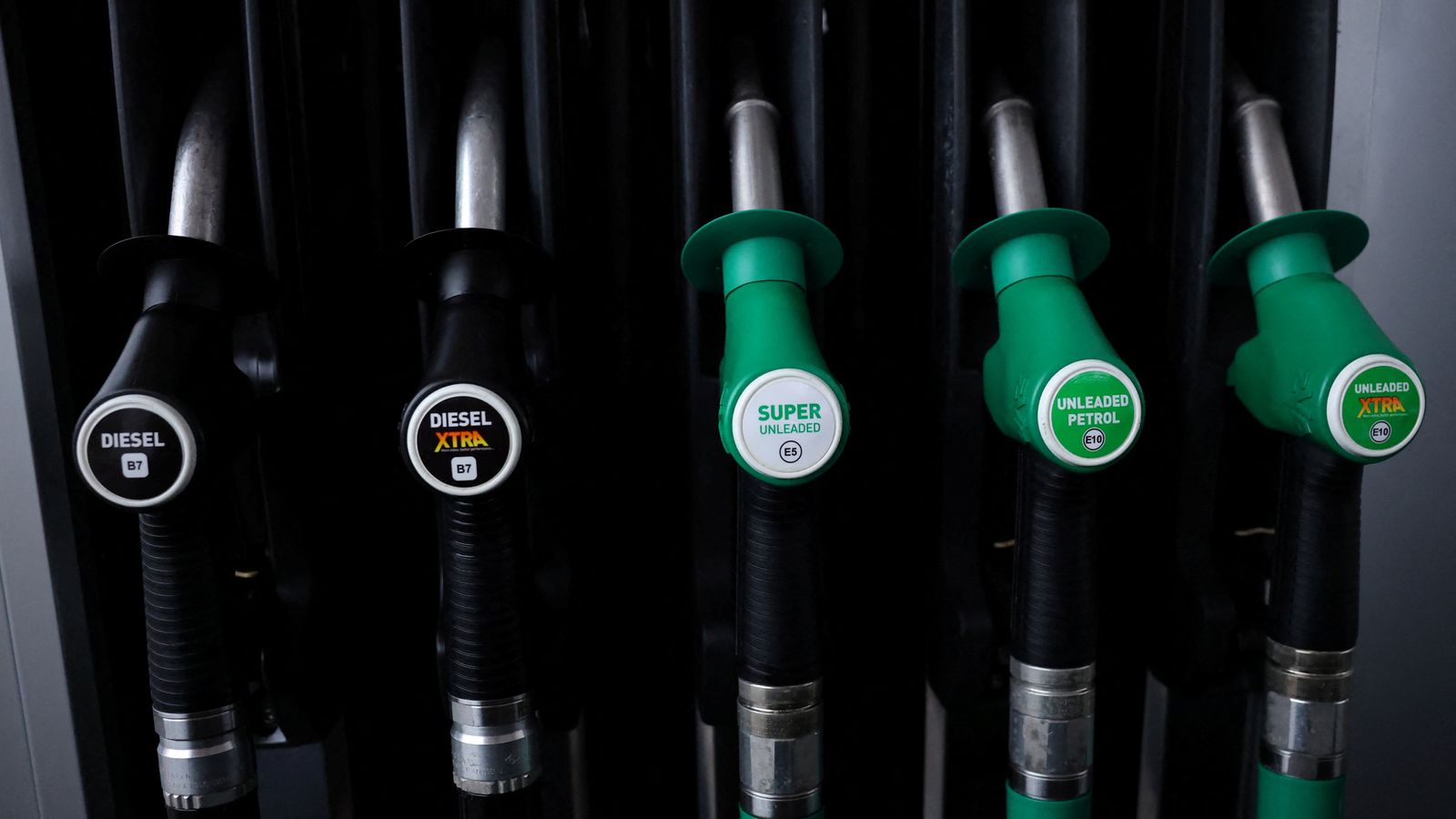
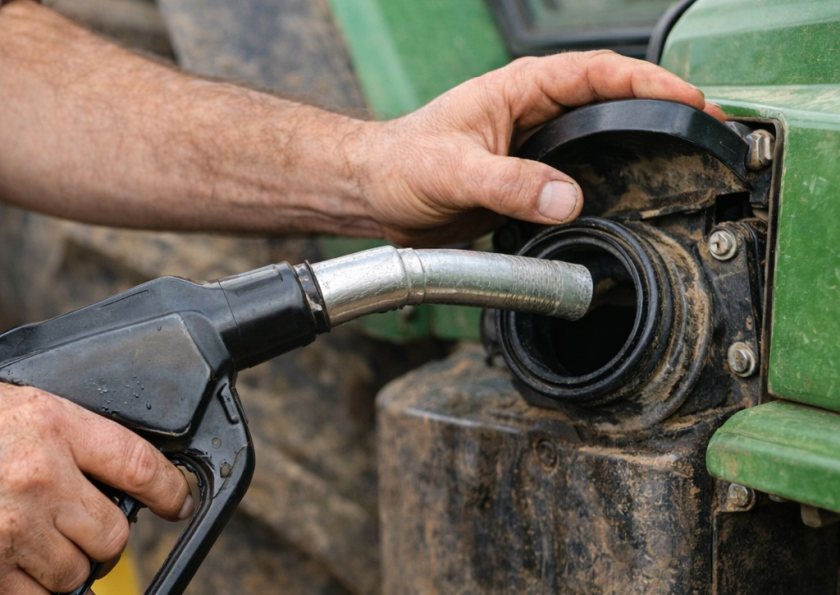
Rising fuel and fertiliser costs mean many are looking at how to diversify their income streams, including into tourism and visitor attractions.
The planning struggles faced by diversifying farmers have gained wider public attention through the Amazon Prime series Clarkson’s Farm.
The show has highlighted the bureaucratic hurdles faced by rural businesses trying to adapt and grow.
NFAN members collectively attract more than 25 million visits annually, supporting employment, local spending, and community services.
The network argues that with the right planning framework, farm attractions could play an even bigger role in the future of the UK’s rural economy.
Farm owner-operators believe that national planning policy should empower them to continue developing new attractions, improving visitor experiences, and contributing to regional prosperity.
NFAN has submitted its full recommendations to central Government.
It is hopeful that a more supportive planning system will be reflected in any future updates to the NPPF.