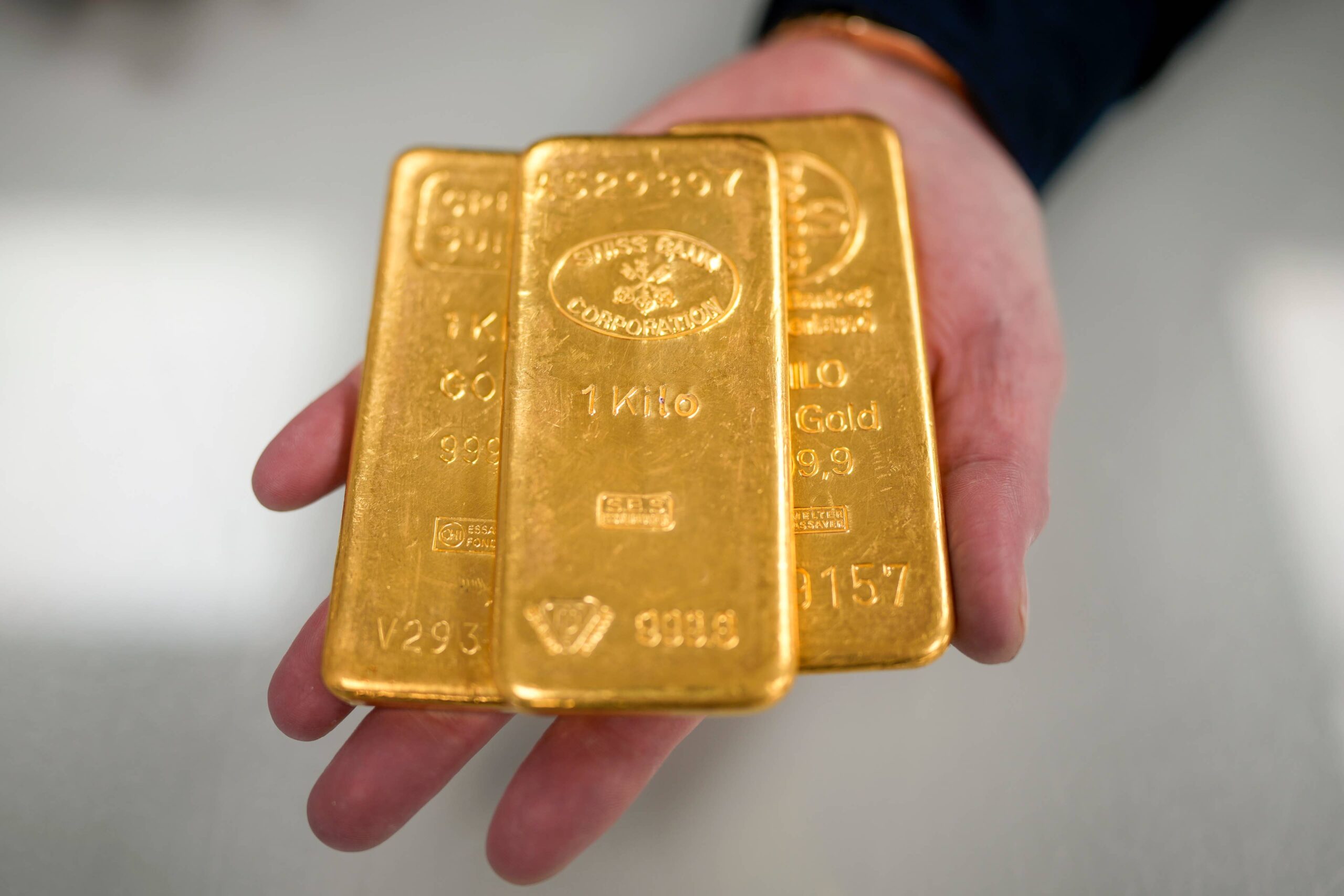
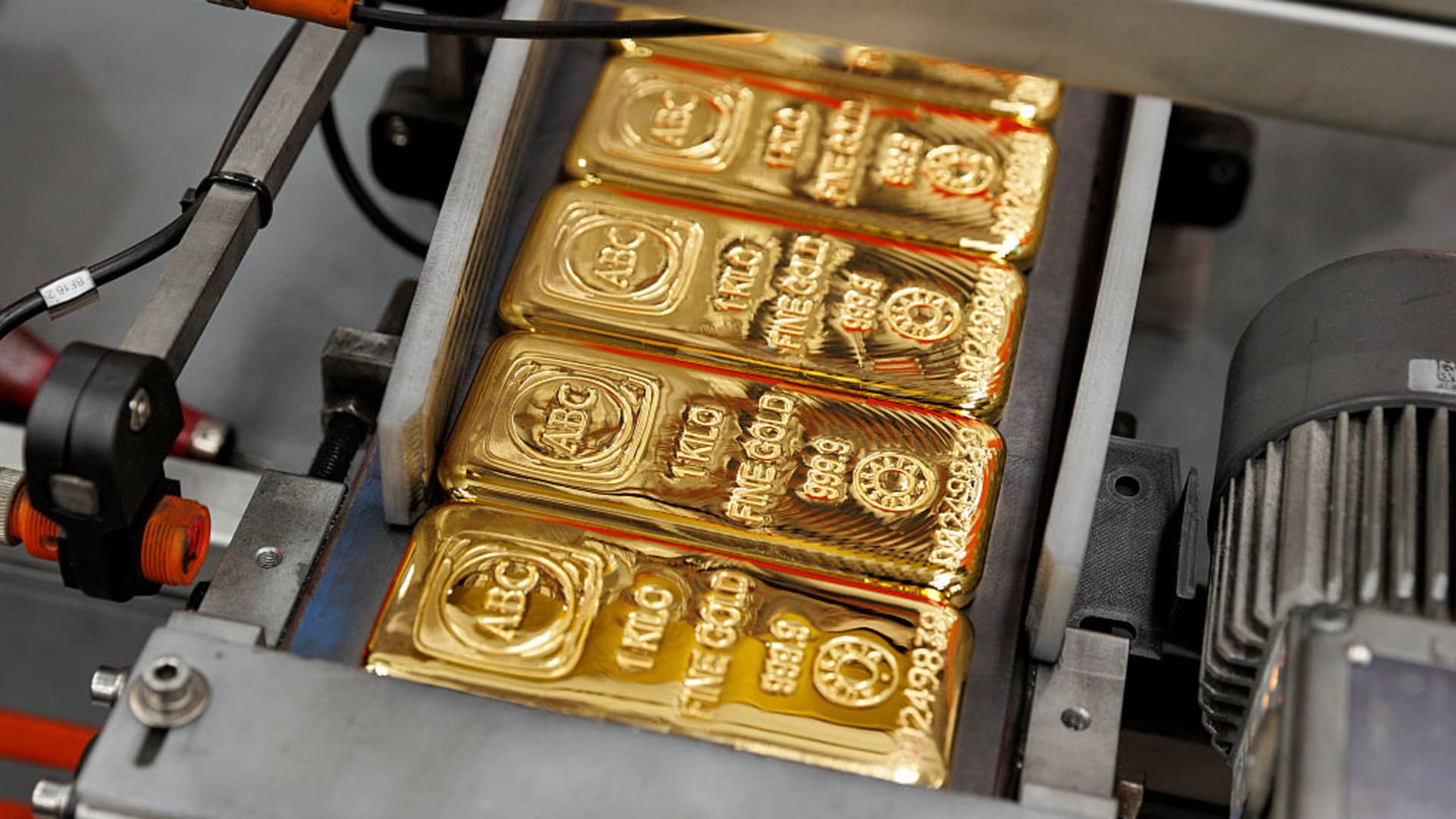
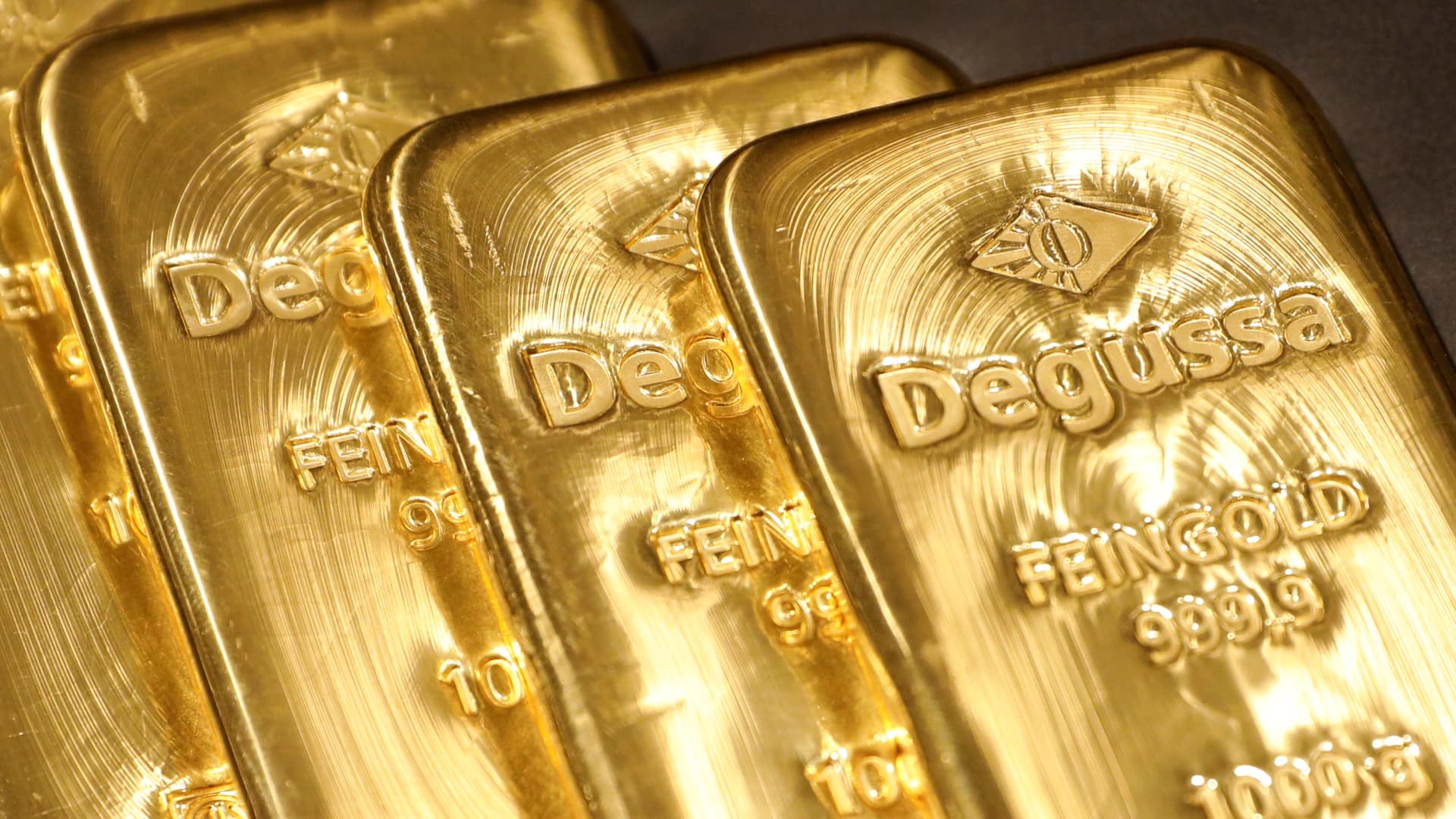
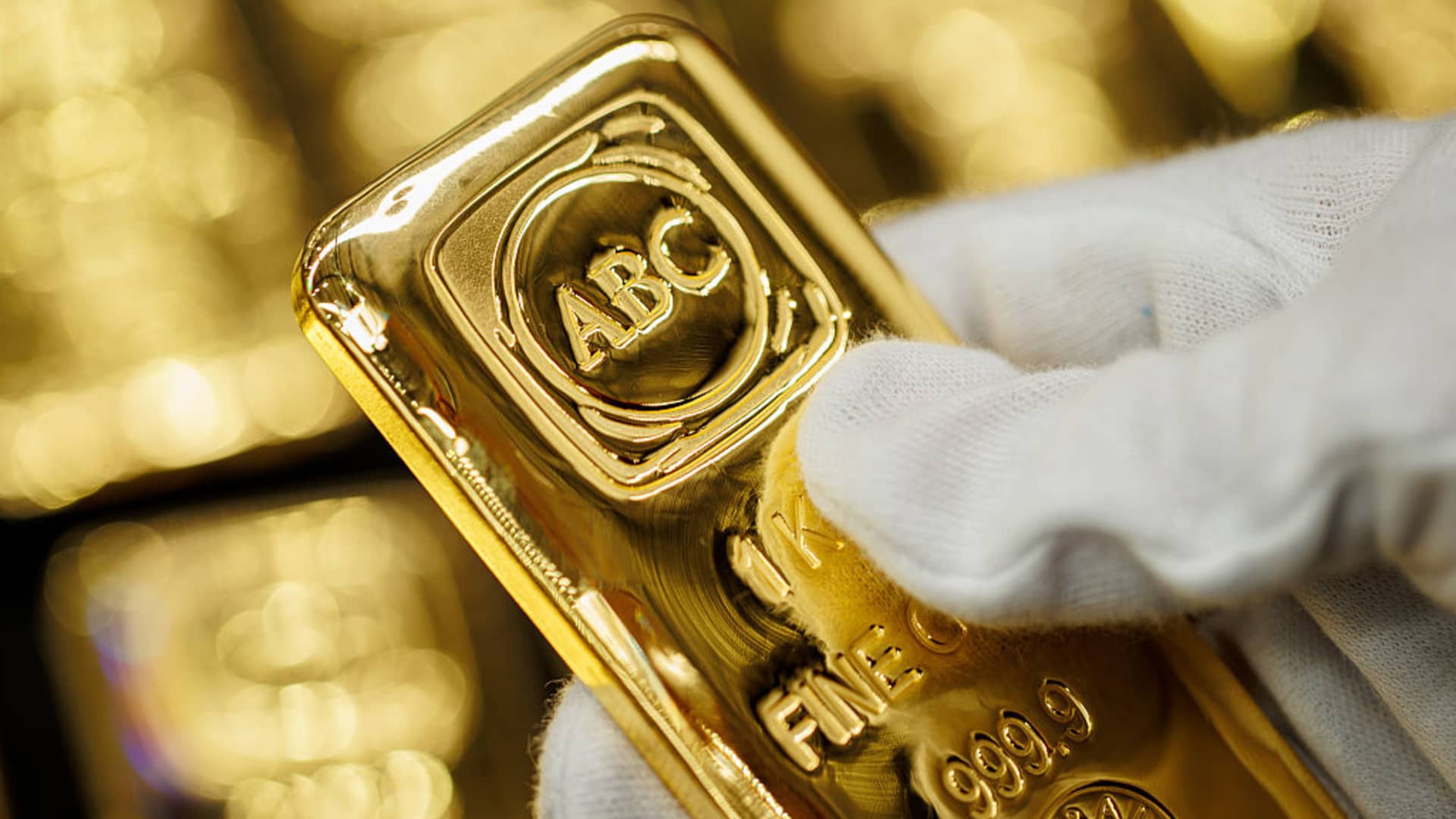
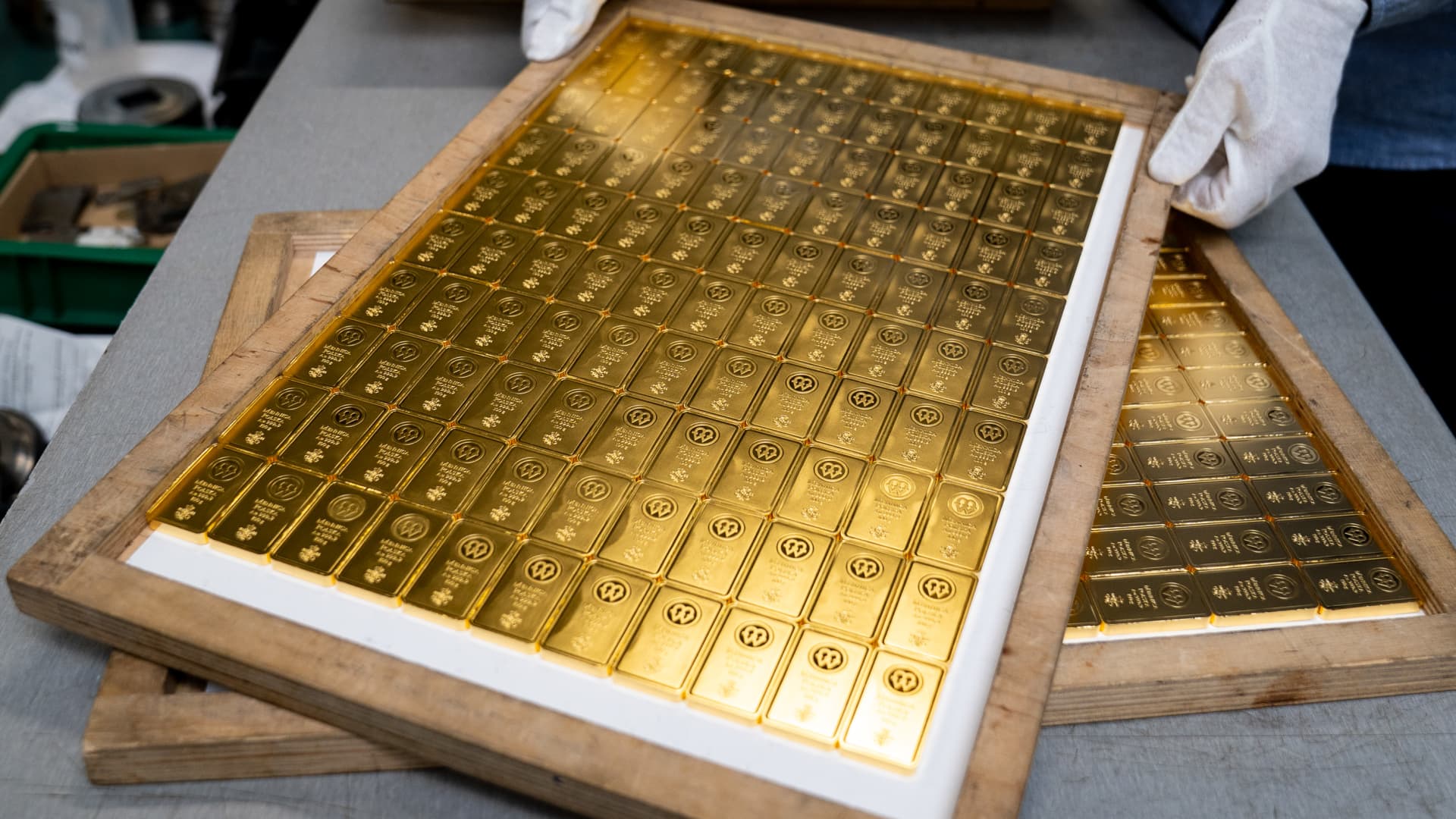
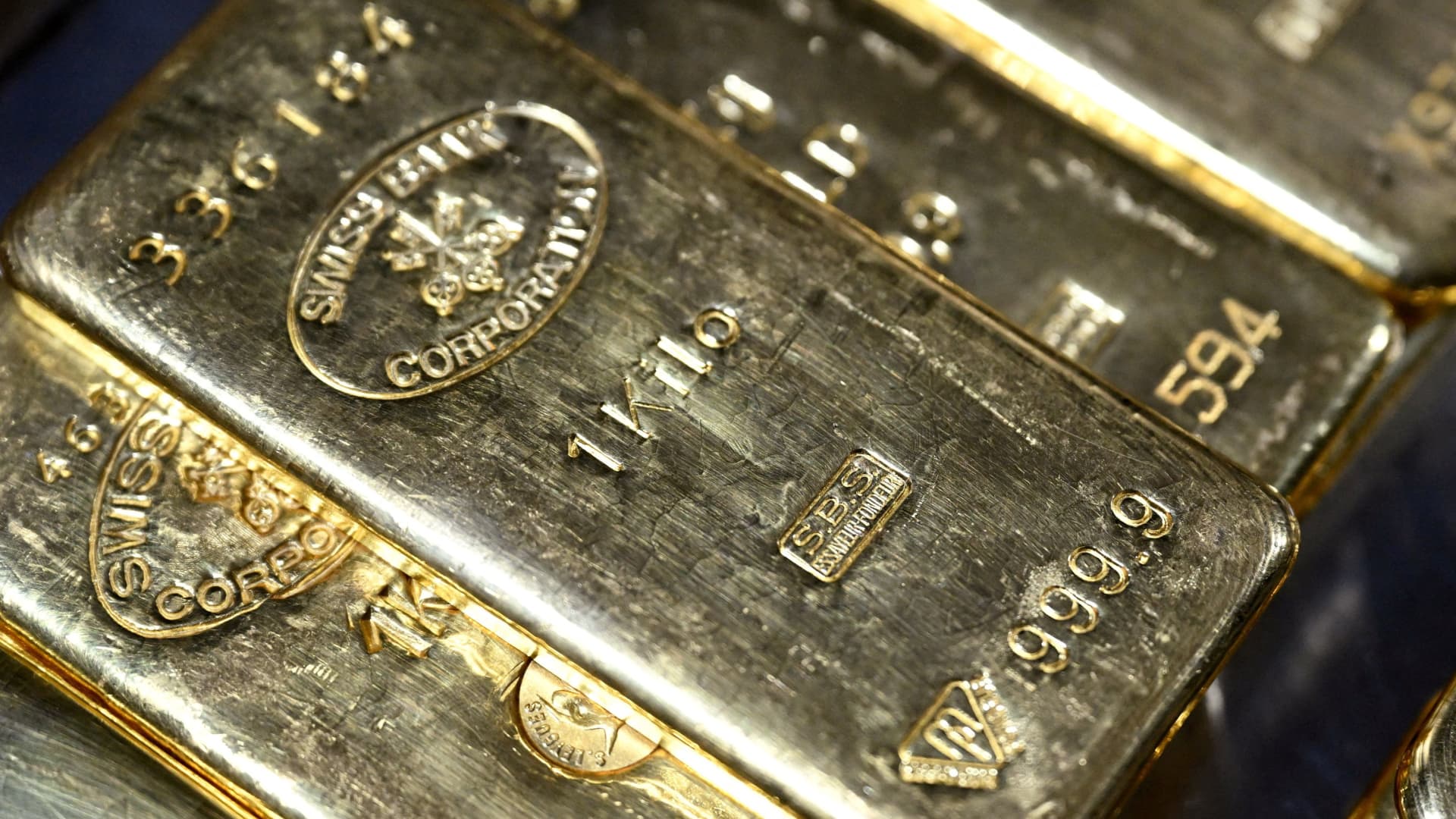
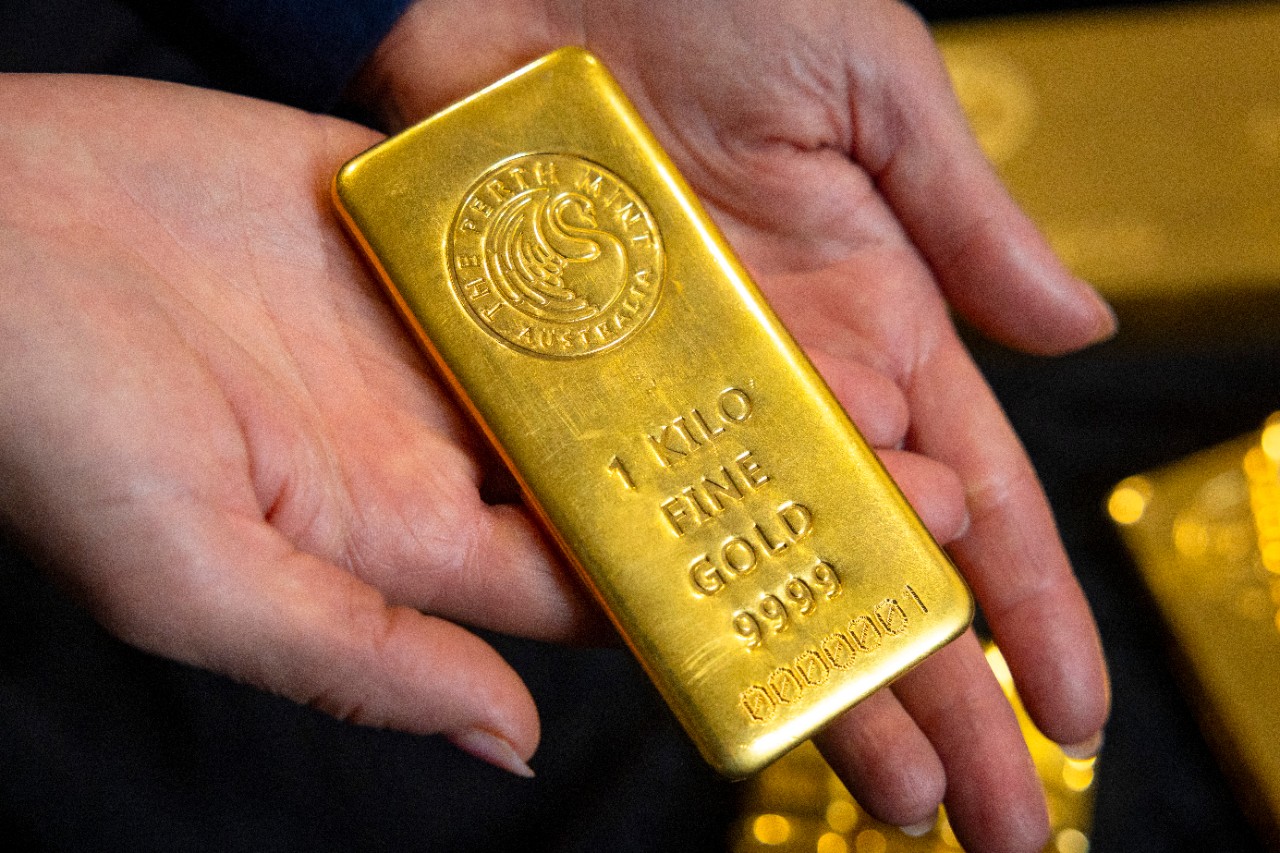
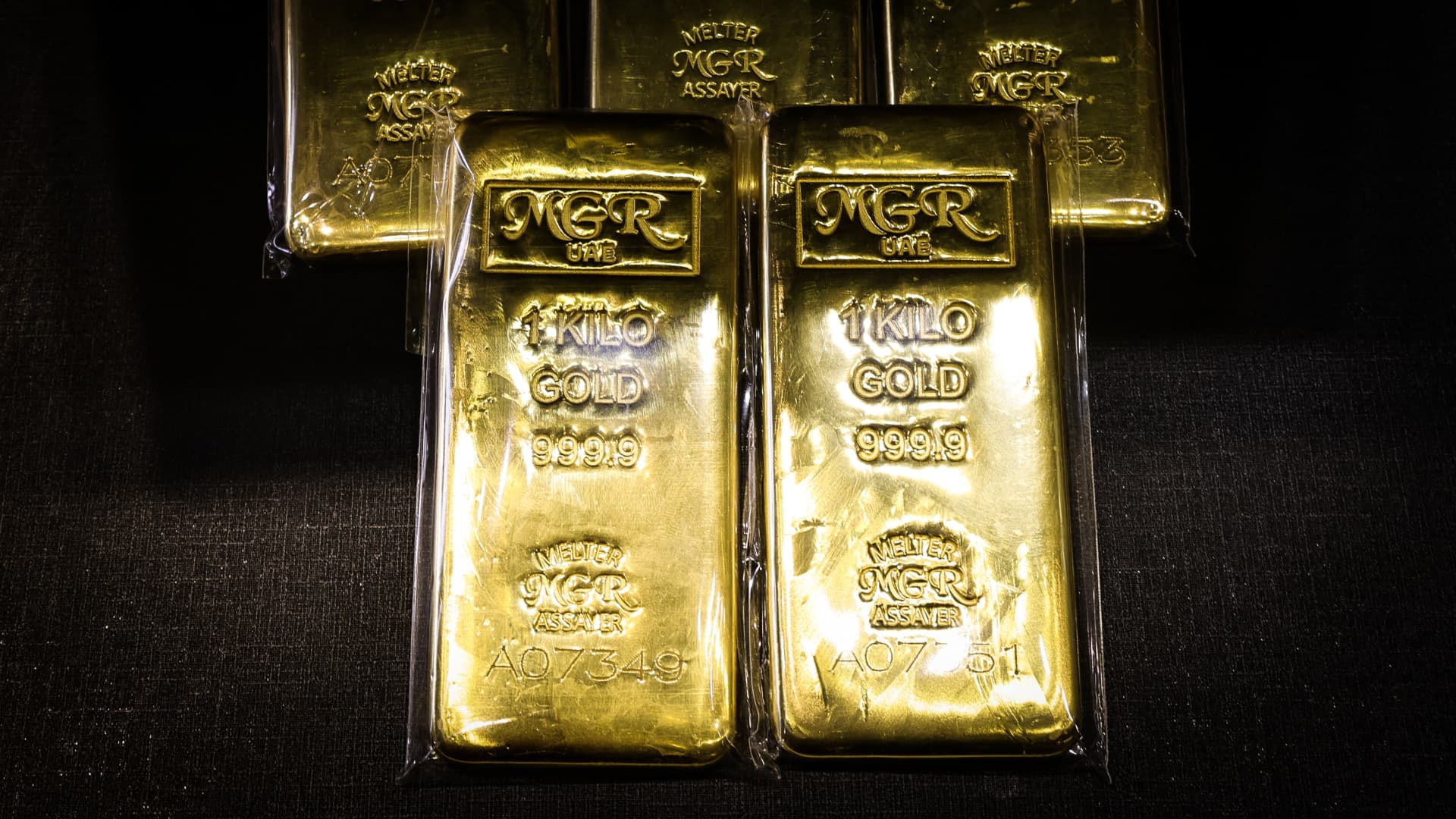
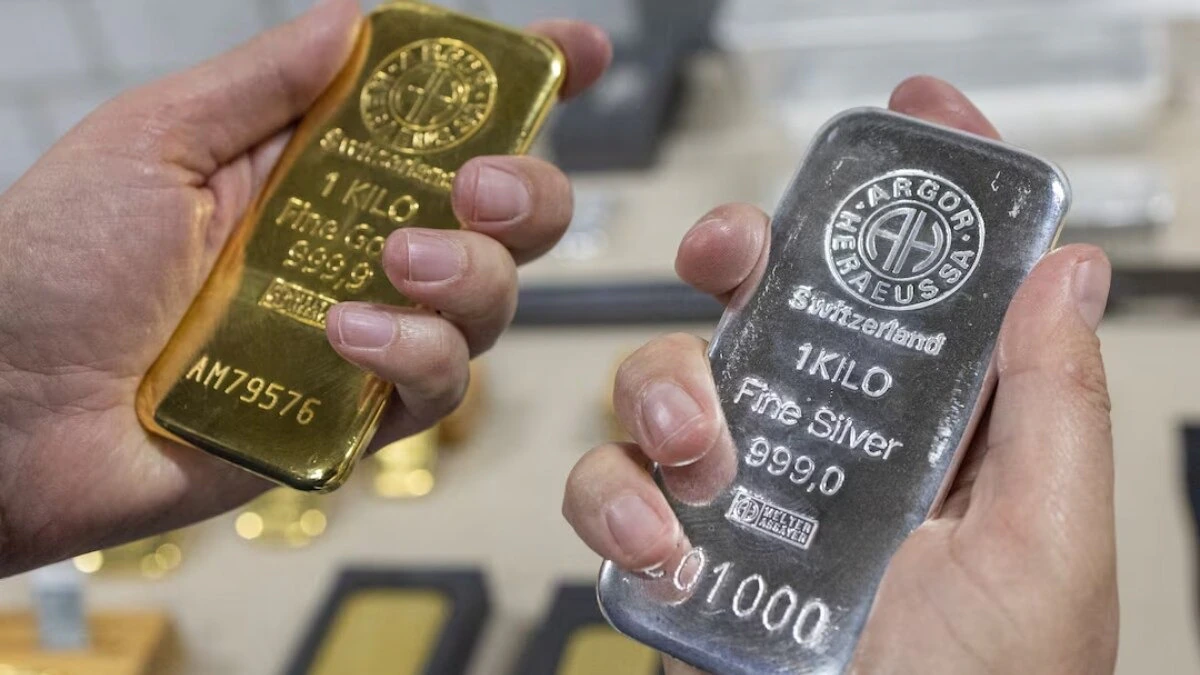
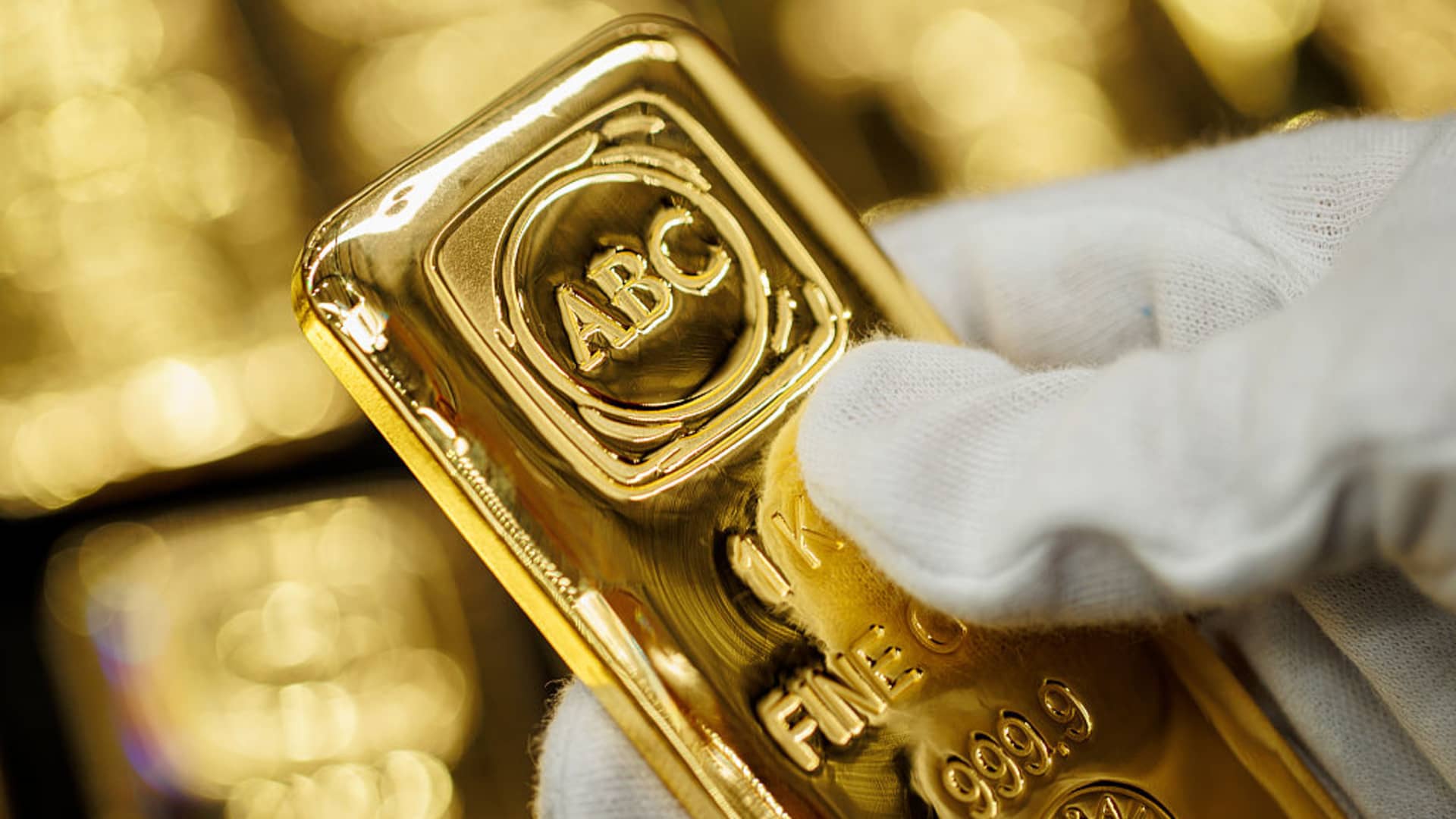
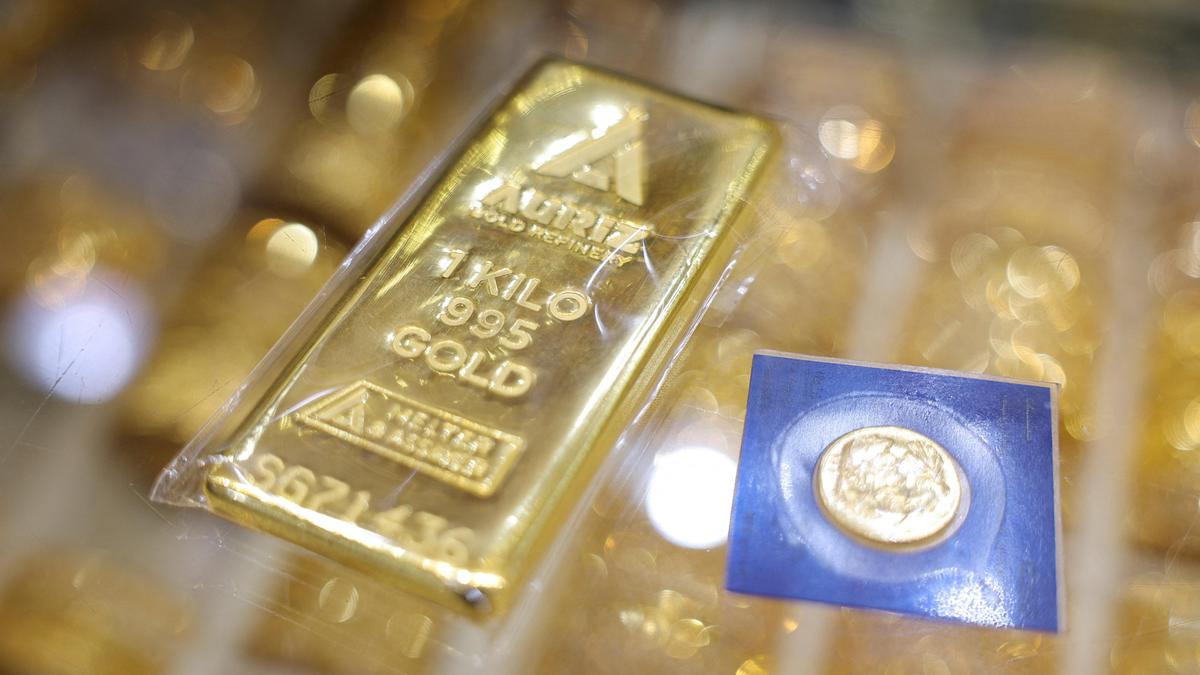
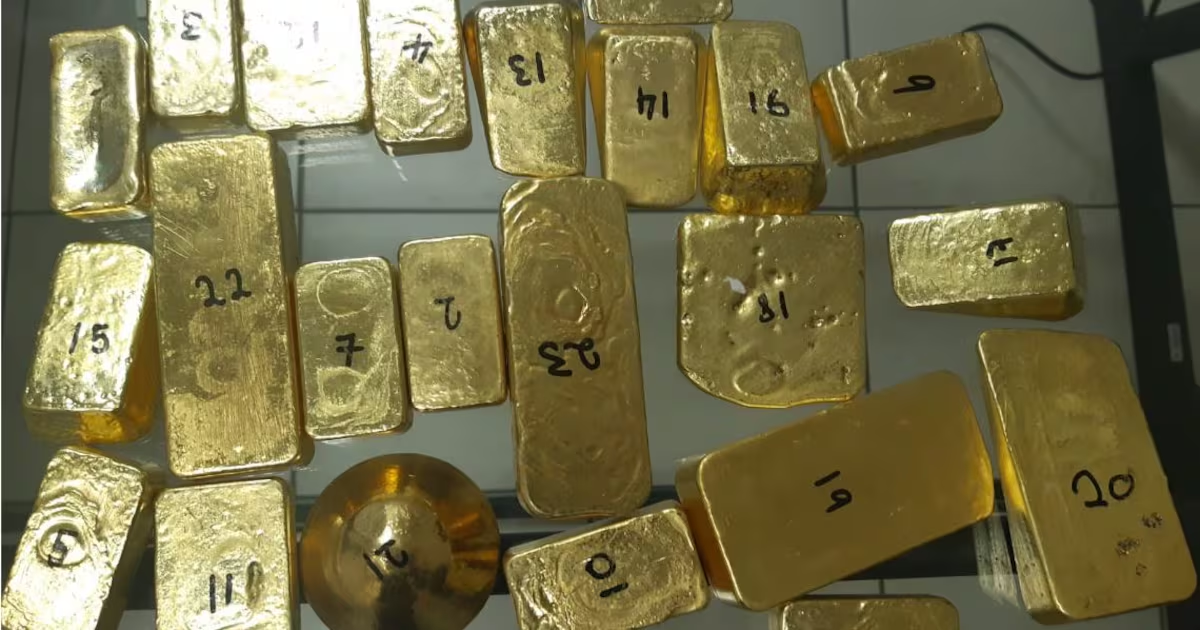
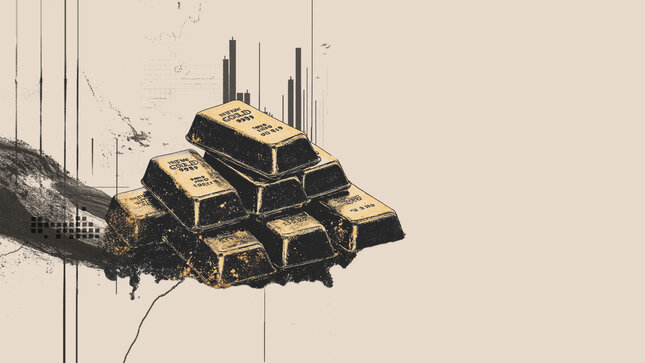
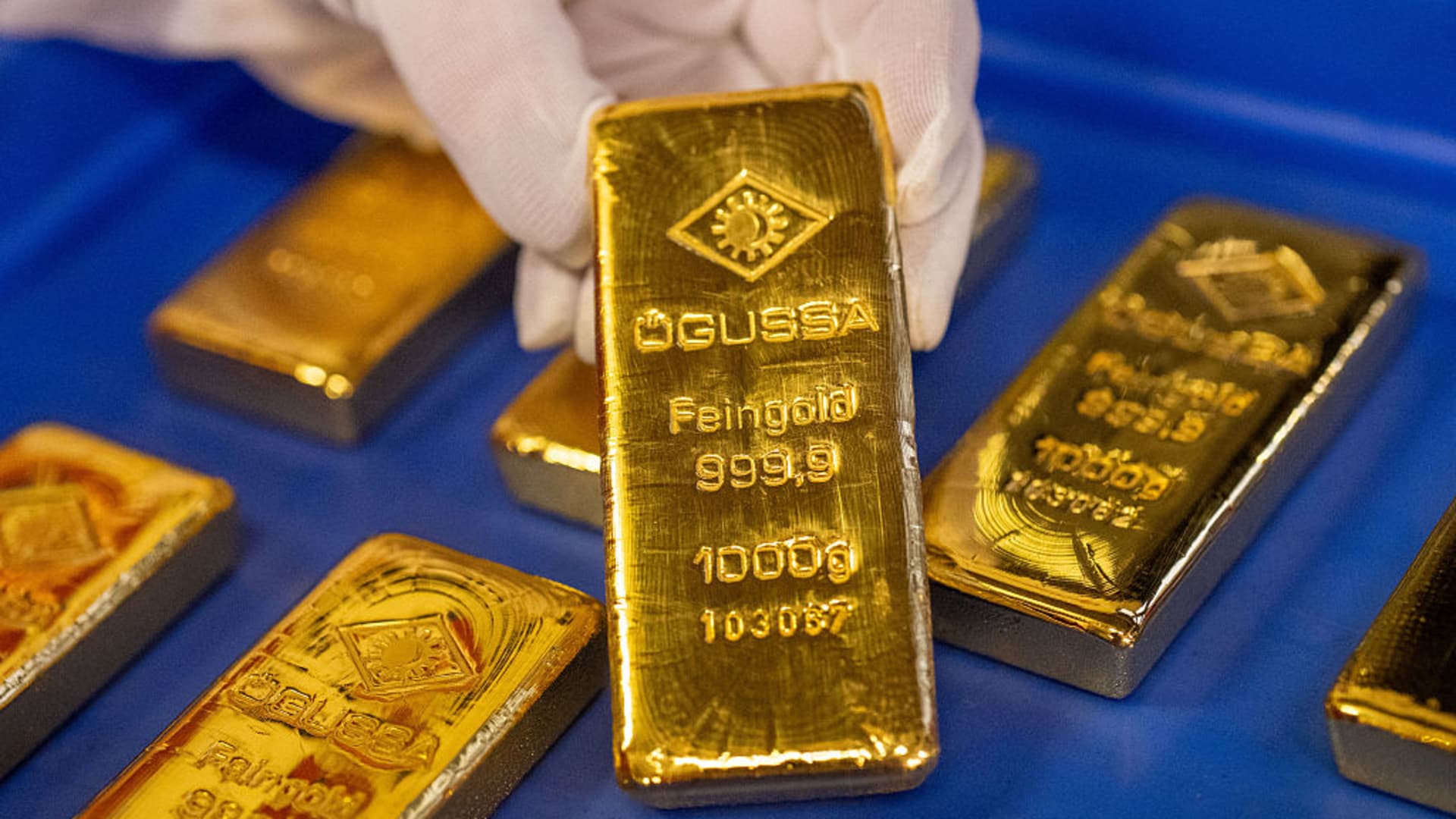
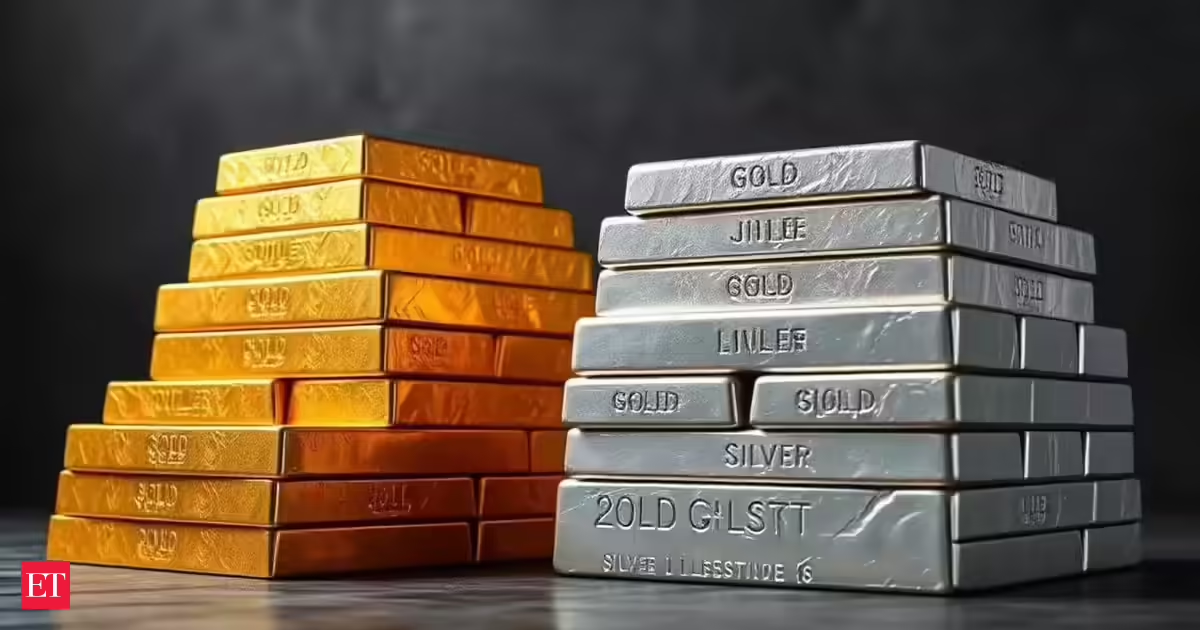
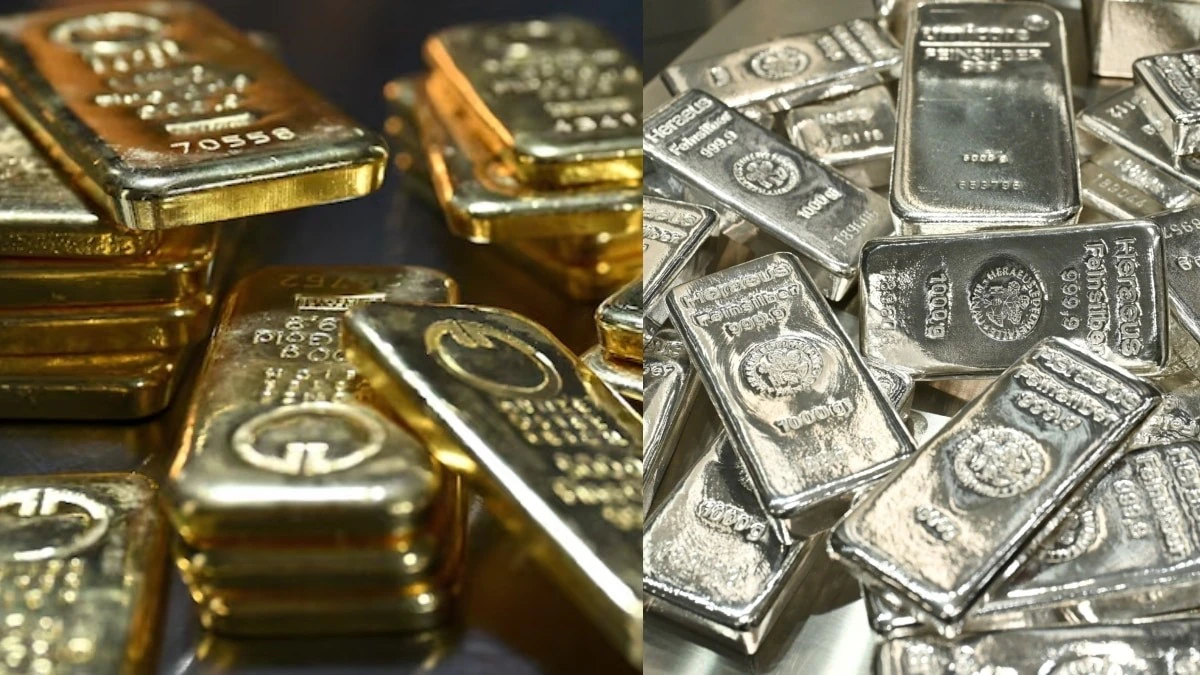
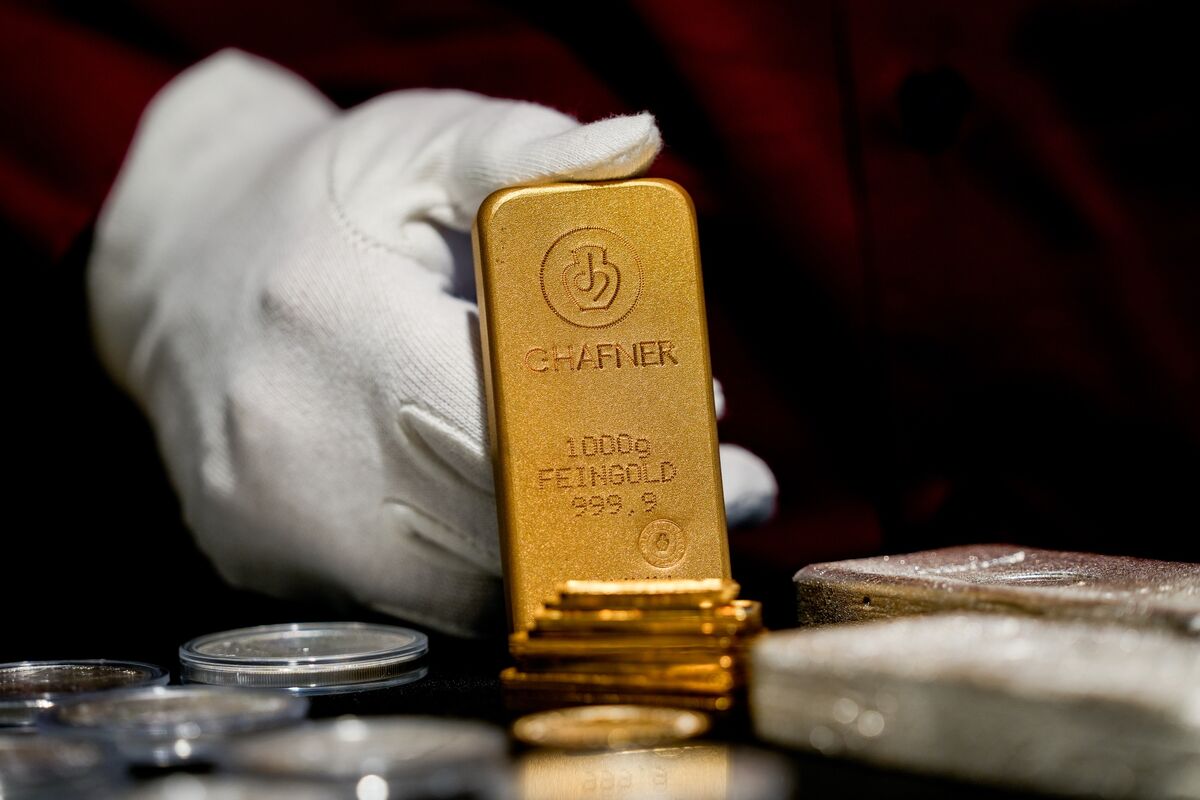
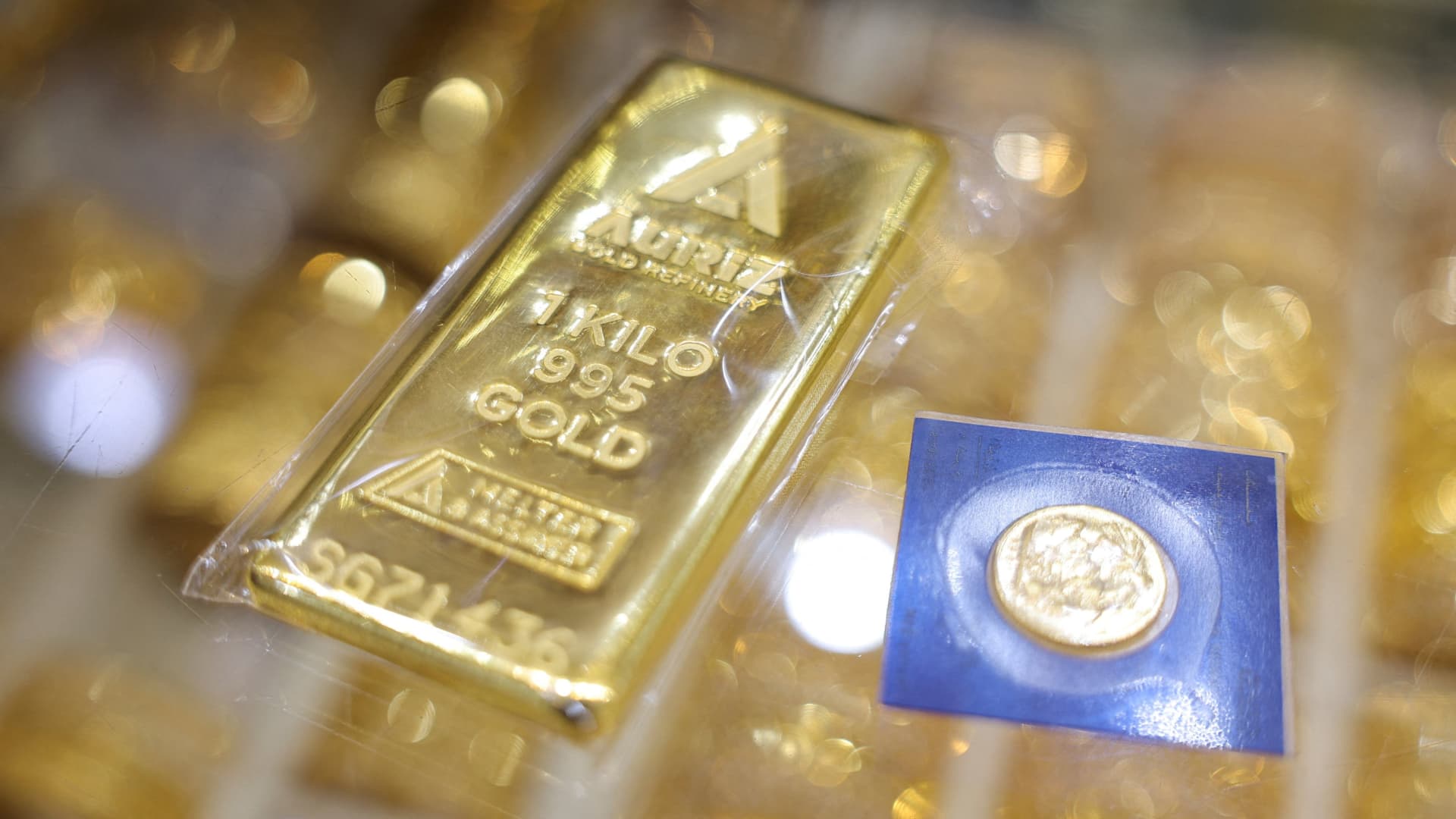
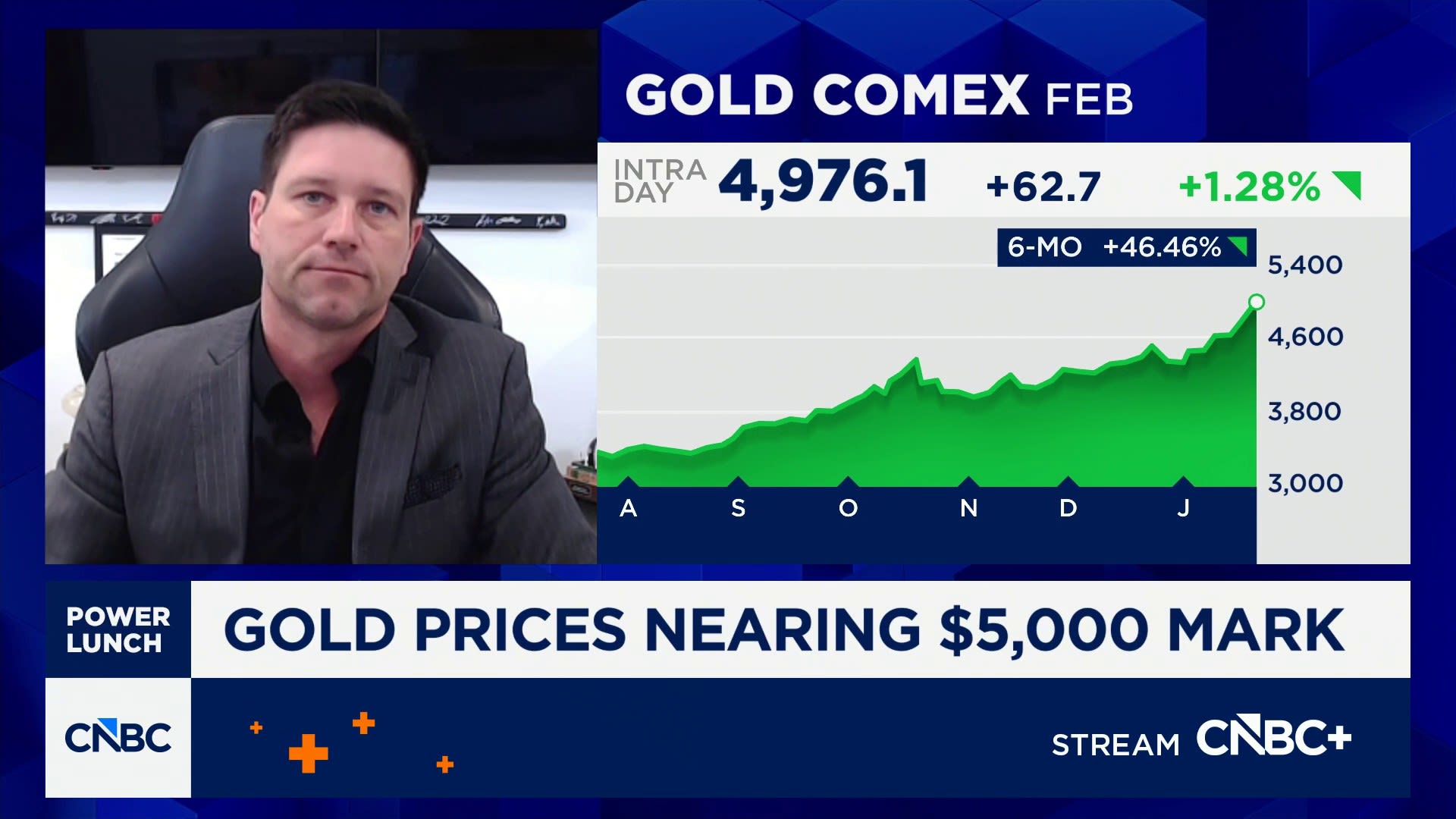
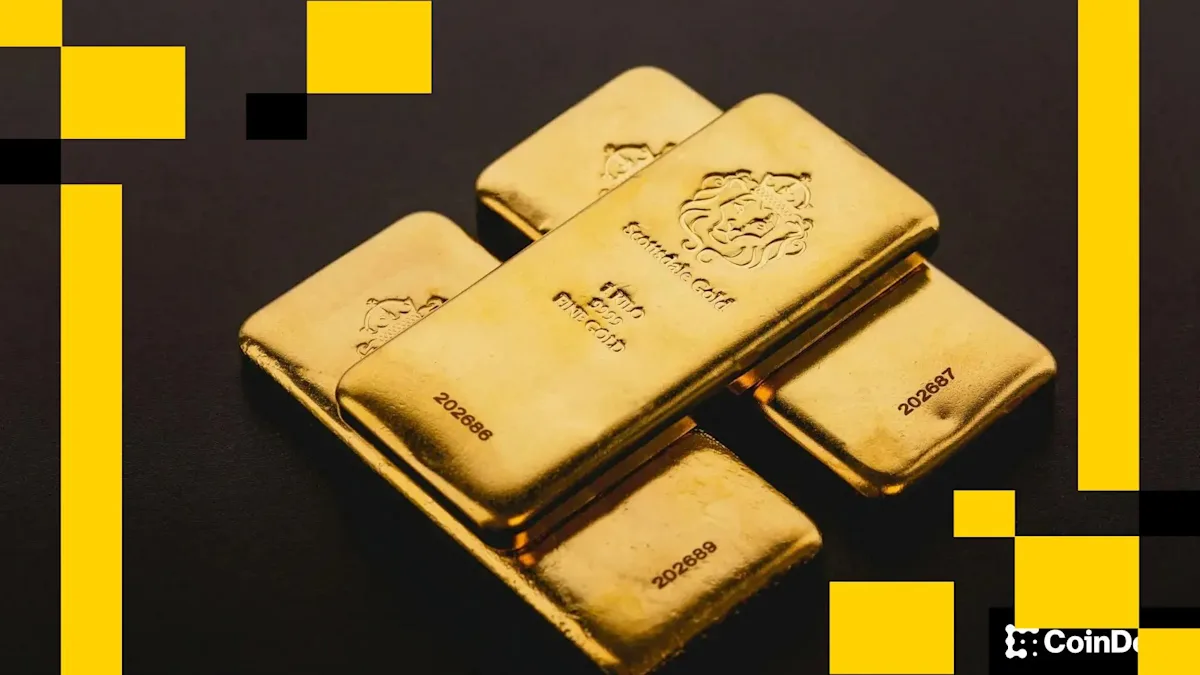
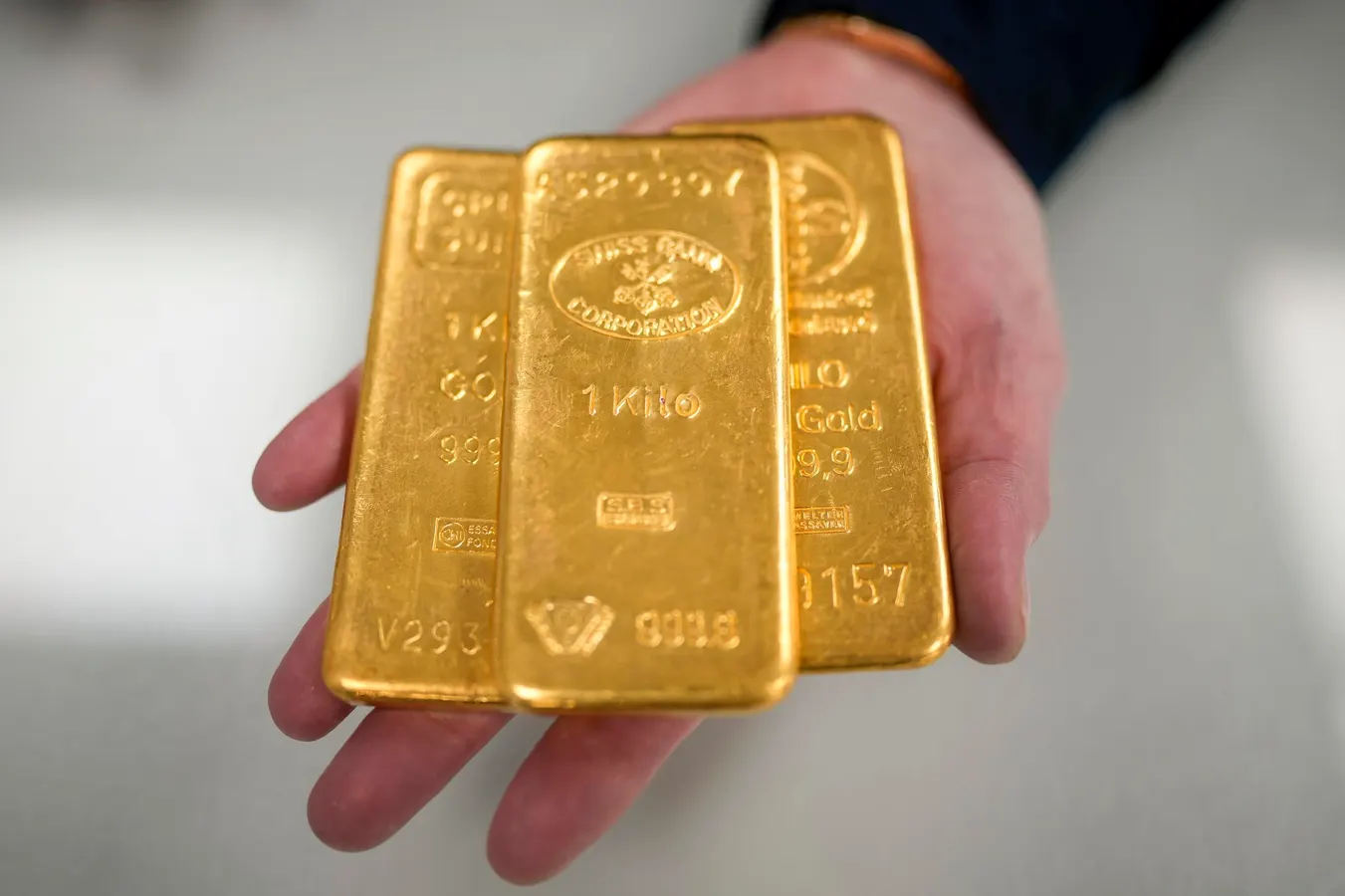
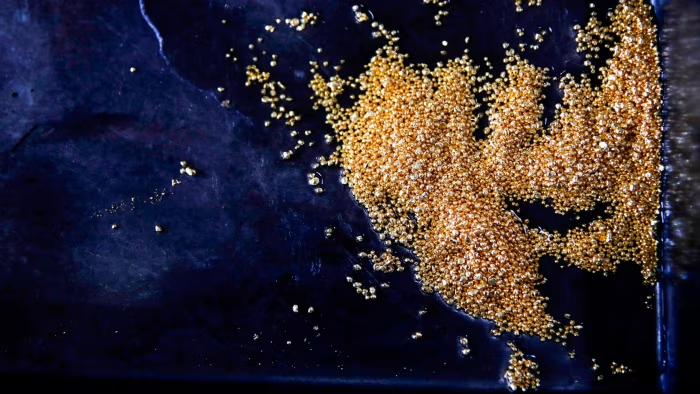
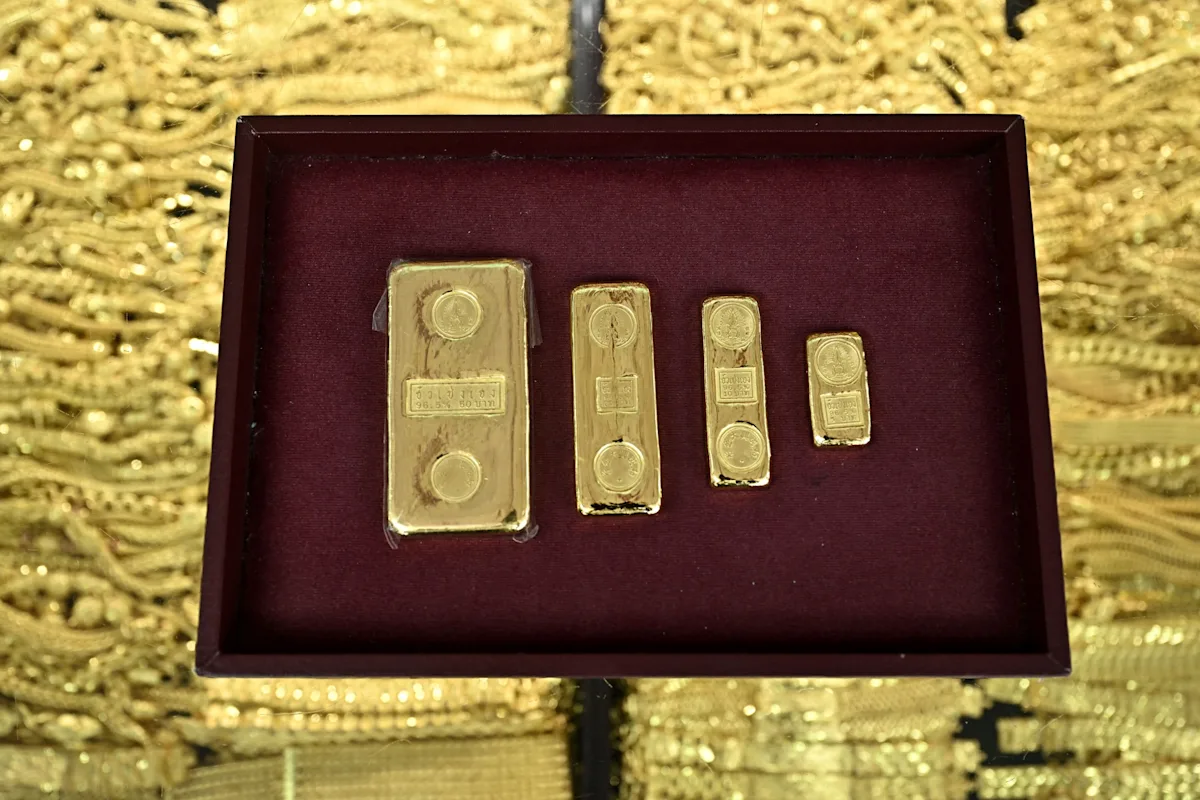
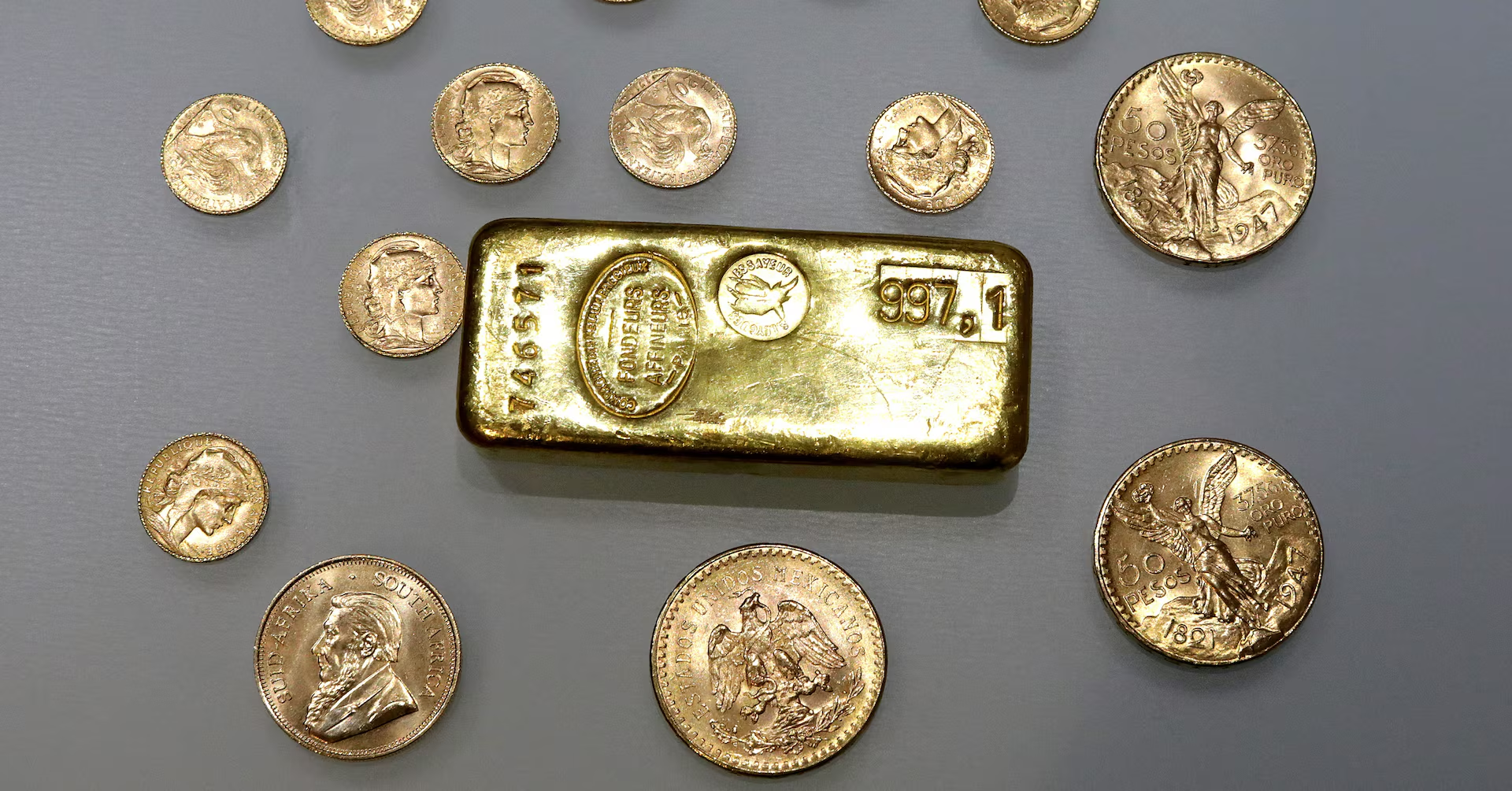
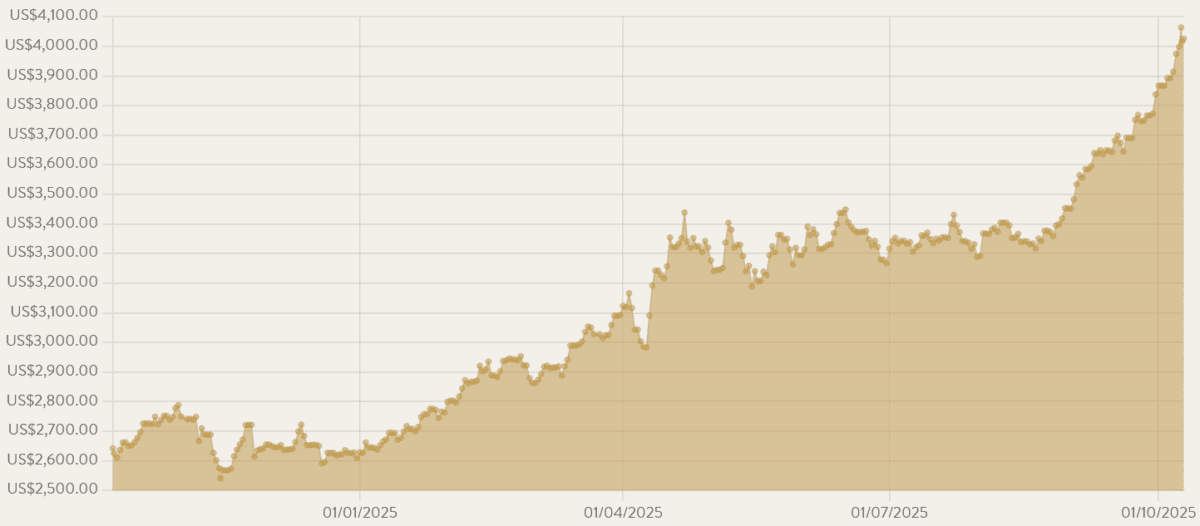
prices are attempting to stabilize after finding support near the 5183.60 area, a level that also sits close to the session opening price. The bounce comes as markets navigate a complex macro backdrop where real yields, geopolitical risk and positioning flows continue to pull in different directions.
While the metal is no longer in a clean impulsive advance, the broader environment still favors defensive allocation. For now, gold price action reflects resilience rather than exhaustion.
Macro Backdrop Remains Supportive for Gold
The recent price behavior cannot be understood through technicals alone. Gold continues to benefit from a macro environment that remains only partially restrictive.
Real yields have firmed at the margin but have not produced the kind of sustained upward pressure that historically triggers deep and persistent gold selloffs. At the same time, geopolitical uncertainty across key regions continues to sustain baseline demand for portfolio hedges.
In addition, heavy sovereign issuance and lingering concerns about medium term fiscal trajectories in major economies are keeping strategic demand for hard assets alive. This combination is preventing sellers from establishing clear control.
Dollar and Rates Are Creating Friction but Not Reversal
One of the key crosscurrents comes from the and . Periodic strength in the Dollar has slowed gold’s upside momentum, but the impact has been uneven.
Markets are increasingly treating gold less as a simple inverse of real yields and more as a broader hedge against policy uncertainty and financial volatility. As long as real yields rise in an orderly and contained fashion, the metal tends to absorb the pressure rather than break down.
That is exactly what recent price action is showing.
Dip Buyers Remain Active Around 5183
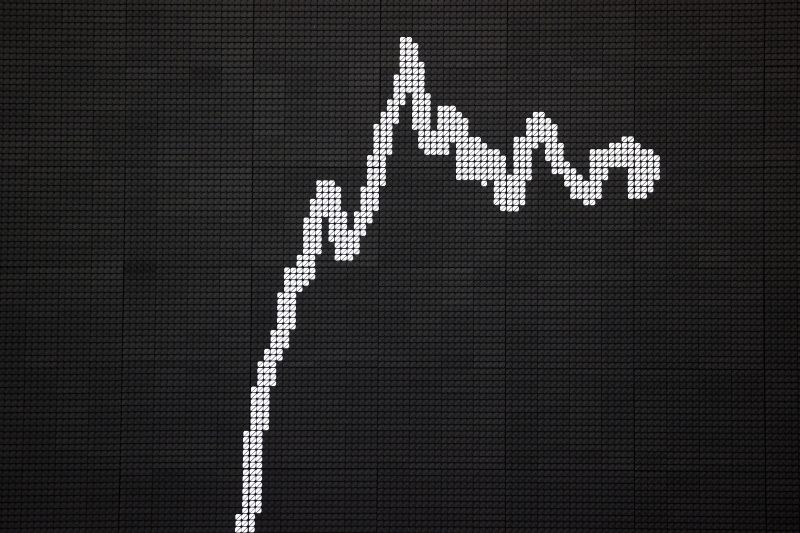
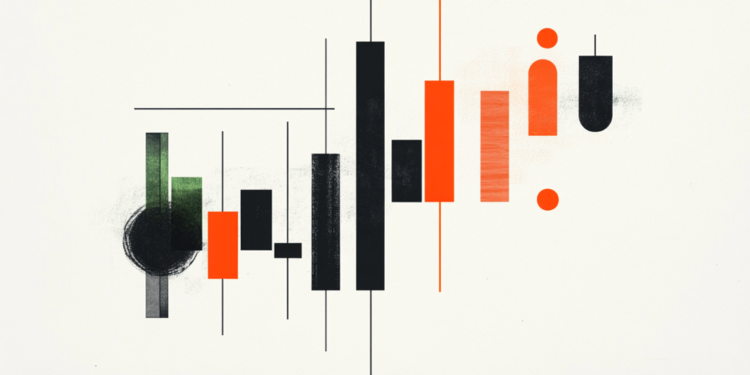
From a structural perspective, the Renko sequence highlights repeated buying interest emerging near the 5183.60 area. This zone, which aligns closely with the session open, has become an important short term pivot.
Immediate support is now clustered between 5183 and 5175, where buyers have consistently stepped in during recent rotations. Below that, the more significant structural floor remains near 5150.
On the topside, gold continues to encounter supply into the 5195 to 5200 region, which has capped several recent advances.
This configuration is more consistent with controlled consolidation than with the start of a bearish phase.
Momentum Is Normalizing After Prior Expansion
Momentum indicators are cooling from previously elevated levels but are not yet signaling a decisive bearish shift. The recent pullback failed to generate aggressive downside follow through, suggesting that positioning has lightened without triggering broader liquidation.
The ECRO profile remains elevated but stable, indicating the market has already transitioned out of compression but is now moving into a more mature phase of the cycle.
Historically, this type of behavior often precedes sideways rotation before the next directional move develops.
What Could Shift the Balance
Looking ahead, the key variable remains real yield dynamics. A disorderly and sustained rise in real yields would likely increase pressure on gold and test the lower support band.
Conversely, any renewed decline in yields or escalation in geopolitical stress would reinforce gold’s defensive appeal and potentially push the metal back toward the highs.
Currency volatility and broader risk sentiment will also remain important secondary drivers in the near term.
Outlook
Gold is currently navigating a balanced but still supportive macro environment. The rebound near 5183.60 confirms that dip demand remains active, while the broader structure points to consolidation rather than distribution.
As long as price holds above the 5175 to 5150 support zone, the metal is likely to retain a constructive tone. A sustained break above 5200 would signal renewed upside momentum, while only a deeper loss of support would begin to challenge the broader bullish framework.
For now, gold price action reflects a market pausing within strength rather than entering a structural reversal.