Any investors who are searching for Mid Cap Blend funds should take a look at Vanguard Mid-Cap Index Admiral (VIMAX). The fund does not have a Zacks Mutual Fund Rank, though we have been able to explore other metrics like performance, volatility, and cost.
Objective
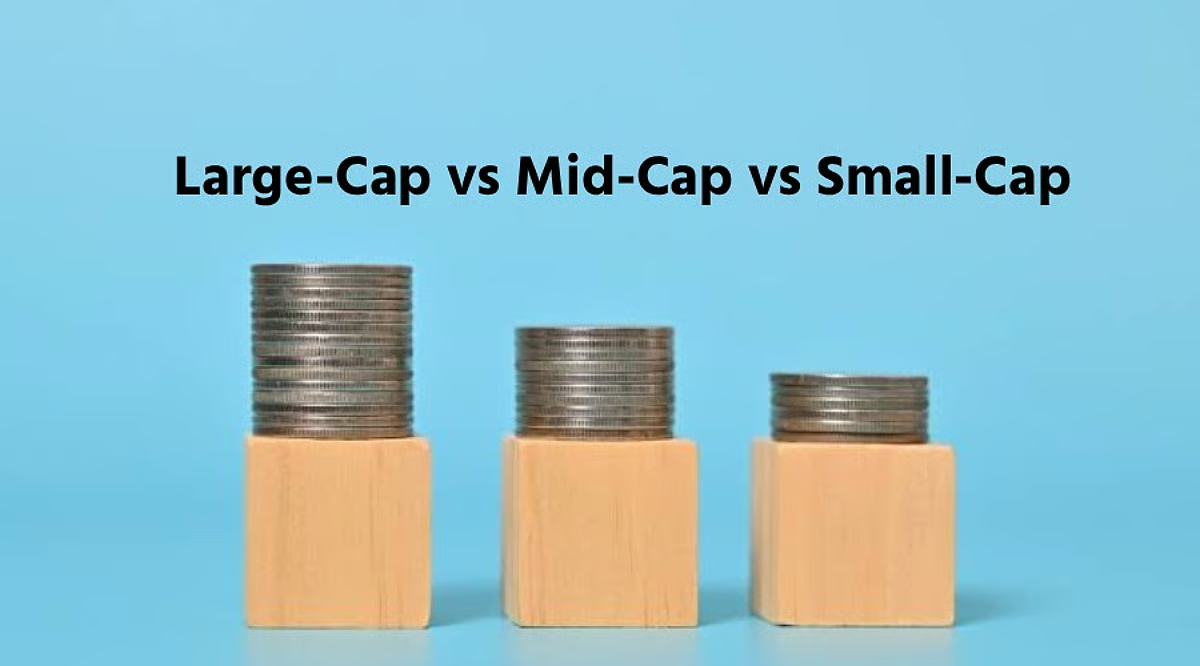
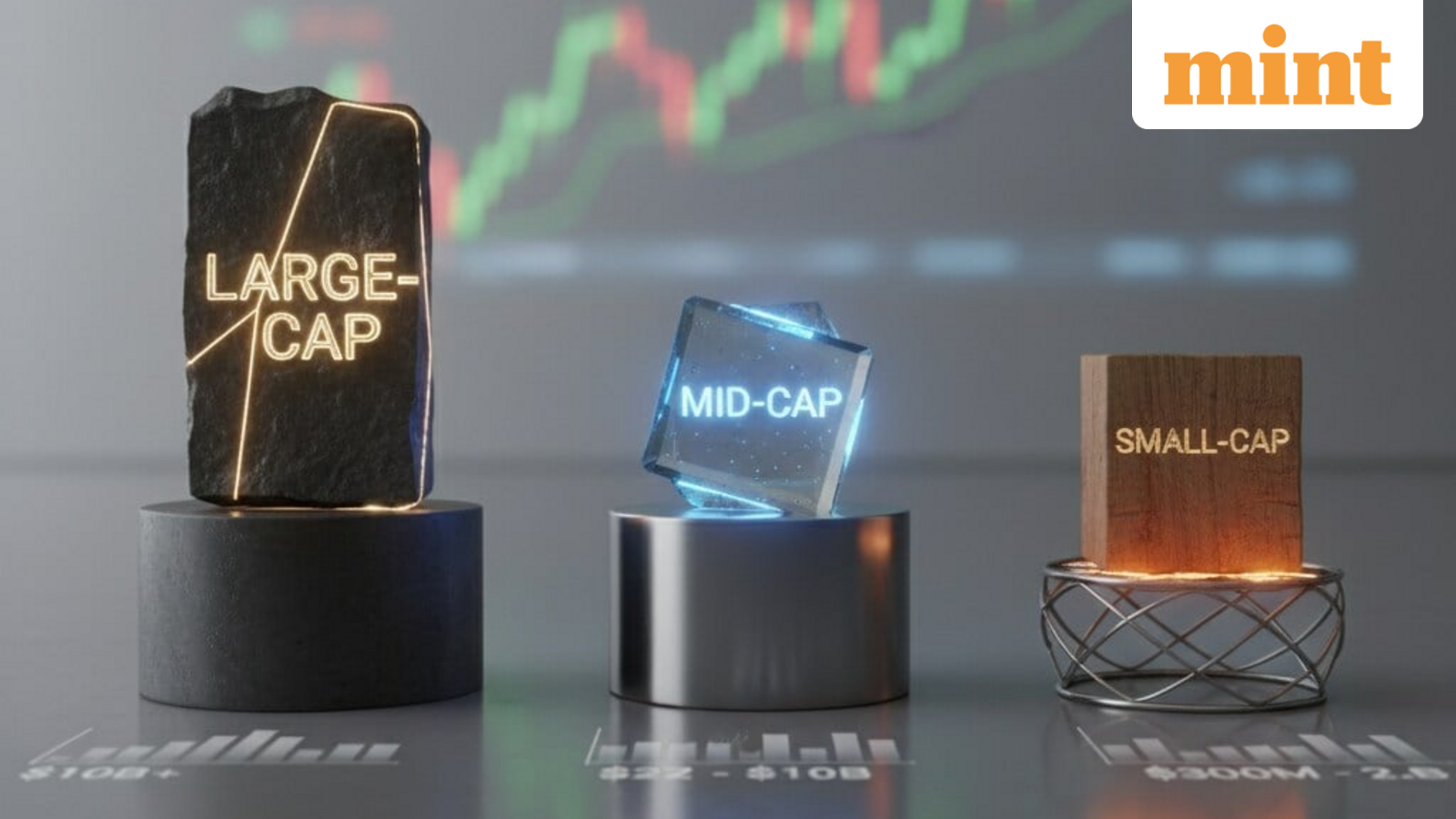
VIMAX is one of many funds to choose from. Because Mid Cap Blend mutual funds typically feature a portfolio filled with stocks of various sizes and styles, it allows for a diversification strategy focusing on companies with market caps between $2 billion and $10 billion. Mid-cap blends, while offering exciting growth potential, income opportunities, and value picks, offer some stability as well.
History of Fund/Manager
Vanguard Group is based in Malvern, PA, and is the manager of VIMAX. Vanguard Mid-Cap Index Admiral made its debut in November of 2001, and since then, VIMAX has accumulated about $72.55 billion in assets, per the most up-to-date date available. The fund’s current manager, Aaron Choi, has been in charge of the fund since August of 2023.
Performance
Investors naturally seek funds with strong performance. VIMAX has a 5-year annualized total return of 7.41%, and is in the middle third among its category peers. Investors who prefer analyzing shorter time frames should look at its 3-year annualized total return of 16.09%, which places it in the middle third during this time-frame.
It is important to note that the product’s returns may not reflect all its expenses. Any fees not reflected would lower the returns. Total returns do not reflect the fund’s [%] sale charge. If sales charges were included, total returns would have been lower.
When looking at a fund’s performance, it is also important to note the standard deviation of the returns. The lower the standard deviation, the less volatility the fund experiences. Compared to the category average of 12.23%, the standard deviation of VIMAX over the past three years is 13.6%. Looking at the past 5 years, the fund’s standard deviation is 16.71% compared to the category average of 14.05%. This makes the fund more volatile than its peers over the past half-decade.
Risk Factors
The fund has a 5-year beta of 1, so investors should note that it is hypothetically as volatile as the market at large. Because alpha represents a portfolio’s performance on a risk-adjusted basis relative to a benchmark, which is the S&P 500 in this case, one should pay attention to this metric as well. With a negative alpha of -4.64, managers in this portfolio find it difficult to pick securities that generate better-than-benchmark returns.