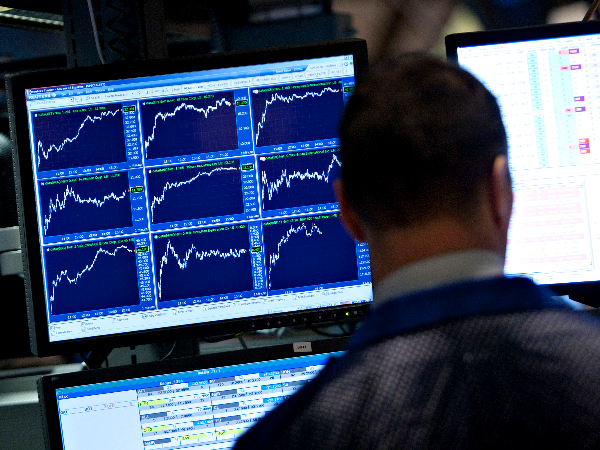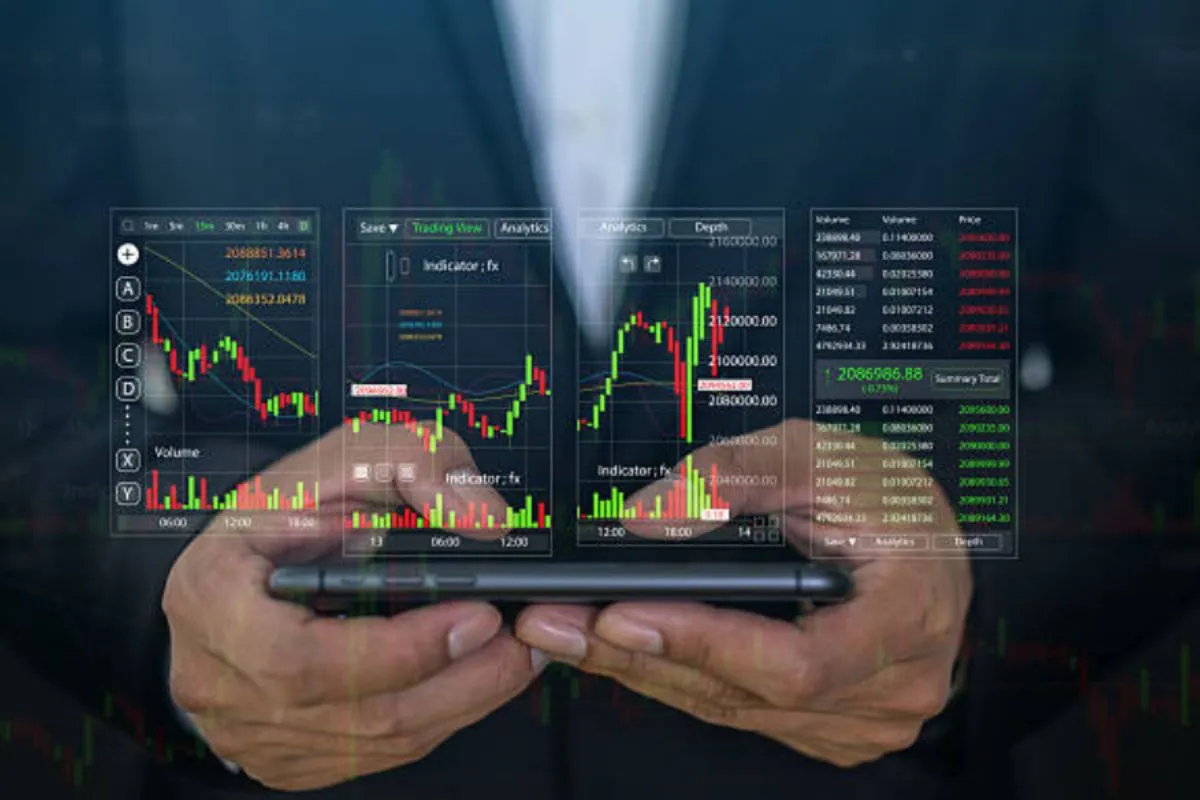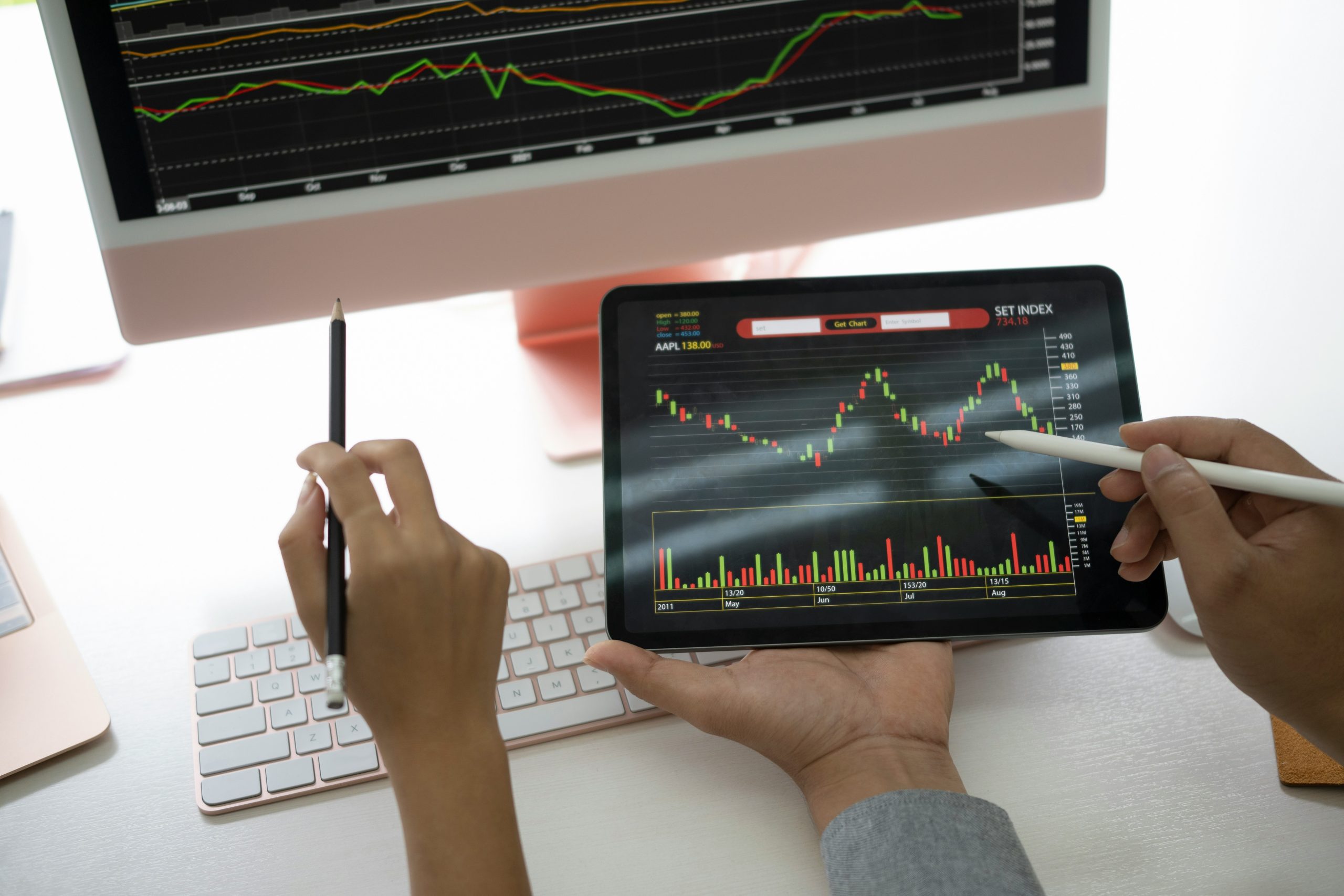
The Interactive Brokers trading platform handles millions of trades across global markets, with 4.426 million Daily Average Revenue Trades (DARTs) reported in the latest figures. Its broad market access and powerful tools can give you more control, but that depth also creates a steeper learning curve than simpler brokerage apps. We examine the fees, platform options, international access, safety protections, and the areas where IBKR may not suit you.
Interactive Brokers at a Glance: Scorecard
| Criterion | Score | Why We Scored It This Way |
| Regulatory Safety | 9/10 | IBKR operates under multiple regulatory authorities across the jurisdictions it serves. Investor protection varies by entity and country, so the strong score reflects broad oversight rather than a single universal protection scheme. |
| Fees (Pro Tier) | 9/10 | IBKR Pro offers competitive pricing for active traders, particularly when trading volume and lower margin costs are important. The fee structure is more detailed than those of simpler brokerages. |
| Platform Power | 10/10 | TWS, IBKR Desktop, mobile apps, APIs, SmartRouting, and advanced order tools give you extensive control over execution and portfolio management. |
| Ease of Use | 6/10 | The platform’s depth comes with a learning curve. TWS offers extensive customization, while IBKR Desktop provides a more accessible interface for users who find TWS overwhelming. |
| International Access | 10/10 | IBKR provides access to 170 markets across 40 countries, making global market access one of its clearest strengths. |
| Beginner-Friendliness | 5/10 | IBKR offers simpler interfaces such as IBKR Desktop and GlobalTrader, but the broader ecosystem can still feel complex if you’re new to investing. |
| Overall Score | 8.2/10 | IBKR combines strong regulatory oversight, competitive pricing, powerful trading tools, and extensive international access. The main deductions come from its complexity and learning curve. |
What Is Interactive Brokers?

Interactive Brokers (IBKR) is a global brokerage platform that provides you access to stocks, options, futures, currencies, bonds, funds, and other assets across 170+ markets worldwide. Its broad reach and low-cost structure make it attractive if you actively trade or invest across multiple countries, rather than if you are looking for the simplest brokerage interface.
In our view, the biggest distinction is the level of control IBKR gives you. You can trade across markets and currencies from a single account, and its platforms range from the streamlined GlobalTrader app to the more advanced Trader Workstation (TWS). That flexibility is useful once you know what you need, but the number of tools and settings can create a steeper learning curve for beginners.
The firm’s financial scale also gives you useful context when reading an Interactive Brokers review. In a consolidation, IBG LLC has equity capital of about $22.3 billion, including more than $13.9 billion in excess of its regulatory requirements.
Is Interactive Brokers Safe?

Interactive Brokers has a multi-jurisdiction regulatory structure, so the protections attached to your account depend on which IBKR entity serves you. In the U.S., Interactive Brokers LLC is regulated by the U.S. Securities and Exchange Commission (SEC) and the Commodity Futures Trading Commission (CFTC) and is a member of the Financial Industry Regulatory Authority (FINRA) and the Securities Investor Protection Corporation (SIPC). Other IBKR entities are regulated locally, including by the Financial Conduct Authority (FCA) in the UK, Central Bank of Ireland (CBI), Hong Kong Securities and Futures Commission (SFC), Monetary Authority of Singapore (MAS) and, Australian Securities and Investments Commission (ASIC).
Here is how the main regulatory and compensation arrangements differ by region.
United States: SIPC and Excess SIPC
U.S. customers served by Interactive Brokers LLC receive SIPC protection, which applies if the brokerage fails and eligible customer assets are missing. IBKR also maintains an excess SIPC policy through Lloyd’s of London, providing up to an additional $30 million per account, including a $900,000 cash sublimit, subject to a $150 million aggregate limit. Futures and options on futures are not covered by this excess policy.
SIPC and excess SIPC should not be confused with protection against investment losses. Neither protects you when a stock, fund, or other investment simply loses market value. The protection is designed around brokerage failure and missing assets.
United Kingdom: FCA and Limited FSCS Protection
Interactive Brokers (U.K.) Limited is authorized and regulated by the Financial Conduct Authority (FCA). However, UK protection isn’t identical to the U.S. SIPC structure. IBKR states that products are covered by the Financial Services Compensation Scheme (FSCS) only in limited circumstances.
Eligible UK clients may qualify for FSCS compensation if an authorized firm cannot meet its obligations, but eligibility depends on the type of business and circumstances of the claim. FSCS does not cover normal market losses, so you shouldn’t interpret it as insurance against a decline in the value of your investments.
Ireland: Central Bank Oversight and Investor Compensation
Interactive Brokers Ireland Limited is regulated by the Central Bank of Ireland (CBI) and is a member of Ireland’s Investor Compensation Scheme (ICS). This means Irish clients fall under a different regulatory and compensation framework from U.S. customers.
The distinction matters if you’re comparing IBKR across countries. Your protection isn’t determined solely by the Interactive Brokers brand; it depends on the legal entity that holds and services your account.
Australia, Singapore, and Hong Kong
IBKR also operates through locally regulated entities in major Asian-Pacific markets. Interactive Brokers Australia is regulated by the Australian Securities and Investments Commission (ASIC), Interactive Brokers Singapore is regulated by the Monetary Authority of Singapore (MAS), and Interactive Brokers Hong Kong is regulated by the Securities and Futures Commission (SFC).
These arrangements reinforce the global nature of IBKR’s regulatory structure, but they don’t mean every customer receives the same compensation protection. If you live outside the U.S. or UK, check the specific IBKR entity listed in your account documents and its applicable investor-protection scheme before assuming a particular coverage applies.
What This Means for You
The main takeaway from this interactive brokers review is that IBKR’s safety framework is broader than a single U.S. regulatory registration. Your protection follows the entity serving your account, and the distinction becomes especially important for international customers.
Regulation can reduce certain custody and brokerage-failure risks, but it cannot protect you from market losses or poor trading decisions. Before funding an account, confirm your IBKR legal entity, the applicable compensation scheme, and the assets or claims covered under that scheme.
IBKR Lite vs. IBKR Pro: The Choice That Defines Your Experience

The first decision to understand is whether you qualify for IBKR Lite at all. Lite is available only to residents of the U.S. and Singapore. If you live elsewhere, IBKR Pro is your only option, so the comparison below mainly matters if you are eligible for Lite.
| Feature | IBKR Lite | IBKR Pro |
| Who can use it? | U.S. and Singapore residents | Available globally |
| U.S. stocks & ETFs | $0 commission | Commission applies |
| Order routing | Uses Payment for Order Flow (PFOF) | Uses SmartRouting to seek competitive execution across exchanges |
| Trading experience | Simpler | More advanced |
| Margin rates | Higher | Lower |
| Interest on cash | Lower | Higher |
| Best for | Casual, low-volume trading | Active and international traders |
| Main trade-off | Lower upfront trading cost but less control over routing | Small commissions in exchange for broader features and pricing advantages |
How IBKR Lite Works
IBKR Lite is designed to make U.S. stock and ETF trading simpler by offering commission-free trades. It uses PFOF for eligible orders, meaning IBKR can receive compensation from market makers for routing orders to them. This can create a trade-off between zero commissions and the way your orders are routed for execution.
If you’re a casual trader in the U.S. or Singapore, Lite can be sufficient. You don’t necessarily need Pro just because it offers more features.
How IBKR Pro Works
IBKR Pro is aimed more at active traders who want greater control over execution and access to IBKR’s broader pricing structure. Its SmartRouting system seeks competitive prices across available exchanges, rather than relying on PFOF as the primary routing model.
Pro charges commissions instead of offering the same commission-free structure as Lite. Current pricing depends on the commission model and trading volume, with the research figures citing approximately $0.0035 per share with a $0.35 minimum under Tiered pricing or $0.005 per share with a $1 minimum under Fixed pricing.
Pro also offers lower margin rates and higher interest on eligible cash balances than Lite. Those differences can become more meaningful than the trading commission if you trade frequently or carry margin balances.
Which One Should You Choose?
The practical choice comes down to how you trade. Lite can make sense for low-volume traders in the U.S. or Singapore, while Pro is more compelling if you trade actively, use margin, or need IBKR’s full international offering.
A portfolio above roughly $10,000 is often cited as the point at which Pro’s broader benefits can start to outweigh its commissions, but your actual trading frequency and account usage matter more than the balance alone.
Interactive Brokers: Key Features

Interactive Brokers gives you several ways to access the same brokerage account, from a highly customizable professional workstation to simpler mobile and web interfaces. Here are the main platform and market-access features to consider before choosing IBKR.
1. Trading Platforms: TWS, Desktop, Mobile & More
Interactive Brokers gives you several ways to access the same brokerage account, but the platforms are not interchangeable. Trader Workstation (TWS) is the flagship option for experienced traders, while IBKR Desktop takes a more streamlined approach and is designed to make many of TWS’s capabilities easier to access.
TWS is where IBKR’s complexity becomes most apparent. It is built for active traders who need extensive customization, advanced order types, complex options strategies, analytics, and global market data in one workspace. If you are new to trading software, the depth that makes TWS powerful can also make it harder to learn.
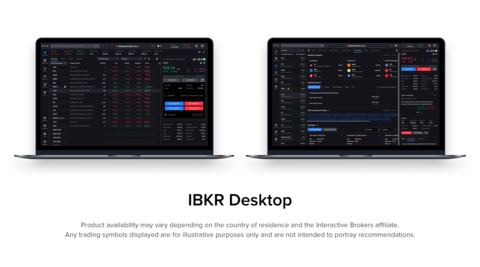
IBKR Desktop is the more approachable alternative. It combines some of the most popular TWS tools with a simpler interface and is designed for active traders, options traders, and global investors. In our assessment, Desktop is the better starting point if you want IBKR’s capabilities without immediately taking on the full complexity of TWS.
The rest of the lineup gives you more flexibility:
- IBKR Mobile: Advanced trading and account management from a mobile device.
- Client Portal: A browser-based platform for trading, monitoring your account, and managing settings without installing software.
- GlobalTrader: A simpler mobile experience aimed at new and global investors.
- IMPACT: A mobile platform focused on values-based investing.
- ForecastTrader: A platform for trading eligible event contracts.
- IBKR APIs: Application programming interfaces that let technical users connect their own systems to IBKR and automate strategies.

2. International Market Access
Interactive Brokers currently provides access to 170 markets across 40 countries, giving you exposure to stocks, options, futures, currencies, bonds, and funds through one account. You can also fund and trade in 29 currencies, although availability varies by IBKR affiliate. Here is how that international reach affects your trading experience.
Access Multiple Markets From One Account
The broad market coverage means you can trade securities across different countries without maintaining separate brokerage relationships for each market. This can be useful if you want to diversify geographically or follow opportunities outside your domestic market.
Trade Across Multiple Currencies
IBKR supports funding and trading in 29 currencies, giving you more flexibility when dealing with international securities. Currency conversion can still affect your returns, so the performance of an overseas investment may differ from the movement of the underlying asset.
Consider the Additional Risks
International access also comes with currency, market-hour, tax, and local regulatory considerations. Trading outside your home market may expose you to different rules and settlement practices, so you should check the requirements that apply to the specific market and security before placing a trade.
3. Asset Classes Supported
IBKR’s broad product range is one of its biggest differences from app-focused brokers. Here is how the available asset classes can fit different investing and trading needs, and where the platform’s wider selection gives it an advantage.
Broad Range of Investments
Interactive Brokers supports stocks, exchange-traded funds (ETFs), options, bonds, futures, event contracts, forex, cryptocurrency, precious metals, and more than 21,000 no-transaction-fee mutual funds. This gives you access to both traditional investments and more specialized trading products through one brokerage account.
One Account, Multiple Strategies
The range is useful if your portfolio requires different types of exposure. You can hold stocks and ETFs for long-term positions, use mutual funds for diversification, add bonds for fixed-income exposure, or trade options and futures when those instruments fit your strategy. IBKR also provides access to forex and precious metals without requiring separate brokerage accounts for each market.
4. Where IBKR Has an Edge
Mutual funds and individual bonds are two areas where IBKR has a notable advantage over Moomoo.It is primarily built around stocks, ETFs, options, and other trading-focused products, while IBKR offers a broader selection of traditional investments. That difference matters if you want one account that can accommodate different portfolio strategies.
More Choice Means More Complexity
From our perspective, the wider asset selection is one of IBKR’s strongest features, but it also makes the platform more demanding. Options, futures, forex, and crypto carry risks that differ substantially from buying stocks or ETFs. Bonds and international investments also introduce considerations such as interest rates, currency movements, liquidity, and market conditions.
Access to more products gives you greater flexibility, but it doesn’t make every asset class appropriate for your strategy or experience level. Understanding how each instrument works should be done before adding it to your portfolio.
Interactive Brokers Fees
| Fee / Asset | IBKR Lite | IBKR Pro |
| U.S.-listed stocks & ETFs | $0/share for eligible U.S. residents | $0.0005–$0.0035/share Tiered; $0.005/share Fixed |
| Options | Fixed pricing | $0.15–$0.65/contract Tiered; $0.65/contract Fixed |
| Futures | Fixed pricing | $0.25–$0.85/contract Tiered; $0.85/contract Fixed |
| Spot currencies | Tiered | Tiered |
| Bonds | 10 bps × face value | 10 bps × face value |
| Mutual funds | 3% of trade value, max $14.95 | Fixed or Tiered pricing |
| No-fee mutual funds | $0 per transaction | $0 per transaction |
| Prediction markets | Varies | As low as $0.01/contract |
| Minimum balance | $0 | $0 |
| Maintenance fee | $0 | $0 |
Where Interactive Brokers Falls Short
The Interactive Brokers trading platform gives you extensive market access and advanced tools, but that depth comes with trade-offs. Here are the main limitations to weigh before choosing IBKR.
1. Steep Learning Curve
TWS is packed with advanced order types, analytics, customization, and market data. That depth can make it difficult to learn if you’re new to trading.
2. Complex Fee Structure
IBKR’s low commissions can be attractive, but understanding what you’ll actually pay requires more work. Pricing can vary by Lite or Pro status, Fixed or Tiered structure, trading volume, asset class, and additional exchange or regulatory charges.
3. Too Many Platform Choices
Having TWS, IBKR Desktop, Mobile, Client Portal, GlobalTrader, IMPACT, ForecastTrader, and APIs gives you flexibility, but it can also make the overall experience feel fragmented. The platform you choose can affect which tools and workflows are available, so finding the right interface may take some trial and error.
4. Less Beginner-Friendly
IBKR’s strength is its depth, rather than simplicity. The platform gives you extensive control over orders, markets, layouts, and account settings, but you’ll likely need time to understand those features before using them effectively.
5. Margin Adds Another Layer of Risk
If you trade on margin, the complexity extends beyond the platform itself. Borrowing money can magnify losses, and positions may be liquidated if your account falls below applicable margin requirements. That makes IBKR’s margin capabilities better suited to traders who understand how leverage affects their positions.
What Real Users Are Saying
User feedback on Interactive Brokers is mixed rather than uniformly positive or negative. The two sources show a clear split. Good Money Guide users rate the broker highly for pricing, market access, and platform capabilities, while Trustpilot reviews more often raise concerns about customer service and platform complexity.
| Source | User Rating / Feedback | What Users Like | Common Complaints |
| Trustpilot | 3.1/5 from 5,459 reviews | Some users praise low trading costs, security, platform capabilities, and helpful support experiences. | Customer service delays, complicated interfaces, login problems, and difficulties resolving account or transfer issues appear frequently. |
| Good Money Guide | 4.6/5 from 1,374 user reviews | Users rate the platform highly for its low costs, broad market access, and trading capabilities. | Customer service is the main weakness highlighted, particularly for smaller clients who may experience slower support. |
| Recent Trustpilot feedback | Mixed | Recent five-star reviews mention low transaction fees, security, ease of use, and knowledgeable support staff. | Recent one-star reviews describe lengthy support interactions, delayed responses, account issues, and difficulty navigating the platform |
Interactive Brokers vs Moomoo
| Feature | Interactive Brokers | Moomoo |
| Best For | Active, experienced, and international traders | Active traders seeking a simpler platform |
| Tradable Assets | Stocks, crypto, forex, futures, bonds, options | Stocks, ETFs, options |
| U.S. Stocks & ETFs | $0 on eligible IBKR Lite trades; Pro commissions apply | $0 commission |
| Options | $0.15–$0.65/contract on Pro | $0 equity options contract fees; index options $0.50/contract |
| Margin Rates | Generally lower, depending on balance and plan | Rates cited from 6.8% |
| Level 2 Data | Available | Free real-time Level 2 for funded accounts |
| Demo Account | Available | Available |
| International Access | 170 markets across 40 countries | More limited |
| Platform Complexity | Advanced and highly customizable | Generally easier to navigate |
| TradingView Rating | 4.2/5 | 4.5/5 |
| Overall Edge | Global access, asset range, and advanced tools | Simplicity, Level 2 data, and low-cost U.S. trading |
Interactive Brokers vs Schwab
| Feature | Interactive Brokers | Charles Schwab |
| Best For | Active, international, and experienced traders | Beginners, long-term investors, and U.S.-focused investors |
| Stocks & ETFs | $0 for eligible U.S. trades on Lite; Pro pricing varies | $0 online commission |
| Options | $0.15–$0.65 per contract on Pro | $0.65 per contract |
| Futures | Starting at $0.25 per contract on Pro | $2.25 per contract |
| Margin | Generally lower rates | Generally higher rates |
| International Markets | 170 markets across 40 countries | Global Account provides access to 12 foreign markets |
| Asset Range | Stocks, ETFs, bonds, mutual funds, options, futures, forex, crypto, and more | Stocks, ETFs, bonds, mutual funds, options, futures, forex, and more |
| Platforms | TWS, IBKR Desktop, Mobile, GlobalTrader, and more | Schwab.com, Schwab Mobile, and thinkorswim |
| Learning Curve | Steeper | More beginner-friendly |
| Banking Services | Brokerage-focused | Full banking and brokerage ecosystem |
| Overall Edge | Global access, lower trading costs, and advanced tools | Ease of use, education, service, and banking |
Who Should Use Interactive Brokers?
Interactive Brokers is best suited to active traders, international investors, and experienced users who want broad market access and advanced trading tools. The platform’s range of markets and asset classes makes it particularly useful if you plan to trade beyond basic U.S. stocks and ETFs.
Active Traders
If you trade frequently, IBKR’s low commissions, advanced order types, market data, and SmartRouting can make the platform a strong fit. IBKR Pro is particularly suited to higher-volume traders, who can benefit from its pricing structure and lower margin rates.
International Investors
IBKR is a strong option if you want exposure to markets outside your home country. With access to 170 markets across 40 countries, you can trade across multiple regions through one brokerage account.
Experienced Traders
The platform makes more sense if you’re comfortable with complex trading software. TWS offers extensive customization and advanced tools, while IBKR Desktop provides a more accessible alternative without requiring you to start with the full TWS experience.
Investors Seeking Broader Asset Access
IBKR can also suit you if you want more than stocks and ETFs. You can access bonds, mutual funds, options, futures, forex, crypto, precious metals, and event contracts, giving you more flexibility to build different strategies within one account.
Final Verdict: Is Interactive Brokers Worth It in 2026?
Interactive Brokers is worth considering in 2026 if you will actually use its depth. The combination of global market access, broad asset coverage, advanced platforms, and competitive Pro pricing gives experienced traders a strong reason to choose it over simpler brokerages. For a beginner who only wants to buy stocks or ETFs occasionally, that same depth may create more work than value.
The key thing to watch is how IBKR’s pricing and platform lineup evolve as the newer IBKR Desktop experience continues to complement TWS. Before opening an account, compare the Lite and Pro structures available to you, then estimate your actual trading costs based on your volume, asset classes, and need for margin.
Our view from this Interactive Brokers review is that IBKR works best when you treat its complexity as a feature rather than a hurdle. If you need international markets, advanced execution, or access to a wide range of asset classes, its capabilities can justify the learning curve. If you value simplicity above control, a less complex broker may serve you better.
FAQs
Is Interactive Brokers trustworthy?
Yes. Interactive Brokers is a regulated brokerage with oversight from multiple financial authorities, depending on the entity serving your account. Its financial disclosures also show substantial equity capital and excess regulatory capital. Your account protection still depends on your jurisdiction and the IBKR entity you use.
What are the downsides of Interactive Brokers?
The main drawbacks are platform complexity, a steep learning curve, and a detailed fee structure. TWS offers extensive tools, but beginners may find it harder to navigate than simpler brokerage platforms.
Why can’t I withdraw my money from IBKR?
A withdrawal can be delayed by funding hold periods, security checks, unsettled funds, or account restrictions. Newly deposited funds may be subject to a withdrawal hold, depending on the funding method. IBKR can also delay transactions when additional verification is required.
Which is better, Charles Schwab or Interactive Brokers?
Charles Schwab is generally better for simplicity, education, and all-around investing, while Interactive Brokers is stronger for active, international, and professional trading. The better choice depends on whether you prioritize an easier experience or deeper market access and trading tools.
Is Interactive Brokers good for beginners?
Interactive Brokers can work for beginners, but its extensive features create a steeper learning curve than simpler brokers. If you’re new to investing, IBKR Desktop or GlobalTrader may be easier starting points than TWS.
Does Interactive Brokers have a minimum deposit?
No. IBKR lists a $0 minimum account balance, although some products, trading strategies, or margin activity can have their own eligibility requirements.