If you ask any executive in the forex industry what they stand for, you will hear the same words. Everyone claims to be an honest forex broker. Everyone talks about transparency. But execution quality is not built on marketing phrases. It is built on the floor, decision by decision, week in and week out. It is a series of operational choices that define how you actually treat the traders putting their capital at risk on your platform.
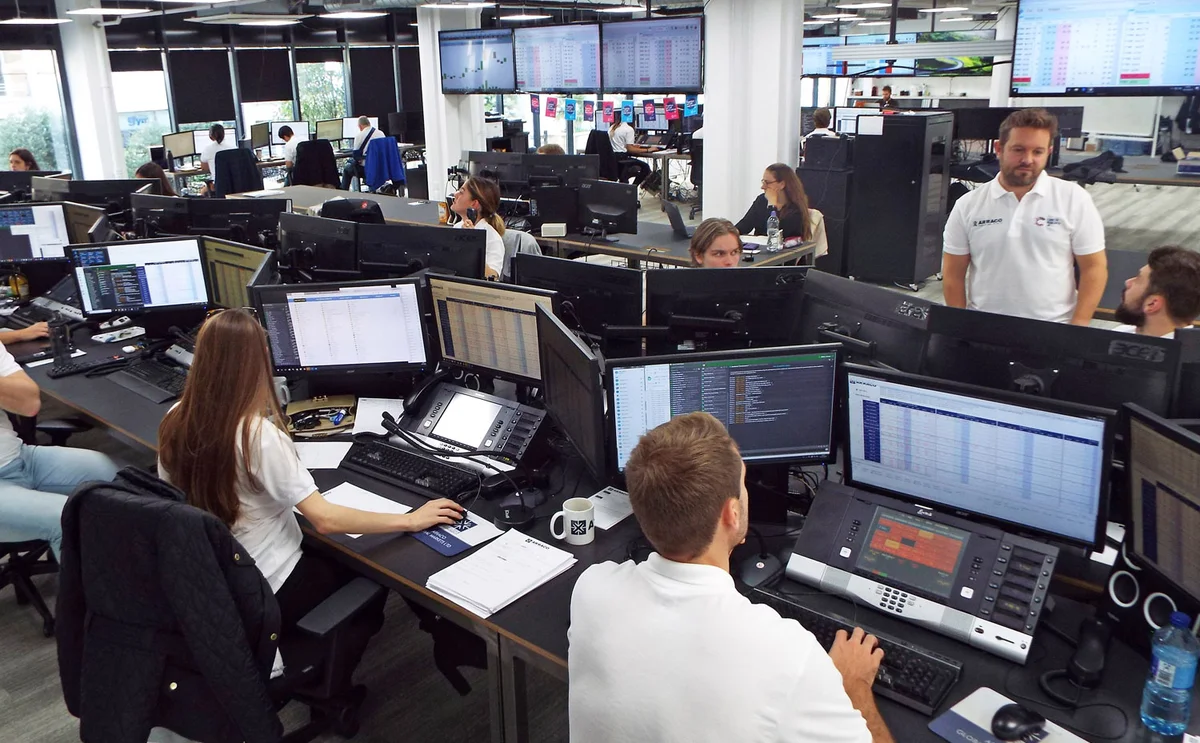
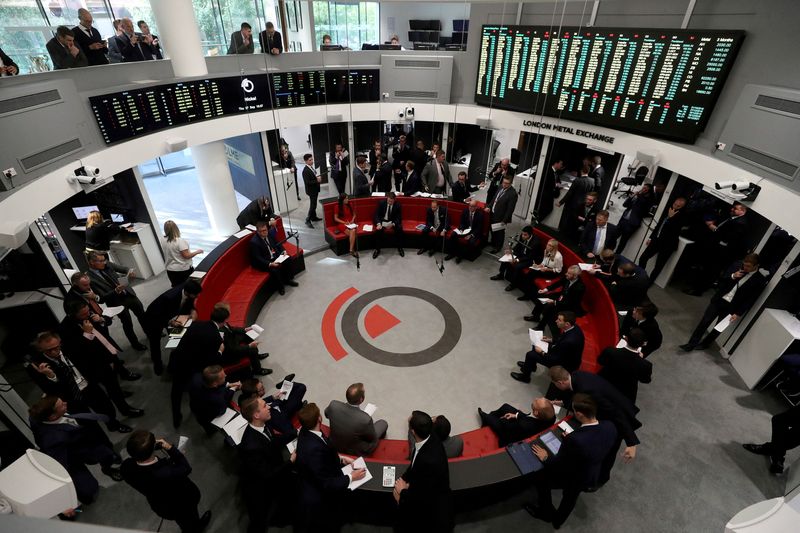
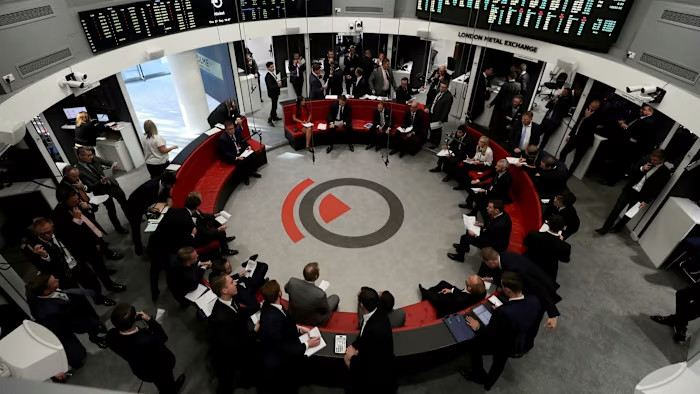
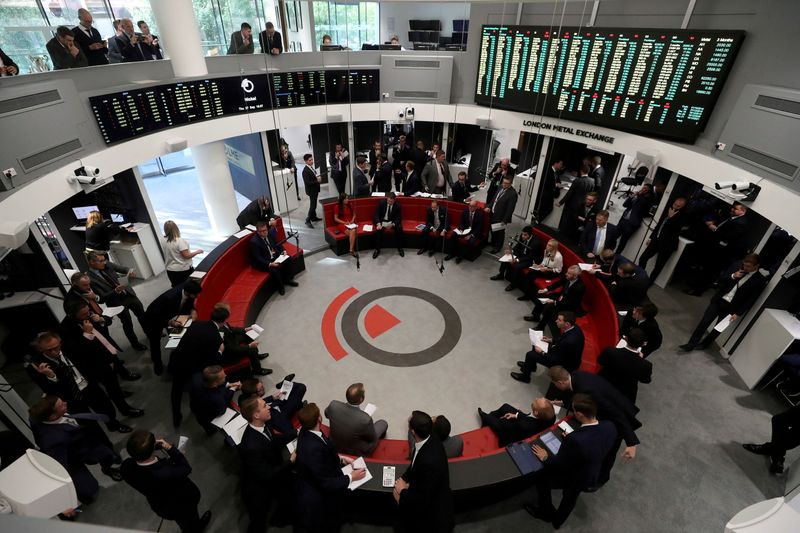
If you really want to understand how A-Book brokers make money, you have to look at the work itself. Over the course of the A-Book STP series, we have talked a lot about the structures that govern execution. But today, I want to take you onto the operations floor. These are the six decisions we make on a normal week that separate a broker merely claiming the agency model from a true A-Book broker.
On a daily basis, our liquidity providers (LPs) send over their swap sheets. They do not arrive neatly. They arrive in different formats, at different times, across different instruments.
So there is real work involved. We aggregate the rates coming in from each LP, reconcile them against our exposure on both sides of every instrument, and keep the mappings and rates current as new sheets land. The output is a single, final swap rate per instrument. We process the numbers; we don’t manipulate them. The final rate stays true to the underlying market and competitive — so the overnight cost a trader sees reflects real market pricing, not a figure quietly bent in the house’s direction.
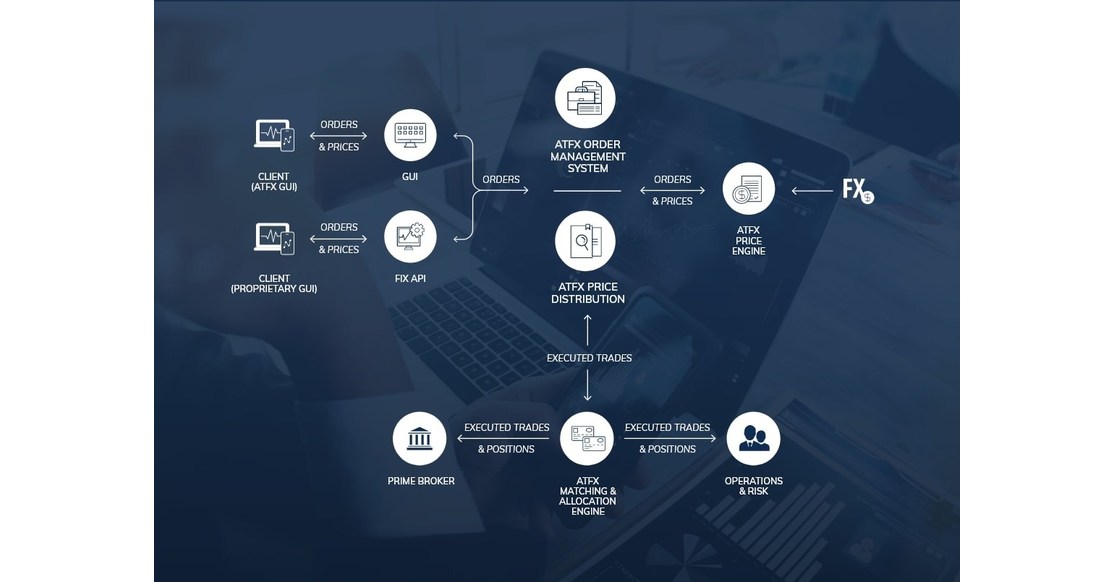
People often think that running an STP broker is just a matter of plugging into a liquidity pool and letting the servers run. The reality is that routing is a living, breathing process.
Pulling together multiple LPs and keeping the per-instrument, per-session mapping current is ongoing, intensive operational work. It is not set-and-forget automation. Market conditions change. LP performance fluctuates. To ensure our clients get the tightest spreads and the most reliable fills, our team is constantly managing these routes. We are actively optimizing the connections rather than just passing the flow to whoever paid the highest rebate this quarter.
Sometimes, a client’s trading flow starts to look unusual. The execution speeds and patterns begin to resemble latency arbitrage. In a traditional dealing-desk model, the response is automatic and silent: the broker begins throttling the trader’s execution speed. The slippage turns asymmetric — skewed against the trader — and they are slowly squeezed out of profitability.
That is not how an agency model broker should operate. When we see a flow that looks like arbitrage, we pick up the phone. We have an open, direct conversation with the client about what we are seeing, rather than quietly degrading their execution and hoping they don’t notice. But there’s a part of this we should be honest about: because we genuinely pass flow through to our liquidity providers, we are not the only party watching it. When an LP deems a flow challenging or tough to handle, it can — and sometimes does — take measures on its end directly, occasionally before our own conversation has run its course. That is the reality of a real agency chain, not a dealing desk manipulating a client’s environment from behind the curtain. Execution quality should always stay auditable behavior. And we’re deliberate about the language here: a promise of “no manipulation” is a commitment we can stand behind — it is not the same as claiming execution is identical regardless of trade size or strategy. We don’t make that second claim, because no honest broker can.
This is the moment of truth in retail trading. A client hits a massive winning streak, doubles or triples their account, and calls to withdraw their full balance.
In a B-Book model, a massive client win is a direct hit to the broker’s bottom line. The house lost. Withdrawals are suddenly scrutinized, delayed, or subject to newly discovered “terms and conditions.”
When one of our clients wins big and asks to withdraw, we pay it. We process it promptly and in full. We don’t drag our feet because there is no B-Book to recoup on. We already made our money on the commission when they traded. Their win is not our loss; it is simply a successful withdrawal. That is what it means when you run A-Book.
I get asked this often. During Non-Farm Payrolls (NFP) or a major Federal Open Market Committee (FOMC) announcement, the markets go wild. Spreads widen, prices gap, and retail accounts are sometimes wiped out in seconds.
Yet, on our operations floor, the mood is remarkably calm. “We’re calm during NFP because our P&L isn’t a function of our clients’ P&L. Every B-Book risk desk is sweating in those moments; ours is just watching execution quality.”
During severe volatility, our risk desk isn’t worried about our exposure to client wins or losses. We are only monitoring the health of the connections, ensuring our LPs are providing pricing, and verifying that our clients are getting filled fairly according to market conditions.
I will be the first to admit that this model has a cost. The growth is slower. You will never see us offering 100% deposit bonuses, aggressive leverage promotions, or the flashy gimmicks that flood the retail forex space. Those campaigns are funded by client losses in the B-Book model.
Since we don’t profit from our clients losing, we cannot afford to subsidize their trading with fake bonus equity. We accept that trade-off. We accept slower growth because the alternative is running a fundamentally different business, one built on an inherent conflict of interest, and wearing our name on it.
Transparency isn’t about publishing a manifesto; it is about the decisions you make when no one is looking. GCC Brokers Limited is regulated by the FSC of Mauritius and we run an A-Book STP execution model. Our UAE introducer, GCCFS, holds a CMA Category 5 licence issued in May 2025.
We built this infrastructure because we believe trader longevity is the only metric that matters.
About the Author
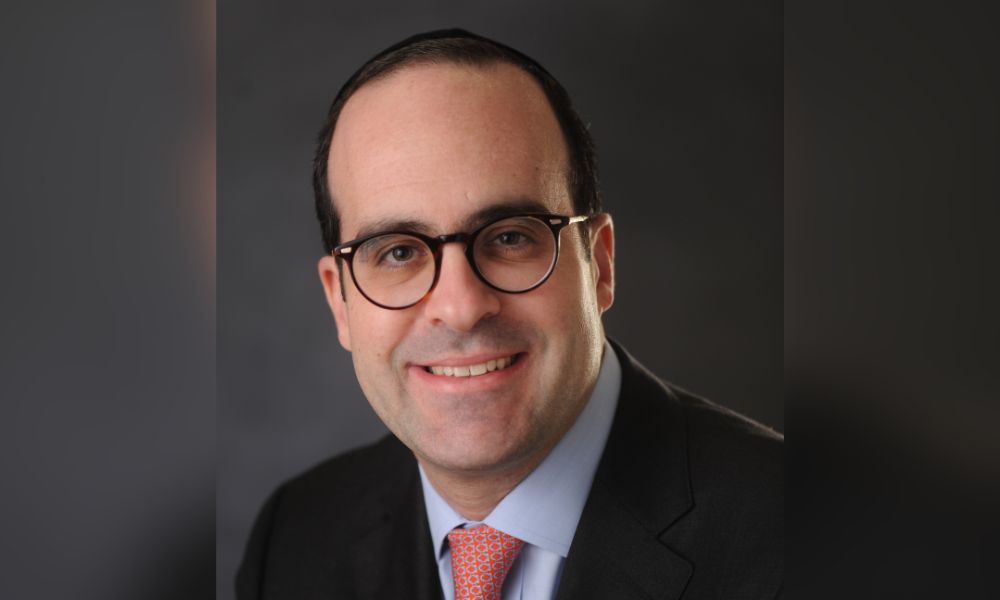
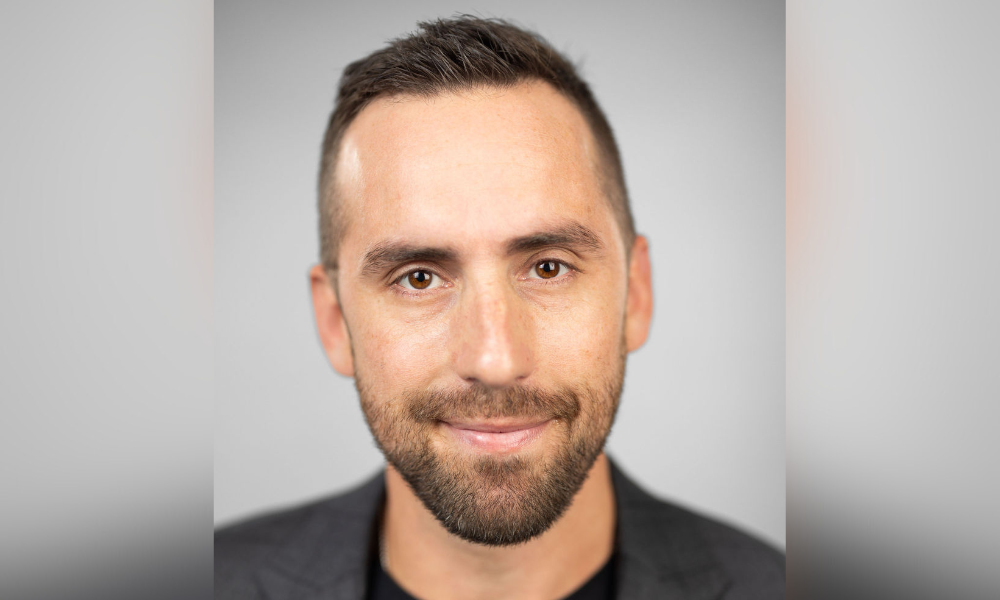
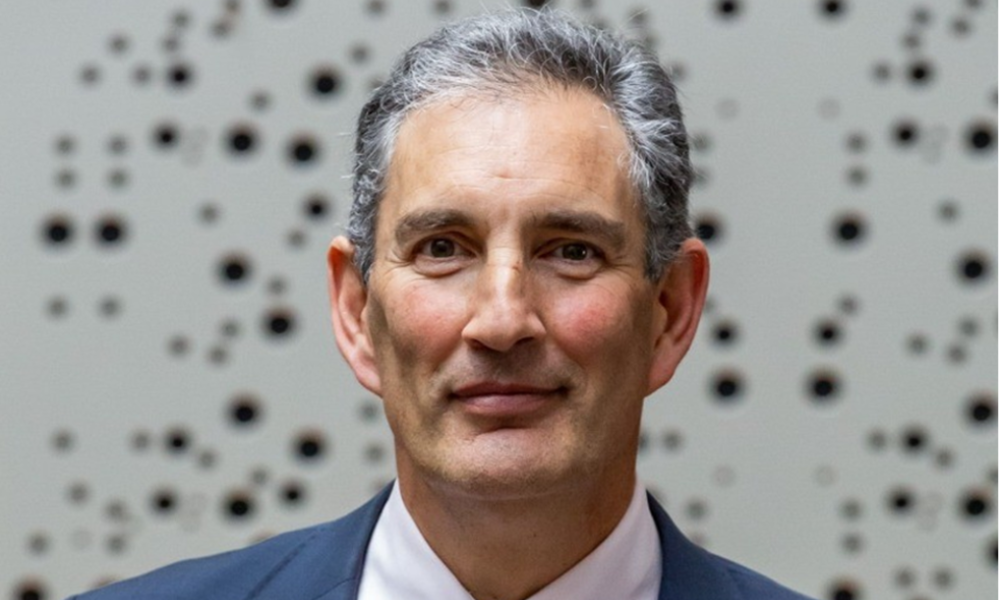
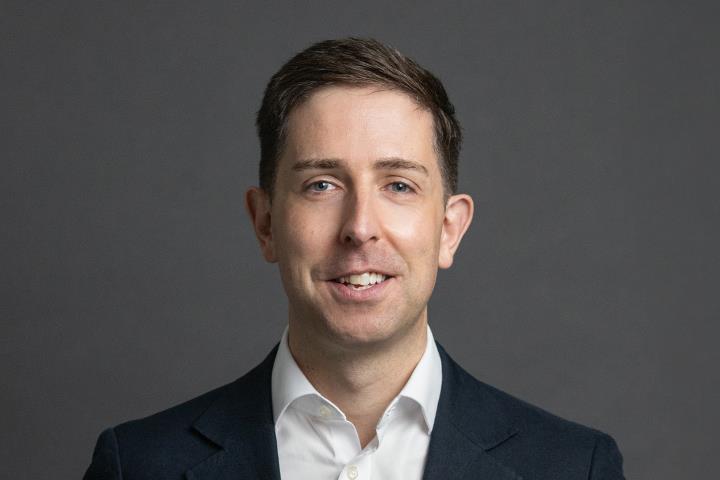
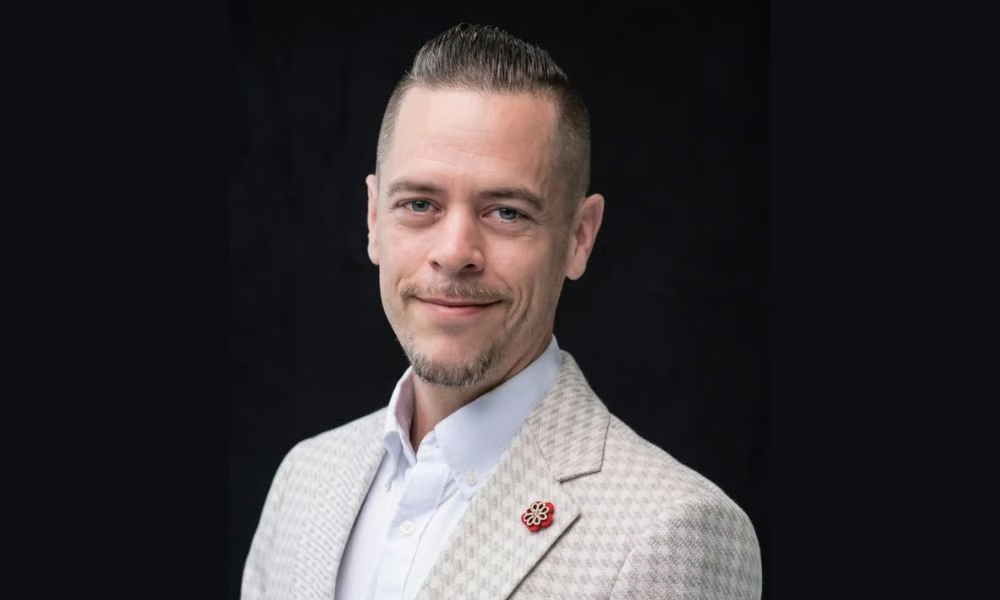
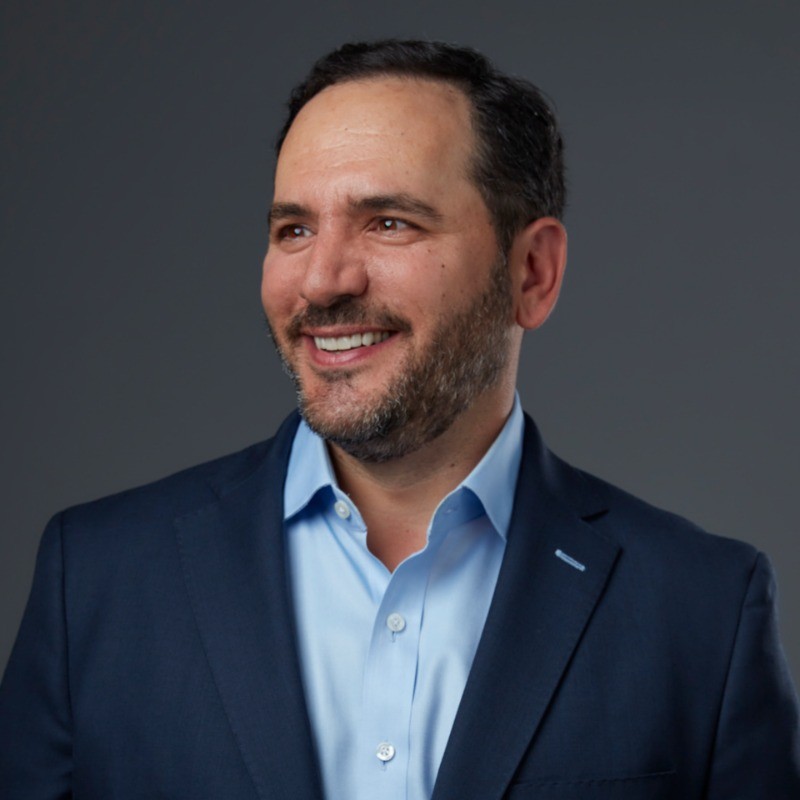
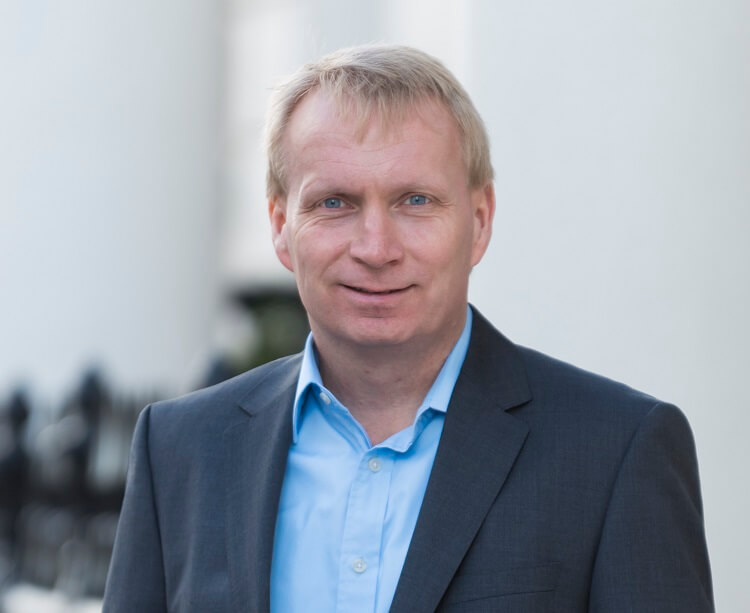
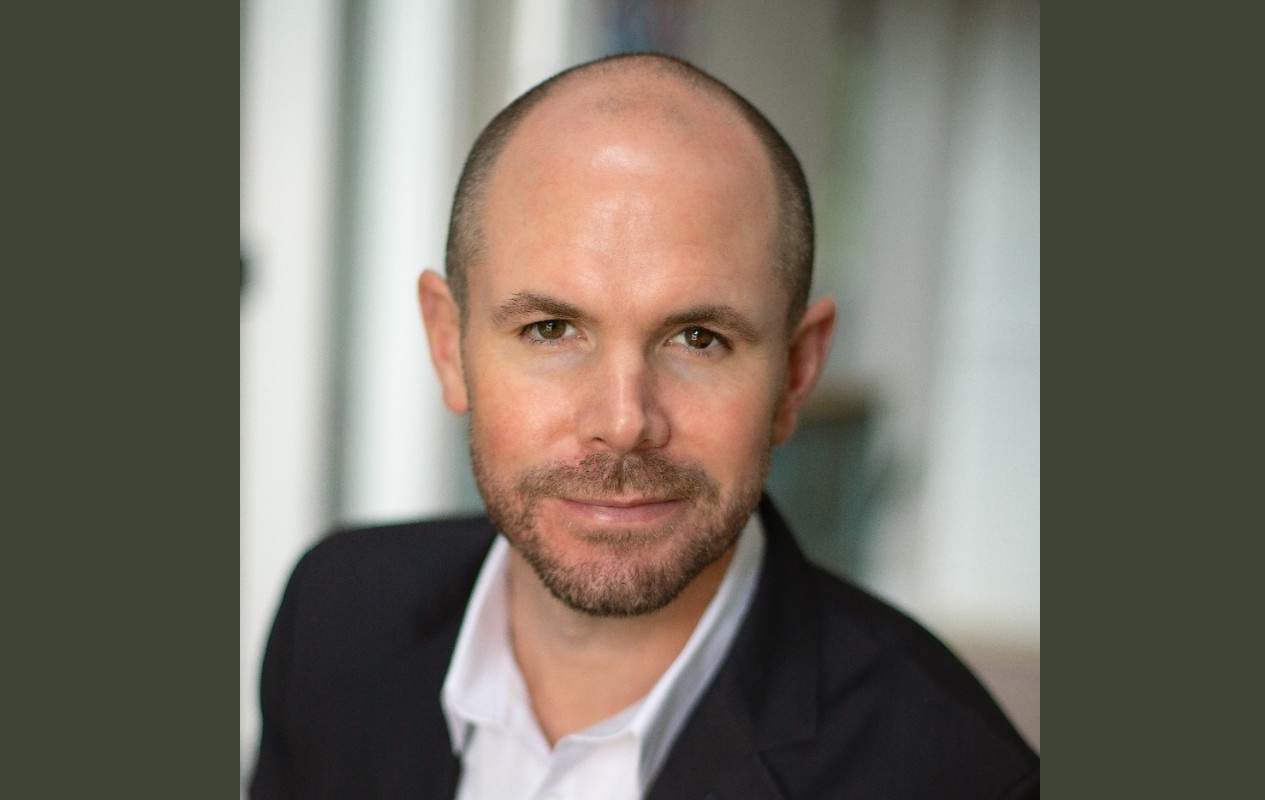
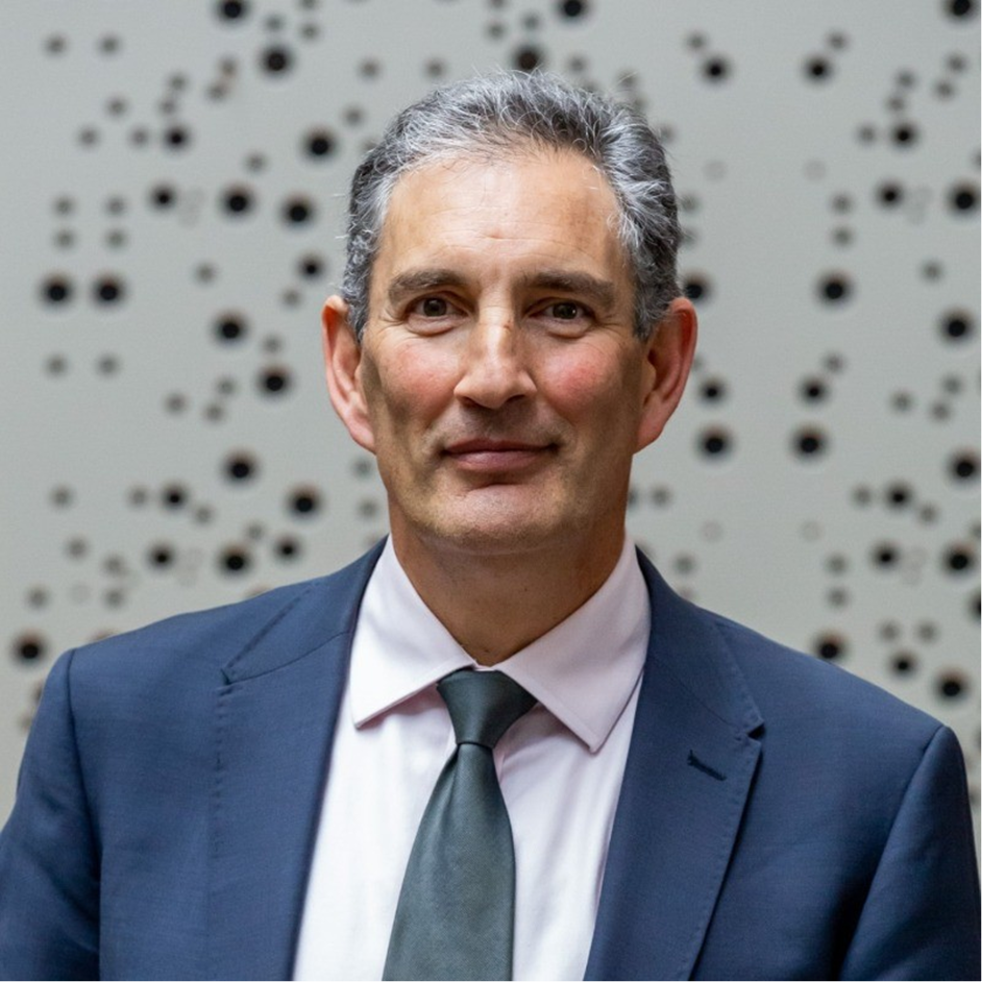
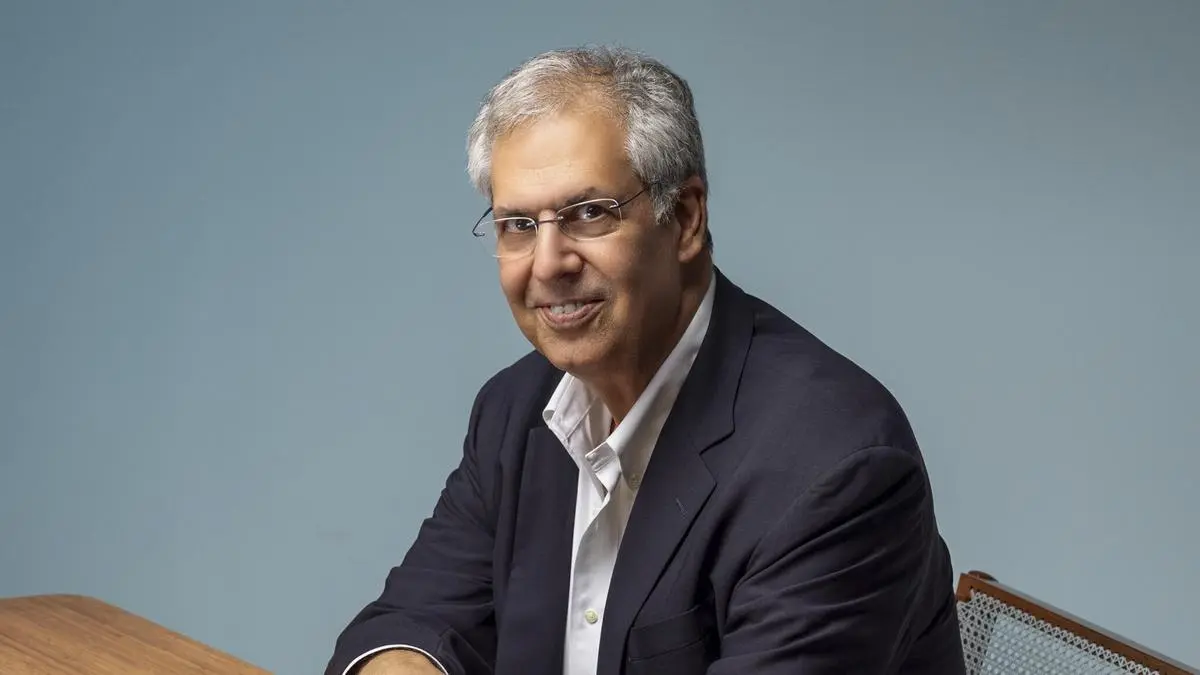
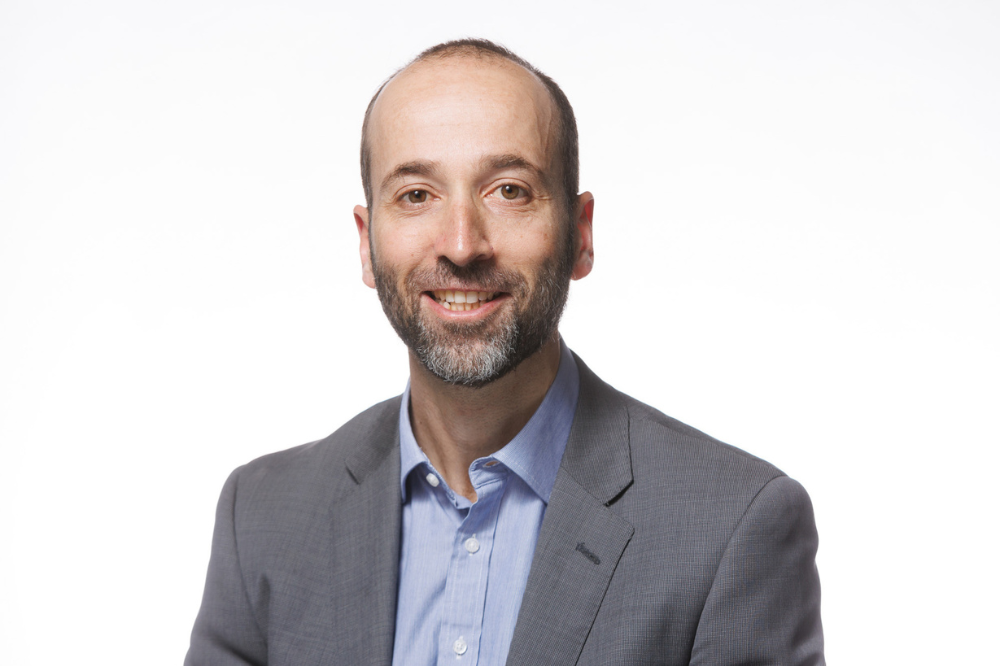
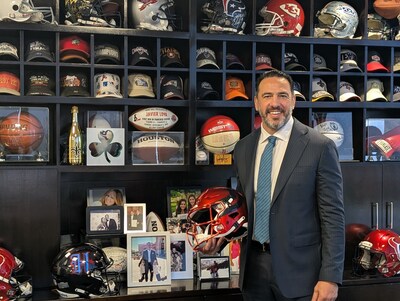
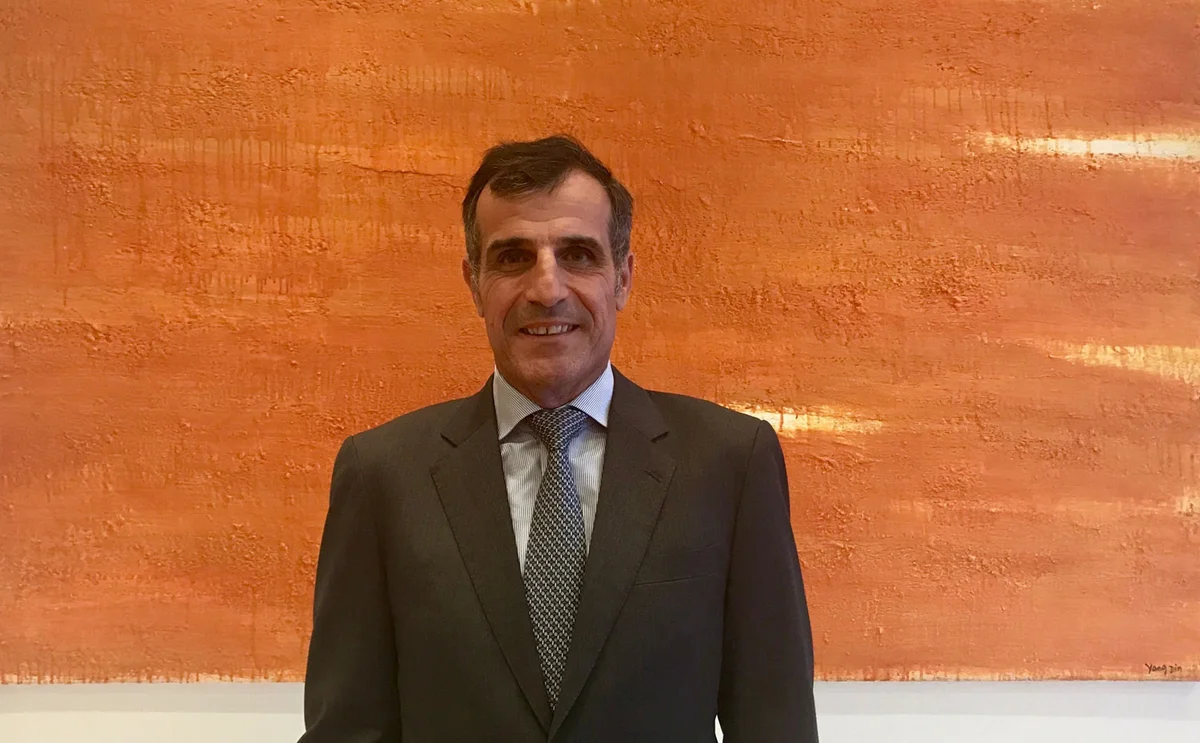
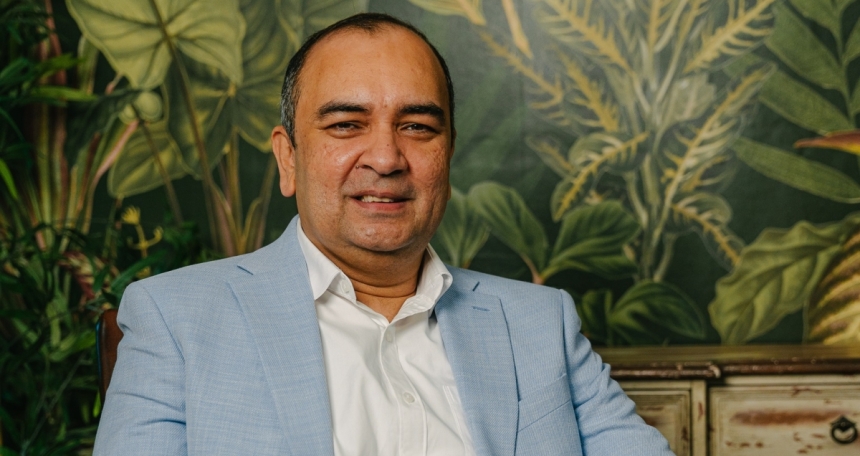
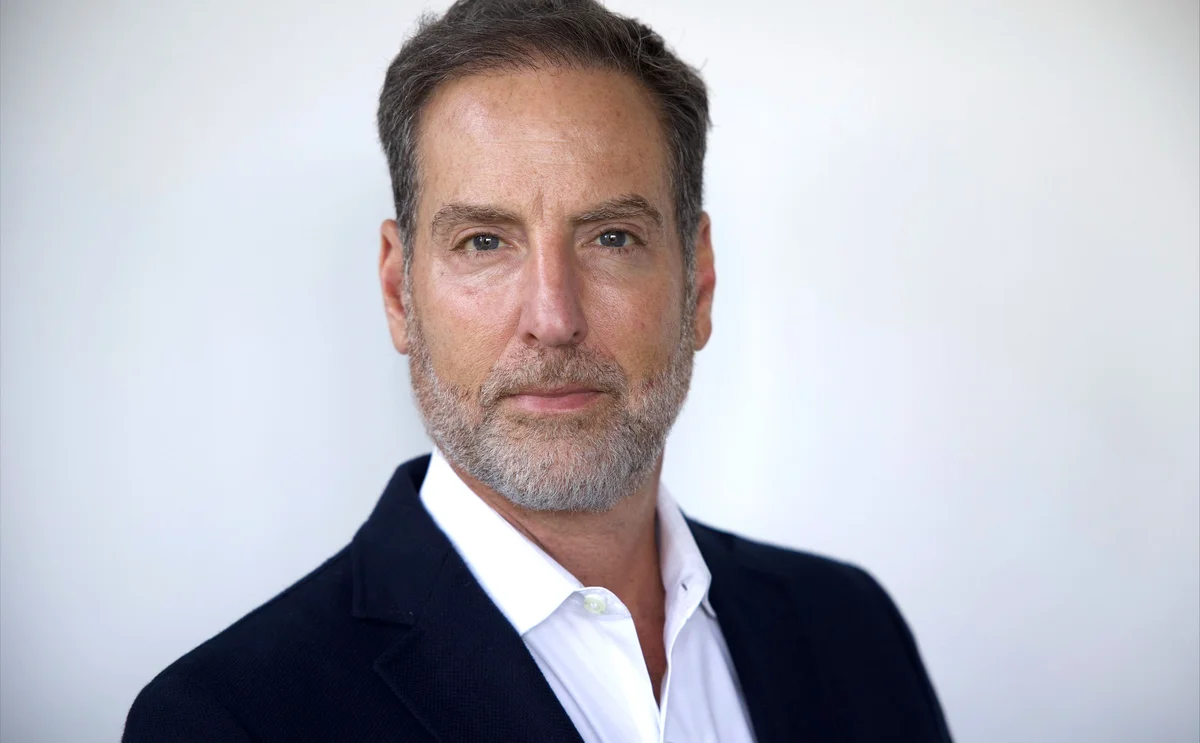
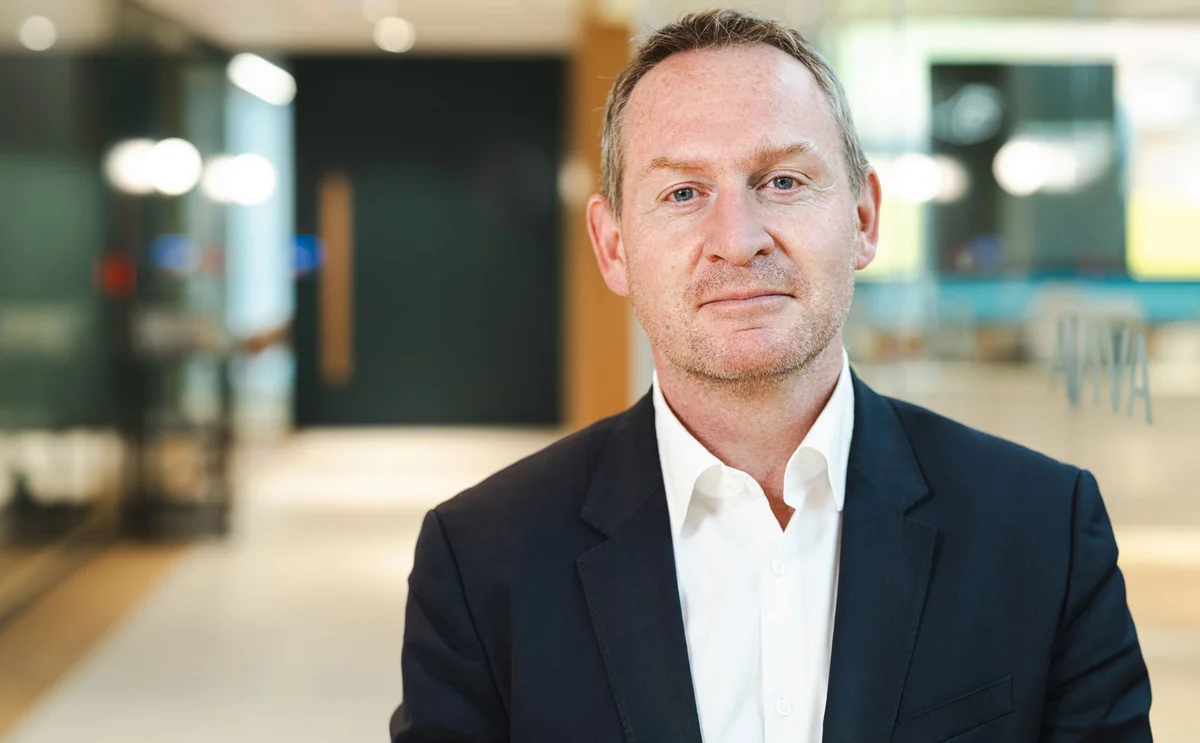
Youssef Bouz is the founder of GCC Brokers, a global forex and CFD broker built on a single operating principle: the broker should make money when its clients do, and should do its job whether or not they do.
About GCC Brokers
GCC Brokers is a global forex and CFD broker built on a single operating principle: the broker should make money when its clients do, and should do its job whether or not they do. GCC Brokers Limited is regulated by the Financial Services Commission of Mauritius and runs a true
A-Book STP execution model with institutional liquidity and no dealing-desk intervention. Its UAE-regulated introducer GCCFS holds a CMA Category 5 licence. Founded in the GCC and now serving traders across MENA, Europe, Asia, and Latin America, GCC Brokers’ mission is the same wherever its clients trade: honest execution, transparent operations, and trader longevity as the only metric that matters. Learn more at gccbrokers.com.
If you ask any executive in the forex industry what they stand for, you will hear the same words. Everyone claims to be an honest forex broker. Everyone talks about transparency. But execution quality is not built on marketing phrases. It is built on the floor, decision by decision, week in and week out. It is a series of operational choices that define how you actually treat the traders putting their capital at risk on your platform.
If you really want to understand how A-Book brokers make money, you have to look at the work itself. Over the course of the A-Book STP series, we have talked a lot about the structures that govern execution. But today, I want to take you onto the operations floor. These are the six decisions we make on a normal week that separate a broker merely claiming the agency model from a true A-Book broker.
On a daily basis, our liquidity providers (LPs) send over their swap sheets. They do not arrive neatly. They arrive in different formats, at different times, across different instruments.
So there is real work involved. We aggregate the rates coming in from each LP, reconcile them against our exposure on both sides of every instrument, and keep the mappings and rates current as new sheets land. The output is a single, final swap rate per instrument. We process the numbers; we don’t manipulate them. The final rate stays true to the underlying market and competitive — so the overnight cost a trader sees reflects real market pricing, not a figure quietly bent in the house’s direction.
People often think that running an STP broker is just a matter of plugging into a liquidity pool and letting the servers run. The reality is that routing is a living, breathing process.
Pulling together multiple LPs and keeping the per-instrument, per-session mapping current is ongoing, intensive operational work. It is not set-and-forget automation. Market conditions change. LP performance fluctuates. To ensure our clients get the tightest spreads and the most reliable fills, our team is constantly managing these routes. We are actively optimizing the connections rather than just passing the flow to whoever paid the highest rebate this quarter.
Sometimes, a client’s trading flow starts to look unusual. The execution speeds and patterns begin to resemble latency arbitrage. In a traditional dealing-desk model, the response is automatic and silent: the broker begins throttling the trader’s execution speed. The slippage turns asymmetric — skewed against the trader — and they are slowly squeezed out of profitability.
That is not how an agency model broker should operate. When we see a flow that looks like arbitrage, we pick up the phone. We have an open, direct conversation with the client about what we are seeing, rather than quietly degrading their execution and hoping they don’t notice. But there’s a part of this we should be honest about: because we genuinely pass flow through to our liquidity providers, we are not the only party watching it. When an LP deems a flow challenging or tough to handle, it can — and sometimes does — take measures on its end directly, occasionally before our own conversation has run its course. That is the reality of a real agency chain, not a dealing desk manipulating a client’s environment from behind the curtain. Execution quality should always stay auditable behavior. And we’re deliberate about the language here: a promise of “no manipulation” is a commitment we can stand behind — it is not the same as claiming execution is identical regardless of trade size or strategy. We don’t make that second claim, because no honest broker can.
This is the moment of truth in retail trading. A client hits a massive winning streak, doubles or triples their account, and calls to withdraw their full balance.
In a B-Book model, a massive client win is a direct hit to the broker’s bottom line. The house lost. Withdrawals are suddenly scrutinized, delayed, or subject to newly discovered “terms and conditions.”
When one of our clients wins big and asks to withdraw, we pay it. We process it promptly and in full. We don’t drag our feet because there is no B-Book to recoup on. We already made our money on the commission when they traded. Their win is not our loss; it is simply a successful withdrawal. That is what it means when you run A-Book.
I get asked this often. During Non-Farm Payrolls (NFP) or a major Federal Open Market Committee (FOMC) announcement, the markets go wild. Spreads widen, prices gap, and retail accounts are sometimes wiped out in seconds.
Yet, on our operations floor, the mood is remarkably calm. “We’re calm during NFP because our P&L isn’t a function of our clients’ P&L. Every B-Book risk desk is sweating in those moments; ours is just watching execution quality.”
During severe volatility, our risk desk isn’t worried about our exposure to client wins or losses. We are only monitoring the health of the connections, ensuring our LPs are providing pricing, and verifying that our clients are getting filled fairly according to market conditions.
I will be the first to admit that this model has a cost. The growth is slower. You will never see us offering 100% deposit bonuses, aggressive leverage promotions, or the flashy gimmicks that flood the retail forex space. Those campaigns are funded by client losses in the B-Book model.
Since we don’t profit from our clients losing, we cannot afford to subsidize their trading with fake bonus equity. We accept that trade-off. We accept slower growth because the alternative is running a fundamentally different business, one built on an inherent conflict of interest, and wearing our name on it.
Transparency isn’t about publishing a manifesto; it is about the decisions you make when no one is looking. GCC Brokers Limited is regulated by the FSC of Mauritius and we run an A-Book STP execution model. Our UAE introducer, GCCFS, holds a CMA Category 5 licence issued in May 2025.
We built this infrastructure because we believe trader longevity is the only metric that matters.
About the Author
Youssef Bouz is the founder of GCC Brokers, a global forex and CFD broker built on a single operating principle: the broker should make money when its clients do, and should do its job whether or not they do.
About GCC Brokers
GCC Brokers is a global forex and CFD broker built on a single operating principle: the broker should make money when its clients do, and should do its job whether or not they do. GCC Brokers Limited is regulated by the Financial Services Commission of Mauritius and runs a true
A-Book STP execution model with institutional liquidity and no dealing-desk intervention. Its UAE-regulated introducer GCCFS holds a CMA Category 5 licence. Founded in the GCC and now serving traders across MENA, Europe, Asia, and Latin America, GCC Brokers’ mission is the same wherever its clients trade: honest execution, transparent operations, and trader longevity as the only metric that matters. Learn more at gccbrokers.com.