What does ‘safe haven’ mean — and why can it break down?
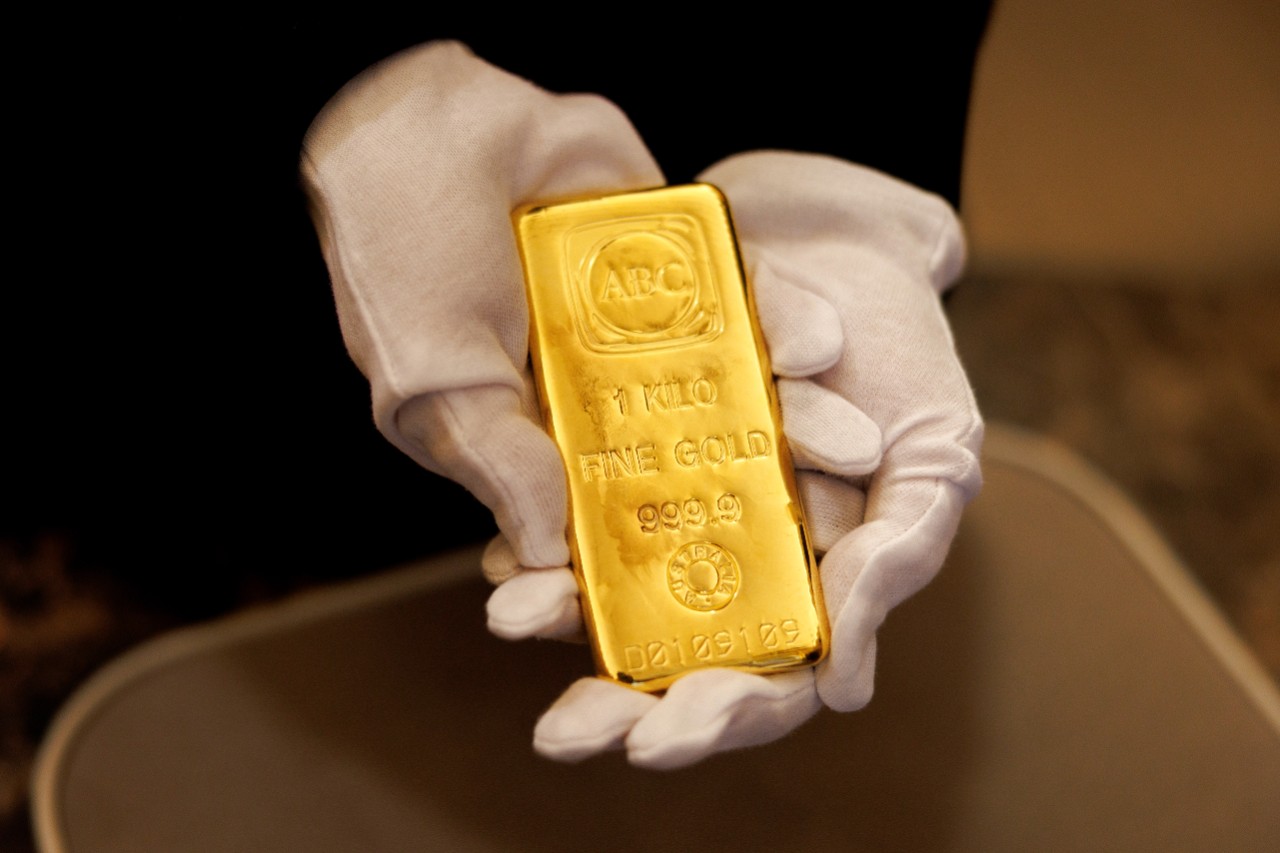
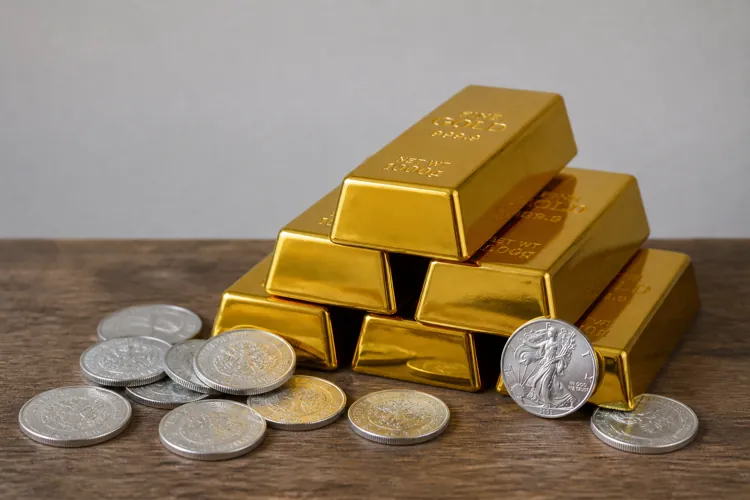
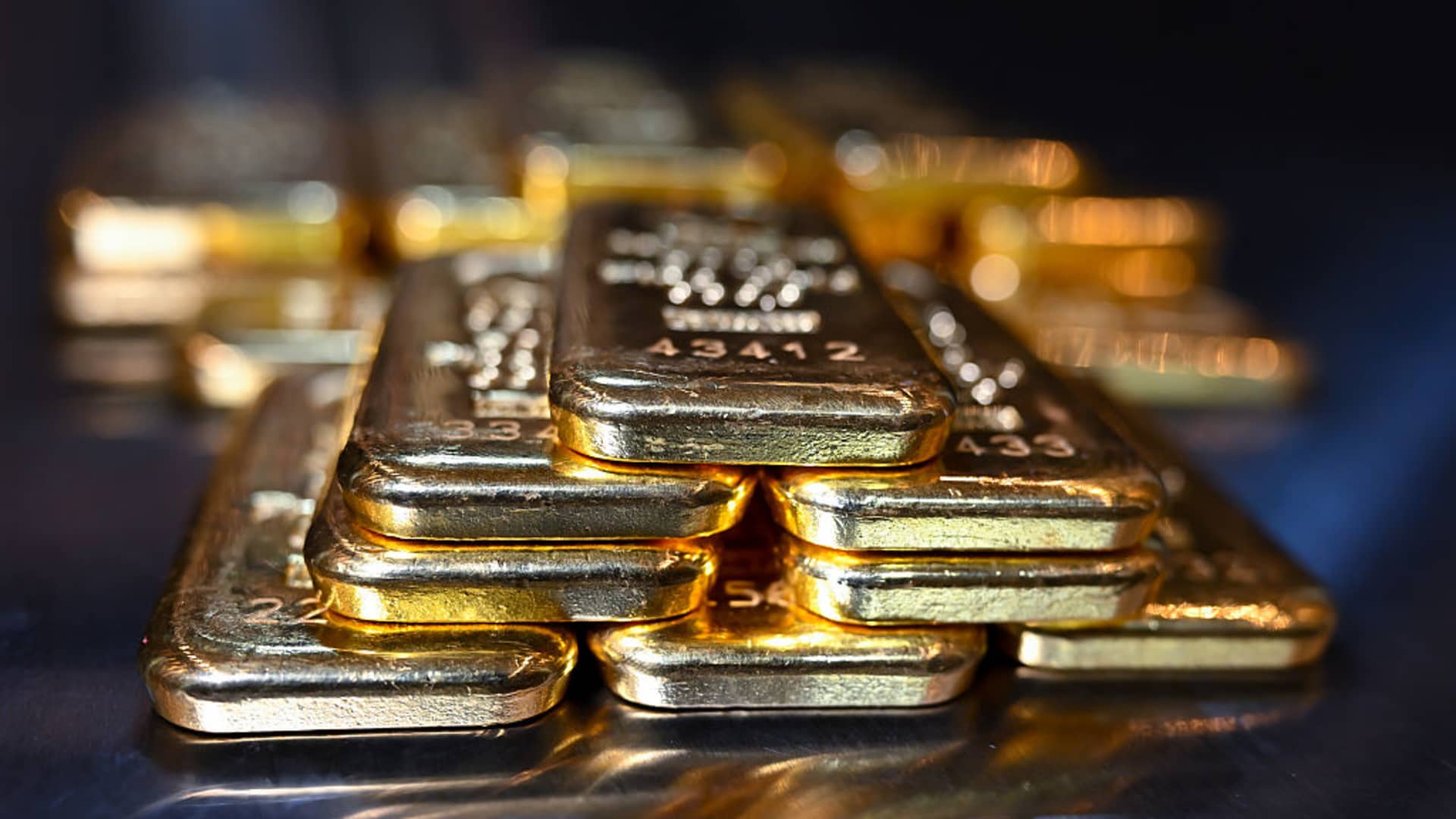
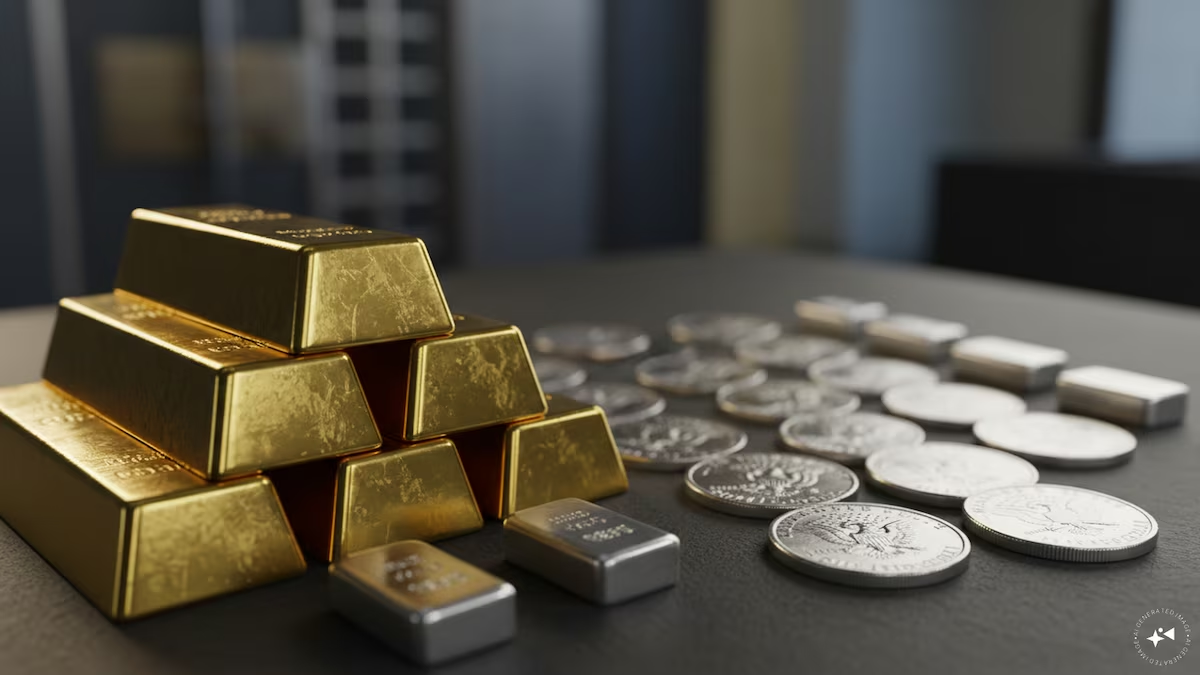
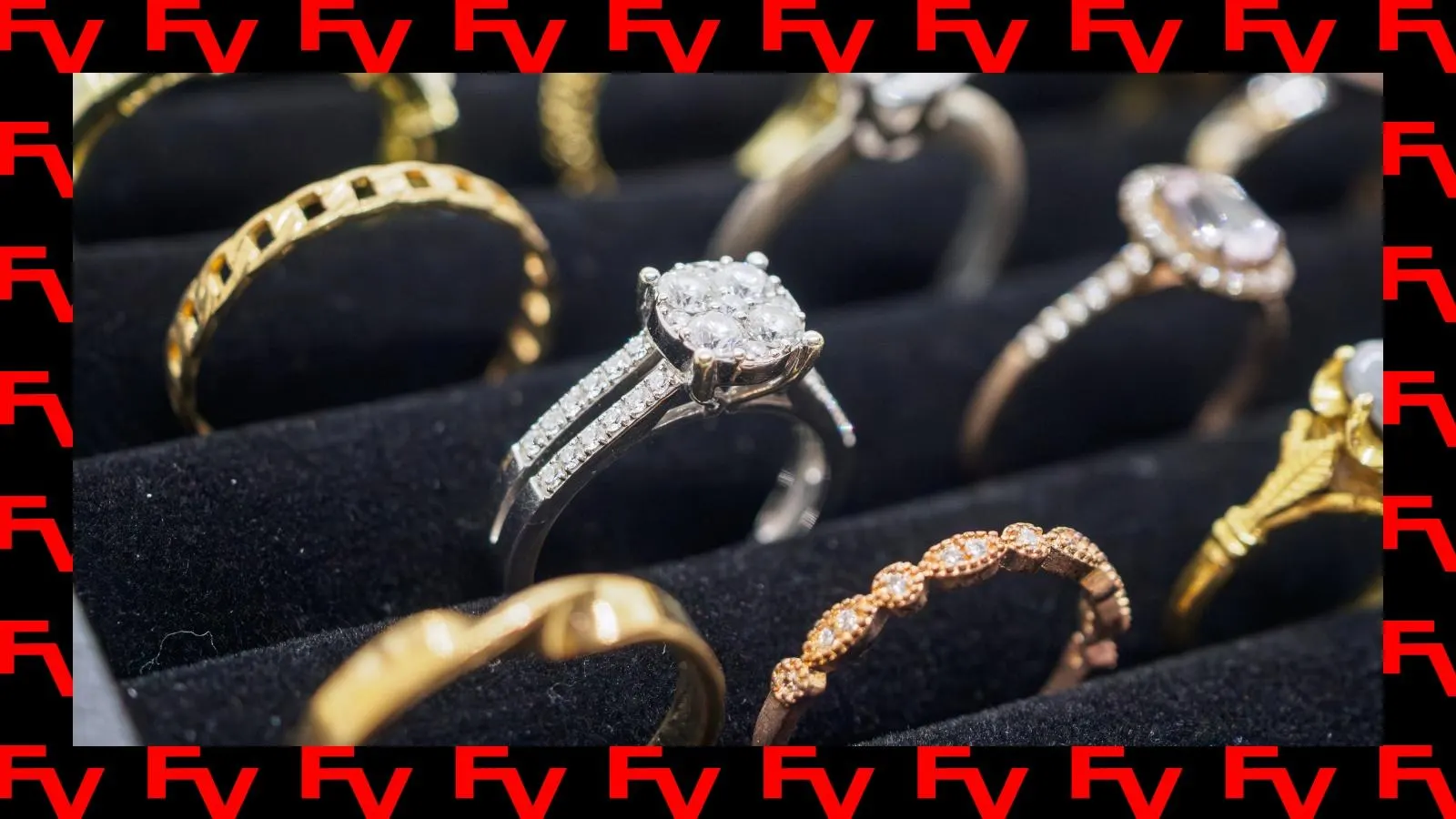
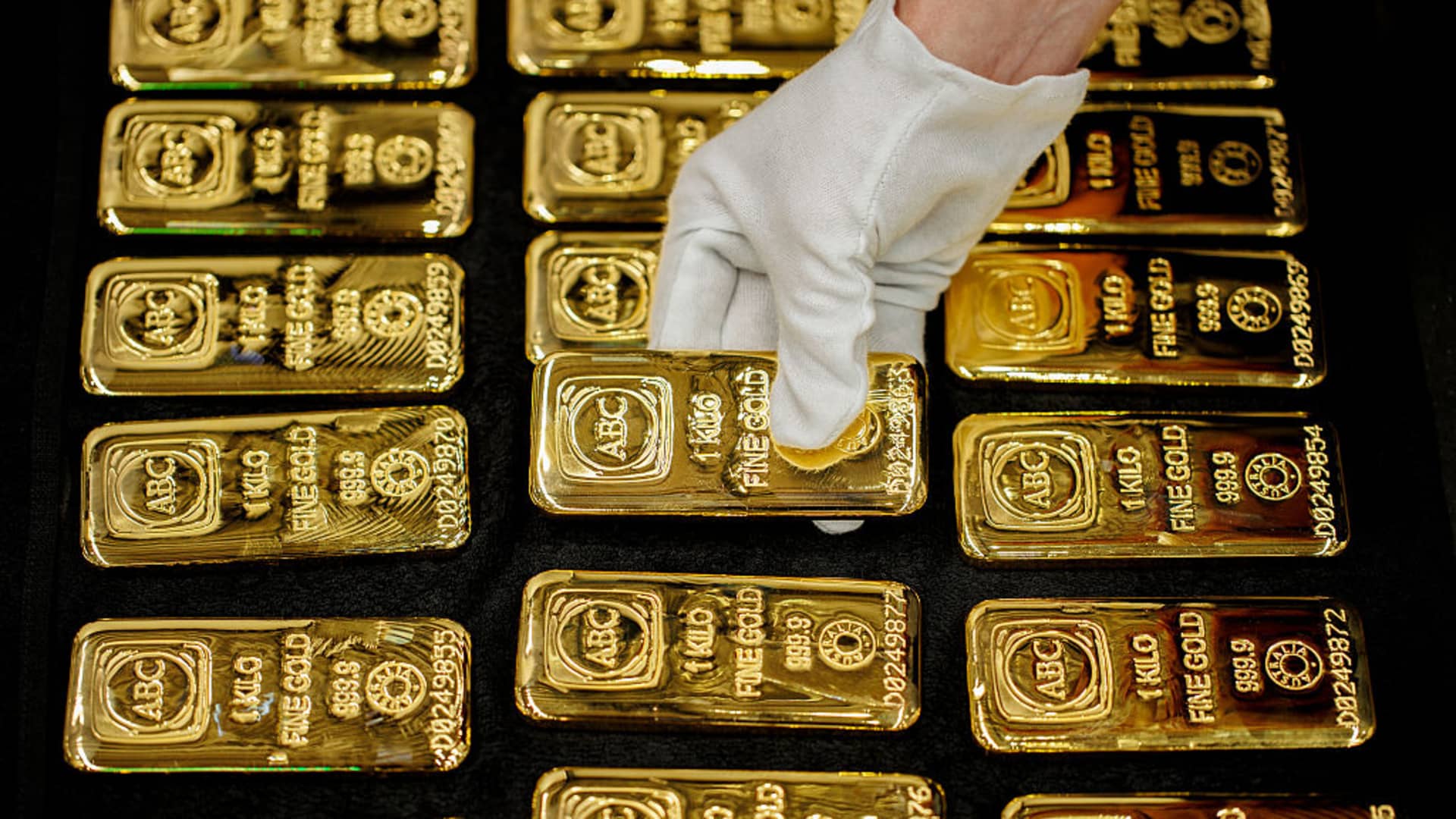
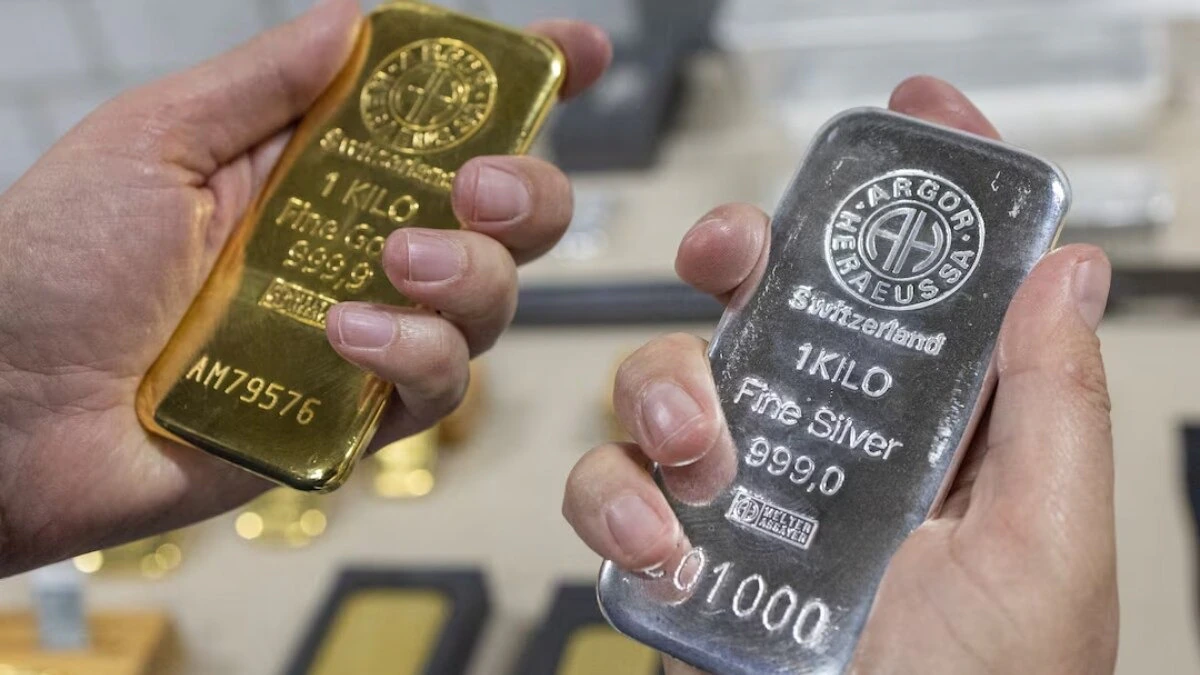
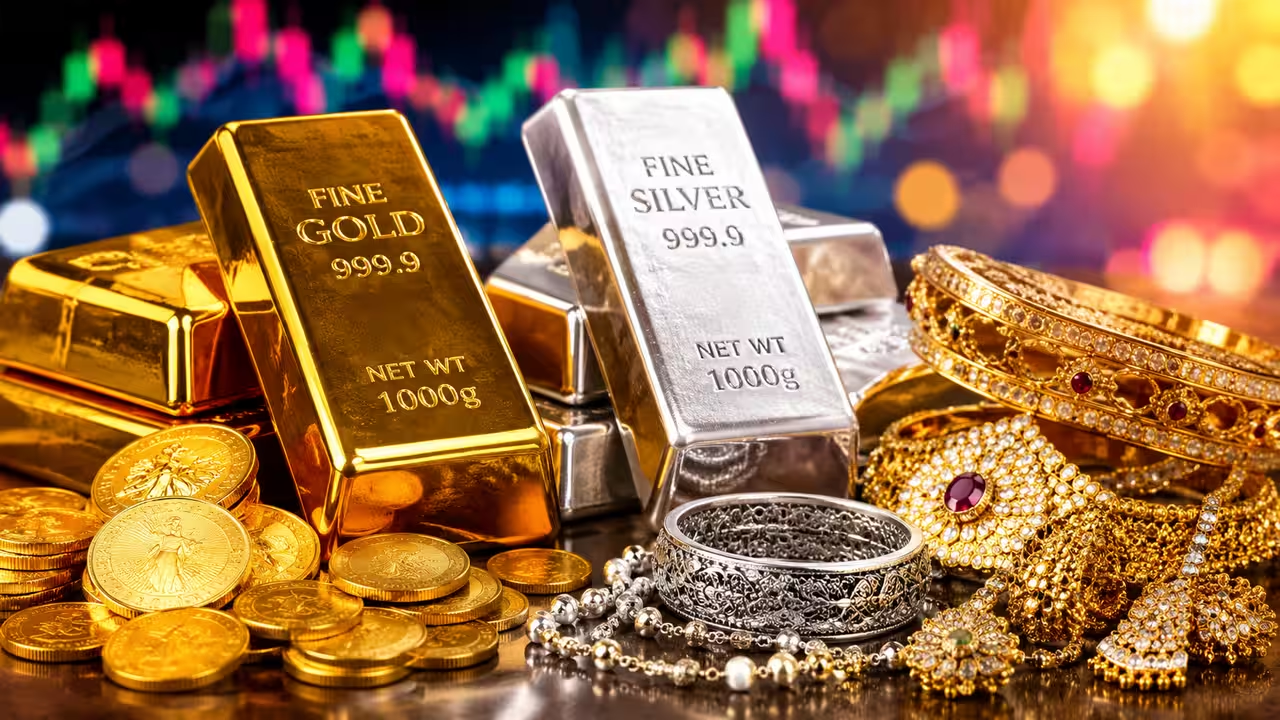
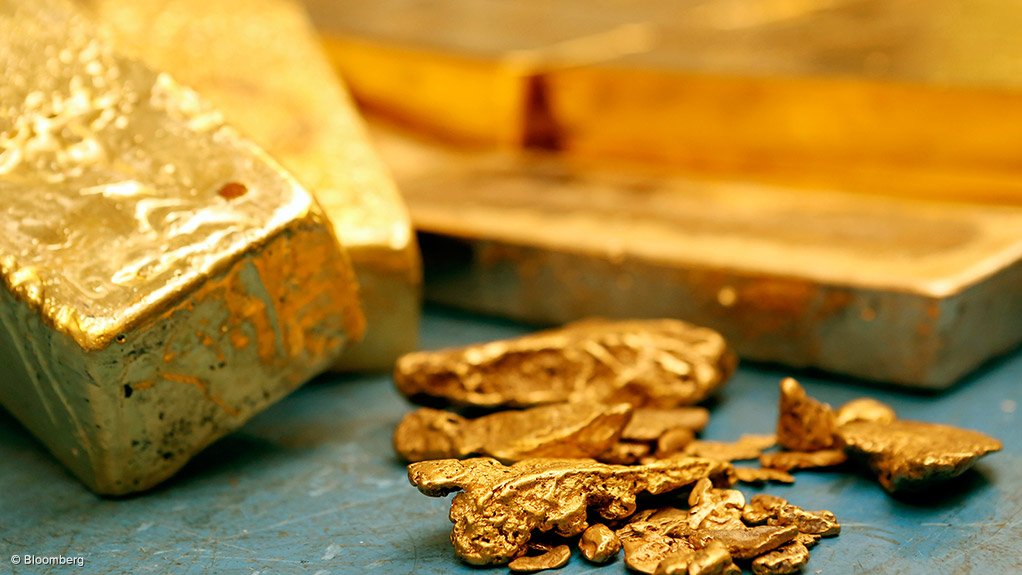
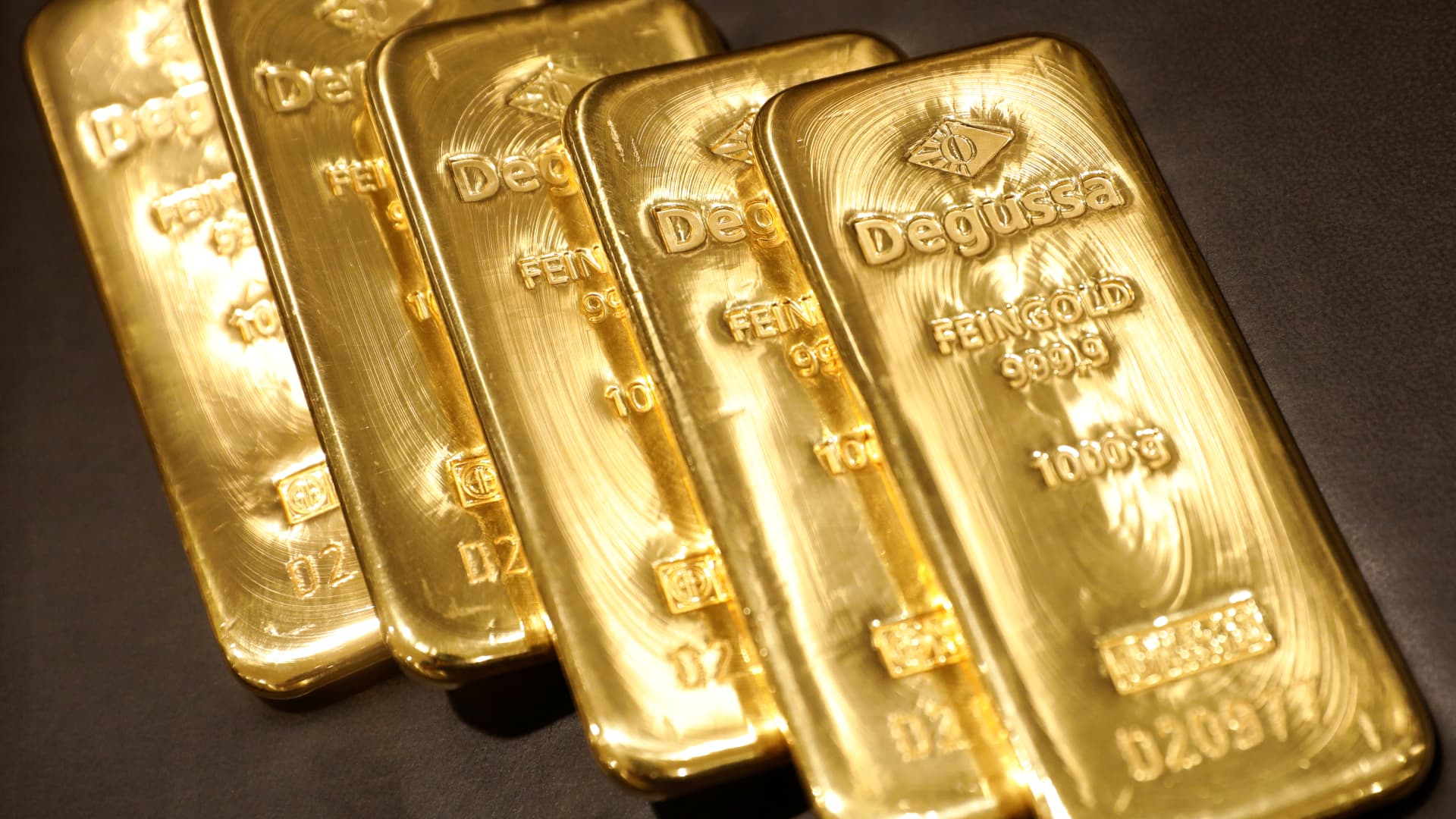
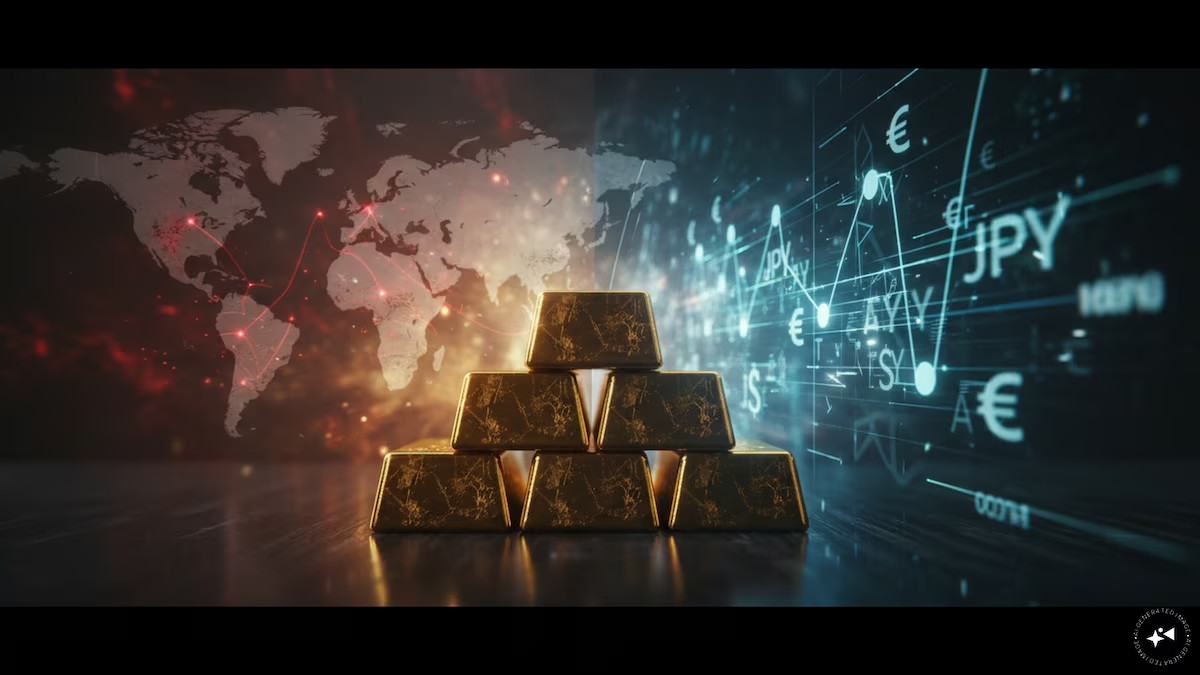
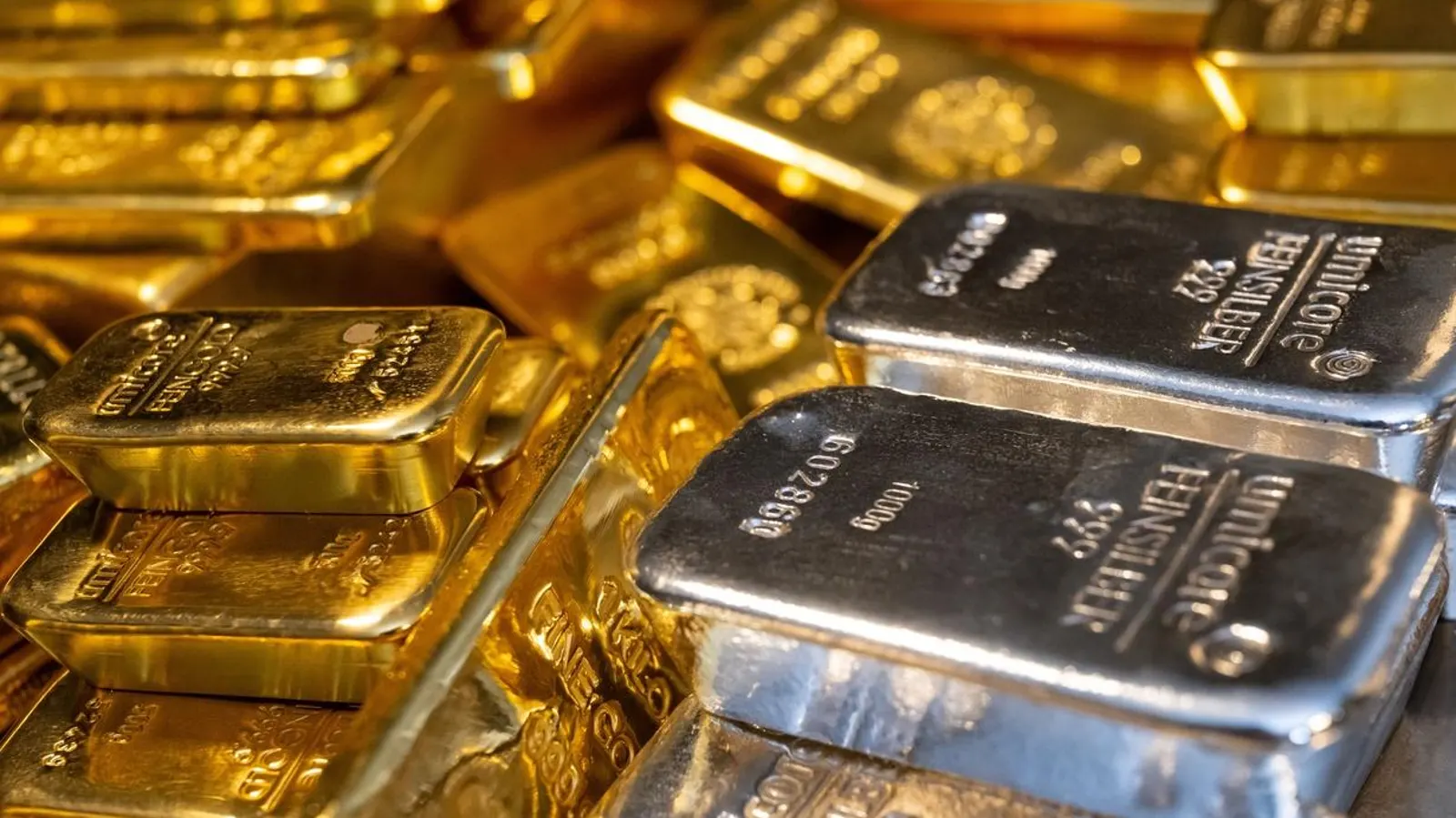
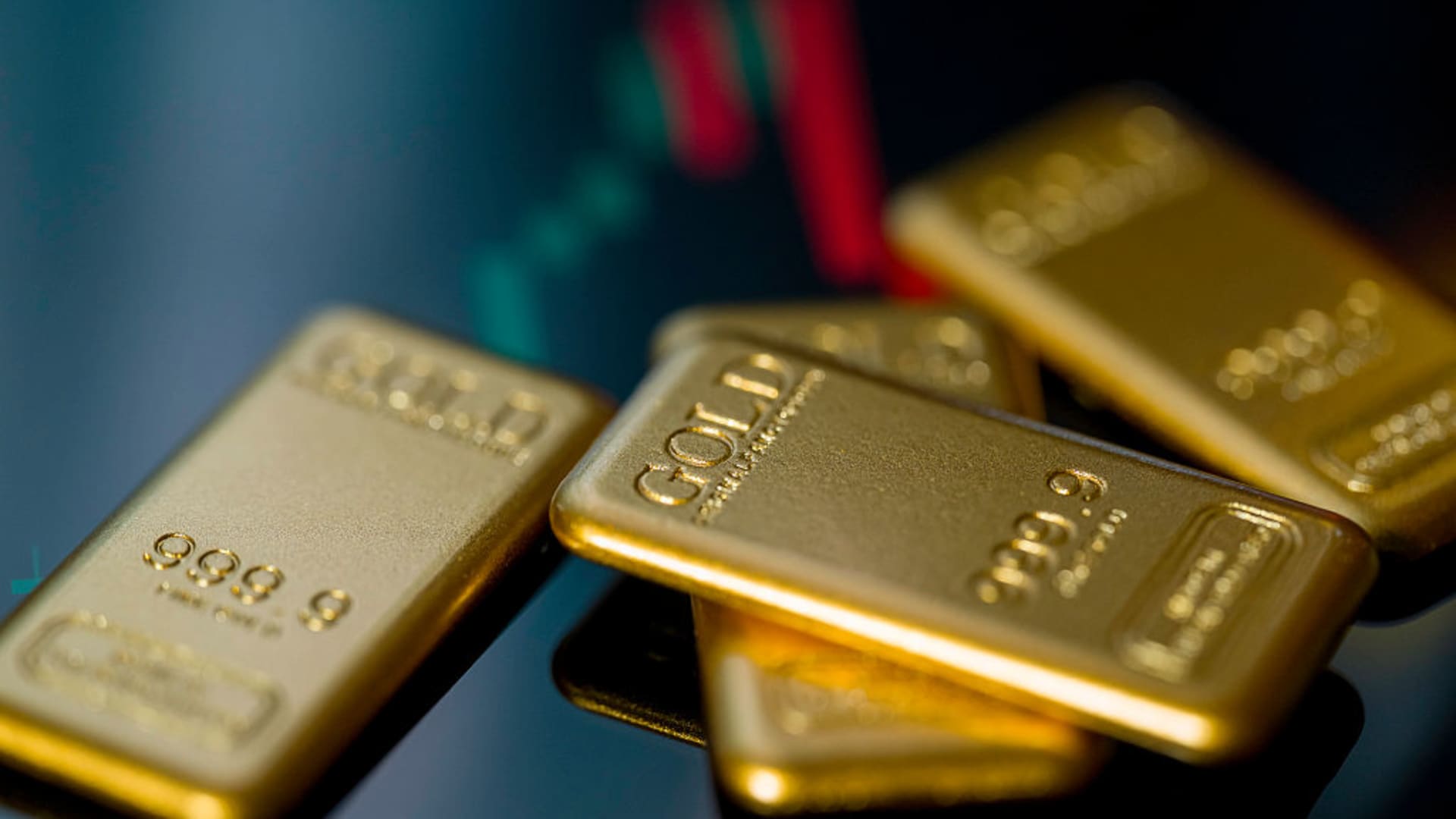
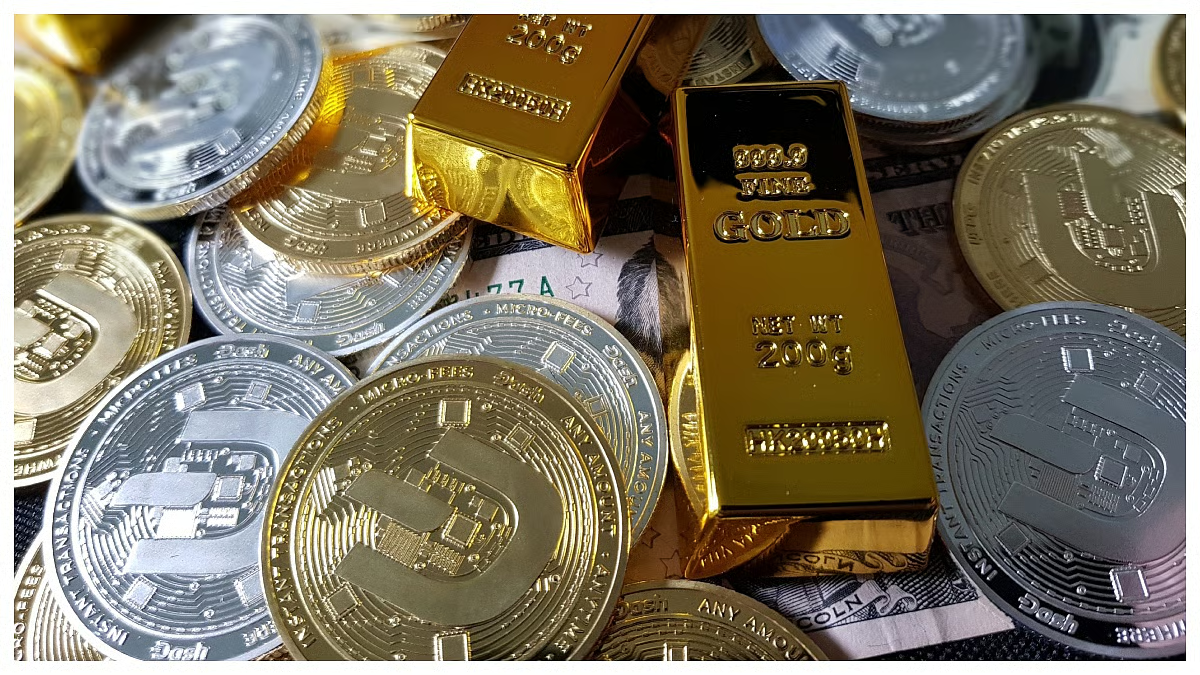
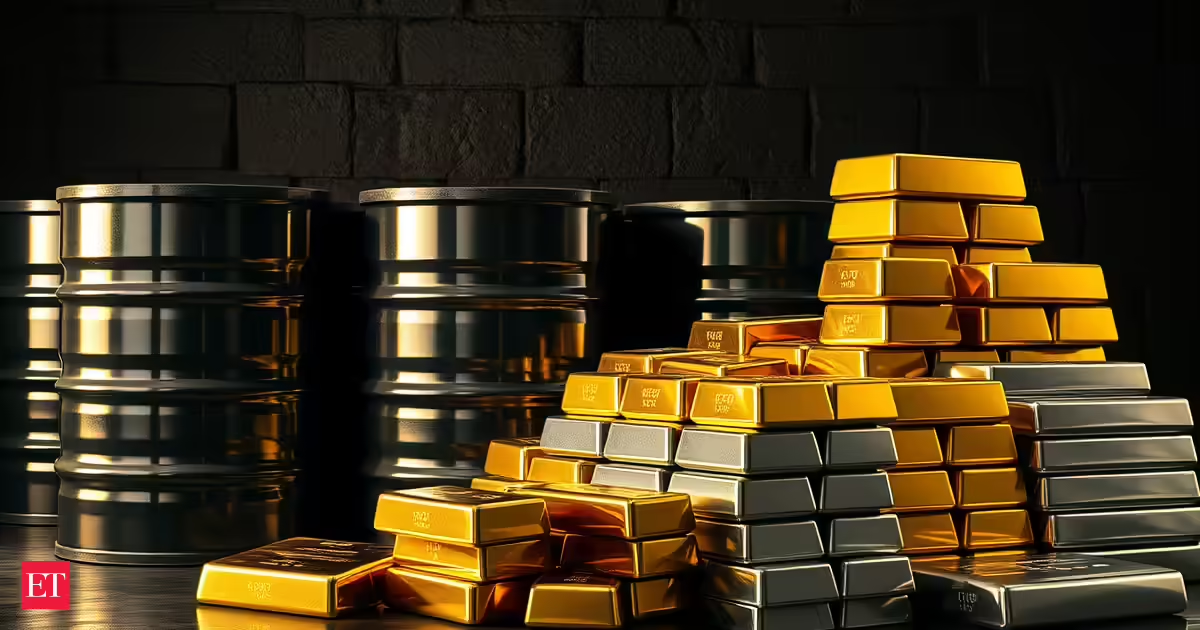
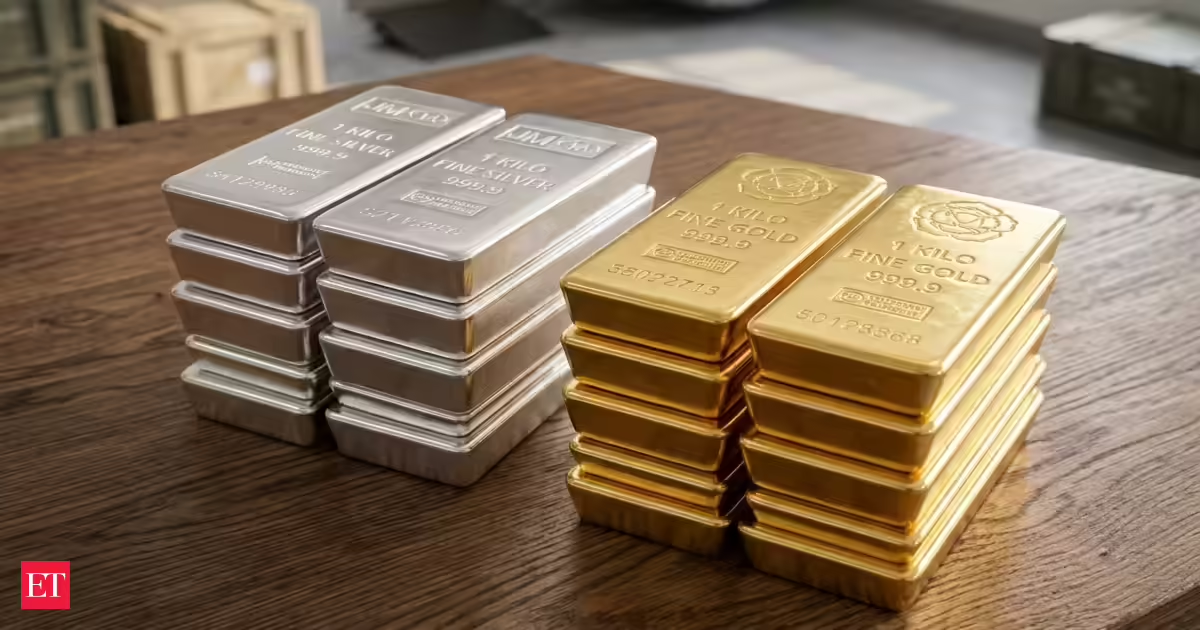
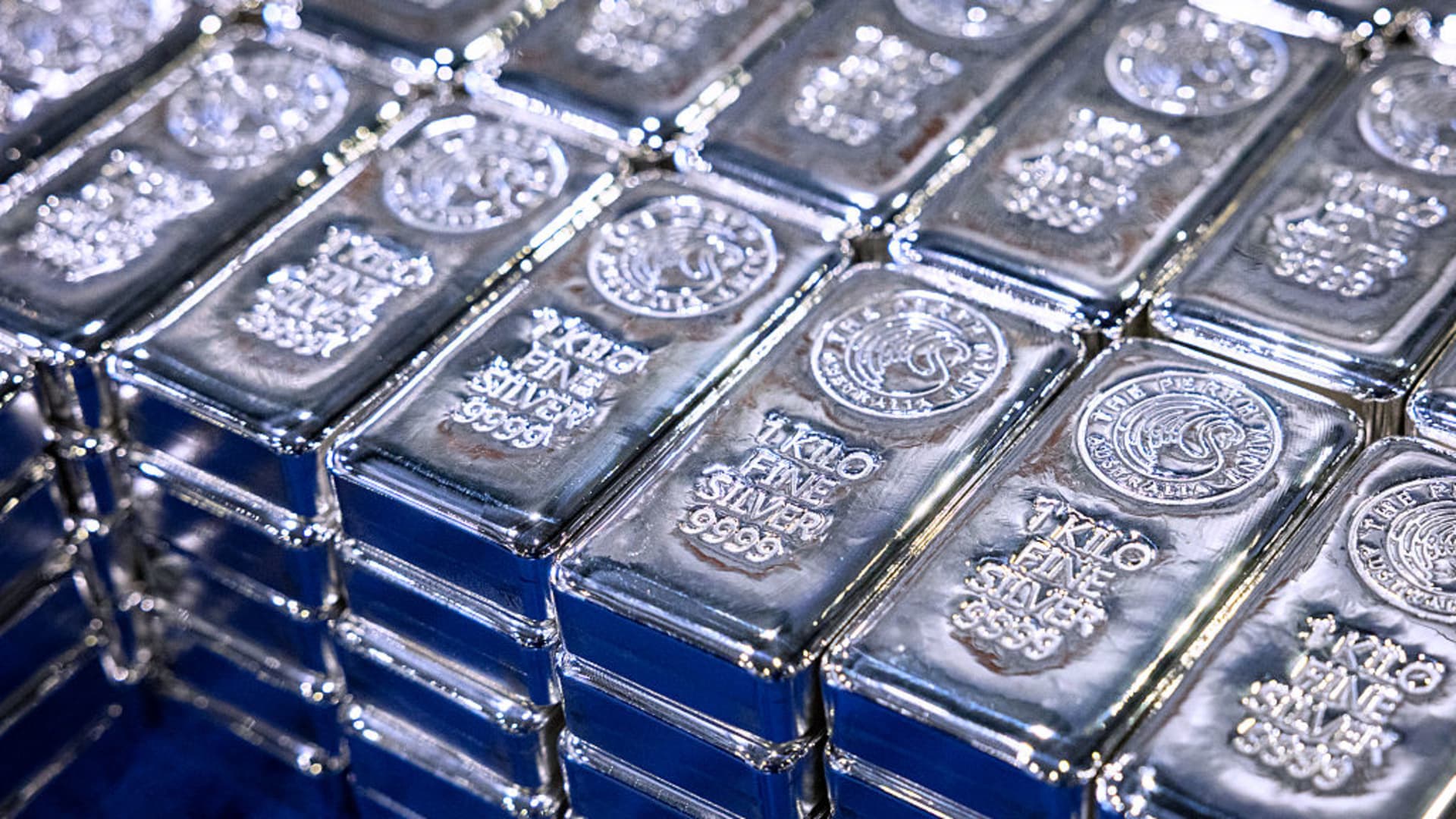
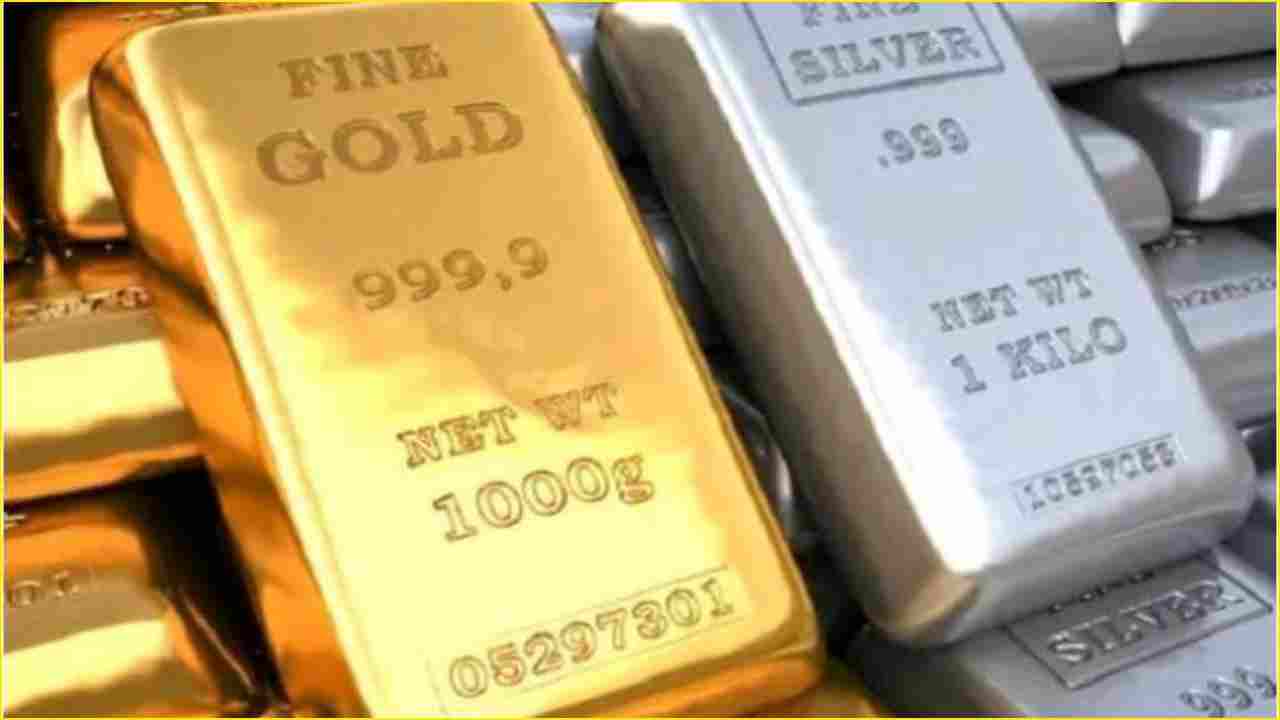
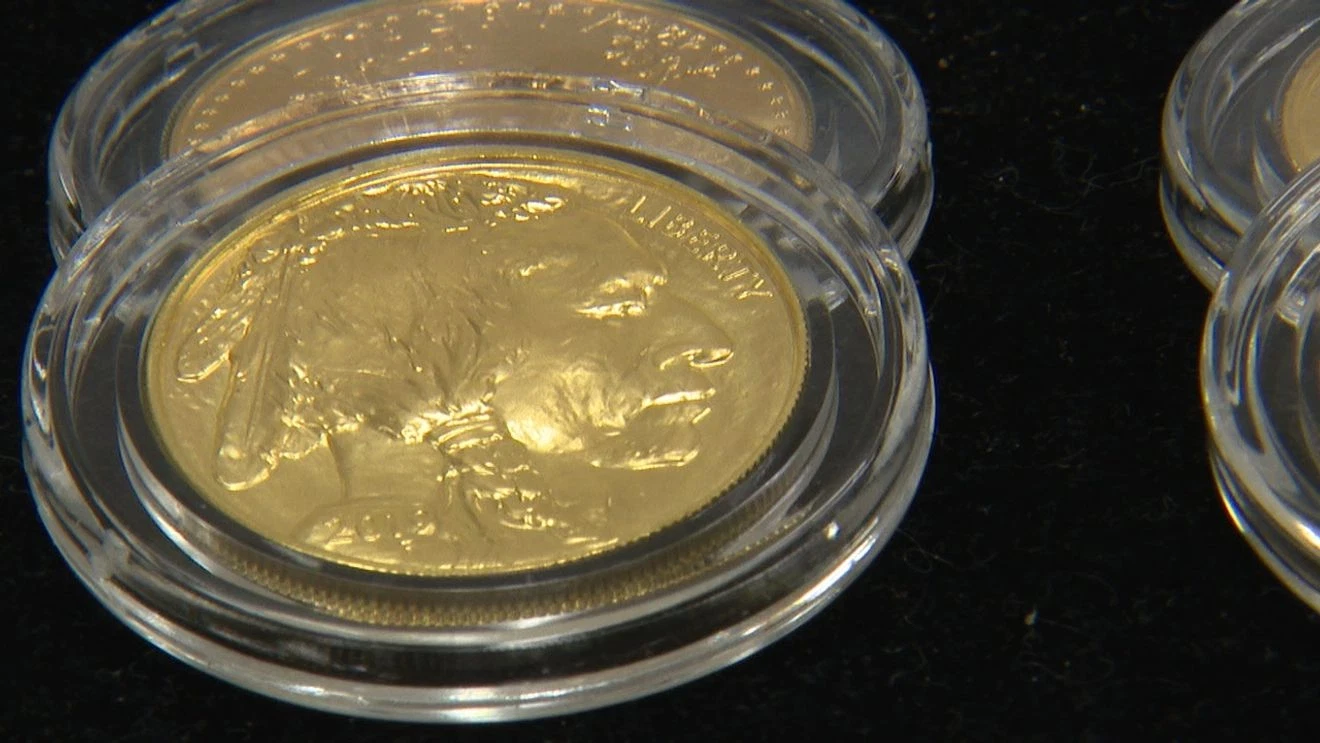
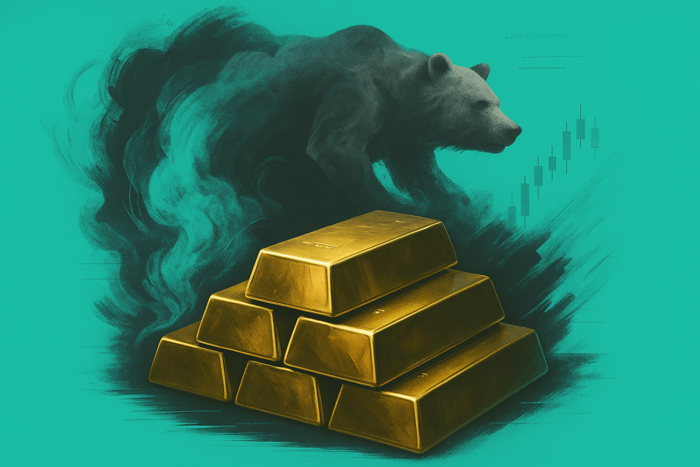
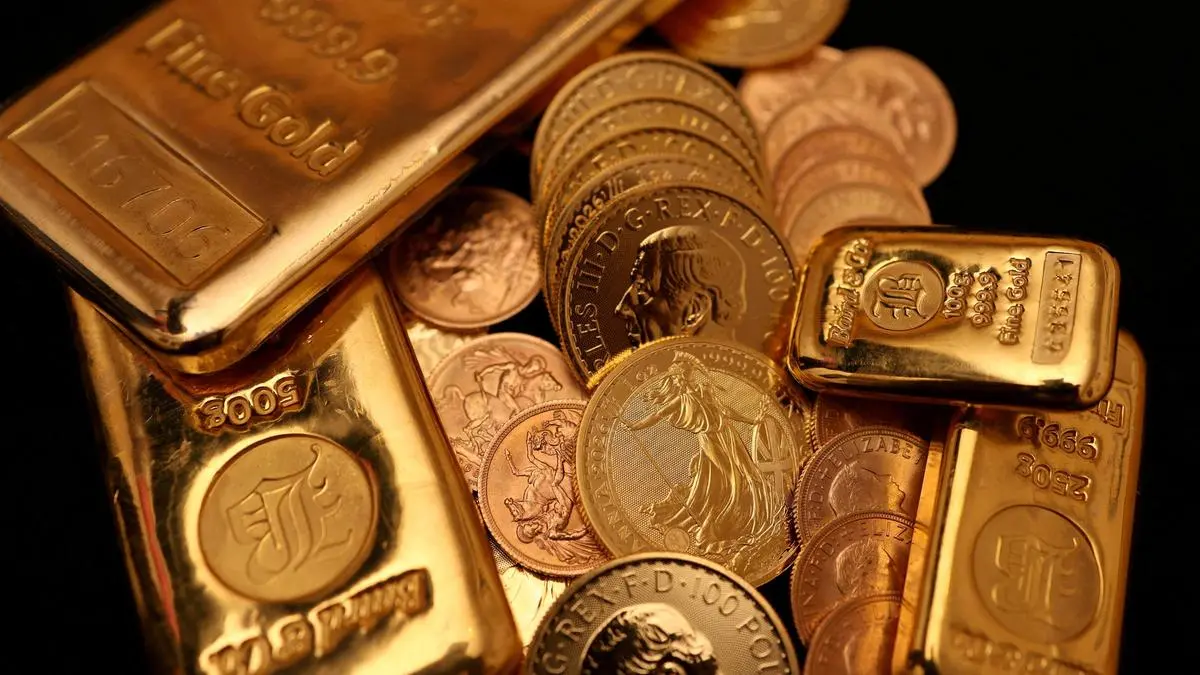
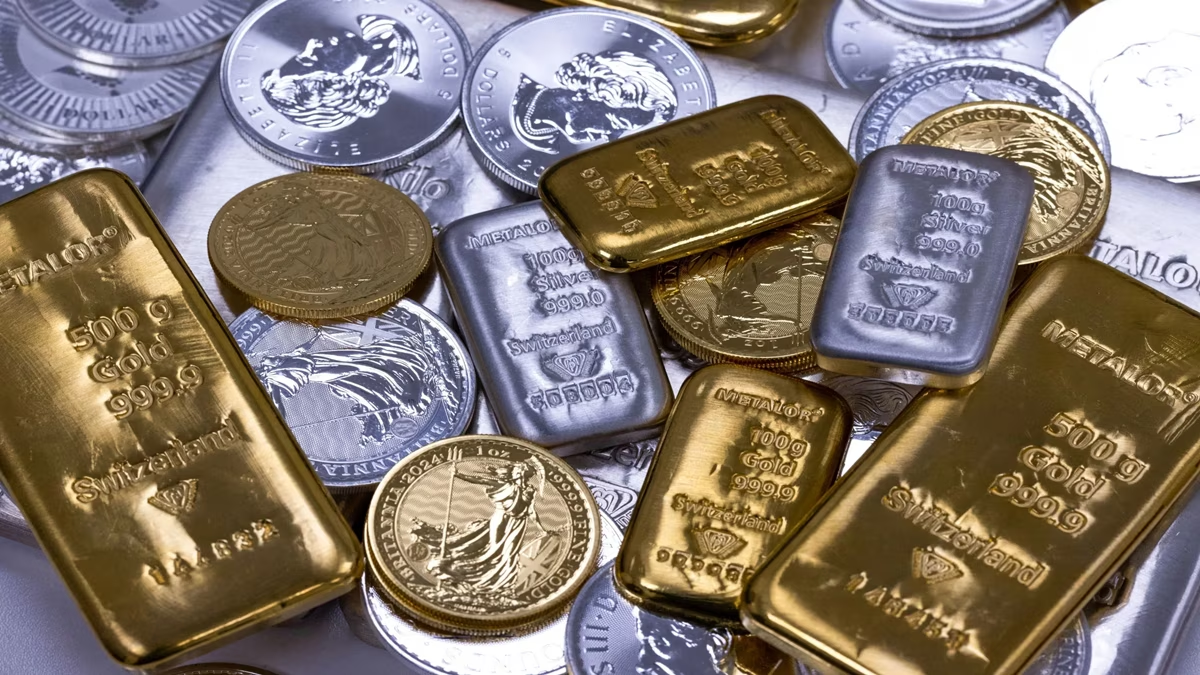
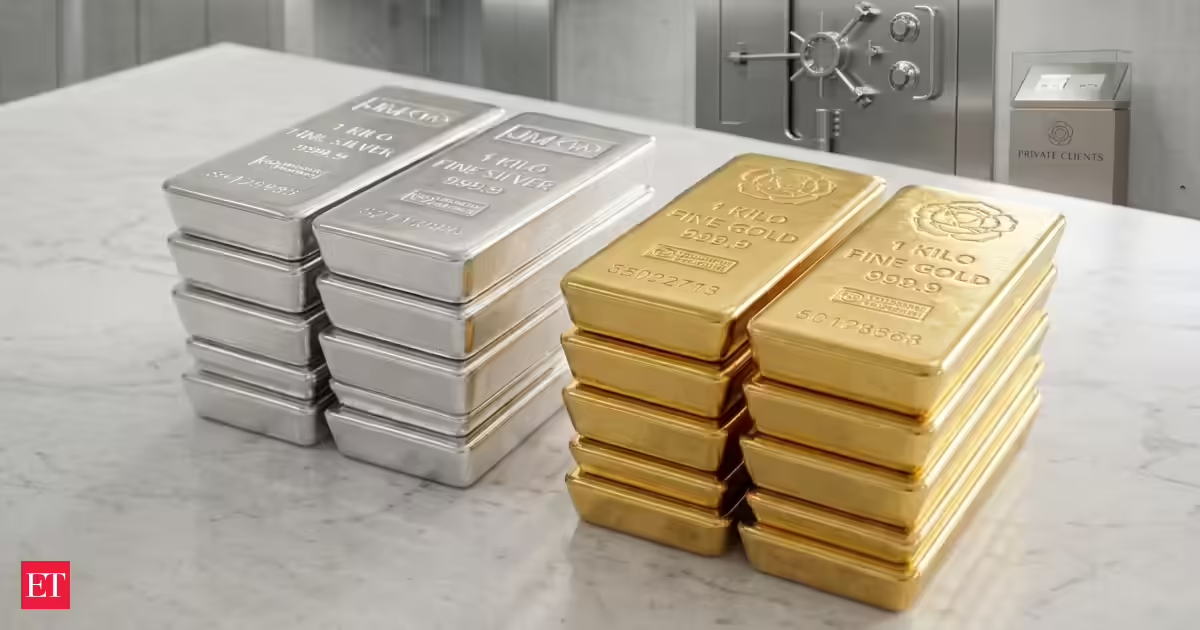
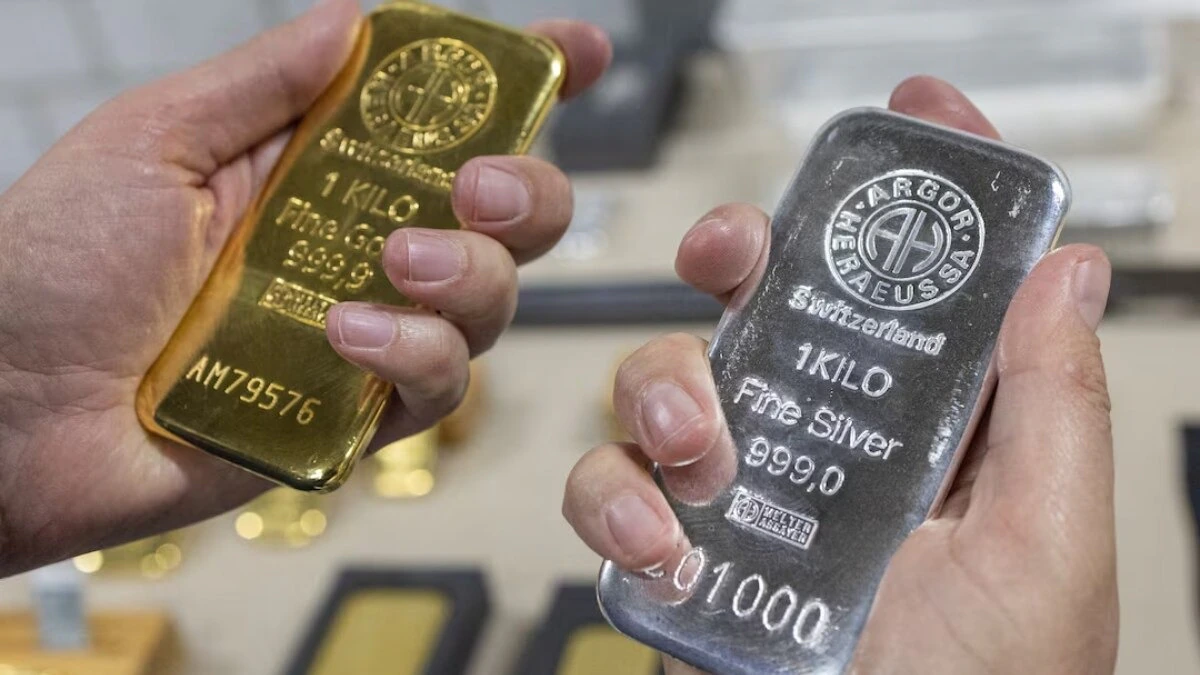
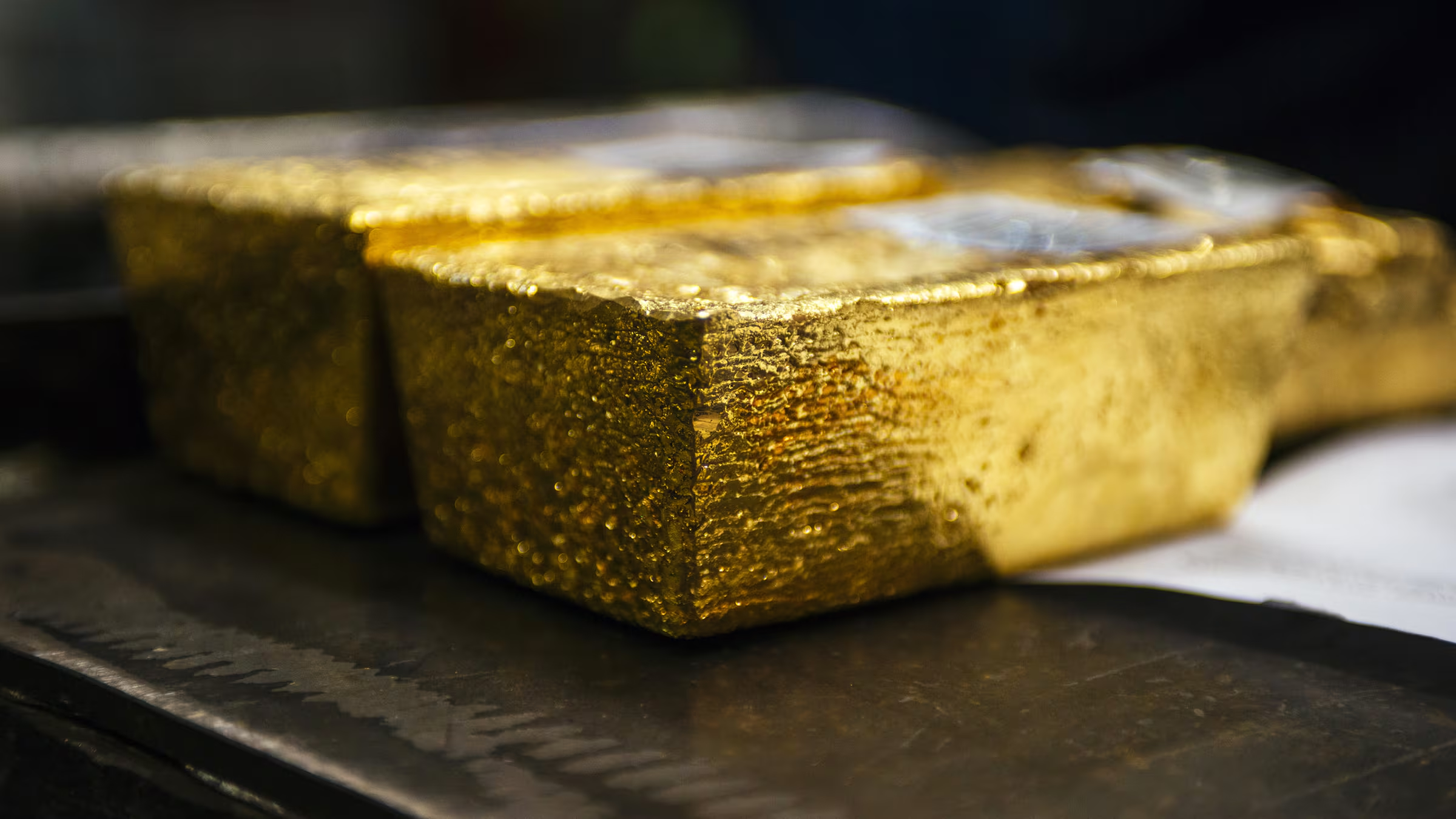
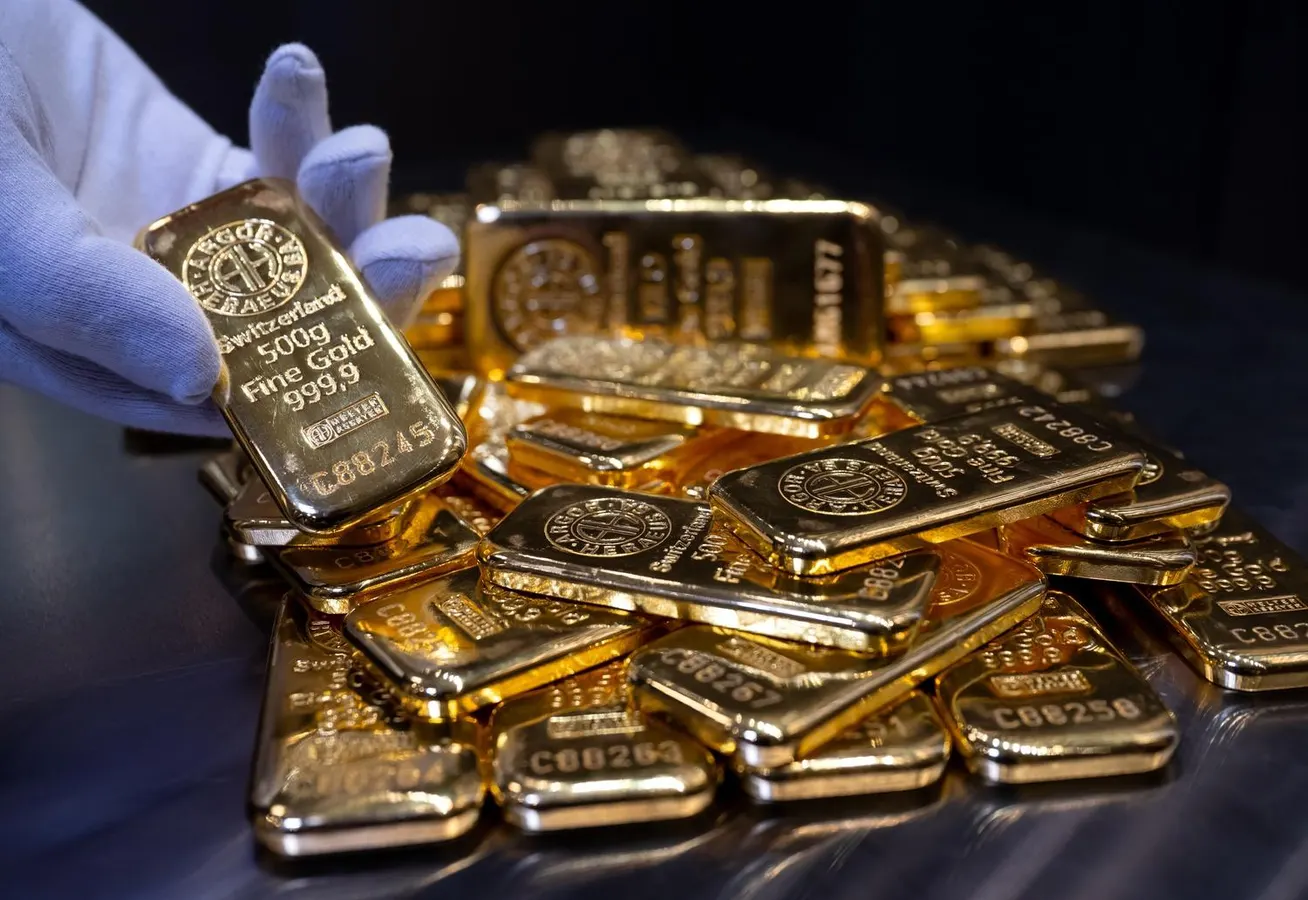
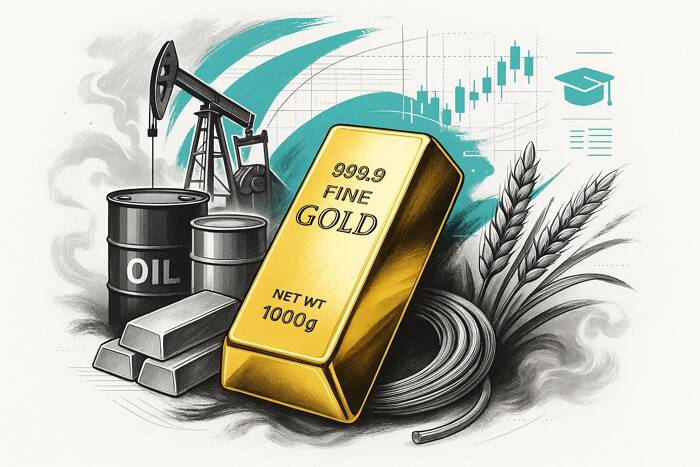
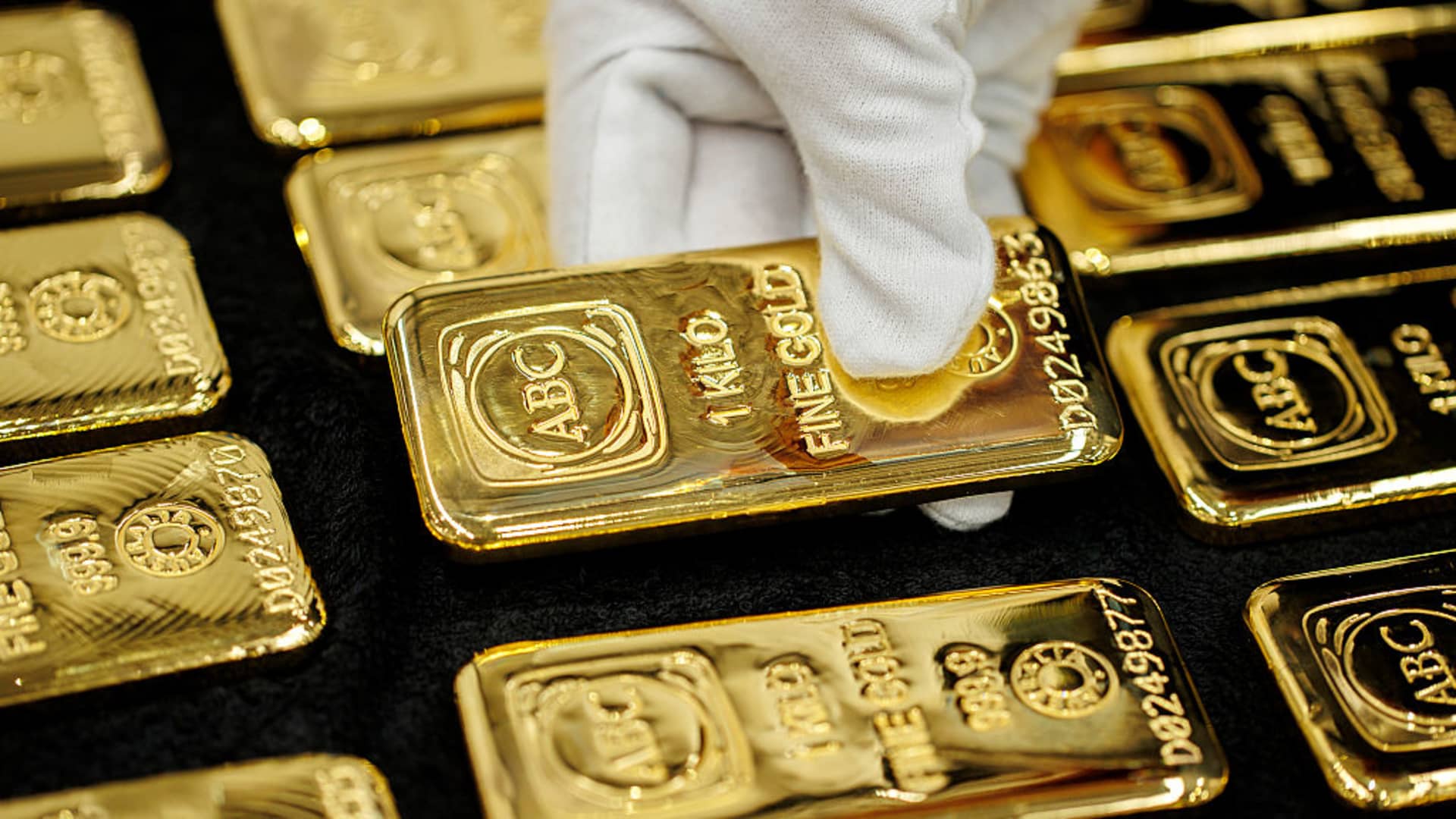
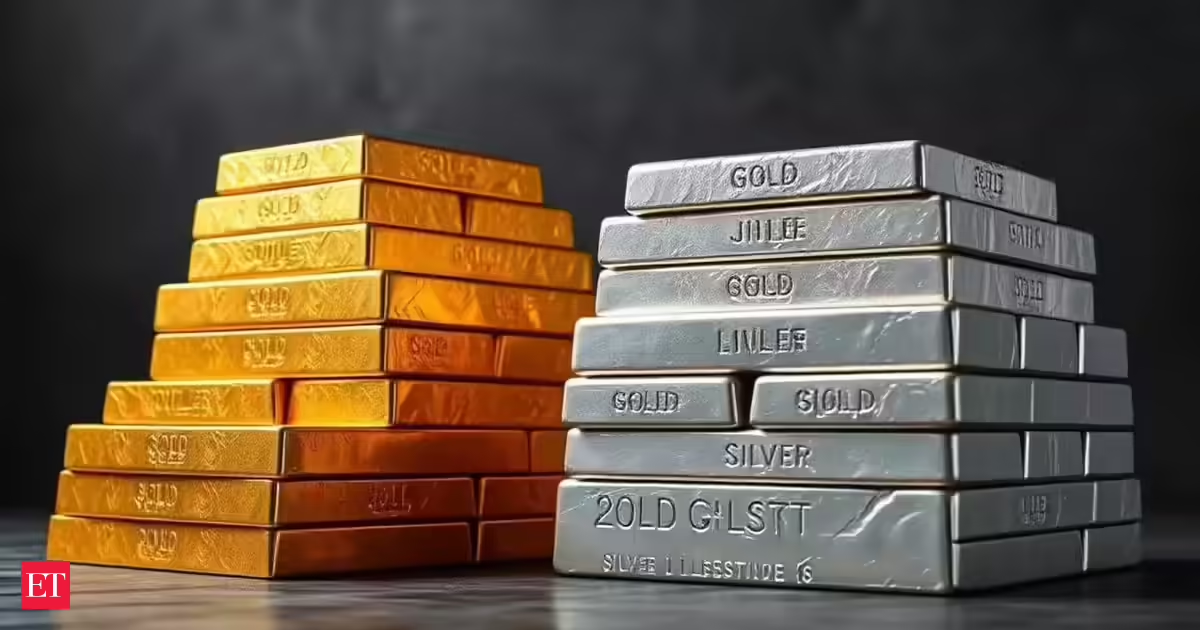
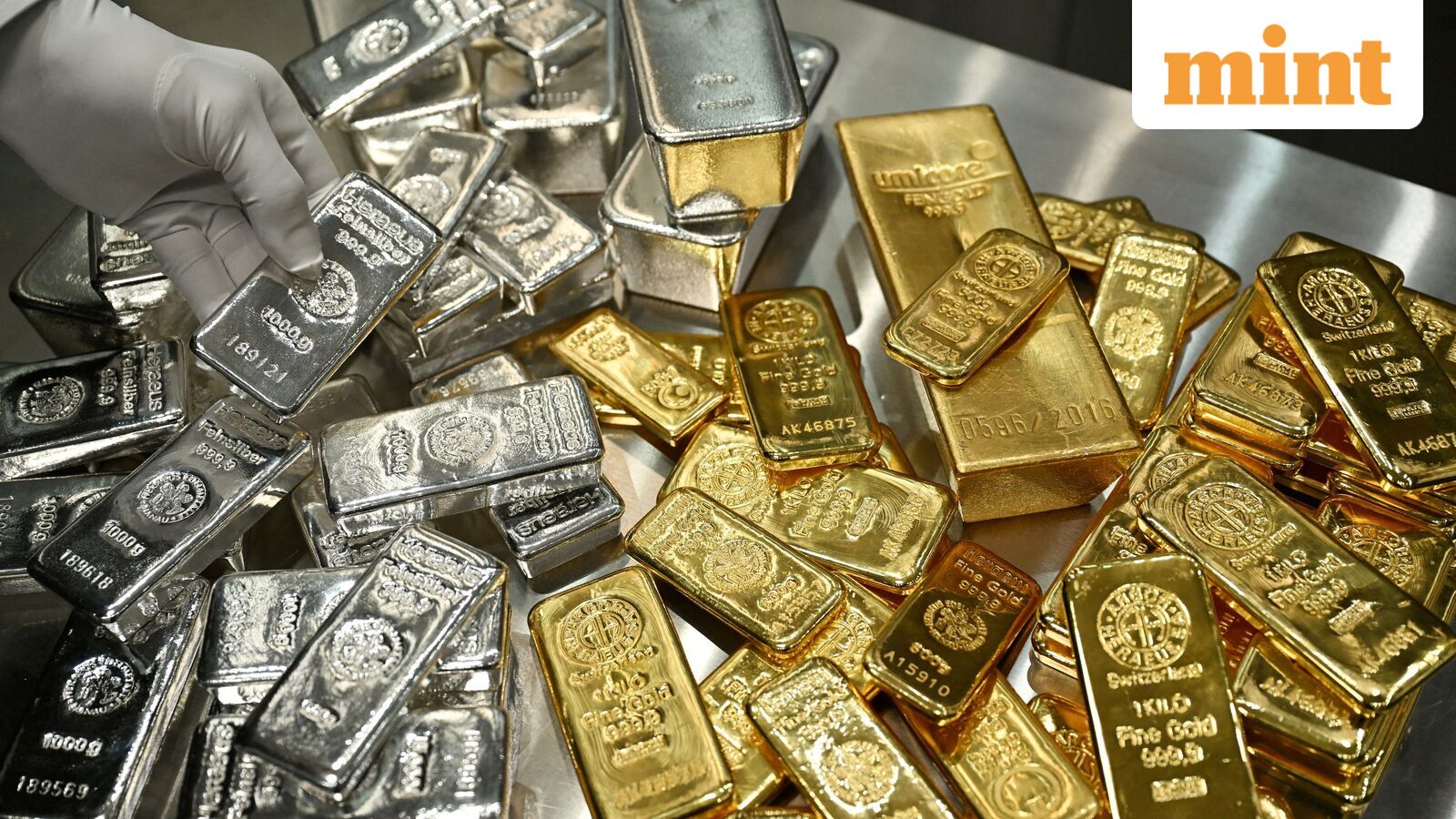
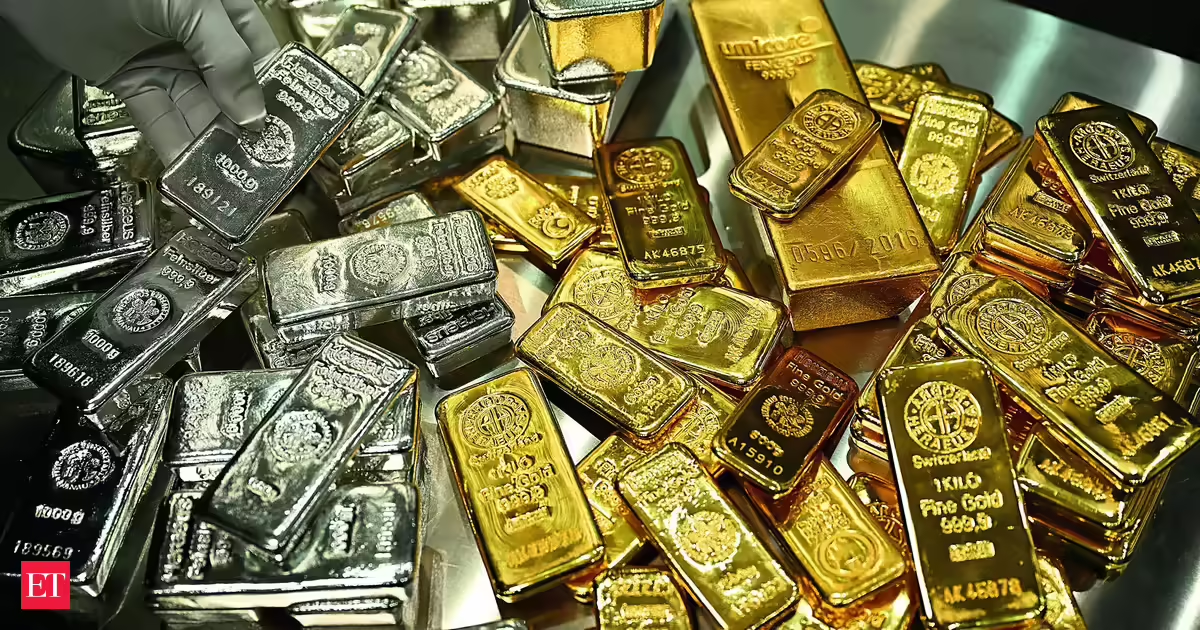
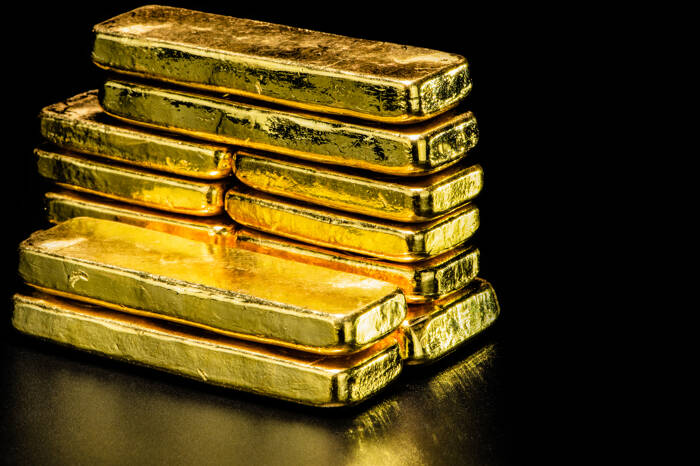
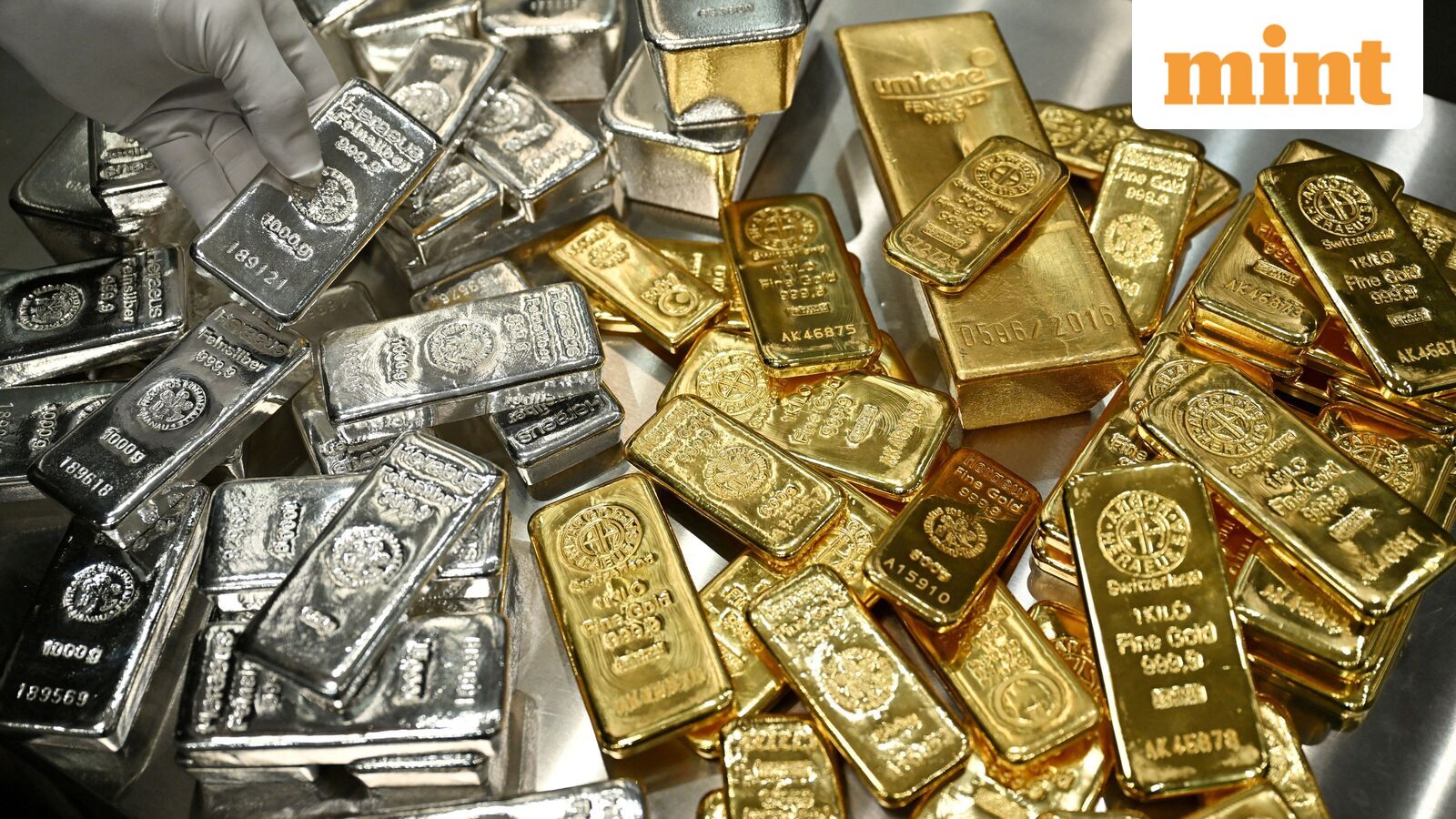
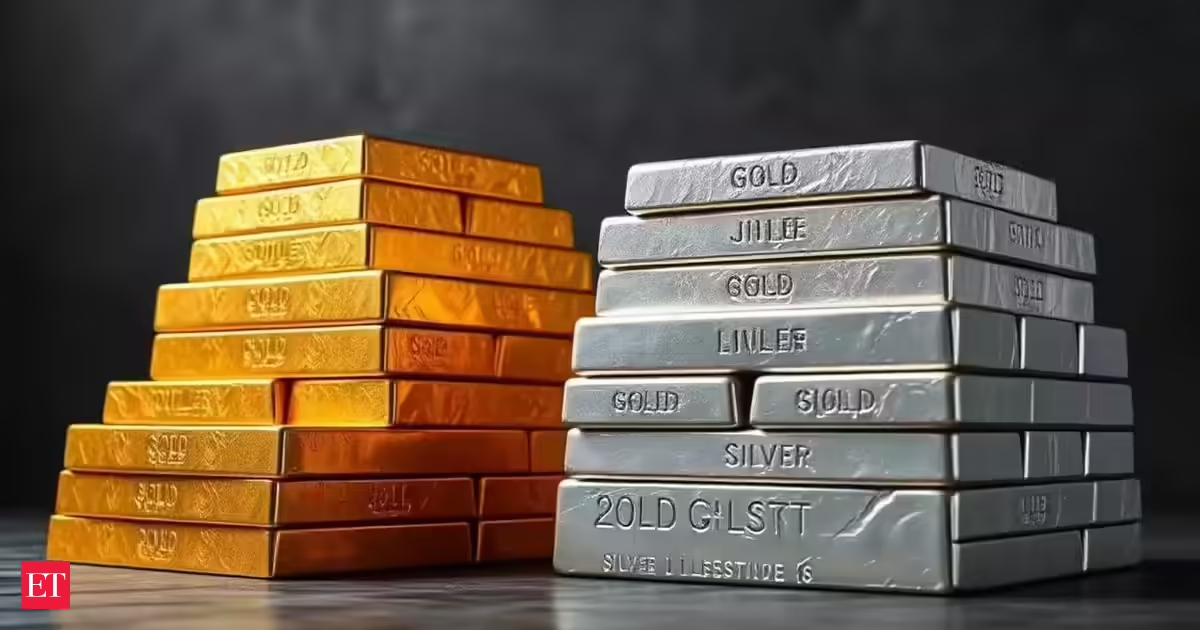
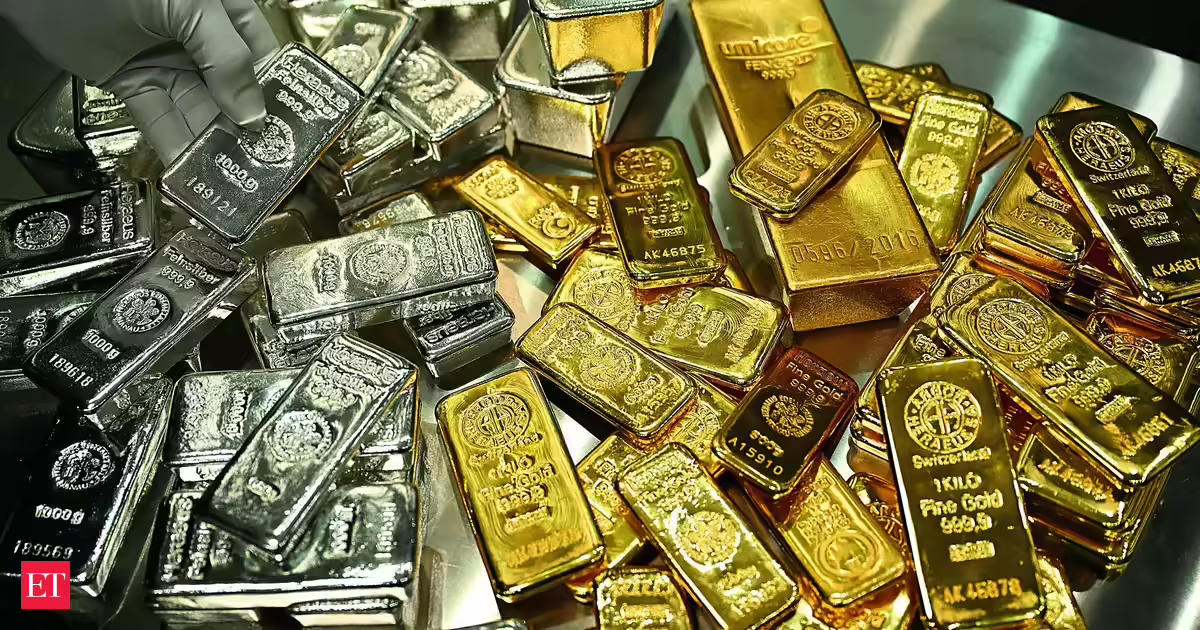
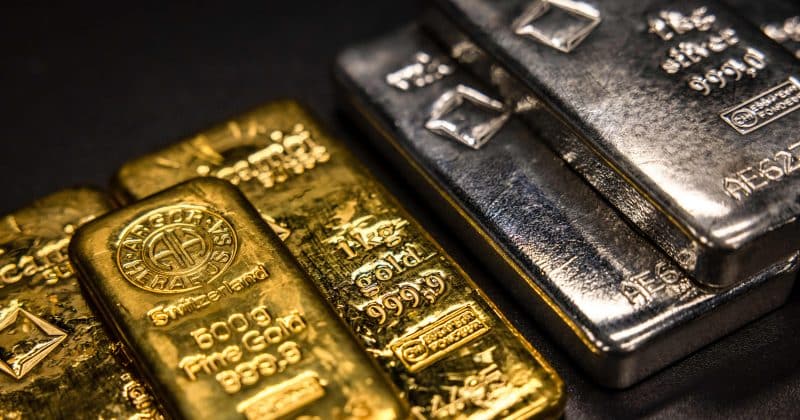
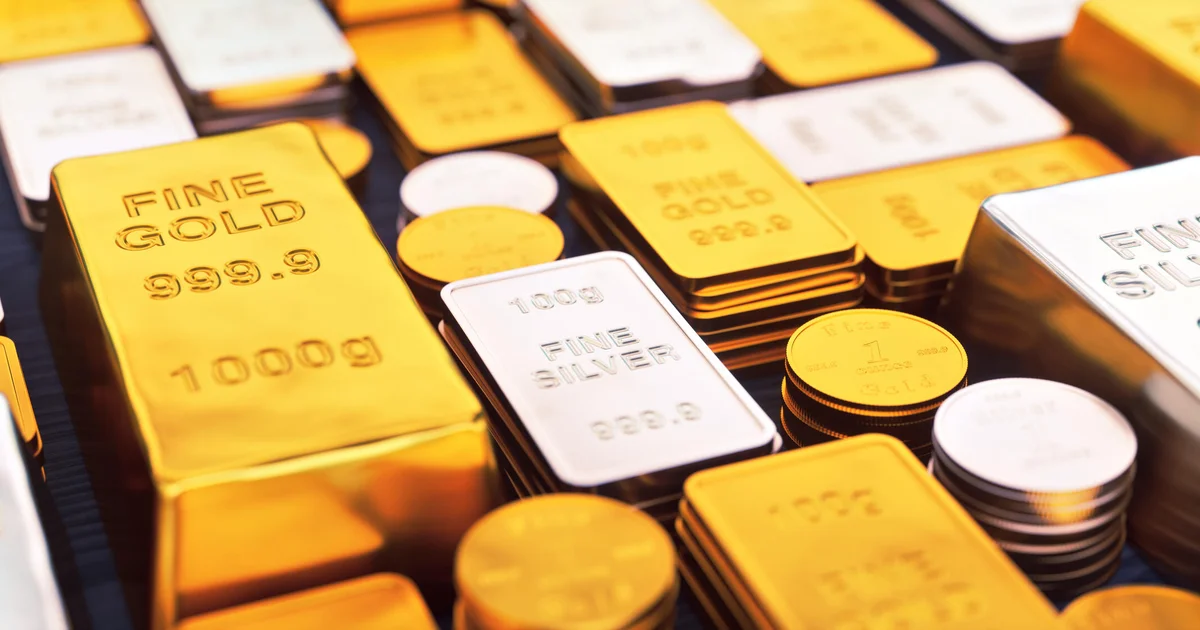
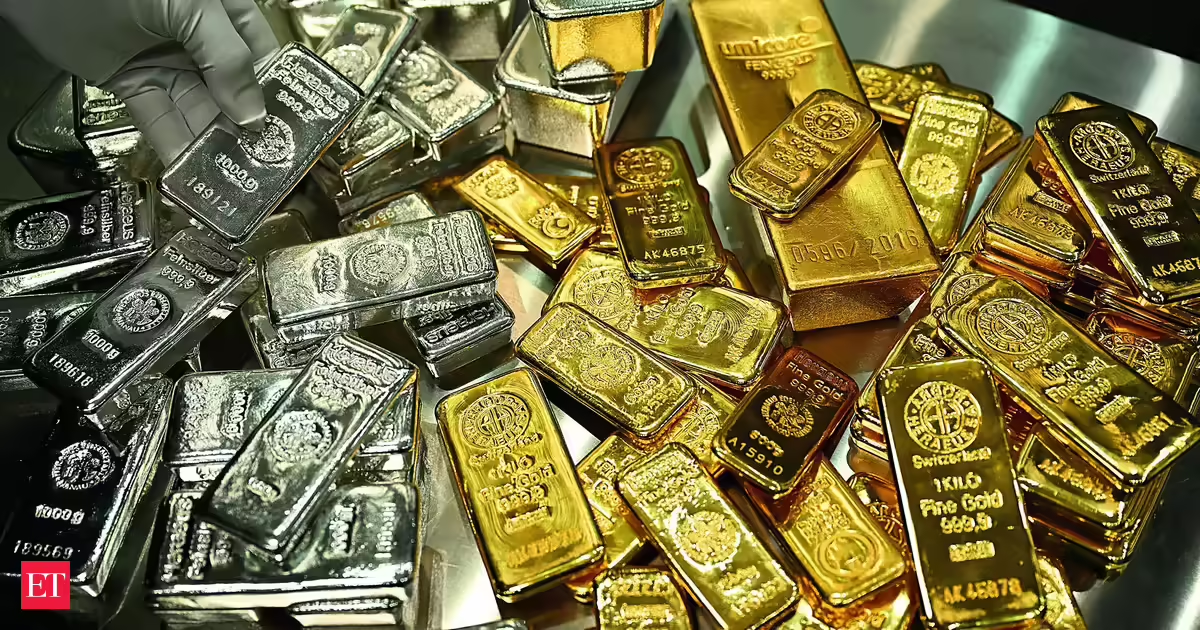
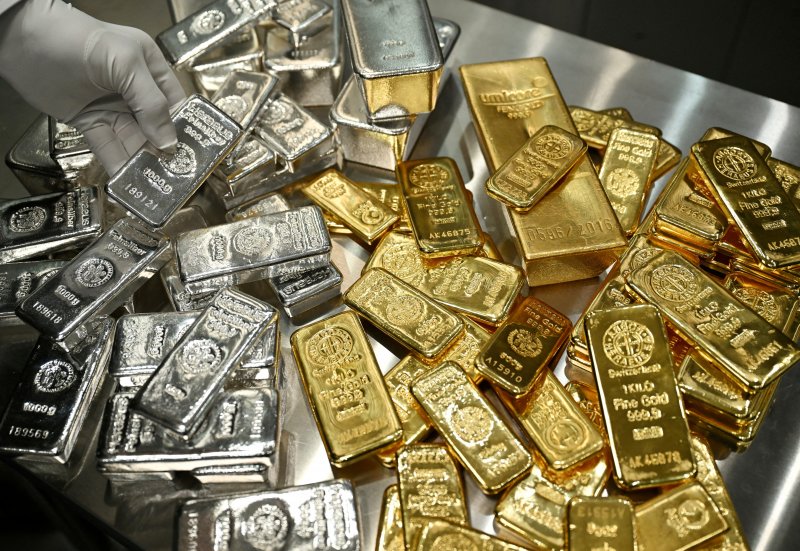
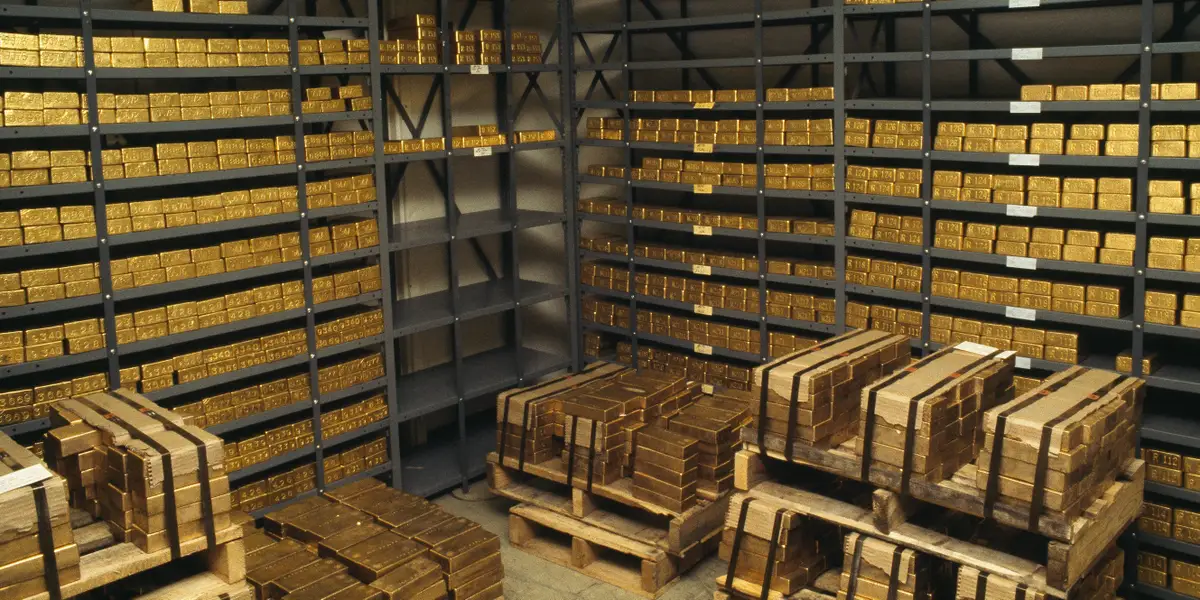
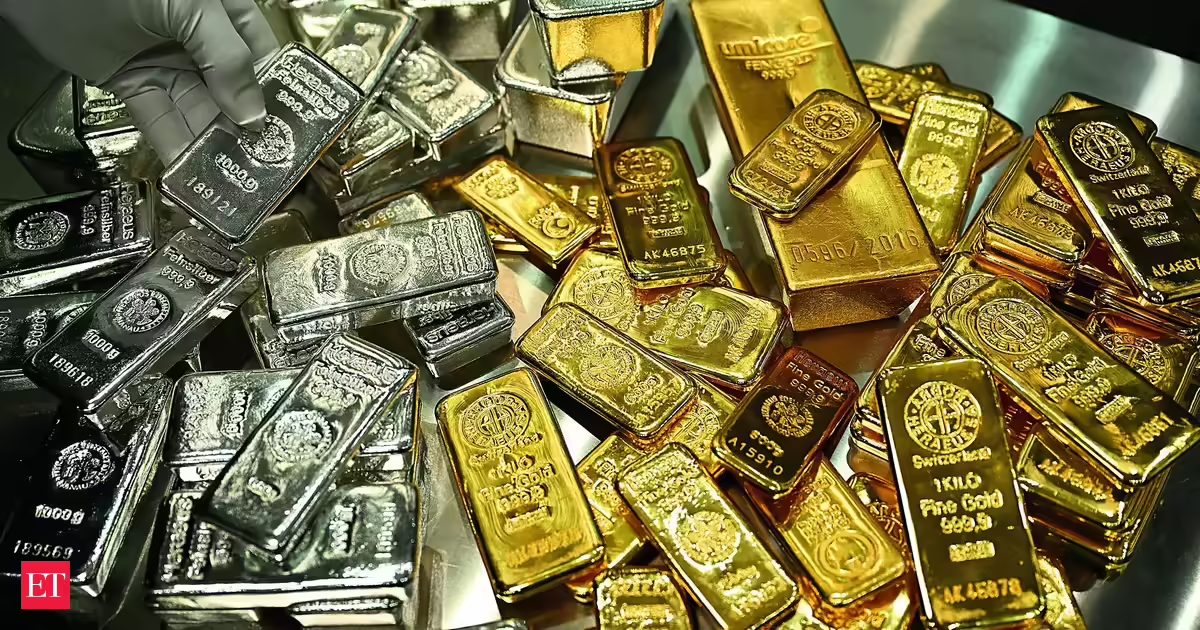
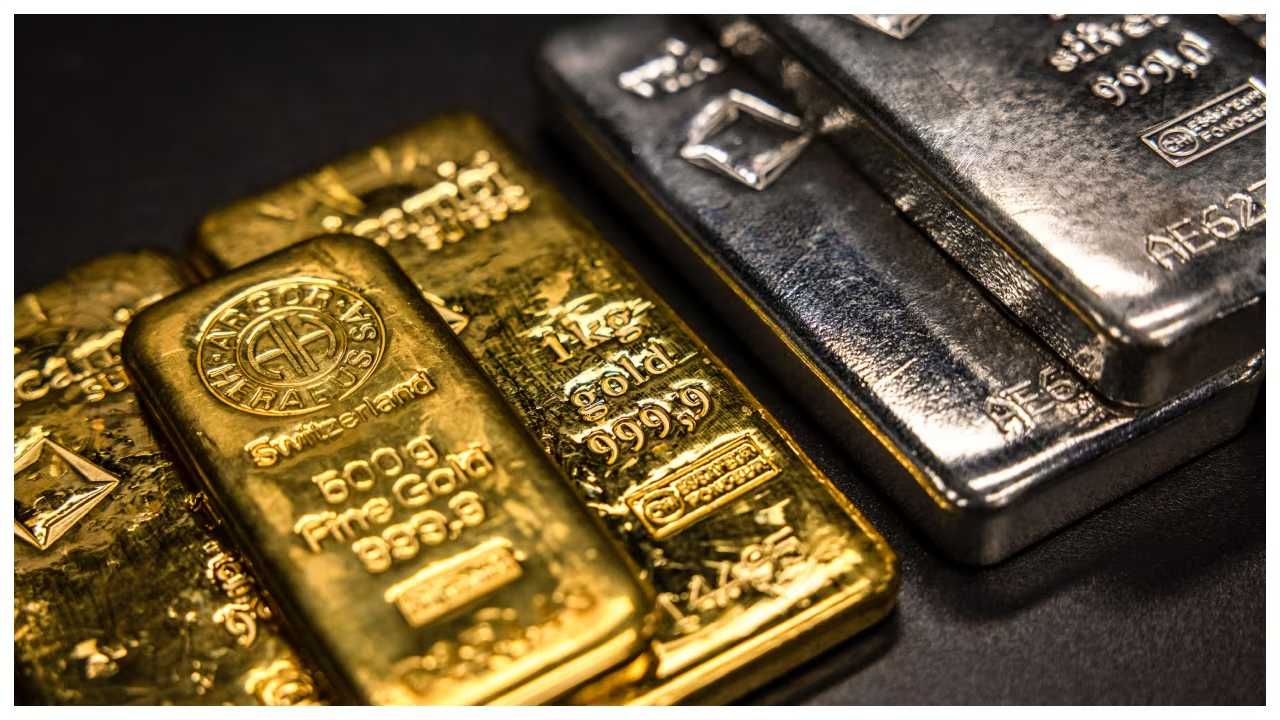
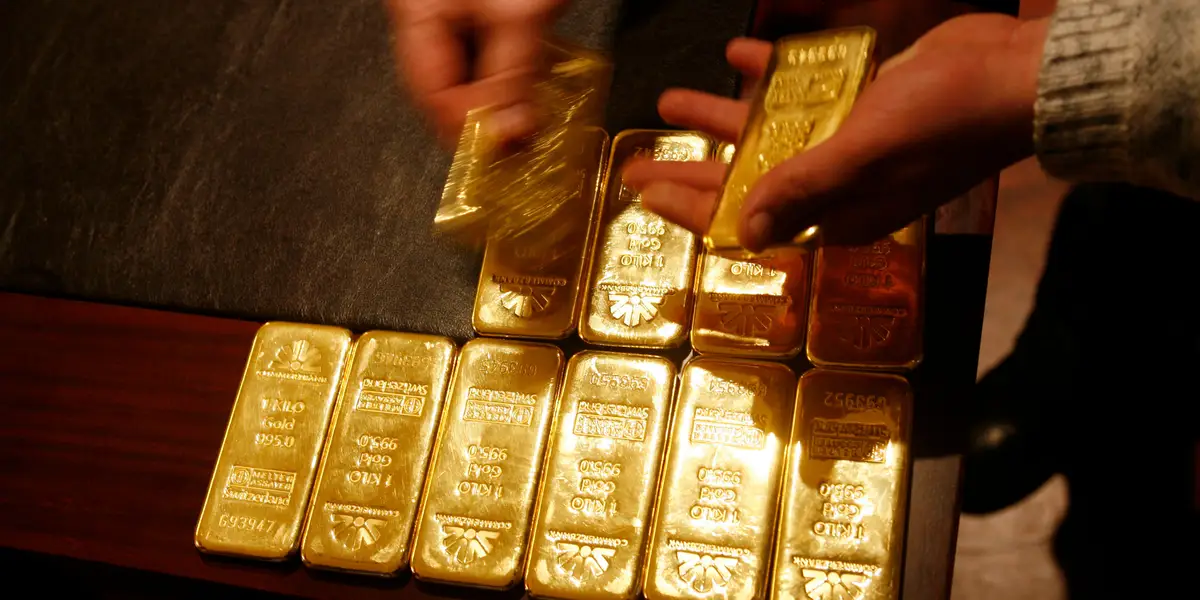
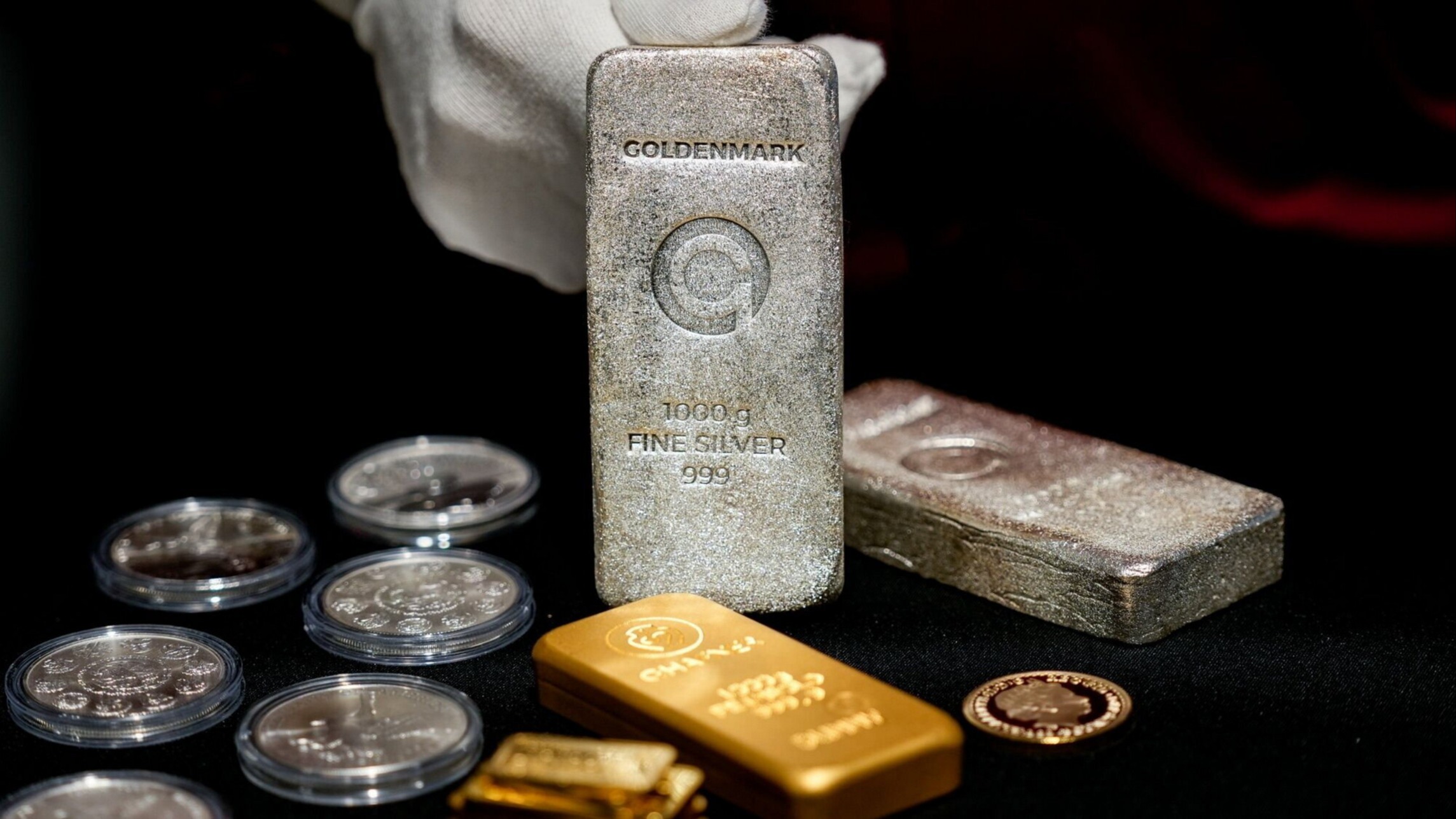
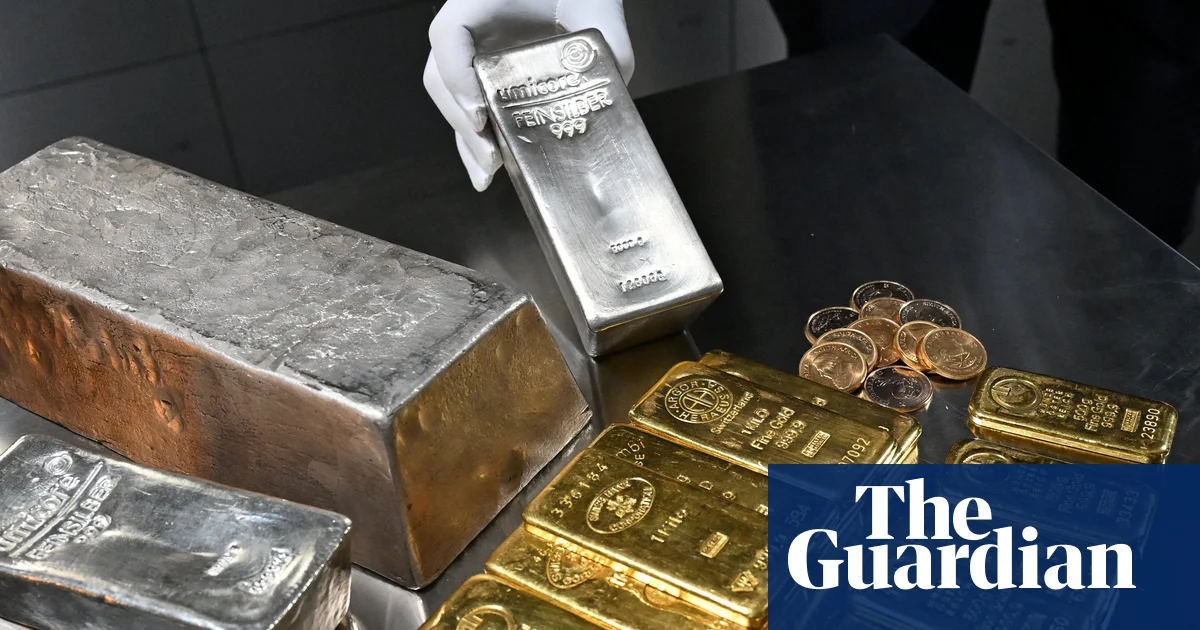
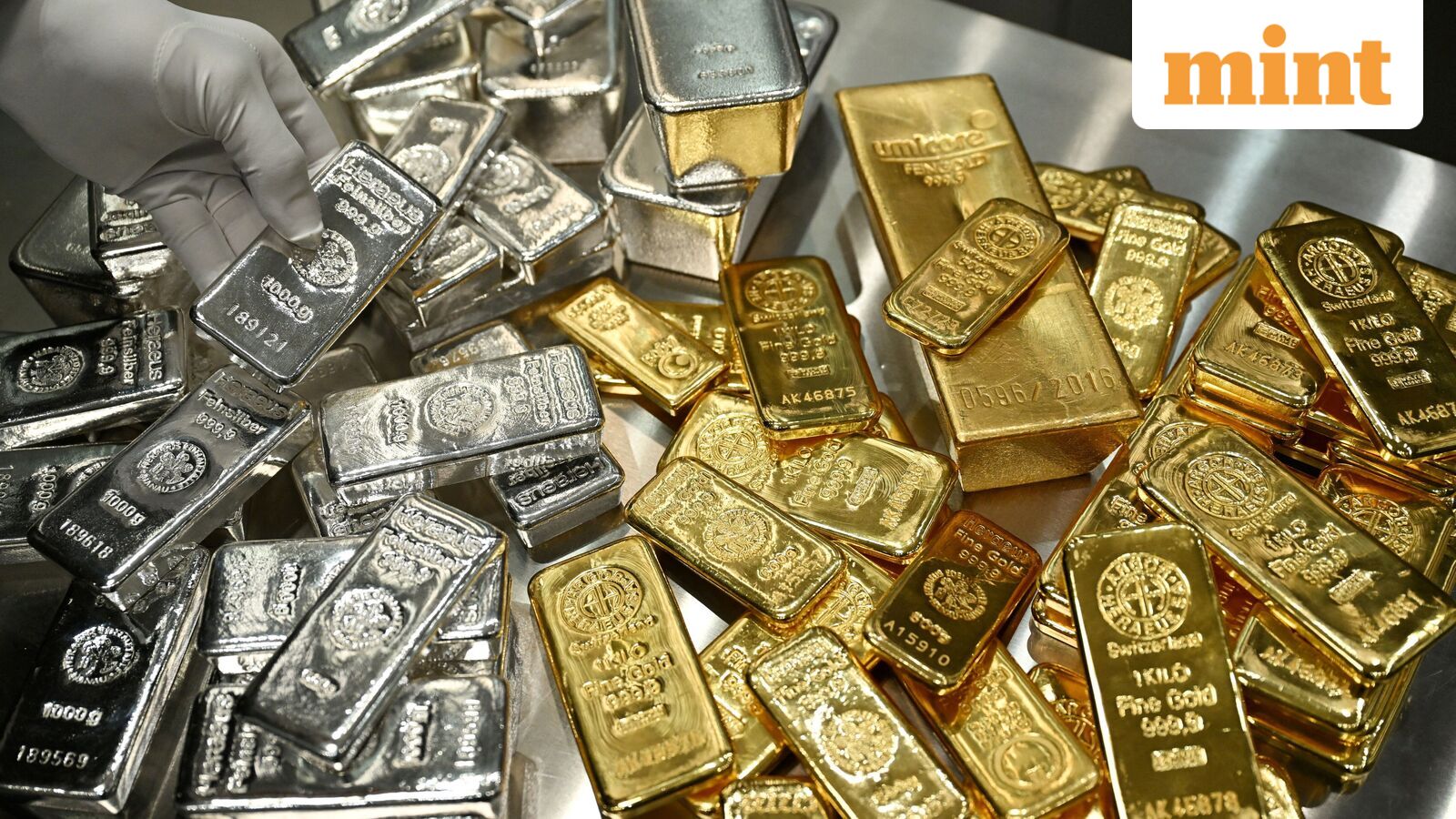
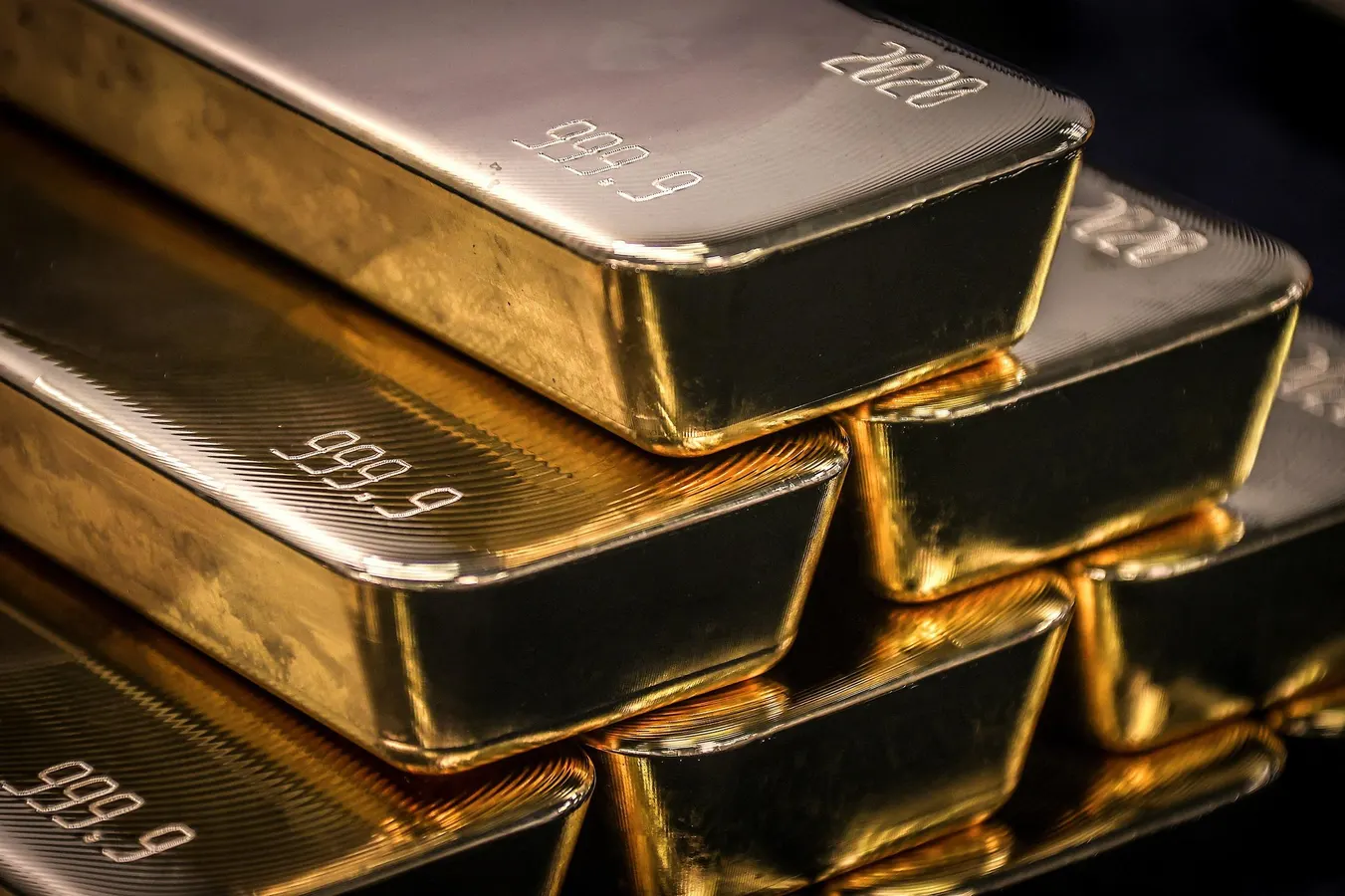
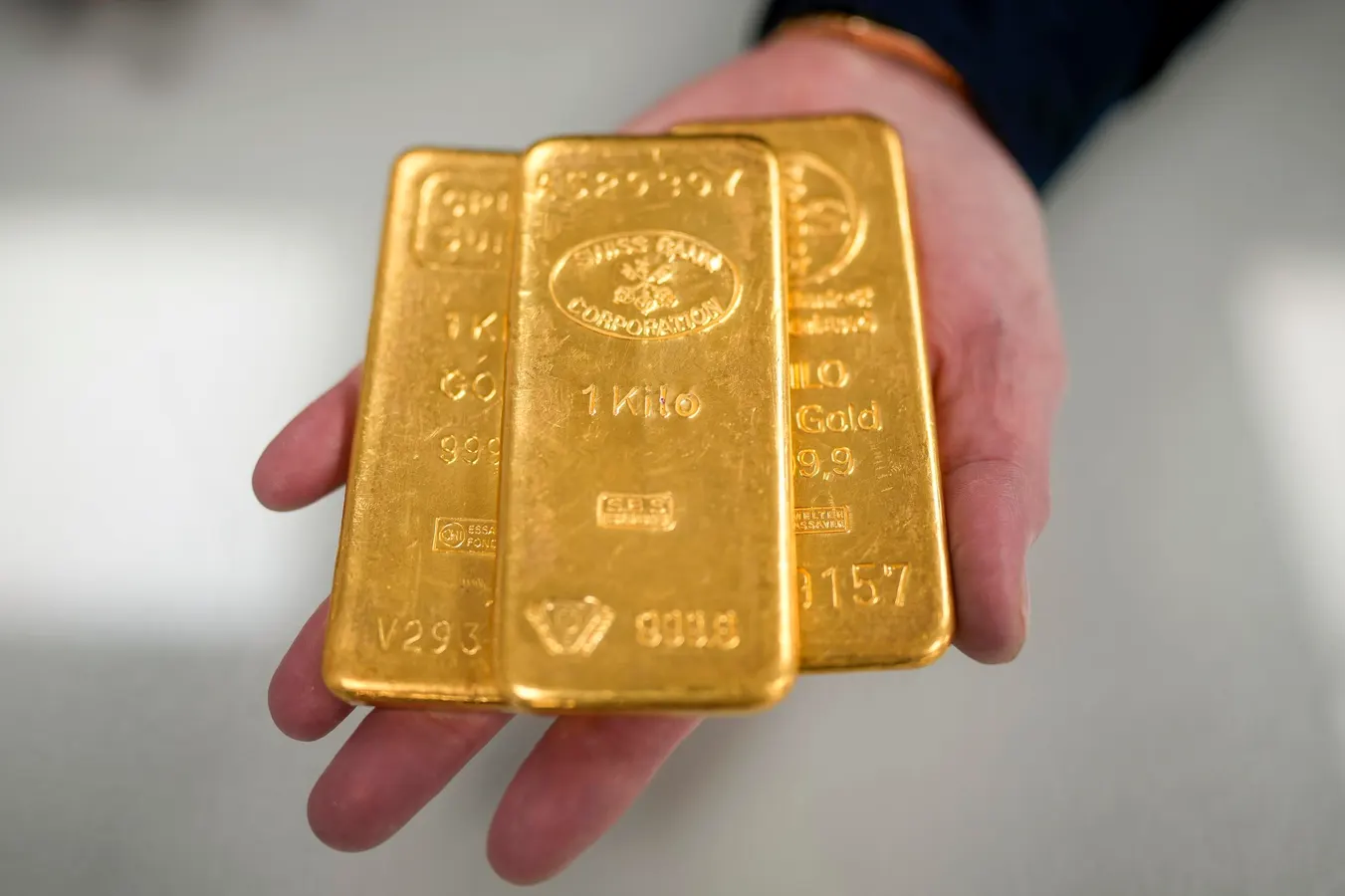
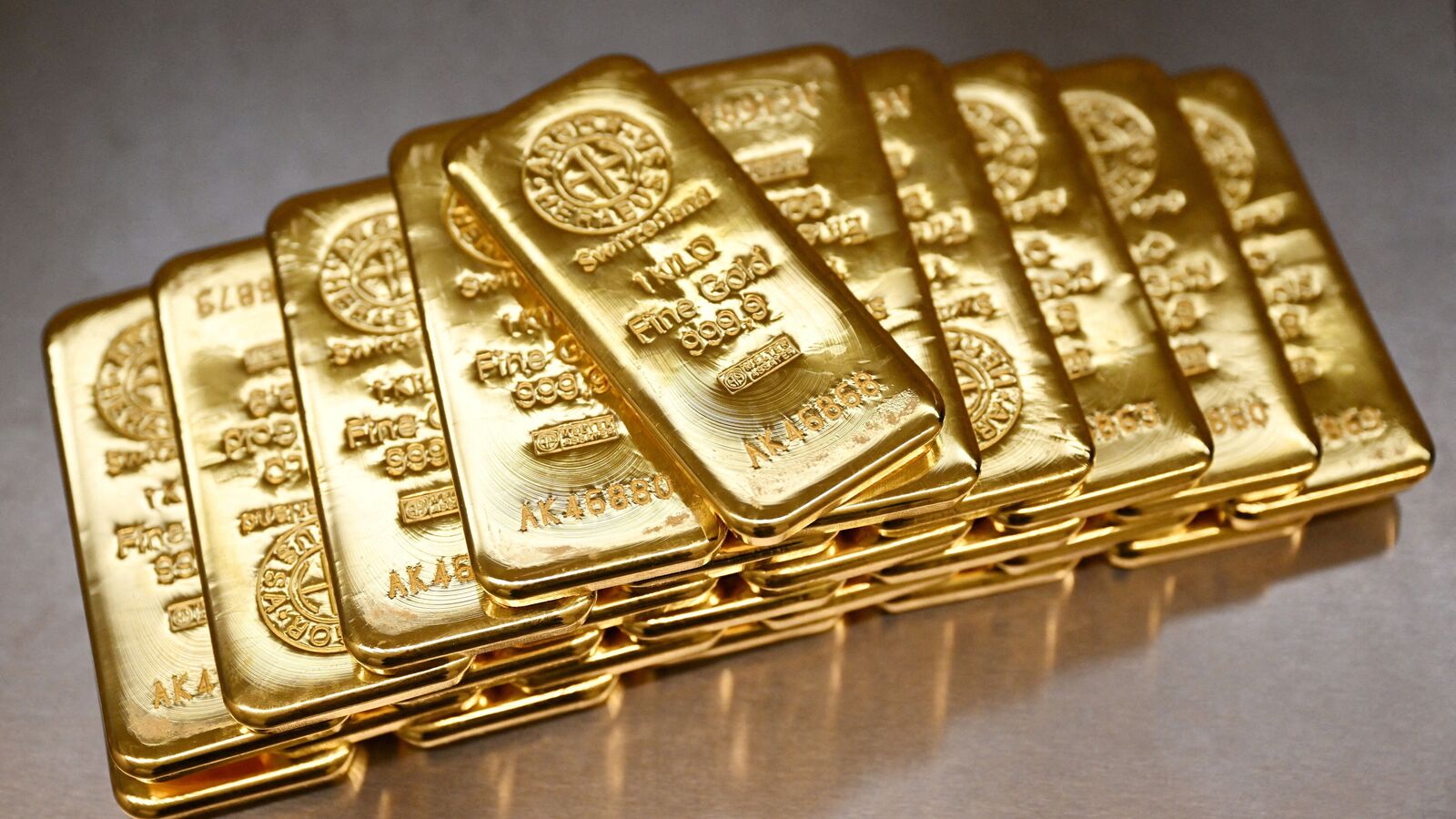
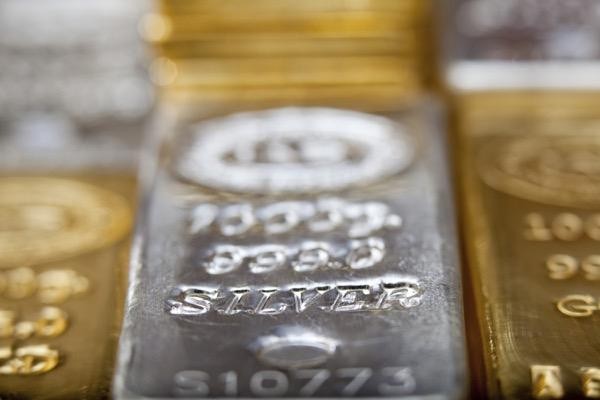
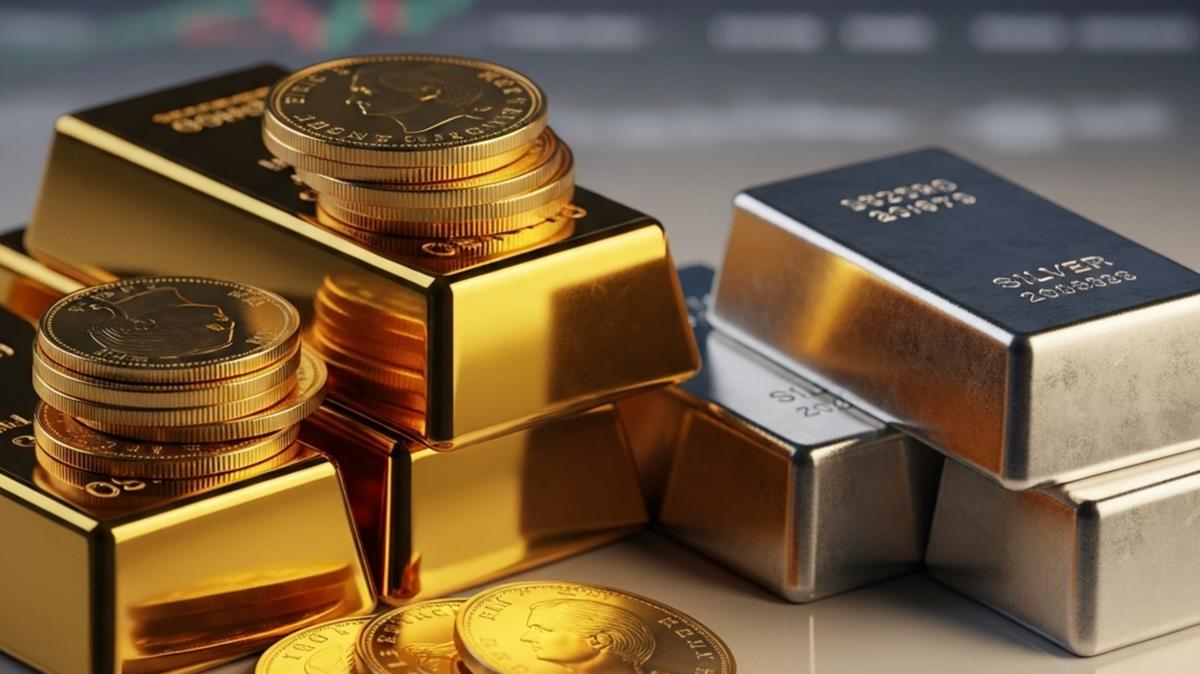
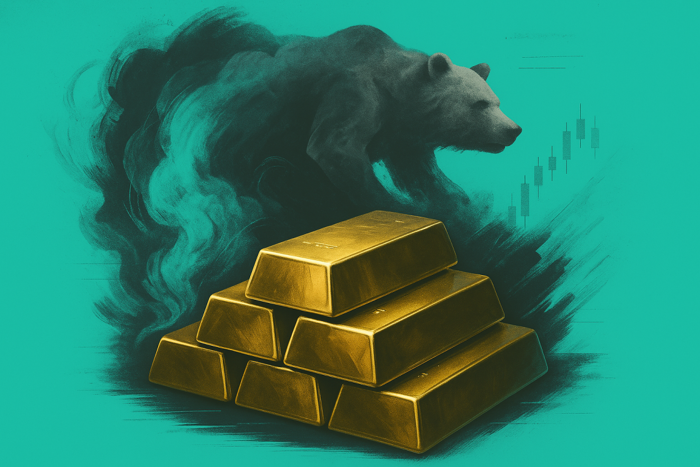
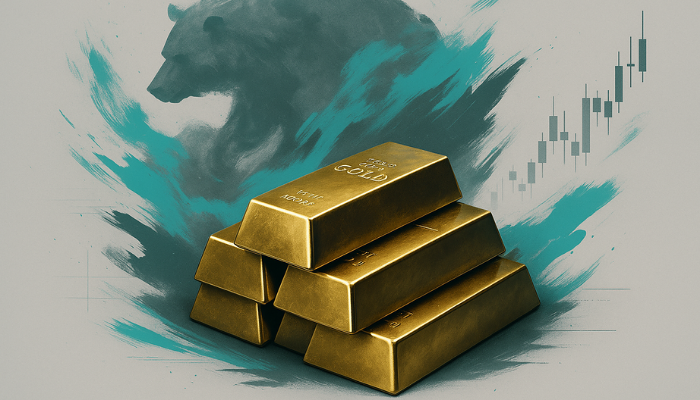
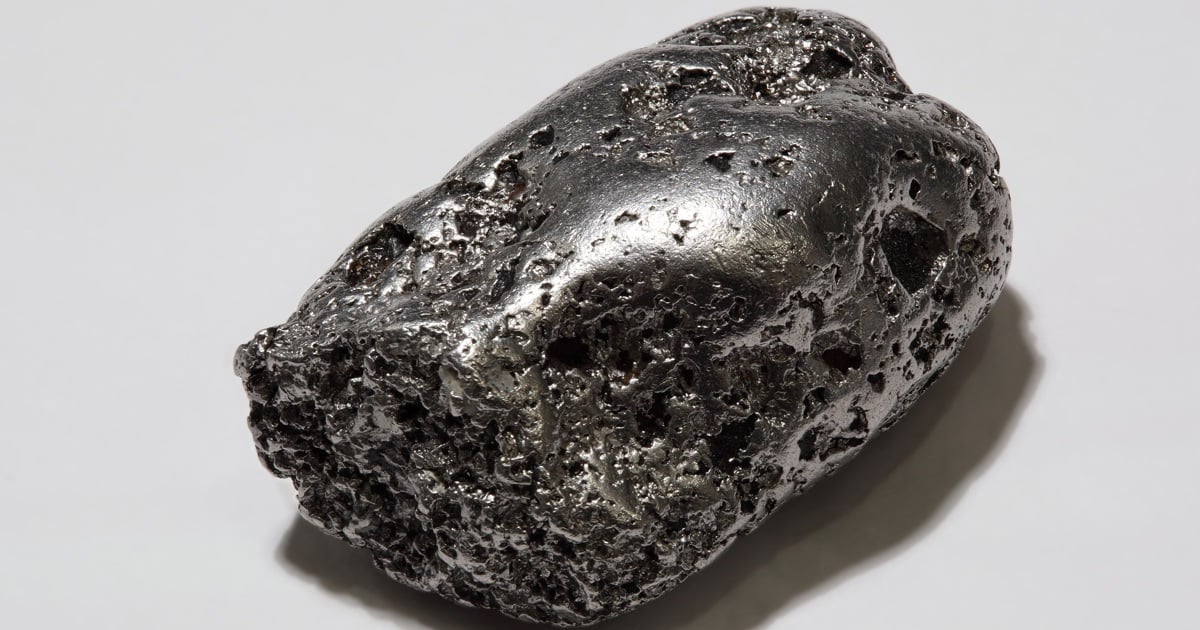
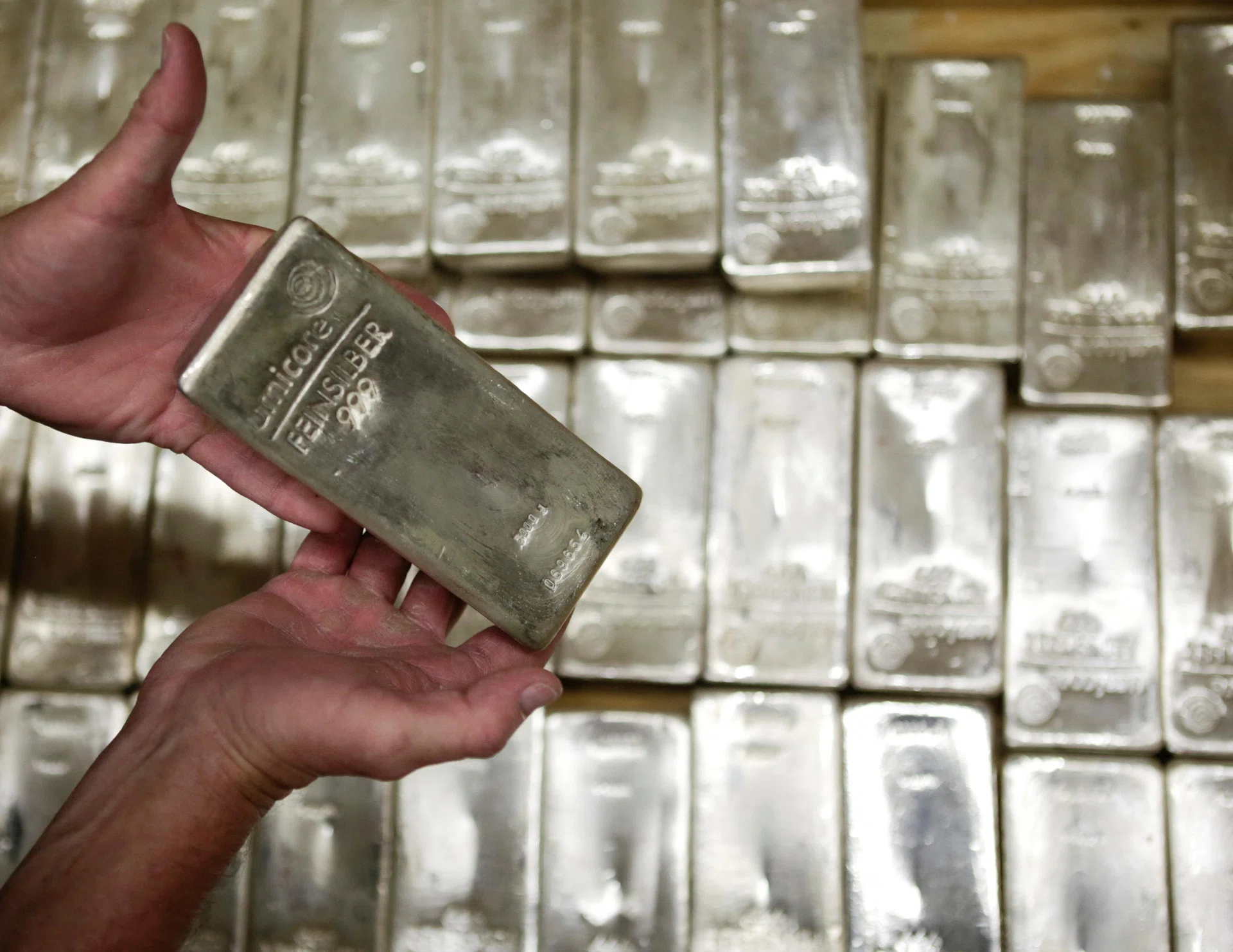
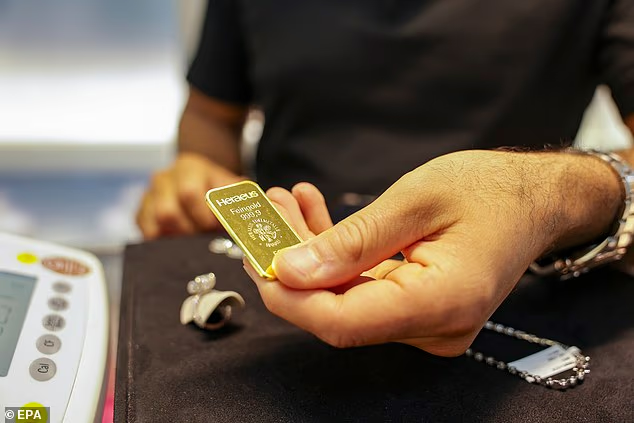
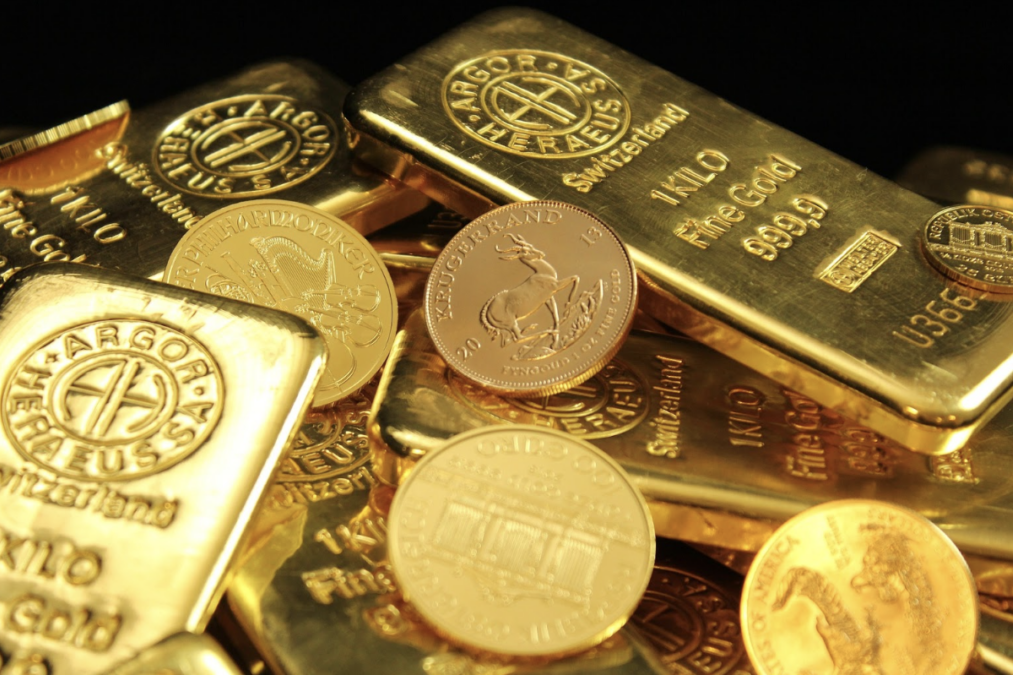
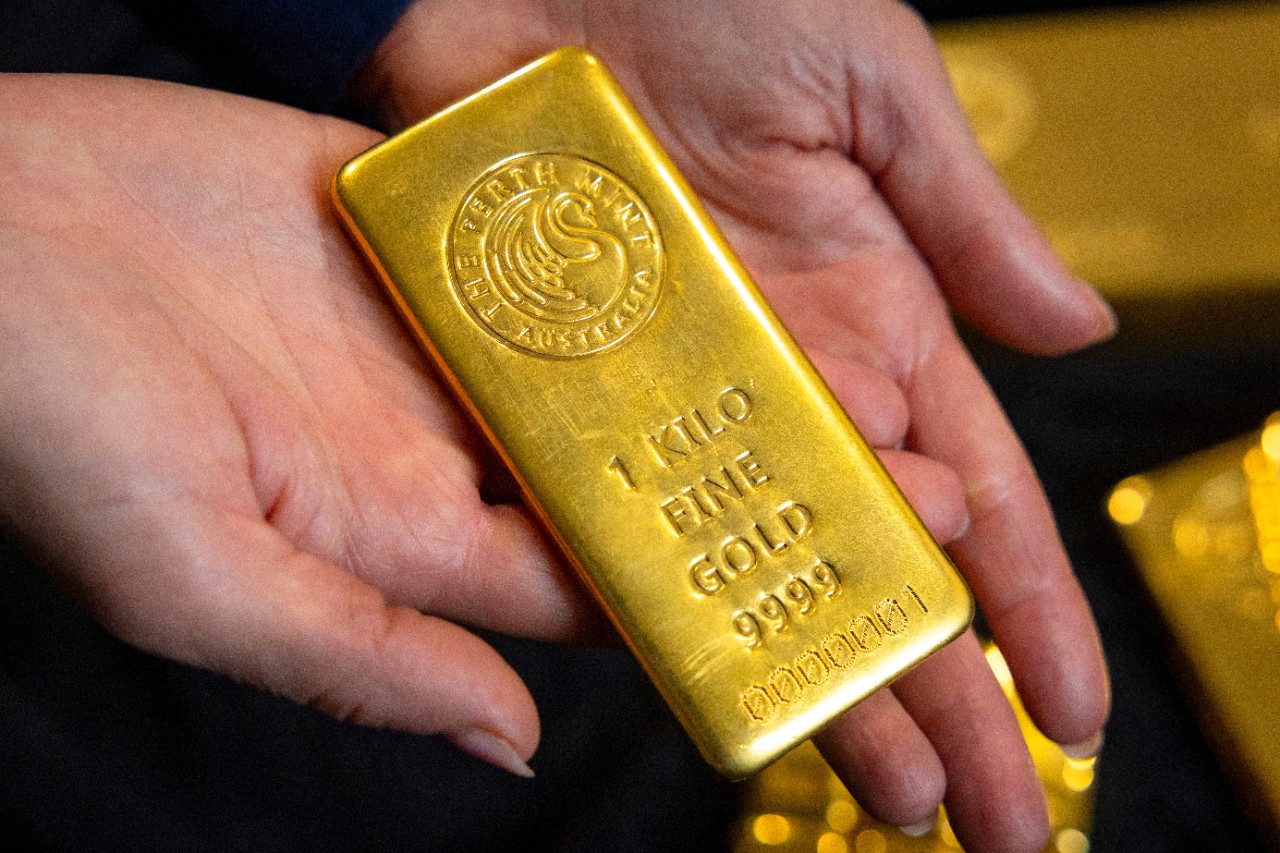
A ‘safe haven’ is a market term for an asset that investors have historically tended to buy during periods of stress, in the expectation of preserving value. It is a description of past behaviour, not an assurance about future outcomes. Gold, US Treasuries and the Japanese yen are the most commonly cited safe-haven assets.
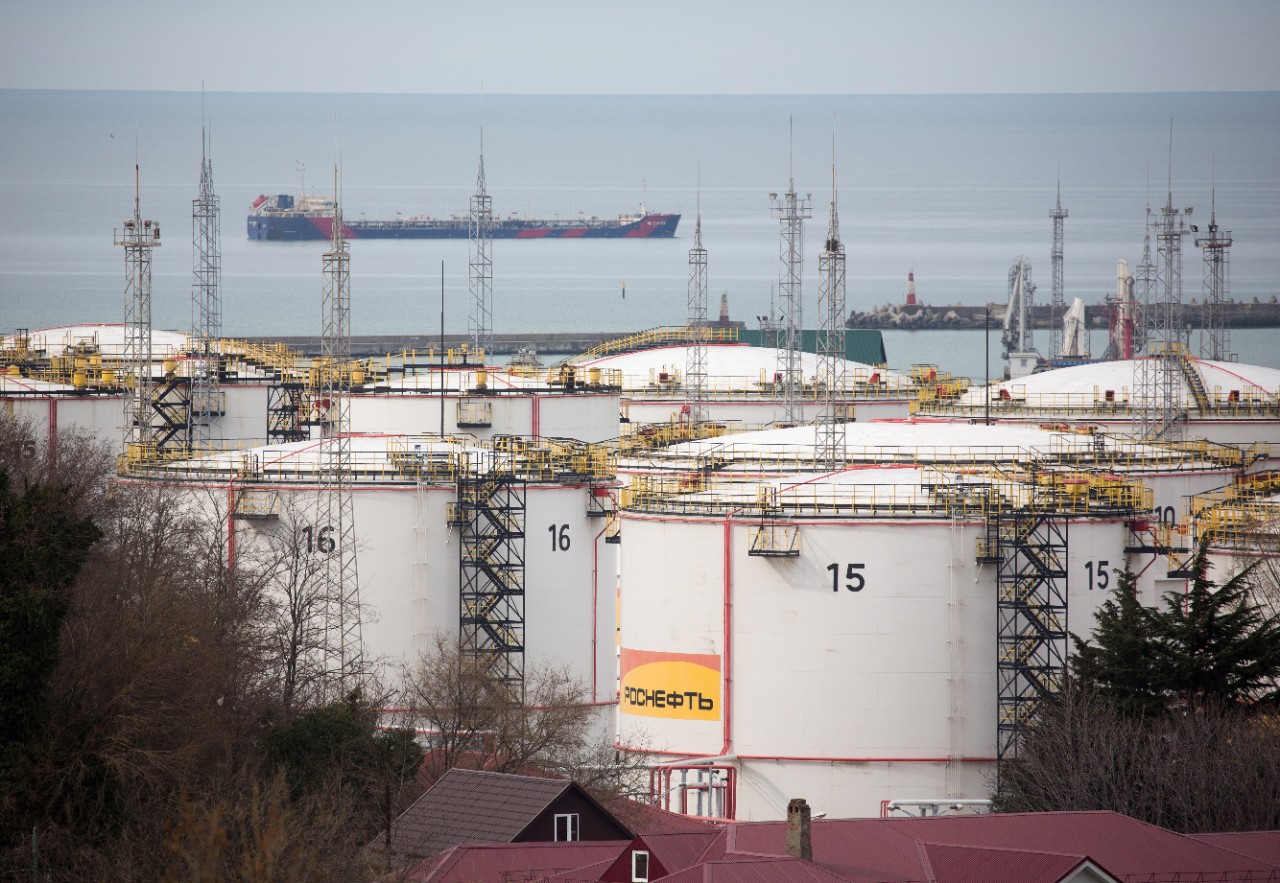
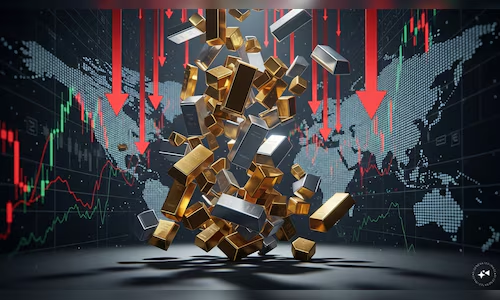
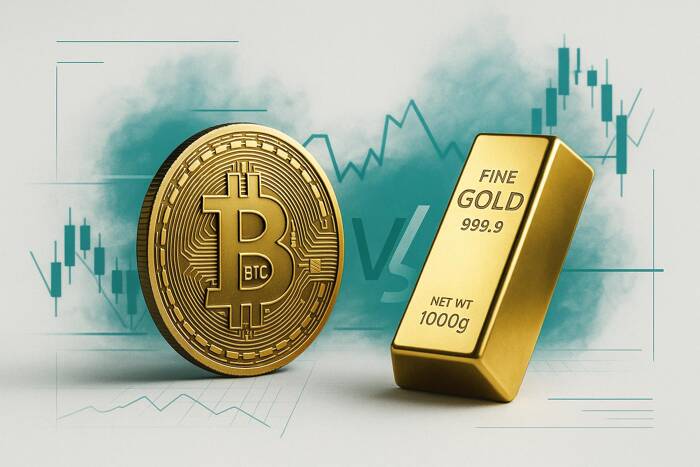
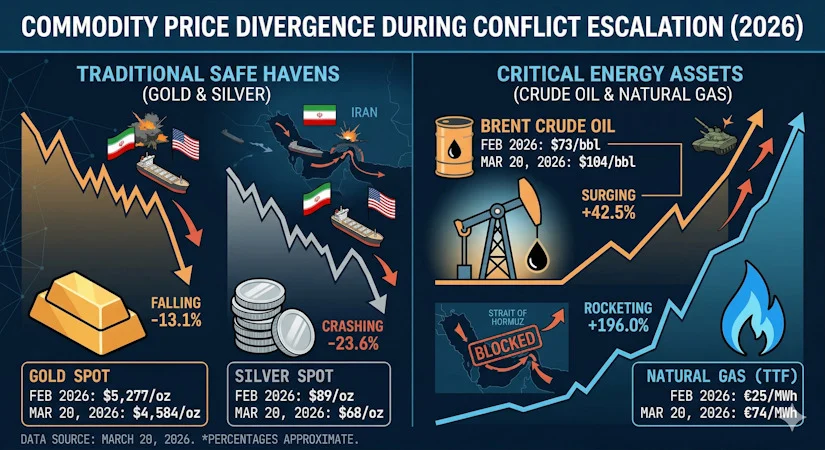
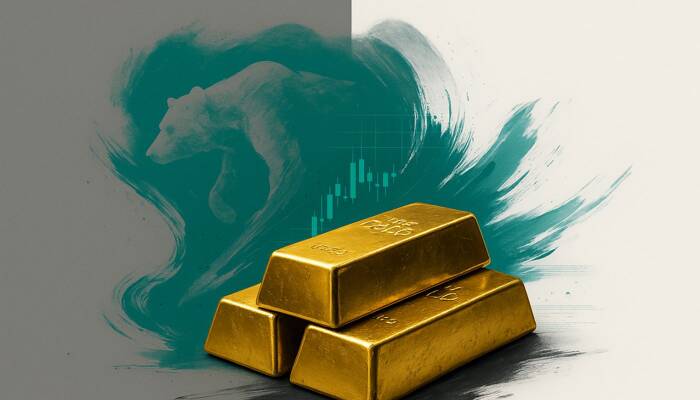
The label can break down when a single crisis pulls the asset in two directions at once. On 13 July, the Middle East escalation created both a safe-haven bid (buy gold) and an inflation/rates signal (sell gold). The rates signal was larger.
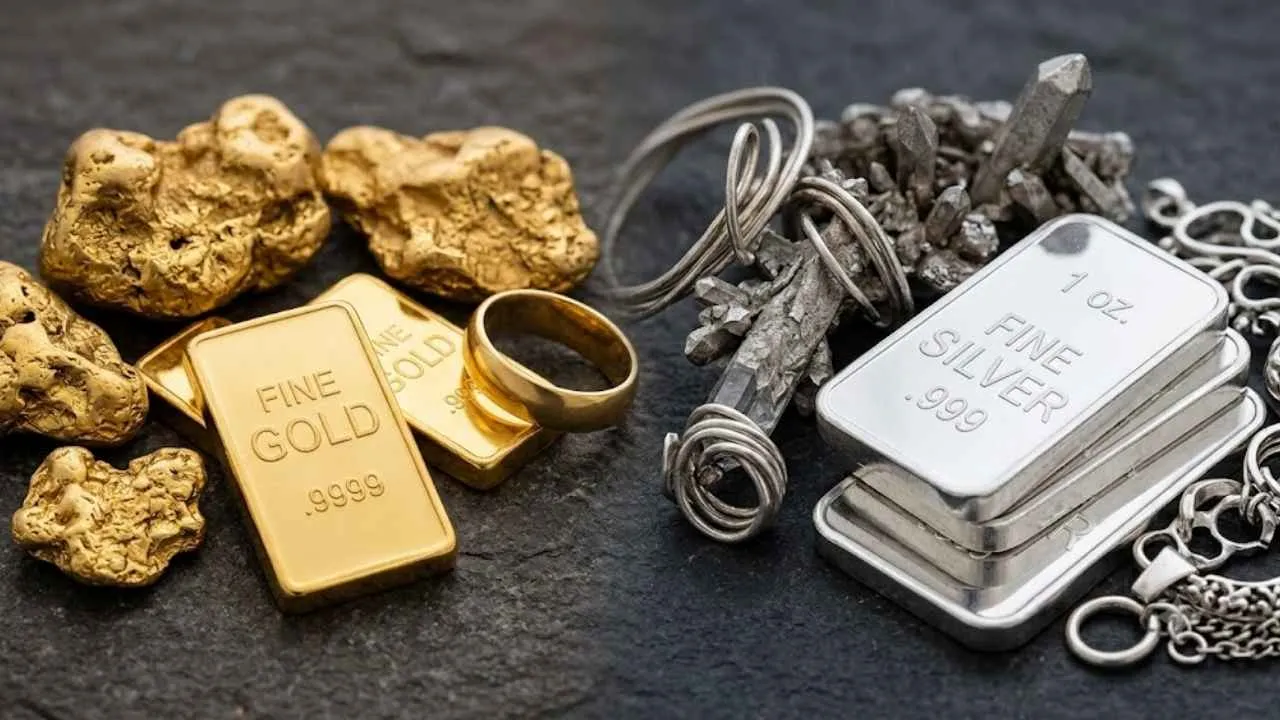
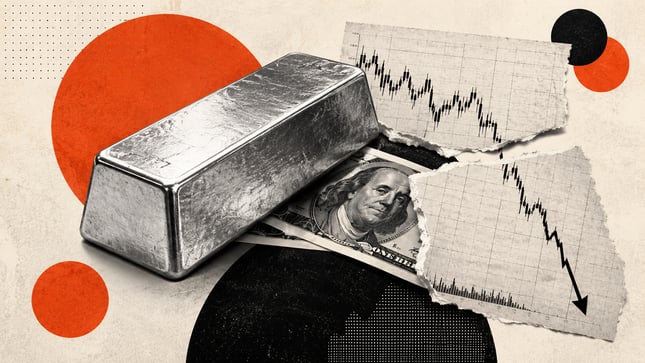
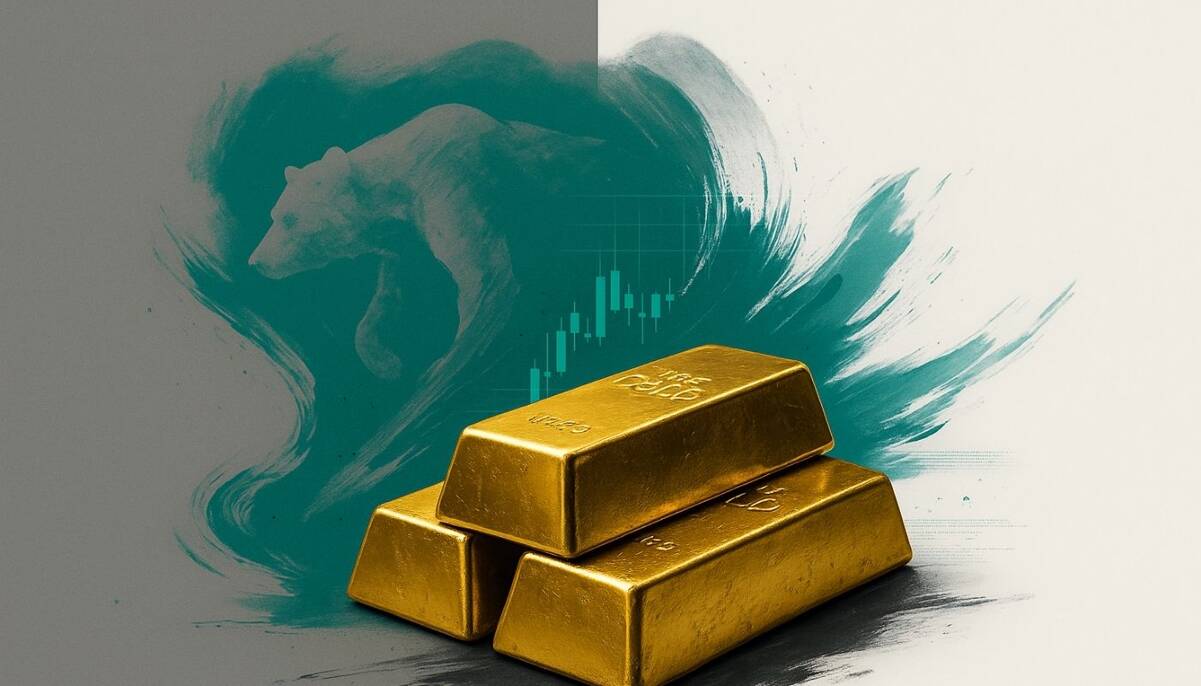
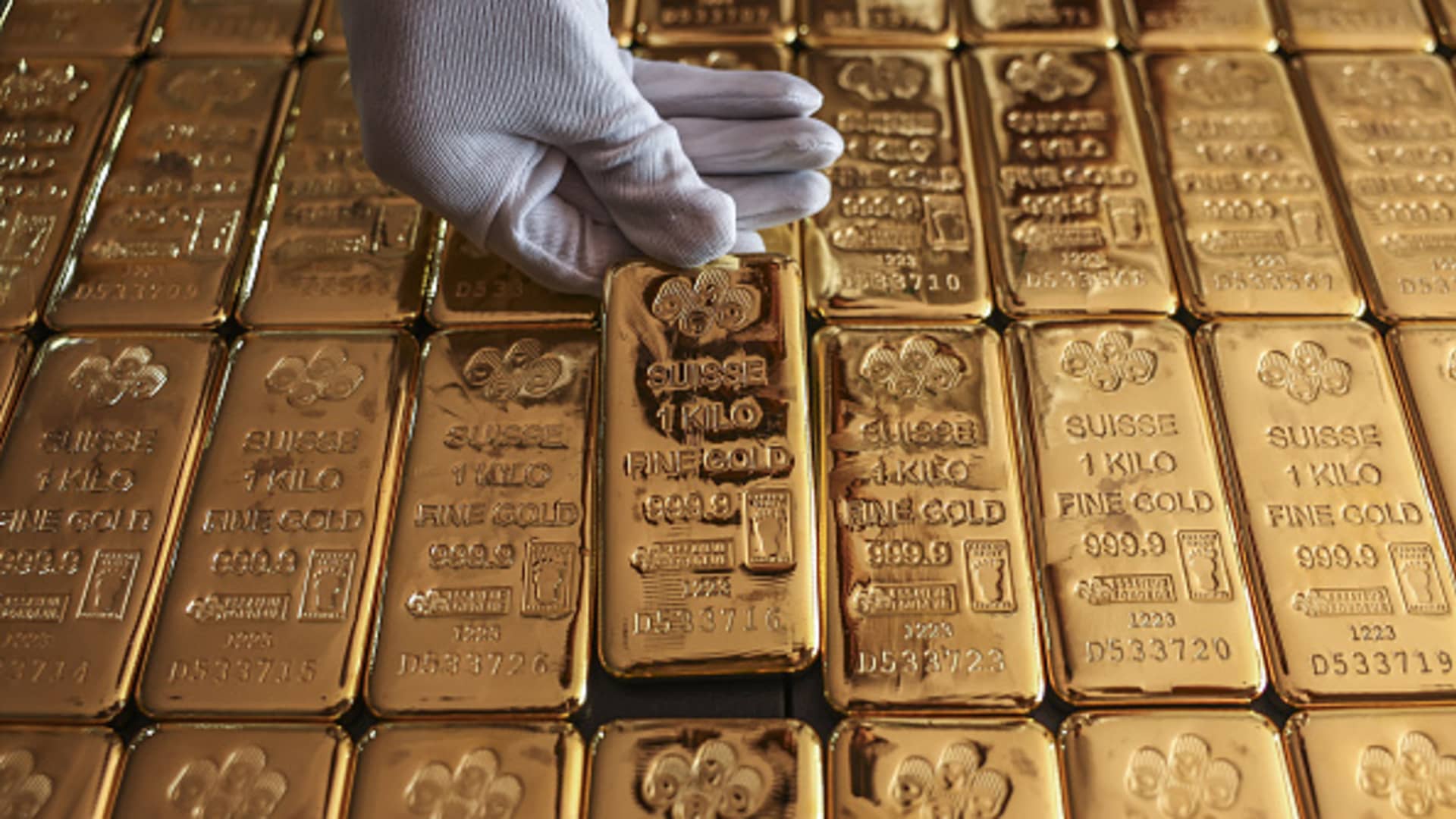
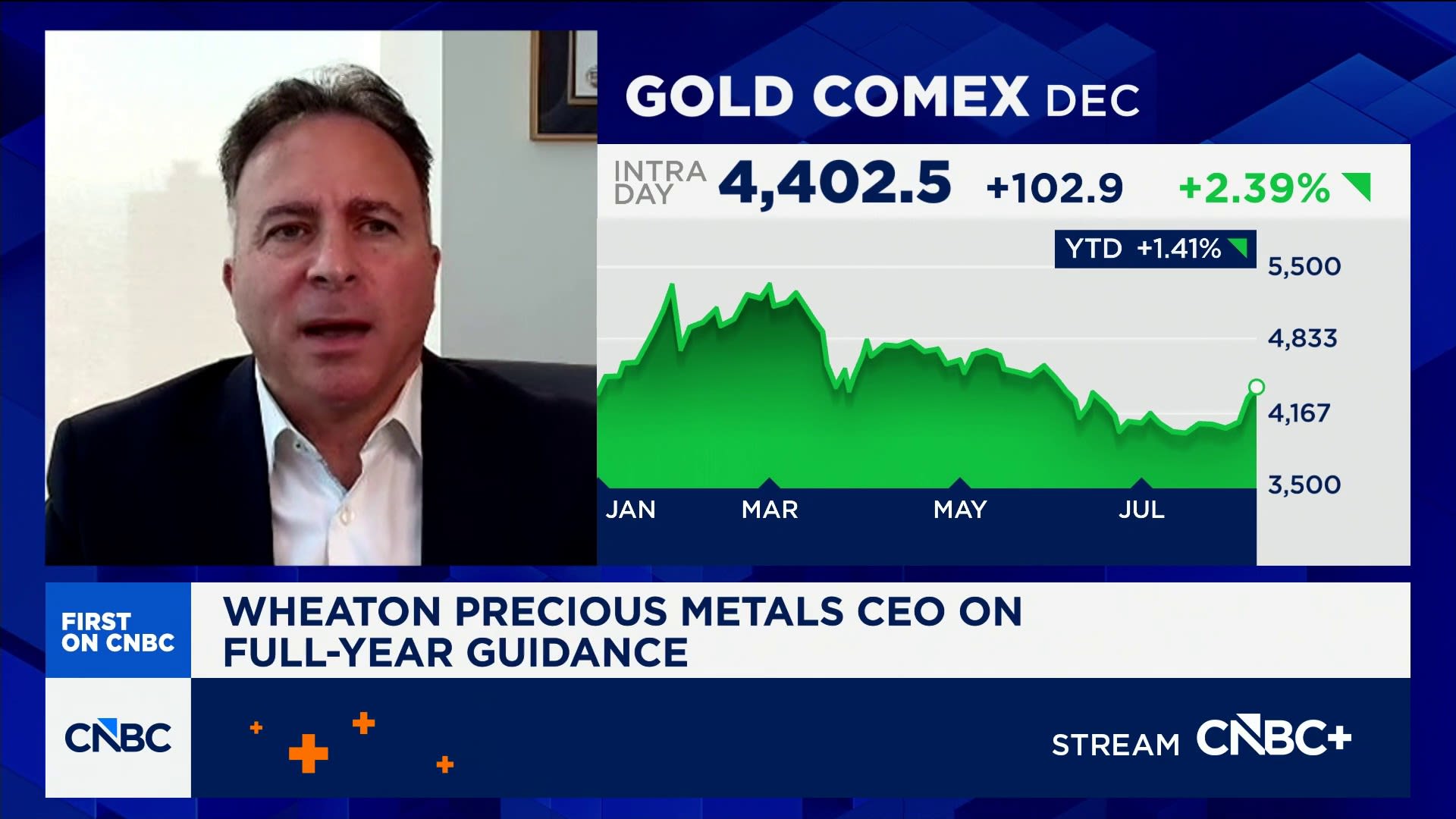
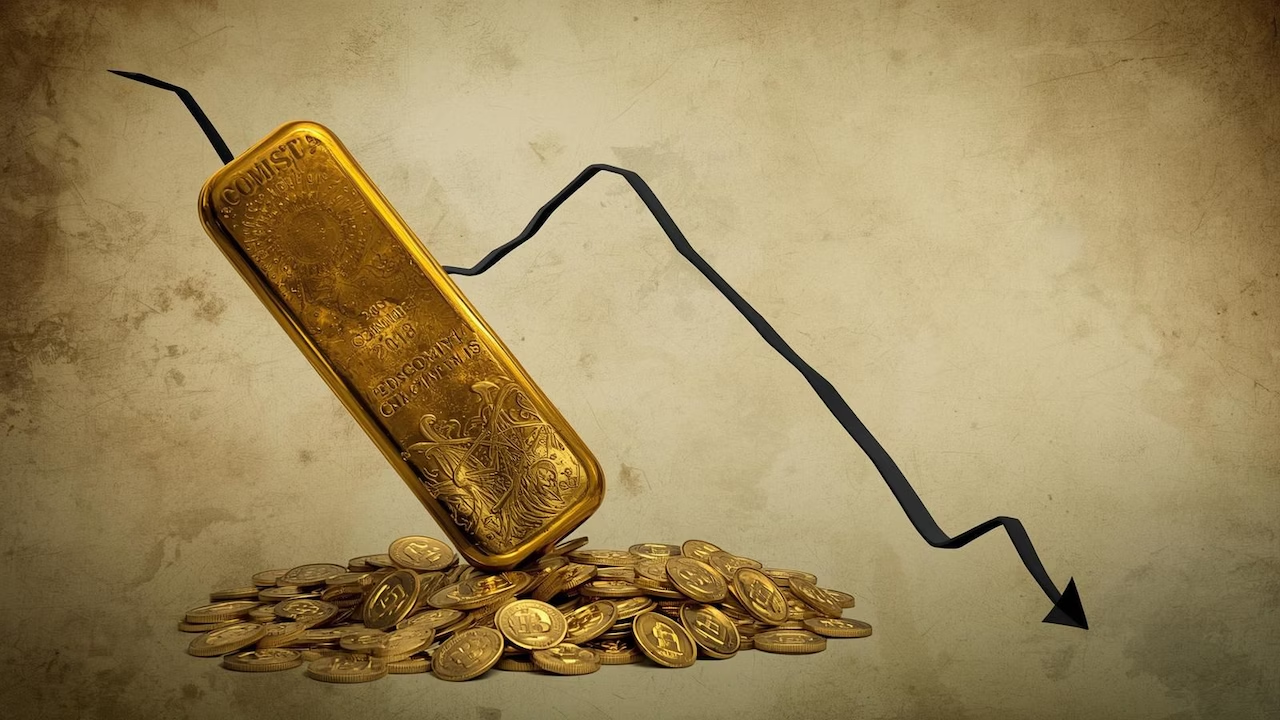
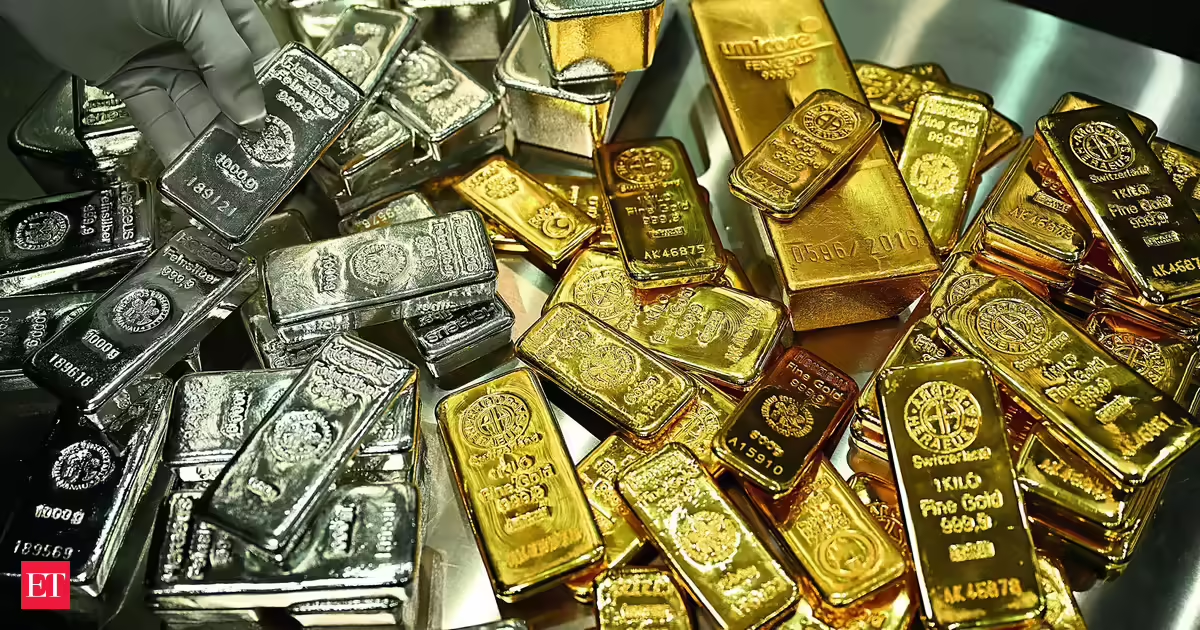
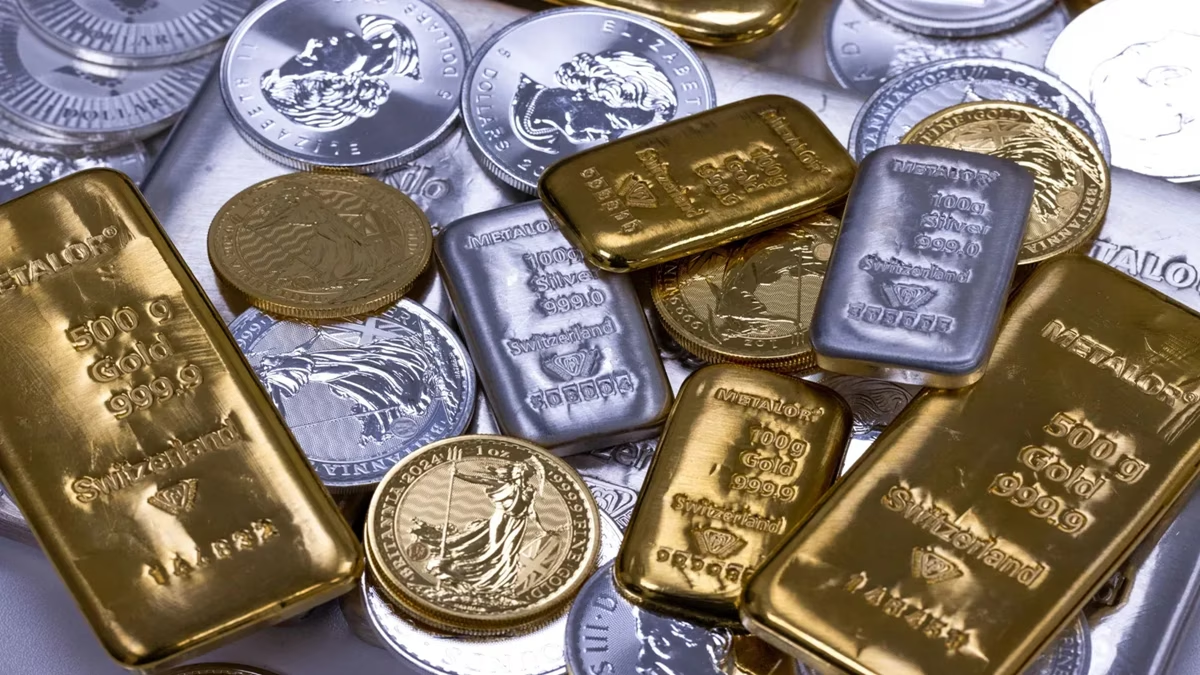
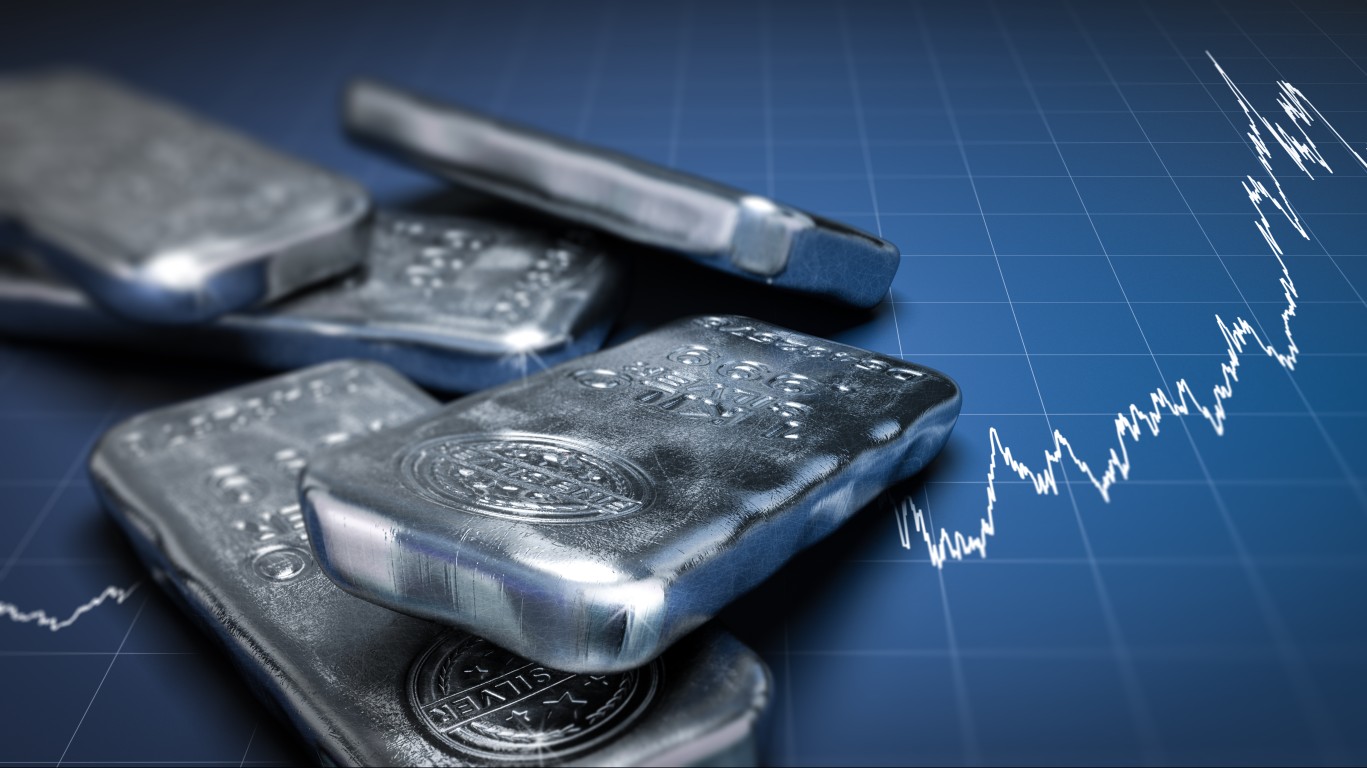
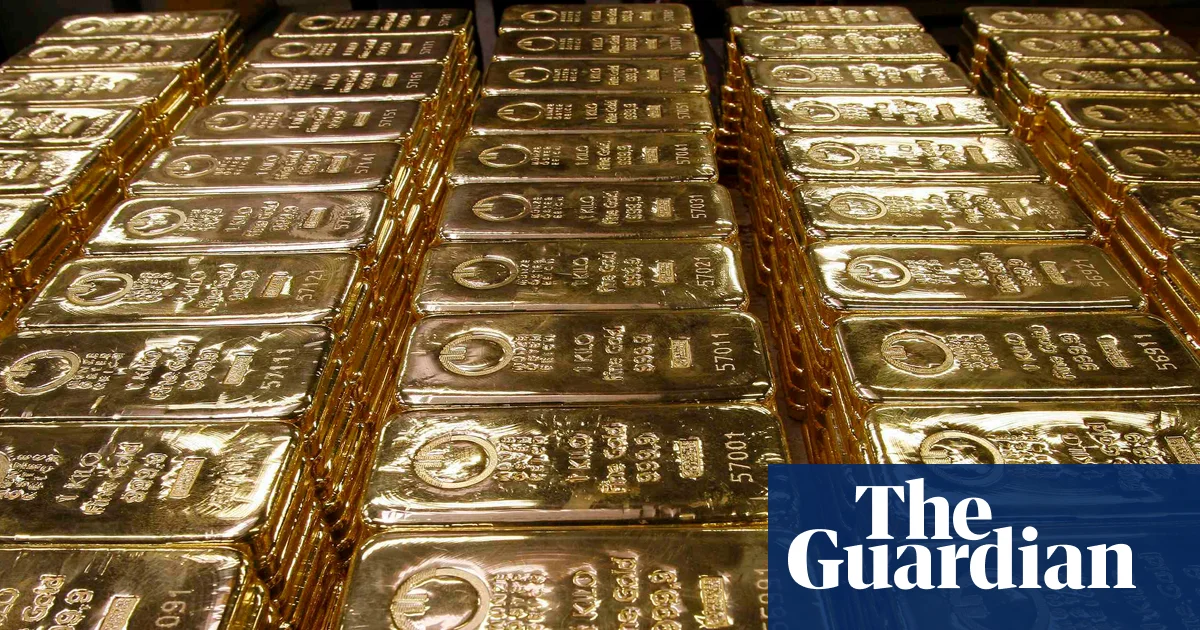
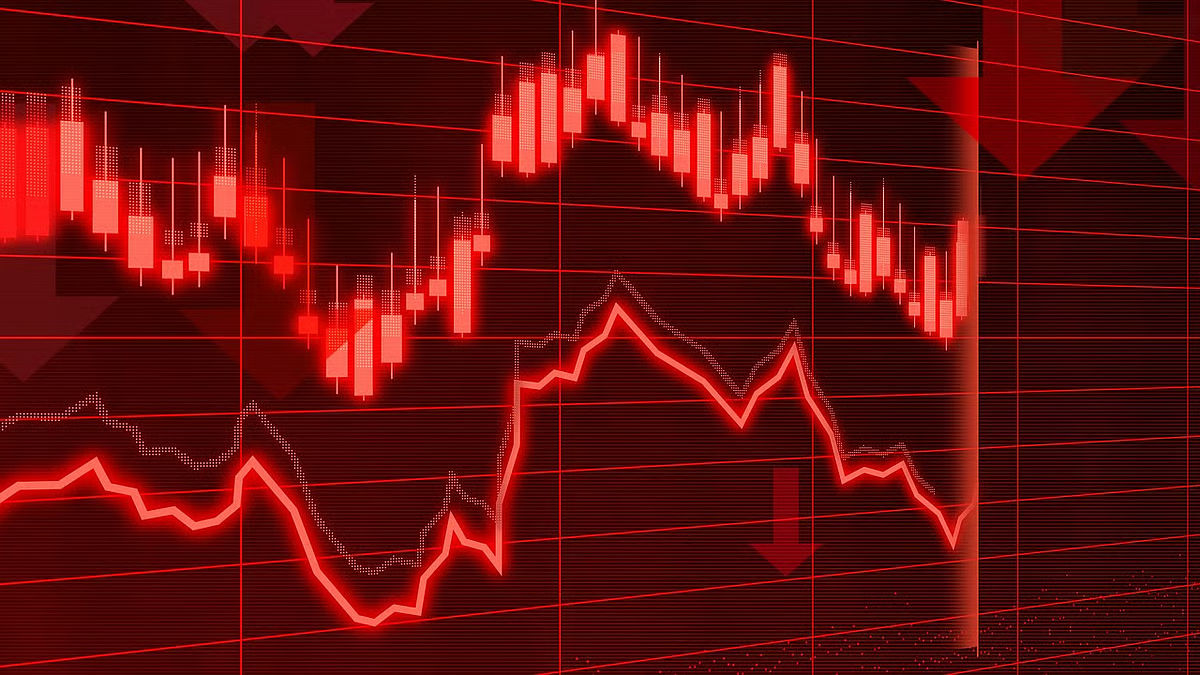
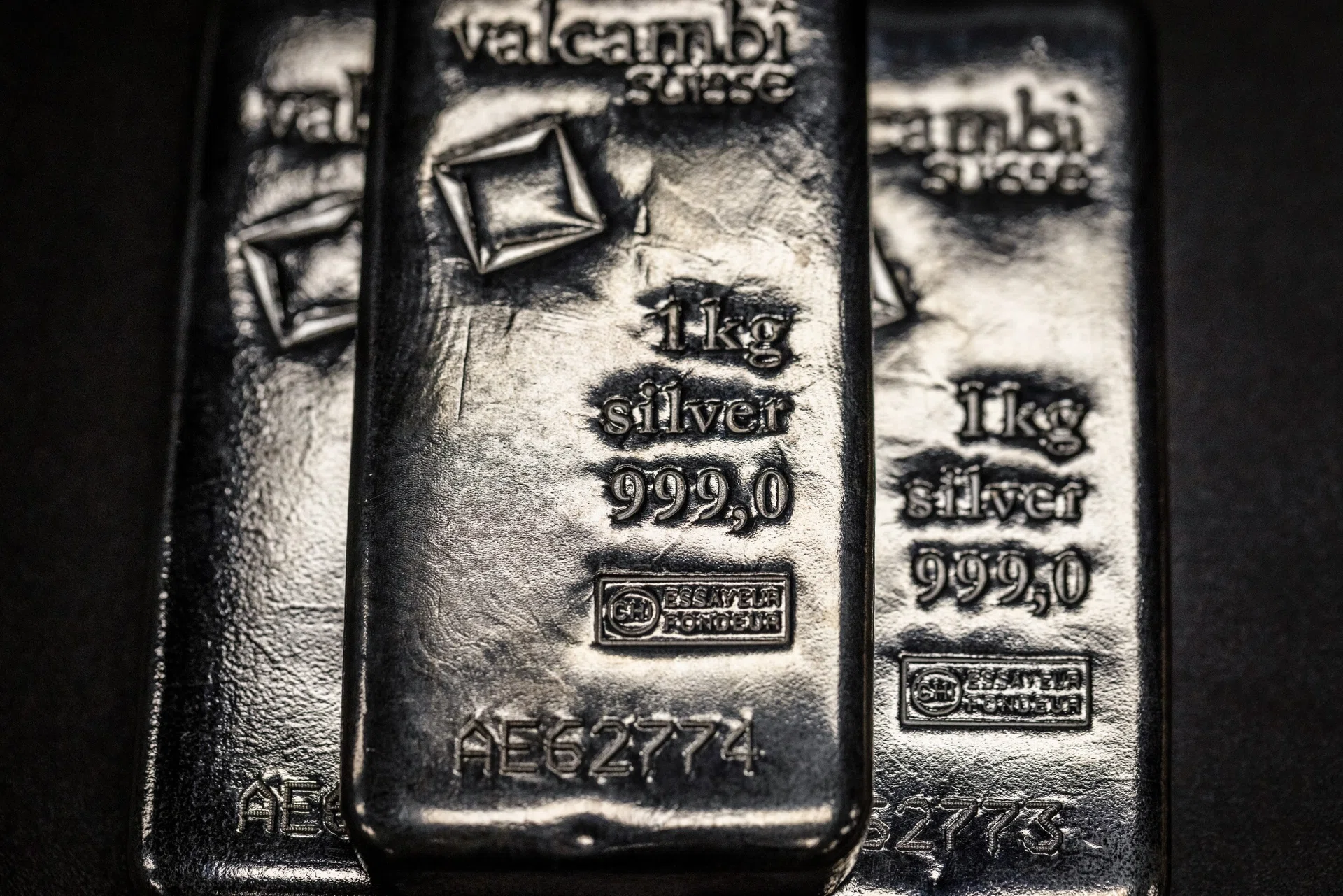
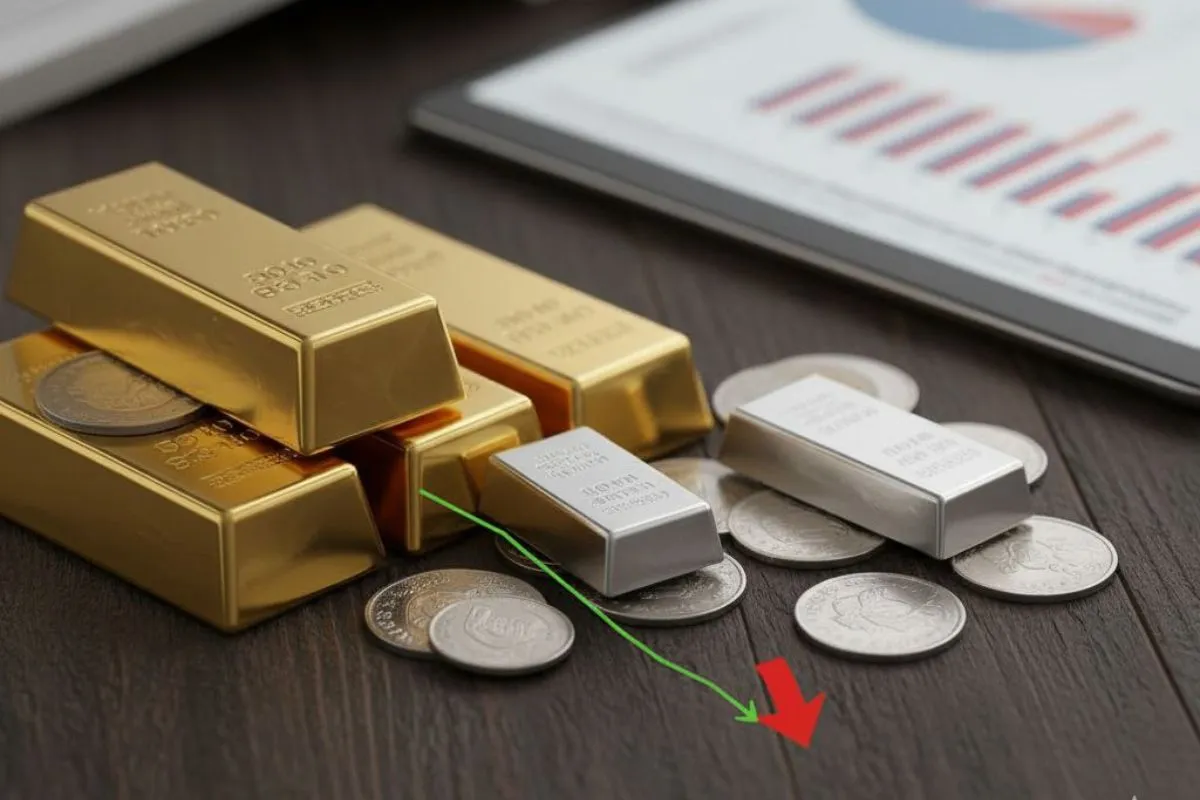
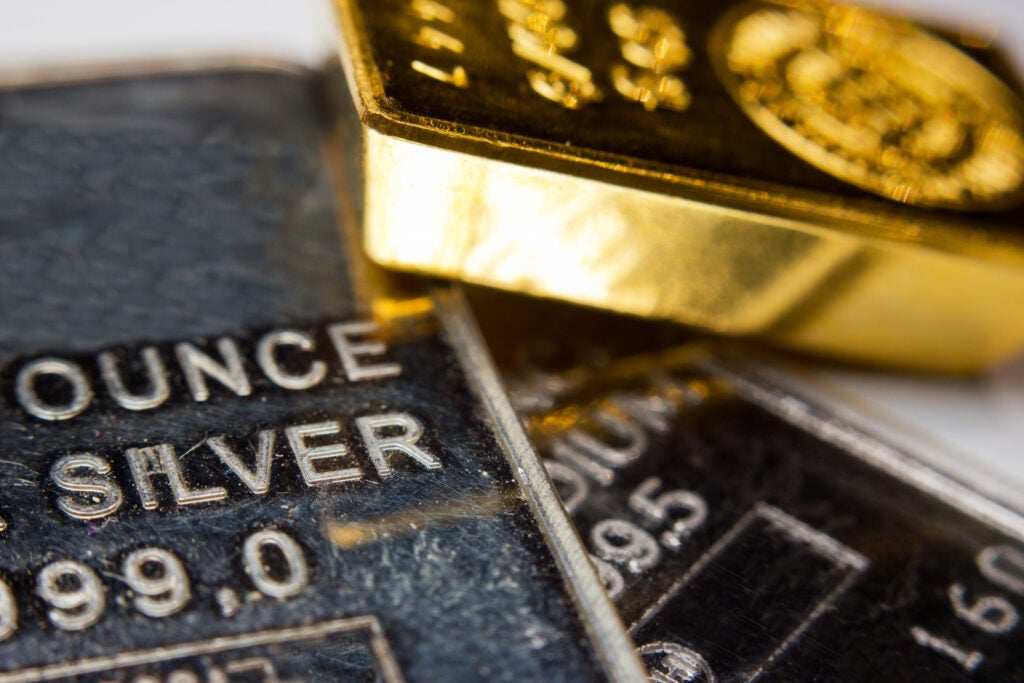
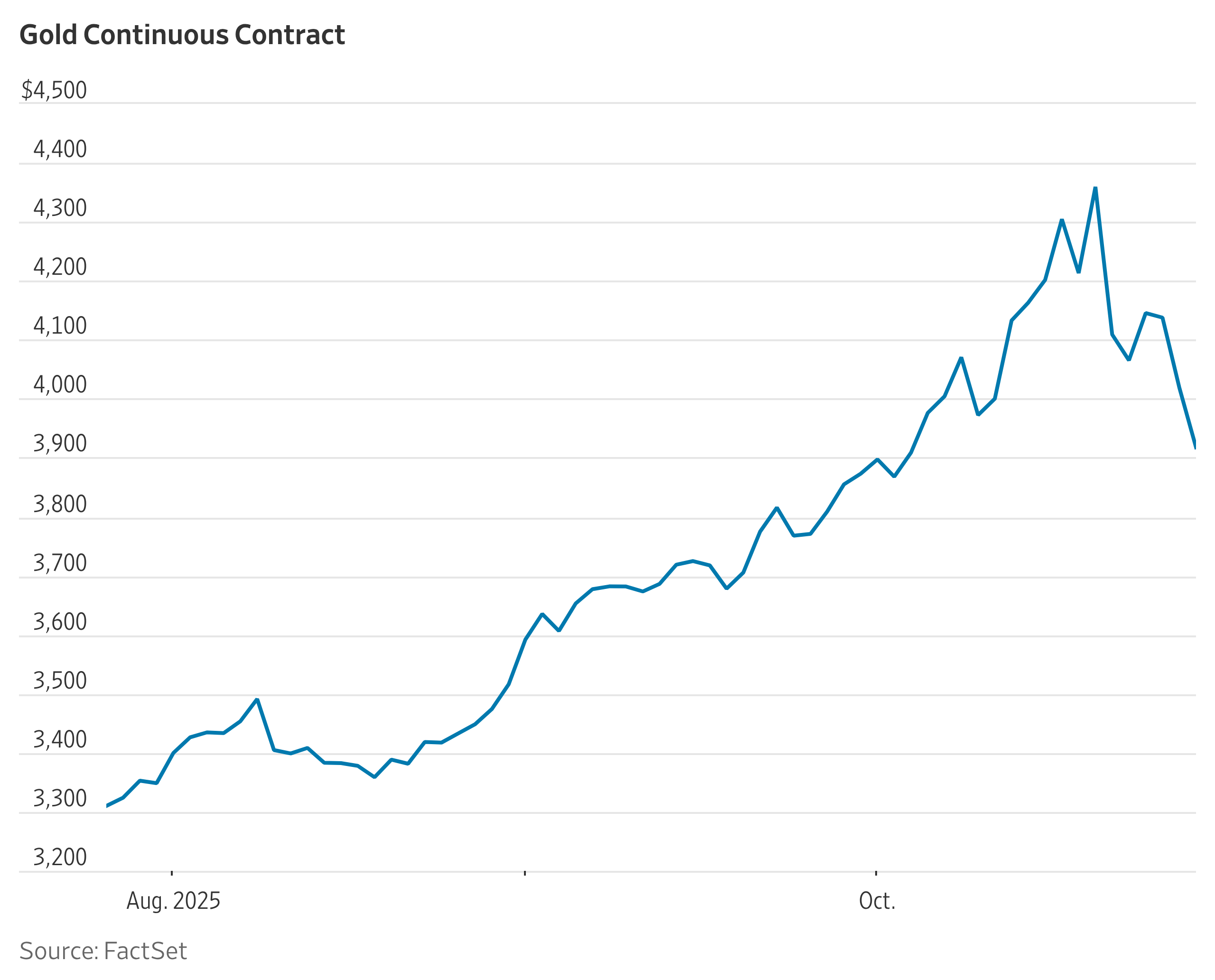
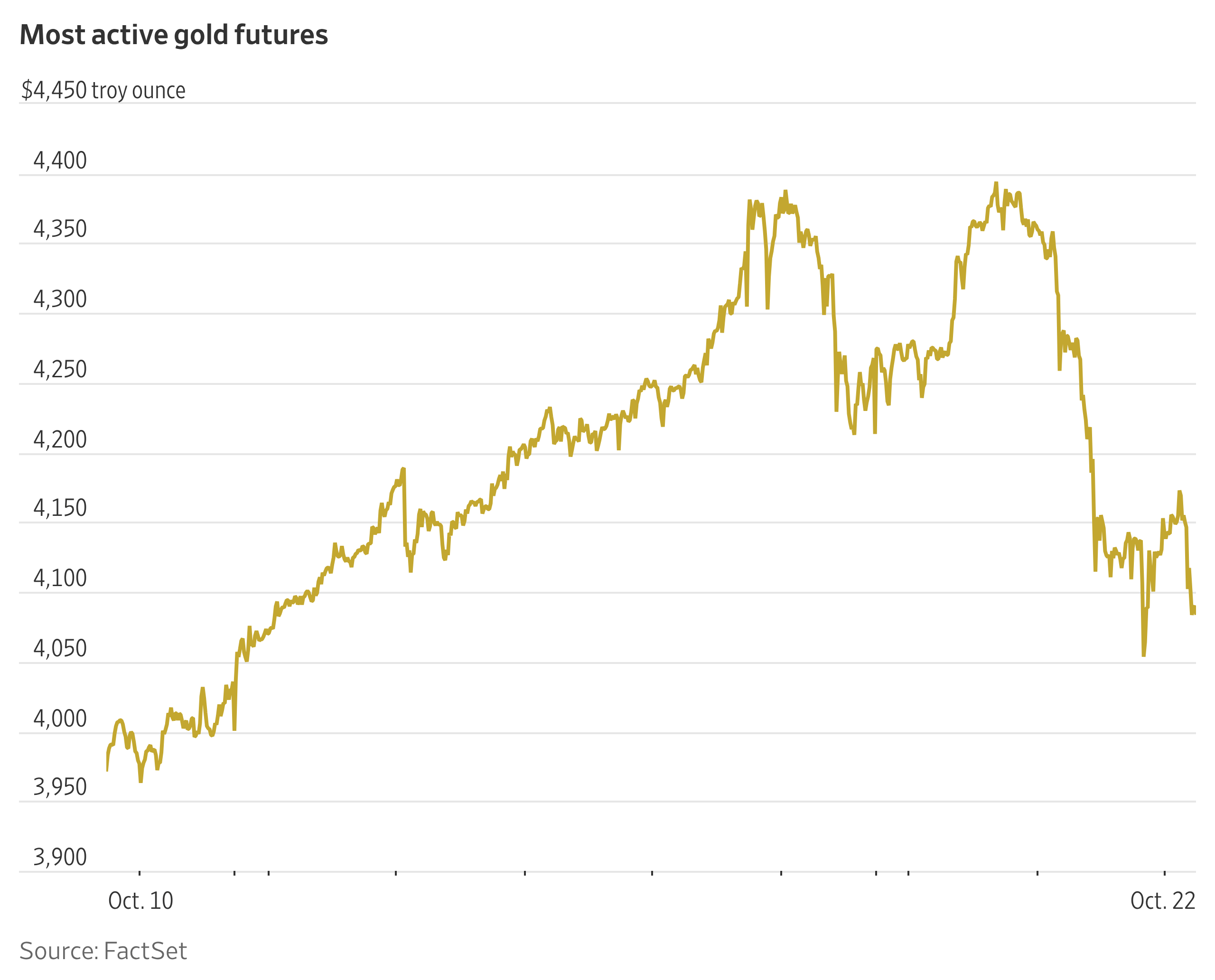
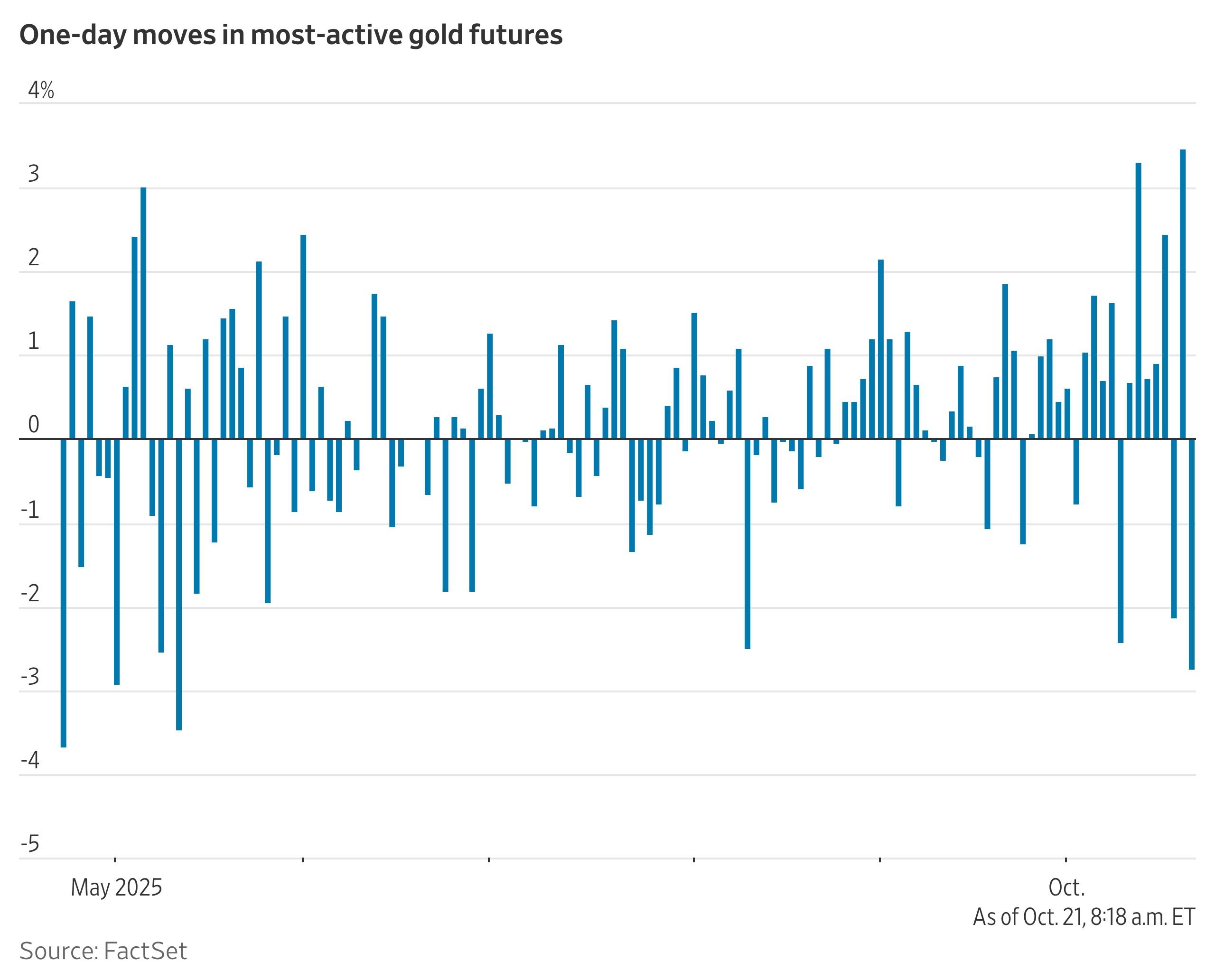
Being described as a safe haven does not mean an asset cannot fall sharply. Gold is a volatile commodity — its price fell more than 25% from its January 2026 record of $5,589/oz to the $4,000 level, a significant drawdown even before this episode (London Gold Exchange, June 2026).
For a full guide to gold markets, see IG’s article on how to trade or invest in gold.