According to
A planet built in layers
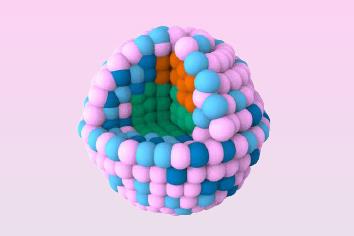
Our planet has three main layers. The crust is the thin outer shell where we live. Beneath it lies the mantle, a huge layer of hot rock that makes up most of Earth’s volume. At the centre is the core, which itself has two parts. The outer core is a thick sea of molten metals, while the inner core is a solid ball made mostly of iron.
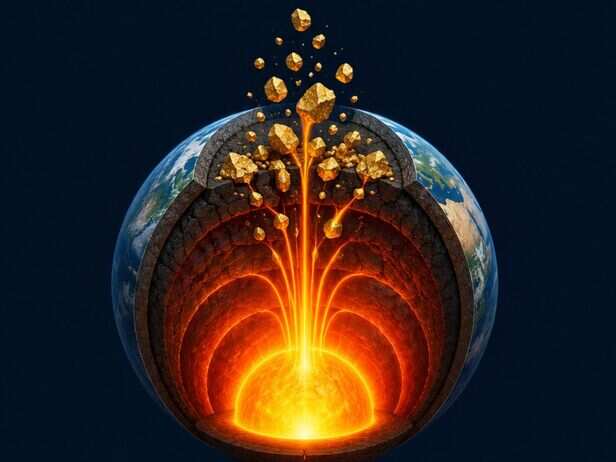
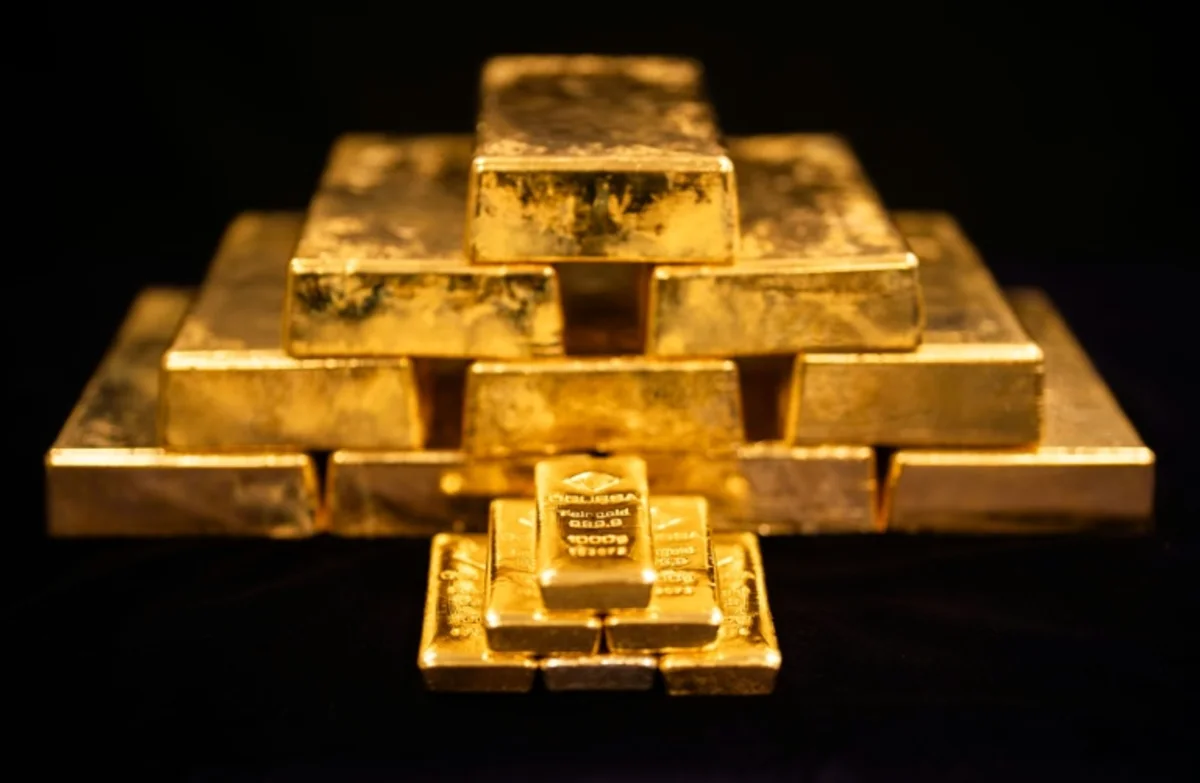
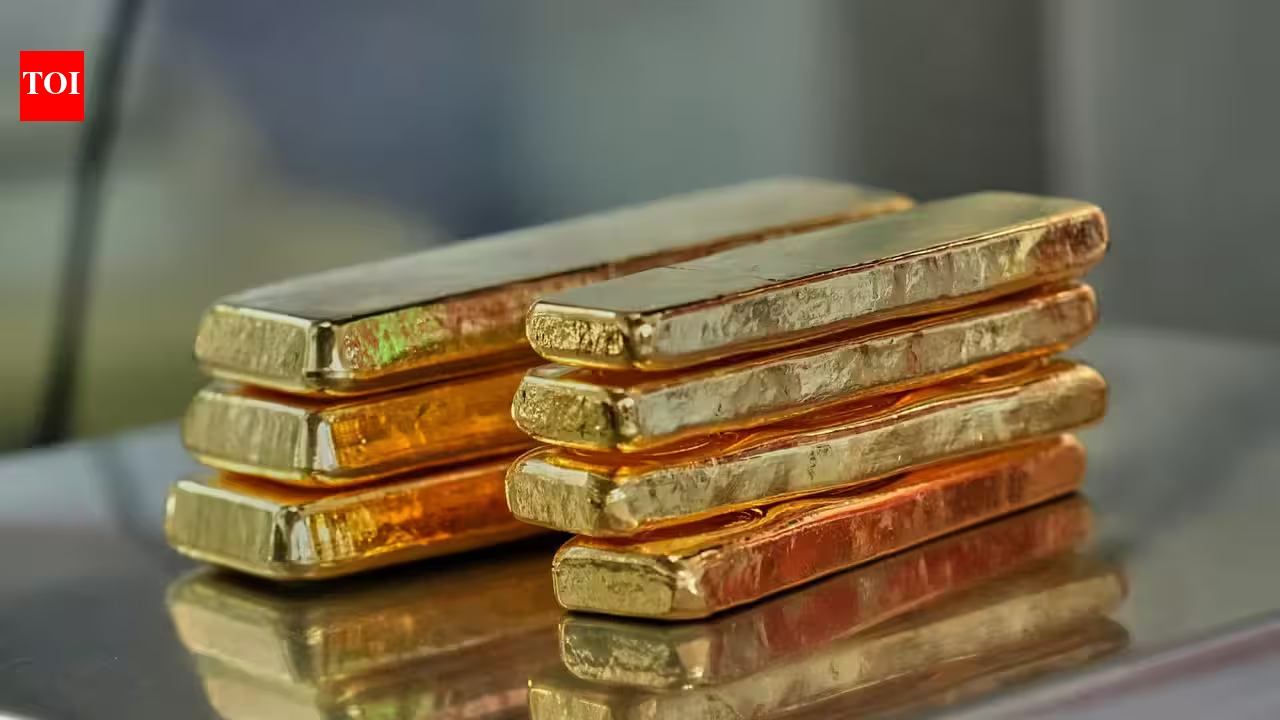
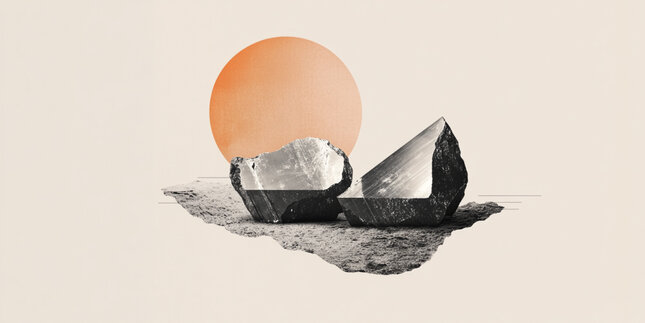
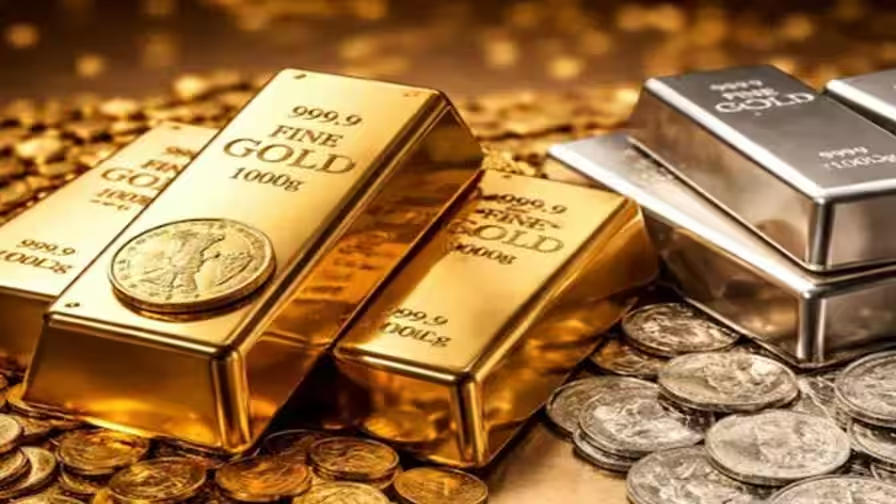
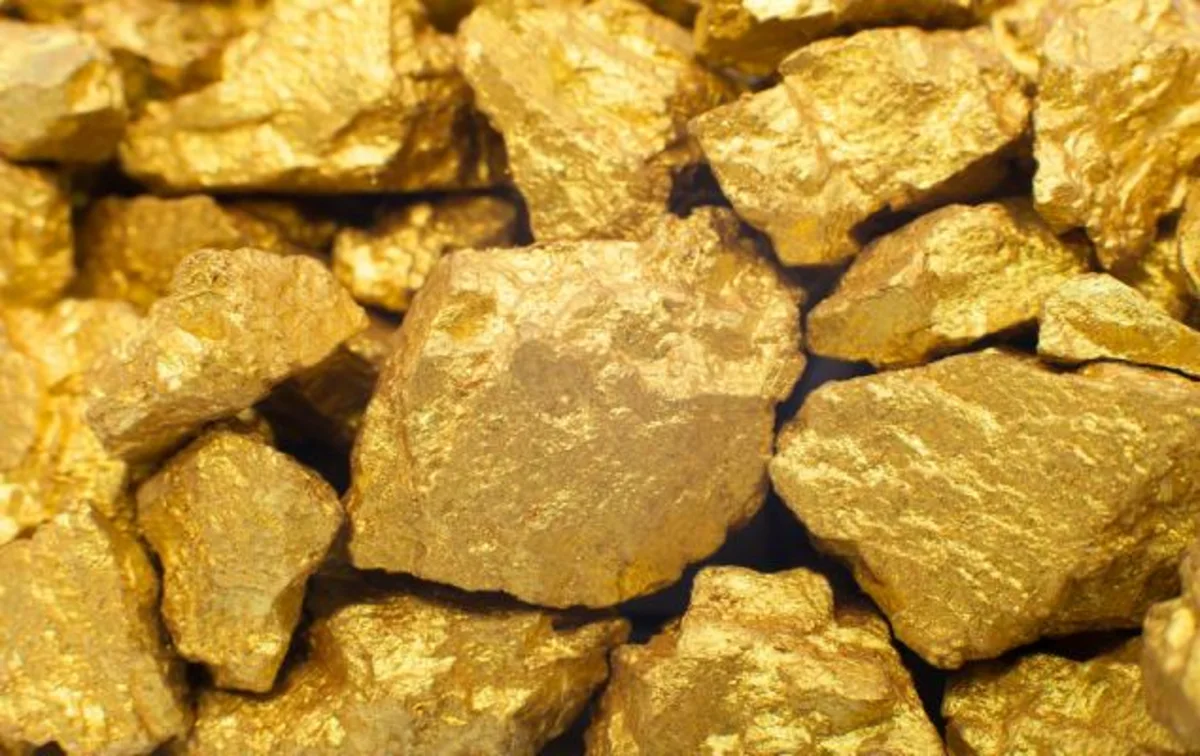
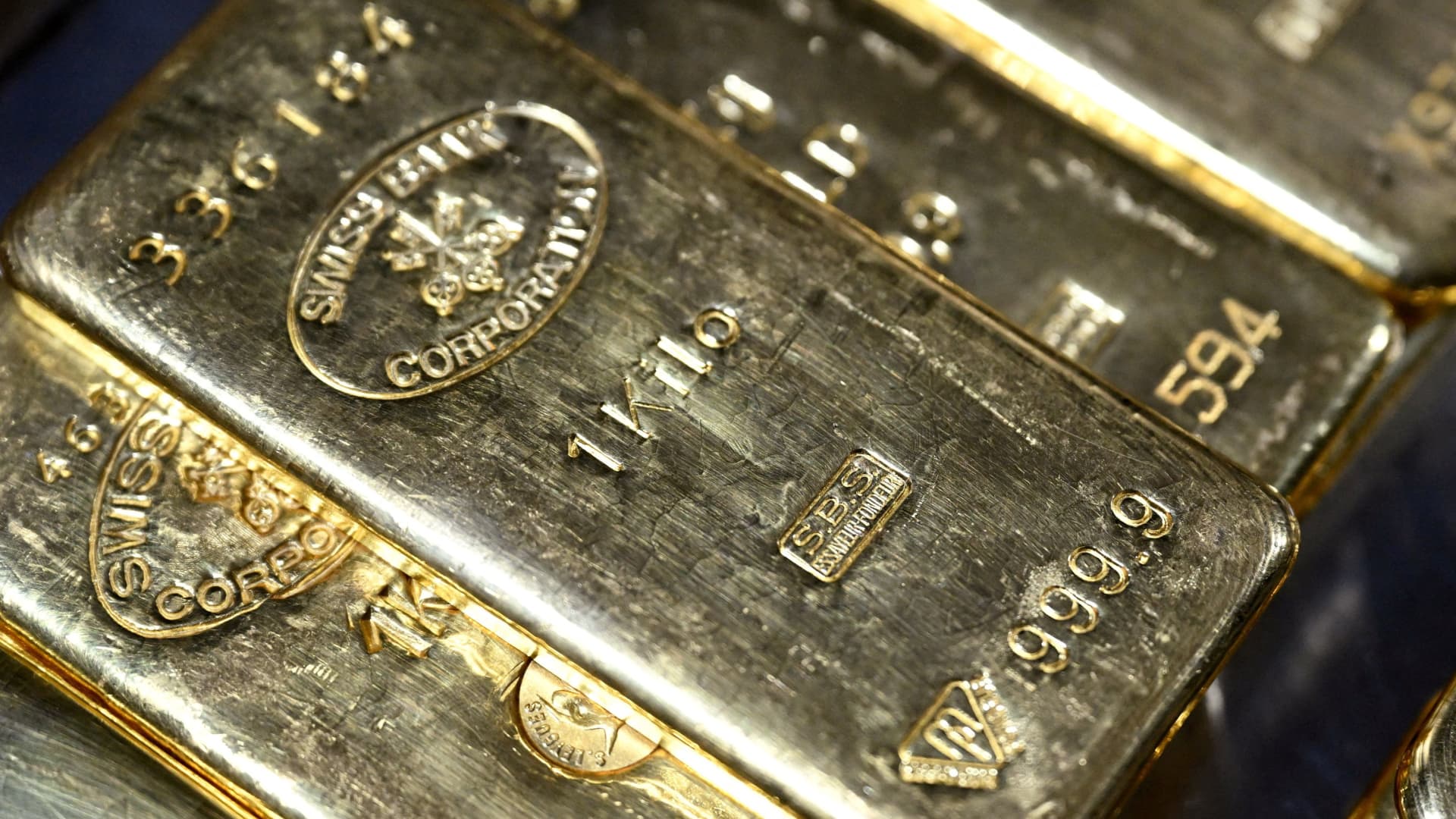
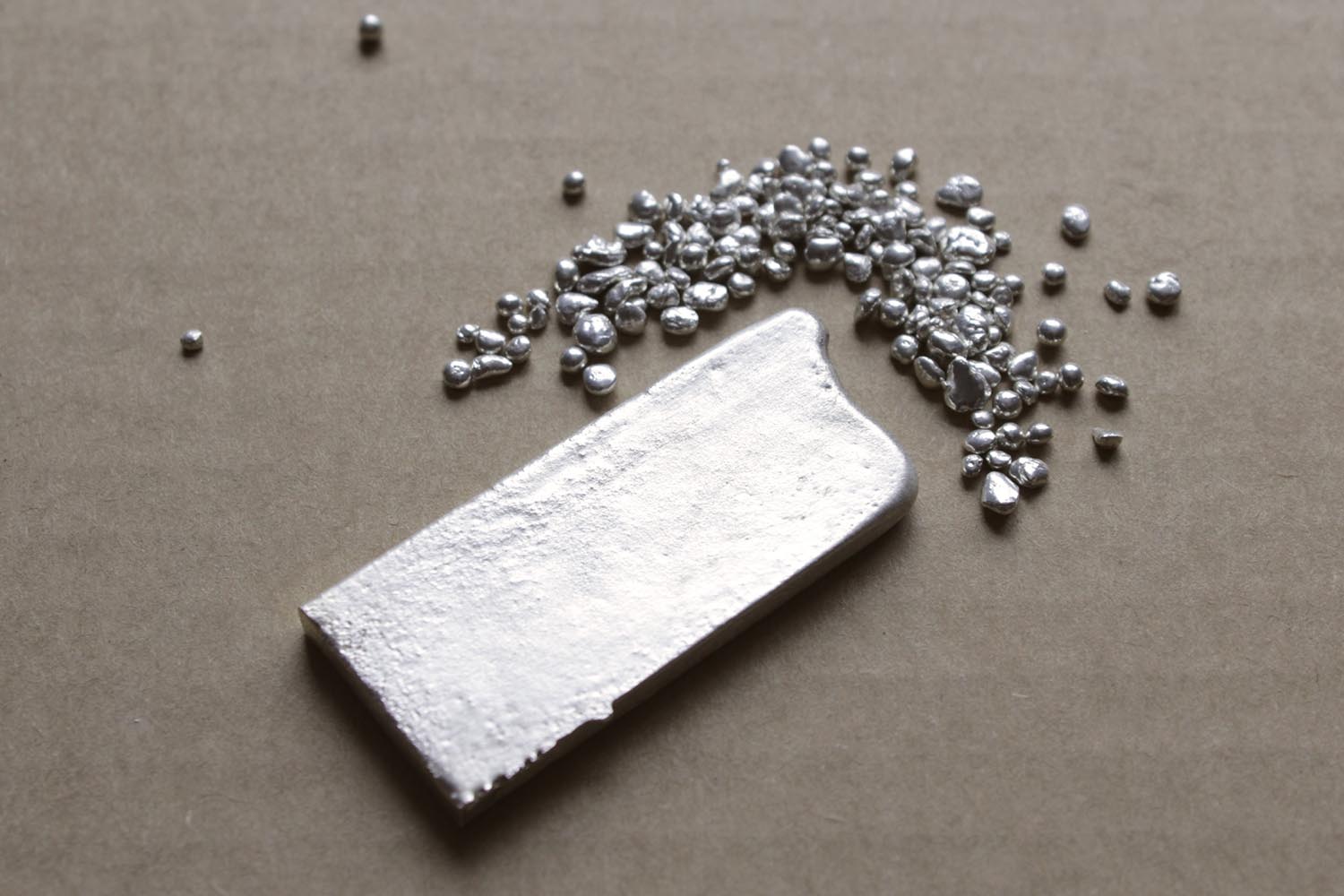
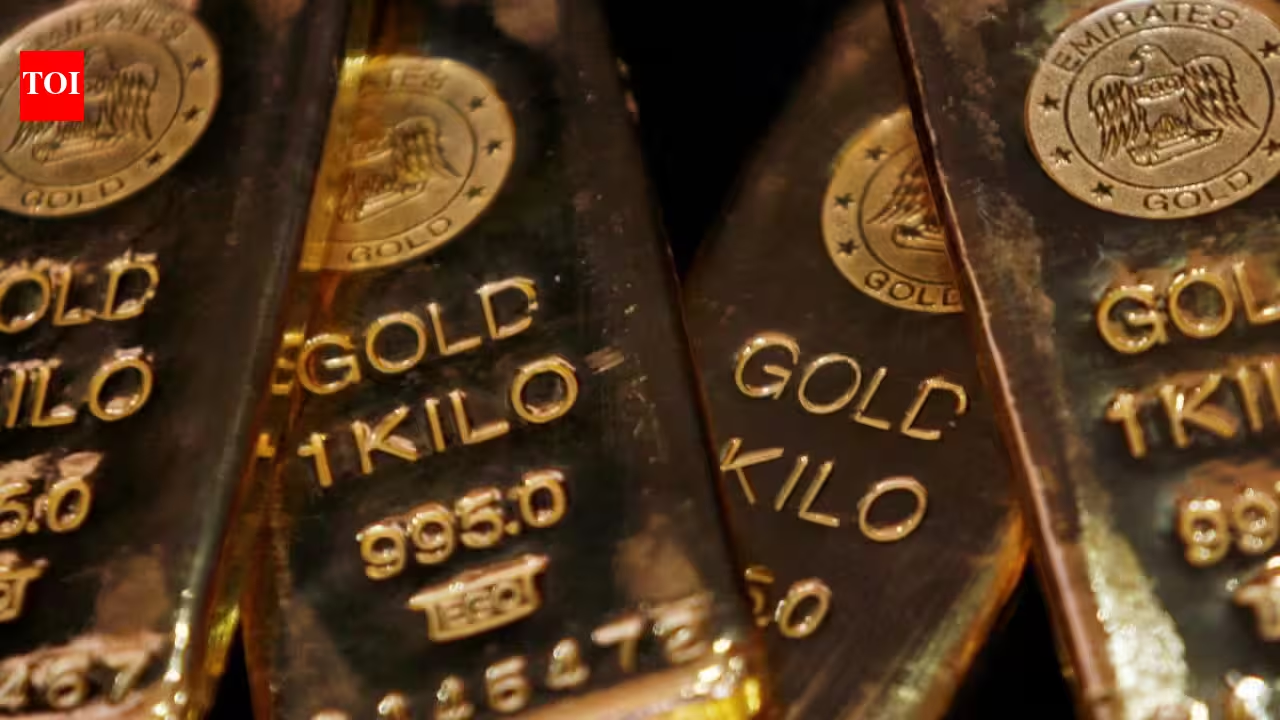
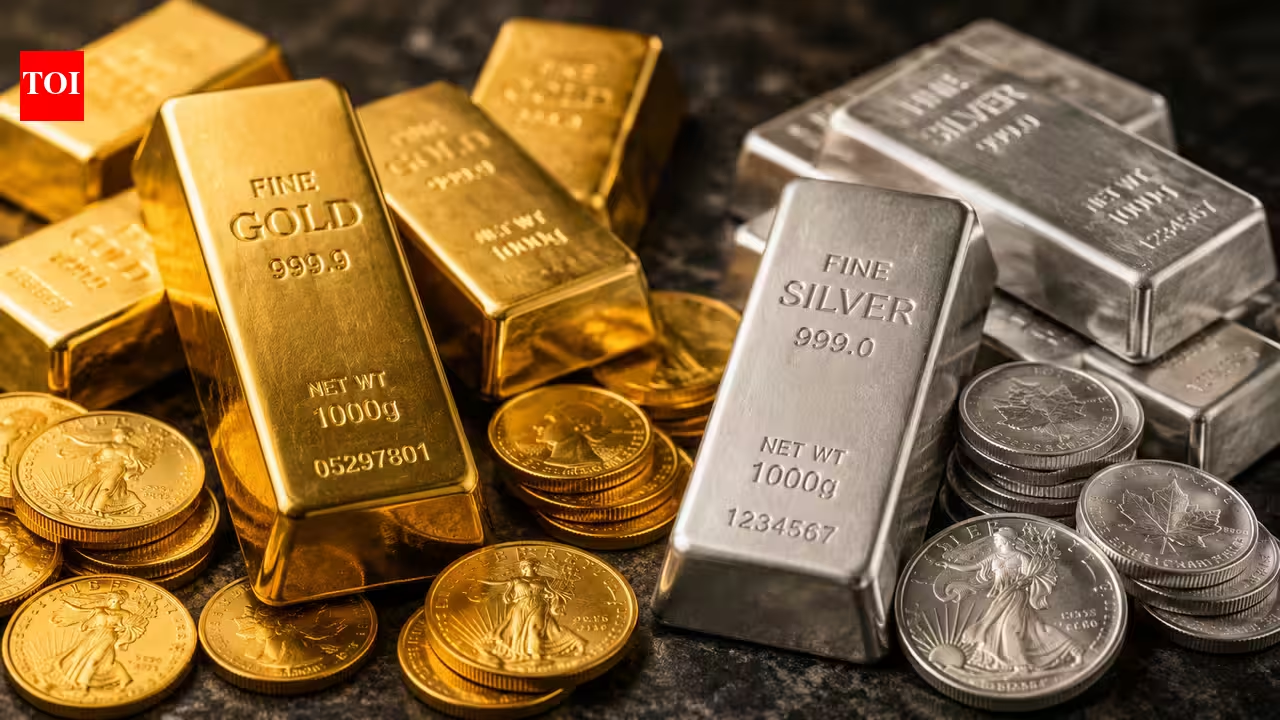
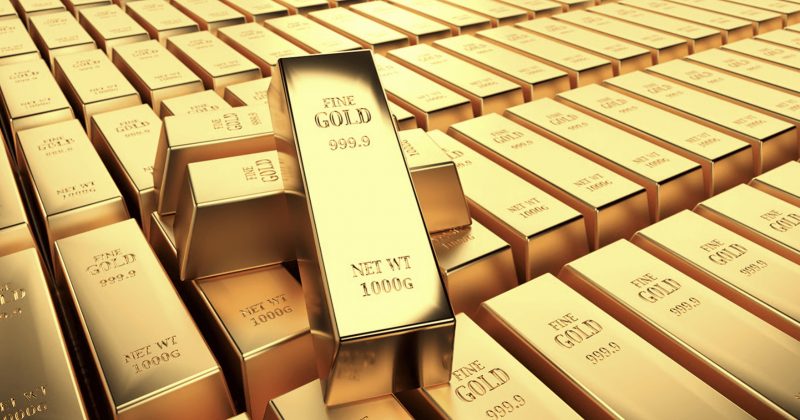
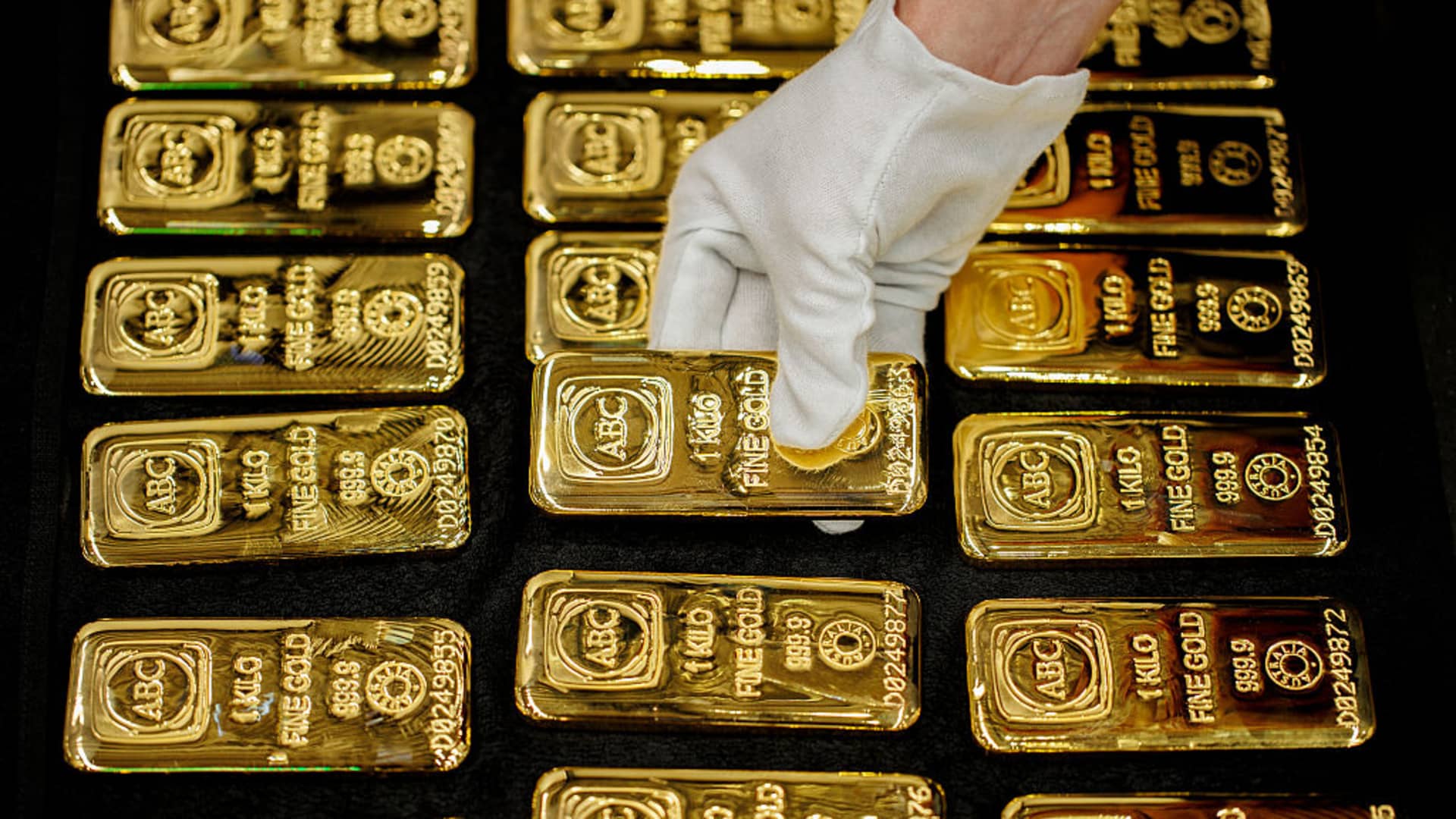
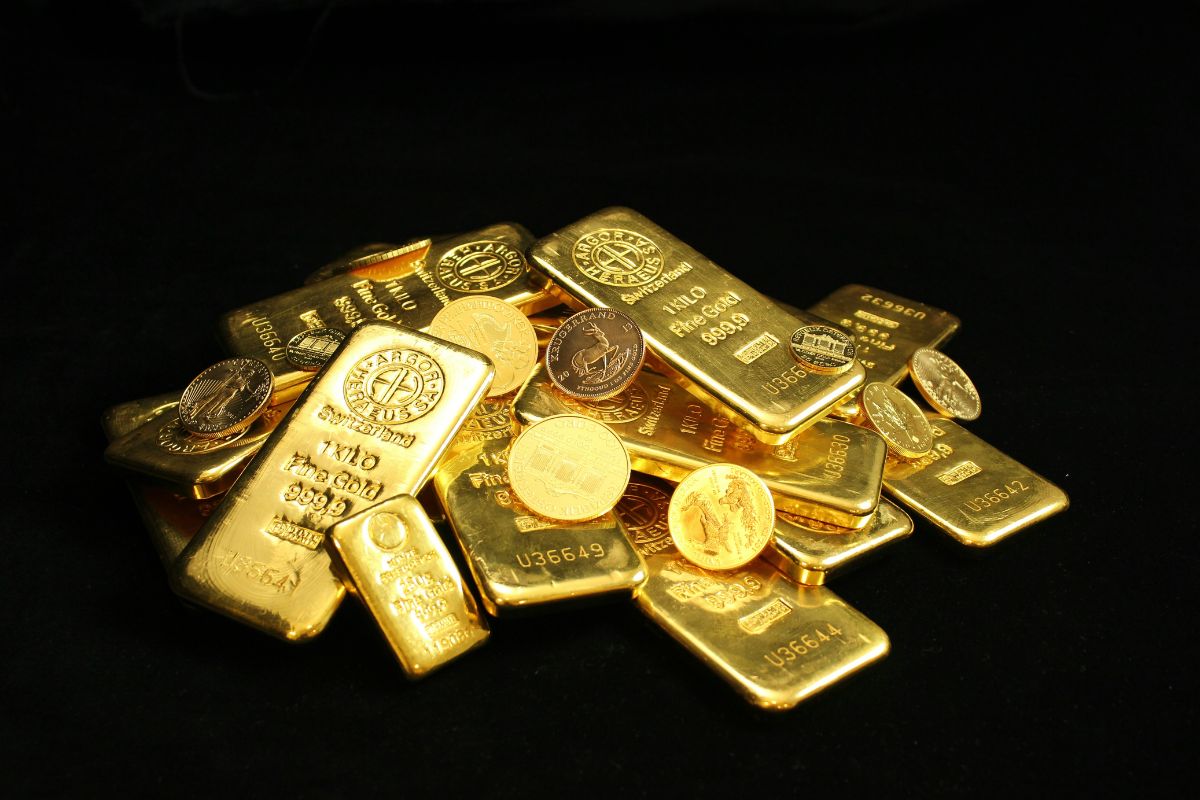
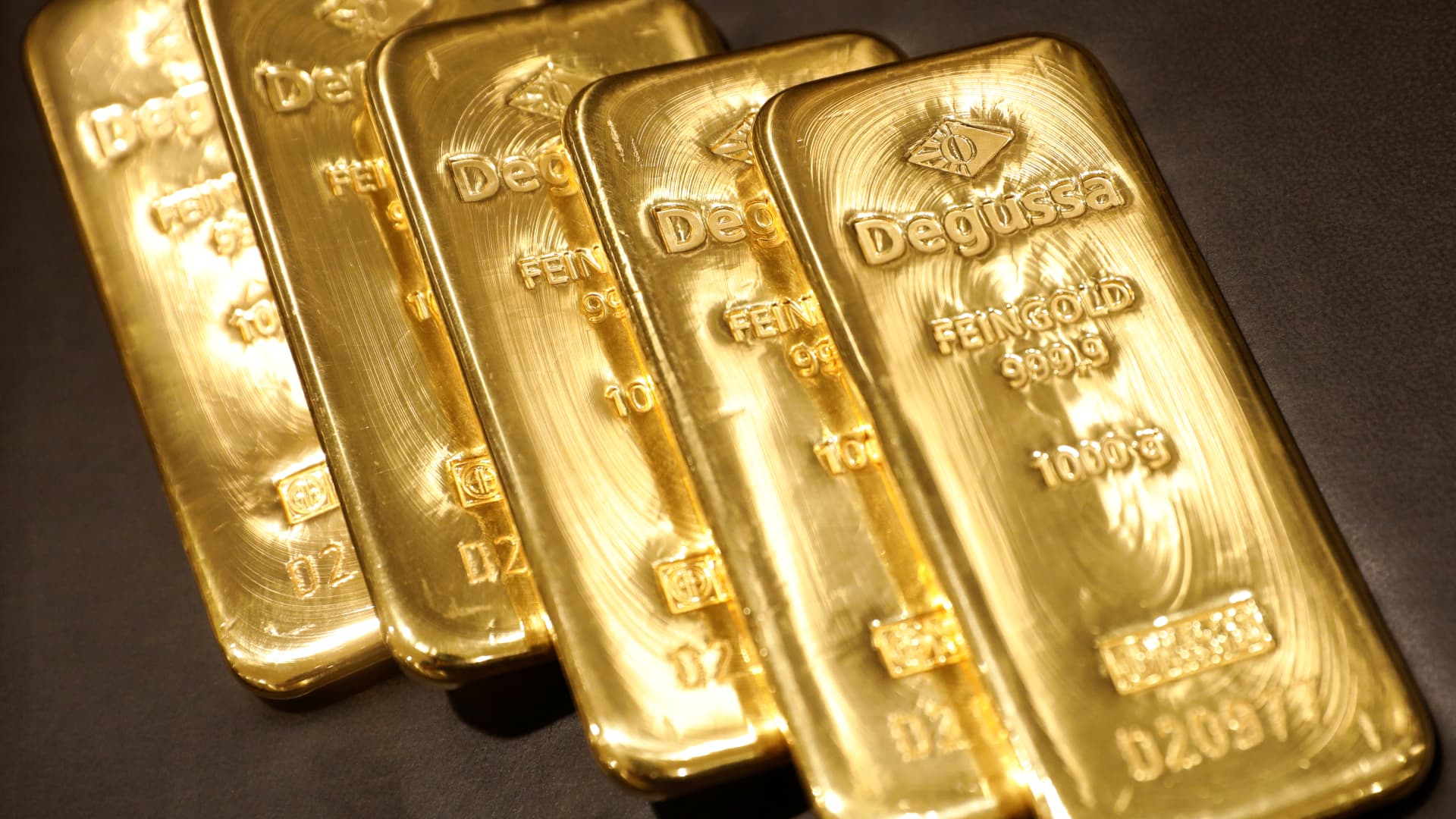
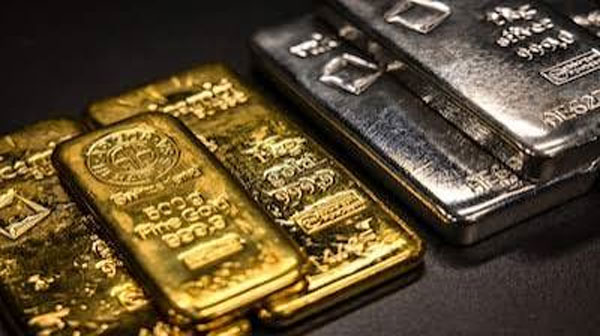
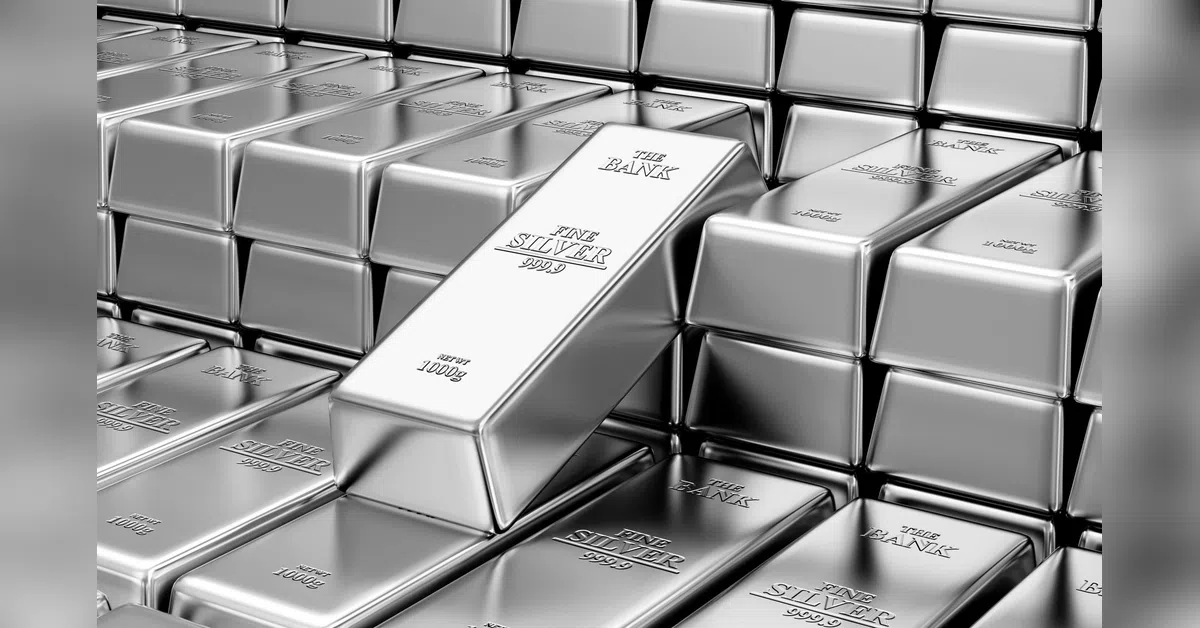
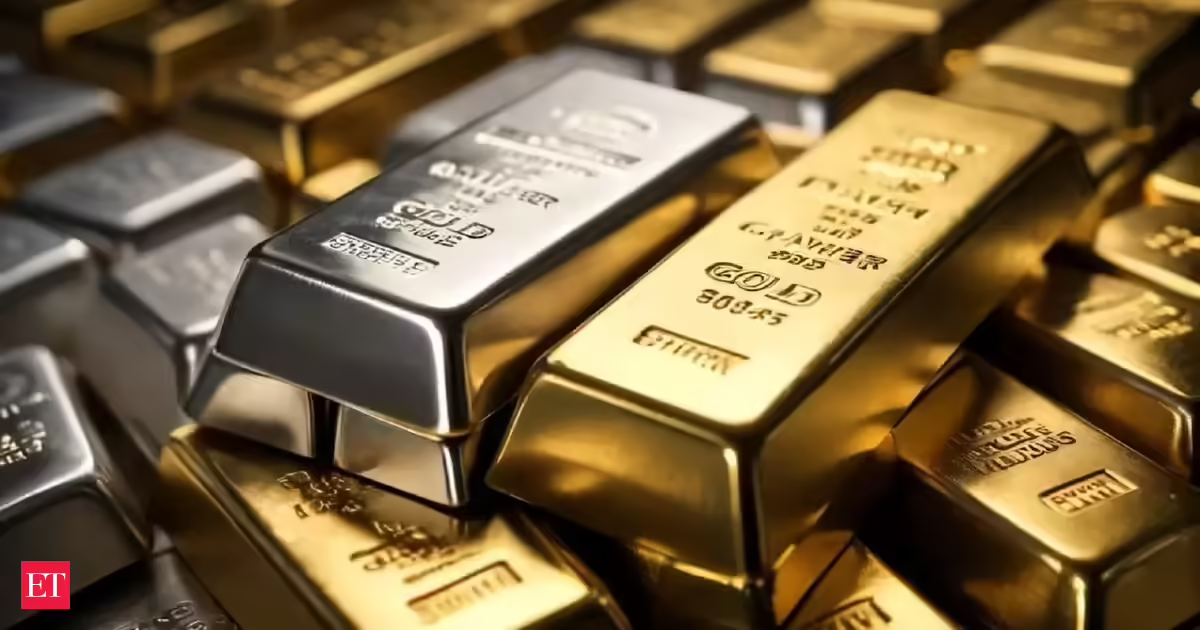
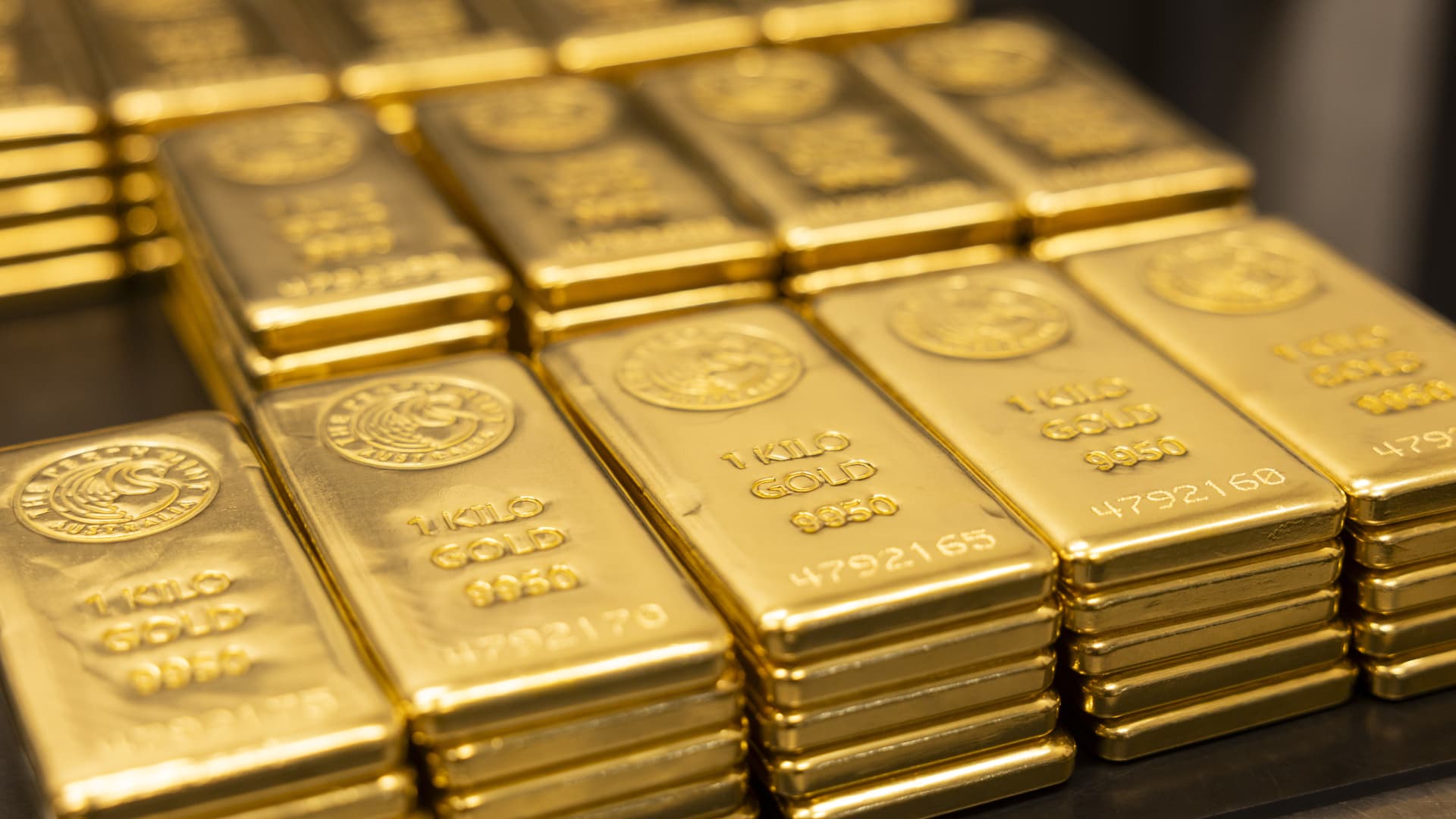
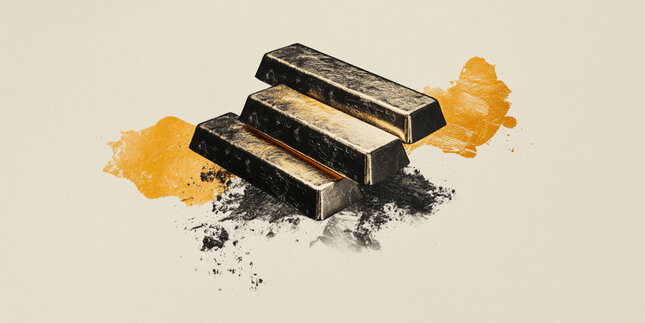
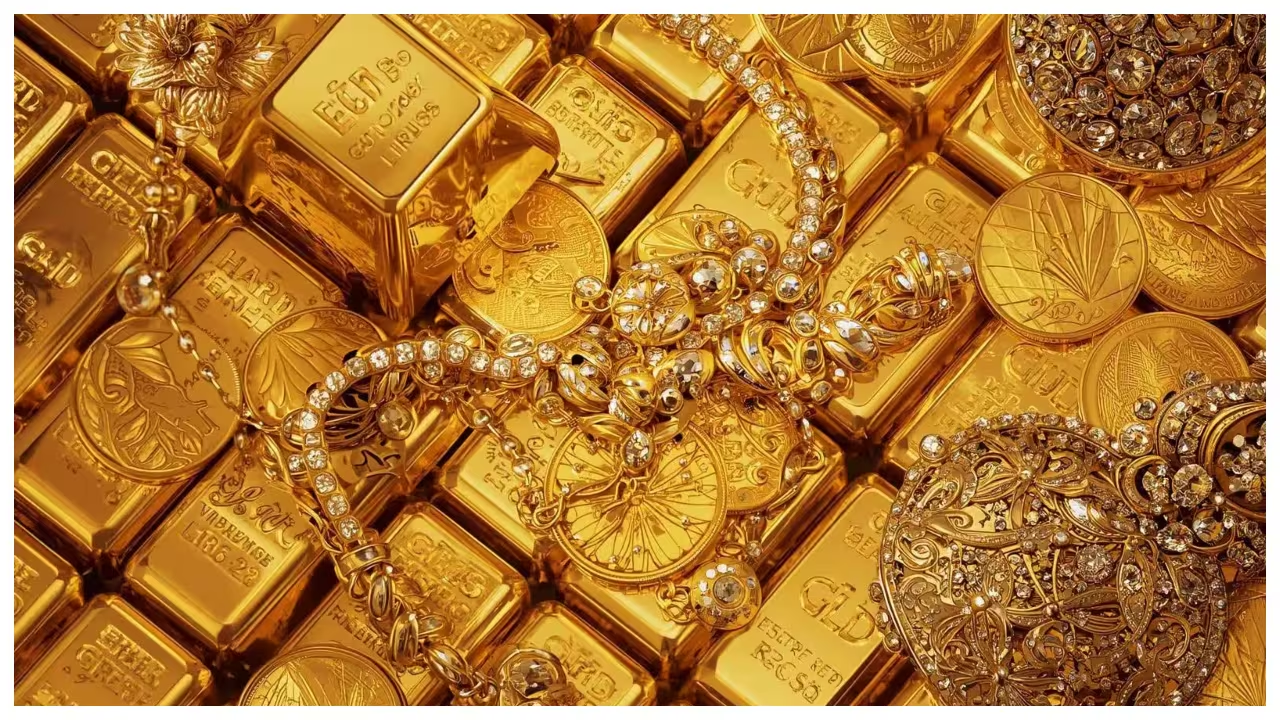
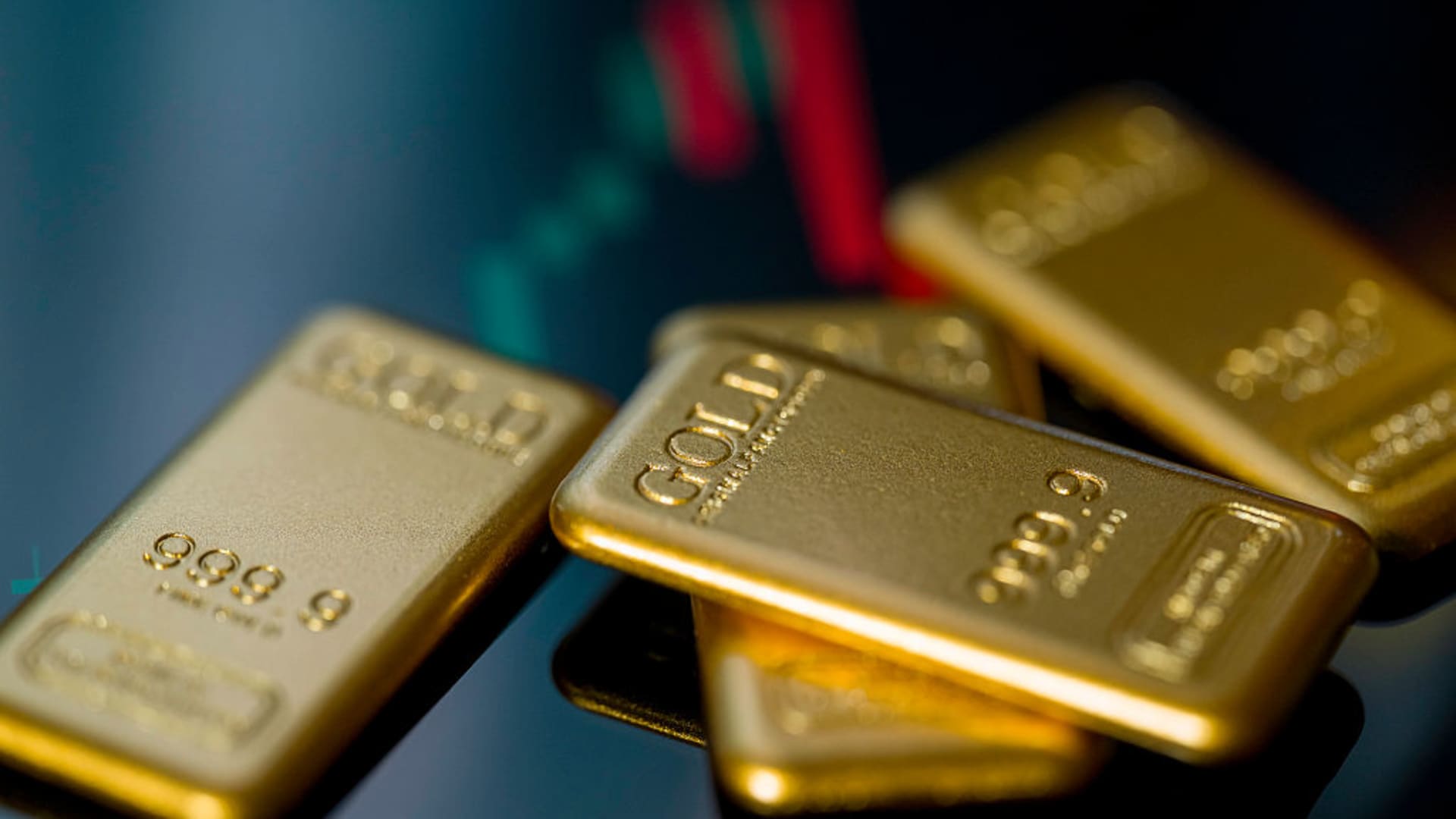
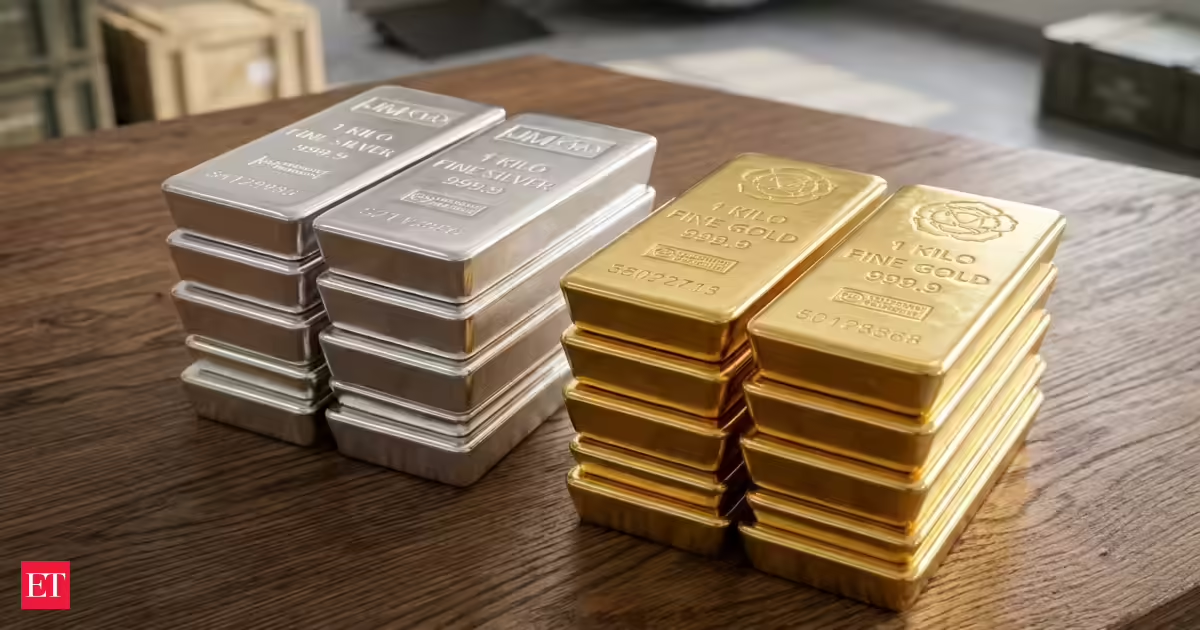
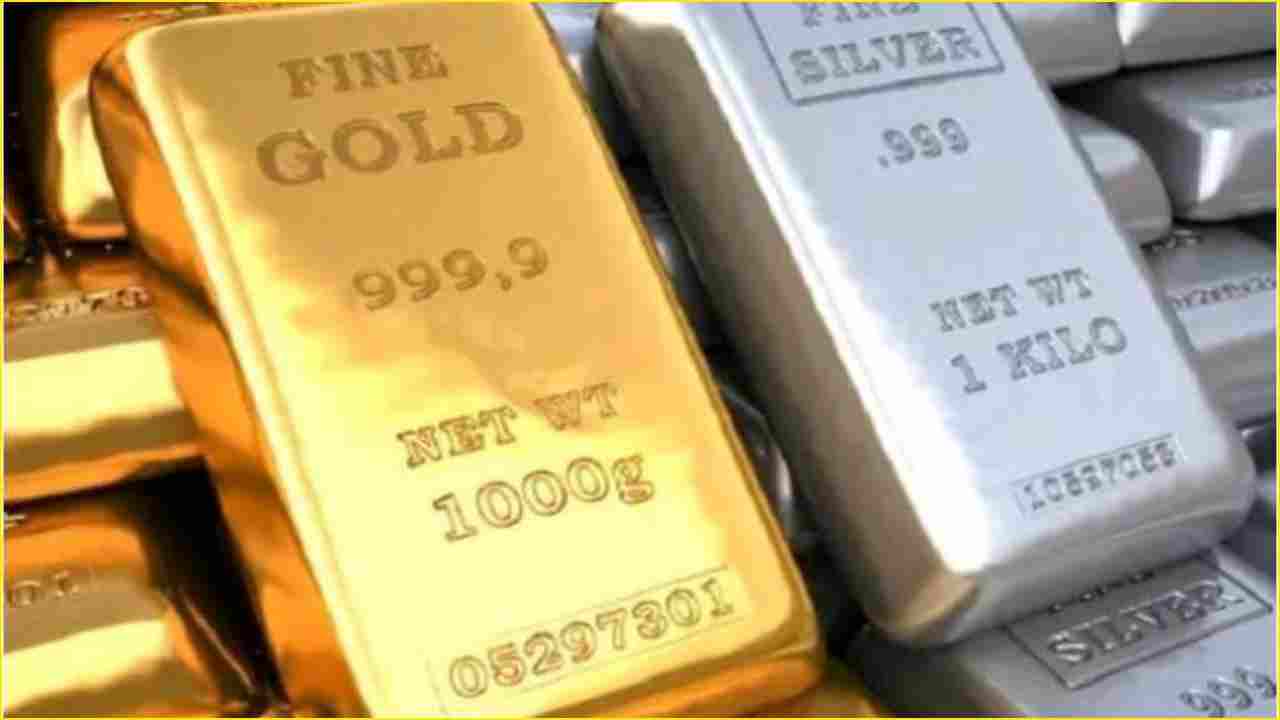
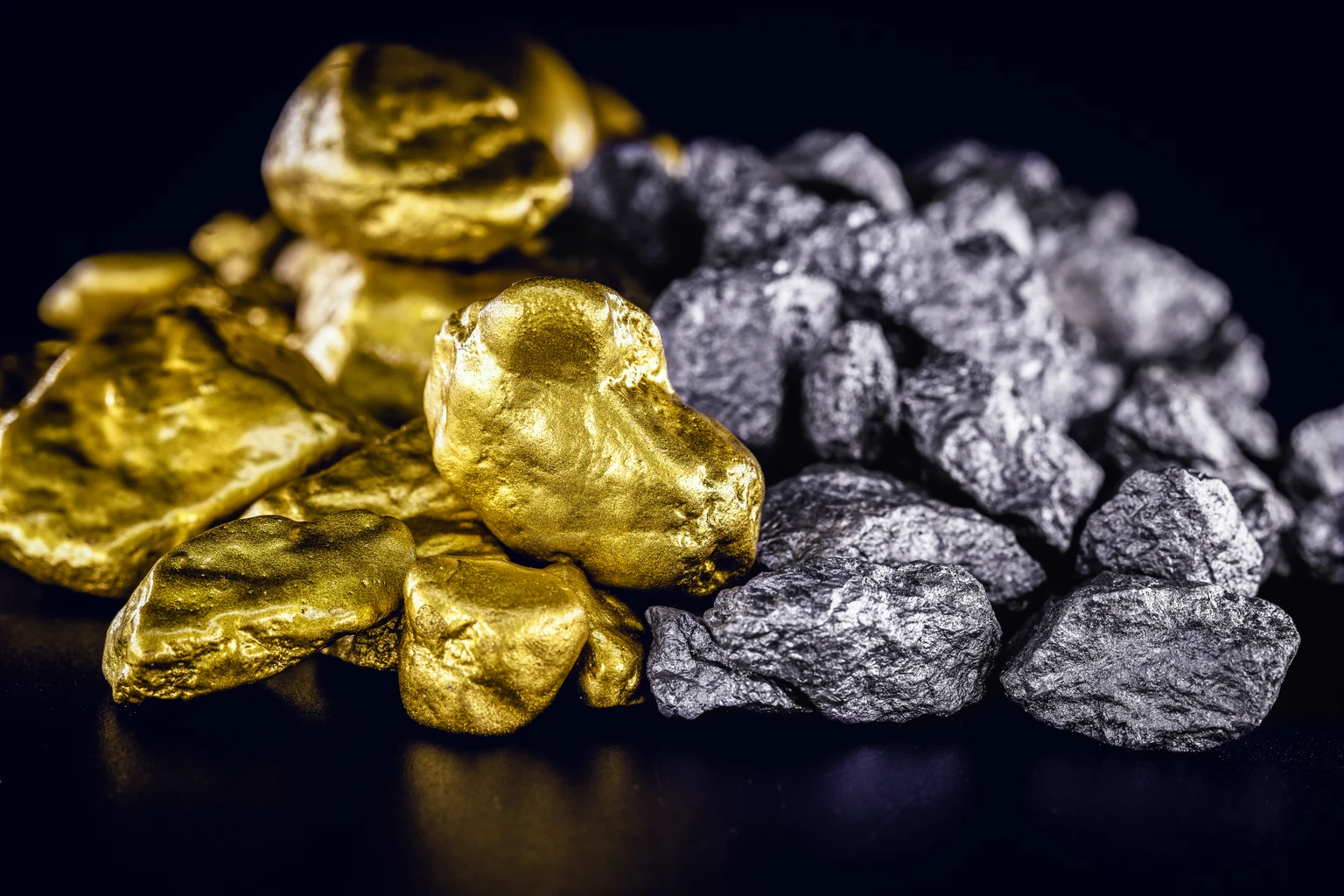
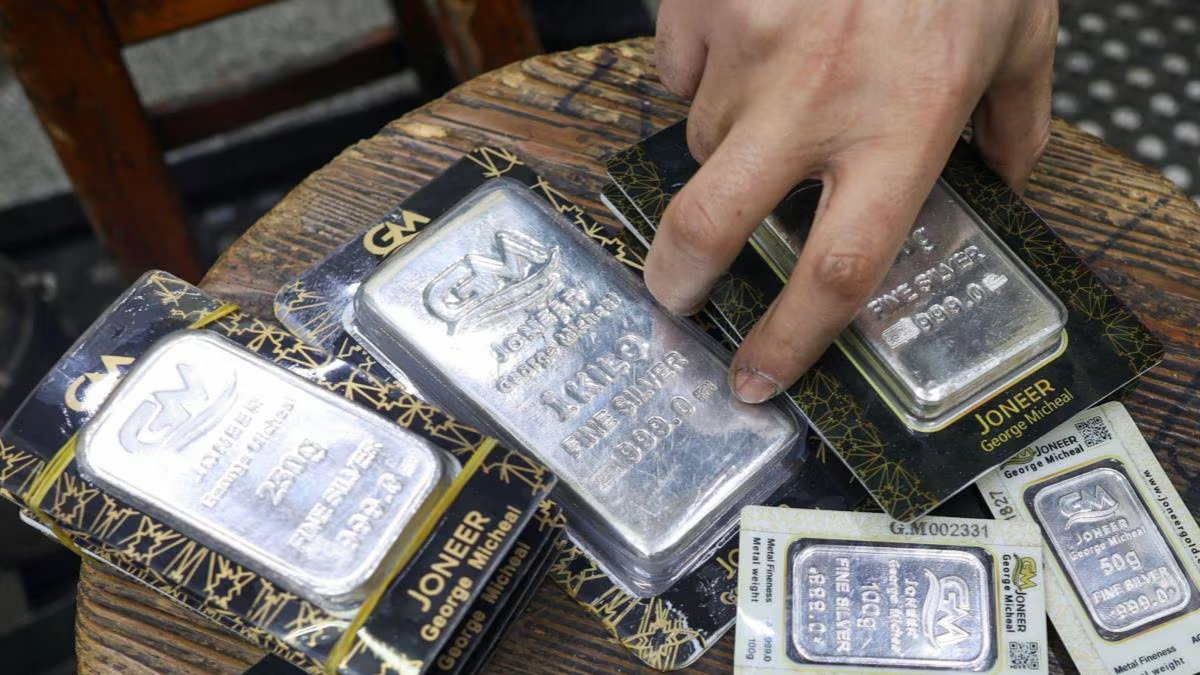
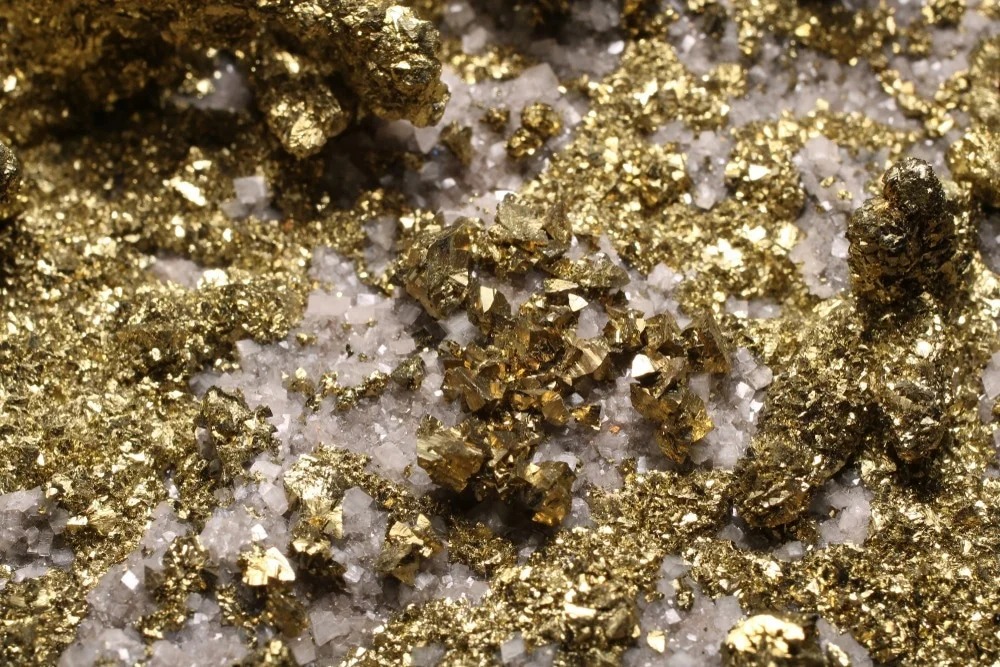
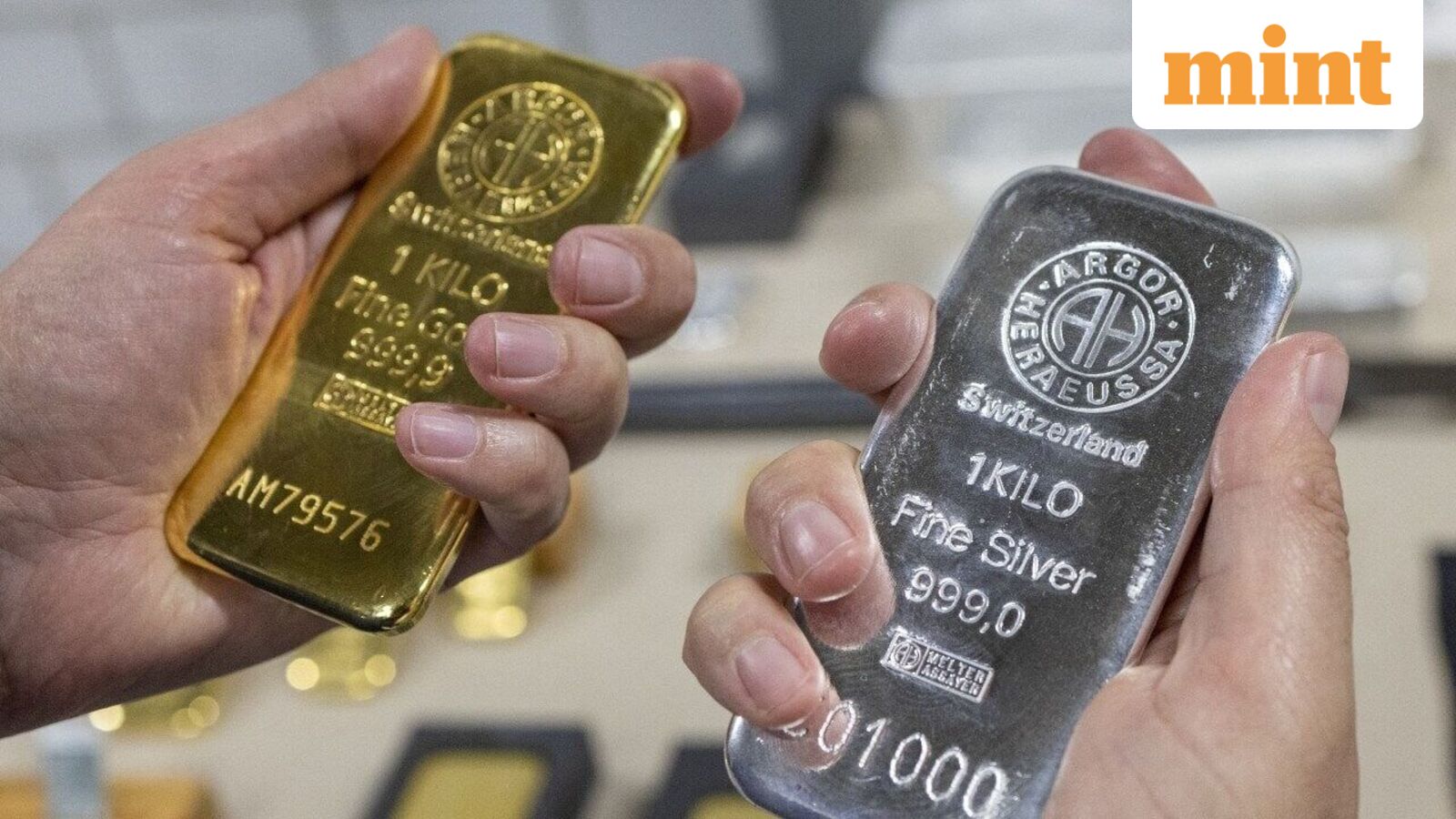
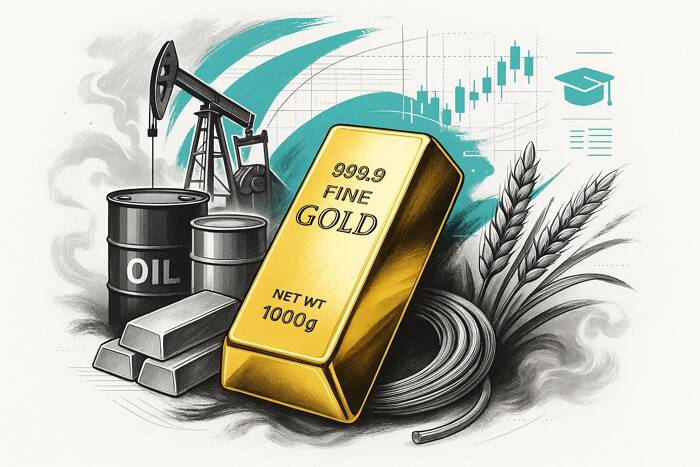
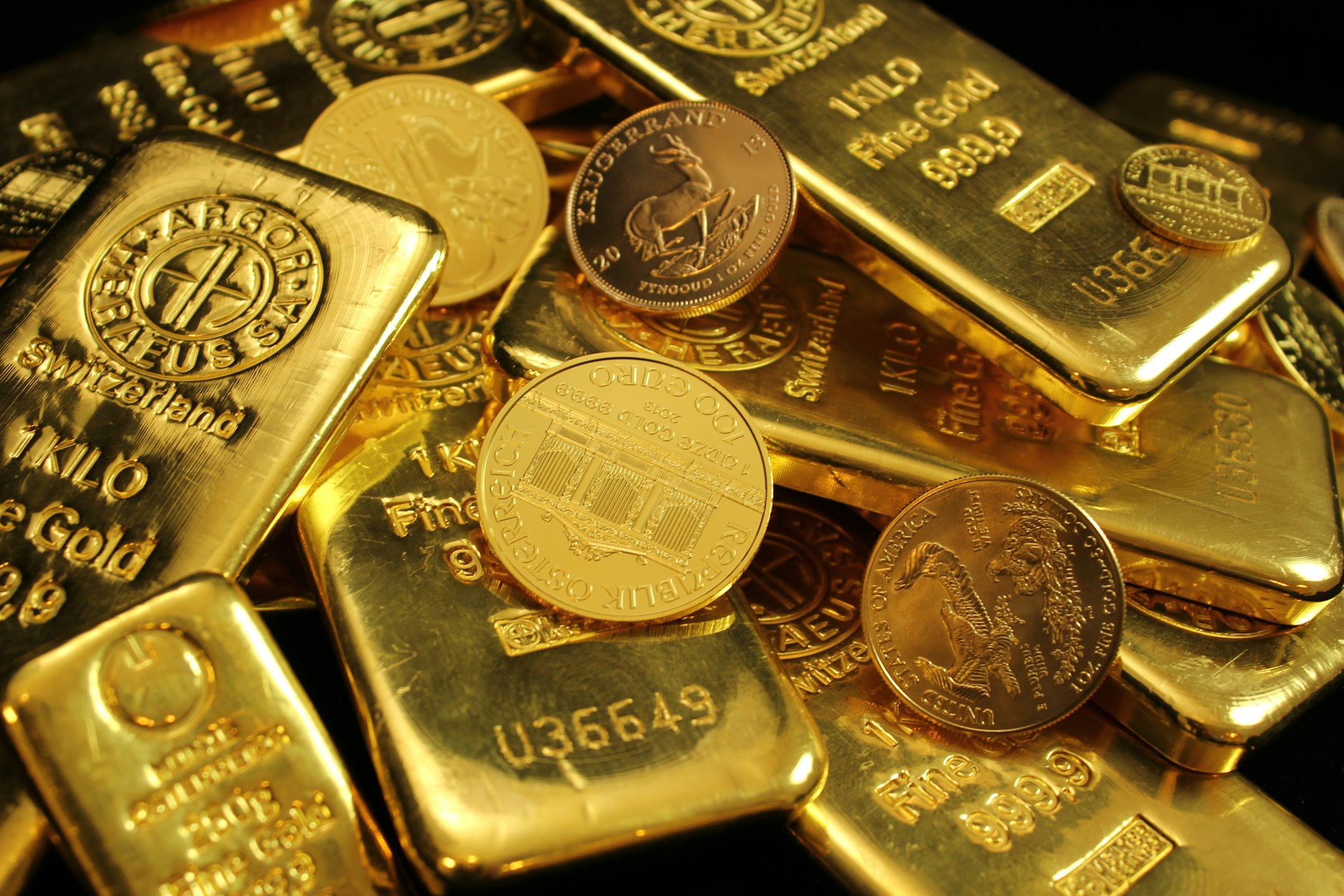
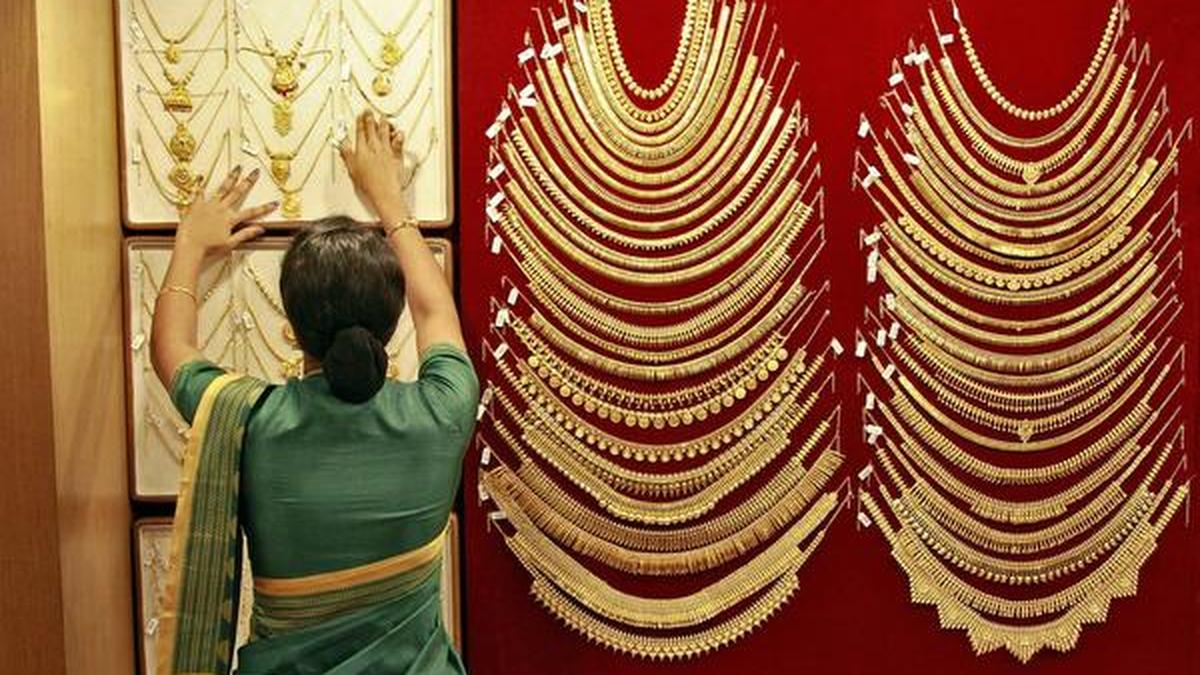
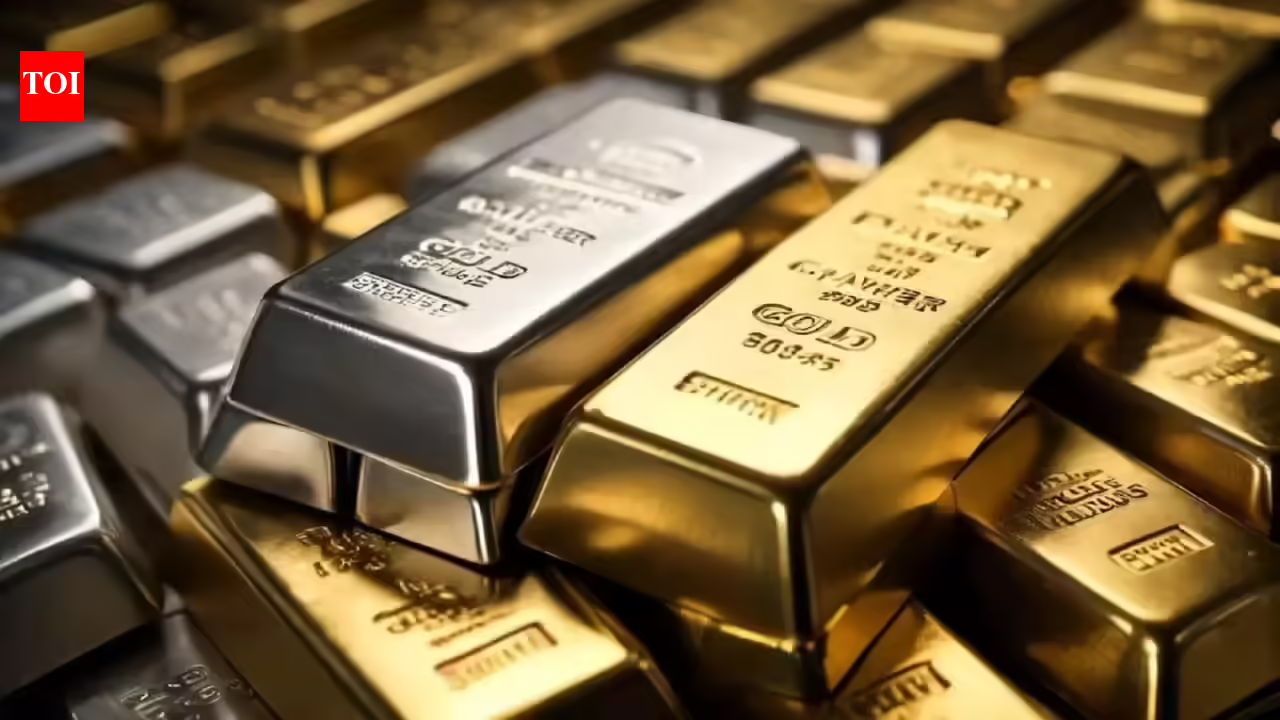
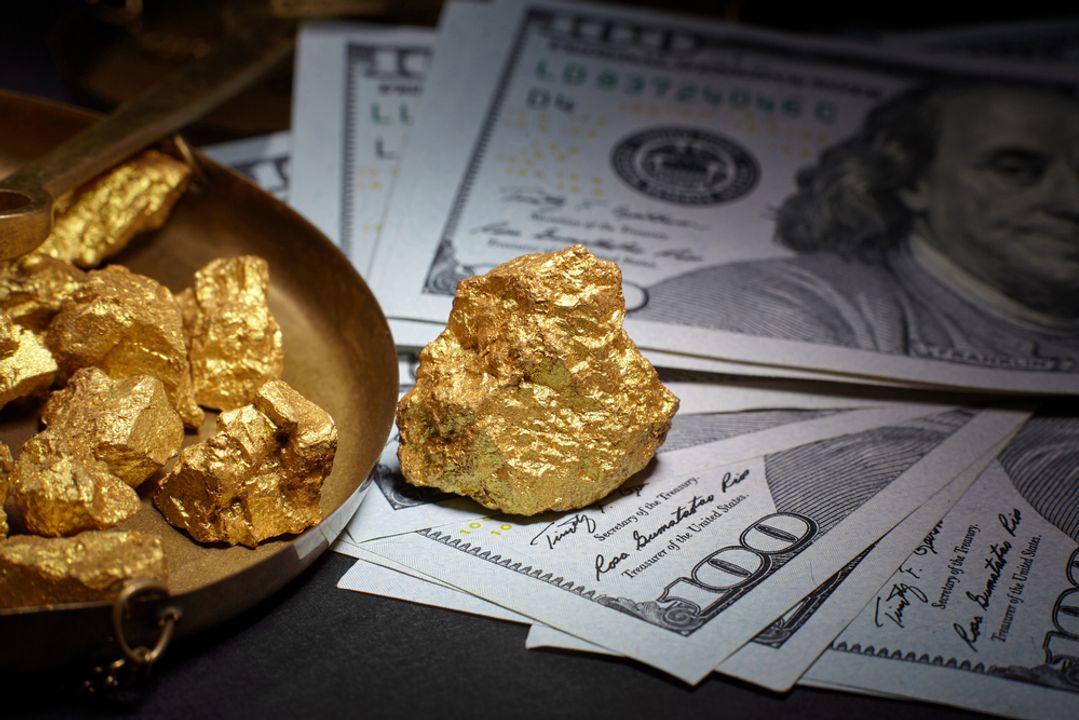
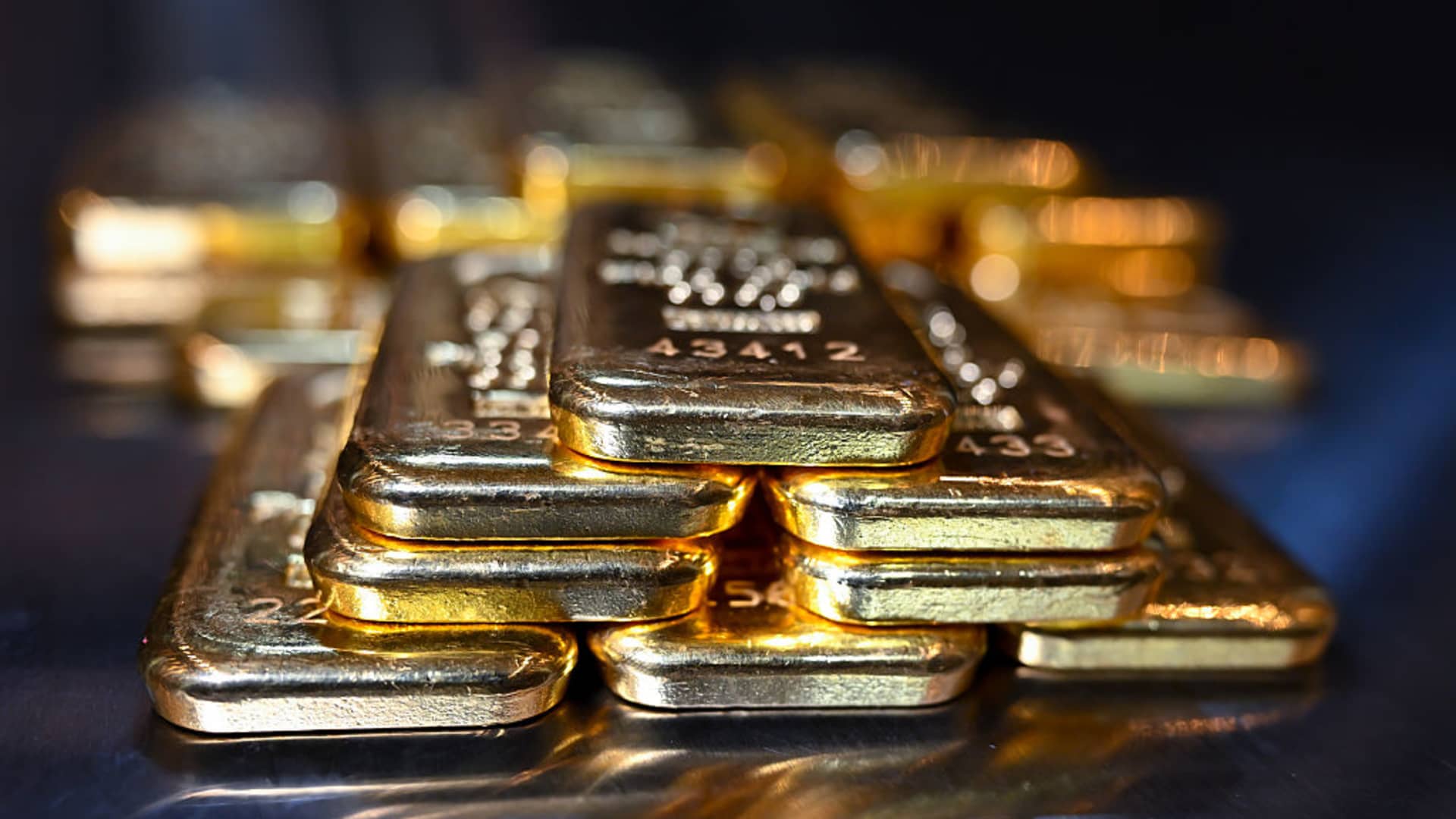
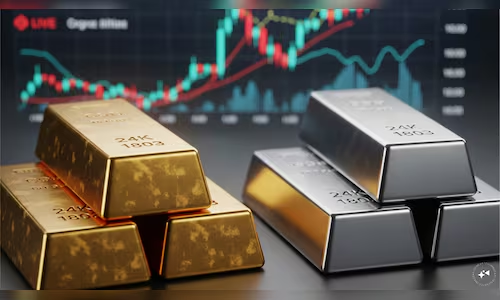
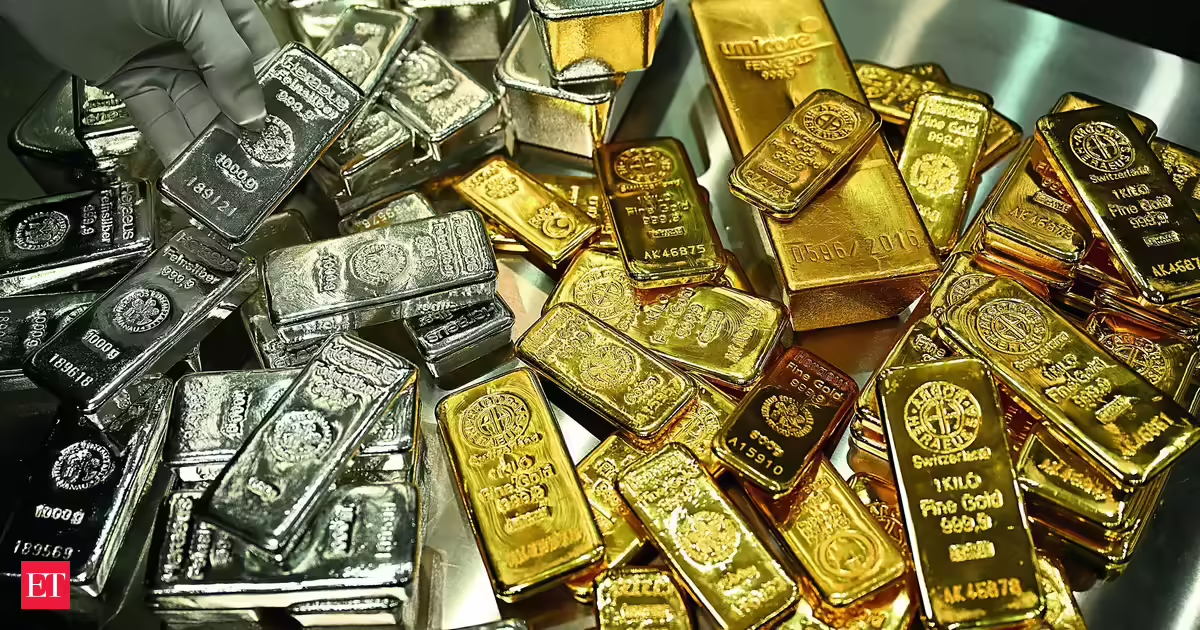
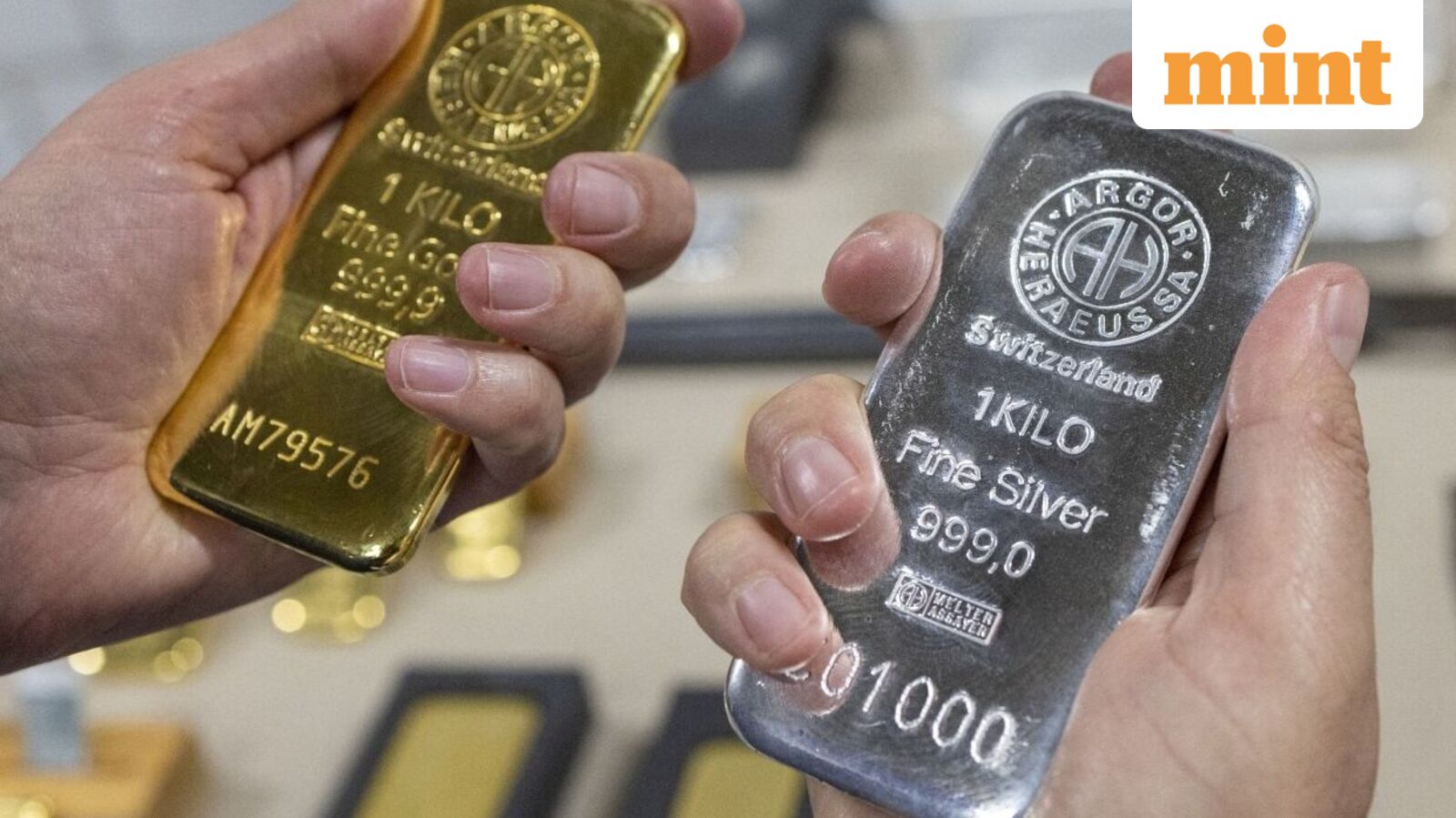
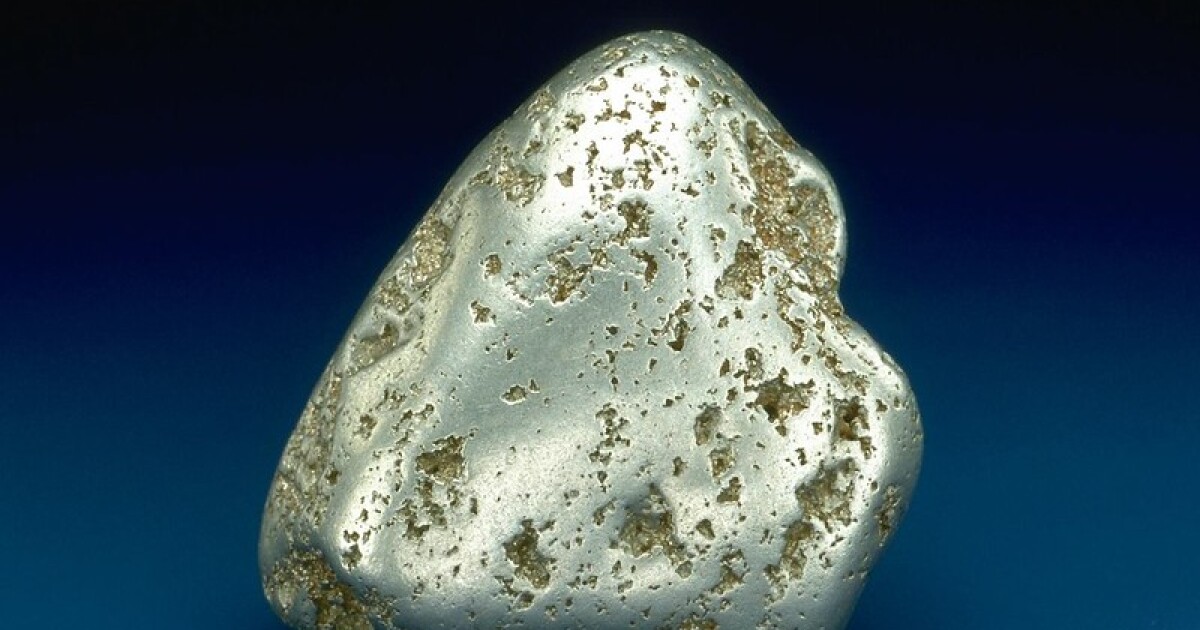
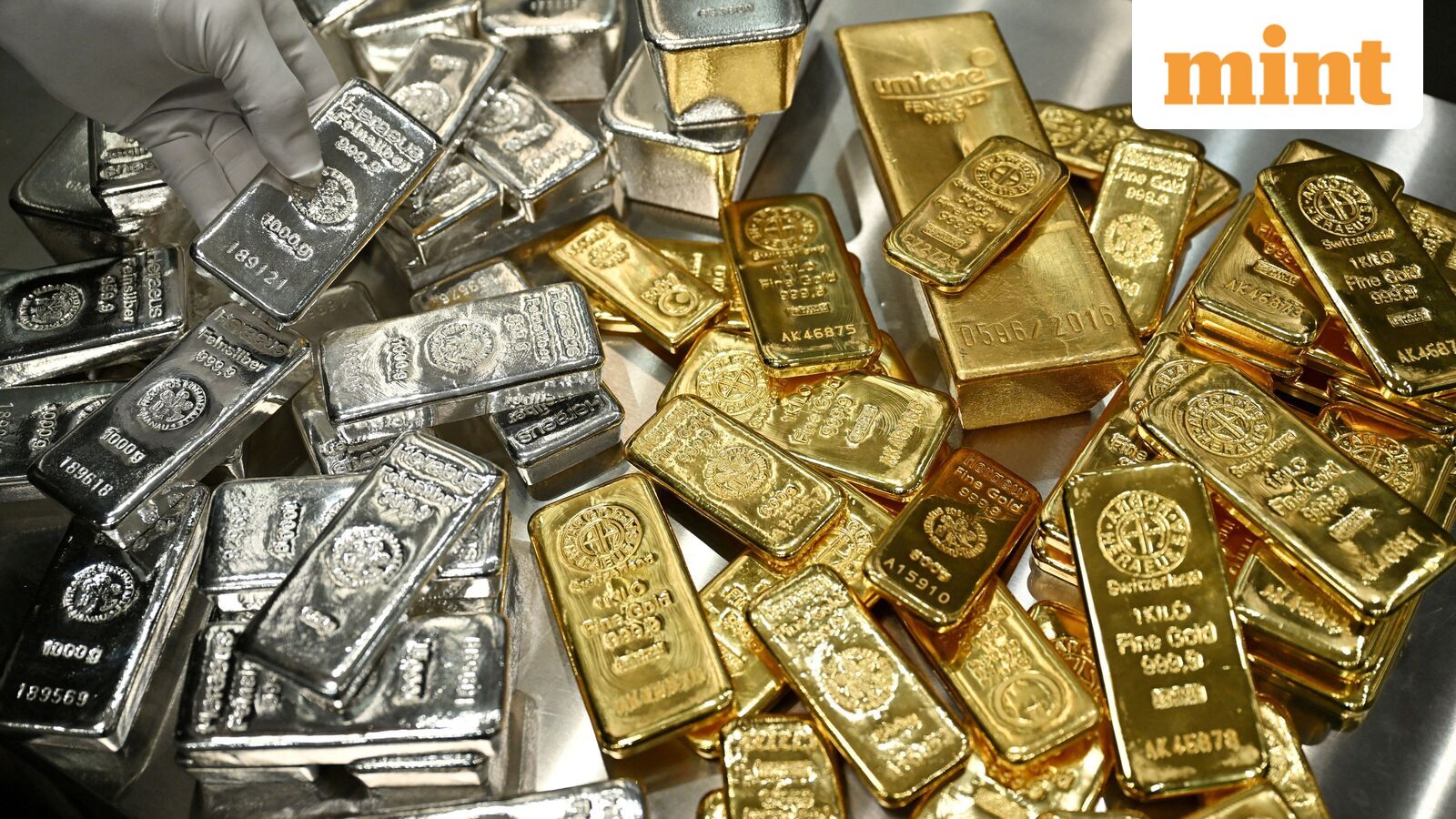
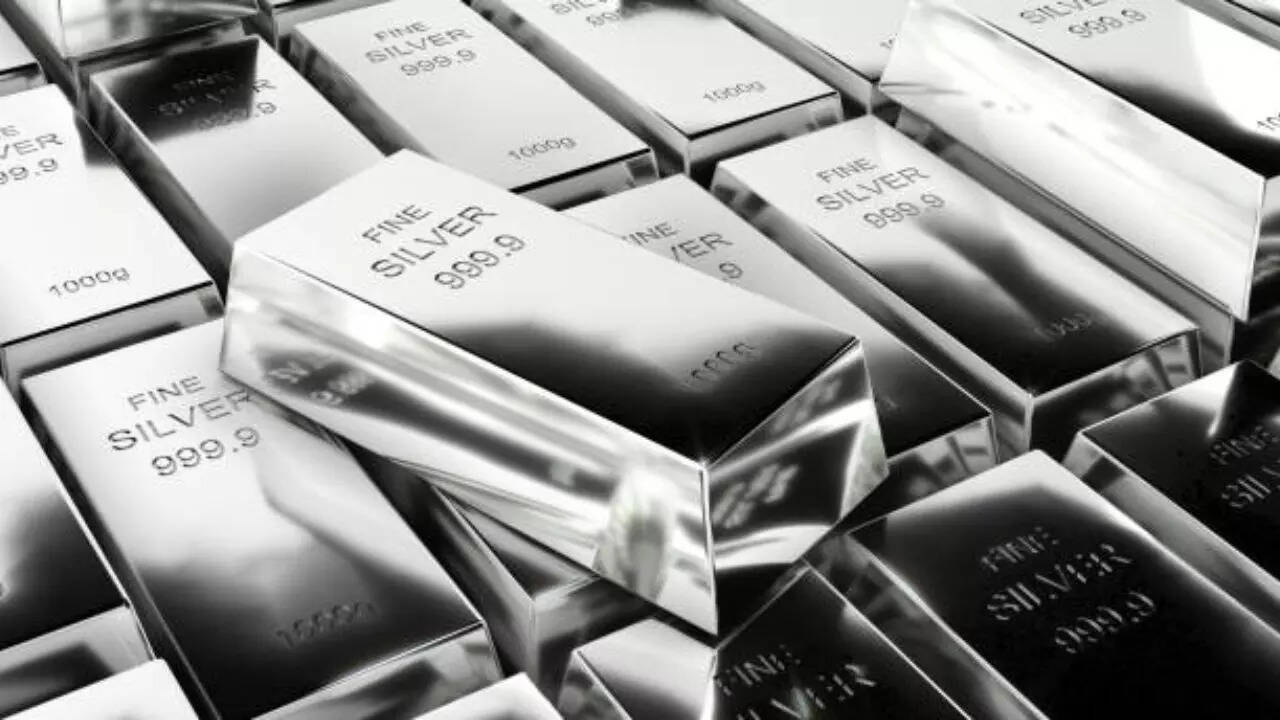
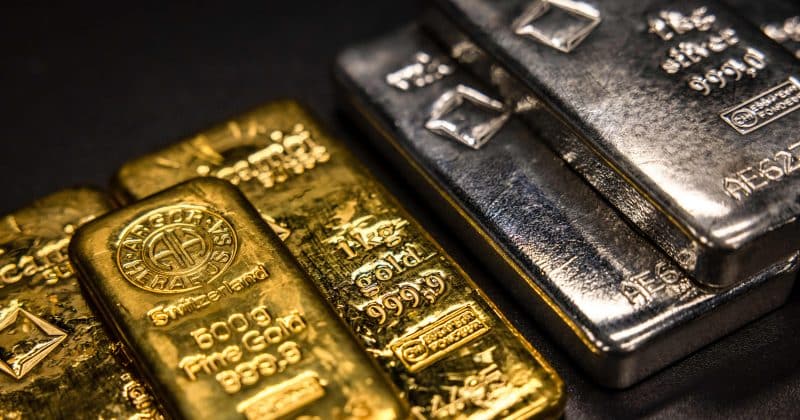
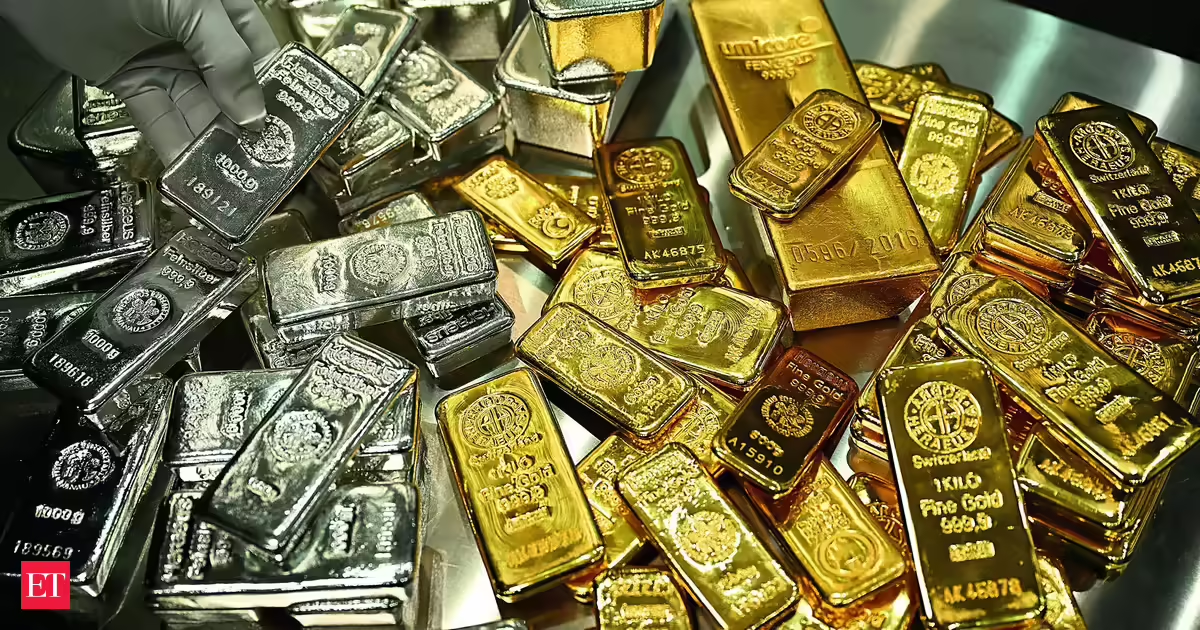
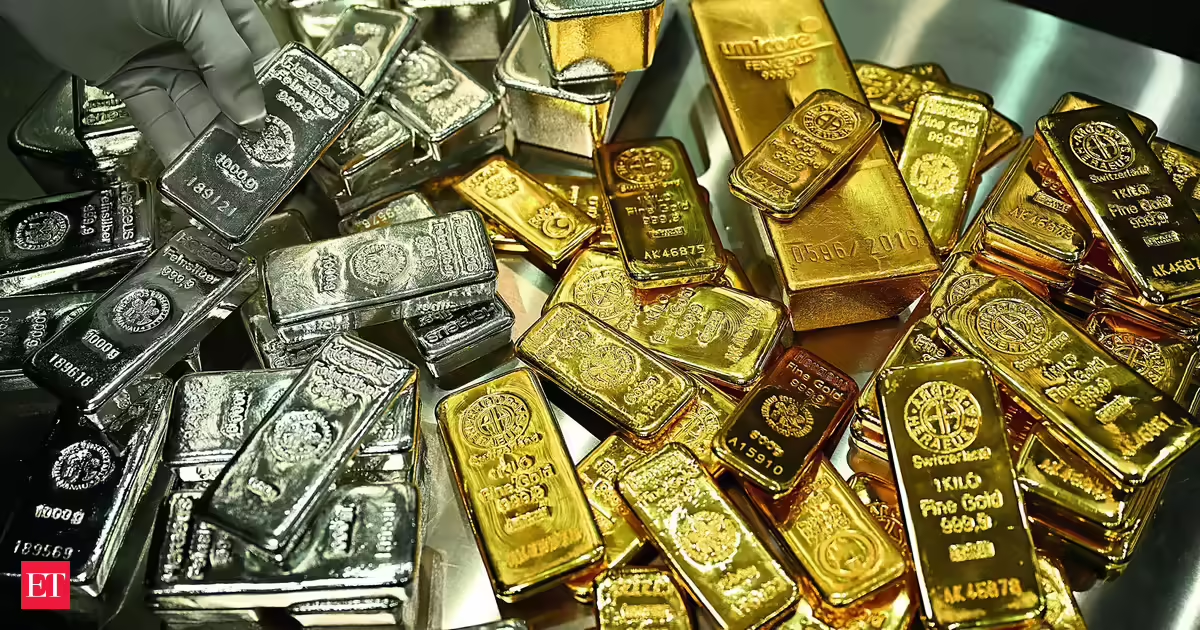
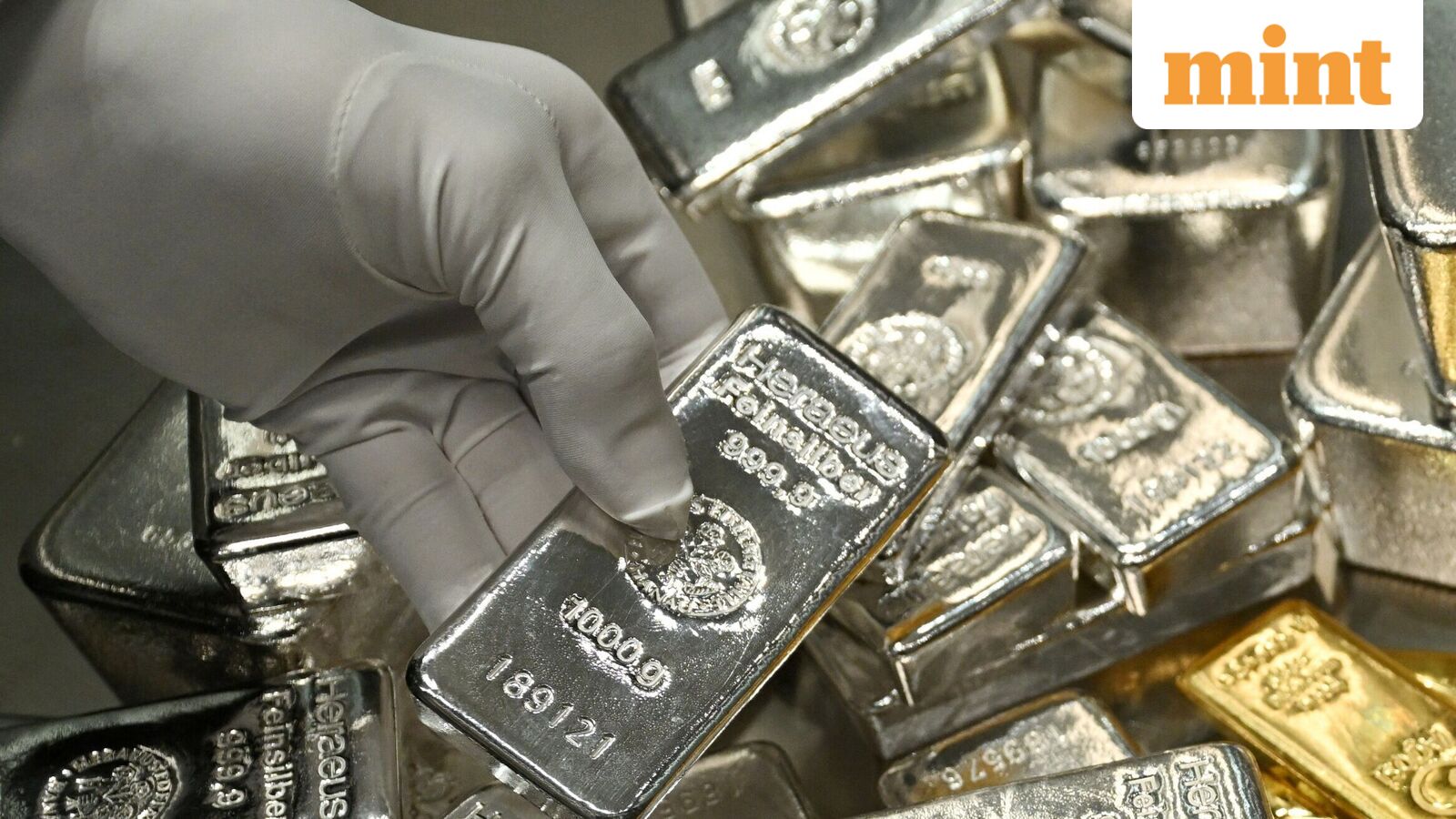
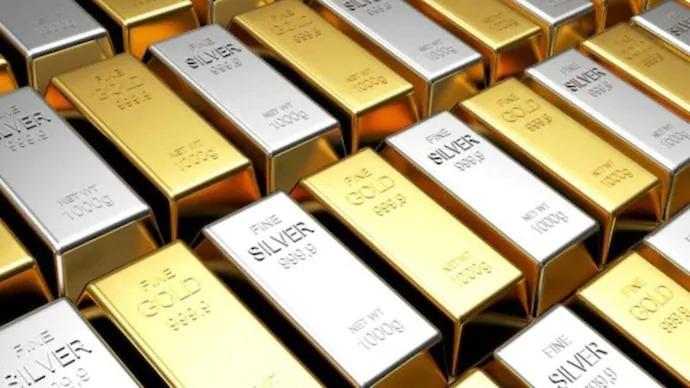
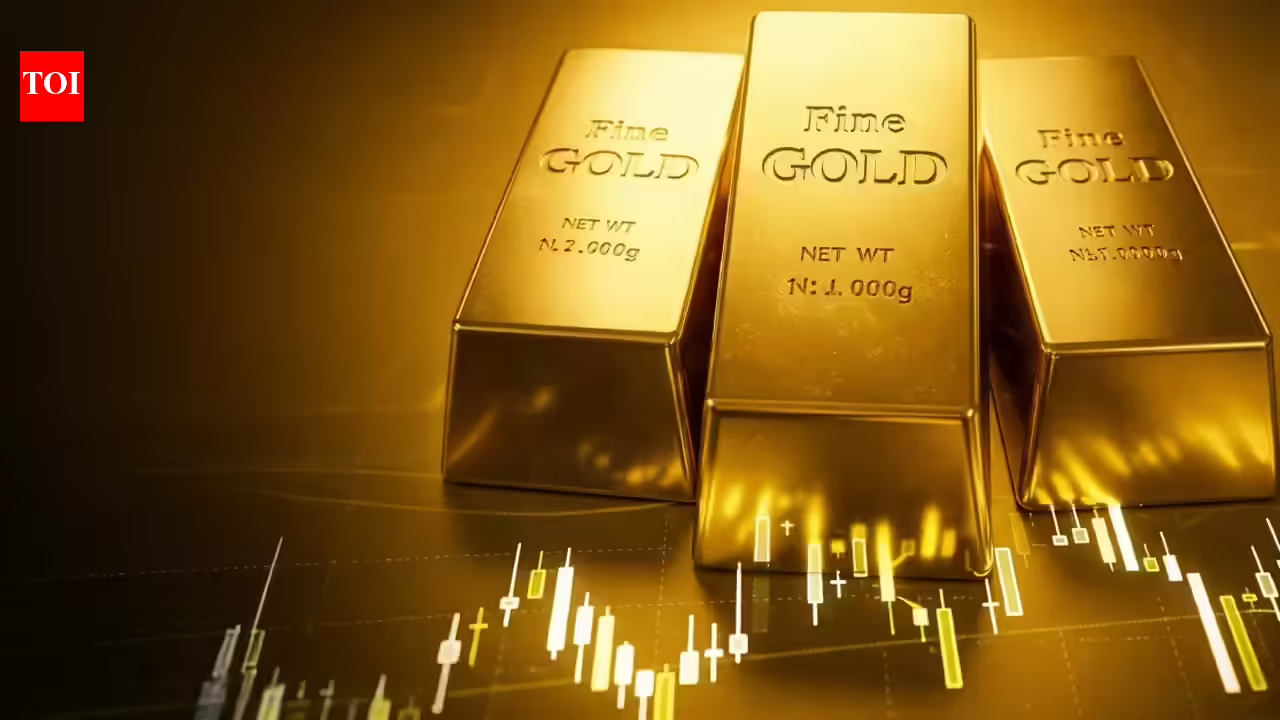
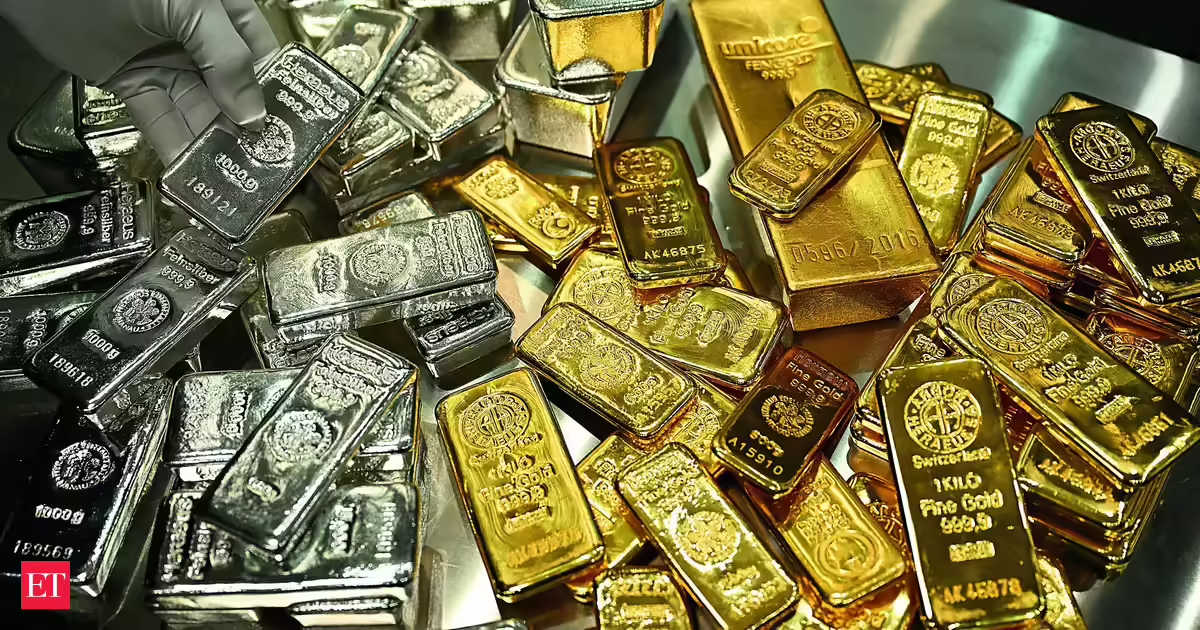
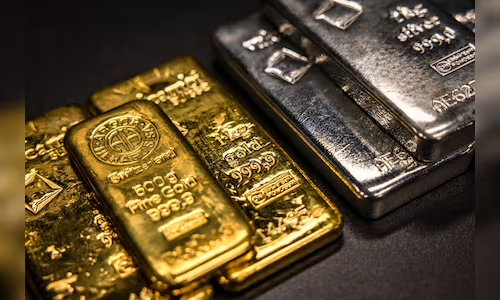
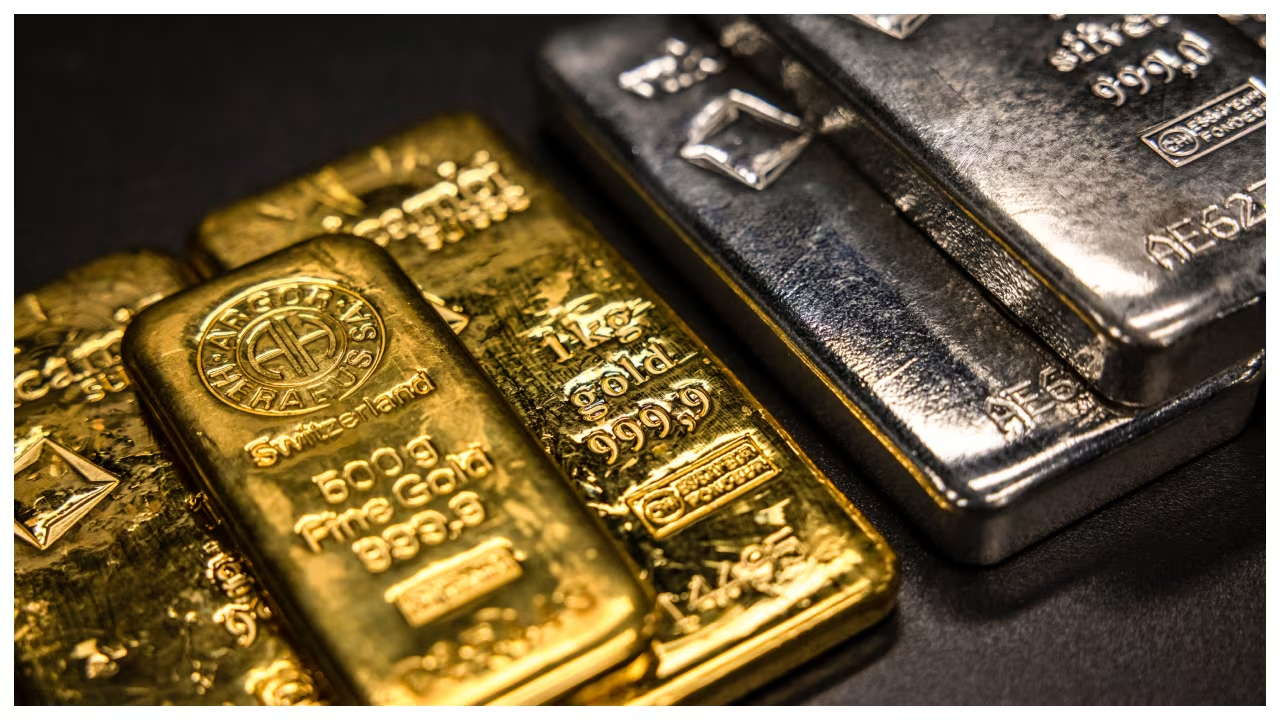
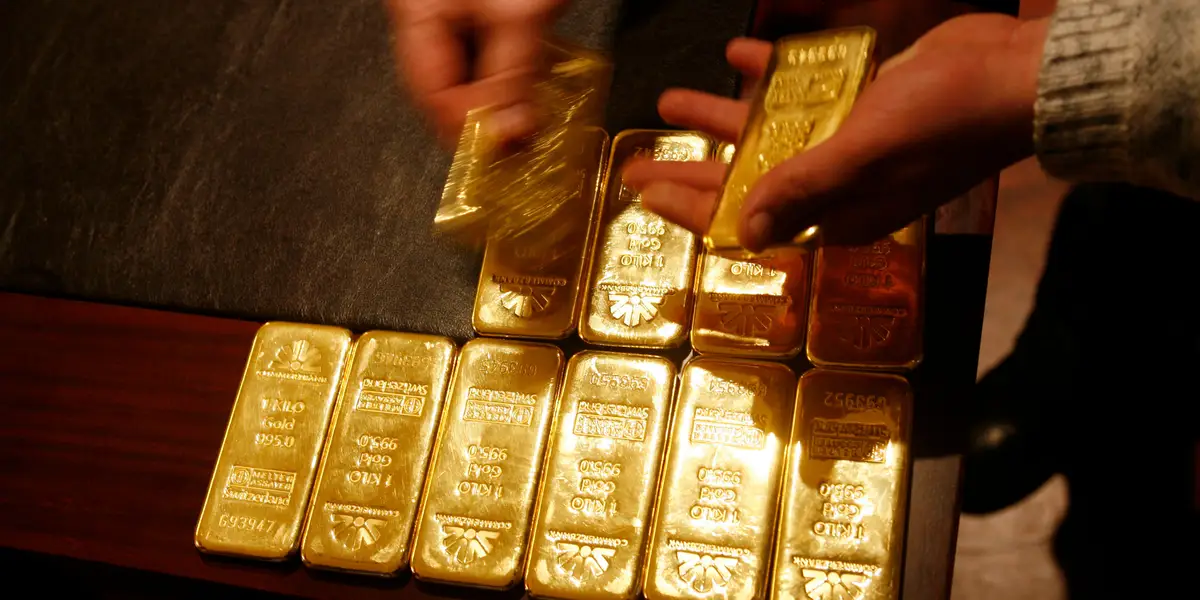
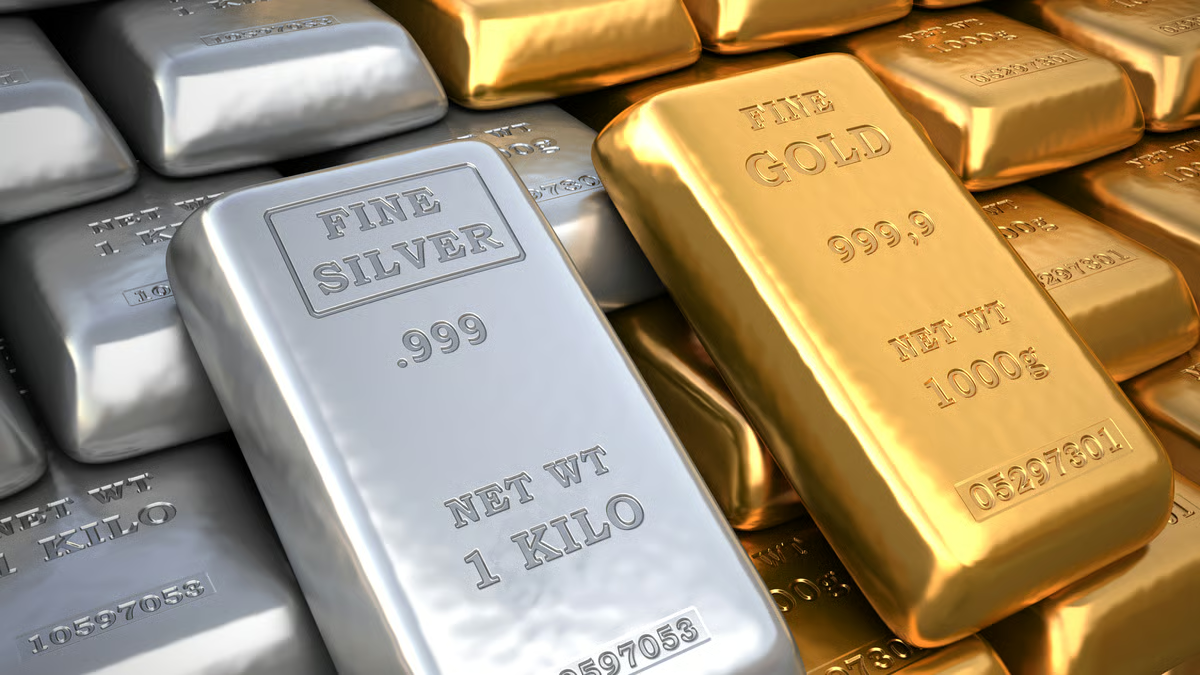
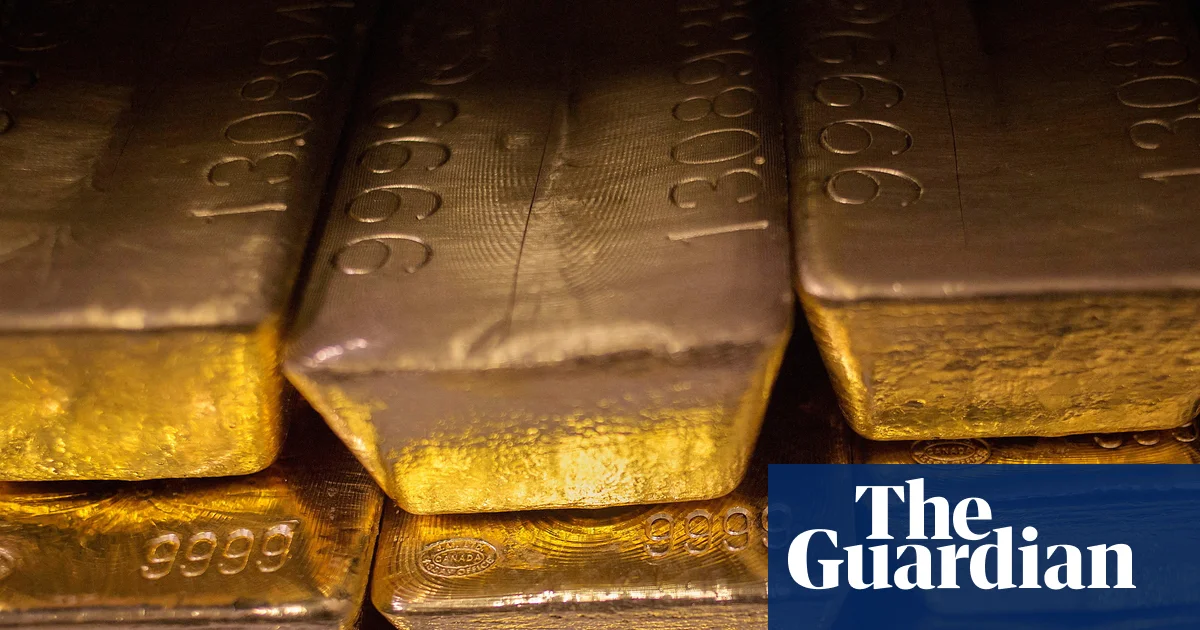
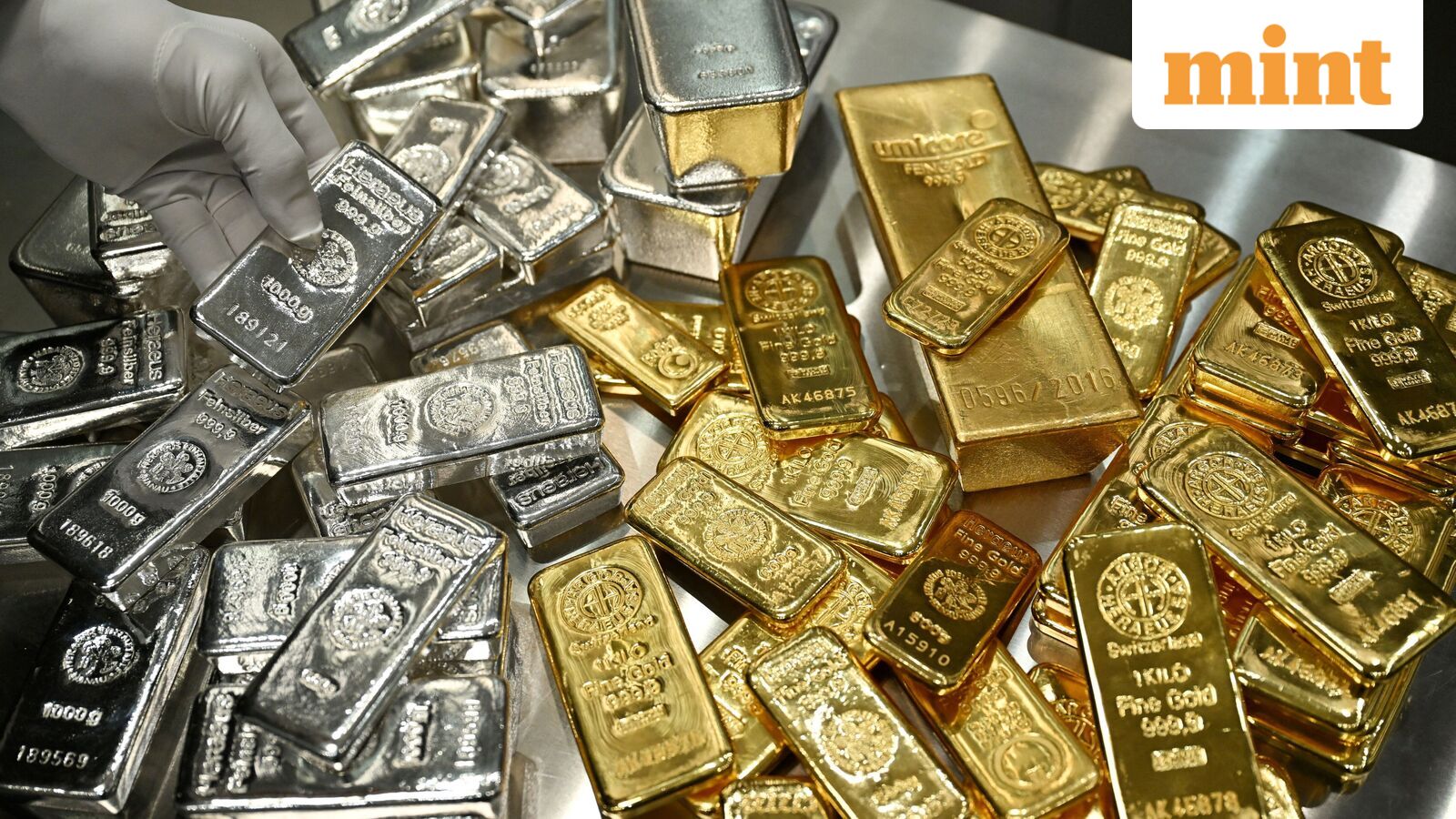
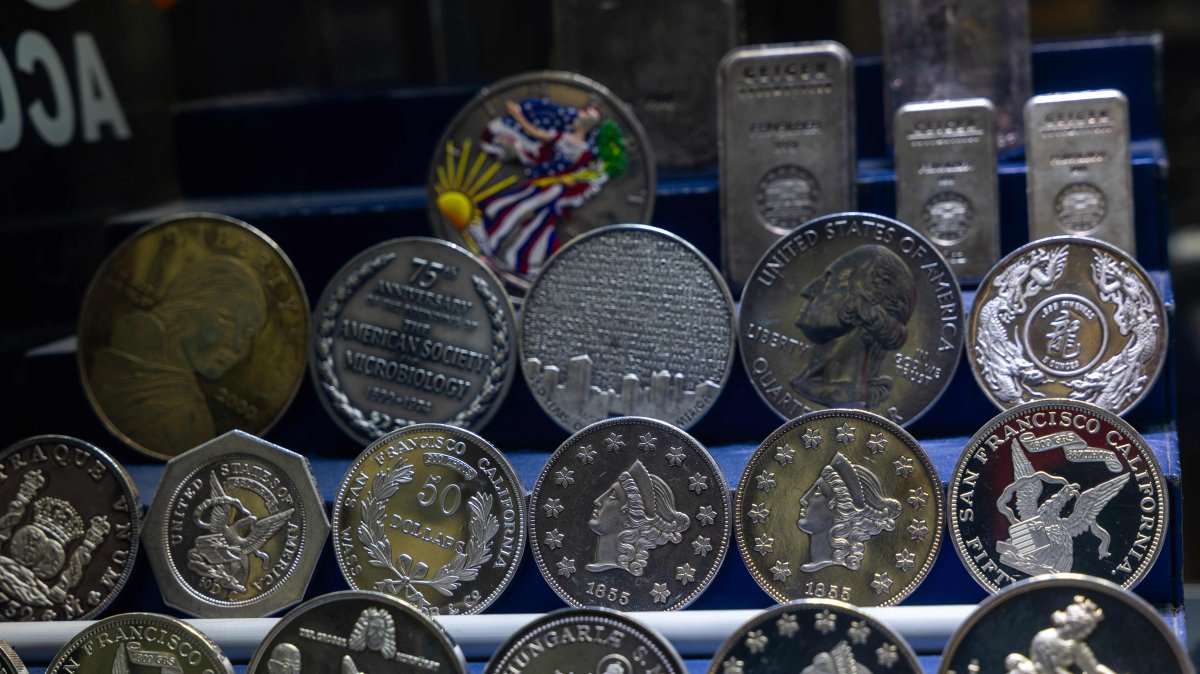
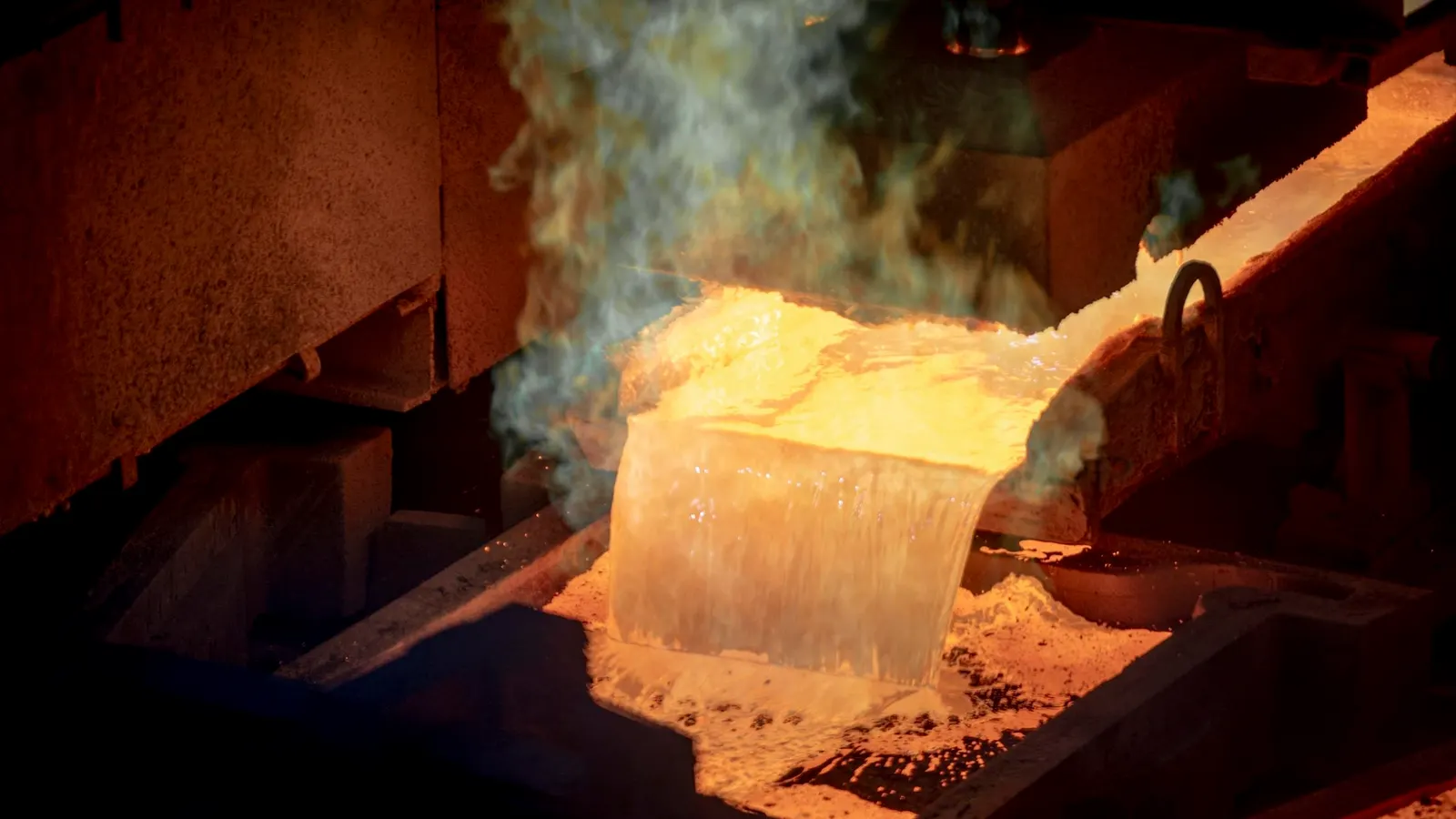
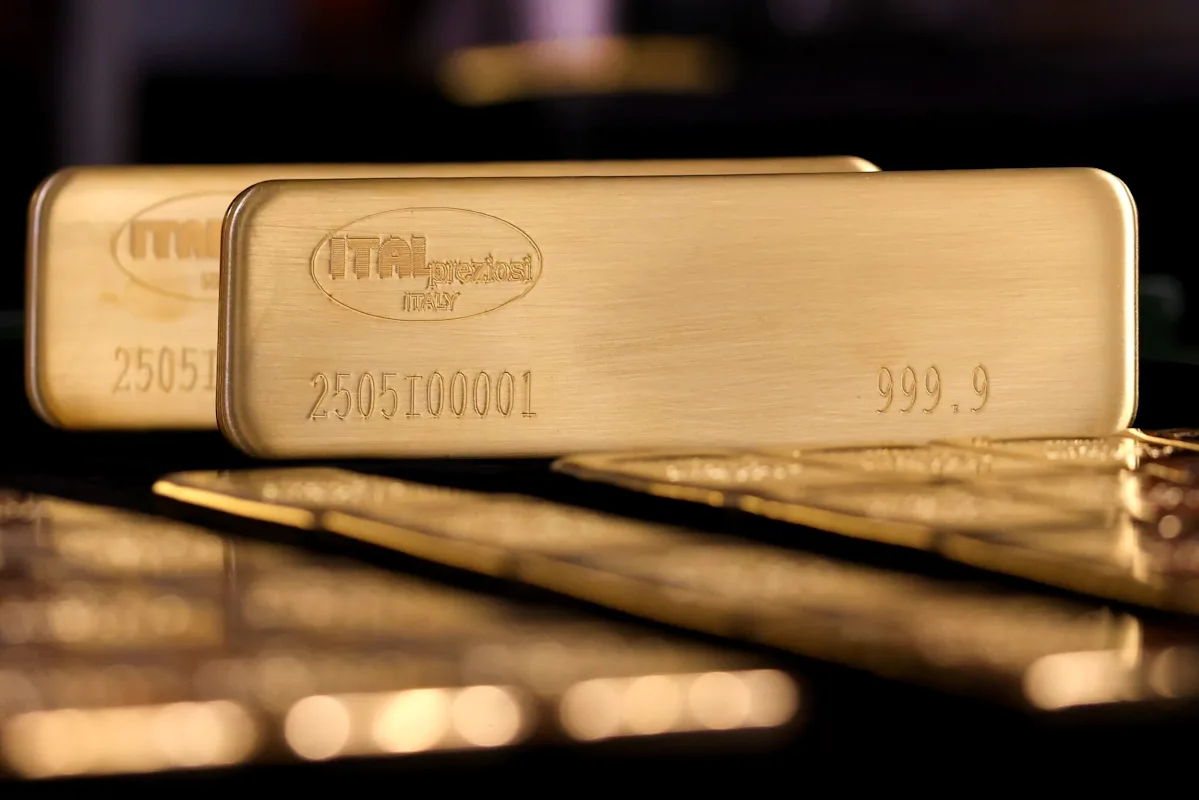
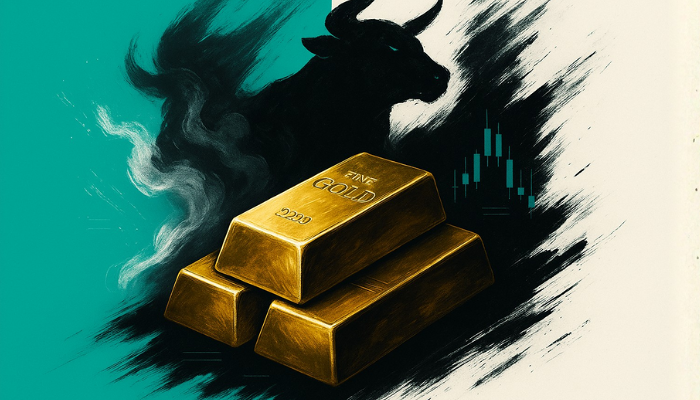
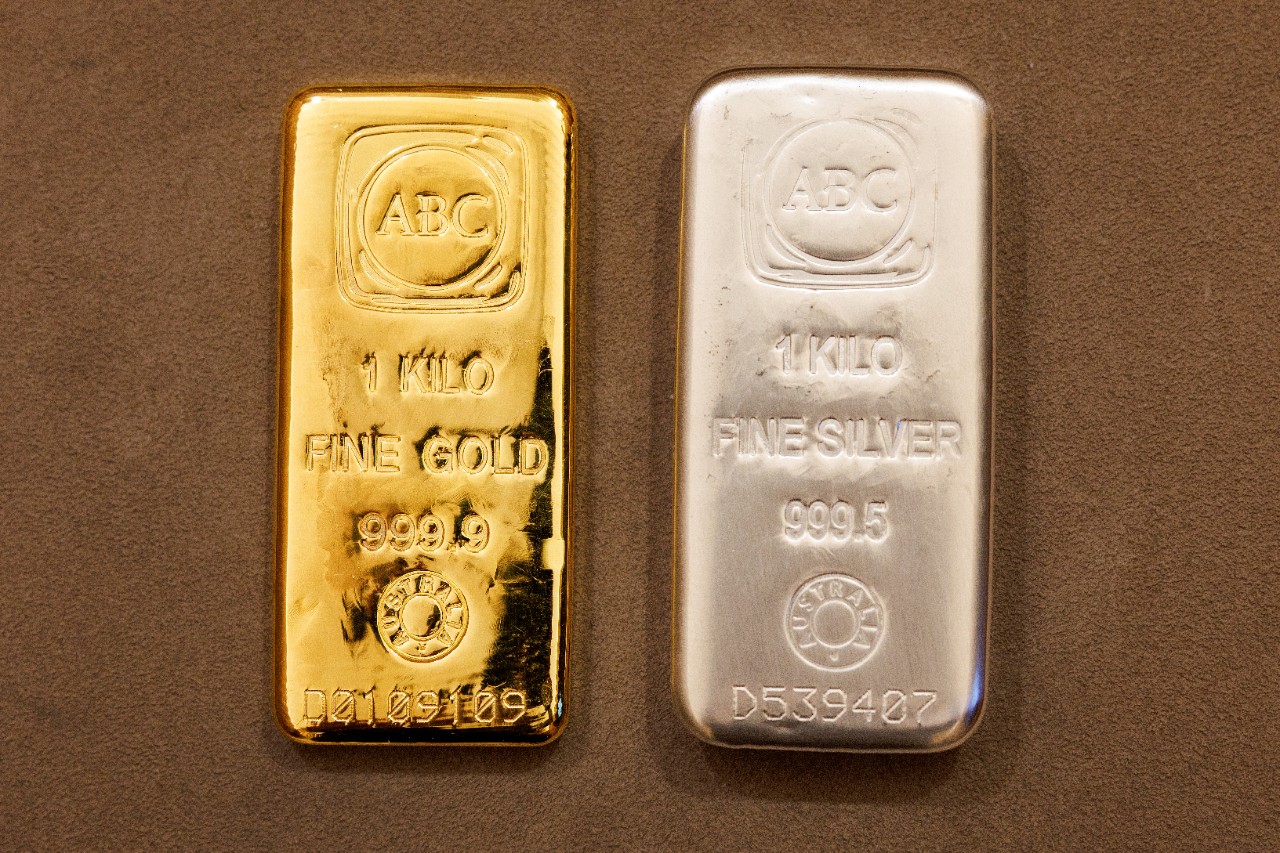
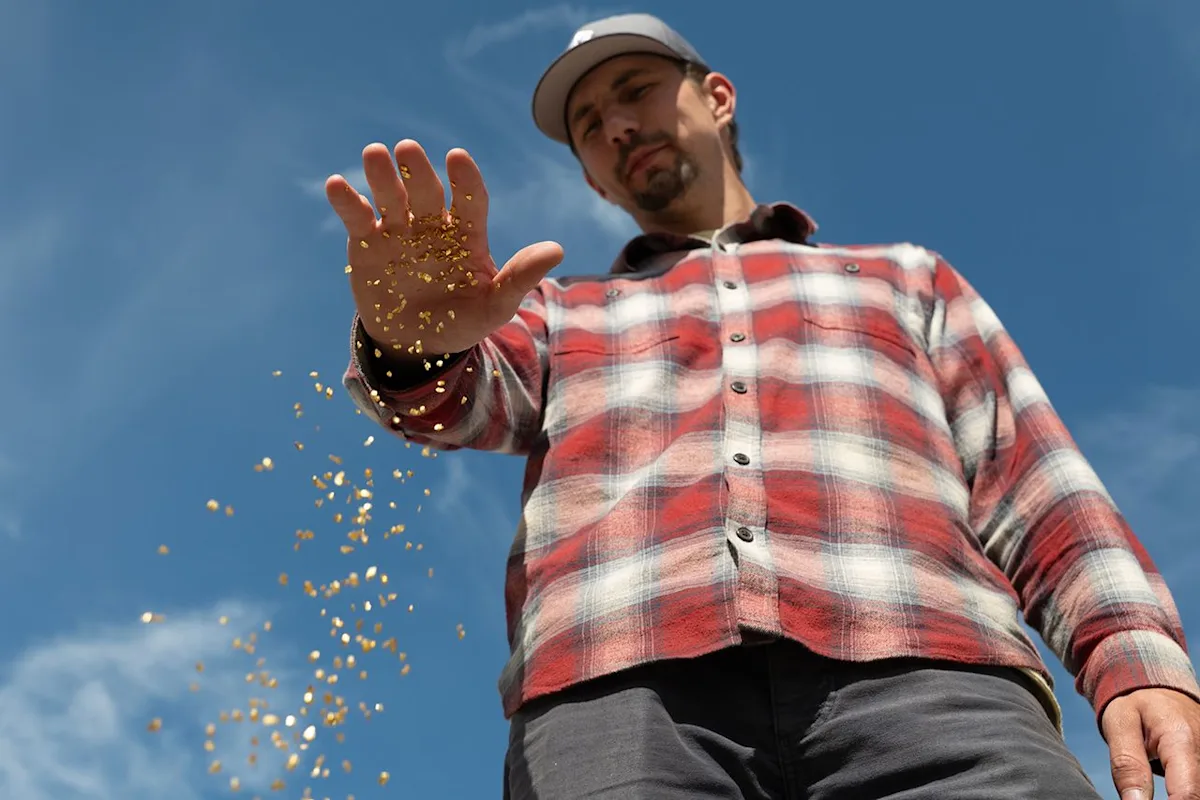
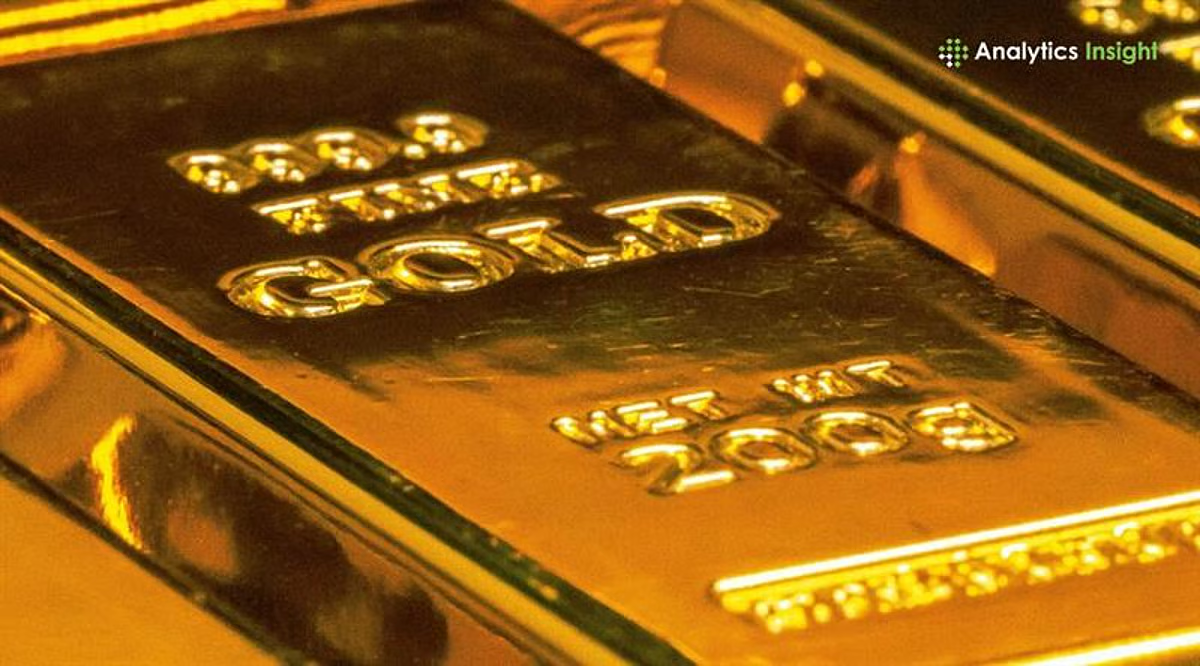
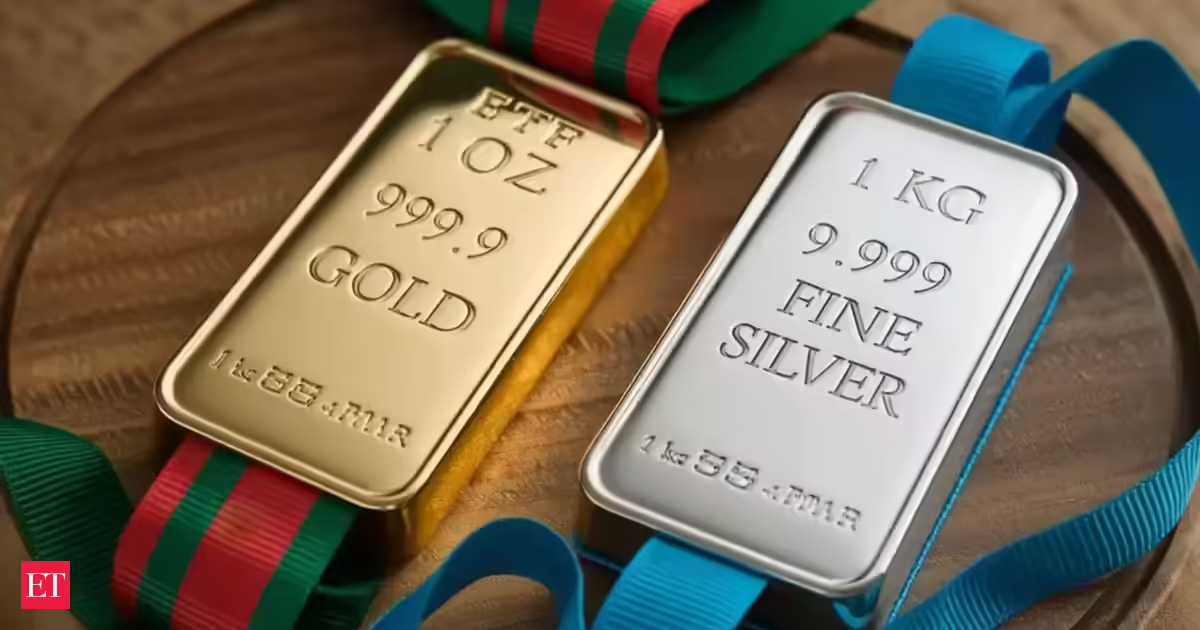
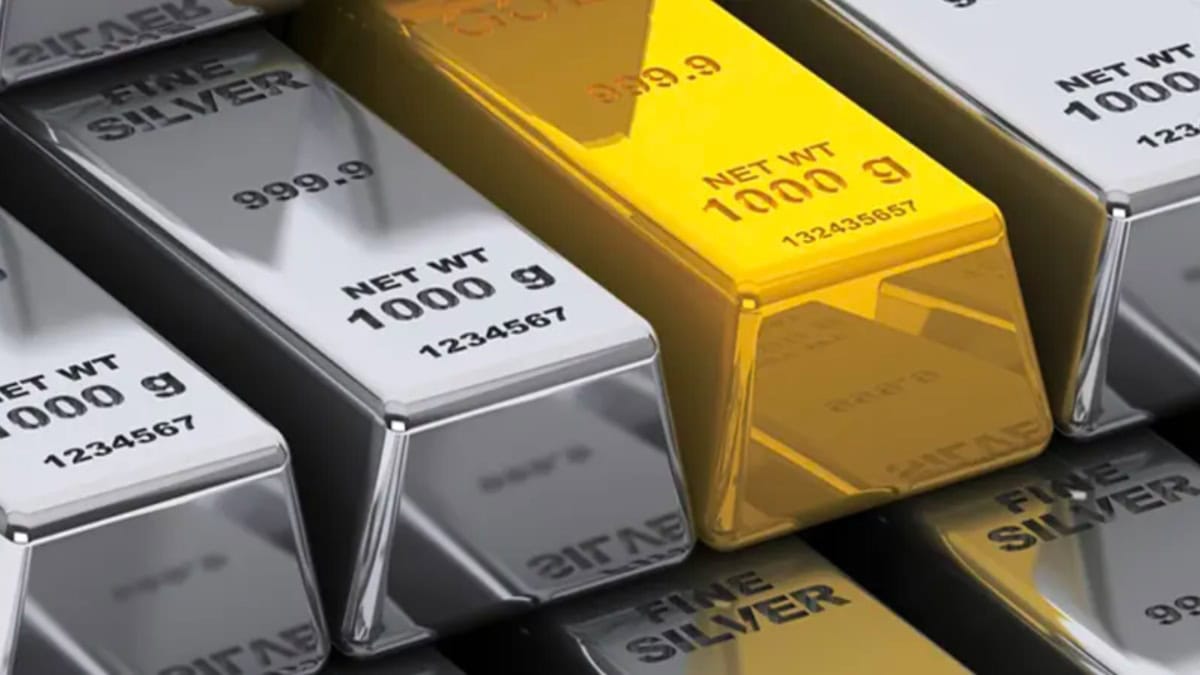
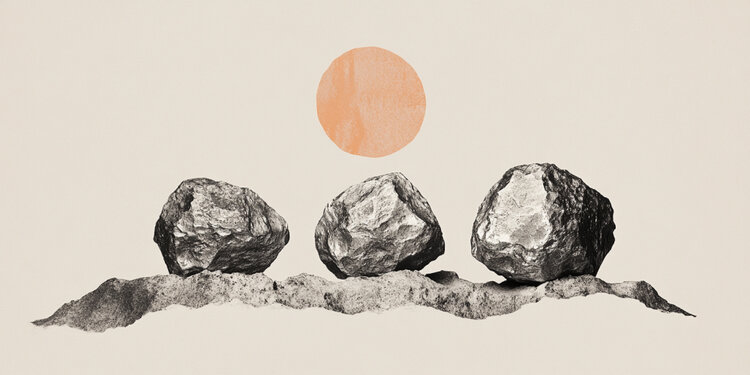
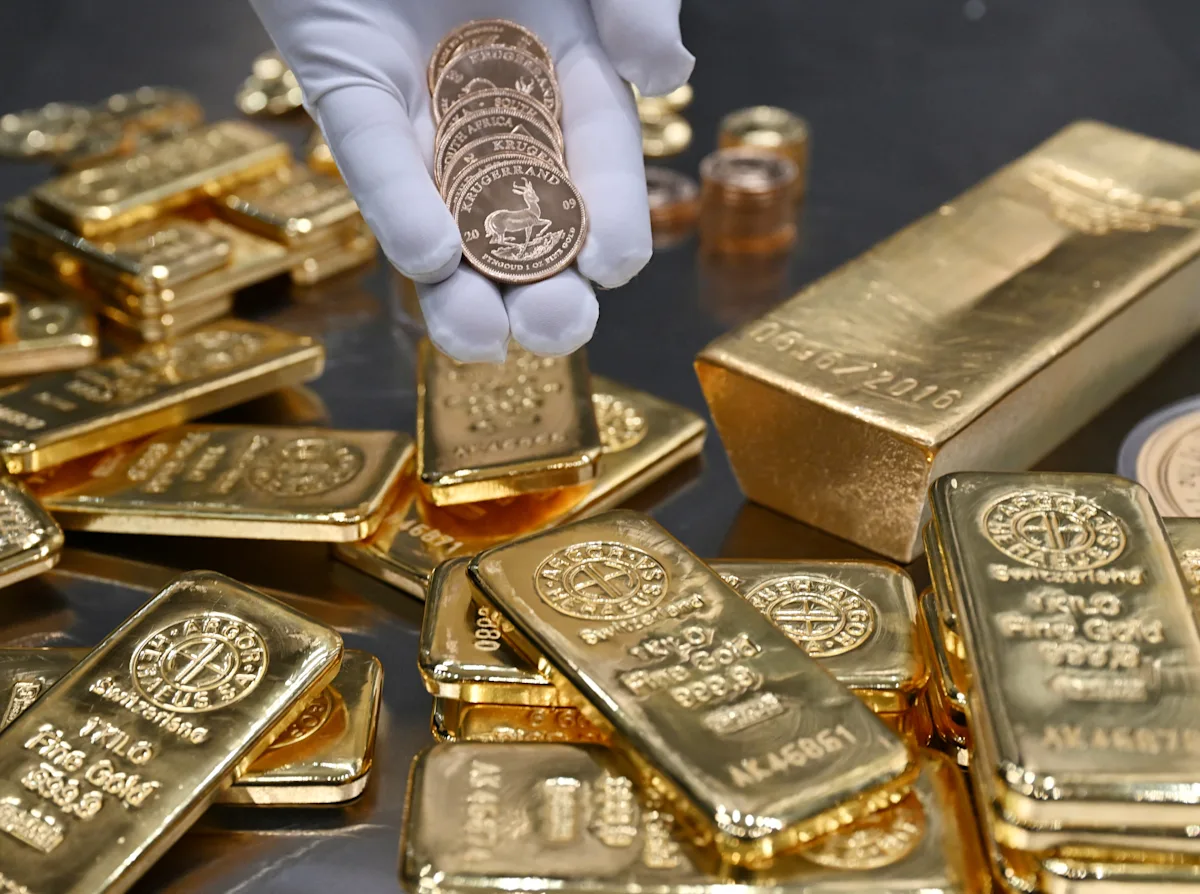
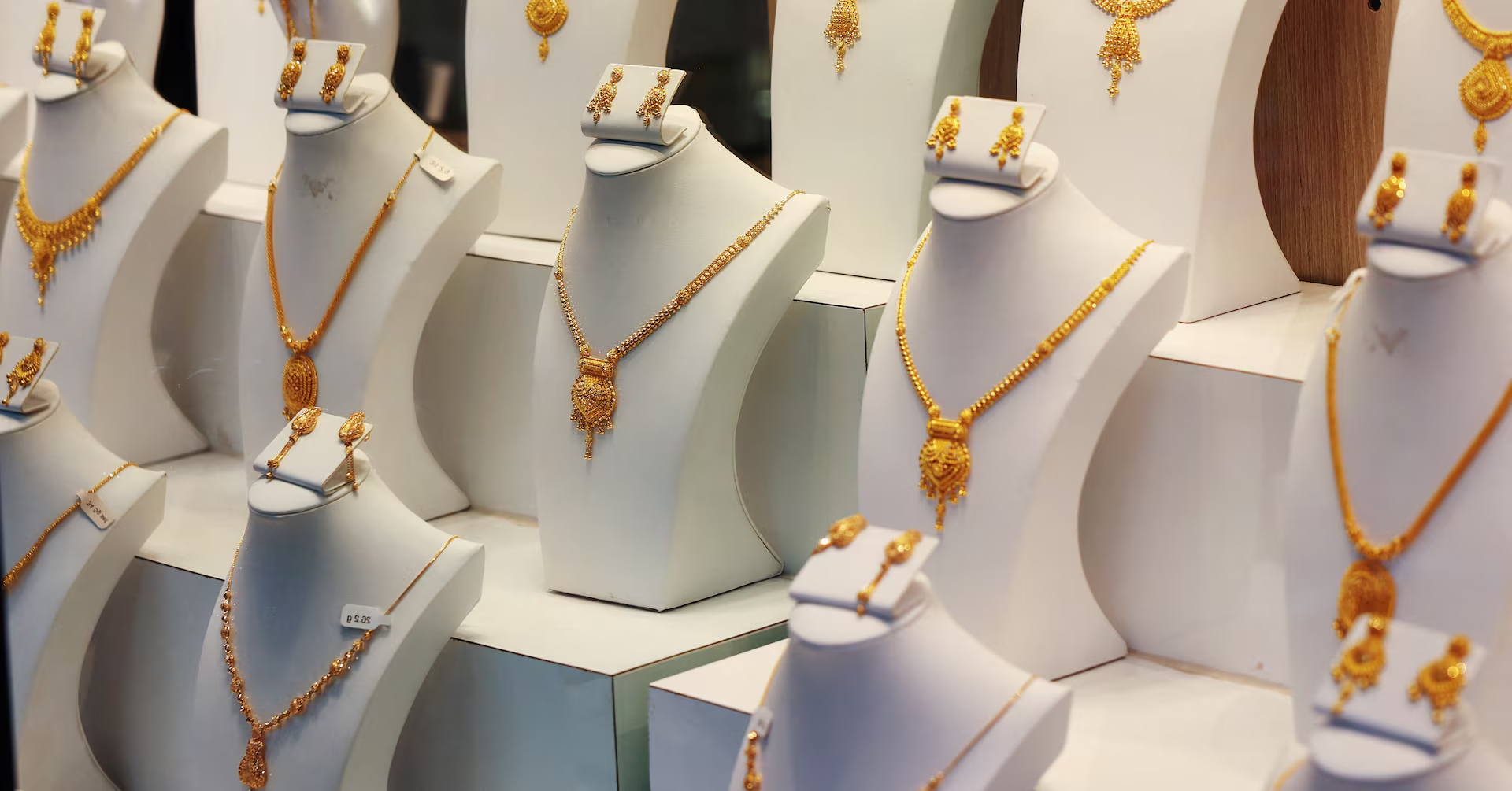
Image credit : Indiatimes | Scientists have found fresh evidence that Earth’s core may be slowly leaking gold
According to BBC Science Focus Magazine, the mantle alone makes up around 84 per cent of Earth’s total volume. The outer core is mostly made of iron and nickel, while the inner core remains solid because of the enormous pressure despite temperatures reaching around 5,000 degrees Celsius. Together, the inner and outer core also help generate Earth’s magnetic field.
Why is most of Earth’s gold hidden?
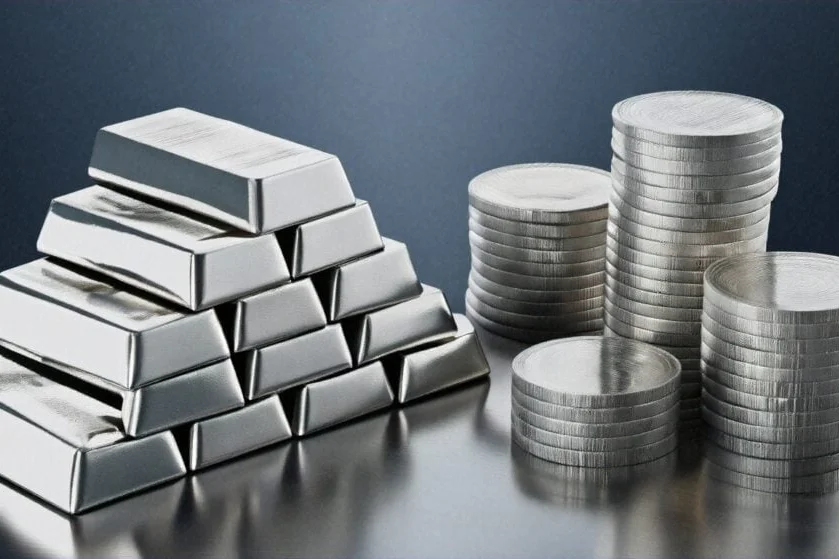
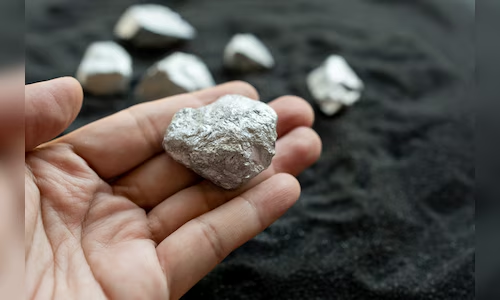
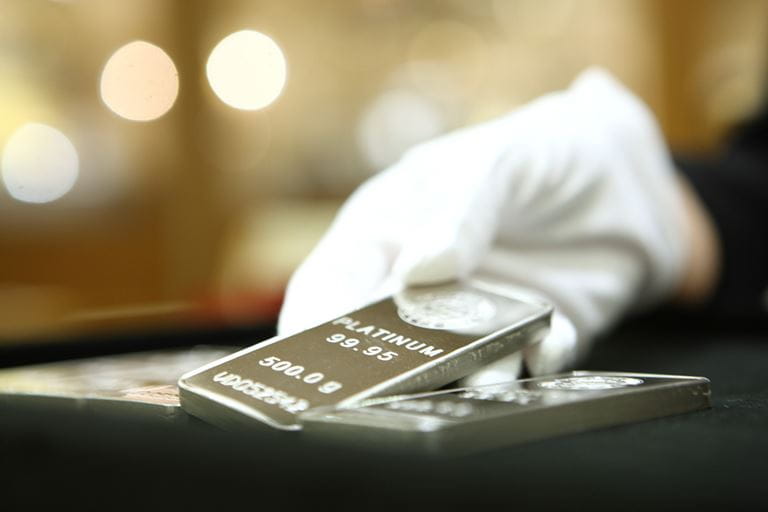
It may sound surprising, but gold is not actually rare on Earth. It is only rare where humans can reach it. According to BBC Science Focus Magazine, around 99.9 per cent of Earth’s precious metals are believed to be locked away inside the core.
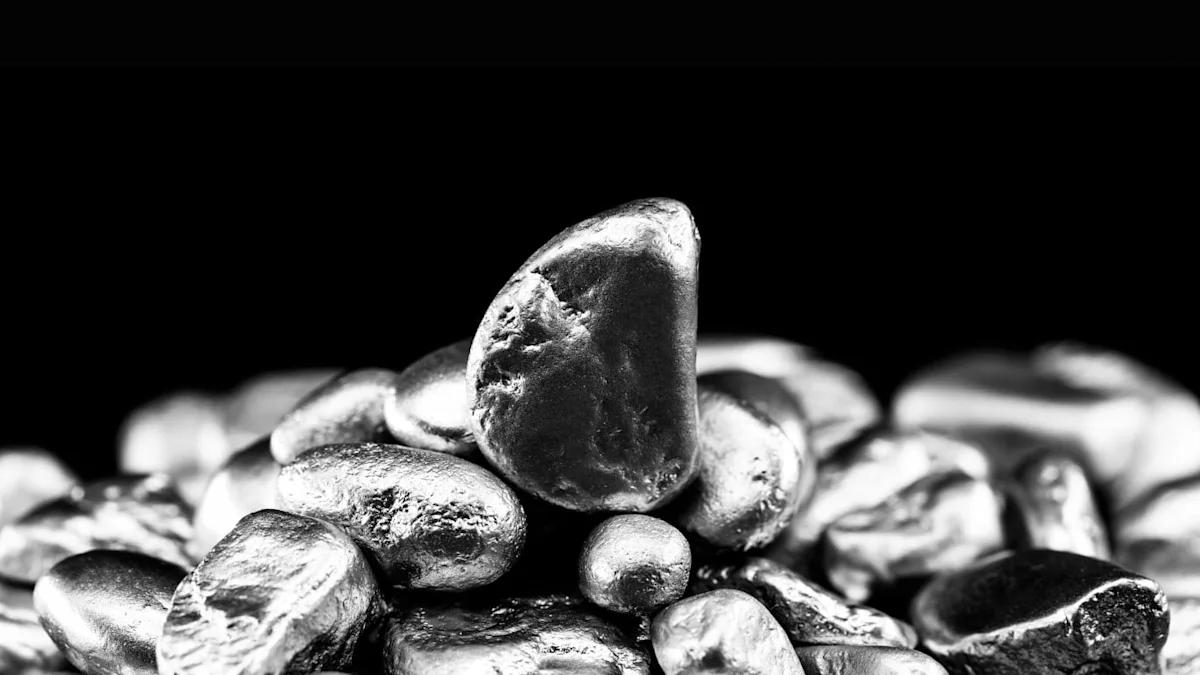
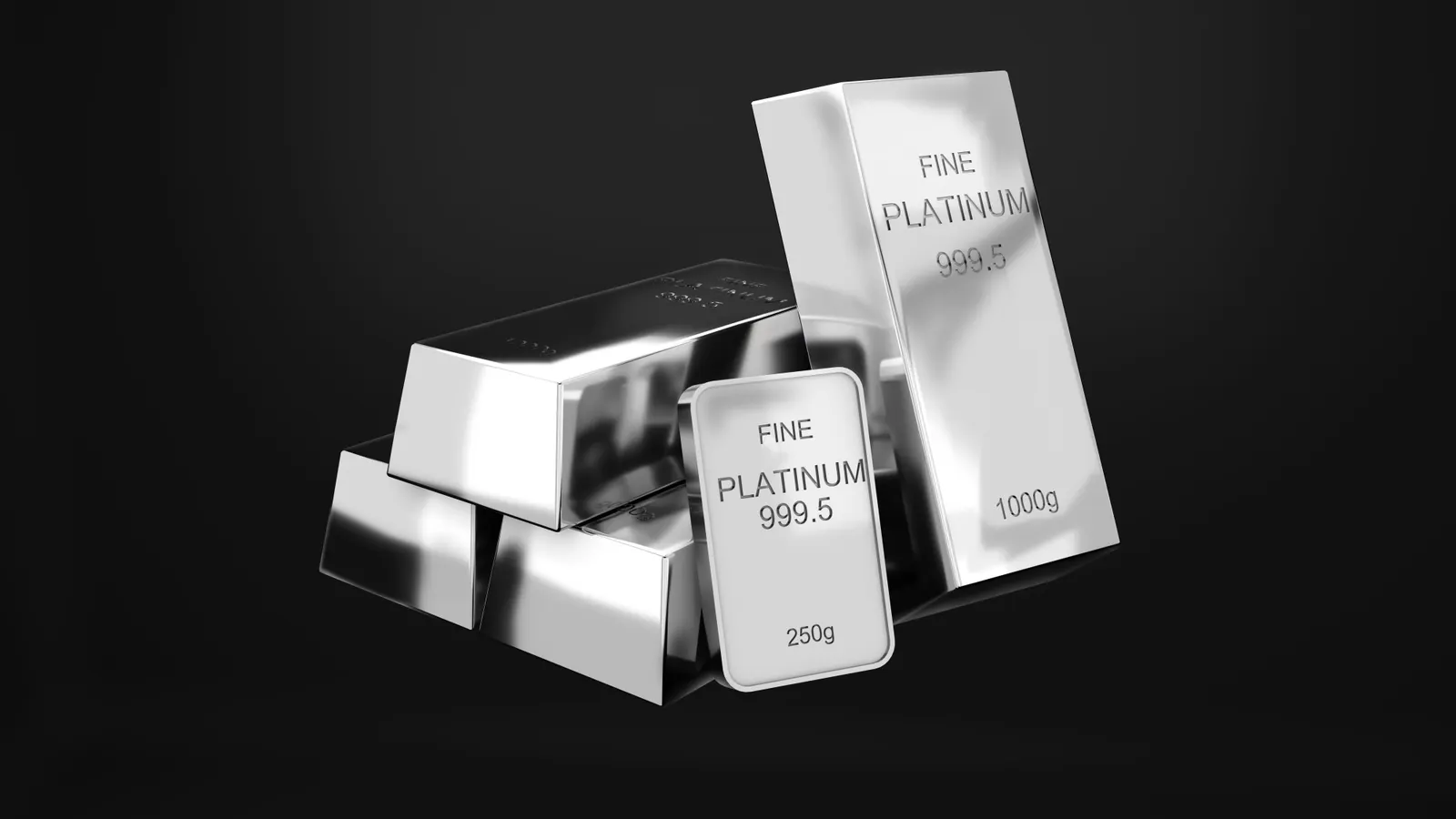
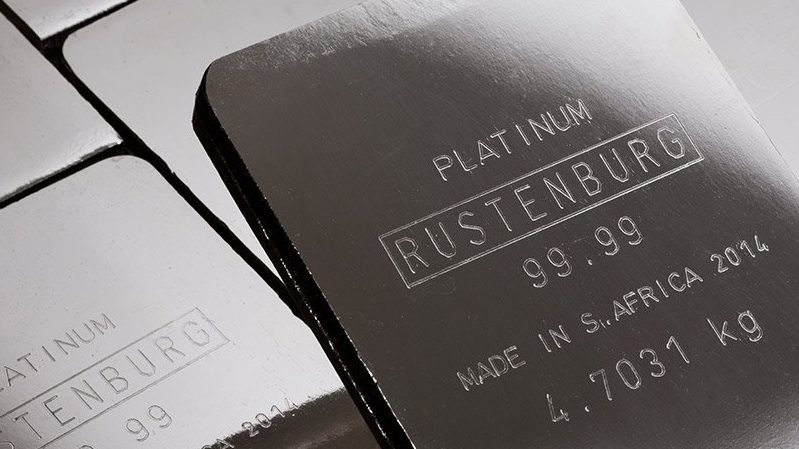
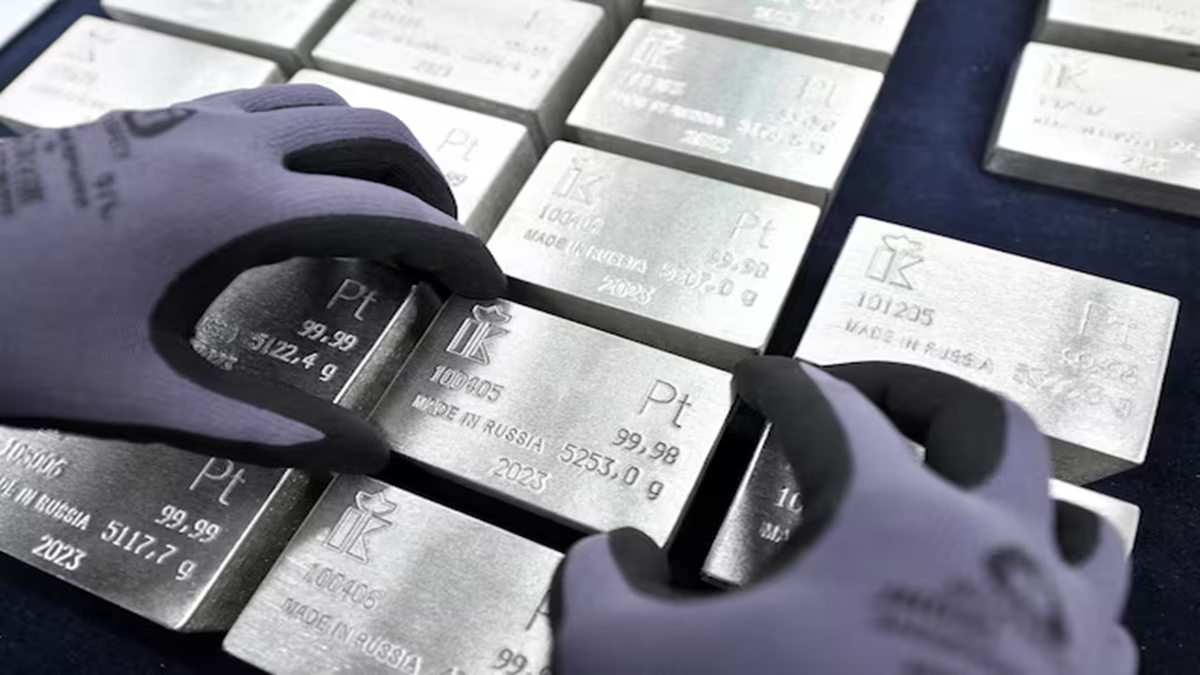
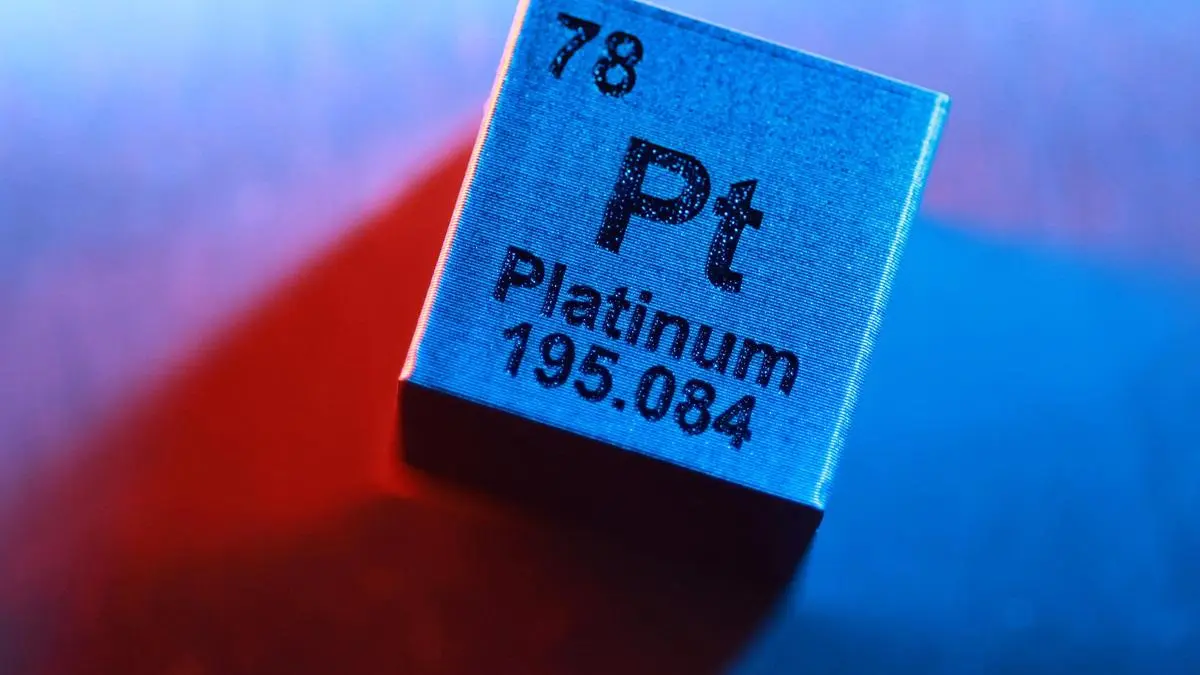
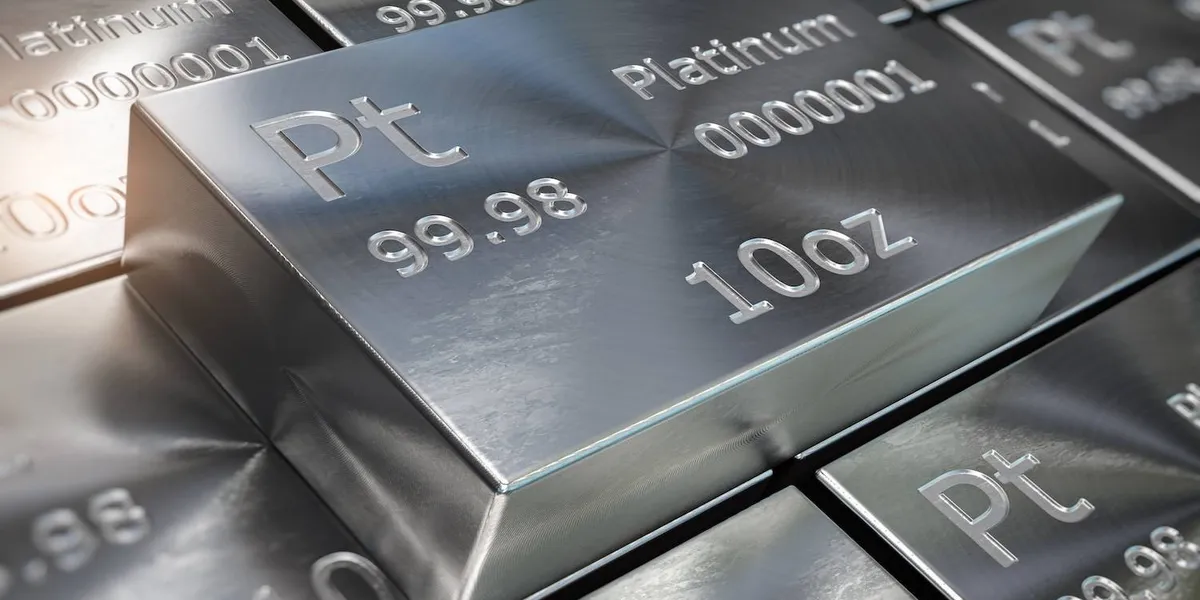
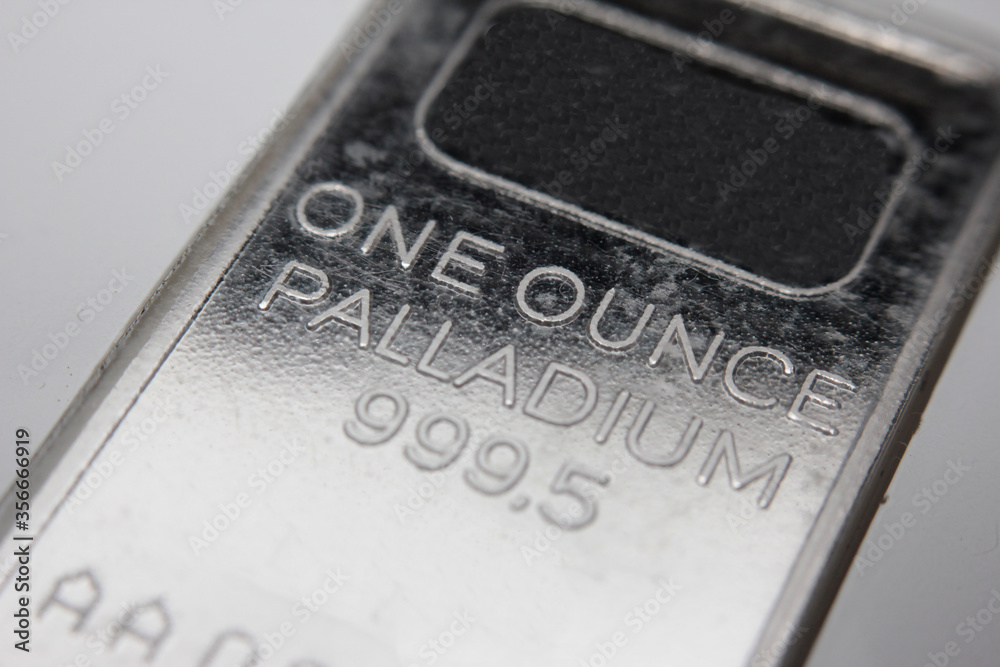
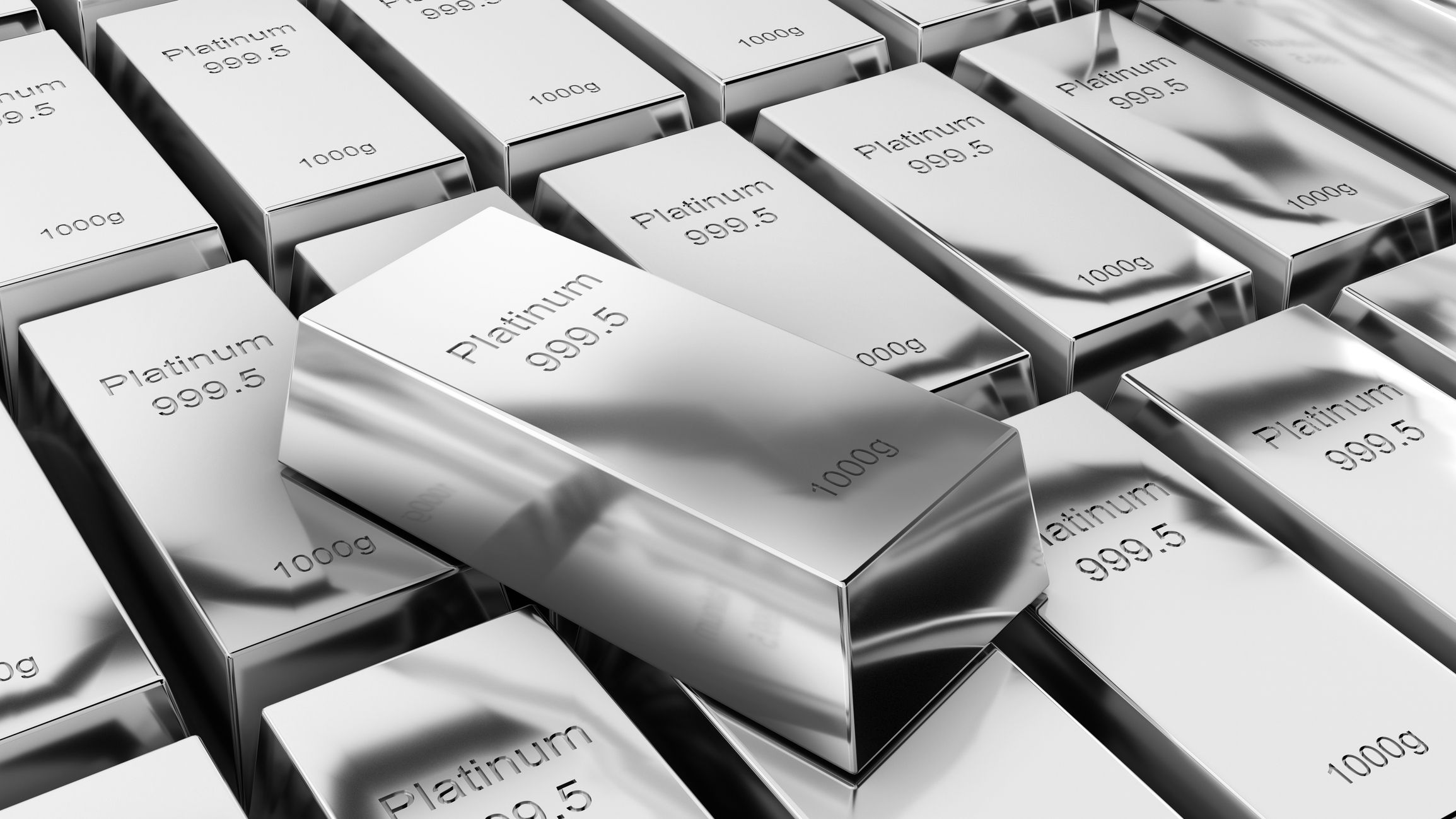
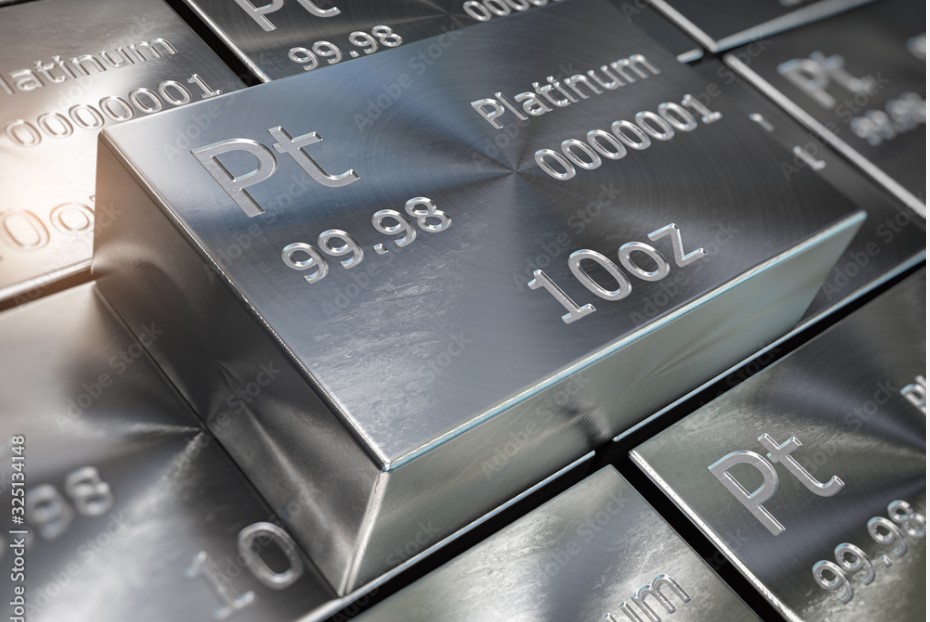
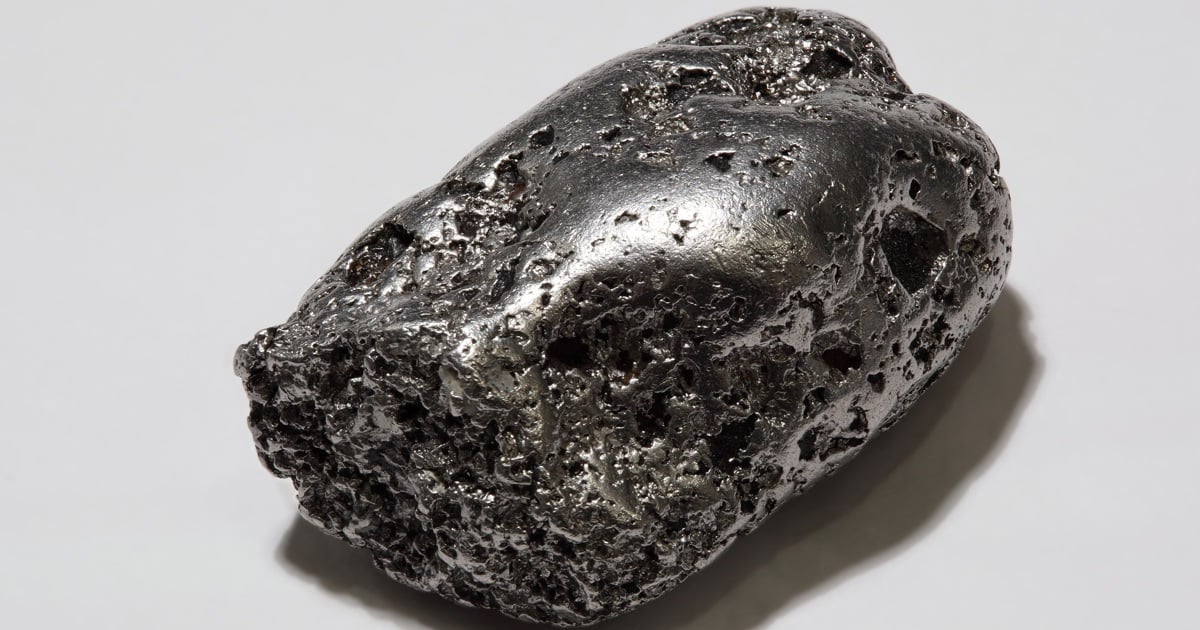
This dates back to the earliest days of our planet. As the young Earth formed, heavy elements such as iron and nickel sank toward the centre. They also carried with them a group of metals that naturally bond with iron. Scientists call these “siderophile” elements. Gold, platinum, tungsten and ruthenium all belong to this group. As a result, most of these precious metals became trapped deep inside the core billions of years ago.
So why do we still find gold near the surface?
That question has puzzled scientists for decades. If almost all of Earth’s gold sank into the core long ago, how do gold deposits still exist in rocks that people can mine today?
One possible answer is that some of these metals are slowly moving upward from deep inside the planet. Rather than staying permanently locked away, tiny amounts may travel through Earth’s mantle over incredibly long periods of time. This idea has been debated for years because proving it has never been easy.
Now, researchers believe they have found an important clue.
The Hawaiian rocks that changed the conversation
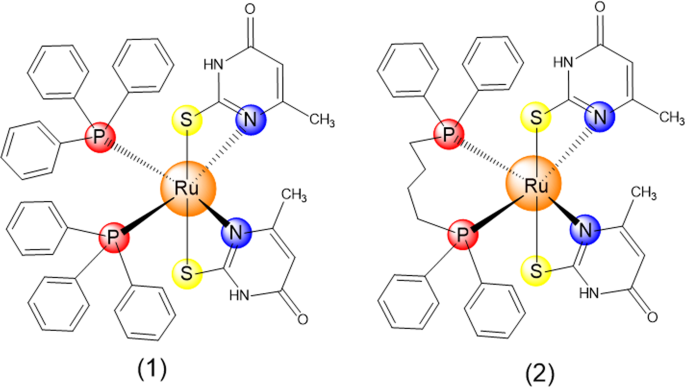
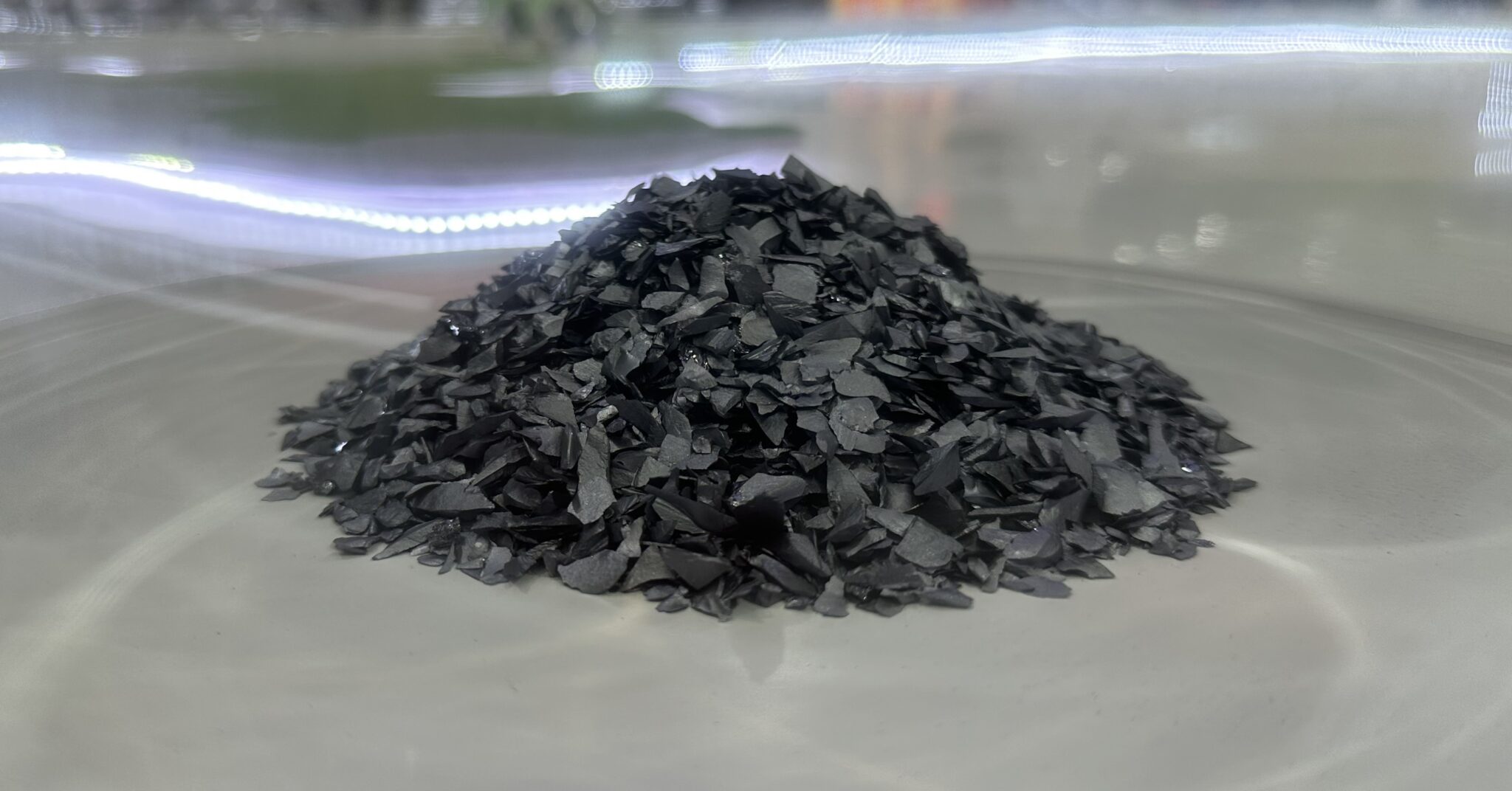
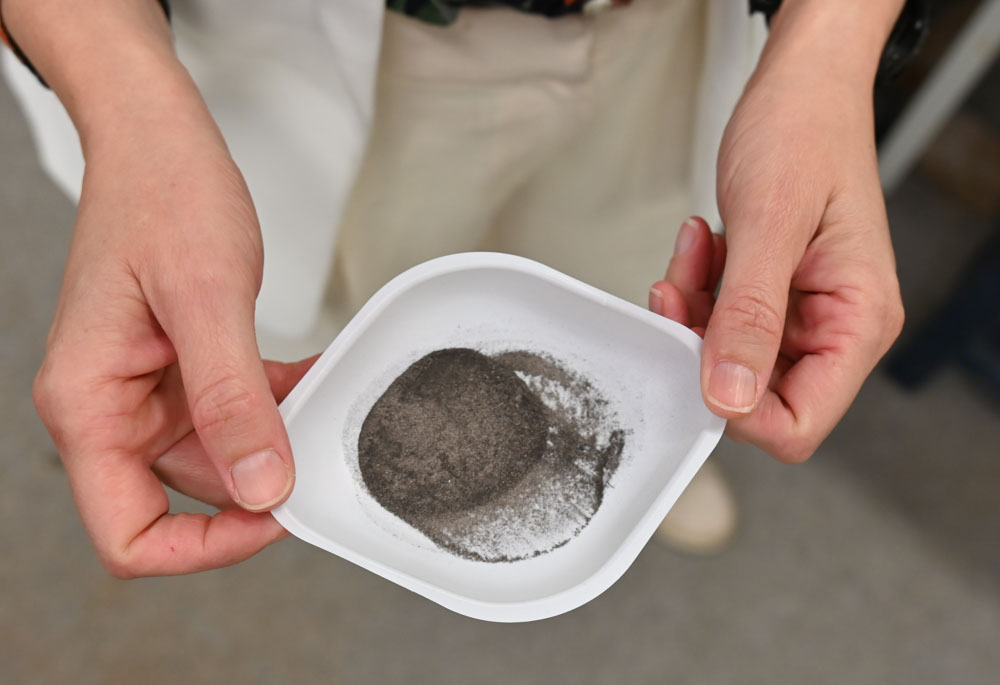
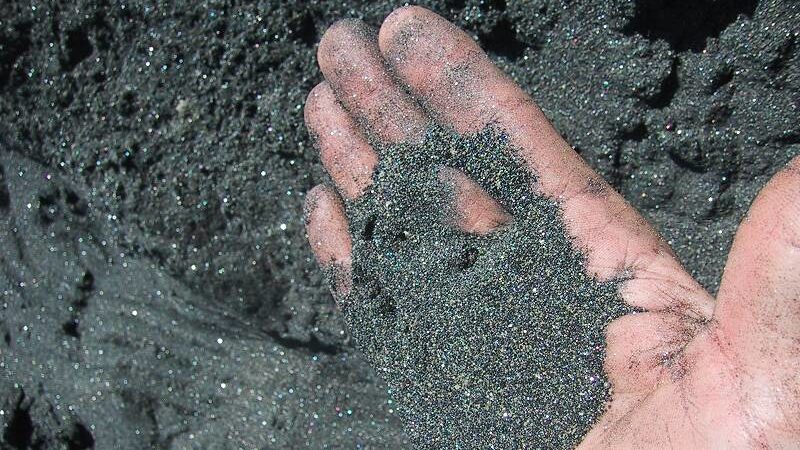
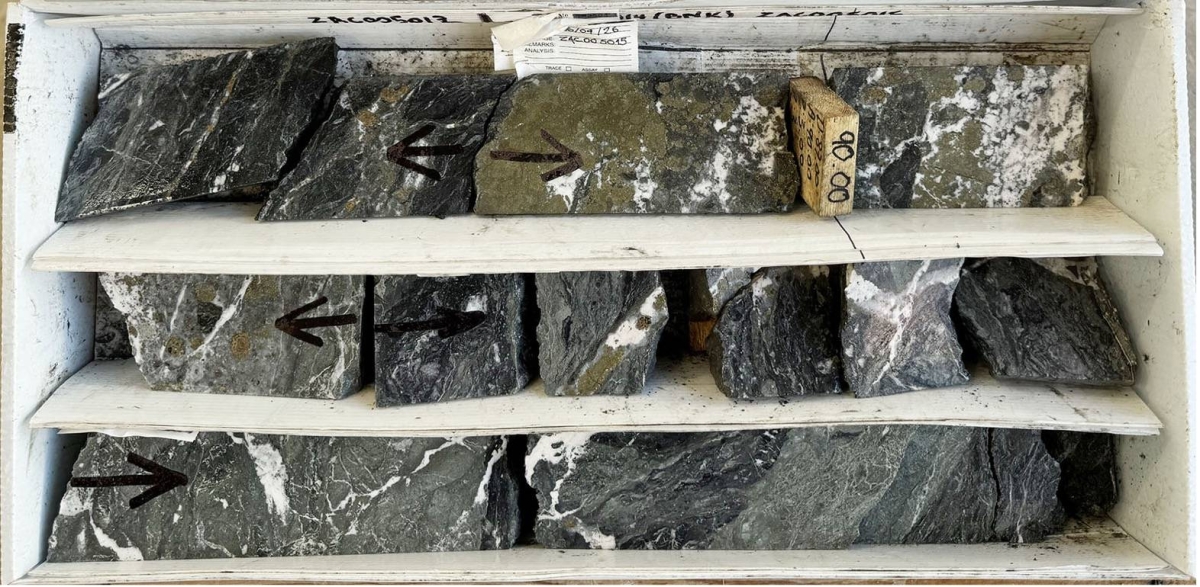
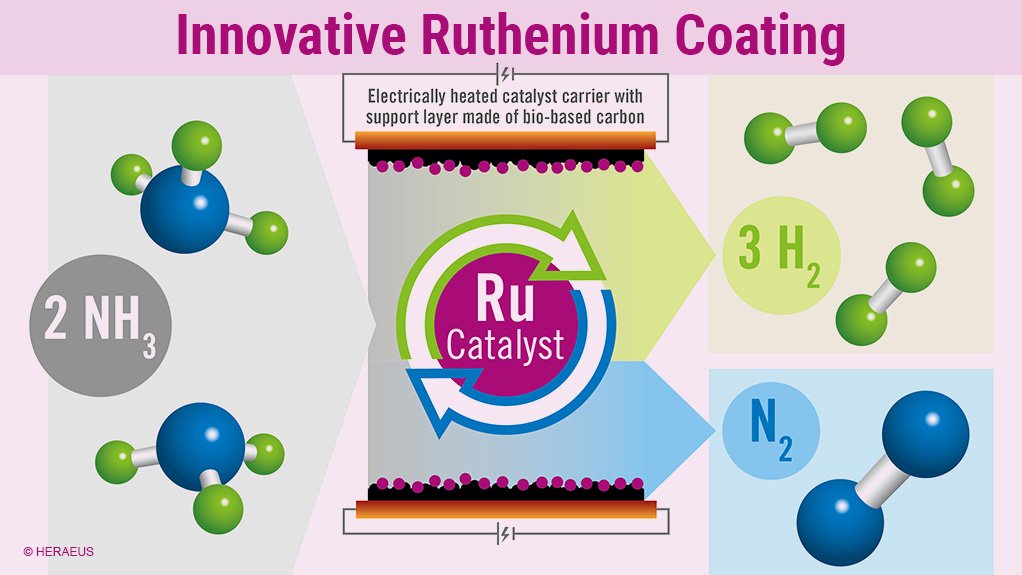
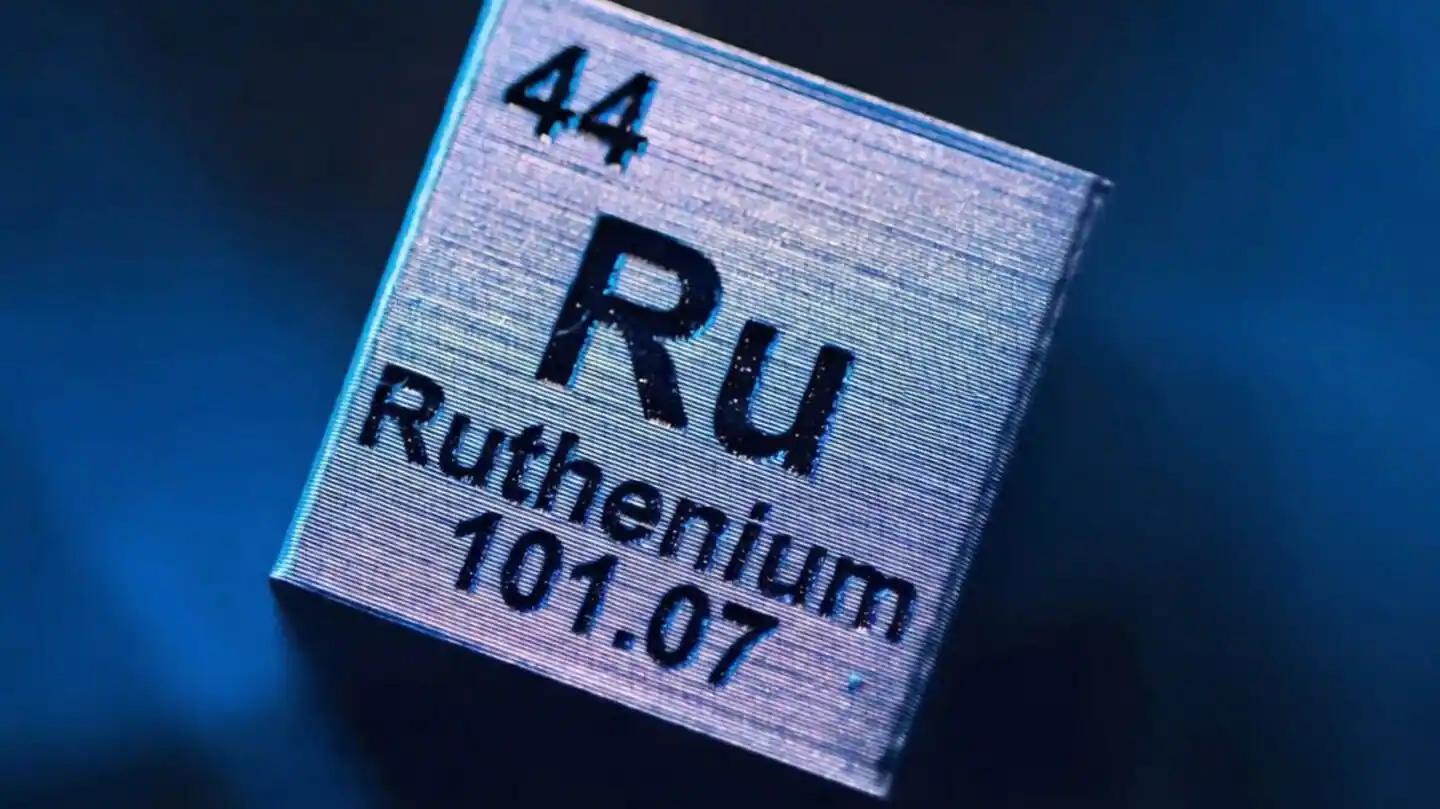
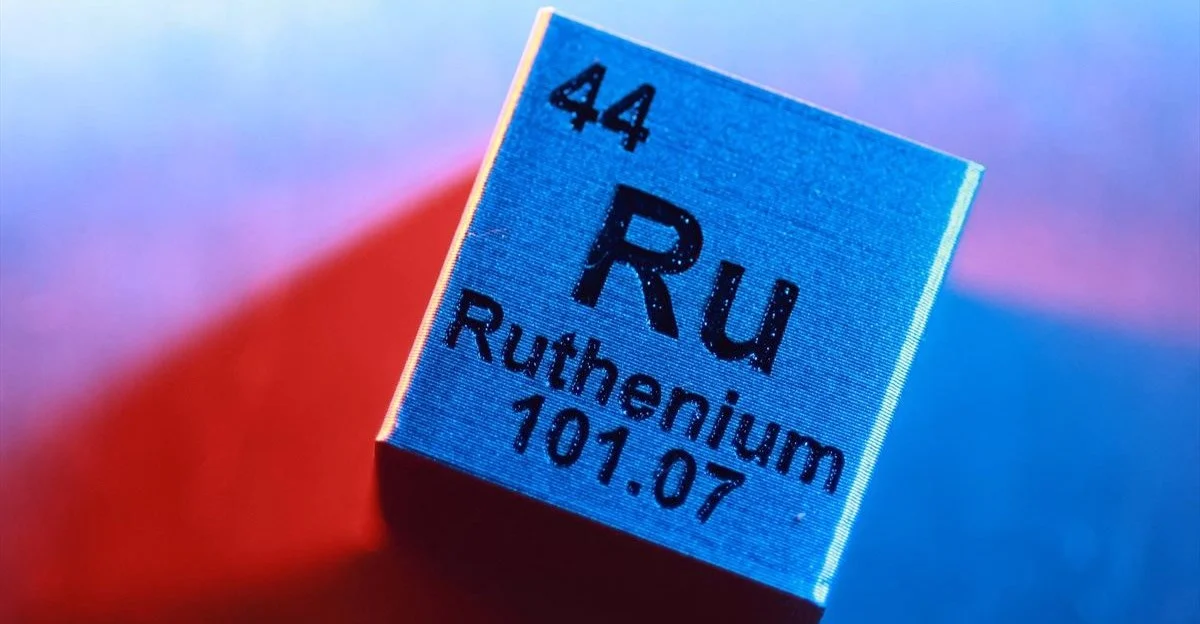
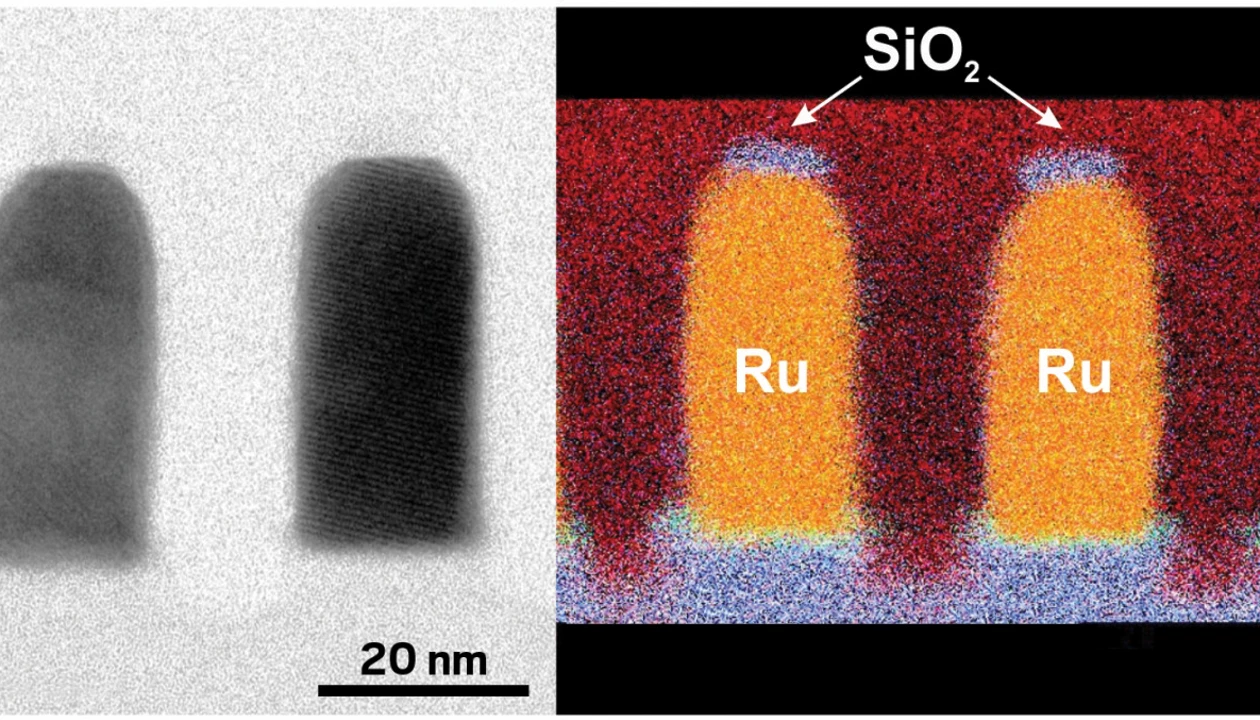
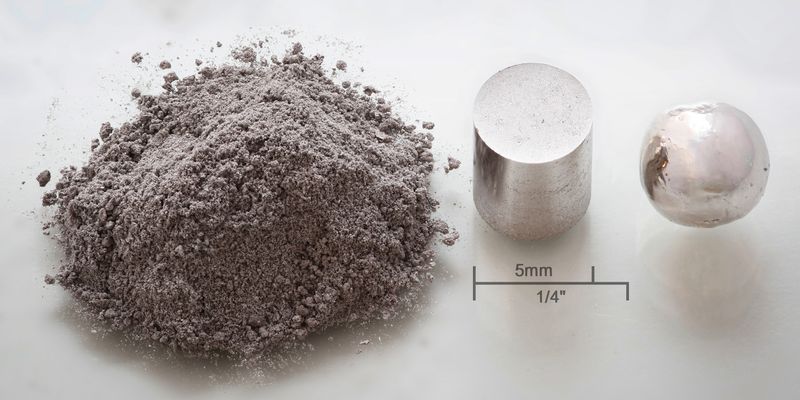
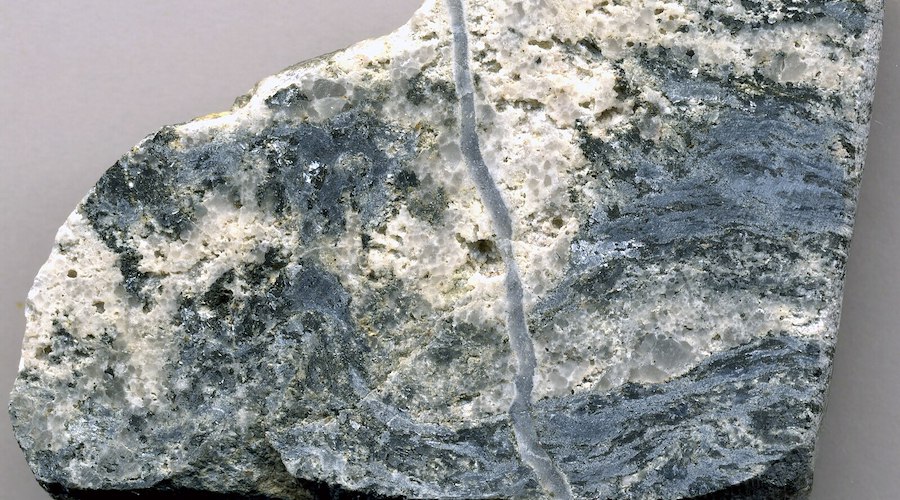
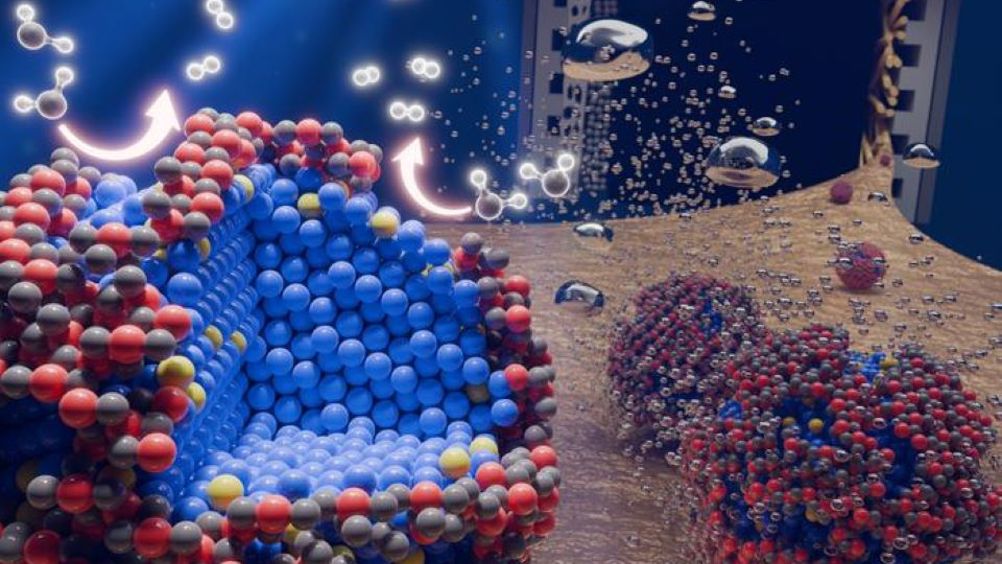
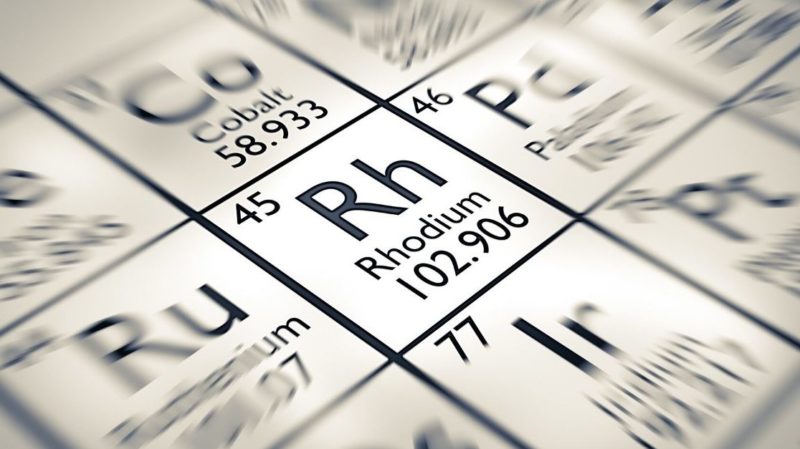
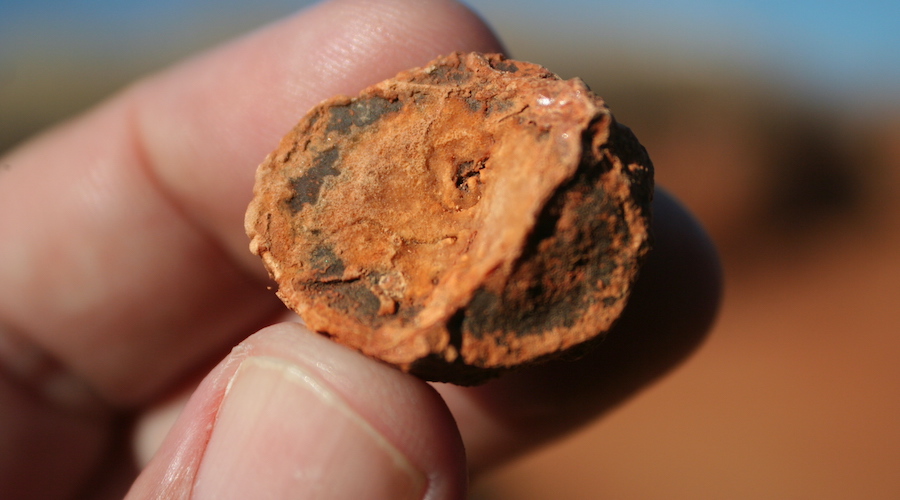
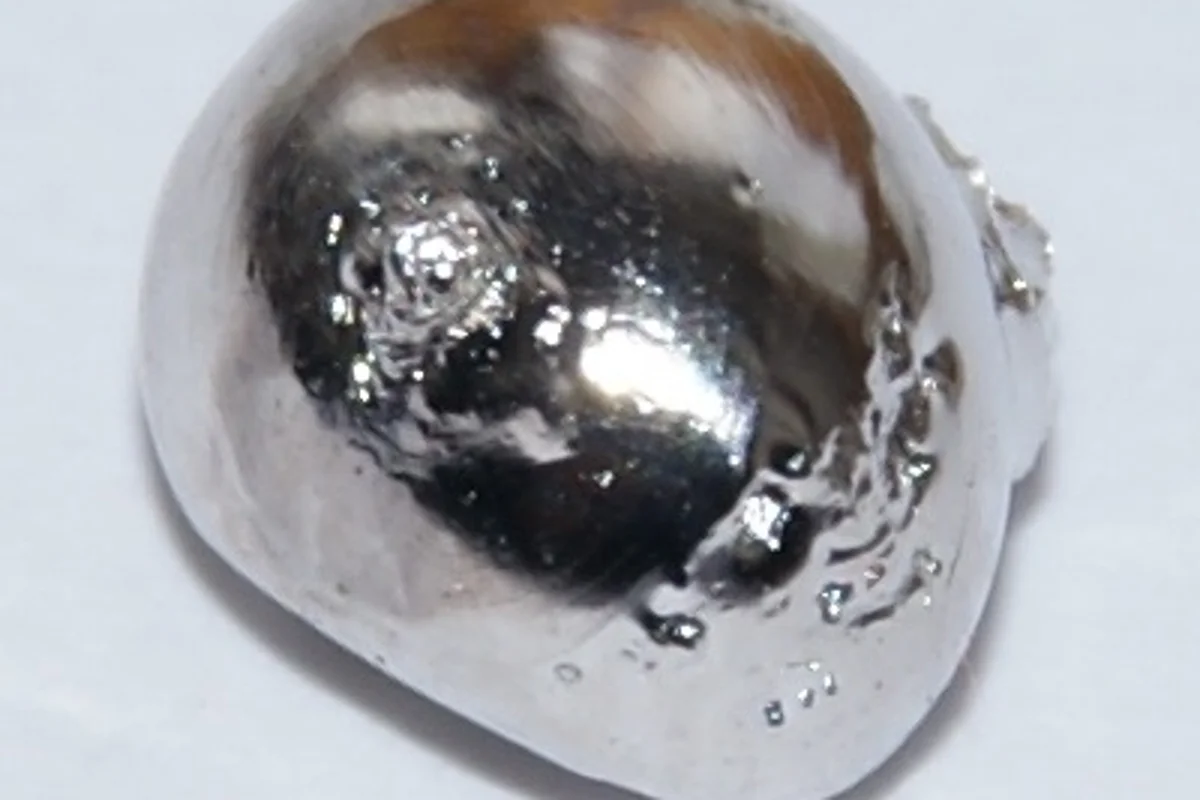
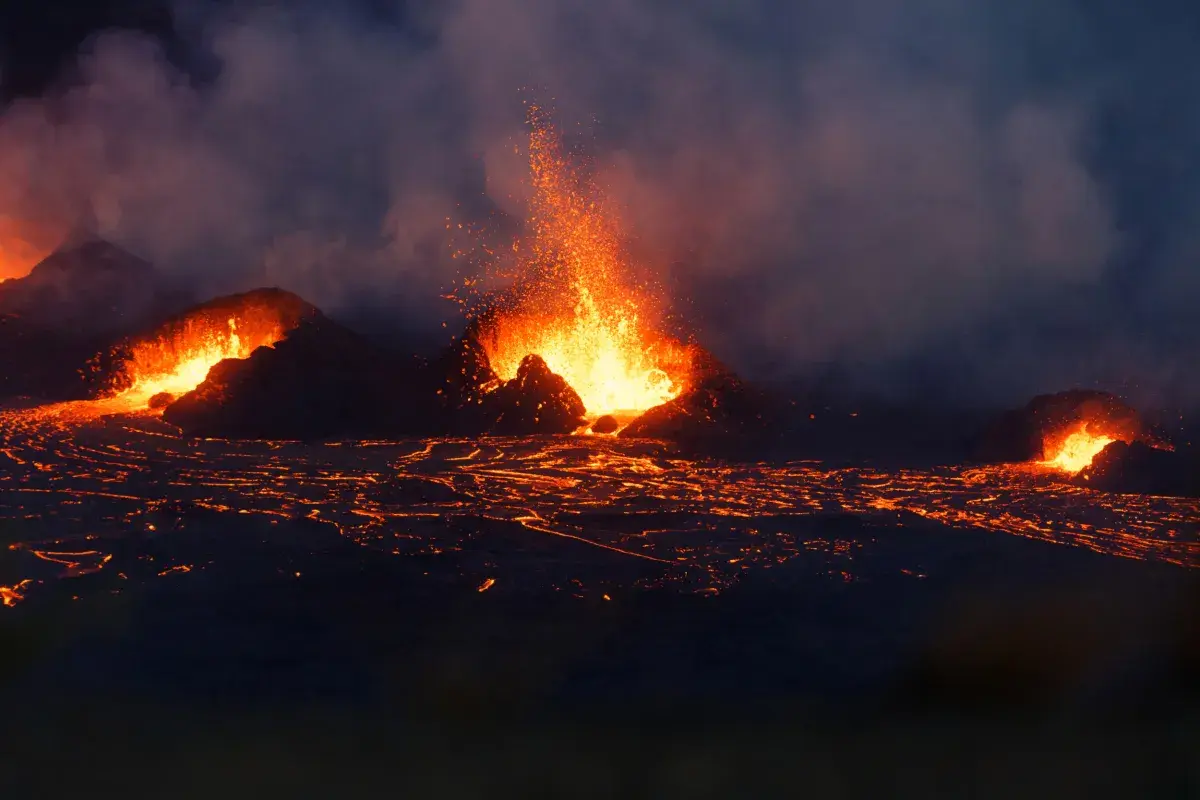
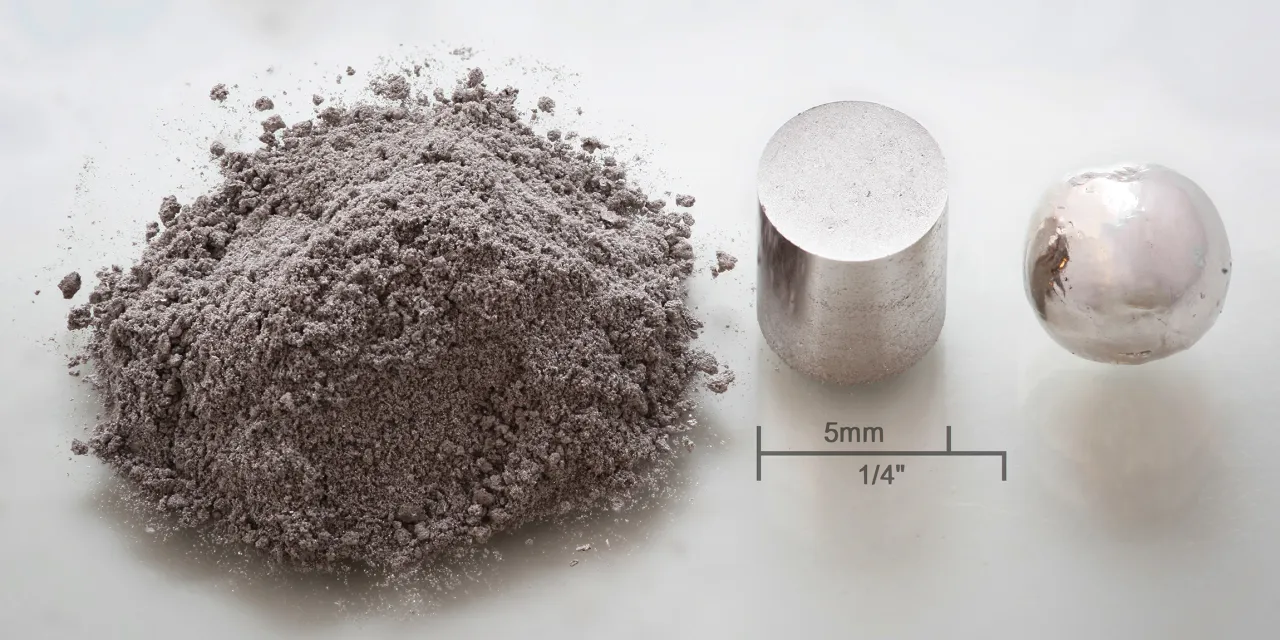
The latest study focused on volcanic rocks collected in Hawaii, including samples from a lava lake at the active Kilauea volcano. Scientists were not searching directly for gold. Instead, they examined another precious metal called ruthenium, which belongs to the platinum group of metals.
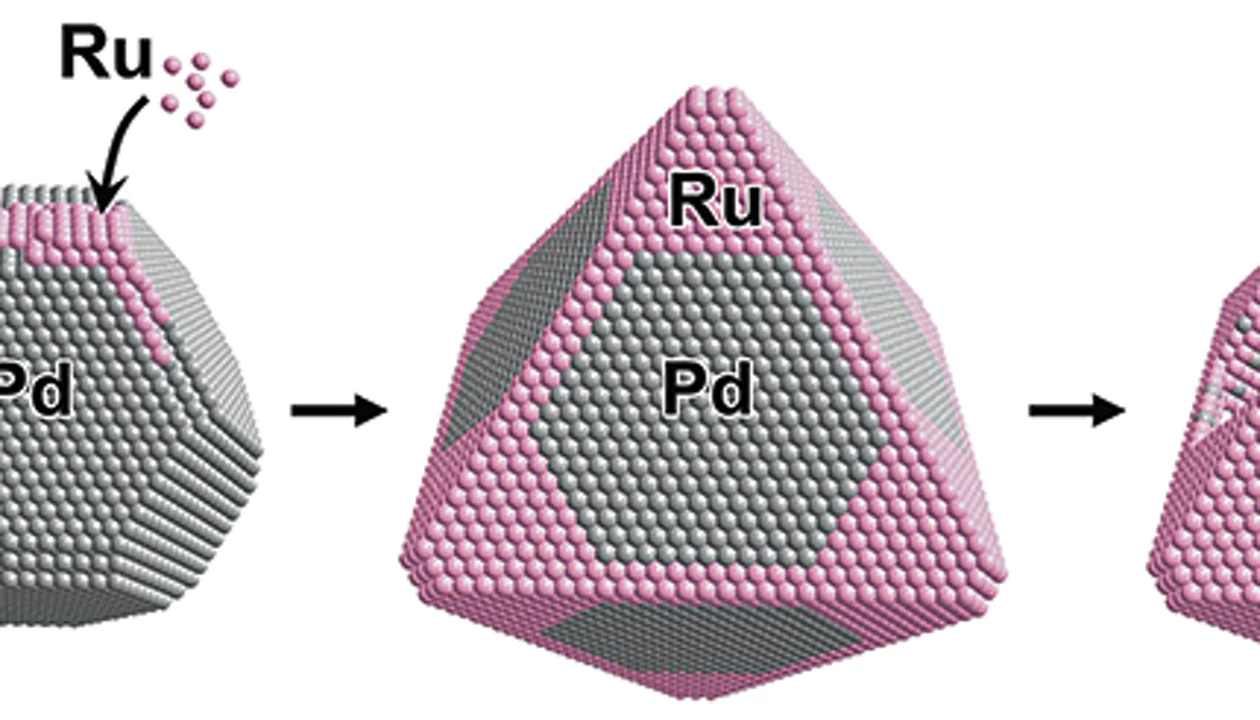
Earlier studies had already shown that ruthenium found in Earth’s core has a slightly different chemical signature from ruthenium usually found in the mantle and crust. That difference gave scientists a way to trace where the metal originally came from.
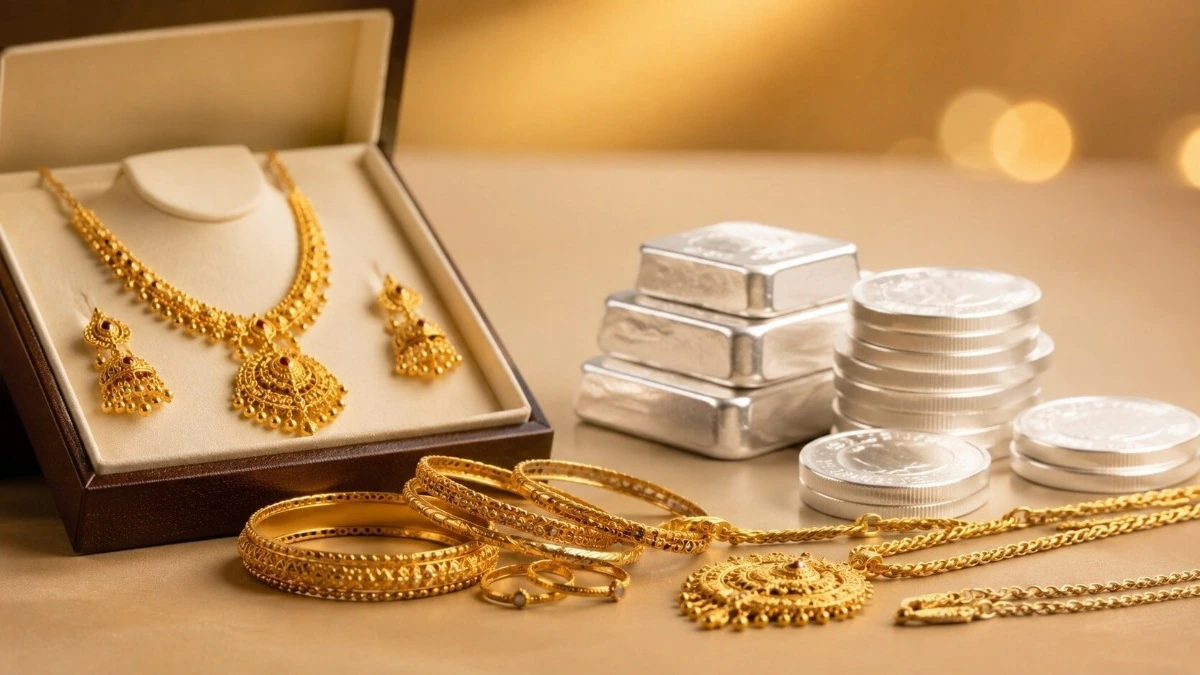
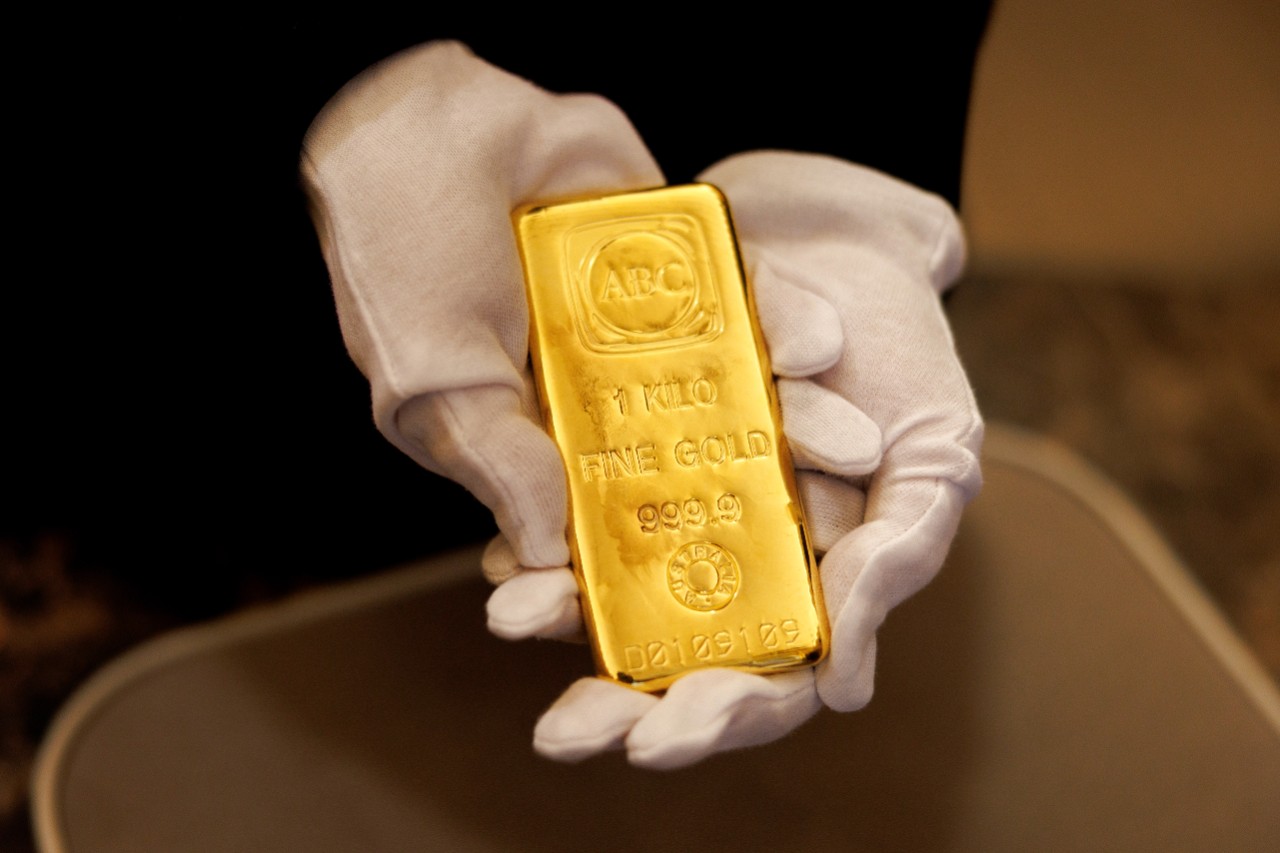
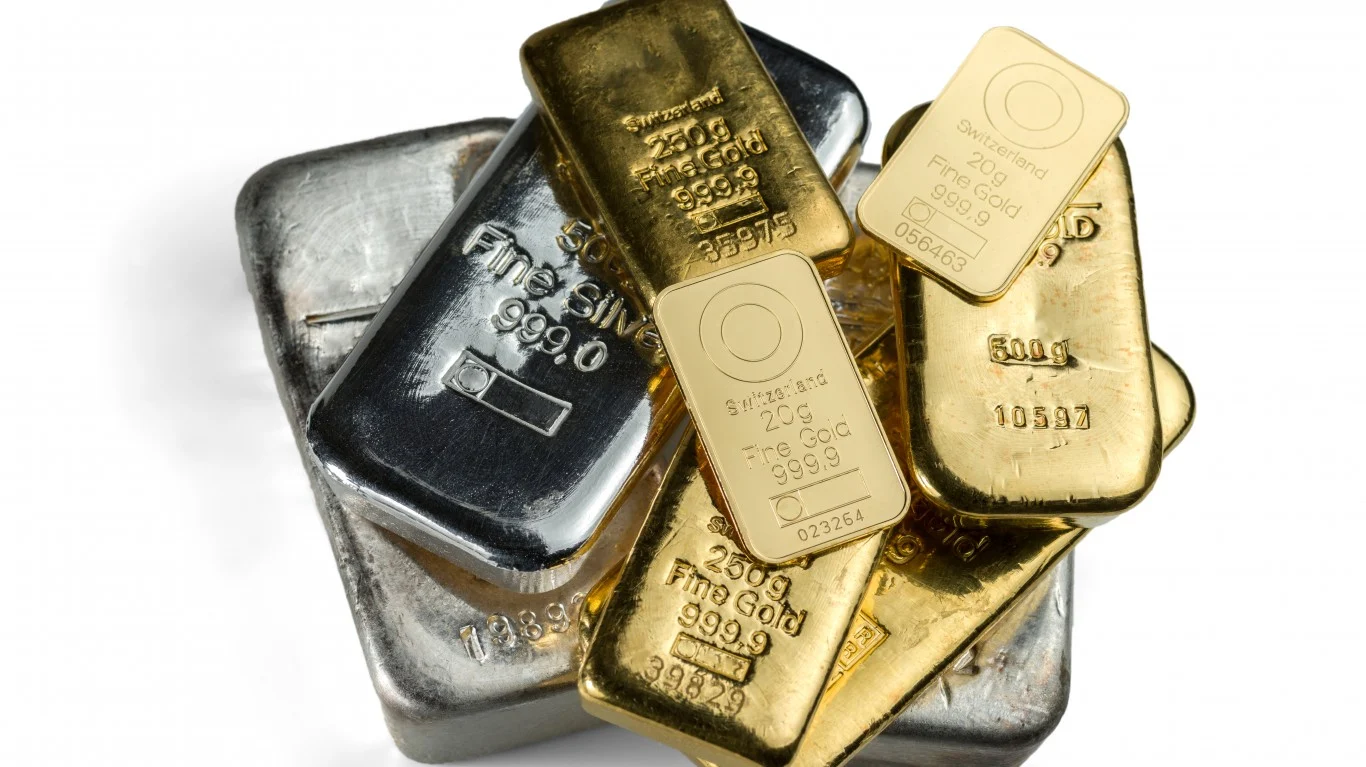
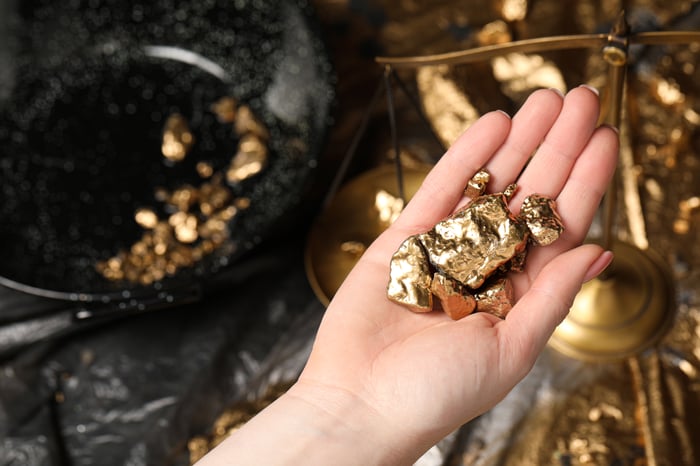
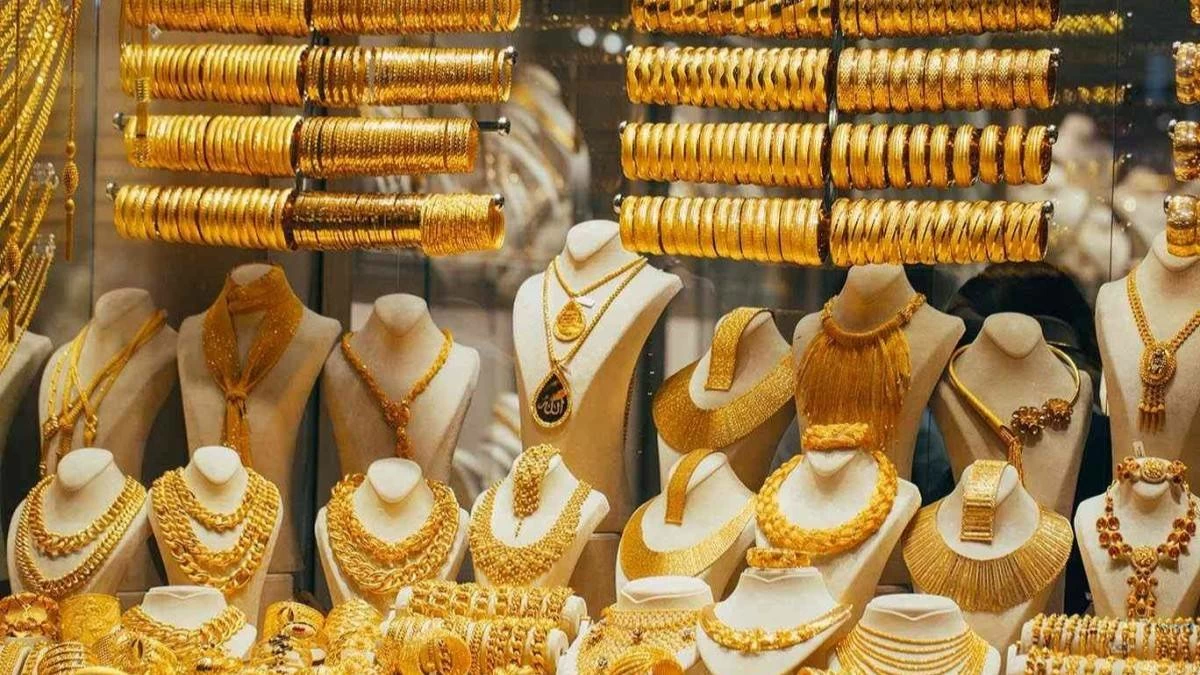
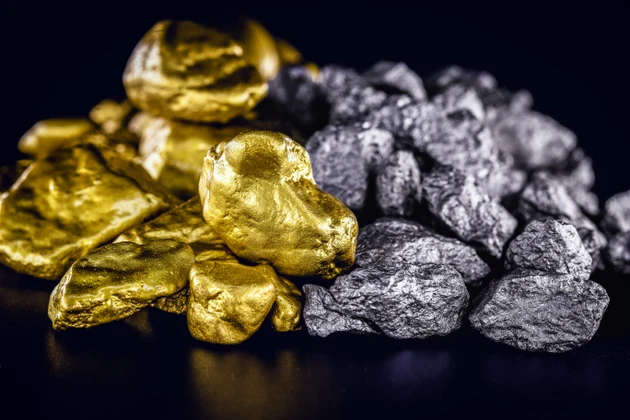
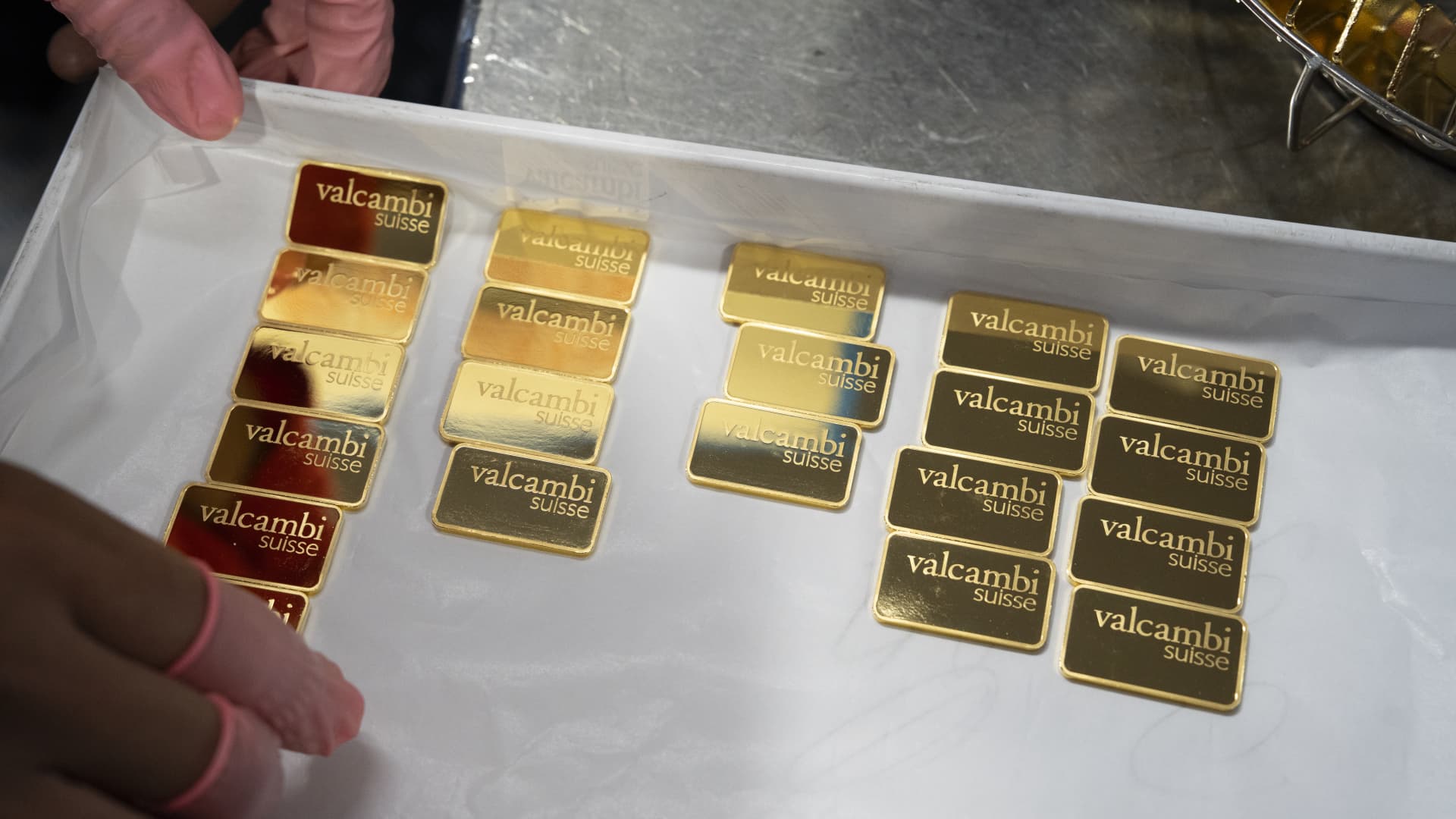
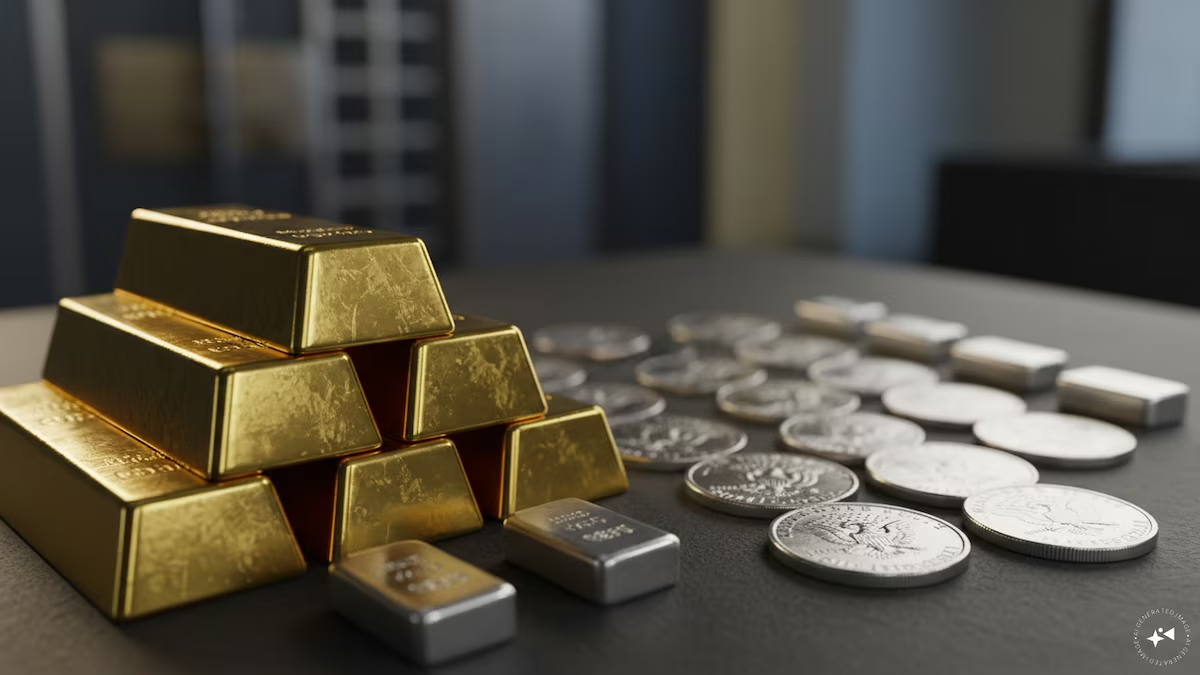
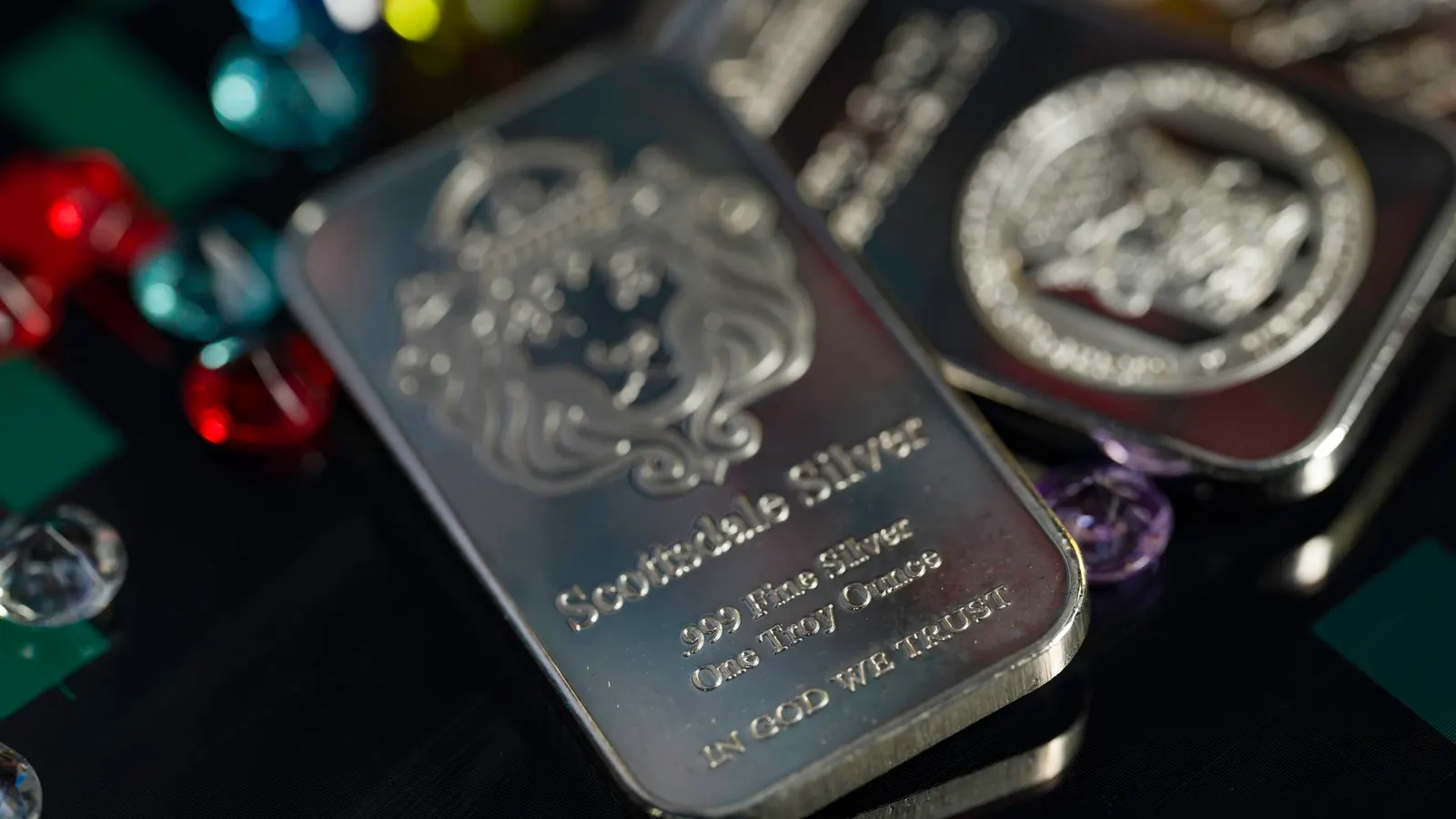
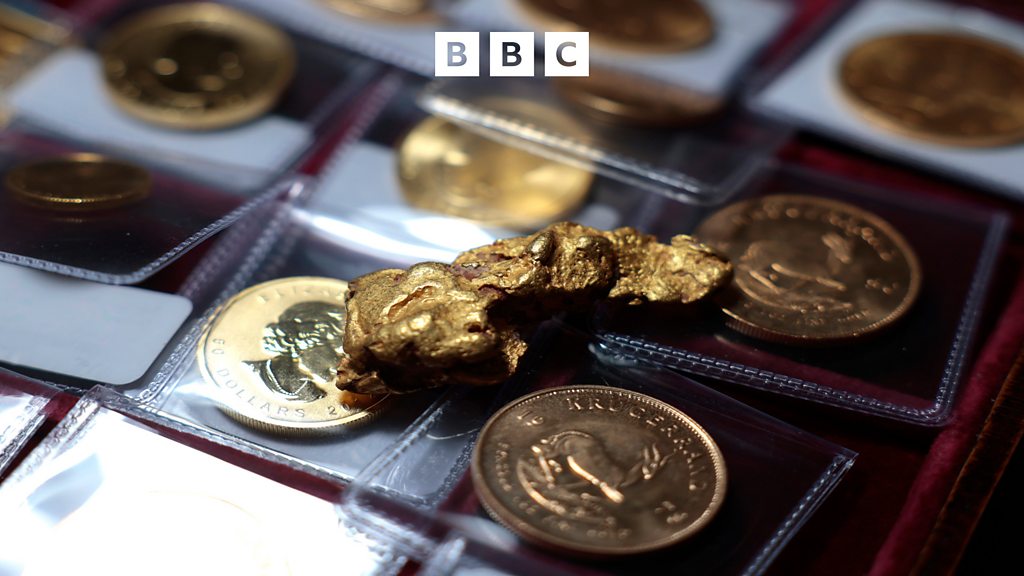
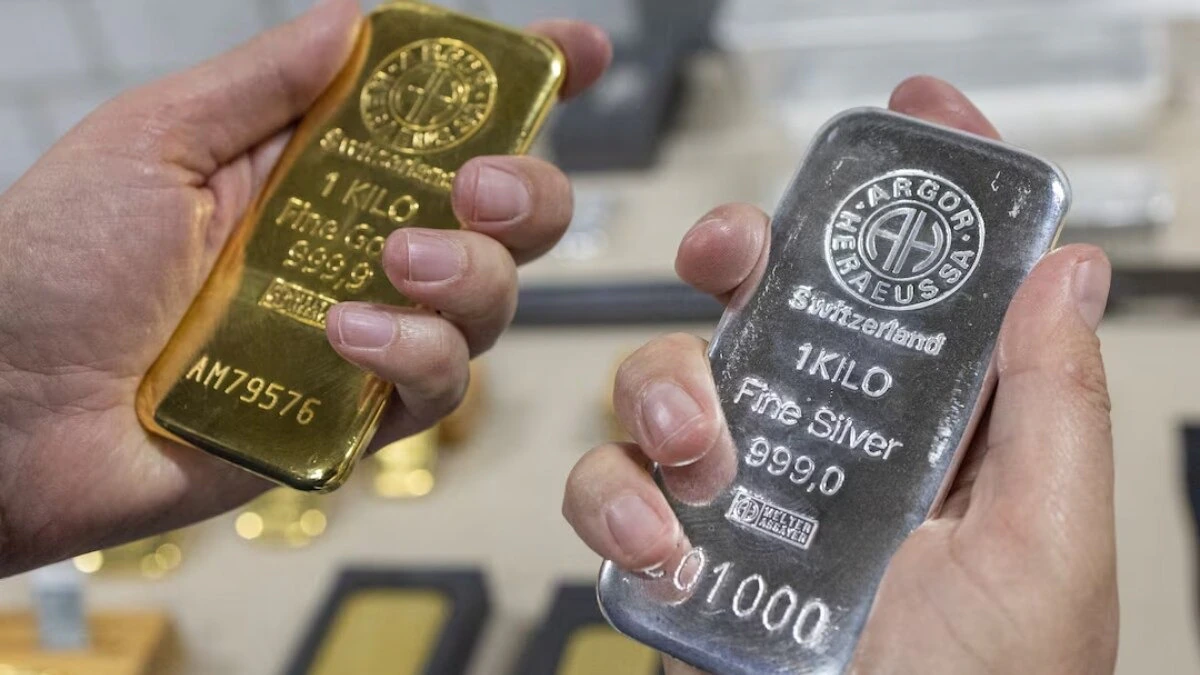
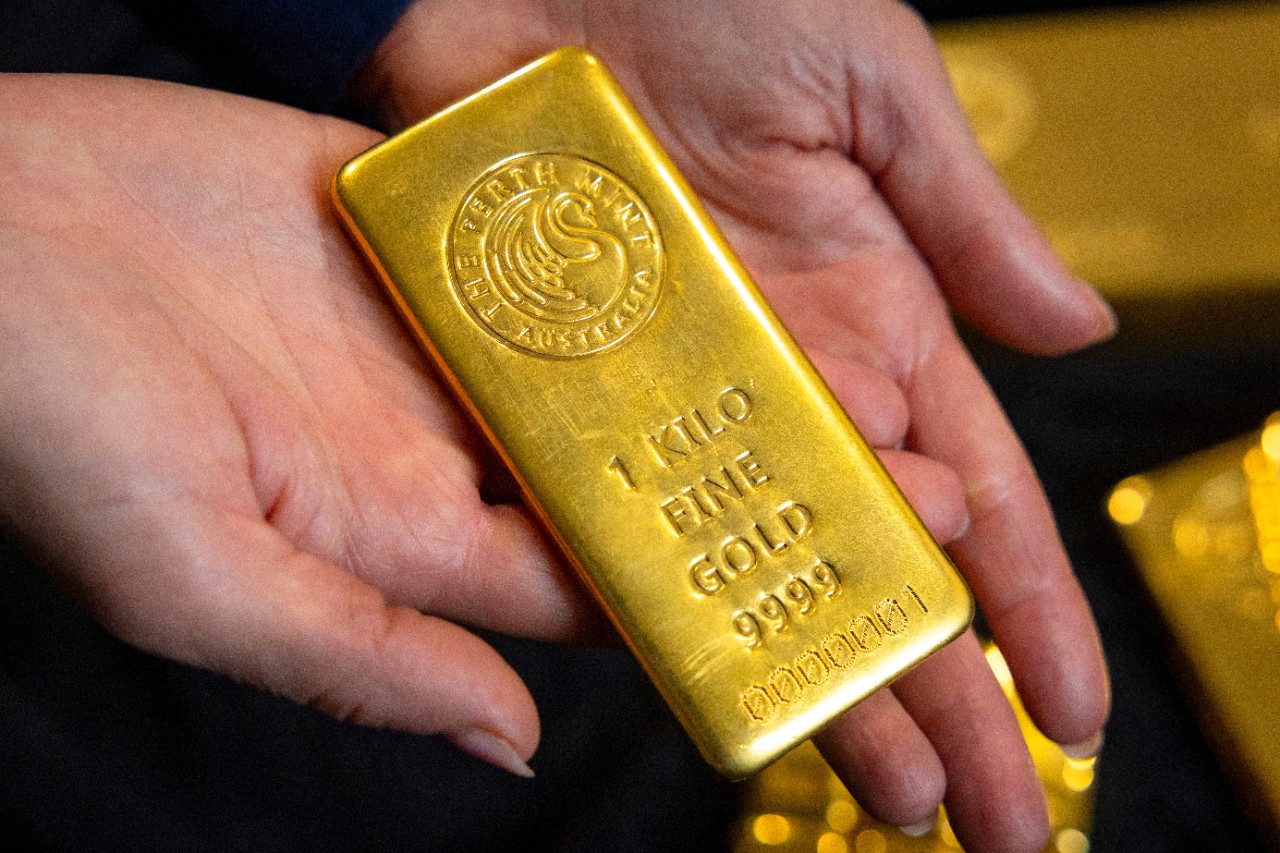
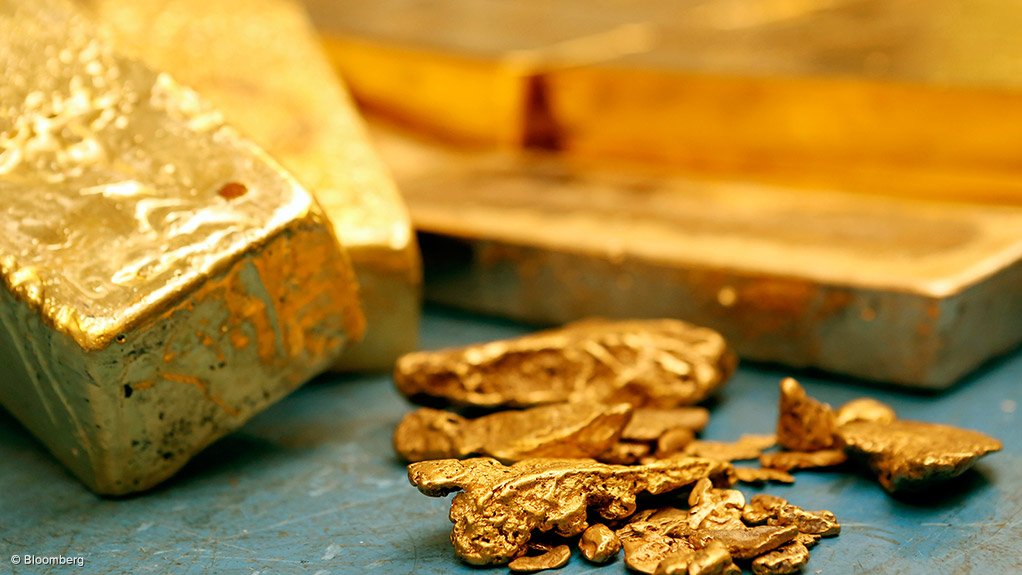
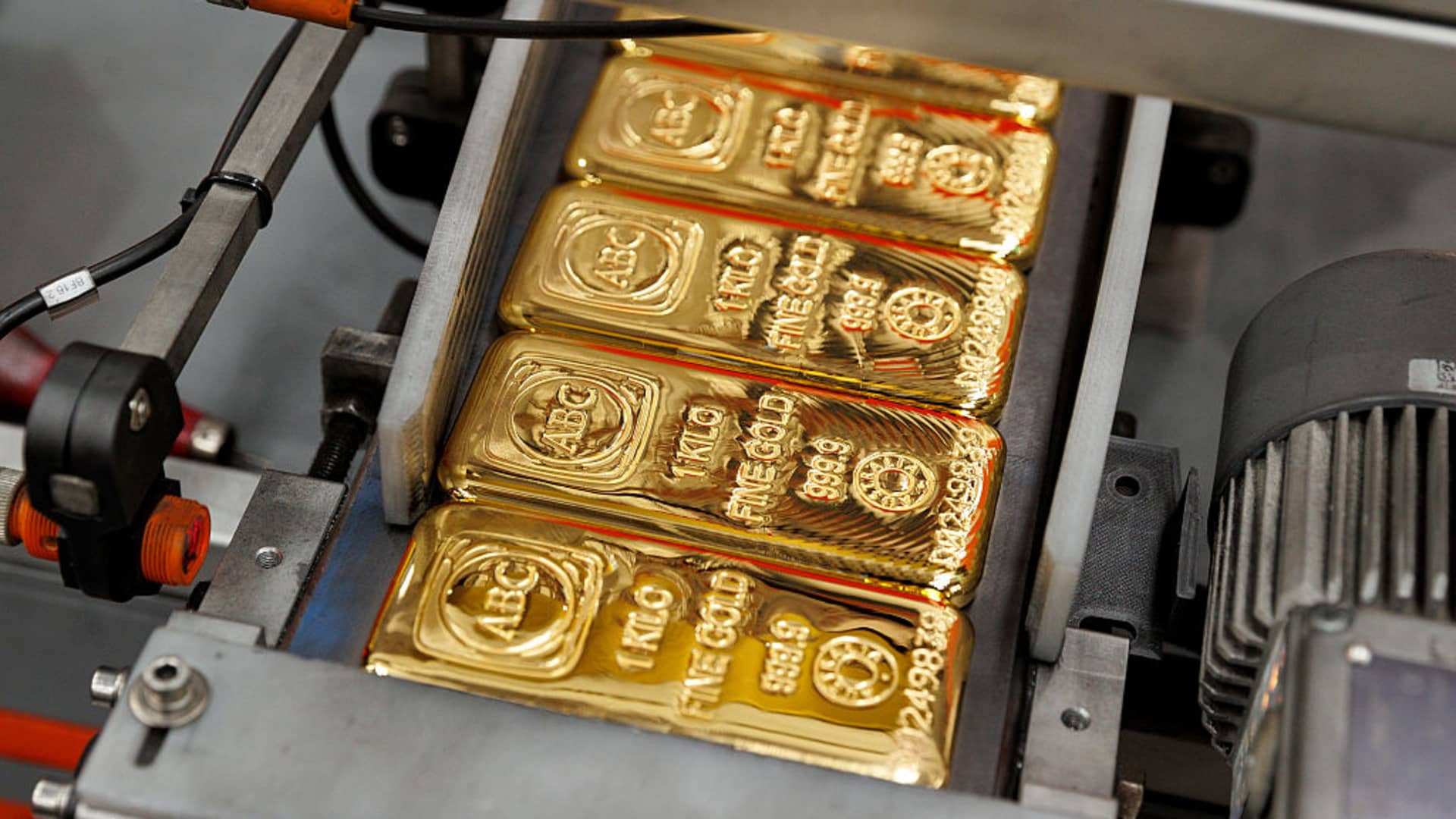
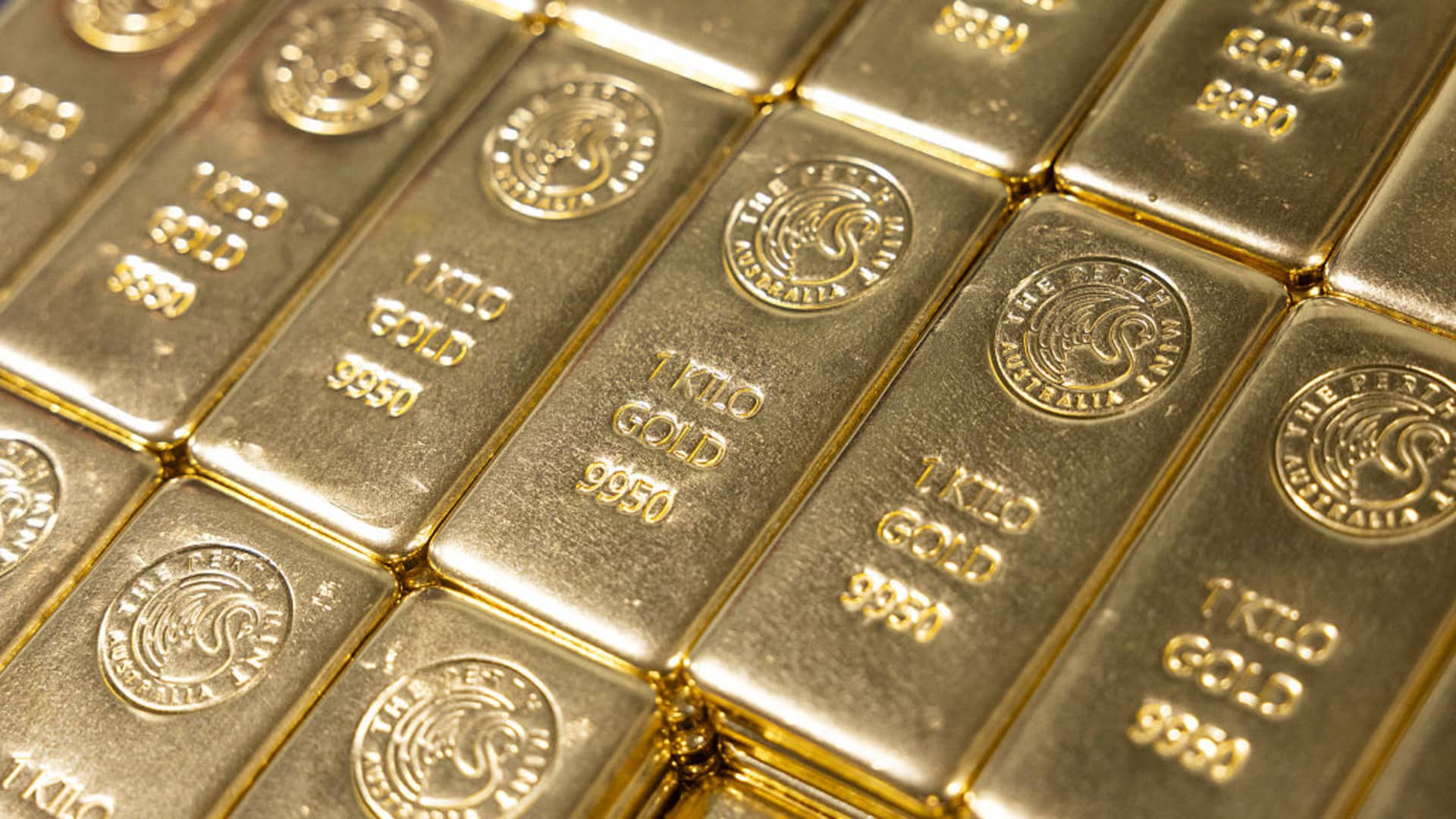
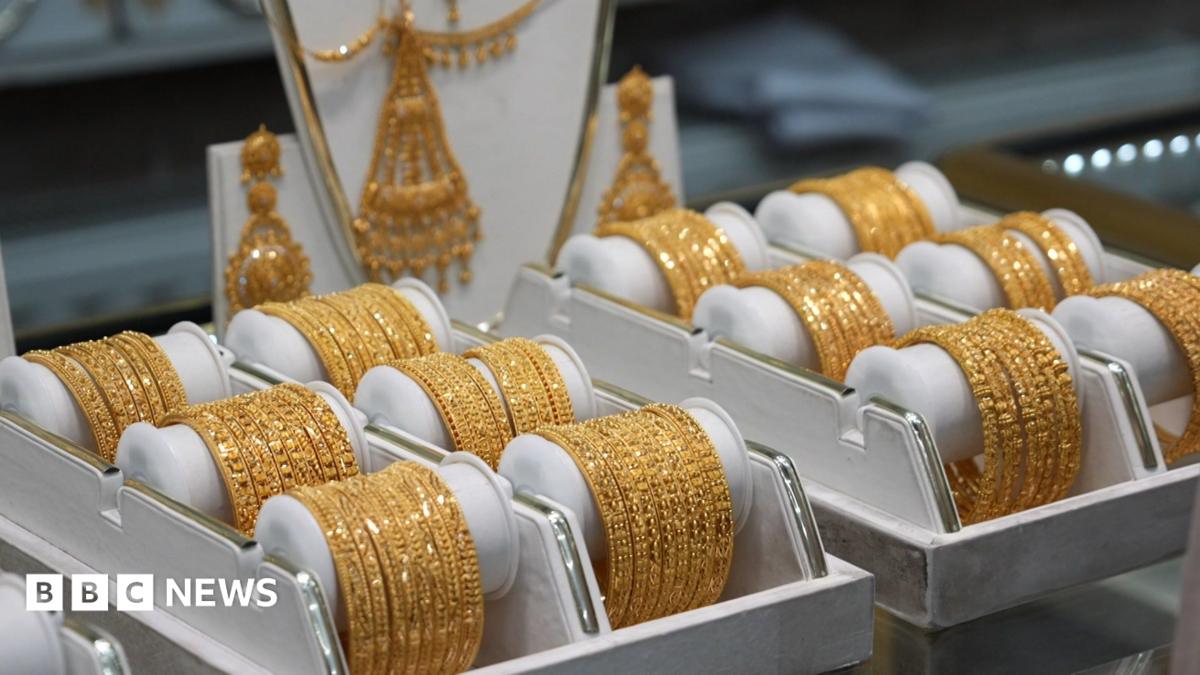
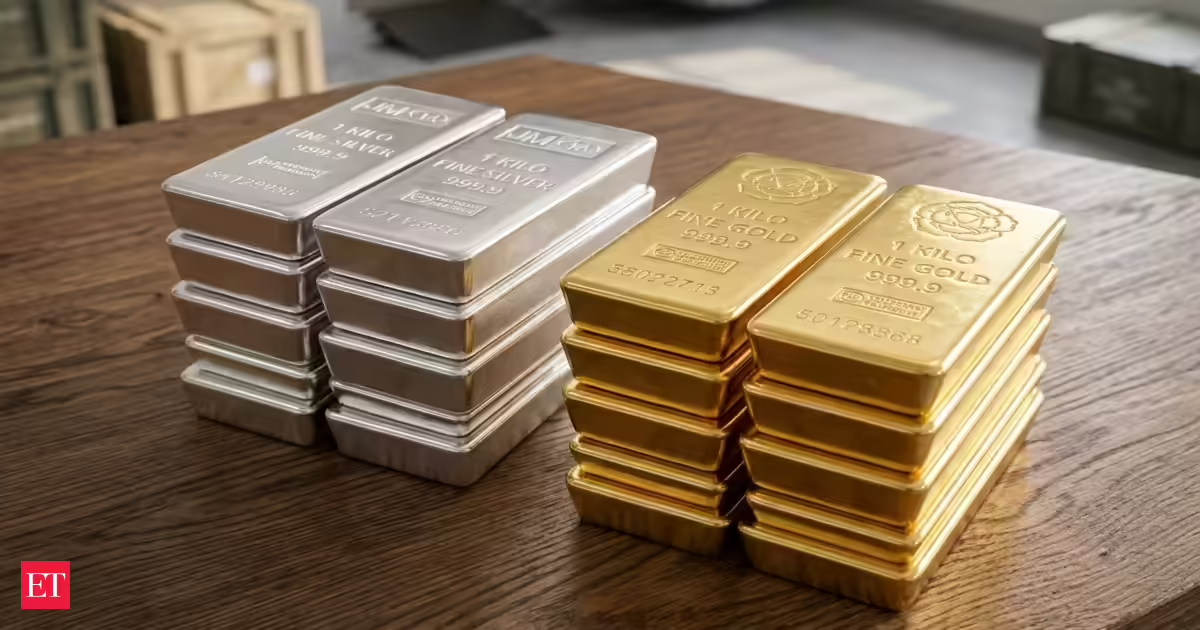
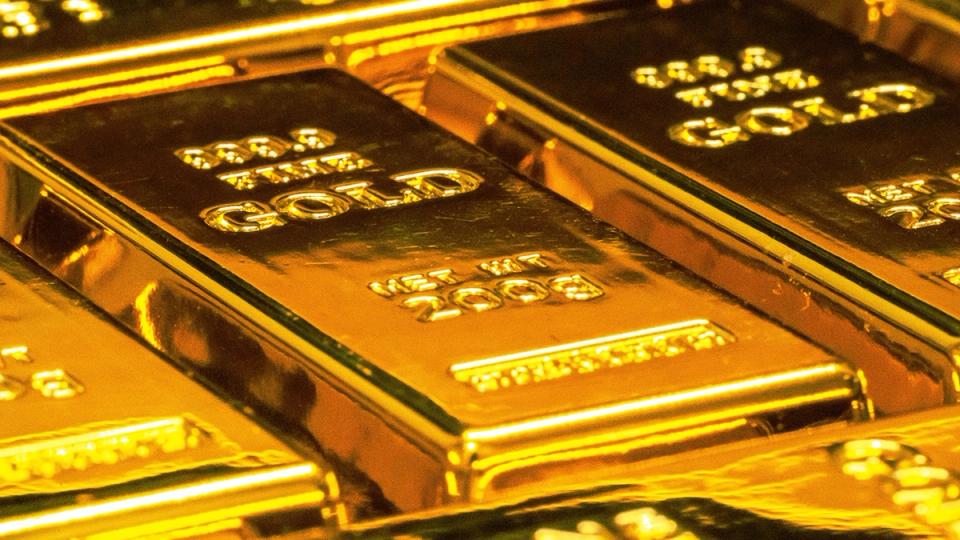
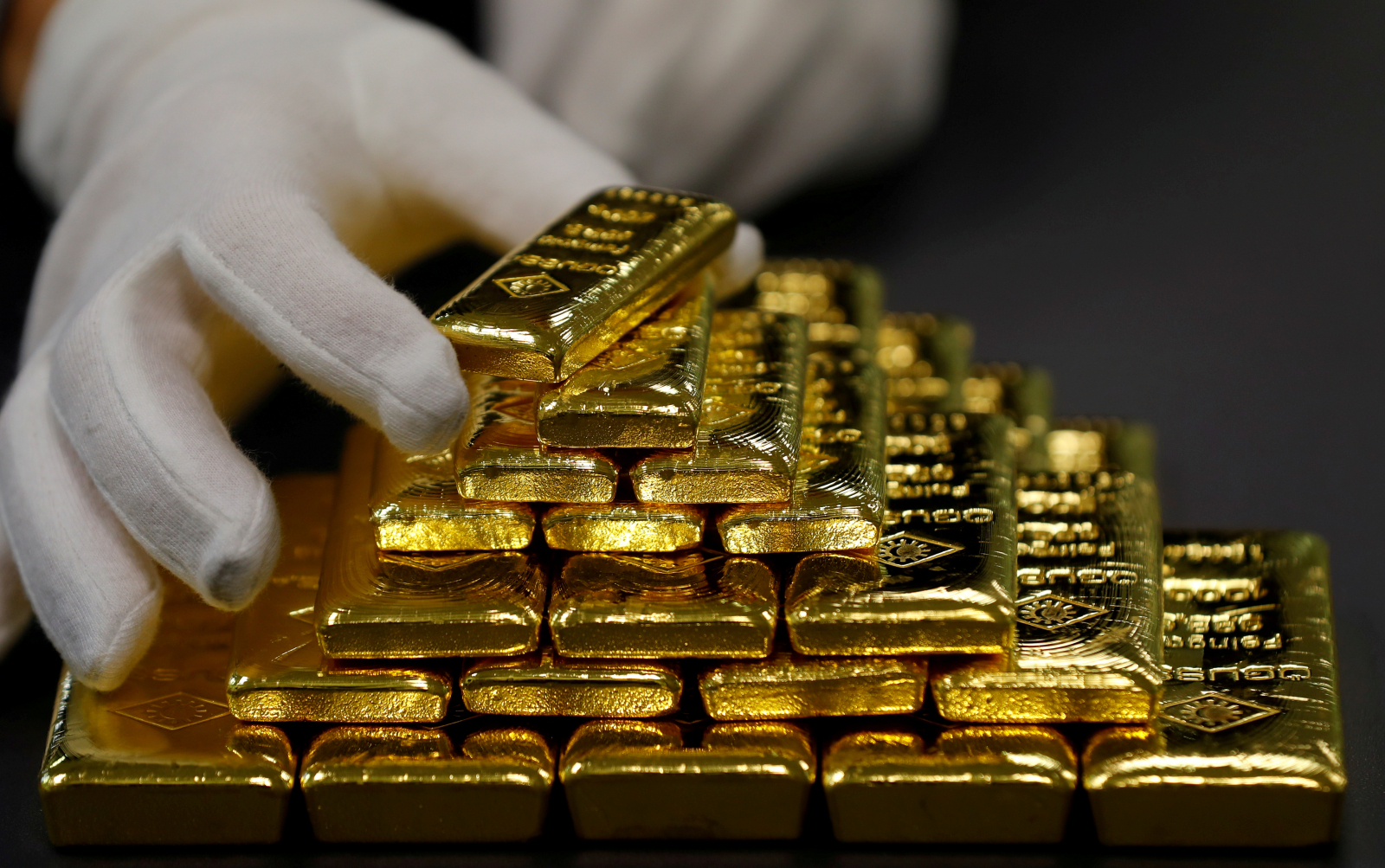
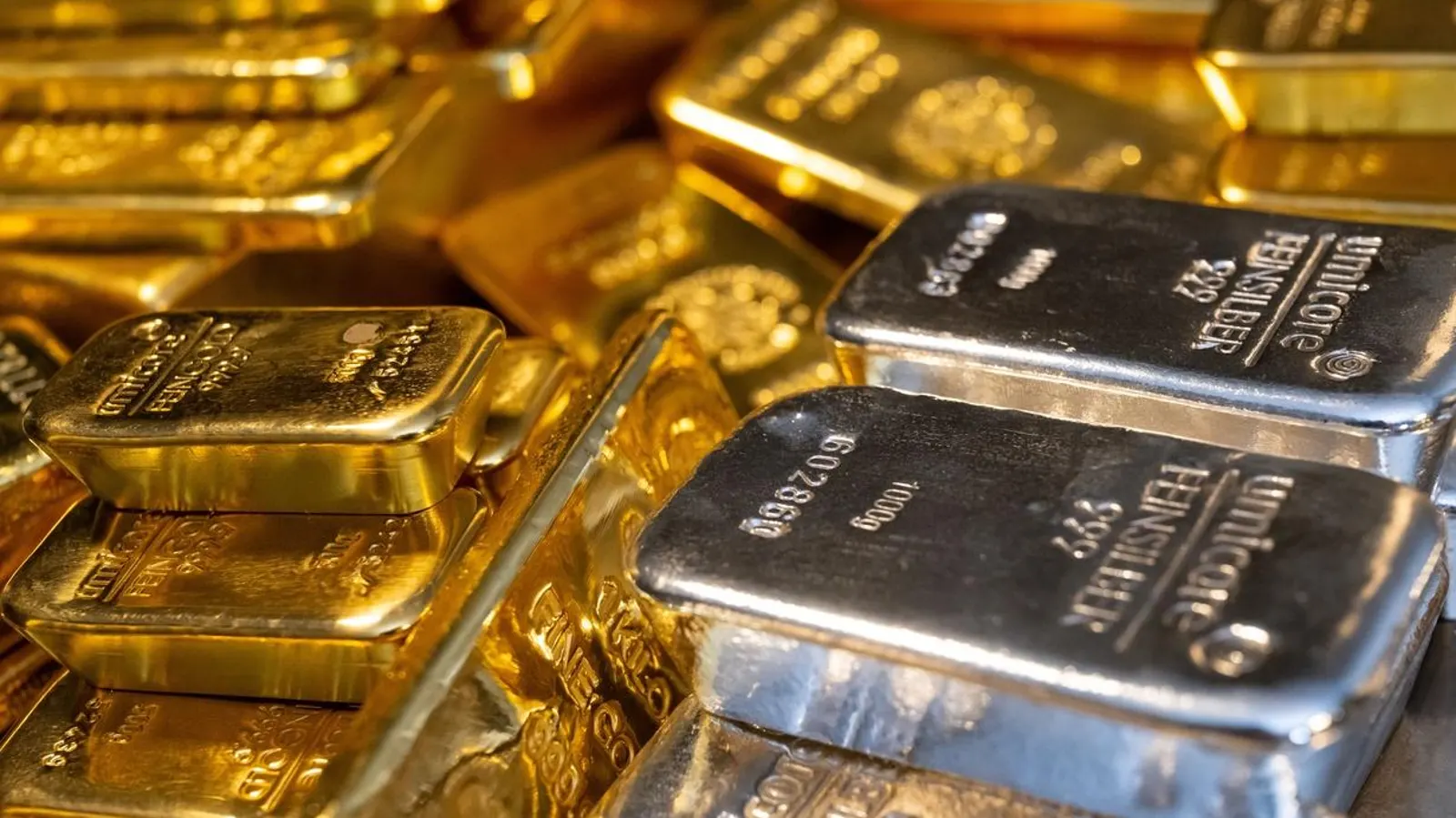
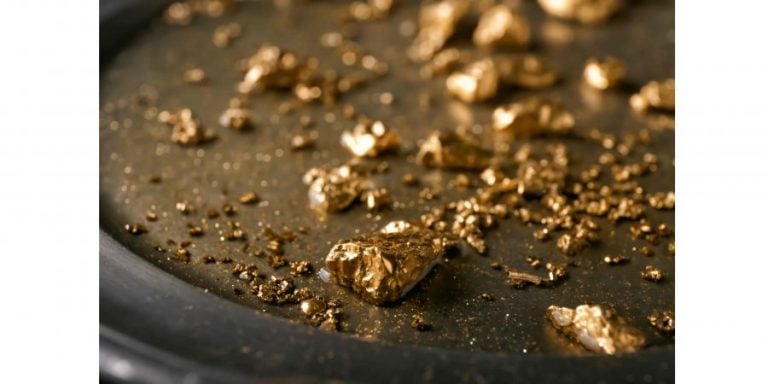
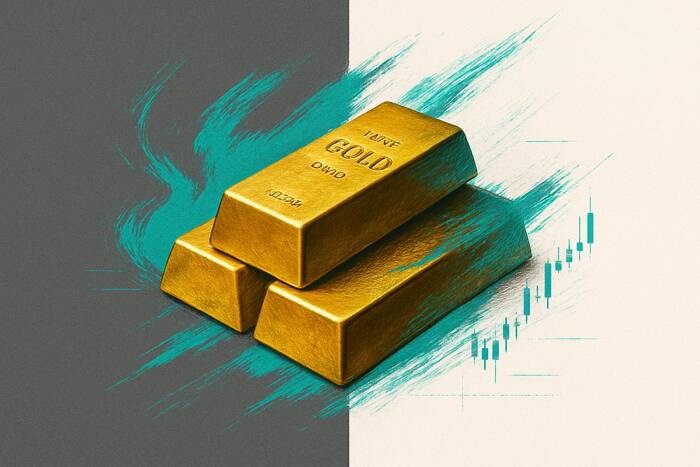
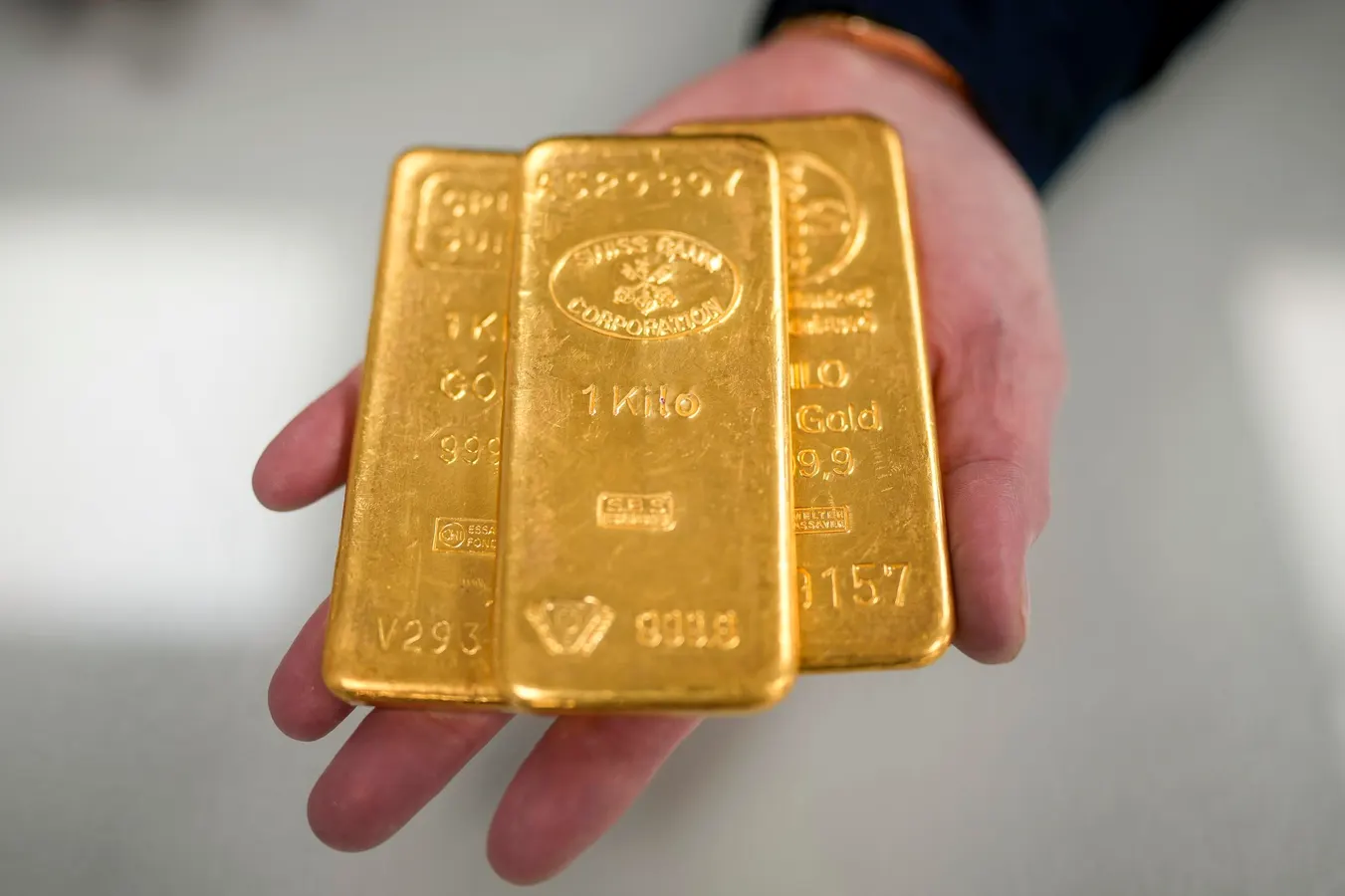
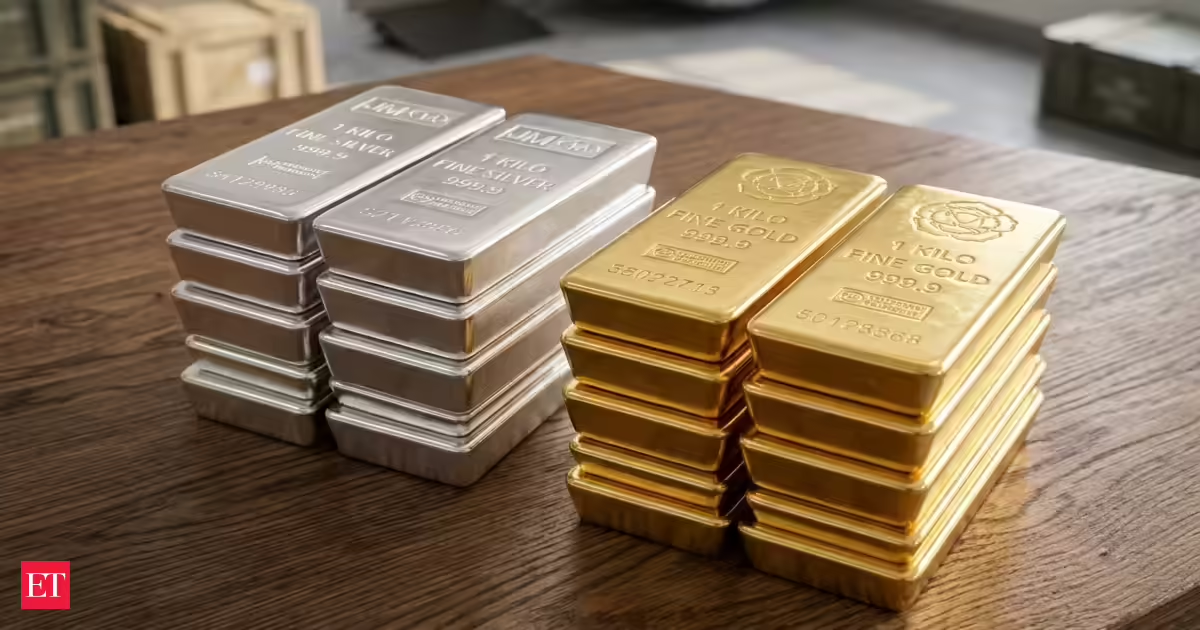
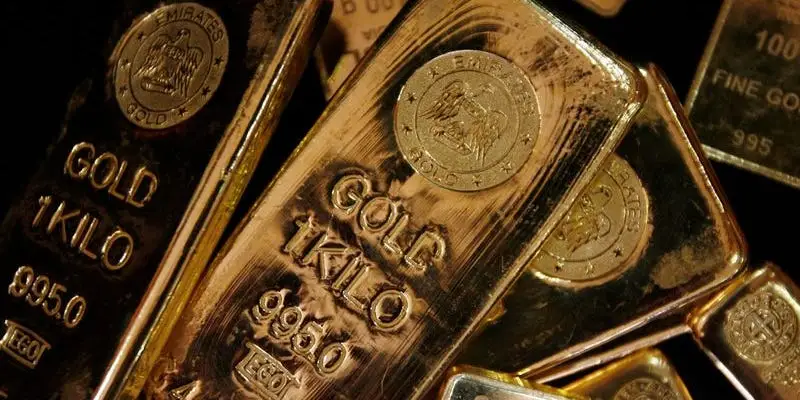
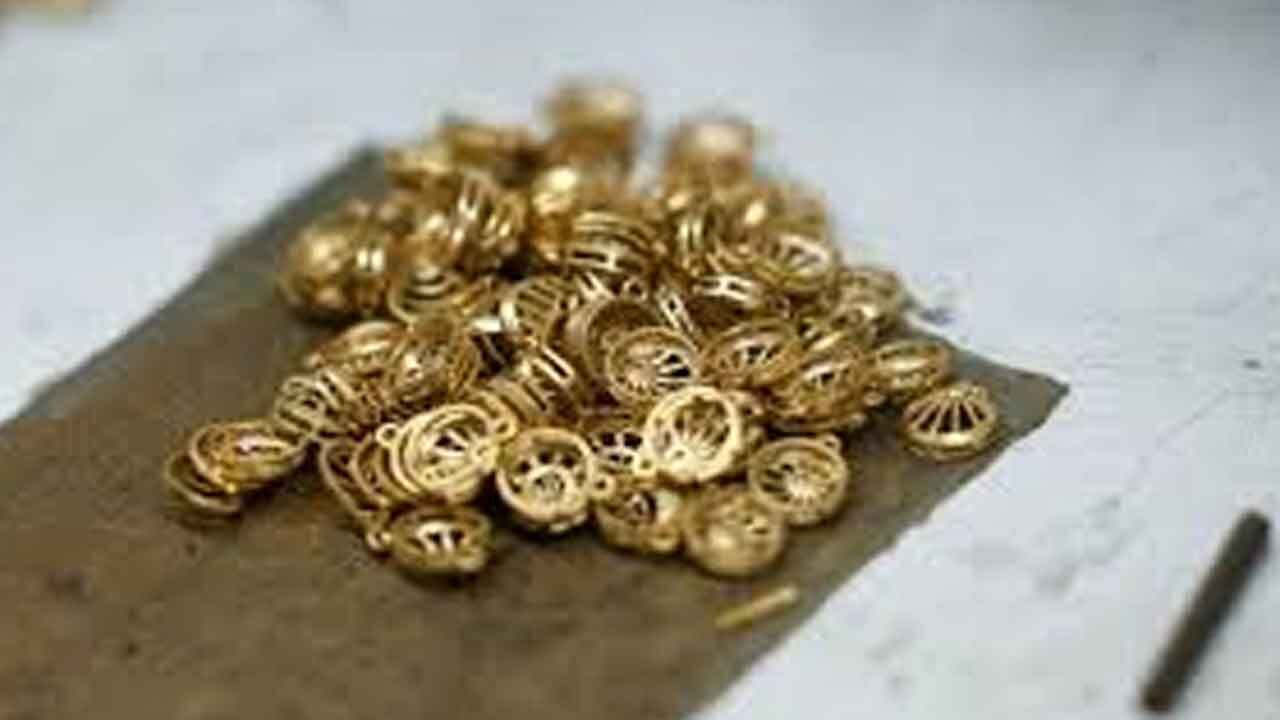
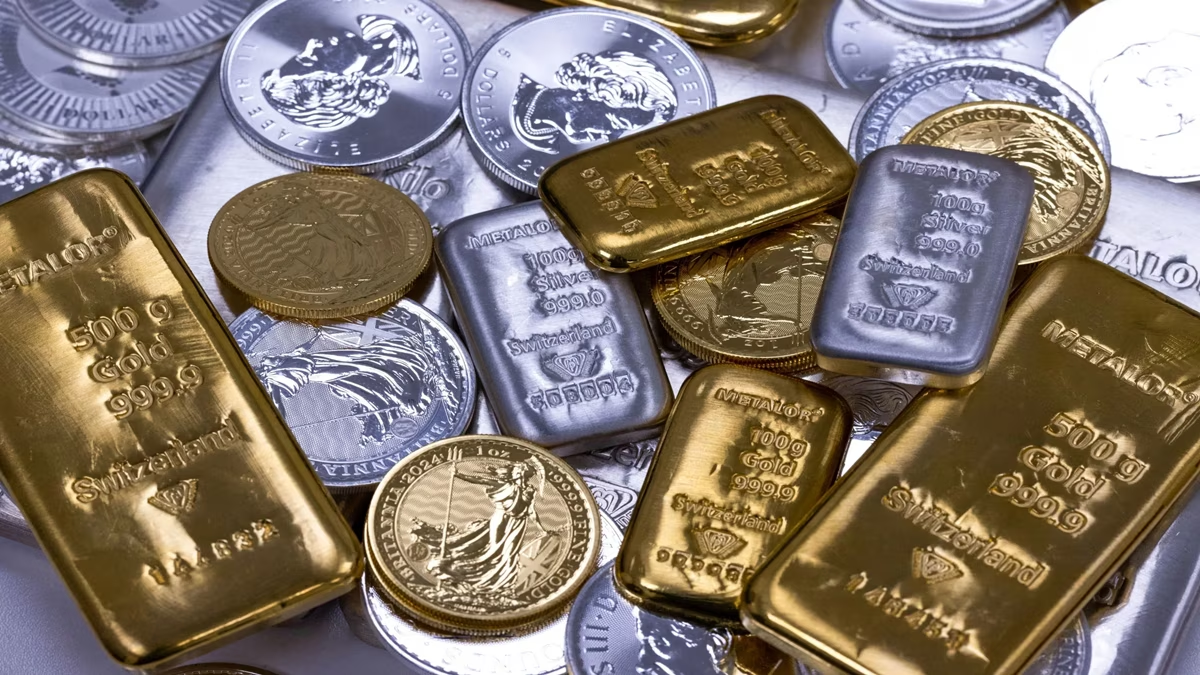
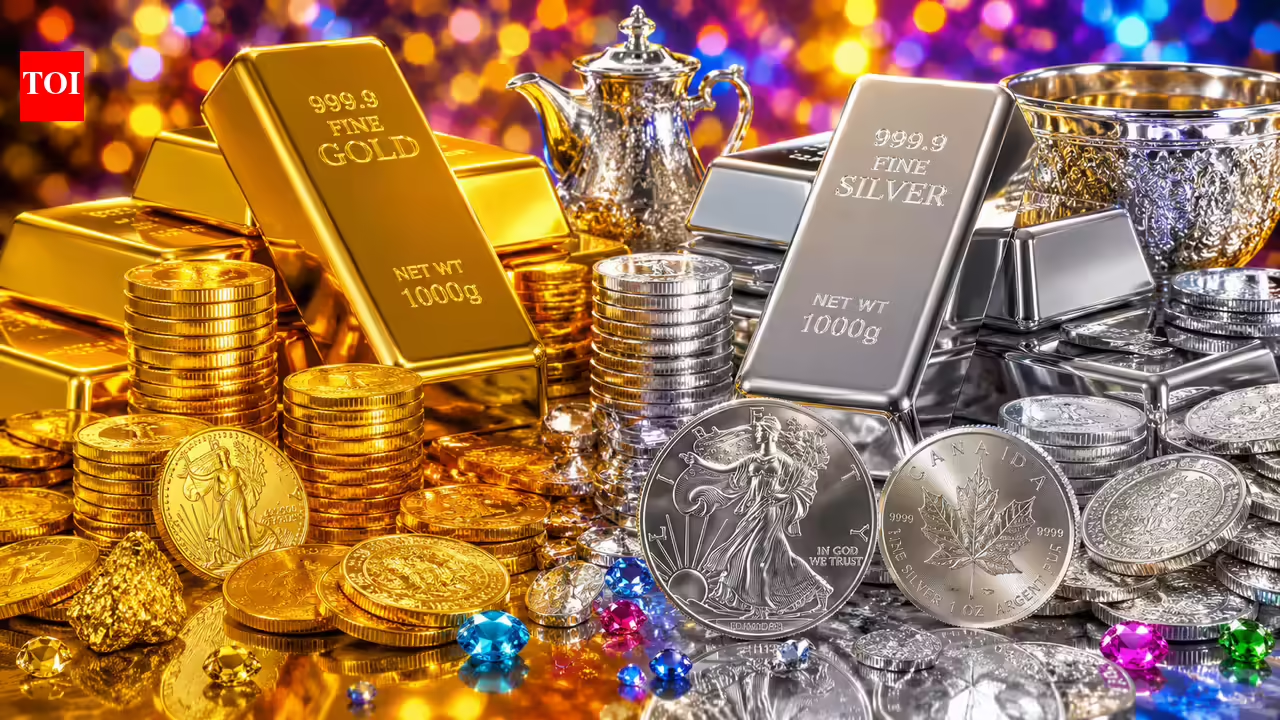
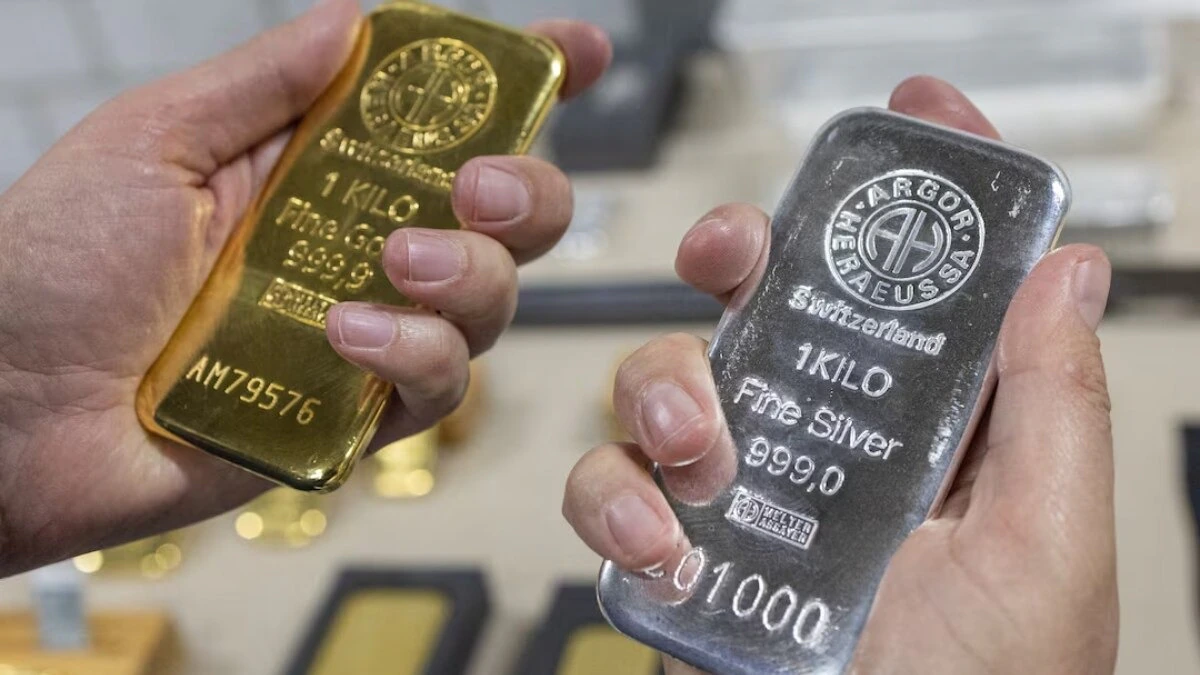
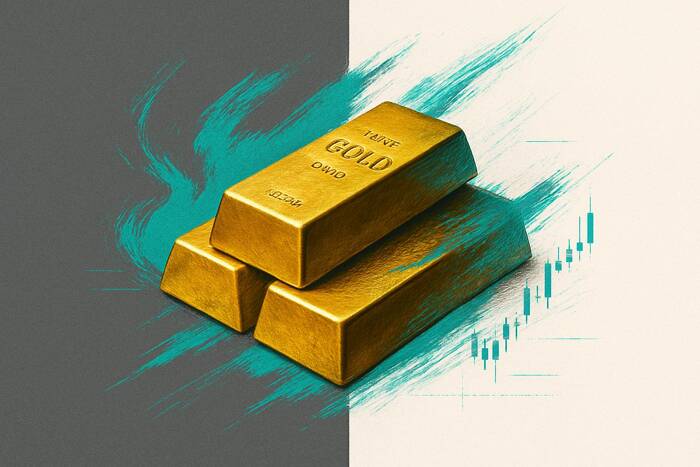
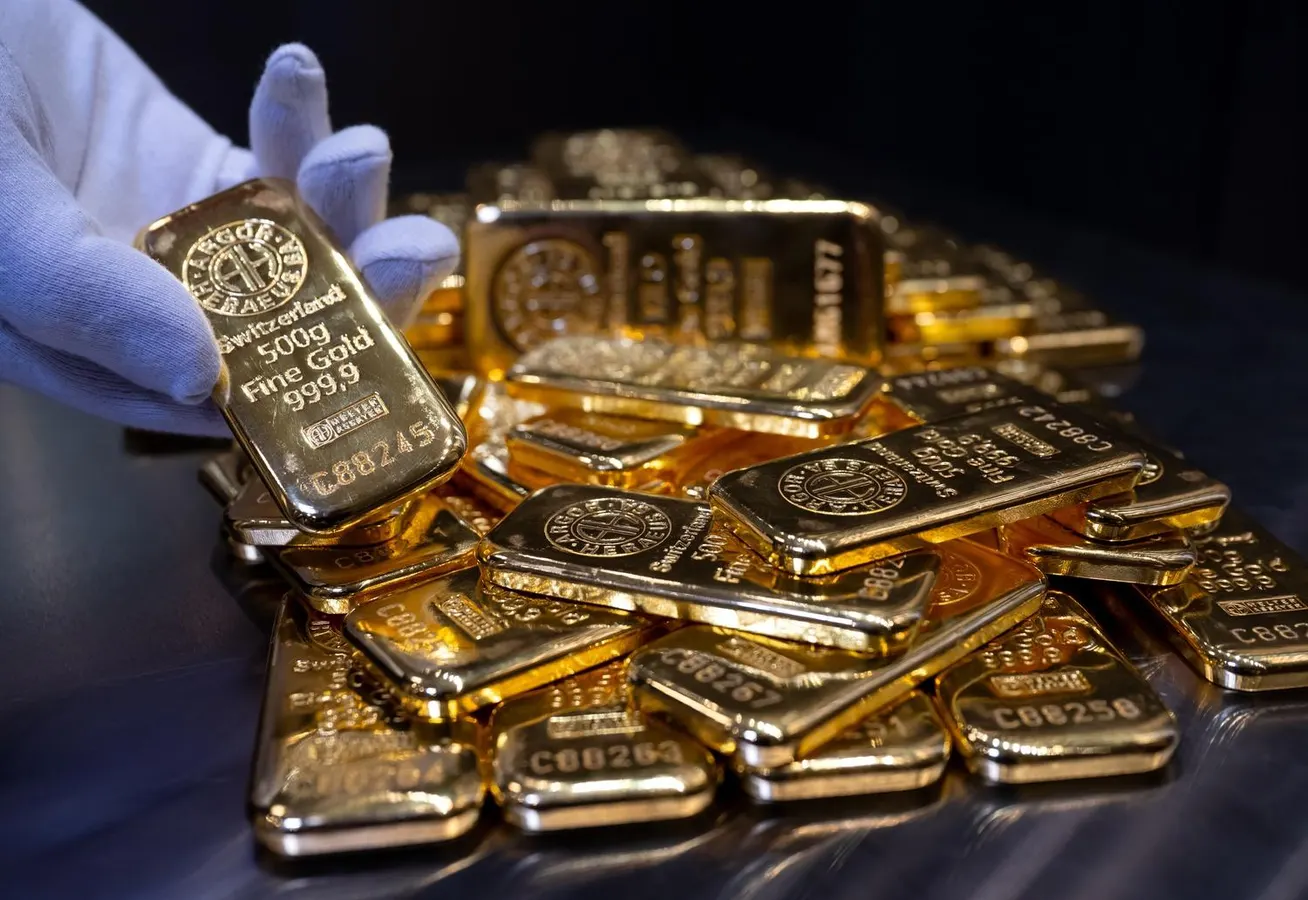
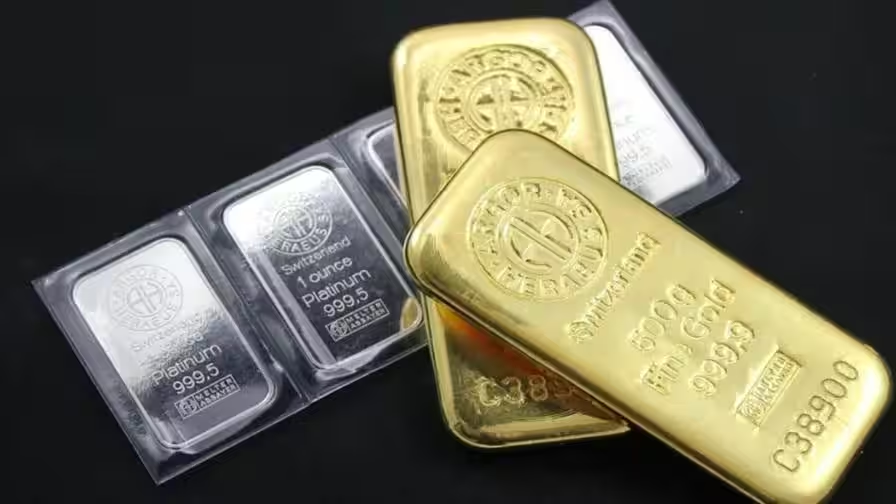
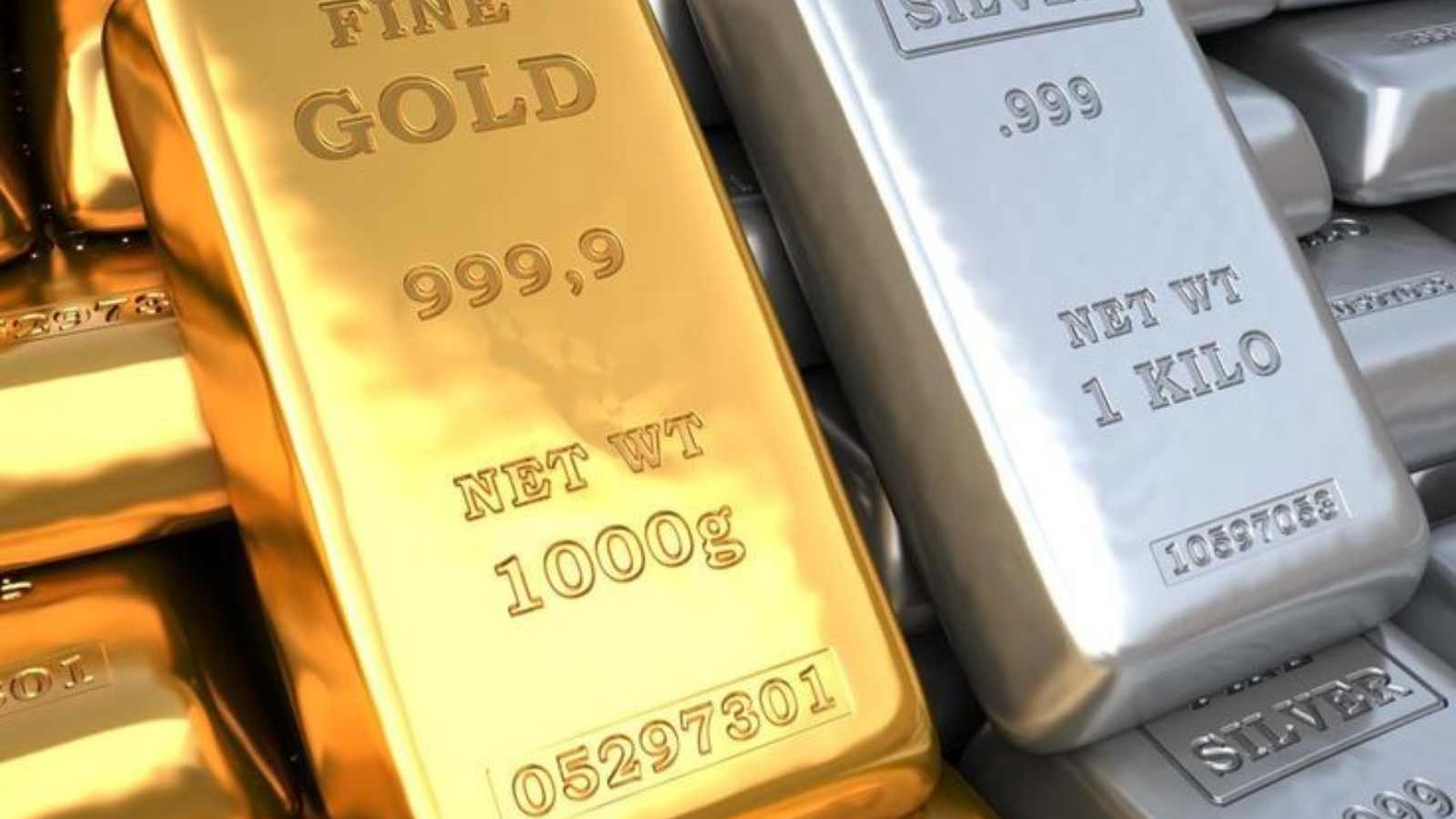
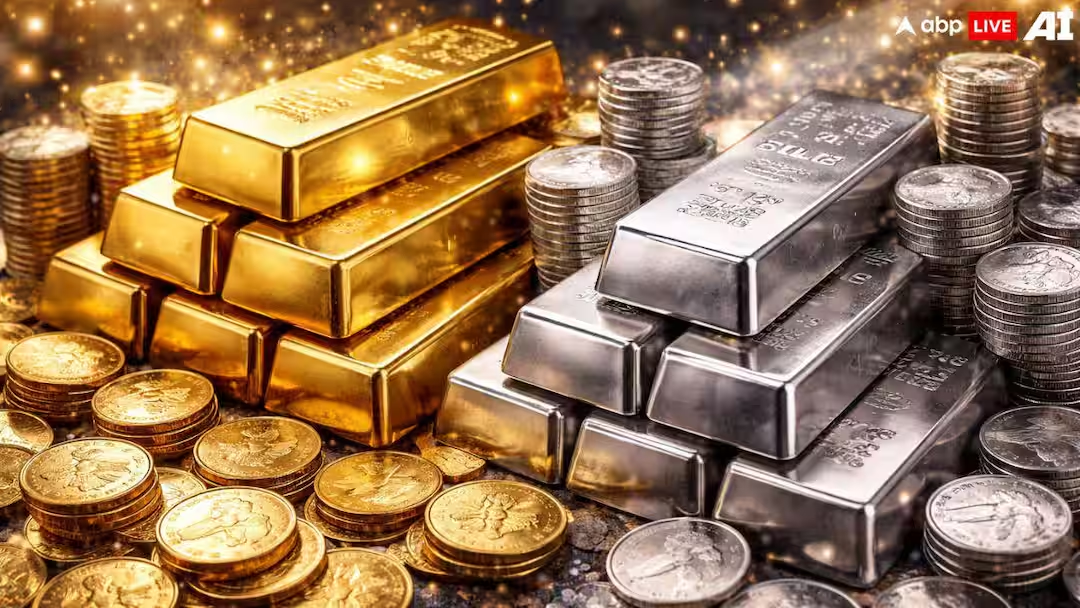
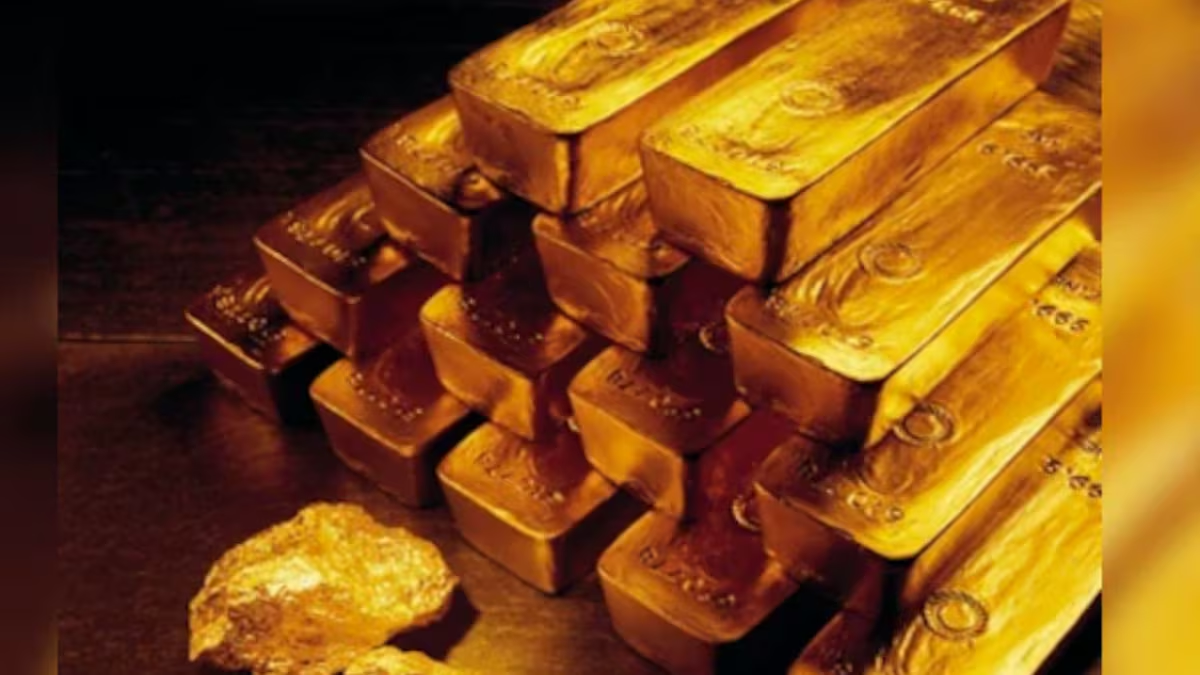
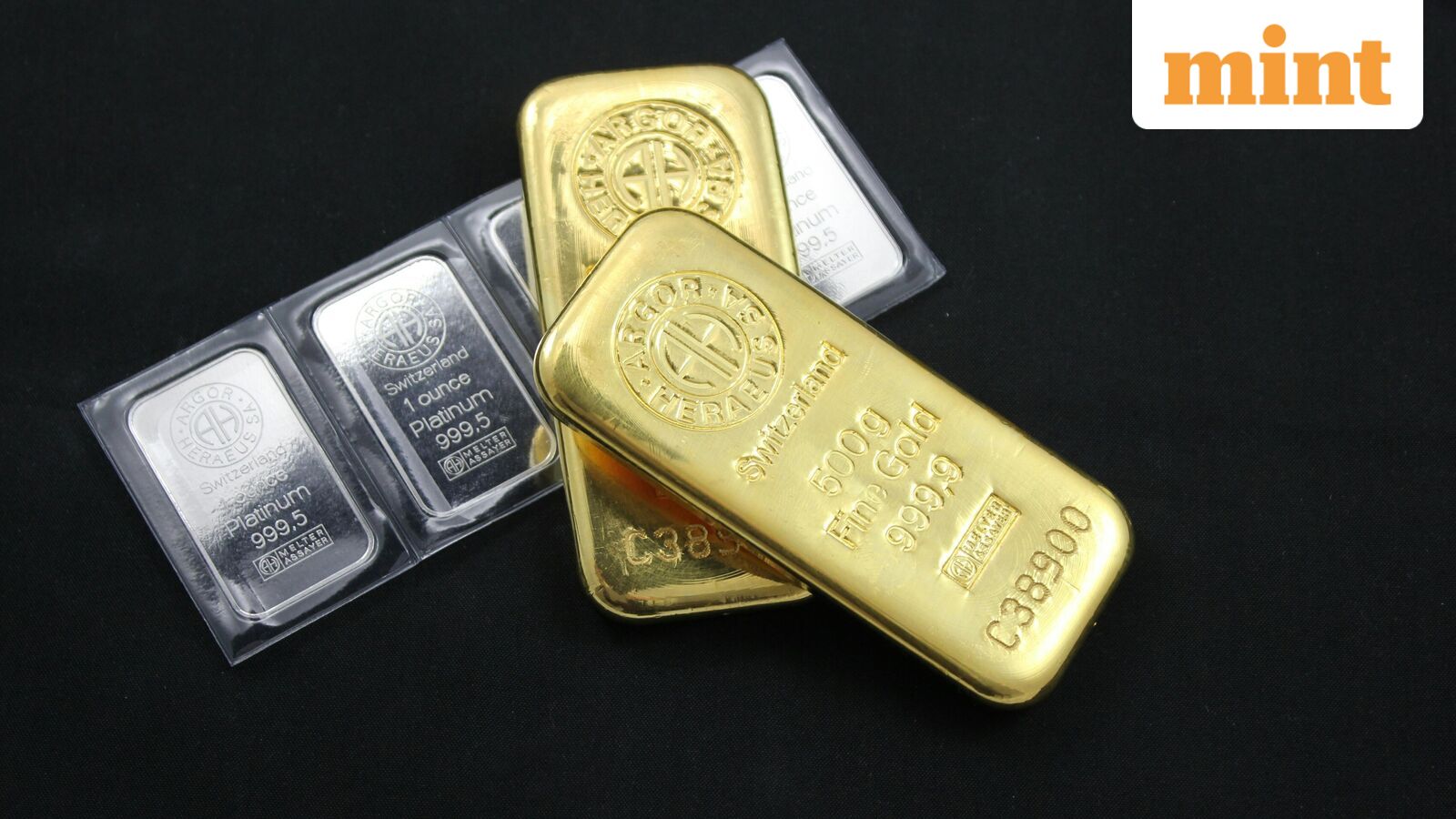
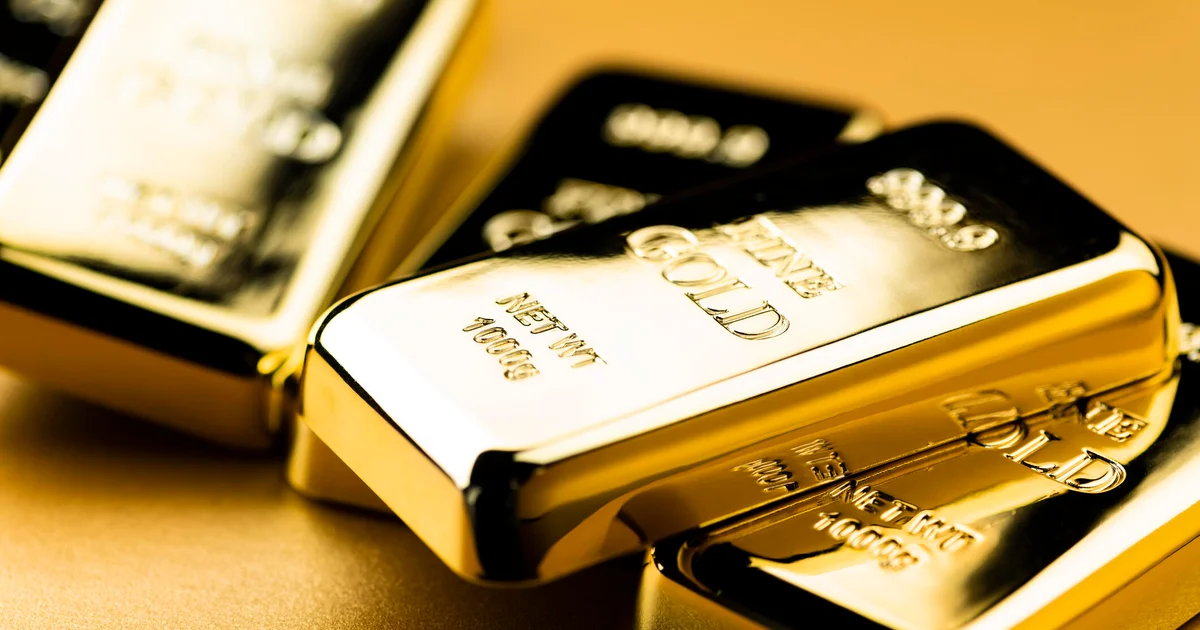
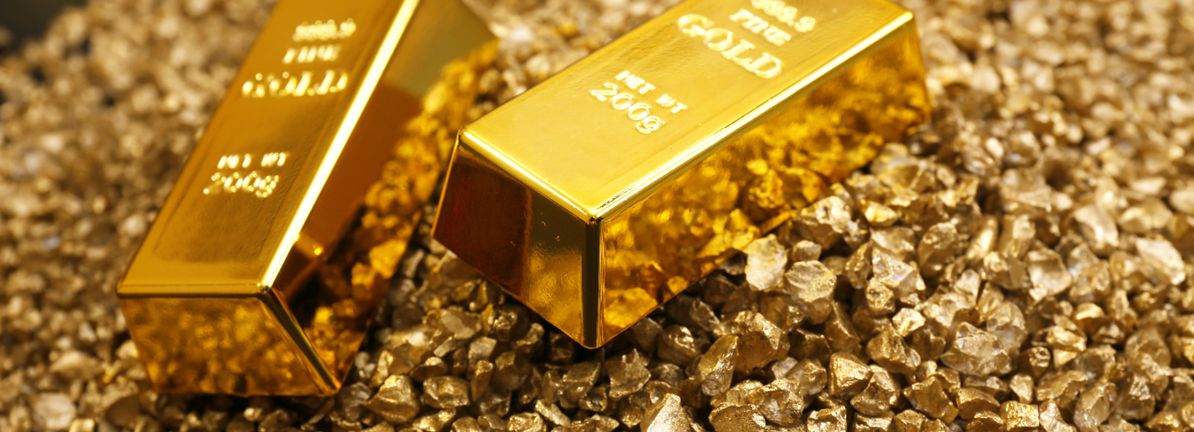
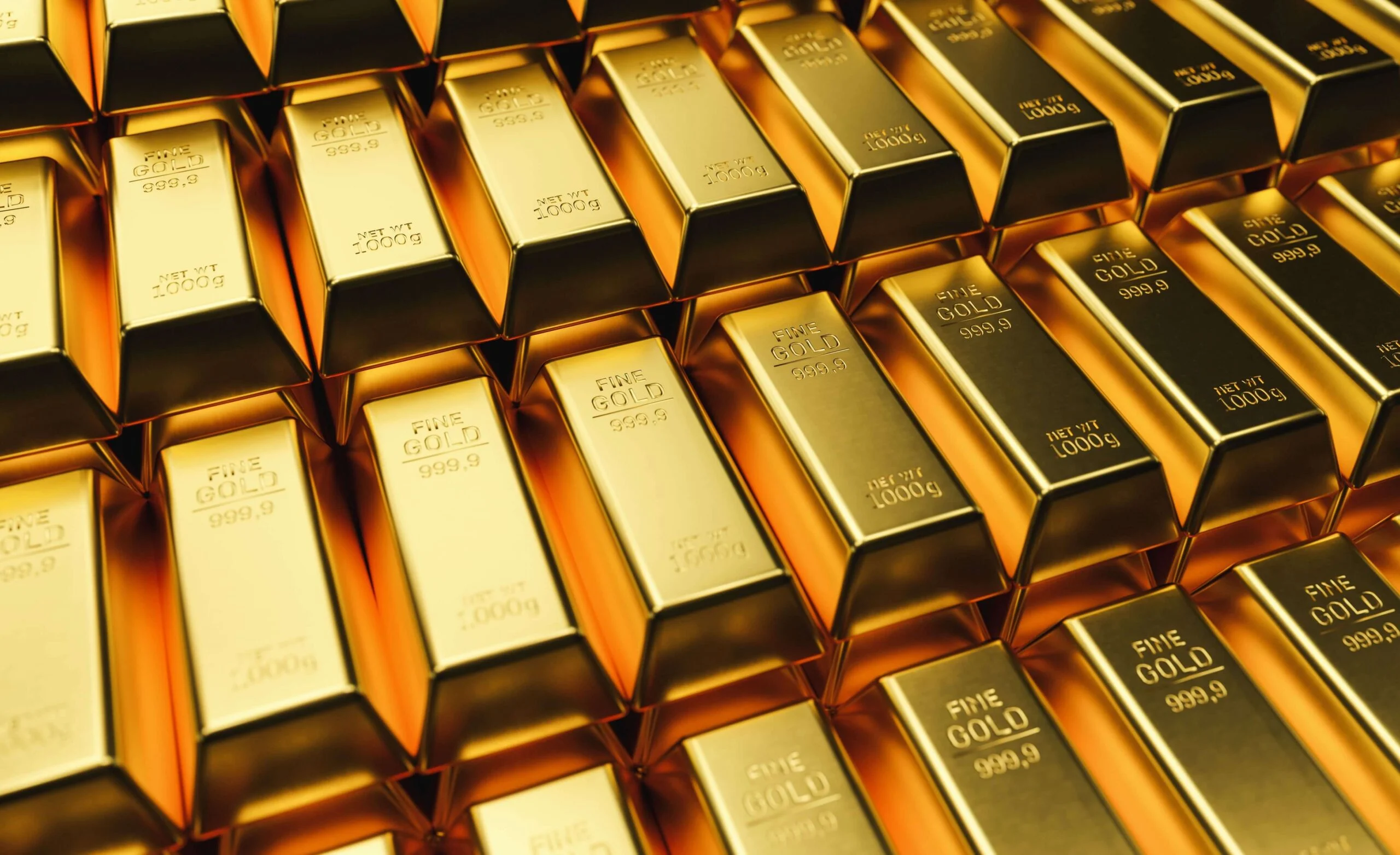
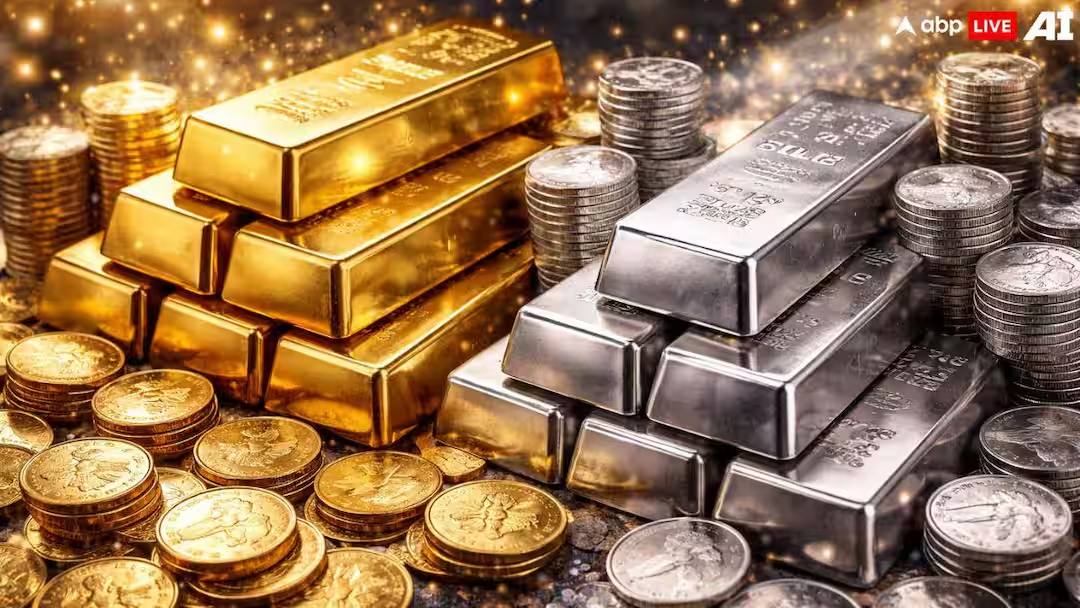
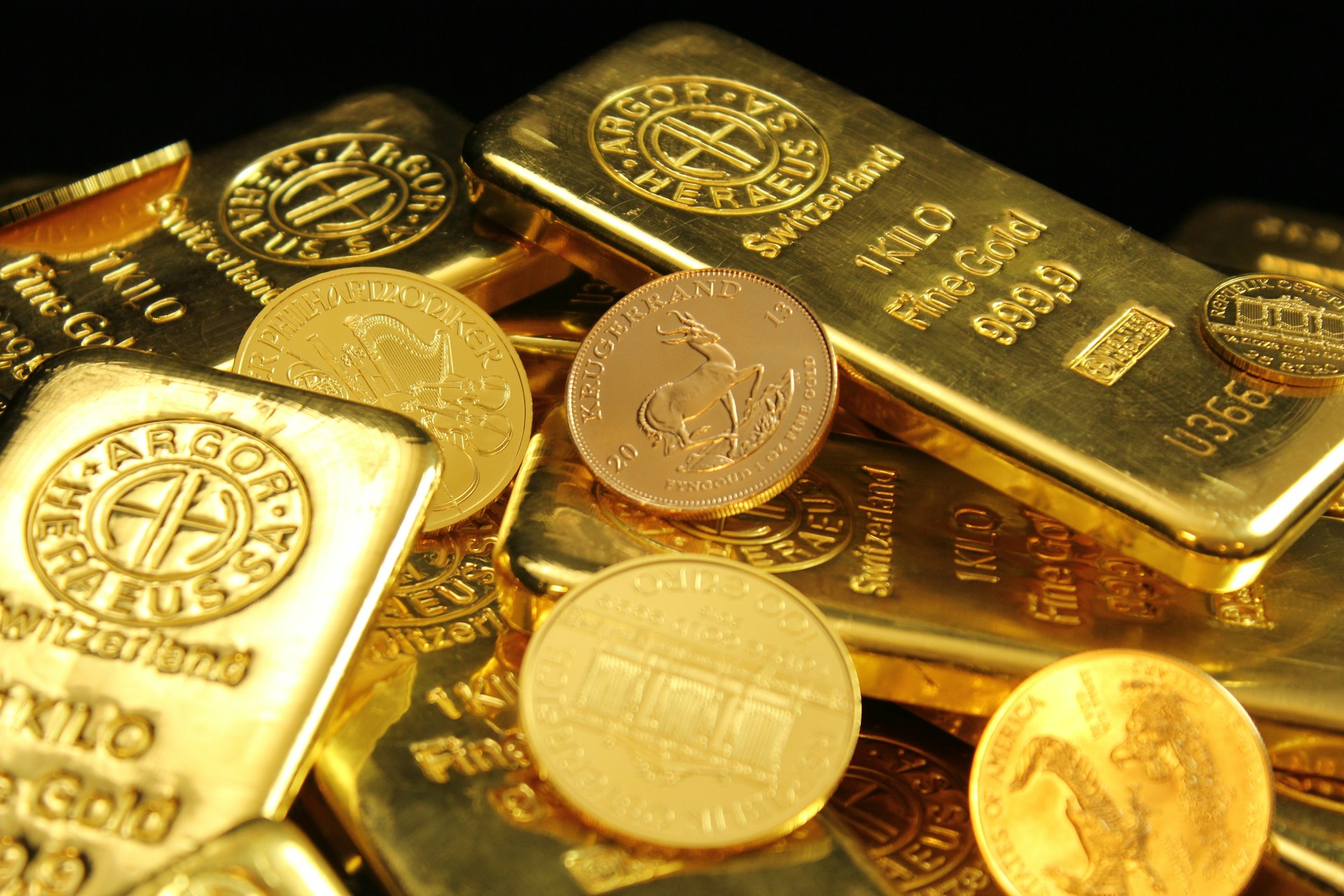
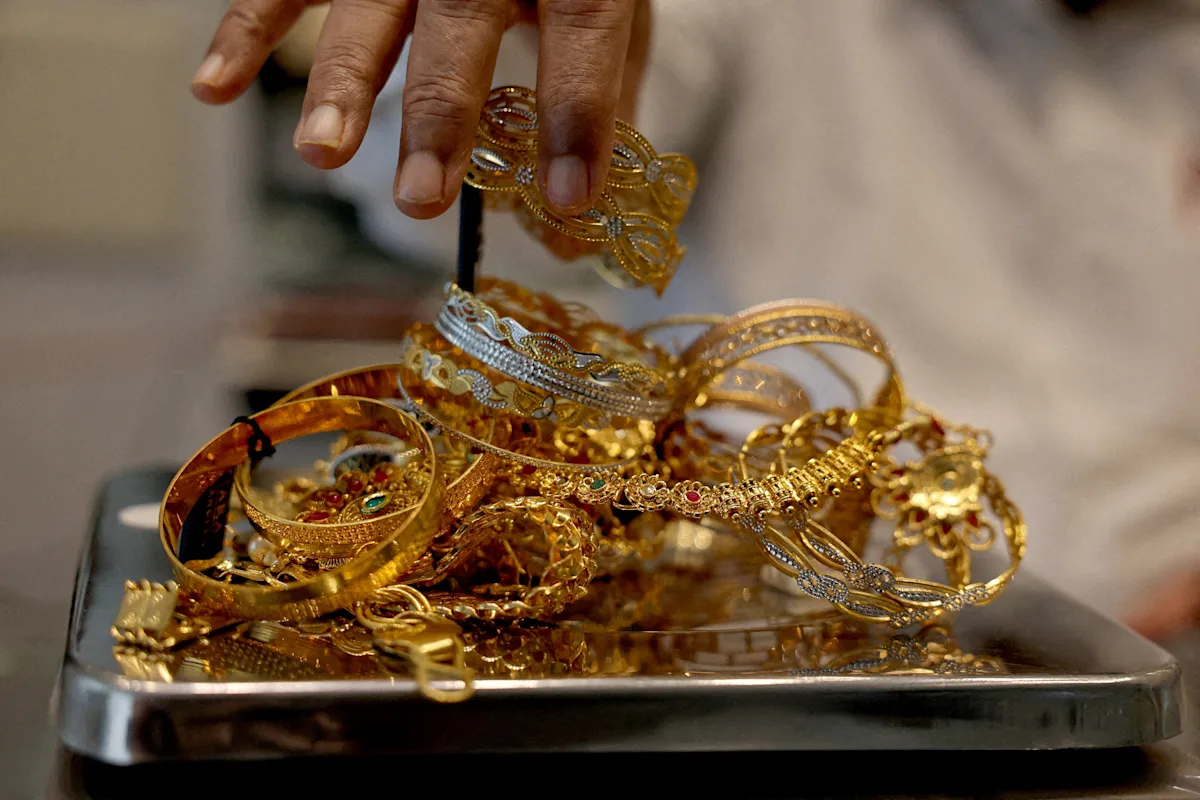
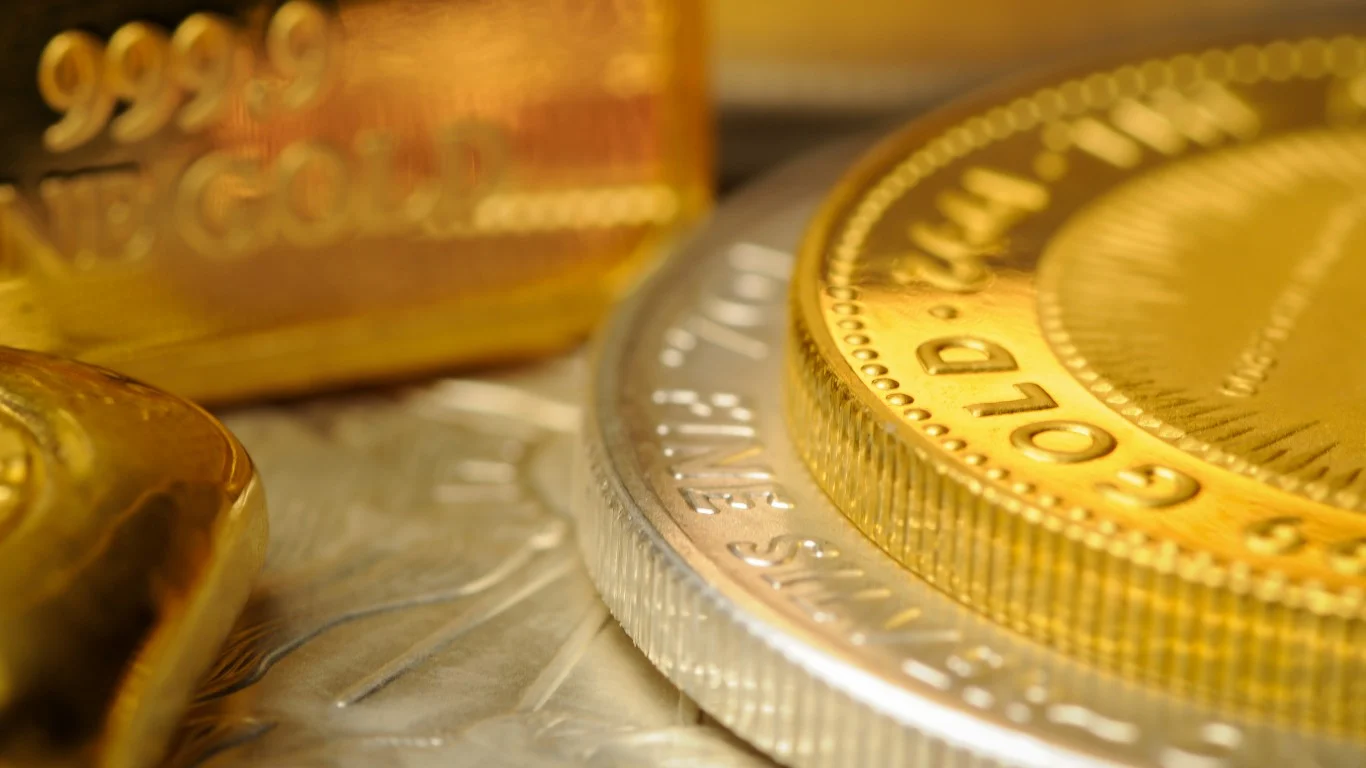
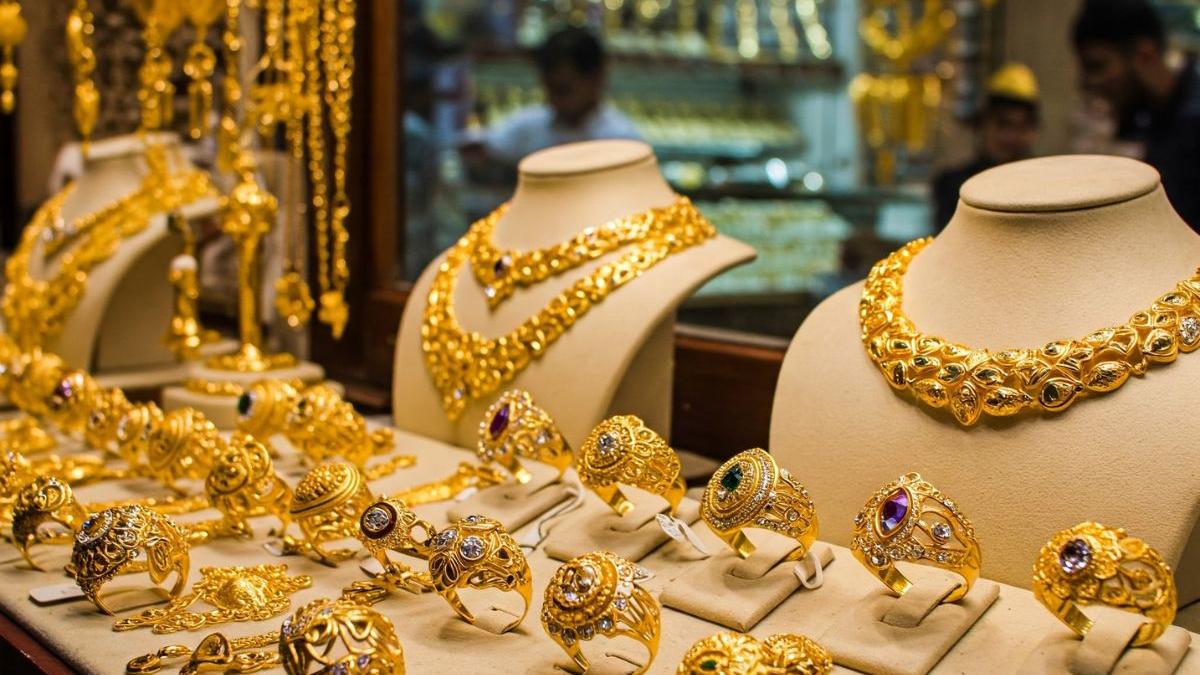
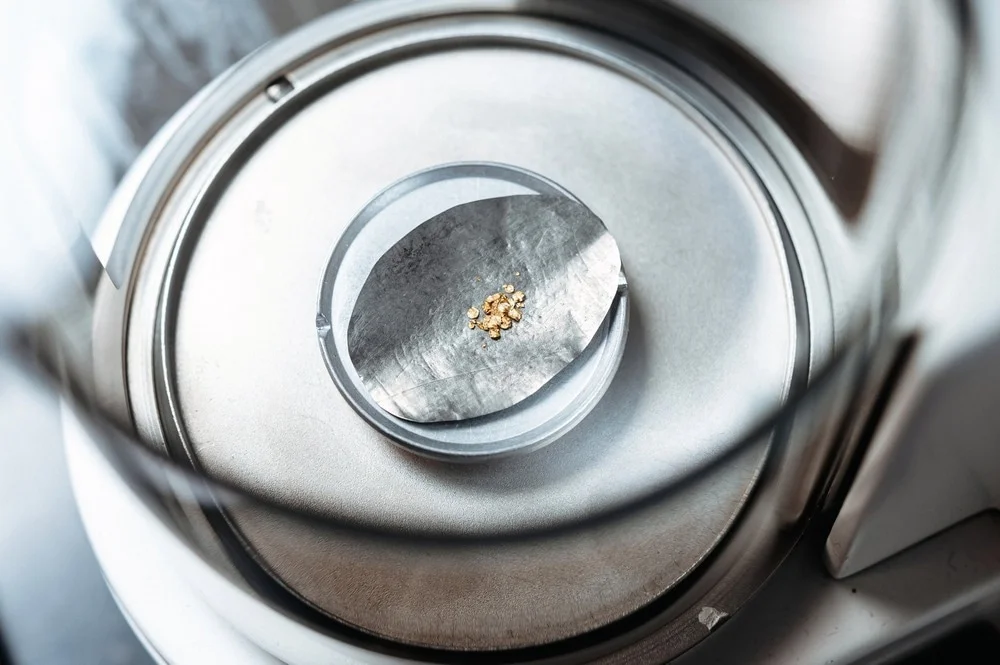
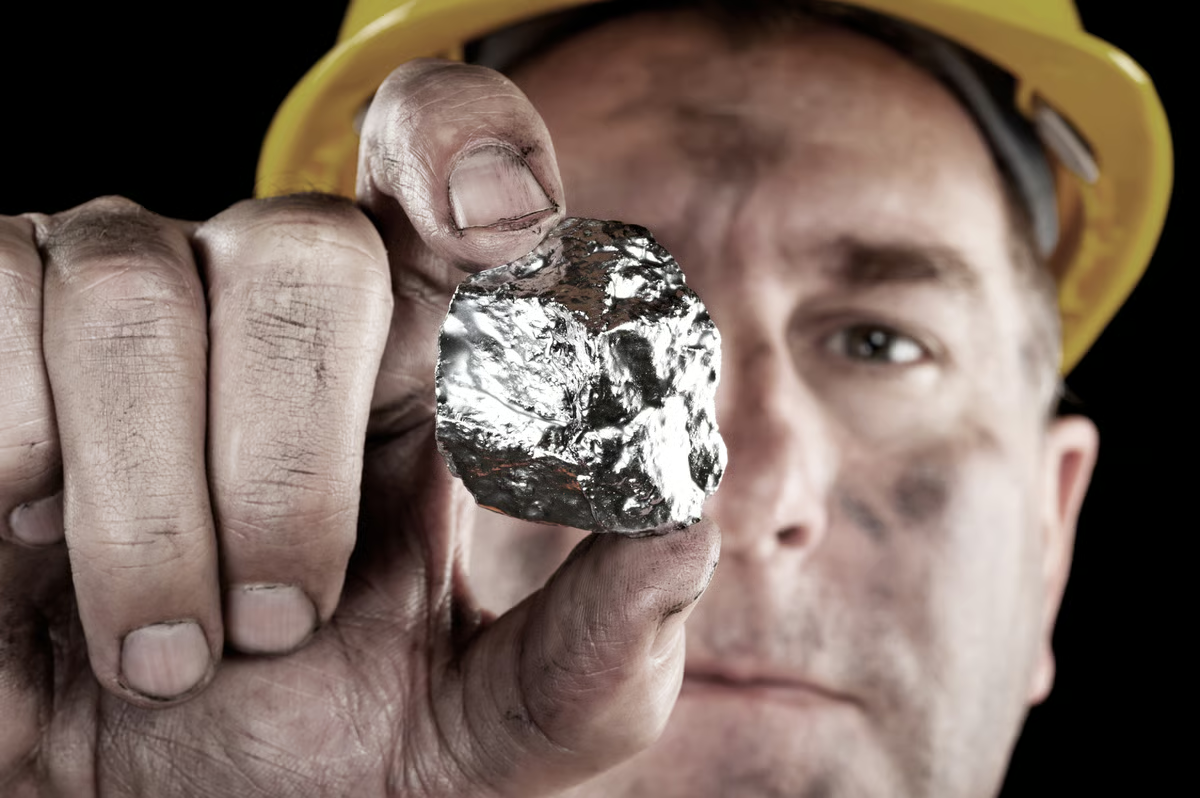
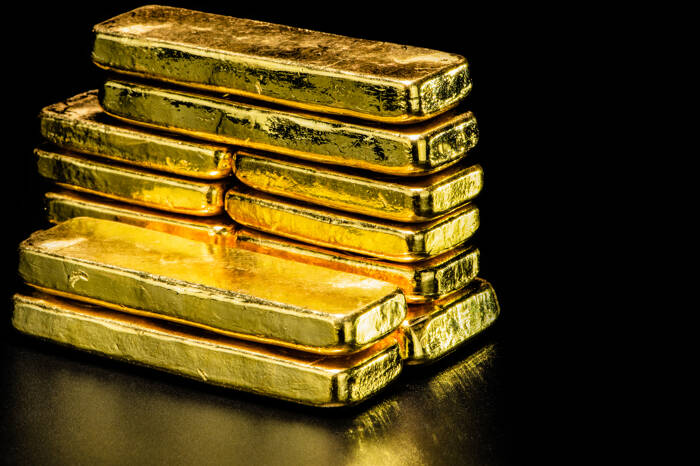
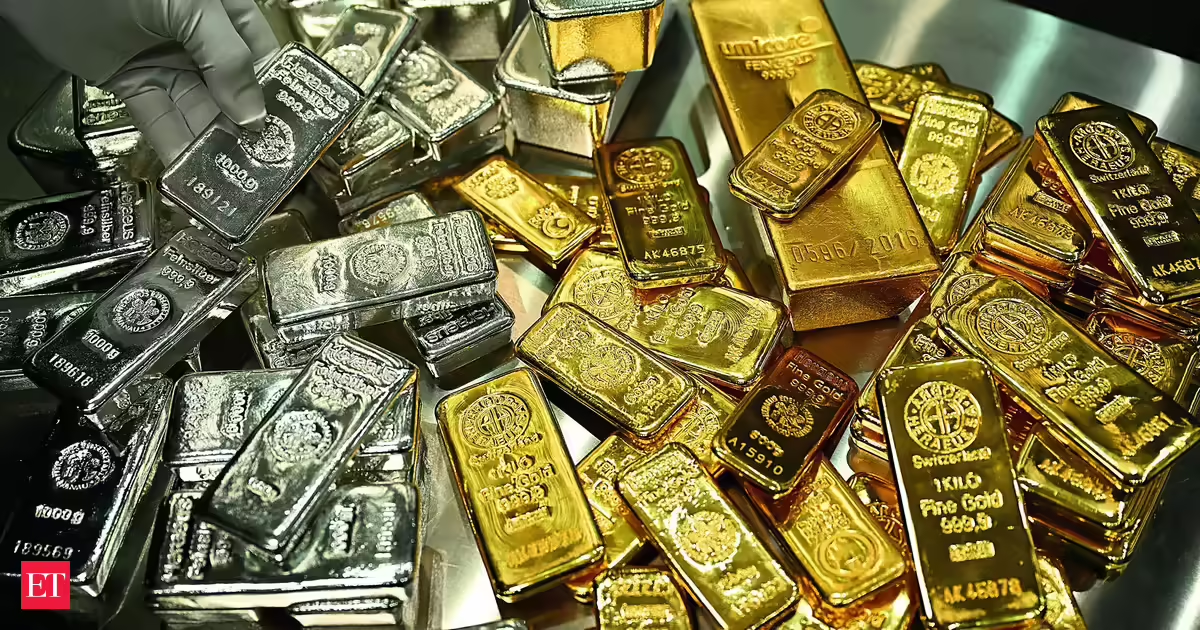
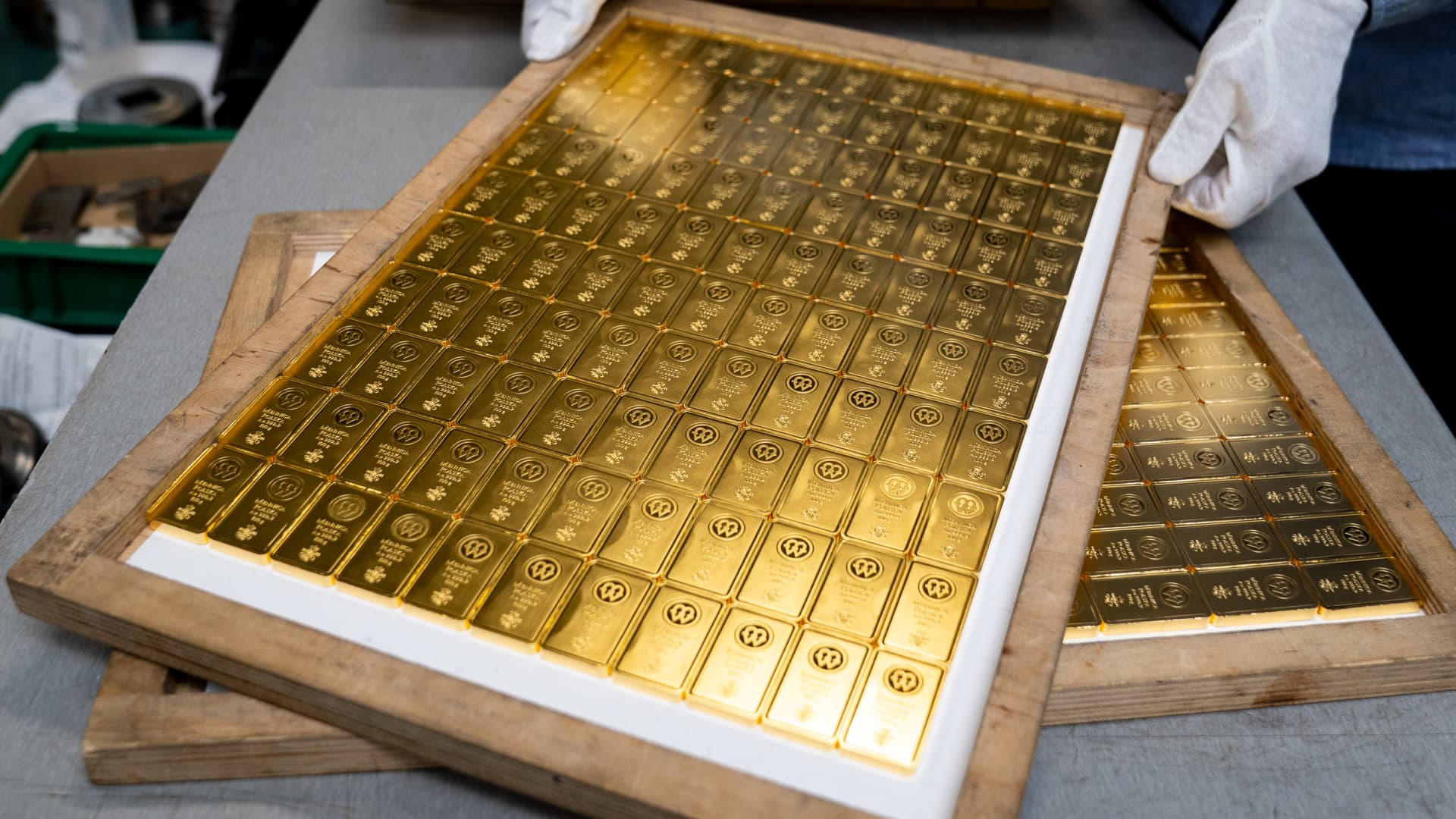
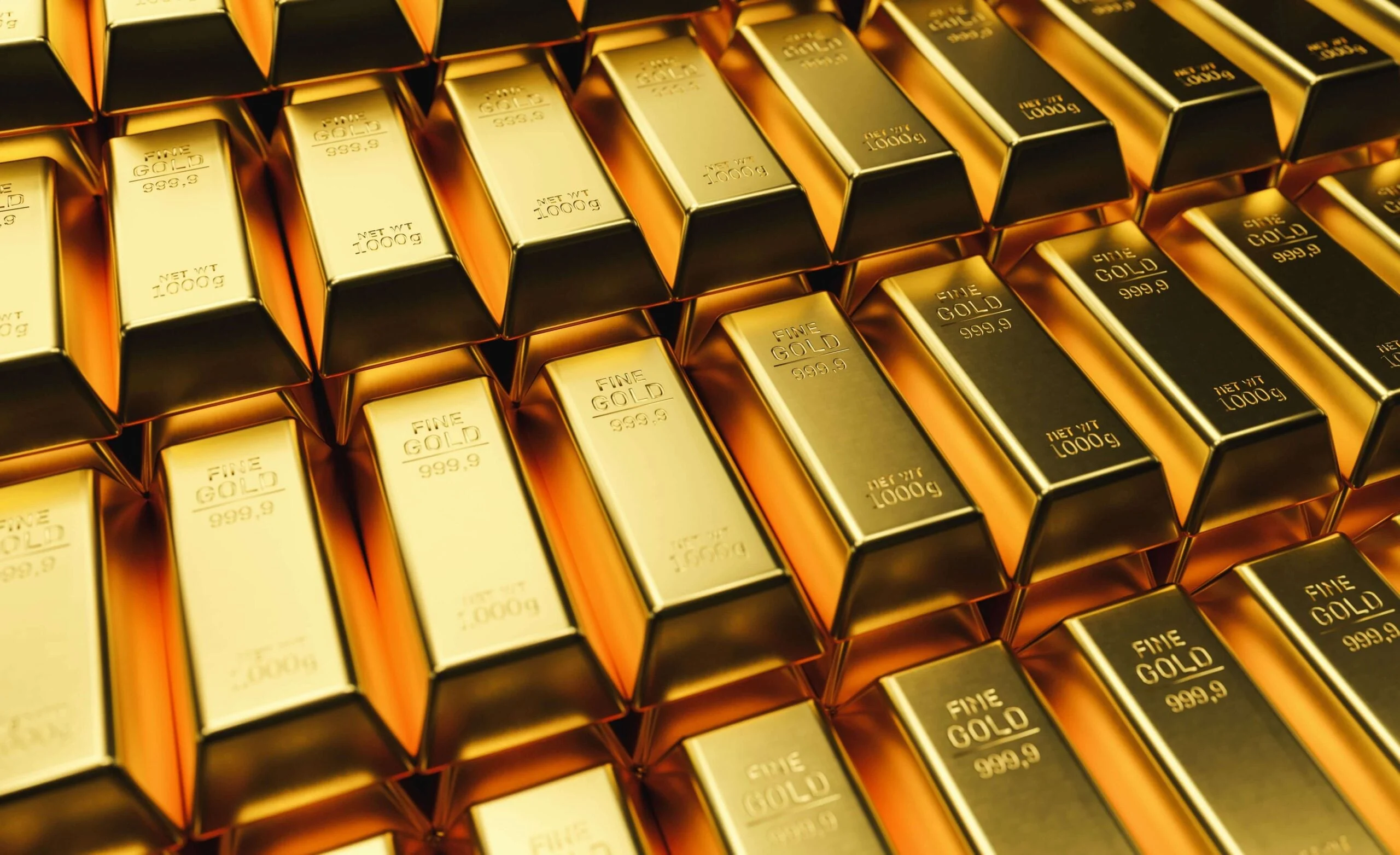
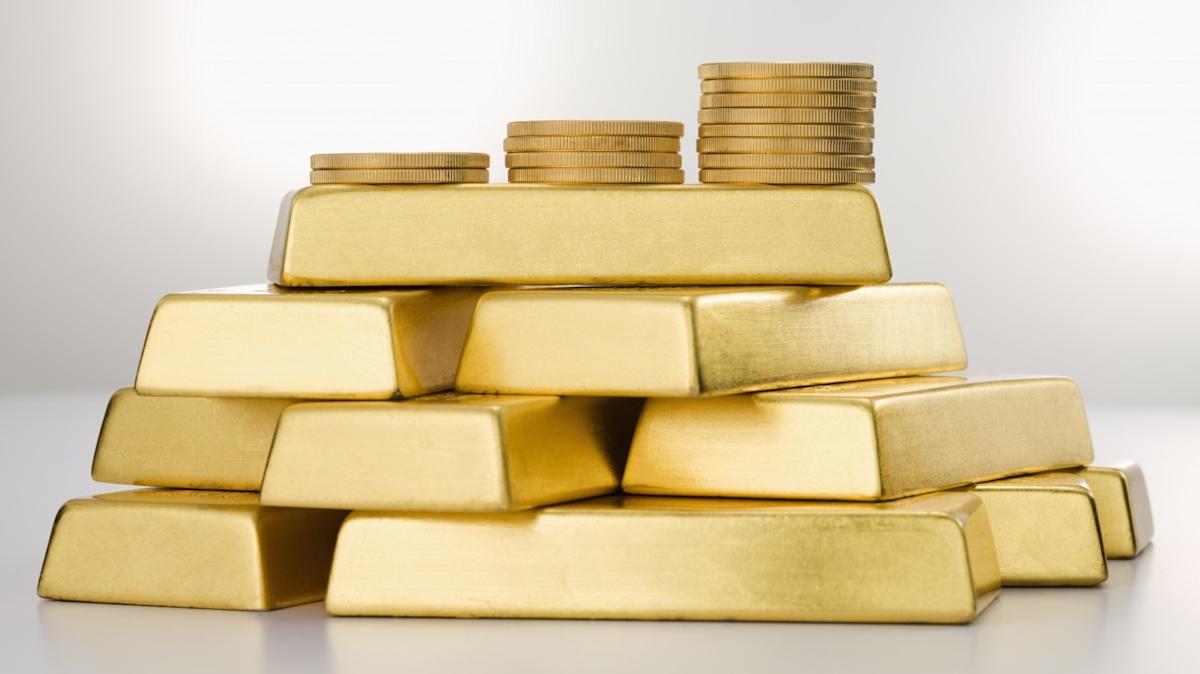
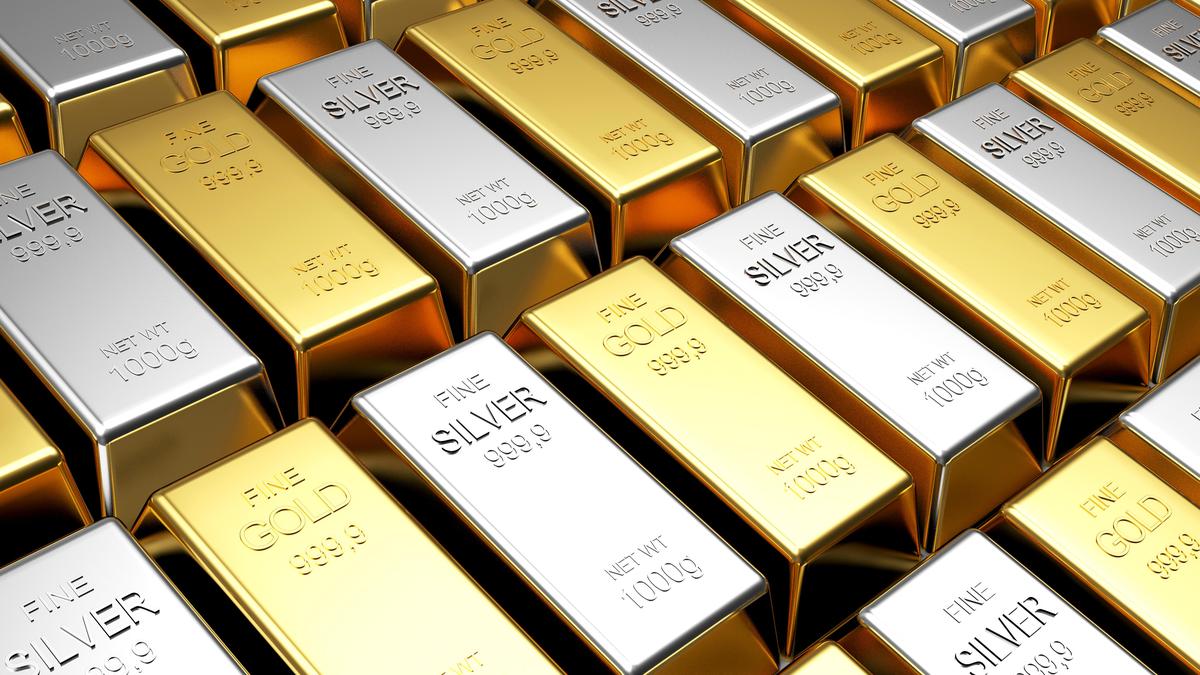
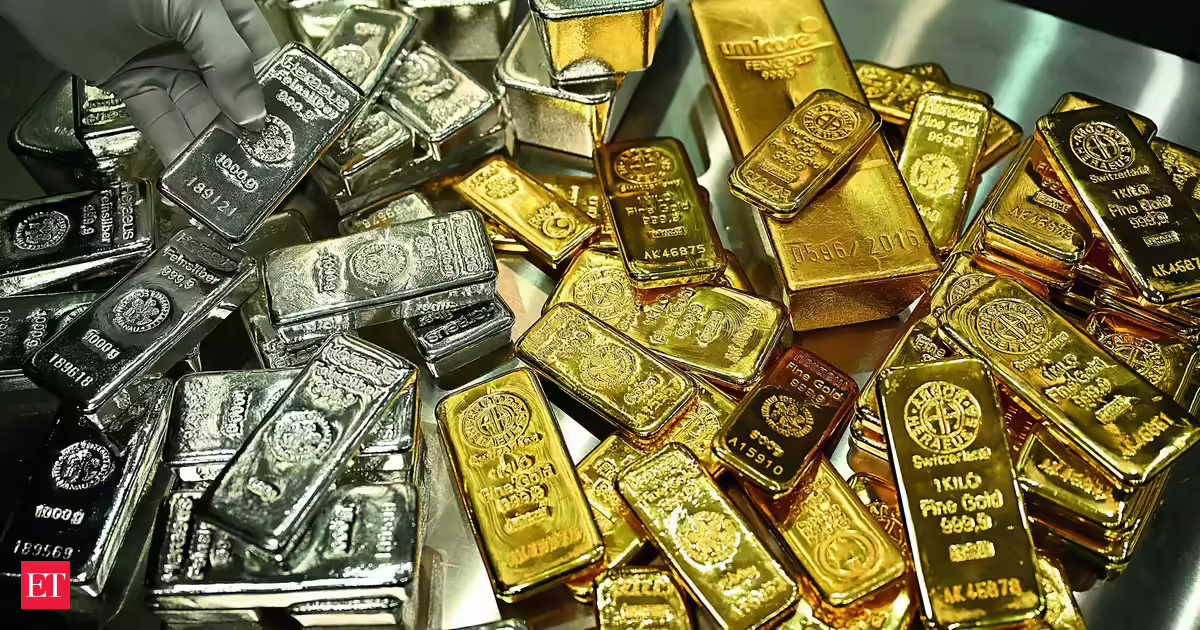
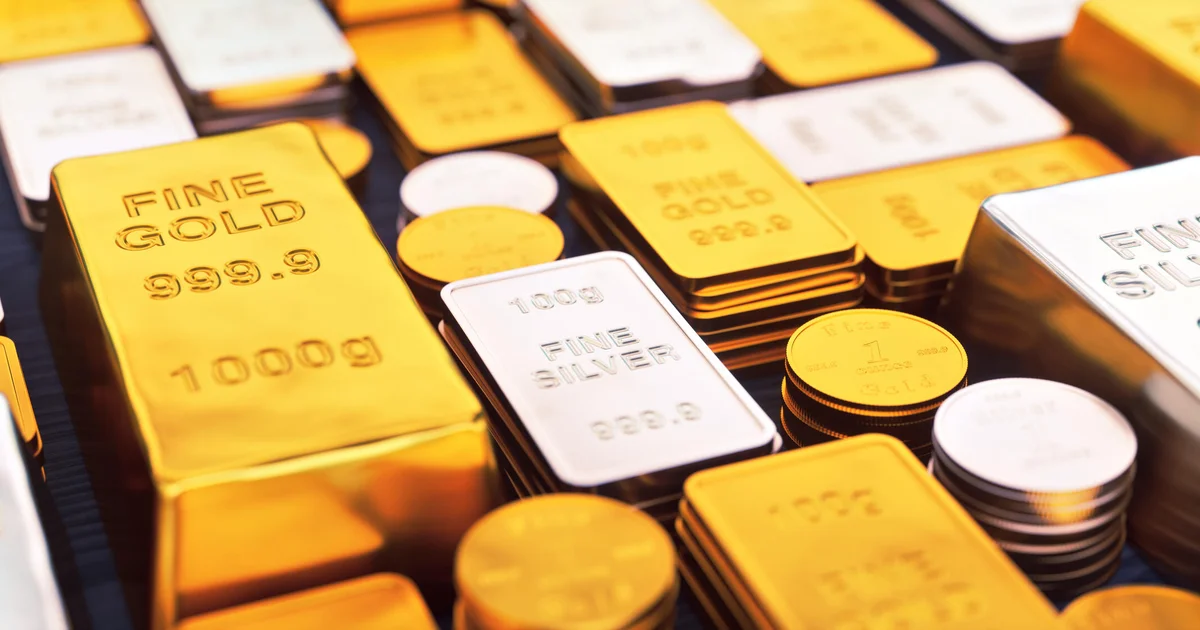
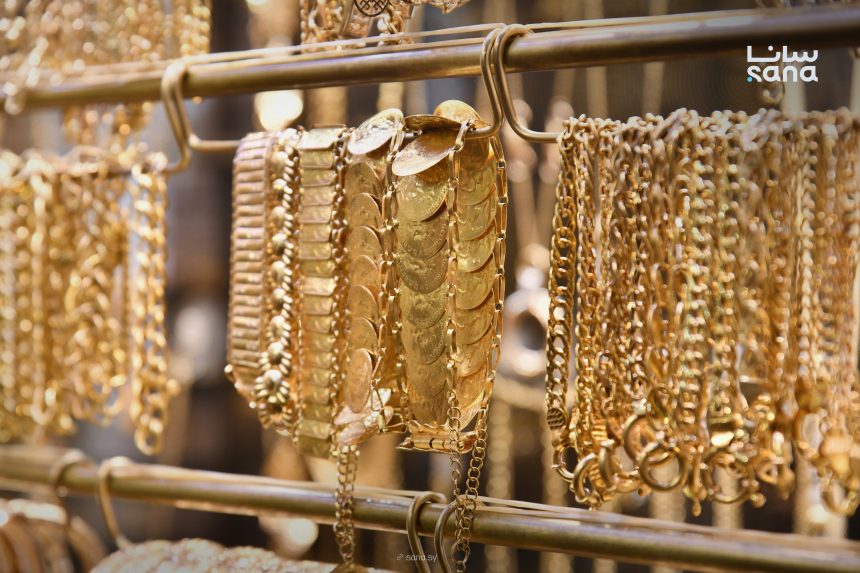
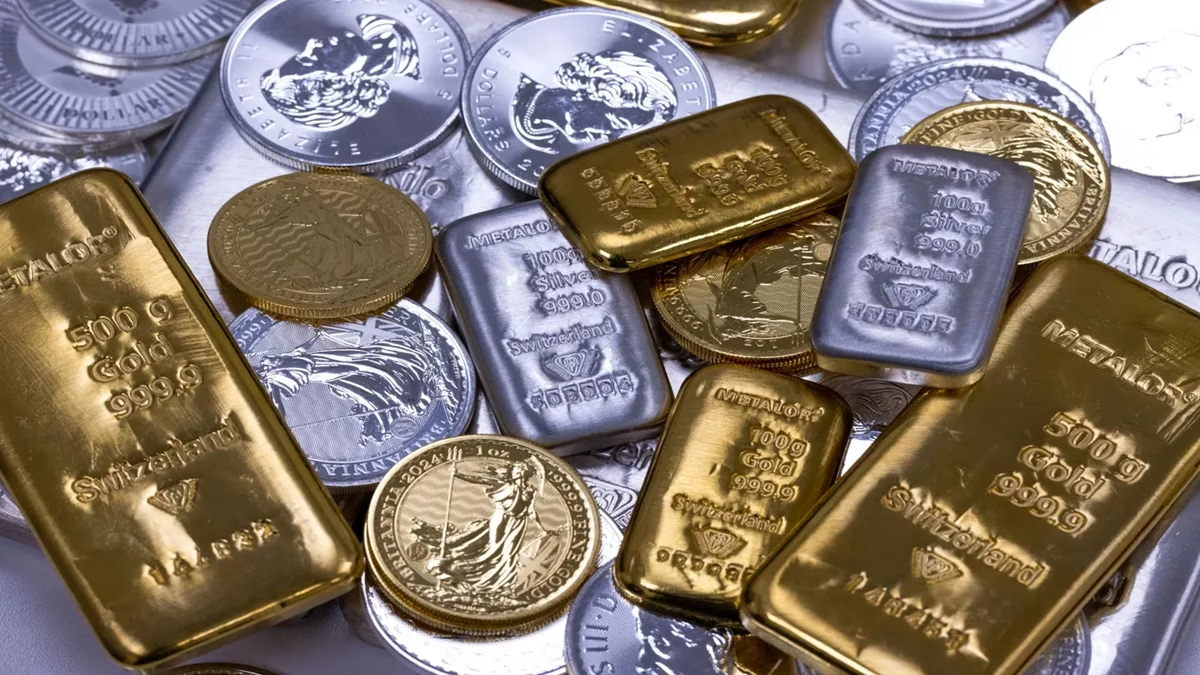
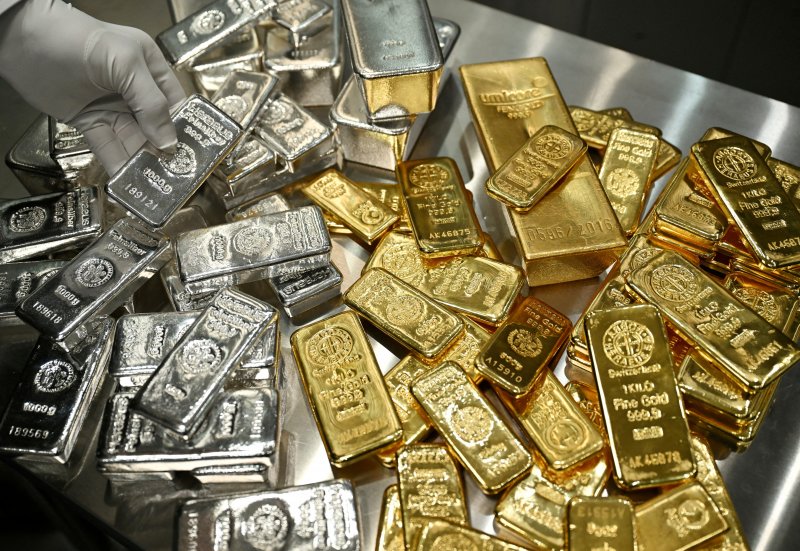
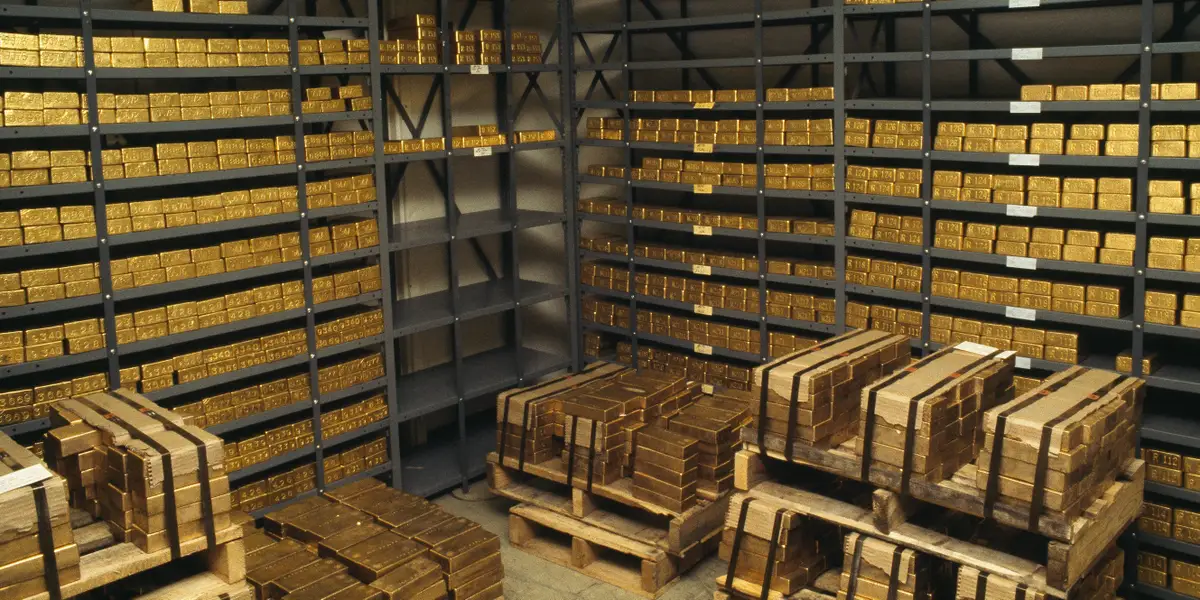
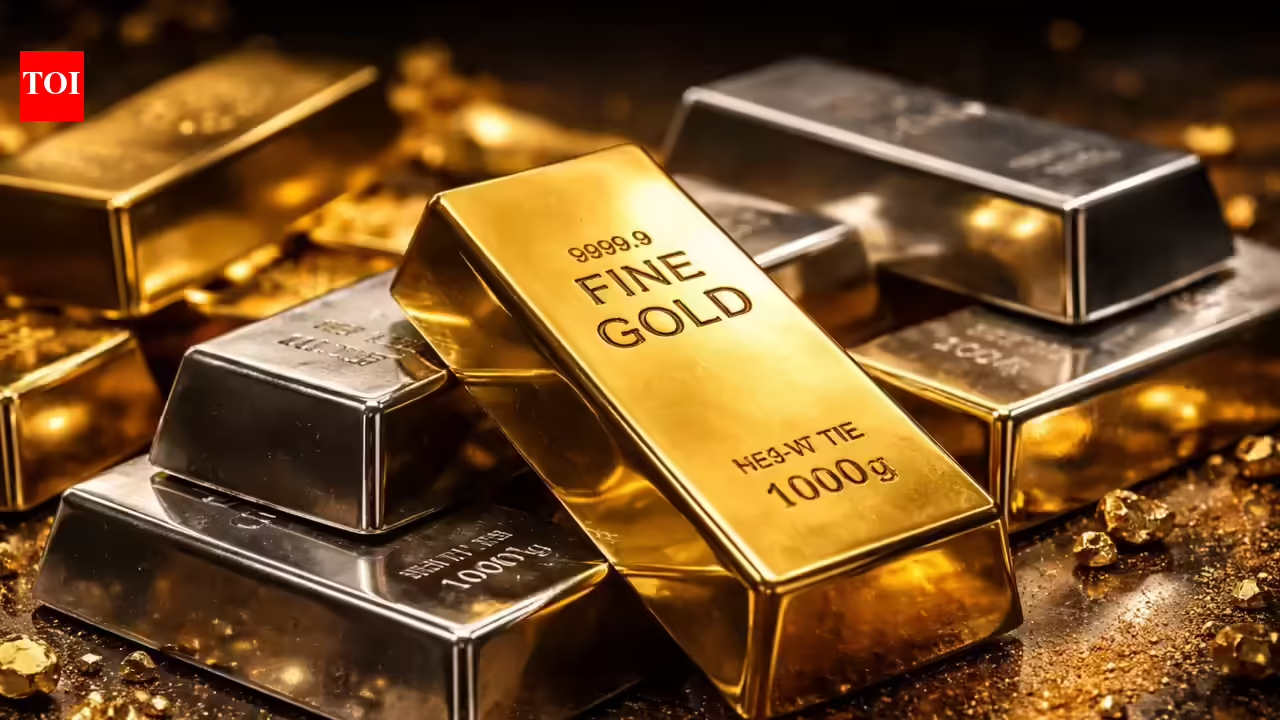
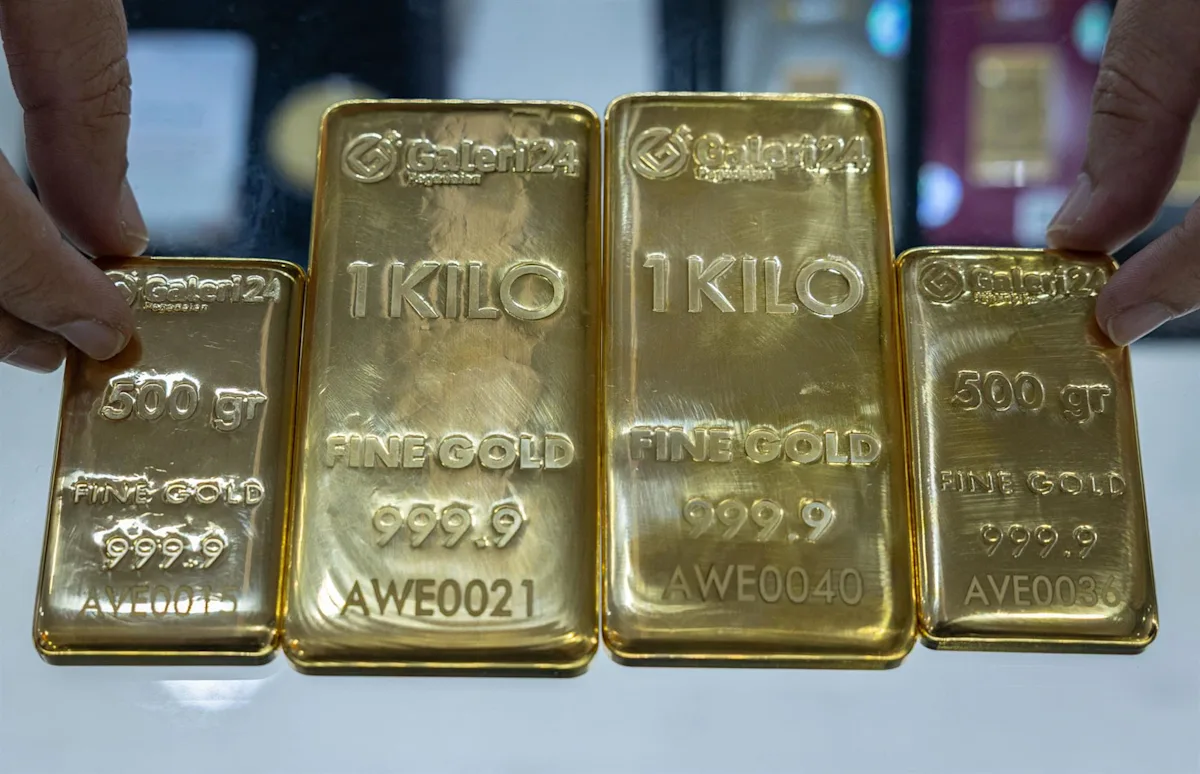
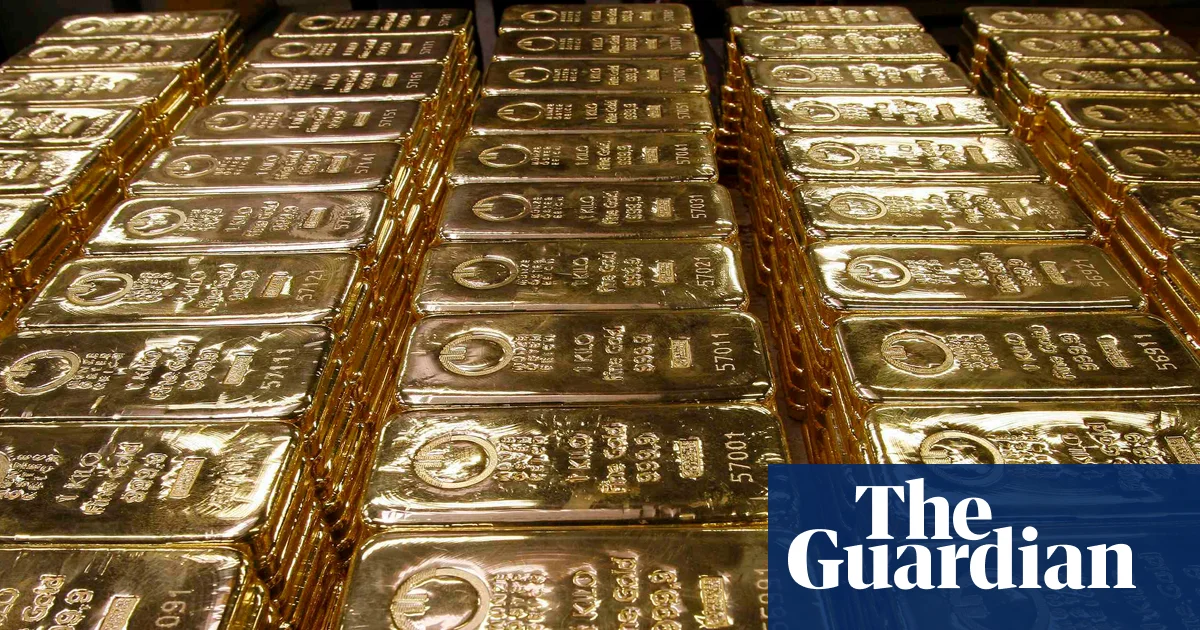
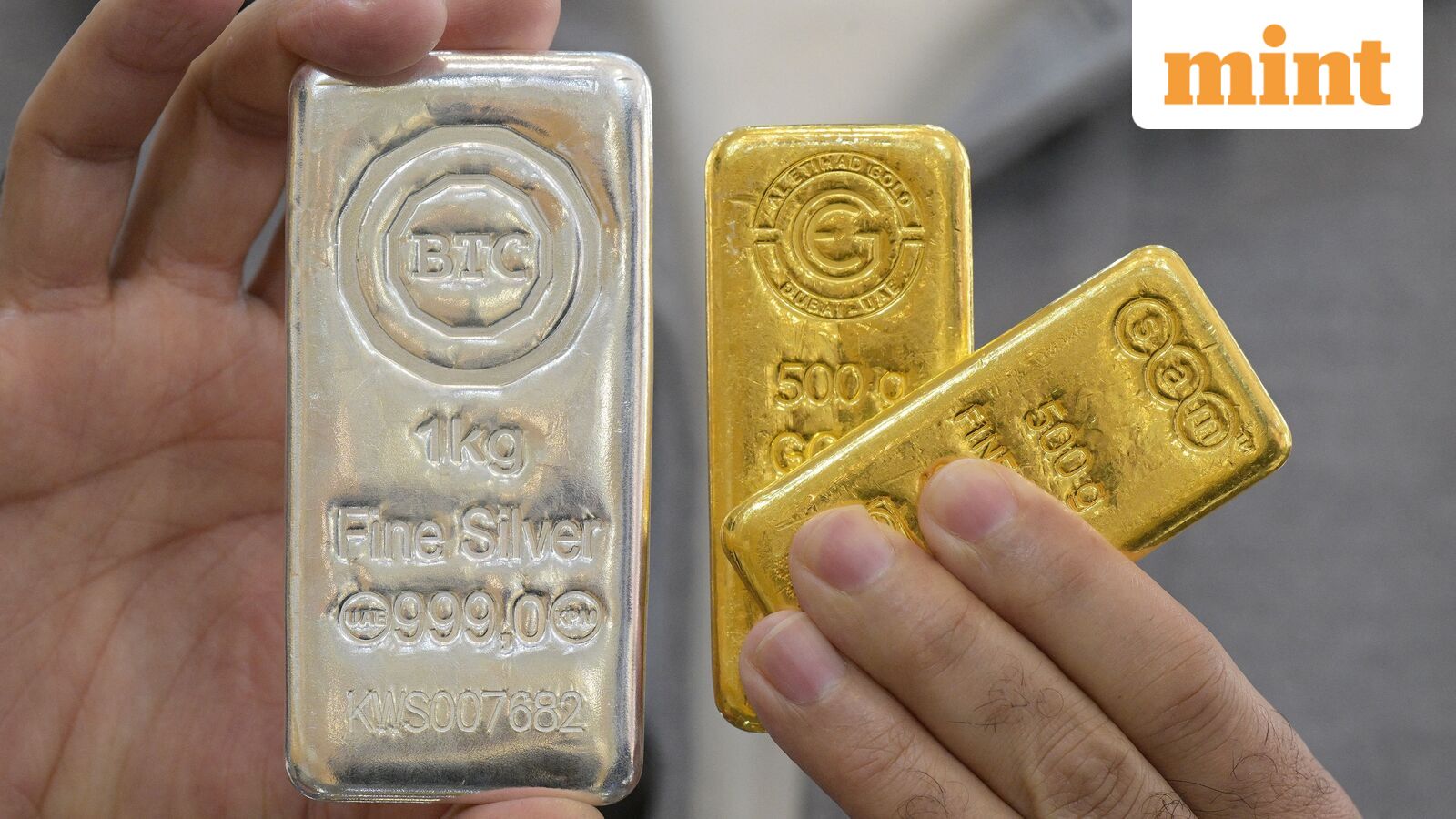
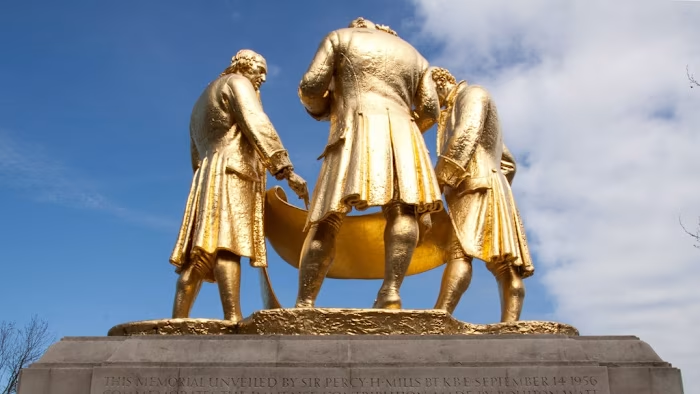
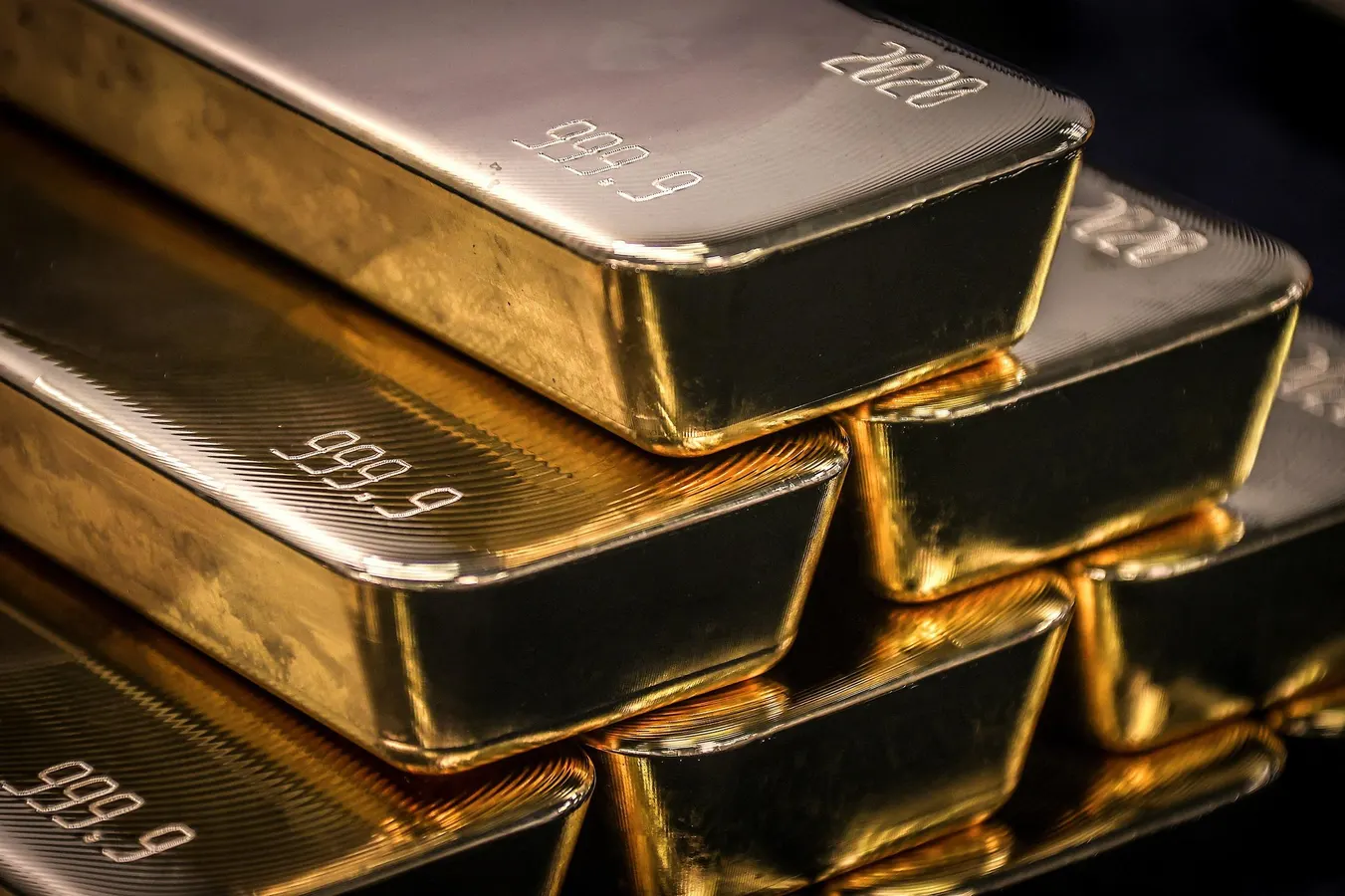
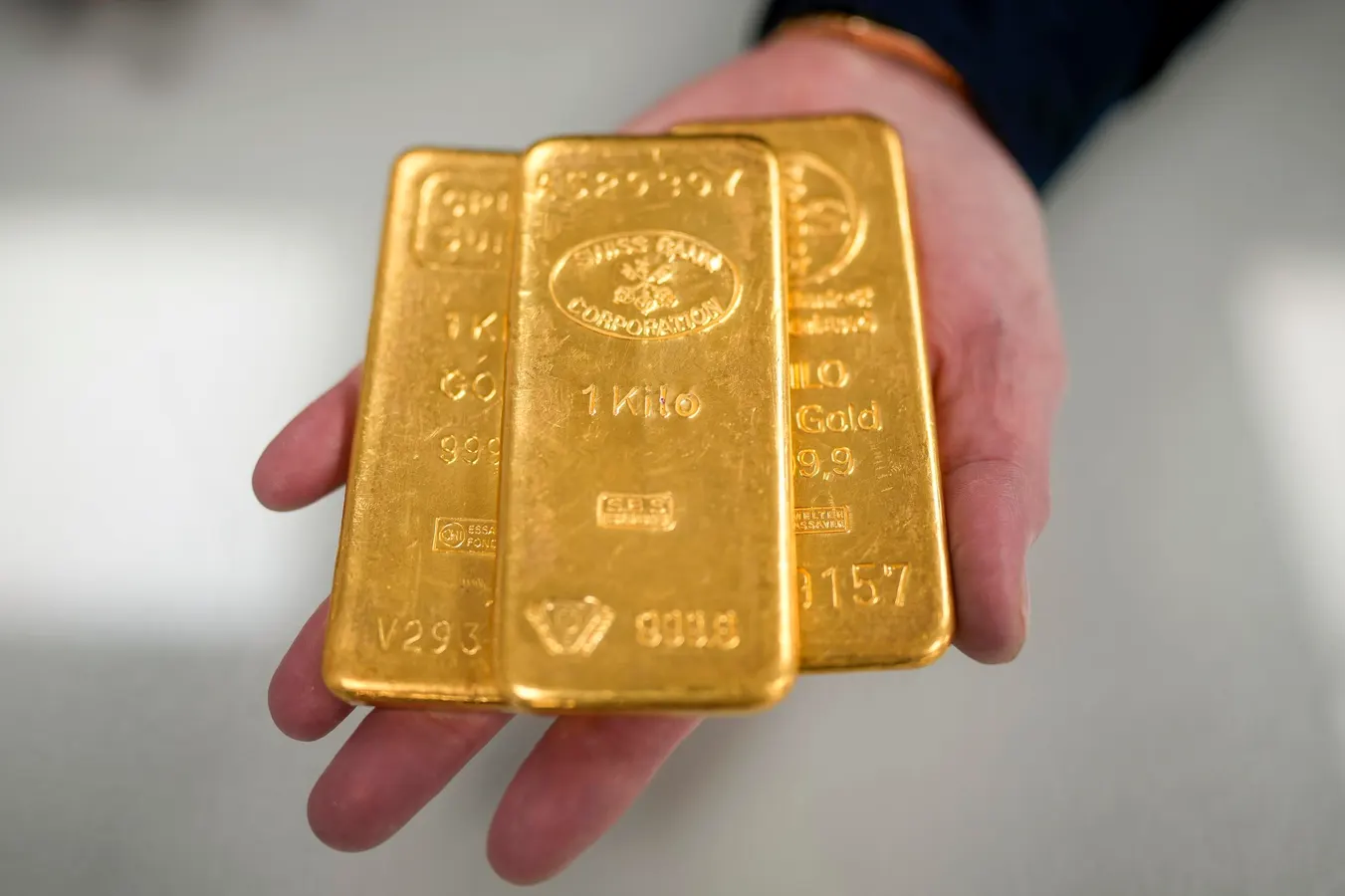
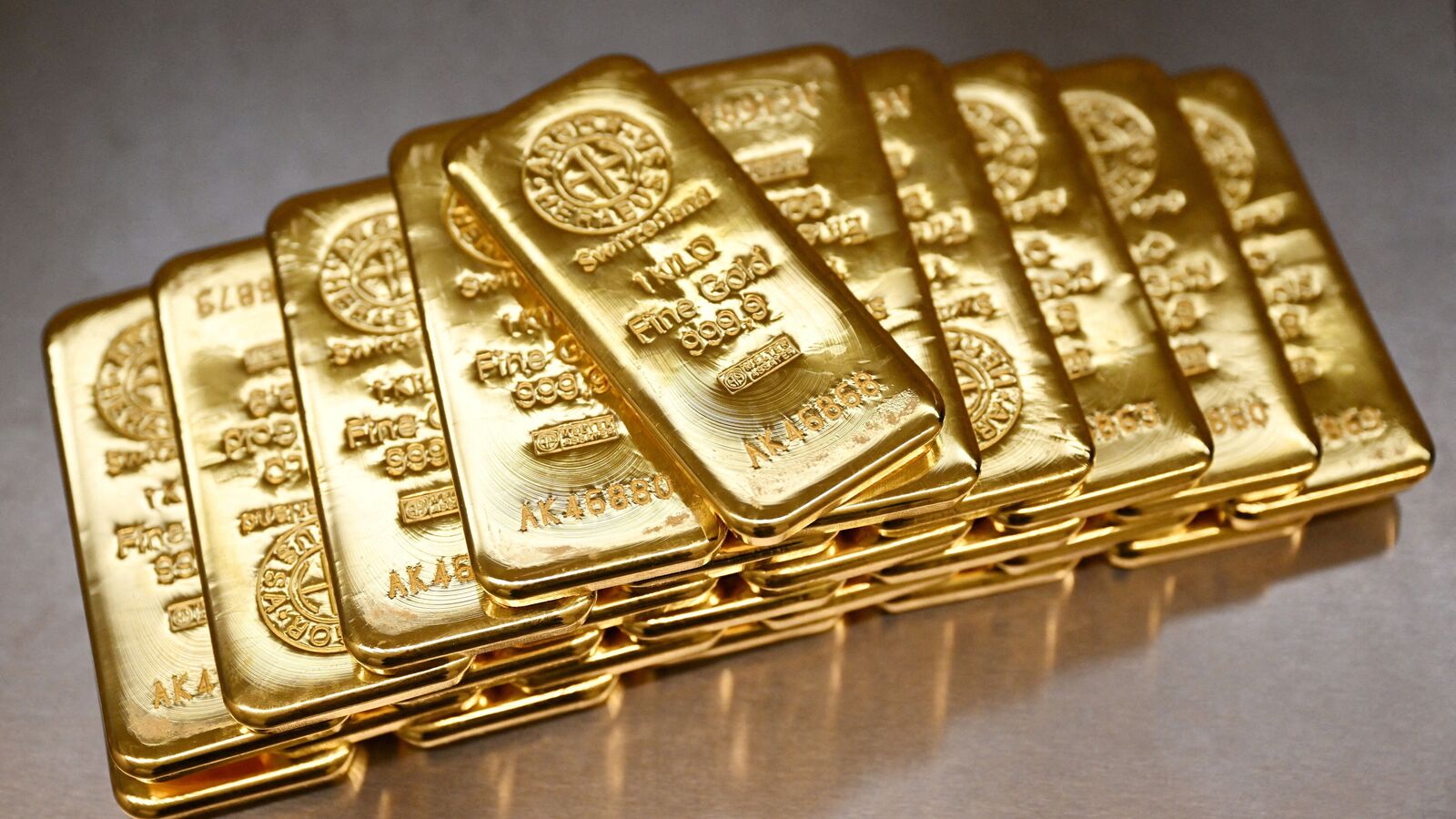
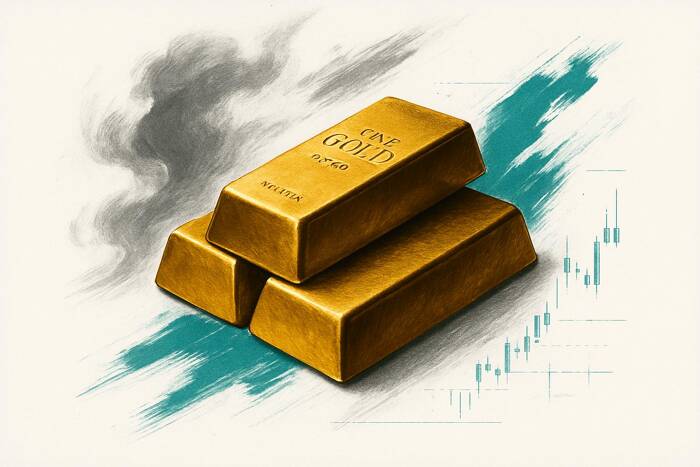
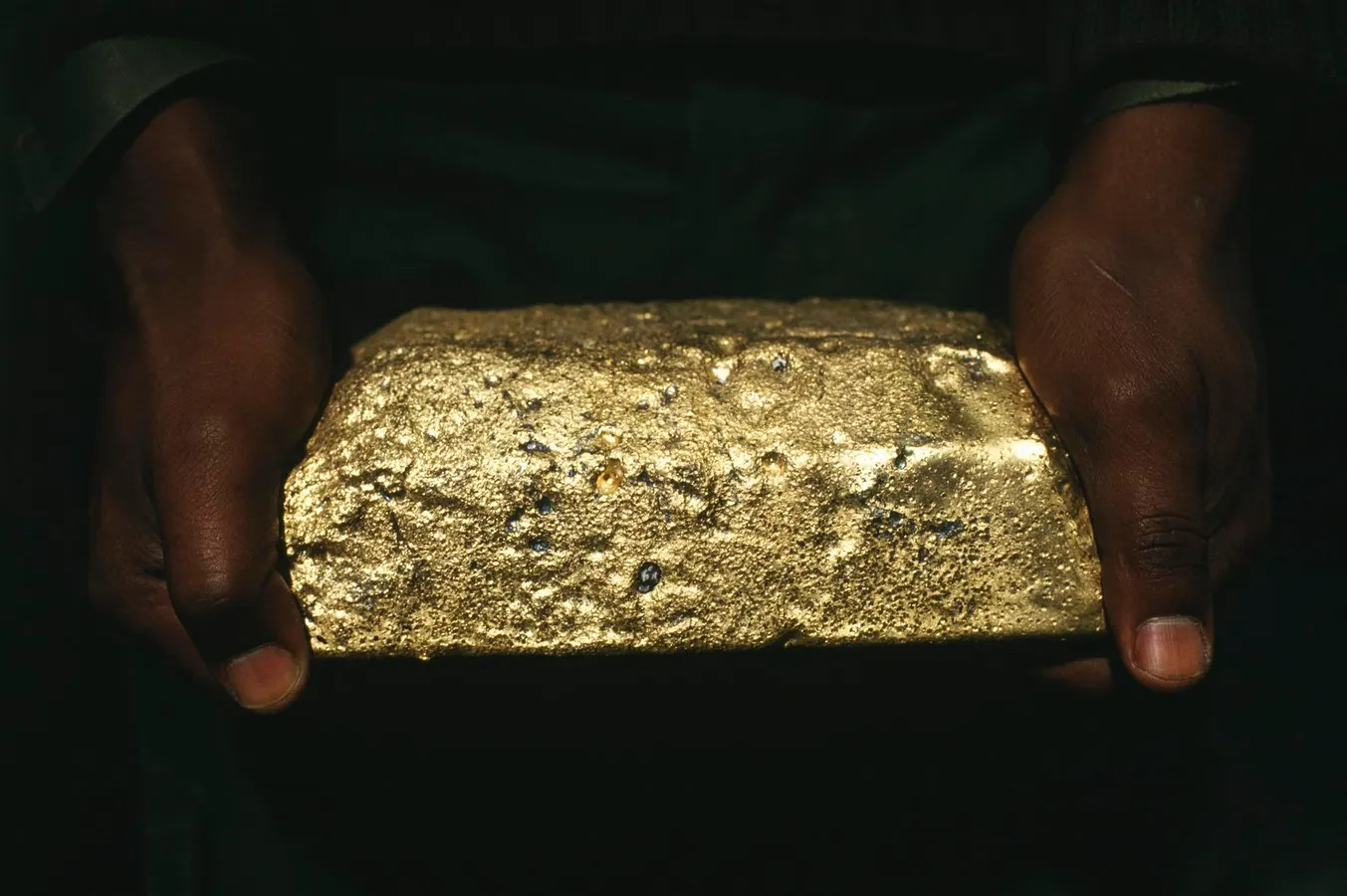
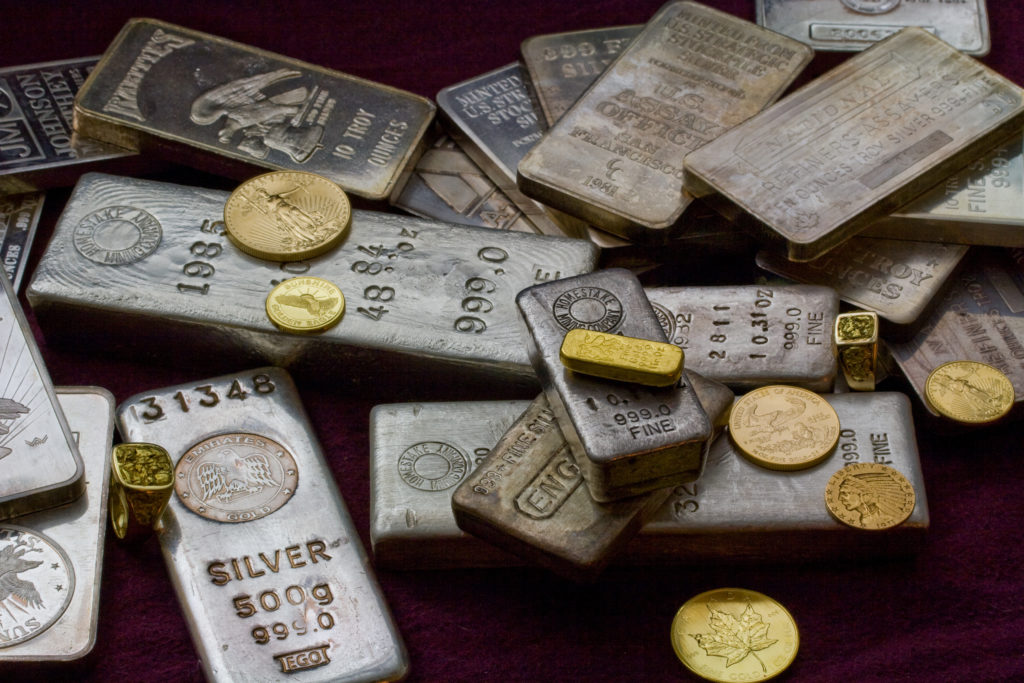
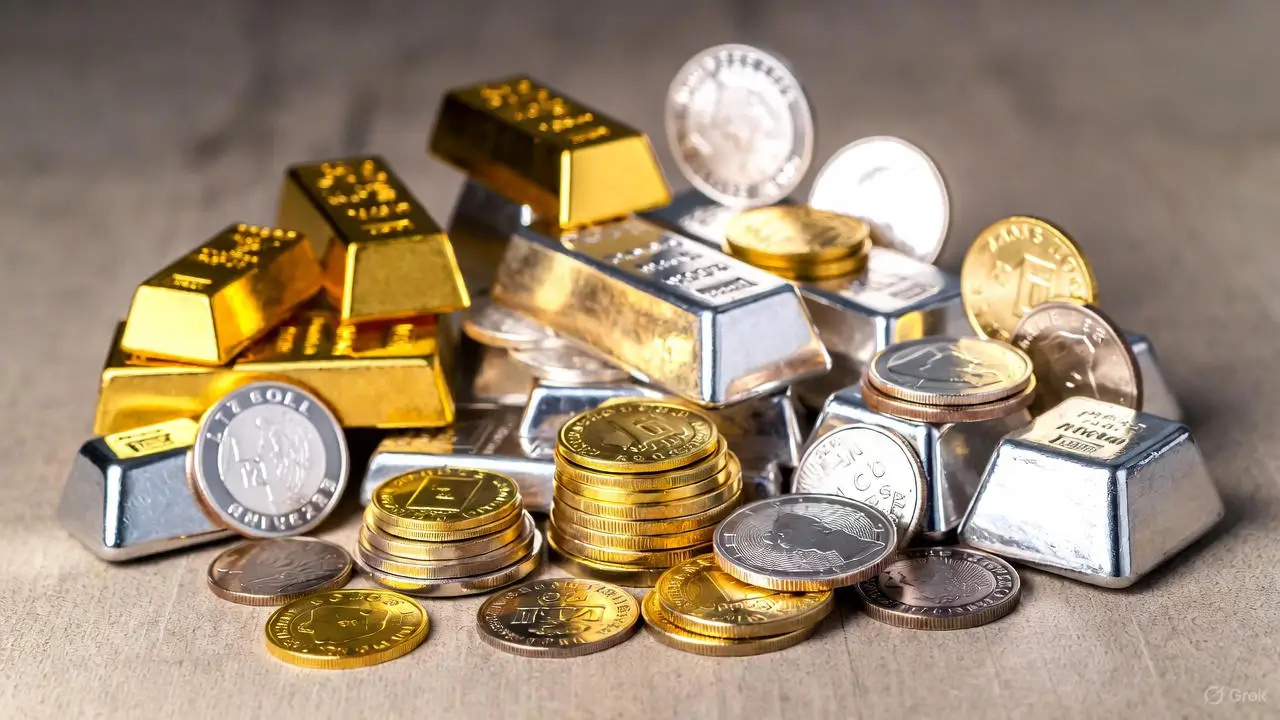
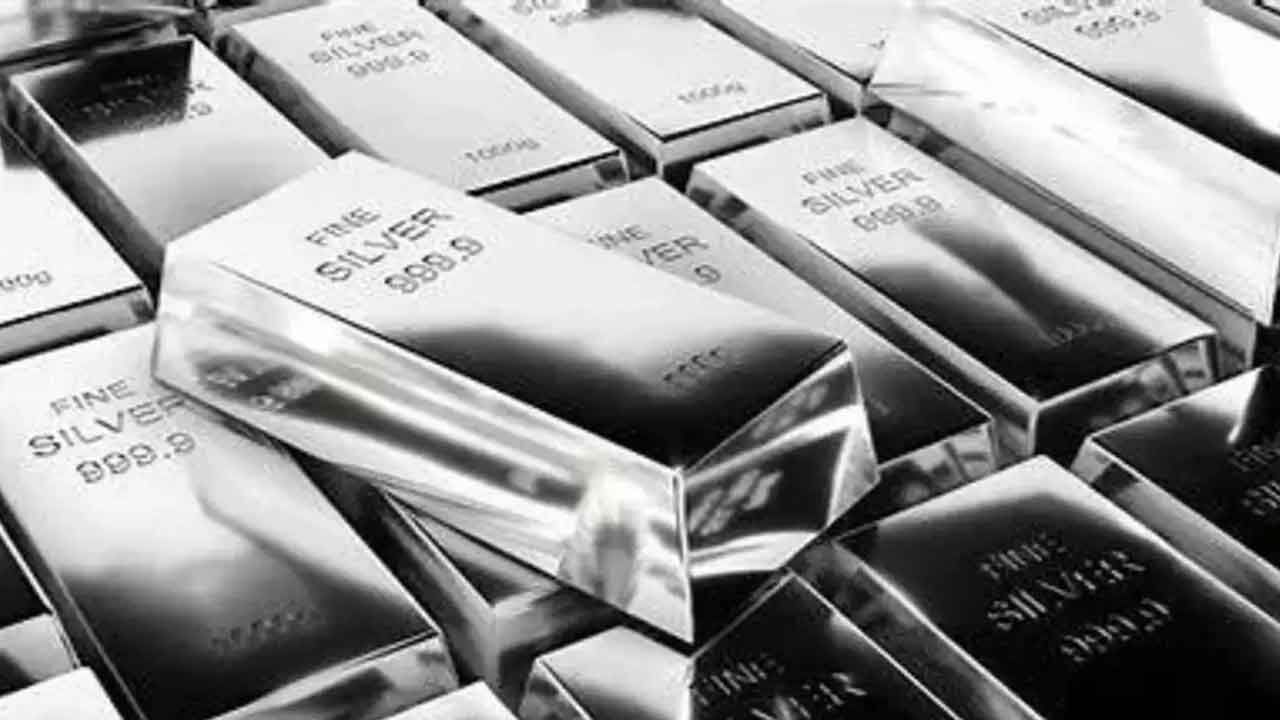
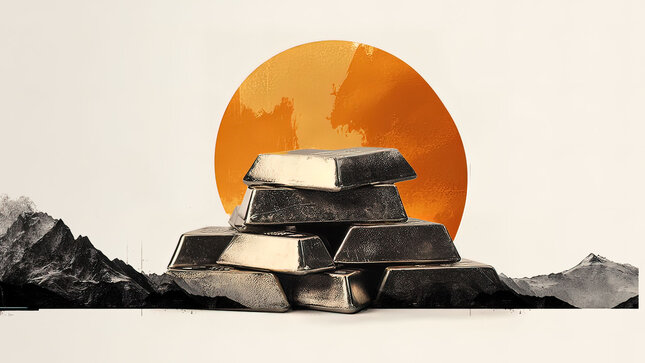
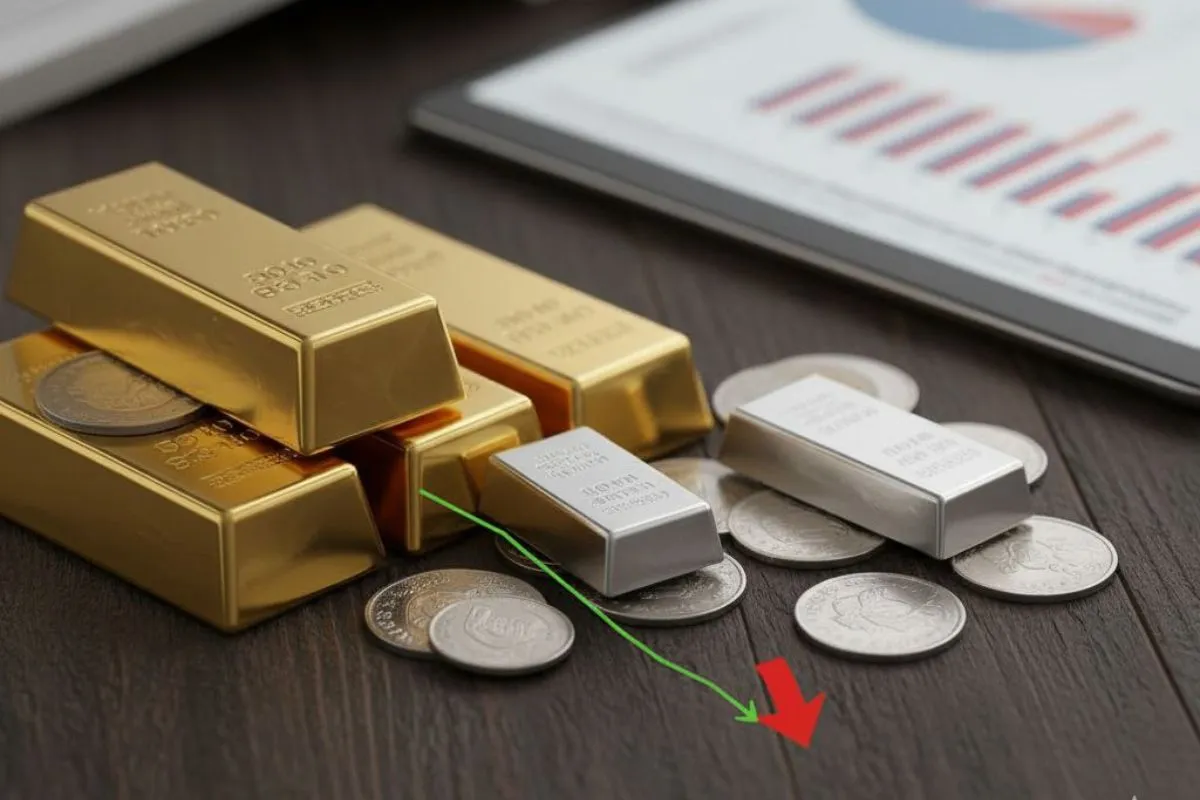
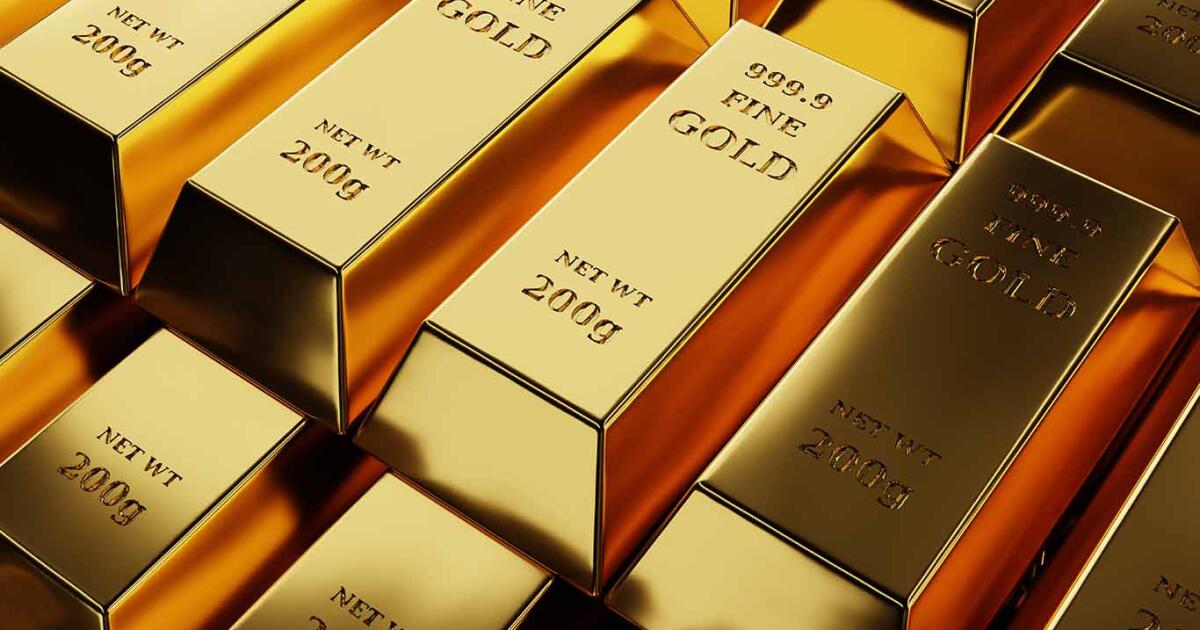
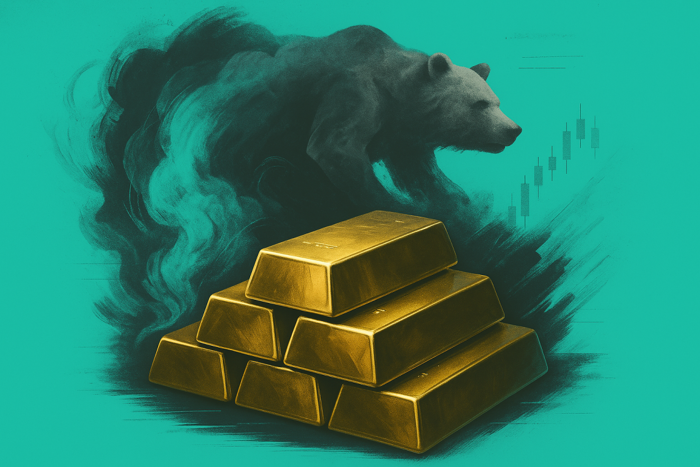
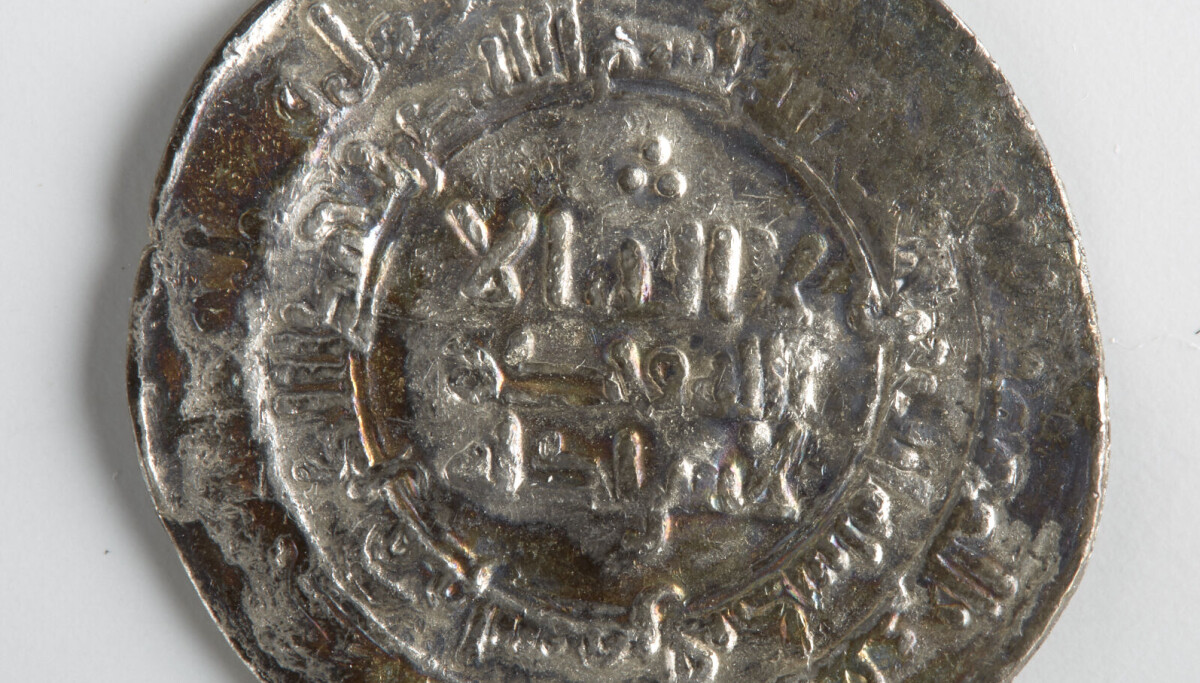
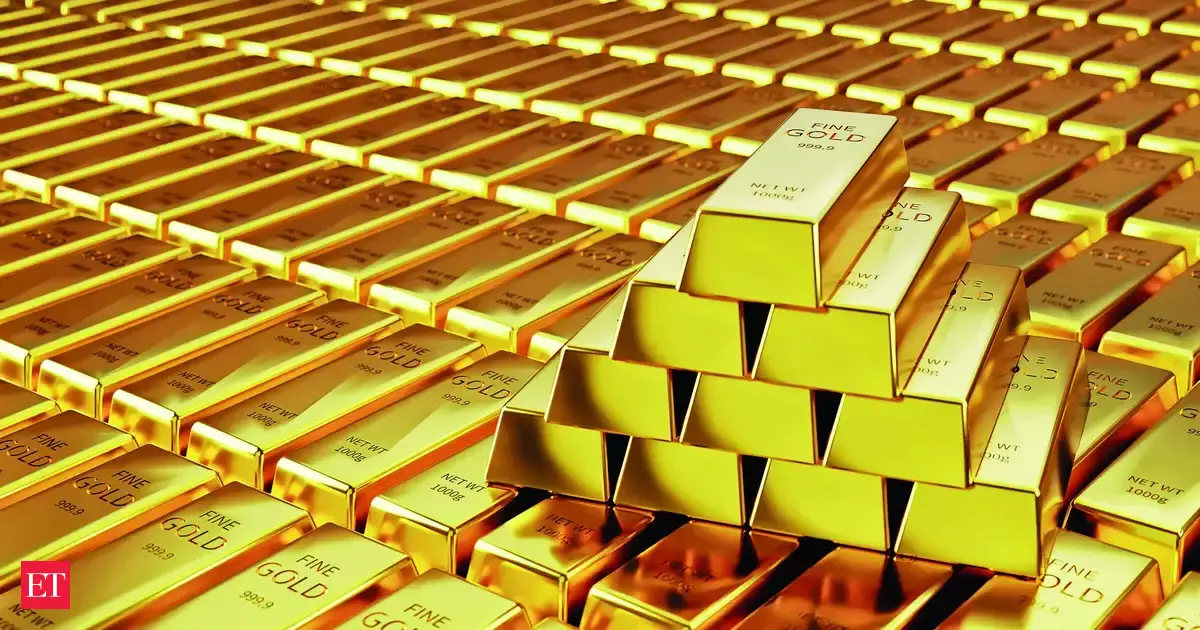
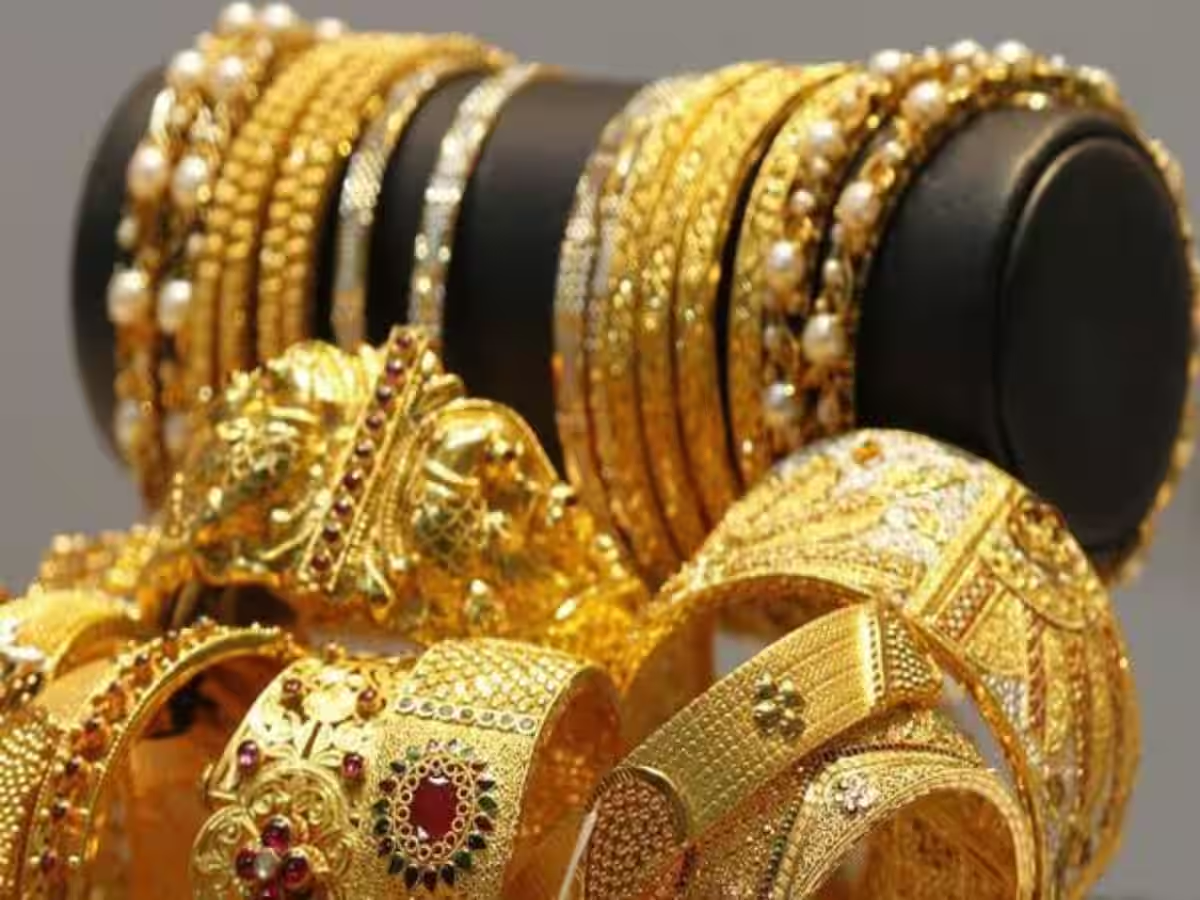
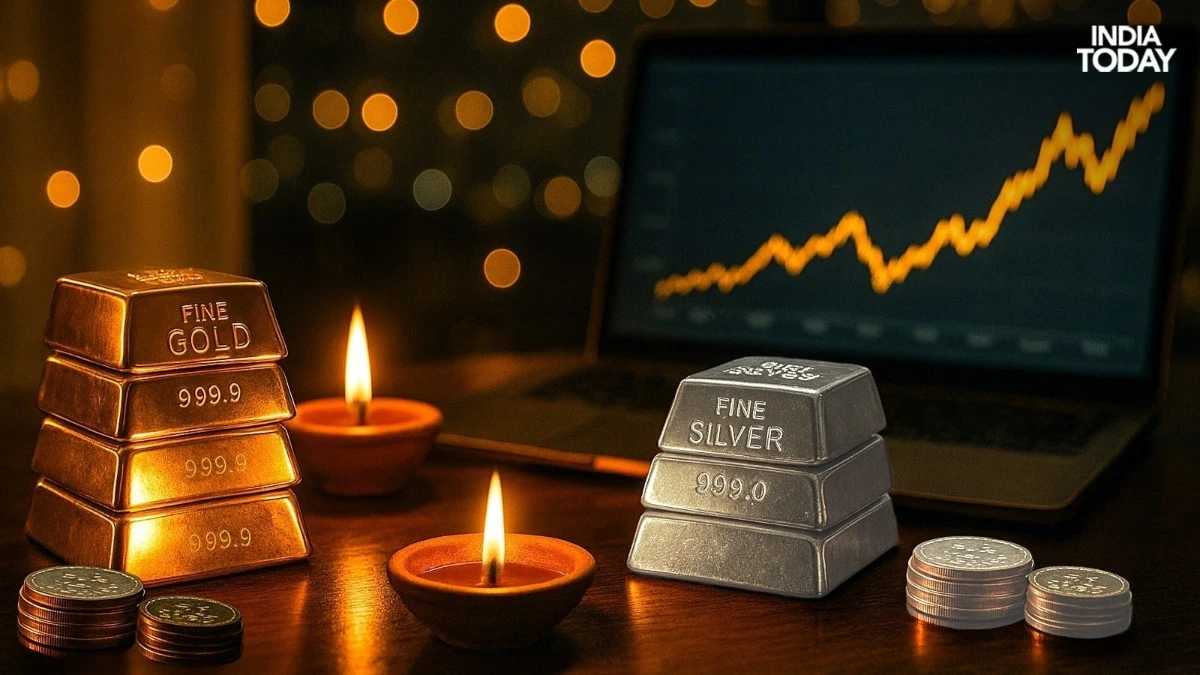
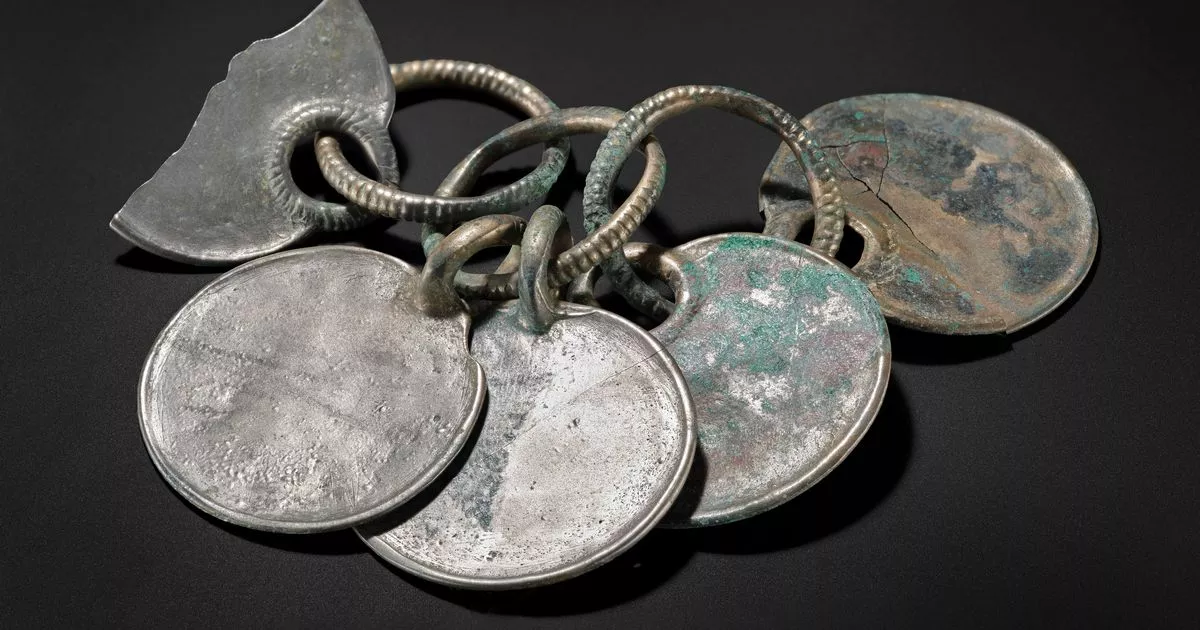
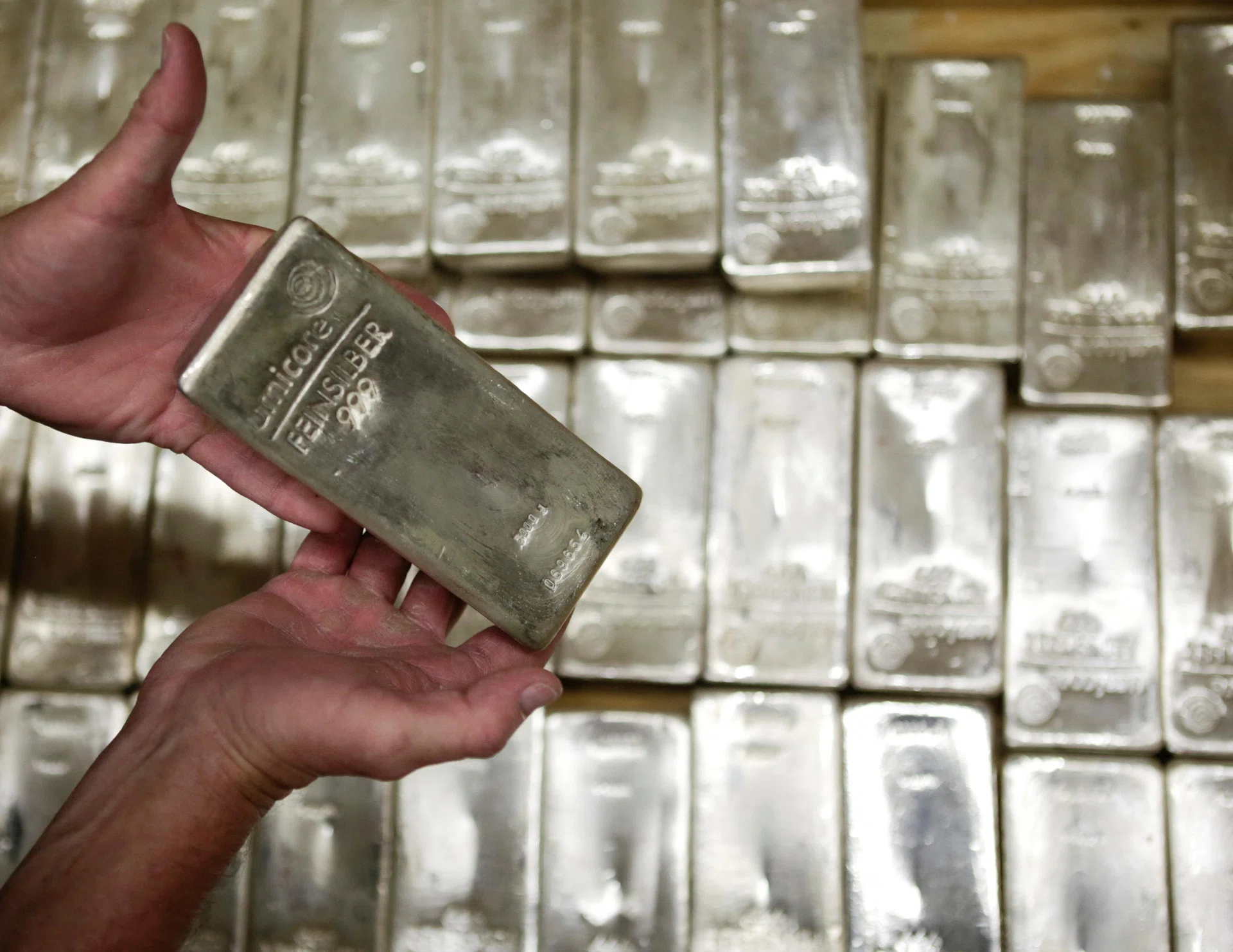
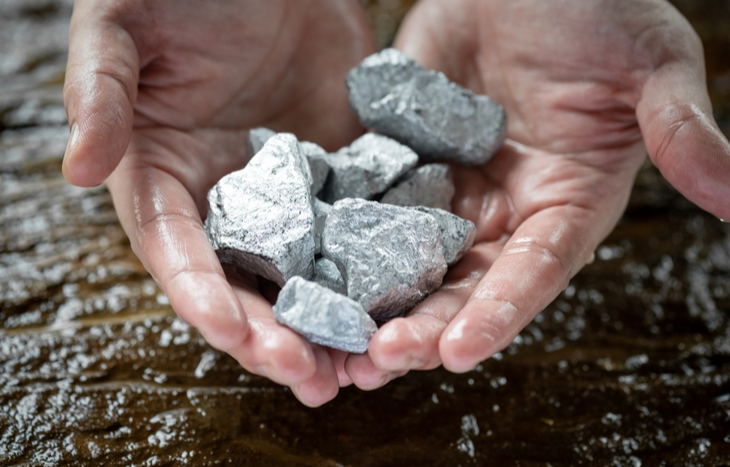
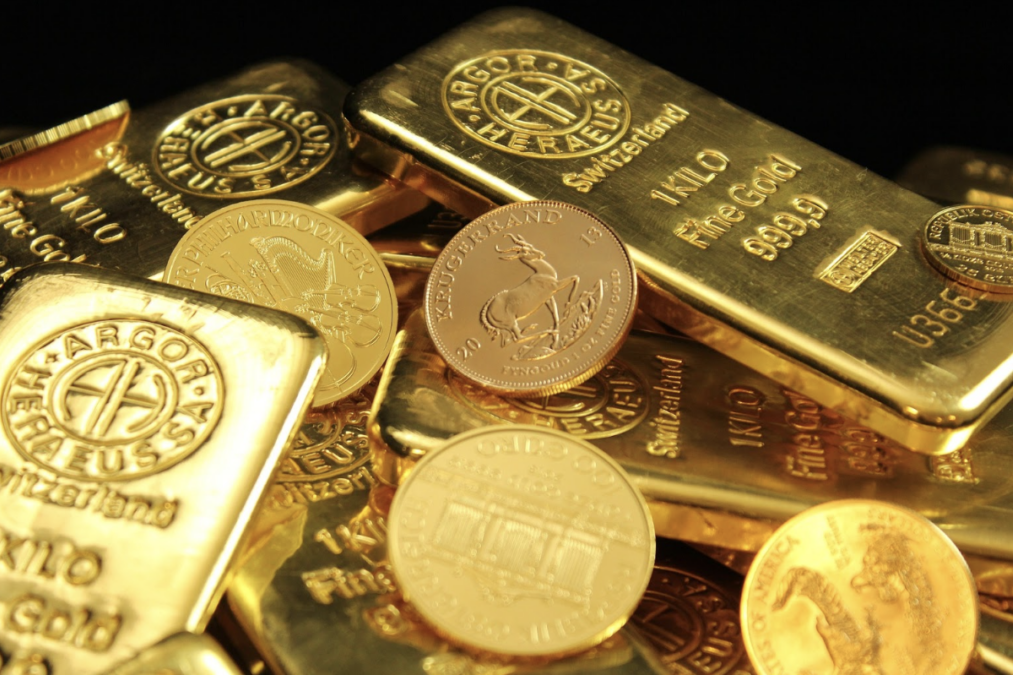
Image credit : Indiatimes | Gold has fascinated people for thousands of years
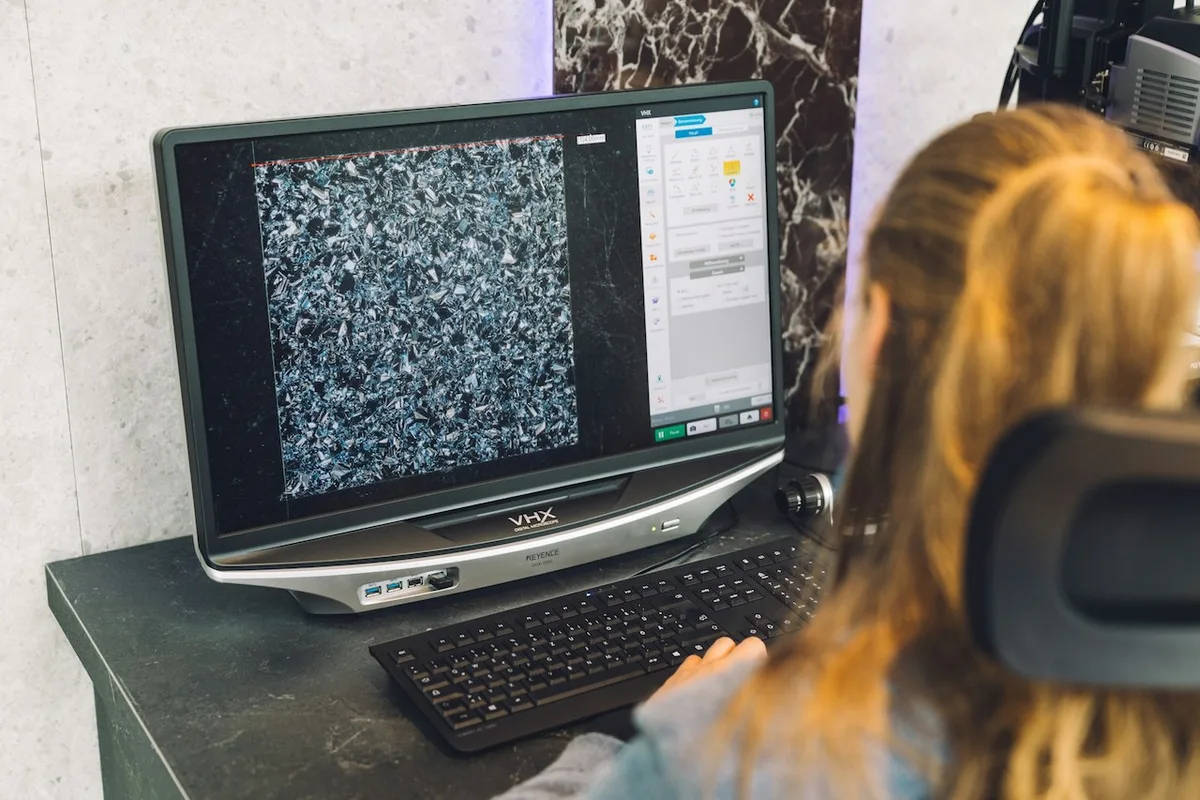
When they analysed the Hawaiian rocks, they found higher concentrations of the type of ruthenium linked to Earth’s core. This suggested that the material inside these volcanic rocks had travelled upward from near the core-mantle boundary before eventually reaching the surface through volcanic activity.
‘We had literally struck gold’
The findings surprised even the researchers.
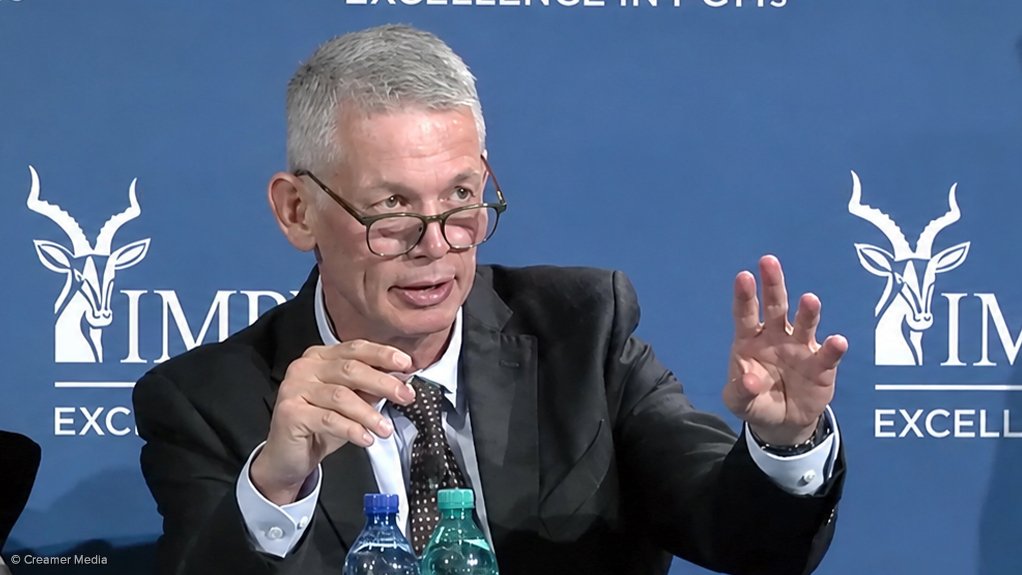
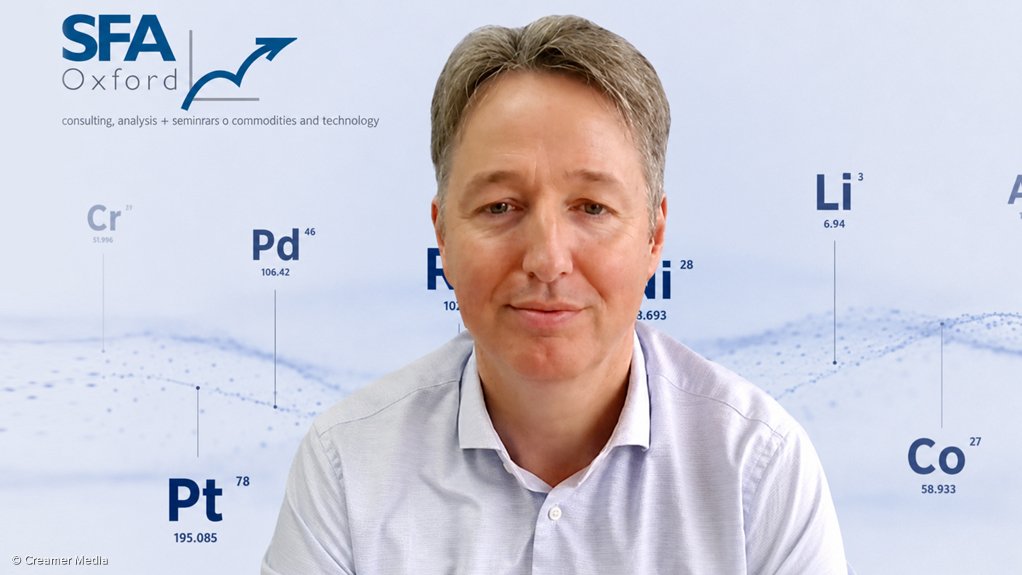
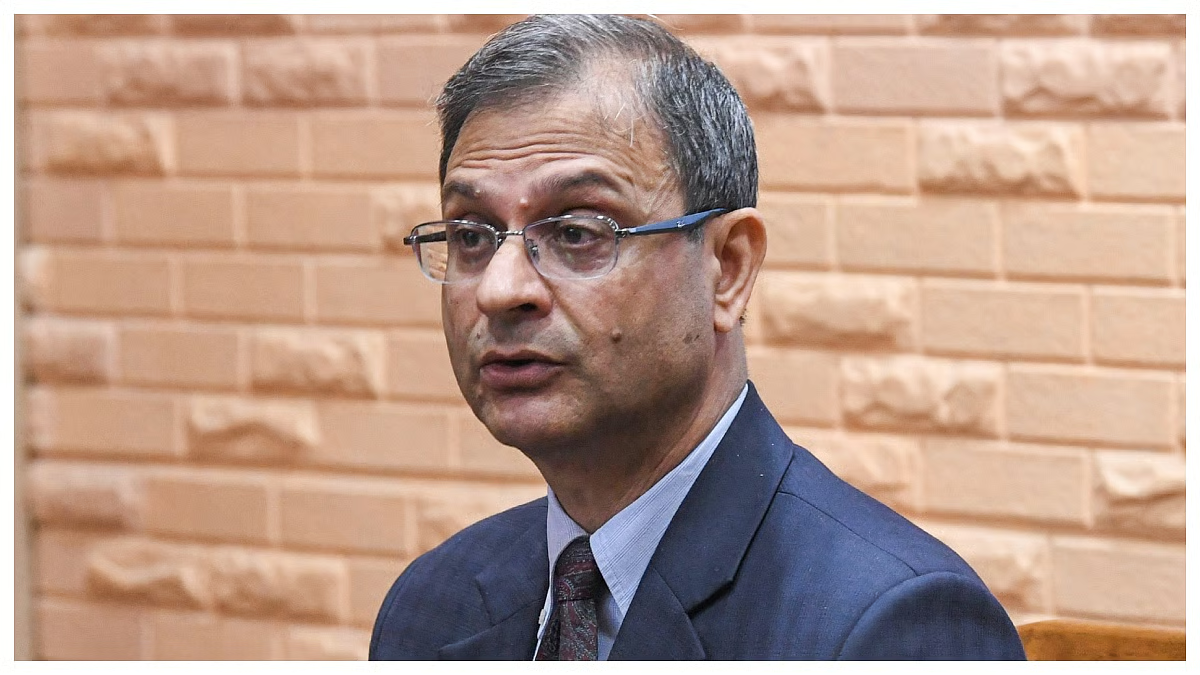
“When the first results came in, we realised that we had literally struck gold!” said study first author
He added that the team’s data confirmed that material from the core, including gold and other precious metals, is leaking into the mantle above. The discovery does not mean chunks of gold are pouring out of the core. Instead, it suggests that very small amounts of material are moving upward over vast geological timescales. Even tiny movements become important when they continue for millions of years.
A core that may not be completely isolated
The study also changes how scientists think about Earth’s deepest interior.
Study co-author
According to Willbold, the research also provides evidence that enormous amounts of super-heated mantle rock rise from the core-mantle boundary toward Earth’s surface. These rising masses of hot rock eventually help create ocean islands such as Hawaii.
This means the same deep processes that shape volcanic islands may also carry traces of precious metals from Earth’s core along the way.
Reading Earth’s hidden interior without digging
No drill has ever reached anywhere close to Earth’s core. So how do scientists know what lies thousands of kilometres beneath our feet?
According to BBC Science Focus Magazine, much of what scientists know comes from earthquakes. Every earthquake sends seismic waves travelling through Earth. As these waves move through different layers, they change speed, bend or bounce back.
By carefully studying these patterns, scientists have been able to build a picture of Earth’s interior, almost like giving the planet a medical scan. These observations revealed the crust, mantle, liquid outer core and solid inner core long before anyone could directly study them.
The new ruthenium evidence now adds another piece to that picture.
Does this mean we can mine Earth’s core?
Not at all.
The core remains thousands of kilometres below the surface and is separated from us by immense heat and pressure. Humans have no technology capable of reaching it. Even the deepest holes ever drilled barely scratched the outer crust.
What the study changes is not mining, but understanding. If some precious metals slowly escape from the core through mantle processes, then at least part of the gold found near Earth’s surface today may have begun its journey in the very centre of the planet.
That also helps scientists better understand how volcanic regions like Hawaii formed and how Earth’s interior continues to evolve over billions of years.
A discovery that opens new questions
The idea that Earth’s core may slowly leak material remains an active area of research, and scientists will continue testing the evidence. But the findings offer an intriguing new way of looking at our planet.
Gold may still be one of Earth’s most prized metals, yet almost all of it remains locked far beyond human reach. The small amounts that eventually arrive near the surface could be the result of an astonishing journey that begins nearly 3,000 kilometres underground.
For scientists, the discovery is about much more than precious metals. It hints that Earth’s deepest layer may be more connected to the rest of the planet than previously thought. And if that connection exists, it could reshape our understanding of how Earth works beneath our feet, one volcanic rock at a time.
How mantle plumes could act like giant underground elevators
One of the biggest ideas to emerge from the new research is the role of mantle plumes. These are giant columns of super-heated rock that rise slowly from deep inside the Earth. Unlike lava, which erupts onto the surface, mantle plumes move through the mantle over millions of years before triggering volcanic activity. Scientists believe Hawaii sits above one such mantle plume. If the study is correct, these plumes may also be carrying tiny traces of material that originally came from the edge of Earth’s core.
Think of a lava lamp. As the wax at the bottom heats up, it slowly rises before cooling and sinking again. Earth’s mantle behaves in a somewhat similar way, although the process is far slower and involves solid rock moving over millions of years. As these hot plumes rise, they can eventually melt parts of the crust and create volcanoes and islands. According to the researchers, this journey may also transport precious metals from deep inside the planet toward the surface.
Why scientists focused on ruthenium instead of gold
One question many people may ask is simple: if the study is about gold, why were scientists looking at ruthenium?
The answer lies in chemistry. Gold is difficult to trace because it can move through different geological processes after it reaches the crust. Ruthenium, however, carries a distinct chemical signature that makes it easier to identify. Earlier research had already shown that ruthenium trapped in Earth’s core differs slightly from the ruthenium usually found in the mantle. That small difference became the key to solving a much bigger mystery.
When researchers examined volcanic rocks from Hawaii, they found higher amounts of the ruthenium linked to the core than expected. That gave them confidence that at least some of the material inside these rocks had travelled upward from the core-mantle boundary. If ruthenium could make that journey, scientists believe gold and other precious metals may have travelled alongside it.
Why Hawaii became the centre of this discovery
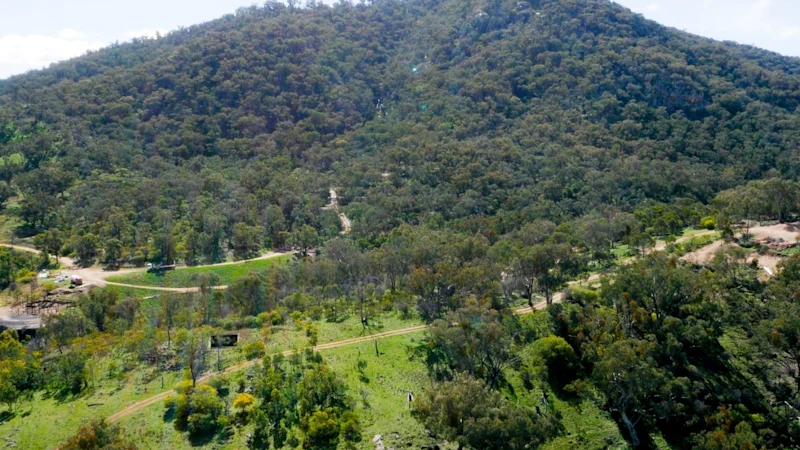
Hawaii was not chosen by accident. The islands have long fascinated geologists because they sit above a powerful mantle plume that continues to feed volcanic activity. Volcanoes such as Kilauea constantly bring fresh material from deep inside the Earth to the surface, giving scientists a rare opportunity to study rocks that originated far below the crust.
Every volcanic eruption acts like a delivery system from Earth’s interior. While the lava itself does not come directly from the core, it can contain clues about where the material beneath it first came from. That makes places like Hawaii natural laboratories for understanding what happens thousands of kilometres beneath our feet.
This discovery is about Earth’s history, not hidden treasure
The mention of gold naturally captures attention, but the study is not about uncovering giant underground treasure chests. It is about understanding how Earth has evolved since it formed billions of years ago.
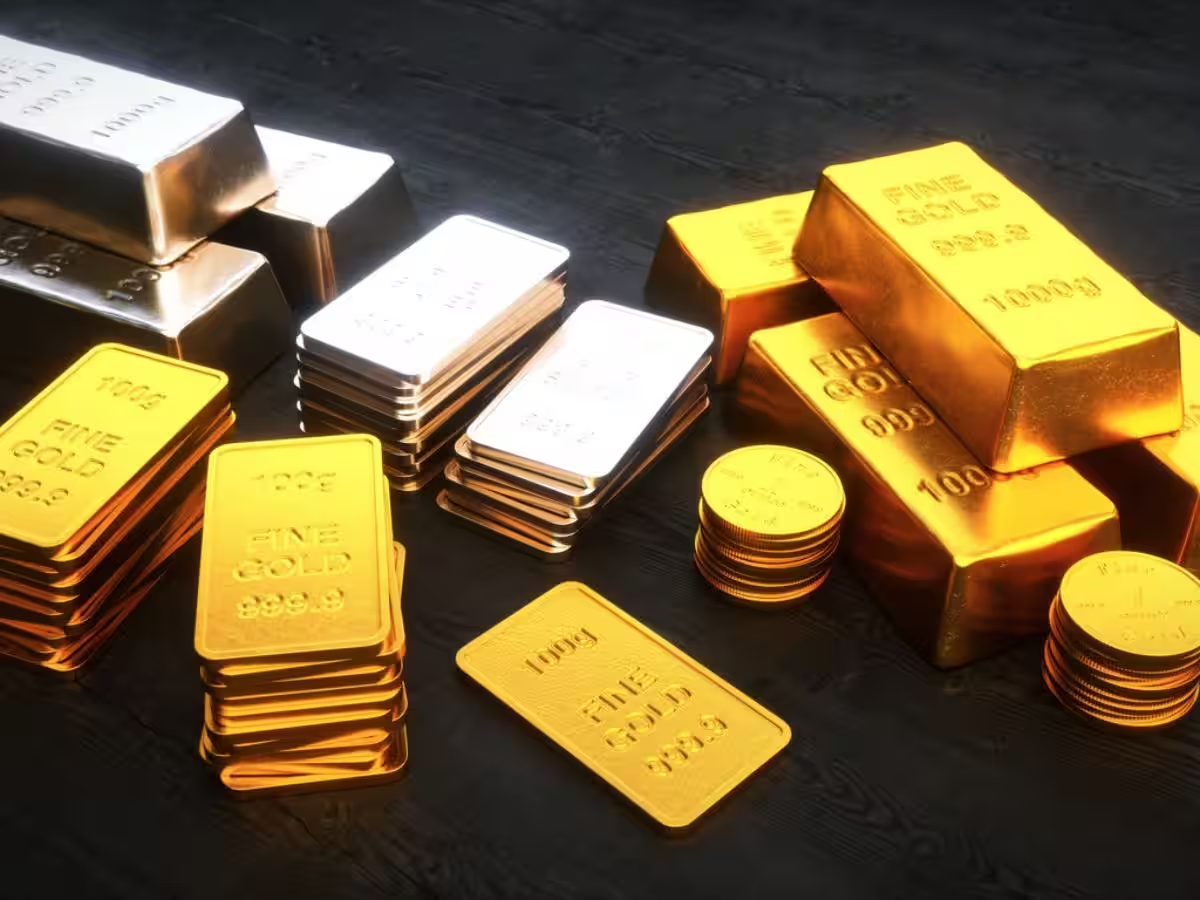
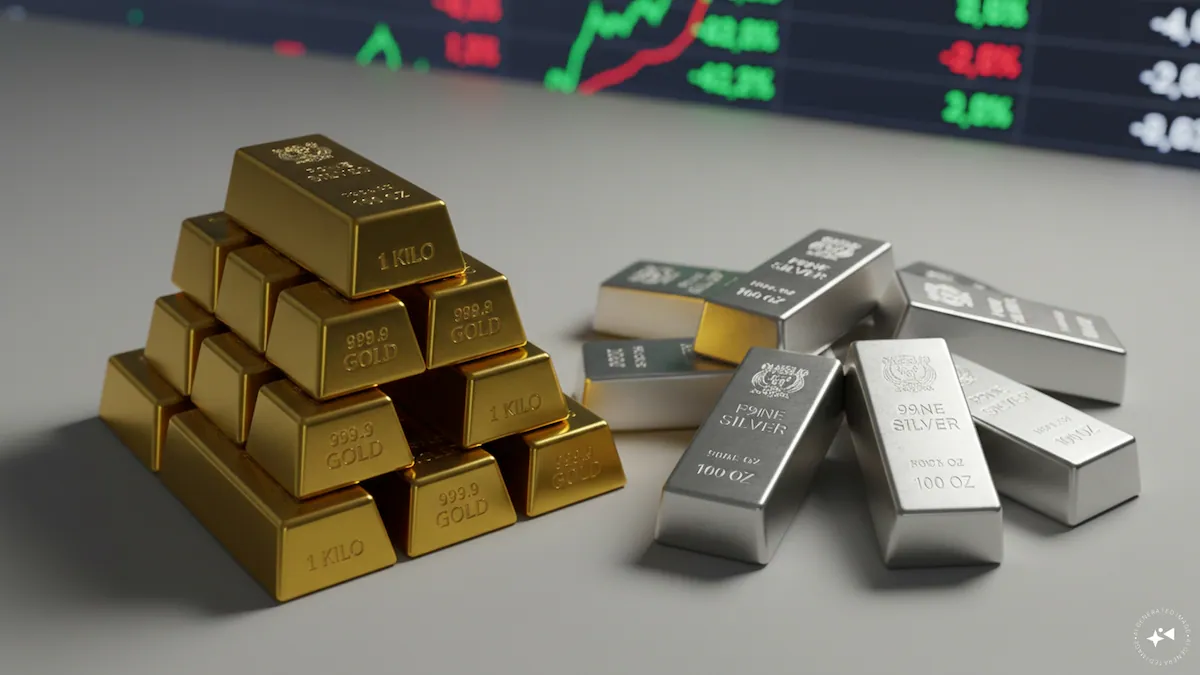
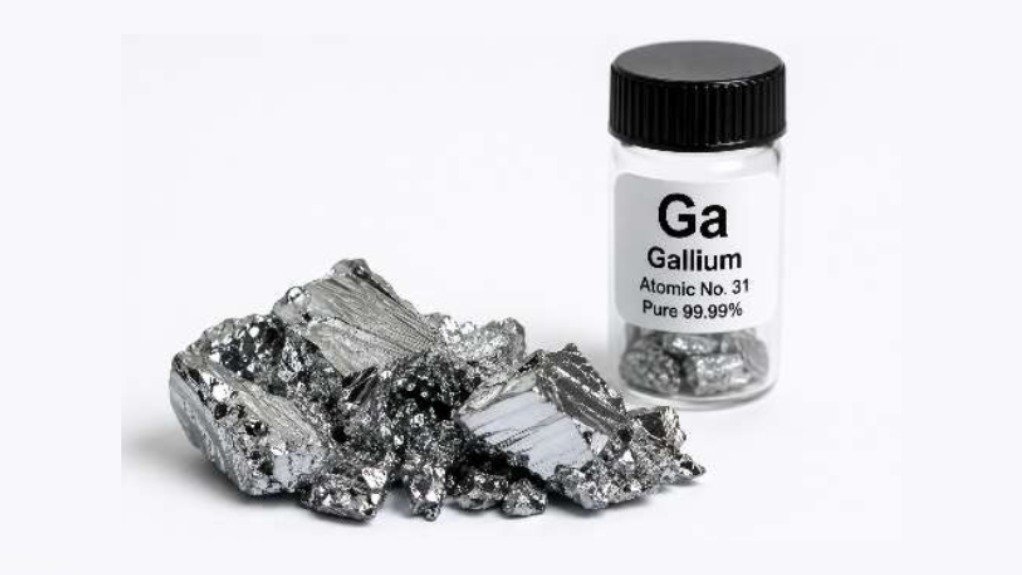
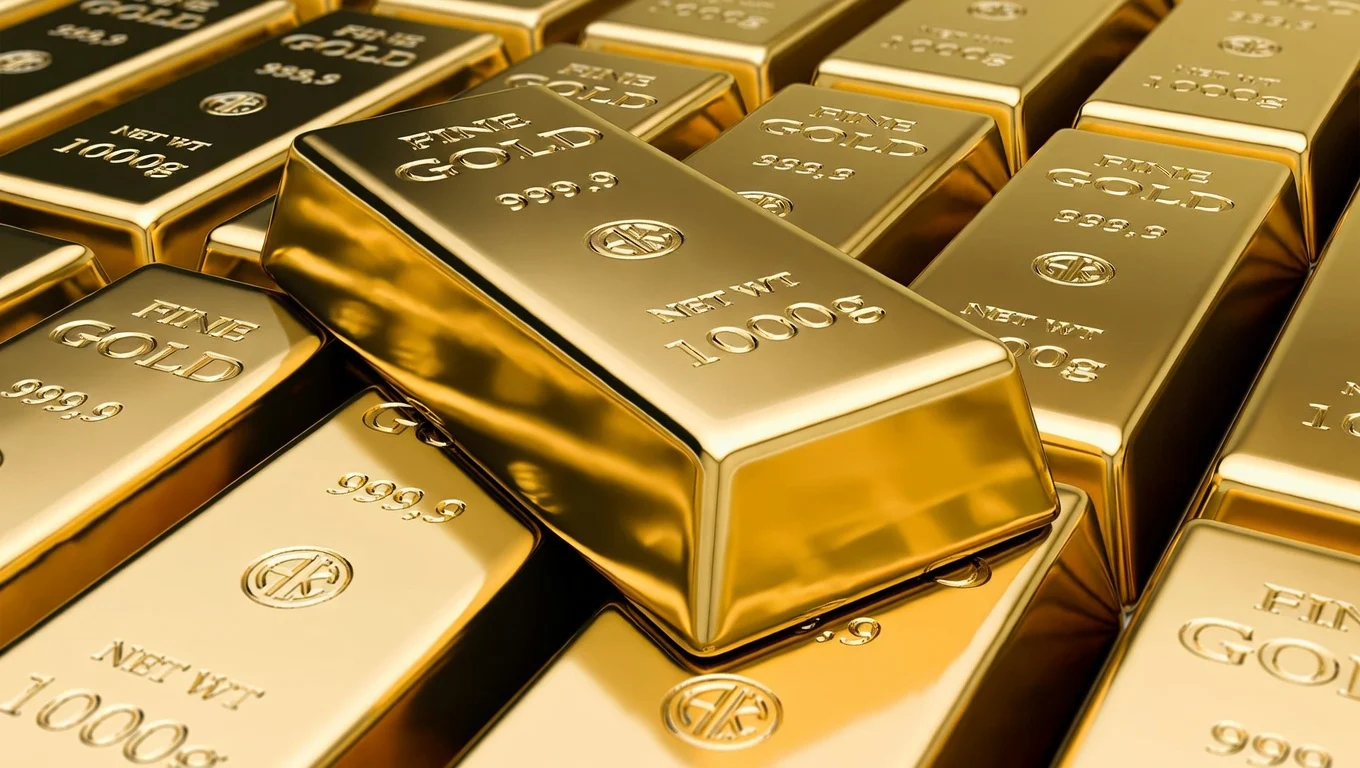
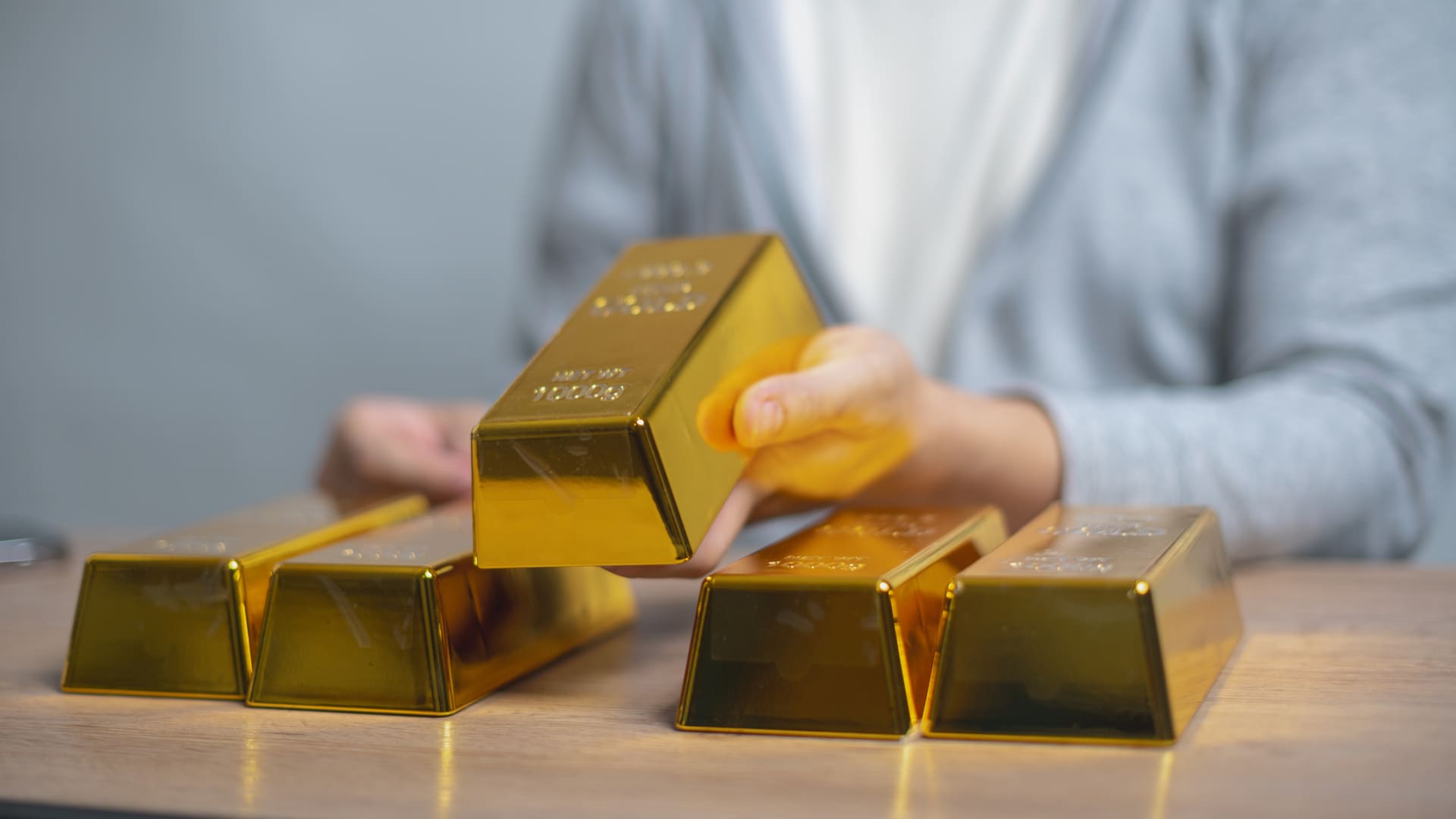
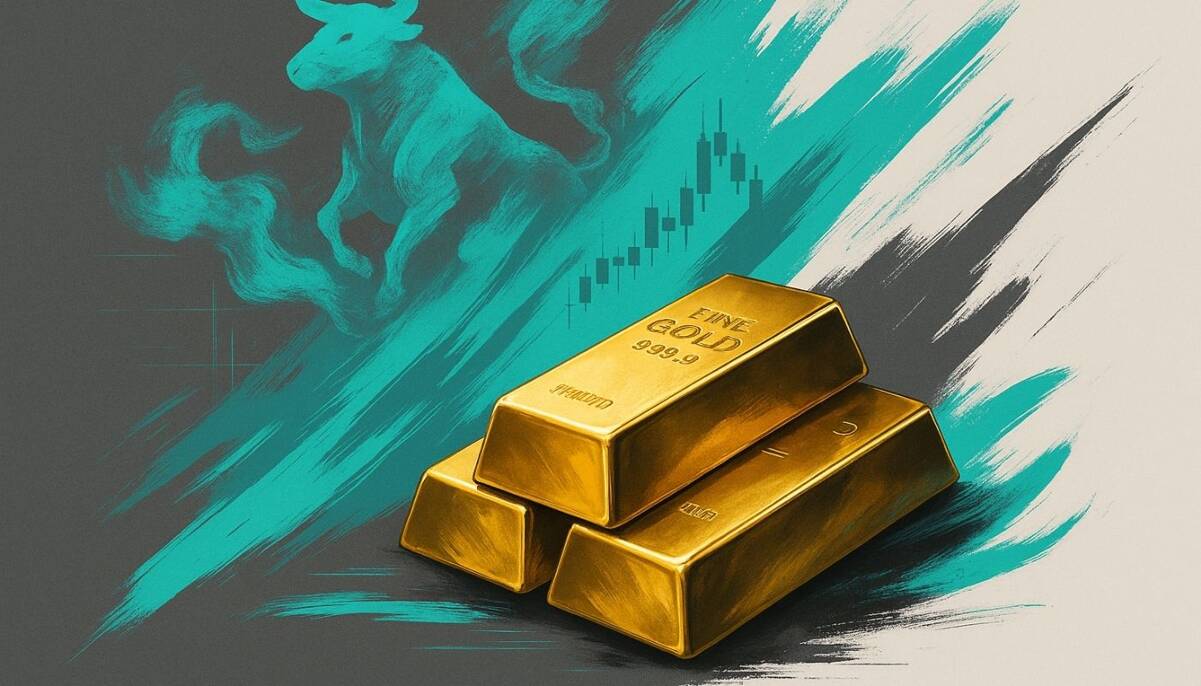
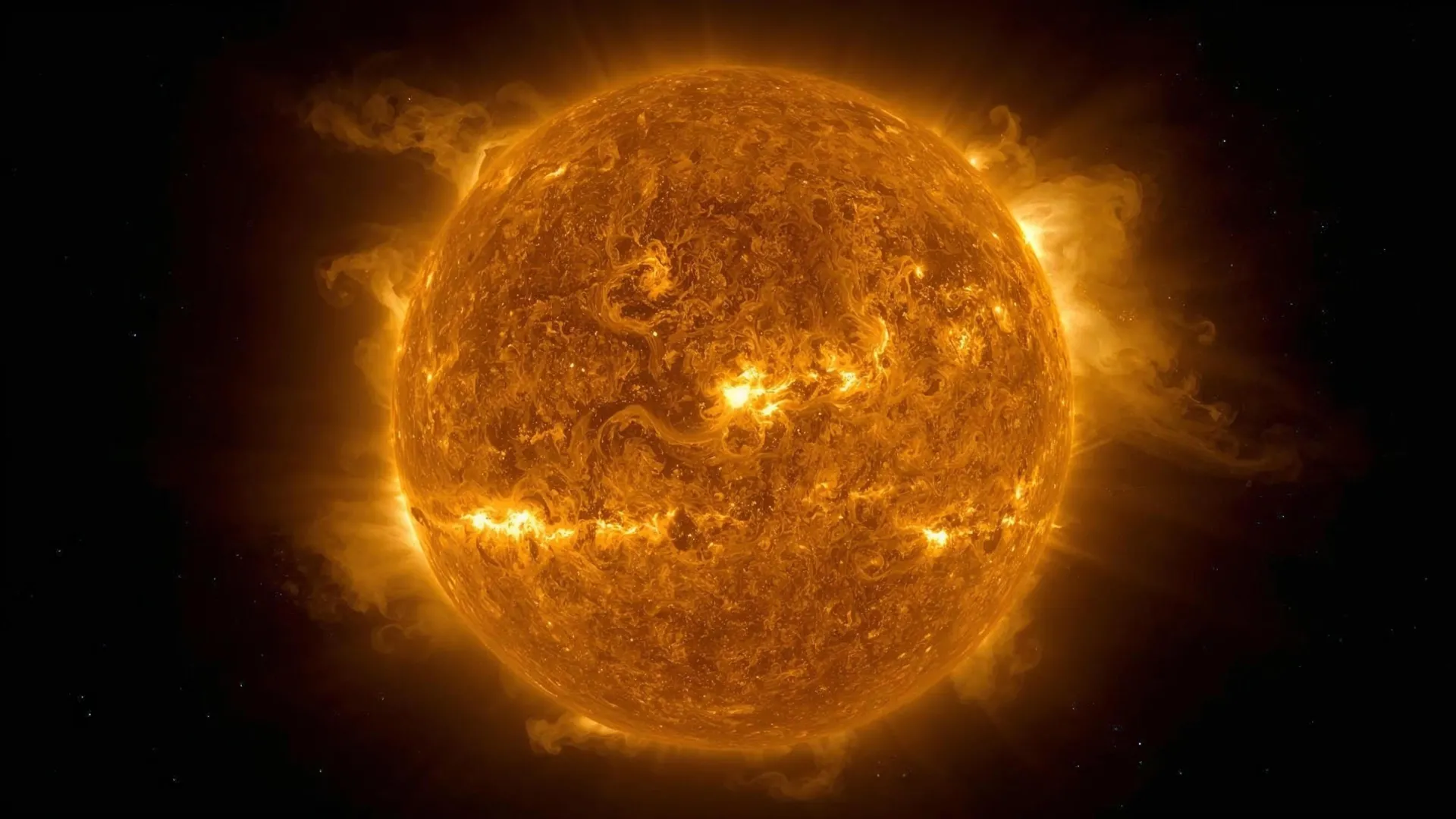
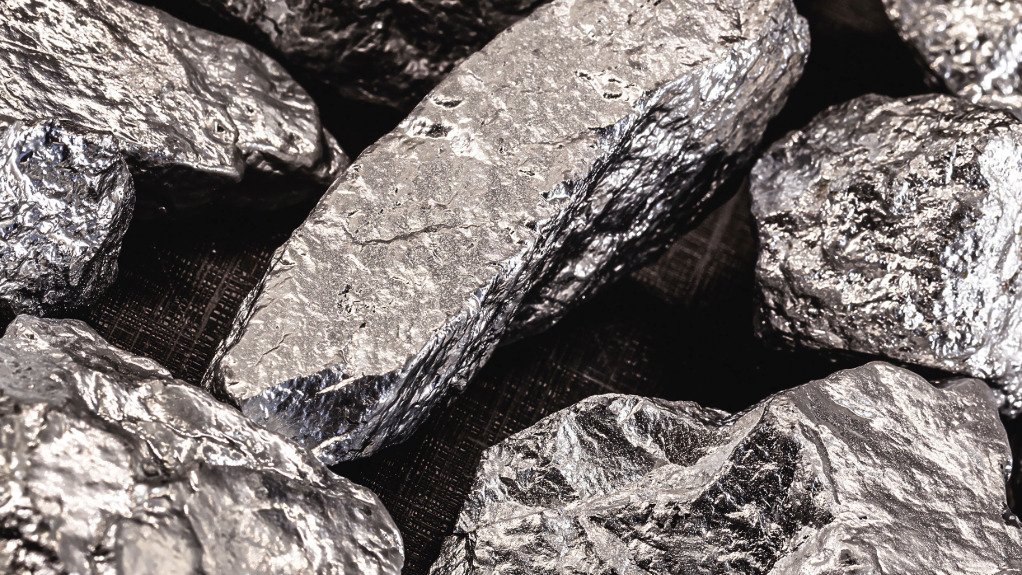
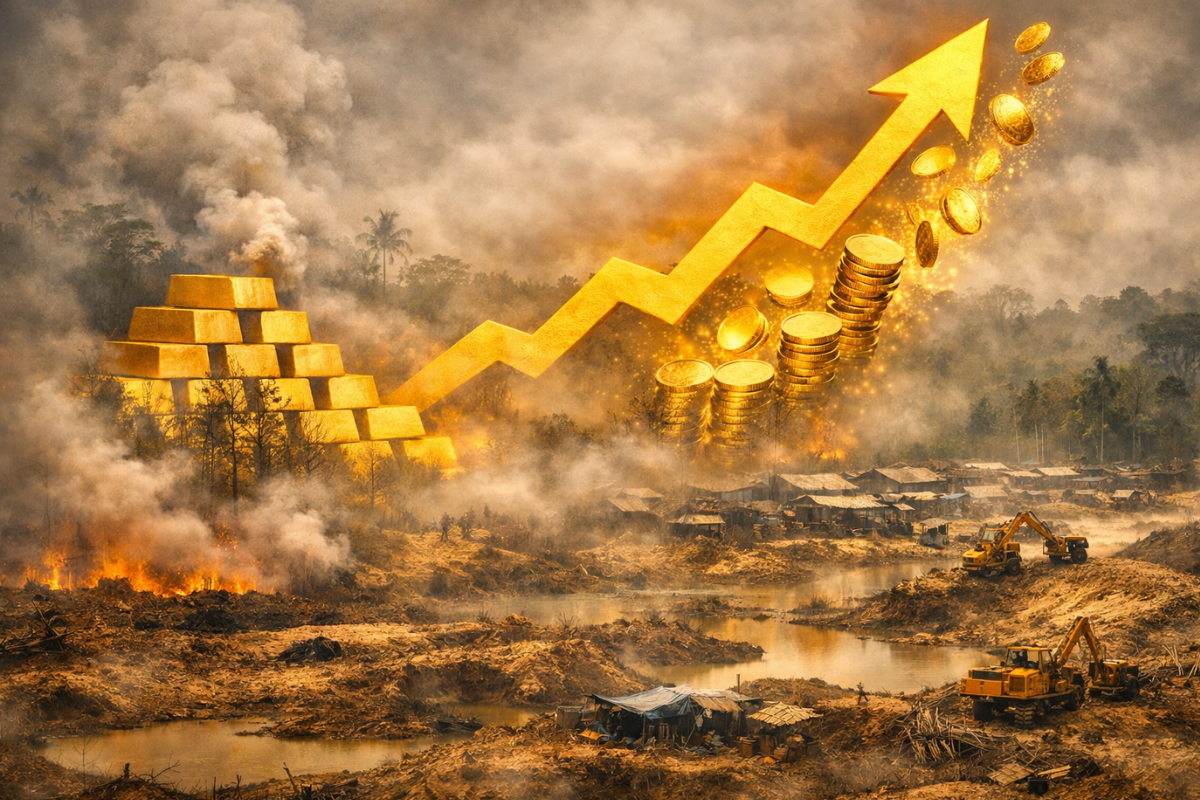
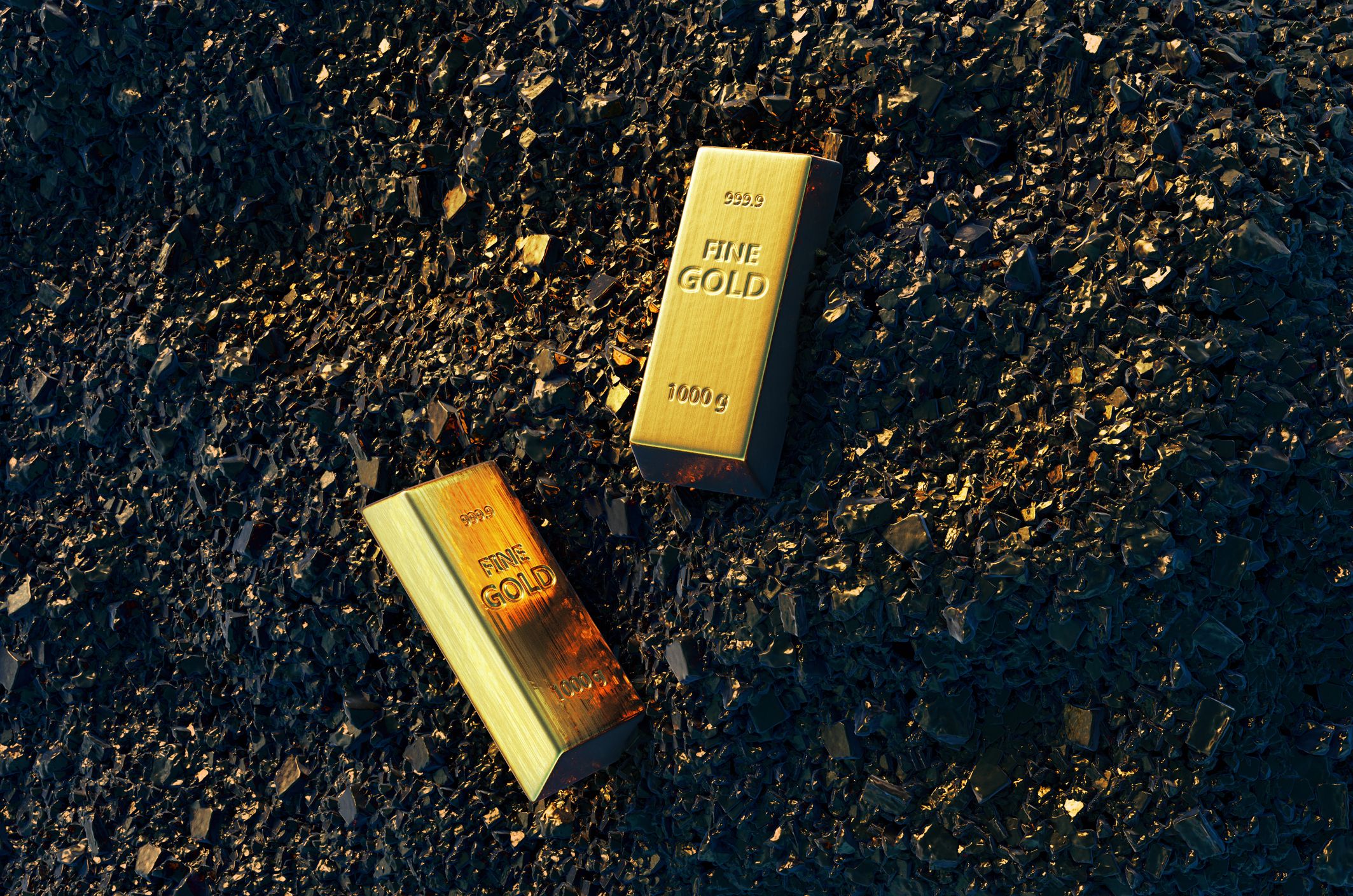
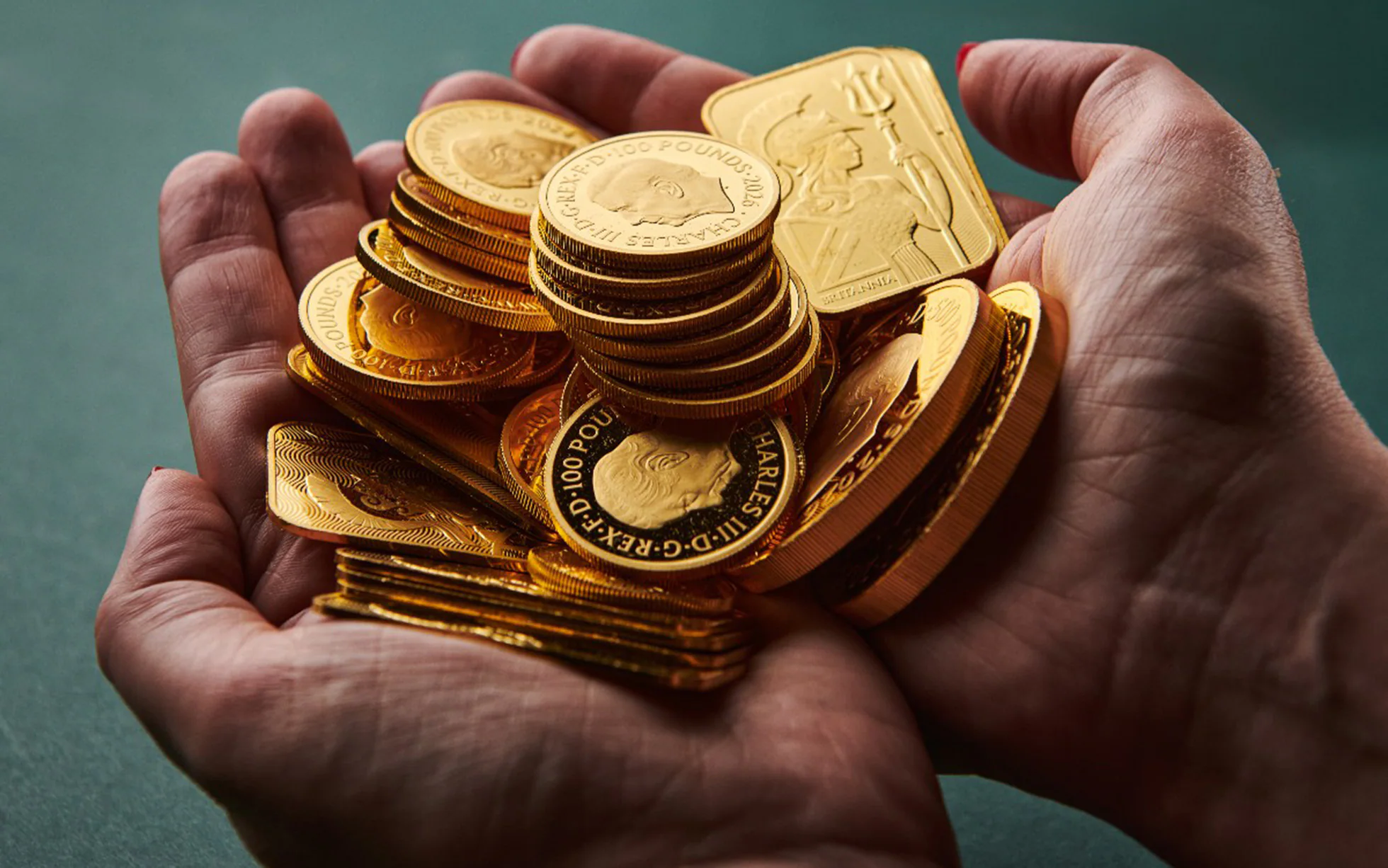
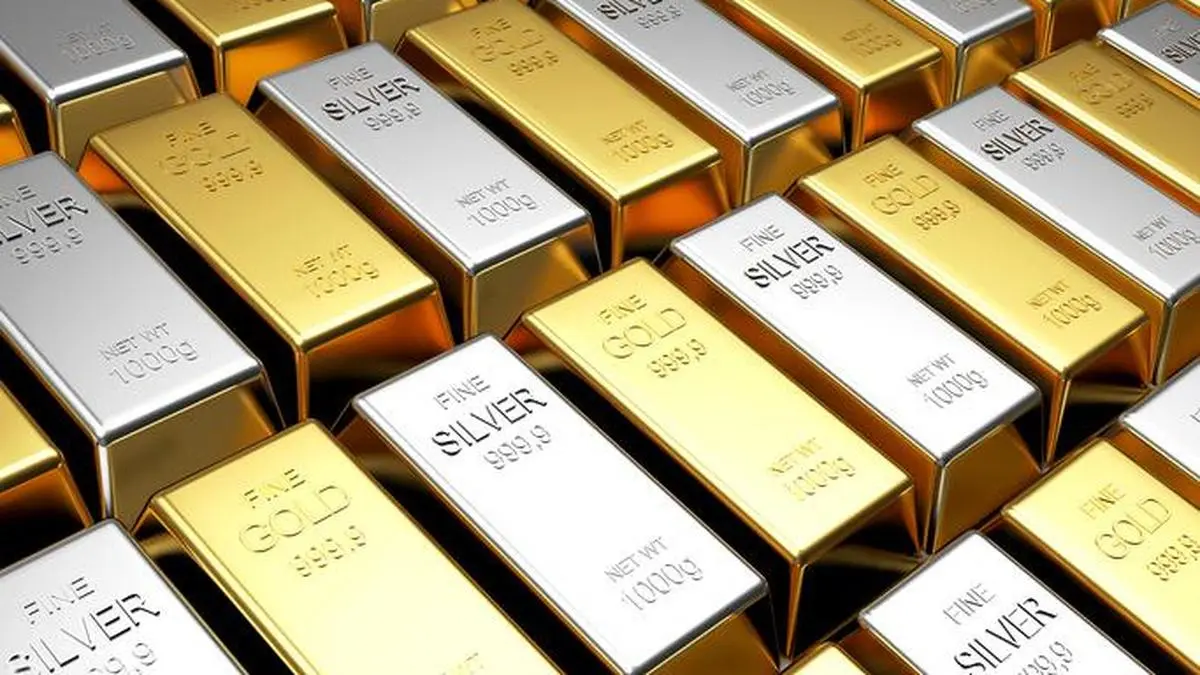
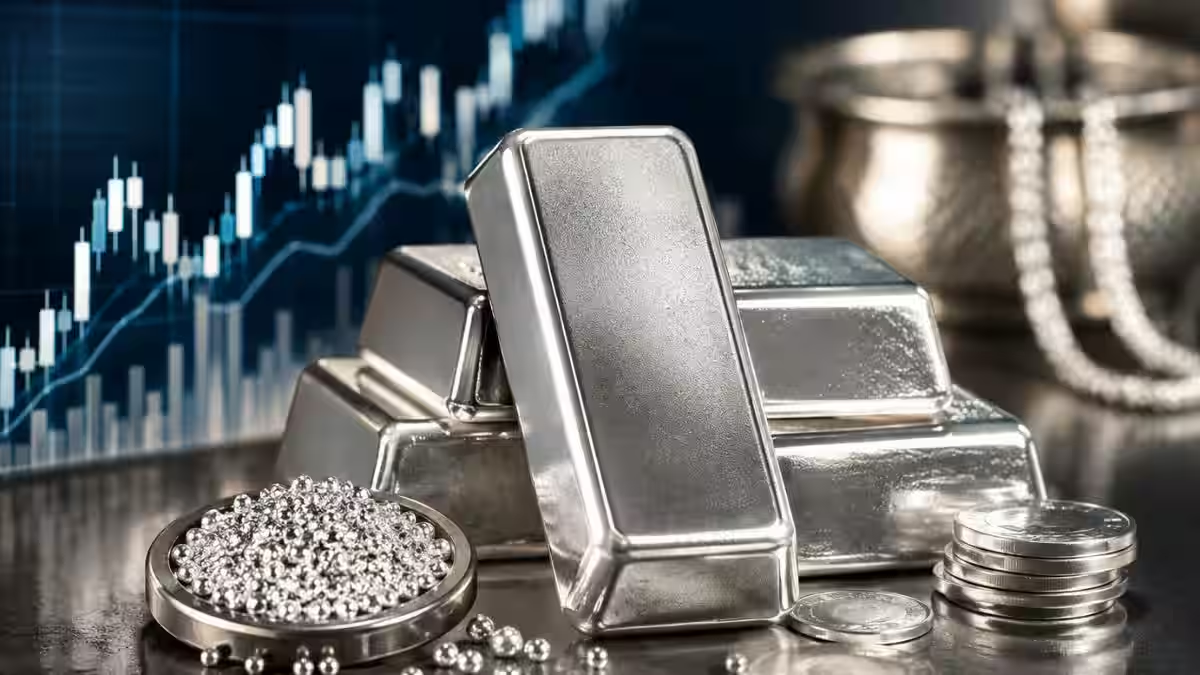
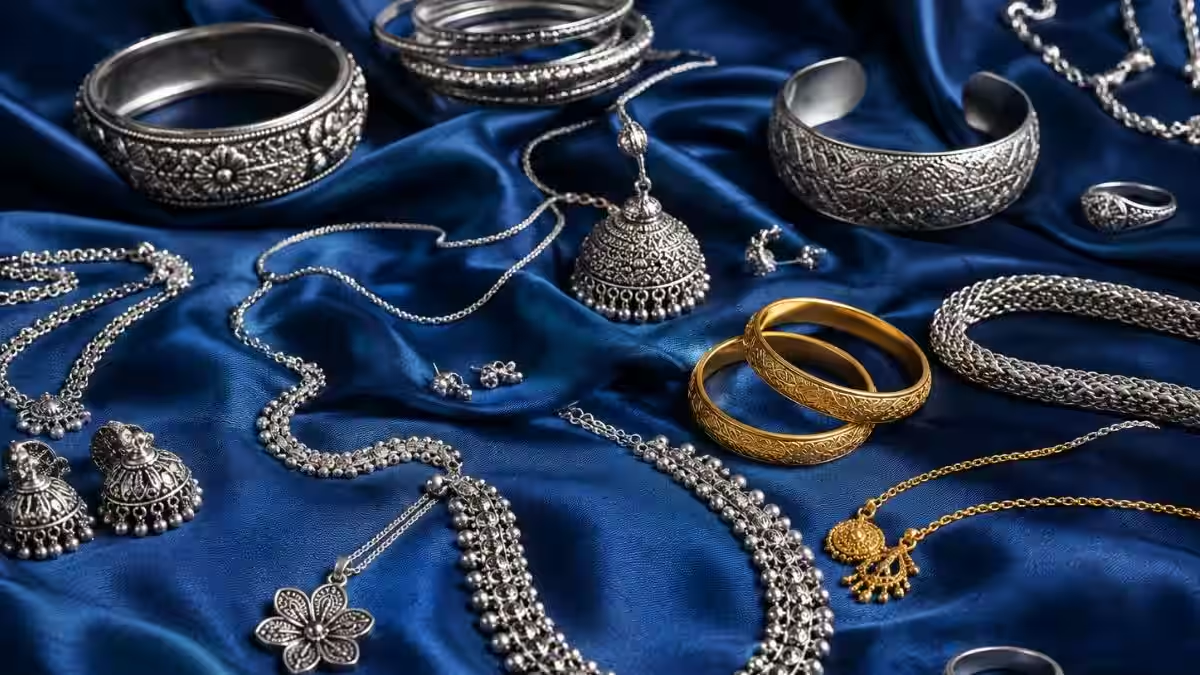
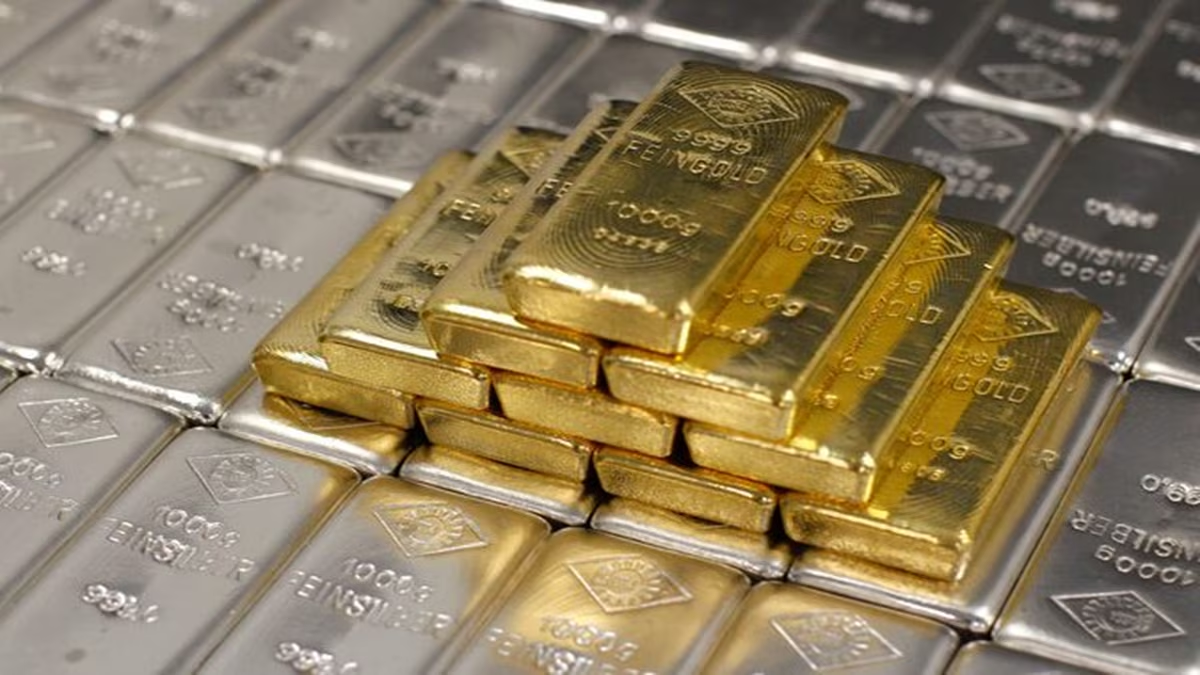
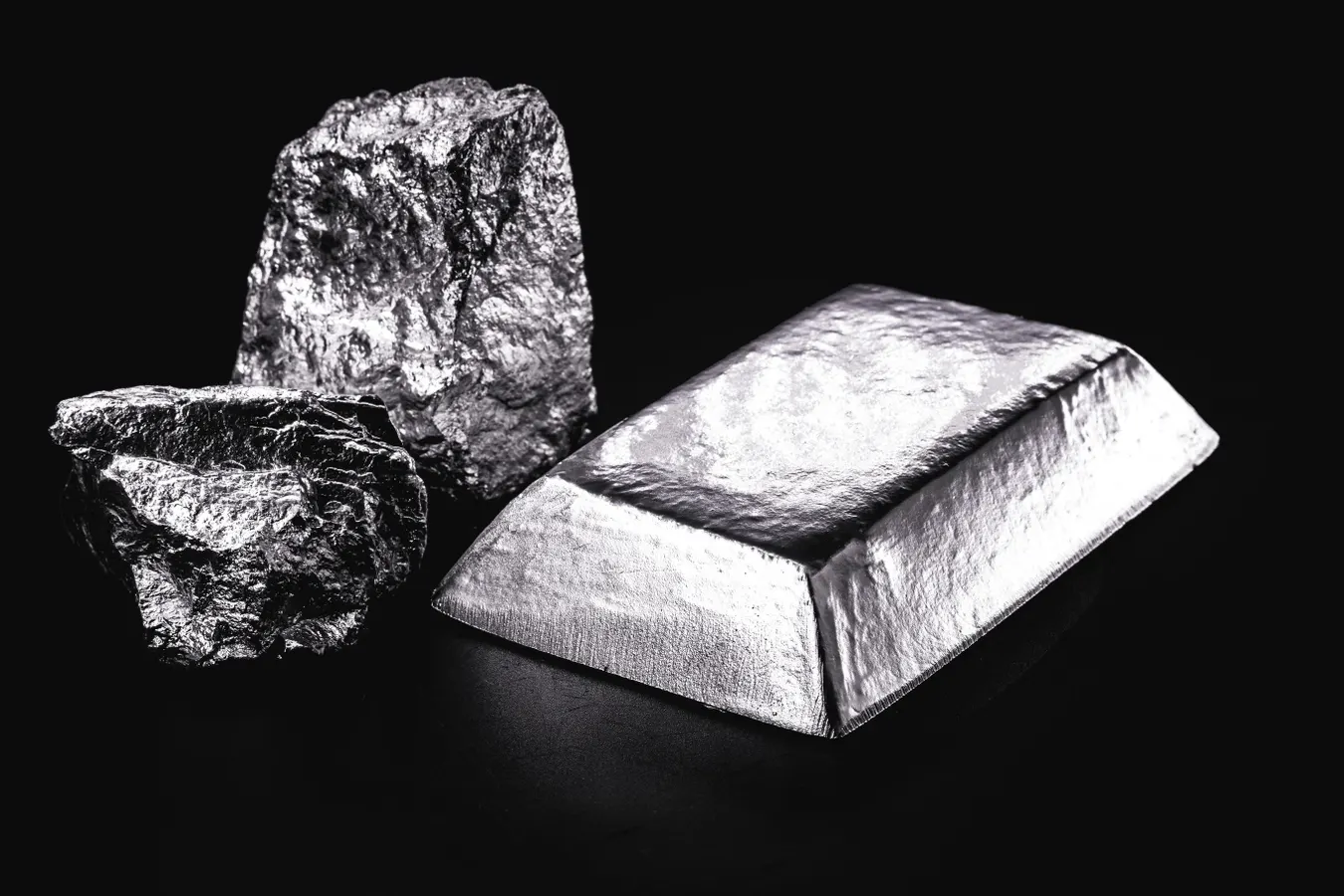
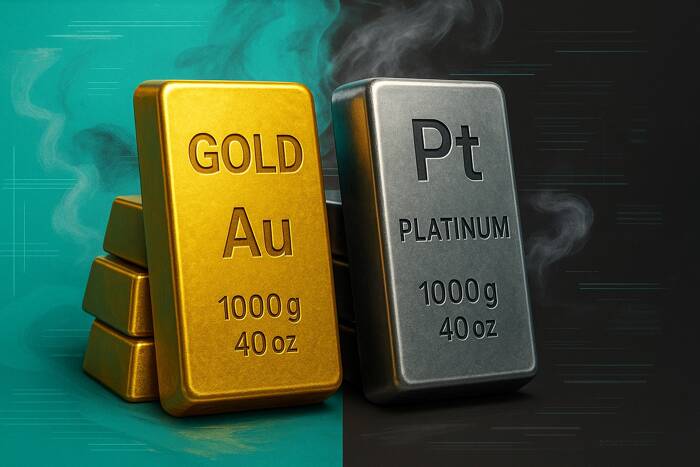
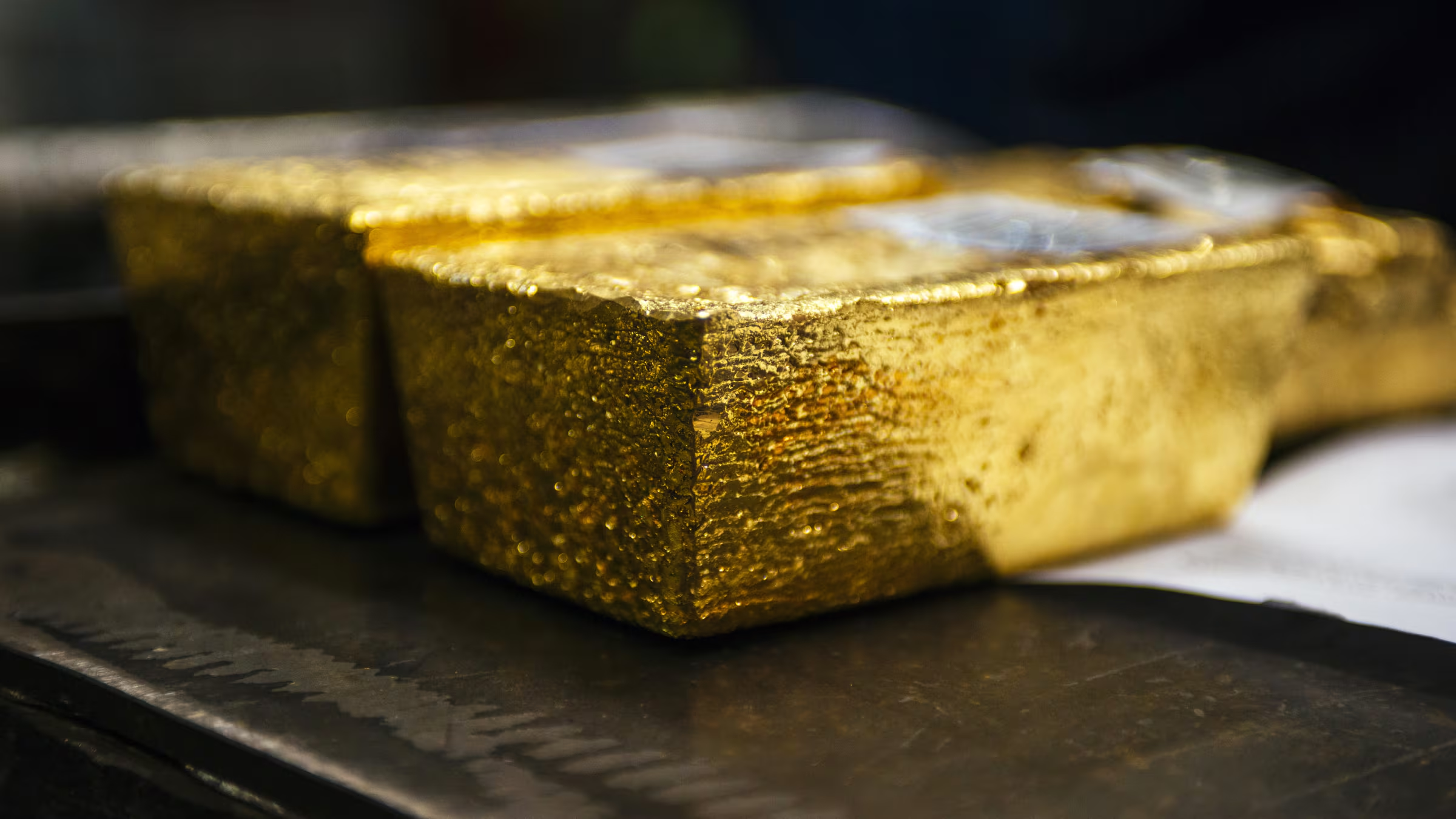
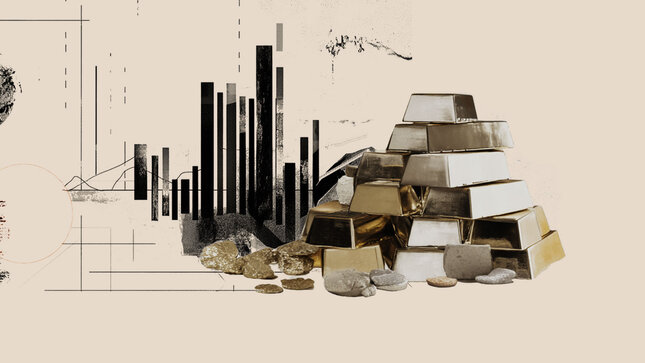
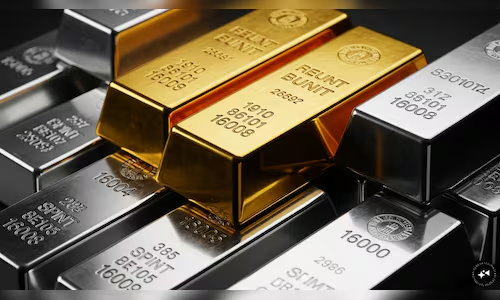
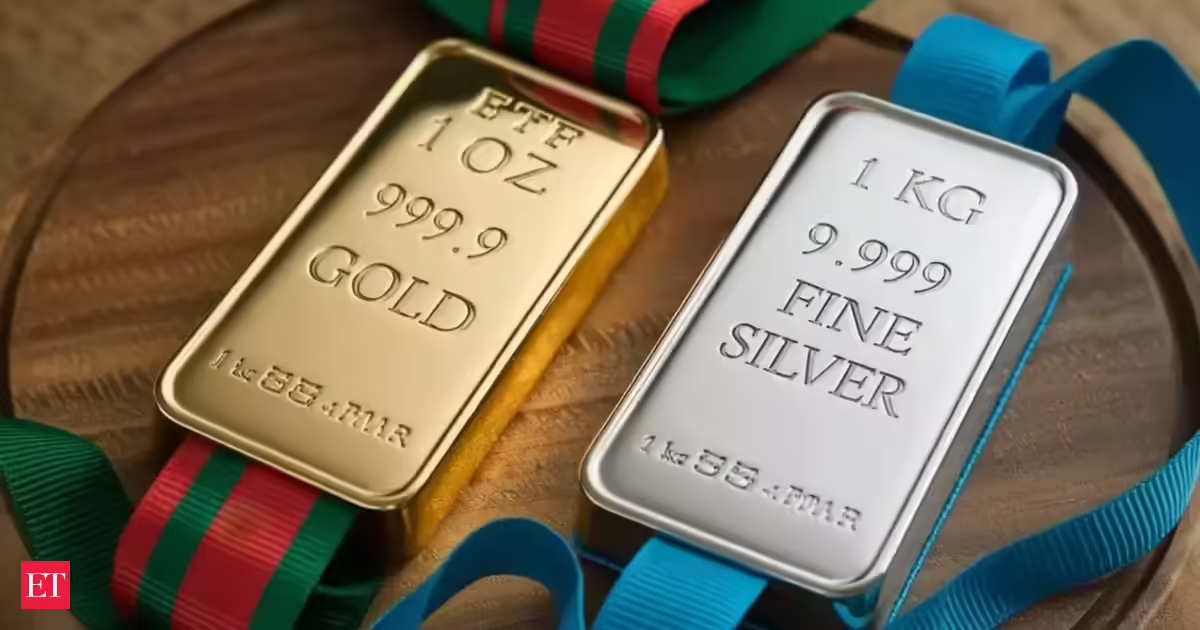
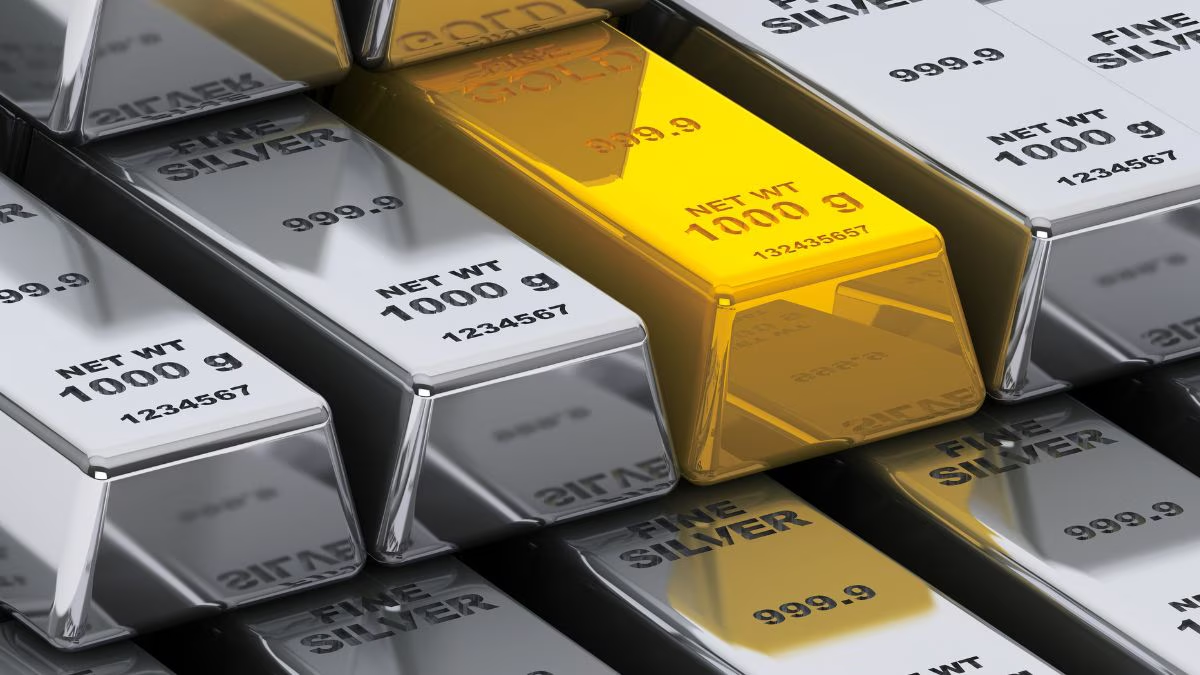
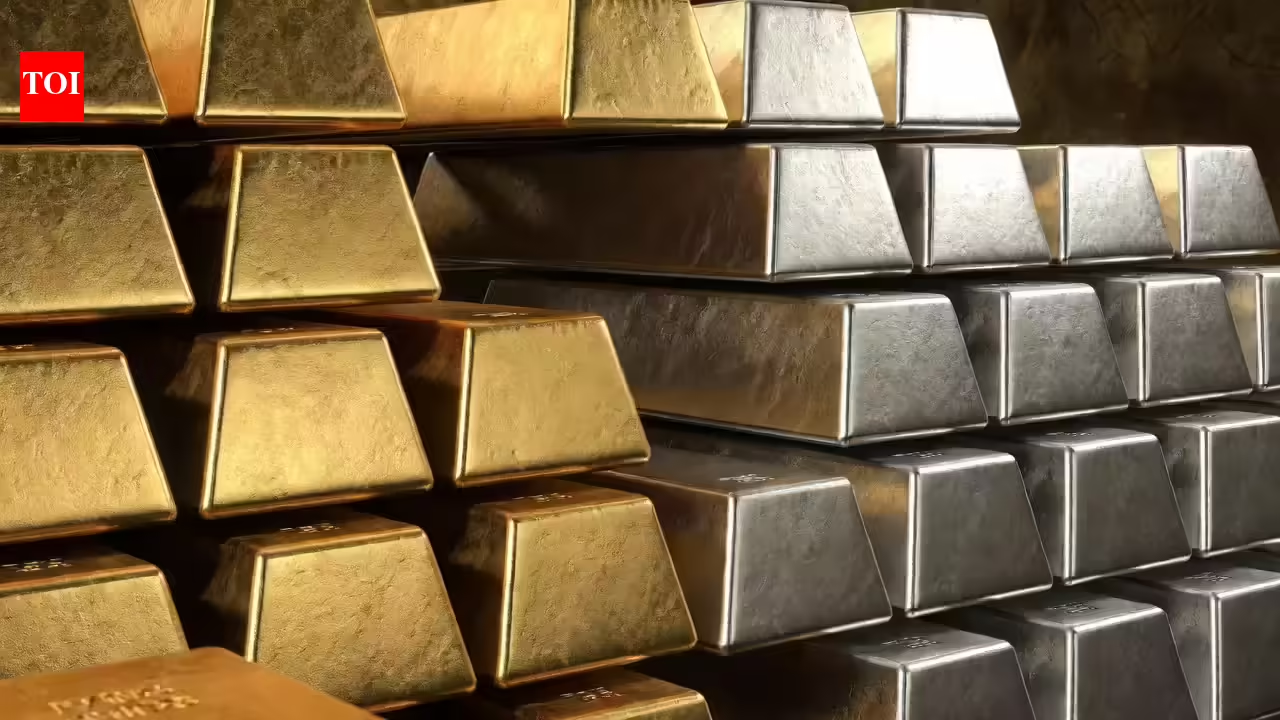
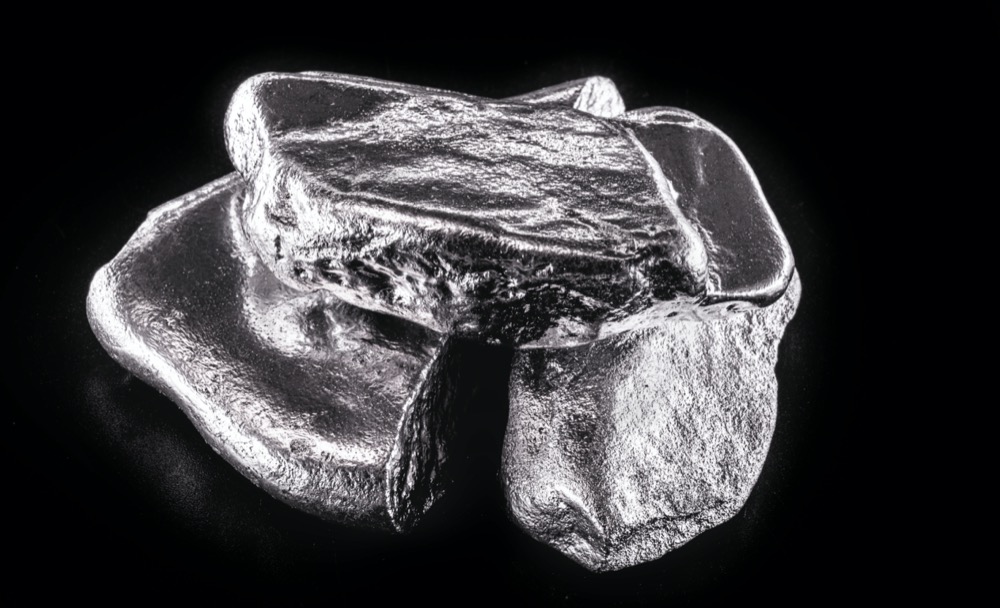
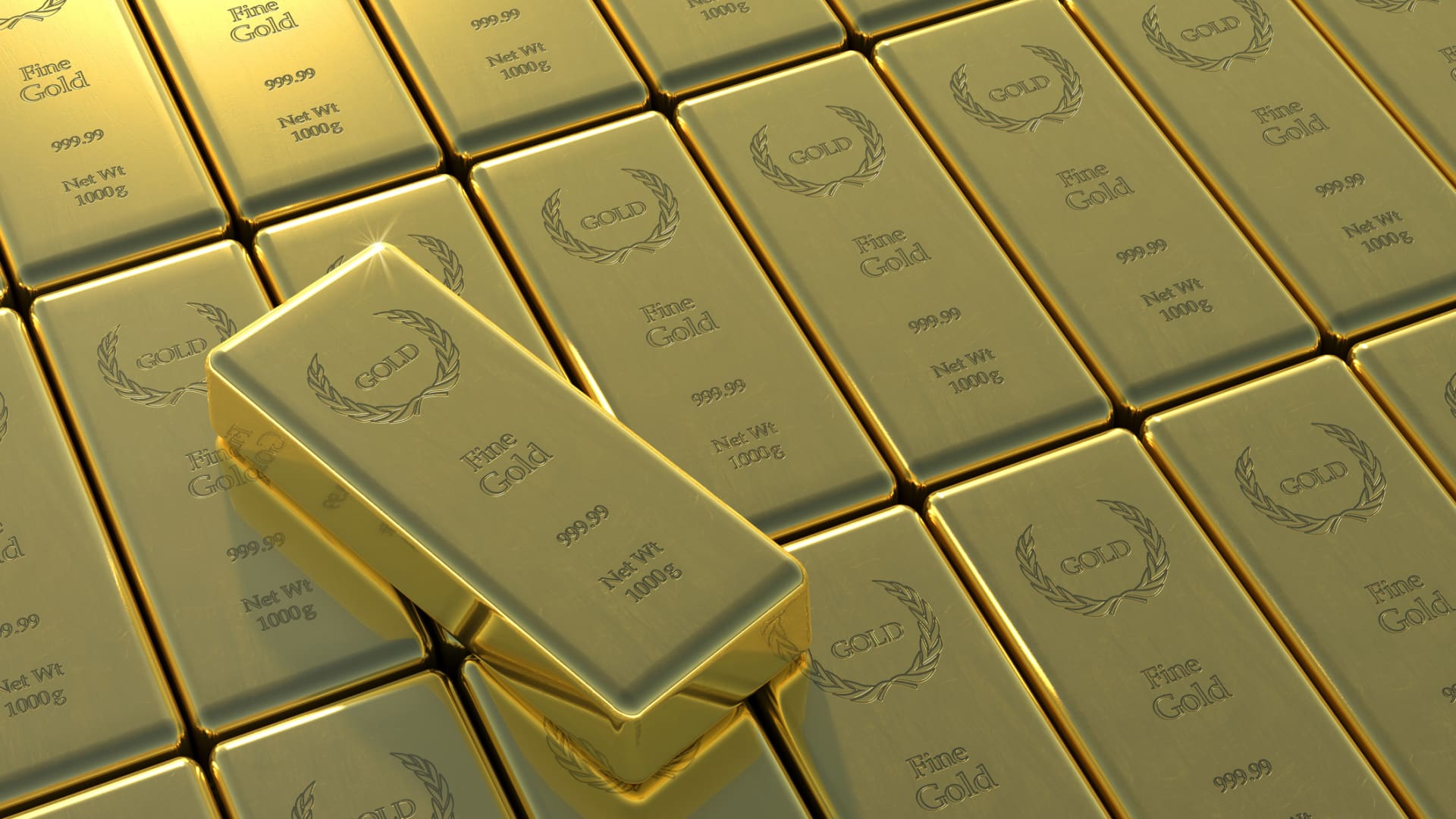
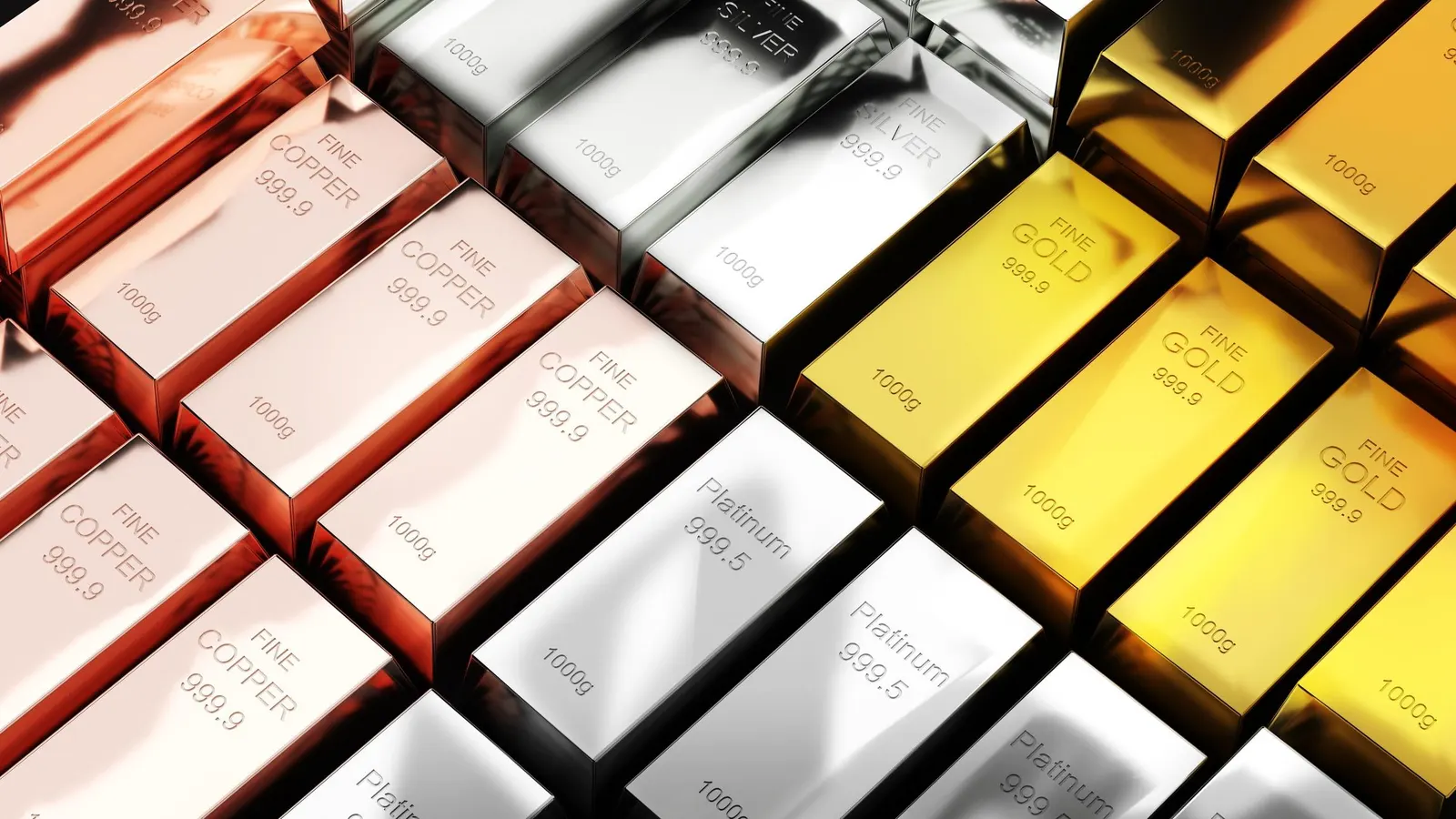
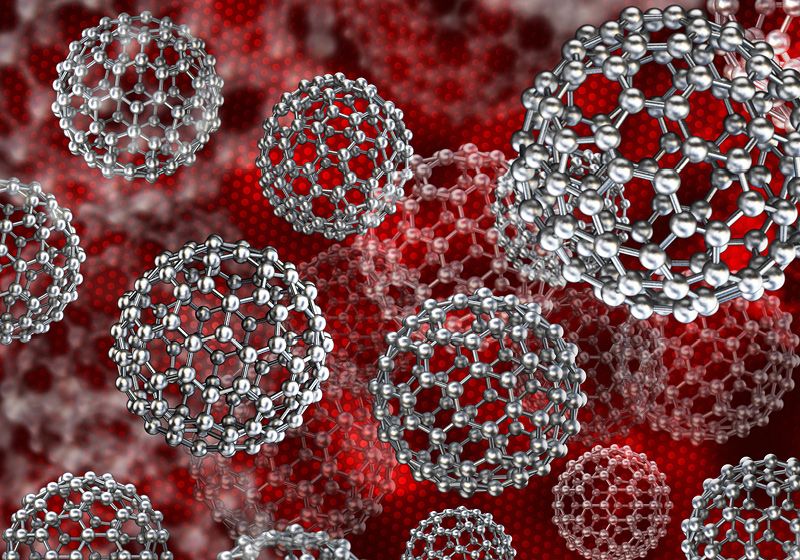
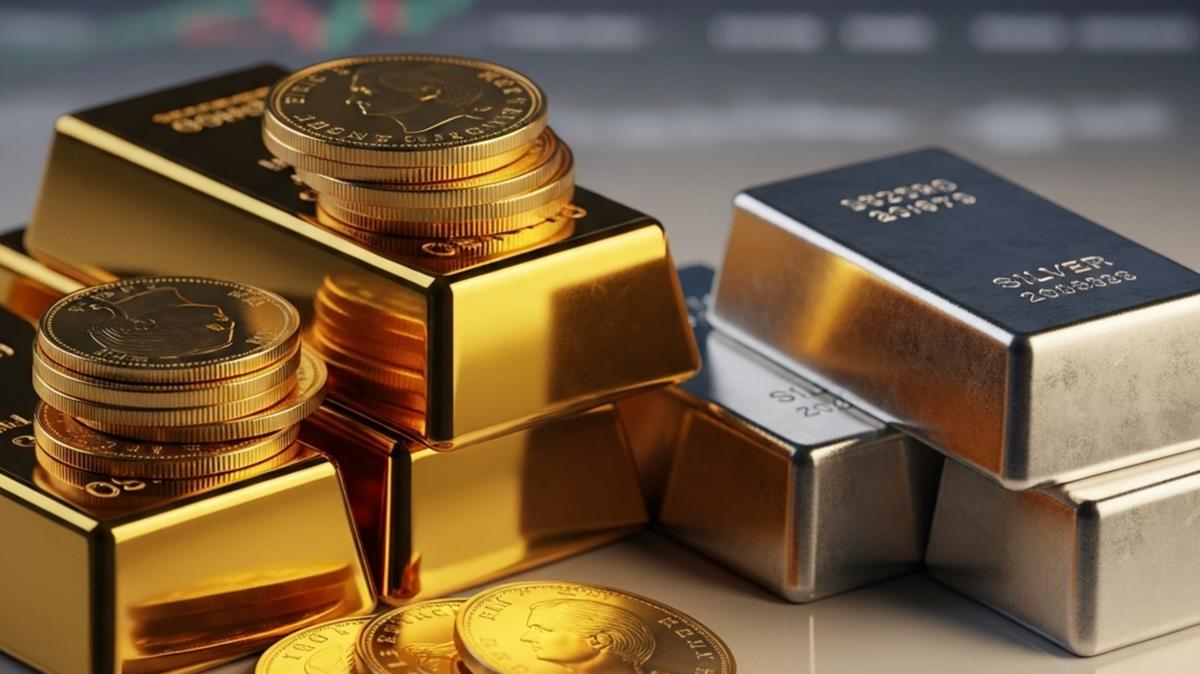
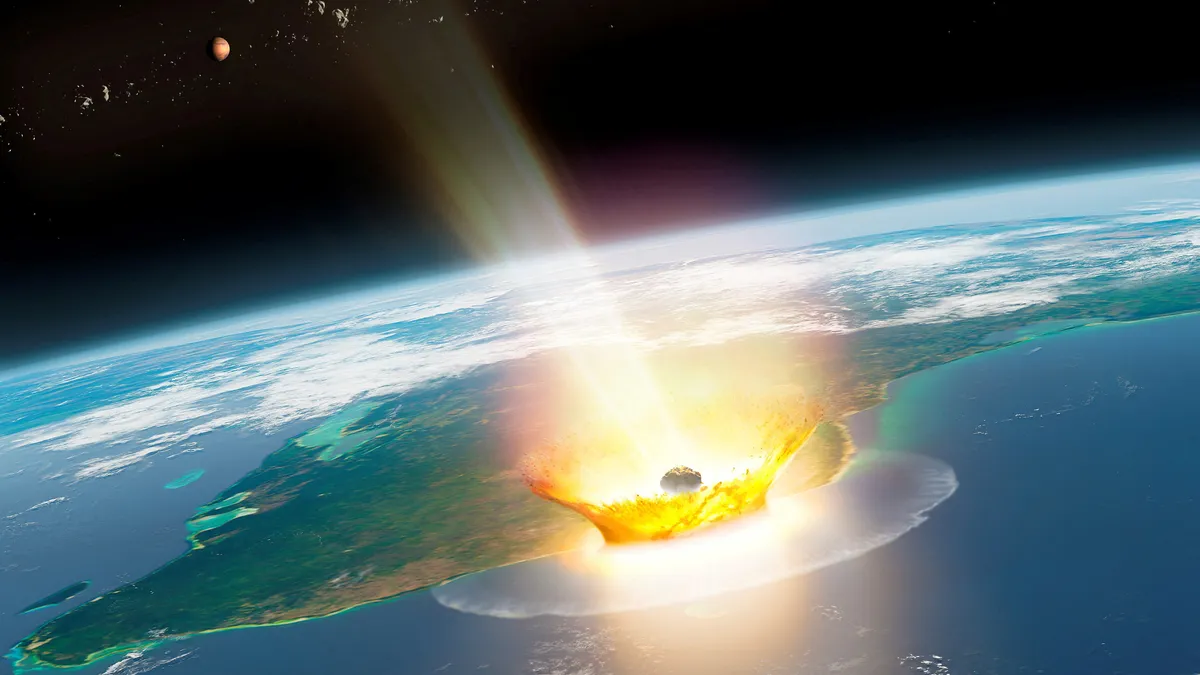
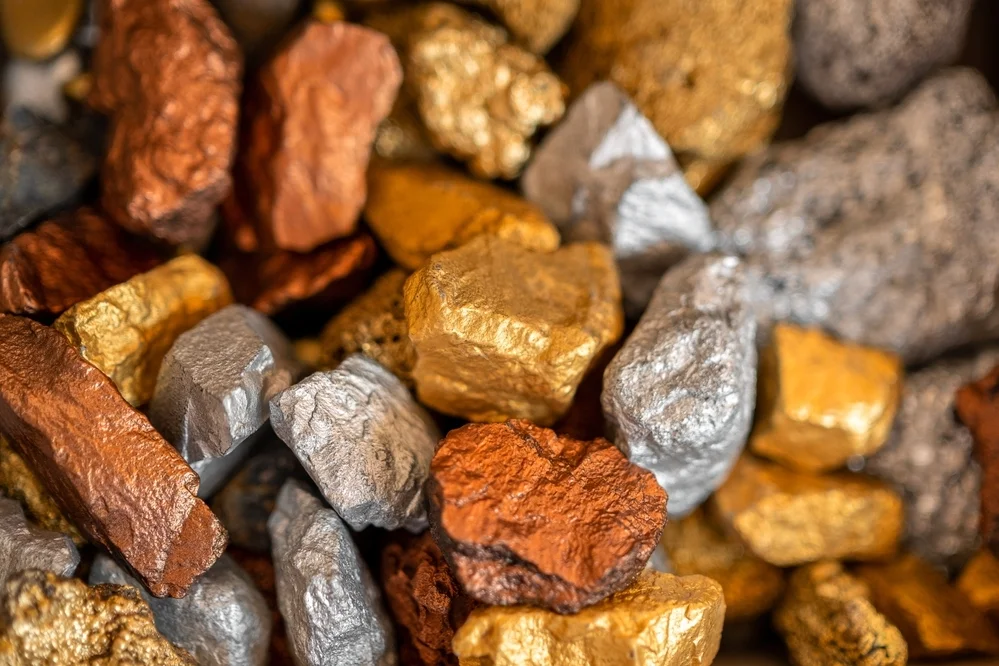
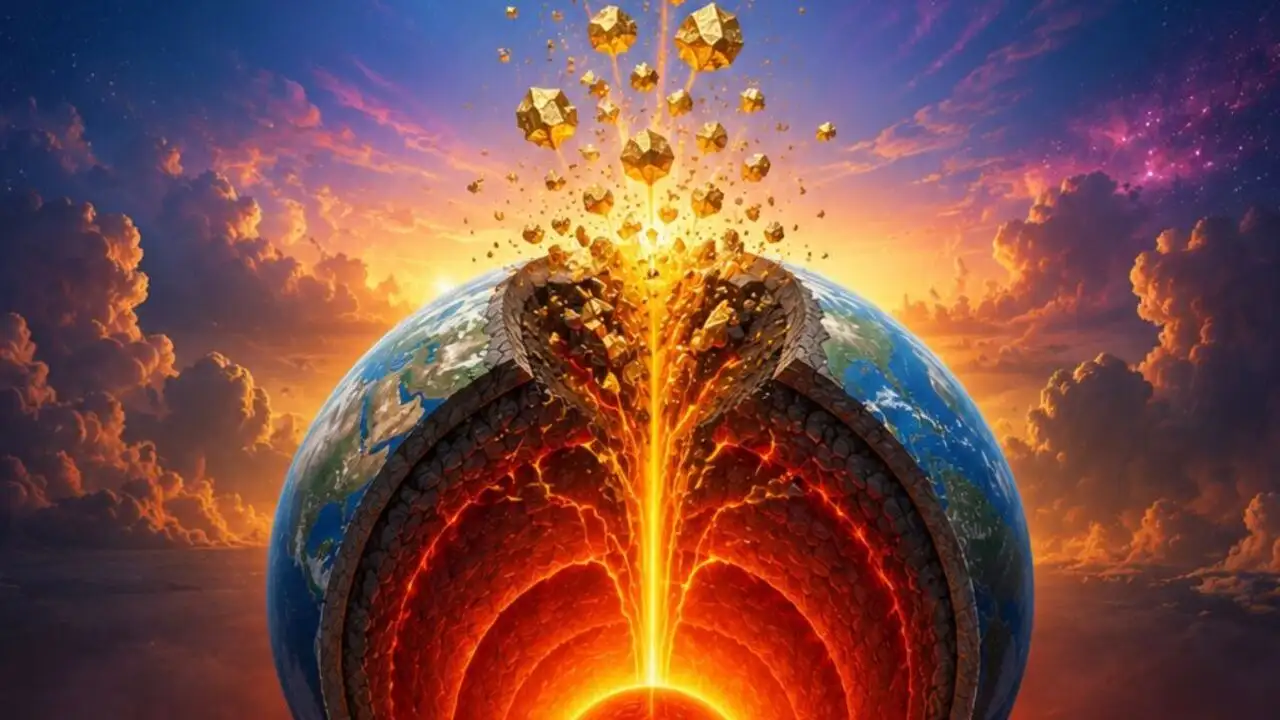
Image credit : Magnific | Fresh research suggests that Earth’s core may not be as cut off from the rest of the planet as scientists once believed
Scientists already knew that most precious metals disappeared into the core when the young planet was forming. The new findings suggest that this may not have been a one-way journey. Instead, Earth’s interior could still be exchanging material between its deepest layers and the mantle. Even if only tiny amounts move upward, they reveal that the planet is far more dynamic than scientists once believed.
That is why the discovery matters. It helps researchers build a clearer picture of how Earth’s interior behaves over immense periods of time and how volcanic regions are connected to processes happening nearly 3,000 kilometres below the surface.
The way ahead
Every new study answers one question but raises several more. Scientists now want to know whether Hawaii is unique or whether similar evidence can be found in other volcanic regions around the world. If future research uncovers the same chemical fingerprints elsewhere, it would strengthen the idea that Earth’s core and mantle are more closely linked than previously thought.
For now, the findings offer an exciting reminder that our planet still holds many secrets. The ground beneath our feet may seem familiar, but deep below the crust lies a world that remains largely unexplored. With every volcanic rock and every new chemical clue, scientists are slowly piecing together the story of Earth’s hidden interior and discovering that even ancient gold may still be on an extraordinary journey upward.