Newcomer Jaecoo has also climbed to the top of the monthly sales rankings with the Jaecoo 5 and 7 sport utility vehicles (SUVs) – nicknamed “Temu Range Rovers” by fans on social media.
BYD’s market share has grown from 1.9pc to 3.5pc this year, while Jaecoo’s has risen from 0.9pc to 3.1pc, with the brands selling about 48,300 and 43,600 cars, respectively, from January to August.
By comparison, though US car giant Ford’s Puma crossover SUV is the year’s best-selling car, the company has seen its overall market share shrink from 5.9pc to 5.4pc so far in 2026.
German juggernaut VW – still the UK’s best-selling car brand by a wide margin – has also seen its share fall, from 9.1pc to 8pc.
Analysts have warned that pressure on European manufacturers is partly coming from lower-priced Chinese models.
For example, VW’s entry-level Polo starts at about £21,000 with the electric version starting at £25,000, whereas BYD’s electric Dolphin Surf starts at just under £18,700.
The two electric cars have ranges of 205 and 137 miles, respectively.
Maria Bengtsson, an automotive expert at consultancy EY, warned competition from Chinese brands would “continue to present a difficult challenge for UK and European automakers in the coming months and years”.
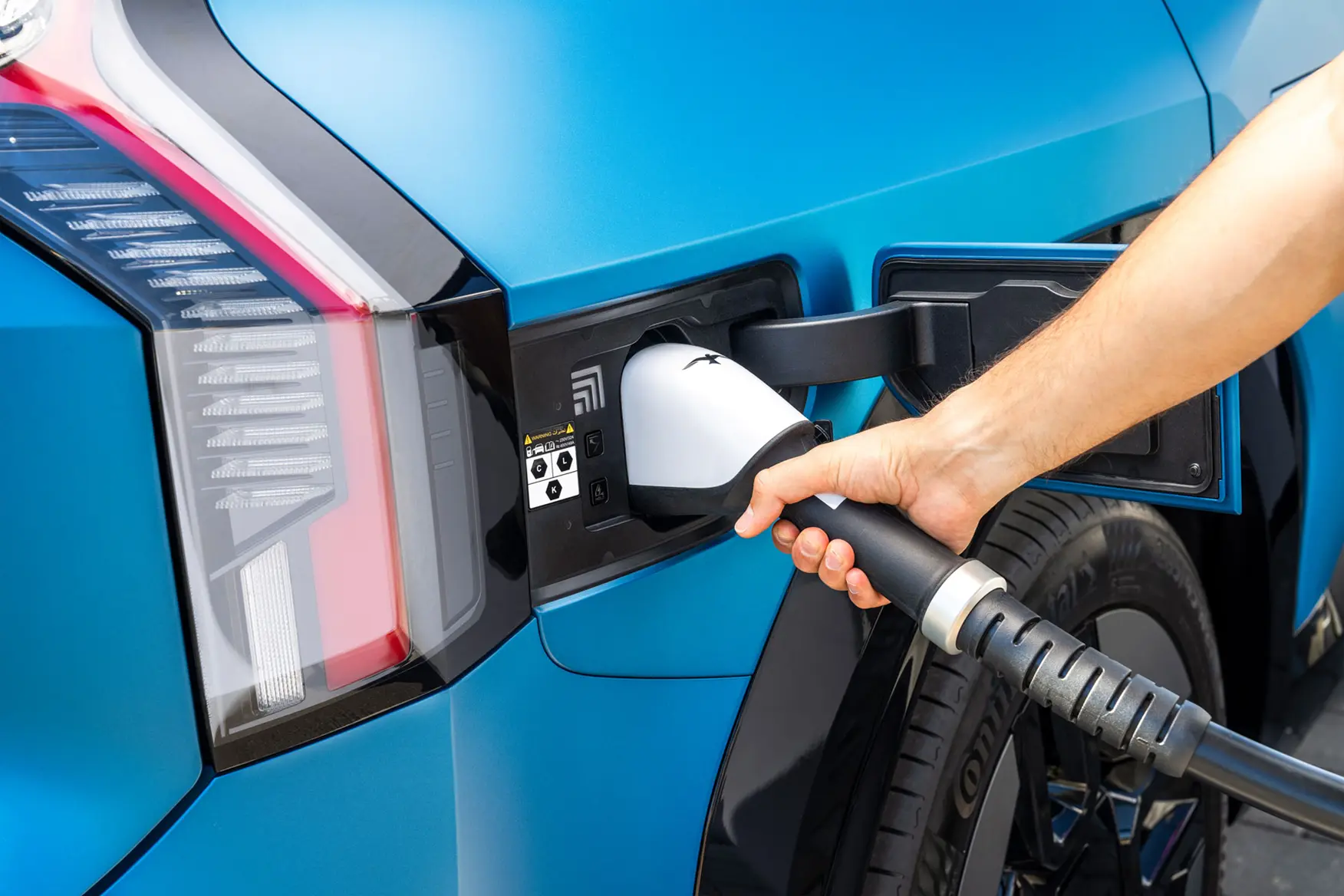
The figures published by the SMMT on Friday also showed that electric vehicles (EVs) accounted for nearly 30pc of sales last month, a record for August and up from 27.7pc previously.
In total, some 28,063 EVs were sold, up from 21,969 a year earlier.
Petrol car sales dipped from 37,373 to 36,048, a drop in market share from 45.1pc to 38.3pc.
Overall sales of new cars across all fuel types rose 13.7pc to 94,236, the SMMT said.
High targets
Mike Hawes, the chief executive of the trade body, welcomed the figures, saying consumers were responding well to better choice and attractive bargains, but cautioned that August was typically “a low-volume month, so that September will be the acid test”.
He warned that the Government’s EV sales targets remained too high and needed to be “grounded in the reality of demand”.
Under the so-called zero-emission vehicle mandate, 33pc of cars sold this year are supposed to be electric, with manufacturers facing potential fines if they fail to reach them.