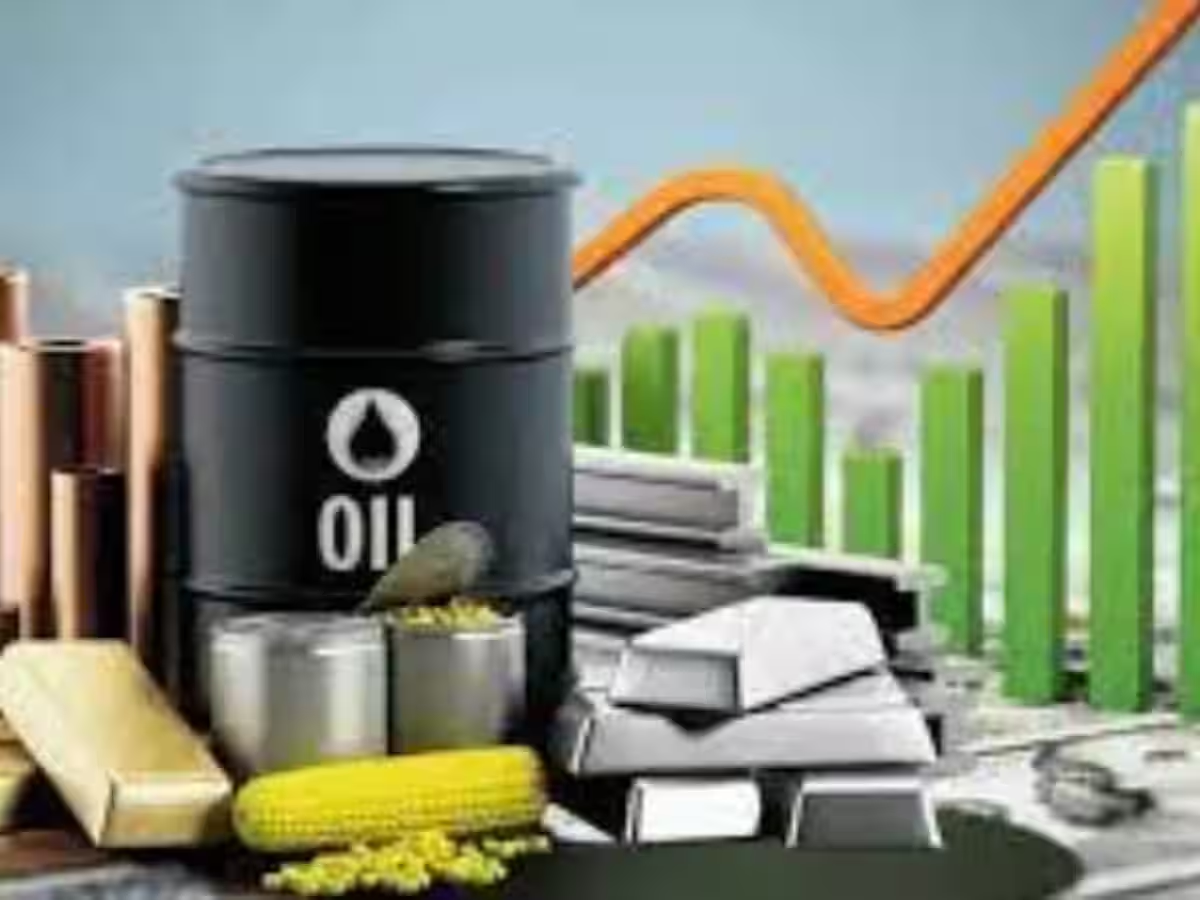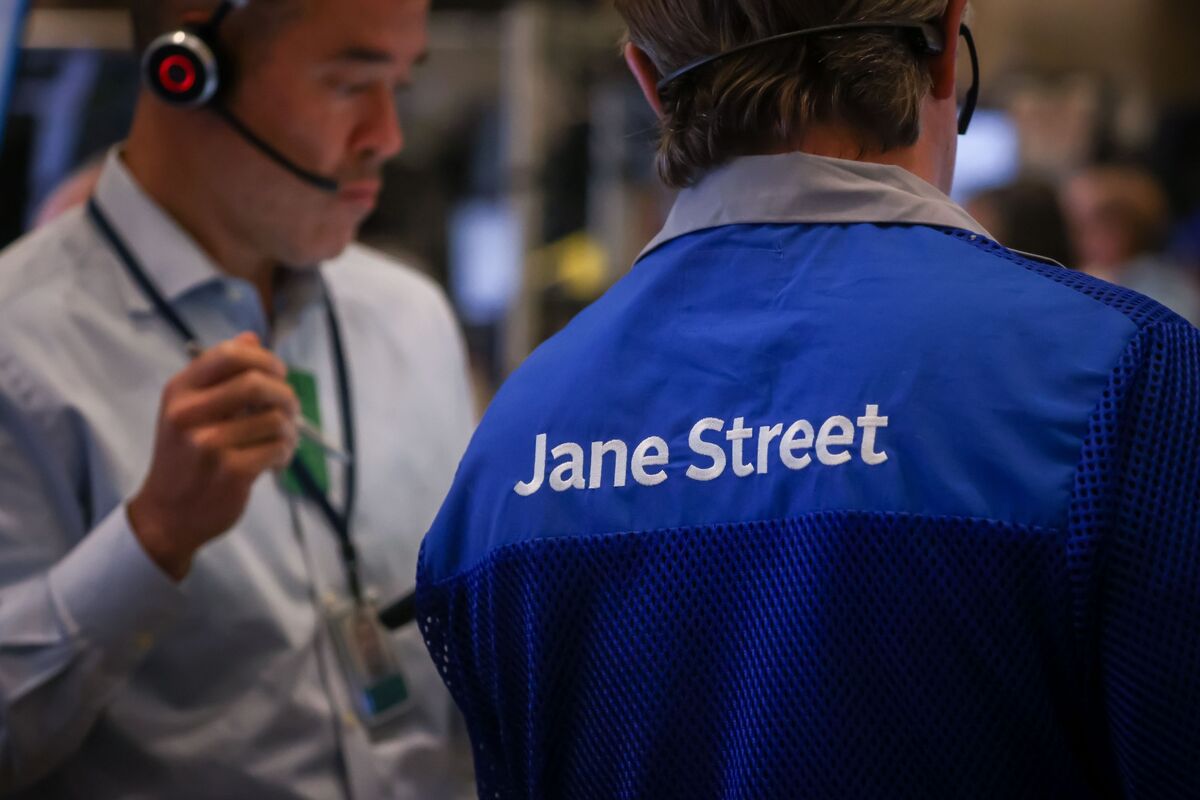
If you sell a product across multiple geographies, or if you trade in one that has differing qualities or grades, it may be possible to identify and exploit arbitrage opportunities. And if the product you’re dealing in is a widely traded commodity, you may even be able to exploit price variations across different delivery periods in futures markets.
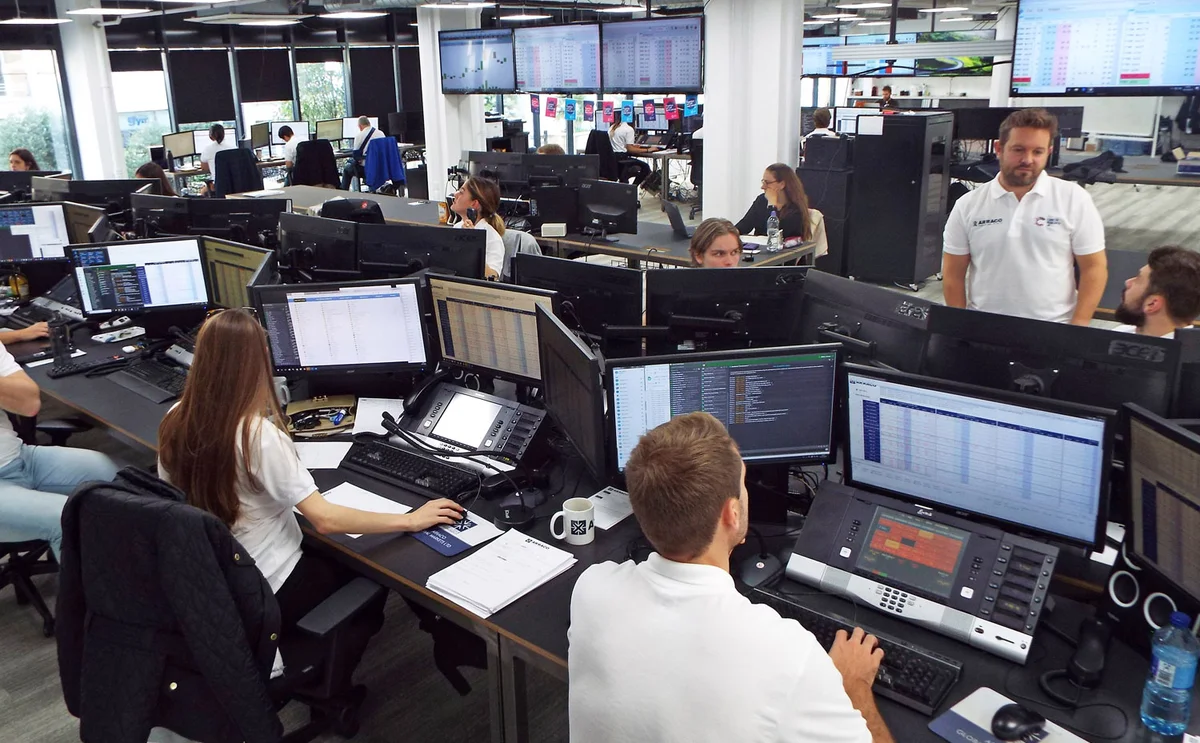
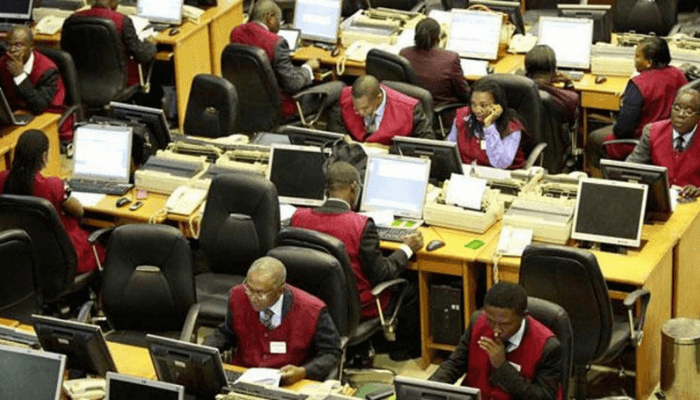
Anyone who has been keeping an eye on the two UK oil majors – or France’s TotalEnergies (FR:TTE) for that matter – will have noticed the growing importance of their trading operations, a point brought home in their latest market updates.
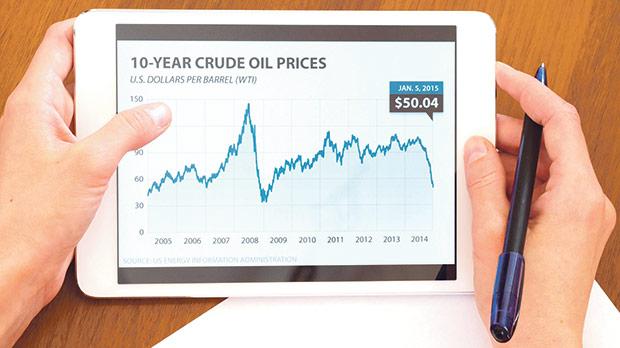
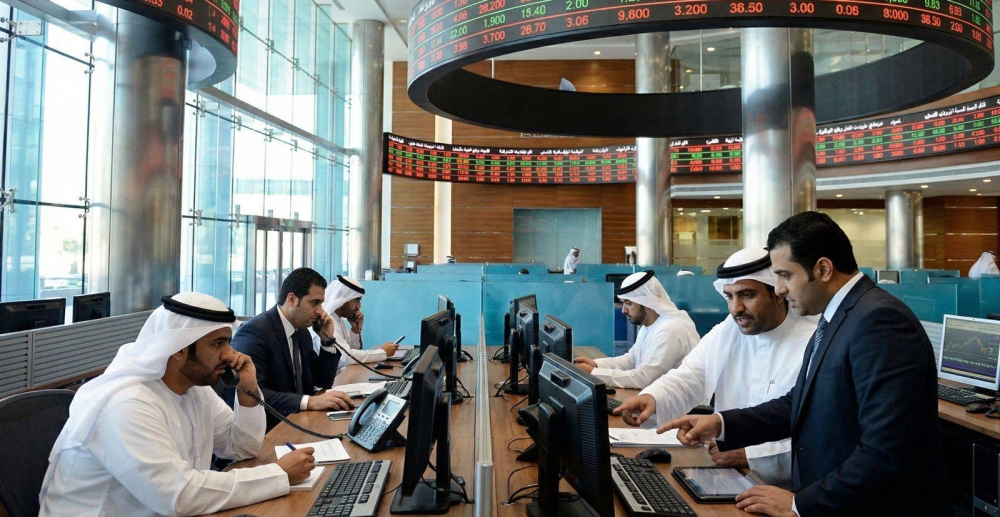
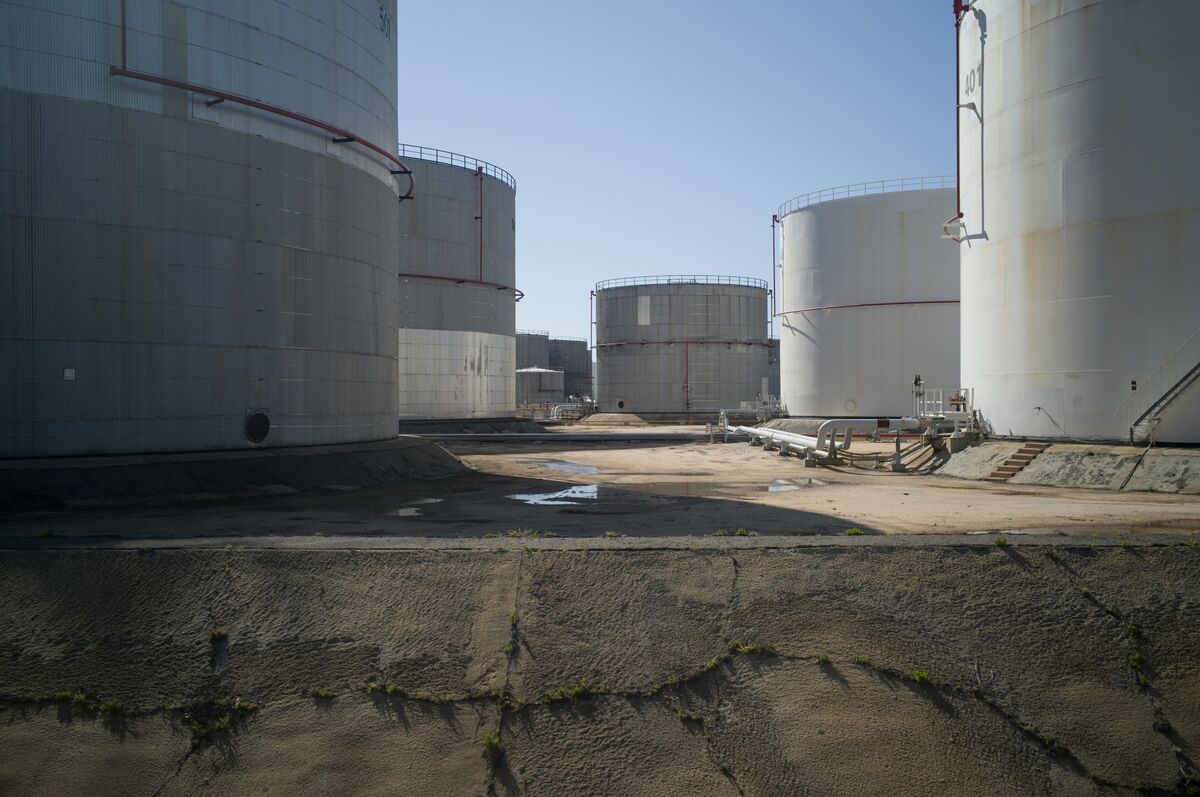
Price volatility brought about by events in the Strait of Hormuz has widened the buy/sell spread in hydrocarbon markets, providing fertile ground for oil industry trading desks.
So while a driller such as BP (BP.) had to contend with faltering upstream production volumes in the first half of 2026, its customers and products segment, which ties in its oil trading operations with refining and marketing, generated $7.55bn (£5.53bn) in pre-tax replacement cost (RC) profits over the period, or 53 per cent of the group total.
Shell (SHEL) was also coining it in through its trading desk, although it doesn’t separately itemise dollar totals for the unit. Nonetheless, it pointed out that trading and optimisation returns were significantly higher across both its integrated gas and chemicals divisions.
Read more from Investors’ Chronicle
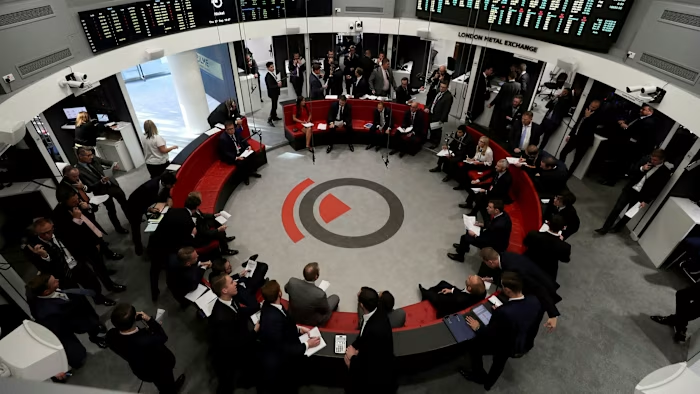
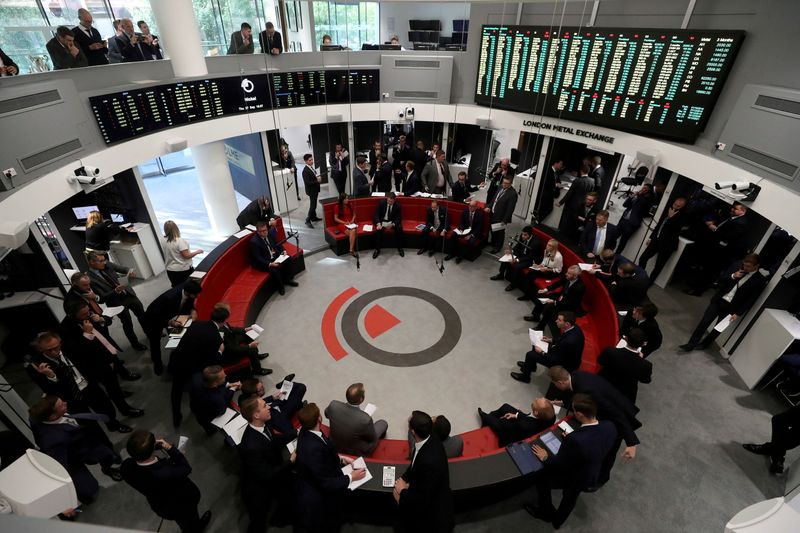
Both the UK majors started developing their third-party desk operations through the late 1970s and 1980s as crude oil shifted away from long-term contract pricing in favour of transparent spot and paper markets. This was about the same time that Vitol, widely recognised as the world’s largest independent energy and oil trader, started expanding its activities in the sector.
The next largest player, Singapore-based Trafigura, didn’t start trading the black stuff until 1993, but the employee-owned trading group hasn’t wasted any time in the intervening period, at least judging by the average $2.1mn it returned to each of its 1,400 employee-owners as reward for their sterling performance in the first half of FY2026.
It’s an increasingly crowded space, albeit a rather profitable one. But it isn’t all about maximising returns; there’s a defensive element to take on board. Oil companies also use their trading desks to hedge the price risk of physical production.
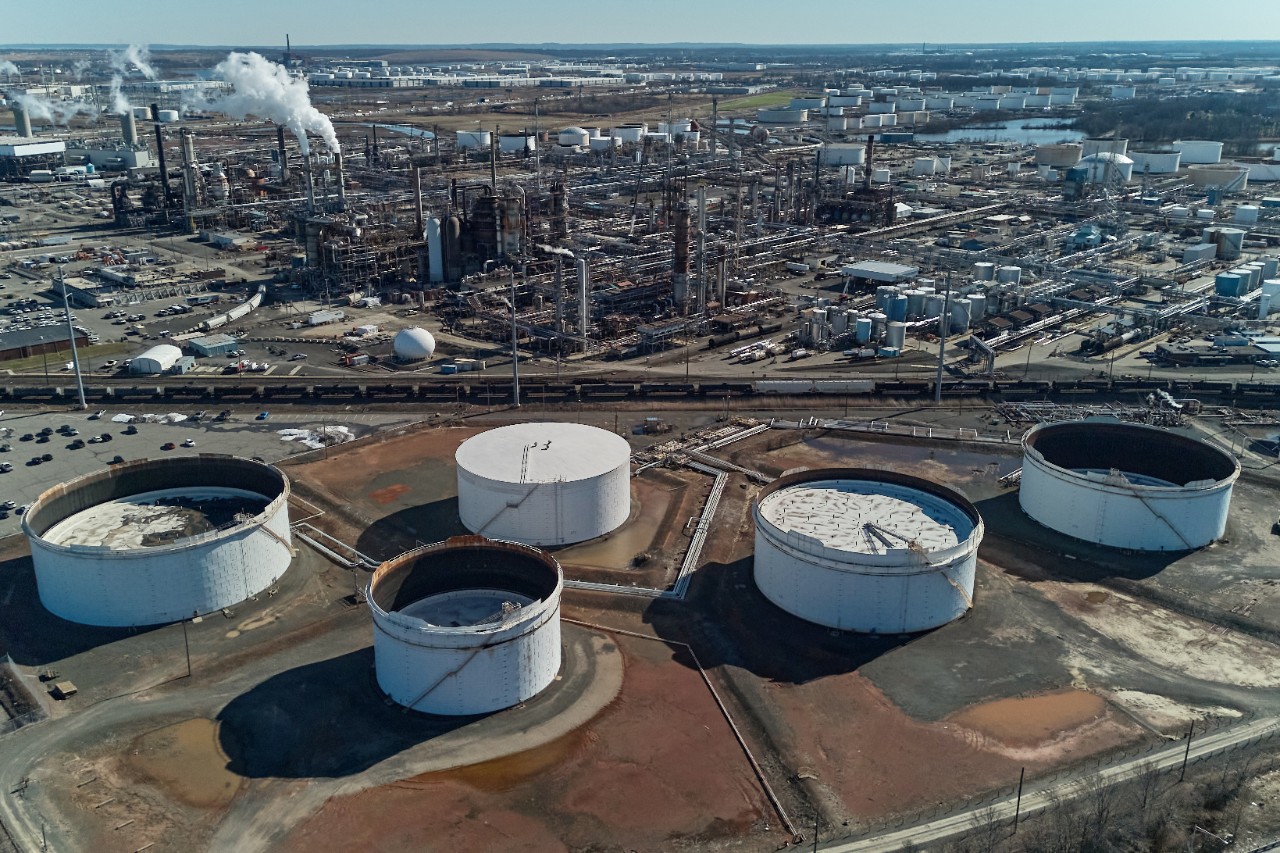
It may be that arbitrage on this scale is the preserve of upscale commodities traders or the oil companies themselves. But there is one point worth considering for retail investors, namely that US refineries benefit disproportionately whenever the Brent/WTI spread widens, a point worth keeping in mind whenever volatility is on the rise.
The scale of US refining is set to evolve as Venezuela is already sending more than 500,000 barrels of its 1.25mn-barrels-per-day output to US Gulf Coast refineries.
The four largest homegrown US refiners are Marathon Petroleum (US:MPC), Valero Energy (US:VLO), ExxonMobil (US:XOM), and Phillips 66 (US:PSX).