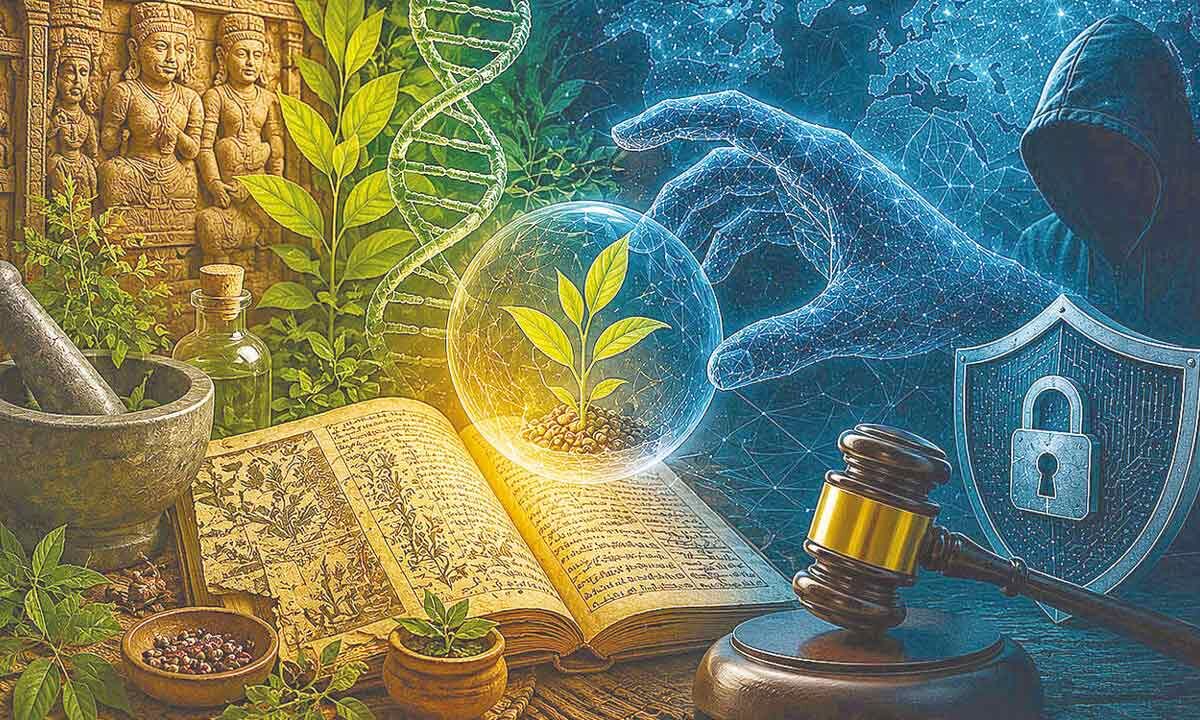
Bharat is one of the world’s oldest civilisations, blessed with extraordinary biodiversity and an equally rich repository of traditional knowledge. From Ayurveda and Siddha medicine to indigenous agriculture, Panchgavya practices, handloom traditions, and tribal healing systems, Bharatiya communities have preserved knowledge through generations of observation, experience, and cultural transmission. However, this invaluable heritage has increasingly become vulnerable to biopiracy—the unauthorised appropriation and commercialisation of biological resources and traditional knowledge without acknowledging or compensating their original custodians.
The challenge has grown far beyond patents on medicinal plants. In today’s digital era, artificial intelligence (AI), online content platforms, and the expanding creative economy have created new avenues for the misuse of traditional knowledge. This article explores the historical roots of biopiracy, its impact on Bharatiya culture, the emerging risks posed by AI, and the measures required to safeguard Bharat’s knowledge heritage.
Understanding Biopiracy
Biopiracy refers to the unauthorised use, patenting, or commercialisation of biological resources and the traditional knowledge associated with them without obtaining prior informed consent from the communities that have preserved and developed this knowledge. While scientific research and innovation are essential for human progress, ethical concerns arise when corporations or institutions claim exclusive rights over knowledge that has existed within communities for centuries.
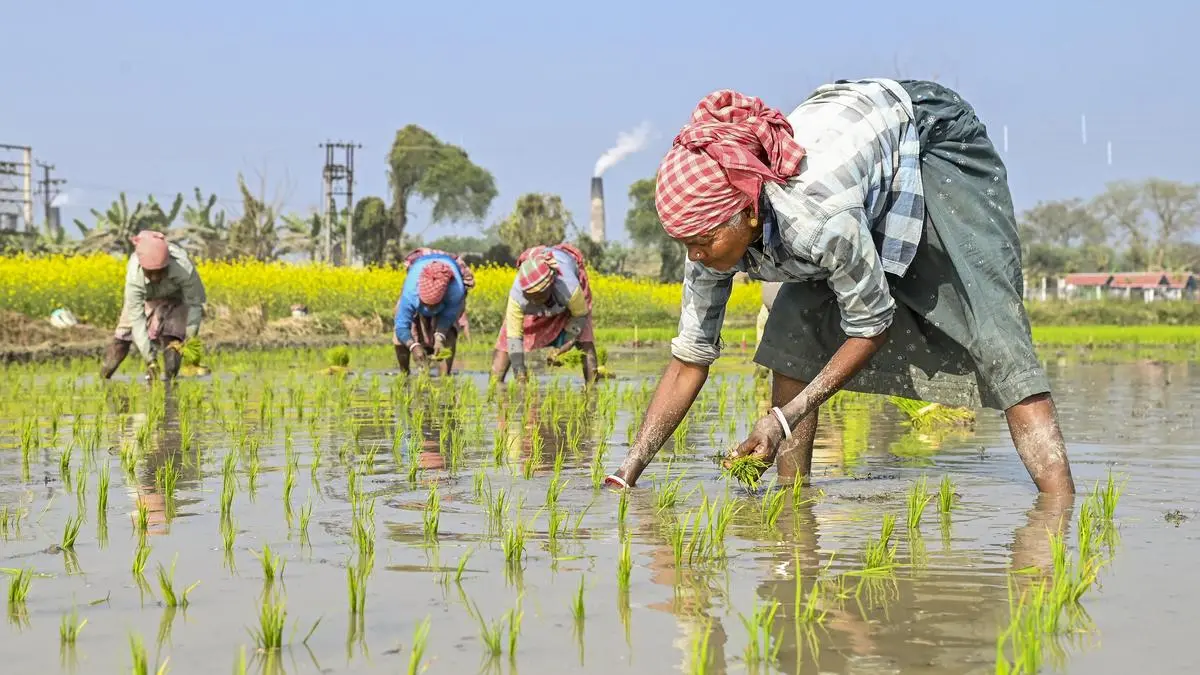
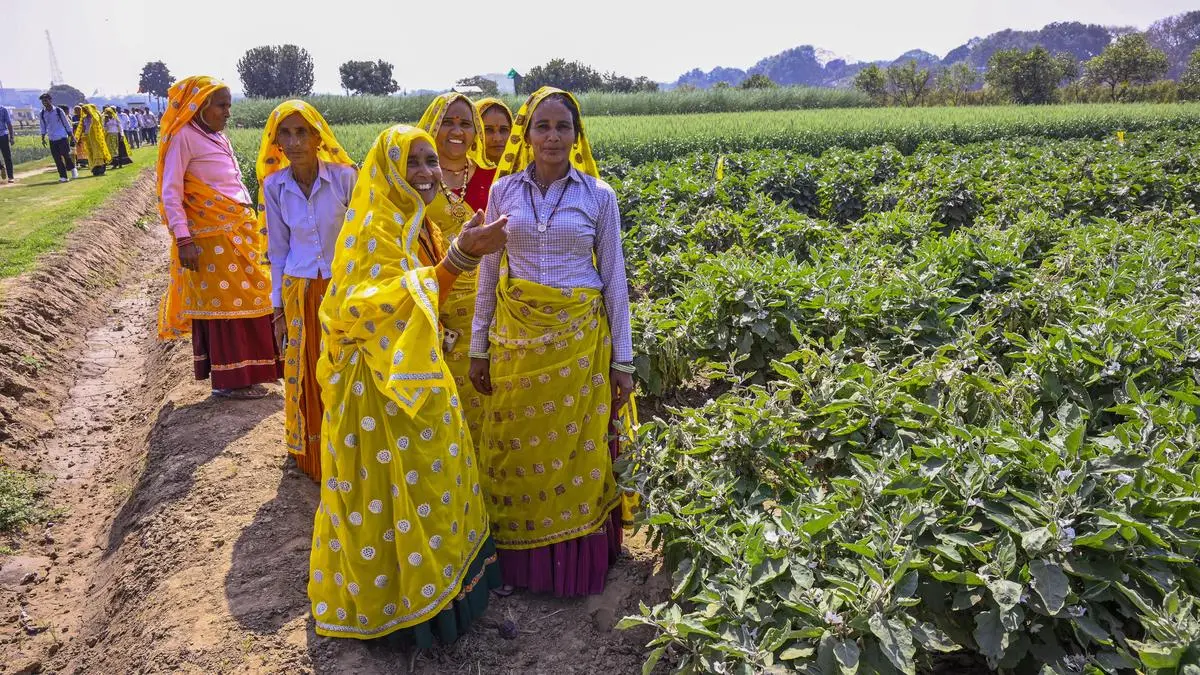
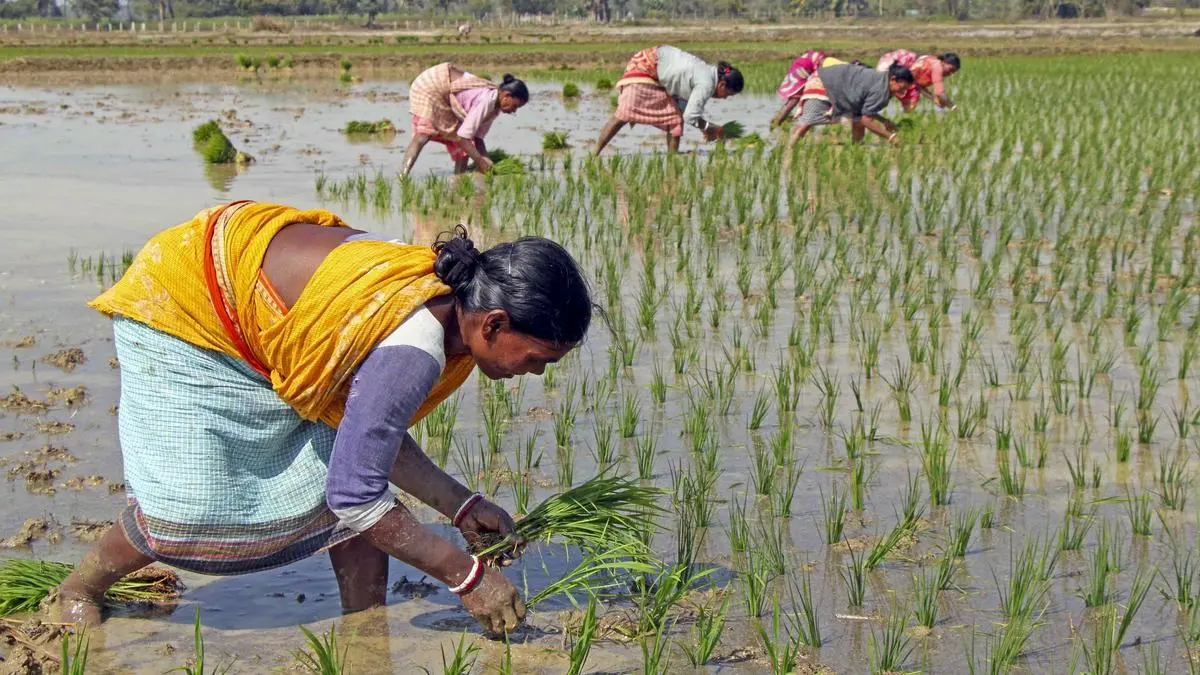
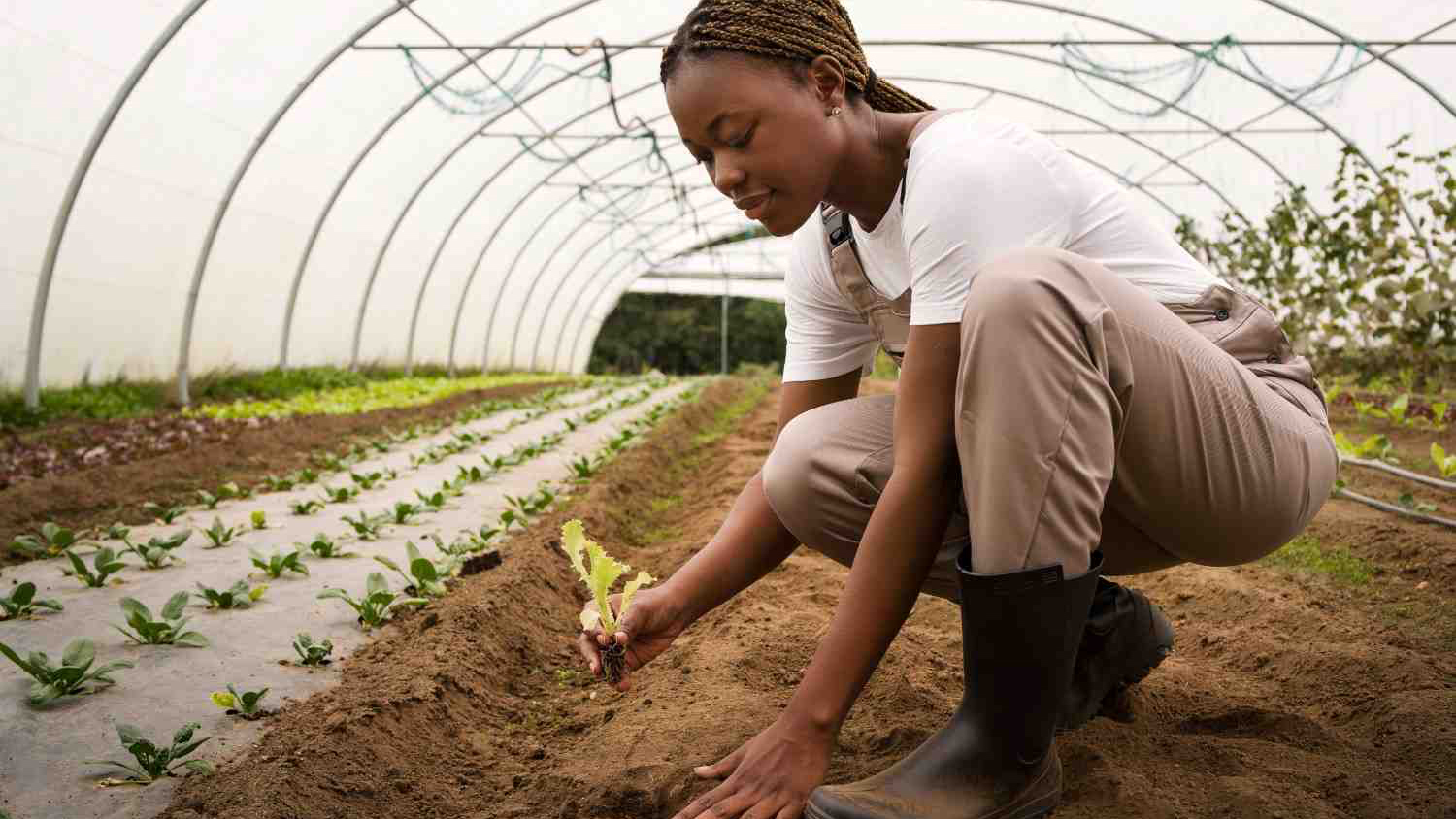
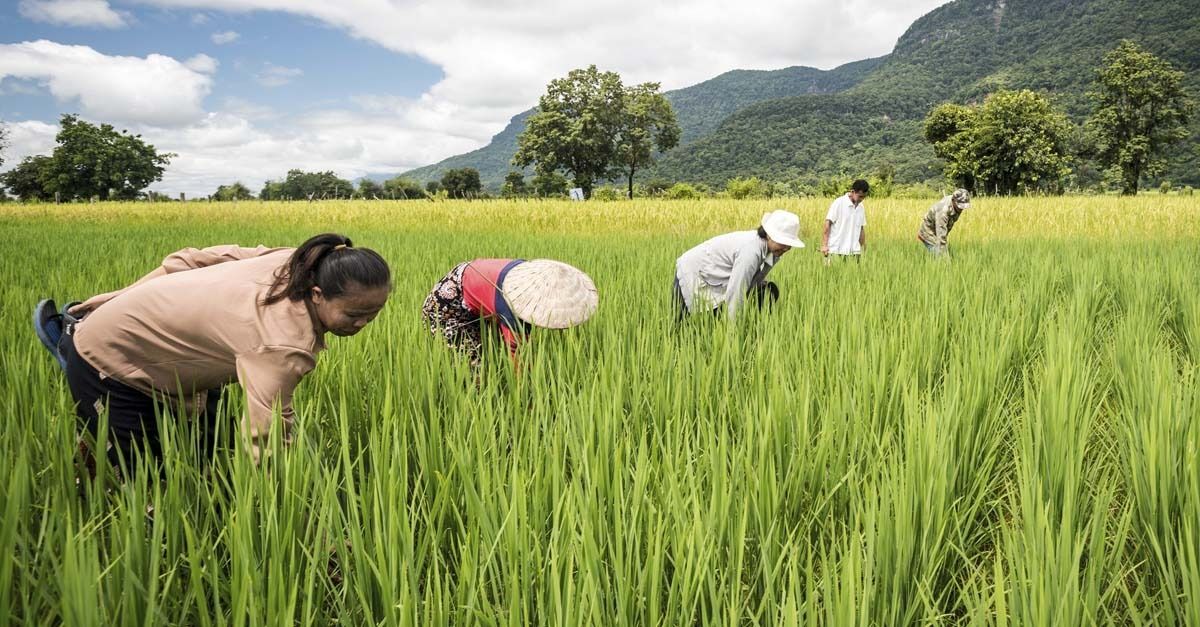
Traditional knowledge differs from modern inventions because it is collectively created and transmitted across generations. Farmers, tribal healers, artisans, and rural communities have continuously refined practices that contribute to healthcare, agriculture, biodiversity conservation, and sustainable living. When such knowledge is commercialised without recognition or equitable benefit-sharing, it results in cultural and economic injustice.
Biopiracy in Bharatiya Context
Bharat’s biodiversity and traditional knowledge have attracted global attention for centuries. During the colonial period, explorers and botanists documented medicinal plants, agricultural practices, spices, and forest resources, many of which later became commercial products abroad. In the post-globalisation era, advances in biotechnology and pharmaceuticals further intensified the search for natural products based on indigenous knowledge.
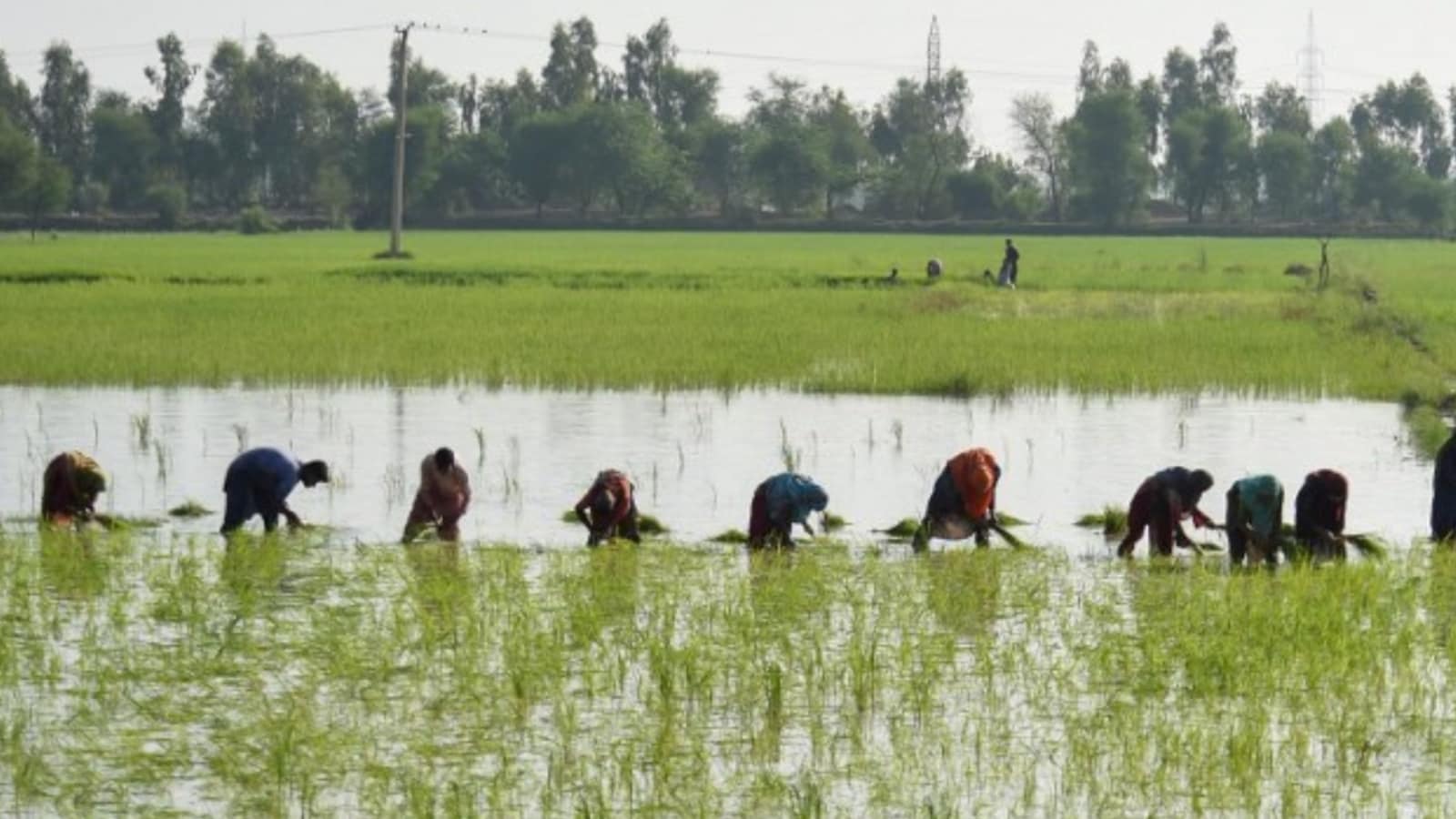
Some of the most well-known examples include attempts to patent the wound-healing properties of turmeric, neem-based formulations, and characteristics associated with Basmati rice. These cases demonstrated that ancient Bharatiya knowledge could be misappropriated unless adequately documented and legally protected. Bharat successfully challenged several such patents by presenting evidence from classical texts and documented traditional practices.
Impact on Bharatiya Culture
The consequences of biopiracy extend far beyond financial losses. Traditional knowledge is deeply intertwined with Bharatiya culture, spirituality, and community identity. When ancient practices are transformed into private commercial assets, communities lose ownership over their own heritage.
Biopiracy also weakens cultural continuity. Sacred medicinal practices, indigenous farming methods, and ecological traditions risk being reduced to marketable commodities while their historical, spiritual, and social significance is overlooked. The absence of recognition discourages younger generations from preserving indigenous knowledge, threatening its survival for the future.
Moreover, economic benefits often flow to commercial enterprises rather than the communities that have safeguarded this knowledge for centuries. This imbalance undermines both cultural dignity and sustainable rural livelihoods.
Challenges in the Content Age and Creative Economy
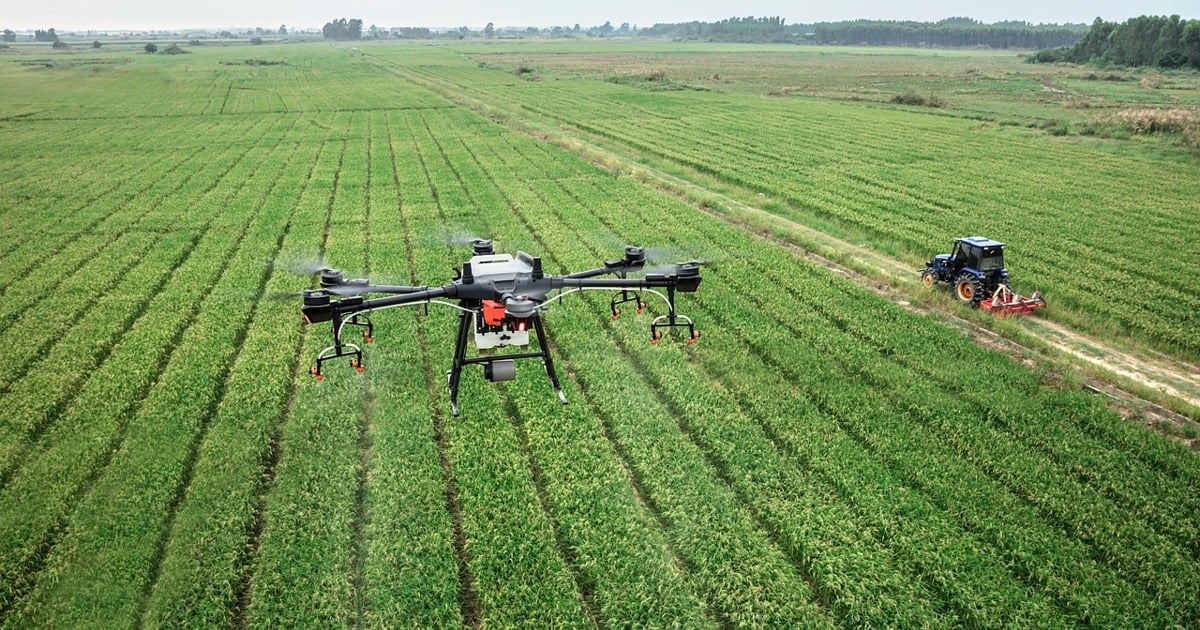
The digital revolution has dramatically changed the nature of knowledge sharing. Today, traditional recipes, medicinal formulations, folk art, textile designs, and cultural practices are widely available through websites, videos, social media, and online publications. While digital platforms have increased awareness of Bharatiya heritage, they have also made unauthorised copying and commercial exploitation easier than ever before.
The creative economy depends heavily on intellectual assets such as stories, designs, music, cultural symbols, and traditional crafts. Indigenous art forms, yoga practices, Panchgavya innovations, and Ayurvedic wellness content are increasingly incorporated into commercial products without adequate attribution or benefit-sharing. Digital replication can rapidly strip cultural expressions of their original context, resulting in misinformation and loss of authenticity.
Artificial Intelligence: A New Dimension of Biopiracy
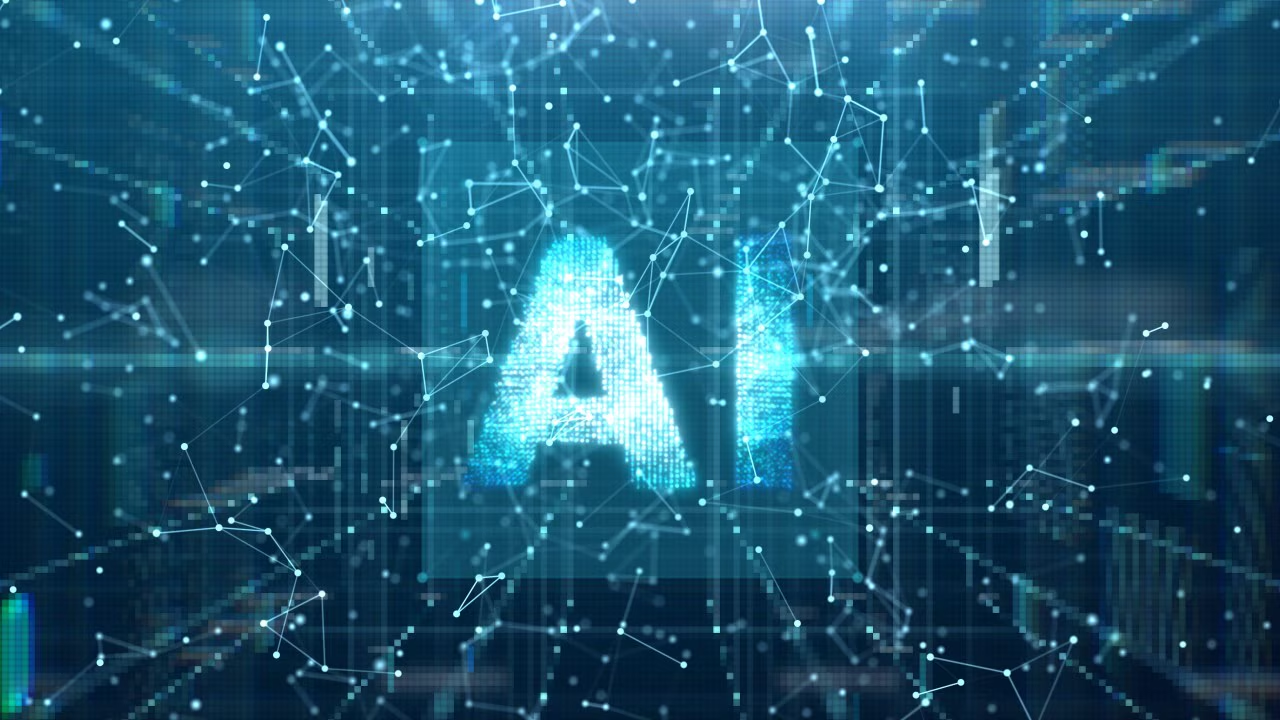
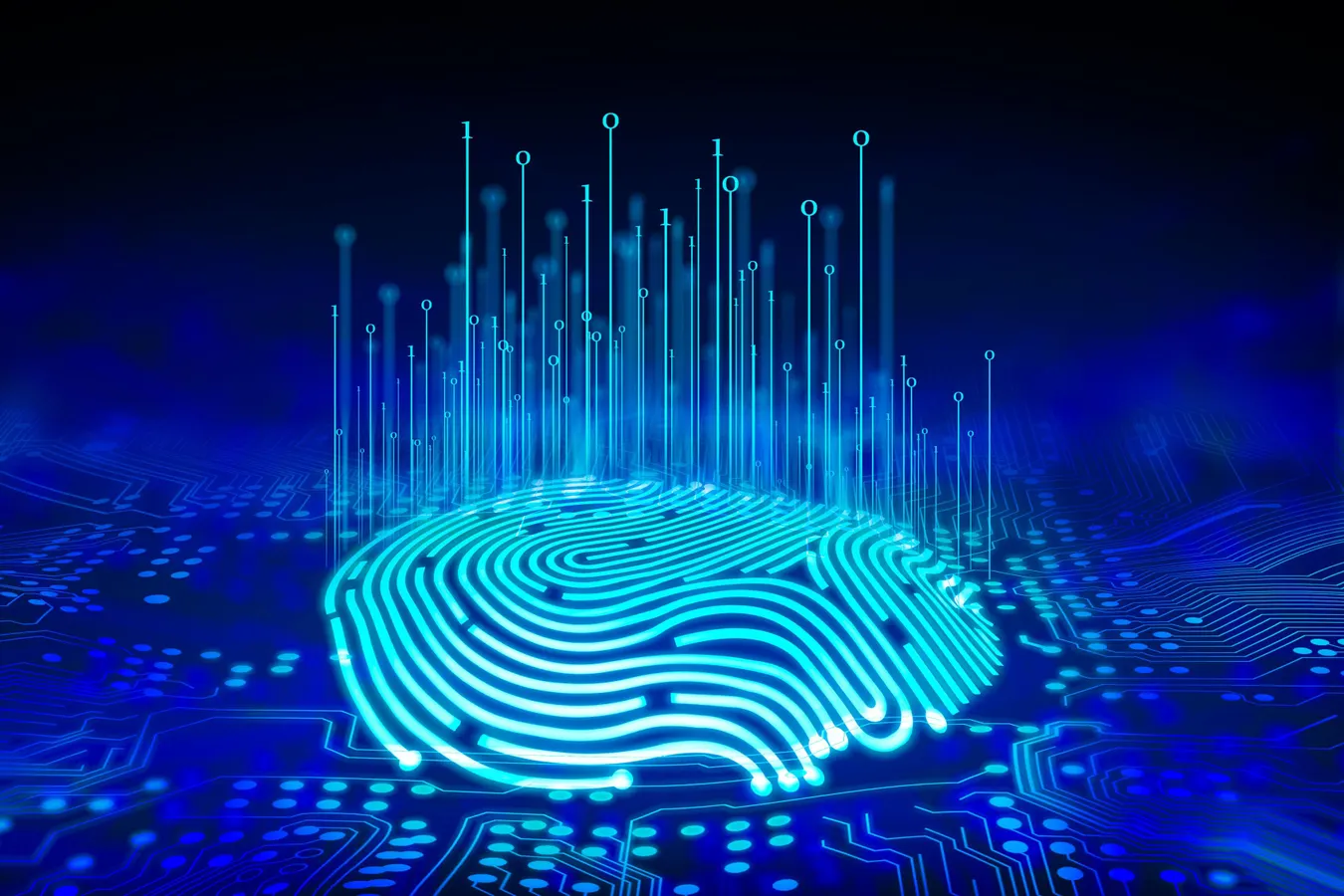
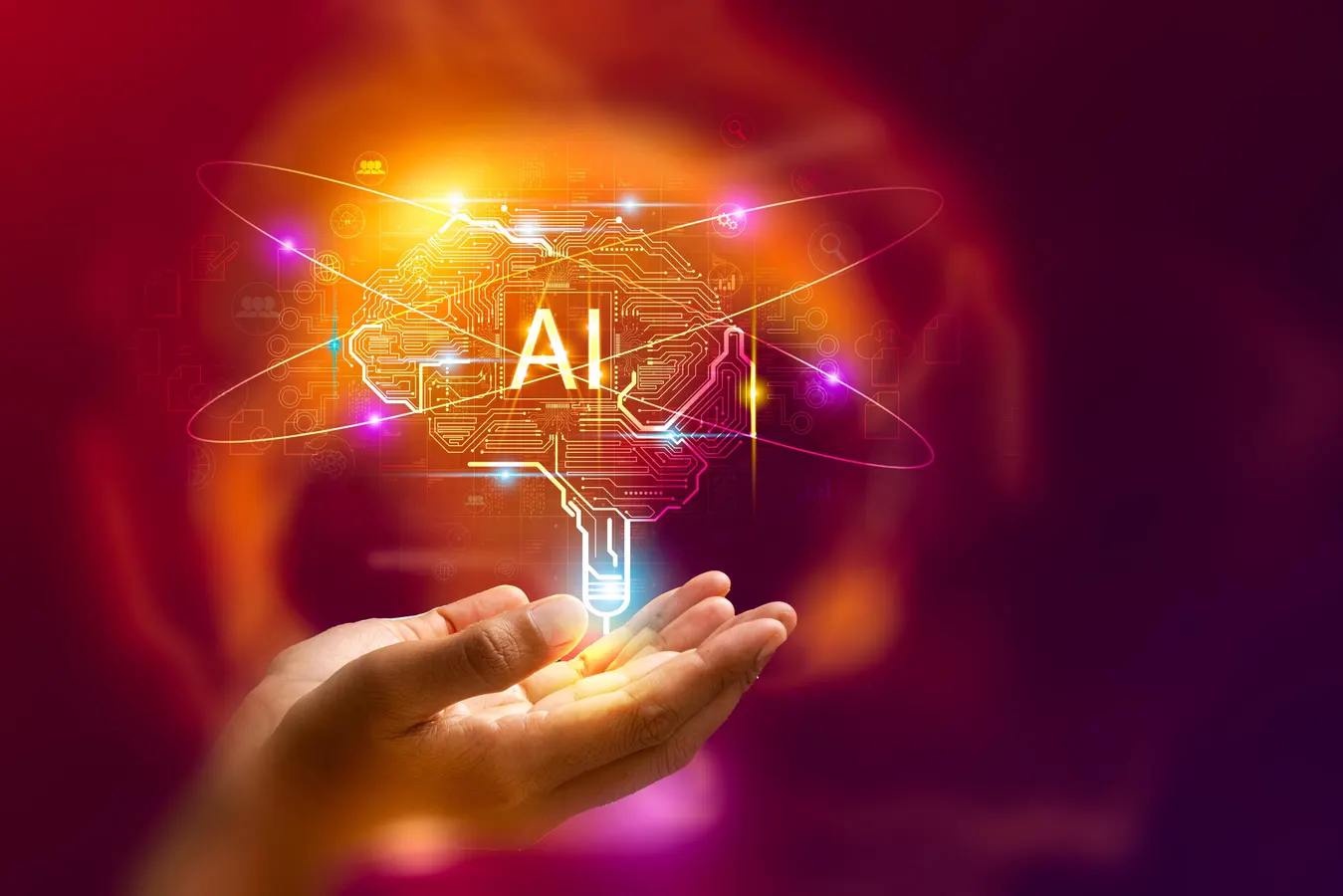
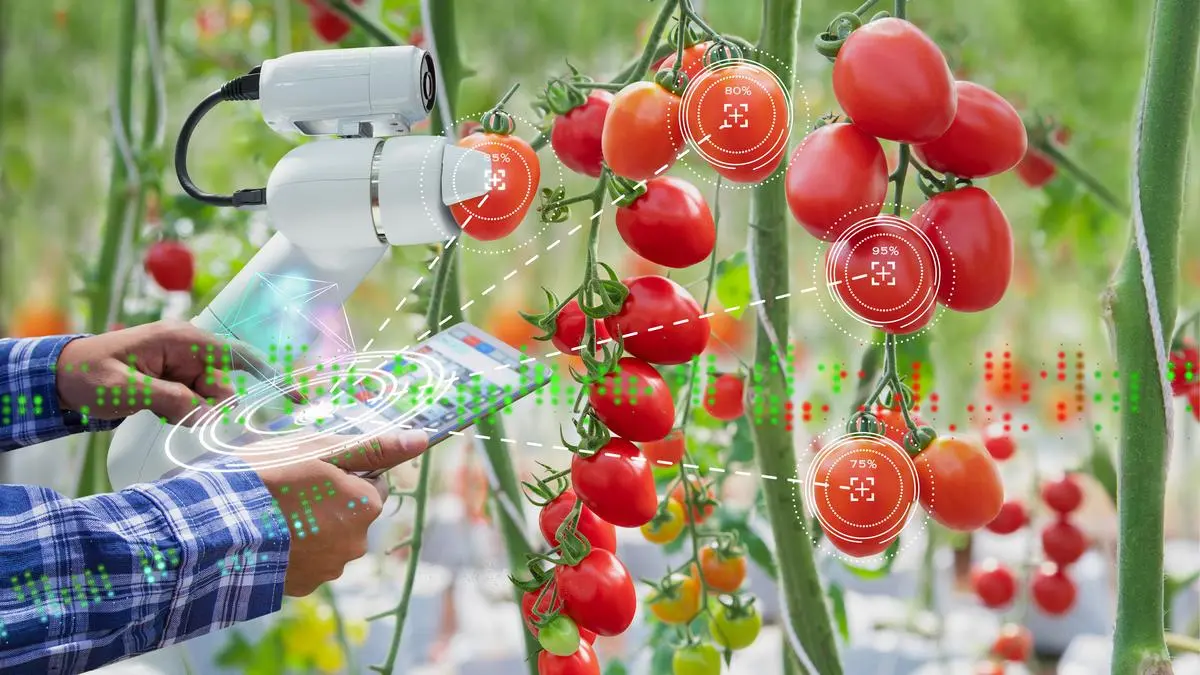
Artificial Intelligence has introduced an entirely new challenge. AI systems are trained using enormous collections of publicly available books, articles, websites, images, and digital archives. Much of Bharat’s traditional knowledge, once digitised, can become part of these training datasets.
Although AI itself does not intentionally steal knowledge, commercial AI applications may generate content, medicinal formulations, product concepts, or traditional designs derived from community knowledge without acknowledging its source. AI can also reproduce tribal art styles, traditional textile patterns, or indigenous medicinal information at remarkable speed, raising important questions about ownership, consent, and equitable benefit-sharing.
Without appropriate safeguards, AI could unintentionally accelerate the large-scale appropriation of traditional knowledge and cultural heritage.
The Way Forward
Protecting Bharatiya traditional knowledge requires a balanced approach that encourages innovation while respecting community rights. Bharat has already taken significant steps through initiatives such as the Traditional Knowledge Digital Library (TKDL), the Biological Diversity Act, the National Biodiversity Authority, and Geographical Indication (GI) protection for region-specific products. These efforts have successfully prevented several cases of wrongful patenting.
However, future protection demands stronger measures. Traditional knowledge should be digitally documented with community participation, while benefit-sharing mechanisms must ensure that economic gains reach indigenous knowledge holders. AI developers should adopt ethical standards that recognise traditional knowledge sources and avoid unauthorised commercial exploitation. Educational institutions should promote awareness about biodiversity, intellectual property rights, and cultural heritage. International cooperation is equally important to establish legal frameworks that protect indigenous knowledge across national boundaries.
Biopiracy is no longer limited to biological resources alone. In the age of artificial intelligence, digital platforms, and the creative economy, it has expanded into the appropriation of knowledge, culture, and creativity. Bharat’s traditional knowledge represents centuries of collective wisdom that continues to offer solutions for sustainable agriculture, healthcare, environmental conservation, and responsible living.
Protecting this heritage is not merely a legal necessity but a cultural and ethical responsibility. By combining robust legal frameworks, ethical AI governance, digital documentation, community participation, and fair benefit-sharing, Bharat can safeguard its civilisational knowledge while encouraging responsible innovation. The future of the creative economy should not be built upon the exploitation of indigenous wisdom but upon partnerships that respect, recognise, and reward the communities that have preserved this priceless heritage for generations.
(The writer is a creative economy expert)