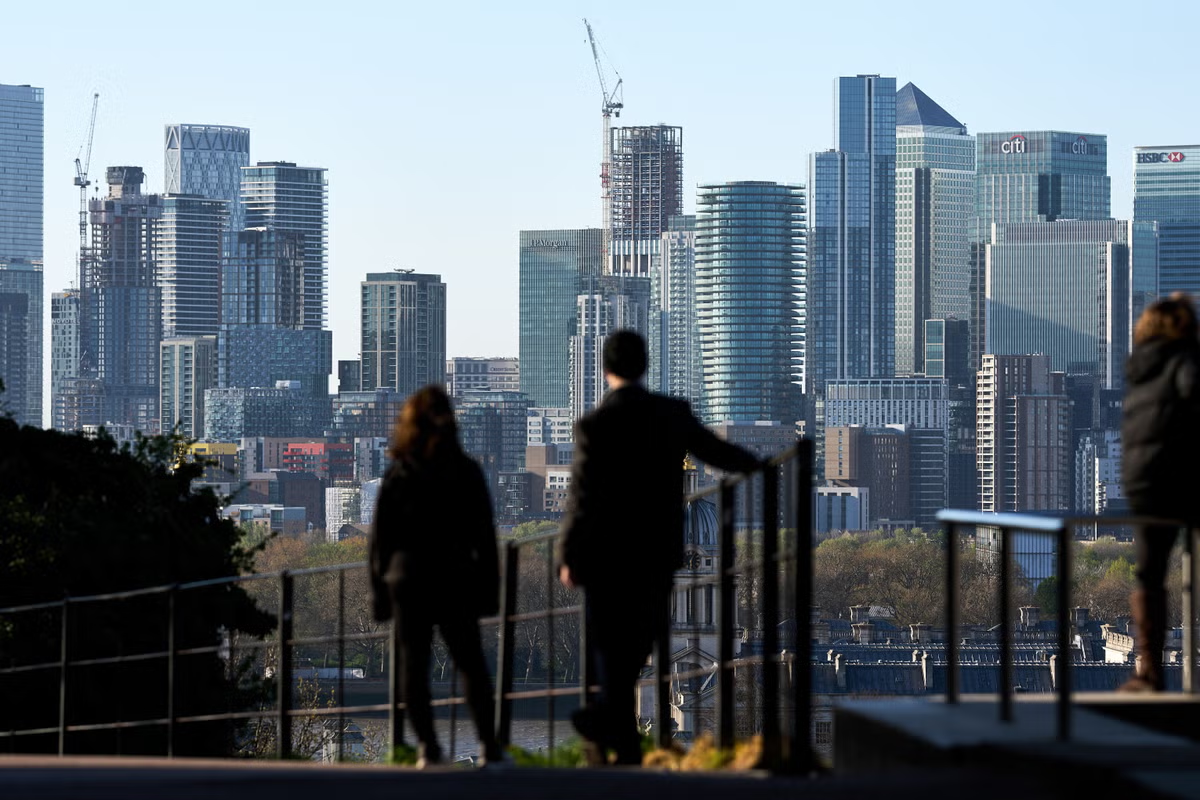
THE UK economy grew by even less than previously thought at the end of last year, new figures show.
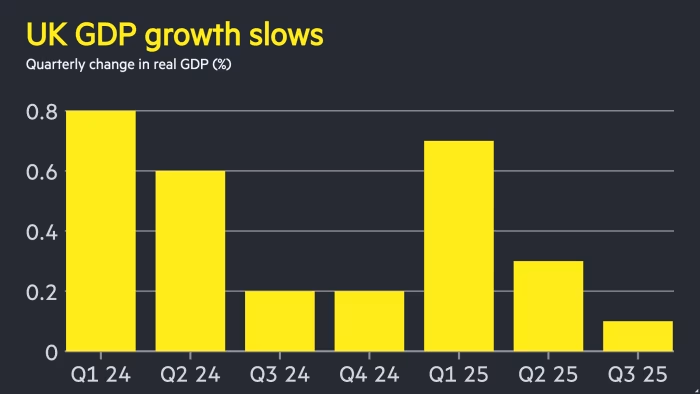
In the latest blow to Labour’s plans for economic growth, data from the Office for National Statistics (ONS) showed the economy grew by just 0.1% at the end of 2025.
It had previously been estimated at 0.2%.
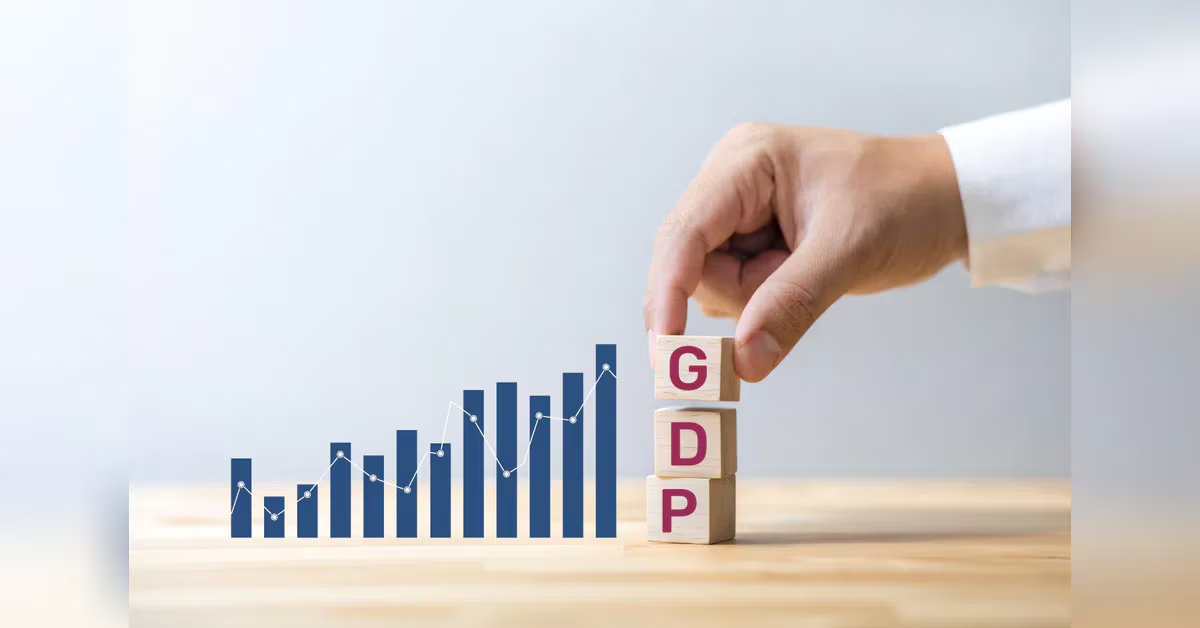
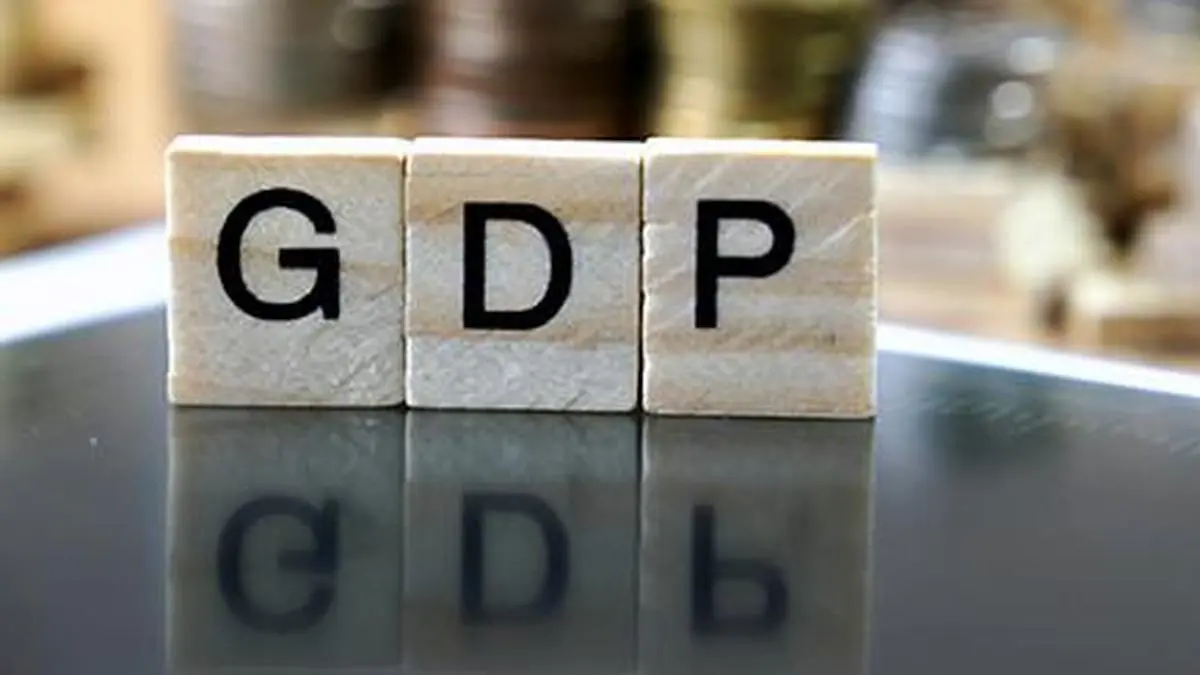
Gross domestic product (GDP) is one of the main indicators of how well the economy is performing, and measures the economic output of companies, individuals and governments.
If it’s rising steadily, it’s a sign of a healthy economy because it usually means people are spending more.
When GDP is falling, it means the economy is shrinking – which can be bad news for businesses and also trickle down to workers through lower pay and job cuts.


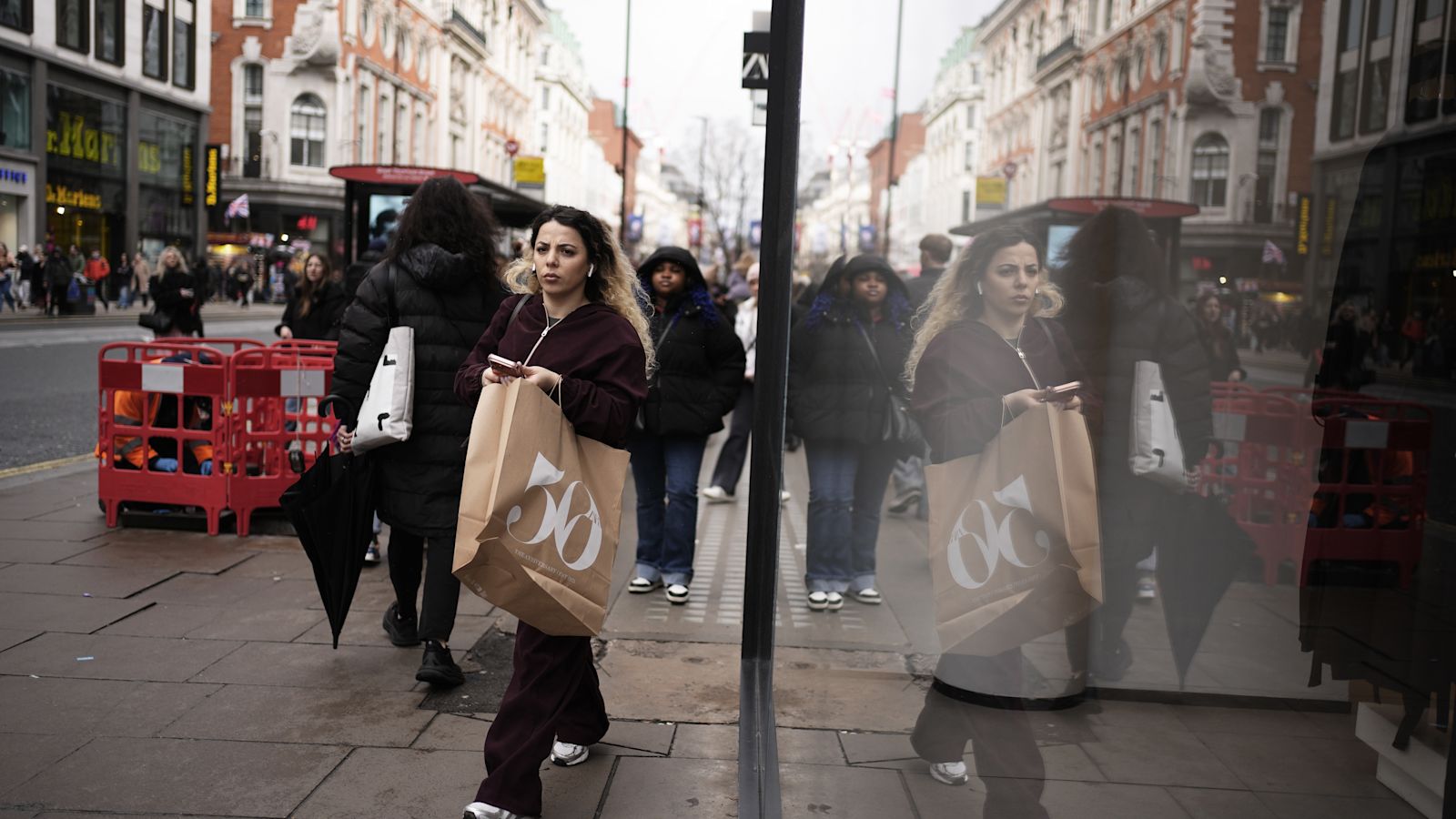
The latest figures suggest the economy flatlined at the end of 2025, but things looked slightly more positive in the first three months of this year.
GDP was at 0.6% between January and March, the ONS said.
The ONS said this was a faster pace of growth than many had expected at the beginning of the year.
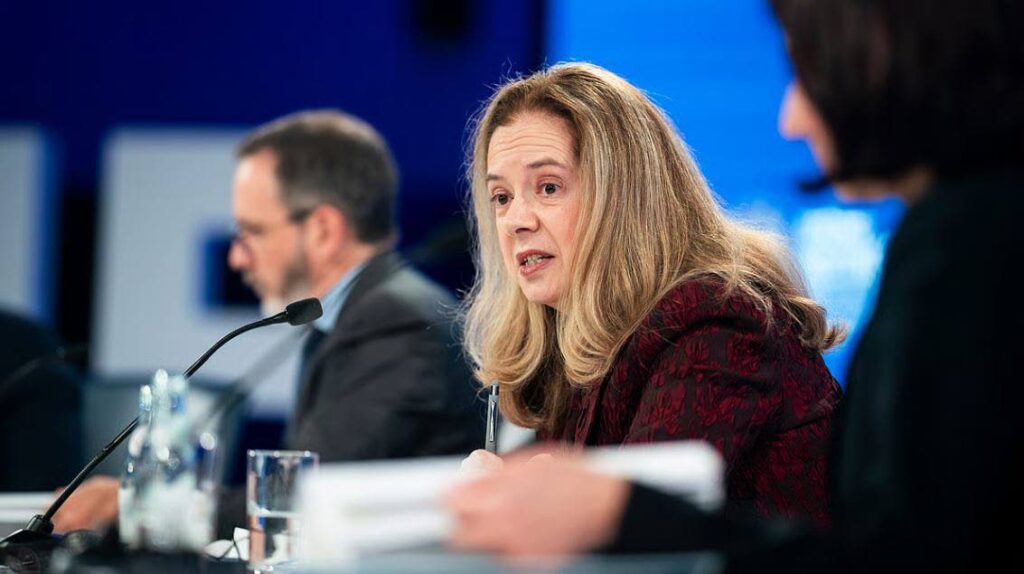
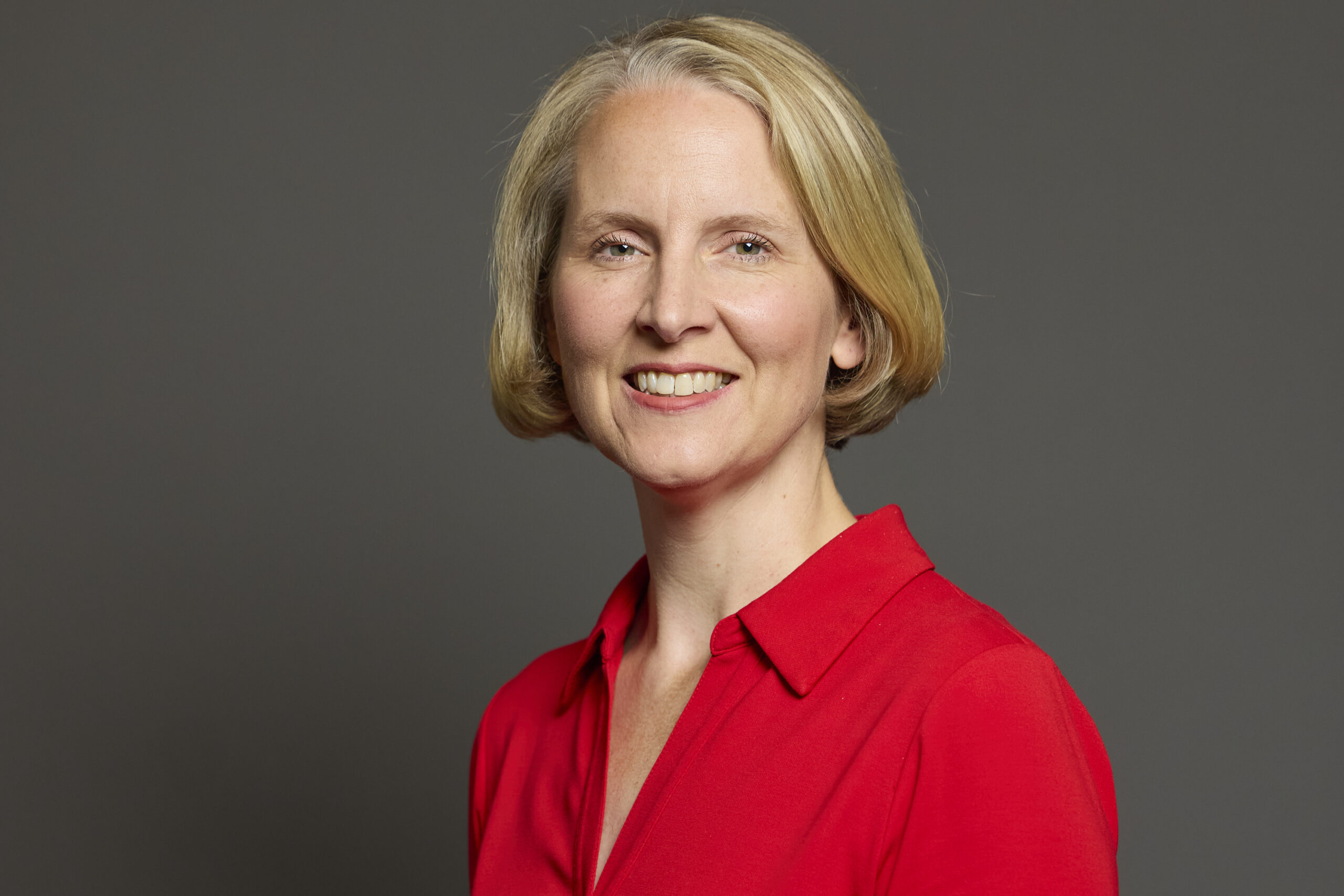
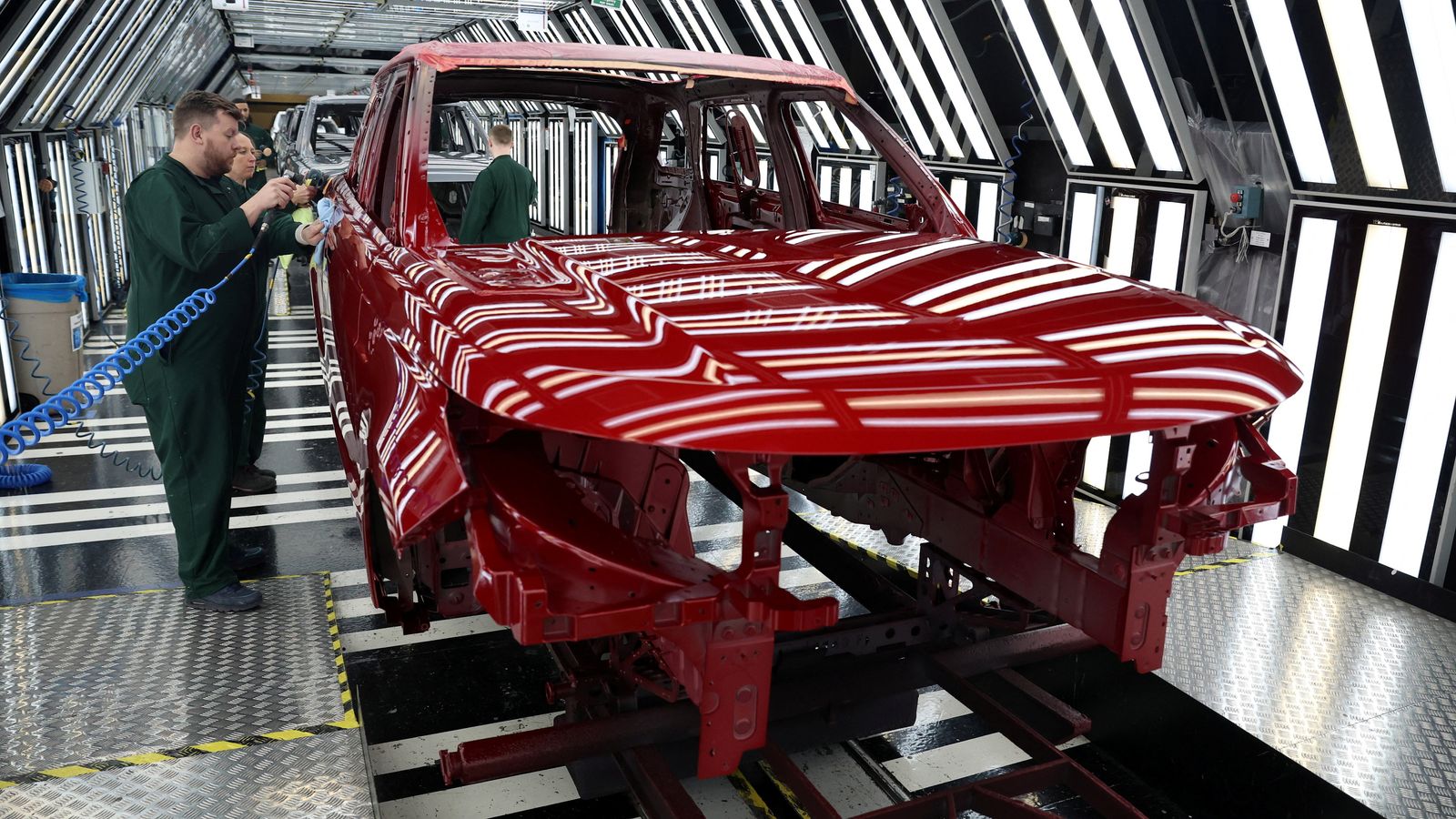
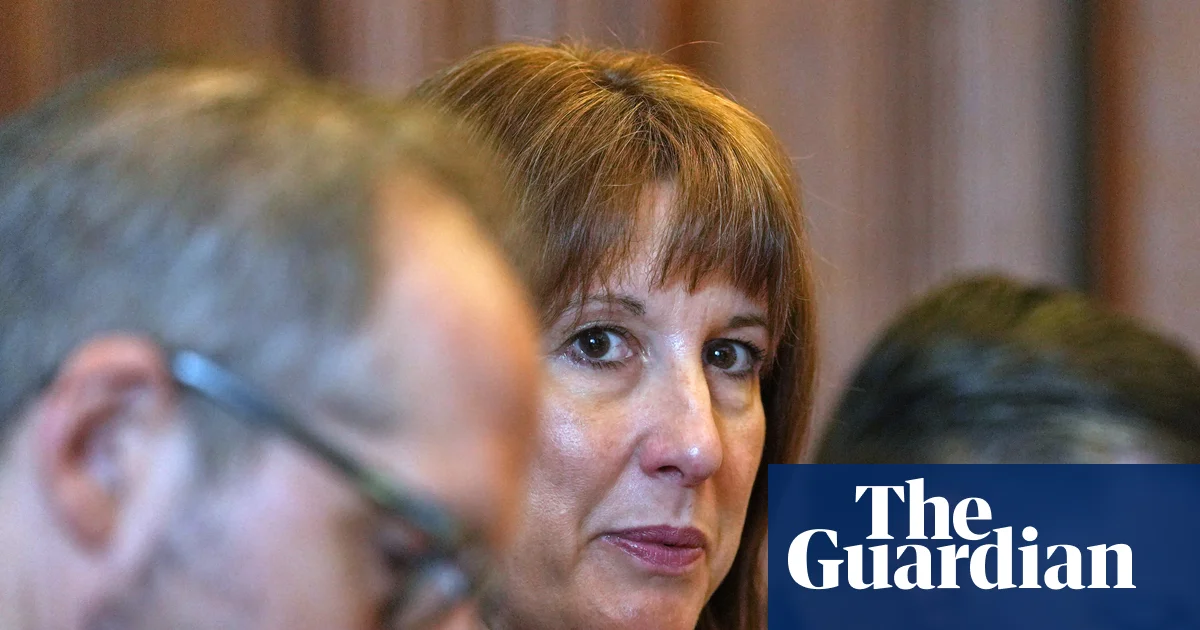
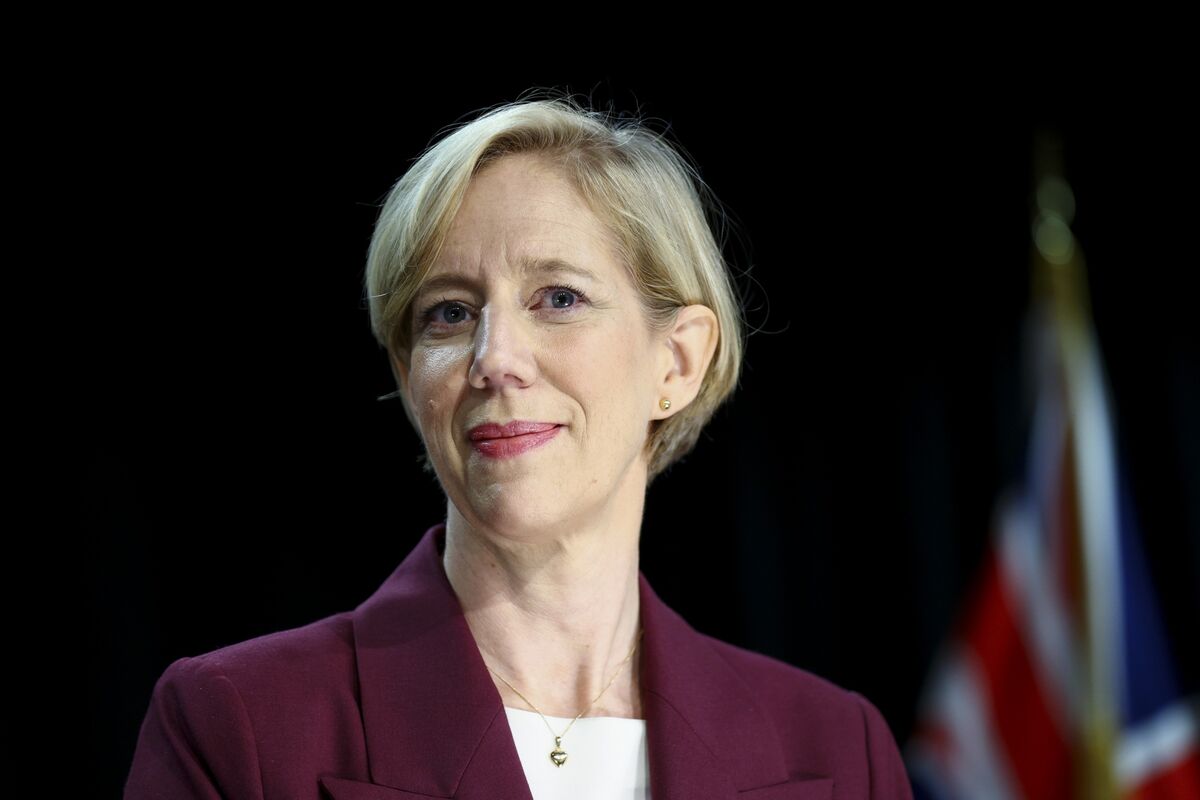
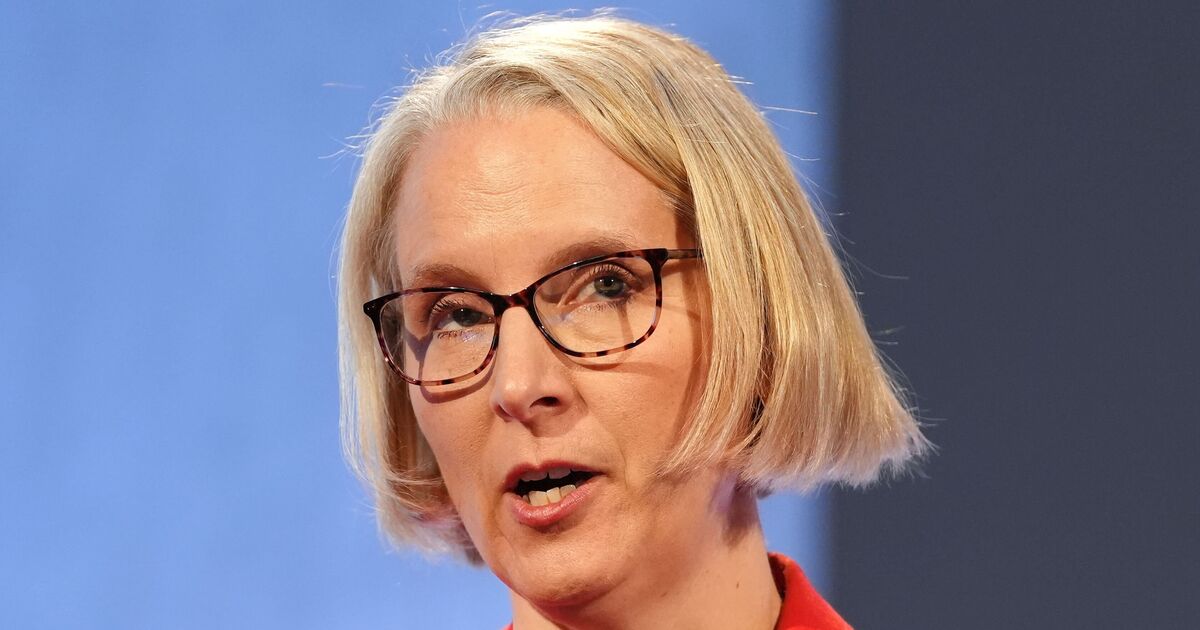
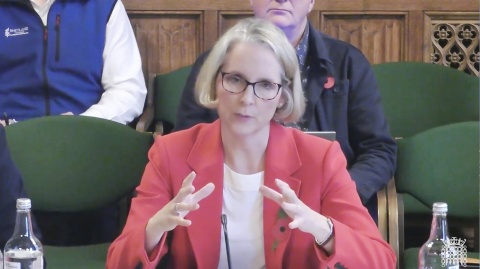
Liz McKeown, director of economic statistics at the ONS, said: “Services were the main driver of growth in the latest quarter, with strength in computer programming, wholesale and advertising only partially offset by falls in rental companies and recruitment agencies.
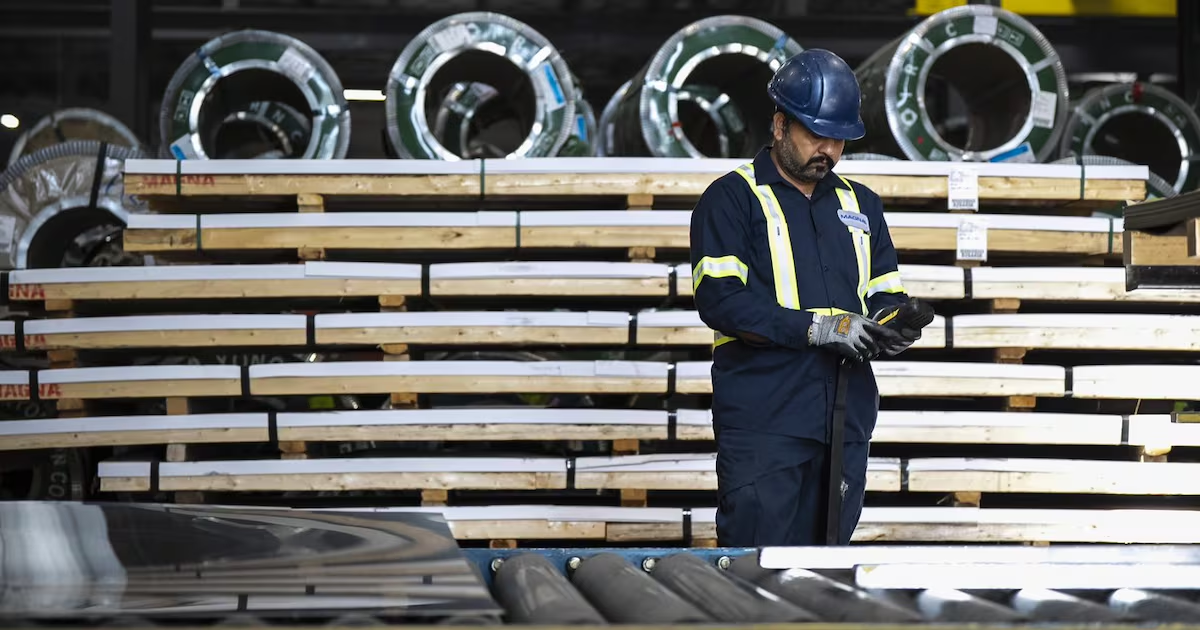
“Production and construction also both grew overall, although construction only partly reversed its recent weakness.”
Across the whole of 2025, growth was at 1.3% – revised down from 1.4%.
And the UK economy declined by 0.1% in April, the second month of the Iran war, the ONS said earlier this month.
One of Labour’s main goals has been to kickstart economic growth, which it says had been “stagnant” under the Tories.
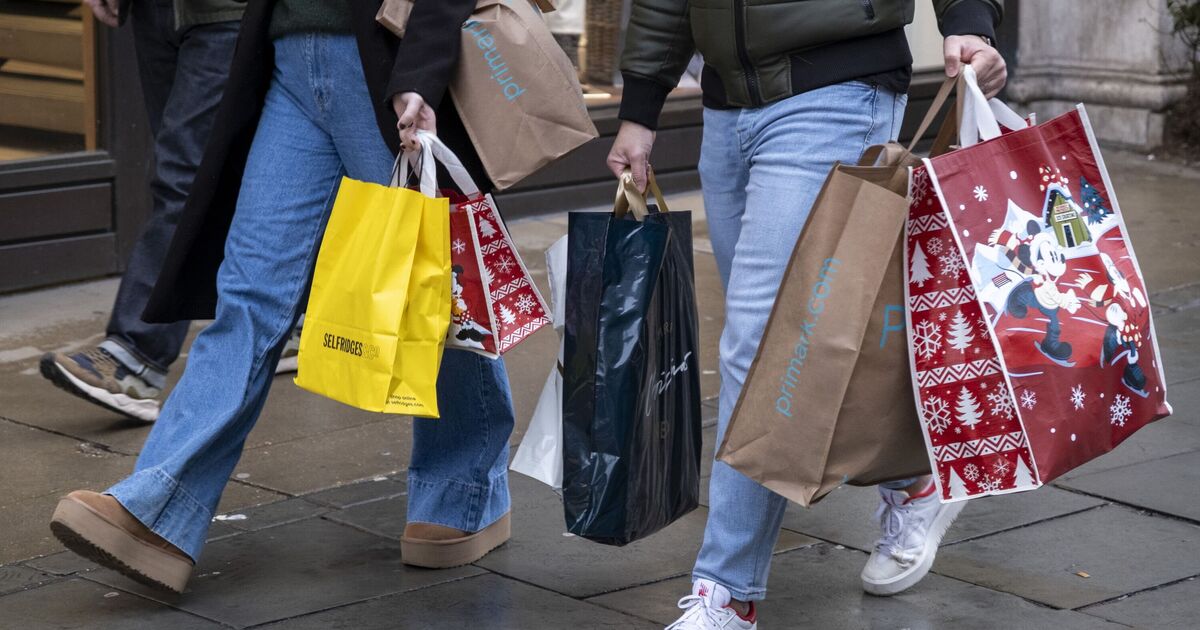
It has said the best way to put more money in people’s pockets and combat the cost of living crisis is to grow the economy.
But economic analysis platform ING Think, part of ING banking, said it wasn’t “convinced” by the UK’s first quarter growth performance.
Meanwhile Jonathan Raymond, investment manager at Quilter Cheviot, said this positive growth could be short-lived.
“GDP fell by 0.1% in April, suggesting activity has started to soften as we moved into the second quarter,” he said.
“That shift highlights how quickly conditions have changed and raises the prospect that the first quarter may prove to be a peak for growth rather than the start of a sustained recovery…
“Even a solid first quarter does little to shift the broader picture, with the UK economy still struggling to generate consistent and sustainable growth.”
If economic growth is sluggish while inflation remains high, the country can be at risk of “stagflation”.
That’s when there is slow economic growth, high unemployment and rapidly rising prices all at the same time.
Inflation is currently at 2.8%, but in April the Bank of England warned it could go as high as 6% in a worst-case scenario this year.
The peace deal halting the Iran war means inflation may not go as high as expected now, but if the deal collapses then prices could start to rise faster again.
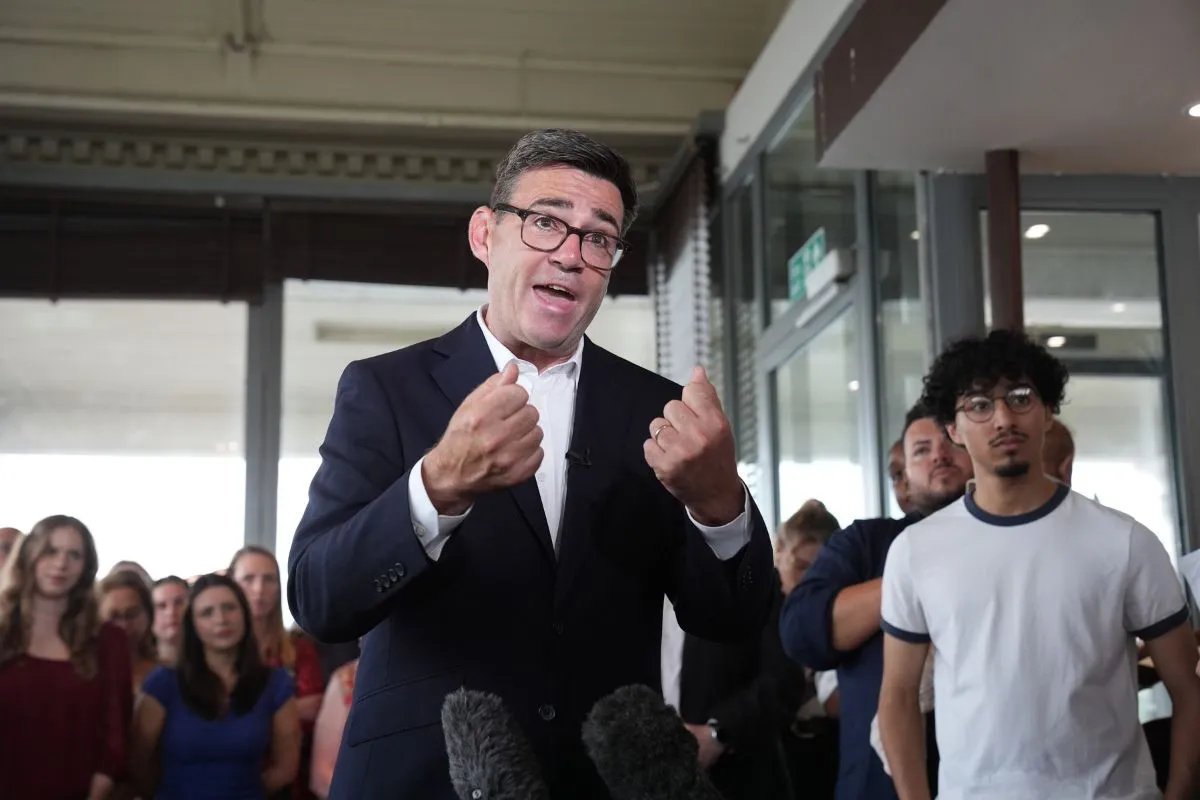
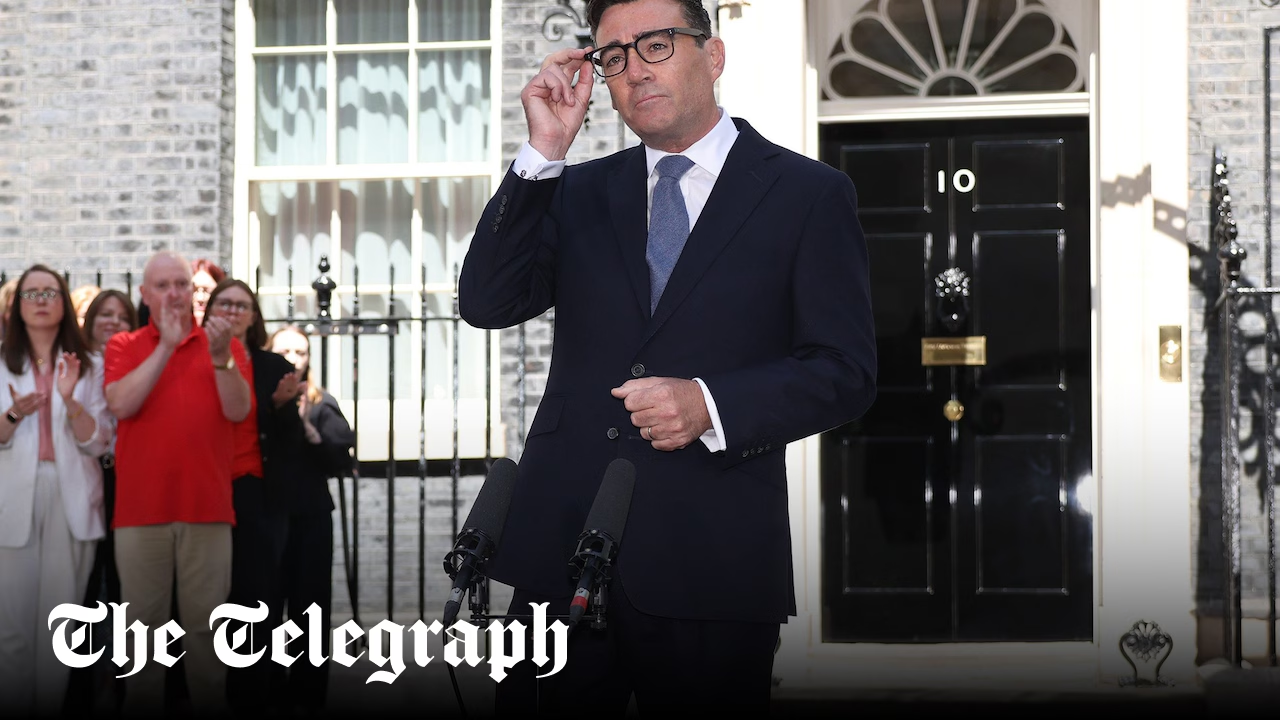
It leaves plenty for the incoming prime minister, likely Andy Burnham, to deal with.
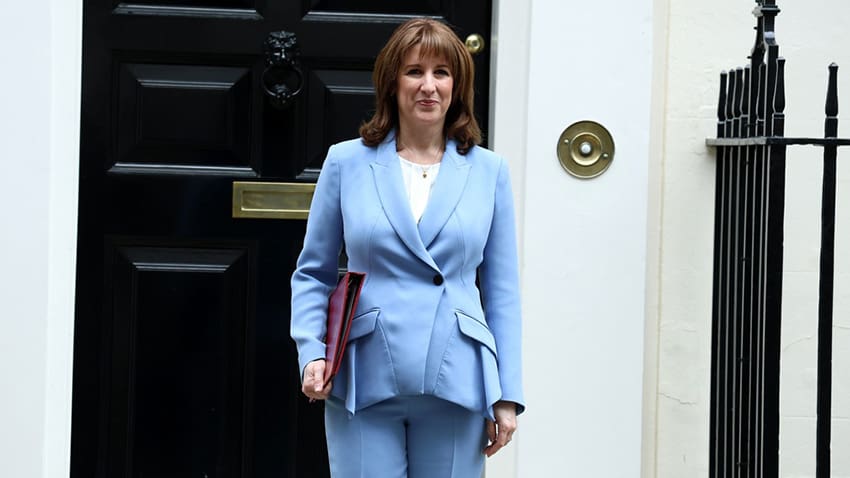
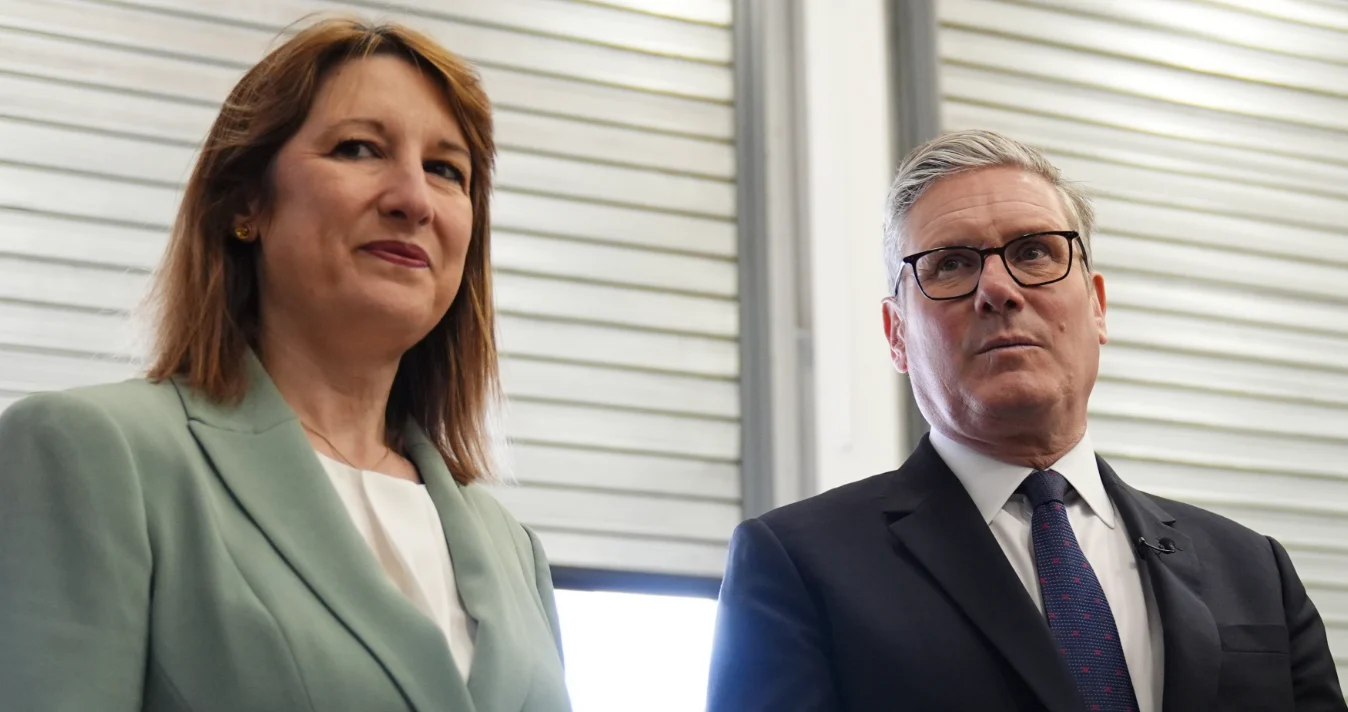
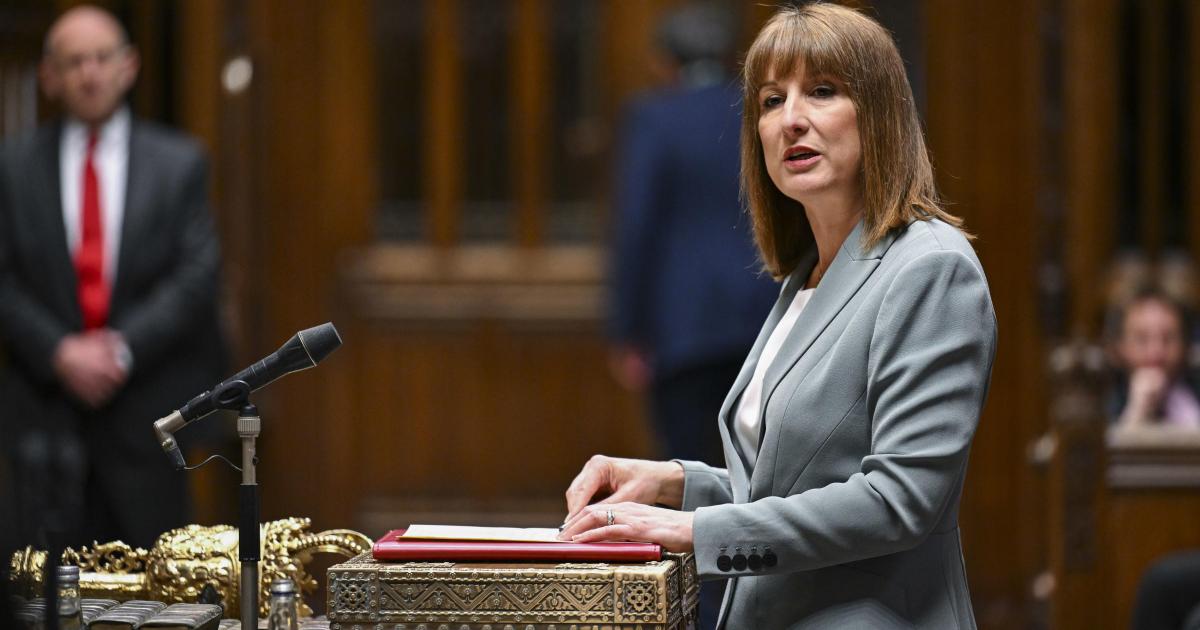
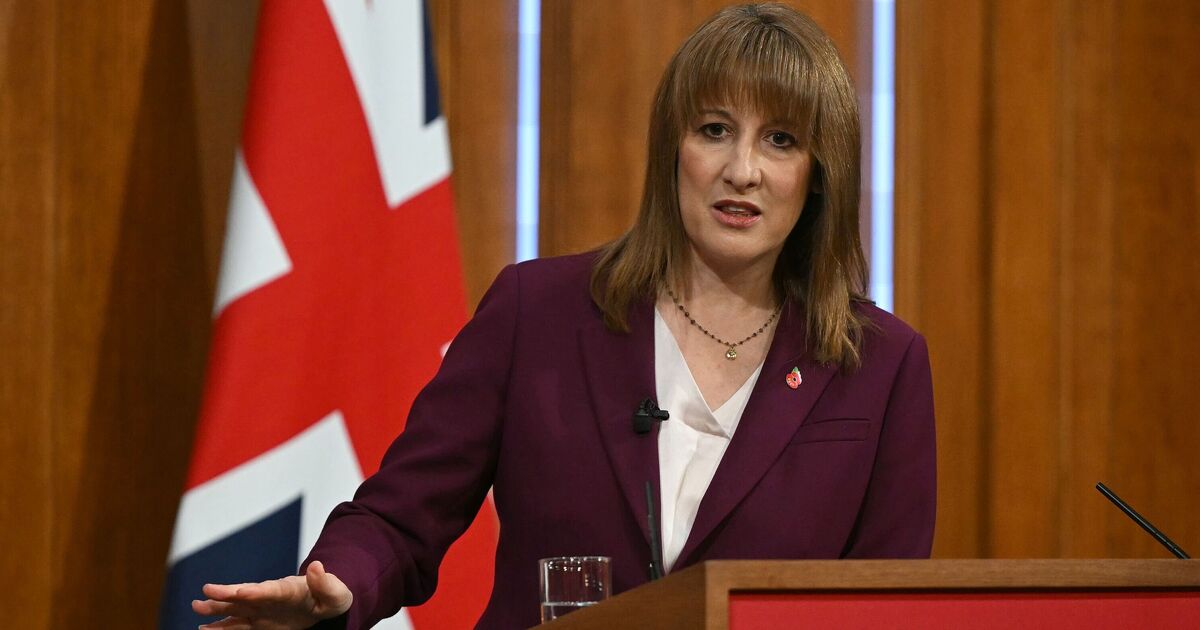
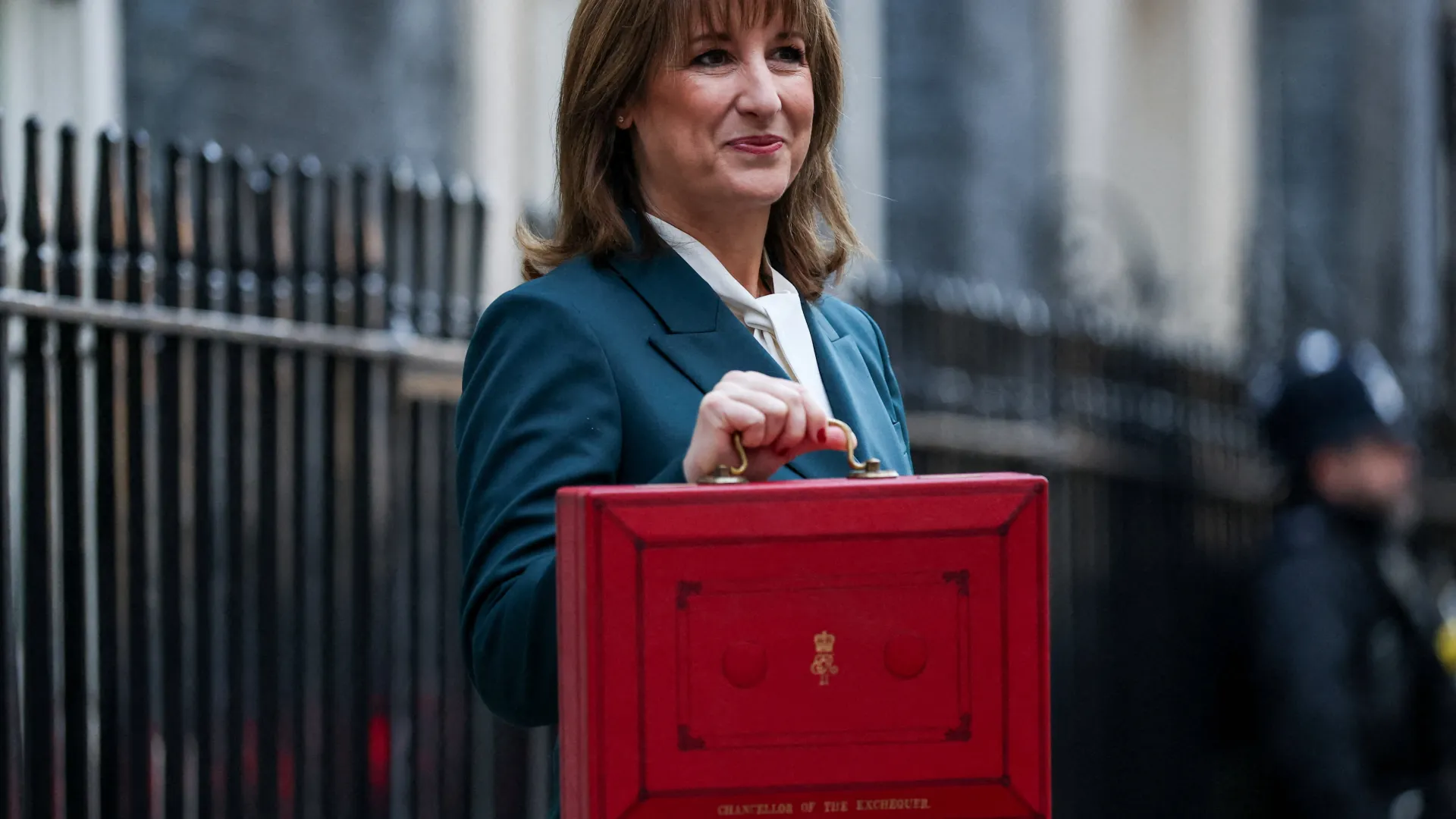
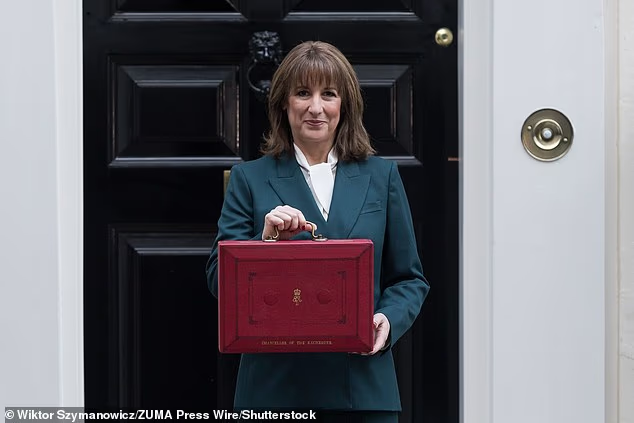
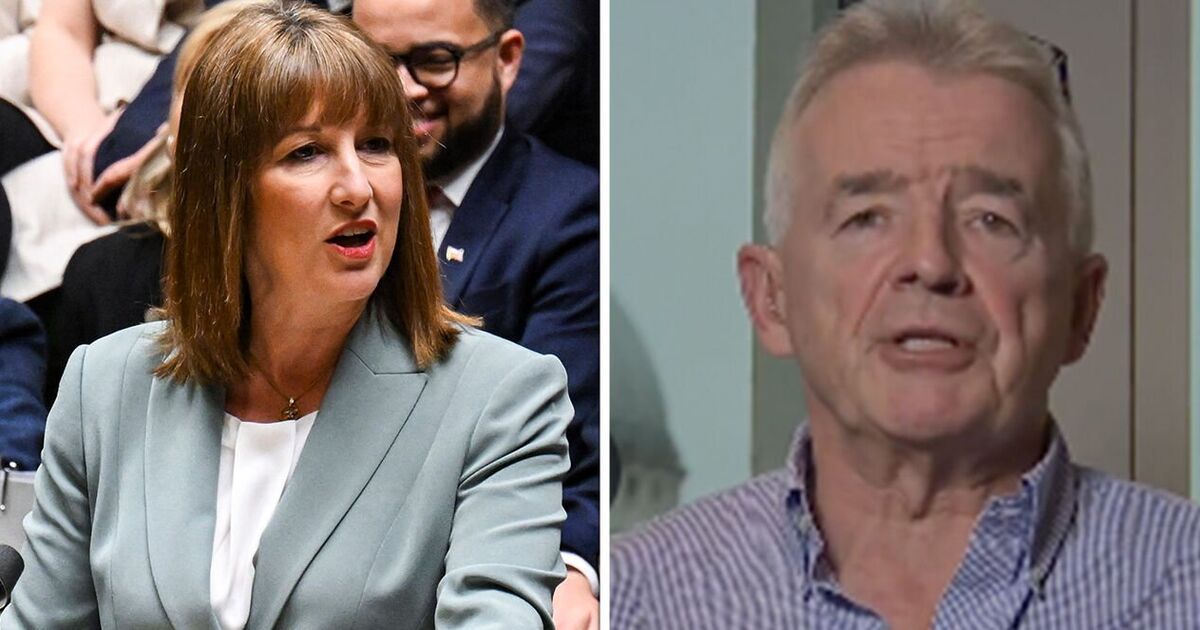
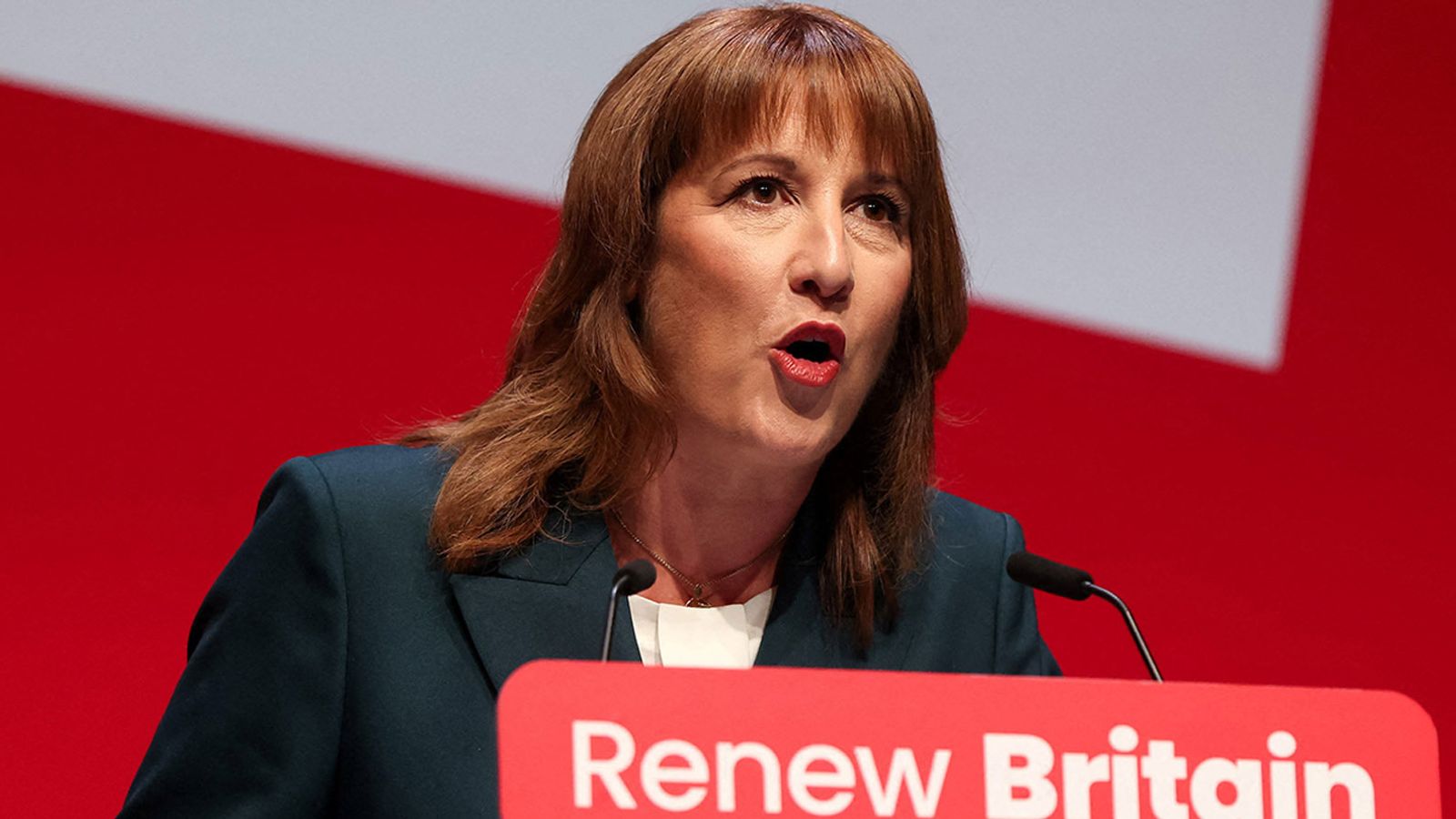
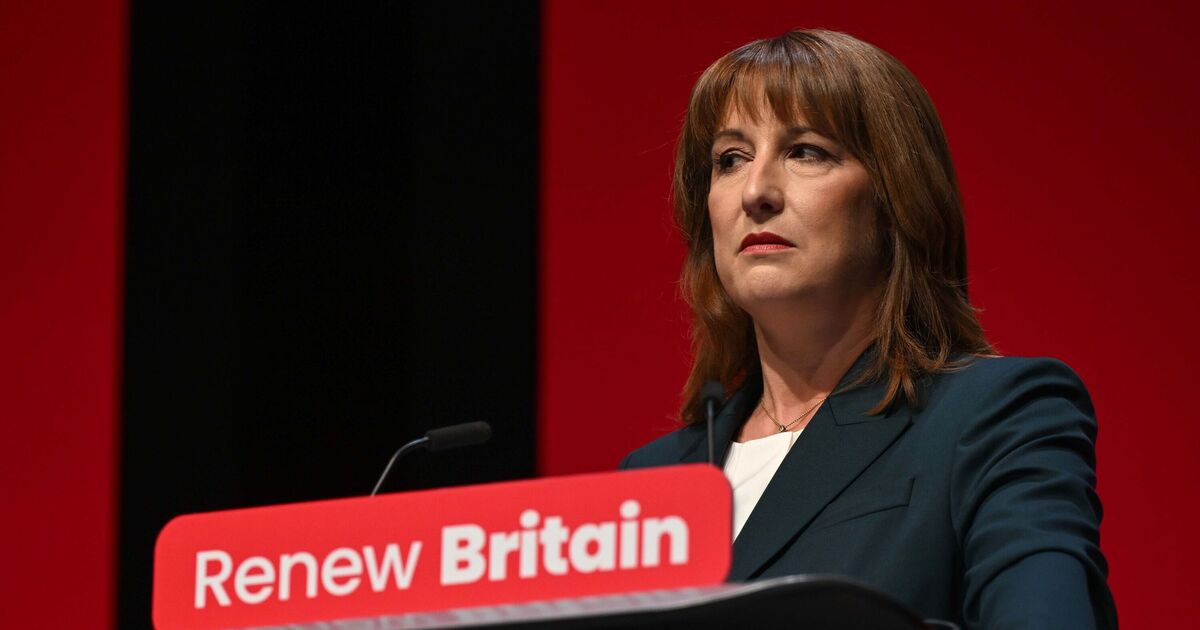
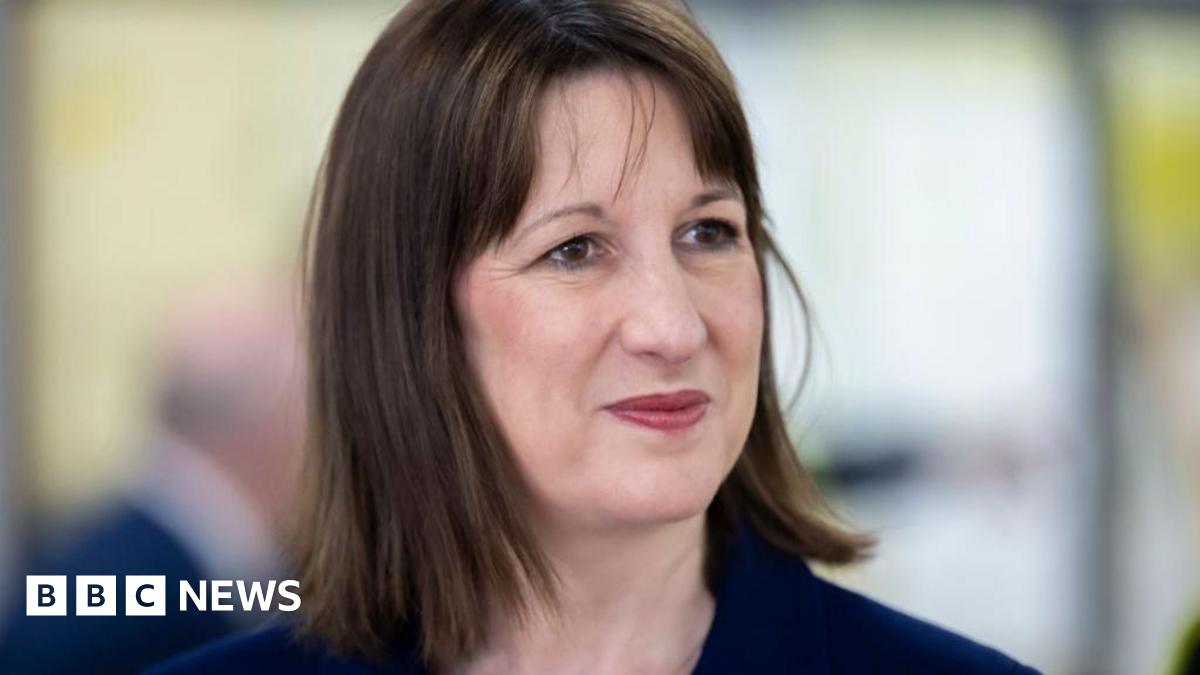
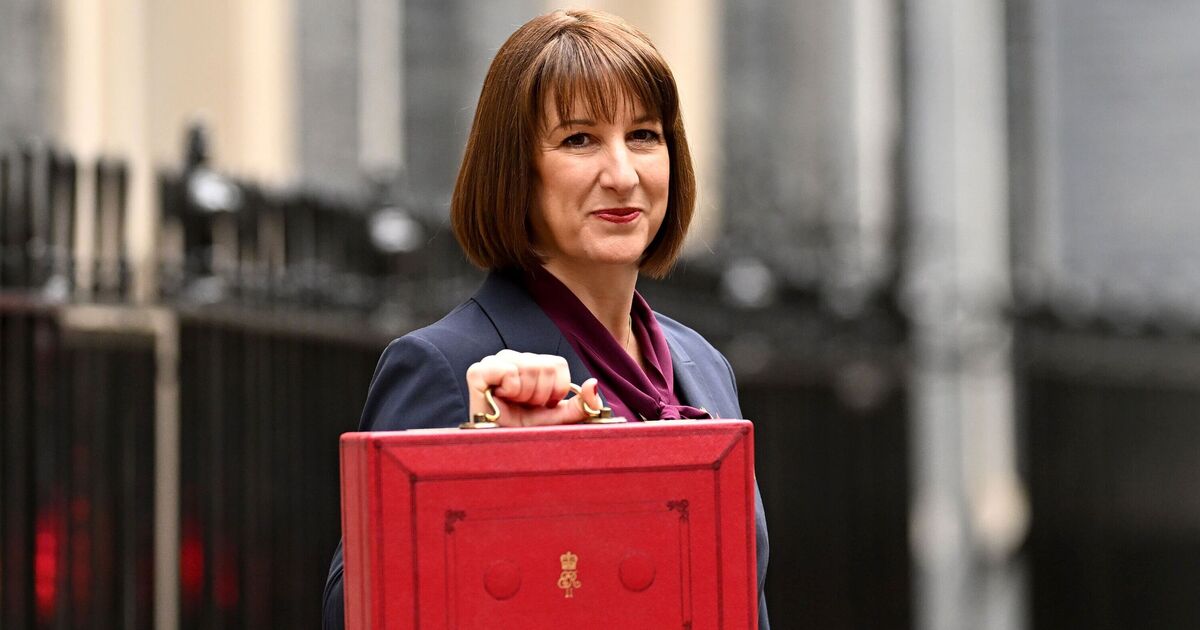
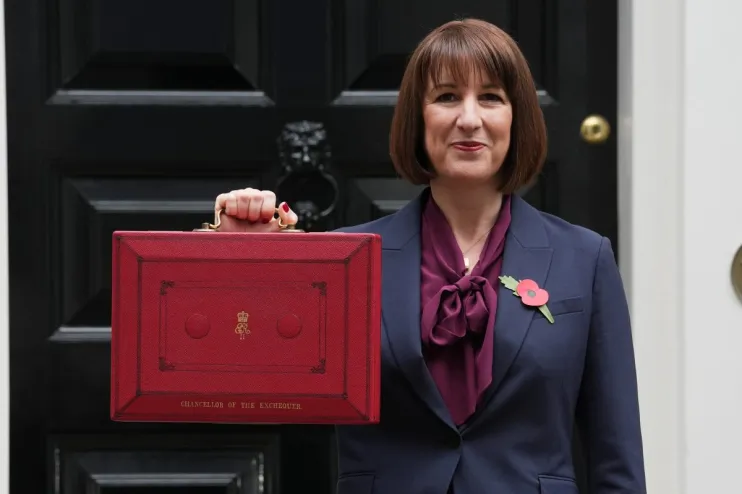
Mr Burnham is likely to sack Chancellor Rachel Reeves and replace her with the likes of either Wes Streeting, Ed Miliband or Pat McFadden.
Whoever takes on the job will be expected to deliver Mr Burnham’s plans for “good growth” felt in all regions of the country.
The former Manchester mayor has said he wants to reform business rates, work more closely with the private sector and raise living standards.
Industry groups have largely welcomed his call for higher growth, but some have said there are still questions over what exactly his plans are for corporation taxes.
What does this mean for your money?
Growth in the economy is a good sign, but the future looks uncertain.
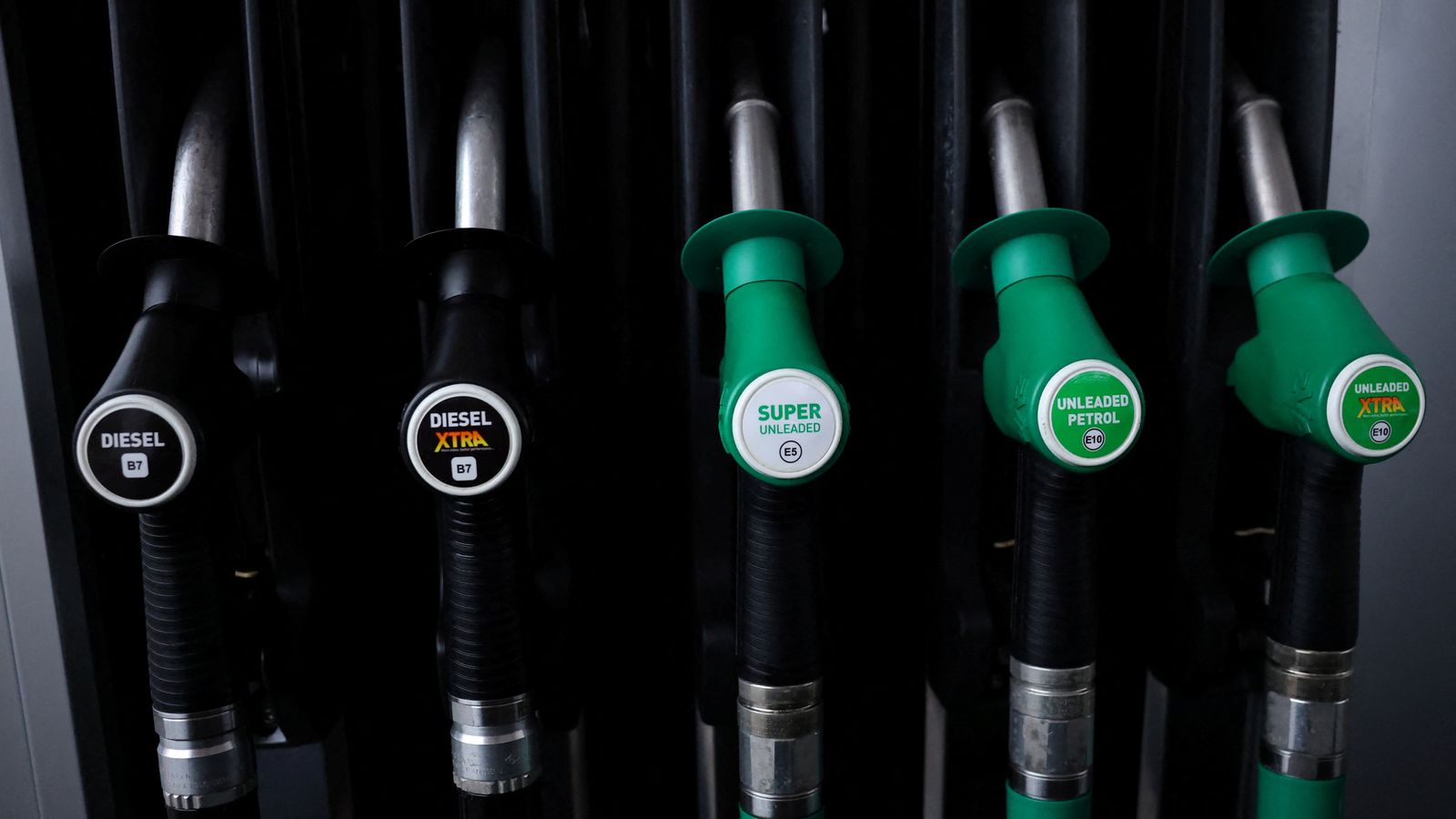
The ceasefire between the US and Iran has relieved pressure on fuel and energy prices, but there is always the risk it could fall through.
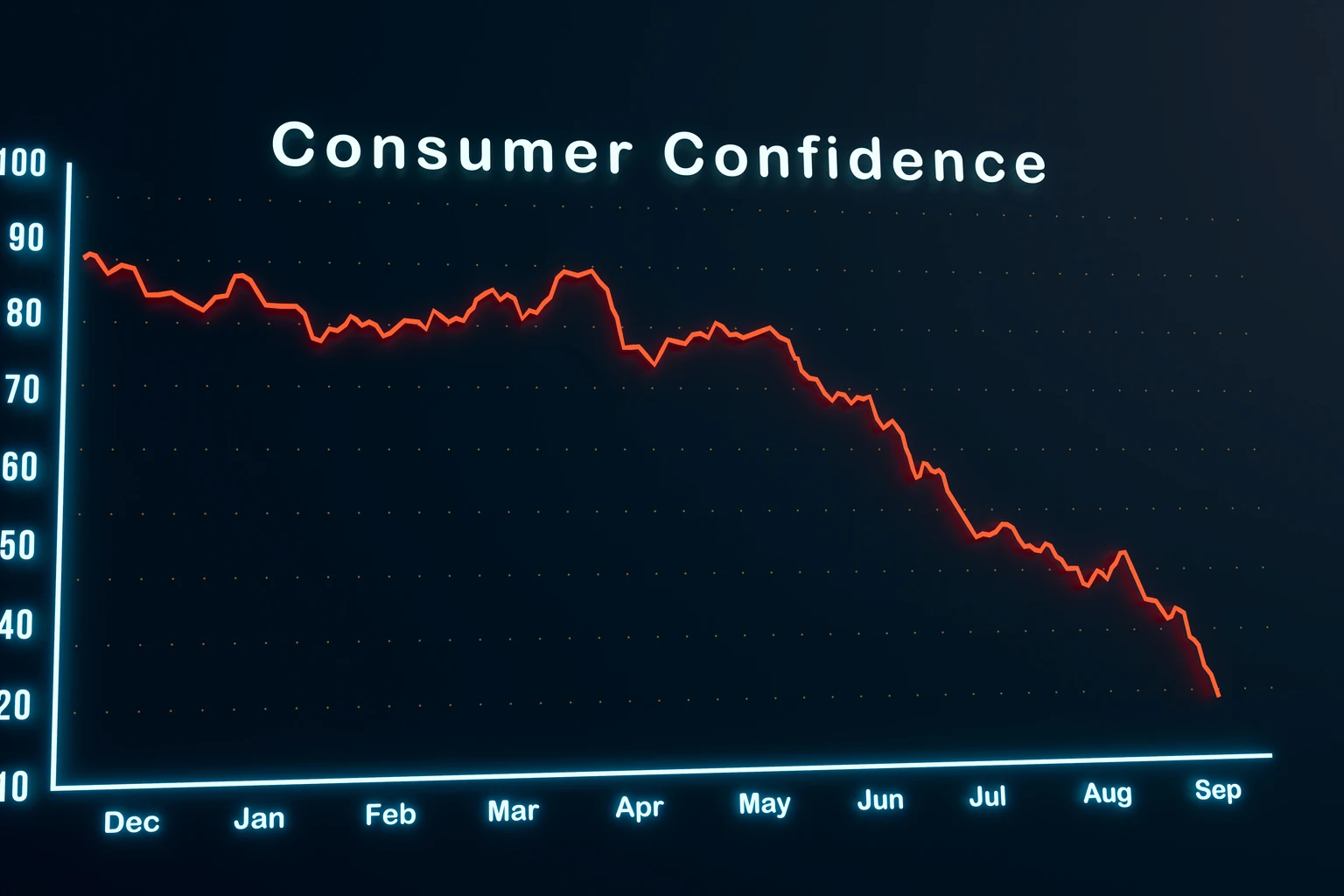
That could lead to potentially higher inflation in the coming months – which means increased prices in shops – as well as an impact on consumer and business confidence.
It’s also worth knowing that the Bank of England uses GDP and inflation as key factors when setting interest rates.
If GDP is low, the Bank usually cuts its base rate in order to encourage people to spend and invest money.
But if it is higher then it may keep its base rate higher for longer in order to keep inflation under control.
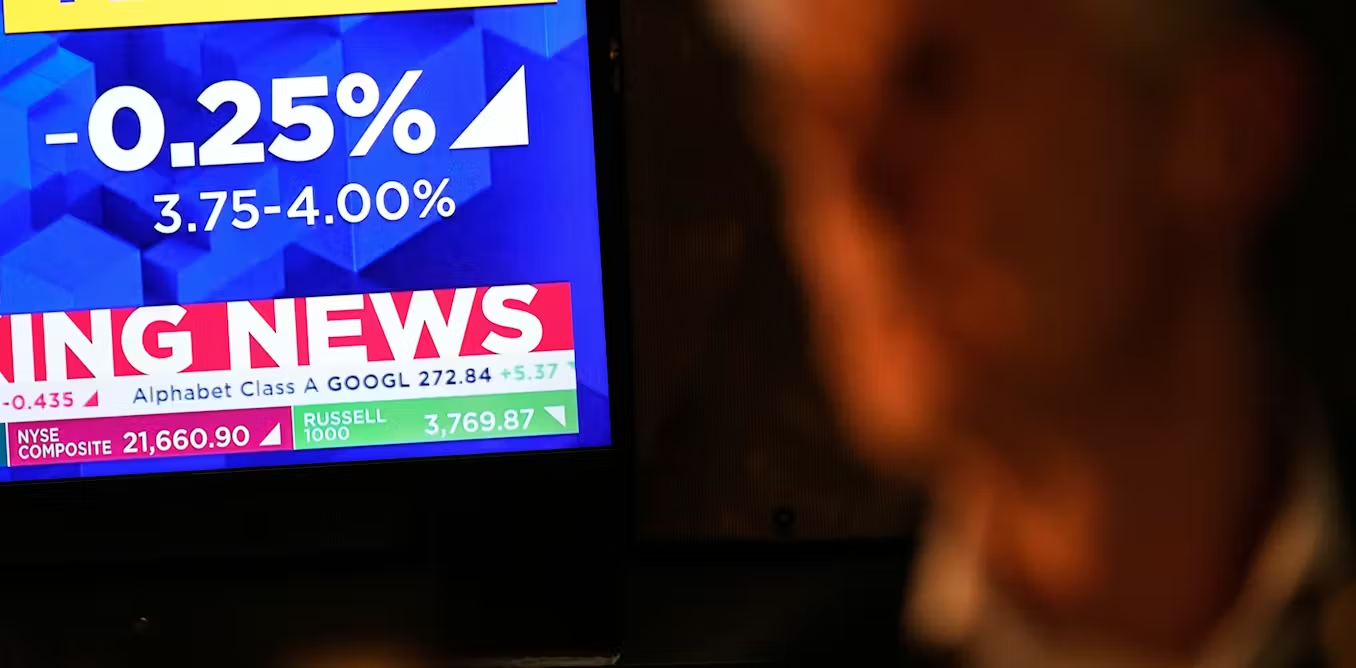
The base rate is currently sitting at 3.75% after it was held earlier this month.
The base rate helps to influence mortgage rates, as well as how much banks charge you for taking out other types of loans.