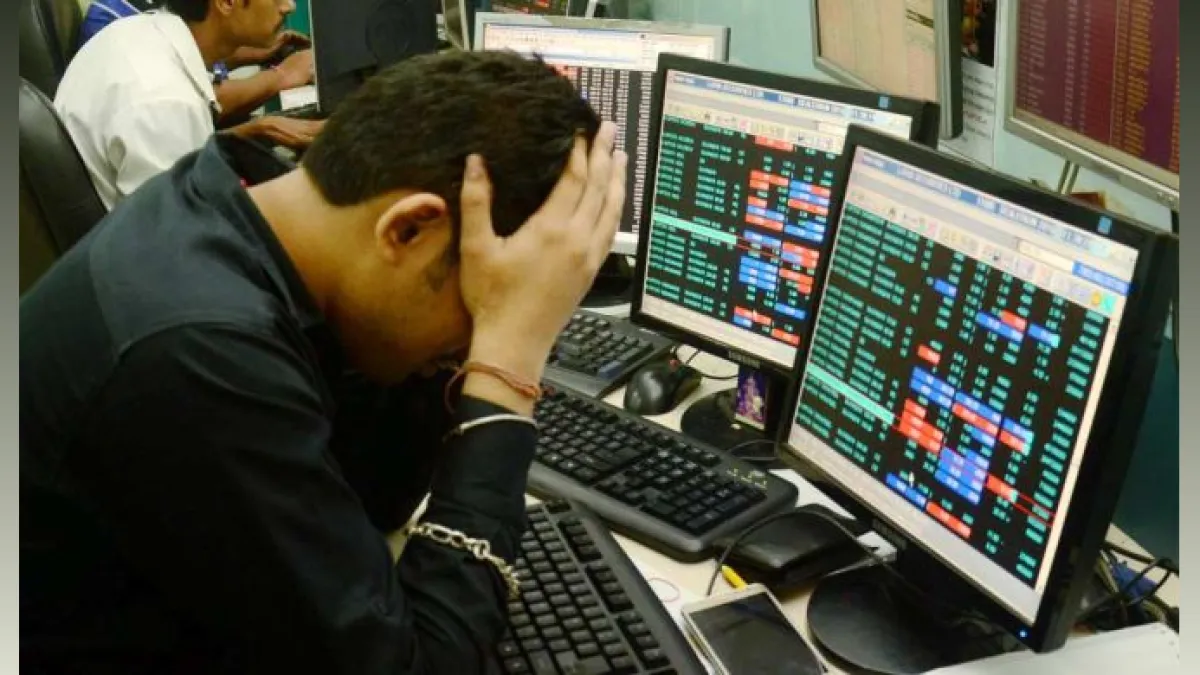
Interactive Brokers (NASDAQ: IBKR) has confirmed that a technical issue in its APAC data centres temporarily locked out an undisclosed number of clients on August 5.
A spokesperson said the problem affected “a fraction of a percent” of clients with accounts hosted in certain APAC data centres and that access was restored within an hour. The incident landed during US trading hours, when APAC-hosted clients with live positions had no way to manage their exposure.
What IBKR Disclosed and What It Did Not
The broker told Finance Magnates that “a technical issue temporarily prevented a fraction of a percent of Interactive Brokers clients from logging in.” The company said it posted a notice on the login screen within minutes and that access was restored within an hour.
However, IBKR’s official system status page continued to show all systems as operational at the time of the reports. The company did not specify the number of affected clients, which jurisdictions were involved beyond “APAC,” or whether the root cause was hardware, software, or network-related.
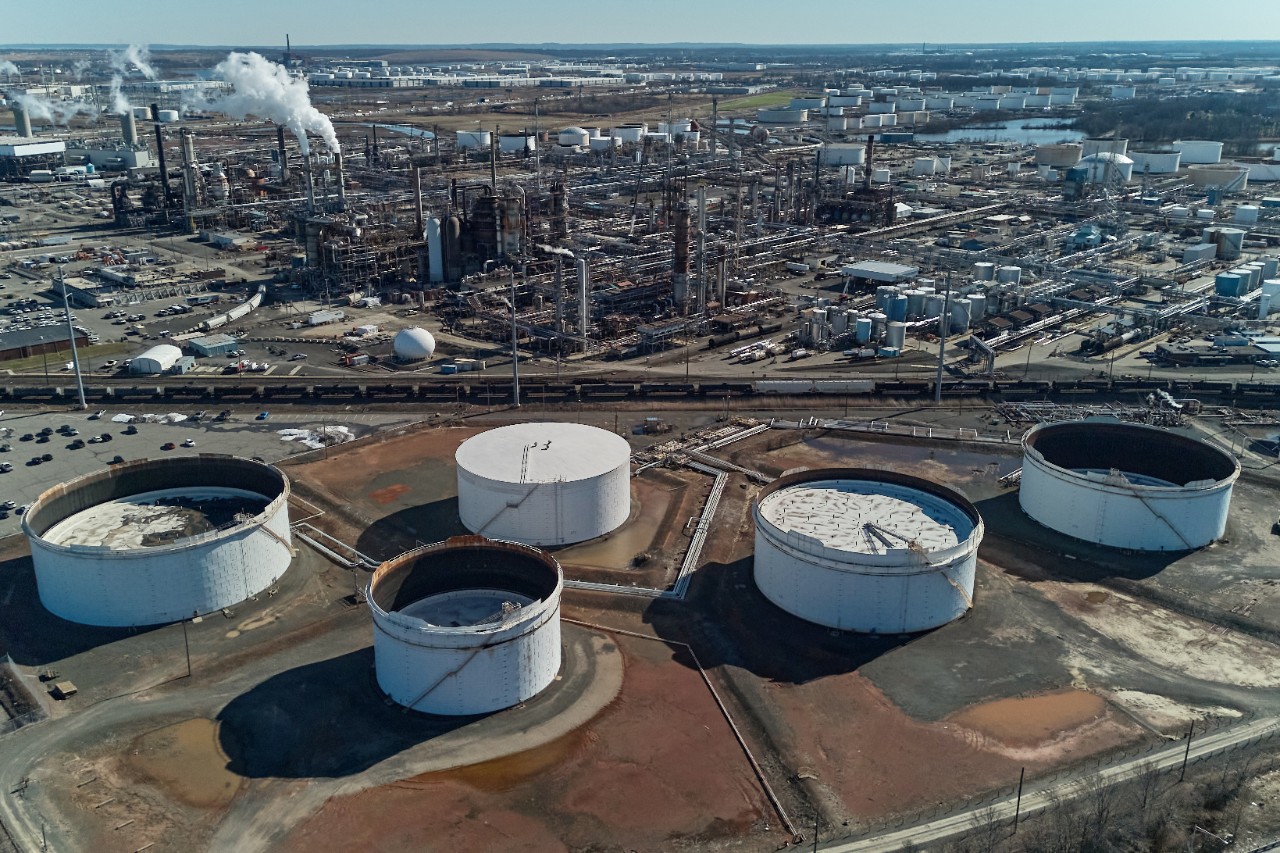
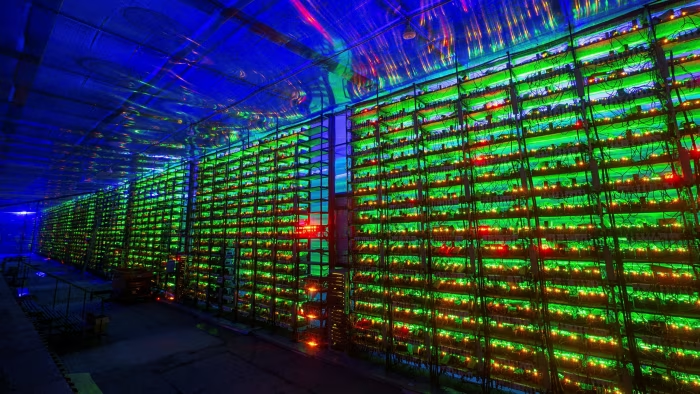
Interactive Brokers operates six main data centres globally: two in the US, two in Europe, and two in APAC. Clients are assigned to a facility based on location and trading preferences.
The broker reported $906.7 billion in client equity and 5.317 million accounts at the end of July 2026, according to its monthly metrics release. Even a “fraction of a percent” of that base represents thousands of accounts and potentially hundreds of millions to billions of dollars in client assets.
The Open-Position Problem
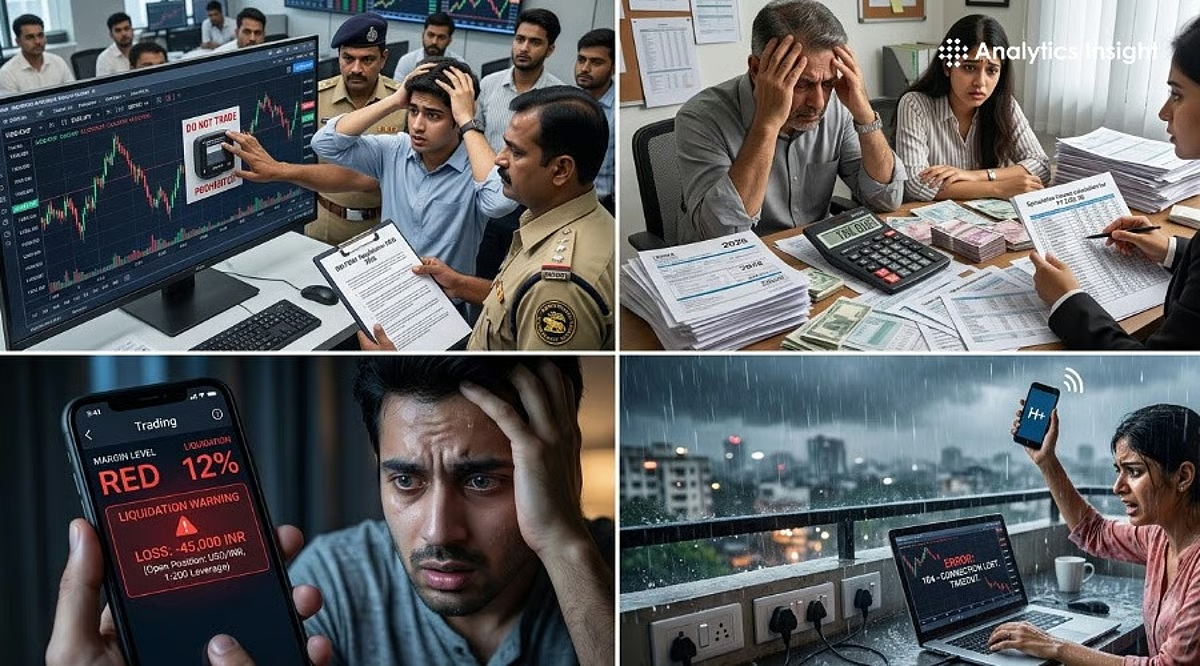
A login failure at a broker of IBKR’s scale is not merely a technical inconvenience. Clients locked out during active trading hours cannot adjust stop losses, close positions, or respond to margin calls. The risk is asymmetric: the market keeps moving while the client’s controls are frozen.
For leveraged traders or those holding options near expiry, even an hour of lost access can produce outsized losses that no after-the-fact credit can fully address. Interactive Brokers did not indicate whether any affected clients experienced adverse fills or margin liquidations during the outage window.
The industry has no consistent standard for what compensation, if any, follows a platform-access failure. Affected clients are generally left to file individual complaints through the broker’s internal dispute process or, in regulated jurisdictions, through the relevant financial ombudsman.
XTB’s Outage at the US Open Makes This a Pattern
The IBKR disruption arrived in the same fortnight as a platform failure at XTB on August 3, the Poland-headquartered broker. The outage occurred around the US market open, with XTB’s web platform failing to load and its mobile app unable to retrieve instrument data. The disruption affected clients in Poland, Latin America and other regions and lasted roughly 30 to 40 minutes, according to ithardware.pl.
The XTB outage was shorter than IBKR’s reported disruption, but the timing at the US open makes the two incidents relevant to the broader question of broker platform resilience.
Two outages at major brokers in a matter of days are a pattern worth naming. Regulators in several jurisdictions have issued operational resilience guidance for regulated firms, but enforcement varies. The FCA’s PS21/3 framework, for instance, requires firms to identify important business services, set impact tolerances, and test them.
Whether IBKR’s APAC disruption fell within the broker’s stated tolerance threshold is unclear. Interactive Brokers experienced a similar login incident in March 2020, when a server issue briefly affected clients in the UK and Europe.
What Clients Can Realistically Expect
Outages at full-service electronic brokers with nearly $1 trillion in client assets raise questions that go beyond uptime statistics.
Whether clients are entitled to compensation for demonstrable losses during a platform failure depends on the broker’s terms of service, the applicable regulatory regime, and the specific facts of each case. Most broker agreements include broad force-majeure and technology-failure disclaimers that limit liability.
The honest answer is that clients locked out of a broker during a market move have few immediate remedies. IBKR has not disclosed whether it intends to address affected accounts individually.
The next test is whether the broker publishes a post-incident report detailing root cause and remediation, or whether this joins the growing list of platform failures that get a one-line acknowledgment and no follow-up.