The saving grace of this economy that everyone hates: Wealthy Americans are keeping it afloat by spending — throughout tariffs, inflation, war, you name it.
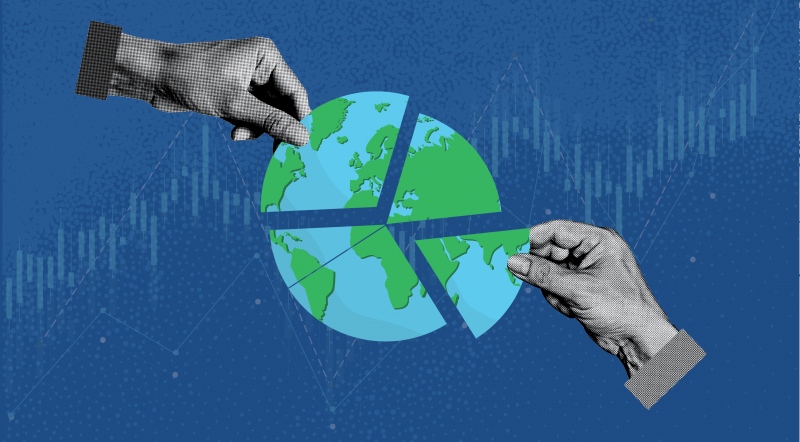
The ugliest part of this economy: The wealth gap between affluent and low-income households continues to widen, postponing or destroying the American Dream for millions hardworking folks.
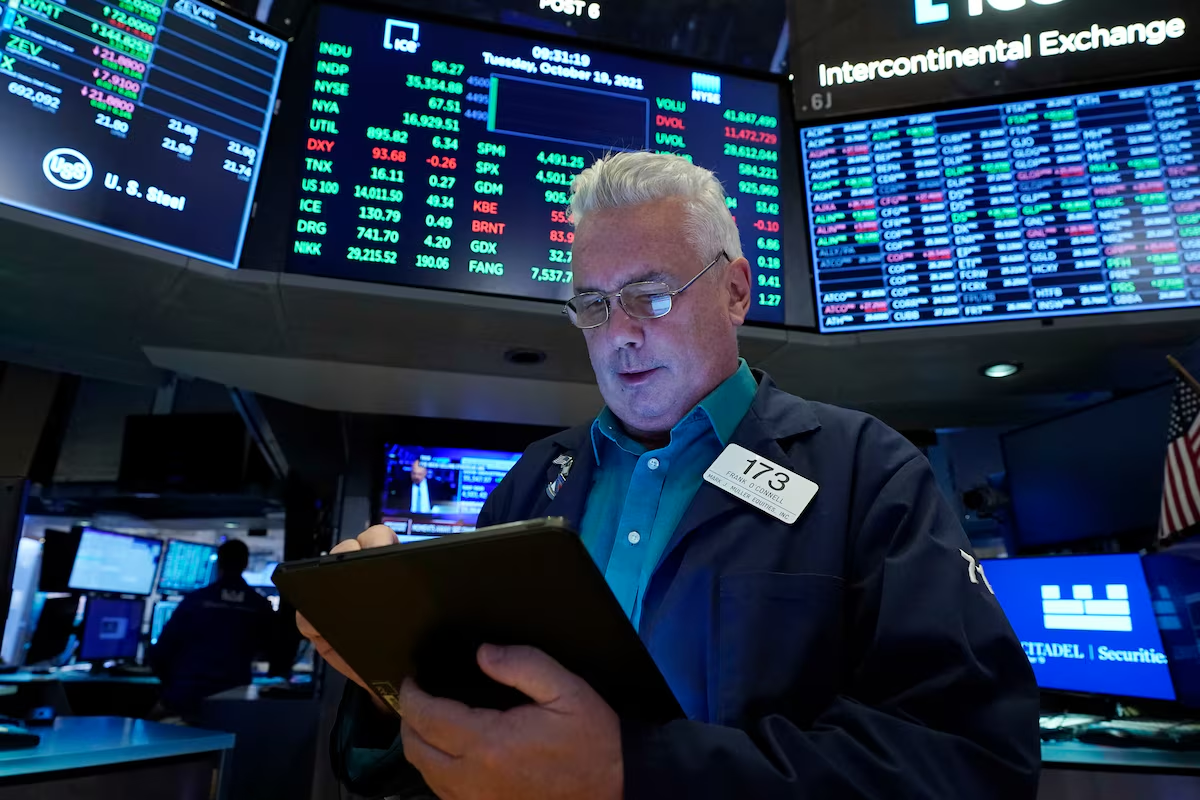
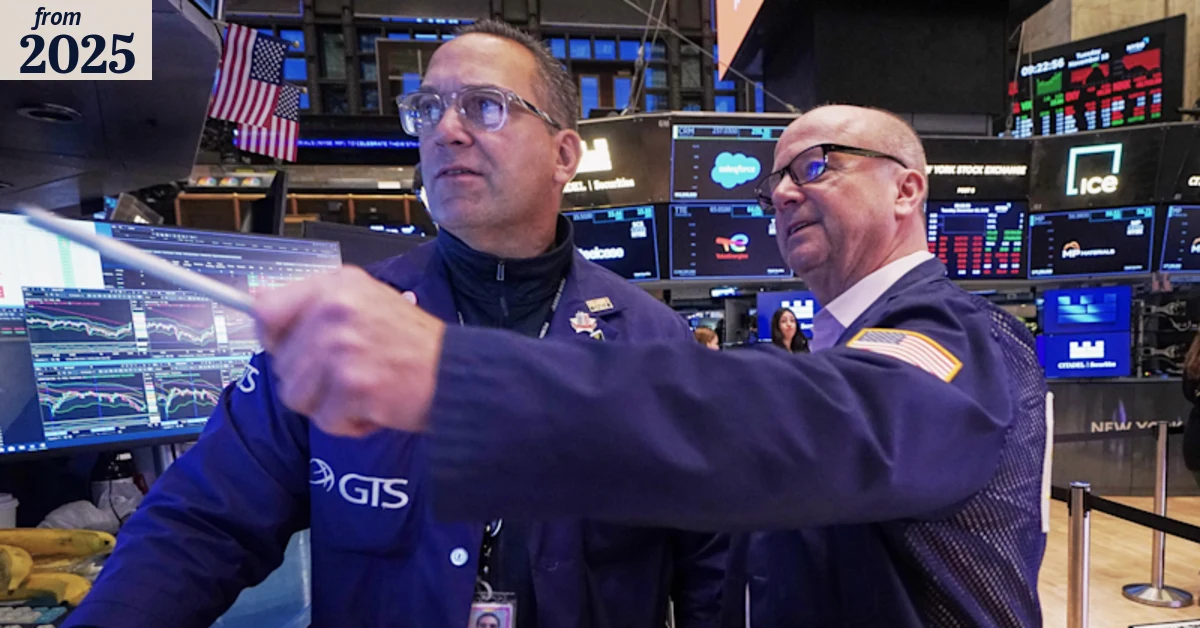
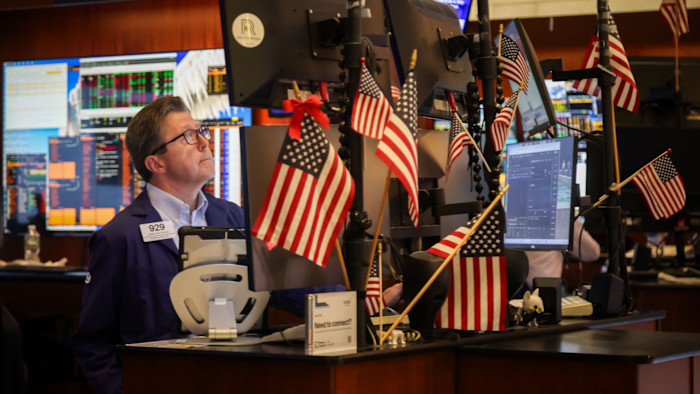
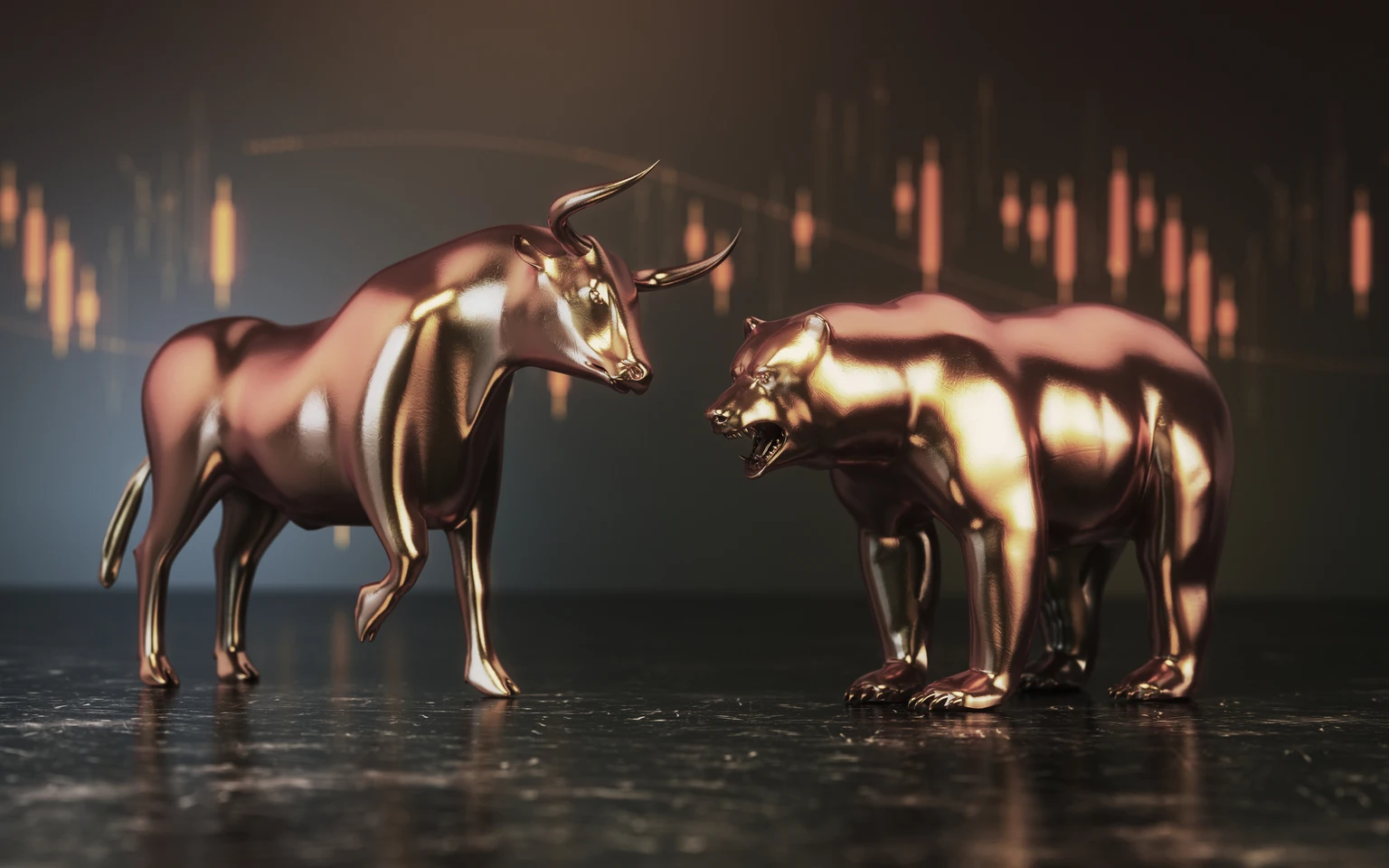
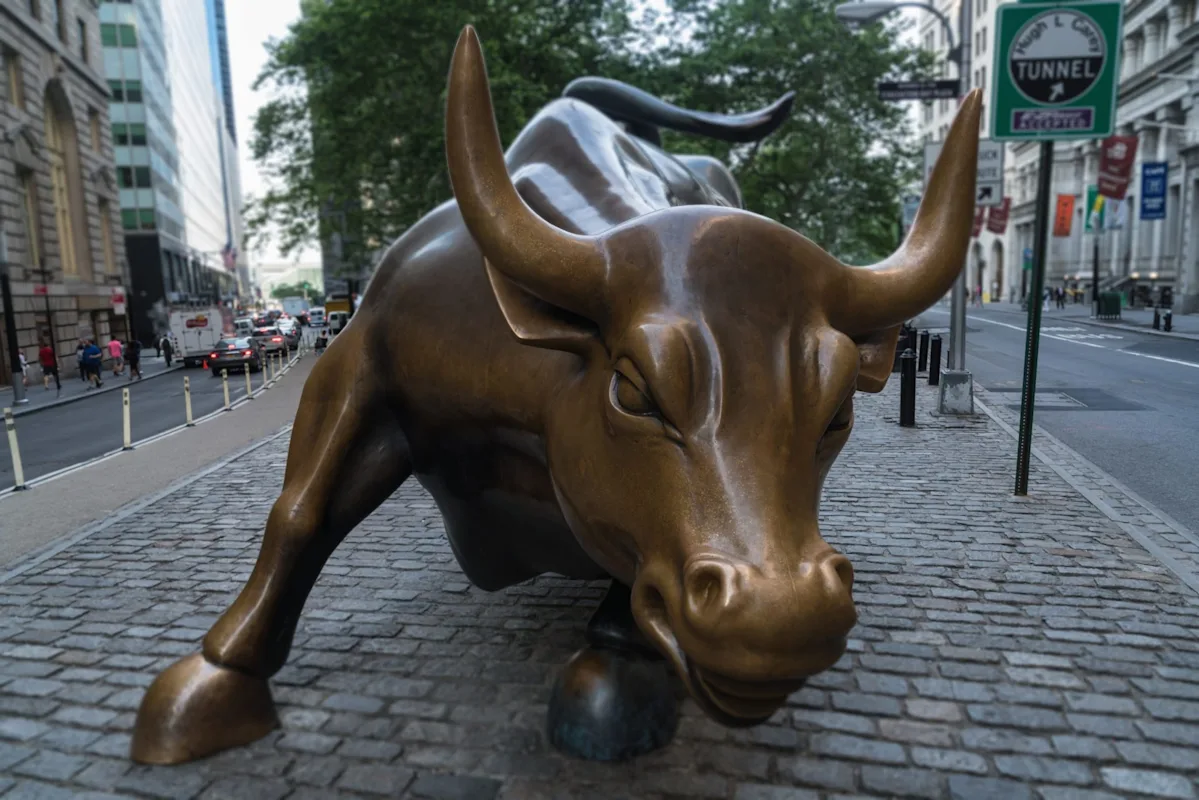
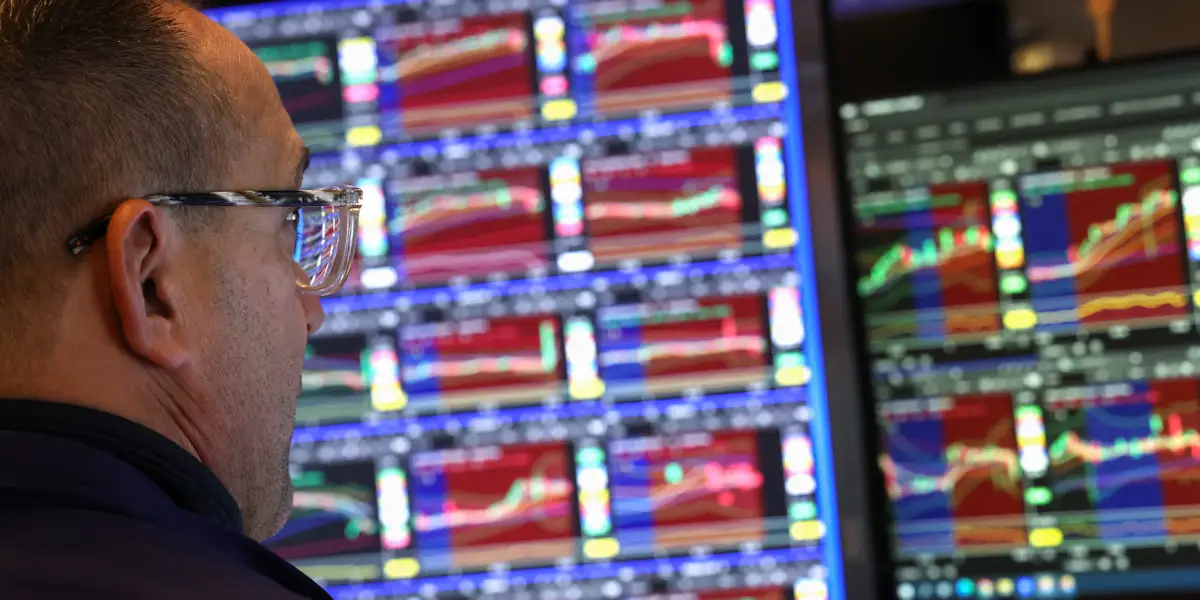
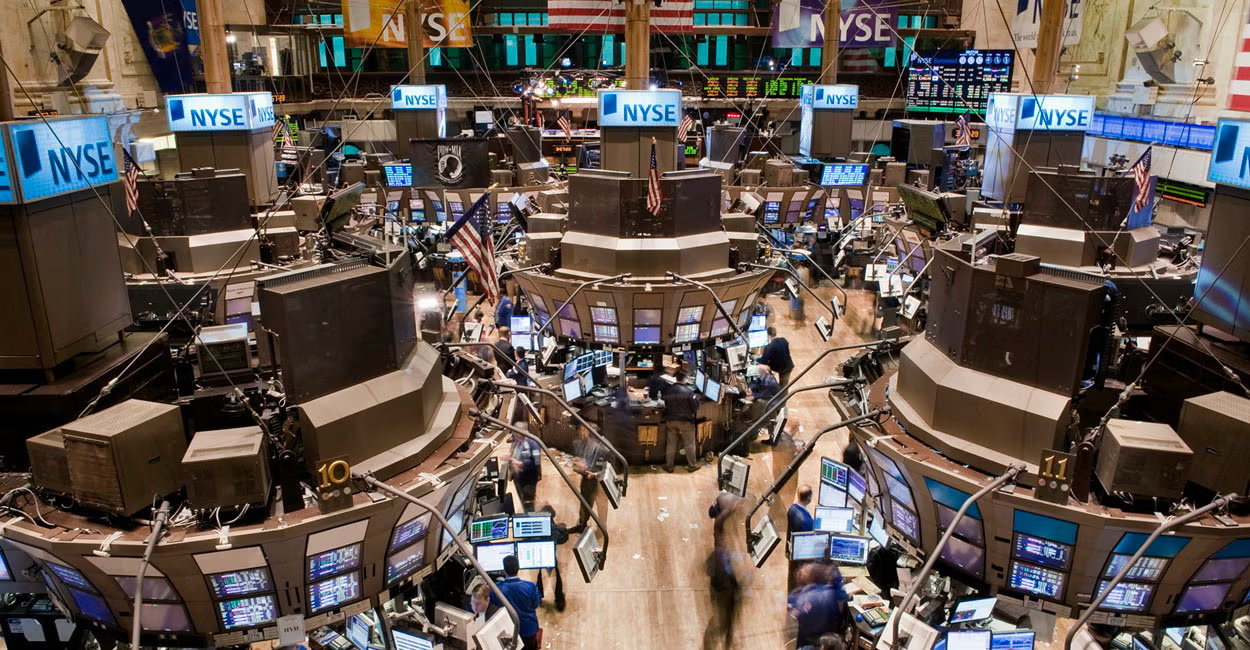
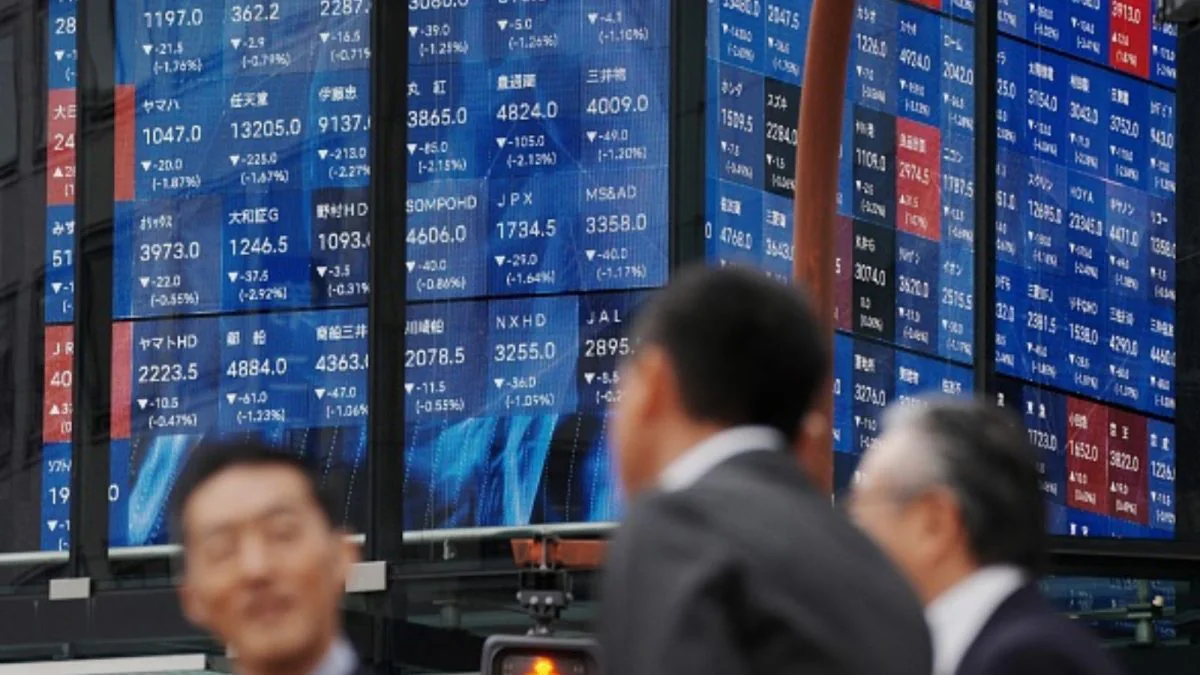
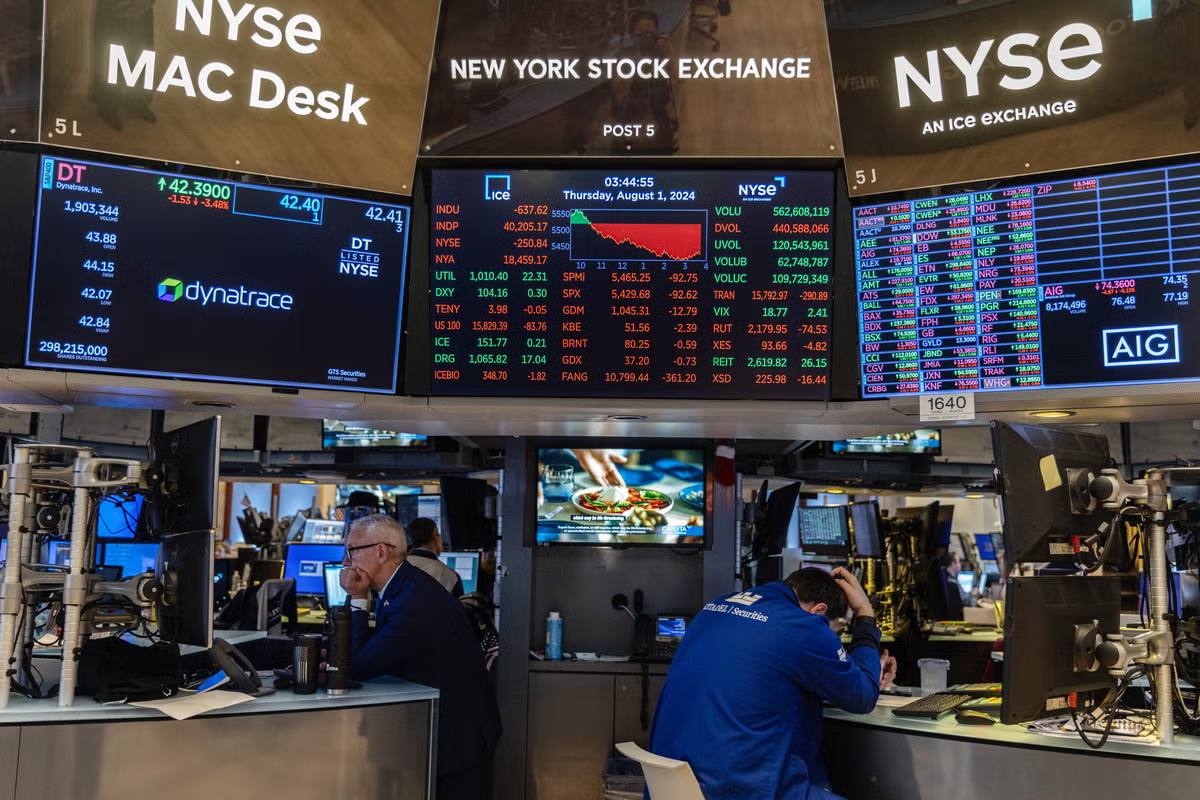
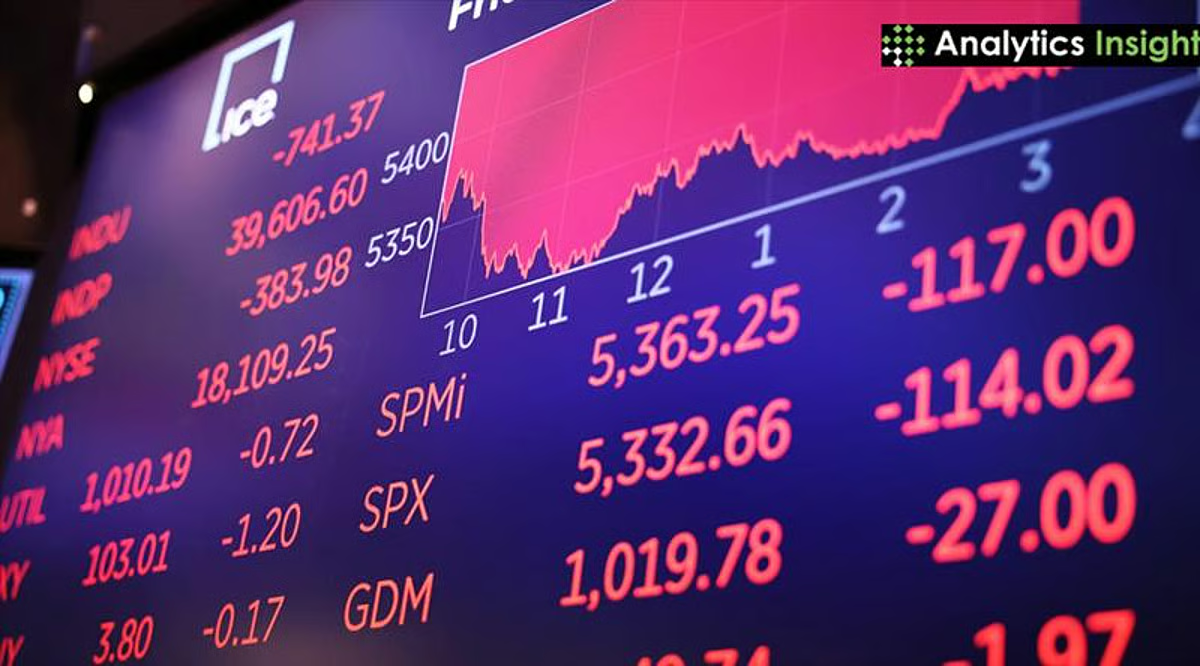
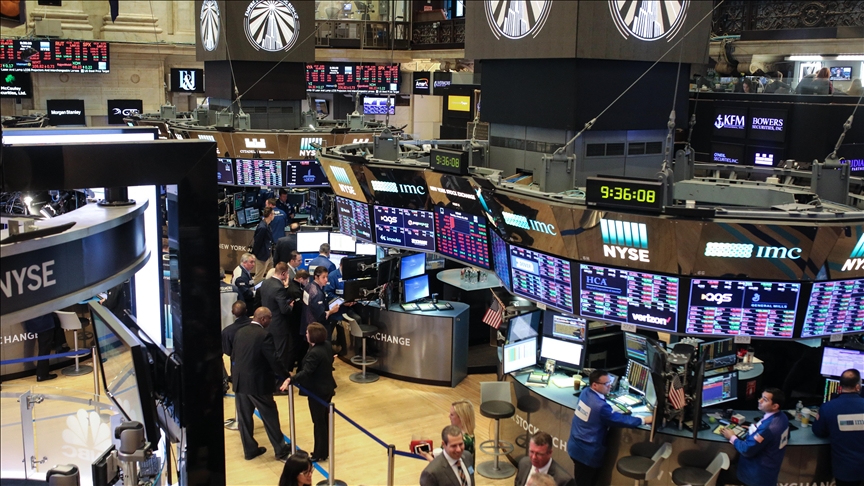
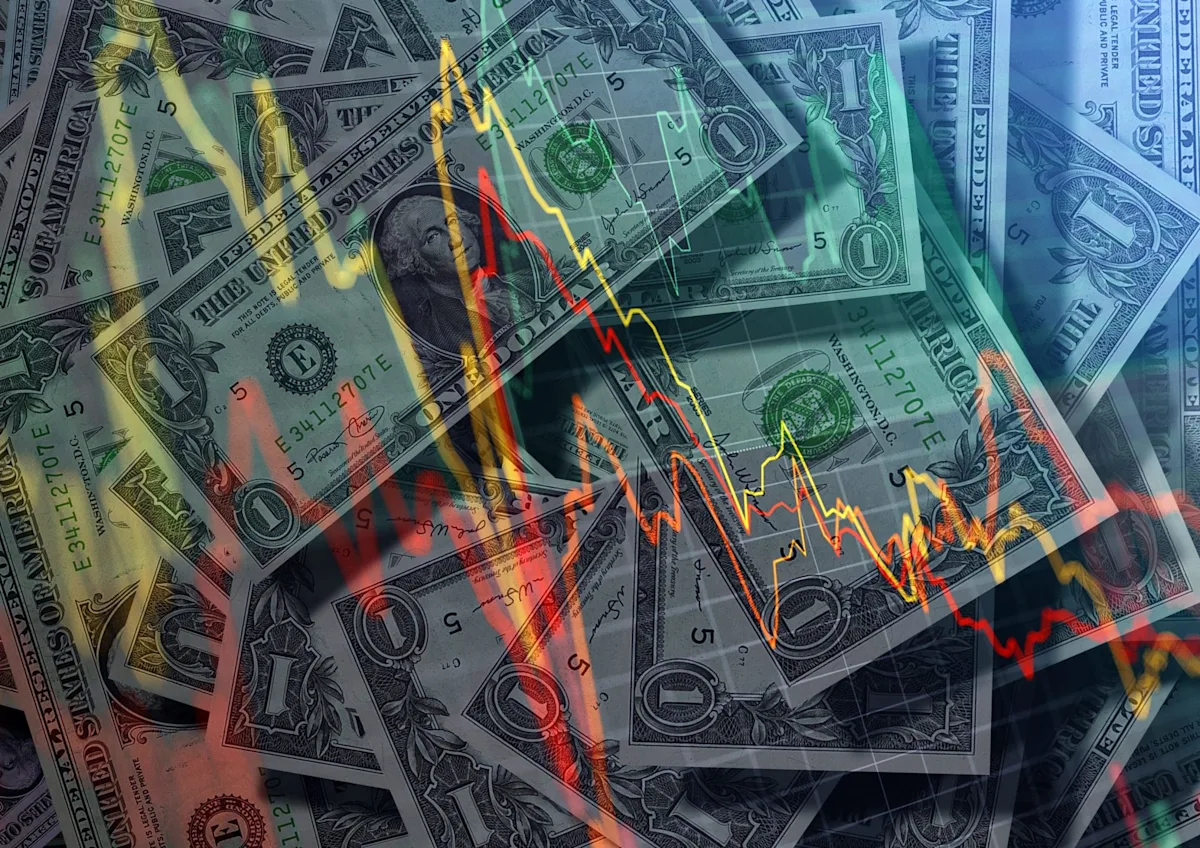
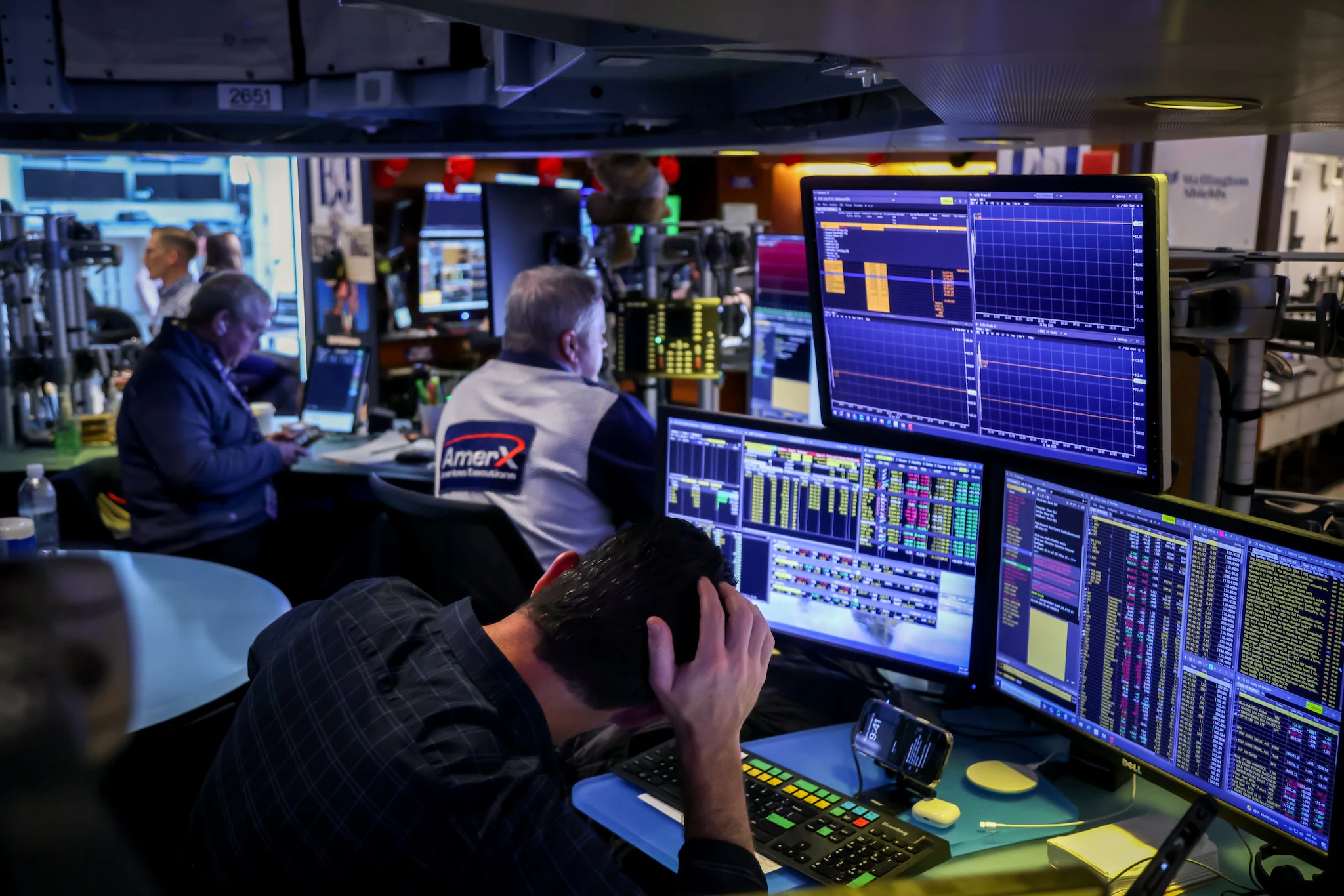
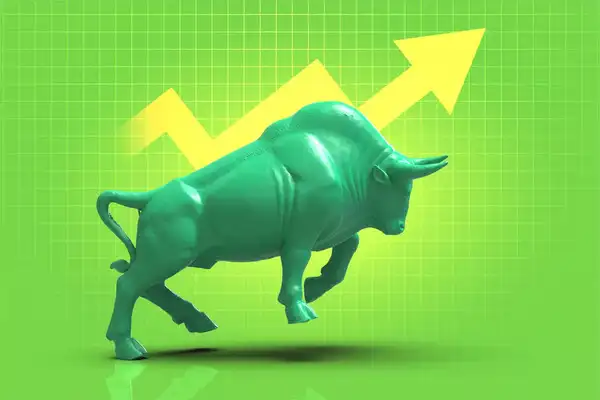
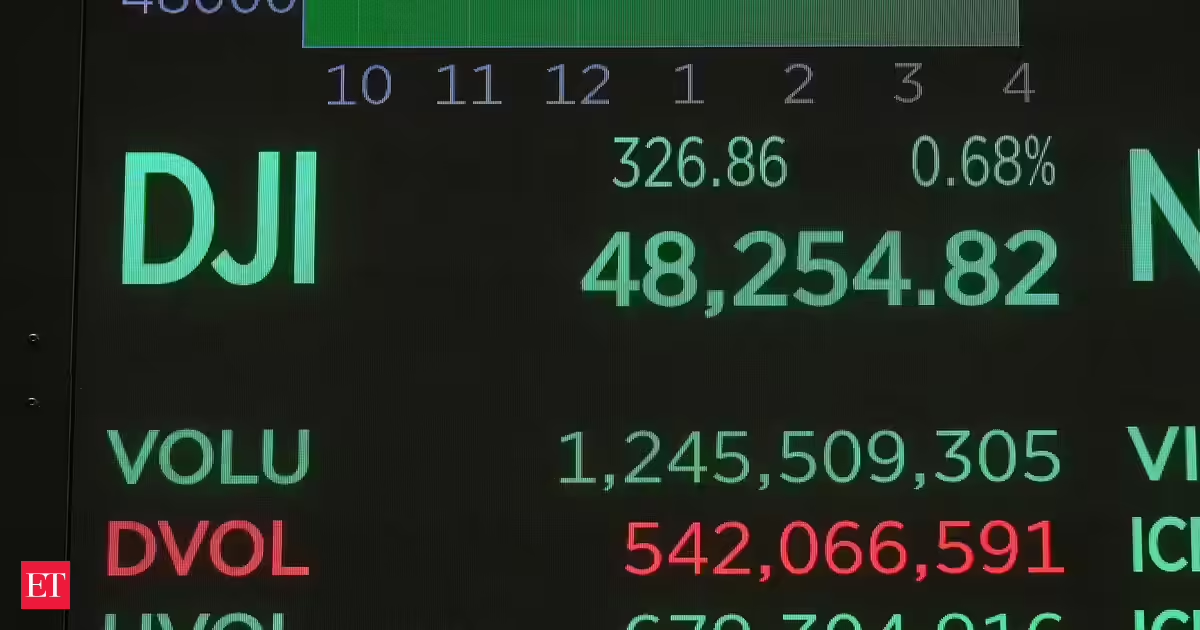
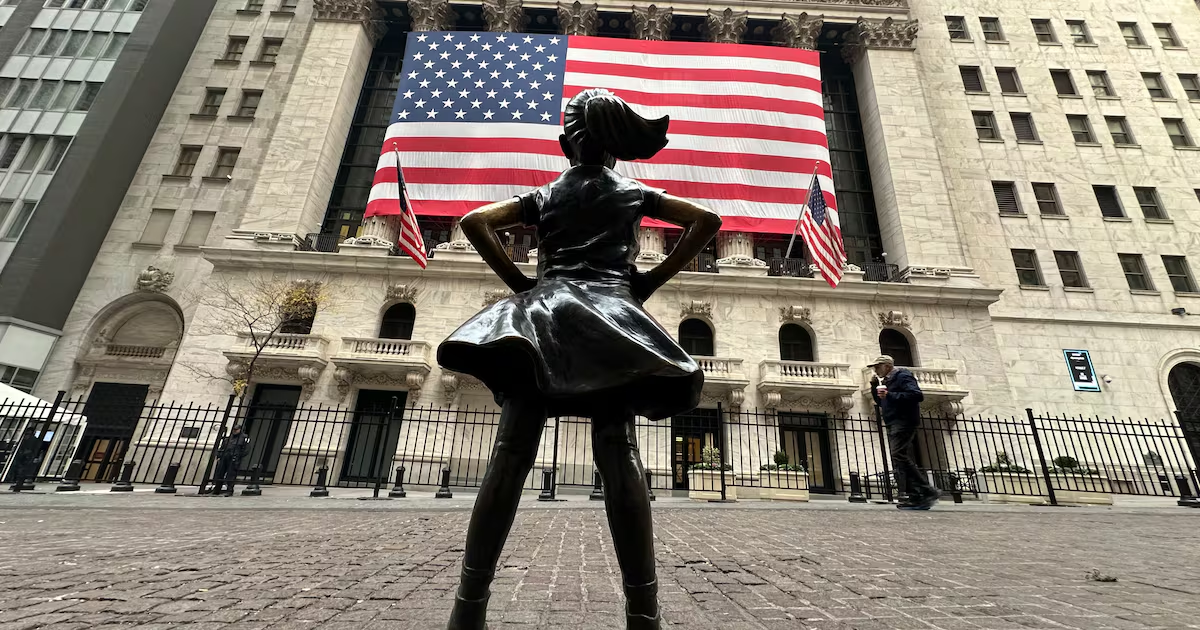
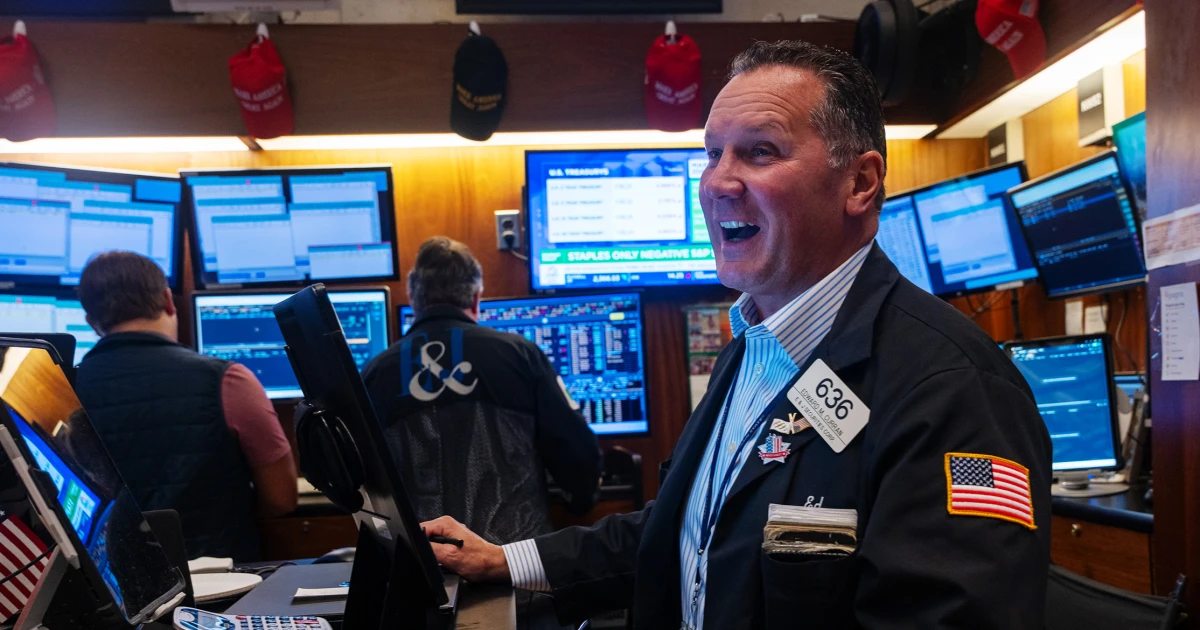
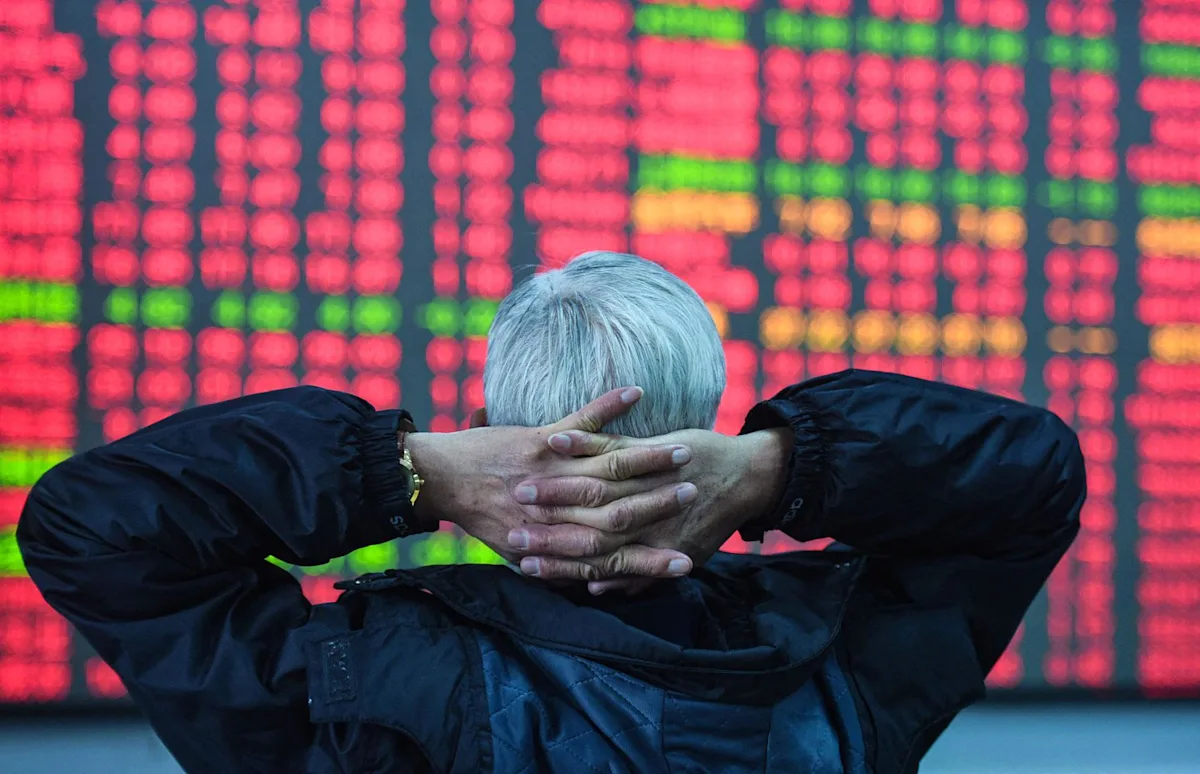
Underpinning both the best and worst parts of America’s economy is the mindboggling stock market rally.
It’s a Catch-22 with no easy solution. But if the stock market rally that powers the divide fizzles out, the economy could take a significant beating.
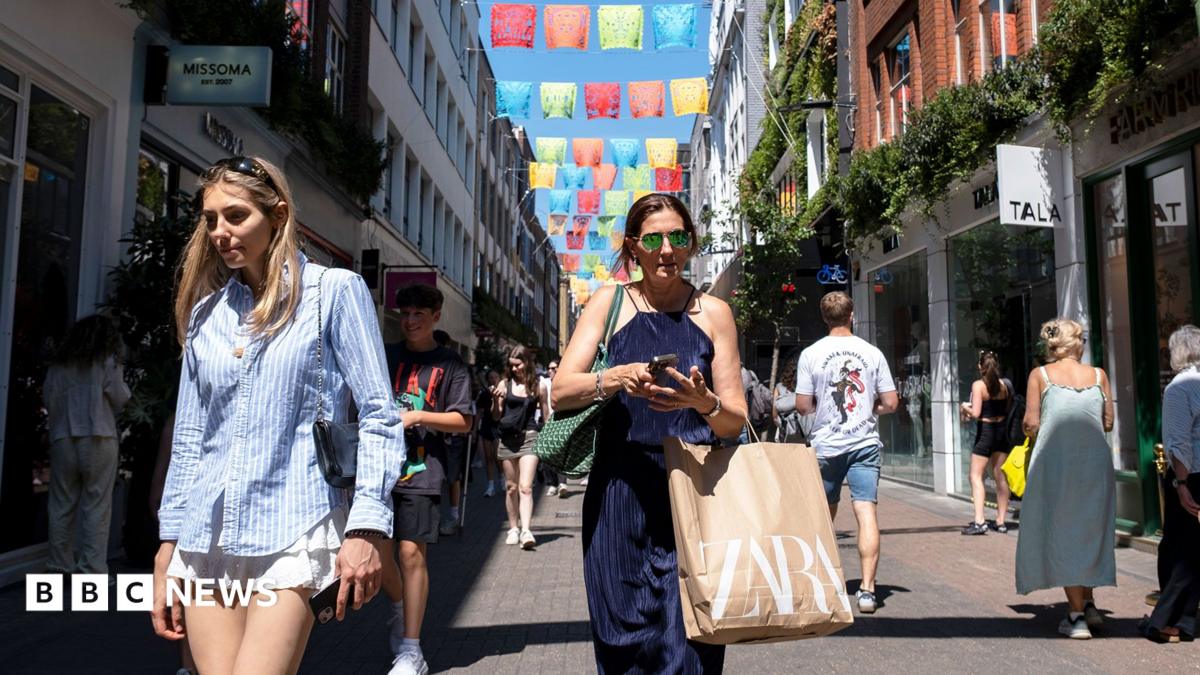
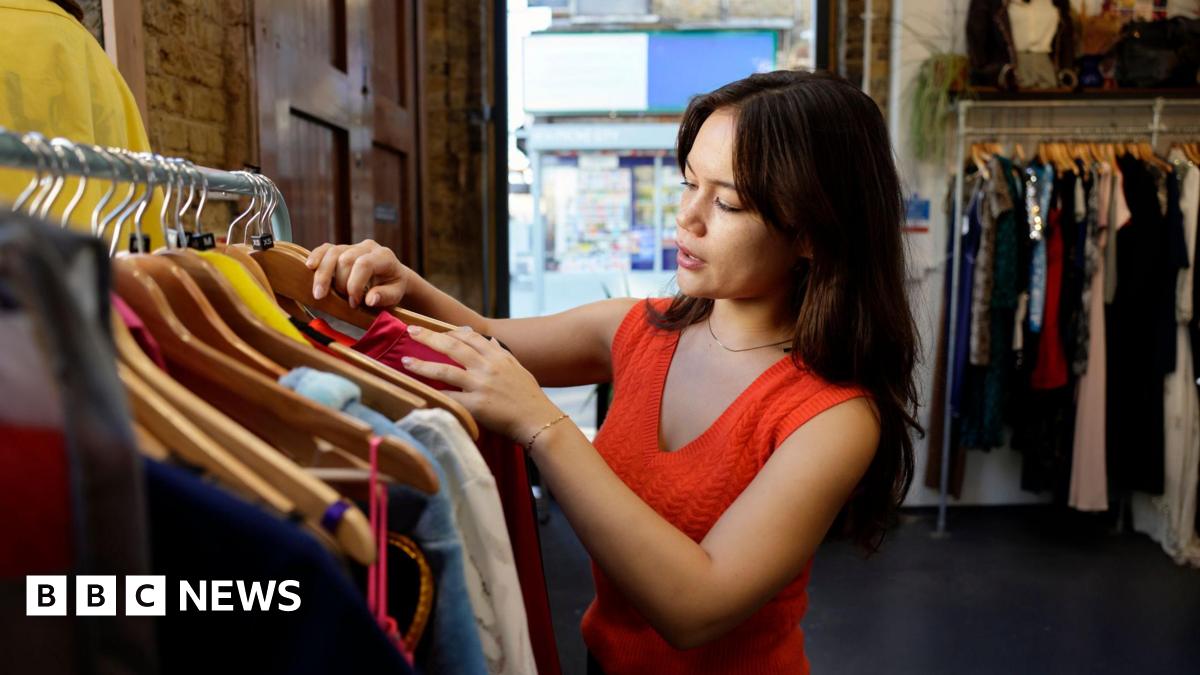
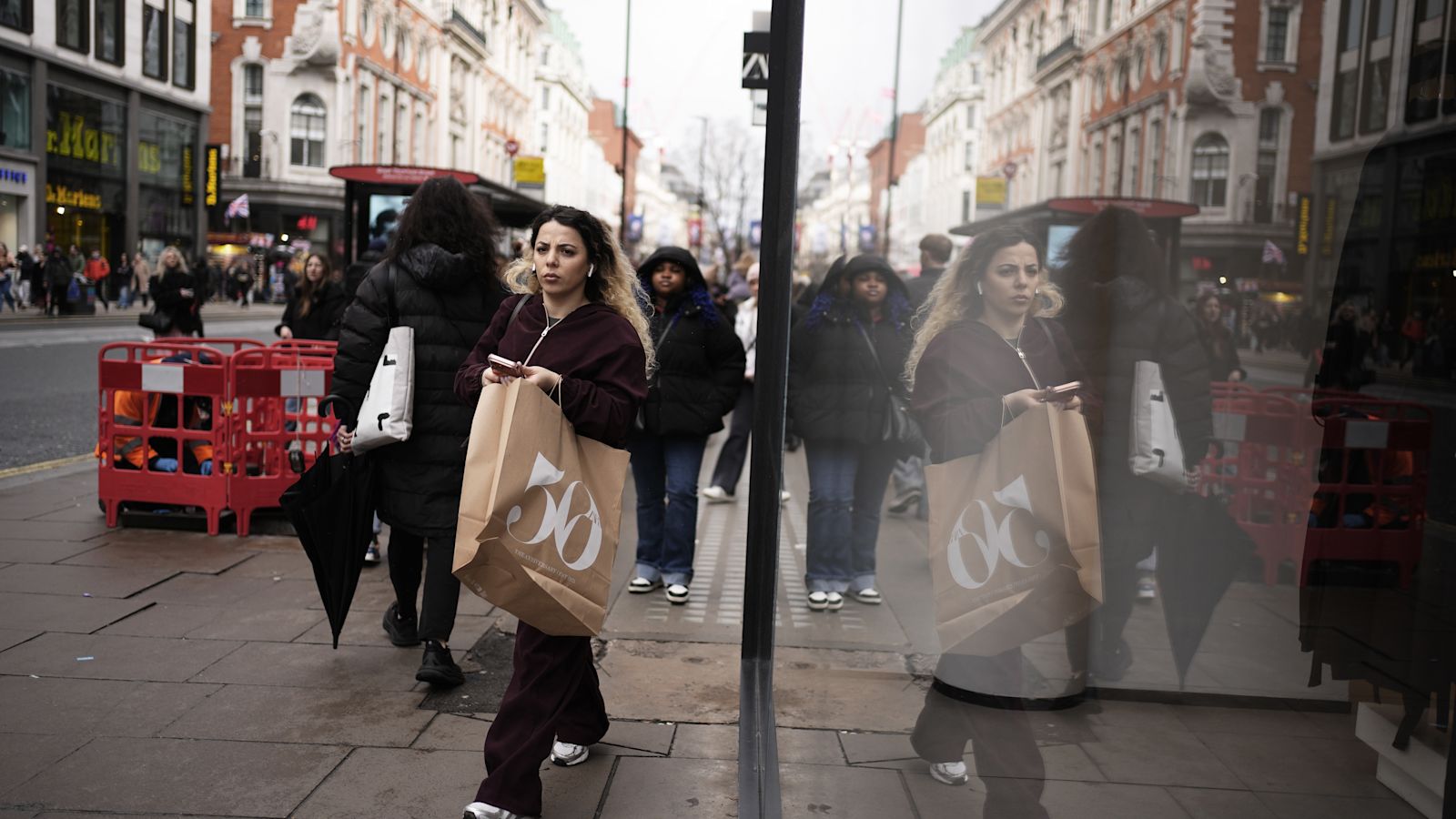
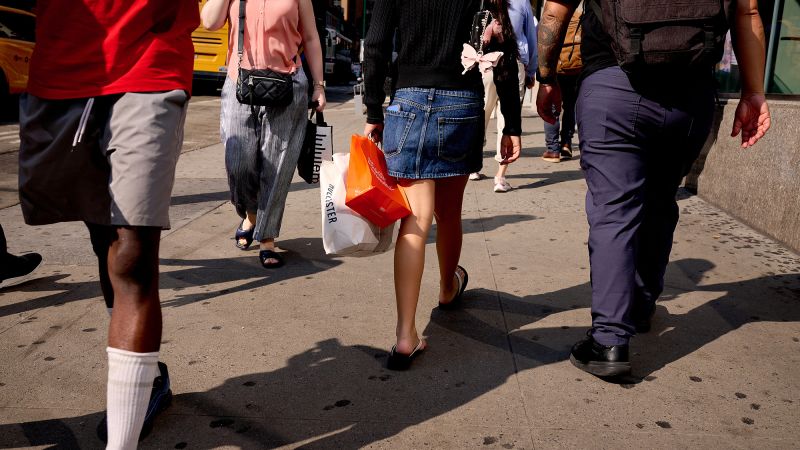
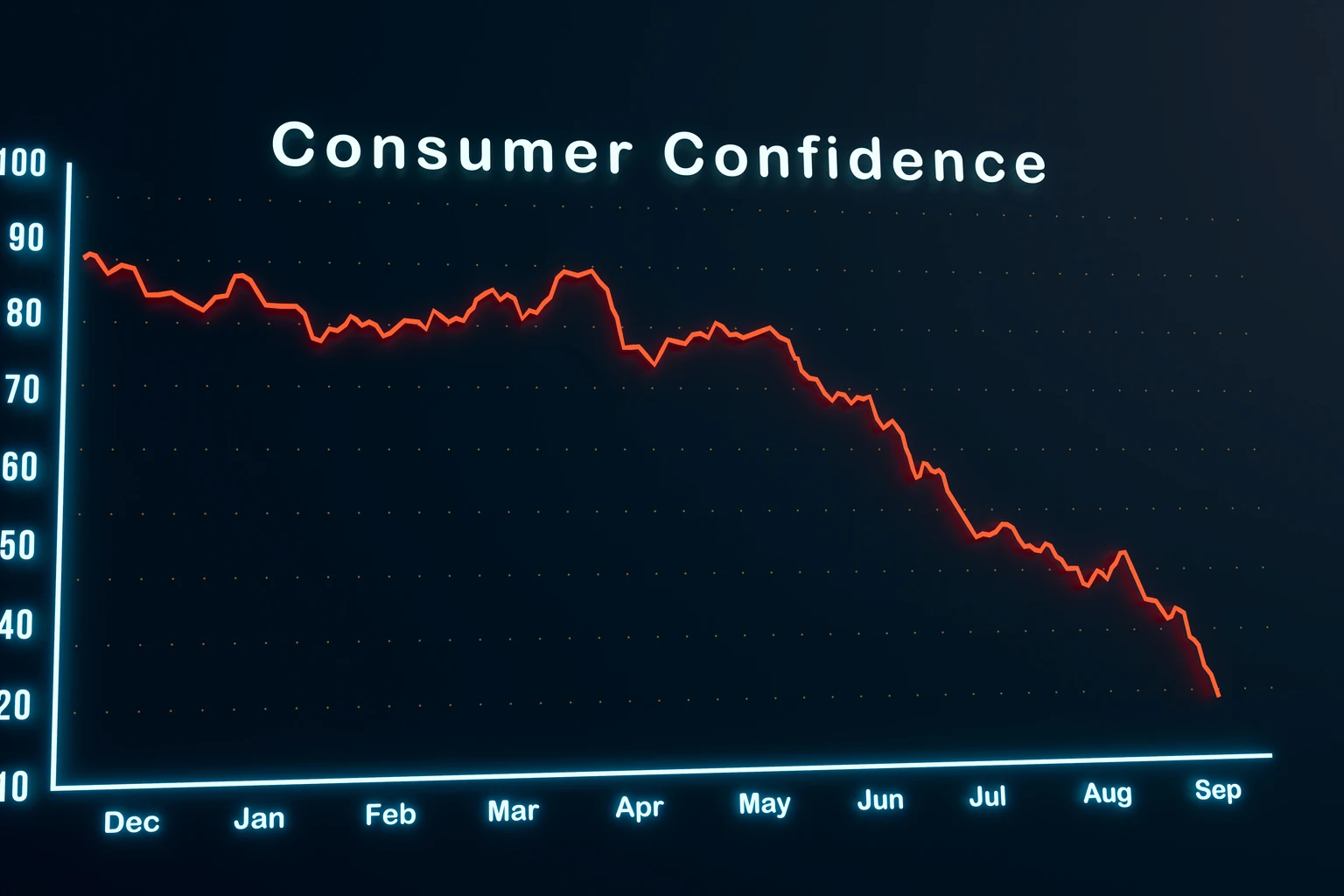
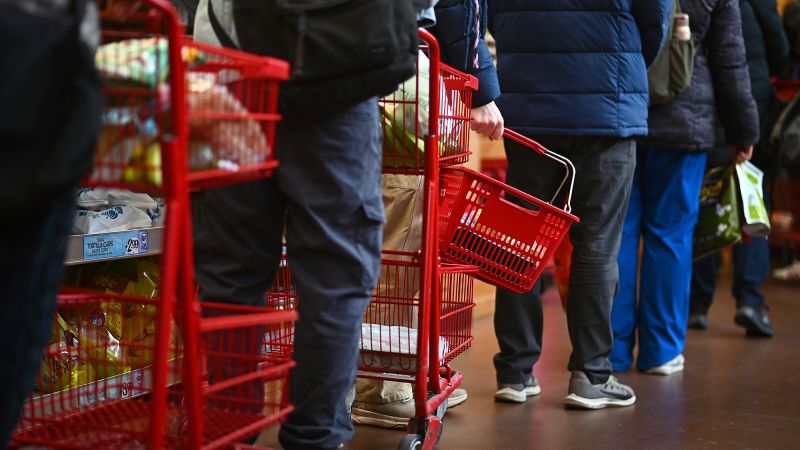
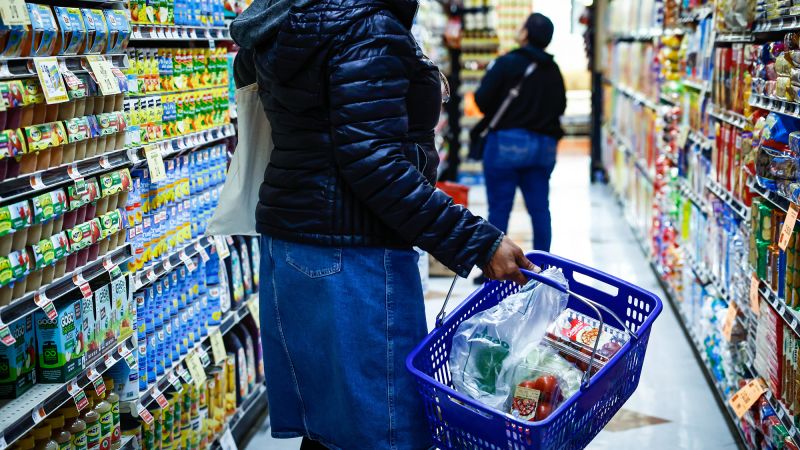
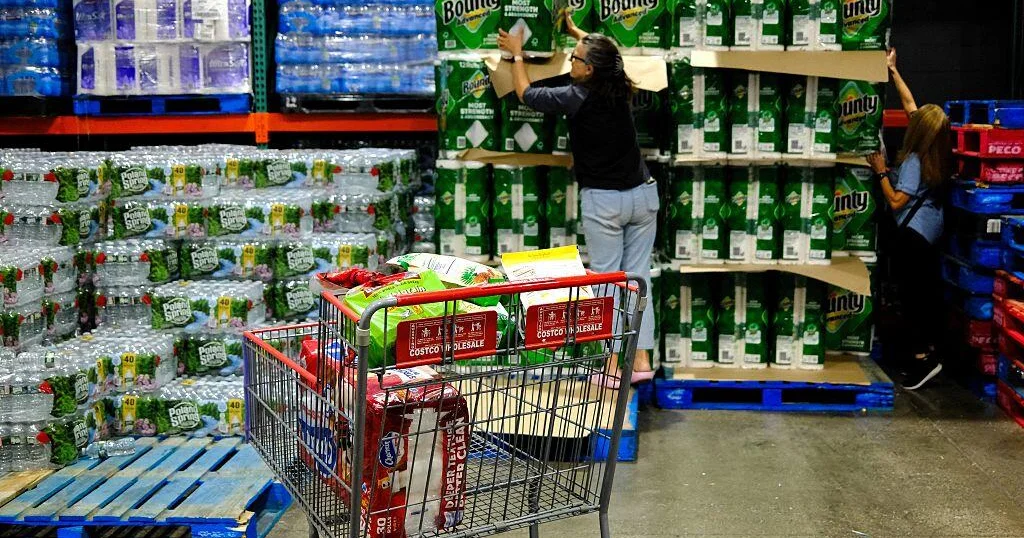
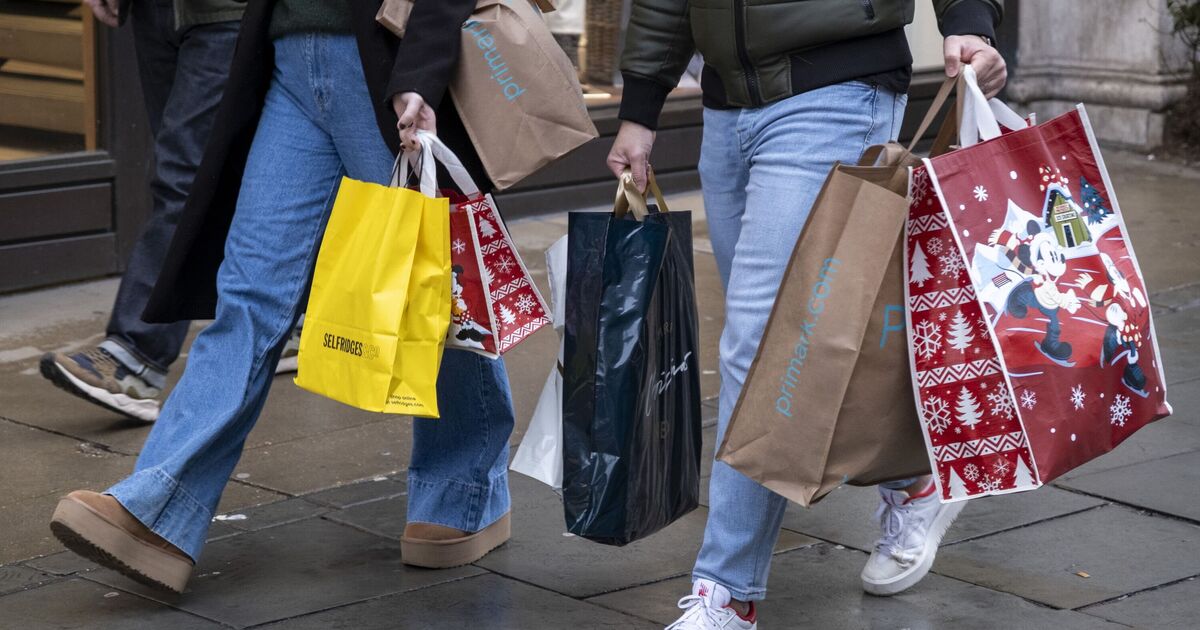
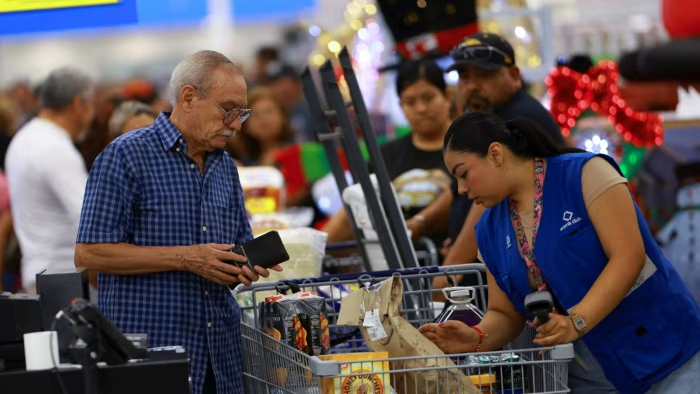
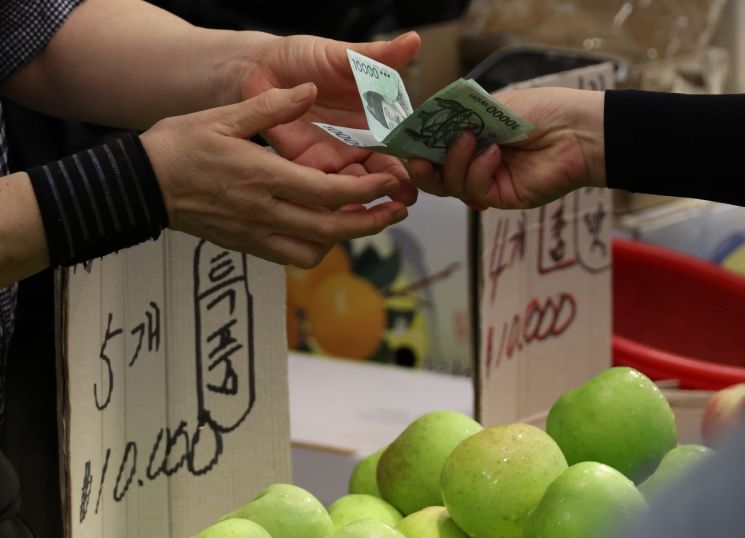
Despite near-record-low consumer sentiment, Americans of all stripes and income levels are spending at a faster clip this year than in 2025, according to Bank of America Institute’s monthly report on depositor data. But wealthy Americans are doing most of the heavy lifting: The top 20% of earners make up 57% of US consumer spending, according to the Dallas Federal Reserve.
That’s not only because they’re richer and have more money (no kidding!); it’s because of what kind of wealth they hold.
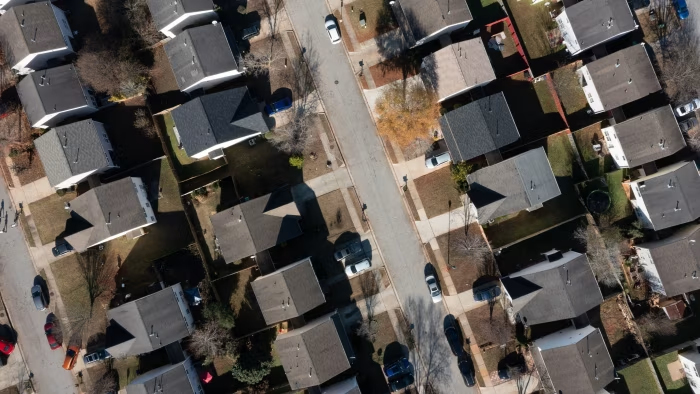
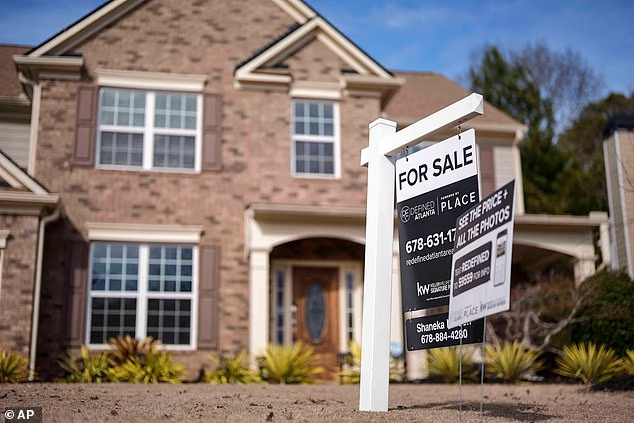
Wealthier Americans are more likely to be homeowners, able to unlock significant equity from surging home prices in recent years — particularly if they bought or refinanced at sub-3% rates during the pandemic. The top 20% of earners own more than half of America’s overall home value; just 3% of America’s home value is owned by the bottom 20% of earners, according to the New York Federal Reserve.
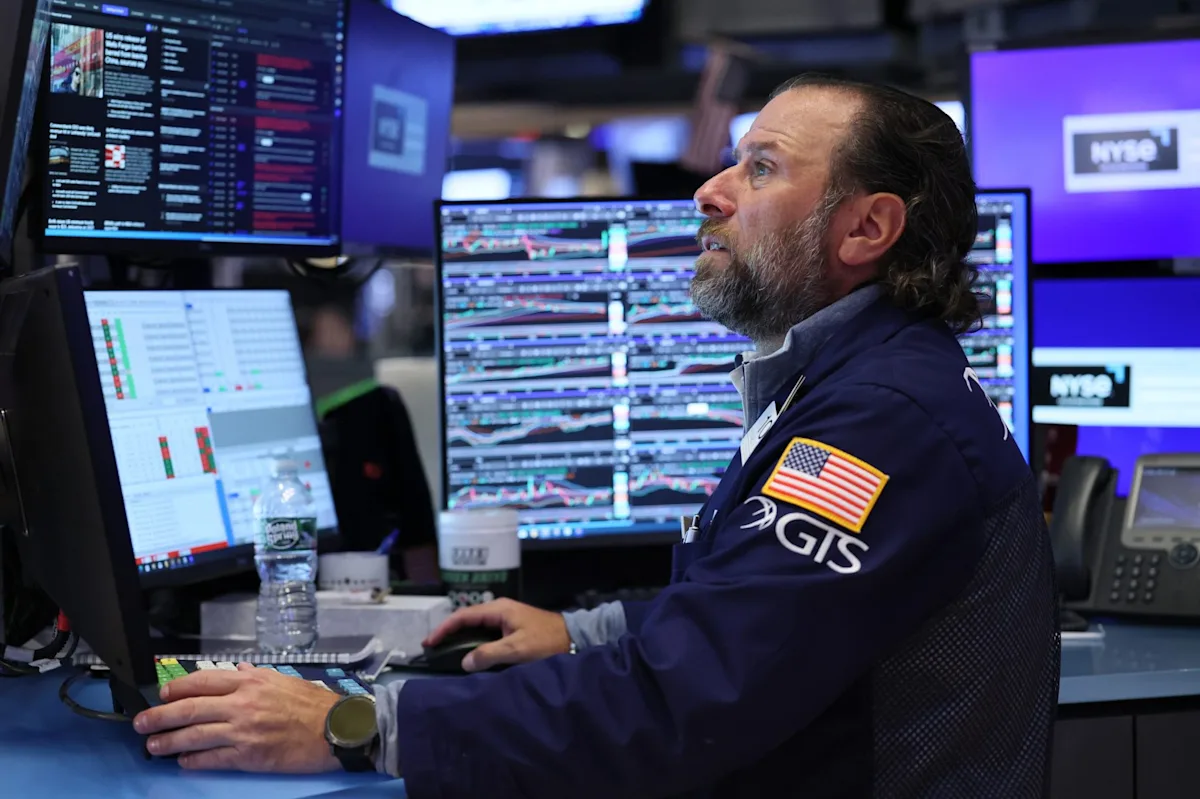
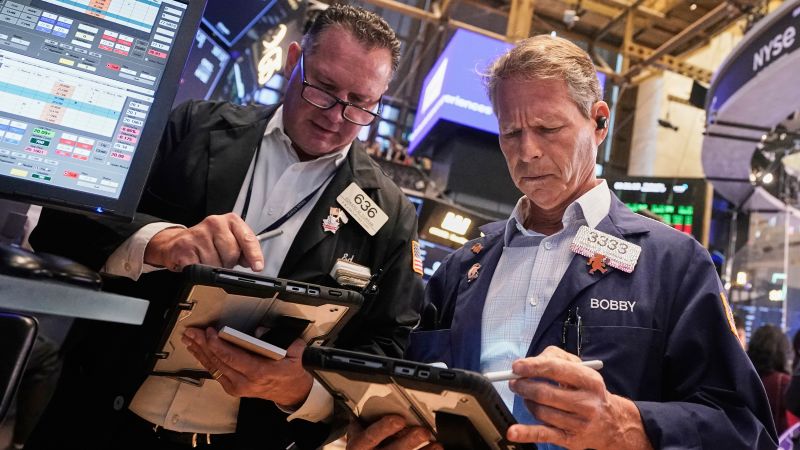
Another contributing factor: Wealthy Americans are significantly more invested in the stock market. The top 20% of earners control 87% of the wealth generated by America’s individually owned stocks, according to the Federal Reserve’s Distributional Financial Accounts.

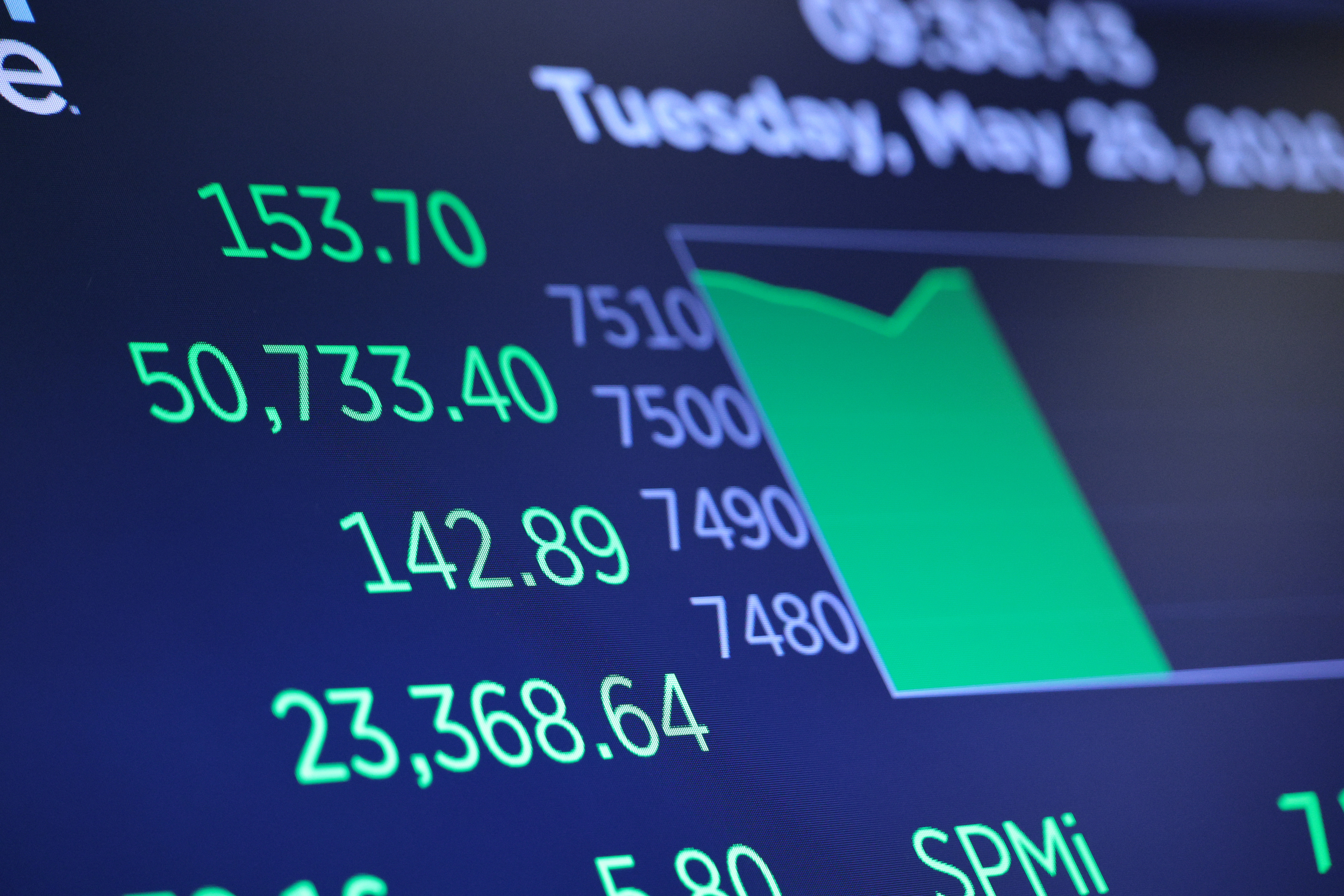
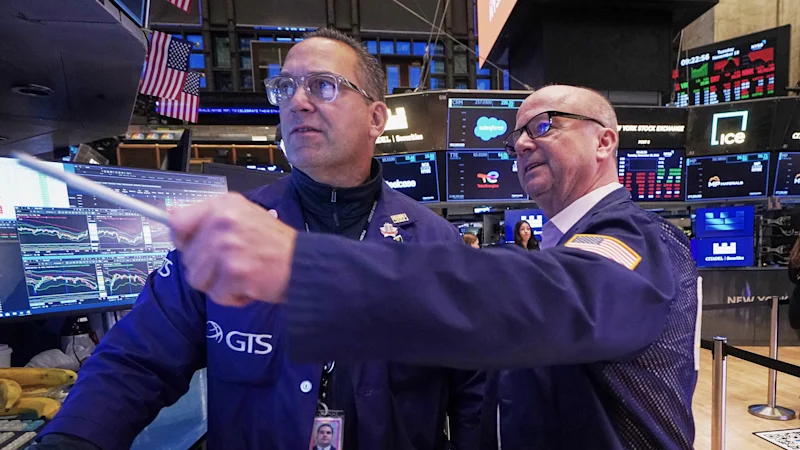
The S&P 500 has given investors a total return of 22% over the past year, 76% since 2023 and 327% over the past decade.
Those massive market gains have persuaded stockholders to spend.
“Share price gains have been an important driver of spending on discretionary goods and services from older, wealthier households, which account for more than 50% of total spending in those categories,” Michael Pearce, chief US economist at Oxford Economics, said in a note to clients last month.
Because that market wealth is so concentrated among wealthy households, so too is the spending it generates: Three-quarters of spending created by the market rally flows through the top 20% of earners, according to Joe Brusuelas, chief economist at RSM US.
Over the past year, the market generated $53 billion in spending, Brusuelas estimates. That’s a lot of money — equal to about a seventh of the 2.1% annualized growth rate in US gross domestic product last quarter.
The stock market gains that have helped keep the economy humming have exacerbated the yawning wealth gap. The big market gains have contributed to the perception of a lack of equity and fairness in the economy, sparking outrage among many middle- and low-income Americans.
“If we are counting on the stock market to sustain the consumer economy, we are leaning on a channel that deepens the K-shape rather than offsets it,” Brusuelas said.
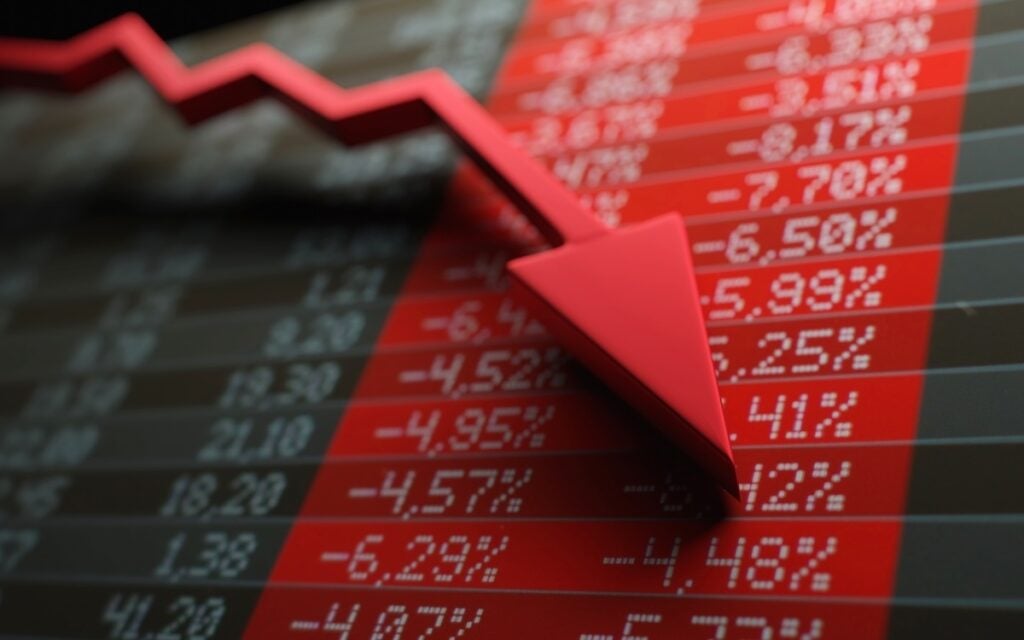
But if the opposite were true — if the market rally ended — it could make the economic situation significantly uglier for everyone.

“It’s a K-shaped market, and it’s a K-shaped economy,” said Heather Long, chief economist at Navy Federal Credit Union. “The greatest risk to the economy is a downturn — and that risk is heightened when you have both of those Ks in play.”
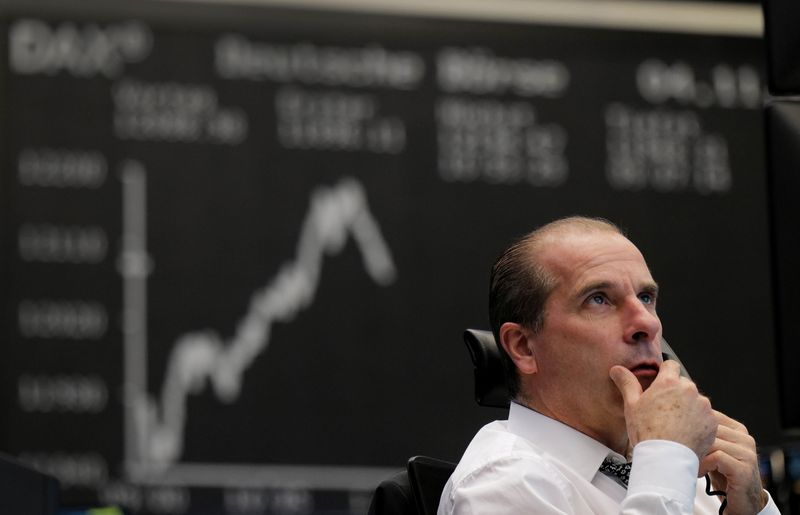
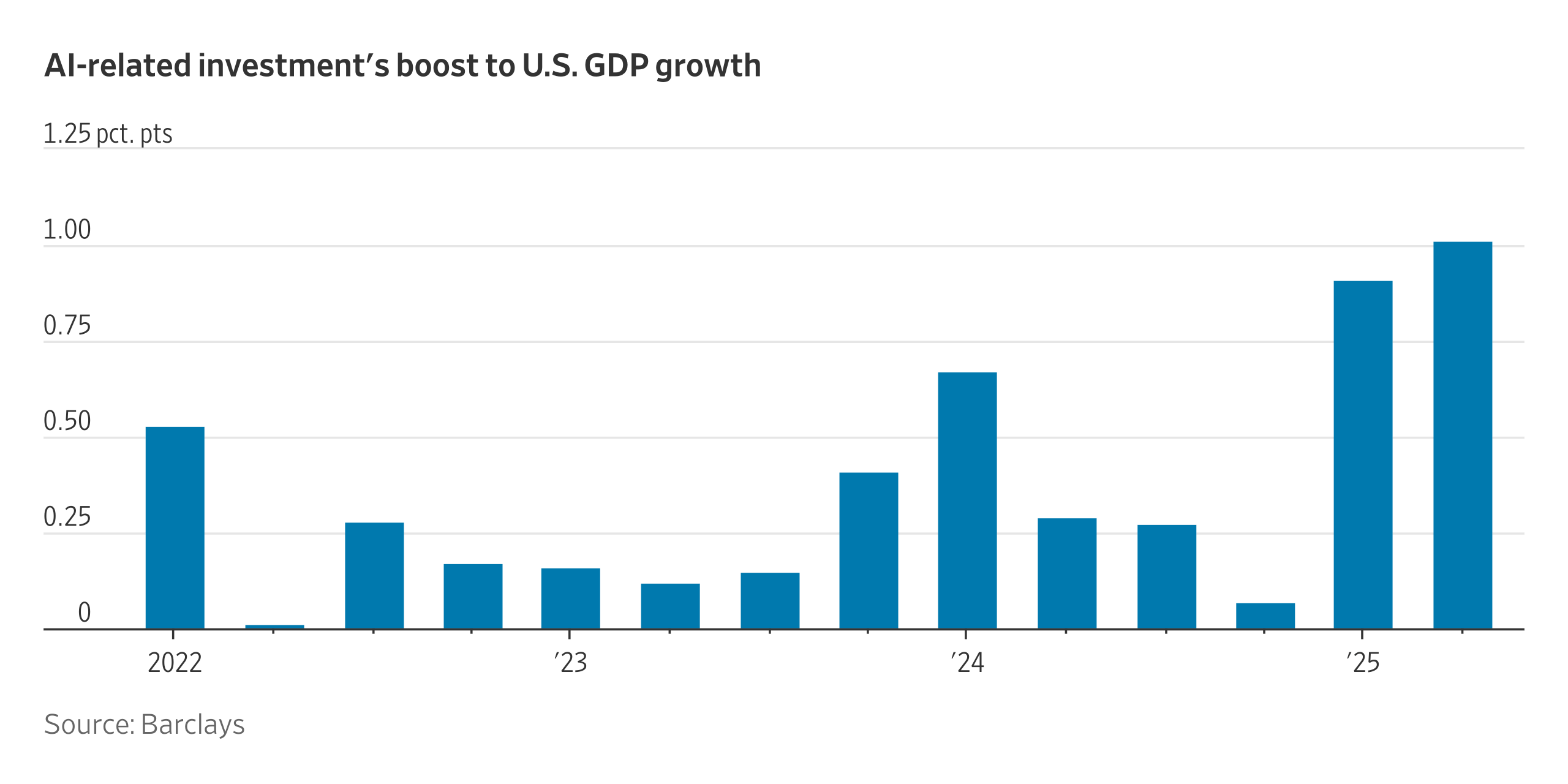
A third of the S&P 500’s value is made up of a single sector: tech. And nearly a fifth of the entire market’s value is generated from chip stocks alone.
No one expects the AI-fueled rally to implode anytime soon — there’s real demand for the technology; this isn’t the dot-com bubble. But because the market rally is at least partly responsible for generating the biggest spenders’ wealth, if the rally were to end, it could unwind the incentive to spend, creating serious problems for the economy.
“If we should have an event that causes a significant decline in equities, it creates conditions for a sharp retraction or a recession,” Brusuelas said.
The stock market is not the economy, but it matters for the economy. And because of the extreme concentration of wealth, the market’s rally is much more significant to the economy than usual — for good and bad.