
(CNS): The number of tokenised funds registered with CIMA has risen to twelve since Cayman’s statutory framework for tokenised fund structures came into force in March 2026, Cayman Finance highlighted in a release on Monday. Tokenised funds are investment vehicles where ownership shares are represented as digital tokens on a blockchain rather than traditional paper.
Whereas traditional cash payments go through bank wire transfers, which may take days. Tokenisation allows the asset to be swapped on a single system in a single transaction, reducing settlement time and operational inefficiencies.
Tokenised fund Assets Under Management (AUM) reached over $33 billion globally by July 2026 and could hit $600 billion by 2030, according to a report by WealthBriefing.
Cayman Finance noted that coordinated amendments to Cayman’s Mutual Funds Act, the Private Funds Act and the VASP Act removed the dual-licensing risk that had previously slowed institutional decisions. One of the newest funds includes Fidelity International’s first tokenised fund, Fidelity USD Digital Liquidity Fund, which offers round-the-clock liquidity through blockchain-based issuance and redemption of tokens.
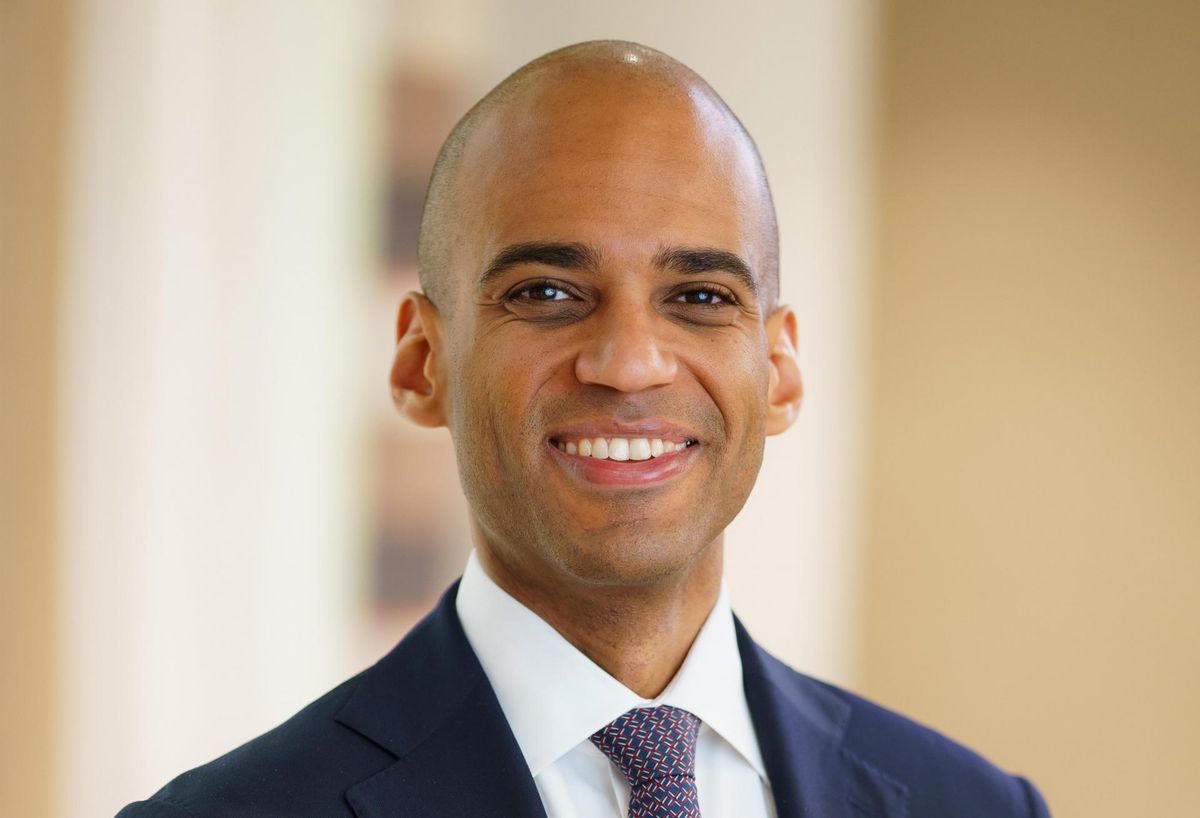
“Tokenisation is the newest fund trend and Cayman is well positioned to support these requests,” Cayman Finance Director Samantha Widmer noted. “Twelve tokenised funds are now registered with CIMA, and Fidelity’s decision to domicile its first tokenised fund here shows the legislative reforms are working as intended.”
The release also noted that 31,145 funds were domiciled in the Cayman Islands at the end of the second quarter of 2026, up from 30,598 at the end of 2025, as published in the second quarter fund statistics by the Cayman Islands Monetary Authority (CIMA), reflecting an increase of 547.
Cayman Finance described this as a major milestone in fund registrations for the jurisdiction, and that private and mutual fund registrations are now both at record highs. The total comprises 18,132 private funds and 13,013 mutual funds, the category under which hedge funds are typically registered.
Private fund registrations rose by 410 in the first six months of 2026 and have increased by 43% since the end of 2020. this growth continues to track global demand for private equity and private credit. Institutional demand for private credit has remained strong, despite an increase in redemptions from retail investors.
Structures have also continued to evolve, particularly through the increased use of continuation vehicles and hybrid approaches that combine primary commitments, secondary purchases and co-investment rights, Cayman Finance said.
Demand for hedge fund structures has also increased. A survey of 180 managers published in July by the Alternative Investment Management Association (AIMA) and Marex found that 56% of emerging hedge fund managers domicile their flagship fund in Cayman, up from 55% in 2024.
Cayman and the United States together account for 72% of flagship fund domiciles. The survey also found that new managers are scaling faster, with the proportion taking more than five years to pass US$100 million in assets falling from 56% to 28% since 2024.
Cayman is the world’s largest tax-neutral fund domicile, with more than twice as many funds as Luxembourg, its nearest competitor. Cayman funds managed US$16 trillion in total assets at the end of 2024, with a net asset value of US$9.2 trillion. Data from the US Securities and Exchange Commission shows the jurisdiction accounts for approximately 31% of all US private fund assets and 54% of US hedge fund assets.
“Cayman added 547 new funds in the first half of the year, comfortably ahead of the 448 recorded in the whole of 2025,” Widmer said. “The growth comes from institutional investors increasing their private market allocations, greater demand for continuation vehicles and a steady flow of new hedge fund launches.”
She added, “It is encouraging that emerging managers keep choosing Cayman for their hedge funds. The AIMA survey puts our share of flagship fund domiciles at 56%, and those managers are reaching scale faster than they were two years ago. Their success matters for the long-term health of the sector.”