If you are looking for a regular income from savings, investment trusts can be a neat solution. These stock market-listed funds invest in assets such as shares, property or bonds – just as regular funds do. But because of the way they are set up, they tend to perform better than regular funds investing in the same assets.
Over the past ten years, three-quarters of investment trusts outperformed their ‘sister fund’ – a normal fund run by the same money manager. They returned £31 more for every £100 invested, according to the Association of Investment Companies (AIC).
So what makes them so successful – and which are the best investment trusts around?
They operate much like standard funds but a key difference is they are listed companies with a fixed number of shares trading on the stock market.
This means their shares can trade at a premium or discount to the value of the assets they hold.
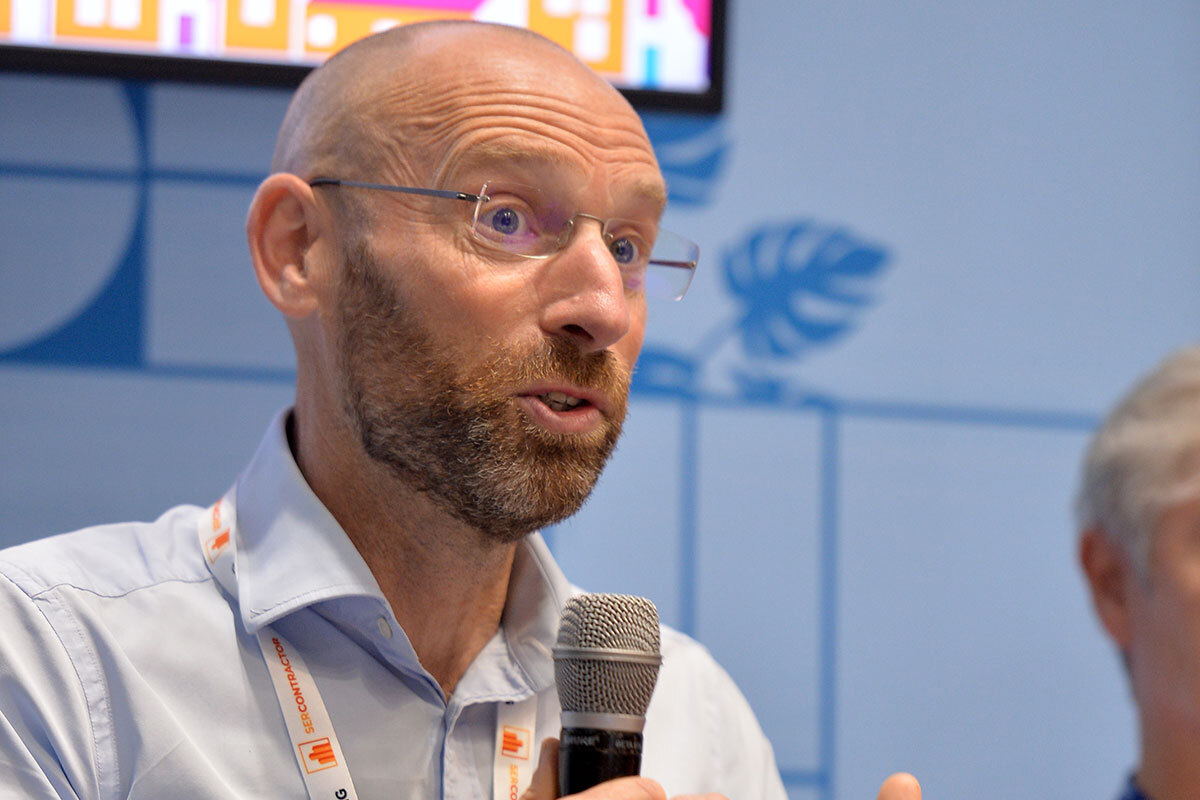
Kyle Caldwell, of investment platform Interactive Investor, says a trust will have two values for investors to watch: the value of its underlying investments – referred to as its net asset value (NAV) – and the share price.
‘If the trust is popular, the share price will be boosted by extra demand,’ he says.

Investment trusts are especially attractive because they can invest in assets that are typically harder to sell, such as property, or shares in unlisted companies
In this case, the share price would be higher than the NAV, so trading at a ‘premium’. If it’s lower, it will trade at a ‘discount’. Buying shares at a discount means you bag a bargain – it works for you if the discount falls away.
AIC research shows the average investment trust returned 86.5 per cent in five-year periods that began with double-digit discounts, compared with a 53.8 per cent return achieved over five years when investing at discounts narrower than 10 per cent.
Large, well-diversified trusts in the global sector make useful core holdings for monthly investments. Caldwell says: ‘When sizing up income-paying investment trusts, consider the strength of the dividend reserves.’

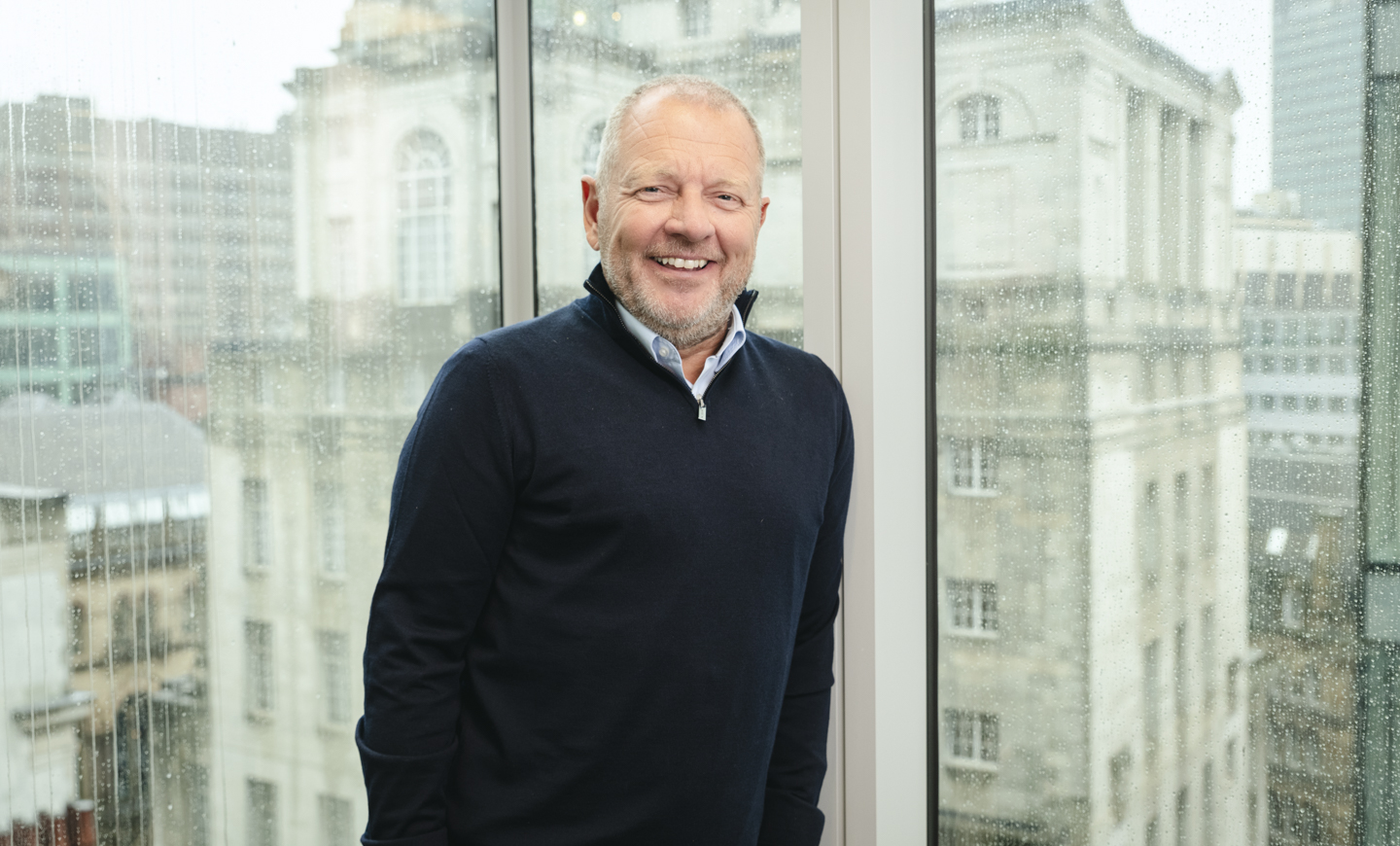
Kyle Caldwell, from Interactive Investor, says a trust has two key values for investors to watch: the value of its underlying investments (known as its ‘net asset value’) and the share price
Investment trusts are not bound to distribute all their income each year. They can hold back profits in reserve from good years, so they don’t have to cut income in leaner years.
This makes them attractive for income-seekers, with some trusts increasing their payout for at least 20 years in a row.
Caldwell says this meant that in the Covid pandemic market falls, most UK equity income investment trusts were able to either maintain or increase dividends, as they dipped into their reserves.
Trusts may also be worth considering if you want investments you might struggle to find elsewhere. Ed Monk, investment specialist at Fidelity International, says: ‘They can offer a way to gain exposure to exciting companies before they list on public stock exchanges.’
The way they are set up also means investment trusts can invest in assets that are less liquid (harder to sell) such as property, or shares in unlisted companies.
If there’s a market slump, a fund manager might have to sell holdings to pay investors who want to cash in their stake. A trust manager doesn’t have that problem, meaning they can choose holdings that could be harder to sell.
So which investment trusts should you have your eye on?

James Scott-Hopkins, founder of EXE Capital Management, says that Personal Assets Trust is designed to cope with market volatility and has performed well long-term
James Scott-Hopkins, founder of EXE Capital Management, points to Personal Assets Trust. He says it is designed to cope with market volatility and has performed well long-term. The £1.6 billion trust, which focuses on preserving the wealth of those who buy its shares, yields 1.4 per cent and is trading at a 0.24 per cent discount.
For a growing income stream, Scott-Hopkins likes Temple Bar Investment Trust. The UK equity income-focused trust has a 3.8 per cent yield and trades at a 1.21 per cent premium. ‘It mainly seeks out UK companies trading below intrinsic value and has a record of paying a decent dividend,’ he says.
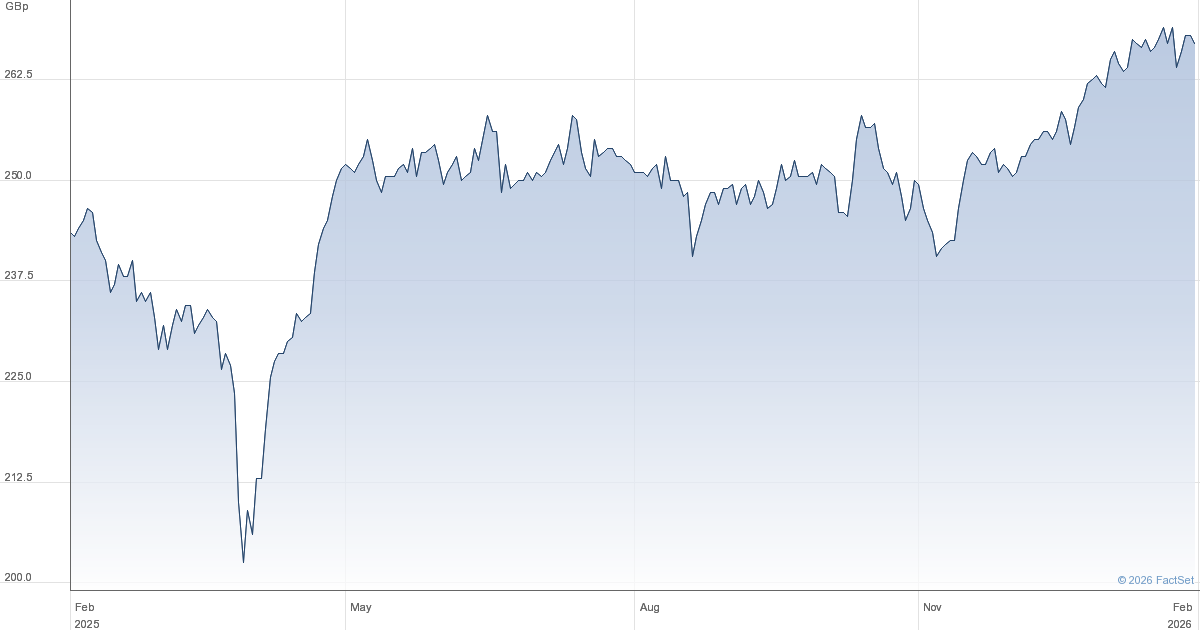
For those seeking global exposure and the ability to invest in assets not listed on the stock market, Scott-Hopkins names the giant Scottish Mortgage Investment Trust, which is trading at a 9.16 per cent discount.
This trust has had a turbulent five years but is now trading at a high. It was an early backer of Elon Musk’s SpaceX, which listed to great fanfare last month.
Over the year to July 2, 2026, Scottish Mortgage delivered NAV and share price total returns of 39.2 per cent and 45.3 per cent respectively, beating the global market’s return of 29.1 per cent.
However, the fund took a tumble in 2022 after companies it invested in were battered by high interest rates.