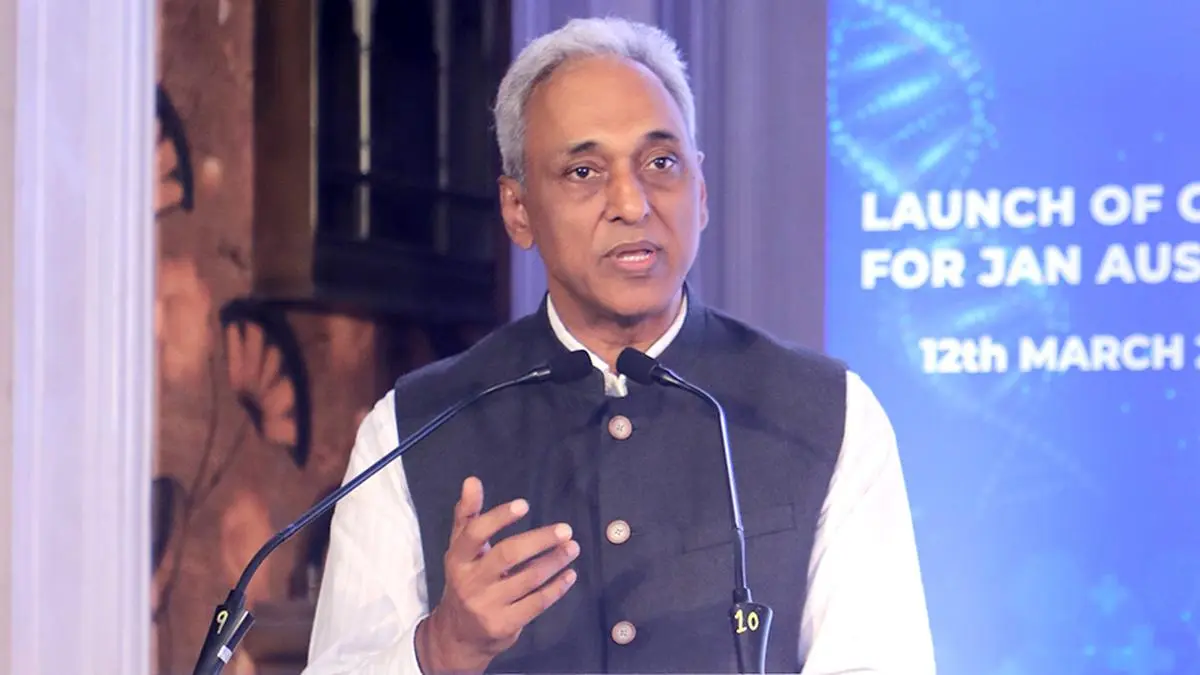
“In Australia, 2026 is shaping up to be a breakthrough year. We’ve seen initial digital asset legislation pass, with more expected. This will define the roles, expectations and standards of the digital-assets ecosystem.”
Customised currencies
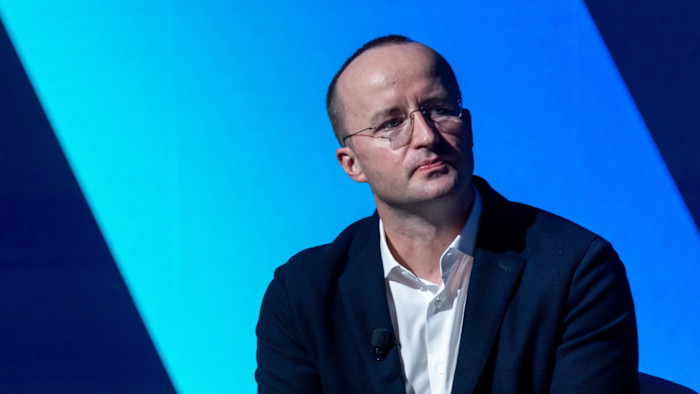
Putniņš says most of the real-world adoption of digital currencies and tokenised assets is currently focused on efficiency improvements in financial infrastructure.
A March 2026 report by the DFCRC found that improvements in financial markets, payments and asset functionality enabled by digital finance technologies could generate economic gains in the order of $4 trillion per year globally, including approximately $24 billion in Australia per year, equivalent to roughly 1 per cent of GDP.
The longer-term impact could extend beyond efficiency gains.
Putniņš expects more assets and asset classes – including private credit and private equity – will become accessible and tradable because the market infrastructure is becoming more accessible, low-cost and easy to apply. He expects to see the convergence of tokenised financial infrastructure with AI-driven financial services, where automated systems can interact with programmable assets and payments.
“Historically, when major technologies converge, the biggest impact comes not just from efficiency improvements but from entirely new categories of financial services and markets,” he says.
Australian corporates are unlikely to experience a sudden step change from old to new, but they will have more choice in how they manage their liquidity. “Smart” digital currency characteristics such as programmability and composability will help them automate some transactions, and reduce counterparty and settlement risk.
“As an example, a company that knows it will need liquidity on Sunday night could schedule a repo transaction to sell a bond and bring in cash, without needing to bring in a treasury team,” says CommBank executive general manager Institutional Transaction Banking Regis Petit. ”The technology will facilitate more efficient cross-border payments, with lower costs and faster settlement times.”
From theory to practice
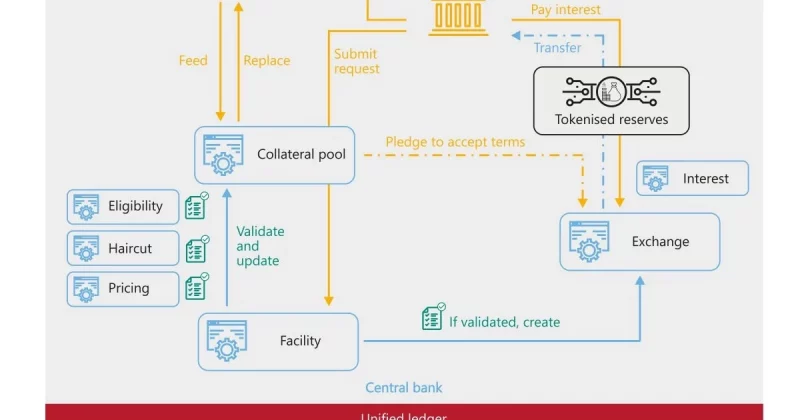
For financial institutions, the challenge is to ensure existing banking and transaction systems connect seamlessly with new digital money systems. Additionally, there are many different blockchains and distributed ledgers, and not every financial institution will use the same blockchain networks, so interoperability between networks is equally important.
Petit says the bank’s approach to digital currencies has been to carry out practical experimentation, in anticipation of the shift to real-world use. Ten years ago, CommBank conducted its first stablecoin pilot and has continued to iterate the design as the market evolves. In 2018, the bank was lead arranger on a global-first bond on blockchain issued by the World Bank. And the organisation has supported all three of the RBA’s research projects into a CBDC, including Project Acacia, a joint initiative of the RBA and the DFCRC.
Says Gilder: “We want to build practical knowledge and capabilities in this space, because the technology and risks are different to the financial technology we have today.”
Things you should know
This article is intended to provide general information of an educational nature only. It does not have regard to the financial situation or needs of any reader and must not be relied upon as financial product advice. The information in this article and any opinions, conclusions or recommendations are reasonably held or made, based on the information available at the time of its publication.