The U.S. Supreme Court has ruled that negligent hiring claims against freight brokers are not automatically preempted by the Federal Aviation Administration Authorization Act, increasing potential litigation exposure for transportation intermediaries operating in interstate freight markets.
In Montgomery v. Caribe Transport II, LLC, the Court unanimously held that state-law negligent hiring claims may proceed under the FAAAA’s safety exception where the claims concern motor vehicle safety.
The decision narrows the scope of federal preemption arguments that brokers have used to defeat tort claims at early stages of litigation. Freight brokers may now face closer scrutiny over carrier-selection procedures, safety-review practices, onboarding controls and internal compliance documentation when arranging transportation with motor carriers later involved in serious accidents.
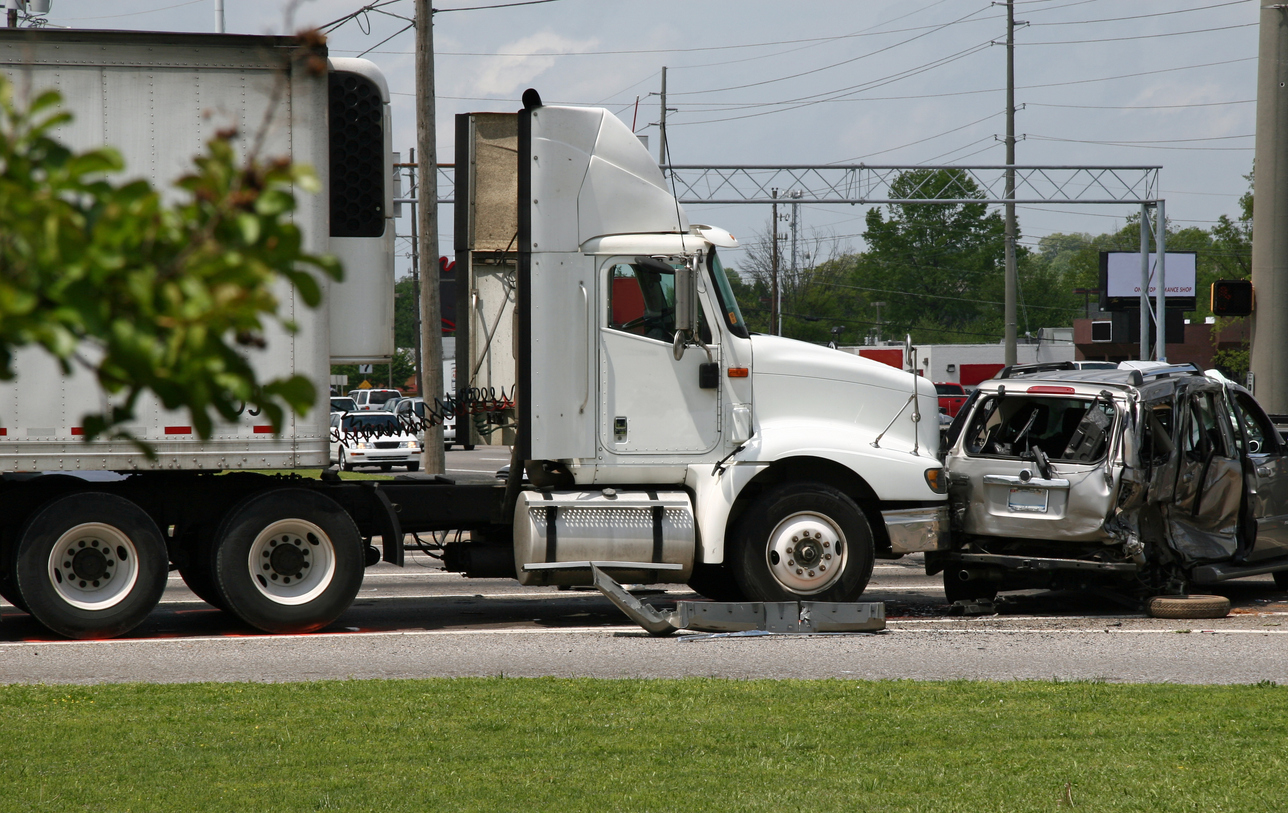
The case arose after Shawn Montgomery suffered catastrophic injuries when his tractor-trailer was struck by a truck operated by Yosniel Varela-Mojena while transporting goods for Caribe Transport II, LLC. Montgomery alleged that C.H. Robinson Worldwide negligently hired Caribe Transport despite alleged safety deficiencies tied to driver qualifications, hours-of-service compliance, maintenance concerns and crash history.
Lower courts concluded that the FAAAA preempted Montgomery’s negligent hiring claim because the statute broadly bars state laws related to broker prices, routes and services. The Supreme Court reversed, holding that the FAAAA’s safety exception preserves state authority over claims “with respect to motor vehicles,” including negligence claims tied directly to unsafe transportation operations.
The ruling gives carrier-selection records, federal safety ratings, internal review procedures and escalation decisions greater importance in high-value trucking litigation involving catastrophic injury claims.
How the Supreme Court Read the FAAAA Safety Exception
Justice Amy Coney Barrett, writing for a unanimous Supreme Court, concluded that negligent hiring claims against freight brokers fall within the FAAAA’s safety exception because requiring brokers to exercise reasonable care when selecting carriers directly concerns motor vehicles used in interstate transportation.
The Court’s reasoning focused on statutory interpretation. It emphasised that the FAAAA preserves “the safety regulatory authority of a State with respect to motor vehicles” and that common-law negligence duties form part of that state authority. The opinion drew a clear line between economic regulation of freight services, which Congress sought to preempt, and state-law safety obligations tied to dangerous transportation activity.
That distinction limits the scope of federal preemption arguments available to brokers in catastrophic trucking litigation. Carrier-selection decisions, safety-review processes, federal safety ratings and documented compliance concerns may now carry greater legal weight because plaintiffs can pursue negligence theories tied directly to unsafe transportation operations.
The Court also rejected arguments that allowing negligent hiring claims would undermine federal deregulation of the trucking industry. The justices concluded that the FAAAA’s safety exception preserves a narrower category of state-law claims linked specifically to motor vehicle safety, while broader state economic regulation of broker pricing, routes and services remains preempted.
Risk Emergence
Legal exposure first appears when a broker possesses, or reasonably should possess, information suggesting a carrier presents identifiable safety deficiencies and proceeds with the engagement. The Court’s reasoning places operational emphasis on what brokers knew, what they reviewed and whether documented safety concerns were ignored during carrier selection. Negligent hiring analysis therefore moves from abstract transportation services toward safety oversight practices tied to motor vehicle operations.
The ruling resolves a federal circuit split that had created inconsistent preemption outcomes for freight brokers across major transportation jurisdictions. The Seventh and Eleventh Circuits had previously treated negligent hiring claims against brokers as preempted under the FAAAA, while the Sixth and Ninth Circuits allowed such claims to proceed under the statute’s safety exception.
That division created practical consequences for brokers, insurers and transportation companies because exposure often depended on where litigation was filed. The Supreme Court’s decision now confirms that state-law negligent hiring claims tied to motor vehicle safety are not automatically barred by federal preemption.
Justice Brett Kavanaugh, joined by Justice Samuel Alito, agreed with the outcome but described the case as close and acknowledged industry concerns surrounding litigation costs, insurance burdens and potential economic disruption within freight markets.
Kavanaugh nevertheless concluded that Congress had not clearly eliminated state tort liability for brokers selecting unsafe carriers. He also stressed that the ruling should not be interpreted as creating automatic liability after every trucking accident. Traditional negligence standards, causation requirements and reasonableness analysis remain central to determining whether a broker may ultimately face liability in a specific case.
The concurrence may be cited in future litigation when courts assess the difference between ordinary commercial brokerage activity and allegations that a broker ignored identifiable carrier safety risks.
When Carrier Selection Becomes a Governance Issue
Freight brokers move into higher-risk territory when they go beyond commercial coordination and engage in documented safety evaluation of motor carriers.
That threshold becomes particularly important where brokers review Federal Motor Carrier Safety Administration ratings, prior crash histories, maintenance deficiencies, driver qualification concerns, hours-of-service violations or other safety-related indicators before assigning freight. Once brokers implement internal carrier-screening or safety-review procedures, plaintiffs may argue that failures within those systems constitute evidence of negligent carrier selection rather than ordinary brokerage activity.
Escalating Exposure
Liability exposure expands once broker carrier-selection practices become discoverable litigation evidence rather than protected economic service decisions. Safety-review records, onboarding procedures, carrier-monitoring systems, internal escalation discussions and communications regarding known compliance deficiencies may now become central evidence in catastrophic trucking litigation involving transportation intermediaries.
The ruling alters litigation posture nationwide because brokers can no longer rely on conflicting federal appellate interpretations as an early-stage defense against negligent hiring claims tied to interstate transportation activity.
The decision also creates governance and insurance implications across the freight industry. Insurers evaluating transportation intermediaries may place greater emphasis on documented carrier-vetting frameworks, contractual indemnification protections, audit procedures, escalation protocols and ongoing monitoring systems tied to unsafe carriers or deteriorating safety records.
For larger transportation brokers, the ruling may increase pressure to formalise carrier-selection governance structures at enterprise level. Safety-review procedures previously treated as operational best practice may now carry heightened legal importance because inconsistently applied compliance systems can strengthen allegations that known transportation risks were insufficiently addressed before freight assignments were approved.
Action Threshold
The Supreme Court’s ruling turns carrier-selection diligence from a commercial efficiency process into a litigation-sensitive safety function. For transportation brokers, legal exposure can reach board level when safety-review systems exist but are inconsistently applied, weakly documented or overridden for operational convenience.
The practical consequences extend beyond courtroom procedure. Plaintiffs in catastrophic trucking accidents are likely to pursue brokers more aggressively because brokers may represent financially meaningful defendants in high-value injury litigation.
Justice Kavanaugh’s concurrence acknowledged concerns that litigation and insurance costs could cascade through freight markets and affect consumer pricing. The concurrence also emphasised that brokers are not automatically liable merely because an accident occurs, with liability still depending on whether a broker acted reasonably under applicable negligence standards.
The Wider Preemption Signal
The Supreme Court’s decision reaches beyond trucking litigation because it addresses the legal tension between federal economic deregulation and traditional state authority over public safety.
Congress enacted the FAAAA primarily to reduce state interference with interstate trucking economics, particularly in areas involving rates, routes and transportation services.
In Montgomery v. Caribe Transport II, LLC, however, the Court drew a clear distinction between economic regulation and safety regulation, concluding that negligent hiring claims tied to unsafe transportation activity remain part of states’ longstanding police powers where physical harm and motor vehicle safety are directly implicated.
Preemption Boundary
The ruling signals that courts may apply closer scrutiny to expansive federal preemption arguments where state tort claims are grounded primarily in public safety concerns rather than economic regulation. Companies operating within federally regulated industries may face greater difficulty using broad preemption frameworks to defeat negligence claims tied to operational safety failures or contractor oversight practices.
That reasoning may influence future disputes involving outsourcing arrangements, intermediary liability, contractor-selection procedures and third-party compliance oversight in regulated sectors where companies attempt to separate commercial coordination from safety-related responsibility.
The decision also reinforces the principle that federal deregulation statutes do not automatically eliminate traditional state-law negligence remedies unless Congress expresses that intention clearly. That principle carries potential relevance beyond transportation law, particularly in industries where companies rely heavily on contractors, subcontractors, logistics intermediaries or external operational partners.
The case now returns to lower courts for further proceedings consistent with the Supreme Court’s ruling. The decision does not determine whether C.H. Robinson Worldwide acted negligently. It establishes only that the negligent hiring claim is not barred at the threshold stage by FAAAA preemption.
Future litigation will likely focus on what brokers knew about carrier safety histories, what diligence standards are commercially reasonable within freight markets and how courts should evaluate carrier-selection practices where federally authorised transportation operations later result in catastrophic injury claims.
What the Decision Means for Freight Brokers
The Supreme Court did not create a new negligence standard for freight brokers. The Court clarified that state-law negligent hiring claims against transportation intermediaries may proceed where the claims are tied to motor vehicle safety and fall within the FAAAA’s safety exception.
That clarification changes litigation posture across the freight industry because brokers can no longer rely as confidently on broad federal preemption arguments to defeat negligent hiring claims at early procedural stages. Carrier-selection decisions, safety-review systems, FMCSA ratings, onboarding controls and internal compliance documentation may now carry greater evidentiary importance in catastrophic trucking litigation.
The ruling also increases the operational importance of documented safety-governance practices within transportation brokerage businesses. Compliance systems previously viewed primarily as commercial risk-management tools may now play a more direct role in determining litigation exposure, discovery obligations, insurance scrutiny and potential negligence liability following serious transportation incidents.