Quick Read
-
Invesco Optimum Yield Diversified Commodity Strategy (PDBC) paid $0.50862 annually—2.8% yield, but highly unpredictable.
-
PDBC’s distribution is commodity trading pass-through, not true dividend income; payouts swing from $0.00128 to $5.39+ based on market results.
-
Fund up 36% year-to-date on energy tailwinds, but commodity volatility means distributions will disappoint income investors expecting predictable yields.
-
The analyst who called NVIDIA in 2010 just named his top 10 stocks and Invesco Optimum Yield Diversified Commodity Strategy No K-1 ETF wasn’t one of them. Get them here FREE.
The Invesco Optimum Yield Diversified Commodity Strategy No K-1 ETF (NASDAQ:PDBC) sits in a strange spot for income investors. PDBC trades at $18 and paid a single annual distribution of $0.50862 per share in December 2025, a roughly 2.8% trailing yield. That payout is the byproduct of a commodity futures strategy, not a dividend in any traditional sense. Anyone holding PDBC for income needs to understand that the check arrives once a year, the size is unpredictable, and the mechanism producing it has nothing in common with a dividend-paying stock.
Where the cash actually comes from
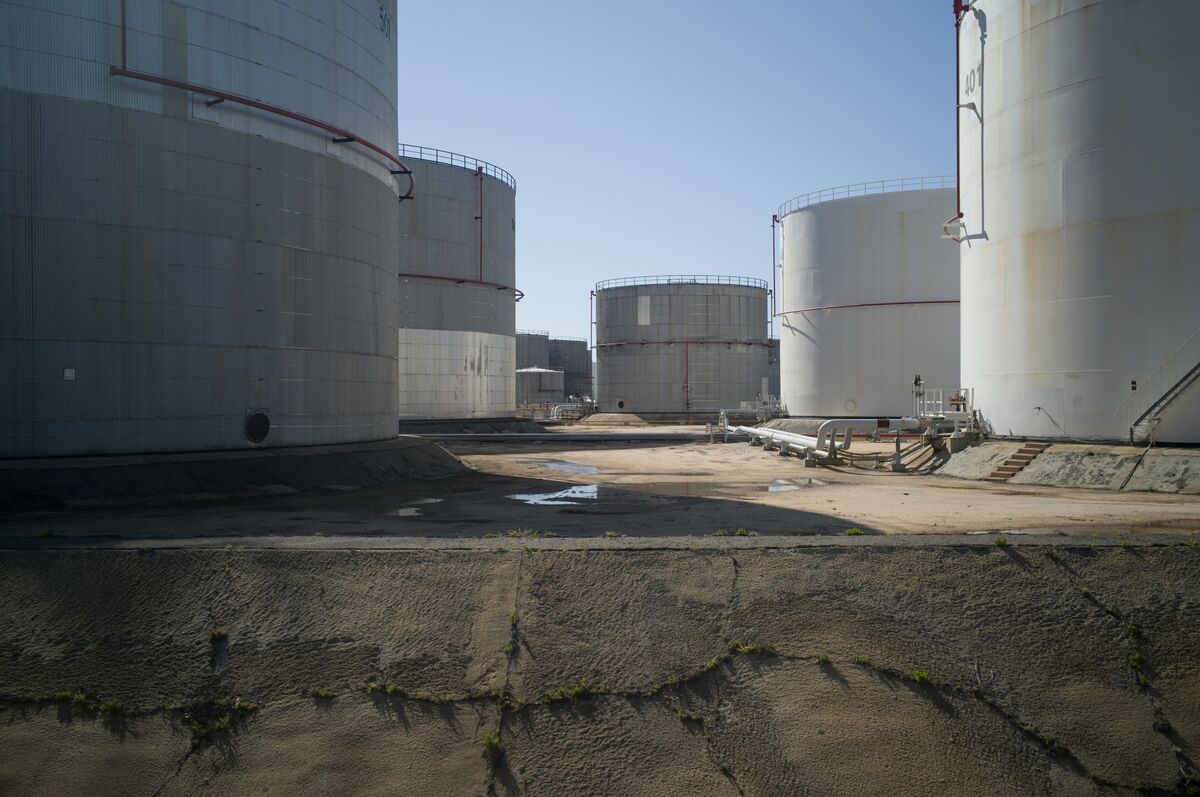
PDBC holds futures contracts on 14 heavily traded commodities including crude oil, gasoline, gold, and agricultural products. Active management aims to minimize roll losses and capture positive roll yield from backwardated futures contracts, while collateral is parked in Treasury bills earning interest. The fund is structured as a C-corporation, which is why holders get a 1099 instead of a K-1. That structural choice removes the tax-filing headache associated with most commodity pool partnerships.
The analyst who called NVIDIA in 2010 just named his top 10 stocks and Invesco Optimum Yield Diversified Commodity Strategy No K-1 ETF wasn’t one of them.Get them here FREE.
The annual distribution is whatever is left over after expenses once you net realized commodity gains, roll yield, and T-bill interest. There is no contractual coupon and no earnings stream to reference. As one industry write-up put it, the payout is “a residual bonus driven by roll yield, collateral interest, and commodity gains, rather than a dependable income stream”.
What the distribution history actually shows
The payout record makes the variability obvious:
-
2020: $0.00128 per share. Crude collapsed and there were almost no realized gains to distribute.
-
2021: $5.39 plus a $1.75736 follow-on. The post-pandemic commodity surge produced massive realized gains.
-
2022: $1.92826, reflecting the Russia-driven energy spike.
-
2023 through 2025: $0.56012, $0.57471, and $0.50862, a calmer band that tracks a more moderate commodity tape.
A distribution that swings from a tenth of a cent to more than five dollars within five years behaves like a pass-through of trading results, not income in the conventional utility-or-REIT sense.
The total return picture
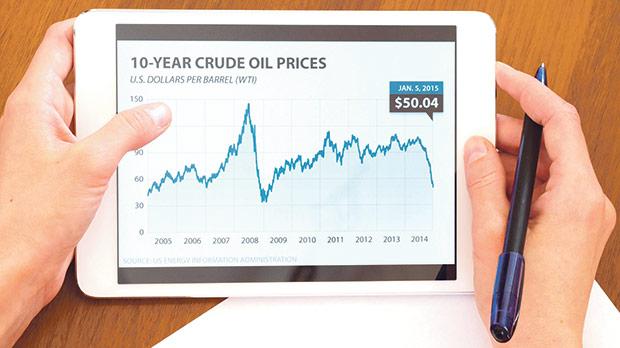
Price appreciation, not the distribution, is doing the work for shareholders. PDBC is up 36% year to date, 50% over the past year, and 83% over five years. WTI crude is sitting at $109.76 a barrel, in the 98th percentile of its 12-month range, and Core PCE has climbed to 129.28, both tailwinds for a fund that owns energy-heavy commodity futures.
The flip side is the same exposure. WTI dropped from $114.58 on April 7 to $85.91 on April 17, a roughly 25% slide in 10 trading days, and PDBC moves with that tape. The shares are already down 3% over the past week.
Verdict on the distribution
PDBC’s distribution is not safe in the way a dividend-grower’s payout is safe, and it is not meant to be. The 2026 distribution will most likely come in higher than 2025’s $0.50 if oil holds near current levels into year-end, and meaningfully lower if commodities roll over. Cooling commodity prices and crude volatility are already pointing toward another compressed payout if the recent pullback persists.
For investors who want commodity exposure as an inflation hedge with simple tax reporting, PDBC does what it advertises. For anyone budgeting around a predictable yield, the distribution will disappoint at some point. A dividend-growth ETF or a short-duration Treasury fund handles that job. PDBC is a tactical commodity sleeve that occasionally writes a check, and it should be sized accordingly.
The analyst who called NVIDIA in 2010 just named his top 10 AI stocks
This analyst’s 2025 picks are up 106% on average. He just named his top 10 stocks to buy in 2026. Get them here FREE.