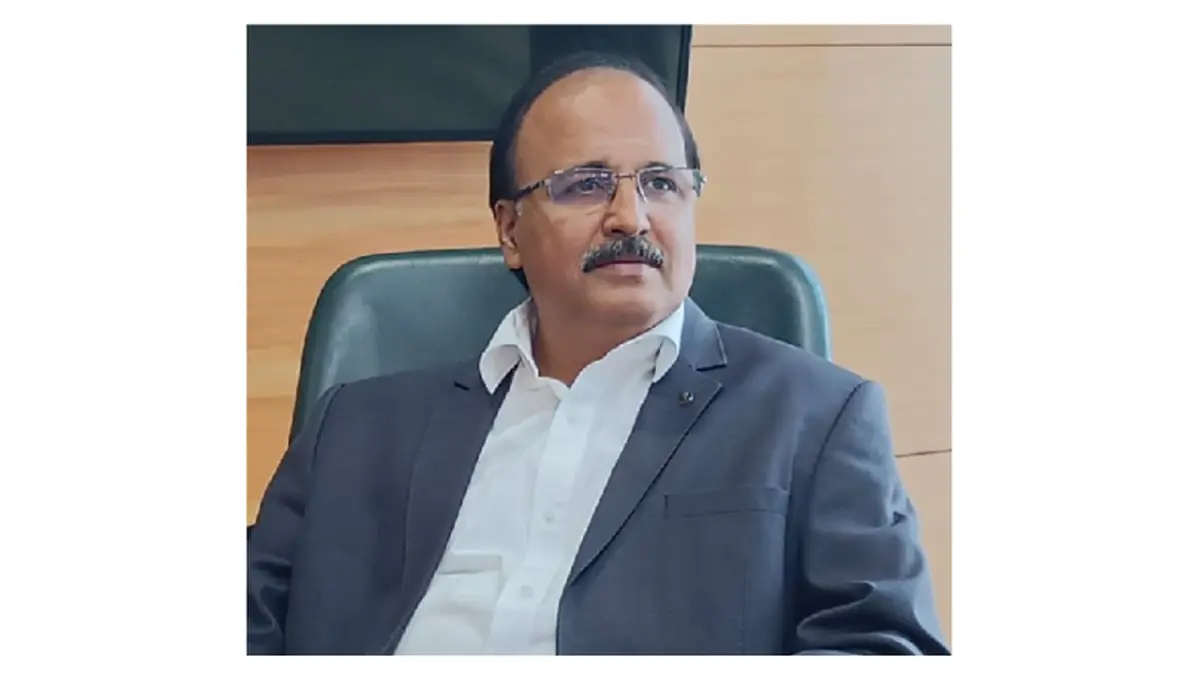
Zerodha co-founder Nithin Kamath has defended his organisation’s long-standing preference for ‘direct mutual funds’, saying that investors should understand the difference between ‘direct’ and ‘regular’ mutual funds and should verify how they are investing. He highlighted that very few investors understand the difference between the two.
In a post on X on 9 July, Kamath discussed the principles behind Zerodha’s pricing strategy and why the organisation opted to offer only ‘direct mutual funds’ through its Coin platform.
Direct vs regular plans: Reasons why customers should not pay differently
“When we started the discount brokerage (flat fee per trade) model in India in 2010, we decided to charge the same fee regardless of trade size,” Kamath wrote. Explaining the rationale, he added, “The logic was simple: if the effort to execute a trade is the same, why should customers pay differently?”
According to Kamath, the same thinking shaped Zerodha’s mutual fund business and its future philosophy. “We didn’t launch MFs until we could sell exclusively direct plans,” he said, arguing that brokers should not charge percentage-based fees when the effort involved in executing transactions remains unchanged.
Understanding the differences between the two plans, i.e., ‘direct’ and ‘regular’, is vital for all investors, whether you are a long-term investor or a new entrant to mutual fund investing.
Kamath also commented on changes in the ‘direct’ mutual fund industry over the years. “It’s interesting that most of the direct MF platforms that started when we launched Coin have either disappeared or pivoted to something else,” he wrote, adding that some of the remaining platforms are also reassessing their business models.
Referring to Coin’s growth, Kamath claimed that it is “the largest direct mutual funds platform in India, with nearly ₹1.6 lakh crores in direct MF AUM.” He added, “At Zerodha, we will continue to offer direct mutual funds for free.”
The post concluded with a broader message for retail investors. “A lot of investors still don’t know the difference between direct and regular plans,” Kamath wrote, urging investors first to understand the differences and review their portfolios.
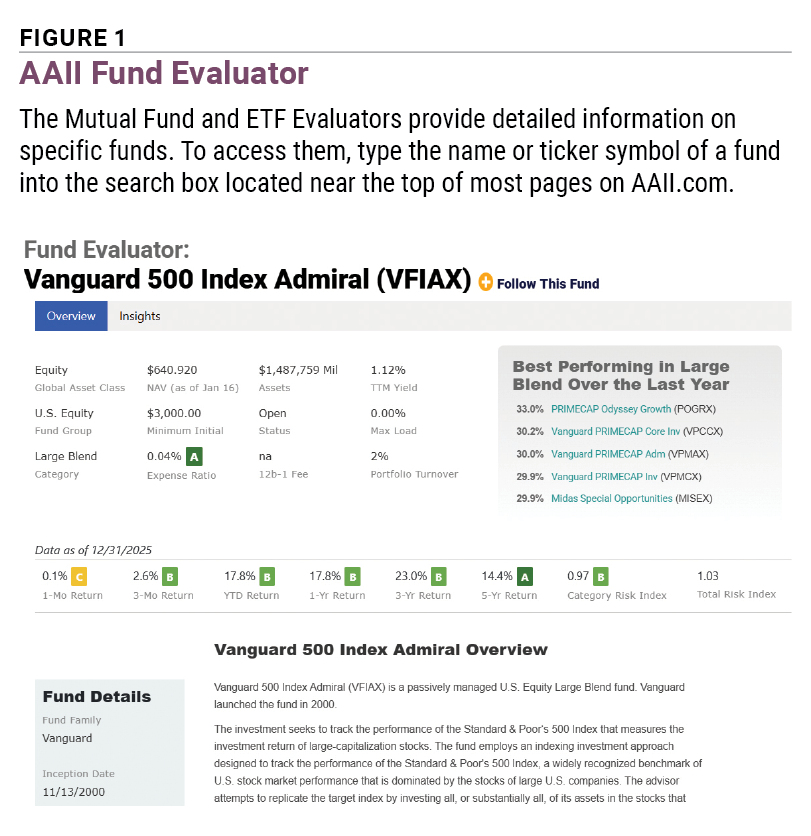
While both ‘direct’ and ‘regular’ mutual funds invest in the same underlying assets, i.e., listed equities, ‘regular’ plans generally include distributor commissions, resulting in a higher expense ratio. Over time, this commission can result in sizeable expenses for the investors. Hence, investors considering a switch are generally advised to evaluate the costs, tax implications and exit loads, if any, before making a decision.