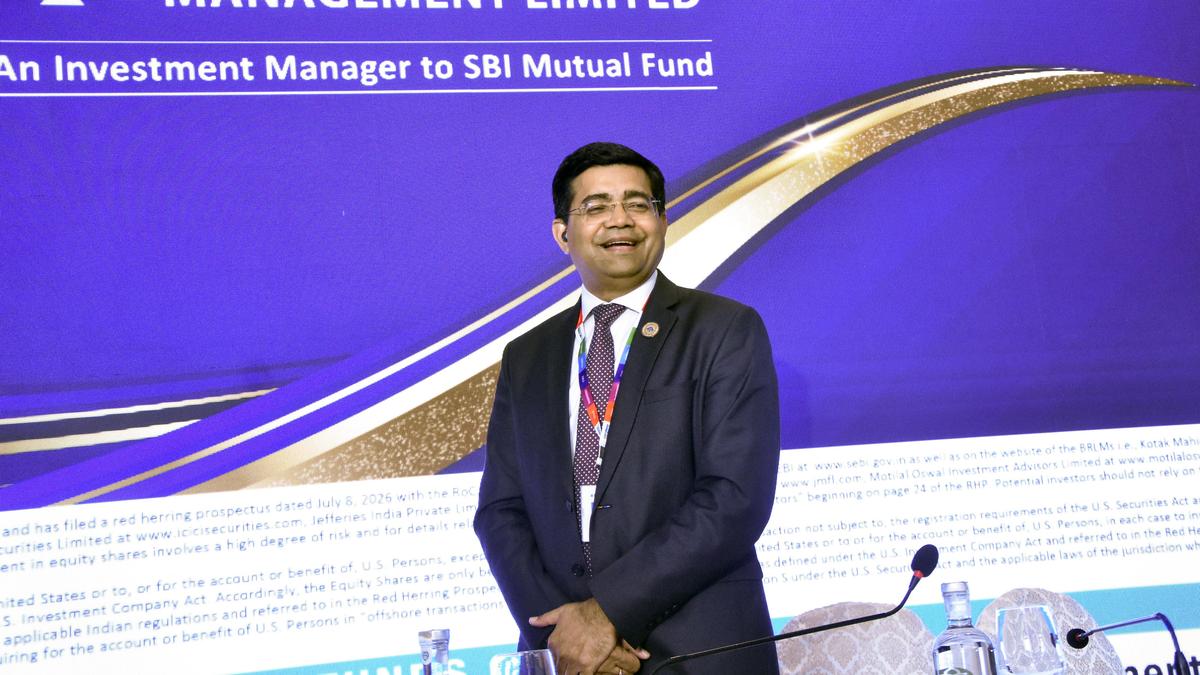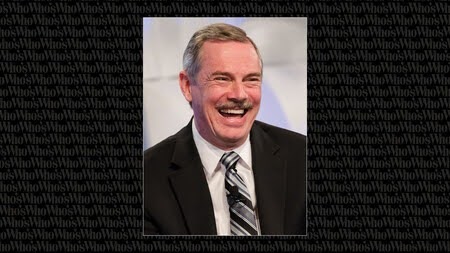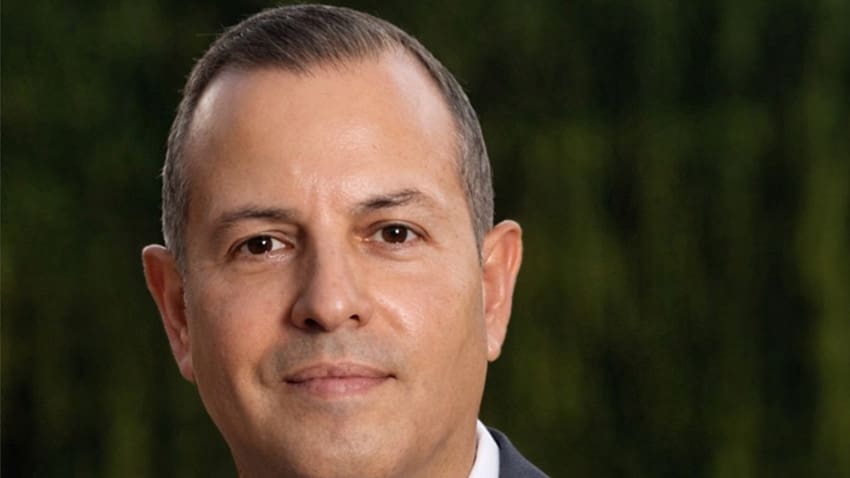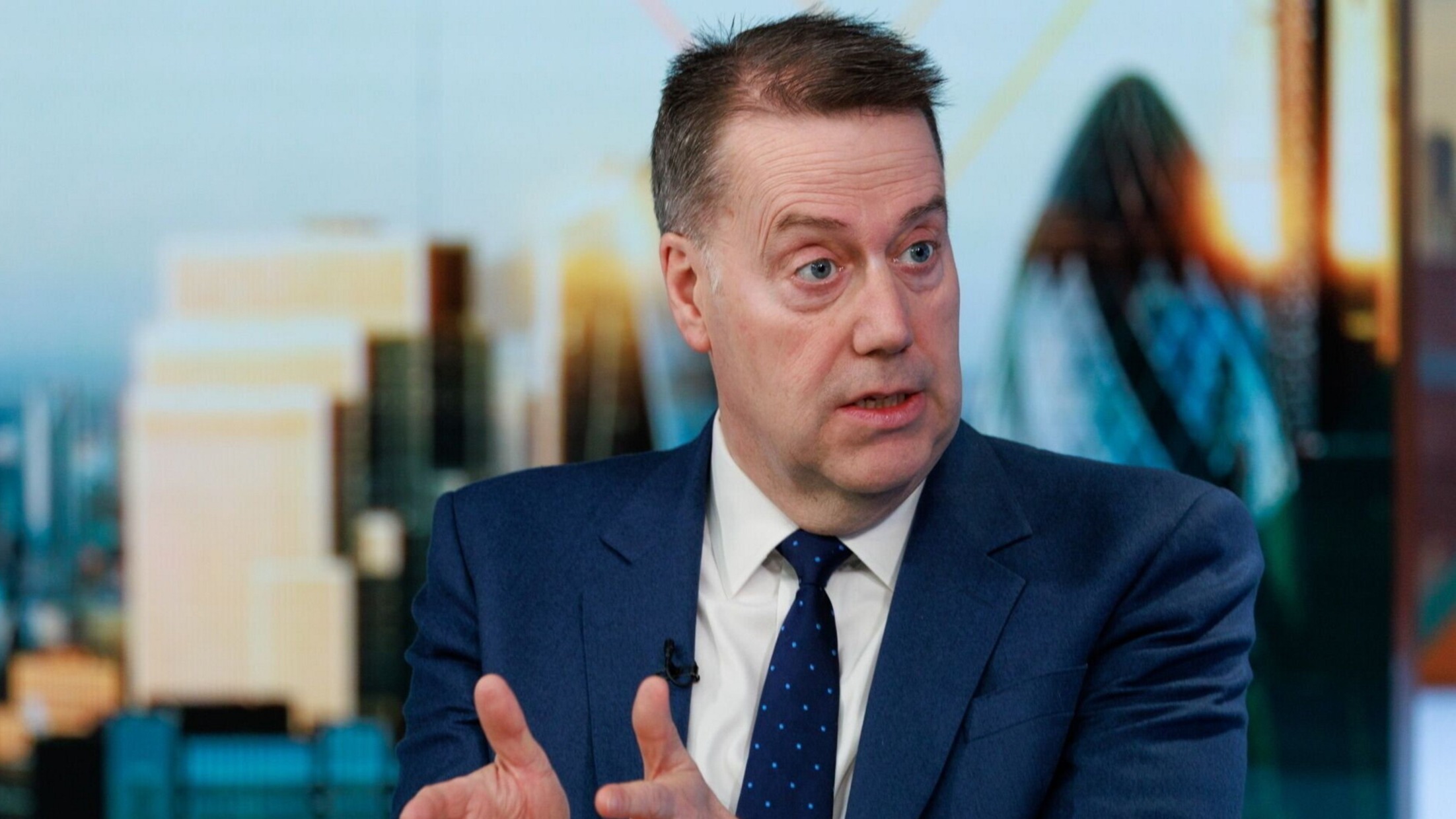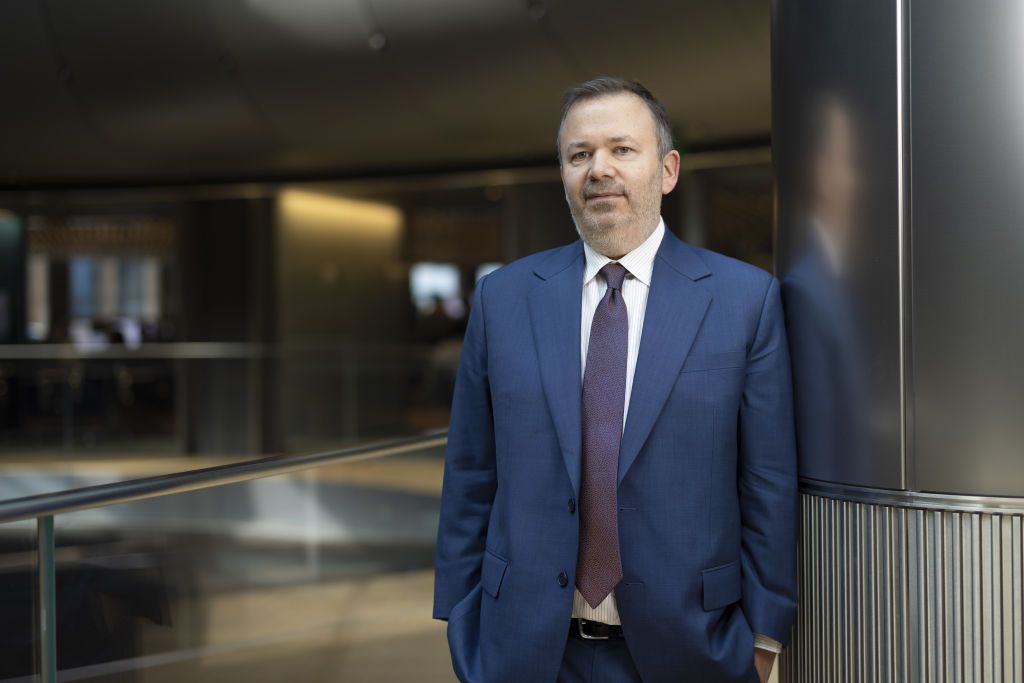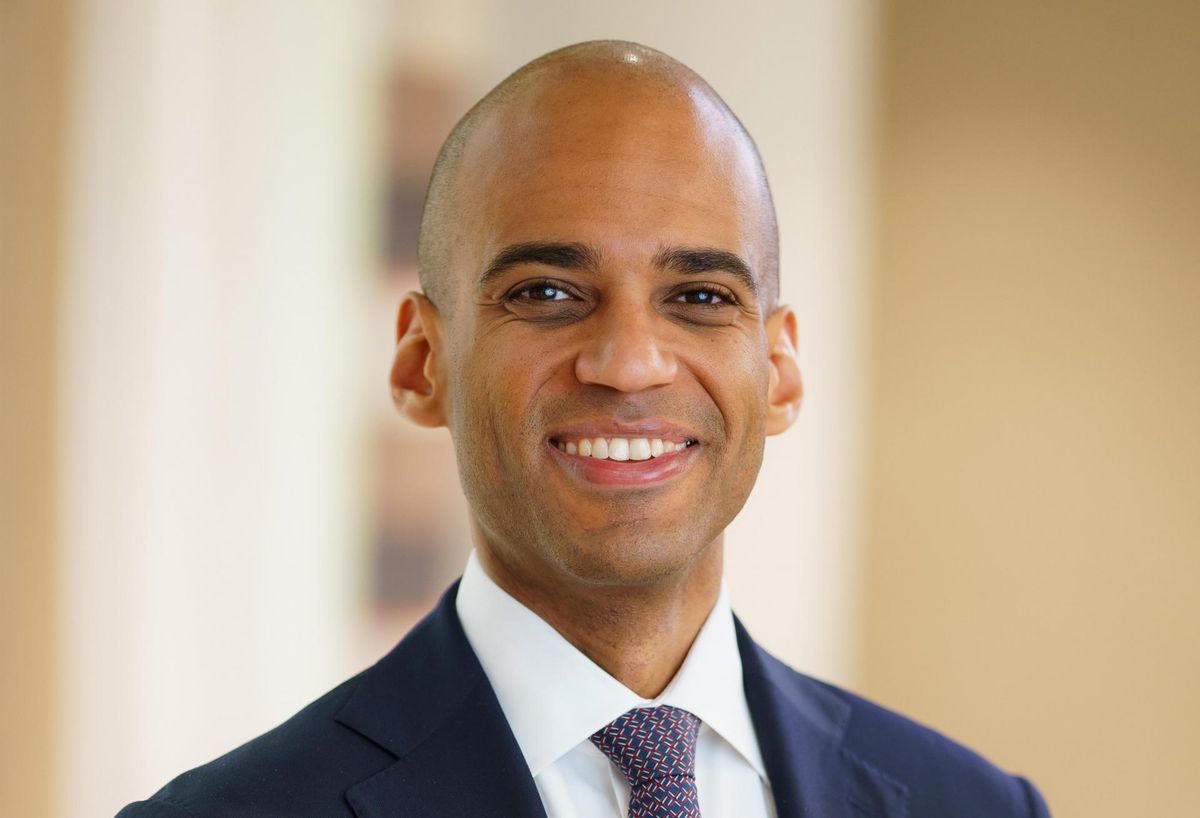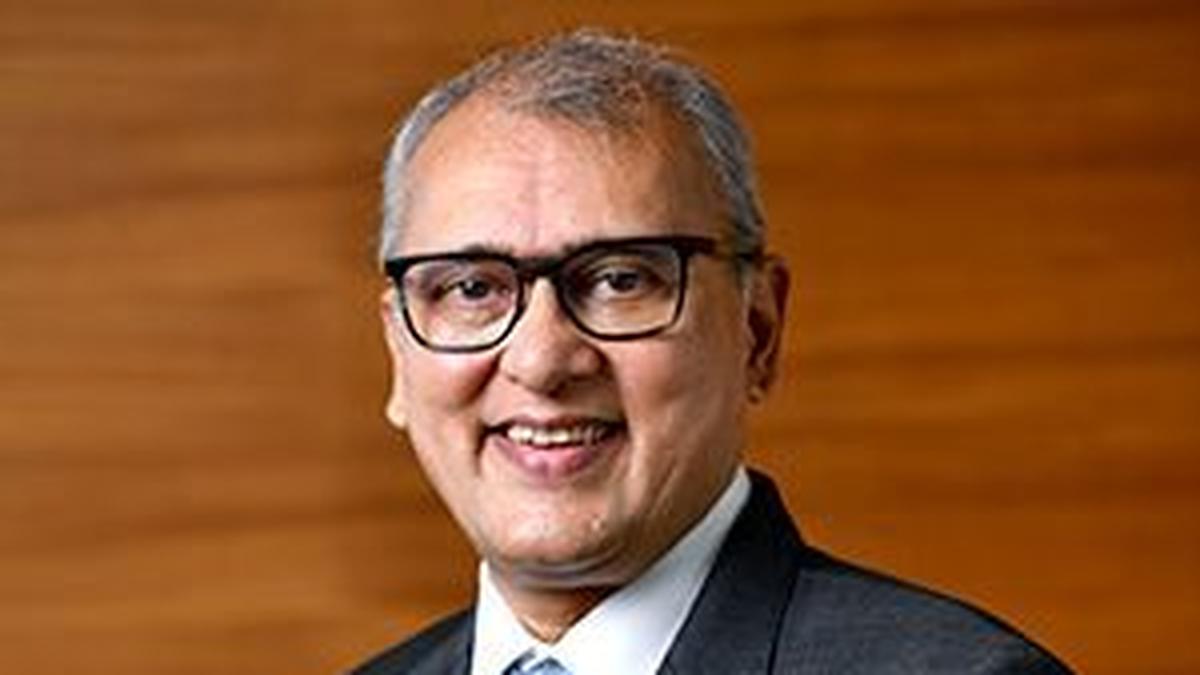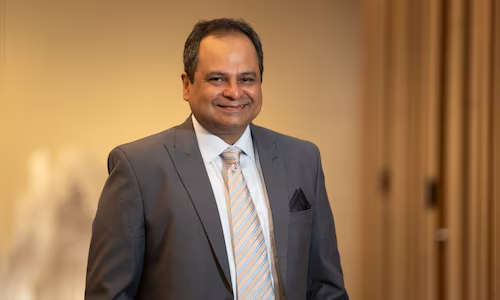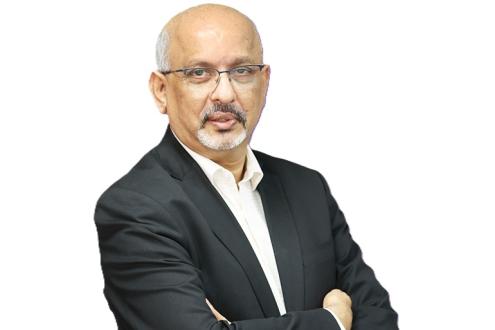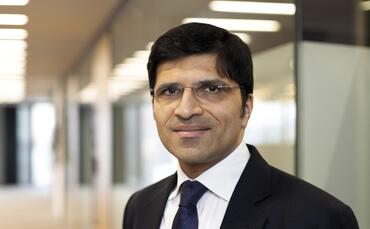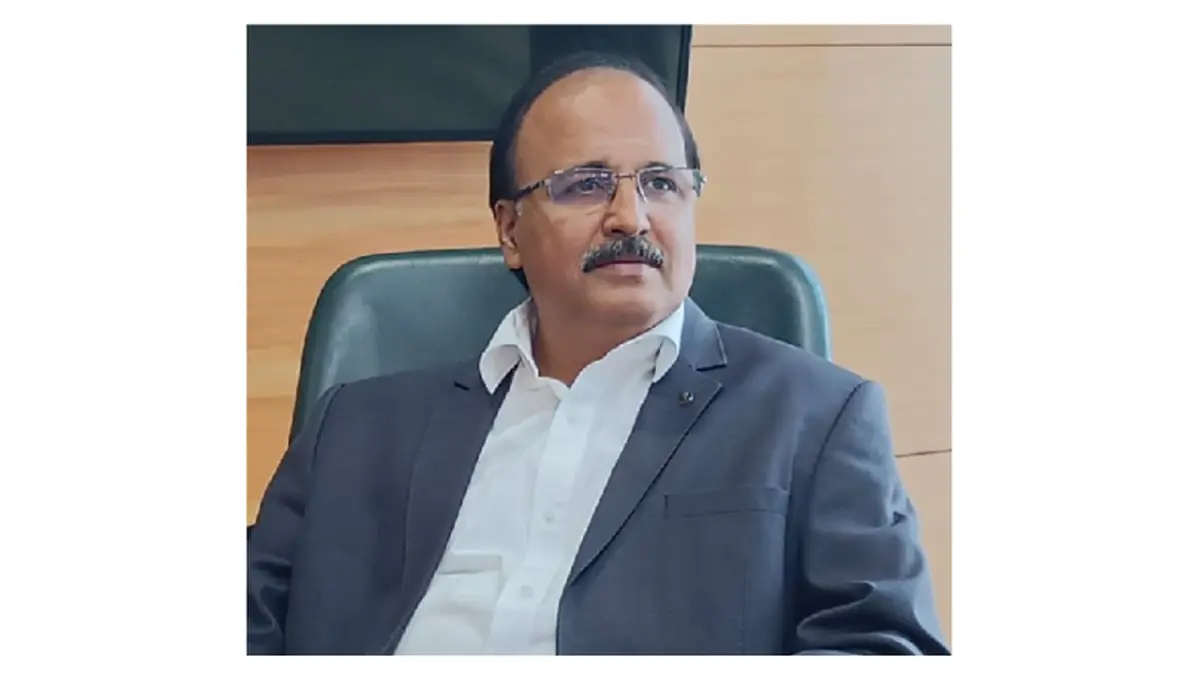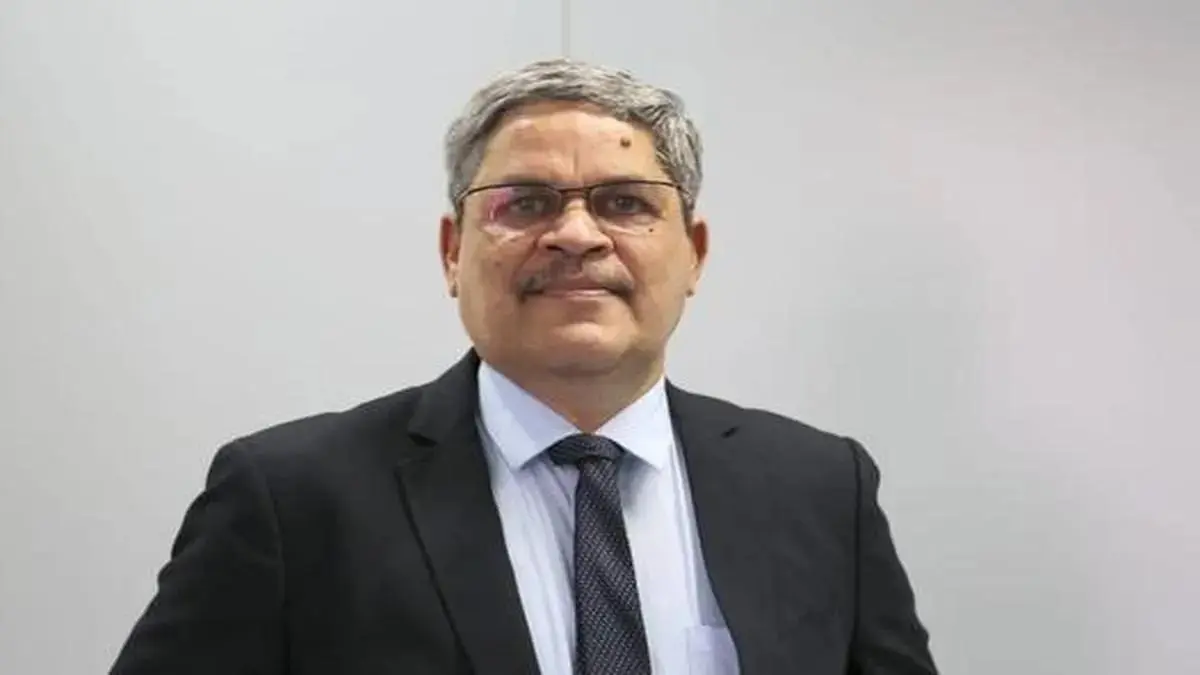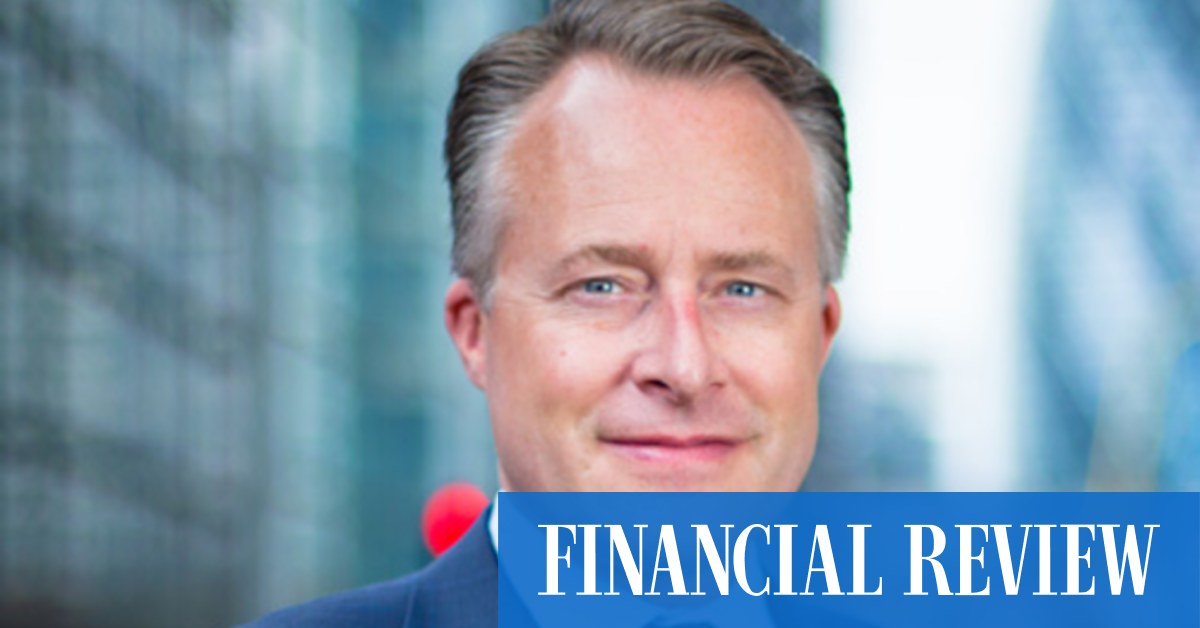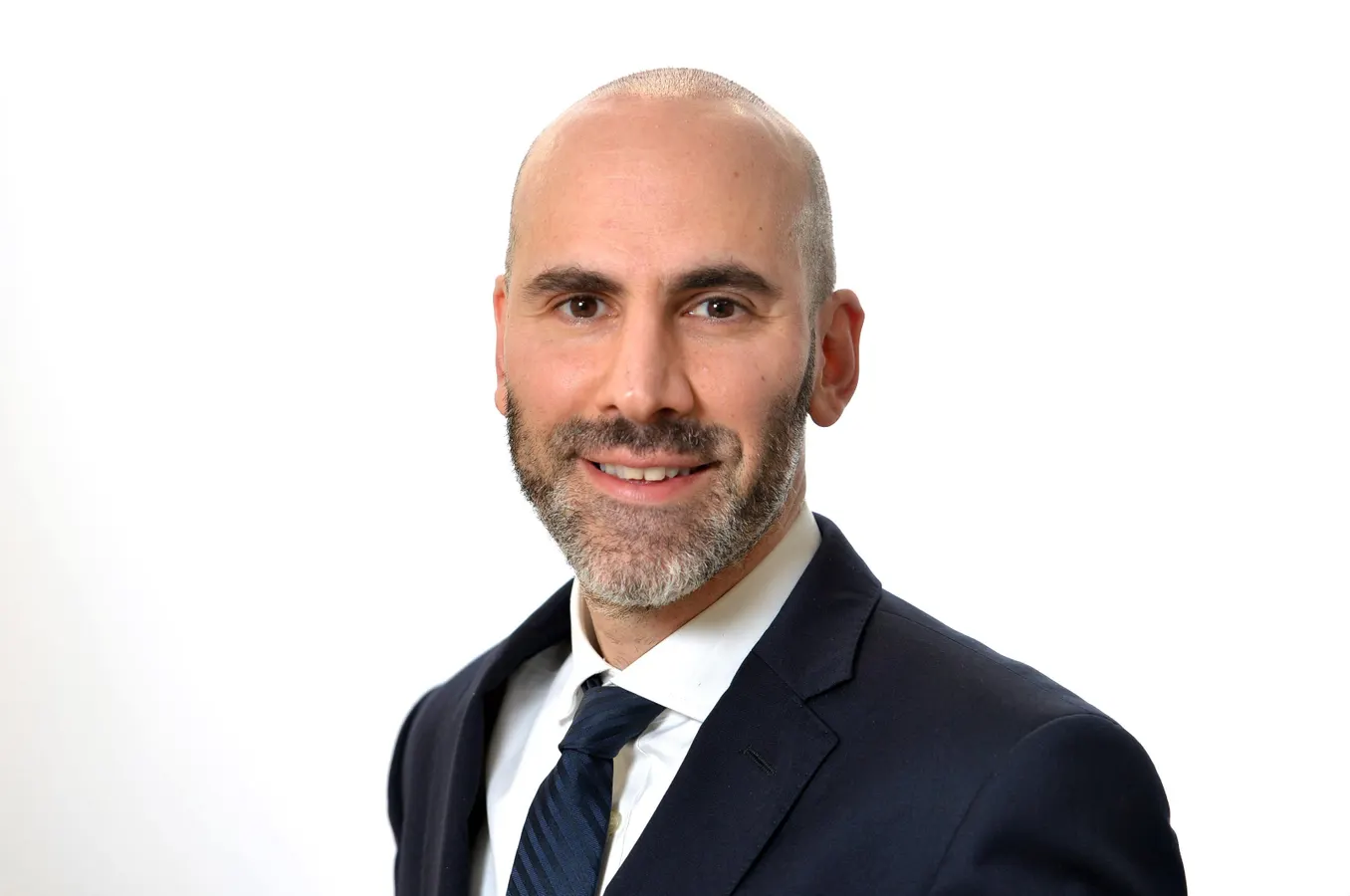
Tata Mutual Fund Managing Director and CEO Prathit Bhobe has stepped down from his position, triggering a leadership transition at one of India’s leading asset management companies.
According to a report by Moneycontrol, Bhobe has already left the company’s office and is no longer representing Tata Mutual Fund at the Association of Mutual Funds in India (AMFI).
Bhobe has informed stakeholders that he is no longer associated with the fund house. However, Tata Mutual Fund has not yet issued an official statement regarding his exit.
Bhobe’s departure comes after an eight-year tenure during which he played a key role in expanding Tata Mutual Fund’s business and increasing its assets under management (AUM).
When he joined Tata Asset Management as Managing Director and CEO in May 2018, the fund house had assets of around Rs 49,000 crore. By FY26, its AUM had increased to nearly Rs 2.23 lakh crore, slightly outperforming the broader industry’s growth rate.
The period coincided with rapid expansion in India’s mutual fund industry, with total industry assets rising from nearly Rs 23 lakh crore in June 2018 to around Rs 83 lakh crore in FY26, representing annual growth of close to 20%.
Before joining Tata Asset Management, Bhobe spent more than two decades at ICICI Bank, where he held senior positions across retail banking, liabilities and wealth management divisions.
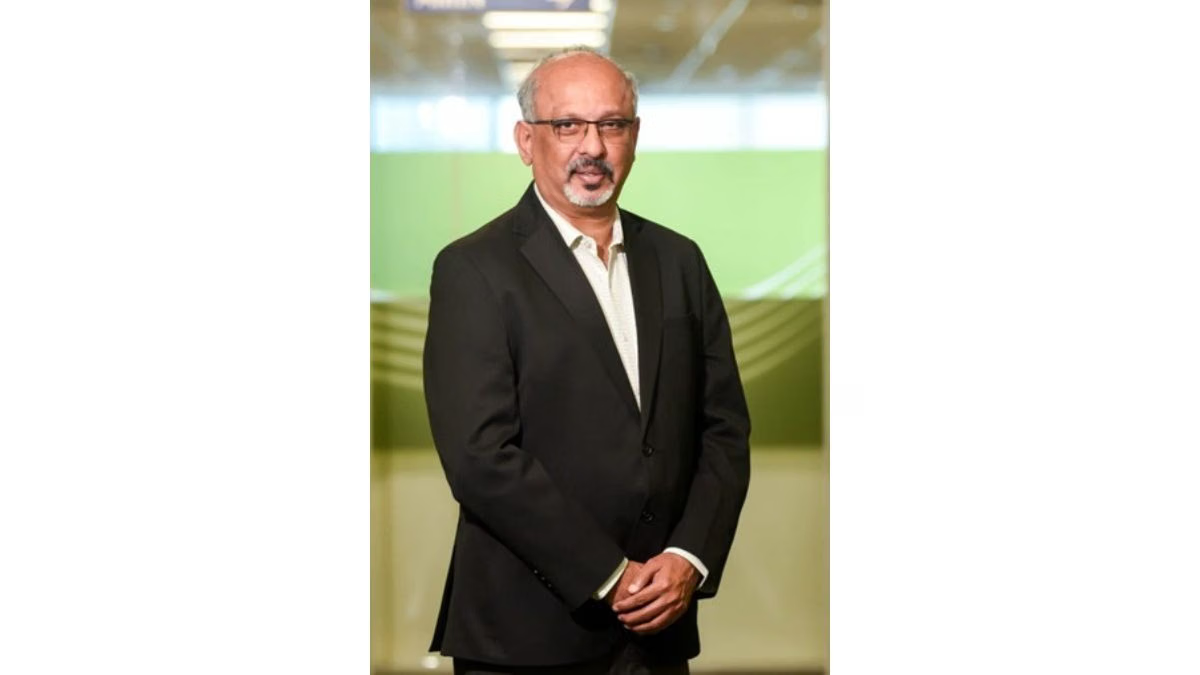
According to the report, Tata Capital has been assessing potential successors for the CEO role for several months. Anand Varadarajan, Tata Mutual Fund’s Chief Business Officer, is considered one of the leading internal candidates for the position.
Industry sources said Varadarajan had recently been approached for the top position at a public sector bank-backed mutual fund but declined the opportunity.
His decision has increased speculation that he could be elevated to lead Tata Mutual Fund.
Tata Mutual Fund is currently among India’s top 15 asset management companies by AUM.
The leadership change comes at a time when the mutual fund industry is witnessing increasing competition for experienced executives amid rapid asset growth, stricter regulations and rising retail investor participation.
Several fund houses have undergone CEO changes and senior-level restructuring in recent years as companies prepare for the next phase of growth in an increasingly competitive investment environment.