You see your Social Security deposit hit your account on the third Wednesday of
the month. Then, three days later, your credit card minimum payment goes out,
which barely touches the balance. That cycle is much more common than most
people want to admit.
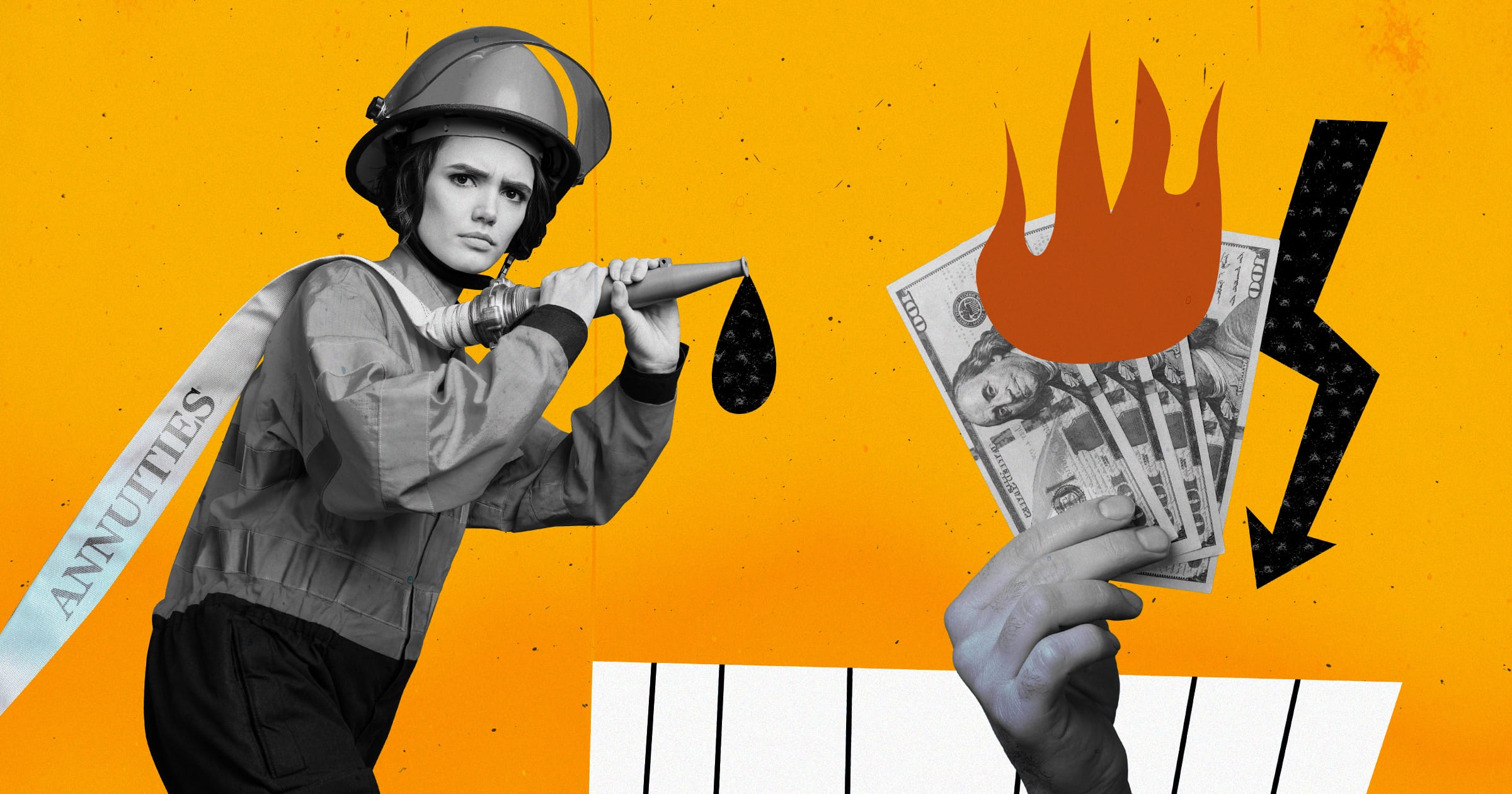
More than half of adults aged 50 to 64 carry credit card debt, and a meaningful
share of those are people well into their 70s, many of whom owe thousands of
dollars on a balance that keeps compounding against a paycheck that no longer
grows at the same rate.
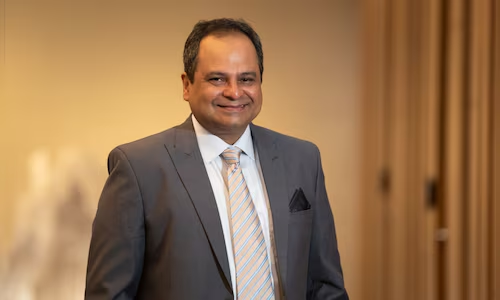
Mark Cuban has built a fortune worth billions, and he’s done it with a
comparatively simple investment strategy. His financial philosophy is almost
embarrassingly simple: spend less than you make, stay out of debt, and keep your
investments boring.
Learn more about why Cuban’s has been preaching the following rule for everyone,
but especially for those looking to free up
retirement income.
Editor’s note: Interest rate and credit card debt figures come
from the Federal Reserve and AARP.
Find Out: I can’t believe this $24,108 Social Security secret was so simple
Cuban’s credit card advice
Cuban has said regularly over the years that the rule you must follow before
investing is to pay off lingering credit card debt. In a variety of interviews,
he has said that clearing credit cards should be your focus before you invest.
“The best investment you can make is paying off your credit cards,” he told
MarketWatch.
If you carry a credit card balance at a typical rate of 21.5% on accounts that
carry over month-to-month, paying it off guarantees a better return than any
stock, bond, or rental property you could invest that same money in.
There’s no risk attached, and there’s no waiting for the market to cooperate.
Every dollar that goes toward clearing your credit card balance is a dollar
earning more than 20% immediately, and there’s zero chance of a downturn wiping
it out.
Shopping for cheaper auto insurance? Enter your zip code here to get started.
Cuban learned the hard way
This isn’t just a theory for Mark Cuban. In his 20s, before any of the money
came, he was just a regular guy whose credit cards kept getting ripped up
because he had charged something, assuming he could pay it off, and then
couldn’t. “The 18% or 20% or 30% you’re paying in credit card debt is going to
cost you a lot more than you could ever earn anywhere else.”
For someone living on Social Security or a pension, that math is even less
forgiving. There’s no raise coming next year to outrun the interest and no bonus
to throw at the balance. The debt simply compounds against a fixed number that
will not get any bigger.
Spending discipline comes before any of it
Cuban’s other consistent message has nothing to do with stocks or real estate.
“You’ve got to have discipline in how you spend your money, first of all,” he
has said, describing the years he spent driving a beat-up car and splitting rent
with roommates long after he could have afforded better.
For retirees, that kind of spending discipline does not necessarily mean
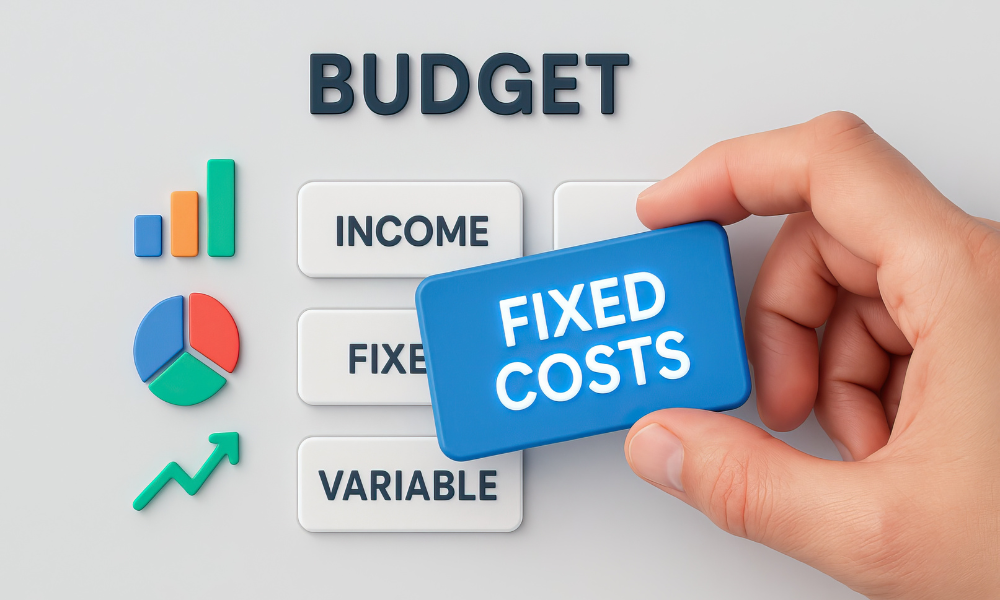
deprivation or scarcity. Instead, it means you need to know your fixed monthly
income and then build every other spending decision around that. This lets you
stop using a credit card to cover the gap between your income and your
expenditure.
Save Money: Things to cut when living on retirement (many people ignore #11)
Six months of cash before you invest a dime
Before anyone puts money into the market, Cuban advises having a substantial
cash cushion in place, saying, “If you don’t like your job at some point, or you
get fired, or you have to move, or something goes wrong, you’re going to need at
least six months’ income.”
For a retiree, having a cash reserve matters even more. Six months of expenses
in savings or a certificate of deposit (CD) means an unexpected roof repair or a
dental bill doesn’t force you to sell investments at a bad time, or rack up
credit card debt to cover it.
Keep your investments boring
Once you’ve paid your debt and built your cash cushion, Cuban’s investing advice
is almost anti-climactic in its simplicity.
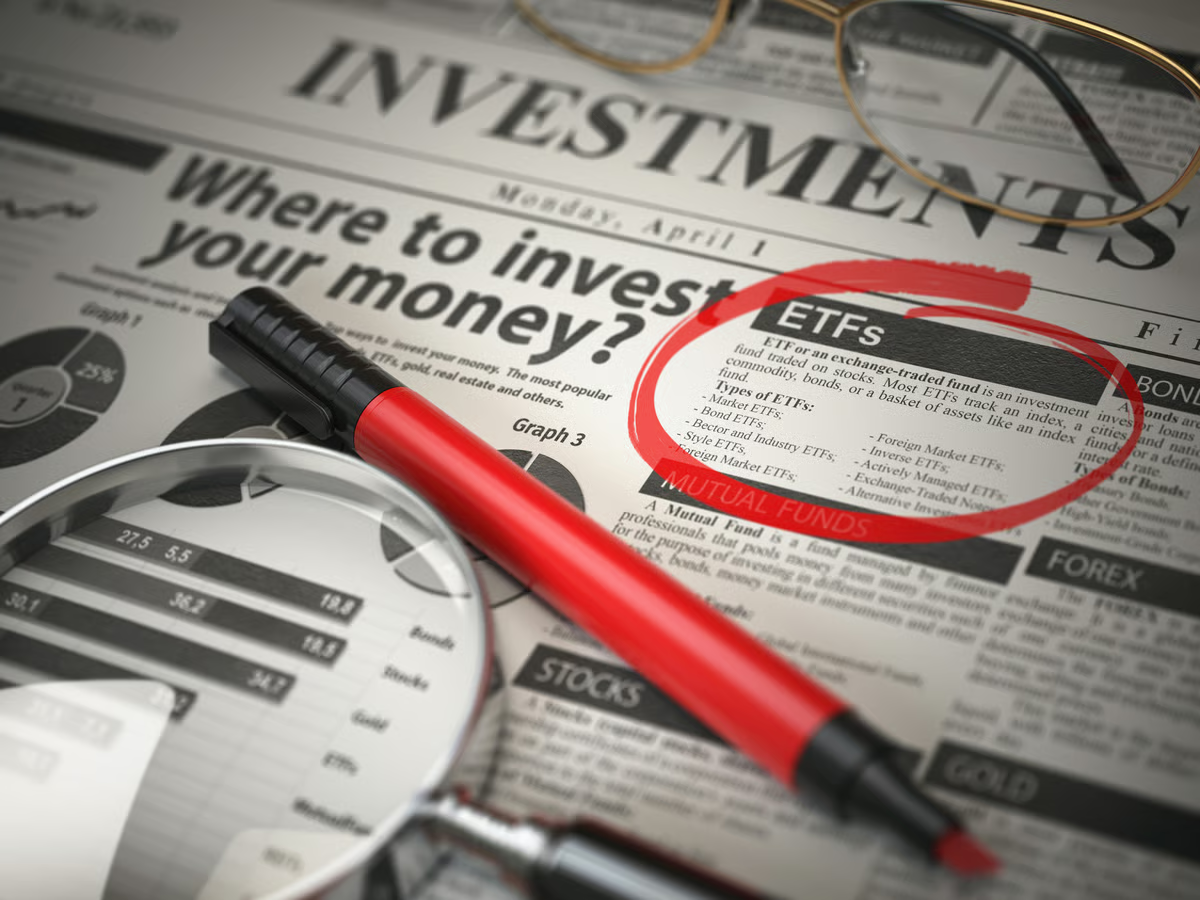
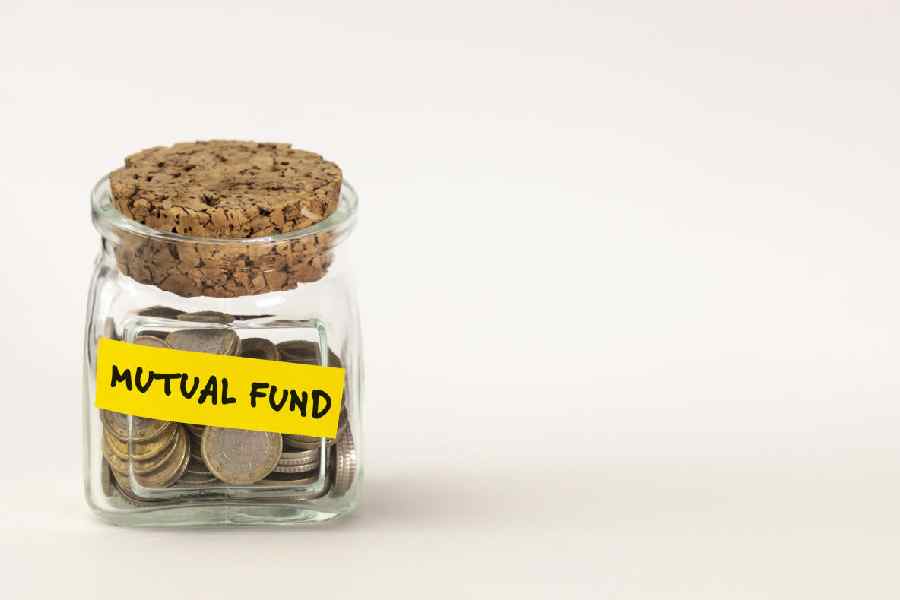
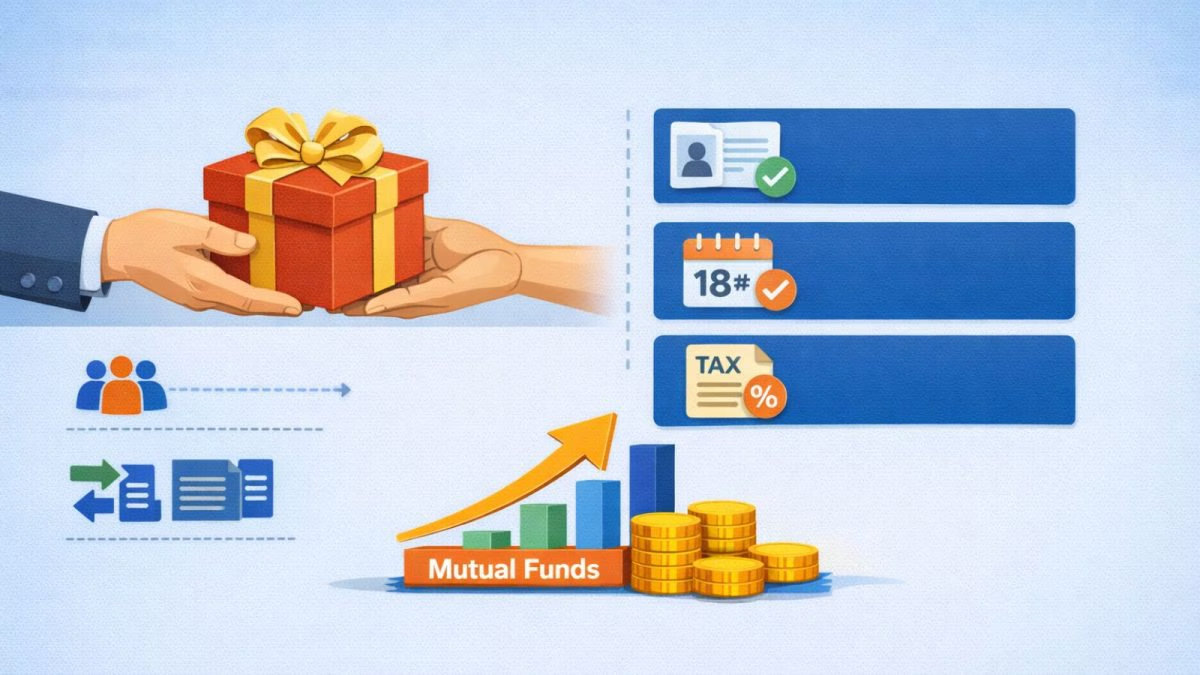
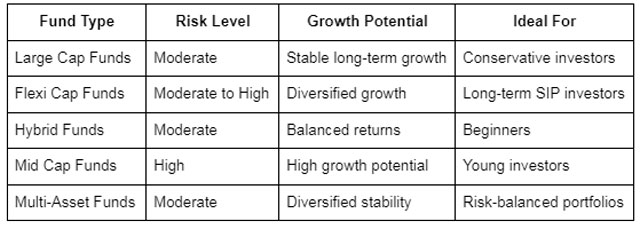
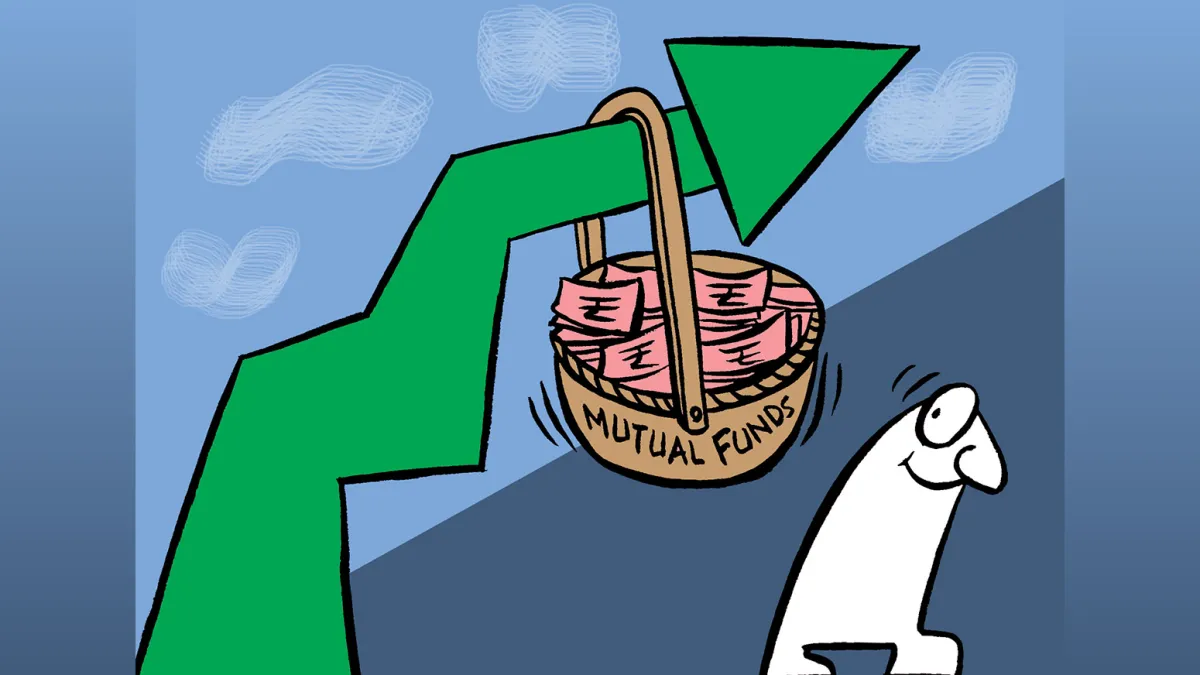
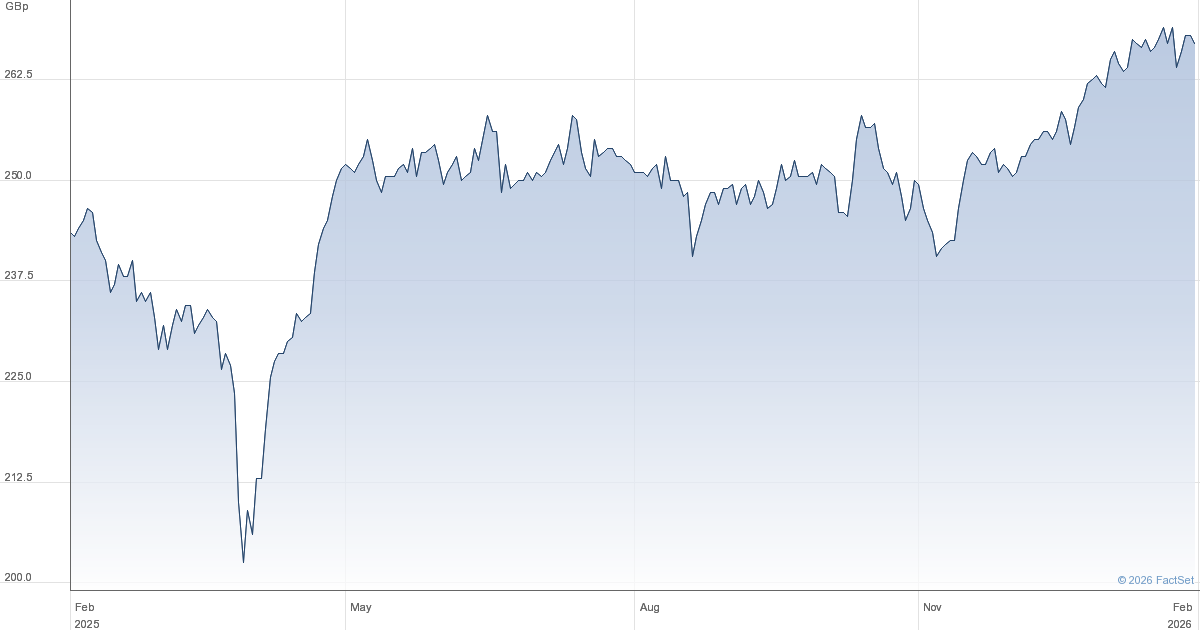
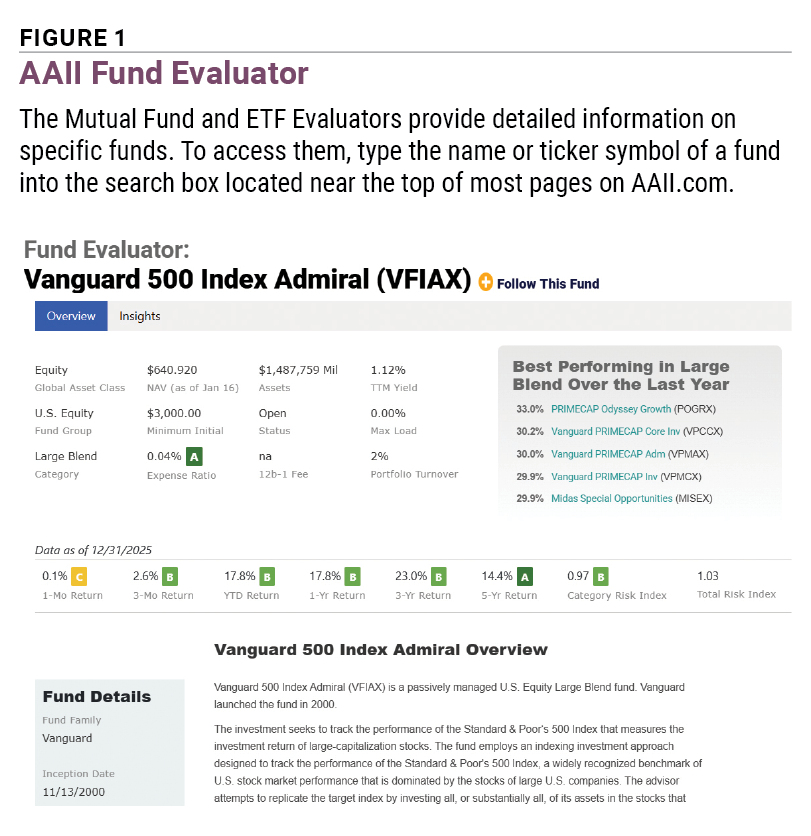
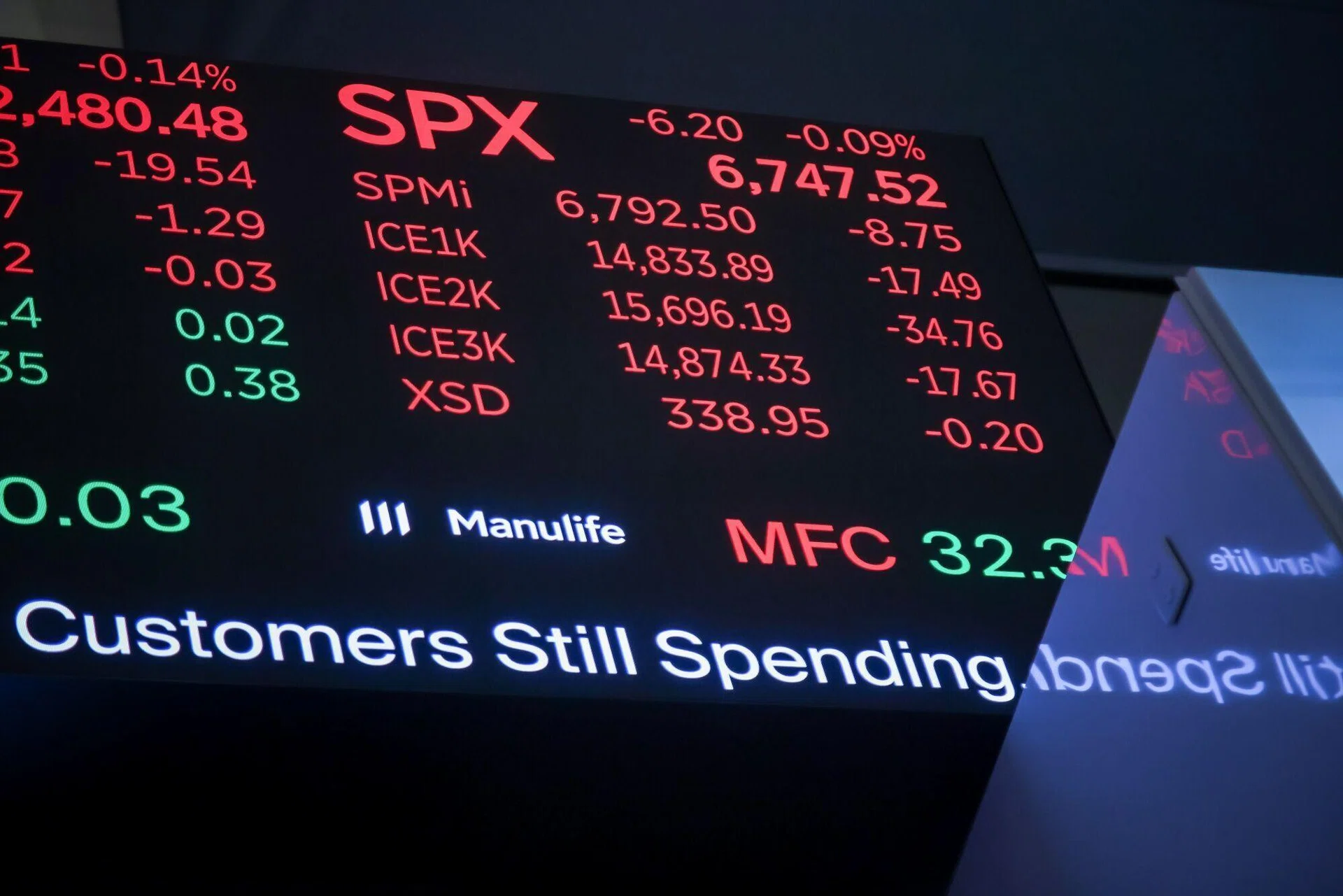
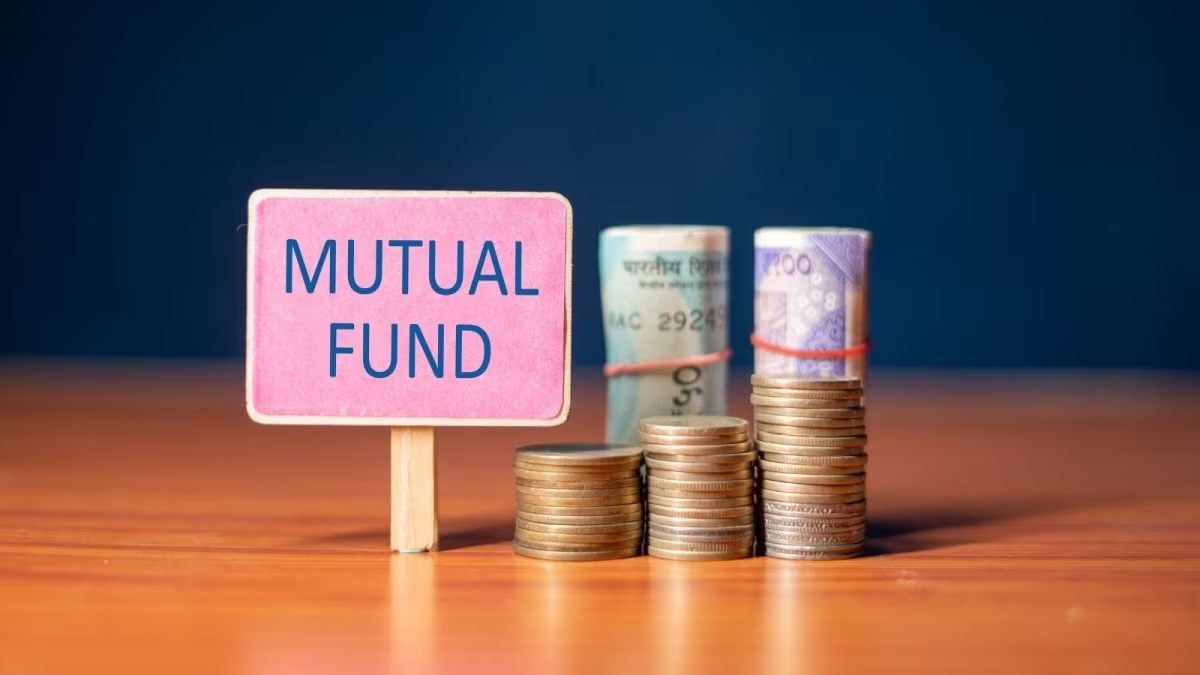
“Saving money and putting some into a low-cost mutual fund, like an SPX fund,
and living as inexpensively as you possibly can, will pay off dividends,” he has
said, rather than recommending complicated products or picking individual
stocks.
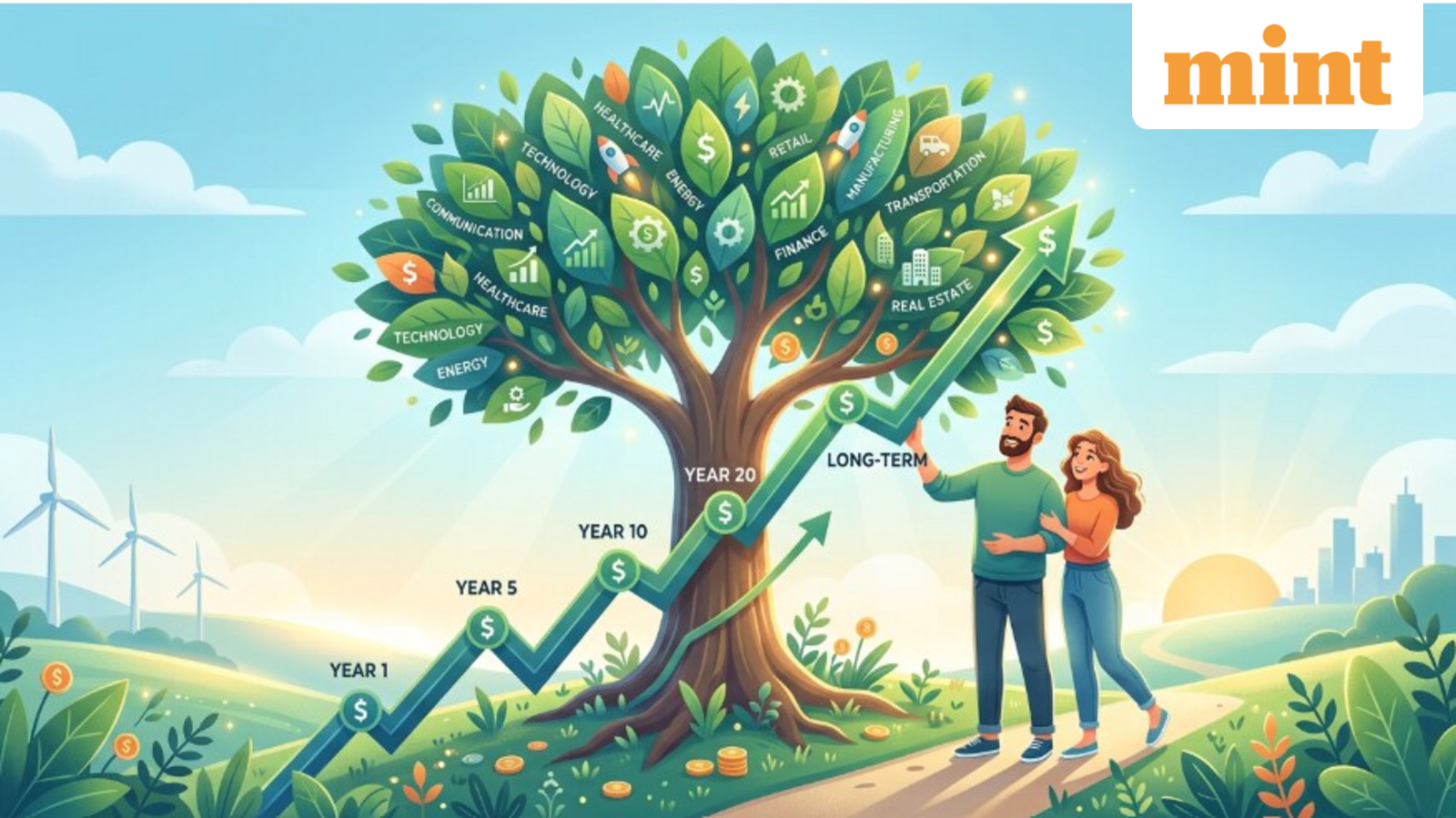
A low-cost S&P 500 index fund spreads your money across roughly 500 large
companies, charges very little to hold, and has historically rewarded patience
over cleverness. For retirees, especially, fewer decisions, fewer fees, and
fewer ways to get it wrong is the smarter investment plan.
Bottom line
None of Mark Cuban’s advice is glamorous, but these principles still work
regardless of whether you’ve just started investing or you are heading towards
retirement already.
On a fixed income, you have no future paycheck to fix a bad year, so clearing
your high-interest debt first, building an emergency cushion, and then making
smart, boring investments is your best chance of avoiding wasting money
in retirement.
To get started, if you already have a balance on your credit card, it could be
worth calling your issuer and asking if you can get a lower rate. This has
proved successful for many. It costs nothing to ask, and it can shrink how much
you owe over time, letting you pay off your balance faster.
More from FinanceBuzz: