Fact checked by Vikki Velasquez
Key Takeaways
-
Fixed income investments are a key part of retiree portfolios, but taxes on the income they provide can erode their value.
-
Interest from most bonds is taxed to some extent at the federal level. Municipal bonds are generally an exception.
-
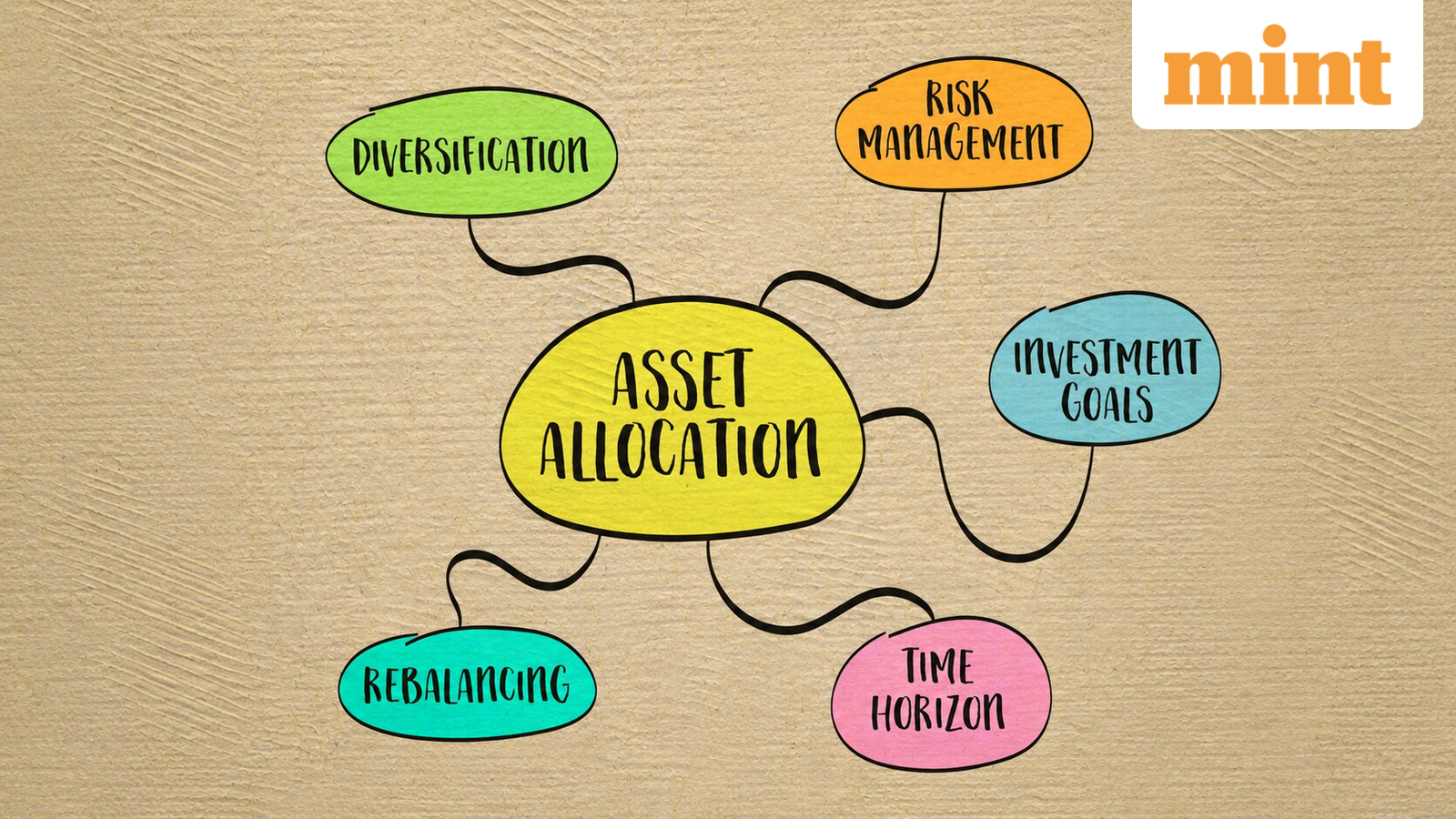
Know why you are buying any type of bond, whether it’s for income, stability, or diversification.
-
Hold higher-yielding bonds in tax-deferred accounts and lower-yielding ones in taxable accounts.
-
Keep in mind taxes when planning withdrawals in retirement. Small changes in income can lead to big tax bills.
-
A well-constructed fixed-income portfolio often includes a mix of bond types, each serving a different role.
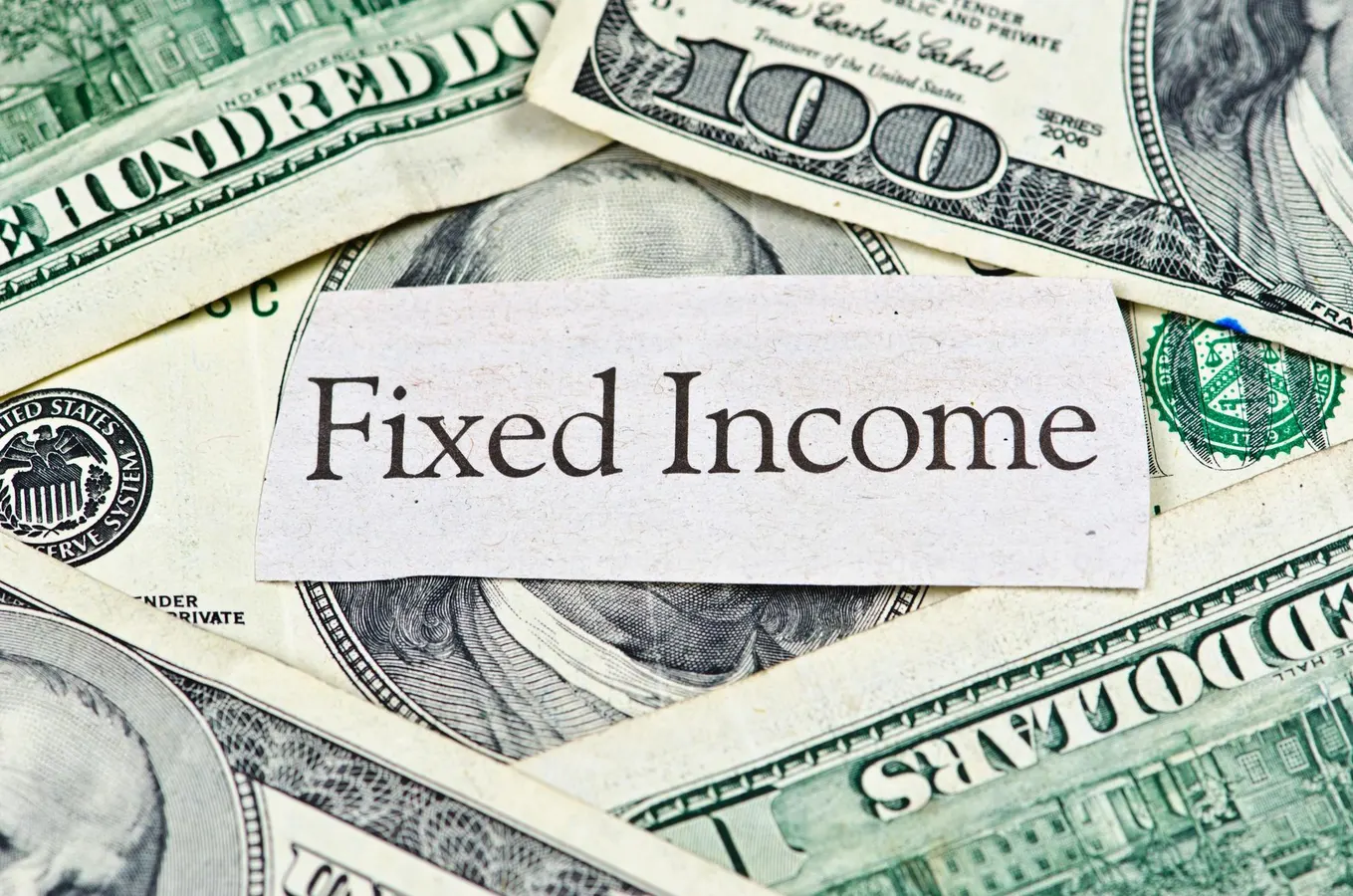
Retirees smartly turn to bonds and other fixed-income investments for stability and predictable cash flow. But one factor can quietly erode that income over time: taxes.
It’s not just about how much your portfolio generates—it’s about how much you actually keep after federal, state, and sometimes local taxes. Even small differences in tax treatment can affect your income in retirement.
By making thoughtful decisions about which bonds you own, where you hold fixed-income investments, and how you withdraw funds, you can improve your after-tax income without taking on additional risk.
Why Taxes Matter for Bond Investors
Retirees may assume that bond income is inherently conservative and dependable. That’s generally true when it comes to volatility; it doesn’t always hold up when taxes are factored in.
Interest from most bonds is taxed as ordinary income at the federal level. For example, a $1,000 bond yielding 5% will pay out $50 a year. Someone in the 10% federal tax bracket, though, will only keep $45 of that, realizing significantly less in actual spending power.
This is why after-tax yield matters more than the stated yield. After-tax yield reflects the income you can actually use to cover living expenses. If you’re relying on fixed income, this distinction shapes how far your money goes each year.
Choosing More Tax-Efficient Bonds
Not all bonds are taxed the same way, which creates opportunities to improve efficiency without changing your overall risk profile.
Municipal bonds: Often referred to as “munis,” they’re typically exempt from federal income taxes and may also be exempt from state and local taxes if you live in the issuing state. For retirees in higher tax brackets, this can make municipal bonds particularly attractive.
U.S. Treasuries: The interest on federal bonds is subject to federal tax, but is generally exempt from state and local income taxes. This can be especially valuable for retirees living in high-tax states.
Note
The yields offered on different types of bonds vary to some degree based on the tax treatment of the associated interest payments.
It’s important to understand why you’re buying a particular type of bond.
“Is it being purchased simply for income, stability, or diversification?” said Lawrence Sprung, CFP and the Founder of Mitlin Financial. “How you answer will help narrow down what may be best for your portfolio.”
In practice, choosing the right bond often comes down to comparing after-tax outcomes rather than simply chasing the highest yield.
The Right Accounts for the Right Bonds
Where you hold your bonds can be just as important as which bonds you choose.
Ryan Greiser, CFP and the co-founder of Opulus, said there’s a general rule to follow: “Put your least tax-efficient bonds inside tax-deferred accounts (traditional IRA and 401(k)s), and keep your most tax-efficient bonds—Treasuries, munis—in taxable accounts.”
Matching bond types to account types—often referred to as asset location—can improve overall portfolio efficiency and increase the income you keep each year.
This approach doesn’t necessarily require changing your investment strategy—it simply helps optimize how your investments are organized.
Planning Withdrawals With Taxes in Mind
Even modest increases in taxable income can trigger higher overall taxes, so how and when you withdraw income in retirement can significantly affect your tax bill. Security benefits and required minimum distributions (RMDs), in addition to bond interest, can combine to push you into a higher tax bracket if not carefully managed.
Strategic withdrawal planning can help smooth out these effects. Drawing from taxable accounts in lower-income years or coordinating withdrawals across account types may help keep you within a desired tax bracket.
Sequencing matters as well. Tapping certain accounts too early—or too aggressively—can lead to unnecessary tax spikes that may reduce long-term portfolio efficiency.By aligning withdrawals with your broader income picture, you can better control how much of your fixed-income earnings are taxed.
Building a Tax-Efficient Bond Mix
A well-constructed fixed-income portfolio often includes a mix of bond types, each serving a different role.
Munis provide tax-free income. Treasuries add stability and state tax advantages. Corporate bonds may enhance yield, even after accounting for taxes. The right combination depends on your income needs, tax bracket, and overall financial plan.
“Maintaining a well-balanced portfolio depends on the individual’s personal and financial circumstances,” said Marguerita Cheng (CFP, RICP), chief executive of Blue Ocean Global Wealth. Your state of residence, cash flow, time horizon, and risk tolerance are all factors to be considered, she said.
Flexibility is key. As your income changes—or as tax laws evolve—you may need to adjust your bond allocation to maintain efficiency. Periodic rebalancing can help ensure your portfolio stays aligned with both your income goals and your tax situation.
A retiree in a higher tax bracket may lean more heavily on municipal bonds, while someone in a lower bracket may benefit from a greater allocation to taxable bonds with higher yields.
The goal isn’t to eliminate taxes entirely—it’s to manage them thoughtfully so they don’t erode your income.
The Bottom Line
Taxes can quietly reduce the income generated by even the most conservative bond portfolios. Focusing on after-tax yield—rather than the largest returns—can help retirees maximize their investments.
By choosing tax-efficient bonds, placing them in the right accounts, and coordinating withdrawals carefully, you can improve the income your portfolio provides without increasing risk. Over time, these incremental decisions can add up to a more sustainable and predictable retirement income strategy.
Read the original article on Investopedia