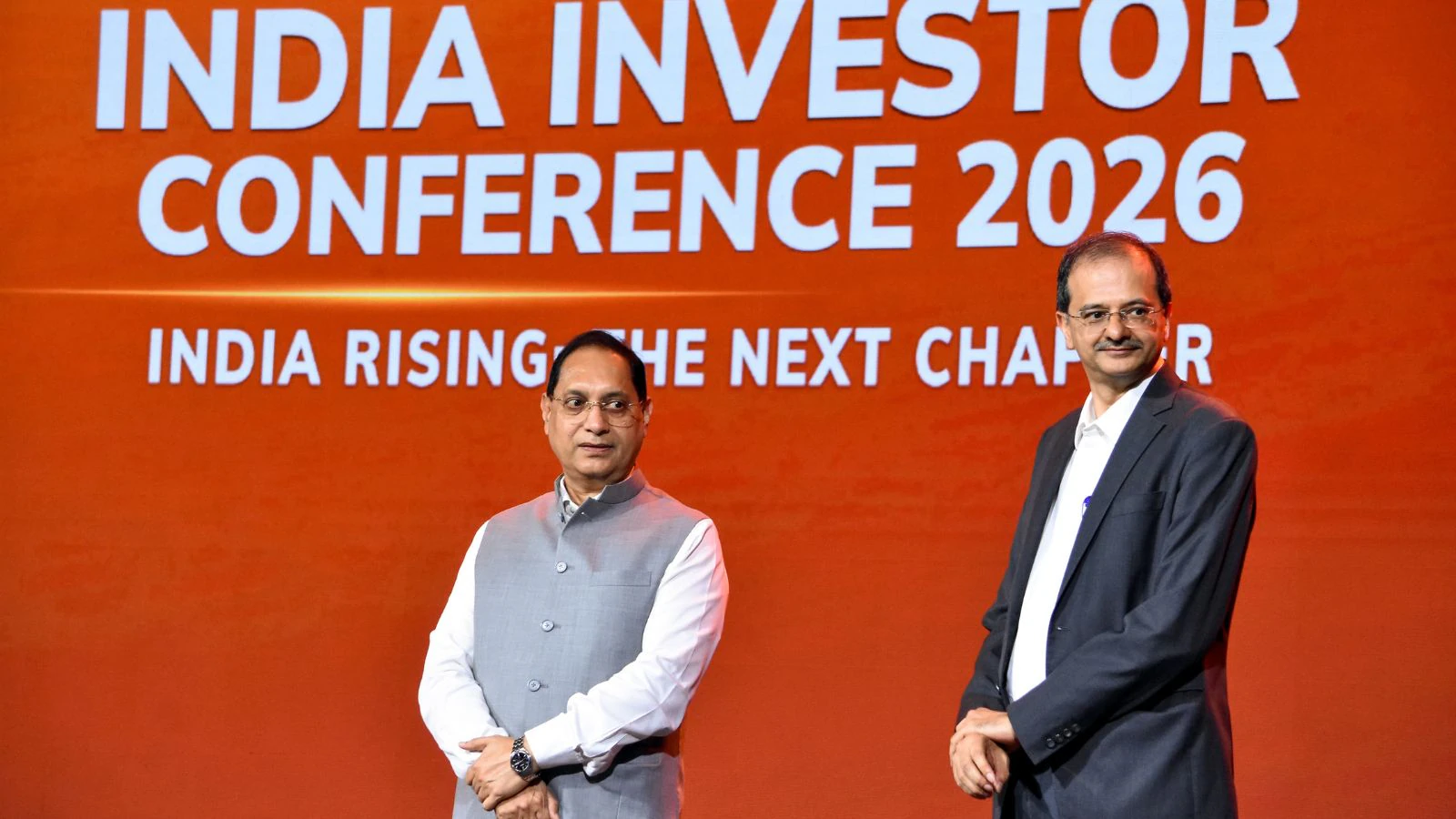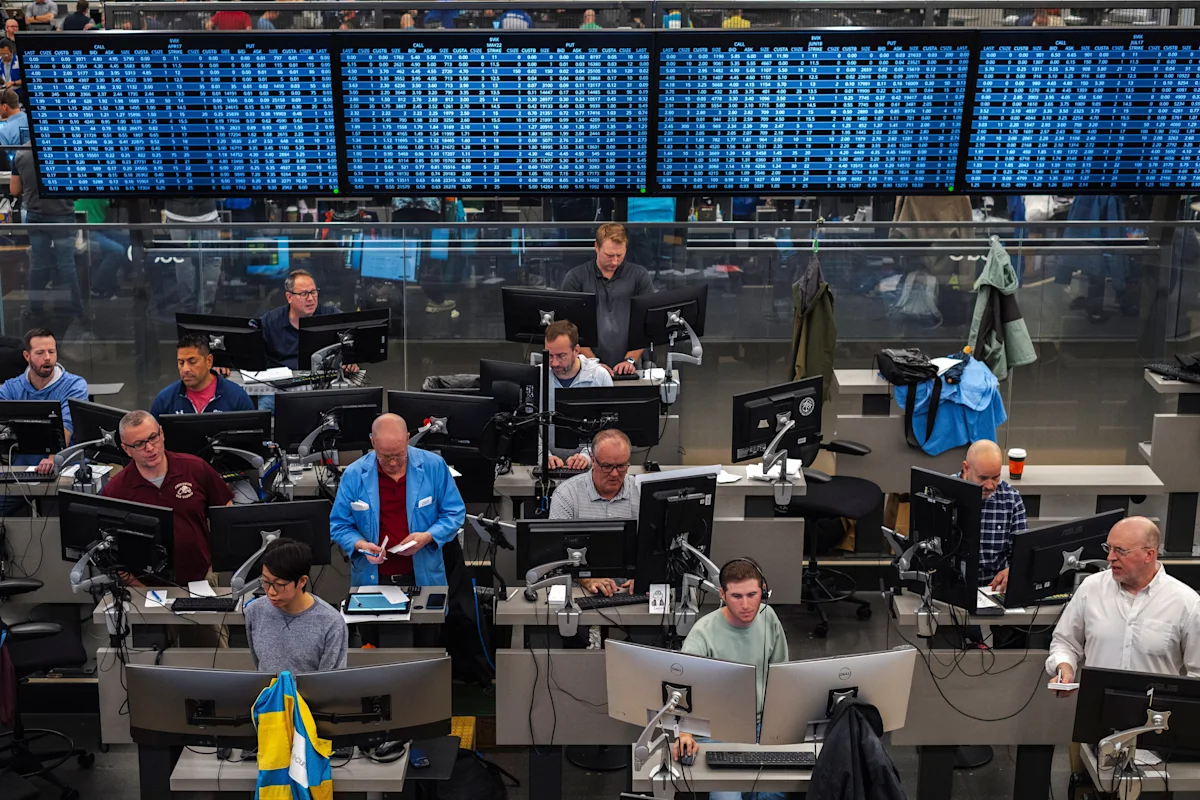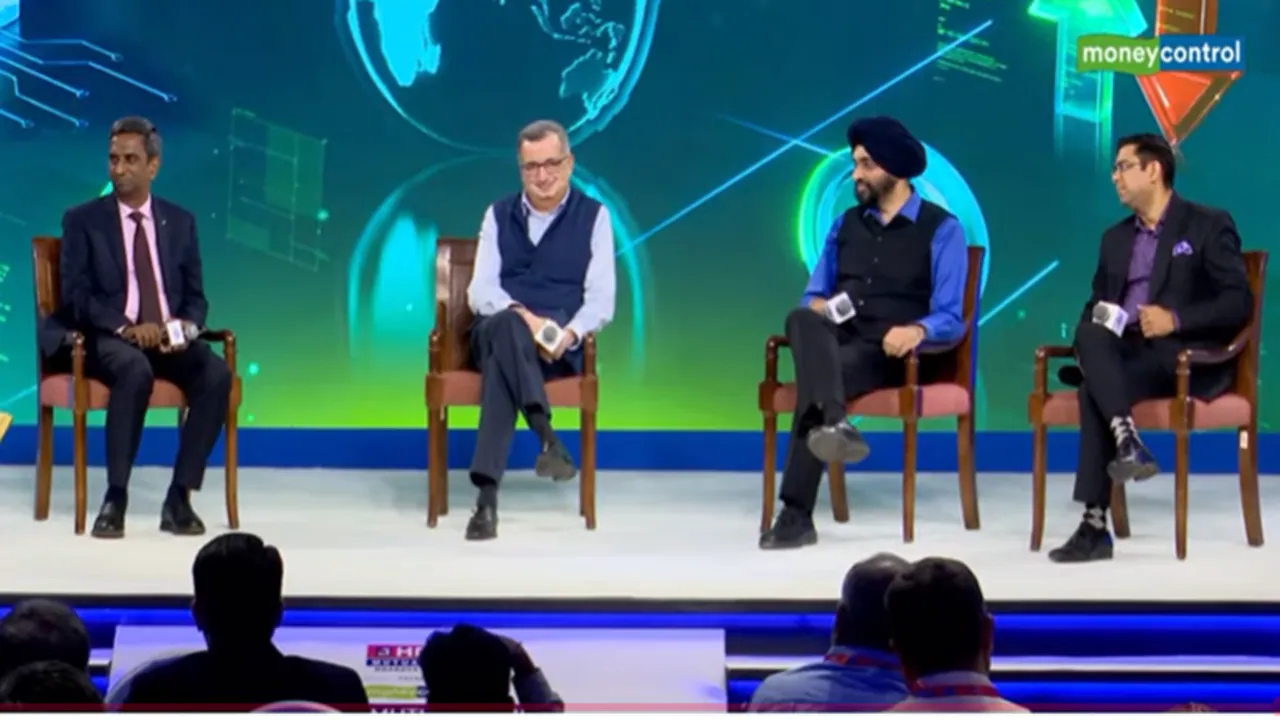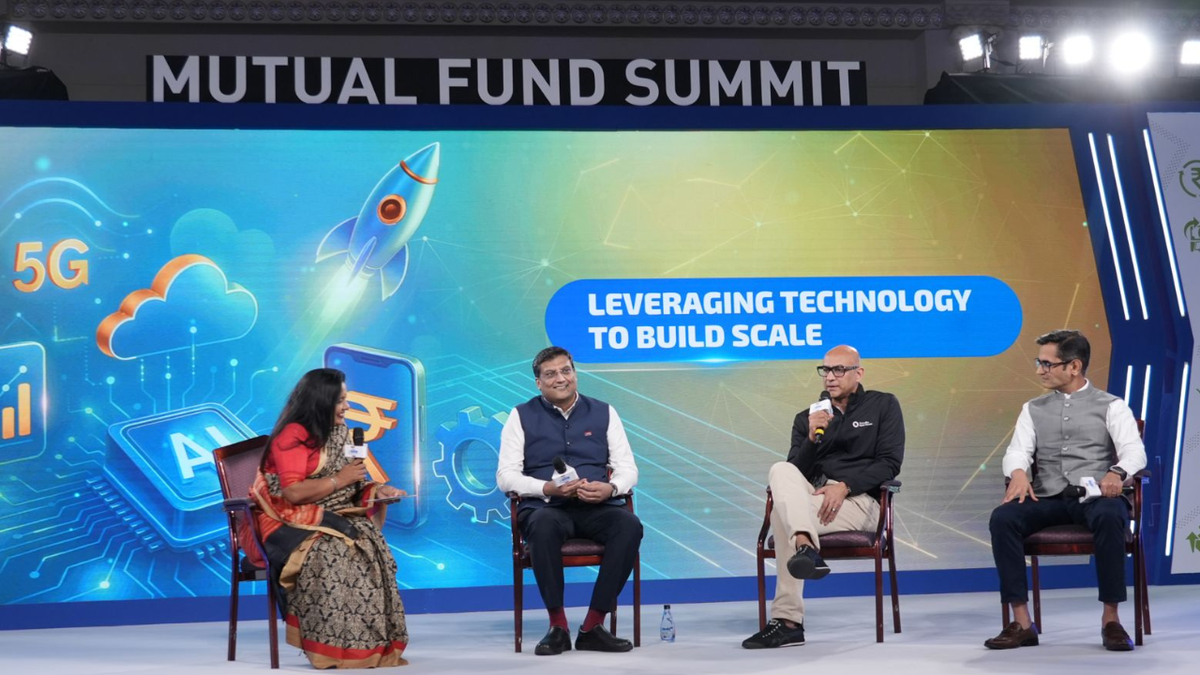
As fixed income continues to gain momentum in India’s financial ecosystem, IndiaBonds presents the CNBC-TV18 India Fixed Income Summit, powered by Mirae Asset Mutual Fund, a platform uniting key voices shaping the future of India’s fixed income markets.
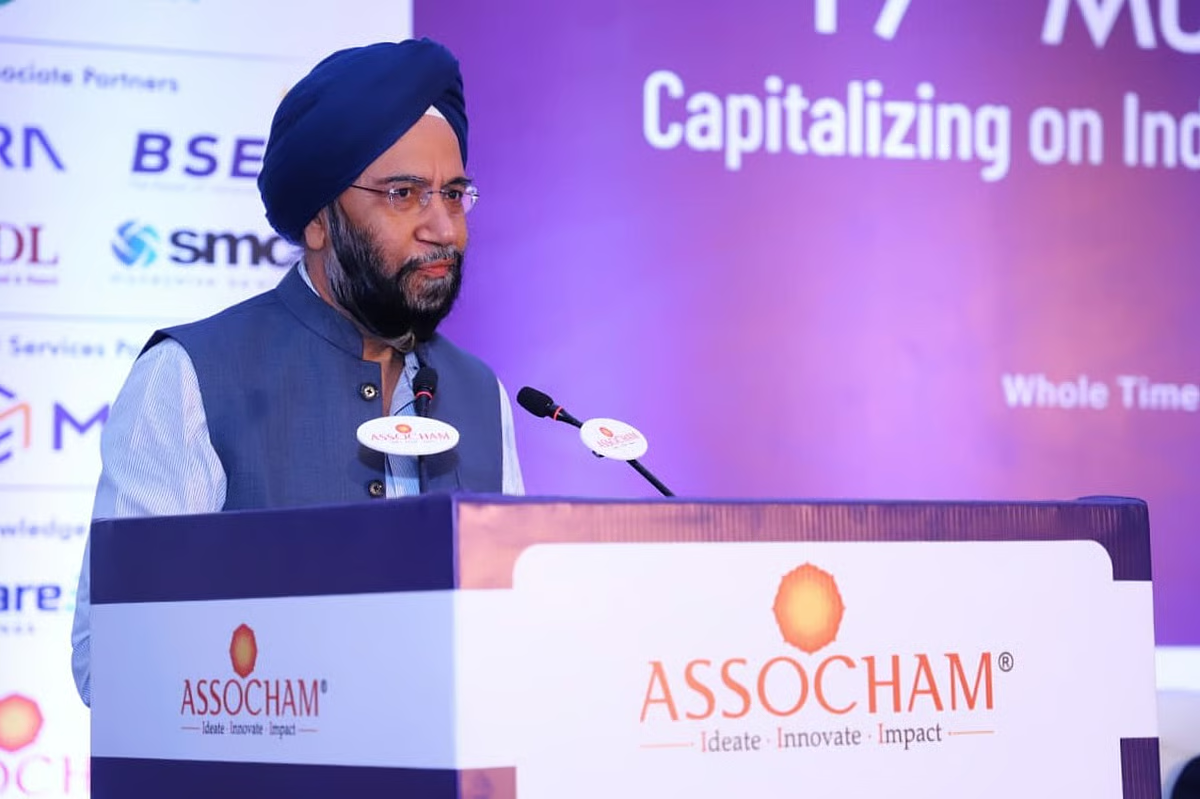
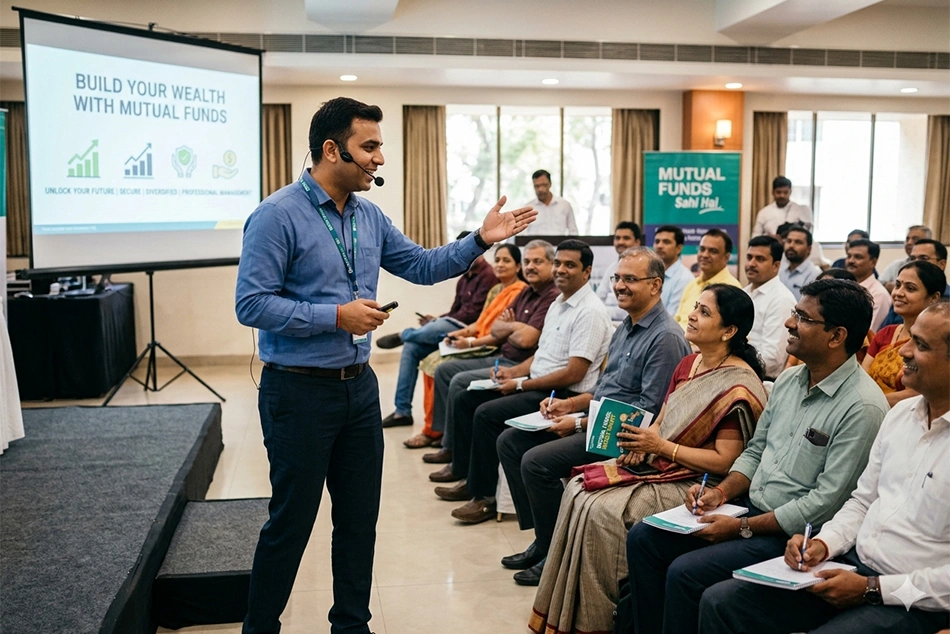
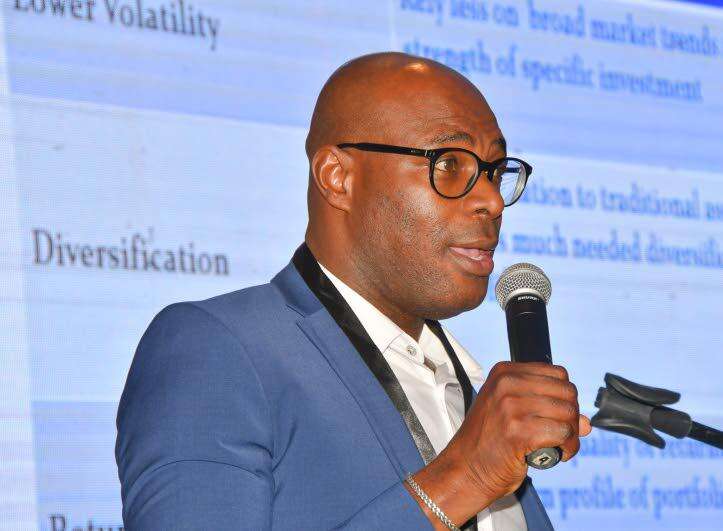
The grand event brought together regulators, exchanges, market intermediaries, policymakers, institutional investors and industry leaders to explore emerging trends, investor behaviour and opportunities driving India’s bond markets, while offering expert insights on building a stronger, transparent, inclusive and investor-friendly fixed income ecosystem.
From regulatory reforms, technology-led transformation and market accessibility to evolving investment strategies, infrastructure financing and wealth diversification, this summit dives deep into the trends defining the next phase of growth in India’s fixed income ecosystem.
Among the event sponsors were IndiaBonds, Mirae Asset Mutual Fund, AK Capital Services, Nippon India Mutual Fund, NaBFID, and NSE, highlighting strong industry support for discussions around the present landscape and future direction of India’s fixed income market.
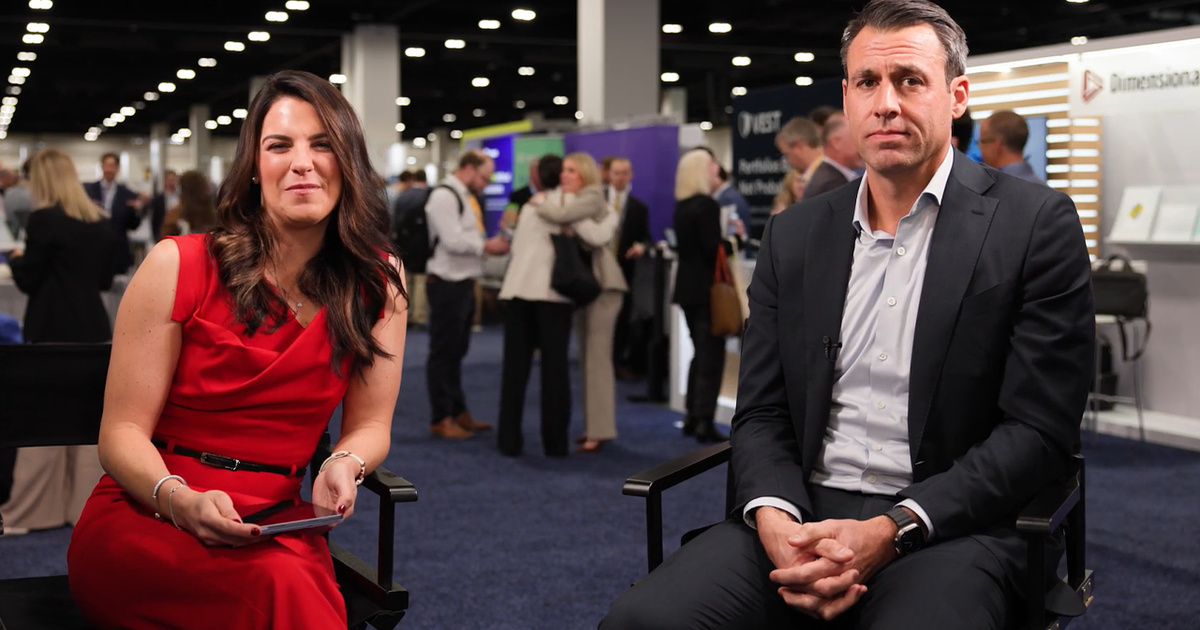
The event commenced with a welcome address by Latha Venkatesh (Consulting Editor, CNBC-TV18), who welcomed the attendees and set the stage for meaningful conversations on India’s fixed income market, bond market development and the future of debt capital markets.
The Size and Scale of India’s Debt Market
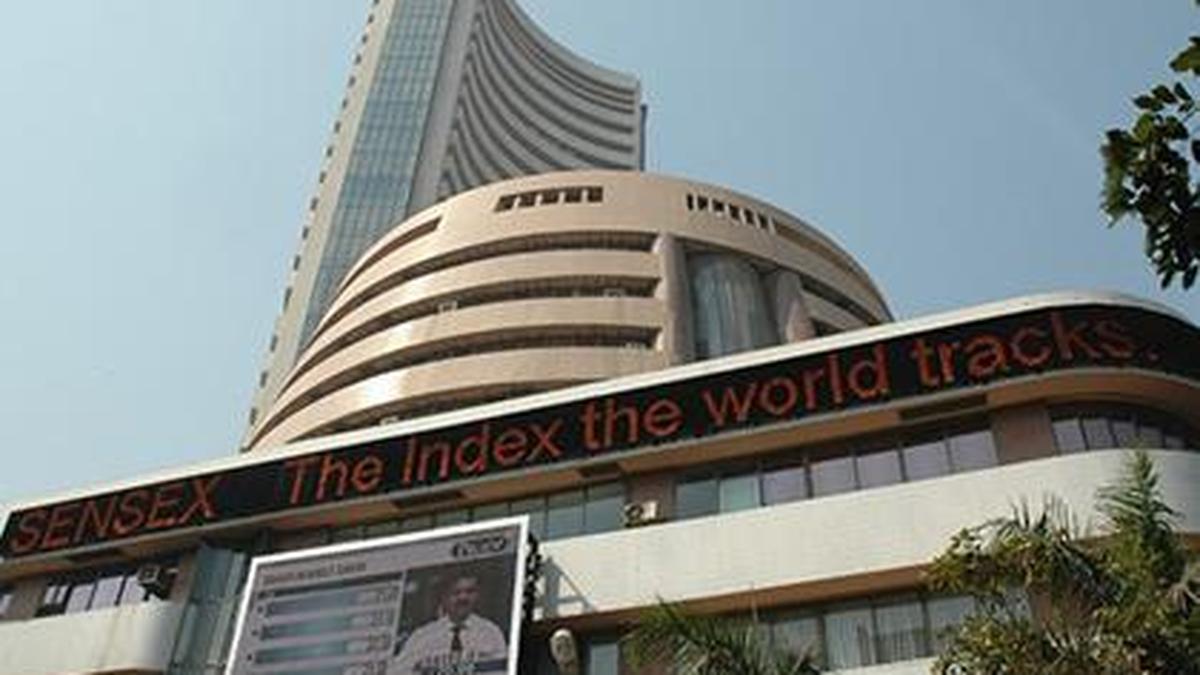
The Indian debt market is a critical component of the nation’s financial ecosystem. Its considerable market size not only highlights the maturity and depth of India’s debt instruments but also emphasises the potential for future growth.
As of March 31st, 2026, the total size of the Indian debt market stands at approximately $2.76 trillion, while the world’s bond market stands at a staggering $145 trillion. It is noteworthy that although India’s bond market is large, there is an immense opportunity for further expansion.
According to Aditi Mittal (Co-Founder, IndiaBonds), “India’s bond market is undergoing rapid democratisation, driven by growing retail participation and greater accessibility. While significant progress has been made, the real opportunity lies ahead as corporate bonds become accessible to every investor and every demat account.”
Bond Markets Powering India’s Growth Story
For decades, bonds and fixed income largely remained in the background of conversations. But now, they are emerging as a key focus area in India’s financial ecosystem, driven by technology and infrastructure development.
Vishal Goenka (Co-Founder, IndiaBonds) emphasised the need to deepen India’s fixed income ecosystem, expand bond market participation and bring key industry conversations to one stage. In his opening address, he mentions, “a strong and trusted bond market is essential for India’s next phase of growth, providing long-term capital for infrastructure, diversified funding for businesses, and broader investment opportunities for households.”
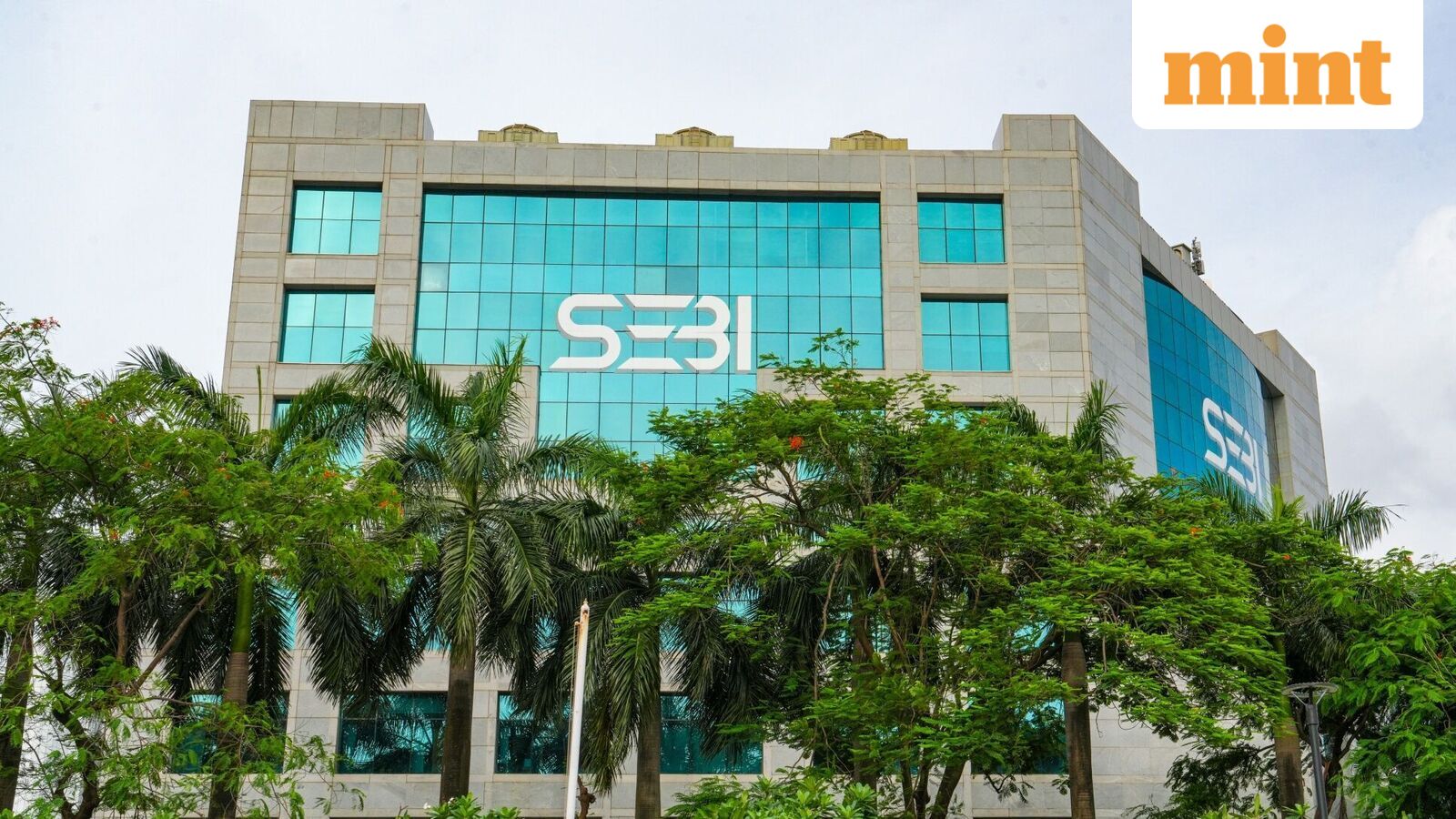
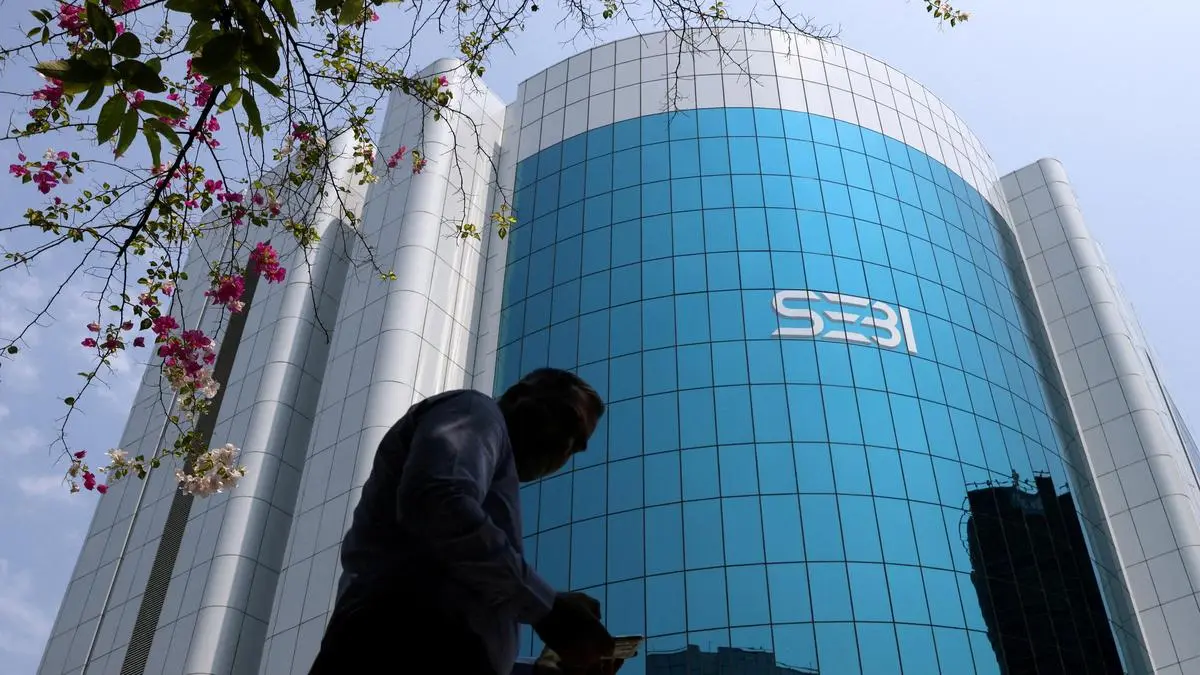
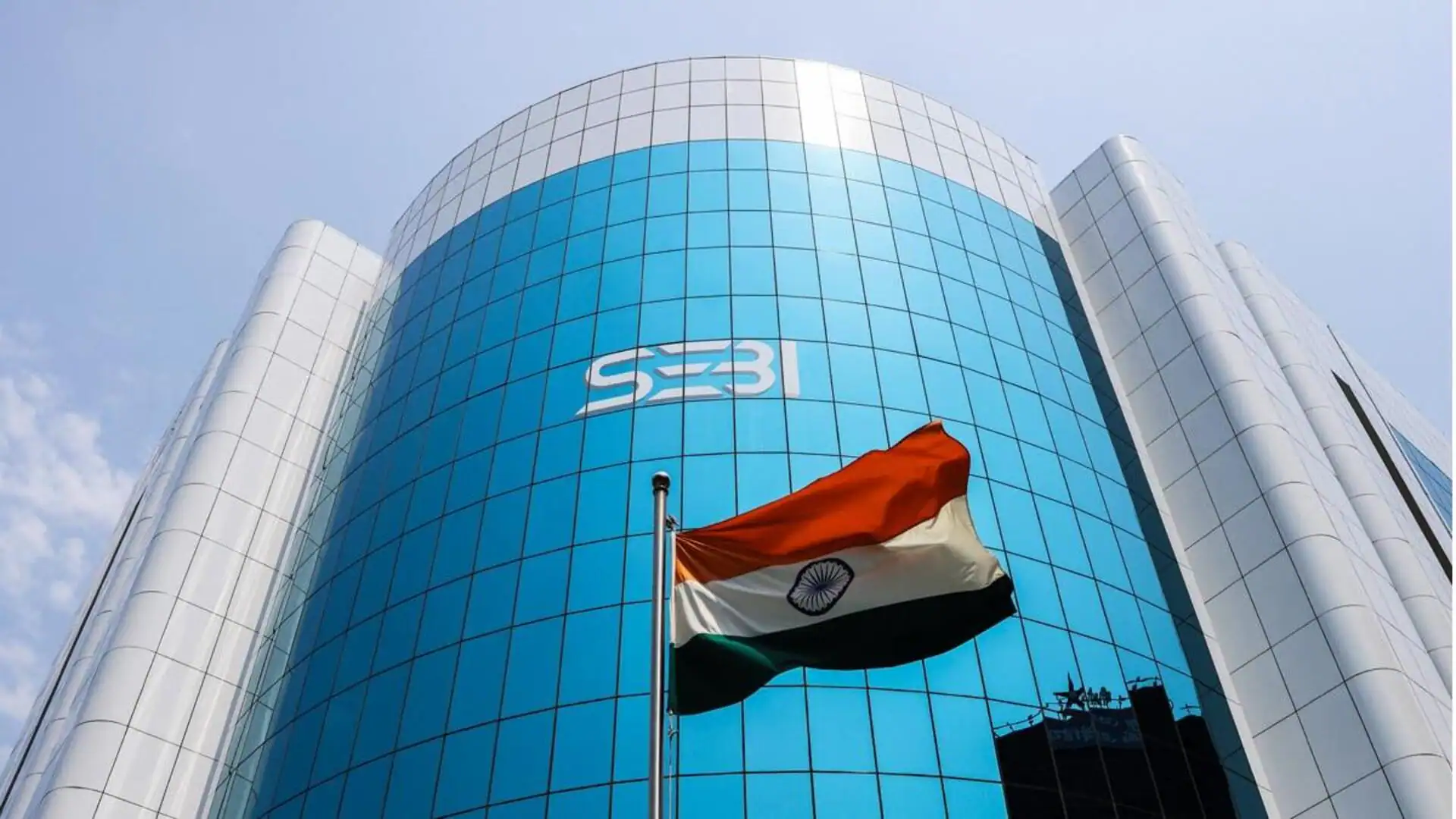
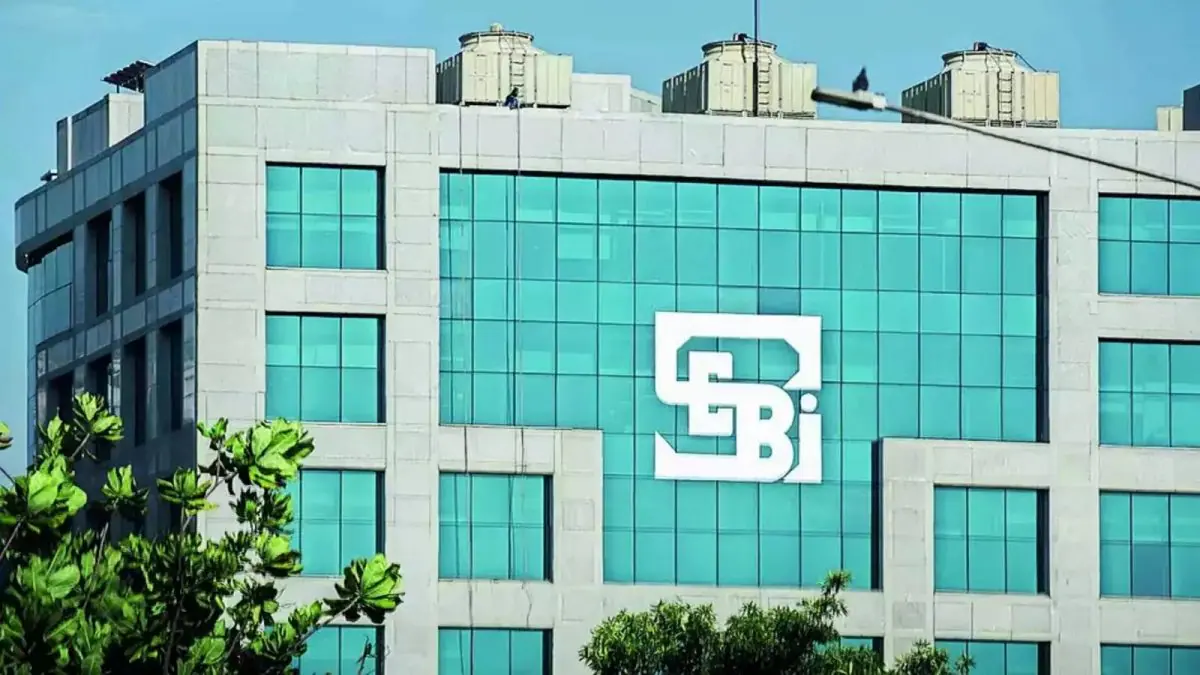
Maninder Cheema (Executive Director, SEBI) also shared her perspective on the evolution of India’s bond market. According to her, “The road to building a deeper, more liquid, transparent and globally credible bond market in India begins with establishing trust, Request for Quote (RFQ) platforms, market-making frameworks, online bond platforms, retail participation, and credit derivatives.”
Technology Creating Access and Transparency
Technology has significantly improved retail access to the bond market. It enables real-time portfolio tracking, seamless transactions, and regular price discovery, bringing the bond investing experience closer to that of equities. As a result, bond investing is becoming more transparent, convenient, and accessible to a wider base of retail investors.
Besides, the integration of retail online bond platforms is opening up new opportunities for retail investors to access corporate bonds and debt investments. These platforms allow retail investors to seamlessly explore, invest, and trade bonds.
Role of Credit Cycle in Shaping Fixed Income Strategies
The panel explored the current stage of the credit cycle and its implications for India’s fixed income markets. The discussion highlighted how evolving funding conditions, sector-specific risks, and changing capital costs are influencing credit spreads, bond pricing, and investment opportunities across the fixed income landscape.
Suyash Choudhary (CIO – Fixed Income, Bandhan Mutual Fund) says, “The current credit cycle is becoming increasingly sector-specific, with funding pressures and external shocks affecting industries differently. In such an environment, credit selection and risk assessment become critical for fixed income investors.”
Amit Tripathi (CIO – Fixed Income, Nippon India Mutual Fund) adds, “Liquidity in the secondary market for corporate bonds has been a long-standing challenge, but with a well-functioning corporate bond repo ecosystem, there is great potential to improve this. It could make it easier for everyone to hold, finance, buy, and sell these bonds smoothly.”
Why Fixed Income Matters
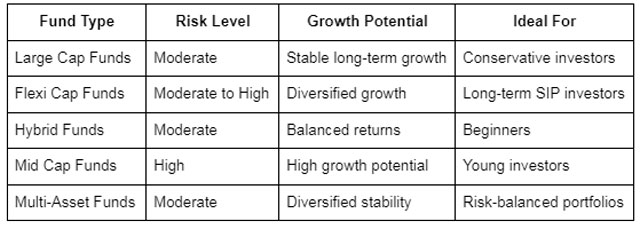
Fixed income instruments are gradually evolving beyond traditional FDs, with a wider range of debt mutual fund categories now offering different duration, liquidity and yield options for investors. Despite attractive yields and better liquidity compared to traditional FDs, fixed income allocation remains low among retail investors.
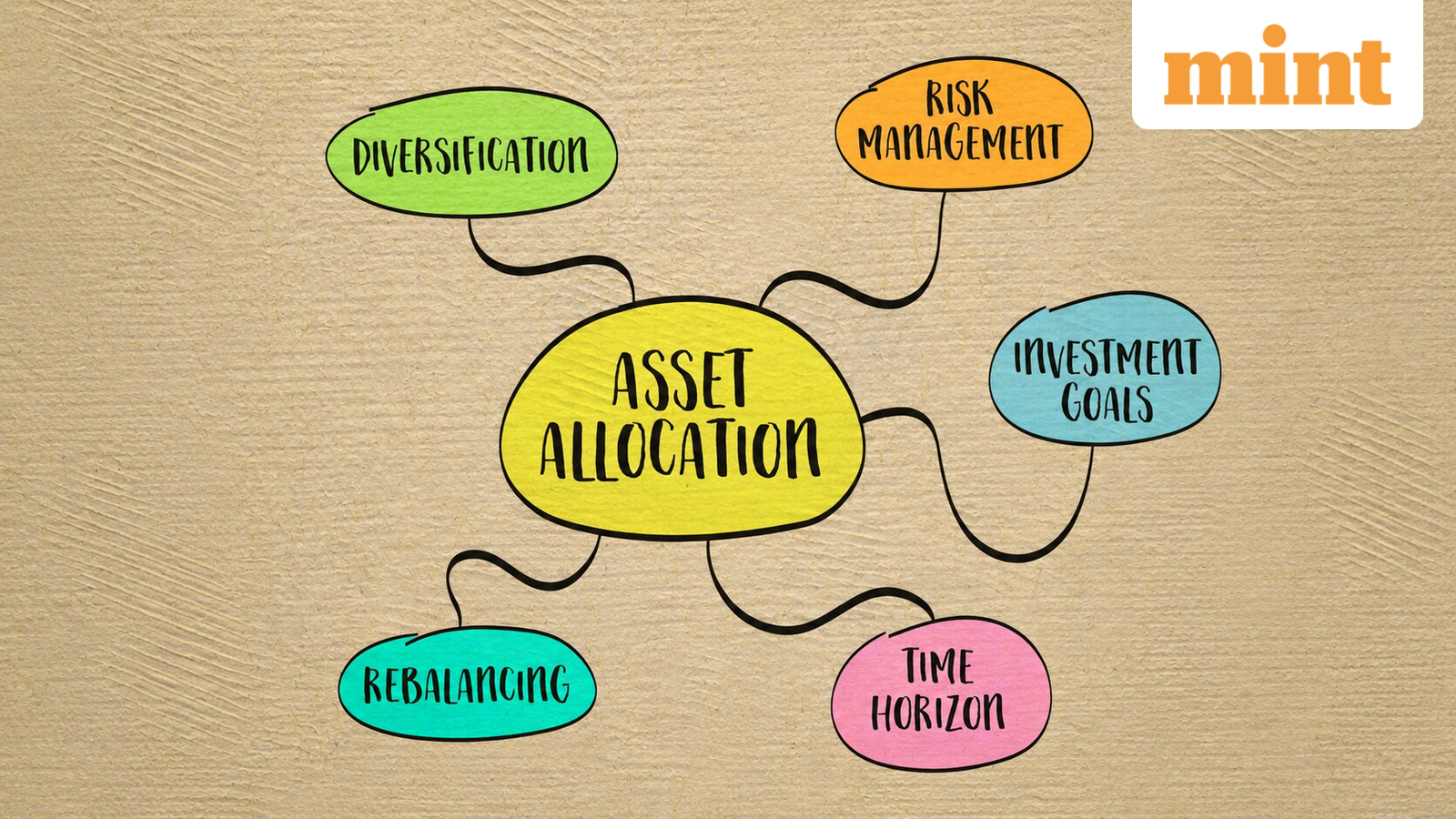
According to Basant Bafna (Head of Fixed Income, Mirae Asset Mutual Fund), “Investors can align fixed income investments with financial goals for long-term financial planning. But one of the biggest gaps in the Indian investment landscape is awareness around fixed income products and how they can fit into long-term financial planning.”
Indian Bond Market and Way Forward
A K Mittal (MD & CEO, AK Capital Services) shared his views on the history of the Indian bond market and the way forward. He quotes, “India’s bond market is much smaller than the US and China. For the market to grow, financial products must reach smaller towns and regions. Moreover, investor education is crucial for expanding bond market reach.”
In another panel discussion, Rajkiran Rai G (MD, NaBFID) discussed how bond markets can support India’s infrastructure financing needs, with a focus on scaling municipal bond issuances, creating sustainable funding channels for urban development, preparing urban local bodies for bond markets, and building wider participation in India’s fixed income market.
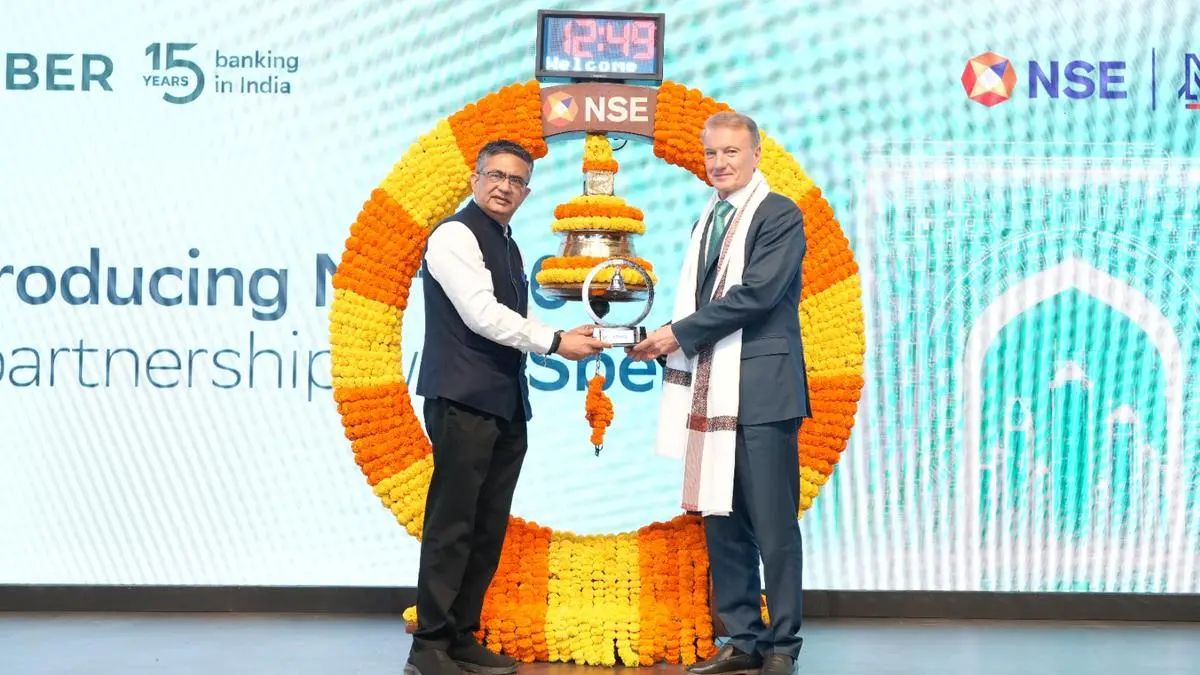
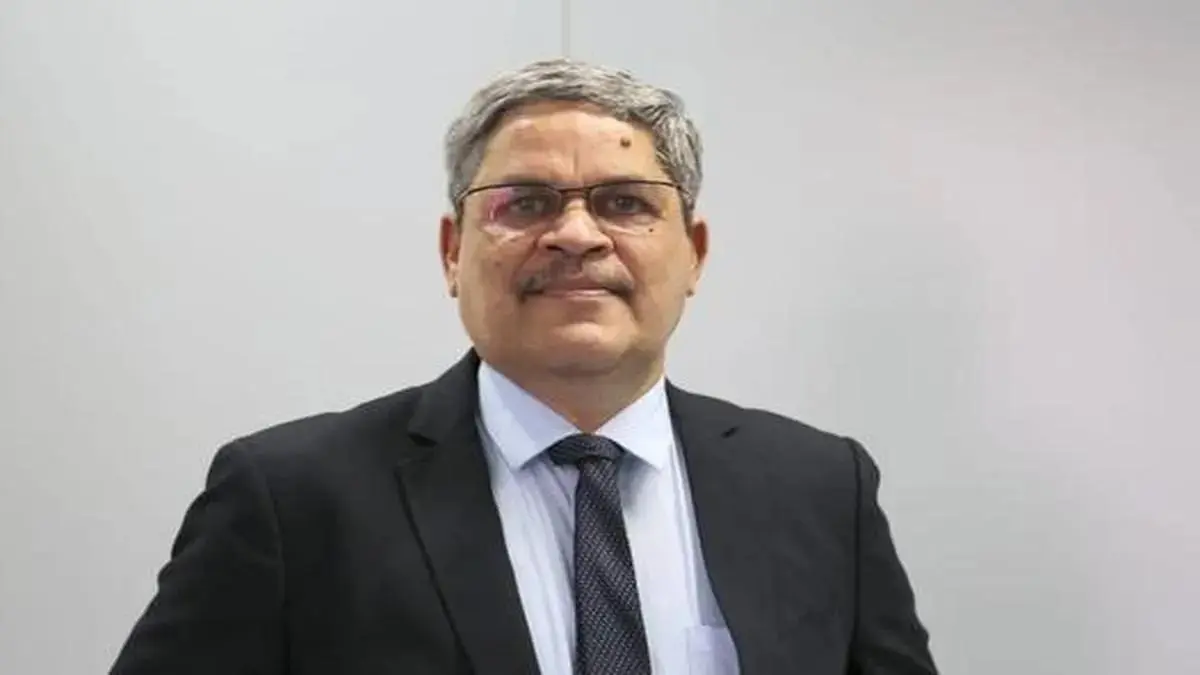
The event concluded with a closing keynote by Ashish Kumar Chauhan (MD & CEO, NSE) focusing on the future of fixed income investing, capital market development, digital infrastructure, market access and the role of participation in deepening India’s bond market.
Check out the https://ms.cnbctv18.com/india-fixed-income-summit/ for more insightful conversations, expert perspectives, and actionable insights that decode the rapidly transforming fixed income landscape in India.