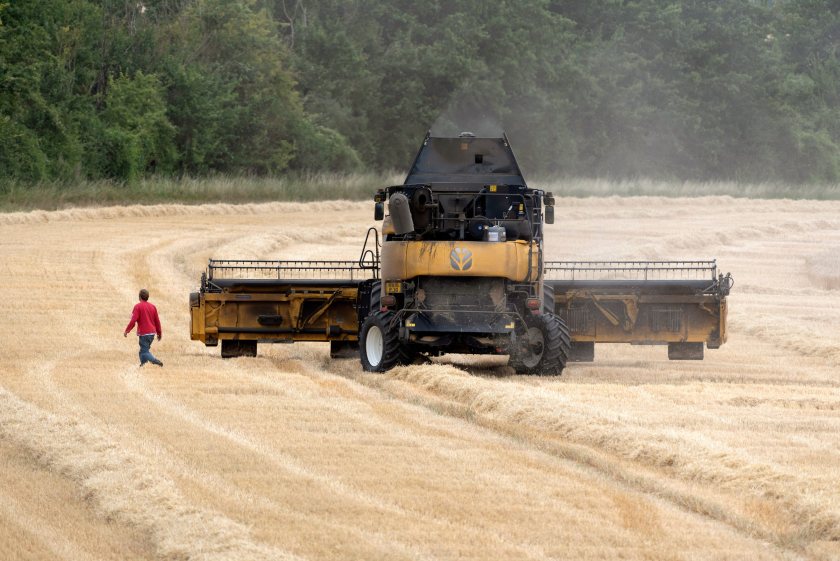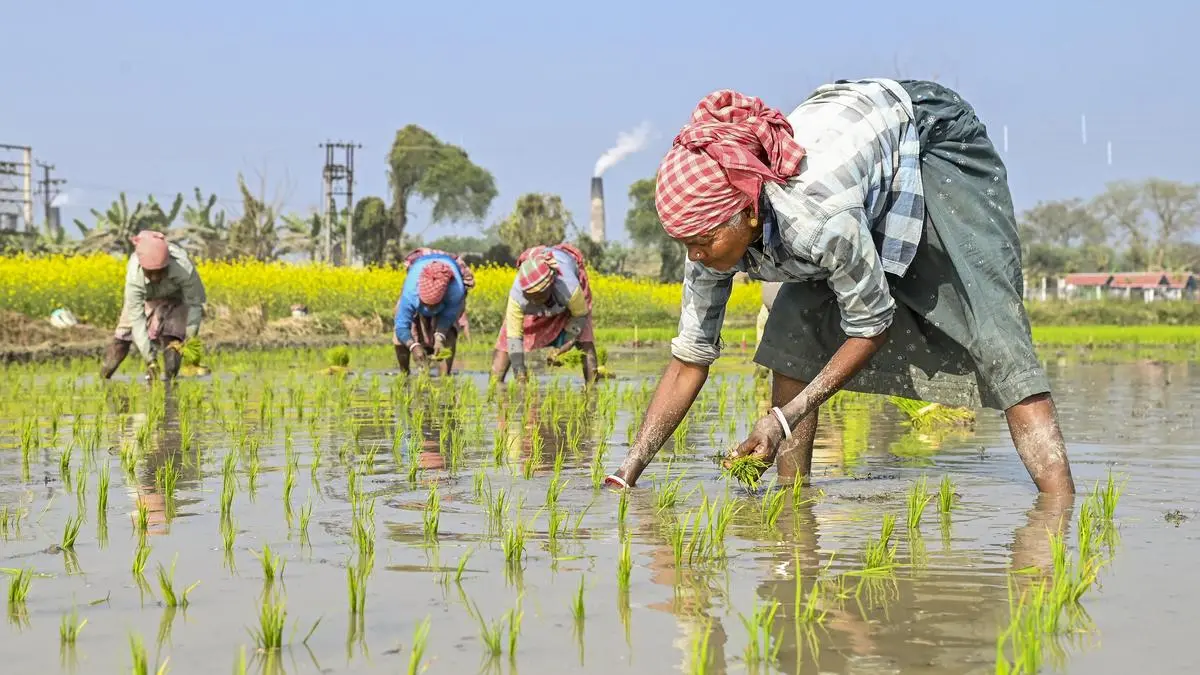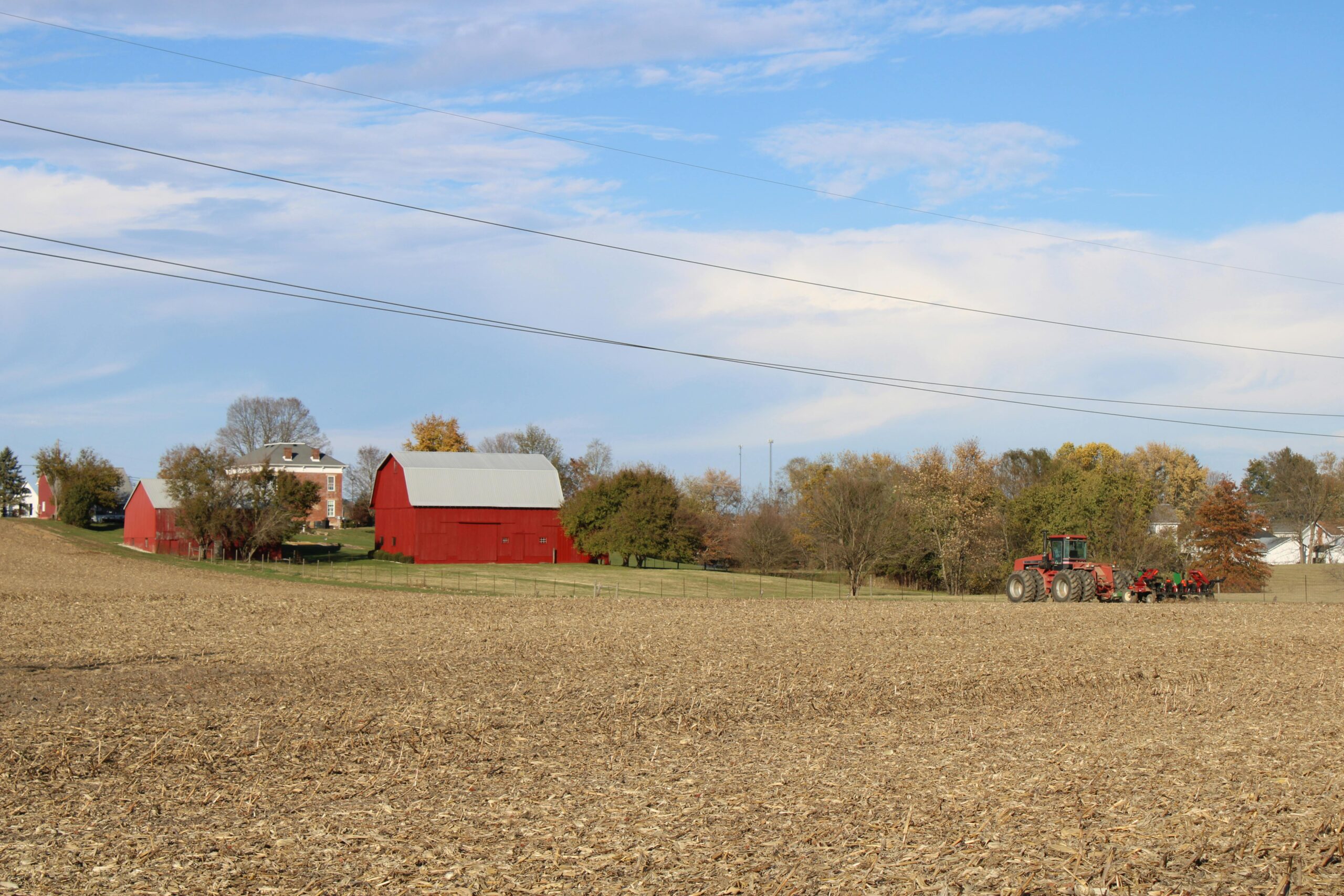
Rural businesses must be treated as a national economic priority if Scotland is to strengthen food security, supply chains and long-term growth, a new report has warned.
Scottish Land & Estates said rural Scotland should not be viewed as peripheral to the economy, but as a driver of productivity, business opportunity and resilience.
The rural business organisation launched its new paper, *Strengthening Scotland’s Agricultural Economy: How economic growth delivers a resilient and secure food and drink system*, at the Royal Highland Show at Ingliston.
The report says “every pound invested in Scottish agricultural output generates around £1.51 of wider economic activity” once supply chain effects are counted, but questions how much of that value remains in rural Scotland.
It makes more than 30 recommendations aimed at improving farm performance, supporting innovation and strengthening domestic supply chains.
The paper calls for expanded support for benchmarking, business planning and on-farm management improvements, so more businesses can adopt the practices of high-performing farms.
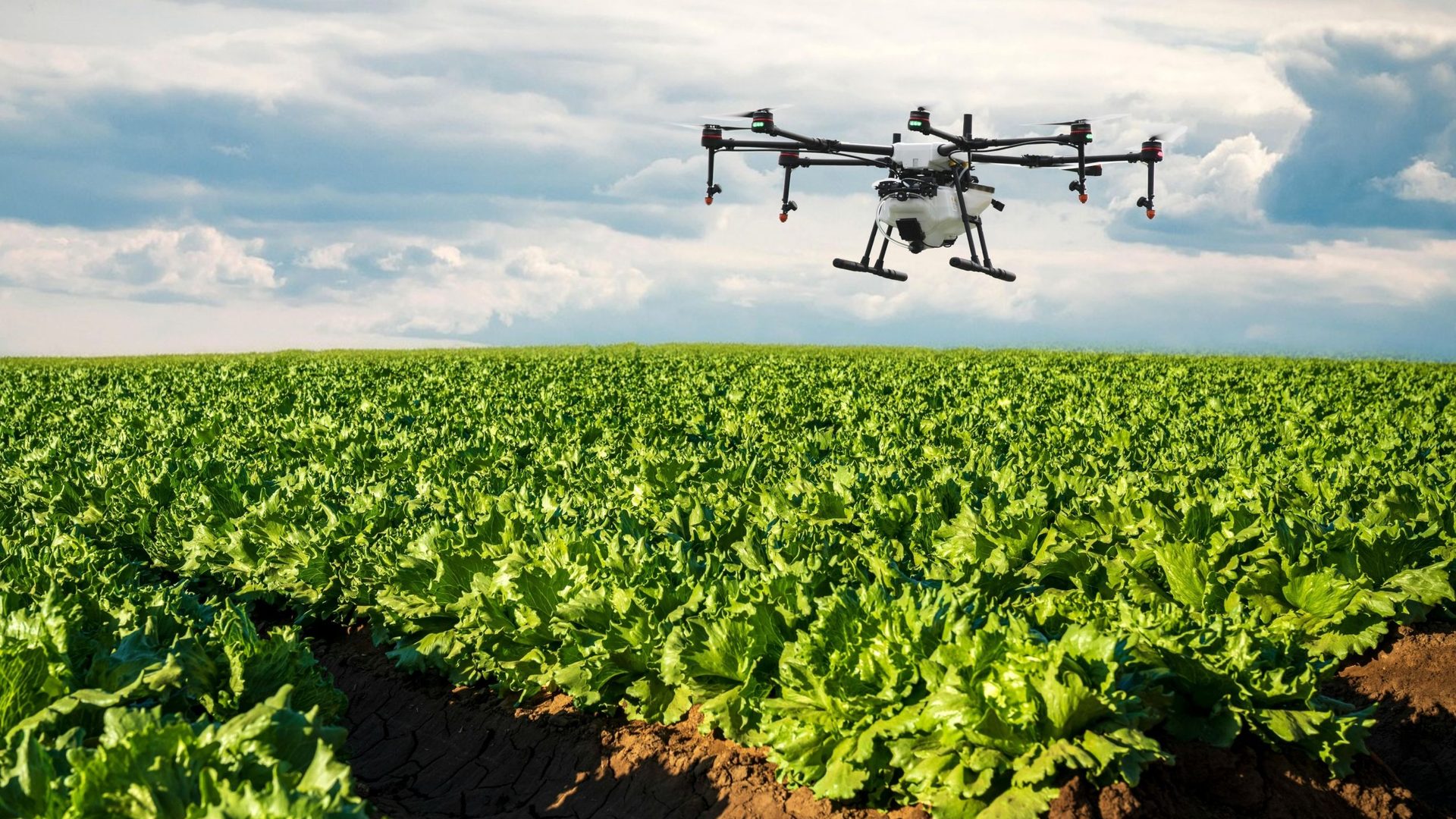
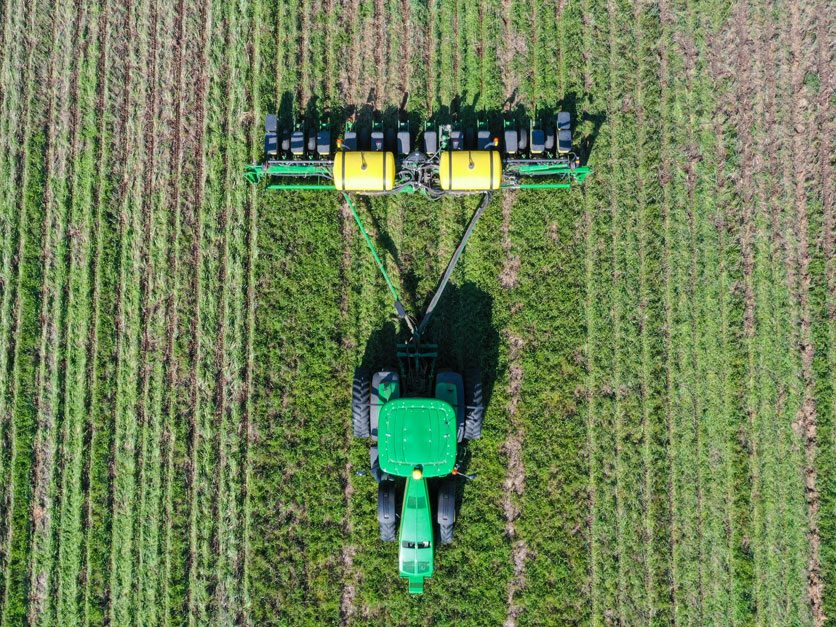
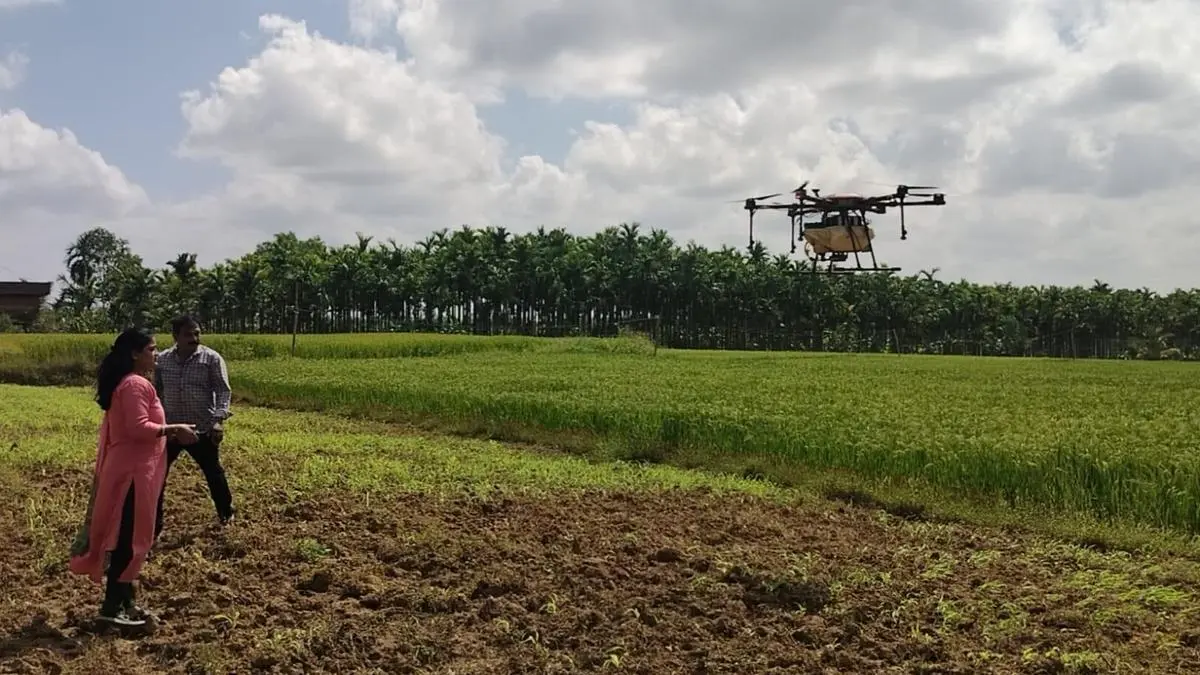
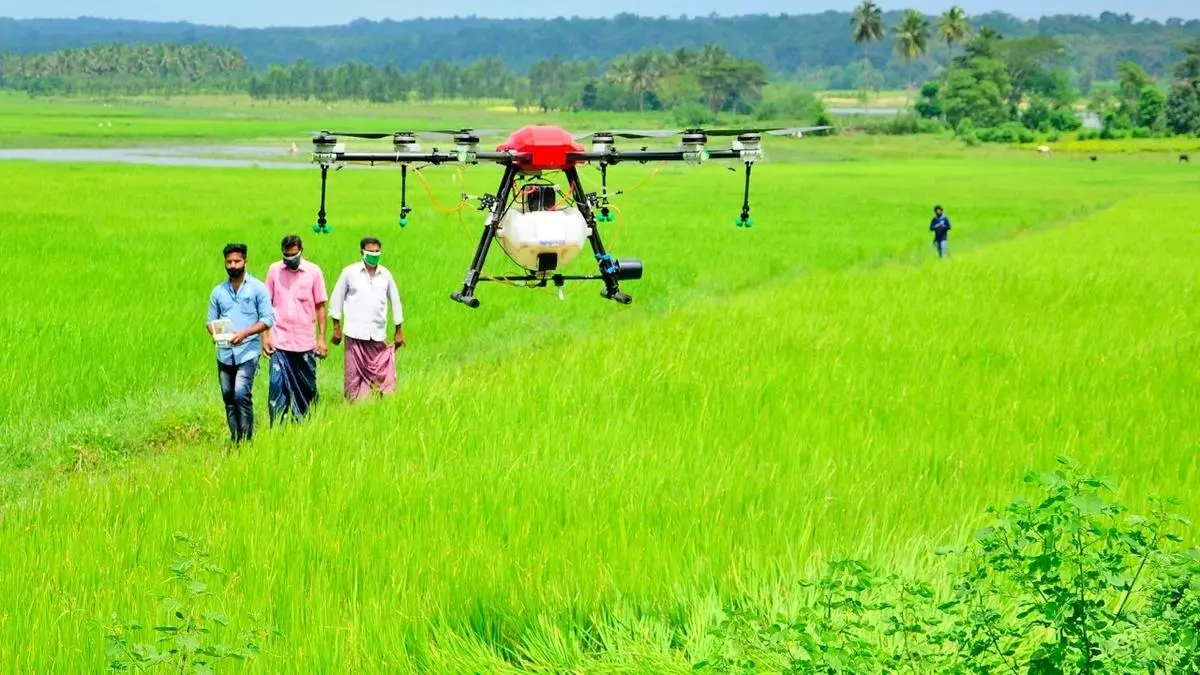
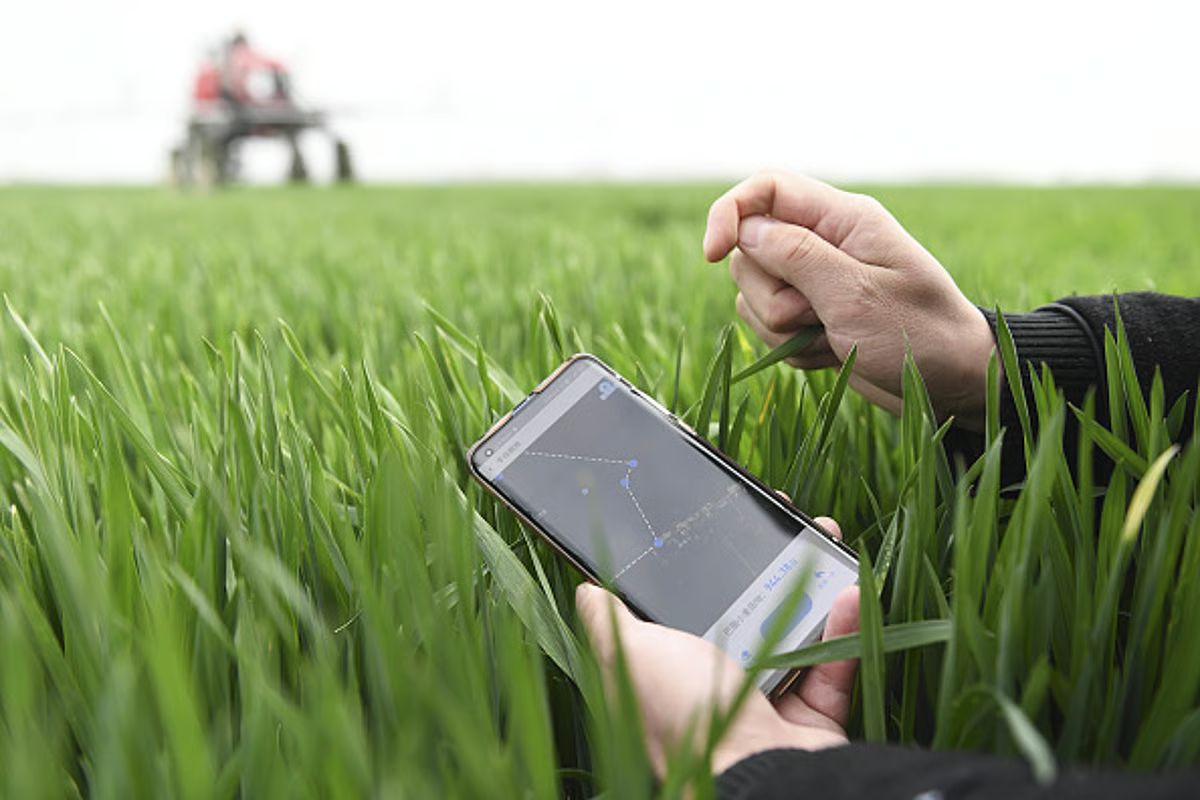
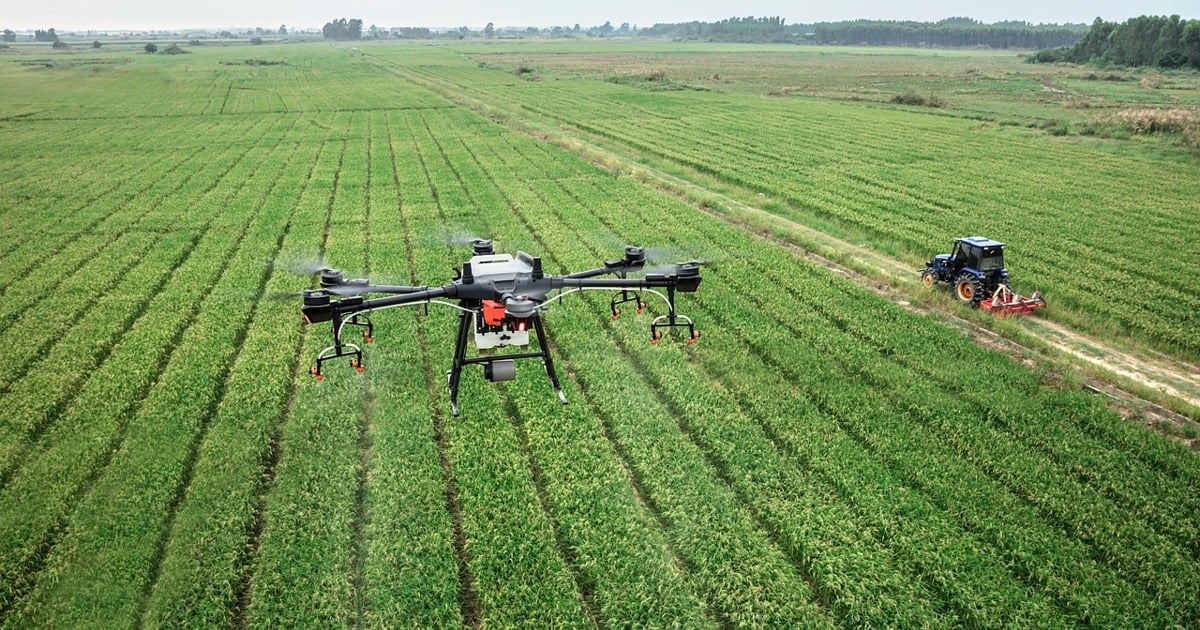
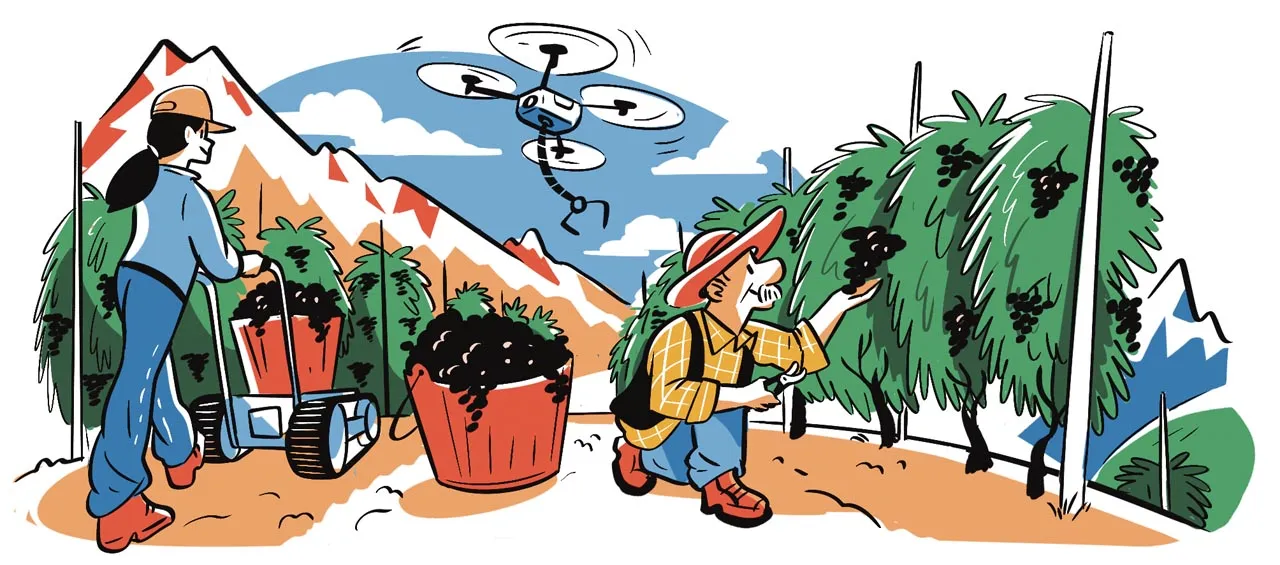
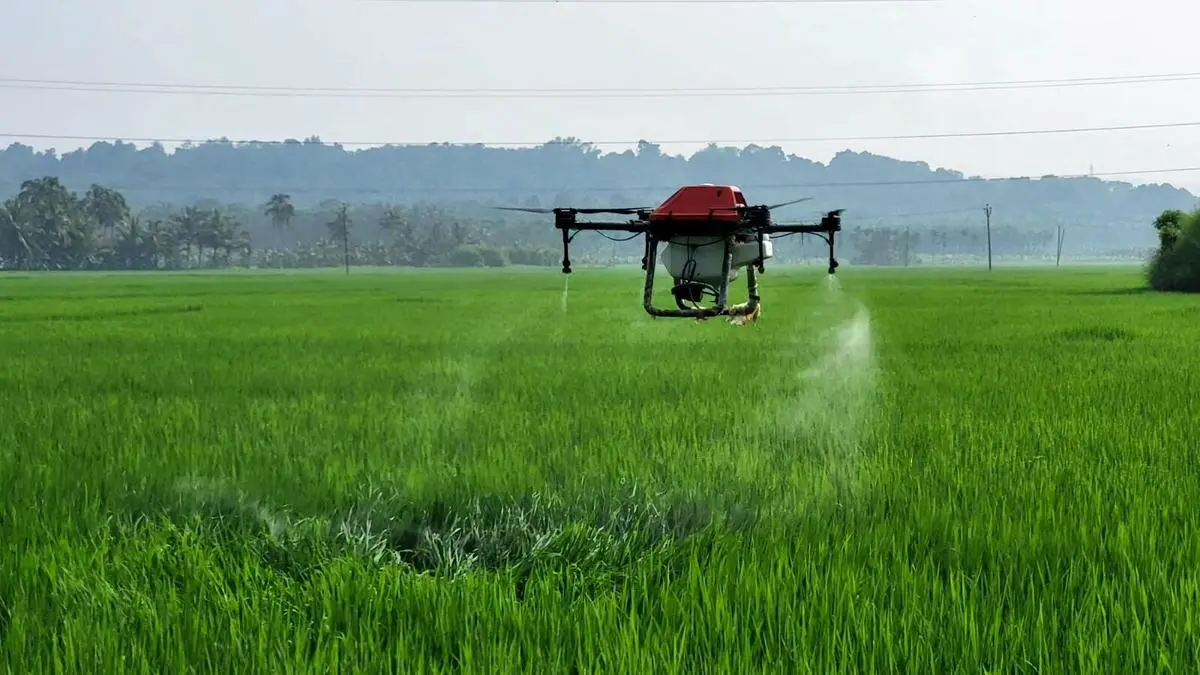
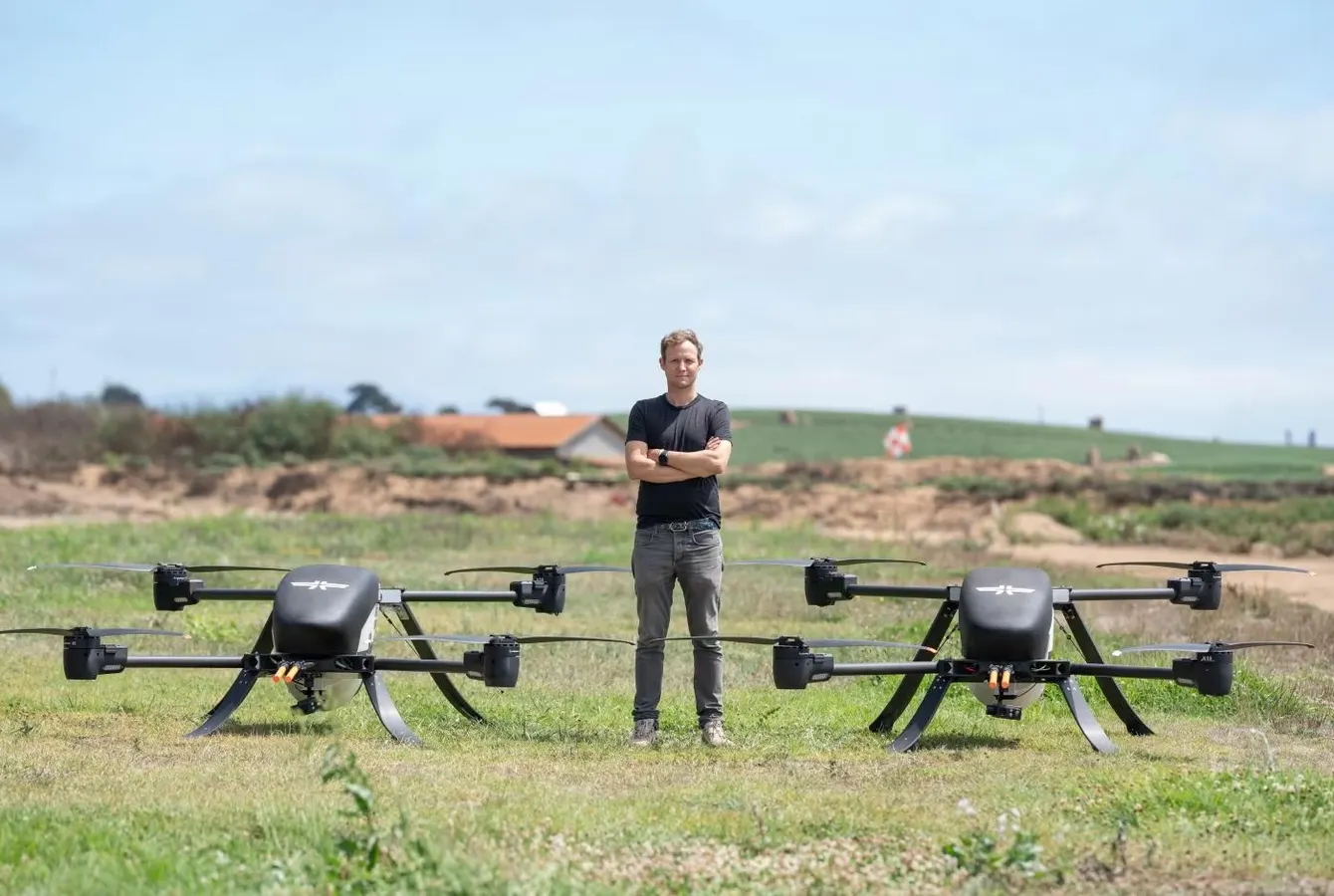
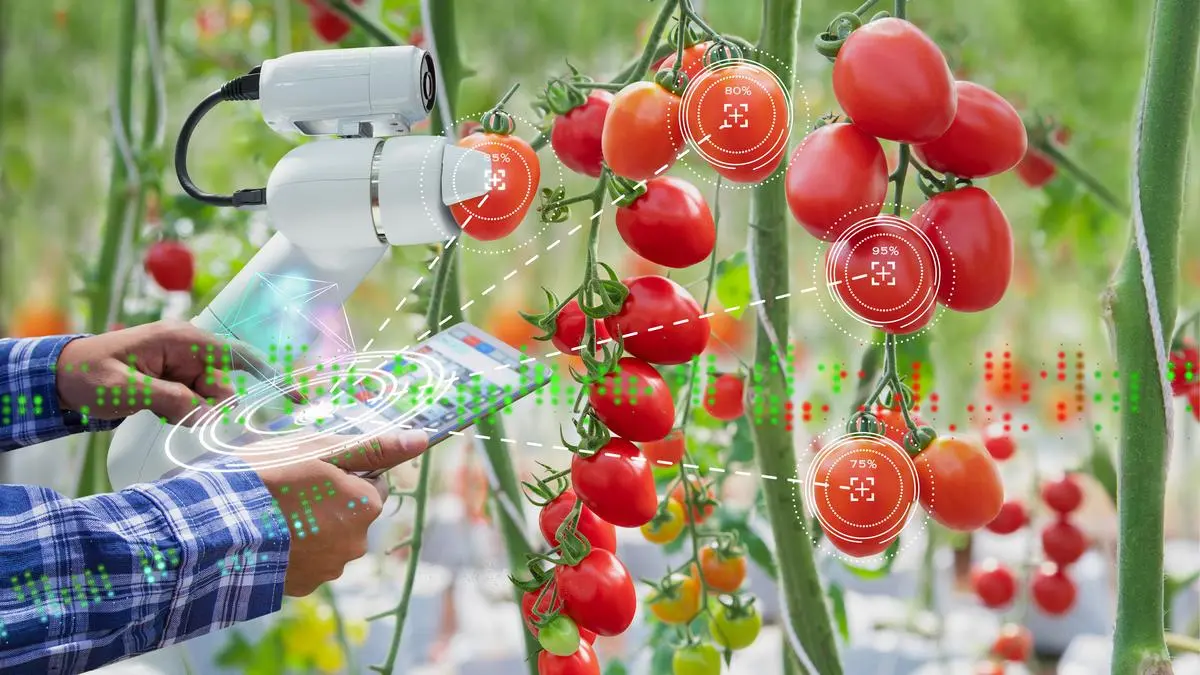
It also urges ministers to back investment in precision agriculture, resource efficiency and practical innovation to help reduce production costs and improve resilience.
Scottish Land & Estates said greater support for knowledge exchange, research and on-farm innovation would help speed up the adoption of better practice.
A key proposal is the creation of a Co-operative Growth Fund, taking lessons from the Dutch co-operative sector.
The fund would provide capital for farmer-owned processing, storage, packing, branding, digital trading and export development.
The report says this would help producers retain more value from the supply chain and strengthen rural communities.
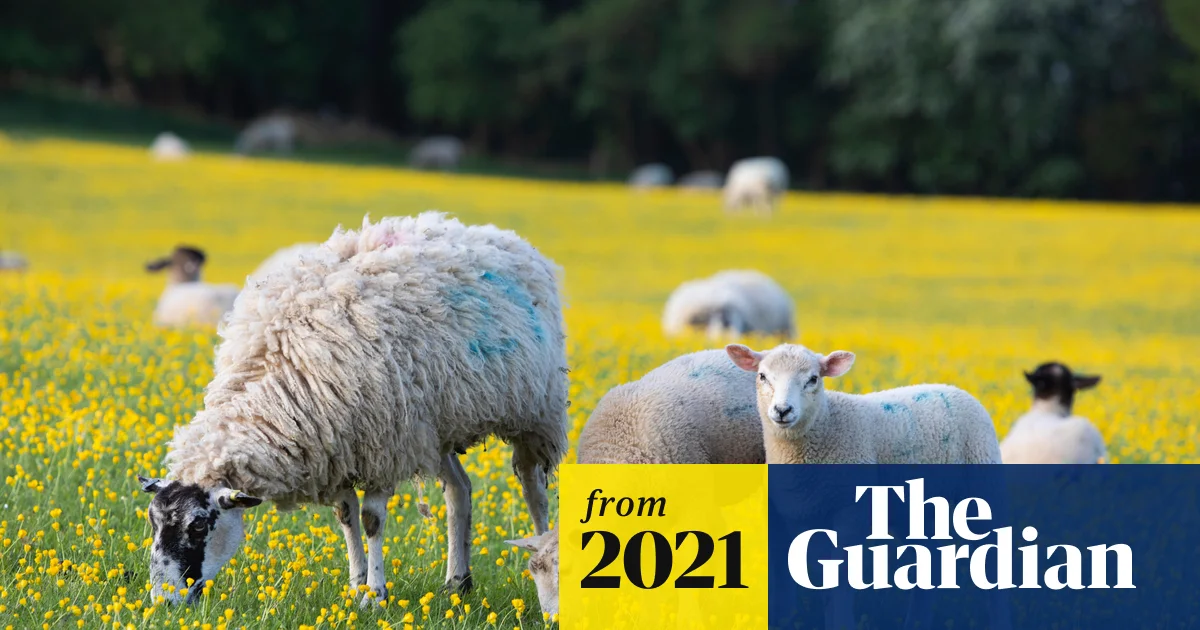
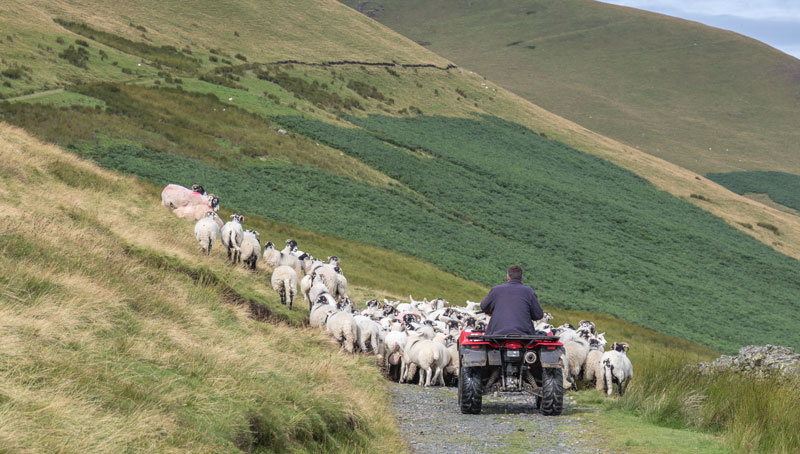
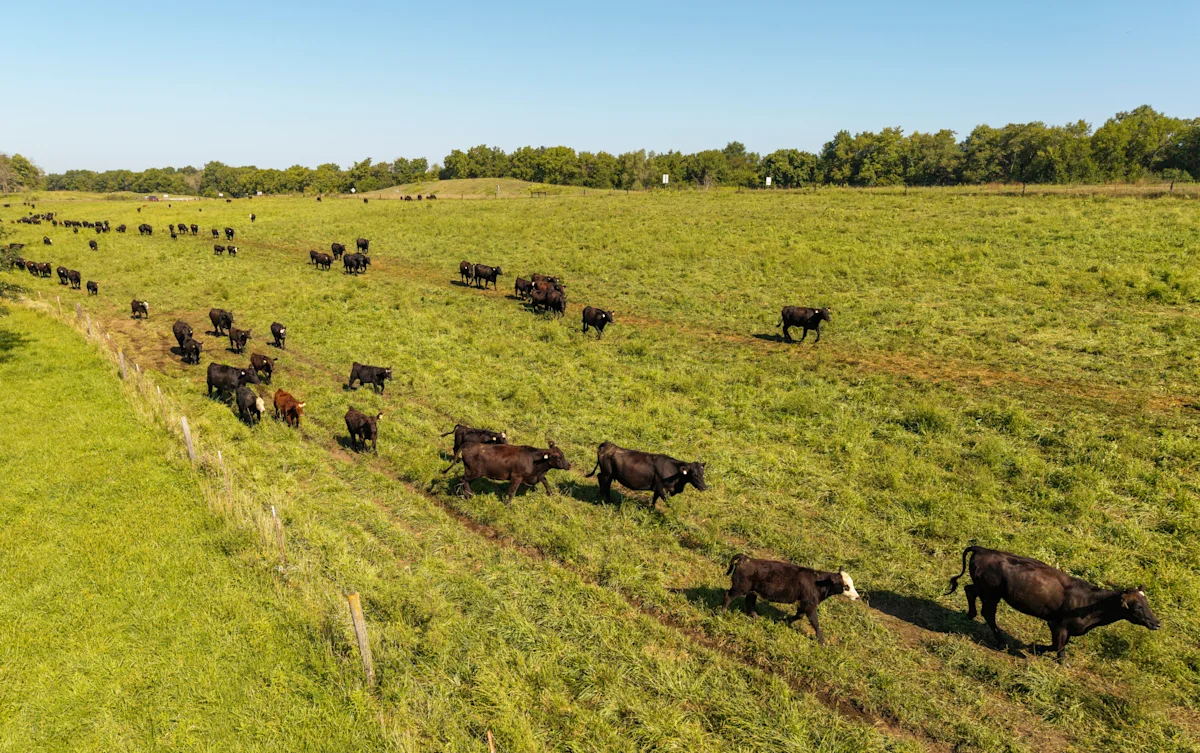
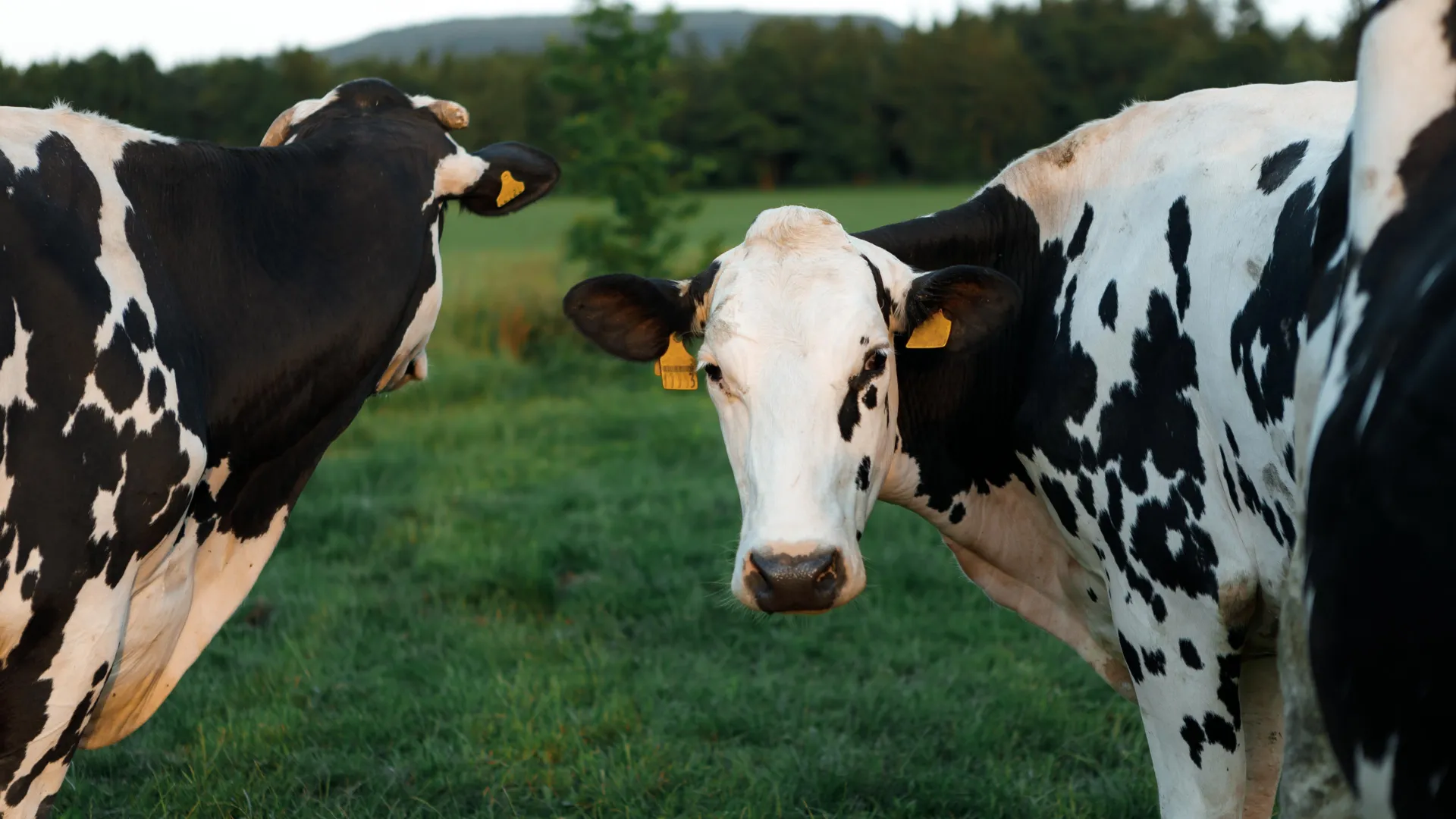
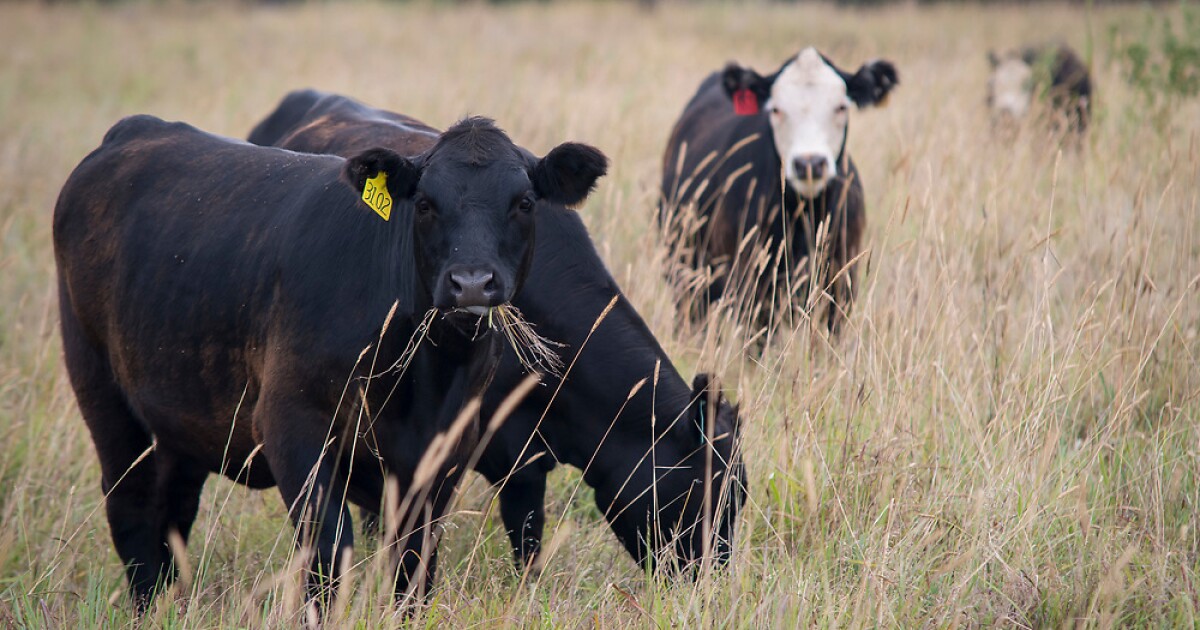
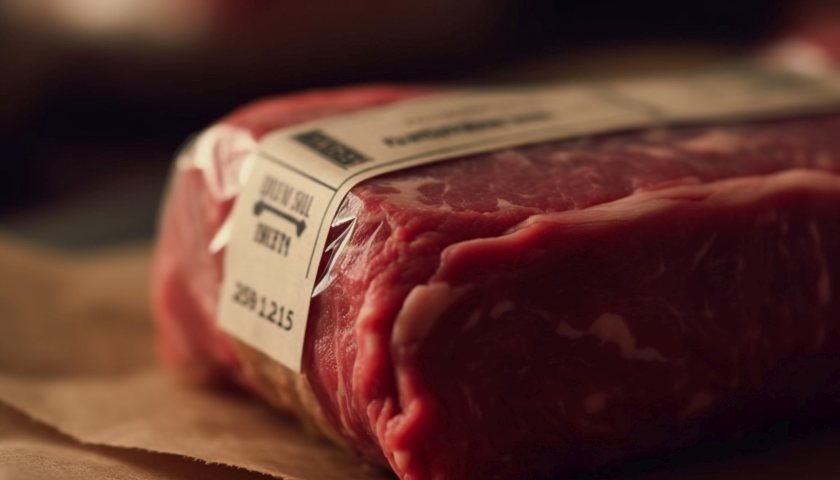
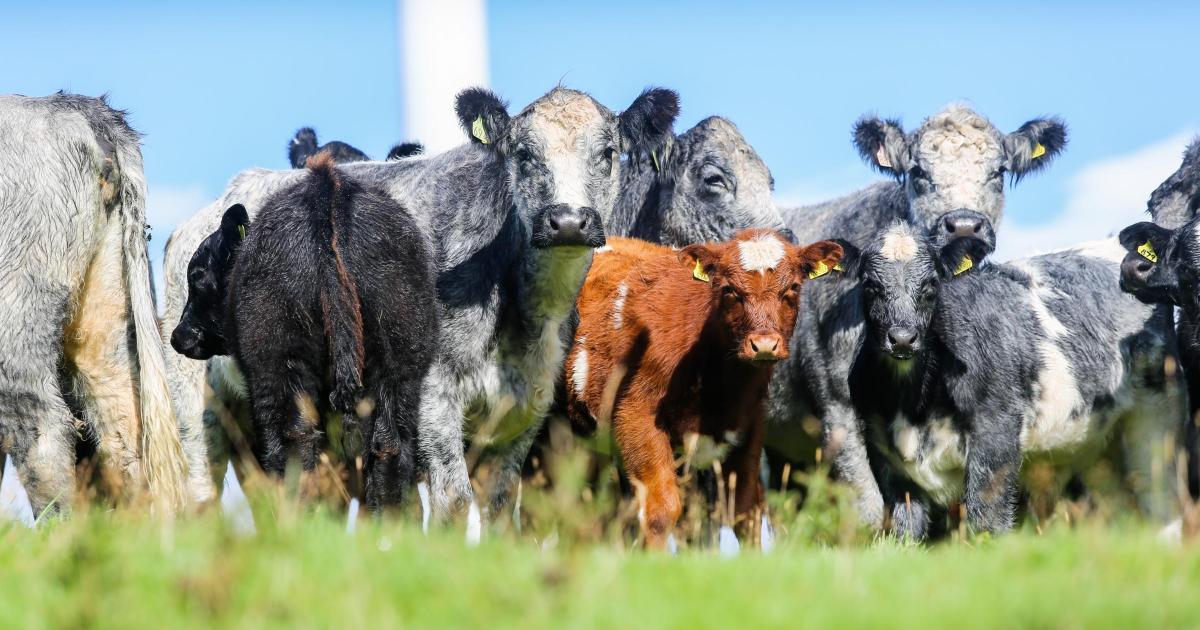
It also calls for confidence and investment measures to support sustainable expansion in breeding herds and flocks, allowing Scotland to capitalise on demand for high-provenance red meat.
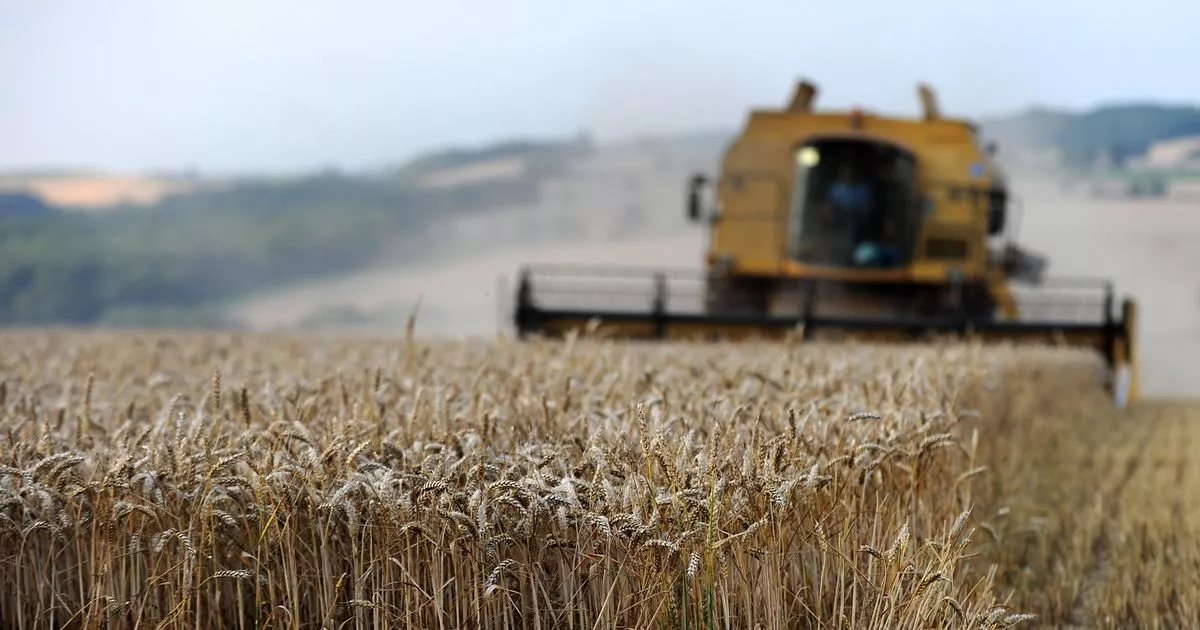
A more resilient domestic barley supply chain is also needed to support the continued success of Scottish whisky, the paper says.
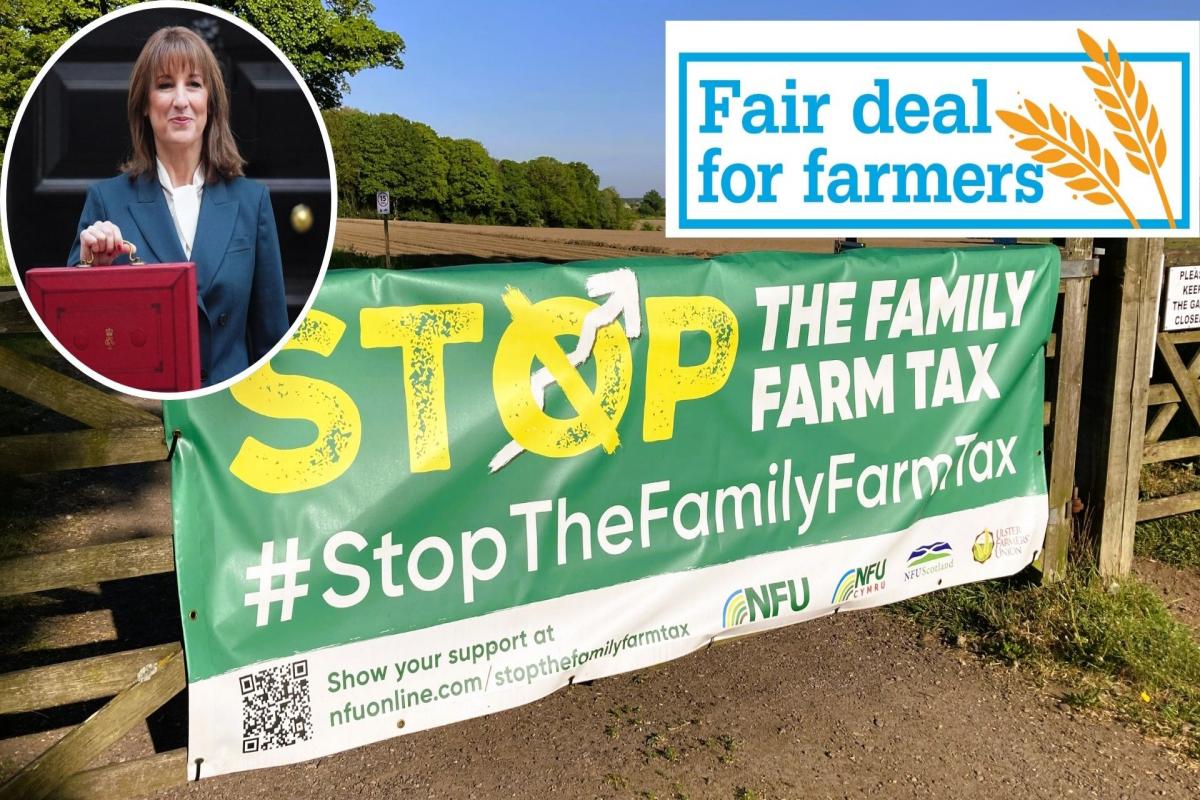
Scottish Land & Estates added that future tax changes should be tested against affordability, proportionality and their likely impact on rural business investment.
The organisation called for a more practical and evidence-led approach from government, with future agricultural and rural policy co-designed with land managers.
It said food production, climate action, biodiversity, rural employment and business profitability should be supported together, rather than treated as competing priorities.
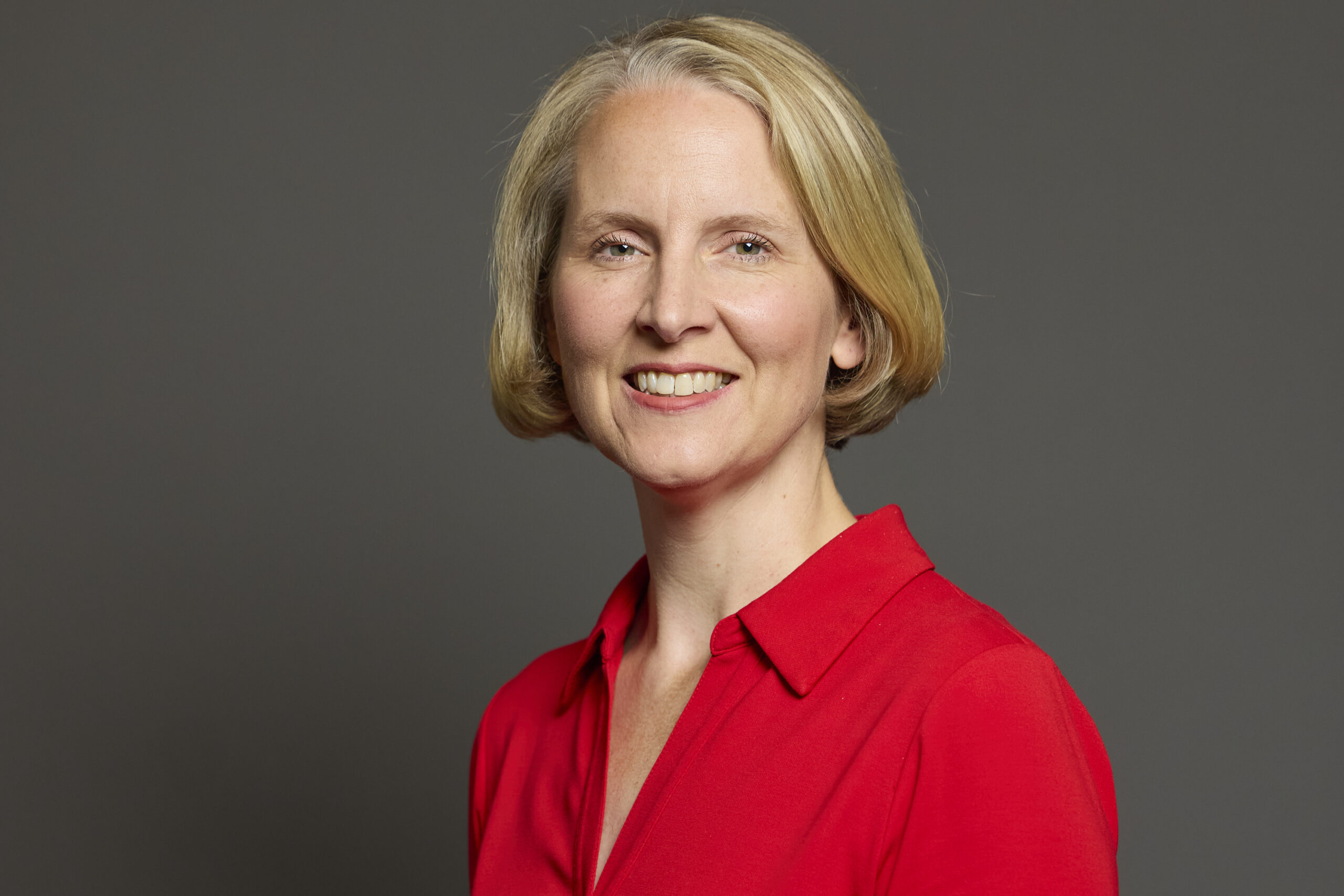
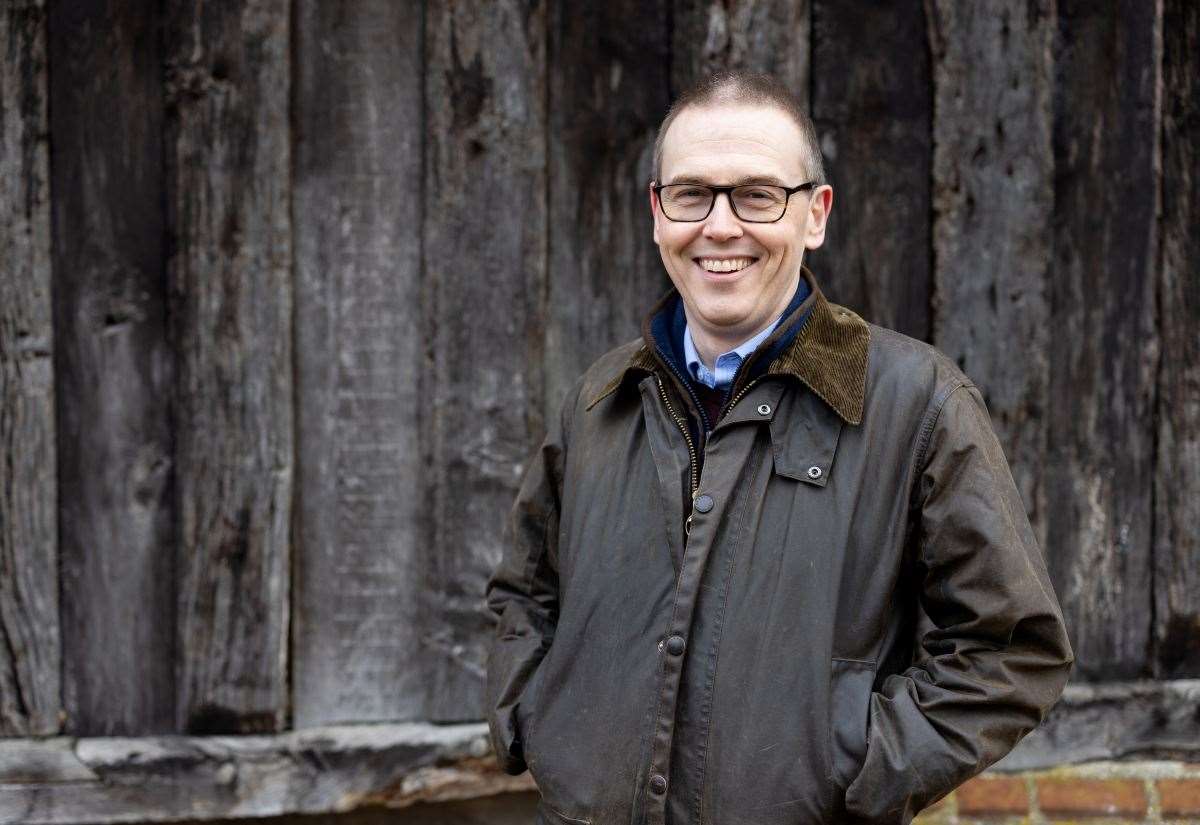
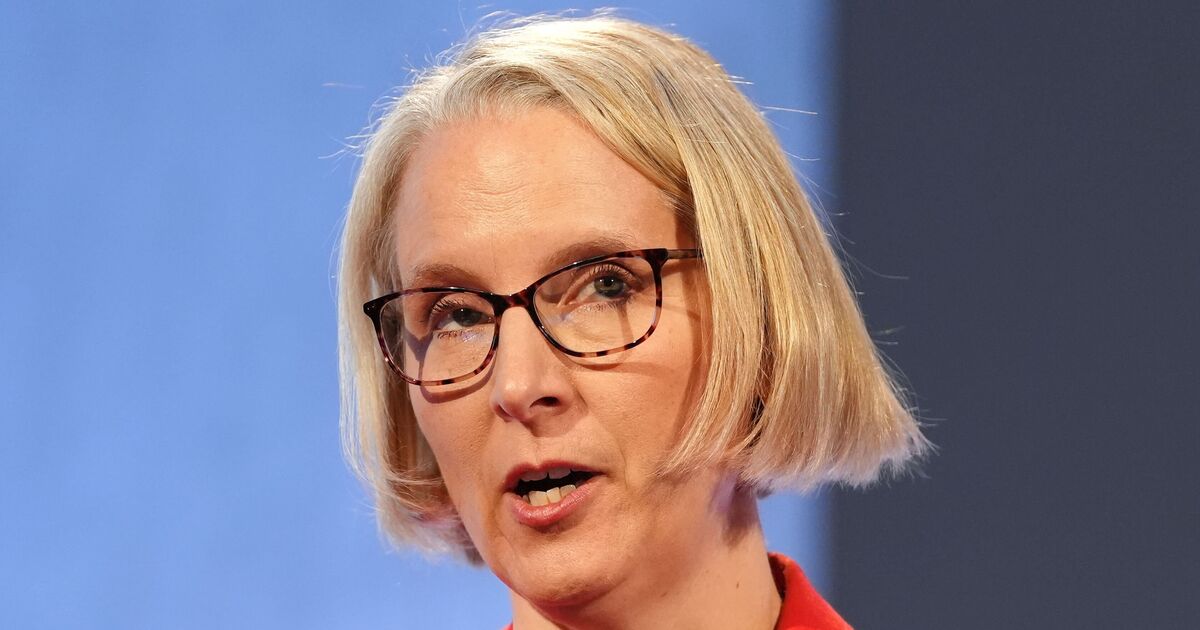
Eleanor Kay, senior policy adviser for agriculture and climate change at Scottish Land & Estates, said: “Scotland’s rural economy has a central role to play in national economic growth, food security and environmental delivery.”
She said agriculture and land management could deliver several outcomes at the same time, including “food and fibre production, climate mitigation, biodiversity gains and rural jobs”.
However, Ms Kay said this would only be achieved if policy was practical, evidence-based and developed in partnership with those who manage the land.
She said the central test for government should be whether decisions strengthen the ability of rural businesses to invest, adapt and deliver for the wider economy over the long term.
Ms Kay said rural policy should not be judged only by the level of public spending attached to it, but by whether it improves productivity, resilience, skills, market power and business confidence.
“Strengthening local processing, supporting co-operation and improving procurement links are not niche rural issues – they are the levers that make growth inclusive, and we want to see Scotland take serious steps in that direction,” she said.
Scottish Land & Estates said keeping more processing, branding and market value in the hands of producers would help ensure more of the economic benefit generated by Scottish agriculture remains in rural communities.