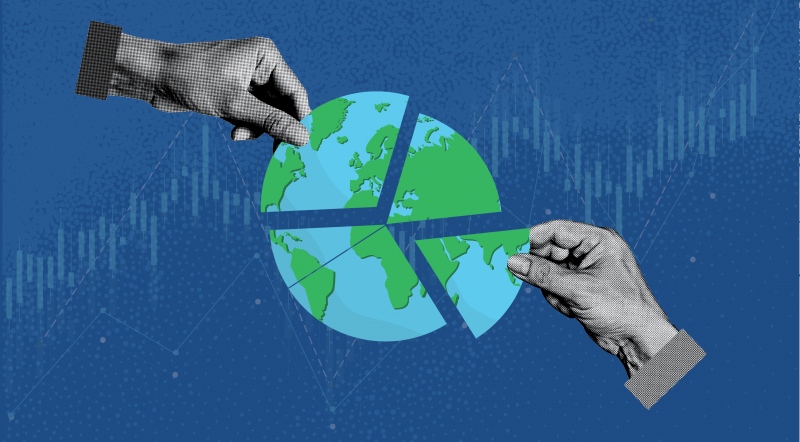
Can the world be put on a fairer path to growth?
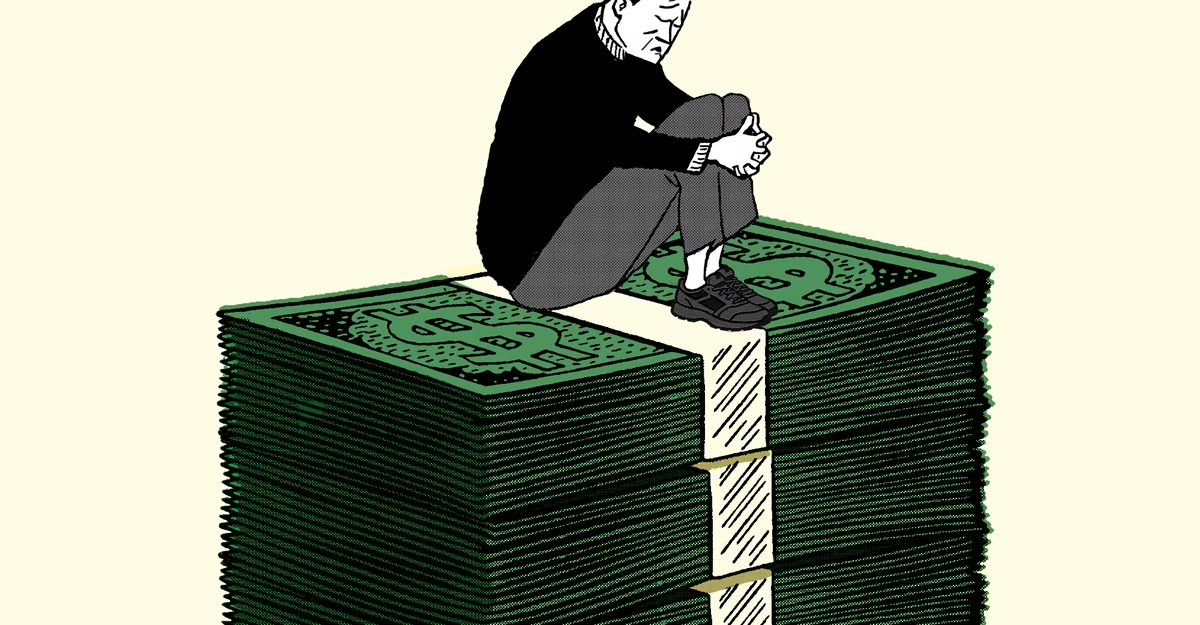
Internal wealth disparity within many nations is also widening. More than 40% of all wealth generated since the start of this century has flowed to the wealthiest 1%, while the lower half of the world’s population received barely 1%.
Read more:
For the UK and Scotland, these global trends matter because they are a symptom of a polarised economic environment. Multinational corporations are capturing a larger share of global profits, whilst smaller domestic firms struggle.
The biggest companies now account for the bulk of corporate earnings, but their gains are increasingly detached from communities around the world where thy operate. Individual nations struggle to tax global businesses for their activities in a particular jurisdiction. Although many have stock market investors, genuine accountability seems diminished.
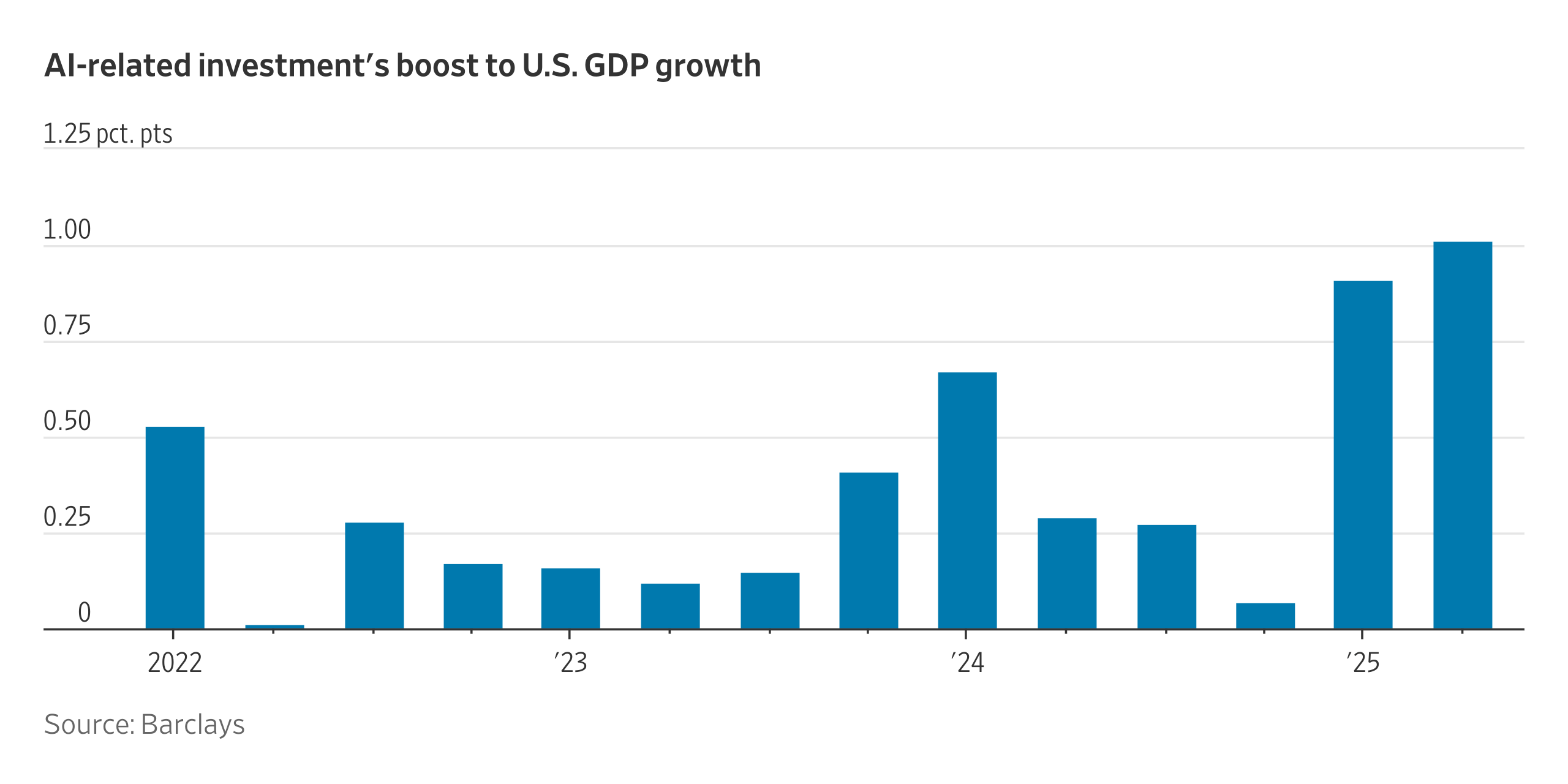
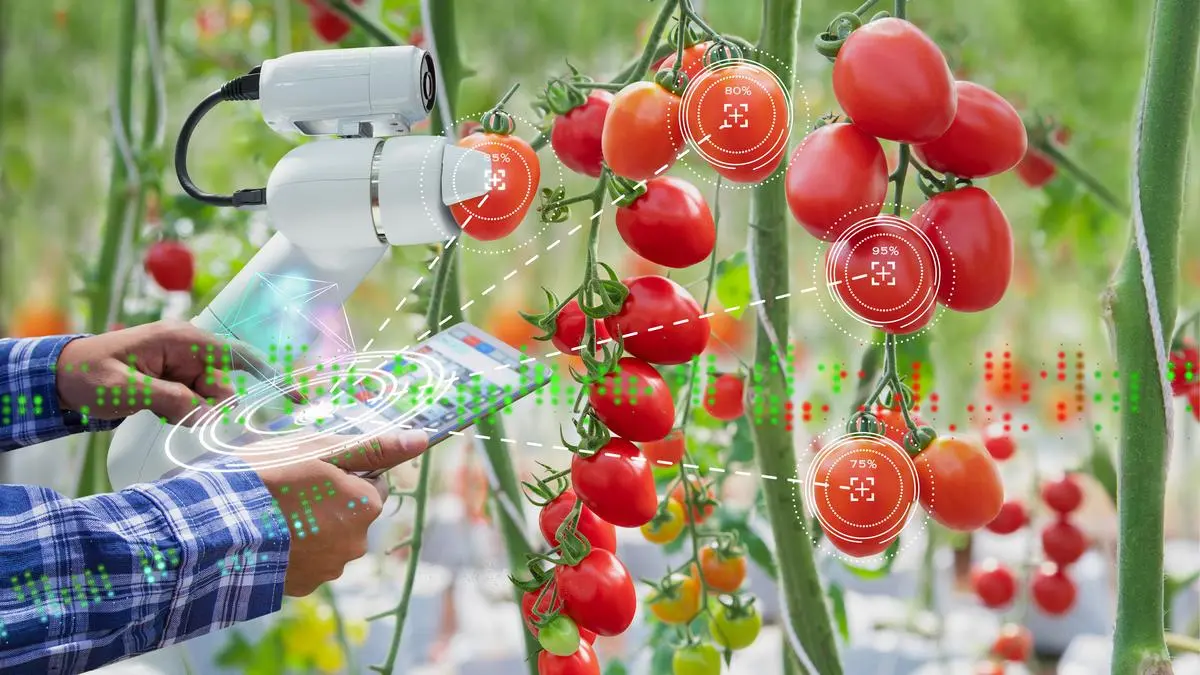
Added to this increasing concentration in global business, the productivity benefits of artificial intelligence seem likely also to be spread unevenly. AI threatens to detach a lot of economic activity from individual labour.
Crucially, gains in productivity from firms that adopt AI are likely to boost returns to capital, which tends to favour those who already own assets. Despite the potential for social upheaval, there is little public debate on what this should mean for the tax system and government policy.
Read more:
International efforts to address this have made some progress but remain fragile. The OECD and G20 groups of nations have pursued a global minimum corporate tax framework, designed to prevent countries from undercutting each other with low tax rates. This aims to ensure that multinationals pay a fairer share in the countries where they actually do business.
But major economies are pulling in different directions and agreements are not easy at a time of international tension. There seems little chance of a coherent settlement to capture a share of the profits of global technology and financial firms.
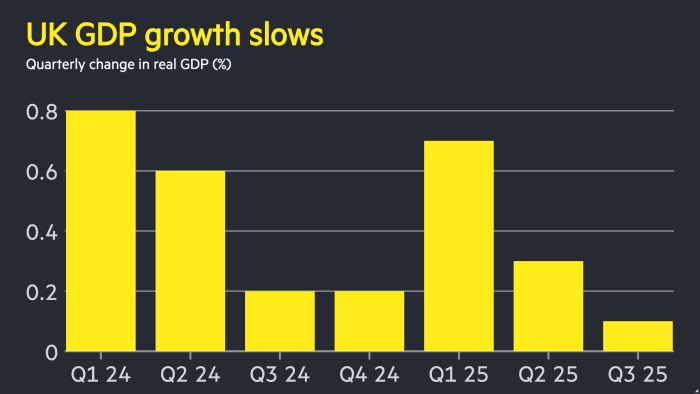
Something fundamental has shifted in how prosperity is shared globally, with Britain impacted more than most. Our economy continues to grow, albeit slowly, but most people are seeing little benefit.
For a brief period following the financial crisis, low-income workers made genuine gains. Labour shortages gave bargaining power, and wages at the bottom began rising faster than those at the top. That progress has now reversed; top earners pulling ahead, while wages for the bottom third have stagnated.
Read more:
In Britain today, the richest fifth of households receive disposable incomes more than four times higher than the poorest fifth. The most recent official data show that median income for households in the lowest 10% increased by just 2% in real terms in the latest financial year, compared to significantly stronger gains further up the distribution.
Among developed nations, only the United States shows greater disparity. In contrast, several small European countries demonstrate that advanced economies can distribute their wealth far more evenly.
The roots of this inequality run deep. Britain has long struggled with a productivity problem that became acute after the financial crisis. Between 2000 and 2007, productivity grew at over 2% annually. Since 2011, that figure has collapsed to half of one percent, and since the pandemic to just two-tenths of a percent.
This matters because productivity drives living standards. When we fail to produce more value per hour worked, real wages stagnate and the economy grows more slowly.
The challenge is compounded by regional concentration. London dominates national output, with median household income well above the UK average, while large parts of the Midlands and the north of England continue to trail significantly. Scotland has its own regional disparities.
Read more:
Britain now invests far less relative to the size of its economy than comparable nations. For 30 years, our investment rates have lagged behind the rest of the G7. We spend less on infrastructure, research and the tools that make the workforce more productive.
This underinvestment has consequences. British workers are less productive than their counterparts in France, Germany and the Netherlands. The resulting lower capital stock means lower output per worker, which flows directly into stagnant wages and constrained public services. It will take active intervention to stop this downward spiral.
Scotland faces particular economic challenges. The CBI and Fraser of Allander Institute have highlighted that Scotland continues to struggle with slower productivity growth than the UK average, weaker export orientation and persistent regional disparities in business dynamism. Planning and regulatory uncertainty and regional disparities compound the picture.
Of the businesses that do export, a handful of very large firms account for the vast majority of export value, leaving Scotland’s economic base narrow and vulnerable.
Read more:
Breaking out of this pattern requires confronting uncomfortable truths. Britain needs sustained economic growth of 2% or higher, maintained over many years, to generate the tax revenue and rising living standards that improve public services and reduce social tension. Greater incentives for business investment and entrepreneurship are needed.
The world must develop public policy that addresses unhealthy business trends. The power of governments relative to large businesses is weakened but debate is needed on holding corporations to account.
Encouragingly, international forums have begun to acknowledge that inequality is not simply a social concern but an economic one. Excessive concentration of income and wealth reduces aggregate demand, undermines social cohesion and ultimately damages the conditions for sustainable growth.
Scotland should be part of the international debate. Scotland needs productivity growth, infrastructure investment and policies that ensure the benefits of economic expansion are widely shared.
Colin McLean is director of Barnton Capital.