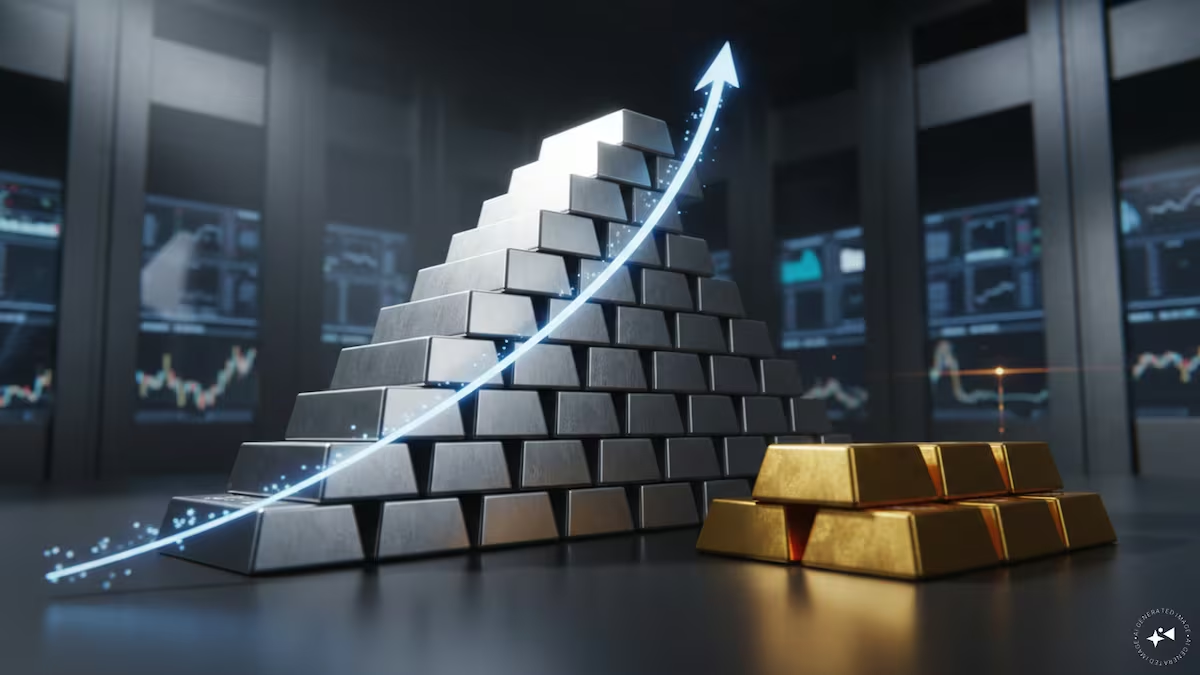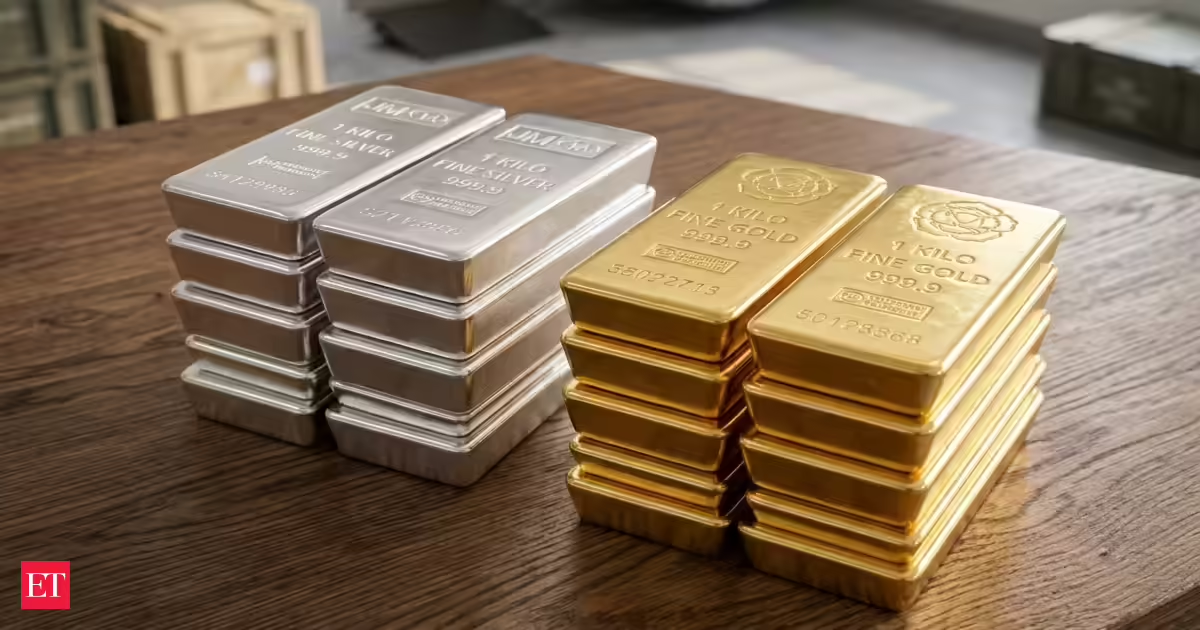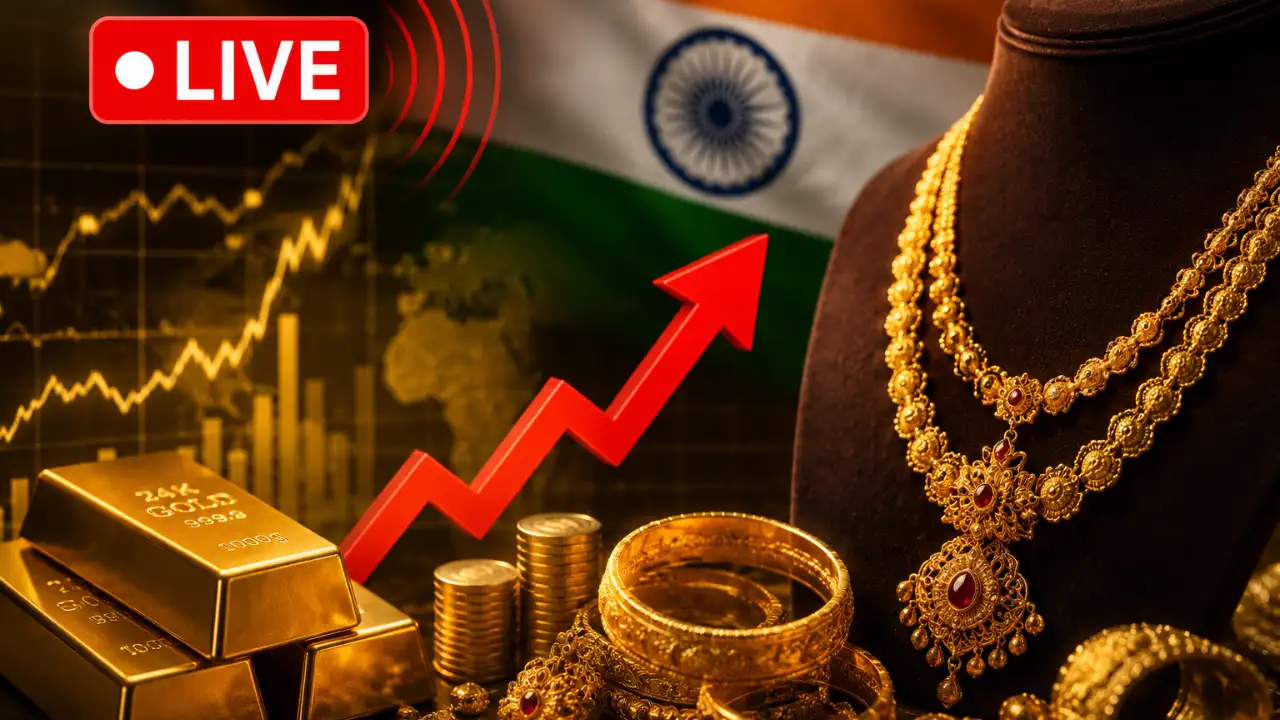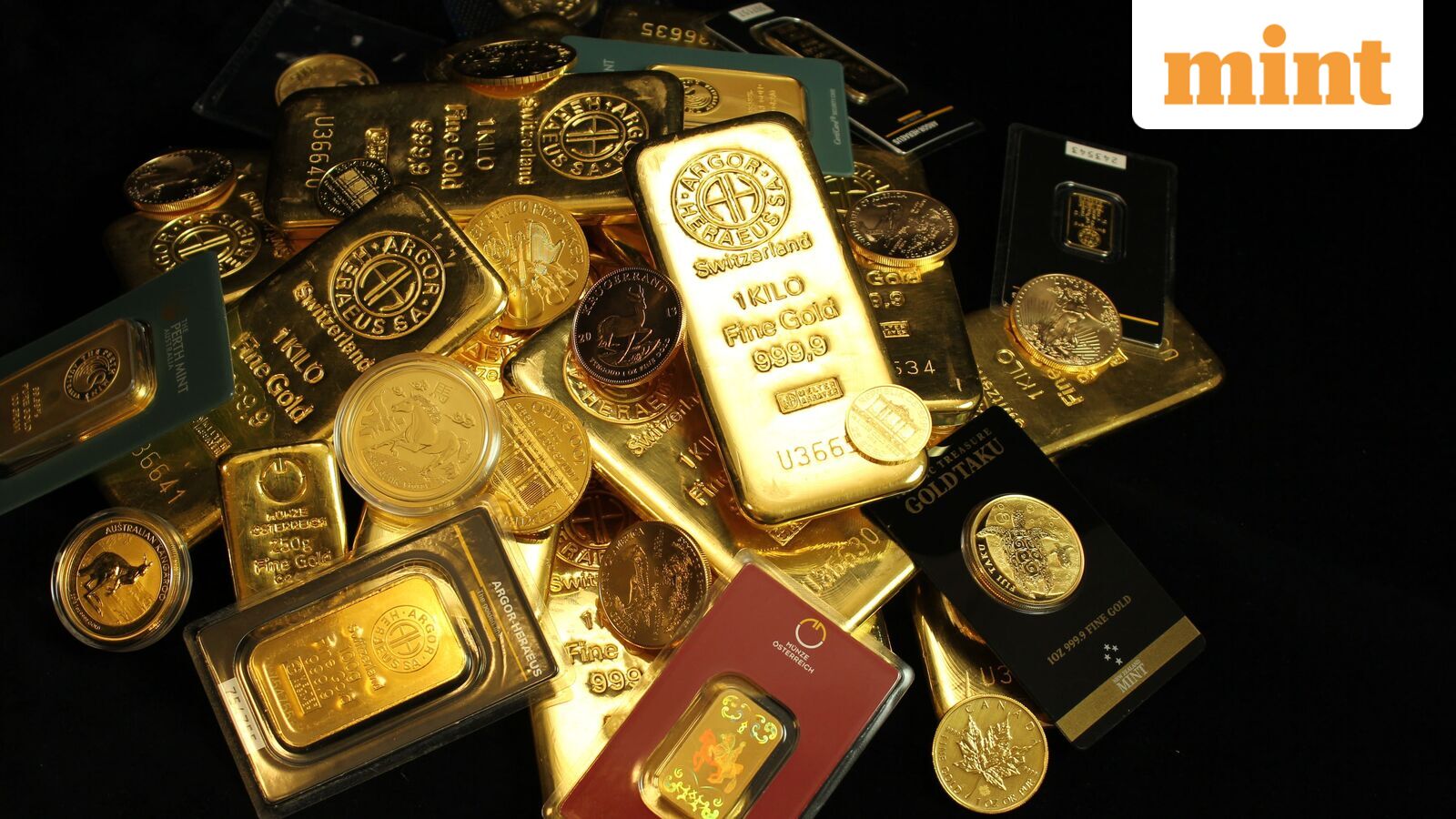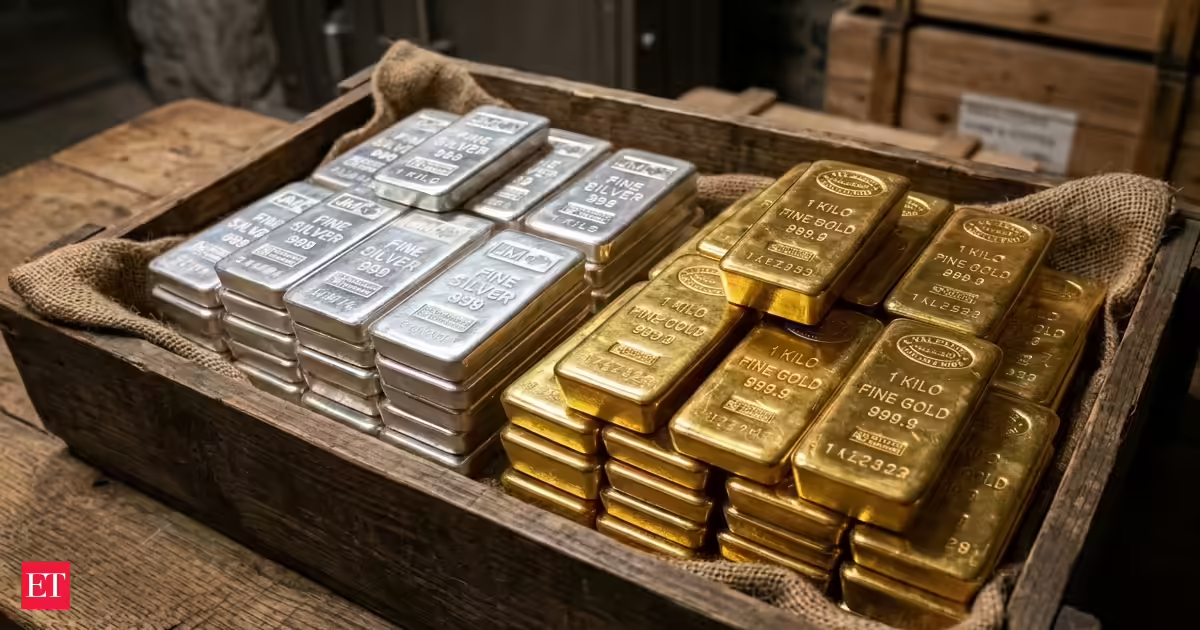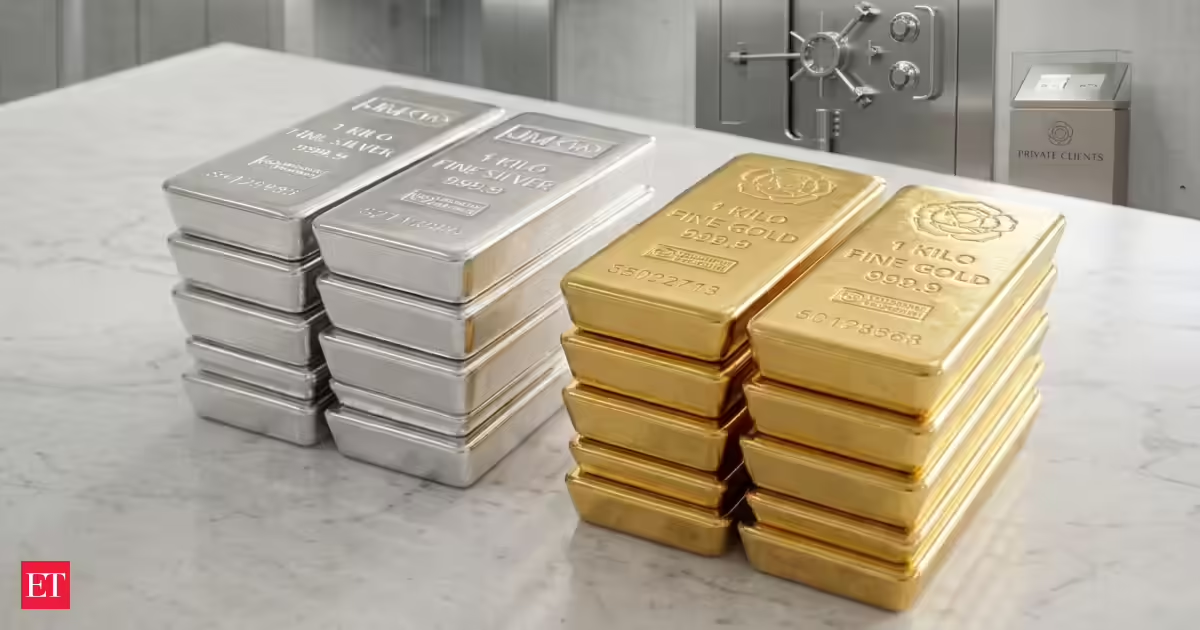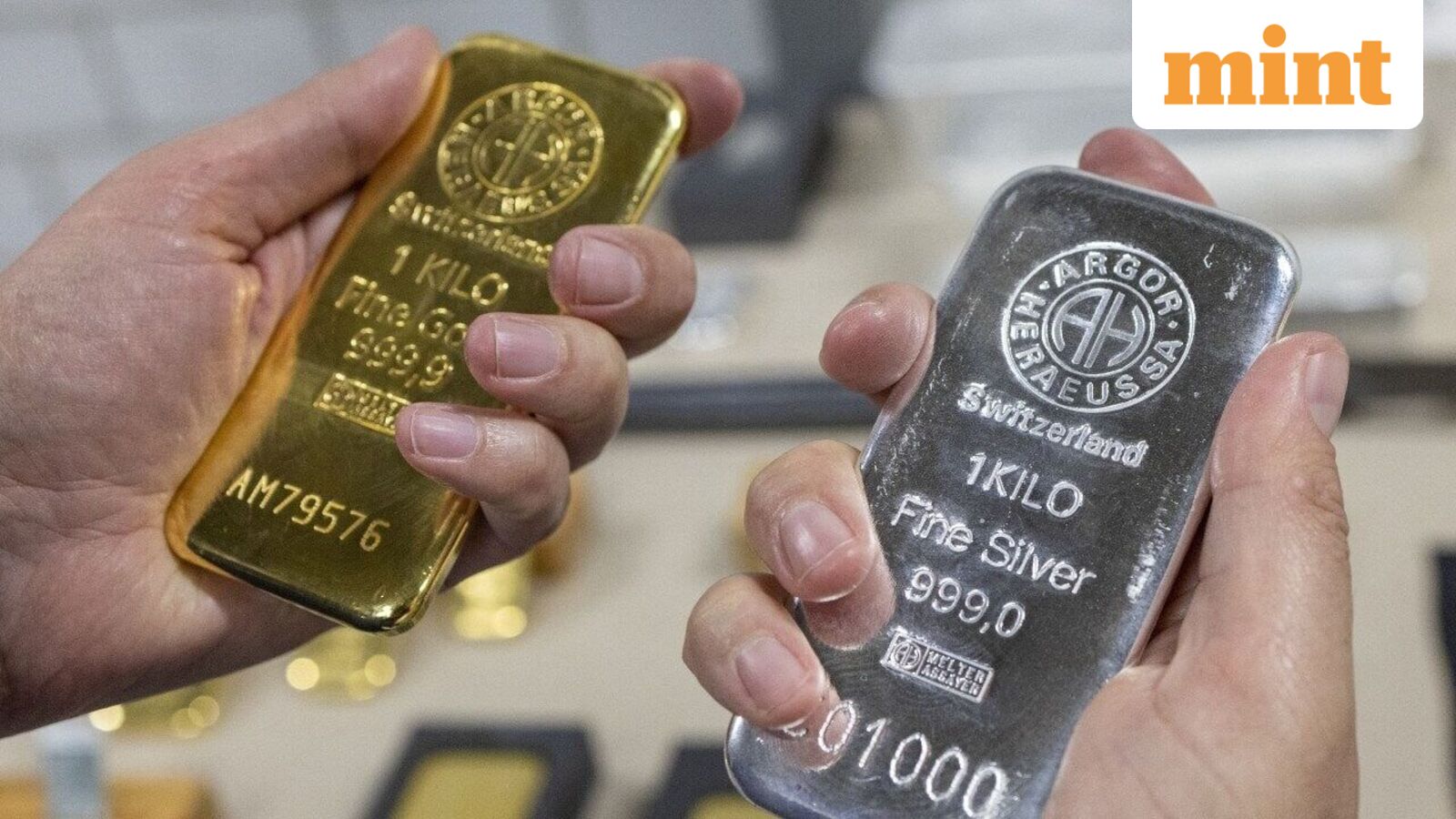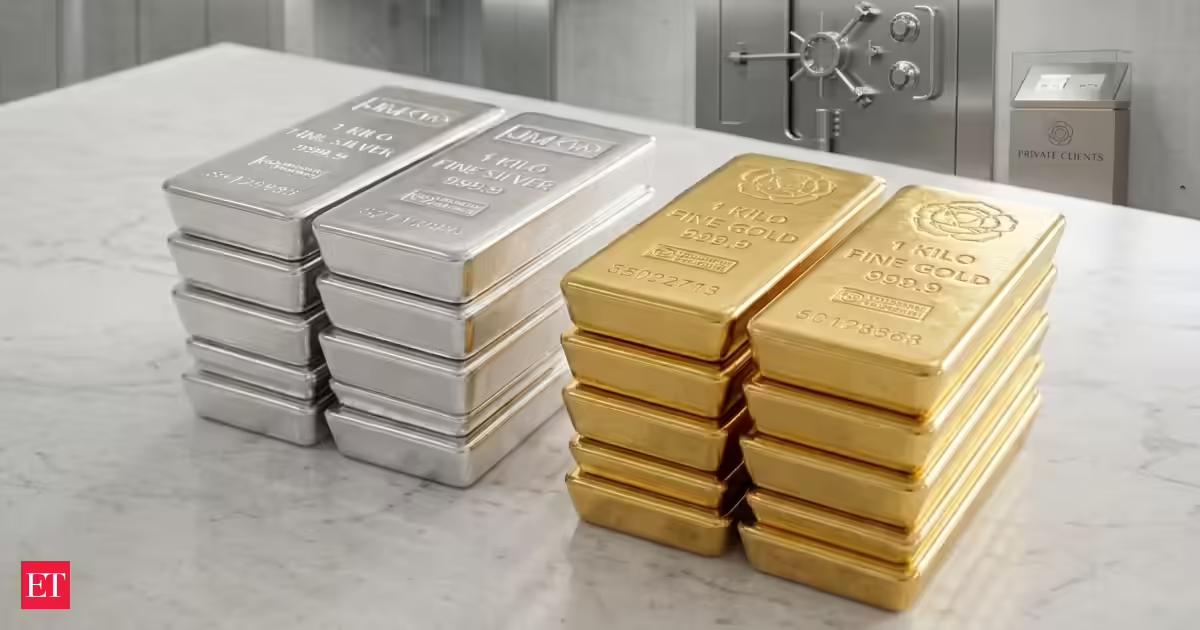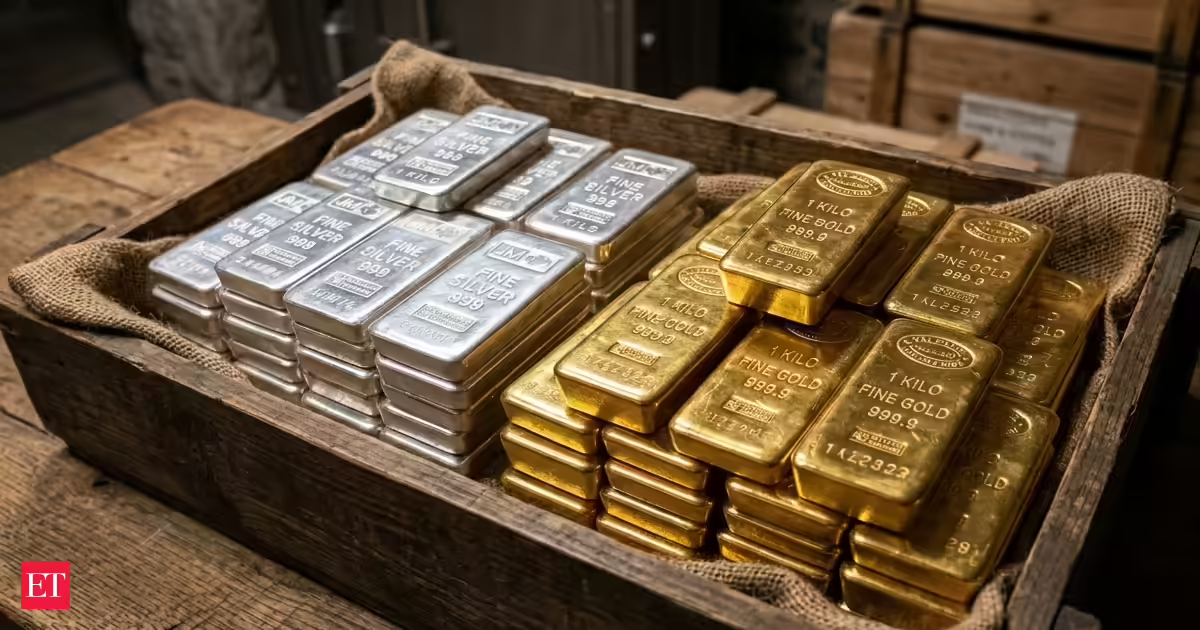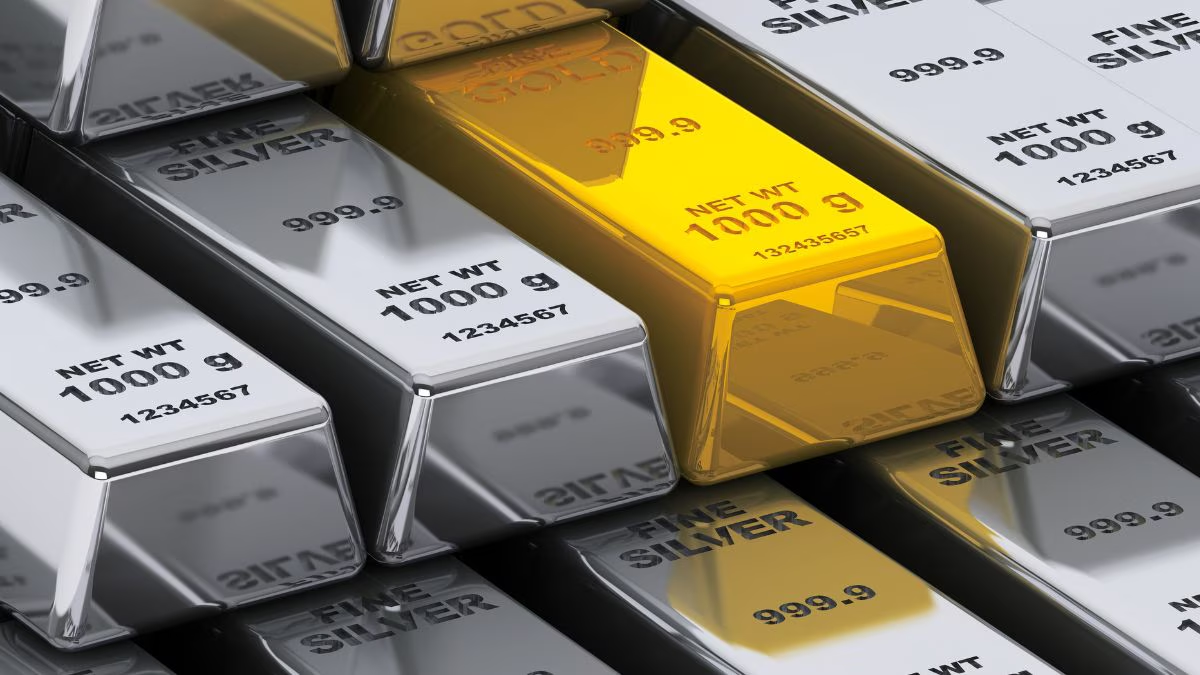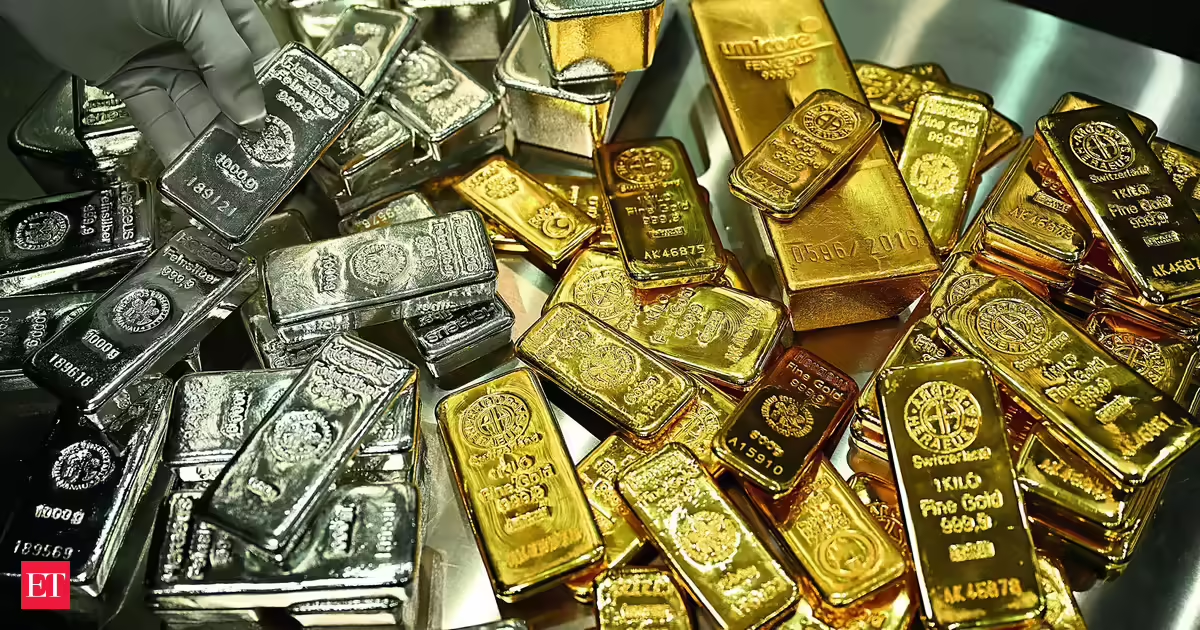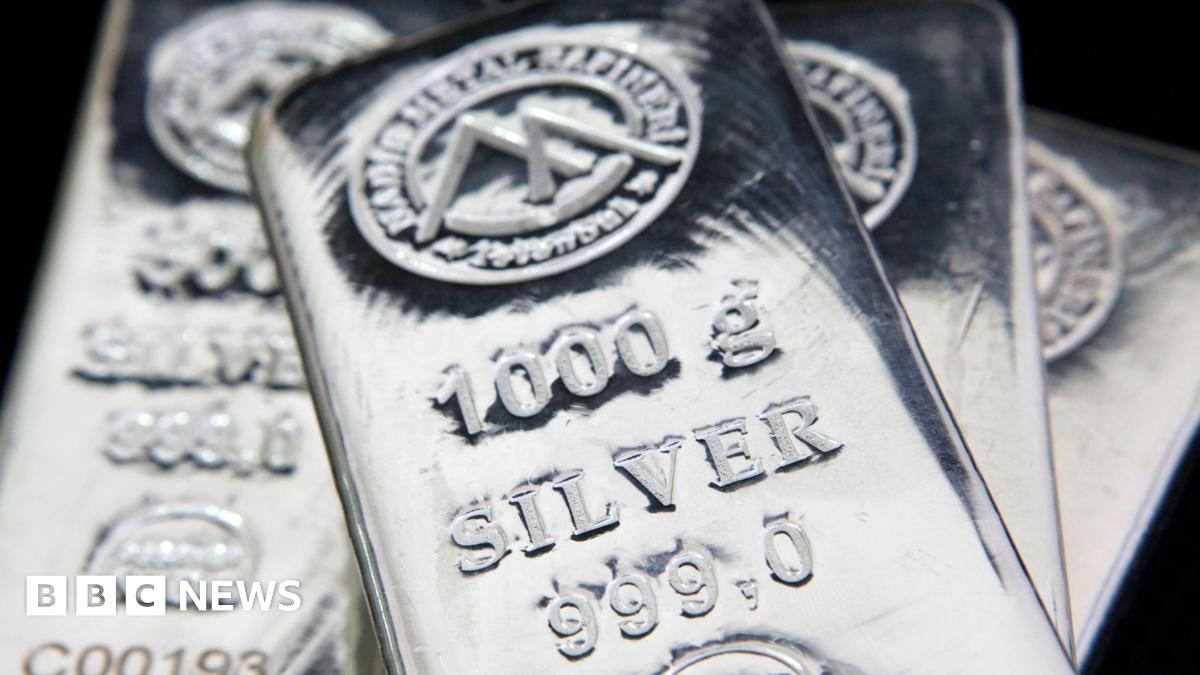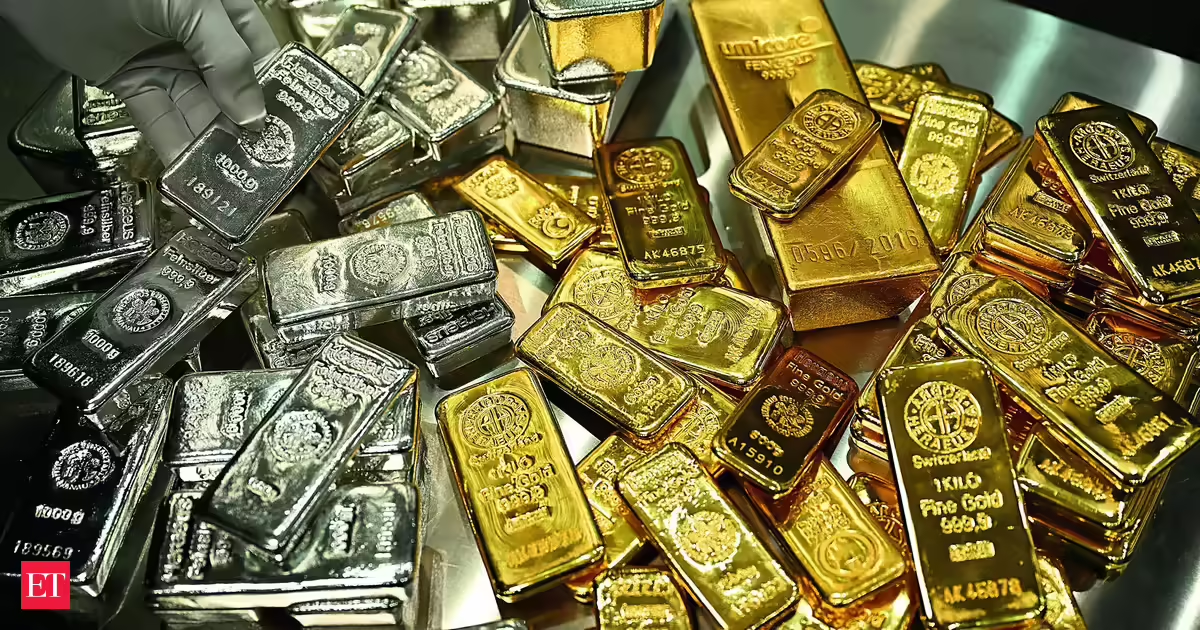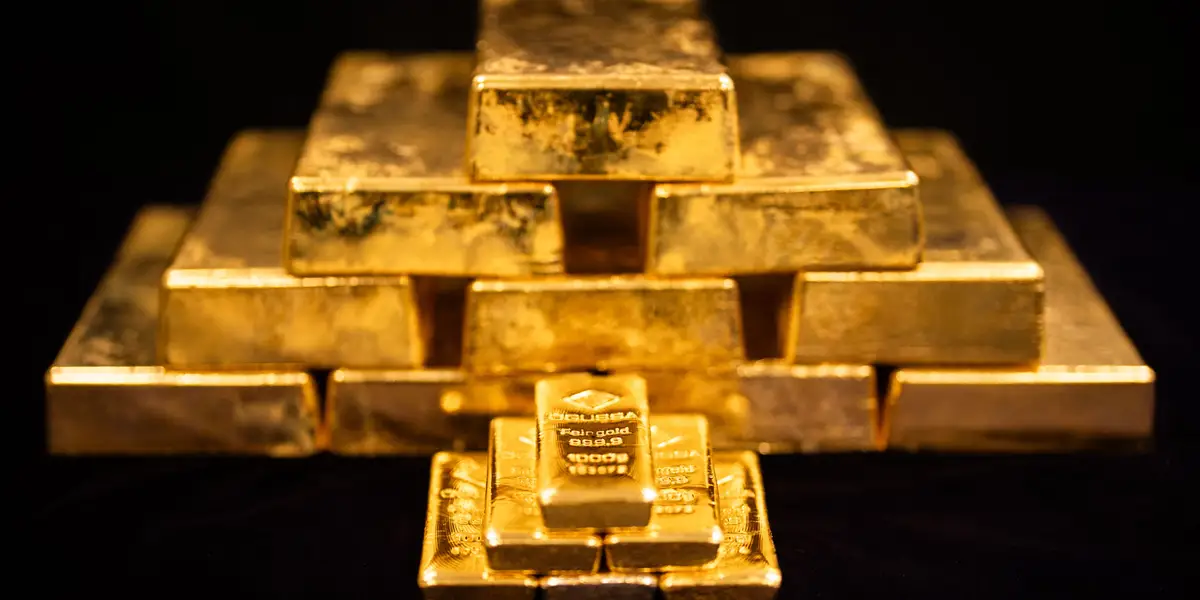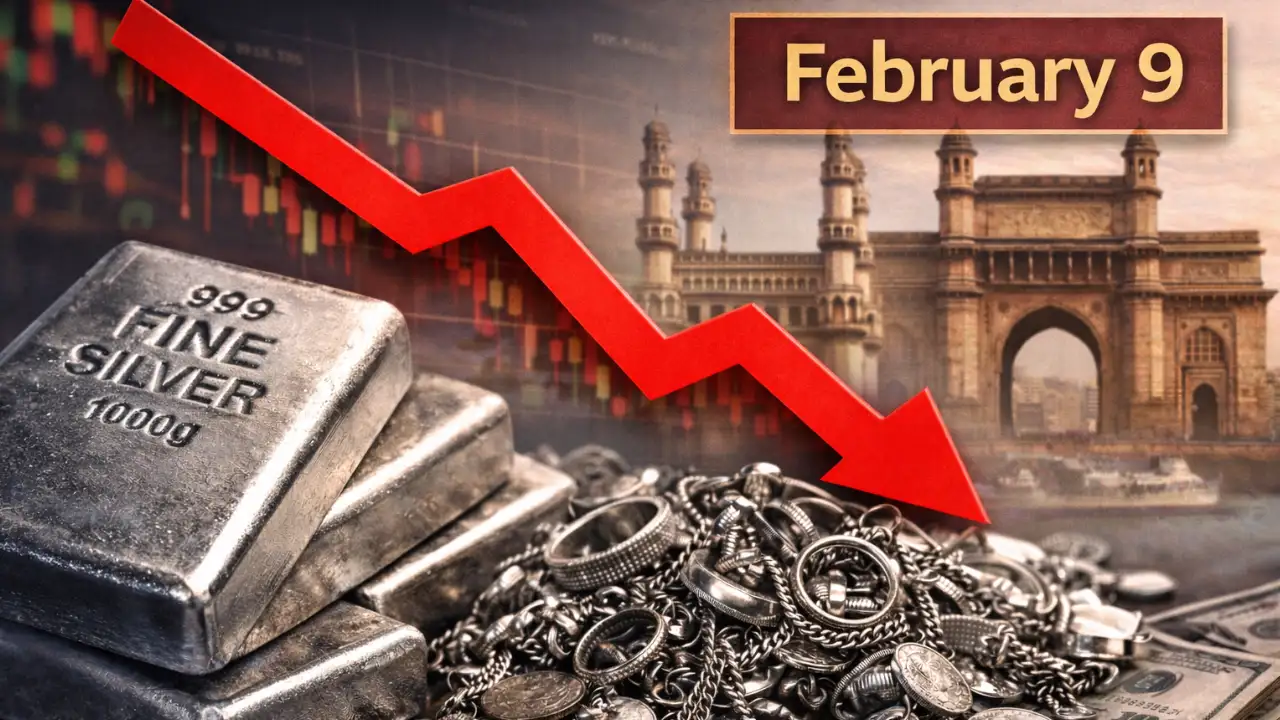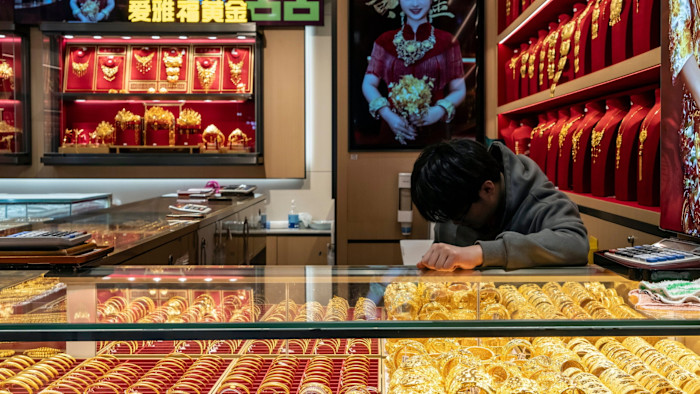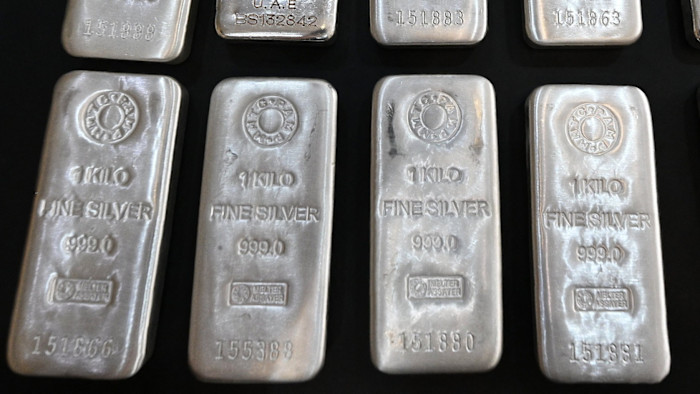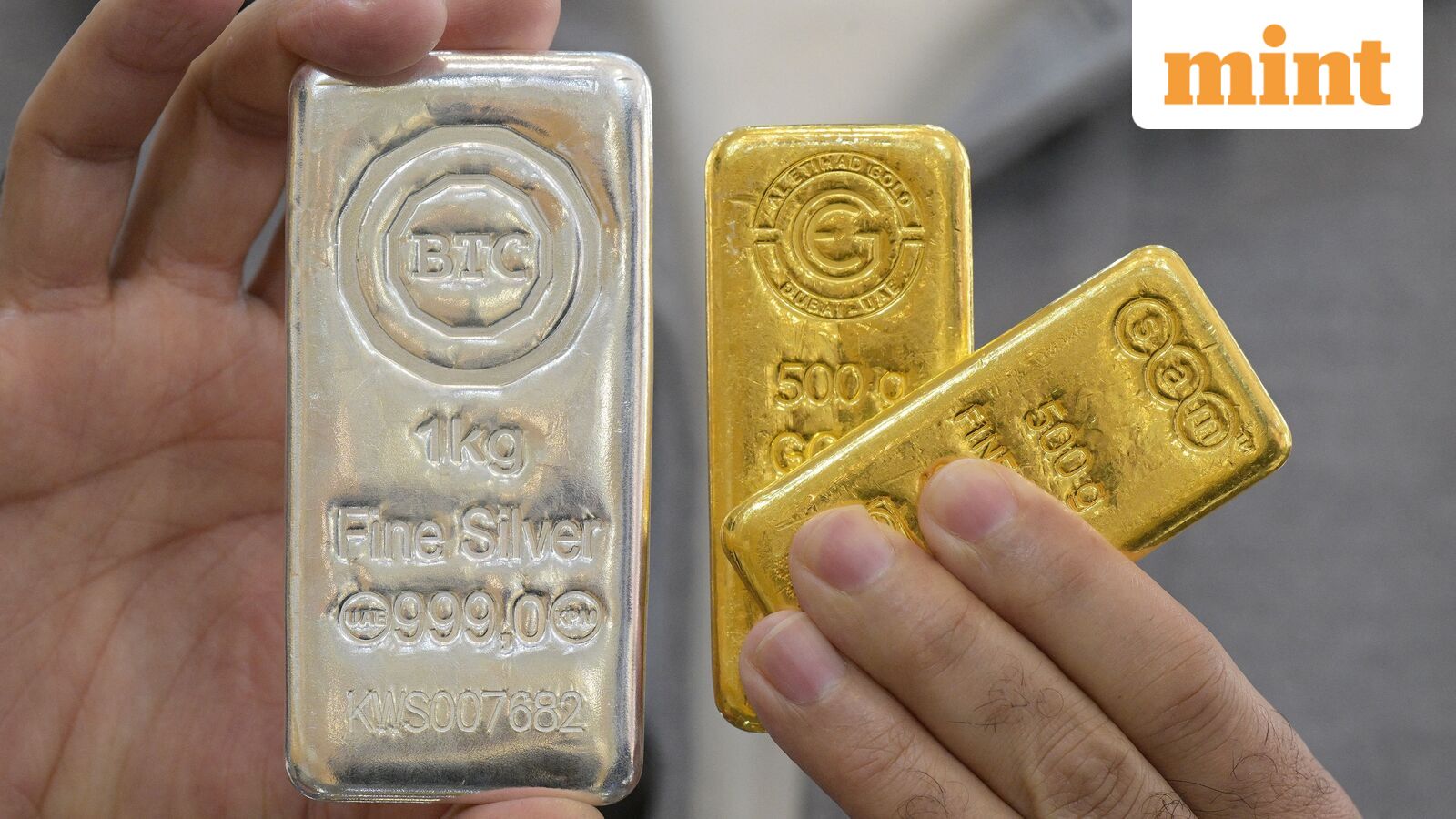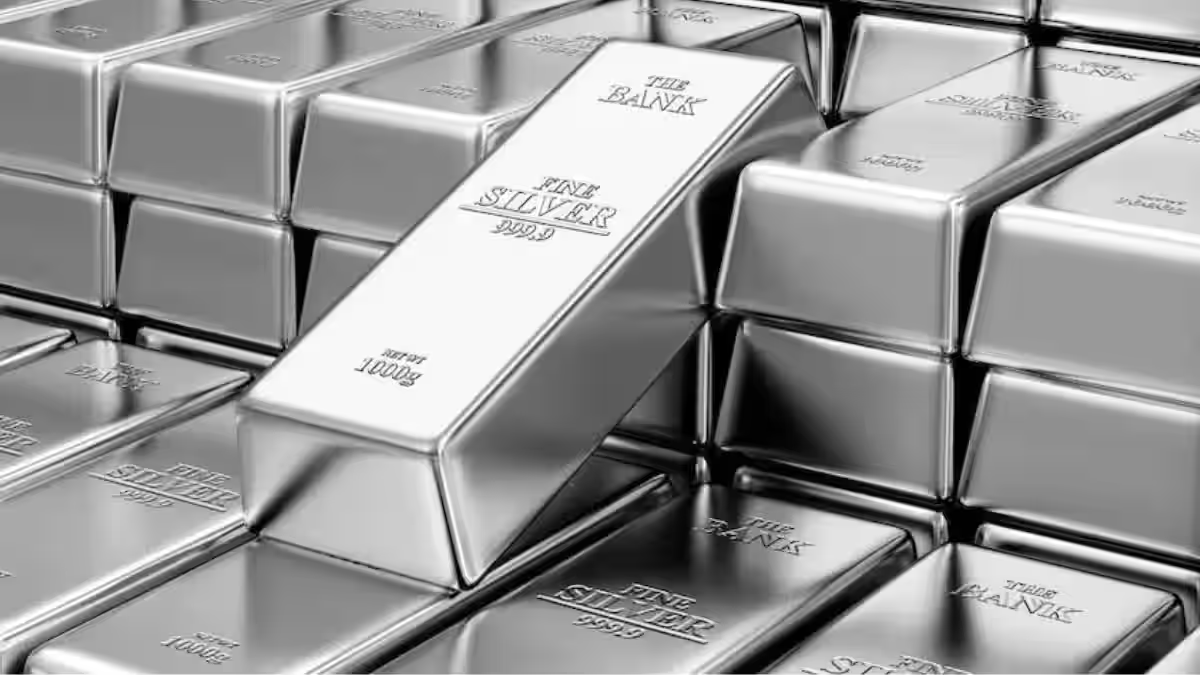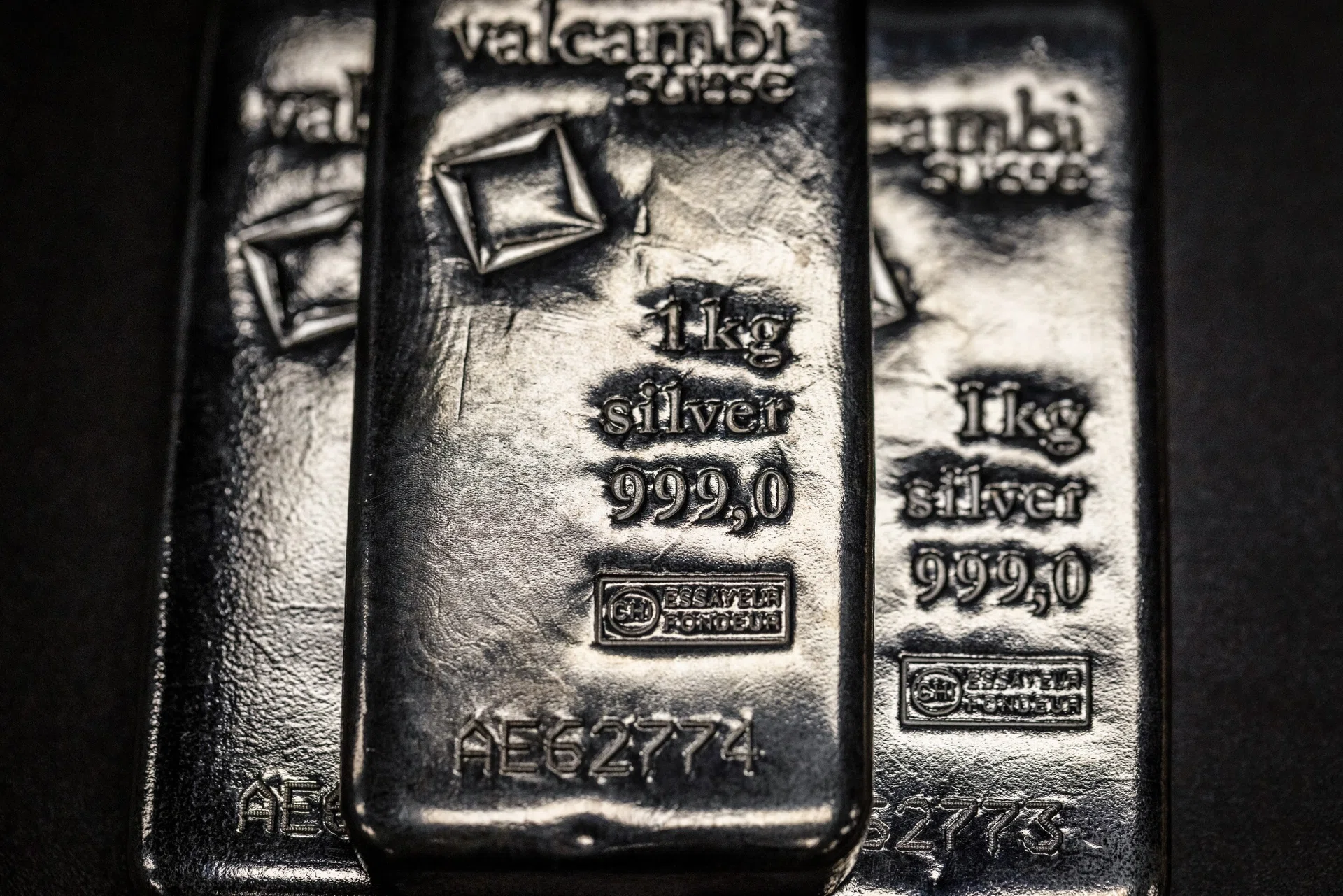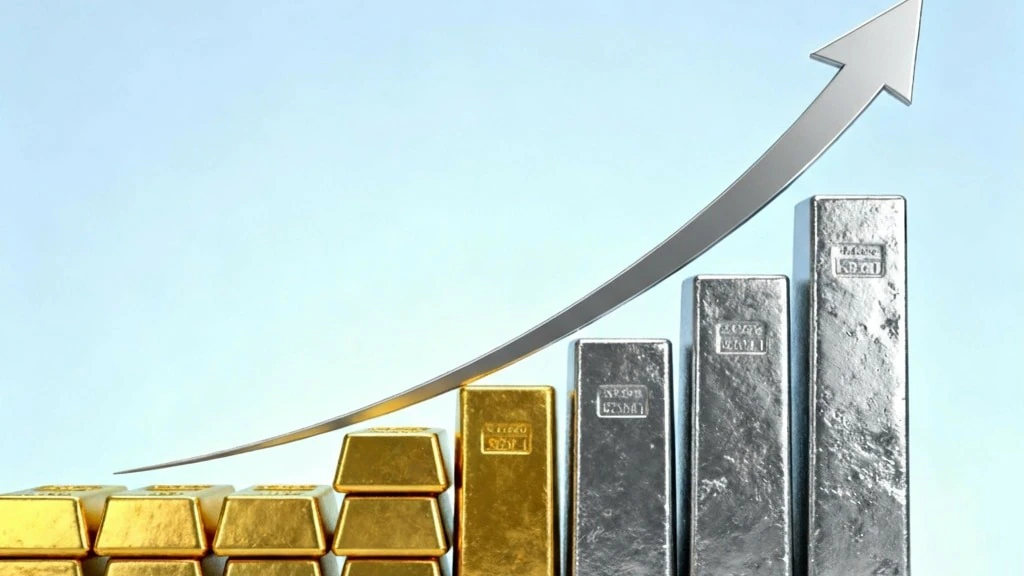
Why are gold and silver prices rising again and what do precious metals market analysts say?
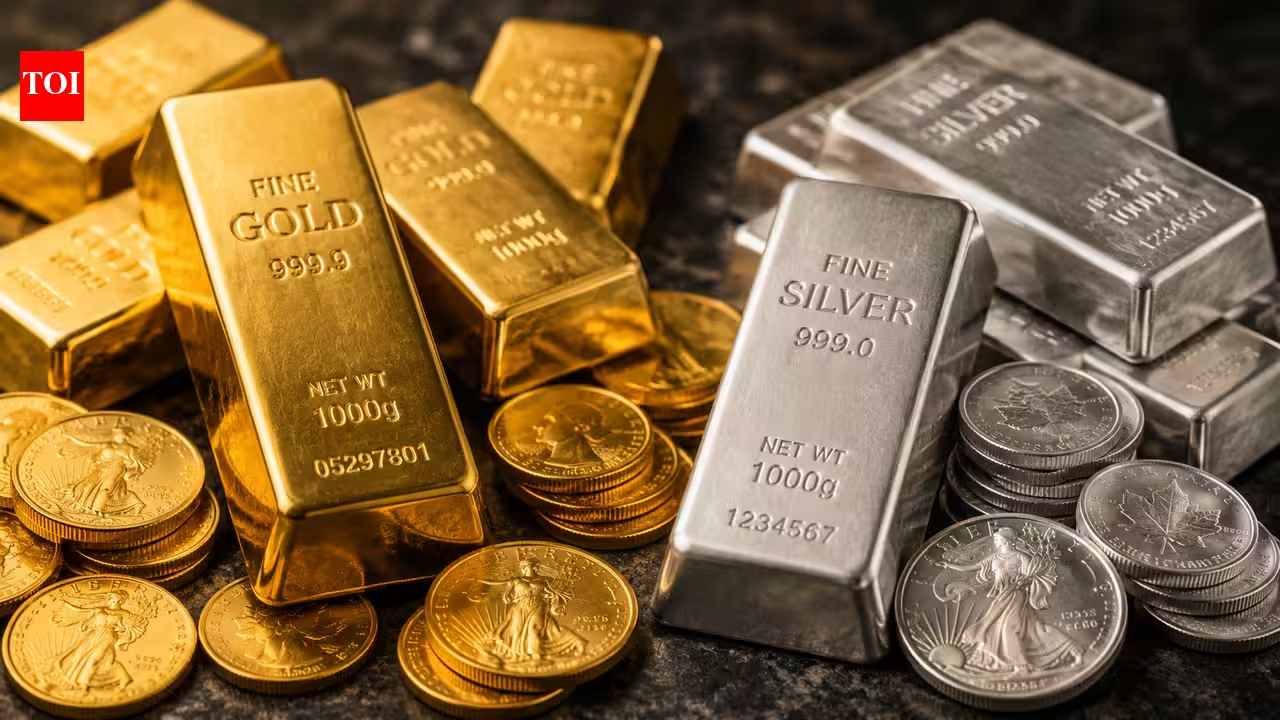
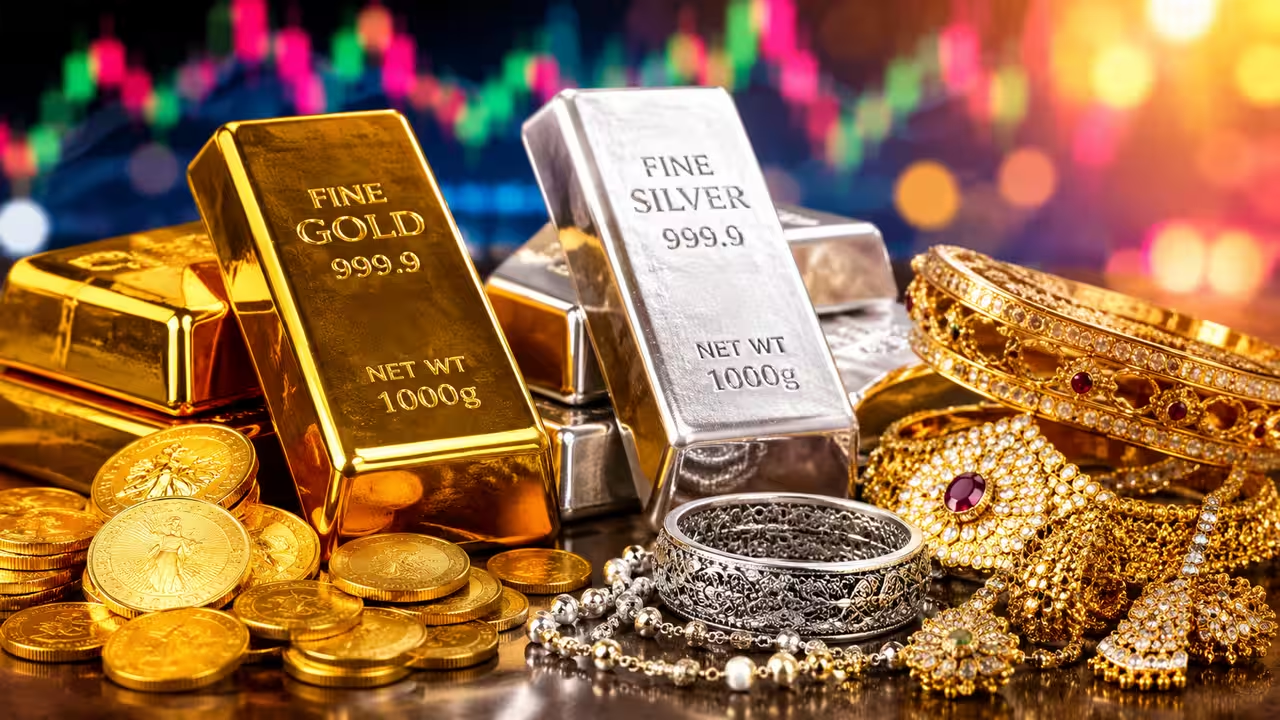
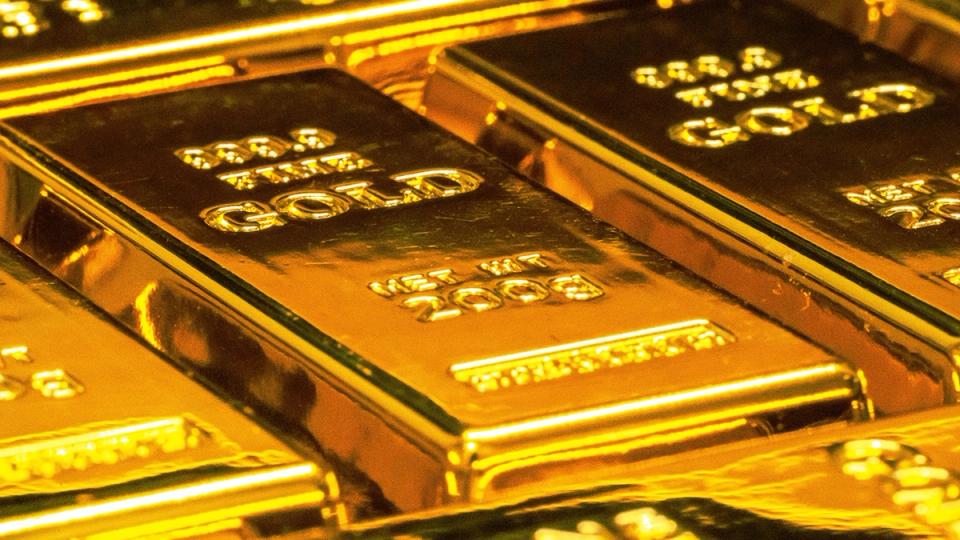
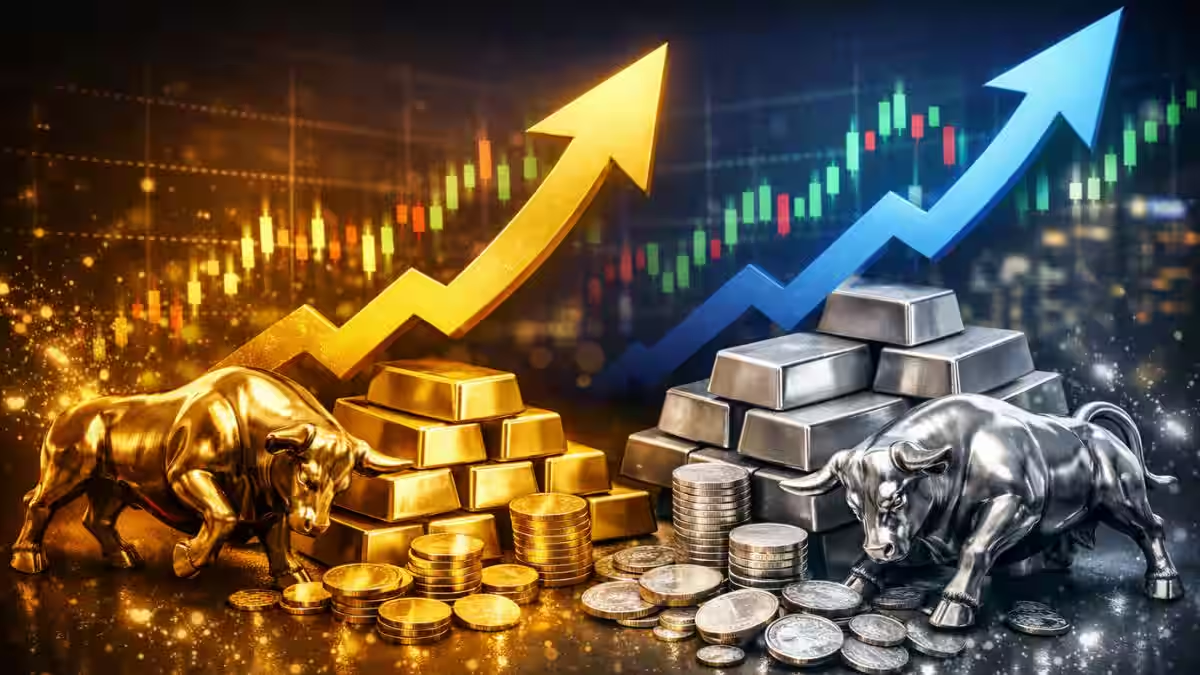
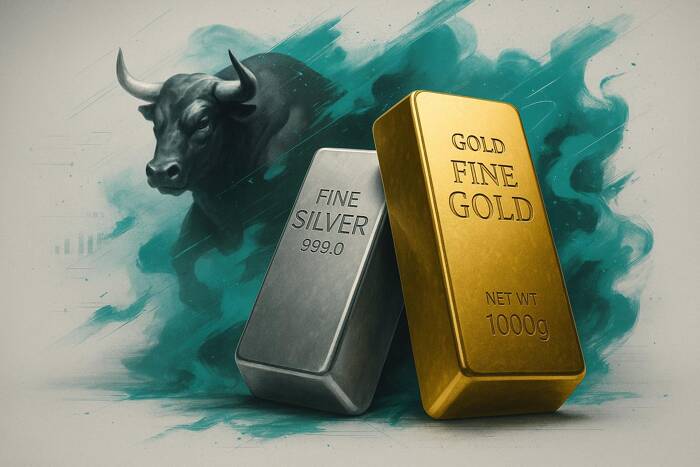
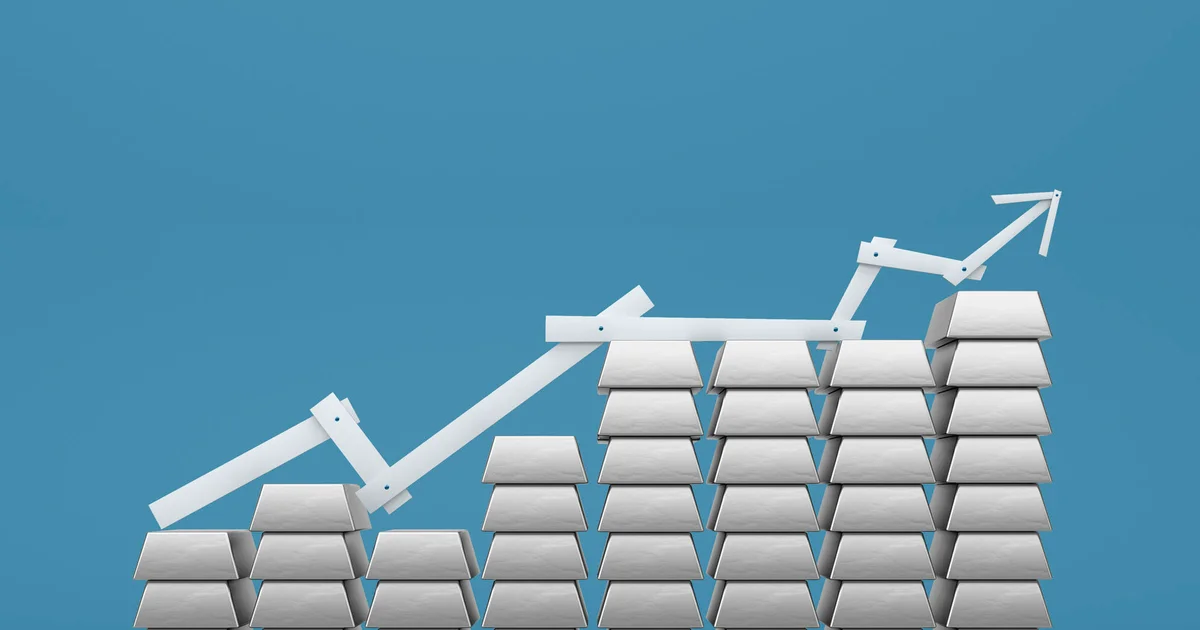
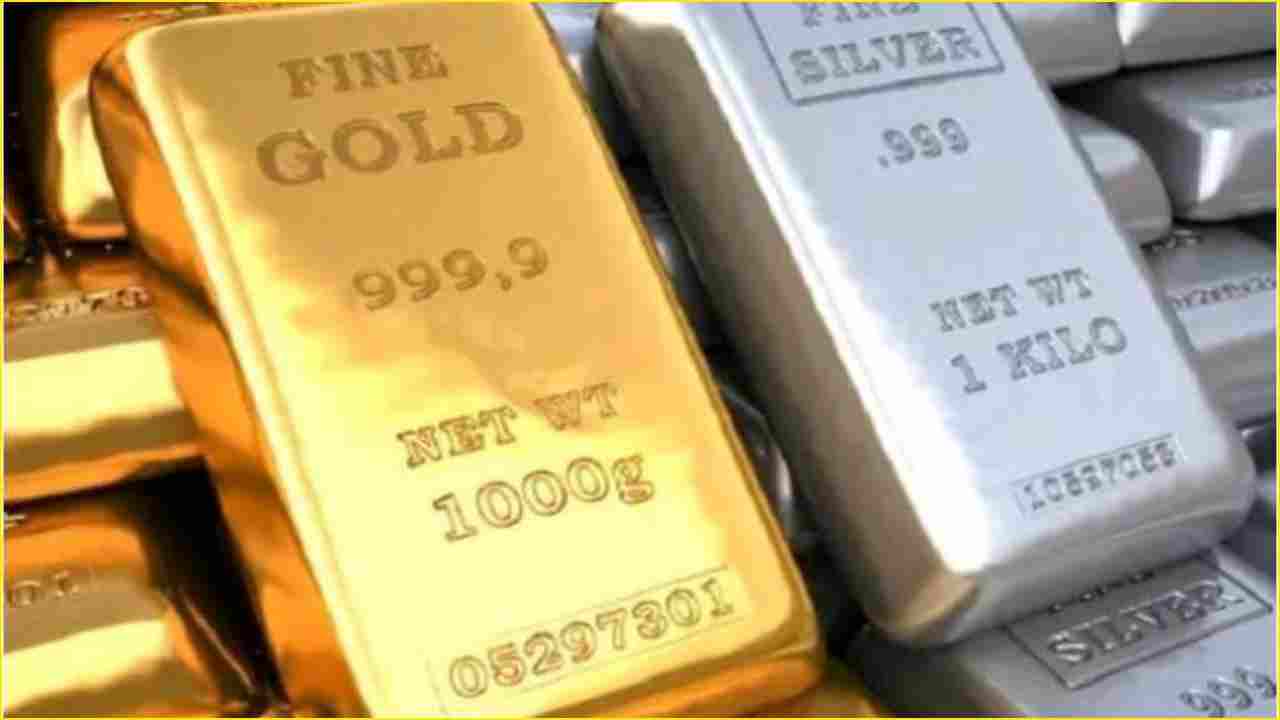
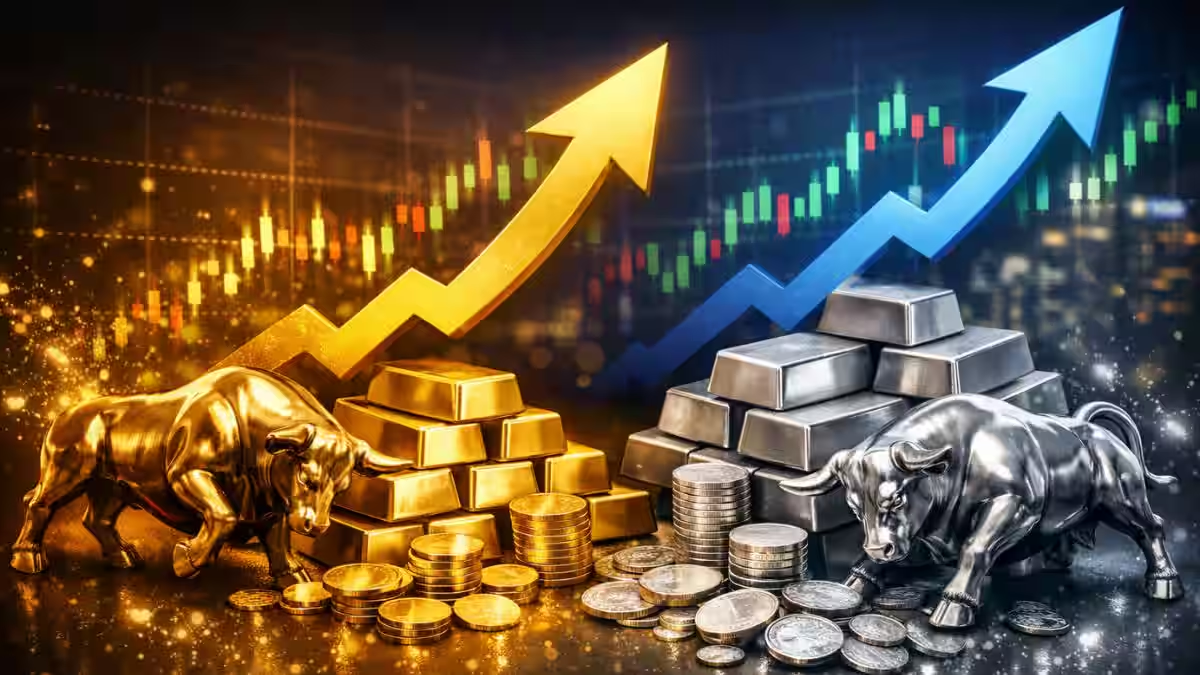
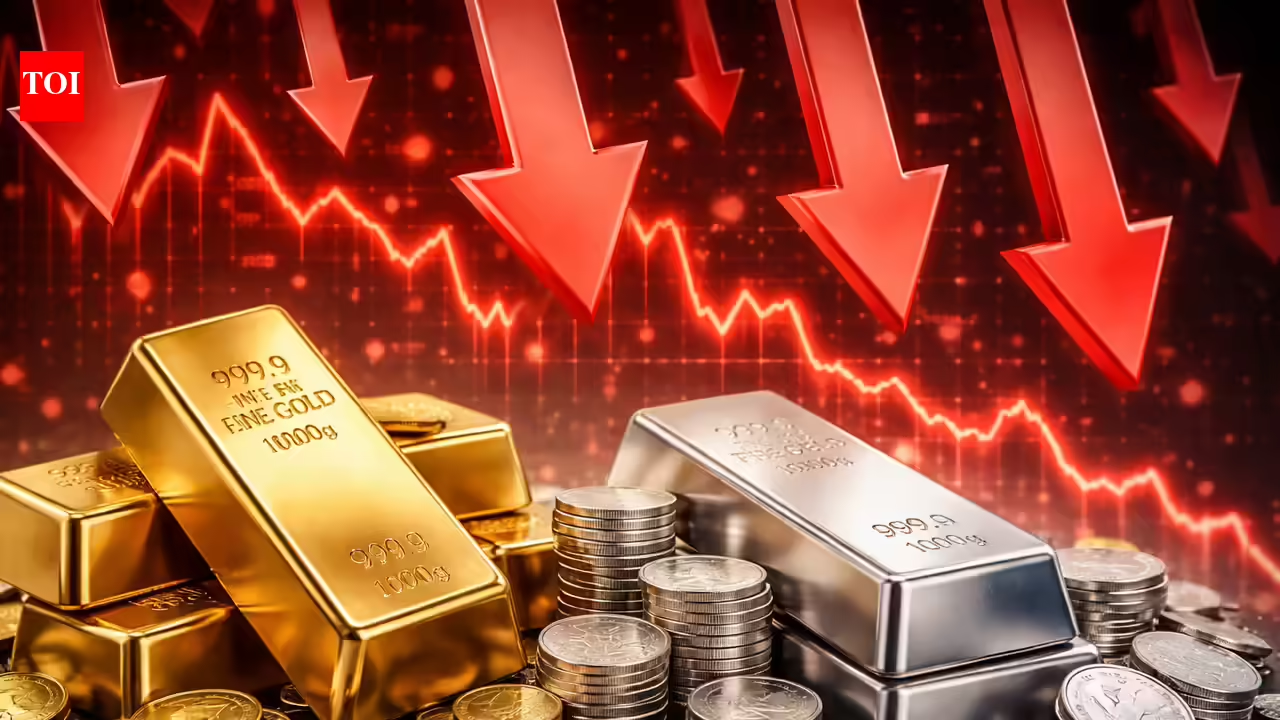
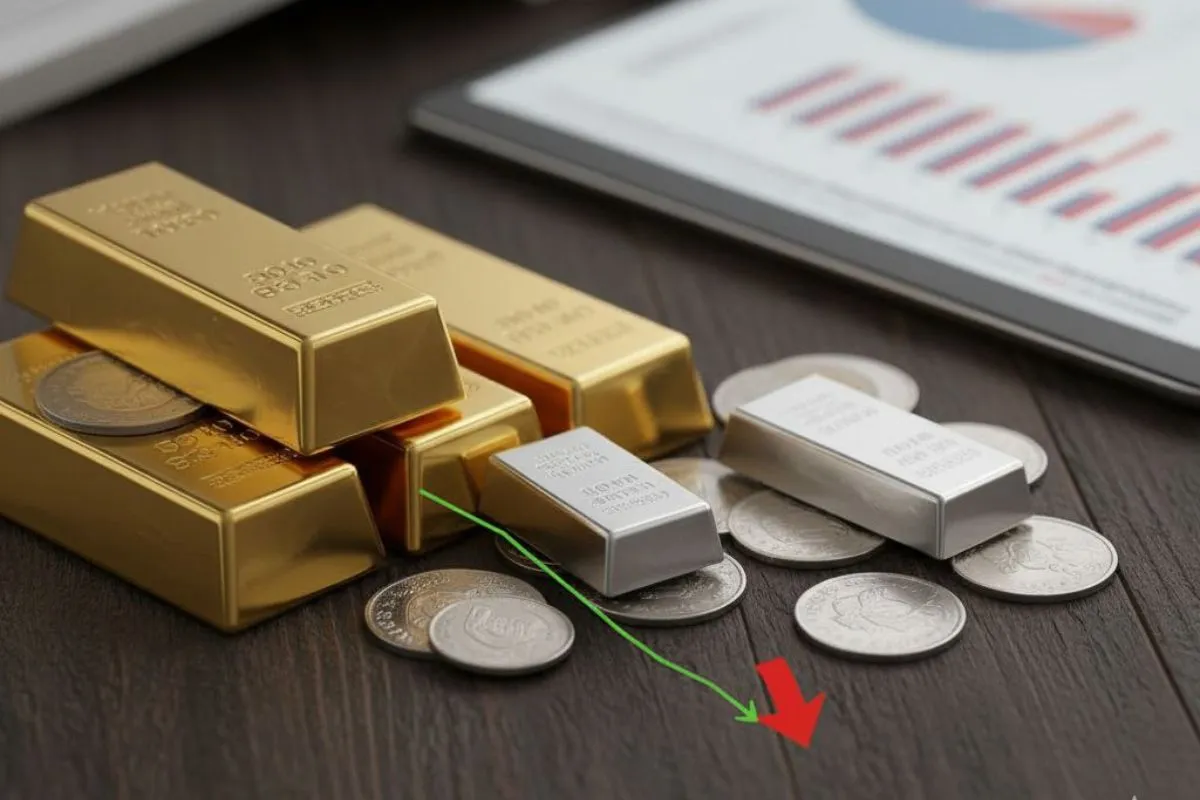
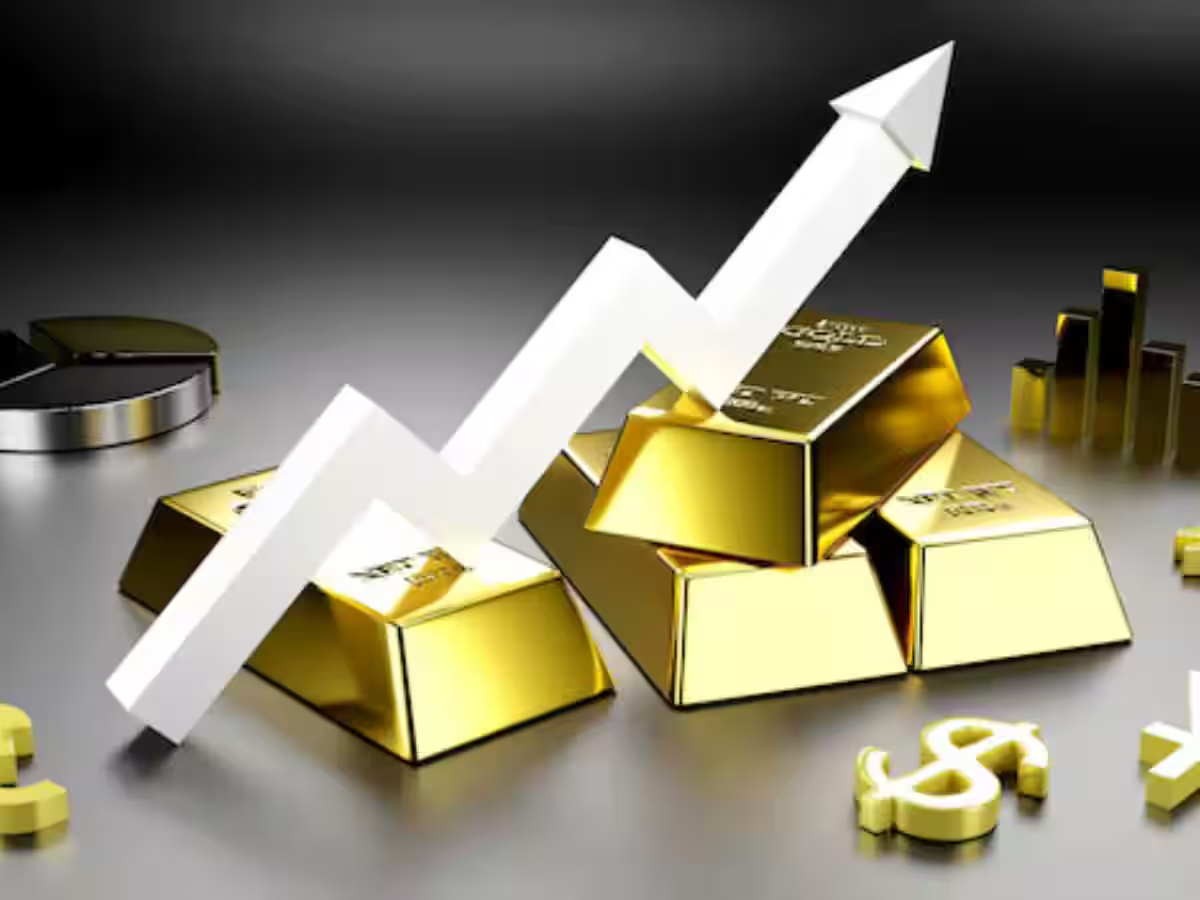
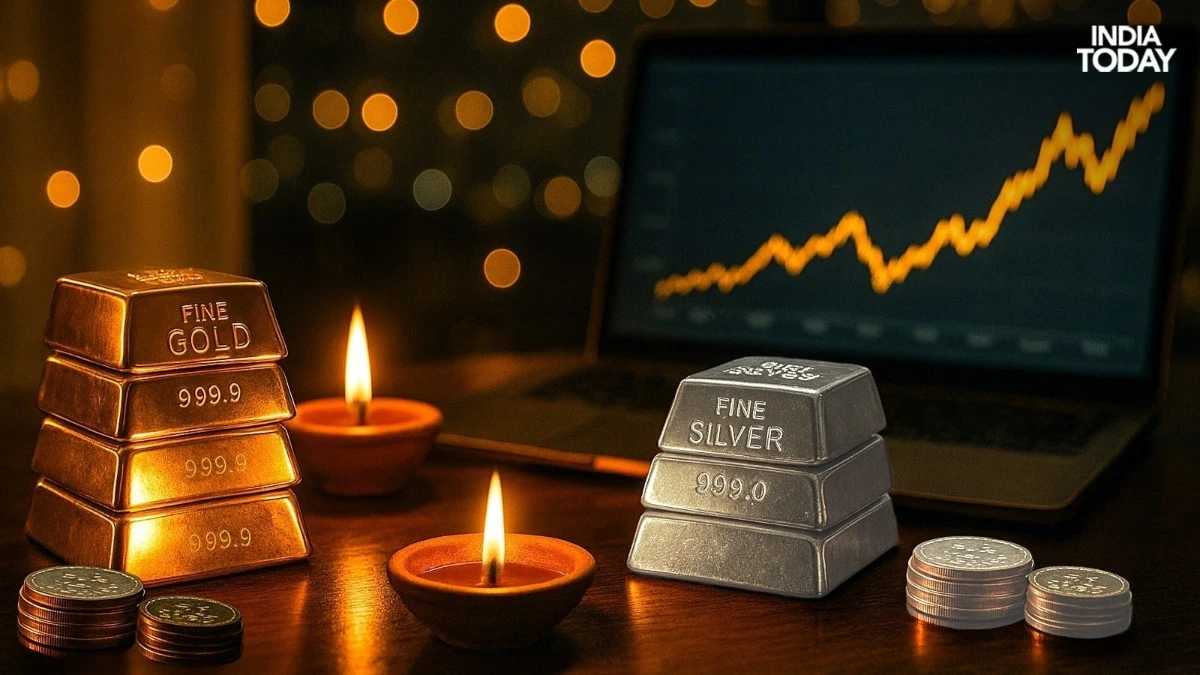
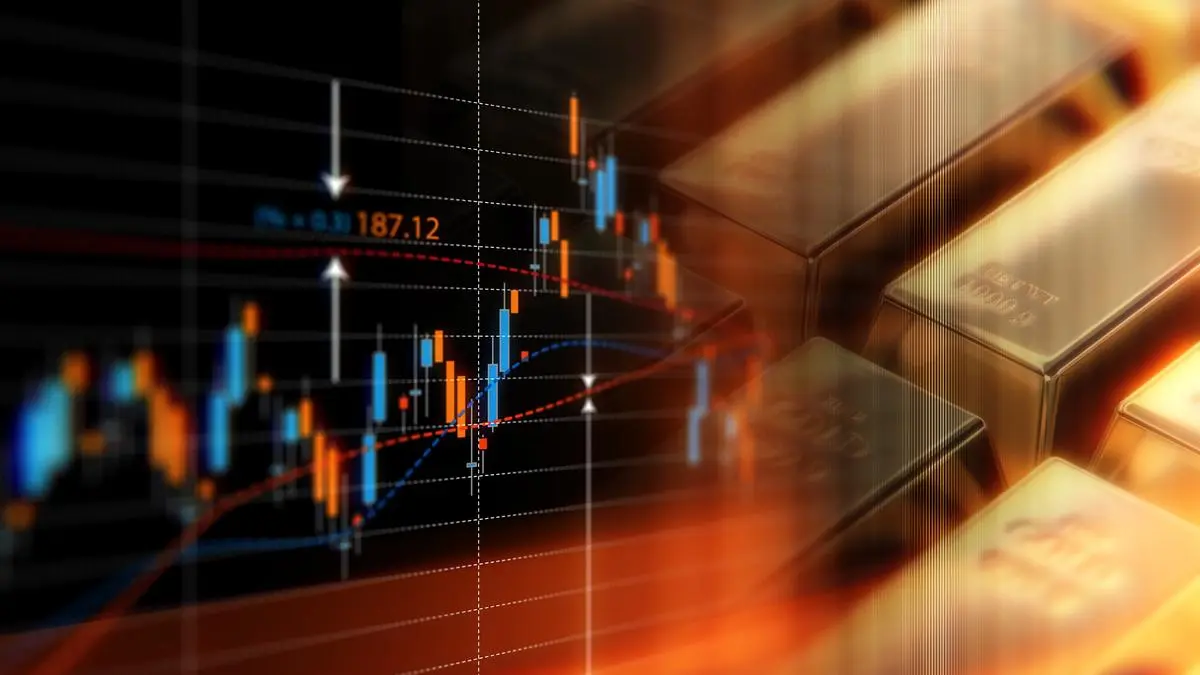
Gold and silver prices are rising as the US dollar trades near two-week lows and US 10-year Treasury yields fall to near one-month lows. Lower yields reduce the opportunity cost of holding non-yielding assets such as gold. Investors are also waiting for US nonfarm payrolls data, which could influence Federal Reserve rate decisions. Expectations of at least two rate cuts in 2026, as shown by the CME FedWatch tool, are supporting demand for precious metals. Analysts say currency weakness and bond yield movement remain the main drivers.
Why are gold and silver prices rising again?
Gold and silver prices are rising due to a weaker US dollar and lower Treasury yields. The dollar’s decline makes gold and silver priced in dollars cheaper for overseas buyers. At the same time, falling bond yields reduce returns from fixed-income assets, making precious metals more attractive. Recent data showing a dip in core retail sales and possible downward revisions in job creation have increased expectations of slower economic growth. This has strengthened the case for rate cuts, which usually support gold and silver prices.
What do precious metals market analysts say?
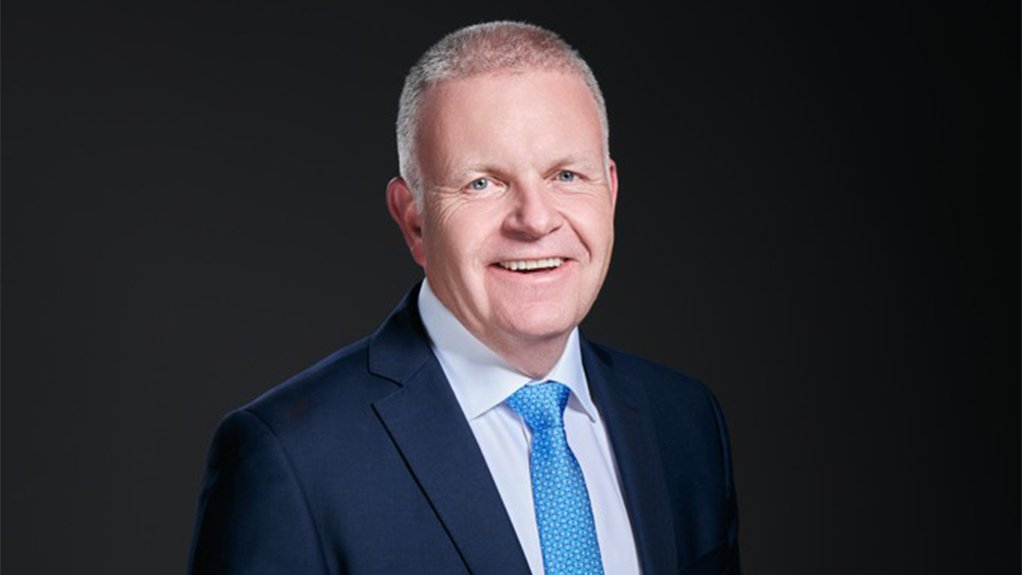
Precious metals market analysts say that recent price gains are linked to expectations of slower job growth and potential interest rate cuts. Carsten Menke of Julius Baer said that a weaker US dollar in recent trading sessions has helped lift gold prices. Giovanni Staunovo of UBS said that a slowdown in job additions could allow the Federal Reserve to continue cutting interest rates. Analysts add that bullion tends to perform well in a low-interest rate environment because it does not provide yield, and lower rates reduce the cost of holding it.
Dollar and bond yields support precious metals
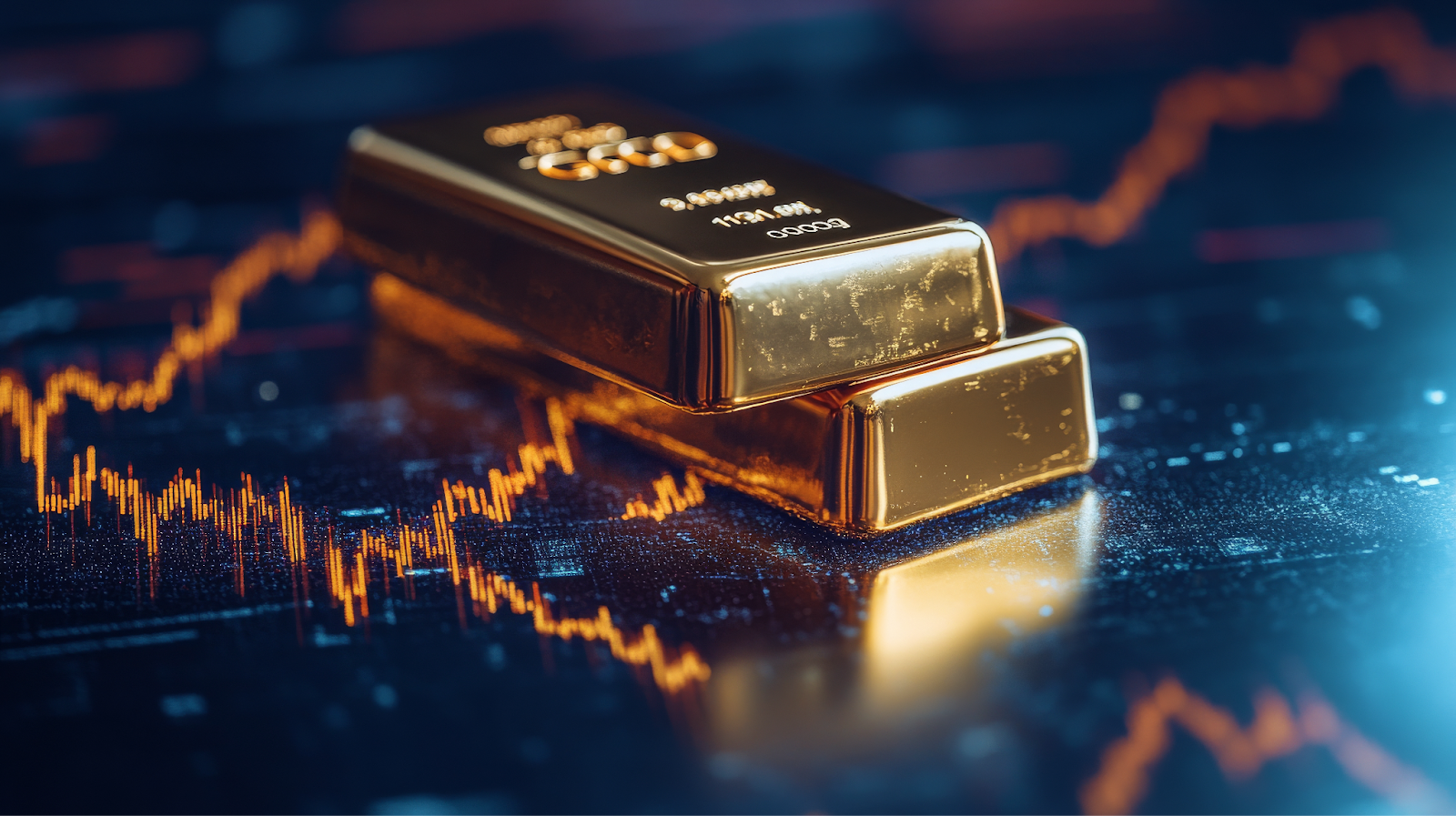
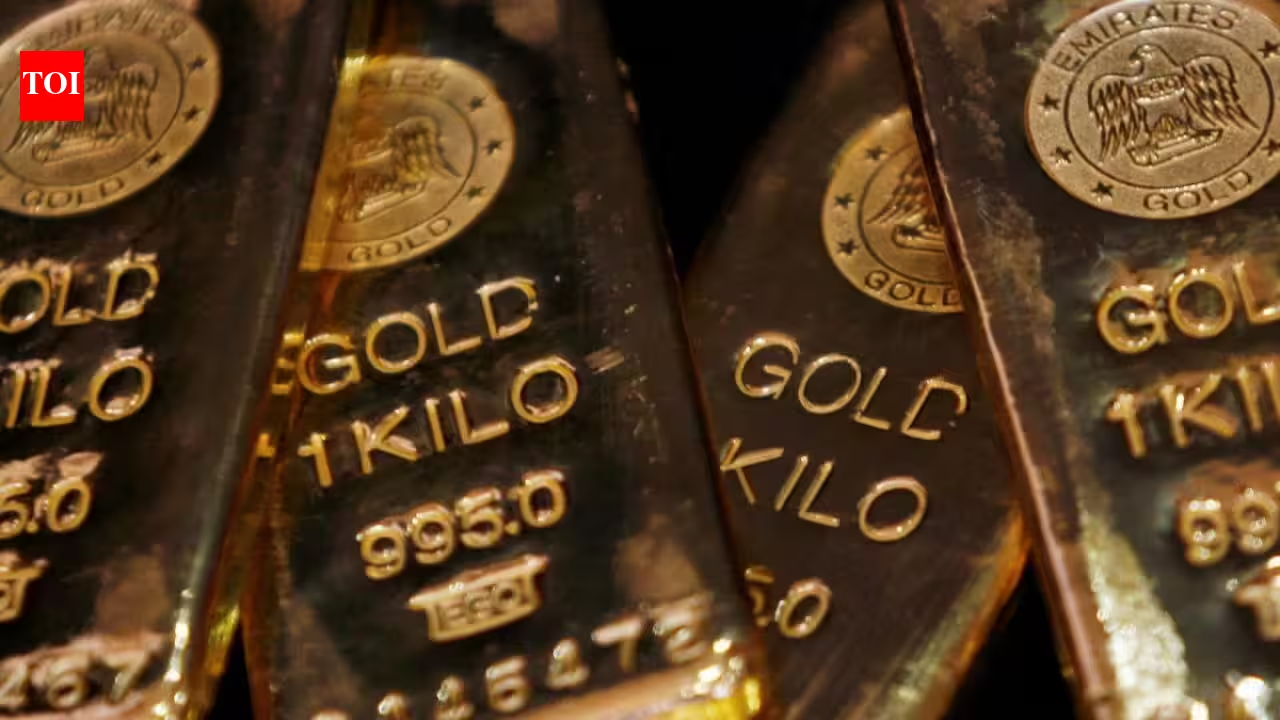
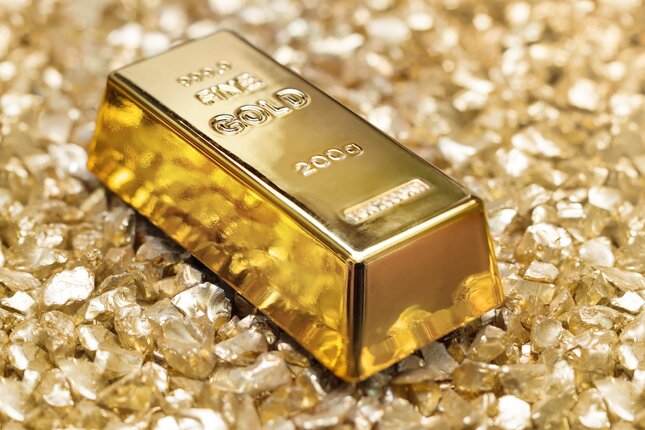
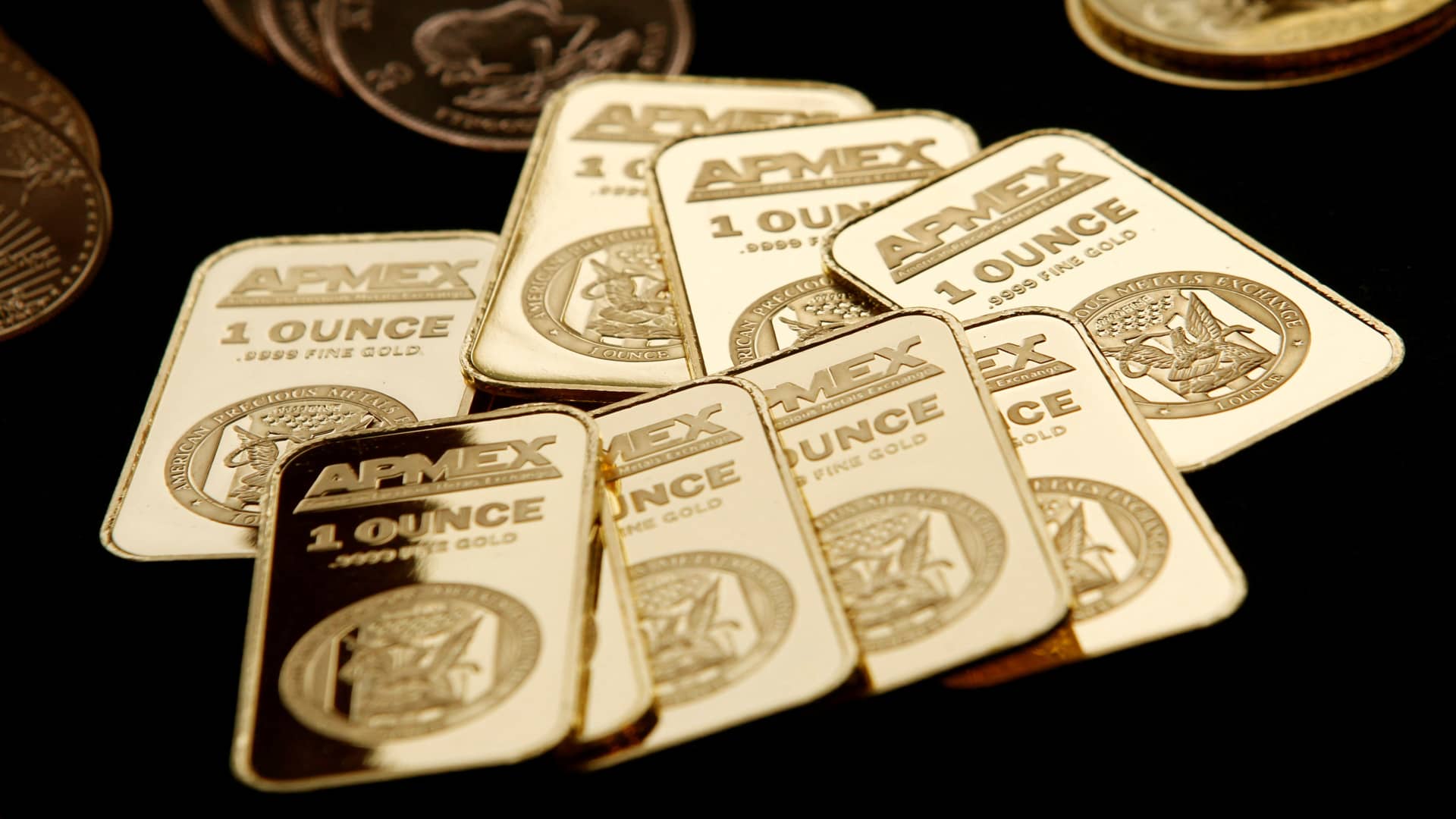
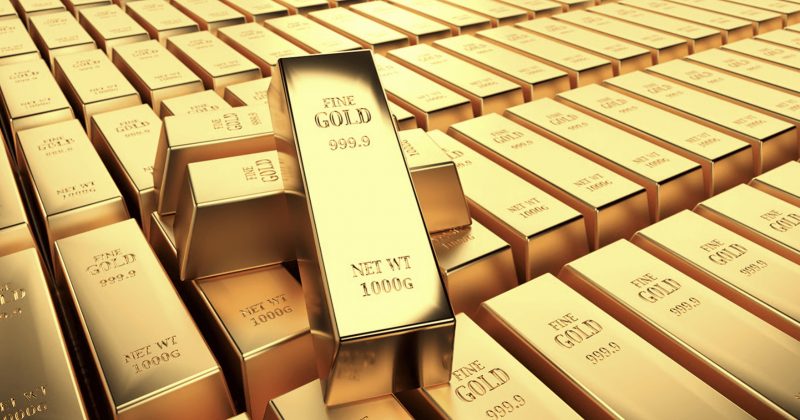
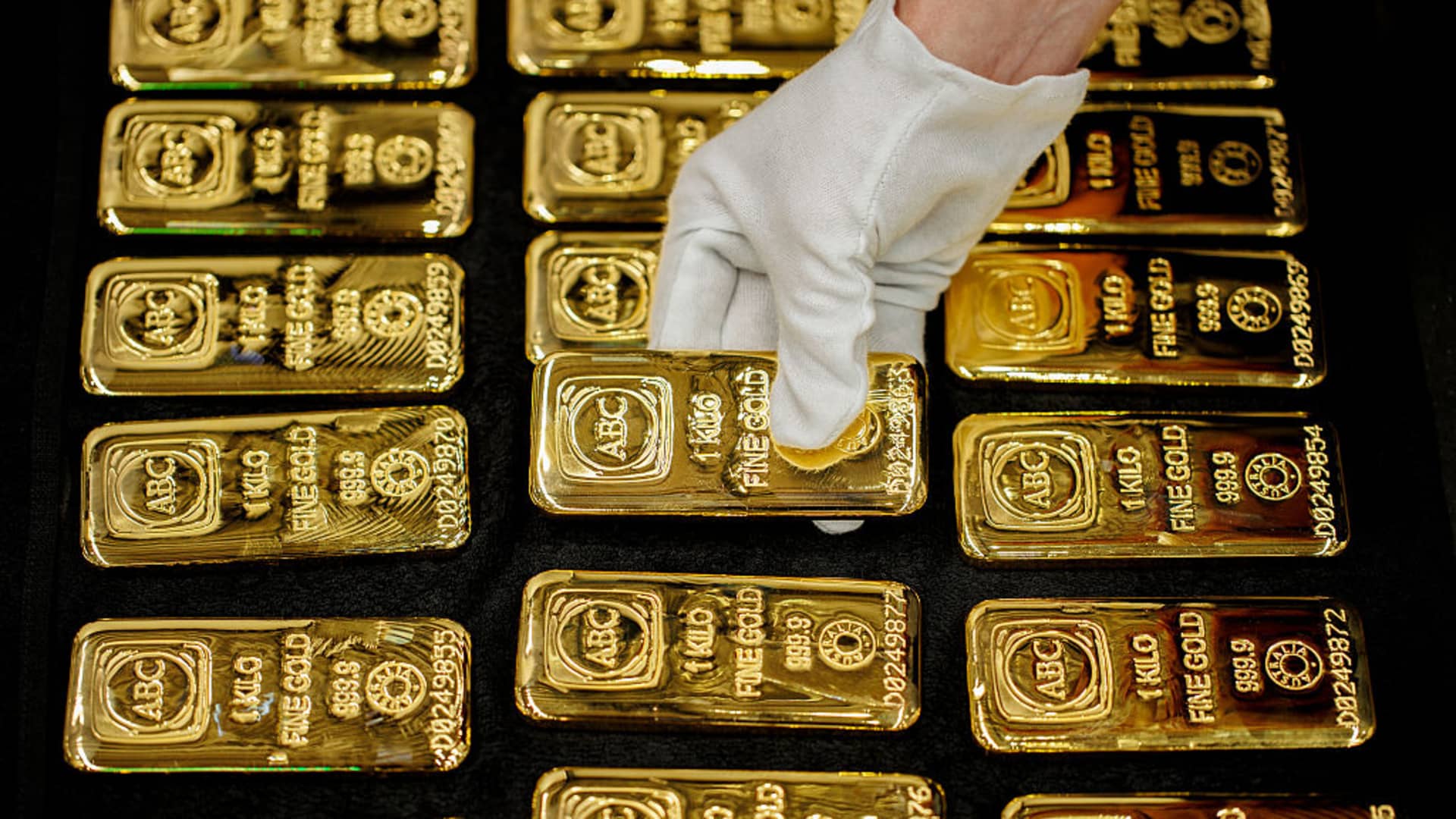
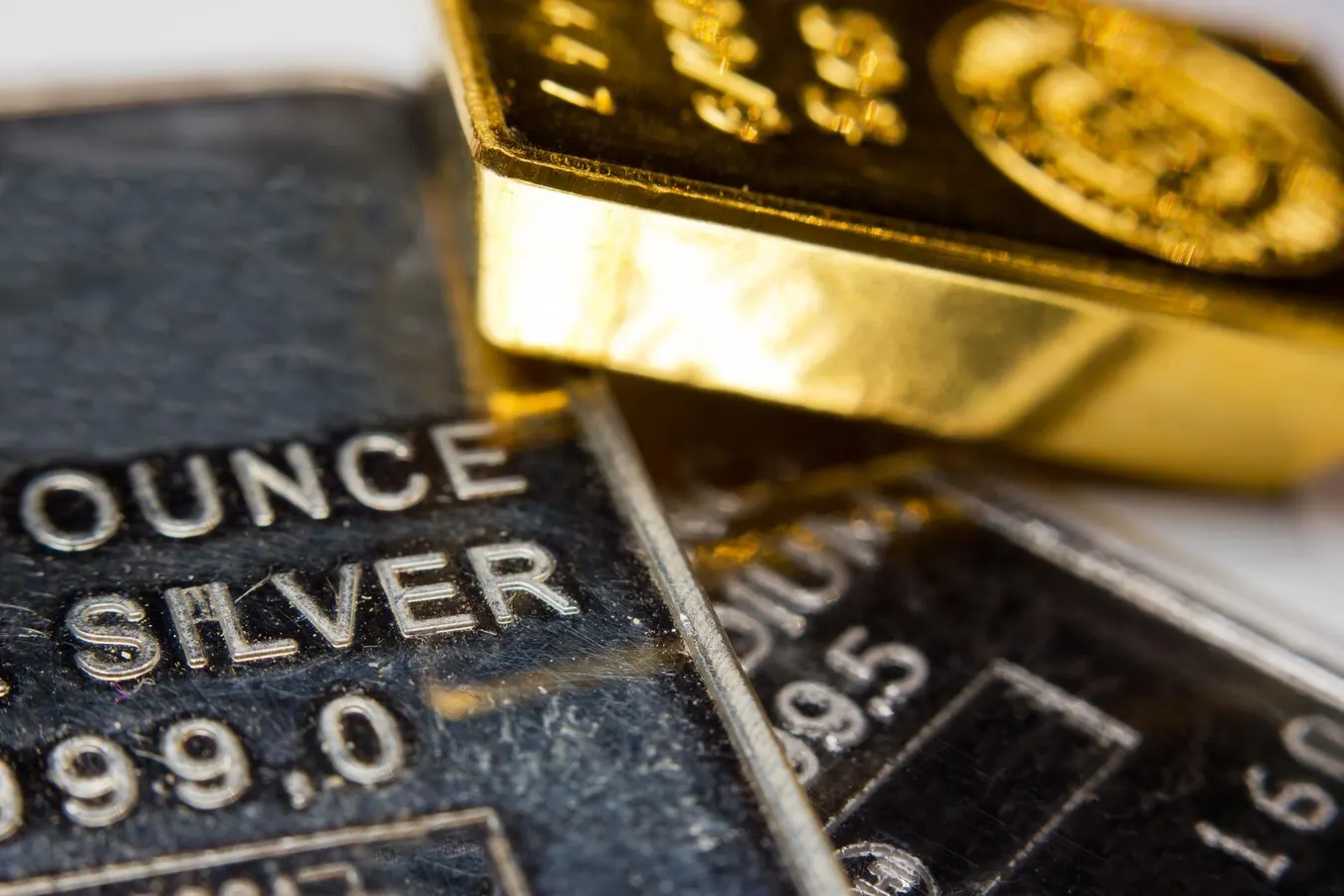
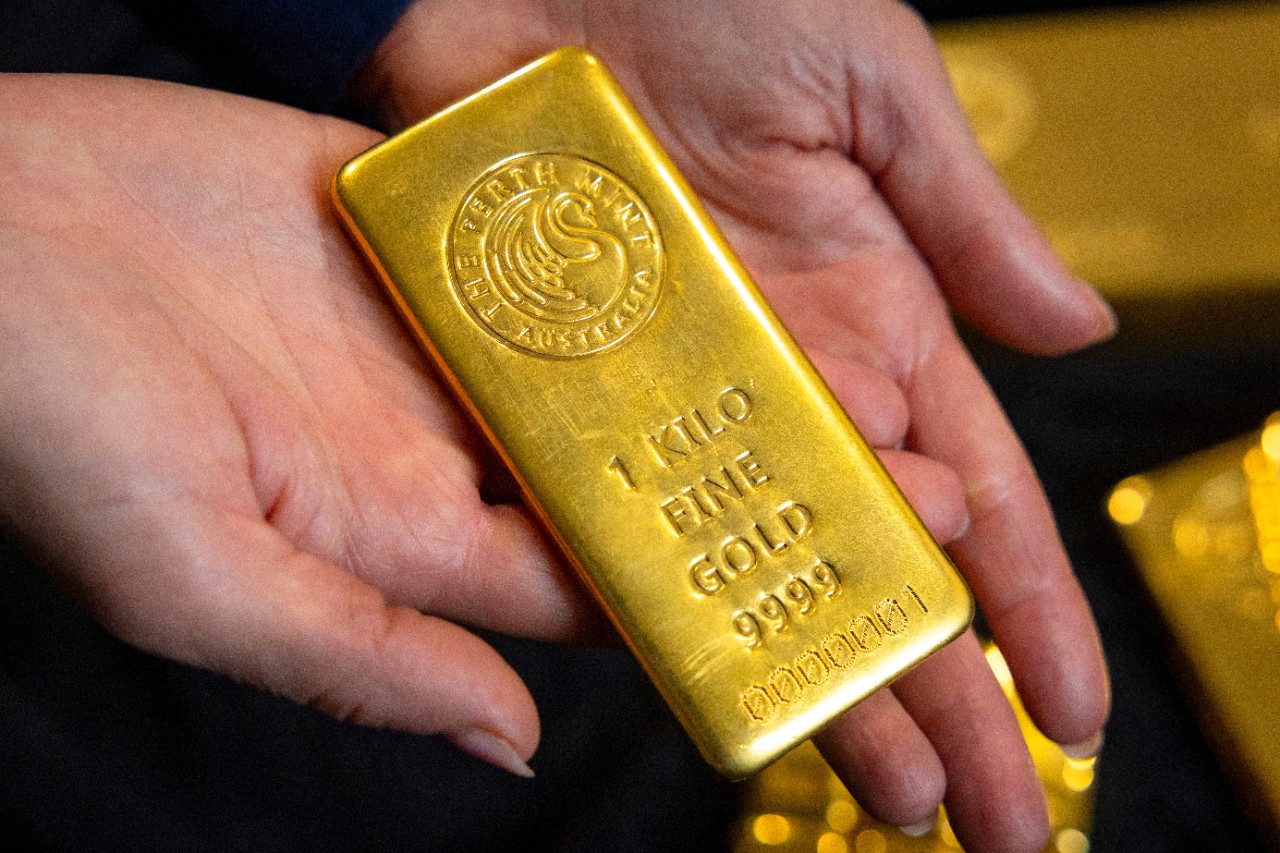
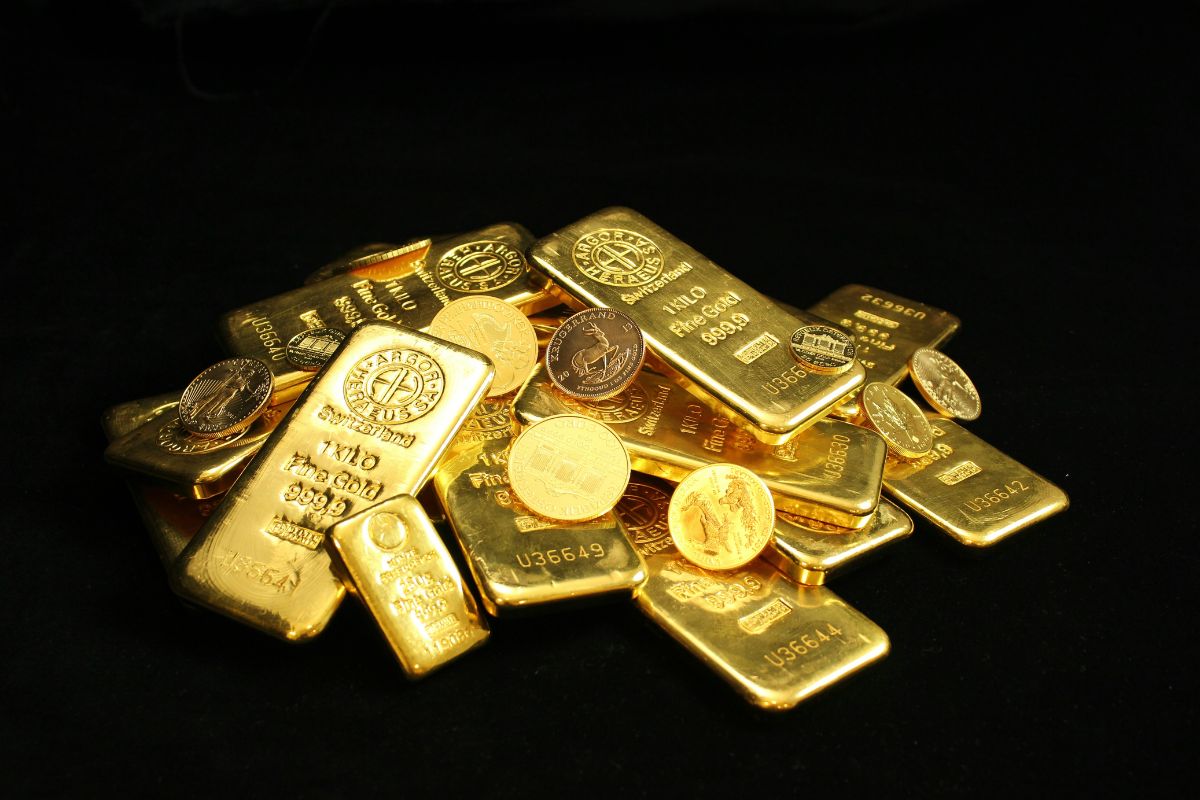
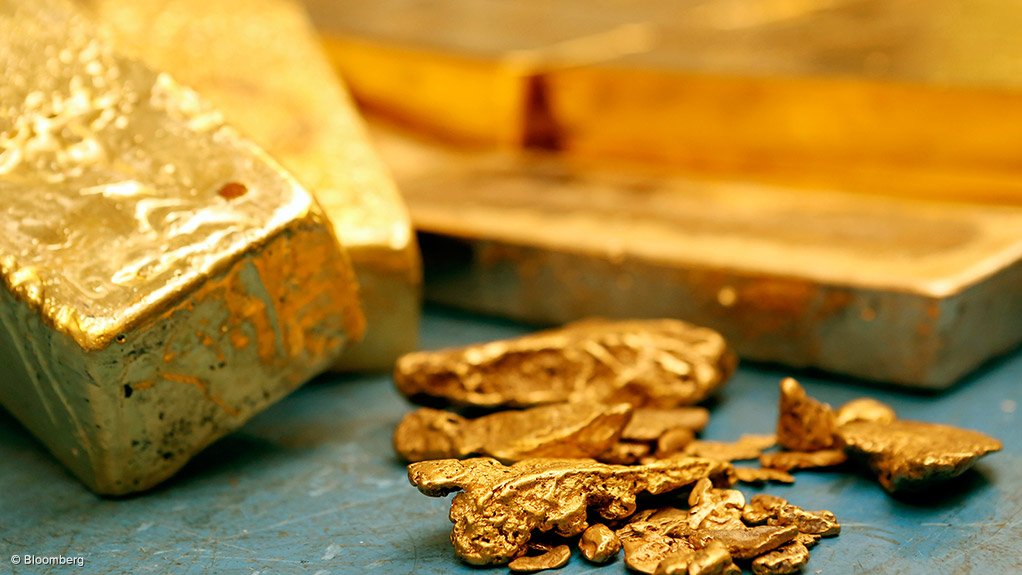
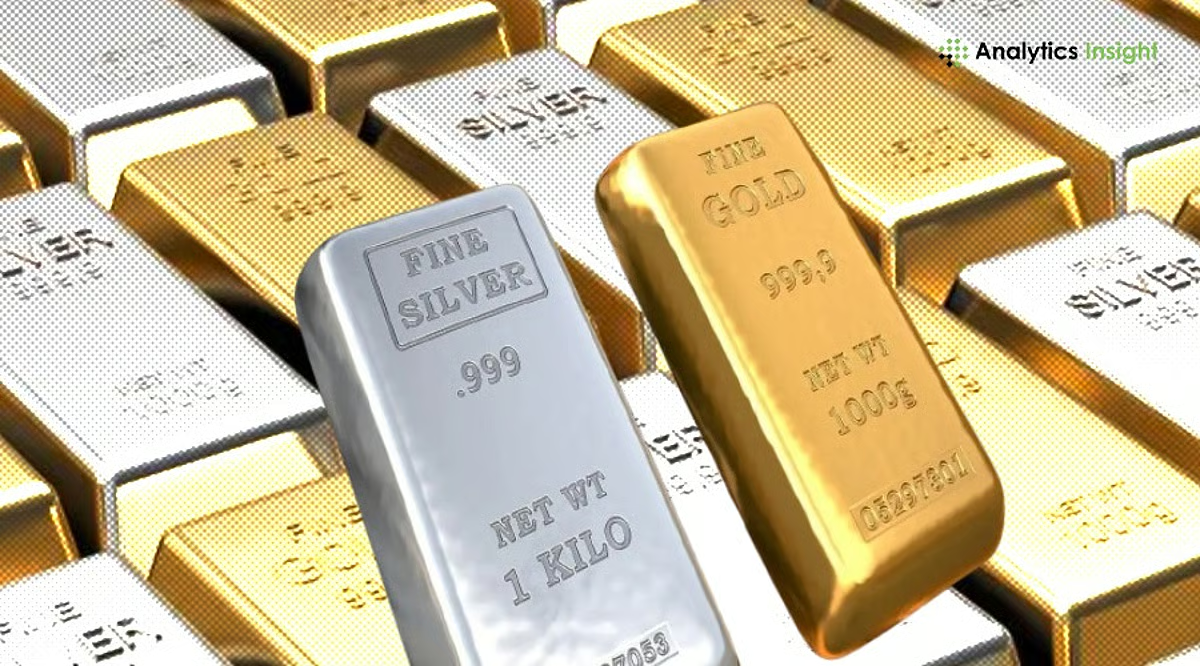
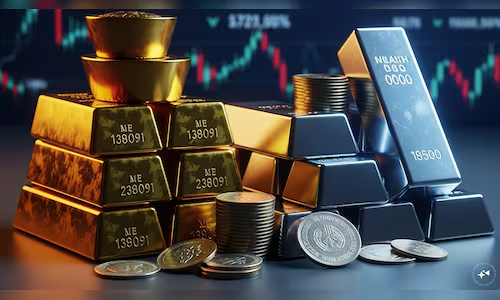
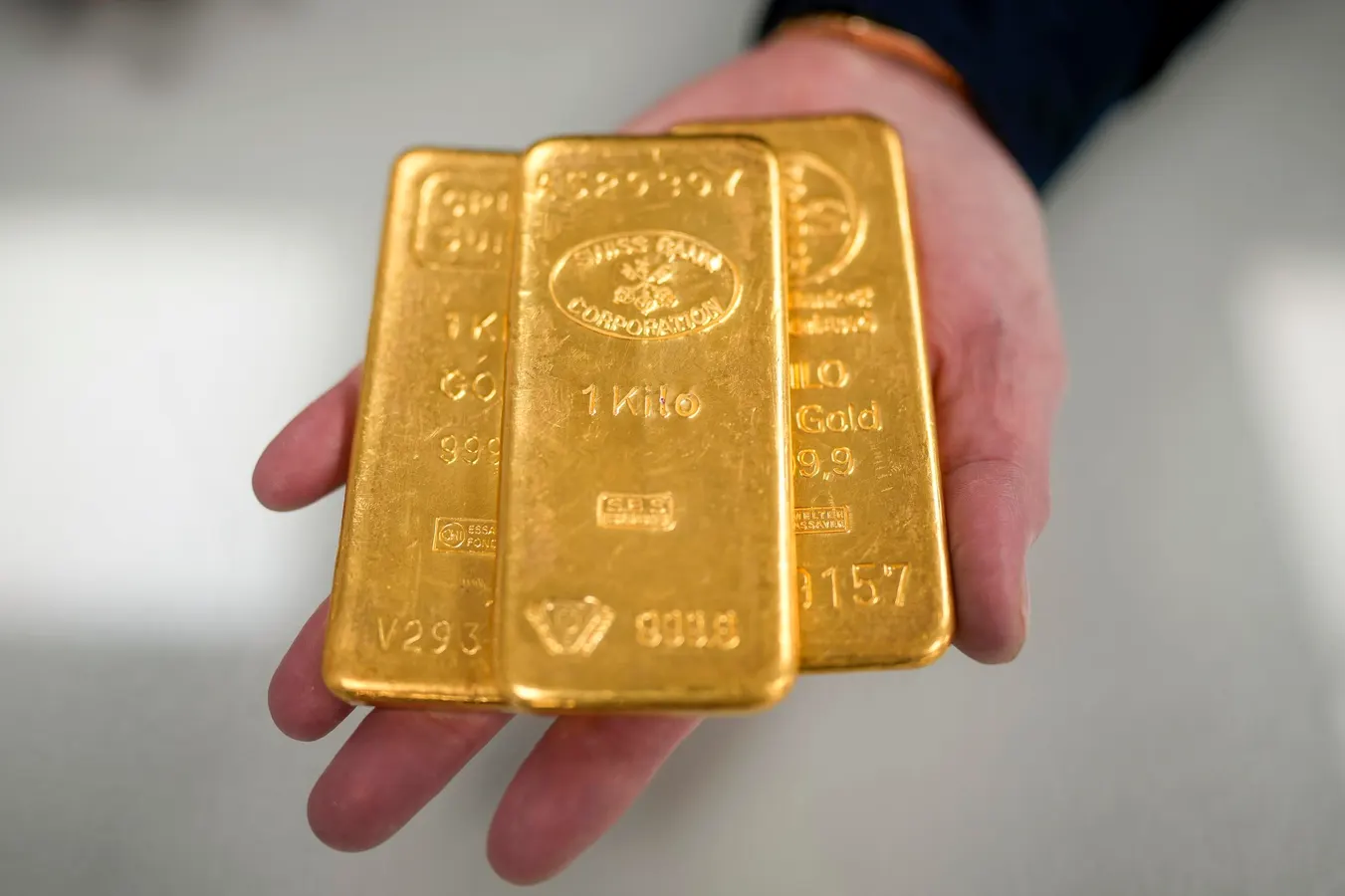
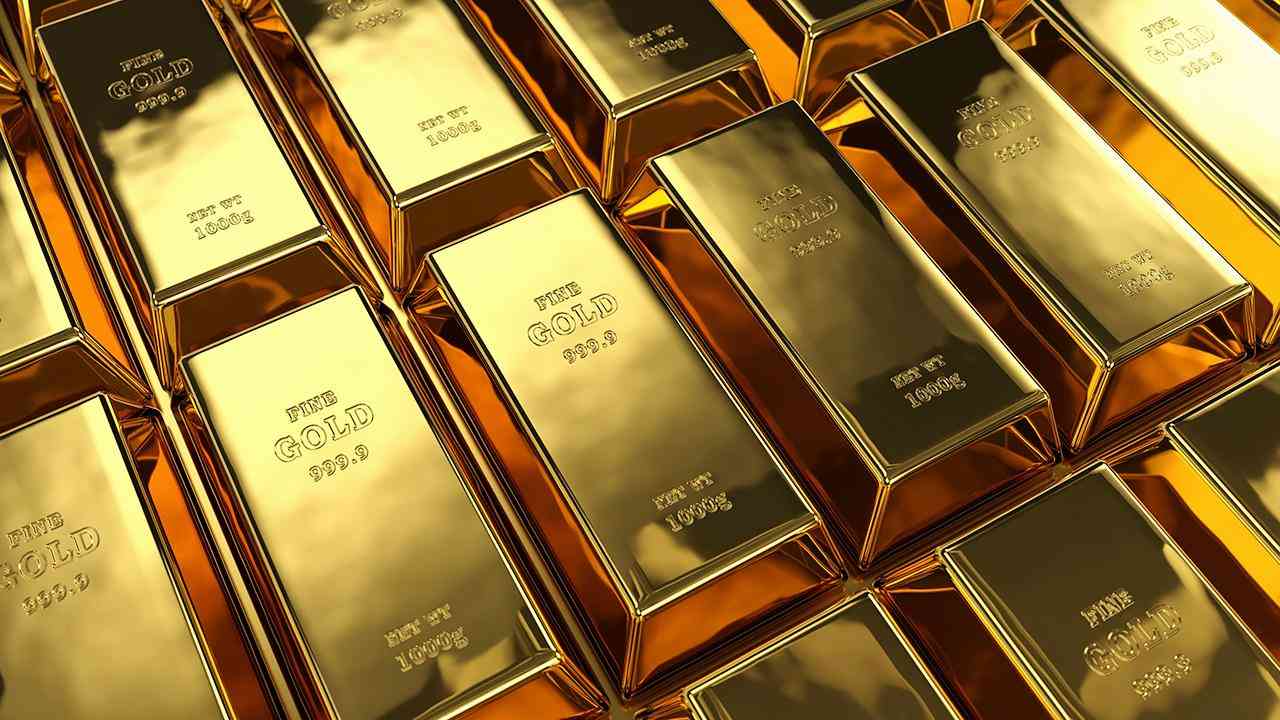
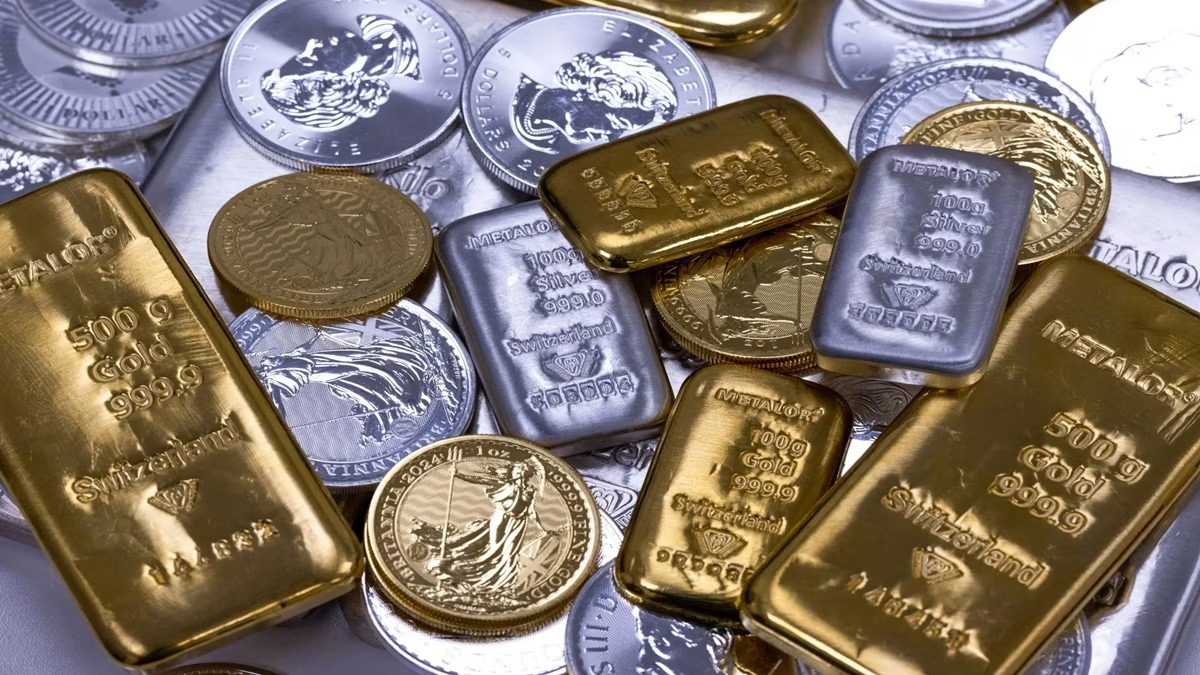
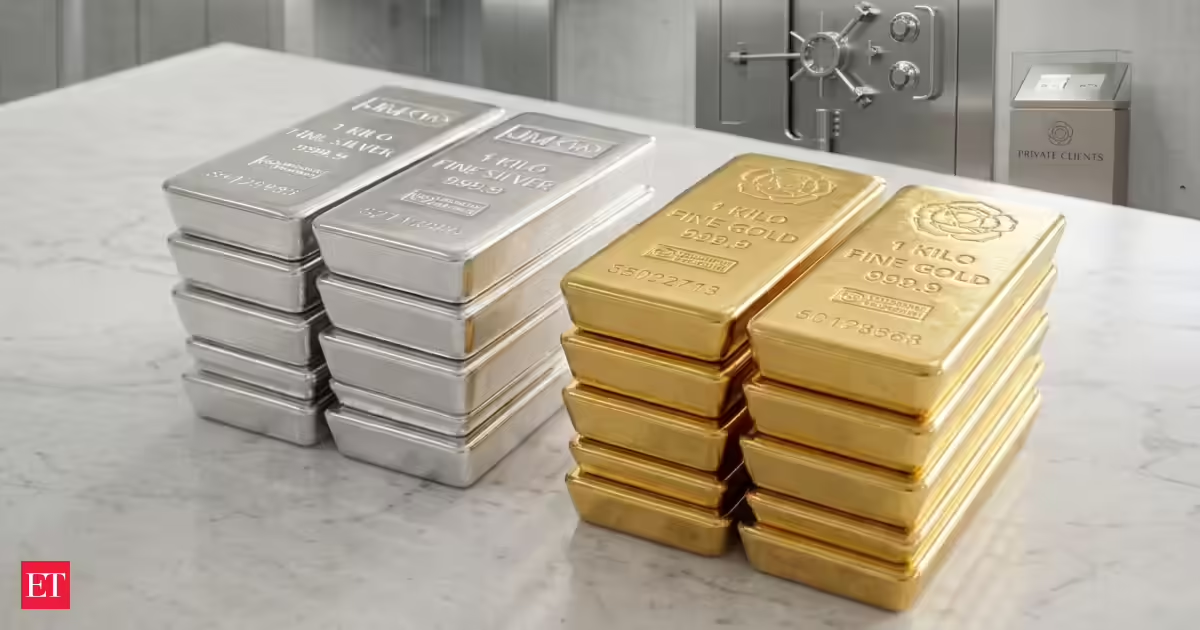
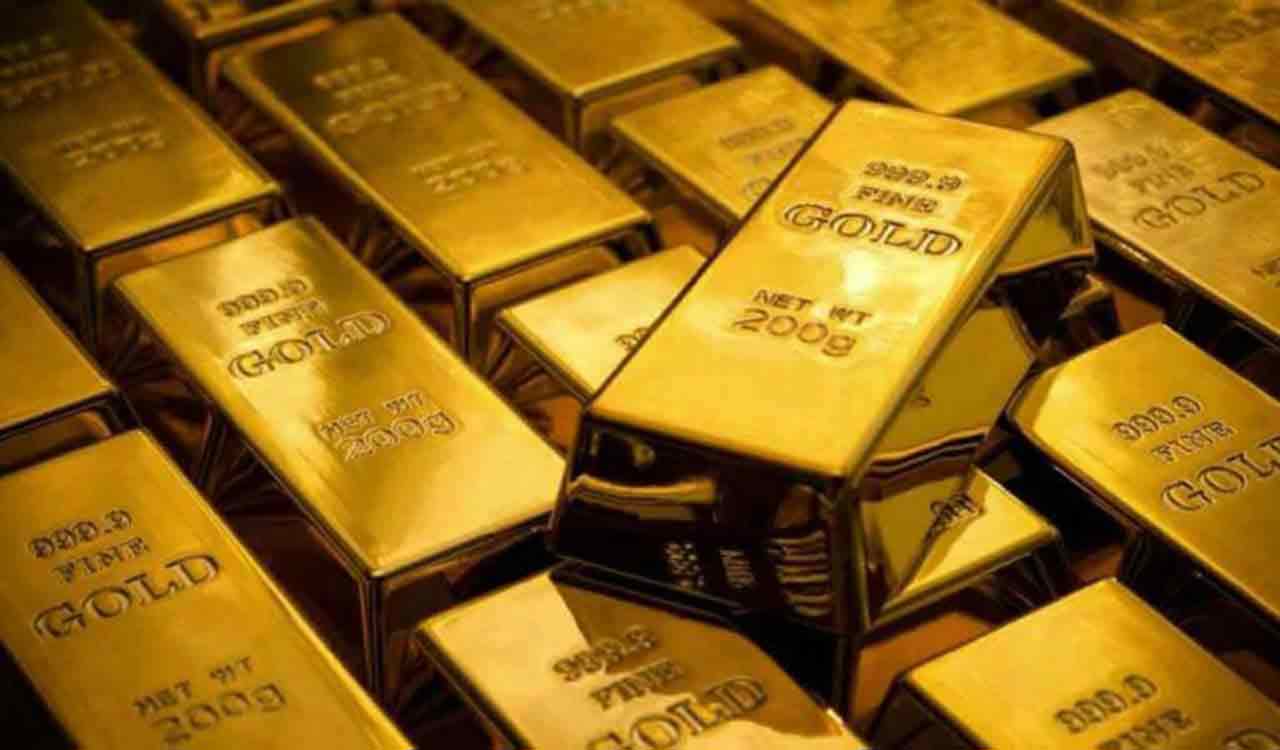
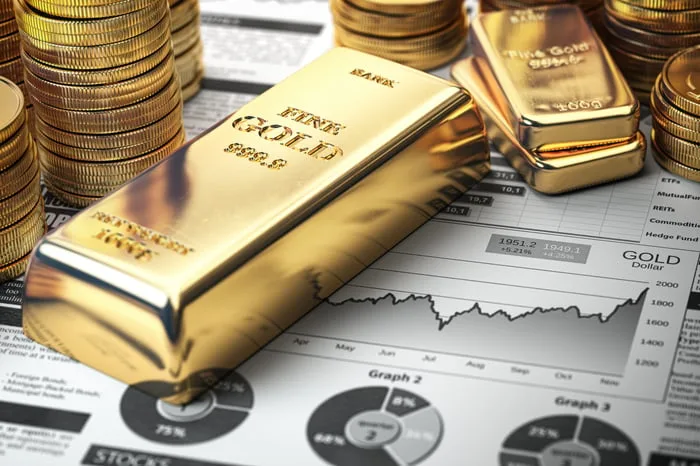
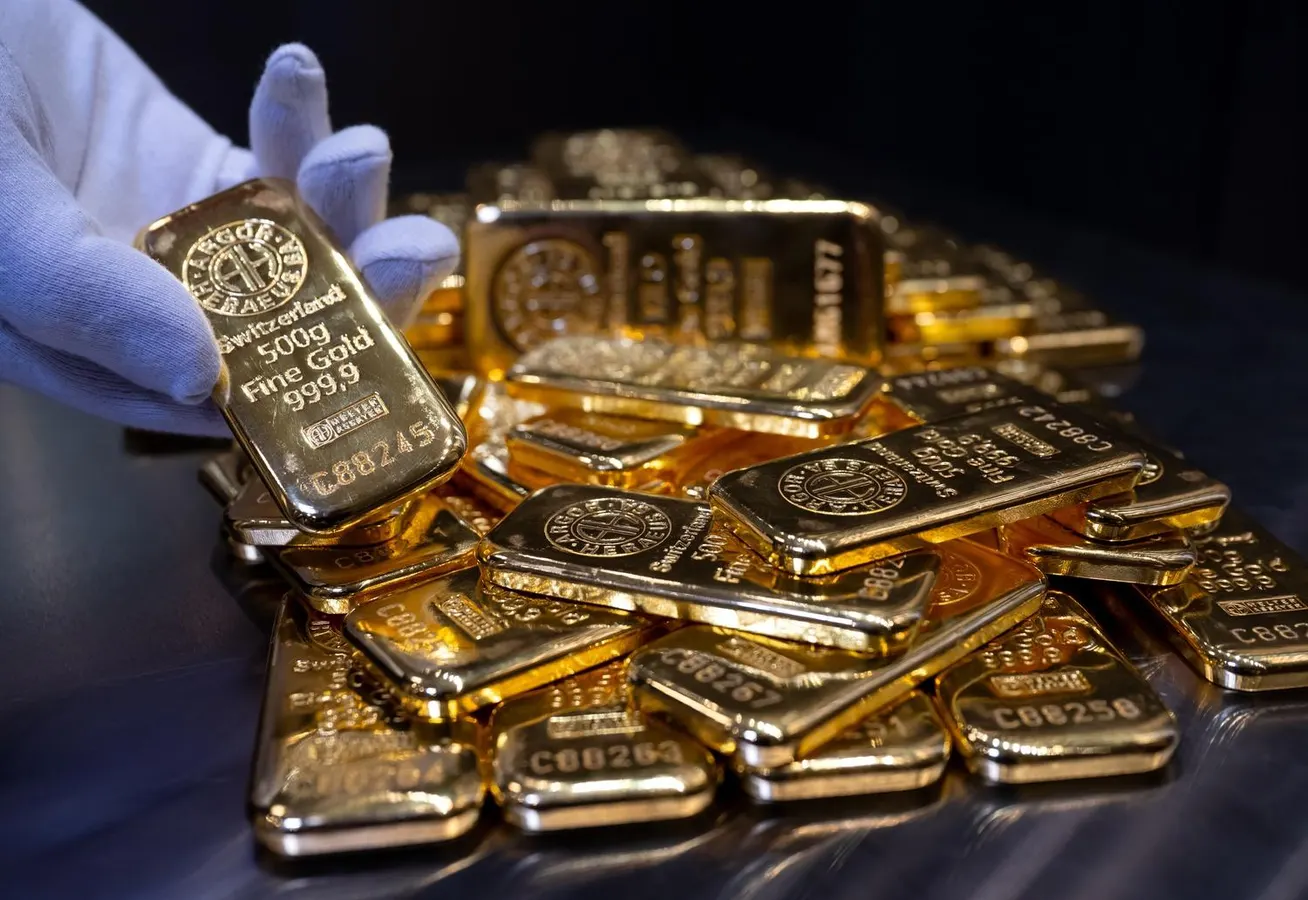
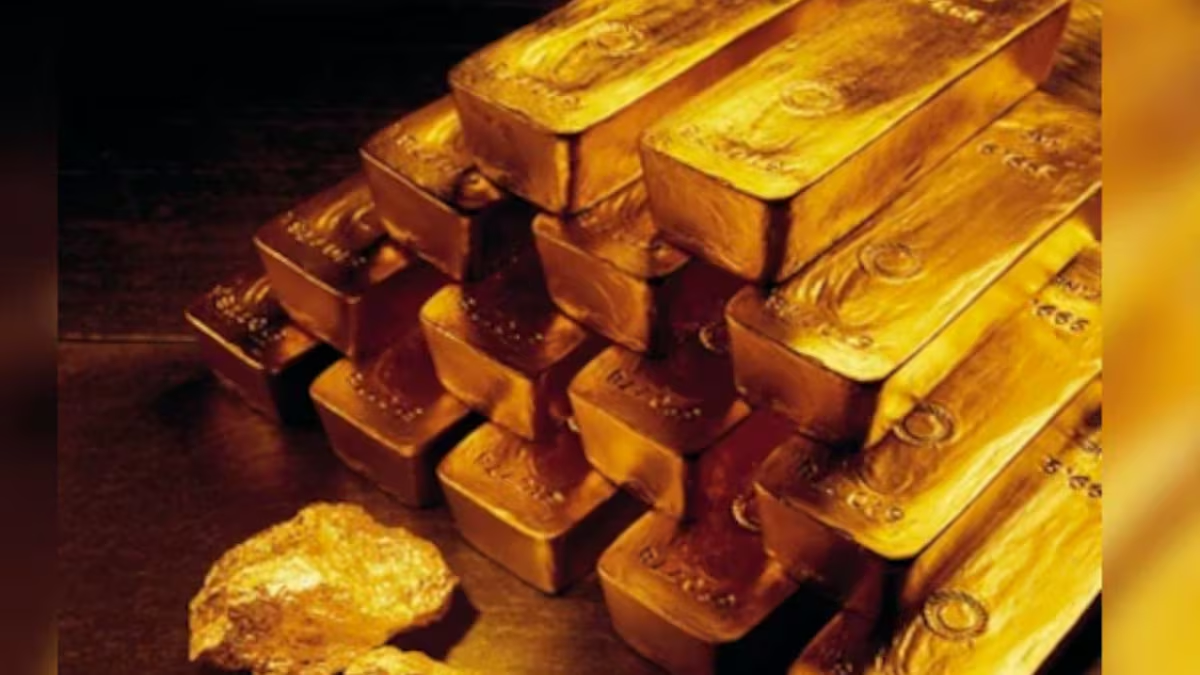
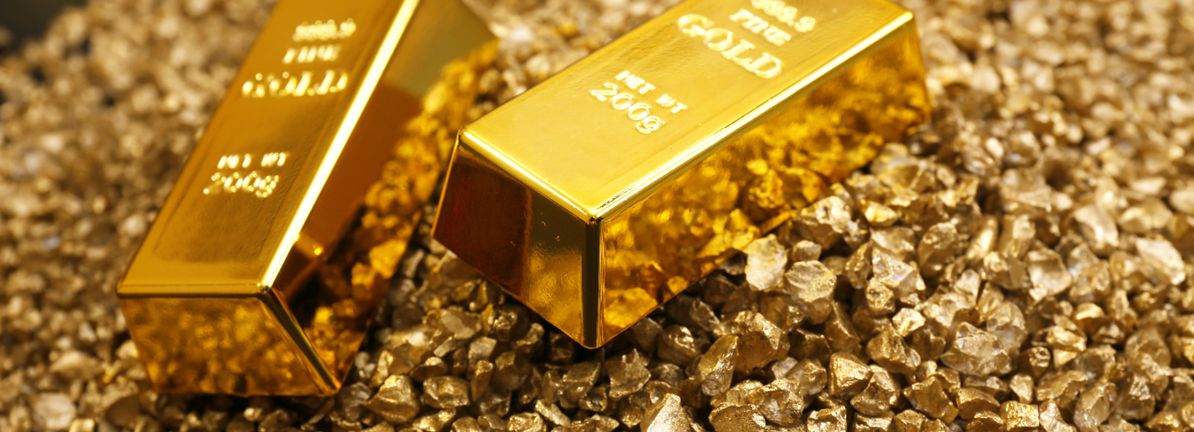
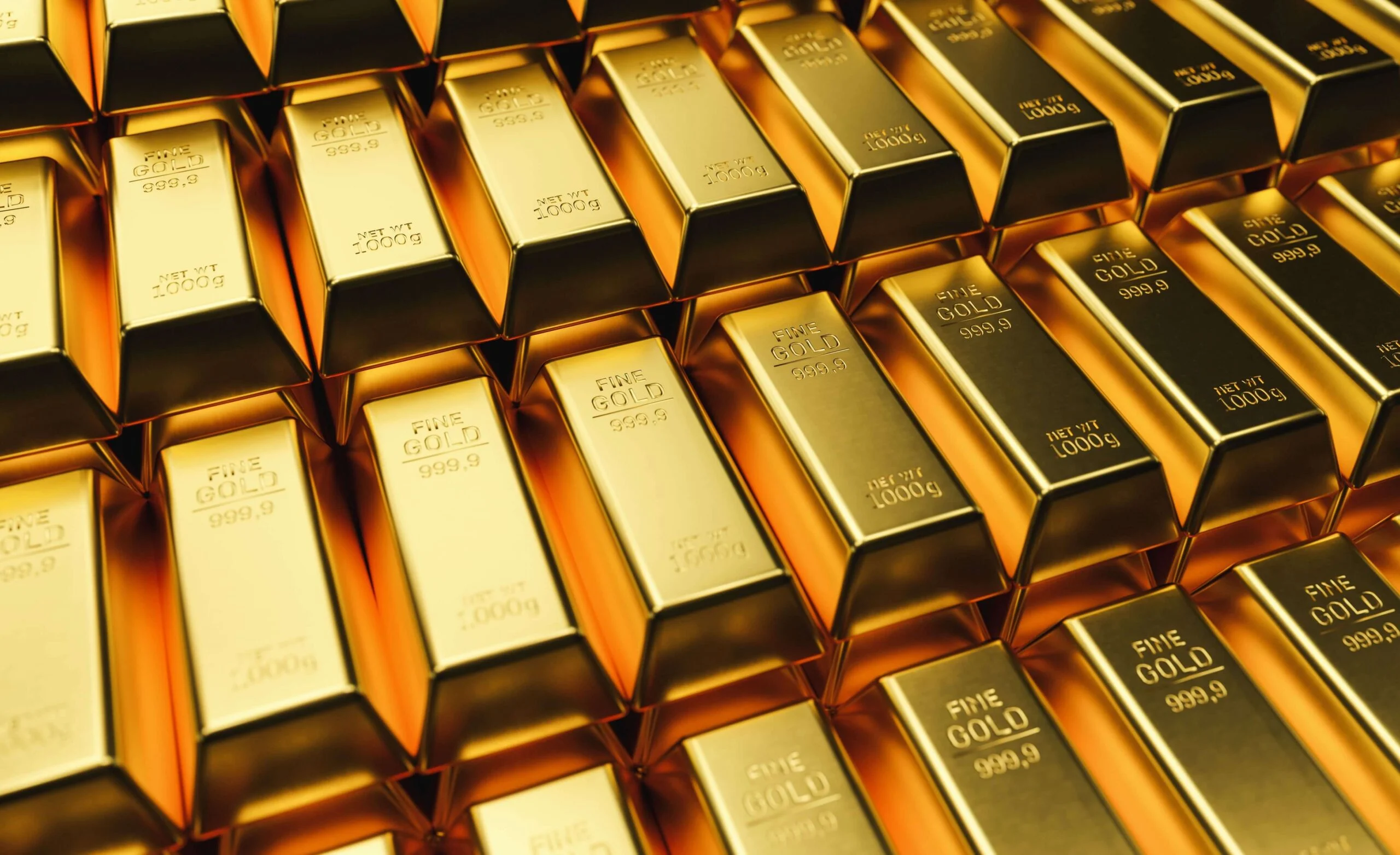
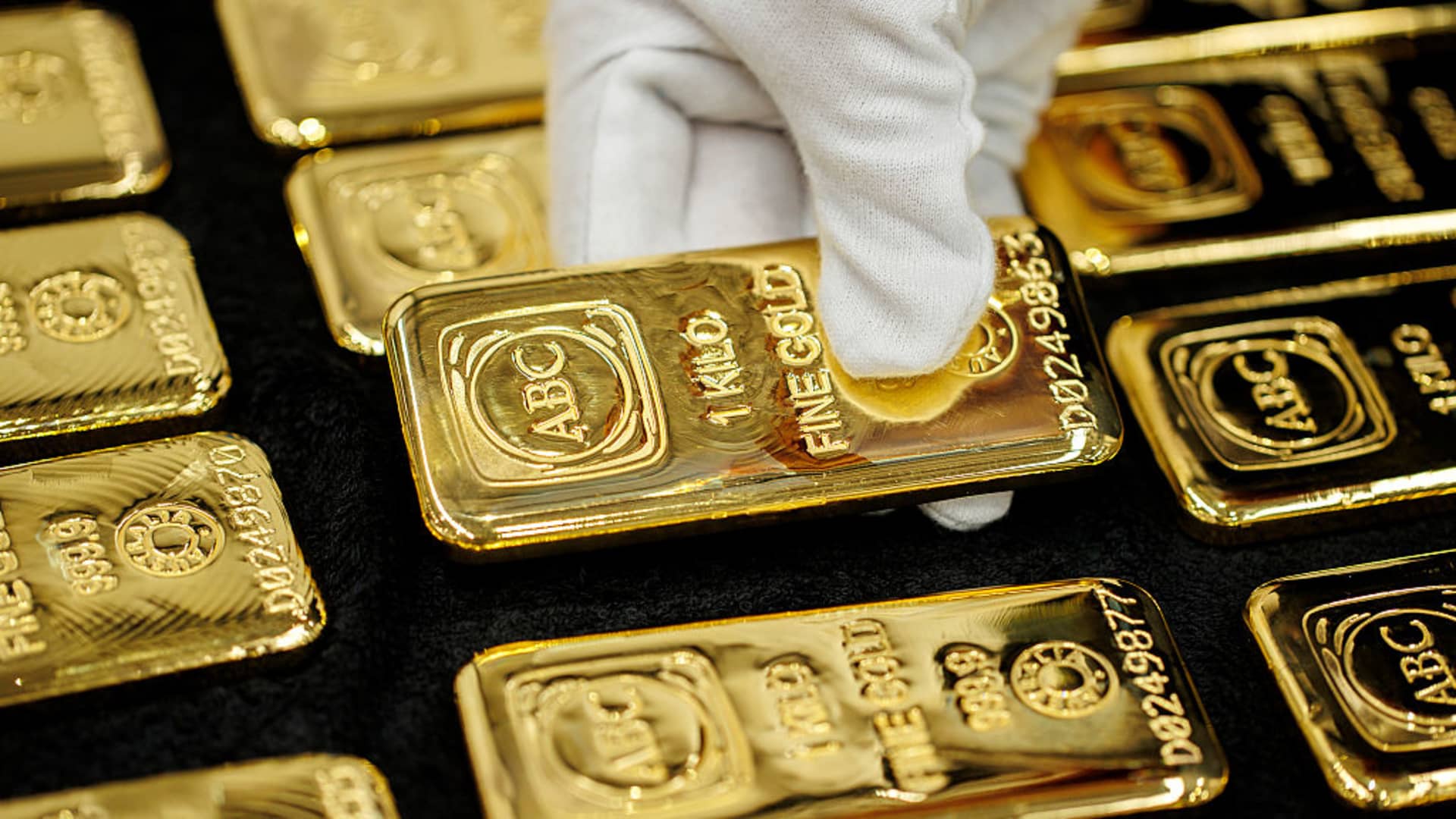
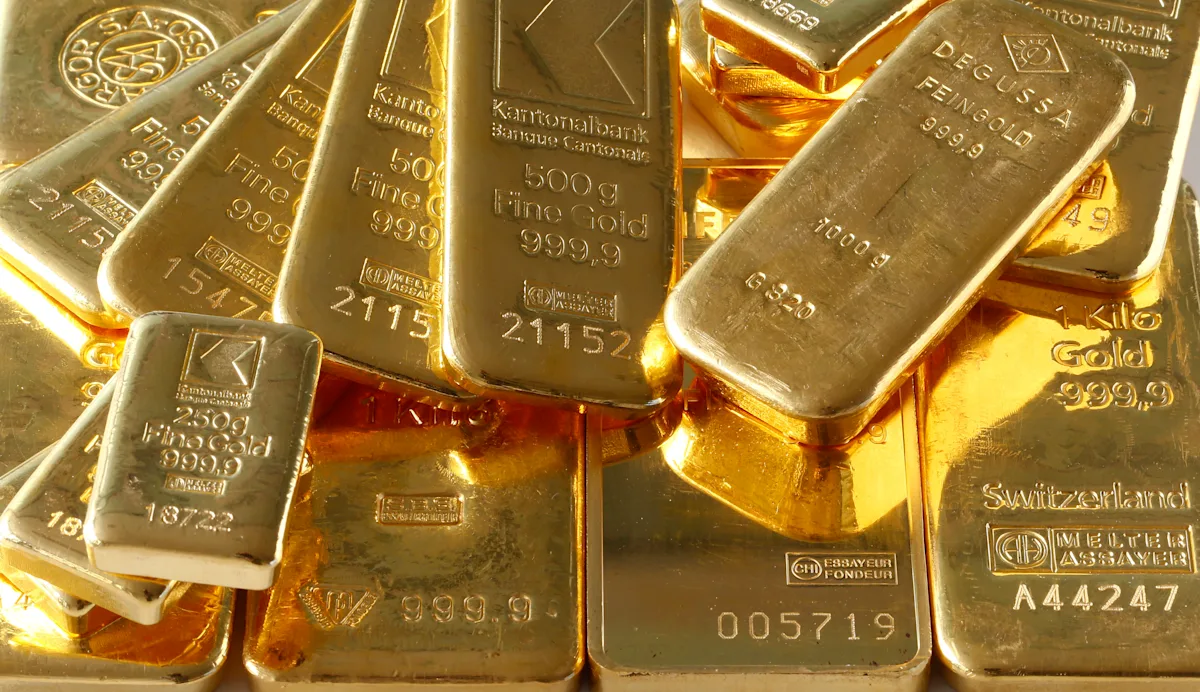
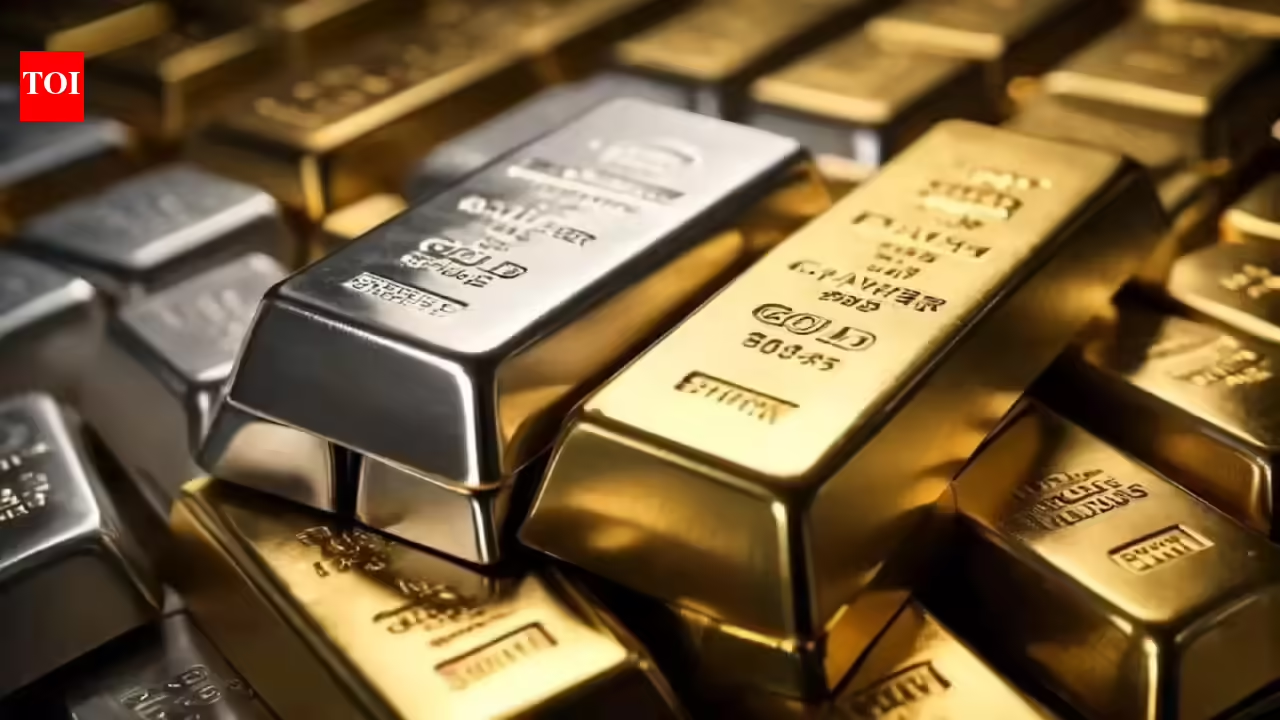
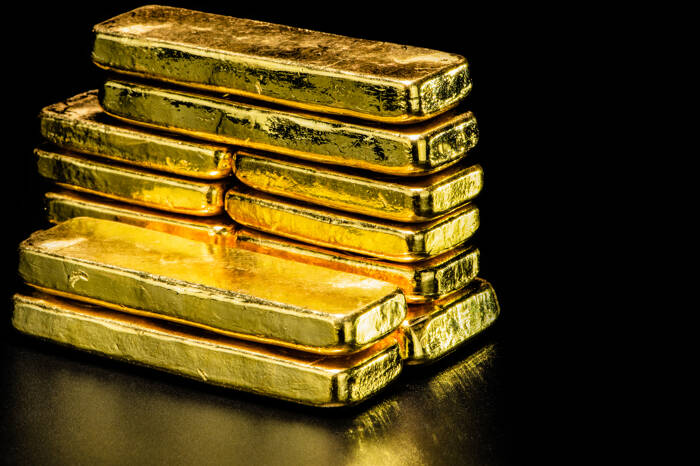
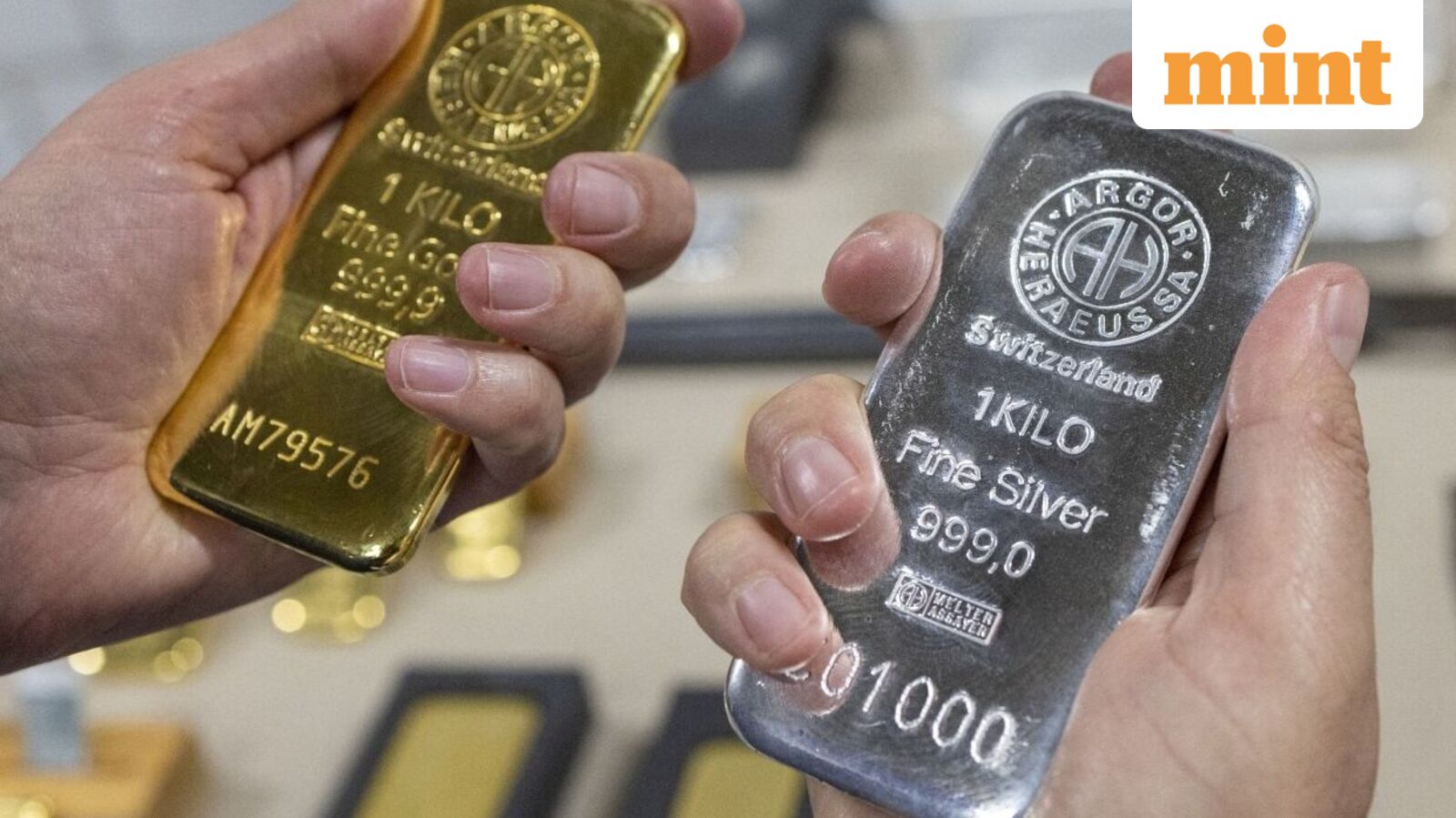
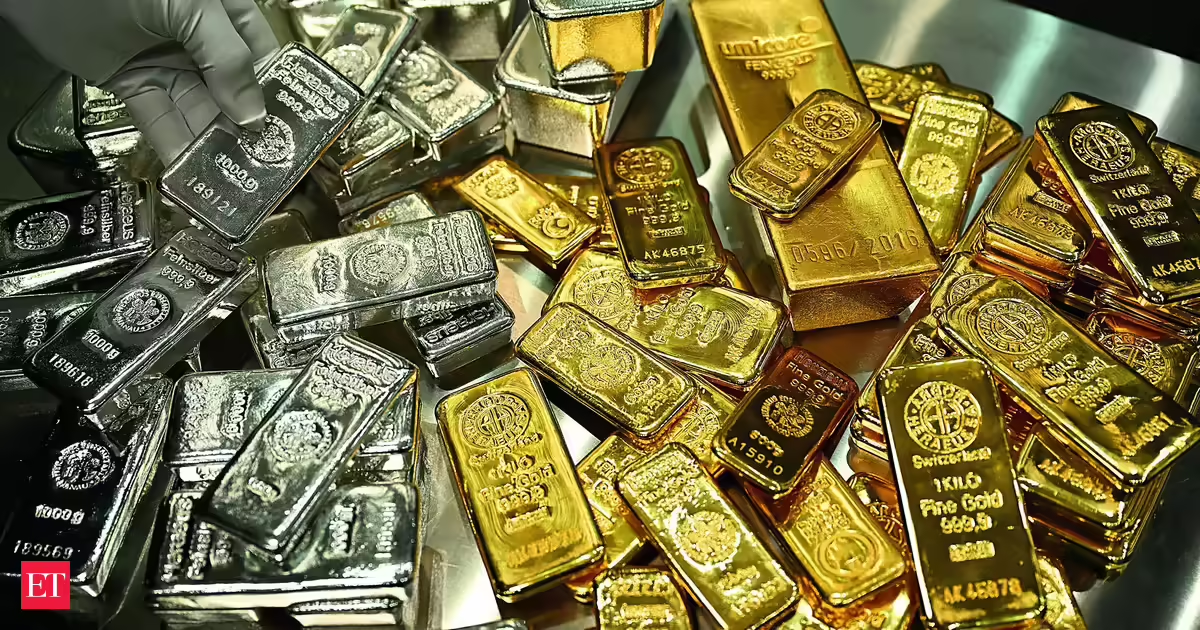
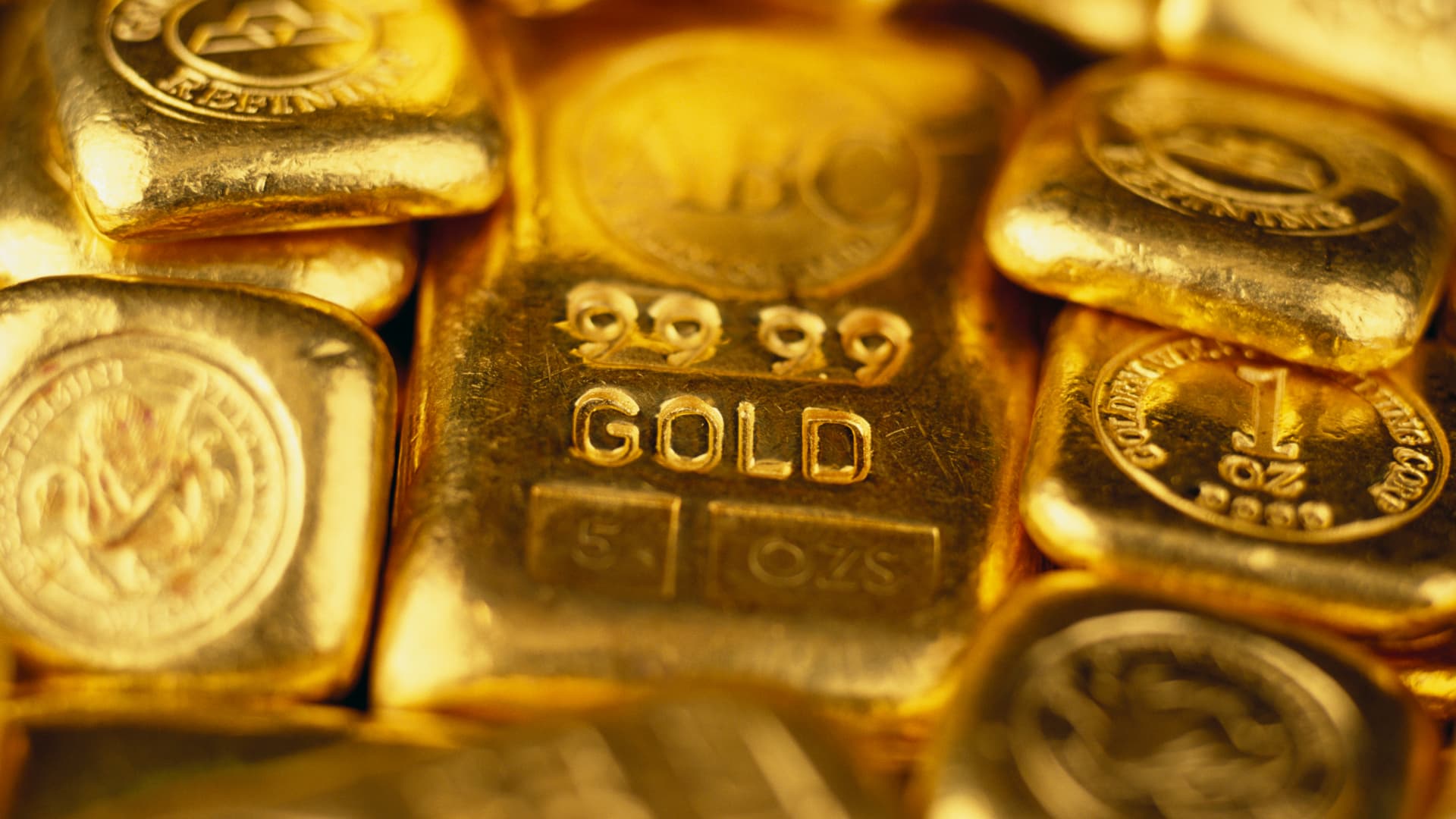
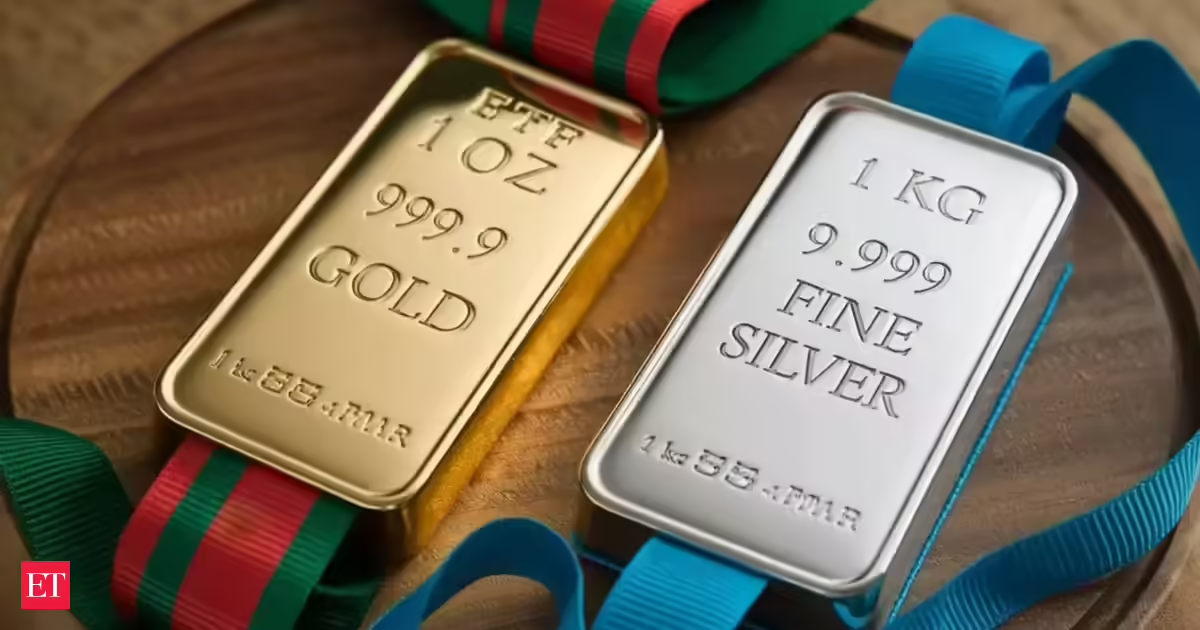
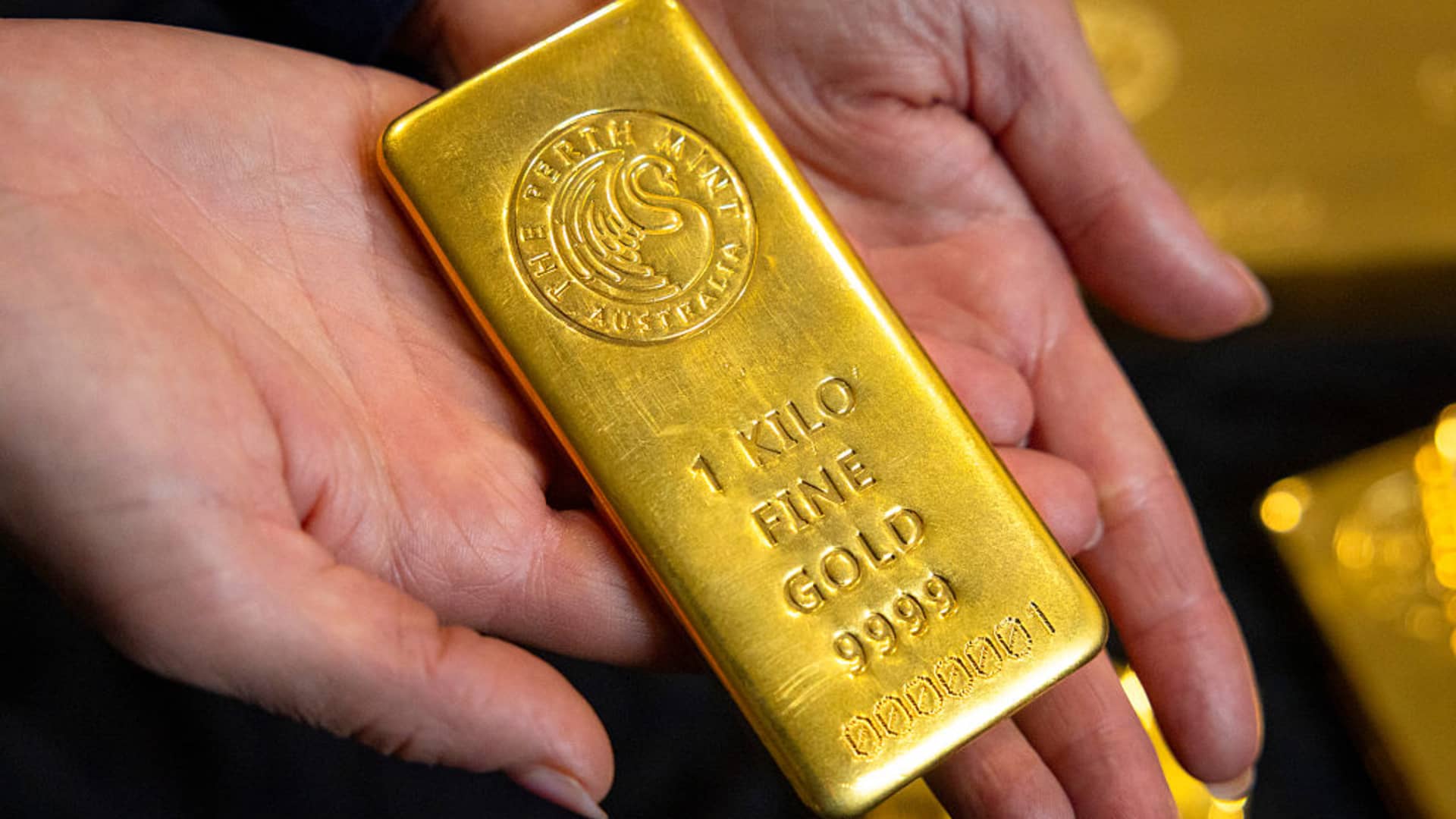
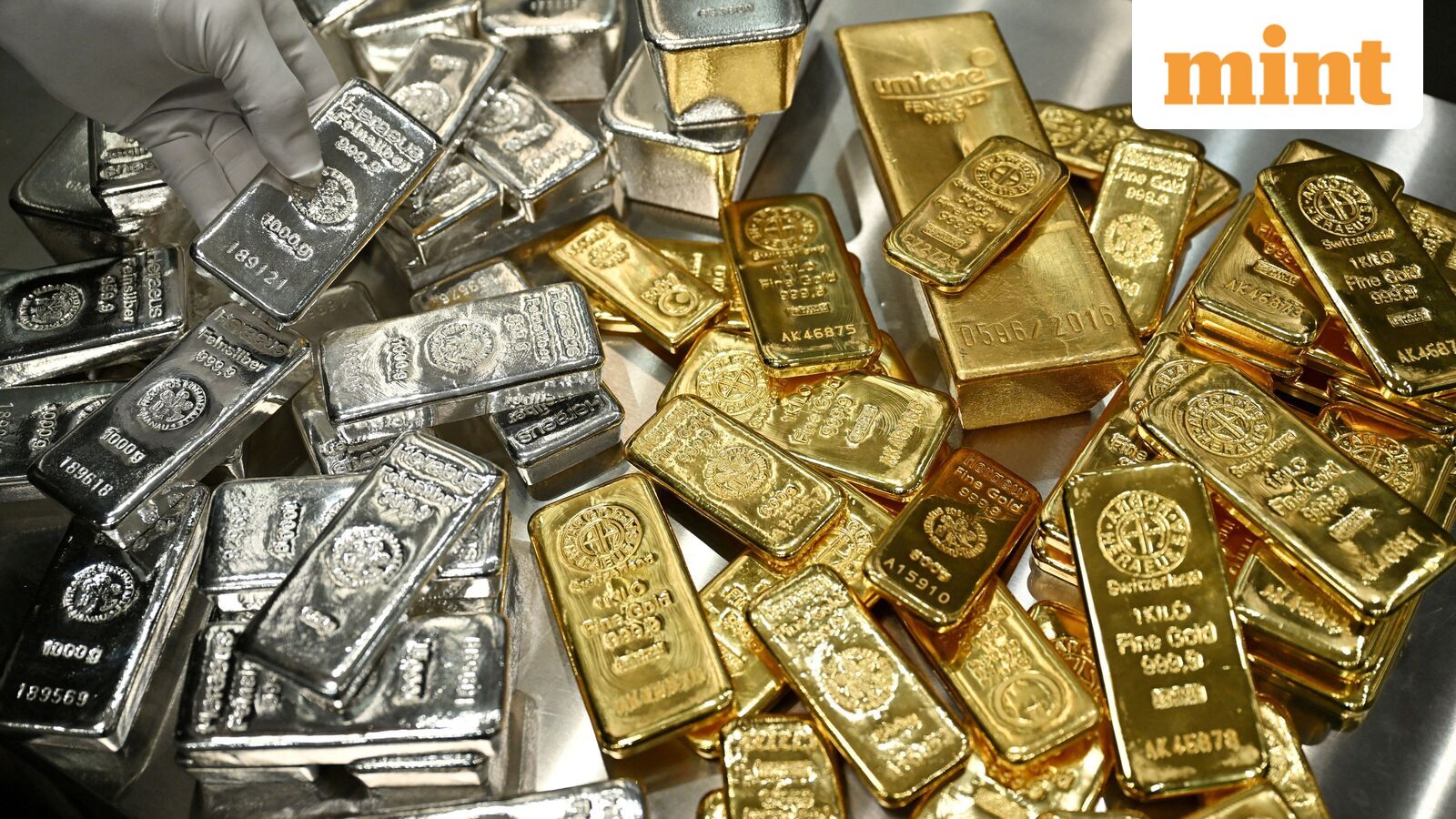
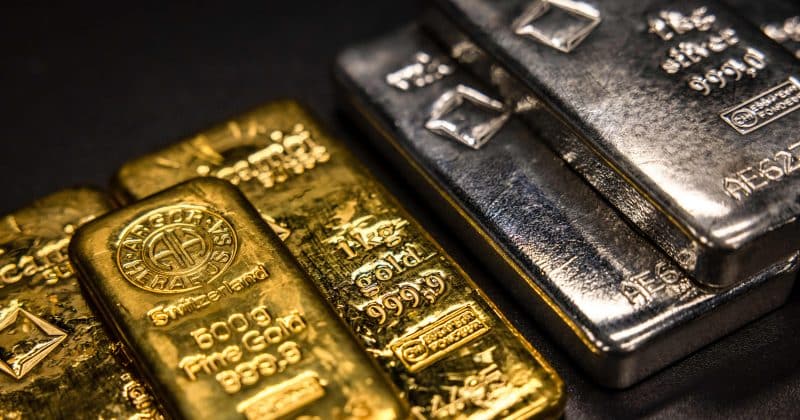
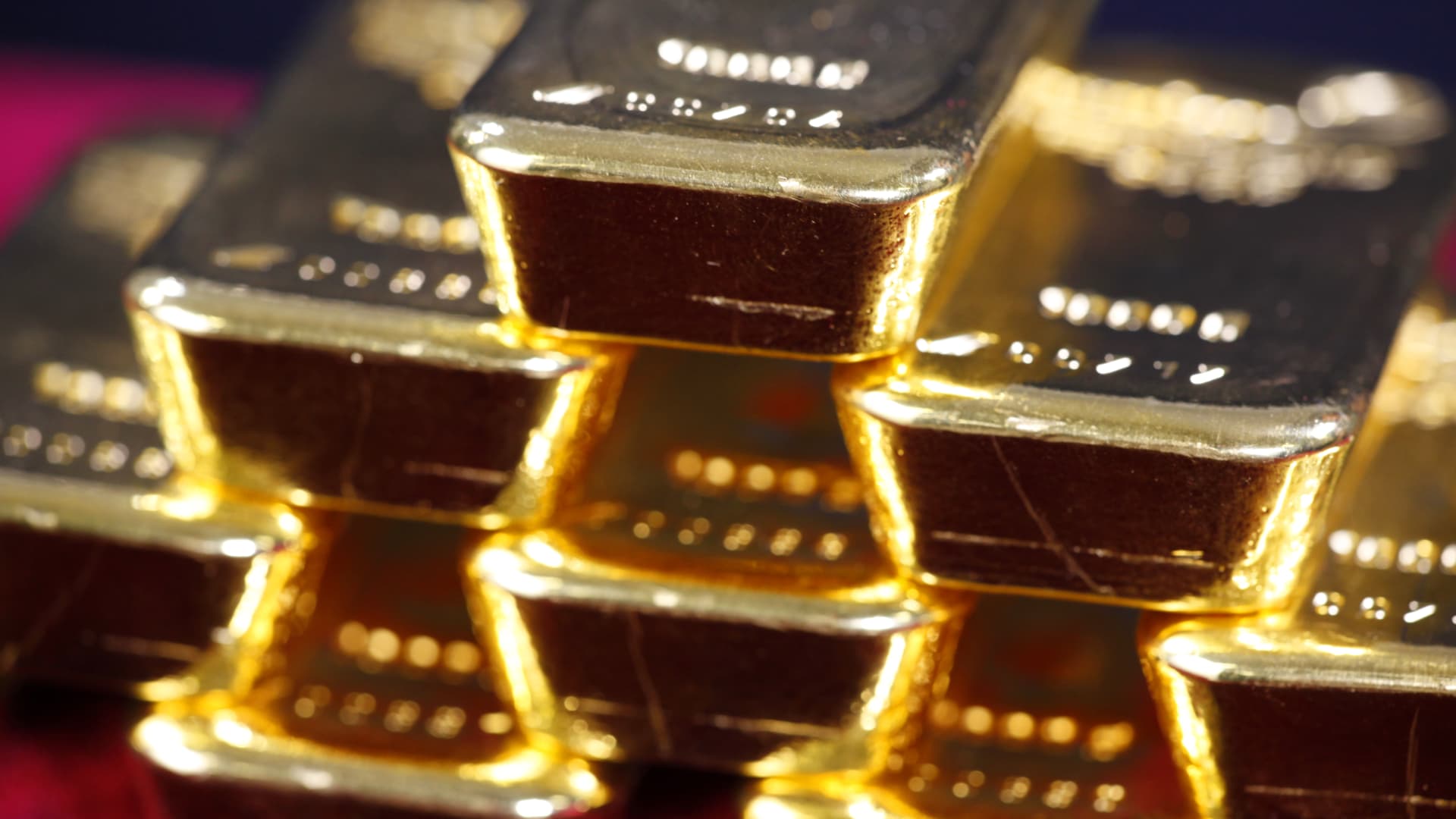
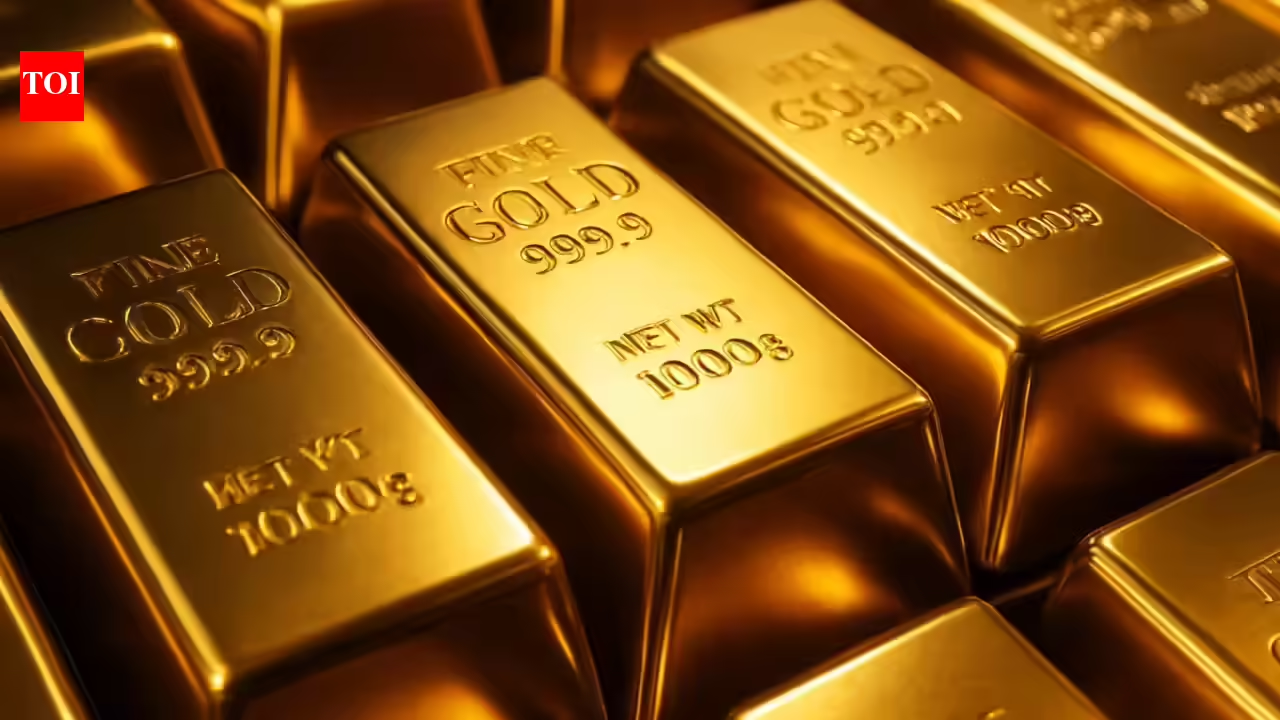
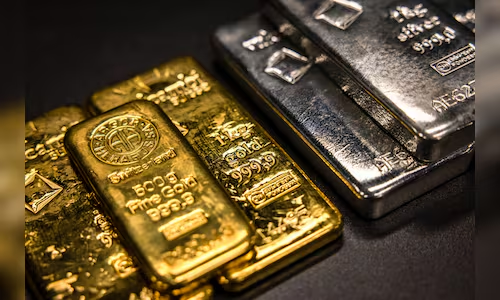
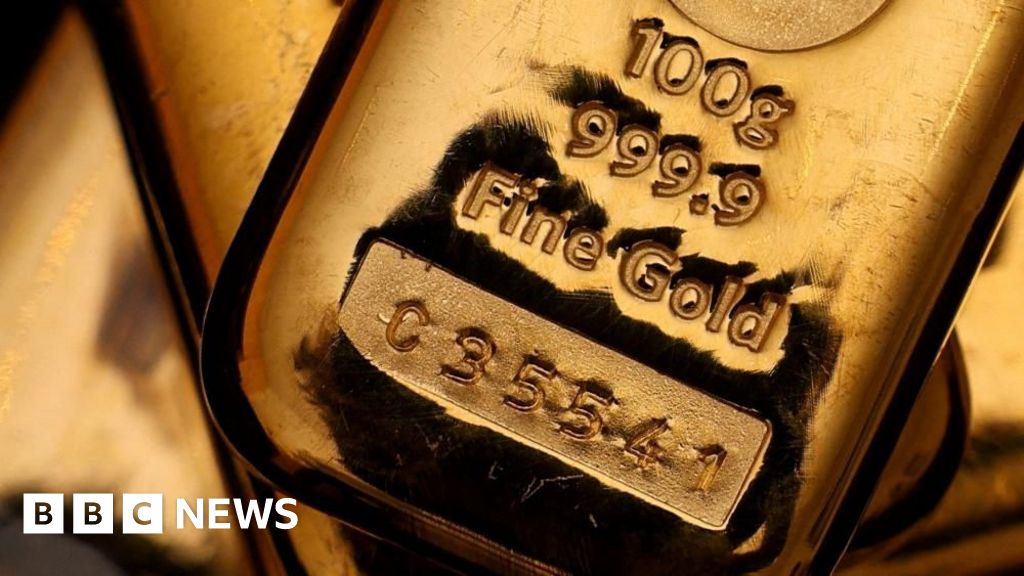
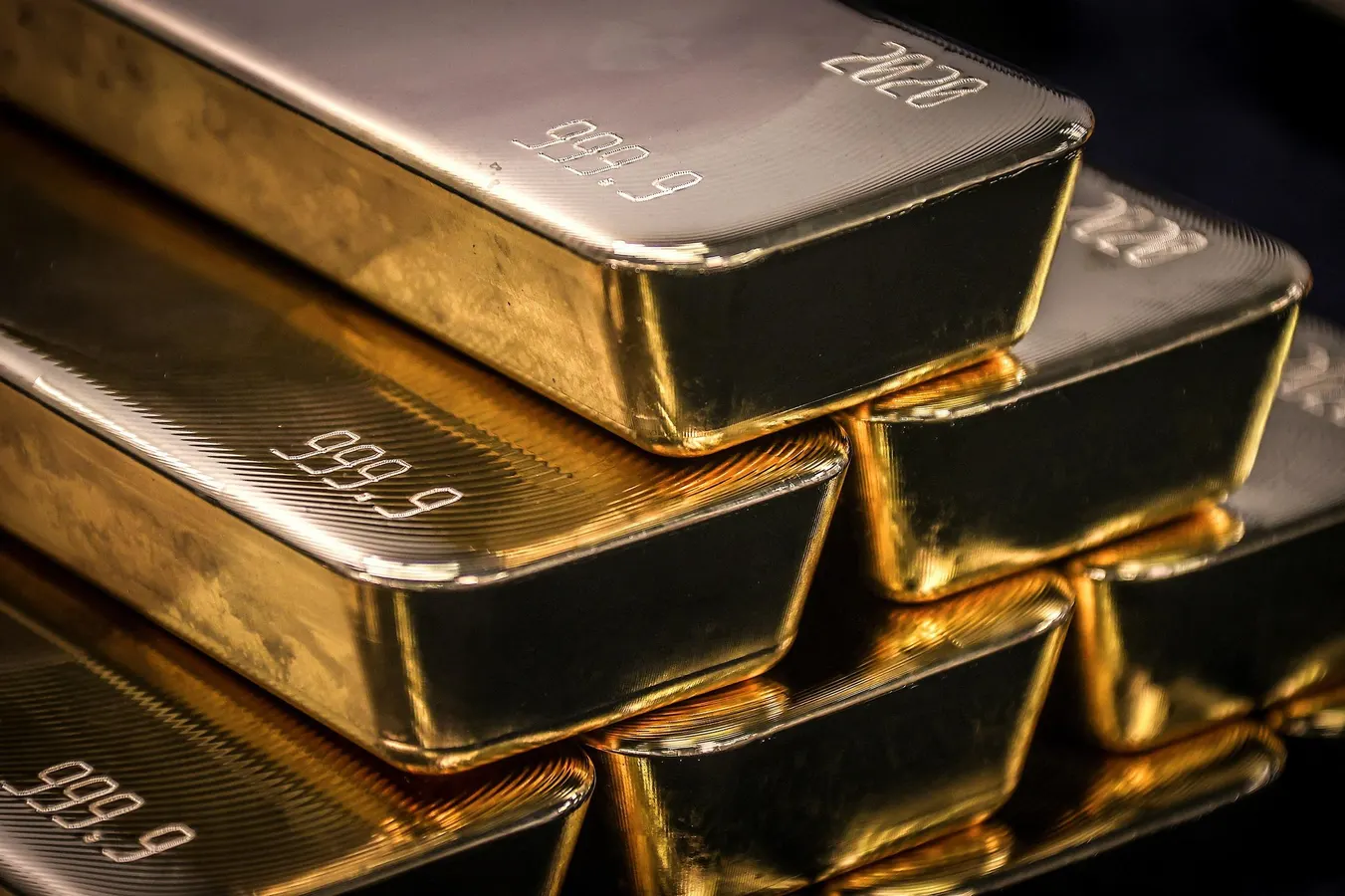
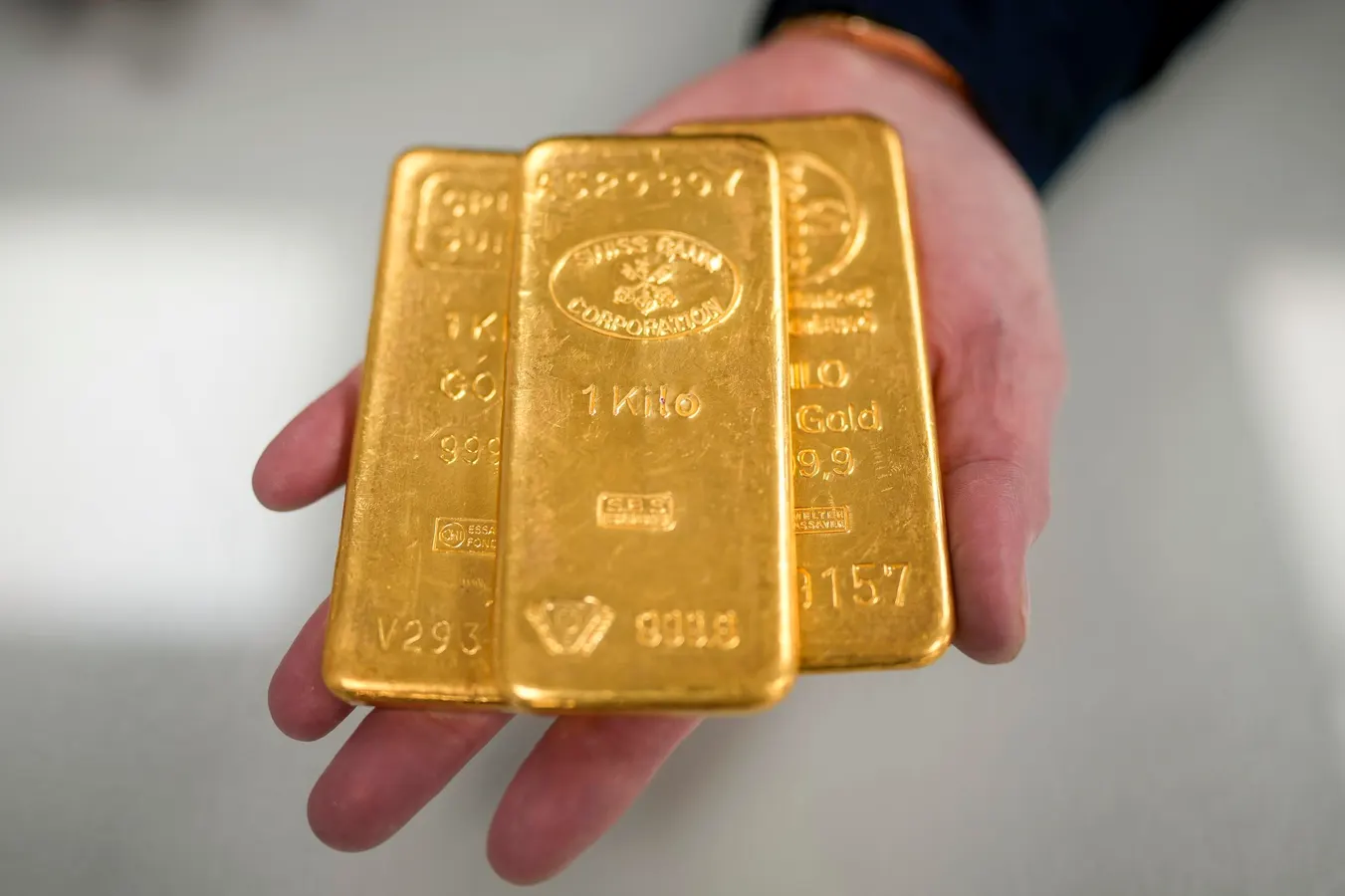
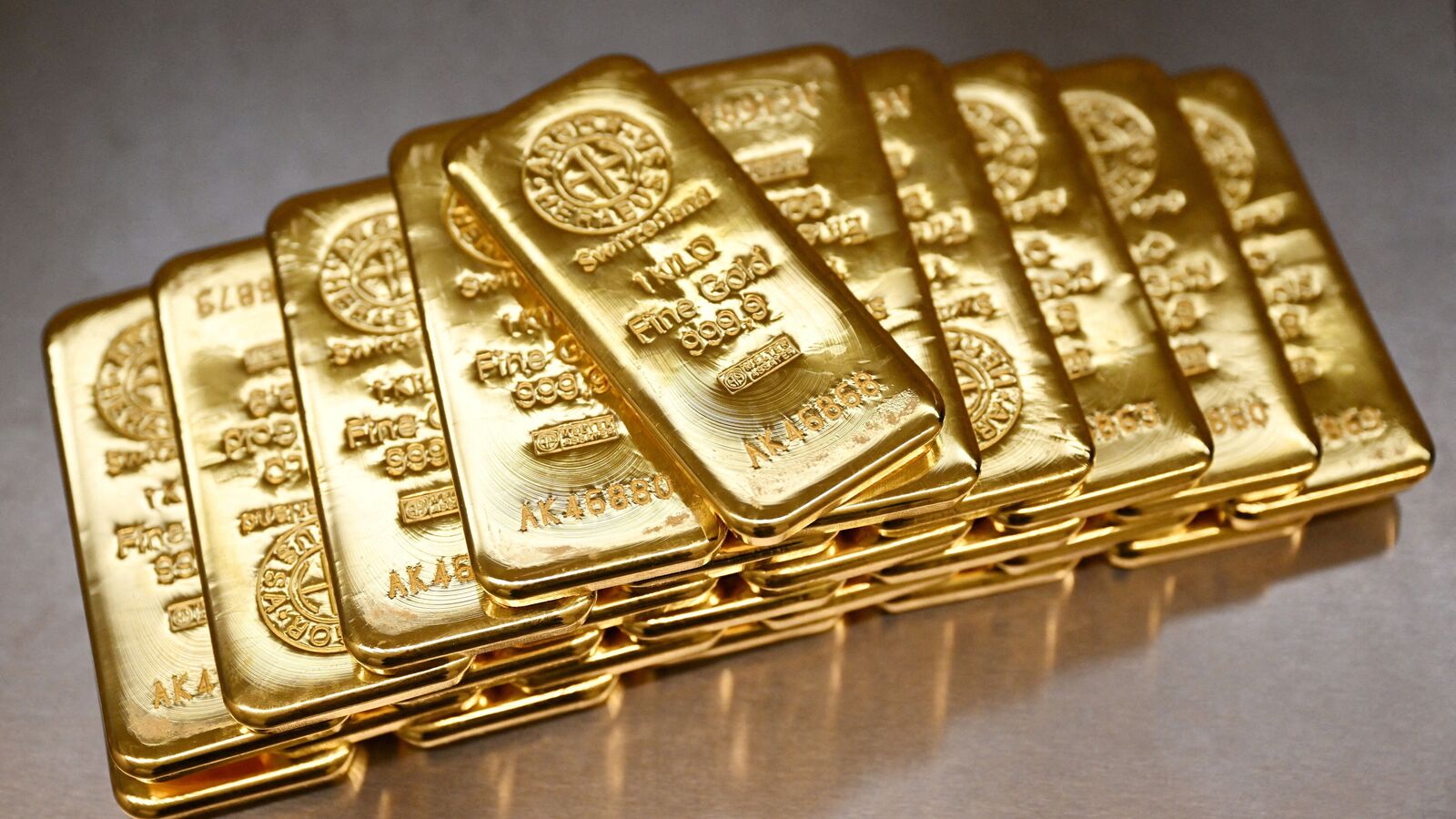
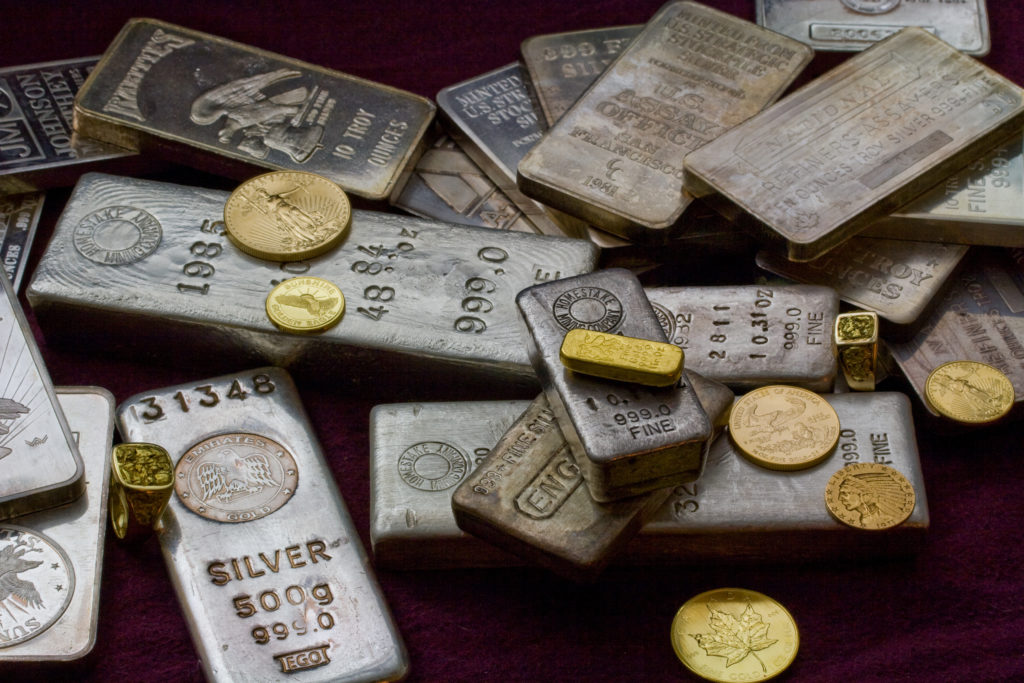
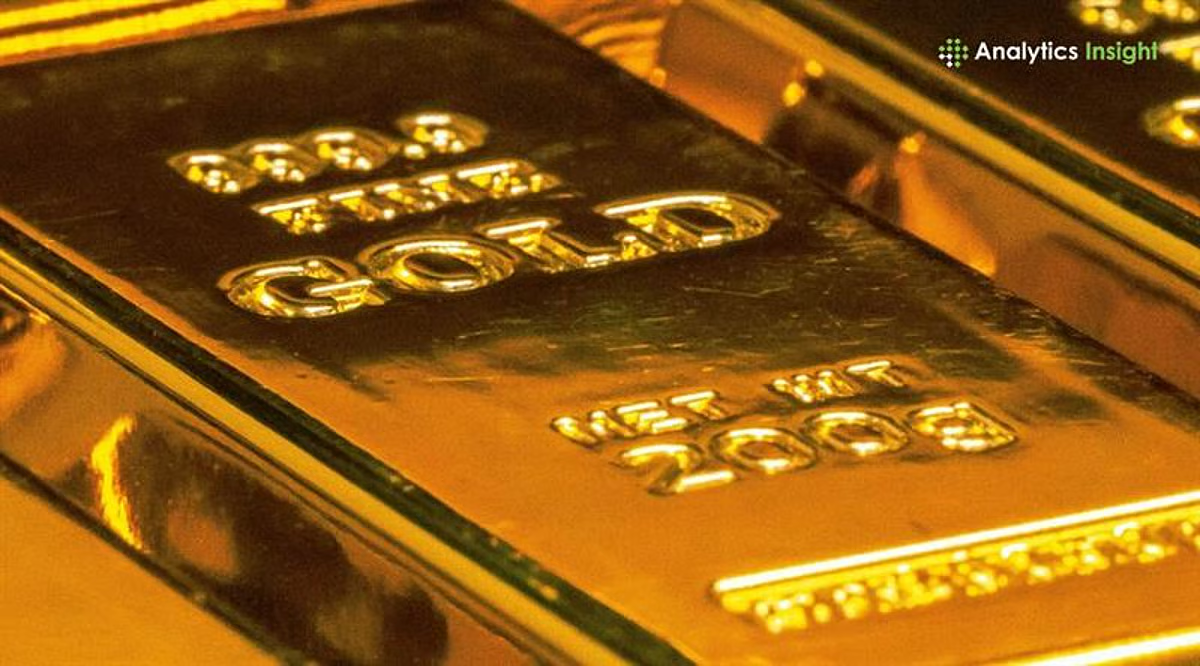
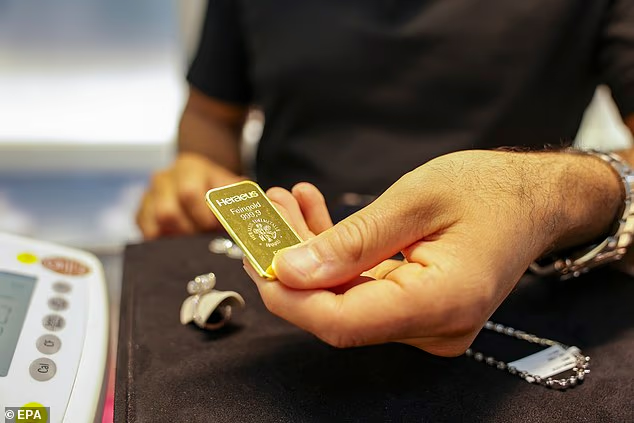
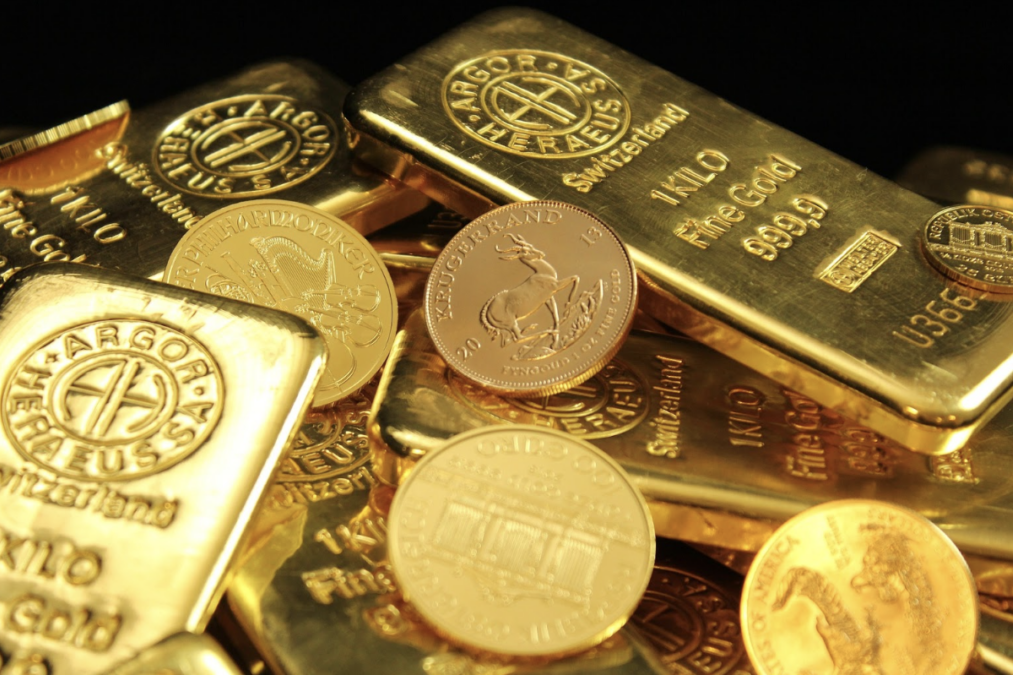
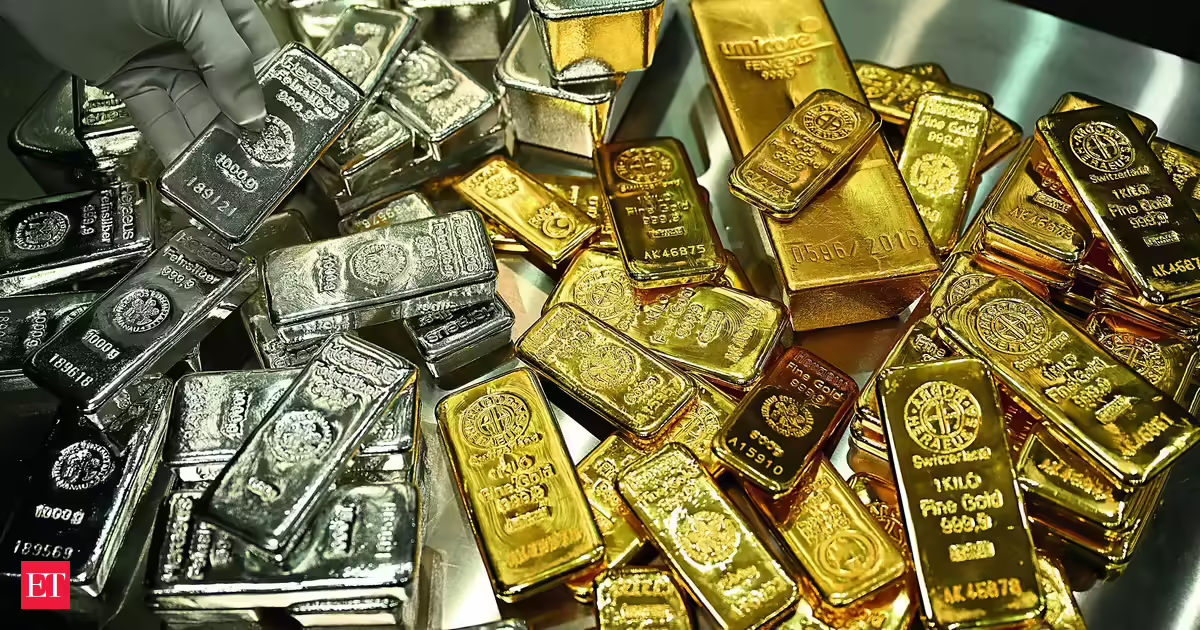
Gold prices gained on Wednesday. Spot gold rose 0.5% to $5,048.27 per ounce by 0831 GMT. US gold futures for April delivery increased 0.8% to $5,072.60 per ounce.

The US dollar edged down to near two-week lows. A weaker dollar makes gold priced in dollars more affordable for overseas buyers. This supports demand.
The benchmark US 10-year Treasury bond yields also fell to near one-month lows. Data showed a dip in core US retail sales in December. There were also downward revisions to November and October figures. Lower yields reduce the opportunity cost of holding non-yielding assets such as gold.Carsten Menke, analyst at Julius Baer, said the weaker US dollar in recent trading days has helped gold and is likely lifting the price.
Focus on US nonfarm payrolls data
Analysts point to expectations of slower job growth and possible rate cuts.
The Labor Department will release nonfarm payrolls data at 0830 ET (1330 GMT). A Reuters survey of economists expects about 70,000 jobs added last month. In December, 50,000 jobs were added. The unemployment rate is expected to remain at 4.4%. Annual wage growth is also expected to cool.
The Bureau of Labor Statistics is expected to revise its annual benchmark. It may show that the economy created 911,000 fewer jobs in the 12 months through March 2025 than previously estimated.
Giovanni Staunovo, analyst at UBS, said expectations of a slowdown in job additions support the case that the Federal Reserve can continue to cut interest rates this year.
According to the CME FedWatch tool, traders expect at least two 25-basis-point rate cuts in 2026. Bullion tends to perform well in a low-interest rate environment because it does not offer yield.
Silver and other metals track gold gains
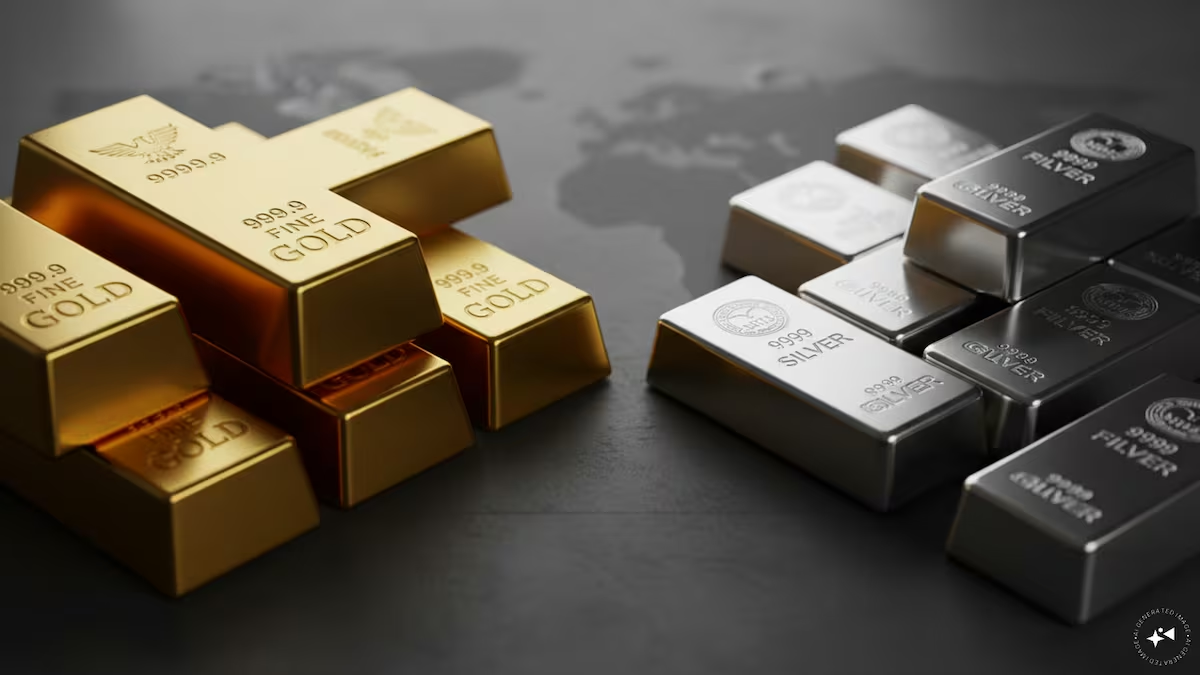
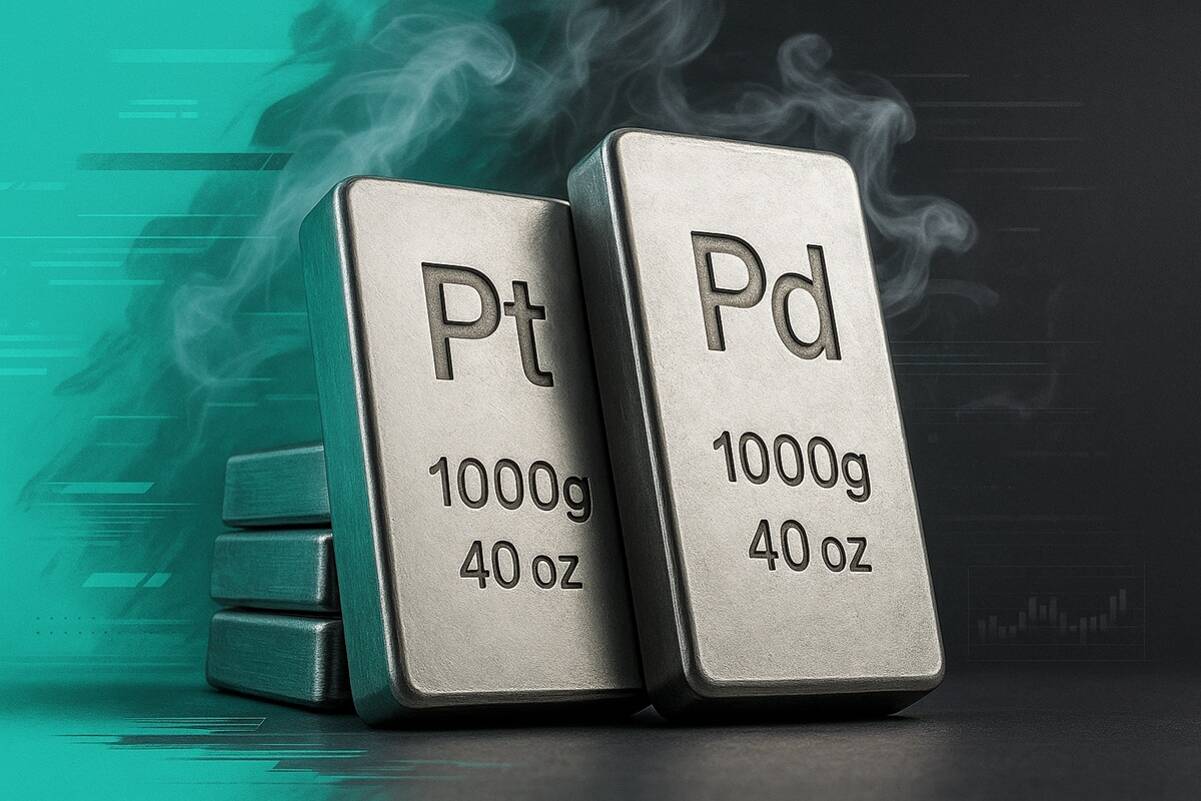
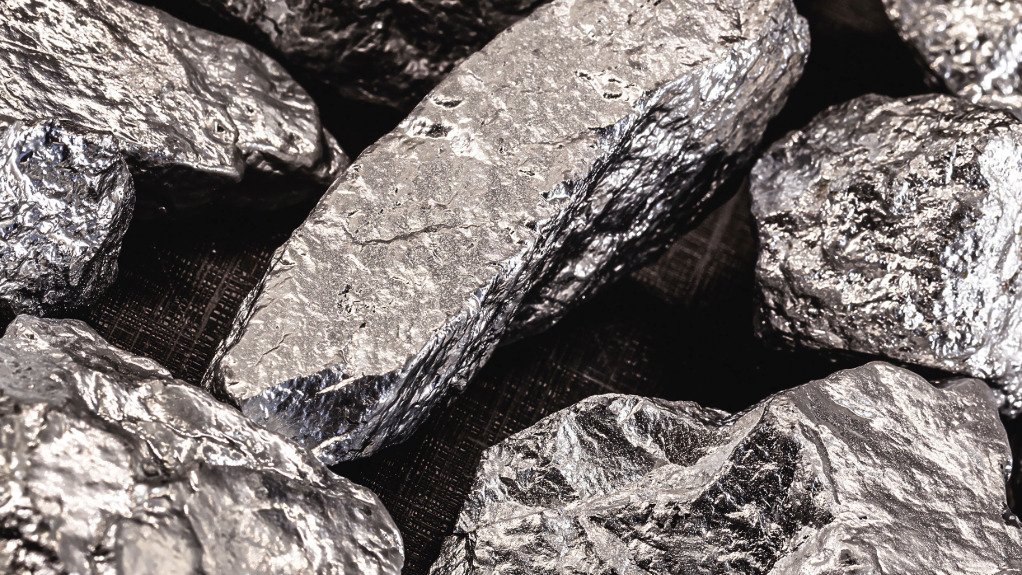
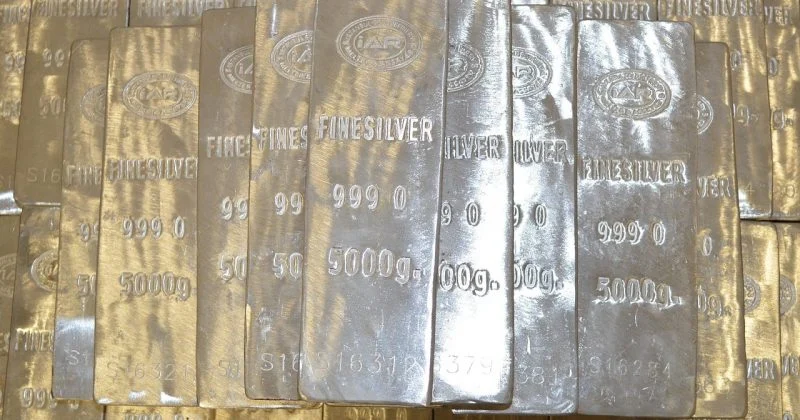
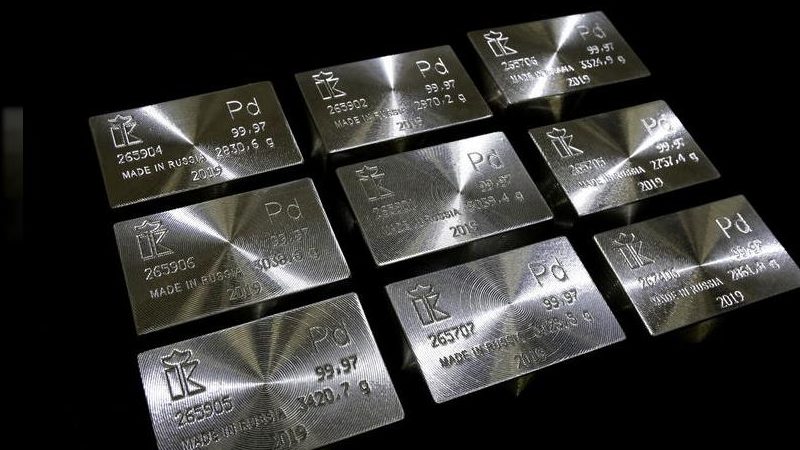
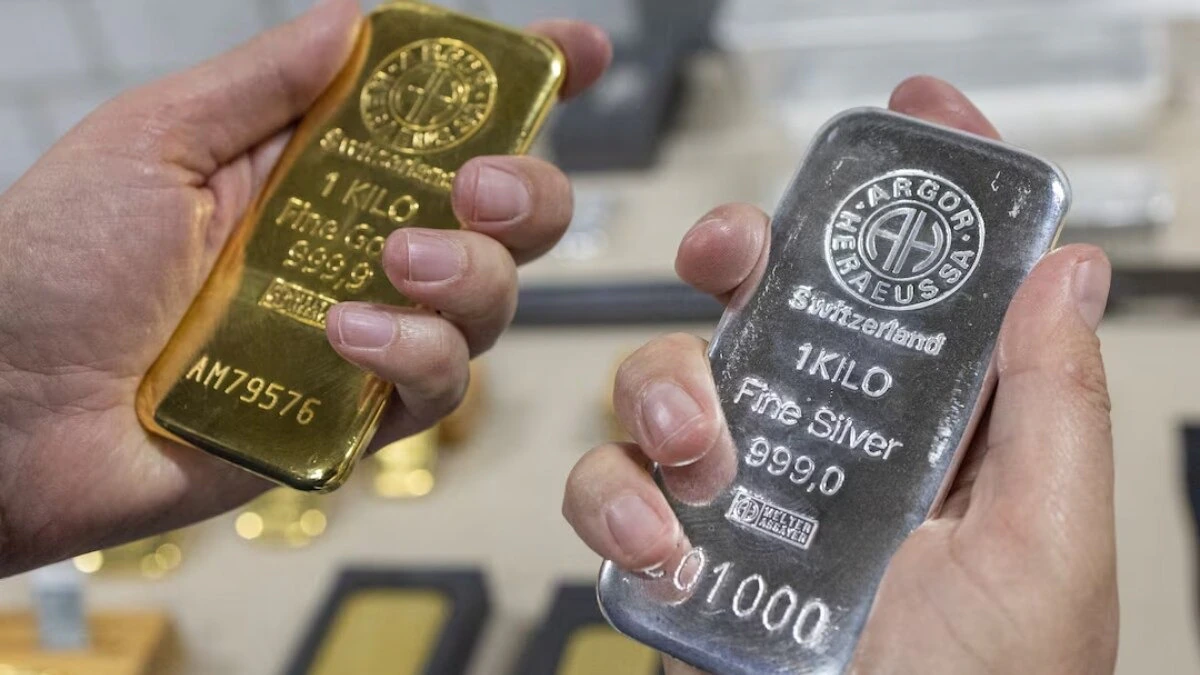
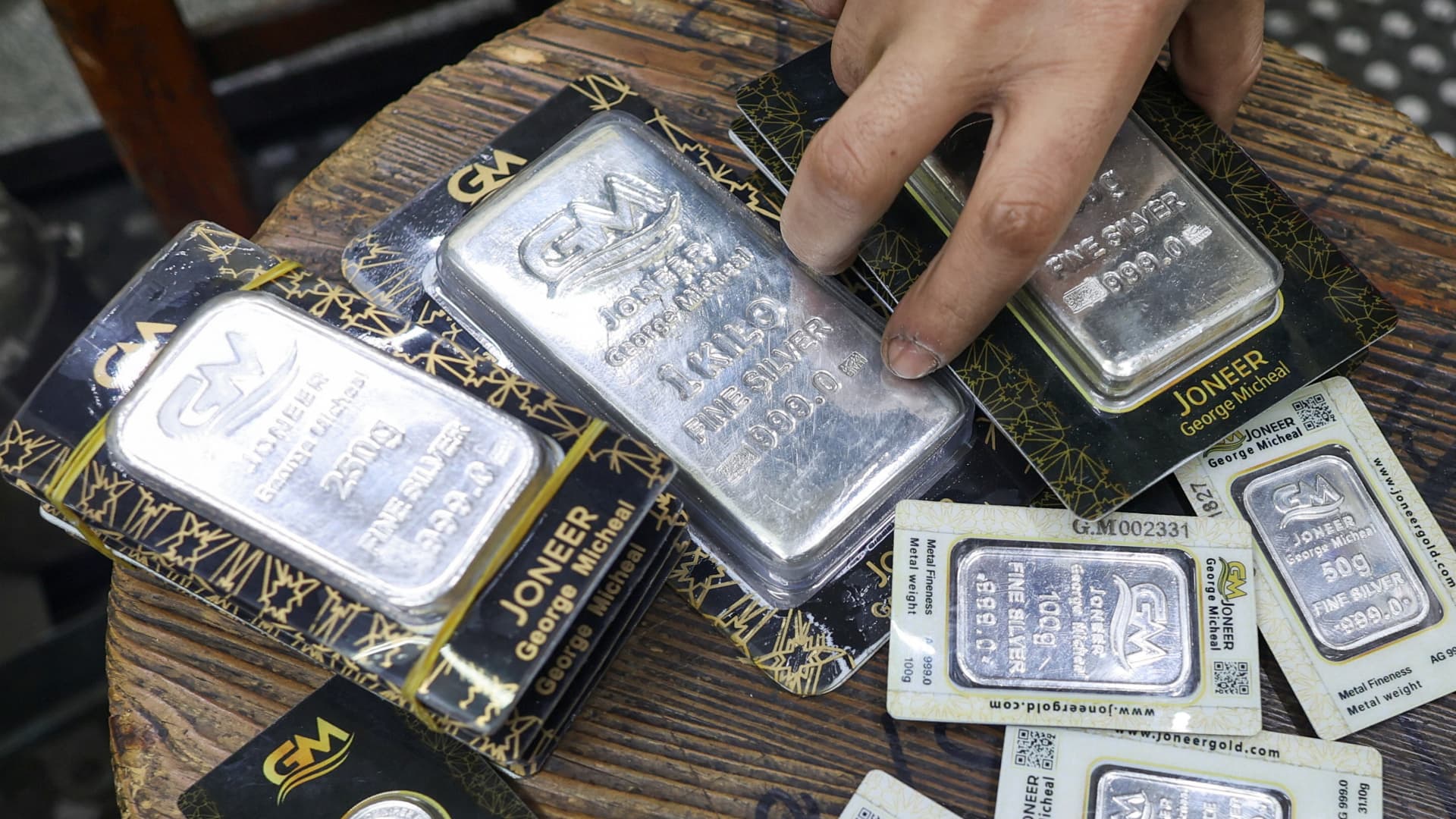
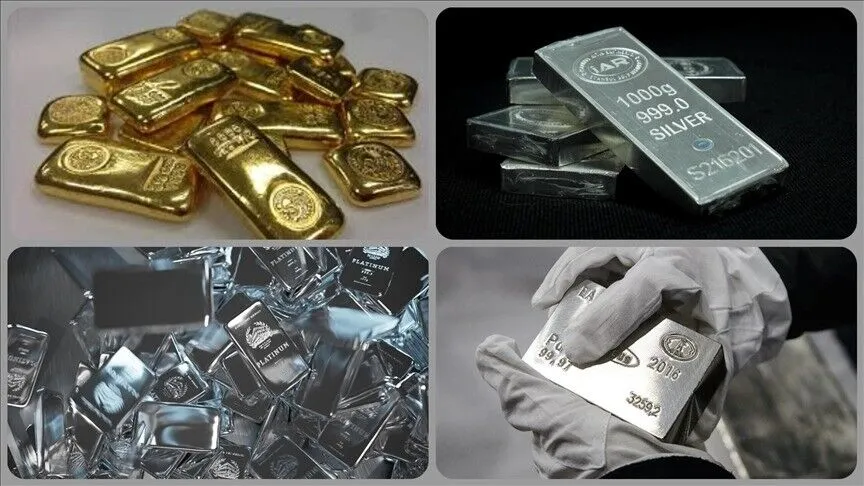
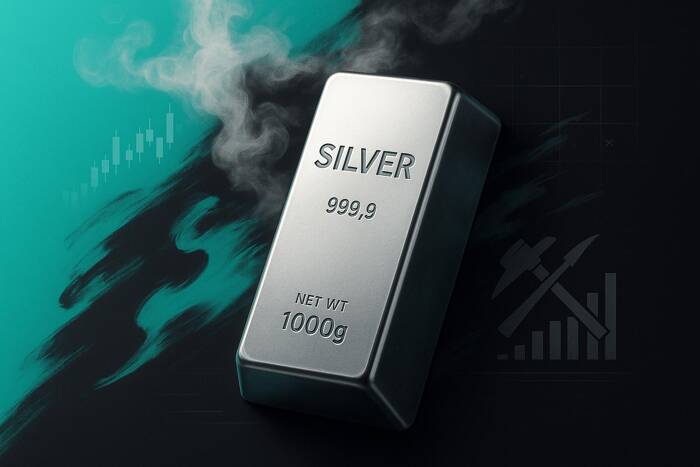
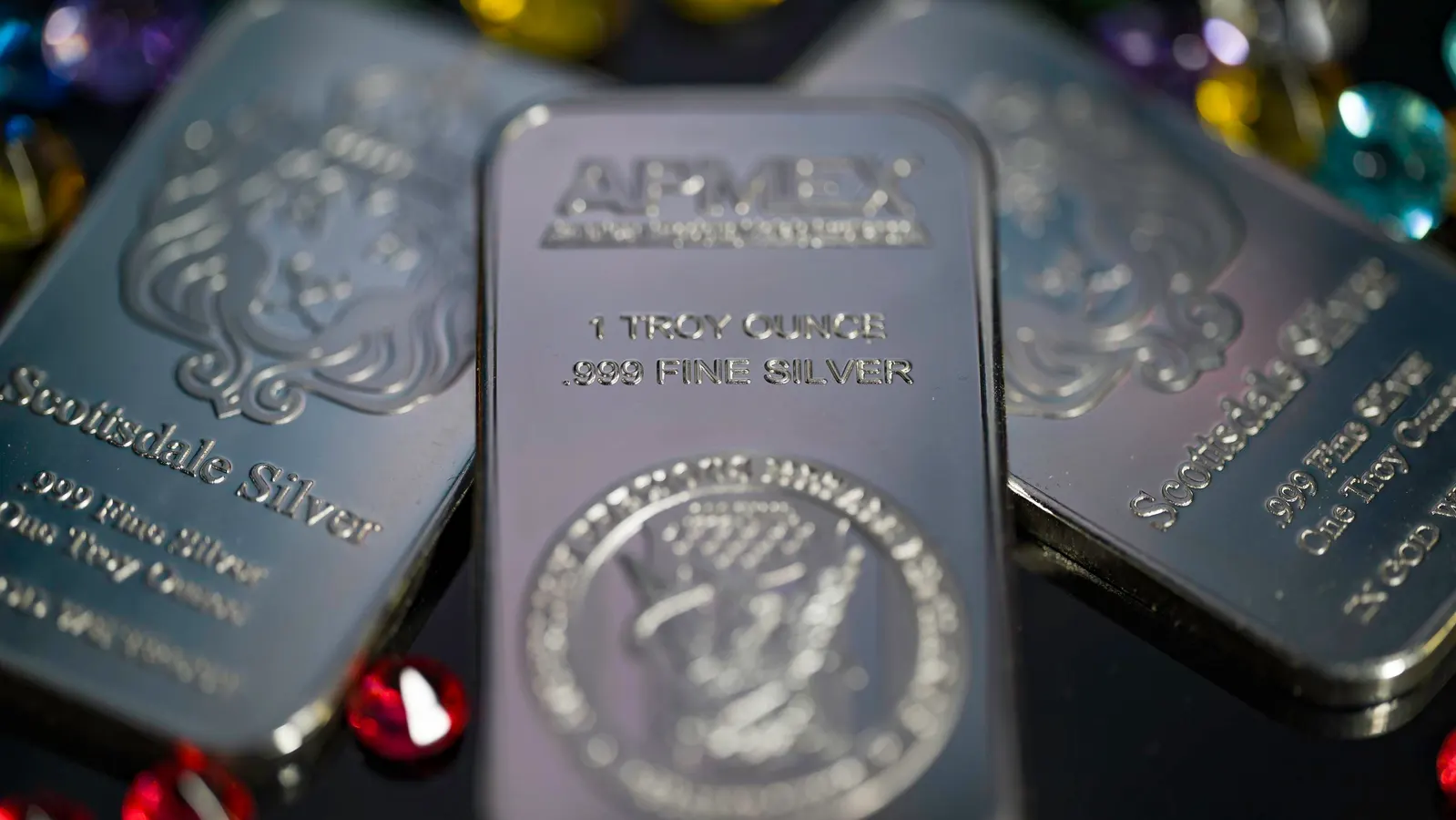
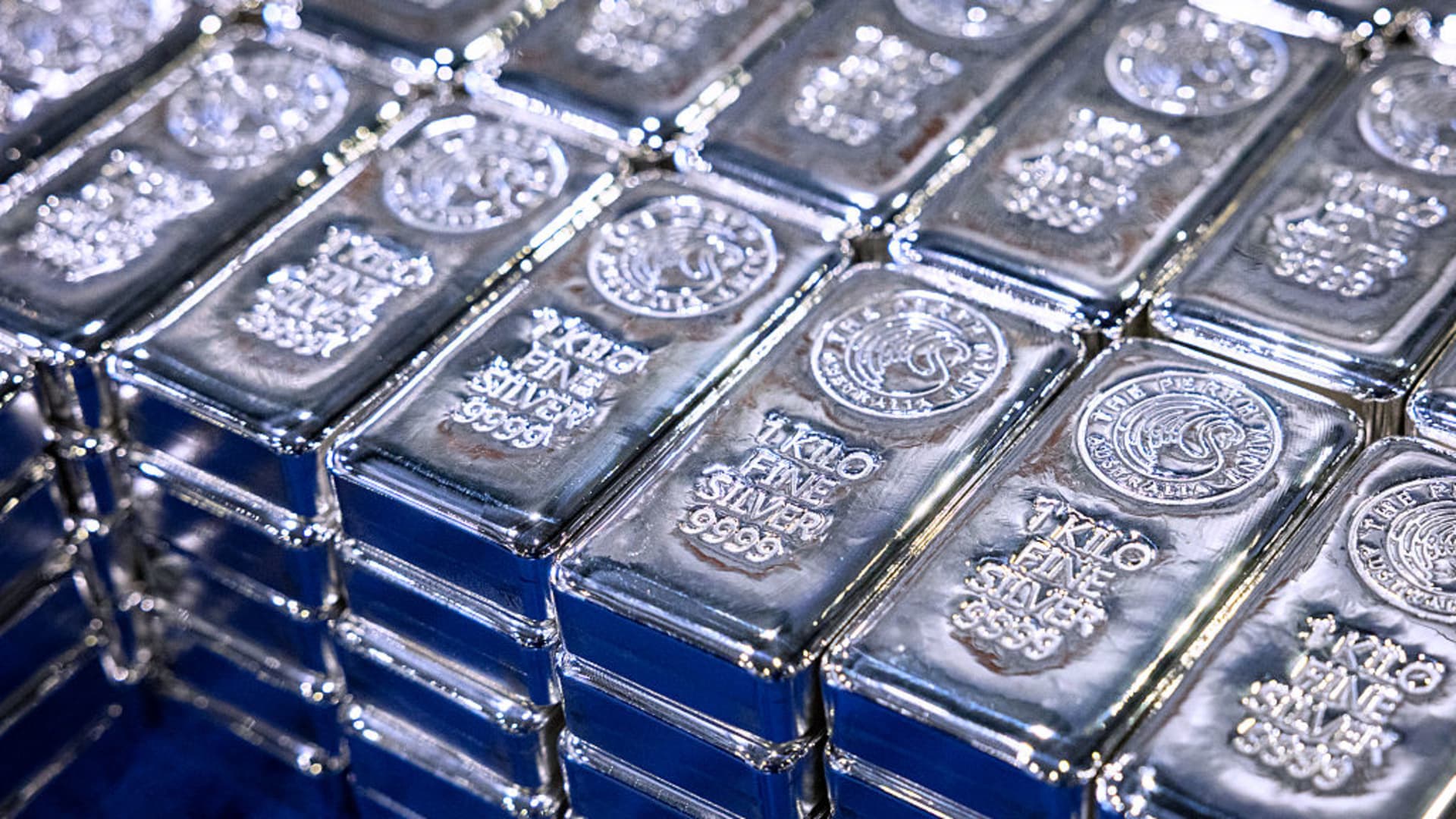
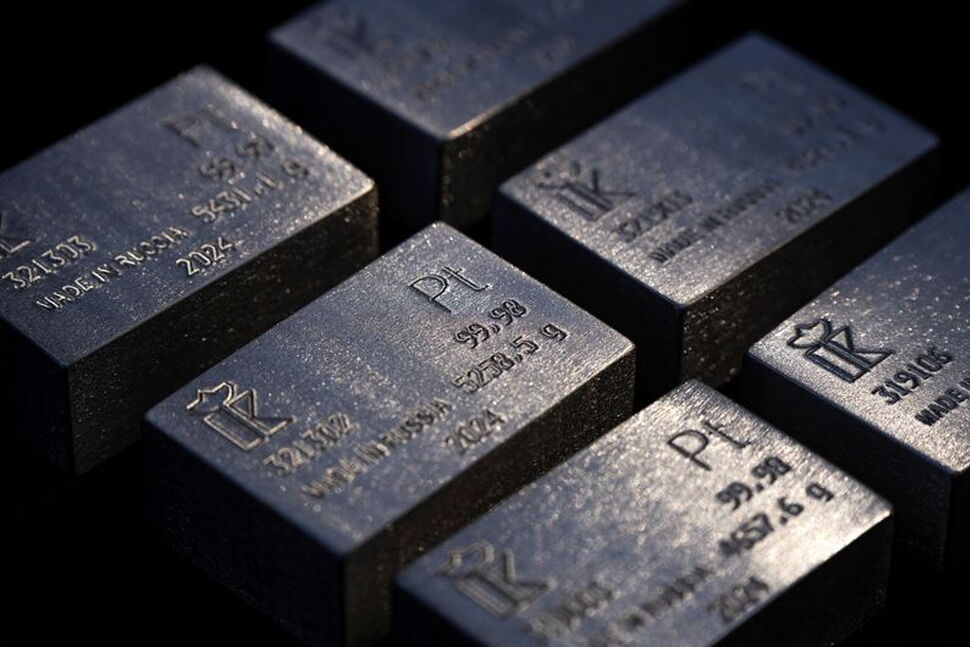
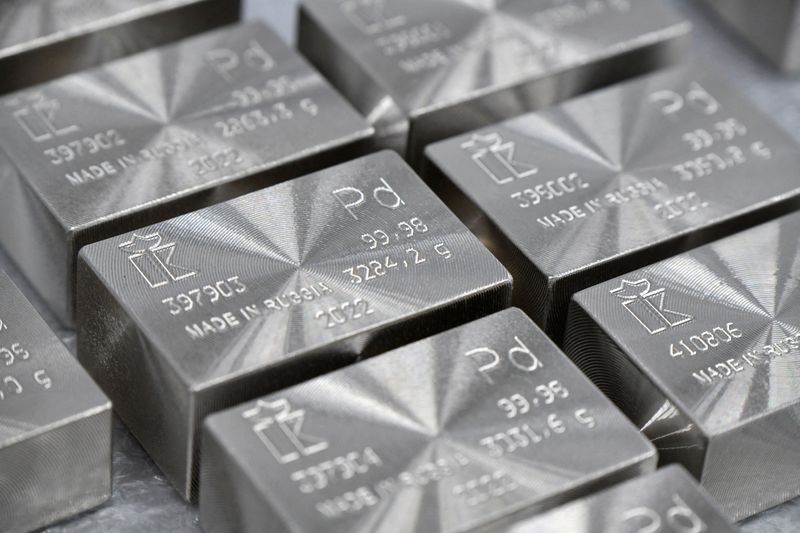
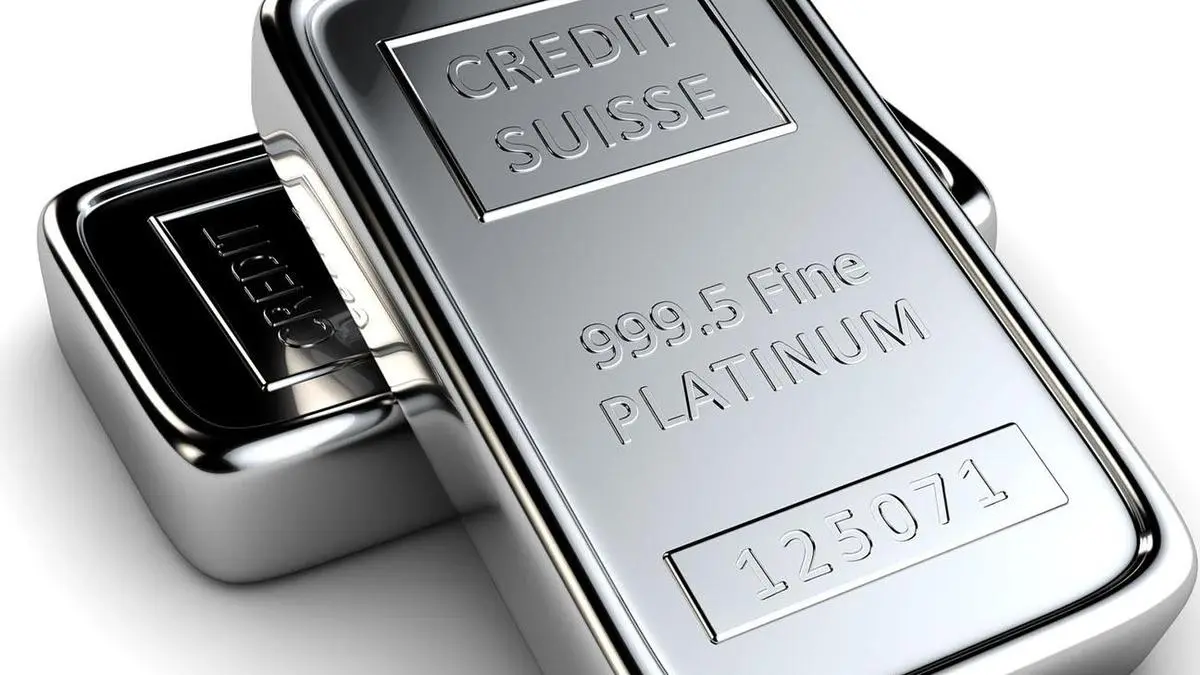
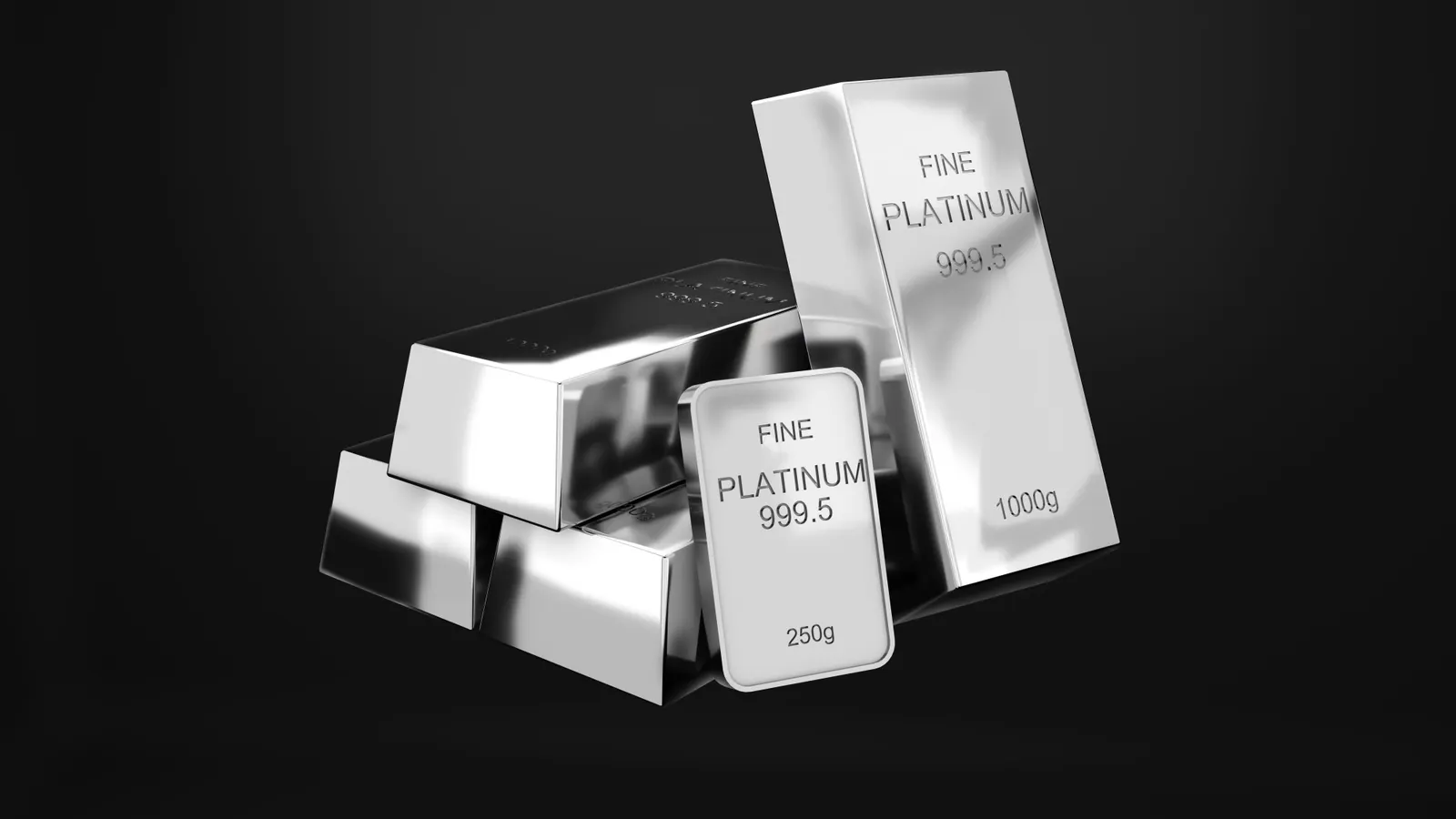
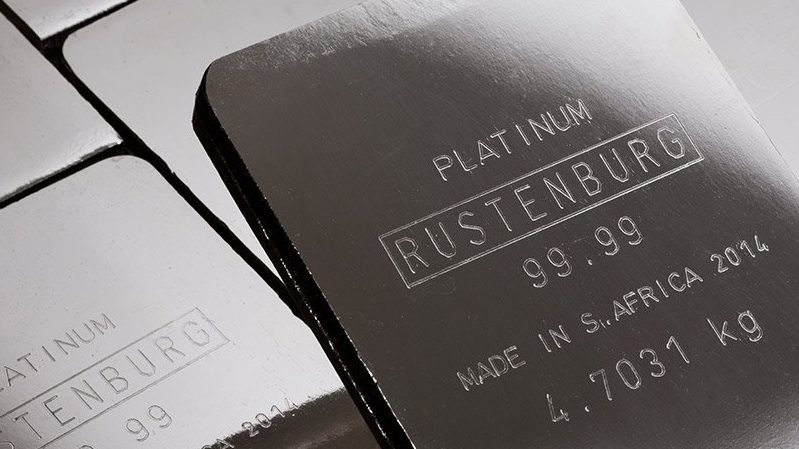
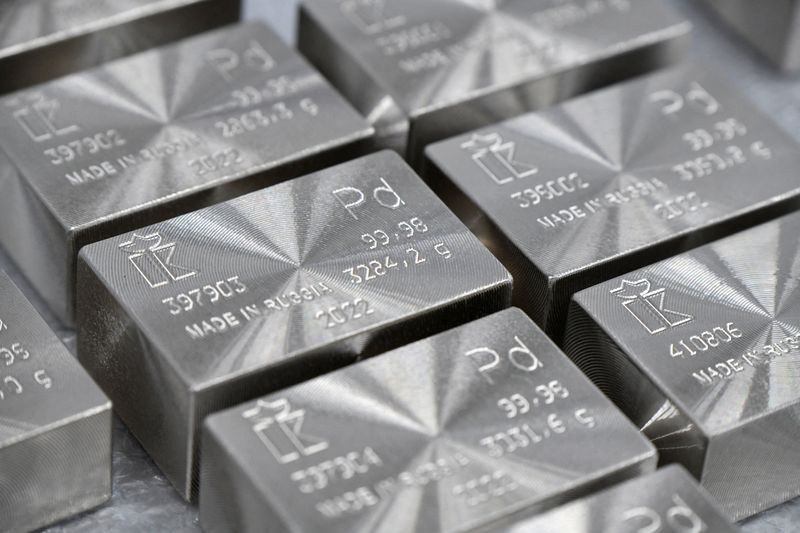
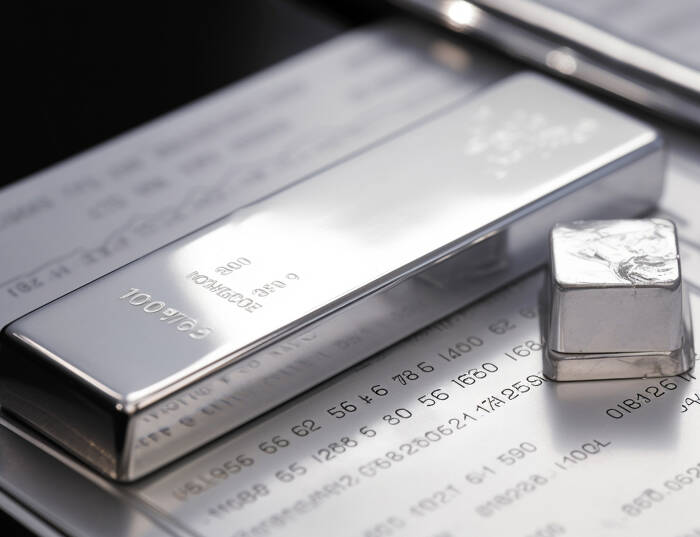
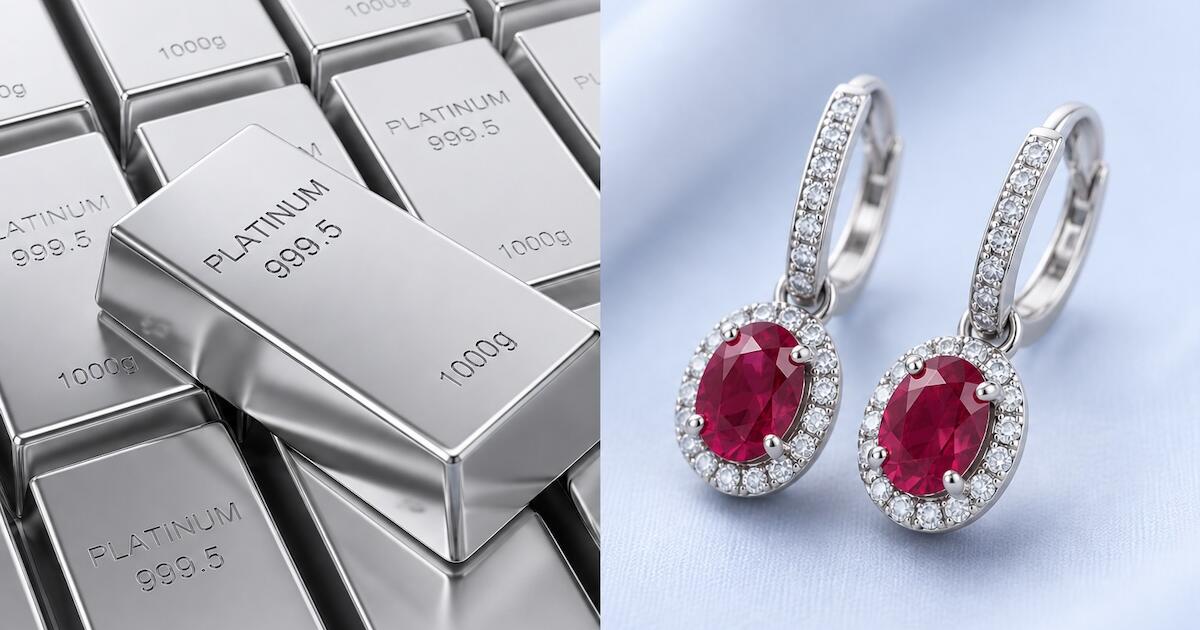
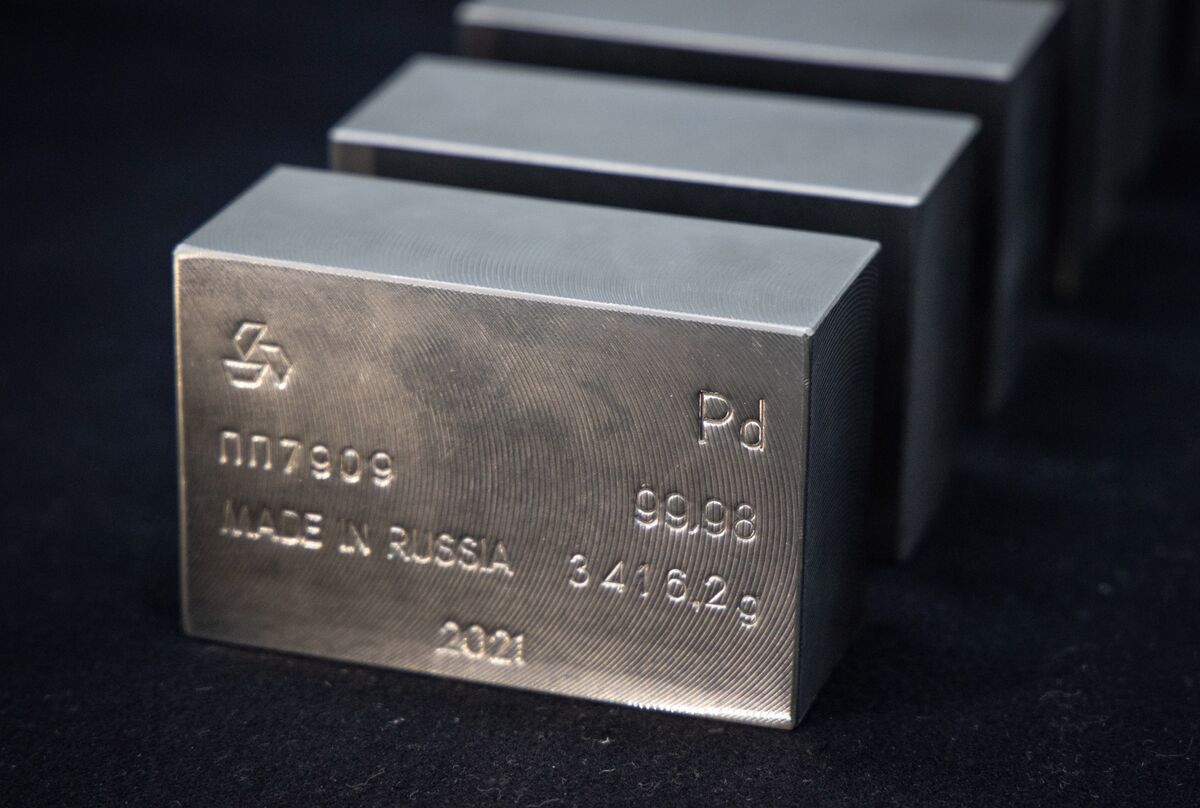
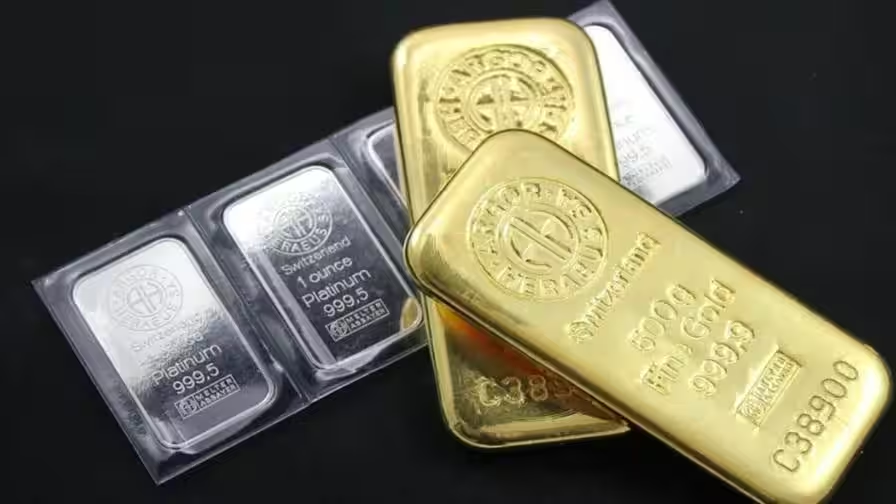
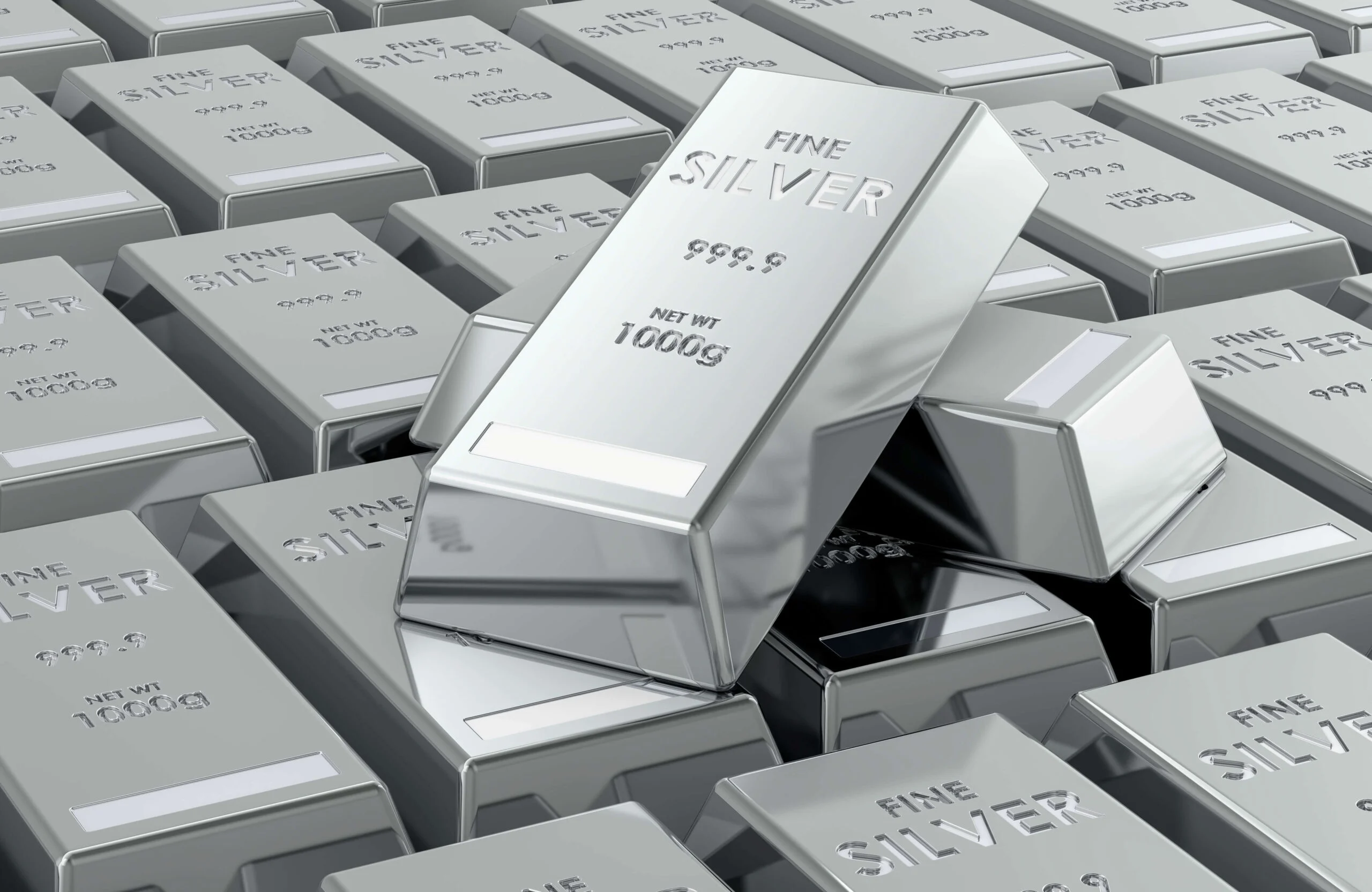
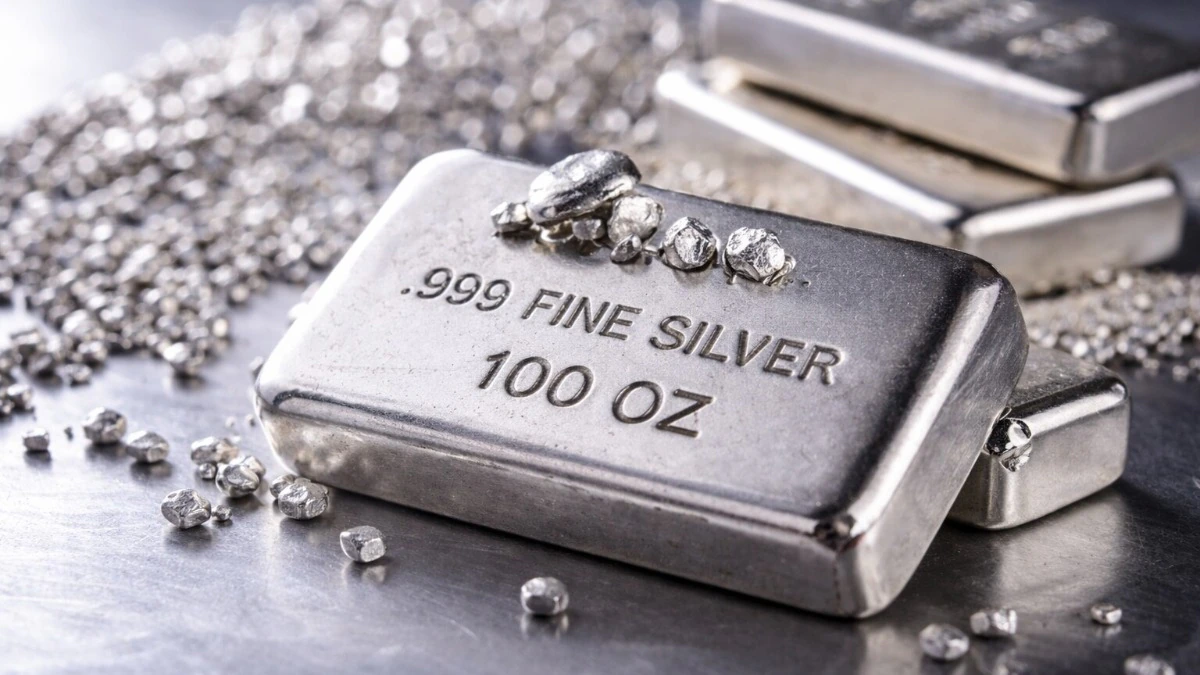
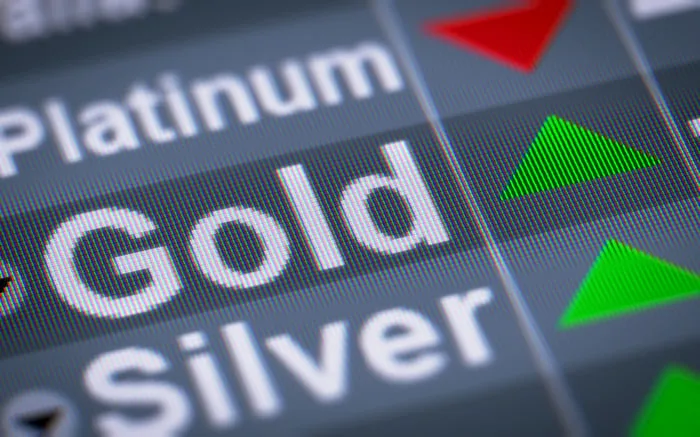
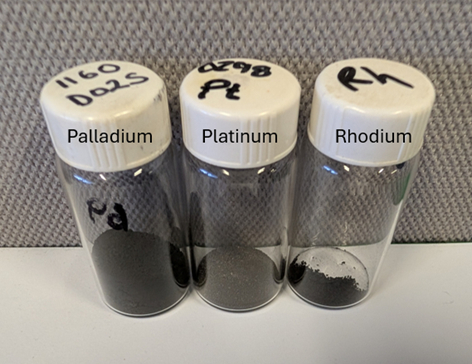
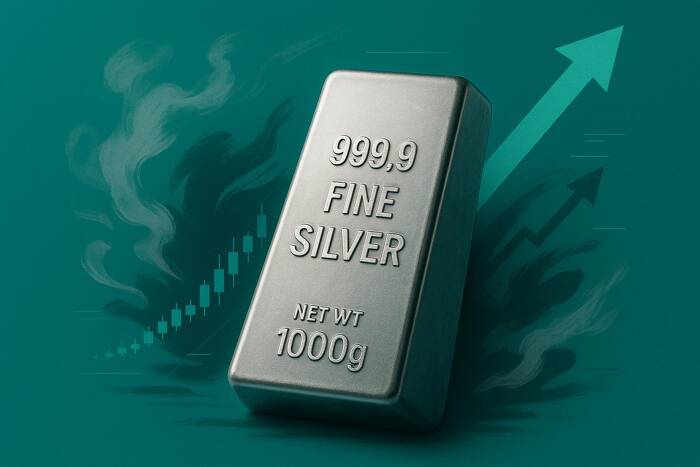
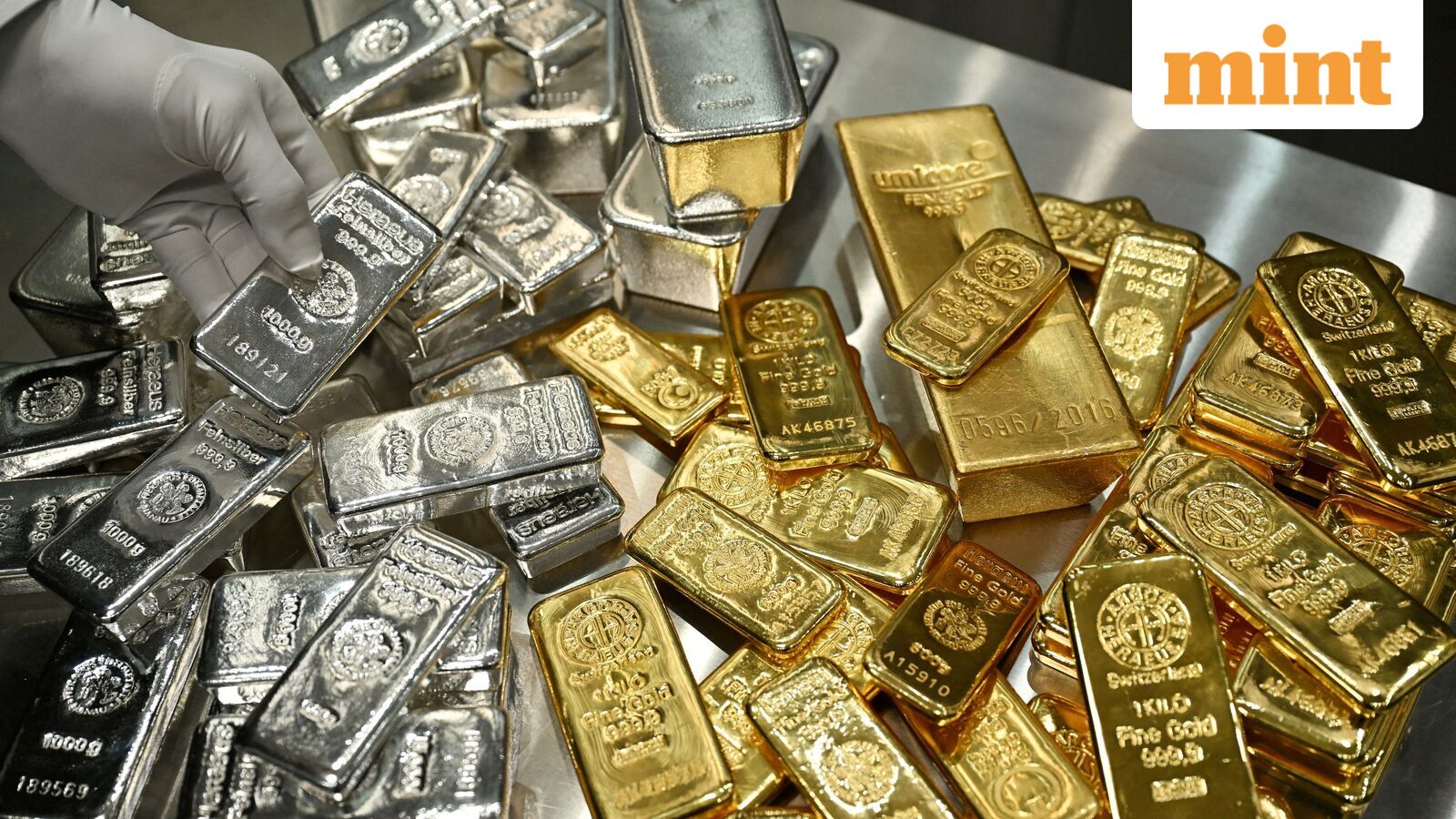
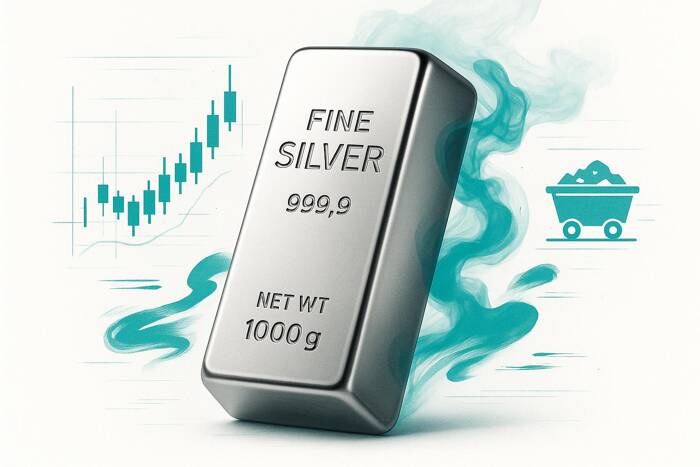
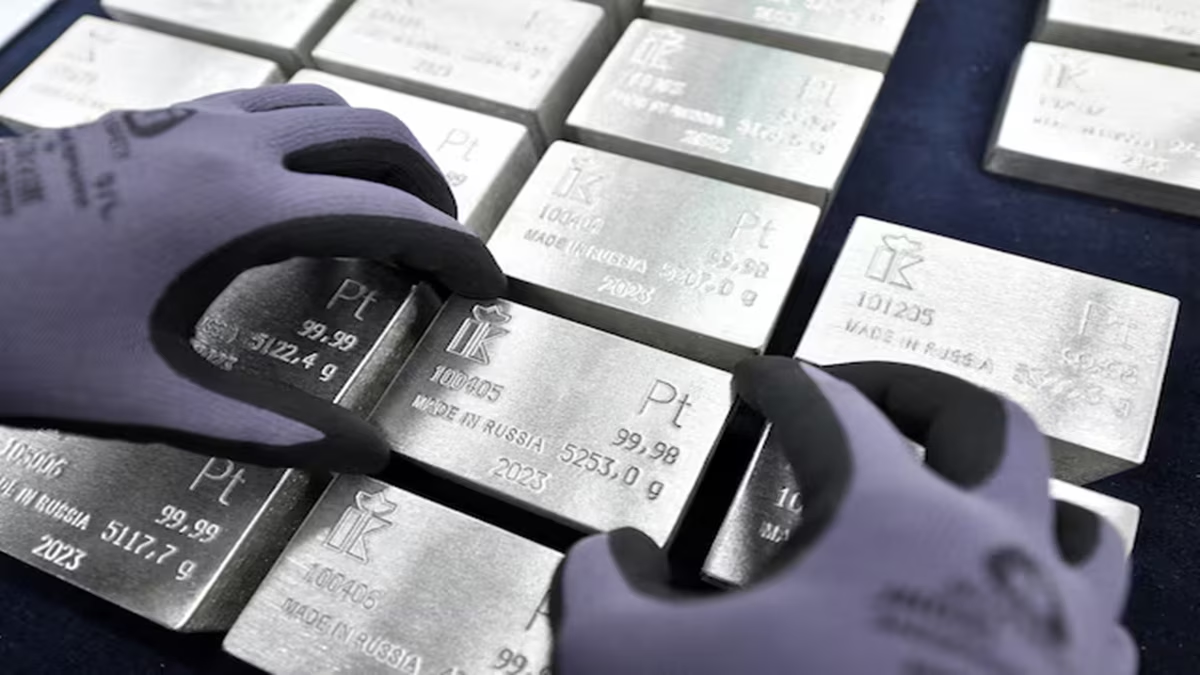
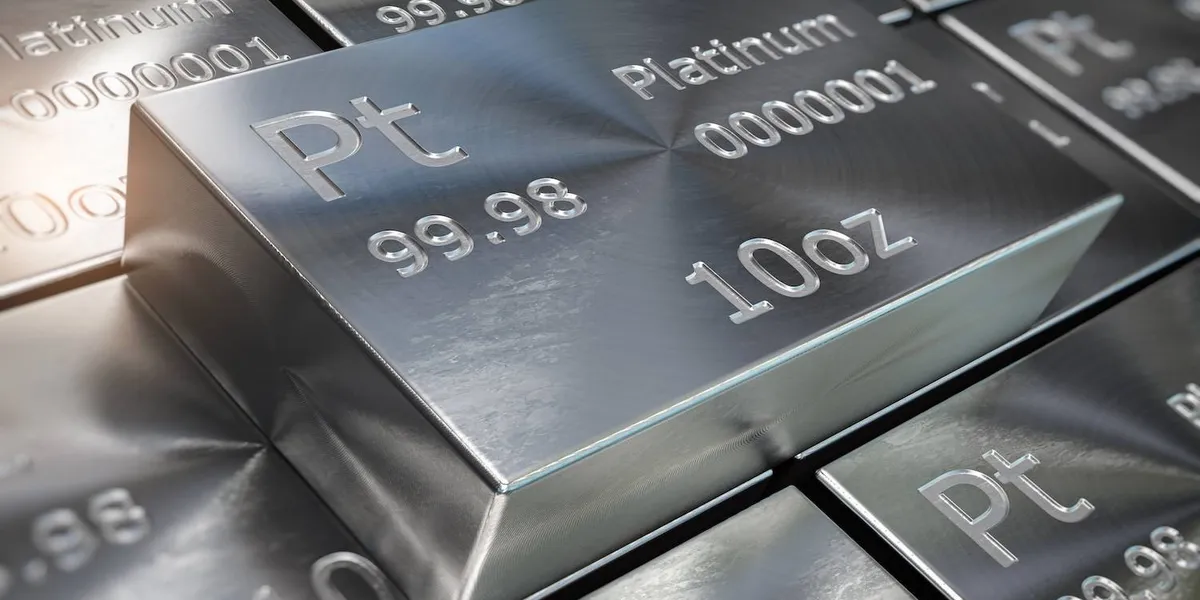
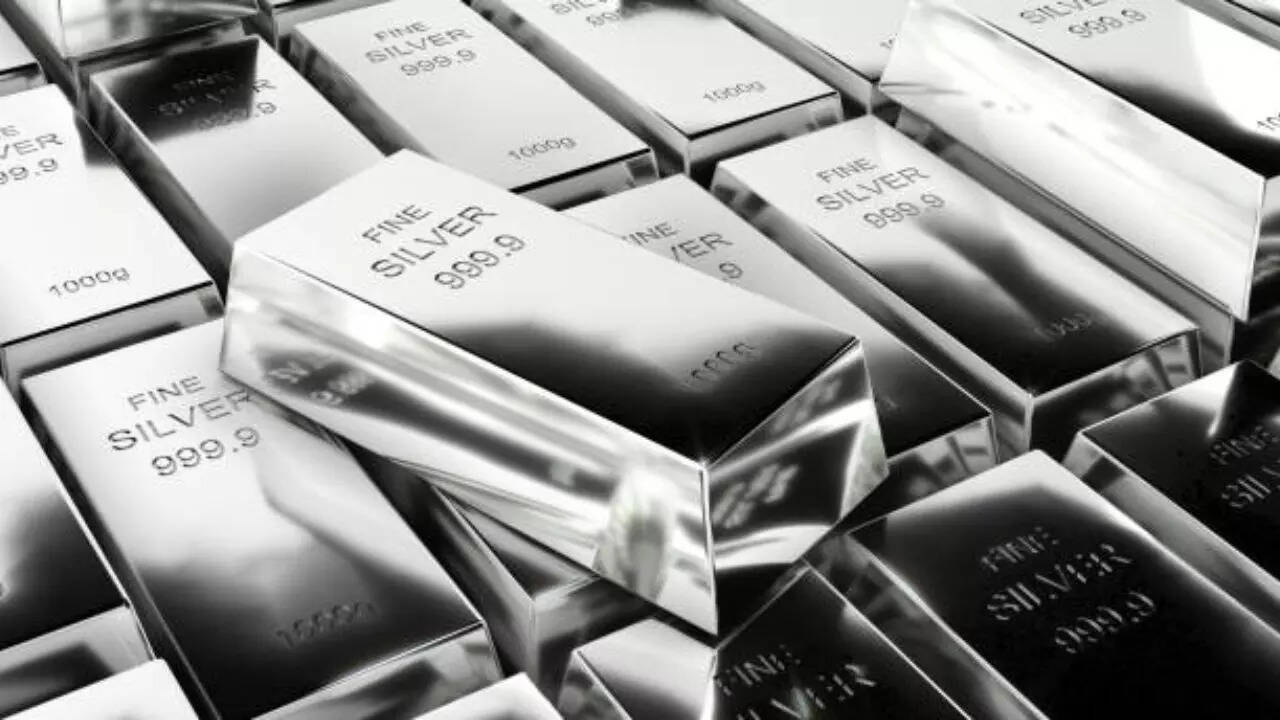
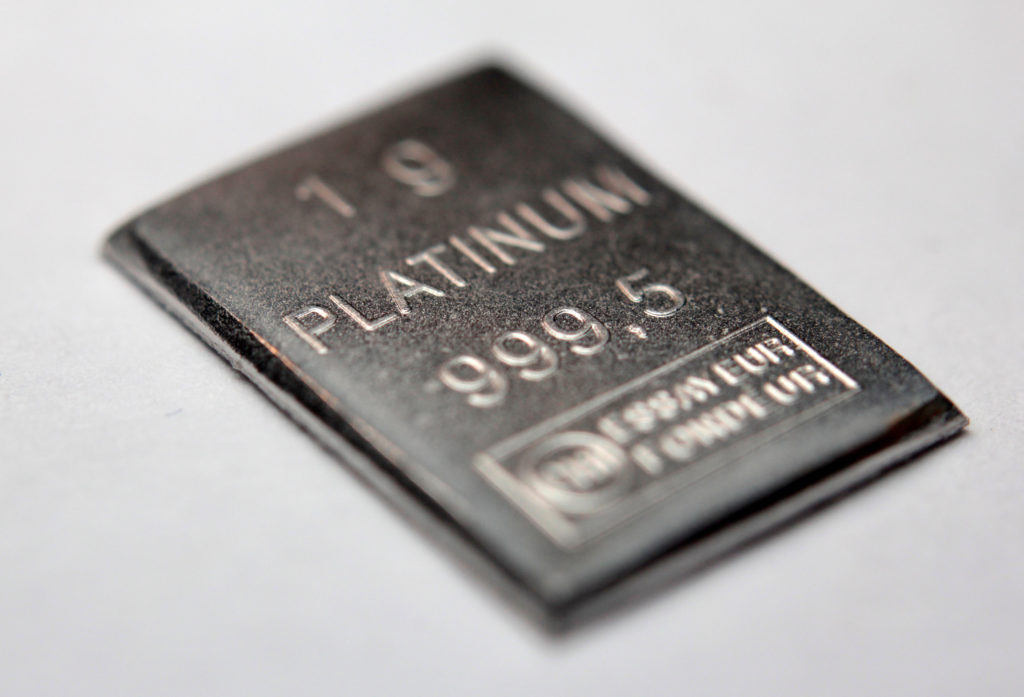
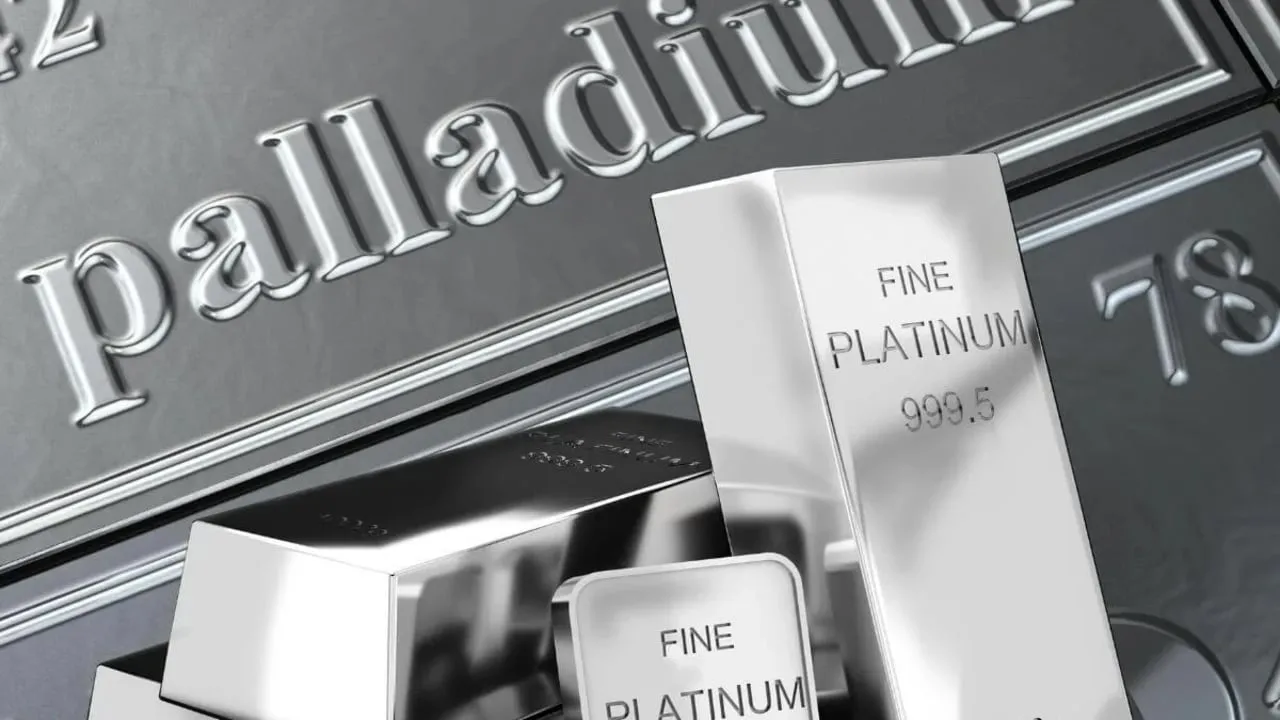
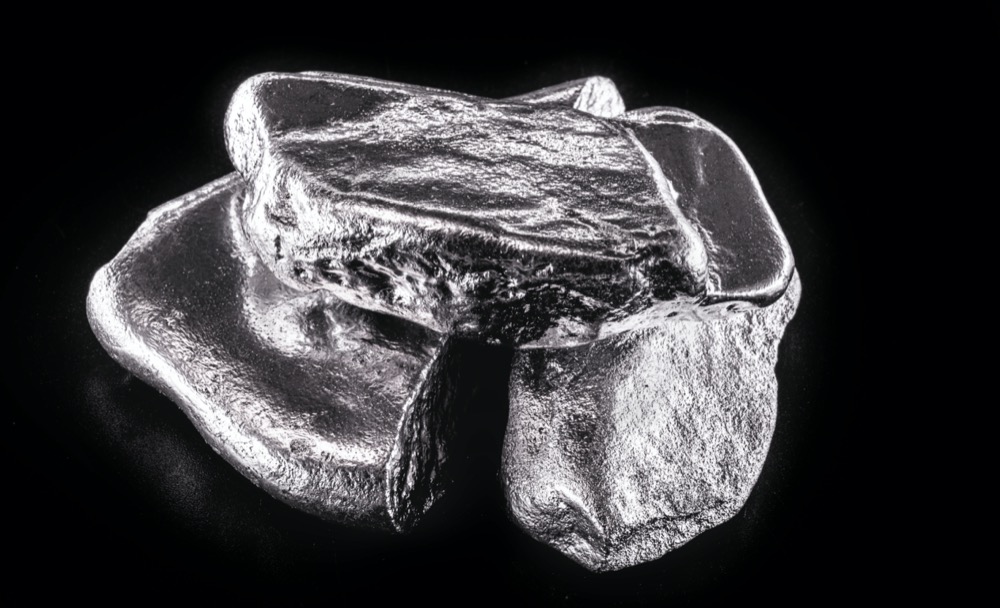
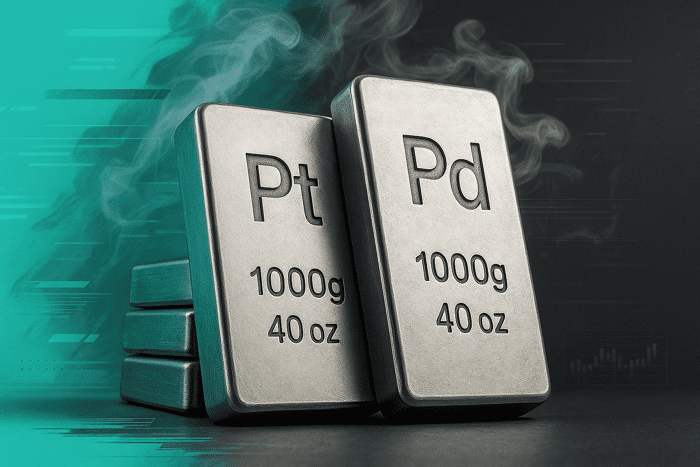
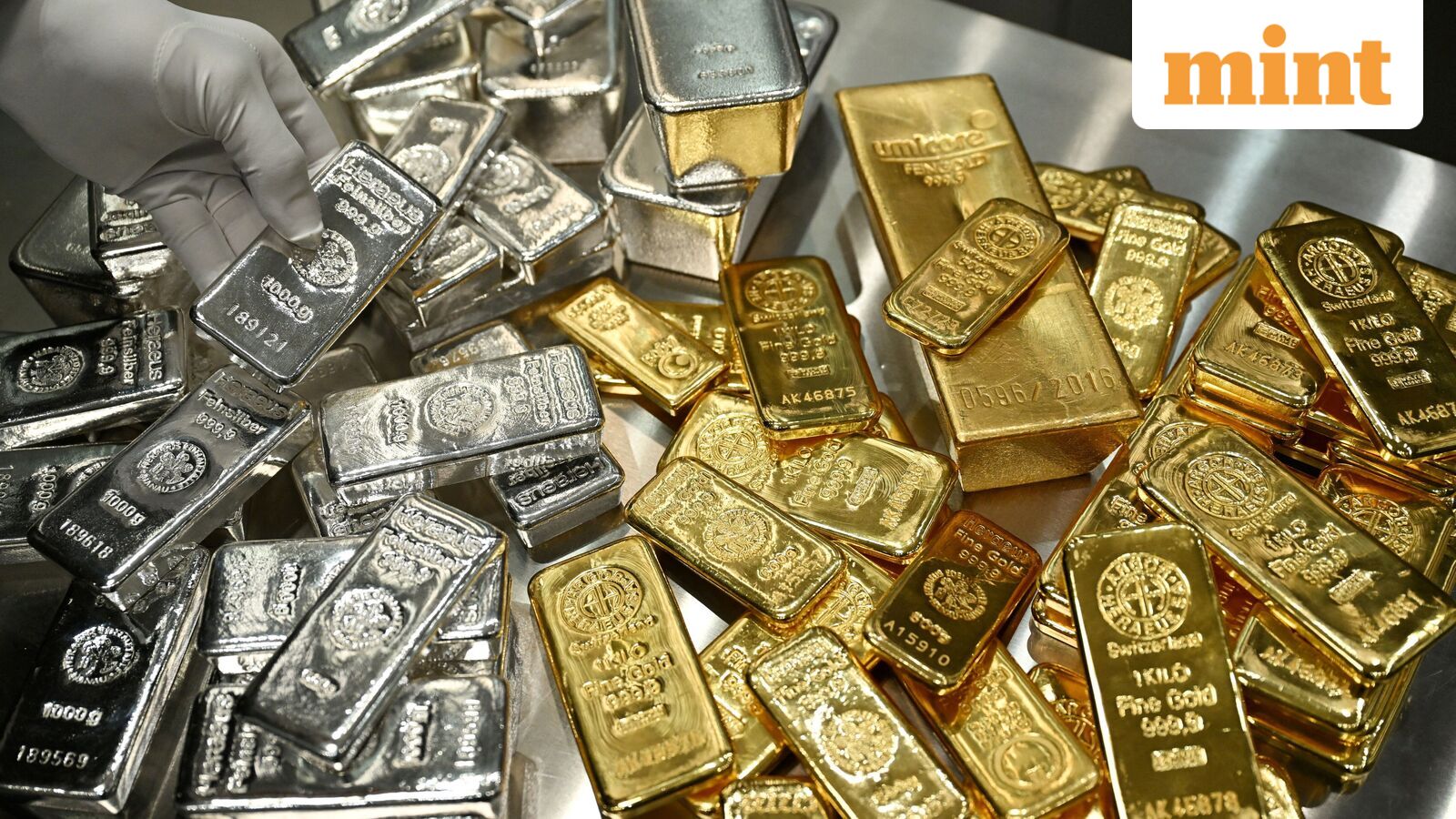
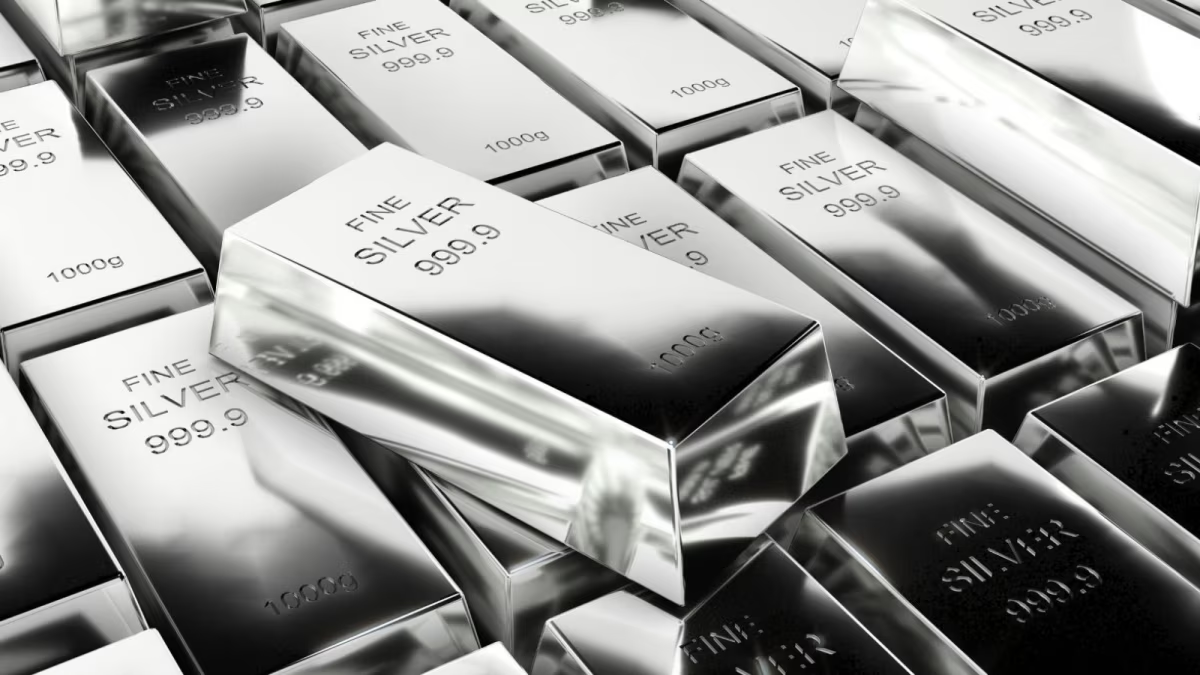
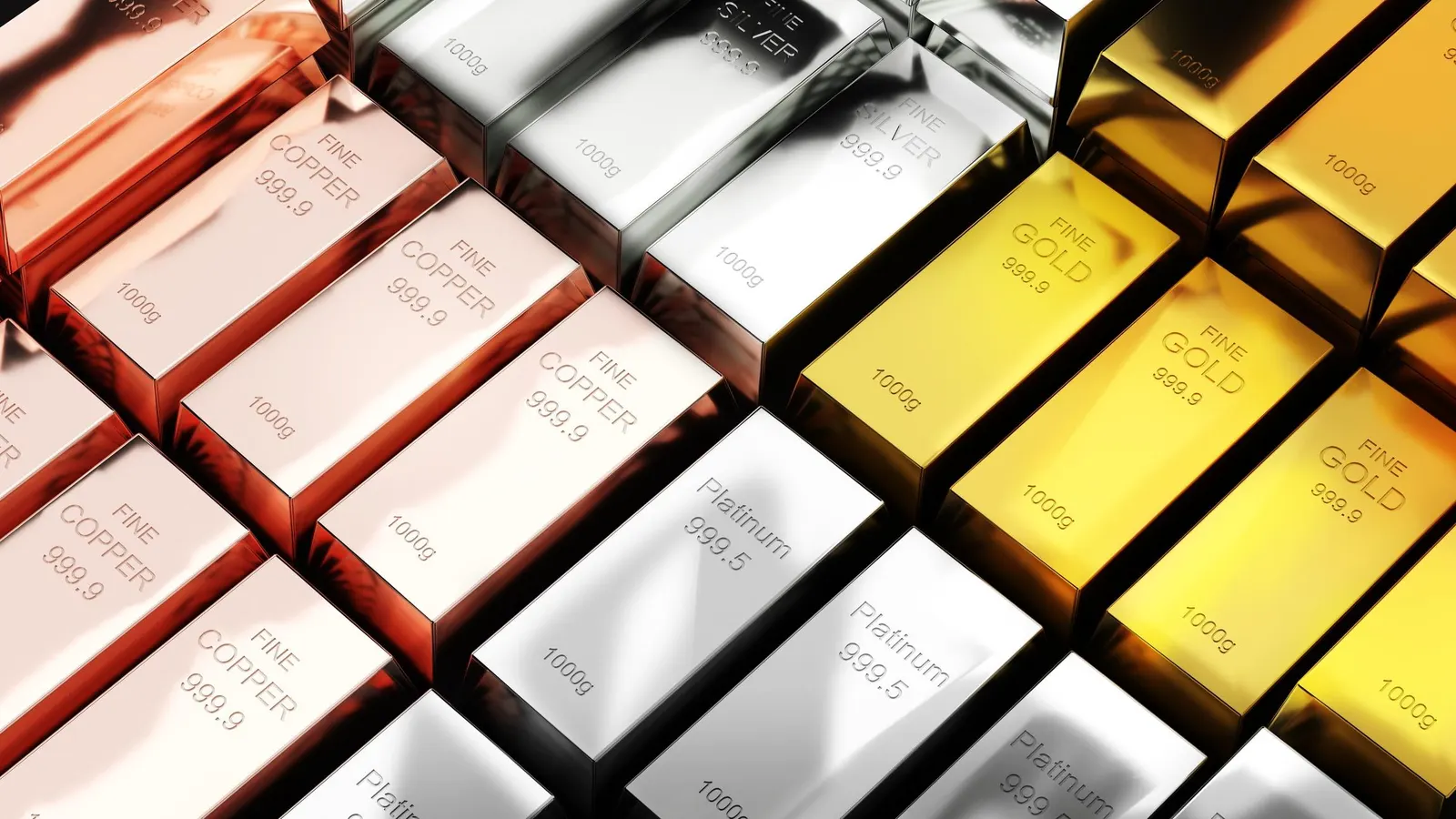
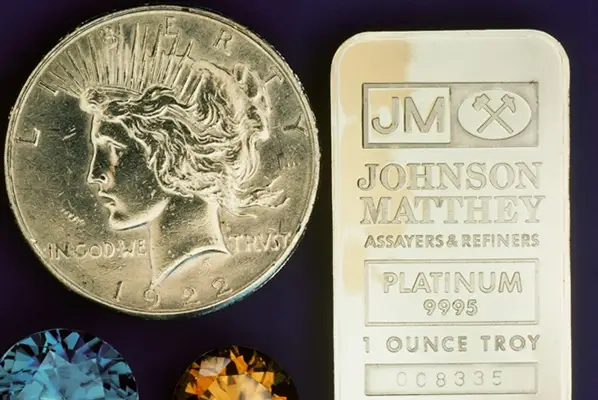
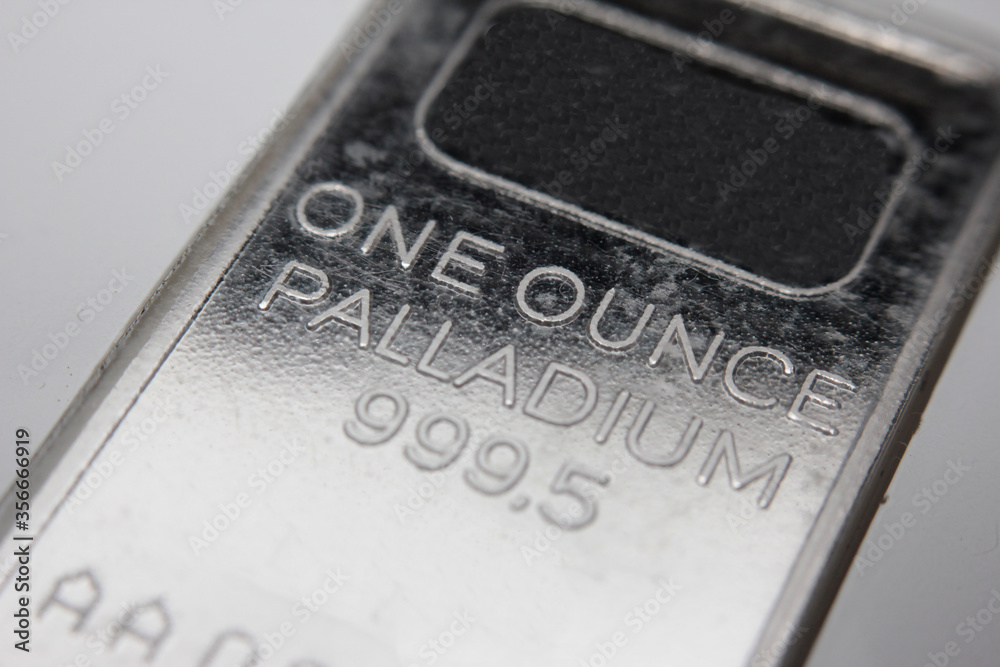
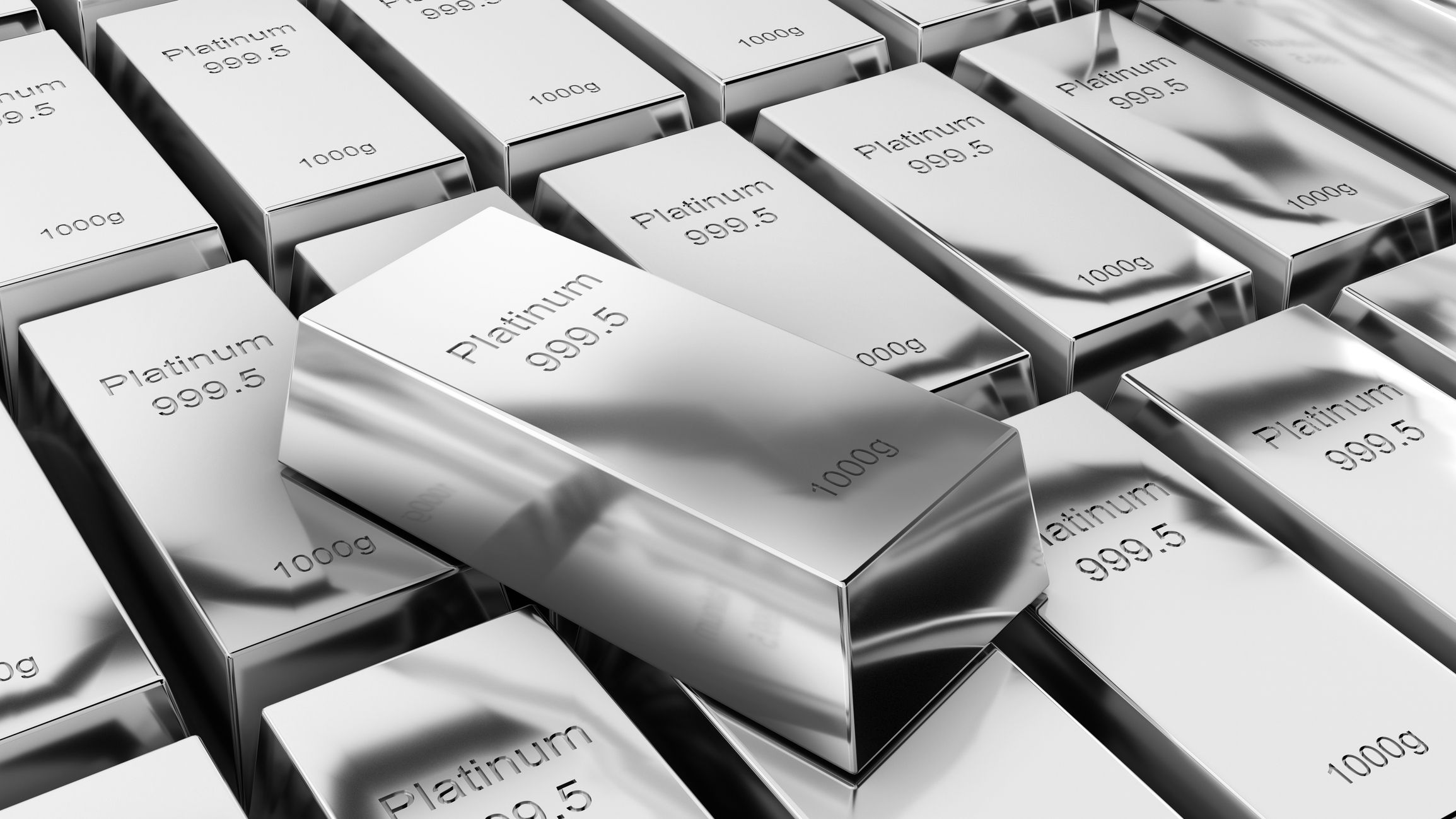
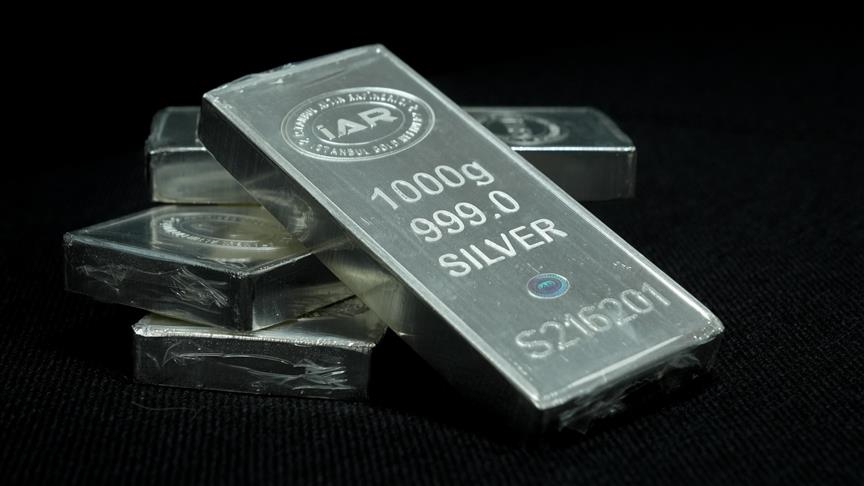
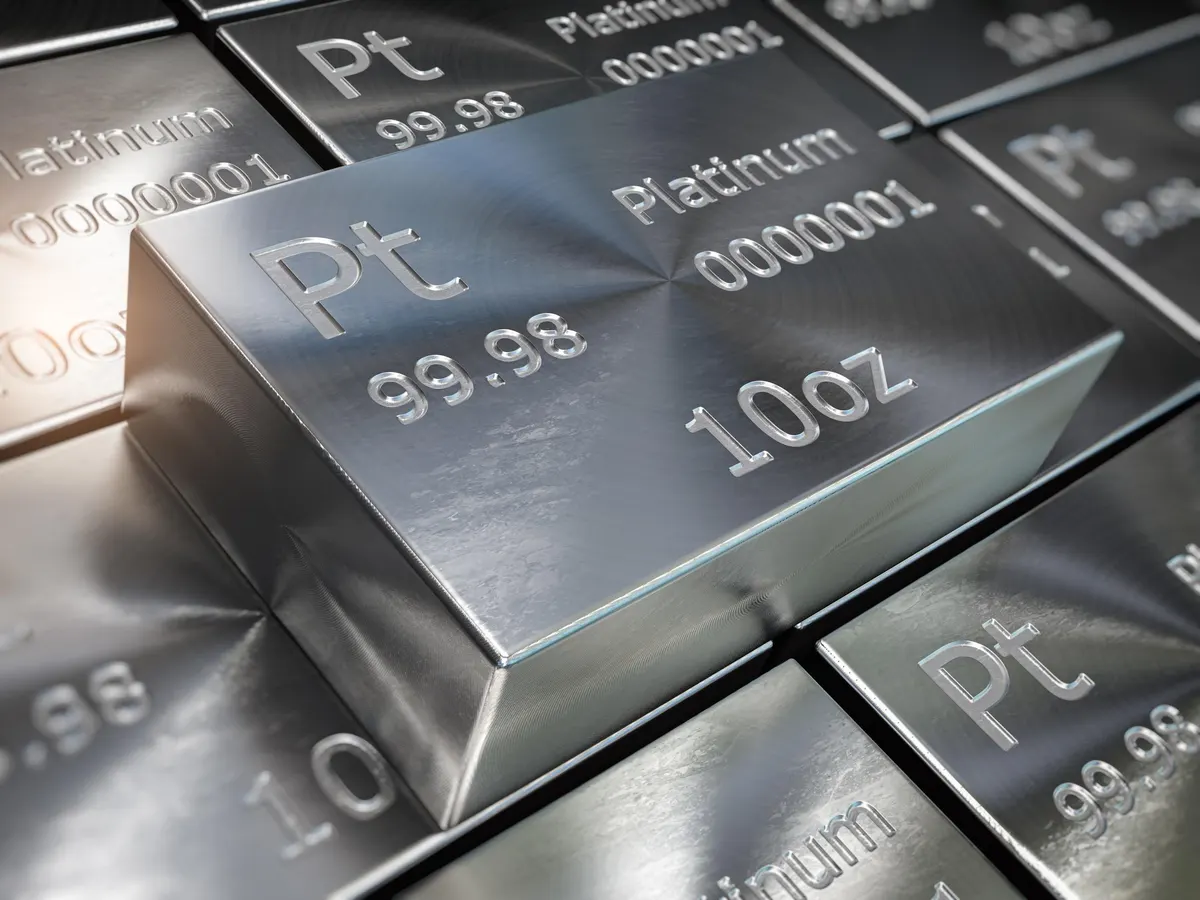
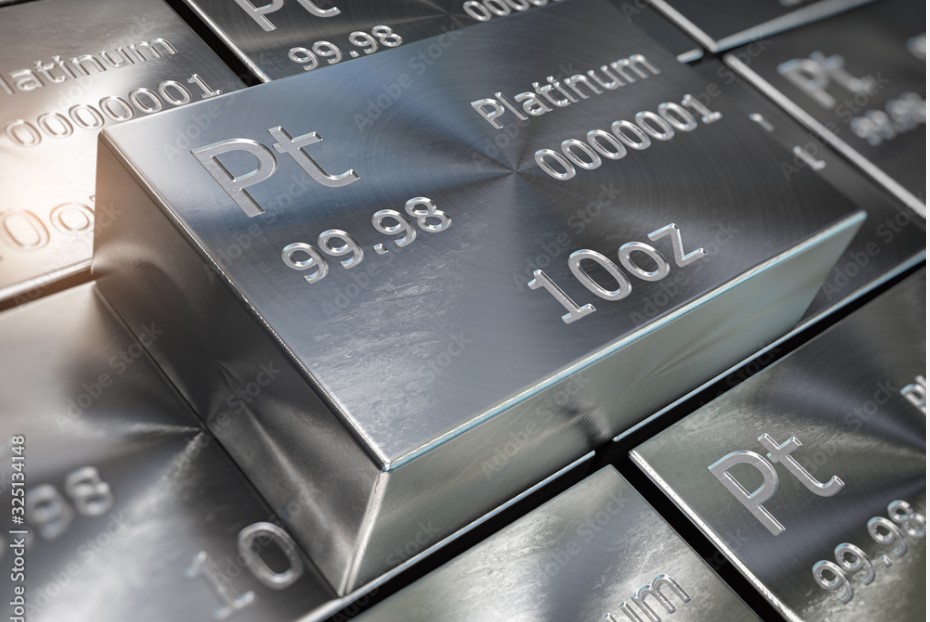
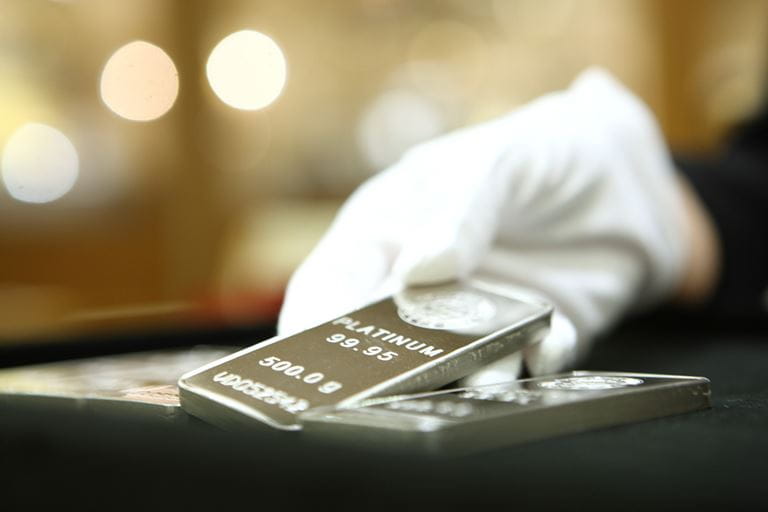
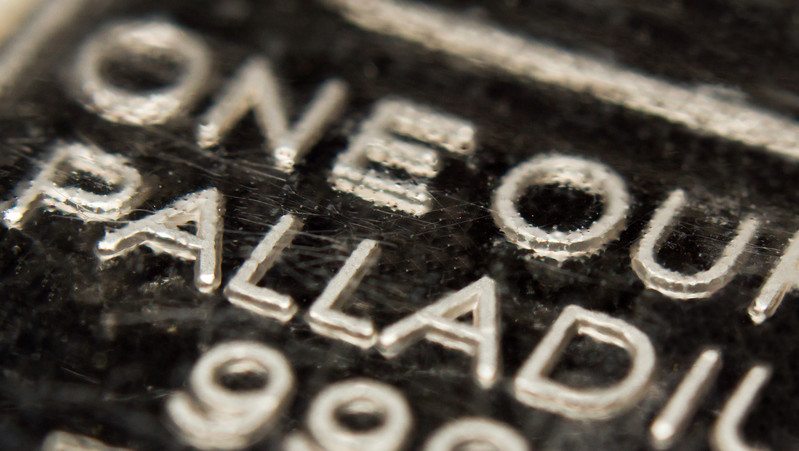
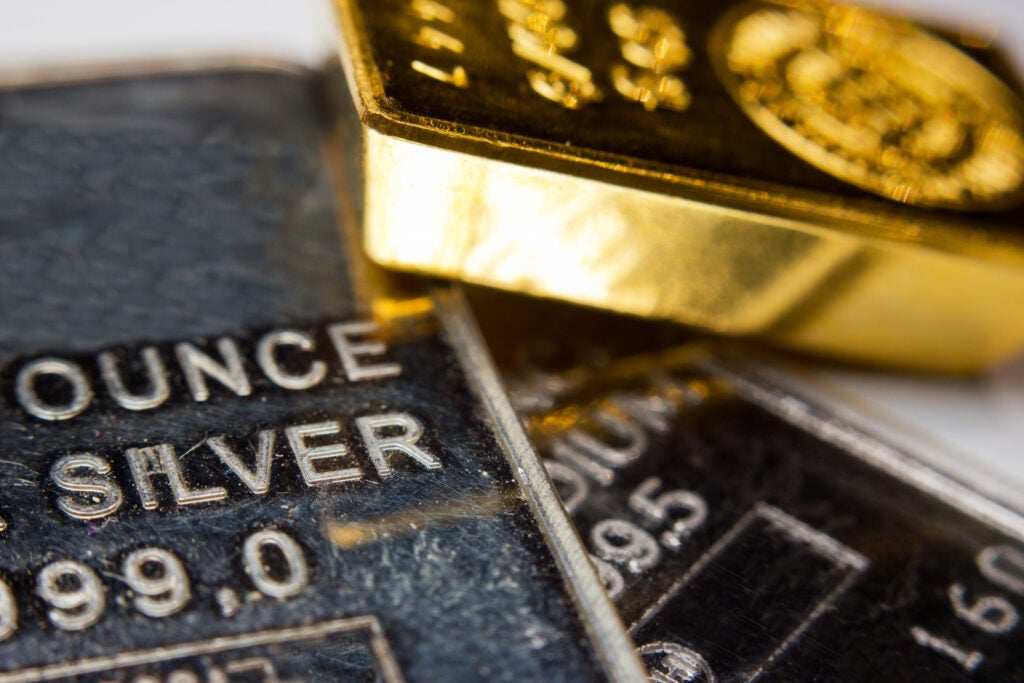
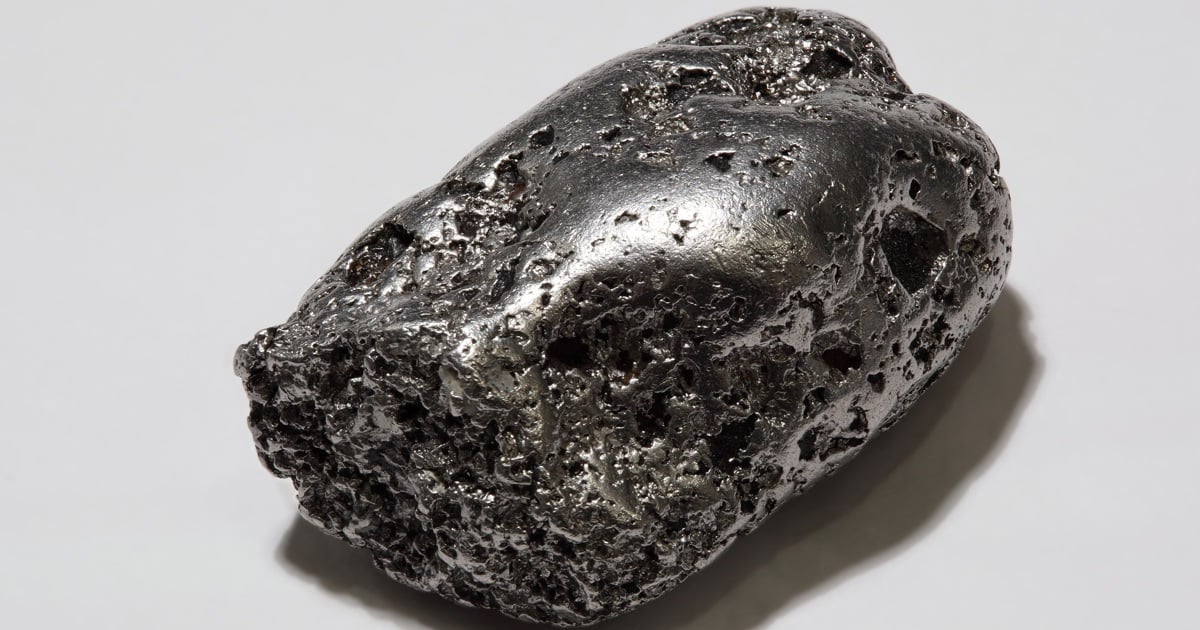
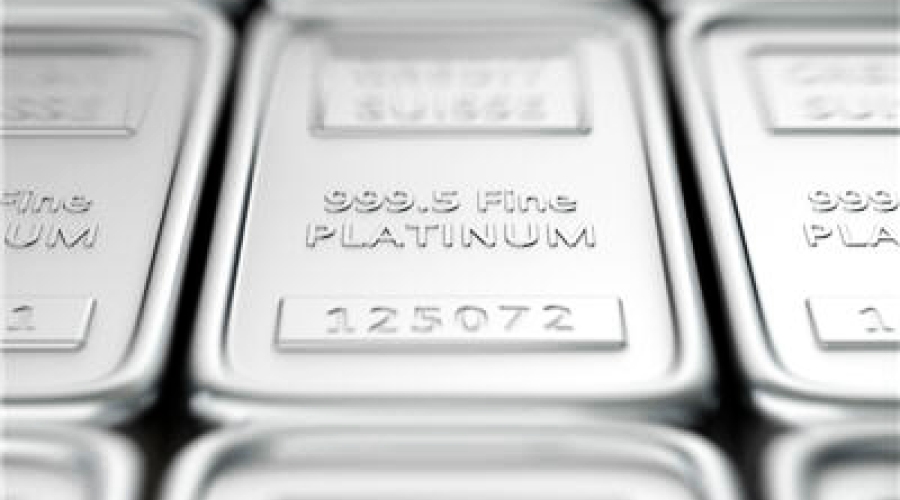
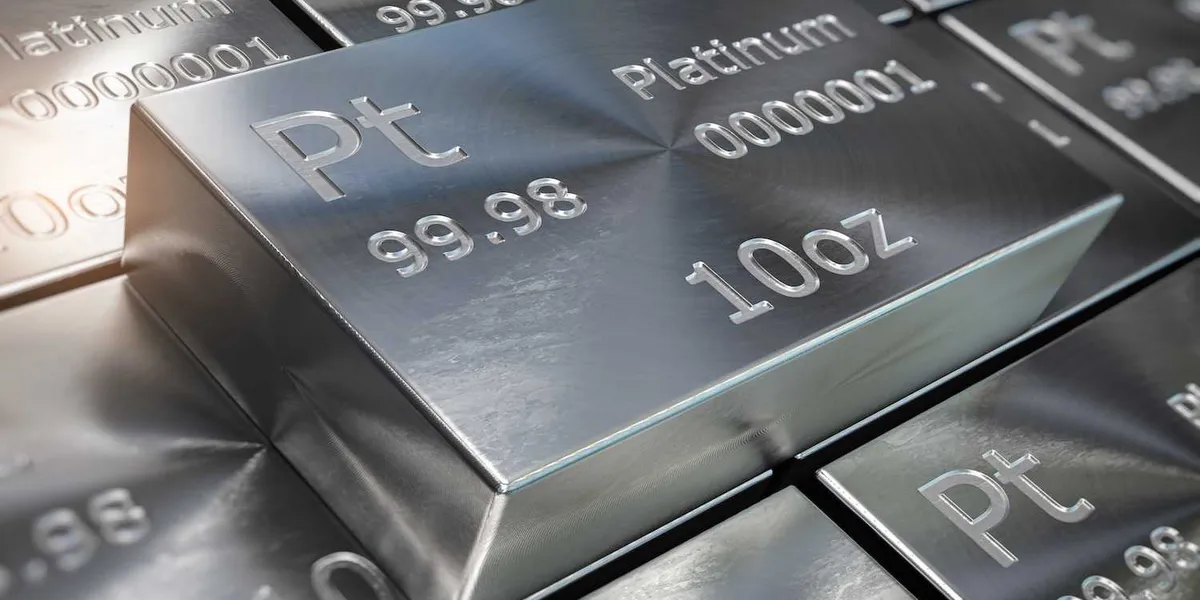
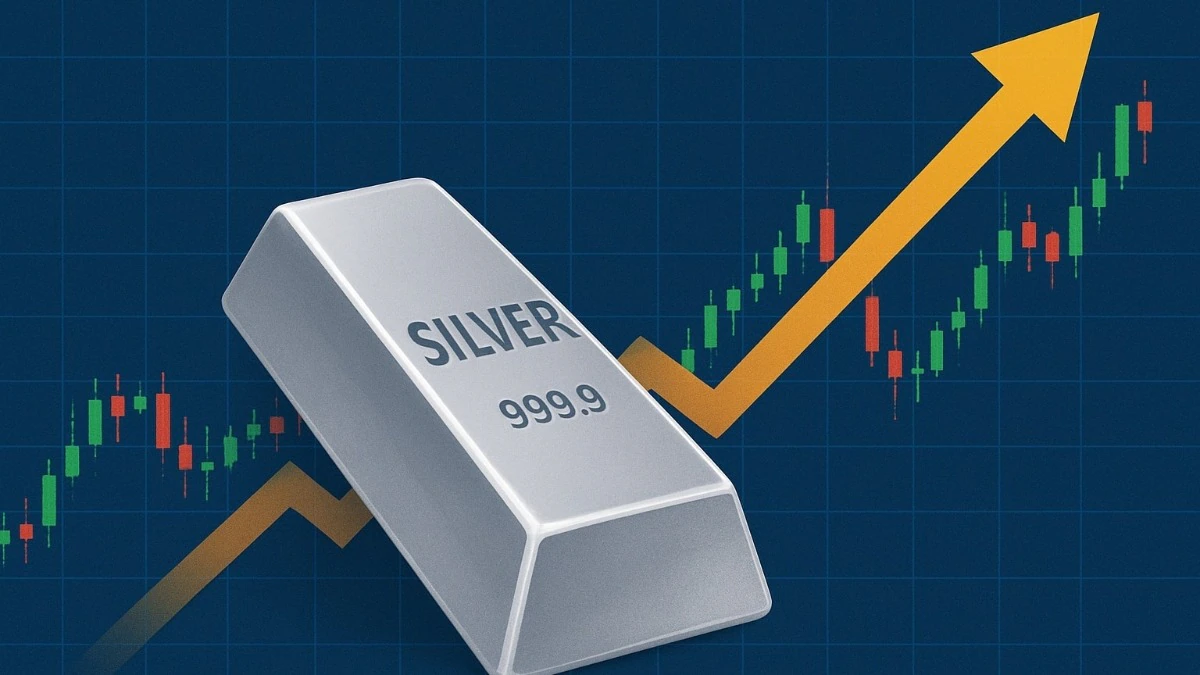
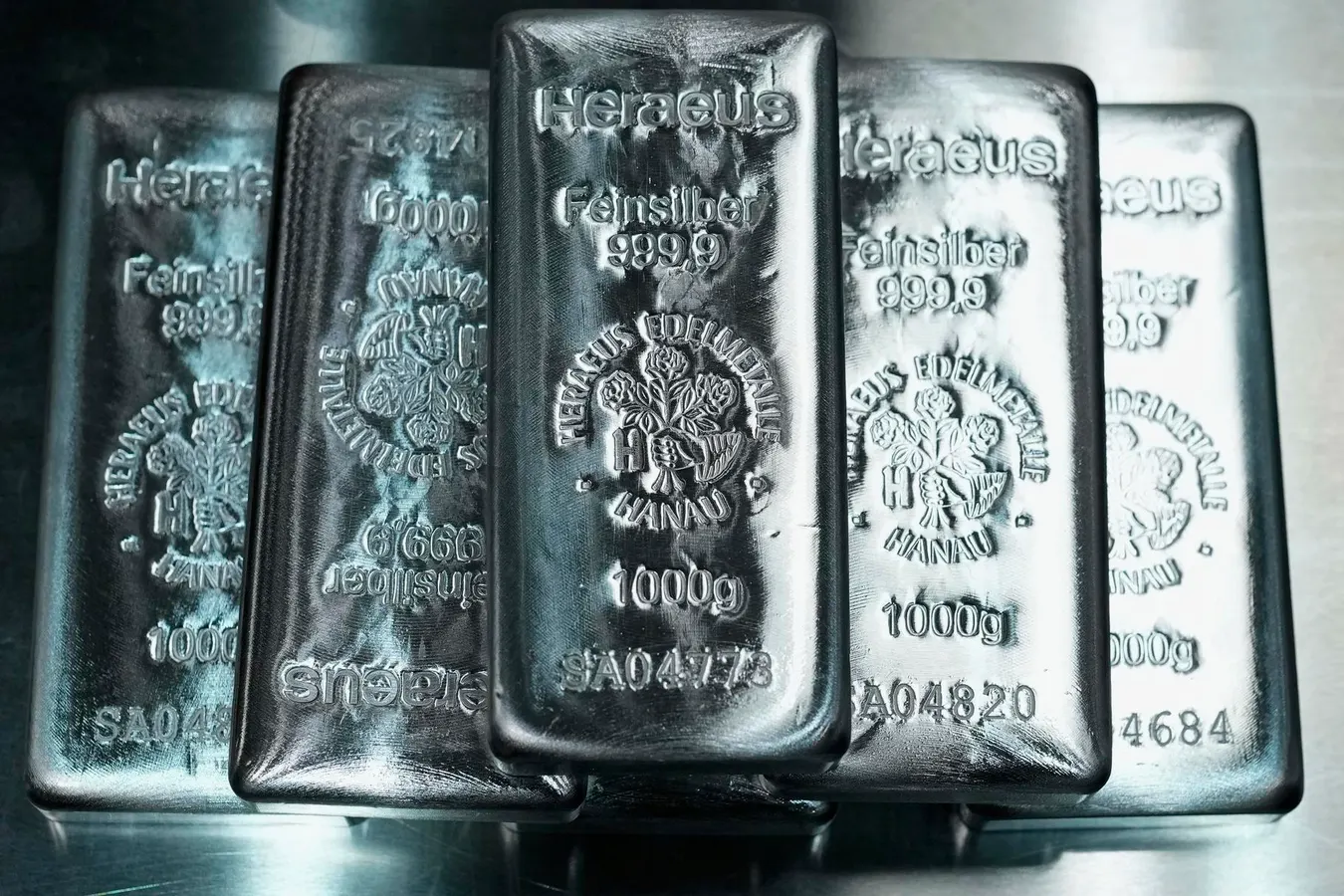
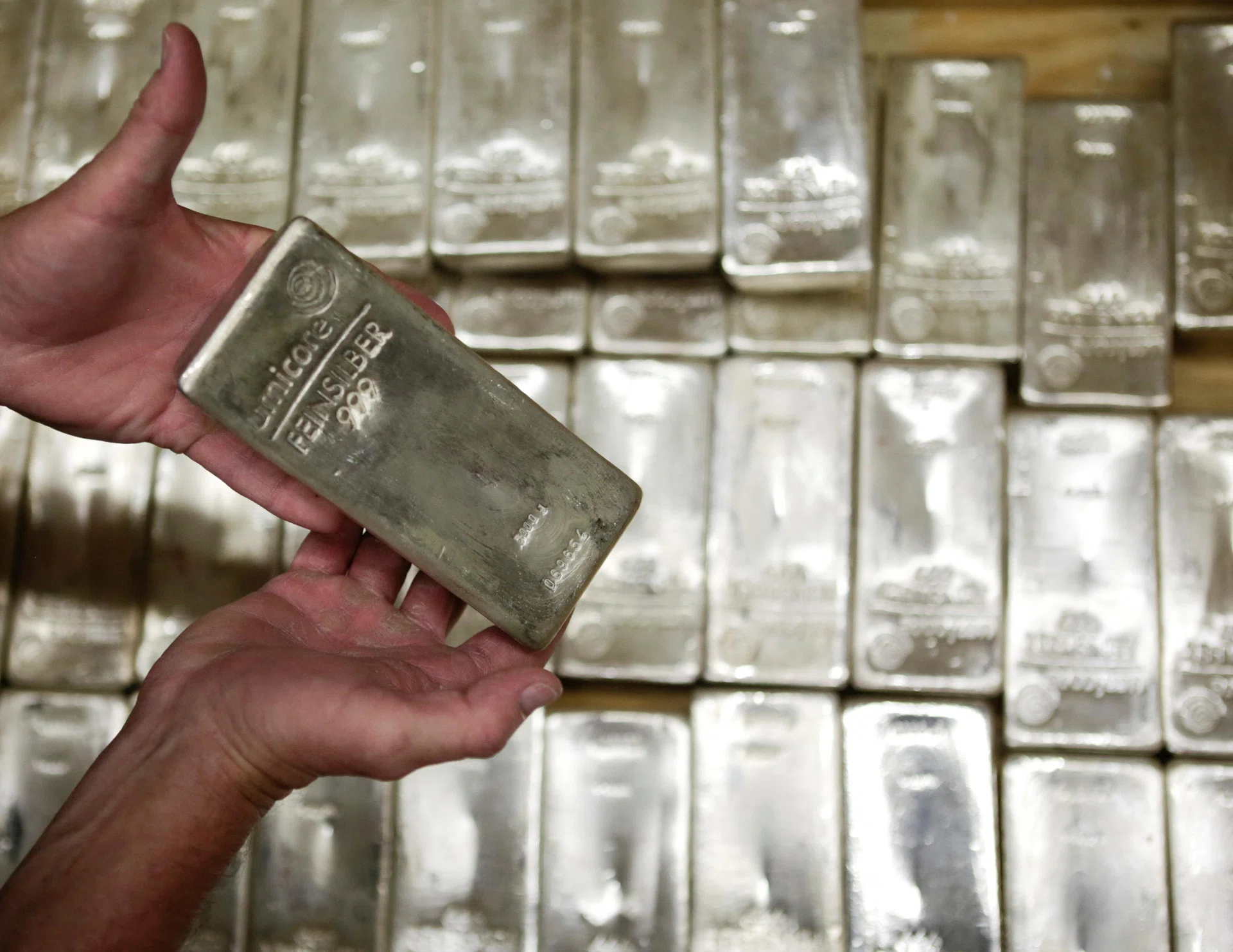
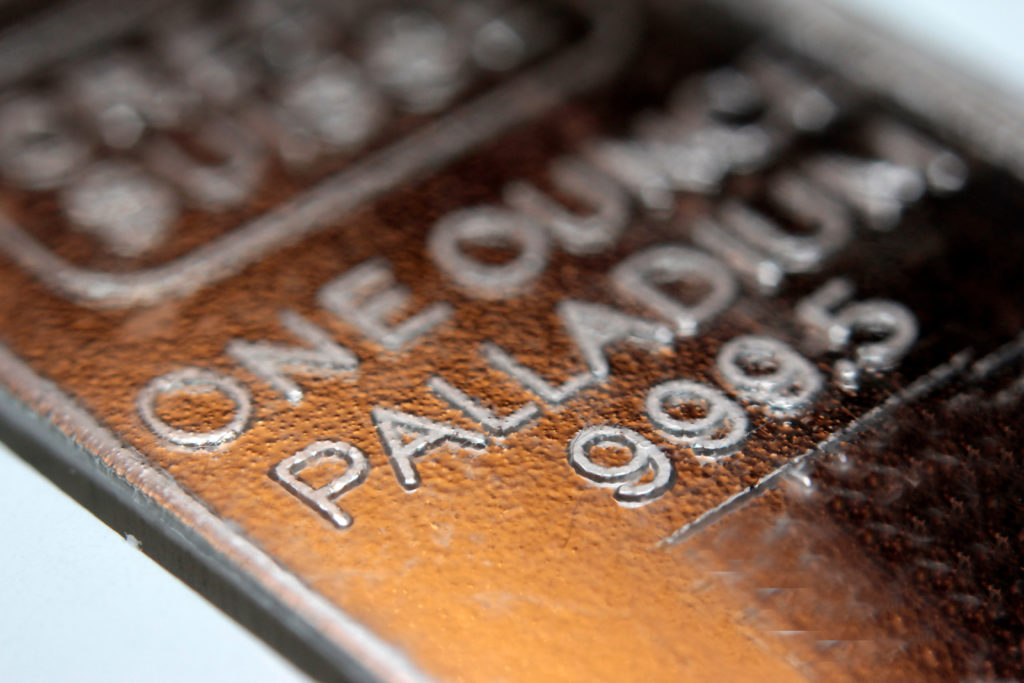
Spot silver rose 3.4% to $83.40 per ounce after falling more than 3% in the previous session. Platinum gained 2.8% to $2,146.07 per ounce. Palladium increased 2.6% to $1,751.79 per ounce.
Market analysts say movements in the dollar, Treasury yields, and rate cut expectations remain key drivers for precious metals prices in the near term.
What should investors do now?
Investors should closely monitor US nonfarm payrolls data, dollar movement, and Treasury yields. These factors may influence the Federal Reserve’s policy outlook and short-term price trends in gold and silver. Investors may consider their risk profile and long-term strategy before making decisions. Since precious metals react to interest rate expectations and economic data, tracking updates from the Federal Reserve and economic indicators can help guide investment choices.
FAQs
Q1. Why are gold and silver prices rising again and what do precious metals market analysts say about rate cuts?
Gold and silver prices are rising due to a weaker dollar and lower Treasury yields. Analysts say expectations of Federal Reserve rate cuts are supporting precious metals demand.
Q2. How does nonfarm payrolls data impact gold and silver prices?
Nonfarm payrolls data signals the strength of the US labor market. Weak data can increase rate cut expectations, which lowers yields and supports gold and silver prices.