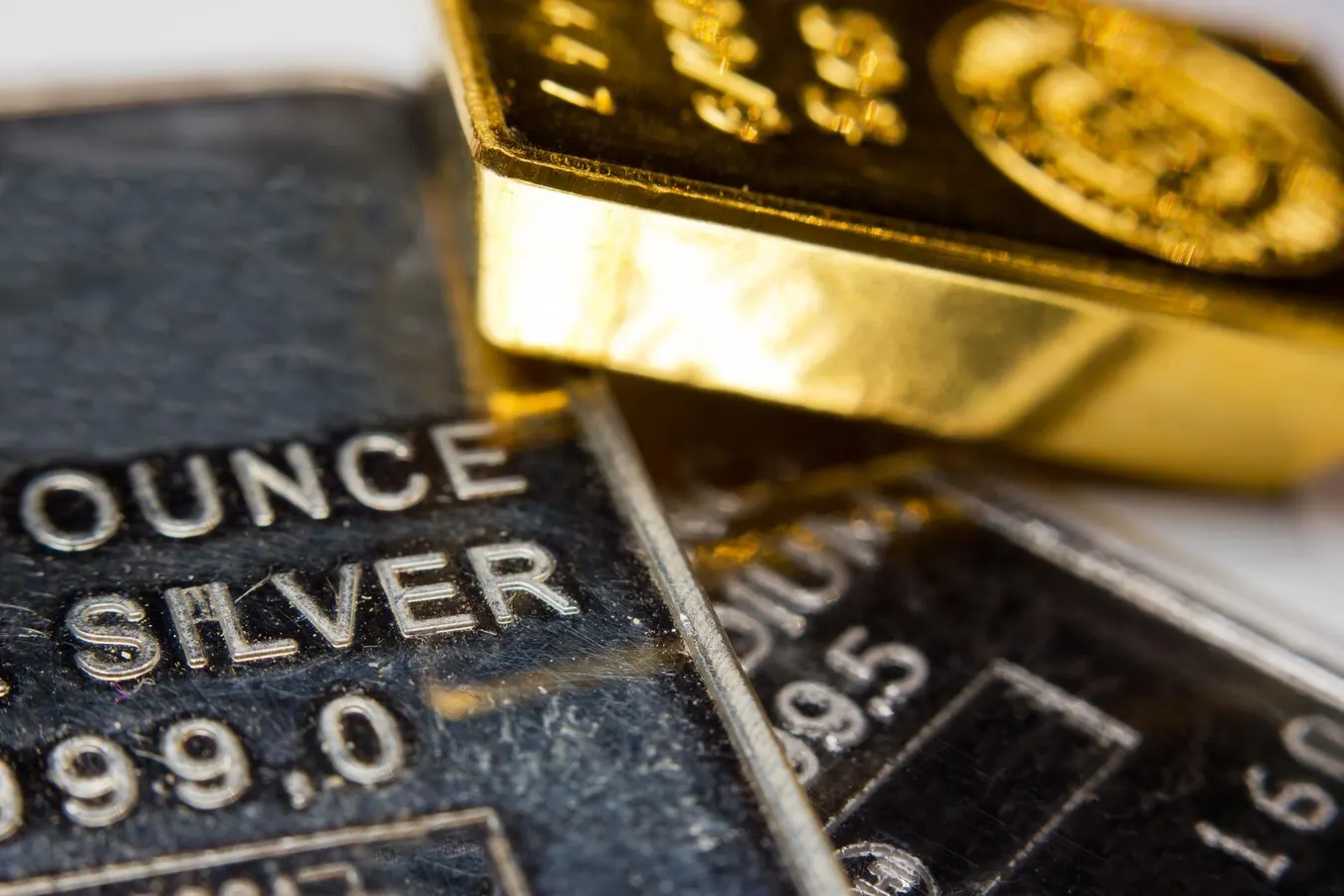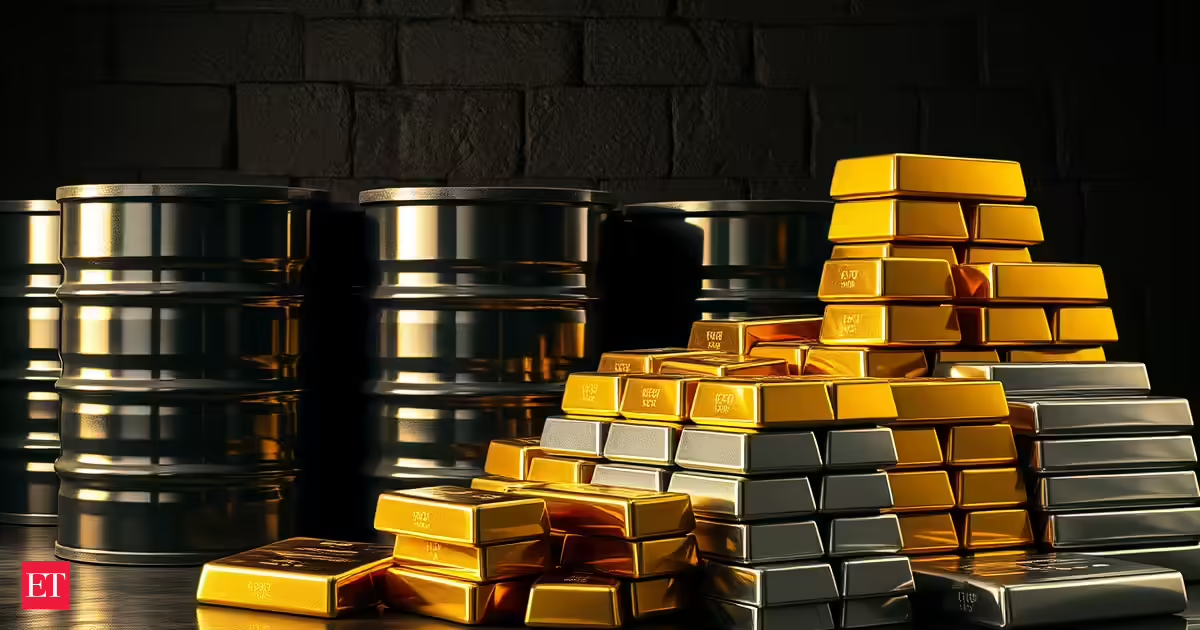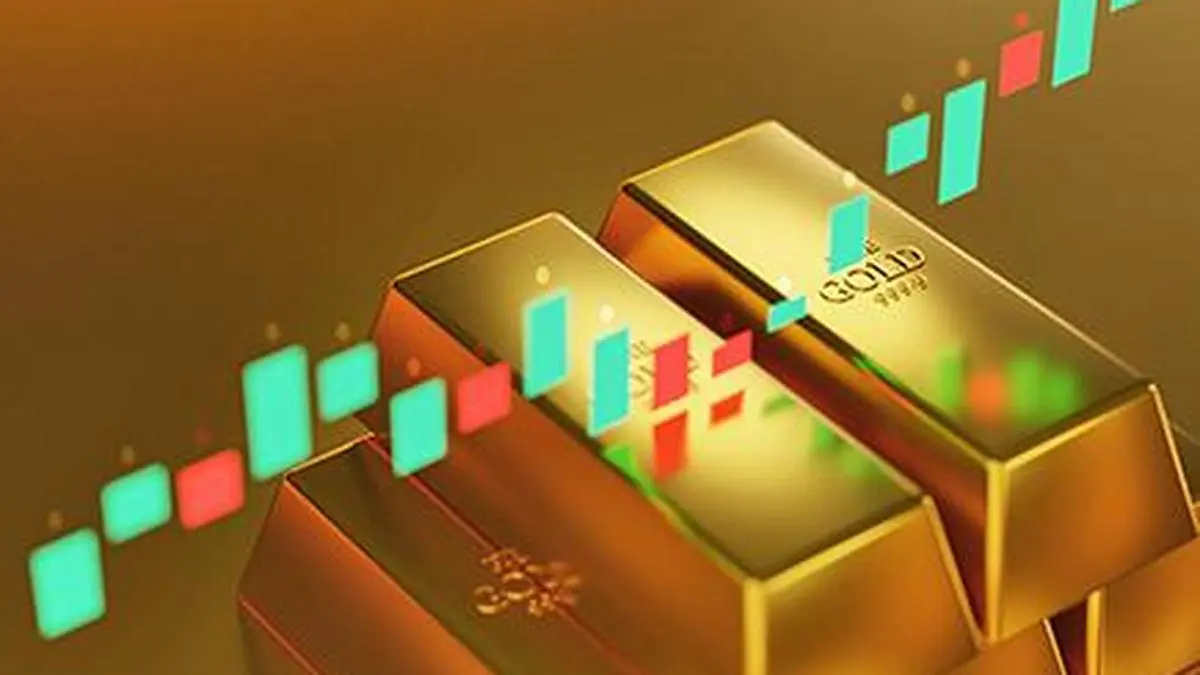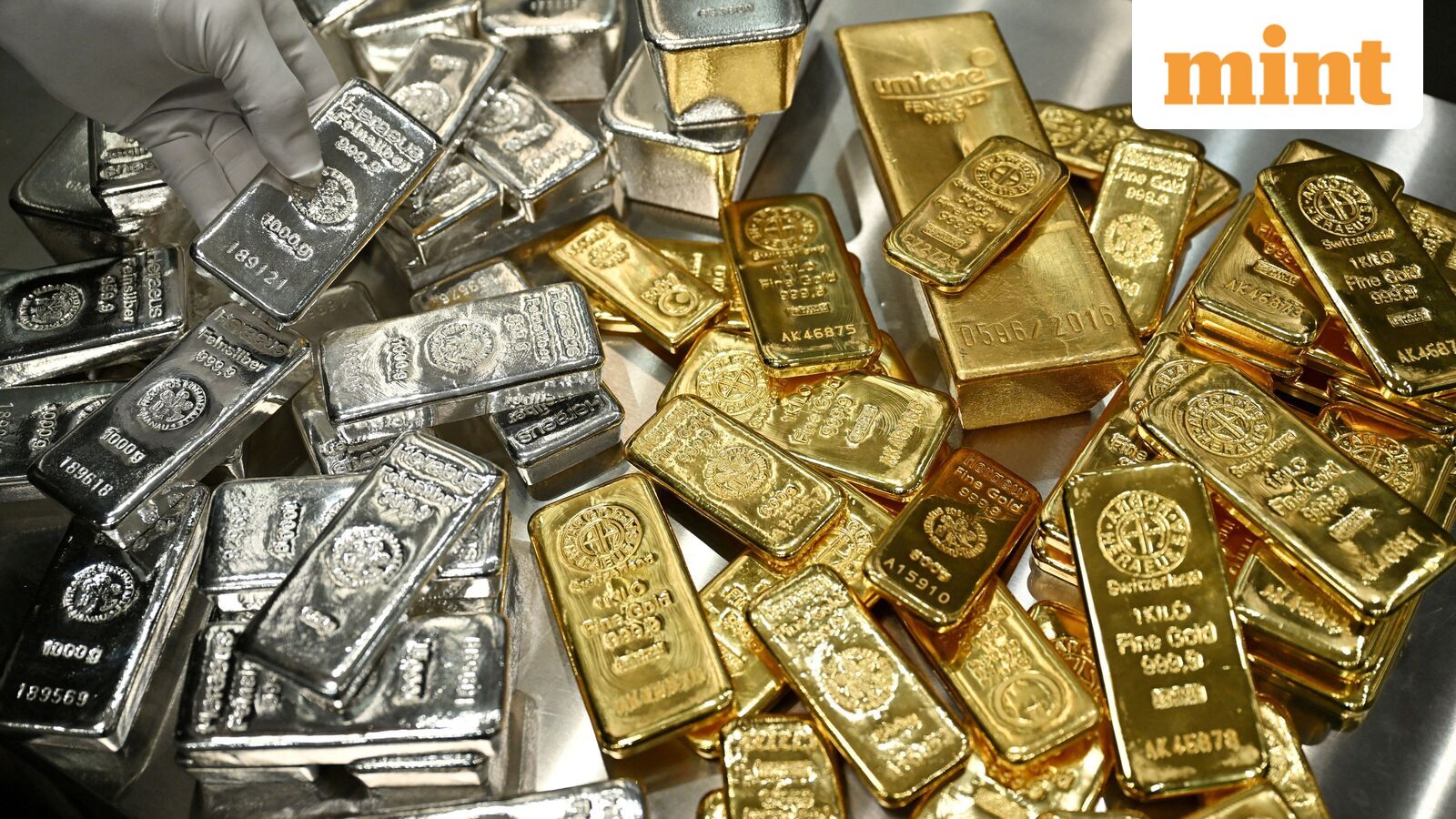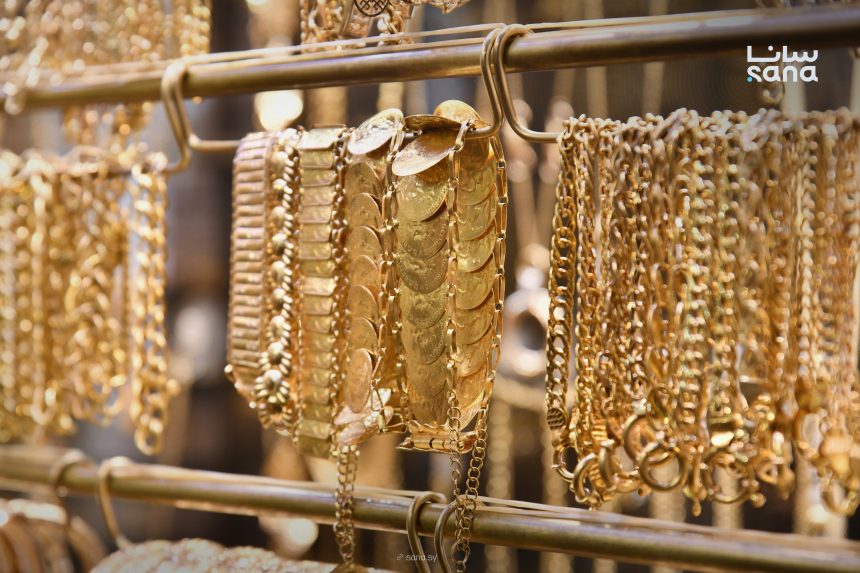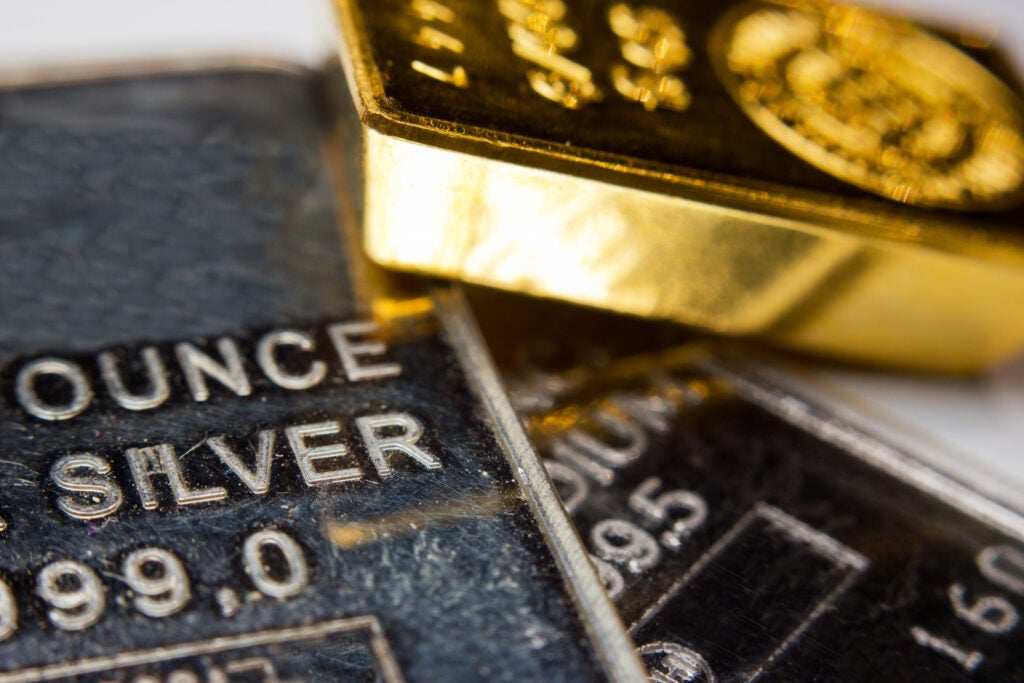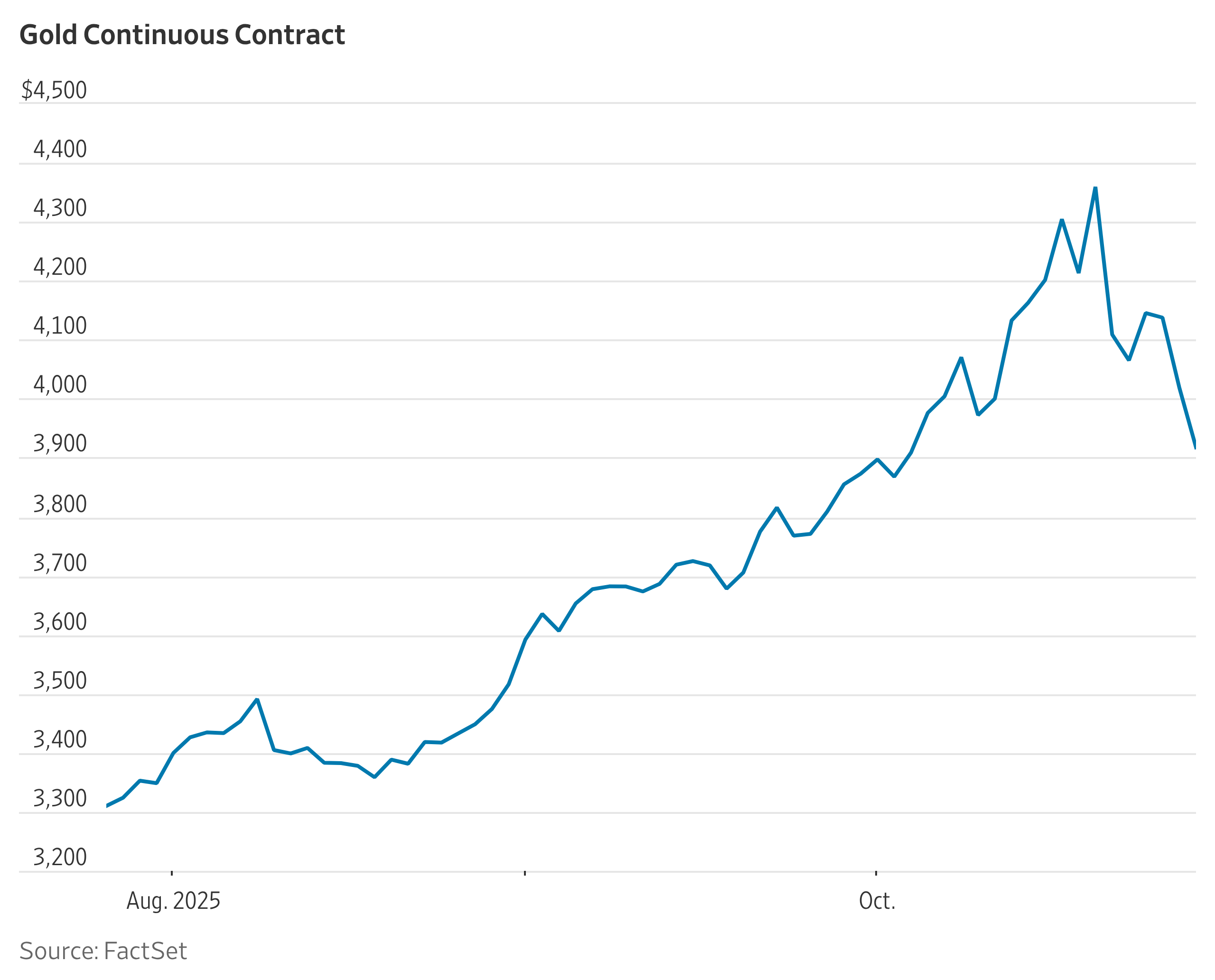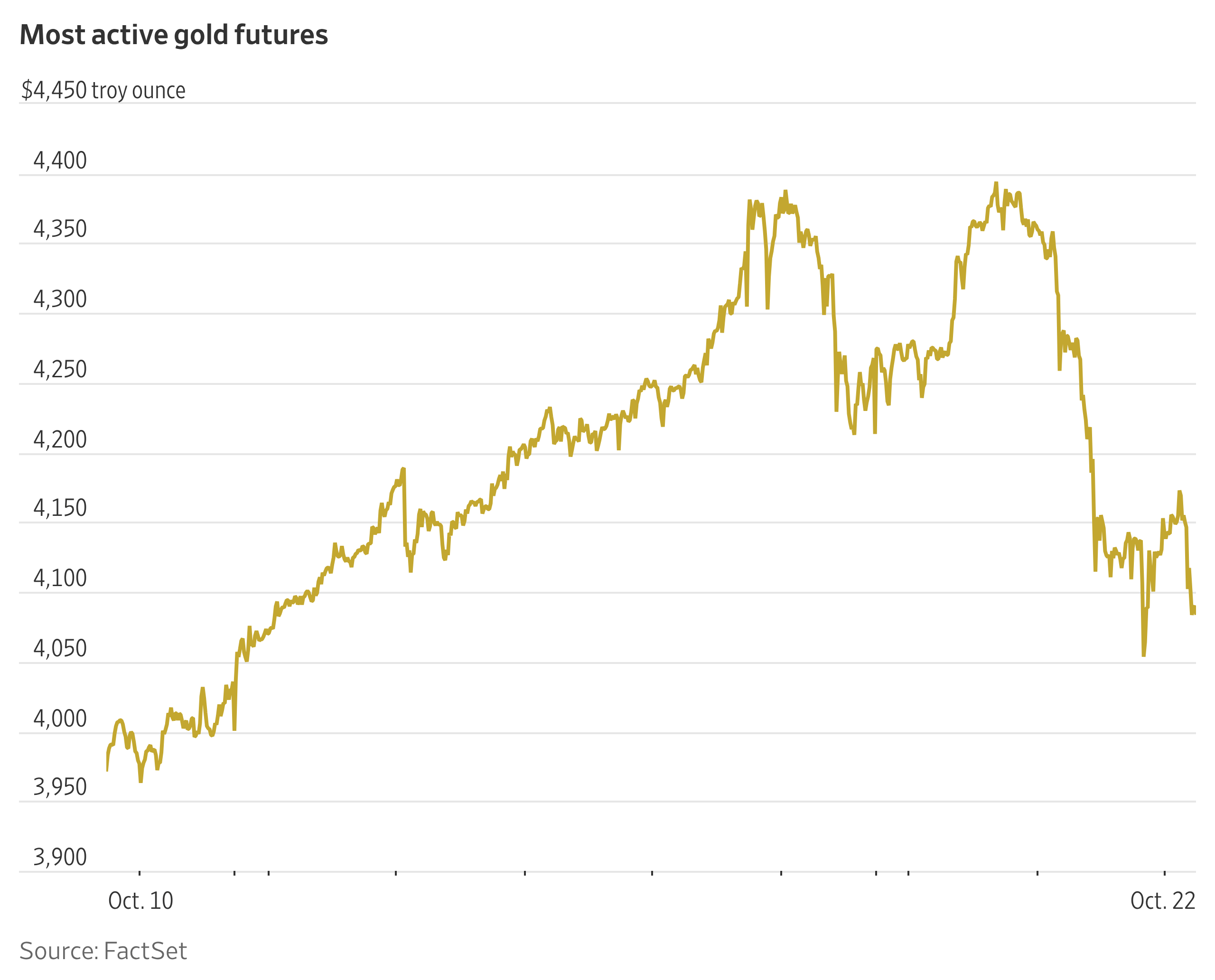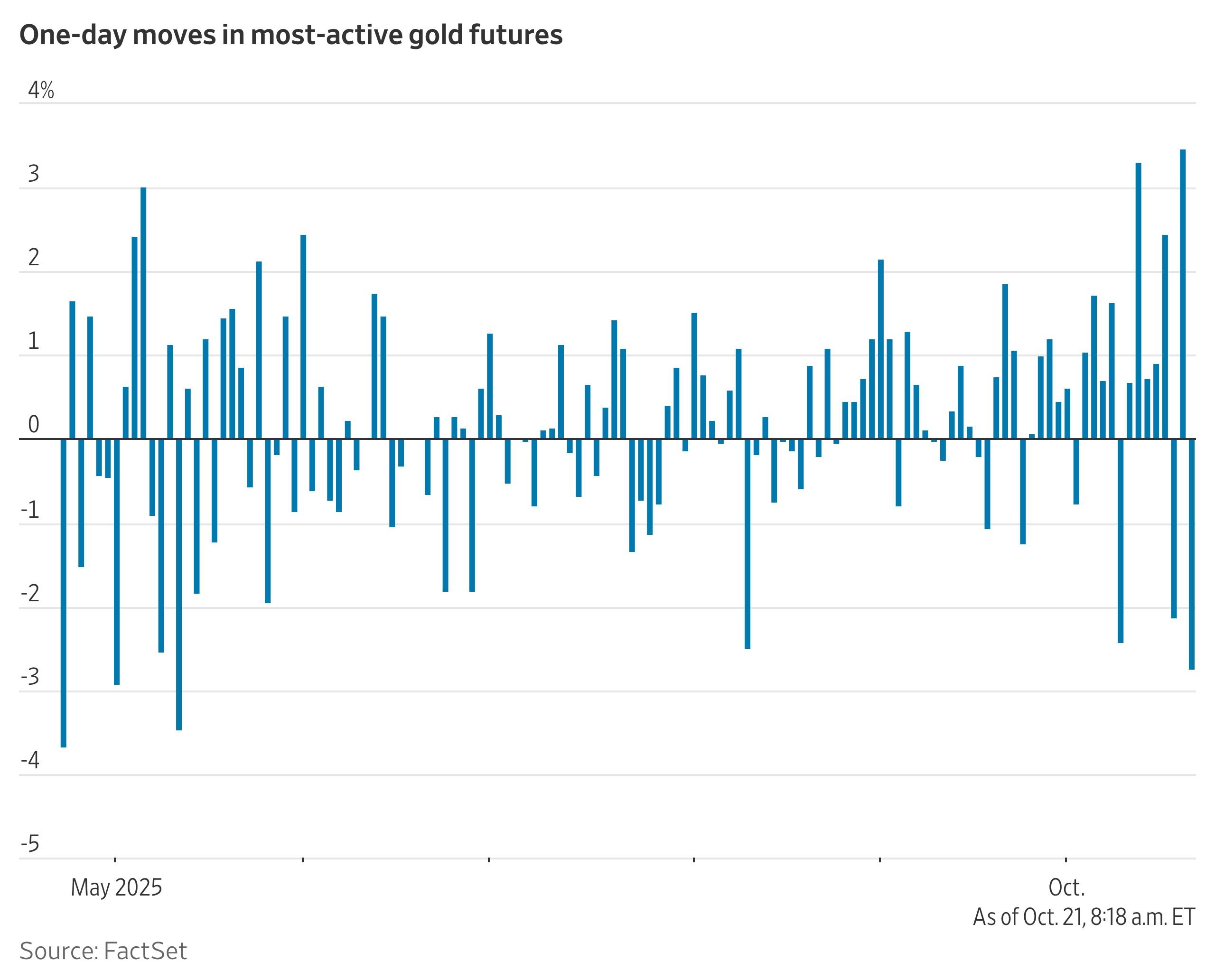
Remember about a month ago, when gold hit an all-time high, lots of commentators got on their hobby horses to huff about currency debasement? Then another set of commentators called nonsense on that idea, saying gold demand was probably just dollar avoidance plus momentum?
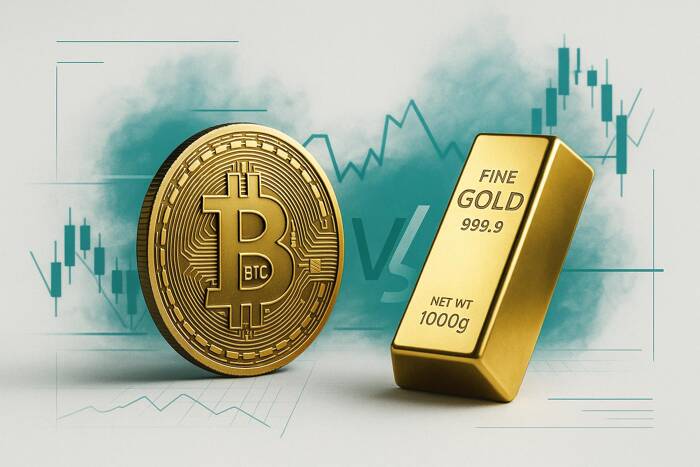
Maybe everyone was overthinking it. Maybe gold went up because Tether has been buying.

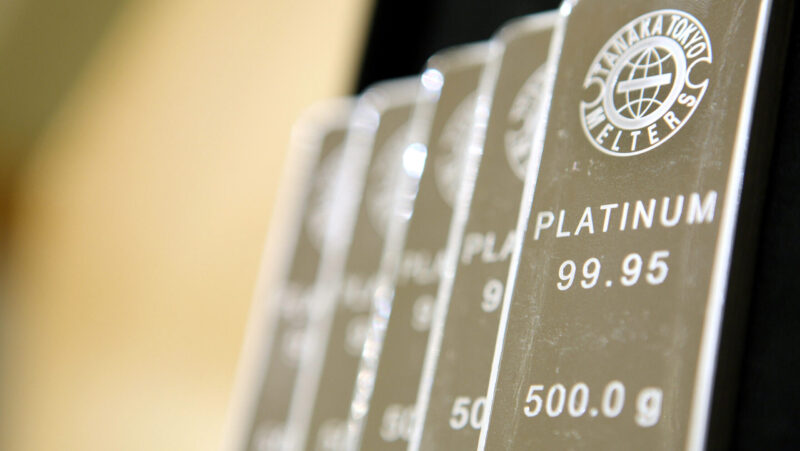
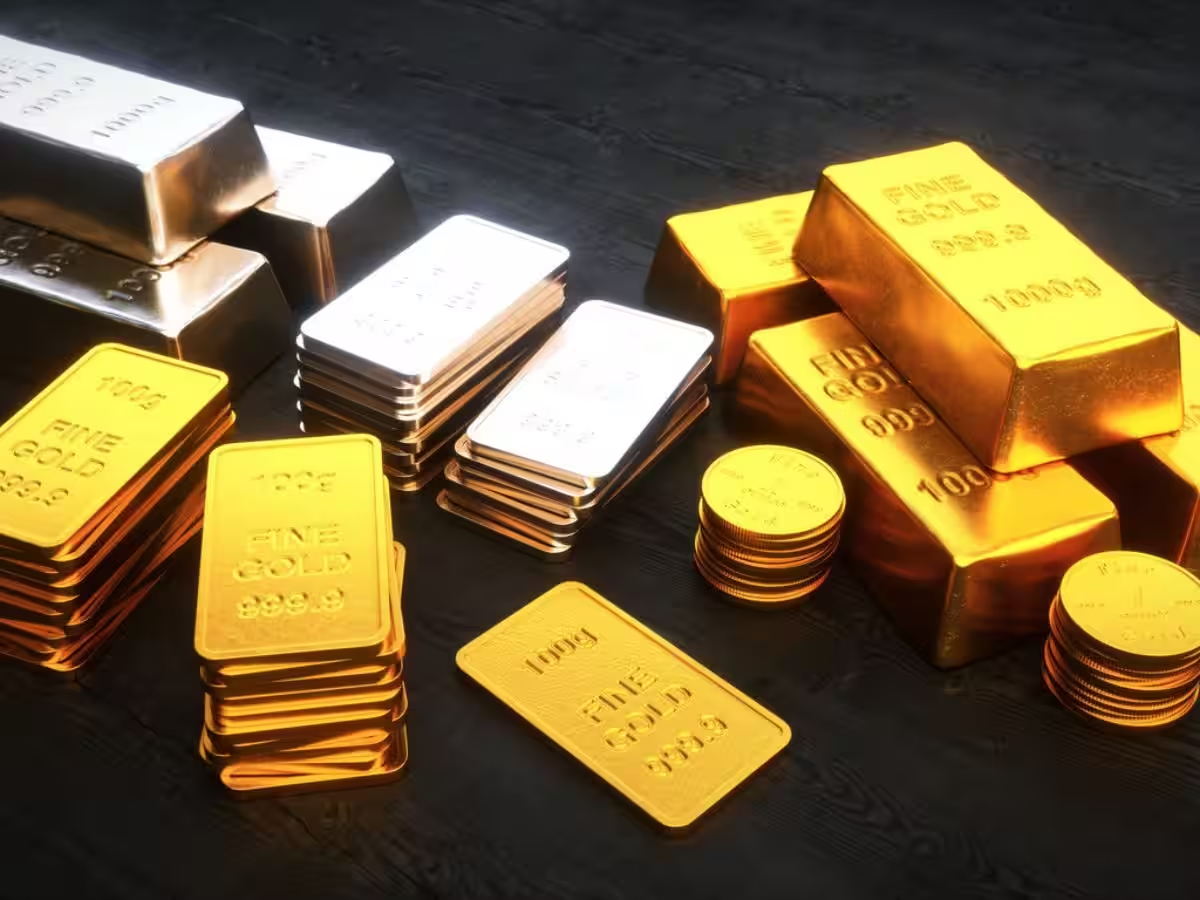
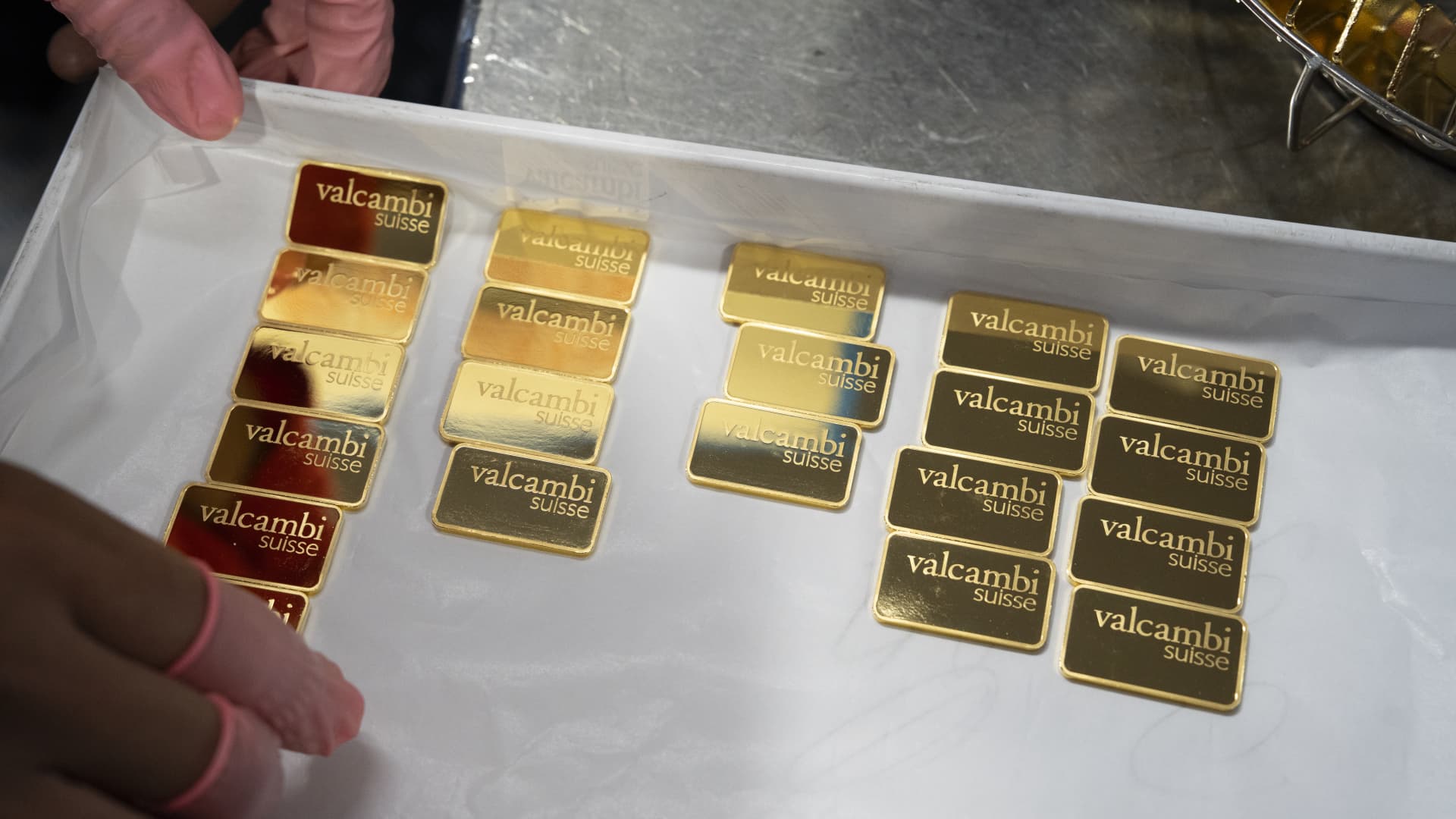
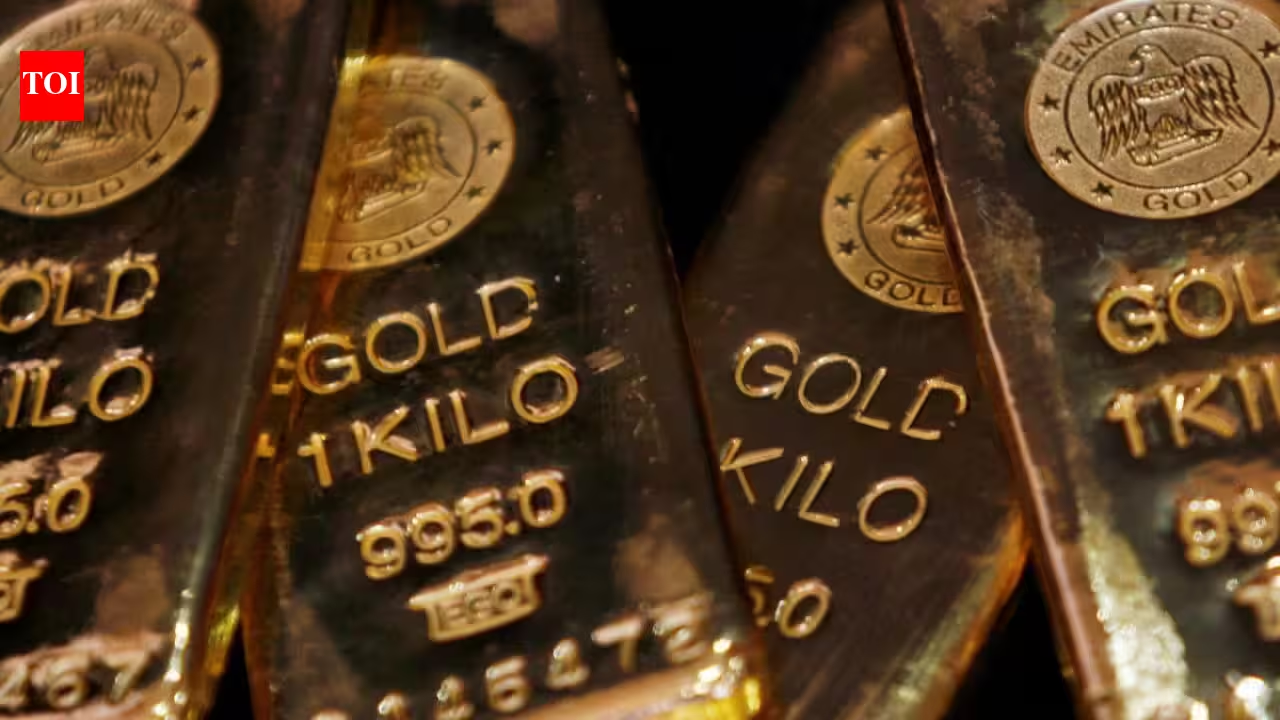
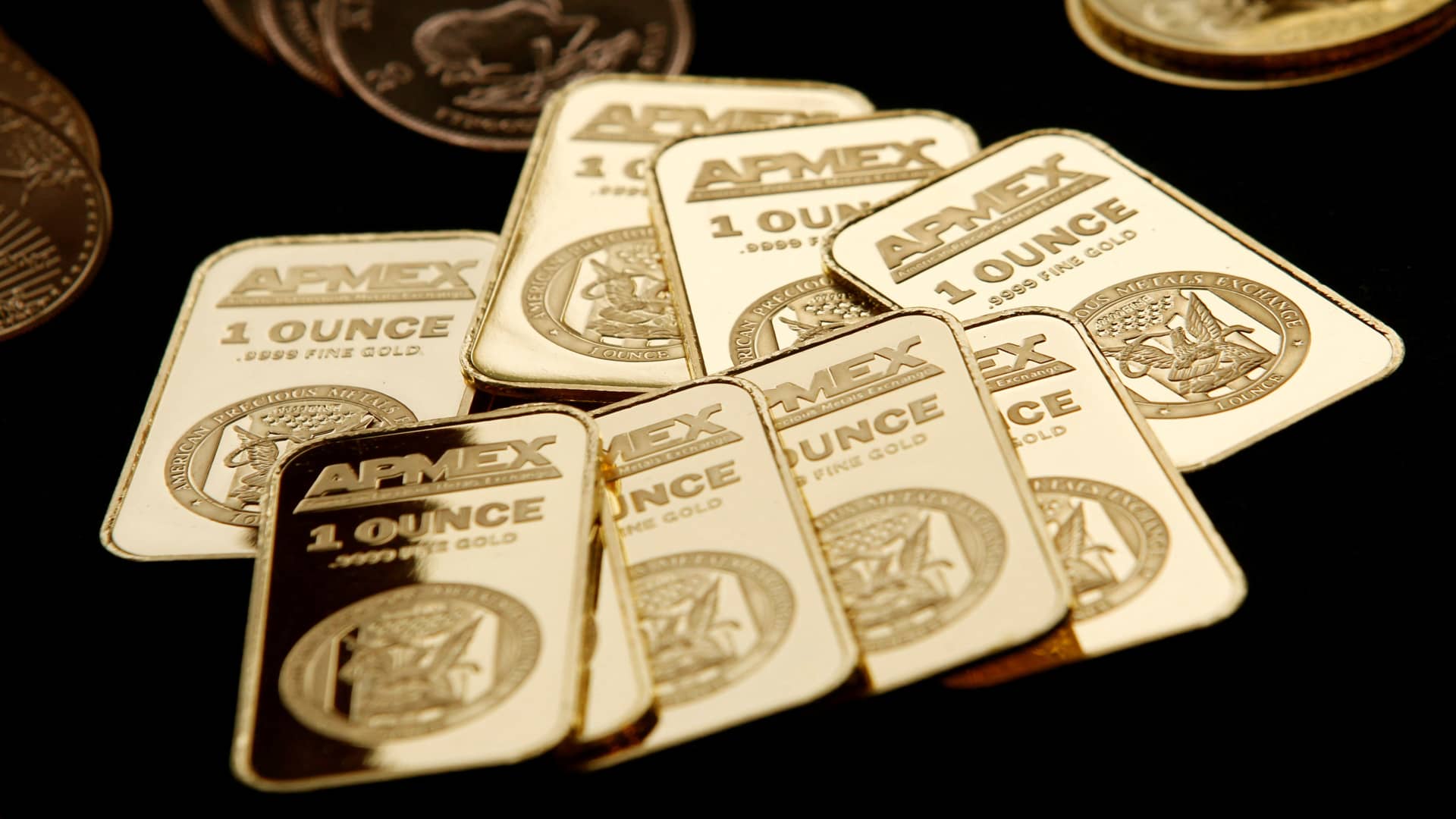
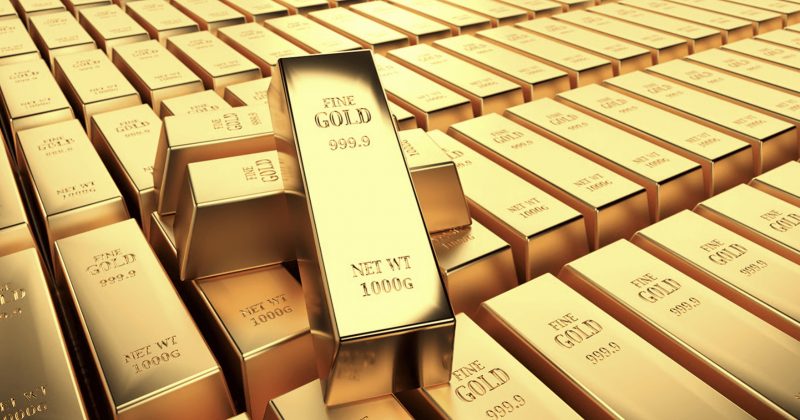
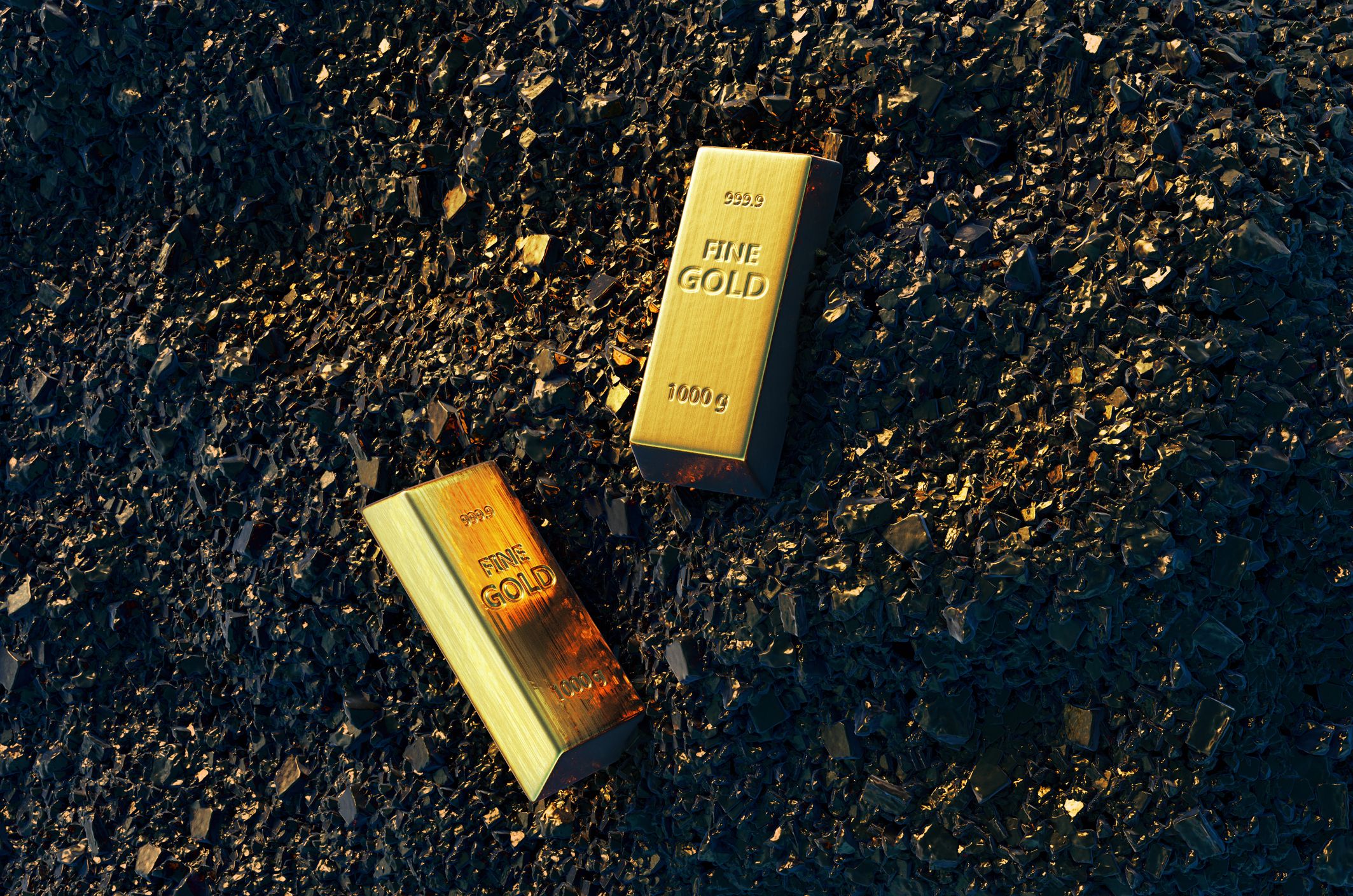
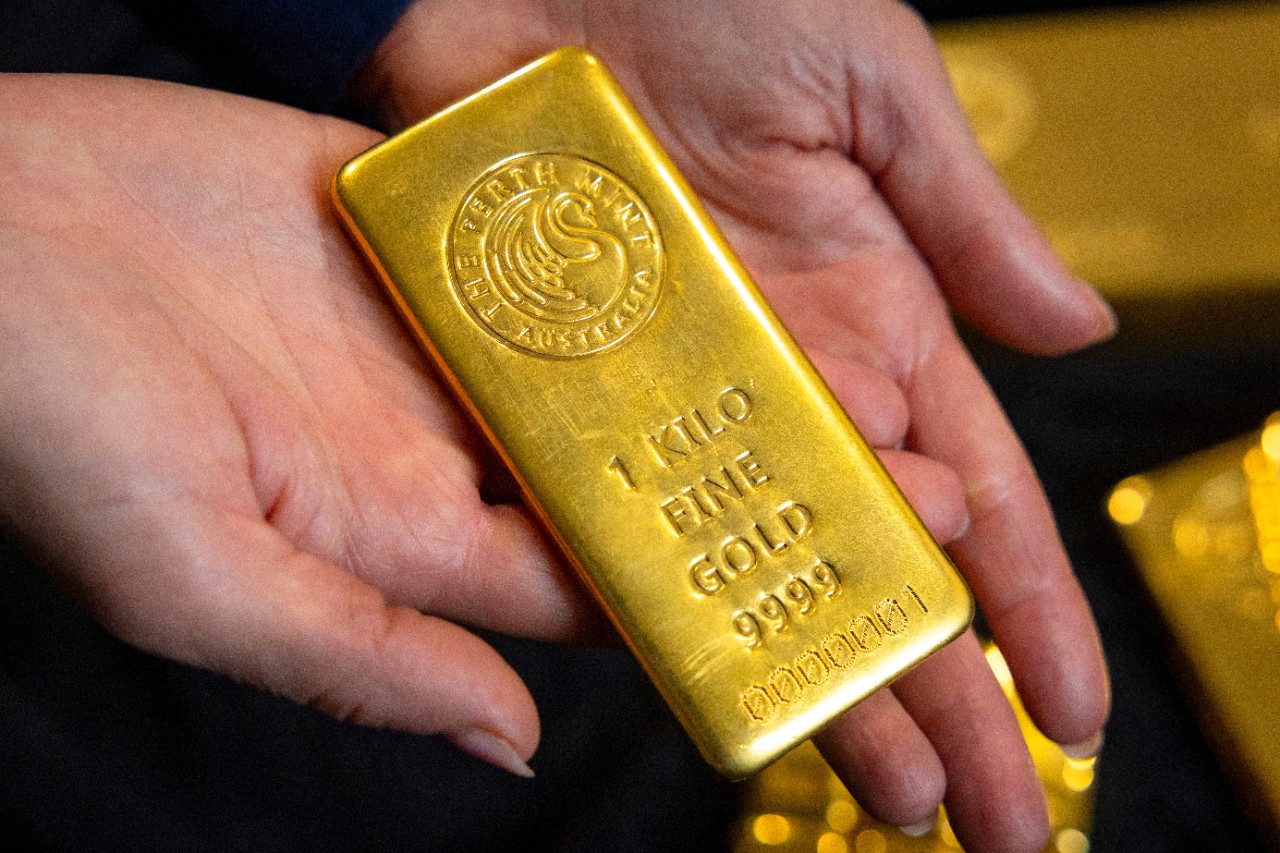
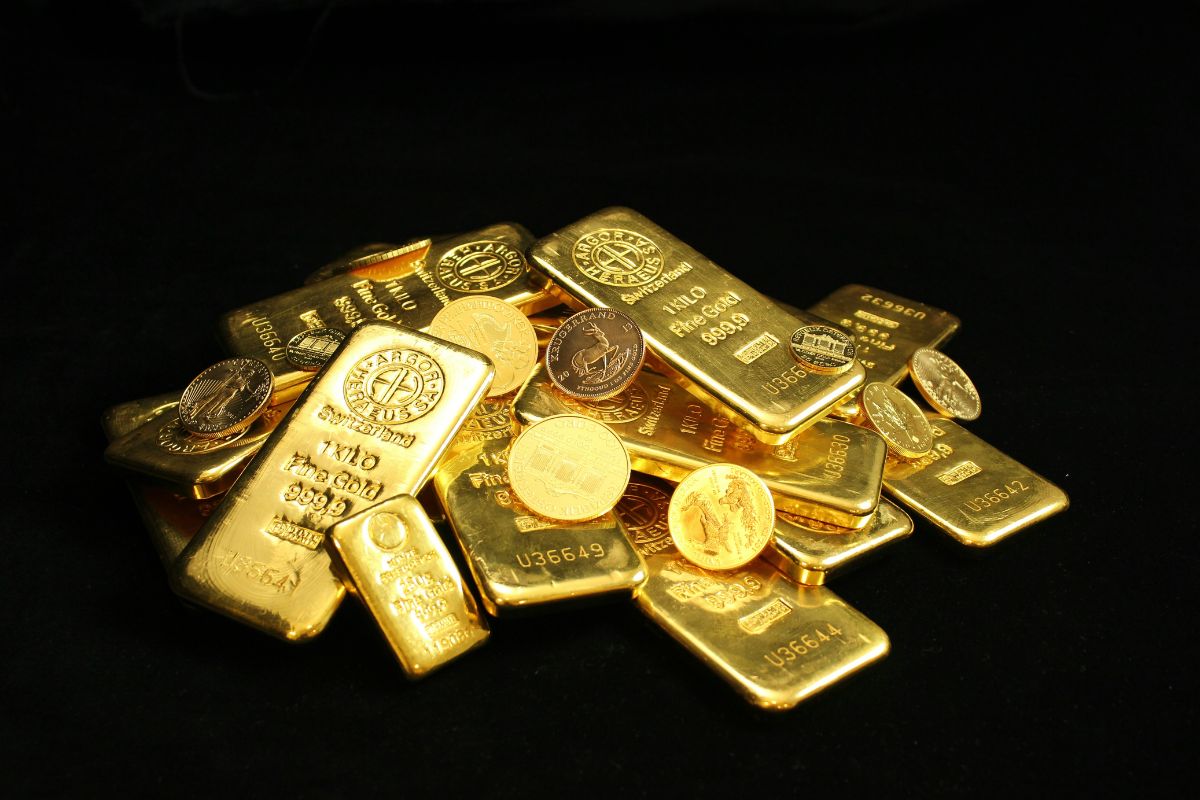
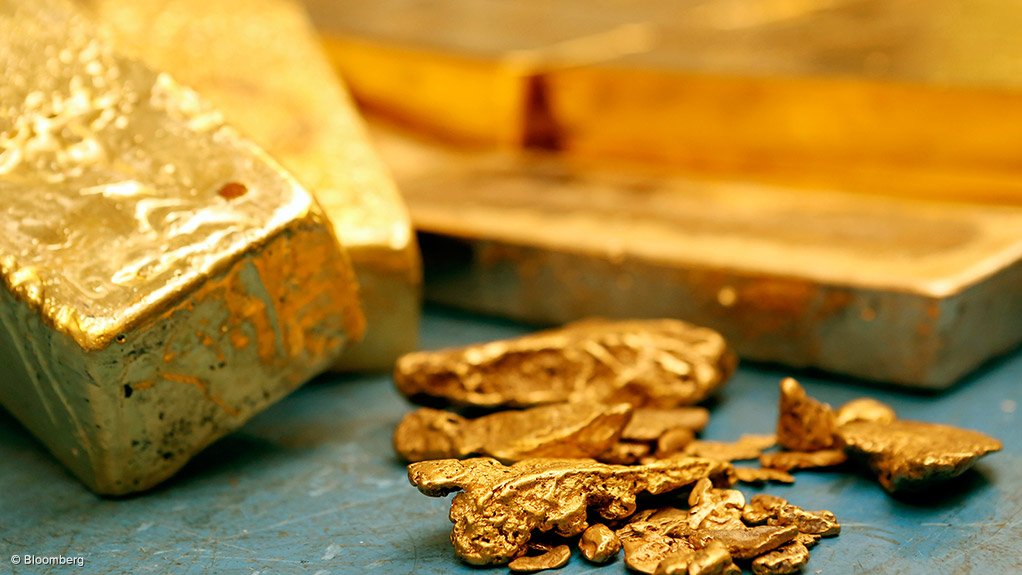
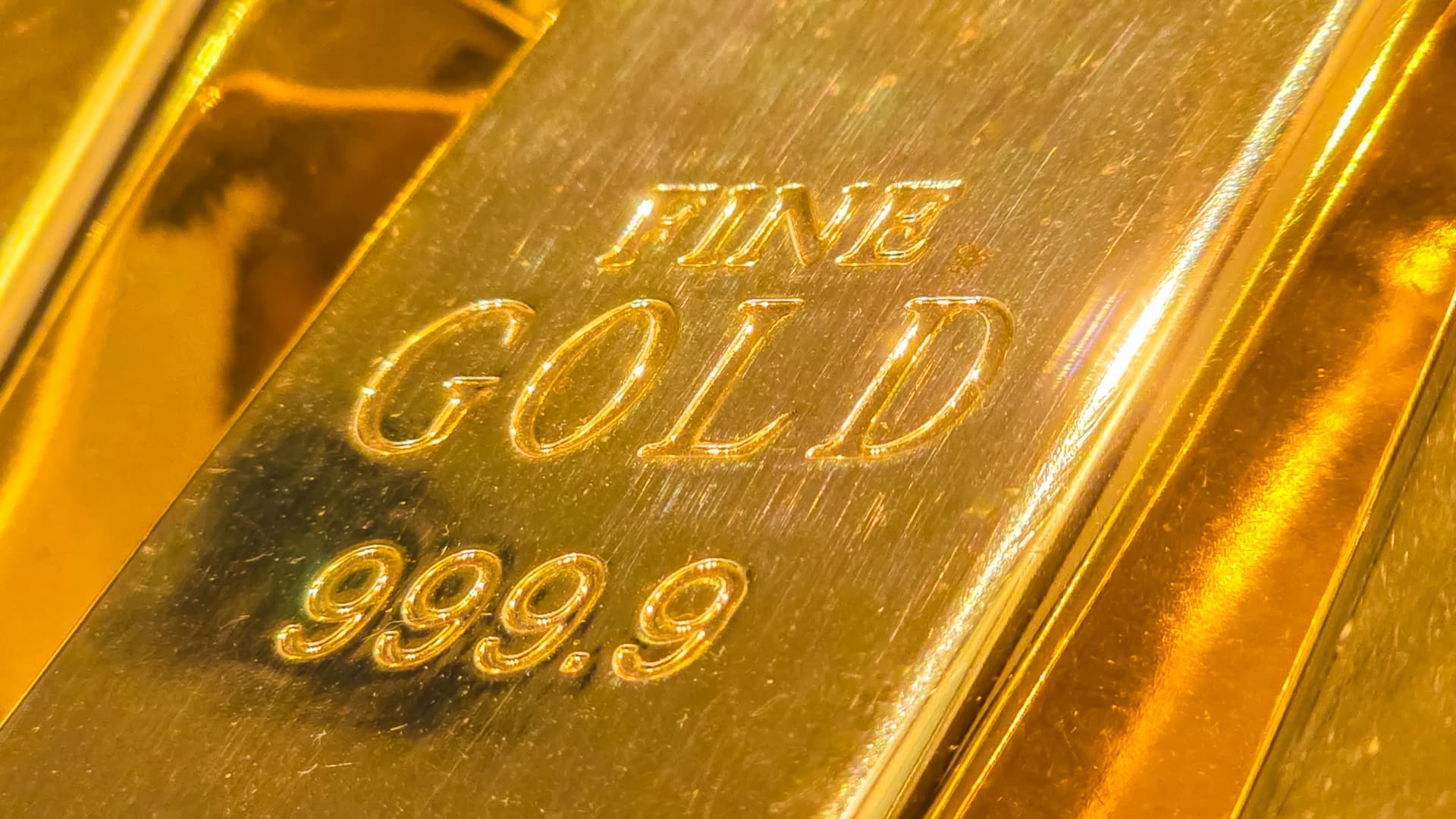
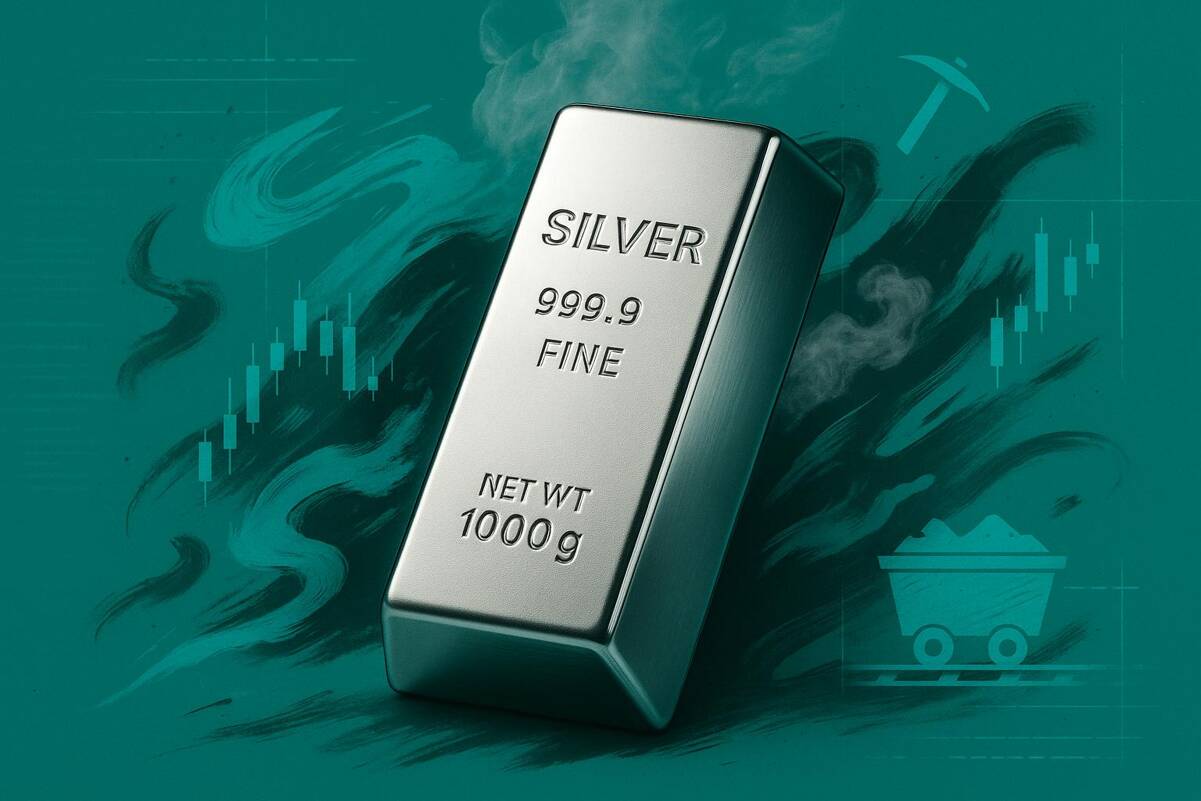
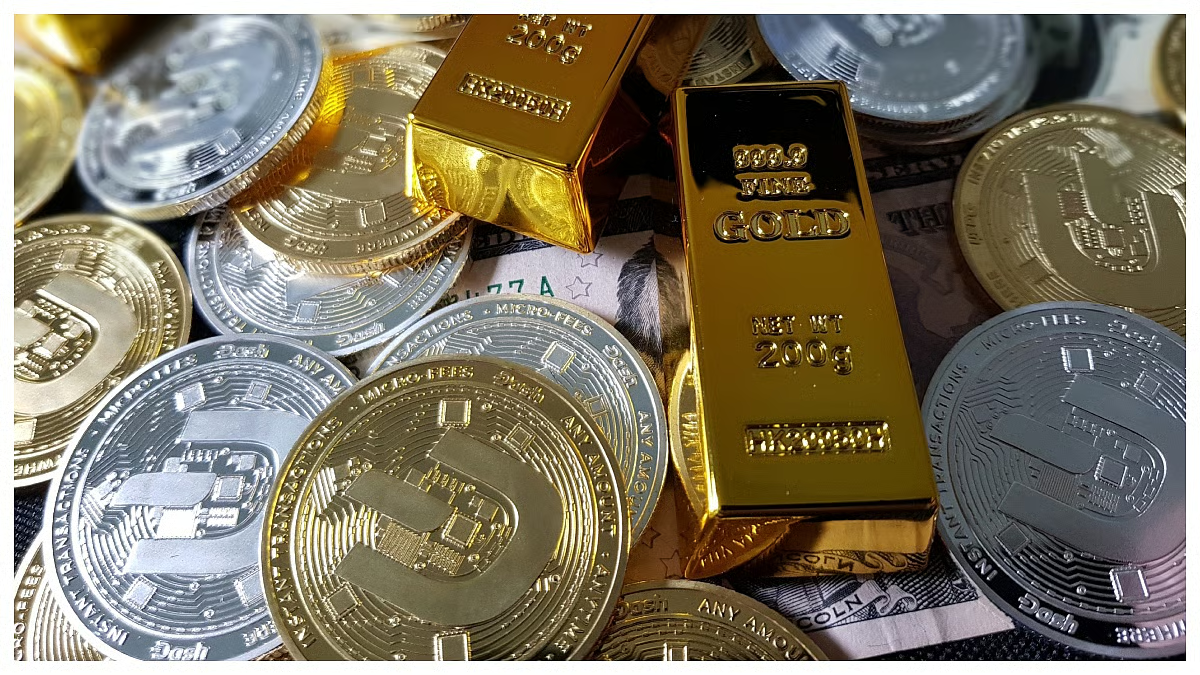
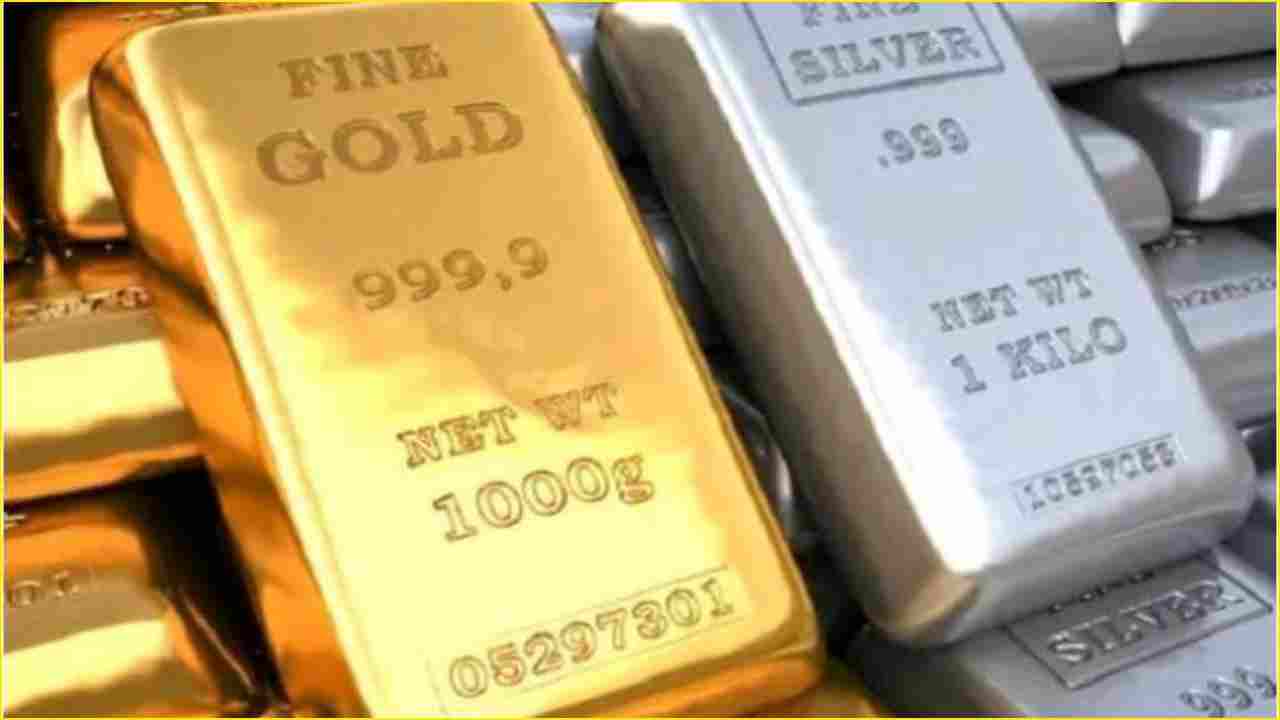
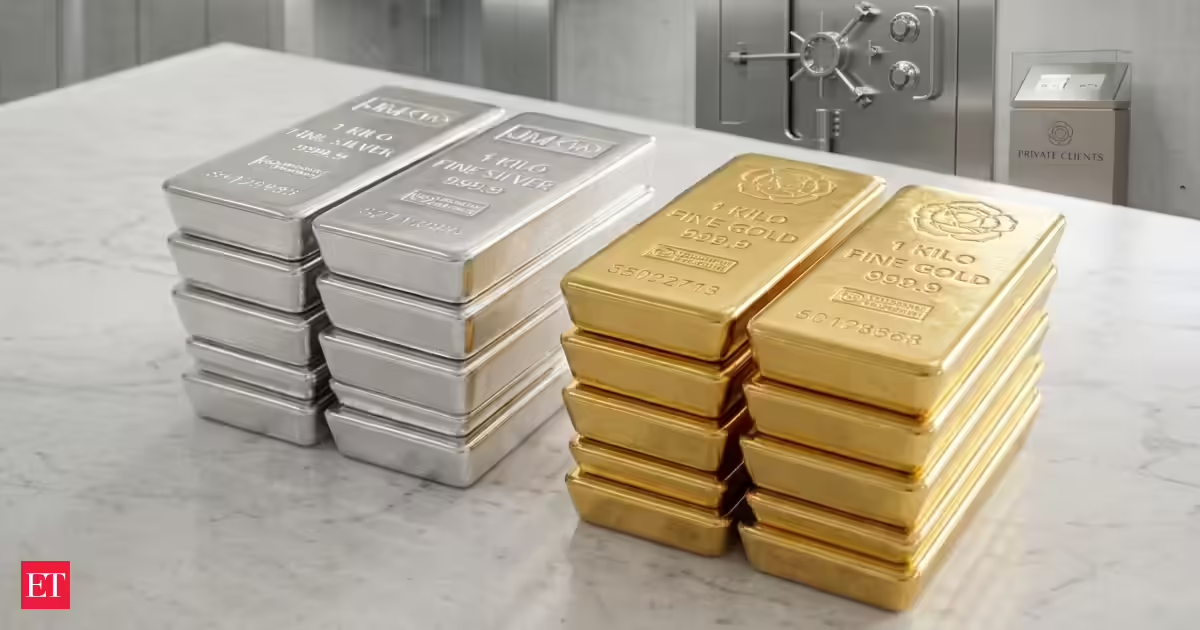
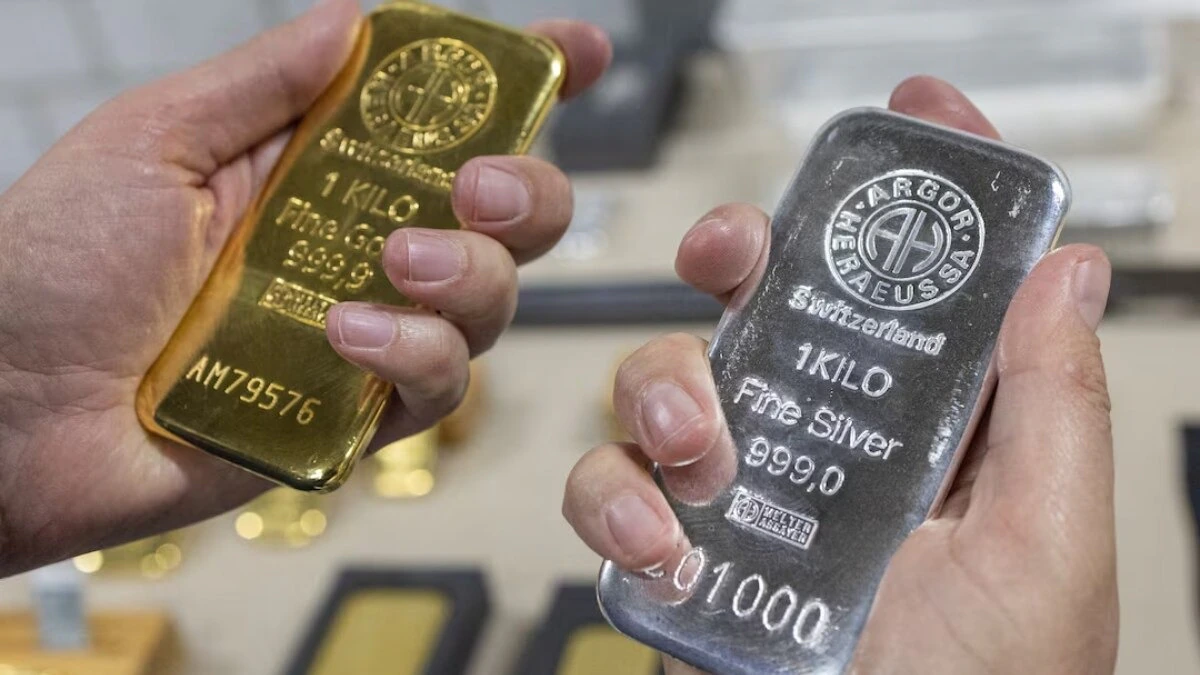
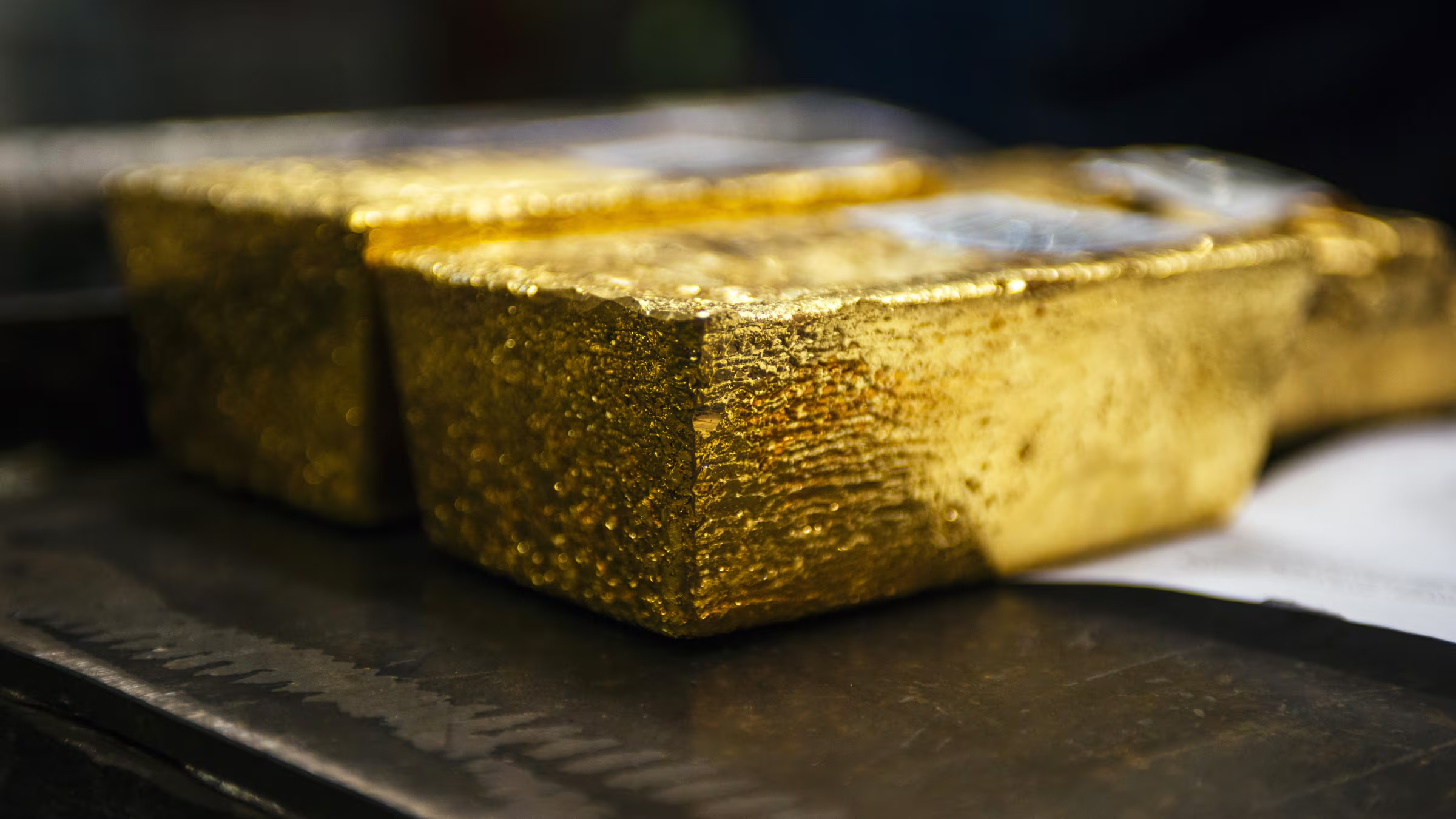
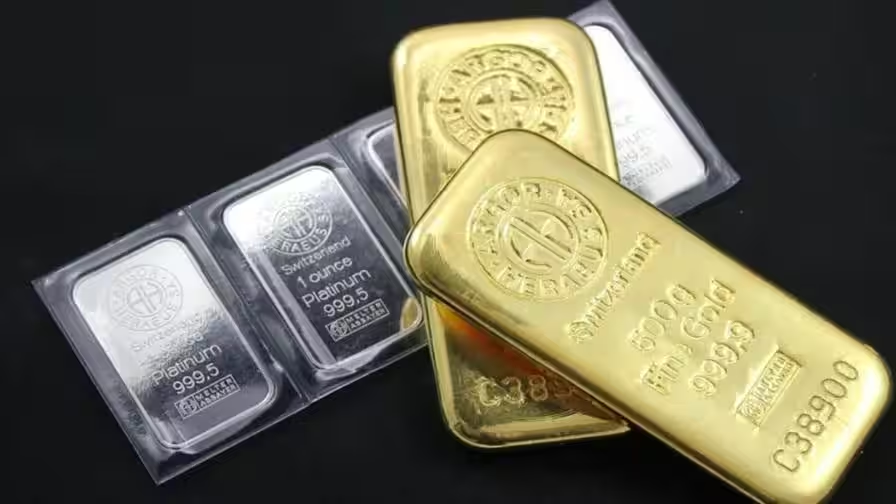
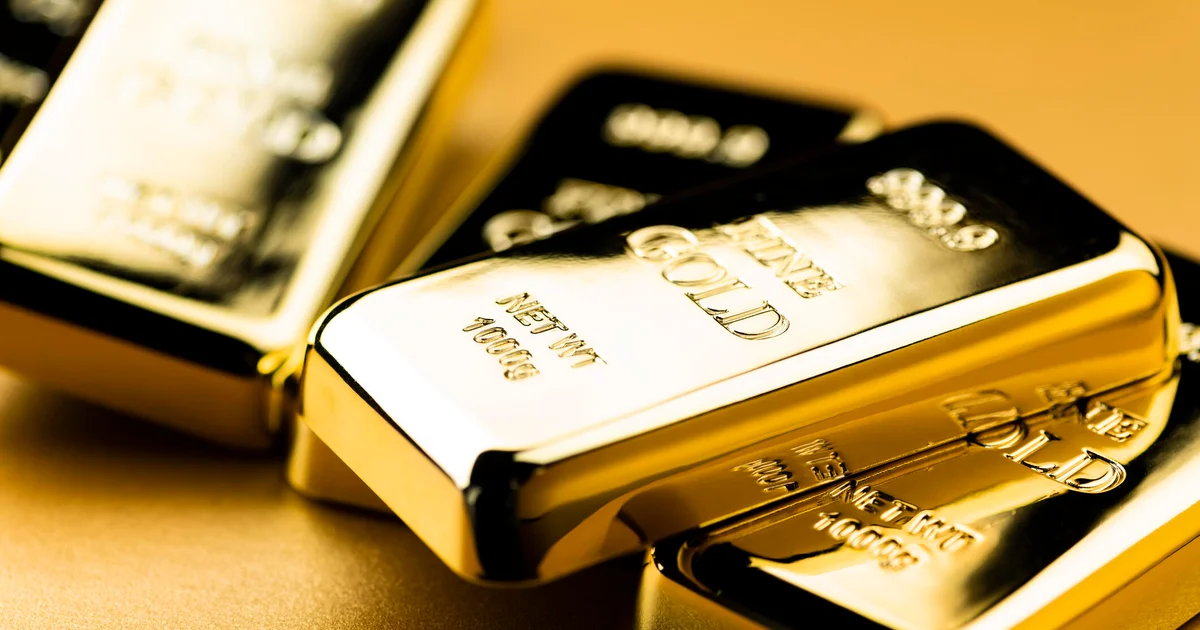
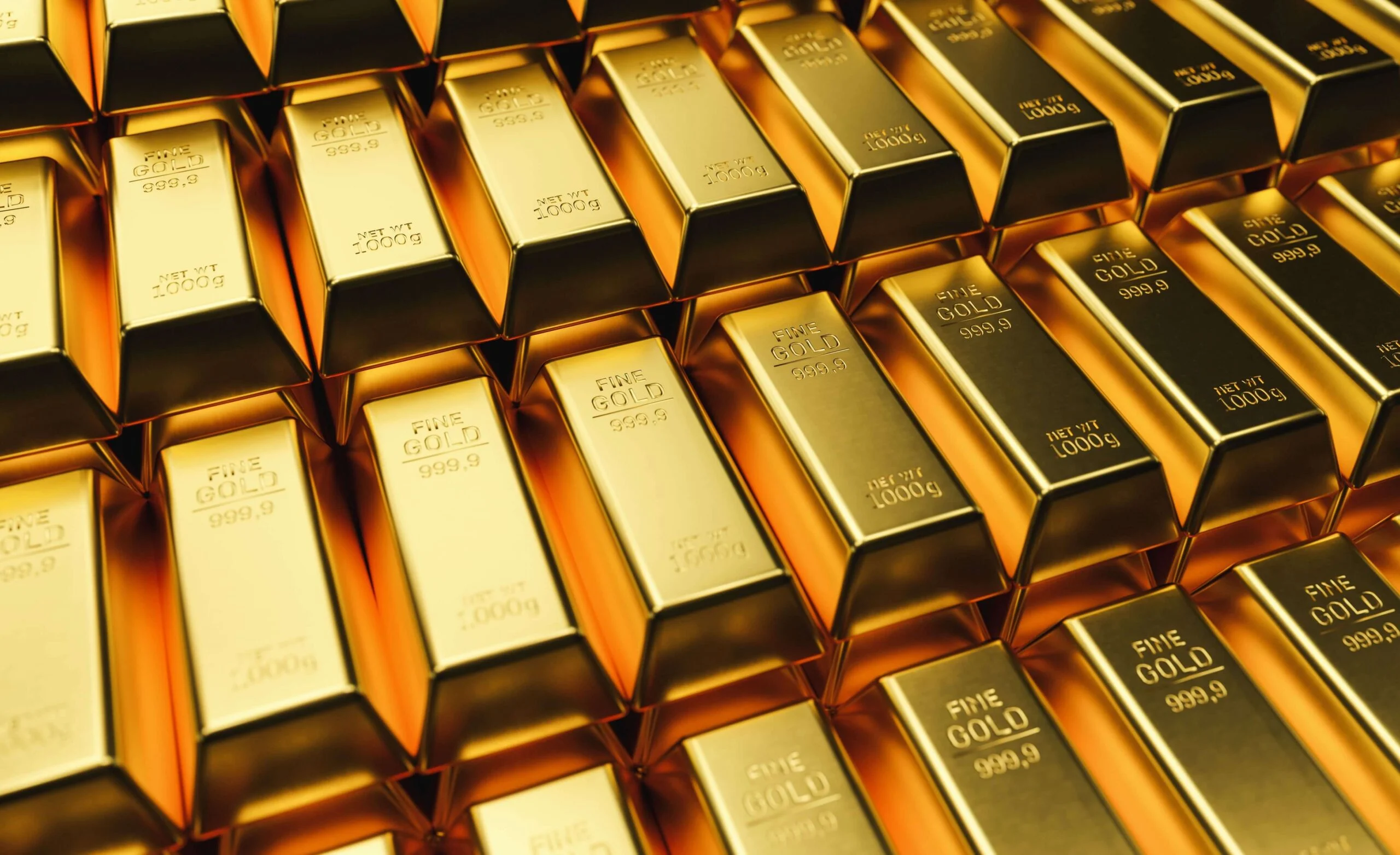
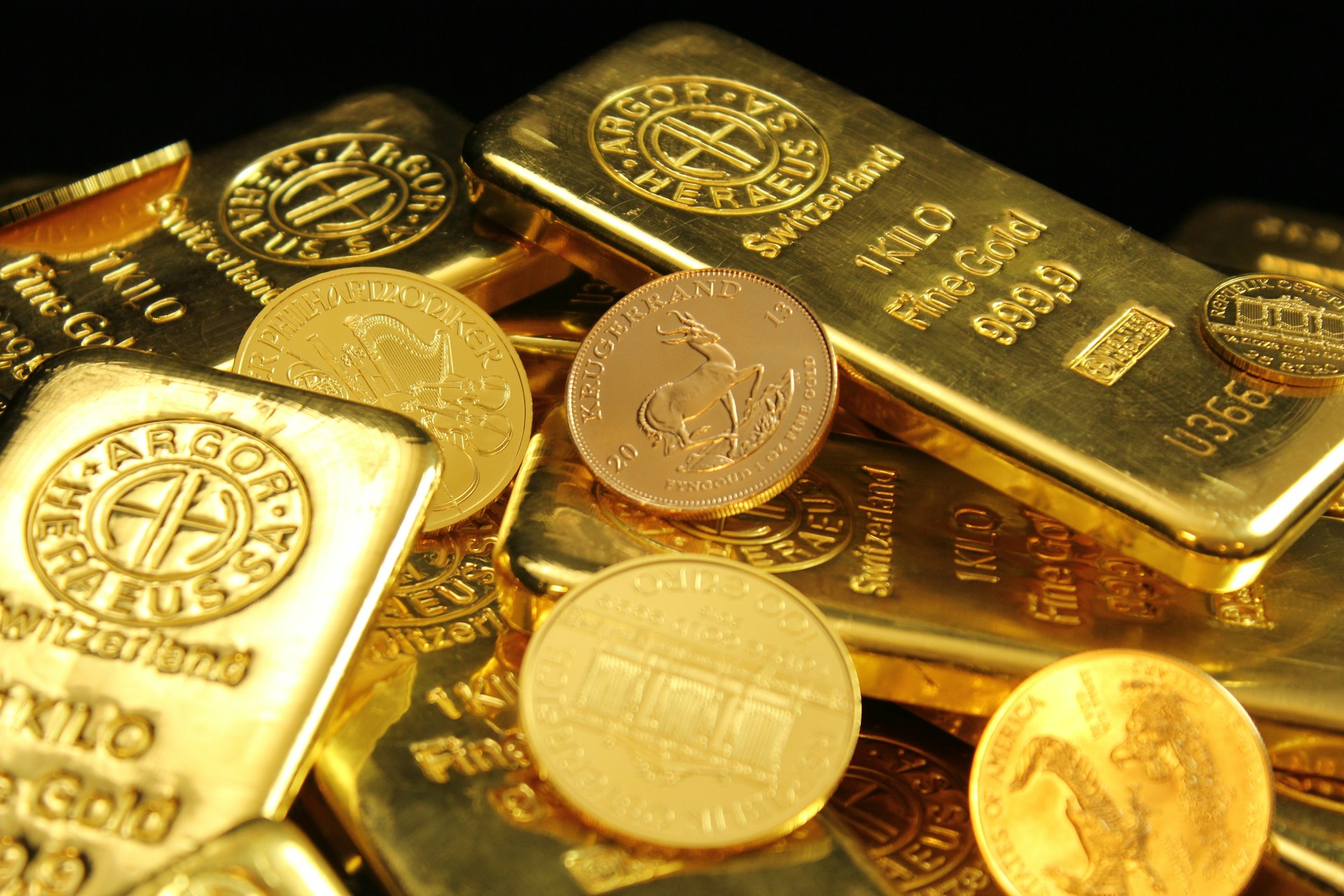
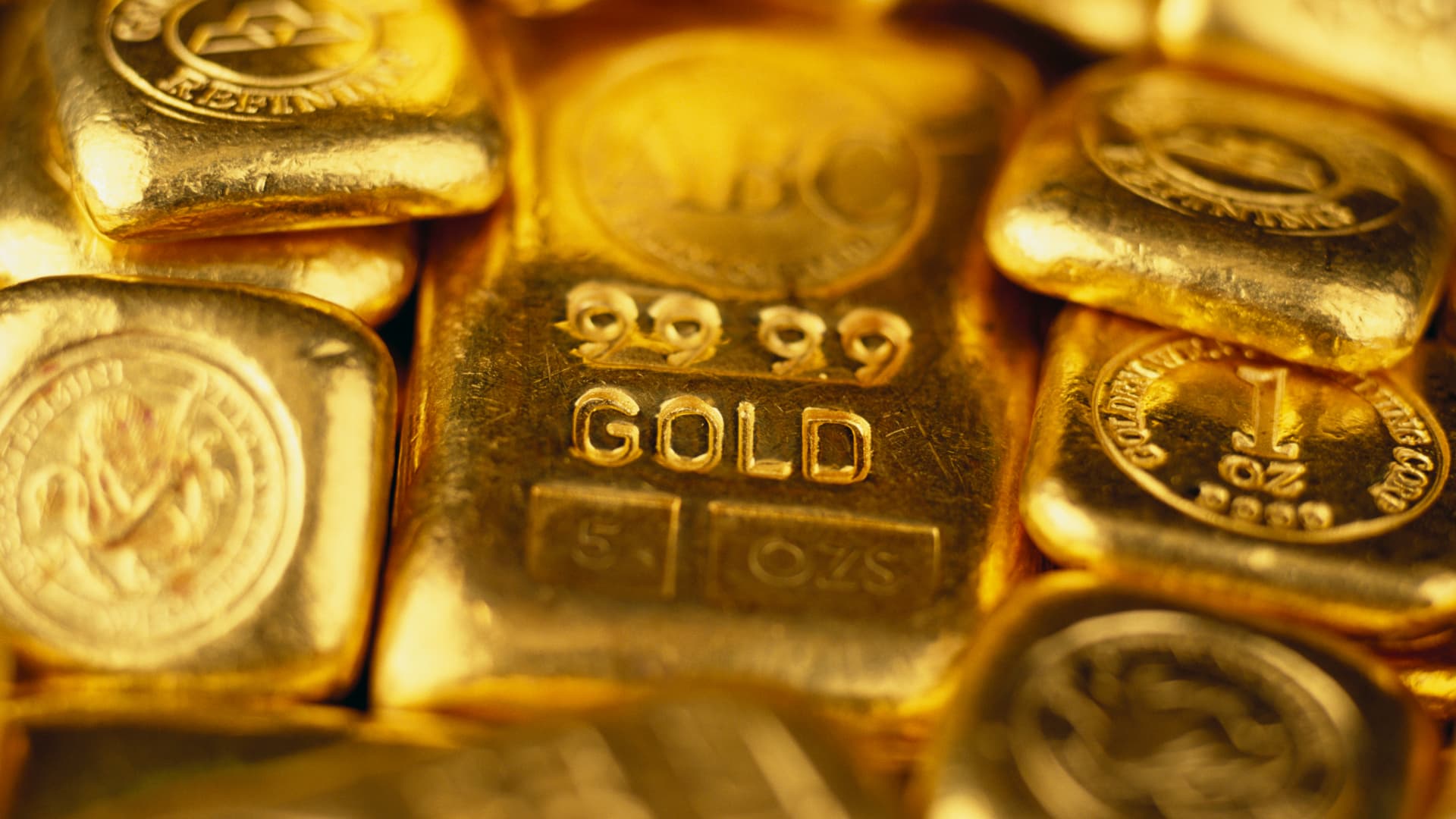
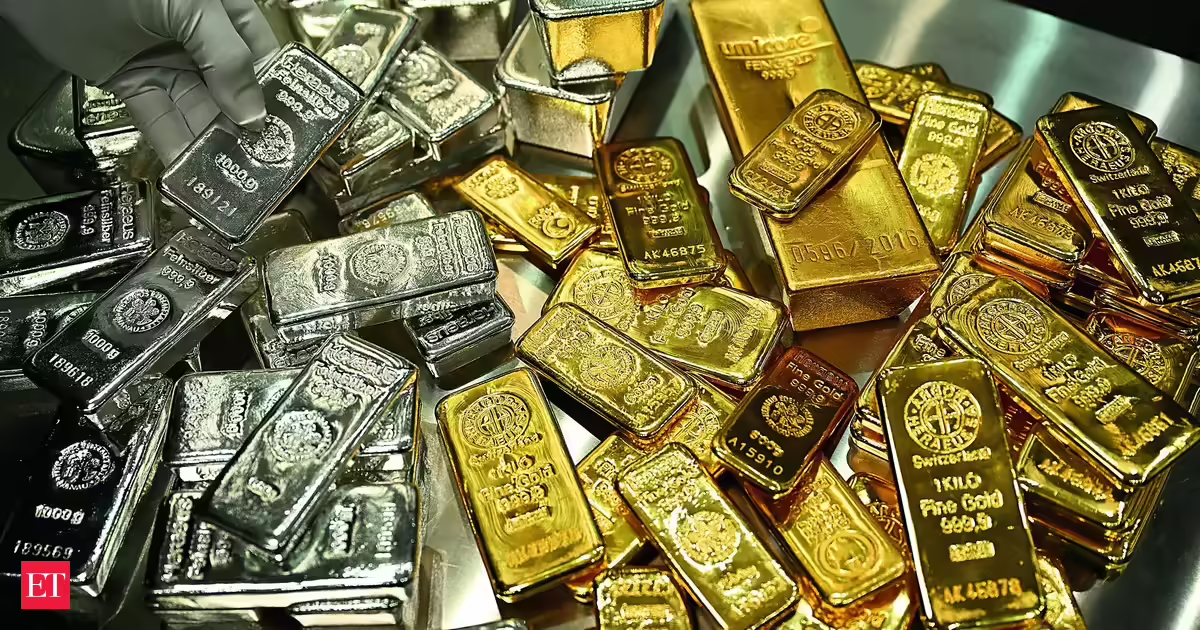
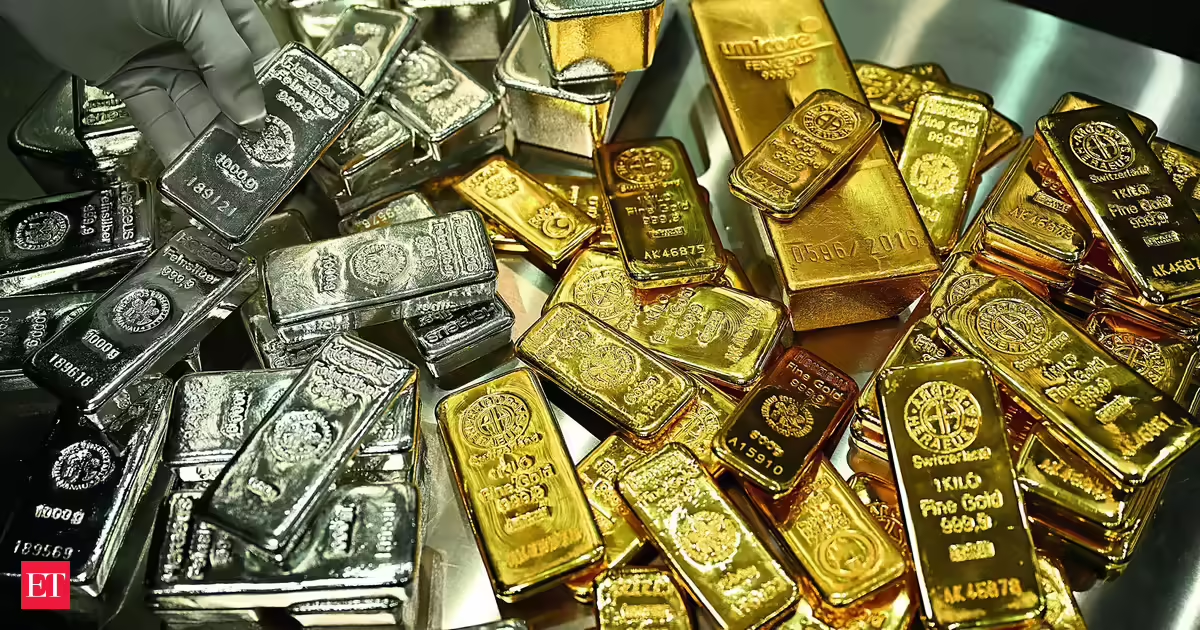
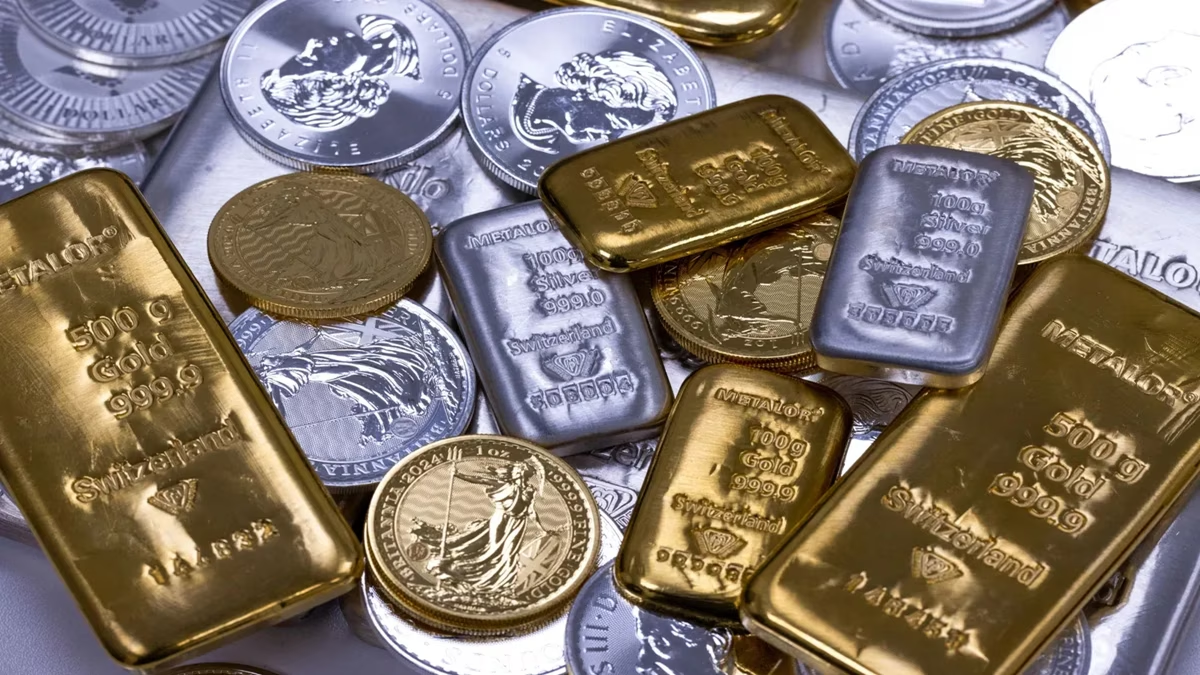
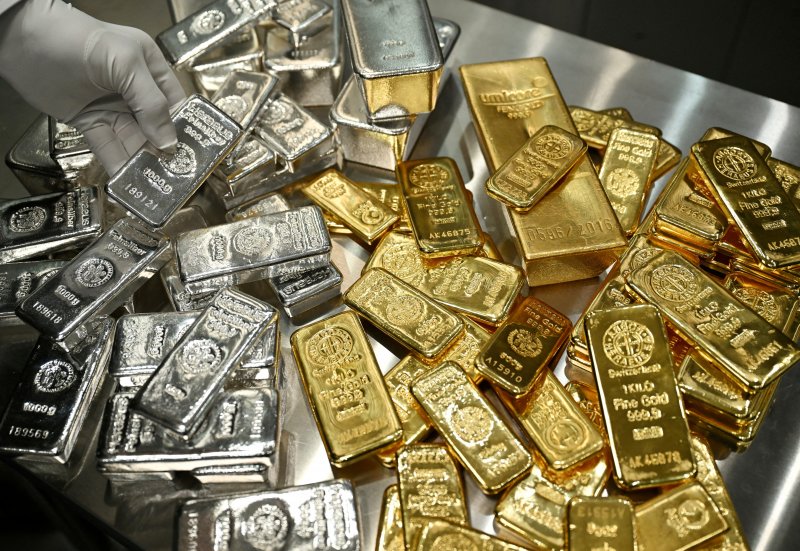
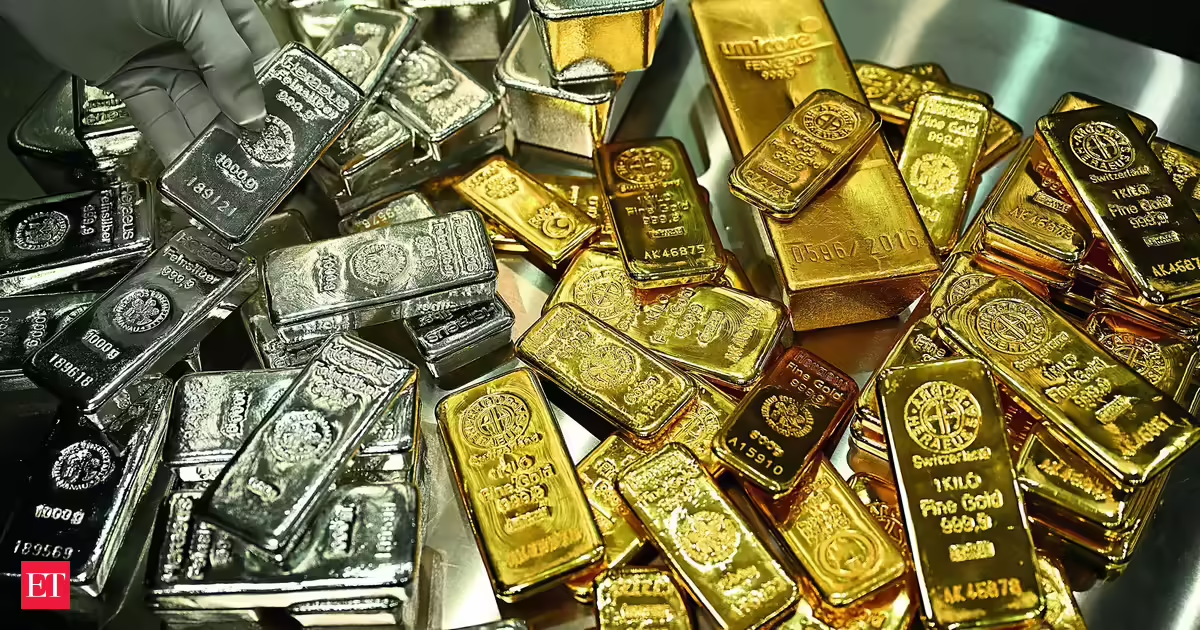
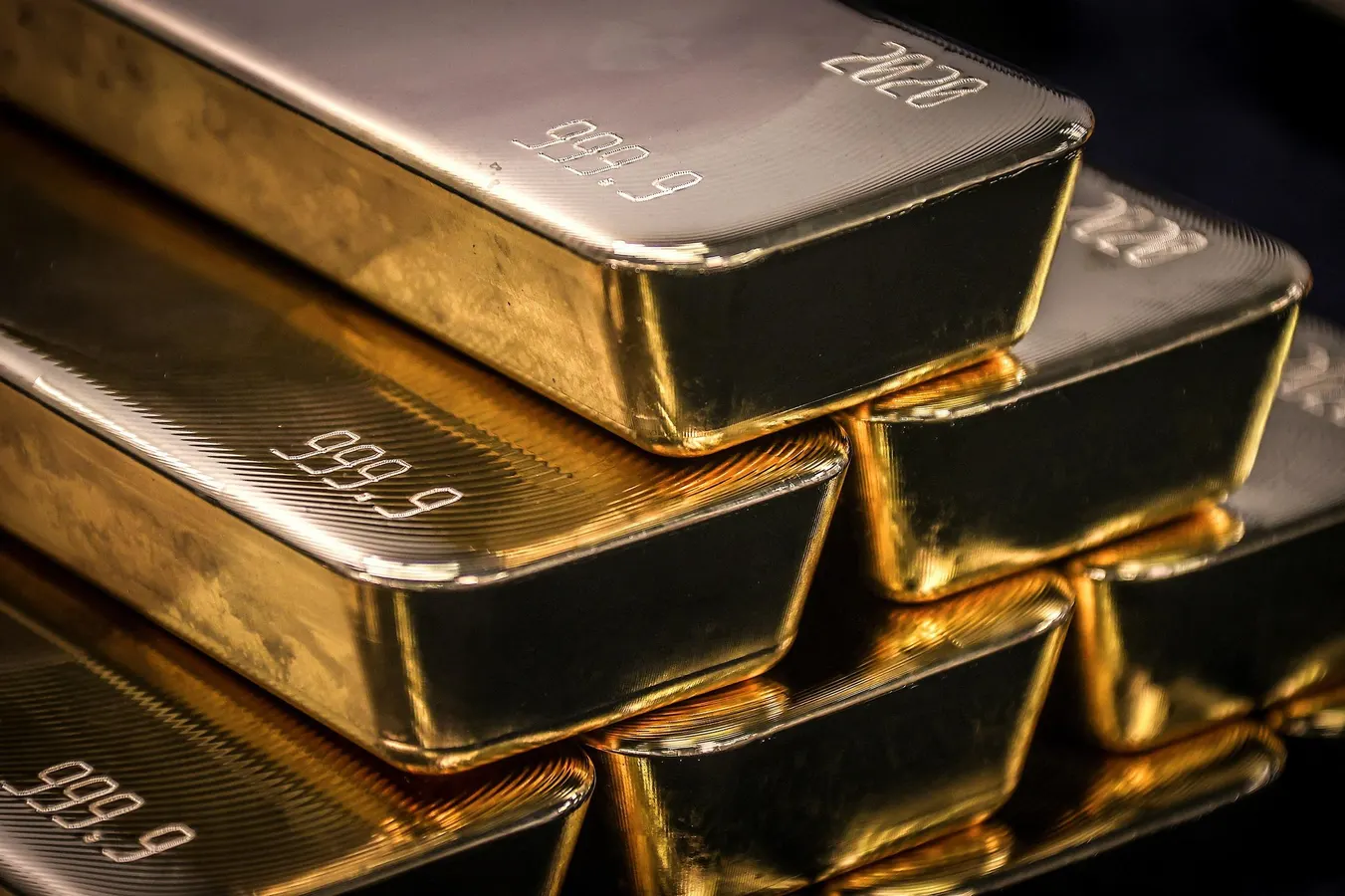
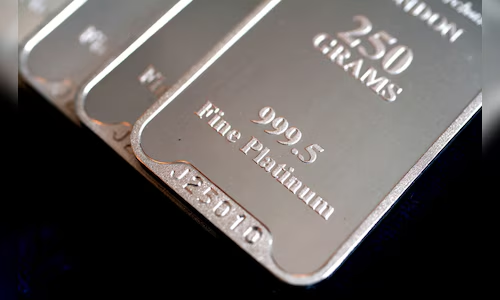
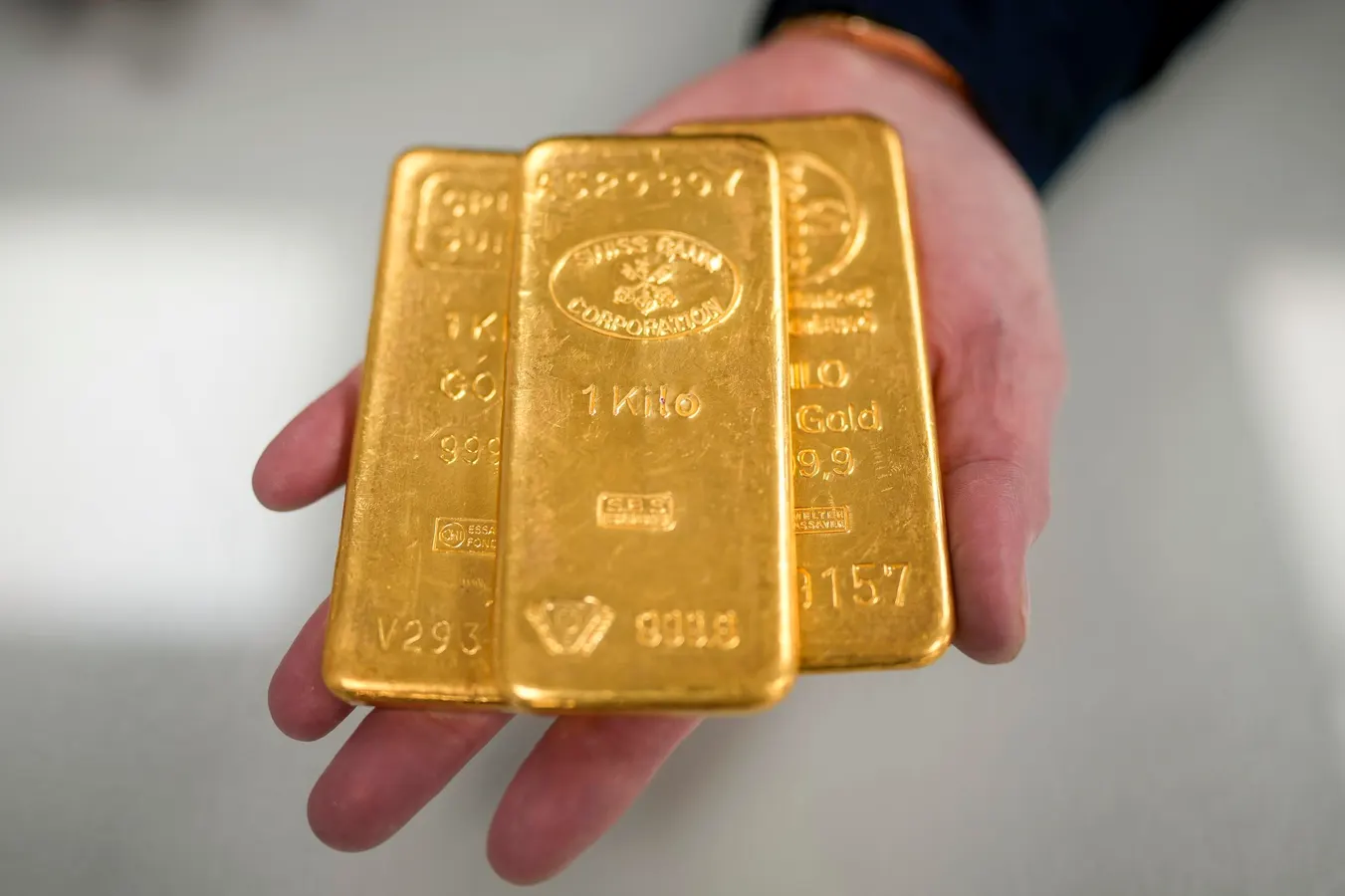
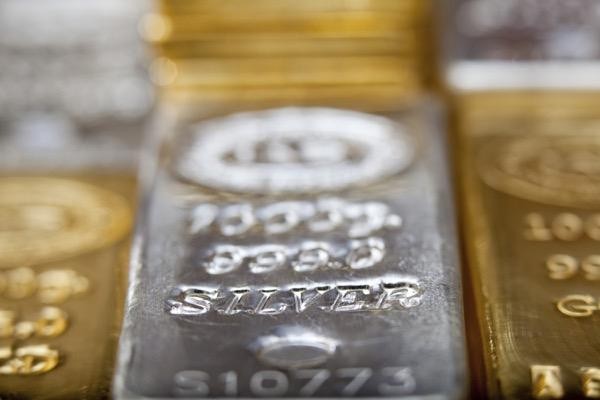
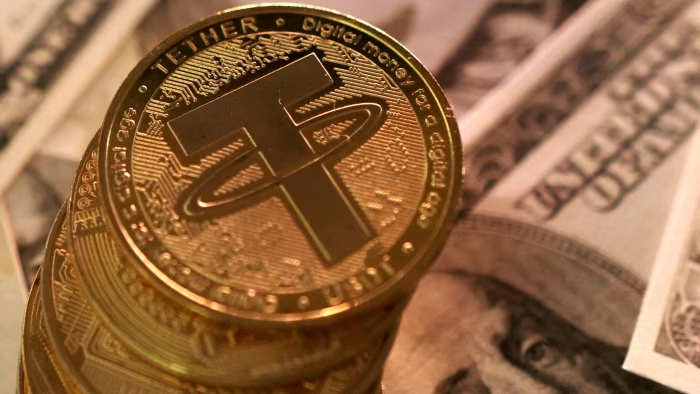
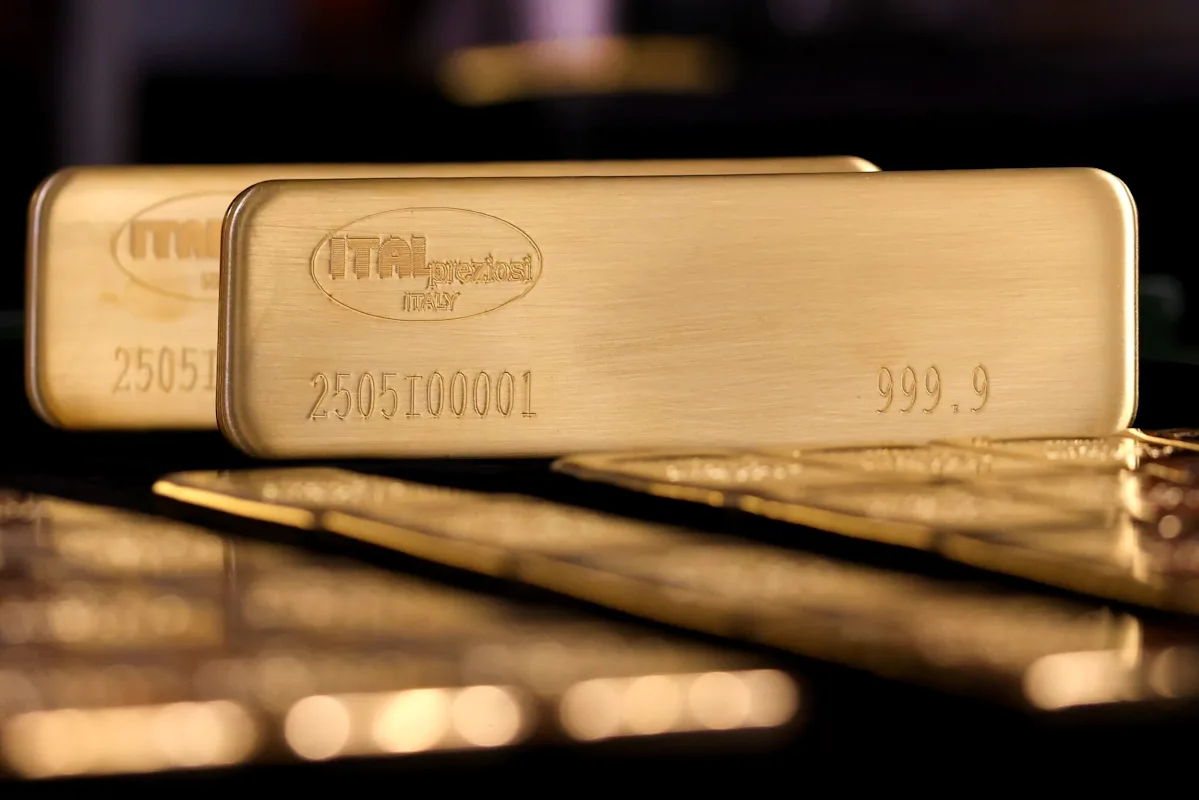
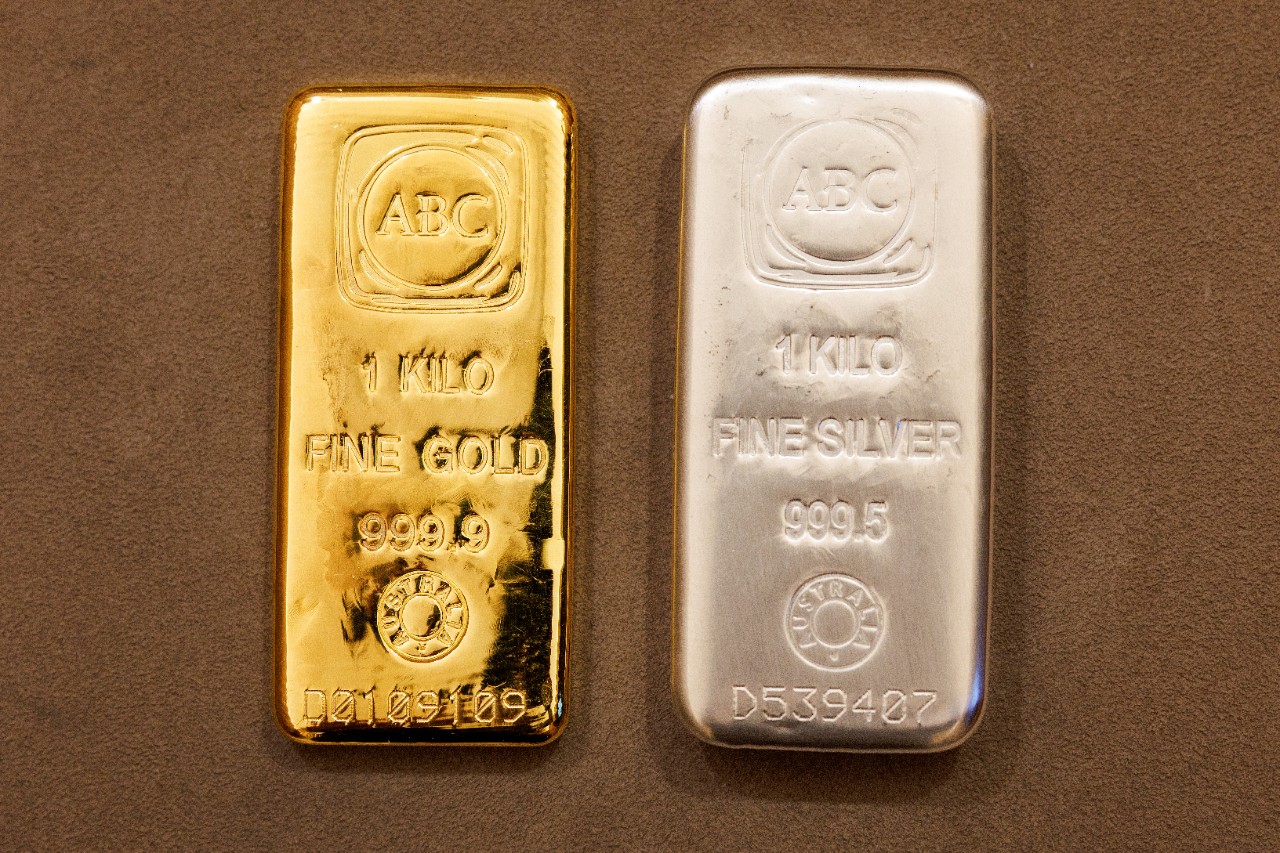
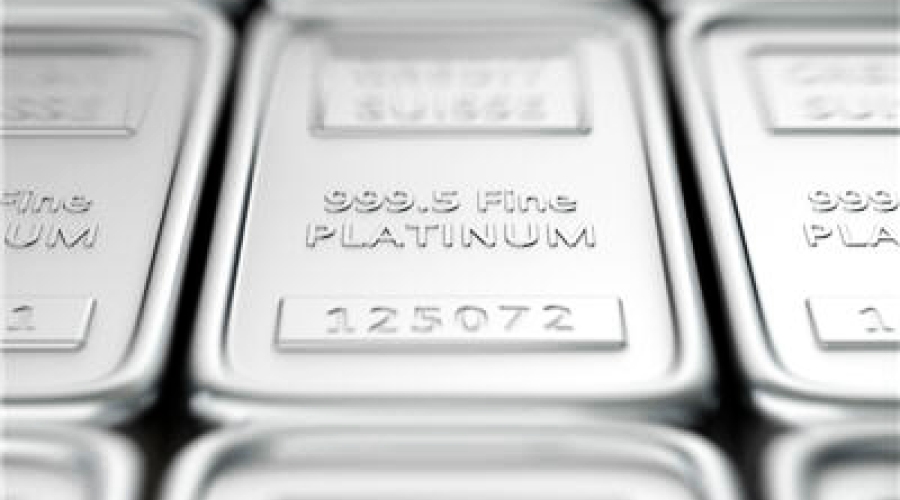
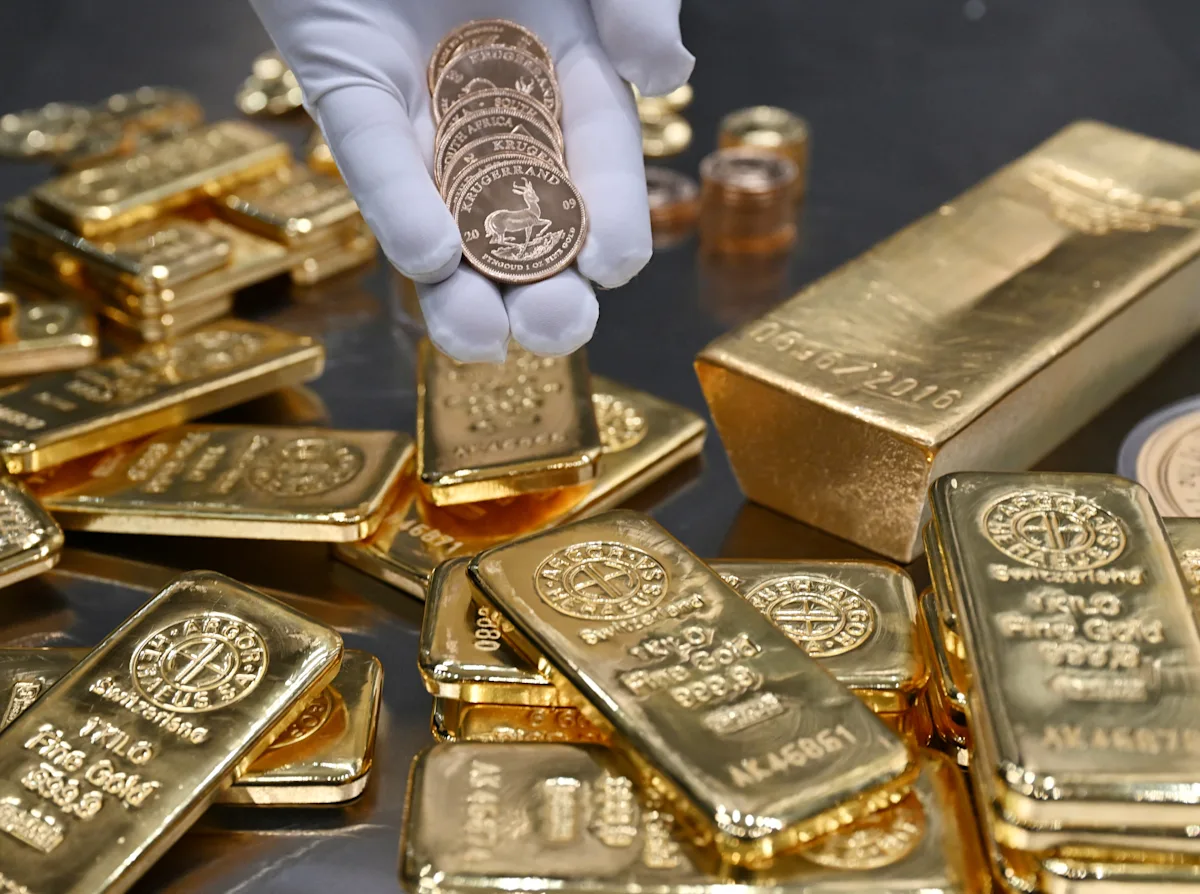
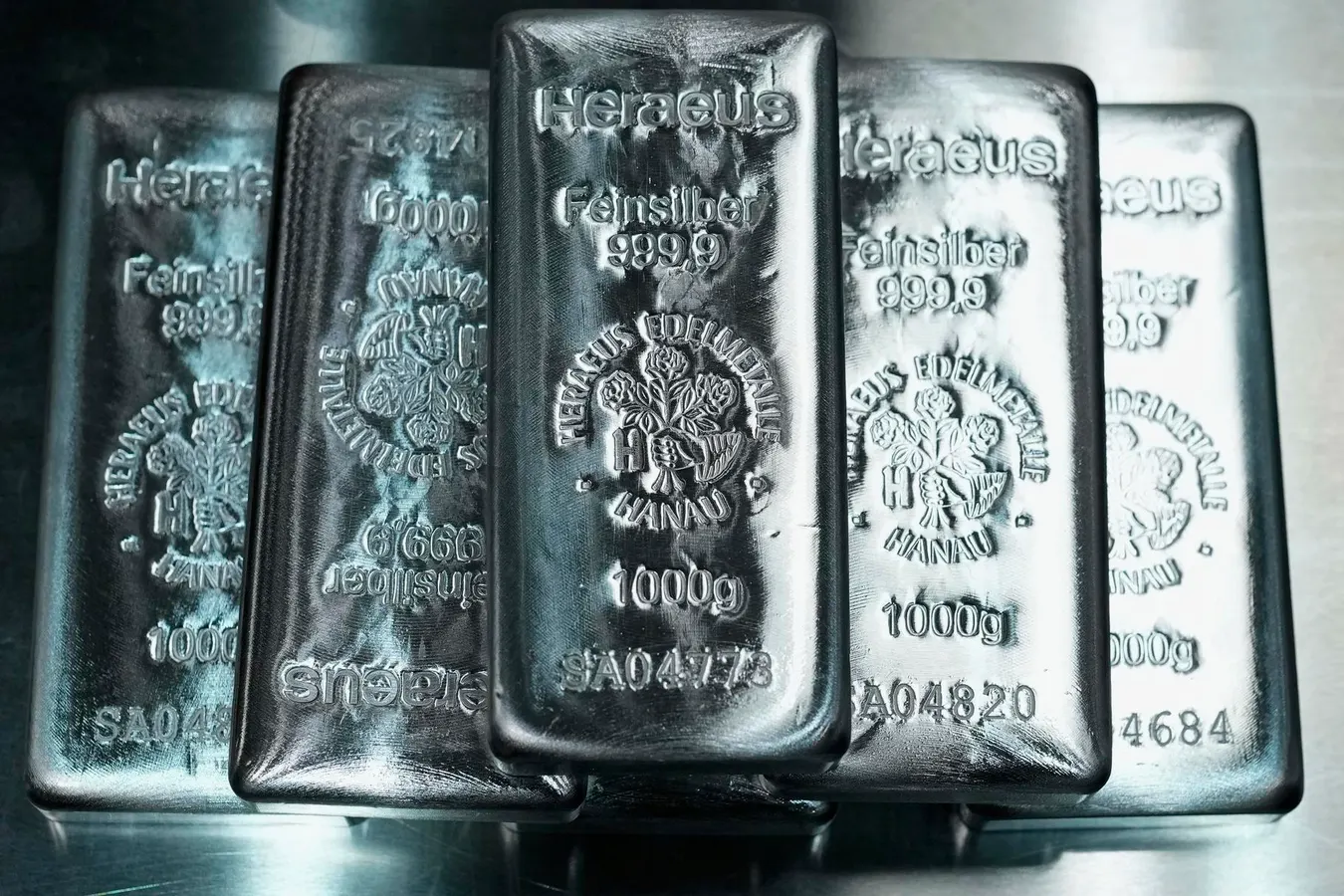
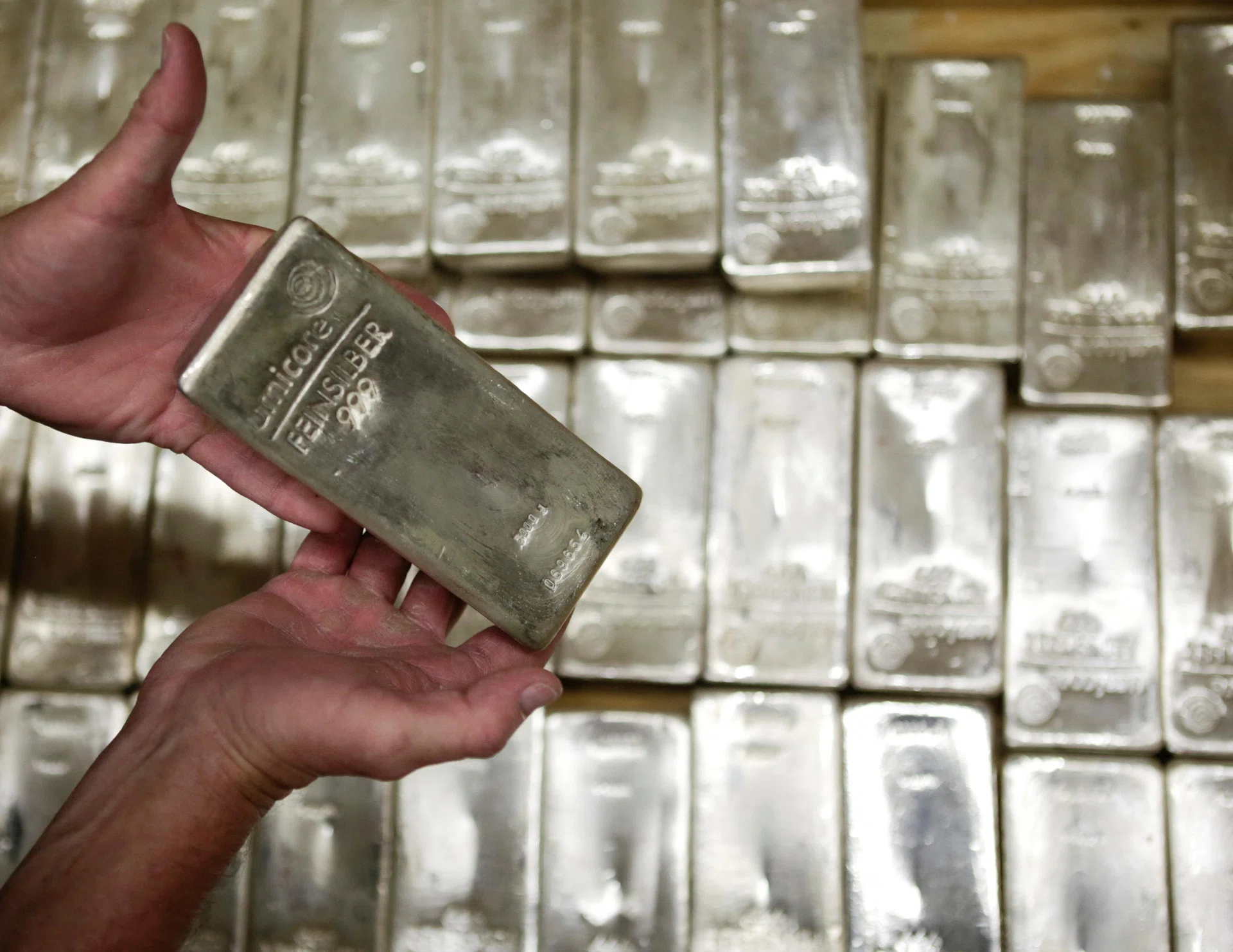
It’s not news that Tether likes gold. The world’s largest stablecoin issuer has spent more than $300mn this year buying stakes in precious metals producers, CEO Paolo Ardoino having talked about “natural bitcoin” as a way to diversify reserves. Tether also issues the XAUt token, launched in 2020, which is advertised as being backed by bullion held in a Swiss vault.
But is Tether a big enough gold buyer to move the market on its own? According to analysis from Jefferies, probably:

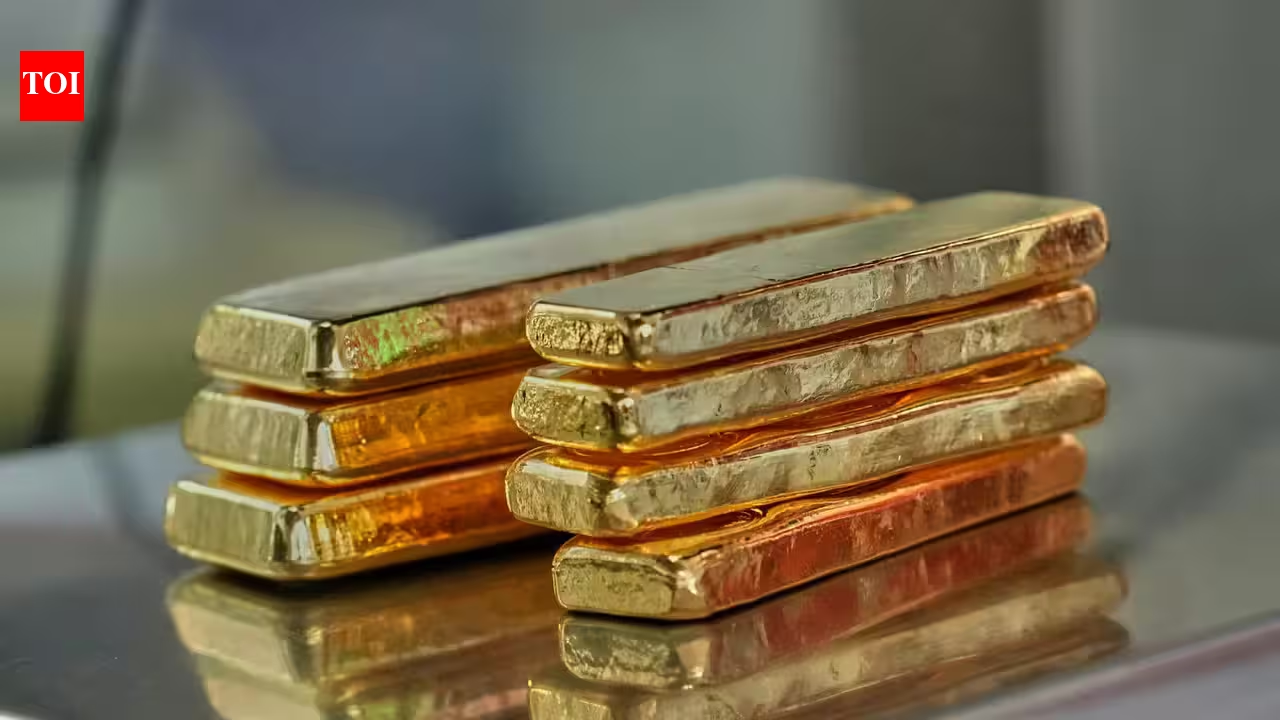
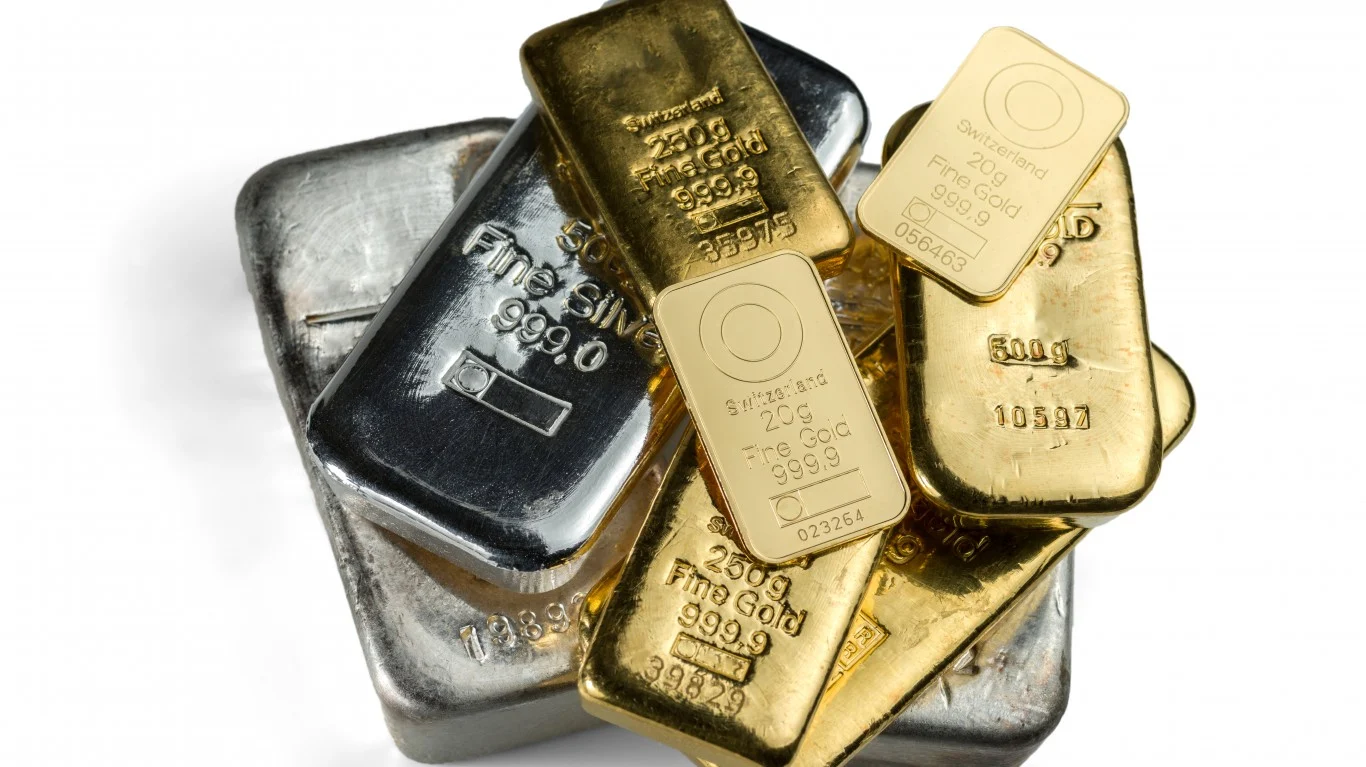
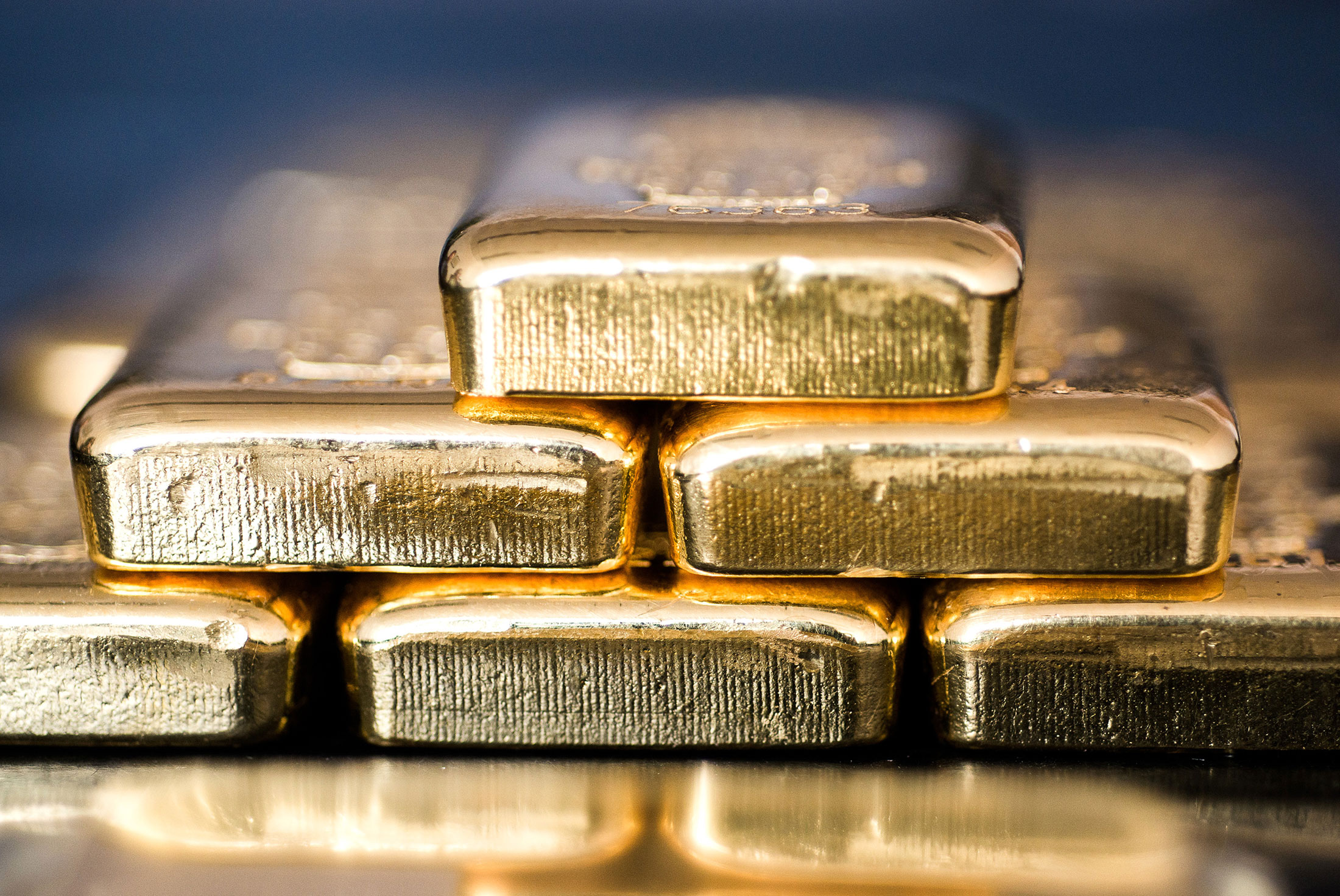
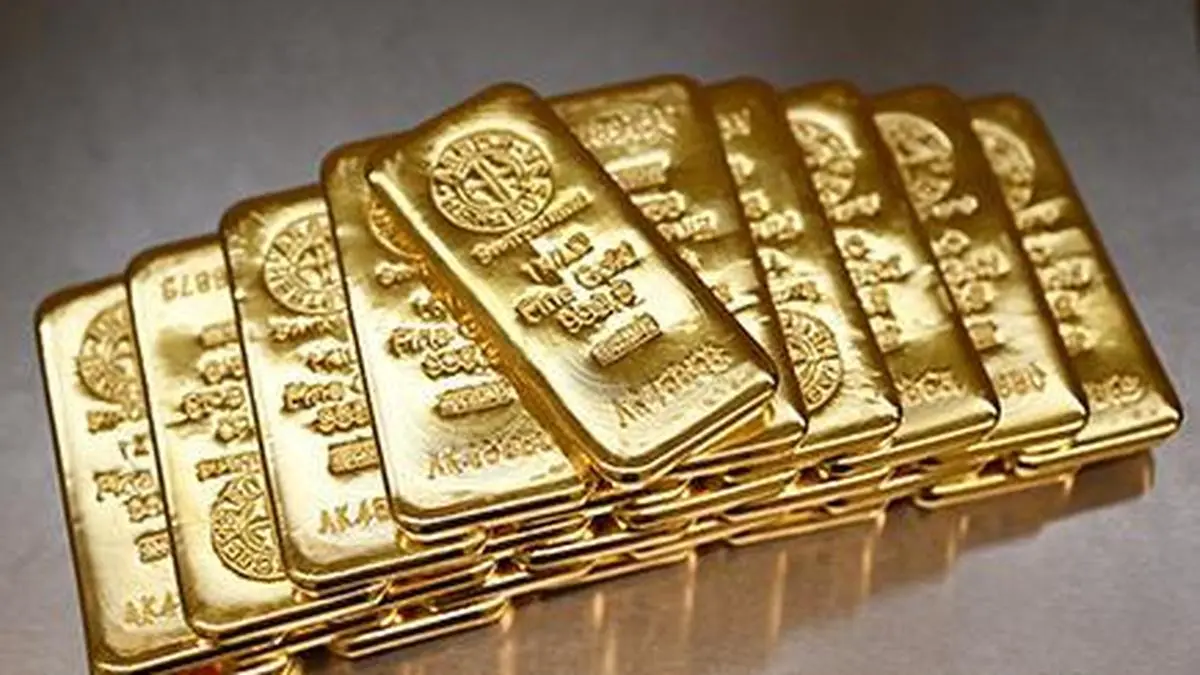
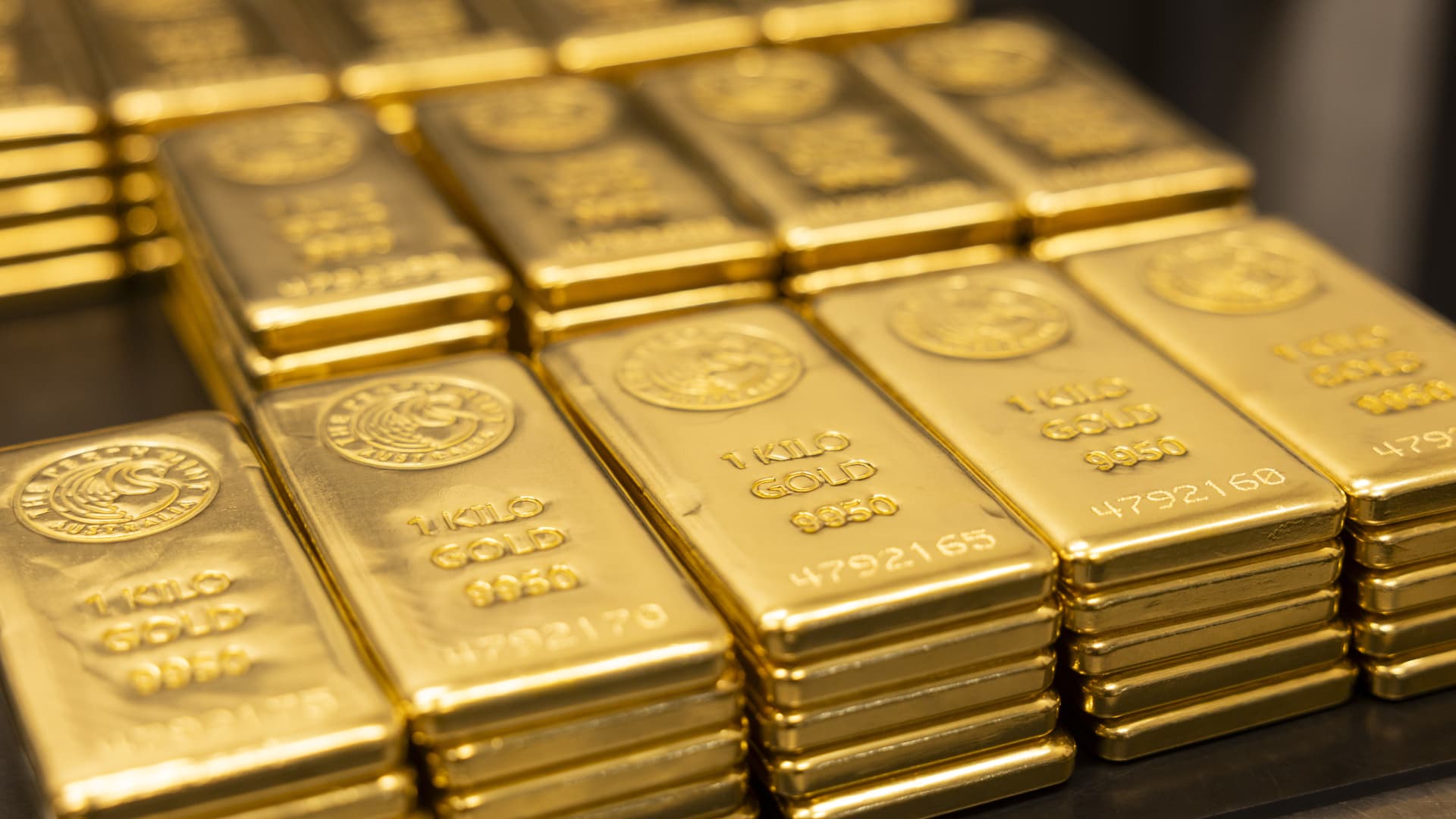
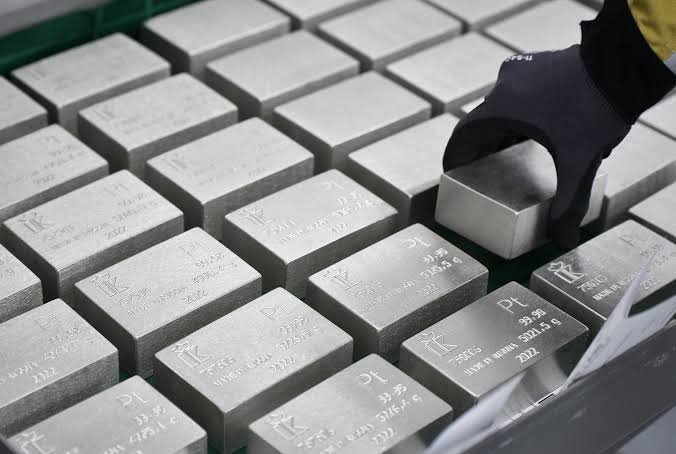
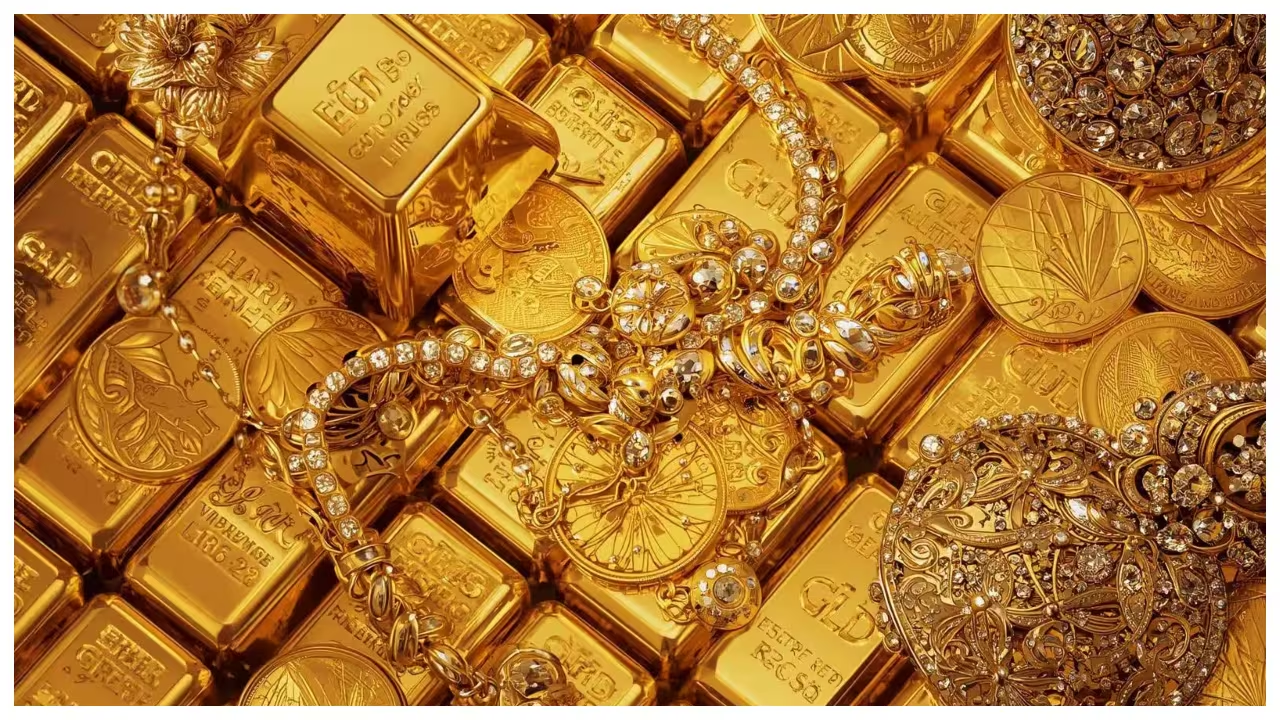
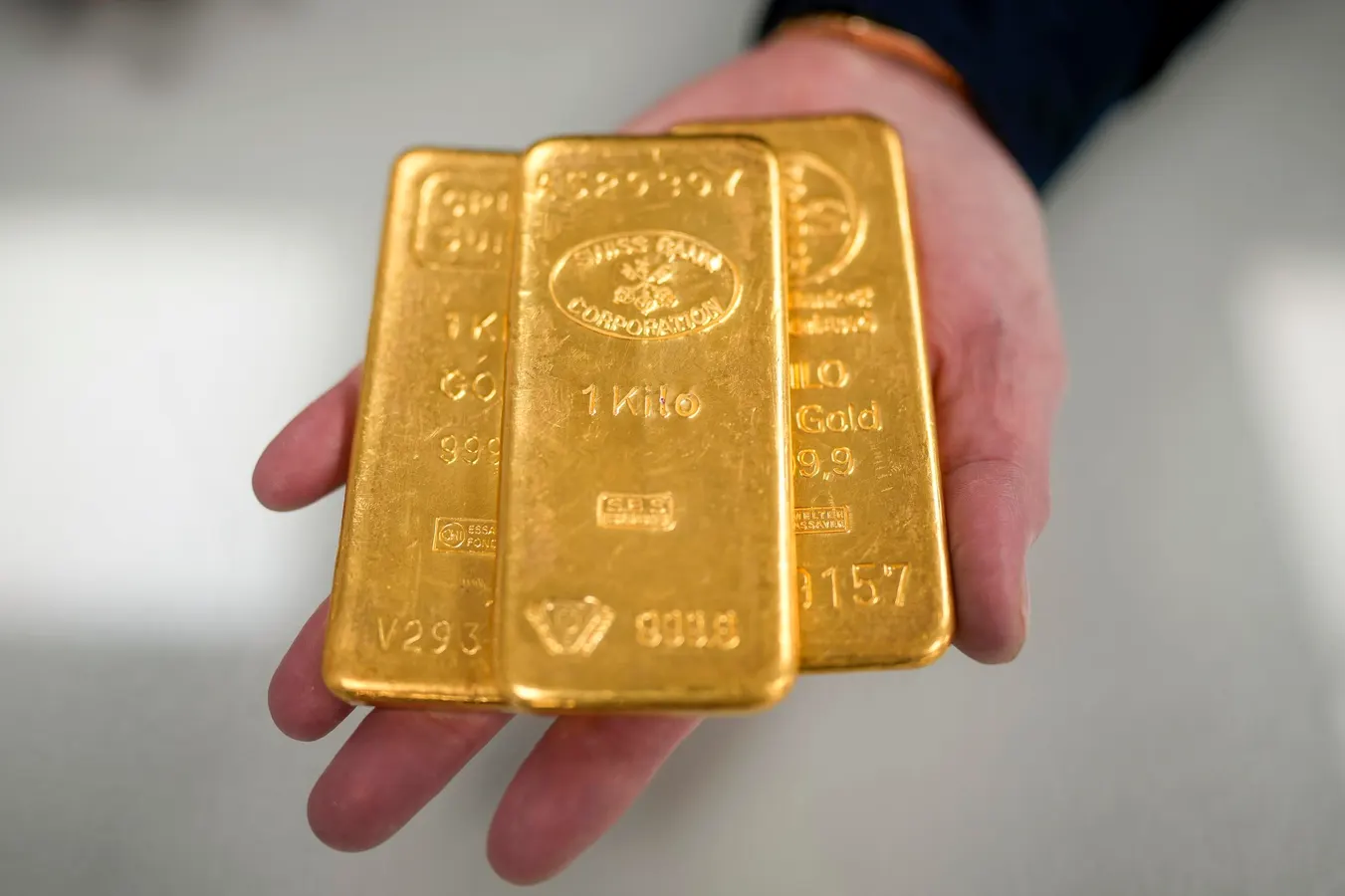
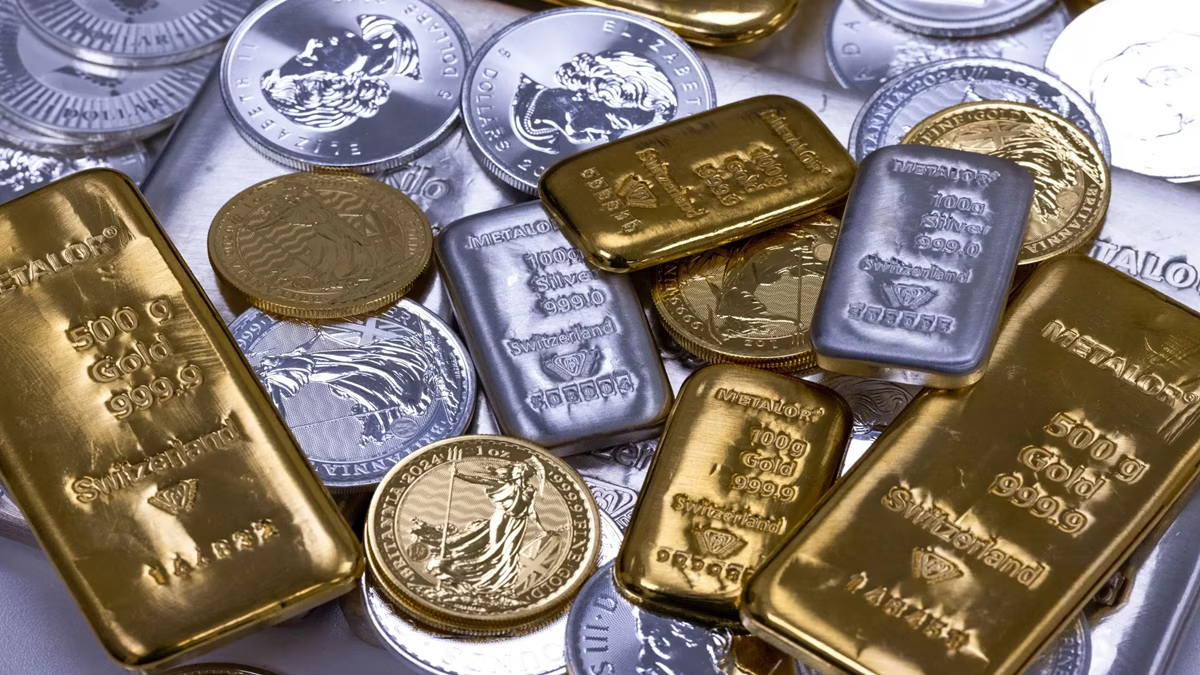
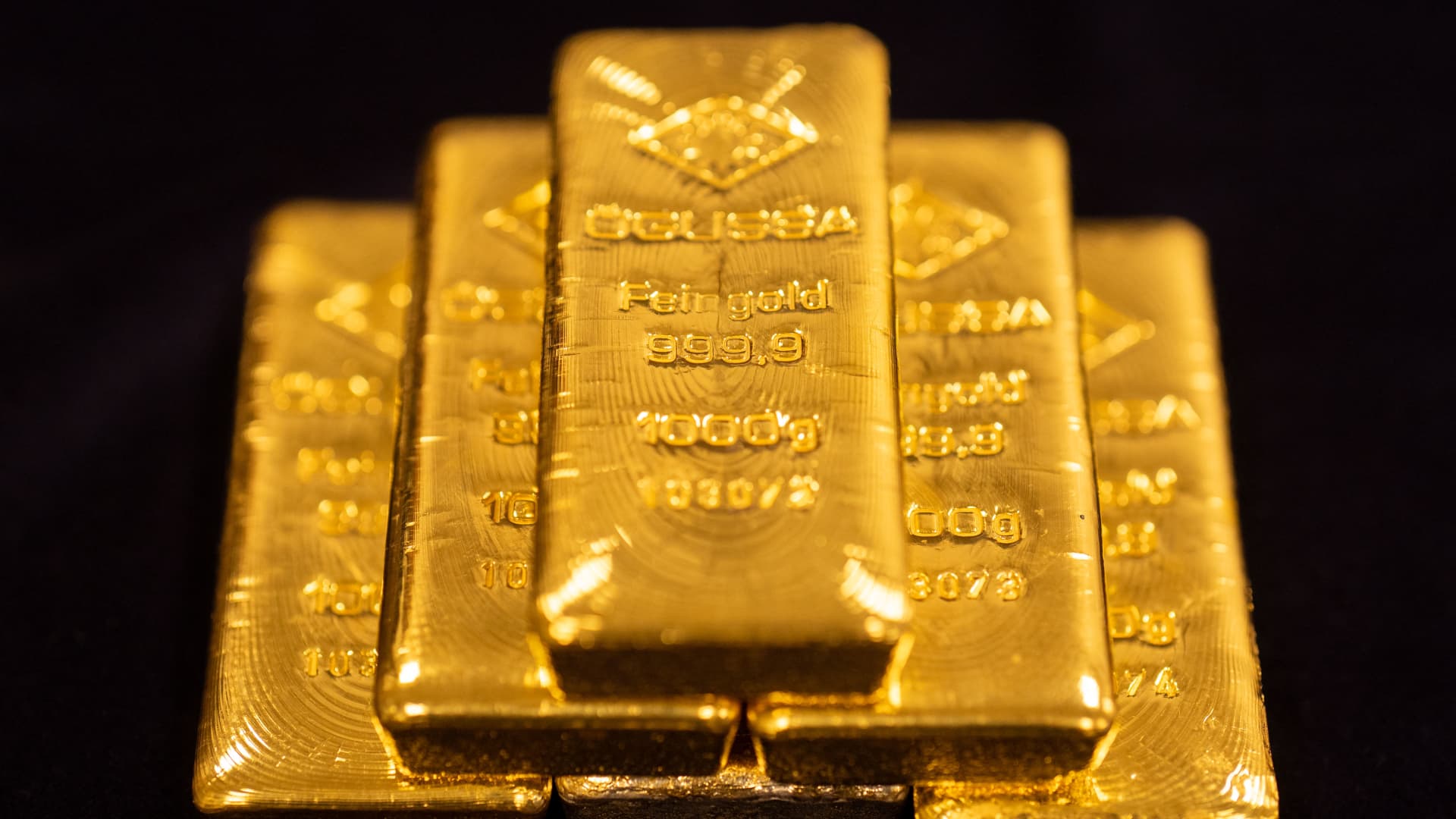
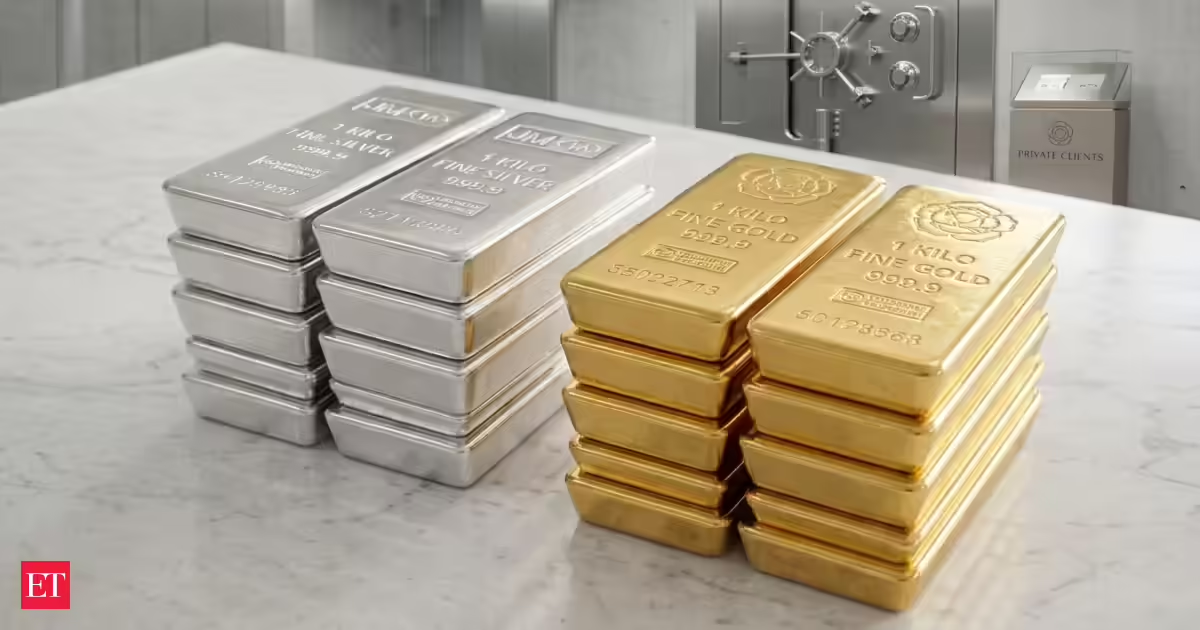
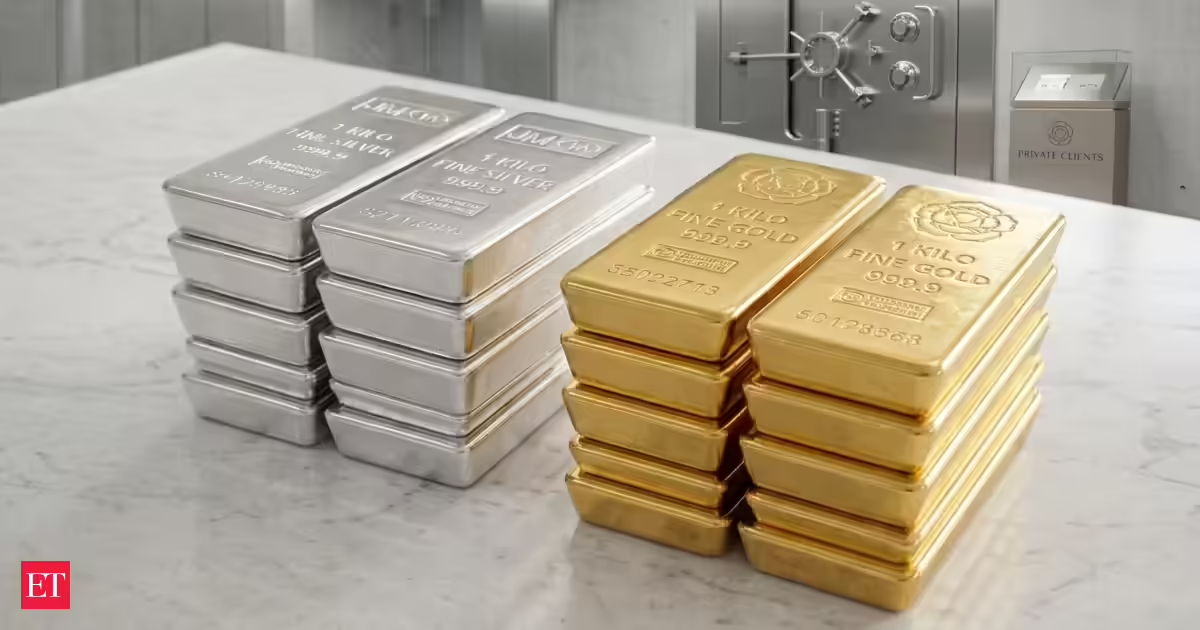
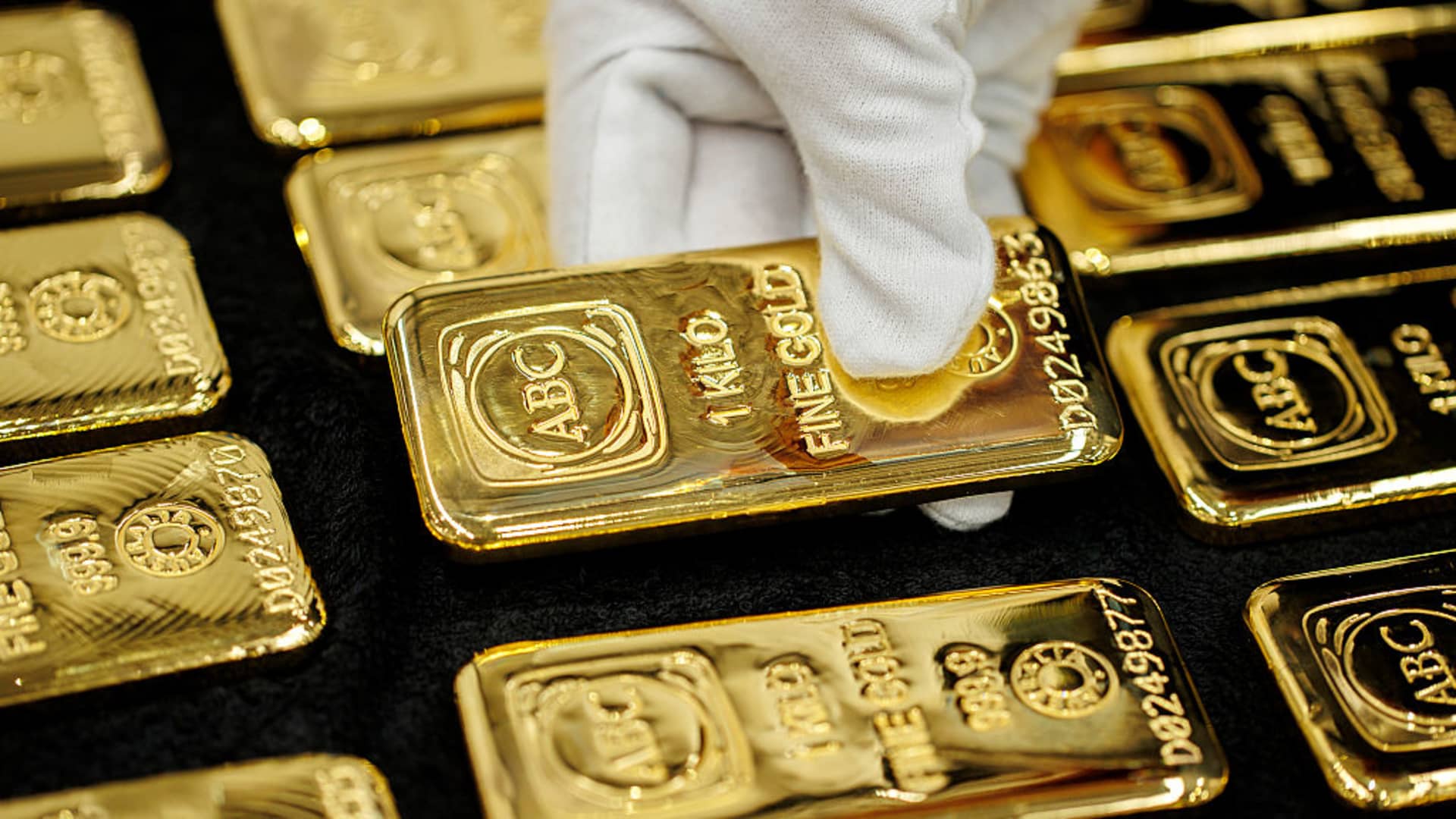
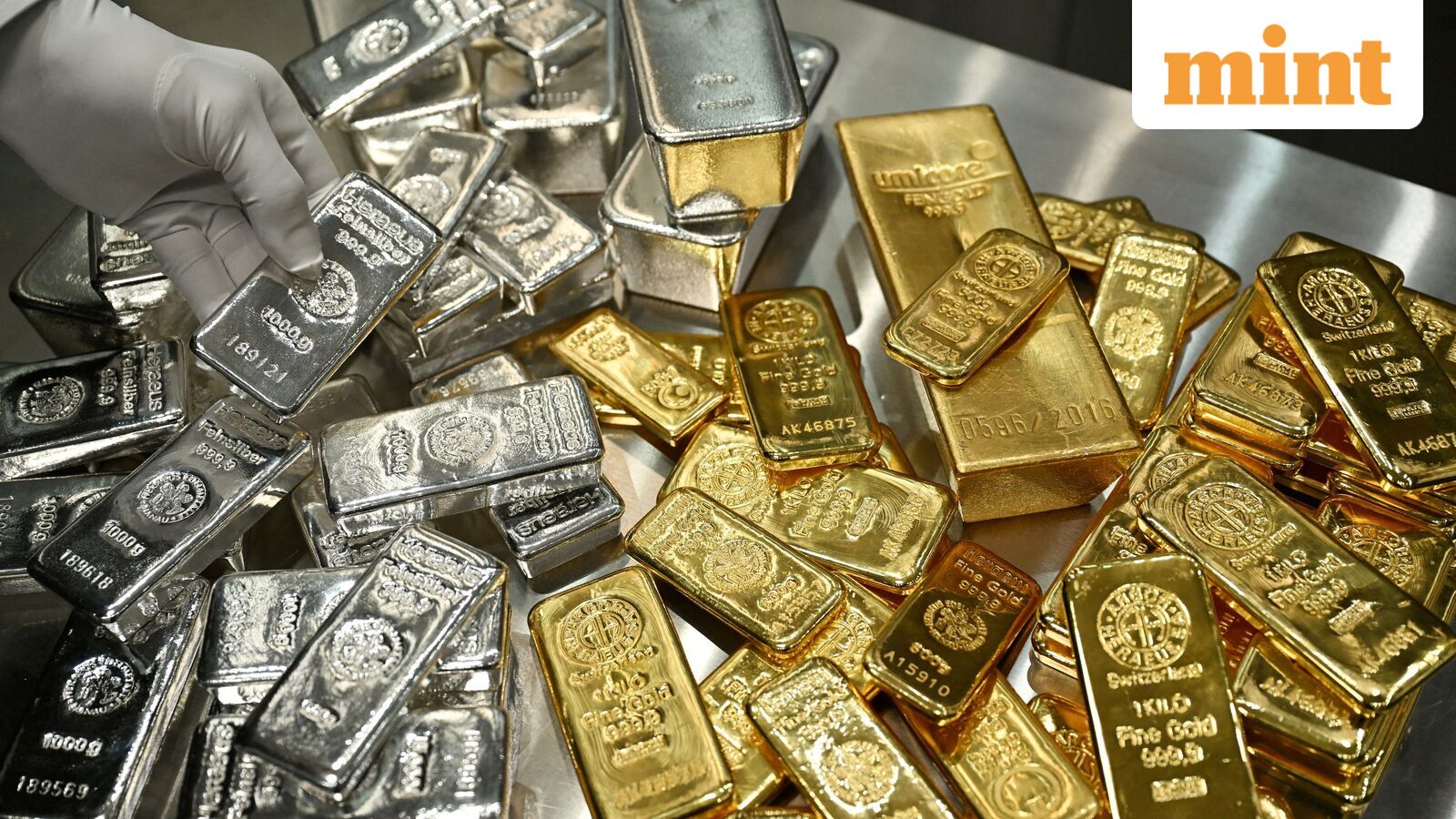
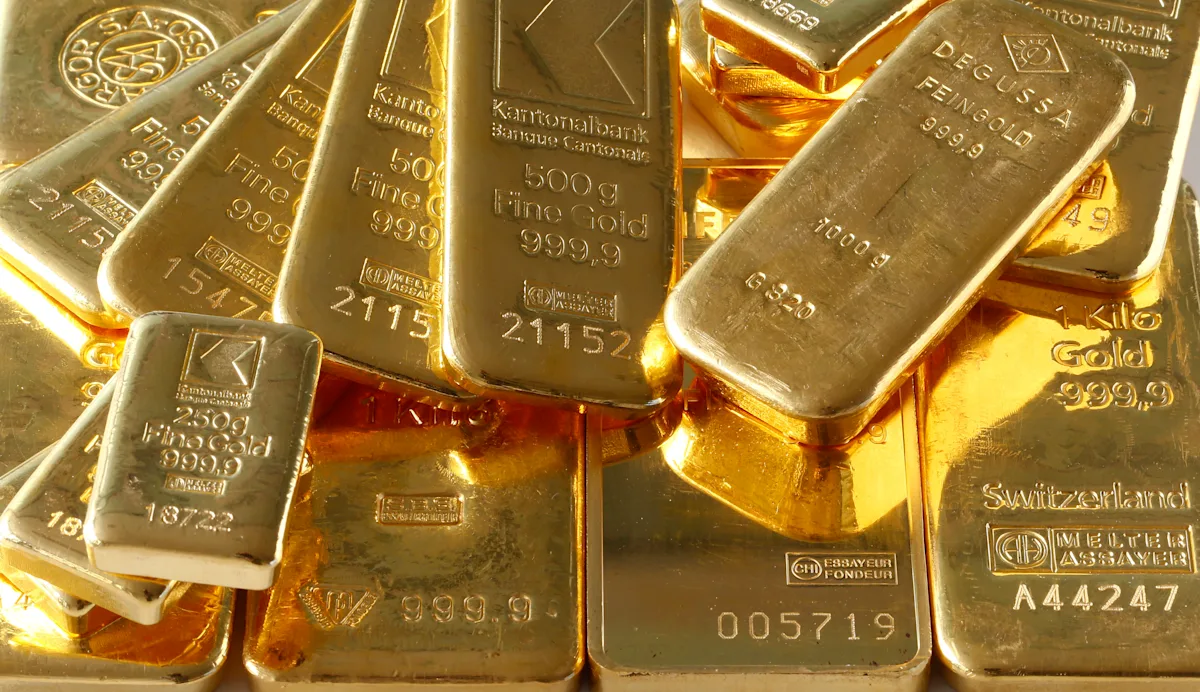
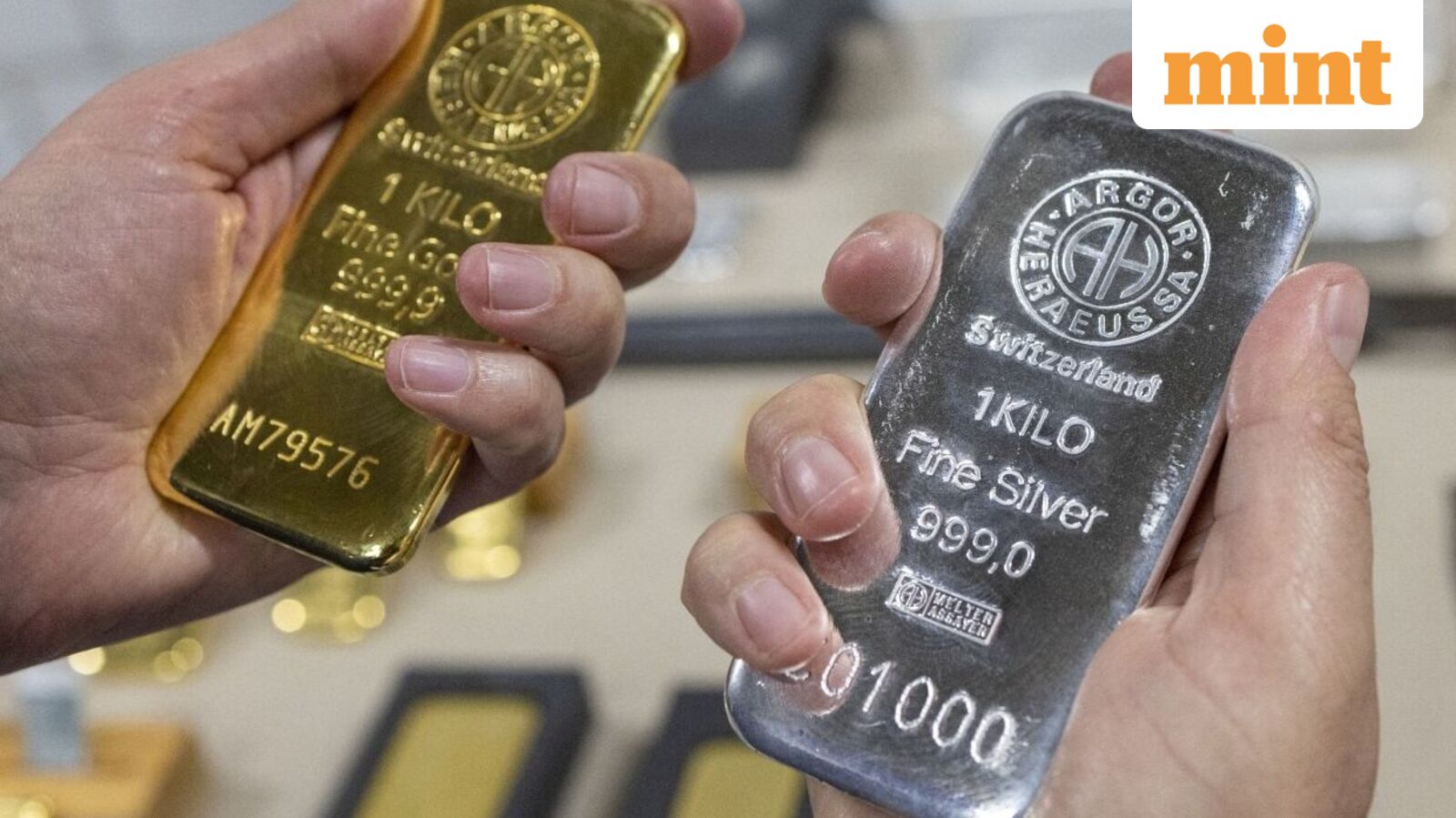
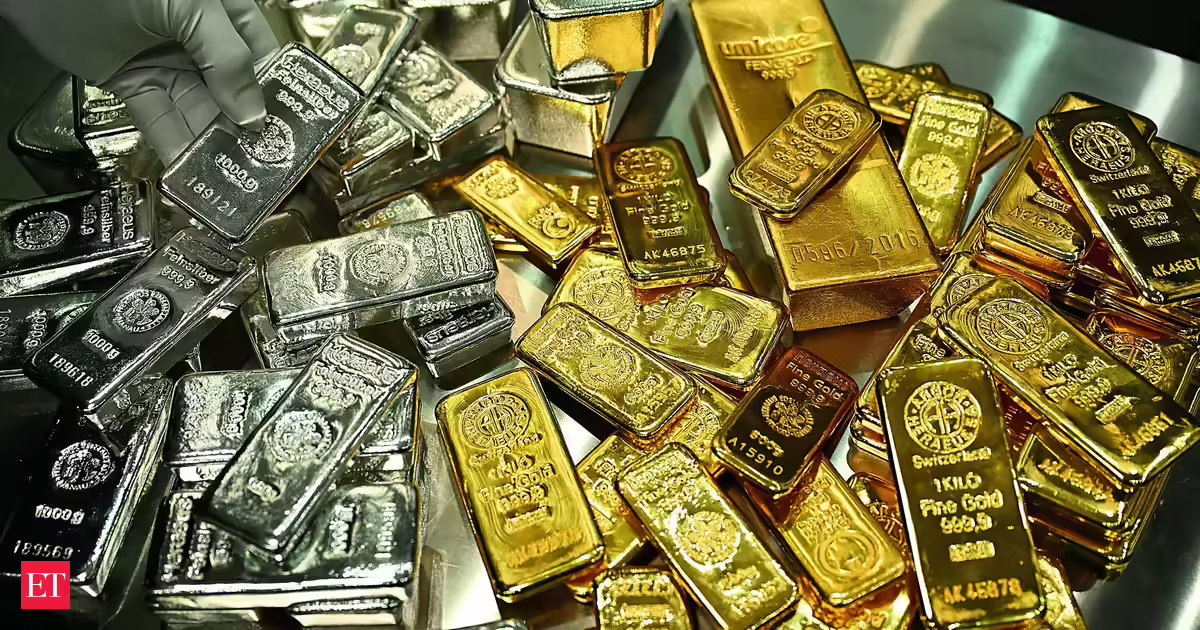
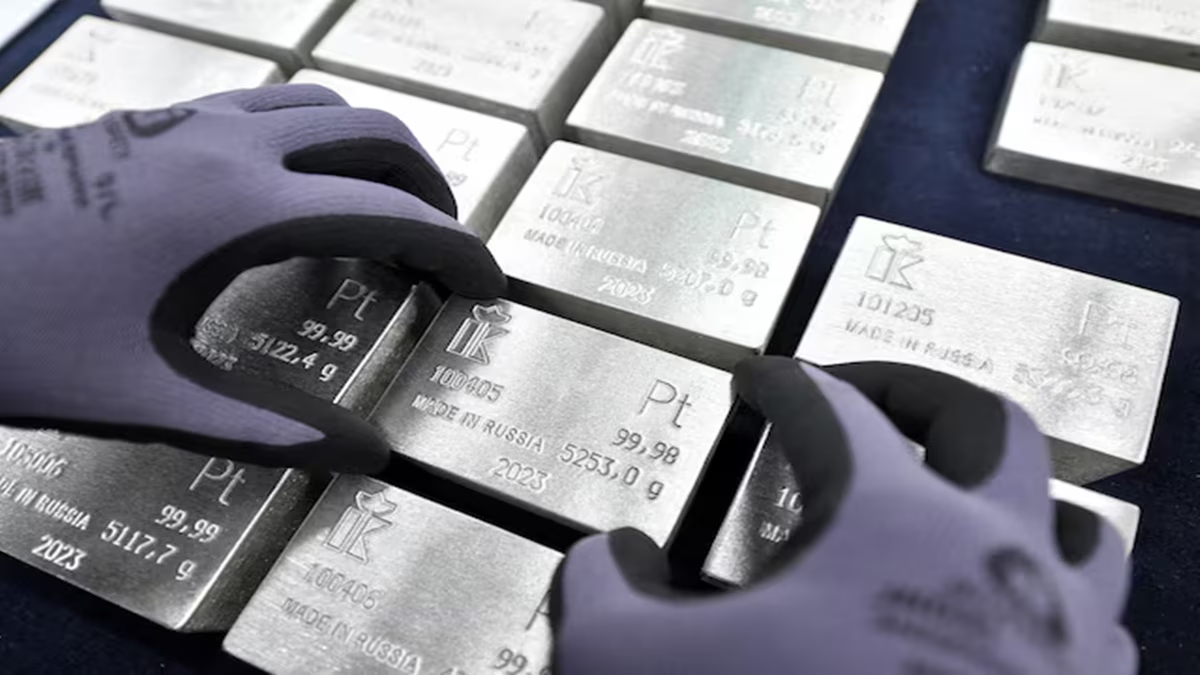
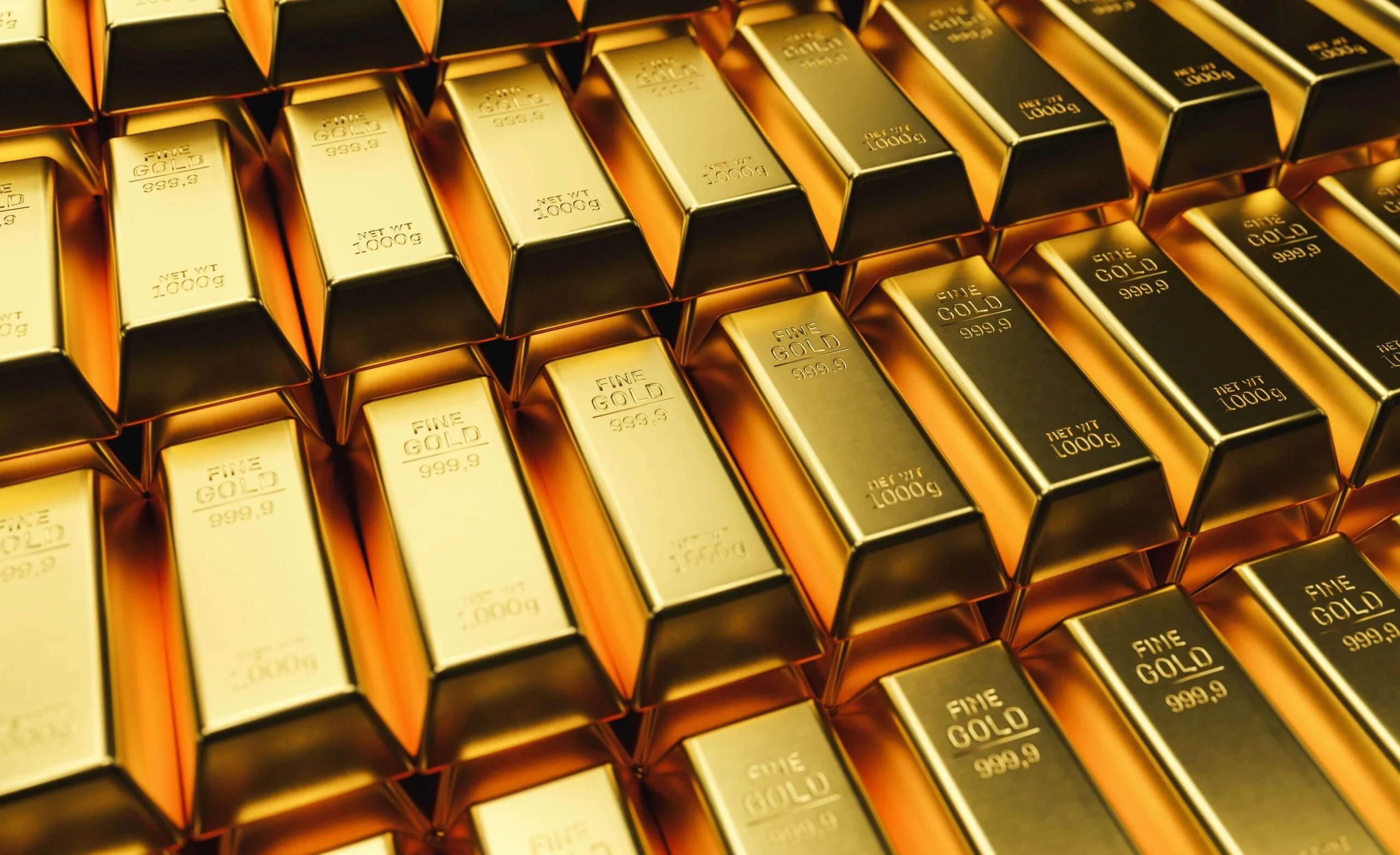
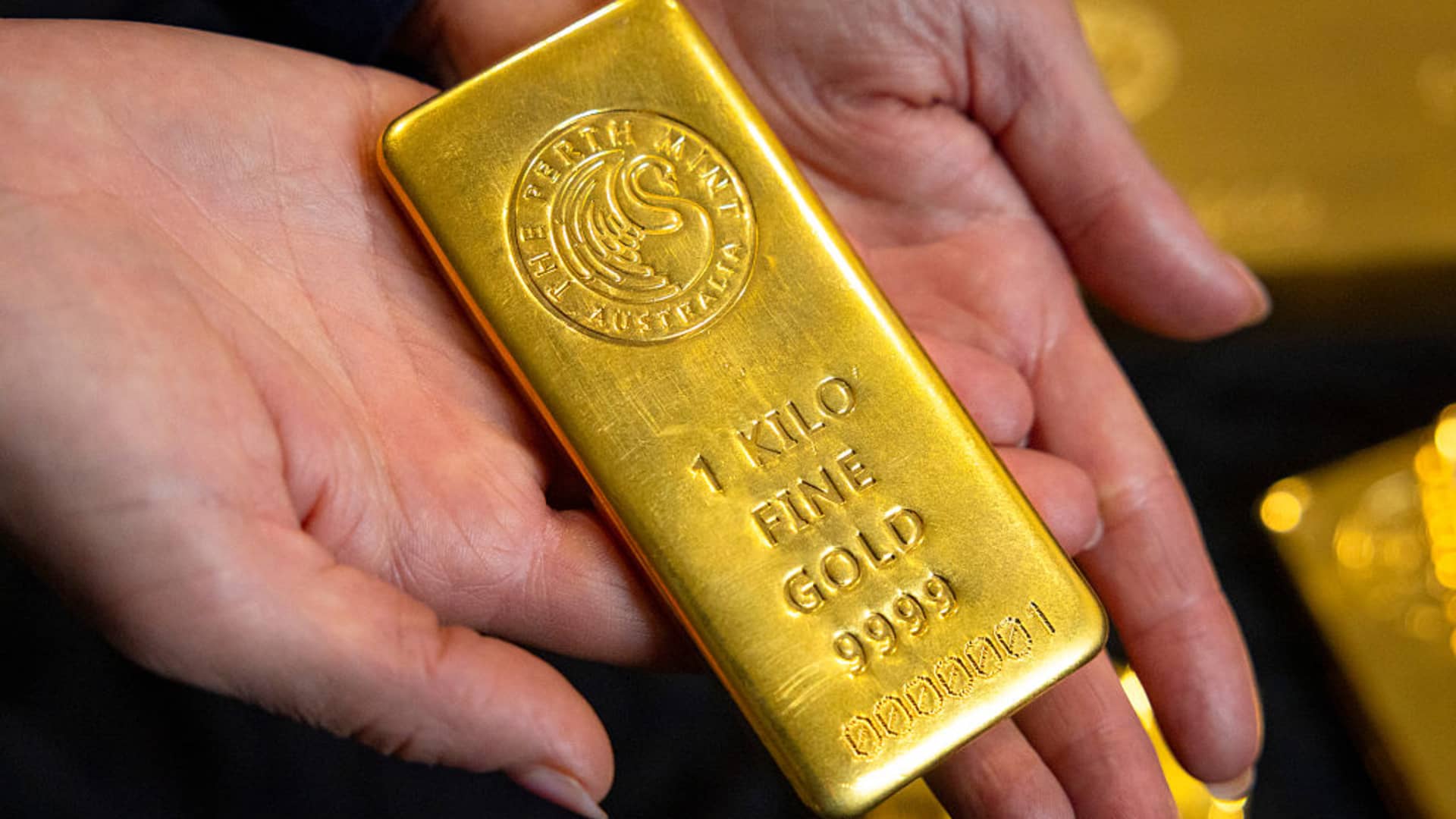
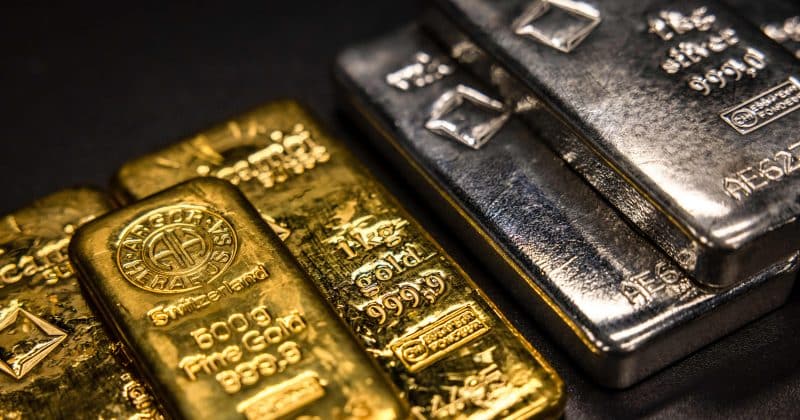
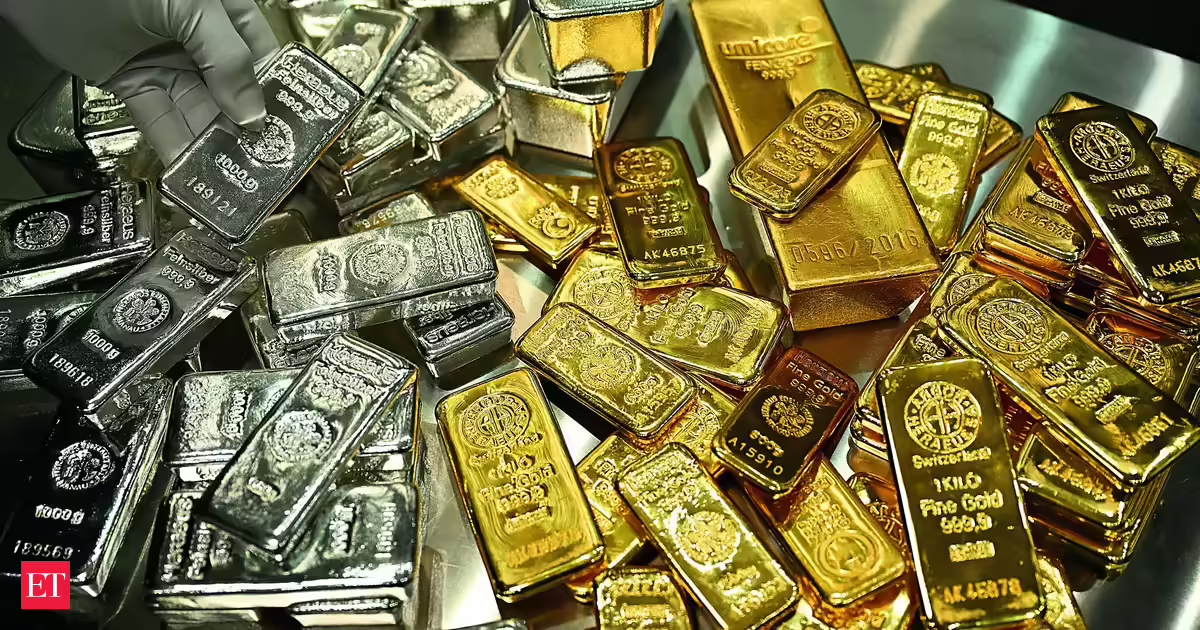
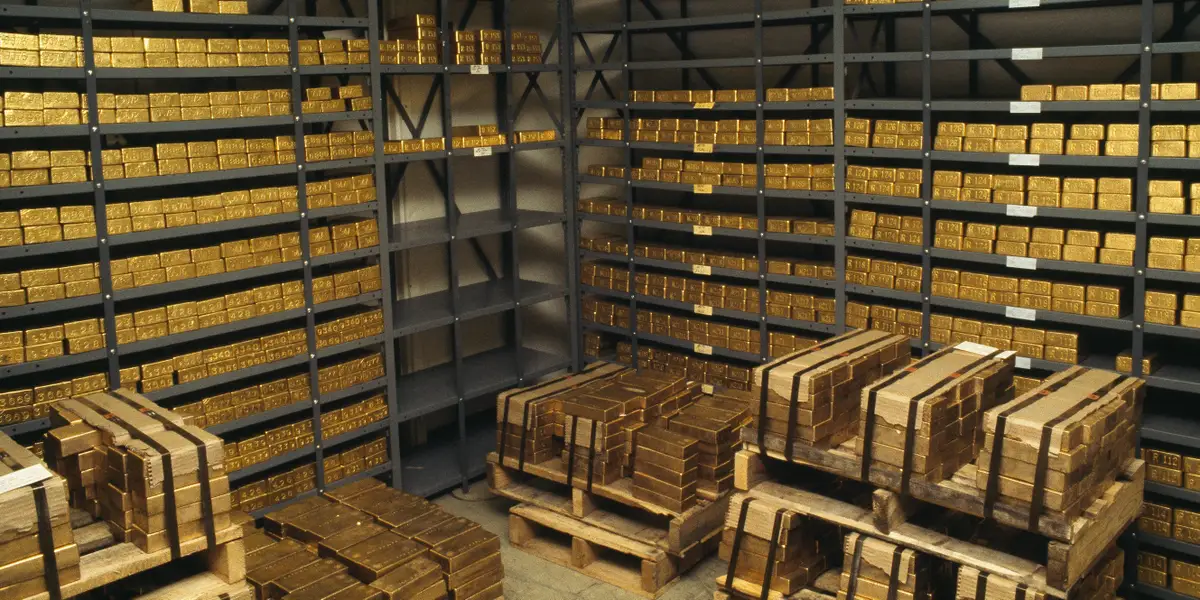
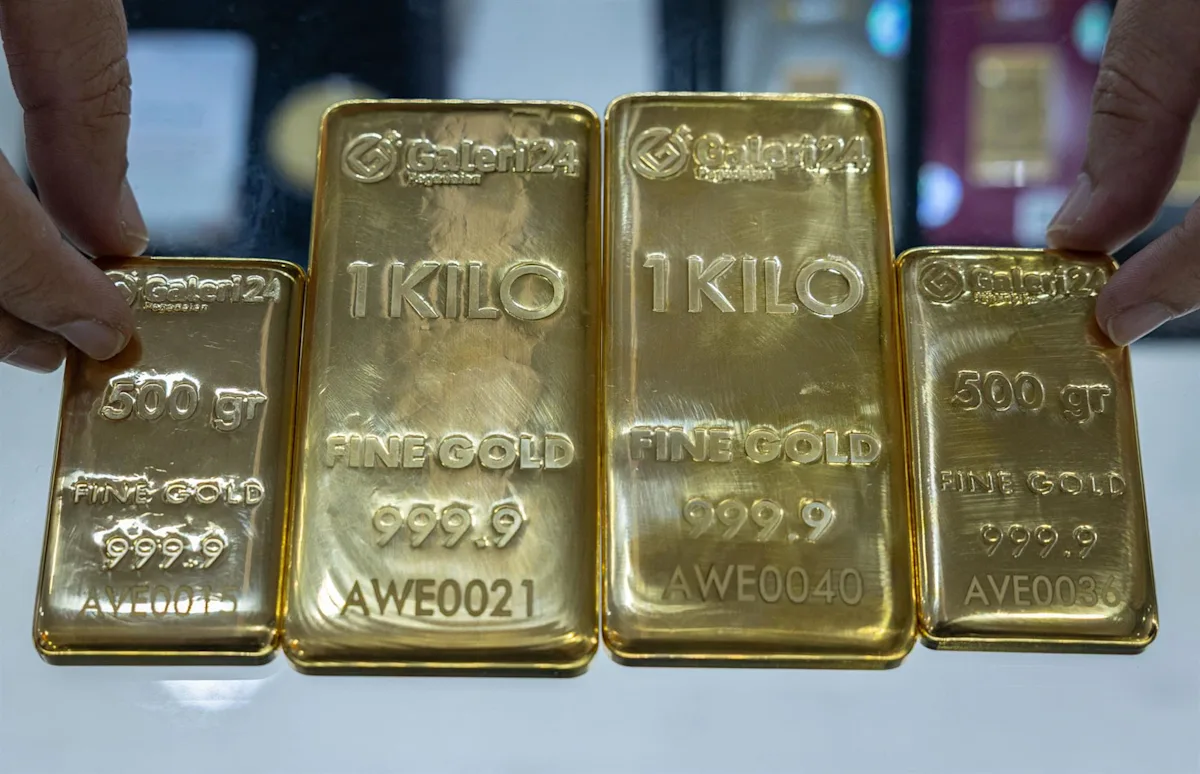
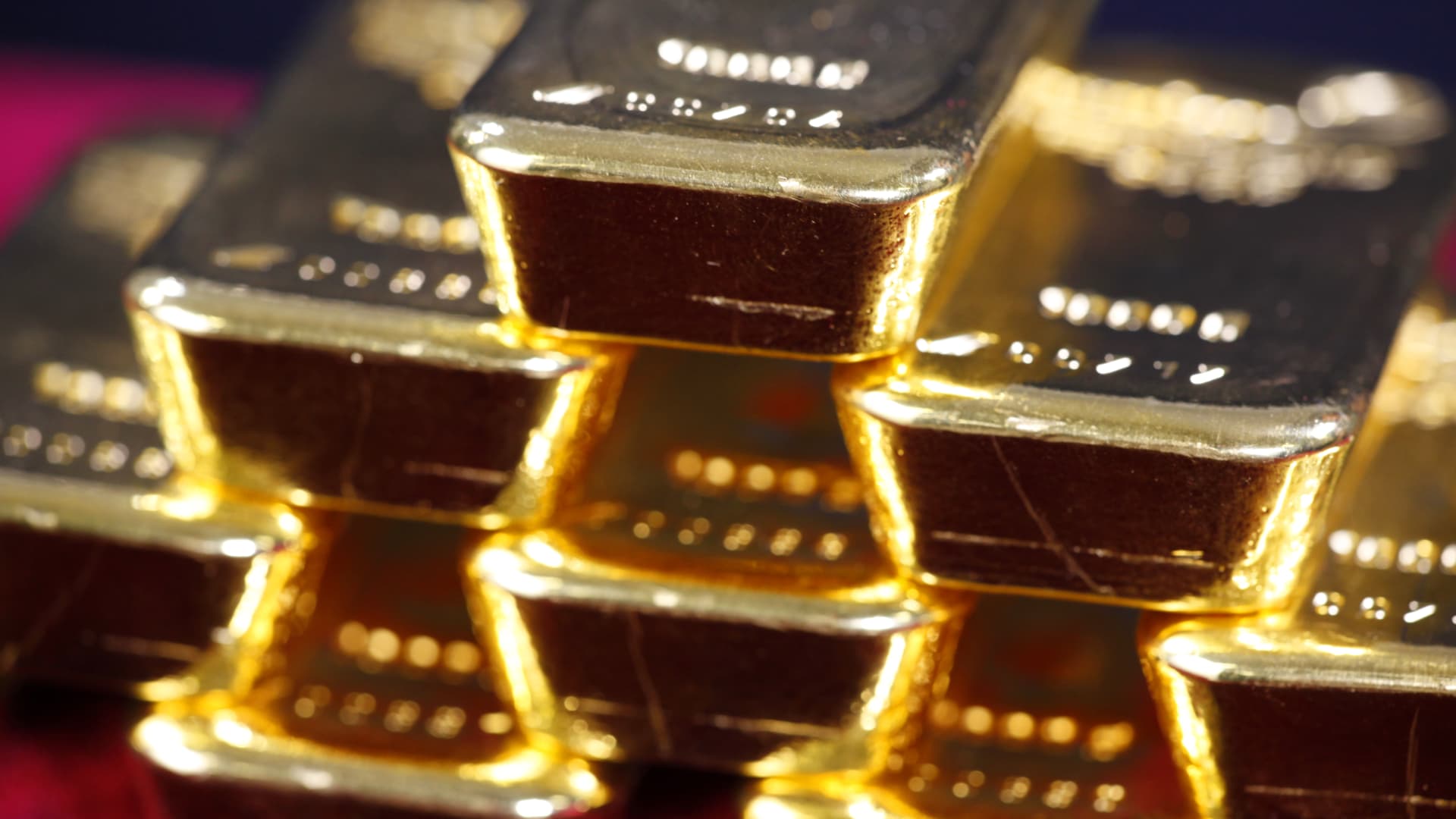
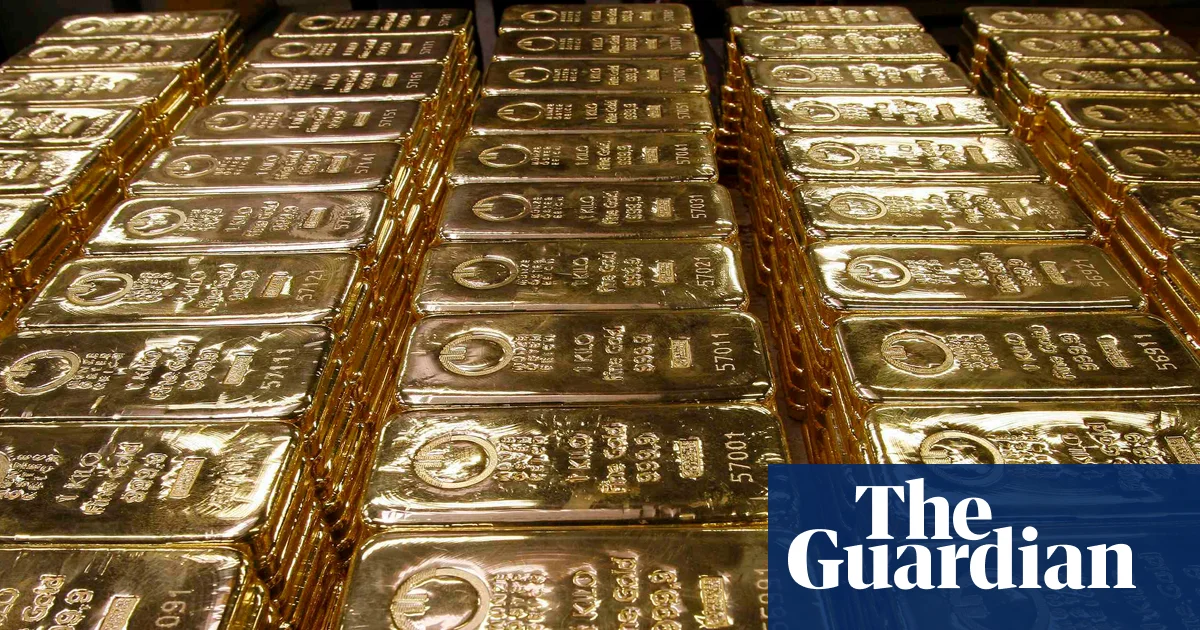
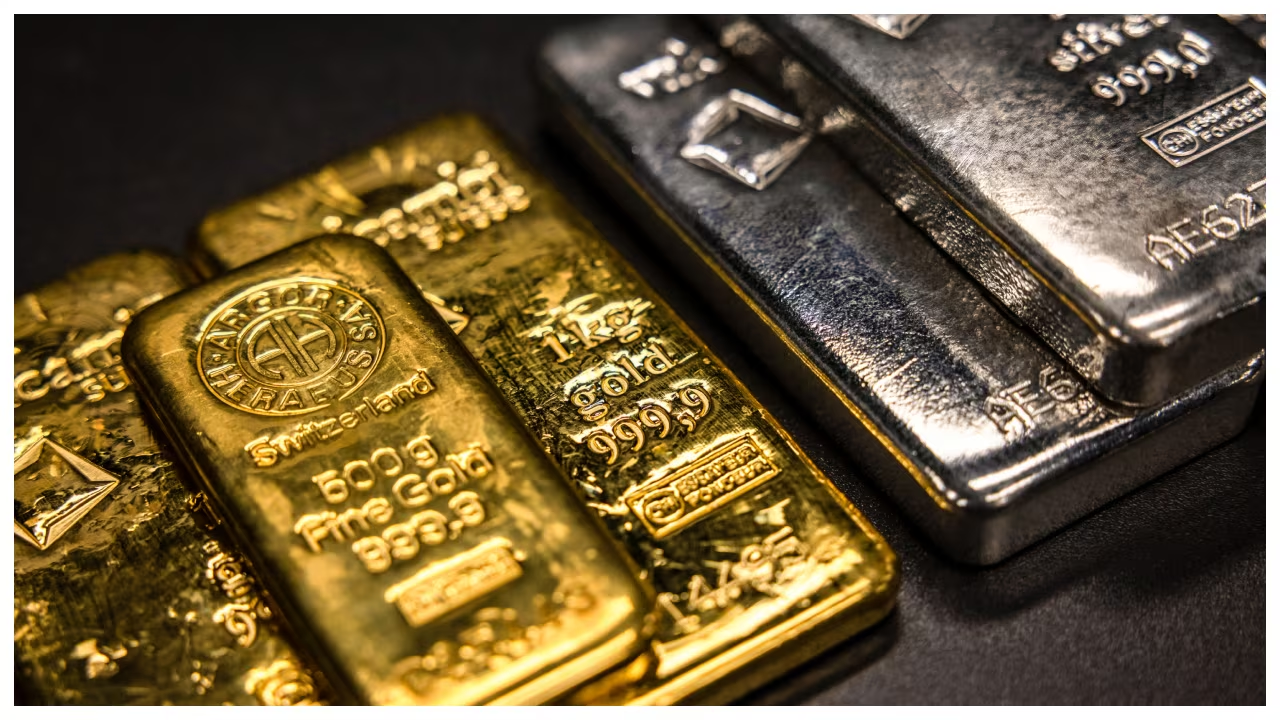
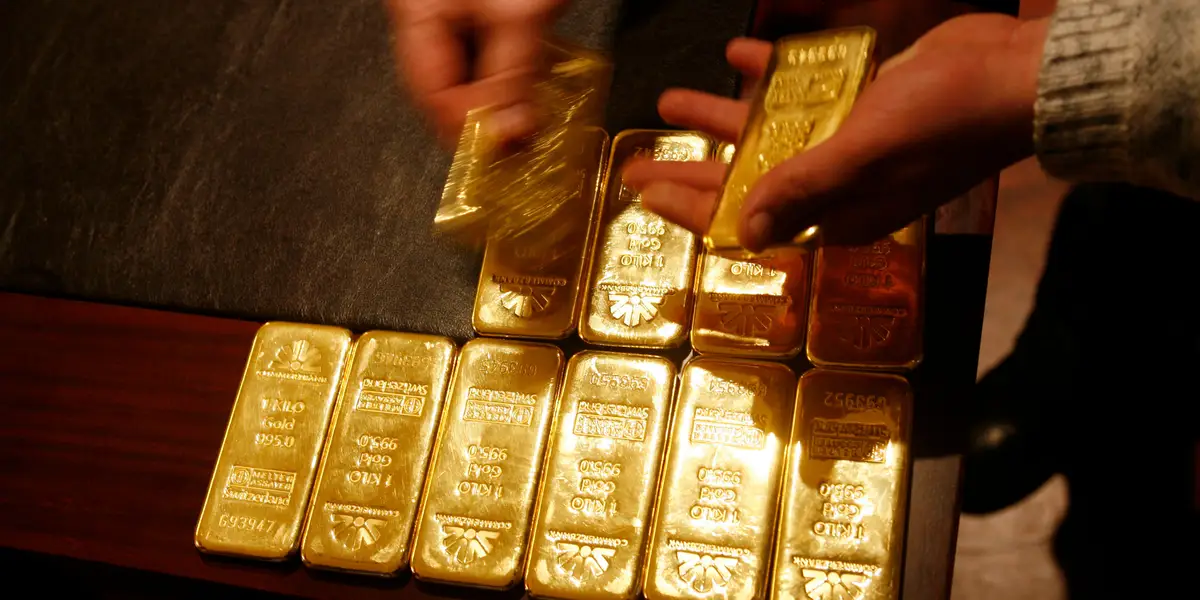
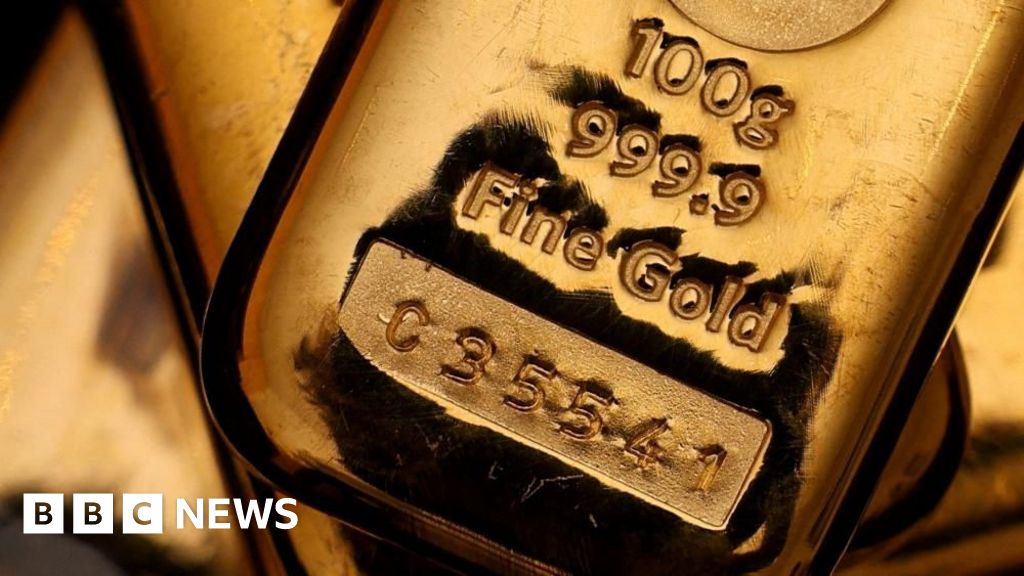
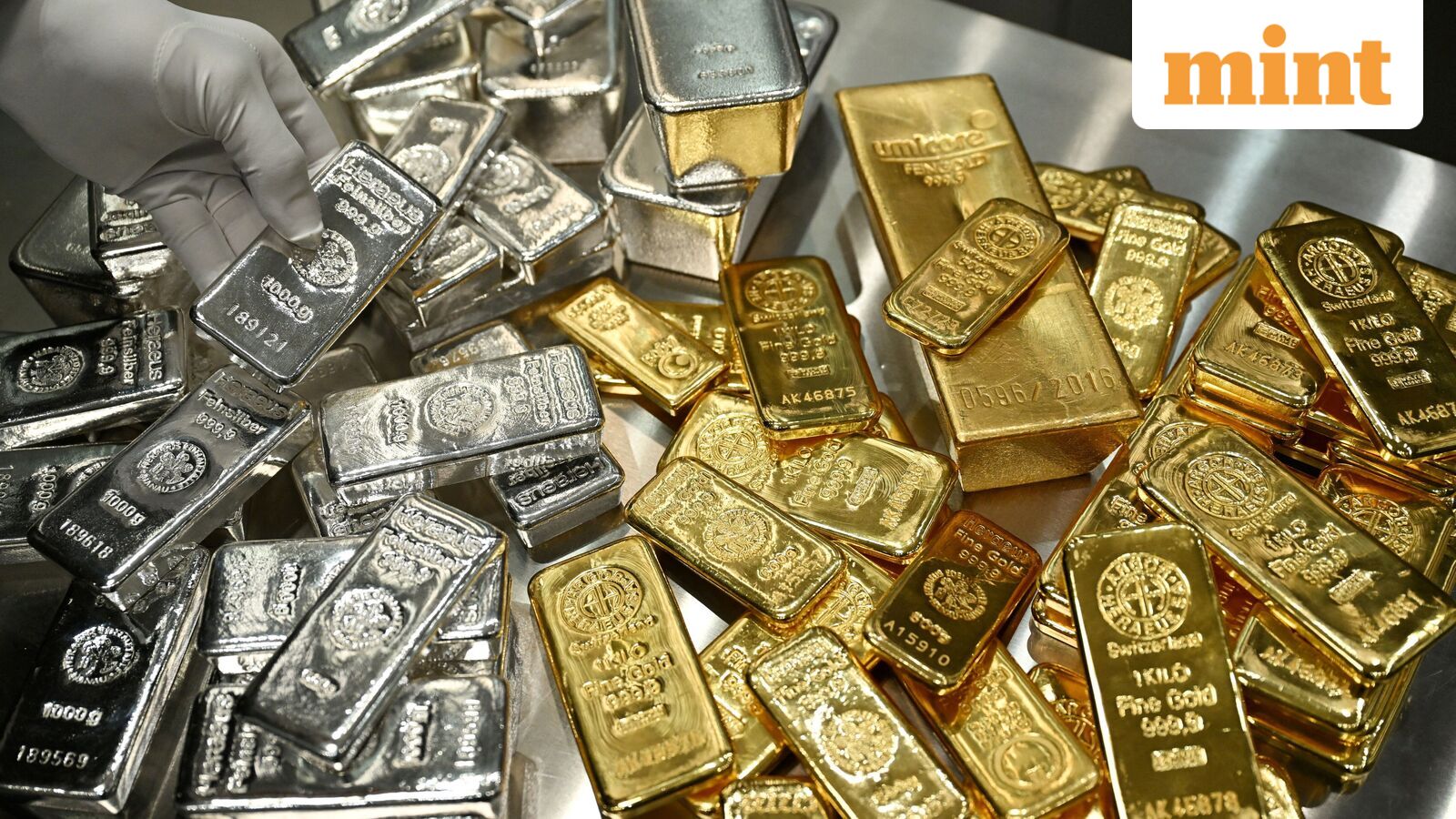
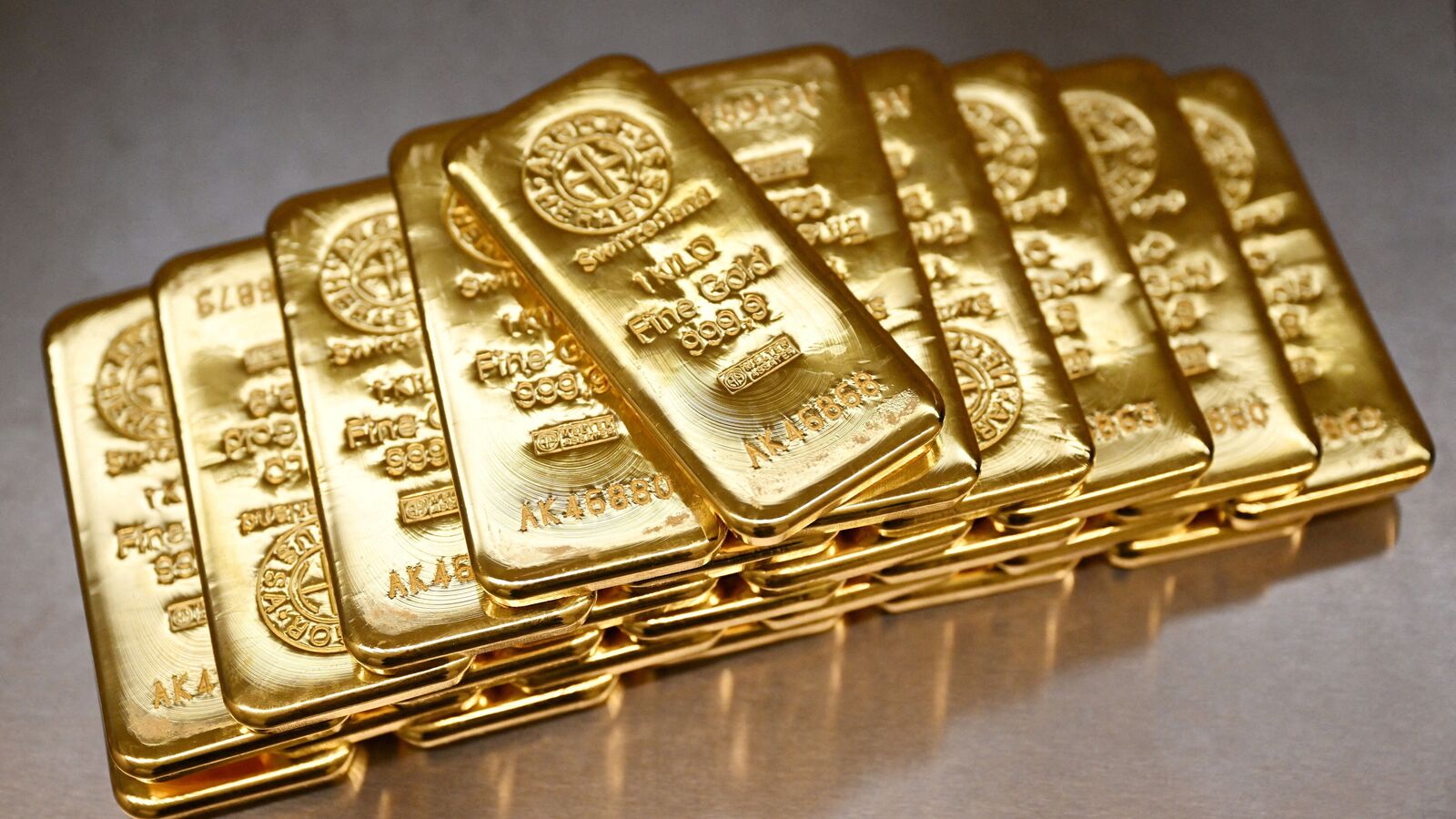
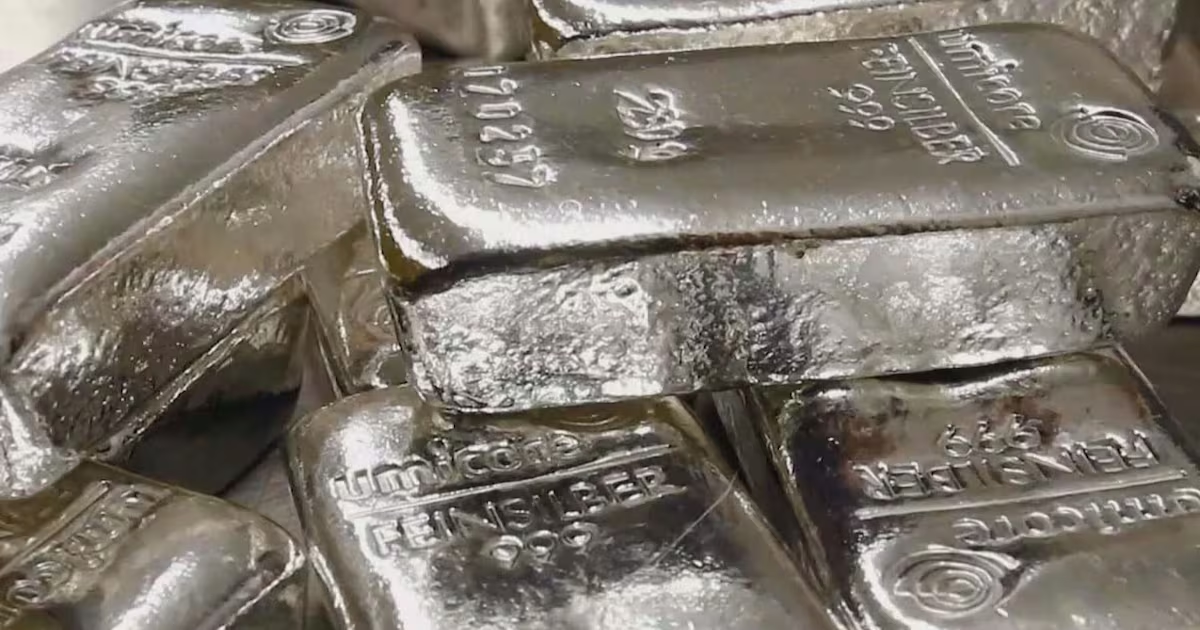
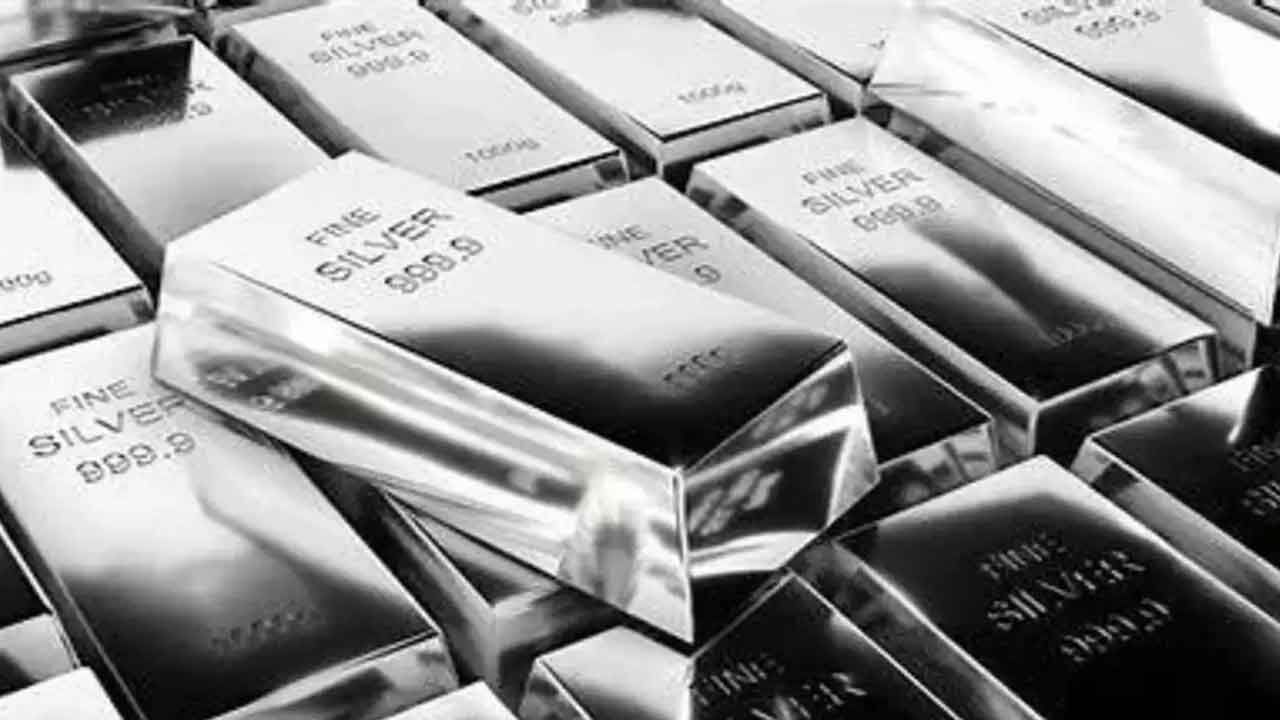
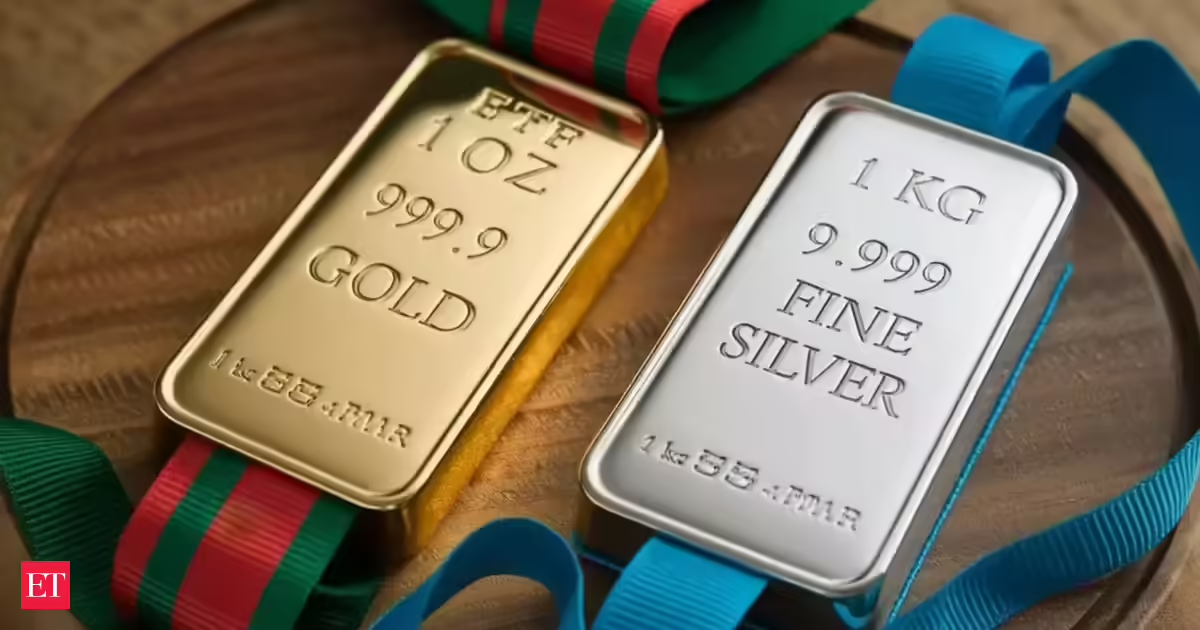
Based on the 116 tonnes of gold indicated in its end-September reserves attestation, Tether is “the largest holder of gold outside central banks”, Jefferies writes. The vault’s now “roughly equal to smaller central banks, such as Korea, Hungary, and Greece”.
More important than the size of the hoard to the gold price is the pace of recent buying:

Tether’s gold buys last quarter accounted for nearly 2 per cent of total gold demand and were equivalent to almost 12 per cent of central bank purchases, Jefferies estimates. This is incremental demand that didn’t previously exist.
Aggressive buying by Tether over the past two months “is likely to have tightened supply in the short-term and influenced sentiment, which in turn may have driven speculative flows,” Jefferies says.
It adds, citing conversations with investors, that Tether intends to buy around 100 tonnes of physical gold in 2025. Stablecoins have remained strong through crypto’s recent wobble, so with Tether hurtling towards a $15bn profit this year, the target looks easy to hit.
Tether’s enthusiasm for gold looks somewhat at odds with its product road map, however. The US Genius Act doesn’t allow stablecoin issuers to use gold as a reserve asset, so none of its bullion hoard can be put behind the Genius-compliant USAT token it plans to launch by the end of the year.
So what’s the plan? Jefferies’ team thinks Tether is betting on tokenised physical gold finally catching on.
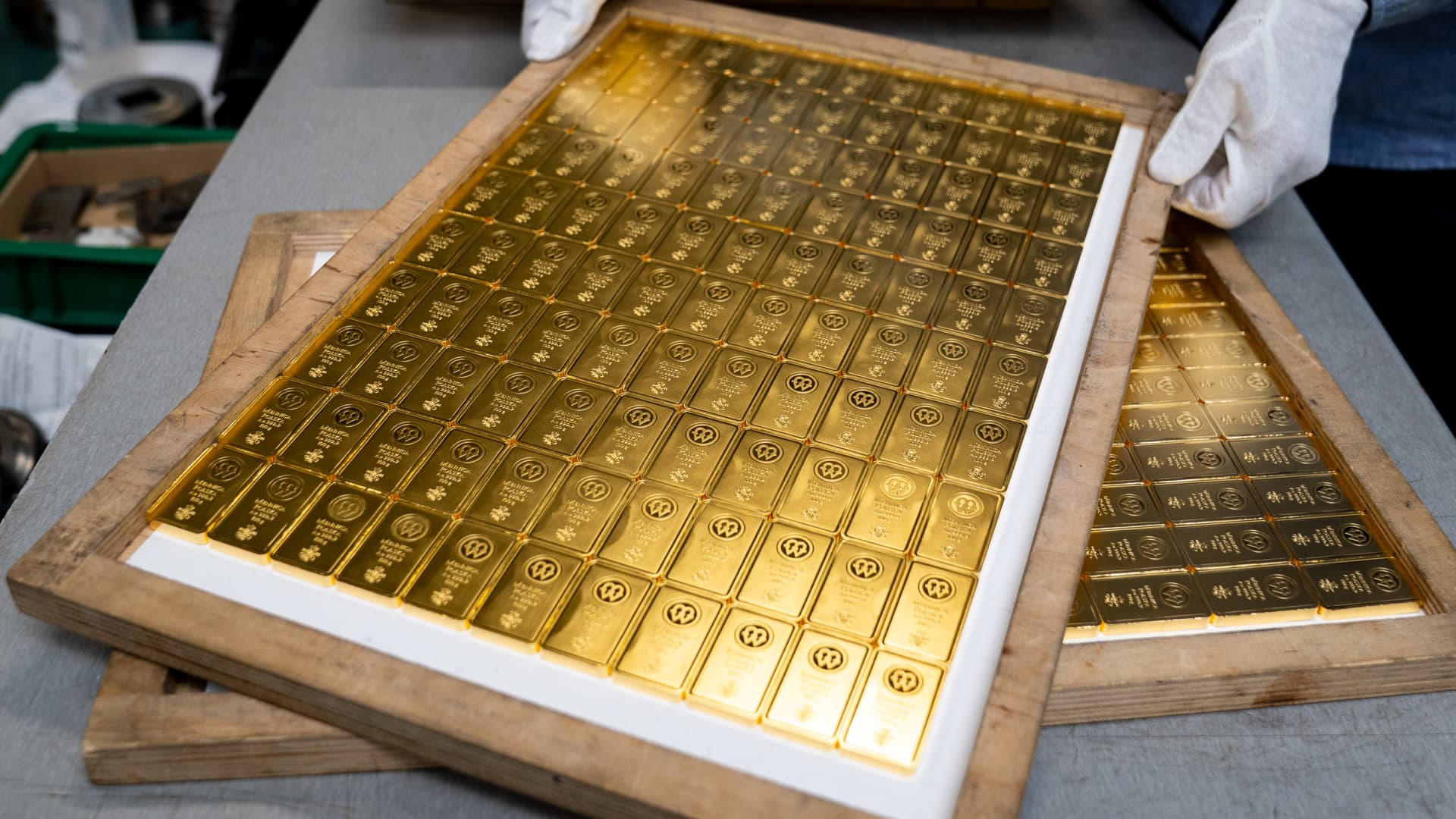
Holding physical gold is hard for most retail investors. There are insurance and storage costs, so self-custody is only really an option for apocalypse preppers. Futures offer indirect exposure but have roll costs. Gold ETFs carry relatively high management fees and impose minimum investment thresholds, with T+1 settlement adding credit risk.
Tokenisation promises a better way. Gold-backed crypto can trade 24/7 with real-time settlement, meaning no management fees, no minimum amounts in secondary trading and no maintenance costs. What’s lacking so far is demand. Tether is one of only two issuers with more than $1bn of tokenised gold on their ledgers and its launch a year ago of Alloy, a bridge token, was a quickly forgotten flop.
For now, Tether Gold is a small part of the story. Each unit, XAUt, represents one troy ounce of gold. Tokens in issue have approximately doubled over the past six months — though, in a pattern that might be familiar to watchers of the USDt stablecoin, it’s been in big lumps:

Based on the blockchain data, Tether appears to have added more than 275,000 ounces of gold worth approximately $1.1bn to XAUt’s reserves since the start of August. With lumpy issuance come market risk and potential for tracking errors, so Tether would need to be making its physical gold purchases in similarly big gulps.
Those purchases alone have probably not done much to the gold price. Amounts are tiny relative to a physical gold market that clears approximately $60bn a day, and every token issued by Tether may not require it to buy another ounce. Some XAUi might be for internal use, such as to tokenise gold reserves already sitting behind USDt stablecoin, for example.
Still, an inefficient and expensive block-trade strategy would look a lot like the chart above. Tether has never been known for doing things the easy way.
Getting USAT launched with US approval is what can kick-start Tether’s latest funding round, which appears to have stalled. Longer term, Ardoino’s a dollar doomster so his big idea may be for Tether to popularise a crypto exchange of value that’s gold-backed rather than fiat-pegged.
The easy bit’s done, pretty much. Helped along by Tether’s buying, gold’s year-to-date gain has put talk of debasement and financial repression centre stage. All that’s needed now is to convince risk-averse investors that their fears are best expressed through buying blockchain tokens from a privately owned, El Salvador-licensed crypto firm that says it has more than 100 unaudited tonnes of gold bars in an unidentified warehouse somewhere in Switzerland.